PRUITTHEALTH - GRIFFIN
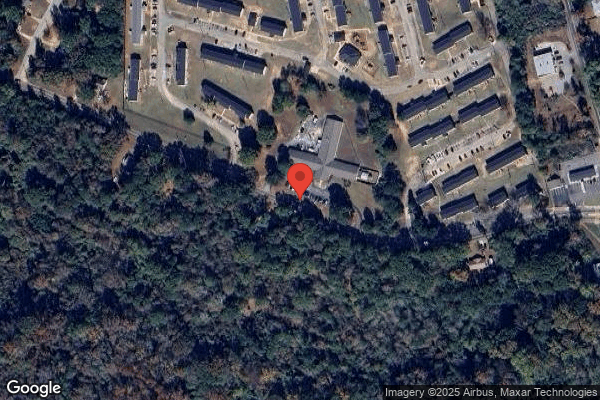

619 NORTHSIDE DRIVE, GRIFFIN, GA 30223 (770) 228-4517
For profit - Corporation 69 Beds PRUITTHEALTH Data: November 2025
Trust Grade
40/100
#314 of 353 in GA
Last Inspection: July 2025

Inspected within the last 6 months. Data reflects current conditions.

Overview

PruittHealth - Griffin has a trust grade of D, indicating below-average performance with some concerns. In Georgia, it ranks #314 out of 353 facilities, placing it in the bottom half, and #2 out of 3 in Spalding County, meaning only one local option is better. The facility is currently improving, having reduced its issues from 17 in 2024 to just 3 in 2025. Staffing is a concern, as it received a low rating of 1 out of 5 stars with a turnover rate of 44%, which is slightly better than the state average. Notably, there have been specific incidents, including the mishandling of resident funds, where 30 of 38 residents had funds misappropriated, and sanitation issues in the kitchen that could affect residents’ health. While there have been no fines reported, which is positive, the facility's overall star rating is just 1 out of 5, indicating significant room for improvement.

Trust Score
D
40/100
In Georgia
#314/353
Bottom 12%
Safety Record
Low Risk
No red flags
Inspections
Getting Better
17 → 3 violations
Staff Stability
○ Average
44% turnover. Near Georgia's 48% average. Typical for the industry.
Penalties
✓ Good
No fines on record. Clean compliance history, better than most Georgia facilities.
Skilled Nurses
⚠ Watch
Each resident gets only 17 minutes of Registered Nurse (RN) attention daily — below average for Georgia. Fewer RN minutes means fewer trained eyes watching for problems.
Violations
⚠ Watch
36 deficiencies on record. Higher than average. Multiple issues found across inspections.
★☆☆☆☆
1.0
Overall Rating
★☆☆☆☆
1.0
Staff Levels
★★★☆☆
3.0
Care Quality
★★☆☆☆
2.0
Inspection Score
Stable
2024: 17 issues
2025: 3 issues

The Good

  • Full Sprinkler Coverage · Fire safety systems throughout facility
  • No fines on record
  • Staff turnover below average (44%)

    4 points below Georgia average of 48%

Facility shows strength in fire safety.

The Bad

1-Star Overall Rating

Below Georgia average (2.6)

Significant quality concerns identified by CMS

Staff Turnover: 44%

Near Georgia avg (46%)

Typical for the industry

Chain: PRUITTHEALTH

Part of a multi-facility chain

Ask about local staffing decisions and management

The Ugly 36 deficiencies on record

Jul 2025 3 deficiencies
CONCERN (D)

Potential for Harm - no one hurt, but risky conditions existed

Resident Rights (Tag F0550)

Could have caused harm · This affected 1 resident

Based on observations, resident and staff interviews, and record review, the facility failed to maintain dignity for three of 41 sampled residents (R) (R27, R21, and R20). This deficient practice had ...

Read full inspector narrative →
Based on observations, resident and staff interviews, and record review, the facility failed to maintain dignity for three of 41 sampled residents (R) (R27, R21, and R20). This deficient practice had the potential to place R27, R21, and R20 at risk of a diminished quality of life in an environment that promotes the maintenance or enhancement of each resident's quality of life. Findings include: 1. Review of the medical record for R21 revealed diagnoses, including but not limited to, cerebrovascular disease, aphasia following cerebral infarction, hemiplegia following cerebrovascular disease affecting left dominant side, and dysphagia. Observation on 7/15/2025 at 12:15 pm, during dining room service for lunch, revealed that the Activities Director offered R21 two spoons of food while standing over her. She then walked away to assist other residents. 2. Review of the medical record for R27 revealed diagnoses, including but not limited to, cerebral infarction, hemiplegia and hemiparesis following cerebrovascular disease affecting the right dominant side, aphasia, dysphagia, and dementia. Observation on 7/16/2025 at 12:45 pm, during dining room service for lunch, revealed the Activities Director feeding R27 while standing over her. Further observation revealed that, after offering R27 three spoons of food, the Activities Director stopped to assist another resident. In an interview on 7/17/2025 at 5:20 pm, the Activities Director acknowledged she should not have stood over the residents in the dining room while assisting them with their meals, and stated she should have sat down in a chair next to the resident while assisting with the meal to preserve their dignity. 3. Review of R20’s Quarterly Minimal Data Set (MDS) assessment, dated 5/26/2025, revealed that Section M (Skin Conditions) documented that R20 had a stage 4 pressure ulcer to her right hip. Observation on 7/17/2025 at 9:43 am revealed that the Wound Care Nurse (WCN) provided wound care for R20 in the resident's room, without closing the window blinds. Further observation revealed R20’s buttocks were facing the window. In an interview on 7/17/2025 at 10:20 am, the WCN confirmed she performed wound care for R20 and did not close the window blinds. She stated she should have closed the blinds.
CONCERN (D)

Potential for Harm - no one hurt, but risky conditions existed

Respiratory Care (Tag F0695)

Could have caused harm · This affected 1 resident

**NOTE- TERMS IN BRACKETS HAVE BEEN EDITED TO PROTECT CONFIDENTIALITY** Based on observations, staff interviews, record review, and review of the facility policy titled Oxygen Administration, the faci...

Read full inspector narrative →
**NOTE- TERMS IN BRACKETS HAVE BEEN EDITED TO PROTECT CONFIDENTIALITY** Based on observations, staff interviews, record review, and review of the facility policy titled Oxygen Administration, the facility failed to regulate the oxygen flow meter to the ordered flow rate for one of seven residents (R) (R23) receiving continuous oxygen. This deficient practice had the potential to place R23 at increased risk of respiratory complications. Findings include:Review of the facility policy titled Oxygen Administration, dated 8/2/2023, revealed the Policy section stated, It is the policy of [name of corporation] to provide oxygen safely and accurately to appropriate patients/residents. The Procedure section included, .4. Regulate liter flow to ordered/desired rate.Review of the Significant Change Minimal Data Set (MDS), dated [DATE], revealed Section I (Active Diagnoses) documented diagnoses including, but not limited to, cerebrovascular disease, chronic obstructive pulmonary disease, and hypertension. Section O (Special Treatments, Procedures, and Programs) documented that R23 received oxygen therapy.Review of the care plan, dated 6/5/2025, for R23 revealed that R23 had impaired gas exchange that required the use of oxygen therapy, nebulizer treatment, suctioning as needed, and the head of the bed to be elevated due to shortness of breath while lying flat. Interventions included administering oxygen as ordered, observing oxygen precautions, and maintaining the resident's safety during oxygen administration. Review of the Physician Orders for R23 revealed an order dated 10/8/2024 for oxygen at 3 liters per minute (LPM) via nasal cannula (NC) continuous every shift.Observations on 7/15/2025 at 10:31 am and 11:20 am revealed R23 was receiving oxygen via a NC with the flow rate set at 2.5 LPM. In a concurrent observation and interview on 7/15/2025 at 11:21 am, Licensed Practical Nurse (LPN) EE stated R23's oxygen flow meter was set at 3 LPM. Observation revealed that LPN EE was standing upright to read the flow meter, and she stated that the flow meter should be read at eye level. LPN EE read the flow meter at eye level and confirmed the meter was not set to 3 LPM. Observation on 7/17/2025 at 9:29 am revealed that R23's oxygen flow meter was set above 3 LPM and the nasal cannula was only in place in one nostril. LPN EE confirmed the NC was only in one nostril and corrected the flow rate. In an interview on 7/17/2025 at 12:30 pm, the Director of Health Services (DHS) revealed that the nurse should check the oxygen concentrator every day and when they go into the room, and the expectation was that the nurse would ensure the NC was in the resident's nose and the oxygen was set at the ordered rate.
CONCERN (E)

Potential for Harm - no one hurt, but risky conditions existed

Deficiency F0761 (Tag F0761)

Could have caused harm · This affected multiple residents

Based on observation, staff interviews, record review, and review of the facility policy titled, Receipt and Storage of Solutions, Medications and Supplies, the facility failed to ensure an opened mul...

Read full inspector narrative →
Based on observation, staff interviews, record review, and review of the facility policy titled, Receipt and Storage of Solutions, Medications and Supplies, the facility failed to ensure an opened multiuse medication vial was dated when opened on one of two medication carts (Cart A). In addition, the facility failed to ensure that one of two medication carts (Cart A) was maintained in a sanitary manner. These deficient practices had the potential to place the residents at risk of receiving outdated medications and medications from an unsanitary environment. Findings include:Review of the facility policy titled, Receipt and Storage of Solutions, Medications and Supplies, reviewed 7/3/2024, revealed the Policy Statement stated, Solutions and or medications and ancillary supplies must be stored appropriately prior to administration of infusion therapy.During concurrent observation and interview on 7/16/2025 at 12:28 pm of medication Cart A, observation revealed one opened multiuse vial of lidocaine (a medication used to numb skin or tissue) without an opened date. Further observation revealed a brown substance on two of the medication cart drawers. In an interview, Licensed Practical Nurse (LPN) JJ confirmed the open vial of lidocaine was not labeled with an open date and stated she was unsure when the vial was opened or when it should be discarded. LPN JJ confirmed the brown substance on the cart drawers and stated she may have spilled a protein drink on the cart.In an interview on 7/16/2025 at 2:17 pm, the Unit Manager revealed that opened medication vials were good for 28 days, except for some insulins, and the expectation was for an opened medication vial to be labeled with an opened or discard date.In an interview on 7/16/2025 at 2:34 pm, the Pharmacy Consult revealed that he did not remember a vial of lidocaine on the cart during his rounding on 7/15/2025. He stated he was unsure how long the vial was good after opening. He further stated that his job was to evaluate the cart for any expired medications.
Oct 2024 2 deficiencies
CONCERN (F) 📢 Someone Reported This

A family member, employee, or ombudsman was alarmed enough to file a formal complaint

Potential for Harm - no one hurt, but risky conditions existed

Deficiency F0568 (Tag F0568)

Could have caused harm · This affected most or all residents

Based on interviews and record review, the facility failed to ensure money taken from the Resident Trust Account was accounted for and used for resident needs for 30 of 38 sampled residents (R) (R13, ...

Read full inspector narrative →
Based on interviews and record review, the facility failed to ensure money taken from the Resident Trust Account was accounted for and used for resident needs for 30 of 38 sampled residents (R) (R13, R14, R15, R11, R16, R17, R18, R19, R20, R21, R22, R12, R23, R24, R9, R25, R26, R27, R28, R29, R30, R31, R32, R33, R34, R4, R35, R36, R37, and R38). Findings included: A review of the Resident Statement Landscape dated 4/2/2024 and 4/23/2024 for R13 revealed a charge of $115.00 for personal items and shopping. This charge was credited back on 5/7/2024. A review of the Resident Statement Landscape dated 3/22/2024 for R14 revealed a charge of $100.00 for a personal needs item. This charge was credited back on 5/7/2024. A review of the Resident Statement Landscape dated 2/2/2024, 3/22/2024, 4/1/2024, and 4/8/2024 for R15 revealed a charge of $2521.00 for personal needs item, insurance premiums, and burial account. This charge was credited back on 5/7/2024. A review of the Resident Statement Landscape dated 2/25/2024, 2/28/2024, 3/22/2024, 3/25/2024, 4/2/2024, and 4/8/2024 for R11 revealed a charge of $1010.00 for personal needs items, shopping. This charge was credited back on 5/7/2024. A review of the Resident Statement Landscape dated 3/22/2024 and 4/2/2024 for R16 revealed a charge of $185.00 for personal needs items. This charge was credited back on 5/7/2024. A review of the Resident Statement Landscape dated 10/23/2024 for R36 revealed a charge of $1812.52 for personal needs items. This charge was credited back on 5/7/2024. A review of the Resident Statement Landscape dated 2/5/2024, 2/28/2024, 3/22/2024, and 4/2/2024 for R18 revealed a charge of $868.96 for personal needs items. This charge was credited back on 5/7/2024. A review of the Resident Statement Landscape dated 2/5/2024, 3/22/2024, 4/2/2024, 4/8/2024, and 4/8/2024 for R19 revealed a charge of $1047.73 for personal needs items, shopping, burial accounts. This charge was credited back on 5/7/2024. A review of the Resident Statement Landscape dated 2/28/2024, 3/22/2024, and 4/2/2024 for R20 revealed a charge of 943.00 for personal needs items. This charge was credited back on 5/7/2024. A review of the Resident Statement Landscape dated 2/5/2024, 4/2/2024, and 4/8/2024 for R21 revealed a charge of $285.00 for personal needs items, burial account. This charge was credited back on 5/7/2024. A review of the Resident Statement Landscape dated 1/29/2024 for R37 revealed a charge of $280.04. This charge was credited back on 5/7/2024. A review of the Resident Statement Landscape dated 3/22/2024, 4/2/2024, and 4/8/2024 for R22 revealed a charge of $555.00 for personal needs items, burial accounts. This charge was credited back on 5/7/2024. A review of the Resident Statement Landscape dated 2/2/2024, 2/12/2024, and 3/5/2024 for R12 revealed a charge of $85.00 for personal needs items. This charge was credited back on 5/7/2024. A review of the Resident Statement Landscape dated 2/2/2024, 3/13/2024, 4/1/2024, 4/8/2024, 4/12/2024, and 4/22/2024 for R23 revealed a charge of $198.00 for personal needs items, shopping. This charge was credited back on 5/7/2024. A review of the Resident Statement Landscape dated 3/22/2024 and 4/8/2024 for R24 revealed a charge of $600.00 for personal needs items, burial account. This charge was credited back on 5/7/2024. A review of the Resident Statement Landscape dated 2/21/2024, 3/13/2024, 3/20/2024, 3/29/2024, 4/12/2024, and 4/24/2024 for R9 revealed a charge of $205.00 for personal needs items. This charge was credited back on 5/7/2024. A review of the Resident Statement Landscape dated 2/5/2024, 4/2/2024, and 4/8/2024 for R25 revealed a charge of $806.00 for personal needs items. This charge was credited back on 5/7/2024. A review of the Resident Statement Landscape dated 4/8/2024 and 4/8/2024 for R26 revealed a charge of $685.00 for personal needs items, burial account. This charge was credited back on 5/7/2024. A review of the Resident Statement Landscape dated 4/2/2024 for R27 revealed a charge of $85.00 for personal needed items. This charge was credited back on 5/7/2024. A review of the Resident Statement Landscape dated 4/8/2024 R28 revealed a charge of $40.00 for shopping. This charge was credited back on 5/7/2024. A review of the Resident Statement Landscape dated 2/2/2024, 2/21/2024, and 2/28/2024 for R38 revealed a charge of $150.00 for personal needs items. This charge was credited back on 5/7/2024. A review of the Resident Statement Landscape dated 4/2/2024 for R29 revealed a charge of $85.00 for personal needs items. This charge was credited back on 5/7/2024. A review of the Resident Statement Landscape dated 4/2/2024 for R30 revealed a charge of $85.00 for personal needs items. This charge was credited back on 5/7/2024. A review of the Resident Statement Landscape dated 2/28/2024 and 4/2/2024 for R31 revealed a charge of $385.00 for personal needs items. This charge was credited back on 5/7/2024. A review of the Resident Statement Landscape dated 2/5/2024, 4/2/2024, and 4/8/2024 for R32 revealed a charge of $1276.20 for personal needs items, burial. This charge was credited back on 5/7/2024. A review of the Resident Statement Landscape dated 2/5/2024, 4/2/2024, and 4/8/2024 for R33 revealed a charge of $611.56 for personal needs items, burial accounts. This charge was credited back on 5/7/2024. A review of the Resident Statement Landscape dated 4/23/2024 for R34 revealed a charge of $1200.00 for a burial account. This charge was credited back on 5/7/2024. A review of the Resident Statement Landscape dated 3/22/2024 and 4/8/2024 for R4 revealed a charge of $320.00 for personal needs items. This charge was credited back on 5/7/2024. A review of the Resident Statement Landscape dated 3/7/2024 and 3/25/2024 for R35 revealed a charge of $7095.55 for insurance premiums. This charge was credited back on 5/7/2024. A review of facility records revealed no evidence showing what the monies taken from the resident trust for R13, R14, R15, R11, R16, R17, R18, R19, R20, R21, R22, R12, R23, R24, R9, R25, R26, R27, R28, R29, R30, R31, R32, R33, R34, R4, R35, R36, R37, and R38 was spent on. The facility's response upon knowledge of the alleged misappropriation of resident funds by the FC included: 1. Audit conducted by the Director of Financial Audits on all residents for potential misappropriation of resident funds. 2. State reportable submitted on 4/24/2024. 3. Local Law enforcement notified on 4/24/2024 4. Abuse and misappropriation education for all staff on 4/24/2024 and 8/6/2024. 5. Financial Counselor (FC) terminated on 4/29/2024 6. Responsible parties and/or residents for R13, R14, R15, R11, R16, R17, R18, R19, R20, R21, R22, R12, R23, R24, R9, R25, R26, R27, R28, R29, R30, R31, R32, R33, R34, R4, R35, R36, R37, and R38 were notified of the incident on 4/29/2024. 7. Refunds to resident trust and/or responsible party for R13, R14, R15, R11, R16, R17, R18, R19, R20, R21, R22, R12, R23, R24, R9, R25, R26, R27, R28, R29, R30, R31, R32, R33, R34, R4, R35, R36, R37, and R38 on 5/6/2024. 8. Monthly audits by the Administrator of the resident funds with the Business office Manager (BOM) beginning 5/1/2024. 9. Quality Assurance Performance Improvement (QAPI) held on 4/26/2024 to discuss misappropriation of resident funds. A review of the former FC employee file revealed an employment date of 12/18/2023 and a termination effective date of 4/29/2024. During an interview on 10/3/2024 at 3:00 pm, the Facility Director revealed that the director of audits from the facility corporate office conducted a financial audit in the facility in April 2024 and noticed a discrepancy in the resident trust funds accounts. He stated that a thorough investigation was conducted, and it was found that the Financial Counselor (FC) misappropriated the resident's funds. He said when the FC was confronted, she alleged that the money was given to the residents and their families. He revealed that cognitive residents and residents' family members were interviewed and all stated that they never collected or asked for any money from the FC. He confirmed that the FC began working at the facility on 12/18/2023 and was terminated on 4/29/2024. A review of the Investigative Supplement Report by Law Enforcement revealed that after reviewing all the documents and checks, it was determined that there were no receipts and no evidence that the money had been withdrawn by resident or family requests, and a warrant for FC arrest was obtained. Cross Reference F602
CONCERN (F) 📢 Someone Reported This

A family member, employee, or ombudsman was alarmed enough to file a formal complaint

Potential for Harm - no one hurt, but risky conditions existed

Deficiency F0602 (Tag F0602)

Could have caused harm · This affected most or all residents

**NOTE- TERMS IN BRACKETS HAVE BEEN EDITED TO PROTECT CONFIDENTIALITY** Based on interviews, record review, and review of the facility policy titled Abuse, Neglect, and Exploitation, Mistreatment and ...

Read full inspector narrative →
**NOTE- TERMS IN BRACKETS HAVE BEEN EDITED TO PROTECT CONFIDENTIALITY** Based on interviews, record review, and review of the facility policy titled Abuse, Neglect, and Exploitation, Mistreatment and Misappropriation of property, the facility failed to prevent misappropriation of residents funds for thirty of thirty-eight sampled residents (R) (R13, R14, R15, R11, R16, R17, R18, R19, R20, R21, R22, R12, R23, R24, R9, R25, R26, R27, R28, R29, R30, R31, R32, R33, R34, R4, R35, R36, R37, and R38). This failure had the potential to affect 30 to 45 residents whose funds were managed by the facility. Findings included: A review of a facility policy titled, Abuse, Neglect, and Exploitation, Mistreatment and Misappropriation of property, with the reviewed date of 01/11/2024, revealed that Misappropriation of Resident's property means the deliberate misplacement, exploitation, or wrongful, temporary or permanent, use of a patient's belongings or money without the patient's consent. The facility's response upon knowledge of the alleged misappropriation of resident funds by the FC included: 1. Audit conducted by the Director of Financial Audits on all residents for potential misappropriation of resident funds. 2. State reportable submitted on 4/24/2024. 3. Local Law enforcement notified on 4/24/2024. 4. Abuse and misappropriation education for all staff on 4/24/2024 and 8/6/2024. 5. Financial Counselor (FC) terminated on 4/29/2024. 6. Responsible parties and/or residents for R13, R14, R15, R11, R16, R17, R18, R19, R20, R21, R22, R12, R23, R24, R9, R25, R26, R27, R28, R29, R30, R31, R32, R33, R34, R4, R35, R36, R37, and R38 were notified of the incident on 4/29/2024. 7. Refunds to resident trust and/or responsible party for R13, R14, R15, R11, R16, R17, R18, R19, R20, R21, R22, R12, R23, R24, R9, R25, R26, R27, R28, R29, R30, R31, R32, R33, R34, R4, R35, R36, R37, and R38 on 5/6/2024. 8. Monthly audits by the Administrator of the resident funds with the Business office Manager (BOM) beginning 5/1/2024. 9. Quality Assurance Performance Improvement (QAPI) held on 4/26/2024 to discuss misappropriation of resident funds. A review of the Electronic Medical Record (EMR) revealed that R13 was admitted to the facility on [DATE] with multiple diagnoses of, but not limited to, heart failure, type 2 diabetes mellitus without complications, anemia, vitamin b12 deficiency, dysphagia, gastroesophageal reflux, and pain disorder with related psychological factors. A review of the most current comprehensive Minimum Data Set (MDS) assessment revealed that R13 presented with a Brief Interview for Mental Status (BIMS) score of eight, indicating that R13 had moderate cognitive impairment. A review of the EMR revealed that R14 was admitted to the facility on [DATE] with multiple diagnoses of, but not limited to, acute respiratory failure with hypoxia, severe sepsis with septic shock, acute cystitis without hematuria, muscle weakness (generalized), chronic obstructive pulmonary disease, cerebral infarction due to occlusion or stenosis of small artery, dementia without behavioral disturbance, psychotic disturbance, mood disturbance, anxiety, and depression. A review of the most current comprehensive MDS assessment revealed that R14 presented with a BIMS score of 12, indicating that R14 had moderate cognitive impairment. A review of the EMR revealed that R15 was admitted to the facility on [DATE] with multiple diagnoses of, but not limited to, senile degeneration of brain, dementia, severity, psychotic disturbance, mood disturbance, anxiety, chronic kidney disease, stage 3, cerebral infarction, benign prostatic hyperplasia with lower urinary tract symptoms, and major depressive disorder. A review of the most current comprehensive MDS assessment revealed that R15 presented with a BIMS score of five, indicating that R15 had severe cognitive impairment. A review of the EMR revealed that R11 was admitted to the facility on [DATE] with multiple diagnoses of, but not limited to, chronic obstructive pulmonary disease with (acute) exacerbation, chronic obstructive pulmonary disease, acute and chronic respiratory failure with hypercapnia, pneumonia, chronic pain, shortness of breath, tachycardia, muscle weakness (generalized), and anxiety disorder. A review of the most current comprehensive MDS assessment revealed that R11 presented with a BIMS score of 12, indicating that R11 had moderate cognitive impairment. A review of the EMR revealed that R16 was admitted to the facility on [DATE] with multiple diagnoses of, but not limited to, pulmonary embolism without acute cor pulmonale, encephalopathy, dysarthria following cerebrovascular disease, malignant neoplasm of colon, malignant neoplasm of unspecified ovary, cardiomyopathy, acute kidney failure, and chronic pain. A review of the most current comprehensive MDS assessment revealed that R16 presented with a BIMS score of 00, indicating that R16 had severe cognitive impairment. A review of the EMR revealed that R17 was admitted to the facility on [DATE] with multiple diagnoses of, but not limited to, sequelae following cerebrovascular disease, traumatic hemorrhage of cerebrum, aphasia following other cerebrovascular disease, schizoaffective disorder, major depressive disorder, and personal history of traumatic brain injury. A review of the most current comprehensive MDS assessment revealed that R17 presented with a BIMS score of 00, indicating that R17 had severe cognitive impairment. A review of the EMR revealed that R18 was admitted to the facility on [DATE] with multiple diagnoses of, but not limited to, acute on chronic systolic (congestive) heart failure, acute respiratory failure with hypoxia, cardiomyopathy, dementia, psychotic disturbance, mood disturbance, anxiety, sequelae of cerebral infarction, benign prostatic hyperplasia without lower urinary tract symptoms, acute kidney failure, and muscle weakness (generalized). A review of the most current comprehensive MDS assessment revealed that R18 presented with a BIMS score of five, indicating that R18 had severe cognitive impairment. A review of the EMR revealed that R19 was admitted to the facility on [DATE] with multiple diagnoses of, but not limited to, vascular dementia, psychotic disturbance, mood disturbance, major depressive disorder, optic atrophy, bilateral, changes in retinal vascular appearance, bilateral, and anxiety disorder. A review of the most current comprehensive MDS assessment revealed that R19 presented with a BIMS score of three, indicating that R19 had severe cognitive impairment. A review of the EMR revealed that R20 was admitted to the facility on [DATE] with multiple diagnoses of, but not limited to, cerebral infarction, hemiplegia and hemiparesis following cerebral infarction affecting right dominant side, atherosclerotic heart disease of native coronary artery without angina pectoris, chronic kidney disease, stage 3, dysphagia, and oropharyngeal phase. A review of the most current comprehensive MDS assessment revealed that R20 presented with a BIMS score of seven, indicating that R20 had severe cognitive impairment. A review of the EMR revealed that R21 was admitted to the facility on [DATE] with multiple diagnoses of, but not limited to, cerebral infarction, acute respiratory distress syndrome, pain disorder with related psychological factors, changes in retinal vascular appearance, bilateral, abdominal aortic aneurysm, without rupture, and dysphagia following cerebral infarction. A review of the most current comprehensive MDS assessment revealed that R21 presented with a BIMS score of six, indicating that R21 had severe cognitive impairment. A review of the EMR revealed that R22 was admitted to the facility on [DATE] with multiple diagnoses of, but not limited to, cerebrovascular disease, atrial fibrillation, cardiomyopathy, aphasia following cerebral infarction, hemiplegia and hemiparesis following unspecified cerebrovascular disease affecting left dominant side, and major depressive disorder. A review of the most current comprehensive MDS assessment revealed that R22 presented with a BIMS score of 00, indicating that R22 had severe cognitive impairment. A review of the EMR revealed that R12 was admitted to the facility on [DATE] with multiple diagnoses of, but not limited to, type 2 diabetes mellitus with hyperglycemia, heart failure, morbid (severe) obesity due to excess calories, personal history of traumatic brain injury, anxiety disorder, mood disorder due to known physiological condition with major depressive-like episode, intermittent explosive disorder, blindness right eye category 5, blindness left eye category 5, legal blindness, and chronic kidney disease. A review of the most current comprehensive MDS assessment revealed that R12 presented with a BIMS score of 13, indicating that R12 was cognitively intact. A review of the EMR revealed that R23 was admitted to the facility on [DATE] with multiple diagnoses of, but not limited to, cerebrovascular disease, chronic obstructive pulmonary disease, dementia, psychotic disturbance, mood disturbance, anxiety, hemiplegia and hemiparesis following cerebral infarction affecting left non-dominant side, major depressive disorder, anxiety disorder, chronic kidney disease, and encounter for prophylactic measures. A review of the most current comprehensive MDS assessment revealed that R23 presented with a BIMS score of five, indicating that R23 had had severe cognitive impairment. A review of the EMR revealed that R24 was admitted to the facility on [DATE] with multiple diagnoses of, but not limited to, cerebrovascular disease, hemiplegia and hemiparesis, contracture of muscle, vascular dementia, psychotic disturbance, mood disturbance, anxiety, convulsions, major depressive disorder, single episode, and pain disorder exclusively related to psychological factors. A review of the most current comprehensive MDS assessment revealed that R24 presented with a BIMS score of three, indicating that R24 had severe cognitive impairment. A review of the EMR revealed that R9 was admitted to the facility on [DATE] with multiple diagnoses of, but not limited to, cerebral infarction, hemiplegia and hemiparesis following cerebral infarction affecting left dominant side, bulbous urethral stricture, male, pain disorder with related psychological factors, contracture of muscle, left lower leg, and muscle weakness (generalized). A review of the most current comprehensive MDS assessment revealed that R9 presented with a BIMS score of four, indicating that R9 had severe cognitive impairment. A review of the EMR revealed that R25 was admitted to the facility on [DATE] with multiple diagnoses of, but not limited to, cerebral infarction, sequelae following unspecified cerebrovascular disease, dementia with behavioral disturbance, major depressive disorder, Schizophrenia, and personal history of malignant neoplasm of prostate. A review of the most current comprehensive MDS assessment revealed that R25 presented with a BIMS score of nine, indicating that R25 had moderate cognitive impairment. A review of the EMR revealed that R26 was admitted to the facility on [DATE]with multiple diagnoses of, but not limited to, systolic (congestive) heart failure, acute embolism and thrombosis of unspecified deep veins of unspecified lower extremity, benign paroxysmal vertigo, peripheral vascular disease, encounter for prophylactic measures, chronic kidney disease, stage 3, and muscle weakness (generalized). A review of the most current comprehensive MDS assessment revealed that R26 presented with a BIMS score of 00, indicating that R26 had severe cognitive impairment. A review of the EMR revealed that R27 was admitted to the facility on [DATE] with multiple diagnoses of, but not limited to, cerebrovascular disease, convulsions, aphasia following cerebral infarction, hemiplegia and hemiparesis following unspecified cerebrovascular disease, vascular dementia, psychotic disturbance, mood disturbance, anxiety, and chronic pain. A review of the most current comprehensive MDS assessment revealed that R27 presented with a BIMS score of 00, indicating that R27 had severe cognitive impairment. A review of the EMR revealed that R28 was admitted to the facility on [DATE] with multiple diagnoses of, but not limited to, heart failure, disorder with seizures or convulsions, moderate intellectual disabilities, epilepsy without status epilepticus, anxiety disorder, Schizophrenia, osteoarthritis of knee, generalized idiopathic epilepsy and epileptic syndromes, and muscle weakness (generalized). A review of the most current comprehensive MDS assessment revealed that R28 presented with a BIMS score of eight, indicating that R28 had moderate cognitive impairment. A review of the EMR revealed that R29 was admitted to the facility on [DATE] with multiple diagnoses of, but not limited to, end stage renal disease, hemiplegia and hemiparesis following unspecified cerebrovascular disease affecting unspecified side, muscle weakness (generalized), depression, dependence on renal dialysis, type 2 diabetes mellitus with unspecified diabetic retinopathy with macular edema, dysphagia, and oral phase. A review of the most current comprehensive MDS assessment revealed that R29 presented with a BIMS score of 00, indicating that R29 had had severe cognitive impairment. A review of the EMR revealed that R30 was admitted to the facility on [DATE] with multiple diagnoses of, but not limited to, dementia with other behavioral disturbance, dysphagia, oral phase, type 2 diabetes mellitus without complications, chronic kidney disease, stage 3, muscle weakness (generalized), acute on chronic diastolic (congestive) heart failure, pain disorder with related psychological factors, psychotic disorder with delusions due to known physiological condition, and chronic pain. A review of the most current comprehensive MDS assessment revealed that R30 presented with a BIMS score of three, indicating that R30 had severe cognitive impairment. A review of the EMR revealed that R31 was admitted to the facility on [DATE] with multiple diagnoses of, but not limited to, cerebrovascular disease, heart failure, hemiplegia and hemiparesis following unspecified cerebrovascular disease affecting unspecified side, seizures, major depressive disorder, chronic pain syndrome, and contracture of muscle left lower leg. A review of the most current comprehensive MDS assessment revealed that R31 presented with a BIMS score of six, indicating that R31 had severe cognitive impairment. A review of the EMR revealed that R32 was admitted to the facility on [DATE] with multiple diagnoses of, but not limited to, dementia, psychotic disturbance, mood disturbance, anxiety, cerebrovascular disease, aphasia following cerebral infarction, major depressive disorder, single episode, and major depressive disorder. A review of the most current comprehensive MDS assessment revealed that R32 presented with a BIMS score of 3, indicating that R32 had severe cognitive impairment. A review of the EMR revealed that R33 was admitted to the facility on [DATE] with multiple diagnoses of, but not limited to, cerebral infarction, hemiplegia and hemiparesis following cerebral infarction affecting right non-dominant side, convulsions, major depressive disorder, mood disorder due to known physiological condition, muscle weakness (generalized), and dementia with other behavioral disturbance. A review of the most current comprehensive MDS assessment revealed that R33 presented with a BIMS score of six, indicating that R33 had severe cognitive impairment. A review of the EMR revealed that R34 was admitted to the facility on [DATE] with multiple diagnoses of, but not limited to, cerebral infarction, atherosclerotic heart disease of native coronary artery without angina pectoris, chronic obstructive pulmonary disease, chronic kidney disease, stage 3, anxiety disorder, chronic pain, and muscle weakness (generalized). A review of the most current comprehensive MDS assessment revealed that R34 presented with a BIMS score of eight, indicating that R34 had moderate cognitive impairment. A review of the EMR revealed that R4 was admitted to the facility on [DATE] with multiple diagnoses of, but not limited to, cerebral infarction, hypertensive heart and chronic kidney disease, hemiplegia and hemiparesis following nontraumatic subarachnoid hemorrhage affecting right dominant side, Schizophrenia, delusional disorders, and depression. A review of the most current comprehensive MDS assessment revealed that R4 presented with a BIMS score of 12, indicating that R4 had moderate cognitive impairment. A review of the EMR revealed that R35 was admitted to the facility on [DATE] with multiple diagnoses of, but not limited to, cerebrovascular disease, unspecified dementia, unspecified severity, without behavioral disturbance, psychotic disturbance, mood disturbance, and anxiety, hypertensive heart disease, major depressive disorder, and pain disorder with related psychological factors. A review of the most current comprehensive MDS assessment revealed that R35 presented with a BIMS score of three, indicating that R35 had severe cognitive impairment. A review of the EMR revealed that R36 was admitted to the facility on [DATE] with multiple diagnoses of, but not limited to, cerebrovascular disease, acquired absence of unspecified leg below knee, dementia, psychotic disturbance, mood disturbance, anxiety, and low back pain. A review of the most current comprehensive MDS assessment revealed that R36 presented with a BIMS score of 13, indicating that R36 was cognitively intact. A review of the EMR revealed that R37 was admitted to the facility on [DATE] with multiple diagnoses of, but not limited to, end stage renal disease, chronic obstructive pulmonary disease, atherosclerotic heart disease of native coronary artery without angina pectoris, dependence on renal dialysis, other sequelae following unspecified cerebrovascular disease, malignant neoplasm of unspecified kidney, except renal pelvis, malignant neoplasm of unspecified kidney, and except renal pelvis, secondary malignant neoplasm of unspecified lung. A review of the most current comprehensive MDS assessment revealed that R37 presented with a BIMS score of 00, indicating that R37 had severe cognitive impairment. A review of the EMR revealed that R38 was admitted to the facility on [DATE] with multiple diagnoses of, but not limited to, type 2 diabetes mellitus with hyperglycemia, peripheral vascular disease, chronic kidney disease, stage 3, major depressive disorder, anxiety disorder, encounter for screening mammogram for malignant neoplasm of breast, and chronic kidney disease, stage 4 (severe). A review of the most current comprehensive MDS assessment revealed that R38 presented with a BIMS score of 00, indicating that R38 had severe cognitive impairment. A review of a facility document Resident Fund Management (RFM) indicated a thorough investigation was conducted. The investigation revealed that the previous financial counselor (FC) misappropriated residents funds of the thirty residents affected in the total amount of $23,717.40 was misappropriated by the previous FC. During an interview on 10/3/2024 at 3:00 pm with the Facility Director revealed that the director of audits from the facility corporate office conducted a financial audit in the facility during April 2024 and noticed a discrepancy on the resident trust funds account. He stated that a thorough investigation was conducted, and it was concluded that the FC misappropriated residents' funds. He revealed that FC's date of employment was 12/18/2023 and was terminated on 4/29/2024.
Feb 2024 15 deficiencies
CONCERN (D) 📢 Someone Reported This

A family member, employee, or ombudsman was alarmed enough to file a formal complaint

Potential for Harm - no one hurt, but risky conditions existed

Deficiency F0645 (Tag F0645)

Could have caused harm · This affected 1 resident

**NOTE- TERMS IN BRACKETS HAVE BEEN EDITED TO PROTECT CONFIDENTIALITY** Based on record review, staff interviews, and a review of the facility policy titled admission Policy for Healthcare Centers, th...

Read full inspector narrative →
**NOTE- TERMS IN BRACKETS HAVE BEEN EDITED TO PROTECT CONFIDENTIALITY** Based on record review, staff interviews, and a review of the facility policy titled admission Policy for Healthcare Centers, the facility failed to ensure that one of 36 residents (R) (50) sampled with a mental illness had a Level I Pre-admission Screening and Record Review completed prior to admission to determine the need for specialized services. Findings include: A review of the facility policy 'admission Policy for Healthcare Centers' last revised 1/4/2021 revealed: 'Collection of Paperwork-Prior to admission, the Admissions Director will obtain the following information and upload it to (name of electronic medical records). The upload will include all verification and be available for the financial counselor to validate the secured payment source: Copy of state specific PASSAR FORM.' R50 was admitted to the facility on [DATE] with diagnoses including but not limited to moderate intellectual disabilities, anxiety disorder, and schizophrenia. A record review of the admission Minimum Data Set (MDS) revealed a Brief Interview for a Mental Status score of 99 out of 15, indicating a severe cognitive decline. Record review of R50 Electronic Medical Record (EMR) revealed no Level I PASARR screening. In an interview on 2/25/2024 at 8:50 am, the Social Worker stated she was unsure if the resident had a level I or II PASARR. She further revealed that the resident was admitted from a group home setting, and they have requested the information from the group home, but she has not submitted one. Interview on 2/25/2024 at 9:05 am with the Admissions Director revealed she did R50's admission paperwork and did not recall if the resident had a level I or II PASARR. Interview on 2/25/2024 at 9:33 am with the Administrator stated all residents should have a level I PASARR completed on admission or within 30 days of admission. The Administrator confirmed R50 did not have a level I PASARR completed prior to admission or within 30 days of admission. A follow-up interview with the Admissions Director on 2/25/2024 at 10:25 am revealed that she is responsible for ensuring residents have a level I PASARR when admitted . She stated she did not submit a PASARR for R50 because she did not know she was supposed to.
CONCERN (D) 📢 Someone Reported This

A family member, employee, or ombudsman was alarmed enough to file a formal complaint

Potential for Harm - no one hurt, but risky conditions existed

Comprehensive Care Plan (Tag F0656)

Could have caused harm · This affected 1 resident

Based on observation, staff interview, record review, and a review of the facility policy titled, Care Plans, the facility failed to follow a care plan for one of five residents (R) (28) reviewed for ...

Read full inspector narrative →
Based on observation, staff interview, record review, and a review of the facility policy titled, Care Plans, the facility failed to follow a care plan for one of five residents (R) (28) reviewed for unnecessary medications. The deficient practice had the potential to cause R28 to not receive treatment and/or care according to their needs. Findings include: A review of the facility policy titled, Care Plan, with a revision date of 7/27/2023, revealed under admission Comprehensive Plan of Care: 4. The care plan approach serves as instructions for the patient/resident's care plan and provides continuity of care by all partners. Short and concise instructions, which can be understood by all partners, should be written and have a relationship to the problem and goal (s). Record review of the care plan for R28 revealed the resident had a plan of care developed for psychotropic drug use - resident receives antianxiety (Buspirone) medication due to a diagnosis of Anxiety. A review of the care plan interventions included attempting a gradual dose reduction if/as indicated. Record review of the Physician Order Report for R28 dated 1/24/2024 through 2/24/2024 indicated buspirone tablet 10 milligrams (mg) (a medication used to treat anxiety) one tablet by mouth twice a day was started on 9/21/2023 and had a discontinued date of 1/24/2024 (discharged to the hospital). Buspirone tablet 10 mg twice daily was restarted on 1/25/2024 upon readmission to the facility and discontinued on 2/19/2024 (discharged to the hospital). Further review of the physician orders revealed buspirone 10 mg twice daily was restarted on 2/19/2024 when the resident returned to the facility. Interview on 2/25/2024 at 9:25 am with Director of Health Services (DHS) revealed that care plans are implemented according to the care needs of the residents. She further stated that it is her expectation that the staff follow the plan of care implemented for the resident. DHS further stated that if the gradual dose reduction (GDR) was not implemented as ordered by the physician the care plan was not being followed. Interview on 2/25/2024 at 9:38 am with the Minimum Data Set (MDS) Coordinator revealed that the care plan was implemented according to the residents' care area needs. She verified the verbiage on the care plan and stated if the physician wanted the dose reduction of the antianxiety medication and the nurses did not implement the orders the care plan was not being followed. She also stated that the care plan is a working one, and the nurses have access to the care plans. Cross reference F758
CONCERN (D) 📢 Someone Reported This

A family member, employee, or ombudsman was alarmed enough to file a formal complaint

Potential for Harm - no one hurt, but risky conditions existed

Quality of Care (Tag F0684)

Could have caused harm · This affected 1 resident

**NOTE- TERMS IN BRACKETS HAVE BEEN EDITED TO PROTECT CONFIDENTIALITY** Based on staff interviews, record review, and review of the facility's policy titled Physician Orders, the facility failed to fo...

Read full inspector narrative →
**NOTE- TERMS IN BRACKETS HAVE BEEN EDITED TO PROTECT CONFIDENTIALITY** Based on staff interviews, record review, and review of the facility's policy titled Physician Orders, the facility failed to follow physician orders for one of 36 sampled Residents (R) (R154). Specifically, the facility failed to transcribe the correct doses of Eliquis (a medication to treat and prevent blood clots) into the Electronic Medical Record (EMR) system and administer the medication as ordered. Findings include: Review of the facility's policy titled, Physician Order dated 7/19/2023 under the Policy Statement revealed Physician orders must be completed and legible when written by the physician, physician extender or transcribed by the licensed professional. Written orders for medications may be transcribed by a licensed professional nurse or licensed pharmacist. Faxed orders are considered to be original physician's orders. Under the section titled, Written Orders revealed 3. Any dose or order that appears to be inappropriate due to patient/resident's age, condition, or diagnosis should be verified with the attending physician and Medical Director if necessary. Review of the Face Sheet located in the EMR for R154, revealed she admitted on [DATE] with diagnoses that included pulmonary embolism with acute cor pulmonale, lobar pneumonia, Wernicke's encephalopathy, hypertension, and hyperlipidemia. Record review of the most recent admission Minimum Data Set (MDS) for R154 dated 10/21/2023 revealed Section C: Cognitive Patterns, a Brief Interview of Mental Status (BIMS) score of 15, which indicated she had intact cognition; Section N: Medications, indicated she was taking an anticoagulant medication during the last seven days or since admission/entry or reentry if less than seven days. Review of the hospital records titled, After Visit Summary for R154, dated 10/17/2023 revealed she was hospitalized from [DATE] through 10/17/2023 for blood clots in lungs. Further review of the hospital records revealed discharge orders for Eliquis (apixaban) 5 (five) mg (milligrams); oral every 12 Hours for 321 doses. Review of Prescription Order for R154 revealed Eliquis (apixaban) tablet; five (5) milligram (mg) oral every 12 hours times two (x 2) to be given at 9:00 am and 9:00 pm with start date of 10/17/2023 and end date 10/17/2023. The order was created and verified by the Director of Health Services (DHS) on 10/17/2023 and signed by the Medical Director (MD) on 10/20/2023. Record review of the Medication Administration Record (MAR) for R154 dated 10/1/2023 through 10/31/2023 revealed Eliquis (apixaban) 5 mg; oral Every 12 Hours (x 2) had been signed as administered on 10/17/2023 for one dose. The MAR did not indicate Eliquis had been administered on any other days. Record review of the MAR for 154 dated 11/1/2023 through 11/30/2023 revealed there were no orders to administer Eliquis (apixaban) 5 mg. Review of R154's Transition of Care/Discharge Summary revealed she was discharged from the facility to home on [DATE] and did not include the medication orders. Review of Physician Order Report 10/17/2023 through 2/24/2023 revealed start date and end date of 10/17/2023 for Eliquis (apixaban) 5 mg; oral Every 12 Hours (x2); 9:00 am, 9:00 pm. Interview on 2/25/2024 at 8:25 am with the Director Health Service (DHS) revealed when asked about the process for medication reconciliation when transcribing new admission orders into the EMR, DHS reported the charge nurses were responsible for transcribing new admission orders in the system when residents are admitted into the facility. DHS reported that she, the Assistant Director of Health Services (ADHS), or the Unit Manager (UM) would complete a 24-hour chart check to verify orders were correct and completed. She reported the Medical Director would review the orders within 24 hours after the resident's admission. DHS reported the Pharmacy would further review the orders once transcribed into the system and compare them to the hospital orders that are uploaded in the system for any discrepancy before sending the medications to the facility. She reported if the pharmacy identified any discrepancies, they would alert the facility and would not send medication. DHS verified the hospital discharge orders for Eliquis 5mg every 12 hours for 321 doses and the facility's admission orders for Eliquis 5mg every 12 hours with a start and end date of 10/17/2023 x 2. She confirmed there was a discrepancy with the medication order. DHS verified the Transition of Care/Discharge Summary and R154's Physician Order Report that was sent with R154 when she was discharged home did not include orders for Eliquis. DHS stated her expectations for all nurses were to accurately transcribe orders into the system as ordered by the physician.
CONCERN (D) 📢 Someone Reported This

A family member, employee, or ombudsman was alarmed enough to file a formal complaint

Potential for Harm - no one hurt, but risky conditions existed

Medication Errors (Tag F0758)

Could have caused harm · This affected 1 resident

Based on staff interviews, record review, and review of the facility policy titled Monitoring of Antipsychotics, the facility failed to ensure one of five residents (R) (28) reviewed for unnecessary m...

Read full inspector narrative →
Based on staff interviews, record review, and review of the facility policy titled Monitoring of Antipsychotics, the facility failed to ensure one of five residents (R) (28) reviewed for unnecessary medications received medications as ordered. Specifically, the facility failed to decrease the dose of buspirone (an antianxiety medication) for R28 as ordered by the physician. Findings include: A review of facility policy titled Monitoring of Antipsychotics, revised 7/20/2020 revealed the Policy Statement: Patients/residents receive antipsychotic medications only when medically necessary. Every effort is made for patients/residents who use antipsychotics to receive the intended benefit of the medications and to minimize the unwanted effects of the antipsychotic medications. The Procedure section line numbered 6 stated: Gradual dose reduction is attempted with all patients/residents who receive antipsychotic medications. A review of R28's Face Sheet revealed the resident was admitted to the facility with a diagnosis including anxiety disorder and major depressive disorder. Record review of the Physician Order Report for R28 dated 1/24/2024 through 2/24/2024 indicated buspirone tablet 10 milligrams (mg) (a medication used to treat anxiety) one tablet by mouth twice a day was started on 9/21/2023 and had a discontinued date of 1/24/2024 (discharged to the hospital). Buspirone tablet 10 mg twice daily was restarted on 1/25/2024 upon readmission to the facility and discontinued on 2/19/2024 (discharged to the hospital). Further review of the physician orders revealed buspirone 10 mg twice daily was restarted on 2/19/2024 when the resident returned to the facility. A review of a Consultant Pharmacist Communication to Physician document for R28 dated 10/4/2023 revealed a recommendation for anxiolytic drug evaluation per CMS guidelines pertaining to use in the elderly. Please consider a trail reduction to Buspirone 5 mg twice a day. Further review of the recommendation revealed the facility's physician wrote an order for dose reduction to decrease buspirone (a brand name for Buspar) to 5 milligrams twice daily. This order was dated 10/6/2023. A review of the _____ Psychiatry Follow Up note with a date of service of 12/27/2023 revealed a list of R28's current medications to include Buspar 10 mg 1 tablet twice daily. Further review of the report revealed a recommendation/plan to discontinue Buspar and start Vistaril 25 mg twice daily for anxiety. Record review of the Electronic Medication Administration Record (eMAR) for October 2023 through February 24, 2024, revealed that R28 received buspirone 10 mg tablet twice daily at 9:00 am and 9:00 pm every day. A further view of the eMAR revealed that Vistaril was not started. A review of the progress notes revealed no documentation related to notifying the physician of the recommendation made by the behavioral service geriatric Nurse Practitioner. Interview on 2/24/2024 at 1:12 pm with Licensed Practical Nurse (LPN) Unit Manager (UM) EE revealed that she, along with other nurses, are responsible for following up on pharmacy recommendations once they are signed by the physician. LPN UM EE further stated that if medications change, the changes are entered into the EMR, and the resident and/or responsible party are informed of the medication changes. Interview on 2/24/2024 at 1:24 pm with Assistant Director of Health Services (ADHS) revealed once the pharmacy recommendations are received, if the physician is not at the facility, the recommendations are hand delivered to his office for review. If the physician agrees with the pharmacist's recommendations, he will mark that on the form, the nurses enter the new order into the EMR and discontinue the old order if applicable. The recommendation is then uploaded into the EMR. She further stated this process at the facility had not changed. Interview 2/24/2024 at 1:36 pm with Director of Health Services (DHS) verified the physician agreed to decrease Buspirone to 5 mg on 10/6/2023 for R28. DHS also verified that the behavioral service Nurse Practitioner gave recommendations to discontinue the Buspirone and start Vistaril. DHS further revealed the order change was not made in the EMR. DHS also verified that the recommendation from the behavioral service was not followed up on. DHS stated that the order dated 4/2023 was not discontinued until 1/25/2024, when R28 was discharged to the hospital. DHS stated the change should have been made but the process was not followed. DHS further stated that she expected the physician's orders to be carried out and followed. She further stated she holds a clinical meeting daily to check on these things, and that she is overall responsible for ensuring compliance. Cross-reference F656
CONCERN (D) 📢 Someone Reported This

A family member, employee, or ombudsman was alarmed enough to file a formal complaint

Potential for Harm - no one hurt, but risky conditions existed

Deficiency F0887 (Tag F0887)

Could have caused harm · This affected 1 resident

**NOTE- TERMS IN BRACKETS HAVE BEEN EDITED TO PROTECT CONFIDENTIALITY** Based on staff interviews, record review, and a review of the facility policy titled COVID-19 Vaccination Clinics, the facility ...

Read full inspector narrative →
**NOTE- TERMS IN BRACKETS HAVE BEEN EDITED TO PROTECT CONFIDENTIALITY** Based on staff interviews, record review, and a review of the facility policy titled COVID-19 Vaccination Clinics, the facility failed to offer and/or administer the COVID-19 vaccine to two of five residents (R) (255 and 106) reviewed for vaccines. Findings include: Review of facility's policy titled COVID-19 Vaccination Clinics, revision date [DATE]: All partners, residents, and patients who have no medical contraindications to the vaccine will be offered the updated COVID-19 vaccine per CDC recommendations to encourage and promote the benefits associated with the vaccinations against COVID-19. Administration 1. The patient or legal representative will sign the COVID-19 Vaccine Consent/Refusal Form indicating their wishes to receive or decline the vaccination. 2. All new admissions and new hires will be reviewed for consent or declination of vaccine to ensure previous doses of the vaccine have been documented, and new/next doses can be scheduled appropriately. 3. All residents and partners declining to be vaccinated will be given additional information on the benefits of immunizations and an opportunity to discuss their concerns and ask questions before signing the declination form. Timing of Vaccination 1.Partners and current unvaccinated and newly admitted residents/patients (unvaccinated or have not received the optional additional dose) will be offered the COVID-a9 updated vaccine per CDC recommendation and it will be offered as long as the COVID-19 viruses are circulating, and unexpired vaccine is available. 1. Record review of the Electronic Medical Record (EMR) for R255 revealed that the resident was admitted to the facility on [DATE] with diagnoses including but not limited to hemiplegia and hemiparesis following cerebral infarction, essential hypertension, and cerebral palsy. There was no indication that the COVID-19 vaccine was offered or administered to the resident. This finding was confirmed by both the admission Director and Director of Health Services (DHS). Record review of the EMR for R255 revealed a care plan initiated on [DATE] resident was at risk for COVID-19 and had a high risk for complications related to age and underlying conditions/co-morbidities. Record review of the EMR for R255 revealed the data under the Preventive Health Care tab to be blank. Further review revealed that R255 did not have an admission Packet (containing Vaccination consent and education) uploaded into the record. Record review under the Admissions tab for R255 revealed a Final Clearance Pre-admission Checklist which indicated R255 vaccination status was partially vaccinated. Record review of the Electronic Medication Administration Record (eMAR) for R255 from [DATE] through [DATE] revealed resident had not received any COVID vaccines since admission to the facility. An interview on [DATE] at 11:50 am with the admission Director (AD) and Director of Health Services (DHS) revealed that R255 is not cognitively intact to sign the consent. The AD further stated that R255's son had not signed any of the admission paperwork to include vaccine consent. AD also stated she had called the resident's son several times and left messages, but he still had not responded. DHS stated she was unaware the vaccine consents were not signed, and she had not made any attempts to obtain consent for vaccines. AD further revealed she had informed the corporate manager that the paperwork had not been signed but did not inform the DHS or Administrator. 2. Record review of the Electronic Medical Record for R106 revealed the resident was admitted to the facility on [DATE] with diagnoses including but not limited to unspecified sequelae of cerebral infarction. There was no indication that the COVID-19 vaccine was offered or administered to the resident. Both the AD and DHS confirmed this finding. Record review of the EMR revealed that the care plan for R106 was initiated on [DATE]. The resident was at risk for COVID-19 and had a high risk for complications related to age and underlying conditions/co-morbidities, including, but not limited to, unspecified sequelae of cerebral infarction. Record review of the EMR for R106 revealed the data under the Preventive Health Care tab to be blank. Further review revealed that R106 did not have an admission Packet (containing Vaccination consent and education) uploaded into the record. Record review of Electronic Medication Administration Record (eMAR) for R106 from [DATE] through [DATE] revealed resident had not received any vaccines since admission to the facility. Interview on [DATE] at 11:50 am with AD and DHS revealed that the AD stated R106's admission packet that included vaccine consent had not been signed. AD further stated she had made several attempts to contact the resident's sister to complete the required paperwork but had been unsuccessful in contacting the sister. The AD further revealed that there had not been any discussions related to vaccines since the resident's admission to the facility. The AD stated she had visited R106 to introduce herself, and the resident appeared to be cognitively intact. The AD had not attempted to discuss vaccines with him. DHS revealed that R106 is cognitively intact and able to consent to or decline vaccines himself. The DHS further revealed she was unaware that the consent for the vaccines had not been signed. An interview with the AD on [DATE] at 11:59 a.m. revealed that she is responsible for ensuring that the admission packet is completed, including the vaccine consent forms. The AD stated that she had 48 hours from a resident's admission date to complete the admission packet. A follow-up interview on [DATE] at 12:06 pm with DHS revealed she is responsible for checking to see if residents have had the immunizations. However, she did not have access to the Georgia Registry of Immunization Transactions and Services site (GRITS). The DHS stated that newly admitted residents' immunization history is usually provided before admission to the facility. DHS further stated if vaccine consents are not obtained, the nurses and social workers obtain the consent for the vaccine. The DHS further revealed once a resident consents to vaccines, the orders are entered into the electronic record, the vaccines are administered, and the consents and education are uploaded in the EMR. DHS stated that she is responsible for monitoring all newly admitted residents' records to ensure vaccines have been offered. Interview on [DATE] at 12:18 pm with Licensed Practical Nurse (LPN) Unit Manager (UM) EE revealed the admission 24-hour chart checks are started on the day of admission and completed the day after a resident is newly or re-admitted to the facility. LPN UM EE further stated vaccines are included on the checklist. If the consent is not on the record, the nurses will call the resident's family and obtain verbal consent to accept or decline the vaccines.
CONCERN (E) 📢 Someone Reported This

A family member, employee, or ombudsman was alarmed enough to file a formal complaint

Potential for Harm - no one hurt, but risky conditions existed

Deficiency F0565 (Tag F0565)

Could have caused harm · This affected multiple residents

Based on observations, record review, resident and staff interviews and review of the facility policy titled, Grievances: Healthcare Centers, the facility failed to ensure resident grievances were add...

Read full inspector narrative →
Based on observations, record review, resident and staff interviews and review of the facility policy titled, Grievances: Healthcare Centers, the facility failed to ensure resident grievances were addressed for residents attending the Resident Council Meetings and grievances filed through the facility grievance process. The facility census was 51 residents. Findings include: Review of the facility policy titled Grievances: Healthcare Centers reviewed/revised 1/10/2024 revealed: It is the policy . to follow an established process whereby patients and/or other customers may have their grievances and complaints resolved in a prompt, reasonable, and consistent manner. All partners should take an active part in efforts to resolve grievances and complaints without discrimination or retaliation against a person filing a grievance or complaint. The Administrator of each healthcare center serves as its grievance official and is responsible for the following: overseeing the grievance process, receiving, and tracking grievances through the conclusion; leading necessary investigations; .issuing written grievances decisions to the person who filed the grievance, and coordinating with the state and federal agencies as necessary in light of specific allegations. 5. The grievance/complaint should be resolved in three business days. Review of the grievances revealed: 2/15/2023 Date Administrator/designee received grievance: 2/15/2023 related to missing money steps to investigation. No Summary. Not signed by the investigator. Not signed by Administrator. Not signed by staff who informed the person filing the grievance. Unknown if the person filing grievance was informed of results. 4/4/2023 Date Administrator/designee received grievance: Related to missing clothes-No second page. 4/16/2023 Date Administrator/designee received grievance: 4/16/2023 related to damaged clothes-No second page. 8/9/2023 Filed by Activity Director on 8/9/2023. Date Administrator/designee received grievance: 8/9/2023 related to residents wanting to go shopping-No steps to investigation. Summary completed. Not signed by the investigator. Not signed by Administrator. Not signed by staff who informed the person filing the grievance. Unknown if the person filing grievance was informed of results. 8/9/2023 Filed by Activity Director on 8/9/2023. Date Administrator/designee received grievance: 8/9/2023 related to residents want personal menus with alternatives-No steps to investigation. Summary completed. Not signed by the investigator. Not signed by Administrator. Not signed by staff who informed the person filing the grievance. Unknown if the person filing grievance was informed of results. 1/29/2024 Date Administrator/designee received grievance: 1/29/2024 related to residents' desire to have church services again-No steps to the investigation. Summary completed. Not signed by Administrator. Not signed by staff who informed the person filing the grievance. Unknown if the person filing grievance was informed of results. 2/14/2024 Filed by the Activity Director related to a resident wants to talk to the Administrator. Date Administrator/designee received grievance: 2/14/2024. No steps to investigate. Summary completed. Not signed by Administrator. Not signed by staff who informed person filing the grievance. Unknown if the person filing grievance was informed of results. Interview on 2/24/2024 at 9:42 am with Activity Director (AD) revealed they have a meeting every month. The Ombudsman comes to the meetings every so often. Concerns are written on a grievance form and given to the appropriate department manager. The department manager will then investigate and meet with the resident with a resolution. All grievances are talked about in morning meetings and during the monthly Quality Assurance meeting. Interview on 2/25/2024 at 9:10 am with Administrator revealed the process for receiving a grievance is that anyone can write up a grievance. The grievance is then given to the department manager of the area of concern. The manager will investigate the grievance and get with the resident when an attempt to resolve the issue. They discuss each grievance every Friday during the Interdisciplinary Team (IDT) meeting. The Administrator stated he would sign the grievance only when the grievance is resolved. He indicated he has not been getting the grievances from the Resident Council meeting concerns. Interview on 2/25/2024 at 9:31 am with AD, revealed she has not been trained on taking a grievance. She indicated she has overlooked the grievance related to resident requesting to see the Administrator. The Administrator was not aware of the grievance. The AD indicated she informed the Unit Manager (UM). An interview with the UM revealed she was unaware of the grievance that a resident requested to see the Administrator. Interview on 2/25/2024 at 9:41 am with Social Services Director (SSD) revealed she is responsible for the grievance process. The SSD stated she reviews the grievances daily and discuss on them Fridays during the IDT meeting. The previous Administrator was in charge before the current Administrator. She indicated the grievance related to a resident wanting to talk to the Administrator was not given to her.
CONCERN (E) 📢 Someone Reported This

A family member, employee, or ombudsman was alarmed enough to file a formal complaint

Potential for Harm - no one hurt, but risky conditions existed

Safe Environment (Tag F0584)

Could have caused harm · This affected multiple residents

**NOTE- TERMS IN BRACKETS HAVE BEEN EDITED TO PROTECT CONFIDENTIALITY** Based on observations and staff interviews the facility failed to ensure residents' furniture was in good and functional conditi...

Read full inspector narrative →
**NOTE- TERMS IN BRACKETS HAVE BEEN EDITED TO PROTECT CONFIDENTIALITY** Based on observations and staff interviews the facility failed to ensure residents' furniture was in good and functional condition related to one broken dresser drawer. The facility failed to ensure that it was maintained in a safe, clean and comfortable home-like environment in three of 13 rooms related to missing base boards, a hole in a closet door, and dust buildup on the filters of two packaged terminal air conditioner (PTAC) units. Finding include: Initial environmental observation rounds on 2/23/2024 starting at 8:31 am revealed: room [ROOM NUMBER]-PTAC unit noted with dust buildup on the filter. A 3-inch hole near the base on A bed closet door. Missing base board behind B bed and loose base board by bathroom door. room [ROOM NUMBER]-PTAC unit noted with dust buildup on the filter. room [ROOM NUMBER] shared dresser was missing the 3rd drawer front. Observation on 2/24/2024 at 9:00 am revealed: room [ROOM NUMBER]-PTAC unit noted with dust buildup on the filter. A 3-inch hole near the base on A bed closet door. Missing base board behind B bed and loose base board by bathroom door. room [ROOM NUMBER]-PTAC unit noted with dust buildup on the filter. room [ROOM NUMBER] shared dresser was missing the 3rd drawer front. Observation and interview on 2/24/2024 at 1:05 pm with the Maintenance Director (MD) revealed he does not have a schedule to clean the PTAC unit filters. He agreed both filters observed needed to be cleaned. The MD stated he was unaware of the loose baseboard and would need to order more baseboards. He was unaware of the missing drawer and the hole in the closet door. The MD further revealed staff should report any concerns in the electronic reporting system. He does not recall receiving any of the observed concerns in the system, and they do not have a maintenance book. He further indicated he does not have a policy on maintenance. Interview on 2/24/2024 at 1:12 pm with Unit Manager (UM) revealed whenever any staff member finds a concern related to a maintenance concern, it should be reported in the electronic reporting system. Interview on 2/25/2024 at 8:59 am with Administrator revealed any staff member in any department can put a maintenance concern into the electronic reporting system. He indicated instructions on how to put a concern into the electronic reporting system are posted at the nurse's desk. The Administrator stated the MD should be looking at the requests daily. Review of the undated document titled How to Enter a Work Order-Matrix Care revealed a step-by-step procedure for putting in a work order. The document was posted in view behind the nurse's desk.
CONCERN (E) 📢 Someone Reported This

A family member, employee, or ombudsman was alarmed enough to file a formal complaint

Potential for Harm - no one hurt, but risky conditions existed

Deficiency F0804 (Tag F0804)

Could have caused harm · This affected multiple residents

Based on observation, staff interview, and record review, the facility failed to ensure staff followed recipes for preparing pureed meals to avoid compromising the nutritive value of food items served...

Read full inspector narrative →
Based on observation, staff interview, and record review, the facility failed to ensure staff followed recipes for preparing pureed meals to avoid compromising the nutritive value of food items served to residents on a pureed diet when compared with items served to residents on a regular diet for seven of 55 residents receiving a pureed diet. Findings Include: Review of the lunch menu for 2/23/2024 revealed items which included baked lasagna, mashed potato Garlic bread and brownie. Observation on 2/23/2024 at 12:00 pm with the Dietary Manager (DM) of pureed food items revealed DM placing approximately 8oz (ounces) of lasagna and three slices of bread for seven residents into the food processor. The DM then placed an unmeasured amount of hot water she got from the sink into the food processor. She turned on the food processor. After approximately 30 seconds, the dietary manager checked the consistency of the bread/lasagna and added more unmeasured amount of water into the processor. She then turned on the food processor for approximately one minute and then placed the mixture in a pan to be placed on the steam table. Interview on 2/23/2024 at 12:15 pm with DM revealed that she does not have a recipe book, and just knows how much liquid to add to the puree. The DM stated that moving forward, she plans to follow the recipe book. Telephone Interview on 2/23/2024 at 12:23 pm with Registered Dietitian (RD) revealed that the facility should have a recipe book for lasagna puree and should not use water and bread to puree lasagna. Review of the recipe for puree lasagna provided by the facility revealed puree beef lasagna servings 25, portion 6 oz, procedure - measure amount of beef lasagna per recipe and place in the food processor, puree the beef lasagna until the consistency is pureed. The procedure did not indicate using bread, water, or any liquid.
CONCERN (E) 📢 Someone Reported This

A family member, employee, or ombudsman was alarmed enough to file a formal complaint

Potential for Harm - no one hurt, but risky conditions existed

Deficiency F0883 (Tag F0883)

Could have caused harm · This affected multiple residents

**NOTE- TERMS IN BRACKETS HAVE BEEN EDITED TO PROTECT CONFIDENTIALITY** Based on interviews, record review, and review of facility policies titled Influenza (Flu) Vaccinations for Health Care Center R...

Read full inspector narrative →
**NOTE- TERMS IN BRACKETS HAVE BEEN EDITED TO PROTECT CONFIDENTIALITY** Based on interviews, record review, and review of facility policies titled Influenza (Flu) Vaccinations for Health Care Center Residents, and Pneumococcal Vaccinations, the facility failed to provide evidence that two residents (R) (255 and 106) were offered the Influenza and Pneumococcal vaccine, and two residents (47 and 304) were administered the Influenza and Pneumococcal Vaccine after consenting to receive the vaccines. This deficient practice had the potential to put (R255), (R106), (R47), and (R304) at risk for contracting influenza and pneumococcal. Findings include: A review of the facility's policy titled Influenza (Flu) Vaccinations for Health Care Center Residents, with a revised date of [DATE]: All residents who have no medical contraindications to the vaccine will be offered the influenza vaccine annually to encourage and promote the benefits associated with vaccinations against influenza. Timing of Vaccination 1. Current and newly admitted residents will be offered the influenza vaccine beginning [DATE]st of each year and it will be offered for as long as the influenza viruses are circulating, and unexpired vaccine is available. 2. Resident admitted during flu season will be offered the vaccine within two (2) weeks of the residents admission to the facility, if not previously vaccinated during the season. C. Guidance for Influenza Vaccine Use 1. An order will be obtained from the physician for those residents wishing to receive the influenza vaccine. F. Documentation 1. Each resident's immunization status will be determined prior to influenza vaccine administration and documented in the resident's medical record or Electronic Health Record (EHR). 2. Each resident's immunization will be recorded in the facility Alert Vaccination portal. 3. Prior to administering the vaccine, the resident or legal representative will be provided the vaccine information statement (VIS) and education regarding the benefits and potential side effects of the influenza vaccine. 4. The resident or legal representative will sign the Influenza (Flu) Vaccine Consent/Refusal Form upon admission, annually, and as changes are identified indicating their wishes to receive or decline the vaccination. 5. The resident or legal representative may refuse vaccination. Vaccination refusal and reasons why (e.g., allergic, contraindicated, etc.) should be documented in the resident's medical record or Electronic Health Record (EHR). 6. Influenza vaccine administered will be documented on the following forms: i. MAR and will include the date of administration, route, site, vaccine manufacturer, lot #, expiration date, and nurse signature. ii. Interdisciplinary Teaching Record iii. Preventive Health in HER iv. State specific immunization tracking website. Review of facility's policy titled Pneumococcal Vaccinations, with date revised [DATE]: Policy Statement - All patients/residents who reside in this healthcare center are to receive the pneumococcal vaccine(s) within the current CDC guidelines unless contraindicated by their physician or refused by the patient/resident or patient/resident's family. If the patient/resident is cognitively impaired as evidenced by scoring on the MDS, the responsible party will be contacted, and their wishes will be followed in this matter. 1.The admission process will include determining whether the patient/resident has received pneumococcal vaccine in the past. This will be the responsibility of the Director of Health Services or designee. If no reliable date of previous vaccination can be obtained, the patient/resident should be considered eligible for vaccination. 2. A Vaccination Information statement (VIS) will be provided to inform the patient/resident/family member of the side effects, benefits, and risks of the vaccine. This education will be documented on the Interdisciplinary Teaching Record. 3. Permission or refusal to receive the vaccine within the CDC guidelines will be obtained on admission using the Pneumococcal Vaccine Consent/Refusal Form. A separate consent for each type of vaccine is required. 4. An order for each vaccine will be obtained from the physician, as necessary, to assure vaccination within the CDC guidelines for those patients/residents who wish to receive the vaccine. 5. The Immunization Record will be a part of each patient/resident's clinical record and will be used to document the date of each pneumococcal vaccine previously received by the patient/resident and/or administered by the healthcare center. 6. If the vaccine is refused based on medical contraindications or side effects, there must be supporting documentation in the clinical record. 7. The Director of Health Services or designee will maintain a list of patients/residents with the date of administration of pneumococcal vaccine and make it available to state surveyors upon request. 9. Administration: Adults [AGE] years of age or older. 1. Record review of the Electronic Medical Record (EMR) for R255 revealed that the resident was admitted to the facility on [DATE] with diagnoses including, but not limited to, Cerebral Vascular disease, hemiplegia, and hemiparesis following cerebral infarction affecting the right dominant side and cognitive communication deficit. There was no evidence that the pneumonia or influenza vaccine was offered or administered to the resident. 2. Record review of the EMR for R106 revealed resident was admitted to the facility on [DATE] with diagnoses including but not limited to unspecified sequelae of cerebral infarction. There was no evidence that the pneumonia or influenza vaccine was offered or administered to the resident. 3. Record review of the clinical record for R47 revealed the resident was admitted to the facility on [DATE] with diagnoses including but not limited to depression, diabetes mellitus, osteoarthritis, and anemia. R47 signed a consent form for influenza and pneumococcal vaccines on [DATE], indicating she would like to be offered the vaccines upon admission. There was no evidence that the pneumonia or influenza vaccine was offered or administered to the resident after admission to the facility. 4. Record review of the EMR for R304 revealed the resident was admitted to the facility on [DATE] with diagnoses including, but not limited to, Wernicke's encephalopathy, senile degeneration of the brain, and cognitive communication deficit. The resident signed a consent form for the influenza and pneumococcal vaccines on [DATE] indicating he would like to be offered the vaccines upon admission. The record does not provide evidence that the vaccines were offered or administered to the resident. During an interview on [DATE] at 11:50 am, the Director of Health Services (DHS) confirmed the above lack of consents and vaccinations. DHS stated the Admissions Director was responsible for obtaining vaccination consents and/or declinations. The DHS revealed they administer influenza and pneumococcal vaccines as the consents are received as long as they are within season. During further interview, she stated that if there are not any scanned documents for the influenza or pneumonia vaccinations in the medical records, then they don't have any. DON further stated she had not had the opportunity to audit residents' records for compliance with vaccinations and stated she did not have access to the Georgia Registry of Immunizations Transactions and Services (GRITS) system to search residents' immunization history. DHS stated the R47 and R304 vaccines failed through the cracks because she had been covering the medication carts a lot as the floor nurse. DHS further stated the breakdown also occurred because she did not do it and/or the lack of education of the nurses. DHS stated the admitting nurse failed to enter the orders into the electronic record to be administered. DHS further stated she was not aware that the consent for the vaccines had not been signed for R106 and R255. Interview on [DATE] at 11:15 am with admission Director (AD) revealed the vaccine consents for R 255 and R106 are not in the clinical record because the admission packet had not been signed by resident's family. She stated that R255 is not cognitively able to consent to vaccines. However, R106 is cognitively intact, but she had not attempted to ask the resident to sign his own paperwork or ask for consent. The AD stated she had 48 hours from a resident's admission date to complete the admission packet. AD further stated she had not informed the DHS or Administrator that the admission packets were not signed. Interview on [DATE] at 8:21 am, the Administrator revealed that he had been made aware during the survey that there were residents in the facility who had not been offered vaccines. The Administrator further stated that it is expectation that the facility staff offer and document that vaccines were offered, administer vaccines with consents in a timely manner and document vaccine declinations in resident's records.
CONCERN (F) 📢 Someone Reported This

A family member, employee, or ombudsman was alarmed enough to file a formal complaint

Potential for Harm - no one hurt, but risky conditions existed

Food Safety (Tag F0812)

Could have caused harm · This affected most or all residents

**NOTE- TERMS IN BRACKETS HAVE BEEN EDITED TO PROTECT CONFIDENTIALITY** Based on observations, staff interviews, and a review of the facility policy titled, Cleaning Procedure: Kitchen Area, the facil...

Read full inspector narrative →
**NOTE- TERMS IN BRACKETS HAVE BEEN EDITED TO PROTECT CONFIDENTIALITY** Based on observations, staff interviews, and a review of the facility policy titled, Cleaning Procedure: Kitchen Area, the facility failed to ensure the exhaust hood filters were clean and free of dust; failed to label properly and date opened food items; failed to ensure the kitchen equipment was properly cleaned to prevent cross contamination; failed to ensure the ceiling was free from chipped and peeling sheetrock. This has the potential to affect 55 residents receiving an oral diet. Findings include: A review of the facility policy titled, Cleaning Procedure: Kitchen Area, It is the policy of [NAME] Health to maintain a clean and sanitary environment to prepare patient/resident meals, under walls, ceilings, floors, and vents -check walls, ceilings, floors, and vents for chipped and /or peeling paint, keep in good repair. Under oven - Wipe off oven spills and splatters as they occur. Dirty hood filters pose a potentially high fire hazard; therefore, cleaning hood filters must be part of a strictly enforced cleaning schedule. Hood filters must be free of grease and dust at all times. During Initial walk thru on 2/23/2024 8:00 a.m. with the Dietary Manager (DM) an observation of two ovens that had burnt food stains, in the food pantry opened cake mix with no open date, white food container with no label and date. bag of bread crumps with no dates, an expired frozen mixed vegetables in the freezer, a sheet rock falling of the ceiling close to the hood. A sticky brown substance behind the oven and dust mites on top of the hood. A follow up walk through on 2/24/2024 9:15 am of the main kitchen revealed all previous observations including the ovens had burnt food stains, in the food pantry opened cake mix with no open date, white food container with no label and date. A bag of bread crumps with no date, expired frozen mixed vegetables in the freezer, sheet rock falling of the ceiling close to the hood. A sticky brown substance behind the oven and dust mites on top of the hood. All observations were confirmed with the DM during this walk-through. During an interview on 2/24/2024 at 10:45 a.m. with DM, she confirmed all the observations and stated that all opened items should be labeled and dated in cooler and dry storage. She also stated that staff should clean all equipment after use at the end of each shift. The DM stated that she would go back and inspect. During the survey, a request for the facility to provide a labeling and storage kitchen policy, but the facility was unable to provide a policy.
CONCERN (F) 📢 Someone Reported This

A family member, employee, or ombudsman was alarmed enough to file a formal complaint

Potential for Harm - no one hurt, but risky conditions existed

Infection Control (Tag F0880)

Could have caused harm · This affected most or all residents

**NOTE- TERMS IN BRACKETS HAVE BEEN EDITED TO PROTECT CONFIDENTIALITY** Based on observations, staff interviews, record review, and review of the facility's policy titled, Infection Control-Linen and ...

Read full inspector narrative →
**NOTE- TERMS IN BRACKETS HAVE BEEN EDITED TO PROTECT CONFIDENTIALITY** Based on observations, staff interviews, record review, and review of the facility's policy titled, Infection Control-Linen and Laundry, the facility failed to maintain an effective infection control program by failing to post COVID -19 (Coronavirus Disease) signage at the front exterior entrance to provide notification of active Covid in the facility. In addition, the facility failed to ensure infection control policies were followed during the handling, storage, and processing of linens. These failures had the potential to spread infection due to cross-contamination to 55 residents residing in the facility. Findings include: Review of the facility's policy titled Infection Control- Linen and Laundry, revised 11/30/2023 revealed it is the policy of all [NAME] Health Healthcare Centers to implement and adhere to the policy to mitigate or decrease infections cause by sources of microbial contamination through collection, handling, sorting, transportation, processing, and storage of laundry. 5. Laundry Process a. Soiled laundry i. The soiled laundry area is to be completely separated from the clean laundry area. b. Clean laundry v. At the end of the workday, all unprocessed, clean laundry is covered. Visitation is conducted according to residents' rights for visitation and in a manner that helps decrease COVID-19. Upon entrance into the facility 2/23/2024 at 7:30 am there were not any signs posted on or near the entrance door informing visitors that the facility was currently in a COVID outbreak. Upon entrance into the facility, surveyors were greeted by the Housekeeper/Laundry Supervisor who informed surveyors the facility had COVID positive residents. This was confirmed by the Director of Health Services (DHS) and Administrator. The DHS reported that the importance of having the sign notification was to make sure visitors and staff were aware of COVID positive residents and staff, so they could protect themselves. During an interview on 2/23/2024 at 8:36 am with DHS confirmed the facility was currently in COVID outbreak status. DHS further stated that the outbreak began on 2/22/2024, and there were Three residents and one staff member confirmed positive for COVID. The DHS further stated one resident was potentially exposed to COVID and is also on Transmission Based Precautions (TBP). DHS further stated she instructed the nurses yesterday (2/22/2024) to post the signage on the entrance doors for the staff and visitors, but it was not done. During a tour of the laundry 2/24/2024 at 9:02 a.m. with Laundry Supervisor revealed that facility had one industrial washer and one industrial dryer. The laundry is divided into three separate areas. The dirty area, the clean area, and another area containing the washer and dryer and a clean cart of residents clothing. Further observation of the laundry revealed a dirty area with storage containers where staff deposits trash and dirty linen. On the opposite wall, there were two large yellow barrels. The Laundry Supervisor stated that the laundry aide separates the laundry and places it into the yellow barrel to transport it to the washing machine. Leaving the dirty area, the yellow uncovered barrels containing dirty linen pass an uncovered cart containing the resident's clothing. Laundry Supervisor confirmed the uncovered cart contained residents clothing that had been processed and would be distributed back to residents on the clinical unit. Further observations revealed that the one industrial washer and one industrial dryer were positioned side by side in the third area of the laundry. There was clothing being processed in both machines at the time of this observation. In addition, there was a yellow barrel containing dirty laundry positioned in front of the washing machine. The Laundry Supervisor further revealed clothes are placed directly in the dryer from the washing machine, after the clothes are dried, placed in a metal basket and taken into the clean area to be folded and clothing are placed back into the third area on the clothing rack for distribution to residents. The Laundry Supervisor stated that the laundry had always been set up that way and agreed there were risks of cross-contamination. During the tour of the laundry, the medical records clerk, followed by another staff member carrying a cart containing multiple boxes, entered the clean area, proceeded through the laundry (crossing the rack of uncovered clean clothing), and exited the back door. The Laundry Supervisor stated that the staff uses the clean area as a path to the storage room in the back of the facility. During an interview and walking rounds on 2/24/2024 at 9:26 a.m. with the Administrator, revealed that he was not aware of the process of the potentially cross contamination in the laundry and was unaware of staff entering the clean area of the laundry as a route to the storage room in the back of the facility. He stated the facility would have to change the process. The administrator further stated that he was aware of the location of the dryer and the washing machine being positioned side by side in the laundry but had not addressed the issue with anyone. During an interview 2/24/2024 at 9:37 am with Medical Records Clerk revealed she was aware she was wrong for entering the clean area of the laundry with the boxes of records. She further stated that she was not thinking and was trying to get the records to the back of the building to meet a truck. Medical Records Clerk further stated she was aware her actions contaminated the clean area of the laundry. A policy was requested by the survey team regarding Covid-19 notification signage sign posting. The facility failed to provide a policy specifically related to the requirement of posting at the entrance alerting visitors that the facility was currently in outbreak of COVID 19.
CONCERN (F) 📢 Someone Reported This

A family member, employee, or ombudsman was alarmed enough to file a formal complaint

Potential for Harm - no one hurt, but risky conditions existed

Antibiotic Stewardship (Tag F0881)

Could have caused harm · This affected most or all residents

Based on record review, staff interview, review of policy titled Infection Prevention and Control Program Surveillance Reporting and Antibiotic Stewardship Program the facility failed to provide evide...

Read full inspector narrative →
Based on record review, staff interview, review of policy titled Infection Prevention and Control Program Surveillance Reporting and Antibiotic Stewardship Program the facility failed to provide evidence of a process for periodic review of antibiotic prescribing practices, and to document follow-up measures in response to the data for ten of twelve months of infection control data reviewed (February 2023 through January 2024). This had the potential to affect any resident who was prescribed an antibiotic. The facility census was 55residents. Findings include: Review of the facility's policy titled, Infection Prevention and Control Program Surveillance Reporting revised 11/30/2023 revealed: It is the policy of this facility to establish and maintain an Infection Control Program that includes detection, prevention, and control of the transmission of disease and infection among patients/residents and partners. Procedure: 1. Patient/resident infections cases are monitored and documented by the Infection Preventionist (IP). The IP review cases of infections, including tracking and analysis of the findings and develops an action plan to resolve identified concerns. 2. A report of residents infections, Epidemiology Report, and monthly Tuberculosis (TB) reports are submitted. Monthly to the Administrator and Director of Health Services (DHS) Quarterly to the Infection Control Committee. Review of the facility's policy titled, Antibiotic Stewardship Program revised 11/30/2023 revealed: Accountability: a. The Antibiotic Stewardship Program (ASP) Team will be established to be accountable for promoting and overseeing antibiotic stewardship activities. b. The ASP Team will monitor and review the following data: I. Infection and antibiotic usage patterns on a regular basis. ii. Antibiogram reports for trends of antibiotic resistance. iii. Antibiotic resistance patterns for multidrug resistant organisms, (e.g., MRSA, VRE, ESBL, CRE, C auris, etc.) and Clostridium difficile infections. iv. Number of antibiotics prescribed (e.g., days of therapy) and the number of residents treated each month. v. Include a separate report for the number of residents on antibiotics that did not meet criteria for active infection. Tracking: a. The IP will be responsible for infection surveillance and multi-drug resistance organism (MDRO) tracking. b. The IP, along with the DHS, will collect and review the following data such as: I. Documentation of completion of antibiotic choice, dosage, duration, indication and route of administration. ii. Whether appropriate tests, such as a lab and/or cultures, were obtained before ordering antibiotic. Iii. Whether the antibiotic was changed during the course of treatment. Review of the facility's Antibiotic Stewardship Log revealed that the facility's policy is not being utilized as indicated below: For the months of June, July, August, September, October, November, December 2023, and January 2024 there was nothing in the book under the tab. For February and March 2023, the forms are in the book properly labeled without any data on the forms. For April and May 2023, there was not a line listing of the antibiotics/infections. In addition, the facility's infection rate was only calculated for the months April and May 2023. Review of Antibiotic Medications Reports provided by the facility's pharmacy revealed that it contained a listing with the resident's name; start date, end date, drug label name, order duration, and provider. Further review of this report revealed that it did not capture the organism if a culture was done, and the organism's susceptibility to the ordered antibiotic. In addition, this report did not indicate if the McGeers criteria was met or if the infection was a true infection. During an interview 2/23/2024 at 9:39 AM with Director of Health Services (DHS) revealed she had begun to track the antibiotics prior to taking the interim DHS role in May 2023. DHS stated that the new orders for antibiotics are reviewed in the daily clinical meetings to make sure that orders were entered correctly into the electronic record. She stated since that time it had not been done after May 2023. DHS stated that residents with new orders for antibiotics are discussed in the morning meeting to ensure the medications have been started and are in the electronic record and that is all that is done. She looked at the infection control book and confirmed mapping trending and surveillance of the program are not being monitored. She further stated that monthly infection control meetings are not conducted in the facility. She stated that typically with the antibiotic stewardship all was done was verifying the orders and the durations of the antibiotic therapy was correct. During an interview 2/23/2024 at 9:39 AM with DHS revealed she further had begun to track the antibiotics prior to taking the interim DHS role in May 2024. She stated since that time it had not been done after May 2023. DHS stated that residents with new orders for antibiotics are discussed in the morning meeting to ensure the medications have been started and are in the electronic record. She further stated that is the extent of what is being done with the antibiotic stewardship program at this time. and that is all that is done. She looked at the infection control book and confirmed mapping trending and surveillance of the program are not being monitored. She further stated that monthly infection control meetings are not conducted in the facility. On 2/23/2024 at 11:47 AM, DHS provided surveyor with a report from the facility's electronic medical record center. These reports titled Infection Tracker and Facility Event Summary Report for months June 2023 through January 2024 listed an infection rate for the month and a list of residents with antibiotics for the month. Review of the reports with the DHS, DHS confirmed the reports were not accurate because all residents receiving antibiotic therapy during the months were not listed on the report. In addition, all antibiotics listed on the reports (whether it met or did not meet the McGeer's criteria) were calculated into the infection rate for the month on the reports. DHS stated the reports were not accurate. During a follow-up interview on 2/24/2024 at 12:25 pm with DHS it was revealed that she is new to the position at the facility. She further stated that she had not had the opportunity to review the facility's Infection Control Policies or the Antibiotic Stewardship Program. DHS stated there was not a specific person in place monitoring the program. DHS stated that the nurses should have been tracking and trending infections, but she has been unable to locate any documentation that this had been completed. DHS stated that it is her expectation that residents should be monitored for signs and symptoms of infections, complete documentation, followed up with any labs or diagnostic test completed and followed up with the physician. XXX DONE XXX
CONCERN (F) 📢 Someone Reported This

A family member, employee, or ombudsman was alarmed enough to file a formal complaint

Potential for Harm - no one hurt, but risky conditions existed

Deficiency F0882 (Tag F0882)

Could have caused harm · This affected most or all residents

Based on staff interviews and a review of the facility policy titled, Infection Prevention and Control Program Surveillance Reporting, the facility failed to ensure evidence that a qualified Infection...

Read full inspector narrative →
Based on staff interviews and a review of the facility policy titled, Infection Prevention and Control Program Surveillance Reporting, the facility failed to ensure evidence that a qualified Infection Preventionist (IP) was serving in the position at the facility. This deficient practice had the potential for creating an ineffective infection prevention program that may contribute to the spread of infections for all residents in the facility. The census was 55 residents. Findings include: A review of the facility's policy titled Infection Prevention and Control Program Surveillance Reporting, revised 11/30/2023, revealed it is the facility's policy to establish and maintain and Infection Control Program that includes detection, prevention, and control of the transmission of disease and infection among patients/residents and partners. Definitions: Infection Preventionist (IP): The person designated to carry out the daily functions of the program. The IP is responsible for collecting, analyzing, and providing infection data and trends to staff. The IP is responsible for assuring education and training is provided and assuring infection control policies and practices are followed in the facility. Interview on 2/23/2024 at 10:13 am with Director of Health Services (DHS) revealed she had just assumed the role of DHS but had worked at the facility since May 2023. The DHS stated she previously had begun to work on the infection control program but had not completed any specialized training in infection prevention and control. DHS stated no one in the facility had been educated or certified to be the IP at the facility. The DHS further revealed there had not been anyone in the role since May of 2023 and was unsure when the last certified IP was employed at the facility. The DHS stated that she and the Administrator were responsible for infection control in the facility until someone from their nursing staff received an IP certification. Interview on 2/25/2024 at 9:10 am with the Administrator confirmed there was not a certified IP employed at the facility. The administrator stated he was not sure when the last IP left, as no one was in the role when he started working at the facility a month ago. The Administrator revealed the facility had hired an Assistant Director of Health Service (ADHS) and Unit Manager to assist the DHS with the Infection control program.
MINOR (B) 📢 Someone Reported This

A family member, employee, or ombudsman was alarmed enough to file a formal complaint

Minor Issue - procedural, no safety impact

Deficiency F0638 (Tag F0638)

Minor procedural issue · This affected multiple residents

**NOTE- TERMS IN BRACKETS HAVE BEEN EDITED TO PROTECT CONFIDENTIALITY** Based on record review, staff interviews, and a review of facility policy titled MDS Assessment Accuracy, the facility failed to...

Read full inspector narrative →
**NOTE- TERMS IN BRACKETS HAVE BEEN EDITED TO PROTECT CONFIDENTIALITY** Based on record review, staff interviews, and a review of facility policy titled MDS Assessment Accuracy, the facility failed to complete a Quarterly Minimum Data Set (MDS) Assessment not less than every three months for three of 36 residents (R) (2, 21, and 43) of 36 sampled residents. Findings include: A review of facility policy titled 'MDS Assessment Accuracy' last revised 12/6/22 revealed: 'Procedure 2. ARDs (assessment reference dates) will be set as follows: .Quarterly Assessment (Non-Comprehensive) ARD must be no later than 92 calendar days from the previous OBRA Assessment of any type. Record review of MDS Assessments for R2 revealed that a Quarterly MDS Assessment was completed on 10/1/2023. No other assessments were completed after that date. Record review of MDS assessments for R21 revealed a Quarterly MDS dated [DATE] was started but not completed. R21 had a previous Quarterly MDS assessment completed on 10/13/2023. Record review of MDS assessments for R43 revealed a Quarterly MDS dated [DATE] was started but not completed. R43 had a previous Quarterly MDS assessment completed on 10/24/2023. Interview on 2/24/2024 at 9:10 am with the MDS coordinator revealed that R2 had not had an MDS assessment since 10/1/2023 because she had not had time to complete one. The MDS coordinator further revealed she had started MDS assessments on R21 and R43 but had not had the opportunity to complete them because of other job duties. Interview on 2/24/2024 at 9:15 am with the Administrator revealed that he expects MDS assessments to be completed in a timely manner.
MINOR (C) 📢 Someone Reported This

A family member, employee, or ombudsman was alarmed enough to file a formal complaint

Minor Issue - procedural, no safety impact

MDS Data Transmission (Tag F0640)

Minor procedural issue · This affected most or all residents

**NOTE- TERMS IN BRACKETS HAVE BEEN EDITED TO PROTECT CONFIDENTIALITY** Based on record review and staff interviews, the facility failed to ensure that the Minimum Data Set (MDS) assessments were tran...

Read full inspector narrative →
**NOTE- TERMS IN BRACKETS HAVE BEEN EDITED TO PROTECT CONFIDENTIALITY** Based on record review and staff interviews, the facility failed to ensure that the Minimum Data Set (MDS) assessments were transmitted within 14 days of completion of to CMS's (Centers for Medicare and Medicaid Services) Quality Improvement Evaluation System (QIES) Assessment Submission and Processing (ASAP) system for eight residents (R ) (24, 29, 23, 35, 1, 12, 7, and 18) of 35 sampled residents. Findings include: 1. A review of R24 MDS list revealed a Quarterly MDS dated [DATE]. Further review revealed the MDS was completed but not transmitted. 2. A review of R29 MDS list revealed a Significant Change MDS dated [DATE]. Further review revealed that the MDS was completed but not transmitted. 3. A review of R23 MDS list revealed an Annual MDS dated [DATE]. Further review revealed that the MDS was completed but not transmitted. 4. A review of R35 MDS list revealed a Significant Change MDS dated [DATE]. Further review revealed that the MDS was completed but not transmitted. 5. A review of R1 MDS list revealed a Quarterly MDS dated [DATE]. Further review revealed that the MDS was completed but not transmitted. 6. A review of R12 MDS list revealed a Quarterly MDS dated [DATE]. Further review revealed that the MDS was completed but not transmitted. 7. A review of R7 MDS list revealed an Annual MDS dated [DATE]. Further review revealed that the MDS was completed but not transmitted. 8. A review of R18 MDS list revealed a Quarterly MDS dated [DATE]. Further review revealed that the MDS was completed but not transmitted. An interview with the MDS coordinator on 2/24/2024 at 9:10 am revealed that R24, R29, R23, R35, R1, R12, R7, and R18 have not been submitted because they are awaiting a Registered Nurse (RN) signature. She stated that the MDS assessments were late and should have been submitted within 14 days of completion. Interview on 2/24/2024 at 9:15 am with the Administrator revealed he was unaware of MDS's being late. An interview with the Regional [NAME] President on 2/24/2024 at 9:16 am revealed that there is an MDS corporate 'floater' who is available for any facility that needs assistance with MDS completion. He revealed that he would expect the MDS Coordinator to reach out to the floater to assist as needed so MDS assessments can be completed on time. An interview with the Director of Health Services on 2/25/2024 at 8:45 am revealed that she was unaware that MDSs were behind or late. She stated that she does not keep up with MDSs because the MDS coordinator has a consultant she can reach out to who also signs off on the MDS assessments.
Apr 2022 16 deficiencies
CONCERN (D)

Potential for Harm - no one hurt, but risky conditions existed

Deficiency F0558 (Tag F0558)

Could have caused harm · This affected 1 resident

**NOTE- TERMS IN BRACKETS HAVE BEEN EDITED TO PROTECT CONFIDENTIALITY** Based on observation, interview, document review and record review, it was determined the facility failed to provide a wheelchai...

Read full inspector narrative →
**NOTE- TERMS IN BRACKETS HAVE BEEN EDITED TO PROTECT CONFIDENTIALITY** Based on observation, interview, document review and record review, it was determined the facility failed to provide a wheelchair for one of twenty sampled Residents (R) (R7). This failure created the potential that R7 would experience feelings of isolation and depression when she had no means to leave her room. Findings include: Review of R7's Face Sheet, located under the Face Sheet tab of her Electronic Medical Record (EMR) revealed she was admitted to the facility on [DATE] with diagnosis quadriplegia. Review of R7's annual Minimum Data Set (MDS) assessment with an Assessment Reference Date (ARD) of 01/15/22 revealed she had a Brief Interview of Mental Status (BIMS) score of 15, indicating that she was cognitively intact; did not reject care; was dependent on two staff persons for assistance with transfers from bed; had only transferred from bed once or twice in the past seven days; and had not come out of her room onto the unit during the previous seven days. An observation and interview with R7 on 04/05/22 at 11:37 AM, R7 stated that she had enjoyed leaving her room for activities when she was first admitted to the facility in 2018, but when the COVID-19 pandemic required facility residents to remain in her room, she stopped getting out of bed because there wasn't enough space in her room to sit for hours in her wheelchair comfortably. When asked if she was getting out of bed now that those restrictions had been liberalized, R7 stated, Well no, because I don't have a wheelchair anymore. At first, they started borrowing it for other residents when I wasn't using it because they didn't have enough to go around, but one day they just stopped bringing it back. I've asked about it a few times, and they would tell me that they were using it for this resident or that resident, and that I could have it back once those residents were done using it, but they were usually using it for the same activity I wanted to attend. They tell me it's still out there somewhere, but I haven't seen it in months. Further observation of the resident's room revealed no wheelchair available for this resident. Interview with the Activities Director (AD) on 04/26/21 at 4:30 PM revealed she was familiar with R7 and confirmed that R7 no longer got out of bed or came to activities. The AD stated that R7 liked to tell people she did not have a wheelchair but in reality, her wheelchair was kept in the hallway. When asked to show the wheelchair, the AD stated, Well I'm not sure which one it is because we keep everybody's wheelchair in the hallway, but I'm sure hers is out there somewhere. During an observation and interview with the Director of Health Services (DHS) on 04/27/22 at 9:01 AM revealed she was not sure when she had last seen a wheelchair in R7's room and was not sure when R7 had last been out of bed. The DHS stated, She [R7] has not asked for one (a wheelchair), she has not asked to get up. The DHS confirmed that it was the facility's responsibility to provide a wheelchair for R7 but added that recently it had been a real struggle for the staff to even get her up for a shower. I'm not sure she would get up even if we gave her a wheelchair. The DHS spoke to the Medical Records Director (MRD) and the Maintenance Director (MD), who were both in the hallway outside R7's room. The MRD stated she was not sure when she had last seen R7's wheelchair but, It must be around here somewhere. The MD stated he was not sure R7 had a wheelchair, but he would go look in the storage room. Interview with the DHS on 04/27/22 at 09:40 AM revealed that the facility had not yet located R7'swheelchair. Interview with the DHS on 04/27/22 at 10:33 AM, the DHS revealed that the facility had located R7's wheelchair, which was in use by another resident. The DHS stated, We took it away from the other person and gave it back to R7, but now we don't have another chair for that resident. We're going to have to order more. When asked for a policy on Accommodation of Resident Needs, the facility referred to their Resident [NAME] of Rights - GA document, reviewed 08/03/2021, which revealed, . Each resident shall receive care and services which shall be adequate, appropriate, and in compliance with applicable federal and state law .
CONCERN (D)

Potential for Harm - no one hurt, but risky conditions existed

Deficiency F0578 (Tag F0578)

Could have caused harm · This affected 1 resident

**NOTE- TERMS IN BRACKETS HAVE BEEN EDITED TO PROTECT CONFIDENTIALITY** Based on interviews, record review and facility policy review, the facility failed to ensure three of six residents sampled (Res...

Read full inspector narrative →
**NOTE- TERMS IN BRACKETS HAVE BEEN EDITED TO PROTECT CONFIDENTIALITY** Based on interviews, record review and facility policy review, the facility failed to ensure three of six residents sampled (Resident (R)194, R23 and R28) for advance directives, electronic medical records (EMR) included advance directives (code status) physician orders' consistent with resident's wishes/ desires regarding life-sustaining treatment (CPR). The deficient practice had potential for the facility to provide or withhold (CPR) treatment inconsistent with residents wishes/desires for life-sustaining treatment. Findings include: The Advance Directive policy was requested from the facility however, the facility-provided the document. titled; Advance Directive Checklist Form dated 01/20 revealing a form for resident/family to complete to document wishes/desires for life-sustaining treatment. Review of the facility's policy titled, Do Not Resuscitate [DNR]policy: Georgia, Advance Directives, dated [DATE] revealed, .If upon admission or any time thereafter a patient/resident .requests or consents to a DNR order, the Social Worker/professional nurse shall be responsible for completing the process .Social Worker/professional nurse will facilitate placement of the DNR Order .on the medical record .Healthcare center/agency will indicate a DNR order on .EMAR [Electronic Medication Administration Record] for each patient/resident .Staff will validate DNR status by review of the medical record .EMAR . Review of the facility's policy titled Cardiopulmonary Resuscitation (CPR) revised date of [DATE] revealed .clarification for initiation of CPR .If there is no DNR orders . the nurse shall always initiate CPR . 1. Review of R194's EMR under the Face Sheet tab revealed R194 was admitted to the facility on [DATE] with diagnoses included after care following surgery on the nervous system, spinal stenosis, and insomnia. R194's Face Sheet document, under the heading Advance Directives revealed .There are no Advanced Directives selected for this resident . Review of R194's admission Minimum Data Set (MDS) in the EMR under the RAI tab with an Assessment Reference Date (ARD) of [DATE] revealed R194 had a Brief Interview of Mental Status (BIMS) score of out 15 of 15, which indicated the resident was cognitively intact. Review of R194's physician's orders under the Orders tab in the EMR revealed no physician order for code status or advance directive. Review of R194's care plan under the Care Plan tab in the EMR revealed no information for advance directives or code status. Review of admission Packet page 81 under Residents Documents tab revealed, .A DNR Order or POLST has previously been executed on my behalf and I will provide a copy to the healthcare center. I understand that the staff and physicians of this healthcare center will not be able to follow the terms of my DNR Order or POLST until I provide a copy of it to the staff ., dated [DATE]. Interview on [DATE] at 02:53 PM, R194 confirmed her desires and wishes for advance directives/code status was full code (perform life-saving measures). R194 stated, she had specific instructions written out and stored at home for her son to follow for her medical care. Interview on [DATE] at 05:41 PM, the Director Health Services (DHS) confirmed that staff had access to resident's EMR and there should be a flag that included the resident's code status. DHS verified and confirmed R194's EMR did not contain her code status on her face sheet, her physician orders, her care plan, or her Medication Administration Record (MAR). DHS verified and confirmed R194's admission Record included documents verifying R194 had an advance directive. DHS stated, nursing and social staff should ensure an advance directive or code status was included on R194's EMR. DHS confirmed the facility's failure could potentially cause the facility to provide treatment inconsistent with her wishes or desires. Interview on [DATE] at 10:05 AM with Admissions Director (ADD) who confirmed, she signed the DNR document along with R194 electronically for information regarding R194's advance directives. ADD stated, her responsibility was to send the admission packet to corporate, that include the document regarding advance directives. MD confirmed, the facility's medical record department was responsible to upload the information (admissions packet) to R194's EMR. The ADD confirmed R194's advance directive or Physician Order for Life sustaining Treatment (POLST) was important to be included with her medical record because it affected what treatment the facility provided for R194, should a life-threatening event occurred. ADD confirmed, the facility's social worker was responsible for ensuring POLST or Advance Directive were included with R194's EMR. ADD confirmed and verified, the facility's social worker was out on medical leave, on the date of R194's was admitted to the facility and the facility's social had not returned to work since that date, therefore R194's advance directives or POLST was not included on R194's EMR 2. Review of R23's EMR under Face Sheet tab revealed R23 was admitted to the facility on [DATE] and discharged on [DATE] to an acute care hospital. R23's diagnoses included sepsis, respiratory distress, renal disease with dialysis, chronic obstructive pulmonary disease, and chronic lymphocytic leukemia of B-cell type. Review of R23's physician's orders under the Orders tab in the EMR revealed no physician order for code status. Review of R23's care plan under the Care Plan tab in the EMR revealed, Problem Start Date: [DATE] .Advanced Directives [R23] is a full code. Resident's Advance Directives are in effect, and their wishes and directions will be carried out in accordance with their advance directives on an ongoing basis. Approach Start Date: Advise patient/ resident and/ or appointed health care representative to provide copies to the facility of any updated Advance Directives Approach Start Date All Staff to be made aware of patient/ resident's wishes . Review of Resident Documents tab revealed a document titled Georgia Advance Directive for Healthcare dated [DATE] which revealed .allow my natural death . Review of admission Packet DNR revealed an x in box C which indicated, .I do not have a DNR Order . dated on [DATE]. Interview on [DATE] at 11:37 AM, LPN who verified and confirmed R23 did not have a code status physician's order under the Orders tab on his EMR. Interview on [DATE] at 2:47 PM, the DHS stated R23 was a full code. DHS verified and confirmed R23 did not have a physician order in his medical record for his code status. DHS confirmed R23 should have a physician order for his code status in his EMR The DHS confirmed it was very important to have accurate code status and advance directives included with the resident's EMR to provide treatment consistent with a resident's wishes or desires. 3. Review of R28's Face Sheet located under the Face Sheet tab in the (EMR) revealed R28 was admitted to the facility on [DATE]. The Face Sheet indicated his son was the responsible party. Review of R28's admission MDS with an ARD of [DATE] located in the RAI tab in the EMR revealed the resident had severe cognitive impairment by staff assessment. Review of the R28's admission Packet located in the Documents tab within the Resident tab in the EMR dated [DATE] revealed a GA [Georgia] Advance Directive for Healthcare document was signed by the resident or his responsible party that indicated R28 did not have an advance directive; the Former admission Director (FAD) witnessed the document. During an interview on [DATE] at 1:56 PM, the FAD acknowledged that she had no clear recollection of R28's admission and stated that she generally obtains and provides advance directive information verbally. The FAD acknowledged that she does not provide any written material/education regarding advance directives. During an interview on [DATE] at 2:102 PM, the current Admissions Director (ADD) acknowledged that she does not provide written information for advance directives during the admission process. During an interview on [DATE] at 11:12 AM, the DHS acknowledged that the advance directive information is gathered by the admission Director upon admission to the facility.
CONCERN (D)

Potential for Harm - no one hurt, but risky conditions existed

Safe Environment (Tag F0584)

Could have caused harm · This affected 1 resident

Based on observation, document review and interview, the facility failed to ensure the residents' environment was in good repair for two of twenty sampled Residents (R) (R7 and R18) . Findings includ...

Read full inspector narrative →
Based on observation, document review and interview, the facility failed to ensure the residents' environment was in good repair for two of twenty sampled Residents (R) (R7 and R18) . Findings include: 1. Observation of R7's room and interview with R7 on 04/25/22 at 11:37 AM revealed the built-in dresser along the wall across the room from her bed had gouges in the wooden faces of all three drawers, missing drawer pulls, and worn finishes at the corners of the drawers exposing particle board below. There was an area of damaged and mismatched tiles, two tiles wide by three tiles long on the floor, next to her bed. R7 stated that she had been moved out of this room several months ago on the pretense that the room needed to be remodeled. R7 stated, They came to me a couple of weeks ago and asked if I wanted to move back to this room. I agreed and was pretty excited because I knew it had been remodeled. When I got back here, I was very disappointed to see that it was in the same shape as when I left. I feel like they deceived me a little, but I don't know what can be done about it now. Observation of the area and interview with the Administrator on 04/28/22 at 2:01 PM confirmed that the room was in a state of disrepair and needed to be fixed. R7, who was present for the observation and interview, reiterated that the room in its current state was depressing. 2. Observation and interview with R18 and the Administrator in R18's room on 04/28/22 at 2:01 PM revealed the drawers on R18's nightstand were worn at the corners, exposing particle board underneath, and had missing hardware. R18 stated, It sure would be nice if that could be fixed. The Administrator confirmed the observation of the nightstand. During the observations with the Administrator on 04/28/22 at 2:01 PM, a policy on clean, comfortable, and homelike environment was requested. The Administrator stated that he was not sure the facility had a policy on that specifically, but it should be covered by the Resident [NAME] of Rights - GA document reviewed 08/03/21. Review of that document revealed no provisions for a homelike and good repair environment.
CONCERN (D)

Potential for Harm - no one hurt, but risky conditions existed

Deficiency F0625 (Tag F0625)

Could have caused harm · This affected 1 resident

**NOTE- TERMS IN BRACKETS HAVE BEEN EDITED TO PROTECT CONFIDENTIALITY** Based on interview and record review, the facility failed to provide two of four Residents (R) (R26 and R30) and their represent...

Read full inspector narrative →
**NOTE- TERMS IN BRACKETS HAVE BEEN EDITED TO PROTECT CONFIDENTIALITY** Based on interview and record review, the facility failed to provide two of four Residents (R) (R26 and R30) and their representative information regarding bed holds when they were transferred to the hospital. Findings include: 1. Review of the Census tab of R26's Electronic Medical Record (EMR) revealed she was originally admitted to the facility on [DATE], then hospitalized from [DATE] through 03/10/22. 2. Review of the Census tab of R30's EMR revealed she was originally admitted to the facility on [DATE], then hospitalized from [DATE] through 02/01/22. An interview with the Administrator on 04/26/22 at 2:14 PM revealed that the facility had not presented any of these residents and their representatives with bed hold information when they were hospitalized . The Administrator confirmed that he knew of the requirement to present bed hold information at the time of transfer to the hospital. The Administrator stated that it was his expectation that the facility would provide the bed hold document. A policy regarding bed holds was requested, but not provided during the survey.
CONCERN (D)

Potential for Harm - no one hurt, but risky conditions existed

Deficiency F0657 (Tag F0657)

Could have caused harm · This affected 1 resident

**NOTE- TERMS IN BRACKETS HAVE BEEN EDITED TO PROTECT CONFIDENTIALITY** Based on observation, record review, interviews, and review of facility policy, the facility failed to ensure the residents' car...

Read full inspector narrative →
**NOTE- TERMS IN BRACKETS HAVE BEEN EDITED TO PROTECT CONFIDENTIALITY** Based on observation, record review, interviews, and review of facility policy, the facility failed to ensure the residents' care plan was revised for one residents (R) (13) in the sample of 20 residents. Specifically, R13's care plan did not accurately reflect the resident's lack of compliance with the use of a splint for right upper extremity (RUE) contractures. Findings include: Review of R13's Face Sheet located under the Face sheet tab in the electronic medical record (EMR) revealed that R13 was admitted on [DATE] and re-admitted on [DATE]. Review of R13's quarterly Minimum Data Set (MDS) with an assessment reference date (ARD) of 02/07/22 located under the RAI tab in the EMR revealed R13 had a Brief Interview for Mental Status (BIMS) score of 3/15 which indicated the resident has severe cognitive impairment. The MDS documented that R13 had a functional limitation in range of motion (ROM) on an upper extremity on one side. Review of R13's Care Plan located in the RAI tab of the EMR revealed on 06/24/21 identified that R13 required use of splint/brace assistance to BUE [Bilateral Upper Extremity] as indicated/tolerated. During observations on 04/25/22 at 10:08 AM, 04/25/22 at 04:28 PM, 04/26/22 at 2:21 PM, 04/27/22 at 9:16 AM, and 04/27/22 at 3:57 PM, R13 was without a hand splint on her right hand. During an interview on 04/27/22 at 3:57 PM, the Physical Therapist (PT) acknowledged that R13's hand was contracted in a fist and that R13 was not wearing a splint. The PT found R13's splint in her bedside drawer. The PT stated, she doesn't like to wear it. When questioned if other approaches were tried and/or her care plan revised, the PT stated no because the nursing staff have not referred R13 for Occupational Therapy (OT) services since her discharge on [DATE]. During a telephone interview on 04/28/22 at 11:42 AM, the OT stated R13 was discharged from OT services on 11/11/21. The OT acknowledged that she knew R13 was non-compliant with wearing the splint; however, she did not know why. The OT stated nursing staff did not inform her about R13's non-compliance with the use of the splint and stated that she does not know what other alternatives she would have recommended. The OT confirmed that she did not revise the care plan, nursing does that. During an interview on 04/28/22 at 5:24 PM, the Director of Health Services (DHS) acknowledged that R13 had a decline in her RUE and her care plan should have been revised to include the resident's noncompliance with use of the splint. Review of the facility's policy titled Care Plans dated 12/31/96 revealed A comprehensive person-centered care plan will be developed by the interdisciplinary team .Comprehensive care plans should be reviewed not less than quarterly Care plan updates/reviews will be performed within 7 days of each quarterly assessment, each acute change in condition, and as needed following each hospital stay .Updates to the care plans should be made with any changes in condition at the time the change in condition occurred . Care plans will be updated by nurses, Case Mix Directors (CMD), or any other interdisciplinary team member so that the care plan will reflect the patient/resident's needs at any given moment.
CONCERN (D)

Potential for Harm - no one hurt, but risky conditions existed

Quality of Care (Tag F0684)

Could have caused harm · This affected 1 resident

**NOTE- TERMS IN BRACKETS HAVE BEEN EDITED TO PROTECT CONFIDENTIALITY** Based on record review and interviews, the facility failed to ensure that one (Resident (R) 27) of 20 residents reviewed for qua...

Read full inspector narrative →
**NOTE- TERMS IN BRACKETS HAVE BEEN EDITED TO PROTECT CONFIDENTIALITY** Based on record review and interviews, the facility failed to ensure that one (Resident (R) 27) of 20 residents reviewed for quality of care received adequate bowel monitoring. Findings include: Review of R27's Face Sheet located under the Face sheet tab in the Electronic Medical Record (EMR) revealed that R27 was admitted on [DATE] and re-admitted on [DATE]. Review of R27's quarterly Minimum Data Set (MDS) with an Assessment Reference Date (ARD) of 03/25/22 located under the RAI tab in the EMR revealed R27 had a Brief Interview for Mental Status (BIMS) score of 2/15 which indicated the resident has sever cognitive impairment. The MDS documented R27 was always incontinent of bowel and bladder. Review of R27's Care Plan located in the RAI tab in the EMR dated 09/03/21, R27 was identified as dependent upon staff to maintain care needs related to weakness, impaired mobility/contractures, incontinent of bowel and bladder, and impaired cognition/communication due to health conditions that included diagnoses of CVA (Cardiovascular Accident) with left-sided weakness and aphasia (inability to talk) with plans to assist R27 to maintain his care needs. Review of Bowel Movement documentation located under the Vitals tab within the Resident tab in the EMR dated 03/28/22 to 04/20/22 revealed R27 had documented bowel movements on 03/29/22-medium bowel movement; 03/31/22-small bowel movement; 04/13/22-medium bowel movement; and 04/20/22-small bowel movement. There were no interventions documented in the EMR for treatment of constipation. Review of an active Orders located within the Orders tab within the Resident tab in the EMR revealed R27 had a new order dated 09/09/21 for Norco (pain medication) 7.5/325 milligram (mg) daily. Review of the Medication Administration report located in the Reports tab within the Residents tab in the EMR revealed R27 received administration of Norco daily up to 04/21/22 when he was transferred to the hospital. Review of a nursing Progress Note located in the Progress Note tab within the Residents tab in the EMR dated 04/21/22 revealed R27 was found with brown emesis on his clothing; R27 acknowledged that he had vomited. The physician was notified, and R27 was sent to the hospital for further evaluation. Review of the hospital discharge document located in the Documents tab within the Resident tab in the EMR dated from 04/21/22 to 04/26/22 revealed R27 was diagnosed and treated for an upper GI bleed and fecal impaction and returned to the facility on [DATE]. During an interview on 04/28/22 at 2:20 PM, the Licensed Practical Nurse Unit Manager (LPNUM) stated she was not aware of any policy or protocol the facility has for bowel monitoring and acknowledged that the Certified Nursing Assistants (CNAs) enter bowel monitoring in the EMR; however, she does not review it. During an interview on 04/28/22 at 05:14 PM, the Director of Health Services (DHS) acknowledged that the facility does not have bowel monitoring policy and stated that they follow the guidance in the State Operations Manual (SOM). The DHS stated R27 returned to the facility on [DATE] and acknowledged that R27 was at risk for fecal impaction upon admission with his immobility and use of pain medication. The DHS acknowledged that the nursing staff are expected to routinely monitor residents for fecal impaction and make sure they have a BM at least every three days. Upon reviewing R27's bowel logs form 03/28/22 to 04/20/22 during the interview, the DHS acknowledged staff should have implemented treatment interventions.
CONCERN (D)

Potential for Harm - no one hurt, but risky conditions existed

Deficiency F0688 (Tag F0688)

Could have caused harm · This affected 1 resident

**NOTE- TERMS IN BRACKETS HAVE BEEN EDITED TO PROTECT CONFIDENTIALITY** Based on observation, interview, policy review and record review the facility failed to ensure that one resident (Resident (R) 1...

Read full inspector narrative →
**NOTE- TERMS IN BRACKETS HAVE BEEN EDITED TO PROTECT CONFIDENTIALITY** Based on observation, interview, policy review and record review the facility failed to ensure that one resident (Resident (R) 13) of three residents reviewed for limited range of motion in the sample of 20 residents was provided planned restorative nursing services to prevent a further decrease in range of motion. R13 entered the facility for rehabilitation therapy for a new onset of right sided hemiparesis (weakness and/or inability to move) and was not provided planned restorative nursing services. Findings include: Review of the facility's policy titled Restorative Nursing Program dated 11/04/21 revealed It is the policy of this healthcare center to provide restorative nursing which actively focuses on achieving and maintain optimal physical, mental, and psychological functioning and wellbeing of the patient/resident. Restorative nursing program is under the supervision of a Registered Nurse (RN), or a License Practical Nurse (LPN) and restorative nursing services are provided by Restorative Nursing Assistants (RNAs), Certified Nursing Assistants (CNAs), and other qualified staff. Nursing assistants/aides must be trained in the techniques that promote resident involvement in the activity .A nurse will complete Restorative Nursing Screening tool observation in the electronic health care record (EHR) or paper form within the first few days of admission, readmission, and when decline is noted in patient/resident's ADL [activities of daily living] abilities .Determine appropriate restorative services based on the screening. Complete Interdisciplinary Referral to Rehab [Rehabilitation]Services observation in the EHR or paper form, as indicated .Develop a care plan for each restorative service with: Measurable goal(s) individualized interventions - Refer to Restorative Nursing Process document for suggested interventions .Restorative nursing care will be documented in the EHR or paper form .The nurse will evaluate patient's progress. Document in resident's care plan. Review of R13's Face Sheet located under the Face Sheet tab in the electronic medical record (EMR) revealed that R13 was admitted on [DATE] and re-admitted on [DATE]. Review of R13's quarterly Minimum Data Set (MDS) with an assessment reference date (ARD) of 02/07/22 located under the RAI tab in the EMR revealed R13 had a Brief Interview for Mental Status (BIMS) score of 3/15 which indicated the resident has severe cognitive impairment. The MDS documented that R13 had a functional limitation in range of motion (ROM) on an upper extremity on one side. Review of R13's active Care Plan located in the RAI tab of the EMR dated 11/11/21,staff identified that R13 required active range of motion (AROM) to L (left) upper extremity (LUE) and passive range of motion (PROM) to right upper extremity (RUE) as indicated with plans for the restorative nursing program (RNP), and on 06/24/21 identified that R13 required use of splint/brace assistance to bilateral upper extremity (BUE) as indicated/tolerated with plans to have R13 receive BUE range of motion (ROM) in all movement planes per current program. Patient to wear splint 4 hours per day after ROM completed to extremity daily. Sling to be worn only when up in chair/bed to avoid gravity pull on extremity . When patient is supine extremity should be supported by bolsters/pillows for support as per previous recommendation. Review of the OT [Occupational Therapy] - Therapist Progress & Discharge Summary located within the Documents tab under the Residents tab in the EMR dated 11/10/21 revealed. Pt [patient] discharged from skilled OT services as maximum function has been attained and skilled therapy services are no longer indicated. Pt [patient] placed on RNP for AROM of LUE and PROM of RUE. During observations on 04/25/22 at 10:08 AM, 04/25/22 at 04:28 PM, 04/26/22 at 2:21 PM, 04/27/22 at 9:16 AM, and 04/27/22 at 3:57 PM R13 was noted in bed without a hand splint on her right hand and her right hand was contracted in a fist lying flat on the bed without the use of a pillow or bolster for support. During an interview on 04/27/22 at 3:37 PM, the Certified Occupational Therapy Assistant (COTA) acknowledged that R13 was evaluated for the use of a hand splint and that on 11/11/21 she had documented contracture of the RUE and was discharged from skilled OT services and placed on RNP for AROM of LUE and PROM of RUE. The COTA stated she did not know who was performing the ROM services and did not know if R13's contracture increased because R13 has not received OT services since 11/11/21. During an interview on 04/27/22 at 3:57 PM, the Physical Therapist (PT) acknowledged that R13 was a hemiplegic (paralysis of one side of the body) right side from a stroke and was on a RNP; however, she was unaware if the resident's right hand was more contracted and stated the resident has a splint; it should be in her room. During the interview, which continued at the resident's bedside, the PT acknowledged that R13's hand was contracted in a fist and found the resident's splint in her bedside drawer. The PT stated, she doesn't like to wear it. When questioned if other approaches were tried, the PT stated no because the nursing staff have not referred R13 for OT services since her discharge on [DATE]. During a telephone interview on 04/28/22 at 11:42 AM, the OT stated that when R13 was placed on OT services in October 2021 and discharge on [DATE] she was evaluated and treated for issues with difficulty in ADL care. The OT acknowledged that the OT assessments on the 11/11/21 discharge indicated R13 had a contracture of the RUE and stated it was known that R13 had increased muscle tone and that she was already on the RNP program and had a splint. The OT stated that these interventions were planned for continuation after R13 was discharged from OT services on 11/11/21. The OT acknowledged that she knew R13 was non-compliant with wearing the splint; however, she did not know why. The OT stated nursing staff did not inform her about R13's non-compliance with the RNP and/or use of the splint(s) and stated that she does not know what other alternatives she would have recommended. During an interview on 04/28/22 at 5:24 PM, the Director of Health Services (DHS) acknowledged that the facility does not have a restorative nursing program since she was hired one year ago. The DHS acknowledged that R13 had a decline in her RUE. Review of the Occupational Therapy Plan Of Care located in the Documents tab within the resident tab in the EMR dated 04/28/22 revealed Skilled OT evaluation completed at this time with patient presenting with PROM of RUE to include: shoulder flexion - 90 degrees with facial grimacing noted at end range elbow flex/ext: WFL [within functional limits] ; wrist flex/ext: exhibits noted flexor (a muscle whose contraction bends a limb or other part of the body) tone of wrist at rest with PROM measurements from 50 degree flexion up to 35 degrees extension; MP/IP [MP/IP (metacarpophalangeal joint/first knuckle/interphalangeal joint] joints: DIP [distal joint] joints WFL; PIP [is formed by an articulation of the head of the proximal phalanx and the base of the intermediate phalanx] joints completing extension from 75 degrees flexion up to 45 degrees; MP [where the hand bone called the metacarpal meets the finger bones called the phalanges] joints between 90 to 50 degrees. Patient with noted discomfort during shoulder ROM for flexion at end range Skilled OT services warranted to provide patient with most appropriate orthotic/splinting device for RUE hand to also include education to both patient and caregivers r/t [related to] orthotic care/mgmt./schedule/precautions in order to maintain skin and joint integrity subsequently reducing the risk for contracture development .Therapy necessary for providing patient with most appropriate orthotic/splinting device for RUE hand to also include education to both patient.
CONCERN (D)

Potential for Harm - no one hurt, but risky conditions existed

Accident Prevention (Tag F0689)

Could have caused harm · This affected 1 resident

**NOTE- TERMS IN BRACKETS HAVE BEEN EDITED TO PROTECT CONFIDENTIALITY** Based on interviews, record review and facility policy review, the facility failed to assess for fall risk and implement fall pr...

Read full inspector narrative →
**NOTE- TERMS IN BRACKETS HAVE BEEN EDITED TO PROTECT CONFIDENTIALITY** Based on interviews, record review and facility policy review, the facility failed to assess for fall risk and implement fall prevention/interventions for two residents (R) (R193 and R26) sampled for accident hazards of 20 sampled residents. Findings include: Review of facility's policy titled Occurrence Reduction Program dated 11/21/17 revealed .healthcare center recognizes that due to the fragility of the patient/residents served, there is an increased risk of occurrences that may result in injury to the patient/resident .In an effort to prevent occurrences, each patient/resident will be assessed for risk and appropriate and realistic interventions will be implemented upon identification of risk and after a fall. These interventions will be included in the care plan .Admission/readmission: .All patient/residents will have a scored Fall Risk Observation Form Completed .will be assessed utilizing the Fall Risk Observation Form upon admission .develop an individualized fall care plan with appropriate interventions . 1. Review of R193's electronic medical record (EMR) under the tab Face Sheet, revealed R193 was admitted to the facility on [DATE] and re-admitted to the facility on [DATE] with diagnoses of abnormal gait and abnormality, fall, and weakness. Review of R193's Events dated 04/07/22 revealed .Patient with recent hospital stay due to s/p [status post] ground level fall sustaining trauma . Review of R193's History & Physical dated 04/09/22 under the History & Physical tab located in the resident's EMR under the heading Plan, revealed 1. h/o [history of] fall laceration on head .continue Keppra (anticonvulsant). Review of R193's Observation tab revealed no evidence of a Fall Risk Observation Form when R193's was admitted to the facility on [DATE]. Review of R193's Care Plan tab revealed, R193's care plan included Fall dated 04/25/22, indicating no fall interventions for fall preventions were initiated when R193 was admitted on [DATE] and no new interventions when R193 was readmitted to the facility on [DATE]. Review of R193's Progress Notes dated 04/24/2022 at 11:30 AM revealed, .Resident noted lay on her side on floor in bathroom door. Noted to be guarding her left knee and hip. When ask what happen resident stated, I was going to bathroom ROM [Range of Motion] to upper extremities noted within normal limits. Limited movement to left leg and noted to be uneven. Voiced complaint of pain to left hip and left knee. Unable to move resident due to pain. Dr. [name of physician] notified new order received to send resident to ER [emergency room] to be eval [evaluated] . Review of R193's Physician orders, dated 04/24/22 located in the resident's EMR under the Orders tab revealed, R193 had no information regarding falls preventions or interventions and Transfer to (hospital name) Emergency Department for evaluation and treatment related to unwitnessed ground level fall . Review of the document titled, ED [Emergency Department] 04/24/22 revealed .Chief Complaint Knee Injury .presents to ED with evaluation of fall that occurred this morning .Clinical Impressions Sprain of left knee, unspecified ligament, initial Encounter . An interview was conducted on 04/25/22 at 3:04 PM with R193 who confirmed she fell at the facility on 04/24/22. R193 confirmed she ambulated to the bathroom without staff assistance and fell in the bathroom injuring her left leg. R193 confirmed she was sent to the hospital and received treatment in the emergency room. R193 confirmed she sustained a left knee sprain from her fall at the facility. An interview on 04/28/22 on 1:42 PM, the Director of Health Services (DHS) confirmed R193 was admitted to the facility with a history of falls on 04/07/22. DHS confirmed, the facility did not implement interventions for R193 for prevention of falls. DHS stated, the reason she did not have interventions in place was because the nurses did not start the baseline care plan. The DHS confirmed the facility did not assess R193 for falls on her admission on [DATE]. The DHS confirmed, R193 was admitted to the facility (04/07/22) with a brain bleed from a previous fall (the fall occurred in the community prior to resident's admission to the facility). 2. Review of R26's Face Sheet, located under the Face Sheet tab of her EMR, revealed she was admitted to the facility on [DATE] with diagnoses which included sepsis, muscle weakness, cognitive communication deficit, dysarthria (difficult or unclear articulation of speech), and anarthria (total inability to articulate speech). Further review of the Face Sheet revealed that R26 was hospitalized between 02/28/22 and 03/10/22. Review of R26's admission Minimum Data Set (MDS) assessment with an Assessment Reference Date (ARD) of 02/19/22 revealed she had a Brief Interview of Mental Status (BIMS) score of 13, indicating she was cognitively intact; had no rejection of cares or other behaviors; required extensive assistance of two staff for bed mobility and transfers; and had falls two to six months prior to her admission to the facility. Review of R26's care plan revealed no fall interventions in place before 02/26/22. Review of a 02/26/22 Event Report, located under the Events tab of her EMR, revealed R26 had a witnessed fall in her room at 2:26 PM, and was last seen in her wheelchair. The Possible Contributing Factors section of the event report revealed the resident had recent medication changes and had experienced a recent decline in her Activities of Daily Living (ADLs). Review of the Interventions area of the form revealed the facility placed a floor mat. The Event Report did not specify where the floor mat was placed, and there was no evaluation of how the placement of a floor mat would reduce the risk of further falls for this resident. Review of a second 02/26/22 Event Report revealed R26 had a second fall on that date at 2:39 PM wherein the resident had a fall in the hallway, being last seen in her wheelchair. Review of the Possible Contributing Factors section of the Event Report revealed the resident was provided first aid and suffered from dehydration. The Intervention area of the form revealed the facility placed a floor mat. It was not clear how the addition of a floor mat would prevent further falls of this type for the resident. Review of a third Event Report for 02/26/22 revealed that R26 fell again on 02/26/22 at 5:42 PM wherein the resident had a fall in her room, after last being seen in bed. Review of the Possible Contributing Factors area of the form revealed the resident suffered from dehydration. Review of the Interventions area of the form revealed the facility rendered first aid. It was not clear, when reviewing the form, where the resident was in her room in relation to the bed, or what interventions were implemented to prevent further falls. Review of R26's nursing Progress Notes for 02/26/22, located under the Progress Notes tab of her EMR, revealed an entry at 2:20 PM wherein the resident was sitting on the edge of her wheelchair and assisted to the floor, and an entry at 5:54 PM wherein she was sitting at the edge of her bed and slid to the floor. The progress notes contained no further details regarding the circumstances of the falls or what had been implemented to prevent further falls. Review of R26's Care Plan revealed a new problem added for falls on 02/26/22 with interventions to encourage and remind the resident to take rest periods in bed, and to, assist and encourage rest to maintain good posture while sitting on side of bed. There were no interventions addressing the two falls the resident had from her wheelchair that day. Review of a 03/25/22 Event Report for R26 revealed the resident fell at 6:10 PM in her room after last being seen in bed. Review of the Possible Contributing Factors area of the form revealed R26 had cardiac/respiratory disease, dehydration, and recent medication changes. Review of the Interventions area of the form revealed first aid was rendered and neuro checks were initiated. The report contained no further information as to the circumstances of the fall, when the resident was last seen, what she had been trying to do before the fall, or what was implemented to prevent further falls. Review of the Progress Notes tab of her EMR revealed no nursing progress note pertaining to the fall. Review of her Care Plan revealed no additional interventions were implemented to prevent further falls. Review of a 03/31/22 Event Report for R26 revealed she fell at 2:48 PM in her room after last being seen in bed. Review of the Possible Contributing Factors area of the form revealed the resident experienced increased confusion. Review of the Interventions area of the form revealed first aid was rendered and neuro checks were initiated. The report contained no further information as to the circumstances of the fall or what was done to prevent further falls. Review of a second 03/31/22 Event Report for R26 revealed she fell at 3:00 PM in the hallway after last being seen in her wheelchair. Further review of the form revealed the Possible Contributing Factors area of the form was blank. Review of the Interventions area of the form revealed the resident was referred for a physical therapy evaluation. Review of R26's Progress Notes for 03/31/22 revealed a single entry regarding the resident's falls, made at 3:00 PM, wherein she was sitting on the floor in the hallway and stated she had slipped from her wheelchair. There was no entry regarding the 2:48 PM fall from bed. Review of R26's Care Plan revealed additional interventions on 03/31/22 to apply bed bolsters and refer the resident to physical therapy. Review of a 04/22/22 Event Report for R26 revealed that she had a fall at 6:47 PM in her room after last being seen in bed. Both the Possible Contributing Factors and Interventions areas of the form were blank. Further review of the form revealed no information regarding the circumstances of the fall, or what had been implemented to prevent further falls. Review of R26's Progress Notes revealed no entries regarding the fall. Review of her Care Plan revealed no interventions to prevent further falls. Review of a 04/25/22 Event Report for R26 revealed she fell at 8:30 AM in her room, after last being seen in bed. The Possible Contributing Factors area of the form was blank. Review of the Interventions area of the form revealed the resident was referred to physical therapy. Review of R26's Progress Notes revealed no entries regarding this fall. Review of her Care Plan revealed two new interventions on that date, to keep personal items and her call light in reach and encourage her to use them; and to provide frequent reminders not to attempt transfers. An interview with the Nurse Consultant (NC) on 04/28/22 at 5:41 PM revealed her expectation was that for each fall, the facility would make a detailed entry in the Progress Notes describing the circumstance of the fall, and that the facility would then use than information to complete a root cause analysis as to the circumstance of the fall and develop care plan interventions to prevent further falls. After reviewing R26's record, the NC stated that she did not see where that process had been completed for any of R26's eight falls between 02/26/22 and 04/25/22. The NC stated that she could not say for certain that R26's falls were unavoidable. Review of the facility's Occurrence Reduction Program policy, effective 1997 and reviewed/revised 11/21/17, revealed, . Occurrence Reductions Program interventions for each . resident will be documented and maintained on the . resident's nurse's notes, care plan, and ADL Care Intervention Card . New interventions to be implemented immediately or as soon as possible after each fall . Further review of the policy revealed references to an EMR system the facility did not use, with forms that were not available in their current system.
CONCERN (D)

Potential for Harm - no one hurt, but risky conditions existed

Incontinence Care (Tag F0690)

Could have caused harm · This affected 1 resident

**NOTE- TERMS IN BRACKETS HAVE BEEN EDITED TO PROTECT CONFIDENTIALITY** Based on observation, interview, and record review, it was determined the facility failed to ensure one Resident (R) (R30) had a...

Read full inspector narrative →
**NOTE- TERMS IN BRACKETS HAVE BEEN EDITED TO PROTECT CONFIDENTIALITY** Based on observation, interview, and record review, it was determined the facility failed to ensure one Resident (R) (R30) had appropriate indication for ongoing use of a indwelling urinary catheter out of a total of four residents reviewed for catheter usage. Findings include: Review of R30's Face Sheet, located under the Face Sheet tab of her Electronic Medical Record (EMR) revealed she was admitted to the facility on [DATE] and re-admitted from the hospital on [DATE] following a brief stay for a urinary tract infection (UTI) and dehydration. Review of R30's Quarterly Minimum Data Set (MDS) assessment, with an Assessment Reference Date (ARD) of 02/05/22, revealed she had a Brief Interview of Mental Status (BIMS) score of four, indicating severely impaired cognition; and had no indwelling catheter. Review of R30's physician's orders, located under the Orders tab of the EMR, revealed an order for an indwelling urinary catheter beginning on 03/15/22 for a diagnosis of urinary retention. Further review of the orders revealed she was placed on an oral antibiotic for a UTI from 03/16/22 through 03/25/22, followed by an intravenous (IV) antibiotic for a UTI form 03/30/22 through 04/08/22. Review of R30's EMR revealed no further information or documentation regarding how the resident was evaluated before receiving the diagnosis of urinary retention. An interview with the facility's Medical Director, who was also R30's Primary Care Physician (PCP) on 04/27/22 at 4:12 PM revealed he had ordered the urinary catheter because the resident was having difficulty voiding related to her UTI. The Medical Director stated he had diagnosed the resident with urinary retention based on her urinary output, but he could not state how the facility measured the output. The Medical Director stated that he presumed the facility was monitoring fluid intake and outputs, so the surveyor would have to review the resident's EMR to find those quantities. The MD stated he did not intend for R30 to have her catheter forever, but would have it removed once her outputs were adequate. The Medical Director stated he did not know what the resident's current urinary outputs were and did not have a firm goal on when the catheter could come out. The Medical Director stated that he did not feel the need to refer the resident to a urologist for further evaluation of her urinary retention or to evaluate the ongoing necessity of her catheter. An interview with the Nurse Consultant (NC) on 04/28/22 at 2:30 PM revealed that it was her expectation that the facility would have a specific diagnostic work-up to justify ongoing catheter use for R30, as ongoing catheter use can lead to more UTI's. Records regarding R30's fluid intake and output records, which the Medical Director had stated the facility was keeping for his review, were requested. An interview with the NC on 04/28/22 at 3:45 PM revealed the facility was not monitoring fluid intake and output as there was no specific physician's order to do so, and she was unable to find any further documentation in R26's clinical record to explain the ongoing need for a catheter. The NC stated the facility did not have policies that spoke to indwelling catheter use, only pertaining to catheter care.
CONCERN (D)

Potential for Harm - no one hurt, but risky conditions existed

Respiratory Care (Tag F0695)

Could have caused harm · This affected 1 resident

**NOTE- TERMS IN BRACKETS HAVE BEEN EDITED TO PROTECT CONFIDENTIALITY** Based on observations, interviews, record reviews and facility's policy review, the facility failed to ensure three residents re...

Read full inspector narrative →
**NOTE- TERMS IN BRACKETS HAVE BEEN EDITED TO PROTECT CONFIDENTIALITY** Based on observations, interviews, record reviews and facility's policy review, the facility failed to ensure three residents reviewed for respiratory treatments (Resident (R)198, R195 and R28) in the sample of 20 had a physician's order for oxygen administration therapy (including flow rate, route of administration, monitoring, and oxygen equipment maintenance, changing oxygen tubing including labeling with date) prior to administration of oxygen administration therapy. Findings include: Review of facility's policy titled Oxygen Administration revised date of 11/01/19 revealed Oxygen will be administered by licensed personnel only when ordered by the physician, PA [physician assistant], NP [Nurse Practitioner] ., Regulate liter flow to ordered/desired flow rate .Change all oxygen tubing .The large external, black filter should be washed with soap and water once a week .clean exterior of concentrators weekly . 1. Review of R198's electronic medical record (EMR) under the tab Face Sheet, revealed R198 was admitted to the facility on [DATE] with diagnosis of syncope, diabetes, and bilateral below knee amputation. Observation and interview on 04/26/22 at 2:57 PM with Licensed Practical Nurse Charge (LPNC)1 who confirmed, R198 had nasal cannula prongs in her nose. The oxygen tubing (nasal cannula) was connected to an oxygen concentrator that was turned on and set at 2 liters. LPNC1 confirmed, there was no date of change on the oxygen tubing. Observation on 04/27/22 at 11:07 AM revealed R198 was receiving oxygen therapy administered via nasal cannula. The oxygen nasal cannula prongs were in her nose. The oxygen tubing was connected to an oxygen concentrator which was turned on. Interview and observation on 04/27/22 at 02:50 PM, the Director of Health Services (DHS) verified R198 had oxygen therapy administered via nasal cannula from oxygen concentrator that was turned on and set at 2 liters. Review of R198's physician orders, located in the resident's EMR under the Orders tab revealed no physician's order for administration of oxygen, monitoring of oxygen administration therapy, or oxygen tubing and equipment maintenance. Review of R198's Medication Administration Record MAR dated April 2022 revealed no information or documentation for oxygen administration, monitoring of oxygen administration therapy or tubing and equipment maintenance, indication task not performed. Review of R198's Progress Notes revealed no note with information regarding new order for oxygen administration information. An interview was conducted on 04/27/22 at 4:23 PM with Medical Director (MD) regarding R198 and her respiratory status. MD confirmed he told the facility's staff to administer oxygen at flow rate of 2 liters. MD confirmed, he did not write a physician's order on R198's medical record. MD confirmed R198 EMR should contain physician orders and care plans for oxygen administration and interventions for maintenance of oxygen administration and equipment. Interview on 04/27/22 at 5:19 PM, the DHS confirmed R198's EMR did not include a physician order for oxygen administration therapy, monitoring for oxygen saturation or maintenance of oxygen equipment. The DHS confirmed the facility was administering oxygen therapy to R198 without a physician order or any interventions implemented to maintain oxygen administration or oxygen equipment. The DHS confirmed 198's oxygen tubing should include a date of change labeled on it and that it did not have the date on the tubing. 2. Review of R195's EMR under Face Sheet tab revealed R195 was admitted to the facility on [DATE] with diagnoses right femur fracture non-healing, pneumonia, and rheumatoid arthritis. Review of R195's physician's orders under Orders tab in the EMR revealed no physician order for administration of oxygen, monitoring of oxygen therapy, or maintenance of oxygen equipment. Observation on 04/25/22 at 3:22 PM, R195 was receiving oxygen therapy administered via nasal cannula (prongs in her nose) at a flow rate of 2 liters. There were no labels or date of change on the oxygen tubing. The concentrator was turned on. Observation on 04/26/22 at 09:02 AM, R195 had oxygen therapy administered via nasal cannula (prongs in her nose). The oxygen concentrator was set on 2.5 liters. There was no date on the oxygen tubing. An interview was conducted on 04/27/22 at 4:16 PM, the MD confirmed, R195 went to hospital with a fracture and was diagnosed at the hospital with COPD (chronic obstructive pulmonary disease), prior to admission to the facility. The MD stated R195 was hypoxic in the hospital and was put on oxygen therapy. MD confirmed, R195 oxygen administration flow rate was 2 liters. MD stated, I signed all the orders from the hospital to continue at the facility. MD confirmed, he expected R195 medical record to include her oxygen administration therapy on her physician orders, care plan and throughout her medical record. An interview on 04/27/22 at 5:02 PM, the Director of Health Services (DHS) stated that she was not aware of any respiratory diagnosis for R195. DHS confirmed R195 was administered oxygen therapy via nasal cannula. DHS confirmed physician order was required by the facility to administer oxygen therapy for the flow rate and route cannula mask and what type of symptoms and diagnosis. Observation and interview on 04/27/22 at 5:08 PM, the DHS confirmed R195 had oxygen therapy administer via nasal cannula at a rate of 2 liters flow rate. The DHS confirmed there was no labeling on R195's oxygen tubing to include date the tubing was changed. DHS confirmed R195 EMR did not contain a physician order, or medication administration record, for oxygen administration, oxygen therapy monitoring or oxygen equipment maintenance. The DHS stated she did not know why R195's oxygen administration treatment was not included in her EMR. 3. Review of R28's Face Sheet located under the Face Sheet tab in the EMR revealed R28 was admitted to the facility on [DATE]. Review of the admission Minimum Data Set (MDS) with an assessment reference date (ARD) of 02/11/22 located in the RAI tab in the EMR revealed R28 received oxygen. Observation on 04/25/22 at 10:54 AM, 04/25/22 at 2:04 PM, 04/25/22 at 3:27 PM, 04/26/22 at 9:16 AM, 04/27/22 at 8:22 AM and 04/28/22 at 9:38 AM revealed R28 was in bed with nasal O2 on via nasal cannula; The oxygen tubing was not dated. Review of physician orders: located in the EMR under the orders tab within the residents tab revealed there were no physician orders for the administration of oxygen. During an interview on 04/28/22 at 6:01 PM, the Director of Health Services (DHS) stated the facility policy is for staff to change the oxygen tubing every seven days and as need. The DJS stated that the oxygen tubing should be documented. In addition, the DHS acknowledged that R28 did not have a physician order for the administration of oxygen.
CONCERN (D)

Potential for Harm - no one hurt, but risky conditions existed

Deficiency F0700 (Tag F0700)

Could have caused harm · This affected 1 resident

**NOTE- TERMS IN BRACKETS HAVE BEEN EDITED TO PROTECT CONFIDENTIALITY** Based on observations, interviews, record reviews, and review of facility policy, the facility failed to ensure two Residents (R...

Read full inspector narrative →
**NOTE- TERMS IN BRACKETS HAVE BEEN EDITED TO PROTECT CONFIDENTIALITY** Based on observations, interviews, record reviews, and review of facility policy, the facility failed to ensure two Residents (R) (R28 and R32) residents reviewed for siderails in the sample of 20, were accurately assessed for the use of the side rails, failed to obtain consents for the use of the side rails and failed to attempt alternative use of side rails prior to the use of side rails and failed to assess the resident for entrapment risks. Findings include: Review of the facility's policy titled Bed Rails dated 02/01/18, revealed prior to installing or using bed rails on a patient's bed, the patient should be assessed by the admitting nursing and/or interdisplinary team (IDT) .the patient and/or the patient's representative should be educated on the proper use of bed rails as well as the risks of using bed rails, which should include, but not limited to, the risk of entrapment. The nurse should complete the initial/annual observation for physical device form in determining whether the bedrails should be considered an enabler or a restraint for the patient. 1. Review of R28's Face Sheet located under the Face sheet tab in the electronic medical record (EMR) revealed R28 was admitted to the facility on [DATE] with diagnoses of cerebral infarction, muscle weakness and osteoarthritis. Review of the admission Minimum Data Set (MDS) with an Assessment Reference Date (ARD) of 02/11/22 located in the RAI tab in the EMR revealed R28 could not complete the Brief Interview for Mental Status (BIMS) and had severe cognitive impairment by staff assessment. In addition, the MDS revealed R28 required extensive staff assistance of one staff for bed mobility and total staff dependence of two staff for transfer. Review of R28's Care Plan located in the RAI tab revealed on 03/29/22, R28 was identified as a Fall Risk due to impaired mobility, psychotropic medication use, impulsiveness and impaired vision with plans to keep R28 safe. R28 was also identified on 03/29/22 with a problem with functional activities of daily living (ADL) and rehabilitation needs related to diagnoses of cerebrovascular accident (CVA-stroke), failure to thrive (FTT) and dysphagia (inability to swallow) with plans to Provide Assistive device as needed; however, there was no identification of the use of side rails for the resident's care. Review of R28's Observation Detail List Report for Restraint/Adaptive Equipment Use located in the Resident tab in the EMR dated 02/07/22 documented that restraints and adaptive equipment were not in use. Review of R28's EMR revealed R28 had not been assessed for the use of side rails, did not contain a side rail consent, there were no documented attempts for alternatives prior to the use of side rails and assessment for entrapment risks. During an interview on 04/26/22 at 2:14 PM, Certified Nursing Assistant Restorative (CNAR) acknowledged that she did not know why the resident has bilateral upper rails and didn't think they were for falls. Observation on 04/25/22 at 10:54 AM, 04/25/22 at 2:04 PM, 04/25/22 at 3:27 PM, 04/26/22 at 9:16 AM, 04/27/22 at 8:22 AM and 04/28/22 at 9:38 AM revealed R28's lying in bed with the bilateral upper siderails in the raised position. 2. Review of R32's Face Sheet located under the Face Sheet tab in the EMR revealed R32 was admitted to the facility on [DATE] with diagnoses included muscle weakness, hemiparesis and hemiplegia. Review of the admission MDS with an ARD of 11/19/21 located in the RAI tab in the EMR revealed the resident had a BIMS score of 4/15 which indicated the resident had severe cognitive impairment. In addition, the MDS revealed R32 required extensive assistance of one staff for bed mobility. Review of the Care Plan located under the RAI tab in the EMR revealed on 11/15/21 R32 was identified to have a SELF CARE DEFICIT: The resident noted with weakness, unsteadiness, inability to ambulate, and impaired mobility requiring assistance from, staff in maintaining care needs. DX: COPD (Chronic Obstructive Pulmonary Disease), Seizure, CVA with right side hemiparesis, chronic pain. With plans to Provide assistive device as needed; however, Side rails were not indicated as being in use. Review of R32's Observation Detail List Report for Restraint/Adaptive Equipment Use located in the Resident tab in the EMR dated 11/15/21 and 04/15/22 documented that restraints and adaptive equipment was not in use. Review of R32's EMR revealed R32 had not been assessed for the use of side rails, did not contain a side rail consent, there were no documented attempts for alternatives prior to the use of side rails and lack of assessment of entrapment risk. Observations on 04/25/22 at 10:55 AM, 04/25/22 at 2:03 PM, 04/26/22 at 9:17 AM, 04/26/22 at 2:09 PM, 04/27/22 at 8:22 AM, and 04/27/22 at 9:38 AM revealed R32's lying in bed with the bilateral upper side rails in the raised position. During an interview on 04/27/22 at 9:41 AM, Licensed Practical Nurse Unit Manger (LPNUM) stated that R32 had side rails for positioning and acknowledged that R32 can move around on his own and needs assistance to get out of bed. During an interview on 04/28/22 at 6:04 PM, the Director of Health Services (DHS) acknowledged that the facility uses the Restraint/adaptive Equipment Use forms for side rail assessments. Upon reviewing the siderail assessments for R28 and R32, the DHS acknowledged that they did not identify the use of the side rails and that staff had filled out and/or not completed the assessments correctly. In addition, the DHS stated that the forms should be done upon admission and quarterly with care plan. During an additional interview on 04/28/22 at 6:21 PM, the DHS acknowledged that there were no consents for the use of the siderails and assessments for entrapment risk.
CONCERN (D)

Potential for Harm - no one hurt, but risky conditions existed

Deficiency F0883 (Tag F0883)

Could have caused harm · This affected 1 resident

**NOTE- TERMS IN BRACKETS HAVE BEEN EDITED TO PROTECT CONFIDENTIALITY** Based on interview, record review, facility policy review, and review of the Centers for Disease Control and Prevention (CDC) gu...

Read full inspector narrative →
**NOTE- TERMS IN BRACKETS HAVE BEEN EDITED TO PROTECT CONFIDENTIALITY** Based on interview, record review, facility policy review, and review of the Centers for Disease Control and Prevention (CDC) guidelines, the facility failed to offer three (Resident (R) 13, R31, and 39) of five residents reviewed for flu/pneumonia vaccinations and/or their representatives, the opportunity for the resident to be vaccinated in accordance with nationally recognized standards. The facility failed to offer R13 and/or their representative the opportunity to be vaccinated with Pneumococcal 15-valent Conjugate Vaccine (PCV15) or Prevnar 20 (PCV20) in accordance with nationally recognized standards. The facility failed to offer R31 and/or their representative the opportunity to be vaccinated with influenza and pneumococcal vaccination of PPV13 prior to 10/21/21 and/or PVC15 or PCV20 after 10/21/21. The facility failed to offer R39 and/or their representative the opportunity to be vaccinated with one dose of PCV 15 or PCV20 after 10/21/21. The facility failed to update their most current policies to reflect current standards on pneumococcal vaccinations. These deficient practices had the potential to increase the risk for these residents to contract pneumonia. Findings include: Review of the CDC guidance tiled Use of 15-Valent Pneumococcal Conjugate Vaccine Among U.S. Adults: Updated Recommendations of the Advisory Committee on Immunization Practices - United States, 2022 dated 01/27/22 revealed Adults aged 65 years who have not previously received a pneumococcal conjugate vaccine or whose previous vaccination history is unknown should receive a pneumococcal conjugate vaccine (either PCV20 or PCV15). If PCV15 is used, this should be followed by a dose of PPSV23 .Adults with previous PPSV23 only. Adults who have only received PPSV23 may receive a PCV (either PCV20 or PCV15) 1 year after their last PPSV23 dose. When PCV15 is used in those with history of PPSV23 receipt, it need not be followed by another dose of PPSV23 .Adults with previous PCV13 .These adults should complete the previously recommended PPSV23 series. Review of the facility's policy and procedure titled Pneumococcal Vaccinations dated 11/22/17, revealed, All patients/residents who reside in this healthcare center are to receive the pneumococcal vaccine(s) within the current CDC guidelines unless contraindicated by their physician or refused by the patient/resident or patient/resident's family .The admission process will include determining whether or not the patient/resident has received pneumococcal vaccine in the past. This will be the responsibility of the Director of Health Services or designee. Every effort will be made to obtain documentation of the date of prior immunization and what type of vaccine, Pneumovax (PSV23 or Prevnar 13 (PCVI3), was administered. If reliable documentation of previous immunization is obtained, the date should be entered on the Immunization Record and made a part of the clinical record. (Attach supporting documentation to the immunization record.) If no reliable date of previous vaccination can be obtained, the patient/resident should be considered eligible for vaccination .An order for each vaccine will be obtained from the physician, as necessary, to assure vaccination within the CDC guidelines of those patients/residents who wish to receive the vaccine. Review of the facility's policy titled Influenza (flu) Vaccinations for Healthcare Center Patients dated 09/30/15 revealed All patients who have no medical contraindications to the vaccine will be offered the influenza vaccine annually to encourage and promote the benefits associated with the vaccinations against influenza .Between October 1st and March each year, the influenza vaccine shall be offered to patients, unless the vaccine is medically contraindicated or the patient has been immunized. 1. Review of R 13's Face Sheet located under the Resident tab in the electronic medical record (EMR) revealed R13, was greater than [AGE] years old and was admitted to the facility on [DATE]. Review of R13's physician orders in the Resident tab in the EMR revealed there was no active or discontinued/completed physician order for the administration of pneumococcal vaccination in accordance with the facility's policy. Review of the Pneumococcal Vaccination record located in the Preventative Health Care tab within the Resident tab in the EMR dated 01/26/21 revealed R13 received a dose of PPV23; however, there was no indication that the resident, or her representative, were offered the PCV 15 or the PCV20 pneumococcal vaccination in accordance with CDC recommendations. 2. Review of R39's Face Sheet located under the Resident tab in the EMR revealed R39, was greater than [AGE] years old and was admitted to the facility on [DATE]. Review of R39's physician orders in the Resident tab in the EMR revealed there was no active or discontinued/completed physician order for the administration of pneumococcal vaccination in accordance with the facility's policy. Review of the Pneumococcal Vaccination located in the Preventative Health Care tab within the Resident tab in the EMR dated 11/24/20 revealed R39 received, PPV23 pneumococcal vaccine; however, there was no indication that the resident, or her representative, were offered the PCV 15 or the PCV20 pneumococcal vaccination in accordance with CDC recommendations. 3. Review of R31's Face Sheet located under the Resident tab in the EMR revealed R31, was greater than [AGE] years old and was admitted to the facility on [DATE]. Review of R31's physician orders in the Resident tab in the EMR revealed there was no active or discontinued/completed physician order for the administration of pneumococcal vaccination in accordance with the facility's policy. Review of the Pneumococcal Vaccination form located in the Preventative Health Care tab within the Resident tab in the EMR dated 05/22/19 revealed R31 received an unknown pneumococcal vaccine outside the facility; however, there was no indication that the resident, or her representative, were offered the PPV23 or PCV13 prior to 10/21/21 or the PCV15 or PCV20 after 10/21/21 vaccination(s) in accordance with CDC recommendations. In addition, there was no documentation in R31's EMR that the resident was offered the influenza vaccine for 20221/2022 flu season. During an interview on 04/27/22 at 2:57 PM, the Infection Preventionist (IP) acknowledged that the facility's policies and pneumococcal practices were not in accordance with CDC guidelines and confirmed that the vaccination information for R13 and R39 was accurate, and they had not received any additional pneumococcal vaccinations. The IP stated that if a resident over [AGE] years old has received PCV23, it depends on the doctors, PCV23 does not need the second one. In addition, the IP stated a resident would not need the second vaccine for five years. During an additional interview on 04/28/22 at 11:16 AM, the IP acknowledged that the vaccination information for R31 was accurate and acknowledged that she had not received the influenza vaccination for the 2021/2022 season. The IP stated their influenza vaccination efforts for the year were ongoing and the season was not yet complete so R31 still had time to receive the influenza vaccination. The IP acknowledged that R31 did not receive an additional dose of pneumococcal vaccine because she was vaccinated in 2019. During the interview, the IP acknowledged that she did not know the vaccine type and stated she probably received PCV23 because that is the vaccine the facility typically uses. The IP acknowledged that she had not been on the CDC website recently to check the current pneumococcal guidance and was unaware if there were any new directives from the CDC.
CONCERN (E)

Potential for Harm - no one hurt, but risky conditions existed

ADL Care (Tag F0677)

Could have caused harm · This affected multiple residents

**NOTE- TERMS IN BRACKETS HAVE BEEN EDITED TO PROTECT CONFIDENTIALITY** Based on observation, interview, review of facility procedure and record review, the facility failed to ensure that four residen...

Read full inspector narrative →
**NOTE- TERMS IN BRACKETS HAVE BEEN EDITED TO PROTECT CONFIDENTIALITY** Based on observation, interview, review of facility procedure and record review, the facility failed to ensure that four residents (R) (16, 20, 28 and 32) reviewed for assistance with Activities of Daily Living (ADL) in the sample of 20 residents, received assistance to maintain grooming and assistance with wearing the residents' personal clothing, shaving, and nail care. Findings include: A request for a policy and procedure for the provision of ADLs from the Administrator on 04/27/22 at 5:17 PM revealed the facility did not have a policy. Review of the facility's undated procedure titled, Hand Care - Clean, Cut, and File Fingernails revealed Allow the individual's fingers to soak for 5 to 10 minutes. Use soap if permitted by your organization and according to policy and Procedure . Softens thickened skin cells, fingernails, and debris beneath fingernails for easier cleaning .Clean beneath the fingernails (while the other hand is immersed) using the end of the plastic applicator stick; avoid using an orange stick or the end of a cotton swab, as they may splinter .Removes debris under fingernails that harbors microorganisms and prevents injury .If permitted by organizational policy, trim fingernails straight across at the level of the finger or follow the curve of the finger while avoiding cutting down into the nail grooves on the sides of the fingers. use a disposable emery board or nailfile to dull sharp fingernail comers .Avoids skin overgrowth at fingernail edges and help prevent ingrown fingernails, injury to adjacent fingers, and infection. The procedure had no directive for the schedule for fingernail cleaning and the Administrator acknowledged on 04/28/2022 at 3:58 PM that there was no other facility policy that addressed nail care. 1. Review of R28's Face Sheet located under the Face sheet tab in the electronic medical record (EMR) revealed R28 was admitted to the facility on [DATE]. Review of the admission Minimum Data Set (MDS) with an Assessment Reference Date (ARD) of 02/11/22 located in the RAI tab in the EMR revealed the resident could not complete the Brief Interview for Mental Status (BIMS) and had severe cognitive impairment by staff assessment. In addition, the MDS revealed R13 had total staff dependence of one staff for dressing and personal hygiene. Observation on 04/25/22 at 10:26 AM revealed R28 was in his bed unshaven wearing a hospital gown and jagged fingernails with black/brown debris underneath them. During an additional observation on 04/25/22 at 03:27 PM, R28 was observed dressed in a hospital gown and his fingernails were in the same condition. Observation on 04/26/22 at 9:16 AM revealed R28 was dressed in the hospital gown and his fingernails were in the same condition. 2. Review of R20's Face Sheet located under the Face sheet tab in the EMR revealed R20 was admitted to the facility on [DATE]. Review of the quarterly MDS with an ARD of 03/04/22 located in the RAI tab in the EMR revealed the resident had a BIMS score of 13/15 which indicated the resident was cognitively intact. In addition, the MDS revealed R20 was total staff dependence of one staff for personal hygiene and toileting, and extensive staff assistance for dressing. Observation on 04/25/22 at 10:17 AM, R20 was dressed in a hospital gown, unshaven with elongated jagged fingernails with black/brown debris underneath his nails. Observation on 04/26/22 at 9:05 AM, revealed R20's fingernails remained elongated and jagged with black/brown debris underneath his nails. During an additional observation on 04/27/22 at 1:52 PM, R20 had elongated, jagged nails which still had brown debris underneath them. During the observation CNA R acknowledged that she had provided the resident a shower earlier today but did not groom the resident's nails. 3. Review of R32's Face Sheet located under the Resident tab in the EMR revealed R32 was admitted to the facility on [DATE]. Review of the admission MDS with an ARD of 11/19/21 located in the RAI tab in the EMR revealed the resident had a BIMS score of 4/15 which indicated the resident had severe cognitive impairment. In addition, the MDS revealed R32 had total staff dependence of one staff for personal hygiene. Observation on 04/25/22 at 10:55 AM revealed R32 wore a hospital gown with elongated fingernails 1/2-3/4 inches long, with black/brown debris underneath them. Additional observation on 04/25/22 at 2:03 PM revealed R32's fingernails remained long with black/brown debris. Observation on 04/26/22 at 9:17 AM revealed R32 was in bed wearing a hospital gown and his fingernails remained with black/brown debris underneath them. 4. Review of R16's Face Sheet located under the face sheet tab in the EMR revealed R 16 was admitted to the facility on [DATE]. Review of the quarterly admission MDS with an ARD of 02/12/22 located in the RAI tab in the EMR revealed the resident could not complete a BIMS and staff assessment revealed the resident had moderate cognitive impairment. In addition, the MDS revealed R16 was total staff dependence of one staff for personal hygiene and extensive staff assistance for dressing. Observation on 04/25/22 at 10:08 AM revealed R16 wearing a hospital gown, unshaven with fingernails that had black/brown debris underneath the nails. Observation on 04/26/22 at 9:08 AM revealed R16's long hair uncombed and fingernails with black/brown debris underneath the nails. Additional observation on 04/26/22 at 1:13 PM revealed R16's fingernails remained elongated with brown/black debris under the nails. During an interview on 04/28/22 at 2:20 PM, the Licensed Practical Nurse Unit Manager (LPNUM) acknowledged that the Certified Nursing Assistants (CNAs) provide ADL care daily, showers/bathing two to three times per week and document their completed tasks in the EMR. The LPNUM acknowledged that the CNAs perform dressing, nail care, shaving and hair grooming; however, she does not monitor their activities to ensure that the tasks are completed. During an interview on 04/28/22 at 5:24 PM, the Director of Health Services (DHS) acknowledged that R16, R30, R28 and R32 did not consistently receive adequate ADL care. The DHS acknowledged that nails care should be performed weekly when the residents received either a baths and/or a shower.
CONCERN (E)

Potential for Harm - no one hurt, but risky conditions existed

Deficiency F0727 (Tag F0727)

Could have caused harm · This affected multiple residents

**NOTE- TERMS IN BRACKETS HAVE BEEN EDITED TO PROTECT CONFIDENTIALITY** Based on document review, facility policy review and interview, the facility failed to provide evidence of Registered Nurse (RN)...

Read full inspector narrative →
**NOTE- TERMS IN BRACKETS HAVE BEEN EDITED TO PROTECT CONFIDENTIALITY** Based on document review, facility policy review and interview, the facility failed to provide evidence of Registered Nurse (RN) coverage in the facility at a minimum of eight hours a day, seven days a week for the period of February 5, 2022, through April 9, 2022. This absence of RN coverage could have a negative impact on all residents residing at the facility. Findings include: Review of the facility's policy titled Staffing dated 06/01/17 revealed .At least one Administrator, onsite Manager, or a designated responsible staff person at least [AGE] years of age will be on the premises twenty-four (24) hours per day. The policy does not indicate that the facility must have a RN onsite eight hours per day. Review of the facility's documents titled, DAILY ASSIGNMENT/STAFFING FORM dated from 01/01/22 to 04/27/22 revealed there was lack of documentation of an RN being in the Skilled Nursing Facility (SNF) unit on duty a minimum of eight hours a day on 02/05/22, 02/12/22, 02/13/22, 02/26/22, 02/27/22, 03/14/22, and 04/09/22. During an interview on 04/28/22 at 5:20 PM, the Director of Health Services (DHS) confirmed that she had no documentation of RN coverage for the dates with omissions identified during the above stated time period.
CONCERN (E)

Potential for Harm - no one hurt, but risky conditions existed

Infection Control (Tag F0880)

Could have caused harm · This affected multiple residents

**NOTE- TERMS IN BRACKETS HAVE BEEN EDITED TO PROTECT CONFIDENTIALITY** Based on observation, record review, policy review and interview, the facility failed to ensure that staff performed hand hygien...

Read full inspector narrative →
**NOTE- TERMS IN BRACKETS HAVE BEEN EDITED TO PROTECT CONFIDENTIALITY** Based on observation, record review, policy review and interview, the facility failed to ensure that staff performed hand hygiene and disinfected resident equipment contaminated during and after providing a resident (R ) (13) fecal incontinence care. In addition, the facility failed to ensure that all staff were screened for COVID-19 prior to entrance into the facility to work, and that staff donned personal protective equipment (PPE) prior to entering the room of one of two residents (R197) sampled for transmission-based precautions (quarantined for COVID precautions). The facility census was 40. Findings include: Review of the facility's policy titled Handwashing dated 07/27/20 revealed partners will clean their hands by either using soap and water or antiseptic hand sanitizer. Cleaning your hands reduces the spread of germs and decreases the spread of infections .When to perform Hand Hygiene .After contact with blood body fluids, excretions, mucus membranes, non-intact skin, or wound dressings .If your hands move from a contaminated body site to a clean body site .After removing gloves. Review of the facility's policy titled Equipment Cleaning-Nursing dated 10/06/21 revealed Nurses are responsible for maintaining clean equipment when providing patient care to prevent the spread of infectious organisms .The item to be disinfected will primarily determine the disinfectant to be used. Bleach corrodes metal but is cited as an all-purpose disinfectant for blood and body substance spills. 1. Review of R13's Face Sheet located under the Face Sheet tab in the electronic medical record (EMR) revealed that R13 was admitted on [DATE] and re-admitted on [DATE]. Review of R13's quarterly Minimum Data Set (MDS) with an Assessment Reference Date (ARD) of 02/07/22 located under the RAI tab in the EMR revealed R13 was totally dependent on one staff for toileting and is always incontinent of bowel and bladder. During an observation on 04/25/22 at 10:22 AM, Certified Nursing Assistant (CNA) 1 was at R13's bedside performing fecal incontinence care. R13's bedside table had a fecal soiled brief and a fecal soiled washcloth on top of the table. When CNA1 was finished with the fecal incontinence care she placed the contaminated linens and brief in a plastic bag, CNA1 used the contaminated gloves to place a clean brief on R13, adjusted the bed position using the bed controls, placed a clean top sheet over the resident, placed one gloved hand in her uniform pocket, walked over to the roommate's area and opened the top drawer of R13's roommate's nightstand, opened the bathroom door using the door handle to the bathroom, obtained a washcloth in the bathroom and placed gloved hand in one uniform pocket, and wiped R13's bedside table with washcloth obtained from the bathroom. Upon completion of those tasks/activities CNA1 removed her contaminated gloves and did not wash her hands or use alcohol-based hand rub (ABHR). During the interview on 04/25/22 at 10:29 AM, CNA1 stated she wiped the bedside table with a washcloth moistened with water and acknowledged that she did not wash her hands after she removed the gloves. During an additional interview on 04/25/22 at 10:30 AM, CNA1 acknowledged that she forgot to use a barrier for fecal soiled materials when she performed the fecal incontinence care for R13 and that she should have used a bleach wipe to clean the bedside table after she placed the fecal soiled materials on top of it without proper use of a barrier 2. Review of the facility's policy titled COVID-l9 Isolation and Cohorting [sic] Process dated 02/09/22 revealed Due to partners working across counties, partners will need to review their caseload to identify county level of transmission rates across the counties their patients reside in and wear appropriate PPE based on CDC/CMS [Centers for Disease Control and Prevention/Centers for Medicaid and Medicare Services] requirements. Partners should report their pre-work health screening through the CloudGate Health App .BOM/AA [Business Office Manager/Assistant Administrator] will review the daily reporting for compliance and identify any partners that have not successfully completed the health screen. Review of the facility's policy tiled COVID-l9 Partner Prevention and Control Practices dated 04/06/22 revealed Self-Screening for All Partners Be sure to self-screen each day you plan to work . perform the screening on the kiosk at the front desk. Review of the facility's COVID-19 staff screening for 04/25/22 and 04/26/22 revealed on 04/25/22 only 13/31 employees and on 04/26/22 only 19/38 screened for COVID-19 at the kiosk on those dates despite working in the facility for their assigned jobs. During an interview on 04/28/22 at 11:24 AM, the Business Office Manager (BOM) acknowledged that all staff and visitors are required to screen for COVID-19 symptoms using the kiosk. The BOM stated that she does not look at the COVID-19 screens to ensure that staff working in the building have screened and acknowledged that the facility utilizes a self-screening method for screening staff and visitors. The BOM stated the Administrator used to review it. During an interview on 04/28/22 at 11:35 AM, the Director of Health Services (DHS) and Infection Preventionist (IP) acknowledged that all staff and visitors are required to complete COVID-19 health screens prior to entering the building and stated they did not have access to get the screening information/report from the kiosk. They stated that the Administrator was responsible to review the daily reporting for compliance and identify staff that have not completed the COVID-19 health screen. During an interview on 04/27/22 at 5;15 PM, the Administrator acknowledged that the list of staff COVID-19 screens provided for 04/25/22 and 04/26/22 were complete. The Administrator stated that he retrieved the information of all staff who had been screened. Although the facility's policy made reference to an APP, there was only a kiosk that employees used to self-screen. All information per the DHS and IP went to one report which was provided to the surveyor. 3. Review of R197's EMR under Face Sheet tab revealed R197 was admitted to the facility on [DATE] with diagnoses that included encounter for closed fracture with routine healing (right radius, hyphema right eye, maxillary fracture (right side) and muscle weakness. During an observation on 04/25/22 at 11:55 AM, the Physical Therapist (PT) entered R197's room wearing a blue procedural face mask. There was a sign on his door that indicated contact, droplet precautions and a Level II room. There was a cart in the hallway, beside R197's room which contained Personal Protective Equipment (PPE). PT did not don a N95 mask, gown, face-shield, or goggles prior to entering R197's room. R197 was sitting on the side of the bed. The PT stood at bedside, within arm's reach of resident. The PT's blue procedure mask was not covering her nose while she talked on a cell phone. During an interview on 04/25/22 at 12:01 PM, after the PT exited R197's room, the PT confirmed R197 was on isolation precautions for COVID quarantine (Level II). PT confirmed she entered his room without donning required PPE. PT confirmed she did not have her blue procedural mask covering her nose while in 197's room and standing within arm's reach from R197. The PT stated that she was talking on her phone and the person she was talking to could not hear her, so she uncovered her nose from her mask. The PT stated that she made a mistake not wearing required PPE in R197's room. Interview on 04/28/22 02:33 PM, the Director of Health Services (DHS) confirmed staff should don PPE outside door to enter Level II room. DHS confirmed, staff should not enter room without required PPE, (N95 mask, gown, face shield or googles). DHS stated, the staff should have her mask covering her nose, while in R197's room. DHS confirmed the use of cell phone in R197's room, was against the facility's infection control policy for residents in Level II rooms. DHS confirmed, the staff member failure to don required PPE could contaminate the entire facility spreading germs to other staff and residents. DHS confirmed a surgical mask was not proper PPE. During an interview on 04/28/22 at 11:09 AM, the Infection Preventionist (IP) acknowledged that the Level II resident care area has new admission residents in quarantine for COVID-19 because they are unvaccinated and staff are required to wear full personal protective equipment (PPE) when they perform direct patient care activities that includes the use of an N95 mask, gown, eye protection and gloves in accordance with the facility's policy and CDC.
CONCERN (F)

Potential for Harm - no one hurt, but risky conditions existed

Deficiency F0838 (Tag F0838)

Could have caused harm · This affected most or all residents

Based on Facility Assessment Review and interview, it was determined the facility did not complete a Facility Assessment, creating the potential that the facility would not adequately evaluate the cha...

Read full inspector narrative →
Based on Facility Assessment Review and interview, it was determined the facility did not complete a Facility Assessment, creating the potential that the facility would not adequately evaluate the characteristics of their resident population, community resources, and risks; develop a plan to address these factors, and deploy their resources in the most effective manner to maintain safety and security for all facility residents. This deficient practice had the potential to affect all 40 residents in the facility. Findings include: Review of the Facility Assessment, provided by the Administrator at the beginning of the survey on 04/25/22, revealed: Resident Population Profile data from 04/25/21 through 04/25/22 which was a compilation of data extracted from Minimum Data Set (MDS) assessments and included such information as the total number of admissions; average length of stay; functional abilities; diagnostic groups; residents receiving high-risk medications such as insulin and blood thinners; and basic demographic information such as race, gender, and age. Several areas which instructed the facility to evaluate the spiritual needs of their population to include denomination, holidays, types of services and spiritual leaders required to conduct them, etc., were blank. Several areas which instructed the facility to evaluate the needs of their resident population such as Daily Routine Accommodations; Cultural Care Requirement; Staffing, Training, Services, and Personnel; and Physical Environment, Technology, and Equipment, were listed as evaluated, but no evaluation was present on the assessment. An All Hazards Risk Assessment area of the assessment, to evaluate intrinsic risks in the community such as hurricanes or floods, documented, No data found. The Assessment Contributors, which instructed to include, minimally, the Medical Director, Director of Nursing, Administrator, and a member of the Governing Body, was blank. During an interview with the Administrator on 04/21/22 at 12:58 PM, the Administrator confirmed that the facility assessment was incomplete. The Administrator stated that he did not have additional information to offer as to why the assessment was incomplete. A policy regarding the completion of the Facility Assessment was requested, but not provided by the conclusion of the survey.
Understanding Severity Codes (click to expand)
Life-Threatening (Immediate Jeopardy)
J - Isolated K - Pattern L - Widespread
Actual Harm
G - Isolated H - Pattern I - Widespread
Potential for Harm
D - Isolated E - Pattern F - Widespread
No Harm (Minor)
A - Isolated B - Pattern C - Widespread

Questions to Ask on Your Visit

  • "Can I speak with families of current residents?"
  • "What's your RN coverage like on weekends and overnight?"

Our Honest Assessment

Strengths
  • • No major safety red flags. No abuse findings, life-threatening violations, or SFF status.
  • • No fines on record. Clean compliance history, better than most Georgia facilities.
  • • 44% turnover. Below Georgia's 48% average. Good staff retention means consistent care.
Concerns
  • • 36 deficiencies on record. Higher than average. Multiple issues found across inspections.
  • • Grade D (40/100). Below average facility with significant concerns.
Bottom line: Trust Score of 40/100 indicates significant concerns. Thoroughly evaluate alternatives.

About This Facility

What is Pruitthealth - Griffin's CMS Rating?

CMS assigns PRUITTHEALTH - GRIFFIN an overall rating of 1 out of 5 stars, which is considered much below average nationally. Within Georgia, this rating places the facility higher than 0% of the state's 100 nursing homes. A rating at this level reflects concerns identified through health inspections, staffing assessments, or quality measures that families should carefully consider.
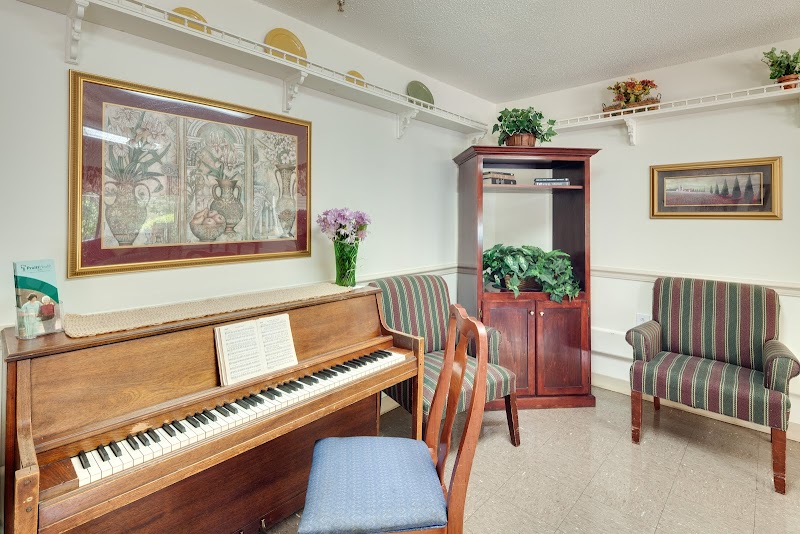
How is Pruitthealth - Griffin Staffed?

CMS rates PRUITTHEALTH - GRIFFIN's staffing level at 1 out of 5 stars, which is much below average compared to other nursing homes. Staff turnover is 44%, compared to the Georgia average of 46%. This relatively stable workforce can support continuity of care. RN turnover specifically is 60%, which is notably high. RNs provide skilled clinical oversight, so turnover in this role can affect medical care quality.

What Have Inspectors Found at Pruitthealth - Griffin?

State health inspectors documented 36 deficiencies at PRUITTHEALTH - GRIFFIN during 2022 to 2025. These included: 34 with potential for harm and 2 minor or isolated issues.
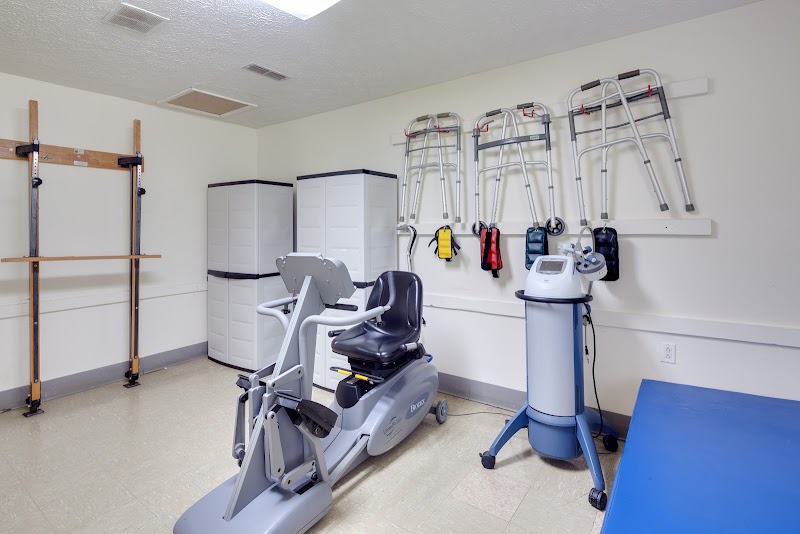
Who Owns and Operates Pruitthealth - Griffin?

PRUITTHEALTH - GRIFFIN is owned by a for-profit company. For-profit facilities operate as businesses with obligations to shareholders or private owners. The facility is operated by PRUITTHEALTH, a chain that manages multiple nursing homes. With 69 certified beds and approximately 55 residents (about 80% occupancy), it is a smaller facility located in GRIFFIN, Georgia.
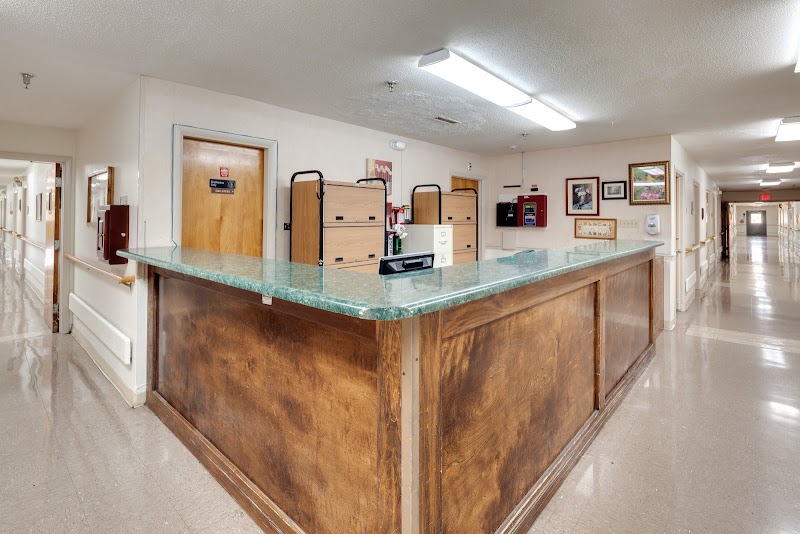
How Does Pruitthealth - Griffin Compare to Other Georgia Nursing Homes?

Compared to the 100 nursing homes in Georgia, PRUITTHEALTH - GRIFFIN's overall rating (1 stars) is below the state average of 2.6, staff turnover (44%) is near the state average of 46%, and health inspection rating (2 stars) is below the national benchmark.

What Should Families Ask When Visiting Pruitthealth - Griffin?

Based on this facility's data, families visiting should ask: "Can you walk me through typical staffing levels on day, evening, and night shifts?" "Can I visit during a mealtime to observe dining assistance and food quality?" "How do you handle medical emergencies, and what is your hospital transfer rate?" "Can I speak with family members of current residents about their experience?" These questions are particularly relevant given the below-average staffing rating.

Is Pruitthealth - Griffin Safe?

Based on CMS inspection data, PRUITTHEALTH - GRIFFIN has a clean safety record: no substantiated abuse findings (meaning no confirmed cases of resident harm), no Immediate Jeopardy citations (the most serious violation level indicating risk of serious injury or death), and is not on the Special Focus Facility watch list (a federal program monitoring the lowest-performing 1% of nursing homes). The facility has a 1-star overall rating and ranks #100 of 100 nursing homes in Georgia. While no facility is perfect, families should still ask about staff-to-resident ratios and recent inspection results during their visit.

Do Nurses at Pruitthealth - Griffin Stick Around?

PRUITTHEALTH - GRIFFIN has a staff turnover rate of 44%, which is about average for Georgia nursing homes (state average: 46%). Moderate turnover is common in nursing homes, but families should still ask about staff tenure and how the facility maintains care continuity when employees leave.

Was Pruitthealth - Griffin Ever Fined?

PRUITTHEALTH - GRIFFIN has no federal fines on record. CMS issues fines when nursing homes fail to meet care standards or don't correct problems found during inspections. The absence of fines suggests the facility has either maintained compliance or corrected any issues before penalties were assessed. This is a positive indicator, though families should still review recent inspection reports for the full picture.

Is Pruitthealth - Griffin on Any Federal Watch List?

PRUITTHEALTH - GRIFFIN is not on any federal watch list. The most significant is the Special Focus Facility (SFF) program, which identifies the bottom 1% of nursing homes nationally based on persistent, serious quality problems. Not being on this list means the facility has avoided the pattern of deficiencies that triggers enhanced federal oversight. This is a positive indicator, though families should still review the facility's inspection history directly.