PINEWOOD MANOR NURSING HOME & REHABILITATION CNTR
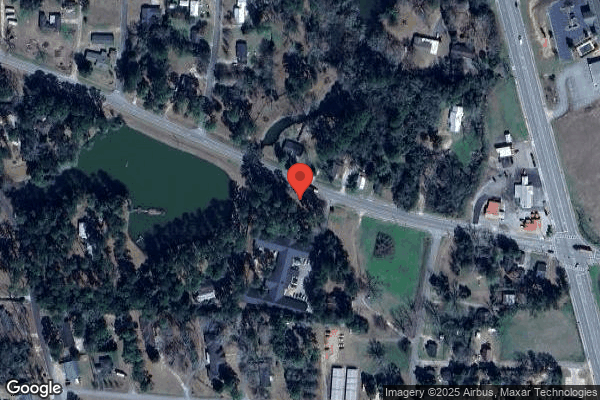
277 COMMERCE STREET, HAWKINSVILLE, GA 31036 (478) 892-9171
Non profit - Corporation 102 Beds Independent Data: November 2025
Trust Grade
58/100
#210 of 353 in GA
Last Inspection: March 2025

Within standard 12-15 month inspection cycle. Federal law requires annual inspections.

Overview

Pinewood Manor Nursing Home & Rehabilitation Center has received a Trust Grade of C, which means it is considered average, placing it in the middle of the pack among similar facilities. It ranks #210 out of 353 nursing homes in Georgia, indicating that it is in the bottom half, but it is the only option in Pulaski County, ranking #1 there. The facility's performance has worsened recently, with issues increasing from 3 in 2023 to 7 in 2025. Staffing is a relative strength, with a turnover rate of 26%, which is well below the state average, although the overall staffing rating is only 1 out of 5 stars, indicating significant concerns. Notably, there have been issues with sanitation procedures in the kitchen, where the facility failed to ensure proper cleaning of dishes and cooking utensils, potentially impacting the health of the residents, and the Dietary Manager lacks required certification.

Trust Score
C
58/100
In Georgia
#210/353
Bottom 41%
Safety Record
Low Risk
No red flags
Inspections
Getting Worse
3 → 7 violations
Staff Stability
✓ Good
26% annual turnover. Excellent stability, 22 points below Georgia's 48% average. Staff who stay learn residents' needs.
Penalties
✓ Good
No fines on record. Clean compliance history, better than most Georgia facilities.
Skilled Nurses
⚠ Watch
Each resident gets only 21 minutes of Registered Nurse (RN) attention daily — below average for Georgia. Fewer RN minutes means fewer trained eyes watching for problems.
Violations
⚠ Watch
17 deficiencies on record. Higher than average. Multiple issues found across inspections.
★★☆☆☆
2.0
Overall Rating
★☆☆☆☆
1.0
Staff Levels
★★★★★
5.0
Care Quality
★★☆☆☆
2.0
Inspection Score
Stable
2023: 3 issues
2025: 7 issues

The Good

  • 5-Star Quality Measures · Strong clinical quality outcomes
  • Low Staff Turnover (26%) · Staff stability means consistent care
  • Full Sprinkler Coverage · Fire safety systems throughout facility
  • No fines on record
  • Staff turnover is low (26%)

    22 points below Georgia average of 48%

Facility shows strength in quality measures, staff retention, fire safety.

The Bad

2-Star Overall Rating

Below Georgia average (2.6)

Below average - review inspection findings carefully

The Ugly 17 deficiencies on record

Jul 2025 1 deficiency
CONCERN (D) 📢 Someone Reported This

A family member, employee, or ombudsman was alarmed enough to file a formal complaint

Potential for Harm - no one hurt, but risky conditions existed

Deficiency F0837 (Tag F0837)

Could have caused harm · This affected 1 resident

Based on observations, interviews, record reviews, and review of Bylaws of the Board of Trustees, the facility's Governing Body failed to ensure that supply vendors were paid in a timely manner, so th...

Read full inspector narrative →
Based on observations, interviews, record reviews, and review of Bylaws of the Board of Trustees, the facility's Governing Body failed to ensure that supply vendors were paid in a timely manner, so that there was not a disruption in supplies for resident care needs. This failure resulted in the deinstallation of linens by the facility's linen supply company on 6/11/2025. Findings include: Review of the Bylaws of the Board of Trustees, approved and adopted on 1/26/2021 by [name of hospital], revealed that the Board of Trustees is recognized as the governing body of the hospital. The bylaws included a definition of Chief Executive Officer (CEO). The CEO means the individual appointed by the Governing Body to act in its behalf in the overall management of the hospital. During an interview on 6/24/2025 at 2:51 pm, the Administrator stated that the [name of hospital] Board of Trustees is also the nursing home's Governing Body. During an interview on 7/2/2025 at 1:57 pm, the hospital CEO stated that [name of hospital] manages the nursing home. 1. During an interview on 6/24/2025 at 1:00 pm the Administrator stated that the facility's linen supplier was in-house and no longer outsourced and that the hospital had bought all new linens (for the nursing home). When questioned about the change in the process of obtaining linens, the Administrator indicated it was a decision made by the hospital. Review of email correspondence dated 6/9/2025, between the facility's previous linen supply company and hospital accounting staff and nursing home medical records staff, revealed that the linen supply company notified the facilities (hospital and nursing home) that a de-installation of linens, supplied by the company, would take place on 6/11/2025 at 9:30 am at the nursing home. The email indicated that the de-installation was in response to the outstanding unpaid balance on the account. During an interview on 6/24/2025 at 3:00 pm with the Medical Records Staff AA and the Administrator, Medical Records Staff AA (who also ordered facility supplies) stated that the linen supply company would email her and the hospital, and any emails she received from them, she sent to the hospital also. When questioned about the nursing home's response to the 6/9/2025 email notification of the pending de-installation of linens scheduled on 6/11/2025, the Administrator stated she was not made aware of the email, but that they get threatening letters and emails from vendors/suppliers all the time. Medical Records Staff AA agreed and stated that when she gets emails (such as the 6/9/2025 email from the linen supply company), she sends them to the hospital and they take care of it, and nothing ever happens, nothing comes of it. When she received the email on 6/9/2025, she sent it over as usual, and she thought the hospital would take care of it. Review of 6/26/2025 1:02 pm email correspondence from the linen supply company's Accounts Receivable Manager, revealed that the facility's outstanding balance was $20,876.62 for supply invoices dated 1/5/2025 through 5/25/2025. The email also included that the hospital had issued a check to the linen company for over $11,000 ( in May 2025) and the check bounced. The email further documented that the linen service had been suspended six times over the past year and a half due to nonpayment of invoices, and the hospital accounting group had been unresponsive and offered no solution for the insufficient funds issued in May (2025). During an interview on 6/26/2025 at 2:33 pm, the linen company's Accounts Receivable Manager stated that the linen company had supplied the facility with bed sheets, under pads, towels, washcloths, cleaning cloths and laundry bins. She confirmed she had not received any response from the hospital regarding the outstanding balance on the account. During an interview on 7/2/2025 at 1:26 pm, the linen company's Regional Sales Manager confirmed he was onsite at the nursing home on 6/11/2025 for the linen de-installation. The Regional Sales Manager indicated they worked with the facility staff and did not remove linens from any beds with residents in them, and they did not take any linens that were covering residents. They returned the next day for those remaining items. The Regional Sales Manager state the process was quick, and they were there for about an hour. He also stated that while he was still at the facility, someone from the nursing home went to the hospital and returned with a cart of linens and had it before his company staff left the building. 2. Review of email correspondence dated 6/26/2025, between the facility's pharmacy vendor and facility staff, revealed that the outstanding balance was $10,807.06. The last payment made to the pharmacy vendor was on 4/9/2025. The pharmacy vendor was requesting payment. During an interview on 7/3/2025 at 11:28 am, the pharmacy vendor's [NAME] Manager confirmed that no additional payment had been made on the account. The last payment received on 4/9/2025 was for $12,877.79 and was for November and December 2024. The facility still owed for all of 2025. The [NAME] Manager stated that her next email would be to notify the facility they would be put on a Cash on Delivery (COD) status. The [NAME] Manager stated that the last time she sent out a COD notice, the hospital Chief Financial Officer (CFO) called her and a check was sent to them (pharmacy vendor) and that was the April payment. 3. During initial observations of the facility on 6/23/2025 from 1:00 pm to 1:54 pm, with the Housekeeping Supervisor, the storage area for adult briefs was observed. The Housekeeping supervisor pointed to an empty top shelf and stated they were currently out of size 3XL adult briefs and had one pack of size XL briefs in the storage area. He confirmed they had residents who used 3XL and XL sized adult briefs and stated there may be some in the residents' rooms.
Mar 2025 6 deficiencies
CONCERN (D)

Potential for Harm - no one hurt, but risky conditions existed

Report Alleged Abuse (Tag F0609)

Could have caused harm · This affected 1 resident

**NOTE- TERMS IN BRACKETS HAVE BEEN EDITED TO PROTECT CONFIDENTIALITY** Based on observations, staff interviews, record review and review of facility's policy titled Abuse, Neglect and Exploitation, t...

Read full inspector narrative →
**NOTE- TERMS IN BRACKETS HAVE BEEN EDITED TO PROTECT CONFIDENTIALITY** Based on observations, staff interviews, record review and review of facility's policy titled Abuse, Neglect and Exploitation, the facility failed to report an injury of unknown source for one out of one Resident (R) R5 reviewed for abuse. Findings include: Review of the facility's policy titled Abuse, Neglect and Exploitation dated 10/1/2018 revealed under the The Components of the facility abuse prohibition plan are discussed herein section revealed, II. Employee Training .C. Training topics will include: .4. Reporting process for abuse, neglect, exploitation, and misappropriation of resident property, including injuries of unknown sources; Under the section labeled IV. Identification of Abuse, Neglect and Exploitation it was noted B. Possible indicators of abuse include, but are not limited to: 1. Resident, staff or family report of abuse 2. Physical marks such as bruises or patterned appearances such as a hand print, belt or ring mark on a resident's body 3. Physical injury of a resident, of unknown source Continued review of the policy revealed VII. Reporting/Response A. The facility will have written procedures that include: 1. Reporting of all alleged violations to the Administrator, state agency, adult protective services and to all other required agencies (e.g., law enforcement when applicable) within specified timeframes: a. Immediately, but not later than 2 hours after the allegation is made, if the events that cause the allegation involve abuse or result in serious bodily injury, or b. Not later than 24 hours if the events that cause the allegation do not involve abuse and do not result in serious bodily injury. Review of R5's clinical record revealed admitting diagnoses that included but not limited to, Parkinson's Disease, orthostatic hypotension, arthritis, Non-Alzheimer's Dementia, and depression. Review of the Annual Minimum Data Set (MDS) assessment dated [DATE] revealed, Section C (Cognitive Pattern), a Brief Interview of Mental Status score of 4, which indicated R5 was severely cognitively impaired and Section GG (Functional Abilities and Goals), indicated R5 required substantial to total assistance with activities of daily living (ADLs). In an observation during the initial tour on 3/42025 at 11:55 a.m. revealed, R5 was in his room in the bed and was having a mobile x-ray conducted of his right foot. Accompanied by Licensed Practical Nurse (LPN) EE, during a follow-up observation on 3/6/2025 at 9:45 a.m., LPN EE removed R5's right sock and presented that the resident's right foot was swollen with a circular red bruise to the top of the foot. The bruise measured approximately 1.5 to 2 inches in diameter. LPN EE stated that she heard the resident may have had foot injured in the shower or when being transferred by staff. LPN EE confirmed the resident had an x-ray of his right foot, and the results of the assessment indicated there was no fracture to the foot. A follow-up interview on 3/6/2025 at 2:45 p.m. with LPN EE revealed that on Monday, 3/3/2025, Certified Nursing Aide (CNA) FF called her into the shower room and showed her a bruise on the top of the resident's foot. When asked about the protocol for reporting an injury of unknown origin, the nurse said injuries of unknown origin were to be reported to the Director of Nursing (DON). LPN EE did not report the injury of unknown origin to the DON. In an interview with the facility's DON on 3/6/2025 at 5:30 p.m., the DON said that injuries of unknown sources were reported to the Administrator immediately and an investigation was started immediately. The DON confirmed this did not happen for R5's injury of unknown origin that required a mobile x-ray on the morning of 3/4/2025 and said that the injury should have been reported at that time. When asked if an investigation had started, the nurse said that she had started an investigation; however, nothing had been documented yet. An interview with CNA FF on 3/6/2025 at 5:45 p.m. revealed that on the morning of Monday, 3/3/2025, he notified the charge nurse, LPN EE, and the wound nurse, LPN GG about R5's bruise on top of his foot. In an interview with the wound nurse, LPN GG on 3/7/2025 at 9:18 a.m., LPN GG said that CNA FF reported that he discovered a bruise on top of R5's foot and wanted her to look at it. LPN GG said that the bruise was about the size of a quarter on 3/3/2025, and when she saw it again on the morning of 3/4/2025, the resident's foot was swollen, and the bruise had spread and become much larger. She notified the physician, and an x-ray of the foot was ordered. She reported the injury of unknown origin to the charge nurse and to the DON. In an interview on 3/7/2025 at 9:46 a.m., the facility's Administrator said that the protocol in addressing injuries of unknown origin was to ensure an incident report was completed, and if the origin of the injury was unknown, then follow-up was required, and it was a reportable event to the state. The Administrator said that the chain of command for reporting injuries of unknown origin was for the aide to report to the charge nurse; the charge nurse reported to the DON; and then the DON reported to the Administrator. If it was not determined how an injury happened, then an investigation was initiated, and an investigation report was completed. The Administrator confirmed R5's injury of unknown origin was not reported to her on 3/4/2025, as it should have been, and confirmed that an investigation was not initiated regarding the resident's injury of unknown origin.
CONCERN (D)

Potential for Harm - no one hurt, but risky conditions existed

PASARR Coordination (Tag F0644)

Could have caused harm · This affected 1 resident

**NOTE- TERMS IN BRACKETS HAVE BEEN EDITED TO PROTECT CONFIDENTIALITY** Based on staff interviews, record review, and review of the facility's policy titled Resident Assessment-Coordination with PASAR...

Read full inspector narrative →
**NOTE- TERMS IN BRACKETS HAVE BEEN EDITED TO PROTECT CONFIDENTIALITY** Based on staff interviews, record review, and review of the facility's policy titled Resident Assessment-Coordination with PASARR (Preadmission Screening and Resident Review), the facility failed to refer one out of two sampled Residents (R) R1 with a serious mental disorder for a Level II PASARR. Findings include: A review of the facility's undated policy titled Resident Assessment-Coordination with PASARR, under the Policy section revealed, This facility coordinates assessments with the PASARR program under Medicaid to ensure that individuals with a mental disorder, intellectual disability, or a related condition receives care and services in the most integrated setting appropriate to their needs. Under the Policy Explanation and Compliance Guidelines: 1 . b. PASARR Level II - a comprehensive evaluation by the appropriate state-designated authority (cannot be completed by the facility) that determines whether the individual has mental disorder (MD), intellectual disability, or related condition, determines the appropriate setting for the individual, and recommends any specialized services and/or rehabilitative services the individual needs . 6. The Social Services Director shall be responsible for keeping track of each resident's PASARR screening status and referring to the appropriate authority. 7. Recommendations, such as any specialized services, from a PASRR level II determination and/or PASARR evaluation report will be incorporated into the resident's assessment, care planning, and transitions of care . 9. Any resident who exhibits a newly evident or possible serious mental disorder, intellectual disability or a related condition will be referred promptly to the state mental health or intellectual disability authority for a Level II resident review. A review of R1's History and Physical dated 3/13/2016 revealed the facility had admitted the resident on 3/8/2016 with the following diagnoses: paranoid schizophrenia, osteoarthritis (OA), and dementia. A review of the Annual Minimum Data Set (MDS) dated [DATE] for R1 revealed, Section C (Cognitive Pattern), a Brief Interview Mental Status (BIMS) score of three which indicated severe cognitive impairment and not able to complete the interview. A review of the document dated 2/3/2011 and titled, Georgia Department of Community Health stated Attention: Medicaid Prior Approval/Utilization Review (UR) Department revealed On the basis of available clinical information, it is determined that [R1] has met the criteria for Level I PASARR approval. Continued review of the clinical record did not reveal the facility had referred the resident to the appropriate state designated authority for a PASARR II screening despite the resident having a diagnosis of Schizophrenia. An interview, on 3/6/2025 at 12:21 p.m. and on 3/7/2025 at 8:54 a.m. with the Social Worker (SW) revealed the resident did have a PASARR I completed prior to admission but the resident was not diagnosed with schizophrenia until 2016, so PASARR II had not been completed. The SW stated she was not aware a PASARR II had not been completed, and normally the Admissions Department would complete PASARR II. In an interview with the Medical Records (MR) staff, it was revealed she would complete a PASARR I upon admission if needed, however, he/she did not know who would normally complete a PASARR II. An interview with the Administrator on 3/7/2025 at 9:41 a.m., revealed that a psychiatrist should take the lead role on whether or not a PASARR should be completed on a resident. She stated it was his/her expectation that the facility's policies and procedures be followed in regard to PASARR II.
CONCERN (D)

Potential for Harm - no one hurt, but risky conditions existed

Comprehensive Care Plan (Tag F0656)

Could have caused harm · This affected 1 resident

**NOTE- TERMS IN BRACKETS HAVE BEEN EDITED TO PROTECT CONFIDENTIALITY** Based on observation, staff interviews, record review, and review of the facility's policy titled Comprehensive Care Plans, the ...

Read full inspector narrative →
**NOTE- TERMS IN BRACKETS HAVE BEEN EDITED TO PROTECT CONFIDENTIALITY** Based on observation, staff interviews, record review, and review of the facility's policy titled Comprehensive Care Plans, the facility failed to implement a comprehensive person-centered care plan for one out of 21 sampled Residents (R) R53. Specifically, R53's care plan was not followed by staff in regard to Enhanced Barrier Precautions (EBP). Findings include: A review of the policy titled Comprehensive Care Plans dated 2025 stated, It is the policy of this facility to develop and implement a comprehensive person-centered care plan for each resident .that includes measurable objectives and timeframes to meet a resident's medical, nursing, and mental and psychosocial needs and ALL services that are identified in the resident's comprehensive assessment and meet professional standards of quality .Policy Explanation and Compliance Guidelines: .8. Qualified staff responsible for carrying out interventions specified in the care plan will be notified of their roles and responsibilities for carrying out the interventions, initially and when changes are made. A review of the document titled, Diagnosis Report no date, revealed R53 had the following diagnoses: acute respiratory failure with hypoxia, dysphagia, and encounter for attention to gastrostomy tube - (G-tube]. In a review of the admission Minimum Data Set (MDS), dated [DATE] revealed the facility admitted R53 on 12/10/2024. Continued review of the MDS revealed Section C (Cognitive Patterns), the resident had both short-term and long-term memory loss, and Section K (Swallowing/Nutritional Status), the resident had a feeding tube. In a review of R53's care plan dated 12/10/2024 revealed, Focus - Prevent Spread of Multidrug resistant organism: G-tube. Goal - Staff will implement Enhanced Barrier Precautions (EBP) daily to decrease the risk of spreading multi-drug-resistant organisms (MDROs) in facility. Interventions - Follow EBP as designed by the facility. Will be followed during .devices care or use .feeding tube. [sic] Observation of Licensed Practical Nurse (LPN) BB, on 3/5/2025 at 2:00 p.m., during medication administration to R53 revealed the LPN administered quetiapine fumarate 150 milligrams (mg) and valproic acid oral solution 250 mg via the resident's G-tube. Continued observation revealed the LPN had donned gloves but had failed to don a gown. In an interview with the Director of Nursing (DON) on 3/7/2025 at 9:30 a.m., it was revealed it was her expectation that staff follow each resident's care plan, mostly, in order to protect and care for each resident. An interview with LPN CC, on 3/7/2025 at 9:36 a.m., revealed care plans were developed by the MDS Nurse, but any nurse could update the care plans as needed. She revealed the purpose of a care plan was so staff would be aware of how to care for each resident. He/She continued to state if staff did not follow the care plan, the residents would not be properly cared for. An interview with the Administrator on 3/7/2025 at 9:41 a.m., revealed it was his/her expectation that staff follow all the facility's policies and procedures related to EHB.
CONCERN (E)

Potential for Harm - no one hurt, but risky conditions existed

Infection Control (Tag F0880)

Could have caused harm · This affected multiple residents

**NOTE- TERMS IN BRACKETS HAVE BEEN EDITED TO PROTECT CONFIDENTIALITY** Based on observation, staff interviews, record review, and review of facility's policies titled Hand Hygiene, and Enhanced Barri...

Read full inspector narrative →
**NOTE- TERMS IN BRACKETS HAVE BEEN EDITED TO PROTECT CONFIDENTIALITY** Based on observation, staff interviews, record review, and review of facility's policies titled Hand Hygiene, and Enhanced Barrier Precautions, the facility failed to perform hand hygiene between residents for six out of 21 residents observed during meal service, to prevent the spread of infection and communicable diseases. In addition, the facility failed to don gown prior to administering medications to one of three Residents (R) R53 with a gastrostomy (G-tube). Findings include: Review of the facility policy titled, Hand Hygiene, dated 1/1/2025 read, Policy: All staff will perform proper hand hygiene procedures to prevent the spread of infection to other personnel, residents, and visitors. This applies to all staff working in all locations within the facility. Policy Explanation and Compliance Guidelines: 1. Staff will perform hand hygiene when indicated, using proper technique consistent with accepted standards of practice. 2. Hand hygiene is indicated and will be performed under the conditions listed in, but not limited to, the attached hand hygiene table . Hand Hygiene Table: Condition: Between resident contacts. Either Soap and Water or Alcohol Based Hand Rub (ABHR is preferred). A review of the facility policy titled, Enhanced Barrier Precautions dated 2025, stated, It is the policy of this facility to implement enhanced barrier precautions [EBP] for the prevention of transmission of multidrug-resistant organisms. Definitions: Enhanced barrier precautions (EBP) refer to an infection control intervention designed to reduce transmission of multidrug-resistant organisms that employs targeted gown, and gloves use during high contact resident care activities . 2. Initiation of Enhanced Barrier Precautions . b. An order for enhanced barrier precautions will be obtained for residents with any of the following: i. indwelling medical devices (e.g. feeding tubes .) even if the resident is not known to be infected or colonized with a MDRO [multidrug-resistant organism] . 3. Implementation of Enhanced Barrier Precautions: a. Make gowns and gloves available immediately near or outside of the resident ' s room .4. High-contact resident care activities include .g. Device care or use .feeding tubes . 1. During a meal service observation in the main dining room on 3/4/2025 at 11:33 a.m., Registered Nurse (RN) AA, without performing hand hygiene, walked over to a resident seated at the dining room table, and started cutting up their food on their plate for them. Without performing hand hygiene, RN AA went to another table and assisted a resident with cutting up her pork chops. Then RN AA went over to the kitchen door and retrieved a sandwich, wrapped in a clear bag, from the kitchen staff and delivered the sandwich to the resident, seated at another table. RN AA went to another table, sat down beside a resident and, without performing hand hygiene, started feeding the resident with a spoonful of food. The RN continued to feed the resident until the resident finished eating. RN AA got up from the chair after feeding the resident and went over to another table and sat down across from another resident. RN AA picked up the resident ' s spoon and fed the resident a bite of her food. After the RN finished feeding the resident, RN AA got up and walked to the doorway of the kitchen. The RN was handed another sandwich wrapped in clear plastic wrap. RN AA, without performing hand hygiene, brought the sandwich over to another resident seated in the dining room, removed the sandwich from the package and set it on the resident ' s plate in front of her. During an interview on 3/5/2025 at 12:40 p.m., RN AA stated, I didn ' t wash my hands between helping each resident during lunch. I probably should have. During an interview on 3/5/2025 at 1:59 p.m., the Director of Nursing stated, I expect that when staff are helping a resident in the dining room, they wash their hands between each resident, and especially when feeding them. [RN AA] does our in-services for infection prevention and hand hygiene. She also does our hand hygiene audits. 2. A review of the document titled, Diagnosis Report revealed R53 had the following diagnoses: acute respiratory failure with hypoxia, dysphagia, and encounter for attention to Gastrostomy (G-tube). In a review of the admission Minimum Data Set (MDS), dated [DATE] revealed the facility admitted R53 on 12/10/2024. Continued review of the MDS revealed Section C (Cognitive Patterns), the resident had both short-term and long-term memory loss, and Section K (Swallowing/Nutritional Status), the resident had a feeding tube. In review of R53's care plan, no date, stated, Focus - Prevent Spread of Multidrug resistant organism: G-tube. Goal - Staff will implement EBP daily to decrease the risk of spreading MDROs in facility. Interventions - Follow EBP as designed by the facility. Will be followed during .devices care or use .feeding tube. [sic] Observation of Licensed Practical Nurse (LPN) BB, on 3/5/2025 at 2:00 p.m., during medication administration to R53 revealed the LPN administered quetiapine fumarate 150 milligrams (mg) and valproic acid oral solution 250 mg via the resident's G-tube. Continued observation revealed the LPN had donned gloves but had failed to don a gown. An interview with DON on 3/7/2025 at 9:30 a.m., revealed R53 should have been on EBP because the resident had received medications through a GT and the staff should have donned a gown. The DON stated some staff may not have been trained on EBP. A review of the document titled, Inservice Sign-In Sheet, Enhanced Barrier Precautions dated 4/2/2024 revealed LPN BB had not received training on EBP. A telephonic interview with LPN BB on 3/72025 at 9:38 a.m., revealed he/she could not recall if he/she had or had not received training on EBP and he/she had not been aware R53 was on EBP. The LPN stated in the past, the DON, or the ADON would post signage on the resident's door, as well as provide a (Personal Protective Equipment) PPE cart. Interview with the Assistant Director of Nursing (ADON) on 3/7/2025 at 10:14 a.m., revealed R53 had changed rooms recently; however, the signage and PPE cart had not been transferred along with the resident during the move.
CONCERN (F)

Potential for Harm - no one hurt, but risky conditions existed

Food Safety (Tag F0812)

Could have caused harm · This affected most or all residents

**NOTE- TERMS IN BRACKETS HAVE BEEN EDITED TO PROTECT CONFIDENTIALITY** Based on observations, staff interviews, record review, and review of the facility's policies titled Manual Warewashing-3 Compar...

Read full inspector narrative →
**NOTE- TERMS IN BRACKETS HAVE BEEN EDITED TO PROTECT CONFIDENTIALITY** Based on observations, staff interviews, record review, and review of the facility's policies titled Manual Warewashing-3 Compartment Sink and Dishwasher Temperature, the facility failed to ensure all dishes, pots, pans and cooking utensils were properly sanitized to decrease the risk of spread of infection and cross contamination. This was evidenced by the facility staff not having the proper method to check the sanitizer solution concentration levels for the dish machine and three compartment sink. The deficient practice had the potential to affect 53 out of 56 residents that received an oral diet from the kitchen. Findings include: Review of the facility's policy titled, Manual Warewashing-3 Compartment Sink dated 11/1/2024 revealed, Policy: To prevent the spread of bacteria that may cause food borne illness, this facility washes, rinses, and sanitizes pots, pans, and other utensils using a 3 compartment sink in accordance with current standards for food safety .Policy and Compliance Guidelines: . 7. Sanitizing solutions shall be tested by a test kit or other device that accurately measures the concentration in MG/L (milligram/liter). Testing will occur periodically but not limited to: a. When sink is initially filled, b. At least once per shift, c. With extended use, and d. As needed. Review of the facility's policy titled, Dishwasher Temperature dated 11/1/2024 revealed, Policy: It is policy of this facility to ensure dishes and utensils are cleaned under sanitary conditions through adequate dishwasher temperatures. Policy Explanation and Compliance Guidelines: .3. For high temperature dishwashers (heat sanitization): a. The wash temperature shall be 150-165° F (degrees Fahrenheit):. i. For a stationary rack, single temperature machine: 165° F. ii. For stationary rack, dual temperature machine: 150° F. iii. For a single tank, conveyor, dual temperature machine: 160° F . iv. For a multi-tank, conveyor, multi-temperature machine:150° F. b. The final rinse temperature shall be 180° F or above but not exceed 194° F (165° F for stationary rack, single temperature machine). Corrective actions shall be taken for final temperatures below the required rinse temperatures. 4. For low temperature dishwashers (chemical sanitization): a. The wash temperature shall be 120° F. b. The sanitizing solution shall be 50ppm (parts per million) hypochlorite (chlorine) on dish surface in final rinse. 5. Chemical solutions shall be maintained at the correct concentration, based on periodic testing, at least once per shift, and for the effective contact time according to manufacturer's guidelines. Results of concentration checks shall be recorded. 6. Water temperatures shall be measured and recorded prior to each meal and/or after the dishwasher has been emptied or re-filled for cleaning purposes. Review of facility's temperature and sanitizer log dated 1/2025, 2/2025 and 3/2025 with recorded temperatures and sanitizing results reading showing no discrepancies with temperature or test strip results. Review of the [Name] test strip bottle revealed the color-coded levels associated with the parts per million (ppm) concentration levels of the solutions to be tested. The proper range for the dish machine was 400-500 ppm (green) and for the three-compartment sink 400- 500 ppm (green). During an observation on 3/5/2025 at 8:48 a.m. the Dietary Manager completed a test of the sanitizer solution using a test strip for the dish machine and the three-compartment sink. The test strip reading was around 150 ppm (parts per million) (yellow-ish brown) using [Name] test strips for the dish machine and Quaternary (QAC) strips registered 0 ppm (light olive green) for the three-compartment sink. The color of the test strips were yellow-ish brown and not green, as it should have been for the appropriate concentration level of 400-500 ppm. During an observation on 3/5/2025 at 8:49 a.m. the Dietary Manager completed a test strip for the dishwasher and three compartment sinks. Test strip reading was around 150 ppm (yellow-ish brown) using [Name] lab strips and Quaternary (QAC) strips 0 ppm (light olive green). During an observation on 3/5/2025 at 8:57 a.m. the Dietary Manager completed a test strip for the dishwasher and three compartment sinks. Test strip reading was around 150 ppm (yellow-ish brown) using [Name] lab strips and Quaternary (QAC) strips 0 ppm (light olive green). During an observation on 3/5/2025 at 9:01 a.m. the Dietary Manager completed a test strip for the dishwasher and three compartment sinks. Test strip reading was around 150 ppm (yellow-ish brown) using [Name] lab strips and Quaternary (QAC) strips 0 ppm (light olive green). During an observation on 3/6/2025 at 2:58 p.m., Dietary Aide JJ completed a test of the sanitizer concentration level using a test strip for the dish machine. The test strip reading was around 150 ppm (yellow-ish brown) using [Name] lab strips, which was at a lower level than it should have been. During an observation on 3/6/2025 at 3:01 p.m., the Dietary Manager completed a test of the sanitizer concentration level using [Name] lab strips and Quaternary (QAC) strips for three-compartment sink. The test strip reading was around 150 ppm, which was yellow-ish brown in color, using [Name] lab strips and the Quaternary (QAC) strips, which read 0 ppm was light olive green color. During an interview on 3/6/2025 at 3:01 p.m., the Dietary Manager stated she did not know if the dish machine was serviced, nor could she explain who checked the sanitization log. During an interview on 3/6/2025 at 3:08 p.m., Dietary Aide JJ stated the test strips did not measure at a proper concentration level for the sanitizing solution. Dietary Aide JJ stated they informed the night nurse but was unsure of whom and when this happened. Dietary Aide JJ, when asked how and by whom the sanitizing logs were completed with the information verifying no discrepancies, Dietary Aide JJ hunched their shoulders up and down and said, I don't know. Dietary Aide JJ stated she started working at facility three months ago. During an interview on 3/6/2025 at 3:09 p.m. with Dietary Aide II stated they had worked at the facility for three years. Dietary Aide II stated the dish machine, and sanitizing solutions were checked by [Name], but they were unsure of when [Name] had last serviced the machine or solutions. Dietary Aide II stated that logs were completed to show correct temperature and chemical reading, although things were not working. Dietary Aide II stated they couldn't remember if they told anyone about the solutions or test strips not reading at the proper levels. During an interview on 3/6/2025 at 3:11 p.m., with Dietary Aide HH stated she ran the dish machine four wash cycles, and the temperature was 84° F (degrees Fahrenheit), 101° F, 119° F and 121° F. Dietary Aide HH stated the machine did not reach 145° F or hotter until the machine ran two to four wash cycles in a row. Dietary Aide HH stated the log might be incorrect due to the machine's temperature gauge not working correctly. During an interview on 3/6/2025 at 3:13 p.m., the Dietary Manager stated they had 12 containers of [Name] test strips that expired 3/1/2022, 5/1/2022, 5/15/2022, 2/1/2023 and 6/1/2023. The Dietary Manager stated the test strips were used to ensure the proper concentration for sanitization was reached for three compartments sink and dishwashing machine. The Dietary Manager stated she had not ordered any new strips after she realized they had expired. The Dietary Manager stated she was aware for a while that the dish machine did not get hot right away and staff would have to run the machine at least three to four cycles before the temperature was reached. The Dietary Manager stated they did not make arrangement to have the machine serviced. During an interview on 3/6/2025 at 4:45 p.m., the Administrator stated there was a previous contract with a company that serviced the dish machine and provided sanitation solutions. The Administrator stated she did not know if the facility had been getting serviced by [Name] and was unsure of the prior contract. The Administrator stated she had not been informed they did not have a vendor to supply sanitizing solutions. During an interview on 3/6/2025 at 4:51 p.m., the Housekeeping Supervisor stated the contract with the previous vendor had ended two years ago. The facility had been using the sanitizing chemicals that were left over from two years ago. The machine had not been serviced since the other company left in the summer of 2023. During an interview on 3/7/2025 at 4:41 p.m., the [Name] Technician stated they received a service call on 3/7/2025 to test the chemical sanitizer solutions. The [Name] Technician stated the three-compartment sink sanitizer solutions were expired; the QT test strips were expired, and the dish machine's sanitizing chemical solution was empty. The [Name] Technician stated they did not have any supplies on hand and placed an order for restocking. The [Name] Technician stated the last time they serviced the three-compartment sink and dish machine for chemicals was 1/2024 and it was fine then. The Ecolab Technician further stated they trained the staff today on how to use the test strips and check chemical sanitizing solution. During an interview on 3/7/2025 at 4:43 p.m., the Dietary Manager stated she did not know the dish machine sanitizing chemicals were empty nor was she aware the sanitizing chemicals were expired. The Dietary Manager stated that staff should not have run the dish machine if no chemical solution was available. The Dietary Manager stated that staff were trained by [Name] Technician on 3/6/2025 how to the use of Ecolab test strips to determine sanitation level and also on how to check the sanitizer solution levels for the dishwashing machine. During an interview on 3/7/2025 at 4:45 p.m., the Administrator stated they were actively working with [Name] to get the appropriate test strips and sanitizer solutions. The Administrator stated they were aware of the concern on 3/5/2025, but did not call [Name] until 3/6/2025 because they had to get the account information. During an interview on 3/11/2025 at 11:21 a.m., the Administrator stated they started using paper plates and plasticware over the weekend. The Administrator stated that they had supplies and sanitation solutions arriving either 3/12/2025 or 3/13/2025. The Administrator stated they also had a plumber come on 3/10/2025 to check the thermostat on the dish machine. The Administrator stated the plumber will return 3/11/2025 to add a new thermostat and install a recirculation line. The Administrator stated she expected the Dietary Manager to review temperature and sanitizer logs. The Administrator stated that all of kitchen staff had received a written warning on 3/10/2025 for falsifying temperature lot information. Cross Reference F835
CONCERN (F)

Potential for Harm - no one hurt, but risky conditions existed

Administration (Tag F0835)

Could have caused harm · This affected most or all residents

**NOTE- TERMS IN BRACKETS HAVE BEEN EDITED TO PROTECT CONFIDENTIALITY** Based on staff interviews and record review, the facility Administration failed to ensure oversight of the kitchen to ensure pro...

Read full inspector narrative →
**NOTE- TERMS IN BRACKETS HAVE BEEN EDITED TO PROTECT CONFIDENTIALITY** Based on staff interviews and record review, the facility Administration failed to ensure oversight of the kitchen to ensure proper sanitation of pots, pans, dishes, utensils and countertop surfaces. This was evidenced by the Administration not being aware the dish machine and three-compartment sink did not have proper sanitation; and was not aware that the thermostat on the dish machine was inoperable. Also, the Dietary Manager did not have a Certified Dietary Manager (CDM) certification or equivalent. The deficient practice had the potential to affect 53 out of 56 residents that received an oral diet from the kitchen. Findings include: Review of Administrator's job description, Copyright 2023 from The [Name], LLC, revealed, Major Duties and Responsibilities - Plans, develops, organizes, implements, evaluates and directs the overall operation of the facility as well as its programs and activities, in accordance with the current state and federal laws and regulations . Evaluates key performance indicator outcomes with department heads to determine the need for action from leadership and/or management such as re-education or revisions related facility's outcomes, regulatory compliance and/or customer satisfaction. Review of Dietary Manager's job description, Copyright 2023 from The [Name], LLC, revealed, Required Qualifications .Certification as a dietary manger. Certification as a food service manager .Major Duties and Responsibilities - Oversees the budget and purchasing of food and supplies, and food preparation, services, and storage .Dietary Manager Assigned Tasks . Ensures proper sanitation and safety practices of staff. During an interview on 3/6/2025 at 3:01 p.m., the Dietary Manager stated she did not have her Certified Dietary Manager certification (or equivalent) and did not enroll in an online class until January 25. The Dietary Manager stated they did not review the sanitation or temperature logs. She also stated she did not appoint anyone to review or monitor the logs. During an interview on 3/6/2025 at 4:45 p.m. with the Administrator, she stated she did not make sure sanitation test strips and sanitizing chemicals were ordered right away once she was informed the sanitation test strips and did not know the hot water to the dish machine was not working properly. The administrator stated that she did not monitor the Dietary Manager nor ensure oversight of the kitchen. The Administrator stated she started working at the facility 11/2024. The Administrator stated that she knew the Dietary Manager was not certified and did not hire her for the position. The Administrator stated her expectations was the Dietary Manager was monitoring sanitizing logs. During an interview on 3/11/2025 at 11:21 a.m., the Administrator stated they had arranged for a Dietitian to work every day with the Dietary Manager until she was certified. The Administrator stated they also will have the Dietary Manager enroll in an education program to help with the education of the dietary staff. Cross Reference F812
Jul 2023 3 deficiencies
CONCERN (D) 📢 Someone Reported This

A family member, employee, or ombudsman was alarmed enough to file a formal complaint

Potential for Harm - no one hurt, but risky conditions existed

Resident Rights (Tag F0550)

Could have caused harm · This affected 1 resident

**NOTE- TERMS IN BRACKETS HAVE BEEN EDITED TO PROTECT CONFIDENTIALITY** Based on interviews and record review, the facility failed to ensure that one resident (R#3) of 13 sampled residents resident's ...

Read full inspector narrative →
**NOTE- TERMS IN BRACKETS HAVE BEEN EDITED TO PROTECT CONFIDENTIALITY** Based on interviews and record review, the facility failed to ensure that one resident (R#3) of 13 sampled residents resident's rights was not violated when being made to go to bed when he was not ready. Findings include: Record review revealed that Resident (R)#3 was admitted to the facility on [DATE] and had diagnoses that included, but were not limited to, Alzheimer's disease, dementia, diabetes, arthritis, paranoid schizophrenia, and paranoid personality disorder. A 6/21/23 Quarterly Minimum Data Set (MDS) assessment documented that R#3 had impaired cognition, with a Brief Interview for Mental Status (BIMS) score of 5 out of 10. R#3 was also documented as being provided with staff assistance for Activities of Daily Living (ADL's), including extensive assistance for transfers. Review of personnel records revealed that TNA AA had been an employee at the facility from 6/10/19 through 4/27/23. He obtained a TNA certificate on 5/26/20. Review of the care plan for R#3 revealed the following focus area: I have the potential for alteration in skin integrity. I have fragile skin and I bruise easily. I am prone to skin tears. I am at risk for infection. I am at risk for pressure ulcers related to decreased mobility. Interventions included being gentle with resident when providing ADL needs and to inform resident of which tasks are about to be performed. A review of facility reported incidents revealed a Facility Incident Report Form, dated 4/21/23, that documented a bruise of unknown origin to the arm. The form included that the bruise and two small skin tears were identified on 4/21/23 at 6:28 a.m. on R#3. Treatment was applied to the skin tears and the physician and responsible party were notified. A review of the accompanying investigation that included staff and resident statements, nurse's notes, and a follow-up summary conclusion revealed that facility staff were able to identify the cause of the bruising and skin tears. The injuries were determined to have been caused on 4/19/23, when TNA AA forced R#3 to go to bed against his will, at which time R#3 hit TNA AA, resulting in bruising and skin tears to R#3's right arm. The MDS Coordinator and Assistant Director of Nursing (ADON) documented in a 4/21/23 statement that they interviewed R#3 and he reported that the other night he wasn't ready for bed and that he was grabbed by the arm while being put in the bed. R#3's roommate (RA) is documented in the written statement as stating that the incident occurred on a Wednesday (4/19/23) on the evening shift. During an interview on 7/24/23 at 11:46 a.m., RA confirmed the occurrence between R#3 and a male nursing staff. He stated that R#3 did not want to go to bed but he was put in the bed. RA stated he did not see what happened, but he heard it. The ADON and Administrator documented in a statement that they interviewed TNA AA on 4/21/23 via phone. The statement documents that TNA AA stated he told R#3 that it was time to go to bed and R#3 did not want to go to bed. TNA AA told R#3 again that it was time to go to bed and R#3 agreed. When TNA AA got R#3's arm and held on to the back of his pants to assist R#3 to bed. R#3 started swinging his arms and hitting TNA AA in the face. TNA AA placed R#3 in the bed against his will. Further review of TNA AA's personnel record confirmed he was terminated from the facility.
CONCERN (D) 📢 Someone Reported This

A family member, employee, or ombudsman was alarmed enough to file a formal complaint

Potential for Harm - no one hurt, but risky conditions existed

Deficiency F0661 (Tag F0661)

Could have caused harm · This affected 1 resident

**NOTE- TERMS IN BRACKETS HAVE BEEN EDITED TO PROTECT CONFIDENTIALITY** Based on interview, record review and review of the Transfer and Discharge (including AMA) policy, the facility failed to comple...

Read full inspector narrative →
**NOTE- TERMS IN BRACKETS HAVE BEEN EDITED TO PROTECT CONFIDENTIALITY** Based on interview, record review and review of the Transfer and Discharge (including AMA) policy, the facility failed to complete a discharge summary that included a recapitulation of the resident's stay, medication reconciliation, and a post discharge plan of care for one resident (#1) from a total sample of 13 residents. Findings include: The facility had a Transfer and Discharge (including AMA) policy, dated 9/28/22. The policy defined resident-initiated transfer or discharge to mean that a resident or resident representative had provided verbal or written notice of intent to leave the facility. The policy's Anticipated Transfers or Discharges section included that the nurse caring for the resident at the time of discharge was responsible for ensuring the Discharge Summary was completed and included, but was not limited to the following information: 1. A recap of the resident's stay 2. A final summary of the resident's status 3. Reconciliation of all pre-discharge medications with the post-discharge medications 4. A post discharge plan of care that is developed with the resident and the resident's representative which will assist the resident to adjust to the new living environment Review of the clinical record revealed that Resident (R)#1 was admitted to the facility on [DATE] and had diagnoses that included, but were not limited to, diabetes, chronic constipation, hypermagnesemia, adult failure to thrive, severe protein-calorie malnutrition, and hypokalemia. An 11/15/22 admission Minimum Data Set (MDS) assessment assessed R#1 has having some cognitive impairment with a Brief Interview for Mental Status (BIMS) score of 9 out of 15. Review of the admission Discharge Form Plan of Care form revealed that R#1's initial discharge plan was to remain in the facility. Further review of the clinical record revealed a 12/15/22 nurse's note that documented R#1 stated that she wanted to go home and that she was only here for a short time to get stronger. The physician was notified of R#1's wishes with approval given. Further nurse's notes on 12/15/22 documented that R#1's family was notified of her desire to go home. The family stated that they would make arrangements for the resident to go home. A 12/19/22 social progress note documented that R#1 stated she was ready to go home and that her family was getting ready to take her home at the end of the month. On 12/28/22 R#1 was discharged from the facility. A 12/28/22 3:00 p.m. nurse's note documented that R#1 discharged home with family. The note included that R#1 was alert and oriented and in stable condition. Medications were sent with R#1. The physician was notified that R#1 was discharged to home with family. Further review of the closed clinical record revealed no further discharge summary information. There was no evidence that staff completed a recapitulation of the resident's stay, reconciliation of all pre-discharge medications with the post-discharge medications, or a post discharge plan of care. During an interview on 7/19/23 at 11:30 a.m. the Administrator stated that she could not find any additional discharge summary information for R#1.
CONCERN (E) 📢 Someone Reported This

A family member, employee, or ombudsman was alarmed enough to file a formal complaint

Potential for Harm - no one hurt, but risky conditions existed

Deficiency F0658 (Tag F0658)

Could have caused harm · This affected multiple residents

**NOTE- TERMS IN BRACKETS HAVE BEEN EDITED TO PROTECT CONFIDENTIALITY** Based on interviews, record review, review of the Work Attendance policy and review of the Licensed Practical Nurse (LPN) job de...

Read full inspector narrative →
**NOTE- TERMS IN BRACKETS HAVE BEEN EDITED TO PROTECT CONFIDENTIALITY** Based on interviews, record review, review of the Work Attendance policy and review of the Licensed Practical Nurse (LPN) job description, the facility failed to ensure that services being provided by an LPN met professional standards of quality including: leaving the facility while on duty and without notice, being unable to be located by other on-duty nursing staff, and leaving 32 of the 58 residents of the facility without their assigned licensed nurse. Findings include: The facility had a Work Attendance policy with revision date of 2017. The policy documented that all employees must fulfill their individual work schedule commitments in order to meet the organization's staffing needs, avoid the unnecessary costs of excessive absenteeism, and promote operational efficiency. The policy emphasized the importance of being at work on time and when scheduled. Under the policy's Unscheduled Absences section, failure to work any portion of an assigned shift, including leaving work early for reasons other than being asked to leave by the supervisor was considered an unscheduled absence. The facility had a Job Title-Licensed Practical Nurse job description. The job description documented a general description of an LPN which included, but was not limited to, someone who, under the supervision of a Registered Nurse (RN), provides direct care for the adult and geriatric age groups as assigned, directs care provided by the Certified Nursing Assistant (CNA's) during scheduled shifts, assumes responsibility for professional duties as determined by qualifications and training, and may assume charge in the absence of the RN. The job qualification section of the job description also included that the LPN must have an acute sense of responsibility. Review of the 6/22/23 Midnight Census Report revealed that the facility had a total census of 58 residents. There were 32 residents on the front and middle halls (rooms 1 through 25) and 26 residents on the back hall (rooms 26-51). Review of the 6/22/23 PPD Form daily staffing sheet also revealed a census of 58 residents. The staffing sheet documented for the 11:00 p.m. to 7:00 a.m. shift (6/22/23 11:00 p.m. to 6/23/23 7:00 a.m.) there was one RN, two LPNs, and four CNAs assigned to the facility. Review of the facility's time reports revealed that the assigned staff were RN GG, LPN BB, LPN HH, CNA CC, CNA DD, CNA EE, and CNA FF. LPN HH was assigned to the back hall. LPN BB was assigned to the front and middle halls. RN GG completed other duties. During an interview on 7/18/23 at 11:56 a.m., a family member of Resident (R) D stated that RD (who resided on the front hall) had called him, so he and another family member decided to go to the facility on 6/23/23 (during the early morning hours). RD's family member stated that when they arrived at the facility, the nurse (LPN BB) was off the premises. LPN BB returned to the facility while RD's family was still there. Law enforcement was notified. Review of the [NAME] Office Miscellaneous Incident Report revealed an incident date and time of 6/23/23 at 4:00 a.m. The report narrative documented that LPN BB stated she left the facility from 2:00 a.m. to 4:00 p.m. [sic] and the other staff were present the rest of the night. While LPN BB was absent from the facility on 6/23/23 between 2:00 a.m. and 4:00 a.m., there were two other nurses (LPN HH and RN GG) and four CNA's (CNA CC, CNA DD, CNA EE, and CNA FF) present. However, there was no evidence that LPN BB made anyone aware that she was leaving. During an interview on 7/18/23 at 11:08 a.m., CNA FF confirmed LPN BB was her assigned nurse supervisor on the 6/22/23 11:00 p.m. to 6/23/23 7:00 a.m. shift. She stated that she was not aware LPN BB left the facility. During an interview on 7/18/23 at 12:44 p.m., CNA CC confirmed she was assigned to RD on the 6/22/23 night shift. She stated that she was unable to find LPN BB when RD's family members came to the facility. During an interview on 7/24/23 at 11:28 a.m., CNA EE confirmed that she was not aware that LPN BB had left the facility. She stated that LPN BB came back in about 20 to 30 minutes after RD's family came in. During an interview on 7/19/23 at 12:57 p.m. LPN HH confirmed that she was assigned to the back hall of the facility from 6/22/23 7:00 p.m. to 6/23/23 7:00 a.m. She stated that she was not aware that LPN BB had left the facility and was unable to locate her when RD's family member arrived and was walking around looking for her. LPN HH stated that LPN BB returned to the facility about 45 minutes after RD's first family member arrived. During an interview on 7/19/23 at 3:42 p.m., RN GG stated that she was already at the facility caring for a family member. She came on duty at 11:00 p.m. on 6/22/23. RN GG indicated that when she came on duty on the night shift, she usually completed tasks such as answering call lights, changing dressings or reapplying dressings during her shift. She confirmed that on 6/23/23, she did not know that LPN BB had left the facility. During an interview on 7/11/23 at 10:40 a.m., the Administrator confirmed that LPN BB left the facility without permission and was terminated. Review of the Separation Notice revealed that LPN BB was terminated from employment on 6/23/23.
Oct 2022 5 deficiencies
CONCERN (D)

Potential for Harm - no one hurt, but risky conditions existed

Deficiency F0570 (Tag F0570)

Could have caused harm · This affected 1 resident

Based on record review and staff interview, the facility failed to maintain a surety bond sufficient to cover the current total funds in the resident trust account. The deficient practice had the pote...

Read full inspector narrative →
Based on record review and staff interview, the facility failed to maintain a surety bond sufficient to cover the current total funds in the resident trust account. The deficient practice had the potential to affect 69 residents with trust fund accounts managed by the facility. Findings include: Review of the Resident Fund Management Services (RFMS) Trial Balance Report dated 4/30/22 revealed a balance of $93,444.05. Review of the Resident Fund Management Services (RFMS) Trial Balance Report dated 5/31/22 revealed a balance of $95,737.93. Review of the Resident Fund Management Services (RFMS) Trial Balance Report dated 6/30/22 revealed a balance of $98,543.48. Review of the Resident Fund Management Services (RFMS) Trial Balance Report dated 7/31/22 revealed a balance of $97,165.73. Review of the Resident Fund Management Services (RFMS) Trial Balance Report dated 8/31/22 revealed a balance of $105,099.41. Review of the Resident Fund Management Services (RFMS) Trial Balance Report dated 9/30/22 revealed a balance of $109,704.18. Review of the State of Georgia Department of Community Health Long Term Care Facility Residents' Fund Bond with effective date of 6/17/20, revealed a bond rider increase bond from $55,000.00 to $95,000.00 Interview on 10/26/22 at 10:24 a.m. with the Administrator confirmed the surety bond amount was $95,000.00. She confirmed the current bond of $95,000.00 was not enough to cover the resident trust fund. Administrator stated that she had not addressed this issue because she had only been the Administrator at this facility for three weeks. She further expressed that the facility does not have a policy on resident trust fund account, but she would contact the corporate office to have the bond amount raised.
CONCERN (D)

Potential for Harm - no one hurt, but risky conditions existed

Deficiency F0578 (Tag F0578)

Could have caused harm · This affected 1 resident

**NOTE- TERMS IN BRACKETS HAVE BEEN EDITED TO PROTECT CONFIDENTIALITY** Based on record review, resident and staff interviews, the facility failed to obtain a Physician's signature on the Physician Or...

Read full inspector narrative →
**NOTE- TERMS IN BRACKETS HAVE BEEN EDITED TO PROTECT CONFIDENTIALITY** Based on record review, resident and staff interviews, the facility failed to obtain a Physician's signature on the Physician Orders for Life Sustaining Treatment (POLST) for an Attempt Resuscitation Cardiopulmonary Resuscitation (CPR) consent for one Resident (R) (R#40) and failed to complete a subsequent review of the POLST for one Resident (R) (R#33). The sample size was 24 residents 1. Review of POLST: Guidance for completing the POLST form revealed: If the patient has decision making capacity, that patient chooses whether to complete and sign the POLST with his or her physician. Review of Minimum Data Set (MDS) dated [DATE] revealed R#40 had a Brief Interview of Mental Status (BIMS) score of 15. Review of medical record for R#40 revealed no documented Advance Directives and a POLST with a choice to attempt resuscitation (CPR) but there was no Physician's signature. Further review of Physician Orders dated [DATE]-[DATE] revealed there were no Advance Directive orders. During an interview on [DATE] at 10:20 a.m. R#40 revealed she had requested staff perform cardiopulmonary resuscitation (CPR) on her should she stop breathing. She reported she is responsible and able to make decisions for herself. During an interview on [DATE] at 10:00 a.m. the Director of Nursing (DON) she expressed that her expectations were for staff to complete Advance Directives on admission, send to the Physician(s) for signature(s), and for Nurses to ensure an accurate Advance Directive Care plan is place. She confirmed R#40 did not have a physician's signature on POLST or a Physician's order for code status. During an interview on [DATE] at 2:00 p.m. with Medical Records revealed she was instructed by the facilities Medical Director that a Physician's signature is not needed on POLST when a resident has the decision-making capacity to be a Full Code therefore, she stopped sending them over for him to sign. She verified R# 40 POLST did not have a signature. During an interview on [DATE] at 2:27 p.m. with DON reported it is her understanding that when a resident has the mental or decision capacity to be a Full code that at least one physician signature is needed on the POLST for it to be valid. DON reported that she expected staff to obtain Physician's signature(s) for POLST as needed. 2. Review of Physician Orders for Life Sustaining Treatment (POLST): Subsequent Review of the POLST form revealed: This form should be reviewed when (i) the patient is transferred from one care setting or care level to another (ii) released to return home (iii) there is substantial change in the patient's health status, or (iv) the patient's treatment's treatment preferences change. Review of medical record revealed R#33 admitted on [DATE] and re-admitted on [DATE]. Review of Minimum Data Set (MDS) dated [DATE] revealed R#33 had a BIMS score of 13. Review of medical record for R#33 revealed no documented Advance Directives and a POLST dated [DATE] with choice Allow Natural Death and Do Not Attempt Resuscitation with an Authorized Person signature dated [DATE], Physician Signature dated [DATE] and Concurring Physician Signature dated [DATE] but there was no documentation the Subsequent Review of the POLST Form had been completed or updated for when he readmitted on [DATE]. Further review of Physician Orders dated [DATE]-[DATE] revealed no code status orders. Review of the Facility DNR Front Hall and DNR Back Hall list did not reveal R# 33's name. During an Interview on [DATE] at 8:20 a.m. with Medical Records who revealed she is responsible for completing advanced directives for residents. She reported that advanced directives are discussed and completed on admission and readmission. It was further reported that two physician signatures are required on all DNR orders. Medical Records reported that the DNR list is updated every time there is a new DNR. Medical Records explained that an orange dot on the outside of chart indicated that a resident has a DNR status. Medical records reported she discussed with R# 33 if he wished to remain a DNR when he readmitted on [DATE] and he wanted to remain a DNR. She verified that the POLST had not been updated since [DATE] and acknowledged she forgot to update the POLST to reflect Resident # 33 decision on [DATE] but had done so on the Advance Directives Checklist. Medical Records confirmed R#33 name was not on the facility's DNR list. She revealed the DNR list provided to Surveyor was in error and provided an updated copy with R# 33 name included on list. During an interview on [DATE] at 8:45 a.m. with R# 33 revealed he wanted to remain a DNR and was asked by Medical Records when he readmitted on [DATE]. During an interview on [DATE] at 8:50 a.m. with CNA AA revealed residents who have a DNR status are identified by the red stickers on their charts, beds, DNR list and Care Plan Book behind the Nurse's station. During an interview on [DATE] at 10:00 a.m. DON confirmed the POLST Form had not been updated when R#33 readmitted on [DATE] and there was no physician's order for a code status.
CONCERN (D)

Potential for Harm - no one hurt, but risky conditions existed

Notification of Changes (Tag F0580)

Could have caused harm · This affected 1 resident

**NOTE- TERMS IN BRACKETS HAVE BEEN EDITED TO PROTECT CONFIDENTIALITY** Based on record review and staff interview, the facility failed to notify the responsible party of a change in condition for one...

Read full inspector narrative →
**NOTE- TERMS IN BRACKETS HAVE BEEN EDITED TO PROTECT CONFIDENTIALITY** Based on record review and staff interview, the facility failed to notify the responsible party of a change in condition for one resident ((R) R#73) of six residents sampled. Findings include: Review of the electronic medical record (EMR) revealed that R#73 was admitted to the facility on [DATE] with diagnoses including but not limited to, peritoneal abscess, personal history of (healed) traumatic fracture, anxiety disorder, and major depressive disorder. Review of progress note dated 7/31/2022 at 11:30 a.m., revealed R# 73 was alert and oriented with clear speech. Further review of the note revealed that R# 73's J-tube was clogged internally, and facility staff were unable to unclog the tube. Staff notified the Physician, and a new order was written to send R# 73 to the emergency room (ER). There was no evidence in the progress notes that R#73's responsible party was notified of the need to go to the ER due on 7/31/2022. During an interview conducted on 10/27/22 at 3:16 p.m. with the Director of Nursing (DON) she verified no documentation to support that the responsible party was notified. The DON also revealed that it is her expectation that the responsible party be notified when a resident has a change in status or will be transferred out of the facility. DON further expressed that the responsible party should have been notified of this event.
CONCERN (D)

Potential for Harm - no one hurt, but risky conditions existed

Deficiency F0657 (Tag F0657)

Could have caused harm · This affected 1 resident

**NOTE- TERMS IN BRACKETS HAVE BEEN EDITED TO PROTECT CONFIDENTIALITY** Based on interviews, record review, and review of the facility policy titled, Comprehensive Care Plan the facility failed to acc...

Read full inspector narrative →
**NOTE- TERMS IN BRACKETS HAVE BEEN EDITED TO PROTECT CONFIDENTIALITY** Based on interviews, record review, and review of the facility policy titled, Comprehensive Care Plan the facility failed to accurately revise Advance Directive care plan and include measurable objectives and timeframes for one resident ((R#33) of 24 sampled residents. Findings include: Review of the facility policy titled Care Plan Policy revised date 10/7/22 revealed the facility will develop and implement a person-centered care plan for each resident consistent with resident's rights that includes measurable objectives and timeframes to meet a resident's medical and psychosocial needs that are identified in the resident's assessment reference date. Review of medical record revealed R#33 admit date [DATE] and re-admitted on [DATE]. Review of Minimum Data Set (MDS) dated [DATE] revealed R#33 had a Brief Interview of Mental Status (BIMS) score of 13 and diagnoses including but limited to End Stage Renal Disease, Dependence on Renal Dialysis, Chronic Ischemic Heart Disease, Diabetes, and Hypertension. Review of medical record for R#33 revealed no documented Advance Directives and a POLST dated 5/6/2020 with choice Allow Natural Death and Do Not Attempt Resuscitation with an Authorized Person signature dated 5/6/20, Physician Signature dated 3/5/20 and Concurring Physician Signature dated 5/16/20 but there was no documentation the Subsequent Review of the POLST Form had been completed or updated for when he readmitted on [DATE]. Further review of Physician Orders dated 10/1/22-10/31/22 revealed no code status orders. Review of Care Plans dated 5/19/20 revealed DNR status related to DNR request with Goal and Target date indicated DNR status will be honored through next review date 8/26/21 with Achieved date 6/30/22. The care plan was revised (date unknown) and indicated Resident is a Full Code with no measurable goal and timeframe. During an interview on 10/27/22 at 8:30 a.m. with Case Management revealed that she is responsible for Advance Directive Care plans. She revealed only the DNR Advance Directive Status had been added to residents' care plans and Full Code Advance Directives were not included in resident's care plan. She confirmed she updated the R#33 care plan to Full code with no revision date, measurable goal, timeframe, or interventions included. During an interview on 10/27/22 at 8:45 a.m. with R# 33 revealed he wanted to remain a DNR and was asked by Medical Records when he readmitted on [DATE]. During an interview on 10/27/22 at 10:00 a.m. the Director of Nursing (DON) reported that staff should ensure an accurate Advance Directive Care plan with accurate code status in place.
CONCERN (D)

Potential for Harm - no one hurt, but risky conditions existed

Deficiency F0679 (Tag F0679)

Could have caused harm · This affected 1 resident

Based on observation. record review, and resident and staff interviews, the facility failed to provide an individualized activities program to meet the needs for one resident ((R#66) of 69 residents. ...

Read full inspector narrative →
Based on observation. record review, and resident and staff interviews, the facility failed to provide an individualized activities program to meet the needs for one resident ((R#66) of 69 residents. Findings include: During observation and interview on 10/25/22 at 9:45a.m. R#66 was observed sitting in her wheelchair in doorway of her room. R#66 stated she was not happy with the activities at this facility. She stated there are not enough activities provided. R#66 stated she would love to do some crafts as she used to own a craft shop. She stated she also likes to knit. 10/25/22 at 1:35 p.m. observed R#66 propelling self-down hallway near her room. 10/26/22 at 8:45 a.m. observed R#66 sitting in wheelchair in doorway of her room. 10/27/22 at 10:00 a.m. observed R#66 sitting in wheelchair down hall. During an interview with the Director of Nursing (DON) on 10/26/22 at 9:52 a.m. she stated that she does not remember who did R#66 activities screening on admission. She stated they try to do everything as a group effort. DON stated when R#66 was admitted she was a little confused from a recent hospital stay. She stated R#66 is more alert and oriented now. DON stated they have not done a reassessment with her for activity preference. DON also stated that R#66 normally comes out and likes to smoke. She stated R#66 comes to front lobby and talk to other residents. Interview with the Administrator on 10/26/22 at 10:00 a.m. revealed the Activity Director has been out since sometime in August. Administrator also stated that when she started three weeks ago, the Dietary Manager had been filling in, but everyone was pitching in and helping with activities. Interview with Dietary Manager (DM) on 10/26/22 at 10:09 a.m. revealed she goes around to residents and ask them what their hobbies were before admission. She stated R#66 likes BINGO crossword puzzles, smoking, and visits with other residents. She stated she does not know if R#66 likes to do craft or knit. DM stated she took R#66 a word search book. When asked what activities are provided to residents who do not come down for the church services, DM stated that the other residents sit in their rooms and watch tv if their tv is on. The facility did not have a current activity policy in place at the time of the survey. Also, there was no evidence of one-on-one activities being documented for residents.
Apr 2021 2 deficiencies
CONCERN (D)

Potential for Harm - no one hurt, but risky conditions existed

Respiratory Care (Tag F0695)

Could have caused harm · This affected 1 resident

**NOTE- TERMS IN BRACKETS HAVE BEEN EDITED TO PROTECT CONFIDENTIALITY** Based on observations, interviews, record review and review of the facility policy titled Tracheostomy Care the facility failed ...

Read full inspector narrative →
**NOTE- TERMS IN BRACKETS HAVE BEEN EDITED TO PROTECT CONFIDENTIALITY** Based on observations, interviews, record review and review of the facility policy titled Tracheostomy Care the facility failed to provide a replacement tracheostomy, emergency airway box, and adequate education to staff for performing emergency procedures for one of 21 residents receiving respiratory care (R#55). Findings include: Review of facility policy titled Tracheostomy Care dated reviewed/revised 4/28/21 revealed the facility will ensure that residents who need respiratory care, including tracheostomy care and tracheal suctioning, is provided such care consistent with professional standards of practice, the comprehensive person-centered care plan and resident goals and preferences. 3. Tracheostomy care will be provided according to the Physician's orders and individualized care plan such as monitoring for resident's risk for possible complications, psychosocial needs as well as suctioning as appropriate. General considerations include a. Provide tracheostomy care as needed (PRN), b. Maintain a suction machine, a supply of suction catheters, correctly sized cannula's, and an Ambu bag easily accessible for immediate emergency care. 4. The facility will ensure staff responsible for providing tracheostomy care including suctioning are trained and competent according to professional standards of practice. Review of R#55's medical record revealed resident was a [AGE] year-old female admitted to the facility on [DATE] with diagnoses, (partial list), respiratory failure, tracheostomy (trach) dependence, anoxic brain injury, seizure and coronary artery disease. Review of R#55's quarterly Minimum Data Set (MDS) dated [DATE] revealed Section C-Cognition: Brief Interview of Mental Status (BIMS) score of 99 indicating severe cognitive deficit; Section G-Functional Status: required total/two-person assistance for all activities of daily living (ADLs); Section O-Special Treatments and Programs: suctioning, and trach care checked. Review of R#55's care plan's revealed: (partial list) Oxygen therapy via trach per Physician's orders. Potential for ineffective airway clearance/activity intolerance/infection. Humidified tracheostomy set per Registered Respiratory Therapist (RRT) for adequate mist flow for aid with thinning secretions that may block trach tube and avoidance of dry oxygen. Risk for trach or stoma blockage with reduction in lung function and increased risk for bacterial infiltration. The goals included patent and tracheostomy devices on routine rounds. Observe stoma site for redness, swelling, evidence of granulation tissue, exudate, and offensive odor. Tracheostomy care per Physician's orders/protocol. Suction machine available at bedside, suction resident as needed. Confer with RRT as needed. Report evidence of respiratory complications promptly to a Physician. Nebulizer treatments. Mother highly involved in resident's care. Review of R#55'd Physician Orders on 4/27/21 revealed an order for: (partial list) Trach care per protocol, change monthly. Iprat-Albut 0.5-3 (2.5) milligram (mg) use 1 vial in nebulizer every eight (8) hours. Further review revealed there was not an order for trach size or oxygen therapy until 4/28/21. Review of R#55's Medication Administration Record (MAR) dated 4/1/21 through 4/27/21 revealed: Iprat-Albut 0.5-3 (2.5) mg use 1 vial in nebulizer every 8 hours given as ordered. Record review revealed there was not an order for trach size or oxygen therapy until 4/28/21. Observation of R#55 on 4/28/2021 at 8:50 a.m. revealed a trach-dependent female with a Shiley size 6 cuffless DCFS, spontaneously breathing via a 21% cool aerosol humidifier, lying supine with her bed at 45 degrees in no apparent respiratory distress. The resident uses an air compressor to receive 21% humidification. Further observation revealed an oxygen concentrator in the room, an obturator located at the head of the bed, an Ambu bag hanging on the feeding pump pole, tracheostomy care kits, hand-held pulse oximeter on the bedside table, a nebulizer and extra tracheostomy supplies. The location of an extra tracheostomy and emergency airway kit could not be found in the room. An interview held on 4/28/2021 at 9:15 a.m. with the Assistant Director of Nursing (ADON) revealed if an emergent situation decannulation occurs she indicated she would get another tracheostomy and put it back in the resident. She was unsure how and what to use to put a tracheostomy back in. The ADON indicated there was not a RRT employed by the facility, but resident is seen by the RRT from the facilities medical supply company. During an interview with the DON on 4/28/2021 at 9:40 a.m. confirmed she did not understand how to replace the tracheostomy in an emergency and that if the resident needed oxygen therapy, the mother handled those needs. The DON stated the mother had training for all her daughter's medical needs and was onsite all the time. The mother is an employee working the weekend as a Registered Nurse (RN) RN DD supervisor and treatment nurse. The DON indicated the resident's orders should reflect the current trach size. She further revealed emergency supplies should always be available in the resident's room. She also revealed all staff should know what to do in case of an emergency related to R#55's tracheostomy. An interview with the Licensed Practical Nurse (LPN) LPN AA taking care of R#55 on 4/28/2021 at 10:15 a.m. revealed she was unsure how to use the equipment and deliver oxygen to the resident and what to do with the obturator located at the head of the bed if the resident became decannulated. An interview held on 4/28/2021 at 11:30 a.m. with RRT contracted though the oxygen supply company revealed he sees R#55 monthly and changes the resident tracheostomy monthly. He also does tracheostomy care and changes the ties and dressings. He checks the air compressor and oxygen concentrator. He checks for supplies and will deliver what is needed. He does a monthly progress note and sends it to the DON. He was contacted once outside of regular visits for inner cannula dislodgement. Upon arrival, R#55 appeared in no distress, and the inner cannula was replaced without complications. He indicated the resident Physician's orders should reflect the resident's current tracheostomy orders. An interview held on 4/28/2021 at 1:00 p.m. with the Administrator revealed he was not a nurse and did not know specifics related to emergency equipment needed for R#55's tracheostomy and requested to have his DON present. The DON verified there was not an emergency tracheostomy kit in the resident's room. She also verified there was not a correct order for the tracheostomy size on the chart and indicated she will correct it right away.
CONCERN (F)

Potential for Harm - no one hurt, but risky conditions existed

Food Safety (Tag F0812)

Could have caused harm · This affected most or all residents

Based on observations and staff interviews the facility failed to maintain two clean and sanitize ice machines which is used for resident hydration and for meal service. The deficient practice had the...

Read full inspector narrative →
Based on observations and staff interviews the facility failed to maintain two clean and sanitize ice machines which is used for resident hydration and for meal service. The deficient practice had the potential to affect 60 of 64 residents that utilized the ice from both operating ice machines. Findings include: Review of facility policy entitled Ice dated 9/2017 revealed under procedures number two (2) The Dinning Service Director will coordinate with the Maintenance Director to ensure that the ice machine will be disconnected, cleaned and sanitized quarterly and as needed, or according to manufacturer guidelines. Number three (3) The exterior of the ice machine will be cleaned weekly, number four (4) ice bins will be cleaned monthly and as needed. Observation on 4/27/21 at 8:10 a.m. of ice machines revealed there were two ice machines stored in a locked room on the back hall. Observation of the ice machine one facing the door revealed the outside of the machine had calcium build up in the door hinges on the left and right side, also noted was calcium build up on the left side along black striping from the front of the machine to the back side was also noted as well. Inside of machine one along the lip of the white plastic cover that guides the ice to the base of the machine has dirt and grime build up which was brown in color. The top of ice machine one also has a sheet of pollen resting on it from the open window directly behind it, there was also calcium build up noted to base of the machine as well all the way around from front to back. Observation of ice machine two that was to the right of machine one revealed that the front of the machine on the outside under the lip is rusted with streaks of calcium build up as well as brown streaks streaming down to the front of the machine, the right side of the machine has calcium build up which was streaming down from the top of the machine to the bottom as well. Inside of ice machine two had noted black substance on the inner wall on the right side as well as the left side. The top of ice machine two was covered in yellow powdered like substance that appeared to be pollen coming in from the opened window as well. Interview with Dietary Manger on 4/27/2021 at 8:10 a.m. revealed that the ice machines are wiped down daily and that it was the responsibility of the Maintenance Director to ensure that the inside of the machines were cleaned and disinfected. Further interview revealed that staff member was unable to disclose the last time the ice machines were cleaned. Dietary Manager confirmed all observations of ice machine one and two and acknowledged that both machines were in need of cleaning. Interview on 4/27/21 at 8:15 a.m. with the Administrator revealed that the ice machine is cleaned by the dietary manager daily. The administrator also confirmed all of the grime and build up that was observed in both ice machines. Interview on 4/28/21 at 3:40 p.m. with the Maintenance Director revealed that the ice machine is cleaned by the kitchen staff and if there is a problem with the machine then he would fix the issue and the kitchen staff is to clean it. Continued interview also revealed that there is no policy that he goes by for cleaning the machine nor is there a log of when the machine is cleaned.
Understanding Severity Codes (click to expand)
Life-Threatening (Immediate Jeopardy)
J - Isolated K - Pattern L - Widespread
Actual Harm
G - Isolated H - Pattern I - Widespread
Potential for Harm
D - Isolated E - Pattern F - Widespread
No Harm (Minor)
A - Isolated B - Pattern C - Widespread

Questions to Ask on Your Visit

  • "Can I speak with families of current residents?"
  • "What's your RN coverage like on weekends and overnight?"

Our Honest Assessment

Strengths
  • • No major safety red flags. No abuse findings, life-threatening violations, or SFF status.
  • • No fines on record. Clean compliance history, better than most Georgia facilities.
  • • 26% annual turnover. Excellent stability, 22 points below Georgia's 48% average. Staff who stay learn residents' needs.
Concerns
  • • 17 deficiencies on record. Higher than average. Multiple issues found across inspections.
  • • Grade C (58/100). Below average facility with significant concerns.
Bottom line: Mixed indicators with Trust Score of 58/100. Visit in person and ask pointed questions.

About This Facility

What is Pinewood Manor & Rehabilitation Cntr's CMS Rating?

CMS assigns PINEWOOD MANOR NURSING HOME & REHABILITATION CNTR an overall rating of 2 out of 5 stars, which is considered below average nationally. Within Georgia, this rating places the facility higher than 0% of the state's 100 nursing homes. A rating at this level reflects concerns identified through health inspections, staffing assessments, or quality measures that families should carefully consider.

How is Pinewood Manor & Rehabilitation Cntr Staffed?

CMS rates PINEWOOD MANOR NURSING HOME & REHABILITATION CNTR's staffing level at 1 out of 5 stars, which is much below average compared to other nursing homes. Staff turnover is 26%, compared to the Georgia average of 46%. This relatively stable workforce can support continuity of care.

What Have Inspectors Found at Pinewood Manor & Rehabilitation Cntr?

State health inspectors documented 17 deficiencies at PINEWOOD MANOR NURSING HOME & REHABILITATION CNTR during 2021 to 2025. These included: 17 with potential for harm.

Who Owns and Operates Pinewood Manor & Rehabilitation Cntr?

PINEWOOD MANOR NURSING HOME & REHABILITATION CNTR is owned by a non-profit organization. Non-profit facilities reinvest revenue into operations rather than distributing to shareholders. The facility operates independently rather than as part of a larger chain. With 102 certified beds and approximately 57 residents (about 56% occupancy), it is a mid-sized facility located in HAWKINSVILLE, Georgia.
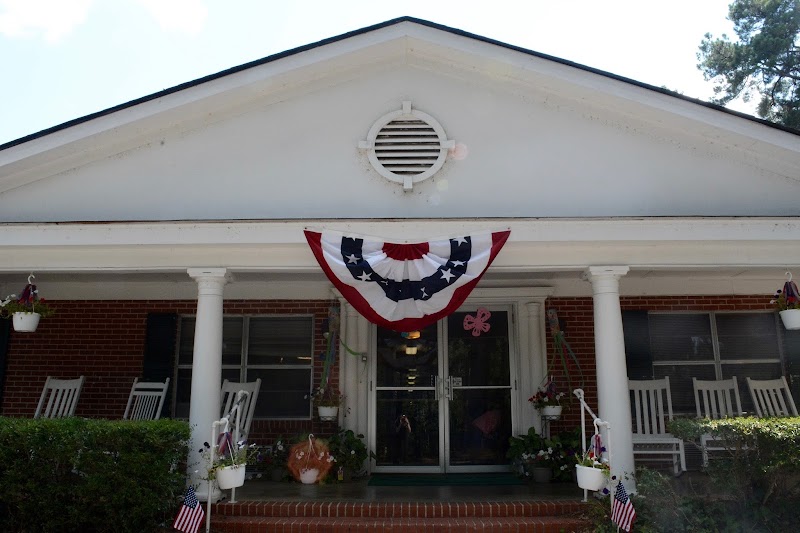
How Does Pinewood Manor & Rehabilitation Cntr Compare to Other Georgia Nursing Homes?

Compared to the 100 nursing homes in Georgia, PINEWOOD MANOR NURSING HOME & REHABILITATION CNTR's overall rating (2 stars) is below the state average of 2.6, staff turnover (26%) is significantly lower than the state average of 46%, and health inspection rating (2 stars) is below the national benchmark.

What Should Families Ask When Visiting Pinewood Manor & Rehabilitation Cntr?

Based on this facility's data, families visiting should ask: "Can you walk me through typical staffing levels on day, evening, and night shifts?" "Can I visit during a mealtime to observe dining assistance and food quality?" "How do you handle medical emergencies, and what is your hospital transfer rate?" "Can I speak with family members of current residents about their experience?" These questions are particularly relevant given the below-average staffing rating.

Is Pinewood Manor & Rehabilitation Cntr Safe?

Based on CMS inspection data, PINEWOOD MANOR NURSING HOME & REHABILITATION CNTR has a clean safety record: no substantiated abuse findings (meaning no confirmed cases of resident harm), no Immediate Jeopardy citations (the most serious violation level indicating risk of serious injury or death), and is not on the Special Focus Facility watch list (a federal program monitoring the lowest-performing 1% of nursing homes). The facility has a 2-star overall rating and ranks #100 of 100 nursing homes in Georgia. While no facility is perfect, families should still ask about staff-to-resident ratios and recent inspection results during their visit.

Do Nurses at Pinewood Manor & Rehabilitation Cntr Stick Around?

Staff at PINEWOOD MANOR NURSING HOME & REHABILITATION CNTR tend to stick around. With a turnover rate of 26%, the facility is 20 percentage points below the Georgia average of 46%. Low turnover is a positive sign. It means caregivers have time to learn each resident's needs, medications, and personal preferences. Consistent staff also notice subtle changes in a resident's condition more quickly.

Was Pinewood Manor & Rehabilitation Cntr Ever Fined?

PINEWOOD MANOR NURSING HOME & REHABILITATION CNTR has no federal fines on record. CMS issues fines when nursing homes fail to meet care standards or don't correct problems found during inspections. The absence of fines suggests the facility has either maintained compliance or corrected any issues before penalties were assessed. This is a positive indicator, though families should still review recent inspection reports for the full picture.

Is Pinewood Manor & Rehabilitation Cntr on Any Federal Watch List?

PINEWOOD MANOR NURSING HOME & REHABILITATION CNTR is not on any federal watch list. The most significant is the Special Focus Facility (SFF) program, which identifies the bottom 1% of nursing homes nationally based on persistent, serious quality problems. Not being on this list means the facility has avoided the pattern of deficiencies that triggers enhanced federal oversight. This is a positive indicator, though families should still review the facility's inspection history directly.