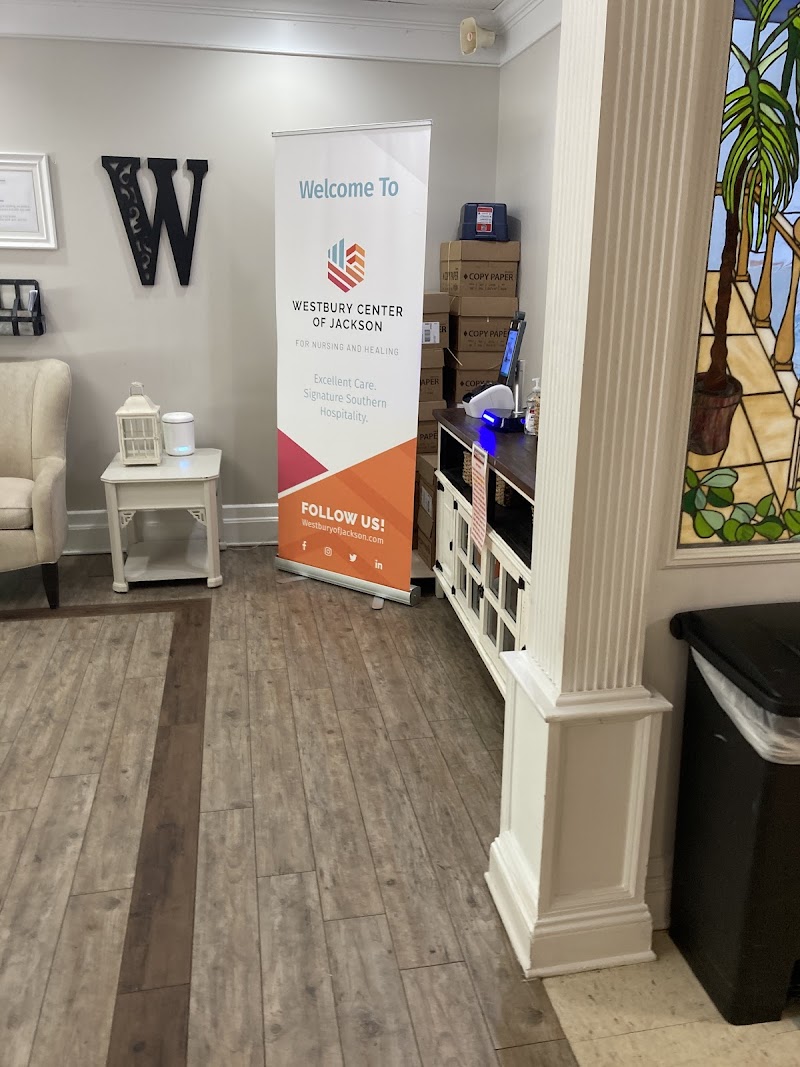
WESTBURY CENTER OF JACKSON FOR NURSING AND HEALING
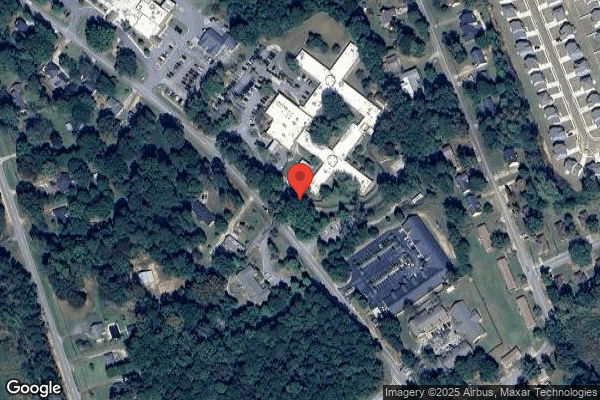
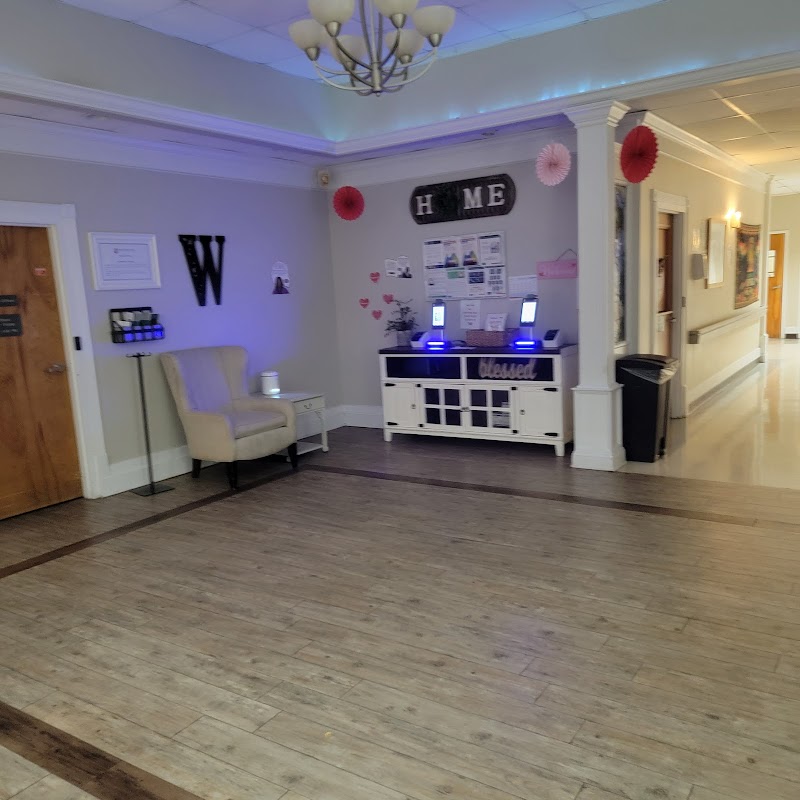
922 MCDONOUGH ROAD, JACKSON, GA 30233 (770) 775-7832
For profit - Limited Liability company 196 Beds EMPIRE CARE CENTERS Data: November 2025
Trust Grade
53/100
#236 of 353 in GA
Last Inspection: February 2025

Within standard 12-15 month inspection cycle. Federal law requires annual inspections.

Overview

Westbury Center of Jackson for Nursing and Healing has a Trust Grade of C, which means it is average-neither great nor terrible. It ranks #236 out of 353 nursing homes in Georgia, placing it in the bottom half of facilities in the state, but it is the only option in Butts County. Unfortunately, the facility is experiencing a worsening trend, with reported issues increasing from 2 in 2024 to 6 in 2025. Staffing is a significant concern, rated just 1 out of 5 stars, with a turnover rate of 51%, which is about average for Georgia but indicates instability. Additionally, there have been serious incidents such as a staff member verbally and physically abusing a resident, which resulted in that resident leaving the facility, and failures to ensure residents' dignity and safety, such as leaving medications at the bedside without proper assessment. While the health inspection rating is average, the overall picture suggests that families should carefully consider both the strengths and weaknesses of this facility.

Trust Score
C
53/100
In Georgia
#236/353
Bottom 34%
Safety Record
Moderate
Needs review
Inspections
Getting Worse
2 → 6 violations
Staff Stability
⚠ Watch
51% turnover. Above average. Higher turnover means staff may not know residents' routines.
Penalties
○ Average
$8,512 in fines. Higher than 59% of Georgia facilities. Some compliance issues.
Skilled Nurses
⚠ Watch
Each resident gets only 12 minutes of Registered Nurse (RN) attention daily — below average for Georgia. Fewer RN minutes means fewer trained eyes watching for problems.
Violations
⚠ Watch
11 deficiencies on record. Higher than average. Multiple issues found across inspections.
★★☆☆☆
2.0
Overall Rating
★☆☆☆☆
1.0
Staff Levels
★★★☆☆
3.0
Care Quality
★★★☆☆
3.0
Inspection Score
Stable
2024: 2 issues
2025: 6 issues

The Good

  • Full Sprinkler Coverage · Fire safety systems throughout facility
  • No fines on record

Facility shows strength in fire safety.

The Bad

2-Star Overall Rating

Below Georgia average (2.6)

Below average - review inspection findings carefully

Staff Turnover: 51%

Near Georgia avg (46%)

Higher turnover may affect care consistency

Federal Fines: $8,512

Below median ($33,413)

Minor penalties assessed

Chain: EMPIRE CARE CENTERS

Part of a multi-facility chain

Ask about local staffing decisions and management

The Ugly 11 deficiencies on record

1 actual harm
Feb 2025 6 deficiencies
CONCERN (D) 📢 Someone Reported This

A family member, employee, or ombudsman was alarmed enough to file a formal complaint

Potential for Harm - no one hurt, but risky conditions existed

Resident Rights (Tag F0550)

Could have caused harm · This affected 1 resident

**NOTE- TERMS IN BRACKETS HAVE BEEN EDITED TO PROTECT CONFIDENTIALITY** Based on observations, staff interviews, record reviews, and review of the facility's policy titled Quality of Life- Dignity, th...

Read full inspector narrative →
**NOTE- TERMS IN BRACKETS HAVE BEEN EDITED TO PROTECT CONFIDENTIALITY** Based on observations, staff interviews, record reviews, and review of the facility's policy titled Quality of Life- Dignity, the facility failed to provide care in a manner that maintained or enhanced a resident's dignity for one of 53 sampled residents (R) (R37). This failure had the potential to diminish R37's quality of life in an environment that promotes the maintenance or enhancement of each resident's quality of life. Finding include: Review of the facility's policy titled Quality of Life Dignity, dated December 2022, revealed the Policy Statement was Each resident shall be cared for in a manner that promotes and enhances quality of life, dignity, respect and individually. The Policy Interpretation and Implementation section included, 1. Resident shall be treated with dignity and respect at all times. 10. Staff shall promote, maintain, and protect resident privacy, including bodily privacy during assistance with personal care and during treatment procedures. Review of the clinical record revealed R37's diagnoses included senile degeneration of brain, muscle weakness, and dementia. Review of R37's Quarterly Minimum Data Set (MDS), dated [DATE], revealed section C (Cognitive Pattern) documented that R37 had a Brief Interview for Mental Status (BIMS) of seven (indicating severe cognitive impairment). Section GG (Functional Abilities and Goals) documented that R37 required setup or clean-up assistance for Activities of Daily Living (ADL) care. Review of R37's care plan, dated 11/13/2024, documented that R37 required nursing staff support to complete ADLs related to self-deficits and impaired cognition. During a walk-through observation on 2/5/2025 at 2:39 pm, the observation revealed Certified Nurse Assistant (CNA) GG providing R37 ADL/personal care with the door open. The privacy curtain was pulled partially around the bed and did not provide complete privacy for R37 during ADL care. During an interview on 2/5/2025 at 2:40 pm, Licensed Practical Nurse (LPN) HH confirmed R37's room door was open to the hallway while CNA GG was performing resident care. LPN HH stated the door should be closed to provide privacy and avoid exposing the resident to other residents or visitors. She further confirmed that while conducting resident care, the privacy curtain should be pulled all the way around to ensure complete privacy, and the door should be closed. During an interview on 2/5/2025 at 2:43 pm, CNA GG confirmed she did provide resident care with the door open. She stated the privacy curtain was pulled between both beds but was not pulled all of the way around R37's bed. She further stated the protocol was to close the door when providing ADL care, but sometimes she did not when providing care to the resident in bed B. During an interview on 2/6/2025 at 10:55 am, the Director of Nursing (DON) stated she expected the resident's door to be closed when performing care. She further stated that if the care being provided involved personal care, the resident's door should be closed, and the privacy curtain should be pulled all the way around the bed.
CONCERN (D) 📢 Someone Reported This

A family member, employee, or ombudsman was alarmed enough to file a formal complaint

Potential for Harm - no one hurt, but risky conditions existed

Deficiency F0554 (Tag F0554)

Could have caused harm · This affected 1 resident

**NOTE- TERMS IN BRACKETS HAVE BEEN EDITED TO PROTECT CONFIDENTIALITY** Based on observations, resident and staff interviews, record review, and review of the facility's policy titled Resident Self-Ad...

Read full inspector narrative →
**NOTE- TERMS IN BRACKETS HAVE BEEN EDITED TO PROTECT CONFIDENTIALITY** Based on observations, resident and staff interviews, record review, and review of the facility's policy titled Resident Self-Administration of Medication, the facility failed to ensure medications were not left at the bedside of two of 53 sampled residents (R) (R86 and R287) who were not assessed for medication self-administration. This deficient practice had the potential to place R86 and R287 at risk of serious health complications, including medication misuse or overdose, and compromise their safety and well-being. Findings Include: A review of the facility's policy titled Resident Self-Administration of Medication, revised on 3/2024, revealed the Policy section was It is the policy of this facility to support each resident's right to self-administer medication. A resident may only self-administer medications after the facility's interdisciplinary team has determined which medications may be self-administered safely. The Policy Explanation and Compliance Guidelines section included . 7. Bedside medication storage is permitted only when it does not present a risk to confused residents who wander into the other resident's rooms or to confused roommates of the resident who self-administers medication. The following conditions are met for bedside storage to occur: a. The manner of storage prevents access by other residents. Lockable drawers or cabinets are required only if locked storage is ineffective. b. The medications provided to the resident for bedside storage are kept in the containers dispensed by the provider pharmacy. 8. All nurses and aides are required to report to the charge nurse on duty any medication found at the bedside not authorized for bedside storage. Unauthorized medications are given to the charge nurse for return to the family or responsible party. Families or responsible parties are reminded of policy and procedures regarding resident self-administration when necessary. 13. The care plan must reflect resident self-administration and storage arrangements for such medications. 1. A review of R86's admission Record revealed diagnoses including, but not limited to, dementia with mood disturbances, muscle weakness, and cognitive communication deficit. A review of R86's Quarterly Minimum Data Set (MDS) dated [DATE] revealed section C (Cognitive Patterns) documented a Brief Interview for Mental Status (BIMS) of seven (indicating severe cognitive impairment). A review of R86's care plan revised on 4/24/2024 revealed a focus area for impaired cognitive function related to dementia. Further review revealed no care plan for self-administration of medication. A review of R86's Physician Orders revealed no orders for self-administration of medication. A review of R86's Assessments revealed no assessments for self-administration of medications. An observation and interview on 2/4/2025 at 10:20 am in R86's room revealed one container of Visine A.C. Itchy Relief eye drops (a medication used to treat itchy, red, and watery eyes) on the resident's bedside table. R86 stated she didn't remember how they got there and stated she had had the eye drops for about three to four months. R86 further stated that the staff was aware she had the eye drops, and no one had told her she could not have them. An observation on 2/5/2025 at 11:22 am in R86's room revealed one container of Visine A.C. Itchy Relief eye drops on the resident's bedside table. In an interview on 2/5/2025 at 11:22 am, Certified Nursing Assistant (CNA) AA stated she was unaware that R86 had Visine A.C. Itchy Relief eye drops on her bedside table. CNA AA further stated potential adverse outcomes of medications being left at the bedside were that other residents might take them by mistake or that the resident might not take them correctly, which could pose safety risks for both the individual resident and others. In an interview on 2/5/2025 at 11:28 am, Licensed Practical Nurse (LPN) BB stated the facility had no residents approved to self-administer medication. LPN BB further stated if a medication was found at a resident's bedside, the protocol was to remove the medication from the room, inform the unit managers, and contact the resident's family to discuss the situation. LPN BB stated potential adverse outcomes included the risk of overdose if a resident forgets they've taken their medication or a roommate could access the medication. LPN BB further stated residents were not supposed to have medication in their rooms. In an interview on 2/5/2025 at 1:58 pm, the Director of Nursing (DON) stated there was a medication self-assessment process for residents who wish to self-administer their medications. The DON stated during the assessment, residents explained what each medication was for, demonstrated how to use it correctly, and staff ensured it was care planned, and further stated residents who had not been assessed to keep medications at their bedside were not allowed to. The DON stated that residents with medications in their room may not take them as ordered. She further stated if a resident's roommate had cognitive impairments, there could be risks associated with medication misuse as well. In an interview on 2/6/2025 at 9:10 am, the Administrator stated residents who desired to have medication at their bedside must be capable of administering the medication themselves. The Administrator stated it was important the resident could manage the medication independently and ensure it was stored safely to prevent access by other residents. The Administrator further stated potential negative outcomes from residents having medication at the bedside without being assessed included residents being unable to administer their medication correctly. 2. A review of R287's admission Record revealed diagnoses including, but not limited to, a history of stroke, heart failure, chronic kidney disease, bronchitis, and peripheral artery disease. A review of R287's admission MDS dated [DATE] revealed a BIMS score of 15 (indicating little to no cognitive impairment). A review of R287's care plan dated 1/21/2025 revealed no focus area for self-administering medications or nasal sprays. A review of R287's Physician's Orders revealed no order for medication self-administration. A review of all Assessments completed on the resident revealed no assessment was conducted to determine the resident's competency to self-administer medications. During the medication pass on 2/5/2025 at 9:15 am, observation revealed eight bottles of Afrin nasal spray (a medication used to relieve nasal congestion) scattered throughout R287's room, including on the bedside table. The nurse did not question the presence of the medication bottles and left the room. Observation on 2/5/2025 at 2:20 pm revealed the Afrin nasal spray bottles remained in R287's room. In an interview on 2/5/2025 at 2:20 pm, LPN MM stated that residents must have a physician's order and a completed assessment for medication self-administration. LPN MM stated she was unsure why the nasal spray was in R287's room. In an interview on 2/5/2025 at 2:45 pm, Unit Manager/LPN OO stated an assessment and a physician's order were required for a resident to self-administer medications. UM/LPN OO confirmed that R287 did not have a physician's order, completed assessment, or care plan for self-administration of medications. In an interview with the Director of Nursing (DON) on 02/05/2025 at 2:50 pm, she confirmed that residents must have a physician's order and assessment for self-administration of medications and must demonstrate their ability to staff before being permitted to do so. The DON acknowledged that it was inappropriate for the resident to have nasal spray bottles in his room without meeting these requirements.
CONCERN (D) 📢 Someone Reported This

A family member, employee, or ombudsman was alarmed enough to file a formal complaint

Potential for Harm - no one hurt, but risky conditions existed

Safe Environment (Tag F0584)

Could have caused harm · This affected 1 resident

**NOTE- TERMS IN BRACKETS HAVE BEEN EDITED TO PROTECT CONFIDENTIALITY** 2. Observation of the bathrooms in resident rooms [ROOM NUMBERS], beginning on 2/4/2025 at 1:30 pm, revealed chipped paint from ...

Read full inspector narrative →
**NOTE- TERMS IN BRACKETS HAVE BEEN EDITED TO PROTECT CONFIDENTIALITY** 2. Observation of the bathrooms in resident rooms [ROOM NUMBERS], beginning on 2/4/2025 at 1:30 pm, revealed chipped paint from the inner and outer door frames and detached baseboards. In a concurrent observation and interview with the MD on 2/6/2025, beginning at 11:10 am, he confirmed the chipped paint from the inner and outer door frames and detached baseboards in the bathrooms in resident rooms [ROOM NUMBERS]. He stated when staff identified maintenance concerns, they should enter them into the electronic maintenance system or speak to him directly. He further stated he did make rounds, but he had been working alone. Based on observations, staff interviews, record review, and review of the facility-provided document titled Logbook Documentation - Heating, Ventilation and Air Conditioning (HVAC)/ Packaged Terminal Air Conditioner (PTAC): Clean Air Filters, the facility failed to ensure that the PTAC filters were maintained in a clean condition for two of 120 resident rooms (rooms [ROOM NUMBERS] ). In addition, the facility failed to maintain a home-like environment in two of 120 resident rooms (rooms [ROOM NUMBERS]) observed with chipped paint and loose baseboards. These deficient practices had the potential to place the residents residing in the rooms at risk of living in an unsanitary and unsafe living environment and a potential for diminished quality of life. Findings include: Review of the facility-provided document titled Logbook Documentation - HVAC (PTAC): Clean Air Filters revealed the Steps section included: 1. Remove or open access cover 2. Remove air filter and inspect for cleanliness. If filter is dirty either wash or replace depending on type of filter. If clean, reinstall filter. 3. Re-install access cover. 4. Clean Grill on cover. 5. Close and make sure it is secure. 7. Clean evaporators coils if lint build-up is present. An observation on 2/4/2025 at 3:04 pm in room [ROOM NUMBER] revealed the PTAC filter was torn and had gray, fuzzy debris on it. An observation on 2/4/2025 at 3:06 pm in room [ROOM NUMBER] revealed the PTAC filter had gray, fuzzy debris on it. During a concurrent interview and observations on 2/6/2024 at 1:48 pm, the Maintenance Director (MD) revealed that the filters were checked once a month and cleaned as needed. The MD stated he performed a walkthrough of the building, using a red-light indicator to identify any issues, and if necessary, he opened the filters to inspect and clean them. The MD confirmed the PTAC Unit filters in room [ROOM NUMBER] had grey, fuzzy debris and needed to be cleaned. He further confirmed the PTAC Unit filter in room [ROOM NUMBER] was torn and covered in grey, fuzzy debris and stated it needed to be replaced. The MD stated the dirty filters could contribute to breathing concerns for the resident. In an interview on 2/6/2025 at 9:10 am, the Administrator stated she thought the air filters were cleaned monthly, and the expectation was for them to be kept clean.
CONCERN (D) 📢 Someone Reported This

A family member, employee, or ombudsman was alarmed enough to file a formal complaint

Potential for Harm - no one hurt, but risky conditions existed

Deficiency F0645 (Tag F0645)

Could have caused harm · This affected 1 resident

Based on staff interviews, record review, and review of the facility policy titled Resident Assessment-Coordination with PASARR (Preadmission Screening and Resident Review) Program, the facility faile...

Read full inspector narrative →
Based on staff interviews, record review, and review of the facility policy titled Resident Assessment-Coordination with PASARR (Preadmission Screening and Resident Review) Program, the facility failed to submit an application for Level II PASARR for evaluation and determination of specialized services for three of four residents (R) (R32, R87, and R90) reviewed for PASARR. This failure had the potential to place R32, R87, and R90 at risk of not receiving services and/or care according to their needs. Findings include: Review of the facility policy titled Resident Assessment-Coordination with PASARR Program, date reviewed/revised December 2022, revealed the Policy stated, This facility coordinates assessments with the preadmission screening and resident review (PASARR) program under Medicaid to ensure that individuals with a mental disorder, intellectual disability, or a related condition receive care and services in the most integrated setting appropriate to their needs. The Policy Explanation and Compliance Guidelines section included, 1. All applicants to this facility will be screened for serious mental disorders or intellectual disabilities and related conditions in accordance with the State's Medicaid rules for screening. 6. The Social Services Director shall be responsible for keeping track of each resident's PASARR screening status and referring to the appropriate authority. 9. Any resident who exhibits a newly evident or possible serious mental disorder, intellectual disability, or a related condition will be referred promptly to the state mental health or intellectual disability authority for a level II resident review. Examples include: . b. A resident whose intellectual disability or related condition was not previously identified and evaluated through PASARR. 1. Review of R32's Electronic Medical Record (EMR) under admission Record revealed diagnoses included bipolar disorder, depression, and anxiety disorder. Review of R32's Annual Minimum Data Set (MDS) assessment, dated 10/25/2024, revealed section A (Identification Information) documented the resident had not been evaluated by Level II PASARR. Review of R32's Quarterly MDS assessment, dated 1/24/2025, revealed section D (Mood) documented a mood score of 17 (indicating moderate severe depression), and Section I (Active Diagnoses) documented diagnoses included anxiety disorder, depression, and manic depression. Review of R32's PASARR Level 1 Assessment Form, dated 11/17/2023, revealed no documentation of the diagnoses of bipolar disorder, depression, and anxiety disorder. 2. Review of R87's EMR under admission Record revealed diagnoses included psychosis, anxiety disorder, and major depressive disorder. Review of R87's Annual Minimum Data Set (MDS) assessment, dated 4/17/2024, revealed section A (Identification Information) documented the resident had not been evaluated by Level II PASARR. Review of R87's Quarterly MDS assessment, dated 12/27/2024, revealed section I (Active Diagnoses) documented diagnoses included anxiety disorder, depression, and psychotic disorder. Review of R87's PASARR Level 1 Assessment Form, dated 7/16/2020, revealed no documentation of the diagnoses of psychosis, anxiety disorder, and major depressive disorder. 3. Review of R90's EMR under admission Record revealed diagnoses included depression, psychosis, and bipolar disorder. Review of R90's Annual Minimum Data Set (MDS) assessment, dated 10/15/2024, revealed section A (Identification Information) documented the resident had not been evaluated by Level II PASARR. Review of R90's Quarterly MDS assessment, dated 12/18/2024, revealed section I (Active Diagnoses) revealed diagnoses included depression, manic depression, and psychotic disorder. Review of R90's PASARR Level I Assessment Form, dated 2/25/2022, revealed no documentation of the diagnoses of depression, psychosis, and bipolar disorder. In an interview on 2/6/2025 at 10:25 am, the Social Services Director (SSD) stated the Business Office Manager turned over the PASARR Level 1 documents to her upon a resident's admission. She stated she was unaware that she was responsible for determining which residents needed submission for PASARR Level II. She confirmed that R32, R87, and R90 had diagnoses that required submission for PASARR Level II. In an interview on 2/6/2025 at 3:35 pm, the Administrator stated she had been notified the PASARR Level II applications had not been submitted for the three identified residents. She stated her expectation moving forward was that the SSD would screen for qualifying diagnoses on a regular basis and submit applications for PASARR Level II as needed.
CONCERN (D) 📢 Someone Reported This

A family member, employee, or ombudsman was alarmed enough to file a formal complaint

Potential for Harm - no one hurt, but risky conditions existed

Deficiency F0688 (Tag F0688)

Could have caused harm · This affected 1 resident

**NOTE- TERMS IN BRACKETS HAVE BEEN EDITED TO PROTECT CONFIDENTIALITY** Based on observations, resident and staff interviews, record review, and a review of the facility-provided binder titled Rehab: ...

Read full inspector narrative →
**NOTE- TERMS IN BRACKETS HAVE BEEN EDITED TO PROTECT CONFIDENTIALITY** Based on observations, resident and staff interviews, record review, and a review of the facility-provided binder titled Rehab: Patient Level of Assistance, the facility failed to ensure restorative nursing care was provided to one of two residents (R) (R99) sampled for range of motion (ROM) and mobility. This deficient practice had the potential to place R99 at risk of worsening contractures and a diminished quality of life. Findings include: Review of the facility-provided binder titled Rehab: Patient Level of Assistance, revealed instructions on the level of assistance required for each resident in the facility. The binder contained a Restorative Nursing Instruction Form, completed by Occupational Therapy (OT) and/or Physical Therapy (PT), which documented each resident's needs of ROM, ambulation, transfers, splinting/bracing, eating/swallowing, and other activity of daily living (ADL) needs. Review of R 99's admission Record revealed diagnoses including, but not limited to, contracture of muscle of left upper arm (LUA), hemiplegia (paralysis on one side of the body), and hemiparesis (weakness on one side) following a cerebral infarction affecting the left side. Review of R99's Quarterly Minimum Data Set (MDS) dated [DATE] revealed section C (Cognitive Patterns) documented a Brief Interview for Mental Status (BIMS) score of 15 (indicating little to no cognitive impairment). Section E (Behaviors) documented that rejection of care was not exhibited. Section I (Active Diagnosis) documented a contracture of the muscle of the LUA. Section GG (Functional Abilities and Goals) documented upper and lower extremity impairment on one side and was dependent for upper and lower body dressing. Section O (Special Treatments, Procedures, and Programs) documented no days of PT, OT, passive range of motion (PROM), ROM, or splint or brace assistance. Review of R99's Physician's Orders revealed an order dated 8/20/2022 for Nursing Restorative PRN (as needed) per POC (plan of care). Further review revealed an order dated 6/21/2024 for OT to evaluate and treat as indicated three to five times per week for 12 weeks. May continue with PT and an order dated 7/17/2024 for PT to evaluate and treat as indicated. Review of a facility-provided document titled Restorative Nursing Instruction Form for R99, signed by the OT and dated 6/29/2023, revealed directions for care included passive range of motion (PROM) to the left upper and lower extremities and a resting hand splint on the left upper extremity (LUE) with instructions to wear it every day for up to six hours. Observation on 2/4/2025 at 11:22 am revealed R99 sitting in her bed. The resident did not have a splint on her LUE. In an interview, R99 stated that she had a stroke, which caused her left hand to contract. She stated she had a splint for her LUE in the past but did not currently have one. Observations on 2/5/2025 at 7:40 am and 11:00 am and 2/6/2025 at 9:50 am and 11:35 am revealed that R99 did not have a splint on her LUE, and one was not observed in her room. In an interview on 2/5/2025 at 10:05 am, Certified Nursing Assistant (CNA) II stated she was unaware that R99 had or needed a splint. In an interview on 2/6/2025 at 10:05 am, CNA JJ stated she was unaware that R99 needed or used a splint. In an interview on 2/5/2025 at 11:04 am, the Director of Rehabilitation (DOR) stated R99 was admitted to the facility with a splint due to a history of stroke. She explained that if the resident's condition remained unchanged, she would always require the splint to prevent further contracture. The DOR further stated that once R99 was discharged from therapy, CNAs were responsible for applying the splint as directed. During an observation in R99's room, the DOR verified there was no LUE splint in R99's room. In an interview on 2/6/2025 at 10:30 am, the Director of Nursing (DON) stated if a resident had a contracture and had instructions from therapy to apply a splint, her expectation was for the CNAs and nurses to apply the splints as recommended by PT and OT.
CONCERN (D) 📢 Someone Reported This

A family member, employee, or ombudsman was alarmed enough to file a formal complaint

Potential for Harm - no one hurt, but risky conditions existed

Unnecessary Medications (Tag F0759)

Could have caused harm · This affected 1 resident

Based on observations, staff interviews, record review, and review of the facility's policy titled Insulin Pen, the facility failed to ensure the medication error rate was less than five percent. Ther...

Read full inspector narrative →
Based on observations, staff interviews, record review, and review of the facility's policy titled Insulin Pen, the facility failed to ensure the medication error rate was less than five percent. There were two errors with 30 opportunities for two of four residents, R (R119 and R147), for a medication error rate of 6.67 percent. These failures had the potential to place R119 and R147 at risk of medical complications and decreased therapeutic effects of medications. Findings include: Review of the facility policy titled Insulin Pen, revised 8/2023, revealed the Policy section included . 17. Keep the pen straight and insert the needle into the skin. Using your thumb, press the injection button all the way down. When the number in the window returns to '0,' slowly count to 10 before removing the needle. 1. Review of R119's clinical record revealed diagnoses including, but not limited to, type 2 diabetes mellitus with diabetic chronic kidney disease. Review of R119's Physician's Orders revealed an order dated 9/28/2024 for insulin glargine 100 units/milliliter (ml) solution (a medication used to treat diabetes) pen injection 10 units subcutaneous. Observation on 2/5/2025 at 8:15 am revealed Certified Medical Assistant (CMA) PP administered an insulin glargine injection of 10 units subcutaneously to R119 using an insulin pen. Observation revealed CMA PP administered the injection but immediately removed the pen needle from contact with the resident without holding it in place for ten seconds. 2. Review of R147's clinical record revealed diagnoses including, but not limited to, type 2 diabetes mellitus. Review of R147's Physician's Orders revealed an order dated 8/30/2024 for Fiasp Flex Touch 100 units/ml solution (a medication used to treat diabetes) pen injection, inject as per sliding scale. Observation on 2/5/2025 at 11:00 am revealed CMA PP administered a Fiasp Flex insulin injection of four units to R147 using the insulin pen. Observation revealed CMA PP administered the injection but immediately removed the pen needle from contact with the resident without holding it in place for ten seconds. In an interview on 2/6/2025 at 1:00 pm, CMA PP stated when administering insulin with an insulin pen, she removes the insulin pen needle immediately after injection when she hears the click of the pen. In an interview on 2/6/2025 at 1:15 pm, the Staff Educator stated her expectation during insulin administration was to push the injection button of the insulin pen and hold it tightly against the skin for five to 10 seconds to deliver the full dose. She further stated not holding the insulin pen in place for five to 10 seconds could result in the resident receiving an incomplete dose, as some insulin may leak out.
Jul 2024 2 deficiencies 1 Harm
SERIOUS (G) 📢 Someone Reported This

A family member, employee, or ombudsman was alarmed enough to file a formal complaint

Actual Harm - a resident was hurt due to facility failures

Free from Abuse/Neglect (Tag F0600)

A resident was harmed · This affected 1 resident

**NOTE- TERMS IN BRACKETS HAVE BEEN EDITED TO PROTECT CONFIDENTIALITY** Based on staff interviews, record review, and a review of the facility policy titled Abuse, Neglect and Exploitation, the facili...

Read full inspector narrative →
**NOTE- TERMS IN BRACKETS HAVE BEEN EDITED TO PROTECT CONFIDENTIALITY** Based on staff interviews, record review, and a review of the facility policy titled Abuse, Neglect and Exploitation, the facility failed to protect the resident's right to be free from verbal and physical abuse by staff. The Certified Nursing Assistant (CNA) forcefully pushed the resident (R) (R1) down, grabbed the wheelchair, and prevented the resident from leaving the room. Psychosocial harm occurred on 7/13/2023 when a CNA voiced racial comments causing R1 to become distraught, scared, and crying. Due to the verbal abuse, R1 left the facility and did not return. Findings include: A facility policy titled, Abuse, Neglect and Exploitation, revised 1/2024, revealed policy: It is the policy of this facility to provide protections for the health, welfare and rights of each resident by developing and implementing written policies and procedures that prohibit and prevent abuse, neglect, exploitation and misappropriation of resident property. The policy specified, Abuse means the willful infliction of injury, unreasonable confinement, intimidation, or punishment with resulting physical harm, pain or mental anguish, which can include staff to resident abuse and certain resident to resident altercations. Instances of abuse of all residents irrespective of any mental or physical condition, cause physical harm, pain or mental anguish. It includes verbal abuse, sexual abuse, physical abuse, and mental abuse including abuse facilitated or enabled through the use of technology. Willful means the individual must have acted deliberately, not that the individual must have intended to inflict injury or harm. Verbal Abuse means the use of oral, written or gestured communication or sounds that willfully includes disparaging and derogatory terms to resident or their families, or within their hearing distance regardless of their age ability to comprehend, or disability. The policy revealed, Physical Abuse includes, but is not limited to hitting, slapping, punching, biting, and kicking. It also includes controlling behavior through corporal punishment. Per the policy, Involuntary Seclusion refers to the separation of a resident from other residents or from his/her room or confinement to his/her room against the resident's will or the will of the resident's legal representative. A review of the admission Record revealed that R1 had a diagnosis of legal blindness, major depressive disorder, and anxiety disorder. An annual Minimum Data Set (MDS) dated [DATE] for R1 had a Brief Interview for Mental Status (BIMS) score of 14, which indicated the resident had intact cognition. A review of the care plan for R1, dated 2/2/2023, revealed that R1 had an alteration in vision function, as the resident was blind. The facility's final investigation, dated 7/19/2023, revealed that R1 reported that a CNA made comments to them that were of a sexual and racial nature. The investigation indicated the resident had no physical harm but was distraught after the incident. The investigation revealed the resident contacted their responsible party (RP) on the evening of 7/13/2023 and reported that a CNA made inappropriate comments to R1 and asked questions that upset R1. Per the investigation, the resident's RP contacted a registered nurse (RN) supervisor and informed the RN supervisor that they were on their way to the facility to get the resident. The investigation revealed the RN supervisor immediately visited the resident, offered support, and gathered information about the incident. Per the investigation, R1 left the facility with their RP and did not return, the CNA was interviewed and escorted out of the facility, and the police were called. According to the investigation, the camera footage was reviewed and all staff and residents that were observed in the area at the time of the incident were interviewed, and statements were obtained. The investigation revealed that R1 reported that the incident occurred in the shower room; however, the camera footage indicated the incident took place in the small dining room across from the shower room. The investigation indicated the resident was legally blind and did not realize where they were in the facility. Per the investigation, two CNAs were observed in the room with R1 while the resident waited to enter the shower room. One CNA was observed to talk to the resident, but the content of the conversation was unknown as there was no audio available. The other CNA was present and noted to sit at a table and laugh and make occasional comments. Per the investigation, when R1 became agitated, as evidenced by their attempts to leave the small dining room, R1 was blocked by the CNA. The investigation indicated that R1 was eventually taken back to their room, and it was reported that the resident refused their shower. The investigation revealed one staff member and one resident witnessed the incident and confirmed R1's recollection of the events. Per the investigation, the allegation of abuse was substantiated, and the facility would continue to cooperate with the police department's investigation, and both CNAs (CNA #5 and CNA #6) were terminated. Contained with the facility's investigation file was a handwritten statement from R1's RP dated 7/14/2023, which revealed that R1 tried to get up and was forcefully pushed the resident down. The statement indicated there were two, one laughed, and the other was forceful. Per the statement, a lady stated the resident had dementia. Contained with the facility's investigation file was a handwritten statement from the RN Supervisor dated 7/13/2023, which revealed at 9:30 pm, the RN Supervisor received a telephone call from R1's RP, who stated the resident stated a CNA had said hurtful things to the resident and the RP was on their way to pick up R1. The statement revealed the RN Supervisor went to the resident's room and the resident reported that a CNA came to take to them to the shower, but while the resident waited for a shower, the CNA insisted the resident give her a hug. The statement indicated that when the resident refused, the CNA accused the resident of not liking African American people. The statement revealed the resident stated the CNA then stated the resident's spouse was a member of a white supremacist group, asked if the resident ever dated an African American person, and was the African American person better in bed than their spouse. Per the statement, the resident lied to the CNA and stated they had dated an African American person just so the CNA would leave them alone. The handwritten statement revealed the resident stated they were scared and yelled for another staff person, but that staff person did not come. Contained within the facility's investigation file was a statement from R10 dated 7/13/2023, which revealed while the resident waited for their turn for a shower, they overhead CNA 5 and an unknown resident's conversation. R10 stated they heard CNA 5 ask the resident if they did not want to receive a shower because a [African American] lady was giving it. R10 stated the CNA continued to ask the resident if their spouse was a member of a white supremacist group. R10 stated the resident seemed scared and it sounded like the resident was crying. R10 stated the CNA was very aggressive and intimidating, and they were too afraid to intervene. A quarterly MDS, dated [DATE], revealed R10 had a BIMS score of 14, which indicated the resident had intact cognition. A review of the initial police report dated 7/14/2023 revealed an investigation in reference to a possible assault, with interviews obtained on this date. On 7/19/2023 the staff reviewed all videos provided and stated no criminal violations. On 8/11/2023, the staff spoke with the family and R1 regarding the incident and followed up with another review of video footage on 8/16/2023. The report detailed on 8/18/2023 no probable cause to believe that a crime has occurred. The video footage was requested and sent to the sheriff's office on 8/16/2023 A review of the initial sheriff's report dated 9/8/2023 revealed the following from an audio and video review of facility camera footage. R1 stated she was scared to death of what the woman was going to do so she was trying to get away. She didn't want to take a shower anymore because she was afraid of being left in the shower. R1 stated she was in so much fear the woman would take a gun out and shoot her. R1 revealed she never took her clothes off, and the lady grabbed her by the arm and hurt it. She described the grab as hard. R1 stated she was forced to stay in the room, and she cried, bawled, and begged them to let her go. R1 further revealed she told them she dated a black man for two years. She thought it would make them stop talking about it. The staff asked about the penis size of a black man compared to a white man. The staff member asked R1 if her family was a member of the KKK, and due to her visual impairment, she could not navigate in the room with the wheelchair and began running into walls. R1 stated they asked if black kids were allowed to go to class with her, eat lunch, and eat the same food. R1 said she was afraid and tried to get out of the chair and the staff member threw her back in the chair. The report reveals a visual on video of the staff member pushing R1 down the hall, proceeding in a circle, and then continuing down the hall, appearing to be an intentionally misleading act. The conclusion of the investigation details probable cause has been established for the offense of Cruelty to the Elderly, and taking certain factors surrounding the case into consideration, charges have been held off at this time. Video footage was made available on 7/25/2024. However, the video was unable to be downloaded or viewed. On 7/9/2024 at 11:30 am, the surveyor attempted to interview CNA 5; however, the telephone number provided was not a working number. On 7/9/2024 at 11:33 am, the surveyor attempted to interview CNA 6; however, the telephone number provided was not a working number. During an interview on 7/9/2024 at 11:00 am, the Administrator stated R1 was blind. The Administrator explained that the CNA took the resident for a shower, but the shower room was full, so they went across the hall to the break room to wait in line. The Administrator further revealed that R1 wanted to leave but could not find their way out, and the CNA blocked the resident from leaving. The Administrator stated there was another staff person in the room who was eating dinner and witnessed the incident but did not intervene. The Administrator stated the police were called, and the two staff (CNA 5 and CNA 6) were terminated. During a follow-up interview on 7/10/2024 at 9:51 am, the Administrator stated from the review of the camera footage, one could tell that R1's demeanor changed when they tried to get out the door, but the CNA grabbed the back of the resident's wheelchair which caused the resident to circle the room. The Administrator revealed both CNAs (CNA 5 and CNA 6) laughed while the resident searched for the door, and one CNA was noted to touch the resident. During an interview on 7/11/2024 at 1:00 pm, Nurse Practitioner (NP) 2 stated she remembered R1 and the resident was blind, picked at their skin, and had no history of making false accusations of abuse.
CONCERN (D) 📢 Someone Reported This

A family member, employee, or ombudsman was alarmed enough to file a formal complaint

Potential for Harm - no one hurt, but risky conditions existed

Notification of Changes (Tag F0580)

Could have caused harm · This affected 1 resident

Based on staff interviews, record review, and a review of the facility policy titled Notification of Changes, the facility failed to notify the resident's representative of a change in the resident's ...

Read full inspector narrative →
Based on staff interviews, record review, and a review of the facility policy titled Notification of Changes, the facility failed to notify the resident's representative of a change in the resident's condition for 1 of 3 sampled residents (R) (R5) reviewed for notification of change in condition. Findings included: A facility policy titled, Notification of Changes, revised date of 1/2024, revealed Policy: The purpose of this policy is to ensure the facility promptly informs the resident, consults the resident's physician, and notifies, consistent with his or her authority, the resident's representative when there is a change requiring notification. Review of the admission Minimum Data Set (MDS), with an Assessment Reference Date (ARD) of 12/26/2023, revealed R5 had a Brief Interview for Mental Status (BIMS) score of 13, which indicated the resident had intact cognition. Review of the care plan for R5, initiated on 12/21/2023, revealed the resident was new to the facility. Interventions directed the staff to notify the resident's family of changes in the resident's condition. A review of Progress Notes for R5 dated 12/31/2023 at 1:53 pm revealed the resident once again refused to take their scheduled morning medications. A review of the Progress Notes, for R5 dated 1/1/2024 at 6:18 pm, revealed the resident refused their morning medications, therapy, meals and activity of daily living care. Per the progress note, the resident stated they wanted to go home and needed to speak with a family member. The Progress Note indicated the staff called the resident's family member at their request. Per the Progress Note, later the resident refused to take a shower and complained that they had stomach pains. A review of the Progress Notes, for R5 dated 1/2/2024 at 5:53 pm, revealed the resident was sent to the emergency room for treatment and evaluation of acute abdominal pain. A review of the medical record for R5 revealed no evidence the resident's family, or their responsible party were notified the resident refused medication, meals, therapy, Activities of Daily Living (ADL) care, or the resident's complaint of stomach pain. During an interview on 7/8/2024 at 10:03 am, R5's family member (FM) #1 stated when they arrived at the facility to visit the resident on 1/2/2024, they found the resident in bed with a dry appearance and a swollen stomach and abdomen. FM 1 stated they went to the nurses' station and were told the resident had refused their medications several times and had not asked for any help, which is why no family had been notified. During an interview on 7/8/2024 at 5:47 pm, R5's FM 2 stated they were never notified of the resident's condition. During an interview on 7/8/2024 at 6:16 pm, R5's FM 3 stated they were notified the resident refused their medication, meals, or ADL care. During an interview on 7/11/2024 at 1:50 pm, the Director of Nursing (DON) stated FM 2 was listed as R5's responsible party. The DON stated she expected the staff to notify the resident's RP of any change in the resident's treatment or condition and documentation of such notification should be in the resident's progress notes.
Aug 2023 2 deficiencies
CONCERN (D)

Potential for Harm - no one hurt, but risky conditions existed

Deficiency F0658 (Tag F0658)

Could have caused harm · This affected 1 resident

Based on observation, staff interviews, record review, and a review of the facility's policy titled, Insulin Pen, the facility failed to maintain professional nursing standards of quality, as evidence...

Read full inspector narrative →
Based on observation, staff interviews, record review, and a review of the facility's policy titled, Insulin Pen, the facility failed to maintain professional nursing standards of quality, as evidenced by one Licensed Practical Nurse (LPN) administering insulin to one of 55 Residents (R) (#14) without priming pen prior to administration. Finding include: A review of the facility policy titled Insulin Pen, last reviewed/revised August 2023, revealed the Policy Explanation and Compliance Guidelines numbered: 6. Insulin pens will be primed prior to each use to avoid collection of air in the insulin reservoir. 11. h. Prime the insulin pen: i. Dial two units by turning the dose selector clockwise. ii. With the needle pointing up, push the plunger, and watch to see that at least one drop of insulin appears on the tip of the needle. If not, repeat until at least one drop appears. A review of the manufacturer's instructions for Humalog Kwik Pen on page three and section titled Priming your Pen stated: If you do not prime before each injection, you may get too much or too little insulin. Step 6 stated: to prime your Pen, turn the Dose Knob to select 2 units. Step 7: Hold your Pen with the needle pointing up. Tap the Cartridge Holder gently to collect air bubbles at the top. Step 8: Continue holding your Pen with Needle pointing up. Push the Dose Knob in until it stops, and 0 is seen in the Dose Window. Hold the Dose Knob in and count to 5 slowly. You should see insulin at the tip of the Needle. If you do not see insulin, repeat priming steps 6 to 8, no more than 4 times. If you still do not see insulin, change the needle, and repeat priming steps 6 to 8. Observation on 8/31/2023 at 11:45 a.m. of insulin administration with Licensed Practical Nurse (LPN) AA for R#14 revealed that she checked the physician's order prior to preparing the insulin. Observation revealed her to perform hand hygiene, don gloves, obtain the Humalog Kwik Pen from the medication drawer, and verify the correct medication for the resident. She attached the needle to the Humalog Kwik Pen and dialed the dosage of 8 units on the pen. She then verified the resident's identity, explained the administration of insulin to the resident, provided privacy, and administered the insulin to the resident's abdomen. She discarded the needle into the sharps container on the medication cart and returned the Humalog Kwik Pen to the correct location. Interview on 8/31/2023 at 11:50 a.m. with LPN AA verified she did not prime the Humalog Kwik Pen needle prior to dialing the ordered dose. She stated Humalog Kwik Pen insulin did not require the needle to be primed prior to administration. LPN AA revealed she had not received education about insulin administration in the past six months. Interview on 8/31/2023 at 12:05 p.m. with the Assistant Director of Nursing (ADON) revealed she did not think priming the needle prior to dialing a dose of insulin was required for insulin pens. Interview on 8/31/2023 at 1:40 p.m. with the Regional Director of Clinical Operations (RDCO) and the [NAME] President of Clinical Operations (VPCO) revealed it was their expectation that insulin pen needles would be primed prior to dialing the prescribed dose of insulin on the pen. The RDCO and VPCO both stated if the pen needle was not primed prior to dialing the prescribed dose of insulin, the resident may not receive the correct dose of insulin and may have adverse effects from not receiving the correct insulin dose. The RDCO revealed she was unsure if the nursing staff had received education on the use of insulin pens and would provide documentation of the education if any education was available. Education documentation was not provided.
CONCERN (D) 📢 Someone Reported This

A family member, employee, or ombudsman was alarmed enough to file a formal complaint

Potential for Harm - no one hurt, but risky conditions existed

Infection Control (Tag F0880)

Could have caused harm · This affected 1 resident

**NOTE- TERMS IN BRACKETS HAVE BEEN EDITED TO PROTECT CONFIDENTIALITY** 3. Review of the policy titled Peripheral Intravenous Catheter Insertion, Maintenance, and Removal with a revision date of Augus...

Read full inspector narrative →
**NOTE- TERMS IN BRACKETS HAVE BEEN EDITED TO PROTECT CONFIDENTIALITY** 3. Review of the policy titled Peripheral Intravenous Catheter Insertion, Maintenance, and Removal with a revision date of August 2023, revealed that the policy of the facility to ensure that short peripheral intravenous catheters are inserted, maintained, and discontinued consistent with current standards of practice. Further review revealed that a compliance guideline for peripheral intravenous (IV) catheters is the removal of the peripheral IV is indicated by the order of the physician when therapy is complete, when clinically indicated, when deemed no longer necessary for the plan of care, or have not been used for 24 hours of more. Review of electronic medical record of resident (R) #8, revealed that resident was admitted to the facility on [DATE]. She was admitted with diagnoses that included but are not limited to diabetes, atrial fibrillation, anxiety, psychosis, dementia, and depersonalization - derealization syndrome. Review of the quarterly minimum data set (MDS) assessment dated [DATE], revealed that R #8 has a basic interview of mental status (BIMS) score of 9. That score means that the resident is moderately cognitively impaired. Section G of the MDS describes the amount assistance the resident needs, and review of it revealed that R # 8 needs extensive assistance with eating. Review of the care plan for R# 8, revealed that she had an increased risk for fluid volume deficit related to cognitive impairment and refusal of fluids. Interventions that are in place for this problem include but are not limited to encouraging and assisting resident with fluid intake between meals, ensure fluids are available at bedside and adequate assistance is provided for fluid intake, and IV fluids as ordered. Review of progress notes for R #8 revealed that on 8/23/2023, a change in condition was reported to the provider. The abnormal vital sign that was relayed to the provider was a blood pressure of 100/60. There were no changes noted to the mental or the functional status of the resident. The progress note review also revealed that the provider responded to the change in condition with orders for R #8 to receive two liters of sodium chloride intravenous solution 0.45% at a rate of 50 milliliters (ml)/hour (h) every shift for hydration for three days. Review of a progress note dated 8/24/2023, revealed that the IV was placed in the right forearm. Another progress note dated 8/25/2023 revealed that IV fluids were flushing and infusing without difficulty. Review of progress note dated 8/26/2023 revealed that the IV was patent, and the last bag of 0.45% normal saline was running at 50 ml/hr. The site was clean and intact, and no infiltration was noted, and flushed without issues. Review of the electronic medication administration record (eMar) for the month of August for R#8, revealed that an order for sodium chloride intravenous solution 0.45% , use 50ml/hr. intravenously every shift for hydration for three (3) days, infuse two (2) liters. Start date of 8/23/2023. It was signed off that it was started on 8/23/2023 for the evening shift and for every shift until the day shift on 8/26/2023. The review of the eMAr for R # 8 also revealed an order that read Place peripheral IV for IV fluids one time only for 3 days. The start date 8/23/2023. It was signed off as completed on 8/23/2023. An observation of R # 8 was made on 8/29/2023 at 10:15 a.m. She was observed dressed for the day, sitting in her chair. She had fresh water on her over bed table, that was within her reach. There was an Iv noted in her right forearm at this time. The resident stated that she was receiving medication for her blood in her arm. A second observation was made of R # 8 on 8/30/2023 at 11:35am. During that observation, R #8 was observed dressed for the day, in a long-sleeved shirt. Resident was sitting up in the chair. The iv in her right forearm was felt through the shirt sleeve. At 11:50am on 8/30/2023, an interview with Registered Nurse (RN) / Community Manager HH, revealed that she did verify that R # 8 did have an IV in her right forearm. The interview revealed that R # 8 received IV fluids and they wanted it left in until her blood pressure was high enough due to her blood pressure has been running low. She revealed that the IVs are good for a week, and we have been flushing the IV with saline. The fluids were completed on 8/26 or 8/27 I think, revealed RN HH. The completed her interview by stating that she was unsure if the order to flush the iv was on the eMAR. As the RN HH was verifying the IV in R # 8 arm was still in, she revealed that she would go ahead and discontinue it. It was at that time, she verified that the canula tip of the IV was the only part of the IV that was still in the vein in R # 8 arm. Review of the progress notes revealed there was no progress note for R # 8 since 8/26/2023. An interview with licensed practical nurse (LPN) II was conducted on 8/30/2023 at 12:13 pm. She revealed that she was the nurse that was watching the certified medication aide that was responsible for R # 8's medications. She revealed that she was unaware that R # 8 had an IV and therefore, she had not flushed it. Review of the progress note dated 8/30/2023 revealed that R #8 Iv was discontinued per physician orders. On 8/31/2023 at 2:20pm, LPN CC was interviewed. She revealed that nurses would need an order for the IV and the fluids that would include the type of fluids and the rate, and the duration. She also revealed that if the fluids is not continuous, then there will need to be an order for flushes, that would be on the eMAR for the nurse to sign off when it is completed. She stated that once the infusion has been completed for its ordered duration, the nurse would need to obtain an order to discontinue the IV. An interview on 8/31/2023 at 3:37pm with the RN/ Regional Nurse Consultant, revealed that it is the expectation that IV be removed at the completion of the IV therapy. Based on observations, staff interviews, record reviews, and a review of the facility's policies titled Peripheral Intravenous Catheter Insertion, Maintenance, and Removal, Nebulizer Therapy, and Cleaning and Disinfection of Resident-Care Items and Equipment, the facility failed to maintain infection control standard precautions by not removing an intravenous (IV) access timely after discontinuation of the IV antibiotic for one Resident (R) (#8) of three with an IV site, not keeping nebulizer mask enclosed inside a bag when not in use for one of one Resident (R) (#39), and not cleaning or disinfecting equipment between residents who were COVID-19 positive for two residents (room [ROOM NUMBER] A/B) reviewed for Transmission Based Precautions (TBP). Findings Include: 1. Review the policy titled Nebulizer Therapy revised date March 2023 revealed Section Care of the Equipment line number seven states, Once completely dry, store the nebulizer cup and the mouthpiece in a zip lock bag. Observation on 08/29/2023 10:20 a.m. R#39 nebulizer sitting on the side table mask not in a zip lock bag. Observation on 08/30/2023 09:20 a.m. R#39 nebulizer sitting on the side table, mask not in a zip lock bag. Observation on 8/31/2023 10:00 a.m. R#39 nebulizer sitting on the side table with mask not in a zip lock bag. Interview on 8/31/2023 at 10:08 a.m. with Certified Nursing Assistant (CNA) MM revealed she knew that respiratory equipment mask and nasal cannula (NC) should be in bags with the resident's name and date when not in use. CAN MM further stated that the staff gets respiratory education yearly and as needed or if something is new. Interview on 8/31/2023 at 10:15 a.m. with Registered Respiratory Therapist (RRT) JJ revealed masks for nebulizers and oxygen should be stored in bags with the resident's name and date. Tubing and masks should be changed every seven days. Respiratory education is upon hire, yearly, and as needed. Interview on 8/31/23 at 10:20 a.m. with Certified Medication Assistant (CMA) NN revealed that she would get a new mask and tubing if she saw the mask in the room lying on the floor or the bed and put it in a bag with the resident's name and the date. Interview on 8/31/2023 at 10:25 a.m. with Licensed Practical Nurse (LPN) KK revealed that all respiratory equipment not in use should be bagged and labeled with the resident's name and date, masks, tubing, and bags should be changed every seven days. Education is completed upon hire, yearly, and as needed. Interview on 8/31/2023 at 3:30 p.m. with Regional Director of Clinical Operations revealed that she expects staff to follow doctor's orders, policy, and procedures, and treat every resident with respect and dignity. Take every complaint or situation seriously and report it to the correct person. 2. A review of the facility policy titled Cleaning and Disinfection of Resident-Care Items and Equipment dated 12/2022 revealed the Policy Interpretation and Implementation section numbered: 1.c. Non-critical items are those that encounter intact skin but not mucous membranes. (1). Non-critical resident care items include bedpans, blood pressure cuffs, crutches, and computers. (2). Most non-critical reusable items can be decontaminated where they are used (as opposed to being transported to a central processing location). 1.d. Reusable items are cleaned and disinfected or sterilized between residents (such as stethoscopes, and durable medical equipment). 3. Durable medical equipment (DME) must be cleaned and disinfected before reuse by another resident. Review of Centers for Disease Control (CDC) Interim Infection Prevention and Control Recommendations for Healthcare Personnel During the Coronavirus Disease 2019 (COVID-19) Pandemic, Updated May 8, 2023, revealed: Environmental Infection Control Dedicated medical equipment should be used when caring for a patient with suspected or confirmed SARS-CoV-2 infection. All non-dedicated, non-disposable medical equipment used for that patient should be cleaned and disinfected according to manufacturer's instructions and facility policies before use on another patient. A review of the signage posted on the door of room [ROOM NUMBER] revealed signage titled Aerosol Contact Precautions with instructions that included: Use patient-dedicated or disposable equipment. Clean and disinfect shared equipment. Observation on 8/30/2023 at 10:20 a.m. of CNA LL revealed her to don personal protective equipment (PPE) and roll a vital sign monitoring machine into room [ROOM NUMBER]. Observation of the door of room [ROOM NUMBER] revealed Contact and Droplet Precautions signs on the door, and a supply of PPE was available at the doorway. At 10:33 a.m. CNA LL exited room [ROOM NUMBER] without PPE, rolled the vital signs machine into the hallway, and left it sitting in the hallway without sanitizing the machine. Continued observation at 10:35 a.m. CNA LL donned PPE and entered another room, leaving the vital sign machine in the hallway unsanitized. Interview on 8/30/2023 at 10:55 a.m. with CNA LL revealed she had worked at the facility for one year. She stated that both residents residing in room [ROOM NUMBER] were on Transmission Based Precautions (TBP) due to having a positive COVID test. CNA LL further revealed residents that who were on TBP did not have dedicated medical equipment, and staff used the same medical equipment for other residents on the unit. CNA LL stated she thought the vital sign machine was cleaned each shift by the nurses but was unsure. She stated that normally she cleaned the vital signs machine after using it for residents with a COVID diagnosis. CNA LL verified rolling the machine into room [ROOM NUMBER], using it to check vital signs for both residents in the room, removed the machine from the room, and left it in the hallway without sanitizing it. She was unsure if she had received education on sanitizing vital sign equipment or other medical equipment. Interview on 8/31/2023 at 11:15 a.m. with CNA OO revealed she has worked at the facility for three months, and received education regarding cleaning multi-use resident equipment when she was hired. CNA OO understood the education was that any resident on TBP would have dedicated equipment that stayed in the resident's room; if not, every piece of multi-use equipment must be sanitized before and after each resident and before leaving the equipment in the hall for another staff member to use. Interview on 8/30/2023 at 1:30 p.m. with the Regional Director of Clinical Operations (RDCO) revealed that there should be dedicated vital sign equipment in the rooms of residents on TBP. She also revealed that CNA LL should have sanitized the vital sign machine as soon as exiting room [ROOM NUMBER]. Finally, the RDCO revealed that the potential harm of non-compliance would be the spread of infectious diseases to staff and other residents in the facility.
Jan 2022 1 deficiency
CONCERN (D)

Potential for Harm - no one hurt, but risky conditions existed

ADL Care (Tag F0677)

Could have caused harm · This affected 1 resident

**NOTE- TERMS IN BRACKETS HAVE BEEN EDITED TO PROTECT CONFIDENTIALITY** Based on observations, interviews, and record review, the facility failed to provide scheduled showers for two residents (R) (#1...

Read full inspector narrative →
**NOTE- TERMS IN BRACKETS HAVE BEEN EDITED TO PROTECT CONFIDENTIALITY** Based on observations, interviews, and record review, the facility failed to provide scheduled showers for two residents (R) (#11 and #140), who were dependent on staff for activities of daily living (ADL). The sample size was 52. Findings include: 1. Record review revealed R#11 was admitted to the facility on [DATE] with diagnoses including but not limited to diabetes, osteoarthritis, schizophrenia, adjustment disorder and insomnia. Review of the Quarterly Minimum Data Set (MDS) dated [DATE] revealed a Brief Interview for Mental Status (BIMS) score of 15, indicating no cognitive impairment and one-person physical assistance with bathing. During interview on 1/18/22 at 10:01 a.m., R#11 stated she had not received a shower in approximately two weeks. R#11 further stated that she is independent with some ADL's but requires some assistance with showering. R#11 stated she had asked staff to just allow her five minutes to physically shower but has not received assistance or a shower. R#11 stated she purchased some bath wash and wipes to clean herself but would prefer to go to the shower and get bathed properly. There is nothing like getting a shower. During observation and interview on 1/19/22 at 8:36 a.m., R#11 was using a cleansing wipe to clean her neck, face, arms, and hands. R#11 stated that she is hoping to receive a shower today and plans on asking for one. R#11 stated that when she visits her sister, she has an opportunity to shower. During an interview on 1/19/22 at 2:27 p.m., R#11 stated that she did ask for a shower today and staff responded that they would get back to her, but she has not received a shower yet. During an interview on 1/20/22 at 8:23 a.m. R#11 stated she asked the night shift for a shower and was told that it would be completed by the morning shift. Review of bath log for R#11 dated 1/8/22 through 1/19/22 revealed she received a shower once on 1/19/22. 2. Record review revealed R#140 was admitted to the facility on [DATE] with diagnoses including but not limited to atrial fibrillation, diabetes, Parkinson's disease, and depression. Review of the Quarterly MDS dated [DATE] revealed a BIMS score of 15 and one-person physical assistance with bathing. During interview on 1/18/22 at 10:40 a.m., R#140 stated she had not received a shower on a consistent basis. R#140 stated she was scheduled to receive a shower on Tuesdays and Fridays. R#140 further stated that she received a bed bath last week on Tuesday but prior to that, her last shower was approximately three weeks ago. R#140 stated that she has communicated her concerns to Administration, but nothing had been done. During interview on 1/19/22 at 8:41 a.m. R#140 stated that she was supposed to receive a shower on 1/18/22 but did not receive one. During interview on 1/19/22 at 2:02 p.m. R#140 stated that she has not received assistance with a shower. During interview on 1/20/22 at 8:52 a.m. R#140 stated that she has still not received a shower and is hoping that she will receive one today. Record review of bath log dated 1/8/22 through 1/19/22 revealed that R#140 received a shower on 1/13/22 and 1/19/22. During interview on 1/20/22 at 9:03 a.m., Registered Nurse (RN) CC stated that the expectation for CNA staff is to provide ADL care related to showers as documented in chart and follow bath logbook regarding shower days and times. RN CC stated that her expectation is for staff to follow the bath schedule as ordered and if for some reason they are unable to follow set schedule to report that information to supervising staff and properly document a summary of what happened as well as offer other support options to include, bed bath and/or bath wipes, etc. During interview on 1/20/22 at 10:24 a.m. Certified Nursing Assistant (CNA) BB (Agency) stated that she determines shower assignments for resident by looking at [NAME] and shower book. CNA BB also stated that she determines level of care needs under the [NAME]. CNA BB further stated that depending on the amount of staff support in place determines whether providing ADL care affords enough time. During interview on 1/20/22 at 12:53 p.m., the Director of Nursing (DON) stated that the expectation is for staff to provide showers as indicated. DON stated that she monitors successful completion of ADL care in the electronic health record and reviews progress notes in clinical meetings. DON stated that concerns were identified regarding issues with proper documentation of ADL care and completion of task which resulted in these concerns being discussed in Quality Assurance Performance Improvement (QAPI) meetings.
Understanding Severity Codes (click to expand)
Life-Threatening (Immediate Jeopardy)
J - Isolated K - Pattern L - Widespread
Actual Harm
G - Isolated H - Pattern I - Widespread
Potential for Harm
D - Isolated E - Pattern F - Widespread
No Harm (Minor)
A - Isolated B - Pattern C - Widespread

Questions to Ask on Your Visit

  • "Can I speak with families of current residents?"
  • "What's your RN coverage like on weekends and overnight?"

Our Honest Assessment

Strengths
  • • Licensed and certified facility. Meets minimum state requirements.
Concerns
  • • 11 deficiencies on record, including 1 serious (caused harm) violation. Ask about corrective actions taken.
  • • Grade C (53/100). Below average facility with significant concerns.
Bottom line: Mixed indicators with Trust Score of 53/100. Visit in person and ask pointed questions.

About This Facility

What is Westbury Center Of Jackson For Nursing And Healing's CMS Rating?

CMS assigns WESTBURY CENTER OF JACKSON FOR NURSING AND HEALING an overall rating of 2 out of 5 stars, which is considered below average nationally. Within Georgia, this rating places the facility higher than 0% of the state's 100 nursing homes. A rating at this level reflects concerns identified through health inspections, staffing assessments, or quality measures that families should carefully consider.
How is Westbury Center Of Jackson For Nursing And Healing Staffed?

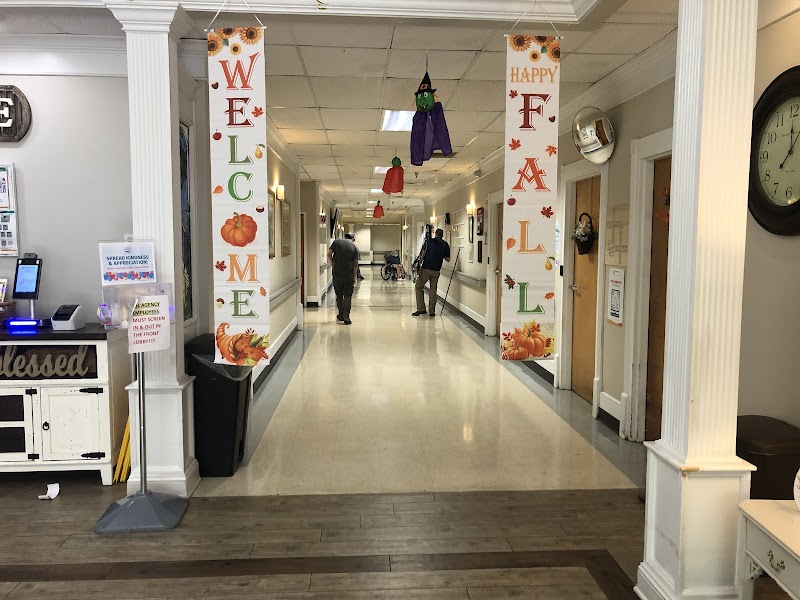
CMS rates WESTBURY CENTER OF JACKSON FOR NURSING AND HEALING's staffing level at 1 out of 5 stars, which is much below average compared to other nursing homes. Staff turnover is 51%, compared to the Georgia average of 46%. RN turnover specifically is 62%, which is notably high. RNs provide skilled clinical oversight, so turnover in this role can affect medical care quality.

What Have Inspectors Found at Westbury Center Of Jackson For Nursing And Healing?

State health inspectors documented 11 deficiencies at WESTBURY CENTER OF JACKSON FOR NURSING AND HEALING during 2022 to 2025. These included: 1 that caused actual resident harm and 10 with potential for harm. Deficiencies causing actual harm indicate documented cases where residents experienced negative health consequences.
Who Owns and Operates Westbury Center Of Jackson For Nursing And Healing?

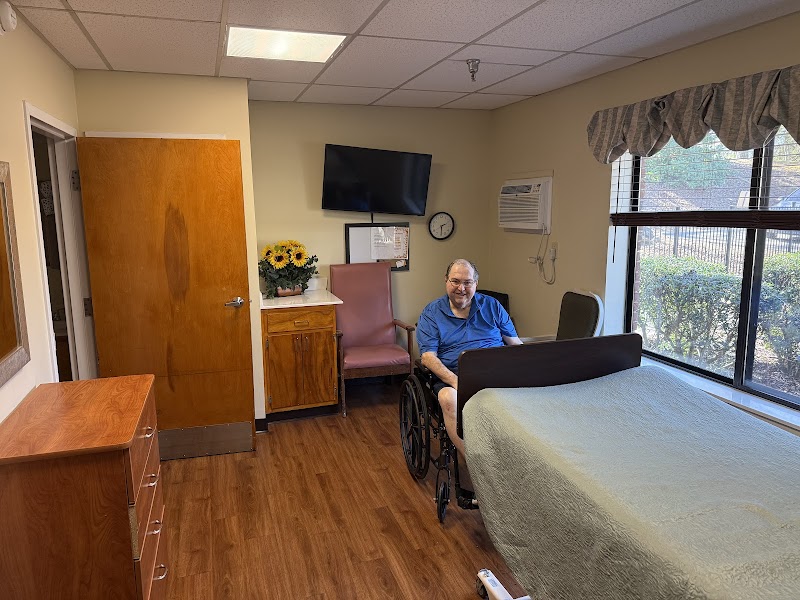
WESTBURY CENTER OF JACKSON FOR NURSING AND HEALING is owned by a for-profit company. For-profit facilities operate as businesses with obligations to shareholders or private owners. The facility is operated by EMPIRE CARE CENTERS, a chain that manages multiple nursing homes. With 196 certified beds and approximately 189 residents (about 96% occupancy), it is a mid-sized facility located in JACKSON, Georgia.
How Does Westbury Center Of Jackson For Nursing And Healing Compare to Other Georgia Nursing Homes?

Compared to the 100 nursing homes in Georgia, WESTBURY CENTER OF JACKSON FOR NURSING AND HEALING's overall rating (2 stars) is below the state average of 2.6, staff turnover (51%) is near the state average of 46%, and health inspection rating (3 stars) is at the national benchmark.

What Should Families Ask When Visiting Westbury Center Of Jackson For Nursing And Healing?

Based on this facility's data, families visiting should ask: "Can you walk me through typical staffing levels on day, evening, and night shifts?" "Can I visit during a mealtime to observe dining assistance and food quality?" "How do you handle medical emergencies, and what is your hospital transfer rate?" "Can I speak with family members of current residents about their experience?" These questions are particularly relevant given the below-average staffing rating.

Is Westbury Center Of Jackson For Nursing And Healing Safe?

Based on CMS inspection data, WESTBURY CENTER OF JACKSON FOR NURSING AND HEALING has a clean safety record: no substantiated abuse findings (meaning no confirmed cases of resident harm), no Immediate Jeopardy citations (the most serious violation level indicating risk of serious injury or death), and is not on the Special Focus Facility watch list (a federal program monitoring the lowest-performing 1% of nursing homes). The facility has a 2-star overall rating and ranks #100 of 100 nursing homes in Georgia. While no facility is perfect, families should still ask about staff-to-resident ratios and recent inspection results during their visit.

Do Nurses at Westbury Center Of Jackson For Nursing And Healing Stick Around?

WESTBURY CENTER OF JACKSON FOR NURSING AND HEALING has a staff turnover rate of 51%, which is about average for Georgia nursing homes (state average: 46%). Moderate turnover is common in nursing homes, but families should still ask about staff tenure and how the facility maintains care continuity when employees leave.

Was Westbury Center Of Jackson For Nursing And Healing Ever Fined?

WESTBURY CENTER OF JACKSON FOR NURSING AND HEALING has been fined $8,512 across 1 penalty action. This is below the Georgia average of $33,164. While any fine indicates a compliance issue, fines under $50,000 are relatively common and typically reflect isolated problems that were subsequently corrected. Families should ask what specific issues led to these fines and confirm they've been resolved.

Is Westbury Center Of Jackson For Nursing And Healing on Any Federal Watch List?

WESTBURY CENTER OF JACKSON FOR NURSING AND HEALING is not on any federal watch list. The most significant is the Special Focus Facility (SFF) program, which identifies the bottom 1% of nursing homes nationally based on persistent, serious quality problems. Not being on this list means the facility has avoided the pattern of deficiencies that triggers enhanced federal oversight. This is a positive indicator, though families should still review the facility's inspection history directly.