PRUITTHEALTH - JASPER
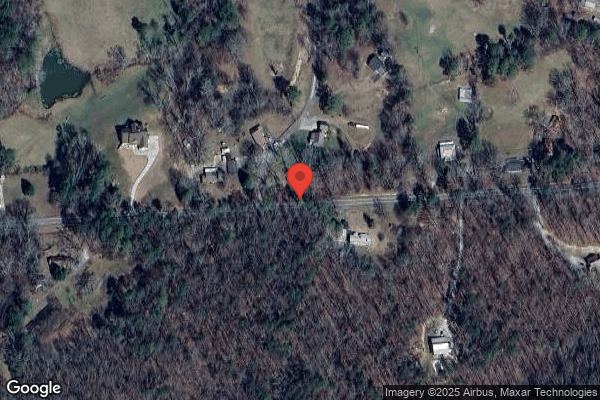
1350 EAST CHURCH STREET, JASPER, GA 30143 (706) 253-2441
For profit - Corporation 60 Beds PRUITTHEALTH Data: November 2025
Trust Grade
65/100
#153 of 353 in GA
Last Inspection: May 2025

Inspected within the last 6 months. Data reflects current conditions.

Overview

PruittHealth - Jasper has a Trust Grade of C+, indicating it is slightly above average but not without concerns. It ranks #153 out of 353 facilities in Georgia, placing it in the top half, and is the best option out of two facilities in Pickens County. The facility is improving, with issues decreasing from three in 2024 to two in 2025. Staffing is a weakness, with a below-average rating of 2 out of 5 stars and a 42% turnover rate, which is better than the state average but still concerning for consistency in care. Notably, there have been no fines reported, which is a positive sign. However, there have been specific concerns, such as a nurse not washing hands properly while passing food trays, which could risk spreading infections, and incidents of insufficient nursing staff during night shifts, potentially affecting resident care. Overall, while there are strengths in certain areas, families should weigh these alongside the identified weaknesses when considering this facility for their loved ones.

Trust Score
C+
65/100
In Georgia
#153/353
Top 43%
Safety Record
Low Risk
No red flags
Inspections
Getting Better
3 → 2 violations
Staff Stability
○ Average
42% turnover. Near Georgia's 48% average. Typical for the industry.
Penalties
✓ Good
No fines on record. Clean compliance history, better than most Georgia facilities.
Skilled Nurses
○ Average
Each resident gets 32 minutes of Registered Nurse (RN) attention daily — about average for Georgia. RNs are the most trained staff who monitor for health changes.
Violations
⚠ Watch
16 deficiencies on record. Higher than average. Multiple issues found across inspections.
★★★☆☆
3.0
Overall Rating
★★☆☆☆
2.0
Staff Levels
★★★☆☆
3.0
Care Quality
★★★☆☆
3.0
Inspection Score
Stable
2024: 3 issues
2025: 2 issues

The Good

  • Full Sprinkler Coverage · Fire safety systems throughout facility
  • No fines on record
  • Staff turnover below average (42%)

    6 points below Georgia average of 48%

Facility shows strength in fire safety.

The Bad

3-Star Overall Rating

Near Georgia average (2.6)

Meets federal standards, typical of most facilities

Staff Turnover: 42%

Near Georgia avg (46%)

Typical for the industry

Chain: PRUITTHEALTH

Part of a multi-facility chain

Ask about local staffing decisions and management

The Ugly 16 deficiencies on record

May 2025 2 deficiencies
CONCERN (D) 📢 Someone Reported This

A family member, employee, or ombudsman was alarmed enough to file a formal complaint

Potential for Harm - no one hurt, but risky conditions existed

Deficiency F0761 (Tag F0761)

Could have caused harm · This affected 1 resident

**NOTE- TERMS IN BRACKETS HAVE BEEN EDITED TO PROTECT CONFIDENTIALITY** Based on observations, staff interview, and review of the facility's policy titled, Medication Storage in the Health Care Center...

Read full inspector narrative →
**NOTE- TERMS IN BRACKETS HAVE BEEN EDITED TO PROTECT CONFIDENTIALITY** Based on observations, staff interview, and review of the facility's policy titled, Medication Storage in the Health Care Center, the facility failed to discard two multidose medications with an illegible expiration date from two of two medication carts. This failure had the potential to put residents at risk due to the instability in the potency of certain medications if given beyond the expiration date. Findings include: Review of the facility's policy titled, Medication Storage in the Health Care Center, revised on [DATE] revealed under section titled Procedure number three stated that Nurses are required to check all medications for deterioration and expiration before administration. Nurses are also required to inspect medication storage facilities, including medication carts, routinely. Medication storage areas are to be kept clean, well lit, and free of clutter. Nursing staff who administer medications are responsible for the cleaning and organizing of medication carts and storage areas. Number 12 under the same section stated that, Outdated, contaminated, or deteriorated medications and those in containers that are cracked, soiled, or without secure closures are immediately removed from stock, disposed of according to procedures for medication destruction, and reordered from pharmacy it a current order exists. During an observation on [DATE] at 8:46 am of medication administration with Licensed Practical Nurse (LPN) BB on the first of two medication carts, the medication cart was also inspected. During the inspection it was revealed that a multidose bottle of aspirin 81 milligrams (mg) enteric coated tablets had an illegible expiration date. During an interview on [DATE] at 9:30 am with LPN BB, she verified not being able to tell the expiration date on the medication bottle and stated that she was not sure when it would expire or if it had already expired. LPN BB also stated that she would normally discard the medication whenever the expiration date was illegible but did not notice since she did not check the expiration date while administering the medication to the resident. During an observation on [DATE] at 10:20 am with Registered Nurse (RN) CC on the second of two-medication carts, administering medication. The cart was also inspected. It was revealed that the multidose bottle of melatonin 3 mg tablets had an illegible expiration date. During an interview on [DATE] at 10:21 am with RN CC, she stated, It looks like I can tell the expiration date but I'm not sure, so I'll dispose of it and replace it. RN CC further stated that she sometimes check the bottles but did not notice that the label was illegible as it was not a medication she administered on her shift. During an interview on [DATE] at 11:01 am with the Director of Nursing (DON), she stated, If the nurses were uncertain or can't read the bottle if it's unclear, then I expect them to get a new one. The DON stated, If there is any question about the label on the bottle then I would want them to just discard it. She revealed that the nurses were to ensure that the medications were not expired. The DON stated, The nurses do know that they must clean all equipment and use the appropriate disinfectants and comply with the dwell time. She also stated, They can wipe down the equipment if they want to but my primary concern is if the resident is on any type of transmission-based precautions or droplet precautions. The DON also stated, They do not have to clean the equipment if the resident is not on any precautions, we do have them covered when not in use. During an interview on [DATE] at 2:07 pm with the Infection Preventionist (IP), she stated, All shared equipment gets wiped with antiseptic wipes and dried for 2 minutes. She also stated, Obviously the staff would only clean one piece of equipment with one wipe and between each patient.
CONCERN (F) 📢 Someone Reported This

A family member, employee, or ombudsman was alarmed enough to file a formal complaint

Potential for Harm - no one hurt, but risky conditions existed

Infection Control (Tag F0880)

Could have caused harm · This affected most or all residents

**NOTE- TERMS IN BRACKETS HAVE BEEN EDITED TO PROTECT CONFIDENTIALITY** 2. An observation on 5/6/2025 at 12:20 pm revealed that Certified Nursing Assistant (CNA) HH, was passing trays to residents dur...

Read full inspector narrative →
**NOTE- TERMS IN BRACKETS HAVE BEEN EDITED TO PROTECT CONFIDENTIALITY** 2. An observation on 5/6/2025 at 12:20 pm revealed that Certified Nursing Assistant (CNA) HH, was passing trays to residents during the noon meal. It was observed that after exiting the room, CNA HH pulled out an opened bottle of hand sanitizer from her scrub pocket, opened the lid, poured some sanitizer out of the bottle on to the palm of her hand, closed the lid and placed the bottle back into her pocket. She then was observed rubbing in the sanitizer until dry. An interview with CNA HH on 5/6/2025 at 12:25 pm revealed she thought the facility was in an outbreak, and stated that when passing trays, she was to use hand sanitizer in between each tray, and after the third tray, she was to wash her hands. She then revealed that she had removed the bottle from the top of the food cart, so the bottle was clean when she had first used it and placed it in her pocket. She then revealed that was why she was using it from her pocket, because the bottle was clean. An interview on 5/6/2025 at 12:40 pm with CNA II revealed she did not carry bottles of hand sanitizer in her pocket. She stated that the bottles were found on top of the food cart, and dispensers were in the rooms behind the doors. She then revealed that it should be used before and after each resident, but she thought the bottle should not be kept in the scrub pocket because it would be a cross-contamination issue, especially during an outbreak. An observation on 5/6/2025 at 12:25 pm revealed the Certified Dietary Manager (CDM) was in the dining room assisting with residents. It was observed that he was wearing a pair of gloves. He was then observed walking to the nourishment room and attempted to enter the code to unlock the room door, with the same gloves on. It was observed that his attempt was unsuccessful, and he went back to the dining room. After he was observed leaving the resident's side, the CDM was then observed walking to the door that went outside to the sidewalk that led to the kitchen. An interview on 5/6/2025 at 12:40pm with the CDM revealed that he was not supposed to walk the hallway with gloves on, but he then stated that since they were in an outbreak of some sort and he would be bringing a food cart to the building, he would be wearing them. He confirmed that he was wearing gloves and did go to the nourishment room and attempted to enter the code with his gloves on. He went on to reveal because they were in an outbreak, he would bring a pair of gloves with him when he left the kitchen and came to the main building with a food cart. He revealed when they were ready to return to the kitchen after bringing the food carts, he would go to the door, remove gloves, and then enter the code to the door, then apply hand sanitizer. He then would go back to the kitchen door and dispose of the used gloves and would then wash his hands. He then revealed that this system of moving food trays and carts to the dining room had just started today. Interview on 5/8/2025 at 3:00 pm with the IP revealed the CDM was never told that gloves should be worn to pass out trays to residents. She then revealed that gloves should never be worn in the hallway and should be removed before attempting to enter a code on a door. During an observation on 5/7/2025 at 12:15 pm during meal tray pass, CNA DD and CNA EE were observed entering a room that had signage for Droplet Precautions and EBP. They both entered the room with a tray, without donning any PPE. They both had a mask on when they entered the room. When they exited the room, they did not perform hand hygiene nor did they discard and don a clean mask after exiting the room. During an interview on 5/7/2025 at 12:18 pm, CNA EE revealed when a resident was on Droplet Precautions, we were to don PPE before going into the room. She was then asked when PPE should be worn, and she stated, Every time you enter the room. She confirmed she did not don PPE, but she probably should have. During an interview on 5/7/2025 at 12:23 pm, CNA DD was asked why the resident was on Droplet Precautions. She stated it was because of the flu bug. She stated that she did not know the difference between the two (droplet precautions and EBP). She stated that she was told that she did not need to wear PPE if she was just delivering a tray. Interview on 5/7/2025 at 12:24 pm with CNA EE revealed that a resident will be on EBP when they have an open wound, a Percutaneous Esophageal Gastrostomy (PEG) Tube, and a catheter. She then stated that someone that had an infection would be on TBP. She then revealed that PPE should only be used during patient care for EBP and for Transmission-Based Precautions, should be used all the time. She then revealed that she did not don PPE before entering the room. Interview on 5/8/2025 at 11:26 am with CNA FF revealed that when a resident was on Droplet Precautions, PPE use was for patient care, and the PPE only needed to be gloves and mask when dropping off the tray. She also revealed that EBP were the use of gloves and a mask and TBP were the use of full PPE. It was verified that the door to the TBP room was left open. During an observation on 5/8/2025 at 1:05 pm, Nurse's Assistant in Training (NAT) was observed entering a Droplet Precautions room without wearing PPE or changing PPE. She was then observed exiting the room, fanning both hands in the air that had a clear gel on them. She was then asked if she was supposed to where PPE in the Droplet Precaution room. On 5/8/2025 at 11:26 am, she stated that she was told that she did not need to where full PPE to just to deliver a tray. An interview on 5/8/2025 at 2:15 pm with the IP revealed her Medical Director stated that the residents that tested positive for parainfluenza needed to be on Droplet Precautions. She then stated that per the facility policy, droplet precautions only needed a mask, and it needed to be changed at the exit of the room. She also stated that if a resident was on droplet precautions, then the room door should be closed. Based on observations, staff interviews, and review of the facility's policies titled, Enhanced Barrier Precaution (EPB), Transmission-Based Isolation Precautions (TBP), Standard Precautions, and Infection Prevention and Control Plan, the facility failed to sanitize shared medical equipment between residents' use during medication pass observations, failed to follow donning (putting on) and doffing (removing) of PPE practices in a TBP room, failed to wear proper personal protective equipment (PPE) for wound care treatment. The deficient practice had the potential to increase the potential for cross-contamination and spread of infection for all residents who reside in the facility. The facility census was 49. Findings include: Review of the facility's policy titled Enhanced Barrier Precaution (EBP) dated 4/30/2024 documented under Policy: It is the policy of this facility to implement enhanced barrier precautions for the prevention of transmission of multidrug-resistant organism. Under Procedure: . (i) Wounds (e.g., chronic wounds such as pressure ulcers, diabetic foot ulcers, unhealed surgical wounds, and chronic venous stasis ulcer) and/or indwelling medical devices (e.g., central lines, urinary catheters, feeding tubes, tracheostomy/ventilator tubes) even if the resident is not known to be infected or colonized with a Multi-Drug Resistant-Organism (MDRO). Under Section 3: Iplementation of Enhanced Barrier Precautions: . (d) Position a trash can inside the resident room and near the exit for discarding PPE after removal, prior to exit of the room or before providing care for another resident in the same room. Under Section 4: High-contact resident care activities include . (h) wound care; any skin opening requiring a dressing. Review of the facility's policy titled Transmission-Based Isolation Precautions with a revised date 12/11/2023 documented under Policy: Transmission based precautions are used in combination with Standard Precautions for patients with documented or suspected infections or colonization with highly transmissible or epidemiologically important pathogens for which additional precautions are needed to prevent or to interrupt transmission of the suspected or confirmed infectious agents. Under Procedures: . (B) General Principles . (6) everyone, but not limited to, providers, nurses, environmental services, technicians, are responsible for complying with isolation precautions, donning appropriate PPE, and tactfully calling observed noncompliance to the attention of offenders. Under Section: (D) Types of Isolation Precautions: . B. Personal Protective Equipment (PPE) 1. Gloves: wear gloves (clean, non-sterile gloves are adequate) upon entry into the room, wear gloves when touching residents' intact skin, surfaces and items near the resident. 2. Gowns: [NAME] (put on) a gown upon entry into the room and remove before leaving the resident's environment and perform hand hygiene. 3. Droplet Precautions: use droplet precautions for residents with known or suspected to be infected with pathogens transmitted by respiratory droplets that are generated by a resident who is coughing, sneezing, or talking. Special air handling and ventilation are not required to prevent droplet transmission. Review of the facility policy titled Standard Precautions with a review date of 12/4/2023 revealed in Section 2, titled Hand Hygiene, all healthcare center partners who come into contact either directly with patients or, indirectly through equipment or environment are required to understand the importance of good Hand Hygiene practices and adhere to them. Review of the facility policy titled Infection Prevention and Control Plan with a revision date of 6/21/2024 revealed under Section B: Program Objectives: .12. Comply with state and local public health authority requirements for identification, reporting, and containing communicable diseases and outbreaks. 1. During an observation on 5/7/2025 at 10:18 revealed Housekeeper II exited a TBP room [ROOM NUMBER] doffing her PPE outside of the room and discarding the PPE into her housekeeping cart. During an observation on 5/7/2025 at 10:27 am revealed the Nurse Practitioner (NP) entering into room [ROOM NUMBER] without the recommended PPE on a EBP and TBP/Droplet Precaution room. During an interview on 5/7/2025 at 10:32 am with the Nurse Practitioner (NP) revealed the resident in the room had parainfluenza (respiratory infection) and this virus does not require PPE to don PPE on or off. During an observation on 5/7/2025 at 10:35 am revealed room [ROOM NUMBER] had signage on the door for Special Droplet Precaution and EBP. During an interview on 5/7/2025 at 10:38 am with the Infection Preventionist (IP) stated room [ROOM NUMBER] was EPB and Droplet Precaution for the parainfluenza virus. She the staff are only required to wear a mask. She stated if they are not doing direct care, it is not required for them to wear PPE. IP continued to state it was optional for the staff to wear PPE if they were more comfortable. However, IP did confirm she did expect the staff to do doffing (removing) of PPE inside the resident room instead of in the hallway. During an observation and interview on 5/7/2025 at 2:28 pm with the Wound Care Nurse (WCN) revealed she did not don the recommended PPE to perform direct care on a wound. She was observed wearing a mask and gloves. The WCN revealed she usually puts on PPE when the wound drainage was bad but since this wound does not have a lot of drainage, she did not need to put a gown on. During an interview on 5/8/2025 at 2:07 pm with the IP revealed if a resident's wound had drainage, then it was expected that you wore a gown. 3. During an observation of medication pass on 5/7/2025 at 9:00 am with LPN BB revealed her cleaning shared equipment (blood pressure cuff, thermometer and pulse oximeter) prior to medication administration. LPN BB was observed using a single piece of disinfectant wipe to clean all three equipment without changing the wipe or discarding it prior to cleaning the other equipment. An interview on 5/7/2025 at 9:30 am with LPN BB, she confirmed that she should have used a different wipe for each of the shared equipment. She also admitted that this was a part of infection control and that she cross-contaminated the equipment when she used the same wipe to clean all three. She also revealed because the resident was not on any precautions, she thought that it was okay to clean them this way. An interview on 5/7/2025 at 11:01 am with the Director of Nursing (DON) revealed her stating, The nurses do know that they have to clean shared equipment and use the appropriate disinfectant and comply with the dwell time. She also stated, They can wipe it down if they want to, but my primary concern is if the resident is on any type of transmission-based precautions or droplets precaution. They do not have to clean if the resident is not on any precautions. We do have equipment covered when not in use. An interview on 5/8/2025 at 2:07 pm with the IP revealed that staff should only clean one piece of equipment with one wipe and the equipment should be cleaned between patients.
Apr 2024 3 deficiencies
CONCERN (D)

Potential for Harm - no one hurt, but risky conditions existed

Safe Environment (Tag F0584)

Could have caused harm · This affected 1 resident

Based on observations, staff interviews, and review of the facility policy titled, Infection Control-Housekeeping Services, the facility failed to ensure a safe, clean comfortable, homelike environmen...

Read full inspector narrative →
Based on observations, staff interviews, and review of the facility policy titled, Infection Control-Housekeeping Services, the facility failed to ensure a safe, clean comfortable, homelike environment for one of 30 sampled residents (R) (R29). Specifically, R29's room was not kept clean. Findings include: A review of the facility policy titled Infection Control-Housekeeping revised 10/16/2023 revealed under Policy Statement: Housekeeping services would be performed on a routine and consistent basis to ensure an orderly, sanitary, and comfortable environment. Further review revealed under Procedure: Routine Cleaning of Horizontal Surfaces: In patient/resident care areas, cleaning of non-carpeted floors would be performed daily and more frequently if spillage or visible soiling occurs. Observation on 4/12/2024 at 8:29 am of R29's room revealed crumbs, dust, a cheese puff, medication cups, and an alcohol prep under R29's bed. Observation on 4/13/2024 at 8:20 am of R29's room revealed the crumbs, dust, a cheese puff, medication cups, and an alcohol prep remained under R29's bed. Observation on 4/13/2024 at 11:40 am of R29's room revealed the crumbs, dust, a cheese puff, medications cups, and an alcohol prep remained under R29'2 bed. Interview on 4/13/2024 at 11:43 am with the Environmental Services Manager (ESM), she stated that the cleaning staff swept and mopped the resident rooms daily and moved the furniture around to ensure all areas were clean. Follow-up interview on 4/13/2024 at 11:55 am with the ESM, she acknowledged the debris under R29's bed and stated her staff should have cleaned the room properly. The ESM reiterated her expectation that the staff should ensure the residents' entire room, including the area under the bed, was cleaned.
CONCERN (D)

Potential for Harm - no one hurt, but risky conditions existed

Comprehensive Care Plan (Tag F0656)

Could have caused harm · This affected 1 resident

Based on observations, staff interviews, record review, and review of the facility policy titled, Care Plan, the facility failed to implement an intervention identified on the comprehensive care plan ...

Read full inspector narrative →
Based on observations, staff interviews, record review, and review of the facility policy titled, Care Plan, the facility failed to implement an intervention identified on the comprehensive care plan for one of 30 sampled residents (R) (R50). Findings include: Review of the facility policy titled Care Plan reviewed and revised on 7/27/2023 revealed in the Policy Statement It is the policy of the health care center for each patient/resident to have a person-centered baseline care plan followed by a comprehensive care plan developed following completion of the Minimum Data Set (MDS) and Care Area Assessment (CAA) portions of the comprehensive assessment according to the Resident Assessment Instrument (RAI) Manual and the patient/resident choice. Under the subtitle admission Comprehensive Plan of Care section number four, the third paragraph revealed The care plan approach serves as instructions for the patient/resident's care and provides continuity of care by all partners. Review of the electronic medical record (EMR) revealed R50 was with diagnoses including but not limited to hemiplegia and hemiparesis following cerebral infarction (stroke) affecting right dominate side, spastic hemiplegia affecting right dominate side, muscle wasting and atrophy, lack of coordination, abnormalities of gait and mobility, and contracture of right knee. Review of R50's quarterly Minimum Data Set (MDS) assessment with an Assessment Reference Date (ARD) of 2/7/2024 revealed a Brief Interview for Mental Status (BIMS) was not completed but documentation indicated short and long-term memory problem. Section GG, functional status, revealed R50 had functional limitations in range of motion with impairment on one side for bilateral upper and lower extremities. Review of the Care Area Assessment (CAA) on the admission MDS with and ARD of 9/21/2024 revealed R50 triggered care areas (not limited to) of falls. Review of R50's care plan indicated a problem of risk for falls related to status post Cerebrovascular Accident (CVA) with aphasia [difficulty speaking], dysphagia [difficulty swallowing], and right sided weakness with a start date of 9/25/2023. Goals included but were not limited to will not have injury from falls. Approaches included assist with transfers safely as indicated and instruct on fall precautions as indicated (approach start date 9/25/2023), observe-will throw legs off side of bed (approach start 11/2/2023), fall mat in place (approach start 11/9/2023), scoop mattress to define parameters of the bed (approach start date of 11/10/2023), OT [Occupational Therapy] evaluate and treat as indicated (approach start date 11/24/2023), and reinforce with resident to call for assistance with use of call light (approach start date 12/29/2023). Review of progress notes created by nursing revealed on 11/10/2023, 11/23/2023, and 12/28/2023 the resident had a fall with no injuries noted on each incident. Interview on 4/13/2024 at 2:39 pm with Licensed Practical Nurse (LPN) Unit Manager (UM) CC revealed that R50 was placed on a scoop mattress on 11/10/2023 and they moved R50 to her current room on 11/18/2023 and she stated that the scoop mattress should have been moved with her, but apparently it was not moved. She verified and confirmed that the mattress on R50's bed was a regular mattress.
CONCERN (D)

Potential for Harm - no one hurt, but risky conditions existed

Accident Prevention (Tag F0689)

Could have caused harm · This affected 1 resident

Based on observations, staff and resident interviews, record review, and review of the facility policy titled, Occurrences and the facility document titled All Falls for Facility, the facility failed ...

Read full inspector narrative →
Based on observations, staff and resident interviews, record review, and review of the facility policy titled, Occurrences and the facility document titled All Falls for Facility, the facility failed to provide an assistive device to prevent falls for one of 30 sampled residents (R) (R50) This deficient practice had the potential to increase the risk for falls for R50. Findings include: Review of the facility policy titled Occurrences last reviewed and revised on 1/11/2024 revealed under the Policy Statement, The healthcare center recognizes that due to the frailty of the patients/residents served, there is an increased risk of occurrences that may result in injury to the patient/resident and/or others. To prevent occurrences, each patient/resident will be observed and assessed for risks. Appropriate, realistic interventions will be implemented in accordance with their plan of care. Review of the facility document titled All Falls for Facility with a start date of 4/12/2023 and an end date of 4/12/2024 revealed R50 had two unwitnessed falls on 11/9/2023 and 12/28/2023, one witnessed fall on 11/23/2023, and one fall that was not documented as witnessed or unwitnessed on 11/10/2023. Review of the electronic medical record (EMR) revealed R50 was admitted with diagnoses including but was not limited to hemiplegia and hemiparesis following cerebral infarction (stroke) affecting right dominate side, spastic hemiplegia affecting right dominate side, muscle wasting and atrophy, lack of coordination, abnormalities of gait and mobility, and contracture of right knee. Review of R50's quarterly Minimum Data Set (MDS) assessment with an Assessment Reference Date (ARD) of 2/7/2024 revealed a Brief Interview for Mental Status (BIMS) was not completed but documentation indicated short- and long-term memory problems. Section GG, functional status, revealed R50 had functional limitations in range of motion with impairment on one side for bilateral upper and lower extremities. Review of the Care Area Assessment (CAA) on the admission MDS with and ARD of 9/21/2024 revealed R50 triggered care areas (not limited to) of falls. Review of R50's care plan indicated a problem of risk for falls related to status post Cerebrovascular Accident (CVA) with aphasia, dysphagia, and right sided weakness with a start date of 9/25/2023. Goals included but were not limited to will not have injury from falls. Approaches included but were not limited to scoop mattress to define parameters of the bed (approach start date of 11/10/2023). Review of progress notes created by nursing dated 11/10/2023 at 9:23 am revealed resident was noted in [sic] floor on mat on right side of her low bed, no injuries were noted. Review of progress note created by nursing dated 11/23/2023 at 11:35 pm revealed staff noted R50 attempting to climb out of bed, R50 on side of bed sliding to floor when staff responded, no injury noted. Review of progress note created by nursing dated 12/28/2023 at 9:28 pm revealed staff noted resident sitting on floor next to bed, no injuries noted. Observation on 4/12/2024 at 8:23 am of R50 lying in bed, bed in the lowest position, with a regular mattress noted on the bed. Observation on 4/12/2024 at 2:00 pm of R50 lying in bed with her spouse at her bedside, with a regular mattress noted to be on the bed. Observation on 4/13/2024 at 8:00 am of R50 lying in bed with the head of the bed elevated approximately 30 degrees, with a regular mattress noted to be on the bed. Observation and interview on 4/13/2024 at 2:24 pm with Licensed Practical Nurse (LPN) AA verified and confirmed the R50's care plan had an approach that included a scoop mattress to be in place. She verified and confirmed the mattress on R50's bed was not a scoop mattress. She stated she was not sure why there was not a scoop mattress on R50's bed but she thought the Care Plan Coordination would know this. An interview on 4/13/2024 at 2:39 pm with Registered Nurse (RN) Nurse Case Mix Director (CMD) BB revealed that the care plan for R50's scoop mattress was initiated once the mattress was on her bed (11/10/2023). She stated she was not aware the scoop mattress had been removed from R50's bed nor did she know why it was removed. She stated any nurse had access to the care plan, but she usually updates all care plans.
Dec 2022 11 deficiencies
CONCERN (D) 📢 Someone Reported This

A family member, employee, or ombudsman was alarmed enough to file a formal complaint

Potential for Harm - no one hurt, but risky conditions existed

Resident Rights (Tag F0550)

Could have caused harm · This affected 1 resident

**NOTE- TERMS IN BRACKETS HAVE BEEN EDITED TO PROTECT CONFIDENTIALITY** Based on observations, medical record review, and staff interviews, the facility failed to protect the dignity for one of two re...

Read full inspector narrative →
**NOTE- TERMS IN BRACKETS HAVE BEEN EDITED TO PROTECT CONFIDENTIALITY** Based on observations, medical record review, and staff interviews, the facility failed to protect the dignity for one of two residents (R) (R#49) with urostomies, by not providing a Foley privacy bag. Findings included: A review of the facility policy, Procedure: Catheter Care, dated 2019, revealed no instruction regarding covering Foley bags to provide privacy and protect resident dignity. A medical record review revealed that R#49 was admitted to the facility on [DATE] with diagnoses of hyperlipidemia, Diabetes Mellitus II, hypertension, non-alcoholic steatohepatitis (NASH), Deep vein thrombosis with pulmonary embolism, malignant neoplasm of the rectum, anus, and anal canal. The resident had an ostomy and urostomy and was a full code. A review of the admission Minimum Data Set (MDS) Assessment, dated 11/28/22, Section H-Bladder & Bowel, revealed that R#49 had a urinary ostomy and colostomy requiring an ostomy bag. Additionally, Section C-Cognition, revealed R#49 had a Brief Interview for Mental Status (BIMS) assessment of 15, indicating that the resident was cognitively intact. A review of R#49's care plan revealed that R#49 was status post radical cyst prostatectomy and abdominoperineal resection. Additionally, R#49 had a robotic-assisted bilateral ureterolysis with a creation of an ileal conduit urinary diversion. Subsequently, R#49 had colostomy placement and urostomy placement. An observation of R#49 on 12/16/22 at 8:05 a.m. revealed the door to R#49's room was open, and R#49's Foley bag was hanging on the right side of the bed, which was in full sight from the hallway. The Foley bag was not covered with a privacy cover. An observation of R#49 on 12/16/22 at 1:55 p.m. revealed the door to R#49's room was open, and R#49's Foley bag was hanging on the right side of the bed, which was in full sight from the hallway. The Foley bag was not covered with a privacy cover. An observation of R#49's room on 12/17/22 at 8:06 a.m. revealed the door was open. The Foley bag was not covered with a privacy cover and visible from the hallway. An observation with the DON on 12/17/22 at 9:55 a.m. revealed that R#49's room door was open, and R#49's Foley bag was visible from the hallway. During an interview with R#49 on 12/16/22 at 12:20 p.m., he reported that he kept the door to his room open at different times during the day. He added that he kept the door closed when trying to sleep or when his wife visited. During an interview with the DON on 12/17/22 at 9:57 a.m., he acknowledged that R#49's Foley bag was visible from the hallway. He added that staff was supposed to ensure a privacy cover is placed on all Foley bags visible from the hallway or if a resident is outside their room and has a Foley bag. The DON stated that R#49 should have had a cover for the Foley bag.
CONCERN (D) 📢 Someone Reported This

A family member, employee, or ombudsman was alarmed enough to file a formal complaint

Potential for Harm - no one hurt, but risky conditions existed

Deficiency F0692 (Tag F0692)

Could have caused harm · This affected 1 resident

**NOTE- TERMS IN BRACKETS HAVE BEEN EDITED TO PROTECT CONFIDENTIALITY** Based on record review, interview, and policy review the facility failed to provide evidence that an admission and annual nutrit...

Read full inspector narrative →
**NOTE- TERMS IN BRACKETS HAVE BEEN EDITED TO PROTECT CONFIDENTIALITY** Based on record review, interview, and policy review the facility failed to provide evidence that an admission and annual nutrition assessment was completed by the Registered Dietitian (RD) for one of 19 residents (R) (R#12). Findings included: Review of an untitled Nutrition policy revealed: the in-house RD or Consulting Dietitian to routinely assess patient/residents at nutritional risk. The following criteria will be used to identify at risk patients/residents for referral to the RD. All new admissions, annual assessment, and significant change assessments. Review of the medical record revealed R#12 was admitted to the facility on [DATE]. Diagnoses include but are not limited to the following: urethral stricture, hemiplegia/hemiparesis, chronic kidney disease stage 3, type 2 diabetes, osteoarthritis, dysphagia, transient cerebral ischemic attack, hypertension, esophageal obstruction, encephalocele, ulcer of esophagus, cardiac arrest, hyperlipidemia, depression, anemia, and heart failure. Review of the Annual Minimum Data Set (MDS) dated [DATE]: Section C revealed a Brief Interview for Mental Status (BIMS) was coded as 15, which indicates cognitively intact. Section L revealed resident had a height of 68 inches, weight was 167 pounds, had a weight loss of 5% or more in last month or loss 10% or more in last 6 months, and was not on physician prescribed weight loss regimen. Review of the medical record revealed the RD documented a Nutrition Note on 9/2/21, 9/23/22, and 12/12/22. There is no evidence that the RD completed admission or annual nutrition assessment. Interview on 12/18/22 at 1:35 p.m. the Director of Nursing (DON) revealed that he expects the dietitian to document initial nutrition assessment, any changes, and re-assess annually. The DON revealed that he has reached out to the RD to assist with finding assessments in the medical record. The DON stated that the dietitian should have completed an annual nutrition assessment on R#12.
CONCERN (D) 📢 Someone Reported This

A family member, employee, or ombudsman was alarmed enough to file a formal complaint

Potential for Harm - no one hurt, but risky conditions existed

Medication Errors (Tag F0758)

Could have caused harm · This affected 1 resident

**NOTE- TERMS IN BRACKETS HAVE BEEN EDITED TO PROTECT CONFIDENTIALITY** Based on record review, policy review, and staff interview, the facility failed to ensure that psychotropic medications includin...

Read full inspector narrative →
**NOTE- TERMS IN BRACKETS HAVE BEEN EDITED TO PROTECT CONFIDENTIALITY** Based on record review, policy review, and staff interview, the facility failed to ensure that psychotropic medications including antianxiety medications were not ordered as needed (PRN) for more than 14 days unless clinically indicated for one of 19 sampled residents (R)(R#47). Findings included: Review of the policy titled Monitoring of Antipsychotics revealed: PRN (as needed) orders for antipsychotic drugs are limited to 14 days and cannot be renewed unless the attending physician or prescribing practitioner evaluated the resident for the appropriateness of the mediation. All PRN antipsychotic orders will be automatically stopped after 14 days. Review of the policy titled Assessment of Psychoactive Medications revealed: The assessment of effectiveness and adverse reactions occurs over a 14-day period. Review of the medical record for R#47 revealed the resident was admitted to the facility on [DATE]. Diagnoses include but are not limited to hypertension (HTN), peripheral vascular disease, type 2 diabetes, chronic obstructive pulmonary disease (COPD), fatty liver, ischemic cardiomyopathy, hyperlipidemia, hypothyroidism, heart failure, dyspnea, and transient ischemic attack (TIA). R#47 is receiving hospice services. A review of the admission Minimum Data Set (MDS) dated [DATE], Section C revealed R#47 had a Brief Interview for Mental Status (BIMS) was coded as four, which indicates severe cognitive impairment. Section G revealed resident requires extensive assistance of two or more persons for bed mobility and limit assistance of one person for toileting. Section N revealed resident received antianxiety medication three times during the seven day look back period. Review of the physician orders for R#47 revealed an order dated 10/6/22 for lorazepam 0.5 milligrams (mg) every 2 hours prn. The physician order stated end date of 4/5/23. There is no evidence of a rationale from the physician for the extension past 14 days. During an interview on 12/18/22 at 11:50 a.m. the Director of Nursing (DON) confirmed that R#47 is ordered prn lorazepam and that it should have had a 14-day end date. The DON stated that hospice services ordered the lorazepam for R#47 and has spoken with hospice services about the need for prn medications to have a stop date.
CONCERN (D) 📢 Someone Reported This

A family member, employee, or ombudsman was alarmed enough to file a formal complaint

Potential for Harm - no one hurt, but risky conditions existed

Deficiency F0804 (Tag F0804)

Could have caused harm · This affected 1 resident

Based on observation, review of facility food menu, and staff interview, the facility failed to ensure that dietary staff had access to recipes for preparing beef tips with gravy to avoid compromising...

Read full inspector narrative →
Based on observation, review of facility food menu, and staff interview, the facility failed to ensure that dietary staff had access to recipes for preparing beef tips with gravy to avoid compromising the nutritive value and flavor for all diets and consistencies. This affected all 49 of 51 residents receiving an oral diet. Findings included: Review of the lunch menu for Saturday on week three revealed the meal items to include baked beef steak, noodles, seasoned greens, dinner roll, and mandarin oranges. During the preparation of pureed food items on 12/17/22 at 10:00 a.m. the Dietary Manager (DM) revealed that the menu was changed and beef tips with gravy will be served at lunch instead of beef steak. The DM revealed that the Registered Dietitian (RD) was notified of the change and approved. The DM stated that she prepares puree for 10-12 servings. Continued observation revealed the DM placing an unmeasured amount of prepared beef tips in food processor bowl and an unmeasured amount of beef gravy in the food processor bowl and pureed. The DM added additional gravy three times to achieve desired consistency. During interview on 12/17/22 at 10:00 a.m. the DM stated that she was not aware of any recipes for puree diets. The DM stated that she was taught how to puree foods at a previous position. Observation on 12/17/22 at 10:35 a.m. of the recipe binder in the food preparation area with the DM revealed no recipe was found for beef tips with gravy for any diet or diet consistency. The DM confirmed that no recipe was in the recipe binder for beef tips with gravy.
CONCERN (E) 📢 Someone Reported This

A family member, employee, or ombudsman was alarmed enough to file a formal complaint

Potential for Harm - no one hurt, but risky conditions existed

Deficiency F0801 (Tag F0801)

Could have caused harm · This affected multiple residents

Based on observation and staff interviews, the facility failed to ensure that the staff designated as Dietary Manager or Director of Food and Nutrition Services was certified in dietary or food servic...

Read full inspector narrative →
Based on observation and staff interviews, the facility failed to ensure that the staff designated as Dietary Manager or Director of Food and Nutrition Services was certified in dietary or food service management or had a similar food service management certification or degree. The facility census was 51 with 49 residents receiving an oral diet. Findings included: Review of the employee file for the Dietary Manager (DM) revealed a hire date of 9/19/22. The DM employee file revealed no certification or education degree in culinary art or any other food service management degree. During an interview on 12/18/22 at 9:10 a.m. the DM revealed that she was first hired at the facility as aide/cook a couple of months ago and was promoted shortly after to Dietary Manager. The DM stated that she does not have certification or degree in food management. The DM revealed after she was promoted, she was told by the Administrator that she would need certification as Dietary Manager. The DM stated that the facility's registered dietitian (RD) was assisting her with getting registered for a course in Food Management but did not know when the classes would start. Continued interview with the DM revealed that the RD is a consultant and comes to the facility one to two times per month. During an interview on 12/18/22 at 10:10 a.m. the Administrator acknowledged that the DM was recently hired in September 2022 as an aide/cook and promoted her shortly after. The Administrator confirmed that he promoted the DM knowing that she did not have certification/degree needed to satisfy regulation. The Administrator stated that it has been difficult to find someone to fill the position. The Administrator revealed that the RD is a consultant and comes to the facility twice a month and assists with educating the DM.
CONCERN (E) 📢 Someone Reported This

A family member, employee, or ombudsman was alarmed enough to file a formal complaint

Potential for Harm - no one hurt, but risky conditions existed

Room Equipment (Tag F0908)

Could have caused harm · This affected multiple residents

Based on observations and interviews, the facility failed the maintain the walk-in freezer in proper working condition as evidenced by ice build-up on a storage rack and air condenser pipe. The facili...

Read full inspector narrative →
Based on observations and interviews, the facility failed the maintain the walk-in freezer in proper working condition as evidenced by ice build-up on a storage rack and air condenser pipe. The facility census was 51 with 49 residents receiving an oral diet. Findings included: Observation on 12/16/22 at 8:12 a.m. of the walk-in freezer revealed ice build-up on the air condenser pipe, there was an icicle about three inches in length and one inch in diameter hanging from the pipe. Continued observation revealed a mound of ice under the air condenser on the food storage rack. The ice mound was about three inches in diameter and one inch in height. The ceiling of the walk-in freezer near the air condenser had frozen ice drops. During an interview on 12/16/22 at 8:12 a.m. the Dietary Manager (DM) revealed that she just noticed the ice build-up yesterday and has notified maintenance. The DM stated that the ice drops on the ceiling have been there for a while. Observation on 12/18/22 at 8:55 a.m. of the walk-in freezer revealed a light layer of ice on the air condenser pipe, but no ice was hanging from the pipe. Continued observation revealed two small mounds of ice that were one inch by one inch under the air condenser on the food storage rack. Interview on 12/18/22 at 9:58 a.m. with Director of Maintenance (DOM) revealed that she was not aware of the ice buildup in the walk-in freezer air condenser and no work order had been submitted. The DOM stated that if she was notified, she would contact repairman and have the issue fixed. Interview on 12/18/22 at 10:10 a.m. with the Administrator revealed he did not have any knowledge that the walk-in freezer currently had an ice build-up issues. The Administrator stated that the walk-in freezer has had an ice build-up issues in the past and repairman would come and fix. He stated that he will call on Monday to have walk-in freezer serviced.
CONCERN (F) 📢 Someone Reported This

A family member, employee, or ombudsman was alarmed enough to file a formal complaint

Potential for Harm - no one hurt, but risky conditions existed

Deficiency F0725 (Tag F0725)

Could have caused harm · This affected most or all residents

Based on record review and staff interviews, the facility failed to have sufficient nursing staff on a 24-hour basis to care for the resident's needs. Specially, the facility failed to have sufficient...

Read full inspector narrative →
Based on record review and staff interviews, the facility failed to have sufficient nursing staff on a 24-hour basis to care for the resident's needs. Specially, the facility failed to have sufficient nursing staff coverage on one or more nights for the entire 7:00 p.m. through 7:00 a.m. shift. This deficient practice had the ability to affect the regularity and quality of care required to maintain resident's needs. Findings included: Review of the staffing schedule for October 2022 revealed that on 10/11/22 for the 7:00 p.m. through 7:00 a.m. shift, there was only one nurse scheduled to be in the facility, Registered Nurse (RN) GG. Review of the shift assignment for Tuesday, 10/11/22 for the 7:00 p.m. through 7:00 a.m. shift revealed there were two nurses assigned to the floor License Practical Nurse (LPN) II and RN GG. Review of the timesheets for 10/11/22 for the 7:00 p.m. through 7:00 a.m. shift revealed RN GG was on duty from 5:40 p.m. through 7:10 a.m. and LPN II was on duty from 6:27 p.m. through 12:28 a.m., which left the facility with one nurse on duty for six and a half hours. Review of the staffing schedule for November 2022 revealed that on 11/11/22 and 11/18/22 for the 7:00 p.m. through the 7:00 a.m. shift, there was only one nurse scheduled in the facility, LPN HH on both 11/11/22 and 11/18/22. Review of the shift assignment for Friday, 11/11/22 for the 7:00 p.m. through 7:00 a.m. shift revealed there were two nurses on duty, LPN FF, and LPN HH. Review of the timesheets for 11/11/22 for the 7:00 p.m. through 7:00 a.m. shift revealed (LPN FF) was on duty from 6:46 p.m. through 3:30 a.m. and RN GG was on duty from 5:40 p.m. through 7:10 a.m. which left the faciity on e nurse on duty for three and a half hours. Review of the shift assignment for Friday, 11/18/22 for the 7:00 p.m. through 7:00 a.m. shift revealed there were two nurses on duty, LPN FF and LPN II scheduled to start at 5:00 a.m. and LPN HH. Review of the timesheets for 11/18/22 for the 7:00 p.m. through 7:00 a.m. shift revealed LPN HH on duty from 6:30 p.m. through 7:40 a.m., and LPN FF was on duty from 7:07 p.m. through 2:43 a.m., which left the facility without a nurse for four hours and fifteen minutes. Interview on 12/17/22 at 10:44 a.m. with LPN EE revealed that she is responsible for 17 -20 residents during her shift and that it depends on staff. She also revealed that she does have enough time to complete assignments during the week and weekend, but it is sometimes difficult to get wound care performed and that occurs twice a month. She continued to state that she is asked to stay late weekly, three to four days a week. She stated that staffing needs are determined by the total census and how many skilled residents are in the facility. LPN EE revealed that the facility does not use agency staff and that the facility is short staffed on day and night shifts due to call outs, staff who quit and not having enough staff in general. Interview on 12/17/22 at 12:26 p.m., Unit Manager (UM) LPN DD revealed that she is responsible for the entire unit that she manages, and the number of residents fluctuates. She states that she does have enough time to complete the assignment and during the weekends, they try to run three floor nurses, but at times it's two floor nurses and three to four Certified Nursing Assistants (CNA). She also revealed that she may get asked to stay late or come in early once a month and that the last occurrence was three weeks ago. UM LPN DD also revealed that the Director of Health Services (DHS) determines the staffing needs, which is keeping three to four floor nurses, three to four CNA's and restorative aides assigned to each unit, but that does not always happen for every shift. Interview on 12/17/22 at 4:43 p.m. the Director of Health Services confirmed that the timesheets dated 10/11/22 for RN GG who was on duty from 5:40 p.m. through 7:10 a.m. and LPN II who was on duty from 6:27 p.m. through 12:28 a.m.; 11/11/22 for LPN FF who was on duty from 6:46 p.m. through 3:30 a.m. and RN GG who was on duty from 5:40 p.m. through 7:10 a.m.; and 11/18/22 for LPN HH was on duty from 6:30 p.m. through 7:40 a.m. and LPN FF was on duty from 7:07 p.m. through 2:43 a.m., were accurate and that timesheets matched the staff assignments on those days, leaving the facility with one nurse on duty in the facility for part of those shifts. He stated that there is an on-call nursing schedule, and it was utilized on those days; however, that still left the facility without sufficient 24-hour nursing coverage.
CONCERN (F) 📢 Someone Reported This

A family member, employee, or ombudsman was alarmed enough to file a formal complaint

Potential for Harm - no one hurt, but risky conditions existed

Food Safety (Tag F0812)

Could have caused harm · This affected most or all residents

**NOTE- TERMS IN BRACKETS HAVE BEEN EDITED TO PROTECT CONFIDENTIALITY** Based on observations, interviews, and policy review, the facility failed to ensure the hand washing sink had hot water for hand...

Read full inspector narrative →
**NOTE- TERMS IN BRACKETS HAVE BEEN EDITED TO PROTECT CONFIDENTIALITY** Based on observations, interviews, and policy review, the facility failed to ensure the hand washing sink had hot water for hand sanitation; failed to ensure opened food items were labeled and dated; failed to discard food items past best by date; failed to date food items after arrival, failed have stacked pans free from wet nesting to prevent bacterial growth; failed to have dietary staff properly wash hands before applying new gloves; failed to allow washed dish items to properly air dry and not towel dry before use; and failed to have dietary staff wear proper hair restraint and beard restraint. The facility census was 51 with 49 residents receiving an oral diet. Findings included: 1. Review of facility policy titled Handwashing: Dietary Services revealed 1. Turn on water to desired warm temperature, a minimum of 100 degrees Fahrenheit. Observation on 12/16/22 at 8:05 a.m. of the hand washing sink revealed when the hot water knob was turned on, no water was available. The only water available to wash hands was cold water which was ice cold to the touch. Interview on 12/16/22 at 8:10 a.m. with the Dietary Manager (DM) revealed that the hot water knob on the hand washing sink broke yesterday and the hot water to the sink was turned off to prevent spraying. The DM stated that maintenance was notified and when they came to the kitchen, they turned the hot water off to the hand washing sink. The DM revealed that maintenance will not have the part to fix the sink until Monday. Observation on 12/18/22 at 8:50 a.m. of the hand washing sink continued to reveal no hot water was available for hand washing. Interview on 12/18/22 at 9:58 a.m. with the Director of Maintenance (DOM) revealed that she was made aware a couple of days ago that the hand washing sink in the kitchen did not have any hot water. The DOM stated that she had not received a work order for the sink, she was informed by word of mouth within the facility. The DOM revealed that she will call to have plumber come out and fix. Interview on 12/18/22 at 10:10 a.m. with the Administrator revealed he had no knowledge that the hand washing sink in the kitchen did not have hot water for hand washing. 2. Review of facility policy titled Labeling, Dating, and Storage revealed: Food and beverage items will have an identifying label as well as a received date and opened date, as applicable; for items prepared onsite a use by date will also be indicated. Review of policy titled Receipt and Storage of Food & Supplies revealed 6. Supplies removed from shipping boxes should be placed on shelves or in proper bins/containers the day of delivery. All supplies should be labeled and dated with delivery date. Observation on 12/16/22 at 8:15 a.m. of the walk-in refrigerator revealed an 11-pound container of pre-made [NAME] slaw that was opened with no date. A half-gallon container of buttermilk was opened with no date. Continued observation revealed five, 32-ounce containers of whole milk yogurt that had a Best By date of 12/15/22. During an interview on 12/16/22 at 8:15 a.m. the DM confirmed that the [NAME] slaw and buttermilk were opened with no date. The DM expects staff to date opened items before placing in refrigerator. The DM confirmed that the five containers of yogurt had a best by date of 12/15/22 and should have been discard this morning. The DM stated that all staff are responsible for reviewing dates and discarding when needed. Observation on 12/16/22 at 8:25 a.m. of the dry storage area revealed a clear plastic re-sealable bag containing dry pasta noodles with no label or date. Observation of the rack containing canned food items revealed two large cans of stewed tomatoes with no received date, eight - 50-ounce cans of vegetarian vegetable soup had no receive date, and one large can of pinto beans with no receive date. During an interview on 12/16/22 at 8:25 a.m. the DM confirmed that the bag of pasta noodles did not have a label or date and expects staff to label and date opened items before placing in the dry storage area. The DM confirmed that the cans on the can rack did not have receive dates. The DM stated that she has been working on dating cans and food items when they are received. Observation on 12/16/22 at 8:32 a.m. of the reach-in refrigerator revealed a clear plastic container labeled Tom soup with a date of 12/9 and use by date of 12/15. During an interview on 12/16/22 at 8:32 a.m. the DM confirmed the soup had a use by date of 12/15. The DM confirmed that she had been in and out of the refrigerator that morning while preparing breakfast meal and should have reviewed containers and discard if needed. Observation on 12/16/22 at 8:38 a.m. of three large white food storage bins in the food prep area were labeled flour, cornmeal, and sugar. The bins had no date as to when the product was taken from original package and placed in the bin. During an interview on 12/16/22 at 8:38 a.m. the DM confirmed that the bins had no dates. The DM stated that she did not realize that the bins needed a date. Observation on 12/18/22 at 8:52 a.m. of the dry storage area can rack revealed additional cans do not have a receive dates. Three large cans of vanilla pudding had no receive date and two large cans of tomato ketchup have no receive date. Observation on 12/18/22 at 9:05 a.m. of the three large white bins labeled flour, cornmeal, and sugar continued to be undated. 3. Observation on 12/16/22 at 8:36 a.m. of the pot and pan rack revealed a stack of small square steam table pans and 3 pans were pulled from the middle of the stack and all three had moisture in the inside. During an interview on 12/16/22 at 8:36 a.m. the DM confirmed that the three pans were stacked and had moisture inside. The DM revealed that she expects staff to air dry pans before stacking. Observation on 12/18/22 at 9:14 a.m. of a stack of medium size square steam table pans on bottom shelf on steam table revealed one pan pulled from the middle had moisture inside. During an interview on 12/18/22 at 9:14 a.m. the DM confirmed that the pan was stacked and had moisture inside. The DM stated that she discussed with staff not to stack pan unless dry. 4. Review of the policy titled Dishwashing revealed: 8. Allow all items to thoroughly air dry before unloading racks or storing bins. Observation on 12/17/22 at 10:20 a.m. of dietary aide CC wash the food processor bowl, lid, and blade in the dish machine revealed that after placing dirty items in the dish machine she removed gloves and discarded. The dietary aide then applied new gloves. The dietary aide did not wash her hands after changing gloves. Continued observation revealed dietary aide CC using a towel to dry the inside of the food processor bowl. During an interview on 12/17/22 at 10:20 a.m. dietary aide CC revealed the DM instructed her to dry the food processor bowl, lid, and blade with a towel so the DM could use again. During an interview on 12/17/22 at 10:20 a.m. the DM stated that she needed the food processor bowl quickly to puree the next item and did not have the time to wait for the items to air dry. The DM stated that the towel used to dry the items was clean. DM did not understand sanitation process and why a towel should not be used to dry dishes. During an interview on 12/17/22 at 10:40 a.m. the DM revealed that she expects dietary staff to wash hand when applying new gloves between dirty and clean dishes. 5. Review of policy titled Dietary Partner Hygiene and Dress Code revealed Hygiene - hair is covered with hair net and/or cap. Facial hair is completely covered with a hair net or beard guard. Observation on 12/17/22 at 11:35 a.m. of dietary staff preparing and serving resident lunch meal trays revealed dietary aide BB was wearing a baseball hat with ponytail in the back. Dietary aide BB ponytail was at least 12 inches in length and was not covered with a hair net or any other hair restraint. Continued observation revealed dietary cook AA had a beard and was wearing a surgical mask. The mask did not cover the sides of his beard. Observation on 12/18/22 at 12:05 p.m. of dietary aide BB revealed she again was wearing a baseball hat with ponytail in back and the ponytail did not have a hair restraint. During an interview on 12/18/22 at 12:05 p.m. the DM confirmed that dietary aide BB ponytail was not covered with a hair restraint. The DM confirmed that dietary cook AA has a beard and when he wears a mask the sides of the beard are exposed. The DM stated that expects staff to cover all hair including ponytail coming out of baseball hat. The DM also expects dietary staff with beards to have them completely covered with a beard restraint.
CONCERN (F) 📢 Someone Reported This

A family member, employee, or ombudsman was alarmed enough to file a formal complaint

Potential for Harm - no one hurt, but risky conditions existed

Infection Control (Tag F0880)

Could have caused harm · This affected most or all residents

Based on observation, interviews and record review, the facility failed to maintain an effective infection prevention and control program that demonstrated ongoing surveillance, recognition, investiga...

Read full inspector narrative →
Based on observation, interviews and record review, the facility failed to maintain an effective infection prevention and control program that demonstrated ongoing surveillance, recognition, investigation, and control of infection to prevent the onset and spread of infection. The sample size was 51. Findings included: Review of the infection control book for January 2022 to December 2022 revealed the facility did not have collected surveillance data for two full months (October 2022 and November 2022) and no data to date (12/18/22) for December 2022. During an interview on 12/18/22 at 8:50 a.m. with the Infection Control Preventionist (ICP) she revealed she does not know why there is no data in the infection control book for October 2022, November 2022, and December 2022 and revealed she is waiting on the information to be brought to her so she can complete the information for those months. She revealed she began working in the facility two weeks ago and is currently enrolled in the Infection Control Certification Program. During an interview on 12/18/22 at 9:00 a.m. with the Director of Health Services (DHS), he revealed the Infection Control Preventionist (ICP) quit with a three-day notice in October 2022 and her last day was 10/31/22. He revealed a new ICP was hired two weeks ago and stated he cannot explain why there is no data in the infection control book for October 2022, November 2022, and December 2022 and added that the facility Regional Nurse Consultant came into the facility once a month and helped with Infection Control. During an interview on 12/18/22 at 10:05 a.m. with the Administrator he revealed he was not aware there was no data in the infection control book for October 2022, November 2022, and December 2022. He confirmed the Regional Nurse Consultant came into the facility once monthly and helped with infection control. Review of the facility policy titled, Infection Prevention and Control Surveillance revised 4/5/19 revealed the facility maintains a surveillance for the tracking, prevention, and follow-up of all partner and patient/resident infections and antibiotic stewardship data. Further review of the facility policy, under Definitions, Surveillance is defined as the systemic collection, analysis, and interpretation of healthcare data, including Healthcare-Associated Infections (HAIs) and epidemiologically significant organisms, and the reporting of this data to individuals who use it to plan, implement, and evaluate infection prevention and control programs. Surveillance can be organized wide, targeted, or a combination of both.
CONCERN (F) 📢 Someone Reported This

A family member, employee, or ombudsman was alarmed enough to file a formal complaint

Potential for Harm - no one hurt, but risky conditions existed

Deficiency F0882 (Tag F0882)

Could have caused harm · This affected most or all residents

Based on staff interviews, a review of the facility Position Description titled, Healthcare Center Infection Preventionist, and review of the facility policy titled, Infection Prevention and Control, ...

Read full inspector narrative →
Based on staff interviews, a review of the facility Position Description titled, Healthcare Center Infection Preventionist, and review of the facility policy titled, Infection Prevention and Control, the facility failed to have a qualified Infection Preventionist who had completed the required specialized training in infection prevention and control. This failure placed all residents at risk for the potential transmission of infections and communicable diseases. The facility census was 51 residents. Findings included: Review of the Position Description titled, Healthcare Center Infection Preventionist modified July 2022 revealed all infection preventionist are required to complete specialized training in Infection Prevention and Control by either Centers for Disease Control and Prevention (CDC) Nursing Home Infection Preventionist Web-based Training Course and/or University of North Carolina Spice Training as a condition of continued employment within three (3) months of employment. Review of the facility policy, Infection Prevention and Control revised 3/11/21 revealed the Infection Control Oversight Committee consist of the Medical Director, Director of Health Services (DHS), Infection Preventionist, and other multidisciplinary team members appointed for consultation. During an interview on 12/18/22 at 9:00 a.m. with the DHS he revealed that the previous Infection Control Preventionist (ICP) for the facility quit in October 2022 with a three-day notice. During this time the DHS called Human Resources (HR) and revealed there is nothing in the previous ICP employee file to indicate she was certified as an ICP. DHS stated the facility Regional Nurse Consultant is a certified ICP but only came into the facility one day a month to help with Infection Control. He revealed the previous ICP began working in the facility on 4/11/22 and left 10/31/22 and revealed there has been no ICP that was certified, in the facility on a full time or part time basis, since 4/10/22. During an interview on 12/18/22 at 10:05 a.m. with the Administrator, he confirmed there was not a certified ICP in the facility since 4/10/22, but there was an acting ICP until she quite in October 2022. He revealed the Regional Consultant Nurse helped with infection control, but verified she was not in the facility full, or part time, and confirmed she was in the facility only once a month.
MINOR (C) 📢 Someone Reported This

A family member, employee, or ombudsman was alarmed enough to file a formal complaint

Minor Issue - procedural, no safety impact

Deficiency F0838 (Tag F0838)

Minor procedural issue · This affected most or all residents

**NOTE- TERMS IN BRACKETS HAVE BEEN EDITED TO PROTECT CONFIDENTIALITY** Based on record review and staff interview, the facility failed to develop an individualized facility assessment that addressed ...

Read full inspector narrative →
**NOTE- TERMS IN BRACKETS HAVE BEEN EDITED TO PROTECT CONFIDENTIALITY** Based on record review and staff interview, the facility failed to develop an individualized facility assessment that addressed staffing within the facility. Specifically, the facility failed to develop a facility specific assessment that included an individualized approach to determine staffing levels and an evaluation of the overall number of facility staff needed to ensure the resident's needs are met. Findings included: Review of the Facility assessment dated [DATE] through 12/16/22 revealed that the assessment did not include a facility specific approach to determine the staffing levels needed in the facility. Review of the Facility assessment dated [DATE] through 12/16/22 revealed that the assessment did not include a facility specific evaluation of the overall number of staff needed to ensure sufficient staffing within the facility to meet the resident's needs. Interview on 12/18/22 at 1:13 p.m. with Administrator, he confirmed that the facility assessment was not nursing home specific. He revealed that it was a generic overview of the facility. Interview on 12/18/22 at 1:42 p.m. with the Administrator revealed that the facility assessment is comprised of Minimum Data Set (MDS) assessment data, which generated a general facility assessment.
Understanding Severity Codes (click to expand)
Life-Threatening (Immediate Jeopardy)
J - Isolated K - Pattern L - Widespread
Actual Harm
G - Isolated H - Pattern I - Widespread
Potential for Harm
D - Isolated E - Pattern F - Widespread
No Harm (Minor)
A - Isolated B - Pattern C - Widespread

Questions to Ask on Your Visit

  • "Can I speak with families of current residents?"
  • "What's your RN coverage like on weekends and overnight?"

Our Honest Assessment

Strengths
  • • No major safety red flags. No abuse findings, life-threatening violations, or SFF status.
  • • No fines on record. Clean compliance history, better than most Georgia facilities.
  • • 42% turnover. Below Georgia's 48% average. Good staff retention means consistent care.
Concerns
  • • 16 deficiencies on record. Higher than average. Multiple issues found across inspections.
Bottom line: Mixed indicators with Trust Score of 65/100. Visit in person and ask pointed questions.

About This Facility

What is Pruitthealth - Jasper's CMS Rating?

CMS assigns PRUITTHEALTH - JASPER an overall rating of 3 out of 5 stars, which is considered average nationally. Within Georgia, this rating places the facility higher than 99% of the state's 100 nursing homes. This mid-range rating indicates the facility meets federal standards but may have areas for improvement.
How is Pruitthealth - Jasper Staffed?

CMS rates PRUITTHEALTH - JASPER's staffing level at 2 out of 5 stars, which is below average compared to other nursing homes. Staff turnover is 42%, compared to the Georgia average of 46%. This relatively stable workforce can support continuity of care.

What Have Inspectors Found at Pruitthealth - Jasper?

State health inspectors documented 16 deficiencies at PRUITTHEALTH - JASPER during 2022 to 2025. These included: 15 with potential for harm and 1 minor or isolated issues.
Who Owns and Operates Pruitthealth - Jasper?

PRUITTHEALTH - JASPER is owned by a for-profit company. For-profit facilities operate as businesses with obligations to shareholders or private owners. The facility is operated by PRUITTHEALTH, a chain that manages multiple nursing homes. With 60 certified beds and approximately 51 residents (about 85% occupancy), it is a smaller facility located in JASPER, Georgia.
How Does Pruitthealth - Jasper Compare to Other Georgia Nursing Homes?

Compared to the 100 nursing homes in Georgia, PRUITTHEALTH - JASPER's overall rating (3 stars) is above the state average of 2.6, staff turnover (42%) is near the state average of 46%, and health inspection rating (3 stars) is at the national benchmark.

What Should Families Ask When Visiting Pruitthealth - Jasper?

Based on this facility's data, families visiting should ask: "Can you walk me through typical staffing levels on day, evening, and night shifts?" "Can I visit during a mealtime to observe dining assistance and food quality?" "How do you handle medical emergencies, and what is your hospital transfer rate?" "Can I speak with family members of current residents about their experience?" These questions are particularly relevant given the below-average staffing rating.

Is Pruitthealth - Jasper Safe?

Based on CMS inspection data, PRUITTHEALTH - JASPER has a clean safety record: no substantiated abuse findings (meaning no confirmed cases of resident harm), no Immediate Jeopardy citations (the most serious violation level indicating risk of serious injury or death), and is not on the Special Focus Facility watch list (a federal program monitoring the lowest-performing 1% of nursing homes). The facility has a 3-star overall rating and ranks #1 of 100 nursing homes in Georgia. While no facility is perfect, families should still ask about staff-to-resident ratios and recent inspection results during their visit.

Do Nurses at Pruitthealth - Jasper Stick Around?

PRUITTHEALTH - JASPER has a staff turnover rate of 42%, which is about average for Georgia nursing homes (state average: 46%). Moderate turnover is common in nursing homes, but families should still ask about staff tenure and how the facility maintains care continuity when employees leave.

Was Pruitthealth - Jasper Ever Fined?

PRUITTHEALTH - JASPER has no federal fines on record. CMS issues fines when nursing homes fail to meet care standards or don't correct problems found during inspections. The absence of fines suggests the facility has either maintained compliance or corrected any issues before penalties were assessed. This is a positive indicator, though families should still review recent inspection reports for the full picture.

Is Pruitthealth - Jasper on Any Federal Watch List?

PRUITTHEALTH - JASPER is not on any federal watch list. The most significant is the Special Focus Facility (SFF) program, which identifies the bottom 1% of nursing homes nationally based on persistent, serious quality problems. Not being on this list means the facility has avoided the pattern of deficiencies that triggers enhanced federal oversight. This is a positive indicator, though families should still review the facility's inspection history directly.