JEFFERSONVILLE CARE CENTER LLC
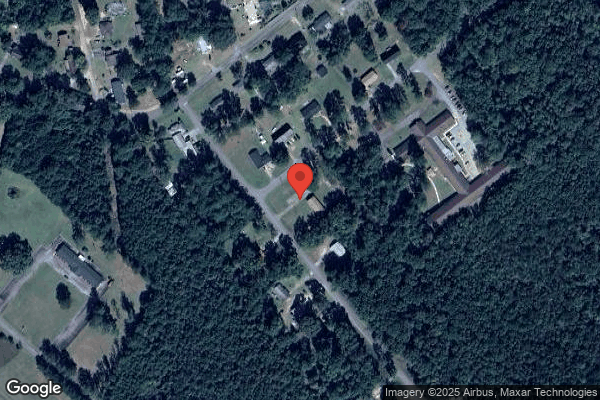

113 SPRING VALLEY ROAD, JEFFERSONVILLE, GA 31044 (478) 298-6700
For profit - Corporation 131 Beds PEACH HEALTH GROUP Data: November 2025
Trust Grade
63/100
#132 of 353 in GA
Last Inspection: February 2025

Within standard 12-15 month inspection cycle. Federal law requires annual inspections.

Overview

Jeffersonville Care Center LLC has a Trust Grade of C+, indicating it is decent and slightly above average among nursing homes. It ranks #132 out of 353 facilities in Georgia, placing it in the top half, and is the only option in Twiggs County. The facility is improving, with issues decreasing from 7 in 2023 to 5 in 2025, but staffing is a notable concern, rated at 1 out of 5 stars, which suggests significant turnover and challenges in care. Additionally, it has concerning RN coverage, being less than 99% of other Georgia facilities, which means patients may not receive the oversight needed. Inspector findings revealed issues like pests in the kitchen and failures to report allegations of physical abuse timely, which raises concerns about food safety and resident protection. While the health inspection rating is good at 4 out of 5 stars, the presence of these deficiencies highlights the need for families to weigh both the strengths and weaknesses when considering this facility for their loved ones.

Trust Score
C+
63/100
In Georgia
#132/353
Top 37%
Safety Record
Low Risk
No red flags
Inspections
Getting Better
7 → 5 violations
Staff Stability
○ Average
37% turnover. Near Georgia's 48% average. Typical for the industry.
Penalties
⚠ Watch
$4,119 in fines. Higher than 96% of Georgia facilities. Major compliance failures.
Skilled Nurses
⚠ Watch
Each resident gets only 5 minutes of Registered Nurse (RN) attention daily — below average for Georgia. Fewer RN minutes means fewer trained eyes watching for problems.
Violations
⚠ Watch
17 deficiencies on record. Higher than average. Multiple issues found across inspections.
★★★☆☆
3.0
Overall Rating
★☆☆☆☆
1.0
Staff Levels
★★★☆☆
3.0
Care Quality
★★★★☆
4.0
Inspection Score
Stable
2023: 7 issues
2025: 5 issues

The Good

  • Full Sprinkler Coverage · Fire safety systems throughout facility
  • No fines on record
  • Staff turnover below average (37%)

    11 points below Georgia average of 48%

Facility shows strength in fire safety.

The Bad

3-Star Overall Rating

Near Georgia average (2.6)

Meets federal standards, typical of most facilities

Staff Turnover: 37%

Near Georgia avg (46%)

Typical for the industry

Federal Fines: $4,119

Below median ($33,413)

Minor penalties assessed

Chain: PEACH HEALTH GROUP

Part of a multi-facility chain

Ask about local staffing decisions and management

The Ugly 17 deficiencies on record

Feb 2025 5 deficiencies
CONCERN (D) 📢 Someone Reported This

A family member, employee, or ombudsman was alarmed enough to file a formal complaint

Potential for Harm - no one hurt, but risky conditions existed

Safe Environment (Tag F0584)

Could have caused harm · This affected 1 resident

**NOTE- TERMS IN BRACKETS HAVE BEEN EDITED TO PROTECT CONFIDENTIALITY** Based on observations, staff interviews, and review of the facility's policy titled Preventative Maintenance Program, the facili...

Read full inspector narrative →
**NOTE- TERMS IN BRACKETS HAVE BEEN EDITED TO PROTECT CONFIDENTIALITY** Based on observations, staff interviews, and review of the facility's policy titled Preventative Maintenance Program, the facility failed to provide a homelike environment for three of 17 rooms on one of five halls (rooms [ROOM NUMBER]). The deficient practice had the potential to place residents at risk of living in an unsanitary and unsafe living environment and a potential for diminished quality of life. Findings include: Review of the facility's policy titled Preventative Maintenance Program, dated 4/1/2024, revealed the Policy Explanation and Compliance Guidelines section included, 1. The Maintenance Director is responsible for developing and maintaining a schedule of maintenance to ensure that the buildings, grounds, and equipment are maintained in a safe and operable manner. Observation on 2/18/2025 at 10:30 am in room [ROOM NUMBER] revealed holes in the sheetrock wall near the baseboard on the right side at the entrance of the room. Observation on 2/18/2025 at 10:40 am of the hallway between rooms [ROOM NUMBERS] revealed a ventilation cover with a discolored orange-brownish appearance and a gray fluffy substance covering the vent. Observation on 2/19/2025 at 11:00 am in room [ROOM NUMBER] revealed an orange-brownish substance at the bottom outside edge of the sink and in the sink at the drainage area. Observation on 2/19/2025 at 11:30 am revealed that room [ROOM NUMBER] had no window covering of blinds or curtains. Further observation in the shared bathroom between rooms [ROOM NUMBERS] revealed the sink had no hardware for the faucet, and the water was running continuously. During concurrent observations and interviews on 2/20/2025 at 10:00 am, the Administrator, Maintenance Director (MD), and Maintenance Assistant (MA) verified the findings. The MD stated that he and the MA had both worked at the facility for two days. The MD stated that the conditions of the identified rooms were unacceptable. The Administrator asked the MD and MA to address the areas of concern in each room.
CONCERN (D) 📢 Someone Reported This

A family member, employee, or ombudsman was alarmed enough to file a formal complaint

Potential for Harm - no one hurt, but risky conditions existed

ADL Care (Tag F0677)

Could have caused harm · This affected 1 resident

Based on observations, staff interviews, record review, and review of the facility's policy titled Activities of Daily Living (ADLs), the facility failed to provide ADL care, specifically shaving of f...

Read full inspector narrative →
Based on observations, staff interviews, record review, and review of the facility's policy titled Activities of Daily Living (ADLs), the facility failed to provide ADL care, specifically shaving of facial hair, for one of 2 residents (R) (R81) reviewed for ADL care. The sample size was 32 residents. This deficient practice had the potential to place R81 at risk of skin care issues and cause the resident to feel self-conscious about their appearance. Findings include: Review of the facility's policy titled Activities of Daily Living (ADLs), revised 4/1/2025, revealed the Policy Explanation and Compliance Guidelines section included, . 3. A resident who is unable to carry out activities of daily living will receive the necessary services to maintain good nutrition, grooming, and personal and oral hygiene. Review of R81's electronic medical record (EMR) revealed diagnoses including, but not limited to, Huntington's Disease, major depressive disorder, and anxiety. Review of R81's Quarterly Minimum Data Set (MDS) assessment, dated 1/9/2025, revealed section C (Cognitive Patterns) documented a Brief Interview for Mental Status (BIMS) of 99 (indicating the interview could not be completed). Section GG (Functional Abilities and Goals) documented that R81 was dependent for showering and personal hygiene. Review of R81's care plan, revised 11/29/2024, revealed a Focus of the resident had an ADL self-care performance deficit and was at risk for not having their needs met in a timely manner. Observations on 2/18/2025 at 12:10 pm, 2/19/2025 at 11:20 am, and 2/20/2025 at 10:30 am revealed that R81 had unshaven facial hair approximately one-fourth of an inch long. R81 was nonverbal and made brief eye contact, but no attempt to communicate. In an interview on 2/19/2025 at 11:23 am, Licensed Practical Nurse (LPN) BB stated that resident baths were scheduled three days a week and that men should be shaved on their bath days. She stated that R81 occasionally refused a bath but had not refused recently. She stated that R81 received a shower on 2/17/2025, according to the bath sheet, but was unshaven. In an interview on 2/19/2025 at 11:25 am, Certified Nursing Assistant (CNA) CC confirmed that the men are not always shaved during showers.
CONCERN (D) 📢 Someone Reported This

A family member, employee, or ombudsman was alarmed enough to file a formal complaint

Potential for Harm - no one hurt, but risky conditions existed

Respiratory Care (Tag F0695)

Could have caused harm · This affected 1 resident

**NOTE- TERMS IN BRACKETS HAVE BEEN EDITED TO PROTECT CONFIDENTIALITY** Based on observations, staff interviews, record reviews, and review of the facility's policy titled Tracheostomy Care, the facil...

Read full inspector narrative →
**NOTE- TERMS IN BRACKETS HAVE BEEN EDITED TO PROTECT CONFIDENTIALITY** Based on observations, staff interviews, record reviews, and review of the facility's policy titled Tracheostomy Care, the facility failed to follow professional standards of practice during tracheostomy (a surgical opening in the front of the neck with a tube to provide an airway) care one of two residents (R) (R56) receiving tracheostomy care. This deficient practice had the potential to place R56 at risk of respiratory complications. Findings include: Review of the facility's policy titled Tracheostomy Care, dated 4/1/2024, revealed the Policy section stated, The facility will ensure that residents who need respiratory care, including tracheostomy care and tracheal suctioning, is provided such care consistent with professional standards of practice, the comprehensive person-centered care plan and resident goals and preferences. Review of R56's electronic medical records (EMR) revealed diagnoses including, but not limited to, acute and chronic respiratory failure with hypoxia. Review of R56's admission Minimum Data Set (MDS), dated [DATE], revealed section O (Special Treatments, Procedures, and Programs) documented the resident received oxygen therapy, suctioning, and tracheostomy care. Review of R56's care plan, dated 2/5/2025, revealed a Focus of . has a tracheostomy and is at risk for potential complications such as weight loss, increased secretions, congestion, infection, and respiratory distress. The Goal was Resident will have clear airways with adequate ventilation through the next review date. Interventions were Provide oxygen, humidity, tracheostomy care, and tubing changes as indicated by physician's orders. Review of R56's Physician's Orders revealed orders dated 2/5/2025 for an adult flexible tracheostomy tube size six and tracheostomy care one time a day and as needed. Observation on 2/19/2025 at 12:34 pm of tracheostomy care for R56 revealed Licensed Practical Nurse (LPN) AA washed her hands, put on gloves, removed the oxygen mask from the tracheostomy, and removed and disposed of the inner cannula in a garbage bin at the bedside. LPN AA then removed the resident's tracheostomy ties without first applying the new ties, leaving the tracheostomy tube unsecured. LPN AA was stopped by the surveyor and asked to secure the tracheostomy with the ties before proceeding. In an interview on 2/19/2025 at 4:26 pm, the Director of Nursing (DON) stated she expected the nurses to tie one end of the tracheostomy with the new ties first, loosen the tracheostomy ties at that end before tying the other end of the tracheostomy with the new ties and removing the old ties. She stated that the old ties should be removed last. The DON further stated that she expected the nurse to secure the tracheostomy at all times. She stated that if the tracheostomy was not secured during care, the tracheostomy tube could be coughed out or dislodged, compromising the resident's breathing ability. In an interview on 2/19/2025 at 4:38 pm, LPN AA confirmed she had removed the old tracheostomy ties before applying the new ones, leaving the tracheostomy unsecured. She stated she should have tied one end of the tracheostomy with the new ties first, then loosened the tracheostomy ties at that end before tying the other end of the tracheostomy with the new ties. She stated she was taught to remove all the dirty or soiled things before putting on the new things, and that was why she removed the old ties before applying the new ties. She stated that when she removed the old tracheostomy ties, the tracheostomy tube could be dislodged and compromise R56's air supply.
CONCERN (D) 📢 Someone Reported This

A family member, employee, or ombudsman was alarmed enough to file a formal complaint

Potential for Harm - no one hurt, but risky conditions existed

Deficiency F0761 (Tag F0761)

Could have caused harm · This affected 1 resident

Based on observations, staff interviews, and review of the facility's policy titled Medication Storage, the facility failed to secure and store medication out of the reach of residents and unauthorize...

Read full inspector narrative →
Based on observations, staff interviews, and review of the facility's policy titled Medication Storage, the facility failed to secure and store medication out of the reach of residents and unauthorized individuals on one of two Nurse's Stations (Station 100/200). This deficient practice created the potential for residents, unauthorized staff, and visitors to have access to medications. The facility census was 91 residents. Findings include: Review of the facility's policy titled Medication Storage, dated 4/1/2024, revealed the Policy Explanation and Compliance Guidelines section included, 1. General Guidelines: . c. During a medication pass, medications must be under the direct observation of the person administering medications or locked in the medication storage area/cart. Observation on 2/19/2025 at 9:42 am revealed one medication bubble card containing oral azithromycin (a medication used to treat bacterial infections) lying on the outer counter ledge of the nurses' station located between 100 Hall and 200 Hall, unsecured and unsupervised by authorized nursing staff. One ambulatory and one wheelchair bound resident were observed to be in the area of the medication. There was no nursing staff in the immediate area of the medication. In an interview on 2/19/2025 at 10:00 am, the Director of Nursing (DON) confirmed the medication was left in an unsecured area. The DON stated that she expected all medication to be secured in the medication cart or locked in the medication room at all times and further stated the Certified Medication Technicians (CMT) and Licensed Practical Nurses (LPN) should keep direct eye contact with their medication carts. In an interview on 2/19/2025 at 1:00 pm, LPN AA stated she had been passing medications with 13 to 14 different medications, and the medication bubble card must have slid from the medication cart onto the nurse's station countertop.
CONCERN (D) 📢 Someone Reported This

A family member, employee, or ombudsman was alarmed enough to file a formal complaint

Potential for Harm - no one hurt, but risky conditions existed

Infection Control (Tag F0880)

Could have caused harm · This affected 1 resident

**NOTE- TERMS IN BRACKETS HAVE BEEN EDITED TO PROTECT CONFIDENTIALITY** Based on observations, staff interviews, record reviews, and review of the facility's policy titled Hand Hygiene, the facility f...

Read full inspector narrative →
**NOTE- TERMS IN BRACKETS HAVE BEEN EDITED TO PROTECT CONFIDENTIALITY** Based on observations, staff interviews, record reviews, and review of the facility's policy titled Hand Hygiene, the facility failed to ensure that infection control processes were followed between resident (R) care on one of five halls (Hall 400) and during tracheostomy (a surgical opening in the front of the neck with a tube to provide an airway) care for one of two R (R56) receiving tracheostomy care. The deficient practices had the potential to increase the risk of cross-contamination and spread of infection on Hall 400 and place R56 at risk of avoidable infection. Findings include: Review of the facility's policy titled Hand Hygiene, dated 4/1/2024, revealed the Policy was All staff will perform proper hand hygiene procedures to prevent the spread of infection to other personnel, residents, and visitors. This applies to all staff working in all locations within the facility. The Policy Explanation and Compliance Guidelines section included, 1. Staff will perform hand hygiene when indicated, using proper technique consistent with accepted standards of practice. 1. Observations on 2/19/2025 at 9:42 am revealed Certified Nursing Assistant (CNA) EE provided care to one resident in room [ROOM NUMBER] while wearing gloves. Further observation revealed that CNA EE provided care to a different resident in room [ROOM NUMBER] without changing her gloves or performing hand hygiene between residents. In an interview on 2/19/2025 at 9:44 am, CNA EE confirmed she did not remove her gloves and sanitize her hands between residents while providing care to the residents in room [ROOM NUMBER]. She stated she should have removed her gloves, washed or sanitized her hands, and put on a new pair of gloves between resident care. She further stated that the failure to change gloves and perform hand hygiene between residents could spread germs from one resident to another. In an interview on 2/19/2025 at 9:56 am, the Director of Nursing (DON) stated she expected staff to ensure they sanitized their hands between residents while providing care. She further stated that the same pair of gloves must not be used when caring for two residents, and the failure to change gloves and perform hand hygiene between residents could spread germs from one resident to another. In an interview on 2/19/2025 at 10:19 am, the Infection Preventionist (IP) HH stated hand hygiene should be performed before and after any procedure with the residents. She stated that staff should change gloves and perform hand hygiene between residents and that the failure to do so could spread germs between residents. 2. Review of R56's electronic medical records (EMR) revealed diagnoses including, but not limited to, acute and chronic respiratory failure with hypoxia. Review of R56's admission Minimum Data Set (MDS), dated [DATE], revealed section O (Special Treatments, Procedures, and Programs) documented the resident received oxygen therapy, suctioning, and tracheostomy care. Review of R56's Physician's Orders revealed orders dated 2/5/2025 for an adult flexible tracheostomy tube size six and tracheostomy care one time a day and as needed. Observation on 2/19/2025 at 12:34 pm of tracheostomy care for R56 revealed Licensed Practical Nurse (LPN) AA washed her hands, put on gloves, removed and disposed of the inner cannula, removed the soiled pair of gloves, and put on a new pair of gloves without washing or sanitizing her hands. LPN AA then removed her gloves, used her ungloved left hand, and held the tracheostomy tube in place while securing the tracheostomy ties with her right hand. In an interview on 2/19/2025 at 4:26 pm, the DON revealed she expected the staff to wash or sanitize their hands after removing gloves and before putting on a new pair of gloves. The DON stated that tracheostomy care is a sterile procedure and that hand hygiene and sterile gloves should be used during tracheostomy care. She stated that if hand hygiene was not performed between glove changes, the resident was at risk of infection due to cross-contamination. In an interview on 2/19/2025 at 4:34 pm, IP HH stated that staff should perform hand hygiene between glove changes and further stated that if hand hygiene was not performed, residents could get an infection. In an interview on 2/19/2025 at 4:38 pm, LPN AA confirmed she did not perform hand hygiene between glove changes during tracheostomy care for R56. She stated hand hygiene should be performed between glove changes to prevent the spread of infection to residents. Cross-reference F695
Aug 2023 7 deficiencies
CONCERN (D) 📢 Someone Reported This

A family member, employee, or ombudsman was alarmed enough to file a formal complaint

Potential for Harm - no one hurt, but risky conditions existed

Transfer Notice (Tag F0623)

Could have caused harm · This affected 1 resident

**NOTE- TERMS IN BRACKETS HAVE BEEN EDITED TO PROTECT CONFIDENTIALITY** Based on record review, staff interview, and a review of the facility's policy titled Transfer or Discharge, Facility Initiated,...

Read full inspector narrative →
**NOTE- TERMS IN BRACKETS HAVE BEEN EDITED TO PROTECT CONFIDENTIALITY** Based on record review, staff interview, and a review of the facility's policy titled Transfer or Discharge, Facility Initiated, the facility failed to ensure one of three Residents (R) (#258) reviewed for discharge/hospitalization received written notice of transfer to the hospital that included the reason for the transfer, the location of the transfer, a statement of the resident's appeal rights, and the contact information for the office of the Ombudsman. The facility also failed to notify the Ombudsman of transfers to the hospital. This failure had the potential to cause confusion or distress upon transfer and a lack of understanding of appeal rights when the resident was not permitted to return. Findings include: Review of the Transfer or Discharge, Facility Initiated policy, dated October 2022, revealed, If the facility initiates a discharge based on inability to meet the resident's needs, the facility will notify the resident and/or his or her representative in writing of the discharge, including notification of appeal rights. The facility will send a copy of the discharge notice to a representative of the Office of the State LTC [long-term care] Ombudsman. Notice to the Office of the State LTC Ombudsman will occur at the same time the notice of discharge is provided to the resident and resident representative. Record review of the Profile tab of the Electronic Medical Record (EMR) for R#258 revealed the resident was emergently hospitalized on [DATE] and was not permitted to return to the facility. Record review of the quarterly Minimum Data Set (MDS) for R#258 dated 08/30/2022, located in the MDS tab of the EMR, revealed she scored seven out of 15 on the Brief Interview for Mental Status (BIMS), indicating severely impaired. R#258's assessment showed disorganized thinking. Review of R#258's EMR revealed no documented notice given to R#258 upon transfer to the hospital and no evidence the Ombudsman was notified of her transfer. During an interview on 08/24/2023 at 4:05 p.m., Licensed Practical Nurse (LPN) 1 stated no additional discharge documentation was completed or provided to R#258 or her responsible party. LPN1 added R#258 was sent to the hospital due to consistent removal of her colostomy bag and subsequent skin excoriation. During an interview on 08/24/2023 at 4:32 p.m., the Director of Nursing (DON) stated neither R#258 nor her representative were provided with any notices of discharge upon transfer to the hospital. During an interview on 08/24/2023 at 6:02 p.m., the Administrator stated it was not part of their current practice to notify the Ombudsman regarding residents transferred to the hospital.
CONCERN (D) 📢 Someone Reported This

A family member, employee, or ombudsman was alarmed enough to file a formal complaint

Potential for Harm - no one hurt, but risky conditions existed

Safe Transfer (Tag F0626)

Could have caused harm · This affected 1 resident

**NOTE- TERMS IN BRACKETS HAVE BEEN EDITED TO PROTECT CONFIDENTIALITY** Based on staff interview, record review, and a review of the facility's policy titled, Transfer or Discharge, Facility Initiated...

Read full inspector narrative →
**NOTE- TERMS IN BRACKETS HAVE BEEN EDITED TO PROTECT CONFIDENTIALITY** Based on staff interview, record review, and a review of the facility's policy titled, Transfer or Discharge, Facility Initiated, the facility failed to ensure one of three residents (R) (#258) reviewed for discharge/hospitalization was allowed to return to the facility following a hospitalization. R#258 did not receive the right to appeal her discharge from the facility. Findings include: Review of the Transfer or Discharge, Facility Initiated policy, dated October 2022, revealed, If the facility does not permit a resident's return to the facility (i.e., initiates a discharge) based on inability to meet the resident's needs, the facility will notify the resident, and./or his or her representative in writing of the discharge, including notification of appeal rights. If the resident chooses to appeal the discharge, the facility will allow the resident to return to his or her room or an available bed in the facility during the appeal process, unless there is documented evidence that the resident's return would endanger the health or safety of the resident or other individuals in the facility. Residents have the right to appeal a facility-initiated transfer or discharge through the state agency that handles appeals. Upon notice of transfer or discharge, the resident will be provided with a statement of his or her right to appeal the transfer or discharge, including: the name, address, email, and telephone number of the entity which receives such requests. Review of R#258's Profile tab of the Electronic Medical Record (EMR) revealed she was admitted to the facility on [DATE]. Review of R#258's Census tab of the EMR revealed she was transferred to the hospital on [DATE]. Review of R#258's Interdisciplinary Discharge Summary dated 11/04/2022, provided on paper by the facility, revealed it contained clinical information to be communicated to the emergency medical services personnel and to the receiving hospital. It did not include information regarding appeal rights and Ombudsman information and did not indicate it was provided to the resident or responsible party. During an interview on 08/24/2023 at 4:35 p.m., Licensed Practical Nurse (LPN) 1 stated that R#258 was discharged from the facility due to negative behavior and never returned. During an interview on 08/24/2023 at 4:21 p.m., the Business Office Manager (BOM) stated they did not give R#258 a proper discharge because the notice did not include appeal information. The BOM added R#258 was not given a 30-day discharge notice. During an interview on 08/24/2023 at 5:50 p.m., the Administrator stated a 30-day notice was not given to R#258, and he could not remember R#258 returning to the facility. The Administrator stated the Director of Nursing (DON) was allowed to make the determination on whether R#258 could return to the facility. The Administrator added he would not have told the hospital that one of their residents is not allowed to return to the facility. During an interview on 08/24/2023 at 1:06 p.m., the Director of Nursing (DON) stated that R#258's most recent hospital stay was a long stay, and previous hospital stays were short and frequent. The DON stated R#258 exhibited bad behavior, such smearing feces onto the walls and throwing feces on R#258's roommate. The DON added that the behavior was too severe for the facility. The DON stated 7-day notices were given upon discharge, or they would send it out with the resident, and the Administrator issued the 7-day notice.
CONCERN (D)

Potential for Harm - no one hurt, but risky conditions existed

MDS Data Transmission (Tag F0640)

Could have caused harm · This affected 1 resident

Based on interviews, record review, and a review of the facility's Resident Assessment Instrument, the facility failed to ensure Minimum Data Set (MDS) assessments were submitted within the 14-day tim...

Read full inspector narrative →
Based on interviews, record review, and a review of the facility's Resident Assessment Instrument, the facility failed to ensure Minimum Data Set (MDS) assessments were submitted within the 14-day time frame for one of 27 Residents (R) (#60) in the survey sample. The MDS discharge assessment for R#60 was not completed. Findings include: Review of the Long-Term Care Facility Resident Assessment Instrument 3.0 User's Manual version 1.17.1, dated 10/2019, pages 2-16 and 2-18 indicated Significant change in status: transmission date no later than care plan completion date +14 calendar days . Death in facility tracking record: MDS completion date no later than discharge (death) date +7 days and transmission date no later than discharge (death) date +14 calendar days. Record review of the nursing notes under the Progress Notes tab in the Electronic Medical Record (EMR) for R#60 dated 04/18/2023 at 8:00 a.m. revealed the resident was discharged from the facility on 04/18/2023. Record review of the EMR MDS tab revealed a Discharge MDS was not completed or exported for R#60. During an interview on 08/24/2023 at 3:37 p.m., Licensed Practical Nurse (LPN) 5 stated they did not have any policies for Minimum Data Set (MDS), and they followed the Resident Assessment Instrument (RAI) for the timeframes. LPN5 stated, R#60 should have had a discharge MDS. I missed that one, and I'm doing it now.
CONCERN (D)

Potential for Harm - no one hurt, but risky conditions existed

Accident Prevention (Tag F0689)

Could have caused harm · This affected 1 resident

Based on observations, interviews, record reviews, and a review of the facility's policy titled, Falls and Fall Risk, Managing, the facility failed to implement fall interventions for one of three Res...

Read full inspector narrative →
Based on observations, interviews, record reviews, and a review of the facility's policy titled, Falls and Fall Risk, Managing, the facility failed to implement fall interventions for one of three Residents (R) (#22) reviewed for accidents increasing R#22's risk of falling again. Findings Include: A review of the Falls and Fall Risk, Managing, policy, dated March 2018, revealed, The staff will monitor and document each resident's response to interventions intended to reduce falling or the risks of falling. Record review of the quarterly Minimum Data Set (MDS) assessment for R#22 dated 08/10/2023 and located in the MDS tab of the Electronic Medical Record (EMR), revealed R#22 scored seven out of 15 on the Brief Interview for Mental Status (BIMS), indicating severely impaired cognition. Per the MDS, R#22 required supervision with transfers, walking in room and corridor, and locomotion in unit and off unit. R#22's gate was not steady, but he was able to stabilize with staff assistance for walking and transfers. Record review of the Care Plan initiated on 07/23/2023, for R#22 revealed the resident is at risk for falls r/t [related to] Psychotropic medication use and refuses to wear proper footwear/nonskid socks at times. 07/23/2023: Fall, c/o [complained of] pain, sustained a tibia fracture. The approach, Ensure proper footwear when out of bed, was added on 07/23/2023 in response to the fall. Review of R#22's EMR Fall Incident Note, dated 07/23/2023, read, The resident was in the hallway with the wound nurse when he lost his balance. The resident fell backward against the storage room door and slid down to the floor. The wound nurse stated, 'The resident shoe was folded down in the back, and his laces were untied.' Resident replied when asked, 'I lost my balance and fell.' Assessed resident for injuries, non-visible at this time. The resident stated mild pain across his middle lower back area and requested Tylenol for pain. Administered (2) Tylenol 325mg [milligrams]. Notified MD [physician] and family. Assisted resident back to his feet x 3 [with three] staff, with resident assisting. Corrected resident's footwear assessed resident for any change in mobility or further c/o pain in extremities during ambulation; none noted. The resident does not vocalize any increase in pain or new areas of pain currently. MD notified. Responsible party notified; no answer left VM [voice mail]. An observation on 08/22/2023 at 4:12 p.m. revealed R#22 was walking in the dining room wearing white athletic shoes that were folded down in the back, so the heels of the shoes were tucked under the heels of his feet. Though staff were in and out of the dining room, no staff member was observed to encourage or assist R#22 to put his shoes on properly. An observation on 08/23/2023 at 2:04 p.m. revealed R#22 walked into the dining room area wearing white athletic shoes tucked under his heels. No staff member was observed to encourage or assist him to correct the shoes. An observation on 08/24/2023 at 1:53 p.m. revealed that R#22's white athletic shoes were folded under his heels, and his laces were untied. No staff member was observed to encourage or assist him to correct the shoes. An observation on 08/24/2023 at 4:09 p.m. revealed R#22 wore Velcro-fastened black athletic shoes that were again folded down in the back under his heels. No staff member was observed to encourage or assist him to correct the shoes. During an interview on 08/24/2023 at 4:09 p.m., the Director of Nursing (DON) stated that R#22's black shoes were folded down in the back, and this time R#22 was wearing Velcro instead of shoelaces. The DON was not aware of any staff members correcting R#22's behavior and agreed that R#22's shoes were currently a fall risk. The DON stated they would consider alternative shoes for R#22 that did not have a back to fold, such as the plastic outdoor shoes similar to common household slippers. During an interview on 08/24/2023 at 4:46 p.m., Licensed Practical Nurse (LPN) 1 stated, that on 07/23/2023, R#22 was in the hallway when the wound nurse told R#22 to fix his shoes, as the heels of the shoes were folded under R#22's heels and his shoes were not tied. The wound nurse then witnessed R#22 fall as he bent over to adjust his shoes and lost his balance. LPN1 added that R#22 had an unsteady gate and was at risk for falls. LPN1 said staff constantly must remind R#22 to wear his shoes correctly, and R#22 was usually non-compliant.
CONCERN (D)

Potential for Harm - no one hurt, but risky conditions existed

Medical Records (Tag F0842)

Could have caused harm · This affected 1 resident

**NOTE- TERMS IN BRACKETS HAVE BEEN EDITED TO PROTECT CONFIDENTIALITY** Based on record review, and staff interviews, the facility failed to ensure medical records were accurate for three of 27 sample...

Read full inspector narrative →
**NOTE- TERMS IN BRACKETS HAVE BEEN EDITED TO PROTECT CONFIDENTIALITY** Based on record review, and staff interviews, the facility failed to ensure medical records were accurate for three of 27 sample Residents (R) (#92, #64, and #22). Nursing staff inaccurately documented pressure ulcers for R#64, R#92, and R#22's care plan inaccurately stated nursing staff were to record fluid intake. Findings include: 1. Record review of the skin assessment dated [DATE], for R#92, located in the Electronic Medical Record (EMR) Assessments tab, triggered pressure ulcer to the sacrum; no measurements or stage was documented. Record review of the EMR Orders tab for R#92 revealed no orders for pressure ulcers during the August 2023 time period. There were no records of wound assessments or treatments. Record review of the annual Minimum Data Sheet (MDS) tab for R#92 dated 08/11/2023 read: Resident has no current pressure ulcer. At risk for developing sores/ulcers. Interview with the Director of Nursing (DON), Licensed Practical Nurse (LPN) 4, and LPN6 on 08/24/2023 at 1:35 p.m.; all three stated R#92 did not have a pressure ulcer to the sacrum at any time in July or August 2023. The DON added a nurse was documenting areas at risk for pressure ulcer development on the assessment, but this was not accurate, as the assessment showed the presence of a pressure ulcer. 2. Record review of the skin assessment dated [DATE], located in the EMR Assessments tab for R#64, triggered pressure ulcer to the sacrum; no measurements or stage was documented. Record review of the Orders tab dated 08/23/2023 for R#64 revealed no physician orders or treatments for pressure ulcers and wounds. Record review of the Care Plan dated 08/23/2023 for R#64 reads: R#64 is at risk for skin breakdown and pressure ulcers r/t [related to] always incontinent, immobile, quadriplegia, dependent upon staff for ADLs [activities of daily living]. R64 skin will remain intact through the next review. Administer/monitor effectiveness of/response to preventive treatment(s) as ordered. Apply protective barrier cream as ordered by RN [registered nurse]. Assess and record changes in skin status. Report pertinent changes to physician. Interview with the DON, LPN4, and LPN6 on 08/24/2023 at 1:35 p.m., all three stated that R#64 did not have a pressure ulcer to the sacrum at any time in August 2023. The DON added a nurse was documenting areas at risk for pressure ulcer development on the assessment, but this was not accurate, as the assessment showed the presence of a pressure ulcer. 3. During observation of R#22 on 08/22/2023 at 10:45 a.m., R#22 was drinking from a 16-ounce foam cup and appeared to have drunk two other water beverages of the same size. The two other foam cups on R#22's bedside table appeared empty. During the observation of R#22 on 08/22/2023 at 4:14 p.m., R#22 had two 16-ounce cups of water/liquids in front of him. R#22 was holding one of the cups of water and asked for another cup because the current water cup was old and had yesterday's date on it. Record review of the Care Plan dated 07/05/2023 for R#22 read, Administer and record intake of prescribed diet/fluids and document any noncompliance Registered Nurse (RN) and Licensed Practical Nurse. Encourage fluid intake of water. Record review of the Medication Administration Record (MAR) and Treatment Administration Record (TAR) of the Electronic Medical Records (EMR) for R#22 showed no documentation of fluid intake. During an interview on 08/24/2023 at 1:17 p.m., LPN1 stated that R#22 consumed regular liquids, usually water, throughout the day and was constantly asking for more cups. LPN1 said staff do not document or monitor R#22's fluid intake. LPN1 added that R#22's dietary assessment did not indicate a fluid restriction, and she was not certain if the resident was on a fluid restriction. LPN1 called the resident's Nurse Practitioner (NP) and stated the NP advised a fluid restriction was not required and was not a current order and confirmed fluid intake did not need to be recorded.
CONCERN (D)

Potential for Harm - no one hurt, but risky conditions existed

Deficiency F0919 (Tag F0919)

Could have caused harm · This affected 1 resident

Based on observations, interviews, and a review of the facility's policy titled, Call System, Resident, the facility failed to ensure the call light for one of 27 sampled Residents (R) (#25) was worki...

Read full inspector narrative →
Based on observations, interviews, and a review of the facility's policy titled, Call System, Resident, the facility failed to ensure the call light for one of 27 sampled Residents (R) (#25) was working properly. This failure had the potential to result in a delayed staff response time to R#25's call light. Findings include: A review of the facility's Call System, Resident policy dated September 2022 revealed, The resident call system remains functional at all times. If audible communication is used, the volume is maintained at an audible level that can be easily heard. If visual communication is used, the lights remain functional. During an interview on 08/21/2023 at 2:02 p.m., R#25 stated, My call light does not work, meaning that when I push the call button, the light outside the door does not come on. The light comes on at the unit in the wall and at the nurses' station, but not above the door. I was told that the nurses are notified when the call light comes on, but I knock and knock on my tray table until someone comes and answers me. On 08/21/2023 at 2:02 p.m., observation of R#25's light outside the door did not come on when R#25's call button was pushed. The light at the unit on the wall came on, and the system at the nurses' station was alerted to the call. During an interview with Licensed Practical Nurse (LPN) 6 on 08/21/2023 at 2:20 p.m., LPN6 stated that she was not aware that R#25's call light above the door was not working. During an observation and interview in R#25's room on 08/24/2023 at 4:02 p.m., R#25 stated the staff tried to fix her call light last night, but it still was not working. R#25 pressed the call button, and the light above the door did not come on. The light was on at the wall unit and the system at the nurses' station. During an interview on 08/24/2023 at 4:55 p.m., Certified Nursing Assistant (CNA) 5 stated she was not aware that R#25's call light above the door was not working. During an interview with LPN4 on 08/24/2023 at 4:58 p.m., LPN4 stated she was not aware that R#25's call light was not working. During an interview on 08/24/2023 at 5:13 p.m., the Maintenance Director said, I have no idea when the light went out. One of the CNAs informed me sometime this week. I attempted to fix R#25's light for the first time yesterday.
CONCERN (F)

Potential for Harm - no one hurt, but risky conditions existed

Food Safety (Tag F0812)

Could have caused harm · This affected most or all residents

Based on observations, staff interviews, and a review of the facility's policy titled, Sanitation, the facility failed to ensure foods were prepared, stored, and served in a sanitary manner for all 11...

Read full inspector narrative →
Based on observations, staff interviews, and a review of the facility's policy titled, Sanitation, the facility failed to ensure foods were prepared, stored, and served in a sanitary manner for all 111 facility residents who received meals from the kitchen. Specifically, pests were observed in the kitchen, freezer temperatures were not maintained, and frozen foods were undated and unlabeled. These failures had the potential to increase the risk of food-borne illness among all facility residents. Findings include: The facility's November 2022 Sanitation policy documented, All kitchens, kitchen areas, and dining areas are kept clean, free from garbage and debris, and protected from rodents and insects. All utensils, counters, shelves, and equipment are kept clean, maintained in good repair, and are free from breaks, corrosions, open seams, cracks, and chipped areas that may affect their use or proper cleaning. 1. Pests in kitchen Observations during the initial tour of the kitchen on 08/21/2023, beginning at 10:11 a.m., revealed flies were flying throughout the kitchen, particularly in the food preparation and food pantry areas. During a subsequent visit to the kitchen on 08/22/2023 at 3:40 p.m., staff were preparing for dinner. There was a cockroach inside the pantry on the floor about an inch away from the flour bin. There was also a fly flying around the pantry. Dietary Aide (DA)1 and DA2, at separate times, observed the dead roach, did not remove it, and walked around the dead insect. During an interview on 08/22/2023 at 3:42 p.m., [NAME] 3 stated that if the insect sighting is small, then the kitchen staff spray the kitchen themselves or maintenance will spray; for more serious larger infestations, the pest control company is contacted. [NAME] 3 stated she could not identify the bug type. During an interview on 08/22/2023 at 3:49 p.m., Dietary Manager (DM) 2 stated she had not seen any bugs since starting there a few weeks ago. DM2 added that the dead insect looked like a roach. 2. Freezer Temperatures: Observations during the initial tour of the kitchen on 08/21/2023, beginning at 10:17 a.m., revealed broken and unreliable freezers were found throughout the kitchen. a. Freezer #1 (located adjacent to the preparation area near the outside door) had an inside temperature of 40 degrees Fahrenheit and an outside temperature between 32-35 degrees Fahrenheit. They contained layers of frozen built-up ice. A kitchen staff member was observed knocking ice off areas on the racks in the freezer. Though, built up ice remained along the walls and roof of the freezer. b. Freezer #2 adjacent to freezer #1 temperature was 2.3 Fahrenheit degrees. The inside temperature was not available because the inside thermometer was missing. c. The pantry walk-in freezer temperature on the outside read 4 degrees Fahrenheit. The inside temperature read 40 Fahrenheit degrees, and the second outside temperature was also 40 Fahrenheit degrees. The outside freezer's temperature was recorded as Defrosted (DEF) mode temp on this freezer's temperature log. During an interview on 08/21/2023 at 10:37 a.m., Dietary Aide (DA) 4 provided an outside freezer temperature reading of 40 degrees Fahrenheit on the large pantry walk-in freezer. During an interview on 08/21/2023 at 10:37 a.m., DM2 confirmed the freezer temperatures in the above observation were above 0 degrees Fahrenheit, and the freezers were in use. During a subsequent visit to the kitchen on 08/22/2023 at 3:40 p.m., staff were preparing for dinner. Observations with DM2 revealed: a. The pantry walk-in freezer temperature read 28 degrees Fahrenheit. b. The smaller inside pantry freezer temperature was 15 degrees Fahrenheit. The facility did not provide a policy concerning maintaining freezer and refrigerator temperatures. A review of the 2022 United States (US) Food Code, version 01/18/2023, revealed 3-501.11 Frozen Food. Stored frozen FOODS shall be maintained frozen. Temperature and time control 3-501.11 Frozen Food. 3-501.12 Time/Temperature Control for Safety Food, Slacking. 3-501.13 Thawing. Freezing prevents microbial growth in foods but usually does not destroy all microorganisms. Improper thawing provides an opportunity for surviving bacteria to grow to harmful numbers and/or produce toxins. If the food is refrozen, significant numbers of bacteria and/or all preformed toxins are preserved. 3. Undated and Unlabeled frozen foods Observations during the initial tour of the kitchen on 08/21/2023, beginning at 10:17 a.m., revealed the following in the walk-in freezer located in the pantry. - An un-labeled meat shank portion. - No date on opened pulled chicken. - Semi-frozen chicken patties in an opened plastic bag. - No date or no label on opened frozen strawberries and corn on the cobb that were stored in blue plastic bags. - A rack of roast that was completely thawed on the shelf above thawed frozen pizzas and bread. Both food item packages were open. During an observation of the freezer on 08/21/2023 at 10:37 a.m., DM2 proceeded to remove the un-labeled meat shank portion, pulled chicken, semi-frozen chicken patties, opened frozen strawberries, and corn on the cobb, and thawed rack of roast. The facility did not provide a policy concerning the dating and labeling of foodstuffs.
Feb 2022 5 deficiencies
CONCERN (D)

Potential for Harm - no one hurt, but risky conditions existed

Deficiency F0578 (Tag F0578)

Could have caused harm · This affected 1 resident

**NOTE- TERMS IN BRACKETS HAVE BEEN EDITED TO PROTECT CONFIDENTIALITY** Based on record review, staff interviews, and review of the facility policy titled Advanced Directives, the facility failed to i...

Read full inspector narrative →
**NOTE- TERMS IN BRACKETS HAVE BEEN EDITED TO PROTECT CONFIDENTIALITY** Based on record review, staff interviews, and review of the facility policy titled Advanced Directives, the facility failed to identify a do not resuscitate (DNR) order for one resident (R) (#61) of three residents reviewed for Advance Directives. Findings include: Review of the undated facility policy titled Advanced Directives revealed clinical personnel will place a copy of the Advance Directive on the medical record in the appropriate tab. Clinical personnel will place the Advance Directive sticker on the outside of the chart for admission. This mechanism serves as a flag for caregivers that an Advance Directive exists on the record. Clinical personnel will inform the attending physician an Advance Directive has been added to the chart. Review of the clinical record for R#61 revealed diagnoses including but not limited to pneumonia, pleural effusion, hypertension, and chronic atrial fibrillation. Review of the admission Minimum Data Set (MDS) assessment dated [DATE] revealed R#61 had a Brief Interview of Mental Status score of 14 indicating cognition intact. Further review of the clinical record revealed R#61 had a Physician Order for Life Sustaining Treatment (POLST) with a choice to allow natural death/DNR that was signed by the Physician on 12/22/21. Review of the care plan for R#61 revised 2/2/22 revealed the resident request to be a full code. During an interview on 2/2/22 at 10:45 a.m. with the Social Services Director (SSD) revealed the POLST should have been scanned into the electronic health record by another staff member. SSD stated after being scanned a hard copy is placed in the resident physical record on red paper to alert staff to the resident's code status. SSD could not explain why R#61's POLST was not in the electronic health record and was not on red paper. During an interview on 2/3/22 at 10:54 a.m., the Director of Nursing stated that the residents who elect to have DNR status should be on red paper and residents who elect full code status should be on green paper prior to placing in a resident chart. Further interview revealed it is the responsibility of the SSD to ensure the code status of residents are reflected in the physical chart and the electronic health record. Also confirmed R#61's code status was not clearly communicated.
CONCERN (D)

Potential for Harm - no one hurt, but risky conditions existed

Deficiency F0655 (Tag F0655)

Could have caused harm · This affected 1 resident

**NOTE- TERMS IN BRACKETS HAVE BEEN EDITED TO PROTECT CONFIDENTIALITY** Based on record review, staff interviews, and review of the facility policy titled Care Plans-Baseline, the facility failed to d...

Read full inspector narrative →
**NOTE- TERMS IN BRACKETS HAVE BEEN EDITED TO PROTECT CONFIDENTIALITY** Based on record review, staff interviews, and review of the facility policy titled Care Plans-Baseline, the facility failed to document a peripherally inserted central catheter (PICC) line on the baseline care plan for one of one resident (R) (#651). Findings include: Review of facility policy Care Plans-Baseline last revised 12/2016 revealed: Policy Statement-A baseline plan of care to meet the resident's immediate needs shall be developed for each resident within forty-eight (48) hours of admission. Policy Interpretation and Implementation 1. To assure that the resident's immediate care needs are met and maintained, a baseline care plan will be developed within forty-eight (48) hours of the resident's admission. Record review revealed R#651 was admitted to the facility on [DATE] with diagnoses including but not limited to debility, acute respiratory failure with hypoxia, heart failure, orthostatic hypotension, seizure disorder, legally blind, urogenital implants, and pyuria. admission Minimum Data Set, dated [DATE] revealed a Brief Interview for Mental Status score of 99, indicating severe cognitive impairment. Review of document titled Skin Assessment dated 10/9/21 revealed R#651 had an 'IV/Sub Q/Implanted Port' to the right upper chest. Interview on 2/3/22 at 12:45 p.m. with Licensed Practical Nurse DD revealed R#651 did have a PICC line on admission. Review of R#651's baseline care plan dated 10/8/21 revealed the PICC line was not addressed on the baseline care plan. During interview on 2/3/22 at 1:23 p.m. with Minimum Data Set (MDS) Coordinator revealed she failed to capture R#651's PICC line on admission and add it to the baseline care plan. During interview on 2/3/22 at 3:48 p.m. with the Director of Nursing revealed her expectations are for the baseline care plan reflect care and services resident needs while in facility. She confirmed R#651's baseline care plan did not reflect his PICC line.
CONCERN (D)

Potential for Harm - no one hurt, but risky conditions existed

Deficiency F0694 (Tag F0694)

Could have caused harm · This affected 1 resident

**NOTE- TERMS IN BRACKETS HAVE BEEN EDITED TO PROTECT CONFIDENTIALITY** Based on interviews, record review, and review of facility policy titled Guidelines for Preventing Intravenous Catheter-Related ...

Read full inspector narrative →
**NOTE- TERMS IN BRACKETS HAVE BEEN EDITED TO PROTECT CONFIDENTIALITY** Based on interviews, record review, and review of facility policy titled Guidelines for Preventing Intravenous Catheter-Related Infections the facility failed to obtain a Physician Order for peripherally inserted central catheter (PICC) line dressing changes, PICC line catheter flushes, and PICC line site observation on admission to the facility on [DATE] for one of one resident (R) (#651). Findings include: Review of the facility Policy titled Guidelines for Preventing Intravenous Catheter-Related Infections last revised 8/2014 revealed: 'General Guidelines c. appropriate infection control measures to prevent IV (intravenous venous) catheter-related infections. Surveillance 1. Observe the insertion site (and sutures if present) on every shift, on admission, and with dressing changes. 2. Observe visually or by palpation through the intact dressing. Catheter Site Dressing Regimens 4. Change the TSM (transparent semi permeable membrane) dressings every five to seven days or PRN (as needed) if damp, loosened, or visibly soiled. Documentation-The following information should be recorded in the resident's medical record: 1. Objective information regarding appearance of insertion site, catheter, and dressing.' Record review revealed R#651 was admitted to the facility on [DATE] with diagnoses including but not limited to debility, acute respiratory failure with hypoxia, heart failure, orthostatic hypotension, seizure disorder, legally blind, urogenital implants, and pyuria. admission Minimum Data Set, dated [DATE] revealed a Brief Interview for Mental Status score of 99, indicating severe cognitive impairment. Review of document titled Skin Assessment dated 10/9/21 revealed R#651 had an 'IV/Sub Q/Implanted Port' to the right upper chest. Review of R#651's Physician Orders dated 10/9/21 through 10/14/21 (when resident was discharged to hospital for pulling out gastrostomy tube) revealed no orders for PICC line dressing changes, PICC line site observations, or PICC line flushes. During interview on 2/3/22 at 12:45 p.m. with Licensed Practical Nurse (LPN) AA revealed resident did have a PICC line on admission. LPN AA confirmed R#651 did not have orders to address the PICC line. During interview on 2/3/22 at 1:23 p.m., the Director of Nursing revealed she expects the staff to change PICC line dressings and flush PICC lines in accordance with the facility policy. Further confirmed R#651 did not have orders to address the PICC line. Review of Hospital History and Physical dated 10/15/21 revealed R#61 also came to the emergency department with a partially pulled PICC line covered by a dressing dated 09/2021.
CONCERN (E)

Potential for Harm - no one hurt, but risky conditions existed

Report Alleged Abuse (Tag F0609)

Could have caused harm · This affected multiple residents

**NOTE- TERMS IN BRACKETS HAVE BEEN EDITED TO PROTECT CONFIDENTIALITY** Based on record review and staff interviews, the failed to ensure that allegations of physical abuse were reported to the State ...

Read full inspector narrative →
**NOTE- TERMS IN BRACKETS HAVE BEEN EDITED TO PROTECT CONFIDENTIALITY** Based on record review and staff interviews, the failed to ensure that allegations of physical abuse were reported to the State Survey Agency (SSA) within two hours for six of eight residents (R) (R#25, R#654, R#52, R#67, R#58, and R#65) reviewed for abuse. Findings include: Record review of the facility's forms titled Facility Reporting Incident (FRI's) as it relates to dates and time revealed a failure with reporting to SSA for the following incidents (listed below) within a two-hour time frame: 1. Record review revealed R#25 was admitted to the facility on [DATE]. R#25 had diagnoses of schizophrenia, dementia with behavioral disturbances, mood disorders and anxiety disorders. The Quarterly MDS dated [DATE] documented a Brief Interview of Mental Status (BIMS) score of 13 (which indicates no cognitive impairment). Record review revealed that R#654 was admitted to the facility on [DATE]. R#654 had diagnoses of Alzheimer disease, dementia classified elsewhere with behavior disturbances, and violent behaviors. The Quarterly MDS dated [DATE] assessed a BIMS score of one (which indicates severe cognitive impairment). Review of R#25's Nurse Note/Incident Note dated 7/22/21 at 20:18 (8:18 p.m.) and R#654's Nurse Note/Incident Note documented both residents were involved in a physical altercation. R#25 and R#654 were observed hitting each other. Review of Facility Incident Report Form dated 7/23/21 documented the type of incident as Resident-to-Resident Abuse for this incident that occurred on 7/22/21 at 20:18 p.m. Continued review revealed a reporting date of 7/23/21 to the SSA. 2. Record review revealed that R#52 was admitted to the facility on [DATE]. R#52 had diagnoses of frontal temporal dementia, wandering disease classified, mood disorder, restlessness, and agitations. The Quarterly MDS dated [DATE] documented a BIMS score of 99 (which indicates severe cognitive impairment). Record review revealed that R#67 was admitted to the facility on [DATE]. R#67 had diagnoses of Alzheimer Disease, dementia with behavior disturbances, and mood disorder. The Quarterly MDS dated [DATE] documented a BIMS score of six (which indicates severe cognitive impairment). Review of a Social Service Note dated 10/5/21 at 17:06 (5:06 p.m.) documented physical aggressive behaviors made towards R#52 by R#67. The note further stated that R#67 was warned about being sent out for psych services and possibility of discharge from the facility if future occurrences of abuse. The plan of action for R#67 is to restart antipsychotic medications and monitor. Review of Facility Incident Report Form dated 10/6/21 documented the type of incident as Resident-to-Resident Abuse for listed incident that occurred on 10/5/21 at 1:30 p.m. The incident was described as R#67 slapping R#52 after R#52 wandered into her room. Continued review revealed a reporting date of 10/6/21 to the SSA. 3. Record review revealed that R#58 was admitted to the facility on [DATE]. R#58 has diagnoses of schizoaffective disorder, psychotic disorders with delusions, and anxiety disorder. The Quarterly MDS (dated 8/10/21) assessed a BIMS score of 11 (which indicates moderate cognitive impairment). Record review revealed that R#65 was admitted to the facility on [DATE]. R#65 has diagnoses of bipolar disorder, anxiety disorder, and schizophrenia. The Quarterly MDS (dated 7/28/21) assessed a BIMS score of 5 (which indicates severe cognitive impairment). Record review of Nurse Note/Incident Note dated 7/15/21 at 16:55 (4:55 p.m.) documented an incident of staff observing R#65 and R#58 exhibiting verbally abusive behaviors towards each other. Review of Facility Incident Report Form dated 7/16/21 documented the type of Incident as Resident-to-Resident Abuse for a listed incident that occurred on 7/15/21 at 16.42 (4:42 p.m.). Continued review revealed a reporting date of 7/16/21 to the SSA. Injury reported as no injury. During an interview on 2/3/22 at 4:34 p.m., the DON reported being aware of all incidents of alleged abuse involving the six residents. The DON reported that nursing staff must report any incidents of abuse to the Administrator or the Director of Nursing. She stated that the Licensed Nursing Staff and all facility staff have received education on reporting abuse to the Administrator or the DON (herself). However, the licensed nursing staff has not been trained to access the SSA Abuse reporting system. In the past, she and the former DON reported some of the incidents of alleged abuse to SSA. Currently, the Administrator serves as the Abuse Coordinator and is the one who reports the Abuse to the State Office. During an exit interview on 2/3/22 at 5:30 p.m., the Administrator confirmed serving in the position as the Abuse Coordinator and that allegations of abuse should be reported to the SSA within the two-hour time frame.
CONCERN (F)

Potential for Harm - no one hurt, but risky conditions existed

Food Safety (Tag F0812)

Could have caused harm · This affected most or all residents

Based on observations and staff interviews, the facility failed to maintain the cleanliness of one wall-mounted fan located directly across from the steam table, ensure hair completely covered with a ...

Read full inspector narrative →
Based on observations and staff interviews, the facility failed to maintain the cleanliness of one wall-mounted fan located directly across from the steam table, ensure hair completely covered with a hair net, sanitize hands, ensure food temperatures are taking using an appropriate thermometer, and make necessary repairs to prevent water leakage in the food preparation area. In addition, the facility failed to ensure that one detergent dispenser for the pot/pan sink was filled for use to prevent food borne illness. This had the potential to affect 101 residents receiving an oral diet. Total census 107. Finding includes: 1. Observation on 2/1/22 at 9:55 a.m. and 2/2/22 at 11:55 a.m. revealed a wall-mounted fan blowing directly towards the steam table and the food preparation counters. A close observation of the fan revealed the blades of the fan and the frame of the fan covered with thick greyish dark substances mixed with debris. Further observation revealed four coffee pots (filled with coffee with no lids) located beneath the fan on a countertop. The ceiling above the fan was covered with dark grey particles and brown speckle substances extending towards the area of the steam table. Directly across from the fan was the facility staff placing food in the steam table and preparing food on a food preparation counter directly behind the steam table. Both the steam table and the food preparation counters were in proximity of the fan. Interview at the time of the observation with the Dietary Manager (DM) on 2/1/22 at 9:55 a.m., the DM reported that the maintenance staff is responsible for cleaning the fan. He confirmed the fan was dirty with a combination of dust, dirt, and debris. During an interview on 2/2/22 at 11:30 a.m., the DM confirmed the fan remained dirty and uncleaned. He acknowledged that the fan air was blowing dirt, dust, and debris in the kitchen during the food preparation process. He confirmed that with the dust on the fan blades and on the ceiling directly above the steam table and the coffee pot, there was a potential for food borne illness. During an interview on 2/2/22 at 1:00 p.m., the Administrator confirmed the fan was covered with dust, dirt, and debris. He further stated that the fan needed to be cleaned. 2. Observation on 2/2/22 at 11:30 a.m. revealed a detergent dispenser (located in the dish wash area) above the dishes and pot/pan sink was empty. Interview on 2/2/22 at 11:30 a.m., the DM reported being aware that the detergent dispenser was out. He stated that it has been out for only three days.DM also reported that the truck was not here to provide the delivery. The dietary staff has been using the soap detergent from the three-compartment sink soap dispenser. They use a bucket to transfer the detergent to the sink in the dishwasher area to wash the dishes. During interview on 2/2/22 at 11:30 a.m. and 2/3/22 at 10:16 a.m., Dietary Aide (DA) DD reported that the detergent dispenser has been empty for more than three days. DA DD could not recall the exact time. She reported that they are using a bucket to get the detergent from the three-compartment sink to use to wash the pot/pans and dishes in the dish washer area. 3.During a tour of the kitchen on 2/1/22 at 9:00 a.m. revealed the DM in the kitchen wearing a cap and long strands of hair not contained underneath the cap or with a hair net. The DM was observed opening pots of food cooking on the stove and near the food preparation counters where uncooked food was being prepared. Observation on 2/2/22 at 11:30 a.m., the DM was observed (hair not contained in a hair net or cap not completely covering his hair) in the kitchen within proximity of the food preparation counters while staff was preparing food. Observation on 2/2/22 at 11:45 a.m., the DM was observed at the steam table taking food temperature. A close observation revealed that DM was wearing the same cap with no hair net. Long strands of his hair were not contained in the cap. During an interview on 2/2/22 at 12:30 p.m., the DM revealed that the cap is a substitute for the hair net. He confirmed the cap did not completely contain all his hair. The DM further revealed wearing the cap instead of a hair net is a standard practice for him. 4. Observation (at the time of an interview with the DM) on 2/1/22 at 9:50 a.m. and 2/2/22 at 11:30 a.m. revealed a large hole underneath the three-compartment sink. The observation revealed water (dark brown color water) protruding from the hole. On the floor beneath the hole was dirt, debris, mixed with the water. During an interview with the DM, he reported that he was aware of the water leakage. The DM further reported that he had not notified maintenance of the leakage. Interview with the Administrator on 2/2/22 at 1:00 p.m. revealed he was not aware of the hole and water leakage. 5. During observation on 2/2/22 at 11:45 a.m., the DM attempted several times (a total of five times) using three different thermometers to take the food temperatures on the steam table. Each time the three thermometers were not working. A closer observation of the thermometer revealed that there were no batteries in either of the two thermometers (that required batteries). The third thermometer, a meat thermometer, did not work. The lunch tray line was held for 30 minutes due to this delay. The DM was able to obtain a battery from the Administrator's office to begin the steam table temperatures. Observation on 2/2/22 at 12:45 a.m. revealed DM conducting steam table temperatures without wearing a hair net to ensure hair was completely contained in a net, not sanitizing his hands, or using gloves prior to beginning the steam table temperature process. The DM was observed having direct contact with the food items (a pan of baked chickens) by touching the food items with his bare hands. Further observations revealed the DM not following the standard practice which required disinfecting/cleaning the thermometer between the different food items. He was observed to testing the following food items without disinfecting the thermometer between each test: first the squash casserole, second the cauliflower, third the pureed spaghetti, and fourth the bake chicken. During an interview with the Director of Nursing (DON) and the DM on 2/2/22 at 1:15 p.m., the DM confirmed that his hair was not contained in his cap, failure to sanitize his hands or use gloves during food steam table temperatures (which allowed his hands to have close contact with food items), and failure to ensure that thermometer was operating and cleaned between checking food temperatures. The DON confirmed that all the above findings regarding the dietary department are deficient practices. Interview with the Administrator, DON, and DM on 2/2/22 at 1:25 p.m. confirmed that the identified concern regarding dietary was a deficient practice. He reported that, it's very important that all staff follows the hand hygiene and infection control guidelines especially kitchen staff since they are handling and preparing the food. The Administrator reported that he expects everyone (dietary staff) to wear hairnets since they are handling foods. He was not aware that the thermometer in the kitchen was not working.
Understanding Severity Codes (click to expand)
Life-Threatening (Immediate Jeopardy)
J - Isolated K - Pattern L - Widespread
Actual Harm
G - Isolated H - Pattern I - Widespread
Potential for Harm
D - Isolated E - Pattern F - Widespread
No Harm (Minor)
A - Isolated B - Pattern C - Widespread

Questions to Ask on Your Visit

  • "Can I speak with families of current residents?"
  • "What's your RN coverage like on weekends and overnight?"

Our Honest Assessment

Strengths
  • • No major safety red flags. No abuse findings, life-threatening violations, or SFF status.
  • • $4,119 in fines. Lower than most Georgia facilities. Relatively clean record.
  • • 37% turnover. Below Georgia's 48% average. Good staff retention means consistent care.
Concerns
  • • 17 deficiencies on record. Higher than average. Multiple issues found across inspections.
Bottom line: Mixed indicators with Trust Score of 63/100. Visit in person and ask pointed questions.

About This Facility

What is Jeffersonville Llc's CMS Rating?

CMS assigns JEFFERSONVILLE CARE CENTER LLC an overall rating of 3 out of 5 stars, which is considered average nationally. Within Georgia, this rating places the facility higher than 99% of the state's 100 nursing homes. This mid-range rating indicates the facility meets federal standards but may have areas for improvement.

How is Jeffersonville Llc Staffed?

CMS rates JEFFERSONVILLE CARE CENTER LLC's staffing level at 1 out of 5 stars, which is much below average compared to other nursing homes. Staff turnover is 37%, compared to the Georgia average of 46%. This relatively stable workforce can support continuity of care. RN turnover specifically is 67%, which is notably high. RNs provide skilled clinical oversight, so turnover in this role can affect medical care quality.

What Have Inspectors Found at Jeffersonville Llc?

State health inspectors documented 17 deficiencies at JEFFERSONVILLE CARE CENTER LLC during 2022 to 2025. These included: 17 with potential for harm.

Who Owns and Operates Jeffersonville Llc?

JEFFERSONVILLE CARE CENTER LLC is owned by a for-profit company. For-profit facilities operate as businesses with obligations to shareholders or private owners. The facility is operated by PEACH HEALTH GROUP, a chain that manages multiple nursing homes. With 131 certified beds and approximately 94 residents (about 72% occupancy), it is a mid-sized facility located in JEFFERSONVILLE, Georgia.

How Does Jeffersonville Llc Compare to Other Georgia Nursing Homes?

Compared to the 100 nursing homes in Georgia, JEFFERSONVILLE CARE CENTER LLC's overall rating (3 stars) is above the state average of 2.6, staff turnover (37%) is near the state average of 46%, and health inspection rating (4 stars) is above the national benchmark.

What Should Families Ask When Visiting Jeffersonville Llc?

Based on this facility's data, families visiting should ask: "Can you walk me through typical staffing levels on day, evening, and night shifts?" "Can I visit during a mealtime to observe dining assistance and food quality?" "How do you handle medical emergencies, and what is your hospital transfer rate?" "Can I speak with family members of current residents about their experience?" These questions are particularly relevant given the below-average staffing rating.

Is Jeffersonville Llc Safe?

Based on CMS inspection data, JEFFERSONVILLE CARE CENTER LLC has a clean safety record: no substantiated abuse findings (meaning no confirmed cases of resident harm), no Immediate Jeopardy citations (the most serious violation level indicating risk of serious injury or death), and is not on the Special Focus Facility watch list (a federal program monitoring the lowest-performing 1% of nursing homes). The facility has a 3-star overall rating and ranks #1 of 100 nursing homes in Georgia. While no facility is perfect, families should still ask about staff-to-resident ratios and recent inspection results during their visit.

Do Nurses at Jeffersonville Llc Stick Around?

JEFFERSONVILLE CARE CENTER LLC has a staff turnover rate of 37%, which is about average for Georgia nursing homes (state average: 46%). Moderate turnover is common in nursing homes, but families should still ask about staff tenure and how the facility maintains care continuity when employees leave.

Was Jeffersonville Llc Ever Fined?

JEFFERSONVILLE CARE CENTER LLC has been fined $4,119 across 1 penalty action. This is below the Georgia average of $33,120. While any fine indicates a compliance issue, fines under $50,000 are relatively common and typically reflect isolated problems that were subsequently corrected. Families should ask what specific issues led to these fines and confirm they've been resolved.

Is Jeffersonville Llc on Any Federal Watch List?

JEFFERSONVILLE CARE CENTER LLC is not on any federal watch list. The most significant is the Special Focus Facility (SFF) program, which identifies the bottom 1% of nursing homes nationally based on persistent, serious quality problems. Not being on this list means the facility has avoided the pattern of deficiencies that triggers enhanced federal oversight. This is a positive indicator, though families should still review the facility's inspection history directly.