LAGRANGE CARE CENTER LLC
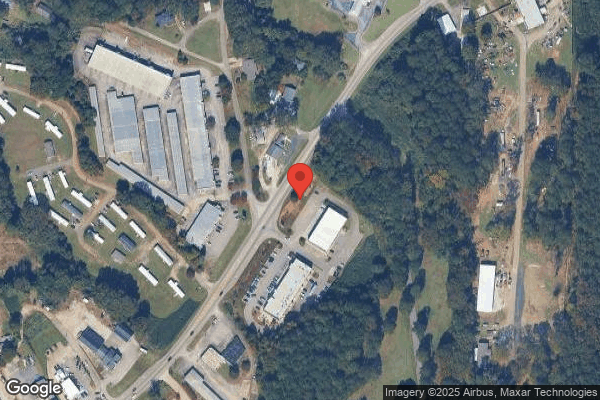

2111 WEST POINT ROAD, LAGRANGE, GA 30240 (706) 812-9293
For profit - Corporation 138 Beds PEACH HEALTH GROUP Data: November 2025
Trust Grade
48/100
#200 of 353 in GA
Last Inspection: November 2023

Within standard 12-15 month inspection cycle. Federal law requires annual inspections.

Overview

LaGrange Care Center LLC has received a Trust Grade of D, indicating below-average performance and some concerns regarding care quality. With a state rank of #200 out of 353 facilities in Georgia and #3 out of 3 in Troup County, they are in the bottom half of nursing homes overall, with limited local competition. While the facility is improving, having reduced issues from 9 in 2023 to 6 in 2025, there are still significant concerns, including a finding that medication storage was not consistently secured, posing a risk of unauthorized access. Staffing is a weakness, with a rating of 1 out of 5 stars and a turnover rate of 50%, which is average but suggests instability. Additionally, there were incidents of ineffective infection control practices during COVID-19 and failures to date opened medications properly, highlighting areas needing immediate attention.

Trust Score
D
48/100
In Georgia
#200/353
Bottom 44%
Safety Record
Low Risk
No red flags
Inspections
Getting Better
9 → 6 violations
Staff Stability
⚠ Watch
50% turnover. Above average. Higher turnover means staff may not know residents' routines.
Penalties
✓ Good
$5,000 in fines. Lower than most Georgia facilities. Relatively clean record.
Skilled Nurses
⚠ Watch
Each resident gets only 21 minutes of Registered Nurse (RN) attention daily — below average for Georgia. Fewer RN minutes means fewer trained eyes watching for problems.
Violations
⚠ Watch
23 deficiencies on record. Higher than average. Multiple issues found across inspections.
★★☆☆☆
2.0
Overall Rating
★☆☆☆☆
1.0
Staff Levels
★★★★☆
4.0
Care Quality
★★★☆☆
3.0
Inspection Score
Stable
2023: 9 issues
2025: 6 issues

The Good

  • 4-Star Quality Measures · Strong clinical quality outcomes
  • Full Sprinkler Coverage · Fire safety systems throughout facility
  • No fines on record

Facility shows strength in quality measures, fire safety.

The Bad

2-Star Overall Rating

Below Georgia average (2.6)

Below average - review inspection findings carefully

Staff Turnover: 50%

Near Georgia avg (46%)

Higher turnover may affect care consistency

Federal Fines: $5,000

Below median ($33,413)

Minor penalties assessed

Chain: PEACH HEALTH GROUP

Part of a multi-facility chain

Ask about local staffing decisions and management

The Ugly 23 deficiencies on record

May 2025 6 deficiencies
CONCERN (D) 📢 Someone Reported This

A family member, employee, or ombudsman was alarmed enough to file a formal complaint

Potential for Harm - no one hurt, but risky conditions existed

Resident Rights (Tag F0550)

Could have caused harm · This affected 1 resident

Based on observations, staff and resident interviews, record review, and review of the facility policy titled Catheter Care, the facility failed to ensure privacy was maintained for two of six residen...

Read full inspector narrative →
Based on observations, staff and resident interviews, record review, and review of the facility policy titled Catheter Care, the facility failed to ensure privacy was maintained for two of six residents (R) (R94 and R54) with an indwelling urinary catheter. This deficient practice had the potential to place R94 and R54 at risk of a diminished quality of life in an environment that promotes the maintenance or enhancement of each resident's quality of life. Findings include: Review of the facility's policy titled Catheter Care, reviewed/revised 12/2/2024, revealed the Policy section stated, It is the policy of this facility to ensure that residents with indwelling catheters receive appropriate catheter care and maintain their dignity and privacy when indwelling catheters are in use. The Policy Explanation section included, . 2. Privacy bags will be available and catheter drainage bags will be covered at all times while in use. 3. Privacy bags will be changed out when soiled, with a catheter change or as needed. 1. Review of R94's electronic medical record (EMR) revealed diagnoses including, but not limited to, urinary tract infection and depression. Review of R94s Quarterly Minimum Data Set (MDS) assessment, dated 4/10/2025, revealed Section C (Cognitive Patterns) documented a Brief Interview for Mental Status (BIMS) of 13 (indicating little to no cognitive impairment). Section GG (Functional Abilities and Goals) documented the resident required assistance for all ADLs. Observation on 5/19/2025 at 2:41 pm revealed R94 in a wheelchair with a urinary catheter drainage bag attached to the bottom of the wheelchair with no privacy cover on it, allowing the resident's urine to be exposed for other residents, staff, and visitors to see. Observation on 5/21/2025 at 9:20 am revealed R94 coming from the dining room in a wheelchair with a urinary catheter drainage bag attached to the wheelchair with a privacy bag covering the urinary catheter drainage tubing, but not the drainage bag. In an interview on 5/21/2025 at 12:53 pm, Certified Nursing Assistant (CNA) RR stated that all residents with urinary catheter drainage bags should have a privacy cover on the bag. 2. Review of R54's EMR revealed diagnoses including, but not limited to, urinary tract infection and urethral stricture. Review of R54's Quarterly MDS assessment, dated 3/29/2025, revealed Section C (Cognitive Patterns) documented a BIMS score of 15 (indicating little to no cognitive impairment). Section H (Bladder and Bowel) documented the resident had an indwelling urinary catheter. Observation on 5/19/2025 at 3:25 pm revealed R54 lying in bed. Further observation revealed a urinary catheter drainage bag secured to the bed railing with no privacy cover on it. In an interview on 5/20/2025 at 3:45 pm, Licensed Practical Nurse (LPN) II revealed that every resident with an indwelling urinary catheter should have a privacy bag over their drainage bag. In an interview 5/21/2025 at 12:49 pm, Registered Nurse (RN) FF stated that resident R54 should always have a privacy bag on their urinary catheter drainage bag. She confirmed they put one on 5/20/2025 after it was observed that R54 did not have one. In an interview on 5/21/2025 at 12:58 pm, the Director of Nursing (DON) and the Corporate RN stated that all staff were instructed on placing all urinary catheter drainage bags in a privacy bag.
CONCERN (D) 📢 Someone Reported This

A family member, employee, or ombudsman was alarmed enough to file a formal complaint

Potential for Harm - no one hurt, but risky conditions existed

Deficiency F0628 (Tag F0628)

Could have caused harm · This affected 1 resident

Based on staff interviews, record review, and review of the facility policy titled Bed Hold Notice, the facility failed to provide bed hold information, in writing, at the time of transfer or within 2...

Read full inspector narrative →
Based on staff interviews, record review, and review of the facility policy titled Bed Hold Notice, the facility failed to provide bed hold information, in writing, at the time of transfer or within 24 hours, for one of 43 sampled residents (R) (R82). This failure had the potential to contribute to possible denial of re-admission and loss of the residents' home following a hospitalization for residents transferred to the hospital. Findings include: Review of the facility policy titled Bed Hold Notice, dated February 5, 2025, revealed the Policy section stated, It is the policy of this facility to provide a written information to the resident and /or the resident representative regarding bed hold practices both well in advance, and at the time of a transfer for hospitalization or therapeutic leave. The Policy Explanation and Compliance Guidelines section included, 1. As part of the admission packet and at the time of a transfer to the hospital or therapeutic leave, the facility will provide the resident and/or resident representative written information that specifies : A. The duration of the state bed-hold policy, if any, during which the resident is permitted to return and resume residence in the nursing facility. 2. In the event of an emergency transfer of a resident, the facility will provide written notice of the facility's bed-hold policies to the resident and/or the resident representative within 24 hours. The facility will document multiple attempts to reach the resident's representative in cases where the facility was unable to notify the representative. Review of R82's admission Record revealed the most recent admission date was 1/17/2025. Review of the R82's Discharge Minimum Data Set (MDS) assessment, dated 1/11/2025, revealed Section A (Identification Information) documented a discharge to a short-term general hospital with return anticipated. Review of R82's electronic medical record (EMR) revealed R82 was transferred to the hospital on 1/11/2025. Further review revealed no bed hold policy notice in the EMR or the paper chart. During an interview on 5/20/2025 at 11:45 am, Licensed Practical Nurse (LPN) II revealed that the facility did not complete bed hold policies before the week of 5/5/2025. She stated that the nurses were responsible for completing a bed hold policy when residents were sent to the hospital. She confirmed that a bed hold policy was not completed or provided for R82 at the time of discharge to the hospital on 1/11/2025. During an interview on 5/21/2025 at 11:15 am, the Director of Nursing (DON) confirmed that the bed hold policy was not completed for R82 when he was sent to the hospital on 1/11/2025. She stated that she had provided education to the nurses on the bed hold policy, and the nurses were for providing the written bed hold policy to the resident or resident representative at the time of transfers.
CONCERN (D) 📢 Someone Reported This

A family member, employee, or ombudsman was alarmed enough to file a formal complaint

Potential for Harm - no one hurt, but risky conditions existed

Quality of Care (Tag F0684)

Could have caused harm · This affected 1 resident

**NOTE- TERMS IN BRACKETS HAVE BEEN EDITED TO PROTECT CONFIDENTIALITY** Based on observation, staff interviews, record review, and review of the facility policy titled Appropriate Use of Indwelling Ca...

Read full inspector narrative →
**NOTE- TERMS IN BRACKETS HAVE BEEN EDITED TO PROTECT CONFIDENTIALITY** Based on observation, staff interviews, record review, and review of the facility policy titled Appropriate Use of Indwelling Catheters, the facility failed to transcribe a physician's order for an indwelling urinary catheter for one of six residents (R) (R94) with an indwelling urinary catheter. Findings include: Review of the facility's policy titled Appropriate Use of Indwelling Catheters, dated 12/2/2024, revealed the Policy section included, . An indwelling urinary catheter will be utilized only when a resident's clinical condition demonstrates that catheterization was necessary. The Policy explanation and Compliance Guidelines section included, . 4. The use of an indwelling urinary catheter will be in accordance with physician orders, which will include diagnosis or clinical condition making the use of the catheter necessary, size of the catheter, and frequency of change (if applicable). Review of R94's electronic medical record (EMR) revealed admission on [DATE] from an acute care hospital with diagnoses including, but not limited to, urinary tract infection and congestive heart failure. Review of R94s Quarterly Minimum Data Set (MDS) assessment, dated 4/10/2025, revealed Section C (Cognitive Patterns) documented a Brief Interview for Mental Status (BIMS) of 13 (indicating little to no cognitive impairment). Section I (Bladder and Bowel) documented that the resident was incontinent of bladder and bowel. Review of R94's Order Summary Report revealed no order for an indwelling urinary catheter. Review of R94's Progress Notes revealed a Health Status entry dated 5/14/2025 of a verbal order for an indwelling urinary catheter, and the catheter was placed. Observation on 5/19/2025 at 11:54 am revealed R94 had an indwelling urinary catheter drainage bag visible with yellow colored liquid in it. Observation and interview on 5/20/2025 at 9:49 am revealed R94 had an indwelling urinary catheter drainage bag visible with yellow colored liquid in it. Interview with R94 revealed she had the catheter placed for measuring her urinary output due to fluid retention and heart failure. In an interview on 5/20/2025 at 3:54 pm, Licensed Practical Nurse (LPN) II confirmed there was no physician's order for R94 to have an indwelling urinary catheter. She confirmed she received a verbal order and did not transcribe it to the physician's orders. In an interview on 5/20/2025 at 4:08 pm, the Director of Nursing (DON) stated her expectation was for the nursing staff to document and transcribe physician orders directly to the proper place in the electronic health record system when received.
CONCERN (D) 📢 Someone Reported This

A family member, employee, or ombudsman was alarmed enough to file a formal complaint

Potential for Harm - no one hurt, but risky conditions existed

Respiratory Care (Tag F0695)

Could have caused harm · This affected 1 resident

Based on observations, staff interviews, record review, and review of the facility policy titled Oxygen Administration, the facility failed to ensure oxygen (O2) therapy was administered according to ...

Read full inspector narrative →
Based on observations, staff interviews, record review, and review of the facility policy titled Oxygen Administration, the facility failed to ensure oxygen (O2) therapy was administered according to the physician's order and respiratory equipment was maintained in a sanitary manner for one of 23 residents (R) (R6) receiving O2 therapy. The deficient practices had the potential to place R6 at risk of respiratory distress and a diminished quality of life. Findings include: Review of the facility policy titled Oxygen Administration, revised 4/9/2025, revealed the Policy explanation and Compliance Guidelines section included, 1. Oxygen is administered under orders of a physician, except in the case of an emergency. 5. d. If applicable change nebulizer tubing and delivery devices every 72 hours or per facility policy and as needed if they become soiled or contaminated. e. Keep delivery devices covered in plastic bag when not in use. Review of R6's admission Record revealed diagnoses including, but not limited to, chronic obstructive pulmonary disease (COPD), chronic respiratory failure, unspecified chronic bronchitis, and hypoxemia/dependence on supplemental oxygen. Review of R6's Annual Minimum Data Set (MDS) assessment, dated 4/9/2025, revealed Section O (Special Treatments, Procedures, and Programs) documented the resident received O2. Review of R6's care plan revealed a Focus dated 3/9/2023 that the resident required the use of O2. Review of R6's Clinical Physician Order revealed an order dated 6/18/2024 for O2 at two liters per minute (LPM) via nasal cannula (NC) continuous. Further review revealed an order dated 12/23/2024 for ipratropium-albuterol inhalation solution 0.5-2.5 3 milligram (mg)/3 milliliter (ml), one vial orally via nebulizer (a medication used to treat lung conditions). Observation on 5/19/2025 at 11:27 am revealed R6 was receiving O2 via an NC via an O2 concentrator, and the flow rate was set between one and one and a half LPM. Further observation revealed a nebulizing mask hanging from a metal pole, dated 12/6/2024, unbagged and exposed to the environment. In an interview and observation on 5/21/2025 at 8:36 am, the Director of Nursing (DON) and Regional Nurse Consultant confirmed R6's O2 concentrator was incorrectly set at one and a half LPM and confirmed the nebulizer mask was dated 12/6/2024 and unbagged. In an interview on 5/20/2025 at 10:59 am, the DON stated O2 should be administered according to the physician's orders, nebulizer masks and tubing should be changed weekly, and nebulizer masks should be stored in a protective bag when not in use.
CONCERN (D) 📢 Someone Reported This

A family member, employee, or ombudsman was alarmed enough to file a formal complaint

Potential for Harm - no one hurt, but risky conditions existed

Pharmacy Services (Tag F0755)

Could have caused harm · This affected 1 resident

**NOTE- TERMS IN BRACKETS HAVE BEEN EDITED TO PROTECT CONFIDENTIALITY** Based on staff interviews and record review, the facility failed to ensure that physician-ordered medications were obtained from...

Read full inspector narrative →
**NOTE- TERMS IN BRACKETS HAVE BEEN EDITED TO PROTECT CONFIDENTIALITY** Based on staff interviews and record review, the facility failed to ensure that physician-ordered medications were obtained from the pharmacy to be administered at the designated time for three of 43 sampled residents (R) (R93, R64, and R24). This deficient practice had the potential to place R93, R64, and R24 at risk of unmet needs and medical complications. Findings Include: 1. Review of R93's admission Record revealed R93 was admitted to the facility on [DATE] with diagnoses including, but not limited to, essential hypertension and hyperlipidemia. Review of R93's Physician Orders revealed an order dated 5/6/2025 for amlodipine besylate (a medication used to treat high blood pressure, chronic stable chest pain, and coronary artery disease) oral tablet 5 milligrams (mg), give one by mouth one time a day for blood pressure, hold if systolic blood pressure is less than 110. Further review revealed an order dated 5/6/2025 for atorvastatin calcium oral tablet 40 mg, give one by mouth one time a day for cholesterol. Review of R93's medication administration record (MAR) dated 5/2025 revealed the amlodipine besylate oral tablet 5 mg was documented as not administered on 5/6/2025, 5/10/2025, 5/12/2025, 5/16/2025, 5/18/2025, and 5/20/2025, and the atorvastatin calcium oral tablet 40 mg was documented as not administered on 5/6/2025, 5/16/2025, 5/17/2025, and 5/20/2025. The MAR documentation for all dates that the medications were not administered was marked with the number 9. Review of the Chart Codes located on the MAR indicated the number 9 indicated other/see nurse notes. Review of R93's clinical record revealed a Pharmacy Alert, alert effective date 5/16/2025, for amlodipine besylate oral tablet 5mg, documenting that the pharmacy indicated the order would not be filled due to rejection and to resubmit on or after 6/1/2025. In an interview on 5/20/2025 at 7:55 am, Certified Medication Technician (CMT) EE stated they informed the Licensed Practical Nurse (LPN) when medication was missing and they ordered from the pharmacy. CMT EE stated an order was placed with the pharmacy for R93's amlodipine besylate oral tablet 5mg on 5/6/2025. In an interview on 5/22/2025 at 10:31 am, Registered Nurse (RN) FF confirmed R93 was not administered the amlodipine besylate oral tablet 5mg six times in the last 20 days. She further confirmed that the only blood pressure documented in R93's clinical record was on 5/17/2025. 2. Review of R64's admission Record revealed R64 was admitted to the facility on [DATE] with diagnoses including, but not limited to, chronic diastolic heart failure, Parkinsonism, cardiomegaly, chronic obstructive pulmonary disease, type II diabetes mellitus, pulmonary hypertension, and atrial fibrillation. Review of R64's Physician's Orders revealed an order dated 12/25/2024 for Sinemet oral tablet (a medication used to treat Parkinson's disease) 25-100 mg, give two tablets by mouth three times a day. Further review revealed an order dated 12/25/2024 for amiodarone hydrochloride oral tablet (a medication used to treat heart rhythm problems) 200 mg, give one tablet by mouth one time a day, hold for pulse less than 62, and an order dated 4/11/2025 for apixaban oral tablet 5 mg (a medication used to prevent and treat blood clots), give one tablet twice a day. Review of R64's MAR, dated 5/2025, revealed the Sinemet oral tablet 25-100 mg was not documented as administered on 5/5/2025 12:00 pm, 5/8/2025 at 5:00 pm, and 5/11/2025 at 12:00 pm. There was no documentation on the MAR indicating a reason the medication was not documented as administered. Further review revealed the amiodarone hydrochloride oral tablet 200 mg was documented as not administered on 5/15/2025, 5/16/2025, and 5/17/2025. The MAR documentation for all dates that the medications were not administered was marked with the number 9. Further review revealed there was no documentation of the amiodarone hydrochloride oral tablet 200 mg being administered on 5/9/2025. Continued review revealed the apixaban oral tablet 5 mg was documented as not administered on 5/11/2025 at 9:00 am or 9:00 pm, 5/12/2025 at 9:00 am, and 5/15/2025 at 9:00 am. Review revealed no documentation in the 5/11/2025 9:00 am section, and the number 9 was coded on the dates of 5/11/2025 9:00 pm, 5/12/2025 9:00 am, and 5/15/2025 9:00 am. Review of the Chart Codes located on the MAR indicated the number 9 indicated other/see nurse notes. Review of R64's clinical record revealed a Pharmacy Alert, alert effective date 5/20/2025, for apixaban oral tablet 5mg and amiodarone hydrochloride oral tablet 200 mg, documenting that the pharmacy indicated the orders would not be filled due to rejection. In an interview on 5/20/2025 at 10:41 am, the Director of Nursing (DON) and the Corporate Nurse Consultant stated that nurses reorder medication through the MARs. They stated that if a medication was unavailable, it should be pulled from the emergency medication supply, and if it was not in stock in the emergency medication supply, the pharmacy should be called. 3. Review of R24's admission record revealed R24 was admitted to the facility on [DATE] with diagnoses including, but not limited to, essential (primary) hypertension. Review of R24's Physician Orders revealed an order dated 4/22/2024 for Tiadylt extended release (ER) 24-hour oral 180 mg capsule (a medication used to treat high blood pressure or chronic stable chest pain), give one capsule daily by mouth. Review of R24's MAR, dated 5/2025, revealed Tiadylt ER 24-hour oral 180 mg capsule was not documented as administered on 5/2/2025, 5/11/2025, 5/12/2025, 5/13/2025, 5/15/2025, 5/17/2025, and 5/20/2025. Further review revealed 5/11/2025 and 5/20/2025 had no documentation, and all other identified dates were marked with the number 9. Review of the Chart Codes located on the MAR indicated the number 9 indicated other/see nurse notes. In an interview on 5/21/2025 at 9:13 am, Pharmacy Technician LL stated R24's Tiadylt ER 24-hour oral 180 mg capsule required a new order. Pharmacy Technician LL further stated a billing issue was holding the delivery up, but it was also not time for this medication to be filled. In an interview on 5/21/2025 at 9:15 am, Pharmacists MM stated R64 had been inactive in their system, had been reactivated, and any missing medications would be sent to the facility that night. Pharmacists MM stated they were unaware of why the resident had been inactive. In an interview on 5/21/2025 at 11:45 am, Nurse Practitioner OO stated the facility had been having problems with the pharmacy reordering process, and she had discussed the concern with the DON and Unit Managers. In an interview on 5/21/2025 at 1:24 pm, the DON and the Corporate Nurse Consultant confirmed that there had been a problem with communication with the pharmacy. They stated their expectation was for the nurse to notify the DON when a medication was not available. In an interview on 5/21/25 at 4:15 pm, LPN YY stated that it took a long time to receive medications from the pharmacy at times.
CONCERN (D) 📢 Someone Reported This

A family member, employee, or ombudsman was alarmed enough to file a formal complaint

Potential for Harm - no one hurt, but risky conditions existed

Unnecessary Medications (Tag F0759)

Could have caused harm · This affected 1 resident

Based on observations, staff interviews, and record review, the facility failed to ensure a medication error rate of less than five percent. There were three errors of 30 opportunities for two of six ...

Read full inspector narrative →
Based on observations, staff interviews, and record review, the facility failed to ensure a medication error rate of less than five percent. There were three errors of 30 opportunities for two of six residents (R) (R93 and R24) observed for a medication error rate of 10 percent. This deficient practice had the potential to result in medication not being given in accordance with the physician's orders and the potential to adversely affect R93 and R24's clinical conditions. Findings include: 1. Review of R93's Physician Orders revealed an order dated 5/6/2025 for amlodipine besylate (a medication used to treat high blood pressure, chronic stable chest pain, and coronary artery disease) oral tablet 5 milligrams (mg), give one by mouth one time a day for blood pressure, hold if systolic blood pressure is less than 110. Further review revealed an order dated 5/6/2025 for atorvastatin calcium oral tablet 40 mg (a medication used to lower cholesterol), give one by mouth one time a day for cholesterol. Review of R93's medication administration record (MAR), dated 5/2025, revealed the amlodipine besylate oral tablet 5 mg and atorvastatin calcium oral tablet 40 mg were scheduled to be administered at 9:00 am. Observation on 5/20/2025 at 7:53 am revealed Certified Medication Technician (CMT) EE administered R93's morning medications. Observation revealed that the amlodipine besylate oral tablet 5 mg and the atorvastatin calcium oral tablet 40 mg were unavailable to administer. In an interview on 5/20/2025 at 7:55 am, CMT EE revealed the Licensed Practical Nurse (LPN) was informed of missing medication, and they would find it for them, or would order from the pharmacy. CMT EE stated that R93's amlodipine was ordered on 5/6/2025. 2. Review of R24's Physician Orders revealed an order dated 4/22/2024 for Tiadylt extended release (ER) 24-hour oral 180 mg capsule (a medication used to treat high blood pressure or chronic stable chest pain), give one capsule daily by mouth. Review of R24's MAR, dated 5/2025, revealed the Tiadylt ER 24-hour oral 180 mg capsule was scheduled to be administered at 9:00 am. Observation on 5/20/2025 at 8:10 am revealed CMT EE administered R24's morning medications. Observation revealed that the Tiadylt ER 24-hour oral 180 mg capsule was unavailable to administer. In an interview on 5/20/2025 at 8:15 am, CMT EE stated R24's Tiadylt ER 24-hour oral 180 mg capsule was not available to administer and was not in the emergency medication stock. In an interview on 5/20/2025 at 10:41 am, the Director of Nursing (DON) and the Corporate Nurse stated that the nurses should obtain medications from the emergency medication supply if the medication was unavailable from the cart.
Nov 2023 2 deficiencies
CONCERN (D) 📢 Someone Reported This

A family member, employee, or ombudsman was alarmed enough to file a formal complaint

Potential for Harm - no one hurt, but risky conditions existed

Medication Errors (Tag F0758)

Could have caused harm · This affected 1 resident

**NOTE- TERMS IN BRACKETS HAVE BEEN EDITED TO PROTECT CONFIDENTIALITY** Based on staff interview, record review, and review of the facility policy titled, Antipsychotic Medication Use, the facility fa...

Read full inspector narrative →
**NOTE- TERMS IN BRACKETS HAVE BEEN EDITED TO PROTECT CONFIDENTIALITY** Based on staff interview, record review, and review of the facility policy titled, Antipsychotic Medication Use, the facility failed to ensure that behavior monitoring was documented for one of four residents (R) (R17). The deficient practice had the potential to inhibit nursing staff from monitoring side affects and or adverse reactions for R17 while consuming antipsychotic medications and reporting the findings to the physician. Finding include: Review of the facility policy titled, Antipsychotic Medication Use, with revised date of December 2016 revealed under Policy Interpretation and Implementation: 16. The staff will observe, document and report to the Attending Physician information regarding the effectiveness of any intervention, including antipsychotic medication. 17. Nursing staff shall monitor for and report any of the following side effects and adverse consequences of antipsychotic Medication to the attending physician. Record review for R17 revealed resident was admitted to the facility with diagnoses that included but not limited to bipolar disorder, and schizophrenia. Review of the most recent Quarterly Minimum Data Set (MDS) dated [DATE] documented R17 had a Brief Interview for Mental Status (BIMS) of 13 indicating the resident had intact cognition. Further review revealed R17 had no behaviors exhibited but required assistance due to impairment on one side. R17 uses a wheelchair for ambulation. Review of R17 physician orders revealed the following medications not all inclusive of Lexapro oral tablet 10 milligrams (mg) (medication used to treat depression and anxiety), Quetiapine Fumarate oral tablet 100 mg (medication used to treat schizophrenia), and trazadone oral tablet 100 mg (medication used to treat depression) Review of the Electron Medical Records (EMR) revealed there was no evidence of behaviors and/or side effects being monitored for R17 prescribed medications. Interview on 11/14/2023 at 3:10 pm with Certified Medical Assistant (CMA) AA, regarding the information related to how residents are monitored for behaviors when given a medication. CMA AA states, I know my residents so if a change of behavior is shown I document it and tell the Unit manager on schedule. Surveyor asked if there was an order to include behavior monitoring when giving psychotropic drugs. CMA revealed there should be but not always. Interview on 11/14/2023 at 3:00 pm with Unit Manager, CC revealed she revealed an order of behavior monitoring should always be in place to assist with monitoring behaviors and adverse side effects. Interview on 11/14/2023 at 3:05 pm with Unit Manger DD verified there were no orders for R17 behavior monitoring. She expresses all residents receiving psychotropic medications should always have an order to assist with monitoring behaviors. Interview on 11/16/2023 at 3:00 pm with the Directive of Nursing (DON) revealed her expectation is for all residents that receive antipsychotic medications to have an order for behavior monitoring. She states any behaviors, side effects, or adverse reactions should be documented.
CONCERN (D) 📢 Someone Reported This

A family member, employee, or ombudsman was alarmed enough to file a formal complaint

Potential for Harm - no one hurt, but risky conditions existed

Infection Control (Tag F0880)

Could have caused harm · This affected 1 resident

Based on observations, staff interviews, record reviews, and review of the facility policies titled, Obtaining a Fingerstick Glucose Level and Hand Hygiene Policy and Procedures, the facility failed t...

Read full inspector narrative →
Based on observations, staff interviews, record reviews, and review of the facility policies titled, Obtaining a Fingerstick Glucose Level and Hand Hygiene Policy and Procedures, the facility failed to ensure infection control procedures were followed during Glucose finger stick monitoring for three of five Residents (R) (R57, R49, and R12). The deficient practice had the potential to increase the probability of the spread of infection between residents R57, R49, and R12 while monitoring their blood glucose levels. Findings include. Review of the facility policy titled, Obtaining a Fingerstick Glucose Level, Revised October 2010, under Steps in the Procedure: 1. Place the equipment on the bedside stand or table. Arrange the supplies so they can be easily reached. 4. Wear clean gloves. 17. Clean and disinfect reusable equipment between uses according to the manufacturer's instructions and current infection control standards of practice. 18. Remove gloves and discard into designated container. 19. Wash hands. Review of the facility policy titled, Hand Hygiene Policy and Procedures reviewed 3/26/2020, under Policy: All team members (employees) providing direct or indirect care or service will wash their hands/perform hand hygiene in the facility prior to contact with the residents also but not limited team members will wash their hands after gloves are removed after taking care of a Resident who is infected, when hands are visibly soiled, and before leaving the Resident's room. Record review for R57 revealed medical diagnosis included but not limited to Type 2 Diabetes Mellitus. Review of the Care Plan indicated R57 has Diabetes Mellitus and is at risk for hyper/hypoglycemia; physician orders include Trulicity Subcutaneous Solution Pen-injector 0.75 MG/0.5ML, NovoLog Flex Pen Solution Pen-injector 100 UNIT/ML (milliliters) Insulin, Levemir FlexTouch Solution Pen-injector 100 UNIT/ML Insulin, and Accu checks before meals and at bedtime. Observation on 11/14/2023 at 9:15 am of fingerstick testing (monitoring of blood sugar level in the blood) for R57 revealed Medication Technician (Med Tech) Certified Nurse Aide (CNA) BB after fingerstick testing was completed did not wash or sanitize her hands after cleaning Glucometer (machine used to monitor blood sugars) and removing dirty gloves. Record review for R49 revealed the medical diagnosis include but not limited to Type 2 Diabetes Mellitus with hyperglycemia, Long term use of Insulin. Physician Orders included: NovoLog Injection Solution (Insulin Aspart), fingerstick glucose before meals, Tresiba Solution 100 UNIT/ML (Insulin Degludec); Care Plan review revealed, the Resident is at risk for hypo/hyperglycemia related to Diabetes Mellitus. Observation on 11/14/2023 at 11:45 am of fingerstick testing for R49 with Med Tech/CNA EE; revealed after fingerstick testing was complete Med Tech/CNA EE took the gloves off and picked up the glucometer and did not immediately sanitize her hands after the procedure; she proceeded to look for the Resident's insulin by opening drawers on the medication cart; she put the glucometer on the cart with no barrier. Interview on 11/14/2023 at 11:55 am with Med Tech/CNA EE she confirmed she did not sanitize her hands immediately after performing the fingerstick test and she did not use a barrier for the meter. Record review for R12; revealed a medical diagnosis included but not limited to Type 2 Diabetes Mellitus with Neuropathy; physicians orders include fingerstick glucose every morning and at bedtime. Observation on 11/15/2023 at 11:30 am of fingerstick testing with Licensed Practical Nurse (LPN) FF for R12 revealed during the procedure the LPN FF put the glucometer on the bedside table without a barrier; after the glucometer was used it was put on top of the cart with no barrier; then put in the drawer on the medication cart without being cleaned. Interview on 11/15/2023 with LPN FF confirmed she did not use a barrier under the glucometer after use and was put in the drawer without being cleaned. She stated she was distracted because a Resident down the hall fell. Interview on 11/16/2023 at 10:50 am with the Infection Preventionist (IP) LPN DD revealed that hand hygiene should be completed before and after care. There is hand sanitizer available in the hall. The process for fingerstick testing includes, sanitizing the machine, get barrier, washing hands prior to the testing procedure, put on gloves, have a barrier in the room to lay on bedside table after finger, take gloves off and sanitize hand, clean glucometer, and lay on barrier. Interview on 11/16/2023 at 5:30 pm with the Administrator it was revealed there have been multiple classes for the staff on infection control including hand hygiene and the use of barriers with glucometers. Further interview also revealed that the staff should have used a barrier before placing glucometer on the residents' table or on the medication cart.
Jan 2023 7 deficiencies
CONCERN (D)

Potential for Harm - no one hurt, but risky conditions existed

Deficiency F0554 (Tag F0554)

Could have caused harm · This affected 1 resident

Based on observations, staff interviews, record review and review of policies titled Self-Administration of Medications and Administering Medications, the facility failed to ensure one of 22 sampled r...

Read full inspector narrative →
Based on observations, staff interviews, record review and review of policies titled Self-Administration of Medications and Administering Medications, the facility failed to ensure one of 22 sampled residents (R) (#134) was assessed to self-administer medications. Findings include: Review of the electronic medical record for R#134 revealed diagnoses including COPD (chronic obstructive pulmonary disease) and dementia. During the initial interview and observation on 1/3/2023 at 11:50 a.m., with R#134 revealed a Trelegy inhaler was observed on the over bed table of the resident. R#134 revealed that she takes that for her breathing. Review of resident's electronic medical record revealed that Trelegy Ellipta Aerosol Powder Inhaler was last documented as given on 1/4/2023. Progress Note dated 1/1/2023 revealed that medication not available in med cart. On 1/4/2023 at 11:24 a.m., it was observed that Trelegy inhaler was still on the over bed table of R#134. On 1/5/2023 at 10:09 a.m., it was observed that Trelegy inhaler and Fluticasone propionate nasal spray were on the over bed table of R#134. It was verified by Certified Medication Aide (CMA) BB and she stated that she leaves it on the table because the resident always states that she is never ready for it at the time she bring sit in. Further review of the clinical record revealed no assessments for R#134 related to self-administering medication. Review of the policy titled Self-Administration of Medications dated February 2021, revealed that residents have the right to self- administer medications if the interdisciplinary team has determined that it is clinically appropriate and safe for the resident to do so. It also revealed that self-administered medications are stored in a safe and secure place, which is not accessible by other residents. Review of the policy titled Administering Medications dated April 2010, revealed that residents may self-administer their own medications only if the Attending Physician, in conjunction with the Interdisciplinary Care Planning Team, has determined that they have the decision - making capacity to do so safely.
CONCERN (D)

Potential for Harm - no one hurt, but risky conditions existed

Safe Environment (Tag F0584)

Could have caused harm · This affected 1 resident

**NOTE- TERMS IN BRACKETS HAVE BEEN EDITED TO PROTECT CONFIDENTIALITY** Based on observation and interview, the facility failed to provide a safe, clean, comfortable, homelike environment related to d...

Read full inspector narrative →
**NOTE- TERMS IN BRACKETS HAVE BEEN EDITED TO PROTECT CONFIDENTIALITY** Based on observation and interview, the facility failed to provide a safe, clean, comfortable, homelike environment related to dusty air intake vents, missing tiles, and disrepair of sinks on one of six halls (100 hall). Findings include: On 1/3/2023 at 9:49 a.m., an initial observation and interviews had begun, and the following were noted: 1. At 9:52 a.m., room [ROOM NUMBER] was noted with dusty air intake vent. 2. At 9:59 a.m., room [ROOM NUMBER] was noted with dusty air intake vent. 3. At 10:06 a.m., room [ROOM NUMBER] was observed with dusty air intake vent. The shared bathroom was noted to have a dripping faucet with rust-colored stains around the knobs and there was a missing tile on the bathroom wall. 4. At 10:29 a.m., room [ROOM NUMBER] was observed with dusty air intake vent. 5. At 10:41 a.m., room [ROOM NUMBER] was observed with dusty air intake vent. 6. At 11:03 a.m., room [ROOM NUMBER] was observed with dusty air intake vent. 7. At 11:27 a.m., room [ROOM NUMBER] was observed with dusty air intake vent. Rust colored stain noted around knobs at bathroom sink. 8. At 11:35 a.m., room [ROOM NUMBER] was observed with dusty air intake vent. 9. At 11:50 a.m., room [ROOM NUMBER] was observed with dusty air intake vent. 10. At 12:00 p.m., room [ROOM NUMBER] was observed with trash bag missing in bathroom can and dusty air intake vent. On 1/4/2023 at 9:08 a.m., it was observed that the sink in the medication storage room, behind the east hall nurses' station had standing water in it. On 1/5/2023 at 3:24 p.m. the same environmental concerns above were observed on a second walk around with the Maintenance Director. During an interview at this time, the concerns were verified with him. He stated that the sink in the medication room was an ongoing problem. Due to all the rain, that has occurred, he stated that the drainage pipes were old, but he was working on the problem. He also stated that the administrator had budgeted for the facility to start switching the bathroom sinks to new ones. He stated that he receives a few sinks at a time. It was also revealed by him, that house keeping staff are assigned to specific halls usually and some of staff were new, and that he, himself, had only been at the facility for four months, would educate the staff on the importance of cleaning air intake vents.
CONCERN (D)

Potential for Harm - no one hurt, but risky conditions existed

Respiratory Care (Tag F0695)

Could have caused harm · This affected 1 resident

Based on observations, record review, and review of policy titled Oxygen Administration, the facility failed to obtain a physician's order to administer oxygen to one resident (R) (#41) of ten residen...

Read full inspector narrative →
Based on observations, record review, and review of policy titled Oxygen Administration, the facility failed to obtain a physician's order to administer oxygen to one resident (R) (#41) of ten residents receiving oxygen therapy. Findings include: On 1/3/2023 at 12:15 p.m., R#41 was observed in her bed. She was receiving oxygen via nasal cannula at 2.5 liters. She was also observed eating her lunch meal. She was pleasantly confused and stated that she uses oxygen all the time for her breathing. The humidification bottle was dated for 12/24/2022. There were no signs of distress noted. On 1/4/2023 at 3:23pm, R#41 was observed in her bed. The humidification bottle was dated 1/3/2023, and the resident was on 2.5 liters of oxygen via nasal cannula. Review of the electronic medical record for R#41 revealed that resident had diagnoses including Chronic Diastolic Heart Failure, Chronic Respiratory Failure, Shortness of Breath, Dependence on supplemental oxygen, and Chronic Obstructive Pulmonary Disease. Review of physician orders for January 2023 for R#41 revealed that there was no order for oxygen to be administered. Review of care plan dated 2/8/2022 for R#41, revealed R #41 required the use of oxygen and had the following interventions. 1. Change O2 (oxygen) tubing weekly. 2. Change humidifier water weekly and as needed. 3. Clean O2 concentrator weekly and as needed. 4. Check O2 saturation as ordered and as needed. 5. Observe for signs of respiratory distress, and report any changes to MD (medical doctor). Review of policy titled Oxygen Administration, revised October 2010, revealed the following: 1. Verify that there is a physician's order for this procedure. Review the physician's orders or facility protocol for oxygen administration. 2. Review the resident's care plan to assess for any special needs of the resident.
CONCERN (D)

Potential for Harm - no one hurt, but risky conditions existed

Deficiency F0698 (Tag F0698)

Could have caused harm · This affected 1 resident

**NOTE- TERMS IN BRACKETS HAVE BEEN EDITED TO PROTECT CONFIDENTIALITY** Based on observation, record review, resident and staff interview and policy review titled Hemodialysis Access Care, the facilit...

Read full inspector narrative →
**NOTE- TERMS IN BRACKETS HAVE BEEN EDITED TO PROTECT CONFIDENTIALITY** Based on observation, record review, resident and staff interview and policy review titled Hemodialysis Access Care, the facility failed to ensure the dialysis access site was monitored for one resident (R) (#59) receiving dialysis. Findings include: Review of the clinical record revealed R#56 was admitted to the facility on [DATE] with diagnoses including but not limited to dementia and end stage renal disease (ESRD) with dialysis. The resident's most recent Minimum Data Set (MDS) dated [DATE], revealed a Brief Interview for Mental Status (BIMS) was coded as 14. Section O revealed resident was receiving dialysis. An interview with R#59 on 1/3/2023 at 12:08 p.m. revealed that she receives dialysis. She stated the facility does not always look at her dialysis site. She also revealed that she has never had problems with the site. Review of care plan for R#56, dated 4/9/2021, revealed resident needs dialysis related to diagnosis of ESRD. Interventions to care included to assess dialysis site per Physician Order/facility policy. Review of Nurses Notes from 12/26/2022 through 1/5/2023 revealed no evidence that R#56's dialysis access site was checked post dialysis. An interview with the Licensed Practical Nurse (LPN) AA on 1/5/2023 at 10:09 a.m. revealed that she has worked at the facility for nine years. She stated that she does not check dialysis site, stating that the resident will tell her if it bleeds. She revealed that there is a communication form that is sent with the resident to dialysis and is to return with the resident that has vital signs and details of the dialysis session on it. She stated that vital signs are checked before and after returning. Review of the policy titled Hemodialysis Access Care dated September 2010, revealed that the general medical nurse should document in the resident's medical record every shift as follows: 1. Location of the catheter. 2. Condition of dressing (interventions if needed). 3. If dialysis was done during shift. 4. Any part of report from dialysis nurse post-dialysis being given. 5. Observations post-dialysis.
CONCERN (D)

Potential for Harm - no one hurt, but risky conditions existed

Deficiency F0919 (Tag F0919)

Could have caused harm · This affected 1 resident

**NOTE- TERMS IN BRACKETS HAVE BEEN EDITED TO PROTECT CONFIDENTIALITY** Based on observations, resident and staff interviews, the facility failed to ensure that the call light communication system was...

Read full inspector narrative →
**NOTE- TERMS IN BRACKETS HAVE BEEN EDITED TO PROTECT CONFIDENTIALITY** Based on observations, resident and staff interviews, the facility failed to ensure that the call light communication system was functioning adequately to allow residents to call for staff assistance for four resident rooms (102A, 102B, 106A and 106B) on one of six halls (100 hall). Findings include: Observations on 1/3/2023 at 10:15 a.m., during initial tour of resident rooms revealed the following: 1. On the 100 Hall, room [ROOM NUMBER] bed A, the call light was tested by pushing the red button. The light above the door did not light up and no sound was heard. 2. On the 100 Hall, room [ROOM NUMBER] bed B, the call light was tested by pushing the red button. The light above the door did not light up and no sound was heard. 3. On the 100 Hall, room [ROOM NUMBER] bed A, the call light was tested by pushing the red button. The light above the door did not light up and no sound was heard. 4. On the 100 Hall, room [ROOM NUMBER] bed B, the call light was tested by pushing the red button. The light above the door did not light up and no sound was heard. Environmental rounds on 1/5/2023 at 3:34 p.m., with Maintenance Director, verified rooms 102A, 102B, 106A and 106B had non-functioning call lights. Interview on 1/3/2023 at 9:52 a.m., R#36 stated that his call light has not worked for a while. He stated that he does everything for himself and didn't need it. Resident was sitting in a chair. An interview with Maintenance Director on 1/5/2023, at 3:44 p.m. revealed that it is the responsibility of the Certified Nursing Assistants (CNAs) to report non-functioning call devices to maintenance by completing a work order. He stated that he was unaware of the non-functioning call devices at this time. No adverse outcomes were identified related to non-functioning call lights.
CONCERN (E)

Potential for Harm - no one hurt, but risky conditions existed

Deficiency F0761 (Tag F0761)

Could have caused harm · This affected multiple residents

Based on observation, interviews, and review of Storage of Medications Policy the facility failed to ensure that the medication storage room was locked for one of two storage rooms. Findings include:...

Read full inspector narrative →
Based on observation, interviews, and review of Storage of Medications Policy the facility failed to ensure that the medication storage room was locked for one of two storage rooms. Findings include: Observation on 1/4/2023 at 9:05 a.m. revealed the East Wing nurses' station was not attended. It was observed that the medication storage room was unlocked and the refrigerator containing medication was also unlocked. Further observation on 1/5/2023 at 9:00 a.m. revealed the medication storage room on the East Wing was still unlocked. However, the refrigerator containing medication was locked at this time. An interview with Licensed Practical Nurse (LPN) AA, on 1/5/2023 at 9:05 a.m. revealed that the door is supposed to be locked. She stated, oh well, and then locked it. Interview on 1/5/2023 11:45 a.m. with Registered Nurse (RN) CC revealed the storge room door is propped open, only while she was at the nurse's station. When the nurse's station is unattended the door is to be closed and locked. Review of the policy titled Storage of Medications, that was revised in November 2020, revealed that compartments (including, but not limited to drawers, cabinets, rooms, refrigerators, carts, and boxes) containing drugs and biologicals are locked when not in use. Unlocked medication carts are not to be left unattended. Drugs and biologicals used in the facility are stored in locked compartments under proper temperature, light and humidity controls.
CONCERN (E)

Potential for Harm - no one hurt, but risky conditions existed

Infection Control (Tag F0880)

Could have caused harm · This affected multiple residents

Based on observation, staff interview, and review of the policy, Coronavirus Disease (COVID-19) - Infection Prevention and Control Measure, the facility failed to ensure effective infection control pr...

Read full inspector narrative →
Based on observation, staff interview, and review of the policy, Coronavirus Disease (COVID-19) - Infection Prevention and Control Measure, the facility failed to ensure effective infection control practices were maintained for two residents (R) (#58 and #179) with the diagnosis of COVID-19; there was no supply of personal protective equipment (PPE) outside or immediately within the room for staff, inconsistent use of respirator masks and gloves and no observation of the use of gowns. The census was 83. Findings include: Review of facility policy titled Coronavirus Disease (COVID-19) - Infection Prevention and Control Measures (review date unknown) documented the facility follows infection prevention and control (IPC) practices recommended by the Centers for Disease Control and Prevention to prevent the transmission of COVID-19 within the facility. Addendum: Vaccinated/Unvaccinated Residents for COVID-19: If a vaccinated or unvaccinated resident test positive for COVID and there are no signs and symptoms present. They must quarantine 3-5 days on Covid Unit, resident may self-quarantine in room if no roommate is present. All residents testing positive displaying symptoms: shortness of breath, febrile, loss of taste/smell, and nausea and vomiting ect. must be moved to the Covid Unit for isolation 3-5 days until signs/symptoms subside. Residents with suspected or confirmed SARS-CoV-2 infection are placed in a single-person room. The door will be kept closed (if safe to do so). Staff who enter the room of a resident with suspected or confirmed SARS-CoV-2 infection will adhere to standard precautions and use a NIOSH-approved particulate respirator with N95 filters or higher, gown, gloves, and eye protection. 1. Review of the clinical record revealed R#58 with diagnoses including Anxiety, Essential Hypertension, Post-Traumatic Stress Disorder, Shortness of Breath, Morbid (severe) obesity, and Obstructive Sleep Apnea. Review of Progress Note dated 1/1/2023 revealed R#58 continues with non-productive cough at times, rapid covid test done with positive results noted, resident is afebrile at this time, administrator made aware, will continue to assist as needed. During an observation on 1/3/2023 at 10:45 a.m., R#58 room was lying in bed with mask on and coughing. R#58 stated she was doing ok. Roommate was in her bed with no complaints. During an observation on 1/4/2023 at 10:00 a.m. R#58 was lying in bed with door open coughing at intervals. During an interview 1/5/2022 at 09:00 a.m. with Medical Tech II revealed they went through Infection Control training during orientation and has been working at this facility for three weeks. Observed Medical Tech II go into R#58's room with no gloves or gown. 2. Review of the clinical record revealed R#179 with diagnoses including Ischemic Cardiomyopathy, Morbid (Severe) Obesity, Mood Disorder, Personal History of Nicotine Dependence, Wheezing, Mild Intermittent Asthma, and Other Nonspecific Abnormal Finding of Lung Field. Review of the Progress Note dated 1/1/2023 revealed R#179 continues with non-productive cough at times, rapid covid test done with positive results noted, resident is afebrile and has had covid vaccine, administrator made aware, will continue to assist as needed. During an observation and interview on 1/3/2023 at 11:00 a.m., R#179 was asked how she was doing and she said, I have COVID. There was no Transmission Based Precaution supplies outside of room and no sign on the door indicating any kind of precaution. During an interview with Licensed Practical Nurse (LPN) AA, confirmed R#179 tested positive for COVID a few days ago. She is in a room by herself, but she does go out to smoke but sits away from other residents. LPN AA asked about classes on infection control and stated she has not had any classes lately. During an interview on 1/4/2023 at 11:20 a.m. with the Nursing Supervisor revealed the two residents who are COVID positive are asymptomatic and that is why they were not moved to the COVID unit and one of the residents has a roommate who is still residing in the room. During an interview on 1/4/2023 at 12:30 p.m. with Certified Nursing Assistant (CNA) EE revealed there are three COVID patients on the East hall. Special precautions used for residents with COVID include: donning and separation, monitor temperature, resident stays in the room, no precautions with feeding the residents with COVID who can feed themselves. The linen service is the same. During an observation on 1/4/2023 at 1:00 p.m. revealed CNA FF passing lunch trays and entered R#179's room. CNA FF did not have on any gloves. She had on a surgical mask. She did not sanitize hands and did not wear a gown. Interview at this time with CNA FF revealed that with COVID residents, staff should sanitize and wash hands. During an observation on 1/4/2023 at 1:05 p.m. of CNA GG, passing lunch trays, wore no gloves, but did have on a surgical mask. CNA GG did sanitize hands after going into room. During interview at this time, CNA GG stated most of the time she's goes in with a face shield and mask, but today she forgot her face shield. During an interview on 1/4/2023 at 1:10 p.m. with CNA HH revealed that when taking care of residents with COVID, staff should wear proper PPE, N95 mask, and gloves. Staff should wash hands after patient contact. During an interview on 1/4/2023 at 3:00 p.m. with the Administrator revealed there are two residents on the East Hall with COVID; R#58 does not want to move, and her roommate does not want to move; both have BIMS of 13 or 14. R#179 is asymptomatic. Residents with COVID would follow normal protocol, they should have on a mask which would be N95 or surgical mask, and staff should wash their hands. Staff should wear gloves and follow contact precautions. Staff have been educated. If there are visitors they will be screened, wear mask, and the facility should protect from COVID.
Aug 2019 8 deficiencies
CONCERN (D)

Potential for Harm - no one hurt, but risky conditions existed

Safe Environment (Tag F0584)

Could have caused harm · This affected 1 resident

**NOTE- TERMS IN BRACKETS HAVE BEEN EDITED TO PROTECT CONFIDENTIALITY** Based on observation and interviews, the facility failed to ensure privacy curtains were kept clean for five resident rooms on t...

Read full inspector narrative →
**NOTE- TERMS IN BRACKETS HAVE BEEN EDITED TO PROTECT CONFIDENTIALITY** Based on observation and interviews, the facility failed to ensure privacy curtains were kept clean for five resident rooms on the 600 hall. The facility census was 92 residents. Findings include: Observation on 8/5/19 at 1:57 p.m. revealed two golf ball sized brown spots on the privacy curtain in room [ROOM NUMBER]-2. During an interview at this time, resident stated that his previous roommate had a colostomy and would come out of the bathroom and wipe his hands on the curtain. Resident stated he asked two weeks ago for it to be cleaned. The Minimum Data Set (MDS) Annual assessment dated [DATE] documented R#93 with a Brief Interview of Mental Status (BIMS) score of 13 indicating cognition intact. Further observation on 8/6/19 at 3:00 p.m. and 8/7/19 at 2:00 p.m., revealed privacy curtain in room [ROOM NUMBER]-2 still with two brown spots noted on the curtain. During observation and interview on 8/8/19 at 10:10 a.m., privacy curtain in room [ROOM NUMBER]-2 still noted with two brown spots and R#93 stated they changed it once about a year ago and he is getting ready to pull it down himself and throw it in the hall. During an observation on 8/5/19 at 11:18 a.m. and 8/6/19 at 8:30 a.m., the privacy curtain in room [ROOM NUMBER]-2 was noted to be soiled with brown spots. The privacy curtain for room [ROOM NUMBER]-1 was noted to be soiled with an unidentifiable substance. Observation on 8/5/19 at 11:30 a.m. and 8/6/19 at 8:40 a.m. revealed the privacy curtain in room [ROOM NUMBER]-1 was noted to be soiled with a white substance. The privacy curtain for 603-2 had a brown spot on the curtain. During an interview on 8/8/19 at 1:00 p.m., Housekeeper DD stated the floor techs are responsible for cleaning the privacy curtains. Interview on 8/8/19 at 2:54 p.m. with Housekeeping Supervisor, who manages housekeeping and floor techs, revealed the privacy curtains are cleaned upon request from the housekeeper. He stated housekeeper should be looking and letting him know. He stated there is no schedule for cleaning the privacy curtain and no policy. During observation and interview on 8/8/19 at 4:11 p.m., the Housekeeping Supervisor confirmed the dirty privacy curtains in room [ROOM NUMBER]-2, 604-1, 604-2, 603-1, and 603-2.
CONCERN (D)

Potential for Harm - no one hurt, but risky conditions existed

Employment Screening (Tag F0606)

Could have caused harm · This affected 1 resident

Based on record review and staff interviews the facility failed to ensure that the hiring of staff was proceeded by a completed background check to ensure that individuals who have been hired have not...

Read full inspector narrative →
Based on record review and staff interviews the facility failed to ensure that the hiring of staff was proceeded by a completed background check to ensure that individuals who have been hired have not been found guilty of abuse, neglect, exploitation, misappropriation of property or mistreatment in a court of law. The facility census was 92 residents. Findings include: Review of employee files for date of hire, dates of licensure/certification, background process completion date, health screen and tuberculin tine testing, revealed one (1) maintenance staff was hired prior to the background check being completed. The maintenance staff was hired on April 2, 2019, with continued employment in the facility. The background check was not completed at the time of the survey. An interview with the Corporate Financial Officer and the facility Human Resource Manager on 8/8/19 at 12:25 p.m. revealed the maintenance staff hired on 4/2/19 was not recognized as an active staff person and was missed. His background check was requested on 8/8/19 after the surveyor requested personnel files for the review. An observation on 8/8/19 at 12:35 p.m. revealed the maintenance staff in the hallway of the facility. An interview with the Administrator on 8/8/19 at 12:45 p.m. he confirmed the background check could not be found for the maintenance staff and the maintenance staff person was asked to leave and could not return until the background check was completed.
CONCERN (D)

Potential for Harm - no one hurt, but risky conditions existed

Comprehensive Care Plan (Tag F0656)

Could have caused harm · This affected 1 resident

**NOTE- TERMS IN BRACKETS HAVE BEEN EDITED TO PROTECT CONFIDENTIALITY** Based on observation, record review, and interviews, the facility failed to develop a person-centered care plan related to use o...

Read full inspector narrative →
**NOTE- TERMS IN BRACKETS HAVE BEEN EDITED TO PROTECT CONFIDENTIALITY** Based on observation, record review, and interviews, the facility failed to develop a person-centered care plan related to use of an indwelling Foley catheter for one resident (R) (#12) of 38 sampled residents. Findings include: Review of the Minimum Data Set (MDS) admission assessment dated [DATE] and Quarterly assessment dated [DATE] for R#12 documented resident with diagnoses including acute kidney failure and tubular necrosis with urinary retention. Section H - Bladder and Bowel revealed resident has an indwelling catheter. The Care Area Assessment (CAA) Summary triggered urinary incontinence and indwelling catheter with the option to be included in the care plan. Observation and interview on 8/6/19 at 3:12 p.m. and 8/7/19 at 8:55 a.m. revealed R#12 has an indwelling Foley catheter and refused catheter care. Review of the current Physician Orders for R#12 revealed an order dated 5/31/19 to change Foley catheter monthly and as needed. Review of the care plan last updated on 8/2/19 revealed no care plan related to an indwelling Foley catheter. Interview with the MDS Coordinator NN on 8/8/19 at 1:48 p.m. revealed the facility did not have an MDS Coordinator for four months and they have been playing catch up with assessments and care plans. Interview with the Director of Nursing on 8/8/19 at 5:00 p.m. revealed she was unaware that the resident did not have a care plan for the indwelling catheter and expects there to be a care plan for the catheter to include refusing catheter care. Review of the facility policy titled Care Planning - Interdisciplinary Team revised September 2013 revealed policy statement: facility's care planning team is responsible for the development of an individualized comprehensive care plan for each resident. A comprehensive care plan for each resident is developed within seven days of completion of resident assessment.
CONCERN (D)

Potential for Harm - no one hurt, but risky conditions existed

Quality of Care (Tag F0684)

Could have caused harm · This affected 1 resident

**NOTE- TERMS IN BRACKETS HAVE BEEN EDITED TO PROTECT CONFIDENTIALITY** Based on observation, record review and interviews, the facility failed to administer eye drops per Physician Orders in a timely...

Read full inspector narrative →
**NOTE- TERMS IN BRACKETS HAVE BEEN EDITED TO PROTECT CONFIDENTIALITY** Based on observation, record review and interviews, the facility failed to administer eye drops per Physician Orders in a timely manner for one resident (R) (#57) of 38 sampled residents. Findings include: Review of the clinical record revealed R#57 was admitted to the facility with a diagnosis of chronic allergic conjunctivitis. Review of the MDS Quarterly assessment dated [DATE] revealed R#57 with a Brief Interview of Mental Status (BIMS) score of 4 indicating severe cognitive impairment. Observation and interview on 8/5/19 at 2:54 p.m. revealed R#57 with crust on eyes and eyes were red. She stated the nurse put drops in for about two days and she has not received any drops since then and did not know what was going on with her eyes. Observation and interview on 8/7/19 at 8:55 a.m. revealed R#57 up walking around in the room. Resident stated she just washed off in the bathroom. Residents eyes no longer had crust on them but lower lid was drooping and bright red. Review of the current Physician Orders revealed an order dated 8/3/19 for Zaditor 0.0025 % drops one drop in each eye every 12 hours for five days and was discontinued on 8/6/19 and an order dated 7/27/19 for Tobramycin 0.3 % eye drops one drop to left eye every 8 hours for five days. Review of the Medication Administration Record for August 2019 revealed the medication Zaditor 0.0025 % ordered 8/3/19 was documented as administered 8/3/19 through 8/6/19 with the exception of the morning dose on 8/5/19 which was documented as unavailable. Interview with Nurse Practitioner (NP) FF on 8/8/19 at 11:56 a.m. revealed she comes one time per week and was at the facility on Friday 8/2/19 and ordered the eyes drops for five days. She was unsure of why the eyes drops were not given for the full five days. Review of a fax document dated 8/6/19 revealed the facility authorized the non-covered medication on 8/6/19. NP FF provided a fax document of notification to the physician dated 8/6/19 which indicated the Zaditor eye drops would not be available until 8/7/19. Interview with Licensed Practical Nurse (LPN) EE on 8/8/19 at 3:06 p.m. revealed the medication was supposed to be available to the resident on 8/7/19 and was not available prior to that date. She was unable to explain why it was documented on the MAR as being administered to the resident. Interview with the Director of Nursing on 8/8/19 at 5:00 p.m. revealed the facility receives a fax for any non-covered medication and the facility will usually go ahead an get the medication for the resident. She stated the expectation is for staff to clarify with the physician and to notify her if any medication is unavailable for the resident. Observation with LPN MM on 8/8/19 at 7:30 p.m. revealed only Tobramycin eye drops in the medication cart and no Zaditor eye drops for R#57. She demonstrated on the electronic MAR that each medication if shown and signed off individually. The ordered medication was still not available at this time for administration and could not have been administered previously as indicated on the MAR. Review of the facility policy titled General Dose Preparation and Medication Administration dated 2017 revealed that during medication administration, the facility staff should take all measures required by facility policy and applicable law, including, but not limited to the following: administer medications within timeframes specified by facility policy.
CONCERN (D)

Potential for Harm - no one hurt, but risky conditions existed

Infection Control (Tag F0880)

Could have caused harm · This affected 1 resident

**NOTE- TERMS IN BRACKETS HAVE BEEN EDITED TO PROTECT CONFIDENTIALITY** Based on observation, interviews and record reviews, the facility failed to store and label personal care items in a sanitary ma...

Read full inspector narrative →
**NOTE- TERMS IN BRACKETS HAVE BEEN EDITED TO PROTECT CONFIDENTIALITY** Based on observation, interviews and record reviews, the facility failed to store and label personal care items in a sanitary manner to prevent cross contamination on one of five halls. Findings include: A review of the facility policy titled Dentures, Cleaning and Storage with a revised date of March 2018, revealed under the heading Steps in the Procedure, #17 Clean your equipment and return it to its designated storage area (i.e., bedside stand, bathroom, etc.). A review of the facility policy titled Brushing and Combing Hair with a revised date of February 2018, revealed under the heading Steps in the Procedure, #11 Clean the brush and comb as necessary. Store the brush, comb and mirror in the bedside stand. An observation on 08/05/19 at 11:30 a.m., revealed in the shared bathroom between rooms [ROOM NUMBERS], two tubes of opened toothpaste, one toothbrush, and one hairbrush in a small basin on the shelving above the sink. These items were un-labeled and uncovered. This bathroom is shared between four female residents, three of which have independent access to this bathroom. An observation on 08/05/19 at 11:30 a.m., revealed in the shared bathroom between rooms [ROOM NUMBERS], two tubes of opened toothpaste, a bottle of opened mouth rinse, and one toothbrush sitting on the shelving above the sink; one toothbrush in a toothbrush holder above the sink, and a bar of soap uncovered on the soap tray. These items were unlabeled and uncovered. This bathroom is shared between three male residents, two of which have access to this bathroom. An observation made on 08/06/19 at 10:16 a.m., revealed the uncovered and unlabeled personal use items remain in the shared bathroom of rooms [ROOM NUMBERS] and the shared bathroom of 603 and 604. An observation made on 08/07/19 at 10:16 a.m., revealed the uncovered and unlabeled personal use items remain in the shared bathrooms of rooms [ROOM NUMBERS] and the shared bathroom of 603 and 604. In an interview conducted on 8/8/19 at 3:55 p.m. with CNA JJ, she reported resident toiletries are kept in zip lock bags or plastic totes in the nightstands or closets. She reported if she finds personal items not labeled or stored properly, she would find out who it belongs to then label and store them appropriately. In an interview conducted on 8/8/19 at 4:05 p.m. with CNA KK she reported personal items are supposed to be in a drawer in zip lock bags, but they don't give us zip lock bags anymore, so we use small plastic can liners. She reported she would place toothbrush and toothpaste in one bag, hair comb and hairbrush in a separate bag. She reported these items should be labeled with the resident name or room number and items are to be bagged and in the resident room. In an observation on 8/8/19 at 4:05 p.m. with CNA KK in the shared bathroom for room [ROOM NUMBER] and 602 and the shared bathroom for 603 and 604, she confirmed the personal items were not covered or labeled. In an interview conducted on 8/8/19 at 4:15 p.m. with the Director of Nursing (DON), she reported resident personal toiletries and other personal care items are to be kept in bags with the room number and stored in the bathroom with their names on them and all should be labeled. In an observation on 8/8/19 at 4:15 p.m. of the shared bathroom for room [ROOM NUMBER] and 602, and the shared bathroom for 603 and 604, with the DON, she agreed the personal items in the separate bathrooms were uncovered and not labeled and she reported that she would expect these items to be labeled and bagged.
CONCERN (E)

Potential for Harm - no one hurt, but risky conditions existed

Deficiency F0761 (Tag F0761)

Could have caused harm · This affected multiple residents

Based on observations, interviews, and record reviews the facility failed to ensure medications were dated with an opened date and failed to remove expired medications on three of three medication car...

Read full inspector narrative →
Based on observations, interviews, and record reviews the facility failed to ensure medications were dated with an opened date and failed to remove expired medications on three of three medication carts. Findings include: A review of the facility policy titled 6.0 General Dose Preparation and Medication Administration revised 1/1/13 revealed in section 3, item 3.11: facility staff should enter the date opened on the label of medications with shortened expirations dates (e.g., insulins, irrigation solutions, etc.). Item 3.11.1 on page two indicated facility staff may record the expiration date based on date opened on the label of medications with shortened expiration dates. Section 4, item 4.1.3 indicated [facility staff should] check the expiration date on the medication. A review of the facility policy titled 5.3 Storage and Expiration of Medications, Biologicals, Syringes, and Needles revised 10/31/16 revealed the policy sets for the procedures for relating to the storage and expiration dates of medications. Section 4 indicated the facility should ensure that medications that have an expiration date on the label are stored separately from other medications. Section 5 indicated facility staff should record the date opened on the medication container when the medication has a shortened expiration date. Item 16 indicated the facility should destroy or return all outdated/expired medications in accordance with Pharmacy return/destruction guidelines. A review of the facility Insulin Storage Recommendations document, dated April 2019, revealed Lantus and Novolog insulin expire 28 days after opening when held at room temperature. An observation of the [NAME] wing medication cart on 8/7/19 at 8:45 a.m. with LPN GG revealed one vial of Humulin 70/30 insulin for resident #20 with an expiration date of 8/3/19. The medication had been expired for four days. An opened bottle of floor stock Miralax with no open date was found on the [NAME] wing cart. In an interview with LPN GG on 8/8/19 at 8:45 a.m., she reported it is the responsibility of the nurse to date medications when they are opened, and it is the responsibility of the nurse to remove expired medications from the cart and to notify the pharmacy of the need for more medication. An observation of the East Wing/300-hall medication cart on 8/7/19 at 9:10 with LPN LL revealed: one vial of Lantus insulin with no opened date, one bottle of eye drops with an opened date of 6/1/19 for resident #20, one opened bottle of eye drops with no date and one vial of Novolog insulin with an expiration date of 7/4/19 for resident #350. An observation of the East Wing/100-hall medication cart on 8/7/19 at 9:25 a.m. with LPN II revealed: one opened bottle of Levetiracetam Oral solution with no opened date; and one opened bottle of Latanoprost Ophthalmic solution 0.005% with expiration date of 7/11/19 for resident #22. In an interview with LPN II on 8/7/19 at 9:25 a.m., she reported the nurses are responsible for checking the medication cart for expired medications and the nurse is responsible for writing the open date on medications when they are opened. She reported this is important because medications have different expiration dates, some expire in 28 days, some expire in 48 days, and some expire according to the manufacture's expiration date. She reported she does not know when the expiration date is for the Levetiracetam oral solution. She reported the expired Latanoprost Ophthalmic solution should have been removed from the cart and reordered. A review of the medical record confirmed resident #20 has a physician order for Humulin 70/30 for 20 units twice daily at meal time and for Lantus 45 units at bedtime. The resident has a diagnosis of Type 2 diabetes mellitus. A review of the medication administration record revealed the resident received Humulin insulin after the expiration date of 8/3/19, twice on August 4, 5 and 6, and once on August 7. The resident received Lantus insulin nightly at 9:00 p.m. on August 1 through 6. A review of the medical record confirmed resident #22 has an order for Latanoprost 0.005% eye drops to be administered at bedtime. The resident received the medication after the expiration date of 7/11/19 on July 12, 13, 14, 15, 16, 17, 18, 19, 20, 21, 22, 23, 24, 25, 26, 27, 28, 29, 30, 31, and August 1, 2, 3, 4, 5, 6. A review of the medical record confirmed resident #350 has an order for sliding scale administration of Novolog insulin and Tetrahodrozoline eye drops PRN (as needed) twice daily. The resident received Novolog insulin 11 times after the expiration date of 8/1/19 (28 days after the open date of 7/4/19). The resident did not receive the eye drops in August 2019. An interview the Director of Nursing on 8/7/19 at 1:10 p.m. revealed nursing is supposed to check the medication cart for expired medications and should check the medication prior to administration to ensure no expired medications are given. She reported expired medications should be removed from the medication cart by the nurse and placed in the pharmacy pick-up box for disposal.
CONCERN (E)

Potential for Harm - no one hurt, but risky conditions existed

Food Safety (Tag F0812)

Could have caused harm · This affected multiple residents

Based on observations and staff interviews, the facility failed to ensure the microwave and pantry freezer were clean and that all items in the resident pantry refrigerator were labeled and dated on t...

Read full inspector narrative →
Based on observations and staff interviews, the facility failed to ensure the microwave and pantry freezer were clean and that all items in the resident pantry refrigerator were labeled and dated on the 600 and 300 halls. Findings include: Observation on 8/8/19 at 5:00 p.m. of the night kitchen located on the 600 hall revealed the following: one loose individually wrapped frozen food item in the freezer with no label or date, one grocery bag with one capri sun and two breakfast sandwiches with no label or date. The microwave was noted to two large areas of rust colored spots on the left back corner of the microwave and on the right side of the microwave door. Observation on 8/8/19 at 5:15 p.m. of the night kitchen located on the 300 hall revealed the following: one loose individually wrapped frozen food item in the freezer with no label or date, the freezer had ice buildup and an unknown spilled substance. The microwave was noted to be rust colored around the frame of the microwave and on the inside at the back, and the lower edge was peeling away. Interview with Unit Manager CC and the Dietary Manager on 8/8/19 at 5:20 p.m. revealed they did not know why the items are undated and unlabeled and that the freezer needed defrosting. UM CC stated the microwave in the night kitchens are used to warm resident's food. After observing the microwave, the UM confirmed the condition of the microwave and stated it was in poor condition to be used for the residents. Review of the undated facility policy titled Use and Storage of Food Brought in by Family or Visitors which was located on the wall in the night kitchen revealed: 2. All food items that all food items that are already prepared or visitor brought in must be labeled with content and dated.
MINOR (B)

Minor Issue - procedural, no safety impact

MDS Data Transmission (Tag F0640)

Minor procedural issue · This affected multiple residents

Based on record review and staff interview, the facility failed to ensure that a discharge Minimum Data Set (MDS) assessment was transmitted within 14 days of discharge to the Centers for Medicare and...

Read full inspector narrative →
Based on record review and staff interview, the facility failed to ensure that a discharge Minimum Data Set (MDS) assessment was transmitted within 14 days of discharge to the Centers for Medicare and Medicaid Services (CMS) Quality Improvement Evaluation System (QIES) Assessment Submission and Processing (ASAP) System for three of six residents (R) reviewed for discharge (#1, #2, and #3). Findings include: 1. Review of the discharge record revealed R#1 was discharged from the facility on 3/14/19. Review of R#1's MDS list revealed there was an admission assessment completed on 3/7/19, and the MDS discharge assessment was not completed. 2. Review of the alphabetical census of the current residents dated 8/5/19 revealed R#2 no longer resides in the facility. Review of R#2's MDS list revealed there was an admission assessment completed on 3/8/19, but there was no MDS discharge assessment listed. 3. Review of the alphabetical census of the current residents dated 8/5/19 revealed R#3 no longer resides in the facility. Review of R#3's MDS list revealed there was an admission assessment completed on 3/8/19, but there was no MDS discharge assessment listed. During an interview on 8/8/19 at 1:48 p.m., MDS Coordinator AA revealed the facility did not have an MDS Coordinator for four months. She has been employed for two weeks and confirmed the above discharge assessments had not been completed. She stated they pulled the schedule from January 1 until now and have been trying to catch up. MDS Coordinator AA stated that she is unable to transmit assessment because she does not yet have her password. Interview with the Director of Nursing on 8/8/19 at 5:04 p.m. revealed she expects staff to conduct and transmit assessments timely. She stated that the corporate nurse could have been transmitting the assessment in the meantime while the new MDS staff are waiting on passwords. Review of the document titled Chapter 5: Submission and Correction of the MDS Assessment dated October 2019 revealed for all non-admission OBRA and PPS assessments, the MDS Completion Date must be no later that 14 days after the Assessment Reference Date.
Understanding Severity Codes (click to expand)
Life-Threatening (Immediate Jeopardy)
J - Isolated K - Pattern L - Widespread
Actual Harm
G - Isolated H - Pattern I - Widespread
Potential for Harm
D - Isolated E - Pattern F - Widespread
No Harm (Minor)
A - Isolated B - Pattern C - Widespread

Questions to Ask on Your Visit

  • "Can I speak with families of current residents?"
  • "What's your RN coverage like on weekends and overnight?"

Our Honest Assessment

Strengths
  • • No major safety red flags. No abuse findings, life-threatening violations, or SFF status.
  • • $5,000 in fines. Lower than most Georgia facilities. Relatively clean record.
Concerns
  • • 23 deficiencies on record. Higher than average. Multiple issues found across inspections.
  • • Grade D (48/100). Below average facility with significant concerns.
Bottom line: Trust Score of 48/100 indicates significant concerns. Thoroughly evaluate alternatives.

About This Facility

What is Lagrange Llc's CMS Rating?

CMS assigns LAGRANGE CARE CENTER LLC an overall rating of 2 out of 5 stars, which is considered below average nationally. Within Georgia, this rating places the facility higher than 0% of the state's 100 nursing homes. A rating at this level reflects concerns identified through health inspections, staffing assessments, or quality measures that families should carefully consider.

How is Lagrange Llc Staffed?

CMS rates LAGRANGE CARE CENTER LLC's staffing level at 1 out of 5 stars, which is much below average compared to other nursing homes. Staff turnover is 50%, compared to the Georgia average of 46%.

What Have Inspectors Found at Lagrange Llc?

State health inspectors documented 23 deficiencies at LAGRANGE CARE CENTER LLC during 2019 to 2025. These included: 22 with potential for harm and 1 minor or isolated issues.

Who Owns and Operates Lagrange Llc?

LAGRANGE CARE CENTER LLC is owned by a for-profit company. For-profit facilities operate as businesses with obligations to shareholders or private owners. The facility is operated by PEACH HEALTH GROUP, a chain that manages multiple nursing homes. With 138 certified beds and approximately 107 residents (about 78% occupancy), it is a mid-sized facility located in LAGRANGE, Georgia.

How Does Lagrange Llc Compare to Other Georgia Nursing Homes?

Compared to the 100 nursing homes in Georgia, LAGRANGE CARE CENTER LLC's overall rating (2 stars) is below the state average of 2.6, staff turnover (50%) is near the state average of 46%, and health inspection rating (3 stars) is at the national benchmark.

What Should Families Ask When Visiting Lagrange Llc?

Based on this facility's data, families visiting should ask: "Can you walk me through typical staffing levels on day, evening, and night shifts?" "Can I visit during a mealtime to observe dining assistance and food quality?" "How do you handle medical emergencies, and what is your hospital transfer rate?" "Can I speak with family members of current residents about their experience?" These questions are particularly relevant given the below-average staffing rating.

Is Lagrange Llc Safe?

Based on CMS inspection data, LAGRANGE CARE CENTER LLC has a clean safety record: no substantiated abuse findings (meaning no confirmed cases of resident harm), no Immediate Jeopardy citations (the most serious violation level indicating risk of serious injury or death), and is not on the Special Focus Facility watch list (a federal program monitoring the lowest-performing 1% of nursing homes). The facility has a 2-star overall rating and ranks #100 of 100 nursing homes in Georgia. While no facility is perfect, families should still ask about staff-to-resident ratios and recent inspection results during their visit.

Do Nurses at Lagrange Llc Stick Around?

LAGRANGE CARE CENTER LLC has a staff turnover rate of 50%, which is about average for Georgia nursing homes (state average: 46%). Moderate turnover is common in nursing homes, but families should still ask about staff tenure and how the facility maintains care continuity when employees leave.

Was Lagrange Llc Ever Fined?

LAGRANGE CARE CENTER LLC has been fined $5,000 across 1 penalty action. This is below the Georgia average of $33,129. While any fine indicates a compliance issue, fines under $50,000 are relatively common and typically reflect isolated problems that were subsequently corrected. Families should ask what specific issues led to these fines and confirm they've been resolved.

Is Lagrange Llc on Any Federal Watch List?

LAGRANGE CARE CENTER LLC is not on any federal watch list. The most significant is the Special Focus Facility (SFF) program, which identifies the bottom 1% of nursing homes nationally based on persistent, serious quality problems. Not being on this list means the facility has avoided the pattern of deficiencies that triggers enhanced federal oversight. This is a positive indicator, though families should still review the facility's inspection history directly.