LAKE CITY NURSING AND REHABILITATION CENTER LLC
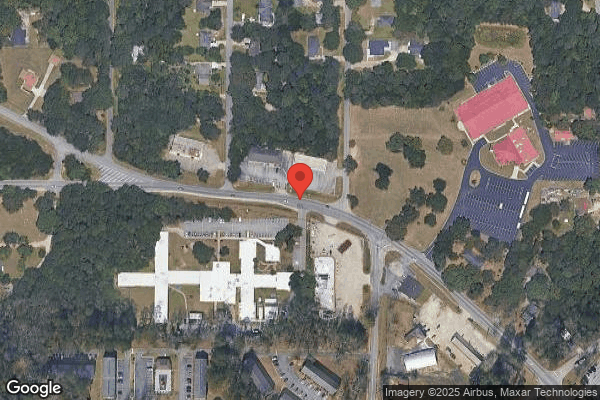
2055 REX ROAD, LAKE CITY, GA 30260 (404) 361-1028
For profit - Corporation 242 Beds NORBERT BENNETT & DONALD DENZ Data: November 2025
Trust Grade
40/100
#291 of 353 in GA
Last Inspection: July 2024

Within standard 12-15 month inspection cycle. Federal law requires annual inspections.

Overview

Lake City Nursing and Rehabilitation Center has a Trust Grade of D, indicating below average quality with some concerning issues. Ranking #291 out of 353 facilities in Georgia places it in the bottom half, and #3 out of 4 in Clayton County means only one local option is better. Unfortunately, the facility is worsening, with the number of issues reported increasing from 6 in 2022 to 9 in 2024. Staffing is a significant concern, with a poor rating of 1 out of 5 stars and turnover at 57%, which is higher than the state average. Specific incidents include inadequate nursing staff leading to potential adverse effects on care, failure to maintain food safety standards resulting in improperly stored food, and inadequate monitoring of food temperatures, all raising serious health and safety concerns. However, it is worth noting that the facility has not incurred any fines, which is a positive aspect.

Trust Score
D
40/100
In Georgia
#291/353
Bottom 18%
Safety Record
Low Risk
No red flags
Inspections
Getting Worse
6 → 9 violations
Staff Stability
⚠ Watch
57% turnover. Above average. Higher turnover means staff may not know residents' routines.
Penalties
✓ Good
No fines on record. Clean compliance history, better than most Georgia facilities.
Skilled Nurses
⚠ Watch
Each resident gets only 16 minutes of Registered Nurse (RN) attention daily — below average for Georgia. Fewer RN minutes means fewer trained eyes watching for problems.
Violations
⚠ Watch
19 deficiencies on record. Higher than average. Multiple issues found across inspections.
★☆☆☆☆
1.0
Overall Rating
★☆☆☆☆
1.0
Staff Levels
☆☆☆☆☆
0.0
Care Quality
★★☆☆☆
2.0
Inspection Score
Stable
2022: 6 issues
2024: 9 issues

The Good

  • Full Sprinkler Coverage · Fire safety systems throughout facility
  • No fines on record

Facility shows strength in fire safety.

The Bad

1-Star Overall Rating

Below Georgia average (2.6)

Significant quality concerns identified by CMS

Staff Turnover: 57%

10pts above Georgia avg (46%)

Frequent staff changes - ask about care continuity

Chain: NORBERT BENNETT & DONALD DENZ

Part of a multi-facility chain

Ask about local staffing decisions and management

Staff turnover is elevated (57%)

9 points above Georgia average of 48%

The Ugly 19 deficiencies on record

Jul 2024 9 deficiencies
CONCERN (D) 📢 Someone Reported This

A family member, employee, or ombudsman was alarmed enough to file a formal complaint

Potential for Harm - no one hurt, but risky conditions existed

Deficiency F0558 (Tag F0558)

Could have caused harm · This affected 1 resident

**NOTE- TERMS IN BRACKETS HAVE BEEN EDITED TO PROTECT CONFIDENTIALITY** Based on observations, resident and staff interviews, record review, and review of the facility policy titled, Resident [NAME] o...

Read full inspector narrative →
**NOTE- TERMS IN BRACKETS HAVE BEEN EDITED TO PROTECT CONFIDENTIALITY** Based on observations, resident and staff interviews, record review, and review of the facility policy titled, Resident [NAME] of Rights, the facility failed to provide a resident with food preferences for one of 55 sampled residents (R) (R58). Review of the facility policy titled Resident [NAME] of Rights reviewed January 2023 revealed under Facility residents shall have the right to: . 10. Reside and receive services in the facility with reasonable accommodation of resident needs and preferences except when to do so would endanger the health or safety of the resident or other residents.15. Self-determination, which the facility must promote and facilitate through support of resident choice, consistent with his or her interests, assessments and plan of care and make other choices about aspects of his or her life in the facility that are significant to the resident. Including but not limited to: activities, health care schedules (including sleeping, waking, bathing and eating times) and how she or he spends time, both in and outside the facility should be supported to the extent possible. Review of the electronic medical record (EMR) for R58 revealed diagnoses that included but not limited to paranoid schizophrenia, type 2 diabetes, congestive heart failure, obesity due to excess calories, and renal failure. Review of the annual Minimum Data Set (MDS) dated [DATE] for R58 revealed a Brief Interview for Mental Status (BIMS) score of 15, indicating intact cognition. Review of the care plan revealed that R58's skin breakdown is due to anemia and diabetes. The facility has put interventions in place. The facility will provide snacks, monitor food intake, and provide food as ordered, dietician to evaluate residents' nutritional status and offer food substitutes as needed. A care plan was reviewed for quarterly assessment, and interventions were updated. Observation and interview on 7/17/2024 at 12:30 pm, R58 was brought lunch by Certified Nursing Assistant (CNA) BB. R58 had a sweet potato on her tray. R58 stated she does not eat potatoes, as was listed on the meal card. It was labeled as potatoes, not sweet potatoes. R58 explained she does not eat any potatoes. CNA BB went to the manager to get an alternate lunch for R58. R58 said it would be something she did not want. On interview dated 7/17/2024 at 2:41 pm R58 revealed that the foods were still the same on weekends and stated she chose not to eat breakfast today. R58 revealed she did not want to ask for an alternate meal. She explained that the alternate normally was something she did not want to eat. On 7/17/2024 at 12:14 pm the Dietary Manager (DM) and two RD's revealed they met with each resident. They entered notes about food preferences, diets, restrictions, and allergies. The DM revealed that all those preferences were on the tray meal tickets and that staff acknowledged those preferences. Interview on 7/17/2024 at 12:49 am, the DM revealed that R58 should not have been served sweet potatoes. The DM suggested that if the list was questionable, food servers should have asked her to get clarity from the RD. Interview on 7/17/2024 at 12:47 pm, the RD revealed that the tray meal card stated potatoes, it should have stated what type of potatoes.
CONCERN (D) 📢 Someone Reported This

A family member, employee, or ombudsman was alarmed enough to file a formal complaint

Potential for Harm - no one hurt, but risky conditions existed

Safe Environment (Tag F0584)

Could have caused harm · This affected 1 resident

**NOTE- TERMS IN BRACKETS HAVE BEEN EDITED TO PROTECT CONFIDENTIALITY** Based on observations, staff interviews, and review of the facility policy titled, Resident [NAME] of Rights, the facility faile...

Read full inspector narrative →
**NOTE- TERMS IN BRACKETS HAVE BEEN EDITED TO PROTECT CONFIDENTIALITY** Based on observations, staff interviews, and review of the facility policy titled, Resident [NAME] of Rights, the facility failed to ensure that it was maintained in a safe, clean, comfortable environment for two of seven halls, with one room (room [ROOM NUMBER]) on the 300 Hall and three rooms ( room [ROOM NUMBER], room [ROOM NUMBER], and room [ROOM NUMBER]) on the 400 Hall. These rooms had missing paint on the doors and walls; holes, punctures, and dents in the walls; crumbling walls with rocks exposed, dirty floors, and broken and or soiled air conditioning vents. Findings include: Review of the facility policy titled Resident [NAME] of Rights last reviewed in January 2023 revealed under A. Facility residents shall have the right to: . 32. A safe, clean, comfortable home like environment. Observation on 7/14/2024 at 1:23 pm revealed room [ROOM NUMBER]'s bathroom floor with dirt and debris as well as a dead cock roach on the floor. Observation on 7/14/2024 at 1:59 pm revealed the walls of room [ROOM NUMBER] scratched and missing paint. There was food and debris in the air conditioning vent that was broken. The vent that covers the light in the bathroom and the light behind the room's door were loose. There was a missing floor tile at the entry way of the door. Observation on 7/14/2024 at 3:17 pm in room [ROOM NUMBER] revealed a wall crumbling with numerous pieces of rock on the floor. The air conditioning unit's vent was dirty with particles. There was a battery in the vent. Observation on 7/14/2024 at 2:55 pm revealed room [ROOM NUMBER] missing paint on the walls, paint was peeling off the doors and walls, there were holes and dents in wall, and the floors were dirty. Rounding on 7/18/2024 at 10:00 am with the Maintenance Director, Administrator, and Housekeeping Supervisor confirmed all the concerns in rooms 318, 406, 407, and 413. Numerous ceiling tiles throughout the entire building need replacement. The Administrator revealed that she had been at the facility for 3 weeks and upon her start date, she did a walk-through of the building and had the same concerns. She stated they were actively making facility improvements. She revealed that they were in the process of figuring how many ceiling tiles need replacement and were ordering replacements. The Administrator revealed that it was her expectation that the facility provided a clean, safe, and homelike environment for its residents. The Maintenance Director was aware of the holes, dents, and punctures in the walls and was working on repairs.
CONCERN (D) 📢 Someone Reported This

A family member, employee, or ombudsman was alarmed enough to file a formal complaint

Potential for Harm - no one hurt, but risky conditions existed

PASARR Coordination (Tag F0644)

Could have caused harm · This affected 1 resident

**NOTE- TERMS IN BRACKETS HAVE BEEN EDITED TO PROTECT CONFIDENTIALITY** Based on staff interviews and record review, the facility failed to ensure a Preadmission Screening and Resident Review (PASRR) ...

Read full inspector narrative →
**NOTE- TERMS IN BRACKETS HAVE BEEN EDITED TO PROTECT CONFIDENTIALITY** Based on staff interviews and record review, the facility failed to ensure a Preadmission Screening and Resident Review (PASRR) Level II was completed for two of two residents (R) (R73 and R47) reviewed for PASRR Level II. This deficient practice had the potential to affect the level of care and services provided to R73 and R47. Findings include: 1. A review of the electronic medical record (EMR) revealed that R73 was admitted to the facility with diagnoses including but not limited to drug-induced subacute dyskinesia, extrapyramidal (involuntary and uncontrollable movement disorders caused by certain drugs), and movement disorder, poisoning by unspecified drug/meds biological substance, accidental, major depressive disorder single episode, bipolar disorder with current hypomanic, anxiety disorder, other psychoactive substance abuse, and intentional self-harm by other specific means. A review of R73's admission Minimum Data Set (MDS) dated [DATE] revealed section A (Identification Information) documented the resident had not been evaluated by Level II PASRR, section I (Active Diagnoses) documented bipolar disorder, and section O (Special Treatments and Programs) documented no therapies or treatments were received. A review of R73's care plan revealed a problem initiated on 2/16/2024, indicating the resident had the potential for drug toxicity related to the use of psychotropic medications for diagnoses of bipolar, anxiety, and major depressive disorder. A review of the clinical record revealed a PASRR Level I dated 2/15/2024 did not include the diagnosis of bipolar. There was no evidence that a PASRR Level II assessment was completed. 2. A review of the clinical record for R47 revealed the resident was readmitted to the facility on [DATE] with diagnoses including, but not limited to, bipolar and major depressive disorder. A review of R47's admission MDS dated [DATE] revealed section A (Identification Information) documented the resident had not been evaluated by Level II PASRR, section I (Active Diagnoses) documented depression (other than bipolar) and manic depression (bipolar disease). A review of R47's quarterly MDS dated [DATE] revealed section I (Active Diagnoses) documented depression (other than bipolar) and manic depression (bipolar disease). A review of the PASRR Level I Assessment for R47 dated 1/17/2024 revealed the PASRR Level I documentation was unmarked for bipolar. There was no evidence that a PASRR Level II assessment was completed. In an interview on 7/17/2024 at 2:04 pm, the Admissions Director (AD) stated both R73 and R47 were admitted to the facility from a local hospital. She stated she was only required to ensure residents had an approved PASRR Level I on admission, and she did not check the PASRR Level I for accuracy. The AD confirmed both R73 and R47 had a diagnosis of bipolar disorder, and a PASRR Level II had not been submitted for either. The AD further stated the Director of Nursing Services (DNS) was responsible for checking referrals for diagnoses and ensuring the accuracy of the PASRR Level I. In an interview on 7/17/2024 at 2:51 pm, Licensed Practical Nurse (LPN)/MDS Coordinator DD stated she was responsible for generating face sheets for all resident admissions, which included adding the diagnoses. LPN/MDS Coordinator stated she obtained the diagnoses from the hospital paperwork. She further stated that she does look at the resident's PASRR Level I when she is completing the MDS Assessments, but the Social Services Department was responsible for following up on the PASRR submissions if a qualifying diagnosis was missed. She stated if she sees a qualifying diagnosis on the referral, she alerts the admission Coordinator to have the hospital apply for PASRR Level II prior to admission, but ultimately the Social Service Department was responsible for checking the records for accuracy. In an interview on 7/17/2024 at 2:56 pm, the Social Service Assistant (SSA) EE revealed she was responsible for updating the list of residents with a PASRR Level II. SSA EE verified that R73's and R47's names were not listed on the current list as having a PASRR Level II. She further stated a PASRR Level II was triggered by psychotropic medications and diagnoses such as bipolar and schizophrenia. SSA EE stated it was her understanding the AD was responsible for the accuracy of the resident's PASRR Level I. In an interview on 7/18/2024 at 9:08 am, the Social Service Director (SSD) stated all residents are admitted to the facility with a least a [NAME] Level I. The SSD further stated the MDS Nurses and the DNS checked the admissions for qualifying diagnoses and alerted her if there was a diagnosis that would potentially trigger a PASRR Level II. She stated when she is informed, she submits for a PASRR Level II. The SSD confirmed that R73 and R47 did not have PASRR Level II and that both residents had been admitted from a hospital. In an interview on 7/18/2024 at 3:36 pm, the Administrator stated the process related to reviewing PASRR Level IIs needed to be reviewed to address a plan to ensure the PASRR Level I was accurate. In an interview on 7/18/202 at 4:45 pm, the Administrator stated the facility did not have a policy for PASRR.
CONCERN (D) 📢 Someone Reported This

A family member, employee, or ombudsman was alarmed enough to file a formal complaint

Potential for Harm - no one hurt, but risky conditions existed

Quality of Care (Tag F0684)

Could have caused harm · This affected 1 resident

**NOTE- TERMS IN BRACKETS HAVE BEEN EDITED TO PROTECT CONFIDENTIALITY** 2. Review of the EMR revealed R261 was admitted into the facility with diagnoses including but not limited to major respiratory ...

Read full inspector narrative →
**NOTE- TERMS IN BRACKETS HAVE BEEN EDITED TO PROTECT CONFIDENTIALITY** 2. Review of the EMR revealed R261 was admitted into the facility with diagnoses including but not limited to major respiratory failure, intracranial hemorrhage, and medical history of chronic obstructive pulmonary disease (COPD), anemia, and cervical disk myelopathy. A review of R261's admission Minimum Data Set (MDS) revealed the MDS was in process. A review of R261's active Physician Orders, dated July 2024, revealed no physician's orders for the care of the PICC line. Observation on 7/15/2024 at 1:17 pm of R261 revealed a PICC line was inserted in R261's left arm. During observation and interview on 7/15/2024 at 1:27 pm, LPN II confirmed the date on R261's PICC line dressing was 7/3/2024. She also confirmed there were no physician orders for the care of the PICC line or dressing changes. She stated the nurse was responsible for ensuring physician orders were obtained for the resident's care needs. In an interview on 7/18/2024 at 3:40 pm, the Assistant Director of Nursing (ADON) confirmed that R261 did not have physician's orders for the care of the PICC line, including dressing change. The ADON stated physician's orders should have been obtained and the PICC line dressing should be changed weekly. Based on observations, resident and staff interviews, record review, and review of the facility policy titled Peripheral and Midline Intravenous Catheter Care and Dressing Changes, the facility failed to provide care according to professional standards for two of two residents (R) (R11 and R261) reviewed for intravenous catheter care. Specifically, the facility failed to follow the physician's orders for dressing changes for a PICC line (a peripherally inserted central catheter [a long, flexible plastic tube that's inserted into a vein in the upper arm and threaded into a large vein near the heart]) and ensure the intravenous (IV) infusion tubing was labeled and dated when in use for R11 and failed to obtain physician orders and provide care for a PICC line for R261. This deficient practice had the potential to increase the probability of infection at the insertion site and systemic infection for R11 and R261. Findings include: A review of the policy titled Peripheral and Midline Intravenous Catheter Care and Dressing Changes, revised November 2022, revealed the Policy stated, The purpose of this procedure is to prevent complications associated with intravenous therapy, including catheter-related infections associated with contaminated, loosened or soiled catheter-site dressings. The General Guidelines stated, 1. Perform site care and dressing change at established intervals or immediately if the integrity of the dressing is compromised (e.g., damp, loosened or visibly soiled). 4. Change the dressing if it becomes damp, loosened, or visibly soiled and: a. at least every 7 days for transparent semi-permeable membrane (TSM) dressing. The facility did not provide a policy for admission physicians' orders. 1. A review of the electronic medical record (EMR) revealed R11 was readmitted to the facility from a local hospital with diagnoses including, but not limited to, sepsis, chronic osteomyelitis involving pelvic region and thigh, wound infection, and osteomyelitis of vertebra, sacral and sacrococcygeal region. A review of the quarterly Minimum Data Set (MDS) assessment dated [DATE] revealed R11 had a Brief Interview for Mental Status (BIMS) score of 15, indicating no cognitive impairment. A review of the EMR revealed a discharge report from a local hospital dated 7/2/2024 that revealed R11 was discharged from the hospital back to the facility with orders for IV antibiotics for 16 days. In an observation and interview on 7/14/2024 at 2:56 pm, R11 stated he was recently in the hospital and returned to the facility on IV antibiotics for an infection of his wounds. R11 further stated he was still receiving the IV antibiotics, but the facility staff had not changed the PICC line dressing since his readmission to the facility. Observation revealed a soiled dressing dated 6/27/2024 intact to the PICC line site on R11's left upper arm. Observation on 7/15/2024 at 2:05 pm revealed R11 in a wheelchair with an IV antibiotic infusing. Further observation revealed the IV tubing was not labeled with a date or infusion time. In addition, the PICC line dressing on R11's left upper arm remained soiled and was dated 6/27/2024. A review of the Physicians Orders for R11 for the month of July 2024 revealed there was an order dated 7/3/2024 to change the PICC line dressing every Monday. A review of the Progress Notes for R11 revealed no documentation related to the condition of the PICC line insertion site, the condition of the PICC line dressing, or that the PICC line dressing was changed. A review of the electronic Medication Administration Record (eMAR) dated July 2024 revealed there was no documented monitoring for signs of infection or dressing changes of the PICC line site. During an interview and walking rounds on 7/15/2024 at 2:24 pm, Licensed Practical Nurse (LPN) FF revealed she was responsible for administering R11's IV antibiotics but was unsure who was responsible for changing the dressing to the PICC line or where documentation was in the EMR of monitoring of the PICC line site or documenting the dressing change. She further stated there should be a physician's order for monitoring of the PICC line site and changing the PICC line site dressing. She also stated the order for the PICC dressing changes had not shown up on her eMAR, therefore she had not changed the dressing. LPN FF stated she was not sure but thought the dressing should be changed weekly and the site should be monitored each shift to prevent infection of the site and systemic infection. LPN FF verified there was no documentation on record in the EMR of the PICC line dressing being changed or monitoring of the PICC line site for signs of infection. LPN FF stated IV tubing should be changed and labeled daily but she was not sure if she labeled R11's IV tubing today. LPN FF observed and verified R11's IV tubing was not labeled or dated and the PICC line dressing was soiled and dated 6/27/2024. In an interview on 7/15/2024 at 2:41 pm, the Director of Nursing Services (DNS) and LPN FF stated there should be a physician's order to monitor PICC line sites for signs of infection and to change PICC line site dressings every seven days. The DNS stated the nurse administering medications was responsible for monitoring the PICC line for infection and changing the PICC line dressing. The DNS stated if monitoring of the PICC line site or dressing changes was not documented on the eMAR, the nurse should document it in the nursing progress notes. The DNS verified there was no documentation in the progress notes or on the eMAR to indicate R11's PICC line dressing was changed or the PICC line site was monitored for infection. She stated she was ultimately responsible for ensuring resident needs were being met but she had not personally visualized R11 or his records to ensure that his care and service needs were being met. The DNS further stated IV tubing was to be changed daily and the nurse should always date the tubing when it was changed. In a follow-up interview 7/17/2024 at 9:03 am, LPN FF revealed she was not aware how her initials were placed on the eMAR for changing the PICC line dressing change on 7/8/2024 for R11. LPN FF also stated she had not changed the PICC line dressing for resident until 7/15/2024, after the issue was brought to her attention by the surveyor.
CONCERN (D) 📢 Someone Reported This

A family member, employee, or ombudsman was alarmed enough to file a formal complaint

Potential for Harm - no one hurt, but risky conditions existed

Respiratory Care (Tag F0695)

Could have caused harm · This affected 1 resident

**NOTE- TERMS IN BRACKETS HAVE BEEN EDITED TO PROTECT CONFIDENTIALITY** Based on observations, record review, staff interviews, and review of the facility policy titled, Oxygen Therapy, the facility f...

Read full inspector narrative →
**NOTE- TERMS IN BRACKETS HAVE BEEN EDITED TO PROTECT CONFIDENTIALITY** Based on observations, record review, staff interviews, and review of the facility policy titled, Oxygen Therapy, the facility failed to follow Physician Orders for two of 12 residents (R) (R65 and R187) with orders for oxygen. The deficient practice had the potential to place the residents at risk for medical complications such as respiratory distress, unmet needs, and a diminished quality of life. Findings include: Review of the undated facility policy titled Oxygen Therapy revealed the following under Procedure: 1. Oxygen therapy is to be provided under the direction of a written physician order. A Physician's Order for O2 therapy is to contain liter flow per minute via mask or cannula/timeframe. 4. Adjust delivery rate as ordered. 1. Review of the electronic medical record (EMR) for R65 revealed the resident was admitted to the facility with diagnoses of but not limited to bipolar disorder, chronic obstructive pulmonary disease (COPD), unspecified, and type two type 2 diabetes mellitus. Review of R65's most recent Minimum Data Set (MDS) dated [DATE] revealed a Brief Interview for Mental Status (BIMS) score of 15, which indicated no cognitive impairment. Section O-Special Treatments and Procedures revealed the resident requires oxygen therapy. Review of the Physician orders revealed an order for oxygen at three liters per minute (LPM) per nasal cannula (NC) with a start date of 12/22/2023. Observation on 7/14/2024 at 2:12 pm revealed resident lying in bed receiving oxygen therapy via NC set at two LPM. Observation on 7/15/2024 at 8:45 am revealed resident lying in bed receiving oxygen therapy via NC set at two LPM. Rounding on 7/15/2024 at 1:16 pm with Licensed Practical Nurse (LPN) HH, she confirmed the LPM for R65 should be set on three LPM and not two LPM. She adjusted the rate to three LPM. LPN HH revealed her expectations were that she and other nurses follow physician orders. 2. Review of the EMR for R187 revealed the resident was admitted to the facility with diagnoses of but not limited to chronic obstructive pulmonary disease (COPD), unspecified sequelae of cerebral infarction, end stage renal disease, congestive heart failure, type 2 diabetes, and nutritional deficiency. Review of R187's most recent Minimum Data Set (MDS) dated [DATE], revealed a Brief Interview for Mental Status (BIMS) score of 7, which indicates severe cognitive impairment. Section O-Special Treatments, Procedures, and Programs revealed the resident requires oxygen therapy. Review of the Physician orders for R187 revealed an order for oxygen at two LPM per nasal cannula with a start date of 6/3/2024. Observation on 7/14/2024 at 2:55 pm revealed R187 lying in bed receiving oxygen therapy via NC set at three LPM. Observation on 7/15/2024 at 8:40 am revealed resident lying in bed receiving oxygen therapy via nasal cannula set at three LPM. Rounding on 7/15/2024 at 1:18 pm with LPN HH confirmed the LPM should be set on two LPM and not three LPM. She adjusted the rate to two LPM. Interview on 7/17/2024 at 9:40 am with the Assistant Director of Nursing (ADON) revealed it was her expectation that nursing staff check oxygen concentrators every shift to ensure they are set on the prescribed rate of LPM.
CONCERN (E) 📢 Someone Reported This

A family member, employee, or ombudsman was alarmed enough to file a formal complaint

Potential for Harm - no one hurt, but risky conditions existed

Deficiency F0554 (Tag F0554)

Could have caused harm · This affected multiple residents

**NOTE- TERMS IN BRACKETS HAVE BEEN EDITED TO PROTECT CONFIDENTIALITY** 5. Review of the EMR for R44 revealed the resident was admitted to the facility with diagnoses of but not limited to aphasia, st...

Read full inspector narrative →
**NOTE- TERMS IN BRACKETS HAVE BEEN EDITED TO PROTECT CONFIDENTIALITY** 5. Review of the EMR for R44 revealed the resident was admitted to the facility with diagnoses of but not limited to aphasia, stroke, hemiplegia, and depression. R44's most recent MDS, dated [DATE], revealed a BIMS score of 14, which indicated little or no cognitive impairment. Further record review revealed no assessment for self-administration of medications was completed, there were no physician orders for R44 to have medications at the bedside for self-administration, and there was no care plan addressing R44's ability to self-administer medications. Observation on 7/14/2024 at 2:00 pm revealed numerous pills inside a disposable medicine cup and a tube of hydrocortisone cream sitting on R44's bedside table. Interview on 7/14/2024 at 2:05 pm with LPN AA confirmed she left R44's pills in the disposable cup at the resident's bedside because she had to leave the room to do another task and forgot to remove the pills. She revealed she made an error and should not have left the medications with the resident. LPN AA stated that a Certified Nursing Assistant (CNA) left the tube of hydrocortisone on the bedside table, but after checking the medication administration record (MAR) and physician's orders, she revealed that a family member brought it to the resident. The hydrocortisone was removed. LPN AA revealed that R44 was not assessed to self-administer medications. 6. Review of the EMR for R65 revealed the resident was admitted to the facility with diagnoses including, but not limited to, bipolar disorder, chronic obstructive pulmonary disease (COPD), unspecified, and type 2 diabetes mellitus. R65's most recent MDS, dated [DATE], revealed a BIMS score of 15, indicating little to no cognitive impairment. Further record review revealed no assessment for self-administration of medications was completed, there were no physician orders for R65 to have medications at the bedside for self-administration, and no care plan addressing R65's ability to self-administer medications. Observation on 7/14/2024 at 2:12 pm revealed a bottle of 70 percent isopropyl alcohol on R65's nightstand. Interview and rounding on 7/14/2024 at 5:19 pm with LPN AA revealed resident was not assessed for self-administration of medications and confirmed the resident should not have isopropyl alcohol in his room and removed it. Interview on 7/17/2024 at 9:40 with ADON revealed it is her expectation that medications are not left by the bed side under any circumstances. She revealed there are no residents assessed for self-administration. 7. Review of the EMR for R29 revealed the resident was admitted to the facility with diagnoses of but not limited to pressure ulcer of sacral region, paraplegia, diabetes, major depressive disorder single episode. R29's most recent MDS assessment, dated 5/4/2024, revealed a BIMS score of 15, indicating little to no cognitive impairment. Further record review revealed no assessment for self-administration of medications was completed, there were no physician orders for R29 to have medications at the bedside for self-administration, and no care plan addressing R29's ability to self-administer medications. Observation on 7/14/2024 at 3:17 pm revealed a bottle of hydrogen peroxide on R29's dresser. Interview and rounding on 7/14/2024 at 5:19 pm with LPN AA confirmed R29 should not have hydrogen peroxide at the bedside and further stated R29 was not assessed for self-administration. She revealed her expectations would be that the resident did not have hydrogen peroxide in his possession and to maintain a safe environment. Based on observations, record review, resident and staff interviews, and review of the facility's policies titled, Medication Administration Guidelines and Self-Administration Protocol, the facility failed to assess seven of 55 sampled residents (R) (R98, R30, R73, R14, R44, R65, and R29) for self-administration of medications and failed to store medications safely at the bedside. This failure placed the residents at risk for inappropriate and unsafe medication use. Findings include: Review of the facility's undated policy titled Self-Administration Protocol indicated under Policy: Bedside medication storage is permitted for residents who are willing and able to self-administer medications upon the written order of the prescriber, when it is deemed appropriate in the judgement of the facility's interdisciplinary resident assessment team, and in accordance with state law. Under Procedure:1. If the resident wishes to participate, the Interdisciplinary Team will complete the Medication Self-Administration Assessment. 2. A written order for the bedside storage of medication is placed in the resident's medical record. 3. Bedside storage of medications is indicated on the resident medication administration record (MAR, EMAR) for the appropriated medications. 4. For residents who self-administer some or all medications, the following conditions are met for bedside storage to occur: a. Lockable drawers or cabinets as required by state regulation. 8. All nurses and aides are required to report to the charge nurse on duty any medications found at the bedside not authorized for bedside storage and to give unauthorized or unlabeled or expired medications to the charge nurse for return to the family or responsible party. Review of the facility's policy titled Medication Administration-General Guidelines revealed under Policy: Medication is administered as prescribed, in accordance with good nursing principles and practices and only by personnel legally authorized to do so. Personal authorized to administrate medication do so only after they have familiarized themselves with the medication. Policy Procedure revealed: 1. Medications are prepared, administered, and recorded only by licensed nursing, medical, or other personnel authorized by state laws and regulations to administer medications. 2. Medications are administered in accordance with written orders of attending physicians, taking into consideration manufacturer's specifications and professional standards of practice. 3. Residents are allowed to self-administer medications when specifically authorized by the attending physician and the interdisciplinary team and in accordance with procedures for self-administration of medication. 4. Medications are administered at the time they are prepared for each resident, medications are not pre-poured. 15. For residents in the facility not in their rooms or otherwise unavailable to receive medication on the pass, the Medication Administration Record/Treatment Administration Record (MAR/TAR) is flagged. When a resident is unavailable, the medication will be administered as near to the scheduled time as able. For the Electronic Medical Records (EMR), the nurse reviews my unsigned records. 1. Review of R98's EMR revealed diagnoses included but were not limited to major depressive disorder, atherosclerosis of aorta, Alzheimer's disease, anxiety disorder, unspecified dementia, moderate, with anxiety, cardiomyopathy, and hypertension. Review of R98's quarterly Minimum Data Set (MDS) dated [DATE] revealed section C (Cognitive Patterns) documented a Brief Interview for Mental Status (BIMS) score of three (indicating severe cognitive impairment) and section GG (Functional Abilities and Goals) indicated R98 was independent with Activities of Daily Living (ADLs). During interviews on 7/14/2024 at 3:45 pm and 7/15/2024 at 2:30 pm, R98 revealed that she was alert but not oriented to date and time. Review of a nurse's note dated 12/13/2023 at 9:43 pm revealed at the beginning of the shift staff reported resident taking a hand full of pills. R98 was diaphoretic (perspiring), drowsy, and lethargic. The family member MM was with R98. R98's vital signs were checked 97.7-55-20. Blood Pressure (BP) 100/46 SP02 (a measurement of how much oxygen is in the blood), 99% on room air, and Blood Sugar 138. Nurse Practitioner (NP) was called and new order received for Hypodermoclysis (IV (intravenous) fluids/Subcutaneous infusion) normal saline 100 milliliters (ml)/ hour (hr) X1 liter and to check resident BP every 30 mins (minutes) until blood pressure increase. Resident Blood Pressure was rechecked, and it was 108/58. R98 was alert and verbal and smiling. Hypodermoclysis continues to infuse. Resident blood pressure was checked again, and it was 110/ 56. R98 returned to her usual self. An interview on 7/15/2024 at 7:15 pm with family member MM revealed that on 12/13/2023, R98 was found by a family member with a cup of unknown medications. R98 was in her room and became lethargic with unstable vitals. A family member screamed for help, Licensed Practical Nurse (LPN) NN entered the room and began shoving apple sauce down R98's mouth. LPN OO entered the room and administered an IV. R98 was treated at the facility and was monitored through the night. R98 was stabilized and did not go to the hospital. This incident was not reported to the State agency. The family member spoke with the former Administrator PP and asked for LPN NN providing care for R98 to be reassigned. The former Administrator PP agreed. On 4/3/2024, R98 was found by a family member in her room with a plastic sandwich bag with a sandwich and orange and white pills in the bag. Staff did not know where R98 got the sandwich bag with the medication. The family member spoke with the former Administrator PP and asked again for LPN NN caring for R98 to be reassigned. An interview on 7/16/2024 at 11:12 am with family member MM revealed that R98 was found walking around the facility with a handful of medications during the month of November. As this was the third time that this had happened, a video was taken with the medication in the family member's hand. Family member MM spoke with the former Administrator PP. In an interview on 7/16/ 2024 at 3:15 pm, the Director of Nursing (DON) revealed she was aware of the incident that occurred with R98 during the month of December. She stated it was reported the resident's medication was found by a family member, and one nurse reported three pills, and another staff nurse reported a handful of pills was found. The resident was observed to be drowsy and lethargic with low vital signs. Licensed Practical Nurse (LPN) OO administered IV fluid and monitored her vital signs. Resident vital signs began to go back to normal and R98 began to go back to her normal self. The DON confirmed she completed education via a telephone consultation with LPN NN, who was suspended for three days after the incident. The DON confirmed that the facility did not put any other preventative measures in place to prevent this from happening again. There was no monitoring and no tracking to ensure that this incident would not occur again. The DON stated R98 had an episode like this before which she became lethargic, so she did not feel like it required a trip to the emergency room or labs. The DON stated the NP was notified and the family was present during both incidents. It was reported that a family member found the resident in her room with a sandwich bag with pills in the bag. The DON stated family members kept the bag with the pills. The DON could not identify where the medication came from or what medication was in the bag. The DON stated the family held a meeting with the Administrator and Social Services. The DON confirmed that she knew the family member did not want LPN NN working with R98. The DON stated LPN NN was working on Hall 300 at that time but she was not working directly with R98. After the second incident, LPN NN was moved to Hall 400. An interview on 7/16/2024 at 4:09 pm with LPN NN revealed she was aware of both incidents that occurred in December 2023 and the one in April 2024. She stated that she was blamed because she was the one that was on duty. She said that she does not leave medication at bedside. She gives the medication to the residents and watches them take it. She stated that she did receive a phone consultation and education regarding leaving medication at the bedside. LPN NN stated that the family member was present for the first incident and that the family members had found the bag with a sandwich and medication in it. LPN NN could not identify where the resident would have gotten the medication from. LPN NN confirmed she was not suspended in April but did receive a telephone consultation and was informed the family no longer wanted her working with R98. In an interview on 7/17/2024 at 9:30 am, the Assistant Director of Nursing (ADON) revealed she was aware of both situations. She stated that she confirmed the in-service was held, but no other preventative measures were put in place. In an interview on 7/17/2024 at 10:00 am, the NP revealed she was aware of R98's blood pressure dropping and ordered the IV fluids. The NP stated the Medical Director (MD) was notified. The NP reviewed R98's chart with the surveyor and confirmed the orders. An interview on 7/17/2024 at 3:00 pm with the MD revealed the NP reached out to him on a weekly basis, and in situations like this, she did not have to reach out to him. 2. Review of R30's EMR revealed diagnoses that included hyperlipidemia, depression, anxiety disorder, asthma, and chronic obstructive pulmonary disease (COPD). Review of R30's quarterly MDS dated [DATE] revealed in Section C-Cognitive Patterns a BIMS score of 15, indicating the resident was cognitively intact. Record review revealed R30 did not have a physician's order for Spiriva Respimat 2.5 mcg (micrograms). An observation and interview on 7/14/2024 at 1:37 pm with R30 revealed her to be alert and oriented. Observation revealed a Spiriva Respimat 2.5 mcg inhaler with a date of 2/24 written on it, lying on the bedside table. R30 stated her doctor gave the medication to her at her last doctor's appointment, but the medication was expired. An interview on 7/14 /2024 at 1:55 pm with LPN HH confirmed the medication was expired and should not be in the room. The nurse removed the medication from the room. An interview on 7/16/2024 at 4:30 pm with the DON revealed that medication should not be left with residents. A training regarding medication being left at the resident's bedside was held in April 2024. 3. Review of R73's EMR revealed she was admitted to the facility with diagnoses including but not limited to drug-induced subacute dyskinesia, extrapyramidal and movement disorder, poisoning by unspecified drug/meds biological substance/accidental, major depressive disorder, conversion disorder with seizures or convulsions, bipolar disorder with current hypomanic, anxiety disorder, other psychoactive substance abuse, intentional self-harm by other specific means, poisoning by unspecified drug/meds/biological substance, self-harm substance. Further record review revealed no evidence that an assessment for self-administration of medications was completed, there were no physician orders for the resident to have medications at the bedside for self-administration, and there was no care plan addressing R73's ability to self-administer medications. Review of R73's admission MDS assessment dated [DATE] revealed a BIMS score of 15, indicating the resident was cognitively intact. Observation 7/14/2024 at 2:01 pm and 2:19 pm, R73 was observed sitting on her bed. Further observations revealed R73 with two oblong, white tablets in a clear plastic medication cup within reach on her bedside table. R73 stated the nurse had a lot of stuff in her hands and had left the medications there. R73 further stated that she had forgotten to take the medications, and they had been left there for about 15 minutes. R73 stated the medication was her evening dose of gabapentin. During an interview and walking rounds on 7/14/2024 at 2:26 pm, LPN GG confirmed she had left R73's 2:00 pm medications at the bedside. LPN GG verified the medications in the cup were gabapentin. LPN GG further stated that she should have stayed and watched R73 take her medications. She stated she left the medications in the room because she was called to another resident's room to administer an inhaler, and she was coming right back. LPN GG stated she knew she was not supposed to leave the medications at the resident's bedside. 4. Review of R14's EMR revealed she was admitted to the facility with diagnoses including seizures, dementia, altered mental status, and Alzheimer's Disease. Further record review revealed no evidence that an assessment for self-administration of medications was completed, there were no physician orders for the resident to have medications at the bedside for self-administration, and there was no care plan addressing R14's ability to self-administer medications. Review of R14's quarterly MDS assessment dated [DATE] revealed a BIMS score of four, indicating the resident was severely cognitively impaired. Observations on 7/14/2024 at 1:56 pm and 2:16 pm revealed an open foil container of ipratropium bromide inhalation solution (0.02% (0.5 mg/2.5 ml) (two vials) nebulizer solution on the bedside dresser along the right side of the resident's bed. Interview and walking rounds on 7/14/2024 at 2:34 pm, LPN GG confirmed the medications at R14's bedside. LPN GG also stated she had been in R14's room today but did not notice the medication on the dresser. LPN GG further stated medication was not supposed to be left in the resident's rooms. LPN GG removed the medication but then stated it was time for R14 to receive the 2:00 pm scheduled nebulizer treatment at this time anyway. Interview on 7/14/2024 at 3:08 pm with the DON revealed currently the facility does not have a resident in the facility who had been assessed and deemed safe to self-administer medications. She further stated medications should not be left in resident's rooms. The DON stated the medication at R14's bedside did not appear to be the medication that they received from their pharmacy, but either way, it should not be in the resident's room. The DON further stated the nurse should not have left the medications at R73's bedside and if she had to leave prior to administering, she should have taken the medications with her and brought them back later.
CONCERN (E) 📢 Someone Reported This

A family member, employee, or ombudsman was alarmed enough to file a formal complaint

Potential for Harm - no one hurt, but risky conditions existed

Infection Control (Tag F0880)

Could have caused harm · This affected multiple residents

**NOTE- TERMS IN BRACKETS HAVE BEEN EDITED TO PROTECT CONFIDENTIALITY** Based on observations, staff interviews, and review of the facility policy titled, Storage of Items in Resident Rooms, the facil...

Read full inspector narrative →
**NOTE- TERMS IN BRACKETS HAVE BEEN EDITED TO PROTECT CONFIDENTIALITY** Based on observations, staff interviews, and review of the facility policy titled, Storage of Items in Resident Rooms, the facility failed to ensure resident personal care items were stored in a manner to prevent cross-contamination in five of 11 bathrooms on the 400 Hall. The deficient practice had the potential to expose residents to infections due to cross-contamination. Findings include: A review of the undated facility policy titled Storage of Items in Resident Rooms revealed the Policy stated Resident's personal items will be orderly and properly stored. The Procedure section stated, 1. Personal items will be clean and stored appropriately. 2. No items shall be stored on floors in resident rooms. 4. Store in bathrooms: b. resident leg bags, bedpans, or graduate cylinders. A basic infection control policy was requested but was not received. Observations on 7/14/2024 at 1:47 pm and 7/15/2024 at 1:25 pm of the shared bathroom between rooms [ROOM NUMBERS] revealed one bedpan on the shelf above the toilet and a urinal lying next to the toilet. The items were not bagged or labeled. Observations on 7/14/2024 at 2:01 pm and 7/15/2024 at 1:26 pm of the shared bathroom between rooms [ROOM NUMBERS] revealed one bedpan on the shelf above the toilet. The items were not bagged or labeled. Observations on 7/14/2024 at 2:38 pm and 7/15/2024 at 1:27 pm of the bathroom for room [ROOM NUMBER] revealed one urinal lying on the floor next to the toilet. The items were not bagged or labeled. Observations on 7/14/2024 at 2:45 pm and 7/15/2024 at 1:28 pm of the bathroom for room [ROOM NUMBER] revealed one urinal attached to a rolling walker. The items were not bagged or labeled. Observations on 7/14/2024 at 3:17 pm and 7/15/2024 at 1:31 pm of the bathroom of room [ROOM NUMBER] revealed two urinals on the shelf above the toilet. The items were not bagged or labeled. During observational rounds with the Director of Nursing (DON) on 7/16/2024 at 9:20 am, she confirmed one urinal and one bed pan, not bagged and labeled, in the shared bathroom for rooms [ROOM NUMBERS], one bed pan on the shelf, not bagged or labeled, in the shared bathroom for rooms [ROOM NUMBERS], one urinal laying on the floor, not bagged or labeled, in the bathroom of room [ROOM NUMBER], one urinal attached to a rolling walker, not bagged or labeled, in the bathroom of room [ROOM NUMBER], and two urinals hanging off a shelf, not bagged and labeled, in the bathroom of room [ROOM NUMBER]. The DON revealed her expectations are that Certified Nursing Assistants (CNAs) rinse the urinals and bed pans then bag and label them with the room number.
CONCERN (F) 📢 Someone Reported This

A family member, employee, or ombudsman was alarmed enough to file a formal complaint

Potential for Harm - no one hurt, but risky conditions existed

Deficiency F0725 (Tag F0725)

Could have caused harm · This affected most or all residents

Based on staff interviews and review of the Facility Assessment Tool and the Payroll-Based Journal (PBJ) Staffing Data Report Quarter (Q) 2 2024, the facility failed to ensure there were adequate nurs...

Read full inspector narrative →
Based on staff interviews and review of the Facility Assessment Tool and the Payroll-Based Journal (PBJ) Staffing Data Report Quarter (Q) 2 2024, the facility failed to ensure there were adequate nursing staff to serve their residents. The deficient practice had the potential to adversely affect the care and services provided to the facility residents. The facility census was 212 residents. Findings include: Review of The Facility Assessment Tool (FAT) 2024 revealed the facility was licensed for 242 beds. The facility's current census was 212 residents. The FAT revealed the average hourly staffing needs per day were 84 hours for licensed nurses providing direct care, 233 hours for nurses' aides. Review of the PBJ Staffing Data Report Quarter 2, 2024 revealed based on the data submitted, the facility triggered Excessively Low Weekend Staffing and for a One-Star Staffing Rating (Failure to submit PBJ data by the deadline, more than 4 days in the quarter without RN (Registered Nurse) Staffing hours, failure to respond to, submit documentation for, or failure to pass a CMS audit designed to discover discrepancies in PBJ data). Interview on 7/18/2024 at 2:40 pm with the Administrator and the [NAME] President of Operation revealed they were both aware of the PBJ's one-star staffing and excessively low weekend staffing rating the facility received for the second quarter of 2024. The Administrator stated they are in the process of hiring to assist with the lack of staffing.
CONCERN (F) 📢 Someone Reported This

A family member, employee, or ombudsman was alarmed enough to file a formal complaint

Potential for Harm - no one hurt, but risky conditions existed

Food Safety (Tag F0812)

Could have caused harm · This affected most or all residents

Based on observations, staff interviews, and review of the facility policies titled, Labeling and Dating Foods, Refrigerator and Freezer Temperatures, Cleaning Instructions: Conventional Oven (2020), ...

Read full inspector narrative →
Based on observations, staff interviews, and review of the facility policies titled, Labeling and Dating Foods, Refrigerator and Freezer Temperatures, Cleaning Instructions: Conventional Oven (2020), Hair Restraints, and Cleaning Instructions: Floors, the facility failed to ensure dietary staff contained hair in hair nets, ensure that food was properly labeled, stored and prepared in a sanitary condition to prevent foodborne illness, and failed to monitor and log daily temperature of refrigerator and freezer temperatures to ensure food was preserved per recommended guidelines. In addition, the facility failed to ensure the cleaning of appliances (stove, refrigerator), countertops, floor tiles, and ceiling vents. Additionally, the facility failed to ensure that needed repairs were done for an identified plumbing issue with the drainage system, kitchen exterior door disrepair to prevent access of pests, missing floor tiles, and rust buildup of the stove hood. The deficient practice had the potential to affect 198 residents receiving an oral diet. Findings include: Review of the facility policy titled Labeling and Dating Foods, dated 2020, stated under Guideline: Food stored will be properly labeled according to the following guidelines. Procedure: . 2. Date marking for refrigerated and storage food items. Ready to eat, potentially hazardous food will follow the manufacturers expiration dates. 3. Date marking for freezer storage food items. Frozen food packages removed from the case will be date item was received into the facility and will be stored using the first in-first out method of rotation. Once a package is opened, it will be re-dated with date using the safe food storage guidelines and/or manufacturers expiration date. Review of the undated facility policy titled Refrigerator and Freezer Temperatures, revealed under Guidelines: To ensure all perishable food items stay fresh and palatable, temperature will be recorded on all refrigerators and freezers in use, including unit refrigerators located in nourishment rooms. Review of the facility policy titled Cleaning Instructions: Conventional Oven, dated 2020, stated under Guidelines: Ovens will be cleaned regularly, according to cleaning schedule. Procedure: . 2. Scrape burned particles from inside of oven with scraper. Remove and discard all particles from interior. 4. Wipe off any loosened grease and particles from interior. Scrub interior, shelf ledges, inside of the door, and frame with warm, soapy water. 6. Wash outside of door, door handles and frame with warm soapy water. 7. Self-cleaning ovens should be cleaned according to manufacturer 's instructions. Review of the facility policy titled Hair Restraints, dated 2020, stated under Guidelines: Hair restraints shall be worn by all Dining Services staff when in food production areas, dishwashing areas, or when serving food. 1. Staff shall wear hair restraints in all food production, dishwashing, and serving areas. 2. Hair restraints, hats, and/or beard guards shall be used to prevent hair from contacting exposed food. Review of the facility policy titled Cleaning Instructions: Floors, dated 2020, stated under Guidelines: Floors will be kept clean and sanitary, washed daily or as needed. Under Procedure: 1. Kitchen floor will be swept and cleaned after meal. 3. Additional steps may be taken to use degreasers or other appropriate floor cleaners in high-traffic cooking areas. Floor drains will be kept covered, cleaned, and free of odors. Review of the facility maintenance form titled Work Order#335-Dietary Back Door documented that on 7/15/2024, a sensor was moved to the middle, which caused the gap to close. This shows they fixed the problem - ? remove or leave? The tour of the kitchen on 7/14/2024 started at 11:00 am and ended at 12:55 pm with the Dietary Manager (DM) and Dietary Aide (DA) ZZ. The following concerns were noted during the tour: 1. Daily temperature logs for the walk-in freezer, walker-in cooler, and reach-in refrigerator were missing from 7/11/2024 through 7/14/2024. 2. The oven had a buildup of dark, thick, greasy substances that coated the inside walls, racks, and oven doors. 3. Observations in the walk-in cooler revealed tilapia fish stored in a large plastic bag, not labeled, with watery, white liquids in the bag; beef tips with bloody, watery liquids stored in a large plastic bag, not labeled; and chicken breast stored in a large plastic bag, not labeled. 4. Observations in the walk-in freezer revealed one bag of biscuits stored in a large plastic bag, unlabeled, and a package of turkey bacon, not labeled. 5. The reach-in refrigerator floor panel was covered with thick, dark reddish liquid substances. 6. The hood vent located above the stove was coated in dark, thick, reddish-brown substances. 7. Four kitchen ceiling vents were coated with dirt, debris, and dark, greyish-black particles. 8. DA VV and DA WW were observed plating food with their hair not completely covered under hair nets. 9. Several flies were swarming around the kitchen and steam table. A fly landed on a plate of food, and the DA discarded it. 10. Observation revealed the kitchen back door was left open for at least three minutes, staff was aware of the door being left open, but no one closed the door until it was brought to their attention by the surveyor. The DM's stated the door was left open due to a staff member bringing in supplies. The DM instructed the staff to close the door. Continued observation of the closed door revealed gaps in the door at the bottom, allowing pests (flies) access to the kitchen. 11. Staff personal items (purses and bookbags) were observed stored on the kitchen counters. 12. Observation revealed water puddles heavily coating the kitchen tiles near the stove and dishwasher area, a buildup of dirt and dark greyish substances was observed in the grooves of the tiles throughout the kitchen. There were missing floor tiles; thick sticky, dark, black-greyish substances coating the baseboard and tiles near the dishwasher area; the drainage system was covered with thick, dark substances; there was a musty smell in the kitchen dishwasher area; missing baseboard, and heavy buildup of dark greasy substances behind the stove and fryer. The DM confirmed the temperatures for the walk-in freezer, walker-in cooler, and reach-in refrigerator were not being logged daily, and the staff failed to ensure all hair was completely contained in hair nets while in the kitchen. She stated her expectation was for the temperatures of the walk-in freezer, walker-in cooler, and reach-in refrigerator to be recorded each shift, food to be labeled and dated, the reach-in refrigerator to be cleaned prior to storing food items, and the oven to be cleaned daily. She reported being unaware of the process of deep cleaning the kitchen floor to remove the grease built up underneath the heavy appliances. She further reported that her staff mopped and cleaned the floor daily and tried to reach all accessible areas. The DM reported that the plumbing problem with the water seeping upward through the drainage system had existed for at least four months. She confirmed the ceiling vents had a buildup of dirt above the food preparation areas. On 7/14/2024 at 1:20 pm, a follow-up kitchen tour was completed with the Assistant Administrator, the DM, and the [NAME] President (VP) of Operations, and all findings were confirmed by the Administrator, DM, and the VP of Operations. The VP of Operations and the Administrator reported that months earlier, the kitchen was identified to have a plumbing problem due to a failed drainage system, causing the water to build up on the floor tiles. They stated the facility had already started the process of obtaining vendors and quotes to correct the problem. They further stated the existing problem was an inability to solicit vendors and contractors. They both confirmed that this was unsanitary conditions with the plumbing problem during food preparations. They stated that the oven was going to be replaced, and the oven and floor tiles should be cleaned and free from grease buildup. They stated the missing floor tiles and baseboards would be addressed. The Assistant Administrator and VP of Operations confirmed the brownish-reddish substances coating the hood vent were rust and confirmed that the kitchen back door needed repairs to prevent flies and pests from having access to the kitchen.
Oct 2022 6 deficiencies
CONCERN (D)

Potential for Harm - no one hurt, but risky conditions existed

Safe Environment (Tag F0584)

Could have caused harm · This affected 1 resident

Based on observation and staff interview, the facility failed to maintain a clean environment in the laundry washer area related to two of two dirty sinks. Finding include: During a tour and an obser...

Read full inspector narrative →
Based on observation and staff interview, the facility failed to maintain a clean environment in the laundry washer area related to two of two dirty sinks. Finding include: During a tour and an observation of the laundry room on 10/26/22 at 9:00 a.m., the following was observed in the washer room. Upon entering the laundry room is a small room that lead to the washers. The small room was cluttered, the room had two old sinks that were dirty and filthy, the Housekeeping/Laundry supervisor stated that one sink was used by maintenance to wash off their paint brush and that they used the other sink to soak soiled items. The room was cluttered with bins /boxes /tools. There were holes on the wall and a rusted vent. The room had a strong malodorous odor upon entrance. During an interview on 10/28/22 at 11:00 a.m. with Housekeeping /Laundry Supervisor regarding the condition of the washer room, she revealed that that washer room is cleaned everyday by the laundry attendants. She revealed that some of the items belongs to the maintenance and floor tech. During an interview on 7/31/22 at 11:15 a.m. with Maintenance Manager. he revealed that the equipment on the corner belongs to the floor tech and that they use it to scrape the floor. He revealed that the maintenance staff use the other sink to wash the paint brushes. He revealed that they have been doing heavy painting in the facility. During an interview on 7/31/22 at 11:35 a.m. with the Administrator regarding his expectations of the laundry room, he responded that he expects the sinks and the other equipment to be removed from the washer room. He revealed that the facility does not have a policy in place for the laundry room.
CONCERN (D)

Potential for Harm - no one hurt, but risky conditions existed

Quality of Care (Tag F0684)

Could have caused harm · This affected 1 resident

**NOTE- TERMS IN BRACKETS HAVE BEEN EDITED TO PROTECT CONFIDENTIALITY** Based on resident and staff interviews, record review, and review of facility policies, the facility failed to follow physician'...

Read full inspector narrative →
**NOTE- TERMS IN BRACKETS HAVE BEEN EDITED TO PROTECT CONFIDENTIALITY** Based on resident and staff interviews, record review, and review of facility policies, the facility failed to follow physician's orders for two of 63 sampled residents (R) (R#55 and R#208). Findings include: Review of the facility policy titled, Prescriber Medication Orders, (History August 2016) revealed: Policy: Medications are administered only upon the clear, complete, and signed order of a person lawfully authorized to prescribe. Verbal orders are received only by licensed nurses, pharmacists, or other persons authorized by state law to do so and confirmed in writing by the prescriber. Responsibility: All Nursing Staff. Procedure: 2. Documentation of the medication order: b. The following steps are initiated to complete documentation: 3. Call and/or fax the medication order to the dispensing pharmacy, if needed. Review of the policy titled, Medication Administration-General Guidelines. (History 8/16) revealed the following: Responsibility: All Licensed Nursing Personnel. Procedure: 10. Medications are administered within the identified block of time per facility defined parameters. One hour before and one hour after the scheduled time, except for orders relating to before, after, and during meal orders, which are administered as ordered. Unless otherwise specified by the physician, routine medications are administered according to the established medication administration schedule for the facility. 14. If a dose of a regularly scheduled medication is withheld, refused, or given at other than the scheduled time (e.g., resident not in facility at scheduled dose time, initial dose of antibiotic), the space provided on the front of the MAR (Medication administration Record)/ TAR (Treatment Administration Record) for that dosage administration is initialed and circled. An explanatory note is entered on the reverse side of the record provided for PRN (As Needed) documentation. If several doses of a vital medication are withheld or refused, the physician and responsibility party are notified, and documentation of this notification is made in the nursing notes. For the e MAR (Electronic Medication Administration Record), the dose is electronically marked as not administered with a reason as to why it was not given. 1. R#55 was a [AGE] year-old male admitted to the facility on [DATE] with diagnoses to include cerebral infarction with right hemiplegia, stage-3a chronic kidney disease, muscle weakness, and history of COVID-19. In an interview with R#55 on 10/25/22 at 3:40 p.m. in his room, he was alert/oriented, dressed/groomed, seated on the side of his bed. He stated there were frequent occasions when the facility ran out of his pain medication, oxycodone. He stated he was currently in pain at level eight of ten and his pain medication was past due. He stated he had not had his oxycodone for at least a day and a half. He stated he did have other medications ordered for pain as needed but none were as effective as the oxycodone. He stated he was never completely pain-free as he suffered from chronic back pain, but he managed well with oxycodone and sometimes just Tylenol. In an interview with Licensed Practical Nurse (LPN) KK on 10/25/22 at 3:50 p.m., she confirmed R#55's supply of oxycodone had run out and the pharmacy required a signed prescription from the physician before sending a new supply. She stated she received the signed prescription from the physician, faxed it to the pharmacy today, and expected the medication to arrive this evening. She stated she would assess R#55 for pain and offer him one of his PRN pain medications. Review of the MAR for October 2022 revealed a physician's order for oxycodone-acetaminophen 7.5/325 (one tablet by mouth every eight hours-7/4/22). Documentation of administration was missing for the following dates/times: 6:00 AM: 10/9, 10/20, 10/23, 10/24, 10/26 2:00 PM: 10/3, 10/4, 10/6, 10/7, 10/8, 10/9, 10/19, 10/20, 10/22, 10/24 (documented as not given), 10/25, 10/26 10:00 PM: 10/6, 10/7, 10/23, 10/25 Review of the October 2022 MAR documented a dose of oxycodone was administered on 10/25/22 at 6:00 a.m. Review of the October 2022 MAR revealed a physician's order to document R#55's pain level every shift. Documentation of pain assessment was missing for the following dates: 11-7: 10/9, 10/20, 10/23 3-11: 10/6, 10/7 7-3: 10/3 thru 10/9, 10/11, 10/12, 10/17 thru 10/20, 10/22, 10/23 In an interview with R#55 on 10/26/22 at 10:11 a.m., he stated he did not get his oxycodone last night but did receive two Tylenol this morning. He stated his pain level was approximately seven of 10. In an interview with LPN LL on 10/26/22 at 10:15 a.m., she stated she was the charge nurse for the unit today. She stated the oxycodone for R#55 did not arrive. She stated she called the pharmacy which stated they did not receive the signed prescription. LPN LL stated she would fax the prescription and receive a confirmation call. In an interview with LPN LL on 10/27/22 09:29 a.m., she stated the oxycodone for R#55 came in last night and he had already received two (2) doses. In an interview with R#55 on 10/28/22 at 10:30 a.m., he stated he received his oxycodone last night and slept well. In an interview with the Director of Nursing (DON) on 10/28/22 at 11:30 a.m., when asked if blank spaces in the MAR meant the medications had not been given or the task had not been performed, she stated that was not necessarily the case; the administration could simply have not been documented. She failed to provide any documentation to support the medication had been given on the identified days/times or the pain assessments had been performed. 2. Review of R#208's Face Sheet in the Electronic Medical Record (EMR) revealed R#208 was admitted to the facility on [DATE] with multiple diagnoses to include anxiety disorder, long term (current) use of opiate analgesic, opioid dependence, opioid dependence with withdrawal, cocaine dependence, cocaine abuse in remission. Review of R#208's admission Minimum Data Set (MDS) assessment revealed R#23's Brief Interview Mental Status (BIMS) was scored a 14 out of 15, indicating R#208 was cognitively intact. Observation and interview on 10/27/22 at 9:06 a.m., R#208 was observed at the nurse's station speaking with LPN FF. R#208 stated, I want my medication the doctor ordered yesterday. I was told I needed this medication and I want it. Nurse FF informed R#208 that the medicine was not in the cart, and she did not have it. R#208 became increasingly upset and became tearful. She began to speak in a loud tone stating, I just want my medication. I should not have to go through this to get the medication I need. During an interview with R#208, at that time, the resident explained that the doctored ordered her a new medication and she had not received it. Record review revealed that the physician visited resident and wrote new orders on 10/26/22 at 5:15 p.m. to Start Seroquel 25 mg by mouth (PO) BID (AM and Afternoon) for Schizophrenia. Start Seroquel 100 mg PO at bedtime - Schizophrenia. Further review of the record revealed that these new orders were not entered into the electronic record until 10/27/22 at 12:14 a.m. and there was no documentation in the record to indicate that the pharmacy was informed of the new orders. During an interview with LPN FF on 10/27/22 at 9:13 a.m. she stated and verified that the medications R#208 is complaining about not receiving are not in the medication cart. LPN FF also told surveyor that the medication was not entered into the system until 12:14 a.m. today. LPN FF further stated that it depends on what time the medication is ordered as to whether the medication will be delivered or not. During an interview with LPN Unit Manager AA on 10/27/22 at 9: 35 a.m. revealed that if the orders are written on 7:00 a.m.-3:00 p.m. shift, the morning nurse is responsible for transcribing the orders and if written after 3:00 p.m., the 3:00 p.m.-11:00 p.m. nurse is responsible for transcribing the orders. She stated that it all depends on what's going on as to what time she transcribes the orders. She checked the E kit and verified that the Seroquel was not in the facility e-box. LPN AA stated that the Psychiatric Nurse Practitioner (NP) who ordered the medication left the facility late yesterday which is probably why the medicine was not at the facility. During an interview with DON on 10/27/22 at 9:49 a.m., DON called the pharmacy to order the medications that were ordered on 10/26/22 by the NP. The pharmacy tech stated that the pharmacy had not received receipt of the new medication until now. She further stated that the pharmacy has an on-call service at night after regular business hours and the medication should have been call in through them for delivery. She further stated that the Seroquel was available for the backup pharmacy. DON told surveyor that the nurse working the 3:00 p.m.-11:00 p.m. shift should have communicated with the pharmacy to ensure medication was delivered to prevent a delay in treatment of the ordered medication. DON stated that all the nurses have been educated on the process of the medication and the pharmacy. During an interview with LPN EE on 10/27/22 at 5:17 p.m. She stated that the NP gave her the new order for R#208 on 10/26/22 between 5:00 p.m. and 6:00 p.m. but she could not enter it into the electronic system because she was experiencing computer issues. LPN EE further stated that the pharmacy closed at 5:00 p.m. and she was not aware that she could call the pharmacy after-hour service to order the medication.
CONCERN (D)

Potential for Harm - no one hurt, but risky conditions existed

Deficiency F0688 (Tag F0688)

Could have caused harm · This affected 1 resident

**NOTE- TERMS IN BRACKETS HAVE BEEN EDITED TO PROTECT CONFIDENTIALITY** Based on observations, record review, and staff interviews, the facility failed to ensure appropriate services and assistance wa...

Read full inspector narrative →
**NOTE- TERMS IN BRACKETS HAVE BEEN EDITED TO PROTECT CONFIDENTIALITY** Based on observations, record review, and staff interviews, the facility failed to ensure appropriate services and assistance was provided to maintain or improve mobility for one of 63 sampled residents (R) (R#75). Findings include: Review of the clinical record for R#75 revealed resident was admitted to the facility on [DATE] with diagnoses that include but not limited to Cerebral infarction, unspecified, Hemiplegia following cerebral infarction. The Quarterly Minimum Data Set (MDS) assessment for R#75 dated 8/23/22, revealed a Brief Interview for Mental Status (BIMS) was coded three out of 15, indicating severe cognitive impairment. Resident required extensive assistance from staff for activities of daily living (ADLs) such as bed mobility, bathing, dressing, personal hygiene, and toilet use. Resident has a limitation in range of motion for impairment on one side of the upper extremity and on both sides of the lower extremities. Section O revealed R#75 did not receive any therapy or restorative nursing services during the seven days look back period. Observation on 10/25/22 at 1:13 p.m. and 3:32 p.m. revealed R#75 lying in bed with right hand clinched closed. There was nothing observed in the resident's hand for contracture management. Observation on 10/26/22 at 9:11 a.m. and 3:21 p.m. and 10/27/22 at 12:51 p.m. revealed R#75 right hand remain clinched into a fist with no noted appliance in hand for contracture management. Review of care plan dated 5/3/22 resident with potential for pain/discomfort. Resident with TBI, CVA, Hemiparesis, contractures of right-hand. Review of record revealed a telephone order written by the physician on 8/22/22 at 9:45 a.m. for Occupational Therapy (OT) consult for assessment and evaluation for splint to right hand due to contractures. An interview was conducted with the Director of Rehab on 10/27/22 at 3:43 p.m. She stated that R#75 was last on the therapy caseload from 5/17/22 through 6/17/22. She stated that resident was being seen at that time by Occupational Therapy for wheelchair positioning, upper body dressing, transfer training positioning in the bed for eating meals and decrease pain in right hand. The Director further stated that she does not remember seeing a telephone order from the physician or referral from nursing for contracture management. She stated that the nurses should have given therapy a referral based on the doctor's order. Surveyor followed Therapy Director to R#75's room, she observed resident's right hand clinched in a fist. Resident took his left hand and open his fingers on the right hand. As resident was opening his right hand, he began to yell out stating cut it off, cut it off. Resident had facial grimaces and shook his head yes that it was painful. Therapy manager stated that resident will be on the therapy caseload for the contracture management tomorrow. An interview was conducted with the Director of Nursing (DON) on10/27/22 at 4:04 p.m. DON stated that she does not remember the order written for the therapy in August 2022. She further stated that all new orders are taken to the morning meeting and discussed in the morning meeting. DON informed surveyor that the current process with new orders is not working and she is not sure if the therapy department ever received the order for the OT consult. DON reviewed the order written and stated that she is not familiar with the nurse or the physician that signed the telephone order. A review of the facility's policy titled: Splints/ Appliances reads: Policy: A resident who has a contracture caused by a physical condition and requires further evaluation will be assessed by the Rehab Department for the appropriate splint or appliance. Procedure: Nursing will refer residents to the Rehab department when residents need to be evaluated for splints or appliances.
CONCERN (D)

Potential for Harm - no one hurt, but risky conditions existed

Respiratory Care (Tag F0695)

Could have caused harm · This affected 1 resident

**NOTE- TERMS IN BRACKETS HAVE BEEN EDITED TO PROTECT CONFIDENTIALITY** Based on observations, interviews, medical record review, and review of the facility policy, titled Oxygen Therapy, the facility...

Read full inspector narrative →
**NOTE- TERMS IN BRACKETS HAVE BEEN EDITED TO PROTECT CONFIDENTIALITY** Based on observations, interviews, medical record review, and review of the facility policy, titled Oxygen Therapy, the facility failed to obtain a physician's order for oxygen therapy and establish a process for cleaning filter of oxygen concentrator for one of 63 sampled residents (R#112). Findings include: A review of the clinical record revealed that R#112 was admitted on [DATE] with diagnoses to include but not limited to Primary Hypertension, Chronic Diastolic (congestive) heart failure, Unspecified Asthma, uncomplicated, Anemia, unspecified, Atrioventricular Block, complete and Dependence on Renal Dialysis On 10/25/22 at 3:16 p.m. and 10/27/22 at 3:22 p.m. R#112 was observed sitting on the bed with oxygen via nasal cannula intact at 4 liters via nasal cannula. The filter of the concentrator has a white / grayish accumulation at the time of this observation. During an interview with R#112 on 10/27/21 at 3:22 p.m., he stated that he has worn oxygen daily for over a year, and he needs it for his heart condition. Review of the electronic and hard copy medical record revealed no order for oxygen therapy. A review of care plan with a problem of potential for ineffective breathing related to diagnosis Congestive Heart Failure and require the use of oxygen via nasal cannula and does become short of breath upon exertion. The approaches include administer oxygen as ordered by physician for shortness of breath. A review of the Quarterly MDS dated [DATE] revealed Section O - Special Treatments and Programs. O0100 - Respiratory Treatments - C. Oxygen Therapy while a patient was marked as care being received. During an interview and walking observation on 10/27/22 at 3:26 p.m. with Licensed Practical Nurse (LPN), Unit Manager (UM) AA after reviewing the electronic medication record, she verified that resident does not have a current order for oxygen therapy. She also informed surveyor that she doesn't know how long he has been on oxygen, but he recently went to the hospital and probably did not return to the facility with current oxygen orders. She further stated that he wears the oxygen when he goes to dialysis. LPN UM AA walked to residents' room with surveyor and verified that resident was wearing oxygen and the filter was not clean. During an interview with Respiratory Therapist, on 10/27/22 at 3:48 p.m. she stated that she was headed to R#112's room to assess him for the need for oxygen now and that resident should have an order for the oxygen. She further stated that resident was receiving oxygen at 4 liters/min via nasal cannula was his last order and is not sure as to why he does not have a current order for oxygen therapy. During an interview with DON on 10/27/22 at 4:07 p.m. she stated that R#112 was admitted to the facility with orders for oxygen, but he has had a few hospital stays. She further stated that she would have to investigate to determine when the oxygen orders were discontinued and why. DON told surveyor that it is the Nurse Supervisors responsibility to ensure that residents orders are correct upon readmission to the facility after a hospital stay. She further stated that the nurse or Nurse Supervisor should have phoned the physician to obtain an order for the oxygen. In addition, DON stated that it is the responsibility of the Sunday night 11:00 p.m.-7:00 a.m. nurse to clean the oxygen concentrator filters and change all the respiratory tubing. The DON stated that the task to clean/change respiratory supplies/equipment is not triggered in the electronic record for the nurses to do, but they know to do it. A review of facility's policy titled Oxygen Therapy, revealed oxygen therapy is to be provided under the direction of a written physician's order.
CONCERN (D)

Potential for Harm - no one hurt, but risky conditions existed

Medication Errors (Tag F0758)

Could have caused harm · This affected 1 resident

**NOTE- TERMS IN BRACKETS HAVE BEEN EDITED TO PROTECT CONFIDENTIALITY** Based on record review and staff interviews the facility failed to document the intended rationale and duration of therapy for t...

Read full inspector narrative →
**NOTE- TERMS IN BRACKETS HAVE BEEN EDITED TO PROTECT CONFIDENTIALITY** Based on record review and staff interviews the facility failed to document the intended rationale and duration of therapy for two of five sampled residents (R) (R#75 and R#208), that had an as needed order (PRN) for antianxiety and hypnotic medication beyond 14 days. Findings include: 1. Review of the clinical record for R#75 revealed he was admitted to the facility on [DATE] with diagnoses including but not limited to anxiety disorder. The resident's most recent Quarterly Minimum Data Set (MDS) assessment dated [DATE], revealed a Brief Interview for Mental Status (BIMS) was coded as three out of 15, which indicated severe cognitive impairment. Review of the Physician orders for R#75 for October 2022 revealed the following medication: lorazepam 2 mg may one tab by mouth three times a day as needed, with an order start date of 5/23/22. During an interview with Licensed Practical Nurse (LPN) BB on 10/28/22 at 11:22 a.m., she stated that the R#75 does have a current order for the PRN lorazepam. Nurse BB looked in the medication cart and confirmed that resident has a brown bottle of lorazepam with a label from Peoples Pharmacy of Decatur containing 32 tablets. LPN BB verified that the clinical record does not have documentation related to a rationale or duration to continue the medication past 14 days. 2. Review of the clinical record for R#208 revealed she was admitted to the facility on [DATE] with diagnoses including but not limited to anxiety disorder, long term (current) use of opiate analgesic, opiod dependence, uncomplicated, cocaine abuse, in remission. The resident's most recent admission MDS dated [DATE], revealed a BIMS was coded as 14 out of 15, which indicated resident is cognitive intact. Review of the Physician orders for R#208 for October 2022 revealed the following medication: zolpidem tartrate 5 mg one tab by mouth nightly as needed for sleep, with an order start date of 9/29/22. During an interview with LPN DD on 10/28/22 at 11:243a.m. revealed that R#208 does have a current order for Zolpidem Tartrate 5 mg 1 tab by mouth nightly PRN for sleep. Order date 9/29/22. And that there is not a stop date on the order. During an interview 10/28/22 at 12:39 p.m. LPN Unit Manager AA, she stated that as a manager, she is responsible for putting the medication orders into the electronic record. She stated that PRN psych medications should have a stop date of 14 days. She stated that that the Nursing Admin staff have daily HEART meeting at 9: 00 a.m. before the morning meeting to discuss new admission, readmission and new orders. She verified that the lorazepam ordered for R#75 and zolpidem tartrate ordered for R#208 did not have stop dates or documentation from a medical provider for continued use. During an interview with the DON on 10/28/22 at 12:57 p.m. She stated that she is aware that PRN anti-psychotropic medication orders can only be active for 14 days unless the doctor give a rationale and duration for the continued use. She reviewed the record and stated that she did not see anything in the record to continue these orders. The DON stated that when the nurse supervisors put orders in the electronic record, they should put a stop date on the order and that did not happen. A review of the facility's policy titled Behavior Management and Psychopharmacological Medication Monitoring Protocol reveals that it is the policy that residents who receive antipsychotic, anti-depressant, sedative/hypnotic, or antianxiety medications are to be maintained at the safest, lowest dosage necessary to manage the resident's condition. Procedure - 3. PRN psychotropic drugs should be limited to 14 days unless the primary physician has documentation supporting the rational in the medical record and has indicated the duration for the PRN order. 4. PRN antipsychotic drugs are limited to 14 days and cannot be renewed unless the primary physician or prescribing practitioner evaluated the resident.
CONCERN (E)

Potential for Harm - no one hurt, but risky conditions existed

Food Safety (Tag F0812)

Could have caused harm · This affected multiple residents

Based on observation, staff interview, and policy review, the facility failed to label/date open food items in the walk-in freezer and dry storage, failed to discard expired food items in the cooler, ...

Read full inspector narrative →
Based on observation, staff interview, and policy review, the facility failed to label/date open food items in the walk-in freezer and dry storage, failed to discard expired food items in the cooler, and failed to ensure baking sheets and serving trays were stacked and stored dry. Findings include: Review of the undated facility policy titled, Food Storage (Dry, Refrigerator, and Frozen), revealed the following: Procedure: 1. General storage guidelines to be followed: a. Label food item held for longer than 24 hours. The label should include the name of the food if not in original packaging, the date by which it should be sold, consumed, or discarded. (1) See Date Marking Guidelines in this section for exceptions to dating individual dry storage food items. 2. Discard food that has passed the expiration date, and discard food that has been prepared in the facility after seven days of storing under proper refrigeration. (1) (3) Observation of the kitchen on 10/25/22 beginning at 9:20 a.m. with the Registered Dietician (RD) revealed the following: Walk-in freezer: opened/unlabeled food items included 1 bad tater tots, 2 bags cookie dough, 1 bag dinner rolls, 1 bag French fries, 1 bag turkey sausage patties, 1 bag mixed vegetables. Pantry/Dry Storage: unlabeled/undated food items-3 cereal bins, 1 box raisins Cooler: 8-gallon jugs milk dated 10/18/22 The RD discarded the unlabeled and expired food items. Review of the undated facility policy titled, Storing Utensils, Tableware, and Equipment, revealed the following: Guideline: Employees will store utensils, tableware, and equipment according to the following guidelines. Procedure: 1. Store tableware and utensils at least six inches off the floor. Keep them covered or otherwise protected from dirt or condensation. Observation of the kitchen on 10/27/22 at 11:16 a.m., with the Food Service Manager (FSM) revealed a rolling service cart with 32 wet baking sheets and another rolling cart with 29 wet serving trays. The FSM confirmed the baking sheets and serving trays should not be stored while wet and she removed them and ran them through the dishwasher and allowed them to dry before using them again.
Jul 2019 4 deficiencies
CONCERN (D)

Potential for Harm - no one hurt, but risky conditions existed

Transfer Notice (Tag F0623)

Could have caused harm · This affected 1 resident

**NOTE- TERMS IN BRACKETS HAVE BEEN EDITED TO PROTECT CONFIDENTIALITY** 2. A review of hospital transfer orders and the hospital form dated 7/2/19 revealed for R#218 the resident was transferred to th...

Read full inspector narrative →
**NOTE- TERMS IN BRACKETS HAVE BEEN EDITED TO PROTECT CONFIDENTIALITY** 2. A review of hospital transfer orders and the hospital form dated 7/2/19 revealed for R#218 the resident was transferred to the hospital on 7/2/19 for respiratory distress. A review of the Nurse's note dated 7/2/19 revealed a late entry for 7/2/19 documented the Resident was sent to the hospital for labored breathing. It was also documented that the cardiologist, Nurse Practitioner, and daughter was notified of the residents change in condition. There was no evidence or documentation that the family and or/their responsible party was provided notification of resident's transfer to the hospital or that the Ombudsman was notified. Based on record review and staff interview, the facility failed to provide written explanation of the reason for transfer to the resident and/or the responsible party and failed to notify the Ombudsman of transfer to the hospital for two residents (R#33 and R#218) of 50 sampled residents. Findings include: 1. A review of the policy titled Discharge and Transfer Policies revealed that it did not address notification of the Ombudsman of transfer to the hospital and it did not address notification of the resident or the responsible party in writing of the reason for the transfer. A review of the Minimum Data Sets listing for resident (R)#33 revealed a discharge assessment dated [DATE] and an entry assessment dated [DATE], a second discharge assessment dated [DATE] and an entry assessment dated [DATE]. A review of the Nurse Note dated 2/13/19 revealed the resident was sent to the hospital. A review of the Nurse Note dated 3/22/19 documented an order was obtained to transfer the resident to the hospital. An interview on 7/18/19 at 9:53 a.m. with the Director of Admissions HH and the admission Coordinator FF revealed that Social Services was responsible for transfers. An interview on 7/18/19 at 9:57 a.m. with the Social Service Director CC confirmed that the Ombudsman was not notified of hospital transfers and she did not notify the resident or the responsible party in writing of the reason for transfer to the hospital. An interview on 7/18/19 at 10:11 a.m. with the Business Office Manager II revealed that the business office was not responsible for notification of the Ombudsman and that the business office was not responsible for providing written information to the resident or the responsible party for transfer to the hospital. An interview on 7/18/19 at 10:20 a.m. with the Administrator confirmed that the Ombudsman was supposed to be notified monthly, but she did not think it was happening consistently. She also confirmed that the resident and responsible party were not notified in writing for the reason for transfer. She could not explain why this was not being done for residents transferred to the hospital.
CONCERN (D)

Potential for Harm - no one hurt, but risky conditions existed

Deficiency F0625 (Tag F0625)

Could have caused harm · This affected 1 resident

**NOTE- TERMS IN BRACKETS HAVE BEEN EDITED TO PROTECT CONFIDENTIALITY** 2. A review of transfer orders to the hospital form dated 7/2/19 for R#218 revealed the resident was transferred to the hospital...

Read full inspector narrative →
**NOTE- TERMS IN BRACKETS HAVE BEEN EDITED TO PROTECT CONFIDENTIALITY** 2. A review of transfer orders to the hospital form dated 7/2/19 for R#218 revealed the resident was transferred to the hospital on 7/2/19 for respiratory distress. A review of the Nurse's note dated 7/2/19 revealed a late entry for 7/2/19 documented the Resident was sent to the hospital for labored breathing. It was also documented that the cardiologist, Nurse Practitioner, and daughter were notified of the residents change in condition. There was no evidence or documentation that a copy of the bed hold policy was provided to the resident and/or their responsible party. An interview on 7/18/19 at 9:57 a.m. with the Social Service Director CC revealed that she did not provide the bed-hold policy to the resident or family on transfer to the hospital. She stated the bed hold policy is given on admission and readmission. An interview on 7/18/19 at 10:11 a.m. with the Business Office Manager II confirmed that the bed-hold policy was not given to the resident or responsible party when they were transferred to the hospital but was given on admission and readmission. Based on record review, review of the facility policy titled Discharge and Transfer Policies, and staff interviews, the facility failed to provide two residents (R#33 and R#218) reviewed for hospitalization and/or their responsible party with a copy of the bed-hold policy upon transfer to the hospital of 50 sampled residents. Findings include: A review of the policy titled Discharge and Transfer Policies revealed that bed-hold policy was to be given to a resident on transfer to a hospital and the facility must provide written information to the resident and the responsible party or legal representative that specified the duration of the bed-hold policy and the facility's policies regarding bed-hold policies. 1. A review of the Minimum Data Sets listing for resident (R)#33 revealed a discharge assessment dated [DATE] and an entry assessment dated [DATE], a second discharge assessment dated [DATE] and an entry assessment dated [DATE]. A review of the Nurse Note dated 2/13/19 revealed that the resident was sent to the hospital. A review of the Nurse Note dated 3/22/19 documented that the resident was transferred to the hospital. An interview on 7/18/19 at 9:02 a.m. with Licensed Practical Nurse (LPN) GG revealed that the process for transfer to the hospital was to start a Situation, Background, Assessment, Recommendation (SBAR) form for a change of condition, which was kept in a notebook. If the Physician ordered to send the resident to the hospital, the family was notified verbally over the phone. She stated that a copy of resident information was given to the transport company to give to hospital staff for continuation of care. She stated the transfer sheet had bed-hold information on it for the hospital staff, but the transfer sheet was not given to the family or the resident. An interview on 7/18/19 at 9:53 a.m. with the Director of Admissions HH and the admission Coordinator FF revealed that bed-hold policy was given to the responsible party and the resident on admission. She stated when the resident and responsible party meet with the business office the bed-hold policy was reviewed with them again. She stated that Social Services was responsible for hospital transfers. An interview on 7/18/19 at 9:57 a.m. with the Social Service Director CC revealed that she did not provide the bed-hold policy to the resident or family on transfer to the hospital. An interview on 7/18/19 at 10:11 a.m. with the Business Office Manager II confirmed that the bed-hold policy was not given to the resident or responsible party when they were transferred to the hospital but was given on admission and readmission. An interview on 7/18/19 at 10:20 a.m. with the Administrator confirmed that the resident nor the resident's responsible party were being given the bed-hold policy when a resident is transferred to the hospital. She confirmed this is done on admission or re-admission to the facility.
CONCERN (D)

Potential for Harm - no one hurt, but risky conditions existed

Deficiency F0645 (Tag F0645)

Could have caused harm · This affected 1 resident

**NOTE- TERMS IN BRACKETS HAVE BEEN EDITED TO PROTECT CONFIDENTIALITY** Based on review of the medical records and staff and resident interviews, the facility failed to ensure that one resident, Resid...

Read full inspector narrative →
**NOTE- TERMS IN BRACKETS HAVE BEEN EDITED TO PROTECT CONFIDENTIALITY** Based on review of the medical records and staff and resident interviews, the facility failed to ensure that one resident, Resident (R) #64 of a sample of 50 residents were reviewed for the need of a Preadmission Screening/Resident Review (PASARR) to ensure that that he was offered individualized care and services to meet his diagnosed condition of schizophrenia. Findings include: Record review for R#64 revealed the resident was admitted to the facility on [DATE] with a diagnosis of schizophrenia as well as a history of a cerebral vascular accident, depression with behaviors, atrial fibrillation, and aphasia following a subarachnoid hemorrhage. Review of his most recent Minimum Data Set (MDS), admission assessment dated [DATE], Section C - Cognitive Patterns he was coded as a ten (10), indicates that R#64 is understood by others and understands information presented to him but does display some long-term and short-term memory problems. An interview on 7/16/19 at 10:30 a.m., with Social Service Director CC, revealed that the Business Office has been the responsible department that submits the information if a resident needs a PASRR review or to apply for the PASRR II as needed. An interview on 7/16/19 at 10:53 a.m. Social Service Director EE, revealed that the Business Office should have applied for R#64's PASRR II. She further revealed that she is unaware of what happened during the time-frame of 5/2/19 through 7/16/19 with regard to R#64's PASARR process. She also stated that the previous Social Services Director had the information but did not do anything with it. She then stated that nothing has been done since that time to ensure that R#64 was reviewed and that a PASRR II level was applied for. She also stated the facility does not have a policy on the PASARR procedure. An interview with the Business Office Manager (BOM) DD on 7/16/19 at 4:03 p.m., revealed that she never received a copy of R#64's information from the Social Service Department to submit it for review. She stated that this information would have been supplied to the financial department as well as the nursing departments. An interview with the Director of Nursing (DON) on 7/16/19 at 4:40 p.m. revealed that the Admissions Department was supposed to get the PASARR information prior to accepting a resident into the facility and that the nursing department only reviews the possible new admissions for the ability to meet the clinical needs of the resident. An interview with the Admissions Director FF, on 7/16/19 at 4:45 p.m. revealed that it was not her job to look at this information to evaluate the needs a Level II PASRR for residents. A follow up interview with the DON on 7/16/19 at 4:55 p.m. revealed that she expects that by the time she receives the information to review about a possible new admission, or shortly thereafter, all the information regarding the PASARR is at least applied for and/or received through Admissions or the Social Service Department. She cannot say why this resident was never reviewed for the need of a PASRR Level II because he clearly admitted with a diagnosis of schizophrenia. An interview with R#64 on 7/16/19 at 5:07 p.m., he stated that he was unaware that he should have been offered care and services directly related to his diagnosis of schizophrenia. He also stated that since he has been in the facility it may have been helpful to him to have been able to speak to someone about his situation. An interview with the Administrator on 718/19 at 10:21 a.m. revealed that when a referral comes in she will look at it if she is in the building. She stated that if she notes a diagnosis or concern that may require a PASRR II level she gives it to the Admissions Department. She stated that sometimes the Business Office Manager would apply for it, sometimes it would be Social Services. She stated there has been no system in place to track PASARR concerns and since the recent transition in the Social Services Department.
CONCERN (F)

Potential for Harm - no one hurt, but risky conditions existed

Food Safety (Tag F0812)

Could have caused harm · This affected most or all residents

Based on observations, policy review of the policy,Food Storage (Dry, Refrigerated, and Frozen) as well as staff interviews the facility failed to ensure that expired foods were discarded and that sto...

Read full inspector narrative →
Based on observations, policy review of the policy,Food Storage (Dry, Refrigerated, and Frozen) as well as staff interviews the facility failed to ensure that expired foods were discarded and that stored food items were dated and labeled with a use-by date in the walk-in cooler. The deficient practice affects 217 residents. Findings include: On 7/15/19 at 11:12 a.m., during a tour of the the walk-in cooler with the Dietary Manager, the following items of concern were revealed: 1. One (1) large bag of shredded lettuce that had been opened and was sealed with no use-by date. 2. One (1) large plastic tub with green and red peppers with no use-by date. 3. One (1) large plastic tub of red apples with no use-by date. 4. One (1) large plastic tub of oranges, two on the top were noted to have a green mold growing on them. There is no use-by date on the tub. 5. One (1) large plastic tub of six (6) celery bunches with no use-by date. 6. One (1) large box of eight (8) loose cabbage heads with no use-by date on the box. 7. Two (2) large boxes of loose potatoes with no use-by date on the boxes. 8. Five (5) large pasteurized cheese blocks with no use-by date on the boxes. 9. One (1) large plastic package of liquid eggs, with no use-by date on the packaging. 10. One (1) large plastic roll of chopped ham with no use-by date on the packaging. 11. One (1) large plastic roll of solid ham with no use-by date on the packaging. Review of the policy, Food Storage (dry, Refrigerated, and Frozen), section, Procedure, number one (1), General storage guidelines to be followed: a. Label food items held for longer than 24 hours. The label should include the name of the food if not in original packaging, the date by which it should be sold, consumed, or discarded. During an interview with the Dietary Manager on 7/15/19 at 11:12 a.m., she stated that they were just in the process of double checking the items in storage She also confirmed the above list of items that did not contain a use-by date. During an interview with the Administrator on 7/18/19 at 9:46 a.m. she stated that she expected that the dietary staff would ensure there would be no expired or undated/labeled foods in the walk-in cooler.
Understanding Severity Codes (click to expand)
Life-Threatening (Immediate Jeopardy)
J - Isolated K - Pattern L - Widespread
Actual Harm
G - Isolated H - Pattern I - Widespread
Potential for Harm
D - Isolated E - Pattern F - Widespread
No Harm (Minor)
A - Isolated B - Pattern C - Widespread

Questions to Ask on Your Visit

  • "Why is there high staff turnover? How do you retain staff?"
  • "Can I speak with families of current residents?"
  • "What's your RN coverage like on weekends and overnight?"

Our Honest Assessment

Strengths
  • • No major safety red flags. No abuse findings, life-threatening violations, or SFF status.
  • • No fines on record. Clean compliance history, better than most Georgia facilities.
Concerns
  • • 19 deficiencies on record. Higher than average. Multiple issues found across inspections.
  • • Grade D (40/100). Below average facility with significant concerns.
  • • 57% turnover. Above average. Higher turnover means staff may not know residents' routines.
Bottom line: Trust Score of 40/100 indicates significant concerns. Thoroughly evaluate alternatives.

About This Facility

What is Lake City Llc's CMS Rating?

CMS assigns LAKE CITY NURSING AND REHABILITATION CENTER LLC an overall rating of 1 out of 5 stars, which is considered much below average nationally. Within Georgia, this rating places the facility higher than 0% of the state's 100 nursing homes. A rating at this level reflects concerns identified through health inspections, staffing assessments, or quality measures that families should carefully consider.

How is Lake City Llc Staffed?

CMS rates LAKE CITY NURSING AND REHABILITATION CENTER LLC's staffing level at 1 out of 5 stars, which is much below average compared to other nursing homes. Staff turnover is 57%, which is 10 percentage points above the Georgia average of 46%. High turnover can affect care consistency as new staff learn residents' individual needs.

What Have Inspectors Found at Lake City Llc?

State health inspectors documented 19 deficiencies at LAKE CITY NURSING AND REHABILITATION CENTER LLC during 2019 to 2024. These included: 19 with potential for harm.

Who Owns and Operates Lake City Llc?

LAKE CITY NURSING AND REHABILITATION CENTER LLC is owned by a for-profit company. For-profit facilities operate as businesses with obligations to shareholders or private owners. The facility is operated by NORBERT BENNETT & DONALD DENZ, a chain that manages multiple nursing homes. With 242 certified beds and approximately 205 residents (about 85% occupancy), it is a large facility located in LAKE CITY, Georgia.

How Does Lake City Llc Compare to Other Georgia Nursing Homes?

Compared to the 100 nursing homes in Georgia, LAKE CITY NURSING AND REHABILITATION CENTER LLC's overall rating (1 stars) is below the state average of 2.6, staff turnover (57%) is significantly higher than the state average of 46%, and health inspection rating (2 stars) is below the national benchmark.

What Should Families Ask When Visiting Lake City Llc?

Based on this facility's data, families visiting should ask: "How do you ensure continuity of care given staff turnover, and what is your staff retention strategy?" "Can you walk me through typical staffing levels on day, evening, and night shifts?" "Can I visit during a mealtime to observe dining assistance and food quality?" "How do you handle medical emergencies, and what is your hospital transfer rate?" These questions are particularly relevant given the facility's high staff turnover rate and the below-average staffing rating.

Is Lake City Llc Safe?

Based on CMS inspection data, LAKE CITY NURSING AND REHABILITATION CENTER LLC has a clean safety record: no substantiated abuse findings (meaning no confirmed cases of resident harm), no Immediate Jeopardy citations (the most serious violation level indicating risk of serious injury or death), and is not on the Special Focus Facility watch list (a federal program monitoring the lowest-performing 1% of nursing homes). The facility has a 1-star overall rating and ranks #100 of 100 nursing homes in Georgia. While no facility is perfect, families should still ask about staff-to-resident ratios and recent inspection results during their visit.

Do Nurses at Lake City Llc Stick Around?

Staff turnover at LAKE CITY NURSING AND REHABILITATION CENTER LLC is high. At 57%, the facility is 10 percentage points above the Georgia average of 46%. High turnover means new staff may not know residents' individual needs, medications, or preferences. It can also be disorienting for residents, especially those with dementia who rely on familiar faces. Families should ask: What is causing the turnover? What retention programs are in place? How do you ensure care continuity during staff transitions?

Was Lake City Llc Ever Fined?

LAKE CITY NURSING AND REHABILITATION CENTER LLC has no federal fines on record. CMS issues fines when nursing homes fail to meet care standards or don't correct problems found during inspections. The absence of fines suggests the facility has either maintained compliance or corrected any issues before penalties were assessed. This is a positive indicator, though families should still review recent inspection reports for the full picture.

Is Lake City Llc on Any Federal Watch List?

LAKE CITY NURSING AND REHABILITATION CENTER LLC is not on any federal watch list. The most significant is the Special Focus Facility (SFF) program, which identifies the bottom 1% of nursing homes nationally based on persistent, serious quality problems. Not being on this list means the facility has avoided the pattern of deficiencies that triggers enhanced federal oversight. This is a positive indicator, though families should still review the facility's inspection history directly.