LIFE CARE CENTER OF GWINNETT


3850 SAFEHAVEN DRIVE, LAWRENCEVILLE, GA 30044 (770) 923-0005
For profit - Corporation 163 Beds LIFE CARE CENTERS OF AMERICA Data: November 2025
Trust Grade
90/100
#20 of 353 in GA
Last Inspection: April 2025

Within standard 12-15 month inspection cycle. Federal law requires annual inspections.

Overview

Life Care Center of Gwinnett in Lawrenceville, Georgia, has received a Trust Grade of A, indicating it is excellent and highly recommended. Ranked #20 out of 353 facilities in Georgia, it is in the top half, and #1 out of 11 in Gwinnett County, making it the best local option. The facility is improving, having reduced reported issues from 5 in 2023 to 3 in 2025. Staffing is average with a 3/5 rating and a turnover rate of 33%, which is lower than the state average of 47%, suggesting staff stability. Although the center has no fines, which is a positive sign, there have been concerns regarding the lack of comprehensive care plans for residents involving the use of bed rails, potentially putting their safety and care needs at risk.

Trust Score
A
90/100
In Georgia
#20/353
Top 5%
Safety Record
Low Risk
No red flags
Inspections
Getting Better
5 → 3 violations
Staff Stability
○ Average
33% turnover. Near Georgia's 48% average. Typical for the industry.
Penalties
✓ Good
No fines on record. Clean compliance history, better than most Georgia facilities.
Skilled Nurses
○ Average
Each resident gets 38 minutes of Registered Nurse (RN) attention daily — about average for Georgia. RNs are the most trained staff who monitor for health changes.
Violations
○ Average
8 deficiencies on record. Average for a facility this size. Mostly minor or procedural issues.
★★★★★
5.0
Overall Rating
★★★☆☆
3.0
Staff Levels
★★★★★
5.0
Care Quality
★★★★☆
4.0
Inspection Score
Stable
2023: 5 issues
2025: 3 issues

The Good

  • 5-Star Quality Measures · Strong clinical quality outcomes
  • Full Sprinkler Coverage · Fire safety systems throughout facility
  • No fines on record
  • Staff turnover below average (33%)

    15 points below Georgia average of 48%

Facility shows strength in quality measures, fire safety.

The Bad

Staff Turnover: 33%

13pts below Georgia avg (46%)

Typical for the industry

Chain: LIFE CARE CENTERS OF AMERICA

Part of a multi-facility chain

Ask about local staffing decisions and management

The Ugly 8 deficiencies on record

Apr 2025 3 deficiencies
CONCERN (E) 📢 Someone Reported This

A family member, employee, or ombudsman was alarmed enough to file a formal complaint

Potential for Harm - no one hurt, but risky conditions existed

Deficiency F0655 (Tag F0655)

Could have caused harm · This affected multiple residents

**NOTE- TERMS IN BRACKETS HAVE BEEN EDITED TO PROTECT CONFIDENTIALITY** Based on observations, interviews, record review, and review of the facility's policy titled, Bed Rails - Safe and Effective Use...

Read full inspector narrative →
**NOTE- TERMS IN BRACKETS HAVE BEEN EDITED TO PROTECT CONFIDENTIALITY** Based on observations, interviews, record review, and review of the facility's policy titled, Bed Rails - Safe and Effective Use of Bed Rails, the facility failed to develop a baseline care plan specific to the use of side rails for three of nine Residents (R) (R290, R14, and R287) reviewed for physical restraints. In addition, the facility failed to develop a baseline care that identified the use of an indwelling urinary catheter for one of one resident (R236) reviewed for indwelling urinary catheter. The failure created the potential for the residents to have unmet care needs, safety needs, and to not meet their highest levels of functional abilities. Findings include: Review of the facility's policy titled, Bed Rails - Safe and Effective Use of Bed Rails revised 9/6/2024 indicated, Procedure: A person-centered care plan will be developed within 48 hours of admission to address the bed rail(s), if indicated. The interdisciplinary team will review and revise the care plan, if indicated, upon completion of the comprehensive, significant change and quarterly MDS for the need to continue the use of bed rail(s). 1. Review of R290's admission Record located under the Profile tab in the electronic medical record (EMR) noted R290 was admitted on [DATE] with diagnoses that included fracture of unspecified part of neck of right femur, generalized muscle weakness, age-related physical debility, and dysarthria following cerebral infarction. Review of the admission Minimum Data Set (MDS) with an assessment reference date (ARD) of 3/19/2025 revealed a Brief Interview for Mental Status (BIMS) score of 14 out of 15 which indicated R290 was cognitively intact. Observation and interview on 4/8/2025 at 9:34 am revealed, R290 in bed with two 1/8 side rails up. When asked about the side rails, R290 stated I hold onto when turning in bed and getting up. Review of R290's Baseline Care Plan located under the Assessments tab in the EMR dated 3/19/2025, revealed, The resident is at risk for falls. Review of R290's entire Baseline care plan revealed side rails were not addressed or the potential safety concerns. 2. Review of R14's admission Record located under the Profile tab in the EMR noted R14 was admitted on [DATE] with diagnoses that included hemiplegia and hemiparesis following cerebral infarction, generalized muscle weakness, and osteoarthritis. Review of R14's admission MDS with an ARD of 3/14/2025 revealed a BIMS score of eight out of 15 which indicated R14 was moderately cognitively impaired. Observation and interview on 4/8/2025 at 9:33 am revealed, R14 in bed with two ¼ side rails up. When asked about the side rails, R14 was unable to state what the side rails was used for. Review of R14's Baseline Care Plan located under the Assessments tab in the EMR, dated 3/13/2025 revealed, Resident is at risk for falls. Review of R14's entire Baseline Care Plan revealed side rails were not addressed or the potential safety concerns. 3. Review of R287's admission Record located under the Profile tab in the EMR noted R287 was admitted on [DATE] with diagnoses that included fracture of left leg, generalized muscle weakness, and osteoarthritis. Review of R287's admission MDS with an ARD of 4/1/2025, revealed a BIMS score of 12 out of 15 which indicated R287 was moderately cognitively impaired. Observation and interview on 4/8/2025 at 9:32 am revealed, R287 in bed with two 1/8 side rails up. When asked about the side rails, R287 stated they were used to help him get out of bed. Review of R287's Baseline Care Plan located under the Assessments tab in the EMR, dated 3/26/2025, revealed, Resident is at risk for falls. Review of R287's entire Baseline care plan revealed side rails were not addressed or the potential safety concerns. During an interview on 4/10/2025 at 12:29 pm, Licensed Practical Nurse (LPN)1 stated that side rails should be included on the baseline care plan. During an interview on 4/10/2025 at 1:04 pm, LPN2 stated that side rails should be included in the baseline care plan. During an interview on 4/10/2025 at 1:47 pm, the Director of Nursing (DON) confirmed that the side rails were not addressed on R290, R14 or R287's baseline care plan. The DON stated side rails should be care planned when then resident is evaluated for side rails, and they have been implemented for bed mobility assistance. The nurse on the floor or the admitting nurse would be responsible for adding side rails to the care plan. 4. Review of R236's EMR located under the Assessments tab revealed a base line care plan dated 4/4/2025 did not indicate R236's use of an indwelling catheter. Review of R236's EMR located under the Orders tab a physician order dated 4/4/2025 which indicated, Indwelling catheter to straight drainage. Size:16 Bulb: 10 cc (cubic centimeter). Change for infection, obstruction or when the closed system is compromised and a physician order dated 4/4/2025, to keep catheter bag below the level of the bladder. During an interview on 4/10/2025 at 12:54 pm, LPN4 stated that if a resident admits to the facility with an indwelling urinary catheter, it should be included on the base line care plan to help communicate the basic care needed for that resident. During an interview on 4/10/2025 at 1:15 pm, the MDS Coordinator (MDSC) stated that the indwelling urinary catheter should be on the base line care plan so that all direct care staff know the basic information needed to provide the proper for the resident. During an interview on 4/10/2025 at 2:40 pm, the DON stated that an indwelling urinary catheter should have been on R236's base line care plan to let the staff know the basic needs for that resident. DON stated the baseline care plan let's all nursing staff know the basic needs on how to properly take care for a resident.
CONCERN (E)

Potential for Harm - no one hurt, but risky conditions existed

Comprehensive Care Plan (Tag F0656)

Could have caused harm · This affected multiple residents

**NOTE- TERMS IN BRACKETS HAVE BEEN EDITED TO PROTECT CONFIDENTIALITY** Based on observations, interviews, record review, and review of the facility's policy titled, Bed Rails - Safe and Effective Use...

Read full inspector narrative →
**NOTE- TERMS IN BRACKETS HAVE BEEN EDITED TO PROTECT CONFIDENTIALITY** Based on observations, interviews, record review, and review of the facility's policy titled, Bed Rails - Safe and Effective Use of Bed Rails, the facility failed to develop a comprehensive care plan specific to the use of side rails for six of nine Residents (R) (R58, R290, R14, R25, R48, and R52) reviewed for physical restraints. The failure created the potential for the residents to have unmet care needs, safety needs, and to not meet their highest levels of functional abilities. Findings include: Review of the facility's policy titled, Bed Rails - Safe and Effective Use of Bed Rails revised 9/6/2024 indicated, Procedure: A person-centered care plan will be developed within 48 hours of admission to address the bed rail(s), if indicated. The interdisciplinary team will review and revise the care plan, if indicated, upon completion of the comprehensive, significant change and quarterly MDS for the need to continue the use of bed rail(s). 1. Review of the admission Record located under the Profile tab in the Electronic Medical Record (EMR) noted R58 was admitted on [DATE] with diagnoses that included unspecified convulsions and unspecified dementia. Review of the Physician Orders located under the Orders tab in the EMR identified R58 was prescribed Oxcarbazepine tablet 150 MG [milligram] Give 1 tablet by mouth two times a day for seizures. The order was initially prescribed on 1/10/2024 and remained current as of the 4/2025 physician orders. Review of the Quarterly Minimum Data Set (MDS) with an Assessment Reference Date (ARD) of 1/9/2025 revealed a Brief Interview for Mental Status score of three out of 15 which indicated R58 was severely cognitively impaired. The MDS noted bedrail not used. Observation and interview on 4/8/2025 at 9:52 am revealed, R58 in bed with two ½ rails up. When asked about the side rails, R58 stated Oh these, I like them. I can hold on. Observation on 4/9/2025 at 1:15 pm revealed, R58 in bed with two ½ rails up. Review of R58's Comprehensive Care Plan located under the Clinical tab in the EMR with a revision date of 2/3/2025, revealed, [R58] is at risk for falls r/t [related to] Muscle weakness . Review of R85's entire care plan revealed ½ side rails were not addressed or the potential safety concerns. 2. Review of R290's admission Record located under the Profile tab in the EMR noted R290 was admitted on [DATE] with diagnoses that included fracture of unspecified part of neck of right femur, generalized muscle weakness, age-related physical debility, and dysarthria following cerebral infarction. Review of the admission Minimum Data Set (MDS) with an assessment reference date (ARD) of 3/19/2025 revealed a Brief Interview for Mental Status (BIMS) score of 14 out of 15 which indicated R290 was cognitively intact. Observation and interview on 4/8/2025 at 9:34 am revealed, R29 in bed with two 1/8 side rails up. When asked about the side rails, R290 stated I hold onto when turning in bed and getting up. Review of R290's Comprehensive Care Plan located under the Care Plan tab in the EMR with a revision date of 3/31/2025 revealed, [290] is at risk for falls and other related injuries d/t [due to] Muscle weakness .[R290] had a recent GLF [ground level fall] resulting in a R [right] hip Fx [fracture]. Review of R290's entire care plan revealed side rails were not addressed or the potential safety concerns. 3. Review of R14's admission Record located under the Profile tab in the EMR noted R14 was admitted on [DATE] with diagnoses that included hemiplegia and hemiparesis following cerebral infarction, generalized muscle weakness, and osteoarthritis. Review of R14's admission MDS with an ARD of 3/14/2025 revealed a BIMS score of eight out of 15 which indicated R14 was moderately cognitively impaired. Observation and interview on 4/8/2025 at 9:33 am revealed, R14 in bed with two ¼ side rails up. When asked about the side rails, R14 was unable to state what the side rails were used for. Review of R14's Comprehensive Care Plan located under the Care Plan tab in the EMR with a revision date of 3/24/2025 revealed, [R14] had an ADL [activity of daily living] self-care performance deficit r/t [related to] impaired mobility. Review of R14's entire care plan revealed side rails were not addressed or the potential safety concerns. 4. Review of R25's admission Record located under the Profile tab in the EMR noted R25 was admitted on [DATE] with diagnoses that included cerebral infarction and generalized muscle weakness. Review of the Significant Change MDS with an ARD of 1/17/2025, revealed a BIMS score of nine out of 15 which indicated R25 was moderately cognitively impaired. Observation and interview on 4/8/2025 at 9:35 am revealed, R25 in bed with two ¼ side rails up. When asked about the side rails, R25 was unable to state what the side rails were used for. Review of R25's Comprehensive Care Plan located under the Care plan tab in the EMR with an initiated date of 2/27/2025, revealed, [R25] has an ADL self-care performance deficit r/t [related to] Disease Process . Review of R25's entire care plan revealed side rails were not addressed or the potential safety concerns. 5. Review of R48's admission Record located under the Profile tab in the EMR noted R48 was admitted on [DATE] with diagnoses that included contracture of the left knee, generalized muscle weakness, epileptic seizures, and contracture of the left hand. Review of R48's Quarterly MDS with an ARD of 3/11/2025, revealed a BIMS score of 12 out of 15 which indicated R48 was moderately cognitively impaired. Observation and interview on 4/8/2025 at 9:38 am revealed, R48 in bed with two ¼ side rails up. When asked about the side rails, R48 stated I hold onto these when I'm turning in bed. Review of R48's Comprehensive Care Plan located under the Clinical tab in the EMR with a revision date of 3/22/2024, revealed, [R48] has self-care deficits due to mobility and cognitive deficit; secondary to diagnosis of Schizoaffective disorder, CVA with hemi, depression, and L [left] wrist and L knee contracture. Review of R48's entire care plan revealed side rails were not addressed or the potential safety concerns. 6. Review of R52's Quarterly Minimum Data Set (MDS) with an Assessment Reference Date (ARD) of 1/7/2025 and located in the electronic medical record (EMR) under the MDS tab, revealed the resident had a Brief Interview for Mental Status (BIMS) score of 07 out of 15 which indicated the resident was severely cognitively impaired. The MDS revealed the resident was admitted on [DATE] with diagnoses to include cerebral infarction, non-Alzheimer's dementia, depression, and spondylosis. The MDS also revealed that R52 requires moderate assistance with bed mobility. Observation on 4/8/2025 at 9:20 am revealed R52's bed had ¼ size side rails on both sides of the bed in the up position. Review of R52's EMR located under the Care Plan tab a comprehensive care plan dated 1/2/2024 did not indicate the use of side rails. During an interview on 4/10/2025 at 12:54 pm, Licensed Practical Nurse (LPN)4 stated that the side rails should be on the care plan to help communicate the care needed for that resident. During an interview on 4/10/2025 at 1:15 pm, the MDS Coordinator (MDSC) stated that side rails should be on the care plan so that staff know the needs of the resident. We just missed it. During an interview on 4/10/2025 at 12:29 pm, Licensed Practical Nurse (LPN) 1 stated that side rails should be included in the comprehensive care plan. During an interview on 4/10/2025 at 1:04 pm, LPN2 stated that side rails should be included in the comprehensive care plan. During an interview on 4/10/2025 at 1:47 pm, the Director of Nursing (DON) confirmed R290, R14, R25, R48, R58 and R52's care plans did not address the use of side rails. The DON stated that side rails should be care planned when then resident is evaluated for side rails, and they have been implemented for bed mobility assistance. The nurse on the floor or the admitting nurse would be responsible for adding side rails to the care plan.
CONCERN (E)

Potential for Harm - no one hurt, but risky conditions existed

Deficiency F0700 (Tag F0700)

Could have caused harm · This affected multiple residents

**NOTE- TERMS IN BRACKETS HAVE BEEN EDITED TO PROTECT CONFIDENTIALITY** Based on observation, interview, record review, and review of the facility's policy titled, Bed Rails - Safe and Effective Use o...

Read full inspector narrative →
**NOTE- TERMS IN BRACKETS HAVE BEEN EDITED TO PROTECT CONFIDENTIALITY** Based on observation, interview, record review, and review of the facility's policy titled, Bed Rails - Safe and Effective Use of Bed Rails, the facility failed to complete initial and quarterly assessments for the use and safety of side rails for six of nine Residents (R) (R290, R14, R25, R48, R49, R287) reviewed for physical restraints. This failure had the potential for the residents to be injured or restrict movement of residents. Findings include: Review of the facility's policy titled, Bed Rails - Safe and Effective Use of Bed Rails revised 9/6/2024 indicated, Assess the resident for risk of entrapment from bed rails prior to installation. Procedure: Residents will be assessed upon admission, readmission, or upon initiation utilizing the Evaluation for use of bed rails assessment. If bed rails are determined to be appropriate for use with a resident, a reassessment of rail(s) use will be assessed at a minimum of quarterly and potentially with a change of condition utilizing the Evaluation for use of bed rails form. 1. Review of R290's admission Record located under the Profile tab in the Electronic Medical Record (EMR) noted R290 was admitted on [DATE] with diagnoses that included fracture of unspecified part of neck of right femur, generalized muscle weakness, age-related physical debility, and dysarthria following cerebral infarction. Review of the admission Minimum Data Set (MDS) with an assessment reference date (ARD) of 3/19/2025 revealed a Brief Interview for Mental Status (BIMS) score of 14 out of 15 which indicated R290 was cognitively intact. Continued review of the MDS revealed R290 required partial/moderate assistance with bed mobility and transfers. Observation and interview on 4/8/2025 at 9:34 am revealed, R290 in bed with two 1/8 side rails up. When asked about the side rails, R290 stated, I hold onto when turning in bed and getting up. Review of R290's Evaluation for use of side rails located under the Assessments tab in the EMR, dated 3/18/2025, revealed Is resident being considered for side rail or assistive device for the bed was marked No. Review of R290's Consent for Use of Bed Rails located in the R290's paper chart, revealed I do consent to the use of bed rail(s) recommended above and was signed on 3/29/2025. 2. Review of R14's admission Record located under the Profile tab in the EMR noted R14 was admitted on [DATE] with diagnoses that included hemiplegia and hemiparesis following cerebral infarction, generalized muscle weakness, and osteoarthritis. Review of R14's admission MDS with an ARD of 3/14/2025 revealed a BIMS score of eight out of 15 which indicated R14 was moderately cognitively impaired. Continued review of the MDS revealed R290 required partial/moderate assistance with bed mobility and transfers. Observation and interview on 4/8/2025 at 9:33 am revealed, R14 in bed with two ¼ side rails up. When asked about the side rails, R14 was unable to state what the side rails were for. Review of R14's Evaluation for use of bed rails located under the Assessments tab in the EMR, dated 3/12/2025, revealed Is resident being considered for Bed Rail or assistive device for the bed was marked No. Review of R14's Consent for Use of Bed Rails located in the R14's paper chart, revealed I do consent to the use of bed rail(s) recommended above and verbal consent was obtained from the power of attorney (POA) on 3/12/2025. 3. Review of R25's admission Record located under the Profile tab in the EMR noted R25 was admitted on [DATE] with diagnoses that included cerebral infarction and generalized muscle weakness. Review of the Significant Change MDS with an ARD of 1/17/2025, revealed a BIMS score of nine out of 15 which indicated R25 was moderately cognitively impaired. Continued review of the MDS revealed R290 required dependent assistance with bed mobility and transfers. Observation and interview on 4/8/2025 at 9:35 am revealed, R25 in bed with two ¼ side rails up. When asked about the side rails, R25 was unable to state what the side rails were used for. Review of R25's Evaluation for use of bed rails located under the Assessments tab in the EMR, dated 3/28/2024, revealed Is resident being considered for Bed Rail or assistive device for the bed was marked No. Review of R25's Consent for Use of Bed Rails located in the R25's paper chart, revealed I do consent to the use of bed rail(s) recommended above and verbal consent was obtained from the power of attorney (POA) on 3/31/2024. 4. Review of R48's admission Record located under the Profile tab in the EMR noted R48 was admitted on [DATE] with diagnoses that included contracture of the left knee, generalized muscle weakness, epileptic seizures, and contracture of the left hand. Review of R48's Quarterly MDS with an ARD of 3/11/2025, revealed a BIMS score of 12 out of 15 which indicated R48 was moderately cognitively impaired. Continued review of the MDS revealed R290 required substantial/maximal assistance with bed mobility and transfers. Observation and interview on 4/8/2025 at 9:38 am revealed, R48 in bed with two ¼ side rails up. When asked about the side rails, R48 stated I hold onto these when I'm turning in bed. Review of R48's Evaluation for use of bed rails located under the Assessments tab in the EMR, dated 6/7/2022, revealed Is resident being considered for Bed Rail or assistive device for the bed was marked Yes. The recommended type was ¼ partial rails. Further review of the Assessments tab revealed R48 was not evaluated quarterly for the continued use of side rails. Review of R48's Consent for Use of Bed Rails located in R48's paper chart revealed, I do consent to the use of bed rail(s) recommended above and consent was obtained on 6/7/2022. 5. Review of R49's admission Record located under the Profile tab in the EMR noted R49 was admitted on [DATE] with diagnoses that included fracture of left leg, hemiplegia and hemiparesis following cerebrovascular disease, and acquired deformity of lower leg. Review of the Quarterly MDS with an ARD of 2/28/2025, revealed a BIMS score of 12 out of 15 which indicated R49 was moderately cognitively impaired. Continued review of the MDS revealed R290 required substantial/maximal assistance with bed mobility and transfers. Observation and interview on 4/8/2025 at 9:37 am revealed, R49 in bed with two ¼ side rails up. When asked about the side rails, R49 stated that she used them to help her turn over in bed. Review of R49's Evaluation for use of bed rails located under the Assessments tab in the EMR, dated 8/27/2024, revealed Is resident being considered for Bed Rail or assistive device for the bed was marked No. Further review of the Assessments tab revealed R49 was not evaluated quarterly for the continued use of side rails. Review of R49's Consent for Use of Bed Rails located in R49's paper chart revealed, I do consent to the use of bed rail(s) recommended above and verbal consent was obtained from the power of attorney (POA) on 08/27/24. 6. Review of R287's admission Record located under the Profile tab in the EMR noted R287 was admitted on [DATE] with diagnoses that included fracture of left leg, generalized muscle weakness, and osteoarthritis. Review of R287's admission MDS with an ARD of 4/1/2025, revealed a BIMS score of 12 out of 15 which indicated R287 was moderately cognitively impaired. Continued review of the MDS revealed R290 required substantial/maximal assistance with bed mobility and transfers. Observation and interview on 4/8/2025 at 9:32 am revealed, R287 in bed with two 1/8 side rails up. When asked about the side rails, R287 stated that they are used to help him get out of bed. Review of R287's Evaluation for use of bed rails located under the Assessments tab in the EMR, dated 3/26/2025, revealed Is resident being considered for Bed Rail or assistive device for the bed was marked No. Review of R287's Consent for Use of Bed Rails located in R287's paper chart revealed, I do consent to the use of bed rail(s) recommended above and verbal consent was obtained from the POA on 3/29/2025. During an interview on 4/10/2025 at 12:29 pm, Licensed Practical Nurse (LPN) 1 stated that every resident had side rails when they are admitted and were to be evaluated at the time of admission. If the resident did not want the side rails then the side rails would be removed. The admitting nurse or the nurse on the next shift was responsible for completing the side rail evaluation. LPN1 stated side rail evaluations for the continued use of side rails would be automatically scheduled in the computer. LPN1 stated that residents would not qualify for use of side rails if they were not cognitive or were not able to use the side rails. LPN1 stated that it was important to evaluate residents for the use of side rails because they could be a restraint, or the resident could become entrapped in the side rail. During an interview on 4/10/2025 at 1:04 pm, LPN2 stated that residents are assessed upon admission and quarterly. LPN2 stated that all residents have bed rails when they are admitted . If they are not needed, then they are removed. LPN2 stated residents are evaluated for bed mobility, turning side to side, ability to hold onto the bed rail, getting up out of bed, and safety so that they don't fall out of bed. LPN2 stated that the admitting nurse was responsible for completing the side rail evaluation. LPN2 stated that it was important for residents to be evaluated for the use of bed rails for their safety as they could get caught in the rail. During an interview on 4/10/2025 at 1:47 pm, the Director of Nursing (DON) confirmed that R290, R14, R25, R48, R49, and R287 were not assessed for the use of side rails. The DON stated that residents would be evaluated for the use of bed rails upon admission. If bed rails were appropriate, then they would be put in place once consent was obtained. The DON stated side rails would not be implemented if they impeded movement or if the resident did not want them. The admitting nurse or the next shift was responsible for completing the side rail evaluation. Bed rail evaluations should be completed quarterly for the continued use of side rails. It is important for residents to be evaluated for the use of bed rails due to safety, risk of entrapment, and risk for injury.
Sept 2023 5 deficiencies
CONCERN (D) 📢 Someone Reported This

A family member, employee, or ombudsman was alarmed enough to file a formal complaint

Potential for Harm - no one hurt, but risky conditions existed

Safe Environment (Tag F0584)

Could have caused harm · This affected 1 resident

**NOTE- TERMS IN BRACKETS HAVE BEEN EDITED TO PROTECT CONFIDENTIALITY** Based on observations and staff interview, the facility failed to maintain a safe, clean homelike environment for two of 14 room...

Read full inspector narrative →
**NOTE- TERMS IN BRACKETS HAVE BEEN EDITED TO PROTECT CONFIDENTIALITY** Based on observations and staff interview, the facility failed to maintain a safe, clean homelike environment for two of 14 rooms on the B Hall. Specifically, the facility failed to maintain clean air filters in the Packaged Terminal Air Conditioners (PTACs) in rooms [ROOM NUMBERS]. In addition, room [ROOM NUMBER] contained a stained and broken blade on the window blind. The facility sample was 34 residents. Findings include: Observation of the B Hall on 9/11/2023 beginning at 5:00 pm revealed PTAC filters in rooms [ROOM NUMBERS] that were covered in dust. In addition, the window blind in room [ROOM NUMBER] was stained and had a broken blade. Observation on the B Hall with the Housekeeping Supervisor (HS) on 9/13/2023 beginning at 3:25 pm, revealed the PTAC filters in rooms [ROOM NUMBERS] remained covered in dust. Interview conducted during this time with the HS confirmed the PTAC filters were dusty and stated they should be cleaned at least monthly. He stated that was the responsibility of the Maintenance Department and the facility was currently looking to hire a director. In addition, he stated the Maintenance Assistant was away on vacation, so he could not produce any monitoring documents or facility policy kept by the Maintenance Department. He confirmed the window blind in room [ROOM NUMBER] was broken and stained. He stated the housekeeping staff was responsible for cleaning the window blinds.
CONCERN (D) 📢 Someone Reported This

A family member, employee, or ombudsman was alarmed enough to file a formal complaint

Potential for Harm - no one hurt, but risky conditions existed

Deficiency F0645 (Tag F0645)

Could have caused harm · This affected 1 resident

**NOTE- TERMS IN BRACKETS HAVE BEEN EDITED TO PROTECT CONFIDENTIALITY** Based on staff interviews, record review, and review of the facility policy titled, Pre-admission Screening and Resident Review ...

Read full inspector narrative →
**NOTE- TERMS IN BRACKETS HAVE BEEN EDITED TO PROTECT CONFIDENTIALITY** Based on staff interviews, record review, and review of the facility policy titled, Pre-admission Screening and Resident Review (PASARR), the facility failed to submit an application for a Level II PASARR for evaluation and determination of specialized services for one of three sampled residents (R) (R#30). The deficient practice increased the potential for R30 not to receive treatment and/or care according to the resident's needs. Findings include: Review of the facility policy titled, Pre-admission Screening and Resident Review (PASARR) revised 10/6/2022 revealed: 4) A positive level I screen necessitates an in-depth evaluation of the individual by the state designated authority, known as PASARR Level II, which must be conducted prior to admission to a nursing facility. 13) Any resident with a newly evident or possible serious mental disorder, Intellectual Disorder (ID) or a related condition must be referred, by the facility to the appropriate state designated mental health or intellectual disability authority for review. Review of the diagnoses for R#30 revealed diagnoses including but not limited to mood affective disorder, anxiety disorder, and depression. Review of records revealed an approved PASARR Level I dated 10/10/2016. Review of Quarterly Minimum Data Set (MDS) dated [DATE] revealed: Section A-Identification Information (1500): indicated no PASARR; Section C-Cognition Patterns: Brief Interview of Mental Status (BIMS) score of 11 indicating moderate cognitive impairment; Section D-Mood: mood assessment score of three indicating minimal depression. Review of care plan dated 5/24/2023 revealed: Resident at risk for drug related side effects due to use of psychotropic drugs and indication for use for mood disorder and anxiety; Resident has a mood problem related to diagnosis of mood affective disorder with noted episodes of sadness, suicidal thoughts, and refusing to eat or drink. Review of Physicians Orders include but not limited to: - duloxetine HCl Capsule delayed release particles 60 milligrams (MG), give one (1) capsule by mouth at bedtime for depression start date 6/23/2023, buspirone HCl tablet 15 MG, give 1 tablet by mouth two times a day start date 6/23/2023, aripiprazole tablet five (5) MG, give 1 tablet by mouth one time a day 6/24/2023. Review of records revealed R#30 was not receiving psych services. Interview on 9/11/2023 at 3:40 pm with Social Services Director revealed she had never received education on the PASSAR Level II process, nor does she have access to enter information in the system. She also revealed that Admissions is responsible for the PASSAR process. Interview on 9/11/2023 at 3:50 pm with Admissions revealed she is responsible for verifying that residents have a PASSAR Level I, then documents are sent to the business office. Interview on 9/13/2023 at 2:45 pm with Director of Nursing revealed the process for PASSAR Level II is, the facilities liaison in the hospital should be verifying that the PASARR Level I information is correct, if not, the liaison will contact admissions with correct information. At this point, the admissions and social services will work together to verify corrected information and determine if a PASSAR Level II is warranted. If yes, social services should then enter all necessary information and documents to the proper state entity for determination. She also revealed that the facility is aware that the process is broken, and they are working on the education in-service for all staff that are responsible for the PASARR process. Interview on 9/13/2023 at 2:50 pm with the Regional Nurse revealed they know the PASARR Level II process is not working. He reported he has started gathering materials to begin education for all staff responsible for the PASARR process and they would begin in-services as soon as possible.
CONCERN (D) 📢 Someone Reported This

A family member, employee, or ombudsman was alarmed enough to file a formal complaint

Potential for Harm - no one hurt, but risky conditions existed

Comprehensive Care Plan (Tag F0656)

Could have caused harm · This affected 1 resident

**NOTE- TERMS IN BRACKETS HAVE BEEN EDITED TO PROTECT CONFIDENTIALITY** Based on observations, record review and staff interviews, the facility failed to develop a care plan for a diagnosis of Post Tr...

Read full inspector narrative →
**NOTE- TERMS IN BRACKETS HAVE BEEN EDITED TO PROTECT CONFIDENTIALITY** Based on observations, record review and staff interviews, the facility failed to develop a care plan for a diagnosis of Post Traumatic Stress Disorder-chronic (PTSD), for one Resident (R) R62 of 25 sampled residents. The deficient practice increased the potential for R62 not to receive treatment and/or care according to the resident's needs. Findings include: Review of the facility policy titled Comprehensive Care Plans and Revisions review date 8/22/2023 revealed the policy statement The facility will ensure the timeliness of each resident's person-centered, comprehensive care plan, and to ensure that the comprehensive care plan is reviewed and revised by an interdisciplinary team composed or individuals who have knowledge of the resident and his/her needs, and that each resident and resident representative, if applicable, is involved in developing the care plan and making decisions about his or her care. Procedure states: 1. The facility should monitor the resident over time to help identify changes in the resident condition that may warrant an update to the person-centered plan of care. 2. When these changes occur, the facility should review and update the plan of care to reflect the changes to care deliver, this can include: a. Additional interventions on existing problems, b. Updating goal or problem statements Record review revealed R62's admission Minimum Data Set (MDS) assessment dated [DATE] did not reflect a diagnosis of PTSD upon admission. Review of the psychiatric provider note dated 6/23/2022 revealed an initial psychiatric evaluation with no indication of PTSD. Pertinent psychiatric diagnoses included schizoaffective disorder (SCAD) and generalized anxiety disorder (GAD) only. Review of the psychiatric provider note dated 12/15/2022 revealed the addition of a PTSD diagnosis to the significant findings under the psychiatric heading and remained listed on all subsequent psychiatric notes. Review of R62 care plan revealed there was no focus, goals, or interventions to eliminate or mitigate triggers that may cause re-traumatization related to the diagnosis of PTSD at the time of admission, or any subsequent care plan revisions. Interview on 9/14/2023 at 1:48 p.m. with the MDS Coordinator KK and the Medical Record Director, confirmed the admission MDS dated [DATE] did not have PTSD indicated on the assessment, however, the MDS dated [DATE] indicated the resident had a history of PTSD. Subsequent MDS assessments for 12/14/2022, 3/14/2023, 6/14/2023, and 8/21/2023 also indicated a continued diagnosis of PTSD. MDS Coordinator KK and the Medical Record Director confirmed that R62's care plan did not include a PTSD focus with interventions. A review and confirmation of the Physician Order Report dated 5/19/22-5/19/22 from a long-term facility R62 had previously resided, revealed a diagnosis of post-traumatic stress disorder, chronic. The Medical Record Director confirmed that she had entered the medical diagnosis of F43.12, POST-TRAUMATIC STRESS DISORDER, CHRONIC on 7/8/2022 and had copied the diagnosis from the records sent from the resident's previous long-term facility. Interview on 9/14/2023 at 2:59 p.m. with Licensed Practical Nurse (LPN) CC revealed that R#62 seems to get more anxious with bright lights or noises. LPN CC reported, if someone visits her and talks to her about a different medication for anxiety or any other issue she may have, she gets fixated on it and becomes more agitated. Interview on 9/14/2023 at 3:05 p.m. with the Director of Nursing confirmed that R#62 did not have a PTSD diagnosis on any psychiatric evaluations from admission until 12/15/2022. She confirmed that a care plan including PTSD should have been developed if the resident had PTSD. She stated that she would contact the psychiatric provider to determine if R#62 did indeed have PTSD upon the initial psychiatric evaluation on 6/23/2022 and was possibly inadvertently omitted from the record, or if the resident had developed PTSD as indicated on 12/15/2022 psychiatric provider note. Interview on 9/14/2023 at 3:18 p.m. with Certified Nursing Assistant (CNA) HH revealed she knows that lights and loud noises get R#62 more anxious. She said that if there is a lot of talking in the hall by her room, she seems to become more nervous, so they try to keep it calm around R#62's room.
CONCERN (D) 📢 Someone Reported This

A family member, employee, or ombudsman was alarmed enough to file a formal complaint

Potential for Harm - no one hurt, but risky conditions existed

Deficiency F0658 (Tag F0658)

Could have caused harm · This affected 1 resident

**NOTE- TERMS IN BRACKETS HAVE BEEN EDITED TO PROTECT CONFIDENTIALITY** Based on record review, staff interviews, and review of the facility policies titled, Administration of Medications, and Receipt...

Read full inspector narrative →
**NOTE- TERMS IN BRACKETS HAVE BEEN EDITED TO PROTECT CONFIDENTIALITY** Based on record review, staff interviews, and review of the facility policies titled, Administration of Medications, and Receipt of Interim/Stat/Emergency Deliveries the facility failed to maintain professional nursing standards of quality. Specifically, one (1) Licensed Practical Nurses (LPN) and 1 Registered Nurse (RN) administered R#401 narcotic medication, using another resident's medication. The sample size was 34. Findings include: Review of facility policy titled, Administration of Medications, revised [DATE], under subtitle Procedure revealed: B. Staff who are responsible for mediation administration will adhere to the 10 Rights of Medication Administration. 2. Right Resident. Use two identifiers. Ask the resident his or her full name and compare it to the name on the medication or treatment administration record (MAR/TAR) and compare the resident's photo to the resident. Review of facility's policy titled Receipt of Interim/Stat/Emergency Deliveries revised [DATE], under subtitle Procedure revealed: 4. Facility should not borrow medications from another resident. Review of the clinical record revealed R#401 diagnoses included but not limited to unspecified fracture of upper end of left humerus, subsequent encounter for fracture with routine healing, multiple fractures of pelvis with unstable disruption of pelvic ring subsequent encounter for fracture with routine healing, muscle weakness, unspecified fracture of sacrum, pain in left shoulder, chronic pain syndrome, age related osteoporosis without current pathological fracture, edema, history of falling. Review of R#401's Quarterly Minimum Data Set (MDS) dated [DATE], revealed Section C-Cognitive Patterns: Brief Interview Mental Status (BIMS) score of 11, indicating moderately impaired cognition. Section G- Functional Status revealed the resident required assistance for Activities of Daily Living (ADLs). Section J indicated the use of scheduled pain medications. Review of care plan dated [DATE] revealed R#401 was at risk for pain due to multiple fractures. Interventions included but not limited to: Evaluate the effectiveness of pain interventions, pain meds as ordered and sling to left arm as ordered. Review of Order Summary Report dated [DATE] revealed R#401 had orders for Hydrocodone-Acetaminophen 10-325 (milligram) mg. Give one (1) tablet by mouth every eight (8) hours for pain, Pain level every shift. Document pain scale zero (0)-10 dated [DATE]. Review of the Medication Administration Record (MAR) for [DATE] revealed Hydrocodone-Acetaminophen 10-325 mg was scheduled for administration at 6:00 am, 2:00 pm and 10:00 pm. Further review of the record revealed the scheduled 2:00 pm dose was left blank. Doses scheduled for [DATE] at 10 pm and [DATE] at 6 am were signed with a code of (seven) 7 - indicating Hold/See Progress Note. The dose scheduled for [DATE] at 2:00 pm was signed with a code 10 - indicating Other - See Progress Note. Record review revealed a Health Status Progress note dated [DATE] at 4:58 pm that read: Nurse Practitioner (NP) was contacted for prescriptions for lorazepam and Norco. Prescriptions received from the hospital were without Medical Doctor (MD) signature. NP called lorazepam prescription and MD contacted times (x) two (2) to call Norco prescription. Review of the prescription dated [DATE] for Hydrocodone-acetaminophen 10/325 mg oral tablet revealed the script did not have a physician's signature. Review of the facility's grievance log revealed R#401's family filed a grievance on [DATE] related to the facility not having the residents scheduled pain medications at the facility. Review of Controlled Drug Record for the resident who discharged on [DATE] revealed doses were signed out by two nurses on [DATE] and [DATE]. Review of the Control Substance Sheet for R#401 revealed the 2 tabs of Hydrocodone 10-325 mg pulled from the Omnicell were signed out [DATE] at 2 pm and 10pm. Review of the Omnicell Authorization from the facility's pharmacy verified the pharmacy gave the facility an authorization code to pull Hydrocodone 10/325 mg 2 tablets from the facility's Omnicell on [DATE] at 2:41 pm. During a telephone interview on [DATE] at 10:17 am with the facility's Pharmacy Service Technician (PST)AA revealed that the medication (hydrocodone) left the pharmacy on [DATE] and arrived at the facility [DATE] at 1:00 am and was signed by the receiving nurse at the facility. During an interview on [DATE] at 11:00 am with LPN FF revealed that it is never acceptable to borrow medications from one resident to administer to another resident. LPN FF further stated that the medications can be pulled from the Omnicell. If not available to pull from the Omnicell then the physician should be notified and get an alternate order and/or order to hold the medication. LPN FF stated in addition, the pharmacy should be informed of the need for the medication to ensure that it arrives at the facility on the next delivery. LPN FF stated that the pharmacy delivers to the facility twice daily. During a telephone interview on [DATE] at 11:52 am with the facility's pharmacy Pharmacist BB in charge revealed she is the pharmacist in charge of handling narcotics and the facility's Omnicell authorizations. Pharmacist BB stated that the pharmacy received a prescription for R#401's Hydrocodone on [DATE] it did not contain a physician's signature, so the pharmacy was not able to dispense the medication on [DATE] upon R#401's arrival to the facility. Pharmacist BB further stated that the pharmacy received a signed script for the Hydrocodone on [DATE]. Authorization was given to LPN BB to pull 2 tabs from the Omnicell on [DATE] at 2:41 pm for the 2 pm and 10 pm doses to be administered. Pharmacist BB further stated that the supply of medication was received at the facility on [DATE] at 1:12 am. During an interview on [DATE] at 12:14 pm with LPN CC revealed that residents typically are admitted to facility with active scripts for narcotics. LPN CC stated that if there is an active script and the medication is not on the medication cart, she calls the pharmacy to get an authorization code to pull the narcotic from the Omnicell. LPN CC further stated that if the script is not active that she is responsible for calling the physician to inform of the need for the script. LPN CC stated that if pain medication is needed to manage the pain, she would activate the PRN standing order and administer Tylenol. LPN CC stated that the Tylenol order would be uploaded into the electronic record and documented as administered on the record. LPN CC stated that she does not pull medications from one resident to administer to another resident ever. During a telephone interview on [DATE] at 8:12 pm with RN DD revealed that she made sure R#401 received the scheduled pain medication on [DATE]. She stated that she pulled the Hydrocodone from another resident that was deceased , but the medication was still in the narcotic bin on the medication cart. RN DD further stated that R#401's family were irate and adamant that resident received the scheduled pain medications. RN DD further stated that the family did not want R#401 to receive Tylenol (PRN) per the standing order. RN stated that she assessed the resident, resident rated her pain at 4 on a pain scale of 1-10. RN DD stated that the family did not want the R#401 to be sent to the hospital due to pain so she phoned the physician and was told that the facility needed to administer the medication as ordered even though the medication was not at the facility. RN DD stated that she called the Administrator and was instructed to pull the medication from another resident. RN DD stated that her goal at this point was taking care of the residents and getting residents pain under control. During an interview [DATE] at 10:22 am LPN LL revealed that she does not recall administering the pain medication to R#401 from another resident's supply of medications. LPN LL stated that if she documented it as administered on the medication administration record, then she administered the medication. LPN LL verified the signature on the narcotic sheet for another resident for [DATE] was her signature. During an interview on [DATE] at 11:06 am with the Director of Nursing (DON) and Administrator revealed that they had spoken with the nurses who were involved with the care of R#401 when she was first admitted and learned that the routine pain medications were administered but were pulled from a deceased resident medication. The administrator stated that this is not the practice the facility fosters but the nurses instructed her that the previous Administrator instructed the RN Supervisor to do so. The Administrator stated that she and DON will begin to educate the licensed staff on the process of obtaining narcotics for administration.
CONCERN (D) 📢 Someone Reported This

A family member, employee, or ombudsman was alarmed enough to file a formal complaint

Potential for Harm - no one hurt, but risky conditions existed

Medication Errors (Tag F0758)

Could have caused harm · This affected 1 resident

Based on record review, staff interviews and review of facility policy titled, 3.8 Psychotropic Medication Use the facility failed to limit as needed (PRN) psychotropic medications to no more than 14 ...

Read full inspector narrative →
Based on record review, staff interviews and review of facility policy titled, 3.8 Psychotropic Medication Use the facility failed to limit as needed (PRN) psychotropic medications to no more than 14 days with documentation in the medical record for use after the 14-day time frame for one of five Residents (R) (R49) reviewed for unnecessary drugs. This failure had the potential to create unnecessary adverse side effects or adverse neurological effects. Findings include: Review of the facility policy titled, 3.8 Psychotropic Medication Use last revised October 24, 2022, under subsection, Procedures revealed: 8. PRN psychotropic medications should be ordered for no more than 14 days. Each resident who is taking a PRN psychotropic drug will have his or her prescription reviewed by the physician or prescribing practitioner every 14 days and by a pharmacist every month. 9. For psychotropic medications, excluding antipsychotics, that the attending physician believes a PRN order for longer than 14 days is appropriate, the physician can extend the prescription beyond 14 days for the resident by documenting their rationale in the resident's medical record. 9.1. The facility should not extend PRN antipsychotic orders beyond 14 days. Record review of Physician Orders and Medication Administration Record (MAR) revealed orders for: Ativan oral tablet one (1) milligram (mg) (Lorazepam), give 1 tablet by mouth every four hours as needed for anxiety, agitation, seizures by mouth or under the tongue. The physician order was dated 7/17/2023 with an indefinite end date. Lorazepam 1mg/ diphenhydramine 25mg/ haloperidol 1 mg. Apply four clicks (1ml) to inner wrists, every six hours as needed for agitation. Wear gloves. The physician order was dated 8/22/2023 with an indefinite end date. Haloperidol tablet 1 mg, give one tablet by mouth every four hours as needed for agitation/ hallucination. The physician order was dated 7/19/2023 with an indefinite end date. Record review revealed no documentation by the provider that included rationale for extending the PRN medication orders for lorazepam, haloperidol, or Lorazepam/diphenhydramine/haloperidol combination medication greater than 14 days. Record review revealed the last gradual dose reduction (GDR) for the haloperidol was dated July 19, 2023, and the lorazepam was dated July 19, 2023. Record review on 9/13/2023 revealed that the three PRN psychotropic medication orders that had an indefinite end date for the physician orders printed on 9/11/2023, had since been updated on 9/12/2023 at 1:00 p.m. to now reflect a 14-day end date. Interview with the Director of Nursing on 9/14/2023 at 11:44 a.m. revealed that if a PRN psychotropic medication is ordered, they would enter the order and an end date of no more than 14 days if not ordered differently. Interview on 9/14/2023 at 11:43 a.m. with Licensed Practical Nurse (LPN) GG revealed that if a psychotropic medication is ordered PRN, it would possibly need an end date, but wasn't sure of the amount of time.
Understanding Severity Codes (click to expand)
Life-Threatening (Immediate Jeopardy)
J - Isolated K - Pattern L - Widespread
Actual Harm
G - Isolated H - Pattern I - Widespread
Potential for Harm
D - Isolated E - Pattern F - Widespread
No Harm (Minor)
A - Isolated B - Pattern C - Widespread

Questions to Ask on Your Visit

  • "Can I speak with families of current residents?"
  • "What's your RN coverage like on weekends and overnight?"

Our Honest Assessment

Strengths
  • • Grade A (90/100). Above average facility, better than most options in Georgia.
  • • No major safety red flags. No abuse findings, life-threatening violations, or SFF status.
  • • No fines on record. Clean compliance history, better than most Georgia facilities.
  • • 33% turnover. Below Georgia's 48% average. Good staff retention means consistent care.
Concerns
  • • No significant concerns identified. This facility shows no red flags across CMS ratings, staff turnover, or federal penalties.
Bottom line: Generally positive indicators. Standard due diligence and a personal visit recommended.

About This Facility

What is Life Of Gwinnett's CMS Rating?

CMS assigns LIFE CARE CENTER OF GWINNETT an overall rating of 5 out of 5 stars, which is considered much above average nationally. Within Georgia, this rating places the facility higher than 99% of the state's 100 nursing homes. This rating reflects solid performance across the metrics CMS uses to evaluate nursing home quality.

How is Life Of Gwinnett Staffed?

CMS rates LIFE CARE CENTER OF GWINNETT's staffing level at 3 out of 5 stars, which is average compared to other nursing homes. Staff turnover is 33%, compared to the Georgia average of 46%. This relatively stable workforce can support continuity of care.

What Have Inspectors Found at Life Of Gwinnett?

State health inspectors documented 8 deficiencies at LIFE CARE CENTER OF GWINNETT during 2023 to 2025. These included: 8 with potential for harm.
Who Owns and Operates Life Of Gwinnett?

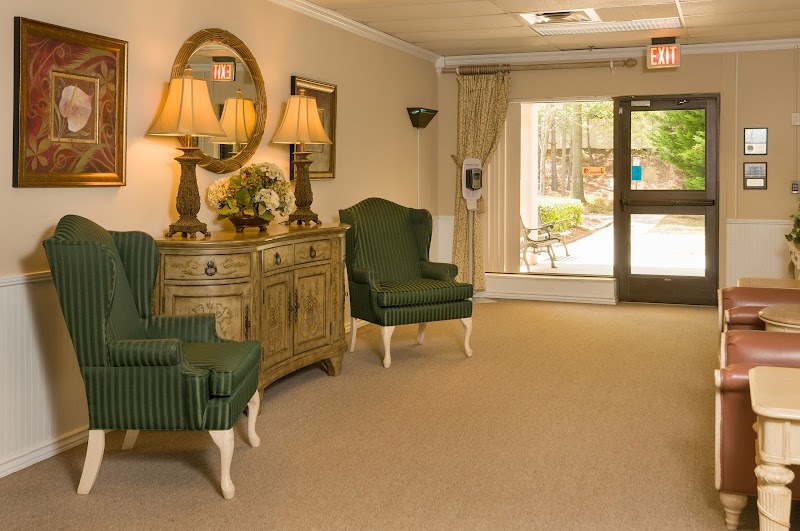
LIFE CARE CENTER OF GWINNETT is owned by a for-profit company. For-profit facilities operate as businesses with obligations to shareholders or private owners. The facility is operated by LIFE CARE CENTERS OF AMERICA, a chain that manages multiple nursing homes. With 163 certified beds and approximately 87 residents (about 53% occupancy), it is a mid-sized facility located in LAWRENCEVILLE, Georgia.

How Does Life Of Gwinnett Compare to Other Georgia Nursing Homes?

Compared to the 100 nursing homes in Georgia, LIFE CARE CENTER OF GWINNETT's overall rating (5 stars) is above the state average of 2.6, staff turnover (33%) is significantly lower than the state average of 46%, and health inspection rating (4 stars) is above the national benchmark.

What Should Families Ask When Visiting Life Of Gwinnett?

Based on this facility's data, families visiting should ask: "Can I visit during a mealtime to observe dining assistance and food quality?" "How do you handle medical emergencies, and what is your hospital transfer rate?" "Can I speak with family members of current residents about their experience?"

Is Life Of Gwinnett Safe?

Based on CMS inspection data, LIFE CARE CENTER OF GWINNETT has a clean safety record: no substantiated abuse findings (meaning no confirmed cases of resident harm), no Immediate Jeopardy citations (the most serious violation level indicating risk of serious injury or death), and is not on the Special Focus Facility watch list (a federal program monitoring the lowest-performing 1% of nursing homes). The facility has a 5-star overall rating and ranks #1 of 100 nursing homes in Georgia. While no facility is perfect, families should still ask about staff-to-resident ratios and recent inspection results during their visit.

Do Nurses at Life Of Gwinnett Stick Around?

LIFE CARE CENTER OF GWINNETT has a staff turnover rate of 33%, which is about average for Georgia nursing homes (state average: 46%). Moderate turnover is common in nursing homes, but families should still ask about staff tenure and how the facility maintains care continuity when employees leave.

Was Life Of Gwinnett Ever Fined?

LIFE CARE CENTER OF GWINNETT has no federal fines on record. CMS issues fines when nursing homes fail to meet care standards or don't correct problems found during inspections. The absence of fines suggests the facility has either maintained compliance or corrected any issues before penalties were assessed. This is a positive indicator, though families should still review recent inspection reports for the full picture.

Is Life Of Gwinnett on Any Federal Watch List?

LIFE CARE CENTER OF GWINNETT is not on any federal watch list. The most significant is the Special Focus Facility (SFF) program, which identifies the bottom 1% of nursing homes nationally based on persistent, serious quality problems. Not being on this list means the facility has avoided the pattern of deficiencies that triggers enhanced federal oversight. This is a positive indicator, though families should still review the facility's inspection history directly.