
CARLYLE PLACE

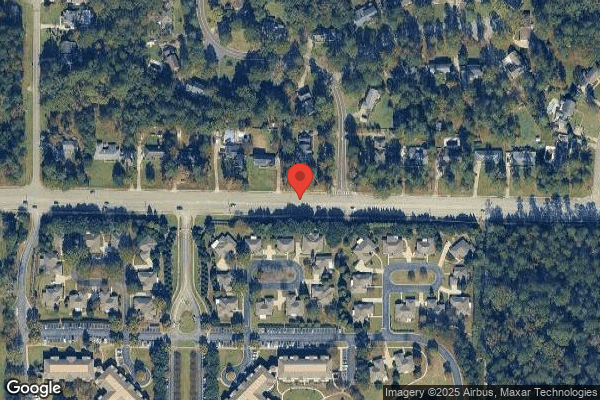
5300 ZEBULON ROAD, MACON, GA 31210 (478) 405-4500
Non profit - Corporation 40 Beds Independent Data: November 2025 5 Immediate Jeopardy citations
Trust Grade
0/100
#257 of 353 in GA
Last Inspection: August 2024

Within standard 12-15 month inspection cycle. Federal law requires annual inspections.

Overview

Carlyle Place in Macon, Georgia has received a Trust Grade of F, indicating significant concerns about the facility's overall care and operations. It ranks #257 out of 353 nursing homes in Georgia, placing it in the bottom half of facilities statewide, and #8 out of 11 in Bibb County, meaning there are only a few local options that are better. The situation at Carlyle Place is worsening, with the number of serious issues increasing from 5 in 2023 to 7 in 2024. While staffing is a strength with a rating of 4 out of 5 stars and a turnover rate of 44%, which is below the state average, there are concerning incidents such as failure to implement an effective abuse prevention program and a resident being confined to their bed for hours due to improper room setup, posing serious risks. Additionally, the facility has incurred $105,498 in fines, which is higher than 99% of Georgia nursing homes, signaling ongoing compliance problems.

Trust Score
F
0/100
In Georgia
#257/353
Bottom 28%
Safety Record
High Risk
Review needed
Inspections
Getting Worse
5 → 7 violations
Staff Stability
○ Average
44% turnover. Near Georgia's 48% average. Typical for the industry.
Penalties
⚠ Watch
$105,498 in fines. Higher than 84% of Georgia facilities, suggesting repeated compliance issues.
Skilled Nurses
○ Average
Each resident gets 37 minutes of Registered Nurse (RN) attention daily — about average for Georgia. RNs are the most trained staff who monitor for health changes.
Violations
⚠ Watch
12 deficiencies on record. Higher than average. Multiple issues found across inspections.
★☆☆☆☆
1.0
Overall Rating
★★★★☆
4.0
Staff Levels
★★★★☆
4.0
Care Quality
★☆☆☆☆
1.0
Inspection Score
Stable
2023: 5 issues
2024: 7 issues

The Good

  • 4-Star Staffing Rating · Above-average nurse staffing levels
  • 4-Star Quality Measures · Strong clinical quality outcomes
  • Full Sprinkler Coverage · Fire safety systems throughout facility
  • No fines on record
  • Staff turnover below average (44%)

    4 points below Georgia average of 48%

Facility shows strength in staffing levels, quality measures, fire safety.

The Bad

1-Star Overall Rating

Below Georgia average (2.6)

Significant quality concerns identified by CMS

Staff Turnover: 44%

Near Georgia avg (46%)

Typical for the industry

Federal Fines: $105,498

Well above median ($33,413)

Significant penalties indicating serious issues

The Ugly 12 deficiencies on record

5 life-threatening
Aug 2024 2 deficiencies
CONCERN (D)

Potential for Harm - no one hurt, but risky conditions existed

Respiratory Care (Tag F0695)

Could have caused harm · This affected 1 resident

**NOTE- TERMS IN BRACKETS HAVE BEEN EDITED TO PROTECT CONFIDENTIALITY** Based on observations, staff interviews, record review, and review of the facility's policy titled, Oxygen Concentrator-Work Ins...

Read full inspector narrative →
**NOTE- TERMS IN BRACKETS HAVE BEEN EDITED TO PROTECT CONFIDENTIALITY** Based on observations, staff interviews, record review, and review of the facility's policy titled, Oxygen Concentrator-Work Instruction-[Facility Name], the facility failed to ensure humidification was provided for one of six residents (R) (R11) receiving oxygen (O2) therapy. The deficient practice had the potential to place the resident at risk for medical complications, unmet needs and a diminished quality of life. Findings Include: Review of the facility's policy titled Oxygen Concentrator-Work Instruction-[Facility Name] dated 10/27/2023 under the section titled Purpose revealed, To establish responsibilities for the care and use of oxygen concentrators. Under the section titled Explanation and Compliance Guidelines revealed, 4. (e) Fill the humidifier container to the correct level with distilled water and attach to concentrator or use a disposable humidifier. 5.(c) Nurse responsibilities: (ii) Change humidifier bottle when empty, every seventy-two hours, or as recommended by the manufacturer. Review of R11's Profile Face Sheet revealed, diagnoses that included but not limited to chronic obstructive pulmonary disease (COPD), anemia, heart failure, unstable angina, and atherosclerotic heart disease. Review of R11's Physician's Order dated 4/29/2024 revealed, an order for oxygen at 2-5 LPM/NC (liters per minute/nasal cannula) continuously, check O2 sat (saturation) q (every) shift for diagnoses of COPD and emphysema. Review of R11's Quarterly Minimum Data Set, dated [DATE] for Section O (Special Treatments, Procedures, and Programs) revealed, R11 received oxygen while a resident. Observation on 8/23/2024 at 9:45 am and at 2:30 pm revealed, R11 receiving O2 at 2 LPM via NC from an O2 concentrator that did not have a humidifier container, or a disposable humidifier attached to it. Observation on 8/24/2024 at 8:29 am revealed R11 receiving O2 at 2 LPM via NC from an O2 concentrator that remained without a humidifier container or disposable humidifier. Observation and interview on 8/24/2024 at 9:05 am with Licensed Practical Nurse (LPN) AA confirmed R11 was receiving O2 at 2 LPM via NC from the O2 concentrator without a humidifier container or disposable humidifier. LPN AA acknowledged there should be a humidifier bottle attached to the concentrator with O2 delivery. LPN AA revealed that the nurses on night shift were responsible for making sure humidifier bottles were attached when they change out the O2 tubing. She reported all nurses were responsible for replacing it as needed. Interview on 8/24/2024 at 9:20 am with the Director of Nursing (DON) revealed her expectations of nurses were to follow policy procedures for O2 administration and make sure O2 concentrators have humidifier bottles attached with the delivery of O2.
CONCERN (F)

Potential for Harm - no one hurt, but risky conditions existed

Food Safety (Tag F0812)

Could have caused harm · This affected most or all residents

Based on observations, staff interviews, and review of facility policy titled, C-26 Marking Ready to Eat TCS/PHF Foods the facility failed to remove ice build-up on top of food items to prevent contam...

Read full inspector narrative →
Based on observations, staff interviews, and review of facility policy titled, C-26 Marking Ready to Eat TCS/PHF Foods the facility failed to remove ice build-up on top of food items to prevent contamination in the walk-in freezer; failed to ensure dietary staff label and date opened food items; and failed to ensure no wet nesting with stacks of steam table pans to prevent bacteria growth. The facility census was 32 residents, and all residents were consuming an oral diet. Findings include: 1. Observation on 8/23/2024 at 8:40 am of the walk-in freezer revealed the fan housing to the air condenser was covered with a layer of ice and frost. Icicles were formed on the pipes at the back of the air condenser. Continued observation revealed a case of frozen peaches on the food storage shelf under the right side of the air condenser. The top of the peaches had a layer of ice as well as a mound ice that was three inches in height and three inches in diameter. Further observation revealed a white plastic type pan covered with clear plastic labeled diced mango to the left of the case of peaches. The entire white plastic pan was covered with frost and ice. The top of the diced mango was a mound of ice that was two inches in height and one inch in diameter. During an interview on 8/23/2024 at 8:40 am the Dining General Manager (DGM) confirmed that there was ice on the top of the case of peaches as well as ice/frost on the white pan of diced mango. The DGM revealed that maintenance has been notified by work order that air condenser in the walk-in freezer has ice build-up. The DGM revealed that dietary staff should not have been storing food items directly under the air condenser due to the ice. Observation on 8/25/2024 at 8:05 am of the walk-in freezer revealed the fan housing to the ice condenser continued to be covered by ice/frost. Continued observation revealed a large pan had been placed directly under the air condenser towards the right side. To the left side of this large pan was a case of frozen tart cherries and the sides and top of the case were covered with ice. A mound of ice one inch in height and two inches in diameter was noted on the case of cherries. During an interview on 8/25/2024 at 8:05 am the Healthcare Dining Manager (HDM) confirmed that there was ice on the case of tart cherries. The HDM revealed that dietary staff should have placed additional pans under the entire air condenser to prevent ice from forming on the cases of food. The HDM also revealed that dietary staff should have removed food items directly under the air condenser. 2. Review of the facility policy titled C-26 Marking Ready to Eat TCS/PHF Foods revealed: Refrigerated, ready to eat TCS/PHF (Time/Temperature Control for Safety/Potentially Hazardous Foods) food prepared and packaged by a food processing plant shall be clearly marked at the time the original container is opened. Observation on 8/23/2024 at 8:45 am of the dry storage area revealed the following food items had been opened and stored with no open date. penne pasta spaghetti noodles rainbow pasta Macaroni pasta gallon container of teriyaki sauce gallon container of soy sauce gallon container of hot sauce gallon container of salsa gallon container of apple cider vinegar 24-ounce glass jar of dijon mustard During an interview on 8/23/3024 at 8:45 am the HDM confirmed that the opened food items identified in the dry storage area did not have an open date. The HDM revealed that dietary staff are expected to label, and date opened food items prior to placing on storage shelf in the dry storage area. Observation on 8/23/2024 at 8:50 am of the two-door reach-in refrigerator located in the corner of the kitchen revealed the following food items had been opened and being stored with no open date. sliced ham wrapped in plastic wrap gallon container of blue cheese salad dressing gallon container of honey mustard salad dressing gallon container of ranch salad dressing gallon container of 1000 salad gallon container of Greek vinaigrette gallon container of balsamic Vinaigrette 24-ounce glass jar of Dijon mustard During an interview on 8/23/2024 at 8:50 am the HDM and DGM both confirmed that the food items identified in the reach-in refrigerator did not have open date. The HDM revealed that dietary staff should be using either a sticker type label to date opened items or to mark directly on the container with a marker. Observation on 8/23/2024 at 8:55 am of the storage shelf under the food preparation table in the dessert area of the kitchen revealed an 11-pound plastic container of chocolate fudge icing and an 11-pound plastic container of vanilla crème icing. Both icing containers had been opened and stored with no open date. During an interview on 8/23/2024 at 8:55 am, the DGM confirmed that both icing containers had been opened and had no open date. The DGM revealed that all dietary staff need to date food items after opening. Observation on 8/25/2024 at 8:15 am of the shelf under the food preparation table revealed that the plastic containers of chocolate fudge icing and vanilla crème icing continue to not be dated after opening. During an interview on 8/25/3034 at 8:15 am the HDM confirmed that both icing containers did not have an open date and expects dietary staff to place open date before storing on shelf. 3. Observation on 8/23/2024 at 9:10 am of the pot and pan storage rack revealed multiple stacks of steam table pan of various sizes. A stack of four small square pans was pulled apart and the inside of the top two pans had moisture. Continued observation revealed a stack of five medium sized square steam table pans were pulled apart and the inside of the top three pans had moisture. Further observation of a stack of large rectangle steam table pans revealed the top two pans were pulled apart and the inside had moisture. During an interview on 8/23/2024 at 9:10 am the DGM and HDM both confirmed that the steam table pan pulled apart from the stacks all had moisture inside. The HDM revealed that dietary staff are expected to air dry pans completely before stacking and storing. During an interview on 8/23/2024 at 2:15 pm the HDM revealed that the facility does not have a policy regarding air drying pot/pans before stacking and storage. The HDM revealed that dietary staff are expected to follow manufacturer's recommendations which indicates to air dry dishware before storing.
Apr 2024 5 deficiencies 5 IJ (2 affecting multiple)
CRITICAL (J) 📢 Someone Reported This

A family member, employee, or ombudsman was alarmed enough to file a formal complaint

Immediate Jeopardy (IJ) - the most serious Medicare violation

Deficiency F0603 (Tag F0603)

Someone could have died · This affected 1 resident

**NOTE- TERMS IN BRACKETS HAVE BEEN EDITED TO PROTECT CONFIDENTIALITY** Based on staff interviews, record review, and review of the facility policy titled Freedom of Abuse, Neglect, and Exploitation; ...

Read full inspector narrative →
**NOTE- TERMS IN BRACKETS HAVE BEEN EDITED TO PROTECT CONFIDENTIALITY** Based on staff interviews, record review, and review of the facility policy titled Freedom of Abuse, Neglect, and Exploitation; Abuse Prevention - Work Instruction, the facility failed to ensure that one resident (R) (R4) was free from involuntary seclusion when one side of his bed was pushed against the wall, and the other side of the bed was barricaded with a mattress lying horizontally on chairs. The mattress and wall blocked R4's view of his room, and he could not get out of his bed from approximately 10:30 pm on [DATE] until [DATE] at 7:30 am when a nurse discovered R4. The facility census was 32. On [DATE], a determination was made that a situation in which the facility's noncompliance with one or more requirements of participation had the likelihood to cause serious injury, harm, impairment, or death to residents. Facility Administrator AA, Director of Nursing (DON), and Hospital Director were informed of the Immediate Jeopardy (IJ) on [DATE] at 11:30 am. The noncompliance related to the Immediate Jeopardy was identified to have existed on [DATE]. At the time of exit on [DATE], an acceptable Immediate Jeopardy Removal Plan had not been received therefore the Immediate Jeopardy remained ongoing. Findings include: Record review of the facility policy titled Abuse Neglect and Exploitation - Work Instruction, revised on [DATE], revealed the purpose 1.0: to provide protections for the health, welfare and rights of each resident by developing and implementing written policies and procedures that prohibit and prevent abuse, neglect, exploitation and misappropriation of resident property. 3.0 Abuse means willful infliction of injury, unreasonable confinement or punishment resulting in mental anguish. Involuntary Seclusion refers to the separation of Resident from other residents or from his/her room or confinement to his/her room against the Resident's will or the will of the legal representative. Record review of the Electronic Medical Record (EMR) revealed R4 was admitted to the facility on [DATE] with diagnoses that included cognitive communication deficit, psychophysiological insomnia, dementia, and right femur fracture. Record review of the most recent admission Minimum Data Set (MDS) assessment for R4, dated [DATE], revealed a Brief Interview for Mental Status (BIMS) score of 4, indicating moderate cognitive impairment. Maximal assistance with toileting, walking not attempted, and no assistive devices. Two falls since admission. R4 expired in the facility on [DATE] due to comorbidities not associated with this seclusion. A review of a facility document titled Memo of Understanding, dated [DATE] and signed by Licensed Practical Nurse (LPN) QQ, revealed the previous Administrator BB documented the following, LPN QQ understands the protocol on physical restraints and the utilization of other interventions for fall prevention. During an interview on [DATE] at 12:10 pm, LPN QQ revealed that R4 had dementia and she had worked with him on multiple occasions. LPN QQ stated R4 had recurrent falls, and she wanted to keep him safe. LPN QQ revealed on [DATE], she worked the evening shift (7:00 pm to 7:00 am). She stated at approximately 9:30 pm, R4 was seated in a geriatric chair, and she wanted to lay the resident in his bed. She stated that R4 was uncooperative, and she asked for assistance from a Certified Nursing Assistant (CNA) and put R4 in bed. LPN QQ further revealed that R4 refused to stay in bed and repeatedly tried to get out of bed. At approximately 10:30 pm, LPN QQ stated she took a single mattress and barricaded the resident from getting out of bed. LPN QQ further stated she placed a single mattress perpendicularly against R4's bed, blocked the resident from getting out of bed, and had the other side of the bed pushed against the wall. LPN QQ stated that R4 continued to knock the mattress down and she took a chair or two and supported the mattress from falling. LPN QQ stated she was unable to recall how many chairs in total she used to support the mattress from falling. LPN QQ further revealed she wanted R4 to stay in bed and believed R4 was not restrained. LPN QQ stated she had tried multiple times to keep R4 in bed, but R4 consistently failed to follow her orders and continued to knock the mattress down multiple times. LPN QQ stated R4 was a large, combative man, and she had to barricade him to make him stay in bed. LPN QQ demonstrated and drew a diagram showing how she barricaded R4 in his room. During an interview on [DATE] at 1:33 pm, Registered Nurse (RN) OO revealed she was a weekend supervisor and was familiar with R4. RN OO stated R4 was a high fall risk and had hip surgery and an open wound. RN OO stated she recalled that on [DATE], she came in that morning and observed staff had used a mattress and blocked R4 from getting out of bed. RN OO observed a mattress placed perpendicular and leaned against R4's bed and the other side of the bed against the wall. RN OO stated she felt like that was not the correct intervention, so she removed the mattress and laid it down on the floor. RN OO further revealed she could not recall the number of chairs that were used to support the mattress from falling and stated the mattress blocked R4's view of his surroundings from the bed. RN OO stated she reported the findings to Administrator BB. During an interview on [DATE] at 1:56 pm, LPN PP revealed R4 liked to sit in a geriatric chair but would try and get out of the geriatric chair without help, and he could not ambulate without assistance. LPN PP stated that R4 was confused but not combative and was able to follow directions. During an interview on [DATE] at 11:05 am, the DON revealed that the previous Administrator BB had informed her that LPN QQ had barricaded R4 in his room. According to the DON, the incident occurred while she was on leave. The DON stated Administrator BB addressed the incident internally with a verbal warning and LPN QQ continued providing care to residents, including R4. During an interview on [DATE] at 11:30 am, Administrator BB revealed on [DATE], he was the Administrator on record. Administrator BB stated that on [DATE], RN OO reported that she discovered R4 barricaded with a mattress and chairs in his room. RN OO stated that R4 was unable to get out of bed. Administrator BB further revealed that LPN QQ should never have used a mattress to barricade R4 in his bed. Administrator BB stated that it was considered a restraint and that the use of restraints and involuntary seclusion was against facility policy and not permitted. Administrator BB confirmed staff were not in-serviced, LPN QQ was given a warning, and there was no further investigation. During an interview on [DATE] at 5:34 pm, the Medical Director (MD) revealed he was not made aware that R4 was restrained involuntarily on [DATE]. The MD stated he would have expected staff to report the incident to the State Agency. The MD further revealed that involuntary seclusion was not permitted and was against facility policy. During an interview on [DATE] at 2:17 pm, R4's Resident Representative (RR) revealed she was unaware R4 was barricaded in bed on [DATE]. The RR stated she would have preferred to be notified of the incident. During an interview on [DATE] at 2:57 pm, Administrator AA revealed he was the Executive Director in [DATE] and in charge of the entire facility. He stated that on [DATE], Administrator BB reported to him that LPN QQ had involuntarily restrained R4 in his room. During an interview with the Rehabilitation Director (RD) on [DATE] at 1:01 pm, she revealed that R4 participated in rehabilitation services. The RD stated that R4 was not combative but rather inquisitive. The RD revealed that R4 liked to be up in a geriatric chair most of the day. During an interview on [DATE] at 10:45 am, CNA CCC revealed that on [DATE], she worked the night shift with LPN QQ. CNA CCC stated that R4 was very confused, and LPN QQ wanted R4 to stay in his bed. CNA CCC further revealed on [DATE] that there was not enough staff to offer one-on-one care to sit in R4's room, and LPN QQ made the wrong decision and barricaded R4 in bed all night. She stated LPN QQ overstepped her boundaries and thought she was helping CNAs.
CRITICAL (J) 📢 Someone Reported This

A family member, employee, or ombudsman was alarmed enough to file a formal complaint

Immediate Jeopardy (IJ) - the most serious Medicare violation

Report Alleged Abuse (Tag F0609)

Someone could have died · This affected 1 resident

Based on staff interviews, record review, and review of the policy titled Freedom of Abuse, Neglect and Exploitation; Abuse Prevention - Work Instruction, the facility failed to protect the resident's...

Read full inspector narrative →
Based on staff interviews, record review, and review of the policy titled Freedom of Abuse, Neglect and Exploitation; Abuse Prevention - Work Instruction, the facility failed to protect the resident's right to be free from physical abuse by staff by failing to report an allegation of abuse in a timely manner to the State Agency (SA) for one of three residents (R)(R4) reviewed for abuse. On 4/16/2024, a determination was made that a situation in which the facility's noncompliance with one or more requirements of participation had the likelihood to cause serious injury, harm, impairment, or death to residents. Facility Administrator AA, Director of Nursing (DON), and Hospital Director (HD) were informed of the Immediate Jeopardy (IJ) on 4/16/2024 at 11:30 am. The noncompliance related to the Immediate Jeopardy was identified to have existed on 10/27/2023. At the time of exit on 4/19/2024, an acceptable Immediate Jeopardy Removal Plan had not been received therefore the Immediate Jeopardy remained ongoing. Findings include: Record review of the facility policy titled Abuse Neglect and Exploitation - Work Instruction, last revised on 10/24/2023, revealed the facility will have written procedures that include: 1. Reporting of all alleged violations to the Administrator, state agency, adult protective services and to all other required agencies (e.g., law enforcement when applicable) within specified timeframes: A. Immediately, but not later than 2 hours after the allegation is made, if the events that cause the allegation involve abuse or result in serious bodily injury, or B. Not later than 24 hours if the events that cause the allegation do not involve abuse and do not result in serious bodily injury. 2. Assuring that reporters are free from retaliation or reprisal; 3. Reporting to the state nurse aide registry or licensing authorities any knowledge it has of any actions by a court of law which would indicate an employee is unfit for service. Record review of the most recent admission Minimum Data Set (MDS) Assessment for R4, dated 11/06/2024, revealed a Brief Interview for Mental Status (BIMS) score of 4, indicating moderate cognitive impairment. During an interview on 4/10/2024 at 1:33 pm with Registered Nurse (RN) OO revealed on 10/28/2023 at approximately 8:00 am, after observing that a mattress was perpendicularly placed and leaned against R4's bed and held up by chairs, she removed the chairs and laid the mattress down. RN OO stated it was against facility policy to barricade and restrain residents from movement. RN OO stated that R4 was involuntarily restrained, and she reported the incident to the abuse Coordinator, Administrator BB. During an interview on 4/11/2024 at 11:05 am with Director of Nursing (DON) revealed that the previous Administrator BB informed her that Licensed Practical Nurse (LPN) QQ had barricaded R4 in his room. The DON stated that Administrator BB said he addressed the incident internally, but that Administrator BB should have reported it to the SA. During an interview on 4/12/2024 at 11:30 am, with Administrator BB revealed on 10/27/2023, he was the Administrator on record. He stated on 10/28/2023; RN OO reported to him that she discovered R4 barricaded with a mattress and chairs in his room. RN OO stated that R4 was unable to get out of bed. Administrator BB revealed that he did not notify the Medical Director (MD) regarding the incident, and he did not report the incident to the SA. During an interview on 4/17/2024 at 2:57 pm, with Administrator AA revealed he was the Executive Director in October 2023 and in charge of the entire facility. On 10/28/2023, Administrator BB reported to him that LPN QQ had involuntarily restrained R4 in his room. Administrator AA confirmed the incident was not reported to the SA and that Administrator BB told him he had addressed the situation. Administrator AA stated the proper channels of reporting to the SA were not followed.
CRITICAL (J) 📢 Someone Reported This

A family member, employee, or ombudsman was alarmed enough to file a formal complaint

Immediate Jeopardy (IJ) - the most serious Medicare violation

Investigate Abuse (Tag F0610)

Someone could have died · This affected 1 resident

Based on staff interviews, record review, and a review of the facility's policy titled Freedom of Abuse, Neglect and Exploitation; Abuse Prevention - Work Instruction, the facility failed to investiga...

Read full inspector narrative →
Based on staff interviews, record review, and a review of the facility's policy titled Freedom of Abuse, Neglect and Exploitation; Abuse Prevention - Work Instruction, the facility failed to investigate, correct, and prevent allegations of abuse by staff for one of three residents (R) (R4) reviewed for involuntary seclusion. Specifically, when staff used a mattress and chairs to barricade R4 in his bed for more than eight hours. On 4/16/2024, a determination was made that a situation in which the facility's noncompliance with one or more requirements of participation had the likelihood to cause serious injury, harm, impairment, or death to residents. Facility Administrator AA, Director of Nursing (DON), and Hospital Director, were informed of the Immediate Jeopardy (IJ) on 4/16/2024 at 11:30 am. The noncompliance related to the Immediate Jeopardy was identified to have existed on 10/27/2023. At the time of exit on 4/19/2024, an acceptable Immediate Jeopardy Removal Plan had not been received therefore the Immediate Jeopardy remained ongoing. Findings include: Record review of the facility policy titled Abuse Neglect and Exploitation - Work Instruction, revised on 10/24/2023 and effective on 10/17/2023, documented that the facility will develop and implement written policies and procedures to investigate abuse, neglect and exploitation of residents and misappropriation of resident's property. 4. Taking all necessary actions as a result if the investigation, which may include, but are not limited to, the following: a. Analyzing the occurrence(s) to determine why abuse, neglect, misappropriation of resident property or exploitation occurred, and what changes are needed to prevent further occurrences; b. Defining how care provision will be changed and/or improved to protect residents receiving services; c. Training of staff on changes made and demonstration of staff competency after training is implemented; d. Identification of staff responsible for implementation of corrective actions; e. The expected date for implementation; and f. Identification of staff responsible for monitoring the implementation of the plan. B. The Administrator will follow up with government agencies, during business hours, to confirm the initial report was received, and to report the results of the investigation when final within five working days of the incident, as required by state agencies. Record review of a facility document titled Memo of Understanding, dated 10/30/2023 and signed by Licensed Practical Nurse (LPN) QQ, showed Administrator BB documented the following: Physical Restraints are any manual or physical device, material, or equipment attached or adjacent to the resident's body that the individual cannot remove easily which restricts freedom or normal access to one's body. Each resident has the right to be free from actual or threatened physical or chemical restraints. Physical Restraints are prohibited unless indicated by the Physician with the proper documentation, care planning, assessments, and physician order. By signing below, LPN QQ understands the protocol on physical restraints and the utilization of other interventions for fall prevention. During an interview on 4/11/2024 at 11:05 am with the DON, she revealed that the previous Administrator BB informed her LPN QQ had barricaded R4 in his room. According to the DON, the incident occurred while she was on leave. The DON stated Administrator BB addressed the incident internally with a verbal warning, and LPN QQ continued providing care to residents, including R4. During an interview on 4/10/2024 at 12:10 pm, LPN QQ revealed that she was spoken to by the Administrator a few days after the incident with R4 related to a verbal warning. LPN QQ further revealed she continued working after the warning and confirmed she did take care of R4 after 10/27/2023. During an interview on 4/12/2024 at 11:30 am, Administrator BB revealed on 10/27/2023, he was the Administrator on record. Administrator BB stated that on 10/28/2023, RN OO reported that she discovered R4 barricaded with a mattress and chairs against his bed and the other side of the bed against the wall. RN OO stated that R4 was unable to get out of bed, and the mattress blocked his view of his surroundings. Administrator BB stated LPN QQ should never have used a mattress to barricade R4 in his bed. Administrator BB stated that it was considered a restraint and that the use of restraints and involuntary seclusion was against facility policy and not permitted. Administrator BB confirmed staff were not in-serviced, LPN QQ was given a warning, and there was no further investigation. Administrator BB further revealed a complete investigation should have been conducted. During an interview on 4/17/2024 at 2:57 pm, Administrator AA revealed he was the Executive Director in October 2023 and in charge of the entire facility. He stated that on 10/28/2023, Administrator BB reported to him that LPN QQ had involuntarily restrained R4 in his room. Administrator AA stated that the incident was not investigated further and that the proper channels of investigation were not followed.
CRITICAL (K) 📢 Someone Reported This

A family member, employee, or ombudsman was alarmed enough to file a formal complaint

Immediate Jeopardy (IJ) - the most serious Medicare violation

Administration (Tag F0835)

Someone could have died · This affected multiple residents

Based on interviews, record reviews, and review of the job summaries for the Administrator and Director of Nursing (DON), the facility Administration failed to effectively oversee an abuse prevention ...

Read full inspector narrative →
Based on interviews, record reviews, and review of the job summaries for the Administrator and Director of Nursing (DON), the facility Administration failed to effectively oversee an abuse prevention program to promote, foster, and maintain an abuse-free environment. The facility census was 32. On 4/16/2024, a determination was made that a situation in which the facility's noncompliance with one or more requirements of participation had the likelihood to cause serious injury, harm, impairment, or death to residents. Facility Administrator AA, Director of Nursing (DON), and Hospital Director were informed of the Immediate Jeopardy (IJ) on 4/16/2024 at 11:30 am. The noncompliance related to the Immediate Jeopardy was identified to have existed on 10/27/2023. At the time of exit on 4/19/2024, an acceptable Immediate Jeopardy Removal Plan had not been received therefore the Immediate Jeopardy remained ongoing. Findings include: Review of job summary for the Administrator revealed, is responsible for directing the day- to- day functions of the Health Centers in accordance with current federal, state, and local standards, guidelines, and regulations that govern nursing and personal care facilities. Is appointed by the governing board as Administrator of Record of the skilled nursing area per state and federal regulations. The description included job duties and responsibilities for the categories: strategic direction, results accountability, process improvement, interpersonal communication, leadership skills, safety, corporate and regulatory compliance, and operation improvement. Experience: Five years of healthcare experience in a skilled nursing center, including demonstrated management experience. Knowledge of healthcare regulatory standards, fraud, and abuse laws and state regulations is required. Review of job summary for Director of Nursing revealed, plan, organize, develop, and direct the overall operation of the skilled nursing department as well as all clinical staff in other nursing areas in accordance with current federal, state, and local standards, guidelines, and regulations that govern the facility, and as may be directed, by the Director of Health Services, and the Medical Director. Collaborates with other disciplines and departments in providing a continuum of care to residents, assisting in budget and financial planning and control, establishes and monitors nursing standards and nursing plan for provision of care and services, nursing performance review, and quality assurance. The description included job duties and responsibilities for the categories: strategic direction, results accountability, process improvement, interpersonal communication, leadership skills, safety, corporate and regulatory compliance, and operation improvement. 1. Administration failed to ensure that one resident (R) (R4) was free from involuntary seclusion when one side of his bed was pushed against the wall, and the other side of the bed was barricaded with a mattress lying perpendicular against the side of the bed and supported by chairs. The mattress and wall blocked R4's view of his room, and he could not get out of his bed from approximately 10:30 pm on 10/27/2023 until 7:30 am on 10/28/2023 when a nurse discovered R4. Cross-reference: F603 2. The Administration failed to protect the resident's right to be free from physical abuse by staff by failing to report an allegation of abuse in a timely manner to the State Agency (SA) for one of three residents (R)(R4) reviewed for abuse. Cross-reference: F609 3. Administration failed to investigate, correct, and prevent allegations of abuse by staff for one of three residents (R) (R4) reviewed for involuntary seclusion. Specifically, when staff used a mattress and chairs to barricade R4 in his bed for more than eight hours. Cross-reference: F610 4. Administration failed to identify concerns and effectively implement Quality Assurance Process Improvement (QAPI) plans related to the abuse prevention system, including staff to resident abuse allegations and implementing all components of the abuse policies. Cross-reference: F867 During an interview on 4/11/2024 at 11:05 am, with DON revealed that Administrator BB (the previous Administrator) informed her that Licensed Practical Nurse (LPN) QQ had barricaded R4 in his room. The DON stated the incident occurred while she was on leave. The DON stated that Administrator BB stated he had addressed the incident internally. The incident was not reported to the SA. The DON further revealed that no facility-wide in-service was conducted, LPN QQ was not suspended or dismissed from employment while an investigation occurred, and LPN QQ continued providing care to residents, including R4. During an interview on 4/12/2024 at 11:30 am, with Administrator BB it was revealed that on 10/27/2023, he was the Administrator on record. Administrator BB stated that on 10/28/2023, Registered Nurse (RN) OO reported that she discovered R4 barricaded with a mattress and chairs against his bed, and the other side of the bed was pushed against the wall. RN OO expressed that R4 was unable to get out of bed and was unable to view his surroundings. Administrator BB stated LPN QQ should never have used a mattress to barricade R4 in his bed. Administrator BB confirmed staff were not in-serviced, LPN QQ was given a warning, and there was no further investigation. Administrator BB stated he did not notify the Medical Director (MD) regarding the incident and did not report it to the SA. Administrator BB acknowledged a complete investigation should have been conducted. During an interview on 4/15/2024 at 5:34 pm, with MD revealed he was not made aware R4 was restrained involuntarily on 10/27/2023. The MD stated he would have expected staff to report the incident to the SA and that involuntary seclusion was not permitted and was against facility policy. The MD was a member of the QAPI committee and stated the incident was never discussed by the QAPI committee. During an interview on 4/17/2024 at 2:57 pm, with Administrator AA it was revealed that he was the Executive Director in October 2023 and in charge of the entire facility. He acknowledged on 10/28/2023, Administrator BB reported to him that LPN QQ had involuntarily restrained R4 in his room. He further stated that the incident was not reported to the SA or investigated further. Administrator AA stated he believed proper channels of investigating and reporting to the SA were not followed, and the incident was not addressed in the QAPI meeting.
CRITICAL (K) 📢 Someone Reported This

A family member, employee, or ombudsman was alarmed enough to file a formal complaint

Immediate Jeopardy (IJ) - the most serious Medicare violation

QAPI Program (Tag F0867)

Someone could have died · This affected multiple residents

Based on staff interviews, record review, and a review of the facility's policy titled QAPI Change Process- Work Instruction, the facility failed to identify concerns and effectively implement Quality...

Read full inspector narrative →
Based on staff interviews, record review, and a review of the facility's policy titled QAPI Change Process- Work Instruction, the facility failed to identify concerns and effectively implement Quality Assurance Process Improvement (QAPI) plans related to abuse prevention system, including staff to resident abuse allegations and implementing all components of the abuse policies. The facility census was 32. On 4/16/2024 a determination was made that a situation in which the facility's noncompliance with one or more requirements of participation had the likelihood to cause serious injury, harm, impairment, or death to residents. Facility Administrator AA, Director of Nursing (DON), and Hospital Director were informed of the Immediate Jeopardy (IJ) on 4/16/2024 at 11:30 am. The noncompliance related to the Immediate Jeopardy was identified to have existed on 10/27/2023. At the time of exit on 4/19/2024, an acceptable Immediate Jeopardy Removal Plan had not been received therefore the Immediate Jeopardy remained ongoing. Findings include: Record review of the facility policy titled QAPI Change Process- Work Instruction, revised date 10/24/2023 revealed the purpose: 1.0 The facility has established and utilizes a systematic approach to performance improvement activities to ensure changes are effective and improvements are sustained. c. Once a potential problem is identified, the committee utilizes a systematic approach (e.g. Five Whys, flowcharting, fishbone diagram, Failure Mode and Effect Analysis, etc.) (specify one or more methods) to help identify the root cause of the problem. d. As corrective actions are taken, the committee continues to collect and analyze data to determine the effectiveness of any changes. 4. Corrective action - a. Once the root cause of a problem is identified, the QAA committee oversees the development of an appropriate corrective action. An appropriate corrective action is one that addresses the underlying cause of the issue comprehensively, at the systems level. b. Corrective action plans include: i. A definition of the problem -which includes determining contributing causes of the problem; ii. Measurable goals; iii. Step-by-step interventions to correct the problem and achieve established goals; and iv. A description of how the QAA committee will monitor to ensure changes yield the expected results. Record review of a facility document Memo of Understanding, dated 10/30/2023 and signed by Licensed Practical Nurse (LPN) QQ, showed Administrator BB (the previous Administrator) documented the following: Physical restraints are any manual or physical device, material, or equipment attached or adjacent to the resident's body that the individual cannot remove easily, which restricts freedom or normal access to one's body. Each resident has the right to be free from actual or threatened physical or chemical restraints. Physical restraints are prohibited unless indicated by the physician with the proper documentation, care planning, assessments, and physician order. A discussion was held with you on the use of a fall mat for a fall intervention that may have been considered a restraint. Fall mats are to be used on the floor at the bedside. Other interventions such as assisting the resident to the nursing station or providing resident with an activity are acceptable. The memo concluded that by signing below, LPN QQ understood the protocol on physical restraints and the utilization of other interventions for fall prevention, signed by the Administrator BB and LPN QQ. Administration failed to ensure concerns were identified and QAPI plans implemented, in a timely manner related to the abuse prevention system, including staff to resident abuse allegations, and implementing all components of the abuse polices. As part of the QAPI committee, facility administration failed to identify areas of concern for resident abuse, in a timely manner, and effectively implement interventions to prevent recurrence. A review of facility QAPI documentation revealed that the QAPI committee met quarterly on 10/10/2023, 1/9/2024, and 4/9/2024. There was no evidence in these meetings that identified the abuse allegation concern or the abuse prevention program implementation review prior to start of survey. Record review of the facility letter dated 4/18/2024 and titled Teammate Memorandum for Record, Administrator AA documented in a letter addressed to LPN QQ, on 10/27/2023 LPN QQ placed a mattress on the edge of the bed, resulting in R4 being secluded and restrained. LPN QQ's actions violated safe practices and danger to the life of self or others. As a result, the violation was considered serious in nature and resulted in termination on 4/18/2024. During an interview on 4/12/2024 at 11:30 am with Administrator BB (the previous Administrator) revealed on 10/27/2023 that the incident should have been brought to the QAPI committee and addressed for corrective action. Administrator BB stated that involuntary seclusion was considered a restraint, and the use of restraints and involuntary seclusion was against facility policy and was not permitted. During an interview on 4/15/2024 at 5:34 pm with Medical Director (MD) revealed he was not made aware R4 was restrained involuntarily on 10/27/2023. The MD revealed that he was a member of the QAPI committee and stated the incident was never discussed in the QAPI meeting. During an interview on 4/17/2024 at 10:15 am with Quality Analysis (QA) Registered Nurse (RN), revealed that she was not made aware LPN QQ had barricaded R4 in his room and the incident was not brought before the QAPI committee. The QA RN stated she would have expected the facility to report the incident immediately to the State Agency, investigate the incident, determine the root cause analysis, educate all staff, and provide corrective action as indicated in the facility QAPI policy. During an interview on 4/17/2024 at 12:37 pm, DON said she was a member of the QAPI committee, and the involuntary seclusion that occurred on 10/27/2023 had not been discussed with the QAPI committee, nor was the committee made aware of the incident.
Apr 2023 5 deficiencies
CONCERN (D)

Potential for Harm - no one hurt, but risky conditions existed

MDS Data Transmission (Tag F0640)

Could have caused harm · This affected 1 resident

Based on record review and staff interview the facility failed to ensure that a Discharge Minimum Data Set (MDS) assessment was transmitted within 31 days of completion to CMS (Center for Medicare and...

Read full inspector narrative →
Based on record review and staff interview the facility failed to ensure that a Discharge Minimum Data Set (MDS) assessment was transmitted within 31 days of completion to CMS (Center for Medicare and Medicaid Services) of Quality Improvement evaluation system (QIES) Assessment Submission and Processing (ASAP) for one of three discharged residents (R) (R#28). Findings Include: Record review for R#28 revealed that an admission Assessment reference date (ARD) of 12/7/2022 was the last MDS transmitted for the resident. The resident was discharged from the facility on 12/22/2022, there was no completed and transmitted discharge assessment noted. Review of the Resident Assessment Instrument (RAI) guidelines revealed that discharge was defined as the date the resident left the facility. The RAI guidelines stated that there were two required discharge assessments, discharge- return anticipated, and discharge return not anticipated. Further review of the (RAI) guidelines further reveals that the discharge assessment must be submitted within a maximum of 31 days from the discharge date . Interview on 4/29/2023 at 2:23 p.m. with MDS Coordinator confirmed that she did not transmit the discharge assessment for R#28 who was discharged to the community on 12/22/2022. Continued interview revealed that the discharge MDS for R#28 was incomplete and not transmitted due to the missing signature from a Registered Nurse.
CONCERN (D)

Potential for Harm - no one hurt, but risky conditions existed

Respiratory Care (Tag F0695)

Could have caused harm · This affected 1 resident

**NOTE- TERMS IN BRACKETS HAVE BEEN EDITED TO PROTECT CONFIDENTIALITY** Based on observations, staff interviews, record review, and a review of the facility's policy titled, AHNCP Oxygen Concentrator,...

Read full inspector narrative →
**NOTE- TERMS IN BRACKETS HAVE BEEN EDITED TO PROTECT CONFIDENTIALITY** Based on observations, staff interviews, record review, and a review of the facility's policy titled, AHNCP Oxygen Concentrator, Nebulizer Therapy and CPAP/BIPAP Cleaning the facility failed to ensure oxygen equipment was properly stored while not in use and failed to have a current physicians order for oxygen administration for 3 of 10 residents (R) (#33, #22, #23) receiving treatment for respiratory care. Findings include: Review of policy titled AHNCP Oxygen Administration revised 10/25/2022, Explanation and Compliance Guidelines: 2. revealed oxygen is administered under the orders of the attending physician, except in the case of an emergency. 4. Use of Concentrator: a. The nurse shall verify the physician's orders for the rate of flow and route of administration of oxygen (mask, nasal cannula, etc.). L. Keep delivery devices covered in plastic bag when not in use. Review of policy titled Nebulizer Therapy revised 4/14/2022, Policy Explanation and Compliance Guidelines: 16. Disassemble and rinse the nebulizer with sterile or distilled water and allow it to air dry. Care of the Equipment: 4. Rinse the nebulizer cup and mouthpiece with sterile or distilled water. 5. Shake off excess water. 6. Air dry on an absorbent towel. 7. Once completely dry, store the nebulizer cup and the mouthpiece in a zip lock bag. Review of policy titled CPAP/BiPAP Cleaning revised 1/9/2023, Policy Explanation and Compliance Guidelines: 2. Respiratory therapy equipment can become colonized with infectious organisms and serve as a source of respiratory infections. 5. If humidification is required, distilled or sterile water will be used to fill the humidified chamber. Empty the chamber completely after each use and wipe dry. 1. Review of the clinical record for R#33 revealed she was admitted to the facility with diagnoses including but not limited to chronic obstructive pulmonary disease (COPD), Asthma, Heart Failure unspecified with Hypoxia or Hypercapnia Record review of the baseline care plan for R#33 revealed that the resident is on oxygen therapy with an approach to provide Oxygen and nebs (nebulizers) per MD (Medical Director) orders. Record review of the April 2023 Physician orders for R#33 revealed an order dated 4/29/2023 for Oxygen two liters via nasal cannula (N/C) continuous and Levalbuterol Solution 1.25 mg (milligrams) inhale 3 milliliters (MLs) by nebulization twice daily. Record review of R#33's April 2023 Medication Administration Record (MAR) from 4/10/2023 through 4//28/2023 revealed there was not a physician's order for oxygen therapy. Observation on 4/28/2023 at 9:25 a.m., 4/29/2023 at 8:42 a.m., and 12:28 p.m. revealed the resident sitting in the recliner in her room with oxygen intact at 2 liters via nasal cannula. The nebulizer is on the bedside dresser with the mask not properly stored in a bag while not in use. 2. Record review of the clinical record for R#22 revealed the resident has a diagnosis including but not limited pleural effusion and heart failure. Record review of the care plan for R#22 revealed that the resident has a problem related to impaired self-care deficit regarding dressing, grooming, personal hygiene, and extensive assistance with ADL care due to CHF, and pleural effusions with an approach of Nebs treatment as ordered. Record review of the April 2023 Physician orders for R#22 revealed an order dated 4/29/2023 for Albuterol Inhalation solution 2.5 mg/3 ml. Inhale one vial into the lungs via nebulizer every six hours as needed for shortness of breath/wheezing. Order date12/5/2022. Observation on 4/28/2023 at 9:11 a.m., 4/29/2023 at 8:23 a.m., and 12:39 p.m. revealed R#22 sitting in the wheelchair. The nebulizer machine is on the windowsill with the mask not properly stored in a bag while not in use. 3. Review of the clinical record for R#23 revealed she was admitted to the facility on [DATE] with diagnoses including but not limited to Sleep Apnea. Record review of the care plan for R#23 revealed that the resident uses a CPAP at night, resident prefers that the CPAP be put on right before she is ready to go to sleep. Goal: Resident will not have any complications with CPAP, resident will express breathing more easily with CPAP. Observation on 4/28/2023 at 8:30 a.m., 4/29/23 at 8:31 a.m., and 12:36 p.m. revealed R#23 lying in bed. The CPAP is on the dresser not in use. The CPAP reservoir has water and condensation while not in use. The reservoir was not emptied and allowed to air dry after use. Interview on 4/29/2023 at 12:41 p.m. with RN Supervisor revealed that respiratory supplies are supposed to be bagged when not in use and she believes the CPAP reservoir should be emptied after each use. She further stated that all staff is responsible for ensuring that this is done. Interview on 4/29/2023 at 12:56 p.m. with Certified Nursing Assistant (CNA) DD revealed that she has worked at the facility for seven months. CNA DD stated that if the respiratory tubing touches the floor, it should be thrown in the trash and replaced with a new one. She further revealed that it is everyone's responsibility to make sure that the tubing is put away in a plastic bag if the residents are not using it. Interview on 4/29/2023 at 1:01 p.m. with Licensed Practical Nurse (LPN) BB revealed that the respiratory tubing should be covered or placed in a plastic bag while not being used. LPN BB stated that the reservoir of the CPAP machines should be emptied after each use and allowed to air dry, and this is everyone's responsibility as they enter resident rooms to render care. She further stated that R#33 has used supplemental oxygen since admission to the facility and she was not aware that the resident did not have a physician's order for the medication. Interview on 4/29/23 at 1:19 p.m. with Director of Nursing (DON) revealed that she is not sure of the facility's policy on the storage of respiratory supplies and would like to review the policy before she makes a statement. She stated that she worked in August 2021, and she has asked the staff to store supplies in a zip-lock bag when not in use. The DON further revealed that any nurse that enters the room is responsible for ensuring that it is done. She stated that her expectation is that the nurses follow the policy as far as the CPAP is concerned, but she is not sure of their policy. The DON made walking rounds with the surveyor and confirmed that nebulizer masks for R#33 and R#22 were not properly stored. The DON also confirmed that R# 33 had been using oxygen without an order prior to 4/29/2023. DON observed and confirmed that the reservoir of the CPAP for R#23 had not been emptied after use. A follow up interview with DON on 2/29/2023 at 1:58 p.m. revealed that all residents receiving oxygen should have a Physician order. The DON confirmed that Infection Control Nurse (ICP) obtained an order for oxygen on R#33 on 4/29/2023, but the resident had used oxygen since admission. The DON further revealed that the nebulizer mask should be cleaned, dried, and stored in a plastic bag when not in use and the CPAP reservoir should be emptied after each use to reduce the risks of respiratory infections.
CONCERN (D)

Potential for Harm - no one hurt, but risky conditions existed

Medication Errors (Tag F0758)

Could have caused harm · This affected 1 resident

Based on staff interviews, record review, and review of the facility's policy titled, Medication Orders: Stop Orders, the facility failed to ensure a stop date was implemented, not to exceed 14 days f...

Read full inspector narrative →
Based on staff interviews, record review, and review of the facility's policy titled, Medication Orders: Stop Orders, the facility failed to ensure a stop date was implemented, not to exceed 14 days for antipsychotic medications, for one of six residents (R) (R#7) reviewed for unnecessary medications. Specifically, the facility failed to implement a stop date for two antipsychotic medications ordered as needed (PRN) for R#7, increasing the potential for adverse consequences. Findings include: A review of the facility's undated policy, Medication Orders-Stop Orders, revealed that all as needed (PRN) antipsychotics will automatically be stopped in 14 days. Record review of the electronic medical record (EMR) for R#7 revealed the resident had a diagnosis including but not limited to secondary parkinsonism, Alzheimer's Disease with late onset, psychophysiological insomnia. Record review of the Physician orders for R#7 on April 29, 2023, at 3:32 p.m. revealed a medical doctor's (MD) order for haloperidol 1 milligram (mg) by mouth every six hours as needed for behavior changes/nausea. The order had a start date of 4/7/2023, but the order had no stop date. Record review of the Medication Administration Record (MAR) for April 2023 revealed an MD order for lorazepam 1 mg by mouth/sublingually every four hours as needed for anxiety, restlessness, and shortness of breath. The order had a start date of 4/7/2023 and a discontinued date of 4/28/23. Further review revealed that staff administered R#7 Lorazepam 1 mg by mouth on 4/25/2023. Interview on 4/30/2023 at 9:26 a.m. with Licensed Practical Nurse (LPN) CC revealed that he is aware that PRN psychotropic medications are for 14 days. He further stated that R#7 is on Hospice services and Hospice is responsible for obtaining new orders for the resident's medications. LPN CC further revealed that the orders for the Haldol and lorazepam are current orders. Observation on 4/30/2023 at 9:30 a.m. of the medication care revealed resident had a blister pack containing six tabs of Haldol dispensed from the pharmacy on 4/7/2023. Also, there is a blister pack of lorazepam containing five tabs dispensed on 4/7/2023 and a blister pack containing 30 tabs dispensed on 4/28/2023. Interview on 4/30/2023 at 9:38 a.m. with RN Supervisor AA revealed that PRN psychotropic medications are renewed every two weeks. RN AA stated that the facility has a system with the MD and the pharmacy informs the staff at the facility why the medication needs to be continued or discontinued. Interview on 4/30/2023 at 9:41 a.m. with Director of Nursing (DON) revealed that PRN psychotropic medications she believes are ordered for 14 days. The DON further stated that the pharmacy recommendations are looked at by the Physician to evaluate whether the medications are to be continued or discontinued. She stated that if residents need to stay on the PRN medications, the medication cart nurse discusses it with the physician and should input a new order and document the reasoning for continuing the medication in a progress note. The DON confirmed that there is Haldol, and the original lorazepam order has been onboard for longer than 14 days without sufficient documentation regarding a rationale and duration for continued use of the medication. In addition, DON confirmed, that the new order input on 4/28/2023 for the lorazepam did not have supporting documentation for the new order. The DON stated that the pharmacy sometimes renews the orders in the system automatically when the orders end.
CONCERN (E)

Potential for Harm - no one hurt, but risky conditions existed

Comprehensive Care Plan (Tag F0656)

Could have caused harm · This affected multiple residents

**NOTE- TERMS IN BRACKETS HAVE BEEN EDITED TO PROTECT CONFIDENTIALITY** Based on record review and staff interviews the facility failed to ensure that a comprehensive plan of care was developed for tw...

Read full inspector narrative →
**NOTE- TERMS IN BRACKETS HAVE BEEN EDITED TO PROTECT CONFIDENTIALITY** Based on record review and staff interviews the facility failed to ensure that a comprehensive plan of care was developed for two of three residents (R) (R# 26 and R#86). Specifically, the facility failed to develop a plan of care for R#26 that addressed his Suprapubic Catheter care needs, the facility also failed to develop a plan of care that addressed the behavioral needs of R#86. Findings include: Record review for R#26 revealed resident was admitted to the facility with the diagnoses of Kidney Failure, Alzheimer's disease, Type 2 Diabetes, hyperlipidemia, abnormalities of gait, Dementia, Psychophysiological insomnia, slow Transit constipation, Benign prostatic hyperplasia with lower urinary tract symptom, retention of urine. Review of the Minimum Data Set (MDS) Quarterly assessment dated [DATE] Section C (Cognitive Patterns) revealed a Brief Interview for Mental Status (BIMS) score of three (3) indicating resident did have a cognitive impairment. Review of residents' plan of care did not address the care needs of the suprapubic catheter that was being utilized by R#26. Interview on 4/30/2023 at 11:35 a.m. with MDS Coordinator confirmed that a plan of care for R#26 suprapubic catheter was not initiated. Record review for R#86 revealed resident was admitted to the Skilled Unit on 4/4/2023 with diagnoses of Alzheimer's disease, major depressive disorder, hypothyroidism essential hypertension, age related physical debility. Review of Interdisciplinary notes revealed resident was exhibiting behaviors of hitting, kicking, spitting, biting, and scratching of staff during care and administering medications on 4/6/2023, 4/15/2023,4/16/2023, 4/21/2023, 4/22/2023, and 4/27/2023. Review of Care plan did not indicate that resident was exhibiting behavioral symptoms. Interview on 4/29/2023 at 2:20 p.m. with Registered Nurse (RN) Supervisor revealed that resident is often combative with staff and will refuse care at times. The staff must approach resident with caution and bring another staff member in when providing care. Further interview also revealed that resident is currently on medications for her aggressive behavior but there are still some episodes of refusing care and striking out at staff due to residents' dementia. Interview on 4/29/2023 at 3:30 p.m. with MDS Coordinator confirmed that R#86 did not have a plan of care that addressed her behavioral symptoms. During interview it was revealed that that R#86 was recently admitted to the skilled unit from the secured Dementia unit downstairs on 4/4/2023. Continued interview revealed that residents that have any behavioral concerns are discussed weekly and R#86 was not on the list of residents that was exhibiting behaviors and therefore residents' behaviors where not captured on the care plan and should have been. Continued interview also confirmed that there had been documentation by the Licensed nursing staff that indicated that resident was exhibiting aggressive behaviors towards the staff during care and medication administration starting after admission to the Skilled Unit. Interview on 4/30/2023 at 9:45 a.m. with Director of Nursing (DON) revealed that when a resident in the facility is having behaviors it is documented in the behavioral notes that are reviewed daily. If there are any concerns with residents that are having behaviors, they are discussed weekly with Interdisciplinary Team (IDT) weekly. Further interview also revealed that staff member could not recall rather R#86 was discussed during the IDT meeting that is conducted. Continued interview also revealed that her expectation is that any resident is exhibiting any behaviors that the care plan should be initiated.
CONCERN (F)

Potential for Harm - no one hurt, but risky conditions existed

Food Safety (Tag F0812)

Could have caused harm · This affected most or all residents

**NOTE- TERMS IN BRACKETS HAVE BEEN EDITED TO PROTECT CONFIDENTIALITY** Based on observations, staff interviews, and review of facility policies titled, Food Safety Product Labeling and Dating and Cle...

Read full inspector narrative →
**NOTE- TERMS IN BRACKETS HAVE BEEN EDITED TO PROTECT CONFIDENTIALITY** Based on observations, staff interviews, and review of facility policies titled, Food Safety Product Labeling and Dating and Cleaning and Sanitizing Frequency, the facility failed ensure food items were properly dated and labeled, the facility also failed to ensure that kitchen equipment was clean and sanitary. The deficient practice had the potential to affect 28 residents receiving an oral diet. Findings include: Review of facility policy titled, Food Safety Product Labeling and Dating dated 4/1/2022 revealed Refrigerated, ready to eat, TCS/PHF food prepared and held in a food establishment must be clearly marked with a consume by/discard date. Refrigerated, ready to eat, TCS/PHF food prepared and packaged by a food processing plant shall be clearly marked at the time the original container is opened. Review of the facility policy titled, Cleaning and Sanitizing Frequency dated 4/1/2022 revealed Non-food contact surfaces must be cleaned at a frequency necessary to preclude the accumulation of soil residues. Observation on 4/29/2023 at 10:13 a.m. of the main kitchen dry foods pantry revealed the following food items were not properly labeled or dated during follow-up tour. Soy Sauce 1 gallon (half used no open or discard date), Teriyaki Glaze 5 pounds (lb.) 10 ounces (oz.), Citrus Seasoned dressing and Sauce 2 quart (qtr.), Unsulphured Molasses 1 gallon (GAL), Classic Worcestershire Sauce 1 gal., Chicken Fryer mix (opened not sealed), Liquid smoke 1 gal. All observations were confirmed by Dietary Manger. Observation on 4/29/2023 at 10:30 a.m. of walk-in cooler located in the main kitchen revealed the following items were stored on a utility cart not labeled and dated, small white container of peaches, pineapples, pears, boiled egg pieces, and pickles. Continued observation also revealed a medium sized white container that contained baby spinach, green leaf lettuce, seasoned rice. All observations were confirmed by Dietary manager at time of observation. Observation on 4/29/2023 at 10:45 a.m. of the main stove located in the back of kitchen revealed dark crusted debris around the top pf the burner base on all six burners. The side of the flat top grill streaks of a dark brown substance dripping mid-way down, on the side nearest to the stove top. There was also food crumbs and other debris noted to the base of the flat top grill as well. There was also an observation of the deep fryer located in the main kitchen that had used greased and copious amount of fried food crumbs noted to the base of the fryer. There was also a thick layer of brown substance into the base of the fryer and on the inside of both doors where the draining of the oil is conducted. Observation on 4/29/2023 at 10:45 a.m. of gas grill located to the left of the main stove in the kitchen revealed there were brown streaks streaming down the front of griddle by the temp regulating knobs across the entire front of the griddle. continued observation of the convection oven also revealed there was a buildup of black debris to the base of the oven floor as well as both doors on the inside were covered with a brown substance as well. Observations were confirmed by the Dietary Manager at time of the observations. Interview on 4/29/2023 at 10:50 a.m. with Dietary Manager revealed that all food items should be dated and labeled when they are opened. There should always be an open date and an expiration date on the food item. Continued interview also revealed that she expects for all foods to be labeled properly after they are opened. Continued interview also revealed that there is not cleaning schedule for the staff to follow for the oven and stove top that she was aware of. Interview on 4/29/2023 at 11:00 a.m. with [NAME] EE revealed that the outside of the oven is wiped down daily but the inside not so much. Staff member could not recall the last time the oven had been cleaned. Interview on 4/29/2023 at 11:12 a.m. with the Administrator revealed that the kitchen staff is contracted out by Sodexo and the expectation is that they follow their policy and procedure for label and dating and cleaning and sanitizing of the kitchen. The main kitchen is responsible for supplying food to the entire community and should be kept clean and sanitary. Interview on 4/29/2023 at 11:30 a.m. with [NAME] Cross Director of Dinning revealed that the kitchen equipment is cleaned weekly on the weekends and then all equipment is broken down quarterly and thoroughly cleaned. There is a cleaning schedule that is followed, and the head Chef is responsible for ensuring that the tasks are completed. When the deep fryer is cleaned the oil is removed and the inside bin is cleaned and sanitized, and new oil is put into fryer weekly. Continued interview also revealed that the bottom of the fryer where the oil is removed should be wiped clean as well not cause build-up of oil and debris. During interview it was also disclosed the expectation is that all equipment in the kitchen is to be kept clean and sanitized.
Understanding Severity Codes (click to expand)
Life-Threatening (Immediate Jeopardy)
J - Isolated K - Pattern L - Widespread
Actual Harm
G - Isolated H - Pattern I - Widespread
Potential for Harm
D - Isolated E - Pattern F - Widespread
No Harm (Minor)
A - Isolated B - Pattern C - Widespread

Questions to Ask on Your Visit

  • "What changes have you made since the serious inspection findings?"
  • "Can I speak with families of current residents?"
  • "What's your RN coverage like on weekends and overnight?"

Our Honest Assessment

Strengths
  • • 44% turnover. Below Georgia's 48% average. Good staff retention means consistent care.
Concerns
  • • Multiple safety concerns identified: 5 life-threatening violation(s), $105,498 in fines, Payment denial on record. Review inspection reports carefully.
  • • 12 deficiencies on record, including 5 critical (life-threatening) violations. These warrant careful review before choosing this facility.
  • • $105,498 in fines. Extremely high, among the most fined facilities in Georgia. Major compliance failures.
  • • Grade F (0/100). Below average facility with significant concerns.
Bottom line: This facility has 5 Immediate Jeopardy findings. Serious concerns require careful evaluation.

About This Facility

What is Carlyle Place's CMS Rating?

CMS assigns CARLYLE PLACE an overall rating of 1 out of 5 stars, which is considered much below average nationally. Within Georgia, this rating places the facility higher than 0% of the state's 100 nursing homes. A rating at this level reflects concerns identified through health inspections, staffing assessments, or quality measures that families should carefully consider.

How is Carlyle Place Staffed?

CMS rates CARLYLE PLACE's staffing level at 4 out of 5 stars, which is above average compared to other nursing homes. Staff turnover is 44%, compared to the Georgia average of 46%. This relatively stable workforce can support continuity of care.

What Have Inspectors Found at Carlyle Place?

State health inspectors documented 12 deficiencies at CARLYLE PLACE during 2023 to 2024. These included: 5 Immediate Jeopardy (the most serious level, indicating potential for serious harm or death) and 7 with potential for harm. Immediate Jeopardy findings are rare and represent the most serious regulatory concerns. They require immediate corrective action.

Who Owns and Operates Carlyle Place?

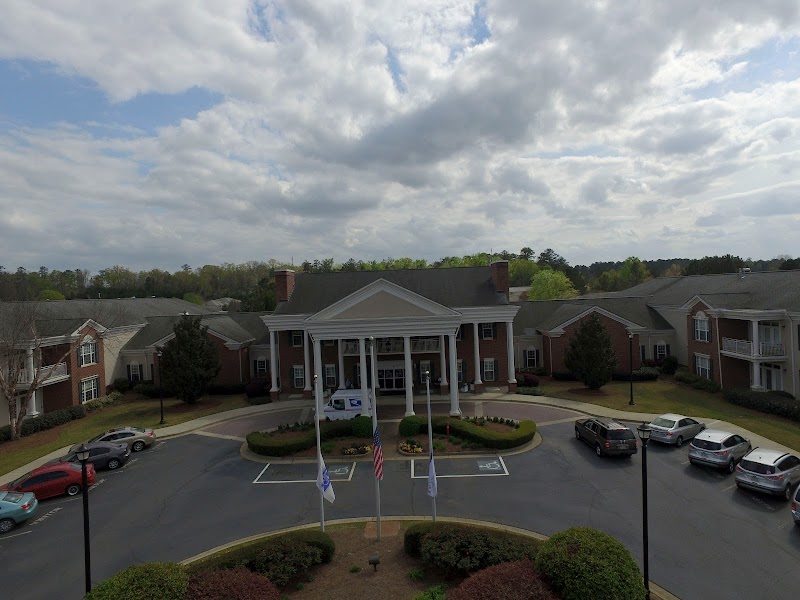
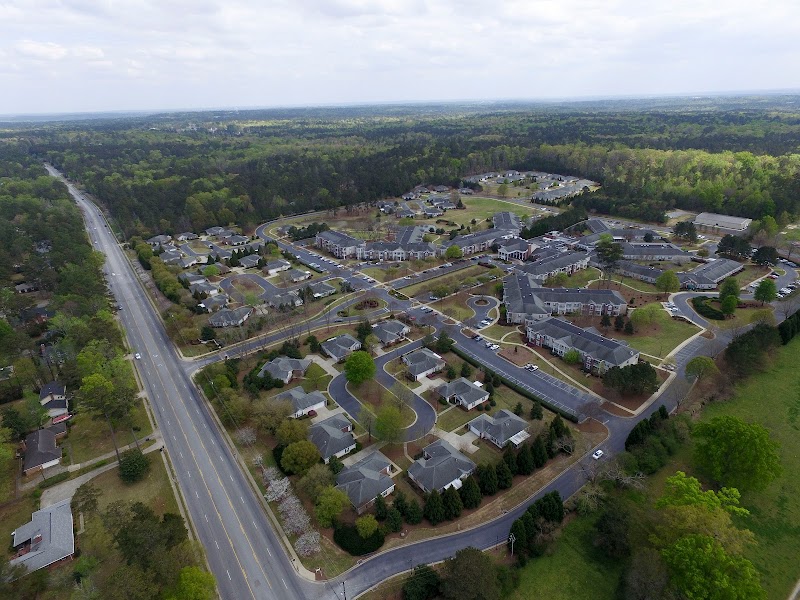
CARLYLE PLACE is owned by a non-profit organization. Non-profit facilities reinvest revenue into operations rather than distributing to shareholders. The facility operates independently rather than as part of a larger chain. With 40 certified beds and approximately 23 residents (about 57% occupancy), it is a smaller facility located in MACON, Georgia.

How Does Carlyle Place Compare to Other Georgia Nursing Homes?

Compared to the 100 nursing homes in Georgia, CARLYLE PLACE's overall rating (1 stars) is below the state average of 2.6, staff turnover (44%) is near the state average of 46%, and health inspection rating (1 stars) is much below the national benchmark.

What Should Families Ask When Visiting Carlyle Place?

Based on this facility's data, families visiting should ask: "What changes have been made since the serious inspection findings, and how are you preventing similar issues?" "Can I visit during a mealtime to observe dining assistance and food quality?" "How do you handle medical emergencies, and what is your hospital transfer rate?" "Can I speak with family members of current residents about their experience?" These questions are particularly relevant given the facility's Immediate Jeopardy citations.

Is Carlyle Place Safe?

Based on CMS inspection data, CARLYLE PLACE has documented safety concerns. Inspectors have issued 5 Immediate Jeopardy citations (the most serious violation level indicating risk of serious injury or death). The facility has a 1-star overall rating and ranks #100 of 100 nursing homes in Georgia. Families considering this facility should ask detailed questions about what corrective actions have been taken since these incidents.

Do Nurses at Carlyle Place Stick Around?

CARLYLE PLACE has a staff turnover rate of 44%, which is about average for Georgia nursing homes (state average: 46%). Moderate turnover is common in nursing homes, but families should still ask about staff tenure and how the facility maintains care continuity when employees leave.

Was Carlyle Place Ever Fined?

CARLYLE PLACE has been fined $105,498 across 1 penalty action. This is 3.1x the Georgia average of $34,134. Fines at this level are uncommon and typically indicate a pattern of serious deficiencies, repeated violations, or failure to correct problems promptly. CMS reserves penalties of this magnitude for facilities that pose significant, documented risk to resident health or safety. Families should request specific documentation of what issues led to these fines and what systemic changes have been implemented.

Is Carlyle Place on Any Federal Watch List?

CARLYLE PLACE is not on any federal watch list. The most significant is the Special Focus Facility (SFF) program, which identifies the bottom 1% of nursing homes nationally based on persistent, serious quality problems. Not being on this list means the facility has avoided the pattern of deficiencies that triggers enhanced federal oversight. This is a positive indicator, though families should still review the facility's inspection history directly.