FOUNTAIN BLUE REHAB AND NURSING
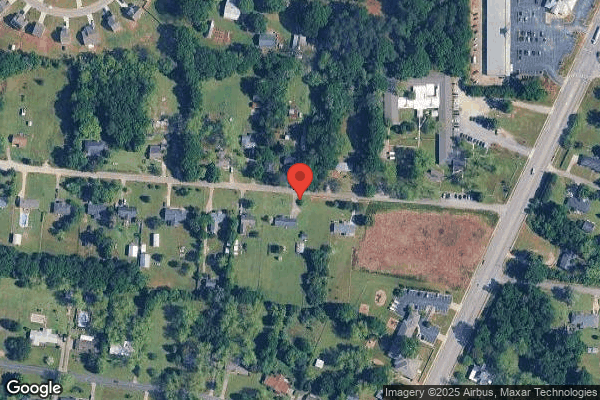
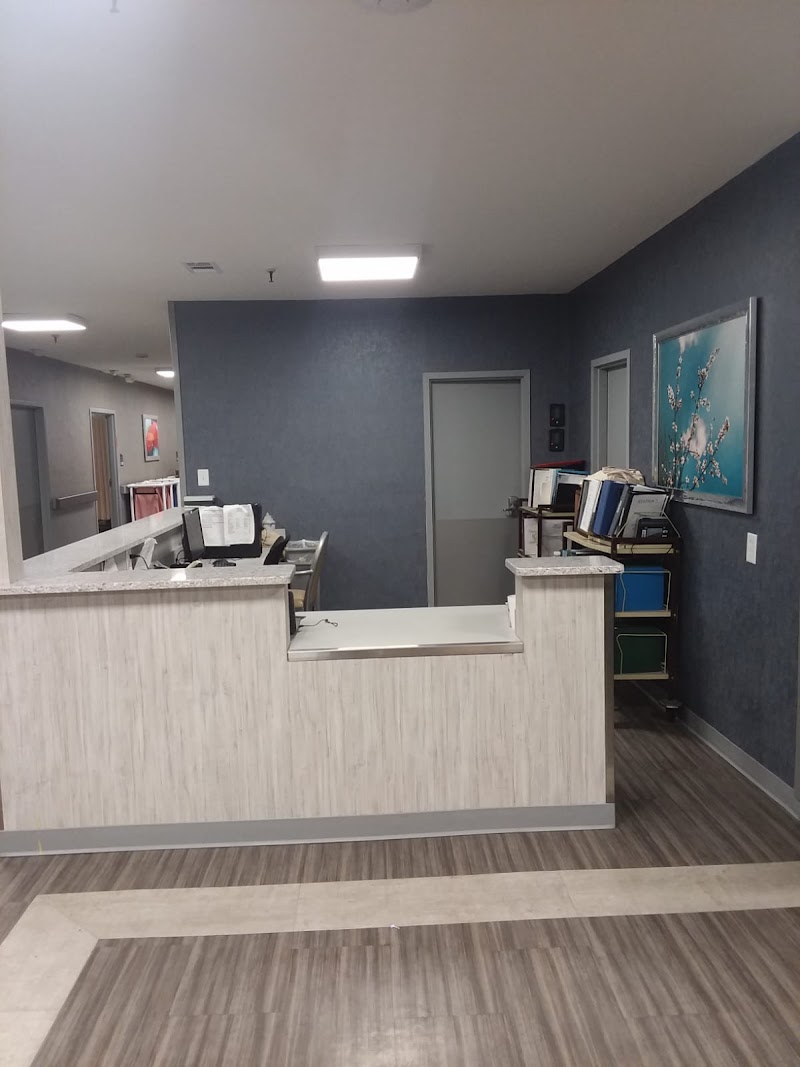
3051 WHITESIDE ROAD, MACON, GA 31216 (478) 788-1421
For profit - Limited Liability company 143 Beds Independent Data: November 2025
Trust Grade
40/100
#192 of 353 in GA
Last Inspection: October 2024

Within standard 12-15 month inspection cycle. Federal law requires annual inspections.

Overview

Fountain Blue Rehab and Nursing has a Trust Grade of D, indicating below-average performance with some notable concerns. It ranks #192 out of 353 nursing homes in Georgia, placing it in the bottom half, and #7 out of 11 in Bibb County, meaning only a few local facilities are rated lower. The facility is showing an improving trend, with issues decreasing from 13 in 2023 to 4 in 2024. However, staffing is a significant weakness, receiving only 1 out of 5 stars and a turnover rate of 63%, which is concerning compared to the state average of 47%. Additionally, the facility has incurred $36,454 in fines, which is higher than 86% of facilities in Georgia, suggesting ongoing compliance issues. Specific concerns include a lack of effective staff training, which could impact resident safety and care. In another instance, improper food handling practices were observed, including failure to label and date food items, which poses a risk for foodborne illnesses. Finally, the facility failed to ensure proper sanitization procedures in the kitchen, potentially affecting the safety of meals served to residents. While there are areas for improvement, families should consider both the strengths and weaknesses before making a decision.

Trust Score
D
40/100
In Georgia
#192/353
Bottom 46%
Safety Record
Low Risk
No red flags
Inspections
Getting Better
13 → 4 violations
Staff Stability
⚠ Watch
63% turnover. Above average. Higher turnover means staff may not know residents' routines.
Penalties
⚠ Watch
$36,454 in fines. Higher than 75% of Georgia facilities, suggesting repeated compliance issues.
Skilled Nurses
⚠ Watch
Each resident gets only 18 minutes of Registered Nurse (RN) attention daily — below average for Georgia. Fewer RN minutes means fewer trained eyes watching for problems.
Violations
⚠ Watch
26 deficiencies on record. Higher than average. Multiple issues found across inspections.
★★☆☆☆
2.0
Overall Rating
★☆☆☆☆
1.0
Staff Levels
★★☆☆☆
2.0
Care Quality
★★★☆☆
3.0
Inspection Score
Stable
2023: 13 issues
2024: 4 issues

The Good

  • Full Sprinkler Coverage · Fire safety systems throughout facility
  • No fines on record

Facility shows strength in fire safety.

The Bad

2-Star Overall Rating

Below Georgia average (2.6)

Below average - review inspection findings carefully

Staff Turnover: 63%

17pts above Georgia avg (46%)

Frequent staff changes - ask about care continuity

Federal Fines: $36,454

Above median ($33,413)

Moderate penalties - review what triggered them

Staff turnover is elevated (63%)

15 points above Georgia average of 48%

The Ugly 26 deficiencies on record

Oct 2024 4 deficiencies
CONCERN (D)

Potential for Harm - no one hurt, but risky conditions existed

Deficiency F0552 (Tag F0552)

Could have caused harm · This affected 1 resident

**NOTE- TERMS IN BRACKETS HAVE BEEN EDITED TO PROTECT CONFIDENTIALITY** Based on interviews and record review, the facility failed to ensure two residents (R) (R24 and R78) and/or the resident represe...

Read full inspector narrative →
**NOTE- TERMS IN BRACKETS HAVE BEEN EDITED TO PROTECT CONFIDENTIALITY** Based on interviews and record review, the facility failed to ensure two residents (R) (R24 and R78) and/or the resident representative (RR) of five residents reviewed for unnecessary medications out of a total sample of 30 residents was informed of the risk and benefits of physician ordered antipsychotic medications. This failure placed the resident and/or representative at risk of not knowing the risks and benefits of the use of medications. Finding include: 1. Review of R24's admission Record dated 10/03/24, located in the resident's electronic medical record (EMR) under the Resident Summary tab revealed the resident was admitted to the facility on [DATE] with diagnoses which included Alzheimer's Disease. Review of R24's Physician Order dated 08/02/23, located in the Orders tab of the EMR revealed, Depakote [to treat certain psychiatric conditions and seizures] 125 mg [milligrams] two times a day and Risperdal [to treat certain mental/mood disorders] 0.5 mg [milligrams] two times a day. Review of R24's quarterly Minimum Data Set (MDS) with an Assessment Reference Date (ARD) of 08/12/24 located in the resident's EMR under the MDS tab revealed the resident did not have a Brief Interview for Mental Status (BIMS) and was rarely/never understood and was administered an antipsychotic medication on a routine basis during the observation period. Review of the Resident Documents tab and the Nursing Progress Notes tab of the EMR did not document that R24 or her RR was informed of the risks and benefits prior to initiating a new Physician Order for the Risperdal or Depakote. During an interview on 10/02/24 at 1:50 PM, R24's Power of Attorney (POA), Family Member (FM)1 was asked if she was aware of the Physician Order for the Risperdal and why R24 was being administered the medication. POA stated R24 had been placed on a medication that was causing her to be very zombie-like. The POA stated they had a care plan meeting at the facility in July 2024 and asked for all mood-altering medications to be stopped, and they were under the impression that R24 wasn't on anything currently. During an interview on 10/02/24 at 2:55 PM, The Director of Nursing (DON), DON stated they did not get consents due to having residents sign a consent to treat upon admission. DON stated their staff were going over risks and benefits but were failing to document them. The DON further confirmed R24's Risperdal was discontinued, as discussed in the care plan meeting in July 2024. 2. Review of the admission Record, located in the EMR under the Profile tab, revealed R78 had an admission date of 07/18/24. R78 had a diagnosis of Huntington's Disease. There was no diagnosis listed for depression. Review of R78's admission MDS with an ARD of 07/26/24, located in the EMR under the MDS tab, revealed R78 was unable to be interviewed and was severely impaired cognitively. Staff observed the resident to appear to be feeling down. R78 did not have behaviors. Review of R78's Medication Administration Record (MAR) located in the EMR under the Orders tab, revealed R78 received one tablet, 15 mg (milligrams) of Mirtazapine (an anti-depressant) with a start date of 07/23/24. R78 also received one tablet, 50 mg of Trazodone (an anti-depressant) daily for sleep, with a start date of 09/19/24. Review of R78's EMR revealed no evidence the resident's RR was notified the resident was starting two new medications for depression or that the risks and benefits were explained to the RP. During an interview on 10/02/24 at 11:00 AM, the DON said they did not provide the resident or family information about the risks and benefits for the use of psychotropics. She said the only signed form they had for residents was a Consent to Treat form that is signed upon admission. During an interview on 10/03/24 at 9:57 AM, the MDS Coordinator (MDSC) said they did not discuss with the family the risks and benefits of any psychotropic medication for the resident. She said nursing will only notify the family that the medication has been started. During an interview on 10/03/24 at 1:42 PM, Family Member (FM) 3 said she was aware the physician was going to start a medication for sleep for R78. She said a nurse called and told her they would be starting a medication for R78 to help her sleep, but she did not know any other details. FM3 said she was not made aware of any other psychotropic medications that R78 had started. She said she would have liked to have been informed of both medications and educated on the risks and benefits. A request for a policy related to psychotropic medications and consents was not provided prior to the exit of the survey.
CONCERN (D)

Potential for Harm - no one hurt, but risky conditions existed

Deficiency F0582 (Tag F0582)

Could have caused harm · This affected 1 resident

Based on interviews and record review, the facility failed to provide one of three residents (R) (R134) reviewed for Notice of Medicare Non-Coverage (NOMNC) of 30 sampled residents, a NOMNC 48 hours b...

Read full inspector narrative →
Based on interviews and record review, the facility failed to provide one of three residents (R) (R134) reviewed for Notice of Medicare Non-Coverage (NOMNC) of 30 sampled residents, a NOMNC 48 hours before the end of a Medicare-covered Part A stay. This had the potential for the resident to not have the opportunity to appeal the decision to end the Medicare Part A stay. Findings include: Review of the admission Record, located in the Electronic Medical Record (EMR) under the Profile tab, revealed R134 had an admission date of 05/15/24 and a readmission date of 05/22/24. The resident discharged from the facility on 06/16/24. Review of the NOMNC provided by the facility, revealed R134's Medicare services would end on 06/16/24. The NOMNC revealed R134 was notified of his last covered day on 06/16/24 when he signed the document. During an interview on 10/01/24 at 9:32 AM, the Social Worker (SW) said she would always have the resident or their family member sign the NOMNC within 48 hours of their last covered day. She confirmed she did not issue R134's NOMNC until 06/16/24, which was his last covered day. She confirmed the NOMNC should have been issued on 06/14/24. During an interview on 10/03/24 at 3:30 PM, the Administrator agreed the NOMNC should have been issued timely, which would have been two days in advance.
CONCERN (E)

Potential for Harm - no one hurt, but risky conditions existed

Safe Environment (Tag F0584)

Could have caused harm · This affected multiple residents

Based on interviews and observation, the facility failed to ensure three residents (R) (R52, R6, and R285) of 30 sampled residents had enough clean linen, specifically pillowcases, to ensure every res...

Read full inspector narrative →
Based on interviews and observation, the facility failed to ensure three residents (R) (R52, R6, and R285) of 30 sampled residents had enough clean linen, specifically pillowcases, to ensure every resident had enough for all of their pillows. This had the potential for the residents not to have a home-like environment. Findings include: A request was made for a policy related to linens, and was not provided prior to the exit of the survey. 1. Review of R52's admission Record, located in the Electronic Medical Record (EMR) under the Profile tab, revealed R52 had an admission date of 08/11/22. Review of R52's Quarterly Minimum Data Set (MDS) with an Assessment Reference Date (ARD) of 08/05/24, located in the EMR under the MDS tab, revealed R52 had a Brief Interview for Mental Status (BIMS) score of seven out of 15, which indicated R52 was cognitively impaired. During an interview on 10/01/24 at 11:03 AM, Family Member (FM)2 said she saw the facility was out of pillowcases several weeks ago when she came to visit R52. She said she bought pillowcases for R52 and wrote his name all over them. During an observation on 10/02/24 at 9:41 AM, R52 had a pillow on his bed with a pillowcase that belonged to him. It had his name written on the pillowcase. 2. Review of R6's admission Record, located in the EMR under the Profile tab, revealed R6 had an admission date of 02/03/20. Review of R6's Quarterly MDS with an ARD of 08/07/24, located in the EMR under the MDS tab, revealed R6 had a BIMS score of 13 out of 15, which indicated R6 was cognitively intact. During an interview on 10/01/24 at 4:15 PM, R6 said quite often they run out of pillowcases, and staff have told her they are out and she would need to wait. She said she would like to have enough pillowcases so all of her pillows could be covered. R6 had two pillows with cases on her bed and three pillows without cases on a chair out of reach. 3. Review of R285's discharge MDS with an ARD of 09/02/24, located in the EMR under the MDS tab, revealed R285 had a BIMS score of two out of 15, which indicated R285 was severely cognitively impaired. During an observation on 10/01/24 at 3:57 PM, R285 was lying in bed with a pillow under his head, without a pillowcase. During an interview on 10/01/24 at 4:01 PM, the Director of Nursing (DON) confirmed there were no pillowcases in the Station Two or Station Three linen closet, which were the only two places pillowcases were stored. The DON said all residents should have pillows in their rooms, and every pillow should have a pillowcase. The DON confirmed R285 did not have a pillowcase on the pillow he was sleeping on and should have one. During an interview on 10/02/24 at 9:31 AM, Unit Manager (UM) 1 confirmed there was one pillowcase in the Station Two linen closet and no pillowcases in the Station Three linen closet. She said she would always expect to see a pillowcase on all pillows and said, If a resident has a pillow, there should be a case on it. During an interview on 10/03/24 at 9:35 AM, the Housekeeping Supervisor (HSKS) revealed residents were using more pillows, but she had not been ordering more pillowcases. She said if a resident had more pillows, there should be more pillowcases. She said she ordered pillowcases at least once a month. She agreed it was a problem if residents did not have enough pillowcases. During an interview on 10/03/24 at 3:22 PM, the Administrator agreed that every resident should have enough pillowcases so every pillow they have on their bed has a pillowcase.
CONCERN (F)

Potential for Harm - no one hurt, but risky conditions existed

Deficiency F0940 (Tag F0940)

Could have caused harm · This affected most or all residents

**NOTE- TERMS IN BRACKETS HAVE BEEN EDITED TO PROTECT CONFIDENTIALITY** Based on interviews and a review of the In-Service Deficiency Report, the facility failed to ensure an effective training progra...

Read full inspector narrative →
**NOTE- TERMS IN BRACKETS HAVE BEEN EDITED TO PROTECT CONFIDENTIALITY** Based on interviews and a review of the In-Service Deficiency Report, the facility failed to ensure an effective training program for all new and existing staff was implemented and maintained. The failure to ensure an effective training program was in place had the potential to impact all of the residents in the facility related to safety, person-centered environment, and the number of adverse events or other resident complications. Findings include: Review of the In-Service Deficiency Report (undated) provided by the facility revealed 19 training topics that should be provided to employees annually. Training topics included: Elopement, EOP (Emergency Operation Plan) Training, Performance Evaluation, Abuse Policy and Procedure (provided quarterly), Communication Training, Fire Safety, Trauma Informed Care, CPR (Cardiopulmonary Resuscitation) Care Verification, Employee Health and Safety, Elope Drill, Tornado Drill, Dementia Management, Disaster Drill based on HVA (Hazard Vulnerability Analysis), Behavior Health Management, Compliance and Ethics Program, QAPI (Quality Assurance Performance Improvement) Program, 90 Day Eval[uation] Nurse Aides, Competency Evaluation, Employee Annual TB (Tuberculosis) test/screening. During an interview on [DATE] at 2:00 PM, the Director of Nursing (DON) said they did not have a formal training program for all staff. She said she would try and provide training on different topics but always had difficulty with staff attendance. She agreed it was important to have a training program for staff because the training could impact resident care and safety. The DON said she had covered topics such as dementia training, wound care, skin care, abuse, elopement, infection control, and proper handwashing. She said she knew that all staff had not attended every training but she was uncertain how to ensure staff did attend and ways to hold staff accountable for attending. She confirmed there was no documentation to show which staff had been trained in which areas and which had not. During an interview on [DATE] at 3:22 PM, the Administrator and the Director of Clinical Operations (DCO) agreed they did not have a formal training program for all existing staff, and the training they provided did not ensure all staff attended. The Administrator said moving forward, they will be holding in-services monthly at multiple times throughout the day to ensure all shifts were able to receive the training and ensure all the necessary topics were covered. The DCO agreed having a training program for all staff was important to ensure they were knowledgeable and could provide quality care to residents.
Jul 2023 9 deficiencies
CONCERN (D)

Potential for Harm - no one hurt, but risky conditions existed

Resident Rights (Tag F0550)

Could have caused harm · This affected 1 resident

Based on observation, staff and resident interview, record review, and review of the facility's policy titled Foley Catheter Care, the facility failed to maintain dignity by ensuring a dignity bag was...

Read full inspector narrative →
Based on observation, staff and resident interview, record review, and review of the facility's policy titled Foley Catheter Care, the facility failed to maintain dignity by ensuring a dignity bag was provided for one of six residents (R) (R#16) who had an indwelling urinary catheter. This failure had the potential to diminish the resident's quality of life in an environment that promotes the maintenance or enhancement of each resident's quality of life. Findings include: A review of the facility policy titled Foley Catheter Care, reviewed 1/2022, revealed catheter bags would be placed in a dignity bag or cove. A review of the CNA Mandatory Clinical Meeting Form dated 11/14/2023 revealed that the facility provided training to ensure that staff placed Foley catheter bags in a privacy bag. A review of the most recent Minimum Data Set (MDS) Quarterly Assessment for R#16 dated 5/22/2023 revealed in section C-Cognition that R#16 had a documented Brief Interview for Mental Status (BIMS) score of 15. Section H-Bowel & Bladder revealed R#16 had an indwelling catheter and was always incontinent of bowel. Observation on 7/14/2023 at 8:50 a.m. revealed that R#16 had a Foley catheter, and the bag was not covered with a dignity bag. The Foley bag had approximately 500 milliliters (mL) of yellow urine visible from the hallway. Observation on 7/14/2023 at 1:17 p.m. revealed R#16 Foley catheter bag remained uncovered. The Foley bag had approximately 250 mL of yellow urine visible from the hallway. Observation on 7/15/2023 at 7:18 a.m. revealed R#16 Foley catheter bag remained uncovered. The Foley bag had approximately 400 mL of yellow urine visible from the hallway. Interview on 7/14/2023 at 8:55 a.m. with R#16 revealed she liked living in the facility. She added that the staff was very nice, and she never had any issues related to care. The resident stated that the staff cleaned her peri area around the Foley catheter daily, and the staff was good about ensuring it was clean. She added that the staff emptied the bag in a timely manner. Interview on 7/15/2023 at 7:23 a.m. with Licensed Practical Nurse (LPN) AA revealed R#16's Foley bag should be covered with a dignity bag, and the LPN acknowledged the Foley bag was not covered and visible from the hallway. Interview on 7/15/2023 at 7:46 a.m. with the Director of Nursing (DON) revealed that she expected all resident Foley bags to be covered with a dignity cover bag.
CONCERN (D) 📢 Someone Reported This

A family member, employee, or ombudsman was alarmed enough to file a formal complaint

Potential for Harm - no one hurt, but risky conditions existed

Deficiency F0558 (Tag F0558)

Could have caused harm · This affected 1 resident

**NOTE- TERMS IN BRACKETS HAVE BEEN EDITED TO PROTECT CONFIDENTIALITY** Based on observations and staff interviews, the facility failed to ensure a reasonable accommodation of need by keeping the call...

Read full inspector narrative →
**NOTE- TERMS IN BRACKETS HAVE BEEN EDITED TO PROTECT CONFIDENTIALITY** Based on observations and staff interviews, the facility failed to ensure a reasonable accommodation of need by keeping the call within reach of residents when in their room to call for staff assistance for three of sixteen Residents (R) (#41, #4, #14) in the 300 Hall. Observations on 7/14/2023 at 11:28 a.m. and 4:25 p.m., 7/15/2023 at 7:45 a.m., and 7/16/2023 at 10:00 a.m. of room [ROOM NUMBER]A R#4 and 311B R#14 revealed call lights for both bed A and B were wrapped around the call box and not in reach of the resident. Both residents were sitting up in a chair beside the bed during observations or in the bed. Observations on 7/14/2023 at 11:36 a.m. and 4:35 p.m., 7/15/2023 at 7:55 a.m., and 7/16/2023 at 10:00 a.m. of room [ROOM NUMBER]B R#41 revealed call light for bed B was on the floor and not in reach of the resident. The resident was asleep in bed during observations. Interview on 7/16/2023 at 9:40 a.m. with Certified Nursing Assistant (CNA) GG revealed she is responsible for keeping a call light within reach of all residents. She will check them each time she goes into a resident's room. Interview on 7/16/2023 at 9:42 a.m. with CNA JJ revealed that she checks the call lights each time she enters a resident's room. She indicated that the residents in room [ROOM NUMBER] would move them and put them on the call box or on the floor. Observation and interview on 7/16/2023 at 10:00 a.m. with the Administrator and Maintenance Supervisor revealed that all lights were not within reach of the residents identified above. The Administrator indicated they should be kept within reach according to regulations. The Administrator indicated that they do not have a call light policy.
CONCERN (D)

Potential for Harm - no one hurt, but risky conditions existed

Deficiency F0578 (Tag F0578)

Could have caused harm · This affected 1 resident

**NOTE- TERMS IN BRACKETS HAVE BEEN EDITED TO PROTECT CONFIDENTIALITY** 3. Review of the most recent Significant Change Minimum Data Set (MDS) for R#27 dated [DATE] revealed Section C-Cognition: Brief...

Read full inspector narrative →
**NOTE- TERMS IN BRACKETS HAVE BEEN EDITED TO PROTECT CONFIDENTIALITY** 3. Review of the most recent Significant Change Minimum Data Set (MDS) for R#27 dated [DATE] revealed Section C-Cognition: Brief Interview of Mental Status (BIMS) score of 13, indicating minimum cognitive deficit. Record review of the care plan R#27 revealed: No care plan in place related to advanced directives. The resident has a terminal prognosis and is on Hospice services dated [DATE]. Record review of Physician orders for R#27 revealed no order or indication on the Electronic Medical Record (EMR) documenting the resident's advanced directive wishes. Record review of the EMR revealed an Advanced Directive Checklist-Georgia that indicates R#27 has executed an advanced directive as indicated below and will provide copy to the facility, dated, and signed by responsible party [DATE]. A review of R#27's Hospice binder revealed a document titled Authorization for Allow of Natural Death dated and signed by her responsible party [DATE] and Physician indicated resident wishes to be a Do Not Resuscitate (DNR). Interview on [DATE] at 2:18 p.m. with R#27 revealed she leaves all the questions and decisions to her family. Interview on [DATE] at 2:48 p.m. with Licensed Practical Nurse (LPN) LL indicated she could not find the R#27's code status, an order for her code statue nor a care plan indicating wish. She indicated if she needs to find it out, she looks in the computer and finds it there. Interview on [DATE] at 3:00 p.m. with the Social Worker (SW) revealed when a resident is admitted to the facility, she will do a Physicians Orders for Life-Sustaining Treatments (POLST) form on the resident if the resident and/or family wishes. If a code status changes the order is usually done by the nurses. She could not locate a POLST form for R#27 in the medical record. Interview on [DATE] at 3:23 p.m. with LPN Unit Manager (UM) LPN UM KK revealed residents code status are found on the computer and will show up when logged into the resident's name. She verified R#27 did not have a code status, a Physicians order, or a care plan in the medical record. Interview on [DATE] at 11:10 a.m. with the Director of Nursing (DON) revealed she would expect all residents to have an advanced directive in the medical record. If a resident is a DNR she would expect them to have a Physicians order indicating so. All residents should have a care plan indicating current wish. She was unaware of the DNR dated [DATE] located in the Hospice binder and indicated that Hospice should have made the facility aware of it. She indicated the Care Plan Coordinator was on vacation. The normal process is an Advanced Directive and a POLST is done on admission, an order is written if needed and the care plan is done to reflect a resident's or families wishes. She looked back in the R#27's medical record and could not locate an advanced directive, POLST, Physician's order, or a care plan. She indicated if an order is not written, the resident, is a full code. Based on staff interviews, record review, and a review of the facility's policy titled, Advance Care Directive Policy Statement the facility failed to obtain and/or transcribe a physician's order for code status for three of 33 sampled residents (R) (#73, #78, and #27). Findings include: Review of the undated facility document with subtitle Advance Care Directive Policy Statement revised 1/2023 revealed the facility will actively seek to obtain information regarding Advanced Directive wishes for each resident. Any existing directives will be reviewed and copied at the time of admission. If none exists, the facility will attempt to determine the wishes of the resident, by speaking directly with them, or if that is not possible, to an agent of the resident such as an individual holding legal guardianship, durable Power of Attorney (POA) for Health Care or a family member. 1. Record review of the most recent Minimum Data Set (MDS) Significant Change for R#73 dated [DATE] revealed with a Brief Interview of Mental Status (BIMS) score of 3, indicating severe cognitive impairment. Record review of the current [DATE] Physician's orders revealed no order for code status. The banner in the electronic medical record indicating code status was blank. Review of the Physician Orders for Life Sustaining Treatment (POLST) dated [DATE] located under the documents tab in the electronic medical record (EMR) revealed to attempt CPR. 2. R#78 was admitted to the facility on [DATE]. Review of the Minimum Data Set (MDS) admission assessment dated [DATE] revealed R#78 with a Brief Interview of Mental Status (BIMS) score of 13, indicating cognitively intact. The resident had diagnoses including Obstructive Uropathy, Diabetes Mellitus, and Thyroid Disorder. Review of the current [DATE] Physician's Orders revealed no order for code status. The banner in the electronic medical record indicating code status was blank. A [DATE] Nurse's Note documented R#78 is a full code. There was no other documented evidence of the resident's code status in the EMR. Interview with Licensed Practical Nurse (LPN) LL [DATE] at 12:22 p.m. revealed she works for agency. When asked what the code status of R#73 and R#78 was, she looked, and it was blank. LPN LL stated in the event of a code, she would not know what the code status was for the residents if it is blank in the EMR. She stated there was no other way for her to know the code status. Interview with the Director of Nursing (DON) on [DATE] at 12:39 p.m. revealed the code status is obtained on admission and communicated to the social worker. The social worker verifies the information and then sends to the DON for a Physician order. The Physician order should be obtained and that links to the banner which is where the nurses look to see code status.
CONCERN (D)

Potential for Harm - no one hurt, but risky conditions existed

Comprehensive Care Plan (Tag F0656)

Could have caused harm · This affected 1 resident

2. Record review of the most rececent Significant Change Minimum Data Set (MDS) for R#27 dated 5/22/2023 revealed Section C-Cognition: Brief Interview of Mental Status (BIMS) score of 13, indicating m...

Read full inspector narrative →
2. Record review of the most rececent Significant Change Minimum Data Set (MDS) for R#27 dated 5/22/2023 revealed Section C-Cognition: Brief Interview of Mental Status (BIMS) score of 13, indicating minimum cognitive deficit. Record review of the care plan for R#27 revealed: No care plan in place related to advanced directives. Record review of the medical record revealed an Advanced Directive Checklist-Georgia that indicates R#27 has executed an advanced directive as indicated below and will provide copy to the facility, dated, and signed by Responsible Party (RP) 1/3/2022. A review of R#27's Hospice binder revealed a document titled Authorization for Allow of Natural Death dated and signed by her RP 5/12/2023 and Physician indicated resident wishes to be a Do Not Resuscitate (DNR). Interview on 7/15/2023 at 2:18 p.m. with R#27 revealed she leaves all the questions and decisions to her family. Interview on 7/15/2023 at 2:48 p.m. with Licensed Practical Nurse (LPN) LL indicated she could not find the R#27's code status and could not find an order. She indicated if she needs to find it out, she looks in the computer to find a code status. Interview on 7/15/2023 at 3:00 p.m. with the Social Worker (SW) revealed when a resident is admitted to the facility, she will do a Physicians Orders for Life-Sustaining Treatments (POLST) form on the resident if the resident and/or family wishes. If a code status changes the order is usually done by the nurses. Interview on 7/15/2023 at 3:23 p.m. with LPN Unit Manager (UM) LPN UM KK revealed residents code status are found on the computer and will show up when logged into the resident's name. She verified R#27 did not have a code status, a Physicians order, or a care plan in the medical record. Interview on 7/16/2023 at 11:10 a.m. with the Director of Nursing (DON) revealed she would expect all residents to have an advanced directive in the medical record. If a resident is a DNR she would expect them to have a Physicians order indicating so. All residents should have a care plan indicating current wish. She was unaware of the DNR dated 5/12/2023 in the Hospice binder and indicated that Hospice should have made the facility aware of it. She indicated the Care Plan Coordinator was on vacation. The normal process is an Advanced Directive and a POLST is done on admission, an order is written if needed and the care plan is done to reflect a resident's or families wishes. She looked back in the R#27's medical record and could not locate an advanced directive or a care plan. She indicated if an order is not written, the resident, is a full code. Based on observation, staff interview, record review, and review of the facility's policy titled Care Plan Protocol, the facility failed to develop a care plan for two of sixteen Residents (R) (#16) and R#27 related to Foley catheter and incontinence and Advanced Directive, respectively. This failure had the potential for residents to not receive treatment and/or care according to their needs and place residents in a position for adverse consequences. Findings include: 1. A review of the facility policy titled Care Plan Protocol, reviewed 1/8/2023, revealed that a resident care plan would be implemented to address problems. Per the policy, a comprehensive Plan of Care. Record review of the most recent Minimum Data Set (MDS) Quarterly Assessment for R#16 dated 5/22/2023 revealed in section H-Bowel & Bladder R#16 had an indwelling catheter and was always incontinent of bowel. Record review of the Physician's orders R#16 revealed the following: 9/15/2022 Indwelling catheter size 16 French 5-10 mL bulb. The Foley would be changed monthly on the 15th during the day shift. Staff may change as needed if leakage or occlusion is present. An order on 9/6/2022 staff was to provide Foley catheter care every shift. Record review of the care plan for R#16 revealed: No care plan in place related to foley catheter and incontinence. Observation on 7/14/2023 at 8:50 a.m. of R#16 revealed the resident had a Foley catheter. Interview on 7/15/2023 at 8:30 a.m. with the Director of Nursing (DON) revealed that R#16 should have had a care plan developed for a Foley catheter and incontinence as R#16 had a Foley and was incontinent of bowel movements. The DON did not know why the resident did not have a care plan for either care area.
CONCERN (E) 📢 Someone Reported This

A family member, employee, or ombudsman was alarmed enough to file a formal complaint

Potential for Harm - no one hurt, but risky conditions existed

Safe Environment (Tag F0584)

Could have caused harm · This affected multiple residents

**NOTE- TERMS IN BRACKETS HAVE BEEN EDITED TO PROTECT CONFIDENTIALITY** 4. Observations on 7/14/2023 at 10:00 a.m. and 4:20 p.m., 7/15/2023 at 7:58 a.m., and 7/16/2023 at 10:00 a.m. of room [ROOM NUMB...

Read full inspector narrative →
**NOTE- TERMS IN BRACKETS HAVE BEEN EDITED TO PROTECT CONFIDENTIALITY** 4. Observations on 7/14/2023 at 10:00 a.m. and 4:20 p.m., 7/15/2023 at 7:58 a.m., and 7/16/2023 at 10:00 a.m. of room [ROOM NUMBER] revealed a loose night light fixture cover on the wall near resident in 309A. Observation and interview on 7/16/2023 at 10:00 a.m. with Administrator and Maintenance Supervisor verified the loose light fixture cover on the wall. The Maintenance Supervisor has fixed the night light cover in the past. He indicated it gets caught on the bed when they lower it, and the bed is kept against the wall. He indicated he was not aware of the problem. They usually use verbal communication or electronic communication on an app to report problems. He checks the electronic report daily. 3. Observations on 7/14/2023 at 10:00 a.m. and 4:20 p.m., 7/15/2023 at 7:58 a.m. and 7/16/23 at 10:00 a.m. of room [ROOM NUMBER] revealed a loose night light fixture cover on the wall near resident in 309A. Observation and interview on 7/16/2023 at 10:00 a.m. with the Administrator and Maintenance Supervisor verified the loose light fixture cover on the wall. The Maintenance Supervisor has fixed the night light cover in the past. He indicated it gets caught on the bed when they lower it, and the bed is kept against the wall. He indicated he was not aware of the problem. They usually use verbal communication or electronic communication on an app to report problems. He checks the electronic report daily. 2. Review of the policy titled Cleaning of Residents Rooms dated 7/2022 indicated: The purpose of this procedure is to provide guidelines for cleaning and disinfecting residents' rooms. General Guidelines 4. Walls. blinds. and window curtains in resident areas will be cleaned when these surfaces arc visibly contaminated or soiled. Resident Room Cleaning: 7. Clean personal use items (e.g., lights, phones, call bells, bedrails, etc.) with disinfectant solution at least twice weekly. 11. Clean curtains, window blinds, and walls when they are visibly soiled or dusty. Review of the policy titled Cleaning and Disinfection of Environmental Surfaces and Equipment dated 7/2022 indicated: Policy Statement: Environmental surfaces will be cleaned and disinfected according to current CDC recommendations for disinfection of healthcare facilities and the OSHA Bloodborne Pathogens Standard. Policy Interpretation and Implementation: 17. Housekeeping surfaces (e.g., floors, tabletops) will be cleaned on a regular basis, when spills occur, and when these surfaces are visibly soiled. 18. Environmental surfaces will be disinfected (or cleaned) on a regular basis (e.g., daily, three times per week) and when surfaces are visibly soiled. 19. Walls, blinds, and window curtains in resident areas will be cleaned when these surfaces are visibly contaminated or soiled. An observation on 7/15/2023 at 9:41 a.m. of room [ROOM NUMBER] occupied by two residents. The privacy curtains between beds A and B have tan and yellow stains on the lower part. The upper part of the privacy curtains had holes. Bed A & B have a tabletop fan on the nightstand with a thick amount of light gray colored debris on the fan blades-an observation of a brown substance splatter on the wall under the window. An observation on 7/15/2023 at 10:18 a.m. of the facility Hoyer Lifts, sit to stand lifts, and wheelchair scales, revealed the following: a. Hoyer lift Number #1 located across from the 200-hall nursing station. The mast, foot plate, base leg, and wheels (four) was covered with dirt and debris. b. Hoyer lift #2 located across from the conference room. The mast, foot plate, base leg, and wheels (four) was covered with dirt and debris. The Hoyer lift also had rust spots on the base leg. c. Hoyer Lift #3 located on the front right side of the 200-hall dining room. The motor, mast, foot plate, base leg, and wheels (four) was covered with dirt and debris. d. Hoyer lift #4 located across from the 200-hall nursing station. The foot plate, base leg, and wheels (four) was covered with dirt and debris. e. Hoyer Lift #5 located in the back of the 200-hall nursing dining room. The mast, foot plate, base leg, and wheels (four) was covered with dirt and debris. f. Hoyer Lift #6 is located in the back of the 200-hall dining room. The mast, foot plate, base leg, and wheels (four) were covered with dirt and debris. g. Two wheelchair scales are located on the right and left of the 200-hall dining room. The platform of the scales was covered with dirt and debris. h. The Sit-To-Stand Lift #1 is in the back of the 200-hall dining room. The foot plate of the lift was covered with food crumbs; the base legs were covered with dirt and debris. i. The Sit-To-Stand Lift #2 located across from the smoking area. The foot plate and base legs are covered with dirt and debris. An interview on 7/15/2023 at 9:50 a.m. with Certified Nursing Assistant (CNA) NN stated that the facility has 5 Hoyer Lifts. The CNA stated that the three lifts located at the back of the dining room were not working. He stated that he does not place a lock out sign on the lifts to alert the staff that they are not working. He stated that he verbally alerts the staff when the lifts are not working. When asked what happens when he is not working, the CNA stated he is always working. The CNA confirmed that the lifts were dirty. The CNA stated he does not know who is responsible for cleaning the lifts. An interview and observation on 7/16/2023 at 9:17 a.m. with the Director of Nursing (DON) confirmed that the facility has six Hoyer lifts and two Sit-To-Stand lifts. The DON stated she was not aware that three lifts were not working. The DON stated that the equipment is rented, and the company repairs the lifts. The DON confirmed that the above equipment was dirty, and room [ROOM NUMBER] curtains, table fan, and wall were also dirty. She stated she would have room [ROOM NUMBER] and the lifts and scales cleaned. She also stated she would find out what lifts are not working and have them serviced. Based on observations, staff interviews, and a review of the facility's policies titled Cleaning of Residents Rooms, and Cleaning and Disinfection of Environmental Surfaces, the facility failed to maintain a safe, clean, sanitary, homelike environment related to a heavy build-up of dust on ceiling vent covers and two wheelchairs, unclean privacy curtains, broken and dirty Hoyer lifts (5), broken light fixture, and disrepair of handrail and exit door for 14 residents' rooms ( Rooms 115, 119, 121, 122, 123, 124, 125, 127, 129, 131, 135, and 139) and one hallway (200 Hall). Findings include: 1. Observation on 7/14/2023 at 8:30 a.m. and 7/15/2023 at 8:30 a.m. revealed beside the conference room, the door to the outside was heavily damaged and slightly ajar. A mice and swarm of bees were noted in the area outside the door which was unused and led to the courtyard. The area was grown up with standing water, old wood and screens, toilets, and empty garbage cans. Several gnats noted flying around in the conference room. Observation and interview on 7/15/2023 at 5:30 p.m. with the Maintenance Director revealed the door had been like this for three years. He placed plastic around the door to seal it off. Further interview on 7/16/2023 at 10:00 a.m. revealed they have a plan to fix the door and outside area. 2. Observations on 7/14/2023 at 1:01 p.m., 7/15/2023 at 9:27 a.m., and 07/16/2023 at 2:30 p.m. revealed a small handrail along the hallway outside of room [ROOM NUMBER] was broken with pieces of the outside missing. Observation and interview with Licensed Practical Nurse (LPN) SS on 7/16/2023 at 2:27 p.m. revealed a book at the nursing station where staff document repairs needed and signature of Maintenance Director when addressed or repaired. She stated staff will call him directly with repairs that are needed right away. Interview with the Administrator on 7/16/2023 at 3:00 p.m. revealed the facility has been addressing environmental concerns and corporate is involved. He stated they have replaced the roof, air conditioning system, and plumbing and plan to continue making repairs. He stated he has obtained help to assist the Maintenance Director because the job is overwhelming and because the building is old, there's always something every day that needs maintenance.
CONCERN (E)

Potential for Harm - no one hurt, but risky conditions existed

Deficiency F0804 (Tag F0804)

Could have caused harm · This affected multiple residents

Based on observation, staff interviews, and record review, the facility failed to ensure that dietary staff followed recipes for preparing pureed foods to avoid compromising the nutritive value, flavo...

Read full inspector narrative →
Based on observation, staff interviews, and record review, the facility failed to ensure that dietary staff followed recipes for preparing pureed foods to avoid compromising the nutritive value, flavor, or appearance. This affected six of 83 residents receiving an oral diet. Findings include: Observation on 7/15/2023 at 9:25 a.m. of Dietary [NAME] HH preparing puree black-eyed peas revealed that no recipes were seen or used as a reference during preparation. Dietary cook HH started with hot cooked black-eyed peas by placing 14 four-ounce (oz) scoops in the food blender. Using an unlabeled scoop, the cook then added one scoop of food thickener and an unmeasured amount of liquid from the pot of cooked peas and pureed until well blended. The Dietary [NAME] HH placed the pureed black-eyed peas in a steam table pan. When placed in the pan, the pureed black-eyed peas had a thick like consistency. Next, the Dietary [NAME] HH pureed cooked beef patties in a brown gravy liquid by placing 14 beef patties along with an unmeasured amount of the brown gravy liquid and one unlabeled scoop of thickener into the food blender and pureed until well blended. She then added an unmeasured amount of the brown gravy liquid to thin out the mixture. The cook placed the pureed beef mixture in a steam table pan. When placed in the pan, the pureed beef mixture had a thick like consistency. Interview on 7/15/2023 at 9:25 a.m. with the Dietary Manager (DM) and the Dietary [NAME] HH indicated they do not follow a menu for preparing the pureed foods. They also do not have a policy for preparing pureed food.
CONCERN (E)

Potential for Harm - no one hurt, but risky conditions existed

Infection Control (Tag F0880)

Could have caused harm · This affected multiple residents

**NOTE- TERMS IN BRACKETS HAVE BEEN EDITED TO PROTECT CONFIDENTIALITY** 2. Review of the policy titled Laundry Dyer Vent Cleaning policy dated 1/15/2023 revealed: Environmental staff-laundry staff wil...

Read full inspector narrative →
**NOTE- TERMS IN BRACKETS HAVE BEEN EDITED TO PROTECT CONFIDENTIALITY** 2. Review of the policy titled Laundry Dyer Vent Cleaning policy dated 1/15/2023 revealed: Environmental staff-laundry staff will check and clean out the dryer vent after each load. Laundry staff will notify maintenance if there are other areas that need cleaning or minor maintenance. Review of the Tumble Dryers __ Operation Maintenance manual for dryer number one. Safety Information: This tumble dryer must not be activated without lint screen filter. When you perceive a gas odor, immediately shut off the gas supply and ventilate the room. Do not power on electrical appliances and do not pull electrical switches. Do not use matches or lighters. Do not use a phone in the building. Warn the installer, and if so desired, the gas company, as soon as possible. To avoid fire and explosion, keep surrounding areas free of flammable and combustible products. Regularly clean the cylinder and exhaust tube should be cleaned periodically by competent maintenance personnel. Daily remove debris from lint screen filter and inside of filter compartment. Always clean the lint filter daily. Keep area around the exhaust opening and adjacent surrounding area free from the accumulation of lint, dust, and dirt. The interior of the tumble page dryer and the exhaust duct should be cleaned periodically by qualified service personnel (page 6). Maintenance: Daily 2. End of day: Clean lint filter to maintain proper airflow and avoid overheating. Monthly 3. Remove lint filter and thoroughly vacuum exhaust duct. 5. Wash lint screen with hot water and mild detergent to remove fabric softener residue {sic}. Yearly 3. Remove any accumulated lint or debris from thermistor, cabinet high limit thermostat, stove high limit thermostat(s), including perforated cover, if present. Lint buildup will act as an insulator, causing machine to overheat. 4. Remove any accumulated lint or debris from drive and blower motors. 5. Remove any accumulated lint or debris from burner tubes and orifice area. Remove burner tubes and clean using water and a brush (page 20). The facility did not provide an operation manual for dyer number two. Observation on 7/15/2023 at 1:31 p.m. of the facility's two industrial dryers. When standing facing the dryers: dryer one to the left: an observation of the lint trap revealed the floor of the lint trap was clean and free of lint. The dryer has a large lint filter that was broken and had a copious amount of lint. dryer two to the right: an observation of the lint trap revealed the floor of the lint trap was clean and free of lint. The lint filter and the upper inside of the wall had a copious amount of lint. The eye wash station located across from the dryers area is covered with dust and dirt. Observation on 7/16/2023 at 8:30 a.m. of the facility's two industrial dryers. When standing facing the dryers: Dryer one to the left: an observation of the lint trap revealed the floor of the lint trap was clean and free of lint. The dryer has a large lint filter that was broken and had a copious amount of lint. Dryer two to the right: an observation of the lint trap revealed the floor of the lint trap was clean and free of lint. The lint filter and the upper inside of the wall had a copious amount of lint. An observation of the cylinder exhaust tubes (outside) revealed a large amount of lint. The eye wash station located across from the dryers area is covered with dust and dirt. Interview on 7/15/2023 at 1:30 p.m. with the Laundry Aide ZZ stated after each load of clothes has completed the drying process the lint trap floors are cleaned. She stated the maintenance director is responsible for cleaning the filters. Interview on 7/16/2023 at 8:31 a.m. with the Laundry Aide ZZ confirmed that the lint trap and the lint filters have large amount of lint. She stated she is aware not keeping the dyers free from lint can cause a fire. Laundry Aide ZZ stated she can only clean the lint that is on the lint trap floor of the dryer. She stated she asked the Maintenance Director (MD) on multiple occasions to clean the lint filters and clean out the cylinder exhaust tubes. She has requested several times for the lint filters and cylinder exhaust tubes to be cleaned. The MD tells her he is only one person and is too busy. The Laundry Aide confirmed that the eyewash station is covered with dust and dirt. She stated she wouldn't feel safe using the eyewash station to rinse her eyes. Interview and observation on 7/16/2023 at 9:17 a.m. with the Administrator and Director of Nursing (DON) of the laundry area. The Administrator confirmed that both dryer lint traps and filters needed to be cleaned. He also confirmed the broken lint filter on dryer number one. The Administrator stated the lint traps should be cleaned after each use. He stated it is the responsibility of the MD to make sure the lint filters and cylinder exhaust tubes are cleaned and in working order. He stated he understands that not cleaning the lint traps and lint filters are a fire hazard. The Administrator stated he will ensure that the lint trap and filters are cleaned regularly. He also confirmed the eye wash station located across from the dryers area is covered with dust and dirt. He stated he was sure it was coming from the dust blowing from the dryers. Based on observation, staff interview, and review of the facility's policy titled Storage of Personal Care Items,, Laundry Dryer Vent Cleaning Policy, and the Operation/Maintenance Manual the facility failed to ensure resident basins, urinals, and bedpans were labeled and covered for eight of 53 rooms. In adddition, the facility failed to clean the lint filter and cylinder exhaust tube according to the manufacturer's instructions for use (IFU) to prevent potential fire hazards; failed to clean the laundry eyewash station clean and free of dirty and debris; failed to properly store personal care items in 8 rooms. Findings include: 1. A review of the facility policy titled Storage of Personal Care Items, reviewed 1/2022, revealed residents' personal care items, such as wash basins, urinals, and bedpans, would be labeled with the resident's name, and stored in plastic bags. Observation on 7/14/2023 at 9:02 a.m. of the bathroom shared by rooms 119 (R#63 and R#33) and 117 (R#75) revealed one bedpan and one basin sitting on the floor in the bathroom. Neither receptacle was covered or labeled. Observation on 7/14/2023 at 9:32 a.m. of the bathroom shared by rooms 111 (R#16) and 113 (R#12 and R#20) revealed one urinal in the bathroom. The urinal was unlabeled. Observation on 7/14/2023 at 9:40 a.m. of the bathroom shared by room [ROOM NUMBER] (R#57 and R#8) and room [ROOM NUMBER] (R#28 and R#11) revealed three basins sitting on the floor in the bathroom. All basins were uncovered and unlabeled. Observation on 7/14/2023 at 10:43 a.m. of the bathroom shared by room [ROOM NUMBER] (R#37) and room [ROOM NUMBER] (R#74 and R#22) revealed one basin sitting on the floor in the bathroom. The basin was uncovered and unlabeled. Interview on 7/14/2023 at 9:47 a.m. with the Licensed Practical Nurse (LPN) BB revealed that all basins, urinals, and bedpans were supposed to be labeled with the resident's names and covered. The LPN BB acknowledged that the items were unlabeled and uncovered, and she could not identify which item belonged to which resident. She stated that all the items would be thrown away and replaced with labeled and covered items. Interview on 7/14/2023 at 10:43 a.m. with the Certified Nursing Assistant (CNA) CC revealed she could not determine who the basin belonged to in rooms [ROOM NUMBERS]. She stated that all basins were supposed to be labeled and covered. CNA CC indicated she would throw the basin away. Interview on 7/15/2023 at 7:48 a.m. with the Director of Nursing (DON) revealed she expected staff to label all resident basins, bedpans, and urinals and to cover them when stored. She added that the items should not be stored directly on the floor in the bathrooms.
CONCERN (F)

Potential for Harm - no one hurt, but risky conditions existed

Food Safety (Tag F0812)

Could have caused harm · This affected most or all residents

Based on observations, staff interviews, and a review of the facility's policies titled Food Storage and Procurement, and Diet/Food Handling, the facility failed to ensure that food items in the two r...

Read full inspector narrative →
Based on observations, staff interviews, and a review of the facility's policies titled Food Storage and Procurement, and Diet/Food Handling, the facility failed to ensure that food items in the two refrigerators and two freezers were properly labeled, dated, and securely wrap opened food items and discarded foods when expired; failed to properly use the three-compartment sink to properly sanitize dishware. Additionally, the facility failed to thaw frozen meat and fish properly to prevent bacterial growth; failed to store stacked pans free from wet nesting to prevent bacterial growth; failed to have soap in the soap dispenser and paper towels in the towel dispenser so staff could properly wash and dry hands; failed to clean the can opener and free from debris buildup to prevent cross contamination; and failed to maintain a clean and sanitary kitchen. The facility census was 86, with 83 residents consuming an oral diet. These failures had the potential to support bacterial growth associated with foodborne illness. Findings include: Review of the policy titled Food Storage and Procurement reviewed 8/8/2022, Purpose: To ensure wholesome food is purchased and served. To ensure food purchasing practices that support food safety are followed. To maintain compliance with Federal, State, and Local regulations governing food safety. Review of the policy titled Diet/Food Handling revised 8/8/2022, Purpose: To provide guidelines for the safe preparation, handling, and storage of perishable food and proper environmental cleaning. 13. Staff should have access to proper hand washing facilities with available soap, hot water, and disposable towels. Observations during an initial tour of the kitchen on 7/14/2023 at 7:50 a.m. revealed: No soap in the soap dispenser or paper towels in the towel dispenser so staff could properly wash and dry hands. The sink was noted with grime buildup. Observation of freezer #1 revealed: A bag of open frozen tater tots was not labeled with its content, not sealed, had no expiration date, and had no open date or use-by date on the bag. A bag of frozen biscuits was not labeled with its content, not sealed, had no expiration date, and no open date or use-by date on the bag. A bag of open frozen French fries was not labeled with its content, not sealed, had no expiration date, and no open date or use-by date on the bag. A bag of open frozen cake bites was not labeled with its content, not sealed, with no expiration date, and no open date or use-by date on the bag. Packages of unopened frozen rolls were not labeled with their content, expiration date, or use-by date on the bag. Observations of freezer #2 revealed: Two bags of open ham hocks were not labeled with their content, not sealed, had no expiration date, and no open date or use-by date on the bag. A bag of open frozen meat (not sure of type) was not labeled with its content, not sealed, with no expiration date, and no open date or use-by date on the bag. A bag of open and sealed frozen chicken fingers was not labeled with its content, no expiration date, and no open date or use-by date on the bag. A bag of open frozen and sealed beans/peas was not labeled with its content, no expiration date, and no open date or use-by date on the bag. A bag of open and sealed frozen chicken was not labeled with its content, no expiration date, and no open date or use-by date on the bag. A box of open frozen fish fillets was not labeled with its content, not sealed, with no expiration date, and no open date or use-by date on the bag. Observation of refrigerator #1 revealed: A pitcher of brown liquid (tea) with plastic wrap over the top not dated with use by date or content. A squeeze bottle of grape jelly and a bottle of ranch dressing with use-by dates of 6/23 Observations of refrigerator #2 revealed: Already prepared food was in a container (soup/stew), covered with plastic wrap, and not labeled with its content, preparation date, or use-by date. Already prepared food was in a container (macaroni and cheese) and was covered with plastic wrap, was not labeled with its content, preparation date, or use-by date. A bag of sausage (kielbasa) was not labeled with its content, expiration date, or use-by date on the bag. Observations of the kitchen area revealed: The air vent above the washing machine was rusty with peeling paint. The air vent near the kitchen/dining room door had dust buildup. The manual industrial can opener was dirty with dark black grime build-up. Pots and pans were not nested upside down. The preparation table behind the oven and the two tables next to the steam table were noted with sticky dark black grime built up on the lower shelves. A hole in the wall next to the window, and dust and grime build up on the windowsill. The floors had visible dirt with stains throughout the kitchen and in front of the freezers. Observation of the dining room revealed a coffee machine with brown grime built up on it. The coffee machine was not in use at this time; waiting for the machine to be removed. Observation of the three-compartment sink revealed that the sanitizer sink is not used due to a drain problem. Observation of the vegetable/meat sink revealed meat in the vegetable side of the double sink in sealed bags being defrosted without any running water over the meat. Meat appeared defrosted. The meat was thrown away and not used. Observations on 7/15/2023 at 8:32 a.m. revealed: No soap in the soap dispenser or paper towels in the towel dispenser so staff could properly wash and dry hands. The sink was noted with grime buildup. Observation of the vegetable/meat sink revealed fish in the vegetable side of the double sink in a metal pan with water in it, being defrosted without any running water over the fish. The fish appeared defrosted. The fish was thrown away and not used. Observations of the kitchen area revealed: The air vent above the washing machine was rusty with peeling paint. The air vent near the kitchen/dining room door had dust buildup. The manual industrial can opener was dirty with dark black grime build up. Pots and pans were not nested upside down. The preparation table behind the oven and the two tables next to the steam table were noted with sticky dark black grime built up on the lower shelves. A hole in the wall next to the window, and dust and grime build up on the windowsill. The floors had visible dirt with stains throughout the kitchen and in front of the freezers. Observation of the dining room revealed a coffee machine with brown grime built up on it. The coffee machine was not in use at this time; waiting for the machine to be removed. Observation of the three-compartment sink revealed that the sanitizer sink is not used due to a drain problem. The Registered Dietitian (RD) conducted a Sanitation Review dated 5/22/2023 revealed: 54 out of 67=Score of 81% 85% or better is expected. A lower score requires a Performance Improvement Plan Areas of concern identified included: Clean window scale by the coffee pot Boxes off floor Clean both freezers Three-compartment sinks must be fixed, and no sanitizer. The dining room needs a good cleaning, and all equipment not used must go. Doors on dumpsters must be kept closed. Interview on 7/14/2023 at 8:18 a.m. with the Dietary Manager (DM) revealed she is in class to get certified. She indicated that the RD was coming in two times a month. She was currently on medical leave. She is available by phone and e-mail. The DM indicated that all foods should be labeled with an opened date and a used by date. The kitchen staff are to fill out the sticker and put it on the food when food is opened, or a label falls off. She indicated that all foods should be sealed when opened. Interview on 7/15/2023 at 8:08 a.m. with the DM revealed that the coffee servers in the dining room area are not used, and she has asked the Maintenance Supervisor to remove them. The DM indicated that food should be defrosted under running cold water, not left in a sink without running water, and use the sink dedicated to meat. Interview on 7/15/2023 at 8:08 a.m. with the [NAME] HH revealed that she had running water on the fish but had recently turned it off. A follow-up interview on 7/15/2023 at 9:25 a.m. with the DM and [NAME] DD indicated they do not follow a menu for preparing the pureed foods. A phone interview on 7/15/2023 at 1:55 p.m. with the RD revealed she recommended cleaning the kitchen more thoroughly. Interview and observation of the kitchen on 7/16/2023 at 9:00 a.m. with the Administrator revealed: A tour of the kitchen's overall sanitation and cleanliness revealed grime buildup in several areas identified above, and he indicated he would expect the kitchen to be clean and sanitized; he would expect the staff to follow the proper procedure and policy and label all foods accordingly; he would expect the staff to report concerns and follow-up on them; he indicated the need to replace some of the older preparation tables that are stained with grime buildup. He was unaware of the three-compartment sink, and sanitation sink, not functioning properly. The Administrator indicated he gets the reports from the RD occasionally but does not recall the one dated on 5/22/2023.
MINOR (B) 📢 Someone Reported This

A family member, employee, or ombudsman was alarmed enough to file a formal complaint

Minor Issue - procedural, no safety impact

Deficiency F0625 (Tag F0625)

Minor procedural issue · This affected multiple residents

Based on staff interviews, record review, and review of the facility policy titled, Fountain Blue Rehab and Nursing Bed Hold Policy, the facility failed to ensure one of 16 Residents (R) (#382) that w...

Read full inspector narrative →
Based on staff interviews, record review, and review of the facility policy titled, Fountain Blue Rehab and Nursing Bed Hold Policy, the facility failed to ensure one of 16 Residents (R) (#382) that was discharged in the last 30 days received notification of the facility bed hold policy upon transfer to the Acute Hospital; reviewed for bed hold policy. Findings: A review of the facility undated policy titled, Fountain Blue Rehab and Nursing Bed Hold Policy, revealed: The resident may need to be absent from the facility temporarily for hospitalization or therapeutic leave. The resident may request that the facility hold open the resident's bed during this time. This is known as a bed hold. The resident and family member or legal representative shall be given notice of the bed hold options at the time of hospitalization or therapeutic leave. Record review of the medical record for R#382 revealed there was no evidence of bed hold policy noted in the residents' chart. Interview on 7/16/2023 at 10:50 a.m. with Social Services Director (SSD) revealed that the bed hold policy is signed by the residents upon admission into the facility. When a resident is transferred to the hospital and is on Medicaid, the resident has an automatic bed hold of seven days. When the resident is coming up to the seventh day of being out of the facility, the Business Office Manager will contact the family and let them know that the bed hold is about to expire. Further interview revealed that there was no other bed document utilized for residents when they have a transfer to the facility. The SSD stated they were not aware of the Bed hold policy being sent with the resident at the time of transfer. Interview on 7/16/2023 at 11:00 a.m. with the Business Office Manager (BOM) revealed that the Bed Hold Policy is signed by the resident upon admission. When a resident is sent out to an acute hospital, the SSD will notify the resident about the policy and have them sign it. Continued interview also revealed that residents receiving Medicaid automatically have a seven-day bed hold and that residents on Part A services have to pay for the bed hold, which is explained to them upon admission. During the interview, it was also disclosed that Social Services is responsible for contacting the family member when the bed hold is about to expire to give them the opportunity to hold the residents' bed. BOM was unable to explain who and where the bed holds are kept after the family or resident had been notified of policy contents after transfer. Interview on 7/16/2023 at 11:15 a.m. with Licensed Practical Nurse (LPN) AA revealed that when residents are sent out to the Acute Hospital or Emergency Department, the paperwork that is sent with them is their face sheet, their Physician Orders for Life Sustaining Treatments (POLST), list of medications, vital signs, diagnoses, and a summary of the resident assessment before transfer. Further interview also revealed that there had not been a bed hold policy to their knowledge that had been sent as part of the package when residents are transferred. Interview on 7/16/2023 at 11:30 a.m. with the Director of Nursing (DON) confirmed that the documentation is sent with residents when they are transferred to the Acute hospital or leave of absence does not include the bed hold policy. Further interview also revealed that the paperwork upon transfer includes their face sheet, their Physician Orders for Life Sustaining Treatments (POLST), a list of medications, vital signs, diagnoses, and a summary of the resident assessment before transfer. Interview on 7/16/2023 at 11:35 a.m. with the Administrator revealed that when residents are transferred out to the hospital, the bed hold policy is not reviewed with the resident or the residents' responsible party until on the seventh day of when the bed hold is up. Further interview also revealed that residents sign the bed hold policy upon admission, and the Social Worker will follow-up with the resident or family member before the seventh day. During the interview, it was also confirmed that residents do not have the bed hold policy as part of their transfer paperwork.
Jun 2023 4 deficiencies
CONCERN (D) 📢 Someone Reported This

A family member, employee, or ombudsman was alarmed enough to file a formal complaint

Potential for Harm - no one hurt, but risky conditions existed

Safe Environment (Tag F0584)

Could have caused harm · This affected 1 resident

**NOTE- TERMS IN BRACKETS HAVE BEEN EDITED TO PROTECT CONFIDENTIALITY** Based on observations, interview, and a review of current facility environmental projects, the facility failed to maintain an en...

Read full inspector narrative →
**NOTE- TERMS IN BRACKETS HAVE BEEN EDITED TO PROTECT CONFIDENTIALITY** Based on observations, interview, and a review of current facility environmental projects, the facility failed to maintain an environment free from broken windowsills, damaged and dirty tiles, debris filled light, missing paint, detached baseboards, and damaged drywall for two resident rooms (306 and 308) and one shower room on one of three halls (Station 3). Findings include: A review of the QAPI Facility Renovation Projects list revealed that the facility had environmental projects that were recently completed and/or ongoing. The ongoing projects, all with a project date of 6/1/23 and pending completion dates, included sheetrock work throughout the facility, painting inside and outside, room renovations, housekeeping supply room renovation, and replacing a handicap toilet on Station 2. The following observations were made on Station 3: 1. During observations on 6/21/23 at 2:45 p.m., on 6/28/23 at 10:31 a.m., and again during environmental observations with the Administrator on 6/28/23 between 12:00 p.m. and 12:16 p.m., in the Station 3 shower room, there was a heavy buildup of a black substance along the bottom portions of the tiled walls and edges of the tiled floor in the shower stall. Some tiles were also damaged with cracks and/or missing pieces. The ceiling mounted light fixture in the shower stall was turned on and dim with a collection of debris visible in the light fixture cover. There were multiple large areas of missing paint on the walls of the shower room. A portion of the baseboard was detached from the wall to the right of a large mirror and wall mounted counter. There was a large hole in the dry wall behind the toilet. During the observation and interview on 6/28/23, with the Administrator, he stated that the shower stall needed cleaning and retiling. 2. During observations on 6/22/23 at 10:45 a.m. and 1:15 p.m., on 6/27/23 at 12:20 p.m., and again on 6/28/23 during environmental observations with the Administrator between 12:00 p.m. and 12:16 p.m., in room [ROOM NUMBER], a large section of the bottom portion of the wooden windowsill was broken and partially detached from the window. During the observation and interview on 6/28/23, with the Administrator, he stated that the break had to be recent because they had already previously repainted the windowsill in room [ROOM NUMBER]. 3. During observations on 6/28/23 at 10:40 a.m. and again during environmental observations with the Administrator between 12:00 p.m. and 12:16 p.m., in room [ROOM NUMBER], a large section of the bottom portion of the wooden windowsill was broken and missing from the window.
CONCERN (D) 📢 Someone Reported This

A family member, employee, or ombudsman was alarmed enough to file a formal complaint

Potential for Harm - no one hurt, but risky conditions existed

Free from Abuse/Neglect (Tag F0600)

Could have caused harm · This affected 1 resident

**NOTE- TERMS IN BRACKETS HAVE BEEN EDITED TO PROTECT CONFIDENTIALITY** Based on interviews, record review, and review of the Abuse, Neglect, Exploitation, Misappropriation of Resident Property Policy...

Read full inspector narrative →
**NOTE- TERMS IN BRACKETS HAVE BEEN EDITED TO PROTECT CONFIDENTIALITY** Based on interviews, record review, and review of the Abuse, Neglect, Exploitation, Misappropriation of Resident Property Policy and Procedure, the facility failed to ensure that two residents (R) (#11 and #15) were free from sexual abuse, from a total sample of 26 residents. Findings include: The facility had an Abuse, Neglect, Exploitation, Misappropriation of Resident Property Policy and Procedure, with revision date of 2019. The policy included a definition of sexual abuse as non-consensual sexual contact of any type with a resident. 1. Review of R#10's clinical record revealed that he was admitted to the facility on [DATE] and had diagnoses that included, but were not limited to, hypertensive encephalopathy, diabetes, and persistent mood disorder. Review of the 1/9/23 admission Minimum Data Set (MDS) assessment revealed that R#10 was assessed as having cognitive impairment with a Brief Interview of Mental Status (BIMS) score of 6 out of 15, indicating severe cognitive impairment. He was also assessed on the MDS assessment as being provided with staff assistance for Activities of Daily Living (ADL's) including supervision and set-up assistance for locomotion. He was also assessed as using a wheelchair. Review of R#15's clinical record revealed that she was admitted to the facility on [DATE] and had diagnoses that included, but were not limited to, cerebral infarction, encephalopathy, seizures, diabetes, bipolar disorder, schizophrenia, anxiety disorder, major depressive disorder, and vascular dementia. Review of the 5/5/23 Quarterly MDS assessment revealed that R#15 was assessed as having cognitive impairment with a BIMS score of 2 out of 15, indicating severe cognitive impairment. She was also assessed on the MDS assessment as being provided with staff assistance for ADL's and using a wheelchair and walker. Further review of R#10's clinical record revealed a 1/18/23 behavior note, made by Licensed Practical Nurse (LPN) AA, that documented that R#10 was sitting in the hallway with his hand in his pants, moaning and making sexual comments. A female resident was also documented as sitting in the hallway, with R#10 facing her, rubbing her thighs, and making inappropriate comments to her. Further review of the behavior note revealed that the residents were separated, with the female resident being taken to her room. R#10 was documented as being redirected to prevent further incident. During an interview on 6/20/23 at 4:59 p.m., the Director of Nursing (DON) stated that the female resident referenced in R#10's 1/18/23 behavior note was R#15. Review of R#15's clinical record revealed a 1/18/23 incident note that documented R#15 was observed by the charge nurse in the hallway with a male resident (R#10). The male resident was rubbing on R#15's thighs and touching himself. The residents were separated, and the male resident was educated not to touch other residents without their consent. Further review of the incident note revealed that R#15 showed no signs of distress. During an interview on 6/27/23 at 4:10 p.m., LPN AA recalled the incident that occurred between R#10 and R#15 on 1/18/23. LPN AA stated that R#15 was near the nursing station. R#10 rolled up in his wheelchair to R#15 and was talking inappropriately to her and then touched R#15 on her thighs. LPN AA stated that she separated the residents. Review of facility grievances revealed a Grievance Complaint Form, dated 1/18/23, that documented the sexual abuse occurrence that occurred between R#10 and R#15. The form included that R#10 was seen rubbing on R#15's leg and arm. R#10 was immediately separated by staff and R#10 was told not to touch any residents. The grievance form further documented that R#10 was brought to the Administrator's office and the Administrator talked to him about sexual abuse and sexual misconduct. The police were notified and also spoke with the resident. During an interview on 6/21/23 at 4:55 p.m., the Administrator confirmed that he spoke with R#10 about his inappropriate behavior and told him not to do it again. He also confirmed that the police were notified, and they came to the facility and spoke to R#10. Review of a 1/19/23 Patient at Risk (PAR) Note in R#10's clinical record revealed that the interdisciplinary team (IDT) discussed the 1/18/23 incident. The note documented that R#10 was verbally inappropriate and observed rubbing a resident's thigh (R#15). The note further documented that R#10 was redirected and that the redirection was successful. During an interview on 6/22/23 12:50 p.m. the DON stated that she also contacted the behavioral health Nurse Practitioner and spoke with her about the incident. The DON stated that R#10 was not on the Nurse Practitioner's caseload at that time, but the Nurse Practitioner spoke with her about some possible medication recommendations until R#10 could be evaluated. The DON also stated that she followed up with R#10's physician, who stated that he would evaluate the resident. Following the 1/18/23 sexual abuse occurrence, further review of R#10's clinical record, including physician's orders and Medication Administration Records (MAR's), and behavioral health notes revealed that R#10 was started on 10 milligrams (mg) of Provera daily to lessen hypersexual behaviors on 2/3/23. An initial psychiatric consultation was completed by the behavioral health Advanced Practice Registered Nurse (APRN) on 3/2/23. 2. Review of the clinical record for R#11 revealed that she resided at the facility from 4/24/23 through 4/28/23 and had diagnoses that included, but were not limited to, dementia, anxiety disorder, and insomnia. A 4/25/23 PAR note documented that R#11 was admitted to the facility under hospice services for a respite stay. Review of the care plan revealed that R#11 was cognitively impaired, needed assistance with ADL's, was ambulatory and exhibited wandering behavior. A review of facility reported incidents revealed a handwritten faxed Facility Incident Report Form, dated 4/26/23 and an online electronic Facility Incident Report Form, dated 4/27/23, that documented an allegation of resident-to-resident sexual assault/harassment had occurred on 4/26/23 at 11:15 a.m. The forms included that R#10 was witnessed with R#11. R#11 was sitting on R#10's lap, and R#10 had his hand on R#11's breast. Further review of the forms revealed that the residents were separated and there were no injuries. The police, responsible party, and physician were notified. Review of the accompanying investigation information that included clinical record information, 1013 documentation, police incident log, and a follow-up summary revealed evidence that the allegation had occurred. The investigation revealed that R#10 became combative with staff when they attempt to remove R#11 from his lap. R#10 was escorted from the facility and transferred to the hospital for evaluation on 4/26/23. Review of R#10's clinical record revealed a 4/26/23 nurse's note entry, made by the DON, that documented R#10 was witnessed in the hallway with a female resident (R#11) sitting on his lap and with his hand cupped on her left breast. When staff intervened to get the female resident away from R#10, he became combative with staff. No injury was noted to R#11. The note further documented that the Administrator notified the police. Further review of the clinical record revealed a 4/26/23 social work note, from the Social Services Director, that documented a 1013 was obtained for R#10 and his case manager and law enforcement were notified. Review of the Form 1013-Certificate Authorizing Transport to Emergency Receiving Facility and Report of Transportation (mental health), dated 4/26/23 and signed by the physician and the Social Services Director, revealed that R#10 exhibited combative behavior and sexually explicit behavior towards females. During an interview on 6/28/23 at 11:15 a.m., the Social Services Director confirmed obtaining the signed 1013 form from the physician on 4/26/23 for R#10. Review of sheriff department incident reports, that included a CAD Narrative revealed that law enforcement responded to the facility twice on 4/26/23. The 4/26/23 10:22 a.m. and 10:24 a.m. entries noted that the facility wanted the deputy to speak with R#10 had mental issues and mood disorder and that the facility wanted the deputy to speak with him about touching women was not okay. The 4/26/23 5:38 p.m. and 5:39 p.m. entries noted the 1013 and request of emergency medical services (EMS). The 4/26/23 6:57 p.m. entry documented that R#10 was turned over to EMS. Review of the Q:15 Check form, dated 4/26/23, revealed that R#10 was placed on one-to-one observation on 4/26/23 with his activity being documented every 15 minutes from 11:00 a.m. to 8:30 p.m. During an interview on 6/21/23 at 9:25 a.m., the DON confirmed that R#10 was placed on routine monitoring until he was sent to the hospital on 4/26/23. Review of the 4/26/23 EMS report and hospital emergency department documentation revealed that R#10 was transported to the hospital for reports of being combative with and attempting to urinate on staff at the facility. R#10 was hospitalized from [DATE] to 4/28/23 and returned to the facility. Review of R#10's clinical record revealed a 4/28/23 8:30 a.m. nurse's note that he returned to the facility with no new physician's orders. The physician was notified and the facility was to resume prior orders. A review of R#10's care plan revealed that his sexually inappropriate behaviors and the incidents that occurred on 1/18/23 (with R#15) and 4/26/23 (with R#11) were included on his care plan. During an interview on 6/22/23 at 10:35 a.m., the MDS Coordinator confirmed that she care planned the 4/26/23 incident, and that behavioral health services and R#10's case manager were notified. The MDS Coordinator stated that they observe R#10 to make sure he does not repeat the behavior and would separate him if he is near another resident. During an interview on 6/22/23 at 12:50 p.m. the DON stated that she had spoken with the nurses on each shift about monitoring R#10 and they were aware of his behaviors.
CONCERN (D) 📢 Someone Reported This

A family member, employee, or ombudsman was alarmed enough to file a formal complaint

Potential for Harm - no one hurt, but risky conditions existed

Report Alleged Abuse (Tag F0609)

Could have caused harm · This affected 1 resident

**NOTE- TERMS IN BRACKETS HAVE BEEN EDITED TO PROTECT CONFIDENTIALITY** Based on interviews, record review, and review of the Abuse, Neglect, Exploitation, Misappropriation of Resident Property Policy...

Read full inspector narrative →
**NOTE- TERMS IN BRACKETS HAVE BEEN EDITED TO PROTECT CONFIDENTIALITY** Based on interviews, record review, and review of the Abuse, Neglect, Exploitation, Misappropriation of Resident Property Policy and Procedure, the facility failed to ensure that an allegation of sexual abuse was reported to the State Survey Agency for one resident (R) (#15) from a total sample of 26 residents. Findings include: The facility had an Abuse, Neglect, Exploitation, Misappropriation of Resident Property Policy and Procedure, with revision date of 2019. The policy included a definition of sexual abuse as non-consensual sexual contact of any type with a resident. The policy also documented that all allegations of abuse, neglect, misappropriation, or injury of unknown origin would be reported to the Administrator, Department of Health, and other officials, including the State Survey Agency. 1.Review of R#10's clinical record revealed that he was admitted to the facility on [DATE] and had diagnoses that included, but were not limited to, hypertensive encephalopathy, diabetes, and persistent mood disorder. Review of the 1/9/23 admission Minimum Data Set (MDS) assessment revealed that R#10 was assessed as having cognitive impairment with a Brief Interview of Mental Status (BIMS) score of 6 out of 15. He was also assessed on the MDS assessment as being provided with staff assistance for Activities of Daily Living (ADL's) including supervision and set-up assistance for locomotion. He was also assessed as using a wheelchair. Review of R#15's clinical record revealed that she was admitted to the facility on [DATE] and had diagnoses that included, but were not limited to, cerebral infarction, encephalopathy, seizures, diabetes, bipolar disorder, schizophrenia, anxiety disorder, major depressive disorder, and vascular dementia. Review of the 5/5/23 Quarterly MDS assessment revealed that R#15 was assessed as having cognitive impairment with a BIMS score of 2 out of 15. She was also assessed on the MDS assessment as being provided with staff assistance for ADL's and using a wheelchair and walker. Further review of R#10's clinical record revealed a 1/18/23 behavior note, made by Licensed Practical Nurse (LPN) AA, that documented that R#10 was sitting in the hallway with his hand in his pants, moaning and making sexual comments. A female resident was also documented as sitting in the hallway, with R#10 facing her, rubbing her thighs, and making inappropriate comments to her. Further review of the behavior note revealed that the residents were separated, with the female resident being taken to her room. R#10 was documented as being redirected to prevent further incident. During an interview on 6/20/23 at 4:59 p.m., the Director of Nursing (DON) stated that the female resident referenced in R#10's 1/18/23 behavior note was R#15. Review of R#15's clinical record revealed a 1/18/23 incident note that documented R#15 was observed by the charge nurse in the hallway with a male resident (R#10). The male resident was rubbing on R#15's thighs and touching himself. The residents were separated, and the male resident was educated not to touch other residents without their consent. Further review of the incident note revealed that R#15 showed no signs of distress. During an interview on 6/27/23 at 4:10 p.m., LPN AA recalled the incident that occurred between R#10 and R#15 on 1/18/23. LPN AA stated that R#15 was near the nursing station. R#10 rolled up in his wheelchair to R#15 and was talking inappropriately to her and then touched R#15 on her thighs. LPN AA stated that she separated the residents. Review of facility grievances revealed a Grievance Complaint Form, dated 1/18/23, that documented the sexual abuse occurrence that occurred between R#10 and R#15. The form included that R#10 was seen rubbing on R#15's leg and arm. R#10 was immediately separated by staff and R#10 was told not to touch any residents. The grievance form further documented that R#10 was brought to the Administrator's office and the Administrator talked to him about sexual abuse and sexual misconduct. The police were notified and also spoke with the resident. During an interview on 6/21/23 at 4:55 p.m., the Administrator confirmed that he spoke with R#10 about his inappropriate behavior and told him not to do it again. He also confirmed that the police were notified, and they came to the facility and spoke to R#10. However, there was no evidence that the sexual abuse incident that involving R#10 and R#15 that occurred on 1/18/23 was reported to the State Survey Agency. During an interview on 6/21/23 at 4:55 p.m., the Administrator confirmed that the incident was not reported to the State Survey Agency. He stated that R#10 had a behavior of saying inappropriate things in general as he went down the hall, but not directed at anyone specific. The Administrator talked to R#10 about his inappropriate behavior and told him not to do it again, and staff separated the residents. The Administrator stated he felt that they had addressed the issue. Cross reference to F600
CONCERN (D) 📢 Someone Reported This

A family member, employee, or ombudsman was alarmed enough to file a formal complaint

Potential for Harm - no one hurt, but risky conditions existed

Infection Control (Tag F0880)

Could have caused harm · This affected 1 resident

Based on observation, staff interviews, and review of facility policy titled Aseptic Dressing Change, the facility failed to wash/sanitize hands and change gloves during wound treatment for one of thr...

Read full inspector narrative →
Based on observation, staff interviews, and review of facility policy titled Aseptic Dressing Change, the facility failed to wash/sanitize hands and change gloves during wound treatment for one of three residents (R) (#14) reviewed for pressure ulcers. Findings include: Review of facility policy Aseptic Dressing Change revealed: Procedure: 7. Wash hands 8. Apply gloves and remove soiled dressing 9. Place the soiled dressing in trash bag that you previously set up 10. Wash hands 11. Apply clean gloves to cleanse the wound. Keep one hand clean and use the other hand to cleanse the wound 12. Discard cleansing supplies in trash bag previously set up 13. Wash hands and apply gloves 14. Apply medication and clean dressing. Remove gloves and place in trash bag. Observation of wound care treatment for R#14 on 6/20/2023 at 11:15 a.m. revealed Registered Nurse (RN) Wound Care Nurse sanitized her hands, donned gloves, and removed old dressing from resident coccyx and discarded in trash bag. She sprayed wound with wound cleanser and patted dry with gauze, then placed used gauzed on tray with clean gauze. Applied Hydrogel ointment to wound bed and covered with dry dressing. RN Wound Care Nurse did not wash/sanitize hands or change gloves after removing old dressing, cleaning wound, and applying new dressing. An interview on 6/20/2023 at 11:22 a.m. with RN Wound Care Nurse revealed she did not receive formal training on wound care. Revealed she trained two weekends with another nurse prior to starting the position. Stated she had only recently taken the position as wound care nurse. When asked how many times she should have changed gloves, stated 'I'm assuming more than once.' An interview on 6/20/2023 at 11:26 a.m. with the Director of Nursing revealed the Wound Care Nurse should have sanitized hands and changed gloves throughout the procedure. Confirmed the Wound Care Nurse did not receive formal training but only orientation with another nurse.
Aug 2022 9 deficiencies
CONCERN (D)

Potential for Harm - no one hurt, but risky conditions existed

Notification of Changes (Tag F0580)

Could have caused harm · This affected 1 resident

**NOTE- TERMS IN BRACKETS HAVE BEEN EDITED TO PROTECT CONFIDENTIALITY** Based on record review, interviews, and facility policy review, it was determined that the facility failed to notify the physici...

Read full inspector narrative →
**NOTE- TERMS IN BRACKETS HAVE BEEN EDITED TO PROTECT CONFIDENTIALITY** Based on record review, interviews, and facility policy review, it was determined that the facility failed to notify the physician and family members of a severe weight loss for one (Resident [R] #53) of three residents reviewed for nutritional status. Findings include: Review of an undated facility policy titled, Condition Change Policy and Procedure, revealed, Purpose: To ensure timely Dr.[doctor]/Family notification when the resident experiences a change in condition. Policy: Dr./Family notification of a resident condition change will occur immediately. If unable to reach family, all attempts will be documented. If a resident [sic] attending physician does not return call timely, the DON [Director of Nursing] and Medical Director must be notified. Procedure: 1. Assess resident and document description of change in detail. 2. Notify physician and family immediately and document. Notification documentation must include the name of the family member notified. The policy also indicated, 6. Chart explanation to resident and family [sic] obtain consent for any new orders. 7. Re-notify physician and family if no improvement is noted in the resident's condition or if deterioration is noted. Document re-notification. A review of an admission Record revealed R#53 had diagnoses of myocardial infarction (heart attack), type 2 diabetes, hypertension, generalized anxiety disorder, and atrial fibrillation. A review of 5-day Minimum Data Set (MDS), dated [DATE], revealed R#53 had a Brief Interview for Mental Status (BIMS) score of 13, indicating the resident was cognitively intact. According to the MDS, R#53 did not have any signs or symptoms of a swallowing disorder. Per the MDS, the resident weighed 167 pounds and had not experienced a weight loss of 5% or more in the past month, nor 10% or more in the past six months. A review of a Care Plan, dated as initiated on 07/11/2022, revealed R#53 had a potential nutritional problem related to gastroesophageal reflux disease (GERD), shortness of breath, diabetes, and poor appetite. The goal was for the resident to be encouraged to consume 50% of two meals per day. Interventions included: - Observe/record/report to the physician any signs/symptoms of malnutrition including, emaciation, muscle wasting, or a significant weight loss (three pounds in one week, greater than 5% in one month, greater than 7.5% in three months, or greater than 10% in six months.) - RD [Registered Dietitian] to evaluate and make diet change recommendations as needed (PRN). - Resident prefers not to eat breakfast. Further review of the Care Plan revealed R#53 had altered cardiovascular status, with an intervention to observe/document/report any changes in lung sounds on auscultation, such as crackles, edema, and changes in weight. During an interview on 08/01/2022 at 10:35 AM, R#53 revealed he/she had lost weight since admission to the facility because the resident did not feel like eating. The resident stated he/she prepared meals when at home but was not interested in eating now. Review of an Order Summary Report revealed R#53 had a physician's order dated 07/11/2022 for furosemide (a diuretic medication) 20 milligrams (mg) by mouth two times per day. A review of a Weights and Vitals Summary revealed R#53's weights were as follows: - On 07/12/2022, the resident weighed 167.1 pounds. - On 07/21/2022, the resident weighed 160 pounds, a 7.1-pound loss (4.25%) in nine days. - On 07/27/2022, the resident weighed 150 pounds, a 17.2 pound or 10.23% weight loss in 15 days. Review of the Progress Notes in R#53's medical record revealed no evidence the physician nor family were notified of the resident's weight loss. During an interview on 08/02/2022 at 2:10 PM, Licensed Practical Nurse (LPN) UU stated she was aware of R#53's weight loss and had encouraged the resident to eat but had not discussed the weight loss with the resident's physician. She stated she also had spoken with the family but had not documented the discussion. Review of Progress Notes, dated 08/02/2022 at 3:06 PM, revealed the resident continued to have a decrease in weight and stated he/she did not feel like eating. The note indicated the weight loss would be discussed with the physician and dietitian for recommendations. During an interview on 08/03/2022 at 11:38 AM, the Assistant Director of Nursing (ADON) stated she was unaware of R#53's weight loss. The ADON stated the team should have notified the physician to address the weight loss. The ADON confirmed there was no documented evidence that the resident's physician was notified of R#53's weight loss (prior to 08/02/2022). During an interview on 08/03/2022 at 12:58 PM, the Medical Director (MD) stated he was not aware that R#53 had lost 17 pounds since admission. The MD stated 17 pounds was a lot of weight to lose in a short period of time, and it was his expectation that staff would notify him of any significant weight loss, so he had the opportunity to address it. During an interview on 08/03/2022 at 11:49 AM, the Director of Nursing (DON) stated that unless the resident was his/her own responsible party, the family should be notified of any change in condition and the physician should be also notified. During an interview on 08/04/2022 at 10:49 AM, the Administrator stated the restorative aides brought the residents' weights to him each week, and he was aware that a resident had a 17-pound weight loss. The Administrator stated the physician should have been made aware of the weight loss so that he could have acted on the situation at that time.
CONCERN (D)

Potential for Harm - no one hurt, but risky conditions existed

Deficiency F0645 (Tag F0645)

Could have caused harm · This affected 1 resident

Based on interviews, record review, and facility policy review, it was determined that the facility failed to ensure the Preadmission Screening and Resident Review (PASRR) Level I was completed accura...

Read full inspector narrative →
Based on interviews, record review, and facility policy review, it was determined that the facility failed to ensure the Preadmission Screening and Resident Review (PASRR) Level I was completed accurately for one (Resident [R] #57) of two residents reviewed. Findings include: The facility's policy titled, Preadmission Process, last revised 01/05/2021, revealed, Review and complete the resident/patient demographic, pre-clinical, and financial information tools. A review of R#57's admission Record revealed the facility admitted R#57 with a history of anxiety disorder, post-traumatic stress disorder, and bipolar disorder. A review of R#57's Preadmission Screening/Resident Review (PASRR) Level I Assessment (Form: DMA-613), dated 10/14/2021, indicated the resident had no primary diagnosis of serious mental illness, developmental disability, or related condition. Question 4, on page 2 of 3 of the form indicated, Does the individual have a Primary Diagnosis of Serious Mental Illness, developmental disability, or related condition? The facility indicated, No. During a post survey interview on 08/19/2022 at 4:00 PM ET, Licensed Professional Counselor and Supervisor with the state's contracted PASRR department was interviewed about the PASRR Level I Assessment Form, DMA-613. Regarding question 4, she stated if the primary diagnosis for nursing home admission was not a mental health diagnosis, if the individual had mental health or behavioral health diagnoses, the facility should mark yes on question 4, primary diagnoses for serious mental illness, regardless of the reason for the admission. An interview on 08/03/2022 at 11:35 AM with Social Services (SS) HH revealed that when a resident was in the process of admission to the facility, Admissions Coordinator (AC) CCC received a completed DMA-6 (Georgia Department of Medical Assistance Form 6) and a Level I PASRR from the hospital. SS HH stated she completed another Level I PASRR if a resident had a change in diagnosis. SS HH expressed uncertainty regarding AC CCC's process to ensure the Level I PASRR was completed accurately, noting she assumed it was completed correctly when it was sent with the resident on admission. SS HH stated she had reviewed Level I PASRR forms, but she was only looking to see if the word approved was listed on it, and she did not check for accuracy of listed diagnoses. SS HH stated she agreed that R#57's Level I PASRR was not completed correctly and did not reflect the resident's diagnoses at admission. An interview on 08/03/2022 at 12:15 PM with AC CCC revealed that, during the admission process, she obtained hospital paperwork, which included the discharge orders, referral, completed Level I PASRR, and DMA-6, noting she provided all of these documents to medical records staff to upload into the electronic medical record. AC CCC stated the Level I PASRR was reviewed by the Minimum Data Set (MDS) nurse, but she was not looking at the accuracy of the documents and was just ensuring that the DMA-6 and Level I PASARR had been received. An interview on 08/03/2022 at 12:26 PM with MDS nurse KK revealed that upon resident admission, the Level I PASRR was received and scanned into the electronic medical record. MDS KK stated SS HH usually followed up on these documents. MDS KK stated she only maintained a list of all residents with a Level II PASRR. MDS KK stated she did review the Level I PASRR when she completed an annual, significant change, or admission MDS, but not for quarterly MDS assessments. MDS KK agreed that R#57's Level I PASRR did not reflect the correct diagnoses on admission and was not completed accurately, but should have been. MDS KK stated that staff could benefit from additional education on the PASRR process. An interview on 08/04/2022 at 9:56 AM with the Director of Nursing (DON) revealed that, during the admission process, she knew the facility needed a DMA-6 and a Level I PASRR completed, but noted that SS HH managed that. The DON stated the hospitals had always completed the forms and the facility had always accepted what the hospital physicians represented on the forms. The DON stated facility staff needed additional education and to amend its Level I PASRR process. The DON stated she expected staff to ensure the forms were completed accurately and reflected a resident's status at the time of admission. An interview on 08/04/2022 at 11:03 AM with the Administrator revealed AC CCC received Level I PASRR forms from the hospital, and the facility accepted what was on the hospital PASRR documents. The Administrator agreed that staff failed to ensure the Level I PASRR was completed accurately by the hospital and that, going forward, he would ensure the facility's PASRR Level I process was amended to ensure accuracy and a resident's diagnoses were reflected.
CONCERN (D)

Potential for Harm - no one hurt, but risky conditions existed

Deficiency F0685 (Tag F0685)

Could have caused harm · This affected 1 resident

**NOTE- TERMS IN BRACKETS HAVE BEEN EDITED TO PROTECT CONFIDENTIALITY** Based on record review and interviews, the facility failed to ensure social services attempted to obtain transportation assistan...

Read full inspector narrative →
**NOTE- TERMS IN BRACKETS HAVE BEEN EDITED TO PROTECT CONFIDENTIALITY** Based on record review and interviews, the facility failed to ensure social services attempted to obtain transportation assistance to prevent multiple missed appointments for eye exams for one (Resident [R] #4) of 20 sampled residents. Findings include: Review of a quarterly Minimum Data Set (MDS) dated [DATE] revealed R#4 scored 5 on a Brief Interview for Mental Status (BIMS), which indicated severe cognitive impairment. The MDS indicated the resident's vision was adequate and did not require corrective lenses. During an interview on 08/01/2022 at 10:41 AM, R#4 reported he/she had vision problems and had been unable to attend scheduled optometry appointments due to a lack of transportation. During the interview, R#4 provided a handwritten note which included the name of the optometry provider and indicated an appointment had been rescheduled for 07/20/2022 at 8:00 AM. R#4 stated a facility staff member had given him/her the note. R#4 stated that the optometry appointments had been rescheduled three times. During an interview on 08/03/2022 at 9:28 AM, the Social Service Worker (SW) reported she was aware of R#4's complaints about having problems with his/her vision and the request for a vision screening, about a month or maybe two months ago. The SW confirmed that three appointments were set up for a vision screening for R#4 and all three appointments were recorded as missed appointments due to a lack of transportation. SW reported she was unaware of the exact dates. SW stated the facility's current preference was to use an optometrist located in a city that was located approximately 20 miles from the facility, rather than the local optometrist. The SW indicated the facility had a preferred transportation provider and acknowledged this provider was responsible for the resident's three missed appointments. She verified that on each of the three occasions, this company was a no-show, resulting in R#4 missing the appointments. The SW confirmed that transportation was rescheduled with the same provider and stated the facility planned to pay out-of-pocket for R#4's transportation to his/her next appointment. The SW also indicated the facility planned to utilize a different transportation company. During an interview on 08/03/2022 at 10:25 AM, the office manager at the resident's optometry provider (OM VV) confirmed that R#4 had appointments scheduled with the provider's office on 07/07/2022 at 8:15 AM, 07/14/2022 at 8:30 AM, and 08/03/2022 8:15 AM. OM VV was unable to confirm an appointment date for 7/20/2022 at 8:00 AM (the date/time listed on the handwritten note provided by the resident). She confirmed all three scheduled appointments were missed due to transportation. OM VV reported the missed appointment for today was rescheduled by the facility staff for 08/25/2022 at 1:30 PM. During an interview on 08/03/2022 at 2:25 PM, Certified Nursing Assistant (CNA) OO reported R#4 had been upset about the missed appointments. Review of a typed letter dated 08/04/2022 from R#4's optometry provider revealed the resident had appointments scheduled on 07/07/2022, 07/14/2022, and 08/03/2022. The letter indicated all three appointments were scheduled by the facility, and all were no showed because of transportation. During an interview on 08/04/2022 at 12:33 PM, the Director of Nursing (DON) stated she became aware of the missed appointments today, 08/03/2022. The DON indicated her expectation was for staff to reschedule all missed appointments and for staff to honor the resident's requests. During an interview on 08/04/2022 at 12:19 PM, the Administrator indicated he was aware of the missed optometry appointments, R#4's frustration about the missed appointments, and that the transportation company was unreliable. The Administrator reported this information was conveyed to him during the morning meetings. When asked why the facility did not use another transportation provider, the Administrator stated his understanding was that the facility had to use the Medicaid transport company. The Administrator stated his expectation was that if appointments were missed due to transportation problems, the facility would pay for the cost of transportation to maintain the resident's medical appointments. The Administrator stated his corrective action plan to prevent future failed appointments for R#4 was for the Social Worker to reach out to the transportation company today, 08/03/2022, for a rescheduled appointment. In addition, the Social Worker was to contact another transportation provider for future transportation needs as well.
CONCERN (D)

Potential for Harm - no one hurt, but risky conditions existed

Accident Prevention (Tag F0689)

Could have caused harm · This affected 1 resident

**NOTE- TERMS IN BRACKETS HAVE BEEN EDITED TO PROTECT CONFIDENTIALITY** Based on observations, interviews, record review, and facility policy review, the facility failed to ensure portable oxygen (O2)...

Read full inspector narrative →
**NOTE- TERMS IN BRACKETS HAVE BEEN EDITED TO PROTECT CONFIDENTIALITY** Based on observations, interviews, record review, and facility policy review, the facility failed to ensure portable oxygen (O2) tanks were secured to prevent potential accidents/injury for one (Resident [R] #9) of two sampled residents reviewed for oxygen use. Findings include: A review of the policy titled, Oxygen Storage and Handling, dated 6/12/2021, revealed, All oxygen tanks are to be stored outside in the CORRECT designated area. There are two storage rack units located outside and they are labeled EMPTY CYLINDER TANKS on the LEFT SIDE FULL CYLINDER TANKS on the RIGHT SIDE. ALL CYLINDER TANKS will be in the appropriate O2 holder for transport when first removed from the full cylinder tank rack, and while they are in continued use in the residents' rooms. Any empty cylinders will be removed from the residents' rooms and placed in the correct cylinder rack outside as soon as it is replaced. Review of a quarterly Minimum Data Set (MDS), dated [DATE], revealed R#9 had active diagnoses which included chronic obstructive pulmonary disease (COPD) and chronic respiratory failure. The MDS indicated the resident had a Brief Interview for Mental Status score of 14, which indicated the resident was cognitively intact. Per the MDS, the resident required limited assistance of one person for transfer and received oxygen therapy while a resident. Review of R#9's August 2022 Medication Administration Record (MAR) revealed an order dated 04/12/2021 for the resident to receive O2 at 3 liters per minute via nasal cannula as needed for decreased oxygenation level and/or shortness of breath for COPD. Observation on 08/01/2022 at 11:45 AM in R#9's room revealed three portable O2 tanks sitting on the floor and one O2 tank positioned on the back of R#9's wheelchair with the O2 tubing tied around the wheelchair's push handle. None of the O2 tanks were chained or in racks to prevent them from potentially tipping over. During an observation and interview on 08/02/2022 at 1:12 PM, Licensed Practical Nurse (LPN) UU confirmed there were two small, empty O2 tanks on the floor unsecured; three large, empty O2 tanks on the floor unsecured; and one half-full O2 tank hanging on the back of the wheelchair, with the tubing wrapped around the push handle. LPN UU reported she had been working at the facility for three months. She stated she worked with R#9 on 07/31/2022 and had observed the unsecured O2 tanks in R#9's room. LPN UU also confirmed she had observed some of the O2 tanks in the resident's room this morning (08/02/2022). She stated some of the tanks were placed in the room by hospice staff. LPN UU indicated the risk associated with an unsecured tank in a resident's room was that a tank could fall over and start a fire in the facility. She stated some of the tanks were unsecured because hospice was bringing O2 tanks to the resident. She stated the O2 tank on the wheelchair should have a holster to secure the tank. During an observation of R#9's room on 08/02/2022 at 1:42 PM, the Assistant Director of Nursing (ADON) and Registered Nurse (RN)/Unit Manager WW were removing all the O2 tanks that were not in use out of the room. During an interview on 08/02/2022 at 1:40 PM, the Director of Nursing (DON) confirmed the O2 tanks in the resident's room had been unsecured. The DON indicated her expectations were that O2 tanks were placed in a holster. She reported that R#9 was a hospice resident, and stated hospice should pick up their empty tanks. The DON stated R#9 used an oxygen concentrator and had no need for O2 tanks to be stored in the room. She revealed the licensed nursing staff and Certified Nursing Assistants (CNAs) were responsible for ensuring O2 tanks were secured and removed from the resident's room. The DON reported the CNAs had completed skills competency checkoffs on the O2 tanks. She further stated the O2 tanks were to be stored in an outside building. During an interview on 08/04/2022 at 12:15 PM, the Administrator indicated he was unaware that O2 cylinder tanks were being stored unsecured in the resident's room. He stated his expectation was that O2 cylinder tanks be stored in the correct holding bin and well-marked as empty or full.
CONCERN (D)

Potential for Harm - no one hurt, but risky conditions existed

Deficiency F0692 (Tag F0692)

Could have caused harm · This affected 1 resident

**NOTE- TERMS IN BRACKETS HAVE BEEN EDITED TO PROTECT CONFIDENTIALITY** Based on interviews, record review, and facility policy review, the facility failed to address severe weight loss for one (Resid...

Read full inspector narrative →
**NOTE- TERMS IN BRACKETS HAVE BEEN EDITED TO PROTECT CONFIDENTIALITY** Based on interviews, record review, and facility policy review, the facility failed to address severe weight loss for one (Resident [R] #53 of three sampled residents reviewed for weight loss. Specifically, R#53 lost a total of 17.2 pounds (10.23% of the total body weight) in a 15-day period, and the facility failed to report the weight loss to the physician and Registered Dietitian (RD) as per the care plan and implement measures to minimize the potential for further weight loss. Findings include: A review of an undated facility policy titled, Weight Protocol revealed, Purpose: To provide a permanent, accessible record of residents [sic] weights. Procedure: 1). Residents will be weighed within 72 hours upon admission by CNA [Certified Nursing Assistant]. Residents will be weighed weekly for 4 weeks and then monthly ongoing by Restorative CNAs. 2) Monthly weights will be completed by the Restorative CNAs by the 10th of the month. weights [sic] will be given to the DON [Director of Nursing] or ADON [Assistant Director of Nursing] to input into [brand name-facility's electronic health record (EHR) software] within 48 hours. 3) The CDM [Certified Dietary Manager] reviews weights and communicates to the RN/LD [Registered Nurse/Licensed Dietician]. 4) Monthly weights will be reviewed by the RD/LD during their monthly visit and will make recommendations to the physician, documents in [brand name-facility's EHR software] and reviews and updates the residents [sic] POC [plan of care] as indicated. A review of an admission Record revealed the facility admitted R#53 on 07/11/2022 with diagnoses including myocardial infarction (heart attack), type 2 diabetes, hypertension, generalized anxiety disorder, and atrial fibrillation. A review of a 5-day Minimum Data Set (MDS), dated [DATE], revealed the resident had a Brief Interview for Mental Status (BIMS) score of 13, indicating the resident was cognitively intact. According to the MDS, R#53 did not have any signs or symptoms of a swallowing disorder. The MDS indicated the resident weighed 167 pounds and had not experienced a weight loss of 5% or more in the past month, nor 10% or more in the past six months. A review of a Care Plan, dated as initiated on 07/11/2022, revealed R#53 had a potential nutritional problem related to gastroesophageal reflux disease (GERD), shortness of breath, diabetes, and poor appetite. The goal was for the resident to be encouraged to consume 50% of two meals per day. Interventions included: - Observe/record/report to the physician any signs/symptoms of malnutrition including, emaciation, muscle wasting, or a significant weight loss (three pounds in one week, greater than 5% in one month, greater than 7.5% in three months, or greater than 10% in six months. - RD [Registered Dietitian] to evaluate and make diet change recommendations as needed (PRN). - Resident prefers not to eat breakfast. Further review of the Care Plan revealed R#53 had altered cardiovascular status, with an intervention to observe/document/report any changes in lung sounds on auscultation, such as crackles, edema, and changes in weight. Review of an Order Summary Report revealed R#53 had a physician's order dated 07/11/2022 for furosemide (a diuretic medication) 20 milligrams (mg) by mouth two times per day. A review of Progress Notes, dated 07/12/2022 at 11:21 AM, revealed R#53 was admitted to the facility and was eating 25-50% of meals. The note indicated the resident could be at high risk for weight change due to swelling in the ankles. The resident was at high risk for skin breakdown and had a pressure ulcer to the sacrum. The dietary manager recommended adding a multivitamin with minerals and orange juice. The goal was to maintain the current weight, resolve swelling in the ankles, promote wound healing, and control the resident's blood sugar. A review of a Weights and Vitals Summary revealed R#53's weights were as follows: - On 07/12/2022, the resident weighed 167.1 pounds. - On 07/21/2022, the resident weighed 160 pounds, a 7.1-pound loss (4.25%) in nine days. - On 07/27/2022, the resident weighed 150 pounds, a 17.2 pound or 10.23% weight loss in 15 days. A review of the Progress Notes, Care Plan, and Order Summary Report dated through 08/02/2022 revealed no evidence the facility had reported the weight loss to the physician or RD, nor implemented any interventions to prevent continued weight loss. During an interview on 08/01/2022 at 10:35 AM, R#53 stated he/she did not feel like eating and had experienced some weight loss. R#53 indicated prior to admission, he/she prepared meals at home. The resident usually ate cereal for breakfast, something light for lunch, and ate the main meal in the late afternoon. The resident stated since admission to the facility, he/she was not interested in eating. During an interview on 08/02/2022 at 2:02 PM, Restorative CNA (RNA) TT stated once residents' weights were documented on a weight sheet, a copy was provided to the Administrator, Dietary Manager (DM), Director of Nursing (DON), MDS Coordinator, Therapy Department, and to the RD, if the RD was at the facility. RNA TT further stated if she noticed a change in weights, she would discuss it with the DM, DON, and Therapy. RNA TT stated she weighed R#53 several times to verify the resident had lost weight and notified the Dietary Department, who stated they would give the resident snacks or shakes/ice cream. RNA TT stated she also discussed the resident's weight with the DON, who was going to discuss the weight loss with the DM. During an interview on 08/02/2022 at 2:10 PM, Licensed Practical Nurse (LPN) UU stated she was aware of R#53's weight loss and had encouraged the resident to eat but had not discussed the weight loss with the physician. LPN UU stated she was not sure if the RD was aware of the resident's weight loss. During an interview on 08/02/2022 at 2:55 PM, the DM stated she was responsible for entering residents' weights into the computer system weekly, after the restorative nurses provided weight sheets. The DM stated her usual system if there was any weight loss, was to start weighing the resident weekly. If it was greater than a seven-pound loss, she would recommend Med Pass (a nutritional supplement) for 30 days. If the DON did not agree with giving the resident Med Pass, she would try to add ice cream or provide double portions. If none of these options were appropriate, the DM stated she would ask the DON to contact the resident's physician. The DM stated she was aware that R#53 had weight loss and believed the resident had lost 10 pounds. The DM stated she did not know if the RD saw the resident on her last visit to the facility on [DATE]. The DM stated the RD usually made a note and a recommendation when weight loss was reported but she did not see a note for R#53. The DM stated it was possible she did not notify the RD of R#53's weight loss. A follow-up interview with the DM on 08/22/2022 at 4:44 PM revealed she had intended to recommend Med Pass for R#53 when the resident had a seven-pound weight loss, because she thought it was a lot but did not make the recommendation. During a telephone interview on 08/03/2022 at 8:59 AM, the RD stated she visited the facility 12 hours per month. Her schedule was usually eight hours on the second Tuesday of each month and four hours on the last Monday of the month. The RD stated the DM provided a list of people for the RD to see, which included residents with weight loss. The RD stated she could access the electronic record to get most information, including resident's weights, but did not know how to access the weight loss report. The RD stated she depended on the DM to provide a list of residents with weight loss. The RD stated she did not remember R#53 specifically and was not aware of any weight loss. R#53 was not included in her review on 07/25/2022 when she was at the facility. During an interview on 08/02/2022 at 3:11 PM, the MDS Coordinator stated her role, related to weight loss, was to review any weight loss with the DM and the DON, based on the weight sheets distributed to them each week. The MDS Coordinator stated the procedure when a resident lost weight was that the DON notified her of interventions to put in place and she updated the care plan accordingly. In addition, the physician should be notified, and any new orders should be implemented. The MDS Coordinator stated she was unaware of R#53's weight loss, despite receiving the weight sheets, and stated she must have overlooked it. The MDS Coordinator also confirmed there was no documentation that the RD had assessed the resident since the resident lost weight and she was not aware of whether the resident's physician was notified. During an interview on 08/03/2022 at 11:59 AM, the DON stated staff provided weight loss sheets each week but that she did not typically review them. The DON stated she depended on the DM and MDS Coordinator to review all the weights and implement any necessary interventions, orders, or recommendations. The DON stated she was unaware of R#53's weight loss but expected interventions to be implemented to address the loss. During an interview on 08/03/2022 at 12:58 PM, the Medical Director stated he was unaware that R#53 had lost 17 pounds since admission to the facility. The MD stated 17 pounds was a lot of weight to lose in a short period of time and it was his expectation that staff notify him of any significant weight loss, so he had the opportunity to address the issue. The MD stated R#53 was on a diuretic medication, but it would not have caused 17 pounds of weight loss over a three-week period. However, the MD stated R#53's weight loss was unavoidable given the condition of the resident at the time of admission, the resident's age, and the fact that the resident had suffered a heart attack while in the hospital. During an interview on 08/04/2022 at 10:49 AM, the Administrator stated the restorative aides brought weight records to him each week and he was aware a resident had a 17-pound weight loss. The Administrator stated he had addressed the weight loss with the DON, DM, Social Worker (SW), and the MDS Coordinator several weeks ago, during the daily clinical morning meeting. The Administrator stated everyone at the clinical meeting was aware, and he expected the leadership team to act on the information discussed to address the resident's weight loss.
CONCERN (D)

Potential for Harm - no one hurt, but risky conditions existed

Respiratory Care (Tag F0695)

Could have caused harm · This affected 1 resident

**NOTE- TERMS IN BRACKETS HAVE BEEN EDITED TO PROTECT CONFIDENTIALITY** Based on observations, interviews, record review, and facility policy review, the facility failed to ensure staff administered t...

Read full inspector narrative →
**NOTE- TERMS IN BRACKETS HAVE BEEN EDITED TO PROTECT CONFIDENTIALITY** Based on observations, interviews, record review, and facility policy review, the facility failed to ensure staff administered the correct liters per minute (LPM) of as-needed oxygen or administered as-needed oxygen based on established oxygen saturation level parameters for one [Resident (R) #41] of one resident reviewed for respiratory care. Findings include: The facility's undated policy titled, Oxygen Safety Precautions, did not address oxygen administration. A review of the admission Record for R#41 revealed the facility admitted the resident with a principal diagnosis of chronic obstructive pulmonary disease (COPD). A review of R#41's Order Summary Report revealed a physician order dated 02/12/2022 directing staff on every shift to utilize oxygen at 2 LPM on a PRN basis (pro re nata; as needed) to maintain the resident's oxygen saturation levels above 90 percent. A review of an annual Minimum Data Set (MDS), dated [DATE], revealed R#41 had moderately impaired cognitive skills for daily decision making as evidenced by a Brief Interview for Mental Status (BIMS) score of 11. The MDS indicated the resident had shortness of breath or trouble breathing with exertion, when sitting at rest, and when lying flat and received oxygen therapy. A review of R#41's undated care plan revealed the resident was at risk for altered oxygenation related to COPD and directed staff to use oxygen as ordered and when indicated. A review of R#41's Weights and Vitals Summary indicated that, on 08/01/2022 at 10:53 AM, the resident had an oxygen saturation of 96% on room air. An observation conducted on 08/01/2022 at 2:55 PM revealed R#41 sat on the bed in their room wearing a nasal cannula with an oxygen cannister set to deliver oxygen at 3 LPM. A review of R#41's Weights and Vitals Summary indicated that, on 08/02/2022 at 11:43 AM, the resident had an oxygen saturation of 94% on room air. An observation on 08/02/2022 at 2:25 PM revealed R#41 sat on the side of the bed in their room working on a crossword puzzle while wearing a nasal cannula with an oxygen cannister set to deliver oxygen at 3 LPM. A review of R#41's Weights and Vitals Summary indicated that, on 08/03/2022 at 8:55 AM, the resident had an oxygen saturation of 93% on room air. An observation on 08/03/2022 at 10:40 AM revealed R#41 sat on the side of their bed working on a crossword puzzle while wearing a nasal cannula with an oxygen cannister set to deliver oxygen at 3 LPM. A review of R#41's August 2022 Medication Administration Report (MAR) revealed no documentation to denote that staff delivered PRN oxygen to the resident based on any oxygen saturation levels that fell below 90%. During an interview on 08/03/2022 at 12:50 PM, Licensed Practical Nurse (LPN) GG revealed R#41 was wearing a nasal cannula and verified the oxygen was set to deliver 3 LPM. LPN GG stated the resident's oxygen tubing was changed weekly on Mondays, which she last changed for R#41 on Monday, 08/01/2022, noting the cannister was set to deliver 2 LPM of oxygen at that time. LPN GG stated she could not recall checking R#41's oxygen cannister since then to confirm how many LPM of oxygen it was set to deliver. LPN GG stated oxygen saturation levels should be checked daily whenever vital signs were checked and that nursing staff should ensure the ordered amount of oxygen was delivered to residents with continuous and PRN orders for oxygen. LPN GG stated she observed R#41 wearing a nasal cannula but could not remember if she spoke to the resident about it. LPN GG stated there had been times when R#41's oxygen was below 90% and she had had to administer oxygen, but could not remember when. LPN GG stated she was not aware of R#41 self-administering oxygen. LPN GG stated there was not any documentation of oxygen use on the August 2022 MAR and R#41 had no documented saturation levels below 90% that would have necessitated supplemental oxygen use. LPN GG reiterated that nursing staff should ensure the correct amount of oxygen was administered per physician's orders when a resident was on oxygen therapy. An interview on 08/04/2022 at 9:52 AM with the Director of Nursing (DON) revealed she expected staff to follow physician orders. The DON stated staff should be checking R#41's oxygen saturation levels to justify the use of PRN oxygen. An interview on 08/04/2022 at 10:48 AM with the Administrator revealed nursing staff should only administer PRN oxygen to R#41 when the resident's oxygen saturation level fell below 90%. The Administrator stated she expected nursing staff to follow physician orders and contact the physician for a new order if a resident needed different parameters for the administration of oxygen.
CONCERN (E)

Potential for Harm - no one hurt, but risky conditions existed

Infection Control (Tag F0880)

Could have caused harm · This affected multiple residents

Based on observations, interviews, record review, review of a Transmission-Based Isolation Precaution policy, and Visitation Guidelines During COVID-19 guidelines, the facility failed to: 1. Ensure st...

Read full inspector narrative →
Based on observations, interviews, record review, review of a Transmission-Based Isolation Precaution policy, and Visitation Guidelines During COVID-19 guidelines, the facility failed to: 1. Ensure staff donned all required personal protective equipment (PPE) prior to entering isolation rooms for five residents [Resident (R) #6, R#9, R#30, R#47, and R#60]; 2. Ensure staff properly disposed of items from R#9's isolation room; and 3. Ensure two staff members [Kitchen Manager (KM) AA, Human Resources (HR) QQ] wore face coverings when entering the facility or had immediate access to a face covering at the facility entrance prior to approaching a COVID-19 screening kiosk and/or waiting to conduct COVID-19 screening. The facility census was 67 residents. Findings include: 1. A review on 08/09/2022 of the CDC Interim Infection Prevention and Control Recommendations for Healthcare Personnel During the Coronavirus Disease 2019 (COVID-19) Pandemic, last updated 02/02/2022 and located at Infection Control: Severe acute respiratory syndrome coronavirus 2 (SARS-CoV-2) | CDC, revealed healthcare providers who enter the room of a patient with suspected or confirmed SARS-COv-2 [severe acute respiratory syndrome; a virus of the species severe acute respiratory syndrome-related coronavirus] infection should adhere to Standard Precautions and use a NIOSH [National Institute for Occupational Safety and Health]-approved N95 or equivalent or higher-lever respirator, gown, gloves, and eye protection (i.e. [id est; that is to say], goggles or a face shield that covers the front and sides of the face. A review of the facility policy titled Transmission-Based Isolation Precaution, last updated 07-2022, revealed under the Droplet Precautions section Gloves, gown and goggles should be worn if there is risk of spraying respiratory secretions. Review of Progress Notes dated 07/19/2022 at 11:31 AM revealed R#6's roommate tested positive for COVID-19. Per the note, R#6 required exposure isolation for the next 14 days. The note indicated R#6 was moved to a new room for isolation. Review of Progress Notes dated 07/19/2022 at 11:37 AM revealed R#30's roommate tested positive for COVID-19. Per the note, R#30 required exposure isolation for the next 14 days. Review of Progress Notes dated 07/19/2022 at 11:28 AM revealed R#47 tested positive for COVID-19 and was placed in isolation for the next 14 days. Review of Progress Notes dated 07/19/2022 at 11:30 AM revealed R#60 tested positive for COVID-19 and was placed in isolation for the next 14 days. Review of Progress Notes dated 08/01/2022 at 4:30 PM revealed R#9 tested positive for COVID-19 and was placed in isolation. During an interview on 08/01/2022 at 10:12 AM, Licensed Practical Nurse (LPN) GG reported R#47 and R#60 (who shared a room) tested positive for COVID on 07/19/2022 and were placed on transmission-based isolation precautions the same day. During an interview on 08/01/2022 at 11:22 AM, LPN GG reported gown, gloves, an N95 mask, and face shield were required to be worn upon entrance to an isolation room. LPN GG reported she did not always wear a face shield in the isolation rooms due to poor vision. Observation on 08/01/2022 at 12:38 PM revealed LPN GG entered R#6's and R#30's room (COVID-19 exposure room) to pass medication without wearing goggles or having a face shield in place. Observation on 08/01/2022 at 12:39 PM revealed Certified Nursing Assistant (CNA) NN entered R#47's and R#60's room to prepare R#60 for discharge without wearing goggles or having a face shield in place. Observation on 08/01/2022 at 12:55 PM revealed CNA NN entered R#6's and R#30's bedroom to deliver lunch trays without wearing goggles or having a face shield in place. Upon CNA NN's exit from the room, an interview revealed she typically utilized a face shield to enter a COVID-19 positive room but not for a COVID-19 exposure room. CNA NN acknowledged she had not worn any eye protection upon entering the COVID-19 positive room to prepare R#60 for discharge due to being rushed. Observation on 08/03/2022 at 8:28 AM revealed CNA OO entered R#9's bedroom without wearing goggles or a face shield. Signs posted to the door of R#9's bedroom revealed contact and droplet precautions were required, including ensuring the eyes, nose, and mouth were fully covered before room entry. During an interview on 08/03/2022 at 9:23 AM, CNA OO reported an N95 mask, gloves, and gown were required to enter R#9's bedroom. She reported goggles or a face shield should also be worn but she did not have her goggles with her to wear. Interview on 08/02/2022 at 3:26 PM with the Director of Nursing (DON), who, along with the Assistant DON (ADON), acted as the Infection Preventionists, revealed staff were required to wear an N95 mask, gloves, gown, and face shield/eye protection upon entrance to an isolation room. During an interview on 08/04/2022 at 11:54 AM, the Administrator reported his expectation was for staff to follow CDC guidelines and wear required PPE upon entrance to isolation rooms. 2. Review of the facility's Transmission-Based Isolation Precaution policy, updated 07-2022, revealed under a Contact Precautions section that Residents meals will be served on disposable/Styrofoam products. Review of Progress Notes dated 08/01/2022 at 4:30 PM revealed R#9 tested positive for COVID-19 and was placed in isolation. Observation on 08/03/2022 at 8:28 AM of tray collection from R#9's contact and droplet precautions isolation room revealed Certified Nurse Aide (CNA) OO placed a reusable tray from the room, including a Styrofoam food container, onto the bottom of an open tray cart full of trays that had already been collected. The cart was then pushed through the 100 hall, down the 200 hall, and through the main dining room before being left in the main dining room beside an open door to the kitchen, directly in front of an open pass-through window to the dishwasher room. Observation on 08/03/2022 at 8:51 AM revealed Dietary Aide (DA) PP entered the dining room, emptied all resident trays, including R#9's, into a large garbage can located directly beside the cart that was placed in the dining room. DA PP stacked each emptied tray on the shelf inside the pass-through window to the dishwasher room. During an interview on 08/03/2022 at 9:09 AM, DA PP reported residents in isolation rooms received meals in Styrofoam on reusable food trays. DA PP noted the Styrofoam was to be discarded in a biohazard room and the reusable food trays were typically brought back to the kitchen pass-through window. DA PP was unaware if she received any Styrofoam or food trays from an isolation room that day. She stated the reason for emptying Styrofoam from isolation rooms into a biohazard bag was to decrease infection, but noted that bringing back reusable trays from isolation rooms to the kitchen defeated that purpose. During an interview on 08/03/2022 at 9:23 AM, CNA OO reported there was a biohazard box inside R#9's isolation room for trash. CNA OO reported she placed R#9's reusable food tray back on the tray cart as the kitchen discarded the food or it built up in the biohazard box and caused an odor. CNA OO reported no other items were permitted out of the isolation room because the items were not sanitized and could spread infection. During an interview on 08/03/2022 at 9:35 AM, KM AA reported all residents in isolation rooms received meals on Styrofoam. KM AA noted that, once a resident finished their meal, everything was discarded into a biohazard bag located within the room. Per KM AA, a reusable tray containing the Styrofoam was then placed in a plastic bag and returned to the kitchen by hand to be washed and sanitized. During an interview on 08/03/2022 at 10:51 AM, the Director of Nursing (DON) who, along with the Assistant DON (ADON), acted as the facility's Infection Preventionists, reported meals for residents on isolation were served on regular (reusable) trays. Per the DON, the trays were then placed back on the open tray cart to go back to the kitchen to be cleaned and sanitized. During an interview on 08/04/2022 at 11:54 AM while discussing isolation precautions, the Administrator reported meals should be served on disposable items and discarded in a biohazard box located in the room, noting no other items should leave the room without being in a biohazard bag. 3. Review of the facility's Visitation Guidelines During COVID-19, last revised on 03/10/2022, revealed that a Face covering or mask (covering mouth and nose) was included in the Core Principles of COVID-19 Infection Prevention. Observation on 08/02/2022 at 7:55 AM revealed KM AA entered the facility lobby without a mask in place and proceeded to a COVID-19 screening area approximately 24 feet from the entrance door. KM AA screened for COVID-19 symptoms at the kiosk, picked up a mask, and carried it back to an office door located near the entrance door and entered the office which was occupied by other staff, including the Administrator. On 08/02/2022 at 8:02 AM, HR QQ entered the facility lobby without wearing a mask and waited inside the front door to be screened for approximately three minutes, talking to other staff while waiting. She then proceeded to the COVID-19 screening area, screened at the kiosk, picked up a mask, and put it on. An interview on 08/03/2022 at 9:35 AM with KM AA revealed that, upon entry to the facility, visitors and staff were required to check their temperatures at the kiosk and obtain face masks. KM AA stated, if other individuals were in the lobby, a person entering the facility had to wait their turn and check in before proceeding any further into the facility. KM AA reported it was permissible to check in with or without a face mask. During an interview on 08/03/2022 at 10:42 AM, HR QQ reported she signed in at the kiosk in the lobby, obtained a mask, and reported to her office located off the lobby. HR QQ noted that, if other individuals were checking in at the kiosk when she entered the facility, she waited inside the door to the facility until it was her turn to check in. Interview on 08/03/2022 at 10:51 AM with the Director of Nursing (DON) who, along with the Assistant DON (ADON), acted as the facility's Infection Preventionists, reported that anyone who entered the building must be screened at the COVID-19 kiosk in the lobby. The DON reported most people already had a mask in place when they entered the building but if they did not they would pick up a mask at the kiosk. She stated she did not believe this practice was an issue as the receptionist typically had a mask in place and the lobby had space to spread out. During an interview on 08/04/2022 at 11:54 AM, the Administrator reported everyone was screened upon entrance to the facility according to CDC guidelines. He stated he did not believe the location of the screening desk was a major concern but did report a plan to relocate the desk next to the entrance door.
CONCERN (F)

Potential for Harm - no one hurt, but risky conditions existed

Food Safety (Tag F0812)

Could have caused harm · This affected most or all residents

Based on observations, interviews, document review, and facility policy review, the facility failed to ensure a chemical sanitizing solution was used consistently and correctly in the three-compartmen...

Read full inspector narrative →
Based on observations, interviews, document review, and facility policy review, the facility failed to ensure a chemical sanitizing solution was used consistently and correctly in the three-compartment sink in one of one facility kitchen. Specifically, the facility failed to ensure dietary staff prepared the sanitizer solution at the correct concentration, followed the correct procedure to test the concentration of the sanitizer, and consistently documented the results to assure proper sanitization of dishes and prevent potential foodborne illness for residents. The failed practices had the potential to affect all residents who received meals from the kitchen. Findings include: A review of the facility policy Manual Warewashing [sic], revised 9/2017, revealed, Policy Statement: All cookware, dishware, and serviceware [sic] that is not processed through the dish machine will be manually washed and sanitized. Procedures: 1. The Dining Service staff will be knowledgeable in proper technique including: soap dispensing, wash temperature at no less than 110 F, chemical sanitizer dispensing, chemical sanitizer testing and concentrations. 2. Appropriate test strips will be utilized to measure the concentration of the sanitizer solution. A review of the facility document titled, 3 Compartment Sink Set Up-Manual, dated 11/01/2021, revealed, Directions for Checking Quat Sanitizer. Step 1 Take a small sample of sanitizer solution and allow it to cool to room temperature (75 F [degrees Fahrenheit]). Step 2 When solution has cooled, dip QT-10 or QT-40 test strips in motionless solution for 10 seconds. Step 3 Compare colors at once. Maintain a 200-400 ppm [parts per million] solution. During an observation and interview during the initial kitchen tour on 08/01/2022 at 9:21 AM, Dietary Staff (DS) CC pointed to a jug labeled, Germicidal Bleach 6% and indicated this was the product the facility used in the sanitizing section of the three-compartment sink. A sanitizer log was on a clipboard with a bag of QT-40 test strips attached. Review of the log revealed one page with tests dated from March through May 2022 and one incomplete page with no month or year listed. During an interview on 08/01/2022 at 9:39 AM, Dietary Manager (DM) AA was informed of the missing sanitizer log information. She stated she had not been at work over the weekend and did not know what the staff had done all weekend. She also reported she did not know the correct amount of bleach to use in the sanitization sink. During an interview on 08/01/2022 at 9:45 AM, DS CC stated, I just use it [bleach] like I do at home. I do a couple drops of bleach and [brand name] dish soap in the wash sink. During an observation on 08/02/2022 at approximately 11:30 AM, DS DD demonstrated the procedure to determine the proper concentration of bleach/sanitizer in the sanitization compartment of the three-compartment sink. She utilized a QT-40 test strip, but instead of obtaining a sample of the sanitizer/water solution and allowing it to cool before testing, as per the instructions in the three-compartment sink manual, she dipped the strip directly into the solution in the sink for approximately ten seconds, then showed the surveyor that the result was 500 parts per million. The surveyor checked the temperature of the water in the sanitization sink; the result was 125.4 degrees F., which was an acceptable temperature. During an interview on 08/04/2022 at 11:56 AM, the Director of Nursing indicated she expected the staff to use whatever policy was in place and to have a policy and procedure. She stated she did not know a lot about the kitchen area. During an interview on 08/04/2022 at 12:04 PM, the Administrator indicated that he expected that the kitchenware be sanitized correctly.
CONCERN (F)

Potential for Harm - no one hurt, but risky conditions existed

Garbage Disposal (Tag F0814)

Could have caused harm · This affected most or all residents

Based on observations and interviews, the facility failed to dispose of garbage and refuse properly. Specifically, the facility failed to maintain garbage and refuse containers in good condition (with...

Read full inspector narrative →
Based on observations and interviews, the facility failed to dispose of garbage and refuse properly. Specifically, the facility failed to maintain garbage and refuse containers in good condition (with functioning lids), failed to contain waste inside the dumpsters, and failed to ensure the dumpster area was free from visible trash and debris for two of two dumpsters and one of one soiled fry fat barrel. Findings include: During an observation and interview on 08/02/2022 at 8:40 AM, the surveyor, accompanied by Kitchen Manager (KM) AA, observed the facility's dumpster area. The surveyor observed two large dumpsters with slide-open hatches on the sides of the units and one unit with half of a lid with the other half missing. Further observation revealed two large black trash bags, a mattress, and a copious amount of debris strewn about the outside of the dumpsters. During an interview at that time, KM AA indicated an oily black can that was nearby was for the disposal of frying oil. Further surveyor observations made in and around the facility's dumpster area on 08/03/2022 at 7:50 AM revealed the following: two mattresses; what appeared to be a full garbage bag behind one dumpster; what appeared to be the detached lid for the half-covered dumpster behind that same dumpster; an unknown piece of furniture; a wooden palette; and miscellaneous debris on the ground in front of, behind, in between, and around both dumpsters. The debris appeared aged (most of it was flattened, faded, and appeared soiled). There was observed a standard fifty-gallon, black barrel coated in gritty appearing oil with sludge build up around the bottom of the barrel. During an interview on 08/03/2022 at 9:53 AM, KM AA indicated she had reported to the Maintenance Director and the Administrator several times regarding how nasty the facility dumpster area was. KM AA indicated she did not know the process or which staff member was held responsible for monitoring and maintaining the facility dumpster area and then added that the responsibility probably fell on her. During an interview 08/04/2022 at 11:56 AM, the Director of Nursing stated she did not know a lot about the dumpster area but noted that the dumpster area should be clean and presentable. During an interview on 08/04/2022 at 12:04 PM, the Administrator indicated that his expectation was for staff to keep the dumpster area as clean and sanitary as possible. When asked for a policy regarding the dumpster area cleanliness, the Administrator stated the facility would be looking at all the variables to try to get the dumpster area cleaned up. He stated that trash on the ground has happened quite frequently, and stated, We need to develop a better system. The Administrator did not provide a policy during the survey.
Understanding Severity Codes (click to expand)
Life-Threatening (Immediate Jeopardy)
J - Isolated K - Pattern L - Widespread
Actual Harm
G - Isolated H - Pattern I - Widespread
Potential for Harm
D - Isolated E - Pattern F - Widespread
No Harm (Minor)
A - Isolated B - Pattern C - Widespread

Questions to Ask on Your Visit

  • "Why is there high staff turnover? How do you retain staff?"
  • "Can I speak with families of current residents?"
  • "What's your RN coverage like on weekends and overnight?"

Our Honest Assessment

Strengths
  • • Licensed and certified facility. Meets minimum state requirements.
Concerns
  • • 26 deficiencies on record. Higher than average. Multiple issues found across inspections.
  • • $36,454 in fines. Higher than 94% of Georgia facilities, suggesting repeated compliance issues.
  • • Grade D (40/100). Below average facility with significant concerns.
  • • 63% turnover. Above average. Higher turnover means staff may not know residents' routines.
Bottom line: Trust Score of 40/100 indicates significant concerns. Thoroughly evaluate alternatives.

About This Facility

What is Fountain Blue Rehab And Nursing's CMS Rating?

CMS assigns FOUNTAIN BLUE REHAB AND NURSING an overall rating of 2 out of 5 stars, which is considered below average nationally. Within Georgia, this rating places the facility higher than 0% of the state's 100 nursing homes. A rating at this level reflects concerns identified through health inspections, staffing assessments, or quality measures that families should carefully consider.
How is Fountain Blue Rehab And Nursing Staffed?

CMS rates FOUNTAIN BLUE REHAB AND NURSING's staffing level at 1 out of 5 stars, which is much below average compared to other nursing homes. Staff turnover is 63%, which is 17 percentage points above the Georgia average of 46%. High turnover can affect care consistency as new staff learn residents' individual needs.

What Have Inspectors Found at Fountain Blue Rehab And Nursing?

State health inspectors documented 26 deficiencies at FOUNTAIN BLUE REHAB AND NURSING during 2022 to 2024. These included: 25 with potential for harm and 1 minor or isolated issues.
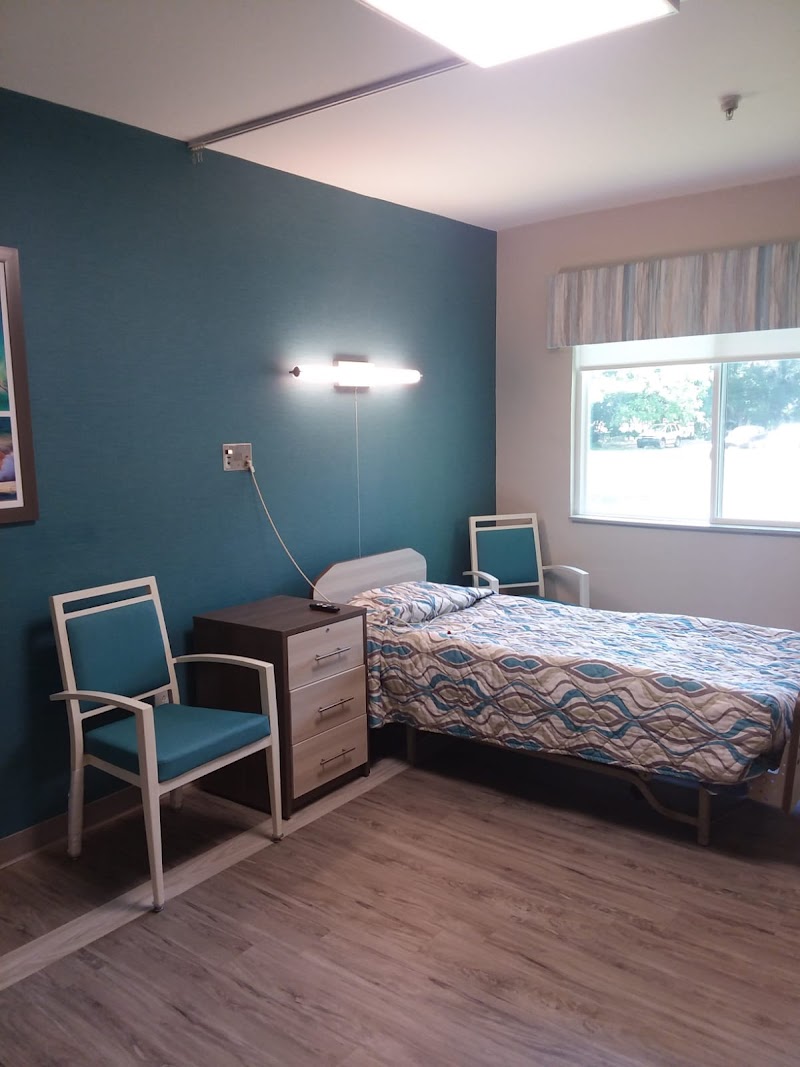
Who Owns and Operates Fountain Blue Rehab And Nursing?

FOUNTAIN BLUE REHAB AND NURSING is owned by a for-profit company. For-profit facilities operate as businesses with obligations to shareholders or private owners. The facility operates independently rather than as part of a larger chain. With 143 certified beds and approximately 76 residents (about 53% occupancy), it is a mid-sized facility located in MACON, Georgia.

How Does Fountain Blue Rehab And Nursing Compare to Other Georgia Nursing Homes?

Compared to the 100 nursing homes in Georgia, FOUNTAIN BLUE REHAB AND NURSING's overall rating (2 stars) is below the state average of 2.6, staff turnover (63%) is significantly higher than the state average of 46%, and health inspection rating (3 stars) is at the national benchmark.

What Should Families Ask When Visiting Fountain Blue Rehab And Nursing?

Based on this facility's data, families visiting should ask: "How do you ensure continuity of care given staff turnover, and what is your staff retention strategy?" "Can you walk me through typical staffing levels on day, evening, and night shifts?" "Can I visit during a mealtime to observe dining assistance and food quality?" "How do you handle medical emergencies, and what is your hospital transfer rate?" These questions are particularly relevant given the facility's high staff turnover rate and the below-average staffing rating.

Is Fountain Blue Rehab And Nursing Safe?

Based on CMS inspection data, FOUNTAIN BLUE REHAB AND NURSING has a clean safety record: no substantiated abuse findings (meaning no confirmed cases of resident harm), no Immediate Jeopardy citations (the most serious violation level indicating risk of serious injury or death), and is not on the Special Focus Facility watch list (a federal program monitoring the lowest-performing 1% of nursing homes). The facility has a 2-star overall rating and ranks #100 of 100 nursing homes in Georgia. While no facility is perfect, families should still ask about staff-to-resident ratios and recent inspection results during their visit.

Do Nurses at Fountain Blue Rehab And Nursing Stick Around?

Staff turnover at FOUNTAIN BLUE REHAB AND NURSING is high. At 63%, the facility is 17 percentage points above the Georgia average of 46%. High turnover means new staff may not know residents' individual needs, medications, or preferences. It can also be disorienting for residents, especially those with dementia who rely on familiar faces. Families should ask: What is causing the turnover? What retention programs are in place? How do you ensure care continuity during staff transitions?

Was Fountain Blue Rehab And Nursing Ever Fined?

FOUNTAIN BLUE REHAB AND NURSING has been fined $36,454 across 2 penalty actions. The Georgia average is $33,443. While any fine indicates a compliance issue, fines under $50,000 are relatively common and typically reflect isolated problems that were subsequently corrected. Families should ask what specific issues led to these fines and confirm they've been resolved.

Is Fountain Blue Rehab And Nursing on Any Federal Watch List?

FOUNTAIN BLUE REHAB AND NURSING is not on any federal watch list. The most significant is the Special Focus Facility (SFF) program, which identifies the bottom 1% of nursing homes nationally based on persistent, serious quality problems. Not being on this list means the facility has avoided the pattern of deficiencies that triggers enhanced federal oversight. This is a positive indicator, though families should still review the facility's inspection history directly.