MACON REHABILITATION AND HEALTHCARE
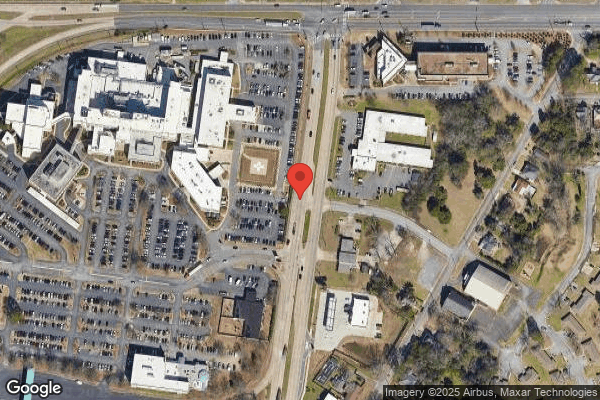
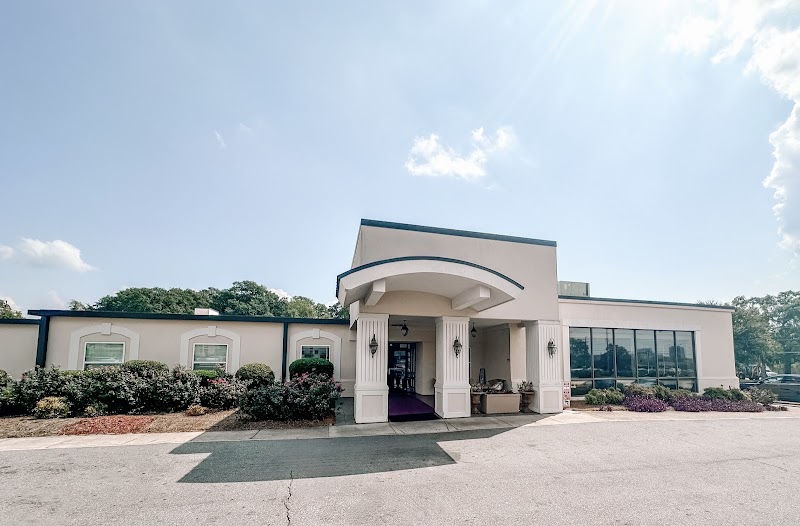
505 COLISEUM DRIVE, MACON, GA 31217 (478) 743-8687
For profit - Limited Liability company 100 Beds WELLINGTON HEALTH CARE SERVICES Data: November 2025
Trust Grade
35/100
#293 of 353 in GA
Last Inspection: April 2024

Within standard 12-15 month inspection cycle. Federal law requires annual inspections.

Overview

Macon Rehabilitation and Healthcare has received a Trust Grade of F, indicating a poor rating with significant concerns about the facility. It ranks #293 out of 353 nursing homes in Georgia, placing it in the bottom half of facilities in the state, and #9 out of 11 in Bibb County, meaning there are only two local options that are better. The facility trend is improving, as the number of issues reported decreased from 9 in 2024 to 3 in 2025. Staffing is a weakness, with a rating of 1 out of 5 stars and a turnover rate of 54%, which is average for Georgia but still concerning. Additionally, the facility has incurred fines totaling $31,738, higher than 88% of other Georgia facilities, suggesting compliance issues. Specific incidents noted in inspections include a failure to implement effective infection control measures, with staff not following proper protocols to prevent the spread of infections, particularly during the COVID-19 pandemic. There were also concerns about residents not receiving proper personal care, such as untrimmed nails and unclean beards, which could negatively impact their quality of life. While there are some improvements in the facility's overall trend, these ongoing issues reflect both strengths and weaknesses that families should carefully consider.

Trust Score
F
35/100
In Georgia
#293/353
Bottom 17%
Safety Record
Low Risk
No red flags
Inspections
Getting Better
9 → 3 violations
Staff Stability
⚠ Watch
54% turnover. Above average. Higher turnover means staff may not know residents' routines.
Penalties
✓ Good
$31,738 in fines. Lower than most Georgia facilities. Relatively clean record.
Skilled Nurses
⚠ Watch
Each resident gets only 11 minutes of Registered Nurse (RN) attention daily — below average for Georgia. Fewer RN minutes means fewer trained eyes watching for problems.
Violations
⚠ Watch
30 deficiencies on record. Higher than average. Multiple issues found across inspections.
★☆☆☆☆
1.0
Overall Rating
★☆☆☆☆
1.0
Staff Levels
★☆☆☆☆
1.0
Care Quality
★★☆☆☆
2.0
Inspection Score
Stable
2024: 9 issues
2025: 3 issues

The Good

  • Full Sprinkler Coverage · Fire safety systems throughout facility
  • No fines on record

Facility shows strength in fire safety.

The Bad

1-Star Overall Rating

Below Georgia average (2.6)

Significant quality concerns identified by CMS

Staff Turnover: 54%

Near Georgia avg (46%)

Higher turnover may affect care consistency

Federal Fines: $31,738

Below median ($33,413)

Moderate penalties - review what triggered them

Chain: WELLINGTON HEALTH CARE SERVICES

Part of a multi-facility chain

Ask about local staffing decisions and management

The Ugly 30 deficiencies on record

Sept 2025 2 deficiencies
CONCERN (D) 📢 Someone Reported This

A family member, employee, or ombudsman was alarmed enough to file a formal complaint

Potential for Harm - no one hurt, but risky conditions existed

Report Alleged Abuse (Tag F0609)

Could have caused harm · This affected 1 resident

**NOTE- TERMS IN BRACKETS HAVE BEEN EDITED TO PROTECT CONFIDENTIALITY** Based on staff interview, record review, and review of the facility's policy titled Abuse Prevention Policy, the facility failed...

Read full inspector narrative →
**NOTE- TERMS IN BRACKETS HAVE BEEN EDITED TO PROTECT CONFIDENTIALITY** Based on staff interview, record review, and review of the facility's policy titled Abuse Prevention Policy, the facility failed to report an injury of unknown origin to the State Survey Agency (SSA), specifically an alleged head injury, within the required time frame for one of three sampled residents (R) (R1).Findings include:Review of the facility's policy titled Abuse Prevention Policy, with a reviewed date of [DATE], revealed all alleged violations involving abuse, neglect, exploitation or mistreatment, including injuries of unknown source and misappropriation of resident property are reported immediately, but no later than two hours after the allegation is made, if the events that cause the allegation involve abuse or result in seriously bodily injury, to the Administrator of the facility and to other officials (including State Survey Agency and adult protective services where state law provides for jurisdiction in long term facilities in accordance with State Law).Review of the Facility Incident Report Form revealed the SSA was notified on [DATE] and indicated an off-campus injury at dialysis. The alleged incident was reported to have taken place on [DATE] at 3:00 pm. The details of the incident noted that the facility received notification that R1 was sent to the emergency room and arrived at the emergency room at 7:45 am. Per dialysis, he was sent due to a hematoma to the head that was bleeding profusely. R1 received care in the emergency room until he was pronounced deceased sometime after noon. Per the Coroner, a computed tomography scan (CT) was completed during his course of care at the emergency room that showed a subarachnoid hemorrhage. The Administrator reported to the Coroner that R1 was picked up from the facility, and transport started at 5:20 am, and per the transport team, arrived at the dialysis center at 5:25 am. Per transport crew interview and written statements, the resident was picked up from the facility with no apparent signs of injury or bleeding to his head or face. They deny any incident during transport and stated the resident arrived to dialysis with no injury and was placed in care of his assigned dialysis nurse. The resident was in the care of the dialysis center for over two hours prior to his transfer to the hospital.Review of the facility's final investigative summary, dated [DATE], revealed that it was sent to the SSA and noted that, in conclusion, the facility did not substantiate that R1 was injured or involved in any incident at the facility that would have caused the head injury. The facility had remained in contact with the local County Investigator in order to assist with any additional information they may need.During an interview with the Administrator on [DATE] at 2:30 pm, she stated she was notified on the evening of [DATE] by the Coroner that the resident was deceased . She stated she talked to the Coroner again later that evening, and he reported to her that the resident had a hematoma and a subarachnoid hemorrhage. She confirmed that she submitted the initial report on [DATE] because she wasn't sure what happened.
CONCERN (D) 📢 Someone Reported This

A family member, employee, or ombudsman was alarmed enough to file a formal complaint

Potential for Harm - no one hurt, but risky conditions existed

Investigate Abuse (Tag F0610)

Could have caused harm · This affected 1 resident

**NOTE- TERMS IN BRACKETS HAVE BEEN EDITED TO PROTECT CONFIDENTIALITY** Based on staff interview, record review, and review of the facility's policy titled Abuse Prevention Policy, the facility failed...

Read full inspector narrative →
**NOTE- TERMS IN BRACKETS HAVE BEEN EDITED TO PROTECT CONFIDENTIALITY** Based on staff interview, record review, and review of the facility's policy titled Abuse Prevention Policy, the facility failed to thoroughly investigate an allegation of injury of unknown origin for one of three sampled residents (R) (R1).Findings include:Review of the facility policy titled Abuse Prevention Policy, with a reviewed date of [DATE], revealed Injury of unknown source means source of injury was not observed by another person or injury could not be explained by the resident. Injury is suspicious because of the extent of the injury, location of injury (e.g. injury is located in an area not generally vulnerable to trauma such as facial injuries, bruising of inner thighs, wrap around bruises of arms, legs or torso, skin tears on sites other than arms/legs) or the number of injuries observed at one point in time or the incidence of injuries over time.Review of the Facility Incident Report Form revealed the State Survey Agency (SSA) was notified on [DATE] and indicated an off-campus injury at dialysis. The alleged incident was reported to have taken place on [DATE] at 3:00 pm. The details of the incident noted that the facility received notification that R1 was sent to the emergency room and arrived at the emergency room at 7:45 am. Per dialysis, he was sent due to a hematoma to the head that was bleeding profusely. R1 received care in the emergency room until he was pronounced deceased sometime after noon. Per the Coroner, a computed tomography scan (CT) was completed during his course of care at the emergency room that showed a subarachnoid hemorrhage. The Administrator reported to the Coroner that R1 was picked up from the facility, and transport started at 5:20 am, and the transport team arrived at the dialysis center at 5:25 am. Per transport crew interview and written statements, the resident was picked up from the facility with no apparent signs of injury or bleeding to his head or face. They deny any incident during transport and stated the resident arrived to dialysis with no injury and was placed in care of his assigned dialysis nurse. The resident was in the care of the dialysis center for over two hours prior to his transfer to the hospital.Review of the facility's final investigative summary, dated [DATE], that was submitted to the SSA, noted that, in conclusion, the facility did not substantiate that R1 was injured or involved in any incident at the facility that would have caused the head injury. The facility had remained in contact with the County Investigator in order to assist with any additional information they may need.There was no evidence that a complete investigation was conducted regarding the alleged head injury for R1. There was no evidence that the facility obtained the emergency room medical record, the County Sheriff's report, the Supplemental Report from the Sheriff's Department Investigator, and there was no evidence that the facility obtained information from the dialysis clinic to be able to complete a thorough investigation.Review of the [DATE] Emergency Department Provider Notes noted that the resident presented from dialysis for bleeding. At dialysis, he was given intravenous heparin and began bleeding from the back of his head. He was noted to have a 3-centimeter occipital scalp laceration, which was repaired at the bedside with three staples. The physician noted the resident had a large subarachnoid hemorrhage and subdural hemorrhage. Neurosurgery suspected an aneurysm rupture as the initial insult. The physician further noted this was a terminal non-cardiac event and medically futile to code.Review of the County Sheriff's Office Supplemental Report Narrative, dated [DATE], noted the Investigator made contact with the dialysis clinic manager along with her two nurses who were present during the appointment with R1. The clinic manager stated that the transport team lifts the patient and places them in the chair, and that her employees only touch the dialysis portion of the visit and do not move patients. There was no injury sustained during R1's visit. Dialysis staff AA stated he was giving R1 his treatment when he noticed that there was blood on his head. He wiped the blood and realized it was coming from the back of his head after blood thinners were administered. Dialysis staff AA stated the wound appeared to be a straight line, like a scrape on the back of R1's head that had reopened. He immediately applied pressure, and an ambulance was called to transport R1 to the emergency room. The clinic manager stated she would speak to her legal team about providing statements from the nurses and patients that were there during the incident.Review of the [DATE] Coroner's Death Investigation Report noted the resident came into the emergency room from dialysis on [DATE] at 7:45 am. CT showed subarachnoid hemorrhage. The Coroner noted the cause of death on discharge as renal failure. The date and time of death were [DATE] at 12:25 pm.The Georgia Death Certificate noted the resident was pronounced deceased on [DATE] at 12:25 pm. The immediate cause of death was cardiac arrest due to respiratory failure and renal failure.During an interview with the Administrator on [DATE] at 2:30 pm, she stated she was notified of the resident's death on the evening of [DATE] by the Coroner, who also told her that the resident had a hematoma and a subarachnoid hemorrhage. She stated that when she attempted to call the dialysis clinic, the phone would just ring and ring, forcing her to leave a voicemail message. However, she never received a returned call from the dialysis clinic and she did not go to the clinic to discuss the incident with management at the dialysis clinic. She further stated that when she spoke to the investigator, the investigator told her she would talk to the dialysis clinic staff, so she just turned the investigation over to her. She stated the investigator never got back with her. She stated she called the Sheriff's Office on [DATE] to obtain a copy of the investigator's report, and was told she would have to come to the office to obtain a copy.
Aug 2025 1 deficiency
CONCERN (D) 📢 Someone Reported This

A family member, employee, or ombudsman was alarmed enough to file a formal complaint

Potential for Harm - no one hurt, but risky conditions existed

Infection Control (Tag F0880)

Could have caused harm · This affected 1 resident

Based on observations, staff interviews, record review, and review of facility policy titled Infection Prevention and Control Program, the facility failed to follow infection control procedures for on...

Read full inspector narrative →
Based on observations, staff interviews, record review, and review of facility policy titled Infection Prevention and Control Program, the facility failed to follow infection control procedures for one resident (R) R68 on Enhanced Barrier Precautions (EBP). This deficient practice had the potential to increase the risk of the spread of infection in the facility. The census was 94. Findings include:Review of the facility policy titled Infection Prevention and Control Program, dated June 2025, revealed the Policy Statement section included, To have a comprehensive program that addresses detection, prevention, and control of infections among residents and staff. This facility's infection prevention and control policies/practices are intended to facilitate in maintaining a safe, sanitary, and comfortable environment and to help prevent and manage transmission of diseases and infections. The Precaution Guidelines section included, All staff should wear appropriate personal protective equipment (PPE) as necessary to prevent exposure to spills or splashes of blood or body fluids or other potentially infectious materials. Review of the electronic medical record (EMR) for R68 revealed diagnoses including, but not limited to, pressure ulcer of sacral region, stage 3, encounter for orthopedic aftercare following surgical amputation, and acquired absence of left leg above the knee.Review of the Quarterly Minimum Data Set (MDS) assessment, dated 6/20/2025, for R68 revealed that Section GG (Physical Abilities and Goals) documented the resident required substantial to maximal assistance with toileting hygiene. Section H (Bowel and Bladder) documented the resident was always incontinent of bowel and bladder. Section M (Skin Condition) documented the resident had one unhealed stage 3 pressure ulcer. Review of the Order Summary Report for R68 revealed an order dated 7/2/2025 for Enhanced Barrier Precautions related to a wound. In a concurrent observation and interview on 8/20/2025 at 11:20 am, Certified Nursing Aide (CNA) FF was observed providing incontinent care to R68. Observation revealed CNA FF did not have a protective gown on while providing incontinent care. Interview with CNA FF confirmed she did not wear a protective gown while providing incontinent care to R68. CNA FF stated she should have worn a gown during the care. In an interview on 8/21/2025 at 12:30 pm, the Director of Nursing (DON) revealed her expectation was for staff to wear gowns and gloves while providing incontinent care to residents who were on EBP.
Apr 2024 7 deficiencies
CONCERN (D) 📢 Someone Reported This

A family member, employee, or ombudsman was alarmed enough to file a formal complaint

Potential for Harm - no one hurt, but risky conditions existed

Resident Rights (Tag F0550)

Could have caused harm · This affected 1 resident

**NOTE- TERMS IN BRACKETS HAVE BEEN EDITED TO PROTECT CONFIDENTIALITY** Based on observations, staff interviews, record review, and review of the facility's policy titled Urinary Catheter Care, Anchor...

Read full inspector narrative →
**NOTE- TERMS IN BRACKETS HAVE BEEN EDITED TO PROTECT CONFIDENTIALITY** Based on observations, staff interviews, record review, and review of the facility's policy titled Urinary Catheter Care, Anchoring and Changing, the facility failed to ensure a urinary catheter privacy bag was provided for one of four residents (R) (R61) with a urinary catheter. This failure had the potential to diminish the resident's quality of life in an environment that promotes the maintenance or enhancement of each resident's quality of life. Findings include: A review of the facility's policy titled Urinary Catheter Care, Anchoring and Changing, revised April 2, 2024, revealed the Policy Statement was Each resident who is incontinent of bladder and has an indwelling catheter receives appropriate treatment of services to prevent urinary tract infections and to restore as much bladder function as possible. In order to avoid mucosal damage, catheter tubing will be anchored to prevent tension on the {name of catheter} insertion site. The Standards of Practice section stated, 16. Catheter drainage bags will be covered when residents are in a public area. 1. Record review revealed R61's diagnoses included, but were not limited to, bladder-neck obstruction, chronic obstructive pyelonephritis, interstitial cystitis with hematuria, and chronic kidney disease. Review of the Annual Minimum Data Set (MDS) dated [DATE] revealed Section H (Appliances) documented R61 had an indwelling urinary catheter. Observations on 4/19/2024 at 8:55 am and 4/20/2024 at 8:11 am revealed R61's urinary catheter drainage bag was uncovered and facing the door, allowing R61's urine to be visible to other residents, staff, and visitors from the hallway. An interview on 4/20/2024 at 8:15 am with Certified Nursing Assistant (CNA) AA confirmed that R61's catheter drainage bag contents were visible from the hallway and the bag should be in a privacy bag. An interview on 4/20/2024 at 8:28 am with Licensed Practical Nurse (LPN) BB confirmed R61's urinary catheter drainage bag was not in a privacy bag, and the contents were visible from the hallway. An interview on 4/20/2024 at 8:43 am with the Director of Nursing (DON) revealed that there were four residents in the facility with a urinary catheter. Further interview revealed that R61 often removes the privacy bag and places it in the top drawer. She stated there should be attempts by staff to ensure that the bag is covered, and privacy is provided for the resident. Cross-reference F656
CONCERN (D)

Potential for Harm - no one hurt, but risky conditions existed

Deficiency F0657 (Tag F0657)

Could have caused harm · This affected 1 resident

Based on observation, resident and staff interviews, and a review of the facility's policy titled Care Plan Policy, the facility failed to update the care plan for one resident (R) (R56) related to an...

Read full inspector narrative →
Based on observation, resident and staff interviews, and a review of the facility's policy titled Care Plan Policy, the facility failed to update the care plan for one resident (R) (R56) related to an indwelling urinary catheter that had been removed and discontinued. The sample size was 37 residents. This failure placed R56 at risk for unmet needs and a diminished quality of life. Findings include: A review of the facility's policy titled Care Plan Policy, revised April 10, 2024, revealed a Policy Statement of Each resident will have a person-centered plan of care to identify problems, needs, and strengths that will identify how the facility will provide services to attain or maintain the resident's highest practicable physical, mental, and psychosocial well-being. The Standards of Practice section stated, 12. The plan of care is to be reviewed and updated as necessary at the completion of every assessment by the interdisciplinary team and resident representative party if so desired. A review of R56's Quarterly Minimum Data Set (MDS) assessment, dated 3/6/2024, revealed Section C (Cognition) documented a Brief Interview for Mental Status (BIMS) score of 15 (indicating no cognitive impairment), Section H documented no indwelling urinary catheter. A review of the care plan revealed a Focus area of [resident name] has an indwelling catheter. Goal and interventions were in place for an indwelling urinary catheter, and the last revision date was 9/20/2023. A review of the active Physician Orders revealed there was no order for an indwelling urinary catheter. An interview on 4/21/2024 at 9:20 am with Registered Nurse (RN) HH/MDS Director revealed she and the MDS Coordinator gathered information to update care plans by interviewing residents, reviewing their medication list, reviewing the clinical record, if the resident was not cognitive and could not be interviewed, they talked with staff for residents' functional mobility and behaviors, and discussed residents in the morning meetings. She stated care plans were updated quarterly, annually, with a change in condition, and as needed. She confirmed care plan revisions were behind. A continued interview revealed RN HH/MDS Director stated she was unaware of R56's urinary catheter being removed. During an observation on 4/21/2024 at 9:45 am, inside R56's room, RN HH/MDS Director confirmed R56 no longer had a urinary catheter. She stated the catheter must have been removed recently. R56 stated that staff took his catheter out five months ago in November 2023. An interview on 4/21/2024 at 10:58 am with the Director of Nursing (DON) revealed care plans must be completed and revised in a timely manner. She stated care plans were reviewed and updated quarterly and annually, with changes in condition and as needed. She confirmed that R56's urinary catheter was discontinued and removed on 11/1/2023. The DON stated her expectation was that care plans be revised and updated as indicated when changes in condition warrants.
CONCERN (D)

Potential for Harm - no one hurt, but risky conditions existed

Deficiency F0687 (Tag F0687)

Could have caused harm · This affected 1 resident

**NOTE- TERMS IN BRACKETS HAVE BEEN EDITED TO PROTECT CONFIDENTIALITY** Based on observation, resident and staff interviews, record review, and review of the facility's policy titled Nail Care (Finger...

Read full inspector narrative →
**NOTE- TERMS IN BRACKETS HAVE BEEN EDITED TO PROTECT CONFIDENTIALITY** Based on observation, resident and staff interviews, record review, and review of the facility's policy titled Nail Care (Finger and Toe), the facility failed to obtain a podiatry appointment for one resident (R) (R39) of 37 sampled residents. This deficient practice had the potential to cause R39 unnecessary discomfort and decreased quality of life. Findings include: Review of the facility's policy titled Nail Care (Finger and Toe), last reviewed April 1, 2024, revealed the section titled Standard of Practice stated, 4. Stop and report any evidence of ingrown toenails, infection, pain, or if nails are too hard or thick to cut with ease. The Step and Action section stated, 24. Report the condition of the resident's nails: . Complaints or problems with hands or feet. Review of the admission Minimum Data Set (MDS) assessment dated [DATE] revealed Section C (Cognition) documented a Brief Interview for Mental Status (BIMS) score of 15 (indicating intact cognition), and Section GG (Functional Abilities and Goals) revealed R39 was dependent on staff for all Activities of Daily Living (ADL). In an interview on 4/19/2024 at 8:57 am, R39 asked about seeing the Podiatrist to get her nails clipped and stated she had asked staff, but no one had made her an appointment. Observation of R39's left foot revealed the left great toe had a thick, long toenail with jagged edges. In an interview on 4/20/2024 at 9:30 am, R39 revealed she spoke with the Social Worker the previous day, and the Social Worker was supposed to make an appointment for her to see the Doctor to get her toenails on her left foot taken care of. In an interview on 4/20/2024 at 10:00 am, the Social Services Director (SSD) revealed that R39 spoke with her on 4/19/2024, asking to be put on the list to see the Podiatrist to have her toenails trimmed. The SSD stated the staff who assisted R39 with bathing had not told her the resident needed to see the Podiatrist nor had R39 asked to see the Podiatrist until 4/19/2024. The SSD stated she relies on staff, residents, and family members to let her know when someone needs to see the Podiatrist and that R39 fell through the cracks. In an interview on 4/20/2024 at 10:25 am, R39 revealed she had told a Certified Nursing Assistant (CNA) that she needed her toenails trimmed, but no one had spoken with her about the need before 4/19/2024. In an interview on 4/20/2024 at 10:35 am, CNA DD revealed she informs the nurse when she identifies a need for a resident to see a Podiatrist. She revealed she informed a nurse a few weeks ago that R39 needed to see a Podiatrist and further stated she had also informed the SSD that R39 asked to see her about making a podiatry appointment.
CONCERN (D)

Potential for Harm - no one hurt, but risky conditions existed

Tube Feeding (Tag F0693)

Could have caused harm · This affected 1 resident

**NOTE- TERMS IN BRACKETS HAVE BEEN EDITED TO PROTECT CONFIDENTIALITY** Based on observation, staff interview, record review, and review of the facility's policy titled Enteral Nutrition Policy, the f...

Read full inspector narrative →
**NOTE- TERMS IN BRACKETS HAVE BEEN EDITED TO PROTECT CONFIDENTIALITY** Based on observation, staff interview, record review, and review of the facility's policy titled Enteral Nutrition Policy, the facility failed to provide enteral (a method of supplying nutrients directly into the gastrointestinal tract) nutrition according to physician orders for one resident (R) (R54) of 10 residents receiving enteral feeding in the facility. This deficient practice placed R54 at risk for medical complications and a diminished quality of life. Findings include: Review of the facility's policy titled Enteral Nutrition Policy, last reviewed April 16, 2024, revealed the Policy Statement included Adequate nutritional support through enteral feeding will be provided to residents as ordered. Review of R54's admission Minimum Data Set (MDS) assessment dated [DATE] revealed section K (Swallowing and Nutrition) documented R54 received tube feeding while a resident in the facility. Review of the medical record revealed R54's diagnoses included, but were not limited to, cerebrovascular accident, dysphagia, type 2 diabetes, and mild protein-calorie malnutrition. Review of R54's Physician Orders revealed an order dated 4/1/2024 for enteral tube feeding for continuous formula Nepro (a nutritional product administered for nutritional support) at 65 cubic centimeters (cc) per hour for 22 hours. Review of R54's Medication Administration Record (MAR) for April 19, 2024, revealed that R54 was administered Nepro tube feeding daily. Observation on 4/19/2024 at 9:00 am of R54 revealed that Glucerna (a nutritional product administered for nutritional support) enteral tube feeding was being administered via a pump at 65cc per hour. Observation of R54 on 4/19/2024 at 3:15 pm with the Director of Nursing (DON) cothnfirmed that Glucerna tube feeding was being administered instead of the Nepro tube feeding formula that was ordered by the physician. She stated the nursing staff administered the wrong tube feeding product and that the resident should have been receiving Nepro. She further stated she would have the nursing staff administer the correct tube feeding. Cross-Reference F656
CONCERN (D)

Potential for Harm - no one hurt, but risky conditions existed

Respiratory Care (Tag F0695)

Could have caused harm · This affected 1 resident

**NOTE- TERMS IN BRACKETS HAVE BEEN EDITED TO PROTECT CONFIDENTIALITY** 3. Review of the medical record revealed R4 had diagnoses including, but not limited to, chronic obstructive pulmonary disease (...

Read full inspector narrative →
**NOTE- TERMS IN BRACKETS HAVE BEEN EDITED TO PROTECT CONFIDENTIALITY** 3. Review of the medical record revealed R4 had diagnoses including, but not limited to, chronic obstructive pulmonary disease (COPD) and obesity. Review of the quarterly MDS assessment dated [DATE] revealed Section C (Cognition) documented a Brief Interview for Mental Status (BIMS) of 14 (indicating little to no cognitive impairment). Review of R4's Physician Orders dated April 2024 revealed orders for oxygen at 2 liters per minute via a mask or nasal cannula as needed for oxygen saturation (SPO2) less than 92 percent. If ineffective, notify physician as needed for shortness of breath (SOB), add humidification water bottle to oxygen concentrator for humidification, fill with distilled water, and check SP02 every shift, notify physician if less than 92 percent every shift related to chronic obstructive pulmonary disease. Review of the oxygen saturations in the EMR under the Vital Signs tab revealed no documented oxygen saturations less than 92 percent. Review of the April 2024 Medication Administration Record (MAR) revealed there was no documentation of R4 receiving oxygen. Further review of the MAR revealed all oxygen saturations documented were greater than 92 percent. Observation on 4/19/2024 at 9:37 am revealed R4 with oxygen on via a nasal cannula at 3 liters per minute (LPM) via an oxygen concentrator. There was no humidification bottle attached to the concentrator. Observation revealed the oxygen concentrator filter had a white/light grey fuzzy substance on the vent covering the filter, and the concentrator had an accumulation of a light grey fuzzy substance and a white substance along both sides and the front. Observations on 4/20/2024 at 8:27 am and 12:20 pm revealed R4 with oxygen on via a nasal cannula at 2 LPM via an oxygen concentrator. Further observations revealed the concentrator still did not have a humidification container. The concentrator continued to be dirty, and the vent covering the concentrator's filter continued to have a white/light grey fuzzy substance. An interview on 4/20/2024 at 8:27 am with R4 revealed that she wears oxygen most of the time and only removes it during mealtimes. An interview on 4/20/2024 at 12:28 pm with Certified Nurse Aide (CNA) FF revealed that she ensures R4 is wearing the oxygen. CNA FF further stated R4 wears oxygen at all times and can't go without it. Interview and observation on 4/20/2024 at 12:48 pm with LPN GG verified that R4's oxygen concentrator did not have a humidification bottle and should have one since there was an order for one. LPN GG verified the dirty filters and the unclean concentrator. She further stated that R4 wears oxygen at all times, and she checks her oxygen saturation daily. LPN GG verified the current physician's order for oxygen was for it to be given as needed at 2 LPM if oxygen saturations were 92 percent or less. LPN GG stated that R4's oxygen saturation was 97 percent today when it was checked, and according to the current order, the resident should not be wearing the oxygen. LPN GG further stated she was unsure who was responsible for cleaning the concentrator and the filters. During an interview and walking rounds on 4/20/2024 at 1:04 pm with the DON, she verified the oxygen concentrator to be dirty, the filters were not clean, and the oxygen was not humidified. The DON further stated she was not sure who was responsible for cleaning the filters but thought maybe it was the Maintenance Director. The DON verified the current oxygen order was not being followed. She verified there were no documented oxygen saturations of 92 percent or below to indicate the use of the oxygen according to the current order. The DON stated that the nurses should check the orders to ensure they were correct and being followed. An interview on 4/20/2024 at 1:36 pm with the Maintenance Director revealed the oxygen concentrator filters were not cleaned on a routine basis and stated he only changes and cleans them if there is a work order for it. A follow-up interview on 4/21/2024 at 9:30 am with LPN GG revealed she was aware that as-needed (PRN) oxygen should be documented on the MAR. She further stated that she did not notice that it was not being documented because the oxygen saturations were being documented daily. A follow-up interview on 4/21/2024 at 9:34 am with the DON revealed the nurses are required to sign off oxygen use on the MAR for continuous and PRN use of the oxygen. 4. Review of the medical record revealed R24 had diagnoses including, but not limited to, chronic combined systolic (congestive) and diastolic heart failure, cardiomyopathy, COPD, and presence of automatic (implantable) cardiac defibrillator. Review of the Quarterly MDS assessment dated [DATE] revealed Section C (Cognition) documented a BIMS of 15 (indicating little to no cognitive impairment). Review of R24's care plan, initiated on 2/1/2024, revealed that the resident had an altered respiratory status/difficulty breathing due to COPD with congestive heart failure (CHF). Interventions included checking oxygen saturations as ordered and providing oxygen as indicated. Review of the active Physician Orders dated 4/20/2024 revealed no order for oxygen therapy. Observations on 4/19/2024 at 8:52 am and on 4/20/2024 at 8:12 am and 12:56 pm revealed the filter vent on R24s oxygen concentrator had a large accumulation of light grey fuzzy substance and the concentrator was dirty. Further observation revealed the concentrator was turned on with oxygen flowing, and the nasal cannula was lying on the bedside table. An interview on 4/20/2024 at 1:12 pm with R24 revealed that he uses oxygen as needed due to having COPD and a pacemaker. R24 further stated he takes the oxygen off and on whenever he needs it. He stated that he had used the oxygen since admission to the facility. During walking rounds and interview on 4/20/2024 at 1:20 pm, the DON verified R24 had used oxygen in the last year. The DON verified the nasal cannula on the table, the dirty filter, and the dirty concentrator. She verified that R24 did not have a current physician's order for oxygen and stated there should be a physician's order if the resident is receiving oxygen. The DON further stated that R24 was recently sent to the hospital, and the oxygen order was not added back upon readmission to the facility. An interview on 4/20/2024 at 1:33 pm with CNA DD revealed she had observed R24 wearing oxygen. An interview on 4/20/2024 at 1:37 pm with LPN CC revealed that R24 uses oxygen as needed for shortness of breath. LPN CC further stated she was not sure who was responsible for cleaning the filters on the concentrators. She verified R24's oxygen order was discontinued on 4/10/2024 and there was no current physician's order for oxygen administration. Cross- reference F656 Based on observations, staff interviews, record review, and review of the facility's policies titled Tracheostomy Policy, Emergency Management, Tracheostomy Care and Services, and Oxygen Therapy Policy, the facility failed to ensure two residents (R) (R71 and R14) had a written physicians order for the tracheostomy tube sizes in use. In addition, the failed to ensure respiratory supplies for R71 were available at the bedside. Additionally, the facility failed to ensure two residents (R24 and R4) receiving oxygen (O2) therapy had written physician orders for oxygen use, ensure oxygen was administered as ordered by the physician, and failed to ensure oxygen concentrator filters were free of dust and debris. The deficient practices had the potential to place the residents at risk for medical complications, unmet needs, and a diminished quality of life. The sample size was 37 residents. Findings include: Review of the facility's policy titled Tracheostomy Policy, Emergency Management, dated March 2024, revealed the Policy Statement Purpose stated, The main purposes of this clinical practice guideline is to ensure the care of residents with a tracheostomy is consistent with the residents' goals of care along with the prevention and identification of complications, such as accidental decannulation and occluded tracheostomies. Continued policy review revealed the Policy Interpretation and Implementation section stated, In case of emergency tracheostomy tube dislodgement (decannulation) appropriate supplies and equipment to be kept at the bedside and/ or immediately accessible; the this includes times when the resident is being transported from unit to unit or any time the resident leaves the facility. Review of the facility's policy titled Tracheostomy Care and Services, dated April 1, 2024, revealed the Policy Statement stated, The facility must provide consistent implementation of all aspects of care related to provision of tracheostomy care and services, in accordance with accepted professional standards of practice, including emergency interventions as appropriate. A care plan must be developed and implemented to include appropriate interventions for respiratory care. The facility must develop an individualized care plan based on the resident's assessment. Review of the facility's policy titled Oxygen Therapy Policy, dated April 2024, revealed the Standard of Practice section stated, 1. Oxygen therapy is to be used with a written order by a physician. A physician's order for O2 therapy is to contain liter flow per minute via mask or cannula. On an emergency basis, O2 may be used at 2 liters per minute until physician is notified. 1. Review of R71's Quarterly Minimum Data Set (MDS) assessment dated [DATE] revealed Section O (Special Treatments, Procedures, and Programs) documented that R71 received oxygen therapy, required suctioning, required tracheostomy care, and had an invasive mechanical ventilator. Review of the medical record for R71 revealed the resident's diagnoses included, but were not limited to, anoxic brain damage, chronic respiratory failure, chronic obstructive pulmonary disease, and encounter for attention to tracheostomy. Review of R71's Physician Orders revealed there was no order for the tracheostomy tube size. Review of the care plan revealed a Focus area of the resident has a tracheostomy related to chronic respiratory failure and anoxic brain damage. The Goal indicated that the resident would have no signs and symptoms of infection through the review date. Interventions included ensuring that trach ties are secured at all times, giving humidified oxygen as prescribed, providing good oral care daily and as needed, and suctioning as necessary. Observation on 4/19/2024 at 9:43 am of R71's room revealed no tracheostomy supplies were visible at the bedside. An interview on 4/19/2024 at 10:56 am with Licensed Practical Nurse (LPN) CC revealed sterile water, a tracheostomy cleaning kit, and suctioning supplies were usually kept at the bedside. LPN CC also revealed that the resident's replacement tracheostomy tube was kept in the supply or medication room. An interview on 4/19/2024 at 11:30 am with the Director of Nursing (DON) revealed that a Respiratory Therapist (RT) comes to the facility weekly on Wednesday to see residents who have a tracheostomy. During the interview, it was determined that the supplies that should be stored at the residents' bedside were a resuscitator, oxygen, suction machine, and a replacement tracheostomy tube, specifically one of the size that was inserted and one of the next smaller size. During the interview, the DON revealed that Central Supply staff was responsible for ensuring the supplies were at the resident's bedside and were replenished weekly. Further interview with the DON revealed R71's tracheostomy tube was downsized by the RT on 4/17/2024 from a 7.5 millimeter (mm) to a 6.5 mm size. During the interview, the DON confirmed that there was no written physician's order for R71 documenting the resident's tracheostomy tube size of 6.5 mm or that the resident had a written order for the previous tracheostomy size of 7.5 mm. She stated the RT does not write the orders for tracheostomy residents and further stated the RT would notify the charge nurse of the changes made, and the charge nurse was responsible for ensuring the order was written and placed in the residents' medical records. Observation on 4/19/2024 at 11:35 am with the DON of R71's tracheostomy supplies revealed a resuscitator was observed in the second drawer of the resident's dresser. There were no suction kits or gauze. However, a replacement tracheostomy tube one size below was visible in the room. The DON confirmed the observations. An interview on 4/19/2024 at 11:45 am with the Central Supply Clerk (CSC) revealed that she was responsible for ensuring supplies for tracheostomy residents were stocked at their bedside. The CSC stated the supplies were replenished once a week on Wednesday when the RT informed her what was needed for each resident. During the interview, she revealed that there was no documentation to indicate what size tracheostomy tube each of the tracheostomy residents needed. Further interview revealed that R71's respiratory supplies were not restocked this week due to the CSC being off on Wednesday, and there was no other staff member in the facility who restocked the respiratory supplies. An interview on 4/19/2024 at 1:00 pm with the RT revealed that she visits the facility weekly on Wednesday to see residents who have tracheostomies. She also stated that R71's tracheostomy was downgraded to a smaller size of 6.5 mm on 4/17/2024. During the interview, it was revealed that the RT does not write physician orders for the residents, and when changes are made for the tracheostomy residents, the charge nurse is notified so they can write the orders. 2. Review of R14's Quarterly MDS assessment dated [DATE] revealed Section I (Active Diagnoses) documented diagnoses including, but not limited to, respiratory failure, and Section O (Special Treatments and Programs) documented the resident received oxygen, suctioning, and tracheostomy care. Review of the electronic medical record (EMR) revealed a physician order dated 10/2/2023 for an 8 mm tracheostomy tube. Observations on 4/19/2024 at 10:03 am and 4/20/2024 at 7:45 am revealed tracheostomy supplies were in R14s room, including a 7.5 mm tracheostomy kit, 6.0 mm inner cannulas, gauze, tape, a resuscitator, sterile water, gloves, suction catheters, and tracheostomy cleaning kits. An interview on 4/20/2024 at 8:00 am with LPN EE revealed that R14's tracheostomy tube size was 7.5 mm, and the inner cannula size was 6 mm. She reviewed the physician's orders in the EMR and confirmed that the orders for tracheostomy sizes were dated 4/19/2024. LPN EE reviewed R14's discontinued physician's orders in the EMR and confirmed there were no previous orders for the tracheostomy tube size of 7.5 mm. An interview on 4/21/2024 at 8:40 am with the DON revealed that the RT changed R14's tracheostomy tube and inner cannula sizes on 4/17/2024. She stated the process for documenting orders for changes in tracheostomy tube and inner cannula sizes was for the RT to inform the nurse of the changes, and the nurse was responsible for putting the orders in the EMR. She further stated the change on 4/17/2024 was not put in as a physician's order and that she had put the order in on 4/19/2024.
CONCERN (E) 📢 Someone Reported This

A family member, employee, or ombudsman was alarmed enough to file a formal complaint

Potential for Harm - no one hurt, but risky conditions existed

Comprehensive Care Plan (Tag F0656)

Could have caused harm · This affected multiple residents

**NOTE- TERMS IN BRACKETS HAVE BEEN EDITED TO PROTECT CONFIDENTIALITY** 4. Review of R4's care plan, initiated on 10/7/2021, revealed that the resident was at risk for impaired air exchange due to COP...

Read full inspector narrative →
**NOTE- TERMS IN BRACKETS HAVE BEEN EDITED TO PROTECT CONFIDENTIALITY** 4. Review of R4's care plan, initiated on 10/7/2021, revealed that the resident was at risk for impaired air exchange due to COPD and allergic rhinitis. Interventions included, but were not limited to, administering oxygen as needed. Observation on 4/19/2024 at 9:37 am revealed R4 receiving oxygen via a nasal cannula at 3 liters per minute (LPM). Observations on 4/20/2024 at 8:27 am and 12:20 pm revealed R4 receiving oxygen via a nasal cannula at 2 LPM. Review of R4's Physician Orders dated April 2024 revealed orders for oxygen at 2 LPM via a mask or nasal cannula as needed for oxygen saturation (SP02) less than 92 percent. If ineffective, notify physician as needed for shortness of breath (SOB), add humidification water bottle to oxygen concentrator for humidification, fill with distilled water, and check SP02 every shift, notify physician if less than 92 percent every shift related to chronic obstructive pulmonary disease. Review of the oxygen saturation section in the EMR under the Vital Signs tab and on the April 2024 Medication Administration Record (MAR) revealed no documented oxygen saturations less than 92 percent. An interview on 4/20/2024 at 1:04 pm with the DON verified R4 did not have documented oxygen saturations of 92 percent or below to indicate the use of the oxygen according to the physician's order, and she verified that R4's care plan was not being followed. Based on observations, resident and staff interviews, record review, and review of the facility's policy titled Care Plan Policy, the facility failed to ensure a care plan was developed or implemented for six of 37 residents (R) (R46, R51, R61, R4, R54, R67). Specifically, the facility failed to ensure the care plan was implemented for R46 and R51 for Activities of Daily Living (ADL), R61 for providing a privacy bag for a urinary catheter, R4 for oxygen use, and R54 for tube feeding. In addition, the facility failed to develop a care plan for R67 for the use of antipsychotic and anticoagulant medications. The deficient practices had the potential to place the residents at risk for medical complications, unmet needs, and a diminished quality of life. Findings include: Review of the facility's policy titled Care Plan Policy, revised April 10, 2024, revealed the Policy Statement of Each resident will have a person-centered plan of care to identify problems, needs, and strengths that will identify how the facility staff will provide services to attain or maintain the resident's highest practicable physical, mental, and psychosocial well-being. 1. Review of R46's care plan revealed a Focus area of the resident had an ADL self-care performance deficit related to a cerebral vascular accident (CVA), hemiplegia and requires assistance with ADL care. The goal was for the resident to have a clean, neat, and odor-free appearance through the review date. Interventions included the resident preferred to keep their beard trimmed as needed/desired and assist with daily grooming of oral, skin, hair, and nails. Observations on 4/19/2024 at 10:21 am and 4/20/2024 at 7:45 am revealed that R46 had a full beard with food scattered throughout it. Further observation revealed R46's fingernails on the left hand were long, with a brown substance noted under the nails. 2. Review of R51 Quarterly Minimum Data Set (MDS) Assessment date 2/27/2024 section C (Cognition): A Brief Interview for Mental Status (BIMS) score of 11 (indicating moderate cognitive impairment). However, the resident was able to articulate that she was in a nursing facility and her preferences for nail care. Review of the care plan revealed a Focus area of R51 was at risk for skin tear/injury secondary to skin fragility with aging. Resident has a personal preference of long fingernails. The goal included that R51's personal preferences will be met through the review period. Interventions included to encourage resident nail care as allowed. Observation on 4/19/2024 at 9:31 am revealed R51's fingernails were long with a thick brown substance underneath her nails. An interview on 4/19/2024 at 9:45 am with R51 revealed that she does not want her nails cut but would like for them to be cleaned. 3. Review of R61's care plan revealed a Focus of R61 has an indwelling catheter due to obstructive and reflux uropathy, bladder neck obstruction, chronic obstructive pyelonephritis, and chronic kidney disease. Interventions included, but were not limited to, emptying the catheter, ensuring emptying when the bag is under 3/4 full, and ensuring the catheter bag remains below the level of the bladder so that gravity works to bring urine down and does not backflow into the bladder. Provide privacy device per resident preference. Observation on 4/19/2024 at 8:55 am revealed the catheter drainage bag was uncovered and facing the door with 2000 cubic centimeters (cc) of urine (filled to the top). Observation on 4/20/2024 at 8:11 am revealed the catheter drainage bag was visible from the door. No privacy bag was noted during the observation. The catheter drainage bag had 1600 cc of urine noted. An interview on 4/20/24 at 8:28 am with Licensed Practical Nurse (LPN) BB confirmed R61's urinary catheter drainage bag was not in a privacy bag, and the catheter drainage bag contained 1600 cc of urine and should be emptied. LPN BB confirmed that R61 had a care plan for a urinary catheter, and the care plan should be followed. An interview on 4/20/2024 at 8:43 am with the Director of Nursing (DON) revealed her expectation was for staff to provide care for the residents according to their care plan and the care needs of each resident. An interview on 4/20/2024 at 9:49 am with the MDS Director revealed that each resident had a care plan centered around their care needs. The MDS Director stated CNAs were notified of changes in residents' care needs through their charting system, which is used daily for resident care. She further stated that the nurses have access to the resident care plans, with their care needs documented, and were expected to follow the residents' care plan when providing care. 6. Record review revealed R67's diagnoses included, but were not limited to, paraplegia complete, neuromuscular dysfunction of the bladder, and chronic pain syndrome. Review of the Quarterly MDS assessment dated [DATE] revealed Section N (Medications) documented that R67 had received antipsychotic, antidepressant, anticoagulant medications, and antipsychotics were received on a routine basis during the assessment period. Review of the Physician Orders revealed orders of: 4/11/2024: quetiapine fumarate 25 milligrams (mg) (a medication used to treat mental and mood disorders) 1 tablet by mouth (PO) twice a day related to unspecified mood (affective) disorder. 4/11/2024: venlafaxine hydrochloride ER (extended-release) (a medication used to treat depression and anxiety) 75mg tablet Q24h (every 24 hours) give 1 tablet PO one time a day for depression. 4/11/2024: Eliquis 5 mg (a medication used to treat and prevent blood clots) give 1 tablet PO twice a day for blood clot prevention. Review of R67's care plan revealed there were no care plan areas or interventions for the use of antipsychotic, antidepressant, and anticoagulant medications. An interview on 4/21/2024 at 9:20 am with RN HH/MDS Director revealed care plans were updated quarterly, annually, and as needed when something was going on with the resident. She stated she received information through interviews with residents and staff and a clinical record review. The interview further revealed she was behind on care plan revisions. She confirmed that R67's care plan had not been updated since he was readmitted from a hospitalization. An interview on 4/21/24 at 11:17 am with the DON revealed that R67 was recently readmitted to the facility from a hospitalization. She confirmed the care plan was not updated or revised to include care plan areas and interventions for the use of antipsychotic, antidepressant, and anticoagulant medications before 4/21/2024. She stated her expectation was for resident care plans to be revised and updated in a timely manner and when changes in conditions warrant revisions or additions to the care plan. Cross-reference F550, F677, F695, F693 5. Review of R54's care plan, dated 4/3/2024, revealed the resident has nutritional problems or potential nutritional problems due to an NPO (nothing by mouth) diet and experiences weight fluctuations. The resident receives continuous tube feeding with hourly water flushes. Interventions included, but were not limited to, providing and serving diet and supplements as ordered. R54 also had a care plan developed for potential fluid deficit due to NPO status. Interventions included, but were not limited to, administering medications and nutrition/flushes as ordered. Review of R54's Physicians Orders revealed an order dated 4/1/2024 for enteral tube feeding for continuous formula Nepro (a nutritional product administered for nutritional support) at 65 cubic centimeters (cc) per hour for 22 hours. Observation on 4/19/2024 at 9:00 am of R54 revealed that Glucerna (a nutritional product administered for nutritional support) tube feeding was being administered via a pump at 65cc per hour. During an interview and observation on 4/19/2024 at 3:15 pm, the DON confirmed that R54 was receiving Glucerna tube feeding and not the Nepro tube feeding that was ordered by the physician. An interview on 4/21/2024 at 9:52 am with Registered Nurse (RN) HH/MDS Director revealed that each resident had a care plan centered around their care needs and physician's orders. She further stated staff was expected to follow the care plan for each resident. Continued interview revealed care plan meetings were attended by the administrative staff, and if anything needs to be relayed back to the staff, we put it on the care plan and communicate it with the floor staff.
CONCERN (E)

Potential for Harm - no one hurt, but risky conditions existed

ADL Care (Tag F0677)

Could have caused harm · This affected multiple residents

**NOTE- TERMS IN BRACKETS HAVE BEEN EDITED TO PROTECT CONFIDENTIALITY** Based on observations, resident and staff interviews, record review, and review of the facility's policies titled Activity of Da...

Read full inspector narrative →
**NOTE- TERMS IN BRACKETS HAVE BEEN EDITED TO PROTECT CONFIDENTIALITY** Based on observations, resident and staff interviews, record review, and review of the facility's policies titled Activity of Daily Living, Quality of Life, Special Rehabilitative Services, and Nail Care (Finger and Toe), the facility failed to ensure five residents (R) (R51, R29, R21, R56, and R46) were provided care and services in accordance with their personal needs. Specifically, the facility failed to ensure R51 and R29's nails were clean and trimmed, R46's beard was trimmed and clean without food particles present, and R21 and R56 received baths and removal of facial hair. These failures placed R51, R29, R21, R56, and R46 at risk for unmet needs and a diminished quality of life. The sample size was 37 residents. Findings include: Review of the facility's policy titled Activity of Daily Living, Quality of Life, Special Rehabilitative Services, dated November 2022, revealed the Policy Statement included Each resident shall receive, and this facility will provide necessary care and services to attain or maintain the highest practicable physical, mental, and psychosocial well-being, consistent with the resident comprehensive assessment and care plan. The Scope section stated, Residents will be given the appropriate treatment and services to maintain or improve their ability to carry out the activities of daily living including hygiene bathing, grooming and oral care mobility, transfer, ambulation, elimination/ toileting, dining, eating, and communication functions. Review of the facility's policy titled Nail Care (Finger and Toe), dated April 1, 2024, revealed the Standard of Practice section included 1. Nails can be partially cleaned during bathing. 3. Nail care includes daily cleaning and regular trimming. 1. Record review revealed R51's diagnoses included, but were not limited to, the need for assistance with personal care, major depressive disorder, and adjustment disorder mixed with anxiety and depression. Review of the Quarterly Minimum Data Set (MDS) assessment dated [DATE] revealed Section C (Cognition) documented a Brief Interview for Mental Status (BIMS) score of 11 (indicating moderate cognitive impairment). However, the resident was able to articulate that she was in a nursing facility and her preferences for nail care. A continued review revealed that section GG (Functional Abilities and Goals) documented that R51 had functional limitations with impairment on both sides of the upper and lower extremities. Observation on 4/19/2024 at 9:31 am revealed R51's fingernails were long with a thick brown substance underneath her nails. An interview on 4/19/2024 at 9:45 am with R51 revealed that she does not want her nails cut but would like for them to be cleaned. Further interview also revealed that resident could not recall the last time her nails were cleaned by staff. 2. Record review revealed R46's diagnoses included, but were not limited to, generalized muscle weakness, lack of coordination, and need for assistance with personal care. Review of the Quarterly MDS assessment dated [DATE] revealed Section C (Cognition) documented a BIMS score of 7 (indicating moderate cognitive impairment). Section GG (Functional Abilities and Goals) documented that R46 had functional limitations with impairment on one side of the upper extremities. Observation on 4/19/2024 at 10:21 am revealed R46 had a full beard with food scattered throughout it. R46 stated he did not want to shave his beard but would like it trimmed and shaped. Further observation revealed R46's fingernails on the left hand were long, with a brown substance noted under the nails. Observation on 4/20/2024 at 7:45 am revealed R46 lying in bed wearing the same clothes as the previous day. His beard continued to have food particles scattered throughout it, and the fingernails on his left hand had a brown substance noted underneath. An interview on 4/20/2024 at 8:47 a.m. with the Director of Nursing (DON) revealed her expectation was that residents have their nails cleaned and trimmed as needed. She stated that Certified Nursing Assistants (CNAs) should trim the residents' nails as part of their daily care. Further interview revealed the DON stated that R51 prefers to have her nails long, but there should be an attempt to clean the residents' nails as needed. The DON confirmed previous observations for R46 and R51. 3. Record review revealed R21's diagnoses included, but were not limited to, Alzheimer's disease and muscle weakness. Review of the most recent Comprehensive Annual MDS assessment dated [DATE] revealed section G (Functional Abilities and Goals) documented R21 required extensive assistance for personal hygiene and was dependent for bathing. Review of the care plan revealed R21 required physical assistance with activities of daily living (ADL) care related to decreased mobility and Alzheimer's disease. Interventions included bathing assistance and skin assessment with shower. Review of the Task list included skin assessment with showers two times per week and as needed (PRN). Review of the Task Schedule revealed bath two times per week on Tuesday, Friday and PRN, every week on 7 am-3 pm shift for bathing/skin assessment with shower. Review of the Kardex revealed R21 required assistance with ADLs, including bathing, skin assessment with shower, and personal hygiene/oral. Review of the Bath Schedule revealed R21's scheduled bath days were every Monday and Friday on the 11 pm -7 am shift. No bath sheets were found in the nurses' station notebook for R21 for April 2024. The DON provided four bath sheets dated 4/2/2024, 4/5/2024, 4/9/2024, and 4/16/2024. Record review revealed that R21 only received four bed baths in 20 days, and staff did not document that R21's face was shaved on any day. Observation on 4/19/2024 at 8:58 am revealed R21 had long facial hair on her chin, and her hair was stringy and greasy. An interview on 4/20/2024 at 10:35 am with CNA JJ revealed they did not have a bath team, and the CNAs were responsible for bathing all residents according to the bath schedule. She stated the CNAs check the schedule to know who was scheduled each day and the resident's bath preference. CNA JJ revealed the bath should be documented in the electronic medical record (EMR) and a bath sheet completed and signed by the CNA and the nurse. She verified that if the bath was not documented, it was not done. An interview on 4/20/2024 at 10:50 am with Licensed Practical Nurse (LPN) BB revealed the residents have a scheduled day for their shower/bath and have a choice of the day. LPN BB stated the schedule and bath sheets were kept in a notebook at the nurse's station. She further stated the CNAs fill out the bath sheet every time they provide a shower or bath, and the nurse signs off on it. She confirmed the bath was not provided if the sheet was not filled out. 4. Review of the clinical record revealed R56's diagnoses included, but were not limited to, bilateral primary osteoarthritis of knee, morbid obesity, pain in left and right knee, muscle weakness. Review of R56's Quarterly MDS assessment dated [DATE] revealed Section C (Cognition) documented a BIMS score of 15 (indicating little to no cognitive impairment) Section GG (Functional Abilities and Goals) documented R56 required substantial/maximal assistance (which meant staff did more than half the effort) with bathing or showering and shower transfer. Review of the care plan revealed an ADL self-care performance deficit, and a risk for impaired skin integrity and wounds, related to morbid obesity, decreased mobility, and pain to bilateral knees. Interventions included assisting with bathing and daily grooming as needed. Review of the Task list included skin assessment with shower three times per week and PRN. The task care record for April 2024 had no documentation under bathing/skin assessment with shower. Review of the Task Schedule revealed bath two times per week on Monday and Thursday on the 3 pm-11 pm shift and PRN on the 11 pm -7 am shift. Review of the Kardex revealed R56 required assistance with bathing, daily grooming as needed, and skin care. Review of the Bath Schedule revealed R56's shower days were every Wednesday and Saturday on the 7 am - 3 pm shift and documented that R56 preferred showers. Review of the Bath/Shower Notebook revealed it contained the bath schedule, blank, and completed bath forms titled Daily Bath Sheet. Staff revealed these sheets were used to track when baths were given and should be completed every time a bath or shower was given. The sheet had the option of either a shower or bed bath and a checklist of care provided. Review of the bath sheets revealed R56 received one bath in the past 20 days. One sheet was dated 4/17/2024 and documented shower, showers self, use shower chair, apply clean clothing, change sheets, return to bed, return to chair, and was signed by the CNA and the Unit Manager. The other sheet was dated 4/6/2024 and documented refused, attempted three times, and was signed by the CNA and the Unit Manager. The DON provided three additional sheets dated 3/7/2024, 3/16/2024, and 3/21/2024 that revealed R56 received three showers in 31 days in March. Interview on 4/19/2024 at 11:32 am with R56 revealed he didn't get a shower like he should. He stated he was scheduled twice a week on Wednesday and Saturday but often got the runaround when he asked staff about his shower. He further stated that staff would tell him a specific day he was scheduled for a shower and, on the scheduled day, would tell him it was a different day. He also stated staff would tell him they were too busy or didn't have enough help to provide a shower. He revealed he gets frustrated because he never knew when he would receive a shower. Interview on 4/20/2024 at 8:28 am with R56 revealed he hadn't had a bath yet, and today was his shower day. Interview on 4/20/2024 at 11:03 am with CNA KK confirmed they did not have a bath team and the CNAs were responsible for doing all their resident's baths/showers. CNA KK revealed staff knew who was supposed to get a bath each day because they followed a bath schedule at the nurse station that was by room number and included the day of the week and shift. She revealed they documented in the EMR and on a bath sheet. She explained the CNA filled out the sheet, reported to the nurse, gave her the bath sheet, and both signed the form. CNA KK revealed they must do a bath sheet every time to show proof they did the bath, and if there was no bath sheet completed, the bath was not done. Interview on 4/21/2024 at 10:58 am with the DON revealed they do the bath schedule by starting with each resident's preference for bed bath or shower and time of day. She stated her expectation was for residents to get bathed on their shower day as desired. 5. Review of the medical record revealed R29's diagnoses included, but were not limited to, Alzheimer's disease, depression, and weakness. Review of R29's admission MDS assessment dated [DATE] revealed Section C (Cognition) documented a BIMS score of 9 (indicating moderately compromised cognition). However, R29 was oriented and able to make her needs known. Section GG (Functional Abilities and Goals) documented R29 was dependent on staff to perform all ADLs. Review of R29's bath/shower sheet revealed a bed bath was completed on 4/5/2024. Nail care was listed as an item for nursing staff to check as completed. The box for the nail care task was not marked, indicating the task was not done. The bath/shower sheet dated 4/12/2024 stated that R29 had a shower with therapy, and there were no boxes for care items marked as completed. During observation and interview on 4/19/2024 at 10:10 am, R29 stated that she would like her fingernails cut and polished, but she did not have any money for nail service. Observation of R29 fingernails revealed they were about 1 to 1.5 inches long, and the left-hand index finger and middle finger had broken nails. An interview on 4/21/2024 at 10:00 am with the Activities Director (AD) and the Activities Assistant (AA) revealed that they scheduled an activity called Pretty Nails every two weeks on the resident activity schedule. The AD revealed that the Pretty Nails activity was held in the main dining room or solarium, and residents could get their nails trimmed and polished at the activity. The AD stated that they do go to the rooms of residents who do not come out of their rooms for activities and ask if they would like their nails trimmed and polished. The AA confirmed that R29 had not been approached and asked about nail care, but they will visit and ask if she would like her nails done. An interview on 4/21/2024 at 10:05 am with R29 revealed that she would really like her nails shortened and stated it had been difficult for her to do things when they were this long. An observation and interview on 4/21/2024 at 10:05 am with LPN II confirmed that R29 had long fingernails. LPN II stated that the CNAs were responsible for addressing resident fingernails during bathing. Cross-reference F656
Feb 2024 2 deficiencies
CONCERN (D) 📢 Someone Reported This

A family member, employee, or ombudsman was alarmed enough to file a formal complaint

Potential for Harm - no one hurt, but risky conditions existed

Grievances (Tag F0585)

Could have caused harm · This affected 1 resident

**NOTE- TERMS IN BRACKETS HAVE BEEN EDITED TO PROTECT CONFIDENTIALITY** Based on staff and resident representative interviews, record review, and review of facility policies titled Resident Grievance ...

Read full inspector narrative →
**NOTE- TERMS IN BRACKETS HAVE BEEN EDITED TO PROTECT CONFIDENTIALITY** Based on staff and resident representative interviews, record review, and review of facility policies titled Resident Grievance Policy, and Resident Rights, the facility failed to appropriately resolve a resident's grievance related to lost personal items and keep the resident informed of the progress towards resolution for one resident (R) (R2) of 15 sampled residents. Findings include: A review of the facility policy titled Resident Grievance Policy, with the last review date of December 2021, revealed the policy statement: The intent of this policy is to support each resident's right to voice grievances of any nature with the assurance that the facility actively seeks a resolution and keeps the resident appropriately apprised of its progress towards resolution. The Procedure section, line number 1 stated: The facility must provide each resident with documentation of the grievance process. Line number 3. The grievance process must include: d. The grievance review period will be completed within 72 hours unless an explanation is provided to the individual as to why the review period requires an extension period; e. The resident has the right to receive a written decision regarding the grievance. 4. The facility will designate a grievance officer who will be responsible for: overseeing the grievance process, receiving, and tracking grievances through to their conclusions. A review of the facility policy titled Resident Rights, revised October 20, 2022, revealed the section titled Resident Rights line number 35 stated: The resident has the right to, and the facility must make prompt efforts to resolve resident grievances, including those with respect to the behaviors of other residents. A review of R2's admission Minimum Data Set (MDS) dated [DATE], revealed section C (Cognition) documented a Basic Interview for Mental Status (BIMS) score of 2 (indicating severe cognitive impairment). A review of the facility's grievance logs for January 2023 through January 2024 did not show any grievances for R2. In an interview on 2/7/2024 at 4:22 pm, R2's resident representative, who was the complainant, revealed she had spoken to multiple persons at the facility about the concerns she had on behalf of R2. She stated his dentures and clothing were lost and were still not recovered. She stated that after no resolve, she began to take his clothing home to laundry it. A review of the EMR Progress Notes, revealed an entry dated 1/15/2023 at 9:06 am by Licensed Practical Nurse (LPN) LL, which documented that the resident's granddaughter asked about the resident's clothing and documented that a grievance form was completed. In an interview on 2/14/2024 at 1:00 pm, the Administrator verified there were no grievances documented for R2. The Administrator stated that if the resident or family had a grievance, the grievance process should be followed. The administrator confirmed and agreed that no grievance was processed for R2. In an interview on 2/14/2024 at 1:25 pm, LPN LL revealed that she did recall the resident and the granddaughter visiting the resident. She stated that if she entered a progress note about the grievance it would then be handled by the Social Worker or Administrator.
CONCERN (D) 📢 Someone Reported This

A family member, employee, or ombudsman was alarmed enough to file a formal complaint

Potential for Harm - no one hurt, but risky conditions existed

Report Alleged Abuse (Tag F0609)

Could have caused harm · This affected 1 resident

**NOTE- TERMS IN BRACKETS HAVE BEEN EDITED TO PROTECT CONFIDENTIALITY** Based on staff and resident representative interviews, record review, and review of the facility policy titled Incident Report-D...

Read full inspector narrative →
**NOTE- TERMS IN BRACKETS HAVE BEEN EDITED TO PROTECT CONFIDENTIALITY** Based on staff and resident representative interviews, record review, and review of the facility policy titled Incident Report-Documentation, Investigating, and Reporting, the facility failed to ensure a reportable incident for one of 15 sampled residents (R) (R8) to the State Agency (SA) in a timely manner. Specifically, the facility failed to report an incident of a mechanical device failing to operate and hitting R8 in the face. Findings include: A review of the facility policy titled Incident Report-Documentation, Investigating, and Reporting, with a revision date of November 2022, revealed the Policy Statement stated: All accidents or incidents involving residents, employees, visitors, vendors, etc., occurring on our premises shall be investigated and reported to the Administrator. The Procedure section line numbered 4 stated: The Administrator or Director of Nursing will notify the appropriate Regulatory Agency in the event the incident is reportable. A review of R8's Quarterly Minimum Data Set (MDS) dated [DATE] revealed section G (Functional Status) documented that the resident was coded as total dependent for all transfers. A review of R8's care plan revealed the resident required total care assistance for all Activities of Daily Living (ADLs) and required the use of a mechanical lift for transfers. Diagnoses included but were not limited to, a stroke with hemiplegia, morbid obesity, and difficulty walking. A review of the resident's Lift Evaluation Form under the assessments tab in the electronic medical record (EMR) dated 1/14/2023 revealed the resident required a total body lift transfer. A review of the Progress Notes in the EMR revealed an entry made by Licensed Practical Nurse (LPN) NN on 2/22/2023 at 10:04 am documented the aide reported to her that the lift tilted over while placing the resident in the wheelchair and the mechanical lift handle hit the resident on the nose and mouth. The LPN documented an assessment of the resident as having no visible injuries, notified the medical doctor and the resident's daughter, and the resident was sent to the hospital. A review of the facility's internal investigation report, dated 2/22/2023 at 9:53 am, revealed that the injury did occur, that the resident was assessed as not having any visible injuries, that the resident did complain of having pain to her face, and was sent to the emergency room for evaluation. In an interview on 2/7/2024 at 2:00 pm, the complainant, who is the resident's daughter, revealed that her sister was contacted about the incident of her mother getting hit in the face by the mechanical lift. The complainant revealed that her mother was sent to the hospital and was injured by the lift incident, but she was unsure of the extent of the resident's injury. In an interview on 2/12/2024 at 2:40 pm, the Administrator revealed an investigation was conducted, but could not find documentation of self-reporting to the SA. In an interview on 2/12/2024 at 2:50 pm, LPN NN stated that the incident was reportable and was reported to the Administrator and the Director of Nursing (DON). She stated she was unsure if the Administrator reported the incident to the state, and stated she did recall the facility doing an investigation. In an interview on 2/12/2024 at 4:45 pm, Certified Nursing Assistant (CNA) SS stated she was one of the aides helping with the transfer of the resident when the mechanical lift handle snapped while transferring the resident, and she further stated the handle of the lift hit the resident in the face. She stated she immediately reported the incident to the charge nurse.
Jul 2022 11 deficiencies
CONCERN (D)

Potential for Harm - no one hurt, but risky conditions existed

Safe Environment (Tag F0584)

Could have caused harm · This affected 1 resident

Based on observations, resident interview, and staff interviews the facility failed to ensure that it was maintained in a safe clean and comfortable environment. Specifically, the facility failed to e...

Read full inspector narrative →
Based on observations, resident interview, and staff interviews the facility failed to ensure that it was maintained in a safe clean and comfortable environment. Specifically, the facility failed to ensure residents toilets were in good repair in one (N18) of 64 resident toilets. Findings: Observation in Room N18 on 7/29/22 at 5:26 p.m. revealed the toilet in the bathroom for this room was observed to be full of stool, there was a hole in the wall under the sink, and there was a blue bucket with an unidentified liquid in it. Observation of bathroom in Room N18 on 7/30/22 at 7:15 a.m. revealed toilet continued to be filled with stool, blue bucket with liquid substance, and hole in the wall as evidenced by missing tile pieces from the wall under the sink. Interview on 7/29/22 at 5:20 p.m. with an unnamed staff person who reported that surveyors needed to check the bathroom in N18 and N21 because they have not been flushing for weeks. It was further reported that the facility is aware, but nothing has been done. Staff person later returned to report that the bathroom in room N21 is fixed now because the family raised hell about it last night. Interview in Room N18 on 7/29/22 at 5:26 p.m. with Resident A who reported that he has reported to everyone about the condition of his toilet, but nothing has changed. R A reported that he spoke with the new Maintenance Director on Monday after a meeting and he was supposed to send someone to fix the toilet, but it has not been fixed yet. He stated that he has had to continue to use the toilet as it is. Interview with Housekeeper (HSK) SS, on 7/30/22 at 7:18 a.m. who reported that she had not cleaned the room or bathroom for the day. HSK SS acknowledged that the toilet has looked as it is (stopped up toilet) for a while. She explained that she typically works on the South Hall but has worked North Hall since Thursday. When questioned if she notified Maintenance on Thursday of the conditions of the bathroom, she reported that there was not a Maintenance person to report anything to. Interview and observation with the Director of Nursing (DON) began on 7/30/22 at 7:20 a.m. who reported that she expected staff to notify maintenance if there is something that needs to be fixed. She reported that she was notified last night about a bathroom on North unit that needed attention and the Maintenance Director is supposed to work on it first thing this morning. Once in room N18 the bathroom was observed still with stool in the toilet, liquid in the blue bucket, and missing pieces from the wall. R A explained to DON that he spoke with the new maintenance guy on Monday after a meeting but he hasn't seen anyone yet. He further reported that he has continued to use this bathroom because he didn't have another option. He also reported that he told the lady at the front desk that he needed someone to fix his toilet on Monday. The new Maintenance Director came to the room (N18) on 7/30/22 at 7:33 a.m. but initially reported that he had only been made aware of the condition of the toilet last night. However, once in the room, R A reminded him of their meeting earlier this week of which the Maintenance Director acknowledged resident informing him about the toilet at that time. The Maintenance Director was observed flushing to toilet which resulted in the water and stool rising in the toilet then slowly retracting, but the stool never left the toilet and flushing made the oder more prominent. During an interview on 7/30/22 at 1:43 p.m. with Receptionist TT, it was verified that R A reported to her on this past Monday that his bathroom was messed up for 11 or 12 weeks and he could not flush it. R A is also reported as saying that he couldn't use his sink because the water ran slow. Receptionist TT reported that R A was informed the new maintenance man was in the building but in a meeting and he would give him the message. Receptionist TT reported that R A then went towards the conference room and stopped at the conference room door and waited for maintenance man. She reported that she later saw the Maintenance Director come out of conference room and began talking with the R A. It was further reported that a few days later R A's son came in and she saw the bathroom for herself but when she looked for the Maintenance Director, she was told that he was gone for the day. During interview on 7/30/22 at 2:00 p.m. with Medical Records UU it was confirmed that she is responsible for Angel Hall rounding for rooms N16-N18. She reported that rounding is done once a week and findings are submitted to the Administrator. Medical Records UU reported that she identified the toilet being clogged for at least a week and the Administrator was notified last week about it. An environmental tour began on 7/31/22 at 10:47 a.m. with the Maintenance Director and Housekeeping Supervisor. The Maintenance Director reported that both he and the Housekeeping Supervisor began last week. It was reported that he began in his position a week ago. The toilet in room N18 is now clean and flushing but the hole remains in the wall. The Maintenance Director reported that staff should notify him when issues are identified through a phone call or by putting in a work order through the electronic reporting system. HSK Manager also reported that HSK staff should report issues to her or to the Maintenance Director when issues are identified. Review of work order #19517 indicated an initiation date of 7/17/22 and a competition date of 7/31/22 with a Critical priority status. The notes on the work order indicated that the plumbing in N18 restroom was not working. Requests for Angel Care rounds documentation for room N18 was requested but was not provided as it was reported that the documentation is given to the Administrator, but she does not keep it.
CONCERN (D)

Potential for Harm - no one hurt, but risky conditions existed

ADL Care (Tag F0677)

Could have caused harm · This affected 1 resident

**NOTE- TERMS IN BRACKETS HAVE BEEN EDITED TO PROTECT CONFIDENTIALITY** Based on observations, interviews and record review, the facility failed to provide assistance with Activities of Daily Living (...

Read full inspector narrative →
**NOTE- TERMS IN BRACKETS HAVE BEEN EDITED TO PROTECT CONFIDENTIALITY** Based on observations, interviews and record review, the facility failed to provide assistance with Activities of Daily Living (ADL) care for four of 28 samples residents (R) (R#2, R#39, R#1, and R#129). Findings include: 1. A review of the Quarterly MDS assessment dated [DATE] revealed that R#2 was admitted to the facility on [DATE]; has a BIMS of eight and requires extensive assistance with dressing and total assistance with grooming. A review of the Care Plan, last revised date of 11/14/19, revealed that R#2 requires assistance with personal hygiene and extensive one person assistance with dressing. On 7/29/22 at 8:50 a.m. R#2 was observed in bed, in hospital gown. On 7/29/22 at 3:08 p.m. R#2 was observed still in bed in hospital gown. On 7/29/22 at 5:13 p.m. R#2 was observed still in bed in hospital gown. On 7/31/22 10:14 a.m., interview with Certified Nursing Assistant (CNA) MM, she stated that she was aware she is supposed to sign off on the shower sheets, but she forgot. She confirmed that she has been at the facility for three weeks, but she only works weekends. She stated that they don't have time to give showers, so they give bed baths. She has not given any showers since she has worked at the facility. On 7/31/22 at 3:48 p.m. interview with R#2's family member stated they have had concerns with the staff not providing care. When they visit, they see staff just sitting around on their phones and they aren't doing anything. They stated that R#2 is not getting baths. He has told the family that they just wipe him down, but he is not getting showers. The staff were not shaving him. They have to have family members come to shave him. 2. A review of the Quarterly MDS assessment dated [DATE] revealed that R#39 was admitted to the facility on [DATE]; has a BIMS of four and requires extensive one-person physical assistance with bathing and personal hygiene. A review of the Care Plan, last revised date of 11/29/21, revealed that R#39 requires assist with personal hygiene and bathing/showers three times per week. On 7/29/22 at 9:00 a.m. R#39 was observed in bed with hospital gown on and was not shaved. On 7/29/22 at 2:32 p.m. R#39 was observed still in bed in hospital gown and was unshaved. A review of the undated Shower Schedule revealed that R#39 shower days was Monday, Wednesday, and Friday. On 7/29/22 at 5:13 p.m. R#39 was observed still in bed in hospital gown and was unshaved. On 7/30/22 from 12:30 p.m. to 4:00 p.m. R#39 was observed in bed in hospital gown and was unshaved. On 7/30/22 at 1:09 p.m. CNA OO stated that she did not shave or shower R#39 yesterday because he was not feeling well. She stated that she let the nurse know. On 7/30/22 at 1:12 p.m. CNA MM stated that she has been at the facility for three weeks. She stated that she gave R#39 a bed bath today when she got him up. When asked why he was not shaved, she said she was just trying to get him up and didn't have time, but she was going to go back and do it today. On 7/31/22 at 8:37 a.m. R#39 was observed in his room. He was still not shaved. On 7/30/22 at 3:45 p.m. the Staff Development Coordinator stated that the CNA's are supposed to sign off that they completed a shower but confirmed that they are not, so there was no accurate documentation if the residents are receiving showers. The nurses are supposed to verify that the CNA signed off and confirmed that the nurses are doing that either. She stated that there is no policy or process in writing related to this process for ADL care. 3. admission MDS 4/11/2022 noted R#1 was admitted on [DATE]; BIMS of five. Total assistance for total dependence for dressing and hygiene. On 7/29/22 at 9:00 a.m. R#1 was observed in bed with hospital gown on and was not shaved. On 7/29/22 at 2:32 p.m. R#1 was observed still in bed in hospital gown and was unshaved. A review of the undated Shower Schedule revealed that R#1 shower days was Monday, Wednesday, and Friday. On 7/29/22 at 5:13 p.m. R#1 was observed still in bed in hospital gown and was unshaved. On 07/30/22 from 12:30 p.m. to 4:00 p.m. R#1 was observed in bed in hospital gown and was unshaved. On 7/30/22 at 1:09 p.m. CNA OO stated that she did not shower R#1 but he was provided a bed bath because they need help getting him on a shower bed. She stated that he has a lot of hair on his face but the little razors they have won't get all that hair off his face. On 7/30/22 at 1:12 p.m. CNA MM stated that she has been at the facility for three weeks. She stated that she did not shave R#1 because they need an electric razor. She stated, He bites and that scares me. So no, I didn't shave him. On 7/30/22 at 1:23 p.m. CNA PP stated that she does shave the male residents assigned to her. She stated that she has taken care of R#1 before, and it is hard to shave him because he fights. She stated, We need an electric razor to shave him. When asked if they had an electric razor to shave him, she confirmed that they did not. On 7/31/22 at 8:37 a.m. R#1 was observed in his room, in bed, in hospital gown, being assisted by staff with eating breakfast. He was still not shaved. On 7/31/22 at 4:06 p.m., interview with the resident's family member, they stated that when they have come to visit R#1, his nails have not been trimmed and that he has not been shaved. They stated that they have asked about this, but the staff stated that the resident fights with them, so they don't do it. They stated that prior to R#1 becoming ill, he did not have a beard and would always be shaved. They would like to see R#1 cleaner when they visit. 4. Review of orders revealed admit to [NAME] Rehab under skilled services with a diagnosis of pneumonia, due to SARS-ASSOCIATED CORONAVIRUS. Effective as of 2/11/22. Admitting diagnosis included but not limited to: pneumonia, due to SARS-ASSOCIATED CORONAVIRUS, mild protein calorie malnutrition, and acute respiratory failure with hypoxia. Review of the Minimum Data Set (MDS) 5 day/Medicare dated 2/15/22 revealed R#129 required extensive assistance with one-person physical assistance with personal hygiene, eating, dressing, and bed mobility; transfers only took place once or twice with one-person physical assist. Review of [NAME] revealed R#129 had a bathing activity on 2/11/22 and 2/13/22. Review of task form for toileting (February 2022) revealed no documentation of this activity taking place [DATE]th and only assistance on one shift on 11, 14, and 15. There was no indication of personal hygiene/oral care being performed on 13th-15th. There was no bathing/bed bath indicated for 12th and 13th. During interview on 7/30/22 at 4:34 p.m. with Registered Nurse (RN) WW it was reported that she does not recall R#129. RN WW was the nurse on duty when R#129 discharged to hospital on 2/15/22.
CONCERN (D)

Potential for Harm - no one hurt, but risky conditions existed

Quality of Care (Tag F0684)

Could have caused harm · This affected 1 resident

**NOTE- TERMS IN BRACKETS HAVE BEEN EDITED TO PROTECT CONFIDENTIALITY** Based on observations, record review and interviews, the facility failed to ensure that one resident (R) (R#49) received treatme...

Read full inspector narrative →
**NOTE- TERMS IN BRACKETS HAVE BEEN EDITED TO PROTECT CONFIDENTIALITY** Based on observations, record review and interviews, the facility failed to ensure that one resident (R) (R#49) received treatment and care in accordance with professional standards of practice related to timely care and treatment of a newly identified impairment of skin integrity. The sample size was 28 residents. Findings include: Review of the clinical record for R#49 revealed the resident was admitted to the facility on [DATE] with diagnoses including but not limited to Type 2 diabetes mellitus without complications, morbid obesity due to excess calories and end stage renal disease. The resident's most recent Quarterly Minimum Data Set (MDS) dated [DATE], revealed R#49's Brief Interview for Mental Status (BIMS) score was 15, which indicated cognitively intact. Record review revealed R#49 has current physician orders to include the following: Cleanse sacrum/left/right buttock with Normal Saline, pat dry, apply thin layer of skin barrier ointment, cover with dry dressing every day shift on Tuesday, Thursday and Sunday for Moisture Associated Skin Damage (MASD) and as needed for accidental removal. On 7/30/22 at 12:19 p.m. during an observation of wound care with Registered Nurse (RN) JJ, weekend wound care nurse, she stated that she has worked at the facility every weekend doing treatments for the past three years. She demonstrated proper hand hygiene and technique during the wound care observation. During the wound care observation, R#49 had an open area on the left upper inner thigh under her left buttock. The open area is red and pink and measured 3 centimeters (cm) x 2 cm with 0 depth. RN JJ stated that the area was not there when she worked last weekend. She stated that it is similar to the other areas, and she will classify the area as a MASD. RN JJ notified the physician and obtained an order for the area. On 7/30/22 at 12:46 p.m. during an interview with Certified Nursing Assistant (CNA) HH. She stated the area on R# 49's left inner thigh was there last week. CNA HH also stated that the open area was smaller and was not as bad as it is now. CNA HH further stated that she informed the wound nurse last Wednesday (7/27/22) or Thursday (7/29/22) of the new area on R#49 left inner thigh. On 7/30/22 at 1:01 p.m. review of electronic record with RN JJ revealed that there was not an order for the area on R#49's left inner thigh. Further review of medical record revealed that last skin assessment dated [DATE] reads: area to sacrum right and left buttock with treatment ongoing and did not address an open area on R#49 left inner thigh. In addition, RN JJ verified that there was not a progress note in the electronic record addressing the open area on R#49 left inner thigh. On 7/30/22 at 1:28 p.m. during an interview with Director of Nursing (DON) revealed as she reviewed the most recent wound care report for the facility dated 7/28/22 that the open area on R#48's left inner thigh is not listed on the report. DON stated that the new area should have been documented in the progress notes or on a skin assessment when it was identified. DON stated that wound care nurse who works Monday through Friday has been on vacation as of Thursday July 28, 2022. DON further stated that skin assessments should be documented weekly. DON further stated, I don't see one dated for 7/28/22 it may be in the wound care nurse's book, she sometimes does the skin assessments on paper. On 7/30/22 at 1:48 p.m. during a telephone interview with LPN II, Wound Care Nurse. LPN II stated that the MASD areas on R#49's buttocks were flakey, not open the last time she saw the areas. LPN II further stated that she was not aware of an open area on R#49's thigh, and she did not complete a skin assessment on R#49 last week. During an interview on 7/31/22 at 1:25 p.m. RN JJ stated that R#49's skin issues are due to her being in urine and feces for too long before she's changed. Facility failed to provide surveyor with a policy related to non-pressure skin care.
CONCERN (D)

Potential for Harm - no one hurt, but risky conditions existed

Deficiency F0688 (Tag F0688)

Could have caused harm · This affected 1 resident

**NOTE- TERMS IN BRACKETS HAVE BEEN EDITED TO PROTECT CONFIDENTIALITY** Based on observation, interviews and record review, the facility failed to provide treatment and assessments to monitor and prev...

Read full inspector narrative →
**NOTE- TERMS IN BRACKETS HAVE BEEN EDITED TO PROTECT CONFIDENTIALITY** Based on observation, interviews and record review, the facility failed to provide treatment and assessments to monitor and prevent a reduction in Range of Motion for one of 28 sampled residents (R) (R#2). Findings include: A review of the clinical record for R#2 revealed the resident was admitted to the facility on [DATE] with diagnoses including but not limited to Hemiplegia and Hemiparesis following Cerebral Infarction affecting left non-dominate side. A review of the Quarterly Minimum Data Set (MDS) dated [DATE], revealed R#2's Brief Interview for Mental Status (BIMS) score was eight, which indicated moderate cognitive impairment. The assessment revealed no restorative nursing services. A review of the Care Plan last revised date of 11/22/19 revealed that R#2 was admitted with contracture of left upper arm. A review of the Restorative Referral from Occupational Therapy (OT) dated 12/30/19 revealed that R#2 was referred for Restorative Nursing Program (RNP) for Left Upper Extremity (LUE) orthotic. A review of the Progress Notes revealed the following: * From 12/6/19-11/5/20 revealed that R#2 was participating with therapy in the RNP and tolerating the splints. * From 11/5/20-1/14/22, there are no restorative progress notes. * On 1/14/22 progress note states, resident refuses to have brace applied. Will continue to encourage use of brace. * On 3/17/22 progress note states resident refuses to have brace applied at times . * On 4/9/22 progress note states Resident to be (discharged ) . He refused having brace applied. On 7/29/22 at 8:50 a.m. R#2 was observed in bed with left hand and elbow contracture and no splint. When interviewed related to if he could open his hand or had any type of hand brace or splint, the resident shook his head no. On 7/29/22 at 3:08 p.m. R#2 was observed in bed, left hand and elbow contracted with no splint. On 7/30/22 at 3:40 p.m. LPN BB confirmed that R#2 had contracture and did not have a splint on and that she has never seen him with a splint. On 7/30/22 at 4:00 p.m. the Infection Control Preventions (ICP) stated that she is responsible for overseeing the Restorative Nursing Program. She stated that R#2 is not on the list for Restorative ROM because he refused multiple times and was taken of the list. On 7/31/22 at 11:08 a.m. Restorative Aides (CNA LL) has worked at the facility for 31 years. (CNA KK) stated that the restorative program is overseen by the IPC. CNA KK stated that R#2 use to be on their list, but it has been months since he was taken off. They said that he refused to wear the splint but would participate in the ROM stretches and exercises. He complained that the splint hurt, and they reported it to the IPC. They never tried a soft splint or any type of devices placed in his hands because it was not on their paper. They just did what was on their paper for the residents. On 7/31/22 at 11:30 a.m. the IPC she stated that R#2 was taken off of the restorative list in April 2022. She stated that he did not like the brace. When asked if she knew the device hurt him, she said she did not know but if that was the case, she would tell the therapy department. She was asked if she did that and she stated that she did not know if she notified therapy. She knew he didn't like the splint. When asked if she tried any other type of devise for the resident, she stated that she does not remember and said, I doubt it. On 7/31/22 at 12:07 p.m. the MDS Coordinator stated that she has only been at the facility for one week but that R#2's last quarterly MDS was just completed on 7/10/22 and it was not showing that the resident is receiving any restorative services for splinting. She stated that in her professional experience, a resident who is admitted with contractures is evaluated by therapy, and if deemed appropriate, they receive therapy services. Then, if they are deemed appropriate, that go over to the Restorative Nursing Program for follow-up care. If the resident is non-compliant with Restorative, this would be discussed in PAR (patient at risk) to decide what the next intervention would be. Interview with the Rehab Director on 7/31/22 at 12:25 p.m. she stated that R#2 received OT services from 11/13/19-12/30/19 for contracture management and then he was referred to restorative on 12/30/19. Recommended to restorative for contracture management. She confirmed that if a resident cannot tolerate the splinting device, another referral to therapy should be done so that another device can be tried. She confirmed that no other referral was made to therapy after the resident was discharged on 12/30/19 and that he was never picked up from therapy after that. On 7/31/22 at 12:42 p.m. the IPC and DON both confirmed that they are not aware of anyone conducting any periodic assessments of contractures in the building. DON stated that it should be on restorative and IPC said she does not do it. On 7/31/22 at 12:49 p.m. the Rehab Director confirmed that she does not monitor or conduct periodic measurements of contractures and does not have any list of contractures in the building.
CONCERN (D)

Potential for Harm - no one hurt, but risky conditions existed

Respiratory Care (Tag F0695)

Could have caused harm · This affected 1 resident

Based on observations, interviews, and review of policy titled Oxygen Therapy Policy the facility failed to ensure one of four residents (R#35) receiving oxygen received oxygen as ordered. Findings i...

Read full inspector narrative →
Based on observations, interviews, and review of policy titled Oxygen Therapy Policy the facility failed to ensure one of four residents (R#35) receiving oxygen received oxygen as ordered. Findings include: Oxygen Therapy Policy (date of issue November 28, 2017) last review date October 2021 revealed 1. Oxygen therapy is to be used with a written order by a physician. A physician's order for 02 (oxygen) therapy is to contain liter flow per minute via mask or cannula. On an emergency basis, 02 may be used at 2L/minute until physician is notified. There was an oxygen order with a start date of 1/31/2020 for: OXYGEN AT (2) LITERS PER (MASK OR NASAL CANNULA) CONTINUOUSLY. Every shift related to ACUTE RESPIRATORY FAILURE, UNSPECIFIED WHETHER WITH HYPOXIA OR HYPERCAPNIA. On 7/29/22 at 11:13 a.m. R#35 was observed laying in bed with oxygen via nasal canula. The oxygen level was noted to be between on notch between 2 liters per minute (lpm) and 4 lpm. On 7/29/22 at 5:14 p.m. R#35's oxygen observed between 2 lpm and 4 lpm. On 7/30/21 at 5:50 p.m. R#35 observed in bed wearing oxygen. The oxygen was noted to be between 2 lpm and 4 lpm. During an interview on 7/30/22 at 5:50 p.m. with Certified Nursing Assistant (CNA) VV who was in room with R#35 she reported that she does not know what the oxygen level should be but it currently on what she has seen it at before. The oxygen was noted to be between 2 lpm and 4 lpm. During interview on 7/30/22 at 6:30 p.m. with Licensed Practical Nurse (LPN) AA she confirmed that resident's oxygen should be at 2 lpm and she just came out of the room and changed it because R#35 informed her that it was wrong. She reported that it was on 4 when the resident asked her to change it. LPN AA denied knowing the facility's policy for checking oxygen for residents. During an interview on 7/30/22 at 6:35 p.m. with the Director of Nursing (DON) it was confirmed that that oxygen should be administered to residents as ordered and nursing should be checking the oxygen each shift. During an observation and interview on 7/31/22 at 12:30 p.m. with the DON in room N2, DON confirmed that oxygen was below 2 lpm for R#35. DON adjusted the oxygen to reflect 2 lpm and R#35 was not observed to be in any distress.
CONCERN (D)

Potential for Harm - no one hurt, but risky conditions existed

Unnecessary Medications (Tag F0759)

Could have caused harm · This affected 1 resident

Based on observation, record review, and staff interview, the facility failed to ensure the medication error rate was less than five per cent (5%). A total number of 28 medication opportunities were o...

Read full inspector narrative →
Based on observation, record review, and staff interview, the facility failed to ensure the medication error rate was less than five per cent (5%). A total number of 28 medication opportunities were observed, and there were two errors for one of three residents (R) (R#39), by one of two nurses and one certified medication aide (CMA) observed giving medications, for an error rate of 7.14%. Findings include: On 7/30/22 at 9:36 a.m., Licensed Practical Nurse (LPN) DD was observed giving R#39 his morning medications. Observation revealed that during administration of R#39 medications, 1 tablet was dropped into resident's wheelchair and 1 tablet was dropped onto resident's bedside table. LPN DD picked the 2 tablets up and attempted to administer the medication to the R#39, surveyor intervene and stopped her. LPN DD told surveyor that when if medications are dropped that she administers them. LPN DD stated, That's what I do. LPN DD told surveyor that she did not know she could not administer medications that had been dropped outside of the medication cup. LPN DD exit R#39's room and discarded the two tablets into the sharp's container on the medication cart. Review of R #39's July's electronic Medication Administration Record revealed that LPN DD had documented all medications scheduled for 9 a.m. on 7/30/22 as administered. On 7/30/22 at 1:12 p.m. during an interview with LPN DD she stated that she had mistakenly documented the two medications that she discarded as administered and that she had no idea as what the two medications were that she discarded. On 7/30/22 at 3:23 p.m. during an interview with DON, she stated that LPN DD should have looked at the medications which were dropped to determine what the medication were prior to discarding them. The DON further stated that there are identifiers on the medications and on the medication pouches that allows nurses the ability to identify medications. DON stated, LPN DD should have pulled another dose of the dropped medications and administered the medications as ordered after identifying the medications. Review of facility's policy titled Administration of Medications reviewed November 2021 reads; medications shall be administered in a safe and timely manner, and as prescribed.
CONCERN (E)

Potential for Harm - no one hurt, but risky conditions existed

Abuse Prevention Policies (Tag F0607)

Could have caused harm · This affected multiple residents

Based on record review and staff interview, the facility failed to attempt to obtain background checks for eight of 11 files reviewed and reference checks for nine of 11 employee files reviewed. Findi...

Read full inspector narrative →
Based on record review and staff interview, the facility failed to attempt to obtain background checks for eight of 11 files reviewed and reference checks for nine of 11 employee files reviewed. Findings include: Review of the employee files with the Human Resources (HR) representative began on 7/31/22 at 11 a.m. It was determined that there were no background checks for staff who did not require completion of the GCHEXS (fingerprint background check). In addition, there were also no reference checks completed for nine of the 11 staff reviewed. 1. Director of Nursing (DON) started on 4/12/22 and no evidence of a background check and no references. 2. Certified Nursing Aide (CNA) BBB started on 3/3/22 and no evidence of a background check and no references. 3. Medication Aide YY started on 6/21/22 and no evidence of a background check and no references. 4. CNA CCC started on 6/18/22 and no evidence of a background check and no references. 5. Medication Aide DDD started on 7/25/22 and no evidence of a background check and no references. 6. CNA EEE started on 7/25/22 and no references. 7. Maintenance Director started on 7/25/22 and no evidence of a background check and no references. 8. Licensed Practical Nurse (LPN) ZZ started on 6/29/22 and no evidence of a background check and no references. 9. Occupational Therapist (AAA) started on 6/9/22 and no evidence of a background check and no references. During the interview with HR she reported that she was informed that a background check was not needed for anyone that was exempt from the fingerprint background check. She reported that if she is unable to get the GCHEXS back quickly that she will get the standard background check to have on file until the GCHEXS can be obtained. HR went on to report that whoever interviews the potential employee is responsible for checking the references, but she was not aware of or did not have evidence of reference checks being completed for anyone but the Administrator.
CONCERN (E)

Potential for Harm - no one hurt, but risky conditions existed

Comprehensive Care Plan (Tag F0656)

Could have caused harm · This affected multiple residents

**NOTE- TERMS IN BRACKETS HAVE BEEN EDITED TO PROTECT CONFIDENTIALITY** Based on observations, interviews, and record review the facility failed to (1) ensure the care plan was followed for one of 28 ...

Read full inspector narrative →
**NOTE- TERMS IN BRACKETS HAVE BEEN EDITED TO PROTECT CONFIDENTIALITY** Based on observations, interviews, and record review the facility failed to (1) ensure the care plan was followed for one of 28 sampled residents (R#35) related receiving oxygen as ordered; (2) failed to develop an Activities of Daily Living (ADL) care plan for one of 28 sampled residents (R#1) related to grooming and dressing; (3) failed to implement an Activities of Daily Living (ADL) care plan for two of 28 sampled residents (R#2 and R#39) related to grooming and dressing; (4) failed to implement the activities care plan for three of three residents (R#1, R#16, R#39) reviewed for activities. Findings include: 1. There was an oxygen order with a start date of 1/31/2020 for: OXYGEN AT (2) LITERS PER (MASK OR NASAL CANNULA) CONTINUOUSLY. Every shift related to ACUTE RESPIRATORY FAILURE, UNSPECIFIED WHETHER WITH HYPOXIA OR HYPERCAPNIA. Review of the Minimum Data Set (MDS) Quarterly assessment dated [DATE] R#35 received oxygen therapy. Review of the care plan revealed a focused area related to impaired air exchange related to diagnosis of Acute Respiratory Failure and has a history of trach with healed trach stoma. An intervention of administer oxygen nasal canula as ordered. On 7/29/22 at 11:13 a.m. R# 35 was observed lying in bed with oxygen via nasal canula. The oxygen level was noted to be between on notch between 2 lpm and 4 lpm. On 7/29/22 at 5:14 p.m. R# 35's oxygen observed between 2 lpm and 4 lpm. On 7/30/21 at 5:50 p.m. R# 35 observed in bed wearing oxygen. The oxygen was noted to be between 2 and 4. During an interview on 7/30/22 at 6:35 p.m. with the Director of Nursing (DON) it was confirmed that that oxygen should be administered to residents as ordered and nursing should be checking the oxygen each shift. 2. admission MDS 4/11/2022 noted R#1 was admitted on [DATE]; BIMS of five. Total assistance for total dependence for dressing and hygiene. On 7/29/22 at 9:00 a.m. R#1 was observed in bed with hospital gown on and was not shaved. On 7/29/22 at 2:32 p.m. R#1 was observed still in bed in hospital gown and was unshaved. A review of the undated Shower Schedule revealed that R#1 shower days was Monday, Wednesday, and Friday. On 7/29/22 at 5:13 p.m. R#1 was observed still in bed in hospital gown and was unshaved. On 07/30/22 from 12:30 p.m. to 4:00 p.m. R#1 was observed in bed in hospital gown and was unshaved. On 7/30/22 at 1:09 p.m. CNA OO stated that she did not shower R#1 but he was provided a bed bath because they need help getting him on a shower bed. She stated that he has a lot of hair on his face but the little razors they have won't get all that hair off his face. On 7/30/22 at 1:12 p.m. CNA MM stated that she has been at the facility for three weeks. She stated that she did not shave R#1 because they need an electric razor. She stated, He bites and that scares me. So no, I didn't shave him. On 7/30/22 at 1:23 p.m. CNA PP stated that she does shave the male residents assigned to her. She stated that she has taken care of R#1 before, and it is hard to shave him because he fights. She stated, We need an electric razor to shave him. When asked if they had an electric razor to shave him, she confirmed that they did not. On 7/31/22 at 8:37 a.m. R#1 was observed in his room, in bed, in hospital gown, being assisted by staff with eating breakfast. He was still not shaved. On 7/31/22 at 4:06 p.m. Interview with the resident's family member, they stated that when they have come to visit R#1, his nails have not been trimmed and that he has not been shaved. They stated that they have asked about this, but the staff stated that the resident fights with them, so they don't do it. They stated that prior to R#1 becoming ill, he did not have a beard and would always be shaved. They would like to see R#1 cleaner when they visit. Care Plan last revised date 4/5/22: No Care Plan for ADL, dressing and grooming. On 7/31/22 at 4:00 p.m. the MDS Coordinator confirmed that there was no ADL care plan for R#1, but she was creating one for him. 3. A review of the Quarterly MDS assessment dated [DATE] revealed that R#2 was admitted to the facility on [DATE]; has a BIMS of eight and requires extensive assistance with dressing and total assistance with grooming. A review of the Care Plan, last revised date of 11/14/19, revealed that R#2 requires assistance with personal hygiene and extensive one person assistance with dressing. On 7/29/22 at 8:50 a.m. R#2 was observed in bed, in hospital gown. On 7/29/22 at 3:08 p.m. R#2 was observed still in bed in hospital gown. On 7/29/22 at 5:13 p.m. R#2 was observed still in bed in hospital gown. On 7/31/22 10:14 a.m. Interview with CNA MM she stated that she was aware she is supposed to sign off on the shower sheets, but she forgot. She confirmed that she has been at the facility for three weeks, but she only works weekends. She stated that they don't have time to give showers, so they give bed baths. She has not given any showers since she has worked at the facility. On 7/31/22 at 3:48 p.m. interview with R#2's family member stated they have had concerns with the staff not providing care. When they visit, they see staff just sitting around on their phones and they aren't doing anything. They stated that R#2 is not getting baths. He has told the family that they just wipe him down, but he is not getting showers. The staff were not shaving him. They have to have family members come to shave him. 4. A review of the Quarterly MDS assessment dated [DATE] revealed that R#39 was admitted to the facility on [DATE]; has a BIMS of four and requires extensive one-person physical assistance with bathing and personal hygiene. A review of the Care Plan, last revised date of 11/29/21, revealed that R#39 requires assist with personal hygiene and bathing/showers three times per week. On 7/29/22 at 9:00 a.m. R#39 was observed in bed with hospital gown on and was not shaved. On 7/29/22 at 2:32 p.m. R#39 was observed still in bed in hospital gown and was unshaved. A review of the undated Shower Scheduled revealed that R#39 shower days was Monday, Wednesday, and Friday. On 7/29/22 at 5:13 p.m. R#39 was observed still in bed in hospital gown and was unshaved. On 7/30/22 from 12:30 p.m. to 4:00 p.m. R#39 was observed in bed in hospital gown and was unshaved. On 7/30/22 at 1:09 p.m. CNA OO stated that she did not shave or shower R#39 yesterday because he was not feeling well. She stated that she let the nurse know. On 7/30/22 at 1:12 p.m. CNA MM stated that she has been at the facility for three weeks. She stated that she gave R#39 a bed bath today when she got him up. When asked why he was not shaved, she said she was just trying to get him up and didn't have time, but she was going to go back and do it today. On 7/31/22 at 8:37 a.m. R#39 was observed in his room. He was still not shaved. 5. A review of the admission MDS dated [DATE] noted R#1 was admitted on [DATE]; BIMS of five; Activities MDS completed with resident. It was noted that the resident indicated that it was very important for him to go outside when the weather is good and be around animals. A review of the Care Plan for R#1 with last revised date of 4/5/22 noted, When the resident chooses not to participate in organized activities, turn on TV, music in room to provide sensory stimulation. On 7/29/22 at 9:00 a.m. R#1 was observed in his room, in bed. There was no television on or music playing or any signs of activities in the room. On 7/29/22 at 2:32 p.m. R#1 was observed still in bed. There was still no television on or music playing or any signs of activities in the room. On 7/29/22 at 5:13 p.m. R#1 was observed still in bed. There was still no television on or music playing or any signs of activities in the room. On 7/30/22 from 12:30 p.m. to 4:00 p.m. R#1 was observed in his room lying in bed. There were no activities observed for this resident at any time during this observation. 6. admission MDS 5/16/2022 noted R#16 was admitted on [DATE]; BIMS 15; activities MDS completed with resident. It was noted that the resident indicated that it was very important to do her favorite activities and to go outside when the weather is good. A review of the Care Plan for R#16 revealed resident is dependent on staff for activities cognitive stimulations and social interaction. when resident chooses not to participate in social activities, turn on tv or music or tv sensory simulation. On 7/29/22 from 12:40 p.m. to 1:40 p.m., R#16 was observed slowly self-propelling her wheelchair down the hall. She was alert with confusion. She was observed saying she was ready to get this party started. She kept repeating let's do something. At 1:00 p.m. A staff member wheeled the resident back into her room and left her there. At 1:40 resident was back at the nursing station calling out: Please help me. Please. Ma'am. Come here for a moment. Hand me one of those brooms . Please. Please. The multiple staff members were observed to pass by resident. On 7/29/22 at 1:48 PM South Hall Unit Manager stated that she believes the MDS Assessment completed in May 2022 noting that R#16 had a BIMS of 15 was inaccurate because the resident has always been confused. On 7/29/22 from 12:30 p.m. to 2:00 p.m., R#16 was observed to not have any activity. On 7/30/22 from 12:35 p.m. to 3:30 pm no activities observed for R#16. She was in her room all day. On 7/30/22 at 2:39 p.m. R#16 was observed in room in sitting in a Broda chair. She was hollering out, please help me. No television or music observed on for the resident. On 7/31/22 at 3:00 p.m. R#16 was observed sitting in a wheelchair outside of her room across from nursing station. Was mumbling and talking to herself and attempting to get staff attention as staff walked by. On 7/31/22 at 5:00 p.m. R#16 observed awake in bed staring blankly, with no television of music on. 7. A review of the Quarterly MDS dated [DATE] noted that R#39 was admitted on [DATE]; BIMS 4; activities MDS not completed. A review of the Care Plan for R#39 with last revised date of 9/20/19, documented participation in activities. On 7/29/22 at 9:00 a.m. R#39 was observed in bed with hospital gown. There was no television on or music playing or any signs of activities in the room. On 7/29/22 at 2:32 p.m. R#39 was observed still in bed with hospital gown. There was still no television on or music playing or any signs of activities in the room. On 7/29/22 at 5:13 p.m. R#39 was observed still in bed with hospital gown. There was still no television on or music playing or any signs of activities in the room. On 7/30/22 from 12:30 p.m. to 4:00 p.m. resident was observed in his room. There were no activities observed for this resident. On 7/30/22 at 4:25 p.m. interview with the two CNA QQ and CNA RR, they stated there are never any activities on the weekends. On 7/31/22 at 8:40 a.m. Activities Director she has been acting in that position since January 2022. She stated that she was not trained for this position and has no prior experience. She stated that she does not document any activities for each individual resident. Some residents she provides a copy of puzzle sheets but again that is not documented. She stated that for resident who stay in their beds and who are not alert she will go in and speak to them, but she can't go in all resident rooms every day. She does have a volunteer that comes in and helps but the volunteer has been out with COVID. She stated that with it just being her, she does not feel she can provide and effective activities program but if she had an assistant she could. On 7/31/22 at 2:03 p.m. the Regional Director of Clinical Operation (RDCO) that there was training for the Activities Director but she was not sure of her qualifications. She confirmed that each resident should have individualized activities program and there should be documentation of each residents' activities.
CONCERN (E)

Potential for Harm - no one hurt, but risky conditions existed

Deficiency F0679 (Tag F0679)

Could have caused harm · This affected multiple residents

**NOTE- TERMS IN BRACKETS HAVE BEEN EDITED TO PROTECT CONFIDENTIALITY** The facility failed to provide an individualized activities program to meet the needs of three of three residents (R#1, R#16, an...

Read full inspector narrative →
**NOTE- TERMS IN BRACKETS HAVE BEEN EDITED TO PROTECT CONFIDENTIALITY** The facility failed to provide an individualized activities program to meet the needs of three of three residents (R#1, R#16, and R#39) reviewed for activities. Findings include: 1. A review of the admission Minimum Data Set (MDS) dated [DATE] noted R#1 was admitted on [DATE]; BIMS of five; Activities MDS completed with resident. It was noted that the resident indicated that it was very important for him to go outside when the weather is good and be around animals. A review of the Care Plan for R#1 with last revised date of 4/5/22 noted, When the resident chooses not to participate in organized activities, turn on TV, music in room to provide sensory stimulation. On 7/29/22 at 9:00 a.m. R#1 was observed in his room, in bed. There was no television on or music playing or any signs of activities in the room. On 7/29/22 at 2:32 p.m. R#1 was observed still in bed. There was still no television on or music playing or any signs of activities in the room. On 7/29/22 at 5:13 p.m. R#1 was observed still in bed. There was still no television on or music playing or any signs of activities in the room. On 7/30/22 from 12:30 p.m. to 4:00 p.m. R#1 was observed in his room lying in bed. There were no activities observed for this resident at any time during this observation. 2. admission MDS 5/16/22 noted R#16 was admitted on [DATE]; BIMS of 15; activities MDS completed with resident. It was noted that the resident indicated that it was very important to do her favorite activities and to go outside when the weather is good. A review of the Care Plan for R#16 revealed resident is dependent on staff for activities cognitive stimulations and social interaction. When resident chooses not to participate in social activities, turn on tv or music or tv sensory simulation. On 7/29/22 from 12:40 p.m. to 1:40 p.m., R#16 was observed slowly self-propelling her wheelchair down the hall. She was alert with confusion. She was observed saying she was ready to get this party started. She kept repeating let's do something. At 1:00 p.m., a staff member wheeled the resident back into her room and left her there. At 1:40 p.m. resident was back at the nursing station calling out: Please help me. Please. Ma'am. Come here for a moment. Hand me one of those brooms . Please. Please. The multiple staff members were observed to pass by resident. On 7/29/22 at 1:48 p.m. South Hall Unit Manager stated that she believes the MDS Assessment completed in May 2022 noting that R#16 had a BIMS of 15 was inaccurate because the resident has always been confused. On 7/29/22 from 12:30 p.m. to 2:00 p.m., R#16 was observed to not have any activity. On 7/30/22 from 12:35 p.m. to 3:30 pm no activities observed for R#16. She was in her room all day. On 7/30/22 at 2:39 p.m. R#16 was observed in room in sitting in a Broda chair. She was hollering out, please help me. No television or music observed on for the resident. On 7/31/22 at 3:00 p.m. R#16 was observed sitting in a wheelchair outside of her room across from nursing station. Was mumbling and talking to herself and attempting to get staff attention as staff walked by. On 7/31/22 at 5:00 p.m. R#16 observed awake in bed staring blankly, with no television of music on. 3. A review of the Quarterly MDS dated [DATE] noted that R#39 was admitted on [DATE]; BIMS of four; activities MDS not completed. A review of the Care Plan for R#39 with last revised date of 9/20/19, documented participation in activities. On 7/29/22 at 9:00 a.m. R#39 was observed in bed with hospital gown. There was no television on or music playing or any signs of activities in the room. On 7/29/22 at 2:32 p.m. R#39 was observed still in bed with hospital gown. There was still no television on or music playing or any signs of activities in the room. On 7/29/22 at 5:13 p.m. R#39 was observed still in bed with hospital gown. There was still no television on or music playing or any signs of activities in the room. On 7/30/22 from 12:30 p.m. to 4:00 p.m. resident was observed in his room. There were no activities observed for this resident. On 7/30/22 at 4:25 p.m. interview with the two CNA QQ and CNA RR, they stated there are never any activities on the weekends. On 7/31/22 at 8:40 a.m., Activities Director stated she has been acting in that position since January 2022. She stated that she was not trained for this position and has no prior experience. She stated that she does not document any activities for each individual resident. Some residents she provides a copy of puzzle sheets but again that is not documented. She stated that for resident who stay in their beds and who are not alert she will go in and speak to them, but she can't go in all resident rooms every day. She does have a volunteer that comes in and helps but the volunteer has been out. She stated that with it just being her, she does not feel she can provide an effective activities program but if she had an assistant she could. On 7/31/22 at 2:03 p.m. the Regional Director of Clinical Operation (RDCO) stated there was training for the Activities Director but she was not sure of her qualifications. She confirmed that each resident should have individualized activities program and there should be documentation of each residents' activities.
CONCERN (E)

Potential for Harm - no one hurt, but risky conditions existed

Deficiency F0761 (Tag F0761)

Could have caused harm · This affected multiple residents

Based on observation, interview and review of the facility's policy, the facility failed to ensure an expired medication was not available for use and that controlled substances (narcotics) were store...

Read full inspector narrative →
Based on observation, interview and review of the facility's policy, the facility failed to ensure an expired medication was not available for use and that controlled substances (narcotics) were stored under double lock in one (1) of one (2) medication refrigerators. Findings include: Observation on 7/30/22 at 4:02 p.m. of the Medication Storage Room, located behind the nurse's station on South Wing, with Licensed Practical Nurse (LPN) BB, revealed that the medication refrigerator does not have a lock in place. The refrigerator contained narcotics to include four bottles of lorazepam oral concentrate solution and one blister/bubble pack containing 12 Dronabinol 2.5 milligrams (mg) capsules. There is also one expired vial of tuberculin vaccine (Tuberculin Purified Protein Derivative- Mantoux) with an open date of 6/26/22 in the refrigerator. The manufacture instructions on the box read Date the tuberculin vial when opening and discard it after 30 days. The expiration date calculated with LPN BB to be 7/26/22. There is a huge buildup of ice in the refrigerator. On 7/30/22 at 4:11 p.m. during an interview LPN, Unit manager (UM) CC stated that she has worked at the facility for three months and there has not been a lock on the medication refrigerator since she has been at the facility. LPN, UM CC stated that the medication refrigerator has not been defrosted in about three months as well. LPN UM DD further stated that the Director of Nursing (DON) is aware the medication refrigerator containing narcotics does not have a lock because she informed her that the narcotics should be under double locks. On 7/30/22 at 4:33 p.m. during an interview with DON, she stated that she is aware that that the narcotics should be under double locks. She stated that she had been aware that medications were not under double locks since May 2022, but she just had not gotten around to ensuring the lock was placed on the medication refrigerator. DON stated that the night nurses are responsible for checking the refrigerator for expired medications and defrosting the refrigerator. Review of facility policy titled Controlled Substances Date of issue November 2016, Reviewed October 1, 2021, reads; the facility shall comply with all laws, regulations, and other requirements related to handling, storage, disposal, and documentation of Schedule ll and other controlled substances. Facility failed to provide surveyor with policy on expired medications as requested.
CONCERN (F)

Potential for Harm - no one hurt, but risky conditions existed

Infection Control (Tag F0880)

Could have caused harm · This affected most or all residents

Based on observations, record review, interviews, review of the facility policies, and review of Centers for Disease Control and Prevention (CDC) guidance, the facility failed to implement effective i...

Read full inspector narrative →
Based on observations, record review, interviews, review of the facility policies, and review of Centers for Disease Control and Prevention (CDC) guidance, the facility failed to implement effective infection control program to prevent the spread of infections. Specifically, the facility failed to follow isolation procedures; facility failed to ensure signage was posted for use of personal protective equipment (PPE) and failed to ensure that PPE was worn appropriately on two of two Halls (North Hall and South Hall) to prevent the spread of SARS-CoV-2 infection. Findings include: Review of CDC guidance, dated 2/22/22, indicated . HCP [Health Care Professional] caring for residents with suspected or confirmed SARS-CoV-2 infection should use full PPE (gowns, gloves, eye protection, and a NIOSH-approved N95 or equivalent or higher-level respirator) . https://www.cdc.gov/coronavirus/2019-ncov/hcp/long-term-care.html. Review of a policy provided by the facility titled Infection Prevention and Control Program Overview, revised date of November 2019, indicated . Prevention of spread of infections is accomplished by use of hand hygiene, standard precautions and other barriers . On 7/29/22 at 7:30 a.m. upon entry to the facility, surveyors were screened by Admissions Director. Admissions Director noted to be wearing a surgical mask and no eye protection. A tour of the North Hall was conducted on 7/29/22 at 7:52 a.m. An isolation cart was observed outside Room N17 (middle of the N Hall) but there was no signage on the door. During an interview with the Activities Director at that time, she stated that the two residents in Room N17 were positive for COVID-19. One resident was observed to open door and stand at the door with no mask on. The resident walked back into the room and the door remained open. Certified Medication Aide (CMA) YY was observed passing medications by Room N17 and did not close the door. She stated that this is not an isolation area; that it is a general area. She confirmed that the two residents in Room N17 were positive for COVID-19 and are isolated to that room. She stated that she worked Friday (7/22/22) and the residents were not on isolation but when she returned on Tuesday (7/26/22) the isolation cart was there. She and other staff in the area were observed not wearing face shields or eye protection. On 7/29/22 at 8:03 a.m. there was signage indicating Transmission Based Precautions (TBP) for the resident in Room P2 and the door was open. A tour of the South Hall on 7/29/22 at 8:05 a.m. revealed Room S3 and S19 with PPE outside the doors and no signage. On 7/29/22 at 8:06 a.m. the door to room P8 (Isolation room for COVID) was open and there was PPE outside of the door. Resident was observed in bed asleep. On 7/29/22 at 9:03 a.m. two Housekeeping (HSK) staff observed with N95 mask on but no face protection. On 7/29/22 at 9:15 a.m. revealed CMA YY, wearing an N95 mask but no eye protection. On 7/29/22 at 9:17 a.m. Admissions Director observed on North Hall with no eye protection. On 7/29/22 at 9:18 a.m. a laundry aide was noted with an N95 mask on just below her nose and no eye protection. On 7/29/22 at 9:19 a.m. Room S19 had the door cracked open and PPE was observed outside the door. There was no signage on the door. Staff CNA FFF was observed to enter Room S19 with only a face mask and close the door. She exited the room within a few minutes and proceeded down the hall. During an interview, at that time, she stated she knows she was supposed to put on PPE before going in the room but confirmed that she didn't. She said, I know that's what you got me for. On 7/29/22 at 9:25 a.m. a family member was observed to enter Room S19 without placing on any PPE. Staff was heard saying that they needed to leave the room because they were providing care. During an interview with the family member at that time, they were asked if they knew what that equipment on the door was for and they said that they guessed the staff puts that out for themselves periodically. Again, there was no signage on the door with instructions. On 7/29/22 at 1:13 p.m. CNA NN, observed on North Hall with N95 and no eye protection. On 7/30/22 at 7:46 a.m. CNA XX observed delivering breakfast tray to COVID positive resident in room P7. CNA noted to wear gown, gloves, N95, but did not wear any eye protection. The door remained open in the room until 7:48 a.m. On 7/30/22 at 7:52 a.m. CNA XX was observed going into (isolation room for COVID positive resident) Room P8 to deliver breakfast tray to resident. The door in this room remained opened until 8:01 a.m. At 7:55 a.m. CNA NN assisted CNA XX with pulling resident up in bed. Both CNAs wore N95 masks, gowns, and gloves. Neither CNA NN or CNA XX were observed wearing eye protectants. On 7/30/22 at 9:50 a.m. in Room N4 the door was noted to be open with a Stop sign across the door. There was no PPE on the door or indication that resident had been exposed. (Roommate tested COVID positive on 7/25/22 and moved to room N6). On 7/30/22 at 9:59 a.m. facility staff was observed placing signage and PPE on multiple doors throughout the facility. On 7/31/22 at 7:29 a.m. Dietary staff observed pushing food cart down hallway to North Unit with goggles on top of head. During interview on 7/30/22 at 2:40 p.m. with CNA XX it was reported that she was aware that she should have worn eye protection (goggles) this morning when passing meal trays but forgot to do so. CNA XX reported that when entering the COVID positive rooms she should wear goggles, gloves, gowns, and masks. She reported that the facility has more than enough PPE for usage, and she actually has two pairs of goggles in her car. CNA noted to be wearing goggles and N95 mask at this time. During an interview with the Infection Control Preventionist (ICP) (who is also the Staff Development Coordinator) on 7/29/22 at 8:41 a.m. she provided a list of residents in the building who were tested and confirmed positive for COVID-19. It was confirmed that residents in Rooms S3, S19, P2, P8 and N17 were positive for COVID-19. An interview was conducted with the ICP, the Regional Director of Clinical Operation (RDCO) and the Director of Nursing (DON) on 7/30/22 at 10:18 a.m. The ICP stated that residents positive for COVID-19 are isolated in place in their rooms. Those residents with exposure are placed in the Person Under Investigation (PUI) Room. The PPE and signage are supposed to be placed on the doors outside of those rooms. There is no designated area for persons under quarantine. The DON stated, The waiver has expired for the COVID units so we can quarantine in place. The IPC stated that on 7/14/22 they began resident and staff testing after a staff tested positive for COVID-19. On 7/14/22, six residents tested positive. No additional staff tested positive on that day. When asked if there was documentation of room changes and PUI rooms for the purposes of tracking and trending, the IPC stated that she does not keep track of the room changes or take documentation of the room changes. The ICN and the DON stated that that information is in each resident's individual clinical record. The IPC confirmed that as on 7/30/22, there were 13 residents positive for COVID-19 and seven residents PUI. III. Observations: 1. On 7/29/22 at 7:30 a.m. upon entry to the facility surveyors were screened by Admissions Director. Admissions Director noted to be wearing a surgical mask and no eye protection. 2. On 7/29/22 at 8:03 a.m. there was signage indicating TBP for the resident in room P2 and the door was open. 3. On 7/29/22 at 8:06 a.m. the door to room P8 (Isolation room for COVID) was open and there was PPE outside of the door. Resident was observed in bed asleep. 4. On 7/29/22 at 9:03 a.m. two housekeeping (HSK) staff observed with N95 mask on but no eye protection. 5. On 7/29/22 at 9:15 a.m. revealed Medication Aide YY, wearing an N95 mask but no eye protection. 6. On 7/29/22 at 9:17 a.m. Admissions Director observed on North Hall with no eye protection. 7. On 7/29/22 at 9:18 a.m. a laundry aide was noted with an N95 mask on just below her nose and no eye protection. 8. On 7/29/22 at 1:13 p.m. CAN NN was observed on North Hall with N95 mask on and no eye protection. 9. On 7/30/22 at 7:46 a.m. CNA XX observed delivering breakfast tray to COVID positive resident in room P7. CNA XX noted to wear gown, gloves, N95 mask, but did not wear any eye protection. The door remained open in the room until 7:48 a.m. 10. On 7/30/22 at 7:52 a.m. CNA XX was observed going into (isolation room for COVID positive resident) Room P8 to deliver breakfast tray to resident. The door in this room remained opened until 8:01 a.m. At 7:55 a.m. CNA NN assisted CNA XX with pulling resident up in bed. Both CNAs wore N95 masks, gowns, and gloves. Neither CNA NN or CNA XX were observed wearing eye protection. 11. On 7/30/22 at 9:50 a.m. in Room N4 the door was noted to be open with a Stop sign across the door. There was no PPE on the door or indication that resident had been exposed to COVID by roommate on 7/26/22. 12. On 7/31/22 at 7:29 a.m. Dietary staff observed pushing food cart down hallway to North Unit with goggles on top of head. During interview on 7/30/22 at 2:40 p.m. with CNA XX it was reported that she was aware that she should have worn eye protection (goggles) this morning when passing meal trays but forgot to do so. CNA XX reported that when entering the COVID positive rooms she should wear goggles, gloves, gowns, and masks. She reported that the facility has more than enough PPE for usage, and she actually has two pairs of goggles in her car. CNA noted to be wearing goggles and N95 mask at this time.
Jul 2019 7 deficiencies
CONCERN (D)

Potential for Harm - no one hurt, but risky conditions existed

Deficiency F0688 (Tag F0688)

Could have caused harm · This affected 1 resident

**NOTE- TERMS IN BRACKETS HAVE BEEN EDITED TO PROTECT CONFIDENTIALITY** Based on observation, record review, and staff interviews, the facility failed to provide restorative nursing services for Passi...

Read full inspector narrative →
**NOTE- TERMS IN BRACKETS HAVE BEEN EDITED TO PROTECT CONFIDENTIALITY** Based on observation, record review, and staff interviews, the facility failed to provide restorative nursing services for Passive Range of Motion (PROM) and Active Range of Motion (AROM) for bilateral upper extremities for one (R) (#31) of three residents reviewed for restorative nursing. Findings include: Record review revealed that R#31 was admitted to the facility with diagnoses including cerebrovascular accident and hemiplegia. Review of the admission Minimum Data Set, dated [DATE] revealed that R#31 was totally dependent requiring two person plus assist with dressing and toileting, totally dependent in eating and personal hygiene requiring one person assist for both activities and that he had range of motion limitations with bilateral upper extremities and right lower extremity. Record review revealed that R#31 was receiving Physical Therapy (PT) and Occupation Therapy (OT) from 1/31/19 through 4/2/19 and that on 4/2/19 both PT and OT discontinued therapy and referred R#31 to the Restorative Nursing Program. Review of Restorative Referral forms revealed one form for PT dated 4/8/19 and one form for OT dated 4/2/19, both signed by the Interim Director of Nursing (IDON). The Restorative form from PT documented the approaches for R#31 were PROM to AROM exercises to bilateral lower extremities as tolerated, sitting balance exercises as tolerated, and positioning while in bed or wheelchair as tolerated. Review of the Restorative form for OT documented the patient was to receive restorative nursing for his bilateral upper extremities five times a week and the patient requires strong PROM to right upper extremity secondary to an elbow contracture. The goals for R#31 were to increase/maintain range of motion to right upper extremity and improve activity tolerance. The approaches were to receive PROM, reaching activity with left upper extremity and stretch with wrist on left upper extremity. Review of the Physician Orders for R#31 revealed an order dated 4/10/19 for R#31 for the Restorative Nursing Program for PROM to AROM for his bilateral lower extremities; however, there was no evidence of a Physician's Order for restorative nursing services for PROM/AROM for the resident's bilateral upper extremities. Review of the documented Restorative minutes revealed that R#31 was receiving restorative nursing services for his bilateral lower extremities; however, there was no evidence of any documentation that R#31 received restorative nursing services for his bilateral upper extremities. Interview on 7/3/19 at 9:38 a.m. with the Rehab Director revealed R#31 was admitted to skilled services on 1/31/19 and was discontinued from skilled services on 4/2/19. The Rehab Director revealed that the resident was admitted with severe contractures to his right elbow, right wrist, right hand, and left hand, was only able to use his index finger on his left hand, and the patient and family wanted to manage the resident's contractures. The Rehab Director stated the resident was discontinued from skilled services secondary to insurance denying services and R#31 was discharged from skilled therapy to the restorative program. The Rehab Director revealed when R#31 was discontinued from therapy services, referral forms for both PT and OT were written and given to the Restorative Nurse for the resident to be picked up for restorative services for both his upper and lower extremities. Interview with the IDON, who also is the Restorative Nurse, on 7/3/19 at 10:44 a.m. revealed she signed both Restorative Referral forms (one from PT and one from OT); however, she did not see the form for OT again and therefore she did not write the Physician Order for R#31 to receive Restorative Nursing for his bilateral upper extremities meaning that the resident had not been receiving restorative nursing for his bilateral upper extremities. Observation and interview on 7/3/19 at 11:21 a.m. with R# 31 revealed that he is unable to speak but that he can communicate using a communication sheet. The resident is able to point at words and letters with his left index finger and thumb. Observation revealed that R#31 was resting in the bed on his back and that his right and left arms were severely contracted. Resident pointed at the word yes when asked if he would like to move his right arm, resident pointed to the word yes that he would like for staff to work with his arms.
CONCERN (D)

Potential for Harm - no one hurt, but risky conditions existed

Deficiency F0727 (Tag F0727)

Could have caused harm · This affected 1 resident

Based on observation and staff interview, the facility failed to provide adequate staff coverage to prevent the Interim Director of Nursing (IDON) from having to work as charge nurse when the census w...

Read full inspector narrative →
Based on observation and staff interview, the facility failed to provide adequate staff coverage to prevent the Interim Director of Nursing (IDON) from having to work as charge nurse when the census was greater than 60 residents for two of four days of the survey. The facility census was 82 residents. Findings include: Observation and interview on 7/1/19 at 9:58 a.m. with the IDON revealed she was on the medication cart working on the North hall. IDON stated she would be working the medication cart/charge nurse until she got off work at 3:00 p.m. Observation on 7/2/19 at 6:41 a.m. revealed the IDON was working on the medication cart. Interview with IDON at this time revealed she would be working the cart today from 7:00 a.m. until 3:00 p.m. and that she has been working the cart on average two times per week depending on the number of staff call outs. Interview on 7/3/19 at 9:37 a.m. with the IDON revealed she has been the IDON since the middle of April and has averaged working the medication cart two times per week since then. The IDON stated the reason she has had to work the medication cart as the charge nurse was because the facility has been short staffed.
CONCERN (D)

Potential for Harm - no one hurt, but risky conditions existed

Medication Errors (Tag F0758)

Could have caused harm · This affected 1 resident

**NOTE- TERMS IN BRACKETS HAVE BEEN EDITED TO PROTECT CONFIDENTIALITY** 2. R#39 was admitted to the facility with diagnoses including but not limited to: anxiety disorder unspecified; major depressive...

Read full inspector narrative →
**NOTE- TERMS IN BRACKETS HAVE BEEN EDITED TO PROTECT CONFIDENTIALITY** 2. R#39 was admitted to the facility with diagnoses including but not limited to: anxiety disorder unspecified; major depressive disorder, recurrent and unspecified; other specified depressive episodes; restlessness, and agitation. Review of the Quarterly MDS assessment dated [DATE] revealed resident with a BIMS score of 4 indicating severe cognitive impairment; resident reported no mood symptoms and exhibited no behaviors. Section N-Medications documented an anti-anxiety medication was received four out of seven days of the seven day look back period. Review of R#39's Physician Orders included an order dated 4/16/19 for alprazolam 0.5 mg by mouth every six hours PRN anxiety disorder. Random observations on 7/01/19 at 2:25 p.m., 7/2/19 at 8:30 a.m., and 11:00 a.m., and 7/3/18 at 1:10 p.m. revealed R#39 sitting up with the head of bed elevated, either watching television or sleeping, alert and oriented to her name, and at one observation she was looking at some mail and talking about her sister coming to visit. The resident exhibited no signs of anxiety. During an interview on 7/3/19 at 12:10 p.m., the Interim Director of Nursing (IDON) confirmed the alprazolam was ordered prn and was ordered indefinitely. IDON stated her expectation was the medication should have an end/stop date. Based on observations, record review, review of the facility policy titled Pharmacy Services Psychotropic Drug Therapy and staff interviews, the facility failed to document the intended duration of therapy for two residents (R) (#64 and #39) that had orders for PRN antianxiety medications beyond 14 days of five residents reviewed for unnecessary medications. Findings include: Review of the facility policy titled Pharmacy Services Psychotropic Drug Therapy dated 11/28/17 revealed: as needed (PRN) orders for psychotropic drugs are limited to 14 days, unless the attending physician, or prescribing practitioner, believed that it is appropriate for the PRN order to be extended beyond 14 days. This documented rationale and duration for the PRN order would be in the clinical record. 1. Resident #64 was admitted to the facility on [DATE] with a diagnosis of anxiety disorder. Review of the admission Minimum Data Set (MDS) assessment dated [DATE] revealed resident with a Brief Interview of Mental Status (BIMS) score of 13 indicating cognition intact; resident reported no mood symptoms and exhibited no behaviors. Review of R#64's Physician Orders included an order dated 5/8/19 for alprazolam 0.25 milligrams (mg) by mouth every six hours PRN anxiety. Review of the Medication Administration Record (MAR) for May 2019, June 2019, and July 2019 revealed R#64 did not receive the PRN medication alprazolam.
CONCERN (D)

Potential for Harm - no one hurt, but risky conditions existed

Deficiency F0761 (Tag F0761)

Could have caused harm · This affected 1 resident

Based on observation and staff interview, the facility failed to dispose of five expired pneumococcal vaccinations in one of two medication storage room refrigerators. Findings Include: Observation on...

Read full inspector narrative →
Based on observation and staff interview, the facility failed to dispose of five expired pneumococcal vaccinations in one of two medication storage room refrigerators. Findings Include: Observation on 7/3/19 at 12:02 p.m. of the medication storage room on the North hall revealed five expired pneumococcal vaccines dated 5/15/19 in the medication refrigerator. The Interim Director of Nursing (IDON) verified at this time the five vials of pneumococcal vaccine were expired and stated no resident had received the expired vaccine. During an interview on 7/3/19 at 12:12 p.m., the IDON revealed all nurses were responsible for ensuring the medication storage room and refrigerator are free of expired medications. The IDON stated the facility does not have a policy for medication storage.
CONCERN (D)

Potential for Harm - no one hurt, but risky conditions existed

Food Safety (Tag F0812)

Could have caused harm · This affected 1 resident

**NOTE- TERMS IN BRACKETS HAVE BEEN EDITED TO PROTECT CONFIDENTIALITY** Based on observation, review of the facility policy titled Food: Safe Handling for Foods from Visitors, and staff interview, the...

Read full inspector narrative →
**NOTE- TERMS IN BRACKETS HAVE BEEN EDITED TO PROTECT CONFIDENTIALITY** Based on observation, review of the facility policy titled Food: Safe Handling for Foods from Visitors, and staff interview, the facility failed to label and date resident food items in one of two nourishment refrigerators. Findings include: Review of the facility policy titled, Food: Safe Handling for Foods from Visitors dated September 2017 revealed the purpose of the policy was to assist residents in properly storing and safely consuming food brought into the facility for residents by visitors. Procedures: 4. When food items are intended for later consumption, the responsible facility staff member will: label food with the resident's name and the current date. Observation on 7/3/19 at 10:39 a.m. with Licensed Practical Nurse (LPN) KK of the resident nutrient refrigerator on South Hall confirmed that there was a zip-lock bag of watermelon inside of a grocery bag and neither bag was dated. She also confirmed that a gallon of [NAME] vanilla ice cream had no name or date on it. Interview on 7/3/19 at 10:44 a.m. with the Administrator revealed that it was her expectation that resident food items were to be labeled with the resident name and date. She also stated that food items were not to be left in the refrigerator for extended periods of time.
CONCERN (D)

Potential for Harm - no one hurt, but risky conditions existed

Deficiency F0868 (Tag F0868)

Could have caused harm · This affected 1 resident

Based on record review and interviews, the facility's Quality Assurance and Performance Improvement (QAPI) team and the Quality Assurance Assessment (QAA) committee failed to meet at least quarterly w...

Read full inspector narrative →
Based on record review and interviews, the facility's Quality Assurance and Performance Improvement (QAPI) team and the Quality Assurance Assessment (QAA) committee failed to meet at least quarterly with the required committee members. Specifically, the facility failed to meet one of four months required and the Medical Director, and/or designee, did not attend one of four months required during the past 12 months. The facility census was 82 residents. Findings include: Review of meeting attendance sheets titled Quality Assurance Meeting Attendance and Agenda, and Quality Assurance Performance Improvement (QAPI) sign-in sheets for the last year revealed QAPI/QAA meetings were not held in July, August, September, October, and November 2018. The attendance sheets further revealed the Medical Director, and/or designee, did not attend any QAPI/QAA meeting from June 2018 through November 2018. Interview on 7/3/19 at 11:47 p.m. with the Administrator revealed the QAPI/QAA attendance sign-in sheets for July 2018 through November 2018 were not available and she did not know where they were because the sign-in sheets were not in the QAPI notebook. The Administrator confirmed several meetings during the past year were missed. Follow-up interview on 7/3/19 at 3:27 p.m. with the Administrator revealed she had no additional documentation or information to provide, proving the Medical Director attended meetings quarterly. The Administrator confirmed the Medical Director did not attend any meetings between June 2018 and November 2018, and that no meetings were held from July 2018 to November 2018. A policy was not provided for review related to Quality Assurance and Performance Improvement (QAPI), or Quality Assessment and Assurance (QAA) committee, meetings or member requirements.
CONCERN (E)

Potential for Harm - no one hurt, but risky conditions existed

Antibiotic Stewardship (Tag F0881)

Could have caused harm · This affected multiple residents

Based on review of the facility policy titled Antibiotic Stewardship and staff interviews, the facility failed to establish an Antibiotic Stewardship Program that included antibiotic use protocols and...

Read full inspector narrative →
Based on review of the facility policy titled Antibiotic Stewardship and staff interviews, the facility failed to establish an Antibiotic Stewardship Program that included antibiotic use protocols and a monitoring system to track and trend antibiotic use. The facility census was 82 residents. Findings include: During a review of the facility policy titled Antibiotic Stewardship revised 2/2/18 revealed a policy statement: antibiotics will be prescribed and administered to residents under the guidance of the facility's Antibiotic Stewardship Program. Standards of Practice: 1. The purpose of our Antibiotic Stewardship Program is to monitor the use of antibiotics in our residents. The policy explains the orientation, training and education, prescriber information to be provided, and other pertinent information related to monitoring antibiotics. During an interview on 7/02/19 at 10:20 a.m., the Administrator revealed there has been no Antibiotic Stewardship Program functioning since December 2018. The Administrator stated she was notified by RN AA upon hire on 5/31/19 that no Antibiotic Stewardship Program was in place for the facility. The Administrator stated she does not know why there was no program in place from December 2018 through May 2019 so that tracking and trending of antibiotic use could be monitored. She confirmed that from 3/1/19 (her hire date) to 5/31/19, she was unaware that there was not a functioning Antibiotic Stewardship Program in the facility. She confirmed but could not say why no actual collection of data or trending was done from 5/31/19 through 7/2/19 by the nursing staff. During an interview on 7/2/19 at 10:30 a.m., RN AA stated she alerted the Administrator when she first started that there was no information on an Antibiotic Stewardship Program in the facility. She stated that since the beginning of June 2019 they have just been getting things together and no action has been taken thus far related to collection of data or the trending of antibiotic use in the facility.
Understanding Severity Codes (click to expand)
Life-Threatening (Immediate Jeopardy)
J - Isolated K - Pattern L - Widespread
Actual Harm
G - Isolated H - Pattern I - Widespread
Potential for Harm
D - Isolated E - Pattern F - Widespread
No Harm (Minor)
A - Isolated B - Pattern C - Widespread

Questions to Ask on Your Visit

  • "Can I speak with families of current residents?"
  • "What's your RN coverage like on weekends and overnight?"

Our Honest Assessment

Strengths
  • • No major safety red flags. No abuse findings, life-threatening violations, or SFF status.
Concerns
  • • 30 deficiencies on record. Higher than average. Multiple issues found across inspections.
  • • $31,738 in fines. Higher than 94% of Georgia facilities, suggesting repeated compliance issues.
  • • Grade F (35/100). Below average facility with significant concerns.
Bottom line: Trust Score of 35/100 indicates significant concerns. Thoroughly evaluate alternatives.

About This Facility

What is Macon Rehabilitation And Healthcare's CMS Rating?

CMS assigns MACON REHABILITATION AND HEALTHCARE an overall rating of 1 out of 5 stars, which is considered much below average nationally. Within Georgia, this rating places the facility higher than 0% of the state's 100 nursing homes. A rating at this level reflects concerns identified through health inspections, staffing assessments, or quality measures that families should carefully consider.
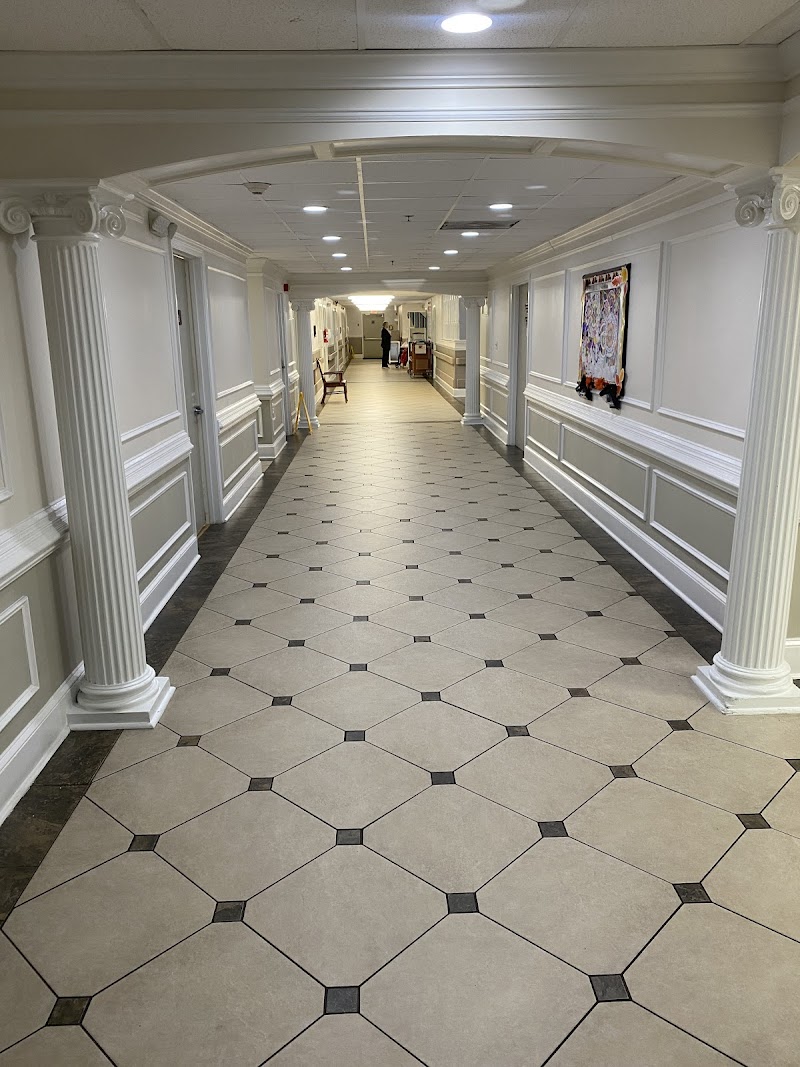
How is Macon Rehabilitation And Healthcare Staffed?

CMS rates MACON REHABILITATION AND HEALTHCARE's staffing level at 1 out of 5 stars, which is much below average compared to other nursing homes. Staff turnover is 54%, compared to the Georgia average of 46%. RN turnover specifically is 62%, which is notably high. RNs provide skilled clinical oversight, so turnover in this role can affect medical care quality.

What Have Inspectors Found at Macon Rehabilitation And Healthcare?

State health inspectors documented 30 deficiencies at MACON REHABILITATION AND HEALTHCARE during 2019 to 2025. These included: 30 with potential for harm.
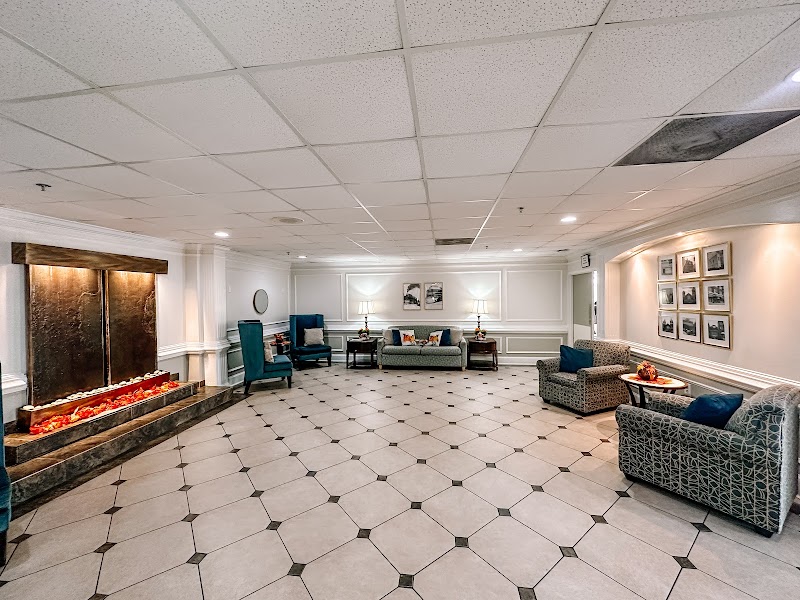
Who Owns and Operates Macon Rehabilitation And Healthcare?

MACON REHABILITATION AND HEALTHCARE is owned by a for-profit company. For-profit facilities operate as businesses with obligations to shareholders or private owners. The facility is operated by WELLINGTON HEALTH CARE SERVICES, a chain that manages multiple nursing homes. With 100 certified beds and approximately 92 residents (about 92% occupancy), it is a mid-sized facility located in MACON, Georgia.
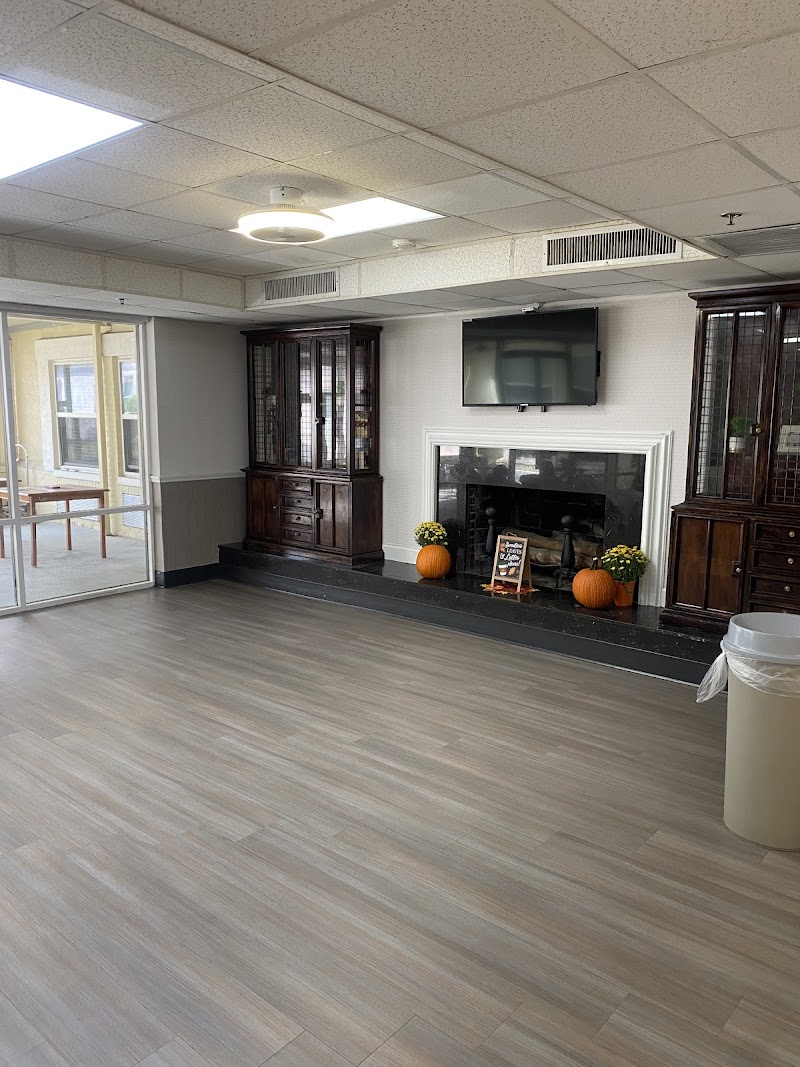
How Does Macon Rehabilitation And Healthcare Compare to Other Georgia Nursing Homes?

Compared to the 100 nursing homes in Georgia, MACON REHABILITATION AND HEALTHCARE's overall rating (1 stars) is below the state average of 2.6, staff turnover (54%) is near the state average of 46%, and health inspection rating (2 stars) is below the national benchmark.

What Should Families Ask When Visiting Macon Rehabilitation And Healthcare?

Based on this facility's data, families visiting should ask: "Can you walk me through typical staffing levels on day, evening, and night shifts?" "Can I visit during a mealtime to observe dining assistance and food quality?" "How do you handle medical emergencies, and what is your hospital transfer rate?" "Can I speak with family members of current residents about their experience?" These questions are particularly relevant given the below-average staffing rating.

Is Macon Rehabilitation And Healthcare Safe?

Based on CMS inspection data, MACON REHABILITATION AND HEALTHCARE has a clean safety record: no substantiated abuse findings (meaning no confirmed cases of resident harm), no Immediate Jeopardy citations (the most serious violation level indicating risk of serious injury or death), and is not on the Special Focus Facility watch list (a federal program monitoring the lowest-performing 1% of nursing homes). The facility has a 1-star overall rating and ranks #100 of 100 nursing homes in Georgia. While no facility is perfect, families should still ask about staff-to-resident ratios and recent inspection results during their visit.

Do Nurses at Macon Rehabilitation And Healthcare Stick Around?

MACON REHABILITATION AND HEALTHCARE has a staff turnover rate of 54%, which is 8 percentage points above the Georgia average of 46%. Moderate turnover is common in nursing homes, but families should still ask about staff tenure and how the facility maintains care continuity when employees leave.

Was Macon Rehabilitation And Healthcare Ever Fined?

MACON REHABILITATION AND HEALTHCARE has been fined $31,738 across 8 penalty actions. This is below the Georgia average of $33,396. While any fine indicates a compliance issue, fines under $50,000 are relatively common and typically reflect isolated problems that were subsequently corrected. Families should ask what specific issues led to these fines and confirm they've been resolved.

Is Macon Rehabilitation And Healthcare on Any Federal Watch List?

MACON REHABILITATION AND HEALTHCARE is not on any federal watch list. The most significant is the Special Focus Facility (SFF) program, which identifies the bottom 1% of nursing homes nationally based on persistent, serious quality problems. Not being on this list means the facility has avoided the pattern of deficiencies that triggers enhanced federal oversight. This is a positive indicator, though families should still review the facility's inspection history directly.