MEDICAL MANAGEMENT HEALTH AND REHAB CENTER
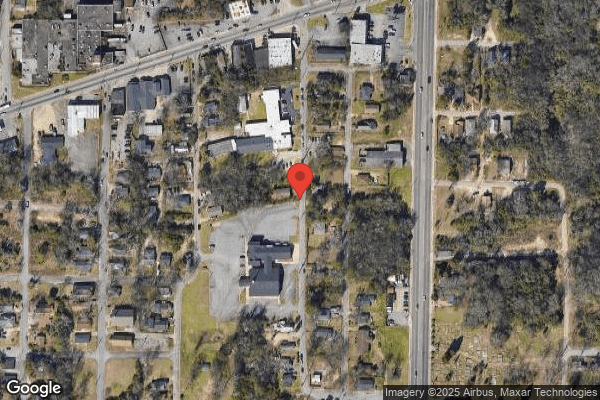
1509 CEDAR AVE, MACON, GA 31204 (478) 743-4678
For profit - Corporation 100 Beds C. ROSS MANAGEMENT Data: November 2025
Trust Grade
65/100
#137 of 353 in GA
Last Inspection: February 2024

Within standard 12-15 month inspection cycle. Federal law requires annual inspections.

Overview

Medical Management Health and Rehab Center in Macon, Georgia has a Trust Grade of C+, indicating it is slightly above average but not outstanding. It ranks #137 out of 353 facilities in Georgia, placing it in the top half, and #4 out of 11 in Bibb County, suggesting there are only three local options that are better. However, the facility's situation appears to be worsening, with issues increasing from 3 in 2023 to 6 in 2024. Staffing is a significant concern, rated 1 out of 5 stars, but the turnover rate of 36% is better than the state average, indicating some staff stability. The facility has also incurred $41,316 in fines, which is higher than 90% of Georgia facilities, hinting at ongoing compliance issues. Specific incidents noted include a failure to allow residents on isolation due to COVID-19 to smoke if that was their choice, and a lack of proper hand hygiene during wound care, which could increase infection risks. Additionally, the facility did not adequately protect residents from potential sexual abuse, failing to implement necessary interventions. While there are strengths in some staffing aspects, these serious concerns highlight the need for families to weigh both the positive and negative factors carefully.

Trust Score
C+
65/100
In Georgia
#137/353
Top 38%
Safety Record
Low Risk
No red flags
Inspections
Getting Worse
3 → 6 violations
Staff Stability
○ Average
36% turnover. Near Georgia's 48% average. Typical for the industry.
Penalties
⚠ Watch
$41,316 in fines. Higher than 87% of Georgia facilities, suggesting repeated compliance issues.
Skilled Nurses
⚠ Watch
Each resident gets only 17 minutes of Registered Nurse (RN) attention daily — below average for Georgia. Fewer RN minutes means fewer trained eyes watching for problems.
Violations
⚠ Watch
11 deficiencies on record. Higher than average. Multiple issues found across inspections.
★★★☆☆
3.0
Overall Rating
★☆☆☆☆
1.0
Staff Levels
★★☆☆☆
2.0
Care Quality
★★★★☆
4.0
Inspection Score
Stable
2023: 3 issues
2024: 6 issues

The Good

  • Full Sprinkler Coverage · Fire safety systems throughout facility
  • No fines on record
  • Staff turnover below average (36%)

    12 points below Georgia average of 48%

Facility shows strength in fire safety.

The Bad

3-Star Overall Rating

Near Georgia average (2.6)

Meets federal standards, typical of most facilities

Staff Turnover: 36%

Near Georgia avg (46%)

Typical for the industry

Federal Fines: $41,316

Above median ($33,413)

Moderate penalties - review what triggered them

Chain: C. ROSS MANAGEMENT

Part of a multi-facility chain

Ask about local staffing decisions and management

The Ugly 11 deficiencies on record

Oct 2024 3 deficiencies
CONCERN (D) 📢 Someone Reported This

A family member, employee, or ombudsman was alarmed enough to file a formal complaint

Potential for Harm - no one hurt, but risky conditions existed

Free from Abuse/Neglect (Tag F0600)

Could have caused harm · This affected 1 resident

**NOTE- TERMS IN BRACKETS HAVE BEEN EDITED TO PROTECT CONFIDENTIALITY** Based on observation, staff interviews, record review, and a review of the facility policy titled Abuse, Neglect, and Exploitati...

Read full inspector narrative →
**NOTE- TERMS IN BRACKETS HAVE BEEN EDITED TO PROTECT CONFIDENTIALITY** Based on observation, staff interviews, record review, and a review of the facility policy titled Abuse, Neglect, and Exploitation, the facility failed to protect two residents' (R) (R2, R3) right to be free from sexual abuse by a resident (R1). Specifically, the facility failed to implement appropriate interventions and separate vulnerable residents from potential perpetrators. Findings include: The facility's Abuse, Neglect and Exploitation policy reviewed on 4/4/2024 documented, Policy: It is the policy of this facility to provide protections for the health, welfare, and rights of each resident by developing and implementing written policies and procedures that prohibit and prevent abuse, neglect, exploitation, and misappropriation or resident property. R1 was initially admitted on [DATE] and re-admitted on [DATE] with diagnoses including traumatic subdural hemorrhage without loss of consciousness; altered mental status; unspecified dementia, unspecified severity with other behavioral disturbance, vascular dementia, severe with agitation and psychotic disorder with delusions due to known physiological condition. Review of the 9/20/2024 Quarterly Minimum Data Set (MDS), the resident had severe cognitive impairment with a Brief Interview for Mental Status (BIMS) score of zero out of 15. R2 was admitted on [DATE] with diagnoses including unspecified dementia, unspecified severity, with other behavioral disturbance; dementia in other diseases classified elsewhere, unspecified severity, with other behavioral disturbance and pain, unspecified. Review of the 10/1/2024 Annual MDS, the resident had severe cognitive impairment with BIMS score of 99, which represented an inability to complete the interview. R3 was admitted on [DATE] with diagnoses including neurocognitive disorder, other extrapyramidal and movement disorders, Alzheimer's disease with early onset, and psychotic disorder with delusions due to a known physiological condition. Review of the 5/23/2024 Significant Change in Condition MDS, the resident had severe cognitive impairment with BIMS score of 99, which indicated an inability to complete the interview. A review of the facility's Resident Incident Report dated 5/21/2024 documented that on 4/11/2024 at approximately 8:30 p.m., Certified Nurse Assistant (CNA) HH found R1 behind the closed door in R3's room. According to the report, R1 pulled down R3's brief, and his brief was pulled down as well. While the report documented the facility implemented 15-minute checks for 72 hours with R1, they failed to protect R3 and other residents from further abuse. A review of the facility's census revealed that during the 4/11/2024 incident, R1 lived in room D12-1 while R3 shared room B4-2 with R2. During visual observation, these rooms were separated by an L shaped hallway with a nurse station facing the D hallway and a large dining room acting as a barrier between R1 and R2, and R3's room. However, after the first incident, the facility moved R1 to Room B92. The room was directly across from Room B4 (the room occupied by R2 and R3) and was out of the line of sight from all nursing stations, and no monitoring mechanisms were in place. The facility's Resident Incident Report, dated 5/14/2024, documented a second incident involving all three residents. According to the report, CNA BB reportedly found R1 in bed with R2, while R3's brief had reportedly been pulled down. The facility's room placement had increased access to vulnerable residents by moving R1 from room D12-1 to room B92, directly across from their known victims' room. During an interview on 10/29/2024 at 12:00 p.m., CNA BB stated they were working the 3:00 p.m. through 11:00 p.m. shift on 5/13/2024 when they found R1 in bed with R2 while R3's brief had been pulled down. CNA BB stated that R1 had just his brief on while the resident lay in bed with R2. CNA BB added that R2 was fully clothed when R1 was observed in bed with her. CNA BB stated they redirected R1 out of the room and notified Charge Nurse DD of her observation. During an interview on 10/29/2024 at 1:48 p.m., Social Worker CC stated she was not made aware of the possible sexual abuse incidents involving R1, R2, and R3. Social Worker CC confirmed she had moved R1 on 5/1/2024 due to roommate conflicts. Social Worker CC stated she would not have made the switch had she known about the sexual abuse allegation involving R1 and R3. During an interview on 10/29/2024 at 3:16 p.m., Charge Nurse DD stated she was the Charge Nurse on duty during the two incidents (referring to the incident dated 4/11/2024 and the incident dated 5/13/2024). Charge Nurse DD stated after CNA HH and CNA BB alerted her to finding R1 in a compromised position relative to R2 and R3. During an interview on 10/30/2024 at 9:10 a.m., the Administrator stated the facility's protocols were not followed on how the inappropriate sexual contact involving R1, R2, and R3 were handled. The Administrator further revealed several opportunities were missed, including but not limited to immediate head-to-toe assessment, obtaining written statements from staff, interviews with cognitive residents, law enforcement notification in the event sexual abuse was confirmed, incident report on all vulnerable residents to rule out sexual abuse as well as having an interdisciplinary meeting to revise the care plans for the affected residents with consideration for room placement. The Administrator stated all the enumerated opportunities did not happen but should have happened. During an interview on 10/30/2024 at 9:45 a.m., the Director of Nursing (DON) stated she was not employed at the facility at the time of the incidents. The DON stated her expectation after sexual abuse was suspected or observed was that a head-to-toe assessment would be done immediately and results documented to rule out sexual abuse. The DON added that written statements would be obtained from staff immediately versus the following day, and 15-minute safety checks would be started immediately versus the following day. The DON further stated that law enforcement would be notified if sexual abuse was suspected. During an interview on 10/30/2024 at 10:30 a.m., the Medical Director stated he was not notified of the incidents until the next day and was not available to examine the residents personally. The Medical Director emphasized the importance of evaluating residents to rule out sexual abuse, given the compromised positions they were found in. The Medical Director added that the facility's decision to move R1 closer to the victims demonstrated poor judgment.
CONCERN (D) 📢 Someone Reported This

A family member, employee, or ombudsman was alarmed enough to file a formal complaint

Potential for Harm - no one hurt, but risky conditions existed

Report Alleged Abuse (Tag F0609)

Could have caused harm · This affected 1 resident

**NOTE- TERMS IN BRACKETS HAVE BEEN EDITED TO PROTECT CONFIDENTIALITY** Based on record review, family and staff interviews, and a review of the facility's policy titled Abuse, Neglect and Exploitatio...

Read full inspector narrative →
**NOTE- TERMS IN BRACKETS HAVE BEEN EDITED TO PROTECT CONFIDENTIALITY** Based on record review, family and staff interviews, and a review of the facility's policy titled Abuse, Neglect and Exploitation, the facility failed to report allegations of sexual abuse to the State Survey Agency within the required timeframes and failed to notify the residents' Responsible Parties of the incidents. This deficient practice affected two of three residents (R) (R2 and R3), who were reviewed for abuse reporting. Findings include: The facility's Abuse, Neglect and Exploitation policy reviewed on 4/4/2024 documented under the Reporting and Response Portion of the policy . The facility will have written procedures that include: Reporting of all alleged violations to the Administrator, State Agency, adult protective services and to all other required agencies (e.g., law enforcement when applicable) within specified timeframes: (a) Immediately, but not later than two (2) hours after allegation is made, if the event that cause the allegation involve abuse or result in serious bodily injury, or (b) Not later than 24 hours if the events that cause the allegation do not involve abuse and do not result in serious bodily injury. R #1 was initially admitted on [DATE] and re-admitted on [DATE] with diagnoses that included traumatic subdural hemorrhage without loss of consciousness; altered mental status; unspecified dementia with behavioral disturbance, vascular dementia, severe with agitation and psychotic disorder with delusions due to known physiological condition. According to the 9/20/2024 Quarterly Minimum Data Set (MDS), the resident had severe cognitive impairment with a Brief Interview for Mental Status (BIMS) score of zero out of 15. R #2 was admitted on [DATE] with diagnoses that included unspecified dementia, unspecified severity, with other behavioral disturbance; dementia in other diseases classified elsewhere, unspecified severity, with other behavioral disturbance and pain, unspecified. According to the 10/1/2024 Annual MDS, the resident had severe cognitive impairment with BIMS score of 99 due to inability to complete the interview. R #3 was admitted on [DATE] with diagnoses including neurocognitive disorder with Lewy bodies; other extrapyramidal and movement disorders; Alzheimer's disease with early onset, and psychotic disorder with delusions due to known physiological condition. According to the 5/23/2024 Significant Change in Condition MDS, the resident had severe cognitive impairment with BIMS Score of 99 due to inability to complete the interview. A review of the facility's incident reports revealed: 1. The facility failed to report the 4/11/2024 incident involving R#1 and R#3 to the State Survey Agency until 5/21/2024 (41 days after the incident occurred). During an interview on 10/29/2024 at 10:00 a.m., R3's family member, listed as the Power of Attorney, stated they were never called nor made aware of any alleged sexual abuse that involved the resident. During an interview on 10/29/2024 at 10:11 a.m., R2's listed responsible party/guardian denied being made aware of any alleged sexual abuse involving the resident. During an interview on 10/29/2024 at 12:00 p.m., Certified Nurse Assistant (CNA) BB stated they reported their observations immediately to the charge nurse on duty when they discovered R1 undressed in bed with R2. During an interview on 10/29/2024 at 1:48 p.m., Social Worker CC stated her duty as a Social Worker serving nursing home residents who have allegedly experienced sexual abuse was to focus first on ensuring immediate safety and mandatory reporting to authorities. Social Worker CC stated she was not notified of either incident when it occurred, which affected her ability to intervene adequately. During an interview on 10/29/2024 at 3:16 p.m., Charge Nurse DD stated she was told of the incident; however, she did not observe the residents firsthand. Charge Nurse DD stated she had completed an incident report and contacted the relevant family members and the resident's attending physician. When advised of the residents' family member's denial of being notified of the incidents, Charge Nurse DD stated she had to cover their oversight. During an interview on 10/30/2024 at 9:10 a.m., the Administrator stated the facility's protocols were not followed. The Administrator revealed that for the first inappropriate sexual contact made by R#1 towards R#3 on 4/11/2024 at 8:30 p.m., Charge Nurse DD did not notify the Director of Nursing, the Assistant Director of Nursing, or the Administrator until the following day. During an interview on 10/30/2024 at 9:45 a.m., the Director of Nursing stated the facility's expectation was immediate notification of administration, physician, and responsible parties following any allegation of abuse. The DON added that law enforcement should have been notified if sexual abuse was suspected. During an interview on 10/30/2024 at 10:30 a.m., the Medical Director stated they were not notified of the incidents until the next day after they had happened and were not available to examine the residents personally. The Medical Director emphasized that delayed notification impacted their ability to evaluate the residents and direct appropriate medical interventions properly. (Cross reference F600)
CONCERN (D) 📢 Someone Reported This

A family member, employee, or ombudsman was alarmed enough to file a formal complaint

Potential for Harm - no one hurt, but risky conditions existed

Comprehensive Care Plan (Tag F0656)

Could have caused harm · This affected 1 resident

**NOTE- TERMS IN BRACKETS HAVE BEEN EDITED TO PROTECT CONFIDENTIALITY** Based on staff interviews, record review, and a review of the facility's policy titled Care Plans - Comprehensive, the facility ...

Read full inspector narrative →
**NOTE- TERMS IN BRACKETS HAVE BEEN EDITED TO PROTECT CONFIDENTIALITY** Based on staff interviews, record review, and a review of the facility's policy titled Care Plans - Comprehensive, the facility failed to develop and implement comprehensive care plans that addressed sexual abuse incidents, prevention measures, and safety interventions. This deficient practice affected three of three residents (R) (R1, R2, R3) reviewed for abuse. Findings include: The facility policy titled, Care Plans - Comprehensive revised October 2010 documented Policy Interpretation and Implementation 1. Our facility's Care Planning/Interdisciplinary Team, in coordination with the resident, his/her family or representative (sponsor), develops and maintains a comprehensive care plan for each resident that identifies the highest level of functioning the resident may be expected to attain. The Revisions portion of the policy further documented 8. Assessments of residents are ongoing, and care plans are revised as information about the resident and the resident's condition change. R#1 was initially admitted on [DATE] and re-admitted on [DATE] with diagnoses including traumatic subdural hemorrhage without loss of consciousness; altered mental status; unspecified dementia with behavioral disturbance, vascular dementia, severe with agitation and psychotic disorder with delusions due to known physiological condition. According to the 9/20/2024 Quarterly Minimum Data Set (MDS), the resident had severe cognitive impairment with a Brief Interview for Mental Status (BIMS) score of zero out of 15. Review of R1's care plan revealed: 1. No updates addressed the inappropriate sexual behaviors directed at R2 and R3. 2. No interventions for increased supervision needs. 3. No behavioral management strategies. 4. No room placement considerations. R 2 was admitted on [DATE] with diagnoses including unspecified dementia, unspecified severity, with other behavioral disturbance; dementia in other diseases classified elsewhere, unspecified severity, with other behavioral disturbance and pain, unspecified. According to the 10/1/2024 Annual MDS, the resident had severe cognitive impairment with BIMS score of 99 due to the inability to complete the interview. Review of R2's care plan revealed: 1. No modifications were made after the 5/13/2024 incident. 2. No interventions that addressed safety related to room placement. 3. No psychological support measures. 4. No enhanced monitoring requirements. R3 was admitted on [DATE] with diagnoses including neurocognitive disorder with lewy bodies; other extrapyramidal and movement disorders; Alzheimer's disease with early onset, and psychotic disorder with delusions due to known physiological condition. According to the 5/23/2024 Significant Change in Condition MDS, the resident had severe cognitive impairment with BIMS score of 99 due to inability to complete the interview. A review of R3's medical record revealed a care plan dated 7/12/2022 which documented the resident was considered bedfast all or most of the time related to preference of condition (Hospice) status. Additionally, the care plan dated 5/1/2024 documented that R3 was at risk for increased anxiety and restlessness from having individuals come into her room and being unable to speak loud enough to alert others of concerns. Review of R3's care plan revealed: 1. No updates following the alleged sexual abuse incidents of 4/11/2024 and 5/13/2024. 2. No interventions that addressed increased vulnerability to abuse. 3. No modifications to address the psychological impact related to the incidents. 4. No enhanced monitoring measures despite the documented risk of anxiety and inability to call for help. During an interview on 10/29/2024 at 12:00 p.m., Certified Nurse Assistant (CNA) BB stated she discovered R1 undressed in bed with R2, while R3's brief was pulled down. During an interview on 10/29/2024 at 1:48 p.m., Social Worker CC stated her duty included helping modify care plans to enhance safety and monitor resident adjustment over time. Social Worker CC stated she was not made aware of the situation (referring to the inappropriate sexual behavior directed at Residents R2 and R3) and, therefore, could not update care plans appropriately. Social Worker CC stated she moved R1 on 5/1/2024 to the room opposite R3's room due to roommate conflicts but would not have made the switch had she known about the sexual abuse incidents involving R1 and R3. During an interview on 10/29/2024 at 3:16 p.m., Charge Nurse DD stated she did not complete an assessment on R2 or R3, which prevented appropriate care plan updates based on assessment findings. During an interview on 10/30/2024 at 9:10 a.m., the Administrator stated the facility's protocols were not followed, including the requirement to update care plans following incidents of abuse. The Administrator acknowledged that failures to update the care plans left residents without proper protective interventions. During an interview on 10/30/2024 at 9:45 a.m., the Director of Nursing stated that a facility-wide assessment of all vulnerable residents should have been completed, with care plan updates to reflect assessment findings and necessary interventions. During an interview on 10/30/2024 at 10:30 a.m., the Medical Director stated that coordination with psychiatry services was limited because the facility did not inform him of the full scope of what occurred with the residents at the time. The Medical Director emphasized that the course of action after any potential abuse should include updating care plans to address room placement and prevent contact between the involved residents. The Medical Director stated that the facility's decision to move R1 to a room directly opposite R2 and R3's room lacked reasonable judgment and should have been addressed in the process of updating care plans. Cross reference F600
Feb 2024 3 deficiencies
CONCERN (D) 📢 Someone Reported This

A family member, employee, or ombudsman was alarmed enough to file a formal complaint

Potential for Harm - no one hurt, but risky conditions existed

PASARR Coordination (Tag F0644)

Could have caused harm · This affected 1 resident

**NOTE- TERMS IN BRACKETS HAVE BEEN EDITED TO PROTECT CONFIDENTIALITY** Based on record review, staff interviews, and review of the facility policy titled admission Criteria, the facility failed to co...

Read full inspector narrative →
**NOTE- TERMS IN BRACKETS HAVE BEEN EDITED TO PROTECT CONFIDENTIALITY** Based on record review, staff interviews, and review of the facility policy titled admission Criteria, the facility failed to complete a new Pre-admission Screening and Review (PASRR) Level II after admission to the facility for one resident (R) R21. This had the potential to adversely affect one of three residents reviewed with a qualifying psychological diagnosis. Findings include: A review of the undated facility policy titled admission Criteria revealed: 9. All new admissions and readmissions are screened for mental disorders (MD), intellectual disorders (ID), or related disorders (RD) per the Medicaid PASRR process. b. If the Level 1 screen indicates that the individual may meet criteria for a MD, ID, or RD, he/she is referred to the state PASRR representative for the Level 2 (evaluation and determination) screening process. (1) The admitting nurse notifies the social services department when a resident is identified as having a possible or evident MD, ID, or RD. (2) The social worker is responsible for making referrals to the appropriate state-designated authority. R21 was admitted to the facility on [DATE] with a diagnosis of schizophrenia. Current additional diagnoses included but were not limited to, paranoid schizophrenia, generalized anxiety disorder, and psychosis. A review of R21's quarterly Minimum Data Set (MDS) dated [DATE] revealed: Section E-Behavior: Verbal towards others. Section N-Medications: Antipsychotic use during the review period. A review of R21's care plan included, but not limited to: At risk for wandering/elopement. Potential for behaviors related to a history of behaviors, rolls around on her floor, sexually inappropriate at times. She is manipulative. She will throw herself on the floor when she doesn't get her way. Resident to resident altercations. Refuse care at times. States she is pregnant. Resident has impaired cognition and communication related to her diagnosis of schizophrenia. Potential for psychotropic medication side effects. Displays verbally aggressive behavior: yelling, screaming, cursing, and threatening other residents. A review of R21's physician orders revealed orders that included: Valproic acid 250 milligrams (mg)/five (5) milliliters (ml) solution give 20 ml (1000 mg) by mouth (po) at bedtime (hs) for mood/seizure disorder. Sertraline 100 mg one tablet po daily (qd). Fluphenazine 5 mg tablet po qd for psychosis. Valproic acid 250 milligrams (mg)/5 ml solution 5 ml po two times a day (bid) for mood/seizure disorder. A review of the Electronic Medical Record (EMR) revealed a PASRR Level 1 dated 1/24/2020 did not identify the diagnosis of schizophrenia. An interview on 2/11/2024 at 8:30 am with the facility Business Office Manager (BOM) revealed residents who are admitted with a Level 1 PASRR that does not indicate a mental diagnosis will have a resubmission of the Level 1 PASRR to see if they qualify for a Level II PASRR. She indicated she thought they submitted another Level 1 PASRR after R21 was admitted and it did not trigger a Level II PASRR. She verified the resubmission was not in the electronic medical record or in her office file. A telephone interview on 2/11/2024 at 8:34 am with the Social Service Director (SSD) revealed she re-evaluates resident needs for a Level II PASRR after admission. She stated she based her re-evaluation on the resident's diagnoses and if they exhibit behaviors. In an interview on 2/11/2024 at 8:36 am, the Administrator revealed if a resident needs a Level II PASRR, she expects them to be re-evaluated for the resubmission of the Level 1 PASRR.
CONCERN (D) 📢 Someone Reported This

A family member, employee, or ombudsman was alarmed enough to file a formal complaint

Potential for Harm - no one hurt, but risky conditions existed

Infection Control (Tag F0880)

Could have caused harm · This affected 1 resident

Based on observations, resident and staff interviews, review of facility documents, and review of the facility's policy titled Transmission-Based (Isolation) Precautions, the facility failed to ensure...

Read full inspector narrative →
Based on observations, resident and staff interviews, review of facility documents, and review of the facility's policy titled Transmission-Based (Isolation) Precautions, the facility failed to ensure infection control practices were followed to prevent transmission and spread of Covid-19, related to staff entering and exiting three resident rooms on C Hall without donning proper personal protective equipment (PPE) and failing to close the door of two Covid positive resident's rooms during care. The facility was in an outbreak, with 44 residents and 13 staff tested positive for Covid-19, including 13 of the 15 residents residing on C hall. This deficient practice had the potential to spread Covid-19 infection to other residents residing in the facility, staff, and visitors. The sample size was 27 residents. Findings included: A review of the policy titled Transmission-Based (Isolation) Precautions, implemented 2/9/2024, revealed the Definitions section stated: Contact precautions refer to measures that are intended to prevent transmission of infectious agents which are spread by direct or indirect contact with the resident or the resident's environment. The section titled Policy Explanation and Compliance Guidelines stated 1. Facility staff will apply Transmission-Based Precautions, in addition to standard precautions, to residents who are known or suspected to be infected or colonized with certain infectious agents requiring additional controls to prevent transmission. 2. The facility will use standard approaches, as defined by the Center for Disease Control (CDC), for transmission-based precautions: airborne, contact, and droplet precautions. The category of transmission-based precautions will determine the type of PPE to be used. Observation on 2/11/2024 at 8:32 am revealed a housekeeping staff exiting resident Room A-7. She removed her gown and gloves and discarded them into the trash receptacle on her cart. She used hand sanitizer in the hallway and was not observed to change her mask or face shield. She placed a Wet Floor-Caution stand in room A-7 doorway, left the door open, pushed her cart to the nurses' station, and removed her face shield. She was not observed to change her mask. Observation on 2/11/2024 revealed staff passing breakfast meals in disposable compartment trays. Room A-7 door was observed to be left open from 8:32 am to 8:42 am. Observation revealed there was not a trash container in Room A-7. Certified Nursing Assistant (CNA) CC was observed exiting the room with only a mask and face shield on and returned to the dietary department to get the next breakfast tray. She was not observed to change her mask or clean her face shield. Observation of the signage located beside the door of Room A-7 read STOP, Droplet Precautions, STOP. Everyone must clean their hands before entering the room and when leaving the room. Make sure eyes, nose, and mouth are fully covered before room entry, OR remove face protection before room exit. PPE: Gown, mask, goggles or face shield, gloves. Use safe work practices to protect yourself and limit the spread of contamination. (CDC). In an interview on 2/11/2024 at 8:40 am, CNA CC confirmed she removed her PPE and placed it inside a trash can before exiting Room A-7. She confirmed she did not remove her mask or face shield and stated face shields could be cleaned and reused. Staff were not observed cleaning face shields or changing masks when exiting rooms. Observation on 2/10/2024 at 8:27 am revealed LPN AA entered Room C-2 wearing a mask, but without donning (putting on) other PPE, and administered medications to a resident sitting in a wheelchair next to bed A. Further observation revealed LPN AA left the room, went to the medication cart, returned to room C-2, and exited the room. She was not observed to perform hand hygiene or close the resident room door during the observation. Observation revealed Room C-2 to have signage beside the door that read: STOP, Droplet Precautions, STOP. Everyone must clean their hands before entering the room and when leaving the room. Make sure eyes, nose, and mouth are fully covered before room entry, OR remove face protection before room exit. PPE: Gown, mask, goggles or face shield, gloves. Use safe work practices to protect yourself and limit the spread of contamination. (CDC). Observation on 2/10/2024 at 8:38 am revealed the call light for Room C-1 came on and LPN AA went to the room, knocked on the door, stuck her head inside the door, and asked the resident what she needed, then entered the room. The nurse did not don PPE before entering the room. Observation revealed signage beside the door of Room C-1 read: STOP, Droplet Precautions, STOP. Everyone must clean their hands before entering the room and when leaving the room. Make sure eyes, nose, and mouth are fully covered before room entry, OR remove face protection before room exit. PPE: Gown, mask, goggles or face shield, gloves. Use safe work practices to protect yourself and limit the spread of contamination. (CDC). Observation on 2/10/2024 at 8:42 am revealed LPN AA entered Room C-3 without donning PPE. When she exited the room, an interview at that time with LPN AA revealed she didn't have direct contact with a resident so didn't have to wear PPE. She stated that CNAs have direct contact with the residents, so they must wear PPE. LPN AA stated that when passing medications, she was not in direct contact, so she didn't need to wear PPE. Observation of the signage beside the door of Room C-3 read: STOP, Droplet Precautions, STOP. Everyone must clean their hands before entering the room and when leaving the room. Make sure eyes, nose, and mouth are fully covered before room entry, OR remove face protection before room exit. PPE: Gown, mask, goggles or face shield, gloves. Use safe work practices to protect yourself and limit the spread of contamination. (CDC). In an interview on 2/11/2024 at 8:45 am, CNA DD confirmed staff must wear PPE to enter isolation rooms and remove it before coming out. Observation on 2/11/2024 at 8:50 am on C Hall revealed staff who were delivering breakfast trays to residents in rooms with droplet precautions signage next to the doors were exiting resident rooms without changing or cleaning their face shields. An interview on 2/11/2024 at 9:00 am with CNA EE confirmed that staff must put on a gown, gloves, face shield, and mask to go in the room while residents are on isolation and must remove and discard the PPE and use hand sanitizer when they come out. In an interview on 2/10/2024 at 11:25 am, the Assistant Director of Nursing (ADON) revealed staff had been educated on donning and doffing (removing) PPE when entering and exiting isolation rooms. She confirmed that all staff should don proper PPE before entering Covid isolation rooms regardless of what care is being performed and doff when exiting. She confirmed that nurses should wear full PPE to enter Covid isolation rooms to administer medications or answer call lights and should doff before exiting. She stated her expectation was for nurses to wear full PPE to administer medications to residents on transmission-based isolation. In an interview on 2/10/2024 at 1:25 pm, the Administrator confirmed that anyone entering Covid-positive resident rooms should wear proper PPE. The Administrator stated staff should don proper PPE per the type of isolation before entering, doff the PPE before exiting the room, and sanitize their hands before coming out of any Covid-positive room. The Administrator revealed when the facility had an outbreak, she had re-educated the staff on wearing PPE. She revealed there were signs on every resident room door to notify anyone entering that they should never go in without wearing the proper PPE and her expectation was for staff to don and doff PPE as indicated on the signage.
CONCERN (E) 📢 Someone Reported This

A family member, employee, or ombudsman was alarmed enough to file a formal complaint

Potential for Harm - no one hurt, but risky conditions existed

Deficiency F0561 (Tag F0561)

Could have caused harm · This affected multiple residents

**NOTE- TERMS IN BRACKETS HAVE BEEN EDITED TO PROTECT CONFIDENTIALITY** Based on observations, resident and staff interviews, record review, and review of the facility policies titled Transmission-Bas...

Read full inspector narrative →
**NOTE- TERMS IN BRACKETS HAVE BEEN EDITED TO PROTECT CONFIDENTIALITY** Based on observations, resident and staff interviews, record review, and review of the facility policies titled Transmission-Based (Isolation) Precautions, and Smoking Policy-Residents, the facility failed to allow four of 11 residents (R) (R38, R22, R61, and R65) who desired to smoke and had a positive Covid-19 test, the choice to continue smoking while on isolation. Findings include: A review of the policy titled Transmission-Based (Isolation) Precautions, implemented date 2/9/2024 revealed the Policy Explanation and Compliance Guidelines section line numbered 4. Residents on transmission-based precautions should remain in their rooms except for medically necessary care. A review of the policy titled Smoking Policy-Residents, with a revised date of October 2023 revealed the Policy Interpretation and Implementation section line numbered 19. If the facility policy changes to one that prohibits smoking, residents who are currently allowed to smoke will be provided an area to smoke which maintains the quality of life and safety for smoking residents, while considering the health and well-being of non-smoking residents. 1. A review of R38's Quarterly Minimum Data Set (MDS) assessment dated [DATE] revealed Section C (Cognition) documented a Brief Interview for Mental Status (BIMS) score of 14 (indicating intact cognition). A review of the care plan revealed a problem area of I am a smoker, onset 5/23/2023, reviewed 9/6/2023. Interventions included, I will allow nursing staff to keep cigarettes and lighters in a secure place, I will smoke in the designated smoking area, I will smoke at designated smoking times, I am to wear a smoking apron. A review of R38's clinical record revealed R38 tested positive for Covid-19 on 2/5/2024. During an observation tour on 2/9/2024, at approximately 8:15 am, R38 could be heard out in the hallway yelling from inside his room, Get me out of this room! In an interview on 2/9/2024 at 9:40 am, R38 revealed he had not been allowed to leave his room to go outside for smoke breaks after testing positive for Covid-19. During the interview, Licensed Practical Nurse (LPN) II informed R38 that he knew he had been told he could not go out to smoke as long as he had Covid-19, that he was on isolation, and had been instructed he could not leave the room. In an interview on 2/11/2024 at 8:20 am, Certified Nursing Assistant (CNA) AA confirmed R38 smoked. CNA AA further revealed that residents who are on isolation are not allowed to come out of their rooms, and they are not allowed to go out for smoke breaks because they are on isolation. 2. A review of R22's Quarterly MDS assessment dated [DATE] revealed Section C (Cognition) documented a BIMS score of 14 (indicating intact cognition). An interview on 2/11/2024 at 8:28 am with R22 confirmed she smoked, and she stated she had been allowed to smoke in the past, but not lately. R22 revealed staff told her she couldn't come out of her room. A review of the facility-provided list of residents who smoke revealed that R22 was on the list. A review of the facility-provided list of residents with a Covid-positive test revealed that R22 was on the list. 3. A review of R61's Quarterly MDS assessment dated [DATE] revealed Section C (Cognition) documented a BIMS score of 11 (indicating moderate cognitive impairment). An interview on 2/11/2024 at 8:55 am with R61 confirmed he smoked and was not allowed to go out for smoke breaks or leave his room. A review of the facility-provided list of residents who smoke revealed that R61 was on the list. A review of the facility-provided list of residents with a Covid-positive test revealed that R61 was on the list. 4. A review of R65's Quarterly MDS assessment dated [DATE] revealed Section C (Cognition) documented a BIMS score of 15 (indicating intact cognition). In an interview on 2/11/2024 at 9:10 am, R65 confirmed he smoked, and he wanted to smoke but had not been able to in a week because he had been on lockdown. R65 revealed he was going to be able to smoke today, he was smiling and when asked if he was glad, R65 grinned and stated yes. A review of the facility-provided list of residents who smoke revealed that R65 was on the list. A review of the facility-provided list of residents with a Covid-positive test revealed that R65 was on the list. A review of the facility-provided list of residents with a Covid-positive test and a review of the facility-provided list of residents who smoke revealed that 11 of the 15 residents who smoke had a positive Covid-19 test and were on isolation. A review of the facility-provided list of residents who smoke revealed that smoking times were scheduled for 9:30 am, 11:30 am, 1:30 pm, 3:30 pm, 6:45 pm, and 8:30 pm. A tour of the designated smoking area identified no problems. In an interview on 2/9/2024 at 9:00 am during the initial tour of the facility and resident screening, LPN II revealed that residents on isolation were not allowed to go out for smoke breaks because they were on isolation and were not allowed to come out of their room. In an interview on 2/11/2024 at 8:45 am, CNA DD confirmed some residents smoked, and those residents normally went out to smoke several times a day. She confirmed that while on isolation, residents were not allowed to go to smoke breaks because they were not supposed to leave their rooms. In an interview on 2/11/2024 at 9:00 am, CNA EE confirmed this was a smoking facility and some residents smoked. CNA EE revealed if residents had Covid-19 they could not come out of their rooms and were not allowed to go out and smoke while on isolation. In an interview on 2/11/2024 at 9:05 am, CNA FF confirmed some residents smoked, they had several smoke breaks, and further confirmed the smoke break times were 9:30 am, 11:30 am, 1:30 pm, 3:30 pm, 6:45 pm, and 8:30 pm. She revealed that R65 usually went out to smoke but was currently not allowed to because he was on isolation. She further stated residents were not supposed to come out of their rooms when on isolation. In an interview on 2/11/2024 at 9:15 am, the Administrator confirmed residents who tested positive for Covid-19 were to be isolated inside their rooms. She confirmed they had several residents who smoked, they were provided smoke breaks, and that residents were allowed to smoke. She further revealed she was unable to give information on whether Covid-19 positive residents were allowed to go out for smoke breaks, or how many residents who smoke were in isolation and had been denied going outside to smoke. She stated her expectation was that the surveyor needed to talk with the Director of Nursing (DON) because that was a nursing issue. The DON was unavailable for an interview. In an interview on 2/11/2024 at 9:20 am, the Assistant Director of Nursing (ADON) confirmed some residents were allowed to smoke and were provided smoke breaks. She verified the assigned times for residents to have a smoke break as 9:30 am, 11:30 am, 1:30 pm, 3:30 pm, 6:45 pm, and 8:30 pm. She stated that Covid-positive residents on TBP were not allowed to leave their room except for medically necessary reasons only, and they must wear a mask. She stated the facility had plenty of staff to take care of their residents, and further stated they could let the Covid-positive residents who smoke go out together and social distance. She confirmed there had been no interventions put in place for the residents who smoked to aid them while not being allowed to smoke. She further stated she expected the staff to follow policy.
Jan 2023 3 deficiencies
CONCERN (D)

Potential for Harm - no one hurt, but risky conditions existed

Safe Environment (Tag F0584)

Could have caused harm · This affected 1 resident

Based on observations, interview, and policy review, the facility failed to ensure that it was maintained in a safe and comfortable home-like environment related to peeling paint and broken equipment ...

Read full inspector narrative →
Based on observations, interview, and policy review, the facility failed to ensure that it was maintained in a safe and comfortable home-like environment related to peeling paint and broken equipment in two of 78 resident rooms (D2 and D8) and one medication storage room on C hall. Findings include: Observation on 1/17/2023 at 10:35 a.m. revealed peeling/missing paint above the bumper behind D2-1 bed. Part of the bumper was loose. Observation on 1/17/2023 at 11:05 a.m. revealed there were mattresses, bed frames and some over bed tables outside the window of room D8. Observation on 1/18/2023 at 12:15 p.m. of the medication storage room behind C-hall nurses station revealed the sink in the medication room had the hot water knob broken and was laying in the sink. Further observation on 1/18/2023 at 3:08 p.m. revealed, in room D2-1 bed, the wall/paint above the bumper appeared to be repainted. The bumper was now hanging down from the wall. At 3:11 p.m., tables, mattresses, and bed frames remained outside under the window of room D-8. During an interview on 1/19/2023 at 10:15 a.m., the Maintenance Director stated he has been employed at the facility for 10 years. He verified the concerns identified during the survey. He stated there is a Maintenance Logbook at each nurse's station where staff write down things that need to be repaired or replaced. He stated that he checks the book every morning for his to do list. He stated that he tries to pay attention to the issues that affect the residents, but then will start to work on other things. He stated that he was working on the broken bumper rail in room D2, but staff keep pushing the bed up against it, so it keeps getting broken. He stated the broken items (bed, mattress, overbed tables) stored outside the window in room D8 should have been hauled off. He stated there is really no place to put things like that but stated it should not be at the resident's window. He fixed the broken faucet in the medication room, but stated staff do not use that sink, that they go to the bathroom or the clean utility room to wash their hands. He stated that he does not have a routine maintenance schedule of checking rooms, he just goes by the Logbook. A review of the policy titled Safe and Homelike Environment dated 12/19/2022 revealed the facility will provide a safe, clean, comfortable, and homelike environment. Housekeeping and maintenance services will be provided as necessary to maintain a sanitary, orderly, and comfortable environment.
CONCERN (D)

Potential for Harm - no one hurt, but risky conditions existed

Pharmacy Services (Tag F0755)

Could have caused harm · This affected 1 resident

Based on observation, interview, and review of facility policy, the facility failed to ensure one medication, Levemir insulin, was available on the medication cart for one of eight residents (R) (#15)...

Read full inspector narrative →
Based on observation, interview, and review of facility policy, the facility failed to ensure one medication, Levemir insulin, was available on the medication cart for one of eight residents (R) (#15) observed during medication administration. Findings include: During observation of medication administration on 1/18/2023 at 11:26 a.m., Licensed Practical Nurse (LPN) FF administered four units of Levemir insulin for R#15. The resident's blood sugar was 287. Upon inspection of the insulin bottle, it revealed that the container that the insulin was in was labeled Levemir for R#11. An interview with LPN FF on 1/18/2023 at 11:30 a.m. revealed that if medication was not available for a resident, she would just borrow the same medication from another resident. Interview with the Regional Nurse Consultant on 1/18/2023 at 11:50 a.m. revealed that if a medication was not available for a resident, the nurse is to call the physician to get an order to pull from the E-box and notify the pharmacy. Review of facility policy titled Medication Administration- General updated October 2022 revealed medications supplied for one resident are not to be administered to another resident.
CONCERN (E)

Potential for Harm - no one hurt, but risky conditions existed

Infection Control (Tag F0880)

Could have caused harm · This affected multiple residents

**NOTE- TERMS IN BRACKETS HAVE BEEN EDITED TO PROTECT CONFIDENTIALITY** 2. Record review revealed R#76 admitted to the facility on [DATE]. The resident had diagnoses that included pressure ulcers. Ob...

Read full inspector narrative →
**NOTE- TERMS IN BRACKETS HAVE BEEN EDITED TO PROTECT CONFIDENTIALITY** 2. Record review revealed R#76 admitted to the facility on [DATE]. The resident had diagnoses that included pressure ulcers. Observation of wound care for R#76 on 1/18/2023 at 10:11 a.m. revealed Registered Nurse (RN)/Wound Care Nurse began by collecting the supplies needed and reviewing the physician orders. She donned personal protective equipment (PPE) and after entering the room, she washed her hands and applied gloves. She started with the left foot, removed the dressing, and then cleaned the wound. She removed her gloves and put on clean gloves without washing/sanitizing her hands. She then dressed the wound. She removed her gloves, washed her hands and applied clean gloves. She continued to do the treatment for the left hip, left buttocks, right foot, and right hip separately. Although she washed/sanitized her hands between each wound treatment. She did not wash/sanitize her hands between removing the dressing, cleaning the wound, and dressing the wound for each wound. During an interview on 1/18/2023 at 11:31 a.m. RN/Wound Care Nurse stated wound care is a clean procedure and there is no need to perform hand hygiene with each glove change. Interview with the Assistant Director of Nursing (ADON) on 1/18/2023 at 11:07 a.m. revealed that hand hygiene should be performed before and after care, after each resident contact, any time that gloves are removed, and when hands are visually soiled. She also revealed that hand hygiene could be either washing with soap and water or alcohol-based hand rub. Review of the policy titled Hand Hygiene dated 12/22/2022, revealed that Hand Hygiene is the general term for cleaning your hands with soap and water or the use of an antiseptic hand rub, also known as alcohol-based hand rub (ABHR). Additional considerations included in the policy was the use of gloves does not replace hand hygiene. If your task requires gloves, perform hand hygiene prior to donning gloves, and immediately after removing gloves. Review of the policy titled Wound Care dated 10/2010 revealed steps in the procedure: 4. Put on exam gloves. Loosen tape and remove dressing. 5. Pull glove over dressing and discard into appropriate receptacle. Wash and dry your hands thoroughly. 6. Put on gloves. 3. Interview with LPN AA on 1/17/2023 at 10:00 a.m. revealed that staff members can go from room to room with the same gown on. They will need a face shield and N95 mask. To discard used gowns, take off the gown in the resident's room and put it in the staff box. If the staff member does not discard the gown in the resident's room, they can discard it in the shower room, which has a container for the contaminated linen and trash. Interview with the Infection Control Nurse on 1/17/2023 at 11:00 a.m. revealed for residents who are COVID positive, PPE includes gown, gloves, N95, and a face shield. Staff are to take gown and gloves off after each resident visit. Observation of CNA CC on 1/17/2023 at 1:20 p.m. revealed the CNA was passing out lunch to COVID positive residents on Unit C and she did not have on eye protection or a respiratory mask. During an observation of Unit C on 1/18/2023 at 9:00 a.m. revealed four supply carts were revealed to be on the unit outside of resident rooms. They were spaced out along the corridor between the rooms. Room C4 did not have isolation signs on the door. During an observation on 1/18/2023 at 9:10 a.m. of CNA BB on Unit C revealed he went room to room without changing his isolation gown. Observation on Unit C on 1/18/2023 at 9:12 a.m. revealed CNA DD did not have on a respirator mask, and she did not have on any gloves. CNA DD was sorting dirty dishes on the cart that were previously removed from the isolation rooms. Based on observation, record review, interviews, and review of facility polices, the facility failed to ensure that all staff members use an alcohol-based hand rub for routinely decontaminating hands after resident care for three residents (R) (#31, #54, and #22); failed to wash/sanitize hands during wound care for one resident, R#76; and failed to wear/dispose personal protective equipment (PPE) appropriately for COVID-19 isolation rooms. The census was 78. Findings include: Review of the policy titled Handwashing (pg. 26, dated 2012) revealed the following: II. Waterless Handwashing Products: If hands are not visibly soiled, use an alcohol-based hand rub for routinely decontaminating hands in all clinical situation other than those listed under Handwashing . (when hand are visibly soiled or contaminated). An observation conducted on 1/18/2023 at 8:41 a.m. revealed Licensed Practical Nurse (LPN) GG exiting the room of R#31 and failed to use an alcohol-based hand rub after providing care for R#31. An observation conducted on 1/18/2023 at 8:57 a.m. revealed LPN FF exiting the room of R#54 and failed to use an alcohol-based hand rub after providing care for R#54. An observation conducted on 1/18/2023 at 12:21 p.m. revealed Certified Nursing Assistant (CNA) BB exiting the room of R#22 and failed to use an alcohol-based hand rub after providing care for R#22. An interview conducted on 1/18/2023 at 8:42 a.m. with LPN GG revealed they did not use an alcohol-based hand rub after providing care for R#31. They acknowledged they should have used the hand sanitizer provided for them by the facility. An interview conducted on 1/18/2023 at 8:58 a.m. with LPN FF revealed they did not use an alcohol-based hand rub after providing care for R#54. They acknowledged they should have used the hand sanitizer provided for them by the facility. An interview conducted on 1/18/2023 at 12:22 p.m. with CNA BB revealed they did not use an alcohol-based hand rub after providing care for R#22. They acknowledged they should have used the hand sanitizer provided for them by the facility. An interview conducted on 1/18/2023 at 4:42 p.m. with the Infection Control Nurse revealed that it is always her expectation that all staff members practice Infection Control techniques and practices. ICP Coordinator acknowledged that this did happen and will further educate her staff on proper Infection Control practices. An interview conducted on 1/18/2023 at 4:44 p.m. with the Administrator revealed that it is always her expectation that all staff members practice Infection Control techniques and practices.
Sept 2019 2 deficiencies
CONCERN (D)

Potential for Harm - no one hurt, but risky conditions existed

PASARR Coordination (Tag F0644)

Could have caused harm · This affected 1 resident

**NOTE- TERMS IN BRACKETS HAVE BEEN EDITED TO PROTECT CONFIDENTIALITY** Based on record review, interviews, and review of the facility policy titled Subject: Level I Screen for Medicaid Residents/PASR...

Read full inspector narrative →
**NOTE- TERMS IN BRACKETS HAVE BEEN EDITED TO PROTECT CONFIDENTIALITY** Based on record review, interviews, and review of the facility policy titled Subject: Level I Screen for Medicaid Residents/PASRR the facility failed to complete a new Pre-admission Screening and Review (PASRR) level II after admission to the facility to include Resident (R) R#66's and failed to follow up with PASRR recommendation for psychiatric counseling services for R#58. This had the potential to effect two of two resident reviewed with a diagnosis of schizophrenia requiring PASRR services Findings include: 1. Review of R#66's diagnosis list revealed the resident has a diagnosis of hypertension, blindness, malnutrition, degenerative joint disease, mild protein calorie malnutrition, schizophrenia, lack of coordination, dermatitis, gastro-esophageal reflux disease and lymphedema. Review of R#66's admission Minimum Data Set (MDS) dated [DATE] revealed Section C: Cognition a Brief Interview for Mental Status (BIMS) score of 6 indicating severe cognitive Impairment, Section I: Diagnosis of schizophrenia, Section N: Medications included antipsychotic. Review of R#66's care plans include but not limited to: Impaired cognition related to her BIMS score and behavior. An approach includes a psychological evaluation as needed. Resident displays socially inappropriate/disruptive behavior. Resident is short tempered with staff at times. Resident refuses care at times. The goal indicated resident will have decreased episodes of disruptive behavior. The approaches include Social Services to evaluate and visit as needed. Review of R#66's PASRR Level I assessment dated [DATE] indicated a diagnosis of Alzheimer's Disease. The form did not include her diagnosis of schizophrenia. Review of the resident's September 2019 Physician Orders include but not limited to risperidone two milligrams (mg) one tablet by mouth two times a day (BID) along with risperidone 0.5 mg, one tablet by mouth BID (antipsychotic). Aripiprazole five mg tablet by mouth at bedtime (antipsychotic). Review of the Behavioral Health History and Physician dated 7/22/19 revealed the resident was admitted (to the behavioral hospital) after not taking her medications for paranoid schizophrenia and started hallucinating, aggressive homicidal ideations-threatening to burn the house down and kill everyone in the house. The resident was stabilized then admitted to the facility on [DATE]. An interview on 9/18/19 at 2:32 p.m. with the facility Social Worker (SW) revealed when a resident is admitted to the facility, the PASRR Level I is reviewed to see if the resident is appropriate for admission. She confirmed that the resident had a PASRR Level I on admission but did not have a PASARR Level Two. She further revealed that the resident has a diagnosis of schizophrenia but has not had any behaviors since admission. She confirmed that the resident does not have an order for psychological services and is not receiving any psychological services at this time. An interview held on 9/19/19 at 1:09 p.m. with the Administrator revealed when a resident is admitted and the PASARR is not correct, a new PASARR is not done unless the resident presents with behaviors. She stated if a resident has behaviors, she would expect the SW to refer the resident for psychological services. She indicated that the resident does not have any behaviors. Review of the facility policy titled Subject: Level I Screen for Medicaid Residents/PASRR dated revised August 1, 2017, revealed: If, after admission to the facility, it is found that the screening was inaccurate or the resident has changed, the facility will have a new screen completed by the Social Services Staff. 2. Record review revealed that R#58 was admitted to the facility on [DATE] with the following diagnosis of schizophrenia and major depressive disorder recurrent, severe with psychatric symptoms. Review of the Minimum Data Set (MDS) dated [DATE] revealed a Brief Interview Mental Status (BIMS) score of 14, a score of 14 out 15 indicates cognitive intact. Record review revealed a Pre-admission Screening and Annual Resident Review (PASARR) Level II was approved on 4/16/19. Further review of the recommendation revealed that R#58 was assessed as being appropriate for specialized services based on Serious Mental (SMI) Illness Needs. The specialized service was listed as individual counseling services. Record review revealed a Physician Order dated 4/25/19 that read 4/25/19-Eval (evaluate) and treat for Schizophrenia with (name) behavioral care group. Record review of counseling services since his admission to the facility revealed that R#58 did not receive psychiatric counseling services until 7/26/19. The service was provided by behavioral counceling services on 7/26/19. The recommendation was one to two times a month (for counseling services). There were no documentations of any follow up psychiatric counseling after 7/26/19. Record review of the Medication Administration Record (MAR) for September 2019 revealed that the resident was being monitored for increased inappropriate behaviors (hallucinations, paranoia, delusions, hearing voices, depressions, verbal outbursts, harm to self or others aggressions, and hostility). Record reveiw of the Nurses Notes from May 2019 to September 2019 revealed documentations of verbal aggressive behaviors, delusional, and sexual inappropriate behaviors towards staff. Record review of hospital records dated 8/4/19 revealed the resident had been admitted to the Behavioral Unit due to calling 911 while in the facility. Review of hospital admitting diagnosis revealed the following: admission date of 8/5/19 and reason for consult -SI (suicidal) - Document stated that later (during his hospital stay) resident quoted I just said that because I was fed up'. During his hospital stay resident recant his story that he was suicidal. Resident was referred for psych services. The resident was discharged back to the facility on 8/6/19. An interview with the resident on 9/19/19 at 9:25 a.m. revealed that he would like to receive counseling services and had shared this information with staff. He was aware that some residents are receiving counseling services. He further revealed that he is not suicidal but feels depressed at times. He wants to stay at the facility and is guilty of being angry and cursing staff out. Interview on 9/19/19 at 9:43 a.m. with the Social Service Director (SSD) revealed that she was aware of a Physician Order for resident to receive psychiatric counseling services at the time of his admission on [DATE]. The SSD revealed that due to the resident not having the appropriate Medicaid, his approval to Counseling Services was delayed. She was not aware that she could utilize other community services that may provide Pro bono services or a sliding fee base services. She revealed being aware of PASARR Level II recommendation for counseling services and that this requires a follow up for psychatric services. She was aware of resident displaying behaviors of cursing staff and being sexually inappropriate towards others. She was aware that resident has a care plan for inappropriate sexual behaviors services and calling 911. The resident joked and laughed about not being suicidal and only use the word to keep EMT from bring him back to the facility. SSD further stated that the resident only voiced being suicidal while at the hospital and that the resident has not mention being suicidal, at the facility, since his admission. An interview with the resident's Physician on 9/18/19 at 10:20 a.m revealed that he had referred the resident for psychatric counseling services and was aware that due to not having the correct Medicaid there was a problem with him obtaining the services. He felt that the resident's priority care needs were more medical and weighed this as being his primary focus. The Physician further revealed that at the time of admission the resident was very obese, in pain, and unable to get up and move around. He does not feel that the resident is at risk based on his past behaviors. The Physician stated he was aware of resident 's behaviors of calling 911, he did not assess the resident as being suicidal or was ever suicidal. He further revealed that the resident is known for sexually inappropriate behavior, alleging abuse from a Certified Nursing Assistant (CNA), and dislike of certain CNA providing care to him. .
CONCERN (D)

Potential for Harm - no one hurt, but risky conditions existed

Medical Records (Tag F0842)

Could have caused harm · This affected 1 resident

Based on interviews and record review, the facility failed to ensure that sliding scale blood sugars were documented for one Resident (R) #22 and failed to investigate related to R# 22 receiving the w...

Read full inspector narrative →
Based on interviews and record review, the facility failed to ensure that sliding scale blood sugars were documented for one Resident (R) #22 and failed to investigate related to R# 22 receiving the wrong medication. The resident census was 78. Findings include: Review of the electronic medical record (EMR) for R#22, revealed a diagnosis of Type 2 Diabetes Mellitus, Personal history of other mental and behavioral disorder, other hypercholesterolemia, and other specified depressive episodes. Record review of the EMR Physician Orders revealed an order to receive Novolog per the sliding scale. Review of the Medication Administration Record (MAR) revealed no documentation of insulin for 7 days in July 2019. Further review of the EMR revealed that on 4/11/19 the wrong medication was administered to R#22. There was no indication as to what the medication was and there was only one charted note on the incident. Review of Nurses Notes for 4/11/19 at 2:49 p.m. revealed the wrong medication given to R#22 and the Physician was notified at 11:18 a.m. The note further revealed staff were to monitor R#22 and make sure there were no adverse reactions. The former Assistant Director of Nurses (ADON) signed off as administering the incorrect medication to R#22. During interview on 9/19/19 at 11:28 a.m. with the Director of Nursing (DON) revealed that the missing blood sugar values for 6/19/19, 7/17/19, 7/18,19, 7/22/19 through 7/26/19, 7/28/19 were confirmed as not being documented. A follow up interview with the DON on 9/19/19 at 12:50 p.m. revealed that she could not find any further documentation regarding R#22 receiving the wrong medication. An interview on 9/19/19 at 2:13 p.m. with the Physician for R#22 he confirmed receiving a call in regard to the resident receiving the wrong medication, but he does not remember which medication was given. He reported that he instructed the staff to monitor for adverse reactions. However, he was not able to say how long the monitoring was for as this would have been dependent on the type of medication that was taken. For example, if a long acting medication was given monitoring should have been for 24 hours. During an interview with the Nurse Consultant CC on 9/19/19 at 2:57 p.m. revealed that the resident received Zytec which belonged to the roommate. An interview on 9/19/19 at 3:10 p.m. with the Administrator revealed that she is unsure if any investigations, trainings, or inservices were done after the resident was given the wrong medication. An interview was conducted with Licensed Practical Nurse (LPN) BB on 9/19/19 at 3:11 p.m., who confirmed being present on 4/11/19 when R#22 was given the wrong medication, revealed being in training at that time with the previous ADON. LPN revealed that once the former ADON realized the medication was given to the wrong person the Physician was notified. LPN BB further reported that they monitored resident for the remainder of the shift and this information was passed on to the next shift so that monitoring could continue. An interview on 9/19/19 at 3:40 p.m. with the DON which revealed that she is confident that the blood sugars were taken they just were not documented in the electronic system for this resident. Administering Medications 6. The individual administering medications must verify the resident's identify before giving the resident his/her medications. Methods of identifying the resident include: a. checking identification band; b. checking photograph attached to medical record; and c. If necessary, verifying resident identification with other facility personnel. Policy Adverse Consequences and Medication Errors Adverse consequences shall be reported to the Attending Physician, Pharmacist, and to federal agencies as appropriate. 5. A medication error is defined as the preparation or administration of drugs or biological which is not in accordance with physician's orders, manufacturers specifications, or accepted professional standards and principles of the professional(s) providing services.
Understanding Severity Codes (click to expand)
Life-Threatening (Immediate Jeopardy)
J - Isolated K - Pattern L - Widespread
Actual Harm
G - Isolated H - Pattern I - Widespread
Potential for Harm
D - Isolated E - Pattern F - Widespread
No Harm (Minor)
A - Isolated B - Pattern C - Widespread

Questions to Ask on Your Visit

  • "Can I speak with families of current residents?"
  • "What's your RN coverage like on weekends and overnight?"

Our Honest Assessment

Strengths
  • • 36% turnover. Below Georgia's 48% average. Good staff retention means consistent care.
Concerns
  • • 11 deficiencies on record. Higher than average. Multiple issues found across inspections.
  • • $41,316 in fines. Higher than 94% of Georgia facilities, suggesting repeated compliance issues.
Bottom line: Mixed indicators with Trust Score of 65/100. Visit in person and ask pointed questions.

About This Facility

What is Medical Management Health And Rehab Center's CMS Rating?

CMS assigns MEDICAL MANAGEMENT HEALTH AND REHAB CENTER an overall rating of 3 out of 5 stars, which is considered average nationally. Within Georgia, this rating places the facility higher than 99% of the state's 100 nursing homes. This mid-range rating indicates the facility meets federal standards but may have areas for improvement.

How is Medical Management Health And Rehab Center Staffed?

CMS rates MEDICAL MANAGEMENT HEALTH AND REHAB CENTER's staffing level at 1 out of 5 stars, which is much below average compared to other nursing homes. Staff turnover is 36%, compared to the Georgia average of 46%. This relatively stable workforce can support continuity of care.

What Have Inspectors Found at Medical Management Health And Rehab Center?

State health inspectors documented 11 deficiencies at MEDICAL MANAGEMENT HEALTH AND REHAB CENTER during 2019 to 2024. These included: 11 with potential for harm.

Who Owns and Operates Medical Management Health And Rehab Center?

MEDICAL MANAGEMENT HEALTH AND REHAB CENTER is owned by a for-profit company. For-profit facilities operate as businesses with obligations to shareholders or private owners. The facility is operated by C. ROSS MANAGEMENT, a chain that manages multiple nursing homes. With 100 certified beds and approximately 75 residents (about 75% occupancy), it is a mid-sized facility located in MACON, Georgia.

How Does Medical Management Health And Rehab Center Compare to Other Georgia Nursing Homes?

Compared to the 100 nursing homes in Georgia, MEDICAL MANAGEMENT HEALTH AND REHAB CENTER's overall rating (3 stars) is above the state average of 2.6, staff turnover (36%) is near the state average of 46%, and health inspection rating (4 stars) is above the national benchmark.

What Should Families Ask When Visiting Medical Management Health And Rehab Center?

Based on this facility's data, families visiting should ask: "Can you walk me through typical staffing levels on day, evening, and night shifts?" "Can I visit during a mealtime to observe dining assistance and food quality?" "How do you handle medical emergencies, and what is your hospital transfer rate?" "Can I speak with family members of current residents about their experience?" These questions are particularly relevant given the below-average staffing rating.

Is Medical Management Health And Rehab Center Safe?

Based on CMS inspection data, MEDICAL MANAGEMENT HEALTH AND REHAB CENTER has a clean safety record: no substantiated abuse findings (meaning no confirmed cases of resident harm), no Immediate Jeopardy citations (the most serious violation level indicating risk of serious injury or death), and is not on the Special Focus Facility watch list (a federal program monitoring the lowest-performing 1% of nursing homes). The facility has a 3-star overall rating and ranks #1 of 100 nursing homes in Georgia. While no facility is perfect, families should still ask about staff-to-resident ratios and recent inspection results during their visit.

Do Nurses at Medical Management Health And Rehab Center Stick Around?

MEDICAL MANAGEMENT HEALTH AND REHAB CENTER has a staff turnover rate of 36%, which is about average for Georgia nursing homes (state average: 46%). Moderate turnover is common in nursing homes, but families should still ask about staff tenure and how the facility maintains care continuity when employees leave.

Was Medical Management Health And Rehab Center Ever Fined?

MEDICAL MANAGEMENT HEALTH AND REHAB CENTER has been fined $41,316 across 1 penalty action. The Georgia average is $33,492. While any fine indicates a compliance issue, fines under $50,000 are relatively common and typically reflect isolated problems that were subsequently corrected. Families should ask what specific issues led to these fines and confirm they've been resolved.

Is Medical Management Health And Rehab Center on Any Federal Watch List?

MEDICAL MANAGEMENT HEALTH AND REHAB CENTER is not on any federal watch list. The most significant is the Special Focus Facility (SFF) program, which identifies the bottom 1% of nursing homes nationally based on persistent, serious quality problems. Not being on this list means the facility has avoided the pattern of deficiencies that triggers enhanced federal oversight. This is a positive indicator, though families should still review the facility's inspection history directly.