PRUITTHEALTH - EASTSIDE

2795 FINNEY CIRCLE, MACON, GA 31217 (478) 742-1117
For profit - Corporation 90 Beds PRUITTHEALTH Data: November 2025
Trust Grade
35/100
#313 of 353 in GA
Last Inspection: September 2024

Within standard 12-15 month inspection cycle. Federal law requires annual inspections.

Overview

PruittHealth - Eastside in Macon, Georgia has a Trust Grade of F, indicating significant concerns about the quality of care, which is considered poor. It ranks #313 out of 353 nursing homes in Georgia, placing it in the bottom half statewide and #10 out of 11 in Bibb County, meaning there are only a handful of local options that are better. The facility is showing improvement, having reduced its issues from five in 2024 to just one in 2025. Staffing is a weakness here, with a rating of 1 out of 5 stars and a turnover rate of 53%, which is slightly above the state average; this suggests that many staff members may not stay long enough to build strong relationships with residents. While the facility has not incurred any fines, which is a positive sign, there have been serious concerns such as a resident being physically harmed during an altercation with another resident. Additionally, there have been multiple instances of poor infection control practices and food safety violations that put residents at risk for illness. Overall, families should weigh the significant concerns against the slight improvements when considering this nursing home for their loved ones.

Trust Score
F
35/100
In Georgia
#313/353
Bottom 12%
Safety Record
Moderate
Needs review
Inspections
Getting Better
5 → 1 violations
Staff Stability
⚠ Watch
53% turnover. Above average. Higher turnover means staff may not know residents' routines.
Penalties
✓ Good
No fines on record. Clean compliance history, better than most Georgia facilities.
Skilled Nurses
⚠ Watch
Each resident gets only 23 minutes of Registered Nurse (RN) attention daily — below average for Georgia. Fewer RN minutes means fewer trained eyes watching for problems.
Violations
⚠ Watch
25 deficiencies on record. Higher than average. Multiple issues found across inspections.
★☆☆☆☆
1.0
Overall Rating
★☆☆☆☆
1.0
Staff Levels
★★★★☆
4.0
Care Quality
★★☆☆☆
2.0
Inspection Score
Stable
2024: 5 issues
2025: 1 issues

The Good

  • 4-Star Quality Measures · Strong clinical quality outcomes
  • Full Sprinkler Coverage · Fire safety systems throughout facility
  • No fines on record

Facility shows strength in quality measures, fire safety.

The Bad

1-Star Overall Rating

Below Georgia average (2.6)

Significant quality concerns identified by CMS

Staff Turnover: 53%

Near Georgia avg (46%)

Higher turnover may affect care consistency

Chain: PRUITTHEALTH

Part of a multi-facility chain

Ask about local staffing decisions and management

The Ugly 25 deficiencies on record

1 actual harm
Jul 2025 1 deficiency
CONCERN (D) 📢 Someone Reported This

A family member, employee, or ombudsman was alarmed enough to file a formal complaint

Potential for Harm - no one hurt, but risky conditions existed

Notification of Changes (Tag F0580)

Could have caused harm · This affected 1 resident

Based on staff and responsible party (RP) interviews, record review, and review of the facility's document titled Charge Nurse Workflow, the facility failed to notify one resident's (R) (R1) RP of a c...

Read full inspector narrative →
Based on staff and responsible party (RP) interviews, record review, and review of the facility's document titled Charge Nurse Workflow, the facility failed to notify one resident's (R) (R1) RP of a change in condition and transfer to the hospital. This failure had the potential to affect one of three residents reviewed for notification of change. Findings include:Review of the facility's document titled Charge Nurse Workflow, updated on 4/19/2022, revealed that when a change of condition is identified, the resident's RP would be notified.Review of the Face Sheet for R1 revealed an original admission date of 3/31/2025. The Face Sheet documented that the primary contact for R1 was Other-Guardian with a name and telephone number listed, and was listed as 1 in the Call Order column. Review of the Quarterly Minimum Data Set (MDS) assessment, dated 6/24/2025, revealed R1 had a Brief Interview for Mental Status (BIMS) score of 12, indicating moderately impaired cognition.Review of a document titled Into to Admission revealed that a Department of Human Services representative was documented as R1's responsible party. Review of R1's Progress Note, dated 7/1/2025 at 12:21 pm, revealed that R1 was noted with increased psychosis. He is threatening to knock over the computer monitors and hit other residents. Resident is yelling and cursing throughout facility. 'LCSW' [Licensed Clinical Social Worker] is in-house and wrote a 10-13 order, NP [Nurse Practitioner] notified. RP notified of situation and transport decision and stated ok.In an interview on 7/14/2025 at 3:57 pm, the Director of Health Services (DHS) revealed she called the resident's RP when he was exhibiting those behaviors on 7/1/2025. When asked who the RP was, the DHS stated she spoke to R1's Daughter. The DHS stated the emergency contact on R1's dashboard was the contact information she used. When the DHS was asked if she knew that the DHS representative was the RP, not R1's daughter, the DHS stated that normally the resident's RP was noted on the resident's dashboard under emergency contact, so that's who she called for the notification. During an interview on 7/16/2025 at 9:39 am, R1's RP stated she received a phone call on 7/9/2025 from R1's daughter asking for an update on R1. She further stated that was the first time R1's RP was made aware of R1 being sent to the hospital.
Sept 2024 5 deficiencies
CONCERN (D) 📢 Someone Reported This

A family member, employee, or ombudsman was alarmed enough to file a formal complaint

Potential for Harm - no one hurt, but risky conditions existed

Deficiency F0692 (Tag F0692)

Could have caused harm · This affected 1 resident

Based on record review, staff interviews, and review of the facility policy titled Nutritional Screening and Assessments/Food Preferences, the facility failed to ensure the Registered Dietitian comple...

Read full inspector narrative →
Based on record review, staff interviews, and review of the facility policy titled Nutritional Screening and Assessments/Food Preferences, the facility failed to ensure the Registered Dietitian completed an annual nutritional assessment for one of 30 sampled residents (R) (R53). The deficient practice had the potential to place R53 at risk of unmet nutritional needs. Findings include: A review of the facility policy titled Nutritional Screening and Assessments/Food Preferences, revised 3/28/2024, revealed the Nutrition Assessment will be completed at a minimum of annually for each patient/resident. A review of the medical record revealed R53's diagnoses included, but were not limited to, Alzheimer's disease, dysphagia, feeding difficulties, and stage 3 pressure ulcer. A review of R53's Physician Orders revealed a diet order for regular mechanical soft, no red sauce. A review of the medical record revealed the last nutritional assessment completed by the Registered Dietitian was 6/23/2023. In an interview on 9/22/2024 at 12:05 pm, the facility's Corporate Nurse Consultant (CNC) confirmed the last nutrition assessment completed by the Registered Dietitian was in June 2023. The CNC revealed that the facility has recently transitioned to a new Dietitian, and R53's annual nutritional assessment was likely missed. In an interview on 9/22/2024 at 1:05 pm, the Administrator revealed the facility had a new Dietitian who had only been with them for one month. The Administrator revealed the previous Registered Dietitian should have completed an annual nutritional assessment for R53. The Administrator further stated the Dietitian was expected to complete nutritional assessments on residents at admission and at least annually.
CONCERN (D) 📢 Someone Reported This

A family member, employee, or ombudsman was alarmed enough to file a formal complaint

Potential for Harm - no one hurt, but risky conditions existed

Respiratory Care (Tag F0695)

Could have caused harm · This affected 1 resident

**NOTE- TERMS IN BRACKETS HAVE BEEN EDITED TO PROTECT CONFIDENTIALITY** Based on observations, staff interviews, record review, and review of the facility policy titled Oxygen Administration, the faci...

Read full inspector narrative →
**NOTE- TERMS IN BRACKETS HAVE BEEN EDITED TO PROTECT CONFIDENTIALITY** Based on observations, staff interviews, record review, and review of the facility policy titled Oxygen Administration, the facility failed to ensure respiratory equipment was maintained in a sanitary manner for three of 10 residents (R) who received oxygen (R64, R54, and R29). The deficient practice had the potential to place R64, R54, and R29 at an increased risk of respiratory complications and infection. Findings include: A review of the facility policy titled Oxygen Administration, revised 8/3/2023, revealed the internal filters would be changed by a contracted company, and the exteriors of the concentrators would be cleaned weekly. 1. A review of R64's Quarterly Minimum Data Set (MDS) dated [DATE] revealed section C (Cognitive Patterns) documented a Brief Interview for Mental Status (BIMS) of 15 (indicating little to no cognitive impairment) and section O (Special Treatments and Programs) documented R64 received oxygen. A review of R64's medical record revealed an order dated 12/26/2023 for oxygen at 3 liters per minute (LPM) via nasal cannula continuous. An observation of R64's oxygen concentrator on 9/20/2024 at 9:17 am and 9/21/2024 at 9:05 am revealed the interior filter, exterior of the concentrator, and air intake cover were covered with visible dust and debris. During an observation of R64's oxygen concentrator on 9/21/2024 at 9:29 am, the Administrator and Infection Control Preventionist (ICP) verified the interior filter, exterior of the concentrator, and air intake cover were covered with visible dust and debris. During an interview on 9/20/2024 at 9:20 am, R64 revealed that a staff member would usually change the filters and clean the concentrator weekly. However, it had been at least 30 days since she had seen staff change the filter or clean the oxygen concentrator. 2. A review of R54's Quarterly MDS dated [DATE] revealed section O (Special Treatments and Programs) documented that R54 received oxygen. A review of R54's medical record revealed an order dated 10/21/2023 for oxygen at 2 LPM via nasal cannula continuous. An observation of R54's oxygen concentrator on 9/20/2024 at 9:17 am and 9/21/2024 at 9:05 am revealed the exterior air intake cover/vent was covered with visible dust and debris. During an observation of R54's oxygen concentrator on 9/21/2024 at 9:29 am, the Administrator and (ICP) verified the exterior air intake cover/vent was covered with visible dust and debris. An observation of R54's oxygen concentrator on 9/22/2024 at 9:22 am revealed the exterior air intake cover/vent continued to be covered with visible dust and debris. 3. A review of R29's Annual MDS dated [DATE] revealed section O (Special Treatments and Programs) documented that R29 received oxygen. A review of R29's medical record revealed an order dated 8/1/2024 for oxygen at 2 LPM via nasal cannula as needed. An observation of R29's oxygen concentrator on 9/20/2024 at 9:22 am and 9/21/2024 at 9:18 am revealed the exterior air intake cover/vent was covered with visible dust and debris. During an observation of R29's oxygen concentrator on 9/21/2024 at 9:32 am, the Administrator and ICP verified the oxygen concentrator air intake cover was covered with visible dust and debris. An observation of R29's oxygen concentrator on 9/22/2024 at 9:01 am revealed the oxygen concentrator air intake cover continued to be covered with visible dust and debris. During an interview with the ICP on 9/21/2024 at 9:29 am, she stated that ensuring the oxygen concentrators and oxygen filters were clean fell under infection control, but she did not know how often the filters and concentrators needed to be cleaned. The ICP acknowledged R64's, R54's, and R29's oxygen concentrator air intake cover and R64's oxygen filter were covered with visible dust and debris and should have been cleaned. During an interview with the Administrator on 9/21/2024 at 9:30 am, she stated it was her expectation for the oxygen filters and concentrators to be cleaned per the manufacturer's instructions and facility policy, and when observed to be visibly dirty. The Administrator acknowledged R64's, R54's, and R29's oxygen concentrator air intake cover and R64's oxygen filter were covered with visible dust and debris and should have been cleaned.
CONCERN (D) 📢 Someone Reported This

A family member, employee, or ombudsman was alarmed enough to file a formal complaint

Potential for Harm - no one hurt, but risky conditions existed

Deficiency F0919 (Tag F0919)

Could have caused harm · This affected 1 resident

**NOTE- TERMS IN BRACKETS HAVE BEEN EDITED TO PROTECT CONFIDENTIALITY** Based on observations, staff interviews, and resident interviews, the facility failed to ensure a functioning call system for on...

Read full inspector narrative →
**NOTE- TERMS IN BRACKETS HAVE BEEN EDITED TO PROTECT CONFIDENTIALITY** Based on observations, staff interviews, and resident interviews, the facility failed to ensure a functioning call system for one of 30 sampled residents (R) (R39). This failure placed R39 at risk of accident, injury, and/or unmet needs related to an inability to call for staff assistance. Findings include: A review of R39's Quarterly Minimum Data Set (MDS) assessment dated [DATE] revealed section C Cognitive Patterns) documented a Brief Interview for Mental Status (BIMS) of 10 (indicating moderate cognitive impairment), and section GG (Functional Abilities and Goals) documented no upper extremity impairment. Observations of R39's call light on 9/20/2024 at 9:51 am and 9/21/2024 at 8:57 am revealed the call light was not working. When the call light was unplugged from the wall, the call light was triggered outside the room, but when the call light was plugged in, and the call light was depressed, the call light did not trigger outside the resident's room. An interview with R39 on 9/20/2024 at 9:56 am revealed he was unaware the call light was not working, and he had no idea when it had stopped working. He stated he could not remember when the staff had last checked his call light. An observation of R39's call light with the Administrator and Assistant Maintenance Director (AMD) on 9/21/2024 at 9:37 am revealed the call light was not working. The Administrator and AMD acknowledged that when the call light was unplugged from the wall, the call light triggered outside the room, but when the call light was plugged in, and the call light was depressed, the call light did not trigger outside the resident's room. During an interview with the ADM on 9/21/2024 at 9:38 am, he said he checked the resident's call lights every other day but had not checked R39's call light recently because he had been busy with different tasks. He could not remember the last time he had checked the call light in R39's room. During an interview with the Administrator on 9/21/2024 at 9:39 am, she stated the resident's call lights were supposed to be checked regularly and fixed or replaced if they were found to be non-functioning. She said R39's light should have been checked, fixed, or replaced. The Administrator further stated the facility had no policy or written procedure indicating who was responsible for monitoring the call light system or how the system would be assessed for functional ability.
CONCERN (F) 📢 Someone Reported This

A family member, employee, or ombudsman was alarmed enough to file a formal complaint

Potential for Harm - no one hurt, but risky conditions existed

Food Safety (Tag F0812)

Could have caused harm · This affected most or all residents

Based on observations, staff interviews, and review of the facility policies titled Foodborne Illnesses, Labeling, Dating, and Storage, Pot/Pan Washing and Sanitation, and Food Temperatures, the facil...

Read full inspector narrative →
Based on observations, staff interviews, and review of the facility policies titled Foodborne Illnesses, Labeling, Dating, and Storage, Pot/Pan Washing and Sanitation, and Food Temperatures, the facility failed to thaw meat properly to prevent a foodborne illness, failed to clean a floor fan to prevent food contamination, failed to label and date opened food items, failed to discard leftover foods by the use by date, failed to demonstrate the proper usage of the three-compartment sink to prevent foodborne illness, and failed to properly maintain all food items on the steam table above 135 degrees Fahrenheit (F) to prevent bacteria growth. The deficient practices had the potential to place 78 residents who received an oral diet from the kitchen at risk of contracting a foodborne illness. The facility census was 79. Findings include: 1. A review of the facility policy titled Foodborne Illnesses, reviewed 1/8/2021, revealed the Procedure section included .7. Meats will be thawed and cooked to appropriate internal temperature to prevent foodborne illnesses. Thaw meats under refrigeration at or below 41 degrees Fahrenheit in a drip-proof container or submerged in a solid bottom pan under cold running water. Observation on 9/20/2024 at 8:27 am of the food preparation sink revealed the water faucet was running a stream of water into a large rectangle steam table pan filled with pork chops. The pork chops were piled high in the pan, and only half of them were completely submerged in water. In an interview on 9/20/2024 at 8:27 am, the Assistant Dietary Manager (ADM) confirmed the pork chops were in the process of being thawed and confirmed that not all of the pork chops were submerged in water. The ADM was unable to state the reason behind completely submerging food items in water when thawing. 2. A review of the facility policy titled Labeling, Dating, and Storage, reviewed 11/11/2022, revealed the Procedure section included 1. Food and beverage items will have an identifying label as well as a received date and opened date, as applicable, for items prepared onsite, a use by date will also be indicated. Observation on 9/20/2024 at 8:35 am of the dry storage area revealed a large, tall, white plastic container containing rainbow pasta with no label or date. Continued observation revealed a large, tall, clear plastic container containing egg noodles with no label or date. Further observation revealed an opened 48-ounce jar of grape jelly with no open date. In an interview on 9/20/2024 at 8:35 am, the ADM confirmed that both large plastic containers containing pasta had no labels or dates, and the opened jar of grape jelly had no open date. The ADM revealed that dietary staff should have dated any food item that was opened and stored. Observation on 9/20/2024 at 8:40 am of the two-door reach-in refrigerator, located in a back room of the kitchen, revealed a square clear plastic container labeled Ravioli prep date 9/14 and discard date 9/18. In an interview on 9/20/2024 at 8:40 am, the ADM confirmed that the clear plastic container of food was labeled with a discard date of 9/18. The ADM revealed that she had been off of work and, since returning, had not had the opportunity to go through the refrigerator. The ADM revealed that dietary staff should have reviewed leftover food items in her absence and discard if needed. 3. Observation on 9/20/2024 at 9:15 am of the large floor fan in the kitchen by the fryer revealed the fan housing had a layer of dust and lint. The fan was turned on, and the airflow was directed into the food preparation area. Observation on 9/21/2024 at 12:40 pm of the large floor fan in the kitchen revealed it continued to have a layer of dust and lint. A large rectangular steam table pan containing flour was on the top of a cart, and the cart was next to the fryer. The airflow from the fan was directly in the path of the pan containing flour and in the food preparation area. Observation on 9/22/2024 at 9:40 am of the large floor fan in the kitchen revealed it continued to have a layer of dust and lint. The airflow from the fan was directed into the food preparation area, where the dietary staff was prepping food for the lunch meal. In an interview on 9/22/2024 at 9:40 am, the ADM confirmed the large floor fan in the kitchen had a layer of dust and lint build-up and that the fan was blowing directly into the food preparation area. The ADM stated that due to the heat in the kitchen the fan helps keep staff cool. The ADM revealed that dietary staff have assigned cleaning tasks, and the fan was to be cleaned once a week. The ADM further revealed that she does expect dietary staff to clean the fan when dust and lint are noted. 4. A review of the facility policy titled Pot/Pan Washing and Sanitation, reviewed 11/16/2020, revealed the Procedures section included Chemical Sanitizers: Items need to be immersed for 60 seconds in the Quaternary. Review of the chemical sanitizing Product Specification Document revealed to expose all surfaces to the sanitizing solution for a period of not less than one minute. Observation on 9/21/2024 at 11:30 am of Dietary [NAME] AA washing the food processor bowl, lid, and blade revealed she washed the dishware items with soapy water, rinsed, swished the items in the sanitizing solution for two seconds, then placed the items on the drying rack. In an interview on 9/21/2024 at 11:30 am, Dietary [NAME] AA confirmed the dishes she cleaned were only in the sanitizing solution a few seconds before being placed on the drying rack. Dietary [NAME] AA revealed that she had not been trained on how long dishware items needed to be submerged in the sanitizing solution. She further confirmed that the poster titled Pot & Pan Procedure, which hung on the wall over the 3-compartment sink, stated to submerge in the sanitizing sink for one minute. In an interview on 9/21/2024 at 11:35 am, the ADM revealed the facility uses a quaternary sanitizer solution for the three-compartment sink. The ADM revealed she could not recall when the last in-service was conducted using the three-compartment sink. She further stated that she expected the dietary staff to have dish items in the sanitizing solution for at least one minute. 5. A review of the facility policy titled Food Temperatures, revised 2/24/2023, revealed the Procedure section included 1. All hot foods served from the steam table must be held at or above 135 degrees. Steam table temperatures were completed on 9/21/2024 at 12:35 pm with Dietary [NAME] AA assisting and using the facility's calibrated food thermometer. Observation revealed the steamed beets had a temperature of 126 degrees Fahrenheit (F). In an interview on 9/21/2024 at 12:35 pm, Dietary [NAME] AA confirmed the beets had a temperature of 126 degrees F. In an interview on 9/21/2024 at 12:35 pm, Dietary Aide BB, who was assisting Dietary [NAME] AA, revealed that foods on the steam table should be at 135 degrees F or hotter. In an interview on 9/21/2024 at 12:45 pm, the Dietary Manager (DM) revealed that she expects dietary staff to have food items on the steam table at least maintained at 135 degrees F.
CONCERN (F) 📢 Someone Reported This

A family member, employee, or ombudsman was alarmed enough to file a formal complaint

Potential for Harm - no one hurt, but risky conditions existed

Infection Control (Tag F0880)

Could have caused harm · This affected most or all residents

**NOTE- TERMS IN BRACKETS HAVE BEEN EDITED TO PROTECT CONFIDENTIALITY** Based on observation, staff interviews, record review, and review of the facility policies titled Infection Control Precautions ...

Read full inspector narrative →
**NOTE- TERMS IN BRACKETS HAVE BEEN EDITED TO PROTECT CONFIDENTIALITY** Based on observation, staff interviews, record review, and review of the facility policies titled Infection Control Precautions for Dressing Change, Clean Procedures, and Using the Treatment Cart and Infection Prevention-Hand Hygiene, the facility failed to ensure infection control practices were followed during wound care for one of two residents (R) (R28) reviewed for wound care. The deficient practice had the potential to increase the probability of R28 contracting an infection in his current wound. Findings include: A review of the facility's undated policy titled Infection Control Precautions for Dressing Change, Clean Procedures, and Using the Treatment Cart revealed the Procedure section included 15. Wash your hands (or use an alcohol cleaner) after removing and discarding the existing dressing. A review of the facility policy titled Infection Prevention-Hand Hygiene, dated 8/22/2024, revealed the Procedures section included D. Indications Requiring Hand Wash or Hand Rub 5. After contact with blood, body fluids or excretions, mucous membranes, non-in-tact skin, and wound dressings. 6. When hands move from a contaminated body site to a clean body site during resident care. A review of the medical record revealed that R28's diagnoses included but were not limited to venous insufficiency (chronic) (peripheral) and cutaneous abscess. A review of the Quarterly Minimum Data Set (MDS) assessment dated [DATE] revealed section C (Cognitive Patterns) documented a Brief Interview for Mental Status (BIMS) score of 13 (indicating little to no cognitive impairment) and section M (Skin Conditions) documented R28 had one unstable deep tissue injury with applications of ointments/medications. A review of the Physician Order Report revealed an order dated 7/15/2024 of Clean left heel with normal saline and pat dry. Apply skin prep to surrounding skin and apply AMD [Antimicrobial Foam Dressing] foam. Cover with foam dressing. Once a day PRN [as needed]. Wound care observation on 9/21/2024 at 3:18 pm revealed Skin Integrity Coordinator (SIC) Licensed Practical Nurse (LPN) knocked on R28's door and asked for permission to complete wound treatment to left heel with surveyor observation. After permission was granted, the nurse proceeded to gather supplies. SIC LPN cleaned and sanitized R28's bedside table with germicidal bleach wipes and allowed it to air dry. She then covered the table with a clean trash bag before placing gathered supplies on the table. SIC LPN donned a plastic gown, sanitized hands, and applied clean gloves. R28 was repositioned to the left side, and the old bandage was removed and placed in a trash bag resting on the resident's bed. SIC LPN removed her gloves and donned clean gloves without washing or sanitizing her hands between the glove change. In an interview on 9/21/2024 at 3:30 pm, SIC LPN revealed she received training for wound care from the wound care company that is contracted with the facility. She acknowledged that she did not wash or sanitize her hands during wound care and revealed that during the training she received, it was disclosed that it was not necessary to sanitize or wash your hands between glove changes during wound care. In an interview on 9/22/2024 at 8:19 am, the Director of Health Services (DHS) revealed that during wound care, the nurse should be performing hand hygiene between glove changes for infection control purposes. She stated the expectation was for all nursing staff to know when it is appropriate to wash and sanitize hands, and an in-service would be conducted.
May 2023 10 deficiencies
CONCERN (D) 📢 Someone Reported This

A family member, employee, or ombudsman was alarmed enough to file a formal complaint

Potential for Harm - no one hurt, but risky conditions existed

Resident Rights (Tag F0550)

Could have caused harm · This affected 1 resident

Based on observations, staff interviews, and record review, the facility failed to maintain dignity by ensuring a dignity bag was provided for one of seven residents (R) (R#69) who had an indwelling u...

Read full inspector narrative →
Based on observations, staff interviews, and record review, the facility failed to maintain dignity by ensuring a dignity bag was provided for one of seven residents (R) (R#69) who had an indwelling urinary catheter. This failure had the potential to diminish the resident's quality of life in an environment that promotes the maintenance or enhancement of each resident's quality of life. Findings include: The Regional Nurse Consultant (RNC) revealed there was not a policy for dignity, nor a policy related to urinary catheter dignity or privacy. Observation on 5/19/2023 at 10:02 a.m. of R#69 in a wheelchair in a resident day room with other residents. Further observation revealed a urinary catheter drainage bag attached to the wheelchair without a privacy bag covering the bag, allowing the urine to be seen by other residents, staff, and visitors. Record review of the Significant Change Minimum Data Set (MDS) for R#69 dated 5/3/2023 revealed in section C indicated a Brief Interview for Mental Status (BIMS) of 12 (indicating was cognitively intact); section H indicated had an indwelling catheter. Interview on 5/20/2023 at 8:15 a.m. with R#69 revealed he did not remember the urinary catheter drainage bag being in a privacy bag and would like to have it covered so other residents did not see his urine. Observation on 5/20/2023 at 11:50 a.m. of R#69 with the Regional Nurse Consultant (RNC) revealed the resident to be sitting on his bed in his room with the urinary drainage bag lying in his wheelchair and not in a privacy bag. The RNC verified that the urinary drainage bag was not in a privacy bag and revealed that it should have been. Interview on 5/21/2023 at 10:30 a.m. with the Director of Health Services (DHS) and the RNC revealed their expectations were for urinary drainage bags always to be contained in a privacy bag unless care was being provided that required the bag to be exposed.
CONCERN (D) 📢 Someone Reported This

A family member, employee, or ombudsman was alarmed enough to file a formal complaint

Potential for Harm - no one hurt, but risky conditions existed

Assessment Accuracy (Tag F0641)

Could have caused harm · This affected 1 resident

**NOTE- TERMS IN BRACKETS HAVE BEEN EDITED TO PROTECT CONFIDENTIALITY** Based on staff interviews, and record review, the facility failed to accurately code one of 27 resident (R) (#52) Quarterly Mini...

Read full inspector narrative →
**NOTE- TERMS IN BRACKETS HAVE BEEN EDITED TO PROTECT CONFIDENTIALITY** Based on staff interviews, and record review, the facility failed to accurately code one of 27 resident (R) (#52) Quarterly Minimum Data Set (MDS) sampled. This failure has the potential to cause the Resident's medical record to reflect inaccurate data related to MDS coding. Findings include: Record review of the most recent Quarterly MDS Assessment for R#52 dated 3/16/23 revealed in section P that R#52 was assessed as having a restraint used in chair or out of bed - chair prevents rising. Record review of the Electronic Medical Record (EMR) revealed no progress note or assessment regarding a restraint being used. Interview on 5/19/2023 at 12:40 p.m. with Director of Health Services (DHS) revealed that the facility is restraint-free, and no resident has a restraint. The DHS stated that R#52 does not use a restraint. Interview on 5/21/2023 at 10:45 a.m. with Minimum Data Set (MDS) Coordinator revealed she completed R#52 quarterly MDS dated [DATE] and confirmed that section P indicated that the resident used a restraint. The MDS coordinator revealed that it was an error; she was going too fast when completing the assessment. The MDS Coordinator stated that there are no restraints used in the facility.
CONCERN (D) 📢 Someone Reported This

A family member, employee, or ombudsman was alarmed enough to file a formal complaint

Potential for Harm - no one hurt, but risky conditions existed

Comprehensive Care Plan (Tag F0656)

Could have caused harm · This affected 1 resident

2. Observation on 5/19/2023 at 2:35 p.m., and 5/20/2023 at 8:15 a.m. of R#69 revealed him to be sitting in a wheelchair with a urinary catheter drainage bag attached to the wheelchair without a privac...

Read full inspector narrative →
2. Observation on 5/19/2023 at 2:35 p.m., and 5/20/2023 at 8:15 a.m. of R#69 revealed him to be sitting in a wheelchair with a urinary catheter drainage bag attached to the wheelchair without a privacy bag. The urine in the drainage bag was visible to other residents, staff, and visitors. Interview on 5/20/2023 at 10:40 a.m. with Certified Nursing Assistant (CNA) HH revealed CNAs were responsible for ensuring urinary catheter drainage bags were kept in privacy bags. She further revealed that she was unaware of what interventions were in the care plans. Interview on 5/20/2023 at 10:45 a.m. with LPN GG revealed that urinary drainage bags should be kept in privacy bags to prevent other residents and visitors from observing a resident's urine. She revealed that the CNAs were primarily responsible for ensuring privacy bags were in place, but that nurses should also ensure privacy bags were in place. LPN GG stated that care plan approaches should be followed by nursing staff. Interview on 5/21/2023 at 10:30 a.m. with the Director of Health Services (DHS) and the RNC revealed their expectations were for nursing staff to follow care plan approaches. Based on resident and staff interviews, record review, and a review of the facility's policy Care Plans, the facility failed to develop and implement a care plan for one resident (R) (#61) related to a diagnosis of post-traumatic stress disorder and one resident (R) (#69) related to use of catheter dignity bag. This failure had the potential for residents to not receive treatment and/or care according to their needs and place residents in a position for adverse consequences. Findings include: 1. Review of the policy titled 'Care Plans' effective 12/31/1996 revealed: 'admission Comprehensive Care Plan 3. The comprehensive person-centered care plan is developed to include measurable goals and time frames to meet a patient/resident's measurable goals, medical, nursing, and psychosocial needs, the services that are furnished to attain or maintain the resident's highest practicable physical, and mental and psychosocial needs that are identified in the comprehensive assessment.' Record review of the comprehensive care plan for R#61, last reviewed 4/4/2023, did not reveal a person-centered care plan to address the resident's post-traumatic stress disorder. Interview on 5/21/2023 at 11:06 a.m. with MDS Coordinator revealed R#61 does not have a person-centered care plan to address the post-traumatic stress disorder. The MDS Coordinator further revealed that the resident should have specific interventions for her specific needs. She stated that the Social Services Director is responsible for ensuring those care plans are in place. Interview on 5/21/2023 at 11:50 a.m. with Social Services Director revealed that a person-centered care plan to address the resident's post-traumatic stress disorder was not developed on admission. Interview on 5/21/2023 at 12:07 p.m. with the Director of Health Services (DHS) revealed that the care plan should be person centered on addressing the resident's post-traumatic stress disorder. The DHS confirmed that the resident did not have a care plan in place.
CONCERN (D) 📢 Someone Reported This

A family member, employee, or ombudsman was alarmed enough to file a formal complaint

Potential for Harm - no one hurt, but risky conditions existed

Deficiency F0657 (Tag F0657)

Could have caused harm · This affected 1 resident

**NOTE- TERMS IN BRACKETS HAVE BEEN EDITED TO PROTECT CONFIDENTIALITY** Based on staff interviews, record review, and a review of the facility's policy, Significant Weight Changes, the facility failed...

Read full inspector narrative →
**NOTE- TERMS IN BRACKETS HAVE BEEN EDITED TO PROTECT CONFIDENTIALITY** Based on staff interviews, record review, and a review of the facility's policy, Significant Weight Changes, the facility failed to update the care plan with appropriate interventions for one resident (R) (#36) with significant weight loss. This failure had the potential for residents to not receive treatment and/or care according to their needs and place residents in a position for adverse consequences. Findings include: Review of facility policy 'Weight Monitoring Program' last revised 6/13/2018 revealed 'Significant Weight Changes: 2. The Weight Team will evaluate these changes and determine if the change is either: Significant Weight Loss (SWL): Update care plan Interventions will be added as needed. R#36 was admitted to the facility on [DATE] with diagnoses including but not limited to dysphasia following cerebral infarction, cholelithiasis with obstruction, diabetes, gastroesophageal reflux disease, and cholecystitis. A review of R#36's weight record revealed that on 12/6/2022, R#36 weighed 191 lbs. (pounds). On 5/1/2023, R#36 weighed 156 lbs., which is an 18.32% weight loss in 6 (six) months. Record review of the care plan for R#36, last revised on 3/8/2023, revealed no update to the care plan to address the significant weight loss. Interview on 5/21/2023 at 11:13 a.m. with Care Plan Coordinator revealed that the Dietary Manager is responsible for updating care plans related to weight changes. Interview on 5/21/2023 at 11:31 a.m. with Dietary Manager (DM) revealed that she is over the weight program and updating care plans to address weight loss. The DM confirmed that R#36's care plan was not updated to reflect a significant weight loss. Interview on 5/21/2023 at 12:34 p.m. with Director of Health Services revealed it is her expectation for the care plan to be updated to reflect weight loss.
CONCERN (D) 📢 Someone Reported This

A family member, employee, or ombudsman was alarmed enough to file a formal complaint

Potential for Harm - no one hurt, but risky conditions existed

Deficiency F0699 (Tag F0699)

Could have caused harm · This affected 1 resident

**NOTE- TERMS IN BRACKETS HAVE BEEN EDITED TO PROTECT CONFIDENTIALITY** Based on staff interviews, and record review, the facility failed to provide appropriate care and services for one resident (R) ...

Read full inspector narrative →
**NOTE- TERMS IN BRACKETS HAVE BEEN EDITED TO PROTECT CONFIDENTIALITY** Based on staff interviews, and record review, the facility failed to provide appropriate care and services for one resident (R) (#61) with a diagnosis of Post-Traumatic Stress Disorder (PTSD). This failure had the potential to increase the risk for a resident with a mental illness diagnosis from not receiving specialized services. Findings include: R#61 was admitted to the facility on [DATE] with a diagnosis of PTSD. Record review of the admission Minimum Data Set (MDS) for R#61 dated 1/3/2023 revealed in section A-Identification Information, A1500 Preadmission Screening and Resident Review (PASRR) is not checked. Section D-Mood revealed little interest or pleasure in doing things for 12-14 days of the look back period and feeling tired or having little energy seven-11 days of the look back period. Section I-Active Diagnosis revealed I6100 PTSD was checked. Section N-Medications revealed resident received antipsychotic and antidepressant medications. Section O-Special Treatments and Programs E. Psychological Therapy revealed none received. Record review of the Electronic Medical Record (EMR) for R#61 revealed resident was previously seen by a psychiatrist while in the community, however since admission resident has not received any psychological therapy. There was no documentation regarding the residents' diagnosis of PTSD or triggers. Interview on 5/21/2023 at 11:50 a.m. with Social Services Director (SSD) revealed she does not do a resident history on admission. She stated that she does not fill out any observations concerning psychosocial needs. The SSD further revealed that she does not know what the resident's PTSD is related to. She revealed that the facility is awaiting PASRR Level 2 screening results for approval for a psychological evaluation because it was not done on admission. Interview on 5/21/2023 at 12:07 p.m. with Director of Health Services (DHS) revealed Social Services Director should have found out from the resident, the resident's family, or prior Physician cause of the resident's PTSD. The DHS confirmed that R#61 should be receiving psychological therapy.
CONCERN (D) 📢 Someone Reported This

A family member, employee, or ombudsman was alarmed enough to file a formal complaint

Potential for Harm - no one hurt, but risky conditions existed

Deficiency F0804 (Tag F0804)

Could have caused harm · This affected 1 resident

Based on observation, staff interviews, and recipe review, the facility failed to ensure that dietary staff followed recipes for preparing pureed foods to avoid compromising the nutritive value, flavo...

Read full inspector narrative →
Based on observation, staff interviews, and recipe review, the facility failed to ensure that dietary staff followed recipes for preparing pureed foods to avoid compromising the nutritive value, flavor, or appearance. This affected six of 73 residents receiving an oral diet. Findings include: A review of the recipe for regular Buttered Asparagus Spears revealed in the notes: Puree Level 4 - smooth texture, no lumps, the liquid must not separate from solid, may not be sticky, cannot be drunk from a cup or sucked through a straw. Shows some very slow movement under gravity, but cannot be poured, hold the shape of a spoon & fall off the spoon in a single spoonful. A continued review of the recipe revealed that the ingredients listed included margarine solids, salt, and frozen asparagus spears. A review of the recipe for Puree [NAME] Beans revealed that the only ingredient listed is green beans. Observation on 5/20/2023 at 9:45 a.m. of dietary cook CC puree asparagus revealed no recipe was available or used as a reference during puree production. Dietary cook CC placed eight slices of white bread in the food processor bowl and an unmeasured amount of cooked asparagus. The cook then pureed to the proper consistency. Interview on 5/20/2023 at 9:45 a.m. with dietary cook CC revealed that she knows by experience how to puree food items. The dietary cook stated that she was trained to add slices of bread when pureeing asparagus. The dietary cook was not able to state if a recipe for puree asparagus was available or if a recipe was reviewed prior to completion. Interview on 5/20/23 at 3:35 p.m. with the Dietary Manager (DM) revealed that the cook using eight slices of bread for the unmeasured amount of cooked asparagus was not appropriate. The DM stated that the cook should have used about four slices of bread. The DM revealed that she could not locate an actual recipe for pureed asparagus and provided a recipe for pureed green beans since they were similar vegetables. The DM verified that the puree green bean recipe did not indicate any bread to be added. The DM revealed that as long as it tastes good, the method and steps the cook took to puree the asparagus were acceptable.
CONCERN (D) 📢 Someone Reported This

A family member, employee, or ombudsman was alarmed enough to file a formal complaint

Potential for Harm - no one hurt, but risky conditions existed

Infection Control (Tag F0880)

Could have caused harm · This affected 1 resident

**NOTE- TERMS IN BRACKETS HAVE BEEN EDITED TO PROTECT CONFIDENTIALITY** Based on observations, staff interviews, and a review of the facility policy titled Infection Prevention and Control Plan, the f...

Read full inspector narrative →
**NOTE- TERMS IN BRACKETS HAVE BEEN EDITED TO PROTECT CONFIDENTIALITY** Based on observations, staff interviews, and a review of the facility policy titled Infection Prevention and Control Plan, the facility failed to ensure resident basins and bedpans were labeled and covered for three of 54 rooms. These failures had the potential to expose patients to infections due to cross-contamination. Findings included: Review of the facility policy titled Infection Prevention and Control Plan, revised 3/11/2021, revealed that the Infection Prevention and Control program would provide oversight of procedures related to the disinfection of equipment used in the care of residents. Observation of room [ROOM NUMBER] on 5/19/2023 at 8:45 a.m., which housed two residents (R#225 and R#59), revealed an unlabeled basin on the floor under the sink. The basin was not stored in a bag and sat directly on the floor. Interview on 5/19/23 at 8:50 a.m. with Licensed Practical Nurse (LPN) BB revealed that she could not indicate which patient the basin belonged to. She stated that all basins should be labeled with the patient's name and room number and stored in a bag. Observation of room [ROOM NUMBER] on 5/19/2023 at 8:53 a.m., which housed two residents (R#72 and R#71), revealed two unlabeled basins under the sink. The basins were not stored in bags and sat directly on the floor. Interview on 5/19/2023 at 8:57 a.m. with the Director of Health Services (DHS) revealed that she could not indicate which patient the basins belonged to. She stated that the staff was supposed to label all basins in the patient rooms. Observation of room [ROOM NUMBER] on 5/19/2023 at 9:10 a.m., which housed two residents (R#14 and R#29), revealed two unlabeled basins and one bedpan sitting under the sink. The basins and bedpan were not stored in bags and sat directly on the floor. Interview on 5/19/2023 at 9:12 a.m. with LPN BB revealed that she could not indicate which patient the basins or bedpan belonged to. She stated that all basins were supposed to be labeled. Observation on 5/20/23 at 8:09 a.m. of rooms [ROOM NUMBER] revealed that no basins were present in the rooms. Interview on 5/20/23 at 12:17 p.m. with the Infection Preventionist (IP), she stated her expectation of staff was to label each resident's basin and bedpans. She added that the basins and bedpans were to be stored in clear plastic bags and discarded when dirty. The IP acknowledged that the basins were not labeled or stored properly.
CONCERN (E) 📢 Someone Reported This

A family member, employee, or ombudsman was alarmed enough to file a formal complaint

Potential for Harm - no one hurt, but risky conditions existed

Deficiency F0692 (Tag F0692)

Could have caused harm · This affected multiple residents

**NOTE- TERMS IN BRACKETS HAVE BEEN EDITED TO PROTECT CONFIDENTIALITY** 5. A review of the weight record for R#36 revealed that on 12/6/2022, the resident weighed 191 lbs. (pounds). On 5/1/2023, R#36 ...

Read full inspector narrative →
**NOTE- TERMS IN BRACKETS HAVE BEEN EDITED TO PROTECT CONFIDENTIALITY** 5. A review of the weight record for R#36 revealed that on 12/6/2022, the resident weighed 191 lbs. (pounds). On 5/1/2023, R#36 weighed 156 lbs., an 18.32% weight loss in 6 (six) months. Further review of the electronic medical record (EMR) revealed that a Nutritional Screen was done by the Registered Dietician after admission on [DATE]. There was no other Nutritional Screen or evidence Registered Dietician was notified of the resident's weight loss. or anytime thereafter. Further review of the EMR revealed that resident weight loss was not addressed until 5/8/2023 by the Nurse Practitioner. An order was written on 5/18/2023 to add a nutritional supplement drink, but there is no documentation that the weight loss was addressed prior to this order. 6. R#46 was admitted to the facility with diagnoses including but not limited to adult failure to thrive. A review of the weight record for R#46 revealed that 2/20/2023, the resident weighed 162 lbs. On 5/15/2023, the resident weighed 139.6 lbs., a 13.83 % loss in 3 (three months). Further review revealed there was no Nutritional Screen done by the Registered Dietician after admission or anytime thereafter. Interview on 5/20/2023 at 2:33 p.m. with Dietary Manager revealed that residents with weight loss were discussed during weekly meetings with the Interdisciplinary Team (IDT). Confirmed residents were not referred to the Registered Dietician, and a Nutritional Screen was not completed. She stated that there was not a Registered Dietician available for the facility until approximately 1 (one) week ago. Interview on 5/20/2023 at 2:36 p.m. with Corporate Nurse Consultant revealed there is a corporate Registered Dietician available for all facilities. She stated that residents should have been referred to the corporate Registered Dietician, and a Nutritional Screen should have been done on admission and when there was a significant change in weight. 3. Record review of the admission Minimum Data Set (MDS) for R#69 dated 2/8/2023 revealed that section G indicated required set-up assistance for eating; section K indicated weight was 138, there was no significant weight loss or gain, and was on a therapeutic diet. Record review of the Significant Change MDS for R#69 dated 5/3/2023 revealed section K revealed weight was 141, there was no significant weight loss or gain, and was on a therapeutic diet. Record review of the Physician's orders for R#69 included an order dated 2/1/2023 for a Consistent Carbohydrate Diet (CCHO)/ No Added Salt (NAS) diet. Record review of the care plan review for R#69 dated 4/27/2023 revealed weight loss; a goal of R#69 will maintain current body weight; approaches of encouraging oral intake of foods and fluids, monitor, and record weight and notify the physician of significant weight change. Review of weights since admission revealed R#69 did not have a significant weight loss or gain. A clinical record review revealed there was not a documented comprehensive dietary assessment since admission, and there were no dietary progress notes. Interview on 5/21/2023 at 10:30 a.m. with Director of Health Service (DHS) and Regional Nurse Consultant (RNC) revealed the facility did not have a full-time Registered Dietician (RD) for the last month and relied on the Regional RD to complete the required resident nutritional assessments. She revealed that the Regional RD received notification through an observation order when there were new admissions or significant changes. The DHS further revealed that her expectations were for comprehensive nutritional assessments to be completed and documented by an RD within 14 days of admission or a significant change in the resident's status. 4. Record review of the admission MDS for R#65 dated 4/25/2023 revealed that section G indicated required supervision of one person for eating; section K indicated no swallowing concerns and no weight loss; section O indicated R#65 received dialysis. Record review of the physician's orders for R#65 included an order dated 5/19/2023 for a CCHO/ NAS regular diet with thin liquids and large portions of meat and eggs at meals. Record review of the care plan for R#65 dated 5/9/2023 required a therapeutic diet with a goal of R#65 will verbalize understanding of dietary regime and restrictions. Approaches included obtaining a dietary consult and following recommendations. A review of the clinical record weights section revealed that R#65 did not have significant weight loss. On 04/19/2023, the resident weighed 160 lbs. On 05/15/2023, the resident weighed 169.2 pounds, a 5.75 % Gain. A clinical record review revealed that a nutritional assessment was completed by a Registered Dietician (RD) on 5/19/2023, 30 days after R#65 was admitted to the facility. Based on staff interviews, record review, and review of the facility policy titled Nutritional Screening and Assessment/Food Preferences, the facility failed to complete a Comprehensive Nutritional Assessment for six of 27 residents (R) (R#72, R#37, #46, #36, #65, and #69) sampled. Findings included: A review of the facility policy, Nutritional Screening and Assessments/Food Preferences, revised 11/21/2016, revealed that the in-house Registered Dietician (RD) or consulting RD would complete a nutritional assessment and recommend interventions to optimize the resident's nutritional status. Additionally, the Nutrition Assessment Form would be completed within 14 days. 1. Record review of the Minimum Data Set (MDS) OBRA admission Assessment for R#72, dated 4/23/2023, revealed that R#72 required supervision and set-up assistance for eating. Record review of the care plan for R#72 revealed a focus area of altered nutrition related to CVA, diabetes mellites with hyperglycemia, multiple pressure ulcers, and a surgical incision. The goal was for R#72 to consume adequate nutrition and hydration to maintain a stable weight without significant weight loss. Interventions included were to provide supplements with meals, monitor for malnutrition, assessing for dehydration, encourage compliance with the prescribed diet, consult the Registered Dietician, and notify the MD as needed. Record review of physician's orders for R#72 included (not all-inclusive) revealed orders for Consistent Carbohydrate Diet (CCHO) for Diabetes, Decubi Vite (a supplement to support wound healing) once per day, Juven (a therapeutic nutrition powder) once per day and Ensure (a nutritional supplement) three times per day. Record review of the Electronic Medical Record (EMR) for R#72 revealed an admission weight of 123 pounds on 4/19/2023. On 5/15/2023, the resident weighed 107.2 pounds, reflecting a weight loss of 12.76%. Record review of the EMR revealed that a Comprehensive Nutritional Assessment was completed on 5/19/2023, 30 days after the resident's admission to the facility. 2. Record review of the Minimum Data Set (MDS) OBRA admission Assessment for R#37, dated 2/17/2023, revealed that R#37 required limited assistance with eating. Record review of the care plan for R#37 revealed a focus area of therapeutic diet related to hypertension and diabetes mellites. The goal was for R#37 to not experience significant weight loss. Interventions included assessing weights routinely, offering food substitutes, monitoring labs, monitoring malnutrition, assessing dehydration, praising diet compliance, and obtaining a dietary consult when needed. Record review of physician's orders for R#37 included (not all-inclusive) revealed orders for Consistent Carbohydrate Diet (CCHO) for Diabetes, Juven (a therapeutic nutrition powder) and Ensure (a nutritional supplement) once a day, and a Nutrition Shake twice a day. Record review of the Electronic Medical Record (EMR) revealed R#37 had an admission weight of 218 pounds on 2/15/2023. On 5/15/2023, R#37 weighed 176.2 pounds, reflecting a weight loss of 19.7%. Record review of the EMR for R#37 revealed that a Comprehensive Nutritional Assessment was completed on 4/19/2023, 62 days after the resident's admission to the facility. Interview on 5/19/2023 at 2:31 p.m. with Director of Health Services (DHS), she acknowledged R#72 had not had a nutritional assessment. However, she added that the Registered Dietician (RD) should have completed a Comprehensive Nutritional Assessment for R#72 within 14 days of admission. During a follow-up interview on 5/21/2023 at 10:21 a.m. with the DHS, she explained it was her expectation for the RD to complete a Comprehensive Nutritional Assessment for each new admission, change in condition, and annually within the required 14 days. The DHS explained that the regional RD was following the facility residents until a new RD was hired. The DHS further revealed that the regional RD had taken over almost one month ago. The DHS acknowledged that the RD had not completed a Comprehensive Nutritional Assessment for R#72 and R#37 within 14 days of admission. The DHS stated that the RD was notified about new admissions through the Observation Reports and e-mail. Nurses would typically let the Dietary Manager (DM) and physician (MD) know if there were nutritional concerns, and the MD or DM would consult the RD. The DHS stated that the RD received updates about each resident during the weekly Patient at Risk (PAR) meetings and by reviewing the clinical record
CONCERN (E) 📢 Someone Reported This

A family member, employee, or ombudsman was alarmed enough to file a formal complaint

Potential for Harm - no one hurt, but risky conditions existed

Deficiency F0761 (Tag F0761)

Could have caused harm · This affected multiple residents

**NOTE- TERMS IN BRACKETS HAVE BEEN EDITED TO PROTECT CONFIDENTIALITY** Based on observations, staff interviews and a review of the policy titled Medication Storage in the Healthcare Setting, the faci...

Read full inspector narrative →
**NOTE- TERMS IN BRACKETS HAVE BEEN EDITED TO PROTECT CONFIDENTIALITY** Based on observations, staff interviews and a review of the policy titled Medication Storage in the Healthcare Setting, the facility failed to ensure that all drugs and biologicals were securely stored and not accessible by residents, unauthorized staff or visitors, specifically the facility failed to ensure that two of four medication carts were locked and secured when left unattended and out of eyesight of the nurse (West Wing Long Hall and East Wing A Hall carts); failed to ensure that all drugs and biologicals were appropriately labeled with an opened or discard date, specifically one tuberculin purified protein derivative 10 dose vial (an injectable solution used in a skin test to help diagnose tuberculosis); failed to ensure that all drugs and biologicals were discarded on the discard date, specifically one Novolog Flex Pen 100units/milliliter (ml) 3ml pre-filled pen, (an injectable medication used to treat diabetes); failed to ensure that drugs and biologicals were stored at the proper temperature to preserve their integrity, specifically one Novolog Flex Pen 100units/ml 3ml pre-filled pen to be unopened and not stored under refrigeration. This failure placed residents, staff, and visitors at risk of having unauthorized access to residents' medications. In addition to the potential use of ineffective medications by not being properly stored. Findings include: Review of the policy titled Medication Storage in the Healthcare Setting dated 4/1/98 and revised 9/15/17 revealed a policy statement that medications and biologicals are stored safely, securely, and properly following manufacturer's recommendations or those of the supplier; the medication supply is accessible only to licensed nursing personnel and pharmacy personnel. The Procedure section revealed: 2. Medication rooms, carts, and medication supplies are locked or attended to by persons with authorized access. 9. Medications requiring refrigeration are stored at a temperature between 2 degrees Celsius (C) (36 degrees Fahrenheit (F)) and 8 degrees C (46 degrees F) and are kept in a refrigerator with a thermometer to allow temperature monitoring. 11. multi-dose containers of injectables, ophthalmic and optic preparations, and inhalers are to be dated (when opened). Observation on 5/20/2023 at 8:40 a.m., during a medication pass for a resident (R) in room [ROOM NUMBER], an observation revealed Registered Nurse (RN) DD left the [NAME] Wing Long Hall medication cart unlocked and unattended and parked against the wall between rooms [ROOM NUMBERS] with the drawers facing the hallway. Further observation revealed one Advair Diskus (a prescription orally inhaled medication used to control the symptoms of asthma and chronic obstructive pulmonary disease) sitting on top of the cart. At 8:42 a.m., one resident was observed propelling in a wheelchair past the cart. From 8:40 a.m. to 8:46 a.m., two housekeeping staff were observed walking past the cart several times as they passed meal trays to residents in the hallway. RN DD was out of sight of the cart in room [ROOM NUMBER] with the curtain drawn and administering medication to a resident. At 8:46 a.m. RN DD approached the medication cart and verified she had left it unlocked, unattended, and out of her eyesight. She further verified that the Advair Diskus inhaler was left on the cart. She revealed that she normally does not leave medication sitting on the medication cart or unattended. She was just nervous and forgot to secure the medication and lock the medication cart. Observation on 5/20/2023 at 9:05 a.m. of the East Wing A Hall medication cart revealed the cart to be located against a wall next to room [ROOM NUMBER] with the drawers facing the hallway, unlocked and unattended. At 9:13 a.m., one ambulatory resident (R#46) was observed walking past the medication cart, turned around, and walked past it a second time at 9:16 a.m. Licensed Practical Nurse (LPN) EE approached the medication cart and locked it. LPN EE revealed that LPN FF was responsible for the medication cart and was in room [ROOM NUMBER] assisting a resident with eating. Interview on 5/20/2023 at 9:40 a.m. with LPN EE revealed she was responsible for the East Wing A Hall medication cart. She verified that she had left the medication cart unlocked and unattended while checking on a resident and assisting another resident with eating. She revealed that she should have locked the medication cart before leaving it unattended and out of her eyesight and that she just forgot to. Observation on 5/20/2023 at 8:50 a.m. of the [NAME] Wing Long Hall medication cart with RN DD revealed one Novolog Flex Pen 100units/ml (milliliter) 3ml pre-filled pen to have a discard date of 5/19/2023 and one Novolog Flex Pen 100units/ml 3ml pre-filled pen to be unopened and stored in the medication cart. The pharmacy label on the Novolog Flex Pen indicated that the medication should be stored under refrigeration until opened. Interview on 5/20/2023 at 8:53 a.m. with RN DD verified the Novolog Flex Pen to have a discard date of 5/19/2023 and the Novolog Flex Pen to be unopened and stored at room temperature in the medication cart. She revealed that all insulin, including Novolog Flex Pen pre-filled pens, should be discarded on the discard date and that Novolog Flex Pen pre-filled pens should be stored under refrigeration until opened. Observation on 5/20/2023 at 11:00 a.m. of the medication storage room located behind the nursing station at the East Wing Nursing Unit with LPN JJ revealed one tuberculin purified protein derivative 10 dose vial was opened and without an open or discard date on the vial or the box. LPN JJ verified there was not an open or discard date on the opened vial of tuberculin purified protein derivative 10 dose vial and verified there was no way to know how long the vial had been opened or to ensure the integrity of the solution. She discarded the medication into a sharps container. Interview on 5/21/23 at 10:30 a.m. with Director of Health Services (DHS) and Regional Nurse Consultant (RNC) revealed their expectations were for the medication carts to be locked and secured when out of the eyesight of a nurse. The DHS further revealed her expectations were for injectable medications to be stored according to manufacturers' recommendations and for opened injectable medications to be labeled with an open and discard date once opened. The DHS revealed that she planned to provide education to licensed nursing staff to ensure medication carts were not left unlocked and unattended and to label and store medications properly.
CONCERN (F) 📢 Someone Reported This

A family member, employee, or ombudsman was alarmed enough to file a formal complaint

Potential for Harm - no one hurt, but risky conditions existed

Food Safety (Tag F0812)

Could have caused harm · This affected most or all residents

Based on observations, staff interviews, and a review of the facility's policies titled, Labeling, Dating, Leftovers, Food Temperatures, Refrigeration/Freezer Temperatures, and Storage, and Pot/Pan Wa...

Read full inspector narrative →
Based on observations, staff interviews, and a review of the facility's policies titled, Labeling, Dating, Leftovers, Food Temperatures, Refrigeration/Freezer Temperatures, and Storage, and Pot/Pan Washing and Sanitation, the facility failed to ensure food items in the refrigerator were properly labeled, dated, and discarded; failed to ensure the dish machine had a final rinse temperature at or above 180 degrees for proper sanitization; failed to properly wash food processor bowl, lid, and blade between pureed food items to prevent cross contamination; failed to properly use the three-compartment sink to properly sanitize dishware; failed to ensure all food items on the steam table were held at or above 135 degrees to prevent foodborne illness; and failed to ensure all refrigerators containing food items had an internal temperature of 41 degrees or below to prevent bacterial growth. The facility census was 75, with 73 residents consuming an oral diet. These failures had the potential to support bacterial growth associated with foodborne illness. Findings include: 1. Review of the policy titled Labeling, Dating, and Storage revealed that Food and beverage items will have an identifying label as well as a received date and opened date, as applicable; for items prepared onsite, a 'use by' date will also be indicated. Review of the policy titled Leftovers revealed that leftovers must be used within 72 hours (3 days). Observation on 5/19/2023 at 8:49 a.m. of the reach-in refrigerator located in the back room of the kitchen revealed the following: - One gallon container of French Dressing opened with no date. - One gallon container of Creamy Italian Dressing opened with no date. - 4.6-pound container of Maraschino Cherries opened with no date. - 48-ounce Smucker's Grape Jelly opened with no date. - A clear plastic container labeled gravy with preparation date 5/11/2023 and use by date 16. - A clear plastic container labeled zucchini squash with no preparation date and use by date of 5/17/2023. - A clear plastic container labeled mashed potatoes with no preparation date and use by date 5/17/2023. - A clear plastic container labeled beans with no preparation date and use by date of 5/17/2023. - A clear plastic container labeled veggie soup with no preparation date and use by date 5/10/2023. - A clear plastic container labeled corn with preparation date 5/10/23 and use by date 5/17/2023. - A clear plastic container labeled corn on the cob with no preparation date and use by date 5/12/2023. Interview on 5/19/2023 at 9:20 a.m. with Assistant Dietary Manager (ADM) confirmed that all the food items found in the refrigerator in the back room of the kitchen were either not labeled or dated or should have been discarded. The ADM revealed that the labels on leftover foods should be used or discharged seven days after the initial preparation day. The ADM revealed that she is responsible for ensuring that all refrigerator food items are properly labeled, dated, and discharged if needed. 2. Observation on 5/20/2023 at 8:58 a.m. of the dish machine revealed that the facility had a high-temperature machine. The temperature gauge for the final rinse towards the top of the dish machine revealed a sticker stating: rinse 180F (min). The first attempt at capturing the final rinse temperature read 170 degrees. Four additional attempts were made to review the final rinse temperature, which were 171, 170, 165, and 175 degrees. Interview on 5/20/23 at 8:58 a.m. with dietary aide BB confirmed all the final rinse temperatures. The dietary aide stated that the final rinse temperature should be between 175-180 degrees. Interview on 5/20/2023 at 9:05 a.m. with Dietary Manager (DM) confirmed that the dish machine had a final rinse temperature of 170 degrees and should be at least 180 degrees to sanitize dishes properly. The DM stated that they will use paper products until the dish machine is repaired. Review of the Dish Machine Temperature Log Form revealed that dietary staff documented the wash and final rinse temperature three times during the day, at each mealtime. The log sheet for 5/20/2023 revealed that the rinse temperature was at 171 degrees. 3. Observation on 5/20/2023 at 9:43 a.m. of dietary cook CC washing the food processor bowl, lid, and blade after pureeing roast pork revealed she brought the items to the three-compartment sink and rinsed only the visible food particles. Continued observation revealed that dietary cook CC did not properly sanitize the food processor bowl, lid, and blade before pureeing the next food item, asparagus. Interview on 5/20/2023 at 9:52 a.m. with dietary cook CC confirmed that she did not properly sanitize the food processor bowl, lid, and blade between the puree roast pork and pureed asparagus. Dietary cook CC revealed that she did not properly wash the food processor, bowl, lid, and blade in the three-compartment sink due to the wash sink was full of other pots and pans, and there was no room to wash the food processor bowl, lid or blade with soapy water and then sanitize. Interview on 5/20/2023 at 10:00 a.m. with DM revealed that she expects staff to wash the food processor bowl, lid, and blade between each puree food item. 4. Review of the policy titled Pot/Pan Washing and Sanitation revealed that pots, pans, and utensils must be sanitized in the sanitizer sink according to one of the following methods - Quaternary concentration is to be 200-300ppm with a water temperature above 75 degrees or as specified by the manufacture. Items need to be immersed for 60 seconds in the Quaternary. Observation on 5/20/2023 at 9:55 a.m. of dietary cook CC using the three-compartment sink to wash the food processor bowl, lid, and blade revealed dish items were washed in soapy water, rinsed, then placed in the sanitizing solution for four seconds before placing on drying rack. Continued observation revealed that the facility was using EcoLab Quaternary sanitizing solution. Interview on 5/20/2023 at 9:55 a.m. with dietary cook CC revealed that dish items only needed to be in the sanitizing solution for about two seconds. Interview on 5/20/2023 at 10:00 a.m. with DM revealed she expects staff to use the three-compartment sink correctly when washing dish items which include placing dishes in the sanitizing solution for 60 seconds. 5. Review of the policy titled Food Temperatures revealed that all hot foods served from the steam table must be held at or above 135 degrees. Observation on 5/20/2023 at 12:30 p.m. revealed steam table temperatures were completed; dietary aide BB assisted and used the facility's calibrated thermometer. The fried pork chop had a temperature of 118 degrees, and the baked pork chop had a temperature of 124 degrees. During an interview on 5/20/2023 at 12:30 p.m. with dietary aide BB confirmed that the fried pork chop was 118 degrees, and the baked pork chop was 124 degrees. Continued interview with dietary aide BB revealed she was not able to state the proper holding temperature for food items in the steam table and was not able to state the re-heat temperature for food items below 135 degrees. Interview on 5/20/2023 at 12:30 p.m. with dietary cook CC was not able to state the proper holding temperature for food items on the steam table and was not able to state the proper re-heat temperature for the food items not held at the proper temperature. Interview on 5/20/2023 at 12:30 p.m. with DM revealed that food items on the steam table should be held at 135 degrees or above, and staff needs to reheat the pork chops to 165 degrees. 6. Review of the policy titled Refrigeration/Freezer Temperatures revealed that refrigeration temperatures will be maintained at or below 41 degrees; freezer temperatures will be maintained at or below 0 degrees Observation on 5/21/2023 at 8:50 a.m. of the reach-in refrigerator located in the food preparation area revealed that warm air was felt coming from inside when the doors were opened. The internal thermometer read 70 degrees. This refrigerator contained poured beverages for lunch, individual juice containers, one carton of whole milk, three clear plastic resealable bags containing leftover breakfast food items, and two clear plastic containers of apple slices that were warm to the touch. Interview on 5/21/2023 at 8:50 a.m. with DM confirmed that warm air came from inside the refrigerator and that the internal thermometer read 70 degrees. The DM stated that this refrigerator is only used to hold beverages. The DM confirmed that the containers of apple slices were warm to the touch. The DM could not explain why other food items that needed to refrigerate at 41 or below were in the refrigerator.
Jan 2022 9 deficiencies 1 Harm
SERIOUS (G)

Actual Harm - a resident was hurt due to facility failures

Free from Abuse/Neglect (Tag F0600)

A resident was harmed · This affected 1 resident

**NOTE- TERMS IN BRACKETS HAVE BEEN EDITED TO PROTECT CONFIDENTIALITY** Based on interview, record review, facility document review, and review of the facility's policy titled, Prevention of Patient, ...

Read full inspector narrative →
**NOTE- TERMS IN BRACKETS HAVE BEEN EDITED TO PROTECT CONFIDENTIALITY** Based on interview, record review, facility document review, and review of the facility's policy titled, Prevention of Patient, Abuse, Neglect, Exploitation, Mistreatment, and Misappropriation of Property, the facility failed to ensure residents were free from physical abuse from Resident (R) (#79) for three of seven sampled residents reviewed for abuse (R13, R19, and R6). An altercation between R79 and R13 resulted in actual harm to R13 when he sustained an eyebrow laceration requiring repair and an orbital floor closed fracture. Findings include: Review of the facility's policy titled, Prevention of Patient, Abuse, Neglect, Exploitation, Mistreatment, and Misappropriation of Property, revised 10/27/20, indicated, It is the policy . to actively preserve each patient's right to be free from verbal, sexual, physical and mental abuse . 1. Review of the Face Sheet found in the electronic medical record (EMR) revealed R79 was admitted to the facility on [DATE] with diagnoses including schizophrenia, bipolar, fetal alcohol syndrome, and traumatic subdural hemorrhage (bleeding into the brain) with loss of consciousness of 30 minutes or less. Review of the Against Medical Advice [AMA] Release from Responsibility for Discharge indicated R79 left the facility AMA on 12/29/21. Review of R79'S Minimum Data Set (MDS) with an Assessment Reference Date (ARD) of 9/15/21 revealed R79 had a Brief Interview for Mental Status (BIMS) score of 13 out of 15, which indicated the resident was cognitively intact. The MDS indicated R79 exhibited physical behavioral symptoms toward others that occurred one to three days in the assessment period. Review of the Care Plan, located in EMR under the Care Plan tab, revealed a Psychosocial Wellbeing care plan with a start date of 6/11/21 that indicated, Monitor for psychosocial changes. Observe and report any changes in mental status, mood, behavior, caused by situational stressor. A Behavioral Symptoms care plan with a start date on 9/9/21 indicated, Encourage [R79] to utilize acceptable coping mechanisms if feeling stressed. [R79] will accept medication as ordered . [R79] will verbalize his frustration to staff when feeling frustrated . An update to the Behavioral Symptoms care plan with a start date of 12/3/21 indicated, Resident exhibited socially inappropriate disruptive behavioral symptoms. 12/2/21- physical altercation with another resident, hitting head against wall, refusing care . Approaches indicated, Assess whether the behavior endangers the resident and/or others. Intervene if necessary. Divert resident's behavior. When resident becomes physically abusive, keep distance between resident and others. When resident becomes physically abusive, move resident to a quiet, calm, environment. 2. Review of R13's Face Sheet, located under the Face Sheet tab in the EMR revealed an admission date of 3/11/21 with diagnoses of blindness in both eyes, diabetes mellitus, seizure disorder, major depression, and schizophrenia. Review of R13's Quarterly MDS with an ARD of 10/8/21 revealed R13 had a BIMS score of 11 out of 15, which indicated the resident was moderately cognitively impaired. The MDS indicated R13 didn't exhibit any physical or verbal behavioral symptoms toward others. Review of the facility's Incident Report Form, dated 9/9/21 and provided by the facility, revealed On 9/9/21 at 11:50 a.m., [R13] pushed [R79] because he was talking bad about some of the female residents. In the process of [R79] being pushed, [R79] took a swing and hit [R13] by his eye. [R13] was sent to the ER [emergency room] for stitches. Review of the Situation Background Communication Form dated 9/9/21 revealed the physician was notified that R13 was involved in an altercation with another resident and sustained a laceration above the left eye that may require suturing. Emergency medical transport was initiated. Review of the Emergency Department Provider Report dated 9/9/21 revealed chief complaint: assault victim, nursing home pt (patient) was punched by another resident, lac (laceration) above left eye. Clinical impression included closed injury of head, eyebrow laceration (with repair), and orbital floor (blow-out) closed fracture. Interview with R13 on 1/17/22 at 11:29 a.m. revealed R79 hit him in the face in the day room which resulted in a laceration over his left eye after he stood up to tell R79 to stop talking about his girlfriend. R13 also stated he was sent to the ER and stitches were placed above his left eye. R13 indicated R79 no longer resided in the facility. 3. Review of the Resident Face Sheet, undated and located in the EMR under the Home tab, revealed R19 was admitted to the facility on [DATE]. R19's diagnoses included unspecified psychosis, dementia, paranoid schizophrenia, major depressive disorder, and schizoaffective disorder. Review of the MDS with an ARD of 10/13/21 revealed R19 was moderately impaired in cognition with a BIMS of eight out of 15 (score of eight - 12 indicates moderate cognitive impairment). R19 exhibited verbal behavioral symptoms towards others four to six days out of the seven-day assessment period. R19 required extensive assistance of one person for transfers, dressing, and hygiene. R19 had not walked during the assessment period and used a wheelchair for mobility. Review of the Care Plan, dated 11/27/19 and located in the EMR under the Resident Assessment Instrument (RAI) tab, revealed a problem of, Behavioral Symptoms. [R19] has verbal behavioral symptoms directed toward others (e.g., threatening others, screaming at others, cursing at others) . verbal altercation leading to physical aggression with injury from another resident on 12/3/21. The goal was for R19 to not threaten, scream at, or curse at other residents, visitors, and/or staff . Interventions included, Notify the MD [Medical Doctor] as needed . psych services . Assess whether the behavior endangers the resident and/or others. Intervene if necessary . Convey an attitude of acceptance toward the resident . Follow familiar routines with resident . Maintain a calm environment and approach to the resident . Review of the Nurse's Note, dated 12/3/21 at 1:10 p.m. and located in the EMR under the Progress Notes tab, revealed Resident was involved in altercation in the day room. Resident [R19] was attacked by another resident [R79] after a verbal altercation. The other resident [R79] punched him [R19] in the head and neck area several times. He [R19] was knocked out of his wheelchair and landed on the floor on his right side. Staff assisted resident [R19] off floor. Resident [R19] assessed for pain and injuries. Resident [R19] had a skin tear to right lower leg. Bleeding stopped, and dressing applied. 911 and MD [Medical Doctor] notified. [R19's family] called and aware. Review of the Follow-up for [number of incident], undated paper document provided by the facility, revealed The incident on 12/3/21 took place between [R19] . male age [AGE] BIMS score of 8 and [R79] [AGE] year-old . male who has a BIMS of 13 . [R19] rolled his wheelchair by [R79] and asked him what time smoke break was. [R79] replied it's the same time it is every day why are you asking me that. [R19] replied back it's just a stupid f (---) ing question cracker. This upset [R79] and he stood up and took a swing at [R19] and pushed him out of his wheelchair. There was some commotion and yelling in the common ground until staff rushed in and separated the two men. [R79] was standing over ([19] on the ground in an attack like position and was separated, the [name] sheriff's office was notified, the physician notified and both responsible parties . The decision was made to 1013 [initiate transportation to an emergency receiving mental health facility due to imminent risk] [R79] . He [R79] was sent to a behavior health center for stabilization (resident was hospitalized from [DATE] through 12/14/21 at inpatient psychiatric facility) . [R19] was evaluated for any injuries and had none to report. [R19] has returned back to his normal baseline routine. During an interview on 1/18/22 at 6:56 p.m., the Administrator stated R79 was sent out on a 1013 after he punched R19 in the head and neck. The Administrator stated R79 hit R19 after R19 called R79 a cracker. During an interview on 1/19/22 at 10:31 a.m., the Social Services Director (SSD) stated R19 was sporadically verbally aggressive towards residents and staff. She stated there were no patterns to this behavior and indicated the incident between R19 and R79 was started by R19. The SSD indicated R19 had used a derogatory name towards R79 on 12/3/21; R79 then punched R19 in the face two or three times. The SSD stated R19 had a history of sustaining a head injury when he was in prison prior to admission and indicated his cognition was delayed. The SSD stated R19 did not have a history of being physically abusive towards other residents. During an interview on 1/20/22 at 12:53 p.m., Licensed Practical Nurse (LPN) 9 stated R19 upset other residents by cussing and fussing at them. R19 had to be redirected by staff. LPN9 stated anything could tick R19 off. During an interview on 1/20/22 at 1:34 p.m., the Medical Director, also R19's physician, stated R19 had dementia. He stated R19 was usually calm, he had not witnessed any verbally aggressive behaviors, and in general R19 was doing well. The Medical Director stated he was notified of the incident on 12/3/21. He stated staff should be monitoring residents on a one-to-one basis after aggressive behaviors were exhibited for 24 to 48 hours. He stated residents were sent on a 1013 if they were at risk of harming themselves or others. 4. Review of R6's Face Sheet, located under the Face Sheet tab in the electronic medical record (EMR) revealed an admission date of 2/18/13 with diagnoses that included cerebrovascular accident (CVA-stroke), aphasia (difficulty speaking), vascular dementia with behavioral disturbance, depression, bipolar disease, and anxiety disorder. Review of R6's Quarterly MDS with an ARD of 10/8/21 revealed a BIMS score of 10 out of 15, which indicated R6 was moderately cognitively impaired. The MDS indicated R6 exhibited verbal behavioral symptoms toward others that occurred one to three days during the assessment period. Review of the facility's Incident Report Form, dated 12/27/21 and provided by the facility, revealed On 12/27/21 at 5:00 p.m., [R6] was rolling by in her wheelchair and mumbled something to [R79] calling him a bastard and [R79] called [R6] a whore then according to witnesses stood up and kicked [R6] and [R6] fell out of her wheelchair. Staff were notified [and] separated the two and did an injury assessment on [R6]. The police department was called for assistance. They called back after an hour saying they couldn't do anything and to call back to dispatch if further assistance was needed. Review of the facility's Follow Up Report, undated and provided by the facility revealed The incident that took place on 12/27/21 between [R6 and R79] .[R79] was watching [television] and [R6] who is verbally impaired rolled by [R79] who was blocking the view of the TV [television]. [R6] mumbled to [R79] get out of the way you bastard. [R79] proceeded to stand up and yelled back at [R6] shut up your [sic] whore. Then [R79] kicked [R6's] wheelchair and [R6] slid out of the chair. Staff rushed in and separated the residents and cleared out the common area. A pain assessment was done on [R6] and the physician and family was [sic] notified. After the incident took place [R79] went and spoke with the social services director and told them he wanted to leave the facility and go back to his brother's home in [city]. [R79's] brother was working on finding a room for him to rent prior to this incident. Later that evening an uber was called and [R79] signed himself out AMA [against medical advice] to return back to his home in [city] GA. [R6] has since returned back to her normal routine. Interview with R6 on 1/18/22 at 9:49 a.m. revealed R79 kicked her wheelchair and she slid out of it in the dayroom. R6 also stated staff assessed her and she didn't have any injuries. R6 indicated that R79 didn't reside in the facility any longer. Interview with the Administrator on 1/20/22 at 5:34 p.m. revealed he protected the residents from abuse per the facility's abuse policy by clearing the common area where the incident took place, sending R6 and R79 to their rooms. The Administrator also stated he paused the smoke break temporarily and R79 signed out AMA on 12/29/21. Interview with the Nurse Consultant, along with the Administrator, Director of Nursing (DON), and Social Worker on 1/18/22 at 6:00 p.m. revealed the facility would not accept the resident back if he wanted to come back. The Nurse Consultant stated the resident was not a good fit for the facility and that he was danger to himself and others. Interview with the Administrator on 1/18/22 at 6:44 p.m. revealed that he didn't know R79's medical history and would not have admitted him if had known about his violence. Regarding R79, the facility got a referral from the hospital, prior history of behaviors was not known. The Administrator stated after admission they learned R79 had been living with his brother in the past and the brother kicked him out due to drug abuse. R79 had been shot multiple times and had a history of fighting. Record review for R79, R13, R19, and R6 from 9/9/21 through 1/20/22 revealed residents were receiving appropriate behavioral health services when indicated.
CONCERN (D)

Potential for Harm - no one hurt, but risky conditions existed

Notification of Changes (Tag F0580)

Could have caused harm · This affected 1 resident

**NOTE- TERMS IN BRACKETS HAVE BEEN EDITED TO PROTECT CONFIDENTIALITY** Based on interviews and record review, the facility failed to notify the Medical Director (MD), who was the physician, and respo...

Read full inspector narrative →
**NOTE- TERMS IN BRACKETS HAVE BEEN EDITED TO PROTECT CONFIDENTIALITY** Based on interviews and record review, the facility failed to notify the Medical Director (MD), who was the physician, and responsible party when one of 40 sampled residents (Resident (R) 29) returned from the hospital. Findings include: Review of R29's Face Sheet, located in the electronic medical record (EMR) under the Face Sheet tab, revealed R29 was admitted to the facility on [DATE] with diagnoses that included heart failure, diabetes mellitus (DM), and end stage renal disease (ESRD). Review of R29's Progress Notes dated 11/2/21 and located the EMR under the Progress Notes tab, revealed alert and verbal, unable to make needs known. 0 S/SX [no signs and symptoms] of pain or discomfort. BS [blood sugar] 74. LOA [leave of absence] to appointment at [heart clinic]. Ensure [liquid supplement] sent with resident. 0 [no] distress noted. Review of R29's Progress Notes dated 11/2/21 and located in the EMR under the Progress Notes tab, revealed writer informed by escort that resident was sent to ER [emergency room] from [heart clinic]. Review of R29's Progress Notes dated 11/2/21 and located in the EMR under the Progress Notes tab, revealed returned from ER [emergency room] with Dx [diagnosis] of hypoglycemia [low blood sugar]. BS [blood sugar] 120. Lunch tray set up for resident. 0 [no] distress at this time. Interview on 1/20/22 at 1:03 p.m. with R29's physician revealed he was not notified when R29 returned from the hospital due to hypoglycemia. Continued interview revealed that the physician expected staff to inform him the same day because he needs to be aware of these things to prevent reoccurring hospitalizations. Interview on 1/20/22 at 1:39 p.m., Licensed Practical Nurse (LPN)2 revealed she was not aware that she should have contacted R29's physician and guardian when R29 returned from the hospital on [DATE]. LPN2 confirmed that she didn't notify R29's physician or guardian after R29 returned to the facility. Interview on 1/20/22 at 1:42 p.m. with the Nurse Consultant revealed nurses must notify the physician and responsible party, guardian for R29, when residents have a change in condition. Interview on 1/20/22 at 1:47 p.m. with the Director of Nursing (DON) revealed LPN2 should have called R29's physician and guardian to keep them informed of R29's change in condition. The DON stated that the facility did not have a change of condition policy.
CONCERN (D)

Potential for Harm - no one hurt, but risky conditions existed

Investigate Abuse (Tag F0610)

Could have caused harm · This affected 1 resident

**NOTE- TERMS IN BRACKETS HAVE BEEN EDITED TO PROTECT CONFIDENTIALITY** Based on observation, interview, record review, and review of facility's policy titled Investigation of Patient Abuse, Neglect, ...

Read full inspector narrative →
**NOTE- TERMS IN BRACKETS HAVE BEEN EDITED TO PROTECT CONFIDENTIALITY** Based on observation, interview, record review, and review of facility's policy titled Investigation of Patient Abuse, Neglect, Exploitation, Mistreatment, and Misappropriation of Property, the facility failed to implement their abuse policy to complete a thorough investigation for one of seven residents (Resident (R) 29) reviewed for abuse, when an injury of unknown origin was reported to the Director of Nursing (DON) by Registered Nurse (RN) 11 on 5/13/21. Findings include: Review of the facility's policy titled Investigation of Patient Abuse, Neglect, Exploitation, Mistreatment, and Misappropriation of Property, revised 10/9/20, revealed Procedure: 1. The Administrator of the provider is responsible for assuring that an accurate and timely investigation is completed. If there is an occurrence of or allegation involving patient abuse (including injuries of unknown source), neglect, exploitation, mistreatment or misappropriation of patient property, the following investigation and reporting procedures will be followed: The provider should assure that precautions are taken to protect the health and safety of the resident during the course of and following the investigation. The provider should utilize the appropriate forms dependent on the specific situation: If an actual injury has occurred, including an injury of unknown origin, or abuse, neglect, exploitation, mistreatment, or misappropriation of property is observed, an occurrence report with supervisory investigation should be completed. 2. Investigation of injuries of un-known source to health care center (skilled nursing facilities) and intermediate care facilities for individuals with intellectual disabilities (ICF/IDD) patients. In accordance with applicable federal and state regulations, a health care center and ICF/IDD must investigate all injuries of unknown origin and other occurrences that may constitute abuse or neglect, but if a health care center, ICF/IDD determines that the situation does not appear to a reasonable person to be an incident of abuse or neglect, the health care center is not required to report the occurrence to the State. The health care center and ICF/IDD should be able to demonstrate that it investigated the injury, even if it subsequently determined that no violation of resident rights regarding abuse or neglect occurred. If it appears to a reasonable person that injury of unknown cause has occurred, interviews should be conducted. Signed statements should be gathered from: staff who cared for patient just prior to and just after injury; other reliable patients in the vicinity nearby area; and family or visitors who may have noticed anything. Once an injury of unknown source has been identified, staff should observe the patient and watch his or her behavior to see if the source of injury can be identified based on the patient's behavior (e.g., how the patient moves his or her arms, walks, pushes a wheelchair, behaves). A written report of the investigation and follow-up should be submitted to the appropriate agency within five working days of the occurrence, unless otherwise if indicated. The patient (if appropriate), the legal representative, and/or responsible party, should be notified of the investigation results. If indicated, the Ombudsman and the law enforcement agency should also be notified. Review of R29's Face Sheet, located in the electronic medical record (EMR) under the Face Sheet tab, revealed R29 was admitted to the facility on [DATE] with diagnoses that included history of falling, difficulty in walking, unsteady on feet, osteoarthritis, end stage renal disease (ESRD), vascular dementia with behavioral disturbance, and heart failure. Review of R29's Annual Minimum Data Set (MDS), with an Assessment Reference Date (ARD) of 4/21/21 revealed a Brief Interview for Mental Status (BIMS) score of 99, which indicated R29 was unable to complete the interview. Facility staff accessed R29 as moderately impaired in making decisions. The MDS also indicated that R29 required extensive assistance of two persons with transfers and extensive assistance with one-person physical assistance with bed mobility, walking in room, eating, dressing, personal hygiene, and toileting. The MDS revealed R29 had not had a fall since admission or the prior assessment. Observation on 1/17/22 at 10:32 a.m. revealed R29 was sitting in a wheelchair drinking Ensure from the bedside table. Observation on 1/19/22 at 3:30 p.m. revealed R29 lying in bed low to the floor with his eyes closed. Observation on 1/20/22 at 8:30 a.m. revealed a staff member feeding R29 breakfast in his room. Review of the R29's Medication Administration Record (MAR), dated 5/13/21 and located in R29's EMR under the Reports tab revealed RN11 assessed R29 for pain which was rated a 6 (moderate pain) out of 10 and was administered methocarbamol (a muscle relaxant) 500 milligrams (mg) tablet. Review of the R29's Nursing Progress Notes, dated 5/13/21 and located in the Progress Notes tab in the EMR, revealed RN11 documented received call from dialysis center stating that resident's hip was red and swollen. [Dialysis] Nurse wanted to know if resident had fallen recently. I explained to nurse that there is no report of resident falling. I spoke with DON and verified no recent falls on resident. Dialysis nurse stated that patient was being sent to the hospital for evaluation of possible fractured hip. Review of the facility's Incident Report Form, dated 5/19/21 and provided by the facility, documented an injury of unknown source was reported to the State Agency (SA) by the DON as follows: Resident [R29] was transferred to the hospital from dialysis center due to right redness and swelling; later found out resident [R29] had to have surgery of right hip due to fracture of unknown origin. Review of the facility's Follow Up Report, dated 5/26/21 and provided by the facility, revealed the Administrator documented[R29] is a dialysis patient and had an appointment on 5/13/21. His primary diagnosis [sic] is [sic] history of falling, difficulty in walking, unsteady on feet, unspecified fracture of sacrum, vascular dementia with behavior disturbances, ESRD, and muscle weakness. He has a BIMS score of 10. The dialysis center called the facility and stated that [R29] has some redness and swelling on his right hip. The dialysis center asked us if he had a fall recently and we told him no, a fall was not reported to any of the nurses. [R29] can make his needs known. The dialysis center informed the nursing home that [R29] would be sent to the hospital to be evaluated and treated if treatment would be required. The hospital did x-rays and did surgery to repair a broken hip. The resident is in good spirits and in recovery free of pain. Upon arrival, he did not reveal any new details on if he had a fall or not before his dialysis appointment. He was readmitted on [DATE]. Interview on 1/17/22 at 2:13 p.m. with the Social Worker (SW) at the dialysis center revealed that [upon arrival to the dialysis center] when R29 was transferred from the stretcher to the wheelchair he moaned in pain, so the [dialysis] Charge Nurse assessed R29. The SW stated the Charge Nurse documented that R29's right hip was swollen, warm to the touch, right leg was rotated and shorter than the left leg, and that his pain level was a 9 out of 10. The SW indicated an ambulance was called and R29 was transported to the hospital. The SW stated the ambulance drivers stated R29 was in pain when they picked him up from the facility. Interview on 1/18/22 at 4:49 p.m. with Ambulance Transportation Driver 1 revealed when he arrived to R29's room with the stretcher, R29 was not ready yet and when asked why he was not ready the Certified Nursing Assistant (CNA) stated R29 had complained of pain. The Ambulance Transportation Driver 1 also stated R29 moaned when he transferred him from the stretcher to the chair at the dialysis center then he informed the nurse. Interview on 1/18/22 at 5:43 p.m. with RN11 revealed the dialysis center called and stated that R29 was transferred to the hospital due to a hip fracture. RN11 stated she didn't recall if R29 complained of pain prior to going to the dialysis center, if she treated him for pain, or if she conducted a skin assessment. Continued interview with RN11 revealed that she reported the injury to the DON, but she was not interviewed about the incident by the DON or the Administrator. Interview on 1/19/22 at 5:41 p.m. with the DON revealed she became aware of the injury of unknown source on 5/13/21 when RN11 reported that the dialysis center contacted the facility and reported they sent R29 to the hospital due to a right hip fracture. The DON stated she asked staff if R29 had fallen, staff had no knowledge of him having a fall, however, she didn't document the interviews or ask for written statements. The DON also stated review of R29's x-ray results from 11/2020 which revealed R29 had moderate osteoarthritis in his right hip. The DON stated that based on his transfer and mobility capacity he wouldn't have been able to get off the floor or transfer back to the bed without assistance of two or more people. Interview on 1/19/22 at 5:54 p.m. with the Administrator revealed he was the Abuse Coordinator for the facility and the DON conducted the investigation of the injury of unknown origin and submitted the initial report to the SA. The Administrator also stated he submitted the follow up report to the SA. The Administrator indicated that one of CNAs that cared for R29 no longer worked at the facility and the other CNA worked PRN [as needed].
CONCERN (D)

Potential for Harm - no one hurt, but risky conditions existed

Transfer Requirements (Tag F0622)

Could have caused harm · This affected 1 resident

**NOTE- TERMS IN BRACKETS HAVE BEEN EDITED TO PROTECT CONFIDENTIALITY** Based on interview, record review, and review of facility policy titled Involuntary Transfers and Discharges, the facility faile...

Read full inspector narrative →
**NOTE- TERMS IN BRACKETS HAVE BEEN EDITED TO PROTECT CONFIDENTIALITY** Based on interview, record review, and review of facility policy titled Involuntary Transfers and Discharges, the facility failed to involve a physician in determining if the safety of individuals was endangered prior to an attempt to involuntarily discharge to a homeless shelter for one of two residents (Resident (R) 128) reviewed for discharges. Findings include: Review of the document titled admission Packet - Skilled Nursing Facility, undated and provided by the facility, revealed Transfer and Discharge . Facility Initiated - The Facility may terminate this Agreement and transfer or discharge the Resident if: An emergency situation arises where the resident or other residents are subject to an imminent and substantial danger that only transfer, or discharge will relieve. Review of the Involuntary Transfers and Discharges policy, dated 6/30/18 and provided by the facility revealed, It is the policy of this healthcare center to permit each patient to remain in the healthcare center and not transfer or discharge them involuntarily unless it is necessary and for appropriate reason. Permitted reasons for discharge included: The safety of individuals in the facility is endangered due to the clinical or behavioral status of the resident . The health of individuals in the building would otherwise be endangered. Review of the Resident Face Sheet undated and located in the electronic medical record (EMR) under the Home tab, revealed R128 was admitted to the facility on [DATE]; diagnoses included end stage renal disease (ESRD) with hemodialysis (three times a week), chronic pain, mood disorder, right below the knee amputation (BKA), hypertension, right finger amputation, peripheral vascular disease (PVD), congestive heart failure (CHF), hyperparathyroidism, unsteadiness on feet, and muscle weakness. Review of the Quarterly Minimum Data Set (MDS) with an Assessment Reference Date (ARD) of 5/4/21 revealed R128 was moderately impaired in cognition with a Brief Interview for Mental Status (BIMS) score of 12 out of 15, indicating moderate cognitive impairment. R128 exhibited verbal behavioral symptoms towards others one to three days during the assessment period. R128 required supervision and set up with bed mobility, transfers, locomotion on the unit, and eating. R128 required limited one-person physical assistance with walking in the room, walking in the corridor, and dressing. R128 was not steady and was only able to stabilize with staff assistance for walking and turning around. He was also unsteady but was able to stabilize without staff assistance with moving from a seated to standing position, moving on and off the toilet, and surface-to-surface transfers. R128 was impaired in ROM to the lower extremity on one side. R128 used a wheelchair for locomotion; he was identified as having a medically complex condition. Review of a Nurse's Note, dated 7/26/21 and located in the EMR under the Progress Notes tab, revealed R128 was being discharged to a homeless shelter. The note read, Resident was discharged to a [homeless shelter name] . Spoke with [staff name] at [dialysis facility name] in regard to resident discharging and setting up transportation for new location; address and phone number given to [staff name at dialysis center]. [Resident's physician] made aware of resident discharging . Review of a Social Services Note, dated 7/26/21 revealed, Resident discharged at 12:24 p.m. to [homeless shelter name]. Resident, departed with his medications and his personal belongings. During an interview on 1/18/22 at 10:28 a.m., the Ombudsman stated R128 called her three times during the discharge process and did not want to be discharged . The resident did not stay at the homeless shelter and was transferred to the hospital. During an interview on 1/18/22 at 11:05 a.m., the homeless shelter staff stated R128 was not admitted to the shelter; there was no record of him. During an interview with the Administrator and (Director of Nursing) DON on 1/19/22 at 9:48 a.m., the Administrator stated R128 was discharged due to threatening behavior towards staff. The Administrator confirmed it was an involuntary discharge due to the resident being dangerous to others. The Administrator stated R128 threatened to find out where a CNA lived and that he would hurt her. The Administrator stated a police report was filed. The Administrator stated another CNA, who lived within eyesight of the building, was threatened by R128 who stated he would take care of her husband. The Administrator stated, in addition, they also obtained statements from residents of financial exploitation. R128 ordered food and charged residents extra and then kept the cash. During a follow up interview with the Administrator and DON on 1/19/22 at 10:07 a.m. they stated they set up the discharge to the homeless shelter. R128 wanted to stay at the facility and did not want to go to the homeless shelter. R128 refused to stay at the homeless shelter once he arrived and that was why he was then transported to the hospital. The Administrator stated they had tried to find other placement prior to discharging him to the homeless shelter; however, stated, No one else would take him. The Administrator stated R128 was now living in another nursing home in the area. Review of MDS data revealed R#128 has resided in two additional long-term care facilities in the area, one from 9/22/21 through 11/6/21 and another from 11/16/21 through current. During an interview on 1/19/22 at 10:55 a.m., the Social Services Director (SSD) stated there were allegations of financial exploitation by R128 from residents. She further stated a CNA reported sexual statements were made by R128 towards her (a few days prior to the resident's discharge). The SSD stated this happened to another CNA as well. One of the CNAs called the police. Neither of the CNAs involved in the incidents were currently employed by the facility. The SSD reported a situation with the resident wanting to sit in the parking lot and that it was a safety issue due to him being in a wheelchair and the presence of rocks (not paved). The SSD stated the resident wanted to sit outside but did not want to sit in the smoking area. The SSD stated, prior to his discharge, R128 no longer wanted to be in the facility, and he started to refuse therapy and care and that a therapist was verbally assaulted by him. The SSD stated the homeless shelter had a bed and they would accept him. The SSD stated it was an involuntary discharge. The SSD stated R128 was mentally competent and could decide whether he wanted to stay at the homeless shelter. The SSD stated the resident's physician was aware of the discharge, but she did not think the physician wrote an order or documented the rationale for the involuntary discharge. During an interview on 1/20/22 at 1:28 p.m., the Medical Director, who was also R128's physician, stated he was informed after the fact of R128's discharge. The Medical Director stated he was told it was due to criminal activity and that it was a corporate decision. The Medical Director verified he had not determined the resident was a danger to other residents prior to discharge. R#128 signed a typed statement on 7/16/21 that he would not speak to staff in derogatory terms or use sexually inappropriate language or curse words to caregivers. He also agreed to stay on the westside of the building where his room is located due to allegations of sexual harassment from a female CNA. Any violations of the agreement would lead to discharge. Review of Progress Notes and multiple witness statements from 1/1/21 through 7/26/21 (including a police report dated 7/22/21) revealed documented verbally aggressive and threatening behavior towards staff and others.
CONCERN (D)

Potential for Harm - no one hurt, but risky conditions existed

Transfer Notice (Tag F0623)

Could have caused harm · This affected 1 resident

**NOTE- TERMS IN BRACKETS HAVE BEEN EDITED TO PROTECT CONFIDENTIALITY** Based on interview, record review, and review of facility policy titled Involuntary Transfers and Discharges, the facility faile...

Read full inspector narrative →
**NOTE- TERMS IN BRACKETS HAVE BEEN EDITED TO PROTECT CONFIDENTIALITY** Based on interview, record review, and review of facility policy titled Involuntary Transfers and Discharges, the facility failed to issue a written discharge notice with the reasons for the discharge to one of two residents reviewed for discharges (Resident (R)128). The facility failed to notify R128 and the resident's representative of the facility-initiated discharge in writing and subsequently failed to send a copy of the notice to the Office of the State Long Term Care Ombudsman. This failure increased the risk of residents and representatives not being aware of their appeal rights and/or the role of the Ombudsman as a resident advocate. Findings include: Review of the document Involuntary Transfers and Discharges policy, dated 6/30/18 and provided by the facility, revealed It is the policy of this healthcare center to permit each patient to remain in the healthcare center and not transfer or discharge them involuntarily unless it is necessary and for appropriate reason. Permitted reasons for discharge included: 3) The safety of individuals in the facility is endangered due to the clinical or behavioral status of the resident . 4) The health of individuals in the building would otherwise be endangered. Further review of the policy revealed under the heading of Required Notice Before Involuntary Discharge the policy indicated, The healthcare center must provide notice to the patient, guardian or representative, and the patient's physician in writing and language that they understand. The facility must send a copy of the notice to the Office of the State Long-Term Care Ombudsman. Facility must keep a copy of the notice in the medical record . Notice of involuntary transfer or discharge includes: -Reason for transfer or discharge. -Effective date of transfer or discharge. -Location to which patient will be transferred or discharged . -Notice of the patient's right to appeal and right to counsel. -Contact information for the long-term care Ombudsman and State agencies for the protection of the developmentally and mentally disabled. Under the heading of Timing of the notice, the policy read, For any involuntary transfer or discharge made pursuant to reasons (2), (3), and (4), the facility must provide notice as soon as practicable. Review of the Resident Face Sheet, updated and located in the electronic medical record (EMR) under the Home tab, revealed R128 was admitted to the facility on [DATE]; diagnoses included end stage renal disease (ESRD) with hemodialysis (three times a week), chronic pain, mood disorder, right below the knee amputation (BKA), hypertension, right finger amputation, peripheral vascular disease (PVD), congestive heart failure (CHF), hyperparathyroidism, unsteadiness on feet, and muscle weakness. Review of the Quarterly Minimum Data Set (MDS) with an Assessment Reference Date (ARD) of 5/4/21 revealed R128 was moderately impaired in cognition with a Brief Interview for Mental Status (BIMS) score of 12 out of 15. Review of a Nurse's Note, dated 7/26/21 and located in the EMR under the Progress Notes tab, revealed R128 was being discharged to a homeless shelter . The note read, Resident was discharged to [homeless shelter name] . [Resident's physician] made aware of resident discharging to new facility. Review of a Social Services Note dated 7/26/21 revealed, Resident, discharged at 12:24 p.m. to [homeless shelter name]. Resident, departed with his medications and his personal belongings. During an interview on 1/18/22 at 10:28 a.m., the Ombudsman stated R128 called her three times during the discharge process. The Ombudsman verified R128 was not notified with a discharge notice prior to the transfer. During an interview with the Administrator and DON on 1/19/22 at 9:48 a.m., the Administrator stated R128 was discharged due to threatening behavior towards staff. The Administrator confirmed it was an involuntary discharge due to the resident being dangerous to others. During a follow up interview with the Administrator and DON on 1/19/22 at 10:07 a.m. they stated they set up the discharge to the homeless shelter. R128 wanted to stay at the facility and did not want to go to the homeless shelter. R128 refused to stay at the homeless shelter once he arrived and that was why he was then transported to the hospital. The Administrator stated R128 was now living in another nursing home in the area. During an interview on 1/19/22 at 10:55 a.m., the Social Services Director (SSD) stated typically the business office issued a discharge notice, which was signed and provided to the resident and sent to the Ombudsman. The SSD stated she had looked but could not find any evidence this was done for R128's discharge. During an interview on 1/19/22 at 6:09 p.m., the Administrator and Director of Nursing (DON) verified no discharge notice was provided to the resident or representative prior to discharge and notice to the Long-Term Care State Ombudsman was not provided. The EMR was reviewed, and no discharge notice was found. Cross refer to F622.
CONCERN (D)

Potential for Harm - no one hurt, but risky conditions existed

Comprehensive Care Plan (Tag F0656)

Could have caused harm · This affected 1 resident

Based on interview, record review, and review of the facility's policy titled Care Plans, the facility failed to develop a comprehensive person-centered dialysis care plan for one of four residents (R...

Read full inspector narrative →
Based on interview, record review, and review of the facility's policy titled Care Plans, the facility failed to develop a comprehensive person-centered dialysis care plan for one of four residents (Resident (R) 27) reviewed for dialysis. Findings include: Review of the facility's policy titled Care Plans, dated 12/31/96, revealed . admission Comprehensive Plan of Care . 2. A comprehensive person-centered care plan will be developed by the interdisciplinary team for each patient/resident within seven days after the completion of the comprehensive assessment . 3. The comprehensive person-centered care plan is developed to include measurable goals and timeframes to meet a patient/resident's medical, nursing, and psychosocial needs, the services that are to be furnished to attain or maintain the resident's highest practicable physical, mental, and psychosocial needs that are identified in the comprehensive assessment. The comprehensive care plan should describe the following- The services to be furnished to attain or maintain the resident's highest practicable physical, mental, and psychosocial well-being .4. The care plan will contain 4 [four] main components: Problem, Goal, Approaches and Role or Accountability. Review of R27's Face Sheet, located under the Face Sheet tab in the electronic medical record (EMR) revealed an admission date of 10/16/21 with a diagnosis of End Stage Renal Disease (ESRD). Review of R27's Quarterly Minimum Data Set (MDS) with an Assessment Reference Date (ARD) of 10/21/21 revealed a Brief Interview for Mental Status (BIMS) score of 11 out of 15, which indicated R27 was moderately cognitively impaired. The MDS also revealed R27 had a diagnosis of ESRD and received dialysis. Review of R27's Physician's Orders, dated 1/19/22 and located in the EMR under the Orders tab, revealed an order for dialysis two times per week at [dialysis center] on Mondays and Fridays. Review of R27's comprehensive Care Plan, dated 11/7/21 and located in the EMR under the Care Plan tab, revealed dialysis was not addressed on the care plan. Interview on 1/20/22 at 3:47 p.m., the Interim MDS Coordinator stated that the MDS Coordinator should have added dialysis to the care plan with interventions such as the type of dialysis received, how often, location of the dialysis center, assess thrill and bruit [assessment of the dialysis site], and make transportation arrangements for dialysis. The Interim MDS Coordinator stated that the care plan should have been developed to address dialysis after the MDS was completed on 10/21/21.
CONCERN (D)

Potential for Harm - no one hurt, but risky conditions existed

Deficiency F0688 (Tag F0688)

Could have caused harm · This affected 1 resident

**NOTE- TERMS IN BRACKETS HAVE BEEN EDITED TO PROTECT CONFIDENTIALITY** Based on observation, interview, and record review, the facility failed to provide services to address a contracture of the righ...

Read full inspector narrative →
**NOTE- TERMS IN BRACKETS HAVE BEEN EDITED TO PROTECT CONFIDENTIALITY** Based on observation, interview, and record review, the facility failed to provide services to address a contracture of the right hand and an exercise program to prevent further declines in range of motion (ROM) as directed in the care plan for one of two residents (Resident (R)1) reviewed for restorative/range of motion/therapy. R1 was at risk for further declines in range of motion (ROM). Findings include: Review of the Resident Face Sheet, undated and located in the electronic medical record (EMR) under the Home tab, revealed R1 was readmitted to the facility on [DATE] following a hospital stay. R1's original admission was on 9/23/20. Pertinent diagnoses included difficulty walking, hemiparesis, and hemiplegia [weakness and paralysis on one side of the body] following cerebrovascular disease affecting the right dominant side, and contracture [fixed shortening of a muscle or tendon resulting in deformity of the joint] of the right hand. Review of the Annual Minimum Data Set (MDS), dated 8/10/21 and located in the EMR revealed R1 was unimpaired in cognition with a Brief Interview for Mental Status (BIMS) score of 15 out of 15 (score of 13 - 15 indicates intact cognition). R1 was documented with verbal behaviors towards others; however, no other behaviors such as refusal of care were noted. R1 required extensive assistance of one person for bed mobility, dressing, toilet use; he required extensive assistance from two staff for transfers. R1 was impaired in ROM to the upper extremity on one side and to the lower extremities on both sides. R1 utilized a wheelchair for mobility. Review of the restorative plan dated 12/7/21 revealed to Place resident in restorative nursing program: active range of motion through all planes of motion daily, 3 sets of 10 reps (repetitions). Transfers: sit to stand as tolerated from bed; stand to bed. From bed to wheelchair\from wheelchair to bed daily X (for) 15 minutes. Report any concerns to clinical staff. Give positive feedback to resident. Flowsheet: Restorative Nursing Once a Day; Days 07:00 a.m. - 04:00 p.m. Review of the document OT (Occupational Therapy) Therapist Progress & Discharge Summary, dated 8/23/21 and provided by the facility, revealed R1 received OT services from 7/30/21 through 8/23/21 to address ADL self-care deficits. R1 received ROM to his right hand with a goal of increasing flexion from 45 degrees to 100 degrees to maintain joint integrity and avoid further deformity and risk of skin breakdown. The resident achieved 80 degrees flexion with minimal complaints of pain, but due to the new onset of blisters, did not progress further. The long-term goal was for the caregiver to appropriately don and doff the resting hand splint/grip splint orthotic to the right upper extremity and monitor skin condition for effective joint protection for six to eight hours or as tolerated. Caregiver education was provided. Review of the document Physical Therapy Evaluation, dated 11/24/21 and provided by the facility, revealed Patient presenting today significantly below baseline with balance deficits, ambulation deficits, activity tolerance deficits, med mobility deficits, coordination . deficits, mobility deficits, muscle weakness, transfer deficits. Based on clinical findings patient will benefit from skilled physical therapy services to address stated impairments, with goal of improving activity limitations and overall function. Review of the document General Order, dated 12/7/21 and provided by the facility, revealed Physical Therapy to be provided (daily or twice daily), (3) times per week, for (3) weeks, for medical condition . and treatment diagnosis . Treatment might include therapeutic exercise, therapeutic activities, neuromuscular reeducation wheelchair management, manual therapy and [estim Electrical Muscle Stimulation-treatment for muscle pain] . During an interview on 1/17/22 at 1:04 p.m., R1 stated he came to the facility to receive therapy. R1 stated he had recently been receiving physical therapy (PT) but was taken off and currently was not provided with any type of exercise program. R1 stated, All I do is lay in bed . R1 stated he was withering away and he needed help to get out of bed. R1 held his right hand up to the surveyor and stated he could not straighten the last three fingers on his hand. Observation revealed his last three fingers were curled towards his palm. R1 stated he had previously been provided a splint for his right hand but had not worn it since the summer and did not have it anymore. He stated he developed blisters on his right hand during the summer after application of a wrap and after that point, the splint was not applied. R1 stated the blisters healed months ago. During an interview on 1/18/22 at 5:41 p.m., Certified Nursing Assistant (CNA) 9 stated she did not provide restorative nursing (such as exercise programs, ROM, and splints) to residents. CNA9 stated the facility had specific restorative staff who did that. During an interview on 1/19/22 at 3:10 p.m., Licensed Practical Nurse (LPN)10 stated R1 was not currently receiving therapy, but had previously been on physical therapy (PT) case load from 12/07/21 through 12/12/21. During an interview on 1/19/22 at 6:25 p.m., the Administrator and Director of Nursing (DON) stated the facility was transitioning to a new restorative nursing model. The Administrator stated the facility used to have (but no longer had) restorative program aides who provided the restorative care to residents. The new plan was to have all CNAs, who would be signed off as being qualified, providing restorative as part of their care. CNAs were to document in the EMR the provision of restorative. During an interview on 1/20/22 at 10:25 a.m., Therapy Outcomes Coordinator (an occupational therapy assistant) stated R1 was not currently on the therapy caseload; he had been discharged on 12/23/21. The Therapy Outcomes Coordinator stated therapy set up the restorative programs for residents when they were discharged from therapy and put the restorative plan on the care plan. Then nursing staff was then trained and the information went onto the dashboard in the EMR. Nursing was then responsible to implement and document the program. The Therapy Outcomes Coordinator stated there was no designated person in the nursing department who oversees the restorative program at this time; the previous person in charge had been gone from the facility for about six months. The Therapy Outcomes Coordinator stated R1 had been hospitalized and when he returned to the facility, he received physical and occupational therapy. She stated R1 had pertinent diagnoses of osteoarthritis, spinal stenosis [narrowing of the spinal column], spondylosis [degenerative changes in the vertebrae of the spine], and hemiplegia affecting the right dominant side. The Therapy Outcomes Coordinator stated R1 was seen on 7/30/21 for splinting of his right-hand to address contracture management of the right hand. She stated the resident should be currently wearing a right-hand splint six to eight hours a day. The Therapy Outcomes Coordinator verified R1 developed blisters to his right hand (in August 2021) so he could not don the splint until the blisters had healed. She stated if the blisters had resolved, he should be wearing the splint. The Therapy Outcomes Coordinator stated that part of restorative program including putting splints on, stating therapy educated CNAs and nurses how to do it and when it should be worn. The surveyor and Therapy Outcomes Coordinator went to R1's room on 1/20/22 at approximately 10:45 a.m. The Therapy Outcomes Coordinator observed R1's hand and stated R1 needed to wear a splint to address his contracted hand and to prevent further closing of his fist. R1 stated he did not have a splint; he stated he needed one. R1 attempted but was not able to straighten his last three fingers. No blisters were visible on the resident's right hand. During an interview on 1/20/22 at 1:02 p.m. LPN9 stated R1 had not worn a splint recently; however, she remembered he had previously worn a splint. LPN9 was unable to state exactly when she had last seen it used but indicated it was prior to the resident being hospitalized . During an interview on 1/20/22 at 4:02 p.m., the Administrator stated there were no restorative records (requested any records from October 2021 through 01/20/22) because R1 had not been receiving restorative services.
CONCERN (D)

Potential for Harm - no one hurt, but risky conditions existed

Medication Errors (Tag F0758)

Could have caused harm · This affected 1 resident

**NOTE- TERMS IN BRACKETS HAVE BEEN EDITED TO PROTECT CONFIDENTIALITY** Based on observation, interview, record review, and review of policy titled Monitoring of Anxiolytics, the facility failed to en...

Read full inspector narrative →
**NOTE- TERMS IN BRACKETS HAVE BEEN EDITED TO PROTECT CONFIDENTIALITY** Based on observation, interview, record review, and review of policy titled Monitoring of Anxiolytics, the facility failed to ensure one of five residents (Resident (R) 49) reviewed for unnecessary medications had an attempt at a gradual dose reduction (GDR) and behavior monitoring for an antianxiety medication. Findings include: Review of the document Monitoring of Anxiolytics policy, dated 7/23/19 and provided by the facility, revealed Patients/residents receive anxiolytic [antianxiety] medication only when medically necessary. Every effort is made for patients/resident who use anxiolytics to receive the intended benefit of the medications and to minimize the unwanted effects of the anxiolytic medications . Patients/residents receive an anxiolytic medication if designated medically necessary by the responsible physician and only for the shortest time possible. The reason for the medication is documented in the patient/resident's medical record . Every patient/resident on a psychotropic medication will have a behavior monitoring guide printed on the MAR (Medication Administration Record). This must be filled out by the nurse every shift and must spell out what behaviors occurred on that shift. This must be filled out as accurately as possible as it will be used in the assessment of gradual dose reduction of the psychotropic medication . Review of the Annual Minimum Data Set (MDS) with an Assessment Reference date of 11/10/21 revealed R49 was admitted to the facility on [DATE]; her diagnoses included congestive heart failure (CHF), Diabetes Mellitus Type 2, and anxiety disorder. R49 was moderately impaired in cognition with a Brief Interview for Mental Status Score (BIMS) of 12 out of 15 (score of eight through 12 indicates moderate cognitive impairment). No behaviors were exhibited during the assessment period. R49 was prescribed antianxiety and antidepressant medication all seven days of the assessment period. Review of the Physician Order, located in the electronic medical record (EMR) under the Orders tab, revealed R49 was prescribed buspirone five mg (milligrams), one tab, three times a day (TID) with an initiation date of 7/5/21 for anxiety disorder. Review of the document Consultant Pharmacist Communication to Physician, dated 7/20/21 and provided by the facility, revealed a recommendation for a GDR for Buspar (brand name for buspirone) to five mg twice daily (BID) from TID. The narrative read, Resident is due for an anxiolytic drug evaluation per CMS (Center for Medicare/Medicaid) guidelines pertaining to use in elderly. Please consider a trial reduction to Buspar 5 mg BID at this time. The box was checked to show the rationale An attempted GDR is likely to result in impairment of function or increased behavior. The physician declined the dose reduction. No further recommendations regarding Buspar had been made by the Pharmacist. No behaviors were observed, or concerns expressed to the surveyor by R49 during the survey: On 1/17/22 at 11:57 a.m., R49 was fully dressed, lying on her bed with oxygen on watching television. R49 resided in a private room. The surveyor and R49 chatted and set up a time for an interview. The resident was pleasant. On 1/17/22 at 3:42 p.m., R49 was interviewed. R49 was lying on her bed with oxygen on watching television. She stated she was on continuous oxygen and at times she waited for assistance to get up or to be changed. R49 did not have concerns with her medications or other aspects of her care. R49 was pleasant during the interview. On 1/18/22 at 9:46 a.m., R49 was fully dressed, lying in bed watching television with oxygen on. During an interview on 1/19/22 at 3:54 p.m., Registered Nurse (RN)1 stated R49 did not exhibit any behaviors. RN 1 stated R49 had complained of being depressed. RN1 stated when a resident received a new order for an antianxiety medication, a three-day behavior monitoring record was generated. After that, a physician's order was obtained to monitor behaviors every shift and the behaviors were documented on the MAR by the nurses. During an interview on 1/19/22 at 10:52 a.m., the Social Service Director (SSD) stated R49 had exhibited mood changes. The SSD stated R49 previously had a roommate, and the television was loud; R49 was moody related to this. The SSD stated R49 was sweet and pleasant; however, if R49 felt something was not working, she will let you know. During an interview on 1/20/22 at 1:31 p.m., the Medical Director who was R49's Physician, stated R49 had previous issues with anxiety and depression. He stated R49 was on Lexapro (antidepressant) and later he added Buspar (antianxiety). The Medical Director stated he received calls previously from the staff about R49's mood/behavior. The Medical Director stated he declined the pharmacist's recommendation for a dose reduction of the Buspar because the medication was effective i.e., the resident was not exhibiting behaviors, and he did not want to make any adjustments. He stated that usually after a few months he would do a dose reduction. The Medical Director verified there should be physician's orders for monitoring behaviors for residents on psychotropic medications. The Medical Director stated the nurses should be monitoring R49's behaviors on the MAR. During an interview on 1/20/22 at 6:03 p.m., the Director of Nursing (DON) stated R49's behaviors should be documented on the MAR. She stated there should also be a physician's order directing the nurses to monitor the resident's behaviors. Review of the MAR dated 1/1/22 through 1/19/22 and located in the EMR under the Orders tab, revealed R49 received buspirone five mg TID at 9:00 a.m., 1:00 p.m., and 5:00 p.m. No behavior monitoring was found on the MAR. During an interview on 1/20/22 at 8:05 p.m., the Nurse Consultant stated residents started on new psychoactive medications should have an initial order for three days of behavior monitoring. The Nurse Consultant stated that for R49, after three days, the behavior monitoring dropped off the MAR. The Nurse Consultant stated nursing should have followed up with the physician to ensure behavior monitoring was added to the MAR. The Nurse Consultant verified after the three days of initial behavior monitoring; behaviors had not been monitored.
MINOR (C)

Minor Issue - procedural, no safety impact

Staffing Information (Tag F0732)

Minor procedural issue · This affected most or all residents

Based on observation, interview, and facility policy review, the facility failed to ensure current nurse staffing data was posted at the beginning of each shift. Specifically, the staff posting observ...

Read full inspector narrative →
Based on observation, interview, and facility policy review, the facility failed to ensure current nurse staffing data was posted at the beginning of each shift. Specifically, the staff posting observed on 1/20/22 was dated 1/12/22 indicating the posting had not been updated for eight days. This had the potential to affect all residents of the facility. Findings include: Observation on 1/20/22 at 10:59 a.m. with the Director of Nursing (DON) revealed the Nursing Staffing form located in front of the DON's office on the facility's information bulletin board, was dated 1/12/22. Interview with the DON at the time of the observation confirmed the posting on the bulletin board on 1/20/22 was dated 1/12/22. Review of the facility's policy titled, State Minimum Staffing for Healthcare Centers, reviewed 10/25/18, indicated, .2. The facility will post the nurse staffing data on a daily basis by the beginning of each shift.
Understanding Severity Codes (click to expand)
Life-Threatening (Immediate Jeopardy)
J - Isolated K - Pattern L - Widespread
Actual Harm
G - Isolated H - Pattern I - Widespread
Potential for Harm
D - Isolated E - Pattern F - Widespread
No Harm (Minor)
A - Isolated B - Pattern C - Widespread

Questions to Ask on Your Visit

  • "Can I speak with families of current residents?"
  • "What's your RN coverage like on weekends and overnight?"

Our Honest Assessment

Strengths
  • • No fines on record. Clean compliance history, better than most Georgia facilities.
Concerns
  • • 25 deficiencies on record, including 1 serious (caused harm) violation. Ask about corrective actions taken.
  • • Grade F (35/100). Below average facility with significant concerns.
Bottom line: Trust Score of 35/100 indicates significant concerns. Thoroughly evaluate alternatives.

About This Facility

What is Pruitthealth - Eastside's CMS Rating?

CMS assigns PRUITTHEALTH - EASTSIDE an overall rating of 1 out of 5 stars, which is considered much below average nationally. Within Georgia, this rating places the facility higher than 0% of the state's 100 nursing homes. A rating at this level reflects concerns identified through health inspections, staffing assessments, or quality measures that families should carefully consider.
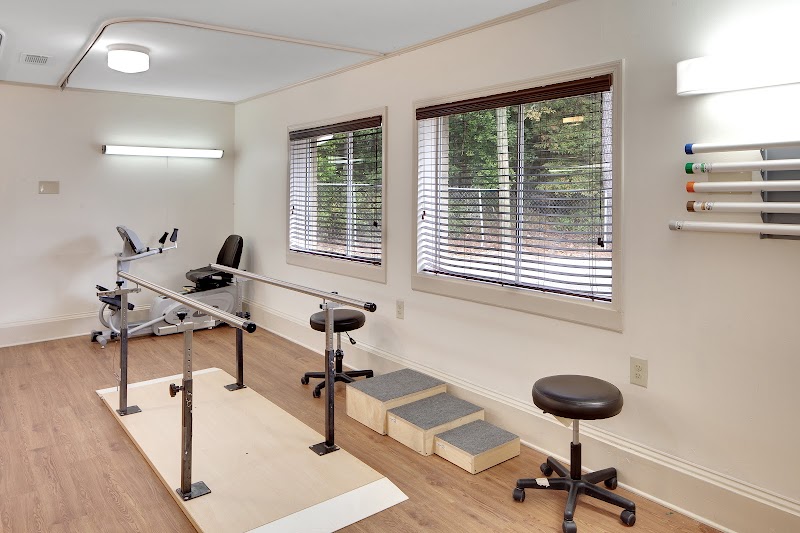
How is Pruitthealth - Eastside Staffed?

CMS rates PRUITTHEALTH - EASTSIDE's staffing level at 1 out of 5 stars, which is much below average compared to other nursing homes. Staff turnover is 53%, compared to the Georgia average of 46%. RN turnover specifically is 62%, which is notably high. RNs provide skilled clinical oversight, so turnover in this role can affect medical care quality.

What Have Inspectors Found at Pruitthealth - Eastside?

State health inspectors documented 25 deficiencies at PRUITTHEALTH - EASTSIDE during 2022 to 2025. These included: 1 that caused actual resident harm, 23 with potential for harm, and 1 minor or isolated issues. Deficiencies causing actual harm indicate documented cases where residents experienced negative health consequences.
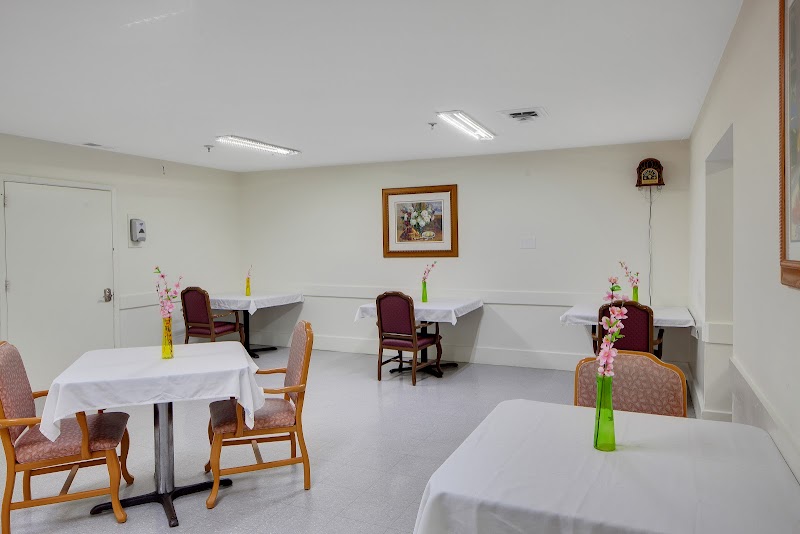
Who Owns and Operates Pruitthealth - Eastside?

PRUITTHEALTH - EASTSIDE is owned by a for-profit company. For-profit facilities operate as businesses with obligations to shareholders or private owners. The facility is operated by PRUITTHEALTH, a chain that manages multiple nursing homes. With 90 certified beds and approximately 78 residents (about 87% occupancy), it is a smaller facility located in MACON, Georgia.
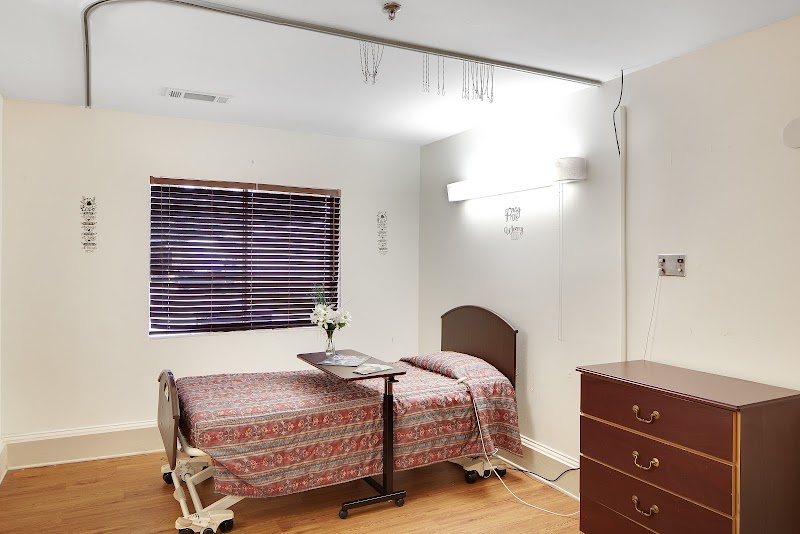
How Does Pruitthealth - Eastside Compare to Other Georgia Nursing Homes?

Compared to the 100 nursing homes in Georgia, PRUITTHEALTH - EASTSIDE's overall rating (1 stars) is below the state average of 2.6, staff turnover (53%) is near the state average of 46%, and health inspection rating (2 stars) is below the national benchmark.

What Should Families Ask When Visiting Pruitthealth - Eastside?

Based on this facility's data, families visiting should ask: "Can you walk me through typical staffing levels on day, evening, and night shifts?" "Can I visit during a mealtime to observe dining assistance and food quality?" "How do you handle medical emergencies, and what is your hospital transfer rate?" "Can I speak with family members of current residents about their experience?" These questions are particularly relevant given the below-average staffing rating.

Is Pruitthealth - Eastside Safe?

Based on CMS inspection data, PRUITTHEALTH - EASTSIDE has a clean safety record: no substantiated abuse findings (meaning no confirmed cases of resident harm), no Immediate Jeopardy citations (the most serious violation level indicating risk of serious injury or death), and is not on the Special Focus Facility watch list (a federal program monitoring the lowest-performing 1% of nursing homes). The facility has a 1-star overall rating and ranks #100 of 100 nursing homes in Georgia. While no facility is perfect, families should still ask about staff-to-resident ratios and recent inspection results during their visit.

Do Nurses at Pruitthealth - Eastside Stick Around?

PRUITTHEALTH - EASTSIDE has a staff turnover rate of 53%, which is 7 percentage points above the Georgia average of 46%. Moderate turnover is common in nursing homes, but families should still ask about staff tenure and how the facility maintains care continuity when employees leave.

Was Pruitthealth - Eastside Ever Fined?

PRUITTHEALTH - EASTSIDE has no federal fines on record. CMS issues fines when nursing homes fail to meet care standards or don't correct problems found during inspections. The absence of fines suggests the facility has either maintained compliance or corrected any issues before penalties were assessed. This is a positive indicator, though families should still review recent inspection reports for the full picture.

Is Pruitthealth - Eastside on Any Federal Watch List?

PRUITTHEALTH - EASTSIDE is not on any federal watch list. The most significant is the Special Focus Facility (SFF) program, which identifies the bottom 1% of nursing homes nationally based on persistent, serious quality problems. Not being on this list means the facility has avoided the pattern of deficiencies that triggers enhanced federal oversight. This is a positive indicator, though families should still review the facility's inspection history directly.