PruittHealth - Lakeside, LLC


3020 JEFFERSONVILLE ROAD, MACON, GA 31217 (478) 746-3547
For profit - Corporation 92 Beds PRUITTHEALTH Data: November 2025
Trust Grade
60/100
#160 of 353 in GA
Last Inspection: March 2025

Within standard 12-15 month inspection cycle. Federal law requires annual inspections.

Overview

PruittHealth - Lakeside, LLC in Macon, Georgia, has a Trust Grade of C+, indicating a decent quality of care that is slightly above average. It ranks #160 out of 353 facilities in Georgia, placing it in the top half statewide, and #5 out of 11 in Bibb County, meaning only four local options are better. The facility is improving, having reduced its number of issues from six in 2023 to two in 2025. However, staffing is a concern, with a poor 1/5 star rating and a high turnover rate of 73%, significantly above the state average of 47%. While there are no fines on record, indicating compliance with regulations, there are specific incidents of concern, including an outdated water management plan that could lead to health risks and cleanliness issues with dust buildup in resident rooms, which could affect comfort and safety.

Trust Score
C+
60/100
In Georgia
#160/353
Top 45%
Safety Record
Low Risk
No red flags
Inspections
Getting Better
6 → 2 violations
Staff Stability
⚠ Watch
73% turnover. Very high, 25 points above average. Constant new faces learning your loved one's needs.
Penalties
✓ Good
No fines on record. Clean compliance history, better than most Georgia facilities.
Skilled Nurses
⚠ Watch
Each resident gets only 16 minutes of Registered Nurse (RN) attention daily — below average for Georgia. Fewer RN minutes means fewer trained eyes watching for problems.
Violations
○ Average
10 deficiencies on record. Average for a facility this size. Mostly minor or procedural issues.
★★★☆☆
3.0
Overall Rating
★☆☆☆☆
1.0
Staff Levels
★★★★☆
4.0
Care Quality
★★★★☆
4.0
Inspection Score
Stable
2023: 6 issues
2025: 2 issues

The Good

  • 4-Star Quality Measures · Strong clinical quality outcomes
  • Full Sprinkler Coverage · Fire safety systems throughout facility
  • No fines on record

Facility shows strength in quality measures, fire safety.

The Bad

3-Star Overall Rating

Near Georgia average (2.6)

Meets federal standards, typical of most facilities

Staff Turnover: 73%

26pts above Georgia avg (46%)

Frequent staff changes - ask about care continuity

Chain: PRUITTHEALTH

Part of a multi-facility chain

Ask about local staffing decisions and management

Staff turnover is very high (73%)

25 points above Georgia average of 48%

The Ugly 10 deficiencies on record

Mar 2025 2 deficiencies
CONCERN (D) 📢 Someone Reported This

A family member, employee, or ombudsman was alarmed enough to file a formal complaint

Potential for Harm - no one hurt, but risky conditions existed

MDS Data Transmission (Tag F0640)

Could have caused harm · This affected 1 resident

**NOTE- TERMS IN BRACKETS HAVE BEEN EDITED TO PROTECT CONFIDENTIALITY** Based on staff interview and record review, the facility failed to ensure the timely submission of the Minimum Data Set (MDS) as...

Read full inspector narrative →
**NOTE- TERMS IN BRACKETS HAVE BEEN EDITED TO PROTECT CONFIDENTIALITY** Based on staff interview and record review, the facility failed to ensure the timely submission of the Minimum Data Set (MDS) assessment for one of five residents (R) (R49). The deficient practice had the potential to increase the probability for R49 not to receive care according to their care needs. Findings include: Record review for R49 revealed resident was admitted to the facility with the diagnoses of but not limited to chronic kidney disease stage 5, type 2 diabetes, chronic obstructive pulmonary disease, right upper quadrant abdominal mass, essential hypertension, syncope and collapse, hyperlipidemia, bradycardia, and generalized anxiety disorder. Resident medication review revealed a physicians order for the following, atorvastatin 40 mg (milligram), Breo Ellipta 100-25, buspirone 10 mg, clopidogrel 75 mg, gabapentin 300 mg, hydroxyzine 25 mg, pantoprazole 20 mg, paricalcitol 1 mcg (microgram), and paroxetine Hcl (hydrochloride) 40 mg. Review of R49's Quarterly Minimum Data Set (MDS) assessments revealed the last completed assessment was dated 10/10/2024. Continued review revealed a Quarterly MDS dated [DATE] indicated that it was still in progress. Interview on 3/1/2025 at 1:29 pm with the MDS Coordinator revealed that she was the only staff member in the facility that completed the assessments. Each resident will have a quarterly assessment completed every ninety-two days, annual assessment yearly, and a significant change assessment will be completed if the resident meets the criteria of having two areas of decline or improvement, starts hospice services, or receives a fracture during a fall. Once the assessment is completed it is sent to the Director of Health Services (DHS) for her signature and review and the assessment is placed in a file and is saved in a folder with the facility name on it, someone from the corporate office then submits the assessment into the system for processing. The staff member did not know who in corporate submitted the assessment. Continued interview also revealed that R49's Quarterly assessment was completed on 1/24/2025 and was rejected on 2/3/2025 due to missing information in Section O (therapy). The assessment was currently being corrected and there were some issues with inputting the information due to the transition into a new system. Staff member confirmed that the assessment for R49 was late. Interview on 3/02/2025 at 10:27 am with the DHS confirmed that the Quarterly MDS assessment for R49 was not completed within the allotted timeframe. Continued interview also revealed that her expectation was that the MDS assessments were to be completed and processed timely. If there was a concern with the transmission or completion of the assessment, the MDS Coordinator was expected to reach out to the DHS or the corporate liaison for assistance to ensure that the assessments were completed.
CONCERN (D) 📢 Someone Reported This

A family member, employee, or ombudsman was alarmed enough to file a formal complaint

Potential for Harm - no one hurt, but risky conditions existed

Assessment Accuracy (Tag F0641)

Could have caused harm · This affected 1 resident

Based on record review and staff interviews, the facility failed to ensure that Minimum Data Set (MDS) assessments was accurate for one resident (R) (R15) related to inaccurate coding of the preadmiss...

Read full inspector narrative →
Based on record review and staff interviews, the facility failed to ensure that Minimum Data Set (MDS) assessments was accurate for one resident (R) (R15) related to inaccurate coding of the preadmission screening and resident review (PASARR) level II. The sample size was 27. Findings include: A review of the Minimum Data Set (MDS) OBRA (Omnibus Budget Reconciliation Act) Annual Assessment, Section A-Identification A, dated 12/19/24, revealed R15 was not assessed for PASARR level II. A review of the medical record revealed R15 had a PASARR level II assessment, with a start date of 8/25/23 and end date of 12/31/2299. During an interview with the MDS Coordinator on 3/1/2025 at 3:25 pm, she acknowledged the MDS OBRA Annual Assessment, Section A-Identification Information, dated 12/19/24, indicated R15 had not been screened for a PASARR II. The MDS Coordinator confirmed that R15 was issued a PASARR II on 8/5/2023, and the MDS was not accurately coded. The MDS Coordinator said the Social Worker (SW) put the information in section A, but she said it was the MDS Coordinator's responsibility to ensure the MDS was coded accurately. An interview with the Director of Nursing (DON) on 3/1/2025 at 3:27 pm revealed it was her expectation for the MDS Coordinator to ensure the MDS was coded accurately. During an interview with the DON on 3/1/2025 at 4:20 pm, she stated there was no facility policy for the accuracy of the MDS. The MDS Coordinator used the resident assistant instrument (RAI) for MDS guidance.
Nov 2023 6 deficiencies
CONCERN (D)

Potential for Harm - no one hurt, but risky conditions existed

Deficiency F0568 (Tag F0568)

Could have caused harm · This affected 1 resident

**NOTE- TERMS IN BRACKETS HAVE BEEN EDITED TO PROTECT CONFIDENTIALITY** Based on resident interviews, staff interviews, and the review of the facility policy titled, Resident Trust Policy and a docume...

Read full inspector narrative →
**NOTE- TERMS IN BRACKETS HAVE BEEN EDITED TO PROTECT CONFIDENTIALITY** Based on resident interviews, staff interviews, and the review of the facility policy titled, Resident Trust Policy and a document titled Patient Trust Fund Authorization/Agreement the facility failed to provide resident trust fund account quarterly statements for three of four resident (R) (R#24, R#30, and R#39) reviewed. Forty-four (44) resident trust fund accounts are managed by the facility. Findings: Review of the undated policy titled, Resident Trust Policy revealed: Upon written authorization of a resident, Eastview Nursing Center must safeguard, manage, and account for the personal funds of the resident deposited in their account. 6. The resident shall have reasonable access, upon request, to a record of all transactions made to his/her account. Quarterly statements will be provided in writing to the resident or to the resident's responsible party. Review of the document titled, Patient Trust Fund Authorization/Agreement updated 5/19/2018 indicated: I acknowledge that I have been advised of my rights to manage my personal financial affairs and that I am not required to deposit personal funds with the facility. I DO authorize the facility to hold, safeguard, manage and account for monies I may deposit with the facility in a Resident Trust Fund (RTF). I have reviewed the facility policies on the Management of Personal Funds in the facility Welcome Packet. I understand that I will receive quarterly statements bearing all transactions on the resident account. 1. Review of R#24 annual Minimum Data Set (MDS) dated [DATE] revealed a Brief Interview for Mental Status (BIMS) was assessed as fifteen which indicated cognitively intact. An interview on 11/3/2023 at 9:50 am with R#24 stated she has a trust fund account with the facility. The resident stated she does not receive a quarterly statement for the trust fund account that the facility manages. The resident stated the person in the front office will give the balance in the account if she ask. Review of the document titled Patient Trust Fund Authorization/Agreement signed by R#24 on 9/20/2022. There are no other signatures for the Person responsible for the Account or the Resident Representative. 2. Review of R#30 quarterly MDS dated [DATE] revealed a BIMS was assessed as six which indicated severe cognitive impairment. Review of the document titled Patient Trust Fund Authorization/Agreement signed by R#30 on 11/8/2022. There are no other signatures for the Person responsible for the Account or the Resident Representative. An interview on 11/3/2023 at 11:22 am with R#30 was alert and was able to correctly answer the surveyor screening questions. The resident stated he has a trust fund account with the facility. He stated he does not receive a quarterly statement for the trust fund account that the facility manages. 3. Review of R#39 quarterly MDS dated [DATE] revealed a BIMS was assessed as fifteen which indicated cognitively intact. Review of the document titled Patient Trust Fund Authorization/Agreement signed by R#39 on 11/9/2022. There are no other signatures for the Person for the Account or the Resident Representative. An interview on 11/3/2023 at 11:23 am with R#39 The resident stated she has a trust fund account that the facility manages and does not receive her quarterly statement. The resident stated she would love to know how much money she has in her trust fund account. An interview on 11/5/2023 at 8:15 am with R#39 stated she did not verbally or in writing give the facility permission to give anyone her (R#39) quarterly statements. An interview and observation on 11/4/2023 at 11:04 am with the previous Office Manager who was responsible for providing the residents with their quarterly statements. The Office Manager stated she does not provide R#30 and R#39 with a copy of their quarterly statement. She stated the statements are given to a family member who is the responsible Party for R#30 and R#39. The Office Manager stated R#24 does not have any family. She stated R#24 is provided with her quarterly statement. The office Manager and surveyor spoke with the resident and R#24 agreed to allow the office manager to look in her personal belongings for a copy of a quarterly statement. No statements were located. An interview on 11/5/2023 at 8:34 am with the Administrator stated she was not aware that residents were not receiving their quarterly statements. She stated the residents should receive the statements quarterly.
CONCERN (D)

Potential for Harm - no one hurt, but risky conditions existed

Deficiency F0688 (Tag F0688)

Could have caused harm · This affected 1 resident

**NOTE- TERMS IN BRACKETS HAVE BEEN EDITED TO PROTECT CONFIDENTIALITY** Based on observations, record review, staff interview, and the review of the facility policy titled, Restorative Nursing Service...

Read full inspector narrative →
**NOTE- TERMS IN BRACKETS HAVE BEEN EDITED TO PROTECT CONFIDENTIALITY** Based on observations, record review, staff interview, and the review of the facility policy titled, Restorative Nursing Services, the facility failed to ensure one (Resident (R) 8 reviewed for range of motion (ROM) received a splint/brace as needed to address her limited range of motion in her right hand. The deficient practice had the potential for further reduction of ROM. The sample size was 19 residents. Findings include: Review of the facility policy titled, Restorative Nursing Services revised July 2017 revealed residents will receive restorative nursing care as needed to help promote optimal safety and independence. Restorative nursing care consists of nursing interventions that may or may not be accompanied by formalized rehabilitative services. Residents may be started on a restorative nursing program upon admission, during the course of stay or when discharged from rehabilitative care. Restorative goals and objectives are individualized and resident-centered, and are outlined in the resident's plan of care. Review of R8's admission Record, revealed she was admitted to the facility with diagnoses that included hemiplegia (paralysis of one side of the body) and hemiparesis (one-sided muscle weakness) following nontraumatic subarachnoid hemorrhage affecting right dominant side. Review of R8's Quarterly Minimum Data Set (MDS) assessment, with an assessment reference date (ARD) of 10/3/2023 and located in the MDS tab of the Electronic Medical Record (EMR), revealed she scored five out of 15 on the Brief Interview for Mental Status (BIMS), indicating severely impaired cognition. R8 did not exhibit any behavioral symptoms, including rejection of care. She had impaired functional range of motion on one side in both the upper and lower extremities. Review of R8's Orders tab of the EMR revealed there was no order for use of hand splint/brace to right hand, passive range of motion (PROM), or restorative services. Review of R8's Care Plan revealed, R8 participates in the restorative nursing program daily to maintain current level passive range of motion. The goal was for resident to tolerate range of motion and splint use as evidenced by no complaints of pain or increased tone. Restorative Nursing program was listed as an intervention. Review of the record revealed the following care under the TASK tab on the [NAME]: NURSING REHAB: Assistance with Splint/Brace (Don & Doff w/proper hand hygiene) to Rt. Hand as tolerated x 6d/wk. NURSING REHAB: PROM to Rt. Hand before & after Splint/Brace x 15 min/day x 6d/wk. Record review revealed under the Task section of the electronic record Task: Nursing Rehab: Assistance with Splint/Brace (Don & Doff with proper hand hygiene) to right hand as tolerated x 6 days per week. Look back over the last 30 days revealed the hand splint was documented as applied for only 10 of the 30 scheduled days. Verified by DON Record review revealed under the Task section of the electronic record Task: Nursing Rehab: Passive Range of Motion (PROM) to Right hand before and after Splint/Brace x 15 minutes x 6 days per week. Look back over the last 30 days revealed the exercises were documented as performed 18 of the 30 scheduled days, 2 days documented as resident refused. Verified by DON. Observation 11/3/2023 at 9:27 am and 1:18 pm revealed R8 with right clinched closed and without anything in her hands to reduce the progression of contracture. During subsequent observations, R8 was again observed without any orthotic device on her right hand, which remained contracted into a fist: -On 11/4/2023 at 8:47 am, R8 was observed sitting in wheelchair in front of nurses station with both eyes closed without any device on her right hand. Further observation revealed a blue hand splint lying on residents bedside dresser. -On 11/4/2023 at 12:26 pm, R8 was observed seated in her wheelchair in the dining room without any device on her right hand. Resident observed self-feeding with the use of her left hand. -On 11/4/2023 at 2:00 pm, R8 was observed seated in her wheelchair in front of the nurses station without any device on her right hand. In an interview on11/4/2023 at 2:17 pm with Certified Nurse Aide (CNA) AA, she stated she was assigned to R8 today, but she did not perform passive range of motion exercises, nor did she apply the splint the residents right hand because she though the Activity Director/CNA was responsible to do that. CNA also stated that she had been trained by therapist to do range of motion and apply splints. In an interview on 11/4/2023 at 2:22 pm, Licensed Practical Nurse (LPN) BB stated she was not aware R8 had a hand splint or needed to have one on because there were not any orders related to a splint. In an interview on 9/7/2023 at 3:34 pm, the Director of Nursing (DON) stated if there was a physician's order for the palm guard, it would show up on the CNAs' documentation and they would chart its use. She stated she was unaware there was no order for or documentation of the palm guard. During an interview on 11/04/2023 at 2:25 pm with MDS/Care Plan Coordinator revealed that she oversees the Restorative Program. She stated that currently there is only 1 resident actually on the restorative program and 9 or 10 residents on the Maintenance Program for range of motion and splinting. She further stated that the CNAs on the floor were all trained by the therapist on how to safely perform the range of motion exercises and apply splints/braces. She stated that her role is to enter the program into the electronic record. The Activities Director, who is also a CNA, monitors the residents to make sure the CNAs on the hall are actually performing the exercises and applying the splints. She stated the CNAs assigned to resident documents the range of motion exercises and the donning and doffing of the splints in the electronic record. During an interview on 11/04/2023 at 2:34 pm with Activity Director/CNA revealed that the CNAs assigned to the resident is responsible for the exercises and applying the splints. She stated that she checks to make sure they are applying the splints. She further stated that she does not have a list of residents with splints, she just remembers who they are. She stated that she is aware that resident is supposed to wear a splint to her right hand for 4-6 hours 6 days a week. She further stated that if the CNAs do not apply the splints, then she will apply them. AD further stated that she had not seen resident with the splint on today. During an interview on 11/04/2023 at 2:46 pm with DON revealed that the resident is currently on the Maintenance Restorative Nursing Program for range of motion and splinting. She further stated that all CNAs were trained by the therapist on range of motion and donning and doffing splints. She further stated that the CNA assigned to the resident is responsible for the plan of care and the Activity Director/CNA is responsible to check behind the CNAs to ensure that the treatment was done. DON further stated that it is her expectation that the restorative plan of care be followed for all residents.
CONCERN (D)

Potential for Harm - no one hurt, but risky conditions existed

Accident Prevention (Tag F0689)

Could have caused harm · This affected 1 resident

**NOTE- TERMS IN BRACKETS HAVE BEEN EDITED TO PROTECT CONFIDENTIALITY** Based on observation, staff interview, and review of facility documents titled, Safety Data Sheets and Material Safety Data Shee...

Read full inspector narrative →
**NOTE- TERMS IN BRACKETS HAVE BEEN EDITED TO PROTECT CONFIDENTIALITY** Based on observation, staff interview, and review of facility documents titled, Safety Data Sheets and Material Safety Data Sheets, the facility failed to store chemicals so that they were inaccessible to residents and visitors in one unoccupied resident room under renovation, on one of three halls. The facility census was 52. Findings include: Review of the Safety Data Sheet for ARDEX Feather Finish dated December 13,2020 revealed under Section 11- Toxicological Information: Routes of expose skin and eyes (yes), ingestion (yes). Skin corrosion or irritation causes skin irritation. Prolonged exposure to wet product may cause skin burns. Serious eye damage/eye irritation: Causes eye burns. May cause blindness. Specific Target Organ Toxicity, Single exposure: May cause respiratory irritation. Review of the Material Safety Data Sheet issue date August 1, 2013, revealed under Section 2- Hazards Identification: Hazard Statements: This product may cause slight irritation to the eye. May cause slight irritation to skin. Wear suitable gloves, eye/face protection, and respiratory protection. Keep put of reach of children. Observation on 11/03/2023 at 9:39 AM of an unoccupied resident room, A118, revealed room under renovation. The room door was open and did not have a lock on the inside or the outside. Inside of the room were noted: Two bottles of odorless mineral spirits with a label that indicated Danger harmful or fatal if swallowed, eye and skin irritant, combustible. A bucket of carpet tile pressure-sensitive adhesive with a label that indicated Warning: This product is considered not hazardous under age [AGE], may cause slight irritation to the eyes, wear gloves and eye/face protection. Keep out of reach of children. A bucket of restorative flooring adhesive. According to the Safety Data Sheet it can cause slight irritation to the eyes and slight irritation to the skin. Keep out of reach of children. Three cans of wall paint. According to the Safety Data Sheet it can cause skin irritation, serious eye damage, may cause cancer by inhalation, and can cause damage to lungs through prolonged or repeated inhalation. Interview on 11/03/2023 at 9:46 AM with the Administrator revealed she would expect the door to be kept closed and locked when workers are not in the room. She indicated the workers are contracted to redo the floors and paint the walls. She indicated they were in the building early this morning but left when surveyors arrived. She did indicate the door should have a lockable doorknob. She verified the chemicals and paint were accessible by the residents. Interview on 11/03/2023 at 9:50 AM with the Maintenance Director revealed the contractors were in the room earlier but left when surveyors arrived. He indicated the door should be locked. The contractors usually remove all the paint and chemicals when they leave. He had a new doorknob that was lockable from the outside and put it on the door and locked it.
CONCERN (D)

Potential for Harm - no one hurt, but risky conditions existed

Respiratory Care (Tag F0695)

Could have caused harm · This affected 1 resident

**NOTE- TERMS IN BRACKETS HAVE BEEN EDITED TO PROTECT CONFIDENTIALITY** Based on observations, record review, staff interviews, and review of the facility policy titled, Prevention of Infection Oxygen...

Read full inspector narrative →
**NOTE- TERMS IN BRACKETS HAVE BEEN EDITED TO PROTECT CONFIDENTIALITY** Based on observations, record review, staff interviews, and review of the facility policy titled, Prevention of Infection Oxygen Use, the facility failed to provide respiratory care consistent with professional standards of practice for one of four residents (R) (R17) receiving oxygen therapy related to ensuring oxygen filter were cleaned and oxygen nasal cannula were routinely changed. This deficient practice had the potential to cause respiratory associated infections and or illnesses. Findings include: Review of facility's undated policy titled, Prevention of Infection Oxygen Use under; Infection control Considerations Related to Oxygen Administration - 1. Obtain equipment (i.e., oxygen tubing, and prefilled humidifier). 2. [NAME] bottle with date and initials upon opening and discard when empty. 3. Check water level of any pre-filled reservoir. 4. Change pre-filled humidifier when empty. 5. Change the oxygen cannula and tubing every seven (7) days, or as needed. 6. Keep the oxygen cannula and tubing used PRN in a plastic bag when not in use. 7. Wash filters from oxygen concentrators every seven days with soap and water. Rinse and squeeze dry. 8. Wash hands after manipulation. A review of the clinical record for R17 revealed she was admitted to the facility with diagnoses including but not limited to chronic obstructive pulmonary disease. A review of a Quarterly Minimum Data Set (MDS) assessment dated [DATE], revealed R17 had a Brief Interview for Mental Status (BIMS) of 10, which indicated moderately impaired cognition. Section O (Special Treatments and Programs) revealed resident received oxygen therapy. A review of a care plan revealed R17 had a diagnosis of COPD and was at risk for acute infection. A review of the Medication Administration Record for October 2023 through 11/3/2023 revealed documentation verifying resident was receiving oxygen therapy. Observation on 11/3/2023 at 9:14 am, during initial screening and at 1:17 p.m. revealed resident observed lying in bed, oxygen nasal cannula intact. The oxygen concentrator is on with the settings at 2 liters. The filter on the oxygen concentrator has a white/light grey fuzzy substance over the entire filter, the humidifier bottle is empty, and the nasal cannula tubing is dated 10/13/2023. Observation on 11/4/2023 at 8:56 am revealed the oxygen nasal cannula tubing is now dated 11/3/2023, the humidifier bottle remains empty, and the concentrator's oxygen filter continues to have a white/light grey fuzzy substance on the entire filter. During an interview 11/4/2023 at 10:02 am with Certified Nurse Aide (CNA) DD revealed that he does not do anything with the oxygen but ensures the oxygen is on and if the water bottle is low, he informs the nurse. During an interview 11/4/2023at 10:17 am with Licensed Practical Nurse (LPN) BB revealed that she ensures residents receiving oxygen had the nasal cannula intact and the concentrator is set at the correct setting. She further stated that she does not focus on the humidification bottles or the dating of the tubing because the shift before her is responsible for that. LPN BB further stated that she did not notice the humidification bottle was empty today. LPN BB also stated she had not looked at the filter and she does not know anything about the concentrator filter. During an interview 11/4/2023 at 10:30 a.m. with the Assistant Director of Nursing (ADON) revealed that the RN Supervisor is responsible for changing the oxygen tubing and humidifier on Sunday, but anyone can change the tubing if it is not dated or needs changing. ADON further stated that the Infection Control Preventionist (ICP) make rounds weekly and ensure that the tubing and bottles were changed and dated. She stated that the humidification bottle usually does not last that long, so they need to be checked and changed every couple of days. During walking rounds, ADON verified the filter needed to be cleaned and the humidification bottle was empty. ADON further stated that the dirty filter could potentially contribute to respiratory illnesses for the resident. During an interview 11/4/2023 at 10:36 a.m. with the ICP revealed that she had worked at the facility for 3 months and is still in training. She stated that she was informed by the DON that it was her responsibility to check the concentrators to make sure the Registered Nurse (RN) Supervisor changed the tubing, water bottles and cleaned the filters. She further stated that the water bottles are changed when they are almost out. She further stated that if it was not done, she had the responsibility of changing it out and dating the respiratory supplies. She stated that she is responsible for checking these weekly and thought she had checked R17's concentrator Thursday (11/02/2023). ICP looked at the filter on R17's oxygen concentrator and verified it had not been cleaned as required and the humidifier prefilled water was empty. During an interview 11/4/2023 at 10:48 am with the Director of Nursing (DON) revealed the weekend RN supervisor changes and dates the respiratory supplies weekly on Sunday. DON further stated the ICP is responsible for checking to ensure everything was clean, changed and dated to include the filter. DON stated that nursing department is responsible for ensuring that the oxygen is in compliance.
CONCERN (E)

Potential for Harm - no one hurt, but risky conditions existed

Safe Environment (Tag F0584)

Could have caused harm · This affected multiple residents

Based on observations and staff interviews the facility failed to ensure that it was maintained in a clean, comfortable, and homelike environment in four of 16 resident rooms (A111, A112, A113, and A1...

Read full inspector narrative →
Based on observations and staff interviews the facility failed to ensure that it was maintained in a clean, comfortable, and homelike environment in four of 16 resident rooms (A111, A112, A113, and A115) on A hall and two of 16 resident rooms (B202 and B204) on B hall (two of three halls) that included dust and grime buildup on packaged terminal air conditioners (PTAC) vents and rooms A109/A111 and A110/A112 shared bathroom air vents with dust buildup. The facility census was 50. Findings revealed: The facility does not have a maintenance or housekeeping policy. Observations made during initial rounds on 11/03/2023 between 8:00 AM and10:00 AM revealed: Room A9/A11 and A10/A12 shared bathroom vent to have dust buildup. Rooms A11, A12, A13, A15, B2 and B4 PTAC units had dirt and dust buildup on the vents and front grate area. Observations made during initial rounds on 11/04/2023 at 9:00 AM revealed: Room A9/A11 and A10/A12 shared bathroom vent to have dust buildup. Rooms A11, A12, A13, A15, B2 and B4 PTAC units had dirt and dust buildup on the vents and front grate area. Interview and observations on 11/05/2023 at 8:28 AM with the facility Maintenance Director and the contracted Housekeeping Manager revealed housekeepers are responsible for cleaning the PTAC unit covers and bathroom air vents during daily cleaning. The PTAC unit filters are cleaned during deep cleaning. The housekeepers deep clean two rooms per day. They both verified concerns identified. The Maintenance Director indicated the PTAC units have dustier due to the construction going on. Interview on 11/05/2023 at 8:39 AM with the Administrator revealed she would expect the facility to be clean at all times. Requested policies on maintenance, housekeeping and accidents/hazards.
CONCERN (F)

Potential for Harm - no one hurt, but risky conditions existed

Infection Control (Tag F0880)

Could have caused harm · This affected most or all residents

Based on staff interviews, record reviews, and a review of the facility policy titled, Legionella Water Management, the facility failed to develop an updated water management program plan for the prev...

Read full inspector narrative →
Based on staff interviews, record reviews, and a review of the facility policy titled, Legionella Water Management, the facility failed to develop an updated water management program plan for the prevention of Legionella for 52 of 52 residents in the building. The deficient practice had the potential to promote growth of Legionella and other opportunistic waterborne pathogens in the building water systems. Findings included: A review of the facility policy titled, Legionella Water Management, revised 2017, revealed 3. The purposes of water management program are to identify areas in the water system where Legionella bacteria can grow and spread, and to reduce the risk of Legionnaire's disease. 4. The water management program used by our facility is based on the Centers for Disease Control and Prevention and ASHRAE recommendations for developing water management program. e. Specific measures used to control the introduction of and/or spread of legionella (e.g., temperature, disinfectants); f. The control limits or parameters that are acceptable and that are monitored; g. A diagram of where control measures are applied; h. A system to monitor limits and the effectiveness of control measures; i. A plan for when control limits are not met and/or control measures are not effective; and j. Documentation of the program; The facility does not have updated measures to prevent the growth of Legionella and other opportunistic waterborne pathogens in building water systems that are based on nationally accepted standards (e.g., ASHRAE, CDC, U.S. Environmental Protection Agency, or EPA). Interview on 11/5/2023 at 9:45 am with the Maintenance Director revealed he was not aware of any changes to the water management plan. The facility was checking water temperatures daily but did not have an assessment of the building's water system. The Maintenance Director stated the facility is not currently flushing monthly to clear the lines. An interview on 11/5/2023 at 11:00 am with the Administrator revealed she was not made aware of the updates regarding water management as of today. The Administrator stated she would carry out any directives related to updates to the water management program upon receipt. The Administrator further revealed it was her responsibility to maintain and ensure the water is safe for residents and staff in the building in relation to water temperatures. Interview on 11/5/2023 at 10:30 am with the Chief Clinical Officer stated that the Infection Control Preventionist (ICP) and Maintenance Director would collaborate to devise a plan for the updated water management plan.
Apr 2022 2 deficiencies
CONCERN (D)

Potential for Harm - no one hurt, but risky conditions existed

Transfer Notice (Tag F0623)

Could have caused harm · This affected 1 resident

Based on record review and staff interview, the facility failed to provide the Ombudsman with notification of transfer for one resident (R) (R#40). The deficient practice had the potential to affect f...

Read full inspector narrative →
Based on record review and staff interview, the facility failed to provide the Ombudsman with notification of transfer for one resident (R) (R#40). The deficient practice had the potential to affect five residents that were transferred or discharged from the facility in the last three months. Findings include: Record review for R#40 revealed resident was admitted to facility on 5/16/2017 with diagnoses including but not limited to of dysphagia, adult failure to thrive, gastrostomy, age related physical debility, dementia, gastro-esophageal reflux disease, and bipolar disorder. Resident was sent to acute care hospital on 3/31/2022 for respiratory distress and shortness of breath. There was no notification of resident transfer provided to the Ombudsman Office after resident was transferred. Interview with facility owner on 4/3/22 at 8:56 a.m. revealed the Ombudsman is notified only of involuntary discharges per their request, and the Administrator or Business office manager are responsible for this notification. Interview with Business Office Manager on 4/3/22 at 9:30 a.m. revealed that the Ombudsman is notified of residents that are involuntarily discharged only per the Ombudsman request. Before the involuntary discharge the documents are faxed to the Ombudsman office and mailed to the resident's family members informing them of the pending discharge and the reason. Further interview also revealed that a copy of the notification was kept at the facility in a file. Post survey interview with facility Ombudsman Representative on 4/6/2022 at 10:30 a.m. revealed facility staff had not reported any discharges or transfers of any kind from the facility in the past year. Further interview also revealed that facility staff was directed to notify the Ombudsman's Office of any facility discharges or transfer monthly. Continued interview also revealed that no staff member of the facility was ever directed to only inform Ombudsman office of involuntary discharges from the facility.
CONCERN (D)

Potential for Harm - no one hurt, but risky conditions existed

Infection Control (Tag F0880)

Could have caused harm · This affected 1 resident

Based on observation, review of the facility policy titled Wound Management Program, and staff interviews, the facility failed to wash/sanitize hands and change gloves during wound treatment for one r...

Read full inspector narrative →
Based on observation, review of the facility policy titled Wound Management Program, and staff interviews, the facility failed to wash/sanitize hands and change gloves during wound treatment for one resident (R) (#29). The sample size was 18 residents. Findings include: Observation of wound care for R#29 on 4/3/22 at 9:30 a.m. revealed Licensed Practical Nurse (LPN) AA placed a red biohazard bag on R#29's bed. LPN AA washed her hands, donned gloves, and removed the old dressing from sacrum. LPN AA changed gloves but did not wash or sanitize hands. She cleaned the wound with a normal saline soaked gauze and patted dry with a clean gauze. She then applied silver alginate rope to wound base and covered with an Optifoam (dressing). LPN AA did not wash/sanitize hands or change gloves after cleaning the wound and before applying the medication. Observation of wound care for R#29 on 4/3/22 at 9:40 a.m. revealed LPN AA washed her hands, donned gloves, and removed the old dressing from right trochanter. LPN AA changed gloves but did not wash or sanitize hands. She cleaned the wound with a normal saline soaked gauze and patted dry with a clean gauze. She then removed gloves and donned gloves. LPN AA did not wash/sanitize hands after removing gloves. LPN AA then applied silver alginate to wound base and covered with an Optifoam. LPN AA did not wash/sanitize hands after cleaning the wound and before applying the medication. Further observation of wound care for R#29 on 4/3/22 at 9:48 a.m. revealed LPN AA washed her hands, donned gloves, and removed the old dressing from right ischium. LPN AA changed gloves but did not wash or sanitize hands. She cleaned the wound with a normal saline soaked gauze and patted dry with a clean gauze. She then removed gloves and donned gloves. LPN AA did not wash/sanitize hands after removing gloves. LPN AA then applied silver alginate rope to wound base and covered with an Optifoam. LPN AA did not wash/sanitize hands after cleaning the wound and before applying the medication. Interview with the Director of Nursing (DON) on 4/3/22 at 10:20 a.m. revealed that LPN AA has been in-serviced on infection control related to wound care. DON stated LPN AA has been checked off on handwashing. DON provided the most recent In-service for LPN AA. Skills Check-Off sheet revealed LPN AA checked off on hand washing last on 2/28/22. Further interview with the DON on 4/3/22 at 12:00 p.m. revealed that she expects the nurses to wash hands and apply clean gloves after removing the dressing and after cleaning the wound. During an interview on 4/3/22 at 10:00 a.m., LPN AA had no response when asked why she did not sanitize her hands throughout wound care dressing changes. Interview on 4/3/22 at 2:45 p.m. with the Owner revealed that she expects the nurses to follow proper wound care and infection control measures. She stated LPN AA works at another building and comes in to help this facility out. Owner further stated she would make sure LPN AA receives more in-services and training on hand hygiene, wound care, and infection control.
Understanding Severity Codes (click to expand)
Life-Threatening (Immediate Jeopardy)
J - Isolated K - Pattern L - Widespread
Actual Harm
G - Isolated H - Pattern I - Widespread
Potential for Harm
D - Isolated E - Pattern F - Widespread
No Harm (Minor)
A - Isolated B - Pattern C - Widespread

Questions to Ask on Your Visit

  • "Why is there high staff turnover? How do you retain staff?"
  • "Can I speak with families of current residents?"
  • "What's your RN coverage like on weekends and overnight?"

Our Honest Assessment

Strengths
  • • No major safety red flags. No abuse findings, life-threatening violations, or SFF status.
  • • No fines on record. Clean compliance history, better than most Georgia facilities.
Concerns
  • • 73% turnover. Very high, 25 points above average. Constant new faces learning your loved one's needs.
Bottom line: Mixed indicators with Trust Score of 60/100. Visit in person and ask pointed questions.

About This Facility

What is Pruitthealth - Lakeside, Llc's CMS Rating?

CMS assigns PruittHealth - Lakeside, LLC an overall rating of 3 out of 5 stars, which is considered average nationally. Within Georgia, this rating places the facility higher than 99% of the state's 100 nursing homes. This mid-range rating indicates the facility meets federal standards but may have areas for improvement.

How is Pruitthealth - Lakeside, Llc Staffed?

CMS rates PruittHealth - Lakeside, LLC's staffing level at 1 out of 5 stars, which is much below average compared to other nursing homes. Staff turnover is 73%, which is 26 percentage points above the Georgia average of 46%. High turnover can affect care consistency as new staff learn residents' individual needs.

What Have Inspectors Found at Pruitthealth - Lakeside, Llc?

State health inspectors documented 10 deficiencies at PruittHealth - Lakeside, LLC during 2022 to 2025. These included: 10 with potential for harm.
Who Owns and Operates Pruitthealth - Lakeside, Llc?

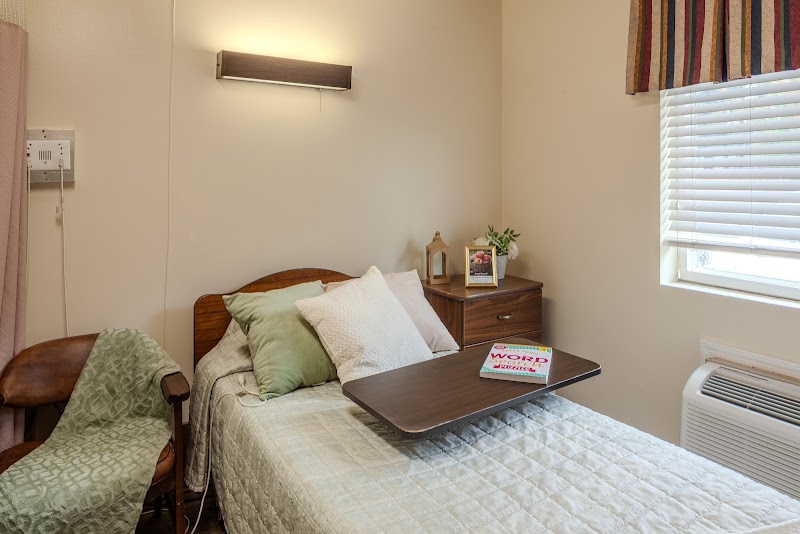
PruittHealth - Lakeside, LLC is owned by a for-profit company. For-profit facilities operate as businesses with obligations to shareholders or private owners. The facility is operated by PRUITTHEALTH, a chain that manages multiple nursing homes. With 92 certified beds and approximately 55 residents (about 60% occupancy), it is a smaller facility located in MACON, Georgia.

How Does Pruitthealth - Lakeside, Llc Compare to Other Georgia Nursing Homes?

Compared to the 100 nursing homes in Georgia, PruittHealth - Lakeside, LLC's overall rating (3 stars) is above the state average of 2.6, staff turnover (73%) is significantly higher than the state average of 46%, and health inspection rating (4 stars) is above the national benchmark.

What Should Families Ask When Visiting Pruitthealth - Lakeside, Llc?

Based on this facility's data, families visiting should ask: "How do you ensure continuity of care given staff turnover, and what is your staff retention strategy?" "Can you walk me through typical staffing levels on day, evening, and night shifts?" "Can I visit during a mealtime to observe dining assistance and food quality?" "How do you handle medical emergencies, and what is your hospital transfer rate?" These questions are particularly relevant given the facility's high staff turnover rate and the below-average staffing rating.

Is Pruitthealth - Lakeside, Llc Safe?

Based on CMS inspection data, PruittHealth - Lakeside, LLC has a clean safety record: no substantiated abuse findings (meaning no confirmed cases of resident harm), no Immediate Jeopardy citations (the most serious violation level indicating risk of serious injury or death), and is not on the Special Focus Facility watch list (a federal program monitoring the lowest-performing 1% of nursing homes). The facility has a 3-star overall rating and ranks #1 of 100 nursing homes in Georgia. While no facility is perfect, families should still ask about staff-to-resident ratios and recent inspection results during their visit.

Do Nurses at Pruitthealth - Lakeside, Llc Stick Around?

Staff turnover at PruittHealth - Lakeside, LLC is high. At 73%, the facility is 26 percentage points above the Georgia average of 46%. High turnover means new staff may not know residents' individual needs, medications, or preferences. It can also be disorienting for residents, especially those with dementia who rely on familiar faces. Families should ask: What is causing the turnover? What retention programs are in place? How do you ensure care continuity during staff transitions?

Was Pruitthealth - Lakeside, Llc Ever Fined?

PruittHealth - Lakeside, LLC has no federal fines on record. CMS issues fines when nursing homes fail to meet care standards or don't correct problems found during inspections. The absence of fines suggests the facility has either maintained compliance or corrected any issues before penalties were assessed. This is a positive indicator, though families should still review recent inspection reports for the full picture.

Is Pruitthealth - Lakeside, Llc on Any Federal Watch List?

PruittHealth - Lakeside, LLC is not on any federal watch list. The most significant is the Special Focus Facility (SFF) program, which identifies the bottom 1% of nursing homes nationally based on persistent, serious quality problems. Not being on this list means the facility has avoided the pattern of deficiencies that triggers enhanced federal oversight. This is a positive indicator, though families should still review the facility's inspection history directly.