PRUITTHEALTH - PEAKE
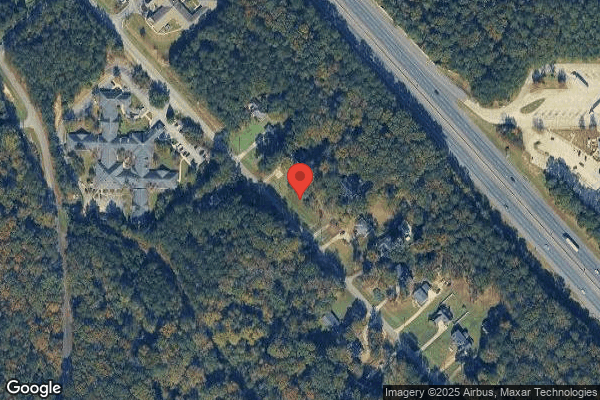

6190 PEAKE ROAD, MACON, GA 31220 (478) 471-7474
For profit - Corporation 122 Beds PRUITTHEALTH Data: November 2025
Trust Grade
80/100
#93 of 353 in GA
Last Inspection: March 2025

Within standard 12-15 month inspection cycle. Federal law requires annual inspections.

Overview

PruittHealth - Peake in Macon, Georgia, has a Trust Grade of B+, which means it is above average and recommended for families considering care options. It ranks #93 out of 353 nursing homes in Georgia, placing it in the top half of facilities statewide, and #2 out of 11 in Bibb County, indicating limited local competition. However, the facility is trending in a worsening direction, with issues increasing from 2 in 2023 to 3 in 2025. Staffing is a concern, with a rating of 2 out of 5 stars and a turnover rate of 42%, which is better than the state average but still indicates some instability. On a positive note, the facility has recorded no fines, suggesting good compliance with regulations, and provides average RN coverage, which is important for resident care. However, there have been specific incidents that raise concerns, such as a failure to maintain proper food temperatures and inadequate handwashing protocols that could risk infections. Additionally, there were issues with the cleanliness of air conditioning units and ensuring that residents received scheduled personal care, which could affect their overall comfort and hygiene. Overall, while there are strengths in the facility’s ranking and compliance history, families should weigh these against the identified weaknesses.

Trust Score
B+
80/100
In Georgia
#93/353
Top 26%
Safety Record
Low Risk
No red flags
Inspections
Getting Worse
2 → 3 violations
Staff Stability
○ Average
42% turnover. Near Georgia's 48% average. Typical for the industry.
Penalties
✓ Good
No fines on record. Clean compliance history, better than most Georgia facilities.
Skilled Nurses
⚠ Watch
Each resident gets only 23 minutes of Registered Nurse (RN) attention daily — below average for Georgia. Fewer RN minutes means fewer trained eyes watching for problems.
Violations
○ Average
7 deficiencies on record. Average for a facility this size. Mostly minor or procedural issues.
★★★★☆
4.0
Overall Rating
★★☆☆☆
2.0
Staff Levels
★★★★☆
4.0
Care Quality
★★★★☆
4.0
Inspection Score
Stable
2023: 2 issues
2025: 3 issues

The Good

  • 4-Star Quality Measures · Strong clinical quality outcomes
  • Full Sprinkler Coverage · Fire safety systems throughout facility
  • No fines on record
  • Staff turnover below average (42%)

    6 points below Georgia average of 48%

Facility shows strength in quality measures, fire safety.

The Bad

Staff Turnover: 42%

Near Georgia avg (46%)

Typical for the industry

Chain: PRUITTHEALTH

Part of a multi-facility chain

Ask about local staffing decisions and management

The Ugly 7 deficiencies on record

Mar 2025 3 deficiencies
CONCERN (D) 📢 Someone Reported This

A family member, employee, or ombudsman was alarmed enough to file a formal complaint

Potential for Harm - no one hurt, but risky conditions existed

ADL Care (Tag F0677)

Could have caused harm · This affected 1 resident

**NOTE- TERMS IN BRACKETS HAVE BEEN EDITED TO PROTECT CONFIDENTIALITY** Based on observations, resident and staff interviews, record review, and review of the facility policy titled Documentation: Cha...

Read full inspector narrative →
**NOTE- TERMS IN BRACKETS HAVE BEEN EDITED TO PROTECT CONFIDENTIALITY** Based on observations, resident and staff interviews, record review, and review of the facility policy titled Documentation: Charting Activities of Daily Living, the facility failed to ensure that Activities of Daily Living (ADL) care was provided, specifically showers and/or bed baths, according to the schedule for one of 36 sampled residents (R) R116. This failure had the potential to place R116 at risk of being unclean and create an environment that could increase the potential for actual infections and cause R116 to feel self-conscious of their appearance. Findings include: Review of the facility policy titled Documentation: Charting Activities of Daily Living, reviewed 1/11/2024, revealed the Procedure section included 1. CNAs (Certified Nursing Assistants) are required to enter documentation at the point of care. The following should be documented in the ADL tracking tool: Daily observation of the patients/resident ADL on each shift. Review of R116's clinical record revealed diagnoses including, but not limited to, urinary tract infection, methicillin-susceptible staphylococcus aureus infection, muscle weakness, cellulitis of left lower, and age-related physical debility. Review of R116's Quarterly Minimum Data Set (MDS) dated [DATE] revealed Section C (Cognitive Patterns) documented a Brief Interview for Mental Status (BIMS) score of 14 (indicating little to no cognitive impairment). Section GG (Functional Abilities and Goals) revealed the resident required substantial/maximal assistance with shower/bath. Review of R116's Point of Care History dated 1/4/2025 through 3/10/2025 revealed R116 received seven showers/baths in 1/2025 (1/13/2025, 1/16/2025, 1/18/2025, 1/25/2025, 1/27/2025, 1/28/2025), six showers/baths in 2/2025 (2/5/2025, 2/10/2025, 2/11/2025, 2/13/2025, 2/20/2025, 2/24/2024), and one shower/bath from 3/1/2025 to 3/10/2025 (3/8/2025). Review of R116's care plan, initiated on 1/6/2025 and revised on 3/8/2025, revealed that R116 required ADL assistance due to generalized weakness. Interventions included to shower/bath as scheduled and PRN (as needed). In an interview on 3/8/2025 at 10:10 am, R116 stated she did not receive a bath last week. In an interview on 3/10/2025 at 9:13 am, the Director of Nursing (DON) and Regional Nurse Consultant (RNC) confirmed that R116 had not received showers/baths according to the schedule. The RNC stated that a notation would be located under the progress notes if the resident refused a shower/bath and confirmed there were no notes of refusal of showers/baths. In an interview on 3/10/2025 at 11:54 am, the DON stated R119 was scheduled to receive a shower/bath on Tuesday and Friday of each week, confirmed that R116 had not received the showers/baths as scheduled, and stated she was unsure why she had not received one as scheduled. In an interview on 3/10/2025 at 12:16 pm, Unit Manager (UM)/Licensed Practical Nurse (LPN) CC stated if a resident refuses ADL care, it should be documented in the nurse's notes. She confirmed that R116 should receive a shower/bath each Tuesday and Friday.
CONCERN (D) 📢 Someone Reported This

A family member, employee, or ombudsman was alarmed enough to file a formal complaint

Potential for Harm - no one hurt, but risky conditions existed

Respiratory Care (Tag F0695)

Could have caused harm · This affected 1 resident

**NOTE- TERMS IN BRACKETS HAVE BEEN EDITED TO PROTECT CONFIDENTIALITY** Based on observations, staff interviews, record review, and a review of the facility policy titled Oxygen Administration, the fa...

Read full inspector narrative →
**NOTE- TERMS IN BRACKETS HAVE BEEN EDITED TO PROTECT CONFIDENTIALITY** Based on observations, staff interviews, record review, and a review of the facility policy titled Oxygen Administration, the facility failed to ensure one of 19 residents (R) (R19) with physician's orders for oxygen (O2) was administered O2 therapy in accordance with the physician's orders. The deficient practice had the potential to place R19 at risk for medical complications, unmet needs, and a diminished quality of life. Findings include: Review of the facility policy titled Oxygen Administration, revised date 8/2/2023, revealed the Policy Statement was It is the policy of [Name of Corporation] to provide oxygen safely and accurately to appropriate patients/residents. The Procedure section included, Oxygen will be administered by licensed personnel only when ordered by the physician, PA (physician's Assistant) or NP (Nurse Practitioner). The physician order may be written . or may specify the number of liters, method of administration, and length of time the oxygen is to be administered. Review of R19's Face Sheet revealed diagnoses including, but not limited to, thrombotic pulmonary emboli and chronic obstructive pulmonary disease. Review of R19's admission Minimum Data Set (MDS), dated [DATE], revealed section C (Cognitive Patterns) documented a Brief Interview for Mental Status (BIMS) of 12 (indicating little to no cognitive impairment) and section O (Special Treatments, Procedures, and Programs) documented that R19 received O2. Review of R19's care plan, initiated on 11/22/2024 and revised on 3/8/2025, revealed that the resident required continuous O2 related to disease process (COPD). Approaches included administering O2 as ordered. Review of R19's Physicians Orders revealed an order dated 11/20/2024 for O2 at 2 liters per minute (LPM) via nasal cannula (NC) continuous. Observation on 3/8/2025 at 9:01 am revealed R19's O2 concentrator was set on 4 LPM and was being delivered to R19 via a NC. In an interview on 3/9/2025 at 9:06 am, Licensed Practical Nurse (LPN) AA verified that R19's physician's order was for O2 at 2 LPM via NC. In a concurrent observation and interview on 3/9/2025 at 9:08 am, Registered Nurse (RN) BB confirmed that R19's O2 flow rate was set at 4 LPM, which was higher than the physician's order. In an interview on 3/9/2025 at 9:11 am, LPN AA revealed she made rounds every day to ensure residents were breathing and stated she did not check oxygen flow rates yesterday or today. LPN AA stated she thought R19 oxygen flow rate was correct. LPN AA further stated that R19's oxygen flow rate should not be higher than the physician's order. In an interview on 3/9/2025 at 9:54 am, RN BB stated administering O2 at a flow rate higher than ordered could affect the resident's respiratory status. In an interview on 3/10/2025 at 9:07 am, the Director of Nursing (DON) revealed an audit was conducted on all O2 concentrators, and flow rates had been adjusted/corrected per physician orders.
CONCERN (E) 📢 Someone Reported This

A family member, employee, or ombudsman was alarmed enough to file a formal complaint

Potential for Harm - no one hurt, but risky conditions existed

Safe Environment (Tag F0584)

Could have caused harm · This affected multiple residents

Based on observation, staff interviews, and record review, the facility failed to ensure a clean homelike environment. Specifically, the facility failed to ensure the Packaged Terminal Air Condition (...

Read full inspector narrative →
Based on observation, staff interviews, and record review, the facility failed to ensure a clean homelike environment. Specifically, the facility failed to ensure the Packaged Terminal Air Condition (PTAC) unit filters were free from buildup on four of eight halls (200 Hall, 300 Hall, 600 Hall, and 700 Hall). This deficient practice had the potential to place residents at risk of living in an unsanitary living environment and a potential for diminished quality of life. Findings include: Review of a facility-provided document revealed Instructions . PTAC: Clean air filters. The Steps' section included 1. Remove or open access cover. 2. Remove air filter and inspect for cleanliness. If filter is dirty, either wash or replace depending on type of filter. If clean, reinstall filter. The document included documentation of marked done on time by the Maintenance Director (MD) on March 9, 2025. Observations on 3/8/2025 from 8:49 am to 10:26 am on the 200 and 300 Halls revealed an excessive amount of dusty grayish buildup on the PTAC filters in rooms 201, 301, 302, 304, 305, 306, and 310. Observations on 3/8/2025 from 9:09 am to 10:25 am on the 700 Hall revealed an excessive amount of dusty grayish buildup on the PTAC filters in rooms 703, 705, 706, 707, and 708. Observation on 3/9/2025 from 10:00 am to 10:30 am on the 600 Hall revealed an excessive amount of dusty grayish buildup on the PTAC filters in rooms 603, 606, 609, 610, and 611. In an interview on 3/9/2025 at 9:16 am, the MD stated the maintenance department was responsible for cleaning the PTAC units monthly. He further stated the PTAC units had not been cleaned monthly. In an interview on 3/9/2025 at 9:37 am, the Maintenance Assistant (MA) confirmed that the PTACs not being cleaned could be a risk to the residents' breathing. During an observational tour on 3/9/2025 at 9:58 am with the MD, the MD observed the PTAC filters in the identified rooms and verified the dust buildup on the filters.
Nov 2023 1 deficiency
CONCERN (F) 📢 Someone Reported This

A family member, employee, or ombudsman was alarmed enough to file a formal complaint

Potential for Harm - no one hurt, but risky conditions existed

Food Safety (Tag F0812)

Could have caused harm · This affected most or all residents

Based on observations, staff interviews, and review of the facility policies titled, Handwashing: Dietary Services and Food Temperature, the facility failed to provide an adequate trash can by hand wa...

Read full inspector narrative →
Based on observations, staff interviews, and review of the facility policies titled, Handwashing: Dietary Services and Food Temperature, the facility failed to provide an adequate trash can by hand washing sink to dispose of used paper towels to prevent re-contamination after hand washing. The facility also failed to hold one pureed food item on the steam table above 135 degrees to prevent potential bacterial growth. The deficient practice had the potential to affect 113 of 118 residents receiving an oral diet. Findings include: Review of the facility policy titled, Handwashing: Dietary Services dated 1/8/2021 revealed under Procedure: 5. Dry hands with paper towels and discard the paper towel in a foot operated trash can. Review of the facility policy titled Food Temperature dated 2/24/2023 revealed under Procedure: 1. All hot foods served from the steam table must be held at or above 135 degrees. Observation on 11/17/2023 at 8:35 am of the small trash can next to the hand washing sink revealed the trash can had a foot pedal to lift the lid. After hands were washed in the hand washing sink attempts made to use the foot pedal to lift trash can lid and the foot pedal was broken and only way to discard used paper towel was to touch the lid to the can. Observation on 11/18/2023 at 11:00 am revealed the small trash can next to the hand washing sink continued to not function properly and to discard used paper towels the lid needed to be touched by hand. Observation on 11/18/2023 at 11:18 am of two dietary staff washing their hands using the hand washing sink revealed one staff discarded their used paper towel using the small trash can by the hand washing sink using their hand to lift the lid to the trash can. The other dietary staff member discarded their used paper towel in an empty food can on the food prep table. Continued observation revealed that several pieces of discarded paper towels were in the empty food can and staff were getting ready to assemble sandwiches as evidenced by bread and cheese were near the empty food can containing discarded trash items. During an interview on 11/18/2023 at 11:25 am the Dietary Manager (DM) revealed that she did not know that the foot pedal to trash can was broken, dietary staff did not notify her. When it was pointed out to the DM that the trash can foot pedal was not functioning correctly on 11/17/2023 and she was observed using the hand washing sink and trash can she stated that she was too busy to realize that the foot pedal was broken. Continued interview with the DM, confirmed that the empty food can on the food prep table had several pieces of discarded trash, i.e. paper towel. The DM stated that staff should be using trash cans to discard trash not the empty food can on the food prep table. The DM confirmed that there was food on the food prep table near the empty food can that contained trash. Observation on 11/18/2023 at 12:40 pm of the Steam table temperatures revealed the DM assisted with taking temperatures using the facility's calibrated thermometer. All hot food temperatures were appropriate except the puree peas which had a holding temperature of 121 degrees. During an interview on 11/18/2023 at 12:40 pm the DM confirmed that the pureed peas had a holding temperature of 121 degrees. The DM stated that dietary had not completed serving puree diet consistencies, a couple more puree meals are left to be served and the pureed peas needed to be reheated. Observation on 11/18/2023 at 12:45 pm of the open rack/carts with pre-assembled resident lunch trays revealed tray tickets were placed on the trays. Continued observation revealed at least two resident tray tickets indicated pureed consistency yet to be served.
Jan 2023 1 deficiency
CONCERN (D) 📢 Someone Reported This

A family member, employee, or ombudsman was alarmed enough to file a formal complaint

Potential for Harm - no one hurt, but risky conditions existed

Deficiency F0658 (Tag F0658)

Could have caused harm · This affected 1 resident

**NOTE- TERMS IN BRACKETS HAVE BEEN EDITED TO PROTECT CONFIDENTIALITY** Based on staff and resident interviews, record review, the facility failed to provide medication as ordered by the physician for...

Read full inspector narrative →
**NOTE- TERMS IN BRACKETS HAVE BEEN EDITED TO PROTECT CONFIDENTIALITY** Based on staff and resident interviews, record review, the facility failed to provide medication as ordered by the physician for two of the 24 sampled residents (R#2 and R#10) This failure had the potential to affect the residents' clinical conditions. Findings: Record review for R#2 revealed the resident was admitted with diagnoses including left-sided hemiplegia, malnutrition, diabetes, and seizure disorder. Review of most recent Minimum Data Set (MDS) dated [DATE] for R#2 revealed the resident was coded under section C-cognitive pattern; Brief Interview for Mental Status (BIMS) score of 11, which indicated moderately impaired cognition. The MDS is also coded under G-functional status; the resident as needing extensive assistance with activities of daily living (ADL). Review of Medication Administration Record (MAR) for R#2 dated 7/1/2022-7/31/2022 revealed there were blanks for the following dates and times: 7/13/2022 at 6 p.m., 7/21/2022 at 6 a.m., 7/30/2022 at 6 a.m., and, 7/31/2022 at 6 a.m. Record review for R#10 revealed diagnoses that included acute kidney failure, muscle weakness, and diabetes. Review of the discharge MDS, dated [DATE], for R#10 revealed the resident had a Brief Interview for Mental Status (BIMS) score of 15, which indicated intact cognition. The resident was discharged from the facility on 12/5/2022. Review of the physicians orders revealed the following orders for medications with a start date of 12/3/2022: Aldactone, 25 (milligram) mg once a day, dicyclomine 10 mg. three times every day, Entresto 97-103 mg three times every day, Farxiga 10 mg once a day, furosemide 20 mg twice a day, isosorbide mononitrate extended release once a day, Levemir Flex touch eight units once a day, Norvasc 10 mg once a day, Pepcid 20 mg at bedtime, potassium chloride 10 milliequivalent (meq) once a day, Singular 10 mg at bedtime, Trulicity 1.5mg once a day. Review of the MAR for R#10 dated 12/3/2022 through 12/5/2022, revealed the resident didn't receive any medications until 12/4/2022 (admission date of 12/2/2022). Interview on 1/6/2023 at 10:00 a.m., with the Director of Nursing (DON), revealed that by looking at the MAR, the medications weren't given until 12/4/2022. The DON confirmed that the medications were ordered on 12/3/2022 but were not given out until 12/4/2022. Interview on 1/6/2023 at 11:30 a.m., with R#10 via phone, she stated she didn't recommend the nursing home to anyone. She stated she never got her medications. The resident further revealed that the facility told her the medications would be there the next morning, and they were not available. Interview on 1/6/2023 at 3:00 p.m., with the Corporate Nurse Consultant, revealed that the medications were not available until Sunday, 12/4/2022. She stated that the medications were not common and were not in their emergency supply. Further interview also confirmed that the nurse who worked that night didn't call the pharmacy for backup medication. The Corporate Nurse Consultant stated they used a Cuvex system to order medications. The medications were ordered on 12/3/2022 in the morning, but they wouldn't kick in until the following day, according to their Cuvex system. The Corporate Nurse acknowledged that R#10 did not get medications until 12/4/2022, and this was a concern.
Jun 2022 2 deficiencies
CONCERN (D)

Potential for Harm - no one hurt, but risky conditions existed

Notification of Changes (Tag F0580)

Could have caused harm · This affected 1 resident

**NOTE- TERMS IN BRACKETS HAVE BEEN EDITED TO PROTECT CONFIDENTIALITY** Based on record review and interviews, the facility failed to notify one resident (R) (#28) and resident's family of a room chan...

Read full inspector narrative →
**NOTE- TERMS IN BRACKETS HAVE BEEN EDITED TO PROTECT CONFIDENTIALITY** Based on record review and interviews, the facility failed to notify one resident (R) (#28) and resident's family of a room change of 39 sampled residents. Findings include: Review of the Annual Minimum Data Set (MDS) dated [DATE] revealed R#28 was in room [ROOM NUMBER]. Review of the Census Detail by Resident for 6/1/22 through 6/30/22 revealed R#28 was in room [ROOM NUMBER] upon hospital return on 6/2/22. During an interview on 6/28/22 at 2:27 p.m., family of R#28 revealed she did not know R#28 was moved from room [ROOM NUMBER] to room [ROOM NUMBER]. An interview on 6/30/22 at 9:59 a.m. with Licensed Practical Nurse (LPN) AA revealed that upon resident's return from dialysis, LPN AA notified him that his room was changed, and all his belongings were moved. She stated she assumed the notification to family was already done. During an interview on 6/30/22 at 10:05 a.m., the Director of Health Services (DHS) stated that R#28 was moved from 208 to 404B due to the need for a female bed (208) on the Level III unit. The unit nurse and housekeeping were notified of the move, but the resident was at dialysis. Interview on 6/30/22 at 10:11 a.m. with the Administrator revealed that staff should notify the resident and/or responsible party if there is a change in resident's status or room.
MINOR (B)

Minor Issue - procedural, no safety impact

Transfer Notice (Tag F0623)

Minor procedural issue · This affected multiple residents

**NOTE- TERMS IN BRACKETS HAVE BEEN EDITED TO PROTECT CONFIDENTIALITY** Based on record review and staff interview, the facility failed to notify the ombudsman when residents are transferred to the ho...

Read full inspector narrative →
**NOTE- TERMS IN BRACKETS HAVE BEEN EDITED TO PROTECT CONFIDENTIALITY** Based on record review and staff interview, the facility failed to notify the ombudsman when residents are transferred to the hospital for one resident (R) (#116) of two residents reviewed for transfer and/or discharge. Findings include: Review of the clinical record revealed R#116 was admitted to the facility on [DATE] and was transferred back to the hospital on the same day, 4/19/22. There was no documented evidence that the ombudsman was notified of the transfer back to the hospital. Interview with the Social Services Director (SSD) on 6/30/22 at 1:28 p.m. revealed she did not know she needed to notify the ombudsman for the residents that are transferred out of the facility. Continued interview at 2:00 p.m. revealed that the resident was in the facility for 20 minutes, tested positive for COVID-19 and was sent back to the hospital due to lack of Level I beds to accept the resident.
Understanding Severity Codes (click to expand)
Life-Threatening (Immediate Jeopardy)
J - Isolated K - Pattern L - Widespread
Actual Harm
G - Isolated H - Pattern I - Widespread
Potential for Harm
D - Isolated E - Pattern F - Widespread
No Harm (Minor)
A - Isolated B - Pattern C - Widespread

Questions to Ask on Your Visit

  • "Can I speak with families of current residents?"
  • "What's your RN coverage like on weekends and overnight?"

Our Honest Assessment

Strengths
  • • Grade B+ (80/100). Above average facility, better than most options in Georgia.
  • • No major safety red flags. No abuse findings, life-threatening violations, or SFF status.
  • • No fines on record. Clean compliance history, better than most Georgia facilities.
  • • 42% turnover. Below Georgia's 48% average. Good staff retention means consistent care.
Concerns
  • • No significant concerns identified. This facility shows no red flags across CMS ratings, staff turnover, or federal penalties.
Bottom line: Generally positive indicators. Standard due diligence and a personal visit recommended.

About This Facility

What is Pruitthealth - Peake's CMS Rating?

CMS assigns PRUITTHEALTH - PEAKE an overall rating of 4 out of 5 stars, which is considered above average nationally. Within Georgia, this rating places the facility higher than 99% of the state's 100 nursing homes. This rating reflects solid performance across the metrics CMS uses to evaluate nursing home quality.
How is Pruitthealth - Peake Staffed?

CMS rates PRUITTHEALTH - PEAKE's staffing level at 2 out of 5 stars, which is below average compared to other nursing homes. Staff turnover is 42%, compared to the Georgia average of 46%. This relatively stable workforce can support continuity of care.

What Have Inspectors Found at Pruitthealth - Peake?

State health inspectors documented 7 deficiencies at PRUITTHEALTH - PEAKE during 2022 to 2025. These included: 6 with potential for harm and 1 minor or isolated issues.

Who Owns and Operates Pruitthealth - Peake?

PRUITTHEALTH - PEAKE is owned by a for-profit company. For-profit facilities operate as businesses with obligations to shareholders or private owners. The facility is operated by PRUITTHEALTH, a chain that manages multiple nursing homes. With 122 certified beds and approximately 113 residents (about 93% occupancy), it is a mid-sized facility located in MACON, Georgia.

How Does Pruitthealth - Peake Compare to Other Georgia Nursing Homes?

Compared to the 100 nursing homes in Georgia, PRUITTHEALTH - PEAKE's overall rating (4 stars) is above the state average of 2.6, staff turnover (42%) is near the state average of 46%, and health inspection rating (4 stars) is above the national benchmark.

What Should Families Ask When Visiting Pruitthealth - Peake?

Based on this facility's data, families visiting should ask: "Can you walk me through typical staffing levels on day, evening, and night shifts?" "Can I visit during a mealtime to observe dining assistance and food quality?" "How do you handle medical emergencies, and what is your hospital transfer rate?" "Can I speak with family members of current residents about their experience?" These questions are particularly relevant given the below-average staffing rating.

Is Pruitthealth - Peake Safe?

Based on CMS inspection data, PRUITTHEALTH - PEAKE has a clean safety record: no substantiated abuse findings (meaning no confirmed cases of resident harm), no Immediate Jeopardy citations (the most serious violation level indicating risk of serious injury or death), and is not on the Special Focus Facility watch list (a federal program monitoring the lowest-performing 1% of nursing homes). The facility has a 4-star overall rating and ranks #1 of 100 nursing homes in Georgia. While no facility is perfect, families should still ask about staff-to-resident ratios and recent inspection results during their visit.

Do Nurses at Pruitthealth - Peake Stick Around?

PRUITTHEALTH - PEAKE has a staff turnover rate of 42%, which is about average for Georgia nursing homes (state average: 46%). Moderate turnover is common in nursing homes, but families should still ask about staff tenure and how the facility maintains care continuity when employees leave.

Was Pruitthealth - Peake Ever Fined?

PRUITTHEALTH - PEAKE has no federal fines on record. CMS issues fines when nursing homes fail to meet care standards or don't correct problems found during inspections. The absence of fines suggests the facility has either maintained compliance or corrected any issues before penalties were assessed. This is a positive indicator, though families should still review recent inspection reports for the full picture.

Is Pruitthealth - Peake on Any Federal Watch List?

PRUITTHEALTH - PEAKE is not on any federal watch list. The most significant is the Special Focus Facility (SFF) program, which identifies the bottom 1% of nursing homes nationally based on persistent, serious quality problems. Not being on this list means the facility has avoided the pattern of deficiencies that triggers enhanced federal oversight. This is a positive indicator, though families should still review the facility's inspection history directly.