MADISON HEALTH AND REHAB
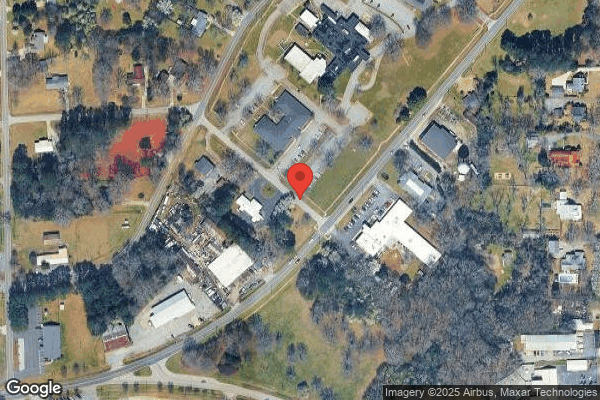
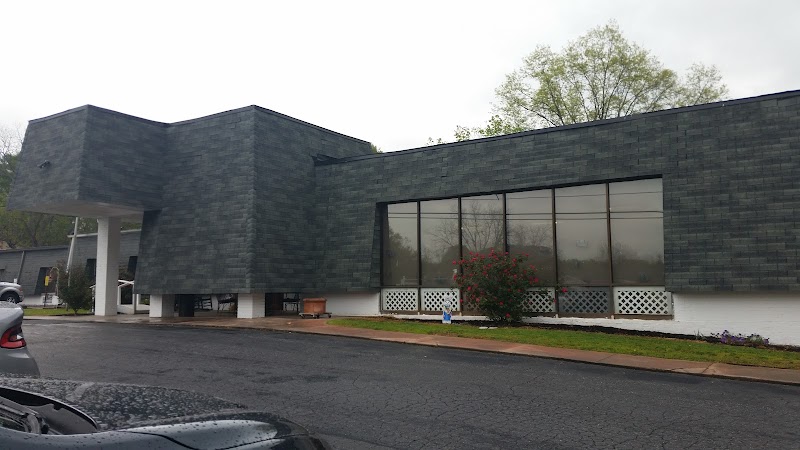
2036 SOUTH MAIN STREET, MADISON, GA 30650 (706) 342-3200
For profit - Corporation 67 Beds Independent Data: November 2025
Trust Grade
58/100
#202 of 353 in GA
Last Inspection: May 2025

Inspected within the last 6 months. Data reflects current conditions.

Overview

Madison Health and Rehab has received a Trust Grade of C, indicating that it is average and in the middle of the pack among nursing homes. It ranks #202 out of 353 facilities in Georgia, placing it in the bottom half, but it is the only option in Morgan County. The facility is improving, having reduced its issues from 7 in 2023 to 3 in 2025. Staffing is a concern, with a low rating of 1 out of 5 stars, but the turnover rate of 26% is better than the state average. While there have been no fines, some specific incidents raised concerns, such as expired medical supplies not being disposed of properly, which could risk infection, and food safety practices that failed to label and date opened items, potentially affecting residents' health. Overall, while there are strengths in turnover and some areas of care, families should be aware of the staffing challenges and specific safety issues noted in inspections.

Trust Score
C
58/100
In Georgia
#202/353
Bottom 43%
Safety Record
Low Risk
No red flags
Inspections
Getting Better
7 → 3 violations
Staff Stability
✓ Good
26% annual turnover. Excellent stability, 22 points below Georgia's 48% average. Staff who stay learn residents' needs.
Penalties
✓ Good
No fines on record. Clean compliance history, better than most Georgia facilities.
Skilled Nurses
⚠ Watch
Each resident gets only 21 minutes of Registered Nurse (RN) attention daily — below average for Georgia. Fewer RN minutes means fewer trained eyes watching for problems.
Violations
⚠ Watch
14 deficiencies on record. Higher than average. Multiple issues found across inspections.
★★☆☆☆
2.0
Overall Rating
★☆☆☆☆
1.0
Staff Levels
★★☆☆☆
2.0
Care Quality
★★★☆☆
3.0
Inspection Score
Stable
2023: 7 issues
2025: 3 issues

The Good

  • Low Staff Turnover (26%) · Staff stability means consistent care
  • Full Sprinkler Coverage · Fire safety systems throughout facility
  • No fines on record
  • Staff turnover is low (26%)

    22 points below Georgia average of 48%

Facility shows strength in staff retention, fire safety.

The Bad

2-Star Overall Rating

Below Georgia average (2.6)

Below average - review inspection findings carefully

The Ugly 14 deficiencies on record

May 2025 3 deficiencies
CONCERN (D)

Potential for Harm - no one hurt, but risky conditions existed

Resident Rights (Tag F0550)

Could have caused harm · This affected 1 resident

**NOTE- TERMS IN BRACKETS HAVE BEEN EDITED TO PROTECT CONFIDENTIALITY** Based on observations, staff interviews, record review, and review of the facility's policy titled Resident's Rights Policy and ...

Read full inspector narrative →
**NOTE- TERMS IN BRACKETS HAVE BEEN EDITED TO PROTECT CONFIDENTIALITY** Based on observations, staff interviews, record review, and review of the facility's policy titled Resident's Rights Policy and Procedure, the facility failed to ensure that the right to respect, dignity and privacy was maintained by displaying clinical information related to incontinence care and pressure ulcer care that was posted openly in the room for one out of 26 sampled residents (R) R63. Findings include: Review of the undated facility policy titled, Resident's Rights Policy and Procedure, for the section titled Purpose revealed, The facility protects and promotes the rights of each resident admitted in order to provide a dignified existence, self-determination, and communication with an access to persons and services inside and outside the facility. The facility will protect and promote the rights of each resident. Under section titled Policy, subsection titled Privacy and Confidentiality revealed under number one, You have a right to respect and privacy in your medical, personal, and bodily care program. Your case discussion, consultation, examination, treatment, and care shall be confidential and shall be conducted in privacy. Review of R63's electronic medical record (EMR) revealed R63 was admitted to the facility on with pertinent diagnoses that included but was not limited to nontraumatic intracranial hemorrhage. Review of R63's Significant Change Minimum Data Set (MDS) dated [DATE] revealed under Section C (Cognitive Patterns), a Brief Interview for Mental Status (BIMS) was not considered due to the resident being rarely understood; Section GG (Functional Abilities and Goals) revealed R63 was dependent on assistance for all care; Section H (Bladder and Bowel) revealed R63 was always incontinent of bladder and bowel; Section M (Skin Conditions) revealed, R63 was at risk for pressure ulcers, has one stage three pressure ulcer, and has pressure relieving devices for bed and chair. Review of R63's care plan initiated on 11/8/2024 revealed a focus of a lifestyle change resulting from admission in which the resident shows indicators of depression per staff assessment and has a history of expressing sadness over his lost role and status. Interventions were to provide as many situations as possible which give control over environment and care delivery. An observation on 5/19/2025 at 1:40 pm in R63's room revealed a sign above the bed that read 100A No diapers at night. Keep heel boots on at all times, particularly while in the bed. Use the wedge to keep him off of his left side. An observation on 5/21/2025 at 9:20 am in R63's room revealed the sign above the bed was still present. An interview on 5/21/2025 at 9:24 am with Certified Nursing Assistant (CNA) AA revealed, she assisted R63 with changing his briefs and that he required total care assistance. When asked about the sign above his bed, she was not sure and had to go in to the room to remember its contents. She read the sign and stated that the resident wears no diapers at night to avoid excess moisture and that he had bed sores. She stated that the facility posted the sign as reminders for people who have not worked with R63 in a while. She stated that they had a meeting regarding the information on the sign, so she already knew the care and did not have to refer to it anymore. When asked how long the sign has been there, she stated that the sign has 5/6 (May 6th ) written on it. An interview on 5/21/2025 at 9:49 am with Licensed Practical Nurse (LPN) BB revealed when asked about the sign above R63's bed, LPN BB could recall specifically what it said. She stated that she just took the sign down. When asked why, she stated that the resident's name was on there, that was not something they should have a sign for, and that staff should already know specifically what was on there. She stated that she did not know how long the sign had been posted. An interview on 5/21/2025 at 1:45 pm with the Director of Nursing (DON) revealed when asked about the sign above R63's bed, the DON stated that signs above the bed was placed for staff communication so that things would not be missed. She further stated that the purpose of the signs were so that staff would know important information. When asked about the facility's process with placing signs in the residents' rooms, she stated that the signs were only for the staff to ensure resident safety, and they do not ask residents or family for permission. She stated that a potential negative outcome for posting signs displaying clinical information visible to any visitors could be a violation of the Health Insurance Portability and Accountability Act (HIPAA).
CONCERN (D)

Potential for Harm - no one hurt, but risky conditions existed

Accident Prevention (Tag F0689)

Could have caused harm · This affected 1 resident

**NOTE- TERMS IN BRACKETS HAVE BEEN EDITED TO PROTECT CONFIDENTIALITY** Based on observations, interviews and record review, the facility failed to ensure the resident environment was free from accide...

Read full inspector narrative →
**NOTE- TERMS IN BRACKETS HAVE BEEN EDITED TO PROTECT CONFIDENTIALITY** Based on observations, interviews and record review, the facility failed to ensure the resident environment was free from accident hazards for one out of 26 sampled residents (R) (R19). Specifically, the facility failed to replace an assistance device to prevent accidents as evidence by the bed control was defective with exposed wires present. Findings include: Review of admission Record revealed R19 was admitted with diagnoses that included but not limited to, cerebrovascular disease affecting right dominant side, muscle weakness, unsteadiness on feet, abnormal posture, and other pulmonary embolism without acute cor pulmonale. Review of R19's quarterly Minimum Data Set (MDS) dated [DATE] for Section C (Cognitive Patterns) revealed, a Brief Interview for Mental Status score of five which indicated severe cognitive impairment; Section GG (Functional Abilities and Goals) revealed, the resident had impairment on one side to upper and lower extremity and was dependent on staff with mobility. Observation and Interview on 5/19/2025 at 1:49 pm of R19 lying in bed watching television. Further observation revealed, R19 was unable to let the head of the bed up due to the bed control not working. R19 stated, the bed control not working properly upsets me. I have to mess with the wires sometimes to get it to work. I think it's a shortage in the wires. This has been going on a while, and it happens too regularly. R19 then proceeded to show the exposed wires on the cord. Observation on 5/21/2025 at 10:35 am of R19's bed control revealed, it was not working with exposed wires present. Interview on 5/21/2025 at 10:37 am with the Assistant Director of Nursing (ADON) confirmed that the wires on the bed control were exposed. ADON also confirmed that maintenance was responsible for replacing the bed control and other defective equipment. He also stated that maintenance was supposed to do regular checks at least quarterly. Interview on 5/21/2025 at 1:55 pm with Maintenance revealed that he completed weekly random room checks for safety concerns. He also stated that the Certified Nursing Assistants would usually let him know if anything was broken in the rooms between checks. An environmental policy was requested from the facility but was not made available upon the survey exit.
CONCERN (F)

Potential for Harm - no one hurt, but risky conditions existed

Deficiency F0761 (Tag F0761)

Could have caused harm · This affected most or all residents

**NOTE- TERMS IN BRACKETS HAVE BEEN EDITED TO PROTECT CONFIDENTIALITY** Based on observations, staff interviews, and review of the facility's policy titled, Medication Storage in the Facility, the fac...

Read full inspector narrative →
**NOTE- TERMS IN BRACKETS HAVE BEEN EDITED TO PROTECT CONFIDENTIALITY** Based on observations, staff interviews, and review of the facility's policy titled, Medication Storage in the Facility, the facility failed to dispose of expired medical supplies in one of one medication storage rooms. This deficient practice had the potential to place residents at risk for infection and ineffective treatment. The facility census was 66 residents. Findings include: A review of the facility's policy titled Medication Storage in the Facility, effective date of [DATE], under Policy revealed, Medications and biologicals are stored safely, securely, and properly, following manufacturer's recommendation. those of the supplier. The medication supply is accessible only to licensed nursing personnel, pharmacy personnel or staff members lawfully authorized to administer medications. Under the section titled Procedures revealed, (L.) Outdated, contaminated, or deteriorated medications and those in containers that are cracked, soiled, or without secure closures are immediately removed from stock, disposed of according to procedures for medication disposal (see Section IE: DISPOSAL OF MEDICATIONS AND MEDICATION-RELATED SUPPLIES), and reordered from the pharmacy (see IC3: ORDERING AND RECEIVING MEDICATIONS FROM THE DISPENSING PHARMACY), if a current order exists. Observation and interview on [DATE] at 3:24 pm of the medication storage room with Licensed Practical Nurse (LPN) BB revealed, in the top drawer of a plastic container there was a [Name of enteral feeding pump] safety screw spike set with expiration date of 1/2018; there were multiple [Name of enteral feeding pump] pump sets with expiration date of [DATE]; a bucket with medical supplies that contained a female catheter kit with expiration date of [DATE]; and in the cabinet were temperature probe covers with expiration dates for both [DATE] and [DATE]. Interview with LPN BB confirmed the dates on all the expired items. LPN BB verbalized that the Assistant Director of Nursing (ADON) was responsible for ensuring items in the medication storage room was not expired. LPN BB also confirmed that the house keeping supervisor completed the orders for over the counter (OTC) medications and supplies as needed. An interview on [DATE] at 10:37 am with the ADON revealed, that he was responsible for ensuring medications and supplies in the medication storage room were not expired. He also confirmed that he had removed all the expired items out of the medication storage room.
Mar 2023 5 deficiencies
CONCERN (D)

Potential for Harm - no one hurt, but risky conditions existed

Abuse Prevention Policies (Tag F0607)

Could have caused harm · This affected 1 resident

**NOTE- TERMS IN BRACKETS HAVE BEEN EDITED TO PROTECT CONFIDENTIALITY** Based on record review, staff interviews, and review of facility policy titled, Abuse Prohibition, Policy and Procedure, the fac...

Read full inspector narrative →
**NOTE- TERMS IN BRACKETS HAVE BEEN EDITED TO PROTECT CONFIDENTIALITY** Based on record review, staff interviews, and review of facility policy titled, Abuse Prohibition, Policy and Procedure, the facility failed to complete a background check screening process for two of 10 nursing staff reviewed. Findings include: Review of the facility policy titled, Abuse Prohibition, Policy and Procedure revised [DATE] revealed it is the intent of this facility to actively preserve each resident's right to be free from mistreatment, neglect, abuse, or misappropriation of resident property. Procedures: 1. Screening and Hiring Practices: B. Prior to hiring an employment applicant, the nursing home shall request a criminal record check from GCIC (Georgia Crime Information Center) for Licensed Staff and have applicant submit to a GCHEX (Georgia Criminal History Check System) fingerprint background check for all other staff to determine whether the applicant is Satisfactory for Employment. Review of the facility employee files revealed the following: 1. Licensed Practical Nurse (LPN) EE was hired on [DATE] with no background check completed. 2. LPN FF was hired on [DATE] with no background check completed. LPN EE and LPN FF had active, unencumbered nursing licenses and there were no concerns identified related to abuse or neglect within the facility. Interview on [DATE] at 9:30 a.m. with Human Resources Staff GG revealed the facility did not do the background checks on the new nurses because they were exempt from the fingerprint background check conducted through the state. She stated the owner of the previous company they used for background checks died and they have just recently heard back from a new company that they reached out to. She stated that their local sheriff department does not do background checks. Review of email correspondence from background check company revealed communication to the facility on [DATE], and again on [DATE] with facility login/ password information, with consent and authorization forms.
CONCERN (D)

Potential for Harm - no one hurt, but risky conditions existed

Medication Errors (Tag F0758)

Could have caused harm · This affected 1 resident

Based on record review, staff interview, and review of the facility's policy titled, Automatic Stop Orders, the facility failed to ensure a stop date was implemented, not to exceed 14 days for antipsy...

Read full inspector narrative →
Based on record review, staff interview, and review of the facility's policy titled, Automatic Stop Orders, the facility failed to ensure a stop date was implemented, not to exceed 14 days for antipsychotic medications, for one of six residents (R) (R#10) reviewed for unnecessary medications. Specifically, the facility failed to implement a stop date for antipsychotic medication ordered as needed (PRN) for R#10, increasing the potential for adverse consequences. Findings include: A review of the facility's policy, Medication Orders-Stop Orders, effective date 11/28/2017, revealed PRN orders for psychotropic drugs are limited to 14 days. A further review revealed PRN antipsychotic drugs are limited to 14 days and cannot be renewed unless the attending physician or prescribing practitioner evaluates the resident for the appropriateness of that medication. A review of the medical record revealed the resident was admitted to the facility with a past medical history of dementia without behaviors, malnutrition, edema, hypothyroidism, hyperlipidemia, dehydration, acidosis, bipolar, major depressive disorder (MDD), anxiety disorder, hypertension (HTN), gastroesophageal reflux disease (GERD), atrial fibrillation (A-Fib), constipation, muscle weakness, acute kidney failure, nausea with vomiting, unsteadiness, altered mental status, and shortness of breath (SOB). A review of the Physician Orders for R#10 dated 3/1/2022 through 3/31/2023 revealed a medical doctor's (MD) order for haloperidol 0.5 milliliters (ml) (2.5 milligrams (mg)) via intramuscular (IM) injection every 12 hours PRN for anxiety. The order had a start date of 2/4/2023, but the order had no stop date. A review of a telephone order for R#10 dated 2/4/2023 at 10:30 a.m. revealed an MD telephone order for Haldol, 0.5 ml (2.5 mg), via IM, every 12 hours PRN for agitation. The order did not have a stop date. A review of the Medication Administration Record (MAR) revealed that staff administered R#10 Haldol 0.5 ml (2.5 mg) via IM injection on 2/4/2023, 2/9/2023, and 2/25/2023. Interview on 3/24/2023 at 12:15 p.m. with the Director of Nursing (DON) verified the PRN Haldol order for R#10 had no stop date. However, the DON stated the medication should have a stop date and she did not know why the medication did not. The DON revealed that she was unaware of the 14-day stop date for psychotropic medications.
CONCERN (D)

Potential for Harm - no one hurt, but risky conditions existed

Deficiency F0804 (Tag F0804)

Could have caused harm · This affected 1 resident

Based on observation, record review, and staff interviews, the facility failed to ensure dietary staff followed recipes for preparing pureed foods to avoid compromising the nutritive value, flavor, or...

Read full inspector narrative →
Based on observation, record review, and staff interviews, the facility failed to ensure dietary staff followed recipes for preparing pureed foods to avoid compromising the nutritive value, flavor, or appearance. This affected seven of 61 residents receiving an oral diet. Findings include: Review of the recipe for puree chicken revealed for 10 servings to process until smooth 10 - two ounce portions chicken, two tablespoons plus one and one half teaspoons food thickener, and one and one fourth cup chicken broth. Review of the recipe for sweet potatoes (yams) was to place canned yams in mixing bowl, mash, and whip on high speed until smooth. For pureed diets top whipped sweet potatoes with one tablespoon of butter. Review of the recipe for Italian green beans for 10 servings revealed to process until smooth 10 and one half cups prepared green beans. Add three tablespoons plus one teaspoon of food thickener. Observation on 3/25/2023 at 11:30 a.m. of dietary cook DD preparing puree chicken strips, yams and green beans revealed no recipes were seen or used as reference during preparation. Dietary cook DD started with puree chicken strips by placing 14 chicken strips in the food processor bowl. Using a three ounce scoop, the cook then added 10 and one half scoops of food thickener and three quarts of water to the food processor bowl and pureed. The cook added an additional half scoop of food thickener and pureed it again. The cook placed the pureed chicken strips in a steam table pan. When placed in the pan, the pureed chicken had a soup like consistency. Next dietary cook DD pureed yams by placing four cups of cooked yams in the food processor bowl and using a three ounce scoop added seven scoops of food thickener and three quarts of water. The cook pureed and added another half scoop of food thickener. The pureed yams were placed in a steam table pan and also had a soup like consistency. After the chicken and yams, dietary cook DD pureed the green beans by placing four cups of cooked green beans in the food processor bowl and used a three ounce scoop adding 10 and one half scoops of food thickener and three quarts of water and pureed. The pureed green beans also had a soup like consistency. Interview on 3/25/2023 at 11:30 a.m. with dietary cook DD revealed that the amount of food thickener and water he added to the chicken, yams, and green beans was based on his experience. Dietary cook DD stated that sometimes he uses chicken broth instead of water. The cook revealed that he doesn't taste the puree after preparation. Dietary cook DD revealed that there is a binder that contains the recipes for puree foods, and he stated that he did review the recipes for the foods items prepared. Interview on 3/25/2023 at 12:00 p.m. with the Dietary Manager (DM) revealed she expects the dietary cook to follow recipes for puree food items. The DM revealed that water should not have been used, but another liquid such as milk, broth, or gravy should have been used to add flavor. The DM stated that she is not in the kitchen often when the dietary cook is preparing puree foods and was not aware that recipes were not being followed.
CONCERN (D)

Potential for Harm - no one hurt, but risky conditions existed

Deficiency F0888 (Tag F0888)

Could have caused harm · This affected 1 resident

Based on staff interviews, record review, and review of the facility's policy titled, Facility COVID-19 Vaccination Plan, the facility failed to ensure 100 percent (%) of all current staff that were p...

Read full inspector narrative →
Based on staff interviews, record review, and review of the facility's policy titled, Facility COVID-19 Vaccination Plan, the facility failed to ensure 100 percent (%) of all current staff that were providing care for facility residents were fully vaccinated against COVID-19. Findings include: Review of the facility's policy titled, Facility COVID-19 Vaccination Plan, revealed . All staff members will be given information on vaccination from the CDC [Centers for Disease Control and Prevention] about the SAR-CoV-2 [COVID-19] vaccine that is available to our facility through the local health department and/or the facility's pharmacy provider. Vaccination will be encouraged but not required. Should a staff member decline vaccination, medical or religious exemption will be required to continue working in the facility. Review of the facility's Covid-19 data for fully/partially vaccinated staff submitted to the National Health and Safety Network (NHSN) as of 3/25/2023 documented the staff vaccination rate at 100.0%. However, the 100.0 rate was including the 3 partially vaccinated staff members. Calculation of the facility staff's vaccination rate per the NHSN Matrix as of 3/24/2023: Completely vaccinated=80 Granted exemptions=14 Partial vaccinated staff=3 Interview on 3/25/2023 at 1:38 p.m. with the Infectious Control Preventionist (ICP) revealed the facility's policy does not require staff to be vaccinated. She stated unvaccinated staff were educated as well as ongoing in-service education about the proper usage of personal protective equipment (PPE) and handwashing techniques. There were three staff members not vaccinated. All three staff members were interviewed regarding the additional preventive measures used to protect the residents. Interview on 3/25/2023 at 2:40 a.m. with Certified Nursing Assistant (CNA) AA revealed that she had received in-service education on COVID 19, infection control and hand hygiene. She stated that she used the appropriate PPE; face masks, face shields, hand sanitizers, and gloves as needed. No religious or medical exemption was applied for or approved. Interview on 3/25/2023 at 2:45 a.m. with CNA BB revealed that she did not take the second dose of the COVID-19 vaccine due to the facility's new policy of making it not mandatory for staff. CNA BB revealed that she had received in-service education on COVID-19, infection control, and hand hygiene. She stated that she used the appropriate PPE as needed and wore a N-95 mask when the county transmission rate was high. No religious or medical exemption was applied for or approved. Interview on 3/25/2023 at 2:47 a.m. with CNA CC revealed that she did not take the second dose of the COVID-19 vaccine due to how it made her feel. She revealed she was a new employee and did receive in-service education on COVID 19, infection control, and hand hygiene. She stated that she used the appropriate PPE as needed. No religious or medical exemption was applied for or approved.
CONCERN (F)

Potential for Harm - no one hurt, but risky conditions existed

Food Safety (Tag F0812)

Could have caused harm · This affected most or all residents

Based on observations, staff interviews, and review of the facility's policies titled, Food Storage, Dietary Safety Rules, Dishwashing, and Cooking pots and Steam Table Insert Storage Policy & Procedu...

Read full inspector narrative →
Based on observations, staff interviews, and review of the facility's policies titled, Food Storage, Dietary Safety Rules, Dishwashing, and Cooking pots and Steam Table Insert Storage Policy & Procedure, the facility failed to label, and date opened food items in the freezers, walk-in refrigerator, and dry storage area; failed to ensure male staff cover facial hair while in the kitchen; and failed to store pans properly to prevent wet nesting and cross contamination. This affected 61 of 62 residents receiving an oral diet. Findings include: 1. Review of the facility's policy titled, Food Storage revealed all items must be covered, labeled, and dated. All foods that have been opened and partially used shall be dated and sealed before returning to a storage area. Observation on 3/24/2023 at 8:20 a.m. of the reach in freezer near the milk refrigerator revealed a one gallon container of vanilla ice cream that had been opened with no open date. Observation on 3/24/2023 at 8:25 a.m. of the reach in freezer near the fryer revealed a plastic resealable bag with two frozen waffles with no label or date. This freezer also had a clear plastic bag with four chicken strips that had no label or date. Observation on 3/24/2023 at 8:30 a.m. of the walk-in refrigerator revealed a large stainless steel bowl and a small stainless steel bowl both covered with foil that had no label or date. Further observation revealed a one gallon container of barbeque sauce that had been opened with no open date. Observation on 3/24/2023 at 8:35 a.m. of the dry storage area revealed an opened 24 ounce package of pink lemonade drink mix that was not securely wrapped with no open date. Further observation revealed a clear plastic bag of bran cereal that had been opened on the storage shelf with no open date. Also, a clear plastic resealable bag containing potato chips was found with no label or open date. Interview on 3/24/2023 at 8:45 a.m. with the Kitchen Manager (KM) confirmed that the vanilla ice cream, waffles, and chicken strips in the freezers had no label or date. The KM confirmed that the foiled covered bowls in the walk-in refrigerator and the barbeque sauce all had no labels or dates. The KM confirmed that the pink lemonade mix was not securely wrapped and had no open date and confirmed there were no labels or open dates on the bran cereal and potato chips. Continued interview with the KM revealed that dietary staff should have dated all opened items before storage. She expects staff to securely wrap opened food items before storage as well. 2. Review of the facility's policy titled, Dietary Safety Rules revealed: Hair nets and/or caps should be worn. Observation on 3/25/2023 at 11:30 a.m. revealed dietary cook DD was preparing food items in the kitchen and not wearing any covering over his facial hair. Observation on 3/25/2023 at 5:15 p.m. revealed dietary cook DD was serving resident's food without wearing a restraint over his facial hair. Observation on 3/26/2023 at 9:15 a.m. of dietary cook DD revealed he had facial hair that was not covered while in the food preparation area. Interview on 3/26/2023 at 9:15 a.m. with dietary cook DD revealed that he acknowledge that he should be wearing a beard restraint. He stated that they do not have any beard restraints to wear. Interview on 3/26/2023 at 9:15 a.m. with the KM revealed that male staff with facial hair should be wearing a beard restraint. KM stated that she has been having difficulties purchasing beard restraints from their food supplier. 3. Review of the facility's policy titled, Dishwashing revealed: allow clean dishes to air dry completely before storing. Review of the facility's policy titled, Cooking pots and Steam Table Insert Storage Policy & Procedure revealed: pots and pans will be stored in a manner that keeps them inverted to prevent the collection of dust of debris in them. Steam table inserts used for food holding will be stored inverted in a manner that protects their food contact surfaces from being contaminated. Observation on 3/26/2023 at 9:10 a.m. of the stacked steam table pans revealed that all the stacked pans were stored in the upright position and not covered. A food service grade toaster was located on this pan rack and breadcrumbs were noted on the shelf near the upright stored steam table pans. Continued observation revealed when a stack of three medium sized rectangle steam table pans were pulled apart there was visible moisture/water inside two of the pans. Interview on 3/26/2023 at 9:10 a.m. with the KM confirmed that the steam table pans were not covered with plastic or inverted on the storage shelf. The KM confirmed that the toaster breadcrumbs were on the pan shelf and had the potential to contaminate clean pans. Continued interview with the KM revealed that she expects staff to allow pans to air dry before stacking. Also, the KM revealed that she did not realize that pans needed to be stored either inverted or covered to prevent contamination.
Jan 2023 2 deficiencies
CONCERN (D) 📢 Someone Reported This

A family member, employee, or ombudsman was alarmed enough to file a formal complaint

Potential for Harm - no one hurt, but risky conditions existed

Report Alleged Abuse (Tag F0609)

Could have caused harm · This affected 1 resident

**NOTE- TERMS IN BRACKETS HAVE BEEN EDITED TO PROTECT CONFIDENTIALITY** Based on record review, resident and staff interviews, and review of the facility policy titled Abuse Prohibition Policy and Pro...

Read full inspector narrative →
**NOTE- TERMS IN BRACKETS HAVE BEEN EDITED TO PROTECT CONFIDENTIALITY** Based on record review, resident and staff interviews, and review of the facility policy titled Abuse Prohibition Policy and Procedure, that the facility failed to immediately report an allegation of abuse to the state survey agency (SSA) and failed to report the results of abuse investigations to the SSA for two residents (R) of three residents (R#3 and R#7) of three sampled residents reviewed for abuse. This deficient practice had the potential to affect the safety of the residents in the facility. Findings included: Review of a facility policy titled, Abuse Prohibition Policy and Procedure, dated 6/13/2017, revealed, Once a complaint or situation is identified involving alleged mistreatment, neglect, or abuse, including injuries of unknown source and misappropriation of resident property the incident will be immediately reported. The Administrator or designee will immediately notify the Complaint Investigation Intake and Referral Unit [state agency] and the legal representative and/or interested family member of the incident and the pending investigation. The Ombudsman and Police Department will also be notified as appropriate. The policy also indicated, A written report of investigation will be submitted to the administrator and to the Long-Term Care Section Complaint Coordinator [state agency], within five (5) working days of the incident. 1. Review of an admission Record revealed the facility admitted R#3 with diagnoses that included dementia with behavioral disturbance, major depressive disorder, anxiety disorder, hypertension, and altered mental status. Review of the quarterly Minimum Data Set (MDS), dated [DATE], revealed R#3 had a Brief Interview for Mental Status (BIMS) score of eight, which indicated moderate cognitive impairment. The MDS indicated the resident had delusions and behavioral verbal symptoms directed towards others. Review of a Care Plan, initiated 7/1/2021, revealed R#3 often hallucinated/had delusions. Interventions included always approaching the resident calmly and unhurriedly and speaking in a calm voice; redirecting topics to good thoughts and/or happy memories of the resident's loved ones and/or the resident's dog; and giving the resident time to process thoughts and emotions without judgement. Review of Nurse's Notes, dated 6/20/2022 at 11:00 p.m., revealed R#3 was yelling at the Certified Nursing Assistants (CNAs) that someone raped her. According to the note, the CNAs attempted to tell R#3 that she was safe, and nothing happened. R#3 became upset and aggressive toward the CNAs and began following them into other residents' rooms. There was no documented evidence the sexual abuse allegation was reported to the SSA. Review of Conflict Resolution Meeting, notes dated 6/21/2022, revealed the Administrator met with R#3 concerning the allegation, which was that two young African American men raped the resident at the nursing home. The notes indicated R#3 could not name the attackers and named a few different homes, hospitals, or transport vehicles where the resident claimed the events had happened. According to the notes, the facility started an investigation and contacted the police department. Police Detective GG informed the Administrator the rape allegation had already been investigated, and the results of the investigation revealed no evidence to substantiate the allegations made by the resident. There was no documented evidence that the facility reported R#3's allegation of sexual abuse to the SSA. Review of a Police Department Incident Report, dated 5/1/2021 to 5/19/2022, revealed on 05/19/2022, Police Detective GG received a call from a staff member from the Area Agency on Aging (AAA), Employee OO. AAA Employee OO stated that she received a call from R#3, who stated they had been raped at the nursing home. AAA Employee #OO revealed she had tried to gather more information from the resident, but R#3 was unable to provide additional information other than that the rape was reported to a nurse and that the resident was afraid of the nurse. Interview on 1/10/2023 at 8:30 a.m., R#3 asserted that staff at the facility had raped her. She could not give the name of the person who allegedly raped her, nor when the rape occurred. In addition, R#3 did not know the name of the staff member who was notified of the incident. R#3 then indicated the rape did not occur at the facility. She stated she was raped a long time ago when she worked for the draft board and screened men for the Vietnam War. R#3 revealed that she was hired and worked with a woman but could not recall her name. R#3 further stated that the woman she worked with turned into a man, who then raped her. Interview on 1/10/2023 at 10:12 a.m., the Administrator revealed that late on 6/20/2022, R#3 reported to CNAs that she had been raped. Staff then the allegation to the Administrator. The Administrator revealed the resident initially stated the rape occurred at the nursing home but could not give the date, time, nor the staff involved. She revealed that when R#3 was interviewed, R#3 then stated the rape occurred at a few different homes, hospitals, or in transport vehicles. She further revealed that the police department was notified on 6/21/2022 and they informed the Administrator that an investigation of the rape allegation had been completed and was not validated. The Administrator revealed the police had not informed the facility of the allegation and she did not find out that the police had investigated the allegation until she talked to them on 6/21/2022. 2. Review of an admission Record revealed the facility admitted R#7 with diagnoses that included major depressive disorder, nontraumatic intracranial hemorrhage, aphasia, cerebral infarction, and nontraumatic intracerebral hemorrhage. Review of the annual Minimum Data Set (MDS), dated [DATE], revealed R#7 had a Brief Interview for Mental Status (BIMS) score of four, which indicated severe cognitive impairment. The MDS indicated the resident could sometimes express ideas and wants and sometimes understood others. Review of a Care Plan, dated as revised on 2/4/2022, revealed the resident had severely impaired cognitive skills and had limited communication with a diagnosis of aphasia. A planned intervention was to allow the resident adequate time to express their needs. Review of a Social Service Progress Note, dated 10/12/2022, revealed R#7 was hallucinating and believed there were men coming out of the resident's bathroom at night trying to attack the resident. According to the note, there was no evidence that men had been in the bathroom and the social worker revealed that the resident may have been seeing the roommate without a wig and thought the roommate was a man. The note indicated the resident also showed signs of a urinary tract infection. The facility moved R#7 to a different room, and R#7's family member was notified of the incident. There was no documented evidence the facility reported the allegation to the SSA and no documentation an investigation report was submitted. Interview on 1/11/2023 at 9:11 a.m., Social Services stated R#7 had been hallucinating and had been observed speaking to a person who was not present. When the resident told the Social Services employee that two men had come out of the resident's bathroom, the employee went into the bathroom, and there were no men in the resident's bathroom. R#7 was in a semi-private room that was shared with another semi-private room. Social Services revealed the resident's roommate had major hair loss and wore a wig during the day; however, when the roommate used the bathroom at night, the resident did not have a wig on, and Social Services stated the roommate may have looked like an African American male to R#7. For the resident's comfort, Social Services stated the resident was moved to another semi-private room with a resident who was not mobile. R#7 had not had any more concerns with men in the bathroom. Social Services employee stated she notified the Administrator of R#7's allegation. Interview on 1/11/2023 at 10:37 a.m., the Director of Nursing (DON) revealed R#7 had been hallucinating and pointed to the bathroom. She was afraid there were men in her bathroom that wanted to harm her. The DON stated she went into the resident's room and the bathroom, and there was no one in the bathroom. The DON stated R#7's roommate got up at night without a wig on, and staff determined the resident was afraid of the roommate. According to the DON, the social worker, the Administrator, the DON, and the resident's family agreed on moving R#7 to a different room with a resident who was not mobile. Interview on 1/11/2023 at 8:34 a.m., the Administrator stated R#7's family member reported the resident saw two African American men coming out of her bathroom who threatened to beat the resident. The family member voiced concern regarding the incident. Social Services was notified and began an investigation. R#7 could not speak clearly but when Social Services interviewed the resident, the resident indicated the African American men were still in the room. Social Services went into the bathroom, and there were no men in the bathroom. The Administrator stated they determined the resident's roommate, who was African American, wore a wig in the daytime, but at night the wig was removed, and R#7 had mistaken the roommate as a man. According to the Administrator, neither an initial report nor a five-day investigation report was filed with the SSA.
CONCERN (D) 📢 Someone Reported This

A family member, employee, or ombudsman was alarmed enough to file a formal complaint

Potential for Harm - no one hurt, but risky conditions existed

Investigate Abuse (Tag F0610)

Could have caused harm · This affected 1 resident

**NOTE- TERMS IN BRACKETS HAVE BEEN EDITED TO PROTECT CONFIDENTIALITY** Based on record review, resident and staff interviews, and review of the facility policy titled, Abuse Prohibition Policy and Pr...

Read full inspector narrative →
**NOTE- TERMS IN BRACKETS HAVE BEEN EDITED TO PROTECT CONFIDENTIALITY** Based on record review, resident and staff interviews, and review of the facility policy titled, Abuse Prohibition Policy and Procedure and facility policy review, it was determined that the facility failed to thoroughly investigate an allegation of sexual abuse for one resident (R) of three sampled residents reviewed for abuse. The deficiency had the potential to affect the safety of the residents in the facility. Findings included: Review of a facility policy titled, Abuse Prohibition Policy and Procedure, dated 6/13/2017, revealed Once a complaint or situation is identified involving alleged mistreatment, neglect, or abuse, including injuries of unknown source and misappropriation of resident property, the following investigation and reporting procedures will be followed: - The description of the alleged complaint is written on the investigation form including the type of allegation (i.e. [such as], physical abuse, verbal abuse, etc. [et cetera]). Any physical evidence and description of emotional state will be documented. - Information gathering - The following information will be gathered: What allegedly occurred? Who is the alleged victim? Who allegedly did it? (Who is the suspect or physical description); Who did they do it to? (Who is the resident); What happened: (be specific about the event that occurred): When did it happen? (Be as specific as you can with date and time it occurred); Where it happened (the residents room, bathroom, dining room, etc.) Why? (Or any extenuating circumstances that you might have information about. For example, the resident became very combative and was hitting at the aide and the aide hit back). Include cognitive status of victims and residents who are witnesses. - Document the description of the injury. Describe size, color, appearance, and location of any injuries and what treatment was rendered, if any. - Interviews will be conducted of all pertinent parties. Written signed statements from any involved parties will be obtained and notarized, if possible. Statements will be gathered from the suspect, person making accusations, resident involved, reliable residents who may have witnessed the incident, and any other persons who may have some information. Identify any possible conflicts between witnesses. - Past performances and/or previous incidents of involved parties will be evaluated. Review schedule and assignments showing when and where suspect was working at time of alleged incident. - Describe actions taken by facility to protect resident(s) and to prevent a possible reoccurrence during the investigation. Review of the admission Record for R#3 revealed the resident was admitted with diagnoses that included dementia with behavioral disturbance, major depressive disorder, anxiety disorder, hypertension, and altered mental status. Review of the quarterly Minimum Data Set (MDS), dated [DATE], revealed R#3 had a Brief Interview for Mental Status (BIMS) score of 8, which indicated moderate cognitive impairment. The MDS indicated the resident had delusions and behavioral verbal symptoms directed towards others. Review of a Care Plan, initiated 7/1/2021, revealed R#3 often hallucinated/had delusions. Interventions included always approaching the resident calmly and unhurriedly and speaking in a calm voice; redirecting topics to good thoughts and/or happy memories of the resident's loved ones and/or the resident's dog; and giving the resident time to process thoughts and emotions without judgement. Review of Nurse's Notes, dated 6/20/2022 at 11:00 p.m., revealed R#3 was yelling at the Certified Nursing Assistants (CNAs) that someone raped the resident. According to the note, the CNAs attempted to tell R#3 that they were safe, and nothing happened. Review of Conflict Resolution Meeting, notes dated 6/21/2022, revealed the Administrator met with R#3 concerning the resident's allegation, which was that two young African American men raped the resident at the nursing home. The notes indicated R#3 could not name the attackers and named a few different homes, hospitals, or transport vehicles where the resident claimed the events had happened. According to the notes, the facility started an investigation and contacted the police department. Police Detective HH informed the Administrator the rape allegation had already been investigated, and the results of the investigation revealed no evidence to substantiate the allegations made by the resident. There was no documented evidence that the facility completed the investigation. Review of a Police Department Incident Report, dated 5/1/2021 to 5/19/2022, revealed the investigation or R#3's abuse allegation was cleared on 6/17/2022 and was unfounded. According to the report, on 5/19/2022, a staff member from the Area Agency on Aging (AAA), Employee OO called Police Detective GG. AAA Employee OO advised that she had received a call from R#3, who stated they had been raped at the nursing home. AAA Employee OO revealed she had tried to gather more information from the resident, but R#3 was unable to provide additional information other than that the resident had reported the rape to a nurse but was afraid of the nurse. On 6/10/2022, Police Detective GG met R#3's daughter at the facility and interviewed the resident about the reported rape. R#3 reported being drugged and then raped by a nursing home staff member shortly after the she was admitted to the facility, which was over two years ago. The report indicated R#3 had been at the facility for a year. According to the report, the case was closed as unfounded due to no evidence to substantiate the allegations made by R#3. Interview on 1/10/2023 at 8:30 a.m., R#3 asserted that staff at the facility had raped her. Resident #3 could not give the name of the person who allegedly raped the resident nor when the rape occurred. In addition, she did not know the name of the staff member who was notified of the incident. R#3 then indicated the rape did not occur at the facility. The resident stated they were raped a long time ago when the resident worked for the draft board and screened men for the Vietnam War. R#3 revealed a woman hired the resident and the resident worked with that woman. The resident could not remember the name of the woman but stated the woman was very nice at first but then turned into a man, and the man raped her. Interview on 1/10/2023 at 10:51 a.m., Police Detective GG revealed he met with the resident's family member, who stated R#3 had told the family member a couple of times about being raped at the facility but could never give details of what happened. When the resident was she reported the incident had happened two years ago, could not give any details, and there was no evidence to substantiate the rape allegation. Interview on 1/10/2023 at 10:12 a.m., the Administrator revealed that late on 6/20/2022, R#3 reported to CNAs that R#3 had been raped. The Administrator revealed the resident initially stated the rape occurred at the nursing home and when interviewed, stated the rape occurred at a few different homes, hospitals, or transport vehicles. The Administrator stated the police department was notified on 6/21/2022 and learned that the police had completed an investigation of the rape allegation previously and determined it was not validated. The Administrator stated she did not complete an investigation of the allegation because Police Detective GG had done an investigation and had no evidence to substantiate the rape allegation.
Jun 2021 4 deficiencies
CONCERN (E)

Potential for Harm - no one hurt, but risky conditions existed

Safe Environment (Tag F0584)

Could have caused harm · This affected multiple residents

**NOTE- TERMS IN BRACKETS HAVE BEEN EDITED TO PROTECT CONFIDENTIALITY** Based on observation, staff interviews and the review of the policy titled, Maintenance Department Policy and Procedure the faci...

Read full inspector narrative →
**NOTE- TERMS IN BRACKETS HAVE BEEN EDITED TO PROTECT CONFIDENTIALITY** Based on observation, staff interviews and the review of the policy titled, Maintenance Department Policy and Procedure the facility failed to provide a safe/clean/comfortable/ homelike environment on one out of two halls (front hall) and two out of two shower rooms. The facility census was 60. Findings include: Review of the policy titled, Maintenance Department Policy and Procedure dated 3/18/2020 indicated; To Assure proper maintenance of the physical plant. General Facility Maintenance: The department will do ongoing monitoring of the facility for areas needing repair. Miscellaneous: Leaks and areas of moisture should be fixed promptly and drywall, ceiling tiles and other materials should be replaced. An observation on 6/8/2021 at 9:33 a.m. room [ROOM NUMBER] of the bathroom shared by two residents, and the area around the toilet was orange-brown rust color and the toilet paper holder was rusted. An observation on 6/8/2021 at 9:39 a.m. of the water fountain located between room [ROOM NUMBER] and 123 covered in brown substance with paper in the water fountain. An observation on 6/8/2021 at 9:58 a.m. of room [ROOM NUMBER] the bathroom occupied by one resident. Around the toilet, the sink, and the baseboard under the sink was an orange-brown rust color. An observation on 6/8/2021 at 10:02 a.m. of room [ROOM NUMBER] of 8 brown stained ceiling tiles. The ceiling tile near bed A was stained and bulging. An observation on 6/8/2021 at 10:10 a.m. of room [ROOM NUMBER] revealed one brown stained bulging ceiling tile over the B bed. An observation on 6/8/2021 at 10:15 a.m. of room [ROOM NUMBER] revealed one brown stained bulging ceiling tile over the B bed. Around the toilet an orange-brown rust color. An interview and observation was conducted on 6/10/2021 at 10:45 a.m. to 10:59 a.m. with the Maintenance Assistance. The MD confirmed the following: The MD stated the orange-brown color rust stains around the toilets in room [ROOM NUMBER], 123, and 131 was not rust but from water damage. He confirmed toilet paper holder in room [ROOM NUMBER] was rusted. room [ROOM NUMBER] with eight stained ceiling tiles with one stain bulging ceiling tile over near bed A. The water fountain located between room [ROOM NUMBER] and 123 covered in brown substance with paper in the water fountain. The second water fountain was dirty with a plug sitting on top. The MD stated the water fountains were not working but should be clean or removed. The bathroom in room [ROOM NUMBER] the sink, and the baseboard under the sink orange-brown rust color. room [ROOM NUMBER] bulging ceiling tile above the resident in 129-B. room [ROOM NUMBER] one bulging ceiling tile above the resident in 131-B. An observation on 6/10/2021 at 11:05 a.m. of the Master Bath 1 with five areas separated with shower curtains and the Master Bath 2 with one shower and toilet area. The following was observed: Prior to entering the Master bath 1, on the floor was cardboard with blue tape. Observation upon entering the Master Bath 1 to the right is the toilet room area where an approximately 2 feet of ceramic floor tile were missing. The toilet and toilet bowl was dirty and the area around the toilet has clutter. The outside of the shower/toilet room area the ceiling vent was rusted and the ceiling tile around the vent had brown stains. The ceiling tile also had missing pieces. As you enter the shower to your right the area around the shower door and base board had a heavy brown substance and the shower had missing pieces of ceiling tile. The whirlpool/bathtub was dirty with rust stains. Standing in front of the whirlpool/bathtub to your right the floor was covered with green color substance. The shower on the left, upon entering the Master Bath 1, had a white bucket with a yellow substance that smelled of urine. The base board and floor was covered with a heavy brown substance. The seven hanging shower curtains had stains and were dirty. The floor in the shower room was dirty with visible hairs, black and brown stains, missing paint on the ceramic tile and two dirty shower chairs. The inside of the door of the Master Bath 1 had missing wood. The Master Bath 2 entrance had missing and cracked ceramic floor tile. The Master Bath 2 was dirty and cluttered around the toilet and toilet bowl. The Master Bath 2 shower room has missing ceiling tile, there were missing ceramic tile, a brown substance was observed around the base board, the shower chair was dirty, the chair in the bathroom cushion was torn and the eye wash station was dirty. An interview on 6/10/2021 at 11:30 a.m. with Certified Nursing Assistant (CNA) HH, revealed that the Master Bath 1 is utilized for residents who are totally dependent on assistance and that Master Bath 2 is utilized for residents who need some or little assistance with bathing. She stated residents are given baths and showers daily in both Master Baths. The CNA confirmed that Master Bath 2 was dirty. An interview and observation was conducted with on 6/10/2021 at 11:40 a.m. the Environmental Service Supervisor (EVS) on 6/10/21 at 11:40 a.m. revealed the housekeeping staff maintain and clean master baths (both 1 and 2) multiple times per day and she confirms that both Master Bath 1 and 2 were dirty and unkept.
CONCERN (F)

Potential for Harm - no one hurt, but risky conditions existed

Deficiency F0801 (Tag F0801)

Could have caused harm · This affected most or all residents

Based on interviews and record review the facility failed to employ a qualified Dietary Manager. This had the potential to affect 60 of 60 residents residing in the facility. Findings include: Review ...

Read full inspector narrative →
Based on interviews and record review the facility failed to employ a qualified Dietary Manager. This had the potential to affect 60 of 60 residents residing in the facility. Findings include: Review of dietary certifications in the kitchen did not reveal evidence of a 'Certified' or qualified Dietary Manager. An interview on 6/7/2021 at 10:05 a.m. with the Dietary Manager (DM) revealed she took over the position of DM approximately one year ago but has been working at the facility since November 2016. She indicated she does not have a DM Certification and is not currently enrolled in a Certified Dietary Manager course at this time. An interview on 6/10/2021 at 10:32 a.m. with Administrator revealed the DM has been with them for several years. He reported the DM started as a dining room attendant and kitchen aide. When the previous DM left, they promoted her March 2019, to DM because she showed the most drive. The Administrator confirmed that he is aware of the regulatory requirements for a qualified dietary manager and further confirmed the DM does not have a certification. He revealed trying to get her set up to go through the course, but this has not happened. An interview on 6/10/2021 at 2:08 p.m. with the Chief Operating Officer (COO) revealed he was unaware the facility could contact a contract agency to provide full time qualified staff in the DM position while they recruited. He further reported they have been encouraging the DM to enroll in a Certification course. The COO provided an email, dated May 5, 2021, requesting assistance with seeking applicants for their CDM position at this facility. The email is addressed to the President of the Certified Dietary Manager Association off Georgia.
CONCERN (F)

Potential for Harm - no one hurt, but risky conditions existed

Food Safety (Tag F0812)

Could have caused harm · This affected most or all residents

Based on observations, interviews and review of policies titled Food Storage, Food Production, and General Food Preparation and Handling, the facility failed to properly label food items, failed to pr...

Read full inspector narrative →
Based on observations, interviews and review of policies titled Food Storage, Food Production, and General Food Preparation and Handling, the facility failed to properly label food items, failed to properly thaw meat, failed to maintain clean equipment, and failed to keep staff drinks separate from facility foods. This had the potential to affect 60 of 60 residents residing in the facility. Findings include: Review of facility policy titled Food Storage dated 2013 revealed . 4. All containers must be legible and accurately labeled and dated. 8. All stock must be rotated with each new order received. Rotating stock is essential to assure the freshness and highest quality of all foods. a. old stock is always used first (first in - first out method), c. Food should be dated as it is placed on the shelves. d. Date marking to indicate the date or day by which a ready to eat, potentially hazardous food should be consumed, sold, or discarded will be visible on all high risk food (see chart on next page). e. Foods will be stored and handled to maintain the integrity of the packaging until ready for use. Review of facility policy titled Food Production dated 1998-1999 revealed . e. Thawing - Policy: Food shall be thawed in a safe and sanitary manner. Procedure: . 4. Foods which have not completely thawed by production time may be thawed under cold running water. 5. Equipment: a. All food service equipment should be cleaned, sanitized, dried, and reassembled after each use. Review of facility policy titled General Food Preparation and Handling dated 2013 revealed . 3. Food Preparation a. Meats, fish and poultry are defrosted using safe thawing practices: . In the sink, submerging the item under cold water (<70 F) that is running fast enough to agitate and float off loose ice particles. An observation on 6/7/2021 at 10:05 a.m. of the kitchen revealed that reach-in freezer number one with frozen meats, starches and vegetables with no label or date indicating when it was delivered, what the item is or the use by date, and a personal bottle of water on the top shelf. An observation on 6/7/2021 at 10:07 a.m. of the kitchen revealed that reach-in freezer number two with frozen meats in a zip lock bag dated May 2, 2021, without the name of the meat, an opened bag secured with a wire tie that is unlabeled and undated, a zip lock bag with several meat patties also unlabeled and undated. An observation on 6/7/2021 at 10:16 a.m. of the fryer revealed a power outlet next to the fryer heavily soiled with what appears to be grease and food debris. Additionally, there is piping behind the fryer also heavily soiled with what appears to be grease and dust. An observation on 6/7/2021 at 10:17 a.m. of the meat slicer revealed the slicer to be uncovered with food debris on the on the blade and device that holds the meat in place while slicing. An observation on 6/7/2021 at 10:20 a.m. of the walk in cooler revealed a take-out bag with a resident name and dated 6/6/2021. No use by or discard date is visible. An observation on 6/7/2021 at 10:20 a.m. of the walk in freezer revealed two bags of frozen meats not labeled or dated with a delivery date or 'use by' date. An observation on 6/7/2021 at 10:21 a.m. of the walk in cooler revealed a take-out Styrofoam cup with straw sitting atop a food container. It further revealed an unlabeled, undated zip lock bag of block sliced yellow cheese. An observation on 6/7/2021 at 10:26 a.m. of the pantry revealed an undated zip lock bag of brownie mix, multiple #10 cans of vegetables, pudding, fruits without delivery dates, use by dates or best by dates. An observation on 6/7/2021 at 10:29 a.m. of a prep sink revealed two packages of ham sitting in standing water. An interview and observation on 6/7/2021 at 2:26 p.m. with the Dietary Manager confirmed the above observations. She indicated she was not aware that packages coming out of boxes required a label with item name or date. She further indicated she was not aware of pantry items requiring a label or date of deliver, use by or best by dates.
CONCERN (F)

Potential for Harm - no one hurt, but risky conditions existed

Deficiency F0914 (Tag F0914)

Could have caused harm · This affected most or all residents

**NOTE- TERMS IN BRACKETS HAVE BEEN EDITED TO PROTECT CONFIDENTIALITY** Based on observation and staff interview the facility failed to ensure that privacy curtains provided full visual privacy, which...

Read full inspector narrative →
**NOTE- TERMS IN BRACKETS HAVE BEEN EDITED TO PROTECT CONFIDENTIALITY** Based on observation and staff interview the facility failed to ensure that privacy curtains provided full visual privacy, which included a total of 11 of 12 rooms on one hall. Findings include: During the initial tour on 6/7/2021 between 10:45 a.m. and 12:00 p.m. observation revealed resident privacy curtains with a width space/gap which did not ensure full visual privacy coverage during patient/resident care, including rooms 100, 123, 125, 127, 129, 131, 132, 133, 134, 135, and 136. An observation and interview was conducted on 6/10/2021 at 10:35 a.m. with Certified Nursing Assistant (CNA) BB in room [ROOM NUMBER] revealed that the CNA stated the curtains are not the correct size to go around the resident to provide privacy during care. An interview and observation was conducted on 6/10/2021 at 10: 30 a.m. with the Maintenance Assistant (MA) and Environmental Supervisor (EVS) revealed that both became aware of the privacy curtain width for approximately two weeks. The EVS revealed that every room in the facility had the same privacy curtains except room [ROOM NUMBER]. The EVS stated the Environmental Service Department had installed the privacy curtains and that during the installation the EV staff reported that the curtains did not provide full visual privacy although staff were instructed to continue to install the curtains. The EVS revealed that she did not make the Administrator aware that the width of the privacy curtain did not provide full visual privacy to the residents because the Administrator was the person that place the order for the privacy curtains. The EVS revealed that the CNA supervisor was made aware that the privacy curtains did not provide privacy to the residents, although she did not initiate an in-service training for her staff on what to do to ensure each resident will maintain dignity and privacy when receiving patient care. The Maintenance Assistant (MA) revealed at this time that a resident complained a week ago, that the curtain not providing privacy which was reported to the Administrator. The MD measured the privacy curtain, the curtain was pulled around to the front part of the resident's bed were the ceiling track stops there was a gap that measured 67 inches. An interview on 6/10/2021 at 10:45 a.m. with Floor Tech (FT) FF, stated it was his responsibility to install the new privacy curtains and when he noticed the width of the privacy curtains were not wide enough to provide full privacy to the residents it was reported to the Administrator. The FT stated he was instructed to continue to installed the new curtains in all the resident's rooms although the width of the privacy curtains provide the resident with privacy. An interview was conducted on 6/10/2021 at 11:00 a.m. with CNA Supervisor GG revealed that she was aware that the curtain width was not adequate to provide privacy to the residents. The CNA stated she did not provide the other CNA's on the unit in-service on an alternate way to provide the resident with privacy. An interview on 6/10/2021 at 12:30 p.m. with the Administrator stated he was made aware of the privacy curtains two weeks ago, by the EVS. The Administrator stated he did not in-service the staff on alternate way to provide the resident with privacy. The Administrator stated he has not purchased any new privacy curtains to replace the ones that are currently installed. An interview was on 6/10/2021 at 12:40 p.m. with Resident A revealed that she had reported to the Administrator that the privacy curtains were note wide enough to completely go around her bed and her roommate's privacy curtain was not wide enough to completely go around her bed. The resident stated that she was unable to block the light from her roommate's window because the privacy curtains were not wide enough. She further stated that her roommate was unable to block the light from her television because her privacy curtain was not wide enough.
Understanding Severity Codes (click to expand)
Life-Threatening (Immediate Jeopardy)
J - Isolated K - Pattern L - Widespread
Actual Harm
G - Isolated H - Pattern I - Widespread
Potential for Harm
D - Isolated E - Pattern F - Widespread
No Harm (Minor)
A - Isolated B - Pattern C - Widespread

Questions to Ask on Your Visit

  • "Can I speak with families of current residents?"
  • "What's your RN coverage like on weekends and overnight?"

Our Honest Assessment

Strengths
  • • No major safety red flags. No abuse findings, life-threatening violations, or SFF status.
  • • No fines on record. Clean compliance history, better than most Georgia facilities.
  • • 26% annual turnover. Excellent stability, 22 points below Georgia's 48% average. Staff who stay learn residents' needs.
Concerns
  • • 14 deficiencies on record. Higher than average. Multiple issues found across inspections.
  • • Grade C (58/100). Below average facility with significant concerns.
Bottom line: Mixed indicators with Trust Score of 58/100. Visit in person and ask pointed questions.

About This Facility

What is Madison Health And Rehab's CMS Rating?

CMS assigns MADISON HEALTH AND REHAB an overall rating of 2 out of 5 stars, which is considered below average nationally. Within Georgia, this rating places the facility higher than 0% of the state's 100 nursing homes. A rating at this level reflects concerns identified through health inspections, staffing assessments, or quality measures that families should carefully consider.

How is Madison Health And Rehab Staffed?

CMS rates MADISON HEALTH AND REHAB's staffing level at 1 out of 5 stars, which is much below average compared to other nursing homes. Staff turnover is 26%, compared to the Georgia average of 46%. This relatively stable workforce can support continuity of care.

What Have Inspectors Found at Madison Health And Rehab?

State health inspectors documented 14 deficiencies at MADISON HEALTH AND REHAB during 2021 to 2025. These included: 14 with potential for harm.

Who Owns and Operates Madison Health And Rehab?

MADISON HEALTH AND REHAB is owned by a for-profit company. For-profit facilities operate as businesses with obligations to shareholders or private owners. The facility operates independently rather than as part of a larger chain. With 67 certified beds and approximately 66 residents (about 99% occupancy), it is a smaller facility located in MADISON, Georgia.

How Does Madison Health And Rehab Compare to Other Georgia Nursing Homes?

Compared to the 100 nursing homes in Georgia, MADISON HEALTH AND REHAB's overall rating (2 stars) is below the state average of 2.6, staff turnover (26%) is significantly lower than the state average of 46%, and health inspection rating (3 stars) is at the national benchmark.

What Should Families Ask When Visiting Madison Health And Rehab?

Based on this facility's data, families visiting should ask: "Can you walk me through typical staffing levels on day, evening, and night shifts?" "Can I visit during a mealtime to observe dining assistance and food quality?" "How do you handle medical emergencies, and what is your hospital transfer rate?" "Can I speak with family members of current residents about their experience?" These questions are particularly relevant given the below-average staffing rating.

Is Madison Health And Rehab Safe?

Based on CMS inspection data, MADISON HEALTH AND REHAB has a clean safety record: no substantiated abuse findings (meaning no confirmed cases of resident harm), no Immediate Jeopardy citations (the most serious violation level indicating risk of serious injury or death), and is not on the Special Focus Facility watch list (a federal program monitoring the lowest-performing 1% of nursing homes). The facility has a 2-star overall rating and ranks #100 of 100 nursing homes in Georgia. While no facility is perfect, families should still ask about staff-to-resident ratios and recent inspection results during their visit.

Do Nurses at Madison Health And Rehab Stick Around?

Staff at MADISON HEALTH AND REHAB tend to stick around. With a turnover rate of 26%, the facility is 19 percentage points below the Georgia average of 46%. Low turnover is a positive sign. It means caregivers have time to learn each resident's needs, medications, and personal preferences. Consistent staff also notice subtle changes in a resident's condition more quickly.

Was Madison Health And Rehab Ever Fined?

MADISON HEALTH AND REHAB has no federal fines on record. CMS issues fines when nursing homes fail to meet care standards or don't correct problems found during inspections. The absence of fines suggests the facility has either maintained compliance or corrected any issues before penalties were assessed. This is a positive indicator, though families should still review recent inspection reports for the full picture.

Is Madison Health And Rehab on Any Federal Watch List?

MADISON HEALTH AND REHAB is not on any federal watch list. The most significant is the Special Focus Facility (SFF) program, which identifies the bottom 1% of nursing homes nationally based on persistent, serious quality problems. Not being on this list means the facility has avoided the pattern of deficiencies that triggers enhanced federal oversight. This is a positive indicator, though families should still review the facility's inspection history directly.