MCRAE MANOR NURSING HOME
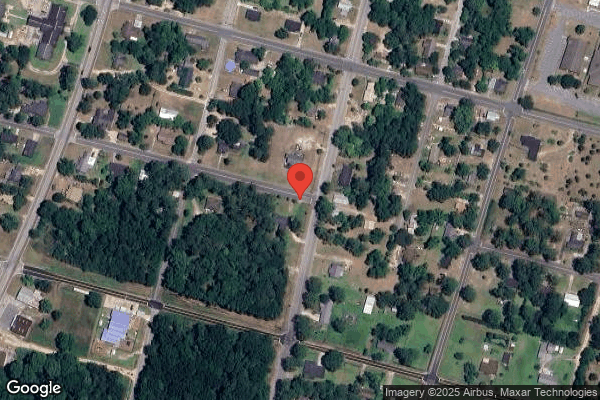

160 SOUTH FIRST AVENUE, MC RAE, GA 31055 (229) 868-6473
For profit - Limited Liability company 133 Beds PEACH HEALTH GROUP Data: November 2025
Trust Grade
35/100
#295 of 353 in GA
Last Inspection: July 2024

Within standard 12-15 month inspection cycle. Federal law requires annual inspections.

Overview

MCRAE MANOR NURSING HOME has received a Trust Grade of F, indicating poor quality and significant concerns about care. It ranks #295 out of 353 nursing homes in Georgia, placing it in the bottom half of facilities in the state, and is the second option out of two in Telfair County. The facility is worsening, with the number of reported issues increasing from 2 in 2022 to 10 in 2024. Staffing is a relative strength with a turnover rate of 0%, significantly lower than the state average, and the home has good RN coverage, surpassing 79% of Georgia facilities, which can help catch potential problems. However, the facility has incurred $98,970 in fines, indicating compliance issues, and has been cited for inadequate maintenance of the environment, such as broken handrails and unsanitary ice machines, which could pose safety risks for residents.

Trust Score
F
35/100
In Georgia
#295/353
Bottom 17%
Safety Record
Moderate
Needs review
Inspections
Getting Worse
2 → 10 violations
Staff Stability
○ Average
Turnover data not reported for this facility.
Penalties
✓ Good
$98,970 in fines. Lower than most Georgia facilities. Relatively clean record.
Skilled Nurses
○ Average
Each resident gets 34 minutes of Registered Nurse (RN) attention daily — about average for Georgia. RNs are the most trained staff who monitor for health changes.
Violations
⚠ Watch
16 deficiencies on record. Higher than average. Multiple issues found across inspections.
★☆☆☆☆
1.0
Overall Rating
★★☆☆☆
2.0
Staff Levels
★☆☆☆☆
1.0
Care Quality
★★☆☆☆
2.0
Inspection Score
Stable
2022: 2 issues
2024: 10 issues

The Good

  • Full Sprinkler Coverage · Fire safety systems throughout facility
  • No fines on record

Facility shows strength in fire safety.

The Bad

1-Star Overall Rating

Below Georgia average (2.6)

Significant quality concerns identified by CMS

Federal Fines: $98,970

Well above median ($33,413)

Moderate penalties - review what triggered them

Chain: PEACH HEALTH GROUP

Part of a multi-facility chain

Ask about local staffing decisions and management

The Ugly 16 deficiencies on record

Jul 2024 10 deficiencies
CONCERN (D)

Potential for Harm - no one hurt, but risky conditions existed

Resident Rights (Tag F0550)

Could have caused harm · This affected 1 resident

**NOTE- TERMS IN BRACKETS HAVE BEEN EDITED TO PROTECT CONFIDENTIALITY** 2. Record review revealed R29 had diagnoses that included (partial list): Spina Bifida with hydrocephalus, periapical abscess wi...

Read full inspector narrative →
**NOTE- TERMS IN BRACKETS HAVE BEEN EDITED TO PROTECT CONFIDENTIALITY** 2. Record review revealed R29 had diagnoses that included (partial list): Spina Bifida with hydrocephalus, periapical abscess without sinus, spinal stenosis and urinary tract infection. Review of the Quarterly Minimum Data Set (MDS) for R29 dated 4/26/2024 revealed Section C-Cognitive Patterns: BIMS score of 15 indicating an intact cognition; and Section H-Bowel and Bladder: resident has an indwelling urinary catheter and always incontinent of bowel. An observation of R29 on 7/9/2024 at 9:30 a.m. revealed R29 was in the bed with an indwelling urinary catheter bag attached to the bed. There was no privacy bag in place and the catheter bag was visible from the door. An observation of R29 on 7/9/2024 at 3:32 p.m. revealed the resident was in the bed with an indwelling urinary catheter bag attached to the bed. There was no privacy bag in place and the catheter bag was visible from the door. During an interview with a Licensed Practical Nurse on 7/9/2024 at 3:40 pm it was confirmed the resident was in the bed with an indwelling urinary catheter bag attached to the bed without a privacy bag and the bag was exposed to the hall. During an Interview on 7/10/2024 at 10:00 am with the ADON, revealed residents with catheters should have their catheters always contained in a privacy bag. The ADON further stated that the facility uses privacy bags to cover the catheter drainage bags. The ADON indicated the CNAs and nurses are responsible to make sure that this is being done. Based on observations, staff interviews, record reviews, and a review of the facility policy titled Dignity Policy, the facility failed to ensure dignity for two of 25 sampled residents (R) (R62, R29). Specifically, staff were observed standing while feeding R62 and there was no privacy bag used to cover the catheter drainage bag for R29. Findings include: Review of the facility policy titled Dignity Policy (last reviewed 5/5/2023) stated .It is the policy of the facility that staff must promote care for residents in a manner and in an environment that maintains or enhances each resident 's dignity and respect in full recognition of his or her individuality. This means staff must carry out activities in a manner which assists the resident to maintain and enhance his/her self-esteem and self-worth. 1. Record review of R62's medical record revealed the following diagnoses but not limited to vascular dementia with unspecified severity without behavioral disturbances, psychotic disturbance, and anxiety. The Significant Change Minimum Data Set (MDS) dated [DATE] assessed a Brief Interview Mental Status Score (BIMS) of three, a score of three out of 15 indicated severe cognitive impairment. An observation on 7/10/2024 at 1:18 pm revealed Certified Nursing Assistant (CNA) HH standing while assisting R62 with eating his meal. There was no chair observed in R62's room. CNA HH stated that R62 requires total assistance with his meals. Interview on 7/10/2024 at 1:20 pm, with CNA HH, Licensed Practical Nurse (LPN) II, and Assistant Director of Nursing (ADON), CNA HH confirmed standing while feeding R62. She reported being unaware that feeding a resident while standing was not the correct procedure and a dignity concern. She reported receiving no in-services or instructions to sit while feeding a resident at eye level. ADON and LPN II reported that this would be a dignity concern as well as a concern with possibility of a resident being subjective to choking hazards. LPN II confirmed providing in-services in the past to other CNAs who were observed standing while feeding residents.
CONCERN (D)

Potential for Harm - no one hurt, but risky conditions existed

Deficiency F0554 (Tag F0554)

Could have caused harm · This affected 1 resident

**NOTE- TERMS IN BRACKETS HAVE BEEN EDITED TO PROTECT CONFIDENTIALITY** Based on observations, staff interviews, record review, and review of the facility policy titled Administration Medication Polic...

Read full inspector narrative →
**NOTE- TERMS IN BRACKETS HAVE BEEN EDITED TO PROTECT CONFIDENTIALITY** Based on observations, staff interviews, record review, and review of the facility policy titled Administration Medication Policy and Procedures, the facility failed to ensure one of 23 sampled residents, (R) R23, did not have unsecured medications stored at the bedside. This deficient practice had the potential to allow unauthorized access of medications to other residents and visitors in the facility. Findings include: Record review of the facility's policy titled Administering Medications Policy and Procedures (not dated) stated return drugs to medication cart or medication room. Never leave any drug in a resident 's room. For residents who keep medication in their room check to ensure meds are stored properly out of reach of other residents. Record review of R23's medical record revealed the following diagnoses but not limited to dementia, hypertension, hypokalemia, and anxiety disorder. The Quarterly Minimum Data Set (MDS) dated [DATE] revealed an assessment for a Brief Interview Mental Status Score (BIMS) as unable to be conducted due to R23 being rarely/never understood. Observation on 7/9/2024 at 12:35 pm revealed two bottles of Equate Nasal Spray in R23's room within visual view. One of the bottles was located in a red color pan on dresser and one on a bookshelf within view from the doorway. R23 observed in the bed at the time of the observation. Record review of R23's July 2024 Physician Order Form (POF) and July 2024 Medication Administration Record (MAR) revealed no listing of an order for nasal spray. The POF listed the following medication, albuterol 2.5 one vial for nebulizer every four hours, as needed for shortness of breath and Guaifenesin with codeine solution 5 millimeters(ml) (10ml) by mouth every six hours as needed for cough. During an interview and observation of R23's room on 7/9/2024 at 2:13 pm with the Administrator and the Assistant Director of Nursing (ADON), both confirmed the medications in the resident's room. The ADON removed the medications from the room. The Administrator reported that medications should not be in the resident 's room and should be kept on the nursing med cart. Interview on 7/9/2024 at 2:19 pm with the ADON who reported being unaware of the origin of where the medication came from. She could not recall the last time visiting R23's room. She confirmed that the medications found were not listed on R23 's POF or the MAR. She also acknowledged medications left in the room posed a risk for other residents that may wander into the room. The ADON confirmed that R23 has not been assessed to self-administered medications and does not have a Self -Administration Assessment evaluation to self-administer medications. She stated that their facility does not complete a self -administration evaluation form. She further stated that there are no known residents in the facility who have been assessed to self -administer medications.
CONCERN (D)

Potential for Harm - no one hurt, but risky conditions existed

ADL Care (Tag F0677)

Could have caused harm · This affected 1 resident

**NOTE- TERMS IN BRACKETS HAVE BEEN EDITED TO PROTECT CONFIDENTIALITY** Based on observations, resident and staff interviews, record review, and review of the facility's policy titled Activities of Da...

Read full inspector narrative →
**NOTE- TERMS IN BRACKETS HAVE BEEN EDITED TO PROTECT CONFIDENTIALITY** Based on observations, resident and staff interviews, record review, and review of the facility's policy titled Activities of Daily Living the facility failed to ensure one resident, (R) R44, of 23 residents sampled were given showers as scheduled. This failure had the potential to cause R44 to be unclean and create an environment that could increase the potential for actual infections and cause the residents to feel self-conscious of appearance. Findings include: Review of the facility's policy titled, Activities of Daily Living (last revised March 2018), revealed residents who are unable to carry out activities of daily living independently will receive the services necessary to maintain good nutrition, grooming, and personal and oral hygiene. R44 admitted to the facility with diagnoses that included: Hemiplegia and Hemiparesis, cerebral infraction, personal history of transient ischemic attack and cerebral infarction without residual deficits, and seizures. Review of the most recent Quarterly Minimum Data Set (MDS) dated [DATE] documented R44 had a Brief Interview for Mental Status (BIMS) of 14 indicating the resident had intact cognition. Further review revealed R44 had no behaviors, dependent on staff to shower/bathe self, tub/shower transfer, and personal hygiene. During an observation of R44 on 7/9/2024 at 10:05 am in the resident's room revealed the resident with dry flaky skin. During an interview and observation with R44 on 7/10/2024 at 12:30 pm, in the resident's room she stated that she does not remember the last time she had a shower, and she currently needs a shower. R44 also stated she did not know when her showers days were scheduled but would like a shower at least three times a week. Observation, at this time, revealed the resident had dry flaky skin with dried up substance around her mouth. Review of the Bath Sheets Shower book revealed R44 did not reflect any bath or shower documented since 3/16/2024. During an interview with Certified Nursing Assistant (CNA) BB on 7/10/2024 at 4:00 pm, at the nurse's station, she revealed the CNAs are not required to document showers/baths but if a resident refuses CNAs are to notify the nurse, and the nurse makes a progress note. CNA BB could not confirm when R44 last had a shower or bed bath. During an interview with the Assistant Director of Nursing (ADON) at 4:30 pm on 7/10/2024, in the nursing station revealed the bath team completes the bath sheet and are instructed to place them in the bath book, however she expressed the bath sheets are not always placed in the book. When asked how the facility keeps up with residents' baths, she expressed there has been a lot of recent changes in leadership and a lot of documents have not been enforced. ADON went through the shower book and verified there had been no documentation since March 2024, related to R44 getting a shower or bed bath.
CONCERN (D)

Potential for Harm - no one hurt, but risky conditions existed

Accident Prevention (Tag F0689)

Could have caused harm · This affected 1 resident

**NOTE- TERMS IN BRACKETS HAVE BEEN EDITED TO PROTECT CONFIDENTIALITY** Based on observations, resident interviews, staff interviews, and the facility policies titled Accidents and Incidents-Investiga...

Read full inspector narrative →
**NOTE- TERMS IN BRACKETS HAVE BEEN EDITED TO PROTECT CONFIDENTIALITY** Based on observations, resident interviews, staff interviews, and the facility policies titled Accidents and Incidents-Investigating and Reporting, Oxygen Delivery Policy, and Chemical Safety and Storage, the facility failed to ensure two of 23 sampled residents (R) ( R49 and R65) were free from accident hazards. Specifically, the facility failed to ensure R49 was free from exposure to free standing oxygen and R65 was free from exposure to harmful chemicals. Findings include: Review of facility policy titled Oxygen Delivery Policy (revised 2/28/2018) revealed 5. Oxygen cylinders must be in portable carrier or in wheelchair oxygen holders. Cylinders must not be placed on the floor. Review of facility policy titled Chemical Safety and Storage (undated) stated Proper storage of chemicals is necessary to ensure the resident environment remains as free of accident hazards as is possible. Guidelines: All chemicals should be labeled properly and in the correct containers and stored in the locked cabinet at all times. Chemicals used by housekeeping, maintenance, or dietary staff should be close guarded and not left in resident areas. 1. Record review of R49's medical record revealed the following diagnoses chronic obstructive pulmonary disease with acute lower, hypertension, and atrial fibrillation. The Quarterly MDS dated [DATE] assessed a Brief Interview Mental Status Score (BIMS) of 15 which indicated intact cognition. Record review of R49's Physician Order Form dated 12/14/2023 revealed an order for oxygen at 3 liters /minute via nasal cannula continuously. Check oxygen Sat (saturation) check and record oxygen Sats every shift. Observation on 7/12/2024 at 9:00 am of Wing 2 dining area revealed R49 sitting in dining area in his wheelchair with other residents. A closer observation revealed the resident oxygen cylinder tank sitting on the floor next to the wheelchair and directly in front of the vending machine. There were approximately 15 residents in the dining area and random staff passing by. Nurses were observed sitting at Wing 2's nurse station. An interview was conducted with R49 at the time of the observation. R49 reported that he was waiting for the next smoke break and a staff person removed his oxygen from the back of his wheelchair holder for him and set it on the floor next to him. Housekeeping staff (HK) QQ was noted to be standing a few feet from R49. Late interview with R49 on 7/12/2024 at 9:20 am, R49 reported that a nurse removed the oxygen from the floor and took the tank to his room. R49 reported that the routine was to remove the oxygen tank before going outside for the smoke break and leave it in the dining room area until his smoke break was completed. Interview on 7/12/2024 at 9:45 am with HK QQ. HK QQ confirmed observing the oxygen sitting on the floor. He reported that this is a habit of the resident to sit his O2 on the floor. HK QQ reported being unaware of the risk of having O2 sitting on the floor. Interview on 7/12/2024 at 1:10 pm, ADON reported that her expectations of staff are to follow oxygen safety precautions concerning free stand oxygen cylinder tank. She reported that staff have received in-services on accident prevention concerning oxygen. 2. Observation on 7/9/2024 at 11:44 am of room [ROOM NUMBER] (R65's room) revealed Micro Kill bleach sitting on a rack underneath the bathroom sink within view of any resident or visitor entering the bathroom (shared room) for room [ROOM NUMBER] and room [ROOM NUMBER].The resident room door was open. R65's was not in the room. Another observation was observed on 7/9/2024 at 11:45 am reveal outside the door, a large container of Micro Kill Bleach wipes and a can of disinfectant Spray on top of a plastic two tier drawer cart (designated as a PPE Cart Personal Protective Equipment) directly in front of Room in between room [ROOM NUMBER] and room [ROOM NUMBER]. Observation on 7/9/2024 at 11:45 am, revealed a resident wandering the hall and passing the PPE cart. This resident was redirected by Social Services. Record review of R65's revealed the following diagnoses but not limited to Alzheimer 's Disease, glaucoma (blindness), unspecified dementia with severe agitations, chronic obstructive pulmonary disease, and atrial fibrillation. Record review of R65's Quarterly MDS dated [DATE] assessed a BIMS score of four which indicates severe cognitive impairment, severe vision impairment, ambulatory with supervision for short distances (can walk 10 to 50 feet with supervision or verbal cues), and dependent for most ADL except for eating, and frequently incontinent for bladder and occasionally incontinent for bowel. During an observation at the time of interview on 7/9/2024 at 2:04 pm with the Housekeeper Supervisor (HK Supervisor) and ADON, both staff confirmed the chemicals observed in R65 's bathroom and chemical on top of the PPE cart outside room door between room [ROOM NUMBER] and room [ROOM NUMBER]. The HK Supervisor reported that most likely a Certified Nursing Assistant left the chemicals in the bathroom. She stated that her staff were in-serviced not to leave bleach or any chemicals in the bathroom. The ADON confirmed that having chemicals left in the bathroom placed the residents at risk due to harmful ingestion of chemical. The ADON confirmed that they do have residents who wander in the facility. She confirmed that R40 has low cognition and has a history of wandering freely throughout the facility. The HK Supervisor reported that she was informed to leave the disinfectant spray and Micro Kill Bleach wipes on top of the cart outside a resident door if they are on Transmission Base Precautions for the nursing staff and certified nursing assistant to use. The ADON reported that leaving chemicals outside of the doorway was not a part of the facility policy. The ADON reported that she was IPC (Infection Control Preventionist) for the facility. Any chemical left out would be considered harmful to the residents. The Micro Kills wipes are usually kept on the nurses' cart or in a secure place. Disinfectant Spray is kept in a secure place.
CONCERN (D)

Potential for Harm - no one hurt, but risky conditions existed

Incontinence Care (Tag F0690)

Could have caused harm · This affected 1 resident

**NOTE- TERMS IN BRACKETS HAVE BEEN EDITED TO PROTECT CONFIDENTIALITY** Based on observations, staff interviews, record review, and the facility policy titled Urinary Catheter, Maintenance of Indwelli...

Read full inspector narrative →
**NOTE- TERMS IN BRACKETS HAVE BEEN EDITED TO PROTECT CONFIDENTIALITY** Based on observations, staff interviews, record review, and the facility policy titled Urinary Catheter, Maintenance of Indwelling Policy and Procedure , the facility failed to have a Physician order for one resident, (R) R62, of six residents with catheters. In addition, the indwelling urinary catheter order was omitted on the Medication Administration Record (MAR) to ensure monitoring instructions, and appropriate treatment services for the catheter. This deficient practice had the potential to put residents at risk for complications related to their urinary health with the possibility of urinary tract infections. Findings include Review of facility policy titled Urinary Catheters, Maintenance of Indwelling Policy and Procedure (undated) 1. A physician 's order and medical reason will be obtained for each resident receiving an indwelling catheter. The order will explain the size of catheter, size of balloon, and type of catheter to be used. It will also describe how often the catheter to be used. It will also describe how often the catheter and drainage system is to be changed. 5. Be sure there are no kinks in the catheter tubes and drainage tubing. Maintain an unobstructed downward flow at all times unless the catheter is clamped for a procedure (for example, bladder retraining). The collection bag will be placed below the level of the bladder. Never let the tubing or drainage for each resident. Record review of R62's medical record revealed the following diagnoses but not limited to benign prostatic hyperplasia with lower urinary tract symptoms. The Significant Change Minimum Data Set (MDS) dated [DATE] assessed resident for an indwelling urinary catheter and Brief Interview Mental Status (BIMS) score of three which indicated severe cognitive impairment. Record review of Physician Order Form dated February 2024 revealed no order for an indwelling urinary catheter. The MAR for the month of May record, June, and July 2024 revealed no order for an indwelling urinary catheter and no instructions related to care and monitoring for an indwelling urinary catheter. During an observation on 7/10/2024 at 1:20 pm to 3:00 pm, revealed R62 lying in bed. Continued observation revealed indwelling urinary catheter within view from the doorway and the catheter tubing coiled around the frame of the bed causing the potential for prevention of a steady flow of urine drainage. During an interview on 7/11/2024 at 11:45 am with Licensed Practical Nurse (LPN) LL and Assistant Director of Nursing (ADON) both staff confirmed that no order was put in place until after being identified during the survey on 7/11/2024. The ADON reported that the MAR was updated at 6:00 pm yesterday (7/10/2024) by her nurse. The ADON stated that she was unable to provide an explanation as to why an order was not written by the resident's physician. ADON reported that when R62 returned from the hospital in February 2024, the resident received an order for an indwelling urinary catheter. She reported that her expectation would have been for the order to be carried over each month. She reported that her licensed nursing staff are responsible for monitoring all orders. ADON reported the likelihood of infection would increase if the catheter was not cleaned and changed. She stated that the February 2024 MAR listed an order urinary output q shift. This was a general statement and not considered as an order related to indwelling urinary catheter care and monitoring. The order should have included indwelling urinary catheter care every shift and as needed, cleaning, and monitor for dislodging.
CONCERN (D)

Potential for Harm - no one hurt, but risky conditions existed

Medication Errors (Tag F0758)

Could have caused harm · This affected 1 resident

**NOTE- TERMS IN BRACKETS HAVE BEEN EDITED TO PROTECT CONFIDENTIALITY** Based on record review and staff interview and review of the policy titled Medication Monitoring and Management, the facility fa...

Read full inspector narrative →
**NOTE- TERMS IN BRACKETS HAVE BEEN EDITED TO PROTECT CONFIDENTIALITY** Based on record review and staff interview and review of the policy titled Medication Monitoring and Management, the facility failed to ensure a stop date for the use of a PRN (as needed) antipsychotic medication (quetiapine) was not over 14 days for one of five residents, (R) R65, reviewed for unnecessary medications. Findings include: Record review of the facility policy titled Medication Monitoring and Management (dated 3/30/2023) stated PRN (as needed) orders for Psychotropic and Antipsychotic Medications. In certain situations, psychotropic medications may be prescribed on a PRN basis, such as while the dose is adjusted, to address acute or intermittent symptoms or in an emergency, PRN orders for antipsychotic medications Time Limitations -14 days. Record review of R65's medical record revealed the following diagnoses but not limited to chronic obstructive pulmonary disease, Alzheimer 's Disease, unspecified dementia with severe agitations, chronic obstructive pulmonary disease, atrial fibrillation, major depressive disorder, and open angle glaucoma (blind). Record review of Quarterly Minimum Data Set (MDS) dated [DATE] indicated medications that included antipsychotics and antidepressants. Record review of R65's Physician Order Form (POF) documented the following orders: quetiapine 50 milligram (mg) tab 1 tablet by mouth once daily as needed for extreme agitation/ anxiety with a start date 3/6/2024. Record review revealed that medication was last given on 7/1/2024. Interview on 7/11/2024 at 10:00 am with Licensed Practical Nurse (LPN) OO and Assistant Director of Nursing (ADON) both staff confirmed the failure to follow up ensure a stop date for quetiapine. LPN OO reported that she made the call to contact the Medical Director this morning after being notified by the ADON to contact the MD about the changes. She reported that the order was called this morning. The ADON verified that she noticed that Seroquel was listed as a PRN meds on yesterday after reviewing the resident record on yesterday afternoon. She instructed the nurse to contact the Medical Director. She reported that at this time the order has not been changed due to waiting for the physician 's response.
CONCERN (D)

Potential for Harm - no one hurt, but risky conditions existed

Infection Control (Tag F0880)

Could have caused harm · This affected 1 resident

Based on observations, interviews, record review, and review of the facility policy titled Maintenance of Indwelling Urinary Catheters, the facility failed to properly perform infection control practi...

Read full inspector narrative →
Based on observations, interviews, record review, and review of the facility policy titled Maintenance of Indwelling Urinary Catheters, the facility failed to properly perform infection control practices to prevent the possible spread of infections by allowing an indwelling urinary catheter bag to drag on the floor for one of six residents, (R) (R7), with catheters. Findings include: Review of the facilities, undated, Maintenance of Indwelling Urinary Catheters, documented maintaining indwelling catheters promotes good hygiene and reduces the potential for infection. A physician's order and medical reason will be obtained for each resident receiving an indwelling catheter. The record review for R7 revealed diagnosis that included intellectual disability (a delay in the acquisition of skills needed for independent living and social functioning), lap diverting colostomy (used to treat an intestinal injury or a chronic condition) status post peritoneal (a membrane that lines the inside of your abdomen and pelvis) debridement (medical removal of dead, damaged, or infected tissue), and vulva cancer (most common in the labia majora and labia minora). The 4/12/2024 Quarterly MDS documented a BIMS of 12, indicating mildly impaired cognition. On 7/10/2024 at 11:10 am, R7 was observed sitting in her wheelchair at the intersection of halls on wing three with her indwelling urinary catheter drainage tube on the floor, under her feet, as she rocked back and forth. On 7/10/2024 at 1:11 pm, R7 was observed propelling herself, in her wheelchair, up the hall connecting wing three and the main dining room, as her indwelling urinary catheter drainage tubing dragged on the floor under her wheelchair. On 7/10/2024 at 2:38 pm, R7 was observed with indwelling urinary catheter in place and the drainage tubing rested on the floor as she sat in her wheelchair at the intersection of the halls on wing three. Interview on 7/10/2024 at 2:46 pm with the Assistant Director of Nursing (ADON) and the Unit Manager confirmed that R7 had an indwelling urinary catheter, and that the drainage tubing was on the floor. They confirmed that all parts of the catheter should be kept from touching the floor to prevent infection.
CONCERN (E)

Potential for Harm - no one hurt, but risky conditions existed

Safe Environment (Tag F0584)

Could have caused harm · This affected multiple residents

**NOTE- TERMS IN BRACKETS HAVE BEEN EDITED TO PROTECT CONFIDENTIALITY** Based on observations, staff interviews and review of Job Description and Performance Standards - Maintenance Supervisor, the fa...

Read full inspector narrative →
**NOTE- TERMS IN BRACKETS HAVE BEEN EDITED TO PROTECT CONFIDENTIALITY** Based on observations, staff interviews and review of Job Description and Performance Standards - Maintenance Supervisor, the facility failed to provide a safe/clean/comfortable/homelike environment for one hallway (200 hall) of three hallways. Specifically, there was a handrail with loose posts and one handrail with broken brackets. Findings included: Review of Job Description and Performance Standards - Maintenance Supervisor revealed, purpose of this position is to develop and implement maintenance polices and procedures in an effective manner to safely meet residents' needs in compliance with federal, state and local requirement. Review of the primary functions of this position reflected the following: 4. Develop and implement repair and maintenance schedules for all areas of the facility and grounds. An observation on 7/9/2024 at 11:29 am revealed two defective handrails on 200 South between rooms [ROOM NUMBERS]. One handrail was pulling away from the wall due to loosened posts and one had broken brackets. An observation on 7/10/2024 at 11:29 am revealed two defective handrails on 200 South between rooms [ROOM NUMBERS]. One handrail was pulling away from the wall due to loosened posts and one had broken brackets. A walk through on 7/10/2024 at 4:45 pm with Administrator and Maintenance Director confirmed one handrail was loose and the other handrail had broken brackets. The Maintenance Director began to make the repairs immediately. An Interview on 7/11/2024 at 10:07 am with the Maintenance Director revealed he checks the handrails periodically or by work tickets, there is no schedule in place for checking the handrails. The Maintenance Director stated the facility does not have a policy for preventative maintenance or handrail policy. He went on to report that he will implement preventative measures to ensure handrails are in good condition by putting a schedule in place to check the handrails monthly. Interview on 7/11/2024 at 2:51 pm with Administrator revealed she did not have anything in writing regarding the Maintenance Director monitoring the handrails on the halls, but she did expect him to monitor the hall, moving forward he will have a monthly schedule. There was no evidence that any residents had experienced a fall due to the loose and broken handrails.
CONCERN (E)

Potential for Harm - no one hurt, but risky conditions existed

Food Safety (Tag F0812)

Could have caused harm · This affected multiple residents

Based on observation, interview, and review of policy titled Production, Storage and Dispensing of Ice, the facility failed to maintain the cleanliness of one of two ice machines, ensure proper storag...

Read full inspector narrative →
Based on observation, interview, and review of policy titled Production, Storage and Dispensing of Ice, the facility failed to maintain the cleanliness of one of two ice machines, ensure proper storage of ice scoops for two of two ice machines, and failed to discard expired food items. These deficient practices had the potential to affect 74 out of 76 residents who received an oral diet. Findings include: Review of the policy titled, Production, Storage and Dispending of Ice (2021) revealed the following: 1. The ice dispenser will be cleaned and sanitized at least monthly, and/or as needed. Inside and outside of machine and the area around the machine will be cleaned. 2. Ice scoops will be stored outside the ice dispenser in a closed, clean container or in the ice machine in the scoop storage container provided by the manufacturer. Ice scoops will be cleaned and sanitized daily. During the initial tour of the kitchen on 7/9/2024 at 9:00 am with the Dietary Manager (DM) revealed in the dry storage room, 14 containers of four-ounce (4 oz) thickening lemon-flavored water drinks with a use by date of 6/24/2024. Interview on 7/9/2024 at 9:05 am with the DM confirmed the best use by dates for the 14 containers of thickening lemon-flavored water drinks were expired. Further interview with the with the DM revealed that kitchen staff are responsible for maintaining, organizing, and cleaning the dry storage area. Observations on 7/9/2024 at 9:10 am and 7/10/2024 at 1:05 pm of the ice machine in the dining room attached to the kitchen, revealed an ice scoop resting in the ice. Interview on 7/10/2024 at 1:10 pm with the DM confirmed the facility's policy is to have the ice scoop stored in the ice machine in the scoop storage container provided by the manufacturer and not resting in the ice. The DM revealed that dietary staff are trained on proper storage of the scoop. Observation on 7/12/2024 at 9:55 am of the ice machine located in the nourishment prep room outside the nurse's station of 200 hall revealed the ice scoop resting in the ice. Additionally, with the lid open, the frame of the machine was exposed and was observed to be dirty with some type of brown residue. Interview and observation on 7/11/2024 at 9:58 am with Certified Nursing Assistant (CNA) AA revealed that the ice machine in the nourishment prep room is used to serve drinks to the residents. She stated she and other staff had training on ice scoop storage and that it should be placed on the holder inside the ice machine. She confirmed that the scoop was resting in the ice. She was unsure who maintained the cleanliness of the ice machine. Interview and observation on 7/11/2024 at 10:05 am with Dietary Aid BB revealed that the ice machine in the nourishment prep room is used to serve drinks to residents. She revealed the scoop should not be resting in the ice but on the shelf provided inside the machine. She revealed she thought maintenance cleaned the machine. Dietary Aid BB confirmed the residue/dirt on the inside frame of the machine. Interview on 7/11/2024 at 10:32 am with the Maintenance Director revealed the ice machine in the nourishment prep room is to be deep cleaned every six months per the manufacturer's recommendation (manufacturer's recommendations were provided). Observation on 7/11/2024 at 11:05 am with Maintenance Director confirmed the inside frame of the machine contained a residue/dirty substance. He revealed it would be his expectation that the machine be wiped clean daily and thought the DM would be responsible. Interview on 7/11/2024 at 10:59 am with the DM revealed that she and her staff do not maintain the ice machine in the nourishment prep room, and she was unsure whose responsibility it was to keep clean.
CONCERN (F)

Potential for Harm - no one hurt, but risky conditions existed

Deficiency F0700 (Tag F0700)

Could have caused harm · This affected most or all residents

**NOTE- TERMS IN BRACKETS HAVE BEEN EDITED TO PROTECT CONFIDENTIALITY** 4.Review of the clinical record for R66 revealed he was admitted to the facility on [DATE] with diagnoses of but not limited to ...

Read full inspector narrative →
**NOTE- TERMS IN BRACKETS HAVE BEEN EDITED TO PROTECT CONFIDENTIALITY** 4.Review of the clinical record for R66 revealed he was admitted to the facility on [DATE] with diagnoses of but not limited to mood disorder unspecified, paraplegia, and major depressive disorder, recurrent with severe without psychotic features. R66's most recent Annual MDS assessment dated [DATE], revealed a BIMS score of 14, which indicated no cognitive impairment. Section GG (Functional Abilities and Goals) revealed the resident required maximal assistance with some activities of daily living (ADL). R66's Care Plan dated October 26, 2023, revealed, resident may have a hospital bed with a grab bar. During an initial walk through and interview at the time of observations of resident's bedrails. rounds with ADON and MD on 7/11/2024 at 10:12 am, both staff confirmed R66 had half size bed rails. Observation and interview on 7/12/2024 at 10:20 am revealed R66 sitting up in bed. He was alert and oriented. Half bedrails were attached to his bed. R66 stated he uses the rails to reposition himself when receiving ADL care. Rounding with ADON on 7/12/2024 at 10:25 am confirmed the resident had half bedrails on his bed. She verified R66 was not assessed for bedrails. 2.Review of the most recent Quarterly Minimum Data Set (MDS) dated [DATE] documented R1 had a Brief Interview for Mental Status (BIMS) of 15 indicating the resident had intact cognition. Further review revealed R1 had no behaviors, dependent for dressing and dependent for hygiene. Review of Care Plan revealed R1 has full bedrails per his request. Record reviews revealed R1 did not have a bed rail assessment completed. During an initial walk through and interview at the time of observations of residents bedrails, with ADON and Maintenance Director on 7/11/2024 at 10:12 am, both staff confirmed the type of rails. R1 was identified to have full size bed rails. The ADON stated that R1 had full rails on his bed per his request. An interview on 7/12/2024 at 1:28 pm revealed R1 to be alert and oriented with no concerns. R1 was sitting in his wheelchair watching television. Resident stated that he uses his bedrail daily. R1 stated that he needs his rails. R1 stated his rails were in good working condition and currently had no concerns with them, and if there were any concerns he would contact maintenance for any repair needed. 3. Review of the most recent Quarterly MDS assessment dated [DATE] documented R14 had a Brief Interview for Mental Status (BIMS) of 15 indicating the resident had intact cognition. Further review revealed R14 requires total care and receive range of motion six days a week. Record reviews revealed R14 did not have a bed rail assessment completed. An observation on 7/10/2024 at 9:52 am revealed R14 lying in the bed with a hand contraction on his left hand, head evaluated and legs in a bent position. R14 was noted to be alert but nonverbal. Bedrails were noted to be up on both sides of the bed. An observation 7/10/2024 1:09 pm revealed R14 was repositioned in the bed. Bedrails were noted to be up on both sides of the bed. An observation on 7/10/2024 at 3:24 pm revealed R14 to be nonverbal. R14 lying in his bed with knees slightly bent, his head lying back on a pillow and feet elevated. An interview during walking rounds with ADON and Maintenance Director on 7/11/2024 at 10:12 am confirmed R14 had half rails on his bed. Based on observations, interviews, and record review, the facility failed to attempt appropriate alternatives, assess for risk of entrapment, review the risks versus benefits, and obtain informed consent prior to installing side rails for residents' beds for four of five Residents (R) (R60, R1, R14, and R66) reviewed for side rail/bedrail usage. Substandard Quality of Care was identified related to bedrails. Findings include: 1.Observation made on 7/9/2024 during the initial tour, starting at 1:00 pm revealed the presence of full side rails attached to the left and right side of R60's bed. R60 was observed lying in a bariatric bed with side rails up. Record review for R60 revealed the following diagnoses but not limited to [NAME] stenosis of lumbar region. The Annual Minimum Data Set (MDS) dated [DATE] assessed a Brief Interview Mental Status Score (BIMS) of 15 which indicates no cognitive impairment and total dependent for all Activity of Daily Living Skills (ADLs) except for eating. The Annual MDS dated [DATE] and Quarter MDS dated [DATE] documented no assessment for side rails. Record review of R60's medical record revealed no assessment for bedrails and no consent for bed rails. Interview on 7/10/2024 at 9:47 am, the Assistant Director of Nursing (ADON) reported that she inquired with Corporate Office Clinical Operations about side rail assessments. The Corporate Office relayed to her that the facility does not have complete side rail assessments for any resident's bed since they are not considered a restraint for a resident. She confirmed that no resident in the facility has a consent form for side rails. The facility does not require consent for the use of side rails from residents. During an initial walk through and interview at the time of observations of resident's siderails. rounds with Assistant ADON and Maintenance Director on 7/11/2024 at 10:12 am, both staff confirmed R60 to have full size bed rails. Interview on 7/11/2024 at 3:18 pm, R60 reported using her bed rails for support to keep from falling from the bed. She reported using the bedrails to grip when staff is positioning/turning her for incontinent care, and bed bath. Resident was also observed with a trapeze attached to head of the bed and to grip when staff is turning her for bathing and incontinent care. Resident reported that using the trapeze to help pull up in the bed. Interview with the Administrator during Quality Assurance Performance Plan (QAPI) Meeting on 7/12/2024 at 4 pm, the Administrator was informed of the surveyor concerns regarding side rails and no assessment for side rails based on the facility policy. The Administrator offered no comment.
Nov 2022 2 deficiencies
CONCERN (D)

Potential for Harm - no one hurt, but risky conditions existed

Safe Environment (Tag F0584)

Could have caused harm · This affected 1 resident

**NOTE- TERMS IN BRACKETS HAVE BEEN EDITED TO PROTECT CONFIDENTIALITY** Based on observations and staff interviews the facility failed to ensure a clean, comfortable, and homelike environment in three...

Read full inspector narrative →
**NOTE- TERMS IN BRACKETS HAVE BEEN EDITED TO PROTECT CONFIDENTIALITY** Based on observations and staff interviews the facility failed to ensure a clean, comfortable, and homelike environment in three resident's bathrooms (shared bathrooms 208/210, 209/211, and 213/215), one resident room (room [ROOM NUMBER]), and in the 200-hall shower room on one of three halls. Finding include: During facility observations held on 11/8/22 at 9:00 a.m. and 11/9/22 at 9:01 a.m. revealed the following: 1. In room [ROOM NUMBER]/210 shared bathroom-The bottom of the toilet, floor and baseboards had dark brown grime buildup and the sink had a rust type stain in toilet bowl. 2.In room [ROOM NUMBER]/211 the shared bathroom-The bathroom sink had yellow/brown grime stains in bowl of sink and dried unpainted caulk patches on the ceiling around the sprinkler. 3. In room [ROOM NUMBER] room it was very cluttered with wheelchairs and an extra bed, the bathroom was cluttered with wheelchairs and equipment. The room is a 4-bedroom ward with only one resident in the room. 4. In room [ROOM NUMBER]/215 the shared bathroom floor had loose threshold stripping on both entrances. The floor had dark colored black/brown grime build-up in corners of bathroom and around the toilet. 5. In the 200 Hall Bathing Area (shower room) there was gray/white buildup on floor tiles and tile walls inside of the shower stall. There was dark brown/black grime buildup between the tiles and on the tiles, and around the drain in the shower stall. The room had a strong odor of feces and urine. Environmental rounds held on 11/10/22 at 9:41 a.m. with the Administrator and the Maintenance Supervisor who confirmed the following: 1. In room [ROOM NUMBER]/210 the shared bathroom at the bottom of the toilet, floor and baseboards had dark brown grime buildup and the sink had rust type stain in toilet bowl. 2. In room [ROOM NUMBER]/211 the shared bathroom sink had yellow/brown grime stains in bowl of sink and dried unpainted caulk patches on the ceiling around the sprinkler. 3. In room [ROOM NUMBER] the room was very cluttered with wheelchairs and an extra bed, and the bathroom was cluttered with wheelchairs and equipment. 4. In room [ROOM NUMBER]/215 the shared bathroom floor had loose threshold stripping on both entrances, the floor had dark colored black/brown grime build-up in corners of bathroom and around the toilet. 5. In the 200 Hall Bathing Area (shower room) there was gray/white buildup on tile floor and tile walls inside of the shower stall, dark brown/black grime buildup between the tiles and on the tiles, and around the drain in the shower stall. The shower room continued to have a strong odor of feces and urine. An interview and observation held on 11/10/22 at 9:00 a.m. Interview with the Administrator and the Maintenance Supervisor revealed he has tried the clean the tile floor and walls in the 200-hall shower room. It will not come clean. He has even tried using the buffer on it. He indicated he has a quote dated 9/13/22 to replace the floor tiles in the shower room. He has not given it to Cooperate yet for approval. He indicated he is in the process of changing all the old toilets to new tank type toilets. The Administrator revealed she was aware of the concerns in the shower room and the condition of the resident bathrooms. She indicated they do not have a policy on maintenance of the facility.
CONCERN (D)

Potential for Harm - no one hurt, but risky conditions existed

Medication Errors (Tag F0758)

Could have caused harm · This affected 1 resident

**NOTE- TERMS IN BRACKETS HAVE BEEN EDITED TO PROTECT CONFIDENTIALITY** Based on observations, record review, staff interviews and review of the facility policy titled Medication Monitoring and Manage...

Read full inspector narrative →
**NOTE- TERMS IN BRACKETS HAVE BEEN EDITED TO PROTECT CONFIDENTIALITY** Based on observations, record review, staff interviews and review of the facility policy titled Medication Monitoring and Management the facility failed to ensure that psychotropic medications including an antipsychotic was not ordered as needed (PRN) for more than 14 days unless clinically indicated for one (1) of five (5) residents ((R) R#30) reviewed for unnecessary medications. Findings include: Review of the facility policy titled Medication Monitoring and Management effective 4/1/2016 6) PRN orders include an indication for use. a. If the PRN medication is used to modify behavior, the indication for use is clearly defined in objective terms, what specific symptom is being addressed. b. The resident is monitored for the effectiveness of the medication or possible adverse consequence. the results are documented in the medical record. R#30 was admitted to the facility on [DATE] with diagnoses that included but not limited to transient ischemic attack, hypothyroid, and dementia. Review of R#30's admission Minimum Data Set (MDS) dated [DATE] revealed Section N-Medications: resident received an antipsychotic, antidepressant, resident received an antipsychotic prn basis. Review of R#30's Physician orders revealed an order for olanzapine 5 milligrams (MG) two times a day (BID) PRN for agitation with an order date of 10/4/22. There was no stop date indicated on the order. Review of R#30's Medication Administration Record (MAR) date 10/4/22 through 10/31/22 revealed olanzapine 5 MG was received 14 times. Further review revealed olanzapine 5 MG was received eight times 11/1/22 through 11/10/22. Review of R#30's Gradual Dose Reduction (GDR) dated 10/27/22 revealed the Pharmacist indicated the PRN orders for anti-psychotic drugs are limited to 14 days and cannot be renewed unless the attending Physician or prescribing practitioner evaluates the resident for the appropriateness of the medication and a duration is indicated. The Physician reviewed and signed the GDR on 11/9/22 indicating clinical benefits outweigh any potential risks for adverse effects/outcomes. The Physician did not put a time limit on the order. An interview held on 11/10/22 at 10:10 a.m. with the Director of Nursing (DON) revealed when a resident is admitted to the facility the orders are reviewed and verified by the Physician. DON confirmed that when a resident is on an PRN antipsychotic is should have a stop date. She verified the order for the olanzapine did not include a stop date. Review of the Pharmacy recommendation dated 10/27/22 revealed the Physician reviewed the olanzapine order and indicated to continue it but did not order a duration. The DON indicated it should have a duration and she would contact the Physician.
Oct 2019 4 deficiencies
CONCERN (D)

Potential for Harm - no one hurt, but risky conditions existed

Deficiency F0660 (Tag F0660)

Could have caused harm · This affected 1 resident

**NOTE- TERMS IN BRACKETS HAVE BEEN EDITED TO PROTECT CONFIDENTIALITY** Based on record review, staff interviews, and review of the facility policy titled, Discharge Planning, the facility failed to d...

Read full inspector narrative →
**NOTE- TERMS IN BRACKETS HAVE BEEN EDITED TO PROTECT CONFIDENTIALITY** Based on record review, staff interviews, and review of the facility policy titled, Discharge Planning, the facility failed to develop a discharge plan of care for one of five residents (R#66) reviewed for discharge care plans. Findings include: Review of the policy titled, [NAME] Manor Nursing Home Policy and Procedure for Care Planning, revised 9/6/19, policy statement revealed it was the policy of [NAME] Manor, to provide a person-centered care plan for each resident. Care plan meetings will be conducted at least quarterly with the Interdisciplinary Team (IDT). A comprehensive care plan will be completed for all residents by the 14th day after admission. Care Plans will be created, and meetings will be conducted by the IDT, to provide for the most appropriated input and determinations, for the resident care. Care Plans will be reviewed by the IDT on at least a quarterly basis, and as needed, and appropriate changes will be made to the care plan to reflect any changes that are occurring with the resident regarding physical, social, emotional, or psychosocial needs. Review of the medical record revealed R#66 was admitted to the facility with a diagnoses that included: anemia, congested heart failure, hyperlipidemia, schizoaffective disorder, diabetes mellitus, depression with psychotic symptoms, anxiety, intellectual development disability, Review of Minimum Data Set (MDS) Quarterly assessment dated [DATE], Section Q, Participation in Assessment and Goal Setting, revealed R#66 had participated in discharge planning and expected to remain in this facility. Record Review revealed the following progress notes documented the following: 6/3/19 revealed the physicians request for family conference to discuss concerns and possibility of transfer to alternate facility based on facility dissatisfaction. 6/17/19 revealed R#66's sister called requesting transfer to another facility. 7/1/19 revealed Nursing staff indicates family is exploring another home in [NAME] that may be better able to meet her needs. Review of Social Services notes dated 5/18/19, 6/16/19,6/27/19, and 7/5/19, revealed R#66 wanted to go to another nursing home. Review of R#66 's care plan, reviewed on 6/3/19, revealed no active discharge care plan in place, and interventions included to assist resident with meeting her discharge goals. Review of Physician Discharge Order dated 7/12/19, revealed Discharge Resident & belongings to another LTC facility During an interview on 10/10/19 at 10:00 a.m., the MDS Coordinator revealed they don't typically do a discharge care plan for long term care residents, that care plans are reviewed quarterly, and updated accordingly. During an interview on 10/10/19 at 12:15 p.m., the Director of Nursing (DON) revealed she was not aware that a plan of care for R#66, related to discharge, was not in place, and they didn't normally have discharge care plans if the resident was long-term. Interview further revealed the IDT was aware of R#66, and her family's, desire to transfer to another nursing facility. The DON revealed her expectation were for staff to update care plans with changes as needed, to follow care plan policy, and to follow policy and procedure for care planning.
CONCERN (D)

Potential for Harm - no one hurt, but risky conditions existed

Deficiency F0740 (Tag F0740)

Could have caused harm · This affected 1 resident

**NOTE- TERMS IN BRACKETS HAVE BEEN EDITED TO PROTECT CONFIDENTIALITY** Based on resident interviews, record review and staff interview the facility failed to provide behavioral treatment services to ...

Read full inspector narrative →
**NOTE- TERMS IN BRACKETS HAVE BEEN EDITED TO PROTECT CONFIDENTIALITY** Based on resident interviews, record review and staff interview the facility failed to provide behavioral treatment services to one of five residents (R) R#92 who displayed symptoms of depression documented by facility. Sample size was 19 with a facility census of 92. Findings Include: Review of Minimum Data set (MDS) dated [DATE] Revealed in Section D0200 F- Feeling bad about yourself or that you are a failure or have let yourself or your family down ; area was noted with 0ne (1) and yes for symptoms present with frequency of symptoms noted at a two (2) that equals seven- eleven days with a total severity score of four (4) documented in section D0300 MDS. Interview on 10/7/19 at 11:00 a.m. with R#92 revealed resident was concerned about being in nursing facility because he can no longer work and take care of his family. R#92 is newly admitted to facility September 17, 2019. Interview and observation on 10/08/19 at 3:16 p.m. of R#92 sitting in recliner in room interview with resident revealed that R#92 was having some discomfort and cramping in his right leg. Further interview with R#92 also revealed that resident was feeling depressed and worried about the fact that he could no longer work and provide for his family. Further observation of R#92 revealed that the resident looked very sad. Review of the Social Services Progress notes dated 9/24/19 documented the following: that R#92 had little interest in doing things because he can't get around like he would normally do, record review also revealed that resident feels like he has let his family down because he can't support them with him being in here in the nursing home. The same documentation was noted for this resident in the Social Services Progress Notes dated 10/2/19. Review the Care Plans for R#92 documented the following; Focus: Resident displays a sad facial expression has been tearful some since admission. Goal: residents' moods will not increase during next 90 days. Interventions: Allow resident time to talk/vent. Give positive feedback, encourage resident to think about the good things in his life and not dwell on the things of the past that he can't change. Encourage resident's family to visit often as they can, if moods don't improve, may notify M.D. (Physician) for possible Psych consultation. Further record review revealed that the resident's Physician had not been notified of the residents continued mood (sadness) and that there was not any evidence that Psych consult had been scheduled. Interview on 10/09/19 at 1:43 p.m. with the Social Worker revealed that the initial assessment is completed after a resident is admitted into the facility to determine if psych services are needed, after the determination is made that services are needed, The Social Services Director contacts a Psych counselor who comes monthly and is put on a list to be seen. Interview on 10/09/19 at 2:15 p.m. with the Social Services Director (SSD) revealed that there is no current policy for facility; however, there is a behavior monitoring sheet that is used for each resident daily. Further interview and review with the SSD revealed that R#92 did not have a behavioral monitoring sheet on file to be used.
CONCERN (D)

Potential for Harm - no one hurt, but risky conditions existed

Deficiency F0761 (Tag F0761)

Could have caused harm · This affected 1 resident

Based on observation, staff interviews, and review of the facility policy titled, Medication Storage in the Facility the facility failed to ensure that the medication cart was locked when unattended f...

Read full inspector narrative →
Based on observation, staff interviews, and review of the facility policy titled, Medication Storage in the Facility the facility failed to ensure that the medication cart was locked when unattended for one of six medication carts observed. Findings include: Review of the policy titled, Medication Storage in the Facility/ Storage of Medications reviewed 3/30/19 revealed: Medication rooms, carts, and medication supplies are locked or attended by persons with authorized access. Observation on 10/7/19 at 11:32 a.m. revealed that the wing three (3) south medication cart was observed to be unlocked and unattended. The cart was located adjacent to the side of the nurse's desk area. The Licensed Practical Nurse (LPN) AA assigned to the cart was observed walking away from the cart and going down wing 3 hall. The cart remained unlocked and unattended until 10/07/19 at 12:00 p.m. Observation on 10/07/19 at 1:12 p.m. revealed that the wing three (3) south medication cart was observed to be unlocked and unattended. The cart was located adjacent to the side of the nurse's desk area. LPN AA assigned to the cart was sitting behind the nurse's desk. The cart was not in his view. The cart remained unlocked and unattended and out of his view until 10/7/19 at 1:25 p.m. An interview on 10/07/19 at 3:46 p.m. with LPN AA revealed he realized he forgot to lock his cart and went down the hall. He stated he usually always remembers to lock his cart. He realized that we saw him forget to lock his cart. He stated he has received in-services on the importance of keeping the carts locked. Inspection of the cart revealed the narcotic drawer was lacked and needs a separate key to open it. They do a count of the narcotics between each shift. An interview held on 10/07/19 at 3:51 p.m. with the Director of Nursing (DON) revealed she would expect the nurses to always lock the medication carts when they leave the cart. An interview held on 10/09/19 at 3:27 p.m. with the Administrator revealed her expectations related to the medication carts being left unlocked and open she would expect them to follow policy and keep the cart locked when the nurses walk away from the cart.
CONCERN (D)

Potential for Harm - no one hurt, but risky conditions existed

Infection Control (Tag F0880)

Could have caused harm · This affected 1 resident

Based on observation, staff interviews, and review of the facility policy titled, Disposal of Medications and Medication-Related Supplies/Syringe and Needle Disposal the facility failed to ensure infe...

Read full inspector narrative →
Based on observation, staff interviews, and review of the facility policy titled, Disposal of Medications and Medication-Related Supplies/Syringe and Needle Disposal the facility failed to ensure infection control practices were maintained to prevent the potential for infection from blood borne pathogens or other potentially infectious materials from an overfilled and overflowing sharps container for disposal of medical waste in one (1) of three (3) medications rooms observed. Findings include: Review of the policy titled Disposal of Medications and Medication-Related Supplies/Syringe and Needle Disposal reviewed 3/30/19 revealed: B. Immediately after use, syringes and needles are placed into puncture resistant, one-way containers specifically designed for that purpose. C. Whether kept in the medication room or affixed to the medication cart, the disposal containers are fitted with a lid that prohibits reaching into the container. D. When containers are two-thirds full, they are sealed and disposed of in the same manner as other infectious waste. An observation made on 10/08/19 at 9:28 a.m. of the Wing 3 medication storage room with Licensed Practical Nurse (LPN) Resident Care Coordinator (RCC) CC revealed a sharps container overfilled and overflowing with medical waste that included used syringes, used hypodermic needles, used Vacutainer, pipettes, packaging and used blood collecting tubing with needle attached with blood in the tubing that was dripping onto the top of the sharps container. An interview held on 10/08/19 at 9:28 a.m. with LPN RCC CC revealed the laboratory staff does that. She indicated the room is restocked two (2) times a week on Tuesdays and Fridays. She indicated she checked the room before she left work on 10/7/19 and the box was not overflowing. She indicated the laboratory staff use that sharps container and they were in drawing blood samples early this morning. She revealed this was unacceptable. There were new unused sharps containers available for use in the drug room. An interview held on 10/09/19 at 1:31 p.m. with the Director of Nursing (DON) revealed her expectations are for the sharps containers to be sealed when full and disposed of in the medical waste container. An interview on 10/09/19 at 2:30 p.m. with CNA DD revealed if she saw a full Sharps container, she would close it and she would remove it from the drug room and take it to the box for disposal. She stated the disposal company comes monthly and as needed if the box is full. She further indicated she was told by the lab people to leave the sharps container on the counter and they would take care of it. An interview held on 10/09/19 at 3:33 p.m. with the Phlebotomy Manager from Clinical Laboratory Services (CLS) FF revealed she would expect the phlebotomists to follow the facility policy and not overfill the sharps containers. She indicated she would expect the phlebotomist to get a new container if the container was full. She indicated it was a danger to staff and a health hazard. She revealed her staff has had education on the use of Sharps containers. She indicated some facilities supply the containers and other facilities the phlebotomists bring their own sharps containers and when full, seal them and bring them back to the laboratory for disposal. An interview held on 10/09/19 at 3:27 p.m. with the Administrator revealed her expectations related to the overflowing sharps container indicated she would expect who ever overflowed the container should have not done so. She would expect the container to be sealed and removed from the room. She stated she thought it was the laboratory staff that came in that morning and drew labs on the residents.
Understanding Severity Codes (click to expand)
Life-Threatening (Immediate Jeopardy)
J - Isolated K - Pattern L - Widespread
Actual Harm
G - Isolated H - Pattern I - Widespread
Potential for Harm
D - Isolated E - Pattern F - Widespread
No Harm (Minor)
A - Isolated B - Pattern C - Widespread

Questions to Ask on Your Visit

  • "Can I speak with families of current residents?"
  • "What's your RN coverage like on weekends and overnight?"

Our Honest Assessment

Strengths
  • • Licensed and certified facility. Meets minimum state requirements.
Concerns
  • • 16 deficiencies on record. Higher than average. Multiple issues found across inspections.
  • • $98,970 in fines. Extremely high, among the most fined facilities in Georgia. Major compliance failures.
  • • Grade F (35/100). Below average facility with significant concerns.
Bottom line: Trust Score of 35/100 indicates significant concerns. Thoroughly evaluate alternatives.

About This Facility

What is Mcrae Manor's CMS Rating?

CMS assigns MCRAE MANOR NURSING HOME an overall rating of 1 out of 5 stars, which is considered much below average nationally. Within Georgia, this rating places the facility higher than 0% of the state's 100 nursing homes. A rating at this level reflects concerns identified through health inspections, staffing assessments, or quality measures that families should carefully consider.

How is Mcrae Manor Staffed?

CMS rates MCRAE MANOR NURSING HOME's staffing level at 2 out of 5 stars, which is below average compared to other nursing homes.

What Have Inspectors Found at Mcrae Manor?

State health inspectors documented 16 deficiencies at MCRAE MANOR NURSING HOME during 2019 to 2024. These included: 16 with potential for harm.

Who Owns and Operates Mcrae Manor?

MCRAE MANOR NURSING HOME is owned by a for-profit company. For-profit facilities operate as businesses with obligations to shareholders or private owners. The facility is operated by PEACH HEALTH GROUP, a chain that manages multiple nursing homes. With 133 certified beds and approximately 79 residents (about 59% occupancy), it is a mid-sized facility located in MC RAE, Georgia.

How Does Mcrae Manor Compare to Other Georgia Nursing Homes?

Compared to the 100 nursing homes in Georgia, MCRAE MANOR NURSING HOME's overall rating (1 stars) is below the state average of 2.6 and health inspection rating (2 stars) is below the national benchmark.

What Should Families Ask When Visiting Mcrae Manor?

Based on this facility's data, families visiting should ask: "Can you walk me through typical staffing levels on day, evening, and night shifts?" "Can I visit during a mealtime to observe dining assistance and food quality?" "How do you handle medical emergencies, and what is your hospital transfer rate?" "Can I speak with family members of current residents about their experience?" These questions are particularly relevant given the below-average staffing rating.

Is Mcrae Manor Safe?

Based on CMS inspection data, MCRAE MANOR NURSING HOME has a clean safety record: no substantiated abuse findings (meaning no confirmed cases of resident harm), no Immediate Jeopardy citations (the most serious violation level indicating risk of serious injury or death), and is not on the Special Focus Facility watch list (a federal program monitoring the lowest-performing 1% of nursing homes). The facility has a 1-star overall rating and ranks #100 of 100 nursing homes in Georgia. While no facility is perfect, families should still ask about staff-to-resident ratios and recent inspection results during their visit.

Do Nurses at Mcrae Manor Stick Around?

MCRAE MANOR NURSING HOME has not reported staff turnover data to CMS. Staff turnover matters because consistent caregivers learn residents' individual needs, medications, and preferences. When staff frequently change, this institutional knowledge is lost. Families should ask the facility directly about their staff retention rates and average employee tenure.

Was Mcrae Manor Ever Fined?

MCRAE MANOR NURSING HOME has been fined $98,970 across 16 penalty actions. This is above the Georgia average of $34,069. Fines in this range indicate compliance issues significant enough for CMS to impose meaningful financial consequences. Common causes include delayed correction of deficiencies, repeat violations, or care failures affecting resident safety. Families should ask facility leadership what changes have been made since these penalties.

Is Mcrae Manor on Any Federal Watch List?

MCRAE MANOR NURSING HOME is not on any federal watch list. The most significant is the Special Focus Facility (SFF) program, which identifies the bottom 1% of nursing homes nationally based on persistent, serious quality problems. Not being on this list means the facility has avoided the pattern of deficiencies that triggers enhanced federal oversight. This is a positive indicator, though families should still review the facility's inspection history directly.