PLEASANT VIEW NURSING CENTER
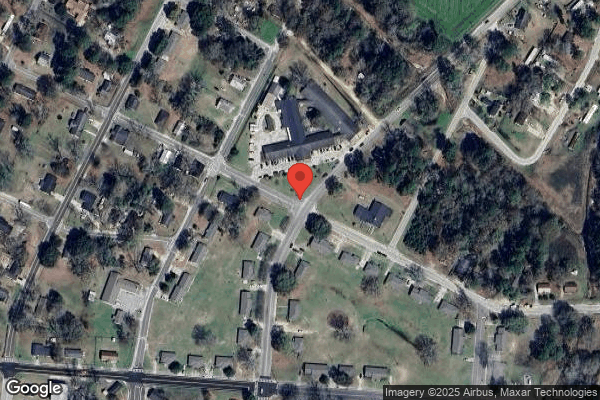
475 WASHINGTON STREET, METTER, GA 30439 (912) 685-2168
For profit - Limited Liability company 120 Beds BEACON HEALTH MANAGEMENT Data: November 2025
Trust Grade
35/100
#308 of 353 in GA
Last Inspection: August 2024

Within standard 12-15 month inspection cycle. Federal law requires annual inspections.

Overview

Pleasant View Nursing Center in Metter, Georgia, has received a Trust Grade of F, indicating significant concerns about the quality of care provided. It ranks #308 out of 353 facilities in Georgia, placing it in the bottom half, and #3 out of 3 in Candler County, meaning it is the least favorable option in the area. While the facility's trend is improving, with issues decreasing from 11 in 2024 to 2 in 2025, the overall care remains poor, with a staffing rating of 1 out of 5 stars and a concerning turnover rate of 69%. Notably, while the center has no fines on record, it offers less RN coverage than 94% of other facilities, which may compromise the quality of care. Specific incidents include unsanitary conditions around garbage dumpsters and failure to serve hot, well-seasoned food, which could negatively impact residents' health and satisfaction. Overall, families should weigh these significant weaknesses against the slight signs of improvement when considering this facility.

Trust Score
F
35/100
In Georgia
#308/353
Bottom 13%
Safety Record
Low Risk
No red flags
Inspections
Getting Better
11 → 2 violations
Staff Stability
⚠ Watch
69% turnover. Above average. Higher turnover means staff may not know residents' routines.
Penalties
✓ Good
No fines on record. Clean compliance history, better than most Georgia facilities.
Skilled Nurses
⚠ Watch
Each resident gets only 11 minutes of Registered Nurse (RN) attention daily — below average for Georgia. Fewer RN minutes means fewer trained eyes watching for problems.
Violations
⚠ Watch
34 deficiencies on record. Higher than average. Multiple issues found across inspections.
★☆☆☆☆
1.0
Overall Rating
★☆☆☆☆
1.0
Staff Levels
☆☆☆☆☆
0.0
Care Quality
★★☆☆☆
2.0
Inspection Score
Stable
2024: 11 issues
2025: 2 issues

The Good

  • Full Sprinkler Coverage · Fire safety systems throughout facility
  • No fines on record

Facility shows strength in fire safety.

The Bad

1-Star Overall Rating

Below Georgia average (2.6)

Significant quality concerns identified by CMS

Staff Turnover: 69%

22pts above Georgia avg (46%)

Frequent staff changes - ask about care continuity

Chain: BEACON HEALTH MANAGEMENT

Part of a multi-facility chain

Ask about local staffing decisions and management

Staff turnover is elevated (69%)

21 points above Georgia average of 48%

The Ugly 34 deficiencies on record

Sept 2025 2 deficiencies
CONCERN (D) 📢 Someone Reported This

A family member, employee, or ombudsman was alarmed enough to file a formal complaint

Potential for Harm - no one hurt, but risky conditions existed

Report Alleged Abuse (Tag F0609)

Could have caused harm · This affected 1 resident

**NOTE- TERMS IN BRACKETS HAVE BEEN EDITED TO PROTECT CONFIDENTIALITY** Based on record review, interview, and review of the facility's policy titled, Freedom of Abuse, Neglect and Exploitation; Abuse...

Read full inspector narrative →
**NOTE- TERMS IN BRACKETS HAVE BEEN EDITED TO PROTECT CONFIDENTIALITY** Based on record review, interview, and review of the facility's policy titled, Freedom of Abuse, Neglect and Exploitation; Abuse Prevention: Fast Alerts, the facility failed to notify the State Survey Agency (SSA) of an allegation of physical abuse for one of seven Residents (R) (R9) reviewed for abuse out of 22 sampled residents. Specifically, there was no documentation that the SSA was notified of an allegation of physical abuse when the Director of Nursing (DON) was notified of bruising to R9's body by the hospital's Social Worker. This failure had the potential to contribute to further abuse or injury, which could result in mental anguish, physical harm, or fear.Findings include: Review of the facility's policy titled, Freedom of Abuse, Neglect and Exploitation; Abuse Prevention: Fast Alerts, dated October 2023, indicated . Reporting-All employees are required to immediately notify the administrative.staff of any complaint, allegation.of resident abuse.as soon as the facility is aware of a situation.they must immediately notify the administrator and other officials.including the State Survey Agency. Review of R9's electronic medical record (EMR) revealed on the Profile tab that R9 was admitted on [DATE] and discharged on 8/22/2025. Review of R9's EMR Progress notes tab revealed a note dated 6/10/2025 at 7:23 pm EMS [Emergency Medical Services] arrived to transport resident [R9] to hospital due to elevated lab values. Review of a note, dated 6/11/2025 at 9:46 am revealed, Received a phone call from [name of Social Worker at [Name] Hospital] stating that she was concerned about some bruises noted on pts [patients] body. Explained to her that the pt had fallen frontwards out of his wheelchair because he tends to lean forward. The note indicated the previous Director of Nursing (DON) was the person notified. During an interview on 9/8/2025 at 2:56 pm, the Administrator stated that she knew of the call from the hospital's Social Worker. The Administrator confirmed that this allegation was not reported to the SSA and should have been.
CONCERN (E) 📢 Someone Reported This

A family member, employee, or ombudsman was alarmed enough to file a formal complaint

Potential for Harm - no one hurt, but risky conditions existed

Investigate Abuse (Tag F0610)

Could have caused harm · This affected multiple residents

**NOTE- TERMS IN BRACKETS HAVE BEEN EDITED TO PROTECT CONFIDENTIALITY** Based on record review, interviews, and review of the facility's policy titled, Freedom of Abuse, Neglect and Exploitation, Abus...

Read full inspector narrative →
**NOTE- TERMS IN BRACKETS HAVE BEEN EDITED TO PROTECT CONFIDENTIALITY** Based on record review, interviews, and review of the facility's policy titled, Freedom of Abuse, Neglect and Exploitation, Abuse Prevention: Fast Alerts, the facility failed to ensure a complete and thorough abuse investigation was conducted for six of nine Residents (R) (R2, R3, R4, R6, R5, and R9) reviewed for abuse investigations out of a total sample of 22 residents. This failure had the potential to result in additional residents to be abused by the same perpetrator.Findings include: Review of the facility's policy titled, Freedom of Abuse, Neglect and Exploitation, Abuse Prevention: Fast Alerts, dated 10/2023, revealed All alleged violations involving mistreatment, sexually inappropriate behaviors, and abuse or neglect will be thoroughly investigated…An immediate investigation into the alleged incident, during the shift it occurred on …2. Interview the resident or other resident witness.' 1.Review of R2's undated Face Sheet located in the electronic medical record (EMR) under the Profile tab, indicated R2 was admitted to the facility with diagnoses that included but not limited to, Parkinson's disease with dyskinesia, delusional disorders, end stage renal disease, paranoid schizophrenia, and vascular dementia. Review of R2's quarterly Minimum Data Set (MDS) with an Assessment Reference Date (ARD) of 6/10/2025, located in the EMR under the MDS tab, revealed a Brief Interview for Mental Status (BIMS) score of 10 out of 15, indicating R2 was moderately cognitively impaired. R2 exhibited hallucinations and delusions. Review of Facility Reportable Incident (FRI) dated 1/20/2025 with date of incident: 1/20/2025 at 6:30 pm provided by the facility, recorded Resident [R2] called the police. Police arrived at the facility. Resident stated that staff has taken her items and other residents touched her…Alleged perpetrators: Two men in building-Other residents. 2. Review of R3's undated admission Record located in the EMR under the Profile tab, indicated R3 was admitted to the facility with diagnoses that included but not limited to, chronic obstructive pulmonary disease, peripheral vascular disease, and major depressive disorder. Review of R3's quarterly MDS with an ARD of 6/11/2025, located in the EMR under the MDS tab, revealed a BIMS score of 15 out of 15, indicating the resident was cognitively intact. R3 was assessed as experiencing delusions. Review of R4's undated admission Record located in the EMR under the Profile tab, indicated R4 was admitted to the facility with diagnoses that included but not limited to, schizoaffective disorder, bipolar type, drug induced subacute dyskinesia, and thrombocytosis. Review of R4's quarterly MDS with an ARD of 3/22/2025, located in the EMR under the MDS tab, revealed a BIMS core of 14 out of 15 which indicated R4 was cognitively intact, and exhibited the behavior of wandering for one to three days during the assessment period. Review of the Facility Reportable Incident provided by the facility, dated 4/14/2025, recorded that on 4/11/2025 around 11:30 pm, R4 reported that her male friend (R3) hit her in the chest when she was in bed with him asleep. 3. Review of R6's undated admission Record located in the EMR under the Profile tab, indicated R6 was admitted to the facility with diagnoses that included but not limited to, bipolar disorder, psychosis not due to a substance or physiological condition, major depressive disorder, schizoaffective disorder, bipolar type, schizophrenia, adjustment disorder with mixed disturbance of emotions and conduct, and borderline intellectual functioning. Review of R6's quarterly MDS with an ARD of 3/20/2025 located in the EMR under the MDS tab, revealed a BIMS of 99 out of 15. The staff assessment for cognitive skills revealed R6 was severely cognitively impaired. R6 was assessed for exhibiting hallucinations and delusions. Review of R5's undated admission Record located in the EMR under the Profile tab indicated R5 was admitted to the facility with diagnoses that included but not limited to, schizophrenia, major depressive disorder, and mild cognitive impairment. Review of R5's quarterly MDS with an ARD of 7/5/2025 located in the EMR under the MDS tab revealed a BIMS score of 11 out of 15, indicating the resident was moderately cognitively impaired and was assessed as not exhibiting behaviors. Review of the Facility Reported Incident provided by the facility and dated 4/8/2025 revealed On Tuesday, April 8, 202025, R5 alleged that R6 put his hand around her neck while removing her smoking apron. Staff immediately intervened and separated the residents. R6 was placed on one-on-one supervision. No bruising or visible injury was observed by nursing. During an interview on 9/10/2025 at 9:45 am, the Administrator confirmed that additional resident interviews were not conducted during the investigation for the above FRIs and should have been conducted. 4. Review of R9's EMR revealed the Profile tab indicated R9 was admitted on [DATE] and discharged on 8/22/2025. Review of R9's EMR Progress notes tab revealed a note, dated 6/10/2025 at 7:23 pm, EMS [Emergency Medical Services] arrived to transport resident [R9] to hospital due to elevated lab values Review of a note, dated 6/11/2025 at 9:46 am, indicated Received a phone call from [name of Social Worker at (Name) Hospital] stating that she was concerned about some bruises noted on pts [patients] body. Explained to her that the pt had fallen frontwards out of his wheelchair because he tends to lean forward. The note indicated the previous Director of Nursing (DON) was the person notified. During an interview on 9/8/2025 at 2:56 pm, the Administrator stated that she knew of the call from the hospital's Social Worker. The Administrator confirmed that there was no documentation that this allegation was investigated and that it should have been investigated.
Aug 2024 11 deficiencies
CONCERN (D) 📢 Someone Reported This

A family member, employee, or ombudsman was alarmed enough to file a formal complaint

Potential for Harm - no one hurt, but risky conditions existed

Resident Rights (Tag F0550)

Could have caused harm · This affected 1 resident

**NOTE- TERMS IN BRACKETS HAVE BEEN EDITED TO PROTECT CONFIDENTIALITY** Based on observations, staff interviews, and record review, the facility failed to place a privacy bag over the indwelling urina...

Read full inspector narrative →
**NOTE- TERMS IN BRACKETS HAVE BEEN EDITED TO PROTECT CONFIDENTIALITY** Based on observations, staff interviews, and record review, the facility failed to place a privacy bag over the indwelling urinary catheter drainage bag of one of two residents (R) (R251) reviewed with a urinary catheter. This failure had the potential to diminish R251's quality of life in an environment that promotes the maintenance or enhancement of each resident's quality of life. Findings include: A policy was requested and not provided. A review of the clinical record revealed that R251 was admitted to the facility on [DATE], and the Minimum Data Set (MDS) was in progress. A review of the Physician's Orders revealed an order dated 8/9/2024 for a urinary catheter. A review of R251's care plan dated 8/19/2024 revealed a focus area of an indwelling urinary catheter due to urinary retention. There were no interventions for placing the drainage bag in a privacy bag. An observation on 8/18/2024 at 2:23 pm revealed R251's urinary catheter drainage bag was not in a privacy bag and was uncovered. An observation on 8/18/2024 at 5:30 pm revealed R251 walking down Hall 300 with his urinary catheter drainage bag strapped to his leg, not in a privacy bag, and uncovered. An interview on 8/20/2024 at 1:03 pm with the Director of Nursing (DON) confirmed that R251's urinary catheter drainage bag should be covered with a dignity bag. An interview on 8/21/2024 at 4:08 pm with Certified Nursing Assistant (CNA) DD revealed that R251's urinary catheter drainage bag should be covered for dignity purposes. An interview on 8/21/2024 at 4:12 pm with the Administrator revealed that R251's urinary catheter drainage bag should not be exposed and should be covered for dignity purposes.
CONCERN (D) 📢 Someone Reported This

A family member, employee, or ombudsman was alarmed enough to file a formal complaint

Potential for Harm - no one hurt, but risky conditions existed

Deficiency F0554 (Tag F0554)

Could have caused harm · This affected 1 resident

**NOTE- TERMS IN BRACKETS HAVE BEEN EDITED TO PROTECT CONFIDENTIALITY** Based on observations, resident and staff interviews, and record review, the facility failed to ensure two of 54 residents (R) (...

Read full inspector narrative →
**NOTE- TERMS IN BRACKETS HAVE BEEN EDITED TO PROTECT CONFIDENTIALITY** Based on observations, resident and staff interviews, and record review, the facility failed to ensure two of 54 residents (R) (R49 and R1) reviewed did not have unsecured, unauthorized medications and over-the-counter medication products stored at the bedside. This failure placed R49 and R1 at risk for inappropriate and unsafe medication use and had the potential to allow unauthorized access to medications to other residents and visitors in the facility. Finding include: 1. Record review revealed R49 had diagnoses including, but not limited to, vascular dementia, moderate without other behavioral disturbances, chronic obstructive pulmonary disease with acute exacerbation, and hypokalemia. A review of R49's quarterly Minimum Data Set (MDS) dated [DATE] revealed a Brief Interview for Mental Status (BIMS) of 15 (indicating little to no cognitive impairment). A review of the Physician's Orders revealed an order dated 4/4/2024 for Ventolin HFA (high-flow aerosol) solution 108 mcg/act (micrograms/actuation) (a medication used to treat wheezing and shortness of breath [SOB]), one puff orally every six hours as needed for SOB. A review of R49's Self-Administration Assessment dated 6/28/2024 revealed the resident was not capable or approved to self-administer medications, including inhalants. Observation of R49's room on 8/18/2024 at 3:00 pm revealed a prescription albuterol inhaler (generic medication for Ventolin) in a small pan near the resident's bed within open view. In an interview at the time of observation on 8/18/2024 at 3:01 pm, R49 reported receiving the inhaler from a previous medical appointment. He stated that his nurse was aware of the medication and advised him to keep it in his room. He reported using the inhaler every now and then. During an interview and observation on 8/18/2024 at 4:07 pm in R49's room, the Unit Manager (UM)/Licensed Practical Nurse (LPN) confirmed the albuterol inhaler in R49's room. She reported that R49 was not assessed to self-administer medication or approved to have medication in his room. She reported being unaware of the medication in the room and removed the medications from the resident's room. She reported that her expectation was for nurses to monitor resident rooms for medications at the bedside. In an interview on 8/21/2024 at 12:22 pm, the Director of Nursing (DON) reported being unaware of R49 having prescription medication (albuterol inhaler) in his room. She described the risk of a resident receiving duplicate inhalant medication as a possibility of increased heart rate. She reported that once the resident returned from his appointment, the nurse should have placed the albuterol medication from the doctor's office on the medication cart and notified the physician. 2. A review of R1's medical record revealed diagnoses including, but not limited to, dementia, schizophrenia, and bipolar disorder. A review of R1's quarterly MDS dated [DATE] revealed a BIMS of seven (indicating severe cognitive impairment). A review of R1's clinical record revealed there was no assessment for self-administration of medication for R1. Observation of R1's room on 8/18/2024 at 5:03 pm revealed a bottle of mouthwash (containing six percent alcohol) on the bedside stand within open view. At the time of observation, an interview was conducted with R1 regarding the mouthwash. R1 reported using the mouthwash daily and that a friend purchased the mouthwash for her. During an observation of R1's room and an interview with the UM/LPN on 8/18/2024, the UM/LPM confirmed the unauthorized mouthwash product at the bedside. She reported that only alcohol-free base mouthwash products were allowed for resident use. The UM/LPN removed the mouthwash from the room. In an interview on 8/21/2024 at 4:49 pm, the DON reported that her expectation was for staff to remove any harmful products from resident rooms and to monitor for unauthorized medication products. She further stated the risk of a resident using unauthorized medication products could have an adverse effect on the resident's blood pressure and cause other medical complications.
CONCERN (D)

Potential for Harm - no one hurt, but risky conditions existed

Abuse Prevention Policies (Tag F0607)

Could have caused harm · This affected 1 resident

Based on staff interviews, record review, and review of the facility policy titled, New Hire Checklist, the facility failed to ensure pre-employment screenings, specifically reference checks and finge...

Read full inspector narrative →
Based on staff interviews, record review, and review of the facility policy titled, New Hire Checklist, the facility failed to ensure pre-employment screenings, specifically reference checks and fingerprinting, were conducted prior to employment for four of 10 employees reviewed. This deficient practice had the potential to place residents residing in the facility at risk of abuse, neglect, and exploitation from staff. The census was 101 residents. Findings include: A review of the facility policy titled New Hire Checklist, revised December 21, 2023, revealed information obtained upon hire included employee references (at least two), background checks to include sex offender state and nationwide, and fingerprint if applicable. The section titled Background and Criminal Checks stated, A background check will be conducted including, but not limited to, consumer credit history, criminal history, fingerprints, driving record, employment, military, education, and general public records, which will provide information concerning these areas, and your character and general reputation. Your former employers, educational institutions, managers, co-workers, and references, may be contacted as part of this process. During a review of employee files on 8/19/2024 at 2:30 pm with the Director of Human Resources, it was revealed the following information was not available: Dietary Supervisor LL was hired on 5/27/1998, and a reference check was not completed. Certified Nursing Assistant (CNA) MM was hired on 7/23/2024, and a reference check was not completed. Dietary [NAME] NN was hired on 7/23/2024, and a reference check was not completed. Activities Assistant OO was hired on 7/18/2024 and a fingerprint procedure was not completed. Activities Assistant OO worked 7/23/2024, 7/24/2024, 7/25/2024, 7/26/2024, 7/27/2024, 7/29/2024, 7/30/2024, 7/31,2024, 8/1/2024, 8/2/2024, 8/5/2024, 8/6/2024, 8/8/2024, 8/10/2024, 8/11/2024, 8/13/2024, 8/14/2024, 8/15/2024, 8/16/2024, 8/19/2024 without having a fingerprint procedure completed. During an interview on 8/19/2024 at 2:40 pm, the Director of Human Resources verified the missing pre-employment requirements and revealed she did not obtain the information because she had been very busy and did not get around to calling the references. She further stated she missed the date to get fingerprinting done for Activities Assistant OO. She stated she had 30 days after hire to get the fingerprinting done. During an interview on 8/21/2024 at 7:30 pm, the Administrator stated he was unaware of the missing pre-employment requirements. He stated he did not have an explanation of why the information was not in the files.
CONCERN (D) 📢 Someone Reported This

A family member, employee, or ombudsman was alarmed enough to file a formal complaint

Potential for Harm - no one hurt, but risky conditions existed

Comprehensive Care Plan (Tag F0656)

Could have caused harm · This affected 1 resident

Based on observations, staff interviews, record review, and review of the facility policy titled RAI (Resident Assessment Instrument)/Care Planning Management, the facility failed to implement the per...

Read full inspector narrative →
Based on observations, staff interviews, record review, and review of the facility policy titled RAI (Resident Assessment Instrument)/Care Planning Management, the facility failed to implement the person-centered comprehensive care plan for one of 12 residents (R) (R78) with a care plan for fall mats and two of two R (R49 and R68) with a care plan for oxygen (O2). This failure had the potential for R78, R49, and R68 to not receive treatment and/or care according to their needs. Findings include: A review of the facility's undated policy titled RAI/Care Planning Management revealed the section titled Process for Completing the MDS (Minimum Data Set), CAAs (Care Area Assessments), and Care Plans stated, Standard: It is the practice of this facility to conduct a comprehensive, accurate, standardized, reproducible assessment of each resident's functional capacity. Objective: 1. To identify resident's individual needs and care requirements. 2. To assure [sic] that an interdisciplinary team assesses the emotional, psychosocial, mental, and physical needs of each resident. 1. A review of R78's clinical record revealed diagnoses including, but not limited to, paranoid schizophrenia, Alzheimer's disease with late onset, and vascular dementia, severe, with other behavioral disturbances. A review of R78's care plan, last revised on 7/23/2024, revealed that R78 was at risk for falls related to poor safety awareness, medication side effects, a history of behaviors, and had a history of falls. The goal was for R78 to be free of fall-related injuries through the review date. Interventions included a fall mat to be placed on the floor beside the bed. Observations on 8/18/2024 at 3:20 pm, 8/19/2024 at 9:37 am, and 8/20/2024 at 10:09 am revealed the resident was lying in bed asleep, and there was no fall mat on the floor. In an observation and interview on 8/20/2024 at 4:15 pm, Licensed Practical Nurse (LPN) AA verified the resident did not have a fall mat by his bedside and that his care plan included interventions of a fall mat. LPN AA stated it was her expectation that she and other nurses follow the resident's care plans and use the interventions the care team implemented for the safety of the resident. In an interview on 8/21/2024 at 4:14 pm, the Regional Director of Nursing revealed it was her expectation that staff follow care plans and ensure fall mats were placed by the bedside if included in the care plan. In an interview on 8/21/2024 at 6:36 pm, the MDS Coordinator revealed she expected staff to follow the care plans. She stated she reviewed changes every morning in clinical meetings, and then care plans were updated as needed. She further stated care plan changes were communicated to staff when they occur. 2. A review of R49's medical record revealed diagnoses including, but not limited to, chronic obstructive pulmonary disease (COPD) with acute exacerbation and hypokalemia. A review of R49's Physician Orders revealed an order dated 7/10/2024 for O2 per nasal cannula (NC) at 2 liters per minute (LPM) at night and as needed (PRN). A review of R49's care plan revealed a focus area, last revised on 6/12/2024, for being at risk for respiratory complications related to the disease process of COPD, and the resident will take O2 on and off and adjust settings. The interventions included administering O2 as ordered and observing O2 settings every shift and PRN while in use. Observations on 8/18/2024 at 1:01 pm, 4:00 pm, and 5:55 pm and on 8/19/2024 at 11:00 am revealed R49 receiving O2 via a NC at 2.5 LPM instead of 2.0 LPM. An observation and interview on 8/19/2024 at 11:21 am with LPN CC confirmed that R49 was receiving O2 at 2.5 LPM instead of 2.0 LPM. LPN CC reported being unaware of the care plan to monitor and check periodically to ensure R49's oxygen was set on the ordered flow rate. During an observation and interview on 8/20/2024 at 10:48 am, the Unit Manager confirmed that R49 's O2 was set at 2.5 LPM instead of 2.0 LPM and adjusted the O2 to 2.0 LPM. She reported being unaware of the resident's care plan to monitor the O2 settings. 3. A review of R68's medical record revealed diagnoses including, but not limited to, acute chronic respiratory failure with hypoxia or hypercapnia and chronic atrial fibrillation. A review of R68's Physician Orders revealed an order dated 6/11/2024 for O2 per NC at 2 liters LPM PRN shortness of breath (SOB). A review of R68's care plan revealed a focus area, last revised on 8/12/2024, for altered respiratory status/difficulty breathing related to sleep apnea, respiratory failure, obesity with hypoventilation, and COPD. The interventions included administering oxygen as ordered. Observations on 8/18/2024 at 2:00 pm and 4:03 pm and 8/19/2024 at 9:00 am and 11:24 am revealed R68 receiving O2 via a NC at 2.5 LPM instead of 2.0 LPM. In an interview on 8/21/2024 at 6:36 pm, the MDS Coordinator reported her expectation was for staff to follow the resident's care plans. The MDS Coordinator stated updates or changes to a resident's care plan were addressed in the morning clinical meetings. Cross-Reference F695
CONCERN (D) 📢 Someone Reported This

A family member, employee, or ombudsman was alarmed enough to file a formal complaint

Potential for Harm - no one hurt, but risky conditions existed

Quality of Care (Tag F0684)

Could have caused harm · This affected 1 resident

**NOTE- TERMS IN BRACKETS HAVE BEEN EDITED TO PROTECT CONFIDENTIALITY** 2. A review of R78's Face Sheet revealed diagnoses including, but not limited to, dysphagia and unspecified severe protein-calor...

Read full inspector narrative →
**NOTE- TERMS IN BRACKETS HAVE BEEN EDITED TO PROTECT CONFIDENTIALITY** 2. A review of R78's Face Sheet revealed diagnoses including, but not limited to, dysphagia and unspecified severe protein-calorie malnutrition. A review of R78's Significant Change MDS, dated [DATE], revealed section K (Swallowing/Nutritional Status) documented R78 had a feeding tube and received 51 percent or more of total calories and 501 cubic centimeters (cc) or more per day of fluid intake through the feeding tube. A review of R78's care plan, revised on 8/12/2024, revealed R78 will receive feeding and hydration via G-tube as ordered. A review of the Physician's Orders revealed an order dated 8/10/2024 to flush the G-tube with 5 cc of water after each medication and flush the G-tube with 30 cc of water before and after feedings. Further review revealed an order dated 8/11/2204 for Jevity 1.5, give 237 milliliters (ml) every four hours. A review of the medication administration record (MAR) dated 8/2024 revealed no documentation of G-tube water flushes with medications or feeding. A review of the Progress Notes revealed no documentation of water flushes of the G-tube. In an interview on 8/20/2024 at 4:15 pm, Licensed Practical Nurse (LPN) AA verified water flushes of the G-tube were not documented on the MAR or in the clinical record. She revealed her expectations were for staff to follow physician orders by flushing the G-tube and document if it was performed. In an interview on 8/21/2024 at 4:14 pm, the Regional Director of Nursing revealed the nurse who receives the physician's order was responsible for transcribing it onto the MAR. She stated her expectation was for physician orders to be listed on the MAR and followed. Based on observations, staff interviews, and record review, the facility failed to follow the physician's orders for two residents (R) (R43 and R78). Specifically for an evaluation for Physical Therapy (PT), Occupational Therapy (OT), and Speech Therapy (ST) for R43 and for gastrostomy tube (G-tube) water flushes for R78. This failure had the potential for R43 and R78 to not receive medical treatment according to their needs and placed them at risk for adverse consequences. Findings include: 1. A review of R43's Face Sheet revealed R43 was admitted to the facility on [DATE] with a diagnosis including, but not limited to, contracture of left hand. A review of the admission Minimum Data Set (MDS), dated [DATE], and the quarterly MDS, dated [DATE], revealed section C (Cognitive Patterns) documented a Brief Interview for Mental Status Score (BIMS) of 15 (indicating little to no cognitive impairment). Section O (Special Treatments, Procedures, and Programs) documented the resident did not receive PT, OT, or ST. A review of R43's Physician Orders revealed an order dated 5/2/2024 for evaluations for PT, OT, and ST. Observation during the survey from 8/18/2024 through 8/20/2024 revealed R43 lying in bed with no splint device, and his left hand third and fourth fingers were folded into the palm of his hands. During an interview on 8/18/2024 at 3:25 pm, R43 reported a concern about not receiving therapy services for a splint device and range of motion (ROM) for his left-hand contracture. In an interview on 8/21/2024 at 12:58 pm, the Unit Manager acknowledged that R43 had a physician order for therapy evaluation. She reported being unaware that the order was not followed up on. In an interview on 8/21/2024 at 1:10 pm, the Director of Rehabilitation confirmed the therapy department had not performed therapy evaluations for R43. She confirmed that she met the resident at the time of admission and was aware of his contracture. She stated she felt the resident would benefit from ROM therapy services and a splint device. In an interview on 8/21/2024 at 4:55 pm, the Director of Nursing (DON) reported that her expectation was for physician orders to be followed.
CONCERN (D) 📢 Someone Reported This

A family member, employee, or ombudsman was alarmed enough to file a formal complaint

Potential for Harm - no one hurt, but risky conditions existed

Deficiency F0688 (Tag F0688)

Could have caused harm · This affected 1 resident

**NOTE- TERMS IN BRACKETS HAVE BEEN EDITED TO PROTECT CONFIDENTIALITY** Based on observations, staff interviews, and record review, the facility failed to provide services to increase or prevent a dec...

Read full inspector narrative →
**NOTE- TERMS IN BRACKETS HAVE BEEN EDITED TO PROTECT CONFIDENTIALITY** Based on observations, staff interviews, and record review, the facility failed to provide services to increase or prevent a decrease in range of motion (ROM) for one of 52 sampled residents (R) (R43). The deficient practice had the potential to place R43 at risk for medical complications, unmet needs, and a diminished quality of life. Findings include: A review of R43's Face Sheet revealed that R43 was admitted to the facility on [DATE] with a diagnosis including, but not limited to, contracture of the left hand. A review of the admission Minimum Data Set (MDS), dated [DATE] revealed section C (Cognitive Patterns) documented a Brief Interview for Mental Status Score (BIMS) of 15 (indicating little to no cognitive impairment). Section O (Special Treatments, Procedures, and Programs) documented the resident did not receive Physical Therapy (PT) or Occupational Therapy (OT). A review of R43's Physician Orders revealed an order dated 5/2/2024 for evaluations for PT, OT, and Speech Therapy. A review of 43's care plan, last revised on 7/26/2024, revealed a focus area of being at risk for complications related to contractures, being dependent on staff for ADLs (Activities of Daily Living), and having impaired mobility. Interventions included providing ROM as tolerated during ADL care. A review of the Plan of Care (POC) used by the Certified Nursing Assistants (CNAs) revealed no instruction to provide ROM to the resident's left hand. Continued review revealed the contracture of the left hand was not identified on the form. Observation during the survey from 8/18/2024 through 8/20/2024 revealed R43 lying in bed with no splint device, and his left hand third and fourth fingers were folded into the palm of his hands. In an interview on 8/18/2024 at 3:25 pm, R43 reported that staff was not providing ROM of his left hand. R43 reported that he did not have full flexion of the fingers on his left hand. He further stated he had not been evaluated by therapy since admission to the facility. In an interview on 8/21/2024 at 12:54 pm, CNA DD confirmed not providing ROM to R43's left hand. She reported being aware that the resident had a contracture of the left hand. In an interview on 8/21/2024 at 12:58 pm, the Unit Manager reported she was aware that R43 had a contracture of the left hand. She stated she thought the resident was referred for PT and OT to evaluate him to address the contracture. In an interview on 8/21/2024 at 1:10 pm, the Director of Rehabilitation stated the therapy department had not performed a therapy evaluation for R43. She confirmed that she was aware of the resident's contracture of his left hand. In an interview on 8/21/2024 at 4:55 pm, the Director of Nursing (DON) stated once the therapy department evaluated a resident, therapy recommendations were added to the CNA POC.
CONCERN (D) 📢 Someone Reported This

A family member, employee, or ombudsman was alarmed enough to file a formal complaint

Potential for Harm - no one hurt, but risky conditions existed

Respiratory Care (Tag F0695)

Could have caused harm · This affected 1 resident

**NOTE- TERMS IN BRACKETS HAVE BEEN EDITED TO PROTECT CONFIDENTIALITY** Based on observations, staff interviews, record review, and review of the facility policy titled, Respiratory System Management ...

Read full inspector narrative →
**NOTE- TERMS IN BRACKETS HAVE BEEN EDITED TO PROTECT CONFIDENTIALITY** Based on observations, staff interviews, record review, and review of the facility policy titled, Respiratory System Management Standard, the facility failed to ensure two residents (R) (R49 and R68) receiving oxygen (O2) therapy were administered O2 in accordance with the physician order. The deficient practice had the potential to increase the risk of respiratory complications for R49 and R68. The sample size was 52 residents. Findings include: A review of the facility's undated policy titled, Respiratory System Management Standard, revealed the section titled Oxygen Therapy Protocol stated, Standard oxygen therapy is the administration of oxygen at concentrations greater than ambient air to: Treat or prevent hypoxemia, decrease work of breathing, decrease myocardial work. Procedure to follow in order (1). Check the physician's orders in the resident's clinical record. 1. A review of R49's medical record revealed diagnoses including, but not limited to, chronic obstructive pulmonary disease (COPD) with acute exacerbation and hypokalemia. A review of the quarterly Minimum Data Set (MDS) dated [DATE] revealed section O (Special Treatments and Programs) documented that R49 received O2 while a resident. A review of the Physician Orders revealed an order dated 7/10/2024 for O2 per nasal cannula (NC) at 2 liters per minute (LPM) at night and as needed (PRN). Observations on 8/18/2024 at 1:01 pm, 4:00 pm, and 5:55 pm, 8/19/2024 at 11:11 am, and 8/20/2024 at 10:48 am, revealed R49 receiving O2 by a concentrator and via a NC at 2.5 LPM. 2. A review of R68's medical record revealed diagnoses including, but not limited to, acute chronic respiratory failure with hypoxia and hypercapnia. A review of the quarterly MDS dated [DATE] revealed section O (Special Treatments and Programs) documented that R49 received O2 while a resident. A review of R68's Physician Orders revealed an order dated 6/11/2024 for O2 per NC at 2 liters LPM PRN shortness of breath (SOB). Observations on 8/18/2024 at 2:00 pm and 4:03 pm, 8/19/2024 at 9:00 am, and 8/20/2024 at 10:48 am revealed R68 receiving O2 by a concentrator and via a NC at 2.5 LPM. In an interview at the time of observations on 8/19/2024, Licensed Practical Nurse (LPN) CC confirmed that R49 and R68 were receiving O2 by a concentration and via a NC at 2.5 LPM instead of 2.0 LPM. LPN CC reported being unaware to monitor and ensure R49's O2 was set on the correct liter. She further stated she was unaware if the resident adjusted the O2 flow meter on the concentrator. During an interview and observation on 8/20/2024 at 10:48 am, the Unit Manager confirmed that R49 and R68's O2 were set to 2.5 liters instead of 2.0 liters. She adjusted the O2 to 2.0 LPM for both residents. She reported that her expectation was to ensure residents were receiving O2 as ordered. She said that R49 was capable of putting on his NC appropriately but not competent in adjusting the flow meter for the correct liter per his physician's order. She reported that her expectation was for the nurse to monitor the O2 during the medication pass. She reported that the resident independently adjusting his O2 and staff not monitoring the O2 setting placed R49 at risk for complications. In an interview on 8/21/24 at 6:36 pm, the MDS Coordinator stated R49 had a history of adjusting the flow meter on his O2 concentrator. She reported that her expectation was for staff to monitor R49 and R68 's O2 settings. In an interview on 8/21/2024 at 12:17 pm, the Director of Nursing (DON) reported that her expectation was for staff to ensure O2 was administered according to the physician's order. She further stated that R49 was at risk of COPD exacerbation by receiving more than the ordered amount of O2.
CONCERN (E) 📢 Someone Reported This

A family member, employee, or ombudsman was alarmed enough to file a formal complaint

Potential for Harm - no one hurt, but risky conditions existed

Accident Prevention (Tag F0689)

Could have caused harm · This affected multiple residents

2. Observations on 8/18/2024 at 5:27 pm, 8/19/2024 at 2:46 pm, and 8/19/2024 at 5:50 pm in the D Hall Shower Room located in the secured Behavioral Health Unit revealed a cart containing a bottle of 7...

Read full inspector narrative →
2. Observations on 8/18/2024 at 5:27 pm, 8/19/2024 at 2:46 pm, and 8/19/2024 at 5:50 pm in the D Hall Shower Room located in the secured Behavioral Health Unit revealed a cart containing a bottle of 70 percent isopropyl alcohol and a hand-held hair dryer. The hair dryer was plugged into a wall electrical outlet on one side of the sink, with the cord running under the sink. Further observation revealed four wet floor signs, shoes, clothing, toilet paper, and towels scattered on the floor. During observation and interview on 8/19/2024 at 3:35 pm, the Administrator and the Maintenance Director confirmed the findings in the D Hall Shower Room. The Administrator unplugged the hair dryer from the wall and placed it on the cart next to the sink stating someone could get seriously hurt. He stated that the condition of the shower room was unacceptable and posed numerous accident hazards. During observation and interview on 8/19/2024 at 4:50 pm, Licensed Practical Nurse (LPN) BB confirmed the bottle of 70 percent isopropyl alcohol was on a cart and stated it should be in a locked cabinet. In an interview on 8/21/2024 at 4:53 pm, the Regional Director of Nursing revealed hazardous chemicals, such as isopropyl alcohol, should not be in resident shower rooms. A policy pertaining to environmental hazards was requested and not provided. Based on observations, staff interviews, record review, and review of the facility policy titled, F-689 Accidents -Water Temperatures, the facility failed to maintain safe water temperatures at the hand washing sink in 12 of 28 resident bathrooms and two of three resident shower rooms. In addition, the facility failed to ensure an environment free from chemical and environmental hazards in one of three shower rooms. This deficient practice placed the residents residing in the affected rooms and using the affected shower rooms at risk of avoidable injuries and a diminished quality of life. The census was 101 residents. Findings include: 1. A review of the facility's undated policy titled, F-689 Accidents - Water Temperatures, revealed the section titled F - 689 Description stated, The facility must ensure that the resident environment remains free of accident hazards as is possible and each resident received adequate supervision and assistance devices to prevent accidents. The section titled Purpose included, The purpose of recording your water temperatures is to assure the Surveyor that your facility is remaining as free from accidental burns and scalds as possible and that any issues are addressed in a prompt and consistent manner. During observation on 8/18/2024 at 2:00 pm, the hot water in the shared bathroom of Rooms A1 and A3 felt hot to touch. The surveyor was able to keep a hand under the water for only about five seconds. During an interview on 8/18/2024 at 2:45 pm, the Maintenance Director revealed he checked water temperatures every day and randomly picked rooms and sinks to test. On 8/18/2024, the following water temperatures in resident bathroom sinks were obtained by the Maintenance Director using the facility's calibrated thermometer: 4:23 pm Rooms A1 and A3 shared bathroom = 117 degrees Fahrenheit (F). 4:24 pm Rooms A9 and A11 shared bathroom = 116 degrees F. 4:50 pm Rooms B3 and B5 shared bathroom = 114 degrees F. 4:53 pm Rooms B7 and B9 shared bathroom = 114 degrees F. 4:56 pm Room B11 bathroom = 114 degrees F. 5:00 pm Room B1 bathroom = 112 degrees F. 5:05 pm Rooms A5 and A7 shared bathroom = 111 degrees F. 5:07 pm Rooms A10 and A12 shared bathroom = 110.3 degrees F. 5:10 pm Rooms D2 and D4 shared bathroom = 119 degrees F. 5:12 pm Rooms D1 and D3 shared bathroom = 123 degrees F. 5:15 pm Room D19 bathroom = 115 degrees F. 5:17 pm Room D16 bathroom = 111 degrees F. 5:19 pm D Hall Shower = 112 degrees F. 5:27pm C Hall Shower = 116 degrees F. A review of a temperature logbook dated 5/20/2024 through 8/16/2024 revealed documented temperatures for the shower rooms ranging from 112 to 118 degrees F. During an interview on 8/18/24 at 5:00 pm, the Director of Maintenance stated the hot water temperature should be 107 or 108 degrees F. He verified the temperatures documented in the logbook and stated someone had told him to keep the temperatures at 114 degrees F for the shower rooms. During an interview on 8/18/2024 at 6:00 pm, the Maintenance Director stated the mixing valve unit was set at 110 degrees F and further stated he turned the device down, but it went up to 116 degrees F. He stated the hot water heater in the Behavioral Unit was at 115 F, and he had turned it down. On 8/18/2024 at 6:15 pm, the Administrator was informed of the elevated water temperatures. He stated the temperatures of the entire building would be checked every shift until the temperatures were down, and the residents in the Behavior Unit would be monitored until the water temperatures were down. During an interview on 8/18/2024 at 6:45 pm, the Director of Maintenance stated the mixing valve was set at 112 degrees F. He stated he may have turned it up instead of down, and he turned it down. During an interview on 8/19/2024 at 10:00 am, the Director of Maintenance stated water temperatures in resident rooms were checked every four hours during the evening and night shifts, and the temperatures were below 110 degrees F. He stated he would continue to check the temperatures every four hours. During an interview and observation of hot water temperatures on 8/19/2024 at 1:00 pm with the Director of Maintenance, the following temperatures were observed: Rooms D1 and D3 shared bathroom = 116 degrees F. Rooms D6 and D8 shared bathroom = 115 degrees F. During an interview on 8/19/2024 at 1:45 pm, the Administrator stated he would notify the [NAME] President of the company to discuss the rising water temperatures in the Behavioral Unit. During an interview on 8/19/2024 at 2:30 pm, the [NAME] President stated there was a faulty thermostat on the re-circulation pump and the Director of Maintenance would re-adjust it, which should maintain the temperatures. During an interview on 8/19/2024 at 4:00 pm, the Director of Maintenance stated he checked the water temperatures in the building, and none were elevated. Observations of temperature checks with the Maintenance Director on 8/19/2024 at 6:25 pm revealed the water temperature in Rooms D1 and D3 shared bathroom = 100 degrees F and in Rooms D6 and D8 shared bathroom = 94 degrees F.
CONCERN (E) 📢 Someone Reported This

A family member, employee, or ombudsman was alarmed enough to file a formal complaint

Potential for Harm - no one hurt, but risky conditions existed

Deficiency F0761 (Tag F0761)

Could have caused harm · This affected multiple residents

Based on observations, interviews, and a review of the facility's policy titled, Medication Administration Guidelines, the facility failed to ensure that one of two medication carts was locked and sec...

Read full inspector narrative →
Based on observations, interviews, and a review of the facility's policy titled, Medication Administration Guidelines, the facility failed to ensure that one of two medication carts was locked and secured when unattended by the nurse. The deficient practice had the potential to allow unauthorized persons, including residents and visitors, to access medications. The census was 101 residents. Findings include: A review of the facility policy titled, Medication Administration Guidelines, dated August 2021, revealed the section titled Safe Medication Administration included, Medication carts are to be kept locked at all times and under the vision supervision of the licensed nurse. During observation on 8/18/2024 from 12:15 pm to 12:21 pm, Medication Cart 2 was parked in the hallway, unattended, and unlocked. The medication drawer was pulled, and it opened without a problem. Registered Nurse (RN) JJ approached the cart and locked it. During an observation on 8/18/2024 at 6:41 pm, Medication Cart 2 was parked in the hallway, unattended, out of sight of a nurse, and unlocked. Licensed Practical Nurse (LPN) II noticed the surveyor looking at the cart and locked it. During an interview on 8/18/2024 at 7:00 pm, RN JJ revealed the medication cart should be locked unless a nurse was at the cart. She confirmed that the cart was unlocked this shift and there was not a nurse at the cart. During an interview on 8/18/2024 at 7:05 pm, LPN II revealed the medication cart needs to be locked unless the nurse was at the cart. LPN II confirmed she left the cart opened earlier this shift and stated she had a resident who was transported to the emergency room and she forgot and left the cart open. During an interview on 8/21/2024 at 5:00 pm, the Unit Manager stated the medication cart should always be locked unless the nurse is present and giving medications. During an interview on 8/21/2024 at 5:30 pm, the Director of Nursing (DON) revealed the medication cart should be locked when the nurse is not present at the cart.
CONCERN (E) 📢 Someone Reported This

A family member, employee, or ombudsman was alarmed enough to file a formal complaint

Potential for Harm - no one hurt, but risky conditions existed

Infection Control (Tag F0880)

Could have caused harm · This affected multiple residents

**NOTE- TERMS IN BRACKETS HAVE BEEN EDITED TO PROTECT CONFIDENTIALITY** 3. A review of the facility policy titled, Laundry Linen: Handling of, revised September 2023, revealed the section titled, Tran...

Read full inspector narrative →
**NOTE- TERMS IN BRACKETS HAVE BEEN EDITED TO PROTECT CONFIDENTIALITY** 3. A review of the facility policy titled, Laundry Linen: Handling of, revised September 2023, revealed the section titled, Transportation of Clean Linen included . 3. Cover stored linen to protect from contamination until the linen is distributed for resident use. 5. Transport collected and bagged linen by cart or soiled linen chute to the laundry area at regular intervals as needed. a. Do not allow hampers to overfill, lids must be closed. A review of facility policy titled, Biohazardous/Infectious Waste, revised September 2023, revealed the section titled Overview included The facility will dispose of Infectious Waste according to the Federal Government Environmental Protection Agency (EPA) requirements or according to state and local regulations, whichever is the strictest. The section titled Procedure included . 5. Dispose of sharps, used and unused, in an impervious, rigid, puncture-resistant, leak-proof on the sides and bottom, closable sharps container. Do not overfill. Observation on 8/19/2024 at 1:23 pm revealed a small storage room with an exit door from the main building that led to the outdoor laundry facility. The storage room contained two wire racks. The bottom shelf of the racks contained pillows that were touching the concrete floor. The other shelves contained linen which was uncovered and exposed to the environment. During an observation and interview on 8/19/2024 at 1:35 pm, the Account Manager stated he was over the laundry and housekeeping departments and confirmed the pillows in the storage room were touching the floor, and the linen was uncovered. He stated this was a mistake and would be corrected. Observations on 8/18/2024 at 5:19 pm and 8/19/2024 at 11:58 am of the D Hall Shower Room revealed a basket of soiled clothes, a plastic hamper of soiled towels, soiled towels lying on the floor, soiled toilet paper lying next to the toilet, a box fan turned on and running covered in dirt and dust sitting on the back of the toilet, numerous clothing items such as shoes and clothes hanging on grab bars and lying on the floor, two rolls of toilet paper lying on the floor, and a sharps container overfilled with a razor exposed. Observations on 8/18/2024 at 5:27 pm and 8/19/2024 at 11:55 am of the C Hall Shower Room revealed soiled wet towels in the shower stall, numerous soiled wet towels in a pile on the shower room floor, an overflowing trash can, and an uncovered plastic tub full of clothing on a shower bed. During observation and interview on 8/19/2024 at 3:35 pm, the Administrator and Maintenance Director confirmed the findings in both shower rooms. The Administrator stated the findings in the shower rooms were unacceptable. He acknowledged the identified concerns were infection control issues and would be corrected. During an observation and interview on 8/19/2024 at 4:50 pm, LPN BB confirmed a sharps container located in the D Hall Shower Room was full and had an exposed disposable razor. LPN BB stated the sharps container was full and needed to be changed out. In an interview on 8/21/2024 at 4:30 pm, the Infection Control Preventionist (ICP) stated her expectations were for staff to ensure linens were always covered during storage and for linen and clothing to be off of the floors to avoid exposure to contamination. She further stated sharps containers should be changed out when they were full and acknowledged these concerns could spread infection. In an interview on 8/21/2024 at 4:53 pm, the Regional Director of Nursing confirmed that sharps containers should be emptied when they are full. She revealed there was no one designated to change out sharp containers. 2. An observation on 8/18/2024 at 2:45 pm of room [ROOM NUMBER]A 400 Hall revealed one washbasin in the bathroom unbagged and not labeled with a resident's name. An observation on 8/18/2024 at 2:37 pm of room [ROOM NUMBER]B 400 Hall revealed one washbasin in the bathroom unbagged and not labeled with a resident's name. An observation on 8/18/2024 at 2:32 pm of room [ROOM NUMBER]B 200 Hall revealed three washbasins in the tub and one urinal hanging on the toilet paper holder unbagged and not labeled with a resident's name. In an interview on 8/20/24 at 3:25 pm, the DON confirmed all washbasins and urinals should be bagged and labeled with a resident's name. Based on observations, staff interviews, and review of the facility's policies titled, Laundry Linen: Handling of, and Biohazardous/Infectious Waste, the facility failed to follow acceptable infection control practices to prevent cross-contamination during a glucometer check for one resident, during the storage of linen in one linen storage room, during the storage of soiled linen in two shower rooms, and during the storage of washbasins and urinals in three resident restrooms. These deficient practices had the potential to increase the risk of cross-contamination and spread infections. Findings include: 1. During observation of the glucometer procedure on 8/19/2024 at 10:30 am, Licensed Practical Nurse (LPN) GG performed a fingerstick blood sugar on one resident. Observation revealed LPN GG placed the supplies on the surface of the cart before entering the resident's room without sanitizing or placing a barrier on the cart. She performed the procedure and placed the used supplies (including the glucometer, used alcohol pad, and used fingerstick device) on the surface of the cart without sanitizing or using a barrier on the surface of the cart. In an interview at the time of the observation, LPN GG confirmed she did not use a barrier to put her supplies on. She stated she should have used a barrier under the meter and supplies. During an interview on 8/21/2024 at 4:30 pm, the Unit Manager stated the nurse should use a barrier to put the glucometer and supplies on and not just lay them on the surface of the cart. During an interview on 8/21/2024 at 4:45 pm, the Director of Nursing (DON) stated the nurse should use a barrier on the surface of the cart after using the glucometer.
CONCERN (F) 📢 Someone Reported This

A family member, employee, or ombudsman was alarmed enough to file a formal complaint

Potential for Harm - no one hurt, but risky conditions existed

Garbage Disposal (Tag F0814)

Could have caused harm · This affected most or all residents

Based on observations and staff interviews, the facility failed to ensure three of three garbage dumpsters were maintained in sanitary conditions, free from trash and debris on the ground, and with se...

Read full inspector narrative →
Based on observations and staff interviews, the facility failed to ensure three of three garbage dumpsters were maintained in sanitary conditions, free from trash and debris on the ground, and with secure fitting lids. The deficient practice had the potential to promote the harboring of pests, rodents, insects, and other organisms. The facility census was 101 residents. Findings include: Observation of the dumpster on 8/18/2024 at 3:15 pm with the Dietary Manager (DM) and Maintenance Director revealed trash piled up high and spilling over to the ground in three of three dumpsters. Further observation revealed opened bags of trash, exposing dirty briefs with fecal matter, wipes covered in feces were observed scattered on the ground surrounding the dumpsters. Continued observation revealed swarms of flies and at least 50 large clear white trash bags on the ground around the dumpsters. The large clear bags contained food, trash, and soiled personal care items. An interview at the time of observation on 8/18/2024 at 3:16 pm was conducted with the DM and Maintenance Director. Both staff members confirmed that the dumpsters were not being maintained in sanitary conditions. They confirmed the exposure of feces from the briefs, food items, and trash. The DM reported the problem with the dumpsters had existed since the previous Monday. She stated that trash bags on the ground increased due to not having enough room in the dumpsters to place the trash. The Maintenance Director reported the problem existed because the bill for the trash service had not been paid by the facility. In an interview on 8/18/2024 at 3:41 pm, the Maintenance Director revealed that trash was not picked up due to nonpayment to the trash pick-up company. He reported the trash started to pile up the previous Sunday. He stated the scheduled days for trash pick-up were Monday and Thursday, and the trash was last picked up on 8/8/2024. The Maintenance Director further stated he informed the Administrator of the failure of the trash being picked up on 8/13/2024. He stated he was not given specific instructions on what to do about the trash. In an interview on 8/21/2024 at 9:18 am, the Administrator confirmed the dumpsters were not maintained in sanitary conditions, and he had failed to provide staff with instructions on handling the trash pile up. He stated the corporate office was notified on 8/14/2024 about a problem with payment to the trash pick-up company, and he understood the bill was already paid. He stated having trash dumpsters in an unsanitary manner increased the risk of animals, pests, and insects. He stated he was unaware the bags were spilling trash on the ground and stated that if he had been notified of trash on the ground, he would have removed it.
Feb 2023 13 deficiencies
CONCERN (D) 📢 Someone Reported This

A family member, employee, or ombudsman was alarmed enough to file a formal complaint

Potential for Harm - no one hurt, but risky conditions existed

Resident Rights (Tag F0550)

Could have caused harm · This affected 1 resident

Based on observations, staff and resident interviews, the facility failed to promote a dignified dining experience at meals by serving residents food and beverages on disposable Styrofoam plates, disp...

Read full inspector narrative →
Based on observations, staff and resident interviews, the facility failed to promote a dignified dining experience at meals by serving residents food and beverages on disposable Styrofoam plates, disposable Styrofoam cups, small disposable plastic cups, and disposable plastic eating utensils for three of four sampled residents (R) (#48, #76, and #82) reviewed for dignity while dining. This failure had the potential to affect all 51 residents who resided in the facility on hallways A, B, and C. Findings include: The facility did not have a policy regarding dignity while dining for residents. Observations on 02/20/2023 from 12:18 p.m. to 12:52 p.m. of the resident's lunch meal service in the facility's main dining room revealed that resident beverages were served in disposable Styrofoam cups and resident desserts were served in small disposable plastic cups. Observations on 02/22/2023 from 12:05 p.m. to 12:36 p.m. revealed that dietary staff was preparing and serving resident lunch meals from the kitchen tray line to residents who resided in the facility's A, B, and C hallways. The dietary staff was observed serving resident meals, which include baked pork, potatoes, and green beans, on disposable Styrofoam plates. The dietary staff was observed serving resident beverages in disposable Styrofoam cups, serving resident desserts in small disposable plastic cups, and providing a package of disposable plastic eating utensils and a napkin with each resident meal. Interview on 02/22/2023 at 12:40 p.m. with the Dietary manager (DM), stated the kitchen staff served resident lunch meals in Styrofoam plates today to the residents who resided in the facility's A, B, and C hallways because a dietary employee did not come into work. The DM explained that when the kitchen is short staffed, they serve residents meals on Styrofoam plates and provide plastic eating utensils, so there will not be as many dishes for the staff to wash after the meal. The DM stated that the kitchen normally serves resident beverages in disposable Styrofoam cups and resident desserts in small disposable plastic cups at each meal. 1. Review of the most recent quarterly Minimum Data Set (MDS) for R#48 dated 02/05/2023 revealed the resident had a Brief Interview for Mental Status (BIMS) score of 15 out of 15 which indicated the resident was cognitively intact. Interview on 02/23/2023 at 10:15 a.m. with R#48, the resident stated that his lunch meal on 02/22/2023 was served on a Styrofoam plate, the beverage in a Styrofoam cup, and the dessert in a small plastic cup. R#48 further revealed that he received plastic eating utensils, and he preferred to have his meals on regular plates, bowls, cups, and eating utensils. 2. Review of the most recent annual MDS for R#76 dated 02/05/2023 revealed the resident had a BIMS score of 15 out of 15 which indicated the resident was cognitively intact. Interview on 02/23/2023 at 10:20 a.m. with R#76, the resident stated that sometimes his meals are served on Styrofoam plates with plastic eating utensils and his dessert in a small plastic cup. R#76 stated that he preferred to have his meals served on regular plates and receive regular eating utensils. 3. Review of the most recent quarterly MDS for R#82 with dated 02/02/2023 revealed the resident had a BIMS score of 12 out of 15 which indicated the resident was moderately cognitively impaired. Interview on 02/23/2023 at 10:35 a.m. with R#82, the resident stated that his lunch meal on 02/22/2023 was served on a Styrofoam plate, beverage in a Styrofoam cup, dessert in a small plastic cup and received plastic eating utensils. R#82 stated that he preferred to have his meals served on regular plates, bowls, and receive regular eating utensils. R#82 stated that resident meals are served on Styrofoam plates about twice a week. Interview on 02/23/2023 at 11:55 a.m. with [NAME] (C)1, she revealed that typically twice a week the kitchen will serve residents lunch and evening meals on Styrofoam plates and provide residents with plastic eating utensils because a dietary employee called in and not having enough staff in the kitchen. C1 explained that serving the resident beverages in Styrofoam cups and resident desserts in small plastic cups at the lunch and evening meals was the kitchen's normal practice. Interview on 02/23/2023 at 3:45 p.m. with the Administrator, she stated that meals prepared by kitchen staff should serve foods and beverages to residents on Styrofoam plates or Styrofoam cups and plastic eating utensils should not be provided to residents to eat their meals because a kitchen employee did not come into work as scheduled.
CONCERN (D) 📢 Someone Reported This

A family member, employee, or ombudsman was alarmed enough to file a formal complaint

Potential for Harm - no one hurt, but risky conditions existed

Deficiency F0645 (Tag F0645)

Could have caused harm · This affected 1 resident

**NOTE- TERMS IN BRACKETS HAVE BEEN EDITED TO PROTECT CONFIDENTIALITY** Based on staff interviews, record review, and review of the facility's policy titled, Pre-admission Screening and Resident Revie...

Read full inspector narrative →
**NOTE- TERMS IN BRACKETS HAVE BEEN EDITED TO PROTECT CONFIDENTIALITY** Based on staff interviews, record review, and review of the facility's policy titled, Pre-admission Screening and Resident Review (PASRR), the facility failed to ensure one of three residents (R) (#22) reviewed for the Pre-admission Screening and Resident Review (PASRR) process, who was admitted with a mental health diagnosis, was referred for a Level II screening. This failure had the potential to increase the risk for a resident with a mental illness diagnosis from not receiving specialized services. Findings include: Review of the facility's policy titled Pre-admission Screening and Resident Review (PASRR) dated August 2022 revealed, .Social Worker's responsibility to see that all residents within the nursing facility with MI/MR [mental illness/mental retardation] are to have PASRR documentation of pre-admission screen with identified specialized services .If one of the above condition is identified, the Social Worker will make a referral for a level II assessment . Record review of the admission Record from the Electronic Medical Record (EMR) for R#22 under the Profile tab showed an admission date of 06/20/2022 with medical diagnoses that included bipolar disorder, generalized anxiety disorder, and dementia with psychotic disturbances. Review of the admission Minimum Data Set (MDS) for R#22 dated 06/28/2022 located in the EMR under the MDS tab indicated diagnoses of bipolar disorder, anxiety, depression, and dementia. Review of the PASRR level I document provided by the Social Service Director (SSD) revealed diagnoses of Schizophrenia, paranoid type, anxiety and mood disorder. Interview on 02/21/2023 at 4:00 p.m., the Social Service Director (SSD) stated that she was unable to locate that a PASRR II was completed. During an interview on 02/22/2023 at 9:00 a.m., the SSD confirmed that R#22 had mental illness diagnoses on admission to the facility on [DATE] and that she failed to submit documentation for a PASRR II evaluation to be completed. Review of the PASRR [another acronym for PASARR] form AHCA MedServ Form 004 Part A, March 2017 (incorporated by reference in Rule 59G-1.040, F.A.C.) provided by the facility revealed, on Page 4 of 5 that, A Level II PASRR evaluation must be completed if the individual has a primary or secondary diagnosis of dementia or related neurocognitive disorder, and suspicion or diagnosis of a Serious Mental Illness, Intellectual Disability, or both. A Level II PASRR may only be terminated by the Level II PASRR Evaluator in accordance with 42 CFR 483.128(m)(2)(i) or 42 CFR 483.128 (m)(2)(ii).
CONCERN (D) 📢 Someone Reported This

A family member, employee, or ombudsman was alarmed enough to file a formal complaint

Potential for Harm - no one hurt, but risky conditions existed

ADL Care (Tag F0677)

Could have caused harm · This affected 1 resident

Based on observations, staff interviews, record review, and a review of the facility's policy titled, Resident Hygiene-Bath and Shower Standards, the facility failed to ensure baths/showers and consis...

Read full inspector narrative →
Based on observations, staff interviews, record review, and a review of the facility's policy titled, Resident Hygiene-Bath and Shower Standards, the facility failed to ensure baths/showers and consistent Activities of Daily Living (ADLs) were provided to a resident who was dependent on staff for personal hygiene needs. This affected one of six residents (R) (#83) reviewed for ADLs on the secure unit. This failure had the potential to affect the quality of care by residents not receiving bathes/showers according to the facility policy. Findings include: Review of the facility's policy titled, Resident Hygiene-Bath and Shower Standards revised August 2021 revealed; Bathe each resident daily, to include sponge and/or bed bath five times a week (or more often if needed). Include a tub bath or shower at least twice weekly .Bathing includes cleaning and trimming fingernails and toenails, shaving facial hair, washing the entire body, and shampooing the resident's hair . Review of the most recent quarterly Minimum Data Set (MDS) for R#83 dated 01/18/2023 and found in the EMR under the MDS tab revealed a Brief Interview for Mental Status (BIMS) score of eight out of 15, indicating moderate cognitive impairment. R#83 required staff assistance and supervision for all ADLs and activities. Observation on 02/20/2023 at 3:10 p.m. revealed that R#83 was in her room. Her hair was dirty and had not been brushed. She did not respond when spoken to. Observation on 02/21/2023 at 11:00 a.m. revealed that R#83 was in the dayroom during an activity. She was wearing the same dirty clothes as the day before, and the body odor was noticeable. Her hair was disheveled and unbrushed, she had whiskers on her chin, and her nails were jagged and dirty. Observation on 02/21/2023 at 9:40 a.m. revealed that R#83 was in her room and in bed with the covers over her head. Certified Nursing Assistant CNA1 was in the room and revealed that R#83 was supposed to have two showers a week. However, she hasn't had one for over a week or more because she fights. Interview on 02/21/2023 at 11:40 a.m. with the Administrator, she revealed that R#83 required a ton of convincing or a small bribe to get her into the shower. I've been trying to talk her into it since Monday. She knows she needs a shower but won't take one. The Administrator confirmed she needs a shower and at some point, the need for cleanliness must outweigh the resident's wishes, but there is no perfect answer to get her showered regularly.
CONCERN (D) 📢 Someone Reported This

A family member, employee, or ombudsman was alarmed enough to file a formal complaint

Potential for Harm - no one hurt, but risky conditions existed

Medication Errors (Tag F0758)

Could have caused harm · This affected 1 resident

**NOTE- TERMS IN BRACKETS HAVE BEEN EDITED TO PROTECT CONFIDENTIALITY** Based on observation, interview, record review, and a review of the facility policy titled, Behavior Monitoring, the facility fa...

Read full inspector narrative →
**NOTE- TERMS IN BRACKETS HAVE BEEN EDITED TO PROTECT CONFIDENTIALITY** Based on observation, interview, record review, and a review of the facility policy titled, Behavior Monitoring, the facility failed to identify target behaviors for monitoring of effectiveness of antipsychotic medication for three of five residents (R) (#22, #42 and #72) reviewed for unnecessary medications. This failure had the potential to contribute to unnecessary antipsychotic medication use for residents who used the medication to treat the behavioral symptoms of dementia. Findings include: Review of the undated facility's policy titled, Behavior Monitoring indicated, Targeted behaviors need to be monitored to determine how often the resident demonstrates the behavior; are the define interventions . effective and are the psychoactive medications effective. Behavior monitoring is completed daily and reviewed weekly. 1. Review of R#22's undated admission Record located in the profile tab of the electronic medical record (EMR) revealed R#22 was admitted to the facility on [DATE] with diagnoses which included bipolar disorder, generalized anxiety disorder, and dementia with psychotic disturbances. Review of R#22's admission Minimum Data Set (MDS) with an Assessment Reference Date (ARD) of 06/28/2022 located in the EMR under the MDS tab indicated diagnoses of bipolar disorder, anxiety, depression and dementia. The MDS indicated a Brief Interview for Mental Status (BIMS) score of nine of 15 which indicated the resident's cognition was moderately impaired. The MDS also revealed R#22 exhibited behavior symptoms of verbal behavioral symptoms directed towards others, delusions and mood behaviors of feeling down, depressed or hopeless and trouble concentrating on things. He received antipsychotic medication daily during the seven-day lookback period. Review of R#22's Physician Orders located in the EMR under the Orders tab revealed an order for Geodon Capsule 80 MG (milligram) (Ziprasidone HCl) (medication is used to treat certain mental/mood disorders (schizophrenia, bipolar disorder), Give one capsule by mouth two times a day for mood disorder. Review of R#22's EMR Medication Administration Record (MAR) under the Orders tab revealed a document titled Behavior Monitoring & Interventions failed to indicate the targeted behaviors displayed by R#22 to determine whether the antipsychotic medication was effective. Review of R#22's Care Plan located in the EMR under the Care plan tab revealed a problem which indicated, at risk for advise side effects r/t [related to] receiving antipsychotic medications. The interventions indicated, .Observe/record occurrence of targeted behaviors symptoms .and document per facility protocol. On 02/22/2023 at 3:23 p.m. the Director of Nursing (DON) provided R#22's Behavior monitoring documentation dated [DATE], and confirmed that the document did not identify the specific targeted behaviors that were being monitored which required the use of an antipsychotic medications. The DON stated that R#22's behaviors included vulgar yelling out, he gets agitated with himself when he can't do something for himself, so he yells out, he displays no physical aggression or sexual aggression. 2. Review of R#42's undated admission Record located in the profile tab of the EMR revealed R#42 was originally admitted to the facility on [DATE] and readmitted to the facility on [DATE] with diagnoses which included bipolar disorder, generalized anxiety disorder, and dementia with psychotic disturbances. Review of R#42's Physician Orders dated February 2023 located in the EMR under the Orders tab revealed an order for Geodon Capsule Oral Capsule 60 MG (Ziprasidone HCl). Give one capsule by mouth two times a day for bipolar disorder. Review of R#42's Care Plan located in the EMR under the Care plan tab revealed a problem which indicated, at risk for adverse side effects r/t receiving antipsychotic medications. The interventions indicated, .Observe/record occurrence of targeted behaviors symptoms .and document per facility protocol. Interview on 02/22/2023 at 3:23 p.m., the DON provided R#42's Behavioral Monitoring documentation for [DATE], and confirmed the document did not identify the targeted behaviors that R#42 displayed which required the use of an antipsychotic medication. When asked what targeted behaviors R#42 displayed, the DON stated R#42 would have impulsive behavior and that she was loud and demanding. 3. Review of R#72's undated admission Record located in the profile tab of the EMR revealed R#72 was admitted to the facility on [DATE] with diagnoses which included dementia with psychotic disturbances and mood disorder. Review of R#72's quarterly MDS with an ARD of 01/23/2022 located in the EMR under the MDS tab indicated BIMS score of 13 of 15 which indicated the resident's cognition was intact. R#72 received antipsychotic medication daily during the seven-day lookback period. Review of R#72's Physician Orders located in the EMR under the Orders tab revealed an order for Seroquel (medication is used to treat certain mental/mood conditions (such as schizophrenia, bipolar disorder, sudden episodes of mania or depression associated with bipolar disorder) .25 mg, give .5 tablet by mouth at bedtime for delusional disorder. Review of R#72's Care Plan located in the EMR under the Care plan tab revealed a problem which indicated, at risk for adverse side effects r/t receiving antipsychotic medications. The interventions indicated, .Observe/record occurrence of targeted behaviors symptoms .and document per facility protocol. Review of R#72's EMR MAR under the Orders tab revealed a document titled Behavior Monitoring & Interventions failed to indicate the targeted behaviors displayed by R#72 to determine whether the antipsychotic medication was effective. During an interview with the DON on 02/22/2023 at 3:23 p.m., the DON stated that until the surveyor requested the behavior monitoring documentation for these residents, she was not aware that the MAR did not identify the specific targeted behaviors to be monitored. When asked what targeted behaviors R#72 displayed, the DON stated R#72 would refuse showers, getting dressed, refused to allow staff to shave or trim his fingernails and would refuse to get out of bed.
CONCERN (D) 📢 Someone Reported This

A family member, employee, or ombudsman was alarmed enough to file a formal complaint

Potential for Harm - no one hurt, but risky conditions existed

Deficiency F0810 (Tag F0810)

Could have caused harm · This affected 1 resident

**NOTE- TERMS IN BRACKETS HAVE BEEN EDITED TO PROTECT CONFIDENTIALITY** Based on observations, staff interviews, and record review, the facility failed to provide an angled rocker knife and evaluate a...

Read full inspector narrative →
**NOTE- TERMS IN BRACKETS HAVE BEEN EDITED TO PROTECT CONFIDENTIALITY** Based on observations, staff interviews, and record review, the facility failed to provide an angled rocker knife and evaluate a resident's need for other special eating utensils for one of one sampled residents (R) (#2) reviewed for assistive eating devices. Findings include: Review of an admission Record located in R#2's electronic medical record (EMR) under the Profile tab indicated she was admitted on [DATE] and had diagnoses including cerebral vascular accident with left hemiplegia and left-hand contracture. Review of the resident's quarterly Minimum Data Set (MDS) with an Assessment Reference Date (ARD) of 01/02/2023 revealed R#2 had a Brief Interview for Mental Status (BIMS) score of 12 out of 15, which indicated moderate cognitive impairment. The MDS also indicated R#2 required supervision and set up help with eating. Review of R#2's Care Plan located in the EMR under the Care Plan tab dated 01/02/2023 contained a Focus of At risk for alteration in nutrition related to fluctuating PO (by mouth) intake. Resident has diet refusal. Care plan interventions included Angled rocker knife with meals, as desired. and May use adaptive tools or techniques. Review of the current Physician's Orders located in R#2's EMR under the Orders tab revealed no orders for special eating equipment and utensils. Observation on 02/20/2023 at 12:31 p.m. revealed R#2 was seated in her wheelchair at a folding table in the facility's main dining room eating her lunch meal. The resident was positioned away from the table and her lunch meal. The resident's wheelchair was observed hitting against the folding table which prevented R#2 from positioning herself closer to her meal. Observations of the resident's meal revealed she was not provided any adaptive eating utensils. Observations of R#2 feeding herself with a regular spoon during this meal revealed she spilled food onto the table and onto her clothing protector on multiple occasions. Interview with Dietary Aide (DA) 1 on 02/23/2023 at 12:55 p.m., confirmed dietary was to provide R#2 an angled rocker knife and regular eating utensils with her meals. Interview with [NAME] 1 on 02/23/2023 at 12:58 p.m. confirmed dietary was to provide R#2 with an adaptive eating spoon and an angled rocker knife with her meals. During an interview with the facility's Therapy Director (TD) on 02/23/2023 at 1:50 p.m., she stated R#2 was referred to therapy on two occasions since August 2022 when the new therapy company began working at the facility. However, both of R#2's therapy referrals were not for feeding management, so she had not been evaluated by the new therapy company for adaptive eating equipment or utensils. The TD stated she would request for the nursing staff to write a referral and R#2 would be evaluated for adaptive eating equipment.
CONCERN (D) 📢 Someone Reported This

A family member, employee, or ombudsman was alarmed enough to file a formal complaint

Potential for Harm - no one hurt, but risky conditions existed

Deficiency F0920 (Tag F0920)

Could have caused harm · This affected 1 resident

Based on observations and staff interviews, the facility failed to provide an adequately furnished dining room for resident dining by utilizing two overbed tables and two folding tables in the dining ...

Read full inspector narrative →
Based on observations and staff interviews, the facility failed to provide an adequately furnished dining room for resident dining by utilizing two overbed tables and two folding tables in the dining room. This affected two of 28 residents (R) (#2 and #48) who ate their meals in the facility's main dining room. Findings include: Observations on 02/20/2023 at 12:31 p.m. of the back section of the facility's main dining room revealed that six residents were eating their meals in that area. Observations of the two folding tables in this area of the dining room where residents were seated and eating their meals revealed that both tables could not be adjusted to be positioned higher or lower. Observations on 02/20/2023 at 12:31 p.m. revealed that R#2 was seated at a folding table in the back section of the main dining room eating her lunch meal. R#2 was seated in her wheelchair and was positioned away from the table and her meal. Observations revealed that R#2 could not position herself closer to her meal because her wheelchair was hitting directly against the folding table. R#2 was observed to spill food onto the table, and her clothing protection on multiple occasions as she fed herself while positioned away from her meal. Observation on 02/20/2023 at 12:31 p.m. revealed that R#48 was seated at a folding table in the back section of the main dining room eating his lunch meal. An interview with R#48 on 02/23/2023 at 10:15 AM revealed he preferred to eat his meals at a regular dining room table instead of eating at one of the folding tables in the back of the dining room. Interview on 02/23/2023 at 3:45 p.m. with the Administrator revealed that the furnishings in the facility's main dining room had not been identified as being a concern; however, they would look into it.
CONCERN (E) 📢 Someone Reported This

A family member, employee, or ombudsman was alarmed enough to file a formal complaint

Potential for Harm - no one hurt, but risky conditions existed

Safe Environment (Tag F0584)

Could have caused harm · This affected multiple residents

Based on observations, staff interviews, and a review of the facility's policy titled, Homelike Environment, the facility failed to ensure the secure unit was in good repair, and free from odors. Addi...

Read full inspector narrative →
Based on observations, staff interviews, and a review of the facility's policy titled, Homelike Environment, the facility failed to ensure the secure unit was in good repair, and free from odors. Additionally, the facility failed to ensure that dressers were kept in good repair in the secure unit for four residents (R) (#2, #15, #48, and #82). This failure had the potential to affect all 51 residents who resided in the secure unit. Findings include: Review of the facility's policy titled, Homelike Environment dated August 2021Residents are provided a safe, clean, comfortable, and homelike environment and encourage using their personal belongings to the extent possible .The facility staff and management will maximize, to the extent possible, the characteristics of the facility that reflect a personalized, homelike setting. During the initial tour and the daily observations from 02/20/2023 through 02/23/2023 revealed there was a pervasive odor of urine and/or body odor throughout the secure unit. Interview on 02/21/2023 at 10:00 a.m. Housekeeping Staff 1 said she used an air freshener and did her best to get rid of the odor by keeping the unit clean and mopped and emptying trash frequently however confirmed the odor is always there. During an interview on 2/22/2023 at 7:28 a.m. with Licensed Practical Nurse (LPN)1, revealed that there are the three residents in the first room in the hallway all have behaviors that include urinating outside of a restroom. Interview on 02/21/2023 at 11:40 a.m. with the Administrator, she confirmed that the building is very old and in need of repairs. The Administrator further revealed she was aware of the odor on the secure unit, and they are trying different things such as air fresheners, and frequent deep cleans. However, you name it, and it needs fixing, and some things need to be replaced. These odors are seeped into the tiles and the wood furnishings on the unit, and from years of wear and tear on the building. Observation on 02/21/2023 at 11:21 a.m. revealed that R#15, R#2, R#48, and R#82's dressers were found to be in disrepair. The drawers on both dressers were broken and did not function properly. The dresser drawers were off on the track and lopsided, they were difficult to open or close. Interview on 02/22/2023 at 8:23 a.m. with the Maintenance Director (MD) said a schedule to repair these items was being made. Interview on 02/22/2023 at 2:34 p.m. the Administrator stated, All those items should be looked at and fixed.
CONCERN (E) 📢 Someone Reported This

A family member, employee, or ombudsman was alarmed enough to file a formal complaint

Potential for Harm - no one hurt, but risky conditions existed

Deficiency F0741 (Tag F0741)

Could have caused harm · This affected multiple residents

Based on observations and staff interviews, the facility failed to ensure adequate staffing to provide routine care and adequate supervision for the 51 residents on the secure unit out of a total of 9...

Read full inspector narrative →
Based on observations and staff interviews, the facility failed to ensure adequate staffing to provide routine care and adequate supervision for the 51 residents on the secure unit out of a total of 99 residents in the facility. Findings include: All the residents in the secure unit were observed to be ambulatory, either by wheelchair or with/without assistive devices such as walkers. All of the residents in the secure unit were required to get up, get dressed, and out of their bed/room for at least part of the day. Several of the residents wandered and walked constantly. A few of the residents in the secure unit could answer general satisfaction questions about their care, but they could not provide specifics or reliable in-depth interviews. Interview on 02/21/2023 at 3:50 p.m. with Activity Staff 1 (ACT)1 revealed that activity staff did not assist in Activities of Daily Living (ADLs) or resident hygiene, however, were assigned to the secure unit, specifically, to increase resident supervision and help redirect resident behaviors when needed. Observation and interview on 02/22/2023 at 5:00 a.m. revealed that only one Licensed Practical Nurse (LPN) 1 and one Certified Nurse Aid (CNA) 3 were assigned to provide care for all 51 of the residents in the secure unit. CNA3 revealed staffing is supposed to be at least two CNAs at night and three during the day. She stated that one CNA for night shift (7:00 p.m. to 7:00 a.m.) had become routine, and it is impossible for one person/CNA to do. She said all of the residents require assistance, especially upon rising, to make sure their continence needs are met before breakfast. CNA3 revealed some of them can get themselves down there (to breakfast in the day/dining room) but they all need clean briefs or clothes on when they first get up, and I can't do 50 of them by myself , and if just one of them has behaviors, and they do, then we are tied up, with nobody to watch the other residents. Interview on 02/22/23 at 7:00 AM with LPN 1 revealed that we are always short staffed back on the secure unit. I don't know what the answer is but two people can't supervise all these folks with known aggressive behaviors and it happens every day. We are tied up with a behavior, and by the time you get that fire put out there's another one. Interview on 02/22/2023 at 7:28 a.m. with CNA3 stated that somedays there aren't two staff available to provide showers (and never two available at night) and she won't allow herself to get locked in the shower room, with one of these men and him decide to go off with no-one else to hear or help me. Interview on 02/22/23 at 9:40 a.m. with the Director of Nursing (DON) and the Administrator both confirmed the staffing on the secure unit the night before had been one LPN and one CNA for 51 residents. The DON and Administrator both confirmed there just aren't enough staff willing to work on the secure unit. The Administrator said she used agency nursing staff to supplement her staffing needs, however, they are routinely no shows. There have been several occasions when I have had to come in to staff back there because there wasn't anyone else to do it. The Administrator confirmed there are dates on the working schedule that had low staffing numbers within the last two weeks (one LPN and one CNA) and intermittently beyond the two-week look back. A policy was requested related to staffing on the secure unit, and the Administrator stated there was no specific facility policy that spoke to staffing numbers/ratios for the secure unit.
CONCERN (E) 📢 Someone Reported This

A family member, employee, or ombudsman was alarmed enough to file a formal complaint

Potential for Harm - no one hurt, but risky conditions existed

Safe Environment (Tag F0921)

Could have caused harm · This affected multiple residents

Based on observations, staff interviews, and a review of the facility's policy titled, Mobility Aids: Conduct wheelchair Inspection, the facility failed to provide wheelchairs and geri-chairs that wer...

Read full inspector narrative →
Based on observations, staff interviews, and a review of the facility's policy titled, Mobility Aids: Conduct wheelchair Inspection, the facility failed to provide wheelchairs and geri-chairs that were functional, clean, and in good repair for 10 of 49 sampled Residents (R) (#3, #22, #42, #61, #63, #9, #27, #87, #5, and #11) who used wheelchairs or geri-chairs. This failure had the potential to affect residents' mobility and have a negative impact on their quality of life. Findings include: Review of the undated facility policy titled, Mobility Aids: Conduct wheelchair Inspection revealed Inspect wheelchairs for damaged or missing components .Check wheelchairs for the following: Hand grips, Brakes, Casters, Wheels, Seats, Leg rests, Backs, Arm pads, check for cracks . Repair or replace as necessary. Items identified as poor condition should be removed from service. During the initial facility observation on 02/21/2023 at 12:10 p.m. the following was observed: 1. R#22's wheelchair had dried food, crumbs, and liquid stains on the arm rests and chair pad. 2. R#3 and R#61's geri-chairs had large tears in the leg rest areas. 3. R#9's wheelchair had a torn left arm rest. 4. R#27's right arm rest was missing. 5. R#87's wheelchair had padding missing from right side arm rest. 6. R#5's wheelchair was missing the left arm rest. 7. R#63's wheelchair was missing both arm rest pads. 8. R#42's wheelchair had a cracked arm rest. 9. R#9's wheelchair had a torn left arm rest. Interview on 02/22/2023 at 8:23 a.m. the Maintenance Director (MD1) said a schedule to repair the transport devices is being made. Interview on 02/22/2023 at 2:34 p.m. with Administrator confirmed the wheelchairs and geri-chairs should be looked at and fixed.
CONCERN (F) 📢 Someone Reported This

A family member, employee, or ombudsman was alarmed enough to file a formal complaint

Potential for Harm - no one hurt, but risky conditions existed

Deficiency F0804 (Tag F0804)

Could have caused harm · This affected most or all residents

Based on observations, staff and resident interviews, and record review the facility failed to serve food that was hot and/or well-seasoned to four of five sampled residents (R) (#48, #82, #57, and #7...

Read full inspector narrative →
Based on observations, staff and resident interviews, and record review the facility failed to serve food that was hot and/or well-seasoned to four of five sampled residents (R) (#48, #82, #57, and #75) reviewed for food palatability. This failure had the potential to affect all 99 residents who consumed food from the kitchen. Findings include: 1. Review of the electronic medical record (EMR) for R#75 revealed a quarterly Minimum Data Set (MDS) with an Assessment Reference Date (ARD) of 12/15/2022 located under the MDS tab revealed a Brief Interview for Mental Status (BIMS) score of 15 of 15 which indicated the resident was cognitively intact. Interview on 02/20/2023 at 12:45 p.m., R#75 stated that the hot foods did not taste hot and that the vegetables were not seasoned. 2. Review of R#72's EMR revealed a quarterly MDS with an ARD of 01/20/2023 located under the MDS tab revealed a BIMS score of 13 of 15 which indicated the resident was cognitively intact. Interview on 02/20/2023 at 1:05 p.m. R#72 stated that the hot foods did not taste hot and that cold foods did not always taste cold. 3. Review of R#48's quarterly MDS with an ARD (ARD) of 02/05/2023 located in the EMR under the MDS tab revealed the resident had a BIMS score of 15 out of 15 which indicated the resident was cognitively intact. During interviews with R#48 on 02/21/2023 at 9:42 a.m. and on 02/23/2023 at 10:15 a.m., the resident stated that the food the facility served at meals did not always taste good to him because it was not seasoned. 4. Review of R#82's quarterly MDS with an ARD of 02/02/2023 located in the EMR under the MDS tab revealed the resident had a BIMS score of 12 out of 15 which indicated the resident was moderately cognitively impaired. During interviews with R#82 on 02/20/2023 at 3:14 p.m., and on 02/23/2023 at 10:35 a.m., the resident stated that the food that he received at meals did not always taste good because it was not seasoned. 5. Observations and test tray sampled from the A Hall on 02/22/2023 at 12:53 p.m. with the Dietary Manager (DM) present, revealed the following: Observations of the baked pork, herbed green beans, and roasted potatoes on the test tray revealed they were served on a Styrofoam plate, and the plate was placed directly on the tray. An insulated dome lid covered the plate, but there was no insulated bottom present. The baked pork served on the test tray tasted slightly warm and tasted bland. The DM tasted the baked pork and confirmed the pork was not hot and tasted bland. The green beans served on the test tray were warm to taste. The DM tasted the green beans and confirmed they were not hot. During an interview with the (Dietary Manager) DM on 02/22/2023 at 12:55 p.m., he revealed the foods on the test tray being served on a Styrofoam plate and staff not placing the plate on an insulated plate bottom were factors in the baked pork and green beans not being hot when tasted and staff needed to ensure that food was properly seasoned prior to serving it to residents from the kitchen's tray line.
CONCERN (F) 📢 Someone Reported This

A family member, employee, or ombudsman was alarmed enough to file a formal complaint

Potential for Harm - no one hurt, but risky conditions existed

Food Safety (Tag F0812)

Could have caused harm · This affected most or all residents

Based on observations, staff interviews, and a review of the facility's policy titled, Food storage, the facility failed to cover stored food, keep scoops and cups out of stored dried foods, store mea...

Read full inspector narrative →
Based on observations, staff interviews, and a review of the facility's policy titled, Food storage, the facility failed to cover stored food, keep scoops and cups out of stored dried foods, store meat, vegetables, nutritional supplements, and bread products in a kitchen reach-in freezer at zero degrees Fahrenheit (F) or lower, and date nutritional supplements when removed from freezer storage. This failure had the potential to affect all 99 residents who consumed food from the kitchen. Findings include: Review of the facility's undated policy titled, Food storage, revealed Temperatures for freezer should be 0 degrees or below and must be recorded daily., Scoops are not to be stored in the food containers but are kept covered in a protected are near the containers. and Leftover food is stored in covered containers or wrapped carefully and securely. Review of the facility's undated policy titled, Shelf Life of House Supplements and Thickened Liquids, specified the shelf life of frozen shakes was 14 days (with an internal temperature of) 41 degrees or below & unopened. 1. Observations made during the initial kitchen inspection on 02/20/2023 at 11:20 a.m. of food stored in the kitchen's reach in refrigerator revealed a pan of tuna fish was only partially covered with a piece of aluminum foil. Approximately six inches of the tuna stored in this pan was completely uncovered and unprotected from contamination. Interview on 02/21/2023 at 2:15 p.m. with the Dietary Manager (DM) revealed the tuna fish was no longer in this refrigerator and all stored food should be completely covered. 2. Observations made during the initial kitchen inspection on 02/20/2023 at 11:20 a.m. of food stored in the kitchen's dry storage area revealed a large, open box of croissants that was only partially covered with aluminum foil. Croissants stored at the end of the box were completely uncovered and unprotected from contamination. Interview on 02/21/2023 at 2:15 p.m. with the DM revealed that the box of croissants was no longer in the kitchen's dry storage area and all stored food should be completely covered when stored. 3. Observations made during the initial kitchen inspection on 02/20/2023 at 11:20 a.m. of food stored in the kitchen's dry storage area revealed a large rolling bin that had corn meal and a large scoop stored inside. The scoop's handle was observed to be in direct contact with the corn meal stored inside this bin. Observations on 02/21/2023 at 2:20 p.m. revealed that a large scoop was again stored inside the corn meal bin, and the scoop's handle was in direct contact with the corn meal stored inside the bin. Interview on 02/21/2023 at 2:20 p.m. with the DM revealed that staff should not store scoops in the food storage bins. 4. Observations made during the initial kitchen inspection on 02/20/2023 at 11:20 a.m. of food stored in the kitchen's dry storage area revealed a large storage container with dry beans and a large Styrofoam cup stored inside. The Styrofoam cup was in direct contact with the dried beans. Observations on 02/21/2023 at 2:20 p.m. revealed that a large Styrofoam cup was again stored in the large container of dried beans. The Styrofoam cup was in direct contact with the beans stored inside the container. Interview on 02/21/2023 at 2:20 p.m. with the DM revealed that Styrofoam cups should not be stored in food storage bins. 5. Observations made during the initial kitchen inspection on 02/20/2023 at 11:20 a.m. of food stored in the kitchen's chest freezer revealed that a large plastic bag of cookie dough was stored opened and unprotected from contamination. Interview on 02/21/2023 at 2:15 p.m. with the DM revealed that all stored food should be completely covered by staff. 6. Observations on 02/20/2023 at 11:35 a.m. revealed the interior temperature of the kitchen's three door reach-in freezer was measured at 36 degrees Fahrenheit (F). Observations also revealed one of the freezer's doors would not completely shut because a box of food stored inside the freezer was pressing directly against the door preventing it from closing. Additionally, observations of the freezer's three interior door gaskets revealed two of these gaskets were loose and did not provide a tight seal around their doors to prevent cold air from escaping from the freezer's interior storage compartment. Further observations revealed ice had formed on the top of the freezer's inner compartment and the ice was melting onto the boxes of food stored in the freezer and the water was pooling and refreezing at the bottom of the freezer. Boxes of food observed stored in this freezer included meats, bacon, vegetables, nutritional supplements, and French toast. Review of this freezer's February 2023 monthly temperature log, which was posted on the exterior of the freezer, revealed that on 02/20/2023 staff recorded this freezer was operating at seven degrees F. Further review of this temperature log revealed during the month of February 2023 staff recorded this freezer was operating at temperatures that ranged from zero degrees F. to twenty-four degrees F. However, the only date that staff documented this freezer was operating at a temperature of zero degrees F. or below was on 02/11/2023. Observations on 02/21/2023 at 2:40 p.m., revealed that the interior temperature of the kitchen's three door reach-in freezer was measured at 28 degrees F. Observations of the freezer's three door gaskets revealed that two of them were still loose and not completely affixed around their door. The internal temperature of a nutritional supplement, stored inside this freezer, was measured at 20.6 degrees F. Review of the monthly December 2022 and January 2023 temperature logs for the kitchen's three door reach-in freezer revealed daily temperatures that ranged from minus five degrees F. to 32 degrees F. Interview on 02/21/2023 at 2:40 p.m. with the DM revealed he had not notified the facility's Maintenance Director (MD) about the kitchen's three door reach-in freezer not operating at a temperature of zero degrees F. or below. Observation on 02/22/2023 at 8:05 a.m. revealed that the interior temperature of kitchen's three door reach-in freezer was measured at 10 degrees F. The freezer's three door gaskets were observed to be tightly affixed to their doors. Interview on 02/22/2023 at 8:05 a.m. with the DM revealed he notified the maintenance staff on 02/21/2023 about the kitchen's three door reach-in freezer not operating at zero degrees F. or below. The DM stated that the maintenance staff responded and affixed each of the freezer's three door gaskets tightly around each door. Observation on 02/22/2023 at 1:05 p.m. revealed that the interior temperature of the kitchen's three door reach-in freezer was measured at 18 degrees F. Observations of a box of bacon stored inside this freezer revealed that the top layer of bacon was only partially frozen. Interview on 02/22/2023 at 1:05 p.m. with the DM revealed that the maintenance staff had affixed the freezer's door gaskets per his request and hoped this would fix the problem. But, he would again inform the maintenance staff that the reach-in freezer was still not operating at a temperature of zero degrees F. or below. Observation on 02/23/2023 at 11:50 a.m. revealed that the interior temperature of the kitchen's three door reach-in freezer was measured at 18 degrees F. Interview on 02/23/2023 at 11:50 a.m. with the DM revealed that the MD turned the freezer's thermostat down to minus one degree F. to lower the freezer's internal temperature. Interview on 02/23/2023 at 3:45 p.m. with the facility's Administrator revealed she was made aware the kitchen's three door reach-in freezer was not operating at zero degrees F. or below, and the facility's maintenance staff was making attempts to fix this freezer. Interview on 02/23/2023 at 3:55 p.m. with the facility's MD revealed he was first informed about the kitchen's three door reach-in freezer not operating at zero degrees F. or below on Tuesday (02/21/2023) of this week. The MD stated he affixed the freezer's door gaskets and turned the freezer's thermometer down to its lowest setting of minus one degree F. and the freezer was able to reach an internal temperature of zero degrees F. 7. Observations on 02/20/2023 at 11:40 a.m. of food stored in the facility's D Hall refrigerator revealed nine undated four-ounce cartons of nutritional shakes that were thawed. Interview on 02/20/2023 at 11:40 a.m. with the DM revealed that the nine thawed nutritional shakes should have been dated by staff when they were removed from freezer storage because they were only good for fourteen days after being thawed per the manufacturer's specifications.
CONCERN (F) 📢 Someone Reported This

A family member, employee, or ombudsman was alarmed enough to file a formal complaint

Potential for Harm - no one hurt, but risky conditions existed

Deficiency F0925 (Tag F0925)

Could have caused harm · This affected most or all residents

Based on observation, staff and resident interviews, record review, and a review of the facility's policy titled, Pest Control, the facility failed to maintain an effective pest control program so tha...

Read full inspector narrative →
Based on observation, staff and resident interviews, record review, and a review of the facility's policy titled, Pest Control, the facility failed to maintain an effective pest control program so that the facility was free of rodents. This failure had the potential for all the residents of the facility to be at risk for diseases caused by rodent infestations. Findings include: Review of facility policy titled, Pest Control dated 03/2016 revealed The facility strives to protect the residents, staff, and visitors from insects and other pests by controlling infestation through contracts with outside pest control agencies. It is the responsibility of all staff members to detect and report immediately the presence of pests to their supervisor. Actual Presence .In the event that insects and or pests are noted in a resident's room or on the resident, immediate steps will be taken to prevent or decrease the risk for actual or potential harm. Remove resident(s), immediately, from the vicinity. If there is no potential for harm . Place resident(s) in an area free of insects/pests until insects/pests are removed. Return resident to their room when it is free of insects/pests. Review of the most recent quarterly Minimum Data Set (MDS) for Resident (R) (#99) dated 12/20/2022, located in the MDS tab of the electronic medical record (EMR), revealed a Brief Interview for Mental Status (BIMS) score of 10 out of 15 which indicated R#99 was moderately impaired. Interview on 02/21/2023 at 9:48 a.m. with R#99 said, We have mice running between the rooms, but I am not afraid of them. Interview on 02/21/2023 at 2:48 p.m. with Certified Nursing Assistant (CNA)4 said, We have plenty of mice here. Observation in the day room on 02/22/2023 at 5:30 a.m. a small mouse was observed scurrying across the floor and then running behind the bookshelf. Rodent droppings were observed in the cabinet under the sink in the day room. Interview on 02/22/2023 at 8:19 a.m. with Maintenance Director (MD1) said, I have heard there are some mice. I put the glue traps out and contacted the pest control company. Interview on 02/23/2023 at 2:10 p.m. with the Administrator stated they are working to get rid of the mice.
MINOR (C) 📢 Someone Reported This

A family member, employee, or ombudsman was alarmed enough to file a formal complaint

Minor Issue - procedural, no safety impact

Staffing Information (Tag F0732)

Minor procedural issue · This affected most or all residents

Based on observation, staff interviews, record review, and review of the facility's policy titled, Clinical Staffing Standard dated August 2021 revealed, the facility failed to ensure the nurse staffi...

Read full inspector narrative →
Based on observation, staff interviews, record review, and review of the facility's policy titled, Clinical Staffing Standard dated August 2021 revealed, the facility failed to ensure the nurse staffing information was posted in a prominent place readily accessible to residents and visitors. This failure had the potential to affect all residents and visitors to the facility. Findings include: Review of the facility's policy titled, Clinical Staffing Standard dated August 2021 revealed, .2. Staffing will follow .federal regulations. Facility clinical staffing will be posted daily to indicate employees/hours working . Observation on 02/21/2023 at 01:40 p.m. revealed the nurse staff posting was located on a bulletin board inside the nurses' station located between hallways B and C. The entrance to the nurses' station had a swinging door that could only be unlocked from the inside. Review of the nurse staff posting document dated 02/21/2023 revealed that the document did not include the name of the facility. Interview on 02/21/2023 at 2:15 p.m., the Administrator confirmed that the nurse staff posting was not readily accessible to residents and visitors and that the document did not include the facility's name. The Administrator stated that if a resident or visitor wanted to see the posting, they would have to ask the nurse to hand it to them.
Dec 2021 8 deficiencies
CONCERN (D)

Potential for Harm - no one hurt, but risky conditions existed

Deficiency F0558 (Tag F0558)

Could have caused harm · This affected 1 resident

**NOTE- TERMS IN BRACKETS HAVE BEEN EDITED TO PROTECT CONFIDENTIALITY** Based on observations, record review, and staff interviews, the facility failed to accommodate the needs for one resident (R) (#...

Read full inspector narrative →
**NOTE- TERMS IN BRACKETS HAVE BEEN EDITED TO PROTECT CONFIDENTIALITY** Based on observations, record review, and staff interviews, the facility failed to accommodate the needs for one resident (R) (#88) by not ensuring the resident utilized a reclining wheelchair and antithrust cushion. The sample size was 48. Findings include: Review of the Quarterly Minimum Data Set (MDS) assessment dated [DATE] revealed the resident had a Brief Interview of Mental Status (BIMS) Score of 8 indicating moderate cognitive impairment. The resident required a wheelchair and one-person limited assistance with locomotion off the unit. Observations on 12/14/21 at 10:33 a.m., 12/14/21 at 12:08 p.m., and 12/15/21 at 11:01 a.m. revealed R#88 sitting in a standardized wheelchair with no cushion or any other device on the wheelchair. During the observations, the resident was either sliding or scooting to edge of the chair or lifting herself out of the wheelchair without staff assistance. During an interview on 12/15/21 at 11:47 a.m., the Physical Therapy (PT) Program Manager NN revealed that R#88 had a wheelchair that was too wide. R#88 was evaluated for other chairs to assist with her posture to prevent behaviors of sliding and scooting in her chair. The evaluation revealed that R#88 would function better in a reclining chair and was placed in a reclining chair to prevent falls. She was also assessed for a pommel cushion, and later upgraded to an anti-thrust cushion. She could not recall what date R#88 received the reclining wheelchair and anti-thrust cushion, but thinks it was in November 2021. During an interview and observation on 12/15/21 at 12:04 p.m. of R#88 sitting in her wheelchair in the dining room, PT NN and OT Therapy Assistant MM confirmed that R#88 was sitting in the wrong wheelchair at the time of observation. The therapist described R#88's specialized reclining personalized wheelchair as having anti-tipper, a reclining back and a seat drop. The wheelchair that was issued to the resident has a seat that drops, so the front of the seat is higher than the back. PT NN and OT Therapy Assistant MM requested staff support in locating the wheelchair. Restorative Aide OO was able locate R#88's wheelchair in another resident's room on the Secure Hall. During an interview on 12/15/21 at 12:20 a.m., Certified Nursing Assistant (CNA) PP confirmed that she failed to place R#88 in her specialized reclining wheelchair today.
CONCERN (D)

Potential for Harm - no one hurt, but risky conditions existed

Deficiency F0583 (Tag F0583)

Could have caused harm · This affected 1 resident

**NOTE- TERMS IN BRACKETS HAVE BEEN EDITED TO PROTECT CONFIDENTIALITY** Based on observations and staff interviews, the facility failed to ensure staff provided privacy for one resident (R#23) during ...

Read full inspector narrative →
**NOTE- TERMS IN BRACKETS HAVE BEEN EDITED TO PROTECT CONFIDENTIALITY** Based on observations and staff interviews, the facility failed to ensure staff provided privacy for one resident (R#23) during fingerstick blood sugar check. The sample size was 48. Findings include: R#23 was admitted to the facility on [DATE] with diagnosis including but not limited to type 2 diabetes mellitus. Review of the Quarterly Minimum Data Set, dated [DATE] revealed R#23 is rarely/ never understood and had short-term and long-term memory problems. During observation on 12/14/21 at 10:59 a.m., Licensed Practical Nurse (LPN) GG was observed performing a finger stick blood sugar check on R#23 on D hall next to nurse's station. During interview on 12/14/21 at 10:59 a.m., LPN GG revealed she was aware she should have taken resident to a private area before performing fingerstick blood sugar check. LPN GG stated she was trying to catch him before he roamed away. During interview on 12/15/21 at 4:54 p.m., the Director of Nursing revealed it is her expectation for the nursing staff to provide privacy for all residents when performing care and services.
CONCERN (D)

Potential for Harm - no one hurt, but risky conditions existed

Comprehensive Care Plan (Tag F0656)

Could have caused harm · This affected 1 resident

**NOTE- TERMS IN BRACKETS HAVE BEEN EDITED TO PROTECT CONFIDENTIALITY** Based on observations, record review, and staff interviews, the facility failed to follow the care plan intervention for adaptiv...

Read full inspector narrative →
**NOTE- TERMS IN BRACKETS HAVE BEEN EDITED TO PROTECT CONFIDENTIALITY** Based on observations, record review, and staff interviews, the facility failed to follow the care plan intervention for adaptive/assistive devices with meals for one resident (R) (R#40); and failed to provide specialized devices and cushion for wheelchair as care planned for one resident, R#88. The sample size was 48 residents. Findings include: 1. Review of the Quarterly Minimum Data Set (MDS) assessment dated [DATE] revealed R#40 was admitted to the facility on [DATE] with diagnoses of bipolar disorder, current episode depressed, severe with psychotic features, generalized muscle weakness, cognitive communication deficit, multiple sclerosis, peptic ulcer, and hypothyroidism. Section K - Swallowing/Nutritional Status documented the resident had a weight loss of 10 percent in the last six months. Review of a Physician Order revealed that resident had an order dated 12/13/21 for no added salt (NAS) diet, pureed texture, honey consistency, patient to have divided dish, built-up spoon, and non-spill cup with each meal to increase independent feeding. Review of the care plan for R#40 dated 12/10/21 revealed resident had a significant weight loss with interventions that included divided dish, built-up handle spoon, non-spill cup to increase independence with meals. Observation of meal service on 12/14/21 at 12:45 p.m. revealed R#40 was served pureed diet on regular plate with regular utensils. Staff encouraged resident to feed self, there was some difficulty noted of resident utilizing regular utensil when attempting to feed self. Staff member assisted resident with remainder of meal. The resident ate 100 percent of the meal with staff assistance. Observation of second meal service on 12/15/21 at 12:44 p.m. revealed R#40 received her tray with food on regular plate, there was no built-up spoon or divided plate. The resident ate 100 percent of the meal with staff assistance. Interview on 12/15/21 at 12:46 p.m. with Licensed Practical Nurse (LPN) EE confirmed that resident did have a current order for a divided dish, built -up spoon, and non-spill cup with each meal which was not provided. Cross Refer to F810. 2. Review of the Quarterly MDS assessment dated [DATE] revealed the R#88 had a Brief Interview of Mental Status (BIMS) Score of 8 indicating moderate cognitive impairment. The resident was unsteady, required one-person extensive assistance with transfers, and one-person limited assistance with locomotion off the unit. The resident utilized a wheelchair. The resident had two or more falls without injury, two or more falls with injury (except major), and no falls with major injury. Review of the clinical record revealed that R#88 was evaluated by Occupational Therapy (OT) for a specialized wheelchair with a reclining back and specialized anti-thrust cushion due to history of multiple falls, poor posture, hip sliding forward movements in chair, poor midline body alignment, and positioning. R#88 received both supportive devices in November 2021. Review of the care plan dated 12/8/21 documented R#88 was at risk for falls/injuries related to unsteady gait, medication side effects, and poor safety awareness. Resident uses a wheelchair (w/c) and will walk behind w/c at times. Will scoot around in w/c frequently. Prefers to sit/lay on floor at times. Resident becomes restless and impulsive while up in w/c at times. Not easily directed at times. The care plan included the following intervention: may use supportive devices to promote and sustain comfortable position (leg rests, cushion, etc.) as needed. Observations on 12/14/21 at 10:33 a.m., 12/14/21 at 12:08 p.m., and 12/15/21 at 11:01 a.m. revealed R#88 sitting in a standardized wheelchair with no cushion or any other device on the wheelchair. During the observations, the resident was either sliding or scooting to edge of the chair or lifting herself out of the wheelchair without staff assistance. During observation on 12/15/21 at 11:01 a.m., the resident stood and fell to the floor. The resident had no injuries. During an interview on 12/15/21 at 12:20 a.m., Certified Nursing Assistant (CNA) PP confirmed that she failed to place R#88 in her specialized reclining wheelchair today. During an interview on 12/15/21 at 1:20 p.m., the Minimum Data Set (MDS) Coordinator/Register Nurse (RN) QQ provided clarification on the words supportive devices to include wheelchairs, walkers, geriatric chairs, merry walkers, etc. and cushions to include anti-thrust cushions, pommel cushions, and pressure releasing cushions. She reported that her expectation is for staff to follow the resident's care plan to prevent future falls. She was unaware that staff were not following the care plan for R#88 which included daily use of her specialized wheelchair and wheelchair seat cushion. Cross Refer to F689.
CONCERN (D)

Potential for Harm - no one hurt, but risky conditions existed

Accident Prevention (Tag F0689)

Could have caused harm · This affected 1 resident

**NOTE- TERMS IN BRACKETS HAVE BEEN EDITED TO PROTECT CONFIDENTIALITY** Based on observations, record review, and staff interviews, the facility failed to implement fall interventions for a specialize...

Read full inspector narrative →
**NOTE- TERMS IN BRACKETS HAVE BEEN EDITED TO PROTECT CONFIDENTIALITY** Based on observations, record review, and staff interviews, the facility failed to implement fall interventions for a specialized wheelchair and anti-thrust cushion for one resident (R) (#88) of eight residents reviewed for falls. Findings include: Review of the Quarterly Minimum Data Set (MDS) assessment dated [DATE] revealed the resident had a Brief Interview of Mental Status (BIMS) Score of 8 indicating moderate cognitive impairment. The resident was unsteady, required one-person extensive assistance with transfers, and one-person limited assistance with locomotion off the unit. The resident utilized a wheelchair. The resident had two or more falls without injury, two or more falls with injury (except major), and no falls with major injury. R#88 was admitted to the facility on [DATE] with diagnoses including but not limited to epilepsy, extrapyramidal movement disorder, repeated falls (onset 3/10/21), Alzheimer disease, dementia with behavioral disturbances, and schizoaffective disorder, bipolar type. Review of Fall Risk assessment dated [DATE] revealed a score of 15 which indicates the resident is at risk for falls. Review of Progress Notes revealed R#88 has fallen out of the wheelchair by scooting, sliding, or crawling out of the wheelchair on 10/27/21, 11/7/21, 12/14/21, and 12/15/21, with no injuries. On 11/2/21, anti-tippers were placed on resident's wheelchair. Review of the clinical record revealed that R#88 was evaluated by Occupational Therapy (OT) for a specialized wheelchair with a reclining back and specialized anti-thrust cushion due to history of multiple falls, poor posture, hip sliding forward movements in chair, poor midline body alignment, and positioning. R#88 received both supportive devices in November 2021. Review of facility document titled OT -Therapist Progress and Updated Plan of Care dated 11/2/21 revealed patient (R#88) has barriers of unable to remember and is motivated by her internal stimuli. With additional treatment, it is anticipated that the ordered anti-thrust cushion will improve patient ability to maintain upright positioning in wheelchair. Observations on 12/14/21 at 10:33 a.m., 12/14/21 at 12:08 p.m., and 12/15/21 at 11:01 a.m. revealed R#88 sitting in a standardized wheelchair with no cushion or any other device on the wheelchair. During the observations, the resident was either sliding or scooting to edge of the chair or lifting herself out of the wheelchair without staff assistance. During observation on 12/15/21 at 11:01 a.m., the resident stood and fell to the floor. The resident had no injuries. During an interview on 12/15/21 at 11:47 a.m., the Physical Therapy (PT) Program Manager NN revealed that R#88 was evaluated for therapy and received services from 10/2/21 to 10/12/21. She stated that R#88 received both OT and PT services after her last fall with no injury. PT NN revealed that R#88 had a wheelchair that was too wide, and R#88 was evaluated for other chairs to assist with her posture to prevent behaviors of sliding and scooting in her chair. The evaluation revealed that R#88 would function better in a reclining chair and was placed in a reclining chair to prevent falls. She was also assessed for a pommel cushion, and later upgraded to an anti-thrust cushion. She could not recall what date R#88 received the reclining wheelchair and anti-thrust cushion, but thinks it was in November 2021. During an interview and observation on 12/15/21 at 12:04 p.m. of R#88 sitting in her wheelchair in the dining room, PT NN and OT Therapy Assistant MM confirmed that R#88 was sitting in the wrong wheelchair at the time of observation. The therapist described R#88's specialized reclining personalized wheelchair as having anti-tipper, a reclining back and a seat drop. The wheelchair that was issued to the resident has a seat that drops, so the front of the seat is higher than the back. The seat is tipped which helps the resident to stay seated and discourages scooting forward. They further stated that without the use of this wheelchair the resident is at risk for falls. During an interview on 12/15/21 at 12:20 a.m., Certified Nursing Assistant (CNA) PP confirmed that she failed to place R#88 in her specialized reclining wheelchair today. She verified receiving instruction from a staff person (unable to identify the facility staff who provided the training) about the importance of the resident using the reclining wheelchair and having the specialized anti-thrust cushion. Interview on 12/15/21 at 12:18 p.m., the Administrator reported that her expectation is for staff to seat R#88 in the correct wheelchair daily. She confirmed being knowledgeable that R#88 was fitted for a specialized wheelchair and cushion. However, she was not aware that staff were not following the plan of care to place resident in her specialized wheelchair.
CONCERN (D)

Potential for Harm - no one hurt, but risky conditions existed

Deficiency F0810 (Tag F0810)

Could have caused harm · This affected 1 resident

**NOTE- TERMS IN BRACKETS HAVE BEEN EDITED TO PROTECT CONFIDENTIALITY** Based on observation, record review, staff interview, and review of facility policy titled Resident Rights & Dignity Management,...

Read full inspector narrative →
**NOTE- TERMS IN BRACKETS HAVE BEEN EDITED TO PROTECT CONFIDENTIALITY** Based on observation, record review, staff interview, and review of facility policy titled Resident Rights & Dignity Management, the facility failed to ensure one resident (R) (R#40) had therapy recommended assistive devices which included divided plate, built-up spoon, and non-spill cup for two meals observed. The deficient practice had the potential to affect four residents receiving therapy recommended assistive/adaptive devices for meals. Findings include: Review of the clinical record revealed R#40 was admitted to the facility on [DATE] with diagnoses of bipolar disorder, current episode depressed, severe with psychotic features, generalized muscle weakness, cognitive communication deficit, multiple sclerosis, peptic ulcer, and hypothyroidism. Continued review of resident physician orders revealed that resident had an order start date of 12/13/21 of no added salt (NAS) diet, pureed texture, honey consistency, patient to have divided dish, built-up spoon, and non-spill cup with each meal to increase independent feeding. Review of the Quarterly Minimum Data Set (MDS) assessment dated [DATE] revealed the resident did have a weight loss of 10 percent in the last six months. However, the resident's weight was stable from October 2021 through December 2021 (142, 142, and 139 pounds). Observation of meal service on 12/14/21 at 12:45 p.m. revealed R#40 was served pureed diet on regular plate with regular utensils. Staff encouraged resident to feed self, there was some difficulty noted of resident utilizing regular utensil when attempting to feed self. Staff member assisted resident with remainder of meal. The resident ate 100 percent of the meal with staff assistance. Observation of second meal service on 12/15/21 at 12:44 p.m. revealed R#40 received her tray with food on regular plate, there was no built-up spoon or divided plate. The resident ate 100 percent of the meal with staff assistance. Interview on 12/15/21 at 12:46 p.m. with Licensed Practical Nurse (LPN) EE confirmed that resident did have a current order for a divided dish, built -up spoon, and non-spill cup with each meal which was not provided. LPN EE stated that when residents have their tray delivered the trays are supposed to be checked to ensure that the residents are receiving the correct diet and any special equipment to assist with meals. Interview on 12/15/21 at 1:00 p.m. with Certified Nursing Assistant (CNA) BB revealed that she did set the meal tray up for R#40 for lunch and did not look at her tray card to ensure that she was receiving the right utensils. Interview with Occupational Therapist (OT) CC on 12/15/21 at 2:17 p.m. revealed R#40 is currently on case load for contractures of both hands as well as self-feeding. Further interview also revealed that resident should be receiving meals in a divided dish, a built-up spoon, and non-spill cup to help with meal completion. The resident needs assistance with meals due to cognitive status and that usage of recommended assistive devices for meals would be beneficial to the resident. Interview on 12/16/21 at 11:32 a.m. with Dietary Manager (DM) revealed four residents in the facility currently have adaptive equipment for usage during meal service. The dietary staff receives a communication slip from nursing or therapy that notifies the kitchen staff of what modifications have been made to their diet and what adaptive equipment should be in use. This information is printed on the residents' tray card. Further interview revealed that the dietary aide and cook are responsible for ensuring that the residents are receiving the needed equipment. Interview on 12/16/21 at 11:39 a.m. with Administrator revealed that during meal service the CNAs should be reading the resident's meal card to ensure that they are receiving the right diet and all adaptive equipment is on the resident's trays. If there is any discrepancy in the resident's meal the staff is expected to go the kitchen and get whatever is missing from the residents' tray. Review of facility policy titled Resident Rights & Dignity Management, dated August 2021revealed under accommodation of needs; Standard; Our facility's environment and staff behaviors are directed toward assisting the resident in maintaining and/or achieving independent functioning, dignity, and well-being. 2. The residents' individual needs and preferences, including the need for adaptive devices and modifications to the physical environment, shall be evaluated upon admission and reviewed on an ongoing basis.
CONCERN (D)

Potential for Harm - no one hurt, but risky conditions existed

Food Safety (Tag F0812)

Could have caused harm · This affected 1 resident

Based on observations and staff interview, the facility failed to ensure trash cans in the dining area had closed lids during dining and failed to provide a sanitary homelike dining experience for res...

Read full inspector narrative →
Based on observations and staff interview, the facility failed to ensure trash cans in the dining area had closed lids during dining and failed to provide a sanitary homelike dining experience for residents that was free from flies. This deficient practice had the potential to affect 29 residents utilizing the dining area on the secured unit. The facility census was 112. Findings include: Dining observation on 12/14/21 at 12:44 p.m. revealed 28 residents eating lunch in the secured unit dining area. Several flies observed on plates of food and swarming around the dining room. Two large garbage cans were observed in the dining area open with trash and food items with no lid covering the top. Dining observation on 12/15/21 at 12:31 p.m. revealed 29 residents eating lunch in the secured unit dining area. Several flies observed on plates of food while residents are eating. Flies observed swarming around the dining room. Observation and interview on 12/15/21 at 12:31 p.m. with the Administrator revealed the facility has a device at the door to block the flies from entering the dining room. She further stated that her expectations are that the residents have a dining experience without flies. She stated that the facility has two closed lid trash cans which are designated for the dining room. She was not aware that the trash cans with open lids were being used. She further stated that the housekeeping staff is responsible for emptying the trash cans.
CONCERN (E)

Potential for Harm - no one hurt, but risky conditions existed

Safe Environment (Tag F0584)

Could have caused harm · This affected multiple residents

Based on observations and staff interviews, the facility failed to maintain a safe and homelike environment related to dirt/debris buildup and disrepair of resident rooms and bathrooms including toile...

Read full inspector narrative →
Based on observations and staff interviews, the facility failed to maintain a safe and homelike environment related to dirt/debris buildup and disrepair of resident rooms and bathrooms including toilets, sinks, floors, furniture, wheelchairs, fans, windows, walls, and privacy curtains in 12 of 22 resident rooms, one shower room, one smoking area and two dining areas, including one ice machine, located on the secured unit. Finding include: The following observations were made on the D Hall (secured unit): 1. Observation on 12/14/21 at 10:00 a.m. revealed approximately ten residents seated in the secured unit dining room (used for the activity room/resident common area) participating in an activity with the Activity Aide. A closer observation revealed a sink in the dining room. The countertop of the sink revealed dirty plates and coffee cups (left over from breakfast) coated with dried food items stored on the counter. A closer observation of the sink revealed the inside of the sink stained with dried food particles and stained gray sticky substances. Located next to the sink was a tall garbage can with a flapping lid. The lid and outside of the garbage can was coated with a dark brown and black sticky substance. Observation of the small dining tables revealed dried stick substances on the tables and one table had food particles. 2. Observations on 12/14/21 at 10:01 a.m. revealed the following residents' rooms floor tiles were coated with a dark brown sticky substance (rooms D-10, D-12, D-14, D-16, D-18, D-20, and D -22). 3. Observations on 12/14/21 at 10:02 a.m., 12/15/21 at 10:11 a.m., and 12/16/21 at 2:01 p.m. revealed the base of the toilets in rooms (D-10 and D-22) were covered with a dark brown substance. The observation included an observation of the doorframe seal located in bathroom of room D-20. Upon observation the bathroom doorframe sill had protruding jagged edges. 4. Observation on 12/14/21 at 10:00 a.m. of room D-20 Bed C revealed the bedside nightstand missing the front covering of the drawer exposing resident personal items. 5. Observations on 12/14/21 at 10:44 a.m., 12/15/21 at 10:11 a.m., and 12/16/21 at 2:01 p.m., revealed three residents (roomsD-1, D-9 and D-12) wheelchair frames covered with thick coating of dark grayish substances mixed with dirt and debris. 6. Observation on 12/14/21 at 10:21 a.m. of D Hall (Secured Unit) resident smoke area (which is a closed in smoke area porch) revealed residents smoking on the smoke porch. A closer observation of the cement floors revealed thick layers of dark clumpy substances mixed with debris and trash. The walls of the smoke area were cracked and observed with peeling paints. The windowsill of the smoke area was covered with thick dark brown clumpy substances, dead bugs, paper cups, and dark speckled substances. The inside door was covered with a splatter thick dark substance. 7. Observation on 12/14/21 at 10:53 a.m. revealed three portable square fans sitting on shelves in resident rooms (D-10, D-16, and D-20) observed to contain dirt and debris. Further observation revealed the blades of the fans and frame were coated with a thick dark greyish substance. During further observation on 12/14/21 at 1:31 p.m. revealed the Environmental Supervisor (EVS) removing the fans out of the resident rooms. Interview at the time of the observation with the EVS revealed that she was removing the fans for cleaning. She further reported that she was not sure which department was responsible for cleaning the fans, however today the environmental staff will clean the fans. 8. Observation on 12/15/21 at 9:21 a.m. revealed dark, brown substance on the floor of room D-1. 9. Observation on 12/15/21 at 9:22 a.m. revealed dark, brown reddish stains on the floor near the right wall below the window in room D-11. Also, there were chipped paint and peeling on the green baseboard on the right wall below the window. 10. Observation on 12/15/21 at 9:23 a.m. revealed dark brown stains on the privacy curtain near the resident's bed in room D-5. 11. Observation on 12/15/21 at 9:24 a.m. revealed a light brown, loose powdery substance on the bathroom tiled floor, a light dark liquid substance inside the toilet, and light dark ring inside of the sink in room D-9. 12. Observation on 12/15/21 at 11:15 a.m. of D Hall shower room revealed a bathtub filled with a combination of staff personal items (staff large purse) and resident personal supplies all mixed in together. Further observation revealed that the resident personal items (the items included briefs, footwear/socks, gowns. etc.) were stored in large open plastic bags. The plastic bags were observed open and not closed exposing the items in the bag to the elements in the tub and environment. 13. Observation on 12/15/21 at 11:15 a.m. of D Hall shower room revealed a large wall cabinet attached to the wall with the cabinet doors wide open. Stored inside the wall cabinet were several small plastic rectangle containers with no lid or top filled with resident personal items. The personal items in the plastic rectangle container were all mixed with several items (loose plastic gloves, socks, lotions, and hairbrushes/combs). The hairbrushes and combs were observed coated with coils of hair, debris and a sticky dark greyish brown substance. The shelves of the cabinets were covered with a sticky dark substance. During an interview on 12/15/21 at 11:19 a.m. at the time of observation of the facility Maintenance Staff (MS) painting the smoking area porch walls and doors, the MS reported that he was instructed to start making the needed repairs in the smoking area, today. The MS reported being aware of the need repairs and condition of the smoke porch. During a tour of the D Hall with the Administrator and EVS on 12/16/21 at 12:58 p.m. and ended at 1:27 p.m., (the tour also included reviewing photos of environmental issues taken on 12/14/21 that had already been addressed by the facility staff), the Administrator revealed that her expectation is for the resident 's shower room to be maintained in a clean and sanitary condition which included storing all resident personal items in a sanitary manner. The facility staff had already addressed the shower room and removed all the items out of the bathtub and cabinets. She confirmed the missing bedside nightstand drawer and the dark stained substances on the toilet base. The Administrator reported that her staff received education about maintaining the cleanliness of the shower room. She further reported that her expectations are for the Housekeeping Staff which is a contract company to maintain the cleanliness of the resident 's room which includes mopping the floors and hallways. The resident's wheelchairs will be addressed for cleanliness. The Administrator reported that her staff do Guardian Angel Rounds for the inside of the room. She stated that wheelchair should be handwipe and placed on a power wipe for the housekeeping staff to do. She was not sure which department was responsible for cleaning the wheelchairs prior to today. Regarding the Smoking Area on the Secured Unit, the Maintenance Department had already painted the smoking area doors and started the repairs on the walls in the smoke area which included cleaning the smoke area's floor. The Administrator reported that she was not aware of any of the problems identified during the tour. Interview with the Housekeeping Supervisor on 12/16/21 at 1:27 p.m. revealed that she has two Housekeeping Staff assigned to the Secured Unit and will continue to monitor the Secured Unit more closely for cleanliness and that dietary staff was responsible for wiping the dining room table on the Secured Unit after residents' meals. She also reported that Maintenance should clean the resident fans. 14. During an observational tour on 12/14/21 at 10:01 a.m., the main dining room ice machine and surrounding area were noted to be unclean. The following areas of concern were noted: 1. dirty vents on the side of the ice machine. 2. the area on the right side of the ice machine that holds the ice scooper was stained with brown-, and yellow-colored stains. 3. Two bottles of cleaning supplies were between the coffee maker and short wall. 4. There was a broom that appeared frayed and soiled leaned up against the ice machine area. 5. Brooms, dust, and clutter were behind the ice machine 6. A thick coat of brown and black stains on the floor and lower wall area surrounding the ice machine, 7. The area around the dining room door entrance and tray pick up window area were dirty and slippery. 8. There were broken tiles on the short wall near the ice machine. 9. A white bin with brown stains (holds the clothing protectors for residents) was near the ice machine. During observation and interview on 12/14/21 at 2:16 p.m., the Administrator confirmed the above areas of concern. She further revealed that she was not aware of who was responsible for cleaning the dining room area and ice machine. During observation and interview on 12/14/21 at 2:20 p.m. with Interim Dietary Manager revealed that she was new and had only been at this facility for three days and would require assistance from Dietary Aide KK regarding who is responsible for cleaning and maintaining the ice machine area. Dietary Aide KK revealed that housekeeping is responsible for cleaning the area around the ice machine and this area should be cleaned daily. It was further revealed by Dietary Aide KK that maintenance and cleaning of the ice machine is serviced through an outside vendor and maintenance is completed annually. It was further revealed that the maintenance at the facility is responsible for monthly cleaning and draining of the ice machine. Review of maintenance log revealed that the last maintenance inspection was completed on 11/16/21. During interview on 12/14/21 at 2:25 p.m. with Director of Facility Management revealed that the ice machine is serviced through an outside vendor annually and the last service call was on 6/14/21. During interview on 12/14/21 at 2:32 p.m. with Housekeeping Manager revealed that housekeeping is responsible for ensuring the areas of concern around the ice machine are cleaned daily. During initial tour of the dining area, the inside of the ice machine was clean.
CONCERN (E)

Potential for Harm - no one hurt, but risky conditions existed

Infection Control (Tag F0880)

Could have caused harm · This affected multiple residents

**NOTE- TERMS IN BRACKETS HAVE BEEN EDITED TO PROTECT CONFIDENTIALITY** Based on observations, interviews, and review of facility policies titled Medication Administration Guidelines and Blood Glucose...

Read full inspector narrative →
**NOTE- TERMS IN BRACKETS HAVE BEEN EDITED TO PROTECT CONFIDENTIALITY** Based on observations, interviews, and review of facility policies titled Medication Administration Guidelines and Blood Glucose Testing, the facility failed to provide effective infection control practices related to fingerstick blood sugar checks (R#23), medication administration (R#72), and blood pressure checks (R#30, R#105, R#85, and R#90). In addition, the facility failed to ensure one resident, R#79, had feet covering while ambulating on dirty concrete floor in the smoke area and dirty tile in the hallway. The facility census was 110. Findings include: 1. Review of undated facility policy titled Blood Glucose Testing revealed users need to adhere to standard precautions when handling or using this device. All parts of the glucose monitoring system should be considered potentially infectious and are capable of transmitting blood-borne pathogens between patients and healthcare professionals. A new pair of clean gloves should be worn by user before testing each patient. R#23 was admitted to the facility on [DATE] with diagnosis including but not limited to type 2 diabetes mellitus. Review of the Quarterly Minimum Data Set, dated [DATE] revealed R#23 is rarely/ never understood and had short term and long-term memory problems. During observation on 12/14/21 at 10:59 a.m., Licensed Practical Nurse (LPN) GG was observed performing a finger stick blood sugar check on R#23 on D hall next to nurse's station. LPN GG was observed not wearing gloves during procedure, including applying pressure to resident's finger using alcohol prep pad with bare hands. During interview on 12/14/21 at 10:59 a.m., LPN GG revealed she was aware she should be wearing gloves during procedure and should have taken resident to his room for privacy. She stated she was trying to catch him before he roamed away. 2. Review of facility policy titled Medication Administration Guidelines dated August 2021 under General and Specific Guidelines on Administration of Medication by Routes revealed: A. General procedures completed before administering medication by routes: a. Staff must begin by washing their hands and assembling equipment necessary for administration; hand sanitizer may also be used following manufacturer's instructions. Observation of medication administration on 12/14/21 starting at 9:20 a.m. revealed LPN AA did not sanitize her hands between administering a nasal spray and administering an eye drop to R#72. Observed LPN AA remove a bottle of nasal spray and a bottle of eye drops from the medication cart and placed both bottles on top of the medication cart. LPN AA donned gloves and administered nasal spray to R#72. LPN AA returned to the medication cart, placed the bottle of nasal spray on top of the medication cart, picked up the bottle of eye drops without performing hand hygiene and administered the eye drops to R#72. LPN AA did not wash hands or sanitize hands utilizing alcohol-based hand sanitizer. Interview with LPN AA on 12/15/21 at 9:25 a.m. confirmed that handwashing procedures were not adhered to during the above observations of medication administration. LPN AA stated she should have sanitized her hands between the nasal spray and eye drop administration. Interview with the Director of Nursing (DON) on 12/15/21 at 10:50 a.m. revealed that all staff are expected to follow infection control guidelines and policy and procedures during medication administration and while performing care to residents. DON stated she consider LPN AA not removing gloves and sanitizing hands between administration of nasal spray and eye drops to be an infection control issue. She further stated LPN AA should not have been wearing gloves in the hall. 3. Observation of resident smoke break on 12/14/21 at 9:30 a.m. revealed R#79 sitting on a bench smoking and later walking in smoking area with only one sock on her left foot and no sock on her right foot. A closer observation revealed the cement floor of the smoke area covered with dark thick brown substances, dirt, debris, and trash. Further observation revealed the same resident, R#79, ambulating throughout the facility from 9:31 a.m. to 11:01 a.m. wearing only one sock on left foot and no sock on her right foot. R#79 was observed speaking with staff and passing staff in the hallway. No staff were observed trying to assist resident by providing her some type of foot covering (with a pair of shoe or nonskid socks) as she ambulated on the dirty floor tile in the hallway. 4. During an observation on 12/14/21 which started at 10:07 a.m. and ended at 10:23 a.m. (located on Secure Unit -D Hall) with Certified Nursing Assistant (CNA) LL taking blood pressure for four residents (R#30, R#105, R#85, and R#90), CNA LL failed to disinfectant or sanitize the blood pressure cuff between each resident's use. CNA LL was observed using the same blood pressure cuff on each resident. The first observation began with CNA LL in the facility dining room/common area (Secure Unit-D Hall) using a blood pressure cuff to take R#30's blood pressure on the right arm and later walking over to R#105 using the same blood pressure cuff to take this resident's blood pressure. During the observation, CNA LL failed to wipe or disinfect the blood pressure cuff between each resident use. After taking resident R#30 and R#105 's blood pressure, CNA LL was observed walking up the hall to R#85's room to take her blood pressure using the same blood pressure cuff. CNA LL failed to disinfect or sanitize the blood pressure cuff prior to use on R#85. After leaving R#85's room, CNA LL was observed placing the blood pressure cuff on her clip board and handing the clip board to CNA SS to hold for her. CNA LL returned and retrieved the blood pressure cuff and clip board from CNA SS and was observed using the same blood pressure cuff to take blood pressure for R#90. Prior to use of blood pressure cuff on R#90, CNA was not observed sanitizing or disinfecting the blood pressure cuff. CNA LL was last observed walking into R#58's room in attempt to take her blood pressure. R#58 refused to have her blood pressure taken. During an interview on 12/16/21 at 1:08 p.m., CNA LL confirmed she did not sanitize the blood pressure cuff using disinfectant prior to each resident use and between resident use. CNA further stated that she was using her own personal blood pressure cuff which she brought from home. She revealed that no one ever provided her with a nursing competency checkoff on infection control precautions. Interview on 12/16/21 at 1:17 p.m. with the DON revealed that all certified nursing assistants should have received competency check offs for the past two years. The competency and education include blood pressure check off and infection control procedures. Certified nursing assistants are not allowed to use their personal blood pressure cuff. The facility has available blood pressure cuffs. She reported that her expectation is for CNAs to disinfectant and sanitize blood pressure cuffs between resident use and never use their own blood pressure cuff.
Understanding Severity Codes (click to expand)
Life-Threatening (Immediate Jeopardy)
J - Isolated K - Pattern L - Widespread
Actual Harm
G - Isolated H - Pattern I - Widespread
Potential for Harm
D - Isolated E - Pattern F - Widespread
No Harm (Minor)
A - Isolated B - Pattern C - Widespread

Questions to Ask on Your Visit

  • "Why is there high staff turnover? How do you retain staff?"
  • "Can I speak with families of current residents?"
  • "What's your RN coverage like on weekends and overnight?"

Our Honest Assessment

Strengths
  • • No major safety red flags. No abuse findings, life-threatening violations, or SFF status.
  • • No fines on record. Clean compliance history, better than most Georgia facilities.
Concerns
  • • 34 deficiencies on record. Higher than average. Multiple issues found across inspections.
  • • Grade F (35/100). Below average facility with significant concerns.
  • • 69% turnover. Above average. Higher turnover means staff may not know residents' routines.
Bottom line: Trust Score of 35/100 indicates significant concerns. Thoroughly evaluate alternatives.

About This Facility

What is Pleasant View Nursing Center's CMS Rating?

CMS assigns PLEASANT VIEW NURSING CENTER an overall rating of 1 out of 5 stars, which is considered much below average nationally. Within Georgia, this rating places the facility higher than 0% of the state's 100 nursing homes. A rating at this level reflects concerns identified through health inspections, staffing assessments, or quality measures that families should carefully consider.

How is Pleasant View Nursing Center Staffed?

CMS rates PLEASANT VIEW NURSING CENTER's staffing level at 1 out of 5 stars, which is much below average compared to other nursing homes. Staff turnover is 69%, which is 22 percentage points above the Georgia average of 46%. High turnover can affect care consistency as new staff learn residents' individual needs. RN turnover specifically is 80%, which is notably high. RNs provide skilled clinical oversight, so turnover in this role can affect medical care quality.

What Have Inspectors Found at Pleasant View Nursing Center?

State health inspectors documented 34 deficiencies at PLEASANT VIEW NURSING CENTER during 2021 to 2025. These included: 33 with potential for harm and 1 minor or isolated issues.

Who Owns and Operates Pleasant View Nursing Center?

PLEASANT VIEW NURSING CENTER is owned by a for-profit company. For-profit facilities operate as businesses with obligations to shareholders or private owners. The facility is operated by BEACON HEALTH MANAGEMENT, a chain that manages multiple nursing homes. With 120 certified beds and approximately 96 residents (about 80% occupancy), it is a mid-sized facility located in METTER, Georgia.

How Does Pleasant View Nursing Center Compare to Other Georgia Nursing Homes?

Compared to the 100 nursing homes in Georgia, PLEASANT VIEW NURSING CENTER's overall rating (1 stars) is below the state average of 2.6, staff turnover (69%) is significantly higher than the state average of 46%, and health inspection rating (2 stars) is below the national benchmark.

What Should Families Ask When Visiting Pleasant View Nursing Center?

Based on this facility's data, families visiting should ask: "How do you ensure continuity of care given staff turnover, and what is your staff retention strategy?" "Can you walk me through typical staffing levels on day, evening, and night shifts?" "Can I visit during a mealtime to observe dining assistance and food quality?" "How do you handle medical emergencies, and what is your hospital transfer rate?" These questions are particularly relevant given the facility's high staff turnover rate and the below-average staffing rating.

Is Pleasant View Nursing Center Safe?

Based on CMS inspection data, PLEASANT VIEW NURSING CENTER has a clean safety record: no substantiated abuse findings (meaning no confirmed cases of resident harm), no Immediate Jeopardy citations (the most serious violation level indicating risk of serious injury or death), and is not on the Special Focus Facility watch list (a federal program monitoring the lowest-performing 1% of nursing homes). The facility has a 1-star overall rating and ranks #100 of 100 nursing homes in Georgia. While no facility is perfect, families should still ask about staff-to-resident ratios and recent inspection results during their visit.

Do Nurses at Pleasant View Nursing Center Stick Around?

Staff turnover at PLEASANT VIEW NURSING CENTER is high. At 69%, the facility is 22 percentage points above the Georgia average of 46%. Registered Nurse turnover is particularly concerning at 80%. RNs handle complex medical decisions and coordinate care — frequent RN changes can directly impact care quality. High turnover means new staff may not know residents' individual needs, medications, or preferences. It can also be disorienting for residents, especially those with dementia who rely on familiar faces. Families should ask: What is causing the turnover? What retention programs are in place? How do you ensure care continuity during staff transitions?

Was Pleasant View Nursing Center Ever Fined?

PLEASANT VIEW NURSING CENTER has no federal fines on record. CMS issues fines when nursing homes fail to meet care standards or don't correct problems found during inspections. The absence of fines suggests the facility has either maintained compliance or corrected any issues before penalties were assessed. This is a positive indicator, though families should still review recent inspection reports for the full picture.

Is Pleasant View Nursing Center on Any Federal Watch List?

PLEASANT VIEW NURSING CENTER is not on any federal watch list. The most significant is the Special Focus Facility (SFF) program, which identifies the bottom 1% of nursing homes nationally based on persistent, serious quality problems. Not being on this list means the facility has avoided the pattern of deficiencies that triggers enhanced federal oversight. This is a positive indicator, though families should still review the facility's inspection history directly.