BOSTICK NURSING CENTER
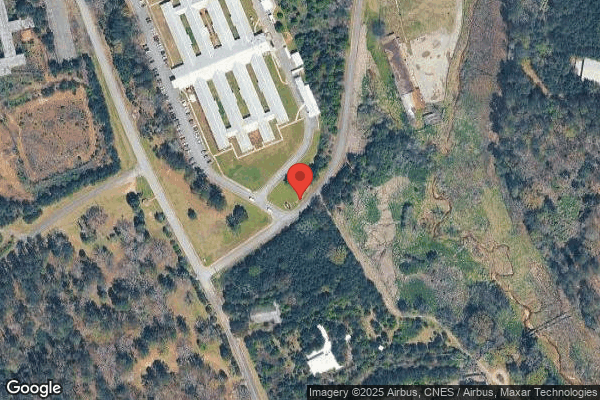
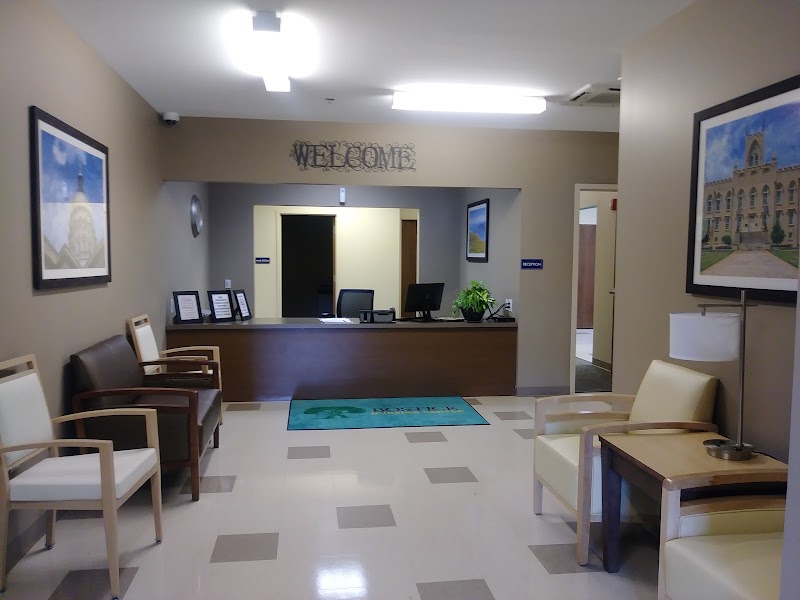
1700 BOSTICK CIRCLE, MILLEDGEVILLE, GA 31061 (478) 414-9600
For profit - Individual 280 Beds Independent Data: November 2025 4 Immediate Jeopardy citations
Trust Grade
0/100
#250 of 353 in GA
Last Inspection: May 2024

Within standard 12-15 month inspection cycle. Federal law requires annual inspections.

Overview

Bostick Nursing Center in Milledgeville, Georgia has received a Trust Grade of F, indicating significant concerns about the facility's quality and care. Ranking #250 out of 353 nursing homes in the state places it in the bottom half, and it is the lowest-ranked facility in Baldwin County. The facility is showing signs of improvement, having reduced reported issues from five in 2023 to one in 2024, but it still faces serious challenges. Staffing is a major concern, with a 70% turnover rate that is much higher than the state average, and the facility has been assessed with $510,828 in fines-more than 98% of Georgia facilities. Recent inspections revealed critical issues, such as failing to protect residents from physical and sexual abuse and not developing care plans for residents with known backgrounds of inappropriate behavior, highlighting both serious weaknesses in resident safety and care management.

Trust Score
F
0/100
In Georgia
#250/353
Bottom 30%
Safety Record
High Risk
Review needed
Inspections
Getting Better
5 → 1 violations
Staff Stability
⚠ Watch
70% turnover. Above average. Higher turnover means staff may not know residents' routines.
Penalties
⚠ Watch
$510,828 in fines. Higher than 97% of Georgia facilities. Major compliance failures.
Skilled Nurses
⚠ Watch
Each resident gets only 21 minutes of Registered Nurse (RN) attention daily — below average for Georgia. Fewer RN minutes means fewer trained eyes watching for problems.
Violations
⚠ Watch
20 deficiencies on record. Higher than average. Multiple issues found across inspections.
★☆☆☆☆
1.0
Overall Rating
★☆☆☆☆
1.0
Staff Levels
☆☆☆☆☆
0.0
Care Quality
★☆☆☆☆
1.0
Inspection Score
Stable
2023: 5 issues
2024: 1 issues

The Good

  • Full Sprinkler Coverage · Fire safety systems throughout facility
  • No fines on record

Facility shows strength in fire safety.

The Bad

1-Star Overall Rating

Below Georgia average (2.6)

Significant quality concerns identified by CMS

Staff Turnover: 70%

24pts above Georgia avg (46%)

Frequent staff changes - ask about care continuity

Federal Fines: $510,828

Well above median ($33,413)

Significant penalties indicating serious issues

Staff turnover is elevated (70%)

22 points above Georgia average of 48%

The Ugly 20 deficiencies on record

4 life-threatening
May 2024 1 deficiency
CONCERN (D)

Potential for Harm - no one hurt, but risky conditions existed

Deficiency F0692 (Tag F0692)

Could have caused harm · This affected 1 resident

**NOTE- TERMS IN BRACKETS HAVE BEEN EDITED TO PROTECT CONFIDENTIALITY** Based on observation, staff interviews, record review, and review of the facility policy titled Weight Monitoring Policy and Pro...

Read full inspector narrative →
**NOTE- TERMS IN BRACKETS HAVE BEEN EDITED TO PROTECT CONFIDENTIALITY** Based on observation, staff interviews, record review, and review of the facility policy titled Weight Monitoring Policy and Procedures, the facility failed to identify and implement interventions in a timely manner to aid in the prevention of potential weight loss for one of two sampled residents (R) (R39) reviewed for weight loss out of a total sample of 36 residents. R39 had a recorded severe weight loss of 5.23 percent in one month. Findings include: Review of the facility's undated policy titled Weight Monitoring Policy and Procedures revealed, . Resident with a SWL [Significant Weight Loss] will be weighed and reviewed weekly for a minimum of 4 (sic) weeks until weight is stable or increasing. Review of R39's admission Record, located under the Profile tab of the electronic medical record (EMR), revealed R39 was admitted to the facility on [DATE] with diagnoses that included major depressive disorder, anxiety disorder, and unspecified protein-calorie malnutrition. Review of R39's Physician Orders, dated 9/1/2023, located under the Orders tab of the EMR, revealed R39 was to receive a high-caloric drink after meals and at bedtime. Review of R39's Care Plan, last reviewed on 4/11/2024 and located under the Care Plan tab of the EMR, revealed a focus, . history of unplanned/unexpected weight loss. The goal was for R39 to consume 50-70 percent twice a day of the three meals served. Interventions included alert dietician if consumption is poor for more than 48 hours. Review of R39's annual Minimum Data Set (MDS), with an Assessment Reference Date (ARD) of 5/6/2024 and located under the MDS tab of the EMR, revealed R39 scored 15 out of 15 on the Brief Interview for Mental Status (BIMS), which indicated R39 was cognitively intact. It was recorded that R39 weighed 153 pounds (lbs.) and had no weight loss. Review of R39's Weights, located under the Weights & Vitals tab of the EMR, revealed R39's weight on 4/2/2024 was 153.0 lbs. It was recorded that R39 weighed 145.0 lbs. on 5/8/2024. This represented an 8-lb. weight loss, indicating a severe weight loss of 5.23 percent in one month. Review of R39's Progress Notes located under the Progress Notes tab of the EMR, revealed a dietary note, dated 5/28/2024, that documented RD [registered dietician] note: 5/8[/24] - 145# (pounds), BMI (Body Mass Index) 22 (normal). -8# [lbs.] x 30 days (5.2% severe weight loss .Rec(commend) weekly weight x4, DBL (double) portions at meals. Monitor weight, appetite, PO intake, skin, labs, RD will follow per protocol. There were no other notes written by the RD when the severe weight loss was discovered on 5/8/2024. An attempt to interview R39 was unsuccessful due to the resident not responding to questions. During an interview on 5/29/2024 at 2:52 pm, the RD said she came to the facility once a month and communicated with nursing staff often. She said she also had online access to all residents' medical records. She said they have a weekly meeting where they review residents who have had weight loss. The RD said R39 had not been reviewed in the weekly meeting since his last weight and she was unsure why. She said she was uncertain who should notify her if there was a resident who had lost weight. She said if she had known earlier, she would have implemented weekly weights. She said she would expect an email from nursing when there was a weight loss. She agreed she should keep track of residents who have had weight loss so they can be reviewed in the meeting. During an interview on 5/29/2024 at 3:25 pm, the Restorative Aide (RA) stated she entered all resident weights into their EMR. She stated if there was a weight loss, she would re-weigh the resident and notify the RD. She stated they also had a weekly meeting where residents who had weight loss would be discussed. The RA stated she was not sure why R39 had not been discussed in any meeting since the weight loss was identified. During an interview on 5/29/2024 at 3:53 pm, the Director of Nursing (DON) and the Administrator confirmed they both attended the weekly meeting where weight loss was discussed. The DON said the RD should provide a list of who should be reviewed in the meeting, and it should include any resident who lost weight since the last meeting. During an interview on 5/30/2024 at 12:46 pm, the Medical Director said he knew the facility had a weekly resident-at-risk meeting and residents who had weight loss should be reviewed. He said he was not aware of R39's weight loss but said as the Medical Director it was important he was made aware of any resident's weight loss.
Nov 2023 1 deficiency
CONCERN (D) 📢 Someone Reported This

A family member, employee, or ombudsman was alarmed enough to file a formal complaint

Potential for Harm - no one hurt, but risky conditions existed

Deficiency F0602 (Tag F0602)

Could have caused harm · This affected 1 resident

Based on staff and resident interviews, record review, and a review of the facility policy titled, Abuse, Neglect, Exploitation, or Misappropriation- Reporting and Investigating, the facility failed t...

Read full inspector narrative →
Based on staff and resident interviews, record review, and a review of the facility policy titled, Abuse, Neglect, Exploitation, or Misappropriation- Reporting and Investigating, the facility failed to protect the resident's right to be free from misappropriation of funds/property for one of four residents (R) (R 1) by a staff member. Findings: A review of the facility policy titled Abuse, Neglect, Exploitation, or Misappropriation- Reporting and Investigating revised date September 2022 under Policy Statement revealed: All reports of resident abuse (including injuries of unknown origin), neglect, exploitation, or theft/misappropriation of resident property are reported to local, state, and federal agencies (as required by current regulations) and thoroughly investigated by facility management. Findings od all investigations are documented and reported. Under Corrective Action: 2. If the investigation reveals allegations of abuse are found, the employee(s) is terminated. Record review revealed R#1 was admitted to the facility with multiple diagnoses of, but not limited to hemiplegia and hemiparesis following cerebral infarction infecting non-left dominant side, aphasia, major depressive disorder, expressive language disorder, and Hypertension. Record review of the Minimum Data Set (MDS) Section C- cognitive patterns revealed R#1 had a Brief Interview for Mental Status (BIMS) score of 12, indicating he had minimal cognitive impairment. Record review of the admission record (Face Sheet) revealed R#1 was his own responsible party. Review of the investigation report provided by the local Police Department dated 10/3/2023 case number 202300048417 revealed an interview with R1 dated 10/6/2023 with the following: On 10/6/2023, R1 stated that he made arrangements with CNA EE for her to get $500 out for him and $500 out for herself at $1,000 each time. He stated that he allowed this to occur three times totaling $3,000. He state that he learned that over $5,000 had been taken out via Cash app (an additional way to make money transfers). After learning of the money being missing, he notified the facility. During an interview on 11/1/2023 at 11:00 am Detective FF revealed R#1's total loss was $8,117.22. The detective revealed the first $3,000.00 was justified; all funds after that would be a felony. Interview on 11/1/2023 at 3:12 pm with R1 reported he messed up and gave the Certified nursing Assistant (CNA) his security number to his debit card; R1 reported he gave her $1,500.00 to help her get her car fixed. She was supposed to get $500.00 out at a time. Continued interview also revealed that CNA EE took $5,000.00 from his account and was not sure if there would be charges pressed against the staff member. During the interview R1 also stated that he called the customer service number to report the fraud to the bank and that his card was returned to him by the staff member. Interview on 11/11/2023 at 4:44 p.m. with CNA EE revealed that she was working on unit three to help out on the unit. R1 asked her to help him out with something and stated he had money on another card that the facility did not know about that he wanted to retrieve. Further interview revealed that she accepted the bank card and security pin code from R#1 and transferred funds from R#1's Cash App account (an additional way to make money transfers), to her Cash App account. Continued interview with CNA EE revealed R#1 told her the total amount on the debit card was about $10,000.00, and she transferred $5,000.00 from the account. Interview on 11/2/2023 at 4:45 pm with the Administrator revealed that all staff to include agency staff receive abuse training prior to employment. Further interview also revealed that R1 reported to them that he wanted to help the CNA get her car fixed and was not sure when the card was returned to R1. CNA EE was terminated from the facility prior to R1 reporting the incident.
May 2023 4 deficiencies 4 IJ (4 affecting multiple)
CRITICAL (K) 📢 Someone Reported This

A family member, employee, or ombudsman was alarmed enough to file a formal complaint

Immediate Jeopardy (IJ) - the most serious Medicare violation

Free from Abuse/Neglect (Tag F0600)

Someone could have died · This affected multiple residents

**NOTE- TERMS IN BRACKETS HAVE BEEN EDITED TO PROTECT CONFIDENTIALITY** Based on interviews, record reviews, and review of policy titled Abuse Prevention Program, the facility failed to maintain an en...

Read full inspector narrative →
**NOTE- TERMS IN BRACKETS HAVE BEEN EDITED TO PROTECT CONFIDENTIALITY** Based on interviews, record reviews, and review of policy titled Abuse Prevention Program, the facility failed to maintain an environment free from physical abuse for two residents (R) (R#1 and R#3), and sexual abuse for three residents (R#1, R#4, and R#8), from a total sample of 27 residents. On 4/25/23 a determination was made that a situation in which the facility's noncompliance with one or more requirements of participation had the likelihood to cause serious injury, harm, impairment, or death to residents. The facility Administrator and the Minimum Data Set (MDS) Director were informed of the Immediate Jeopardy (IJ) on 4/25/23 at 1:25 p.m. The noncompliance related to the Immediate Jeopardy was identified to have existed on 11/6/22. At the time of exit on 5/1/23, an acceptable Immediate Jeopardy Removal Plan had not been received, therefore, the Immediate Jeopardy remained ongoing. Findings include: The facility had an Abuse Prevention Program policy, with a revision date of December 2016. The policy statement included that the residents had the right to be free from abuse, neglect, misappropriation of resident property and exploitation. That included, but was not limited to, freedom from corporal punishment, involuntary seclusion, verbal, mental, sexual, or physical abuse. However, the facility failed to implement this policy regarding abuse effectively, resulting in the physical abuse of one resident (R#1) by a facility staff member and the sexual abuse of three residents (R#1, R#4, and R#8) by other residents. 1. Review of the clinical record for R#8 revealed that he was admitted to the facility on [DATE] and had diagnoses that included, but were not limited to, Chronic Obstructive Pulmonary Disease (COPD), metabolic encephalopathy, Parkinson's Disease, dementia, hypertension, major depressive disorder, ataxia and dysphagia. Review of the 10/13/22 Quarterly MDS assessment revealed that R#8 was assessed as having severe cognitive impairment with a Brief Interview of Mental Status (BIMS) score of 00 out of 15. He was also assessed on the MDS assessment as being provided with limited assistance for Activities of Daily Living (ADL's) including ambulation. He was also assessed as using a wheelchair. He resided on Unit 6 in the facility. Review of the clinical record for R#9 revealed that he resided at the facility from 7/20/20 through 12/8/22 and had diagnoses that included, but were not limited to, prostate cancer, open angle glaucoma, anemia, right knee contracture, vitamin D deficiency, and vitamin B12 deficiency. Review of the 9/21/22 Quarterly MDS assessment revealed that R#9 was assessed as being cognitively intact (BIMS score of 15 out of 15) and being independent and/or being provided with supervision for ADL's, including ambulation. He was also assessed as using a wheelchair. He resided on Unit 6 in the facility. R#9 is a registered sex offender. A review of facility reported incidents revealed a Facility Incident Report Form, dated 11/6/22, that documented an allegation of resident-to-resident abuse had occurred on 11/6/22 at 8:00 p.m. The form included that LPN TT reported an inappropriate act between R#8 and R#9, with R#9 being listed as the perpetrator. A further review of the form revealed that the residents were separated, and skin assessments were completed on both residents with no injuries noted. The physician, responsible parties and law enforcement were notified. A review of the accompanying investigation that included employee and resident interviews, police reports, and the facility's follow-up summary conclusion revealed evidence that the allegation had occurred. The investigation revealed that when LPN TT entered R#8's room to administer medication, she observed R#9 at R#8's bedside sexually abusing R#8. R#8 and R#9 were not roommates. A review of the 11/6/23 police department Incident Report revealed that an officer responded to the facility at 9:14 p.m. in reference to a sexual assault. LPN TT alleged in the police report that she entered R#8's room to administer his medication and observed R#9 at R#8's bedside in his wheelchair. LPN TT observed R#9 leaned over R#8, performing a sexual act on him. The report included that LPN TT and R#9 left R#8's room and that the residents had remained separated. Further review of the police report revealed that LPN TT stated that she initially thought the act was consensual, but due to R#8's cognitive state, it was not. During an interview on 4/13/23 at 2:20 p.m., when the Administrator was questioned if R#8 had the capacity to consent, she responded that she did not think so, because of his BIMS score. Following R#8 and R#9's initial separation, review of security guard logs revealed that R#9 was placed on 1:1 supervision with security on 11/6/22 at 8:59 p.m. A review of census information revealed that R#9 was also moved to a different unit of the facility on 11/7/22. He was transferred from Unit 6 to Unit 7. He was subsequently discharged from the facility on 12/8/22. Further review of the facility's follow-up summary revealed that R#9 was considered a parolee with the Department of Correction and had the potential to be returned to the Department of Correction, once determined by the parole board. A review of R#9's clinical record revealed a 12/8/22 Health Status Progress Note that documented R#9 was transferred back to prison; escorted by his parole office. During an interview on 4/12/23 at 4:30 p.m., the Administrator confirmed that R#9 was discharged from the facility to prison on 12/8/22. 2. Review of the clinical record for R#3 revealed that he was admitted to the facility on [DATE] and had diagnoses that included, but were not limited to, hemiplegia and hemiparesis, bipolar disorder, major depressive disorder, a history of traumatic brain injury, hypertension, unspecified speech disturbance, hyperlipidemia, arthropathy, and mood disorder. He utilized a communication device due to impaired speech. Review of the 3/14/23 Quarterly MDS assessment revealed that R#3 was assessed as having moderately impaired cognition (BIMS score of 12 out of 15) and using a wheelchair and walker for mobility. R#3 resided on Unit 7 in the facility. A review of facility reported incidents revealed a Facility Incident Report Form, dated 1/31/23, that documented an allegation of staff to resident abuse. The form included that the allegation involved R#3 and LPN AA and had occurred on 1/31/23 at 8:00 p.m. A further review of the form revealed that R#3 had minor scratches to his face and hands and that the police, responsible party, and physician were notified. LPN AA was placed on administrative leave pending the investigation. A review of the accompanying investigation that included staff and resident interviews, police report, and a follow-up summary revealed evidence that the allegation had occurred. LPN AA's agency nurse contract was terminated on 1/31/23. The investigation revealed that R#3 was physically assaulted by LPN AA after a verbal altercation that escalated with R#3 throwing a phone at LPN AA. LPN AA removed R#3 from his wheelchair and began hitting, kicking, and punching him while he lay on the floor, causing injuries to R#3's upper body. A review of the 1/31/23 police department Incident Report revealed that an officer responded to the facility at 8:37 p.m. in reference to an assault that occurred between R#3 and LPN AA. R#3 alleged in the police report that prior to the physical assault, he and LPN AA had cursed at each other earlier in the hallway. R#3 alleged that he thought about what LPN AA said to him, went to the desk to call his social worker, saw LPN AA, and became upset and threw the phone at him. R#3 then alleged that LPN AA came from around the desk, flipped R#3 out of his wheelchair, and stomped on his arm. Another resident, RB, attempted to intervene. The police report documented that the officer observed a bruise on R#3's left shoulder and a laceration on his right hand. Further review of the police report revealed that camera footage was available and viewed by the police officer on 1/31/23 following the incident. The report documented that the footage revealed that the incident at the nurses' station took place at 7:20 p.m. R#3 came around the corner yelling at LPN AA. Once R#3 got to the desk, he picked up the phone and put it back on the receiver. R#3 picked up the phone again and slammed it down in the direction of LPN AA. LPN AA was observed on camera, getting up out of his chair and R#3 pushing himself into the left-hand side of the desk. LPN AA kicked a chair out of his way and flipped R#3 out of his wheelchair by grabbing for R#3's feet and pulling up. The officer observed on the camera footage, R B and other residents gather around LPN AA and R#3 with R B trying to get between the two (LPN AA and R#3). LPN AA was observed striking R#3 with a closed fist. The officer also documented in the report that he observed LPN AA raise one of his legs up as if was going to stomp on R#3. Following the incident, the police report detailed that the police officer contacted LPN AA, and he was subsequently arrested. During an interview on 3/27/23 at 2:45 p.m., RB confirmed he had witnessed the alteration between LPN AA and R#3. He also stated he heard them arguing in the hall prior to it happening. RB said that he heard R#3 and LPN AA exchange words in the hall. R#3 was trying to apologize to LPN AA for something he previously said, but the nurse wasn't having it and they exchanged words. RB stated that after the argument in the hall, LPN AA was at the nursing station and R#3 came up to the nursing station and was hollering. R#3 picked up the phone and banged the phone on the counter and it flew up at LPN AA. LPN AA went ballistic and went at R#3 and got him out of the wheelchair onto the floor. RB stated that LPN AA hit, kicked, punched R#3. RB said he got in between LPN AA and R#3 and tried to keep R#3 from getting hurt and get the nurse to stop. When RB was questioned if he got hit by the nurse also when he was in between LPN AA and R#3, RB responded yes, but he did not get hurt. During an interview on 3/30/23 at 3:02 p.m. LPN PP confirmed she witnessed the altercation between LPN AA and R#3. LPN PP stated she was going off shift and LPN AA was coming on-shift. LPN AA was seated at the nursing station, and she was standing by him and showing him something on the computer screen and was giving report. R#3 rolled up yelling and yelling. R#3 then picked up the phone and threw it at LPN AA and it struck him. LPN PP stated that LPN AA tried to ignore R#3 at first and that she had never seen LPN AA act that way before. LPN PP stated she got on the phone to notify security. A review of R#3's clinical record revealed documentation of the assault. A 1/31/23 Nurse's Note documented that R#3 was assaulted by a nurse and sustained bruises on the right wrist, back of right hand, left thumb, and redness on the left upper arm. R#3 refused treatment. During an interview on 3/30/23 at 1:07 p.m. LPN DD stated that she did not witness the incident between LPN AA and R#3, but she responded afterwards and assessed R#3. LPN DD stated that R#3 had a big bruise on his left shoulder and redness on his chest and shoulders area. She stated that R#3 was angry and upset. Although R#3 initially refused medical treatment and evaluation on 1/31/23, a review of the facility's investigation summary revealed that the following day, on 2/1/23, he was observed to be in a manic state. A 1013 emergency transfer order was initiated. R#3 was sent to the emergency room on 2/1/23 for evaluation and medical clearance and admitted to a behavioral health unit from 2/2/23 through 2/16/23. During an interview on 3/30/23 at 3:52 p.m., the Administrator confirmed that R#3 had refused assessment attempts and a hospital transfer on 1/31/23, but he became manic over the next day and was sent out to the hospital, as ordered by the psychiatrist. A review of hospital emergency room documentation from 2/1/23 documented that R#3 was sent to the emergency room on a 1013 for aggression with medical clearance requested. R#3 presented with back pain. The physical exam documented ecchymosis with linear demarcation at the upper border of the left arm. The emergency room assessment included clinical impressions of 1) aggression 2) bipolar disorder, current episode mixed, severe, without psychotic features 3) history of traumatic brain injury. R#3's psychiatrist was consulted, and the resident was accepted for transfer to a behavioral health unit. R#3 completed a stay at behavioral health unit and returned to the facility on 2/16/23. 3. Review of the clinical record for R#1 revealed that he was admitted to the facility on [DATE] and had diagnoses that included, but were not limited to, cerebral infarction, occlusion and stenosis of left carotid artery, seizures, atrial fibrillation, aphasia, diabetes, Parkinson's, schizophrenia, mood disorder, anemia, and major depressive disorder. Review of the 1/17/23 Quarterly MDS assessment revealed that R#1 was assessed as having moderately impaired cognition (BIMS score of 12 out of 15). He was also assessed on the MDS assessment as being ambulatory with a rolling walker. Further review of the clinical record revealed that R#1 wore a soft helmet for protection from falls and/or seizures. R#1 resided on Unit 4. His roommate was R#2. Review of the clinical record for R#2 revealed that he resided at the facility from 11/13/19 to 4/26/23 and had diagnoses that included, but were not limited to, congested heart failure, peripheral vascular disease, cystic disease of liver, atrial fibrillation, hypertension, dementia, dyspnea, polyneuropathy, intellectual disabilities, and diabetes. Review of the 12/22/22 Quarterly MDS assessment revealed that R#2 was cognitively intact (BIMS score of 15 out of 15) and ambulatory with a rolling walker. R#2 resided on Unit 4 of the facility and was R#1's roommate. R#2 is a registered sex offender. A review of facility reported incidents revealed a Facility Incident Report Form, dated 3/9/23, that documented an allegation of resident-to-resident abuse. The form included that the allegation involved R#1 and R#2 and had occurred on 3/9/23 at 10:50 a.m. R#1 reported that R#2 had inappropriately touched his private area. Further review of the form revealed that the residents were separated, a skin assessment was completed on R#1, and he was sent to the emergency room for a forensic physical exam. R#2 was placed on 1:1 supervision. The physician, responsible parties and law enforcement were also documented as being notified. A review of the accompanying investigation that included employee and resident interviews, police reports, and the facility's follow-up summary conclusion revealed evidence that abuse had occurred. The investigation revealed that on 3/9/23, Certified Nursing Assistant (CNA) BB responded to screams from R#1 in his room. She observed R#1 and R#2 coming from around the privacy curtain from R#2's side of the room. Both were clothed, but R#1 was holding his groin area. R#1 alleged that he had been touched inappropriately by R#2. He also alleged that he had previously been sexually abused by R#2 on other occasions. A skin assessment on 3/9/23 revealed bruising to R#1's sacrum, hips, and buttocks that was not there on the previous skin assessment dated [DATE]. A review of the 3/9/23 police department Incident Report revealed that an officer responded to the facility at 11:30 a.m. in reference to sexual misconduct between two residents, one of which had bruises on his bottom. The report documented that CNA BB responded to loud screaming coming from R#1 and R#2's room and entered the room to find both residents on the window side of the room. R#1 was visually upset and had placed his hands over his private parts. Both residents were clothed. R#2 alleged he was trying to prevent R#1 from falling. Further review of the police report revealed that the Administrator reported that R#1 alleged that R#2 had also sexually abused him previously, but that today was the first time R#1 had reported the allegations. During an interview on 3/22/23 at 1:48 p.m. Detective NN stated he had taken out two warrants on R#1, one for false imprisonment and one for battery. The results of the sexual assault examination, completed on 3/9/23, were pending. During an interview on 3/23/23 at 2:21 p.m., CNA BB stated that on 3/9/23, she was in a room next door to R#1 and R#2's room and heard R#1 scream. She went to his room and knocked on the door then entered. She stated she was making sure he had not fallen because he was a fall risk. She observed R#1 and R#2 coming from behind the privacy curtain together from R#2's side of the room, with R#1 coming out first like he was scurrying away from R#2. Both had their clothes on. Review of the 3/9/23 Skin Observation Tool revealed that R#1 refused an assessment by LPN treatment nurse OO and was guarded and uncooperative. However, he allowed an assessment to be completed by LPN DD. The 3/9/23 skin observation tool documented bruising to the coccyx and left and right hips. During an interview on 3/30/23 at 1:07 p.m. LPN DD stated that after the incident between R#1 and R#2, she brought R#1 to the conference room. She was the only one he would let talk to him and see him. She stated he was upset and crying and scared to return to his room. She reassured him that R#2 had been moved and encouraged him to go back to his room with her, to complete a skin assessment. However, she said he stood up and began taking his clothes off on his own in the conference room, so she assessed him there. LPN DD stated that R#1 had a dark black bruise right at his sacral area and bruising to his left and right buttocks and hips. LPN DD stated that the bruising on his right was in the shape of a cupped hand; the bruises were dark black and not yellow or green to indicate they were old. LPN DD stated that she had not seen bruising like that on him before. She stated that they looked at his skin a lot because he had seizures and falls. Record review revealed R#1's last fall was on 2/9/23 during a seizure, at which time he was hospitalized and returned to the facility on 2/23/23. Further record review of skin assessments completed (prior to 3/9/23) for R#1 on 2/23/23, and 3/7/23 revealed no documentation of bruising. Following the alleged assault by R#2, R#1 was sent to the emergency room on 3/9/23. Review of hospital emergency department documentation revealed that R#1 complained that his roommate had been raping him for the past 3 months. He was noted with bruising of the left hip and sacrum as well as anal pain. R#1 was also noted as very tearful. The clinical impression section documented sexual assault of adult, initial encounter and traumatic hematoma of lower back, initial encounter. Following the exam, R#1 returned to the facility on 3/9/23. Following R#1 and R#2's initial separation on 3/9/23, review of security guard logs revealed that R#2 was placed on 1:1 supervision with security on 3/9/23 at 12:15 p.m. A review of census information revealed that R#2 was also moved to a different unit of the facility on 3/9/23. He was transferred from Unit 4 to Unit 7 and remained on routine security checks every two hours. Review of an Appearance Bond form, dated 4/4/23, revealed that R#2 had been charged with misdemeanor battery and felony false imprisonment. During an interview on 4/11/23 at 10:52 a.m. the Administrator stated that R#2 had been arrested and was holding at the facility until his court date, which was undetermined at that time. On 4/26/23, R#2 was discharged from the facility. Review of R#2's clinical record revealed a 4/26/23 Nurse's Note that documented R#2 was escorted by three police officers out from the unit. During an interview on 4/27/23 at 4:10p interview, the Administrator stated that R#2 went to prison until his court date. She confirmed he was discharged from the facility. 4. Review of the clinical record for R#4 revealed that he was admitted to the facility on [DATE] and had diagnoses that included, but were not limited to, seizures, schizophrenia, aphasia following nontraumatic intracranial hemorrhage, and major depressive disorder. Review of the 3/14/23 Quarterly MDS assessment revealed that R#4 was assessed as having severe cognitive impairment (BIMS score of 3 out of 15). Further review of the clinical record revealed that R#4 was ambulatory with impaired balance at times. He wore a soft helmet for seizure and fall protection. R#4 resided on Unit 2 in the facility. Review of the clinical record for R#5 revealed that he was admitted to the facility on [DATE] and had diagnoses that included, but were not limited to, deafness, vitamin D deficiency, glaucoma, hypertension, hyperlipidemia, and major depressive disorder. Review of the 1/27/23 Quarterly MDS assessment revealed that R#5 was assessed as being cognitively intact (BIMS of 15 out of 15) and being provided with supervision and set up assistance with ADL's. Further review of the clinical record revealed that R#5 communicated via written word and hand gestures. R#5 resided on Unit 2 in the facility. R#5 is a registered sex offender. A review of facility reported incidents revealed a Facility Incident Report Form, dated 3/16/23 that documented an allegation of resident-to-resident abuse had occurred on 3/16/23. The form included that R#5 made contact with R#4's private area, and this was witnessed by CNA CC. Further review of the form revealed that the residents were separated, and R#5 was moved to another unit in the facility (unit 6) and placed on 1:1 supervision. A skin assessment was completed on R#4 with no injuries noted. The physician, responsible parties and law enforcement were notified. A review of the accompanying investigation that included employee and resident interviews, police report, and the facility's follow-up summary conclusion revealed evidence that the allegation of sexual abuse had occurred. The investigation revealed that when CNA CC entered R#4's room to pick up his meal tray, she observed R#5 at R#4's bedside sexually abusing him, while R#4 was asleep. R#4 and R#5 were not roommates. A review of the 3/16/23 police department Incident Report revealed that an officer responded to the facility at 5:38 p.m. in reference to a sexual assault. The report documented that CNA CC entered R#4's room on 3/16/23 and observed R#5 touching R#4's genital area, head, shoulders, and buttocks. She got R#5's attention and she and R#5 exited R#4's room. The report includes that CNA CC reported the incident to LPN QQ, who then notified the Administrator. Further review of the police report revealed that both residents, R#4 and R#5, declined medical attention. During an interview on 3/30/23 at 11:45 a.m., Detective NN confirmed they were moving forward with charges against R#5. Investigator QQ stated R#5 was charged with sexual battery, which was a misdemeanor. During an interview on 3/30/23 at 1:54 p.m., CNA CC stated that on 3/9/23, she went into R#4's room to pick up his supper tray. She stated R#4 was asleep, and she knew he must be asleep because he did not eat his supper. The privacy curtain near his bed was open just a little bit at the sink area and she looked and saw R#5 at R#4's bedside. CNA CC observed R#5 put his hand under the bed covers at R#4's groin area and then take his hand out. CNA CC stated she was not even sure what she was seeing at first, so she looked further and saw R#5 rub R#4's head, shoulder, and squeeze his buttocks. CNA CC stated that R#5 smiled when he squeezed R#4's buttocks. CNA CC stated she yelled out and it scared R#5 and he threw his hands up. R#5 followed CNA CC out of R#4's room and CNA CC reported the incident to the charge nurse. They kept the residents separated and R#5 was moved to a different unit. CNA CC stated that R#4 was asleep when R#5 touched him, and R#5 was standing up from his wheelchair over R#4 when he touched him. Review of R#4's clinical record revealed a 3/16/23 Nurse's Note entry from LPN QQ that documented the LPN was notified by the CNA that R#5 was observed touching and rubbing R#4's genital region while he was in the bed resting. A head-to-toe assessment was completed with no injuries noted. Further review of the clinical record revealed that a Skin Observation Tool was also completed the following day, on 3/17/23, with no skin abnormalities noted. Following R#4 and R#5's initial separation on 3/16/23, review of security guard logs revealed an entry on 3/16/23 at 5:20 p.m. that documented R#5 was placed on 1:1 supervision. During an interview on 4/18/23 at 3:50 p.m., the Administrator confirmed R#5 was placed on 1:1 supervision, then transferred to another unit and remained on 1:1 supervision for 72 hours. Review of census information revealed that R#5 was moved to a different unit of the facility on 3/16/23. He was transferred from Unit 2 to Unit 6. Review of a Policy: Involuntary Transfer and Discharge letter, dated 3/23/23, revealed that the facility had also issued a discharge notice to R#5 with an effective date of 4/3/23. However, R#5 remained in the facility. Review of an Appearance Bond form, dated 4/3/23, revealed that R#5 had been charged with misdemeanor sexual battery. Review of a Stay Away Order Addendum to Appearance Bond, dated 4/3/23, revealed R#5 was ordered to have no further contact of any nature with R#4. During an interview on 4/11/23 at 10:52 a.m., the Administrator stated that R#5 had been arrested and was being held at the facility until his court date. Further review of the Appearance Bond form revealed that his court date was 5/18/23. During an interview on 4/12/23 at 10:55 a.m. the facility's Head of Security stated that R#5 remained on routine (every 2 hour) security rounds.
CRITICAL (K) 📢 Someone Reported This

A family member, employee, or ombudsman was alarmed enough to file a formal complaint

Immediate Jeopardy (IJ) - the most serious Medicare violation

Comprehensive Care Plan (Tag F0656)

Someone could have died · This affected multiple residents

Based on interviews and record reviews, the facility failed to develop care plans for four residents (R) (R#2, R#5, R#8, and R#9) with a known inappropriate sexual behavior background to address the b...

Read full inspector narrative →
Based on interviews and record reviews, the facility failed to develop care plans for four residents (R) (R#2, R#5, R#8, and R#9) with a known inappropriate sexual behavior background to address the behavior and the potential risk to reoffend. The sample size was 27. On 4/25/23 a determination was made that a situation in which the facility's noncompliance with one or more requirements of participation had the likelihood to cause serious injury, harm, impairment, or death to residents. The facility Administrator and the Minimum Data Set (MDS) Director were informed of the Immediate Jeopardy (IJ) on 4/25/23 at 1:25 p.m. The noncompliance related to the Immediate Jeopardy was identified to have existed on 11/6/22. At the time of exit on 5/1/23, an acceptable Immediate Jeopardy Removal Plan had not been received, therefore, the Immediate Jeopardy remained ongoing. Findings include: Review of the Georgia Bureau of Investigation's (GBI) Georgia Sex Offender Registry online revealed that R#2, R#5, R#8, and R#9 were registered sex offenders. During an interview on 4/18/23 at 12:33 p.m. the Minimum Data Set (MDS) Director, when questioned if a resident's registered sex offender status would be included in their care plan, she responded that they used to include the sex offender status and other crimes residents committed in the care plan, but they had to do some cleaning up of those care plans because it did not pertain to their care at the facility. The MDS Director stated that they could include the registered sex offender status in the care plan because those residents would continue to have to report to an external entity. When the MDS Director was questioned if a history of sexually inappropriate behavior be care planned, she responded that they would include that information if the resident had a diagnosis related to it or if they were receiving medication related to the behavior issue. They would also care plan a behavior if it was displayed at the facility. However, the facility failed to develop care plans to address the current sex offender registry status and thus a history of sexually inappropriate behavior, to ensure interventions were in place to prevent reoccurrence for R#2, R#5, R#8 and R#9. 1. R#2 was registered as a sex offender with the GBI since 3/13/2000. However, a review of the clinical record revealed that a care plan had not been developed to address his current sex offender status and history of inappropriate sexual behavior. R#2 physically and sexually abused R#1 on 3/9/23. R#1 and R#2 were roommates. Based on staff interviews, record review and review of the police report and investigation, on 3/9/23, Certified Nursing Assistant (CNA) BB responded to screams from R#1 in his room. She observed R#1 and R#2 coming from around the privacy curtain from R#2's side of the room. The CNA stated that R#1 appeared to be scurrying away from R#2. Both were clothed, but R#1 alleged that R#2 touched him inappropriately on his groin area. R#1 also alleged that he had previously been sexually abused by R#2 on other occasions. A skin assessment on 3/9/23 revealed bruising to R#1's sacrum, hips, and buttocks that was not there on the previous skin assessment. R#1 was also emotionally upset following the incident. Following the incident, R#1 was sent to the emergency room for evaluation on 3/9/23. R#2 was arrested on 4/4/23 and charged with misdemeanor battery and felony false imprisonment. He was discharged from the facility on 4/26/23. Cross reference to F600 2. R#5 was registered as a sex offender with the GBI since 8/9/22. However, a review of the clinical record revealed that a care plan had not been developed to address his current sex offender status and history of inappropriate sexual behavior. R#5 sexually abused R#4 on 3/16/23. Based on staff interviews, record review, and review of the police report and facility investigation information, on 3/16/23, CNA CC entered R#4's room to pick up his meal tray. She witnessed R#5 (who was not R#4's roommate) in the room, touching R#4's groin, head, shoulders, and buttocks. R#4 was asleep in his bed at the time and R#5 was standing up from his wheelchair over R#4. R#5 was arrested and charged with misdemeanor sexual battery on 4/3/23 and remained in the facility until the pending court date. Cross reference to F600 3. R#8 was registered as a sex offender with the GBI since 8/14/19. Review of the clinical record revealed that a care plan was developed on 2/28/20 for a history of the potential to be physically and sexually aggressive towards females/staff. A 4/13/23 revision to a trauma care plan problem included that R#8 was at risk for recurring thoughts and behaviors related to past events. However, the care plan did not include that R#8 was currently a registered sex offender. Cross reference to F600 4. R#9 was a registered as a sex offender with the GBI since 7/20/20. Review of the clinical record revealed that a care plan had not been developed to address his current sex offender status and history of inappropriate sexual behavior. R#9 sexually abused R#8 on 11/6/22. R#9 was assessed as being cognitively intact on the 9/21/22 Quarterly MDS assessment with a Brief Interview for Mental Status (BIMS) score of 15. R#8 was assessed as having severe cognitive impairment on the 10/13/22 Quarterly MDS assessment with a BIMS score of 00. On 11/6/22, LPN TT entered R#8's room to administer mediation and observed R#9 at R#8's bedside sexually abusing R#8. R#8 and R#9 were not roommates. Based on staff interview and record review, R#8 did not have the capacity to consent. R#9 was discharged from the facility on 12/8/22 and returned to prison. Cross reference to F600
CRITICAL (K) 📢 Someone Reported This

A family member, employee, or ombudsman was alarmed enough to file a formal complaint

Immediate Jeopardy (IJ) - the most serious Medicare violation

Deficiency F0657 (Tag F0657)

Someone could have died · This affected multiple residents

Based on interviews and record reviews the facility failed to ensure care plans were revised to include occurrences of abuse with the interventions implemented for six residents (R#1, R#2, R#4, R#5, R...

Read full inspector narrative →
Based on interviews and record reviews the facility failed to ensure care plans were revised to include occurrences of abuse with the interventions implemented for six residents (R#1, R#2, R#4, R#5, R#8 and R#9). The sample size was 27. On 4/25/23 a determination was made that a situation in which the facility's noncompliance with one or more requirements of participation had the likelihood to cause serious injury, harm, impairment, or death to residents. The facility Administrator and the Minimum Data Set (MDS) Director were informed of the Immediate Jeopardy (IJ) on 4/25/23 at 1:25 p.m. The noncompliance related to the Immediate Jeopardy was identified to have existed on 11/6/22. At the time of exit on 5/1/23, an acceptable Immediate Jeopardy Removal Plan had not been received, therefore, the Immediate Jeopardy remained ongoing. Findings include: During an interview on 4/18/23 at 12:33 p.m. the MDS Director, when questioned if a history of sexually inappropriate behavior would be care planned, she responded that they would include that information if the resident had a diagnosis related to it or if they were receiving medication related to the behavior issue. They would also care plan a behavior if was displayed at the facility. When questioned about whose responsibility it was for updating a care plan after abuse occurrences, the MDS Director stated that it would be the person who witnessed the incident or the person completing the incident report, such as the charge nurse. The MDS Director stated that they (the MDS staff) reviewed the care plans every three months and if they were aware of an incident, they would review to see if the care plan had been updated correctly. However, there was no evidence that the care plans were thoroughly and timely revised after occurrences of abuse for resident (R)#1, R#2, R#4, R#5, R#8, and R#9. 1. Review of the clinical record for R#1 revealed a care plan problem, dated 2/8/22, for having a history of Post Traumatic Stress Disorder (PTSD) but not experiencing any symptoms currently. R#1 was sexually and physically abused by R#2 on 3/9/23. Based on staff interviews, record review and review of the police report and investigation, on 3/9/23, Certified Nursing Assistant (CNA) BB responded to screams from R#1 in his room. She observed R#1 and R#2 coming from around the privacy curtain from R#2's side of the room. The CNA stated that R#1 appeared to be scurrying away from R#2. Both were clothed, but R#1 alleged that R#2 touched him inappropriately on his groin area. R#1 also alleged that he had previously been sexually abused by R#2 on other occasions. A skin assessment on 3/9/23 revealed bruising to R#1's sacrum, hips, and buttocks that was not there on the previous skin assessment. R#1 was also emotionally upset following the incident. Following the incident, R#1 was sent to the emergency room for evaluation on 3/9/23. R#2 was arrested on 4/4/23 and charged with misdemeanor battery and felony false imprisonment. He was discharged from the facility on 4/26/23. Following the sexual and physical abuse of R#1 by R#2 on 3/9/23, R#1's care plan problem was revised on 4/4/23 to include that R#1 had a history of trauma but was not experiencing any symptoms at this time. However, the care plan revision was not thorough to include the 3/9/23 sexual and physical abuse R#1 sustained, with injuries, from R#2. After surveyor inquiry about care plan revisions on 4/18/23, further record review revealed that R#1's care plan was revised to include that he sustained bruising to his buttocks related to an alleged assault by a peer. Cross reference to F600 2. Based on staff interviews, record review and review of the police report and investigation information, R#2 physically and sexually abused R#1 on 3/9/23. Review of the clinical record revealed that his care plan was revised on 3/23/23 to include a care plan problem for the potential to be physically aggressive related to a history of harm to others. However, the care plan revision was not thorough to include the 3/9/23 abuse he inflicted on R#1 until after surveyor inquiry on 4/18/23. Following surveyor inquiry on 4/18/23, further record review revealed that the care plan was revised to include that R#2 was alleged to have physically abused a peer. Cross reference to F600 3. Review of the clinical record revealed that R#4 had a care plan problem, dated 8/29/22, for having a history of PTSD but not experiencing any symptoms. R#4 was sexually abused by R#5 on 3/16/23. Based on staff interviews, record review, and review of the police report and facility investigation information, on 3/16/23, CNA CC entered R#4's room to pick up his meal tray. She witnessed R#5 (who was not R#4's roommate) in the room, touching R#4's groin, head, shoulders, and buttocks. R#4 was asleep in his bed at the time and R#5 was standing up from his wheelchair over R#4. R#5 was arrested and charged with misdemeanor sexual battery. Following the sexual abuse of R#4, the care plan was revised on 4/4/23 and documented that R#4 had a history of trauma but was not experiencing any symptoms at this time. However, the care plan revision was not thorough to include the 3/16/23 sexual abuse R#4 sustained, from R#5, until after surveyor inquiry on 4/18/23. Following surveyor inquiry, R#4's care plan was revised to include that R#4 was groped in his private area by a peer. Cross reference to F600 4. Based on staff interviews, record review, and review of the police report and facility investigation information, R#5 sexually abused R#4 on 3/16/23. Review of the clinical record revealed that his care plan was revised on 3/23/23 to include a care plan problem for the potential to be physically aggressive related to a history of harm to others. However, the care plan revision was not thorough to include the sexual abuse he inflicted on R#4 until after surveyor inquiry on 4/18/23. Following surveyor inquiry on 4/18/23, the care plan was revised to include that R#5 groped a peer's private area. Cross reference to F600 5. Review of the clinical record revealed that R#8 had a care plan problem, dated 7/16/20, for not having a history of PTSD. Based on staff interviews, record review and review of the police report and facility investigation information, R#8 was sexually abused by R#9 on 11/6/22. R#9 was assessed as being cognitively intact on the 9/21/22 Quarterly MDS assessment with a Brief Interview for Mental Status (BIMS) score of 15. R#8 was assessed as having severe cognitive impairment on the 10/13/22 Quarterly MDS assessment with a BIMS score of 00. On 11/6/22, LPN TT entered R#8's room to administer mediation and observed R#9 at R#8's bedside sexually abusing R#8. Based on staff interview and record review, R#8 did not have the capacity to consent. R#9 was discharged from the facility on 12/8/22 and returned to prison. Following the sexual abuse R#8 experienced on 11/6/22, record review revealed that no revisions were made to the care plan until 3/21/23. On 3/21/23 the PTSD care plan was revised to include that the resident did not have any history of trauma. Further record review revealed a 4/13/23 care plan revision that documented R#8 was at risk for recurring thoughts and behaviors related to past events. However, the care plan revisions were not thorough to include the 11/6/22 sexual abuse R#8 sustained from R#9. Cross reference to F600 6. Based on staff interviews, record review and review of the police report and facility investigation information, R#9 sexually abused R#8 on 11/6/22. Review of the clinical record revealed no evidence his care plan was revised to include the sexual abuse he inflicted on R#8 on 11/6/22. R#9 was discharged from the facility on 12/8/22 and returned to prison. During the interview on 4/18/23 at 12:33 p.m. the MDS Director stated she did not have any additional care plan information on R#9. Cross reference to F600
CRITICAL (K) 📢 Someone Reported This

A family member, employee, or ombudsman was alarmed enough to file a formal complaint

Immediate Jeopardy (IJ) - the most serious Medicare violation

Deficiency F0838 (Tag F0838)

Someone could have died · This affected multiple residents

Based on record review and staff interview, the facility failed to conduct and document a facility wide assessment that included and documented all required components of the resident population and f...

Read full inspector narrative →
Based on record review and staff interview, the facility failed to conduct and document a facility wide assessment that included and documented all required components of the resident population and facility resources. The facility census was 211. On 4/25/23 a determination was made that a situation in which the facility's noncompliance with one or more requirements of participation had the likelihood to cause serious injury, harm, impairment, or death to residents. The facility Administrator and the Minimum Data Set (MDS) Director were informed of the Immediate Jeopardy (IJ) on 4/25/23 at 1:25 p.m. The noncompliance related to the Immediate Jeopardy was identified to have existed on 11/6/22. At the time of exit on 5/1/23, an acceptable Immediate Jeopardy Removal Plan had not been received, therefore, the Immediate Jeopardy remained ongoing. Findings include: Review of the Facility Assessment Tool revealed a 19-page document with an assessment and assessment review date of 1/28/23. Although the facility listed common diagnoses and conditions to determine the resources necessary to meet the needs of the residents it failed to include that the facility admitted a large percentage of justice involved residents, including 88 registered sex offenders. Further review, the Facility Assessment Tool did not include an evaluation of the care required by that specific resident population. 1. R#2 was registered as a sex offender with the Georgia Bureau of Investigation (GBI) since 3/13/2000. However, a review of the clinical record revealed that a care plan had not been developed to address his current sex offender status and history of inappropriate sexual behavior. R#2 physically and sexually abused R#1 on 3/9/23. 2. R#5 was registered as a sex offender with the GBI since 8/9/22. However, a review of the clinical record revealed that a care plan had not been developed to address his current sex offender status and history of inappropriate sexual behavior. R#5 sexually abused R#4 on 3/16/23. 3. R#8 was registered as a sex offender with the GBI since 8/14/19. Review of the clinical record revealed that a care plan was developed on 2/28/20 for a history of the potential to be physically and sexually aggressive towards females/staff. A 4/13/23 revision to a trauma care plan problem included that R#8 was at risk for recurring thoughts and behaviors related to past events. However, the care plan did not include that R#8 was currently a registered sex offender. 4. R#9 was a registered as a sex offender with the GBI since 7/20/20. Review of the clinical record revealed that a care plan had not been developed to address his current sex offender status and history of inappropriate sexual behavior. R#9 sexually abused R#8 on 11/6/22. During an interview with the Administrator on 5/1/23 at 1:40 p.m., she stated she was the person responsible for completing the Facility Assessment. She confirmed parts of the assessment were incomplete.
Nov 2022 6 deficiencies
CONCERN (D)

Potential for Harm - no one hurt, but risky conditions existed

Resident Rights (Tag F0550)

Could have caused harm · This affected 1 resident

Based on the observation, interviews, and review of facility documents, the facility failed to ensure residents were not served meals on disposable dishware. The facility census was 205. Findings incl...

Read full inspector narrative →
Based on the observation, interviews, and review of facility documents, the facility failed to ensure residents were not served meals on disposable dishware. The facility census was 205. Findings include: During an interview on 11/2/22 at 9:45 a.m. with the Dietary Manager revealed the kitchen was using the all-disposable trays, Styrofoam boxes, and prepackaged cutlery. During observation and interviews in the dining room on the three hundred hall on 11/3/22 at 12:47 p.m., several residents voiced concerns about receiving their meals on paper goods. Review of facility documentation revealed they had been using paper goods since 3/17/20.
CONCERN (D)

Potential for Harm - no one hurt, but risky conditions existed

Comprehensive Care Plan (Tag F0656)

Could have caused harm · This affected 1 resident

**NOTE- TERMS IN BRACKETS HAVE BEEN EDITED TO PROTECT CONFIDENTIALITY** 2. Review of the clinical record for R#146 revealed resident was admitted on [DATE] with diagnosis including, but not limited to...

Read full inspector narrative →
**NOTE- TERMS IN BRACKETS HAVE BEEN EDITED TO PROTECT CONFIDENTIALITY** 2. Review of the clinical record for R#146 revealed resident was admitted on [DATE] with diagnosis including, but not limited to, Covid-19 7/11/22, emphysema, chronic obstructive pulmonary disease (COPD). Review of the quarterly Minimum Data Set (MDS) assessment dated [DATE] revealed a BIMS of 15 (indicating was cognitively intact). Section G - Functional Status revealed the resident required set-up assist with all ADLs. Section J - Health Conditions revealed no shortness of breath during the seven-day assessment period. Section O - Special Treatments and Programs revealed no respiratory therapy in the seven-day assessment period and oxygen was provided in the past fourteen days. Review of the care plan dated 9/20/22 revealed R#146 had shortness of breath (SOB) related to history of pneumonia, emphysema COPD and bronchitis. Interventions include: Resident to maintain a clear airway by encouraging resident to clear secretions with effective coughing, suction as needed. Monitor changes in orientation, restlessness, anxiety, and air hunger. Monitor breathing patterns and report abnormalities to physician. Review of physician's orders revealed an order on 12/1/20 - Oxygen (O2) at two liters per minute (LPM) as needed for SOB. Review of physician notes revealed notes dated 7/13/22: He suffers from emphysema and bronchiectasis and is on continuous O2 therapy at five LPM. Observation on 11/1/22 at 11:00 and 11/2/22 at 10:00 a.m. revealed R#146 had oxygen on at seven LPM. Interview on 11/2/22 at 9:40 a.m. with CNA CC revealed the Licensed Practical Nurses manage oxygen and the CNAs report any concerns with oxygen to the floor nurse. Interview on 11/2/22 at 9:45 a.m. with LPN DD revealed she had observed R#146 to adjust oxygen flow as he desires. Interview on 11/2/22 at 2:20 p.m. with the Director of Nurses (DON) revealed her expectations are for physician's orders to be followed, including oxygen orders. She further revealed it is her expectation for continuous oxygen to be included on the care plan. Based on observation, record review and staff interview, and review of the facility policy titled Care Plans, Comprehensive Person-Centered the facility failed to develop and implement a care plan for the use of an indwelling urinary catheter for one resident (R) (R#156) and for oxygen therapy for one resident, R#146. The sample size was 46. Findings include: Review of the facility policy titled Care Plans, Comprehensive Person-Centered dated revised December 2016 revealed: a comprehensive, person-centered care plan that includes measurable objectives and timetables to meet the resident's physical, psychosocial and functional needs is developed and implemented for each resident. 1. Review of R#156's diagnoses included but not limited to benign prostatic hyperplasia with lower urinary tract symptoms. Review of R#156's quarterly Minimum Data Set (MDS) dated [DATE] revealed Section C-Cognition: Brief Interview of Mental Status (BIMS) score of 13 indicating minimum cognitive deficit. Section G-Functional Status: extensive assistance with most activities of daily living (ADL's); Section H-Bowel and Bladder: has a catheter. Review of R#156's care plans revealed no care plan in place for the use of an indwelling urinary catheter. An observation of R#156 on 11/1/22 at 10:00 a.m. and 11/2/22 at 10:23 a.m. revealed resident was observed in his room. Resident had an indwelling urinary catheter. An observation of R#156 on 11/2/22 at 2:35 p.m. revealed resident up in a wheelchair, in the hallway participating in therapy. An indwelling urinary catheter was noted attached to his wheelchair with dignity flap in place. An interview with the resident revealed he has had the catheter since May of this year. An interview held on 11/2/22 at 3:10 p.m. with the Director of Nursing (DON) revealed she would expect the resident to have a care plan for the catheter. An interview held on 11/3/22 at 10:13 a.m. with the DON revealed the Charge Nurse or the Unit Manager (UM) should have written the order for the catheter and put in the care plan.
CONCERN (D)

Potential for Harm - no one hurt, but risky conditions existed

Accident Prevention (Tag F0689)

Could have caused harm · This affected 1 resident

**NOTE- TERMS IN BRACKETS HAVE BEEN EDITED TO PROTECT CONFIDENTIALITY** Based on observation, resident and staff interviews, record review and review of the facility policy titled Safety and Supervisi...

Read full inspector narrative →
**NOTE- TERMS IN BRACKETS HAVE BEEN EDITED TO PROTECT CONFIDENTIALITY** Based on observation, resident and staff interviews, record review and review of the facility policy titled Safety and Supervision of Residents, the facility failed to ensure the environment was free from potential accident hazards by not ensuring that a heating element, specifically a clothes iron, was kept in a secured location and not in a resident (R) room (R#149). The sample size was 46. Findings include: Review of the facility policy titled Safety and Supervision of Residents revealed the policy statement is to make the environment as free from accident hazards as possible. Record review revealed that R#149 had diagnoses that included schizophrenia, primary open-angle glaucoma bilateral, combined forms of age-related cataract bilateral, and cystoid macular degeneration left eye. Review of the Quarterly Minimum Data Set (MDS) dated [DATE] revealed that R#149 had a Brief Interview for Mental Status (BIMS) score of 15 (indicating cognitively intact). Section G - Functional Status indicated resident was independent for mobility, dressing, toileting, personal hygiene and required supervision for locomotion. Record review revealed no assessment for R#149 to use the clothes iron unsupervised. Observation on 11/1/22 at 9:30 a.m. revealed R#149 standing in room at bedside ironing a pair of jeans with a clothes iron on his bedside table. The doorway to the room was open and R#149 was observed with the clothes iron from the hallway. Clothes iron was plugged in, turned on and was hot to touch. Observation on 11/2/22 at 9:20 a.m. revealed R#149 sitting on the side of his bed. Interview of R#149 revealed he keeps the clothes iron in a closet when not in use. He revealed he has had the clothes iron for about one week and has used it a few times. Interview on 11/2/22 at 9:25 a.m. with Certified Nursing Assistant (CNA) CC revealed she had received training to include accident prevention and that she reports any concerns to the floor nurse or the unit manager. She revealed she is unaware if residents have clothes iron or heating elements in the rooms. Interview on 11/2/22 at 9:30 a.m. with Licensed Practical Nurse (LPN) DD revealed she had worked at the facility for three days. She revealed she is unsure if any residents have clothes irons or heating elements in the room. Interview on 11/2/22 at 9:40 a.m. with the Administrator revealed residents are not allowed to keep any type of heating elements in their rooms and are allowed to use items such as clothes irons with staff supervision if the resident is assessed to be able to safely do so. Observation of R#149 room with the Administrator verified the clothes iron in R#149's room. Administrator discussed safety concerns and explained to R#149 he may use the clothes iron with supervision only and R#149 agreed for Administrator to remove the clothes iron and keep it in a secure area.
CONCERN (D)

Potential for Harm - no one hurt, but risky conditions existed

Incontinence Care (Tag F0690)

Could have caused harm · This affected 1 resident

**NOTE- TERMS IN BRACKETS HAVE BEEN EDITED TO PROTECT CONFIDENTIALITY** Based on observation, record review and staff interview, and review of the facility policy titled Catheter Care, Urinary the fac...

Read full inspector narrative →
**NOTE- TERMS IN BRACKETS HAVE BEEN EDITED TO PROTECT CONFIDENTIALITY** Based on observation, record review and staff interview, and review of the facility policy titled Catheter Care, Urinary the facility failed to obtain a Physician's Order for the use of an indwelling urinary catheter for one resident (R) (R#156) of 16 residents with an indwelling urinary catheter. Findings include: Review of the facility policy titled Catheter Care, Urinary dated revised 2014 revealed the purpose of this procedure is to prevent catheter-associated urinary tract infections. Review of R#156's diagnoses included but not limited to benign prostatic hyperplasia with lower urinary tract symptoms. Review of R#156's quarterly Minimum Data Set (MDS) dated [DATE] revealed Section C-Cognition: Brief Interview of Mental Status (BIMS) score of 13 indicating minimum cognitive deficit; Section G-Functional Status: extensive assistance with most activities of daily living (ADL's); Section H-Bowel and Bladder: has a catheter. Review of R#156's Physician's Orders revealed no order for the use of an indwelling urinary catheter. An observation of R#156 on 11/1/22 at 10:00 a.m. and 11/2/22 at 10:23 a.m. revealed resident was observed in his room, in bed, appeared asleep. No concerns identified. Resident had an indwelling urinary catheter with catheter bag noted covered with dignity flap. An observation of R#156 on 11/2/22 at 2:35 p.m. revealed resident up in a wheelchair, in the hallway participating in therapy. An indwelling urinary catheter was noted attached to his wheelchair with dignity flap in place. An interview with the resident revealed he has had the catheter since May of this year. An interview held on 11/2/22 at 2:40 p.m. with Certified Nursing Assistant (CNA) CNA AA revealed the resident has a catheter and she does catheter care on him every day. An interview held on 11/2/22 at 2:50 p.m. with Licensed Practical Nurse (LPN) LPN BB revealed the resident does have a catheter. She looked at his orders and indicated there was not an order in place for the use of an indwelling urinary catheter. An interview held on 11/2/22 at 3:10 p.m. with the Director of Nursing (DON) revealed she would expect the resident to have an order for the catheter. An interview held on 11/3/22 at 10:13 a.m. with the DON revealed the Charge Nurse or the Unit Manager (UM) should have written the order for the catheter. Review of a Progress Note dated 10/15/2022 revealed: Resident's Foley catheter was changed during Urology visit yesterday, 10/14/22, with no problems noted. Foley catheter was intact and patent with clear yellow urine draining to bedside drain.
CONCERN (D)

Potential for Harm - no one hurt, but risky conditions existed

Medication Errors (Tag F0758)

Could have caused harm · This affected 1 resident

**NOTE- TERMS IN BRACKETS HAVE BEEN EDITED TO PROTECT CONFIDENTIALITY** Based on observations, record review, staff interview, and review of the policy titled, PRN Psychotropic Notification and PRN An...

Read full inspector narrative →
**NOTE- TERMS IN BRACKETS HAVE BEEN EDITED TO PROTECT CONFIDENTIALITY** Based on observations, record review, staff interview, and review of the policy titled, PRN Psychotropic Notification and PRN Anti-Psychotic Notifications the facility failed to ensure that psychotropic medications including an antipsychotic and an antianxiety medication were not ordered as needed (PRN) for more than 14 days unless clinically indicated for one of five residents (R) (R#88) reviewed for unnecessary medications. Findings include: Review of the documents titled PRN Psychotropic Notification not dated revealed PRN psychotropics (excluding antipsychotics): 14-day limitation on all PRN orders and PRN Anti-Psychotic Notification not dated revealed 14-day limitation on all PRN orders. Order may not be extended beyond 14 days. Review of R#88's diagnoses included but not limited to Huntington's disease, major depression disorder, anxiety disorder, and obsessive-compulsive disorder. Review of R#88's quarterly Minimum Data Set (MDS) dated [DATE] revealed Section C-Cognition: Brief Interview of Mental Status (BIMS) score of three indicating very poor cognition; Section D-Mood: score of 0; Section E-Behavior: no behaviors; Section N-Medications: Antianxiety. Review of R#88's Physician orders revealed: Ativan solution two (2) milligrams (MG)/Milliliter (ML) (lorazepam) inject 1 MG intramuscularly (IM) every (Q) eight (8) hours as needed (PRN) for agitation-start date 10/06/2022. No stop date indicated. Haldol solution 5 MG/ML (haloperidol lactate) inject 5 MG IM Q 8 hours PRN for agitation, give with Ativan and Benadryl-start date 10/06/2022. No stop date indicated. Observations of the resident on 11/01/22 at 11:54 a.m. and 11/02/22 at 7:58 a.m. revealed the resident was in his room, appeared asleep, bed in low position, and up against the wall and fall matt in place. He had a sheet pulled over his head. An interview held on 11/03/22 at 10:00 a.m. with the Director of Nursing (DON) revealed when a resident receives an order for a psychotropic medication that is ordered as needed it should have a stop date. She verified the orders for the Ativan and the Haldol did not have a stop date.
CONCERN (D)

Potential for Harm - no one hurt, but risky conditions existed

Infection Control (Tag F0880)

Could have caused harm · This affected 1 resident

Based on observation and staff interviews, the facility failed to wash/sanitize hands and change gloves during wound treatment for one resident (R) (#16) reviewed for pressure ulcers. The sample size ...

Read full inspector narrative →
Based on observation and staff interviews, the facility failed to wash/sanitize hands and change gloves during wound treatment for one resident (R) (#16) reviewed for pressure ulcers. The sample size was 46 residents. Findings include: During an observation on 11/2/22 at 9:30 a.m., revealed wound care was not performed in accordance with accepted standards of treatment. Wound nurse removed gloves but did not decontaminate hands between glove change. Nurse washed her hands with soap and water prior to wound care. Nurse washed her scissors with soap and water at R#16 sink. With ungloved hands, wound nurse cut the dressing from R#16 right heel and placed the contaminated scissors on R#16 bed next to his right foot. Nurse removed the soiled dressing and placed it in a clear trash bag, and she placed the bag on R#16 bed. Nurse donned gloves, cleaned the area to right heel and applied a betadine-soaked gauze to his right heel. Nurse removed gloves and donned gloves. Nurse did not sanitize hands between glove change. Nurse wrapped right leg with a Kerlix wrap, dated the dressing, and removed the contaminated scissors from R#16 bed and placed the scissors on the table. Interview with wound nurse on 11/02/22 at 9:57 a.m. revealed wound nurse stated that she got off track when the restorative nurse entered the room. Wound nurse stated she normally washes and sanitizes her hands between glove change. Wound nurse further stated she had been in-serviced on hand hygiene. Interview with the Director of Nursing (DON) on 11/02/22 at 10:18 a.m. revealed Certified Nursing Assistants (CNAs) and Nurses are in-serviced weekly on hand hygiene. DON stated she expects the treatment nurse to perform hand hygiene between every glove change. DON stated that the wound nurse was checked off on hand hygiene competency on 1/13/22 and 5/13/22.
Aug 2019 8 deficiencies
CONCERN (D)

Potential for Harm - no one hurt, but risky conditions existed

Deficiency F0578 (Tag F0578)

Could have caused harm · This affected 1 resident

**NOTE- TERMS IN BRACKETS HAVE BEEN EDITED TO PROTECT CONFIDENTIALITY** 2. Medical record review for R#61 revealed he was admitted to the facility on [DATE] with diagnoses, that include but not limite...

Read full inspector narrative →
**NOTE- TERMS IN BRACKETS HAVE BEEN EDITED TO PROTECT CONFIDENTIALITY** 2. Medical record review for R#61 revealed he was admitted to the facility on [DATE] with diagnoses, that include but not limited to: adult failure to thrive, dementia, schizophrenia, senile degeneration of brain. Review of the document titled Physician Orders for life-Sustaining Treatment signed by the Physician and authorized representative on [DATE], revealed Cardiopulmonary Resuscitation (CPR): Patient has no pulse and is not breathing a code status marked Attempt Resuscitation (CPR). Review of the EHR dashboard revealed code status full code. Review of R#61 active orders as of [DATE] revealed CPR-Full Code. Review of the care plan dated [DATE] revealed Focus: Advance Directive I have signed a POLST form, I am a Do not resuscitate (DNR). Goals: I would like for the facility to honor my wishes and Allow Natural Death to Occur. Interventions: POLST form will be reviewed upon admission and quarterly and in the event of a significant change. An interview on [DATE] at 10:38 a.m. with the Social Service Director (SSD) FF revealed it is her responsible for reviewing the residents code status during care plan and communicate any updates and changes of the code status to the nurses so that a Physician Order can be obtained. She also revealed R#61decided he wanted a DNR status and the care plan was updated but she failed to communicate the information to the nurse to obtain an order from the Physician. An interview on [DATE] at 10:55 a.m. with the Director of Nursing (DON) revealed she is aware there was a problem with the documentation and communication with the direct care staff of the residents in the facility code status. She revealed the facility is in the process of completing a full audit on all the residents code status for accuracy. An interview on [DATE] at 11:00 a.m. with Licensed Practical Nurse (LPN) HH revealed she would review the EHR dashboard, POLST form, and/or the Physician Order. She reviewed R#61 code status and revealed R#61 is a full code. LPN HH revealed if she walked in the room and found R#61 unresponsive with no blood pressure, no pulse and no respiration she would initiate CPR. She further revealed that when a resident's code status change the SSD would notify the nursing staff and an order would be obtain from the Physician. Review of the policy titled Advance Directive with a revised date 0f [DATE] revealed: 10. The plan of care for each resident will be consistent with his or her documented treatment preferences and/or advance directive. 19. Changes or revocations of a directive must be submitted in writing to the Administrator. The Administrator may require new documents if changes are extensive. The Care Plan Team will be informed of such changes and/or revocations so that appropriate changes can be made in the resident assessment (MDS) and care plan. 20. The Director of Nursing Services or designee will notify the Attending Physician of advance directives so that appropriate orders can be documented in the resident's medical record and plan of care. Based on record review and staff interviews and the facility policy Advance Directives, the facility failed to ensure that the documentation for two of three residents (R) (R#61 and R#136) reviewed had matching information on the electronic health record (EHR), the Physician Orders (PO), Physician Orders for Life-Sustaining Treatment (POLST) form, and the care plan. The facility also failed to communicate the code status to the staff responsible for the resident care. The sample size was 58 residents. Findings included: 1. Review of R#136's Physician Orders for Life-Sustaining Treatment (POLST) form revealed that Attempt Resuscitation (CPR) was checked in the Code Status section, and the form was signed by the resident on [DATE] and by the attending physician on [DATE]. Review of R#136's POLST form signed by the resident on [DATE] and by two physicians on [DATE] revealed that Allow Natural Death (AND)-Do Not Attempt Resuscitation was checked in the Code Status section of the form. Review of a Social Services Quarterly Review Note dated [DATE] revealed: Reviewed POLST and resident (R#136) now wants to be a DNR (Do Not Resuscitate). Form signed and forwarded to (the attending physician). Review of R#136's Profile page in the facility's EHR revealed that he had a Code Status of Full Cardiopulmonary Resuscitation (CPR). Review of R#136's Physician Orders revealed that he had an order with a revision date of [DATE] for Full Cardiopulmonary Resuscitation (CPR). Review of R#136's Advance Directives care plan dated [DATE] revealed that he wanted everything done in the event of a medical emergency, and that he had signed a POLST. During interview with the Director of Nursing (DON) on [DATE] at 4:24 p.m., she verified that R#136 had a POLST signed on [DATE] designating him as a full code, and another POLST signed on [DATE] indicating that he wanted to be a DNR. The DON verified during continued interview that the Physician Orders had him listed as a full code. During interview with the DON on [DATE] at 12:53 p.m., she stated that when a resident's code status changed, that the Social Services Director (SSD) was usually the one to update the profile in the EHR, as well as update the advance directives care plan. The DON further stated that the SSD should communicate with the nurse if a resident's code status changed, and the nurse would be responsible for contacting the physician and writing the order for the updated code status.
CONCERN (D)

Potential for Harm - no one hurt, but risky conditions existed

Comprehensive Care Plan (Tag F0656)

Could have caused harm · This affected 1 resident

**NOTE- TERMS IN BRACKETS HAVE BEEN EDITED TO PROTECT CONFIDENTIALITY** Based on record review and staff interview, the facility failed to follow the plans of care related to gastrointestinal disorder...

Read full inspector narrative →
**NOTE- TERMS IN BRACKETS HAVE BEEN EDITED TO PROTECT CONFIDENTIALITY** Based on record review and staff interview, the facility failed to follow the plans of care related to gastrointestinal disorders for one resident (R#44) from a sample of 58 residents. Findings include: A review of the clinical records for Resident (R)#44 revealed he was admitted to the facility on [DATE] with diagnoses which included constipation, epilepsy, .A further review of the resident's clinical records revealed current orders for a bowel protocol to include: milk of magnesia suspension 30 milliliters (ml) daily, as needed; Miralax 1 packet in the mornings; Senna 8.6 milligrams (mg) in the mornings; Metamucil 1 packet in the mornings. A review of the plan of care records for the resident revealed a current plan of care for constipation. The interventions included instructions for staff to follow the facility bowel protocol for bowel management. Review of the policy titled, Bowel (Lower Gastrointestinal Tract) Disorders - Clinical Protocol last revised September, 2012 revealed that staff and physician are to identify residents with gastrointestinal (GI) tract conditions and symptoms, identify and order any pertinent diagnostic evaluations necessary, identify and order cause-specific interventions, and monitor and follow-up as necessary. A review of the discharge records that accompanied R#44 from the hospital on 5/17/19, after he was treated there for small bowel obstruction, revealed the discharge instructions included directions for the resident to follow up with the nursing home Physician regarding outpatient colon transit study. The discharge records also documented that the resident's charge nurse at the facility was contacted to verify receipt of this referral order. A further review of the clinical record for R#44 revealed no evidence that the resident was sent out for the recommended colon transit study. However, the clinical records revealed that the resident was again admitted to the hospital on [DATE] where he was diagnosed with small bowel obstruction. During an interview on 8/01/19 at 12:31 p.m. with Licensed Practical Nurse (LPN) BB who functions as the unit manager for the resident's unit, it was revealed that staff had never followed up on the referral from the hospital on 5/17/19 for the resident to have a bowel transit study following repeated admissions with small bowel obstruction.
CONCERN (D)

Potential for Harm - no one hurt, but risky conditions existed

Deficiency F0657 (Tag F0657)

Could have caused harm · This affected 1 resident

**NOTE- TERMS IN BRACKETS HAVE BEEN EDITED TO PROTECT CONFIDENTIALITY** Based on record review and staff interview, the facility failed to revise the care plan related to pressure ulcers for one resid...

Read full inspector narrative →
**NOTE- TERMS IN BRACKETS HAVE BEEN EDITED TO PROTECT CONFIDENTIALITY** Based on record review and staff interview, the facility failed to revise the care plan related to pressure ulcers for one resident (#31) of three residents reviewed for pressure ulcers. Findings include: A review of the clinical records for resident (R) #31 revealed he was admitted to the facility on [DATE] with current diagnoses which include paraplegia and a stage III pressure ulcer of the left ankle. A review of the Skin Observation Tool of 6/5/19 revealed the resident was assessed as having a pressure ulcer of the left inner ankle. A review of a Skin and Wound Weekly Re-Assessment note of 7/26/19 revealed that treatment to the wound on the left ankle of R#31 was ongoing with the wound then measuring 3cm length x 2.2cm width x 0.3cm depth. An interview on 8/01/19 at 10:51 a.m. with the Wound Care Nurse revealed that she assumed care for this resident's left ankle wound the week before and that the wound was a stage III. A review of the current Physician's Order sheet revealed orders for the resident to be referred to the wound care center related to a wound on the left ankle, and for the area to be cleaned with normal saline, pat dry, apply a collagen dressing, cover with a dry dressing, wrapped with Kling, and secured with tape. A review of the care plan records for R#31 that was last updated on 7/2019 revealed a current care plan for the resident's risk for skin breakdown and a care plan for a pressure ulcer to the left hip that had healed. There were no revisions of the pressure ulcer care plans to reflect that the resident had a current pressure ulcer on his left ankle that was being treated.
CONCERN (D)

Potential for Harm - no one hurt, but risky conditions existed

Quality of Care (Tag F0684)

Could have caused harm · This affected 1 resident

**NOTE- TERMS IN BRACKETS HAVE BEEN EDITED TO PROTECT CONFIDENTIALITY** Based on record review, resident and staff interview, and review of the policy, Bowel (Lower Gastrointestinal Tract) Disorders -...

Read full inspector narrative →
**NOTE- TERMS IN BRACKETS HAVE BEEN EDITED TO PROTECT CONFIDENTIALITY** Based on record review, resident and staff interview, and review of the policy, Bowel (Lower Gastrointestinal Tract) Disorders - Clinical Protocol, the facility failed to follow up on a referral made more than 60 days before for one resident (#44) to have a gastrointestinal screen completed despite the resident being admitted to an acute care facility several times during the past six months with a diagnosis of small bowel obstruction. The sample size was 58. Findings include: An interview with R#44 on 7/29/19 at 2:54 p.m., he revealed that he had been hospitalized several times during the previous months with gastro-intesitial (GI) issues. About two weeks prior to the date of his interview, he was again hospitalized with severe GI symptoms. Upon admission, he was diagnosed with a stomach blockage. The staff at the hospital said he needed to follow up with GI after he returned to the facility. After he was discharged back to the facility, the staff sent him back to see the surgeon at the hospital, but the surgeon said he could not see the resident because the resident needed to see a gastroenterologist in the community. A review of the clinical records for Resident (R)#44 revealed he was admitted to the facility on [DATE] with diagnoses which included constipation. A further review of the resident's clinical records revealed current orders for a bowel protocol to include: milk of magnesia suspension 30 ml daily, as needed; Miralax 1 packet in the mornings; Senna 8.6 mg in the mornings; Metamucil 1 packet in the mornings. A review of the Minimum Data Set (MDS) assessment records revealed the resident had five discharge/return anticipated assessments done since January 2019. A review of the clinical records for R#44 revealed that four of those discharges were to an acute care facility where the resident was treated for severe GI concerns. A review of the nurses' notes on 1/27/19 to 1/28/19 which documented that the resident was treated over several hours for nausea and vomiting before being sent to the acute care facility where he was admitted with abdominal and gastric pain and discomfort. A review of the nurses' notes from 4/25/19 to 4/25/19 revealed the resident again complained of abdominal pain with an episode of emesis. He was sent to the hospital where he was admitted with a diagnosis of small bowel obstruction. A review of the nurses' notes from 5/10/19 to 5/11/19 revealed the resident was again complaining of severe abdominal pain with vomiting and was sent out to the hospital where he was admitted with a diagnosis of small bowel obstruction. A review of a nurses' note of 5/17/2019 revealed the resident returned from the hospital stay with dietary orders and a consult order. A review of the discharge records that accompanied R#44 from the hospital on 5/17/19 revealed the discharge instructions included directions for the resident to follow up with the nursing home physician regarding outpatient colon transit study. The discharge records also documented that the resident's charge nurse at the facility was contacted to verify receipt of the referral order. A further review of the clinical record for R#44 revealed no evidence that the resident was sent out for the recommended colon transit study. However, the clinical records revealed that the resident was admitted to the hospital on [DATE] where he was again diagnosed with small bowel obstruction. During an interview on 8/01/19 at 12:31 p.m. with Licensed Practical Nurse (LPN) BB who functions as the unit manager for the resident's unit, it was revealed that the charge nurse is responsible for making the necessary appointment when the facility receives a referral for an outside consult. If the charge nurse is unable to, then the unit manager makes the appointment. LPN BB said she was not aware when R#44 was discharged from the hospital on 5/17/19 that he returned with a referral to do a colon transit study. The discharge paperwork said the hospital had called the charge nurse on duty at the time to confirm that the referral was received and she would need to speak with that nurse to ascertain why the resident was not referred out for this study. During a follow-up interview on 8/01/19 at 1:16 p.m. with LPN BB it was revealed that the charge nurse had left the referral for the colon transit study with the medical records. LPN BB said the medical records clerk was responsible for making appointments at that time, but said the clerk said she had never seen the referral or made the appointment. During an interview on 8/01/19 at 5:15 p.m. with Nurse Practitioner (NP) CC, it was revealed she was not aware that the resident had returned from his hospital stay on 5/17/19 with a referral for a colon transit study. She was only aware that he had returned from his most recent hospital stay in July with a referral for to see a GI specialist. An appointment was made for him to see the GI surgeon at the hospital, but when the GI surgeon would not see him, a referral was made to another GI specialist. That specialist would not see the resident because of his payor source, so she was working with the nurse to schedule a GI consult with another practitioner. Now that she was aware that the resident was referred for a colon transit study, she would ensure that this study was specifically requested for him on his GI visit. The NP said that it was possible the colon transit study may have prevented the resident's re-hospitalization with GI issues in July, but it was hard to say so conclusively. During an interview with the Director of Nursing (DON) on 8/01/19 at 6:31p.m. it was revealed that the facility was working on locating a GI specialist who would see R#44 based on his payor source. It was her understanding that the charge nurse did not receive a referral order, but a verbal report that the surgeon wanted the resident to have the colon transit study upon his return from the hospital on 5/17/19. The DON said further that the resident has been followed by the NP since his return from the hospital, and the facility maintains the resident on a bowel protocol. Review of the policy titled, Bowel (Lower Gastrointestinal Tract) Disorders - Clinical Protocol last revised September, 2012 revealed that staff and physician are to identify residents with gastrointestinal (GI) tract conditions and symptoms, identify and order any pertinent diagnostic evaluations necessary, identify and order cause-specific interventions, and monitor and follow-up as necessary.
CONCERN (D)

Potential for Harm - no one hurt, but risky conditions existed

Accident Prevention (Tag F0689)

Could have caused harm · This affected 1 resident

**NOTE- TERMS IN BRACKETS HAVE BEEN EDITED TO PROTECT CONFIDENTIALITY** Based on observation, record review, and resident and staff interview, the facility failed to provide medication administration ...

Read full inspector narrative →
**NOTE- TERMS IN BRACKETS HAVE BEEN EDITED TO PROTECT CONFIDENTIALITY** Based on observation, record review, and resident and staff interview, the facility failed to provide medication administration to one resident (#119) in a safe manner to avoid accidents. Specifically, the charge nurse failed to directly administer three medications to the resident on 7/29/19. Instead, the charge nurse left the resident's medication on his over-the-bed table while he was in the shower and his roommate was left unsupervised in the room. There were four residents with a diagnosis of dementia, and 18 ambulatory residents on the unit with R#119. Findings include: During an interview on 7/29/19 at 3:22 p.m. with Resident (R)#119, it was revealed that his evening medications were left unattended by staff on his over-the bed table while he was in the shower. Observation of the resident's over-the bed table during this interview revealed a plastic pill cup containing two white pills and one tan-colored pill which the resident said he recognized as his Coumadin and which he should have received with his 5:00 p.m. medications. R#119 said he did not recognize the other two pills in the cup. Since he was not supposed to receive his medication until 5:00 p.m., he planned to leave the pills lying on his over-the-bed table until that time. A review of the clinical records for R#119 revealed current diagnoses which included dementia without behavioral disturbance, history of deep vein thrombosis, and hyperlipidemia. A further review of the clinical records revealed current orders for: Coumadin 3 milligrams (mg) daily for prevention of thrombotic events; Lipitor 20 mg in the afternoon for cholesterol; and quetiapine 75 mg daily for anxiety/agitation. A review of the Quarterly Minimum Data Set (MDS) assessment completed for R#119 on 6/9/19 revealed a Brief Interview for Mental Status (BIMS) score of 11. A score of 8-12 indicates a moderate cognitive impairment. During an interview on 7/29/19 at 3;40 p.m. with R#35, the roommate of R#119, it was revealed that a member of staff had placed the cup containing the pills on his roommate's over-the-bed table while the roommate was in the shower. A review of the Quarterly MDS assessment dated [DATE] for R#35, revealed a Brief Interview for Mental Status (BIMS) of 15. A score of 13-15 indicates the individual is cognitively intact. During an interview on 7/29/19 at 3:54 p.m. with the charge nurse on the unit, Registered Nurse (RN) AA, it was revealed that R#119 was not assessed as being able to, nor did he have a plan of care to self-administer medications. RN AA said the charge nurse is responsible for administering all medications to the resident. RN AA also said that she gave the evening medications to R#119 around 3:00 p.m., but did not stay to ensure he took them because she was busy. She confirmed that the resident had three pills in a pill cup on his over-the bed-table - one tan-colored oblong pill with 1715 written on one side and TV 3 written on the other (identified as coumadin 3 mg), and two white pills - one with the number 2 imprinted on one side (identified as Lipitor 20 mg), and one with the number 337 imprinted on the one side (identified as 50 mg quetiapine). During an interview on 7/29/19 at 4:10 p.m., the Director of Nursing (DON) confirmed that the nurses were not to leave medications unattended in the resident's rooms. During a follow-up interview on 7/29/19 05:04 p.m., the DON said, after a brief investigation, it was determined that the charge nurse, RN AA had taken the medications found in the cup into R #119's room and had not ascertained that the resident had taken the medication before leaving. The medication was prepackaged to be given to the resident during the evening and her investigation determined that the nurse had left the medication in the resident's room unattended. The nurse was relieved of duty and the other nurses were being re-educated about the safe administration of medications. A review of the facility's incidents/accidents reports for the previous 12 months did not reveal any incidents/accidents involving medications left in residents' rooms;
CONCERN (D)

Potential for Harm - no one hurt, but risky conditions existed

Medical Records (Tag F0842)

Could have caused harm · This affected 1 resident

**NOTE- TERMS IN BRACKETS HAVE BEEN EDITED TO PROTECT CONFIDENTIALITY** Based on record review and interviews, the facility failed to document treatment administration for two residents (R) (#214 and ...

Read full inspector narrative →
**NOTE- TERMS IN BRACKETS HAVE BEEN EDITED TO PROTECT CONFIDENTIALITY** Based on record review and interviews, the facility failed to document treatment administration for two residents (R) (#214 and #30) of three residents reviewed for pressure ulcers. Findings include: 1. Review of the Minimum Data Set (MDS) Quarterly Assessment for R#214 dated 4/26/19 revealed resident had a Brief Interview of Mental Status (BIMS) score of 15 indicating cognition intact. Resident was admitted to the facility with a stage two and stage three pressure ulcer. Review of a Physician Order for R#214 dated 4/20/19 revealed to cleanse areas to buttocks with cleanser, pat dry, apply Optifoam sacrum every 3 days and prn (as needed) until healed. The Treatment Administration Record (TAR) for R#214 for April, May, and June 2019 revealed the following dated were blank with no documentation indicating the treatment was completed: 4/20/19, 4/23/19, 4/30/19, 5/3/19, 5/6/19, 5/9/19, 5/12/19, 5/15/19, 5/30/19, 6/2/19, 6/5/19, and 6/11/19. Review of the current Physician Orders for R#214 revealed an order dated 6/14/19 for L (left) buttocks ulcer, every day shift every five days for health promotion, clean with NS (normal saline), pat dry, skin prep to peri wound, apply hydrocolloid dressing. Review of the TAR for R#214 for June and July 2019 revealed the following dates were blank with no documentation indicating the treatment was completed: 6/15/19, 6/20/19, 6/25/19, 6/30/19, 7/15/19, and 7/20/19. During an interview on 8/1/19 at 11:00 a.m., R#214 revealed that the staff do change his dressing and that his wound is doing much better. Interview with the Director of Nursing (DON) on 8/1/19 at 8:48 p.m. revealed that she was not aware of so many blanks on the TARs. She stated she has told the nurses and expects them to document all treatments when given. 2. Review of the facility Weekly Pressure Ulcer Report dated 7/26/19, revealed resident (R) #30 had five facility acquired pressure wounds as follows: 1. Left Ankle - Stage 4, measures 3.0 x 4.0 x 0.4 centimeters (cm), no tunneling, with drainage and/or exudate 2. Right Ankle - Stage 4, measures 4.0 x 3.5 x 0.4 cm, no tunneling, with drainage and/or exudate 3. Right Gluteal Fold - Stage 4, measures 5.0 x 5. x 6.0 cm, with tunneling or undermining, drainage and/or exudate 4. Left Heel - Unstageable, 5.0 x 6.0 x 0 cm, no tunneling, with drainage and/or exudate 5. Right Heel - Unstageable, 5.5 x 7.0 x 0 cm, no tunneling, with drainage and/or exudate The electronic Annual Minimum Data Set (MDS) assessment dated [DATE], revealed the resident was assessed as having pressure ulcers, one Stage 2, one Stage 4, and one Unstageable pressure ulcer with suspected Deep Tissue Injury (DTI). He required extensive assistance of two staff with bed mobility and transferring. Review of the electronic Physician's Orders for R#30 revealed the following treatment orders: 1. Order date 7/4/19 - Dakins Solution 0.25% Apply to left (L) lateral (lat) ankle ulcer topically every day and evening shift for Health Promotion related to Multiple Sclerosis, clean with Normal Saline (NS), pat dry, fill with dakins wet/dry dressing (drsg), wrap with kling (type of wrap dressing), secure with tape. 2. Order date 7/4/19 - Dakins Solution 0.25% Apply to right (R) lat ankle ulcer topically every day and evening shift for Health Promotion related to Multiple Sclerosis, clean with Normal Saline (NS), pat dry, fill with dakins wet/dry drsg, wrap with kling, secure with tape. 3. Order date 7/22/19 - Dakins Solution 0.25% Apply to right gluteal fold topically every day and evening shift for wound wet to dry dressing, secure with foam boarder (sic) dressing. 4. Order date 7/15/19 - Dakins Solution 0.25% Apply to right gluteal fold topically every day and evening shift for wound wet to dry dressing, secure with foam boarder (sic) dressing. (discontinued 7/22/19) 5. Order date 7/31/19 - Santyl Ointment 250 Unit/Gram (gm) (Collagenase) Apply to left (L) heel topically every day shift for heel ulcer after cleaning with NS. Apply calcium alginate and secure with foam dressing. 6. Order date 7/4/19 - Santyl Ointment 250 Unit/GM (Collagenase) Apply to per additional directions topically every day shift for wound care to Left Calcaneus (heel) and cover with bordered foam dressing daily. (discontinued 7/31/19) 7. Order date 7/22/19 - Santyl Ointment 250 Unit/GM (Collagenase) Apply to per additional directions topically every day shift for wound care to right Calcaneus (heel) and cover with bordered foam dressing daily. 8. Order date 7/4/19 - Santyl Ointment 250 Unit/GM (Collagenase) Apply to per additional directions topically every day shift for wound care to right Calcaneus (heel) and cover with bordered foam dressing daily. (discontinued 7/22/19) 9. Order date 7/4/19 - Santyl Ointment 250 Unit/GM (Collagenase) Apply to per additional directions topically every day shift for wound care to right lower buttocks. Cleanse wound with wound cleanser, apply Santyl and gauze. Secure with abd pad and tape. (discontinued 7/15/19) Futher review of the electronic Treatment Administration Record (TAR) dated 7 1/19 - 7/31/19, revealed that multiple dates were left blank with no evidence that dressing changes and treatments were conducted. July 2019: Santyl to right heel daily, start date 7/5/19: No evidence the dressing change was done on 7/6/19; 7/7/19; 7/9/19; 7/20/19. The Santyl order was discontinued on 7/22/19, and restarted on 7/23/19. No evidence the dressing change was done on 7/27/19 and 7/28/19. Santyl to left heel daily, start date 7/5/19: No evidence the dressing change was done on 7/6/19; 7/7/19; 7/9/19; 7/20/19; 7/27/19; 7/28/19. (discontinued 7/31/19) Santyl to right lower inner buttocks daily, start date 7/5/19: No evidence the dressing change was done on 7/6/19; 7/7/19; 7/9/19; 7/15/19. (discontinued 7/15/19) Dakins Solution to right gluteal fold every day and evening shift, start date 7/22/19: No evidence the dressing change was done on the day shift on 7/27/19 and 7/28/19. No evidence the dressing was changed on the evening shift 7/23/19; 7/25/19; and 7/27/19 through 7/29/19. Dakins to left lateral ankle every day and evening shift, start date 7/4/19: No evidence the dressing was changed on the day shift on 7/6/19; 7/7/19; 7/9/19; 7/20/19; 7/27/19; 7/28/19. No evidence of dressing change on the evening shift on 7/7/19 through 7/12/19; 7/14/19 through 7/17/19; 7/19/19; 7/22/19; 7/23/19; 7/25/19; 7/27/19 through 7/29/19. Dakins to right lat ankle every day and every evening shift, start date 7/4/19: No evidence the dressing was changed on the day shift on 7/6/19; 7/7/19; 7/9/19; 7/20/19; 7/27/19; 7/28/19. No evidence of dressing change on the evening shift on 7/7/19 through 7/12/19; 7/14/19 through 7/17/19; 7/19/19; 7/22/19/ 7/23/19; 7/25/19; 7/27/19 through 7/29/19. Interview with Nurse Practitioner (NP) CC on 8/1/19 at 8:05 p.m., revealed that R#30 has multiple sclerosis, had a recent decline and was hospitalized . He developed pressure ulcers in the facility due to positioning. He was given a specialty mattress when he returned from the hospital. He goes to the wound clinic and is turned and positioned every two hours. NP CC further revealed a Magnetic Resonance Imaging (MRI) was pending for R#30, it was ordered by the wound clinic to rule out Osteomyelitis of the ankles. NP CC felt the wounds would heal with care and time. Interview with the DON on 8/1/19 at 9:00 p.m., revealed she was not aware that clinical staff were not completing treatments on the weekends and the evening shift. She revealed that she identified the need for another wound care nurse and hired an experienced one about two weeks ago. Continued interview revealed that she believes that treatments were being conducted and that clinical staff just forgot to sign the TAR. The DON further revealed that the electronic dashboards gives alerts for missed documentation, however, she was not aware that R#30 had so many missing days of treatments not signed on the TAR.
CONCERN (D)

Potential for Harm - no one hurt, but risky conditions existed

Deficiency F0868 (Tag F0868)

Could have caused harm · This affected 1 resident

Based on record review and staff interview, the facility's Quality Assessment and Assurance (QAA) committee failed to meet at least quarterly during the previous year. Findings include: On 8/1/19 at 4...

Read full inspector narrative →
Based on record review and staff interview, the facility's Quality Assessment and Assurance (QAA) committee failed to meet at least quarterly during the previous year. Findings include: On 8/1/19 at 4:30 p.m., a review of the QAA records for the past year revealed that the committee last met on 3/29/109 During an interview on 8/01/19 at 8:48 p.m. with the Administrator, it was revealed that QAA committee met monthly until March of 2019. After that time, the committee had not met. The Administrator said he had no explanation as to why the committee had not met since that time to review and work on identified quality assurance issues in the facility. The Administrator also said since he had assumed his position a month before, he had planned to convene a meeting of the committee as soon as possible, but that he had not yet had the opportunity to do so.
CONCERN (E)

Potential for Harm - no one hurt, but risky conditions existed

Deficiency F0576 (Tag F0576)

Could have caused harm · This affected multiple residents

Based on observation and resident and staff interview, the facility failed to provide mail delivery service to residents on Saturdays. This deficient practice affected all residents in the facility. T...

Read full inspector narrative →
Based on observation and resident and staff interview, the facility failed to provide mail delivery service to residents on Saturdays. This deficient practice affected all residents in the facility. The facility census was 170. Findings included: During an interview with members of the resident council on 7/31/19 at 10:30 a.m., it was revealed that residents did not received mail or packages on Saturdays. An interview on 7/31/19 at 10:40 a.m. with Resident (R) A during the resident council meeting revealed that she has received emails on Saturdays stating that her package was undeliverable. R A revealed this has happen twice that package/mail was undeliverable on Saturdays. An interview on 7/31/19 at 5:35 p.m. with the Administrator revealed that the mail is delivered to the residents by the security staff on Saturday. An interview on 7/31/19 at 6:02 p.m. with Security Guard DD revealed that the mail is delivered by the post office around 10:00 a.m. on Saturdays and placed in the mailbox located outside in front of the main entrance of the facility. He also revealed sometimes the postal worker brings the mail/packages inside to the front desk. He revealed all mail is secured and locked in the Director of Nurses (DON) office. The Security Guard revealed during orientation he was in-service to place the mail inside the DON's office and has never been in-serviced or instructed to deliver mail to the residents. An interview on 8/1/19 at 10:20 a.m. with the Administrator revealed that the facility does not have a policy on mail delivery. The Administrator revealed he was informed by the supervisor of security that the mail should be delivered to the residents by the security staff on Saturdays and cannot explain why it is not deliver.
Understanding Severity Codes (click to expand)
Life-Threatening (Immediate Jeopardy)
J - Isolated K - Pattern L - Widespread
Actual Harm
G - Isolated H - Pattern I - Widespread
Potential for Harm
D - Isolated E - Pattern F - Widespread
No Harm (Minor)
A - Isolated B - Pattern C - Widespread

Questions to Ask on Your Visit

  • "What changes have you made since the serious inspection findings?"
  • "Why is there high staff turnover? How do you retain staff?"
  • "Can I speak with families of current residents?"
  • "What's your RN coverage like on weekends and overnight?"

Our Honest Assessment

Strengths
  • • Licensed and certified facility. Meets minimum state requirements.
Concerns
  • • Multiple safety concerns identified: 4 life-threatening violation(s), $510,828 in fines, Payment denial on record. Review inspection reports carefully.
  • • 20 deficiencies on record, including 4 critical (life-threatening) violations. These warrant careful review before choosing this facility.
  • • $510,828 in fines. Extremely high, among the most fined facilities in Georgia. Major compliance failures.
  • • Grade F (0/100). Below average facility with significant concerns.
Bottom line: This facility has 4 Immediate Jeopardy findings. Serious concerns require careful evaluation.

About This Facility

What is Bostick Nursing Center's CMS Rating?

CMS assigns BOSTICK NURSING CENTER an overall rating of 1 out of 5 stars, which is considered much below average nationally. Within Georgia, this rating places the facility higher than 0% of the state's 100 nursing homes. A rating at this level reflects concerns identified through health inspections, staffing assessments, or quality measures that families should carefully consider.

How is Bostick Nursing Center Staffed?

CMS rates BOSTICK NURSING CENTER's staffing level at 1 out of 5 stars, which is much below average compared to other nursing homes. Staff turnover is 70%, which is 24 percentage points above the Georgia average of 46%. High turnover can affect care consistency as new staff learn residents' individual needs.

What Have Inspectors Found at Bostick Nursing Center?

State health inspectors documented 20 deficiencies at BOSTICK NURSING CENTER during 2019 to 2024. These included: 4 Immediate Jeopardy (the most serious level, indicating potential for serious harm or death) and 16 with potential for harm. Immediate Jeopardy findings are rare and represent the most serious regulatory concerns. They require immediate corrective action.
Who Owns and Operates Bostick Nursing Center?

BOSTICK NURSING CENTER is owned by a for-profit company. For-profit facilities operate as businesses with obligations to shareholders or private owners. The facility operates independently rather than as part of a larger chain. With 280 certified beds and approximately 246 residents (about 88% occupancy), it is a large facility located in MILLEDGEVILLE, Georgia.
How Does Bostick Nursing Center Compare to Other Georgia Nursing Homes?

Compared to the 100 nursing homes in Georgia, BOSTICK NURSING CENTER's overall rating (1 stars) is below the state average of 2.6, staff turnover (70%) is significantly higher than the state average of 46%, and health inspection rating (1 stars) is much below the national benchmark.

What Should Families Ask When Visiting Bostick Nursing Center?

Based on this facility's data, families visiting should ask: "What changes have been made since the serious inspection findings, and how are you preventing similar issues?" "How do you ensure continuity of care given staff turnover, and what is your staff retention strategy?" "Can you walk me through typical staffing levels on day, evening, and night shifts?" "Can I visit during a mealtime to observe dining assistance and food quality?" These questions are particularly relevant given the facility's Immediate Jeopardy citations, the facility's high staff turnover rate, and the below-average staffing rating.

Is Bostick Nursing Center Safe?

Based on CMS inspection data, BOSTICK NURSING CENTER has documented safety concerns. Inspectors have issued 4 Immediate Jeopardy citations (the most serious violation level indicating risk of serious injury or death). The facility has a 1-star overall rating and ranks #100 of 100 nursing homes in Georgia. Families considering this facility should ask detailed questions about what corrective actions have been taken since these incidents.

Do Nurses at Bostick Nursing Center Stick Around?

Staff turnover at BOSTICK NURSING CENTER is high. At 70%, the facility is 24 percentage points above the Georgia average of 46%. High turnover means new staff may not know residents' individual needs, medications, or preferences. It can also be disorienting for residents, especially those with dementia who rely on familiar faces. Families should ask: What is causing the turnover? What retention programs are in place? How do you ensure care continuity during staff transitions?

Was Bostick Nursing Center Ever Fined?

BOSTICK NURSING CENTER has been fined $510,828 across 1 penalty action. This is 13.4x the Georgia average of $38,187. Fines at this level are uncommon and typically indicate a pattern of serious deficiencies, repeated violations, or failure to correct problems promptly. CMS reserves penalties of this magnitude for facilities that pose significant, documented risk to resident health or safety. Families should request specific documentation of what issues led to these fines and what systemic changes have been implemented.

Is Bostick Nursing Center on Any Federal Watch List?

BOSTICK NURSING CENTER is not on any federal watch list. The most significant is the Special Focus Facility (SFF) program, which identifies the bottom 1% of nursing homes nationally based on persistent, serious quality problems. Not being on this list means the facility has avoided the pattern of deficiencies that triggers enhanced federal oversight. This is a positive indicator, though families should still review the facility's inspection history directly.