PRUITTHEALTH - BETHANY
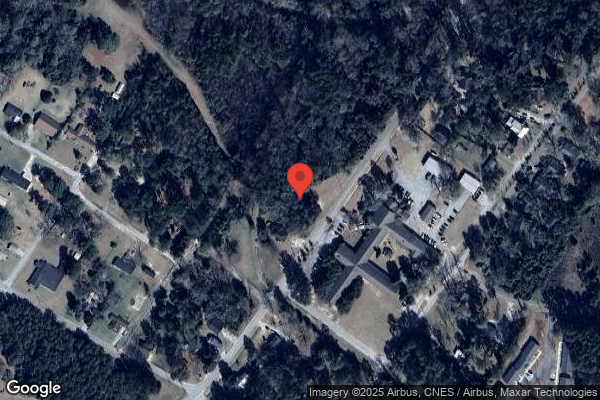

466 SOUTH GRAY STREET, MILLEN, GA 30442 (478) 982-2531
For profit - Corporation 100 Beds PRUITTHEALTH Data: November 2025 4 Immediate Jeopardy citations
Trust Grade
0/100
#312 of 353 in GA
Last Inspection: May 2025

Inspected within the last 6 months. Data reflects current conditions.

Overview

PruittHealth - Bethany in Millen, Georgia, has received a Trust Grade of F, indicating significant concerns about the facility's quality of care. They rank #312 out of 353 nursing homes in Georgia, placing them in the bottom half, but they are the only option in Jenkins County. The facility's condition is stable, with four critical issues reported in both 2024 and 2025. Staffing is a relative strength, with a 39% turnover rate, better than the state average, and good RN coverage that exceeds 80% of similar facilities. However, the facility has concerning fines totaling $91,062, which is higher than 95% of other Georgia homes, and critical incidents include a resident who fell and died due to inadequate assistance during daily activities, highlighting serious safety issues.

Trust Score
F
0/100
In Georgia
#312/353
Bottom 12%
Safety Record
High Risk
Review needed
Inspections
Holding Steady
4 → 4 violations
Staff Stability
○ Average
39% turnover. Near Georgia's 48% average. Typical for the industry.
Penalties
⚠ Watch
$91,062 in fines. Higher than 88% of Georgia facilities, suggesting repeated compliance issues.
Skilled Nurses
⚠ Watch
Each resident gets only 29 minutes of Registered Nurse (RN) attention daily — below average for Georgia. Fewer RN minutes means fewer trained eyes watching for problems.
Violations
⚠ Watch
15 deficiencies on record. Higher than average. Multiple issues found across inspections.
★☆☆☆☆
1.0
Overall Rating
★☆☆☆☆
1.0
Staff Levels
★★★★☆
4.0
Care Quality
★★☆☆☆
2.0
Inspection Score
Stable
2024: 4 issues
2025: 4 issues

The Good

  • 4-Star Quality Measures · Strong clinical quality outcomes
  • Full Sprinkler Coverage · Fire safety systems throughout facility
  • No fines on record
  • Staff turnover below average (39%)

    9 points below Georgia average of 48%

Facility shows strength in quality measures, fire safety.

The Bad

1-Star Overall Rating

Below Georgia average (2.6)

Significant quality concerns identified by CMS

Staff Turnover: 39%

Near Georgia avg (46%)

Typical for the industry

Federal Fines: $91,062

Well above median ($33,413)

Moderate penalties - review what triggered them

Chain: PRUITTHEALTH

Part of a multi-facility chain

Ask about local staffing decisions and management

The Ugly 15 deficiencies on record

4 life-threatening
May 2025 4 deficiencies
CONCERN (D)

Potential for Harm - no one hurt, but risky conditions existed

Deficiency F0605 (Tag F0605)

Could have caused harm · This affected 1 resident

**NOTE- TERMS IN BRACKETS HAVE BEEN EDITED TO PROTECT CONFIDENTIALITY** Based on staff interview, record review, and review of the facility policy titled Monitoring of Antipsychotics, the facility fai...

Read full inspector narrative →
**NOTE- TERMS IN BRACKETS HAVE BEEN EDITED TO PROTECT CONFIDENTIALITY** Based on staff interview, record review, and review of the facility policy titled Monitoring of Antipsychotics, the facility failed to monitor targeted behaviors for the use of an antidepressant medication for one of five residents reviewed for unnecessary medications (Resident (R )40) out of 23 sampled residents. This failure had the potential for residents to receive unnecessary medications. Findings include: Review of the facility's policy Monitoring of Antipsychotics with a revision date of 7/20/2020 and provided by the facility indicated, .Every patient/resident on a psychotropic medication will have an order for behavior monitoring in the EMAR [electronic medication administration record] system. This must be filled out by every nurse every shift and must spell out what behaviors have occurred on that shift . Review of R40's undated Face Sheet located under the Resident tab in the electronic medical record (EMR) indicated R40 was readmitted to the facility on [DATE] with the diagnosis of depressive episodes. Review of R40's significant change in status Minimum Data Set (MDS) located under the RAI tab in the EMR with an Assessment Reference Date (ARD) of 2/23/2025 with a Brief Interview for Mental Status (BIMS) score of three out of 15 which indicated R40 was severely cognitively impaired. R40 was also coded as taking an antidepressant. Review of R40's Physician Orders located under the Resident tab in the EMR indicated an order dated 2/20/2025 for Lexapro [an antidepressant medication] 20 milligrams (mg) every day. Review of R40's Medication Administration Report (MAR) dated February, March, and April 2025 and located under the Resident tab in the EMR indicated there was no behavioral monitoring while R40 was taking Lexapro. During an interview on 5/8/2025 at 4:00 pm, the Director of Nursing (DON) confirmed there were no targeted behaviors monitored while R40 was administered Lexapro. The DON stated, I know the staff was thinking because the daughter asked the doctor to put the resident back on the antidepressant, the nurses thought they did not have to monitor the targeted behaviors.
CONCERN (D)

Potential for Harm - no one hurt, but risky conditions existed

Infection Control (Tag F0880)

Could have caused harm · This affected 1 resident

Based on observations, staff interviews, and review of the facility policy titled Medication Administration: General Guidelines, the facility failed to ensure infection control was maintained for one ...

Read full inspector narrative →
Based on observations, staff interviews, and review of the facility policy titled Medication Administration: General Guidelines, the facility failed to ensure infection control was maintained for one of three residents (Resident (R) 20) observed during medication administration. Specifically, the facility failed to ensure that pills were not touched with bare hands or dropped during medication administration, which increased the risk for cross-contamination and infection. Findings include: Review of the facility policy titled, Medication Administration: General Guidelines dated 4/10/2019 provided by the facility indicated, .A clean spatula, razor blade, or knife is used to avoid contact with the tablet. During observation and interview of medication administration on 5/7/2025 from 9:00 am to 9:10 am, with Licensed Practical Nurse (LPN) 5, revealed LPN5 was opening multiple pill packs for R20 and pouring them into the pill cup when one of the pills missed the cup and ended up on the top of the medication cart. LPN5 picked up the unknown pill with a bare hand and placed it back into the pill cup with the other pills. LPN5 confirmed she picked up the pill with a bare hand and placed it in the pill cup with other pills and stated, I'm so nervous. LPN5 then administered the medications to R20. During an interview on 5/8/2025 at 11:05 am, the Director of Nursing (DON) stated, If a pill is dropped on the med cart outside of the pill cup, I would expect the nurse to pick up the pill, discard the pill, then obtain the medication from the last pill pack and contact the pharmacy to replace the medication.
CONCERN (D)

Potential for Harm - no one hurt, but risky conditions existed

Antibiotic Stewardship (Tag F0881)

Could have caused harm · This affected 1 resident

**NOTE- TERMS IN BRACKETS HAVE BEEN EDITED TO PROTECT CONFIDENTIALITY** Based on staff interviews, record review, review of the facility policy titled, Antibiotic Stewardship Program, and review of Mc...

Read full inspector narrative →
**NOTE- TERMS IN BRACKETS HAVE BEEN EDITED TO PROTECT CONFIDENTIALITY** Based on staff interviews, record review, review of the facility policy titled, Antibiotic Stewardship Program, and review of McGeer's criteria, the facility failed to have an Antibiotic Stewardship Program that followed current standards of practice for prescribing an antibiotic for two of three residents (Resident (R)13 and R15) reviewed for antibiotic stewardship out of total sample of 23. This failure had the potential to cause residents to be prescribed antibiotics that were potentially unnecessary. Findings include: Review of the facility's policy Antibiotic Stewardship Program, with a revision date of 11/30/2023, and provided by the facility stated, . The antibiotic time out should be performed within 24-48 hours after antibiotics are initiated . The ASP [Antibiotic Stewardship Program] Team will monitor and review the following data: i. Infections and antibiotic usage patterns on a regular basis . v. Include a separate report for the number of residents on antibiotics that did not meet criteria for active infection . An antibiotic time-out (ATO) will be performed after the initiation of all antibiotics prescribed in the facility . The IP [Infection Preventionist] will be responsible for infection surveillance and multi-drug resistance organism (MDRO) tracking. The IP, along with the DHS, will collect and review the following data such as: i. Documentation of completion of antibiotic choice, dosage, duration, indication and route of administration. ii. Whether appropriate tests, such as labs and/or cultures, were obtained before ordering antibiotic. iii. Whether the antibiotic was changed during the course of treatment . Each quarter a Prescriber Practitioner Summary will be presented to the QAPI committee for review and provided for feedback to the prescribing practitioner(s) on their antibiotic prescribing patterns as indicated . Review of McGeer's Criteria (11/5/2024) revealed, Table 1. Constitutional Criteria for Infection Fever, Leukocytosis, Acute Mental Status Change, Acute Functional Decline . Table 2. Urinary Tract Infection (UTI) Surveillance Definitions Syndrome: UTI without indwelling catheter Criteria: 1. At least one of the following sign or symptom: Acute dysuria or pain, swelling, or tenderness of testes, epididymis, or prostate Fever or leukocytosis, and one or more of the following: acute costovertebral angle pain or tenderness, suprapubic pain, gross hematuria, new or marked increase in incontinence, new or marked increase in urgency, new or marked increase in frequency If no fever or leukocytosis, then greater than 2 of the following: suprapubic pain, gross hematuria, new or marked increase in incontinence, new or marked increase in urgency, new or marked increase in frequency 2. At least one of the following microbiologic criteria greater than or equal to 100,000 Colony Forming Units (CFU) per milliliter (mL) of no more than 2 species of organisms in a voided urine sample greater than or equal to 100 of any organism(s) in a specimen collected by an in-and-out catheter . Selected Comments: The following two comments apply to both UTI with or without catheter: UTI can be diagnosed without localizing symptoms if a blood isolate is the same as the organism isolated from urine and there is no alternate site of infection In the absence of a clear alternate source of infection, fever, or rigors with a positive urine culture resulting in the non-catheterized resident or acute confusion in the catheterized resident will often be treated as UTI. However, evidence suggests that most of these episodes are likely not due to infection of a urinary source 1. Review of R13's undated Face Sheet located under the Resident tab in the electronic medical record (EMR) indicated R13 was originally admitted to the facility on [DATE] with the diagnosis of diabetes mellitus. Review of R13's Nursing Progress Notes dated March 2024 located under the Progress Notes tab in the EMR indicated there was no documentation of R13 experiencing any signs or symptoms of a Urinary Tract Infection (UTI). Review of R13's Physician's Orders located under the Orders tab in the EMR indicated on 3/19/2024 an order for a urinalysis with culture and sensitivity to be obtained. There was also an order dated 3/20/2024 for Augmentin 500/125 milligram. Give one tablet by mouth twice a day, seven times a day for UTI. Review of R13's Urinalysis Results provided by the facility and dated 3/19/2024 had the following abnormal results: Protein 2+ (plus), Leukocytes 3+, Blood 1+, WBC (White Blood Cell) greater than 100, and Bacteria rare. Review of R13's Urine Culture Results, which was provided by the facility and dated 3/21/2024, indicated, Mixed genital flora isolated. These superficial bacteria are not indicative of a urinary tract infection. No further organism identification is warranted on this specimen . Review of R13's Infection Control - Infection Tracker with McGeer's Criteria provided by the facility and dated 3/19/2024 indicated, Acute dysuria or acute pain, swelling, or tenderness of the testes, epididymis, or prostate. R13 was a female. Continued review of the Infection Tracker indicated that under the section Signs and Symptoms of UTI, Pain or Burning During Urination and Feelings of Pressure in Lower Abdomen were marked. For Antibiotic Reassessment (Antibiotic Time Outs) Performed and was marked No. During an interview on 5/8/2025 at 4:00 pm, the Director of Nursing (DON) stated, This resident goes directly to the NP [Nurse Practitioner] and will tell her of the symptoms she [R13] is experiencing. The NP will order the urinalysis and the culture. There won't be any documentation in the nurses' notes because the resident does not tell them [nurses] of the symptoms she [R13] is experiencing. The DON confirmed this resident's antibiotic usage did not meet McGeer's Criteria. 2. Review of R15's undated Face Sheet located under the Resident tab in the EMR indicated R15 was readmitted to the facility on [DATE] with the diagnosis of diabetes mellitus. Review of R15's Nursing Progress Notes located under the Progress Notes tab in the EMR and dated 10/1/2024 through 10/31/2024 indicated on 10/16/2024 at 6:54 am stated, Resident has recently started yelling behaviors in the afternoon. Constantly yells for someone . Review of R15's Physician's Orders located under the Orders tab in the EMR indicated on 10/17/2024 an order for a urinalysis to be obtained. Further review of the physician's orders revealed that a urine culture was not ordered. There was also an order dated 10/18/2024 for Macrobid 100 milligrams every 12 hours times five days for UTI. Review of R15's Urinalysis Results, which was provided by the facility and dated 10/17/2024, had the following abnormal results: Nitrate Positive, Blood 2+ (plus), Leukocytes 1+, and Bacteria 2+. Review of R15's Infection Control - Infection Tracker with McGeer's Criteria, provided by the facility and dated 10/18/2024, indicated there were no signs or symptoms that R15 was experiencing. For Antibiotic Reassessment (Antibiotic Time Outs) Performed and was marked as No. Review of R15's Temperature documentation on the Infection Tracker revealed R15's documented temperatures from 10/19/2024 through 10/22/2024 ranged from 97 degrees Fahrenheit (F) to 97.3 degrees F. During an interview on 5/8/2025 at 4:00 pm, the DON confirmed the antibiotic usage for R15 did not meet McGeer's Criteria due to not having a urine culture performed and not knowing if the organism, if any, in the urine was sensitive to the antibiotic that R15 was prescribed on 10/18/2024. The DON also stated, I will go to the provider if the antibiotic that was ordered did not meet McGeer's Criteria and speak to them of why it did not meet this criteria, but I don't report this in the Quality Assurance and Program Improvement [QAPI] meetings or to the medical director. I didn't realize that I needed to do that. The DON reviewed with the surveyor the monthly Line Listing for Infections and stated, I see where the information that is needed is not documented as it should be. Review of the facility's monthly Line Listing for Infections which was provided by the facility and was dated January 2024 through March 2025 revealed it was not documented if the infections met or not met McGeer's Criteria; did not consistently have the antibiotic with the dosage and duration documented each month; signs or symptoms the resident was experiencing were not consistently documented along with if a culture was obtained; and documentation of what the organism was identified.
CONCERN (D)

Potential for Harm - no one hurt, but risky conditions existed

Deficiency F0883 (Tag F0883)

Could have caused harm · This affected 1 resident

**NOTE- TERMS IN BRACKETS HAVE BEEN EDITED TO PROTECT CONFIDENTIALITY** Based on staff interviews, record review, review of the facility policy titled, Pneumococcal Vaccinations, and review of the Cen...

Read full inspector narrative →
**NOTE- TERMS IN BRACKETS HAVE BEEN EDITED TO PROTECT CONFIDENTIALITY** Based on staff interviews, record review, review of the facility policy titled, Pneumococcal Vaccinations, and review of the Centers for Disease Control and Prevention (CDC) guidelines, the facility failed to offer or provide documentation of consent or refusal for three of five residents (Residents (R)13, R40, and R60) and/or their resident representatives the opportunity for the residents to receive influenza and/or pneumonia vaccines out of 23 sample residents. This failure had the potential to put these residents at an increased risk of developing influenza and/or pneumonia. Findings include: Review of the facility's policy Pneumococcal Vaccinations dated 8/29/2023 and provided by the facility stated, . The admission process will include determining whether the patient/resident has received the pneumococcal vaccine in the past. This will be the responsibility of the Director of Health Services or designee. Every effort will be made to obtain documentation of the date of prior immunization and what type of vaccine, Pneumovax (PPSV23), Pneumococcal 20-valent Conjugate Vaccine 20 (PCV20), Pneumococcal 15-valent Conjugate Vaccine (PCV15), or Pneumococcal 13-valent Conjugate Vaccine (PCV13), was administered. If reliable documentation of previous immunization is obtained, the date should be entered on the Immunization Record and made a part of the clinical record. (Attach supporting documentation to the immunization record.) If no reliable date of previous vaccination can be obtained, the patient/resident should be considered eligible for vaccination . Permission or refusal to receive the vaccine within the CDC guidelines will be obtained on admission using the Pneumococcal Vaccine Consent/Refusal Form. A separate consent for each type of vaccine is required . Review of CDC website titled, Pneumococcal Vaccination: Summary of Who and When to Vaccinate, https://www.cdc.gov/vaccines/vpd/pneumo/hcp/who-when-to-vaccinate.html, last reviewed 09/12/24, indicated . CDC recommends pneumococcal vaccination for all adults 65 years or older. The tables below provide detailed information . For adults 65 years or older who have not previously received any pneumococcal vaccine, CDC recommends you . Give one dose of PCV20 [pneumococcal conjugate vaccines] or PCV21 . If PCV15 is used, this should be followed by a dose of PPSV23 [pneumococcal polysaccharide vaccine] at least one year later. The minimum interval is 8 weeks and can be considered in adults with an immunocompromising condition, cochlear implant, or cerebrospinal fluid leak . If PCV20 or PCV21 is used, Give a dose of PCV15 at least one year later . For adults 65 years or older who have only received a PPSV23, CDC recommends you . May give one dose of PCV20 or PCV21 . The PCV20 or PCV15 dose should be administered at least one year after the most recent PPSV23 vaccination. Regardless of if PCV15 or PCV20 is given, an additional dose of PPSV23 is not recommended since they already received it. For adults 65 years or older who have only received PCV13, CDC recommends you . Give PPSV23 as previously recommended. For adults who have received PCV13, Give one dose of PCV20 or PCV21 or PPSV23 to be administered at least a year later . If PCV20 and PCV21 are used, their pneumococcal vaccinations are complete . 1. Review of R13's undated Face Sheet located under the Resident tab in the electronic medical record (EMR) indicated R13 was readmitted to the facility on [DATE] and was currently [AGE] years old. Review of R13's Immunizations located under the Preventive Health Care tab in the EMR revealed R13 had refused the pneumococcal vaccination on 2/28/2022. There was no documentation of further administration or refusal of any pneumococcal vaccine for R13. 2. Review of R40's undated Face Sheet located under the Resident tab in the EMR indicated R40 was originally admitted to the facility on [DATE] and was currently over [AGE] years old. Review of R40's Immunizations located under the Preventive Health Care tab in the EMR revealed R40 had received an influenza vaccine on 10/19/2024 while a resident in the facility. Review of R40's EMR did not reveal documentation of a consent for the influenza vaccine that was administered to R40 on 10/19/2024. Further review of R40's Immunizations revealed R40 had a PPSV23 on 10/25/2020. There was no further documentation of R40 receiving any further administration or refusals of any pneumococcal vaccinations. 3. Review of R60's Immunizations located under the Preventive Health Care tab in the EMR revealed R60 had refused the influenza vaccine on 10/29/2024. Review of R60's EMR did not reveal documentation of a refusal form signed on or before 10/29/2024 for the influenza vaccine. During an interview on 5/8/2025 at 3:00 pm, Registered Nurse-Clinical Competency Coordinator (RN-CCC) stated, I have given you all the information that I can find for the flu and pneumococcal vaccines. During an interview on 5/8/2025 at 3:20 pm, the Director of Nursing (DON) stated, If it is recommended for the resident to receive another dose of pneumococcal vaccine, then I expect the Infection Preventionist (IP) to obtain consent or refusal from the resident for it. The nurses should obtain consent prior to administering any vaccines to the resident. During an interview on 5/8/2025 at 3:30 pm, Registered Nurse (RN)1 stated, When we admit a resident to the facility, we will ask them or the responsible party what vaccinations they have had and if they have any documentation of these. I don't have access to the state website to check the immunizations, but when the person who does have access, I go and get her to look at that website for any immunizations the resident has had.
Jul 2024 4 deficiencies 4 IJ
CRITICAL (J) 📢 Someone Reported This

A family member, employee, or ombudsman was alarmed enough to file a formal complaint

Immediate Jeopardy (IJ) - the most serious Medicare violation

Free from Abuse/Neglect (Tag F0600)

Someone could have died · This affected 1 resident

**NOTE- TERMS IN BRACKETS HAVE BEEN EDITED TO PROTECT CONFIDENTIALITY** Based on record review, staff interviews, and review of the facility policy titled Abuse Prevention and Reporting, the facility ...

Read full inspector narrative →
**NOTE- TERMS IN BRACKETS HAVE BEEN EDITED TO PROTECT CONFIDENTIALITY** Based on record review, staff interviews, and review of the facility policy titled Abuse Prevention and Reporting, the facility failed to protect the resident's right to be free from neglect by staff for one of five sampled residents (R) (R1) during Activities of Daily Living (ADL) care. Specifically, the Certified Nursing Assistant (CNA) CC was providing ADL care to R1 unassisted when R1 rolled away from CNA CC, falling from the bed, landing face down on the floor with blood noted on the head with a large open area, 14 cenimeter (cm) head laceration, and the scalp was pulled away from the head, exposing the skull. R1 expired at the hospital 50 minutes post fall. On [DATE], it was determined that a situation in which the facility's noncompliance with one or more requirements of participation had the likelihood to cause serious injury, harm, impairment, or death to residents. The facility's Senior Nurse Consultant (SNC) was informed of the Immediate Jeopardy on [DATE] at 4:06 pm. The noncompliance related to the Immediate Jeopardy was determined to have existed on [DATE]. Findings include: Review of the facility's policy titled Freedom from Patient Abuse, Neglect, Exploitation, Mistreatment, and Misappropriation of Property Mission Statement, effective date [DATE], revised date [DATE], defined Abuse as Any intentional or grossly negligent act or series of acts or intentional grossly negligent omission to act which causes injury to a resident, including but not limited to, assault or battery, failure to provide treatment or care, or sexual harassment of the resident. The policy defined Neglect as The failure to provide goods and services necessary to avoid harm, mental anguish, or mental illness. The policy statement indicated the center will not tolerate abuse, neglect, or exploitation of its residents by anyone. Record review of the Electronic Medical Record (EMR) for R1 revealed diagnoses included infection and inflammatory reaction due to internal right knee prosthesis, sequela, peripheral vascular disease, and presence of left artificial knee joint. Record review of the most recent quarterly Minimum Data Set (MDS) for R1 dated [DATE] revealed a Brief Interview for Mental Status (BIMS) score of 03, indicating severe cognitive impairment. Section GG (Functional Abilities and Goals) documented that R1 was dependent on staff for self-care and mobility requires two persons assistance for ADL care. The helper does all of the effort. The resident does none of the effort to complete the activity. A review of the Resident Progress Note for R1 dated [DATE] at 3:59 pm revealed at approximately 10:50 am, nursing was alerted to the room by CNA (CNA CC). The resident was face down on the floor on the right side of the bed. The CNA stated she was giving care to the patient (changing brief), and when she rolled over, the CNA was unable to catch her, and she rolled off the bed onto the floor. Blood was noted on the head. She had a large open contusion to the head, and the scalp was open to expose the skull. Emergency Medical Services (EMS) was called, and dressings were applied. Wound to top of head covered with ABD pad (Army Battle Dressing [a gauze pad used to absorb heavy drainage]) and roll gauze. Hospice notified. The resident's family was notified. A report was given to the local hospital. EMS left with R1 at 11:15 am. Interview on [DATE] at 10:08 am with Licensed Practical Nurse (LPN) BB revealed she worked on Sunday, [DATE], and R1 was on her hall. She stated around 10:00 am, she was finished with her medication pass, and she stuck her head in R1's room. She stated both R1 and her roommate were in the room with their eyes closed. LPN BB stated CNA CC alerted her around 10:50 am to 11:00 am that the resident was on the floor. LPN BB stated that CNA CC and Registered Nurse (RN) AA/Weekend Supervisor were in R1's room. LPN BB further revealed when she entered the room, R1 was on the floor to the right of the bed, face down, with a lot of blood around the resident's head. LPN BB stated RN EE came from the other hall and they assessed R1 to see where the blood was coming from. She stated they saw that the blood was coming from her head, and she told CNA CC to call 911. LPN BB stated that 911 was asking questions over the phone that CNA CC could not answer, and RN AA went to talk to 911. LPN BB stated she and RN EE turned R1 onto her back, put a sheet under her, and held her head straight. LPN BB further stated RN AA assessed the wound and applied ABD pads, placing a pressure dressing on R1's head. LPN BB confirmed that the scalp was pulled up at the top of her head, exposing the bone, and the scalp was detached from that area of the head. LPN BB further revealed that R1 was moaning and was unresponsive. LPN BB confirmed that CNA CC had always changed R1 without any assistance. LPN BB stated that when she changed R1 alone, the resident would roll over and hold on to the side of the mattress. However, this did depend on the day and if you were liked by R1. She stated she did not know when R1 was last assessed for side rails. LPN BB revealed that she called the doctor, hospice nurse, and the family and called the hospital to give a report. She stated the resident left the facility via EMS around 11:20 am. LPN BB confirmed that the doctor called her between 12:00 pm and 12:30 pm, stating that R1 had expired at the hospital. Interview on [DATE] at 10:25 am with RN EE revealed that on [DATE], when walking to the nurse's station, CNA CC told him they needed assistance in R1's room. RN EE stated when he entered the room, the resident was lying diagonally on the right side of the bed on the floor. He stated LPN BB and RN AA were in the room. RN EE further revealed that he lifted R1's right leg and was sure that the leg was broken because there was no alignment. He further stated he picked up the leg and felt what he thought was bone. RN EE confirmed that he told CNA CC to call 911. He stated he assessed the scalp wound and stated it was very bad. RN EE described the head wound as a horseshoe shape attached to the front of the head but detached from the sides and the back of the head. RN EE stated he went to get some ABD pads. RN EE stated that CNA CC could not answer the question from 911, so RN AA went to talk with 911. He stated he asked for a sheet to put under R1 because she was lying face down. RN EE revealed when EMS came, they lifted the sheet and put her on the gurney, and at that time, he saw her eyes roll backward in her head. RN EE further revealed he is not sure if R1 died en route to or at the hospital. He further described R1's bed as being up high and stated it was at least a three-foot drop. RN EE stated CNA CC had the bed up high because she was a tall lady. He further stated he had not worked with R1 and was unaware of her baseline status. A follow-up interview on [DATE] at 10:57 am with RN EE revealed at the time of the incident, staff got a sheet, rolled R1 on it, and put her in the bed because he could not get an accurate assessment to see if she was breathing. RN EE revealed that R1 was a large woman, and he could not see a visual rise in her chest. RN EE further revealed that he could not make out the left side of her face because of how she was positioned on the floor, and he did not know if there were more lacerations, so they put her back in bed. Interview on [DATE] at 2:15 pm with RN AA/Weekend Supervisor revealed at the time of the incident, CNA CC was yelling out for help. RN AA stated that R1 was in her room lying on the floor face down on the right side of the bed, but she did not realize that R1 was that hurt. RN AA further revealed that she went to her head and noticed her breathing was agonal (gasping for air), not what it should be, and was very limited breathing. RN AA stated at that time, she realized R1 was bleeding, and she raised R1's head to facilitate breathing. She stated she noticed blood was matted in her hair, but it wasn't dry at that time. RN AA stated she yelled for somebody to call 911 and left R1's side to speak with 911 while other nursing staff assisted R1. RN AA stated nursing staff put a pressure dressing on the resident before EMS arrived at the facility. She stated she noticed the resident was not responding as they put the dressing on her head, and after applying the dressing, R1 had a blank stare and a bluish color around her mouth. RN AA stated that she did not work directly at the bedside with R1, but she did not feel the resident could hold on to anything because she did not think the resident had the gripping capability. RN AA confirmed that R1 required maximum assistance, and one person provided care to her all the time. A telephone interview on [DATE] at 8:43 am with CNA CC revealed on [DATE] at around 10:53 am she went in to change R1 and raised the bed to her waist because she was tall. CNA CC stated she asked R1 to turn over, and R1 turned over so fast that her feeding pump rolled on top of the bed. She stated when she ran around to the other side of the bed, she saw R1 on the floor. CNA CC further revealed she and the feeding pump were both on the left side of the bed, and the feeding pump with the pole fell onto the bed, still connected to R1. CNA CC stated the RN AA/Weekend Supervisor went to the front desk and called 911, and EMS arrived quickly. CNA AA stated that for the past two years, she cared for R1. She further stated that sometimes R1 needed assistance with ADLs, but sometimes CNA CC could complete her ADLs without assistance. CNA CC confirmed that she did not need help with R1 that day ([DATE]) because they (CNA CC and R1) were conversing, and she went off of that conversation to provide ADLs. CNA CC stated she thought she could do R1's ADL care alone. CNA CC further revealed that R1 rolled over for her, and if she had thought that R1 could not roll over that day, she would have asked for help from her nurse. A telephone interview on [DATE] at 9:50 am with CNA DD revealed she had worked with hospice since 2019 and came to the facility twice a week to provide care to R1. CNA DD stated she bathed, washed her hair, and changed bed linens for R1. CNA DD further revealed that R1 required two person assistance. She stated at one time she had a rail on her bed to assist with turning. CNA DD stated the hospice social worker helped her with R1 during ADL care by holding her over while she changed R1. She stated that R1's bed did not have bed rails, which helped out a lot, and it was unsafe to roll R1 because her bed was not against the wall. CNA DD revealed that R1 would roll towards her to change her, but R1 could not help with care. CNA DD confirmed that R1 could not roll over by herself. An interview on [DATE] at 3:00 pm with Administrator HH revealed CNA CC was suspended pending the outcome of the investigation to determine what happened with the R1 incident. The Administrator stated that R1 was able to assist with turning and repositioning. The Administrator further revealed that some people could provide ADL care for R1 alone. The Administrator further revealed that they initiated a self-imposed Immediate Jeopardy and immediately began education with the staff.
CRITICAL (J) 📢 Someone Reported This

A family member, employee, or ombudsman was alarmed enough to file a formal complaint

Immediate Jeopardy (IJ) - the most serious Medicare violation

Comprehensive Care Plan (Tag F0656)

Someone could have died · This affected 1 resident

Based on record review, staff interviews, and review of the facility policy titled Care Plans, the facility failed to develop an accurate person-centered comprehensive care plan for one of five sample...

Read full inspector narrative →
Based on record review, staff interviews, and review of the facility policy titled Care Plans, the facility failed to develop an accurate person-centered comprehensive care plan for one of five sampled residents (R) (R1) that specified the need for two-person assistance with Activities of Daily Living (ADL) care. On 7/9/2024, it was determined that a situation in which the facility's noncompliance with one or more requirements of participation had the likelihood to cause serious injury, harm, impairment, or death to residents. The facility's Senior Nurse Consultant (SNC) was informed of the Immediate Jeopardy on 7/9/2024 at 4:06 pm. The noncompliance related to the Immediate Jeopardy was determined to have existed on 6/30/2024. Findings include: A review of the facility policy titled Care Plans, revised 7/27/2023, revealed it is the policy of the health care center for each patient/resident to have a person-centered baseline care plan followed by a comprehensive care plan developed following completion of the Minimum Data Set (MDS) and Care Area Assessment (CAA) portions of the comprehensive assessment according to the Resident Assessment Instrument (RAI) Manual and the patient/resident choice. admission Comprehensive Care Plan: Number 3. The comprehensive care plan should describe the services to be furnished to attain or maintain the resident's highest practicable physical, mental, and psychosocial well-being. Number 4. The care plan will contain 4 main components: Problem, Goal, Approaches, and Role or Accountability. The care plan approach serves as instructions for the patient/resident's care and provides continuity of care by all partners. When approaches that involve the CNA have been added to the care plan, those approaches should also be included on the CNA Care Record or Resident Profile/Care Plan. Record review of the most recent quarterly Minimum Data Set (MDS) for R1, dated 5/26/2024, revealed section GG (Functional Abilities and Goals) documented for roll left and right and toileting hygiene; the resident is dependent, the helper does all of the effort. The resident does none of the effort to complete the activity. Or, the assistance of two or more helpers is required for the resident to complete the activity. A review of the care plan for R1 revised 7/1/2024, revealed that R1 requires staff assistance for ADLs due to physical deficits and the disease process of multiple diagnoses. Requires maximum to total assistance with ADL care, including but not limited to bed mobility, transfers, locomotion, and toileting. Approaches to one - two persons assistance for ADL care. A review of the Resident Progress Note for R1 dated 6/30/2024 at 3:59 pm revealed at approximately 10:50 am, nursing was alerted to the room by CNA CC. The resident was face down on the floor on the right side of the bed. The CNA stated she was giving care to the patient (changing brief), and when she rolled R1 over, the CNA was unable to catch her, and she rolled off the bed onto the floor. Blood was noted on the head. She had a large open contusion to the head and scalp open exposed the skull. Emergency Medical Services (EMS) was called, and dressings were applied. Wound to top of head covered with ABD pad (abdominal gauze pad used to absorb heavy drainage) and roll gauze. Hospice notified. The resident's family was notified. A report was given to the local hospital. EMS left with R1 at 11:15 am. Interview on 7/3/2024 at 10:08 am with Licensed Practical Nurse (LPN) BB revealed R1 could roll over and hold on to the mattress, but it depended on what day it was and if she liked you. She stated she had changed R1 by herself, and CNA CC has always changed her by herself. She stated that the resident could wash her hands and drink a soda. She stated that R1 held on to the side of the mattress when she changed her by herself. A telephone interview on 7/9/2024 at 8:43 am with CNA CC revealed she had cared for R1 for two years. She stated some days she needed help with ADL care for R1, but some days she didn't need help. She stated that she did not need help with her the day of the fall because they were conversing, and she went off of the conversation. CNA CC stated she thought she could do R1's ADLs by herself. She further stated that R1 rolled over for her, and if she thought that R1 could not roll over that day, she would have also gotten her nurse to help. A telephone interview on 7/9/2024 at 9:50 am with Hospice CNA DD revealed she came to the facility twice a week. She stated that R1 was a two-person assist. CNA DD further revealed that sometimes the hospice nurse or the social worker is in the facility, and they would help her with R1. She stated a few of the aides at the facility would assist her with care, but R1 could not roll over by herself. She stated that R1's bed was not to the wall, and it was unsafe to roll her because it was not up against the wall. An interview on 7/3/2024 at 12:16 pm with LPN FF/Case Mix Director revealed that R1 was dependent on staff for ADLs. She stated that it depended on how R1 felt each day to determine if she needed one or two staff assistance. LPN FF further revealed that some staff can do ADLS for R1 alone. LPN FF confirmed that the MDS section GG stated that R1 was dependent on staff for ADLS, but it did not specify if she required one or two-person assistance. She stated that she puts in the care plans for CNAs to observe to see if residents need increased assistance and to notify the nurse for increased assistance. LPN FF stated that she put on the care plan that R1 required one to two people to assist with ADLs.
CRITICAL (J) 📢 Someone Reported This

A family member, employee, or ombudsman was alarmed enough to file a formal complaint

Immediate Jeopardy (IJ) - the most serious Medicare violation

Accident Prevention (Tag F0689)

Someone could have died · This affected 1 resident

**NOTE- TERMS IN BRACKETS HAVE BEEN EDITED TO PROTECT CONFIDENTIALITY** Based on staff interviews and record review, the facility failed to provide adequate assistance for bed mobility for one of five...

Read full inspector narrative →
**NOTE- TERMS IN BRACKETS HAVE BEEN EDITED TO PROTECT CONFIDENTIALITY** Based on staff interviews and record review, the facility failed to provide adequate assistance for bed mobility for one of five residents (R) (R1) reviewed for falls. Specifically, R1 fell from the bed during Activities of Daily Living (ADL) care on [DATE], resulting in death within 50 minutes post-fall. On [DATE], it was determined that a situation in which the facility's noncompliance with one or more requirements of participation had the likelihood to cause serious injury, harm, impairment, or death to residents. The facility's Senior Nurse Consultant (SNC) was informed of the Immediate Jeopardy on [DATE] at 4:06 pm. The noncompliance related to the Immediate Jeopardy was determined to have existed on [DATE]. Findings include: A review of the quarterly Minimum Data Set (MDS) dated [DATE] revealed section GG (Functional Abilities and Goals) documented that R1 was dependent on staff for self-care and mobility. The helper does all of the effort. The resident does none of the effort to complete the activity. Or the assistance of two or more helpers is required for the resident to complete the activity. A review of a document titled Fall Form dated [DATE] at 8:33 pm, completed by Licensed Practical Nurse (LPN) BB, indicated R1 was in bed receiving ADL care. Fall with a head injury from witnessed fall. A review of the emergency room Summary Report dated [DATE] at 11:27 am revealed R1 arrived with a large, approximately 14 centimeter (cm) laceration to the top of her head, exposing bone, no spontaneous respirations, pulseless, after a fall from her bed. R1 had a witnessed fall out of bed and must have hit her head on the side table. Additionally, R1 had a loss of scalp integrity, bruises noted to arms, 6cm x 2.5 cm left knee skin tear, 1 cm diameter skin tear to right hand, and 3.5 cm x 2.5 right shoulder skin tear. R1 expired at the hospital on [DATE] at 11:40 am. A review of a document titled SBAR (situation, background, appearance, review) dated [DATE] revealed the [Situation] The change in condition, symptoms, or signs observed and evaluated is/are R1 rolled out of bed, head injury. [Background] Unresponsiveness, Contusion, Skin tear, Wound, S/t (secondary to) to L (left) knee and RUA (right upper arm). Contusion/wound to top of head, moaning and flinching, altered level of consciousness (hyperalert), drowsy but easily aroused, difficult to arouse, unarousable. R1 was a Do Not Resuscitate. [Appearance] Resident rolled from bed causing head injury. Nurses Note revealed Nursing was alerted to room by Certified Nursing Assist (CNA). R1 was face down on the floor at right side of bed. CNA stated she was giving care to patient (changing brief) and when she rolled over the CNA was unable to catch her and she rolled off the bed onto the floor. Blood was noted to head. She had a large open contusion to the head and scalp open to expose skull. Emergency Medical Services (EMS) was called, and dressings applied. Interview on [DATE] at 10:08 am with LPN BB revealed CNA CC alerted her between 10:50 am to 11:00 am that the R1 was on the floor. LPN BB stated when she entered the room, R1 was on the floor to the right of the bed face down with a lot of blood around the head. LPN BB further revealed Registered Nurse (RN) EE came from the other hall, and they assessed R1 and saw blood coming from her head. She stated that the scalp was pulled up at the top of her head, you could see the bone, and the scalp was detached in that area of the head. Interview on [DATE] at 10:25 am with RN EE revealed that when walking to the nurse's station, CNA CC told him they needed assistance in R1's room. RN EE stated when he entered the room, the resident was lying diagonally on the left side of the bed on the floor. RN EE further revealed that he lifted R1's right leg, thought he felt bone, felt no alignment, and was sure the leg was broken. He stated the scalp wound was horseshoe-shaped attached to the front but detached from the and the back of the head. RN EE stated that R1's bed was raised up high and at least a three-foot drop. RN EE stated CNA CC had the bed up high because she was tall. A telephone interview on [DATE] at 8:43 am with CNA CC revealed at around 10:53 am on [DATE], she went to change R1 and raised the bed to her waist because she was tall. CNA CC stated she asked R1 to turn over, and R1 turned over so fast that her feeding pump rolled on top of the bed. She stated when she ran around to the other side of the bed, she saw the resident on the floor. CNA CC further revealed that she and the feeding pump were both on the left side of the bed, and the feeding pump with the pole fell on the bed, still connected to R1. CNA AA stated she had cared for R1for two years. She further stated at times, she needed assistance with providing R1's ADL care, but at other times, CNA CC could provide R1's ADL care without assistance. CNA CC confirmed that she did not need help with R1 that day ([DATE]) because they (CNA CC and R1) were conversing, and she went off of that conversation to provide ADLs. CNA CC stated she thought she could provide R1's ADL care alone. CNA CC further revealed that R1 rolled over for her, and if she thought that R1 could not roll over that day, she would have asked for help from her nurse.
CRITICAL (J) 📢 Someone Reported This

A family member, employee, or ombudsman was alarmed enough to file a formal complaint

Immediate Jeopardy (IJ) - the most serious Medicare violation

Administration (Tag F0835)

Someone could have died · This affected 1 resident

Based on record review, staff interviews, and review of the facility's Administrator and Director of Health Services (DHS) job descriptions, the facility Administration failed to ensure one of five sa...

Read full inspector narrative →
Based on record review, staff interviews, and review of the facility's Administrator and Director of Health Services (DHS) job descriptions, the facility Administration failed to ensure one of five sampled residents (R) (R1) was free from neglect during Activities of Daily Living (ADL) care. This failure resulted in R1 falling from the bed and expiring at the hospital 50 minutes post-fall. On 7/9/2024, it was determined that a situation in which the facility's noncompliance with one or more requirements of participation had the likelihood to cause serious injury, harm, impairment, or death to residents. The facility's Senior Nurse Consultant (SNC) was informed of the Immediate Jeopardy IJ on 7/9/2024 at 4:06 pm. The noncompliance related to the Immediate Jeopardy was determined to have existed on 6/30/2024. Findings include: Review of the facility-provided document titled Position Description-Administrator dated 12/27/2016, revealed the job purpose is to direct the day-to-day functions of the nursing center in accordance with federal, state, and local regulations that govern long-term care centers, and as may be directed by the Area [NAME] President, to provide appropriate care for our patients/residents. Review of the facility-provided document titled Position Description-Director of Health Services dated 12/27/2016, revealed the job purpose is plans, organizes, develops, and directs the overall operation of our 'Nursing Services Department' in accordance with current federal, state, and local regulations governing our nursing center, and as may be directed by the Administrator and the Medical Director, to provide appropriate care. Facility Administration, specifically the Administrator and the DHS, failed to protect residents and effectively oversee areas of the facility that were included in their job descriptions. 1. The facility failed to ensure R1 was free from neglect by facility staff during the provision of ADL care. Cross refer F600 2. The facility failed to develop a comprehensive person-centered care plan that specified the need for two-person assistance with ADL care. Cross refer F656 3. The facility failed to protect R1 from a fall during ADL care, resulting in her death at the hospital. Cross refer F689 An interview on 7/2/2024 at 3:00 pm with Administrator HH revealed she was not at the facility at the time of the incident but was informed of the incident by the weekend supervisor, Registered Nurse (RN) AA. Administrator HH further revealed Certified Nursing Assistant (CNA) CC was sent home and suspended pending the outcome of the investigation to determine what happened with R1. Administrator HH stated that some staff could do R1's ADL care by themselves. She stated that the facility had initiated a self-imposed Immediate Jeopardy and immediately began educating the staff. An interview on 7/2/2024 at 4:09 pm with the DHS revealed the weekend supervisor RN AA met with CNA CC and obtained a statement. She stated CNA CC was sent home on Sunday, 6/30/2024. She further stated CNA CC was off Monday but was called in and spoke with Administrator HH and the DHS. She stated CNA CC was suspended pending the investigation. The DHS stated that R1 could assist with turning, and she held on to the mattress while turning.
Sept 2023 2 deficiencies
CONCERN (D)

Potential for Harm - no one hurt, but risky conditions existed

Respiratory Care (Tag F0695)

Could have caused harm · This affected 1 resident

Based on observation, staff interviews, record review, and a review of the facility policy titled, admission Orders, the facility failed to have a physician order for administering oxygen for one of t...

Read full inspector narrative →
Based on observation, staff interviews, record review, and a review of the facility policy titled, admission Orders, the facility failed to have a physician order for administering oxygen for one of two resident (R) (66) reviewed for oxygen and failed to have a physician order for the tracheostomy size and type for one of one (R81) resident reviewed for tracheostomy (a tube inside of the windpipe in the throat to allow for breathing) care. This placed R66 at risk for receiving too much or too little oxygen and placed R81 at risk of having respiratory issues related to the incorrect size or type of tracheostomy appliance. Findings include: Review of a facility policy titled admission Orders, dated September 2022, provided by the facility indicated, .Policy: At the time of admission to a healthcare center/agency, in order to assure quality patient/resident care and to comply with Federal law it is necessary that complete and accurate physician orders for the patient/resident's immediate care be obtained. 1. The orders must be reviewed by the admitting nurse and should at least address the patient/resident's .routine care to maintain or improve the patient/resident functional abilities. 2. The admitting nurse will make every effort to obtain admission orders prior to the patient/resident's arrival .and should occur no later than at the time of admission .5. Once all admission orders have been verified and documented appropriately, they are to be transcribed by the admitting nurse on the appropriate documents in the record. 1.Review of R66's Resident Face Sheet, located under the Face Sheet tab of the Electronic Medical Record (EMR) indicated a diagnoses to include Chronic Systolic Heart Failure and Acute Respiratory Failure with hypoxia (low oxygen). Review of hospital Discharge Instructions dated 09/05/2023, located in the Document Tab of R66's EMR, indicated .Pulmonary Status .Patient requires 3L (liters) O2 (oxygen) via nasal cannula to maintain SAO2>90 (oxygen saturation of arterial blood). Patient has diagnosis of CHF (congestive heart failure.) During an observation on 09/25/2023 at 1:41 pm, 09/26/2023 at 10:37 am and 09/27/2023 at 11:59 am, R66 had a nasal cannula with oxygen running at 3 L. Review of R66's active Orders, located in the Orders tab of the EMR, revealed no physician's order for oxygen or monitoring of oxygen saturations. During an interview on 09/27/2023 at 12:22 pm, Licensed Practical Nurse (LPN) 2 confirmed there were no physician order for R66's oxygen. During an interview on 09/28/2023 at 12:51 pm, the Director of Nursing (DON) confirmed that R66 did not have a physician order for oxygen administration or oxygen saturations. 2. Review of R81's Resident Face Sheet, located under the Face Sheet tab of the EMR, indicated an admission date of 08/17/2023. R81 had diagnoses to include cancer of the trachea and placement of a tracheostomy. Review of active Orders, located in the Orders tab of F81's EMR revealed an order, Trach Care-Trach Size: #______ Trach Type: ______. Review of Hospice Plan of Care dated 08/17/2023, located in the Documents tab of R81's EMR indicated .facility staff to do tracheostomy care every shift. The Hospice Plan of Care did not document the size or type of tracheostomy appliance. During an interview on 09/27/2023 at 10:30 am, the Minimum Data Set (MDS) Coordinator confirmed there are no physician orders for the size and type of tracheostomy appliance. During an interview on 09/27/2023 10:37 am, the DON confirmed R81 did not have a physician order for the size, type or make of the tracheostomy. Review of a facility procedure titled, Tracheostomy Care dated 2019, provided by the facility indicated, Procedure .2. Verify orders.
CONCERN (E)

Potential for Harm - no one hurt, but risky conditions existed

Safe Environment (Tag F0584)

Could have caused harm · This affected multiple residents

**NOTE- TERMS IN BRACKETS HAVE BEEN EDITED TO PROTECT CONFIDENTIALITY** Based on observation, interview and record review, the facility failed to ensure residents' rooms and bathrooms were safe and ma...

Read full inspector narrative →
**NOTE- TERMS IN BRACKETS HAVE BEEN EDITED TO PROTECT CONFIDENTIALITY** Based on observation, interview and record review, the facility failed to ensure residents' rooms and bathrooms were safe and maintained to promote a pleasant and homelike environment in 24 of 53 rooms (101, 102, 103, 104, 105, 106, 107, 108, 110, 112, 115, 117, 118, 119, 120, 121, 122, 123, 124, 126, 127, 128, 130 and 132) observed. Findings include: During an environmental tour of the facility on 09/28/23 at 9:45 am, the following maintenance items were observed: 1. Resident rooms 105, 106, 107,108, 110, 112, 121, 122, 123, 124, 126, 128, 130 and 132 had missing threshold strips on one or both sides of the entrance into the bathroom. The missing strip was between the tile floor and the laminate floor, which created an uneven surface going into and out of the bathroom. 2. Resident rooms 101, 103, 127 had missing baseboards. 3. The bathroom between resident rooms [ROOM NUMBERS] was observed to have an over the toilet assistive device in disrepair. All four legs were heavily coated with a rust-colored substance. 4. Resident rooms 110, 112, 115, 118, 120, 130, and 132 had bathroom toilets with a rust-colored substance covering the inside surface of the toilet bowl. 5. Resident rooms 101, 103, 105, 106, 107, 108, 121, and 123 bathroom sink faucets were either rusted and/or constantly dripping. 6. Resident rooms 101, 102, 103, 104, 105, 107, 110, 112, 117, 118, 119, 120 had rust-colored heaters on the wall with peeling paint. Observation of resident rooms [ROOM NUMBERS] revealed two holes in the floor filled with white caulking from where the old heater had been removed. During an interview on 09/28/2023 at 10:30 am, the Maintenance Director (MD) stated that the caulking was a temporary fix until he can find tile to patch over the holes in rooms [ROOM NUMBERS]. 7. Observation of resident rooms [ROOM NUMBER] revealed the doors were buckling with loose laminate. The bathroom door in room [ROOM NUMBER] and 124 had loose laminate wood with sharp edges sticking up and room [ROOM NUMBER] had a hole in the door. Resident rooms 101, 103, 118, and 120 had broken or missing bathroom tiles: During an interview on 09/28/2023 at 11:00 am the MD stated that the toilets and sinks were rusty, and the building needed many repairs. Review of a Work Order Report dated 09/27/2023 provided by the MD indicated 25 work orders pending, including replacing toilets and sinks. During an interview on 09/29/2023 at 11:00 am, the MD stated that there were about 10 sinks that need to be replaced. The MD stated that he did not know how many rusty heaters were still on the walls.
Apr 2022 5 deficiencies
CONCERN (D)

Potential for Harm - no one hurt, but risky conditions existed

Deficiency F0554 (Tag F0554)

Could have caused harm · This affected 1 resident

**NOTE- TERMS IN BRACKETS HAVE BEEN EDITED TO PROTECT CONFIDENTIALITY** Based on observations, interviews, record review, and facility policy, the facility failed to ensure one resident of 24 sampled ...

Read full inspector narrative →
**NOTE- TERMS IN BRACKETS HAVE BEEN EDITED TO PROTECT CONFIDENTIALITY** Based on observations, interviews, record review, and facility policy, the facility failed to ensure one resident of 24 sampled residents (Resident (R) 14) had a physician's order and was screened/assessed for the self-administration of medications prior to medications being stored at the bedside and self-administered by the resident. The deficient practice created the potential for medication errors to occur. Findings include: Review of facility-provided policy titled, Self-Administration of Medications by Patient/Resident, revised 01/28/20, revealed .Each patient/resident who desires to self-administer medication is permitted to do so if the healthcare center's Licensed Nurse and physician have determined that the practice would be safe for the patient and other patients/residents of the healthcare center. medication self-administration also applies to family members who wish to administer medications. The opportunity to self-administer medications is reviewed during the routine assessment by the healthcare center's interdisciplinary team utilizing the Electronic Health Record Observation tool, Medication Self-Administration Observation. If the Licensed nurse determines the patient/resident or family member to be capable of self-administration of medications, the physician must write an order to that effect that includes the specific medications based off of the Self-Administration Medication Observation. Bedside Storage of Medication is permitted only when it does not present a risk to confused patient/residents who wander into the rooms of, or room with patient/residents who self-administer. The following conditions are met for bedside storage to occur: The manner of storage prevents access by other patients/residents. Locking drawers or cabinets are required only if unlocked storage is ineffective. Attending Physician enters an order, on the Electronic Health Record for bedside storage. Review of R14's electronic medical record (EMR) under Face Sheet tab revealed R14 was readmitted to the facility on [DATE]. R14's diagnoses included diabetes under the heading Diagnoses. Review of R14's quarterly Minimum Data Set (MDS) with an assessment reference date (ARD) of 01/12/22 revealed R14 had a Brief Interview of Mental Status (BIMS) score of 15 out of 15, which indicated the resident was cognitively intact. Review of R14's physician's orders under the Orders tab in the EMR revealed there were no orders for self-administration of medications or bedside medication storage. Review of R14's care plan under the Care Plan tab in the EMR revealed there was no information related to self-administration of medication or bedside storage of medications, indicated no intervention was performed. There was no information for R14's self-administration assessment under R14's MDS 3.0 Assessment tab, which indicated R14 was not assessed by the facility for self-administration of medication. Review of R14's Medication Administration Record (MAR)'' revealed no information for R14's self-administration of medications or bedside storage of medications, indicated the task was not included or documented by the facility's staff. An observation was conducted on 04/11/22 at 11:14 AM of R14 lying on his bed in his room. R14's beside table had an open bottle of Gummie Immune with Vitamin D labeled with 45 tablets. R14 stated my sister brought those to me. R14's roommate (R67) was lying on his bed in their room. Review of R67's (R14's roommate) quarterly Minimum Data Set (MDS) with an assessment reference date (ARD) of 03/15/22 revealed R67 had a Brief Interview of Mental Status (BIMS) score of six out of 15, which indicated R67 had severe cognitive impairment. A second observation of R14's room, on 04/11/22 at 3:38 PM, revealed the opened bottle of Gummies Immune with Vitamin D (labeled contained 45 tablets) remained on his bedside table. A third observation of R14's room, on 04/12/22 at 10:59 AM, revealed R14's opened bottle of Gummie Immune with Vitamin D (labeled contained 45 tablets) remained on his bedside table. R14 was sitting on his wheelchair beside his bed. R14's roommate (R67) was lying on his bed, in their room. An observation and brief interview were conducted on 04/12/22 at 11:01 AM with Certified Nursing Assistant (CNA) 1 who confirmed R14 had an opened medication bottle labeled Gummie vitamins (labeled containing 45 tablet) on his bedside table and verified R14 stated and confirmed he administered the medications to himself sometimes and staff did not administer the medication to him. An interview was conducted on 04/14/22 at 3:44 PM with the Director of Nursing (DON) who confirmed she was aware R14 had the opened bottle of gummie vitamins stored on his bedside table and had self-administered the medication without the facility assessing R14 for self-administration of medications. The DON confirmed the facility should not allow R14 to self-administer his medication without an assessment to self-administer or store his medication. The DON confirmed, the lack of assessment for R14's bedside medication and self-administration could have a negative outcome and other residents could have access to the medication.
CONCERN (D)

Potential for Harm - no one hurt, but risky conditions existed

MDS Data Transmission (Tag F0640)

Could have caused harm · This affected 1 resident

**NOTE- TERMS IN BRACKETS HAVE BEEN EDITED TO PROTECT CONFIDENTIALITY** Based on interview and record review, the facility failed to ensure that Minimum Data Set (MDS) assessments were encoded and tra...

Read full inspector narrative →
**NOTE- TERMS IN BRACKETS HAVE BEEN EDITED TO PROTECT CONFIDENTIALITY** Based on interview and record review, the facility failed to ensure that Minimum Data Set (MDS) assessments were encoded and transmitted for two of two residents (Resident (R) 1 and R2) reviewed for Resident Assessment. This failure creates a potential discrepancy or delay in benefits due to payor sources not notified of a resident's admission status. Findings include: 1. Review of R1's Face Sheet located in the electronic medical record (EMR) showed a facility admission date of [DATE] with medical diagnoses that included heart failure, hypertensive heart and chronic kidney disease, and end stage renal disease. Further review of the Face Sheet indicated the resident's status as Expired. Review of R1's Progress Notes located in the EMR revealed on [DATE] at 1:37 PM, the Nurses Note, indicated, [Local Hospital] center called to check on resident status. Was reported resident was transferred to [Regional Hospital]. Review of R1's MDS located in the EMR in the under the RAI Tab showed the following assessment completed on [DATE] coded the resident as death in facility. 2. Review of R2's Face Sheet located in the EMR showed the resident was admitted to the facility on [DATE] with a diagnosis that included but not limited to type 2 diabetes, legal blind, and anxiety disorder. Review of the MDS located in the EMR under the RAI Tab revealed the Quarterly MDS status was Early- In Process the Completion Due Date was [DATE]. During an interview on [DATE] at 1:31 PM, Case Mix Director (CMD) 1 & CMD2, who were responsible for completing the MDS, acknowledged the MDSs were late. The CMDs stated, We have a compromise with staffing, so we have to do the floor cart and be the Certified Nursing Assistant (CNA) some days, so that would put a delay in the MDS. We are currently working on the March to the beginning of April. In regard to [R2's] MDS, it is just about completed, it just has to be transmitted. Regarding [R1], I overlooked it because it's not even open. So, it [the MDS] had not been completed at all. During an interview on [DATE] at 1:39 PM, The Director of Nursing stated she was not aware the MDSs were late but expected them to be completed on time. Review of the RAI Manual, provided by the facility, [DATE] edition, indicated, .For the other comprehensive MDS assessments, Significant Change in Status Assessment and Significant Correctio to Prior Comprehensive Assessment, the CAA [sic] Completion Date . must be no later then 14 days from the ARD . and no later than 14 days from the determination date of the significant change in status or the significant error, respectively. For Entry and Death in Facility tracking record, the MDS Completion Date . must be no later than 7 days from the Event Date .
CONCERN (D)

Potential for Harm - no one hurt, but risky conditions existed

Deficiency F0692 (Tag F0692)

Could have caused harm · This affected 1 resident

**NOTE- TERMS IN BRACKETS HAVE BEEN EDITED TO PROTECT CONFIDENTIALITY** Based on observation, interview, record review, and policy review, the facility failed to maintain acceptable parameters of nutr...

Read full inspector narrative →
**NOTE- TERMS IN BRACKETS HAVE BEEN EDITED TO PROTECT CONFIDENTIALITY** Based on observation, interview, record review, and policy review, the facility failed to maintain acceptable parameters of nutritional status, such as usual body weight, for one of one resident (Resident (R) 18) reviewed for nutritional status; resulting in continued significant weight loss. Findings include: Review of the facility's policy titled Patients/Residents at Nutritional Risk revised June 2016 indicated It is the policy of [facility name] for the in-house Registered Dietitian (RD) or Consulting Dietitian to routinely assess patients/residents at nutritional risk. Documentation must be completed at a minimum of quarterly and/or as needed based on change in enteral feedings, tolerance, changes with nutritional interventions, and/or significant weight loss. Review of R18's Face Sheet, undated, located in R18's electronic medical record (EMR) under the Face Sheet tab, indicated a current admission date to the facility of 09/10/21 and readmission on [DATE]. The Face Sheet indicated R18 had diagnoses of Alzheimer's disease, anxiety, unspecified protein-calorie malnutrition, depressive episodes, and muscle weakness. Review of R18's EMR for the April 2022 physician orders, under the Orders tab revealed the following orders: Standard 2.0 (a nutritional supplement) 90 milliliters (ml) twice a day (BID), started 09/22/21 and discontinued 04/13/22; Standard 2.0 90 ml three times a day (TID), started 04/13/22; and a no added salt (NAS) chopped diet, started 09/13/22. According to the Minimum Data Set Assessment (MDS) with an Assessment Reference Date (ARD) of 12/15/21, R18 had a Brief Interview for Mental Status (BIMS) of 10 out of 15, which indicated the resident had moderately impaired cognition. Review of R18's Care Plan tab of the EMR revealed a care plan initiated on 09/10/21 with a revision date of 04/12/22 that listed a problem of at risk for nutrition and/or hydration risk as evidenced by consumes less than 75% of food and/or fluids at most meals and missing/broken teeth. R18's approaches included monitor weight as ordered supplements as ordered, provide diet as ordered, and Speech Therapy (ST) to evaluate and treat. Review of R18's EMR for weights, under the Vitals tab revealed the following weights: On 03/07/22: 94.7 pounds (lbs.) On 03/16/22: 96 lbs. On 03/23/22: 90.9 lbs. (5.3% weight loss x one week) On 04/06/22: 89.2 lbs. (5.8% weight loss x one month) On 04/13/22: 86 lbs. (10.4% weight loss x one month) Review of the Registered Dietitian (RD) assessment located in the EMR under the Observations. tab dated 09/22/21, revealed R18 had a current body weight of 81 lbs. R18 had a body mass index of 14.81, which indicated underweight status. R18's ideal body weight was 110 lbs. Recommendations included Standard 2.0 90 ml BID. There were no other RD assessments, and no RD progress notes after this assessment. Review of nursing progress note dated 04/13/22 (during the survey) at 5:08 PM, revealed NP [Nurse Practitioner] aware of weight loss. Weekly weight obtained due to congestive heart failure [CHF] diagnosis. At this time resident medication regimen reviewed by Medical Doctor [MD] and NP. RP [Responsible Party] aware of weight loss. Review of the nursing progress note dated 04/13/22 at 7:33 PM revealed order received from NP to increase Standard to TID. RP made aware. During an interview on 04/12/22 at 9:30 AM, R18 stated she was not usually hungry, but tried to eat. During an observation on 04/13/22 at 7:40 AM of R18's lunch meal, R18 received grits, scrambled eggs, mechanical sausage, and pancakes. R18 was able to set up the food items and fed herself. By 9:00 AM, R18 was observed to have consumed approximately half of her sausage, eggs, grits, and bites of her pancake. During an interview on 04/13/22 at 3:21 PM, Licensed Practical Nurse (LPN) 2 stated R18 took the med pass supplement (Standard 2.0). LPN2 stated R18 consumed close to 50% of her meals. She confirmed R18 had lost seven pounds since March. During an interview on 04/13/22 at 3:28 PM, Certified Nursing Assistant (CNA) 2 stated R18 disliked snacks, ice cream, milk, and cookies. CNA2 stated R18 was anxious at times, so they let her do what she wanted. During an interview on 04/13/22 at 4:27 PM, the Registered Nurse Supervisor (RNS) stated R18's meal intakes fluctuated. The RNS stated significant weights would trigger on the weight variance report. She stated the Director of Nursing (DON) and she pulled the report every month. She stated they tried to have a weight meeting regularly. She stated she had not attended lately, because she had been working nights. She stated all leadership nurses attended the weight meetings and the Dietary Manager (DM), if available. She stated the RD looked at the weights and notes. She stated she had not met with the RD. She acknowledged she was unable to find a note from the RD or medical doctor/nurse practitioner related to R18's weight loss. She stated for residents with weight loss, they talked to the RD for reassessment, put the resident on a high calorie diet, and notified the medical doctor. During an interview on 04/14/22 at 2:15 PM, the RD stated the facility had a weight team that addressed weight losses. She stated the weight team would intervene first and she would assist. The RD stated she had not documented weight losses for this month yet. She stated R18 did not have weight loss the previous month. She stated she had not talked with this resident. She stated she was not aware of who was on the weight team. During an interview on 04/14/22 at 10:52 AM, the DON stated they did not have any weight meetings for this month (April). At 2:55 PM, the DON stated they tried to have weight meetings once a month. The DON stated they completed weights by the eighth and they were put into the system by the 10th. She stated if they had any concerns, they would talk to the RD. She stated the RD put her own orders into the system. She stated they always added a supplement for residents with weight losses. The DON stated R18 triggered a five percent weight loss this month and they requested a reweigh.
CONCERN (E)

Potential for Harm - no one hurt, but risky conditions existed

Respiratory Care (Tag F0695)

Could have caused harm · This affected multiple residents

**NOTE- TERMS IN BRACKETS HAVE BEEN EDITED TO PROTECT CONFIDENTIALITY** Based on observations, interviews, record review, and facility policy, the facility failed to maintain oxygen equipment (includi...

Read full inspector narrative →
**NOTE- TERMS IN BRACKETS HAVE BEEN EDITED TO PROTECT CONFIDENTIALITY** Based on observations, interviews, record review, and facility policy, the facility failed to maintain oxygen equipment (including changing and dating oxygen tubing, cleaning oxygen concentrator filters, and storing nasal cannula tubing in clear bags) for three residents of four residents (Resident (R) 19, R43, and R47) reviewed for respiratory/oxygen therapy. Additionally, the facility failed to maintain emergency equipment for one resident of one resident (R7) with a tracheostomy. The deficient practice had potential to affect four of eleven residents receiving respiratory treatment by increasing respiratory germs exposure; cause R43 respiratory distress due to inaccurate oxygen flow rate; and the potential for the emergency tracheostomy kit to have outdated or missing supplies. Findings include: Review of the facility-provided policy titled Oxygen Administration, revised [DATE], revealed .Regulate liter flow to ordered/desired flow rate . O2 [oxygen] humidifier bottles should be used on all patients receiving higher than 2 Liters/minute of oxygen flow. The large external, black filter should be washed with soap and water once each week and PRN [as needed]. Do not change internal filter (This may alter warranty on equipment. The contracted Durable Medical Equipment (DME) Company will perform maintenance on oxygen concentrators). Review of the facility-provided policy titled, Respiratory Equipment Changeouts, revised [DATE], stated To provide guidelines to help prevent infections associated with respiratory equipment and to prevent transmission of such infections to patient/residents and staff. Nasal cannula (low flow) and tubing shall be changed weekly. Documentation shall be maintained in the patients/resident medical record. Humidifier bottles shall be changed weekly. 1. Observation of R47's room on [DATE] at 10:31 AM revealed the oxygen concentrator was fully bagged not being administer. R47 was lying in bed with no sign or symptoms of distress. Observation of R47 on [DATE] at 2:44 PM revealed the resident lying in bed receiving oxygen treatment. The tubing on the machine was not dated to indicate the last time it was changed. Record review of R47's Face Sheet'' located in the electronic medical record (EMR) revealed the resident was admitted to the facility on [DATE] with a diagnosis of atherosclerotic heart disease of native coronary artery without angina pectoris, and chronic atrial fibrillation. Review of the physician orders, dated [DATE], revealed Oxygen @2L [liters] via N/C [nasal cannula] continuously. Review of the Medication Administration Record (MAR) along with the Director of Nursing (DON) on [DATE] at 4:29 PM revealed R47 did not have an order to change out the tubing weekly and therefore the task was not documented as completed on the MAR. 2. Review of R19's EMR under Face Sheet tab revealed R19 was admitted to the facility on [DATE] (latest return). R19's diagnoses included chronic obstructive pulmonary disease under the heading Diagnoses. Review of R19's quarterly Minimum Data Set (MDS) with an assessment reference date (ARD) of [DATE] revealed R19 had a Brief Interview of Mental Status (BIMS) score of 15 out of 15, which indicated the resident was cognitively intact. Review of R19's physician's orders under Orders tab in the EMR revealed .O2 per nasal cannula @ 2 L [liters]/M[minute] at night PRN for shortness of breath. dated [DATE]. R19 did not have a physician's order for changing oxygen tubing, cleaning oxygen concentrator filter, storing nasal cannula tubing in a clear bag or changing oxygen concentrator water bottle. Review of R19's MAR revealed no information for maintaining oxygen equipment (specifically, changing the oxygen tubing, cleaning the oxygen concentrator filter (large external black filter), changing the oxygen concentrator water bottle), indicating the respiratory equipment maintenance was not documented as performed. Review of R19's care plan under the Care Plan tab in the EMR with an approach start date of [DATE] revealed, .Administer oxygen as needed. R19's care plan did not include approaches or interventions for changing oxygen tubing, changing water bottle (dating), storing oxygen tubing (nasal cannula in clear bag with date of change) or cleaning oxygen concentrator filter, which indicated the task of respiratory maintenance was not implemented. During an observation on [DATE] at 10:57 AM in R19's room, oxygen tubing was not stored in a bag and did not contain a date of change on the tubing. The nasal cannula was uncovered hanging on the trapeze bar over the top of R19's bed. The water bottle did not have a date on it. The bottle was approximately 1/4 full of clear liquid. The tubing connecting the concentrator and the water bottle was bent and occluded and did not contain a date on it. The cover over the oxygen concentrator filter was not clean and had moderate amount of dust. A second observation was conducted on [DATE] at 10:13 AM. R19 was not being administered oxygen. R19's oxygen tubing (nasal cannula) was uncovered hanging on her trapeze bar. The nasal cannula tubing was not stored in a clear bag. The oxygen water bottle on concentrator was light tan in color, no date of change was on the bottle, and it was 1/4 full of opaque liquid. The tubing connecting the water bottle and concentrator was twisted and occluded and had no date of change on the tubing. The filter on the oxygen concentrator was stored behind a plastic cover. The plastic cover vents were not clean and had dust particles on it. R19 stated, I wore oxygen last night. During an observation and interview on [DATE] at 10:25 AM, Skin Integrity Coordinator Registered Nurse (SIC RN) confirmed and verified R19's oxygen tubing connecting the water bottle with concentrator was twisted and occluded. SIC RN confirmed R19's oxygen water bottle was opaque and not clear as it should be. SIC RN confirmed R19's water bottle did not have a date of change on it. SIC RN confirmed R19's nasal cannula did not have a date of change on it. SIC RN confirmed R19's nasal cannula oxygen tubing was hanging on her trapeze bar and not stored in a clear bag. SIC RN confirmed R19's oxygen concentrator filter had a cover over it, on the posterior right upper corner. SIC RN removed the cover to expose a clear plastic device containing a concentrator filter with the date of [DATE] handwritten on it. SIC RN confirmed R19's concentrator filter inside the plastic device was black, covered with dust, and not clean. SIC RN confirmed R19 had a plastic vent covering the second oxygen concentrator filter (the large external black filter) and the vent cover was not clean and was covered with dust. SIC RN confirmed the second concentrator filter (the large external black filter) was not visible, and SIC RN was unsure how to remove the oxygen concentrator filter cover. SIC RN confirmed R19's unclean oxygen concentrator filter and vent cover, nasal cannula oxygen tubing stored outside of a clear bag, the opaque undated water bottle was unsanitary and put at risk R19 for respiratory germs and or infection. During an interview on [DATE] 3:20 PM, the DON confirmed R19's oxygen tubing should not be stored on R19's trapeze bar and oxygen tubing should be stored in a clear bag on the oxygen machine when not in use. The DON stated, the oxygen concentrator filter (large black filter) should be checked daily for cleanliness (dust) on the compliance rounds by the facility's staff. The DON confirmed the nursing staff were responsible for changing R19's oxygen tubing and cleaning R19's oxygen concentrator filter which should be cleaned weekly and as need by the nursing staff. DON confirmed the task should be documented on R19's MAR. DON confirmed, the facility's deficient practice placed R19 at risk (no date of change, opaque water bottle, oxygen tubing not changed and undated, and the unclean oxygen concentrator filters) for exposure to respiratory germs or cause the oxygen equipment not to operate to its optional level. 3. Review of R43's EMR under the Face Sheet tab revealed R43 was admitted to the facility on [DATE]. Review of the Diagnoses heading revealed R43's had multiple diagnoses to include dependence of supplemental oxygen and chronic obstructive pulmonary disease (COPD). Review of R43's admission MDS with an ARD of [DATE] revealed R43 had a BIMS score of 13 out of 15, which indicated the resident was cognitively intact. Review of R43's physician's orders under the Orders tab in the EMR revealed .Oxygen: Change respiratory circuit/supplies weekly., dated [DATE] and .Oxygen: Oxygen at 2 LPM [liters per minute] via nasal cannula continuous., dated [DATE]. There was not a physician's order in the EMR for cleaning the oxygen concentrator filter, indicating the task was not ordered for cleaning the oxygen concentrator filter. Review of R43's MAR dated for [DATE] through [DATE] revealed there was no information for oxygen concentrator filter cleaning, indicated the maintenance of cleaning oxygen concentrator filter was not documented on the MAR. Review of R43's care plan under Care Plan tab in the EMR revealed .Problem Start Date: [DATE]. CARDIAC/RESPIRATORY CARE PLAN: [R43] is at risk for cardiac and respiratory decline r/t [related to] DX [diagnoses] of COPD and HTN [hypertension]. Long Term Goal Target Date: [DATE] Maintain optimal breathing and oxygen level within constraints of disease process through next 3 months Approach Start Date: [DATE]. No maintenance of oxygen equipment information was located on her care plan, indicating task was not implemented by the facility. During an observation and interview on [DATE] at 12:01 PM, R43 was wearing the oxygen nasal cannula prongs in her nose. There was no date of change labeled on her oxygen tubing. R43's oxygen concentrator was turned on and set at 2.5 liters flow rate. There was a cover on the back of the oxygen concentrator over the filter. The filter cover was not clean and had moderate amount of dust on it. R43 had an oxygen tank on the back of her wheelchair. The oxygen tank was connected to a nasal cannula oxygen tubing. The nasal cannula oxygen tubing was not stored in a bag. There was no date indicating the date of change on the nasal cannula oxygen tubing. The oxygen tubing was laying on the wheelchair, with the nasal cannula prongs touching the seat of the wheelchair and exposed. R43 stated, the staff borrow my oxygen tank off my wheelchair for other residents and I am not sure if they replace the nasal cannula tubing or use the same [oxygen tubing] on me and the other resident. A second observation and brief interview were conducted on [DATE] at 3:08 PM with Licensed Practical Nurse (LPN) 2 who confirmed R43 had oxygen being administered by nasal cannula. LPN2 confirmed there was not a date of change on the nasal cannula oxygen tubing. LPN2 confirmed R43's oxygen concentrator flow rate was set at 2.5 liters per minute. LPN2 confirmed R43's water bottle and oxygen tubing connecting the water bottle to the concentrator were not dated. LPN2 confirmed R43's oxygen concentrator vent covering the filter was not clean and contained dust. LPN2 confirmed the oxygen tank on R43's wheelchair was turned off. LPN 2 confirmed R43's oxygen nasal cannula tubing was connected to the oxygen tank on the wheelchair and was not store in a bag and did not contain a date of change on it. LPN2 confirmed the nasal cannula oxygen tubing was draped over her oxygen tank. LPN2 confirmed R43's oxygen concentrator flow rate was set incorrectly between 2 and 2.5 liters and her physician order was for 2 liters flow rate of oxygen. LPN2 stated, I will replace [R43's] nasal cannula oxygen tubing and include a date of change on the tubing because I am unsure when it was changed. LPN2 removed R43's cover (on the posterior side of the oxygen concentrator) revealing an unclean (dusty) oxygen concentrator filter. LPN2 exposed a plastic container with a date of [DATE] and stated, I do not know what that was. LPN2 verified and confirmed the plastic container was labeled blue tag filter and was changed on [DATE]. LPN2 verified the concentrator filter should be clean on R43's oxygen concentrator. LPN2 stated, I am not sure who was responsible for cleaning R43's oxygen concentrator filter. LPN2 stated, I will clean it now. LPN2 confirmed R43's oxygen tubing should be changed and the date of change should be labeled on the tubing. LPN2 confirmed R43 did not have an oxygen water bottle connected to her concentrator. LPN2 confirmed R43's oxygen tubing connected to portable oxygen tank should be stored in a clear and should have a date of change labeled on the tubing. LPN2 confirmed and verified R43's oxygen tubing was not stored in a bag or was not labeled with the date of change. LPN2 confirmed the facility failure to change R43's oxygen tubing (including labeling with date of change), failure to store oxygen tubing in a bag, and not ensuring R43's oxygen concentrator filter was clean could potentially expose R43's to respiratory germs. LPN2 confirmed receiving incorrect oxygen flow rate could potentially cause respiratory distress for R43. An interview was conducted [DATE] at 3:39 PM with the DON who confirmed the physician's order determined the resident's oxygen flow rate. The DON confirmed the facility's nurses were responsible for ensuring R43's flow rate was set correctly on her concentrator. The DON confirmed the nurse should assess the resident's oxygen flow rate every shift. The DON stated the nurses at the facility worked two shifts, 7:00 AM to 7:00 PM and 7:00 PM to 7:00 AM. The DON confirmed not ensuring correct flow rate for R43's (according to physician orders) could potentially cause R43 respiratory distress. 4. Review of the facility's policy titled, Tracheostomy Supple PAR Levels revised [DATE], indicated, The healthcare center will maintain tracheostomy supply PAR levels that meet or exceed the patient/resident's tracheostomy supply needs. The tracheostomy supplies will be kept in the central supply room, nursing unit and patient/resident's bedside. Medical Supply Room Ambu Bag [manual resuscitation bag ] with Facemask, 6/CS (each trach patient should have one at bedside.). The licensed nurses will be responsible for stocking and maintaining the following tracheostomy supplies at the patient/resident's bedside. Observation of R7 on [DATE] at 4:04 PM revealed the resident has a tracheostomy (trach). The emergency kit was not in eyesight or near bedside. Observation of R7 on [DATE] at 10:07 AM revealed the resident still had her trach. Further observation revealed the emergency box was in the closet. Observation of the trach emergency kit revealed the kit was last checked [DATE]. During an observation with two surveyors on [DATE] at 10:40 AM, R7 was lying on her bed. R7 had a trach collar oxygen mask with a date of [DATE]. R7's oxygen concentrator was set a 5 liters flow rate. R7's trach size was not visible due to trach collar oxygen mask. R7 did not have an emergency trach kit visible or an ambu bag. R7 had a suction machine cover with clear plastic bag on her nightstand. Record review of R7's Face Sheet located in the EMR revealed the resident was admitted to the facility on [DATE] with a diagnosis is of anoxic brain damage, encounter for attention to tracheostomy, and aphasia. Further review found in the Orders tab of the EMR revealed the resident had an order, dated [DATE], for Oxygen - Humidified Trach Collar at 5 liters per minute (L/MIN) via Trach Collar continuously Every Shift Days, Nights Review of the Progress Notes tab in the EMR indicated, on [DATE] at 6:47 AM, Trach Care-. Emergency equipment at bedside. Will continue to monitor. On [DATE] at 2:42 PM, Emergency equipment remains at bedside Interview with LPN1 on [DATE] at 11:16 AM revealed the nurses provided trach care and provided suction once daily and changed out the inner canula and dressing. LPN1 stated, This morning I changed her dressing only. LPN1 stated R7 had an obturator and syringe in the closet. On observation during the interview, LPN1 went straight to the closet and obtained the emergency kit. LPN1 realized the ambu bag was missing from the emergency kit and stated the bag was there the last day she worked which was [DATE]. LPN1 confirmed she checked to the see if the ambu bag was in the room today. LPN1 stated the emergency kit was checked every three months. When asked was this information documented, she stated it was not. LPN1stated there was no place to document it had been checked on the kit. Further review of the box with LPN1 revealed there was a slip on the box where to document it had been checked. LPN1 confirmed the last date noted on the box was [DATE]. Review of the emergency kit along with LPN1 revealed the following content. 3 trach ties 3 lubricating jelly 5 drain sponges size 4 shiley size 6 shiley 2 sterile water cups expired [DATE] 1 syringe 1 suction catheter kit 2 trach care tray 1 adult track mask There was no hemostat in the emergency kit. Further interview with LPN1 revealed when there was a new staff member they were oriented to the patients and explained the emergency kit it was in the closet. LPN1 stated when the emergency kit was bedside it got moved around and misplaced. When asked about the documentation in the progress notes stating the kit should be bedside, LPN1 stated maybe we should change that. When asked what could happen if the trach became dislodged LPN1 stated it became an emergent situation. LPN1 confirmed the sterile water had expired. Interview with the DON on [DATE] at 4:21 PM revealed they did not have a system check list for the trach box. The DON stated, Moving forward we are putting in a flow sheet, have it attached to the box and be specific and they have to check it like they check the crash. The crash cart is checked daily. The DON confirmed the box was last checked [DATE]. The DON stated she did not know the emergency kit was in the closet.
CONCERN (E)

Potential for Harm - no one hurt, but risky conditions existed

Deficiency F0805 (Tag F0805)

Could have caused harm · This affected multiple residents

Based on observations, interviews, and review of facility policy, the facility failed to ensure proper consistency of the pureed meats for nine residents on pureed texture diets of 78 census residents...

Read full inspector narrative →
Based on observations, interviews, and review of facility policy, the facility failed to ensure proper consistency of the pureed meats for nine residents on pureed texture diets of 78 census residents. The deficient practice has the potential to create a choking risk and result in decreased resident intake. Findings include: Review of the facility's policy titled Pureed Texture undated, indicated The pureed texture provides foods with a semi-liquid to semi- solid consistency such as applesauce to mashed potatoes. The pureed texture consistency is normally that of applesauce or mashed potatoes. Some foods may be smooth, and some may have some texture but no lumps. During an observation of the main kitchen on 04/13/22 at 9:43 AM, the Dietary Manager (DM) said the Robot Coupe (motorized blender) was not working right now and they were having a hard time finding a replacement. They were using a small blender to puree the food. Dietary Aide (DA) 1 was observed pureeing diced chicken. DA1 placed some diced chicken in the blender along with some stock from the chicken. DA1 blended the chicken for a few seconds. DA1 then placed the mixture into a pan. DA1 continued this process until she had enough servings of the pureed mixture placed into the metal pan. DA1 then placed the metal pan into the oven. The pureed product had the appearance of shredded chicken flakes. The product did not have a smooth appearance. At 11:42 AM, the pureed chicken was on the steam table and had the appearance of dry, flaky shredded chicken. At 12:25 PM, a test tray was completed. The pureed chicken was dry with small, shredded meat throughout. The product was not smooth texture. During an interview on 04/13/22 at 12:31 PM, the DM stated pureed texture should be smooth like baby food. She stated the texture should have been nectar thick baby food consistency. She tasted the pureed chicken and said it was more like a chopped or ground really fine texture. She acknowledged the product was not proper texture for pureed food. During an interview on 04/14/22 at 10:52 AM, the Speech Therapist (ST) stated she had a resident on case load who was on the pureed texture. She observed the above meal and said her resident was able to swallow the food item with no concerns. She stated it was okay to have some texture to the mixture. She stated there was no leftover residue in the resident's mouth. During an observation on 04/14/22 at 12:31 PM of the Memory Support Unit (MSU) lunch meal, Resident (R) 62 received pureed texture. This resident' diet texture was changed this meal to pureed. The pureed ham was observed to have had a small, chopped ham consistency. The pureed food item was not smooth. The resident was observed to have taken small chunks of the ham from the pureed food item and placed them into an empty sherbet cup. During an interview on 04/14/22 at 12:38 PM, the ST stated they tasted the pureed ham, and it was chewier. She acknowledged the pureed food was not a proper texture. It had more texture to it. During an interview on 04/14/22 at 12:42 PM, Certified Nurse Aide (CNA) 2 was assisting R62 with her pureed meal. There was a stack of small ham pieces along the side on the resident's tray. CNA2 stated the resident did not like grainy so she took those pieces out. She stated the resident did well with the other pureed food items. During an interview on 04/14/22 at 12:42 PM, the ST stated the pureed texture was smooth when the kitchen had a functioning Robot Coupe. During an interview on 04/14/22 at 1:19 PM, the DM stated the Robot Coupe had been down for close to a month. They were able to use it a little before it completely broke down. She stated they ordered another Robot Coupe, but it was backordered. She stated she was going to find a replacement this day and ensured ST was involved with future trainings with the staff.
Understanding Severity Codes (click to expand)
Life-Threatening (Immediate Jeopardy)
J - Isolated K - Pattern L - Widespread
Actual Harm
G - Isolated H - Pattern I - Widespread
Potential for Harm
D - Isolated E - Pattern F - Widespread
No Harm (Minor)
A - Isolated B - Pattern C - Widespread

Questions to Ask on Your Visit

  • "What changes have you made since the serious inspection findings?"
  • "Can I speak with families of current residents?"
  • "What's your RN coverage like on weekends and overnight?"

Our Honest Assessment

Strengths
  • • 39% turnover. Below Georgia's 48% average. Good staff retention means consistent care.
Concerns
  • • Multiple safety concerns identified: 4 life-threatening violation(s), $91,062 in fines, Payment denial on record. Review inspection reports carefully.
  • • 15 deficiencies on record, including 4 critical (life-threatening) violations. These warrant careful review before choosing this facility.
  • • $91,062 in fines. Extremely high, among the most fined facilities in Georgia. Major compliance failures.
  • • Grade F (0/100). Below average facility with significant concerns.
Bottom line: This facility has 4 Immediate Jeopardy findings. Serious concerns require careful evaluation.

About This Facility

What is Pruitthealth - Bethany's CMS Rating?

CMS assigns PRUITTHEALTH - BETHANY an overall rating of 1 out of 5 stars, which is considered much below average nationally. Within Georgia, this rating places the facility higher than 0% of the state's 100 nursing homes. A rating at this level reflects concerns identified through health inspections, staffing assessments, or quality measures that families should carefully consider.
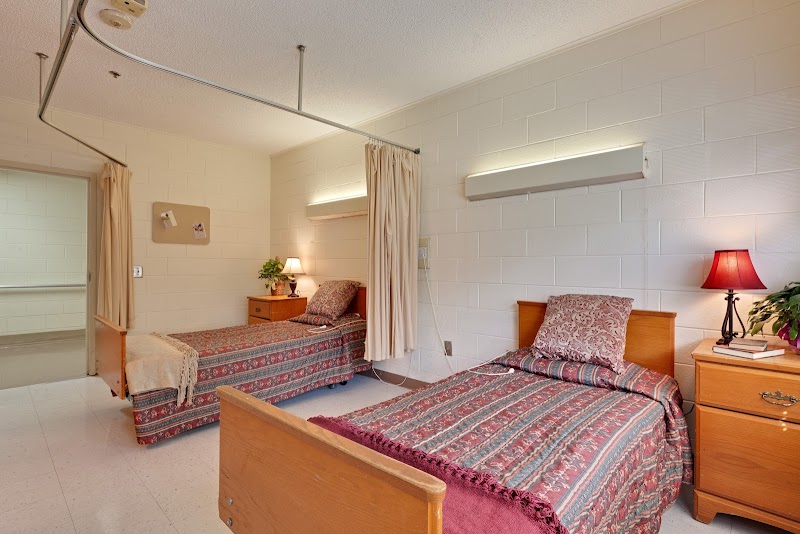
How is Pruitthealth - Bethany Staffed?

CMS rates PRUITTHEALTH - BETHANY's staffing level at 1 out of 5 stars, which is much below average compared to other nursing homes. Staff turnover is 39%, compared to the Georgia average of 46%. This relatively stable workforce can support continuity of care.

What Have Inspectors Found at Pruitthealth - Bethany?

State health inspectors documented 15 deficiencies at PRUITTHEALTH - BETHANY during 2022 to 2025. These included: 4 Immediate Jeopardy (the most serious level, indicating potential for serious harm or death) and 11 with potential for harm. Immediate Jeopardy findings are rare and represent the most serious regulatory concerns. They require immediate corrective action.
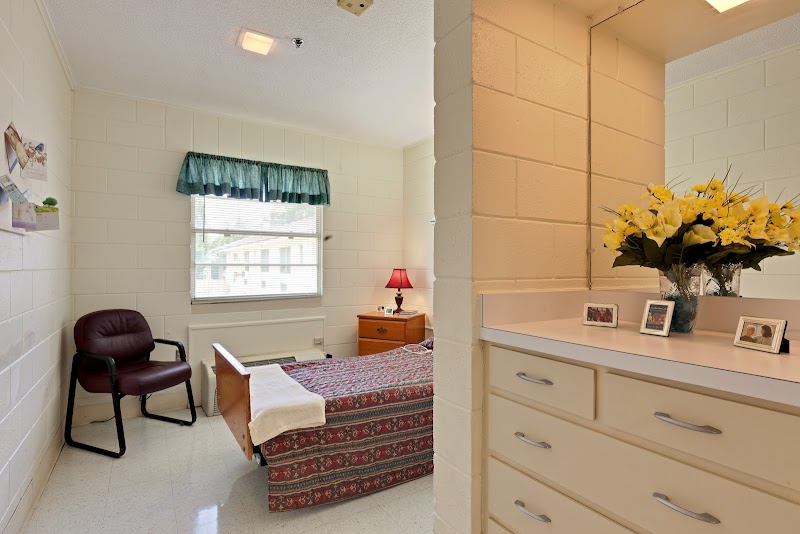
Who Owns and Operates Pruitthealth - Bethany?

PRUITTHEALTH - BETHANY is owned by a for-profit company. For-profit facilities operate as businesses with obligations to shareholders or private owners. The facility is operated by PRUITTHEALTH, a chain that manages multiple nursing homes. With 100 certified beds and approximately 77 residents (about 77% occupancy), it is a mid-sized facility located in MILLEN, Georgia.
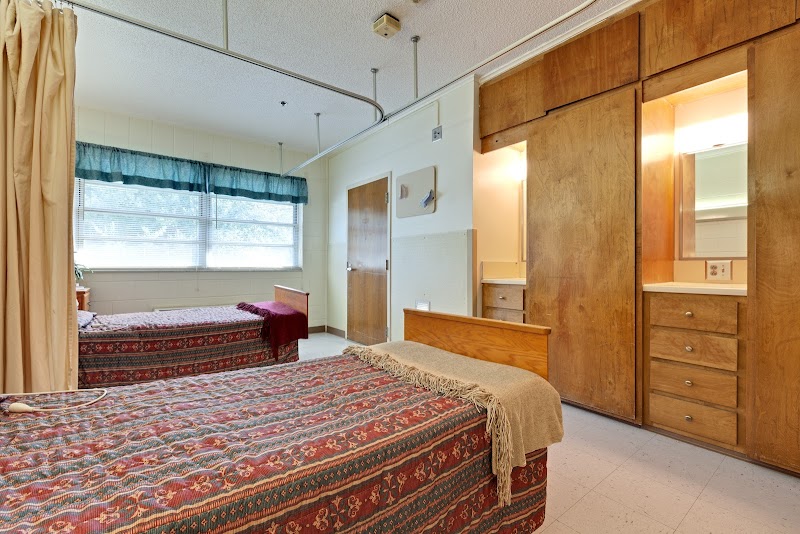
How Does Pruitthealth - Bethany Compare to Other Georgia Nursing Homes?

Compared to the 100 nursing homes in Georgia, PRUITTHEALTH - BETHANY's overall rating (1 stars) is below the state average of 2.6, staff turnover (39%) is near the state average of 46%, and health inspection rating (2 stars) is below the national benchmark.

What Should Families Ask When Visiting Pruitthealth - Bethany?

Based on this facility's data, families visiting should ask: "What changes have been made since the serious inspection findings, and how are you preventing similar issues?" "Can you walk me through typical staffing levels on day, evening, and night shifts?" "Can I visit during a mealtime to observe dining assistance and food quality?" "How do you handle medical emergencies, and what is your hospital transfer rate?" These questions are particularly relevant given the facility's Immediate Jeopardy citations and the below-average staffing rating.

Is Pruitthealth - Bethany Safe?

Based on CMS inspection data, PRUITTHEALTH - BETHANY has documented safety concerns. Inspectors have issued 4 Immediate Jeopardy citations (the most serious violation level indicating risk of serious injury or death). The facility has a 1-star overall rating and ranks #100 of 100 nursing homes in Georgia. Families considering this facility should ask detailed questions about what corrective actions have been taken since these incidents.

Do Nurses at Pruitthealth - Bethany Stick Around?

PRUITTHEALTH - BETHANY has a staff turnover rate of 39%, which is about average for Georgia nursing homes (state average: 46%). Moderate turnover is common in nursing homes, but families should still ask about staff tenure and how the facility maintains care continuity when employees leave.

Was Pruitthealth - Bethany Ever Fined?

PRUITTHEALTH - BETHANY has been fined $91,062 across 1 penalty action. This is above the Georgia average of $33,989. Fines in this range indicate compliance issues significant enough for CMS to impose meaningful financial consequences. Common causes include delayed correction of deficiencies, repeat violations, or care failures affecting resident safety. Families should ask facility leadership what changes have been made since these penalties.

Is Pruitthealth - Bethany on Any Federal Watch List?

PRUITTHEALTH - BETHANY is not on any federal watch list. The most significant is the Special Focus Facility (SFF) program, which identifies the bottom 1% of nursing homes nationally based on persistent, serious quality problems. Not being on this list means the facility has avoided the pattern of deficiencies that triggers enhanced federal oversight. This is a positive indicator, though families should still review the facility's inspection history directly.