PARK PLACE NURSING FACILITY
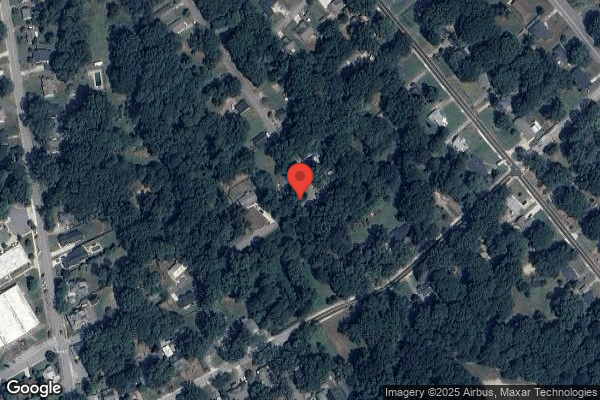
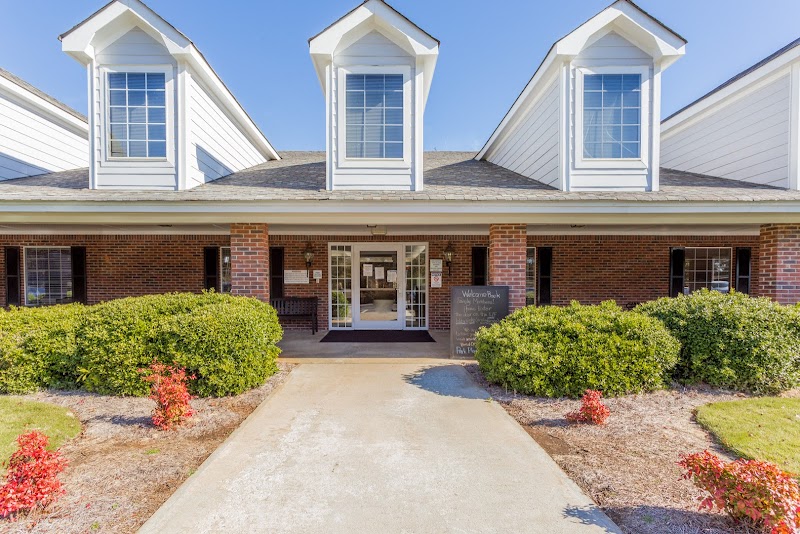
1865 BOLD SPRINGS ROAD, MONROE, GA 30655 (770) 267-8677
For profit - Limited Liability company 165 Beds MICHAEL FEIST Data: November 2025
Trust Grade
80/100
#81 of 353 in GA
Last Inspection: April 2025

Within standard 12-15 month inspection cycle. Federal law requires annual inspections.

Overview

Park Place Nursing Facility in Monroe, Georgia, has a Trust Grade of B+, indicating it is above average and recommended for care. It ranks #81 out of 353 facilities in Georgia, placing it in the top half, and is the best option among two facilities in Walton County. However, the facility is experiencing a worsening trend, having increased from 2 issues in 2024 to 4 in 2025. While staffing is rated below average with a 2/5 star rating and a turnover rate of 53%, it has no fines on record and maintains average RN coverage. Specific concerns include failing to develop a comprehensive care plan for a resident requiring oxygen therapy and not providing specialized respiratory care as per medical standards, which raises potential risks for residents.

Trust Score
B+
80/100
In Georgia
#81/353
Top 22%
Safety Record
Low Risk
No red flags
Inspections
Getting Worse
2 → 4 violations
Staff Stability
⚠ Watch
53% turnover. Above average. Higher turnover means staff may not know residents' routines.
Penalties
✓ Good
No fines on record. Clean compliance history, better than most Georgia facilities.
Skilled Nurses
⚠ Watch
Each resident gets only 29 minutes of Registered Nurse (RN) attention daily — below average for Georgia. Fewer RN minutes means fewer trained eyes watching for problems.
Violations
⚠ Watch
11 deficiencies on record. Higher than average. Multiple issues found across inspections.
★★★★☆
4.0
Overall Rating
★★☆☆☆
2.0
Staff Levels
★★★★☆
4.0
Care Quality
★★★★☆
4.0
Inspection Score
Stable
2024: 2 issues
2025: 4 issues

The Good

  • 4-Star Quality Measures · Strong clinical quality outcomes
  • Full Sprinkler Coverage · Fire safety systems throughout facility
  • No fines on record

Facility shows strength in quality measures, fire safety.

The Bad

Staff Turnover: 53%

Near Georgia avg (46%)

Higher turnover may affect care consistency

Chain: MICHAEL FEIST

Part of a multi-facility chain

Ask about local staffing decisions and management

The Ugly 11 deficiencies on record

Apr 2025 4 deficiencies
CONCERN (D)

Potential for Harm - no one hurt, but risky conditions existed

Comprehensive Care Plan (Tag F0656)

Could have caused harm · This affected 1 resident

**NOTE- TERMS IN BRACKETS HAVE BEEN EDITED TO PROTECT CONFIDENTIALITY** Based on observations, staff interviews, record review, and review of the facility's policy titled Comprehensive Care Plans, the...

Read full inspector narrative →
**NOTE- TERMS IN BRACKETS HAVE BEEN EDITED TO PROTECT CONFIDENTIALITY** Based on observations, staff interviews, record review, and review of the facility's policy titled Comprehensive Care Plans, the facility failed to develop a comprehensive care plan that included the use of oxygen and nebulizer treatments for one out of 24 Residents (R) (R33) receiving oxygen therapy. Findings include: Review of the facility's policy titled Comprehensive Care Plans, revised 2/22/2024 under the Policy section revealed, It is the policy of the facility to develop and implement a comprehensive person-centered care plan for each resident, .to meet a resident's medical, nursing, .needs that are identified in the resident's comprehensive assessment .3. The comprehensive care plan will describe, at a minimum, the following: a. The services are to be furnished to attain or maintain the resident's highest practicable physical .well-being .5. The comprehensive care plan will be reviewed and revised by the interdisciplinary care team after each comprehensive and quarterly MDS assessment . Review of the medical records revealed that R33 was admitted to the facility on [DATE] with diagnoses that included but not limited to pneumonitis, acute respiratory failure with hypoxia and hypercapnia, and pleural effusion. Review of R33's Quarterly Minimum Data Set (MDS) dated [DATE] for Section C (Cognitive Patterns) revealed, a Brief Mental Interview of Mental Status (BIMS) score of six indicating severe cognitive impairment. Section O (Special Treatments and Programs) revealed that the resident received oxygen therapy while being a resident. Review of R33's care plan revealed, there was no mention of oxygen therapy, other respiratory problems the resident was admitted with, or nebulizer treatments in the care plan. However, during the survey the care plan was updated that included a Focus: I was admitted with pneumonia on admission and will remain on ABT (antibiotic) therapy for the next three days, with the goal of being free from complications of infection, dated 4/8/2025; The care plan also included another Focus that revealed, I have pneumonia date initiated on 11/8/2024 and revision date of 4/8/2024, with the same goal of being free from complications of infection. Interventions included but are not limited to: elevating the head of the bed, administering medications as ordered, and monitoring for and reporting signs and symptoms of pneumonia to the physician. Review of R33's physician orders revealed, albuterol sulfate inhalation nebulization solution (2.5 MG [(milligrams) /3ML (milliliters)]0.083% - 3 mL to inhale orally in the morning for shortness of breath with start date of 11/9/2024 and ipratropium-albuterol inhalation solution 0.5-2.5 (3) MG/3ML - 3 mL to inhale orally three times a day for wheezing, for 7 days with start date of 4/7/2025 however there was no active physician orders for oxygen. Further review of medical records revealed a discontinued order for oxygen that was started on 11/8/2024 and discontinued on 11/11/2024. Observation on 4/8/2025 at 11:21 am revealed, R33 in bed with oxygen (O2) at 2LPM (liters per minute) via nasal canula (NC). Observations on 4/8/2025 at 3:00 pm and 5:53 pm revealed, R33 O2 at 2LPM via NC. Observation on 4/9/2024 at 2:00 pm revealed, R33 O2 at 2LPM via NC. Observation on 4/10/2025 at 9:20 am revealed R33 in the room receiving O2 at 2LPM via NC. During an interview on 4/9/2025 at 9:00 am, the Director of Nursing (DON) revealed that if a resident was on oxygen therapy, it should be addressed on the care plan. She further revealed she conducted an audit of all residents on oxygen and held an in-service training with her staff on the evening of 4/8/2025 regarding residents on oxygen. In an interview on 4/10/2025 at 2:45 pm with Licensed Practical Nurse MDS, BB revealed, when a resident is admitted to the facility, a baseline care plan is initiated, followed by a comprehensive care plan completed. She noted that the entire interdisciplinary team was involved in this process. She explained that they interview the resident and review the resident's records, physician's orders, hospital records, and diagnoses. She revealed that the comprehensive care plan was developed based on all this information. She further confirmed that if a resident had respiratory problems, received oxygen and respiratory treatments, then this information should be included in the care plan.
CONCERN (D)

Potential for Harm - no one hurt, but risky conditions existed

Deficiency F0657 (Tag F0657)

Could have caused harm · This affected 1 resident

**NOTE- TERMS IN BRACKETS HAVE BEEN EDITED TO PROTECT CONFIDENTIALITY** Based on staff interviews, record review, and review of the facility policy titled, Comprehensive Care Plans the facility failed...

Read full inspector narrative →
**NOTE- TERMS IN BRACKETS HAVE BEEN EDITED TO PROTECT CONFIDENTIALITY** Based on staff interviews, record review, and review of the facility policy titled, Comprehensive Care Plans the facility failed to make sure the care plan for one out of 59 sampled Residents (R) R154 was revised to specifically address the updated advance directives. The deficient practice had the potential not to receive treatment and care according to their needs and/or preference. Findings include: A review of the facility policy titled, Comprehensive Care Plans dated [DATE], under the Policy section revealed, It is the policy of this facility to develop and implement a comprehensive person-centered care plan for each resident, consistent with resident rights, that include measurable objectives and timeframes to meet a resident's medical, nursing, and mental and psychosocial needs that are identified in the resident's comprehensive assessment. Under the Policy Explanation and Compliance Guidelines revealed, 3. The comprehensive care plan will describe at a minimum, the following: d. The residents goals for admission, desired outcomes, and preferences for future discharge . 5. The comprehensive care plan will be reviewed and revised by the interdisciplinary team after each comprehensive and quarterly MDS assessment .8. Qualified staff responsible for carrying out interventions specified in the care plan will be notified of their roles and responsibilities for carrying out the interventions, initially and when changes are made. A review of the Annual Minimum Data Set (MDS) for R154 for Sections C (Cognitive Patterns) revealed a Brief Interview of Mental Status (BIMS) of 12 which indicated moderate cognitive impairment. A review of R154's Physician Order for Life-Sustaining Treatment (POLST) dated for [DATE] revealed the resident wished to have a natural death and do not attempt resuscitation. A review of R154's care plan with date initiated on [DATE] revealed, a Focus: My Code status is DNR (Do Not Resuscitate). Goal My wishes will be honored and carried out as indicated through next review. Interventions included: Code Status will be on record, honor wishes as indicated, notify MD/Family of change in condition promptly. A review of R154's Order Summary Report revealed, a Full Code order with start date of [DATE] (discontinued), a DNR order with start date of [DATE] (discontinued), and a Full Code order with start date of [DATE]. A review of R154's health progress note dated [DATE] 14:29 documented, Resident [154] noted unresponsive 12;20 pm, CPR started, 911 called, Resident transfer to ER at 12:45 pm, R/P both notified, supervisor notified NP. Phone interview on [DATE] at 10:00 am with Licensed Practical Nurse (LPN) FF revealed she went in the room and R154 was unresponsive when she called his name. They called 911 and the Emergency Medical Technicians (EMT's) came and started cardiopulmonary resuscitation (CPR) on R154. She said she does not recall but it was around noon on [DATE]. She further revealed the EMT's stated he had no pulse, and his oxygen (O2) sat was low, she went out and called a code blue and CPR was started right away and then when the EMT's arrived, they took over. An interview conducted on [DATE] at 2:00 pm with the Director of Nursing (DON) revealed that due to the facility's high volume of admissions and discharges, they utilize an Admissions Nurse to help manage transitions. The DON explained that during internal audits, it was discovered that when residents returned from hospital stays, some medication orders were being reactivated based on previous orders without proper verification or a new physician order. A staff member was reconciling discharge orders from the hospital but was not independently placing new orders; instead, he was matching the orders to the physician's recommendations. However, the DON acknowledged that reconciliation should involve contacting the physician to confirm appropriateness, not simply reactivating past orders. According to the DON, the facility policy requires that upon a resident's readmission, staff complete a comprehensive review of discharge orders, verify the resident's code status, and perform a complete reassessment within 48 hours. The DON confirmed that residents' code statuses, such as Full Code or DNR, are expected to be verified upon admission or readmission. The DON confirmed R154, who was hospitalized on [DATE], had a change in code status at the hospital to Full Code. A phone interview was conducted on [DATE] at 2:14 pm with the physician regarding R154's code status upon return from the hospital on [DATE]. During the interview, the physician reviewed R154's chart and indicated the readmission was likely done by nurse practitioner. He revealed for every admission a discussion of life sustaining care is discussed. The progress note documented discussion patient/POA/family wishes to discuss advanced care planning. An additional 17 minutes spent with patient /POA/family addressing Advanced Care Planning, including current diagnoses, goals of care and meaning of Full Code, DNR, Hospice and other life sustaining measures such as PEG tube for nutrition, CPR, ventilator and IV fluids. Understanding voiced, all questions and concerns addressed. There is no acute change in resident status at this time. Wishes to maintain FULL CODE status. 45 minutes total time spent on this encounter.
CONCERN (D)

Potential for Harm - no one hurt, but risky conditions existed

Respiratory Care (Tag F0695)

Could have caused harm · This affected 1 resident

**NOTE- TERMS IN BRACKETS HAVE BEEN EDITED TO PROTECT CONFIDENTIALITY** Based on observations, staff interviews, record review, and review of the facility's policy titled Oxygen Administration, the fa...

Read full inspector narrative →
**NOTE- TERMS IN BRACKETS HAVE BEEN EDITED TO PROTECT CONFIDENTIALITY** Based on observations, staff interviews, record review, and review of the facility's policy titled Oxygen Administration, the facility failed to provide specialized respiratory care in accordance with professional standards of practice by administering oxygen (O2) without a physician's order for one out of 24 Residents (R) (R33) receiving oxygen therapy. Findings include: Review of the facility's policy titled Oxygen Administration revised 2/22/2024 under the Policy section revealed, 1. Oxygen is administered under orders of a physician except in the case of an emergency .4. The resident's care plan shall identify the interventions for oxygen therapy, based upon the resident's assessment and orders, such as, but not limited to: a. They type of oxygen delivery system. b. When to administer, such as continuous or intermittent and /or when to discontinue. Review of the medical records revealed that R33 was admitted to the facility on [DATE] with diagnoses that included but not limited to pneumonitis, acute respiratory failure with hypoxia and hypercapnia, and pleural effusion. Review of R33's Quarterly Minimum Data Set (MDS) dated [DATE] for Section C (Cognitive Patterns) a Brief Mental Interview of Mental Status (BIMS) score of six indicating severe cognitive impairment. Section O (Special Treatments and Programs) revealed that the resident received oxygen therapy while being a resident. Review of R33's physician orders revealed there was no active physician orders for oxygen. Further review of physician orders revealed a discontinued order for oxygen that was started on 11/8/2024 and discontinued on 11/11/2024. Review of R33's electronic Medication Administration Record (eMAR) from November 2024-March 2025 revealed a standing order to change oxygen tubing and clean oxygen concentrator filter every Wednesday during the day shift with start date of 11/13/2024. Further review of eMAR revealed that this task was checked off as completed. Observation on 4/8/2025 at 11:21 am revealed, R33 in bed with oxygen (O2) at 2LPM (liters per minute) via nasal canula (NC). Observations on 4/8/2025 at 3:00 pm and 5:53 pm revealed, R33 O2 at 2LPM via NC. Observation on 4/9/2024 at 2:00 pm revealed, R33 O2 at 2LPM via NC. Observation on 4/10/2025 at 9:20 am revealed R33 in the room receiving O2 at 2LPM via NC. Interview on 4/10/2025 at 9:22 am with Licensed Practical Nurse (LPN) AA revealed that R33 was currently being treated for pneumonia with antibiotics and nebulizer treatments. She revealed vitals, including pulse oximeter were completed daily, and he was also on oxygen. When asked how she would determine how much oxygen R33 needed, she replied that she would look at the doctor's order. During this time LPN AA verified that she was unable to find a doctor's order for oxygen for R33. She confirmed that all residents must have a doctor's order for oxygen and stated she would call the Nurse Practitioner right away to correct it. Interview on 4/10/2025 at 9:27 am with the Director of Nursing (DON) confirmed that residents must have a doctor's order for oxygen because it's considered a drug. The DON verified that she also was unable to find an order for oxygen for R33.
CONCERN (D)

Potential for Harm - no one hurt, but risky conditions existed

Deficiency F0761 (Tag F0761)

Could have caused harm · This affected 1 resident

Based on observations, staff interviews, record reviews, and review of the facility's policy titled Medication Storage, the facility failed to secure medication that was left unattended on top of medi...

Read full inspector narrative →
Based on observations, staff interviews, record reviews, and review of the facility's policy titled Medication Storage, the facility failed to secure medication that was left unattended on top of medication cart for one out of eight medication carts (Hall D medication cart). In addition, the facility failed to ensure sterile resident care items in one out of two medication storage rooms (Hall D medication storage room) were not expired. The deficient practices created the potential for residents, unauthorized staff, and visitors to have access to medications stored on the medication cart and the potential for the use of expired resident care supplies. Findings include: Review of the facility's policy titled Medication Storage, revised 2/22/2024 under the Policy section revealed, It is the policy of this facility to ensure all medications housed on our premises will be stored in the pharmacy and/or medication rooms according to the manufacturer's recommendations and sufficient to ensure proper sanitation, temperature, light, ventilation, moisture control, segregation, and security. Under the Policy Explanation and Compliance Guidelines section revealed, 1. General Guidelines: (c.) During medication pass, medications must be under the direct observation of the person administering medications or locked in the medication storage area/cart . 8. Unused Medications The pharmacy and all medication rooms are routinely inspected by the consultant pharmacist for discontinued, outdated, defective or deteriorated medications with worn, illegible or missing labels . Observation on 4/9/2025 at 8:28 am with Licensed Practical Nurse (LPN) CC during medication administration, revealed two medication cards with apixaban and buspirone were left unattended on Hall D medication cart while LPN CC went into resident room to administer medications with medication cart not in view. Observation and interview on 4/10/2025 at 2:48 pm with the Director of Nursing (DON) in Hall D medication storage room revealed four expired sterile, urethral catheter trays with expiration date of March 2025. The DON confirmed the expiration date during this time. Interview on 4/9/2025 at 8:35 am with LPN CC confirmed that when she leaves the cart, it must be locked with no medications on top. LPN CC referenced and confirmed that the medications were expired, left unattended during her medication administration. LPN CC confirmed that she should not have left the medications unattended. At this time, she removed the medication cards from the medication cart and disposed of them. Interview on 4/9/2025 at 9:40 am with the Assistant Director of Nursing revealed her expectations regarding medication storage was that expired medications found on the medication cart were to be destroyed immediately, not stored on top of medication cart. Interview on 4/10/2025 at 2:48 pm with the DON revealed her expectations for management of storage of medications includes, if expired meds were found in the medication cart during administration, the nurse was expected to place it away from the active pile inside of the medication cart until administration was done and then disposed of it. DON also revealed, her expectations that no medications, expired or active, were to be stored unattended on top of the medication cart. DON also confirmed expectations of medication storage room was that all expired items, including expired urethral catheterization trays should be removed weekly. DON confirmed that she has overall responsibility for removal of expired items.
Feb 2024 2 deficiencies
CONCERN (D) 📢 Someone Reported This

A family member, employee, or ombudsman was alarmed enough to file a formal complaint

Potential for Harm - no one hurt, but risky conditions existed

Report Alleged Abuse (Tag F0609)

Could have caused harm · This affected 1 resident

**NOTE- TERMS IN BRACKETS HAVE BEEN EDITED TO PROTECT CONFIDENTIALITY** Based on staff interviews, record review, and review of facility's policy titled Abuse, Neglect, and Exploitation the facility f...

Read full inspector narrative →
**NOTE- TERMS IN BRACKETS HAVE BEEN EDITED TO PROTECT CONFIDENTIALITY** Based on staff interviews, record review, and review of facility's policy titled Abuse, Neglect, and Exploitation the facility failed to report an allegation of sexual abuse against one Resident (R) (R5) to the State Survey Agency (SSA) within two hours of the allegation being made and to notify law enforcement. Specifically, the facility failed to notify the abuse coordinator and the local law enforcement that R5 reported that he had been molested and raped by Certified Nursing Assistant (CNA) BB. The sample size was five. Findings include: Review of the policy titled Abuse, Neglect, and Exploitation dated 2/24/2024 under the section titled, Policy revealed: It is the policy of this facility to provide protections for the health, welfare, and rights of each resident by developing and implementing written policies and procedures that prohibit and prevent abuse, neglect, exploitation, and misappropriation of resident property. Under the section titled, Definitions revealed: Law enforcement is the full range of potential responders to elder abuse, neglect, and exploitation including police, sheriffs, detectives, public safety officers; corrections personnel; prosecutors; medical examiners; investigators; and coroners. Under the section titled, VII. Reporting/Response revealed: A. The facility will have written procedures that include: 1. Reporting of all alleged violations to the Administrator, state agency, adult protective services and to all other required agencies (e.g., law enforcement when applicable) within specified timeframes: a. Immediately, but not later than 2 hours after the allegation is made, if the events that cause the allegation involve abuse or result in serious bodily injury, or b. Not later than 24 hours if the events that cause the allegation do not involve abuse and do not result in serious bodily injury. Review of the clinical record for R5 revealed he was readmitted to the facility on [DATE] with diagnoses of, but not limited anxiety, depression, and intracerebral hemorrhage. Review of R5's most recent quarterly Minimum Data Set (MDS) dated [DATE] revealed Section C-Cognitive Patterns: a Brief Interview for Mental Status (BIMS) was assessed as zero, which indicated severe cognitive impairment. Section D-Mood: revealed the mood of feeling down, depressed, hopeless. Section E revealed verbal and other behavior exhibited. Review of R5's care plan initiated on 2/21/2024 revealed that R5 has potential to be verbally aggressive. Interventions included but not limited to assess the resident's understanding of the situation. Allow time for the resident to express self and feelings towards the situation. Review of the Behavior Note dated 2/17/2024 revealed: the CNA assisted R5 with incontinent care and placed R5 in the day area in his Geri-chair. She (CNA) then reported to the writer that resident was screaming while receiving incontinent care Ohhh {sic} she's molesting/raping me. Which made the CNA very uncomfortable about the fictitious accusation. The writer reported this matter to the Manager on Duty. He then reported it to the supervisor. Writer informed the CNA to write a statement per Manager on Duty. The nurse received the statement and given it to the Supervisor. Review of the Facility Incident Report Form dated 2/19/2024 revealed: I (Administrator in Training) was notified on 2/19/2024 regarding the allegation on 2/17/2024. Details of Incident: The resident (R5) stated that he was molested and raped. Alleged Perpetrator's CNB BB. An interview on 2/28/2024 at 10:59 am with CNA DD stated she has been in-service on abuse. She stated all abuse should be reported to the Administrator (Abuse Coordinator) immediately. An interview on 2/28/2024 at 11:09 am with CNA EE stated the facility conducts abuse in-service weekly on reporting abuse. She stated that all abuse should be reported immediately to the abuse coordinator (Administrator). An interview on 2/28/2024 at 11:23 am with Licensed Practical Nurse (LPN) CC stated she was on duty on 2/17/2024 when R5 accused the CNA BB of molestation and rape. The LPN stated the resident and CNA were in R5's room when she entered to give medications. She stated R5 was verbally abusive to her and the CNA. She stated R5 called her a __ and refused his medication. She stated she explained to the resident that his behavior was not nice. She stated after talking with him he agreed to take his medication. She stated she asked the resident, and the CNA were they okay. The resident and the CNA said they were okay, and she left the room. She stated a few minutes later the CNA came up to her and told her she needs another resident because he (R5) is accusing me of molesting and raping him (R5). She stated she went to R5 and asked what happened. She stated that R5 turned his head away and would not talk. She stated she reported the incident to the Manager On Duty (MOD). She stated she was instructed by the MOD to have the CNA to write a statement. LPN CC stated she did not notify anyone else of R5's allegation. An interview on 2/28/2024 at 2:30 pm with the Administrator stated the incident with R5 was reported to the SSA but not to the local law enforcement. She stated she spoke with R5, and he told her the allegation of molestation and rape was not true. She stated because the resident stated the allegation was not true, she did not report the incident to the local law enforcement. The Administrator stated going forward the allegations of abuse/neglect will be reported timely to SSA and law enforcement.
MINOR (C) 📢 Someone Reported This

A family member, employee, or ombudsman was alarmed enough to file a formal complaint

Minor Issue - procedural, no safety impact

Employment Screening (Tag F0606)

Minor procedural issue · This affected most or all residents

Based on staff interviews, record review, and review of the facility's policy titled Abuse, Neglect, and Exploitation the facility failed to ensure that a Georgia Criminal History Check System (GCHEXS...

Read full inspector narrative →
Based on staff interviews, record review, and review of the facility's policy titled Abuse, Neglect, and Exploitation the facility failed to ensure that a Georgia Criminal History Check System (GCHEXS) Fingerprint check was conducted for one Certified Nursing Assistant (CNA) of ten employee files selected for review. The facility census was 155 residents. Findings include: Review of the policy titled Abuse, Neglect, and Exploitation dated 2/24/2024 indicated: Screening-A. Potential employees will be screened for a history of abuse, neglect, exploitation, or misappropriation of resident property. 1. Background, reference, and credentials' checks shall be conducted on potential employees, contracted temporary staff, students affiliated with academic institutions, volunteers, and consultants. 2. Screenings may be conducted by the facility itself, third-party agency, or academic institution. 3. The facility will maintain documentation of proof that the screening occurred. During a record review of the employee files there was no documentation that a fingerprint records check was conducted on CNA BB. An interview on 2/28/2024 at 10:50 am with the Human Resources Director (HRD) stated she is responsible for background checks, fingerprints check, reference check and maintaining the employee's files. The HRD confirmed CNA BB did not have a fingerprint check conducted. An interview on 2/28/2024 at 2:27 pm with the HRD stated the facility follows the State and Federal requirements for conducting fingerprint checks. An interview on 2/28/2024 at 3:30 pm with the Administrator stated she has spoken with the staff in the Human Resource Department and an audit will be completed to ensure that all employees have the required background check and/or GCHEXS completed.
Jan 2023 3 deficiencies
CONCERN (D) 📢 Someone Reported This

A family member, employee, or ombudsman was alarmed enough to file a formal complaint

Potential for Harm - no one hurt, but risky conditions existed

Report Alleged Abuse (Tag F0609)

Could have caused harm · This affected 1 resident

**NOTE- TERMS IN BRACKETS HAVE BEEN EDITED TO PROTECT CONFIDENTIALITY** Based on record review, staff interviews, and review of the facility policy titled, Abuse, Neglect and Exploitation, the facilit...

Read full inspector narrative →
**NOTE- TERMS IN BRACKETS HAVE BEEN EDITED TO PROTECT CONFIDENTIALITY** Based on record review, staff interviews, and review of the facility policy titled, Abuse, Neglect and Exploitation, the facility failed to report allegations of abuse timely for one resident of four residents (R) (R#2), reviewed for abuse allegations. R#2 reported to the Administrator on 1/2/2023 that staff had been rough during care; however, the allegation was not reported to the state agency until 1/6/2023, four days later. Findings included: Review of the facility policy titled, Abuse, Neglect and Exploitation, dated 2022, revealed, The facility will have written procedures that include: 1. Reporting of all alleged violations to the Administrator, state agency, adult protective services and to all other required agencies (e.g., law enforcement when applicable) within specified timeframes; a. Immediately, but not later than 2 hours after the allegation is made, if the events that caused the allegation involve abuse or result in serious bodily injury, or b. Not later than 24 hours if the events that cause the allegation do not involve abuse and do not result in serious bodily injury. Review of an admission Record revealed the facility admitted R#2 with a diagnosis which included acute respiratory failure. A review of the quarterly Minimum Data Set (MDS), dated [DATE], revealed R#2 had a Brief Interview for Mental Status (BIMS) score of 15, indicating the resident was cognitively intact. R#2 required the assistance of one staff member with bed mobility. A review of R#2's care plan, dated 7/8/2022, indicated R#2 required extensive assistance from one staff with bed mobility. A Grievance Form, dated 1/2/2023, indicated R#2 reported a certified nursing assistant (CNA) was rushed when putting the resident to bed and turning the resident on their side on 1/1/2023. The grievance form further indicated the resident reported the CNA was rough and the resident provided a description of the CNA. The form indicated the Administrator took the grievance from the resident. A Facility Incident Report Form, dated 1/6/2023, indicated R#2 reported staff were rough while changing the resident's brief. The incident allegedly occurred on 1/1/2023 and 1/2/2023. The allegation of abuse was reported to the state agency on 1/6/2023. Interview on 1/16/2023 at 1:54 p.m., R#2 stated that on a Sunday and a Monday (date unknown), a staff member (name unknown) rolled R#2 over during care and gave the resident a shove. R#2 stated the incident was reported to the facility. Interview on 1/19/2023 at 2:59 p.m., the Director of Nursing (DON) stated if a resident reported a staff member was too rough, she would report the allegation and remove the staff member involved from resident care. Interview on 1/20/2023 at 9:10 a.m., the Administrator stated that when a resident says staff was too rough, We dig a little deeper. She revealed that allegations of abuse should be reported within two hours. She further stated that when the resident initially denied feeling they had been abused, the incident was not reported as abuse. The Administrator revealed that when the resident later stated they thought the incident was abuse, it was reported within two hours.
CONCERN (D) 📢 Someone Reported This

A family member, employee, or ombudsman was alarmed enough to file a formal complaint

Potential for Harm - no one hurt, but risky conditions existed

Pharmacy Services (Tag F0755)

Could have caused harm · This affected 1 resident

**NOTE- TERMS IN BRACKETS HAVE BEEN EDITED TO PROTECT CONFIDENTIALITY** Based on record review, resident and staff interviews, and review of the facility policy titled, Medication Administration, the ...

Read full inspector narrative →
**NOTE- TERMS IN BRACKETS HAVE BEEN EDITED TO PROTECT CONFIDENTIALITY** Based on record review, resident and staff interviews, and review of the facility policy titled, Medication Administration, the facility failed to provide pharmaceutical services that assured the accurate administration of medications for two residents of five residents ( R) (R#13 and R#17) reviewed for medication administration. Specifically, the facility failed to administer R#13's and R#17's medications within one hour of the scheduled time. Findings included: The facility's policy, titled, Medication Administration, dated 2022, indicated, Policy Explanation and Compliance Guidelines: with instructions to Administer within 60 minutes prior to or after scheduled time unless otherwise ordered by physician. The policy also instructed to Sign MAR [Medication Administration Record] after administered. 1. Review of R#17's admission Record revealed the facility admitted the resident with diagnoses that included hypertensive chronic kidney disease, acute respiratory failure with hypoxia, atrial fibrillation, type 2 diabetes mellitus with unspecified complications, and major depressive disorder. Review of the quarterly Minimum Data Set (MDS), dated [DATE], revealed R#17 had a Brief Interview for Mental Status (BIMS) score of 14, indicating the resident was cognitively intact. The MDS indicated R#17 had active diagnoses that included diabetes mellitus, hypertension, hyperlipidemia, depression, and respiratory failure. The MDS revealed R#17 received insulin injections, an antidepressant, an anticoagulant, and a diuretic on seven of seven days during the assessment period. Review of R#17's care plan, revised on 9/27/2022, indicated R#17 had interventions in place, including to administer medications as ordered by the physician. Review of R#17's Medication Administration Record (MAR) for January 2023 revealed the following medications scheduled for 8:30 a.m. had been administered after 9:30 a.m. on 1/16/2023 and 1/17/2023: - Alphagan P Solution eye drops for glaucoma - apixaban tablet for atrial fibrillation - aspirin tablet for health maintenance - docusate Sodium capsule for constipation - dorzol/timolol eye drops for glaucoma - fluticasone nasal spray for allergies - metoprolol tartrate tablet for hypertension Review of R#17's MAR for January 2023 revealed the following medications scheduled for 8:30 p.m. were administered after 10:00 p.m. on 1/16/2023 and 1/17/2023: - Alphagan P Solution eye drops for glaucoma - apixaban tablet for atrial fibrillation - Celexa tablet for depression - fluticasone nasal spray for allergies - novolin R insulin per sliding scale for hyperglycemia Interview on 1/16/2023 at 12:20 p.m., R#17 stated the nurses were late administering medications. R#17 also stated it was usually 10:00 p.m. or later when they received their evening medications. 2. Review of R#13's admission Record revealed the facility admitted the resident with diagnoses that included acute respiratory failure with hypoxia, chronic obstructive pulmonary disease, paroxysmal atrial fibrillation, type 2 diabetes mellitus, hypertension, and hyperlipidemia. Review of the quarterly Minimum Data Set (MDS), dated [DATE], revealed R#13 had a Brief Interview for Mental Status (BIMS) score of 15, indicating the resident was cognitively intact. The MDS indicated R#13 had active diagnoses that included coronary heart disease, hypertension, diabetes mellitus, hyperlipidemia, chronic obstructive pulmonary disease, and respiratory failure. Review of R#13 's care plan, revised on 8/20/2022, indicated R#13 had interventions in place, including to administer medications as ordered by the physician. Review of R#13's MAR for January 2023 revealed the following medications scheduled for 8:30 a.m. administration had been administered after 9:30 a.m. on 1/16/2023 and 1/17/2023: - Arnuity Ellipta inhaler for chronic obstructive pulmonary disease - aspirin delayed release for hypertension - diclofenac gel for arthritis pain - Eliquis tablet for atrial fibrillation - flecainide tablet for atrial fibrillation - Hiprex tablet for prophylaxis related to urinary tract infection - Ketotifen Fumarate drops for eye inflammation - Metoprolol Tart tablet for hypertension - Polyethylene Glycol for constipation - Potassium extended release for diuretic therapy - Spiriva inhaler for chronic obstructive pulmonary disease Review of R#13's MAR for January 2023 revealed the following medications scheduled for 8:30 p.m. were administered after 10:00 p.m. on 1/16/2023 and 1/17/2023: - Diclofenac gel for arthritis pain - Eliquis tablet for atrial fibrillation - Melatonin tablet for insomnia - Metoprolol Tart tablet for hypertension - Mirtazapine tablet for depression - Montelukast tablet for allergy symptoms Interview on 1/16/2023 at 2:25 p.m., R#13 stated that there was sometimes a problem with getting prescribed medications. Interview on 1/19/2023 at 9:58 a.m., Licensed Practical Nurse (LPN) GG stated that sometimes medication could be late due to emergencies or new admissions. LPN GG also stated that if residents did not get their medications on time, all kinds of things could happen, and whatever condition the medication was used to treat could get worse. Interview on 1/19/2023 at 10:43 a.m., LPN HH stated morning medications should be administered within an hour of the scheduled time. LPN HH also stated that if a nurse was running late, the supervisor could help them. Interview on 1/19/2023 at 11:16 a.m., LPN II stated the morning medication pass started at 7:00 a.m. and ended at 9:00 a.m LPN II also stated she frequently did not get medications passed on time at this facility. She stated there were a lot of residents and they received a lot of medications that took a long time to administer. LPN II further stated she marked the MAR as she was removing the medication from the package. LPN II stated that medications not being administered timely could cause problems for a resident. Interview on 1/20/2023 at 8:51 a.m., the Director of Nursing (DON) stated some nurses were waiting until the end of their shift to document medication administration. She further stated medications should be given within one hour of the scheduled time. The DON revealed that if a nurse was late giving medications, they should contact the physician. She further revealed that some medications were very important to give on time in order to provide the appropriate benefit to the resident. Interview on 1/20/2023 at 9:48 a.m., the Administrator in Training (AIT) stated she expected medications to be passed timely per doctor's orders and to be documented timely.
MINOR (B) 📢 Someone Reported This

A family member, employee, or ombudsman was alarmed enough to file a formal complaint

Minor Issue - procedural, no safety impact

MDS Data Transmission (Tag F0640)

Minor procedural issue · This affected multiple residents

Based on record review, staff interviews, and review of the facility policy titled, MDS 3.0 Completion, the facility failed to ensure discharge Minimum Data Set (MDS) assessments were completed and tr...

Read full inspector narrative →
Based on record review, staff interviews, and review of the facility policy titled, MDS 3.0 Completion, the facility failed to ensure discharge Minimum Data Set (MDS) assessments were completed and transmitted timely for three of three residents (R ) (R#32, R#129, and R#131) reviewed for resident assessments. Findings included: A review of a facility policy titled, MDS 3.0 Completion, dated 11/1/2022, specified, 'OBRA Assessment refers to an assessment mandated by the Omnibus Budget Reconciliation Act of 1987, which specifies a Minimum Data Set (MDS) of core elements for use in assessing nursing home residents. The policy indicated, Types of OBRA Assessments: Discharge Assessment- completed using the discharge date as the ARD [Assessment Reference Date]. Must be completed within 14 days of the discharge date /ARD. The policy continued, Transmission Requirements: all assessments shall be transmitted to the designated CMS system (QIES ASAP) within 14 days of completion. 1. A review of an admission Record indicated the facility discharged R#32 on 9/30/2022. A review of the MDS tab in the electronic health record indicated the discharge assessment was 96 days overdue. 2. A review of an admission Record indicated the facility discharged R#129 on 9/1/2022. A review of the Minimum Data Set (MDS 3.0) Summary for R#129 indicated the discharge assessment was completed on 1/6/2023 and had not been transmitted. 3. A review of an admission Record indicated the facility discharged R#131 on 9/2/2022. A review of the MDS tab in the electronic health record indicated the discharge assessment was 124 days overdue. Interview, with a concurrent record review, on 1/20/2023 at 8:16 a.m., the MDS Coordinator reviewed R#129's MDS data and indicated the discharge assessment had been completed late. The MDS Coordinator indicated R#129's discharge assessment should have been completed and transmitted already. The MDS Coordinator reviewed R#131 and R#32's MDS data and confirmed that neither resident's discharge assessment had been completed. Interview on 1/20/2023 at 8:28 a.m., the Director of Nursing (DON) indicated the MDS needed to be done timely. The DON indicated her expectation was for the MDS assessments to be completed accurately and timely and then submitted timely. Interview on 1/20/2023 at 8:33 a.m., the Administrator in Training (AIT) indicated she expected the MDSs to be done timely.
Sept 2021 2 deficiencies
CONCERN (D)

Potential for Harm - no one hurt, but risky conditions existed

Notification of Changes (Tag F0580)

Could have caused harm · This affected 1 resident

**NOTE- TERMS IN BRACKETS HAVE BEEN EDITED TO PROTECT CONFIDENTIALITY** Based on observation, interview, record review and review of facility policy it was determined the facility failed to ensure a r...

Read full inspector narrative →
**NOTE- TERMS IN BRACKETS HAVE BEEN EDITED TO PROTECT CONFIDENTIALITY** Based on observation, interview, record review and review of facility policy it was determined the facility failed to ensure a resident's responsible party was notified timely of their death for one (1) of 42 sampled residents, Resident (R) #137. Findings include: Review of the facility policy, Change in Resident's Condition updated 9/15/21, indicated the facility will notify the attending Physician, and representative of changes in the resident's medical/mental condition and or status. The staff member noticing a change in the resident condition shall report to the Nursing Supervisor/Charge Nurse at the point the assessment process begins and will then ensure the resident's family or representative are notified. Review of the Quarterly Minimum Data Set (MDS) assessment dated [DATE] revealed R#137 was admitted to the facility on [DATE], with diagnoses including heart failure and hemiplegia or hemiparesis following a cerebral infarction affecting their left non-dominant side. The assessment indicated R#137 had a Brief Interview for Mental Status (BIMS) score of eight (8), indicating moderate to severe impairment in cognitive skills for daily decision making. Review of a Do Not Resuscitate Order for Resident Without Decision Making Capacity dated 2/17/20, indicated the form was signed by the resident's responsible party. Review of the Hospice Notes dated 10/20/20, indicated R#137 was admitted to Hospice on 10/19/20. Review of the R#137's recapitulation of the 8/2021, Physician Orders indicated an order for Do Not Rusticate (DNR). Review of R#137's Release of Body form dated 8/24/21, indicated the date of death was 8/23/21 at approximately 5:00 a.m. Review of the facility's timeline of events on 8/23/21, revealed the following: -At approximately 5:49 a.m., Licensed Practical Nurse (LPN) KK was notified by Certified Nursing Assistant (CNA) ZZ that R#137 appeared to not be breathing. -LPN KK responded and noted no pulse of heartbeat. -At approximately 6:00 a.m., Hospice was called by LPN KK. Message left with answering service. -At approximately 6:35 a.m., LPN YY (hospice nurse) returned call and stated she was on another call regarding a pronouncement and would be at facility as soon as possible. -At a 7:11 approximately 7:11 a.m., LPN YY called for an update. Message left with answering service. -At approximately 8:15 a.m., LPN JJ called the responsible party to notify them of R#137's death (approximately 3 hours later). During an interview on 9/15/21 at 2:45 p.m., LPN JJ indicated LPN KK did not notify the responsible party of R#137's death and indicated she had a conversation with her around 7:30 a.m., (at the start of day shift) and then got tied up with an emergency and did not contact the family until around 8:15 a.m. During a telephone interview on 9/16/21 at 12:50 p.m., LPN KK (nurse who assessed R#137) stated she had called Hospice several times and was waiting for them to come and pronounce R#137. I did not think to call the family as I assumed that it was Hospice's job to call them During an interview on 9/17/21 at 9:35 a.m. the Clinical Administrator (CA) indicated there had been several nurses on the day shift and as soon as the night nurse (LPN KK) informed them of R#137's death, one of them should have called the family immediately. During an interview on 9/17/21 at 10:45 a.m., the Administrator indicated that the family had a conversation with him expressing their concerns of not receiving notification timelier than three (3) hours after the death of R#137. The Administrator expressed his apology and stated the call should have been placed as soon as the resident had passed.
CONCERN (D)

Potential for Harm - no one hurt, but risky conditions existed

Deficiency F0825 (Tag F0825)

Could have caused harm · This affected 1 resident

**NOTE- TERMS IN BRACKETS HAVE BEEN EDITED TO PROTECT CONFIDENTIALITY** Based on interviews, record review, and facility policy review, Referrals to Physical, Occupational, and Speech Therapy, the fac...

Read full inspector narrative →
**NOTE- TERMS IN BRACKETS HAVE BEEN EDITED TO PROTECT CONFIDENTIALITY** Based on interviews, record review, and facility policy review, Referrals to Physical, Occupational, and Speech Therapy, the facility failed to provide rehab services for one resident (R)(R#99) out of 42 residents reviewed. Resident#99 had Physician orders for Physical, Speech and Occupational Therapy services that were not completed. Findings include: Review of the facility policy Referrals to Physical, Occupational, and Speech Therapy, dated 4/22/21, documented, It is the policy of the facility for all resident to receive therapy services if warranted (medical need). Policy: 1. MD orders for therapy screen/eval will be obtained in the following situations: b. New Admissions/Hospital Readmissions .Goal: Therapy will screen resident and evaluation will be completed (if indicated) within 3-4 days. Resident #99 was admitted to the facility on [DATE] with diagnoses including vascular dementia, dysphagia following nontraumatic intracerebral hemorrhage, dysphagia following cerebral infarction, pseudobulbar affect, and dementia. Review of the admission Minimum Data Set (MDS), dated [DATE], revealed the resident had a Brief Interview for Mental Status (BIMS) which coded the resident as having short- and long-term memory problems and severely impaired decision-making skills. The MDS also coded the resident as needing extensive assistance with one staff for bed mobility and eating. The resident was assessed as being totally dependent on staff for transfers, dressing, toileting and hygiene. The resident used a wheelchair for ambulation. The MDS also assessed the resident as having a decreased range of motion on one upper and one lower side. The MDS also assessed the resident as not having any therapy. Review of the care plan, dated 8/9/21, listed as a Need/Preference, (R#99) can't complete cares on their own because they have dementia, aphasia, and right-side weakness. The goal listed was, (R #99) will improve in their ability to participate in their activities of daily living in the next three months. Approaches listed on the care plan included to assess functional level, establish activity of daily living program, reposition, transfer, feed, use the bathroom, dress, hygiene/grooming, oral care with the help of one to two people. Review of the Physicians Orders revealed an order, dated 7/30/21, for Speech Therapy, Physical Therapy, and Occupational Therapy to evaluate and treat the resident. On 8/3/21, Occupational Therapy had a clarification order, Occupational Therapy treatment five (5) times per week for twelve (12) weeks for skilled services, including self- care management. Review of the therapy notes revealed an Occupational Therapy assessment, dated 8/3/21, which documented the resident was being seen for orthotic management and training, self-care management training, manual therapy, therapeutic activities, neuromuscular reeducation, and Occupational therapy evaluation: high complexity. The certification period was dated as 8/3/21 through 9/1/21. Review of the Occupational Discharge Summary, dated 8/5/21, documented under Summary of Care, patient has an unexpected discharge, no progress but responded well to manual passive range of motion exercises. The medical record contained no Speech Therapy or Physical Therapy evaluations as ordered by the Physician. In an interview with the Director of Rehabilitation, on 9/16/21 at 10:37 a.m., revealed that the resident's services were stopped because R#99 didn't receive Medicare/Medicaid, and the family didn't want to take financial responsibility. She stated the department was ready to provide therapy, but they received a call from the business office and were told to stop treatment due to lack of payment. She stated that was the reason there were no assessments from Speech Therapy or Physical Therapy and only one day of Occupational Therapy. In an interview with the Director of Nursing (DON), 9/16/21 at 4:15 p.m. revealed that she wasn't aware of R#99 lack of payment for rehabilitation services and would look into it. In an interview with the Administrator on 9/16/21 at 4:23 p.m. revealed that the facility had an agreement with the therapy company that if a resident can't pay for the services, the facility will still provide the services. He stated that Physical Therapy and Speech Therapy did an evaluation on R#99 today and Occupational Therapy will complete an evaluation tomorrow. The Administrator explained that the business office called the Director of Rehabilitation to tell her that the resident didn't have part B services, and she took it upon herself to discontinue the services. The Administrator stated it was a mistake to discontinue the services and they were correcting this.
Understanding Severity Codes (click to expand)
Life-Threatening (Immediate Jeopardy)
J - Isolated K - Pattern L - Widespread
Actual Harm
G - Isolated H - Pattern I - Widespread
Potential for Harm
D - Isolated E - Pattern F - Widespread
No Harm (Minor)
A - Isolated B - Pattern C - Widespread

Questions to Ask on Your Visit

  • "Can I speak with families of current residents?"
  • "What's your RN coverage like on weekends and overnight?"

Our Honest Assessment

Strengths
  • • Grade B+ (80/100). Above average facility, better than most options in Georgia.
  • • No major safety red flags. No abuse findings, life-threatening violations, or SFF status.
  • • No fines on record. Clean compliance history, better than most Georgia facilities.
Concerns
  • • 11 deficiencies on record. Higher than average. Multiple issues found across inspections.
Bottom line: Generally positive indicators. Standard due diligence and a personal visit recommended.

About This Facility

What is Park Place Nursing Facility's CMS Rating?

CMS assigns PARK PLACE NURSING FACILITY an overall rating of 4 out of 5 stars, which is considered above average nationally. Within Georgia, this rating places the facility higher than 99% of the state's 100 nursing homes. This rating reflects solid performance across the metrics CMS uses to evaluate nursing home quality.
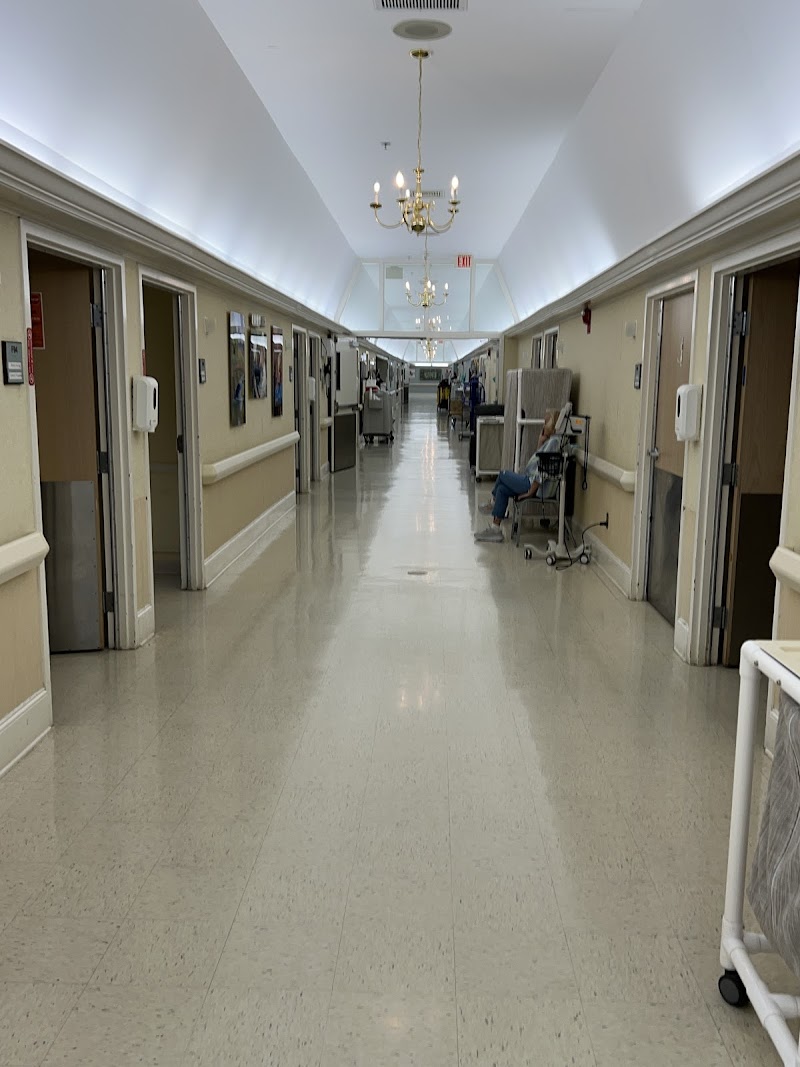
How is Park Place Nursing Facility Staffed?

CMS rates PARK PLACE NURSING FACILITY's staffing level at 2 out of 5 stars, which is below average compared to other nursing homes. Staff turnover is 53%, compared to the Georgia average of 46%. RN turnover specifically is 73%, which is notably high. RNs provide skilled clinical oversight, so turnover in this role can affect medical care quality.

What Have Inspectors Found at Park Place Nursing Facility?

State health inspectors documented 11 deficiencies at PARK PLACE NURSING FACILITY during 2021 to 2025. These included: 9 with potential for harm and 2 minor or isolated issues.
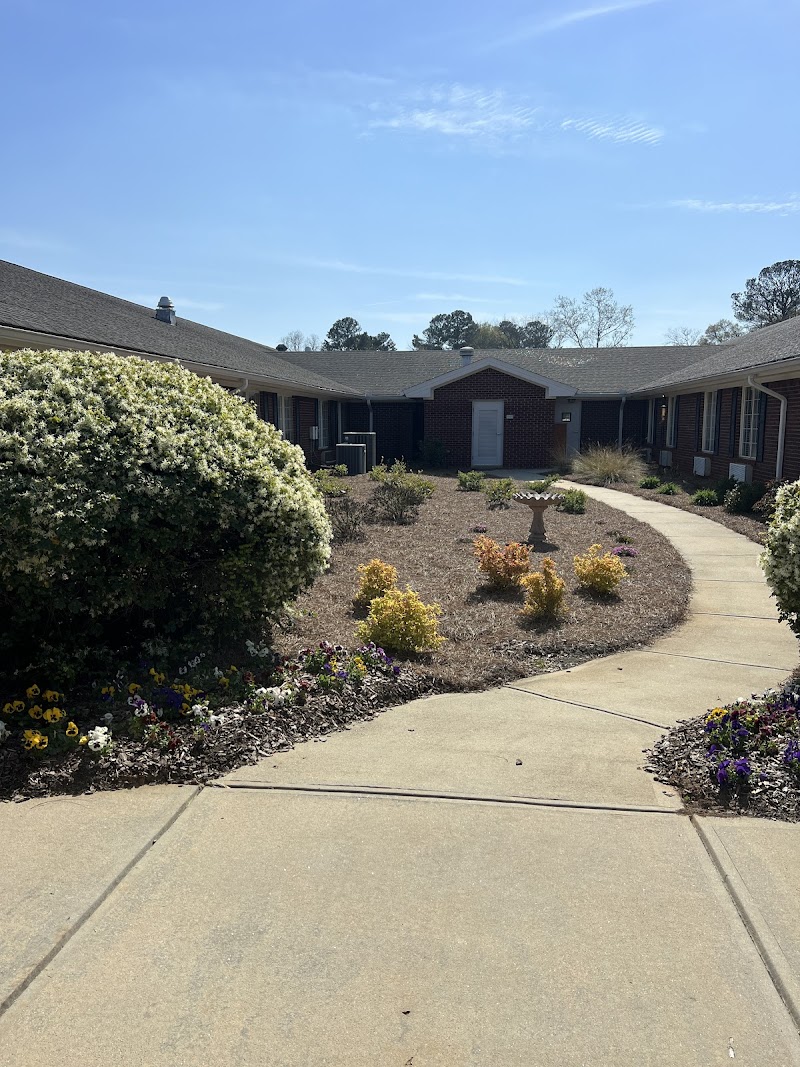
Who Owns and Operates Park Place Nursing Facility?

PARK PLACE NURSING FACILITY is owned by a for-profit company. For-profit facilities operate as businesses with obligations to shareholders or private owners. The facility is operated by MICHAEL FEIST, a chain that manages multiple nursing homes. With 165 certified beds and approximately 155 residents (about 94% occupancy), it is a mid-sized facility located in MONROE, Georgia.
How Does Park Place Nursing Facility Compare to Other Georgia Nursing Homes?

Compared to the 100 nursing homes in Georgia, PARK PLACE NURSING FACILITY's overall rating (4 stars) is above the state average of 2.6, staff turnover (53%) is near the state average of 46%, and health inspection rating (4 stars) is above the national benchmark.

What Should Families Ask When Visiting Park Place Nursing Facility?

Based on this facility's data, families visiting should ask: "Can you walk me through typical staffing levels on day, evening, and night shifts?" "Can I visit during a mealtime to observe dining assistance and food quality?" "How do you handle medical emergencies, and what is your hospital transfer rate?" "Can I speak with family members of current residents about their experience?" These questions are particularly relevant given the below-average staffing rating.

Is Park Place Nursing Facility Safe?

Based on CMS inspection data, PARK PLACE NURSING FACILITY has a clean safety record: no substantiated abuse findings (meaning no confirmed cases of resident harm), no Immediate Jeopardy citations (the most serious violation level indicating risk of serious injury or death), and is not on the Special Focus Facility watch list (a federal program monitoring the lowest-performing 1% of nursing homes). The facility has a 4-star overall rating and ranks #1 of 100 nursing homes in Georgia. While no facility is perfect, families should still ask about staff-to-resident ratios and recent inspection results during their visit.

Do Nurses at Park Place Nursing Facility Stick Around?

PARK PLACE NURSING FACILITY has a staff turnover rate of 53%, which is 7 percentage points above the Georgia average of 46%. Moderate turnover is common in nursing homes, but families should still ask about staff tenure and how the facility maintains care continuity when employees leave.

Was Park Place Nursing Facility Ever Fined?

PARK PLACE NURSING FACILITY has no federal fines on record. CMS issues fines when nursing homes fail to meet care standards or don't correct problems found during inspections. The absence of fines suggests the facility has either maintained compliance or corrected any issues before penalties were assessed. This is a positive indicator, though families should still review recent inspection reports for the full picture.

Is Park Place Nursing Facility on Any Federal Watch List?

PARK PLACE NURSING FACILITY is not on any federal watch list. The most significant is the Special Focus Facility (SFF) program, which identifies the bottom 1% of nursing homes nationally based on persistent, serious quality problems. Not being on this list means the facility has avoided the pattern of deficiencies that triggers enhanced federal oversight. This is a positive indicator, though families should still review the facility's inspection history directly.