PRUITTHEALTH - SUNRISE


2709 S MAIN STREET, MOULTRIE, GA 31768 (229) 985-7173
For profit - Limited Liability company 60 Beds PRUITTHEALTH Data: November 2025
Trust Grade
85/100
#96 of 353 in GA
Last Inspection: June 2025

Inspected within the last 6 months. Data reflects current conditions.

Overview

PruittHealth - Sunrise in Moultrie, Georgia has a Trust Grade of B+, which means it is recommended and considered above average compared to other facilities. It ranks #96 out of 353 in the state, placing it in the top half of Georgia nursing homes, and #2 out of 4 in Colquitt County, indicating only one other local option is better. The facility is improving, with issues decreasing from four in 2024 to two in 2025. While staffing is decent with a turnover rate of 19%, significantly lower than the state average, the facility has received concerning findings, such as failing to label and date opened food items properly and not thoroughly investigating an allegation of potential sexual abuse, which poses a risk to residents. On a positive note, there have been no fines reported, and the facility has a good overall rating of 4 out of 5 stars.

Trust Score
B+
85/100
In Georgia
#96/353
Top 27%
Safety Record
Low Risk
No red flags
Inspections
Getting Better
4 → 2 violations
Staff Stability
✓ Good
19% annual turnover. Excellent stability, 29 points below Georgia's 48% average. Staff who stay learn residents' needs.
Penalties
✓ Good
No fines on record. Clean compliance history, better than most Georgia facilities.
Skilled Nurses
○ Average
Each resident gets 36 minutes of Registered Nurse (RN) attention daily — about average for Georgia. RNs are the most trained staff who monitor for health changes.
Violations
⚠ Watch
12 deficiencies on record. Higher than average. Multiple issues found across inspections.
★★★★☆
4.0
Overall Rating
★★★☆☆
3.0
Staff Levels
★★☆☆☆
2.0
Care Quality
★★★★☆
4.0
Inspection Score
Stable
2024: 4 issues
2025: 2 issues

The Good

  • Low Staff Turnover (19%) · Staff stability means consistent care
  • Full Sprinkler Coverage · Fire safety systems throughout facility
  • No fines on record
  • Staff turnover is low (19%)

    29 points below Georgia average of 48%

Facility shows strength in staff retention, fire safety.

The Bad

Chain: PRUITTHEALTH

Part of a multi-facility chain

Ask about local staffing decisions and management

The Ugly 12 deficiencies on record

Jun 2025 2 deficiencies
CONCERN (D) 📢 Someone Reported This

A family member, employee, or ombudsman was alarmed enough to file a formal complaint

Potential for Harm - no one hurt, but risky conditions existed

Investigate Abuse (Tag F0610)

Could have caused harm · This affected 1 resident

Based on interviews, record review, and review of the facility policy titled Investigation of Patient Abuse, Neglect, Exploitation, Mistreatment, and Misappropriation of Property, the facility failed ...

Read full inspector narrative →
Based on interviews, record review, and review of the facility policy titled Investigation of Patient Abuse, Neglect, Exploitation, Mistreatment, and Misappropriation of Property, the facility failed to ensure an allegation of potential sexual abuse was thoroughly investigated for one of three residents (Resident (R)14) reviewed for abuse out of a total sample of 18. This failure had the potential to place residents at continued risk of abuse. Findings include: Review of the facility's policy titled Investigation of Patient Abuse, Neglect, Exploitation, Mistreatment, and Misappropriation of Property, dated 11/15/2024, revealed that documentation of the investigation should include, but not be limited to,.Date and time of alleged occurrence, patient's full name and room number, names of accused and any witnesses. Interview should be conducted with all individuals who have relevant information, utilizing open-ended questions. Signed written statements from any involved parties should be obtained. Statements should be gathered from the following individuals: the suspect; the person(s) making the accusation(s); the patients(s) involved; reliable patients who may have witnessed the incident; and any other persons who may have information. Review of R14's Face Sheet, found under the Profile Tab of the electronic medical record (EMR), revealed an admission date of 12/28/22 with diagnoses that included steatohepatitis, cirrhosis of the liver, chronic obstructive pulmonary disease, generalized anxiety disorder, type 2 diabetes, depression, and pressure ulcers. Review of R14's Quarterly Minimum Data Set (MDS), found under the MDS tab of the EMR and with an assessment reference date (ARD) of 3/5/2025, revealed R14 had a Brief Interview for Mental Status (BIMS) score of four out of 15, which indicated R14 was severely cognitively impaired. Review of the facility's Abuse Investigation Report, dated 12/4/2025 and provided by the facility, indicated that R14 alleged that Certified Nurse Aide (CNA)12 beat her in her private areas on 11/29/2024. Review of the facility's Abuse Investigation Report revealed that there were no skin audits performed on cognitively impaired residents and no interviews of alert and oriented residents immediately after the alleged abuse incident to determine who else may have witnessed the alleged abuse, been abused, or have information regarding the allegation. During an interview on 6/4/2025 at 9:00 am, Administrator 2 stated that there were no resident interviews or skin audits completed, and no documentation could be found. During an interview on 6/5/2025 at 9:44 am, Administrator 3 stated that there were no resident interviews with alert and oriented residents immediately after the alleged incident, except for R14's roommate, R10, and skin audits on cognitively impaired residents were not performed. During an interview on 6/5/25 2:20 pm, Administrator 1 stated that going forward, her expectation would be to ensure there was a timeline for notification of all parties, visual skin checks, trauma screens, resident interviews, and witness statements from staff. Administrator 1 stated the facility would provide abuse packets with checklists for investigation to all parties who are delegated to assist with an investigation, and the facility would train all nurses on the new process.
CONCERN (D)

Potential for Harm - no one hurt, but risky conditions existed

Deficiency F0849 (Tag F0849)

Could have caused harm · This affected 1 resident

**NOTE- TERMS IN BRACKETS HAVE BEEN EDITED TO PROTECT CONFIDENTIALITY** 3. Review of R31's admission Record, located in the Profile tab of the EMR, revealed R31 was admitted to the facility on [DATE] ...

Read full inspector narrative →
**NOTE- TERMS IN BRACKETS HAVE BEEN EDITED TO PROTECT CONFIDENTIALITY** 3. Review of R31's admission Record, located in the Profile tab of the EMR, revealed R31 was admitted to the facility on [DATE] with diagnoses including hemiplegia, chronic pain syndrome, peripheral vascular disease, kidney disease, cerebrovascular disease, occlusion of artery of the right femoral vein, major depressive disorder, hypertensive heart disease with heart failure, atherosclerotic heart disease, cellulitis, and cognitive communication deficit. Review of R31's Orders tab of the EMR revealed an order dated 8/22/2024 for hospice services. Review of R31's quarterly MDS, with an ARD of 3/2/2025, revealed R31 was under hospice care and had a Brief Interview for Mental Status summary score of 99, which indicated R31 did not complete the test, and cognitive skills for daily decision making were moderately impaired. Review of R31's hospice visit note, dated 1/28/2025, by the HSW indicated that R31 reported to the HSW that he wanted to kill himself. He also stated to HSW that he would do this by starving himself. R31 was receptive to contracting for safety with HSW, and the facility social workers were receptive to safety measures set forth. Review of R31's hospice documentation uploads to the facility EMR revealed that the visit on 1/28/2025 was uploaded to R31's EMR on 4/8/2025. In an interview on 6/4/2025 at 4:00 pm, the Hospice Registered Nurse (HRN) regarding R31's condition, HRN stated that earlier this year, R31 expressed depression and suicidal ideations, but was unsure of the date. HRN stated that R31 stated that he would stop eating and stop taking his medications. HRN reported this to the Hospice Social Worker (HSW) and the nurse on duty. During an interview on 6/5/2024 at 11:14 am, the DON stated that she found out today (6/5/2025) that R31 had verbalized suicidal ideations to the HRN on 1/28/2025. She stated that the hospice nurse did not report this concern to her. The DON stated that the hospice company uploads visit notes in batches that include many visits. The DON stated the visit occurred on 1/28/2025, and no staff member at the facility knew about it. The DON stated that she had met earlier in the morning with hospice staff to correct communication systems for visits, and they would be using a communication book on the unit in the future. She stated that R31 was being assessed by the facility's SSD and the physician today. During an interview on 6/5/2025 at 1:00 pm, HRN stated that she told a nurse, but she did not document the nurse's name and could not be sure who it was. During an interview on 6/5/2025 at 2:02 pm, the facility's Social Services Director (SSD) stated that no hospice nurse had spoken to her about R31 or other hospice residents. Based on staff interviews, record review, and review of the facility policy titled Coordination of Hospice Services, the facility failed to ensure an effective communication process between hospice and the facility for three of three residents (Resident (R) 5, R32, and R31) reviewed for hospice services out of a total sample of 18. This failure had the potential to place R5, R32, and R31 at risk for not receiving the necessary comfort care, services, and a diminished quality of life. Findings include: Review of the facility policy titled, Coordination of Hospice Services, revised 8/21/2024, revealed, It is the policy of [name of facility corporation] Hospice Interdisciplinary Group (IDG) to make certain that there is a coordinated and effective ongoing sharing of information amongst and between all disciplines, with all contracted service providers, and in all settings. 1. Review of R5's Resident Face Sheet, located in the Profile tab of the electronic medical record (EMR), revealed R5 was admitted to the facility on [DATE] with diagnoses including chronic kidney disease, stage 3 unspecified. Review of R5's Orders, located under the Orders tab of the EMR, revealed an order dated 5/5/2025 for hospice services. Review of R5's admission Minimum Data Set (MDS), with an Assessment Reference Date (ARD) of 5/5/2025, revealed R5 was under hospice care. Review of R5's Care Plan, located under the Care Plan tab of the EMR, revealed interventions dated 5/5/2025 to Call hospice first about any changes in condition, emergency, questions about care, medication changes or transport and prior to any procedures. Interventions also included Meds as ordered, Monitor signs and symptoms of pain, Notify hospice as appropriate and as family agrees, for evaluation for hospice services, Notify MD of changes, and Provide comfort measures. Review of R5's Resident Documents tab of the EMR revealed: a. Two Communication Notes with attached dates of 5/20/2025 and 5/30/2025. These Communication Notes with attached dates of 5/20/2025 and 5/30/2025 contained pertinent clinical information such as R5 having moderate confusion, sadness, skin findings, swelling of lower extremities, oxygen saturation reading, respirations becoming labored, foley catheter condition, oxygen use, pain assessment, lung sounds, meal intake, level of ADL assistance. b. Communication Notes with visit dates from 5/06/2025 to 5/21/2025 that were authored by nurses, a social worker, a chaplain, and a volunteer, but no hospice aides. c. A Communication Note, dated 5/08/2025 and authored by a chaplain, noted that R5 reported shortness of breath and stomach pain on exertion. Review of R5's Progress Notes, located in the Progress Notes tab of the EMR, revealed no progress note on 5/8/2025 or 5/9/2025 related to receiving a report that R5 had shortness of breath or stomach pain. c. A Communication Note, dated 5/7/2025, which indicated a recommendation to switch R5's montelukast order to Zyrtec due to formulary restrictions and to discontinue Victoza because it was a medication that was not usually continued during hospice. Review of R5's Orders, located in the Orders tab of the EMR, revealed that montelukast was not discontinued until 5/17/2025, and Victoza was not discontinued until 5/20/2025. Review of R5's Progress Notes did not reveal a note related to the medication recommendation or the discontinuation of either medication. d. A Communication Note, dated 5/14/2025 and authored by the hospice physician, that revealed R5 was assessed with 3+ pitting edema, shortness of breath with conversation, and capillary refill time greater than 5 seconds. Review of R5's Progress Notes revealed no note on 5/14/2025 or 5/15/2025 related to the hospice physician notifying facility staff regarding 3+ pitting edema, shortness of breath, and capillary refill time. 2. Review of 32's Resident Face Sheet, located in the Profile tab of the EMR, revealed R32 was admitted to the facility on [DATE] with diagnoses including Alzheimer's disease with late onset. Review of R32's Orders tab of the EMR revealed an order dated 3/19/2024 for . hospice to evaluate and treat if indicated. Review of R32's five-day MDS, with an ARD of 3/14/2025, revealed R32 was under hospice care. Review of 32's Care Plan, located under the Care Plan tab of the EMR, revealed interventions dated 3/20/2024 for hospice services with interventions to Call hospice first about any changes in condition, emergency, questions about care, medication changes, or transport, and prior to any procedures. Interventions also included Meds as ordered, Monitor signs and symptoms of pain, Notify hospice as appropriate and as family agrees, for evaluation for hospice services, Notify MD of changes, and Provide comfort measures. Review of R32's Resident Documents tab of the EMR revealed a Communication Note with attached date of 5/30/2025 and a Hospice Communication Note with an attached date of 5/9/2025. The Hospice Communication Note with an attached date of 5/9/2025, contained notes, dated 1/9/2025 through 4/3/2025. They were authored by nurses, a social worker, a chaplain, and a volunteer, but no hospice aides. The notes contained pertinent clinical information such as mental status, pain level, pain medication changes, agitation with activities of daily living, and skin condition. Included was a Hospice Communication Note, dated 2/1/2025, that revealed R32 told the Hospice Nurse she was going to get the bus and was observed to be exit seeking. Review of R32's Progress Notes, located in the Progress Notes tab of the EMR, revealed no progress notes on or around 2/1/2024 related to R32's exit-seeking behavior. During an interview on 6/4/2025 at 11:55 am, Licensed Practical Nurse (LPN) 5 revealed that hospice staff documented their visits on an electronic tablet, and then facility staff signed the hospice tablet to confirm hospice staff visits. LPN 5 stated that the facility staff did not document a progress note in the facility EMR related to the hospice visit. LPN 5 stated that hospice did not leave any documentation at the facility related to their visits, and there were no hard copies in the nurse's station. LPN 5 stated that hospice notes were uploaded later to the EMR. During an interview on 6/3/2025 at 3:50 pm, the Director of Nursing (DON) stated that hospice visit notes were uploaded every two weeks and did not include visits from hospice aides. During an interview on 6/5/2025 at 5:30 pm, the DON stated the hospice nurse aide visits were not uploaded into the facility EMR. The DON stated the hospice agency had access to the facility's EMR and uploaded only the visit notes from the social worker, nurse, physician, and chaplain. The DON stated that the hospice agency told her they uploaded notes every two weeks. During an interview on 5/7/2025 at 7:50 pm, the DON stated the hospice visit notes should be immediately available to facility staff.
Feb 2024 4 deficiencies
CONCERN (D)

Potential for Harm - no one hurt, but risky conditions existed

Comprehensive Care Plan (Tag F0656)

Could have caused harm · This affected 1 resident

**NOTE- TERMS IN BRACKETS HAVE BEEN EDITED TO PROTECT CONFIDENTIALITY** Based on staff interviews, and record review, the facility failed to implement a comprehensive person-centered care plan for one...

Read full inspector narrative →
**NOTE- TERMS IN BRACKETS HAVE BEEN EDITED TO PROTECT CONFIDENTIALITY** Based on staff interviews, and record review, the facility failed to implement a comprehensive person-centered care plan for one of 13 Residents (R) R6 that included measurable timeframes to meet the needs that were identified in the comprehensive assessment completed for R6. The deficient practice had the potential to prevent R6 from receiving the necessary staff assistance to meet the resident's level of required care needs. Findings include: Record review for R6 revealed resident was admitted to the facility with diagnoses of chronic kidney disease, stage 3, Alzheimer's disease, dysphagia, oral phase, schizophrenia unspecified, generalized anxiety disorder, functional quadriplegia, and major depressive disorder. Review of the Quarterly Minimum Data Set (MDS) assessment dated [DATE], Section C (Cognitive Pattern) C0500 Brief Interview of Mental Status (BIMS) score of 14 indicating resident was cognitively intact. Section GG (Functional Abilities and Goal) G0130 Self-care I. Personal hygiene: The ability to maintain personal hygiene, including combing hair, resident requires substantial/maximal assistance- helper does more than half the effort. Review of R6 Care Plan dated 11/16/2020 revealed under problem resident has self-care deficit d/t impaired mobility, goal resident will maintain current level of function through next review date. Interventions: (approach start date 2/8/2024) encourage resident to allow staff to brush hair when ADL care is given, for refusal, re-attempt at later time. Include resident's preference in scheduling of care. Observation on 2/6/2024 at 12:12 pm revealed R6 was lying in bed hair was tangled and uncombed. Interview on 2/7/2024 at 2:48 pm with R6 revealed that her hair had not been combed today as of yet. Resident hair was observed to be tangled and knotted during interview. Interview on 2/8/2024 at 12:19 pm with the Director of Health Services (DHS) revealed the nurses are supposed to document any refusal of care by residents in the progress notes. If the residents continue to refuse care the nurse should notify the resident's family or responsible party of the refusal of care. During the interview the DHS confirmed R6 hair was tangled and uncombed and verified that there were no refusal of care documented in the residents progress notes.
CONCERN (D)

Potential for Harm - no one hurt, but risky conditions existed

ADL Care (Tag F0677)

Could have caused harm · This affected 1 resident

**NOTE- TERMS IN BRACKETS HAVE BEEN EDITED TO PROTECT CONFIDENTIALITY** Based on observations, staff interviews, and record review, the facility failed to ensure Activity of Daily living (ADLs) were c...

Read full inspector narrative →
**NOTE- TERMS IN BRACKETS HAVE BEEN EDITED TO PROTECT CONFIDENTIALITY** Based on observations, staff interviews, and record review, the facility failed to ensure Activity of Daily living (ADLs) were completed for one of two residents (R) R6. Specifically, the facility failed to ensure the R6 hair was combed and prevented from being tangled. Findings include: Record review for R6 revealed resident was admitted to the facility with diagnoses of chronic kidney disease, stage 3, Alzheimer's disease, dysphagia, oral phase, schizophrenia unspecified, generalized anxiety disorder, functional quadriplegia, and major depressive disorder. Review of the Quarterly Minimum Data Set (MDS) assessment dated [DATE], Section C (Cognitive Pattern) C0500 Brief Interview of Mental Status (BIMS) score of 14 indicating resident was cognitively intact. Section GG (Functional Abilities and Goal) G0130 Self-care I. Personal hygiene: The ability to maintain personal hygiene, including combing hair, resident requires substantial/maximal assistance- helper does more than half the effort. Review of R6 Care Plan dated 2/8/2024 revealed under problem resident has self-care deficit d/t impaired mobility, goal resident will maintain current level of function through next review date. Interventions: encourage resident to allow staff to brush hair when ADL care is given, for refusal, re-attempt at later time. Include resident's preference in scheduling of care. Observation on 2/6/2024 at 12:12 pm revealed R6 was lying in bed hair was tangled and uncombed. Interview on 2/6/2024 at 12:12 pm with Facility Hair stylist revealed that the facility staff asked her to look at R6 hair due to the knotting and tangling in the residents hair. Further interview also revealed that the knotting and tangling of the hair is caused by the hair not being combed regularly. Interview on 2/7/2024 at 2:48 pm with R6 revealed that her hair had not been combed today as of yet. Resident hair was observed to be tangled and knotted during interview. Interview on 2/8/2024 at 9:01 am with Licensed Practical Nurse (LPN) FF revealed that the Certified Nursing Assistants (CNA) should be combing the residents hair as part of their ADLs, and that he would expect that to be done during that time. Interview on 2/8/2024 at 12:19 pm with the Director of Health Services (DHS) revealed the nurses are supposed to document any refusal of care by residents in the progress notes. If the residents continue to refuse care the nurse should notify the resident's family or responsible party of the refusal of care. During the interview the DHS confirmed R6 hair was tangled and uncombed and verified that there were no refusal of care documented in the residents progress notes.
CONCERN (D)

Potential for Harm - no one hurt, but risky conditions existed

Quality of Care (Tag F0684)

Could have caused harm · This affected 1 resident

Based on staff and resident interviews, pharmacy staff interviews, record review, and review of the facility's policy titled, Medication Administration: General Guidelines, the facility failed to ensu...

Read full inspector narrative →
Based on staff and resident interviews, pharmacy staff interviews, record review, and review of the facility's policy titled, Medication Administration: General Guidelines, the facility failed to ensure that vital medications were obtained and administered from the pharmacy in a timely manner resulting in missing medications for one of 25 sampled Residents (R) (R350) reviewed. Findings include: Review of the facility's policy titled, Medication Administration: General Guidelines dated 4/10/2019 under the section titled, Procedure: revealed 13 . If more than two consecutive doses of a vital medication is withheld, or refused, the physician is notified. Interview on 2/6/2024 at 10:02 am with R350 stated she had not had her medications since admission on yesterday 2/5/2024 and was very concerned about missing her medications. Record review of R350's Electronic Medication Administration Record (EMAR) revealed missed medications for the following dates on 2/5/2024 and 2/6/2024: Gabapentin Capsule 300 milligram (mg) administer one capsule at bedtime (due at 9:00 pm); medication was missed on 2/5/2024 at 9:00 pm. Isosorbide tablet extended release 24 hour; 30 mg one tablet once a day (due at 9:00 am); medication was missed on 2/6/2024) at 9:00 am. Metoprolol 50 mg one tablet by mouth twice a day (due at 9:00 am and 9:00 pm); medications was missed on 2/5/2024 at 9:00 pm and 2/6/2024 at 9:00 am. Mirtazapine 15 mg two tablets by mouth at bedtime (due at 9:00 pm); medication was missed on 2/5/2024) at 9:00 pm. Omeprazole delayed release 10 mg one capsule by mouth once a day (due at 9:00 am); medication was missed on 2/6/2024 at 9:00 am. Polyethylene glycol 3350 [OTC] (over the counter) powder; 17 grams (gm) by mouth once a day (due at 9:00 am); medication was missed on 2/6/2024 at 9:00 am. Quetiapine 25mg one tablet by mouth at bedtime (due at 9:00 pm); medication was missed on 2/5/2024 at 9:00 pm. Senna [OTC] 8.6 mg one tablet by mouth twice a day (due at 9:00 am and 9:00 pm); medication was missed on 2/5/2024 at 9:00 pm. Tamsulosin 0.4 mg one capsule by mouth at bedtime (due at 9:00 pm); medication was missed on 2/5/2024 at 9:00 pm. Record review of the R350's EMR revealed that there was no documentation that the physician had been notified of the missing medication doses, nor a reason why medications were missed. Interview on 2/7/2024 at 9:22 am with Licensed Practical Nurse (LPN) JJ revealed that if a new resident arrived on a Sunday or if medications could not be filled by the pharmacy, the medications would be pulled from emergency meds (E-box) at the facility. LPN JJ stated, If medications were not available, or if it's after the main pharmacy hours then the back up pharmacy would be called, and the nurse would pick up the medications. She further revealed that the pharmacy delivered medications nightly except on Sundays. She also revealed that new residents should always receive their medication because orders are usually received prior to admission. Surveyor reviewed medications with nurse that were currently available on hand for R350, and the following medications were noted: 1. Omeprazole 10 mg Expiration. 2/25 2. Metoprolol 50 mg Expiration. 2/25 3. Isosorbide 30 mg ER Expiration.2/25 The individual pill pack was intact and labeled with the resident's information. Interview on 2/7/2024 at 1:49 pm with LPN FF revealed that new admission orders are faxed to the facility then the Assistant Director of Nursing (ADON) or Director of Nursing (DON) would put the orders in for the new residents. LPN FF stated nurses are responsible for checking the orders for any discrepancies. He also revealed that the cut off for new orders sent to pharmacy was usually at 5:00 pm and meds are typically delivered by 7:00 pm the same day with no specific time for admission. He stated if a medication was not available, the facility would utilize the backup pharmacy to order and obtain medications and that it should be charted in the EMR, and the physician should be notified. Interview on 2/8/2024 at 10:00 am with DON revealed that she or the ADON would put in new orders received for newly admitted residents into the system. She revealed that a variety of medications are kept in the E-box (medications on hand if not readily available from pharmacy) at the facility. DON stated new orders are usually emailed to the facility for review and entry prior to the resident arriving to the facility. The DON was asked about R350 missing doses of medication, she revealed that there was a discrepancy with her allergies stating that there was a broad allergy alert to muscle relaxers, she confirmed that resident did not have an order for muscle relaxers and had other vital medications ordered that should have been given. She also stated that if the resident misses any medications the physician should be notified, and it should be documented. The DON was asked to present the facility's policy for medication administration and any supporting documentation for the medication administration done by staff during this time. Interview on 2/8/2024 11:20 am with the DON who presented a copy of R350's EMAR which revealed that resident had not received medications on the dates of 2/5/2024 (9:00 pm) medications and 2/6/2024 (9:00 am) medications. When asked regarding these missed doses of medication the DON admitted that there was a deficient practice regarding the resident not receiving medications. A telephone interview conducted on 2/8/2024 at 12:58 pm with the Assistant Manager at the main pharmacy revealed that there was a discrepancy regarding the resident's allergies and that the medication fill was delayed because of the pending verification. He stated that there was an attempt to contact the ordering facility on 2/5/2024 to clarify the allergy and had no answer or call back until 2/6/2024 and at that time, the allergy was verified. He further revealed that the reason for the delay was that the pharmacy tech at the main pharmacy was waiting on clarification and due to the verification delay the other medications were not filled. He stated the other medications could have been filled, being that they were not related to the allergy in question. During this time, he admitted that was an error on the pharmacy and stated the pharmacy tech did not quite understand the policy. He further revealed that the facility should have medications on hand in an E-box or could call for medication needs from the backup pharmacies which are used for emergencies and after hour needs. He stated, R350's medication orders and allergies were clarified on the morning of 2/6/2024 and medications were filled and sent out for delivery. He stated according to the pharmacy records, the medications were dispensed on the evening of 2/7/2024 and delivered to the facility and were signed as received at 3:00 am.
CONCERN (F)

Potential for Harm - no one hurt, but risky conditions existed

Food Safety (Tag F0812)

Could have caused harm · This affected most or all residents

Based on observation, Staff interviews, and review of the facility policy titled, labeling and Dating, the facility failed to ensure that opened food items were labeled and dated with an expiration da...

Read full inspector narrative →
Based on observation, Staff interviews, and review of the facility policy titled, labeling and Dating, the facility failed to ensure that opened food items were labeled and dated with an expiration date. The facility also failed to ensure expired food items were discarded after expiration date. The deficient practice had the potential to affect 52 of 54 residents receiving an oral diet. Findings: Review of facility policy titled, labeling and Dating, revised date of 11/11/2022 revealed under policy statement: It is the policy of (facility Name) for all partners who assist in handling, preparing, serving, and storing food and beverage items to follow the proper procedures for labeling, dating, and storage to ensure proper food safety. Under Procedure: 1. Food and beverages items will have an identifying label as well as a received date and opened date, as applicable: for items prepared onsite, a use by date will also be indicated. 2. Foods will be stored in their original or approved container and, if opened, shall be wrapped tightly with film, or foil, etc. Observation on 2/7/2024 at 8:14 am of the dry foods pantry revealed La Banderita flour tortillas expiration date 8/1/2023, two opened packages of Vanilla instant pudding and pie filling with no open date or expiration date, Casa Solana yellow rice was stored in a blue plastic bag inside a cardboard box (not original packaging) with no open date or received date, Par excellence parboiled rice was stored in a blue plastic bag inside a cardboard box (not original packaging) with no open or received date. Continued observation of the facility freezer located in the main kitchen revealed Cinnamon rolls in a cardboard box with no open date or expiration date, Whole kernel corn in an opened bag with no received date or expiration date, cooked chopped chicken in and opened bag with no open date or expiration date, a bag of pork chops with no received date or expiration date. Interview on 2/7/2024 at 8:14 am with Dietary Manager (DM) confirmed all food items were not properly labeled and dated. During interview DM stated that she did not know why the food items were in the freezer without being dated or labeled, and that they should have been sealed with dates on them. Further interview also revealed that all food items should have the date they were received, and the expiration date put on them when they are delivered. Interview on 2/7/2024 at 11:05 am with the Registered Dietician revealed that she conducts in-services to the dietary staff on labeling and dating of foods. The staff should be labeling the food items with a received date and a use by date as the items come in for delivery. Further interview also revealed that the DM orders food for the facility weekly, and the dietary staff should be rotating the food items so that no foods are expired.
Apr 2022 6 deficiencies
CONCERN (D)

Potential for Harm - no one hurt, but risky conditions existed

Safe Environment (Tag F0584)

Could have caused harm · This affected 1 resident

**NOTE- TERMS IN BRACKETS HAVE BEEN EDITED TO PROTECT CONFIDENTIALITY** Based on observations and interviews the facility failed to maintain a clean comfortable environment for facility residents. Spe...

Read full inspector narrative →
**NOTE- TERMS IN BRACKETS HAVE BEEN EDITED TO PROTECT CONFIDENTIALITY** Based on observations and interviews the facility failed to maintain a clean comfortable environment for facility residents. Specifically, the facility failed to ensure privacy curtains for rooms; 126, 119, 129, 130, and 127 on the North Hall were clean and properly affixed to the curtain ceiling tract. Findings include: Observation on 4/12/22 at 9:24 a.m. room [ROOM NUMBER] bed A North Hall privacy curtain has brown stain midway curtain by the hem right side. Observation on 4/12/22 at 9:25 a.m. room [ROOM NUMBER] bed B North Hall privacy curtain was observed to have brown stains on the front and back of curtain that were visible from hallway door. Observation on 4/12/22 at 9:33 a.m. room [ROOM NUMBER] bed A North Hall was observed to have a large brown stain on the curtain starting 3/4 of the way down privacy curtain to the bottom hem line with chunks of debris observed in the middle of the stain. Observation on 4/12/22 at 9:44 a.m. room [ROOM NUMBER] bed C North Hall the privacy curtain was observed to have brown stains throughout the curtain. The curtain between bed A and bed B was observed to be off tract with brown stains on the curtain as well. Observation on 4/12/22 at 9:50 a.m. room [ROOM NUMBER] bed A North Hall privacy curtain was observed to have brown stains to the outer hem line on both sides. On 4/13/22 at 8:07 a.m. environmental rounds were conducted with the Administrator, Maintenance Director, and the Housekeeping Supervisor which confirmed all observations of stained curtains in rooms 119,126,127,129, and 130. Interview with the Maintenance Director on 4/13/22 at 8:10 a.m. revealed that compliance rounds are conducted three times a week and each department head is assigned different rooms. While conducting compliance rounds there is a check off list that each staff member has that list certain items to look for when checking the rooms which includes privacy curtains for any stains or repairs that are needed and the overall upkeep of the room. Continued interview also revealed the Maintenance Director was responsible for room [ROOM NUMBER], 130, and room [ROOM NUMBER]. During the interview it was also disclosed that the privacy curtains were not checked when compliance rounds were conducted on Monday. Further interview also revealed that Housekeeping and Maintenance are responsible for ensuring that all the privacy curtains are clean and in good repair. Interview with House Keeping Supervisor on 4/13/22 at 8:15 a.m. revealed that each room is deep cleaned monthly and the schedule for deep cleanings are populated by the building engines program. The deep cleaning process for each room consists of cleaning everything in the residents' room including checking the privacy curtains to ensure that they are clean and in good repair. Interview with Housekeeper AA on 4/13/22 at 8:50 a.m. revealed that deep cleanings are completed monthly for each room. The process for deep cleaning the rooms is that the rooms are dusted, the bedrails and mattresses are cleaned with disinfectant cleaner, privacy curtains are also checked for any stains or repairs during deep clean process. If there are any curtains that need to be replaced the maintenance director is notified and the curtain is taken down and washed in the laundry room and replaced. Further interview also revealed that staff members did not notice the stains on the curtains in the rooms that were cleaned on 4/12/22 during routine cleaning which included rooms 119,126,127,129, and 130. Interview with Administrator on 4/13/22 at 9:15 a.m. revealed that there are compliance rounds that are conducted by the department heads daily which include checking the privacy curtains for stains and repairs. After the rounds are completed the compliance rounds form is taken to morning meeting and any repairs or concerns are discussed at that time. Once there are issues identified the correction should be completed within 12 hours of being identified. Continued interview also revealed that it was the expectation of the Administrator to resolve all issues identified immediately.
CONCERN (D)

Potential for Harm - no one hurt, but risky conditions existed

Assessment Accuracy (Tag F0641)

Could have caused harm · This affected 1 resident

**NOTE- TERMS IN BRACKETS HAVE BEEN EDITED TO PROTECT CONFIDENTIALITY** Based on record review, family interview and staff interview the facility failed to ensure Minimum Data Set (MDS) assessments we...

Read full inspector narrative →
**NOTE- TERMS IN BRACKETS HAVE BEEN EDITED TO PROTECT CONFIDENTIALITY** Based on record review, family interview and staff interview the facility failed to ensure Minimum Data Set (MDS) assessments were accurate for one of 23 sampled residents (R#7). Specifically, the MDS dated [DATE] section I (Active Diagnoses) omitted diagnosis of Urinary Tract Infection (UTI) which was current at time of assessment period. Findings include: Interview on 4/12/22 at 10:58 a.m. with Family of R#7 revealed there were concerns with resident having repeated UTIs. Further interview also revealed that resident was currently on antibiotics for a UTI. Review of the medical record for R#7 revealed the resident was admitted to the facility on [DATE] with diagnoses of Cerebral palsy, hyperkalemia, generalized muscle weakness, difficulty in walking, need for assistance with personal care, Dysphagia, aphasia, cognitive communication deficit, muscle spasm, mood disorder, essential hypertension, Type 2 diabetes mellitus, Major depressive disorder, Epilepsy, anxiety disorder, Gastro-esophageal reflux disease, Mild protein-calorie malnutrition. Review of the Annual MDS assessment dated [DATE] section C cognitive patterns C0500 revealed Brief Interview of Mental Status (BIMS) score of 7 indicating resident was severe cognitive impairment. Section I (Active Diagnoses) I2300. Urinary tract infection (UTI) Last 30 days there was no indication of the residents UTI status being addressed during the assessment period. Continued review of the medical record for R#7 revealed the resident was on antibiotics for UTI on 12/12/2021 through 12/25/2021 (Levofloxacin 500mg), 1/17/2022 through 1/24/2022 (Amoxicillin 500mg), 3/31/2022 through 4/10/2022 (Amoxicillin 500 mg). On 4/13/22 at 1:28 p.m. Interview with Director of Health Services (DHS) who was also responsible for infection control, revealed that she is responsible for tracking and trending infections in the facility. The DHS was unable to verbalize any interventions or concerns related to R#7's recurrent UTIs. Interview on 4/13/22 at 2:51 p.m. with Licensed Practical Nurse (LPN) BB revealed R#7 has had several UTI's over the past three months. Further interview also revealed that the resident prefers to drink [NAME] and teas and very little water. Further interview also revealed that resident is not currently on any supplements for UTIs such as cranberry tablets or cranberry juice which was available in facility stock medications for use if needed. Interview also revealed that residents' family members sometimes bring in flavor packages to mix with residents' water to encourage him to drink more water and increase his fluid intake. Interview on 4/13/22 at 4:20 p.m.with the MDS Coordinator confirmed that the Annual assessment that was completed on 1/11/2022 had no indication noted in section I2300 of R#7 having UTI in the past thirty days, the MDS Coordinator indicated that this section of the MDS is initiated based on the McGeer Criteria in which R#7 did not meet at time of assessment. Staff member was unable to verbalize what criteria according to McGeer R#7 failed to meet for indication of section I2300 of MDS to be initiated. Review of revised McGeer Criteria for infections surveillance checklist revealed under syndrome; Urinary tract infections in resident without an indwelling catheter 1. Must have at least one of the following signs or symptoms: New or increase dysuria or burning, pain, swelling, or tenderness of testes, epididymis, or prostate, no more than two species of organisms in a voided urine sample, any organisms collected by an in-and-out catheter urine sample. After review of R#7 medical record it was revealed that resident did meet the criteria for Mcgeer by presenting signs and symptoms required.
CONCERN (D)

Potential for Harm - no one hurt, but risky conditions existed

Comprehensive Care Plan (Tag F0656)

Could have caused harm · This affected 1 resident

**NOTE- TERMS IN BRACKETS HAVE BEEN EDITED TO PROTECT CONFIDENTIALITY** Based on record review, staff interview, and review of facility policy titled Care Plans the facility failed to develop care pla...

Read full inspector narrative →
**NOTE- TERMS IN BRACKETS HAVE BEEN EDITED TO PROTECT CONFIDENTIALITY** Based on record review, staff interview, and review of facility policy titled Care Plans the facility failed to develop care plans to address dementia care and psychotropic drug use for one of 23 sampled (R#1). Findings Include: Review of the medical record for R#1 revealed resident was admitted to facility on 9/21/21 with diagnoses including Schizophrenia, persistent mood disorders, Dementia in other diseases classified elsewhere without behavioral disturbance, Cachexia, weakness, Anorexia, Alzheimer's disease, history of falling, and altered mental status. Medications included docusate sodium 100 mg, Seroquel (quetiapine) 50 mg, and ziprasidone HCl 20 mg. Review of Medical Data Set (MDS) quarterly assessment dated [DATE] Section C (Cognitive Patterns) C0500 revealed Brief Interview of Mental Status (BIMS) score of 99 indicating resident had severe cognitive impairment. Continued review of the residents record also disclosed that there was no indication of implementation of a care plan that addressed residents' dementia or psychotropic drug use. Interview on 4/14/22 at 8:15 a.m. with the MDS Coordinator confirmed R#1 did not have an active care plan for dementia nor did she have a care plan that addressed the residents' psychotropic drug use. Further interview also revealed that there should have been a care plan initiated that addressed R#1's status during the most recent quarterly assessment completed on 3/29/2022. Interview on 4/14/22 at 8:41 a.m. with the Director of Health Services (DHS) revealed that R#1 did not have a dementia care plan or psychotropic care plan in place and confirmed that a care plan should have been initiated to address residents' current health status. Further interview also revealed that it is her expectation that residents are care planned correctly to meet their care needs. Review of facility Care Plan Policy revised date 10/05/ 2017, Revealed under Comprehensive Plan of care 3. The comprehensive person-centered care plan is developed to include measurable goals and timeframes to meet a patient/resident's medical, nursing, and psychosocial needs, the services that are to be furnished to attain or maintain the resident's highest practicable physical, mental, and psychosocial needs that are identified in the comprehensive assessment. Continued review of the policy also revealed under number 4. The care plan will contain 4 components: Problem, Goal, Approaches and Role or Accountability. The plan approach serves as instructions for the patient/resident's care and provides continuity of care by all partners.
CONCERN (D)

Potential for Harm - no one hurt, but risky conditions existed

Deficiency F0657 (Tag F0657)

Could have caused harm · This affected 1 resident

**NOTE- TERMS IN BRACKETS HAVE BEEN EDITED TO PROTECT CONFIDENTIALITY** Based on record review, staff interview, and review of facility policy titled Care Plans the facility failed to ensure care plan...

Read full inspector narrative →
**NOTE- TERMS IN BRACKETS HAVE BEEN EDITED TO PROTECT CONFIDENTIALITY** Based on record review, staff interview, and review of facility policy titled Care Plans the facility failed to ensure care plans were revised and person-centered for two of 23 sampled residents (R#1 and R#7. Findings include: 1. Review of the medical record for R#1 revealed the resident was admitted to facility on 9/21/2021 with diagnoses of Schizophrenia, persistent mood disorders, Dementia in other diseases classified elsewhere without behavioral disturbance, Cachexia, weakness, Anorexia, Alzheimer's disease, history of falling, and altered mental status. Medications included docusate sodium 100 mg, Seroquel (quetiapine) 50 mg, and ziprasidone HCl 20 mg. Review of Medical Data Set (MDS) quarterly assessment dated [DATE] Section C (Cognitive Patterns) C0500 revealed Brief Interview of Mental Status (BIMS) score of 99 indicating resident was severely cognitivly impaired. Continued review of residents record also revealed that there was no indication of revision of the care plan for R#1 being discharged from hospice services. Interview on 4/14/22 at 8:15 a.m. with the MDS Coordinator revealed R#1 was discharged from hospice services on 4/3/2022. The MDS Coordinator confirmed the resident's hospice care plan should have been updated to reflect the change in the residents' status. 2. Review of the medical record for R#7 revealed the resident was admitted to the facility on [DATE] with diagnoses of Cerebral palsy, Hyperkalemia, generalized muscle weakness, difficulty in walking, need for assistance with personal care, Dysphagia, aphasia, cognitive communication deficit, muscle spasm, mood disorder, essential hypertension, Type 2 diabetes mellitus, Major depressive disorder, Epilepsy, anxiety disorder, Gastro-esophageal reflux disease, Mild protein-calorie malnutrition. Review of the Annual assessment dated [DATE] section C cognitive patterns C0500 revealed BIMS score of 7 indicating resident was severe cognitive impairment, Section I (Active Diagnoses) I2300. Urinary tract infection (UTI) Last 30 days there was no indication of resident UTI status being addressed during the assessment period. Continued review of R#7 medical record revealed resident was on antibiotics for UTI on 12/12/21 - 12/25/21 (Levofloxacin 500mg), 1/17/2022 through 1/24/2022 (Amoxicillin 500mg), 3/31/2022 through 4/10/2022 (Amoxicillin 500 mg). Interview on 4/14/22 at 8:41 a.m. with the Director of Health Services (DHS) revealed the care plans for R#1 and R#7 should have been revised or updated to reflect the residents current health status. Further interview also revealed that it was her expectation that residents are care planned correctly and in a timely manner for their care needs. Review of facility Care Plan Policy revised date 10/05/2017, Revealed under care plan Review and Update; 1. Comprehensive care plans should be reviewed not less than quarterly according to the OBRA MDS schedule, following the completion of the assessment. Care plan updates/reviews will be performed with in seven days of each quarterly assessment, each acute change in condition, and as needed following each hospital stay. 2. Discontinued problems, goals or approaches should be indicated directly on the care plan. Updates to the care plan should be made with any changes in condition at the time the change in condition occurred.
CONCERN (D)

Potential for Harm - no one hurt, but risky conditions existed

Incontinence Care (Tag F0690)

Could have caused harm · This affected 1 resident

**NOTE- TERMS IN BRACKETS HAVE BEEN EDITED TO PROTECT CONFIDENTIALITY** Based on record review, staff interviews and family interviews the facility failed to ensure that one of 23 (R#7) was free from ...

Read full inspector narrative →
**NOTE- TERMS IN BRACKETS HAVE BEEN EDITED TO PROTECT CONFIDENTIALITY** Based on record review, staff interviews and family interviews the facility failed to ensure that one of 23 (R#7) was free from recurring Urinary Tract Infections (UTI). Findings Include: On 4/12/22 at 10:58 a.m. Interview with R#7 family member revealed there were concerns with resident having repeated UTIs. Further interview also revealed that resident was currently on antibiotics for UTI. Review of R#7 medical record revealed resident was admitted to the facility on [DATE] with diagnoses of Cerebral palsy, Hyperkalemia, generalized muscle weakness, difficulty in walking, need for assistance with personal care, Dysphagia, aphasia, cognitive communication deficit. Review of the Annual assessment dated [DATE] revealed a Brief Interview of Mental Status (BIMS) score of 7 indicating resident was severely cognitively impaired. Section I (Active Diagnoses) I2300. Urinary tract infection (UTI) Last 30 days there was no indication of resident UTI status being addressed during the assessment period. Continued review of R#7 medical record revealed resident was on antibiotics for UTI on 12/12/21 - 12/25/21 (Levofloxacin 500mg), 1/17/2022 through 1/24/2022 (Amoxicillin 500mg), 3/31/2022 through 4/10/2022 (Amoxicillin 500 mg). On 4/13/22 at 1:28 p.m. Interview with Director of Health Services (DHS) who was also responsible for infection control, revealed that she is responsible for tracking and trending infections in the facility. The UTI infections are reviewed monthly for trends. If a resident is noted to have chronic UTIs' they are referred to urologist for follow up, cranberry juice is implemented on their meal trays, or increase and encourage fluids. Further interview also revealed that sometimes residents are ordered a prophylactic antibiotic to help with recurrent UTIs by the physician if it is appropriate for that resident. Continued interview also revealed that there were only two residents in the facility that are currently considered as having chronic UTI and R#7 was not one of the two. Further interview also revealed that a resident that has had an UTI monthly or at least every other month would be considered to have chronic UTIs and one of the interventions previously noted would be implemented. Interview on 4/13/22 at 3:38 p.m. with the facility Medical Director revealed there were not any specific protocols that have been implemented for the facility related to prevention of UTIs. Further interview also revealed that some residents that have frequent UTIs can be placed on prophylactics', but it would depend on the overall health of the resident in question. The Medical Director revealed that he was unaware that UTIs were an issue for R#7 but would be open to taking a closer look into residents medical record to include labs to determine what interventions would be more appropriate for resident status. There was no indication that facility staff had made physician aware of residents' recurrent status with UTIs.
CONCERN (D)

Potential for Harm - no one hurt, but risky conditions existed

Medical Records (Tag F0842)

Could have caused harm · This affected 1 resident

**NOTE- TERMS IN BRACKETS HAVE BEEN EDITED TO PROTECT CONFIDENTIALITY** Based on record review and staff interview the facility failed to ensure that one of 23 residents (R#41 medical records were acc...

Read full inspector narrative →
**NOTE- TERMS IN BRACKETS HAVE BEEN EDITED TO PROTECT CONFIDENTIALITY** Based on record review and staff interview the facility failed to ensure that one of 23 residents (R#41 medical records were accurate and complete. Specifically, the facility failed to maintain documentation that indicated R#41 events surrounding the residents death and recapitulation of resident stay at facility. Findings include: Record review for R#41 revealed resident was admitted to facility on [DATE] and expired on [DATE]. Residents admitting diagnoses included Cerebral infarction, Type 2 diabetes mellitus, Hyperlipidemia, dementia with behavioral disturbance, Major depressive disorder, Polyneuropathy, Acute myocardial infarction, Atherosclerotic heart disease of native coronary artery, systolic (congestive) heart failure, Muscle weakness (generalized), Chronic kidney disease, Benign prostatic hyperplasia, Dysphagia, Aphasia, Essential (primary) hypertension, and Paraphilia. Continued medical record review revealed a admission assessment dated [DATE] revealed Brief Interview of Mental Status (BIMS) score of 11 indicating resident was moderately cognitively impaired. Interview on [DATE] at 8:30 a.m. with Director of health Services (DHS) revealed there was no documentation of the events of R#41 when he expired in the facility. Further interview also revealed that the charge nurse for the resident that expires is responsible for ensuring the events surrounding the residents' death are documented. The family and physician should be notified as well as the family or residents funeral home of choice. Continued interview revealed R#41 was pronounced by DHS at the facility on [DATE] at 10:40 a.m. The DHS stated the resident had a heart attack. However, there was not any documentation that indicated how resident was found nor were there any other events surrounding residents' death documented. Further interview also confirmed that there was not any evidence of documentation of a summary of care for R#41.
Understanding Severity Codes (click to expand)
Life-Threatening (Immediate Jeopardy)
J - Isolated K - Pattern L - Widespread
Actual Harm
G - Isolated H - Pattern I - Widespread
Potential for Harm
D - Isolated E - Pattern F - Widespread
No Harm (Minor)
A - Isolated B - Pattern C - Widespread

Questions to Ask on Your Visit

  • "Can I speak with families of current residents?"
  • "What's your RN coverage like on weekends and overnight?"

Our Honest Assessment

Strengths
  • • Grade B+ (85/100). Above average facility, better than most options in Georgia.
  • • No major safety red flags. No abuse findings, life-threatening violations, or SFF status.
  • • No fines on record. Clean compliance history, better than most Georgia facilities.
  • • 19% annual turnover. Excellent stability, 29 points below Georgia's 48% average. Staff who stay learn residents' needs.
Concerns
  • • 12 deficiencies on record. Higher than average. Multiple issues found across inspections.
Bottom line: Generally positive indicators. Standard due diligence and a personal visit recommended.

About This Facility

What is Pruitthealth - Sunrise's CMS Rating?

CMS assigns PRUITTHEALTH - SUNRISE an overall rating of 4 out of 5 stars, which is considered above average nationally. Within Georgia, this rating places the facility higher than 99% of the state's 100 nursing homes. This rating reflects solid performance across the metrics CMS uses to evaluate nursing home quality.
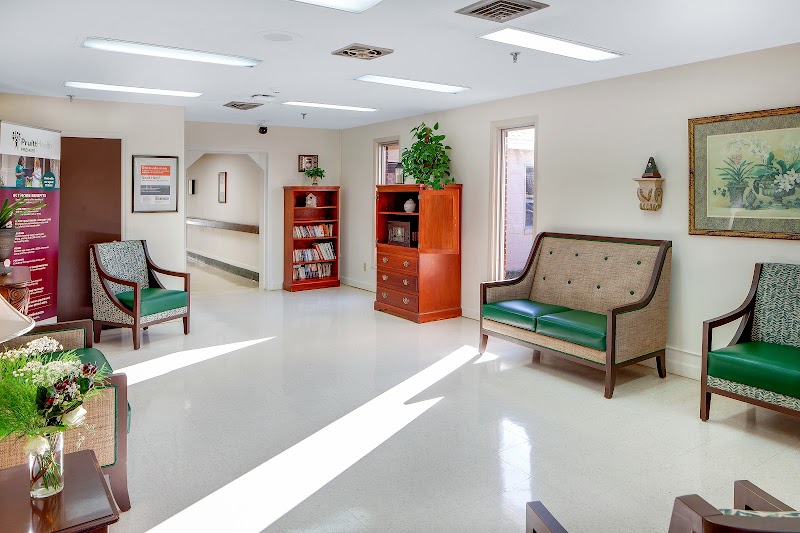
How is Pruitthealth - Sunrise Staffed?

CMS rates PRUITTHEALTH - SUNRISE's staffing level at 3 out of 5 stars, which is average compared to other nursing homes. Staff turnover is 19%, compared to the Georgia average of 46%. This relatively stable workforce can support continuity of care.

What Have Inspectors Found at Pruitthealth - Sunrise?

State health inspectors documented 12 deficiencies at PRUITTHEALTH - SUNRISE during 2022 to 2025. These included: 12 with potential for harm.

Who Owns and Operates Pruitthealth - Sunrise?

PRUITTHEALTH - SUNRISE is owned by a for-profit company. For-profit facilities operate as businesses with obligations to shareholders or private owners. The facility is operated by PRUITTHEALTH, a chain that manages multiple nursing homes. With 60 certified beds and approximately 53 residents (about 88% occupancy), it is a smaller facility located in MOULTRIE, Georgia.
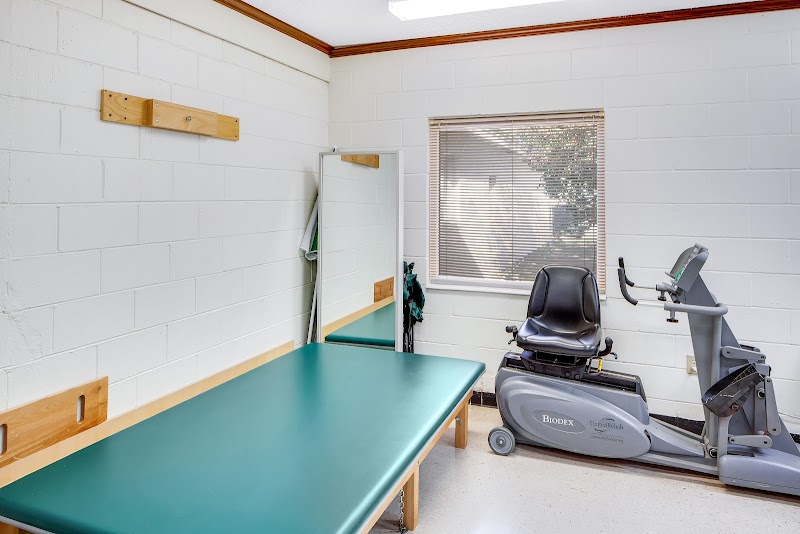
How Does Pruitthealth - Sunrise Compare to Other Georgia Nursing Homes?

Compared to the 100 nursing homes in Georgia, PRUITTHEALTH - SUNRISE's overall rating (4 stars) is above the state average of 2.6, staff turnover (19%) is significantly lower than the state average of 46%, and health inspection rating (4 stars) is above the national benchmark.

What Should Families Ask When Visiting Pruitthealth - Sunrise?

Based on this facility's data, families visiting should ask: "Can I visit during a mealtime to observe dining assistance and food quality?" "How do you handle medical emergencies, and what is your hospital transfer rate?" "Can I speak with family members of current residents about their experience?"

Is Pruitthealth - Sunrise Safe?

Based on CMS inspection data, PRUITTHEALTH - SUNRISE has a clean safety record: no substantiated abuse findings (meaning no confirmed cases of resident harm), no Immediate Jeopardy citations (the most serious violation level indicating risk of serious injury or death), and is not on the Special Focus Facility watch list (a federal program monitoring the lowest-performing 1% of nursing homes). The facility has a 4-star overall rating and ranks #1 of 100 nursing homes in Georgia. While no facility is perfect, families should still ask about staff-to-resident ratios and recent inspection results during their visit.

Do Nurses at Pruitthealth - Sunrise Stick Around?

Staff at PRUITTHEALTH - SUNRISE tend to stick around. With a turnover rate of 19%, the facility is 27 percentage points below the Georgia average of 46%. Low turnover is a positive sign. It means caregivers have time to learn each resident's needs, medications, and personal preferences. Consistent staff also notice subtle changes in a resident's condition more quickly. Registered Nurse turnover is also low at 14%, meaning experienced RNs are available to handle complex medical needs.

Was Pruitthealth - Sunrise Ever Fined?

PRUITTHEALTH - SUNRISE has no federal fines on record. CMS issues fines when nursing homes fail to meet care standards or don't correct problems found during inspections. The absence of fines suggests the facility has either maintained compliance or corrected any issues before penalties were assessed. This is a positive indicator, though families should still review recent inspection reports for the full picture.

Is Pruitthealth - Sunrise on Any Federal Watch List?

PRUITTHEALTH - SUNRISE is not on any federal watch list. The most significant is the Special Focus Facility (SFF) program, which identifies the bottom 1% of nursing homes nationally based on persistent, serious quality problems. Not being on this list means the facility has avoided the pattern of deficiencies that triggers enhanced federal oversight. This is a positive indicator, though families should still review the facility's inspection history directly.