AVALON HEALTH AND REHABILITATION
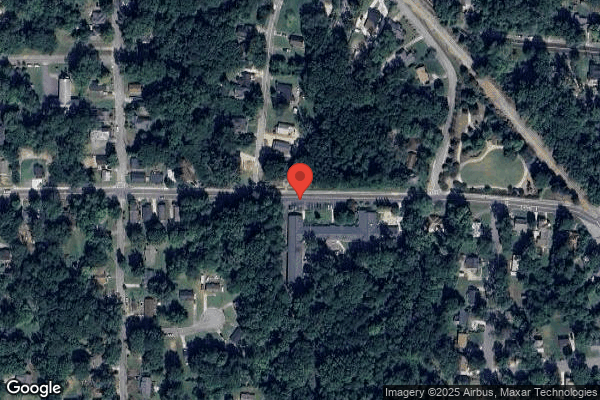
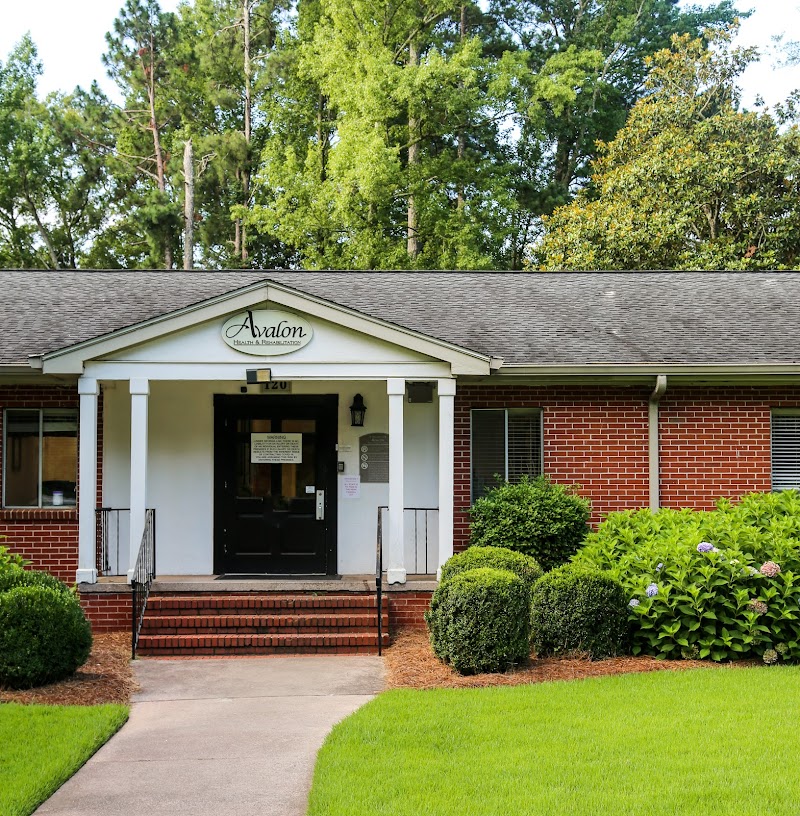
120 SPRING STREET, NEWNAN, GA 30263 (770) 253-1475
Non profit - Other 90 Beds CLINICAL SERVICES, INC. Data: November 2025
Trust Grade
78/100
#48 of 353 in GA
Last Inspection: April 2025

Within standard 12-15 month inspection cycle. Federal law requires annual inspections.

Overview

Avalon Health and Rehabilitation has a Trust Grade of B, which means it is considered a good choice for nursing care, though there is room for improvement. It ranks #48 out of 353 facilities in Georgia, placing it in the top half, and #2 out of 3 in Coweta County, indicating only one local option is better. The facility is on an improving trend, having reduced issues from 3 in 2023 to 2 in 2025. Staffing is rated average with a turnover rate of 38%, which is better than the state average of 47%, so staff tend to stay longer and build relationships with residents. However, there were some concerning incidents reported, such as expired food items being present in the kitchen, a resident being exposed to harmful cleaning chemicals, and failures in reporting potential abuse among residents, which could impact safety and care quality.

Trust Score
B
78/100
In Georgia
#48/353
Top 13%
Safety Record
Low Risk
No red flags
Inspections
Getting Better
3 → 2 violations
Staff Stability
○ Average
38% turnover. Near Georgia's 48% average. Typical for the industry.
Penalties
○ Average
$3,728 in fines. Higher than 51% of Georgia facilities. Some compliance issues.
Skilled Nurses
⚠ Watch
Each resident gets only 27 minutes of Registered Nurse (RN) attention daily — below average for Georgia. Fewer RN minutes means fewer trained eyes watching for problems.
Violations
○ Average
6 deficiencies on record. Average for a facility this size. Mostly minor or procedural issues.
★★★★☆
4.0
Overall Rating
★★★☆☆
3.0
Staff Levels
★★☆☆☆
2.0
Care Quality
★★★★☆
4.0
Inspection Score
Stable
2023: 3 issues
2025: 2 issues

The Good

  • Full Sprinkler Coverage · Fire safety systems throughout facility
  • No fines on record
  • Staff turnover below average (38%)

    10 points below Georgia average of 48%

Facility shows strength in fire safety.

The Bad

Staff Turnover: 38%

Near Georgia avg (46%)

Typical for the industry

Federal Fines: $3,728

Below median ($33,413)

Minor penalties assessed

Chain: CLINICAL SERVICES, INC.

Part of a multi-facility chain

Ask about local staffing decisions and management

The Ugly 6 deficiencies on record

Apr 2025 2 deficiencies
CONCERN (D) 📢 Someone Reported This

A family member, employee, or ombudsman was alarmed enough to file a formal complaint

Potential for Harm - no one hurt, but risky conditions existed

Accident Prevention (Tag F0689)

Could have caused harm · This affected 1 resident

**NOTE- TERMS IN BRACKETS HAVE BEEN EDITED TO PROTECT CONFIDENTIALITY** Based on observations, resident and staff interviews, and record review, the facility failed to ensure one of 18 residents (R) (...

Read full inspector narrative →
**NOTE- TERMS IN BRACKETS HAVE BEEN EDITED TO PROTECT CONFIDENTIALITY** Based on observations, resident and staff interviews, and record review, the facility failed to ensure one of 18 residents (R) (R35) reviewed were free from accident hazards. Specifically, the facility failed to ensure R35 was free from exposure to harmful chemicals and aerosols. Findings include: A facility policy for accidents and hazards was requested, however, the facility advised they did not have a policy. Review of R35's electronic medical record (EMR) revealed R35 was admitted with diagnoses of but not limited to Alzheimer's disease with late onset and dementia in other diseases classified elsewhere, mild, with anxiety. Review of the annual Minimum Data Set (MDS) assessment dated [DATE] assessed a Brief Interview for Mental Status (BIMS) score of 11, which indicated moderate cognitive impairment. Observation and interview on 4/8/2025 at 10:47 am revealed R3S peeking out of his bathroom door with a bottle of some type of cleaning agent. He had to use the bathroom and did not want to talk to the Surveyor or let Surveyor in his room. Observation and interview on 4/9/2025 at 10:30 am with R35, he revealed he kept his cleaning products in the bottom drawer of his dresser and opened the drawer. The drawer contained two bottles of bathroom cleaner and two aerosol cans of room deodorizer. Interview on 4/9/2025 at 11:45 am with Licensed Practical Nurse (LPN) AA revealed that under no circumstances should a resident have any type of cleaning chemicals in their rooms. She also revealed that aerosol cans are not allowed per policy. Interview on 4/9/2025 at 11:48 am with LPN BB revealed that R35 was not allowed to have any cleaning chemicals or aerosol cans in his room. She confirmed both were present in R35's drawer; and she removed the products immediately. Interview on 4/9/2025 at 11:50 am with the Director of Nursing (DON) revealed residents were not allowed to have aerosols or any type of cleaning agents. She revealed that the family and resident were educated upon admission and that the charge nurse was going to call the family and re-educate them. She revealed having cleaning chemicals and aerosols was a potential hazard, the resident or residents could ingest and could lead to serious problems or death. Interview on 4/10/2025 at 2:45 pm with the Administrator revealed his expectations were for residents not to have cleaning chemicals or aerosols in their possession. He revealed upon admission; residents and their families were given education on what was allowed in the facility. He revealed some families needed reminders.
CONCERN (F) 📢 Someone Reported This

A family member, employee, or ombudsman was alarmed enough to file a formal complaint

Potential for Harm - no one hurt, but risky conditions existed

Food Safety (Tag F0812)

Could have caused harm · This affected most or all residents

Based on observations, staff interviews, and review of the facility policy titled, Labeling and Dating, the facility failed to discard food and seasonings by the expiration date. The deficient practic...

Read full inspector narrative →
Based on observations, staff interviews, and review of the facility policy titled, Labeling and Dating, the facility failed to discard food and seasonings by the expiration date. The deficient practice had the potential to promote foodborne illnesses associated with bacterial growth for 74 of 77 residents receiving an oral diet. Findings include: Review of the facility's policy titled Labeling and Dating dated April 2024 revealed in paragraph two, Upon receipt all items should be inspected and marked with the date it was received into your facility and the date it should be discarded or expired. Further review revealed in paragraph three, After opening any item, the date it was opened must be clearly labeled on the front of the package and a new use by date should also be noted. During a tour of the kitchen on 4/8/2025 at 9:47 am with the Dietary Manager (DM), the following concerns were identified: One container of tarragon leaf with an expiration date of 3/25/2025. One container of cumin seasoning with an expiration date of 2/20/2025. One container of vegetable oil with an expiration date of 3/10/2025. Observations in the walk-in cooler revealed one bag of salad mix with an expiration date of 4/4/2025. Interview on 4/8/2025 at 10:15 am with the DM revealed inventory checks were completed by her along with the kitchen staff. The DM stated each kitchen staff must participate in inventory checks, and they must discard any expired items in the storage. The DM confirmed the observed items were expired and must be discarded. Interview on 4/9/2025 at 11:00 am with the Registered Dietician (RD) and DM revealed an in-service was completed on 4/8/2025 and 4/9/2025 to all kitchen staff. It was confirmed the in-service discussed the following: food safety, storage area, and labeling and dating. Interview on 4/9/2025 at 12:20 pm with the kitchen staff revealed inventory checks are completed by all kitchen staff. It was revealed staff must discard any expired items in storage. It was also revealed the kitchen staff received an in-service training on 4/8/2025 and 4/9/2025. Interview on 4/9/2025 at 3:45 pm with the Administrator revealed his expectation for the kitchen staff was to ensure all inventory items were labeled and dated. He stated the kitchen staff must thoroughly check each item and discard any expired items in storage. The Administrator revealed staff must follow appropriate hand hygiene at all times. The Administrator confirmed an in-service training was provided to the kitchen staff regarding food storage, safety, and labeling and dating.
Oct 2023 3 deficiencies
CONCERN (D)

Potential for Harm - no one hurt, but risky conditions existed

Report Alleged Abuse (Tag F0609)

Could have caused harm · This affected 1 resident

Based on resident and staff interviews, observations, record review, and review of the facility policy titled, Abuse Prohibition Policy, the facility failed to ensure timely reporting of potential abu...

Read full inspector narrative →
Based on resident and staff interviews, observations, record review, and review of the facility policy titled, Abuse Prohibition Policy, the facility failed to ensure timely reporting of potential abuse and injuries of unknown origin to facility Administration and the State Agency related to two of 20 sampled residents (Resident (R) R55 and R5). Specifically, a staff member witnessed potential verbal abuse perpetrated against R55 by another resident residing in the facility (R18) and did not report the potential abuse to the Administrator, who was the facility's designated Abuse Coordinator. Also, R5's injury of unknown origin was not reported as an injury of unknown origin. Findings include: Review of the facility policy titled, ''Abuse Prohibition Policy,'' dated/revised 12/20/2022 indicated, ''It is the intent of this center to actively preserve each patient's right to be free from mistreatment, neglect, abuse or misappropriation of patient property. We believe that each patient has the right to be free from verbal, sexual, physical and mental abuse, corporal punishment, and involuntary seclusion;'' and ''Verbal abuse is defined as any use of oral, written or gestured language that willfully includes disparaging and derogatory terms to patients or their families, or within their hearing distance, regardless of their age, ability to comprehend, or disability. Examples of verbal abuse include, but are not limited to: threats of harm; saying things to frighten a patient, such as telling a patient that she will never be able to see her family again;'' and ''Any person observing any abuse, corporal punishment, involuntary seclusion, neglect, mistreatment, misappropriation of property, or exploitation must immediately report it to the Administrator, the Social Services Director, the Director of Nursing, any other department head or the nurse in charge . It will be the responsibility of any department head receiving the complaint of alleged abuse, corporal punishment, involuntary seclusion, neglect, mistreatment, misappropriation of patient property, or exploitation to inform the administrator or designee immediately.'' 1. R55's undated ''Face Sheet,'' found in the EMR under the ''Demographics'' tab, indicated the resident was admitted to the facility with diagnoses including acute kidney failure and chronic pain. R55's quarterly ''Minimum Data Set (MDS)'' with an Assessment Reference Date (ARD) of 8/11/2023 indicated a ''Brief Interview for Mental Status (BIMS)'' score of 15 out of 15, indicating R55 was cognitively intact. The assessment indicated R55 required extensive assistance from staff to transfer in and out of bed and move about the facility. The assessment indicated the resident had not been exhibiting any behaviors. R18's undated ''Face Sheet,'' found in the EMR under the ''Demographics'' tab, indicated the resident was admitted to the facility with diagnoses including history of stroke. R18's quarterly MDS'' with an ARD of 8/11/2023 indicated a BIMS'' score of 15 out of 15, indicating R18 was cognitively intact. The assessment indicated R18 required extensive assistance from staff to move about the facility. The assessment indicated the resident had not been exhibiting any behaviors. R18's ''Progress Note,'' dated 8/2023 and found in the EMR under the ''Notes'' Tab, read, ''@0500 [at 5:00 AM] Resident [R18] threatened to harm his roommate [R55] and called him a racial slur. Safety maintained. Will continue to monitor.'' During an interview on 10/03/2023 at 9:50 AM, R55 stated he had concerns related to his previous roommate (R18) displaying verbally and physically aggressive behavior toward him. R55 stated staff were aware of R18's aggressive behavior toward him, and R18 had been moved to a different room earlier in September of 2023. R55 stated R18 had threatened to hurt him at one point, but that had occurred before R18 was moved to a different room. R55 stated he felt better since R18 was no longer his roommate. Review of the facility's Reportable Occurrences, Incident Log, and Grievance Log revealed nothing related to the potential abuse of R55 on 8/20/2023. During an interview on 10/04/2023 at 12:08 PM, the Administrator/Abuse Coordinator reviewed the facility's reportable occurrences and confirmed the potential abuse perpetrated by R18 to R55 on 8/20/2023 had never been reported to him, and therefore not investigated by him. The Administrator stated his expectation was all potential allegations of abuse were to be reported to him directly and immediately, stated R18's threat to harm R55 qualified as potential abuse, and stated the incident should have been reported to him on the morning of 8/20/2023. During an interview on 10/04/2023 at 12:44 PM, Licensed Practical Nurse (LPN) 1 confirmed she was the author of the 8/20/2023 Nurse's Note and stated she did not report the potential abuse because R18 and R55 had been arguing for days, R18 did not indicate precisely how he would harm R55 during the incident, and she assumed administration was already aware R18 and R55 had not been getting along. LPN1 confirmed she had received abuse training upon hire at the facility the previous summer and stated she was now aware she should have reported the incident on 8/20/2023 to the Administrator as potential abuse. 2. Review of R5's face sheet revealed the following diagnoses: Hemiplegia and hemiparesis following cerebral infarction affecting right dominant. Review of R5's ''Resident Consolidated Orders,'' found in the EMR under the ''Orders'' tab, included an order for Skin barrier Protective wipe Monday, Thursday, Saturday every am shift. Cleanse open area on right outer knee with normal saline/wound cleaner. Apply skin barrier. Cover with dressing, started 10/03/2023. Review of the facility provided Incident Report dated 10/01/2022 through 10/03/2023 revealed there were no incident reports started for R5's injury to her right knee. During an observation on 10/02/2023 at 9:44 AM, it was revealed R5 had a bandage to the right side of her right knee. Record review of R5's MDS with an ARD of 9/04/2023 revealed a BIMS of six out of 15 which indicated R5 was severely cognitively impaired. During an interview and observation on 10/03/2023 at 3:17 PM in R5's room, R5 showed this surveyor the bandage on her right knee. The bandage was dated 10/2, and R5 stated she did not remember how she got the injury. During an interview on 10/04/2023 at 9:07 AM, Certified Nursing Assistant (CNA) 5 stated she was not working on the day R5 got the injury, and she did not know how the incident occurred. During an interview on 10/04/2023 at 9:09 AM, Resident Care Coordinator (RCC) 2 stated R5 self-propels in her wheelchair, and sometimes pulls herself alongside the wall. RCC2 stated she thought that was how R5 got the injury, but no one saw it happen. During an interview on 10/04/2023 at 9:14 AM, Certified Medication Aide (CMA) 1 stated the Administrative Assistant (AA1) told her about the injury and she then alerted Licensed Practical Nurse (LPN) 3 to the injury. During an interview on 10/04/2023 at 9:19 AM, LPN3 stated she was not at work when R5 got injured. LPN3 stated when a resident was found with an unknown injury the staff was to notify the doctor and family. She stated the injury should be treated per physician order, she further stated a change of condition should be documented, and the injury should be added to the 24-hour nurse report. During an interview on 10/04/2023 at 9:24 AM, RCC2 stated CNA6 told her about R5's injury. RCC2 stated she cleaned the injury, called the family, and left a message. RCC2 further stated she told the Nurse Practitioner (NP). During an interview on 10/04/2023 at 9:29 AM, the AA1 stated she saw the injury on 10/02/2023 in the early morning between nine and ten and told CMA1. During an interview on 10/04/2023 at 9:32 AM, CNA6 stated RCC2 was in the shower room with her when the injury was noticed. CNA6 stated R5 did not want to take a shower that day. During an interview on 10/04/2023 at 9:36 AM, the Director of Nursing (DON) stated when an injury of unknown origin occurs with a resident, an incident report should be done to determine how the injury occurred; and instead, it was entered as a change in condition. During an interview on 10/04/2023 at 9:39 AM with the Division Nurse (DN), she stated when an injury of unknown origin occurs with a resident, an incident report should be done. She further stated the doctor and the resident's family should be notified. During an interview on 10/04/2023 at 12:50 PM, the DON and DN stated there was no policy and procedure on incidents.
CONCERN (D)

Potential for Harm - no one hurt, but risky conditions existed

MDS Data Transmission (Tag F0640)

Could have caused harm · This affected 1 resident

Based on record review, staff interview, and review of the Resident Assessment Instrument (RAI) Manual, the facility failed to encode and transmit a discharge Minimum Data Set (MDS) for one of one res...

Read full inspector narrative →
Based on record review, staff interview, and review of the Resident Assessment Instrument (RAI) Manual, the facility failed to encode and transmit a discharge Minimum Data Set (MDS) for one of one resident (Resident (R) 61) reviewed for Resident Assessment. Findings include: Review of the Long-Term Care Facility Resident Assessment Instrument 3.0 User's Manual version 1.17.1, dated 10/2019, revealed a discharge MDS was to be completed within 14 days of the discharge, dated and transmitted within 14 days of the completion date. Review of the electronic medical record (EMR) Face Sheet for R61 revealed an admission date of 5/22/2022 and a discharge date of 5/31/2023. During an interview on 10/04/2023 at 11:00 AM, the Minimum Data Set Coordinator (MDSC) revealed the facility used the Resident Assessment Instrument (RAI) manual for directions for when to complete a MDS and when the document was to be transmitted. The MDSC confirmed the MDS to be completed at discharge for R61 had not been completed.
CONCERN (D)

Potential for Harm - no one hurt, but risky conditions existed

Deficiency F0688 (Tag F0688)

Could have caused harm · This affected 1 resident

Based on observations, resident and staff interviews, record review, and review of the facility policy titled, Skilled Nursing Services: Restorative Policy, the facility failed to provide Range of Mot...

Read full inspector narrative →
Based on observations, resident and staff interviews, record review, and review of the facility policy titled, Skilled Nursing Services: Restorative Policy, the facility failed to provide Range of Motion (ROM) services for two of three Residents (Residents (R) R7 and R115) reviewed for positioning/mobility. Specifically, R7 and R115's splints were not applied consistently per their plans of care creating the potential for pain or worsening of contractures. Findings include: Review of the facility policy titled, ''Skilled Nursing Services: Restorative Policy'' dated 12/30/2022 read, in pertinent part, ''This center promotes nursing interventions that assist the patient in his/her ability to adapt and adjust to living as independently as possible. When clinically appropriate, these interventions may be captured in a formalized restorative nursing care plan overseen by Restorative Nursing Supervisor (s);'' and ''The Restorative Team or Skilled Therapy may develop a restorative program. The plan of care will be outlined in electronic medical record (EMR) and will be followed by staff trained in restorative care. Inability to provide care per the plan of care should be communicated to the Restorative Nurse(s).'' 1. Review of R7's undated ''Face Sheet,'' located in the electronic medical record (EMR) under the ''Demographics'' tab, indicated R7 was admitted to the facility with diagnoses which included history of stroke and right-hand contracture. Review of R7's quarterly ''Minimum Data Set (MDS),'' with an Assessment Reference Date (ARD) of 8/28/2023, indicated a ''Brief Interview for Mental Status (BIMS)'' score of six out of 15, indicating R7 was severely cognitively impaired. The assessment indicated R7 had Range of Motion (ROM) impairment to her upper extremity on one side of her body, and that a splint or brace had not been applied on any of the seven days prior to the ARD. Review of R7's ''Range of Motion Care Plan,'' dated 5/09/2022 and found in the EMR under the ''Care Plan'' tab, indicated R7 had an actual contracture to her right hand. Interventions included: ''Put the blue brace/protector in her hand most of the time to prevent contracture;'' and ''Resident is wearing the splint on her (R) (Right) hand, remove the splint at 6:30 pm and change to blue brace/protector to prevent hand contracture. Put the splint in the drawer.'' Review of R7's ''Resident Consolidated Orders,'' found in the EMR under the ''Orders'' tab, indicated an order for ''wear bolster hand splint 2 to 3 hours on and 2 hours off with palm guard in hand when splint is off and then for nighttime pt [patient] is to wear blue hand posey/guard'' with a start date of 5/09/2022. Review of R7's restorative documentation provided by the facility revealed nothing to indicate the resident's hand splint/palm guard had been recently applied. R7 was observed on 10/02/2023 at 1:30 PM, on 10/03/2023 at 9:14 AM and 3:27 PM, on 10/04/2023 at 9:01 AM, 10:22 AM, 12:16 PM, 2:36 PM, and 4:38 PM, and on 10/05/2023 at 9:02 AM and 4:42 PM. R7 was either up in her wheelchair in the day room or laying in her bed awake during all the observations. R7 was not observed to be wearing her splint or her palm guard during any of the observations. During an interview on 10/04/2023 at 4:42 PM with Certified Nursing Assistant (CNA) 2 and CNA4, both indicated they were familiar with R7 and indicated the splints were not routinely put on the resident since the splints were ''Hard to put on'' the resident. Both CNA2 and CNA4 indicated they thought therapy staff was responsible for putting R7's brace/palm guard on. CNA2 and CNA4 accompanied the surveyor into R7's room and the resident's brace/splint and palm guard were located on the resident's bedside table next to the resident's bed. During an interview on 10/05/2023 at 9:24 AM, CNA3 indicated she was familiar with R7 and stated she was not aware of the resident ever wearing a splint or palm guard. During an interview on 10/05/2023 at 9:30 AM, Resident Care Coordinator (RCC) 2, a licensed practical nurse, stated she was aware R7 had a contracture to her right hand and stated she had recently put in a therapy referral for the resident due to her contracture. RCC2 stated she had never seen R7 wearing a splint. During an interview on 10/05/2023 at 10:02 AM, the Rehabilitation Director confirmed she was familiar with R7 and stated, ''I have addressed her contracture and have issued a splint and a palm guard, and I have a wear schedule that nursing is supposed to be following. I even had it up on the wall at one point. I did educate the staff on how to apply the splint and how to stretch her hand so she could tolerate the splint. They should be putting it on her.'' During an interview on 10/05/2023 at 10:34 AM, the Director of Nursing (DON) stated her expectation was R7 should be wearing her splint and staff should be following the resident's plan of care and physician's orders related to splinting. 2. Review of R115's undated ''Face Sheet,'' found in the electronic medical record (EMR) under the ''Demographics'' tab, indicated R115 was admitted to the facility with diagnoses which included hemiplegia and hemiparesis following cerebral infarction (stroke) affecting left non-dominant side. Review of R115's quarterly ''MDS,'' with an ARD of 8/09/2023, indicated a ''BIMS'' score of 14 out of 15, indicating R115 was cognitively intact. The assessment indicated R115 had a Range of Motion (ROM) impairment to her upper extremity on one side of her body, and that a splint or brace had not been applied on any of the seven days prior to the ARD. Review of R115's ''Limited Mobility Care Plan,'' dated 9/07/2023 and found in the EMR under the ''Care Plan'' tab, indicated R115 had an actual contracture to her left hand. Interventions included: ''Refer to therapy as indicated.'' There was nothing documented in R115's plan of care to indicate the use of a splint. Review of R115's ''Resident Consolidated Orders,'' a list of all R115's current orders, dated 10/06/2023 and found in the EMR under the ''Orders'' tab, indicated no orders for the use of a splint/brace. Review of R115's restorative documentation provided by the facility revealed nothing to indicate a hand splint had been recently applied. R115's ''Occupational Therapy Daily Note,'' dated 6/22/2023 and provided directly to the survey team, indicated the resident was being discharged from therapy services on that date and read, in pertinent part, ''palm guard placed to open palm space to prevent worsening of contracture. The resident's Occupational Therapy Notes indicated staff had been trained on the application of the resident's hand splint and indicated a wear schedule for the splint had been established. R115 was observed on 10/02/2023 at 9:39 AM and 3:29 PM, on 10/04/2023 at 10:25 AM and 12:14 PM, and on 10/05/20023 at 09:04 AM. The resident was either in bed or in the facility hallway preparing to leave for dialysis during each of the observations. R115 was not observed to be wearing a splint on her upper left extremity during any of the observations. During an interview on 10/02/2023 at 9:39 AM, R115 stated she was supposed to have a splint on her left hand for contracture management and stated, ''I don't know what happened to that. I would wear one [a splint] if available.'' During an interview on 10/05/2023 at 9:06 AM, CNA1 stated she was familiar with R115 but was not aware of the resident having a splint for her left hand. During an interview on 10/05/2023 at 9:26 AM, CNA3 stated she was familiar with R115 but was not aware of the resident ever wearing a splint of any kind. During an interview on 10/05/2023 at 9:27 AM, Licensed Practical Nurse (LPN) 2 indicated she was familiar with R115 and stated she was not aware of the resident ever wearing a splint. During an interview on 10/05/2023 at 9:29 AM, RCC2 indicated she was familiar with R115 and stated she had never seen the resident wearing a splint. During an interview on 10/05/2023 at 10:07 AM, the Rehabilitation Director stated R115 was supposed to be wearing a palm guard. The Rehabilitation Director stated R115's splint had been on back order and her palm guard seemed to be working well, so the resident was supposed to be wearing the palm guard. She stated, ''It [the palm guard] was issued to her [R115] to wear and nursing staff need to help her put it on. It [the palm guard] can be worn throughout the day and night.'' The Rehabilitation Director stated she communicated with all staff and let nursing know about the resident's splints. On 10/05/2023 at 10:12 AM the Rehabilitation Director accompanied the surveyor into R115's room to look for the resident's palm guard and was not able to locate it. R115 was laying in her bed during the observation and stated, ''Yes. I had one [a palm guard] but I don't know what happened to it.'' During an interview on 10/05/2023 at 10:39 AM, the DON stated her expectation was R115 should be wearing her palm guard per her therapy documentation.
Apr 2022 1 deficiency
CONCERN (D)

Potential for Harm - no one hurt, but risky conditions existed

Unnecessary Medications (Tag F0759)

Could have caused harm · This affected 1 resident

Based on observation, record review, review of facility policy titled Enteral Tube Medication Administration, and staff interviews, the facility failed to ensure the medication error rate was less tha...

Read full inspector narrative →
Based on observation, record review, review of facility policy titled Enteral Tube Medication Administration, and staff interviews, the facility failed to ensure the medication error rate was less than five percent (5%). A total number of 34 medication opportunities were observed, and there were three errors for one of four residents (R) (R #1) for an error rate of 8.82%. Findings include: Observation on 4/24/22 at 8:39 a.m. revealed Licensed Practical Nurse (LPN) AA prepared medications to administer to R#1 via gastrostomy tube (g-tube). The medications were cefuroxime 500 milligrams (mg), Vitamin C 500 mg, and Vitamin D3 10 micrograms (mcg). The three medications were crushed and combined into a medicine cup. LPN AA then added water to the cup and entered the resident's room. She checked residual and poured the medication mixture into the syringe for the g-tube. She added water so that the medications would go down the tube. She then poured feeding into the syringe for the g-tube several times also adding water so that the feeding would go down the tube. She did not appear to be measuring the water. Interview with LPN AA immediately after medication administration revealed that it is the facility's policy to crush g-tube medications and to mix them together without keeping them separate during administration. She stated she used the measurement lines on the syringe to flush the tube with 30 ml of water before the feeding, 30 ml of water after the feeding, and she gave 5 ml of water with the medications. She stated she always crushes the medications for the g-tube and administers them together at one time. Interview with the Director of Nursing (DON) on 4/24/22 at 9:00 a.m. revealed that she believes the facility policy does not indicate to crush medications and administer separately for g-tube medications. Review of facility policy titled Enteral Tube Medication Administration dated 2019 revealed under guideline: it is recommended that crushed medications not be combined and given all at once via feeding tube in order to avoid obstructing the tube and to ensure the complete delivery of each medication. Review of the April 2022 Physician Orders for R#1 included the following orders: cefuroxime axetil 500 mg tablet per PEG Tube (g-tube) two times per day for seven days, feeding tube flush with 30 ml before meds, 5 ml between each med, 30 ml after all meds, vitamin C 500 mg tablet per feeding tube two times per day and vitamin D 1000 IU (25mcg) one tablet per feeding tube two times per day. Interview and observation with LPN BB on 4/24/22 at 9:25 a.m. revealed the medication carts had the wrong bottle of vitamin D3 (the 10 mcg) but now have the right one, which is the 25 mcg tablet.
Understanding Severity Codes (click to expand)
Life-Threatening (Immediate Jeopardy)
J - Isolated K - Pattern L - Widespread
Actual Harm
G - Isolated H - Pattern I - Widespread
Potential for Harm
D - Isolated E - Pattern F - Widespread
No Harm (Minor)
A - Isolated B - Pattern C - Widespread

Questions to Ask on Your Visit

  • "Can I speak with families of current residents?"
  • "What's your RN coverage like on weekends and overnight?"

Our Honest Assessment

Strengths
  • • No major safety red flags. No abuse findings, life-threatening violations, or SFF status.
  • • $3,728 in fines. Lower than most Georgia facilities. Relatively clean record.
  • • 38% turnover. Below Georgia's 48% average. Good staff retention means consistent care.
Concerns
  • • No major red flags. Standard due diligence and a personal visit recommended.
Bottom line: Generally positive indicators. Standard due diligence and a personal visit recommended.

About This Facility

What is Avalon's CMS Rating?

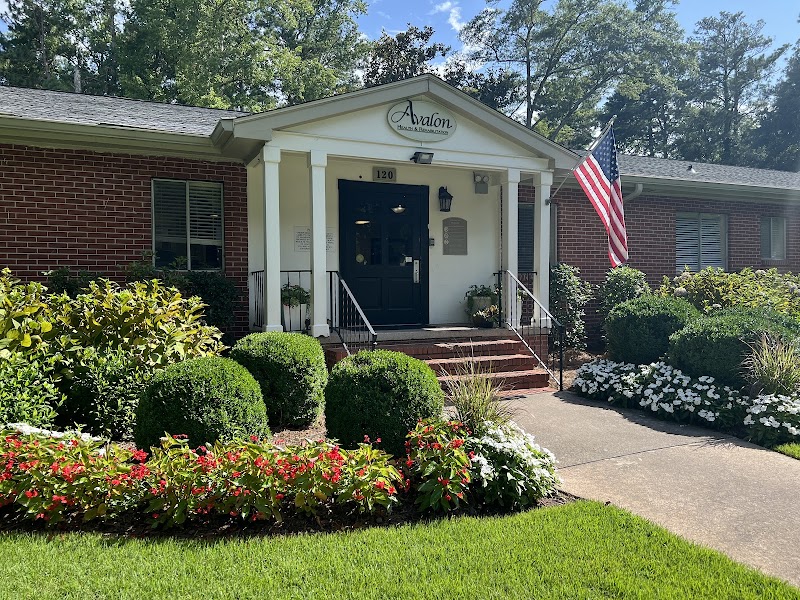
CMS assigns AVALON HEALTH AND REHABILITATION an overall rating of 4 out of 5 stars, which is considered above average nationally. Within Georgia, this rating places the facility higher than 99% of the state's 100 nursing homes. This rating reflects solid performance across the metrics CMS uses to evaluate nursing home quality.
How is Avalon Staffed?

CMS rates AVALON HEALTH AND REHABILITATION's staffing level at 3 out of 5 stars, which is average compared to other nursing homes. Staff turnover is 38%, compared to the Georgia average of 46%. This relatively stable workforce can support continuity of care.

What Have Inspectors Found at Avalon?

State health inspectors documented 6 deficiencies at AVALON HEALTH AND REHABILITATION during 2022 to 2025. These included: 6 with potential for harm.
Who Owns and Operates Avalon?

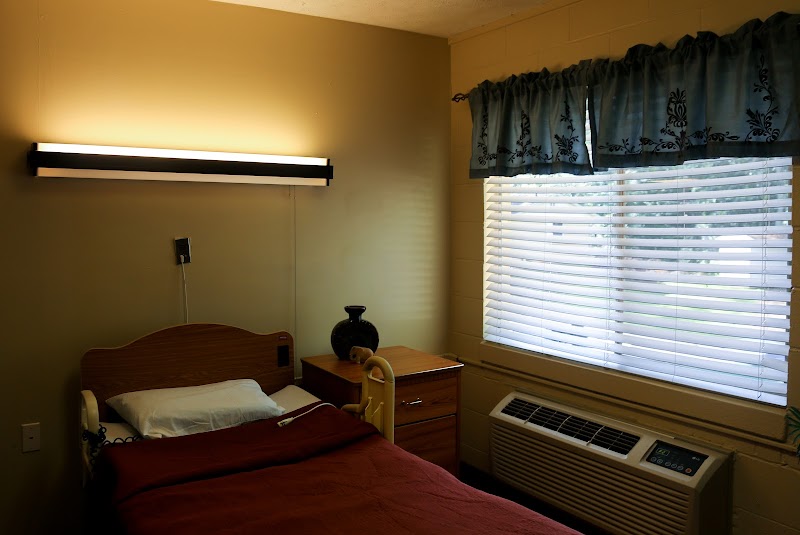
AVALON HEALTH AND REHABILITATION is owned by a non-profit organization. Non-profit facilities reinvest revenue into operations rather than distributing to shareholders. The facility is operated by CLINICAL SERVICES, INC., a chain that manages multiple nursing homes. With 90 certified beds and approximately 78 residents (about 87% occupancy), it is a smaller facility located in NEWNAN, Georgia.
How Does Avalon Compare to Other Georgia Nursing Homes?

Compared to the 100 nursing homes in Georgia, AVALON HEALTH AND REHABILITATION's overall rating (4 stars) is above the state average of 2.6, staff turnover (38%) is near the state average of 46%, and health inspection rating (4 stars) is above the national benchmark.

What Should Families Ask When Visiting Avalon?

Based on this facility's data, families visiting should ask: "Can I visit during a mealtime to observe dining assistance and food quality?" "How do you handle medical emergencies, and what is your hospital transfer rate?" "Can I speak with family members of current residents about their experience?"

Is Avalon Safe?

Based on CMS inspection data, AVALON HEALTH AND REHABILITATION has a clean safety record: no substantiated abuse findings (meaning no confirmed cases of resident harm), no Immediate Jeopardy citations (the most serious violation level indicating risk of serious injury or death), and is not on the Special Focus Facility watch list (a federal program monitoring the lowest-performing 1% of nursing homes). The facility has a 4-star overall rating and ranks #1 of 100 nursing homes in Georgia. While no facility is perfect, families should still ask about staff-to-resident ratios and recent inspection results during their visit.

Do Nurses at Avalon Stick Around?

AVALON HEALTH AND REHABILITATION has a staff turnover rate of 38%, which is about average for Georgia nursing homes (state average: 46%). Moderate turnover is common in nursing homes, but families should still ask about staff tenure and how the facility maintains care continuity when employees leave.

Was Avalon Ever Fined?

AVALON HEALTH AND REHABILITATION has been fined $3,728 across 1 penalty action. This is below the Georgia average of $33,116. While any fine indicates a compliance issue, fines under $50,000 are relatively common and typically reflect isolated problems that were subsequently corrected. Families should ask what specific issues led to these fines and confirm they've been resolved.

Is Avalon on Any Federal Watch List?

AVALON HEALTH AND REHABILITATION is not on any federal watch list. The most significant is the Special Focus Facility (SFF) program, which identifies the bottom 1% of nursing homes nationally based on persistent, serious quality problems. Not being on this list means the facility has avoided the pattern of deficiencies that triggers enhanced federal oversight. This is a positive indicator, though families should still review the facility's inspection history directly.