NEWNAN HEALTH AND REHABILITATION
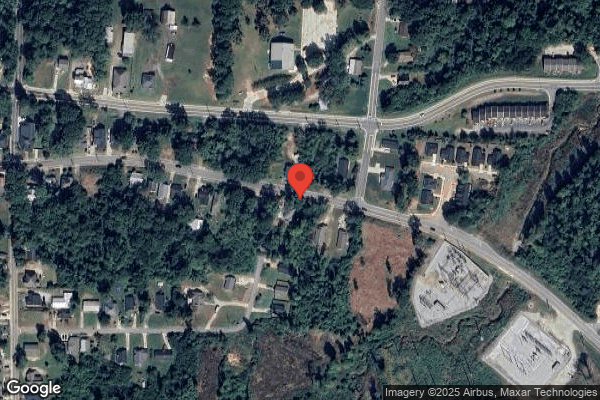
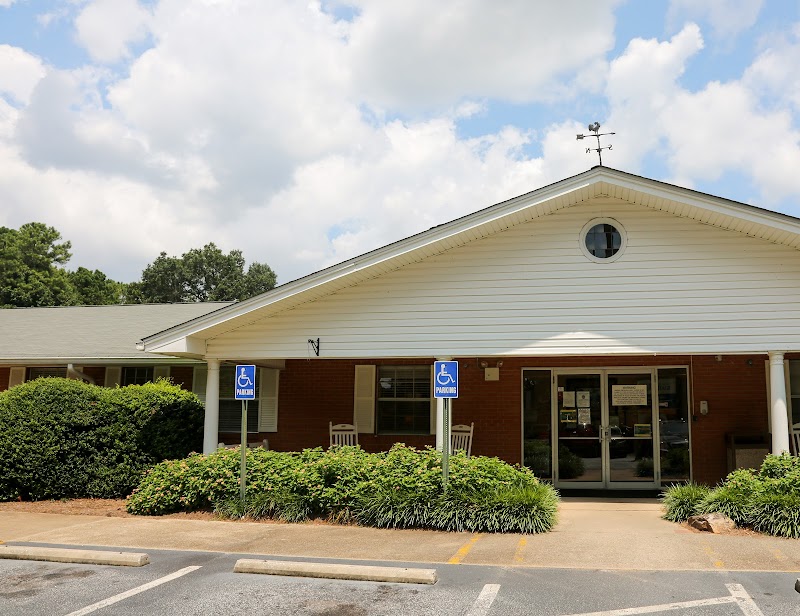
244 EAST BROAD STREET, NEWNAN, GA 30263 (770) 253-7160
Non profit - Other 104 Beds CLINICAL SERVICES, INC. Data: November 2025 2 Immediate Jeopardy citations
Trust Grade
19/100
#300 of 353 in GA
Last Inspection: December 2024

Within standard 12-15 month inspection cycle. Federal law requires annual inspections.

Overview

Newnan Health and Rehabilitation has received a Trust Grade of F, indicating poor performance and significant concerns about the care provided. It ranks #300 out of 353 facilities in Georgia, placing it in the bottom half, and #3 out of 3 in Coweta County, meaning there is only one local option that is better. The facility is worsening, with issues increasing from 1 in 2023 to 4 in 2024, and it has been cited for 15 deficiencies, including two critical incidents related to falls that resulted in major injuries. Staffing is below average, with a rating of 2 out of 5 stars and a 42% turnover rate, which is better than the state average but still concerning. Additionally, the facility has faced $16,801 in fines, which is higher than 79% of Georgia facilities, raising questions about its compliance with regulations. While there is some RN coverage, the overall care and safety practices have serious weaknesses, as seen in the findings of inadequate fall management and food sanitation practices.

Trust Score
F
19/100
In Georgia
#300/353
Bottom 16%
Safety Record
High Risk
Review needed
Inspections
Getting Worse
1 → 4 violations
Staff Stability
○ Average
42% turnover. Near Georgia's 48% average. Typical for the industry.
Penalties
✓ Good
$16,801 in fines. Lower than most Georgia facilities. Relatively clean record.
Skilled Nurses
⚠ Watch
Each resident gets only 24 minutes of Registered Nurse (RN) attention daily — below average for Georgia. Fewer RN minutes means fewer trained eyes watching for problems.
Violations
⚠ Watch
15 deficiencies on record. Higher than average. Multiple issues found across inspections.
★☆☆☆☆
1.0
Overall Rating
★★☆☆☆
2.0
Staff Levels
★★★☆☆
3.0
Care Quality
★☆☆☆☆
1.0
Inspection Score
Stable
2023: 1 issues
2024: 4 issues

The Good

  • Full Sprinkler Coverage · Fire safety systems throughout facility
  • No fines on record
  • Staff turnover below average (42%)

    6 points below Georgia average of 48%

Facility shows strength in fire safety.

The Bad

1-Star Overall Rating

Below Georgia average (2.6)

Significant quality concerns identified by CMS

Staff Turnover: 42%

Near Georgia avg (46%)

Typical for the industry

Federal Fines: $16,801

Below median ($33,413)

Minor penalties assessed

Chain: CLINICAL SERVICES, INC.

Part of a multi-facility chain

Ask about local staffing decisions and management

The Ugly 15 deficiencies on record

2 life-threatening
Dec 2024 4 deficiencies 2 IJ
CRITICAL (J) 📢 Someone Reported This

A family member, employee, or ombudsman was alarmed enough to file a formal complaint

Immediate Jeopardy (IJ) - the most serious Medicare violation

Accident Prevention (Tag F0689)

Someone could have died · This affected 1 resident

**NOTE- TERMS IN BRACKETS HAVE BEEN EDITED TO PROTECT CONFIDENTIALITY** Based on observations, interviews, record review, and review of the facility's policy Falls Management, the facility failed to p...

Read full inspector narrative →
**NOTE- TERMS IN BRACKETS HAVE BEEN EDITED TO PROTECT CONFIDENTIALITY** Based on observations, interviews, record review, and review of the facility's policy Falls Management, the facility failed to prevent accidents for one of 11 sampled residents (R) (R13) which resulted in a fall with a major injury. On 11/19/2024, a determination was made that a situation in which the facility's noncompliance with one or more requirements of participation had caused or had the likelihood to cause, serious injury, harm, impairment, or death to residents. The facility's Administrator and Director of Nursing (DON) were informed of the Immediate Jeopardy (IJ) on 12/17/2024 at 12:15 pm. The noncompliance related to the IJ was identified to have existed on 11/1/2024. An Acceptable Removal Plan was received on 12/18/2024. Based on observation, record review, a review of facility policies as outlined in the Removal Plan, and staff interviews, it was validated that the corrective plans and the immediacy of the deficient practice were removed on 12/19/2024. The facility remained out of compliance while the facility continued management-level staff oversight as well as continuing to develop and implement a Plan of Correction (POC). This oversight process includes an analysis of facility staff's conformance with the facility's policies and procedures governing accident hazards. Findings included: A review of the policy titled Falls Management dated 12/29/2023 revealed an episode where a patient lost balance and would have fallen if not for staff intervention is a fall. The presence or absence of a resultant injury is not a factor in the definition of a fall. When a patient is found on the floor, the center is obligated to investigate to determine how he or she got there and put into place an intervention to minimize it from recurring. Unless there is evidence suggesting otherwise, the most logical conclusion is that a fall has occurred. A review of R13's electronic medical record (EMR) revealed that she was admitted to the facility on [DATE]. Further review revealed that R13 had five falls since admission [DATE], 9/29/2022, 12/2/2022, 6/29/2023, and 11/1/2024.) A review of R13's hospital discharge record revealed she was hospitalized from [DATE] to 11/7/2024 due to a fall with a major injury that resulted in a right forehead/frontal scalp laceration with soft tissue hematoma; moderate chronic microvascular ischemic changes; left thalamic and right pontine lacunar infarcts; an acute nondisplaced oblique fracture involving the anterior inferior corner of C2; cervical spondylosis with moderate spinal canal narrowing at C5-6 and C6-7. A review of the quarterly Minimum Data Set (MDS) assessment dated [DATE] revealed R13 presented with a Brief Interview for Mental Status (BIMS) score assessment of 15, indicating no cognitive impairment, and that R13 had impairment on one side to her lower extremity. A review of the Care Plan, with the revised date of 11/19/2024 revealed that R13 had a history of falls and would demonstrate the ability to use assistive devices safely and consistently during the review. A review of the facility nursing progress note dated 1/12/2024 revealed that R13 stated that she was having problems sitting on the wheelchair cushion. It was noted that the writer observed the resident sitting up in her wheelchair and sliding forward. It was documented that the writer examined the wheelchair cushion and there were no defects observed; the physical therapist was notified of the resident status/sliding forward when sitting properly; a physical therapy referral was ordered to assess and treat. A review of the Event Initial Note dated 11/1/2024 revealed that R13 was observed in the hallway being escorted by the Activities Director to an activity via her wheelchair. Staff noted that the wheelchair suddenly stopped, and the resident fell forward to the floor and hit her head/face. Further review of the Event Initial Note revealed that R13 was alert and was bleeding from a laceration on the head. A review of the Discharge Instructions dated 11/7/2024 from the acute care hospital revealed that R13 was discharged with an order for Bacitracin twice a day to the laceration and to follow up with a stroke and neurosurgeon. During an observation on 11/19/2024 at 11:43 am, R13 was observed in bed. She had a black-like line in the center of her forehead. During an interview with R13, she stated that she fell while being transported by the Activities Director (AD). R13 confirmed Certified Nursing Assistant (CNA) WW called AD for something, but the AD stopped short and R13 fell out of the wheelchair and hit her head. R13 stated that she was in the hospital for eight days. During an interview on 11/21/2024 at 12:20 pm, R13 stated that she got her stitches removed and her head was sore. During an interview on 11/21/2024 at 3:19 pm, the DON confirmed she was not employed when R13 experienced the fall with a major injury. She confirmed that the AD explained to her that she was transporting R13 and was not touching the wheelchair when R13 fell. The DON mentioned that R13 was doing something to her shoes and another resident called the AD and that's when R13 fell. During an interview on 11/21/2024 at 3:25 pm, the Resident Assessment Instrument (RAI) Director LL stated that R13 explained to her that she was being pushed to an activity when someone called the AD. She stated that the AD stopped short and R13 fell out of the wheelchair. During a phone interview on 11/21/2024 at 3:42 pm, the previous DON (DON SS) stated that she spoke with R13 right after the event. She stated that R13 explained to her that she was being pushed to activities and asked the staff to stop so she could fix her shoes. She stated that R13 said when she bent down to fix the Velcro strip on her shoe, she fell forward. During an interview on 11/21/2024 at 4:02 pm with the AD, she confirmed she was escorting R13 to bible study when another resident called for help. She stated that she left R13 in the wheelchair in the hallway to answer the other resident, however, when she returned to R13, she noticed the resident tumbling forward onto the floor. The AD mentioned she was told by R13's daughter, that she might have been trying to tie her shoes. The AD mentioned she didn't remember seeing anyone in the hall, but the CNA and staff came after the fall to assist. During an interview on 11/21/2024 at 4:56 pm, the Administrator revealed she has been in the position for two years. She stated that she did not complete an investigation into the fall resulting in a major injury for R13, but she did the AD what happened. The Administrator mentioned she did not interview any of the other staff that day but trusted that the former DON was doing what needed to be done. During an interview on 11/22/2024 at 10:42 am, R13 stated that when she fell on [DATE], it knocked her out a little. R13 confirmed she was sitting completely in the wheelchair and holding onto the armrest during the transport, but the AD stopped short, and the cushion came out of the chair, and she fell to the floor. R13 stated that before the fall, she used to get up and was able to perform her Activities of Daily Living (ADL) care but now she cannot. During an interview on 11/22/2024 at 10:57 am, the Director of Rehabilitation UU confirmed R13 has an order for rehab that she received late Tuesday afternoon (11/19/2024) and the evaluation is pending. She revealed that she just learned about R13's fall on 11/20/2024. During an interview on 11/22/2024 at 11:12 am Occupational Therapist (OT) VV mentioned she heard of R13's fall when a CNA told her she was having more trouble with performing her ADL care independently and was not getting up as much since falling on 11/1/2024. OT VV confirmed that the therapy referral was received on 11/19/2024. During an interview on 11/22/2024 at 11:39 am, the DON explained the recent investigation concluded that the AD witnessed the fall that R13 had on 11/1/2024. DON mentioned AD reported that another resident called her and asked what time bible study was. The chair was not locked, and the resident fell forward. The DON emphasized that R13 was alert and oriented before the fall but has become confused since the fall. The facility implemented the following actions to remove the IJ: 1. On 11/19/2024, a therapy screen was done for R13 by the Physical Therapist. On 11/22/2024, a Physical Therapy assessment was completed for R13. On 11/22/2024, the Social Worker completed a behavioral assessment. No changes were identified for R13. On 12/3/2024, a care plan conference was held with R13 and her (family) with the Social Worker, the RAI Registered Nurse (RN), the Licensed Practical Nurse (LPN), the Restorative Nurse, the Dietary Manager, the Charge Nurse LPN, the CNA. R13 stated she had no problems or concerns. On 12/6/2024, Speech Therapy completed an assessment for R13. On 12/17/2024, the Occupational Therapy department evaluated R13 for positioning and wheelchair review. A 16x18 inch cushion was placed in the wheelchair providing more even support to hips and the footrests were exchanged for more appropriate length allowing Bilateral Lower Extremity flexibility. On 12/17/2024, the Registered Dietitian assessment was done for R13 weight loss, with a new order for a nutritional supplement (one carton by mouth q day was ordered. Continue weekly weight. Speech Therapy to evaluate and treat. No recommendation currently. On 12/17/2024, a Medical Doctor assessed R13, with no concerns noted at that time. On 12/17/2024, the Psych Physician conducted an evaluation post-fall for R3, no recommendation at this time. The plan of care was reviewed and updated on 11/1/2024 and 11/8/2024 by a licensed practical nurse, and on 12/17/2024 by an RN for R13. 2. The DON who conducted the original investigation on 11/1/2024 is no longer employed; she resigned on 11/7/2024. Newly hired DON as of 11/11/2024 began a new root cause analysis on 11/19/2024. The root cause was completed for R13 on 11/22/2024. 3. On 12/17/2024, an ad hoc Quality Assurance Process Improvement (QAPI) and performance improvement plan (PIP) was developed and initiated. The meeting discussion included plan development and citations. In attendance at the meeting were the Division [NAME] President, Administrator, Division Nurse, DON, LPN, Medical Director, Social Worker, Financial Controller, Maintenance Director, RAI nurses, Wound Care Nurse, Environmental Services Director, AD, health information manager Environmental/ laundry supervisor, admission Nurse, HR Partner Service, Scheduler, for the accident. The existing Fall Management policies and concluded no revisions were needed. 4. From 12/17/2024 through 12/18/2024, the Division [NAME] President and Divisional Nurse provided education to the Administrator, DON, and Social Worker on the job description, roles and responsibilities, and duties to ensure the safety of all residents. Education provided on the falls management policy included that nurses should observe and interview the patient and/or witnesses to determine the possible cause of the fall and complete the Initial Event in the EMR to capture the investigation of the fall and assessment of the patient and how to use the QAPI tool The 5 Whys and that nursing is to complete therapy referral in EMR upon admission/readmission and post-fall as indicated. Nurses are to follow up with therapy to ensure a timely review of referrals (within 72 hours). Therapy to complete an assessment post-fall as indicated to include completion of an evaluation of the wheelchair to determine if the wheelchair was appropriate for the patient. Resident transport safety to prevent falls/injuries. Nursing and social services to follow up and assess patients for psychosocial harm post-fall to determine if behavioral health services are needed. (Patient exhibiting any signs/symptoms of anxiety such as restlessness, nausea, elevated heart rate, difficulty sleeping). If the patient is noted to exhibit signs of anxiety, nursing to assess the patient and report to the provider as indicated. The Administrator, the DON, and the Social Worker received education. 5. Corrective action for other residents having the potential to be affected by the same deficient practice: All residents who reside in the facility who are transported and have had a fall have the potential to be affected by the alleged deficiency. 6. Systemic changes are made to ensure that the deficient practice will not recur. On 12/18/2024 oversight was provided by the Divisional Nurses (DN) to ensure the DON completed a root cause analysis of residents with falls within the past 30 days. On 12/18/2024 oversight by DN to ensure that 8 of 8 therapy referrals were completed by the RAI coordinator was completed. On 12/18/2024 an oversight by DN of Social Worker to confirm that eight or eight social visits were completed to ensure no evidence was noted of further treatment psychosocial harm post fall, including weight loss, increased anxiety, or further decline. One of eight patients identified with weight loss post-fall was reviewed by a Regional Dietitian on 12/17/2024. On 12/18/2024 DVP and DN made observational rounds to supervise the Administrator, DON, and Social Director of the day-to-day operations to include adhering to the falls policy and that oversight was being provided by the administration to ensure patients were being transported safely. DN attended the clinical meeting to ensure that falls were being reviewed per the guideline to include performing a root cause analysis and 72-hour observations were completed to include observation of signs of psychosocial harm. DVP and DN confirmed that education had been completed with staff for falls and safety transportation. 7. Quality Assurance plans to monitor facility performance to ensure corrections are achieved and are permanent. A quality improvement data collection Grid 3 tool was developed and initiated by the Administrator and is being utilized daily to monitor the implementation of the POC. The DON or Assistant DON will be responsible for ensuring the completion of this tool. The results of the monitoring completed under this POC will be validated by the DVP and /or DN and submitted daily to the QAPI committee for review and further follow-up. The quality improvement data collection grid will continue until the QAPI committee deems it is no longer necessary. 8. All corrective actions were completed on 12/18/2024. The facility alleges that the IJ was removed on 12/19/2024. The State Survey Agency (SSA) validated the facility's written IJ Removal Plan as follows: 1. A review of the Therapy Referral dated 11/19/2024 documented that a therapy screening was completed. A review of the Physical Therapy Certification document with a completion date of 11/22/2024. A review of the Behavioral Assessment V3.0 was completed by the Social Worker) on 11/22/2024. There were no new behaviors at that time. A review of the Care Plan Conference V2.0 was updated as her annual conference on 12/3/2024. Conference notes state R13 is interested in seeing the counselor). A review of the Speech/Language Pathology Certification assessment was completed on 12/6/2024. A review of the Occupational Therapy Daily Note dated 12/17/2024 documented R13 was seen for positioning and wheelchair review. A cushion 16 x 18 was placed in wheelchair providing more support to hips and the footrests were exchanged to appropriate length was completed. A review of the RD Nutritional Assessment V4.0 dated 12/17/2024 documented a significant change due to recent weight loss along with new orders. A review of the GA MedGroup Assessment dated 12/17/2024 was completed related to post-fall. Further review of the document revealed that continue to follow with psychiatric services. A review of the Psychiatric Diagnosis Evaluation revealed that R13 was seen on 12/17/2024 and an evaluation was conducted. A review of the Care plan dated 11/1/2024, 11/19/2024, 12/17/2024, and 12/18/2024 was updated for the focus to falls or near falls. A review of the Care plan dated 11/19/2024 was updated to focus on Fall Risk. 2. Review of the previous Director of Nursing resignation letter dated 11/7/2024. A review of the current offer letter for the DON position is dated 11/11/2024 as the hire date. A review of the Root Cause Analysis was completed on 11/22/2024. 3. A review of the audit tool titled Utilization Wheelchair and Safe Transfer/Transport dated 11/21/2024 revealed residents were questions about the safety in the building, if they felt if staff were pushing them fast, and any staffing concerns. No concerns with the review. 4. A review of the Ad hoc QAPI and PIP dated 12/17/2024 revealed Division vice president, Administrator, Division nurse, Director of nursing, licensed nurse, Medical director, Social Service, Financial controller, Maintenance director, Resident assessment instrument nurses, Wound care nurse, Environmental services director, Activity director, health information manager Environmental/ laundry supervisor, admission nurse, Human Resources Partner service, and scheduler were all in attendance for the meeting. 5. A review of the document titled Job description, roles, and responsibilities was signed off by the Administrator, DON, Division Nurse, and Social Worker on 12/17/2024. 6. A review of the in-service education titled F689 Free of Accident Hazards/Supervision/Devices dated 12/17/2024 and 12/18/2024 documented that 99 staff signatures were signed off on being educated. A review of the in-service education titled Anxiety/Post Fall/ Safe Transfer dated 12/17/2024 and 12/18/2024 documented that 99 staff signatures were signed off on being educated. 7. Confirmed by observations on 12/20/2024. 8. A review of the residents who had a fall within 30 days was completed. Eight residents identified that had a fall. A review of eight identified residents for psychiatric assessment, weight loss, root cause analysis, and therapy related to recent falls in the facility were reviewed and determined to be completed on 12/17/2024 and 12/18/2024. A review of Grid 1 titled, Review of fall from 11/18/2024 to 12/18/2024 was identified and completed for residents who had fallen. 9. A review of the Quality Improvement Data Collection Grid 3 dated 12/19/2024 documented audits indicated for psychological assessments, post falls, therapy referrals, root cause, weight loss, or decline were completed on residents that were identified as recent falls (eight of eight residents) within the last 30 days. The interview on 12/20/2024 at 1:56 pm revealed DON is responsible for Grid 2 and the Administrator comes behind her and checks to see if it is completed. Then the Administrator goes to check Grid 3. The Division nurse and the Division [NAME] President Nurse check behind the administrator to collect accurate data. DON confirmed that Grid 3 and Grid 2 are being audited daily. The target date will be daily for four weeks; then twice a week for four weeks; and then weekly for four weeks. 10. It was verified that the corrective actions were completed by 12/18/2024 and the immediate jeopardy was removed on 12/19/2024.
CRITICAL (J) 📢 Someone Reported This

A family member, employee, or ombudsman was alarmed enough to file a formal complaint

Immediate Jeopardy (IJ) - the most serious Medicare violation

Administration (Tag F0835)

Someone could have died · This affected 1 resident

**NOTE- TERMS IN BRACKETS HAVE BEEN EDITED TO PROTECT CONFIDENTIALITY** Based on record review, staff interviews, and review of the Administrator and Director of Nursing (DON) Job Description, the fac...

Read full inspector narrative →
**NOTE- TERMS IN BRACKETS HAVE BEEN EDITED TO PROTECT CONFIDENTIALITY** Based on record review, staff interviews, and review of the Administrator and Director of Nursing (DON) Job Description, the facility's Administration failed to address concerns with the facility's Fall Management and Transportation of Patients procedures; and failed to ensure that one of 11 sampled residents (R) (R13) was free from accident hazards related to transporting within the facility. Further, the administration failed to ensure that a therapy assessment and psychosocial harm assessment were completed for R13 post-fall and that staff were educated on safely transporting residents in the facility. On 11/19/2024, a determination was made that a situation in which the facility's noncompliance with one or more requirements of participation had caused or had the likelihood to cause, serious injury, harm, impairment, or death to residents. The facility's Administrator and Director of Nursing (DON) were informed of the Immediate Jeopardy (IJ) on 12/17/2024 at 12:15 pm. The noncompliance related to the IJ was identified to have existed on 11/1/2024. An Acceptable Removal Plan was received on 12/18/2024. Based on observation, record review, a review of facility policies as outlined in the Removal Plan, and staff interviews, it was validated that the corrective plans and the immediacy of the deficient practice were removed on 12/19/2024. The facility remained out of compliance while the facility continued management-level staff oversight as well as continuing to develop and implement a Plan of Correction (POC). This oversight process includes an analysis of facility staff's conformance with the facility's policies and procedures governing accident hazards. Findings included: A review of the Administrator Job Description revised February 2022, revealed the Administrator is responsible for directing the day-to-day functions of the Nursing Center in accordance with current federal, state, and local regulations that govern long-term care centers, and as may be directed by the Regional [NAME] President, to provide appropriate care for our patients. A review of the Director of Nursing Job Description revised March 2021 revealed that the DON is responsible for planning, organizing, developing, and directing the overall operation of our Nursing Services Department in accordance with current federal, state, and local regulations governing our nursing center, and as directed by the Administrator and/or the Medical Director, to provide appropriate care. A review of R13's electronic medical record (EMR) revealed that she was admitted to the facility on [DATE]. Further review of Progress Notes revealed that R13 had five falls in the facility: 9/28/2022, 9/29/2022, 12/2/2022, 6/29/2023, and 11/1/2024. On 11/1/2024, R13 was sent out to an acute care hospital and was admitted there from 11/1/2024 to 11/8/2024 due to a fall with a major injury. A review of the hospital records dated 11/8/2024 revealed that R13 was discharged from the acute care hospital with the diagnoses of seven sutures and fractures with diagnoses of cervical (C) 2, endplate fracture, right frontal scalp laceration, cervical spondylosis with a moderate spinal canal with narrowing at C5-6. The fall resulted in a right forehead/frontal scalp laceration with soft tissue hematoma, moderate chronic microvascular ischemic changes, left thalamic and right pontine lacunar infarcts, and acute nondisplaced oblique fracture involving the anterior inferior corner of C2. During an interview on 11/21/2024 at 4:56 pm, the Administrator revealed she has been in the position for two years and that the former DON resigned from the facility on 11/7/2024. The new DON was hired on 11/11/2024. The administrator confirmed that she did not complete a full investigation or a root cause analysis of the 11/1/2024 fall for R13 because the former DON told her it was not a reportable incident. She stated that she asked the Activities Director (AD) what happened but confirmed that she did not interview any other staff working on the day of the incident. The facility implemented the following actions to remove the IJ: 1. On 11/19/2024, a therapy screen was done for R13 by the Physical Therapist. On 11/22/2024, a Physical Therapy assessment was completed for R13. On 11/22/2024, the Social Worker completed a behavioral assessment. No changes were identified for R13. On 12/3/2024, a care plan conference was held with R13 and her (family) with the Social Worker, Registered Nurse (RN), Licensed Practical Nurse (LPN), Restorative Nurse, Dietary Manager, Charge Nurse LPN, and CNA. R13 stated she had no problems or concerns. On 12/6/2024, Speech Therapy completed an assessment for R13. On 12/17/2024, the Occupational Therapy department evaluated R13 for positioning and wheelchair review. A 16x18 inch cushion was placed in the wheelchair providing more even support to hips and the footrests were exchanged for more appropriate length allowing Bilateral Lower Extremity flexibility. On 12/17/2024, the Registered Dietitian assessment was done for R13 weight loss, with a new order for a nutritional supplement (one carton by mouth every day was ordered. Continue weekly weight. Speech Therapy to evaluate and treat. No recommendation currently. On 12/17/2024, a Medical Doctor assessed R13, with no concerns noted at that time. On 12/17/2024, the Psych Physician conducted an evaluation post-fall for R3, no recommendation at this time. The plan of care was reviewed and updated on 11/1/2024 and 11/8/2024 by an LPN, and on 12/17/2024 by an RN for R13. 2. The DON who conducted the original investigation on 11/1/2024 is no longer employed; she resigned on 11/7/2024. Newly hired DON as of 11/11/2024 began a new root cause analysis on 11/19/2024. The root cause was completed for R13 on 11/22/2024. 3. On 12/17/2024, an ad hoc Quality Assurance Process Improvement (QAPI) and performance improvement plan (PIP) was developed and initiated. The meeting discussion included plan development and citations. In attendance at the meeting were the Division [NAME] President, Administrator, Divisional Nurse, DON, LPN, Medical Director, Social Worker, Financial Controller, Maintenance Director, RAI nurses, Wound Care Nurse, Environmental Services Director, AD, health information manager Environmental/ laundry supervisor, admission Nurse, HR Partner Service, Scheduler, for the accident. The existing Fall Management policies and concluded no revisions were needed. 4. On 12/17/2024 Division [NAME] President and Divisional Nurse provided education to the Administrator, DON, and on 12/18/2024 the Social worker on job description, roles and responsibilities, and duties to ensure the safety of all residents. Education provided on the falls management policy included that nurses should observe and interview the patient and/or witnesses to determine the possible cause of the fall and complete the Initial Event in the EHR (Electronic Health Record) to capture the investigation of the fall and assessment of the patient and how to use the QAPI tool The 5 Whys and that nursing is to complete therapy referral in EHR upon admission/readmission and post-fall as indicated. Nursing to follow up with therapy to ensure timely review of referral (within 72 hours). Therapy to complete an assessment post-fall as indicated to include completion of an evaluation of the wheelchair to determine if the wheelchair was appropriate for the patient. Resident transport safety to prevent falls/injuries. Nursing and social services to follow up and assess patients for psychosocial harm post-fall to determine if behavioral health services are needed. (Patient exhibiting any signs/symptoms of anxiety such as restlessness, nausea, elevated heart rate, difficulty sleeping). If the patient is noted to exhibit signs of anxiety, nursing to assess the patient and report to the provider as indicated. The administrator, DON, and Social Worker received the education. 5. On 12/18/2024, oversight was provided by the Divisional Nurse to ensure the DON completed a root cause analysis of residents with falls within the past 30 days. On 12/18/2024 oversight by the Divisional Nurse to ensure that eight of eight therapy referrals were completed by RAI coordinator was completed. On 12/18/2024 oversight by Divisional Nurse of Social Worker to confirm that eight of eight social visits were completed to ensure no evidence was noted of further treatment psychosocial harm post fall, to include weight loss, increased anxiety, or further decline. One of eight patients identified with weight loss post-fall was reviewed by the Regional Dietitian on 12/17/2024. 6. On 12/18/2024, the Division [NAME] President and the Divisional Nurse made observational rounds to supervise the administrator, DON, and Social Worker of the day-to-day operations including adhering to the falls policy and that oversight was being provided by the administration to ensure patients were being transported safely. The Divisional Nurse attended the clinical meeting to ensure that falls were being reviewed per the guideline to include performing a root cause analysis and 72-hour observations were completed to include observation of signs of psychosocial harm. The Division [NAME] President and the Divisional Nurse confirmed that education had been completed with staff for falls and safety transportation. 7. Quality Assurance Plans to monitor facility performance to ensure corrections are achieved and are permanent. A quality improvement data collection grid 3 tool was developed and initiated by the Administrator and is being utilized daily to monitor the implementation of the Plan of Correction. The DON or Assistant DON will be responsible for ensuring the completion of this tool. The results of the monitoring completed under this plan of correction will be validated by the Division [NAME] President and /or Divisional Nurse and submitted daily to the QAPI committee for review and further follow-up. The quality improvement data collection grid will continue until the QAPI committee deems it is no longer necessary. 8. All corrective actions were completed on 12/18/2024. The facility alleges that the IJ was removed on 12/19/2024. The State Survey Agency (SSA) validated the facility's written IJ Removal Plan as follows: 1. A review of R13 electronic health records dated 11/19/2024 revealed A review of the Therapy Referral dated 11/19/2024 documented a therapy screening was completed. A review of the Physical Therapy Certification documents a completion date of 11/22/2024. A review of the Behavioral Assessment V3.0 was completed by the Social Worker on 11/22/2024. There were no new behavioral concerns at that time. A review of the Care Plan Conference V2.0 was updated as her annual conference on 12/3/2024. The conference notes stated that R13 was interested in seeing the counselor. It was verified that a referral was sent for counseling services as requested at the care plan conference. A review of the Speech/Language Pathology Certification assessment was completed on 12/6/2024. A review of the Occupational Therapy Daily Note dated 12/17/2024 documented R13 was seen for positioning and wheelchair review. A cushion 16 x 18 was placed in wheelchair providing more support to the hips and the footrests were exchanged to appropriate length was completed. A review of the Registered Dietician Nutritional Assessment V4.0 dated 12/17/2024 documented a significant change due to recent weight loss along with new orders being completed. A review of the (name of company) Assessment dated 12/17/2024 was completed related to post-fall. Further review of the document revealed that continue to follow with psychiatric services. A review of the Psychiatric Diagnosis Evaluation revealed that R13 was seen on 12/17/2024 and an evaluation was conducted. A review of the Care plan dated 11/1/2024, 11/19/2024, 12/17/2024, and 12/18/2024 was updated for the focus to falls or near falls. A review of the Care plan dated 11/19/2024 was updated for the focus on Fall Risk. 2. A review of evidence revealed in the previous DON resignation letter dated 11/7/2024. A review of the current offer letter for the DON position is dated 11/11/2024 as the hire date. A review of the Root Cause Analysis was completed on 11/22/2024. 3. A review of evidence revealed the Ad hoc QAPI and PIP dated 12/17/2024 revealed the Division [NAME] President, Administrator, Divisional Nurse, DON, LPN, Medical Director, Social Worker, Financial Controller, Maintenance Director, RAI Nurses, Wound Care Nurse, Environmental Services Director, Activity Director, Health Information Manager, Environmental/ Laundry Supervisor, admission Nurse, Human Resources Partner Service, and Scheduler were all in attendance for the meeting. 4. A review of the Job description, roles, and responsibilities was signed off on by the Administrator, DON, Division Nurse, and Division [NAME] President on 12/17/2024. During an interview conducted on 12/20/2024 at 4:33 pm, the Administrator, DON NN, and Social Worker II confirmed in-service received along with Performance Assessment Review (PAR), Quality Assurance, and Performance Improvement (QAPI) meetings completed. All participants revealed during the PAR meetings weight loss, falls, behaviors, and new admissions with behaviors. All participants confirmed they are responsible for PAR meetings along with the charge nurse, Minimum Data Set (MDS) coordinator, Dietary Manager, ADON, and sometimes therapist. All participants revealed in QAPI meetings regarding falls the root cause, psychosocial, weight loss decline, therapy referrals, and plans in place with the Administrator will be reviewed with DON, and all falls are included. 5. A review of evidence revealed the review of the audit tool titled Utilization Wheelchair and Safe Transfer/Transport dated 11/21/2024 revealed residents were questions about the safety in the building, if they felt if staff were pushing them fast, and any staffing concerns. No concerns with the review. Interviews were conducted on 12/20/2024 with five cognitively intake residents who were transported with assistance in a wheelchair: (R6 interviewed at 11:50 am, R34 interviewed at 11:33 am, R36 interviewed at 11:30 am, R58 interviewed at 11:56 am, and R243 interviewed at 11:38 am) They all confirmed they received wheelchair assistance, and were transported at an adequate pace, they feel safe during transport and have no concerns. 6. A review of Evidence revealed the 5 Whys for the root cause analysis was completed on 11/22/2024. A review of eight identified residents for psychiatric assessment, weight loss, root cause analysis, and therapy related to recent falls in the facility was reviewed and determined to be completed on 12/17/2024 and 12/18/2024. Observation on 12/19/2024 at 1:56 pm revealed Activities Director (AD) TT wheeling a resident down the hall appropriately with no signs of complications; using both hands on the wheelchair handle. Meanwhile transporting at a slow pace. Observation on 12/19/2024 at 2:37 pm revealed Occupational Therapist (OT) VV transporting the resident in a wheelchair with foot pedals with no signs of complications. A review of the in-service education titled F835 Administration - Root cause of accident post falls follow up dated 12/17/2024 and 12/18/2024 documented that 99 staff signatures were signed off on being educated. Interviews were conducted and verified as having been educated: on 12/19/2024, Nurse BB was interviewed at 1:40 pm, three Certified Medical Assistants (CMA's) were interviewed on 12/19/2024 (CMA PPP at 3:30 pm; CMA HHH at 2:30 pm; CMA III at 2:26 pm) Six Certified Nursing Assistant (CNA's) was interviewed on 12/19/2024 (CNA OOO at 3:25 pm; CNA KKK at 2:23 pm; CNA JJJ at 2:19 pm; CNA LLL at 2:09 pm; CNA EE at 1:52 pm; CNA WW at 1:45 pm; Maintenance Director NNN interviewed at 2:46 pm; admission Coordinator QQ was interviewed at 2:43 pm; Assistant DON of Nursing MMM was interviewed at 2:00 pm. Interviews were conducted and verified as having been educated: on 12/20/2024 with Administrative Assistant SSS at 9:48 am; Resident Assessment Instrument (RAI) Director LL interviewed at 9:55 am; Agency Nurse Practitioner (NP) QQQ interviewed at 9:59 am; Healthcare Navigator RRR interviewed at 10:03 am. 7. A review of the Quality Improvement Data Collection Grid 3 dated 12/18/2024 documented audits indicated for validation of audit completion was done by the DON/ADON for psychosocial assessment, post-falls, therapy referrals, root cause analysis, weight loss or decline from falls. An interview on 12/20/2024 at 1:56 pm revealed DON is responsible for Grid 2 and the Administrator comes behind her and checks to see if it is completed. Then the Administrator goes to check the Grid The Divisional Nurse and the Division [NAME] President Nurse check behind the administrator to collect accurate data. DON confirmed that Grid 3 and Grid 2 are being audited daily. The target date will be daily for four weeks. Then twice a week for four weeks; then weekly for four weeks. 8. It was verified that the corrective actions were completed by 12/18/2024 and the immediate jeopardy was removed on 12/19/2024.
CONCERN (D) 📢 Someone Reported This

A family member, employee, or ombudsman was alarmed enough to file a formal complaint

Potential for Harm - no one hurt, but risky conditions existed

ADL Care (Tag F0677)

Could have caused harm · This affected 1 resident

**NOTE- TERMS IN BRACKETS HAVE BEEN EDITED TO PROTECT CONFIDENTIALITY** Based on observations, staff and resident interviews, record review, and review of the facility policy titled ADL Plan of Care, ...

Read full inspector narrative →
**NOTE- TERMS IN BRACKETS HAVE BEEN EDITED TO PROTECT CONFIDENTIALITY** Based on observations, staff and resident interviews, record review, and review of the facility policy titled ADL Plan of Care, the facility failed to provide activities of daily living (ADL) care for three of 40 sampled residents (R) (R34, R36, and R43). This deficient practice had the potential to cause risk for unmet needs and a diminished quality of life. Findings included: A review of the policy titled ADL Plan of Care, with the revised date of 12/29/2023, revealed that it is the intent stated to develop and communicate residents' needs for assistance with ADL care; residents' ADL care needs are assessed on admission and are addressed on the baseline care plan and communicated to staff; that nursing develops the resident ADL care plan; and the plan is updated in conjunction with comprehensive care plan as needed. 1. A review of the electronic medical record (EMR) revealed that R34 was admitted to the facility on [DATE] with pertinent diagnoses including, but not limited to, legal blindness and a history of falling. A review of R34's annual Minimum Data Set (MDS) assessment dated [DATE] revealed a Brief Interview for Mental Status (BIMS) of 15, which indicated R34 was cognitively intact at the time of the assessment; that R34 required substantial assistance with upper body dressing; and that R34 was dependent on staff for ADL care with one/two or more-person assistance. A review of R34's care plan dated 9/11/2024 indicated a problem of self-care deficit based on refusals of showers. Goals included, but were not limited to, the resident would be able to assist with turning and positioning himself in bed and would accept assistance. Interventions included, but were not limited to, staff are to assist R34 with ADL care as needed. During an observation on 11/19/2024 at 9:39 am, R34 was observed resting in bed awake and alert. His fingernails were long and there was a dark brown colored substance under each fingernail. During an interview with R34 at this time, he stated that his fingernails needed cleaning up. During an observation on 11/20/2024 at 1:05 pm, R34's fingernails were still long and unclean with a dark brown substance under all nails on both hands. An interview with Certified Nursing Assistant (CNA) JJ on 11/20/2024 at 1:10 pm confirmed R34 requires help with his ADL care which includes nail care. CNA JJ has not had him on her assignment for the past week. CNA JJ confirmed that R34's fingernails were long and needed to be trimmed and cleaned. 2. A review of the EMR revealed R36 was admitted to the facility on [DATE] with diagnoses including, but not limited to, type 2 diabetes mellitus with hyperglycemia, hemiplegia and hemiparesis, and cerebral infarction. A review of the quarterly MDS assessment dated [DATE] revealed that R36 presented with a BIMS score of 15 and that he was dependent on staff for ADL care with one/two or more-person assistance. A review of the care plan dated 11/7/2024 indicated R36 presented with a self-care deficit (7/14/2024). Interventions included, but were not limited to, staff to assist R36 with ADL care. During an observation on 11/19/2024 at 9:35 am, R36 was resting in bed. His fingernails were long and a dark brown colored substance was observed under his nails. During an interview with R36, he stated he had been at the facility for six months. He stated, My fingernails need some attention, they don't do them real often. During an observation on 11/20/2024 at 3:05 pm, R36 was observed in the hallway and his nails were still untrimmed and not clean. 3. A review of the EMR revealed resident R43 was admitted to the facility on [DATE] with a diagnosis of depression. A review of the quarterly MDS assessment dated [DATE] revealed R43 presented with a BIMS of 15 and required substantial assistance with ADL care with one/two or more-person assistance. A review of the care plan dated 11/4/2024 indicated R43 presented with a self-care deficit. Interventions included, but were not limited to, staff to assist the resident with ADL care as needed. An observation on 11/19/2024 at 11:08 am revealed that R43 was awake and alert lying on the right side in bed. His fingernails were long and had a dark substance underneath all nails. He stated that the staff does provide nail care, but he was unsure how often. He confirmed that his nails were long and needed cleaning. During an interview on 11/20/2024 at 1:05 pm, Certified Nursing Assistant (CNA) EE stated that she was unsure why R43's fingernails were not cleaned. During an interview on 11/21/2024 at 4:13 pm, the Director of Nursing (DON) stated that she has been at the nursing home in this role for a very short time, less than two weeks. DON further stated she is still familiarizing herself with the new facility she has expectations for staff to provide nail care for residents who cannot do it for themselves.
CONCERN (D) 📢 Someone Reported This

A family member, employee, or ombudsman was alarmed enough to file a formal complaint

Potential for Harm - no one hurt, but risky conditions existed

Respiratory Care (Tag F0695)

Could have caused harm · This affected 1 resident

**NOTE- TERMS IN BRACKETS HAVE BEEN EDITED TO PROTECT CONFIDENTIALITY** Based on observations, staff and resident interviews, record review, and review of the facility's policy titled Use of Oxygen Th...

Read full inspector narrative →
**NOTE- TERMS IN BRACKETS HAVE BEEN EDITED TO PROTECT CONFIDENTIALITY** Based on observations, staff and resident interviews, record review, and review of the facility's policy titled Use of Oxygen Therapy, the facility failed to obtain an active physician order for oxygen therapy and implement appropriate infection control for one of 11 sampled residents (R) (R489). This deficient practice had the potential to cause respiratory illness and inappropriate oxygen therapy. Findings included: A review of the facility's policy titled Use of Oxygen Therapy, revised 7/1/2024, section titled Intent revealed that it is the intent of the facility to ensure that patients maintain optimal oxygenation via the proper oxygen device and concentration when appropriate and medically indicated. The section titled Guideline stated that a Physician's order for oxygen should be obtained . The care plan should include oxygen as ordered. A review of R489's electronic medical record (EMR) revealed that R489 was admitted to the facility on [DATE] with pertinent diagnoses including but not limited to dyspnea, gastroesophageal reflux disease, and dependence on renal dialysis. A review of R489's annual Minimum Data Set (MDS) assessment dated [DATE] revealed a Brief Interview for Mental Status (BIMS) score of 15, which indicates R489 was cognitively intact; that R489 had impairments on both sides of lower extremities and was dependent on assistance for activities of daily living (ADLs); that R489 has shortness of breath (SOB) when sitting at rest; and that R489 was on oxygen therapy and dialysis. A review of R489's care plan dated 9/17/2024 indicated a focus on respiratory changes. Goals included, but were not limited to, Patient will not require hospitalization as a result of respiratory changes during the review period. Interventions included, but were not limited to, Administer medications and/or treatments as ordered, monitor vital signs, and notify MD. A review of R489's care plan dated 9/17/2024 indicated a focus on respiratory difficulties/risk for further decline. Goals included, but were not limited to, Patient will not require hospitalization as a result of respiratory changes during the review period. Interventions included, but were not limited to, Administer respiratory medications/treatments as ordered, monitor vital signs, notify a physician of changes, and oxygen as ordered. A review of R489's Physician's Orders included, but was not limited to, Oxygen: Nasal Cannula 2 Liters per minute (LPM) nasally every eight hours as needed SOB/ wheezing. This order started on 8/25/2024 and was discontinued on 10/17/2024. During an interview on 11/19/2024 at 10:48 am, R489 stated that she receives oxygen at night. During an observation at this time, the oxygen was turned on, but the resident was not wearing the nasal cannula. The nasal cannula was not placed in a bag. There was no date or time observed documented on the tubing. During an observation on 11/20/2024 at 9:46 am, R489 was wearing the oxygen nasal cannula, and the oxygen was turned on. During an interview on 11/20/2024 at 10:05 am, Licensed Practical Nurse (LPN) FF confirmed that R489 was currently wearing the oxygen nasal cannula. She was unsure who gave R489 the nasal cannula to put on. An interview with LPN FF and the Admissions Coordinator (AC) on 11/20/2024 at 10:10 am revealed that R489's oxygen order was discontinued as of November 2023 and confirmed that residents need to have an active order to be on oxygen therapy. The AC stated that she is responsible for ensuring oxygen orders are current for residents newly admitted to the facility or readmitted from hospitals. An observation made on 11/21/2024 at 12:11 pm in R489's room revealed that R489 was not in the room and the nasal cannula was hanging off the oxygen concentrator and not placed in a bag. The piece that goes into R489's nose was touching the floor. An interview with LPN FF on 11/21/2024 at 12:11 pm confirmed the nasal cannula was hanging off the oxygen concentrator and not placed in a bag. She further stated that the nasal cannula should be placed in a plastic bag when not in use. An interview with the Director of Nursing (DON) on 11/21/2024 at 12:16 pm revealed that she expected residents to have active oxygen therapy orders when receiving oxygen therapy. She further stated that she expected the nasal cannula to be placed in a bag when not in use.
Aug 2023 1 deficiency
CONCERN (D) 📢 Someone Reported This

A family member, employee, or ombudsman was alarmed enough to file a formal complaint

Potential for Harm - no one hurt, but risky conditions existed

Pharmacy Services (Tag F0755)

Could have caused harm · This affected 1 resident

Based on record review, staff interviews, and review of the facility policy titled, Pharmacy Services-Medication Administration-General, the facility failed to ensure that medications were obtained fr...

Read full inspector narrative →
Based on record review, staff interviews, and review of the facility policy titled, Pharmacy Services-Medication Administration-General, the facility failed to ensure that medications were obtained from the pharmacy in a timely manner for one of 10 sampled residents (R) (R#2). Specifically, medication for R#3 was obtained from the medication cart on another resident unit and given to R#2. Findings include: Review of the facility policy titled, Pharmacy Services-Medication Administration-General revealed: Borrowed Medications: Medications supplied for one patient are not to be administered to another patient. Interview on 8/11/2023 at 12:08 p.m. with the Administrator and the Director of Nursing (DON) revealed on 5/28/2023 R#2 had an order for morphine sulfate. The medication had not arrived from the pharmacy. R#2 was complaining of a headache, so the hospice nurse, Registered Nurse (RN) II, administered R#3's morphine sulfate to R#2. Licensed Practical Nurse (LPN) DD joined the conversation and stated she received a call from the facility charge nurse, RN GG, who was overseeing the care of R#2. LPN DD stated she was informed that the Hospice nurse, RN II, went to another unit and obtained a dose of morphine sulfate from R#3's medication and gave the dose of medication to R#2. Interview on 8/16/2023 at 4:09 p.m. with RN II revealed R#2 had an order for morphine sulfate (milligrams (MG) not given). RN II reported the charge nurse on duty at the facility was not able to retrieve the morphine sulfate from the facility's automated medication dispensing machine. Interview on 8/16/2023 at 4:17 p.m. with RN JJ, she reported she received a call from RN II on 5/28/2023 indicating R#2s morphine sulfate had not been delivered by the pharmacy to the facility. RN JJ reported R#2 was admitted to Hospice service on 5/17/2023. RN JJ indicated that on 5/18/2023, Hospice put in the order that went over to the pharmacy for R#2's morphine sulfate. RN JJ also indicated it was not standard practice to use medication from another resident, but R#2 was in severe pain. RN JJ reported the morphine sulfate was listed on R#2's Medication Administration Record (MAR) and indicated LPN FF had to give RN II the morphine sulfate from the narcotic box, signed it out, and RN II administered the morphine sulfate to R#2. Interview on 8/16/2023 at 5:03 p.m. with LPN FF revealed RN II came from Unit 3 to Unit 2 and asked LPN FF for the morphine sulfate from R#3's medication in the medication cart. LPN FF reported that RN II indicated RN JJ said it was ok to do so. LPN FF reported she gave the morphine sulfate to RN II because RN II indicated she knew there was another bottle of morphine sulfate in the medication cart, and it was for R#3. LPN FF reported the morphine sulfate was listed on the MAR for R#3, although she had not needed it for R#3. Interview on 8/16/2023 at 5:22 p.m. with the DON revealed the morphine sulphate prescribed for R#2 had not been delivered to the facility before R#2 requested it on 5/28/2023. The DON reported when medications come into the facility, the Unit Managers on the 3:00 p.m. to 11:00 p.m. shift must confirm that each resident's medication has arrived, then place the medications in the medication room. The DON reported R#2 was admitted to hospice on 5/17/2023, and the incident happened on 5/28/2023. Interview on 8/16/2023 at 6:15 p.m. with Nurse Supervisor LPN DD revealed it was not standard practice for a nurse to remove medication from R#3's medication to administer to R#2. LPN DD reported RN II signed out the morphine sulfate for R#3 and put R#2's name on it.
Jul 2019 10 deficiencies
CONCERN (D)

Potential for Harm - no one hurt, but risky conditions existed

Resident Rights (Tag F0550)

Could have caused harm · This affected 1 resident

Based on interview, observation, and review of training information titled Resident Rights- Dignity, Respect, Compassion and Communication, the facility failed to ensure resident's dignity was maintai...

Read full inspector narrative →
Based on interview, observation, and review of training information titled Resident Rights- Dignity, Respect, Compassion and Communication, the facility failed to ensure resident's dignity was maintained by referring to dependent residents as feeders during meal service on Unit One. This affected one of three Units during hall meal service delivery. Findings include: Observation on 7/8/19 at 1:10 p.m. revealed Certified Nursing Assistant (CNA) AA referred to meal trays for a dependent resident as a feeder. During interview on 7/10/19 at 2:28 p.m. CNA AA referred to dependent residents as feeders when discussing meal tray delivery. During further interview CNA AA acknowledged that she should not have referred to residents as being feeders but should have instead said residents that need assistance. During interview on 7/11/19 at 3:25 p.m. with the Assistant Director of Nursing (ADON) it was reported that staff have been in-serviced related to the dignity of residents. ADON reported that residents should not be referred to as feeders. ADON further reported that this is covered in orientation of new staff. On 7/11/19 at 4:07 p.m. the ADON provided a copy of in-service for dignity and resident's rights. ADON reported that this document is used during orientation. Review of the document Resident rights- dignity, respect, compassion and communication revealed residents have the right to: be treated with dignity, respect and consideration at all times. The in-service information also stated to not use the term Feeders. An interview on 7/11/19 at 4:43 p.m. with the Director of Nursing (DON) who reported that patients are to be referred to by their given name or name of choice. She further reported that staff should not refer to patients as feeders but should instead refer to residents as needing assistance with meals.
CONCERN (D)

Potential for Harm - no one hurt, but risky conditions existed

Deficiency F0578 (Tag F0578)

Could have caused harm · This affected 1 resident

**NOTE- TERMS IN BRACKETS HAVE BEEN EDITED TO PROTECT CONFIDENTIALITY** Based on record review, interview and review of facility policy titled Skilled Inpatient Services- Advance directives, the facil...

Read full inspector narrative →
**NOTE- TERMS IN BRACKETS HAVE BEEN EDITED TO PROTECT CONFIDENTIALITY** Based on record review, interview and review of facility policy titled Skilled Inpatient Services- Advance directives, the facility also failed to ensure an accurate code status determination was documented in the record for R#77 and failed to inform and provide written Advance Directive information to one Resident (R) (R#484) or his representative, and ensure a code status was ordered by the Physician upon admission. The sample size was 32 residents. The findings include: 1. Review of the medical record for R#77 revealed the resident was admitted to the facility on [DATE] with diagnoses of displaced fracture of right lower leg/closed fracture with routine healing, urinary tract infection, metabolic encephalopathy, vascular dementia, with behavioral disturbance, restlessness and agitation, anxiety disorder, limitation of activities due to disability, pain, hereditary and idiopathic neuropathy, insomnia, diarrhea, and long term use of anticoagulant medication. Review of the Minimum Data Set (MDS) admission assessment dated [DATE], documents in Section C- a Brief Interview for Mental Status (BIMS) was not conducted, that resident is rarely or never understood. Review of the resident's care plan documents a care area/problem of Advanced Directive (AD) updated [DATE], with a goal that patient and/or responsible party will participate in Advance Directive/Advance Care planning discussion during the review period, dated [DATE] onset. Interventions included: ensure AD documents are complete/noted in the medical record dated [DATE], Full Code status dated [DATE], maintain a copy of AD documents on the chart, dated [DATE]. Evidence by: Social Worker (SW) has discussed advanced directives and code status with resident and/or resident representative [DATE] onset. Review of the Physician's Orders in the electronic medical record for R#77 revealed an order for non-weight bearing related to a fracture, and a Full Code status (cardio-pulmonary resuscitation (CPR) if patient has no pulse and is not breathing), written upon admission on [DATE]. A Physician Orders for Life Sustaining Treatment (POLST) form signed on [DATE] by a Physician, and signed but undated by the resident's authorized signature and Power of Attorney (POA), was found in the electronic recorder under scanned documents. The POLST documents to allow natural death and do not attempt resuscitation. Another copy of the original POLST form was provided by the Social Worker (SW) on [DATE] that had an additional signature by a concurring Physician, dated [DATE]. No evidence was found in the record of a care plan update or an order change reflecting the DNR code status to allow natural death-do not attempt resuscitation. An interview was conducted on [DATE] at 9:15 a.m. with the SW when she explained that once the POLST form is signed, the nurse can change the care plan. The POLST form then goes to medical records to be scanned in the electronic record. She stated they were initially waiting for the resident's family member to bring in evidence of having POA for the resident. The SW stated that the nurses should have changed the care plan and Physician's Order from a Full Code status to a DNR, saying the Full Code status order should have been lined out. She further explained the [DATE] POLST was the first one, then then the [DATE] POLST has the two physician signatures for DNR status. The SW explained they have been very busy without an admission Coordinator (AC), that she is filling in for the admission Coordinator. She explained their AD process is twofold, in that the AC starts the process and gives AD information to the resident and their representative, then will ask a few questions about their wishes, ask if they know their wishes and have signed an Advance Directive, have a POA, Living Will or evidence of a POLST. If they have any of these, she will obtain it or ask the family/or representative to bring in a copy. She stated this AD information is brought to the initial care plan meeting held with the resident and their representative. The SW stated the second line is for her to review the AD wishes in detail with the resident or their representative to make sure they understand it. If the resident has a POLST, to make sure it is properly signed and given to medical records to scan in the electronic record. The nurses are informed at the care plan meeting the resident's wishes, and are responsible that the Physician's Order and the care plan reflect their wishes. The SW then confirmed that this one slipped though and wasn't changed. 2. Review of the electronic record for R#484 revealed that the resident was admitted [DATE] from an acute hospital with a diagnosis of nondisplaced intertrochanter right femur fracture, history of falling, dysphagia, nicotine dependency, visual loss, long term anticoagulant use, epilepsy, a Major Depressive Disorder, polyneuropathy, pressure ulcers, deep vein thrombosis and chronic pain. Record review revealed there was no AD Physician Order; and there was no AD information or checklist was found. An initial review of the resident's Physician Orders revealed there was no code status order. Review of the resident's current care plan dated [DATE], revealed a care area/problem- Advanced Directive, updated [DATE]. Interventions- full code status [DATE] onset. Provide education on Advance Directives and Advance Care Planning, dated [DATE]. An interview with the SW on [DATE] at 9:15 a.m. revealed that she is also the admission Coordinator as they are in the process of hiring one. She confirmed that there was no code order prior to [DATE], explaining that the code status is started in admissions and then goes to her to finish getting information if no decision is made. The admission nurse reviews orders and to put in an order, then Medical Record scans any documents in the electronic record, such as the AD checklist, POLST, POA, or a Living Will. She confirmed they are behind and missed that there was no code status order. She further revealed that the code status information is gotten from several sources and information is brought to the care plan conference and then is put into the care plan. Review of the facility policy titled Skilled Inpatient Services- Advance directives updated February 2019. Section 1. Informing Patient and or Representative of Rights/Options: A. (3) Written information will be provided to the patient and a verbal explanation of advanced directives will be given. A. (4) The Advance Directive Check List will be completed and filed on the patient's chart, this form documents that written information was provided. C. (5) Results of advance care planning decisions will be documented in the patient's medical record. This documentation will include identification of new care instructions, clarification or changes in care instructions or whether care instructions remain the same. Based on interview and record review, the resident did not have evidence of Advance Directive planning and/or information in the record and did not have a Physician's code status order until [DATE], the resident was admitted [DATE].
CONCERN (D)

Potential for Harm - no one hurt, but risky conditions existed

Transfer Notice (Tag F0623)

Could have caused harm · This affected 1 resident

Based on record review and staff interview, the facility failed to provide the Ombudsman with notification of hospital transfer for one resident (R#23) out of three residents reviewed. Findings includ...

Read full inspector narrative →
Based on record review and staff interview, the facility failed to provide the Ombudsman with notification of hospital transfer for one resident (R#23) out of three residents reviewed. Findings include: An interview with R#23 on 7/8/19 at 12:38 p.m. revealed he had a history of being hospitalized for pneumonia periodically and was recently in the hospital with pneumonia. A review of the Minimum Data Sets revealed a discharge assessment for 4/2/19 and an entry assessment for 4/6/19. The discharge assessment revealed that the resident was discharged to an acute hospital on 4/2/19. A review of the Physician Orders for R#23 revealed an order to transfer to the hospital for evaluation per resident request for a diagnosis of shortness of breath on 4/2/2019. A review of the care plan revealed that the resident had pulmonary disease related to chronic obstructive pulmonary disease. A review of the Nurse's Note dated 4/2/19 revealed that the resident's oxygen saturation was 93% (percent) and oxygen was applied. The resident was requesting to go to the hospital and the facility obtained an order to send him to the hospital. A Nurse's Note dated 4/3/19 revealed that the resident was admitted to the hospital with a respiratory infection. The review of the medical record revealed no documentation was found of notification of the Ombudsman. An interview on 7/11/19 at 10:55 a.m. with the Social Service Director MM revealed that she had not been notifying the Ombudsman of residents who were discharged to the hospital. An interview on 7/11/19 at 11:43 a.m. with the Administrator revealed that she expected the Ombudsman to be notified of emergency transfers once a month. An interview on 7/11/19 at 11:54 a.m. with [NAME] President of Social Activities/Consultant NN stated that she didn't know why the Ombudsman was not been being notified because she had sent out an email notifying the facilities that they needed to be doing this.
CONCERN (D)

Potential for Harm - no one hurt, but risky conditions existed

Incontinence Care (Tag F0690)

Could have caused harm · This affected 1 resident

**NOTE- TERMS IN BRACKETS HAVE BEEN EDITED TO PROTECT CONFIDENTIALITY** 2. Record review revealed that Resident (R)#46 was admitted to the facility on [DATE] with diagnoses to include retention of uri...

Read full inspector narrative →
**NOTE- TERMS IN BRACKETS HAVE BEEN EDITED TO PROTECT CONFIDENTIALITY** 2. Record review revealed that Resident (R)#46 was admitted to the facility on [DATE] with diagnoses to include retention of urine, chronic obstructive pulmonary disease (COPD), diabetes, and dementia without behavioral disturbance. Review of the most recent Quarterly Minimum Data Set (MDS), Section O-Special Treatments and Programs, dated 5/9/19 revealed the presence of an indwelling [urine] catheter. Review of the care plan, updated 5/21/19, revealed a care plan for the urinary catheter with appropriate goals and interventions. An observation of R#46 in his bed on 7/8/19 at 2:36 p.m. revealed a urine catheter and bag placed in a privacy pouch with the pouch lying on the floor alongside the bed. An observation of R#46 in his bed on 7/9/19 at 9:45 a.m. and at 4:37 p.m. revealed the urine catheter/bag was inside the privacy pouch but the pouch was lying on the floor. An observation of R#46 in his bed on 7/10/19 at 3:45 p.m. revealed the resident's urine bag inside a privacy pouch, the pouch and catheter tubing were attached to his bed, the bed was in a low position; however, the catheter bag and tubing were lying on the floor. An interview with the Assistant Director of Nursing (ADON), who is also the Infection Control Nurse, on 7/11/19 at 3:33 PM, revealed that her expectation was that the catheter bag must be inside a privacy pouch which should not rest on the floor surface. Based on observation, record review and staff interview, the facility failed to ensure that the catheter tubing and urine drainage bag for two of four Residents (R) (R#484 and R#46) with indwelling catheters, were positioned to ensure that these items did not meet contact with the floor. The sample size was 32 residents. Findings include: 1. Record review for R#484 revealed that the resident was admitted to the facility on [DATE] from an acute hospital with a diagnosis of nondisplaced intertrochanter right femur fracture, history of falling, dysphagia, nicotine dependency, visual loss, long term anticoagulant use, epilepsy, a Major Depressive Disorder, polyneuropathy, pressure ulcers, deep vein thrombosis and chronic pain. Record review of the Physician's Orders dated 6/26/19, revealed an order for a Foley Catheter #16, to beside drainage. Review of the resident's current care plan dated 6/26/19, revealed that the resident has a urinary catheter, and will be free of complications of an indwelling catheter through the review period. Interventions include: care/changing of urinary catheter as ordered, encourage adequate fluid intake, offer at frequent interviews, keep catheter tubing placed below level of bladder, maintain a closed, sterile system with tubing free of kinks, monitor urine output, appearance, amount, odor, and clarity, and observe and report any signs and symptoms of urinary tract infection. Observations were conducted of R#484's catheter tubing and urine drainage bag from 7/8/19 to 7/11/19 as follows: Observation on 7/08/19 at 11:12 a.m., at 1:10 p.m. and at 6:00 p.m. revealed that R#484 was observed in bed, with. the bed in a low position, the catheter bag secured to the bed, however, the urine bag half full of dark yellow urine was sitting on the floor, with urine, in the bag, visible from the door. Observation on 7/9/19 at 10:26 a.m. revealed that R#484 was observed in bed, the catheter bag is covered in a privacy pouch, however bag and tubing are both touching the floor. Observation on 7/9/19 at 3:34 p.m. revealed that R#484 was observed sitting in his wheelchair, the urine bag in a privacy pouch cover; however, the bag in the privacy pouch and tubing are lying on the floor under his wheelchair. Observation on 7/10/19 at 7:45 a.m. revealed that R#484 was in bed, and the urine bag was in a privacy pouch type cover, however, the tubing and urine bag in the pouch were lying on the floor. Observation on 7/10/19 at 9:30 a.m. during medication pass with Licensed Practical Nurse/Charge Nurse (LPN) CC revealed the resident's urine bag was lying on the floor, the catheter tubing touching the floor. The LPN CC stated the urine looks good; Certified Nurse Assistant (CNA) CNA DD was present in the room, removing the breakfast tray and both did not remove the urine bag from the floor. An interview on 7/10/19 at 3:30 p.m. with LPN CC revealed that a resident with a Foley catheter should have a privacy bag and the bag and/or tubing should not be on the floor. Review of the provided facility policy titled, Skilled Inpatient Services-Foley Catheter Care, updated February 2019, documents the intent is to promote hygiene, comfort and decrease the risk of infection for patients with an indwelling catheter and is performed daily and as needed for soiling. The Guideline Section No. 8 documents- secure the catheter to drainage bag, Section No. 9- secure the catheter with a securement device, and Section No. 10- position the catheter drainage bag below the bladder.
CONCERN (D)

Potential for Harm - no one hurt, but risky conditions existed

Deficiency F0698 (Tag F0698)

Could have caused harm · This affected 1 resident

**NOTE- TERMS IN BRACKETS HAVE BEEN EDITED TO PROTECT CONFIDENTIALITY** Based on record review and staff and resident interviews, the facility failed to maintain completed documentation of the Dialysi...

Read full inspector narrative →
**NOTE- TERMS IN BRACKETS HAVE BEEN EDITED TO PROTECT CONFIDENTIALITY** Based on record review and staff and resident interviews, the facility failed to maintain completed documentation of the Dialysis Pre/Post Communication Report following eight of 16 hemodialysis sessions from 6/1/19 through 7/8/19 for one Resident (R)#71 of 32 sampled residents. Findings include: Review of the policy titled, Skilled Inpatient Services: Dialysis Patient, revealed the intent was to assure safe care for the Dialysis Patient. Procedural guidelines included: 1. Weights are obtained according to Physician Order. 2. Observe vascular access site. 3. Coordination with Dialysis Plan of Care. Review of the clinical record revealed that R#71 was admitted to the facility on [DATE] with diagnoses to include end-stage renal disease (ESRD), dependence on renal dialysis, congestive heart failure (CHF), diabetes, hypertension, and hyperlipidemia. Review of the Quarterly Minimum Data Set (MDS) assessment, dated 6/7/19, documented a Brief Interview for Mental Status (BIMS) score of 15, indicating he was cognitively intact, in Section C - Cognitive Patterns and dialysis while a resident, under Section O-Special Treatments and Programs. Review of the care plan, updated 6/27/19, revealed care plans for hemodialysis; risk for abnormal bleeding; potential for abnormal bleeding/bruising; potential for shortness of breath, chest pain, edema, and hypertension. Review of the Physician's Orders for the months of June 2019 and July 2019 revealed a recurring order for dialysis on Mondays-Wednesdays-Fridays (MWF). check for Thrill/bruit (vibration/sound which is felt/heard over a blood vessel) every eight hours, and check the dialysis site every eight hours. Review of the Dialysis Communication Book revealed missing Pre/Post Dialysis Communication Reports for the following dates: 6/7/19, 6/10/19, 6/19/19, 6/26/18, 6/28/19, 7/1/19, 7/3/19, and 7/5/19. An interview with R#71 on 7/10/19 at 11:49 a.m., revealed that he takes the Communication Form with him to dialysis clinic then the clinic writes something on it when his session is done and gives it back to him to return to the facility. He stated he doesn't know what happens to the forms after that. An interview with the Director of Nursing (DON) on 7/9/19 at 1:10 p.m. she confirmed there were communication reports missing from the Dialysis Communication Book. An interview with the DON on 7/10/19 at 3:15 p.m. revealed that she was unable to explain what happened to the missing Communication Forms although she would expect the staff nurses to complete their portion of the form prior to dialysis and would ensure the post-dialysis forms were completed upon the resident's return to the facility. She further revealed that the nursing staff should contact the dialysis center, if the post form was not complete, and once completed they would put the form in the dialysis Communication Book.
CONCERN (D)

Potential for Harm - no one hurt, but risky conditions existed

Deficiency F0757 (Tag F0757)

Could have caused harm · This affected 1 resident

**NOTE- TERMS IN BRACKETS HAVE BEEN EDITED TO PROTECT CONFIDENTIALITY** 2. Review of the clinical record for R#68 revealed resident was admitted to the facility on [DATE] with a primary diagnosis of F...

Read full inspector narrative →
**NOTE- TERMS IN BRACKETS HAVE BEEN EDITED TO PROTECT CONFIDENTIALITY** 2. Review of the clinical record for R#68 revealed resident was admitted to the facility on [DATE] with a primary diagnosis of Fracture of unspecified part of neck of right femur, subsequent encounter for closed fracture with routine healing. The resident's Minimum Data Set (MDS) dated [DATE], revealed a Brief Interview for Mental Status (BIMS) was coded as 10, indicating some cognitive impairment. Section D revealed no down depressed mood, sleeps much of the day and easily annoyed. Section E revealed no rejection of care or wandering exhibited. Review of resident's care plan initiated 4/12/19 revealed resident was at risk for psychotropic drug use. Interventions to care include administer medications as ordered, assess for fall risk, assess for non-drug interventions, document episodes of refusing requested care, monitor behavior as indicated, notify physician as indicated, and observe for possible side effects. Review of Physician Orders for R#68 dated 4/12/19 revealed an order for escitalopram 20 mg tablet one by mouth daily. Review of Behavioral Monitoring log dated 5/1/19 - 7/11/19 reveals two episodes of abnormal behavior. The Behavioral Monitoring log fails to consistently monitor the behaviors and side effects of medications taken by Resident # 68. In May 2019 there were 37 missed monitoring opportunities during the day and seven missed opportunities during the night. In June 2019 there were 48 missed opportunities during the day and 25 missed opportunities during the night. In July 2019 there were 22 missed opportunities during the day and seven missed opportunities during the night. The behavior monitoring log only showed monitoring of side effects on 5/2/19, 5/15/19, 5/18/19, 5/19/19, and 6/14/19. Based on record review, staff interviews, and policy review titled Psychotropic Medications the facility failed to consistently document monitoring of side effects for behaviors for two of five residents (R# 60 and R# 68), who were receiving psychotropic medications. Findings include: Review of the policy title Psychotropic Medications documented that when psychotropic therapy is initiated, the patient is monitored quantitatively and qualitatively to determine the effectiveness of the medication and the presence of side effects. The policy further indicated that behaviors should be noted using 0, 1, 2,3, or C if continuous episodes per shift per day. It further indicated that side effects should be indicated with a Y for yes and N for no related to side effects noted per shift per day. 1. Review of the clinical record for R#60 revealed resident was admitted to the facility on [DATE] with diagnoses including but not limited to Major Depressive Disorder and Anxiety Disorder. Review of Physician Orders revealed an order for quetiapine 25 milligrams (mg) give 0.5 tablet by mouth two times per day and paroxetine 20 mg tablet by mouth one time per day for depression. Review of MAR for May 2019, June 2019 and July 2019 revealed medications given as ordered except when refused by resident. Review of behavior monitoring for R#60 revealed there was no behavior monitoring each shift for twelve days in May 2019. There was no behavior monitoring each shift for twenty-eight days in June 2019. There was no behavior monitoring each shift for ten days in July 2019. An interview on 7/11/19 at 4:30 p.m. with the Director of Nursing (DON) who reported that when the electronic medical record program only allowed the behavior monitoring tool documenting for day or night. She further reported that with the behavior monitoring tool staff should be completing twice a day. It was also reported that side effects of the medication are documented only if there are behaviors note. The DON confirmed that there were missing days on the tool and reported that she had not previously identified this as a problem.
CONCERN (E)

Potential for Harm - no one hurt, but risky conditions existed

Deficiency F0761 (Tag F0761)

Could have caused harm · This affected multiple residents

Based on observations, record review, staff interviews, and review of the policy titled, Pharmacy Services Medication Storage in the Care Center the facility failed to properly label and discard expir...

Read full inspector narrative →
Based on observations, record review, staff interviews, and review of the policy titled, Pharmacy Services Medication Storage in the Care Center the facility failed to properly label and discard expired biological's by the expiration date printed on the medications in three of four medication carts inspected. Findings include: Review of the facility policy titled Pharmacy Services Medication Storage in the Care Center (12/17) revealed: #18. Outdated, contaminated, or deteriorated medications and those in containers that are cracked, soiled, or without secure closures are immediately removed from stock, disposed of according to procedures for medication destruction, reordered from the pharmacy, if current order exists. Observation on 7/10/19 at 8:24 a.m., of the Unit 3 Medication Cart, Short Hall, was completed with, Licensed Practical Nurse (LPN) FF which revealed the following non-labeled and expired medications: Erythromycin Ophthalmic 3.5 grams (g) (ointment) expired on 6/2019, nystatin and triamcinolone acetonide 30 g (cream) expired on 6/2019, Fast Acting Mi-Acid (12 ounces) 355 milliliter (mL) (liquid) was open with no open date. An interview with Licensed Practical Nurse (LPN) on 7/10/19 at 8:33 a.m. confirmed that the medications (meds) listed above were not properly labeled/or expired. LPN FF further revealed that when meds are opened then a label showing the date they were opened should be placed on that medications and when meds are expired, they are removed from supply and put in the medication disposal box located on Unit One. Observation on 7/10/19 at 9:25 a.m. of the Unit 1- Medication Cart, Side A, with LPN CC revealed the following non-labeled and expired medications: triamcinolone acetonide 80 g (ointment) open with no open date, neomycin and polymyxin B sulfates and Dexamethasone Ophthalmic 3.5 g (1/8 oz.) (ointment) open with no open date, Mucinex 40 extended release tablets open with no open date, clotrimazole cream 1% 30 g (1oz) open with no open date. An interview with LPN CC on 7/10/19 at 9:32 a.m. confirmed that the medications listed above were not properly labeled. LPN CC stated these reusable medications should have been labeled with open dates and she does not know why this did not happen. Observation on 7/10/19 at 10:22 a.m. of Unit 3- Medication Cart, Long Hall with LPN FF revealed the following non-labeled and expired medications: two tubes of Proctozone-HC 2.5% 30 g (1.1 oz.) (cream) with no open date, two tubes of Aspercreme w/ Lidocaine 4.7 oz. open with no open date, Bio freeze Gel 3 oz. open with no open date, triamcinolone acetonide 15 g (cream) open with no open date, Benadryl 1 oz. (cream) open with no open date, mupirocin 2% 22 g (ointment) expired on 4/2019, diclofenac sodium Topical Gel 1% with no open date, Sore Throat Spray 6 oz. with dates cannot be read, Melatonin 180 tablets with no open date, and 8 packs of ipratromin bromide and albuterol sulfate 3 milligram (mg), with an expiration date of 5/2019. An interview on 7/10/19 at 10:32 a.m. with LPN FF confirmed that the medications listed above were not properly labeled/expired or contained an expiration date that could not be read. She further revealed that when meds are opened a label showing the date they were opened should be placed on those medications and when meds are expired, they are to be removed from supply and put in the medication disposal box located on Unit One. Observation on 7/10/19 at 10:48 a.m. of Unit 2- Medication Cart, C with LPN RR revealed the following non-labeled medications: Bio freeze Gel 3 oz. open with no open date, three tubes of lidocaine and prilocaine Cream, 30 g, open with no open date, nystatin ointment, 30 g, open with no open date, and two containers of miconazorb AF antifungal powder 2.5 oz, open with no open date. An interview with LPN RR, at this time, verified that the medications listed above were not properly labeled. She stated when meds are opened a label showing the date they were opened should be placed on that medications and when meds are expired, they are removed from supply and put in the medication disposal box located on Unit One. An interview with the Assistant Director of Nursing on 7/11/19 at 9:26 a.m. revealed that all open medications should be labeled with a tag that has the date in which the medication was opened. She also states that all expired medications should be removed from the cart or storage upon expiration which should be done daily and checked by the night nurse. She acknowledges that the expired medications found in medication carts should not have been there and should have been removed and placed in the designated expired medications container located on Unit 1. She further revealed that her expectations are that staff should ensure there are no expired medications and that medications have an opened date label.
CONCERN (E)

Potential for Harm - no one hurt, but risky conditions existed

Infection Control (Tag F0880)

Could have caused harm · This affected multiple residents

**NOTE- TERMS IN BRACKETS HAVE BEEN EDITED TO PROTECT CONFIDENTIALITY** Based on observation, staff interview and record review the facility failed to ensure proper precautions were used while removin...

Read full inspector narrative →
**NOTE- TERMS IN BRACKETS HAVE BEEN EDITED TO PROTECT CONFIDENTIALITY** Based on observation, staff interview and record review the facility failed to ensure proper precautions were used while removing trays from the room of two residents (R#57 and R#480) of three residents on transmission based precautions, failed to use proper sanitation when cleaning glucometers on two of three halls, and failed to use sanitary techniques when administering medications on one of three halls. Findings include: 1. An Observation of R#57 on 7/8/19 at 12:14 p.m. revealed that resident (R) #57 was on contact precautions. Observation revealed signage on the entrance door to the resident's room and a table outside of the room containing personal protective equipment. An observation on 7/9/19 at 9:05 a.m. revealed that the resident had regular dishes in their room. The signage for contact precautions on the resident's door documented that patient dedicated equipment was to be used. An observation and interview on 7/9/19 at 9:33 a.m. of Certified Nursing Assistant (CNA) KK revealed that she donned a gown and gloves before entering the resident's room but did not sanitize her hands prior to entering the room. CNA KK was then observed to removed the resident's tray after eating then walking down the hall carrying the uncovered tray with bare hands. An interview with the CNA KK, at this time, confirmed that the resident was on contact precautions. She further revealed that protective equipment was stored outside the door in the bedside table. She stated that all equipment for the resident had to be left inside the resident's room. She further revealed that they used to cover the trays that came out of a resident room who was on contact precautions with a plastic bag, but they no longer cover the tray because the temperature of the dishwasher was supposed to completely sanitize the tray and utensils. The CNA confirmed that she carried the tray down the hall uncovered with bare hands. She stated that it was not uncovered because it had a lid. She also said that they were told to sanitize once they put the tray down. An observation on 7/10/19 at 9:31 a.m. revealed that the resident had regular dishes in their room. The CNA donned a gown and gloves to enter the resident room. The meal cart was parked beside the room door for R#57 but facing the hallway. The CNA handed the tray out to Laundry Aide LL who placed the tray on the cart. Laundry Aide LL did not have gloves on and was not observed sanitizing hands after handling the tray. An interview on 7/10/19 at 10:00 a.m. with Laundry Aide LL confirmed that she did carry the tray from the door of the room to the cart. An interview on 7/11/19 at 10:05 a.m. with the Assistant Director of Nursing (ADON) revealed that they do not use disposable dishes for residents on contact precautions to protect the dignity of the resident and because the chemicals/temperature of the dishwasher kill the bacteria. She stated that it was her expectation that when the food tray was picked up from the resident's room and placed on the cart, that the CNAs had already sanitized, donned a gown and gloves prior to entering the room. She stated that the meal cart was to be parked in front of the door and facing the door, the CNA would then place the tray directly on the meal cart from the room and it should be the last tray placed on the cart. She also stated that the meal cart should go directly to dietary. When told about the observations of trays being picked up from the isolation room, she said that was not the facility's process. A post survey telephone interview on 7/23/19 at 3:37 p.m. with the Administrator, Director of Nursing (DON), ADON (also the Infection Control Nurse), and the Dietary Manager revealed that the kitchen staff are trained to treat all trays as infectious. They use disposable aprons and gloves to place all trays into the dishwasher which is a high temp dishwasher that includes sanitization chemicals to kill all organisms. Once the tray carts are empty, they are taken outside the building, decontaminated, then after sitting for the required time, the carts are washed with hot water and allowed to air dry prior to re-use. The ADON revealed that both the CNAs and the staff nurses are trained to pull the meal carts, for resident's on isolation, to the resident's room so that staff can place the isolation trays on the cart without leaving the room. Isolation trays should be the last trays placed in the carts. The ADON revealed that should the meal tray be contaminated by liquids such as vomitus that the CNAs should decontaminate the tray before placing it in the cart. This process is not included in a written policy although she states the staff are trained upon hire for this process. 2. Observation and interview on 7/10/19 at 4:30 p.m. with Licensed Practical Nurse (LPN) PP on 200-hall of FSBS for R#28 revealed that she gathered the glucometer and supplies in her ungloved and unsanitized hand. LPN PP then placed the glucometer and supplies on the resident's bed without placing a barrier, she sanitized her hands, then placed a barrier down, sat the supplies and glucometer on the barrier, donned her gloves, cleaned the resident's finger with alcohol and pricked the resident's finger. LPN PP then sat the glucometer on the medication cart without a barrier, and recorded FSBS, allow she did not clean and/or disinfect the glucometer after use. LPN PP confirmed that she sat the glucometer and supplies down on the resident's bed without a barrier and had not sanitized the glucometer after using it. 3. An observation on 7/10/19 at 1:50 p.m. of the lunch meal tray removal from room [ROOM NUMBER] by CNA HH for a resident in contact isolation. The CNA HH was observed wearing an isolation gown and gloves, placing the tray with standard dishes and utensils on a stand located outside of the room, CNA HH then returned to the room to remove gloves, isolation gown and wash her hands. The CNA HH returned the meal tray to the kitchen transport cart which was located down the hall near the nurse's station. An observation on 7/10/19 at 1:58 p.m. for the lunch meal tray removal from room [ROOM NUMBER] tray by CNA DD, for a resident in contact isolation. The CNA was observed coming out of room [ROOM NUMBER] wearing an isolation gown and gloves, carrying a standard meal tray down the hall to the kitchen transport cart located near the nurse's station, setting the tray on the top of the cart, then returning to the room to remove gloves, gown and use gel hand sanitizer. The CNA then came back down the hall to place that resident's tray into the kitchen transport cart. An observation during a medication pass on 7/9/19 at 4:54 p.m. of an insulin subcutaneous injection conducted by LPN EE for R#22. The nurse removed from the medication cart a multi-dose vial of Humulin 100/units/ml insulin. The nurse was observed injecting the needle into the vial to aspirate the dose of 10 units out of the vial; however, she did not clean/wipe the top of the vial with an alcohol pad prior to injecting. In addition, R#22 also received Humalog insulin 100 units/ml-7 units by an insulin injection pen. An Observation on 7/9/19 at 4:58 p.m. revealed upon return to the medication cart, LPN EE dropped the Humalog insulin pen to the floor. She was then observed to pick it up from the floor and place it in the medication cart drawer without sanitizing the pen or her hands. An observation on 7/9/19 at 5:25 p.m. revealed upon return to the medication cart, LPN EE was observed obtaining a multi-use glucometer from a case in the medication cart and obtaining a blood sugar sample for glucose testing from R#22. The glucometer was cleaned after use with the facility provided 2-minute anti-microbial wipe although the glucometer was placed on the medication cart to dry without a barrier. LPN EE confirmed she did not clean the glucometer prior to using it and did not think that she had to prior to use although, she always cleans it after use. An interview on 7/10/19 at 3:07 p.m. with LPN FF, Unit III Short-Hall, revealed that each medication cart has one glucometer, the same type of glucometer is on each medication cart, to be used on the residents located on their specific hall. She confirmed several LPNs use the medication cart including agency staff. An observation on 7/10/19 at 4:16 p.m. with LPN GG, Unit 1, revealed glucometer cleaning as follows: LPN GG obtained the multi-use glucometer from a case in the top drawer of the medication cart; was observed wiping off the glucometer with an alcohol prep-pad and placing the glucometer on a paper towel barrier. LPN GG then washed her hands and donned gloves and tested R#39's blood sugar, removed her gloves, washed her hands, then carried the glucometer to the medication cart on the same paper barrier, then donned gloves and cleaned the glucometer with an alcohol prep-pad and when air dried, placed the glucometer in the case and returned it to the drawer. The facility required anti-microbial 2-minute wipe located in the bottom drawer of the medication cart was not used. An interview on 7/11/19 at 5:06 p.m. with the Director of Nursing (DON) confirmed that it was not acceptable for an employee to pick an insulin pen up off the floor without sanitizing before placing it back in the drawer. She also confirmed that it was not acceptable for a nurse to use a multi-dose vial without cleaning it between residents. She confirmed it was not acceptable to put the glucometer or supplies down on a surface without a barrier, and it was not acceptable for the entire glucometer to not be cleaned in a two-step process where it was wiped with alcohol and allowed to dry and then wiped with the sani-wipe and allowed to dry before and after use. The DON confirmed is also not acceptable for a gown and gloves worn in a resident room on precautions to be worn out in the hallway. She stated that education and detailed orientation with check-offs were provided to each staff member including agency staff. A review was conducted of the facility policy titled Transmission-Based Precautions (Contact, Droplet, Airborne), updated February 2019, provided on 7/10/19 by the DON. It documents under Contact Precautions that the facility uses Contact Precautions as recommended in Appendix A for residents with known or suspected infections or evidence of syndromes that represent an increased risk for contact transmission. Policy Section 3. (a) documents to remove gown and observe hand hygiene before leaving the resident care area. (b) After gown removal, ensure that clothing and skin do not contact potentially contaminated environmental services that could result in possible transfer of microorganism to other residents or environmental surfaces. Section 4. (b) documents to use disposable non-critical resident equipment (e.g. blood pressure cuffs) or implement resident-dedicated use of such equipment. If common use of equipment for multiple residents is unavoidable, clean and disinfect such equipment before use on another resident. The policy does not give specific instructions and/or a procedure for handling meal tray delivery and subsequent return to the kitchen transport carts for residents on contact isolation. The policy documents in Section 4. to use disposable non-critical resident equipment. No further policy was provided. A review was conducted of the provided facility policy titled Skilled Inpatient Services-Glucometer Disinfection updated February 2019. Documentation reflects in a section titled Intent, that it is the policy of this facility that all glucometers shall be thoroughly cleaned and disinfected between resident uses if individual glucometers are not available. Section titled Diabetes Care Procedures & Techniques No. 6 documents that when a glucometer has been used for one resident, and must be reused for another resident, the device must be cleaned and disinfected.
CONCERN (F)

Potential for Harm - no one hurt, but risky conditions existed

Food Safety (Tag F0812)

Could have caused harm · This affected most or all residents

**NOTE- TERMS IN BRACKETS HAVE BEEN EDITED TO PROTECT CONFIDENTIALITY** Based on observation, staff interview, and review of policy titled Skilled inpatient Services: Food Preparation and Distribution...

Read full inspector narrative →
**NOTE- TERMS IN BRACKETS HAVE BEEN EDITED TO PROTECT CONFIDENTIALITY** Based on observation, staff interview, and review of policy titled Skilled inpatient Services: Food Preparation and Distribution the facility failed to ensure food was delivered to residents receiving meals on the hallway in a sanitary manner related to proper hand sanitation and covering of food items when transported down the hallway. This deficient practice was observed for three of three meals service observations. Findings include: Review of policy titled Skilled Inpatient Services: Food Preparation and Distribution 6.Distribution a. All items transported from the kitchen to designated service areas or patient rooms will be covered. 1. Observation on 7/8/19 beginning ay 12:44 p.m. on 100 hall revealed the meal cart was placed at the top of the hall near room [ROOM NUMBER] and delivered to rooms [ROOM NUMBERS]. The food cart door remained opened while trays were being delivered. Further observation of meal tray delivery, revealed that the cart was placed on the other end of the hall between rooms [ROOM NUMBERS] and Certified Nursing Assistant (CNA) AA was observed carrying a meal tray to room [ROOM NUMBER] at the other end of the hallway. There was a piece of pie on the meal tray for each tray delivered and it was not covered. Observation on 300 hall on 7/9/19 at 5:29 p.m. revealed that the fruit cup on each meal tray was noted to be uncovered. The trays was carried from the first room on the hall (room [ROOM NUMBER]) to the last room on the hall (room [ROOM NUMBER]) for a total of five trays served that had uncovered fruit cups. Observation on the 300 hall on 7/10/19 at 12:18 p.m. revealed that the food cart was in the hallway between rooms [ROOM NUMBERS]. Meal trays were delivered to rooms [ROOM NUMBER] and the dessert on each tray was uncovered. Observation on 7/10/19 at 12:26 p.m. the food cart was parked at double doors at the top of the hall near room [ROOM NUMBER]. Meal trays were delivered to rooms 103, 105, 108, and 109 with the dessert on each tray uncovered. An interview with the Food Service Manager (FSM) on 7/10/19 at 1:57 p.m. revealed that items are considered covered when leaving the kitchen because they are in the food cart. The FSM further revealed that the CNAs are to take cart from room to room and not carry trays down the hall. A interview with the Assistant Director of Nursing (ADON) on 7/10/19 at 3:00 p.m. revealed that during orientation the procedure for meal delivery is addressed and the food cart should be pushed down the hall from one room to the other. She further revealed that food should be covered when in the hallways and that if items come on the food cart uncovered this would not be a problem if the food trays are not taken directly from the cart and into the resident's room. 3. Observation of dining for 200-hall on 7/8/19 at 1:18 p.m. revealed that the pie on several meal trays was uncovered. The meal cart was parked at the halfway point in the hall and trays were carried up the hallway over 25 feet with the uncovered pie. 2. An observation of the resident's lunch meal tray delivery and set up was conducted on 7/8/19 at 12:57 p.m., observing two Certified Nurse Assistants (CNAs) on Unit I delivering trays to residents that choose to dine in their rooms, rooms 114-129. Trays were delivered from a centrally located kitchen food cart, near the nurse's station. Fourteen residents were served and assisted with tray set up by CNA AA and CNA DD. Observation at this time revealed that CNA DD failed to wash her hands or use gel hand sanitizer after assisting with tray set up for R#485 after assisting tray set up for R##38 . The CNA was also observed delivering a regular tray with regular utensils to room [ROOM NUMBER] for R#480 in contact isolation. All trays delivered were observed removed from the kitchen cart and carried to each individual room at both ends of the hall with uncovered lemon meringue pie/dessert. An observation was conducted on 7/9/19 at 5:30 p.m. to observe delivery and set up of the dinner meal trays for residents choosing to dine in their rooms. Observation of delivery by CNA II and CNA HH on Unit 1, rooms 101-129 revealed that trays were delivered to 13 rooms with an uncovered fruit desert during the tray pass, including to both ends of the hall. Certified Nurse Assistant II was observed delivering and assisting with tray set up that included- removing lids from drinks, opening salt and pepper packets and applying to the food, opening straws and cutting up food for residents in rooms 103, 104, 109, 112, and 118, leaving each of those rooms without using hand sanitizer or washing her hands prior to going to assist the next resident.
MINOR (B)

Minor Issue - procedural, no safety impact

Staffing Information (Tag F0732)

Minor procedural issue · This affected multiple residents

Based on observation and staff interviews, the facility failed to assure the nurse staffing information form was fully completed for four of four days during the survey. Findings include: During obse...

Read full inspector narrative →
Based on observation and staff interviews, the facility failed to assure the nurse staffing information form was fully completed for four of four days during the survey. Findings include: During observation on 7/9/19 at 8:13 a.m. the daily staffing was posted but missing the facility name. During an interview with the Director of Nursing (DON) on 7/11/19 at 8:49 a.m. it was reported that night supervisor is responsible for completing daily staffing form and a copy is left for her to post each day. During an interview with the Administrator on 7/11/19 at 10:26 a.m. who confirmed that the posted staffing information did not have the facility name on it. The Administrator reported that it had not been noticed that the facility name was not on the form.
Understanding Severity Codes (click to expand)
Life-Threatening (Immediate Jeopardy)
J - Isolated K - Pattern L - Widespread
Actual Harm
G - Isolated H - Pattern I - Widespread
Potential for Harm
D - Isolated E - Pattern F - Widespread
No Harm (Minor)
A - Isolated B - Pattern C - Widespread

Questions to Ask on Your Visit

  • "What changes have you made since the serious inspection findings?"
  • "Can I speak with families of current residents?"
  • "What's your RN coverage like on weekends and overnight?"

Our Honest Assessment

Strengths
  • • 42% turnover. Below Georgia's 48% average. Good staff retention means consistent care.
Concerns
  • • Multiple safety concerns identified: 2 life-threatening violation(s). Review inspection reports carefully.
  • • 15 deficiencies on record, including 2 critical (life-threatening) violations. These warrant careful review before choosing this facility.
  • • $16,801 in fines. Above average for Georgia. Some compliance problems on record.
  • • Grade F (19/100). Below average facility with significant concerns.
Bottom line: Trust Score of 19/100 indicates significant concerns. Thoroughly evaluate alternatives.

About This Facility

What is Newnan's CMS Rating?

CMS assigns NEWNAN HEALTH AND REHABILITATION an overall rating of 1 out of 5 stars, which is considered much below average nationally. Within Georgia, this rating places the facility higher than 0% of the state's 100 nursing homes. A rating at this level reflects concerns identified through health inspections, staffing assessments, or quality measures that families should carefully consider.
How is Newnan Staffed?

CMS rates NEWNAN HEALTH AND REHABILITATION's staffing level at 2 out of 5 stars, which is below average compared to other nursing homes. Staff turnover is 42%, compared to the Georgia average of 46%. This relatively stable workforce can support continuity of care. RN turnover specifically is 62%, which is notably high. RNs provide skilled clinical oversight, so turnover in this role can affect medical care quality.

What Have Inspectors Found at Newnan?

State health inspectors documented 15 deficiencies at NEWNAN HEALTH AND REHABILITATION during 2019 to 2024. These included: 2 Immediate Jeopardy (the most serious level, indicating potential for serious harm or death), 12 with potential for harm, and 1 minor or isolated issues. Immediate Jeopardy findings are rare and represent the most serious regulatory concerns. They require immediate corrective action.
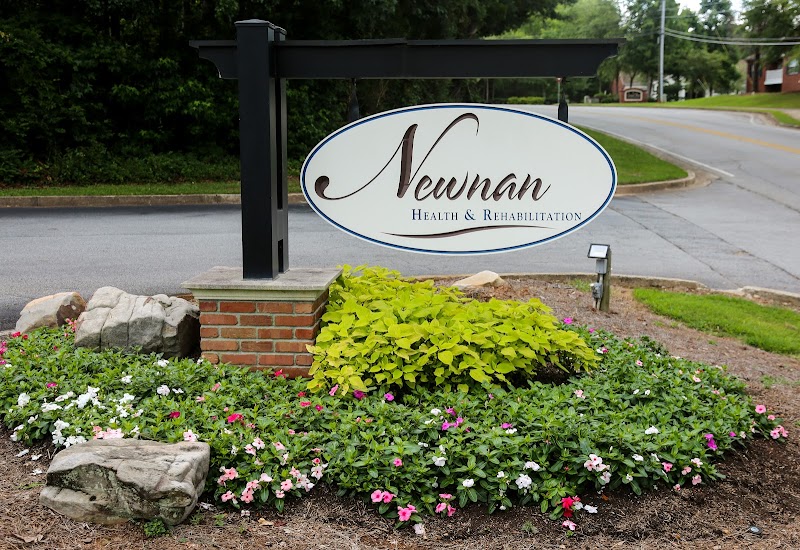
Who Owns and Operates Newnan?

NEWNAN HEALTH AND REHABILITATION is owned by a non-profit organization. Non-profit facilities reinvest revenue into operations rather than distributing to shareholders. The facility is operated by CLINICAL SERVICES, INC., a chain that manages multiple nursing homes. With 104 certified beds and approximately 88 residents (about 85% occupancy), it is a mid-sized facility located in NEWNAN, Georgia.
How Does Newnan Compare to Other Georgia Nursing Homes?

Compared to the 100 nursing homes in Georgia, NEWNAN HEALTH AND REHABILITATION's overall rating (1 stars) is below the state average of 2.6, staff turnover (42%) is near the state average of 46%, and health inspection rating (1 stars) is much below the national benchmark.

What Should Families Ask When Visiting Newnan?

Based on this facility's data, families visiting should ask: "What changes have been made since the serious inspection findings, and how are you preventing similar issues?" "Can you walk me through typical staffing levels on day, evening, and night shifts?" "Can I visit during a mealtime to observe dining assistance and food quality?" "How do you handle medical emergencies, and what is your hospital transfer rate?" These questions are particularly relevant given the facility's Immediate Jeopardy citations and the below-average staffing rating.

Is Newnan Safe?

Based on CMS inspection data, NEWNAN HEALTH AND REHABILITATION has documented safety concerns. Inspectors have issued 2 Immediate Jeopardy citations (the most serious violation level indicating risk of serious injury or death). The facility has a 1-star overall rating and ranks #100 of 100 nursing homes in Georgia. Families considering this facility should ask detailed questions about what corrective actions have been taken since these incidents.

Do Nurses at Newnan Stick Around?

NEWNAN HEALTH AND REHABILITATION has a staff turnover rate of 42%, which is about average for Georgia nursing homes (state average: 46%). Moderate turnover is common in nursing homes, but families should still ask about staff tenure and how the facility maintains care continuity when employees leave.

Was Newnan Ever Fined?

NEWNAN HEALTH AND REHABILITATION has been fined $16,801 across 2 penalty actions. This is below the Georgia average of $33,247. While any fine indicates a compliance issue, fines under $50,000 are relatively common and typically reflect isolated problems that were subsequently corrected. Families should ask what specific issues led to these fines and confirm they've been resolved.

Is Newnan on Any Federal Watch List?

NEWNAN HEALTH AND REHABILITATION is not on any federal watch list. The most significant is the Special Focus Facility (SFF) program, which identifies the bottom 1% of nursing homes nationally based on persistent, serious quality problems. Not being on this list means the facility has avoided the pattern of deficiencies that triggers enhanced federal oversight. This is a positive indicator, though families should still review the facility's inspection history directly.