PALEMON GASKINS MEM NSG HOME
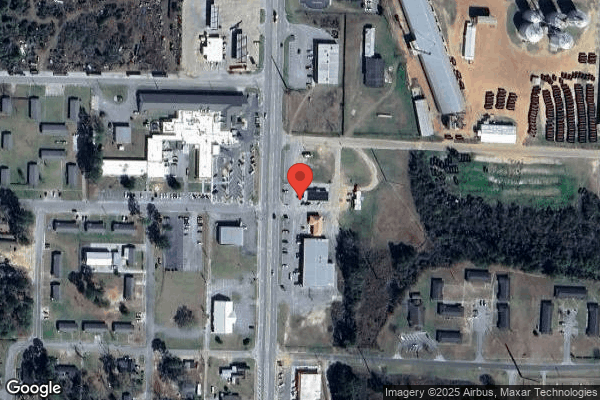
710 NORTH IRWIN AVENUE, OCILLA, GA 31774 (229) 468-3890
Government - County 30 Beds Independent Data: November 2025
Trust Grade
80/100
#80 of 353 in GA
Last Inspection: December 2024

Within standard 12-15 month inspection cycle. Federal law requires annual inspections.

Overview

Palemon Gaskins Memorial Nursing Home has a Trust Grade of B+, indicating it is recommended and above average compared to other facilities. It ranks #80 out of 353 nursing homes in Georgia, placing it in the top half, and is the best option out of 2 in Irwin County. However, the facility's trend is worsening, with care issues increasing from 1 in 2023 to 7 in 2024. Staffing is a notable strength, receiving a perfect 5/5 stars and a turnover rate of 44%, which is below the state average, indicating that staff members are experienced and familiar with the residents. On the downside, recent inspections revealed concerning incidents, such as failing to notify families about the progression of pressure ulcers for two residents and not adhering to proper hygiene practices during wound care, which raises potential health risks. Overall, while the facility has strengths in staffing and a solid trust rating, families should be aware of the increasing number of care issues.

Trust Score
B+
80/100
In Georgia
#80/353
Top 22%
Safety Record
Low Risk
No red flags
Inspections
Getting Worse
1 → 7 violations
Staff Stability
○ Average
44% turnover. Near Georgia's 48% average. Typical for the industry.
Penalties
✓ Good
No fines on record. Clean compliance history, better than most Georgia facilities.
Skilled Nurses
✓ Good
Each resident gets 50 minutes of Registered Nurse (RN) attention daily — more than average for Georgia. RNs are trained to catch health problems early.
Violations
○ Average
10 deficiencies on record. Average for a facility this size. Mostly minor or procedural issues.
★★★★☆
4.0
Overall Rating
★★★★★
5.0
Staff Levels
★★★☆☆
3.0
Care Quality
★★★☆☆
3.0
Inspection Score
Stable
2023: 1 issues
2024: 7 issues

The Good

  • 5-Star Staffing Rating · Excellent nurse staffing levels
  • Full Sprinkler Coverage · Fire safety systems throughout facility
  • No fines on record
  • Staff turnover below average (44%)

    4 points below Georgia average of 48%

Facility shows strength in staffing levels, fire safety.

The Bad

Staff Turnover: 44%

Near Georgia avg (46%)

Typical for the industry

The Ugly 10 deficiencies on record

Dec 2024 7 deficiencies
CONCERN (D) 📢 Someone Reported This

A family member, employee, or ombudsman was alarmed enough to file a formal complaint

Potential for Harm - no one hurt, but risky conditions existed

Safe Environment (Tag F0584)

Could have caused harm · This affected 1 resident

**NOTE- TERMS IN BRACKETS HAVE BEEN EDITED TO PROTECT CONFIDENTIALITY** Based on observations and staff interviews the facility failed to ensure that three of 17 residents' rooms (rooms [ROOM NUMBER])...

Read full inspector narrative →
**NOTE- TERMS IN BRACKETS HAVE BEEN EDITED TO PROTECT CONFIDENTIALITY** Based on observations and staff interviews the facility failed to ensure that three of 17 residents' rooms (rooms [ROOM NUMBER]) were maintained to promote a clean and homelike environment. Specifically, the facility failed to ensure that the privacy curtains in rooms [ROOM NUMBER] were free from noticeable dirt and debris, the facility failed to ensure the sink in room [ROOM NUMBER] was functioning and operable for staff and resident use, and the facility also failed to ensure there were no visible black substance in the residents' bathroom of rooms [ROOM NUMBERS]. The findings include: Observation on 12/20/2024 at 8:30 am in room [ROOM NUMBER] revealed the privacy curtain for bed 19 L (room [ROOM NUMBER] left side) had black and brown stains throughout the curtain facing the right side of the bed. Observation on 12/20/2024 at 8:35 am in room [ROOM NUMBER], the bathroom ceiling above the commode had a black colored substance that started from the ceiling vent outward covering the ceiling as well as black substances covering the wall from the ceiling down to where the towel rack was attached. Continued observation also revealed the door jamb of the bathroom door on the inside had the same black substance noted from the top of the door jamb down to the floor. Observation on 12/20/2024 at 8:45 am revealed the privacy curtain in 14R (room [ROOM NUMBER] right side) had brown stains on the outer aspect of the curtain facing the residents' bed on both ends. Observation on 12/20/2024 at 8:47 am in room [ROOM NUMBER] bathroom revealed a black substance on the ceiling above the commode that was from the air vent to the light fixture in the ceiling. Observation 12/20/2024 at 9:00 am, and on 12/21/2024 at 8:00 am, revealed the sink in resident room [ROOM NUMBER] had no running water, (Hot or Cold), and the wallpaper under the sink was peeling away from the wall. Observation on 12/21/2024 at 7:50 am in room [ROOM NUMBER] revealed the privacy curtain for bed 19 L had brown and black stains throughout the curtain facing the right side of the bed, and there were food stains on the outer aspect of the curtain on both ends. Observation on 12/21/2024 at 7:55 am revealed the bathroom ceiling above the commode in room [ROOM NUMBER] had a black colored substance that started from the ceiling vent outward covering the ceiling as well as black substances covering the wall from the ceiling down to where the towel rack was attached. Continued observation also revealed the door jamb of the bathroom door on the inside had the same black substance noted from the top of the door jamb down to the floor. Observation on 12/21/2024 at 8:10 am in room [ROOM NUMBER] revealed the privacy curtain that divided the room had black stains on the left side and the bottom of the curtain, as well as brown stains throughout the privacy curtain. Observation on 12/21/2024 at 8:15 am in room [ROOM NUMBER] revealed the privacy curtain had brown colored stains throughout the curtain particularly on the outer aspects on each side, and the bathroom ceiling was also noted to have black markings from the ceiling vent to the light fixture that was affixed to the ceiling. Observation and interview on 12/21/2024 at 3:30 pm during walking rounds with the Interim Administrator, Director of Engineering, and Housekeeper BB confirmed all observations that were noted during the survey period. Interview with the Interim Administrator revealed the water in the sink for room [ROOM NUMBER] did work, however, the water was purposely turned off from the bottom to prevent the resident in that room from turning the water on and leaving it running causing the room to be flooded with water. Further observation revealed that the Director of Engineering turned the water on to discover that the pipes underneath the sink were leaking and needed to be repaired. Interview on 12/21/2024 at 3:45 pm with the Director of Engineering revealed that he was unaware that the sink in room [ROOM NUMBER] needed repair. When there were repairs that needed to be completed, the staff would notify the Administrative Assistant at the front desk, and she would put the work order into the system that indicated what and where the repairs were needed. During the interview there was no indication of a timeline in which repairs should be completed. Continued interview also revealed that once the repairs were completed, the work order was marked as completed in the computer system. Interview also revealed that the black substance on the ceiling above the commode in room [ROOM NUMBER] was from condensation and moisture and it happened because the building was old and once renovations were completed this would not occur. The black substance that was noted on the ceiling over the commode in room [ROOM NUMBER] was unidentified. Interview on 12/21/2024 at 4:00 pm with Housekeeper BB revealed that each resident's room is deep cleaned at least once a month. During the interview staff member revealed that the privacy curtains were removed and cleaned every two weeks and as needed. During the interview Housekeeper BB was unsure whether it had been two or three weeks since the privacy curtains in the rooms identified had been cleaned and or checked. Interview on 12/212024 at 4:10 pm with the Interim Administrator revealed that the curtains that were identified during the survey period, and during walking rounds, would be removed and replaced with clean ones starting on Monday. The expectation was that resident rooms were to be clean and free from debris at all times. Interview on 12/22/2024 at 11:28 am with the Administrator revealed the expectation for the staff was to ensure that the facility was clean and comfortable for the residents at all times in accordance with the state laws and regulations.
CONCERN (D) 📢 Someone Reported This

A family member, employee, or ombudsman was alarmed enough to file a formal complaint

Potential for Harm - no one hurt, but risky conditions existed

PASARR Coordination (Tag F0644)

Could have caused harm · This affected 1 resident

**NOTE- TERMS IN BRACKETS HAVE BEEN EDITED TO PROTECT CONFIDENTIALITY** Based on staff interviews, record review, and review of the facility's policy titled, PASRR, the facility failed to submit for a...

Read full inspector narrative →
**NOTE- TERMS IN BRACKETS HAVE BEEN EDITED TO PROTECT CONFIDENTIALITY** Based on staff interviews, record review, and review of the facility's policy titled, PASRR, the facility failed to submit for a Preadmission Screening and Resident Review (PASARR) Level II after a new mental illness diagnosis was added for one of three residents (R) (R15) reviewed for PASARR. This deficient practice had the potential to affect the appropriate level of care and services provided for R15. Findings include: Review of the facility's policy titled, PASRR dated 1/1/2024, under the section titled, Policy revealed, It shall be the policy of [Name of Facility] to comply with Preadmission and Resident Review. PASRR is a federally mandated review process, requiring all people seeking Medicaid-certified nursing facilities admissions to be screened for mental illness or intellectual and developmental disability regardless of funding source or age. Under the section titled Procedure revealed, Residents will be screen prior to admission using the PASRR screening process; The facility will obtain a copy of the PASRR and the approval number for the resident; If the Screening is positive for possible SMI and/or ID/DD/RC, then a Level II Evaluation will be performed. Review of the electronic health record (EHR) under the Profile tab revealed that R15 was admitted to the facility on [DATE] with diagnoses of but not limited to, anxiety disorder and depression. Review of R15's Annual Minimum Data Set (MDS) dated [DATE] assessed a Brief Interview for Mental Status (BIMS) score of seven, which indicated severe cognitive impairment; Section I (Active Diagnosis) revealed, anxiety disorder, depression (other than bipolar), and Post Traumatic Stress Disorder (PTSD); Section N (Medications) revealed, the resident received antianxiety and antidepressant medications during look back period of assessment. Review of R15's HER under the Orders tab revealed physician orders dated 11/1/2024 revealed R15 was currently receiving mirtazapine tab 15 milligrams (mg)-give 7.5 mg by mouth at bedtime related to insomnia, and buspirone HCl Tab 5 mg-give 5 mg by mouth every 12 hours related to anxiety disorder. Review of R15's PASRR Level I assessment dated [DATE] revealed, R15 did not have a diagnosis of Mental Disorder, Anxiety, or Depressive Disorder. Review of R15's EHR under the Med Diag tab revealed, on 10/9/2020 major depressive disorder was added; on 9/30/2021 Post-Traumatic Stress Disorder was added, and on 4/27/2023 anxiety disorder was added. Further review of R15's clinical records revealed no submissions for a PASARR Level II after the new mental illness diagnoses were added. Review of the facility provided list of residents with Level II PASRR within the facility revealed, R15 name was not listed. Interview on 12/22/2024 at 8:52 am with the Administrator In Training revealed, she was the Social Services Director (SSD), but they were in the process of training another staff member for the position. She reported as the SSD she would make sure she received a Level I screen from the discharging facility to ensure that they had a Level I screening prior to admission. She reported they struggle to get accurate information from the discharging facility therefore she reviewed the information for accuracy. She confirmed R15 did not have a Level II and stated that it was the behavioral health services responsibility to apply for a Level II if they received a qualifying diagnosis after admission. She confirmed they had not applied for Level II, and one should have been completed. She reported that they were in the process of auditing PASRRs for accuracy. Interview on 12/22/2024 at 11:24 am with the Administrator revealed, his expectation was that PASRRs were correct for each resident. He revealed that if the criteria reflected a Level II, he wanted it to be prepared correctly. He stated that his expectations were that staff should follow the law.
CONCERN (D) 📢 Someone Reported This

A family member, employee, or ombudsman was alarmed enough to file a formal complaint

Potential for Harm - no one hurt, but risky conditions existed

Deficiency F0645 (Tag F0645)

Could have caused harm · This affected 1 resident

**NOTE- TERMS IN BRACKETS HAVE BEEN EDITED TO PROTECT CONFIDENTIALITY** Based on staff interviews, record review, and review of the facility's policy titled, PASRR (Preadmission Screening and Resident...

Read full inspector narrative →
**NOTE- TERMS IN BRACKETS HAVE BEEN EDITED TO PROTECT CONFIDENTIALITY** Based on staff interviews, record review, and review of the facility's policy titled, PASRR (Preadmission Screening and Resident Review), the facility failed to ensure an application for PASRR Level I that included a diagnosis of schizophrenia and depression was submitted prior to or on admission to the facility for evaluation and determination of specialized services for one of three Residents (R) (R12). This deficient practice had the potential to affect the appropriate level of care and services provided for R12. Findings include: Review of the facility's policy titled, PASRR dated 1/1/2024, under the section titled Policy revealed, It shall be the policy of [Name of Facility] to comply with Preadmission and Resident Review. PASRR is a federally mandated review process, requiring all people seeking Medicaid-certified nursing facilities admissions to be screened for mental illness or intellectual and developmental disability regardless of funding source or age. Under the section titled Procedure revealed, Residents will be screen prior to admission using the PASRR screening process; The facility will obtain a copy of the PASRR and the approval number for the resident; If the Screening is positive for possible SMI and/or ID/DD/RC, then a Level II Evaluation will be performed. Review of the electronic health record (EHR) under the Profile tab revealed, R12 admitted to the facility on [DATE] with diagnoses that included but not limited to unspecified dementia, mild, with anxiety, schizophrenia, unspecified, depression, unspecified. Review of R12's admission Minimum Data Set (MDS) assessment dated [DATE] revealed Section A (Identification Information) indicated the resident was currently not considered by the state level II PASRR process to have serious mental illness and/or intellectual disability or a related condition. Section C (Cognitive Patterns), a Brief Interview for Mental Status (BIMS) score of 14, which indicated little to no cognitive impairment. Section I (Active diagnoses) non-Alzheimer's dementia, Parkinson's disease, and schizophrenia. Section N (Medications) revealed resident received antidepressant medications during look back period of assessment. Review of R12's EHR under the Orders tab, physician orders dated 11/1/2024 revealed the resident was currently receiving escitalopram oxalate tab 10 milligrams (mg)-one tablet by mouth one time a day related to depression; risperidone 3 (three) mg- one tablet by mouth two times a day related to schizophrenia; mirtazapine 45 mg-one tablet by mouth at bedtime related to depression, and divalproex sodium tab delayed release 250 mg- three tablet by mouth at bedtime related to unspecified dementia, mild, with anxiety. Review of R12's PASRR Level I assessment dated [DATE] revealed, diagnosis of schizophrenia, anxiety, or depressive disorder was marked, No. Review of the facility provided list of residents with Level II PASRR within the facility revealed, R12 name was not listed. Interview on 12/22/2024 at 8:52 am with Administrator In Training revealed, she was the Social Services Director (SSD), but they were in the process of training another staff member for the position. She revealed as the SSD she would make sure she received a Level I screen from the discharging facility to ensure the resident had a Level I screening prior to admission. She revealed they struggled to get accurate information from the discharging facility therefore she reviewed the information for accuracy. She revealed for R12 she called the State agency once she discovered that R12 did not have a qualifying diagnosis listed and was advised by the representative they would handle it. She confirmed that R12 had qualifying diagnoses on admission and that it was not completed accurately. She confirmed that it should have been re-submitted. Interview on 12/22/2024 at 11:24 am with the Administrator revealed, his expectation was that PASRRs were correct for each resident. He stated that if the criteria reflected a Level II, he wanted it to be prepared correctly. He stated that his expectations were that staff should follow the law.
CONCERN (D) 📢 Someone Reported This

A family member, employee, or ombudsman was alarmed enough to file a formal complaint

Potential for Harm - no one hurt, but risky conditions existed

Medical Records (Tag F0842)

Could have caused harm · This affected 1 resident

Based on observation, staff interviews, and record review, the facility failed to ensure that wound care documentation was accurate for residents in the facility that were receiving wound care. Specif...

Read full inspector narrative →
Based on observation, staff interviews, and record review, the facility failed to ensure that wound care documentation was accurate for residents in the facility that were receiving wound care. Specifically, the facility failed to ensure that the documentation on the weekly wound report was accurate to reflect the date wounds were identified. Findings include: Review of the facility document titled, Wound and Skin Status Report, revealed under date identified/present upon admit, the date that the report was completed was documented under this section, which did not indicate the actual date the wound or injury occurred. Further review also revealed for the months of March, June, and October of 2024, indicated the same date the wound status report was completed, as the dates of the identified wound and or skin alteration. Interview on 12/21/2024 at 2:00 pm with Registered Nurse (RN) CC revealed that it was noted three weeks prior to the surveyors entering the facility for the annual survey, that there was a problem with the documentation of wounds by the wound care nurse that came to the facility once a week. Interview also revealed that there was a skin sweep that was conducted by the staff member and the Director of Nursing (DON) to ensure that no other residents in the facility had any wounds that were not identified. During the interview it was also disclosed that there was no documentation that confirmed the skin sweep had taken place and the concern with the wounds was not incorporated into the QAPI plan for evaluation and monitoring. Interview on 12/22/2024 at 9:10 am with the Administrator in Training revealed she acknowledged that the wound documentation was concerning and there was no way to determine when the wound was identified and if the wound was progressing or declining. Further interview revealed there were no meetings conducted other than the regular morning meeting that discussed the current condition of residents. Interview on 12/22/2024 at 11:28 am with the Administrator revealed his expectation for staff was to ensure that the documentation of resident wounds were accurate.
CONCERN (E)

Potential for Harm - no one hurt, but risky conditions existed

Notification of Changes (Tag F0580)

Could have caused harm · This affected multiple residents

**NOTE- TERMS IN BRACKETS HAVE BEEN EDITED TO PROTECT CONFIDENTIALITY** Based on family interview, staff interviews, and record review, the facility failed to ensure the family representative for two ...

Read full inspector narrative →
**NOTE- TERMS IN BRACKETS HAVE BEEN EDITED TO PROTECT CONFIDENTIALITY** Based on family interview, staff interviews, and record review, the facility failed to ensure the family representative for two of four residents (R) (R13 and R A) were notified of a new pressure ulcer and the progression of the wounds. Specifically, the facility failed to ensure resident A family member was notified of the development of a pressure wound. The facility also failed to ensure R13's family/representative was notified of changes in the progression of R13's pressure wounds. The findings include: Record review for R13 revealed resident was admitted with diagnoses of but not limited to nausea, insomnia, pressure ulcer of heel, poly osteoarthritis, and generalized anxiety disorder. Review of the Annual Minimum Data Set (MDS) dated [DATE] revealed section M (Skin Conditions) indicated that R13 had a pressure ulcer that was unhealed and was unstageable due to coverage of the wound bed by slough and/or eschar. Review of progress note in the electronic medical record (EMR) dated 11/27/2024 18:55 Removed dressing from saccral area. Small amount of drainage noted. Area is now at stage 2. cleaned area with anasept solution. Applied TAO and vaseline gauze to wound and covered with saccral allevyn dressing. [sic] There was no family notification of the status of R13's wound. Record review for RA revealed resident was admitted to the facility with diagnoses of but not limited to vascular dementia, peripheral vascular disease, essential hypertension, gout, and pressure ulcer of the sacral region stage 2. Review of the Annual MDS dated [DATE] revealed section M (Skin Conditions) indicated that RA had a pressure ulcer that was unhealed and was receiving pressure ulcer care with application ointments and medications. Review of progress notes in the electronic medical record (EMR) dated 10/19/2024 revealed 10/19/24 Weekly skin assessment completed. Skin not intact. Dry and bruised skin to arms, legs and face. Lotion applied. Sacrum with an open area measuring 4cm X 4cm. Area cleaned, and TAO applied and an Allevyn dressing. No other areas of concern noted at this time. Will continue to monitor. [sic] There was no family notification of the status the residents wound. Interview on 12/20/2024 at 11:46 am with family member of R A revealed that RA currently had an open wound to her sacral area that she was not notified of. Family member revealed that she became aware of the wound after assisting staff with the care of RA and saw the wound at that time. Further interview also revealed that the family member had not been made aware from facility staff, of any of the changes that had occurred, and stated she would always have to inquire about the status of RA before any information was obtained. Interview on 12/21/2024 at 12:15 pm with the Director of Nursing (DON) revealed that the facility did not have a Wound care nurse and that the Charge Nurses on the floor were responsible for completing the daily wound care treatments and documentation for the wounds, however, there was a wound care nurse that came from the hospital every week to measure residents wounds and make any treatment changes if needed. Continued interview also revealed that when there was a change in the residents' condition the family should be notified, and that information should be documented in the residents' chart. The DON confirmed that there was no documentation that the family had been notified of the changes that had occurred with the resident's wound status. Interview on 12/22/2024 at 9:10 am with the Administrator in Training revealed that whenever there was a change in a residents condition the family member should be notified and the notification should be documented in the residents' chart. During the interview it was also revealed that DON acknowledged that the wound documentation was concerning and there was no way to determine if the wound was progressing or declining. Further interview disclosed that there were no meetings conducted other than the regular morning meeting, that discussed the current condition of the residents. Interview on 12/22/2024 at 11:28 am with the Administrator revealed the expectation for the staff was to ensure that the residents family members were notified of any change in condition timely and in accordance with the state laws and regulations.
CONCERN (F) 📢 Someone Reported This

A family member, employee, or ombudsman was alarmed enough to file a formal complaint

Potential for Harm - no one hurt, but risky conditions existed

QAPI Program (Tag F0867)

Could have caused harm · This affected most or all residents

Based on observations, staff interviews, and review of the facility's policy titled, [Name of facility] 2024 QAPI Plan, the facility failed to identify, develop, and implement corrective action plans ...

Read full inspector narrative →
Based on observations, staff interviews, and review of the facility's policy titled, [Name of facility] 2024 QAPI Plan, the facility failed to identify, develop, and implement corrective action plans that addressed the notification of wound progression and treatment for four of four residents (R) (RA, R11, R13, and R78) to the responsible parties (RP) and or family representatives, failed to ensure resident living environment was clean and home-like, failed to ensure infection control practices were adhered to as it relates to Enhanced Barrier Precautions (EBP), and failed to ensure Level II Preadmission Screening and Resident Review (PASRR) were submitted for residents with qualifying diagnoses. Findings include: Review of the undated facility policy titled, [Name of facility] 2024 QAPI Plan, revealed the following: Under scope Quality Assurance Performance Improvement Program (QAPI) activities will be integrated across all the care and service areas of our organization. Each area should have a representative on the QAA (Quality Assessment and Assurance) committee. If a representative is not available, the area should still be addressed through committee discussions. Our service areas will work together whenever possible to integrate care and services across our continuum of care to better meet the needs of the residents living in our community. Our QAPI activities will cross service areas and departments and we will work together to assure we address all concerns and strive to continuously improve the provided services. On an annual basis, and as needed, a Facility Assessment will be conducted to include an overview of the services and care areas that are provided. Any new service areas or changes in population or service areas identified during the Facility Assessment will be included in our QAPI plan. 1. Did not ensure R A, R11, R13 and R78 responsible parties (RP) and/or family representatives were notified of new pressure ulcers and wound progression as evidence by not monitoring for proper notification to the RP and resident family representatives for progression and/or decline through the QAPI process. The Administrator was unable to provide evidence or information that revealed the facility had or was currently addressing the concern associated with the notification of wound progression for the four residents in the facility that had active wounds, or that the facility was systematically reviewing the issue to develop an action plan to ensure that the residents family members and RP were being notified of the residents wound status. 2. Did not ensure that residents family representatives and RP were notified of change in condition and wound status. Interview on 12/21/2024 at 2:30 pm with the DON (Director of Nursing) revealed that whenever there was a change in a resident's condition or status the RP should be notified and that information documented in the resident's medical record. Further interview also revealed that the concern of notification that was identified by the survey team was not identified as a problem with the administrative staff and was not being monitored utilizing the QAPI process. 3. Did not ensure that the residents' living environment was clean and home-like. During the three days of the survey, there were observations of privacy curtains on one of two halls that were visibly soiled, unidentified black substances found on the ceiling and walls of resident's bathrooms, and a nonfunctioning sink in one of four residents' rooms on the short hall. Interview on 12/21/2024 at 3:00 pm with the Administrator in Training (AIT) revealed that the facility will be undergoing a renovation in the next fiscal year that would solve the concerns that were identified during the survey. When asked if the concerns identified had been implemented into the QAPI program the AIT stated no, due to the renovations that they planned would solve most of the concerns identified. 4. Did not ensure that EBP were implemented during care and services for residents with indwelling medical devices and wounds. Interview on 12/22/2024 at 8:30 am with DON revealed that the facility staff had not been educated on the use of EBP and was not being utilized during care and services for residents that had open wounds and for resident that had indwelling medical devices. 5. Did not ensure that residents requiring Level II PASSR were properly screened. Interview on 12/22/2024 at 8:52 am with AIT revealed prior to her current role she was the Social Services Director (SSD). She reported as the SSD she made sure she received a Level I screening from the discharging facility to ensure that they had a Level I screening prior to admission. SSD revealed they struggled to get accurate information from the discharging facility therefore she reviewed the information for accuracy. She revealed that it was the behavioral health services responsibility to apply for a Level II if they received a qualifying diagnosis after admission. She confirmed they had not applied for Level II, and one should have been completed. She revealed that they were in the process of auditing PASRRs for accuracy and had not implemented this concern in their QAPI for monitoring. Interview on 12/22/2024 at 11:24 am with the Administrator revealed, his expectation was that PASRRs were correct for each resident. He revealed that if the criteria reflected a Level II, he wanted it to be prepared correctly. He revealed his expectations were that staff should follow the law. 6. Review of the QAPI documentation revealed the following concerns that were being monitored by QAPI process: A. Medication reconciliation with the pharmacy identified on 10/3/2023 and ongoing. B. Dietary Satisfaction main kitchen serving gravy too often with meals identified on 10/10/2023. C. Increase participation with in-person care plan meetings for family members identified 12/2023. Interview on 12/22/2024 at 1:30 pm with AIT and current Administrator revealed there were no other issues identified for QAPI review and monitoring.
CONCERN (F) 📢 Someone Reported This

A family member, employee, or ombudsman was alarmed enough to file a formal complaint

Potential for Harm - no one hurt, but risky conditions existed

Infection Control (Tag F0880)

Could have caused harm · This affected most or all residents

Based on observation, staff interviews, and review of the facility's policies titled Handwashing/Hand Hygiene, and Enhanced Barrier Precautions, the facility failed to wash/sanitize hands and change g...

Read full inspector narrative →
Based on observation, staff interviews, and review of the facility's policies titled Handwashing/Hand Hygiene, and Enhanced Barrier Precautions, the facility failed to wash/sanitize hands and change gloves during wound treatment for one of four residents (R) (R78) with pressure ulcers, failed to apply Personal Protective Equipment (PPE) during intravenous antibiotic therapy administration for R78, and failed to establish enhanced barrier precautions to reduce the spread of multidrug-resistant organisms. Findings include: Review of the facility's policy titled, Handwashing, effective 1/1/2020, included under Purpose: 1. Hands should be washed in accordance with the following guidelines: a. Before resident contact. d. Before performing wound care. g. After contact with non-intact skin, body fluids or excretions, or wound dressings. j. After removing gloves. k. After contact with patient's skin. 2. In addition to handwashing, personnel should wear gloves in accordance with the standard precautions. When gloves are worn, handwashing is recommended after removing them because gloves may be perforated during used and bacteria can multiply rapidly on gloved hands. Review of the undated facility policy titled, Enhanced Barrier Precautions, under Policy revealed: It shall be the policy of (Facility Name) to utilize Enhanced Barrier Precautions (EBP) guidelines for healthcare staff when providing care to individuals considered at risk of carrying or transmitting multidrug-resistant organisms (MDROs) or individuals with device care or use such as - central line, urinary catheter, feeding tube, tracheostomy or who are receiving wound care for any skin opening requiring a dressing. Observation on 12/21/2024 at 3:00 pm of wound care for R78 revealed Registered Nurse (RN) AA gathered wound care supplies, placed a cloth pad on R78's bed, and informed R78 that she was going to do his treatment. RN AA donned gloves and removed the old dressing. RN AA removed gloves, donned gloves and cleaned the area to sacrum. RN AA removed gloves, donned gloves and applied Santyl to inside of wound. RN AA packed wound and covered wound with 4x4 and covered wound with dressing. RN AA removed gloves. Hand hygiene was not practiced when providing wound care. RN AA did not wash/sanitize hands before during or after wound care. Interview on 12/21/24 at 10:59 am with RN AA revealed RN AA had no answer as to why she did not wash or sanitize her hands before, during or after wound care. Interview on 12/21/2024 at 1:11 pm with the Director of Nursing (DON) revealed that RN AA had education on infection control and handwashing. Record review for R78 revealed the following medications included but not limited to Invanz Injection Solution Reconstituted 1gm (gram) intravenously (IV) (meaning in the vein) one time a day related to pressure ulcer of sacral region unstageable, Doxycycline Hyclate Oral Tablet 100 mg (milligram) by mouth two times a day related to pressure ulcer of sacral region unstageable. Observation on 12/21/2024 at 12:30 pm revealed a medication observation with Registered Nurse (RN) AA. During the observation RN AA proceeded to prepare an IV antibiotic Ertapenem 1gm for administration. Nurse entered residents' room, washed hands with soap and water and donned a clean pair of gloves. Staff member did not wear a gown during the administration of the medication. There was no personal protective equipment (PPE) in or near the residents room for staff use. Interview on 12/21/2024 at 12:45 pm with RN AA revealed she was not aware of the process for EBP, or wearing PPE when providing care for residents with wounds, catheters, or any indwelling medical devise. Further interview also revealed that only gloves were worn because she was not aware that a gown should have been donned as well when administering the IV antibiotic to the resident. Interview on 12/21/2024 at 2:30 pm with the Director of Nursing (DON) revealed that she was unaware that the nursing staff were to wear PPE while providing care to residents with indwelling medical devices and during wound care. DON also indicated that the wearing of PPE during the care for these types of residents was only to protect the staff from contracting infections from the resident. Interview on 12/22/2024 at 8:00 am with Certified Nursing Assistant (CNA) DD revealed that she was unaware what EBP was, and staff member was not able to verbalize any training on the EBP process. Interview on 12/22/2024 at 8:10 am with Environmental Services Aide EE revealed that there had not been any education provided by the facility on EBP precautions and or when they should be implemented. Interview on 12/22/2024 at 8:15 am with CNA FF revealed that there had not been any training provided by the facility on EBP precautions and when they should be implemented. Interview on 12/22/2024 at 8:30 am with RN CC revealed there was currently no policies and procedures for the use of EBP however, that she would write the policy and procedures for the use of EBP and provide education to all staff. Interview on 12/22/2024 at 9:23 am with the Administrator in Training revealed that the expectation was that staff be educated with all the infection control practices that were recommended by the Centers for Disease Control (CDC). Further interview also revealed that she was not aware that the staff did not understand and were not educated on EBP. During the interview it was also disclosed that going forward the staff would be educated fully on infection control practices. Interview on 12/22/2024 at 11:28 am with the Administrator revealed the expectation for the staff was to ensure that infection control policies and procedures were always followed for the health and safety of the residents in accordance with the state laws and regulations.
Jul 2023 1 deficiency
CONCERN (D)

Potential for Harm - no one hurt, but risky conditions existed

Comprehensive Care Plan (Tag F0656)

Could have caused harm · This affected 1 resident

**NOTE- TERMS IN BRACKETS HAVE BEEN EDITED TO PROTECT CONFIDENTIALITY** 2.Review of clinical record revealed R#23 was admitted to the facility with diagnoses including but not limited to Cerebral infa...

Read full inspector narrative →
**NOTE- TERMS IN BRACKETS HAVE BEEN EDITED TO PROTECT CONFIDENTIALITY** 2.Review of clinical record revealed R#23 was admitted to the facility with diagnoses including but not limited to Cerebral infarction, chronic pain, Hypokalemia, Diabetes, insomnia, and essential primary hypertension. Review of admission assessment Minimum Data Set (MDS) dated [DATE] revealed BIM score of 13. Review of R#23 Record revealed there was no developed comprehensive care plan in place for R #23. Follow-up review of the record revealed a base line care was created but no comprehensive care plan was developed. Interview on 7/1/2023 at 1:46 p.m. with Administrator revealed the acknowledgement of R#23 not having a comprehensive care plan developed. Further interview also revealed that the facility did not have a MDS Coordinator from April 4, 2023, through June 19, 2023. The expectation is for the MDS Coordinator to implement initial care plans, five-day care plans, quarterly, annual, and significant changes as well as complete any updates as they arise. During interview it was also revealed that he expects for the MDS coordinator to conduct in person and or phone care plan meetings with residents and their families as scheduled. Based on record review, staff interviews, and review of the facility policy titled, Comprehensive Resident Centered Care Plan, the facility failed to develop and implement a comprehensive care plan for two of 18 residents (R)R#14 and R#23. The deficient practice had the potential to affect the continuity of care for R#14 and RF#23 that was to be provided by the facility staff. Findings include: Review of facility policy titled ''Comprehensive Resident Centered Care Plan dated 11/01/2022' revealed under Intent: It is the policy of the facility to promote seamless interdisciplinary care for our residents by utilizing the interdisciplinary plan of care based on assessment, planning, treatment service and intervention. it is utilized to plan for and manage resident care as evidenced by documentation from admission through discharge for each resident. Every resident will have an Interdisciplinary Care Plan, with the interim Interdisciplinary Care Plan initiated with 24 hours of admission. The Care plan will identify priority problems and needs to be addressed by the interdisciplinary team, and will reflect the resident's strengths, limitations, and goals. 1. Review of R#14 medical record revealed resident was admitted to the facility on [DATE] with the diagnoses of Dementia, anorexia, and Sezary Disease. Continued record review revealed the admission Minimum Data Set (MDS) dated [DATE] Section C (Cognitive Pattern) a Brief Interview for Mental Status (BIMS) score of nine (9) indicating moderate cognitive impairment. Review of R#14 Plan of care did not reveal that a Comprehensive care plan had been developed. Interview on 7/2/2023 at 9:43 a.m. with the Director of Nursing (DON) revealed R#14 should have had a comprehensive care plan done within seven days of the completion of the MDS and confirmed that R#14 did not have a Comprehensive Care Plan developed.
Dec 2021 2 deficiencies
CONCERN (D)

Potential for Harm - no one hurt, but risky conditions existed

Deficiency F0761 (Tag F0761)

Could have caused harm · This affected 1 resident

Based on observation, interview and review of the policy titled, Medication Storage the facility failed to ensure an expired intravenous (IV) emergency box was removed from one of one medication rooms...

Read full inspector narrative →
Based on observation, interview and review of the policy titled, Medication Storage the facility failed to ensure an expired intravenous (IV) emergency box was removed from one of one medication rooms. There were not any residents receiving IV medications. Findings include: Review of the facility policy titled, Medication Storage effective 1/1/2021 revealed under section-Removal: Medications must be removed and disposed of immediately if they are discontinued, expired, contaminated, deteriorated, unlabeled or in cracked, soiled or unsecured containers. An observation of the facility medication storage room on 12/01/2021 at 1:10 p.m. with Registered Nurse (RN) RN AA revealed an IV emergency box with a expiration date of 7/20/2020. No other expired medications noted in cabinets or the refrigerator. The box was sealed with a red zip tie type lock indicating it had been entered into at some point. The medication emergency box was not expired and all drawers were locked with a green zip tie. An interview on 12/01/2021 at 1:10 p.m. with RN AA revealed all the nurses are responsible for checking the room for expired medications. She verified the IV emergency box was dated 7/20/2020 and was expired and that it was sealed with a red zip tie indicating it was entered into at some point. They have not had a resident on an IV in a long time and could not recall the date. She further stated when an emergency box is used, a form is filled out, that is in the box and the form is sent to the pharmacy to request a new box. A red zip tie lock is then put on the box. An interview with the Director of Nursing (DON) on 12/01/2021 at 1:20 p.m. revealed she would expect the room to be free from expired medications. She further stated she could not recall the last time they needed supplies from the IV box or the last time a resident received an IV. She further stated the 11-7 shift nurse is responsible for checking the medication storage room each Sunday.
CONCERN (D)

Potential for Harm - no one hurt, but risky conditions existed

Deficiency F0925 (Tag F0925)

Could have caused harm · This affected 1 resident

**NOTE- TERMS IN BRACKETS HAVE BEEN EDITED TO PROTECT CONFIDENTIALITY** Based on observations, record review, staff and resident's interviews, it was determined that the facility failed to maintain an...

Read full inspector narrative →
**NOTE- TERMS IN BRACKETS HAVE BEEN EDITED TO PROTECT CONFIDENTIALITY** Based on observations, record review, staff and resident's interviews, it was determined that the facility failed to maintain an effective pest control program related to roaches in two of eight resident rooms. Findings include: During an observation on 11/30/21 at 9:39 a.m., roaches were observed crawling on the floor and on the walls of the restroom. They had made nests in the gaps of the doors of the restroom. An interview with R# 9, at this time, revealed that the resident stated that he had brought this to the notice of the staff, but no action had been taken. During an observation on 11/30/21 at 11:00 a.m., in room [ROOM NUMBER], roaches were observed in the bathroom door gaps. The door's molding was ripped out, and cockroaches had made their nest in the gaps. During an observation on 12/01/21 at 11:30 a.m. in room # 4, roaches were observed on the over the bed table. Snacks were lying on the tables and the cockroaches were walking around the snacks. During an interview on 12/1/21 at 9:15 a.m. and at 2:00 p.m. with R#16 the resident stated that they had told staff about the roaches and said it had been an ongoing problem. During an interview on 12/1/21 at 3:00 p.m. with R#19, who had a BIMs score of 15 stated that the DON had been told about the roaches, but nothing had been done so far. R#19 stated that the roaches had been an ongoing problem, and complaints had been made to the nurses and the Director of Nursing (DON). Interview on 12/2/2021 at 2:00 p.m. with the Administrator and DON revealed that they didn't recollect resident's complaining about roaches. On 12/2/21 at 10:20 a.m., while touring the facility with the Maintenance Director, cockroaches were observed crawling in room [ROOM NUMBER]. A review of the Monthly service log revealed the resident area of the facility was only treated for ants and not for roaches.
Understanding Severity Codes (click to expand)
Life-Threatening (Immediate Jeopardy)
J - Isolated K - Pattern L - Widespread
Actual Harm
G - Isolated H - Pattern I - Widespread
Potential for Harm
D - Isolated E - Pattern F - Widespread
No Harm (Minor)
A - Isolated B - Pattern C - Widespread

Questions to Ask on Your Visit

  • "Can I speak with families of current residents?"
  • "What's your RN coverage like on weekends and overnight?"

Our Honest Assessment

Strengths
  • • Grade B+ (80/100). Above average facility, better than most options in Georgia.
  • • No major safety red flags. No abuse findings, life-threatening violations, or SFF status.
  • • No fines on record. Clean compliance history, better than most Georgia facilities.
  • • 44% turnover. Below Georgia's 48% average. Good staff retention means consistent care.
Concerns
  • • No significant concerns identified. This facility shows no red flags across CMS ratings, staff turnover, or federal penalties.
Bottom line: Generally positive indicators. Standard due diligence and a personal visit recommended.

About This Facility

What is Palemon Gaskins Mem Nsg Home's CMS Rating?

CMS assigns PALEMON GASKINS MEM NSG HOME an overall rating of 4 out of 5 stars, which is considered above average nationally. Within Georgia, this rating places the facility higher than 99% of the state's 100 nursing homes. This rating reflects solid performance across the metrics CMS uses to evaluate nursing home quality.

How is Palemon Gaskins Mem Nsg Home Staffed?

CMS rates PALEMON GASKINS MEM NSG HOME's staffing level at 5 out of 5 stars, which is much above average compared to other nursing homes. Staff turnover is 44%, compared to the Georgia average of 46%. This relatively stable workforce can support continuity of care. RN turnover specifically is 60%, which is notably high. RNs provide skilled clinical oversight, so turnover in this role can affect medical care quality.

What Have Inspectors Found at Palemon Gaskins Mem Nsg Home?

State health inspectors documented 10 deficiencies at PALEMON GASKINS MEM NSG HOME during 2021 to 2024. These included: 10 with potential for harm.

Who Owns and Operates Palemon Gaskins Mem Nsg Home?

PALEMON GASKINS MEM NSG HOME is owned by a government entity. Government-operated facilities are typically run by state, county, or municipal agencies. The facility operates independently rather than as part of a larger chain. With 30 certified beds and approximately 22 residents (about 73% occupancy), it is a smaller facility located in OCILLA, Georgia.

How Does Palemon Gaskins Mem Nsg Home Compare to Other Georgia Nursing Homes?

Compared to the 100 nursing homes in Georgia, PALEMON GASKINS MEM NSG HOME's overall rating (4 stars) is above the state average of 2.6, staff turnover (44%) is near the state average of 46%, and health inspection rating (3 stars) is at the national benchmark.

What Should Families Ask When Visiting Palemon Gaskins Mem Nsg Home?

Based on this facility's data, families visiting should ask: "Can I visit during a mealtime to observe dining assistance and food quality?" "How do you handle medical emergencies, and what is your hospital transfer rate?" "Can I speak with family members of current residents about their experience?"

Is Palemon Gaskins Mem Nsg Home Safe?

Based on CMS inspection data, PALEMON GASKINS MEM NSG HOME has a clean safety record: no substantiated abuse findings (meaning no confirmed cases of resident harm), no Immediate Jeopardy citations (the most serious violation level indicating risk of serious injury or death), and is not on the Special Focus Facility watch list (a federal program monitoring the lowest-performing 1% of nursing homes). The facility has a 4-star overall rating and ranks #1 of 100 nursing homes in Georgia. While no facility is perfect, families should still ask about staff-to-resident ratios and recent inspection results during their visit.

Do Nurses at Palemon Gaskins Mem Nsg Home Stick Around?

PALEMON GASKINS MEM NSG HOME has a staff turnover rate of 44%, which is about average for Georgia nursing homes (state average: 46%). Moderate turnover is common in nursing homes, but families should still ask about staff tenure and how the facility maintains care continuity when employees leave.

Was Palemon Gaskins Mem Nsg Home Ever Fined?

PALEMON GASKINS MEM NSG HOME has no federal fines on record. CMS issues fines when nursing homes fail to meet care standards or don't correct problems found during inspections. The absence of fines suggests the facility has either maintained compliance or corrected any issues before penalties were assessed. This is a positive indicator, though families should still review recent inspection reports for the full picture.

Is Palemon Gaskins Mem Nsg Home on Any Federal Watch List?

PALEMON GASKINS MEM NSG HOME is not on any federal watch list. The most significant is the Special Focus Facility (SFF) program, which identifies the bottom 1% of nursing homes nationally based on persistent, serious quality problems. Not being on this list means the facility has avoided the pattern of deficiencies that triggers enhanced federal oversight. This is a positive indicator, though families should still review the facility's inspection history directly.