HOSPITAL AUTHORITY OF BROOKS COUNTY, GEORGIA, THE
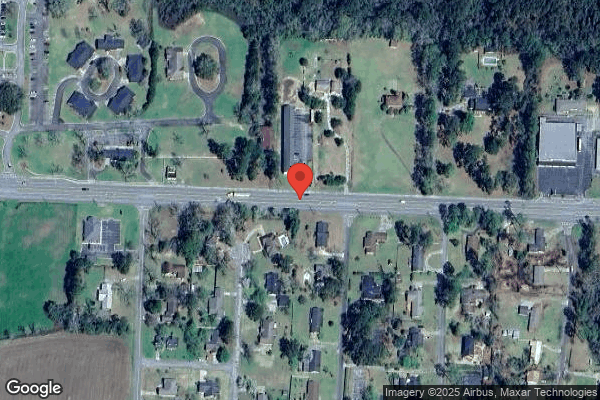
1901 WEST SCREVEN STREET, QUITMAN, GA 31643 (229) 263-6100
Non profit - Corporation 188 Beds Independent Data: November 2025
Trust Grade
58/100
#198 of 353 in GA
Last Inspection: March 2024

Within standard 12-15 month inspection cycle. Federal law requires annual inspections.

Overview

The Hospital Authority of Brooks County in Quitman, Georgia, has a Trust Grade of C, meaning it is average compared to other nursing homes. It ranks #198 out of 353 facilities in Georgia, placing it in the bottom half, but it is the only nursing home in Brooks County. The facility is improving, with the number of issues decreasing from 9 in 2024 to 2 in 2025. Staffing is a strength, as it has a rating of 4 out of 5 stars and a low turnover rate of 29%, which is much better than the state average. However, there have been some concerning incidents, including failures to properly issue Medicare notices for residents and lapses in food safety practices, indicating areas that need attention. Overall, while there are some strengths in staffing, families should be aware of the facility's average rating and specific past issues.

Trust Score
C
58/100
In Georgia
#198/353
Bottom 44%
Safety Record
Low Risk
No red flags
Inspections
Getting Better
9 → 2 violations
Staff Stability
✓ Good
29% annual turnover. Excellent stability, 19 points below Georgia's 48% average. Staff who stay learn residents' needs.
Penalties
✓ Good
No fines on record. Clean compliance history, better than most Georgia facilities.
Skilled Nurses
○ Average
Each resident gets 32 minutes of Registered Nurse (RN) attention daily — about average for Georgia. RNs are the most trained staff who monitor for health changes.
Violations
⚠ Watch
14 deficiencies on record. Higher than average. Multiple issues found across inspections.
★★☆☆☆
2.0
Overall Rating
★★★★☆
4.0
Staff Levels
★☆☆☆☆
1.0
Care Quality
★★★☆☆
3.0
Inspection Score
Stable
2024: 9 issues
2025: 2 issues

The Good

  • 4-Star Staffing Rating · Above-average nurse staffing levels
  • Low Staff Turnover (29%) · Staff stability means consistent care
  • Full Sprinkler Coverage · Fire safety systems throughout facility
  • No fines on record
  • Staff turnover is low (29%)

    19 points below Georgia average of 48%

Facility shows strength in staffing levels, staff retention, fire safety.

The Bad

2-Star Overall Rating

Below Georgia average (2.6)

Below average - review inspection findings carefully

The Ugly 14 deficiencies on record

Jun 2025 2 deficiencies
CONCERN (D) 📢 Someone Reported This

A family member, employee, or ombudsman was alarmed enough to file a formal complaint

Potential for Harm - no one hurt, but risky conditions existed

Free from Abuse/Neglect (Tag F0600)

Could have caused harm · This affected 1 resident

Based on record review, interviews and review of the facility's policy titled Abuse/Neglect Prevention Program, the facility failed to ensure that one of nine sampled Residents (R) (R1) was protected ...

Read full inspector narrative →
Based on record review, interviews and review of the facility's policy titled Abuse/Neglect Prevention Program, the facility failed to ensure that one of nine sampled Residents (R) (R1) was protected from alleged abuse by staff as evidence that the staff continued to provide care for R1 and was not suspended during the allegation investigation. Findings include: Review of the facility's undated policy titled Abuse/Neglect Prevention Program revealed, 4. Reporting Practices: H. Facility action in mistreatment, neglect, abuse of residents , or misappropriation, exploitation of resident property . 2. Upon discovery of alleged abuse, the staff member(s) will be immediately suspended pending investigation. Review of medical records revealed, R1 was admitted with the following diagnoses that include but are not limited to emphysema, chronic pulmonary edema, chronic obstructive pulmonary disease, hemiplegia and hemiparesis following cerebra infarction, dementia, and hypertension. Review of the Progress Notes dated 1/28/2025 which indicated a late entry for 1/27/2025 revealed that R1 had stated that the Certified Nurse Aide (CNA) (identified as CNA MM) shoved the neck pillow behind her head. The Director of Nursing (DON) and Assistant Director of Nursing (ADON) came to the unit and had a conversation with R1 to see if the situation to be resolved. Review of the Time of Attendance dated 1/23/2025 through 2/5/2025 revealed CNA MM continued to work on 1/27/2025 and did double shift on 1/28/2025. Review of the (Named) law enforcement MISC INCIDENT REPORT dated 2/26/2025 revealed that CNA MM was still assigned to R1 as recently as 2/25/2025. It is noted that the facility DON was questioned as to why CNA MM was providing care to R1 the day prior. After asking this question, CNA MM was given another assignment. During an interview on 6/23/2025 at 2:07 pm, CNA MM revealed that R1 had asked her to adjust her neck pillow. She stated that she had slid the pillow under R1 head without lifting her head. The next day when CNA MM entered the R1 room, she hesitated because R1 had said that she had hurt her neck. She continued to state this so she had asked CNA NN to go into the room with her and told CNA NN to take care of the resident. She stated that she stood by the door while CNA NN completed tasks requested by R1. During an interview on 6/23/2025 at 3:19 pm CNA NN revealed, she entered R1's room with CNA MM and that when she asked CNA MM why she could not put on a bib. CNA MM had explained to her that R1 had accused her of choking her. During an interview on 6/24/2025 at 1:10 pm the Administrator revealed that she did not consider the incident (regarding the neck pillow) on 1/27/2025 as abuse. And that she reported the neck pillow incident on 1/28/2025 because the ombudsman stated that the resident had alleged abuse. She revealed that the facility policy does not state that the staff had to be sent home but only reassigned to another section.
CONCERN (D) 📢 Someone Reported This

A family member, employee, or ombudsman was alarmed enough to file a formal complaint

Potential for Harm - no one hurt, but risky conditions existed

Report Alleged Abuse (Tag F0609)

Could have caused harm · This affected 1 resident

Based on record review, interviews and review of the facility's policy titled Abuse Reporting , the facility failed to report an allegation of abuse to the State Survey Agency (SSA) within the require...

Read full inspector narrative →
Based on record review, interviews and review of the facility's policy titled Abuse Reporting , the facility failed to report an allegation of abuse to the State Survey Agency (SSA) within the required time frame for one of nine sampled Residents (R) (R1). Findings include: Review of the facility's undated policy titled Abuse Reporting revealed, under the Policy Statement that All personnel must promptly report an incident or suspected incident of resident abuse, including injuries of an unknown source and misappropriation of resident property. This includes the facility's identification of residents whose person histories render them at risk for abusing other residents. Under the Policy Interpretation and Implementation revealed, 3. When an alleged or suspected case of mistreatment, neglect, or abuse is reported, the facility Executive Director, or his/her designee, will notify the following persons or agencies of such incident: a. Office of Regulatory Services, Long Term Care Section, Compliance Coordinator. b. Resident Representative and/or responsible party c. Ombudsman Protective Services. d. Law Enforcement officials (as deemed appropriate). e. Attending physician. Review of the medical records revealed R1 was admitted with the following diagnoses that include but are not limited to emphysema, chronic pulmonary edema, chronic obstructive pulmonary disease, hemiplegia and hemiparesis following cerebra infarction, dementia, and hypertension. Review of the progress note dated 1/28/2025 which indicated a late entry for 1/27/2025 revealed R1 wanted her neck pillow adjusted. Licensed Practical Nurse (LPN) RR was called into the room and R1 stated that Certified Nursing Assistant (CNA) MM had shoved the pillow behind her head. Review of the (Named) law enforcement MISC INCIDENT REPORT dated 2/26/2025 revealed law enforcement was dispatched to the facility to take a complaint from R1 for simple assault. Review of the Facility Incident Report Form dated 1/28/2025 revealed that the incident occurred on 1/27/2025 and was reported on 1/28/2025 to the state agency. During an interview on 6/24/2025 at 11:27 am, the Director of Nursing (DON) revealed that she was responsible for state reportable. The DON revealed that on the 1/27/2025, it was initially reported to her as rough handling. She further revealed, the Ombudsman came the next day on 1/28/2025 and went to the Administrator to inform her that the incident on 1/27/2025 should be reported as abuse. During an interview on 6/24/2025 at 1:10 pm, the Administrator revealed that R1 had requested for law enforcement to make an assault charge.
Mar 2024 9 deficiencies
CONCERN (D)

Potential for Harm - no one hurt, but risky conditions existed

Deficiency F0554 (Tag F0554)

Could have caused harm · This affected 1 resident

Based on observation, staff interview, record review, and review of the facility policy titled, Medication Administration, the facility failed to ensure the interdisciplinary team had determined it wa...

Read full inspector narrative →
Based on observation, staff interview, record review, and review of the facility policy titled, Medication Administration, the facility failed to ensure the interdisciplinary team had determined it was appropriate for a resident to self-administer medications for one of 32 sampled residents (Resident (R) 72). Specifically, the facility failed to ensure R72 did not have nystatin powder (a medication to treat yeast infection) on her bedside table unsecured. Findings include: Review of the facility' undated policy titled, Medication Administration revealed, under Procedural Guidelines number 2. Medications are administered in accordance with written orders of the attending physician. 3. Patients are allowed to self-administer medications when specifically authorized by the attending physician and in accordance with procedures for self-administration of medications. Review of R72's undated Face Sheet located in the resident's electronic medical record (EMR) under the Census tab revealed R72 was admitted to the facility with diagnoses which included candidiasis (yeast infection). Review of R72's annual Minimum Data Set (MDS) with an Assessment Reference Date (ARD) of 2/07/2024 revealed the facility assessed the resident to have a Brief Interview for Mental Status (BIMS) score of five out 15 which indicated the resident was severely cognitively impaired. During an observation on 3/25/2024 at 10:56 AM, nystatin powder 100,000 unit/gm [grams] apply BID (twice a day) to affected areas for yeast was on R72's bedside table. During an observation and interview on 3/25/2024 at 11:18 AM, Licensed Practical Nurse (LPN)1 stated, We keep that on the med [medication] cart in the treatment box. The resident [R72] is not able to use this medication by herself. I may have left it [nystatin powder] in here [R72's room] by accident. Review of R72's medical record revealed no documented evidence R72 was determined to be safe in the self-administration of nystatin powder. During an interview on 3/26/2024 at 3:45 PM, the Director of Nursing (DON) confirmed R72 had not been determined to safely self-administer nystatin powder.
CONCERN (D)

Potential for Harm - no one hurt, but risky conditions existed

Transfer Notice (Tag F0623)

Could have caused harm · This affected 1 resident

**NOTE- TERMS IN BRACKETS HAVE BEEN EDITED TO PROTECT CONFIDENTIALITY** Based on record review, Staff interview, and review of the facility policy titled, Transfer/Discharge Policy, the facility faile...

Read full inspector narrative →
**NOTE- TERMS IN BRACKETS HAVE BEEN EDITED TO PROTECT CONFIDENTIALITY** Based on record review, Staff interview, and review of the facility policy titled, Transfer/Discharge Policy, the facility failed to ensure the ombudsman was notified after residents were emergently transferred to the hospital for two of two residents reviewed for transfers (Resident (R) 70, and R124). This failure had the potential to affect the resident and/or their representative on their appeal rights if desired. Findings include: Review of the facility's policy titled, Transfer/Discharge Policy, dated 11/17/2017, revealed .Copies of emergency transfers must also still be sent to the ombudsman, but they may be sent when practicable, such as in a list of residents on a monthly basis, as long as the list meets all requirements for content of such notices . 1. Review of R70's undated Face Sheet located in the resident's electronic medical record (EMR) under the Census tab revealed R70 was admitted to the facility on [DATE] and readmitted to the facility on [DATE]. Review of R70's Nurses Notes, dated 1/27/2024, located in the resident's EMR under the Clinical Documentation tab revealed R70's daughter requested R70 to be transferred to the emergency room for continuation of cough despite treatment. R70 was admitted to an acute care hospital for pneumonia. Review of R70's EMR revealed no documented evidence that the ombudsman was notified of R70's transfer to the hospital. During an interview on 3/28/2024 at 12:31 PM, the Director of Social Services (DSS) stated, We [facility] have never notified the ombudsman when a resident goes out to the hospital. We only notify the ombudsman if it is an unsafe discharge. During an interview on 3/28/2024 at 1:30 PM, the Administrator stated, I [Administrator] was not aware that we were not notifying the ombudsman. 2. Review of R124's undated Face Sheet located in the resident's EMR under the Census tab revealed R124 was admitted to the facility on [DATE]. Review of R124's Nurses Notes, dated 2/24/2024, located in the resident's EMR under the Clinical Documentation tab revealed R124 was transferred to the hospital. Review of R124's EMR revealed no documented evidence that the Ombudsman was notified of R124's transfer to the hospital.
CONCERN (D)

Potential for Harm - no one hurt, but risky conditions existed

Deficiency F0625 (Tag F0625)

Could have caused harm · This affected 1 resident

**NOTE- TERMS IN BRACKETS HAVE BEEN EDITED TO PROTECT CONFIDENTIALITY** Based on staff interview, record review, and review of the facility policy titled, Bed-Hold Policy, the facility failed to ensur...

Read full inspector narrative →
**NOTE- TERMS IN BRACKETS HAVE BEEN EDITED TO PROTECT CONFIDENTIALITY** Based on staff interview, record review, and review of the facility policy titled, Bed-Hold Policy, the facility failed to ensure residents and/or their representative received a written bed hold notice after emergent transfers to the hospital for two of two residents reviewed for transfers (Resident (R) 70 and R124). This failure had the potential to contribute to possible denial of re-admission and loss of the resident's home following a hospitalization for residents transferred to the hospital. Findings include: Review of the facility's policy titled, Bed-Hold Policy, dated 11/17/2017 revealed, .The facility notifies the resident at the time of admission and again prior to a hospital transfer or therapeutic leave of its bed-hold and return policies . 1. Review of R70's undated Face Sheet located in the resident's electronic medical record (EMR) under the Census tab revealed R70 was admitted on [DATE] and readmitted to the facility on [DATE]. Review of R70's Nurses Notes, dated 1/27/2024, located in the resident's EMR under the Clinical Documentation tab revealed R70's daughter requested for R70 to be transferred to the emergency room for continuation of cough despite treatment. 2. Review of R124's undated Face Sheet located in the resident's EMR under the Census tab revealed R124 was admitted on [DATE] and readmitted to the facility on [DATE]. Review of R124's Nurses Notes, dated 2/24/2024, located in the resident's EMR under the Clinical Documentation tab revealed R124 was transferred to the hospital. During an interview on 3/28/2024 at 12:16 PM, the Administrator stated, They told me we weren't doing the notifications of bed holds since COVID. During an interview on 3/28/2024 at 12:17 PM, the Administrative Assistant (AA) 1 stated, We did bed holds in the past for Medicaid residents for when our beds were full. I just have not been instructed to do them once COVID occurred.
CONCERN (D)

Potential for Harm - no one hurt, but risky conditions existed

Comprehensive Care Plan (Tag F0656)

Could have caused harm · This affected 1 resident

**NOTE- TERMS IN BRACKETS HAVE BEEN EDITED TO PROTECT CONFIDENTIALITY** Based on observations, staff interview, and record review, the facility failed to implement a comprehensive care plan regarding ...

Read full inspector narrative →
**NOTE- TERMS IN BRACKETS HAVE BEEN EDITED TO PROTECT CONFIDENTIALITY** Based on observations, staff interview, and record review, the facility failed to implement a comprehensive care plan regarding the use of a hand roll and splint for one of 32 sampled residents (Resident (R) 72). This placed the resident at risk for unmet care needs. Findings include: Review of R72's undated Face Sheet located in the resident's electronic medical record (EMR) under the Census tab revealed R72 was admitted to the facility on [DATE] with diagnoses which included stroke, hemiplegia, and contracture of left wrist. Review of R72's annual Minimum Data Set (MDS) with an Assessment Reference Date (ARD) of 2/07/2024 revealed the facility assessed the resident to have a Brief Interview for Mental Status (BIMS) score of five out of score of 15 which indicated the resident was severely cognitively impaired. Review of R72's Plan of Care [comprehensive care plan] located in the resident's EMR under the Clinical Documentation tab revealed, .Apply splints/braces per MD [medical doctor] orders . Observations were made on 3/25/2024 at 10:56 AM, 3/26/2024 at 2:35 PM, 3/27/2024 at 8:49 AM, 1:53 PM, and 4:02 PM. During these observations, there were no left-hand roll or splints observed to have been applied to R72. During an interview on 3/28/2024 at 10:22 AM, Certified Nursing Assistant (CNA) 2, stated, I didn't know that she needed a hand roll or splint. I last worked with her [R72] two weeks ago and I didn't know it then either.
CONCERN (D)

Potential for Harm - no one hurt, but risky conditions existed

Respiratory Care (Tag F0695)

Could have caused harm · This affected 1 resident

**NOTE- TERMS IN BRACKETS HAVE BEEN EDITED TO PROTECT CONFIDENTIALITY** Based on observation, staff interviews, record review, and review of the facility's policy titled, Oxygen Administration, the fa...

Read full inspector narrative →
**NOTE- TERMS IN BRACKETS HAVE BEEN EDITED TO PROTECT CONFIDENTIALITY** Based on observation, staff interviews, record review, and review of the facility's policy titled, Oxygen Administration, the facility failed to clean respiratory equipment for two of two sampled residents reviewed for respiratory care (Residents (R) 115 and R83). Findings include: Review of the facility's undated policy titled, Oxygen Administration, revealed, under Intent: It is our intent to provide oxygen safely and accurately to appropriate patients/residents. Under Infection Control Policy of O2 (Oxygen) Humidifier Bottles number 6. The external black filter should be washed with soap and water once each week and PRN (as needed). Dry with towel and reinsert. Do not discard unless it is damaged. 1. Review of R115's undated Face Sheet located in R115's electronic medical record (EMR) under the Census tab revealed R115 was admitted to the facility on [DATE] with diagnoses which included chronic obstructive pulmonary disease (COPD) and chronic respiratory failure. Review of R115's Physician Order, dated 4/20/2023, located in the resident's EMR under the Orders & Results tab revealed continuous O2 [oxygen] at 3 lpm (liters per minute) via nasal cannula. Review of R115's quarterly Minimum Data Set (MDS), with an assessment reference date (ARD) of 12/20/2023 and located in the resident's EMR under the MDS tab revealed, the facility assessed R115 to have a Brief Interview for Mental Status (BIMS) score of 15 out of 15 which indicated R115 was cognitively intact. The MDS documented R115 was receiving oxygen therapy. Observation on 3/25/2024 at 2:15 PM revealed R115's oxygen concentrator was located next to her bed. The oxygen concentrator had a dirty air intake filter. During an observation and interview on 3/27/2024 at 3:45 PM, Licensed Practical Nurse (LPN) 3 confirmed R115's concentrator air intake filter was dirty, and that the resident's nasal cannula was unbagged and lying on top of the oxygen concentrator. LPN3 stated, The nasal cannula should be in a bag and not just on top of the concentrator. The intake filter is dirty and needs to be cleaned. 2. Review of R83's undated Face Sheet, located in R83's EMR under the Census tab revealed R83 was admitted to the facility on [DATE] with diagnosis which included chronic obstructive pulmonary disease (COPD) and emphysema. Review of R83's Physician Order, dated 12/13/2023, located in the resident's EMR under the Orders & Results tab revealed continuous O2 [oxygen] at 3 lpm via nasal cannula. Review of R83's quarterly MDS, with an ARD of 3/09/2024 and located in the resident's EMR under the MDS tab revealed the facility assessed R83 to have a BIMS score of 15 out of 15 which indicated R83 was cognitively intact. The MDS documented R83 was receiving oxygen therapy. Observation on 3/25/2024 at 10:57 AM revealed R83's concentrator to have a dirty air intake filter. During an observation and interview on 3/27/2024 at 3:50 PM, LPN3 confirmed R83's concentrator air intake filter was dirty. The LPN stated, The intake filter is dirty and needs to be cleaned.
CONCERN (D)

Potential for Harm - no one hurt, but risky conditions existed

Unnecessary Medications (Tag F0759)

Could have caused harm · This affected 1 resident

**NOTE- TERMS IN BRACKETS HAVE BEEN EDITED TO PROTECT CONFIDENTIALITY** Based on observations, staff interviews, record review, and review of the facility policies titled, Maintaining Patency of a fee...

Read full inspector narrative →
**NOTE- TERMS IN BRACKETS HAVE BEEN EDITED TO PROTECT CONFIDENTIALITY** Based on observations, staff interviews, record review, and review of the facility policies titled, Maintaining Patency of a feeding Tube (Flushing) and Medication Administration-General Guidelines, the facility failed to ensure the medication error rate was less than five percent for two of five residents (Resident (R) 93 and R133) resulting from three errors out of 26 opportunities for a medication error rate of 11.54 percent. Findings include: Review of the facility's undated policy titled, Maintaining Patency of a feeding Tube (Flushing), revealed under General Guidelines number 3. Flush enteral feeding tubes with 15 ml [milliliters], or prescribed amount, of warm water before and after administration of medications. If administering more than one medication, flush with 15 ml, or prescribed amount, of warm water between each medication. Review of facility's policy titled, Medication Administration-General Guidelines, dated October 2017, revealed under Procedural Geuidelines: number 2. Medications are administered in accordance with written orders of the attending physician. 1. Review of R93's undated Face Sheet located in the resident's electronic medical record (EMR) under the Census tab, revealed R93 was admitted to the facility on [DATE] with diagnoses which included hypertension. Observation on 3/27/2024 at 8:40 AM of medication administration with Licensed Practical Nurse (LPN) 5 revealed the LPN obtained R93's blood pressure which was 126/58. The LPN stated, His [R93's] blood pressure med [medicine] will be held due to his [R93] low blood pressure. As LPN5 was preparing the medication to be administrated to R93, the medication label documented the lisinopril [blood pressure medicine]/hctz [hydrochlorothiazide which is a diuretic] 20-25 mg (milligrams) po (by mouth) daily. There were no parameters noted on the medication label. Continued observation revealed LPN5 did not administer this medication to R93. Review of the Medication Orders under the Clinical Documentation tab located in the EMR, revealed lisinopril/hctz 20-25 mg (milligrams) po (by mouth) daily with a start date of 12/30/2023. Review of the Medication Administration Record (MAR), dated March 2024, under the Clinical Documentation tab located in the EMR, revealed a N which represented the medication, lisinopril/hctz was not administrated on 3/27/2024 at 8:00 AM. During an interview on 3/27/2024 at 11:15 AM, the Director of Nursing (DON) confirmed there were no parameters ordered by the physician in regard to holding this blood pressure medication. During an interview on 3/27/2024 at 2:16 PM, LPN5 stated, After the DON spoke to you, she instructed me [LPN5] to call the doctor and notify him [doctor] that I held the blood pressure medication .Whenever the nurse holds a medication, they are to notify the doctor as soon as they can. Typically, I [would notify the doctor as soon as I had time to make the call. 2. Review of R133's undated Face Sheet located in the resident's EMR under the Census tab, revealed R133 was admitted to the facility with diagnoses which included hypertension, stroke, and Parkinson's disease. Observation on 3/27/2024 at 2:00 PM of medication administration with LPN5 revealed the LPN obtained R133's blood pressure which was 147/84. The LPN prepared Sinemet (medication used to treat symptoms of Parkinson's disease) 25-100 mg [milligrams] take one tablet via [by] peg [percutaneous endoscopic gastrostomy] three times a day, and hydralazine (used to treat high blood pressure) 25 mg take one tablet via peg three times a day. Continued observation revealed LPN5 crushed the two tablets together, administrated the medications, and then flushed the resident's peg tube with 50 milliliters of warm water by R133's peg tube. Review of the Medication Orders under the Clinical Documentation tab located in the EMR, revealed orders for Sinemet 25-100 mg (milligrams) take one tablet via (by) peg tube three times a day and hydralazine 25 mg take one tablet via peg tube three times a day. Review of the MAR, dated March 2024, under the Clinical Documentation tab located in the EMR, revealed G which represented the medications Sinemet, and hydralazine was administrated on 3/27/2024 at 2:00 PM. During an interview on 3/27/2024 at 2:13 PM, when asked how R133's two medications were to be administered via the resident's peg tube, LPN5 stated, I really don't know. During an interview on 3/27/2024 at 4:08 PM, the DON stated, The med [medicines] are to be administrated one at a time and the nurse is to flush the peg tube before and after each medication that is given.
CONCERN (D)

Potential for Harm - no one hurt, but risky conditions existed

Infection Control (Tag F0880)

Could have caused harm · This affected 1 resident

Based on observation, staff interview, and review of the facility policy titled, Standard Precautions, the facility failed to ensure proper contact time after cleaning the glucose meter for one of 32 ...

Read full inspector narrative →
Based on observation, staff interview, and review of the facility policy titled, Standard Precautions, the facility failed to ensure proper contact time after cleaning the glucose meter for one of 32 sampled residents (Resident (R) 67). Findings include: Review of the facility's undated policy titled, Standard Precautions revealed, under observations: number 10. Small non-disposable equipment such as glucose meter [glucometers], scissors, and thermometers (V/S [vital sign] machines) are cleaned and appropriately disinfected after each use for individual resident care. Under observation during point of care includes but not limited to 1. Glucose meters are to be cleaned after each use with hydrogen peroxide wipes. Review of the undated CloroxPro product catalog located at https://www.cloroxpro.com/products, revealed Clorox Hydrogen Peroxide healthcare wipes had a contact time of one minute. Observation on 3/28/2024 at 11:32 AM revealed Registered Nurse (RN) 1 obtained a fingerstick blood glucose on R67 by using the blood glucose strip that was placed into the glucometer to measure the reading of the blood glucose. After the glucometer was used on R67, RN1 cleaned the glucometer with a hydrogen peroxide wipe and then immediately placed the glucometer in the medication cart drawer used for storing the glucometer. During an interview on 3/28/2024 at 11:43 AM, when asked if she had waited for the glucometer to dry before putting it away, RN1 stated, No, I cleaned it and then put it away. During an interview on 3/28/2024 at 4:05 PM, Licensed Practical Nurse Quality Assurance (QA) 1 stated, The dry time for the hydrogen peroxide wipe is one minute.
CONCERN (E)

Potential for Harm - no one hurt, but risky conditions existed

Deficiency F0582 (Tag F0582)

Could have caused harm · This affected multiple residents

**NOTE- TERMS IN BRACKETS HAVE BEEN EDITED TO PROTECT CONFIDENTIALITY** Based on staff interview, record review, and review of the facility policy titled, Notice of Medicare Non-Coverage (NOMNC), the ...

Read full inspector narrative →
**NOTE- TERMS IN BRACKETS HAVE BEEN EDITED TO PROTECT CONFIDENTIALITY** Based on staff interview, record review, and review of the facility policy titled, Notice of Medicare Non-Coverage (NOMNC), the facility failed to correctly issue Medicare Part A beneficiaries completed form CMS (Centers for Medicare and Medicaid Services) 10123 Notice of Medicare Non-Coverage (NOMNC) and CMS-10055 Skilled Nursing Facility Advanced Beneficiary Notice (SNFABN) when the residents' completed therapy or skilled nursing services for three of three residents (Resident (R) 61, R130, and R394) reviewed for beneficiary notices. Findings include: Review of the facility's undated policy titled, Notice of Medicare Non-Coverage (NOMNC) stated, .The effective date your {insert type} services.Fill in the type of services ending, {home health, skilled nursing.} Insert the name and telephone numbers (including TTY) of the applicable. Review of the facility's undated policy titled, Financial Liability Notices stated, . SNFs must use the SNFABN when applicable for SNF Prospective Payment System services (Medicare Part A). SNFs will continue to use the ABN Form CMS-R-131 when applicable for Medicare Part B items and services. 1. Review of R61's undated Face Sheet located in the Census tab of the electronic medical record (EMR) revealed she was admitted on [DATE] for rehabilitation and remained in the facility for long-term care (LTC.) The Census tab also revealed the resident began a skilled Medicare A stay on 11/22/2023. Her last covered date (LCD) was 1/29/2024. Review of R61's NOMNC and SNFABN dated 1/30/2024, provided by the facility revealed R61 was issued a NOMNC that did not include the type of services that were ending, the date indicated for LCD was 1/30/2024, and did not include the TTY (teletypewriters) number, a special telecommunications equipment for the deaf or hard of hearing. The date indicated on the form for R61's LCD was the day her payor source would revert to Medicaid. The SNFABN issued by the facility was form CMS-R-131 a Medicare Part B notice. R61 had Medicare Part A days available and should have received form CMS-10055 for Medicare Part A services since she was remaining in the facility for LTC. 2. Review of R130's undated Face Sheet, located in the Census tab of the EMR revealed she was admitted to the facility on [DATE]. The Census tab also revealed the resident began receiving Medicare A skilled services on 9/06/2023 and her LCD was 10/17/2023. Review of R130's NOMNC and SNFABN dated 10/18/2023, provided by the facility revealed the NOMNC stated her services would end on 10/18/2023, did not include what services were ending, used the discharge date as the LCD, and did not include the TTY (teletypewriters) number a special telecommunications equipment for the deaf or hard of hearing. The date indicated on the form for R130's LCD was the day her payor source would revert to Medicaid. The SNFABN issued by the facility was form CMS-R-131a Medicare Part B notice. R130 had Medicare Part A days available and should have received form CMS-10055 for Medicare Part A services since she was remaining in the facility for LTC. 3. Review of R394's undated Face Sheet located in the Census tab of the EMR revealed he was admitted on [DATE] for rehabilitation services with a plan to return home. The Census tab also revealed the resident's LCD was 2/23/2024. Review of R394's NOMNC and SNFABN forms dated 2/24/2024, provided by the facility revealed the resident was issued a NOMNC stating his services would end on 2/24/2024, the services ending was not identified, and did not include the TTY number. The date entered was R394's actual discharge date from the facility. He was also issued a CMS-R-131 for Medicare Part B services. He should not have received one as he was being discharged from the facility. During an interview with Administrative Assistant (AA) 1 on 3/26/2024 at 3:05 PM revealed she thought she used the correct form for the SNFABN and did not realize the CMS-10055 and CMS-R-131 were different. She was not aware the TTY number was required to be on the NOMNC, the type of services ending, and that the LCD was the date required on page one not the discharge date .
MINOR (C)

Minor Issue - procedural, no safety impact

Staffing Information (Tag F0732)

Minor procedural issue · This affected most or all residents

Based on observation and staff interview, the facility failed to ensure daily staffing information was accurately completed, and readily available in a readable format to residents and visitors. Findi...

Read full inspector narrative →
Based on observation and staff interview, the facility failed to ensure daily staffing information was accurately completed, and readily available in a readable format to residents and visitors. Findings include: Review of the facility's untitled daily staffing documents dated 11/21/2023 through 11/26/2023, and 1/22/2024 through 1/27/2024, provided by the facility revealed the daily staffing documents were missing the total hours worked by Certified Nursing Assistants (CNAs), Licensed Practical Nurses (LPNs), and Registered Nurses (RNs). Observations on 3/25/2024 at 10:40 AM, 3/26/2024 at 1:30 PM, and on 3/27/2024 at 1:00 PM of the staff posting which was posted on the bulletin board on the G/H hallways revealed the postings failed to include the staffing hours. Observations on 3/25/2024 at 11:00 AM, 3/26/2024 at 1:45 PM, and 3/27/2024 at 12:10 PM, of the staff posting which was posted on the whiteboard in the lounge revealed the postings failed to include the staffing hours. During an interview on 3/28/2024 at 12:35 PM, the Nursing Scheduler (NS) 1 stated, The Staff postings are posted every morning in seven locations in the facility (one per unit) and one in the lounge. The postings contain the number of each member of staff working but does not contain the hours worked. During an interview on 3/28/2024 at 2:00 PM, the Administrator stated, We do not have a policy for the posting of staffing information.
Jul 2022 2 deficiencies
CONCERN (D)

Potential for Harm - no one hurt, but risky conditions existed

Safe Environment (Tag F0584)

Could have caused harm · This affected 1 resident

**NOTE- TERMS IN BRACKETS HAVE BEEN EDITED TO PROTECT CONFIDENTIALITY** Based on observations, staff interviews and review of the Maintenance Director's Job Description, the facility failed to ensure ...

Read full inspector narrative →
**NOTE- TERMS IN BRACKETS HAVE BEEN EDITED TO PROTECT CONFIDENTIALITY** Based on observations, staff interviews and review of the Maintenance Director's Job Description, the facility failed to ensure resident's furniture was in good and functional condition related peeling wallpaper in one bathroom (room [ROOM NUMBER]), missing drawer handles, broken drawer handles, loose drawer handles, and broken drawers that would not open on one of six units observed. Findings include: Review of the Property Management Director Job Description dated revised 5/2008, revealed: 6. Administers and implements the preventive maintenance program to ensure uninterrupted operation of the entire facility. Monitors its applications to assure maximum effectiveness and provides appropriate documentation of this program. 7. Coordinates the repair of equipment and/or recommends the replacement of, additions to, equipment or physical plant as necessary. Room observations held on 7/12/22 at 9:00 a.m. and 7/13/22 at 11:00 a.m. on the facility E hall revealed: 1. In room [ROOM NUMBER] revealed peeling wallpaper on wall in bathroom, strong urine odor present. Room concerns included dark brown dresser missing one (1) handle and 1 handle was loose, light brown dresser had two (2) missing handles. 2. In room [ROOM NUMBER] B bed dresser was missing 1 handle. 3. In room [ROOM NUMBER] B bed dresser drawers were broken and was unable to open. 4. In room [ROOM NUMBER] A and B bed dressers were missing handles. 5. In room [ROOM NUMBER] A bed dresser had missing and loose handles. 6. In room [ROOM NUMBER] B bed had broken and was unable to open and missing handles. Observation rounds and interviews held on 7/13/22 at 11:55 a.m. with the facility Maintenance Director and Assistant Director of Nursing (ADON) revealed concerns that were identified on the 7/12/22 and 7/13/22 related to peeling wallpaper, missing handles on dressers, loose dresser handles, and broken dresser drawers. The Maintenance Director made a list of dressers that need to be fixed and indicated he would put in a maintenance order. He indicated anytime something needed to be fixed it needed to be reported. During an interview on 7/14/22 at 8:50 a.m. with the Administrator it was revealed she had been made aware of the problem with the broken dressers and the dressers with missing handles. The Administrator reported that she would expect staff to report items that need to be fixed. She indicated the facility does not have a policy to address furniture that is not in good repair. She further indicated the facility will be totally renovated next year but did not have a specific time when this would take place.
CONCERN (D)

Potential for Harm - no one hurt, but risky conditions existed

Infection Control (Tag F0880)

Could have caused harm · This affected 1 resident

**NOTE- TERMS IN BRACKETS HAVE BEEN EDITED TO PROTECT CONFIDENTIALITY** Based on observations, staff interviews and review of the facility policy titled, Environmental Cleaning and Disinfection the fa...

Read full inspector narrative →
**NOTE- TERMS IN BRACKETS HAVE BEEN EDITED TO PROTECT CONFIDENTIALITY** Based on observations, staff interviews and review of the facility policy titled, Environmental Cleaning and Disinfection the facility failed to store patient care equipment (wash basins, bed pans, and urinals) in a sanitary manner in the residents' bathrooms, to prevent the spread of infection on one of six units observed. Finding include: Review of the facility policy titled Environmental Cleaning and Disinfection not dated revealed: 16. g. An appropriate disinfectant that is registered with the EPA .is being used. Disinfectants used for cleaning after each use, known contamination includes bed pans, washbasins, urinals, or any other care item used for direct resident care. Items after cleaning should be placed in the bedside stand or shelf in the closet. Room observations held on 7/12/11 at 9:00 a.m. and 7/13/2022 at 11 a.m. on the facility E hall revealed the following in the shared bathrooms: 1. In room [ROOM NUMBER] bathroom there were two washbasins on the covered tub area that were not labeled or covered. 2. In room [ROOM NUMBER] bathroom there was one washbasin and one urinal on the covered tub area that were not labeled or covered. 3. In room [ROOM NUMBER] bathroom there were four washbasins and one bed pan on covered tub area that were not labeled or covered. 4. In room [ROOM NUMBER] bathroom there were three washbasins and one urinal on covered tub area that were not labeled or covered. 5. In room [ROOM NUMBER] bathroom there were two washbasins on covered tub area that were not labeled or covered. 6. In room [ROOM NUMBER] bathroom there were two washbasins on covered tub area that were not labeled or covered. 7. In room [ROOM NUMBER] bathroom there was one washbasin on covered tub area that was not labeled or covered. 8. In room [ROOM NUMBER] bathroom there were three washbasins on covered tub area that were not labeled or covered. 9. In room [ROOM NUMBER] bathroom there was one washbasin on covered tub area that was not labeled or covered. 10. In room [ROOM NUMBER] bathroom there was one washbasin on covered tub area that was not labeled or covered. Observation rounds and interviews held on 7/13/22 at 11:55 a.m. with the facility Maintenance Director and Assistant Director of Nursing (ADON) who confirmed concerns that were identified on the 7/12/22 and 7/13/22 related to storage of bed pans, wash basins, and urinals. The ADON verified the bedpans, washbasins and urinals were not stored correctly and could cause an infection control problem. An interview held on 7/14/22 at 8:50 a.m. with the Administrator who revealed she was made aware of the problem with the storage of the wash basins, bed pans, and urinals. The Administrator reported that bed pans, wash basins, and urinals should be stored correctly.
Mar 2019 1 deficiency
CONCERN (E)

Potential for Harm - no one hurt, but risky conditions existed

Food Safety (Tag F0812)

Could have caused harm · This affected multiple residents

Based on observation, interview and review of the facility policy titled Food Storage, the facility failed to date food that had been opened and failed to document a received by date on foods that did...

Read full inspector narrative →
Based on observation, interview and review of the facility policy titled Food Storage, the facility failed to date food that had been opened and failed to document a received by date on foods that did not have a use by date or an expiration date with a potential to affect 170 residents that receive oral diets. Findings include: Observation of dry goods area and interview on 3/13/19 at 9:30 a.m. with the Dietary Manager (DM) AA confirmed that there was one opened package of spaghetti noodles, one package of macaroni noodles, one box of rice pilaf and two packets of dry ranch dressing that had been opened and no open date documented. These findings were confirmed by the DM AA. There were also 14 cans of artichoke hearts observed with no received by or use by date which was also confirmed by the DM AA. Review of the facility policy titled Food Storage dated 2010 revealed that sufficient storage facilities are provided to keep foods safe, wholesome, and appetizing. Procedures: 8. All stock must be rotated with each new order received. Rotating stock is essential to ensure the freshness and highest quality of all foods. c) Foods should be dated as it is placed on the shelves.
Understanding Severity Codes (click to expand)
Life-Threatening (Immediate Jeopardy)
J - Isolated K - Pattern L - Widespread
Actual Harm
G - Isolated H - Pattern I - Widespread
Potential for Harm
D - Isolated E - Pattern F - Widespread
No Harm (Minor)
A - Isolated B - Pattern C - Widespread

Questions to Ask on Your Visit

  • "Can I speak with families of current residents?"
  • "What's your RN coverage like on weekends and overnight?"

Our Honest Assessment

Strengths
  • • No major safety red flags. No abuse findings, life-threatening violations, or SFF status.
  • • No fines on record. Clean compliance history, better than most Georgia facilities.
  • • 29% annual turnover. Excellent stability, 19 points below Georgia's 48% average. Staff who stay learn residents' needs.
Concerns
  • • 14 deficiencies on record. Higher than average. Multiple issues found across inspections.
  • • Grade C (58/100). Below average facility with significant concerns.
Bottom line: Mixed indicators with Trust Score of 58/100. Visit in person and ask pointed questions.

About This Facility

What is Hospital Authority Of Brooks County, Georgia, The's CMS Rating?

CMS assigns HOSPITAL AUTHORITY OF BROOKS COUNTY, GEORGIA, THE an overall rating of 2 out of 5 stars, which is considered below average nationally. Within Georgia, this rating places the facility higher than 0% of the state's 100 nursing homes. A rating at this level reflects concerns identified through health inspections, staffing assessments, or quality measures that families should carefully consider.

How is Hospital Authority Of Brooks County, Georgia, The Staffed?

CMS rates HOSPITAL AUTHORITY OF BROOKS COUNTY, GEORGIA, THE's staffing level at 4 out of 5 stars, which is above average compared to other nursing homes. Staff turnover is 29%, compared to the Georgia average of 46%. This relatively stable workforce can support continuity of care.

What Have Inspectors Found at Hospital Authority Of Brooks County, Georgia, The?

State health inspectors documented 14 deficiencies at HOSPITAL AUTHORITY OF BROOKS COUNTY, GEORGIA, THE during 2019 to 2025. These included: 13 with potential for harm and 1 minor or isolated issues.

Who Owns and Operates Hospital Authority Of Brooks County, Georgia, The?

HOSPITAL AUTHORITY OF BROOKS COUNTY, GEORGIA, THE is owned by a non-profit organization. Non-profit facilities reinvest revenue into operations rather than distributing to shareholders. The facility operates independently rather than as part of a larger chain. With 188 certified beds and approximately 138 residents (about 73% occupancy), it is a mid-sized facility located in QUITMAN, Georgia.

How Does Hospital Authority Of Brooks County, Georgia, The Compare to Other Georgia Nursing Homes?

Compared to the 100 nursing homes in Georgia, HOSPITAL AUTHORITY OF BROOKS COUNTY, GEORGIA, THE's overall rating (2 stars) is below the state average of 2.6, staff turnover (29%) is significantly lower than the state average of 46%, and health inspection rating (3 stars) is at the national benchmark.

What Should Families Ask When Visiting Hospital Authority Of Brooks County, Georgia, The?

Based on this facility's data, families visiting should ask: "Can I visit during a mealtime to observe dining assistance and food quality?" "How do you handle medical emergencies, and what is your hospital transfer rate?" "Can I speak with family members of current residents about their experience?"

Is Hospital Authority Of Brooks County, Georgia, The Safe?

Based on CMS inspection data, HOSPITAL AUTHORITY OF BROOKS COUNTY, GEORGIA, THE has a clean safety record: no substantiated abuse findings (meaning no confirmed cases of resident harm), no Immediate Jeopardy citations (the most serious violation level indicating risk of serious injury or death), and is not on the Special Focus Facility watch list (a federal program monitoring the lowest-performing 1% of nursing homes). The facility has a 2-star overall rating and ranks #100 of 100 nursing homes in Georgia. While no facility is perfect, families should still ask about staff-to-resident ratios and recent inspection results during their visit.

Do Nurses at Hospital Authority Of Brooks County, Georgia, The Stick Around?

Staff at HOSPITAL AUTHORITY OF BROOKS COUNTY, GEORGIA, THE tend to stick around. With a turnover rate of 29%, the facility is 17 percentage points below the Georgia average of 46%. Low turnover is a positive sign. It means caregivers have time to learn each resident's needs, medications, and personal preferences. Consistent staff also notice subtle changes in a resident's condition more quickly. Registered Nurse turnover is also low at 20%, meaning experienced RNs are available to handle complex medical needs.

Was Hospital Authority Of Brooks County, Georgia, The Ever Fined?

HOSPITAL AUTHORITY OF BROOKS COUNTY, GEORGIA, THE has no federal fines on record. CMS issues fines when nursing homes fail to meet care standards or don't correct problems found during inspections. The absence of fines suggests the facility has either maintained compliance or corrected any issues before penalties were assessed. This is a positive indicator, though families should still review recent inspection reports for the full picture.

Is Hospital Authority Of Brooks County, Georgia, The on Any Federal Watch List?

HOSPITAL AUTHORITY OF BROOKS COUNTY, GEORGIA, THE is not on any federal watch list. The most significant is the Special Focus Facility (SFF) program, which identifies the bottom 1% of nursing homes nationally based on persistent, serious quality problems. Not being on this list means the facility has avoided the pattern of deficiencies that triggers enhanced federal oversight. This is a positive indicator, though families should still review the facility's inspection history directly.