FOUR COUNTY HEALTH AND REHABILITATION
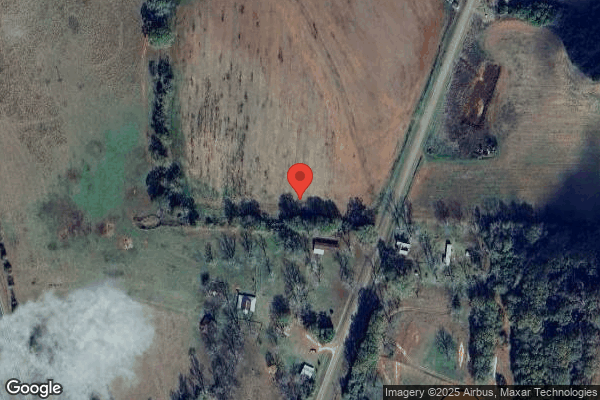
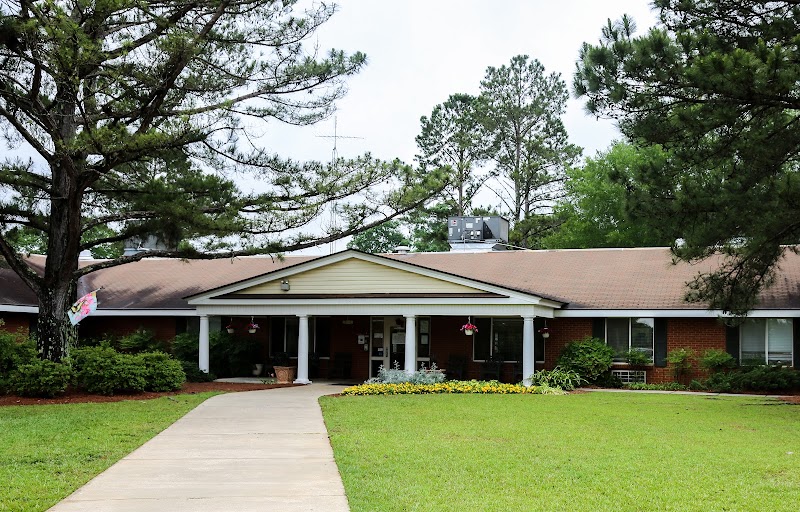
124 OVERBY DRIVE, RICHLAND, GA 31825 (229) 887-2021
Non profit - Other 85 Beds CLINICAL SERVICES, INC. Data: November 2025
Trust Grade
90/100
#9 of 353 in GA
Last Inspection: May 2025

Inspected within the last 6 months. Data reflects current conditions.

Overview

Four County Health and Rehabilitation in Richland, Georgia, has received a Trust Grade of A, indicating it is considered excellent and highly recommended. It ranks #9 out of 353 facilities in Georgia, placing it in the top tier, and is the only facility in Stewart County. However, the trend is concerning as issues have increased from 1 in 2022 to 2 in 2025. Staffing is rated 3 out of 5 stars, with a turnover rate of 49%, which is about average for the state, meaning staff stability could be improved. While the facility has no fines, which is a positive sign, there have been specific concerns such as improper medication storage and failure to maintain hand hygiene, which could pose risks to residents' safety. Overall, while there are strengths in the facility's reputation, it also has notable weaknesses that families should consider.

Trust Score
A
90/100
In Georgia
#9/353
Top 2%
Safety Record
Low Risk
No red flags
Inspections
Getting Worse
1 → 2 violations
Staff Stability
⚠ Watch
49% turnover. Above average. Higher turnover means staff may not know residents' routines.
Penalties
✓ Good
No fines on record. Clean compliance history, better than most Georgia facilities.
Skilled Nurses
○ Average
Each resident gets 30 minutes of Registered Nurse (RN) attention daily — about average for Georgia. RNs are the most trained staff who monitor for health changes.
Violations
✓ Good
Only 3 deficiencies on record. Cleaner than most facilities. Minor issues only.
★★★★★
5.0
Overall Rating
★★★☆☆
3.0
Staff Levels
★★☆☆☆
2.0
Care Quality
★★★★★
5.0
Inspection Score
Stable
2022: 1 issues
2025: 2 issues

The Good

  • Full Sprinkler Coverage · Fire safety systems throughout facility
  • No fines on record

Facility shows strength in fire safety.

The Bad

Staff Turnover: 49%

Near Georgia avg (46%)

Higher turnover may affect care consistency

Chain: CLINICAL SERVICES, INC.

Part of a multi-facility chain

Ask about local staffing decisions and management

The Ugly 3 deficiencies on record

May 2025 2 deficiencies
CONCERN (D)

Potential for Harm - no one hurt, but risky conditions existed

Deficiency F0761 (Tag F0761)

Could have caused harm · This affected 1 resident

Based on observations, staff interviews, record review, and review of the facility's policies titled Medication Administration-General, Controlled Substance Medication Accountability, and Insulin Admi...

Read full inspector narrative →
Based on observations, staff interviews, record review, and review of the facility's policies titled Medication Administration-General, Controlled Substance Medication Accountability, and Insulin Administration, the facility failed to ensure medications and biologicals were stored securely on three of six medication carts (100 Hall, 200 Hall, and 300 Hall), failed to ensure controlled medications were signed out at the time of administration on one of six medication carts, and failed to ensure medications were labeled when opened on one of six medication carts. These deficient practices created the potential for residents, unauthorized staff, and visitors to have access to medications and biologicals, had the potential to place residents at risk of receiving inaccurate dosages of medications, and had the potential to place residents at risk of receiving incorrect medications. Findings include: Review of the facility's undated policy titled Medication Administration-General, documented Intent: To facilitate that medications are administered as prescribed, in accordance with good nursing principles. Review of the facility's undated policy titled Controlled Substance Medication Accountability documented Intent: To establish a method for accountability and reconciliation of controlled medications. Guidelines: Controlled medications are tracked from the time they are received in the center through administration, discontinuation, discharge, and/or destruction. Procedure: When a routine controlled medication is administered, the licensed nurse administering the medication will promptly enter the following information on the Medication Administration Record (MAR) and the Controlled Drug Record Sheet (count sheet sent from the pharmacy): Date and time of administration. Amount administered. Initials of the nurse administering the dose. Review of the facility's undated policy titled Insulin Administration documented Intent: To administer correctly and safely administer insulin. Insulin is a high-alert medication that can be associated with significant patient harm when used/administered in error. Guideline: Nursing should double-check all insulin therapy before administering and be certain that the correct insulin is identified and used. Date insulin bottles and pens with date of first puncture or date removed from refrigerator. Depending on the manufacturer's recommendations, insulin MUST be replaced 10 to 56 days after first use. Administration as follows: Patient name and drug order is checked and double-checked. 1. Observation on 4/30/2025 at 8:54 am revealed Certified Medication Assistant (CMA) CC left a medication cup with five tablets on the medication cart unattended for two minutes when he went to ask a nurse about medication for a resident. Observation further revealed there were residents ambulating along the 200 Hall, and they passed closely to the medication cart with the medication cup on top, containing the tablets. In an interview on 4/30/2025 at 8:56 am, CMA CC confirmed he left a medication cup with five tablets in the cup on the medication cart on the 200 Hall unattended when he went to ask a nurse about medication for a resident. He stated he should not have done that because a resident could pick up the pills and take them. In an interview on 4/30/2025 at 3:13 pm, Unit Manager (UM) BB stated that medications should not be left unattended on medication carts or anywhere in the facility. She stated that the nurses and CMAs were responsible for ensuring medications were secured. UM BB further stated that the residents could take the medications off the cart and experience adverse reactions to the medications. In an interview on 4/30/2025 at 3:20 pm, the Director of Nursing (DON) stated her expectations were for the nurses and CMAs to ensure medications were not left unattended on medication carts. She stated that a negative outcome would be that the residents could take the medications and be affected negatively, such as having a decline in their condition. 2. During a concurrent observation and interview on 4/30/2025 at 1:20 pm, during review of the 200 Hall Nurse's Medication Cart, observation revealed an open glucometer strip vial with no open date. The label on the glucometer strip bottle documented Discard any remaining test strips over three months after first opening the vial. Licensed Practical Nurse (LPN) DD was present during the review, and she confirmed there was no open date on the glucose strip vial. She stated there should be an open date because the strips will not be good after a certain time after the vial was opened. Observation on 4/30/2025 at 1:39 pm during review of the 300 Hall Medication Aide Cart revealed one opened vial of glucometer strips with no open date. Observation on 4/30/2025 at 1:54 pm during review of the 100 Hall Medication Aide Cart revealed one opened vial of glucometer strips was found with no open date. In an interview on 4/30/2025 at 1:31 pm, UM BB stated glucometer strip vials should have open dates because after opening them, they were not to be used after 90 days from when they were opened. UM BB further stated that a negative outcome could be that the residents could have false blood sugar readings, and the residents could be overmedicated. In an interview on 4/30/2025 at 1:52 pm, CMA EE confirmed the glucometer strip vial did not have an open date on the vial. She stated the vial should have an open date when it was opened, and she was responsible for placing the date on it, but she did not. CMA EE further stated that when there was no open date on glucose strips, it meant that if the strips were used, they could give a wrong reading, and it would not be effective for the residents, and the residents' blood sugar could be inaccurate. In an interview on 4/30/2025 at 3:21 pm, the DON stated her expectations were for the opened glucometer strip vials to have opened dates. She stated the strips were discarded 30 days after they were opened, so an open date was needed. The DON further stated that if the strips were used on the residents, there could be false readings. 3. Review of the Physician's Notes dated 7/27/2021 for R30 documented included but not limited to Hydrocodone 5 mg (milligrams)-acetaminophen 325 mg tablet (hydrocodone bitartrate/acetaminophen) one tablet by mouth three times per day. Review of the Physician's Notes dated 4/14/2023 for R9 documented included but not limited to Lacosamide 10 mg/ml oral solution (lacosamide) 20 mg/ml by mouth two times per day. Observation on 4/30/2025 at 1:23 pm during review of the controlled substance book on the 200-Hall Nurse's Cart revealed there were two missing signatures. LPN DD was present during the review, and she stated she did not sign the narcotics book today after she administered narcotics to two residents between 9:30 am and 10:00 am this shift. LPN DD confirmed it was almost four hours since she administered the medications, and she stated she should have signed the narcotic sign-in sheets immediately after administering the medications to the residents. LPN DD stated that because she did not sign, the residents could get additional doses of the narcotic because the nurse may think she had not given the narcotic already and give it again. She also stated the narcotic count could be off, and the oncoming nurse may not be able to account for it. Record review of the facility's Control Drug Record revealed no signature for LPN DD for narcotics administered on 4/30/2025 for R9 and R30. In an interview on 4/30/2025 at 1:23 pm, UM BB stated that after the narcotics were taken out of the packet, the nurse should have signed the narcotic book because narcotics were controlled substances and the count would be inaccurate. In an interview on 4/30/2025 at 3:22 pm, the DON stated her expectations were for the nurses to immediately sign in the narcotic sign-out sheet when they administer narcotics to the residents or sign as soon as possible. She stated a resident could receive a double dose if a medication was not signed out. 4. Observation and interview on 4/30/2025 at 1:54 pm revealed one open insulin pen was without a resident name, label, or open date. CMA EE confirmed the insulin pen had no name, and no open date was in the medication cart. She stated she was responsible for ensuring the insulin pen had a resident's name and open date on it. She stated she should have removed it from the cart. In an interview on 4/30/2025 at 2:05 pm, UM BB stated insulin pens should be labeled with the resident's name and have an open date. She stated it was the responsibility of the nurses and CMAs to ensure insulin pens were labeled with the resident's name and open date. UM BB stated some insulin pens are not effective after 28 days of opening such as the short acting insulin pens and not effective after 42 days after opening such as the long acting insulin pens so not having an open date means no one would know when it was opened and it won't be effective to the resident if it was administered. UM BB also stated it would be an infection control issue because insulin pens are for personal use, and if more than one resident shared the pen, there could be cross-contamination, and the residents could get an infection. In an interview on 4/30/2025 at 2:54 pm, the DON revealed her expectations were for the Nurses and the CMAs to ensure the name of the resident and the open date were on the insulin pens. She stated this would prevent the use of another resident's insulin pen. She also stated it was an infection control issue if insulin pens were shared, and that could cause infection in the residents. The DON stated that if there was no open date, no one would know when it was open, and the strength of the insulin may become ineffective.
CONCERN (D)

Potential for Harm - no one hurt, but risky conditions existed

Infection Control (Tag F0880)

Could have caused harm · This affected 1 resident

Based on observation, staff interviews and review of the facility's policies titled Medication Administration-General, Hand Hygiene and Infection Prevention and Control Program, the facility failed to...

Read full inspector narrative →
Based on observation, staff interviews and review of the facility's policies titled Medication Administration-General, Hand Hygiene and Infection Prevention and Control Program, the facility failed to practice hand hygiene by not sanitizing hands between residents during medication administration. This deficient practice had the potential to cause infection to the residents. Findings include: Review of the facility's undated policy titled Medication Administration-General revealed, Intent: To facilitate tat medications are administered as prescribed, in accordance with good nursing principles. Review of the facility's policy titled Hand Hygiene reviewed 12/27/2024 revealed, Intent: It is the intent of this facility to promote and facilitate appropriate hand washing as set forth by the guidelines of CDC. Purpose: Hand Hygiene is the single most important means of preventing the spread of infection. Guideline: Associates should use alcohol-based hand rub or wash hands with soap and water for the following indications: .After touching a patient or the patient's immediate environment. Review of the facility's policy titled Infection Prevention and Control Program reviewed 12/27/2024 revealed, Intent: Each center will establish and maintain an infection Prevention and Control Program designed to provide a safe, sanitary and comfortable environment and to help prevent the development and transmission of communicable diseases and infections. Observation on 4/30/2025 at 8:54 am revealed, the Certified Medication Assistant (CMA) CC did not sanitize his hands after he administered medication and left a resident's room, before proceeded to prepare medications for other residents. Interview on 4/30/2025 at 8:54 am with CMA CC confirmed and verified that he did not sanitize his hands after he administered medication and left a resident's room, and before he proceeded to prepare medications for other residents. He stated he should have sanitized his hands, and he did not. He further stated the residents would get infections when he did not sanitize his hands. Interview on 4/30/2025 at 3:12 pm with Unit Manager (UM) BB revealed the nurses were expected to hand sanitize between administering medications to each resident. She stated it was in infection control issue and if it was not done, the residents could get germs and get infections. Interview on 4/30/2025 at 3:20 pm with the Director of Nursing (DON) revealed she stated her expectations were for the staff to ensure hand hygiene was performed between residents. She stated that infection could be carried from one resident to another and cause a decline in the resident's medical status.
Sept 2022 1 deficiency
CONCERN (E)

Potential for Harm - no one hurt, but risky conditions existed

Accident Prevention (Tag F0689)

Could have caused harm · This affected multiple residents

Based on observation and staff interviews the facility failed to ensure that trash was not placed in the self-extinguishing can that cigarette butts were disposed of on three of three days of smoking ...

Read full inspector narrative →
Based on observation and staff interviews the facility failed to ensure that trash was not placed in the self-extinguishing can that cigarette butts were disposed of on three of three days of smoking observations. Findings include: During an observation of smoke breaks on 9/20/2022 at 10 a.m., 9/21/2022 at 10:20 a.m., and 9/22/2022 at 10:05 a.m. It was noted that there was trash (soda cans, empty cigarette packs, paper cups, and paper) observed in the red can which specifically stated, for ashes only in addition to cigarette butts. An interview conducted on 9/21/2022 at 10:15 a.m. with Licensed Practical Nurse (LPN) AA revealed that no one really checks the red can daily, but he is responsible for it. LPN AA stated that one of the residents must have placed these items in the red can without his knowledge. LPN AA acknowledged that nothing should be in the red can except cigarette ashes and cigarette butts. During an interview and observation on 9/22/2022 at 10:05 a.m. with Environmental Service BB revealed Maintenance and Environmental Service staff are responsible for making sure the red can is free of trash and dumped. Environmental Service BB revealed staff assigned to smoke breaks are responsible for making sure residents do not put trash in the red can with the sign that says, no trash. Environmental Service BB confirmed trash mixed with cigarette butts were in the red can. An interview and observation were conducted on 9/22/2022 at 10:10 a.m. with the Maintenance Director who revealed he was responsible for making sure the red can was free of trash and dumped. He further revealed the red can had been dumped the prior day. Maintenance Director further reported that residents continue to put trash despite the no trash sign. He verified trash mixed with cigarette butts were in the red can. An interview conducted on 9/22/2022 at 10:15 a.m. with the Administrator revealed Housekeeping and Maintenance staff are responsible for making sure residents do not put trash in the red cans and keeping it clean. The Administrator revealed he expected staff to make sure the red can is free of trash to prevent any accidents. He denied that there have been any residents burned while smoking and denied that there have been any fires in the red containers.
Understanding Severity Codes (click to expand)
Life-Threatening (Immediate Jeopardy)
J - Isolated K - Pattern L - Widespread
Actual Harm
G - Isolated H - Pattern I - Widespread
Potential for Harm
D - Isolated E - Pattern F - Widespread
No Harm (Minor)
A - Isolated B - Pattern C - Widespread

Questions to Ask on Your Visit

  • "Can I speak with families of current residents?"
  • "What's your RN coverage like on weekends and overnight?"

Our Honest Assessment

Strengths
  • • Grade A (90/100). Above average facility, better than most options in Georgia.
  • • No major safety red flags. No abuse findings, life-threatening violations, or SFF status.
  • • No fines on record. Clean compliance history, better than most Georgia facilities.
  • • Only 3 deficiencies on record. Cleaner than most facilities. Minor issues only.
Concerns
  • • No significant concerns identified. This facility shows no red flags across CMS ratings, staff turnover, or federal penalties.
Bottom line: Generally positive indicators. Standard due diligence and a personal visit recommended.

About This Facility

What is Four County's CMS Rating?

CMS assigns FOUR COUNTY HEALTH AND REHABILITATION an overall rating of 5 out of 5 stars, which is considered much above average nationally. Within Georgia, this rating places the facility higher than 99% of the state's 100 nursing homes. This rating reflects solid performance across the metrics CMS uses to evaluate nursing home quality.
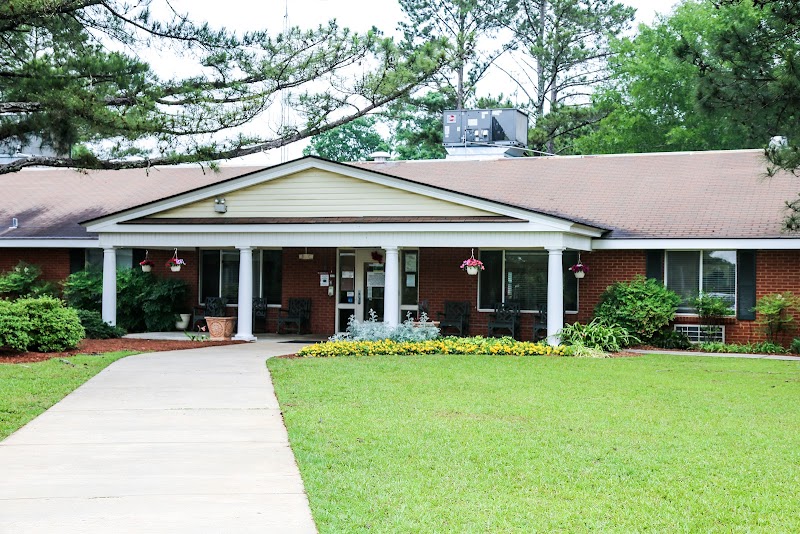
How is Four County Staffed?

CMS rates FOUR COUNTY HEALTH AND REHABILITATION's staffing level at 3 out of 5 stars, which is average compared to other nursing homes. Staff turnover is 49%, compared to the Georgia average of 46%.

What Have Inspectors Found at Four County?

State health inspectors documented 3 deficiencies at FOUR COUNTY HEALTH AND REHABILITATION during 2022 to 2025. These included: 3 with potential for harm.
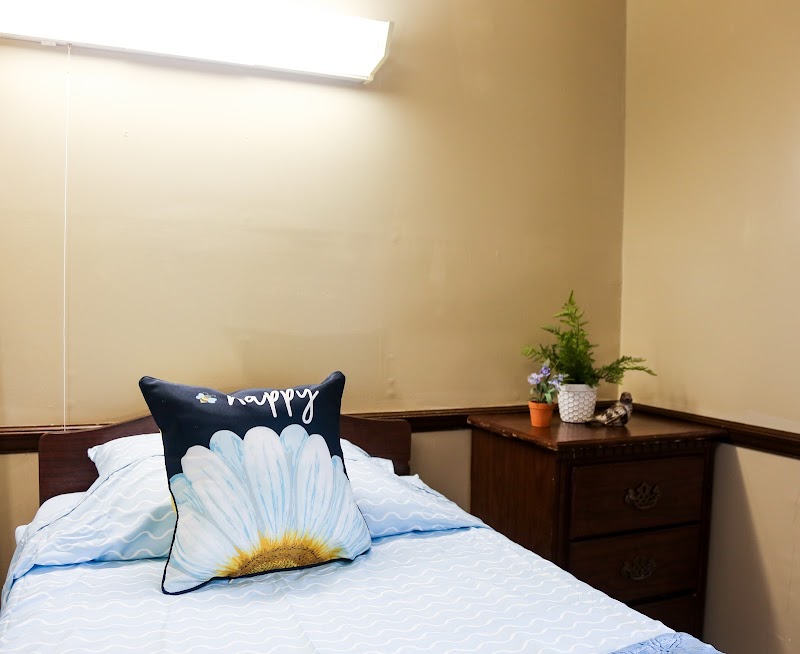
Who Owns and Operates Four County?

FOUR COUNTY HEALTH AND REHABILITATION is owned by a non-profit organization. Non-profit facilities reinvest revenue into operations rather than distributing to shareholders. The facility is operated by CLINICAL SERVICES, INC., a chain that manages multiple nursing homes. With 85 certified beds and approximately 73 residents (about 86% occupancy), it is a smaller facility located in RICHLAND, Georgia.

How Does Four County Compare to Other Georgia Nursing Homes?

Compared to the 100 nursing homes in Georgia, FOUR COUNTY HEALTH AND REHABILITATION's overall rating (5 stars) is above the state average of 2.6, staff turnover (49%) is near the state average of 46%, and health inspection rating (5 stars) is much above the national benchmark.

What Should Families Ask When Visiting Four County?

Based on this facility's data, families visiting should ask: "Can I visit during a mealtime to observe dining assistance and food quality?" "How do you handle medical emergencies, and what is your hospital transfer rate?" "Can I speak with family members of current residents about their experience?"

Is Four County Safe?

Based on CMS inspection data, FOUR COUNTY HEALTH AND REHABILITATION has a clean safety record: no substantiated abuse findings (meaning no confirmed cases of resident harm), no Immediate Jeopardy citations (the most serious violation level indicating risk of serious injury or death), and is not on the Special Focus Facility watch list (a federal program monitoring the lowest-performing 1% of nursing homes). The facility has a 5-star overall rating and ranks #1 of 100 nursing homes in Georgia. While no facility is perfect, families should still ask about staff-to-resident ratios and recent inspection results during their visit.

Do Nurses at Four County Stick Around?

FOUR COUNTY HEALTH AND REHABILITATION has a staff turnover rate of 49%, which is about average for Georgia nursing homes (state average: 46%). Moderate turnover is common in nursing homes, but families should still ask about staff tenure and how the facility maintains care continuity when employees leave.

Was Four County Ever Fined?

FOUR COUNTY HEALTH AND REHABILITATION has no federal fines on record. CMS issues fines when nursing homes fail to meet care standards or don't correct problems found during inspections. The absence of fines suggests the facility has either maintained compliance or corrected any issues before penalties were assessed. This is a positive indicator, though families should still review recent inspection reports for the full picture.

Is Four County on Any Federal Watch List?

FOUR COUNTY HEALTH AND REHABILITATION is not on any federal watch list. The most significant is the Special Focus Facility (SFF) program, which identifies the bottom 1% of nursing homes nationally based on persistent, serious quality problems. Not being on this list means the facility has avoided the pattern of deficiencies that triggers enhanced federal oversight. This is a positive indicator, though families should still review the facility's inspection history directly.