BRYAN COUNTY HLTH & REHAB CTR
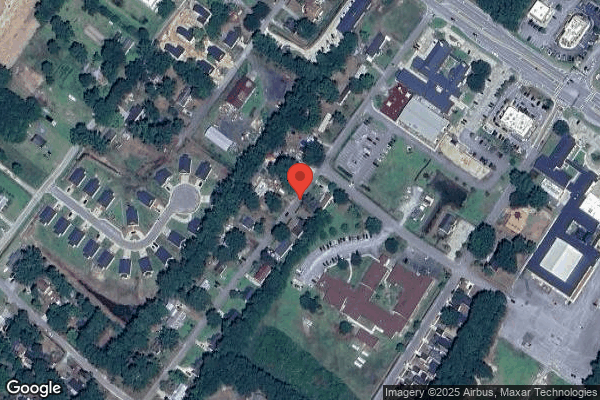

127 CARTER ST, RICHMOND HILL, GA 31324 (912) 756-6131
For profit - Corporation 100 Beds Independent Data: November 2025
Trust Grade
40/100
#251 of 353 in GA
Last Inspection: April 2025

Within standard 12-15 month inspection cycle. Federal law requires annual inspections.

Overview

Bryan County Health & Rehab Center has a Trust Grade of D, indicating below-average care with some concerning issues. Ranking #251 out of 353 facilities in Georgia places it in the bottom half, and #2 of 2 in Bryan County means there is only one local alternative that performs better. The facility is experiencing a worsening trend, increasing from 7 issues in 2022 to 9 in 2025. Staffing is a significant concern, with a poor rating of 1 out of 5 stars and a high turnover rate of 59%, which is above the state average of 47%. Although the facility has not incurred any fines, it has lower RN coverage than 89% of Georgia facilities, which is troubling as registered nurses play a critical role in patient care. Specific incidents have been noted, including failures in food storage practices that could risk residents' health and instances where wound care protocols were not properly followed, potentially jeopardizing the well-being of residents. Overall, while there are no fines, the combination of high turnover and health inspection concerns raises serious questions about the quality of care provided.

Trust Score
D
40/100
In Georgia
#251/353
Bottom 29%
Safety Record
Low Risk
No red flags
Inspections
Getting Worse
7 → 9 violations
Staff Stability
⚠ Watch
59% turnover. Above average. Higher turnover means staff may not know residents' routines.
Penalties
✓ Good
No fines on record. Clean compliance history, better than most Georgia facilities.
Skilled Nurses
⚠ Watch
Each resident gets only 15 minutes of Registered Nurse (RN) attention daily — below average for Georgia. Fewer RN minutes means fewer trained eyes watching for problems.
Violations
⚠ Watch
20 deficiencies on record. Higher than average. Multiple issues found across inspections.
★☆☆☆☆
1.0
Overall Rating
★☆☆☆☆
1.0
Staff Levels
★★☆☆☆
2.0
Care Quality
★★☆☆☆
2.0
Inspection Score
Stable
2022: 7 issues
2025: 9 issues

The Good

  • Full Sprinkler Coverage · Fire safety systems throughout facility
  • No fines on record

Facility shows strength in fire safety.

The Bad

1-Star Overall Rating

Below Georgia average (2.6)

Significant quality concerns identified by CMS

Staff Turnover: 59%

13pts above Georgia avg (46%)

Frequent staff changes - ask about care continuity

Staff turnover is elevated (59%)

11 points above Georgia average of 48%

The Ugly 20 deficiencies on record

Aug 2025 1 deficiency
CONCERN (D) 📢 Someone Reported This

A family member, employee, or ombudsman was alarmed enough to file a formal complaint

Potential for Harm - no one hurt, but risky conditions existed

Medical Records (Tag F0842)

Could have caused harm · This affected 1 resident

Based on record review and staff interviews, the facility failed to ensure a complete and accurate medical record was maintained for one of three sampled Residents (R1) reviewed for skin conditions. S...

Read full inspector narrative →
Based on record review and staff interviews, the facility failed to ensure a complete and accurate medical record was maintained for one of three sampled Residents (R1) reviewed for skin conditions. Specifically, R1's medical record did not contain documentation of all care planned skin assessments or consistent documentation of the completion of ordered skin treatments.Findings include:Review of R1's admission Record revealed, the resident had a medical history that included a diagnosis of acute kidney failure.Review of R1's Quarterly Minimum Data Set (MDS), with an Assessment Reference Date (ARD) of 5/21/2025 revealed, R1 had a Brief Interview for Mental Status (BIMS) score of 11, which indicated the resident had moderate cognitive impairment.Review of R1's Care Plan Report included a focus area, initiated 6/14/2023 and revised 3/12/2025, that indicated the resident was incontinent and at risk for complications, including skin irritation and rashes. A focus area, initiated 3/2/2023 and revised 4/6/2023, indicated the resident was at risk for decreased quality of life related to their inability to perform activities of daily living (ADLs) independently. An intervention dated 3/2/2023 directed staff to assess for any signs and symptoms of skin breakdown, scratches, bruises, open areas, or cuts during care activities and report to a nurse. A focus area, initiated 5/30/2025, indicated R1 had a new diagnosis of candidiasis (a fungal infection typically on the skin or mucous membranes caused by candida). An intervention dated 5/30/2025 directed staff to monitor skin rashes for increased spread or signs of infection.Review of R1's Electronic Medical Record (EMR) revealed Skin Observation Tools were completed on 6/8/2025, 6/22/2025, 6/26/2025, 7/18/2025, 7/27/2025, 8/5/2025, and 8/11/2025. The resident's EMR contained no documented evidence that Skin Observation Tools were completed on 6/15/2025, 7/6/2025, 7/13/2025, 8/3/2025, or 8/10/2025.During an interview on 8/13/2025 at 7:19 am, License Practical Nurse (LPN) #1 stated she worked on 7/6/2025, 7/20/2025, and 8/3/2025 and completed R1's skin assessments but failed to document they were completed because she got busy. Review of R1's 7/2025 and 8/2025 Treatment Administration Records (TARs) revealed the transcription of an order started on 7/2/2025 for triamcinolone acetonide cream (a steroid cream) 0.1 percent (%) to be applied topically to affected areas two times a day for itching. The TARs revealed the triamcinolone cream was scheduled to be administered each day at 9:00 am and 6:00 pm. The resident's 7/2025 and 8/2025 TARs revealed no documentation to indicate whether the treatments were administered as ordered on the following dates and times: 6:00 pm on 7/2/2025 and 7/3/2025, 6:00 pm on 7/5/2025 through 7/11/2025, 6:00 pm on 7/16/2025 and 7/17/2025, 6:00 pm on 7/21/2025, 6:00 pm on 7/24/2025 and 7/25/2025, 6:00 pm on 7/27/2025, 6:00 pm on 7/30/2025, 6:00 pm on 8/7/2025 and 8/8/2025, and 6:00 pm on 8/11/2025.During an interview on 8/12/2205 at 7:02 pm, LPN #3 stated she was assigned to provide R1's ordered triamcinolone treatments at 6:00 pm on 7/6/2025, 7/7/2025, 7/8/2025, 7/10/2025, 7/11/2025, 7/16/2025, 7/17/2025, 7/21/2025, 7/25/2025, 7/27/2025, 7/30/2025, and 8/8/2025. She stated she remembered completing the treatments on each of these dates. She stated she had been trained to sign the TAR after completion of ordered treatments, but she failed to do so before the end of each of her shifts.During an interview on 8/13/2025 at 1:05 pm, LPN #4 stated she was responsible for providing R1's treatments at 6:00 pm on 7/2/2025 and 7/3/2025. She stated she completed the treatments on those dates but failed to go back to the TAR and sign them off after she completed the treatments.During an interview on 8/13/2025 at 10:15 am, LPN #5 stated she was assigned to complete R1's ordered triamcinolone treatments at 6:00 pm on 7/24/2025 and 8/7/2025. She stated she completed the treatments but forgot to sign the TAR after she completed them.During an interview on 8/13/2025 at 12:45 pm, the Regional Nurse Consultant (RNC) stated she expected all skin assessments to be completed weekly and all treatments to be completed as ordered and both were to be documented to reflect timely completion.During an interview on 8/13/2025 at 2:00 pm, the Administrator stated R1's skin assessments should have been documented. The Administrator also stated staff should document the completion of skin treatments after the treatments were provided.
Apr 2025 8 deficiencies
CONCERN (D) 📢 Someone Reported This

A family member, employee, or ombudsman was alarmed enough to file a formal complaint

Potential for Harm - no one hurt, but risky conditions existed

Resident Rights (Tag F0550)

Could have caused harm · This affected 1 resident

2. Record review for R84 revealed resident was admitted to the facility with the diagnoses of but not limited to dementia, history of falling, essential hypertension, hyperkalemia, lack of coordinatio...

Read full inspector narrative →
2. Record review for R84 revealed resident was admitted to the facility with the diagnoses of but not limited to dementia, history of falling, essential hypertension, hyperkalemia, lack of coordination, and unsteadiness on feet. Review of the physician's order in the EMR revealed an order to cleanse the sacral area with normal saline, pat dry, apply Santyl, cover with dry protective dressing daily and prn per dislodgement/soiling. Review of the care plan revealed a focus of R84 has present skin breakdown upon admission and is at risk for complications related to skin breakdown such as infection, increased pain, inability to participate in activities and socialization Unstageable to Sacrum Stage III L (left) Upper Buttock. Goals included present skin breakdown will improve without complications by next review date. Wound care observation of R84 on 4/12/2025 at 10:40 am with Wound Care Nurse revealed the nurse proceeded to cleanse the wound care tray with a Micro-kill germicidal wipe and allowed it to air dry, after the tray was dry the nurse proceeded to place a barrier on the tray before placing wound treatment supplies for treatment that included normal saline in a 30 ml (milliliter) cup, Santyl ointment (wound ointment), Medi-honey (wound medication), bordered gauze, Medi-pore tape, dry gauze, tongue blades, measuring tape, and a bag for dirty wound products used. The Wound Care Nurse proceeded to sanitize hands with sanitizer and donned a gown and clean gloves after entering the resident's room. The Nurse informed R84 that wound care treatment was being completed and permission for surveyor to observe was obtained. R84's bed was repositioned and the nurse proceeded to remove the G-tube (gastrostomy tube-inserted into abdomen for feeding) dressing from stoma (opening in abdomen) site without providing privacy. The resident's privacy curtain remained open in view of the resident's roommate as well as the blinds were open during the start of the treatment. After removing the dressing from the insertion site and cleaning the treatment area, the nurse proceeded to wash hands with soap and water and donned clean gloves before applying a clean dressing. R84's brief was loosened, and the resident was repositioned to the right side, curtains still open and window blinds open as well. The old dressing was removed, no drainage was noted on the dressing removed. The area to the sacral wound base was pale pink in color, area measured 1 x .03 cm (centimeters) x .01 cm, no drainage was noted during observation. The nurse proceeded to wash hands with soap and water and donned clean gloves before applying a clean bandage. R84was repositioned back to his back. The Wound Care Nurse completed the treatment on R84 without providing privacy during the total process. 3. Record review for R11 revealed resident was admitted to the facility with diagnoses of but not limited to cerebral infarction, unspecified, unspecified diabetes mellitus without complications. Review of the physician's order in the EMR revealed the following order: Lt (left) Ankle Lateral (away from middle or center): Cleanse with WC (wound cleanser) or NS (normal saline), pat dry, apply gentamicin 0.1% ointment, cover with dry protective dressing such as ABD (abdominal) pad then rolled gauze with tape daily and PRN per dislodgement/soiling. Wound care observation for R11 at 11:48 am, performed by Licensed Practical Nurse (LPN) II revealed LPN II sanitized her hands, donned gloves, sanitized plastic tray, placed a paper chux (protective pad) pad on top of the tray, and then removed a bottle of saline, 30cc (cubic centimeter) plastic cup, gauze, bordered dressing, rolled gauze, and gentamycin ointment from the treatment cart and placed the items on top of the tray. LPN II stated that she was not going to use the rolled gauze as ordered because when R11 rubs her legs together it might come off. She stated that she knew that there was a PRN order to replace if dressing becomes dislodged, but she did not do it because she didn't use the rolled gauze. LPN II removed gloves, sanitized hands, donned gloves, put on a gown, and repositioned R11 in the Geri-chair (geriatric recliner). LPN II removed the boot from R11's left foot and asked the resident where the dressing to her left foot was. R11 was sitting in a Geri-chair near the window. The window blinds were observed to be open. The window showed full vision of the front parking lot and front porch. There were visitors entering and exiting the facility. There was a resident sitting in the front parking lot in her wheelchair facing R11's room window. LPN II continued with wound care, cleaning the area to the left heel. LPN II washed hands, donned gloves, and applied gentamycin ointment as per MD order. LPN II covered the wound with a bordered dressing. LPN II again stated that she was not going to use the ordered rolled gauze. LPN removed gloves, removed gown and placed the gown in a trash can. LPN II removed the gown from the trash can and exited the room stating that she was going to put the gown in the laundry. 4. Record review for R45 revealed resident was admitted to the facility with the diagnoses of but not limited to osteomyelitis of vertebra, sacral and sacrococcygeal region. Review of the physician's order in the EMR revealed the following order to Sacrum Wound: Cleanse with NS, pat dry, apply Santyl then collagen, cover with dry protective dressing such as bordered gauze dressing daily and PRN per dislodgement/soiling. Wound care observation for R45 on 4/12/2025 at 11:26 am revealed LPN II sanitized her hands, donned gloves, sanitized plastic tray, and placed a paper chux pad on top of the tray. LPN II removed a bottle of saline, 30cc plastic cup, gauze, bordered dressing, Santyl, and collagen paste from the treatment cart and placed the items on top of the tray. LPN II removed gloves, sanitized hands, donned gloves and gown. LPN II removed the gown and threw it in the trash can stating that she forgot the gauze. LPN II returned to the treatment cart, sanitized hands and removed 4x4 gauze from the treatment cart. LPN II returned to the room, sanitized hands, donned gloves and gown. LPN II placed the tray with treatment supplies on top of R45's feet. LPN II removed the tray from R45 feet and held the tray in her right hand. LPN II, while holding the tray in her right hand, used her left hand to unclamp R45's catheter bag from the bed. LPN II threw the catheter bag on the bed near R45 feet. LPN II again placed the tray on R45's bed near her right foot. LPN II rolled R45 on to her left side, removed gloves, washed her hands and donned gloves. LPN II removed the old dressing, removed gloves, washed her hands, and donned gloves. The window blinds were observed to be open. The window showed full vision of the front parking lot and front porch. There were visitors entering and exiting the facility. There was a resident sitting in the front parking lot in her wheelchair facing R45's room window. LPN II continued with wound care cleaning the sacral area. LPN II measured the area, removed gloves, washed hands, donned gloves and applied the Santyl/collagen mixture as per order, and covered area with a dressing. LPN II removed the tray from R45's bed and held it in her left hand. With her right hand, LPN II attached the foley catheter bag back to the bed. With the tray in her left hand, LPN II moved the bed side table, removed gloves, and put tray on top of treatment cart. LPN II then removed the gown and threw it in the trash can. With ungloved hands, LPN II removed two gowns from the trash can and folded them up and exited the room with the unbagged gowns, stating that she was taking the gowns to the laundry because they were re-washable. LPN II did not wash/sanitize hands after removing gloves, and did not sanitize the tray before placing it back on the treatment cart. Interview with LPN II on 4/12/2025 at 3:32 pm revealed LPN II acknowledged that full privacy was not provided for R11, and full privacy was not provided for R45 during the wound dressing change . LPN II stated that she was not thinking about closing the blinds while the treatment was being conducted, but she did ask the residents if it was ok for the surveyor to watch the treatment. Interview with the Director of Nursing (DON) on 4/12/2025 at 3:47 pm, the DON stated that her expectation was for privacy to be provided to the residents during wound care to include closing the privacy curtains and closing the window blinds. Based on observations, staff interviews, record review, and the review of the facility policies titled, Pressure Ulcers/Skin Breakdown-Clinical Protocol and Residents Federal and State Rights, the facility failed to ensure four of eight residents (R) (R37, R84, R11, and R45) were provided privacy during wound care treatment. Specifically, the facility failed to ensure R37, R84, R11, and R45 full privacy was provided by ensuring window blinds were closed and the privacy curtains were fully engaged when conducting wound care treatments. Findings include: Review of the facility policy titled, Pressure Ulcers/Skin Breakdown-Clinical Protocol, dated April 2018 on page 5: Dressings, Dry/Clean under preparation. number 5. Explain procedure to the resident and provide privacy. Review of the facility's undated policy titled, Residents Federal and State Rights, revealed under Privacy and Confidentiality number 1. You have a right to personal privacy and confidentiality of your personal privacy which includes privacy in accommodations, medical treatment, written and telephone communications, personal care, visits and meetings of family and residents groups.Number 5. You have a right to respect and privacy in your medical, personal, and bodily care program. Your care discussion, consultation, examination, treatment, and care shall be confidential and shall be conducted in privacy. 1. Record review for R37 revealed resident was admitted to the facility with the diagnoses of but not limited to generalized muscle weakness, lack of coordination, moderate protein calorie malnutrition, and pressure ulcer of sacral region stage four. Review of the physicians orders located in the Electronic Medical Record (EMR) revealed a treatment order for the Sacrum: Cleanse with normal saline, pat dry, apply Santyl (wound ointment) then collagen, cover with dry protective dressing such as bordered gauze daily and PRN (as needed) per dislodgement/soiling. Review of the care plan for R37 revealed under focus: R37 has present skin breakdown as follows and is at risk for complications related to skin breakdown such as infection, increased pain, inability to participate in activities and socialization, anxiety/mood disorders. Coccyx: Stage 4 pressure wound. Goals included: Present skin breakdown will be healed without complications by next review date. Wound care observation on R37 on 4/12/ 2025 at 11:05 am with the Wound Care nurse revealed the nurse proceeded to cleanse wound care tray with a Micro-kill germicidal wipe and allowed to air dry, after the tray was dry, the nurse proceeded to place a barrier on the tray before placing wound treatment supplies on it for treatment that included normal saline in a 30 ml (milliliter) cup, Medi fil II Collagen, Santyl ointment (the two were mixed together in 30 ml plastic medicine cup to make a paste), dry gauze, and bordered gauze. The Wound Nurse proceeded to sanitize hands with hand sanitizer and donned (put on) a gown and clean gloves after entering the residents room. The Wound Nurse informed R37 that wound care treatment was being completed and permission for surveyor to observe was obtained. The Wound Nurse pulled the privacy curtain; however the residents' blinds were pulled up with full view from the courtyard. During the observation it was noted that full privacy was not provided to the resident while treatment was being conducted. Interview on 4/12/2025 at 11:30 am with the Wound Care Nurse revealed that she was able to verbalize the process of the wound care treatment process. During the interview, the Wound Care Nurse acknowledged that full privacy was not provided for R37 during the wound dressing change. The staff member stated that she was not thinking about closing the blinds while the treatment was being conducted. Interview on 4/12/2025 at1:30 pm with the Director of Nursing (DON) revealed that her expectations was for whenever there was any kind of care being provided to the residents, that full privacy was provided, including the full engagement of the privacy curtains and ensuring that the blinds were closed for residents that were next to the window. During the interview, the DON also disclosed that infection control practices were expected to be followed during wound care treatments.
CONCERN (D) 📢 Someone Reported This

A family member, employee, or ombudsman was alarmed enough to file a formal complaint

Potential for Harm - no one hurt, but risky conditions existed

Safe Environment (Tag F0584)

Could have caused harm · This affected 1 resident

**NOTE- TERMS IN BRACKETS HAVE BEEN EDITED TO PROTECT CONFIDENTIALITY** 2. During the initial tour of the facility on 4/11/2025 at 8:40 am the following environmental concerns were observed on A hall:...

Read full inspector narrative →
**NOTE- TERMS IN BRACKETS HAVE BEEN EDITED TO PROTECT CONFIDENTIALITY** 2. During the initial tour of the facility on 4/11/2025 at 8:40 am the following environmental concerns were observed on A hall: room [ROOM NUMBER] revealed chipped floor tile near A bed, and the privacy curtain observed with black marks on the front and yellowish stains on the back. room [ROOM NUMBER] revealed a feeding pump with a dried, brownish substance on the pole. There was also a dried, brownish substance observed on the floor around and near the feeding pump pole. Observations throughout the day revealed the environmental issues remained. Observations on 4/12/2025 at 7:30 am revealed environmental issues remained. Environmental issues (dried substance on feeding pump, pole) observed were verified by Housekeeper (HK) CC on 4/12/2025 at 9:30 am. Environmental issues (dried substance on feeding pump, pole, floor, privacy curtain) observed were verified by the Director of Nursing on 4/12/2025 at 9:58 am. Environmental issues (dried substance on feeding pump, pole, floor, privacy curtain) were verified with the Housekeeping Supervisor HK BB on 4/12/2025 at 10:44 am. Environmental issues (chipped floor tile) were verified with the Maintenance Director (MD) on 4/13/2025 at 8:58 am. Interview with HK CC on 4/12/2025 at 9:30 am revealed HK CC just finished mopping the room and placed a wet floor sign at the door. HK CC stated that the brownish substance on the floor and feeding pump and pole looked like milk that had dried up. She stated that she would probably be the one to clean it up. She stated that she mops fast because the Certified Nursing Assistants (CNA) were in and out the room. Interview with the Director of Nursing (DON) on 4/12/2025 at 9:58 am, the DON stated that the nurses were responsible for cleaning the feeding pump and pole. She stated that housekeeping was responsible for cleaning the floor. The DON further stated that the brownish substance observed on the feeding pump, pole, and floor looked like dried tube feeding formula. Interview with the Housekeeping Supervisor HK BB on 4/12/2025 at 10:44 am, HK BB revealed she expected the housekeepers to clean the floor. She stated that maintenance takes the curtains down and changes them. Interview with the Maintenance Director (MD) on 4/13/2025 at 8:58 am revealed he was not aware of the chipped floor tile. He stated that they have a box with communication slips that staff used to communicate any maintenance/environmental issues. He revealed there was no slip addressing the chipped floor tile. Based on observations, record review, staff interviews, and review of the facility policy titled, Environment Rounds/Repairs, the facility failed to ensure that the environment was safe, clean, comfortable, and homelike in two rooms on A hall (room [ROOM NUMBER] and room [ROOM NUMBER]) located on two of four halls. Specifically, plaster on the wall was missing and cracked in two areas on Hall C, and chipped floor tile, black marks on privacy curtains, and a dirty feeding pump pole were noted on hall A. Findings include: 1. Review of the facility policy titled Environmental Rounds/ Repair revealed under Policy Statement: name of facility is committed to maintaining a home-like environment and to repair issues in acceptable time frame. Under Procedures: Maintenance Director will make environmental rounds every week. Any noted areas that are in need of repair will be repaired as soon as possible.Facility also has a part-time painter employed who is available to repair sheet-rock issues and paint and/or retouch as needed. Observation on 4/12/2025 at 9:51 am on C hall before entering D Hall by the double doors, the corner wall needed to be repaired. Plaster was missing and cracked in the area before the handrail. The wall near room [ROOM NUMBER] had missing plaster. Interview on 4/13/2025 at 11:28 am with the Maintenance Director confirmed that the plaster needed to be repaired on both walls and that he would repair both walls. He stated that staff could have reported this using the facility name Repair Requisition form. He revealed that this form could be completed by any staff. This form could be found behind the nurse's station.
CONCERN (D) 📢 Someone Reported This

A family member, employee, or ombudsman was alarmed enough to file a formal complaint

Potential for Harm - no one hurt, but risky conditions existed

Comprehensive Care Plan (Tag F0656)

Could have caused harm · This affected 1 resident

2. Record review revealed R35 was admitted to the facility with diagnoses of but not limited to displaced fracture of greater trochanter of left femur, subsequent encounter for closed fracture without...

Read full inspector narrative →
2. Record review revealed R35 was admitted to the facility with diagnoses of but not limited to displaced fracture of greater trochanter of left femur, subsequent encounter for closed fracture without healing, chronic kidney disease, stage 3, unspecified, cystitis, unspecified with hematuria. Review of the physician orders for R35 located in the EMR system under Orders revealed an order for an indwelling foley catheter for Urinary Retention, 16 fr (French- catheter size) with 10 ml (milliliter) balloon to bedside drainage. Review of the Quarterly MDS for R35 dated 1/9/2025 Section H (Bladder and Bowel) indicated that resident had an indwelling foley catheter. Review of the resident care plan last revised on 2/15/2025 did not indicate R35 had an indwelling foley catheter. Interview on 4/12/2025 at 4:12 pm with MDS Coordinator DD revealed that the MDS team were responsible for ensuring that the resident's care plans were developed and updated. She stated that she communicated with the nursing team, but MDS was responsible for putting the foley catheter in the care plan. During the interview, it was confirmed that R35 did not have a care plan developed for an indwelling foley catheter. MDS Coordinator DD stated that she was going to put a care plan in for R35. Interview on 4/12/2025 at 4:30 pm with the DON revealed that her expectation was for each resident to have a comprehensive care plan that identified all of their care areas and to ensure the residents needs were met. During the interview it was confirmed that R35 did not have a care plan that was developed for indwelling foley catheter. Based on observations, staff interviews, record review, and review of the facility policies titled, Care Planning- Interdisciplinary Team and Care Plans, Comprehensive Person-Centered, the facility failed to ensure a care plan for oxygen use was developed for one of nine residents (R) (R52) using oxygen. The facility also failed to ensure a care plan was developed for one of three residents, R35 that had an indwelling catheter. The deficient practice had the potential to increase the probability of R52 and R35's needs not being met according to their care needs. Findings include: Review of the facility policy titled Care Planning- Interdisciplinary Team dated March 2022 revealed under Policy Statement: The interdisciplinary team is responsible for the development of resident care plans. Under Policy Interpretations and Implementation number 2. Comprehensive person-centered care plans are based on resident assessments and developed by an interdisciplinary team (IDT). Review of the facility policy titled Care Plans, Comprehensive Person- Centered dated March 2022 revealed under Policy Statement: A Comprehensive, person-centered care plan that includes measurable objectives and time tables to meet the resident's physical, psychosocial and functional needs is developed and implemented for each residents. 1. Record review revealed R52 was admitted to the facility with diagnoses of Parkinson's disease, essential hypertension, anxiety disorder, and depression. Review of the physician orders located in the Electronic Medical Record (EMR) system under orders revealed an order for oxygen (02) via nasal cannula (NC) at 2 liters per minute (LPM) as needed for Shortness of Breath (SOB), wheezing or 02 Saturations (Sats) <92% (under 92 percent). Review of the care plan for R52 did not indicate O2 use was being utilized. Review of the Quarterly Minimum Data Set (MDS) for R52 dated 2/28/2025, Section O (Special Treatments) indicated that resident was receiving O2 therapy while in facility. Review of the resident care plan initiated 12/2024 did not indicate O2 use for R52. Interview on 4/12/2025 at 3:10 pm with MDS Coordinator DD revealed that the MDS team were responsible for ensuring that the resident's care plans were developed and updated. During the interview, it was confirmed that R52 did not have a care plan developed for the current use of O2. Interview on 4/12/2025 at 3:30 pm with the Director of Nursing (DON) revealed that her expectation was for each resident to have a comprehensive care plan that identified all of their care areas and to ensure the residents' needs were met. During the interview it was confirmed that R52 did not have a care plan that was developed in reference to her O2 usage.
CONCERN (D) 📢 Someone Reported This

A family member, employee, or ombudsman was alarmed enough to file a formal complaint

Potential for Harm - no one hurt, but risky conditions existed

Quality of Care (Tag F0684)

Could have caused harm · This affected 1 resident

Based on observations, record review. and staff interviews, the facility failed to follow the Physician Orders related to wound care for one of four residents observed during wound care (R11). The def...

Read full inspector narrative →
Based on observations, record review. and staff interviews, the facility failed to follow the Physician Orders related to wound care for one of four residents observed during wound care (R11). The deficient practice had the potential for R11's wound to worsen. Findings include: Record review for R11 revealed resident was admitted to the facility with diagnoses of but not limited to cerebral infarction, unspecified, unspecified diabetes mellitus without complications. Review of the Physician's orders in the Electronic Medical Records (EMR) revealed the following order: Lt (left) Ankle Lateral: Cleanse with WC (wound cleanser) or NS (normal saline), pat dry, apply gentamicin 0.1% ointment (antibiotic), cover with dry protective dressing such as ABD (abdominal) pad then rolled gauze with tape daily and PRN (as needed) per dislodgement/soiling. Wound care observation for R11 on 4/9/2025 at 11:48 am performed by Licensed Practical Nurse (LPN) II revealed she sanitized her hands, donned (put on) gloves, sanitized plastic tray, placed a paper incontinence pad on top of the tray, and removed a bottle of saline, 30 cc (cubic centimeters) plastic cup, gauze, bordered dressing, rolled gauze, and gentamycin (antibiotic) ointment from the treatment cart and placed the items on top of the tray. LPN II stated that she was not going to use the rolled gauze as ordered because when R11 rubs her legs together it might come off. She stated that she knew that there was a PRN (as needed) order to replace if dressing becomes dislodged, but she did not do it because she didn't use the rolled gauze. LPN II removed gloves, sanitized hands, donned gloves, put on a gown, and repositioned R11 in the Geri-chair (geriatric recliner). LPN II removed the boot from R11's left foot and asked the resident where the dressing to her left foot was. LPN II continued with wound care cleaning the area to the left heel. LPN II washed hands, donned gloves, and applied gentamycin ointment as ordered. LPN II covered the wound with a bordered dressing. LPN II again stated that she was not going to use the ordered rolled gauze. LPN removed gloves, removed gown, and placed the gown in a trash can. LPN II removed the gown from the trash can and exited the room stating that she was going to put the gown in the laundry. Interview with the Director of Nursing (DON) on 4/12/2025 at 4:00 pm, the DON stated that the nurses must follow physician's orders. She stated that if physician's orders were not followed, it was a delay in care and would be neglect.
CONCERN (D) 📢 Someone Reported This

A family member, employee, or ombudsman was alarmed enough to file a formal complaint

Potential for Harm - no one hurt, but risky conditions existed

Accident Prevention (Tag F0689)

Could have caused harm · This affected 1 resident

**NOTE- TERMS IN BRACKETS HAVE BEEN EDITED TO PROTECT CONFIDENTIALITY** Based on observations, staff interviews, and record review, the facility failed to ensure an environment free from potential acc...

Read full inspector narrative →
**NOTE- TERMS IN BRACKETS HAVE BEEN EDITED TO PROTECT CONFIDENTIALITY** Based on observations, staff interviews, and record review, the facility failed to ensure an environment free from potential accident hazards by failing to properly secure an oxygen (O2) tank for one of 10 residents (R) (R28) receiving oxygen therapy. The deficient practice had the potential to harm R28 or other residents that could come in contact with the unsecured O2 tank. Findings include: A policy on accident hazards was requested, however the Director of Nursing (DON) revealed the facility did not have one. Review of R28's electronic medical record (EMR) revealed the resident was admitted with diagnoses of but not limited to acute respiratory distress and heart failure, unspecified. Review of the Quarterly Minimum Data Set (MDS) assessment dated [DATE] revealed a Brief Interview for Mental Status (BIMS) score of 11, indicating moderate cognitive impairment. Review of Physician order's for R28 revealed an order dated for Oxygen as needed at two liters per minute (LPM). Observations on 4/11/2025 at 9:00 am and 3:00 pm revealed a free-standing, unsecured O2 tank located behind the resident's bed. Observation on 4/12/2025 at 9:15 am revealed a free-standing, unsecured O2 tank located behind the resident's bed. Interview on 4/12/2025 at 10:16 am with Certified Nurse Assistant (CNA) KK revealed that free- standing O2 tanks should not be stored in residents' rooms. She revealed that she must have forgotten to remove it after patient care. She revealed a free-standing tank could easily fall and injure someone. Interview on 4/12/2025 at 10:18 am with Registered Nurse (RN) II revealed she was unsure if the free-standing O2 tank should be in the resident's room because she had only been employed for four days. After asking another nurse, she revealed that a free-standing tank should not be stored in a resident's room due to the risk of injury. She revealed gases could escape and someone could be injured, and it could fall and hit the floor and cause injury. She had a CNA remove the tank. Interview on 4/12/2025 at 10:22 with the Director of Nursing (DON) revealed under no circumstances should a free-standing O2 tank be stored in a resident's room. She revealed the resident was admitted back into the facility with the tank approximately two weeks ago and the facility was waiting for an O2 concentrator, which was already present and working. She revealed the tank should have been removed from the resident's room.
CONCERN (D) 📢 Someone Reported This

A family member, employee, or ombudsman was alarmed enough to file a formal complaint

Potential for Harm - no one hurt, but risky conditions existed

Respiratory Care (Tag F0695)

Could have caused harm · This affected 1 resident

Based on observation, staff interview, and review of the facility policy titled, Oxygen Administration, the facility failed to ensure one of nine residents (R) (R52) oxygen (O2) was administered as or...

Read full inspector narrative →
Based on observation, staff interview, and review of the facility policy titled, Oxygen Administration, the facility failed to ensure one of nine residents (R) (R52) oxygen (O2) was administered as ordered by the physician. Specifically, the facility to failed to ensure R52's O2 rate was set on 2 liters per minute (LPM) instead of 4 LPM via nasal cannula (NC). Findings include: Review of the facility policy titled, Oxygen Administration, dated October 2010 revealed under Preparation, number 1. Verify that there is a physician's order for this procedure. Review the physician's orders or facility protocol for oxygen administration. Record review revealed R52 was admitted to the facility with diagnoses of Parkinson's disease, essential hypertension, anxiety disorder, and depression. Review of the physician orders for R52 located in the Electronic Medical Record (EMR) system under Orders revealed an order for oxygen (02) via nasal cannula at 2 liters per minute as needed for Shortness of Breath (SOB), wheezing or 02 Saturations (Sats) <92% (under 92 percent). Review of the care plan for R52 did not indicate O2 was being utilized. Review of the Quarterly Minimum Data Set (MDS) for R52 dated 2/28/2025 Section O (Special Treatments) indicated that resident was receiving oxygen therapy while in facility. Observation on 4/11/2025 at 8:30 am revealed R52's O2 concentrator set on 4 LPM. Resident was receiving O2 via NC. Observation on 4/11/2025 at 3:00 pm revealed R52's O2 concentrator set on 4 LPM. Resident continued to receive O2 via NC. Observation on 4/12/2025 at 11:30 am revealed R52's O2 concentrator set on 4 LPM. Resident was receiving O2 via NC. Interview on 4/12/2025 at 11:35 am with Licensed Practical Nurse (LPN) AA revealed that the charge nurses were responsible for ensuring that the residents that were receiving O2 were receiving O2 as ordered by the physician. LPN AA confirmed that R52's O2 was set on 4 LPM and the order was for O2 to be delivered at 2 LPM as needed. Continued interview revealed that the O2 levels were checked once a day and that R52's concentrator had not been checked for the day. Interview on 4/12/2025 at 3:30 pm with the Director of Nursing (DON) revealed that residents that were receiving O2 therapy flow rates should be checked throughout the day to ensure that the correct amount of ordered O2 was being delivered. During the interview the DON confirmed that R52 had a current order for O2 at 2 LPM and not 4 LPM. The DON also confirmed that R52 did not have a care plan that addressed the use of O2 therapy.
CONCERN (F) 📢 Someone Reported This

A family member, employee, or ombudsman was alarmed enough to file a formal complaint

Potential for Harm - no one hurt, but risky conditions existed

Food Safety (Tag F0812)

Could have caused harm · This affected most or all residents

Based on observations, staff interviews and review of the facility policy titled, Food Storage, the facility failed to ensure that all opened food was labeled and dated. The deficient practice had the...

Read full inspector narrative →
Based on observations, staff interviews and review of the facility policy titled, Food Storage, the facility failed to ensure that all opened food was labeled and dated. The deficient practice had the potential to affect all residents who were on an oral diet. Findings include: Review of the facility policy titled Food Storage revealed under POLICY: It is the policy of the Food and Nutrition Department that food storage occur in a strictly defined manner as outlined in the procedures below, PURPOSE: To prevent the transmission of disease carrying organisms. ACTION: .2. Stock is rotated so that older items are used first. Products are dated to assure First-In, First-Out procedure is followed. Observation during a tour of the kitchen on 4/14/2025 at 9:45 am revealed the following: Pork sausages, chicken breasts, chicken nuggets, French fries, okra, crispy fried onions, located in the freezer, were not labeled or dated. In an interview on 4/14/2025 at 9:45 am with the [NAME] confirmed that there should be an open date and a use by date labeled on items that have been opened. In an interview on 4/14/2025 at 9:50 am with the Assistant Dietary Manager confirmed that all kitchen staff were responsible to label opened food items.
CONCERN (F) 📢 Someone Reported This

A family member, employee, or ombudsman was alarmed enough to file a formal complaint

Potential for Harm - no one hurt, but risky conditions existed

Infection Control (Tag F0880)

Could have caused harm · This affected most or all residents

2. Record review for R45 revealed resident was admitted to the facility with diagnoses of but not limited to osteomyelitis of vertebra, sacral and sacrococcygeal region. Review of the physician's ord...

Read full inspector narrative →
2. Record review for R45 revealed resident was admitted to the facility with diagnoses of but not limited to osteomyelitis of vertebra, sacral and sacrococcygeal region. Review of the physician's order in the EMR revealed the following order for the Sacrum Wound: Cleanse with NS, pat dry, apply Santyl then collagen, cover with dry protective dressing such as bordered gauze dressing daily and PRN per dislodgement/soiling. Wound care observation for R45 at 11:26 am revealed LPN II sanitized her hands, donned gloves, sanitized plastic tray, and placed a paper chux pad on top of the tray. LPN II removed a bottle of saline, 30 cc plastic cup, gauze, bordered dressing, Santyl, and collagen paste from the treatment cart and placed the items on top of the tray. LPN II removed gloves, sanitized hands, donned gloves and donned gown. LPN II removed the gown and threw it in the trash can stating that she forgot the gauze. LPN II returned to the treatment cart, sanitized hands and removed 4x4 gauze from the cart. LPN II returned to the room, sanitized hands, and donned gloves and gown. LPN II placed the tray with treatment supplies on top of R45's feet. LPN II removed the tray from R45's feet and held the tray in her right hand. LPN II, while holding the tray in her right hand, used her left hand to unclamp R45's catheter bag from the bed. LPN II threw the catheter bag on the bed near R45's feet. LPN II again placed the tray on R45's bed near her right foot. LPN II rolled R45 on to her left side, removed gloves, washed her hands and donned gloves. LPN II removed the old dressing, removed gloves, washed her hands, and donned gloves. The window blinds were observed to be open. The window showed full vision of the front parking lot and front porch. LPN II continued with wound care cleaning the sacral area. LPN II measured the area, removed gloves, washed hands, donned gloves and applied the Santyl/collagen mixture as ordered, and covered area with a dressing. LPN II removed the tray from R45's bed and held it in her left hand. With her right hand, LPN II attached the foley catheter bag back to the bed. With the tray in her left hand, LPN II moved the bedside table, removed gloves, and put the tray on top of treatment cart. LPN II then removed gown and threw it in the trash can. With ungloved hands, LPN II removed two gowns from the trash can and folded them up and exited the room with the unbagged gowns stating that she was taking the gowns to the laundry because they were re-washable. LPN II did not wash/sanitize hands after removing gloves, and she did not sanitize the tray before placing it back on the treatment cart. Interview with LPN II on 4/12/2025 at 3:32 pm revealed she acknowledged that she transported the soiled gowns down the hall to the laundry room in her ungloved hands, unbagged. LPN II stated that she should have placed the gowns in a plastic bag to transport to the laundry room. Interview with the DON on 4/12/2025 at 3:47 pm revealed the DON stated that her expectations were for infection control be followed before, during, and after wound care. Based on observations, staff interviews, record review, and review of the facility policy titled, Standard Precautions the facility failed to ensure infection control practices were followed for two of eight residents (R) (R37 and R84) during wound care, the facility failed to ensure infection control practices were followed when disposing of used Personal Protective Equipment (PPE), and the facility also failed to ensure infection surveillance was conducted monthly. The deficient practices had the potential to affect all residents residing in the facility. Findings include: Review of the facility policy titled Standard Precautions dated October 2018 revealed under Policy Statement: Standard precautions are used in the care of all residents regardless of their diagnoses or suspected or confirmed infection status. Standard Precautions presume that all blood, body fluids, secretions, and excretions (except sweat), non-intact skin and mucous membranes may contain transmissible infectious agents. 1. Record review revealed R37 was admitted to the facility with diagnoses of but not limited to generalized muscle weakness, lack of coordination, moderate protein calorie malnutrition, and pressure ulcer of sacral region stage four. Review of the physicians orders located in the Electronic Medical Record (EMR) revealed a treatment order for the Sacrum: Cleanse with normal saline, pat dry, apply Santyl (wound treatment) then collagen, cover with dry protective dressing such as bordered gauze daily and PRN (as needed) per dislodgement/soiling. Review of the care plan for R37 revealed under focus: R37 has present skin breakdown as follows and is at risk for complications related to skin breakdown such as infection, increased pain, inability to participate in activities and socialization, anxiety/mood disorders. Coccyx: Stage 4 pressure wound. Goals included: Present skin breakdown will be healed without complications by next review date. Wound care observation of R37 on 4/12/ 2025 at 11:05 am with the Wound Care Nurse revealed the nurse proceeded to cleanse the wound care tray with a germicidal wipe and allowed it to air dry, after the tray was dry, the nurse proceeded to place a barrier on the tray before placing wound treatment supplies for treatment that included normal saline in a 30 ml (milliliter) cup, Medi fil II Collagen (wound treatment), Santyl ointment (the two were mixed together in 30 ml plastic medicine cup to make a paste), dry gauze, and bordered gauze. The Wound Care Nurse proceeded to sanitize hands with hand sanitizer and donned (put on) a gown and clean gloves after entering R37's room. The nurse informed R37 that wound care treatment was being completed and permission for surveyor to observe was obtained. The nurse pulled the privacy curtain, however the residents blinds were pulled up with full view from the courtyard. Residents brief was loosened, and resident was turned to the right side, old dressing was removed and area was cleaned. The area measured 0.3 cm (centimeters) X 0.1 cm X 0.1 cm; wound bed was not visible due to area being more of a pin hole shape. The nurse proceeded to wash hands with soap and water and new gloves were applied, resident was rolled back over on to his back, and the nurse returned to the resident and proceeded to apply paste of Santyl and collagen without recleaning area to buttocks and applied a dressing. Record review for R84 revealed resident was admitted to the facility with the diagnoses of but not limited to dementia, history of falling, essential hypertension, hyperkalemia, lack of coordination, and unsteadiness on feet. Review of the physician orders for R84 in the EMR revealed an order to cleanse the sacral area with normal saline, pat dry, apply Santyl, cover with dry protective dressing daily and prn per dislodgement/soiling. Review of the care plan revealed a focus of R84 has present skin breakdown upon admission and is at risk for complications related to skin breakdown such as infection, increased pain, inability to participate in activities and socialization Unstageable to Sacrum Stage III L (left) Upper Buttock. Goals included Present skin breakdown will improve without complications by next review date. Wound care observation on 4/12/ 2025 at 10:40 am with the Wound Care Nurse revealed the nurse proceeded to cleanse wound care tray with a germicidal wipe and allowed it to air dry, after the tray was dry, the nurse proceeded to place a barrier on the tray before placing wound treatment supplies for treatment that included normal saline in a 30 ml cup, Santyl ointment, Medi-honey (wound treatment), bordered gauze, Medi-pore tape, dry gauze, tongue blades, measuring tape, and a bag for dirty wound products used. The nurse proceeded to sanitize hands with and donned gown and clean gloves after entering the resident's room. The nurse informed R84 that wound care treatment was being completed and permission for surveyor to observe was obtained. R84's bed was repositioned and the nurse proceeded to remove the G-tube (gastrostomy tube placed in abdomen for feeding) dressing from stoma site without providing privacy. The residents privacy curtain remained open in view of resident's roommate as well as the blinds were open during the start of the treatment. After removing the dressing from the insertion site and cleaning area, the nurse proceeded to wash hands with soap and water and donned clean gloves before applying a clean dressing. R84's brief was loosened, and the resident was repositioned to the right side, curtains still open and window blinds open as well. The old dressing was removed, no drainage was noted on the dressing removed. The area to the sacrum wound base was pale pink in color and the area measured 1 cm x .03 cm x.01 cm, no drainage was noted during observation. The nurse proceeded to go to the bathroom to wash hands with soap and water. During this time R84 was left unattended by staff and rolled back on his back. The nurse returned from the bathroom and donned clean gloves, the resident was repositioned from his back to his right side, and the nurse applied the clean bandage without ensuring the wound area was cleaned again after resident was on the contaminated linens. Interview on 4/12/2025 at 11:30 am with the Wound care Nurse revealed that she was able to verbalize the wound care treatment process. During the interview, the Wound Care Nurse acknowledged that she did not clean R37's wound after the resident had rolled back on to the contaminated bed linens. Interview on 4/12/2025 at 1:30 pm with the Director of Nursing (DON) revealed that her expectation was for infection control practices to be followed at all times. During the interview it was disclosed that she expected the wound care nurse to ask for assistance with residents that have concerns with mobility and needed assistance with positioning while conducting wound treatments. 3. Record review revealed the facility failed to complete surveillance by not calculating infection control rates for the months of January, February, and March of 2025. In addition, there was no evidence the facility had reviewed its infection control policies annually. Interview on 4/12/2025 at 10:30 am with the Infection Control Preventionist (ICP) revealed when asked about infection rates, she said she does not calculate infection rates. She said she looked at monthly infections and based education and training on what was going on in the facility. She said she had never been taught how to calculate the rate and that the prior DON and/or corporate office was figuring the monthly infection rates. She verified that surveillance relating to infection rates had not been done from January through March 2025. She revealed she did not know when the infection control policies were last reviewed. Interview on 4/13/2025 at 11:30 am with the Administrator revealed he did not know whether surveillance related to infection rates were currently being completed. In addition, he did not know the last time the infection control policies were last reviewed, stating they were not done annually. Interview on 4/13/2025 at 11:35 am and 1:31 pm with the DON revealed that she started in February 2025. She stated she cannot find where any surveillance related to infection rates were being completed since she got to the facility and planned on training the ICP on how to do it. She revealed she had no idea when the last time the infection control policies were last reviewed.
Sept 2022 7 deficiencies
CONCERN (D)

Potential for Harm - no one hurt, but risky conditions existed

Deficiency F0558 (Tag F0558)

Could have caused harm · This affected 1 resident

**NOTE- TERMS IN BRACKETS HAVE BEEN EDITED TO PROTECT CONFIDENTIALITY** Based on observation, record review, resident and staff interviews, the facility failed to accommodate one resident (providing e...

Read full inspector narrative →
**NOTE- TERMS IN BRACKETS HAVE BEEN EDITED TO PROTECT CONFIDENTIALITY** Based on observation, record review, resident and staff interviews, the facility failed to accommodate one resident (providing equipment to encourage self toileting at night), (R) R#57) of 20 sampled residents. Findings include: Record review revealed R#57 admitted to the facility on [DATE] with diagnoses that included but not limited to fracture of unspecified part of neck of right femur. Further review of the medical record revealed an admission Minimum Data Set (MDS) assessment dated [DATE] that revealed a Brief Interview for Mental Status score of 15, indicating intact cognition. R#57 also noted to have functional limitation in range of motion in the lower extremity with impairment to one side. Review of record also revealed that resident was admitted to the facility for therapy after undergoing a recent surgery for a fracture of part of the right femur which resulted from a fall prior to admission. During interview with R#57 on 9/13/22 at 12:11 p.m., it was reported that previously she was in another room alone but was recently moved to this room with a roommate who ambulates and uses the bathroom. R#57 reported that it is now hard for her to get to the bathroom on time without urinating in her clothes which is embarrassing. R# 57 stated that she did not have this problem until her bedside commode was taken away. During further interview R#57 stated that she was told that she could no longer have the bedside commode because there was not enough space in the room for it. R#57 stated that she no longer needs the bedside commode during the day, but she needs it at night because she has a hard time getting up and getting to the bathroom due to her recent hip surgery. She further reported that the bedside commode was needed to be safe at night because she does not want to fall again. During an interview on 9/14 /22 at 10:44 am. with the Therapy Manager, she verified R#57 is safe to use the bedside commode. Therapy Manager stated that she informed R#57 today that the bedside commode was removed because she needed to ambulate to the bathroom as a progression to go home. Therapy Manager further reported that R#57 informed her that she had to wear a pull-up brief last night just in case she had an incontinent accident. During further interview with R#57 on 9/14/22 at 12:23 p.m., resident stated that when she had the bedside commode it was positioned in front of her dresser and not in the path of her roommate. R#57 stated that lady who removed the bedside commode told her that she was taking it and that she will have to use her walker and walk to the bathroom if she wants to go home. R#57 reported that she was told that she needed to stop depending on these devices. Resident stated that she was awake almost all night because she was afraid, she would urinate on herself. R#57 also reported that there were two other ladies that she is roommates with and sometimes they all have to go to the bathroom at the same time and that happened earlier in the day. I am afraid I am going to fall going to the bathroom in the middle of the night as well. R#57 stated that before she got the bedside commode that she urinated in the trash can at night and sometimes urinated on herself. During an interview with resident's roommate, R#49, on 9/14/22 at 9:11 a.m., she stated that she was not in the room yesterday when the bedside commode was removed from the room but acknowledged that R#57 had been using one. R#49 reported that R#57 has a hard time getting in the wheelchair to get to the bathroom and she needs that potty chair there by her bed. R#49 further stated that she witnessed R#57 turn her call light on at about 5 a.m. this morning for help to go to the bathroom, and a staff member responded to the light and told R#57 to get up and go, did not assist R#57, and did not turn the big light on so R#57 could see her way to the bathroom. During an interview with the Admissions Director on 9/14/22 at 10:40 a.m. she stated that she removed the beside commode because there was too much stuff in the room, and it was a fall risk for R#57 and her roommate. The Admissions Director further stated that she instructed R#57 to put her call light on and request assistance from the staff to go the bathroom when she needed to go during the night. During an interview with the Director of Nursing (DON) on 9/14/22 at 2:10 p.m., DON stated that R#57's plan is to go home so she needs to ambulate with the walker. DON further stated now that she in the room with another resident there is limited space and therapy said she is safe to go from the bed to the bathroom using the walker. DON further stated, we are trying to get her ready to live at home. She also stated, I am not saying she can't have a bedside commode when she goes home but she didn't have one prior to her fall at home. DON stated that she felt without the bedside commode it would not have taken up so much space in the room but if it's big of a deal we will put it back in there. DONE
CONCERN (D)

Potential for Harm - no one hurt, but risky conditions existed

Notification of Changes (Tag F0580)

Could have caused harm · This affected 1 resident

Based on record review, resident and staff interviews, and policy titled, Admission, Transfer, and Discharge Policy & Procedure, the facility failed to notify the Physician or the responsible party of...

Read full inspector narrative →
Based on record review, resident and staff interviews, and policy titled, Admission, Transfer, and Discharge Policy & Procedure, the facility failed to notify the Physician or the responsible party of change in condition for one resident (R) R#18) of 4 residents transferred to the hospital. Findings include: Review of facility policy titled Admission, Transfer, and Discharge Policy & Procedure - (not dated) revealed the following: Notice Before Transfer - Before a resident is transferred, the facility will notify the resident, and if known, a family member or legal representative of the resident of the transfer or discharge. Record review of the medical record for R#18 revealed resident was sent out to the emergency room on 8/21/22. Review of the Nurse's Notes dated 8/21/22 at 10:30 a.m. revealed R#18 was sent to the emergency room for evaluation and treatment after having a behavioral episode with another resident. There was no documentation to support that the responsible party or the Physician had been notified. An interview was conducted on 9/14/22 at 2:51 p.m. with the Director of Nursing (DON) who revealed that it is her expectation whenever there is a change in the resident's status or the resident is transferred out of this facility, the Physician is notified, an order is obtained, and the family representative is also notified. DON reviewed the Nurse's Notes for R#18 and confirmed there was no documentation that either the Physician or the family representative was notified of R# 18's transfer to emergency room on 8/21/22.
CONCERN (D)

Potential for Harm - no one hurt, but risky conditions existed

Comprehensive Care Plan (Tag F0656)

Could have caused harm · This affected 1 resident

Based on observation, record review, staff interview, and review of the facility policy titled Using the Care Plan the facility failed to follow the care plan related to providing oxygen as ordered fo...

Read full inspector narrative →
Based on observation, record review, staff interview, and review of the facility policy titled Using the Care Plan the facility failed to follow the care plan related to providing oxygen as ordered for one resident (R) (R#67) one of 15 sampled residents receiving oxygen. Findings Include: Review of the facility policy titled Using the Care Plan (revision date August 2006) revealed the following; Policy Statement: The care plan shall be used in developing the resident's daily care routines and will be available to staff personnel who have responsibility for providing care or services to the resident. Review of medical record for R#67 revealed diagnoses that consisted of but not limited to chronic obstructive pulmonary disease (COPD), acute respiratory failure with hypercapnia, and chronic respiratory failure with hypoxia. Review of Care Plan dated 8/9/2022 revealed R#67 has/is at risk for ineffective breathing patterns related to COPD and is at risk for complications related to this with interventions to: Administer medications, respiratory treatment, and oxygen as ordered and to provide O2 as ordered. Review of Medication Administration Record (MAR) dated 9/1/2022-9/30/2022 revealed no oxygen orders. Review of hospice order dated 8/23/2022 for O2 (Oxygen) at 5 liters via nasal cannula continuous to maintain O2 saturation between 88-94%. Review of Physician Order dated 8/23/2022 O2 at 4 liters per nasal cannula route for COPD and respiratory failure. Observations on 9/13/22 at 10:05 a.m., 9/13/22 at 12:35 p.m., and 9/14/22 at 10:20 a.m. revealed R#67 receiving oxygen therapy via nasal cannula at 3/LPM (liters per minute). During an interview and observation on 9/14/22 at 10:25 a.m. with Licensed Practical Nurse (LPN) BB O2 was verified as infusing at 3 liters per nasal cannula. LPN BB checked the MAR and stated she did not see the oxygen orders to verify if oxygen was being administered correctly. LPN BB confirmed orders should have been documented on the MAR. During an interview on 9/14/22 at 3:49 p.m. with the Director of Nursing (DON) it was revealed nurses are primarily responsible for making sure orders are correct to ensure they are carried out per the Physician's orders. DON reported that nurses are expected to follow the Physician's orders and the care plan.
CONCERN (D)

Potential for Harm - no one hurt, but risky conditions existed

Respiratory Care (Tag F0695)

Could have caused harm · This affected 1 resident

Based on observation, record review, staff interviews, and review of the facility policy titled, Oxygen, Use of Policy and Procedure, the facility failed to have clear oxygen orders for one resident (...

Read full inspector narrative →
Based on observation, record review, staff interviews, and review of the facility policy titled, Oxygen, Use of Policy and Procedure, the facility failed to have clear oxygen orders for one resident (R) R#67) of 15 residents receiving oxygen. Findings Include: Review of facility policy titled Oxygen, Use of Policy and Procedure, (not dated) revealed the following: Policy: Designated staff member will administer oxygen therapy only per physician's orders or as an emergency measure until and or as an emergency measure until and order can be obtained. The physician's orders will specify the rate of flow of oxygen. Review of records for R#67 revealed diagnoses of chronic obstructive pulmonary disease (COPD), acute respiratory failure with hypercapnia, and chronic respiratory failure with hypoxia. Review of Medication Administration Record (MAR) dated 9/1/2022-9/30/2022 revealed no oxygen orders. Review of hospice order dated 8/23/2022 for O2 (Oxygen) at 5 liters via nasal cannula continuous to maintain O2 saturation between 88-94%. Review of Physician Order dated 8/23/2022 O2 at 4 liter per nasal cannula route for COPD and respiratory failure. Observations on 9/13/22 at 10:05 a.m., 9/13/22 at 12:35 p.m., and 9/14/22 at 10:20 a.m. revealed R#67 receiving oxygen therapy via nasal cannula at 3/LPM (liters per minute). During an interview on 9/14/22 at 10:25 a.m. with Licensed Practical Nurse (LPN) BB verified O2 infusing at 3 liters per nasal cannula. LPN BB checked the MAR and stated she did not see the oxygen orders to verify if oxygen was being administered correctly. LPN BB confirmed orders should have been documented on the MAR. During an interview on 9/14/22 at 10:30 a.m. with LPN AA who revealed R#67 O2 should be infusing at 2 liters per nasal cannula and that she administers medications as ordered on the MAR. LPN AA confirmed there was no oxygen orders on current MAR and two different oxygen orders dated for 8/23/2022. LPN AA reported she would get an order clarification from Hospice and add oxygen orders to the MAR. LPN AA revealed night nurses should have checked previous month MAR and physician orders against the current MAR for accuracy. During an interview on 9/14/22 at 3:49 p.m. with the Director of Nursing (DON) it was revealed nurses are primarily responsible for making sure orders are correct to ensure they are carried out per the Physician's orders. DON reported the nurses are to follow the Physician's orders.
CONCERN (D)

Potential for Harm - no one hurt, but risky conditions existed

Medication Errors (Tag F0758)

Could have caused harm · This affected 1 resident

**NOTE- TERMS IN BRACKETS HAVE BEEN EDITED TO PROTECT CONFIDENTIALITY** Based on record review, staff interviews, and facility's policy titled Medication Orders IB3: Stop Orders, the facility failed t...

Read full inspector narrative →
**NOTE- TERMS IN BRACKETS HAVE BEEN EDITED TO PROTECT CONFIDENTIALITY** Based on record review, staff interviews, and facility's policy titled Medication Orders IB3: Stop Orders, the facility failed to document the intended rationale and duration of therapy for one resident ((R) R#57), that had an as needed order (PRN) for a PRN antianxiety medication beyond 14 days of five residents reviewed for medication usage. Findings include: Review of facility's policy titled Medication Orders IB3: Stop orders, effective date of November 28, 2017, Procedures Section E reads; PRN orders for psychotropic drugs are limited to 14 days. If the attending physician or prescribing practitioner believes that it is appropriate for the PRN order to be extended beyond 14 days, he or she should document their rationale in the resident's medical record and indicate the duration for the PRN order. Review of the clinical record for R# 57 revealed she was admitted to the facility on [DATE] with diagnoses including but not limited to anxiety disorder. The resident's most recent Significant Minimum Data Set (MDS) dated [DATE], revealed a Brief Interview for Mental Status (BIMS) was coded as 15, which indicated no cognitive impairment. Review of the Physician orders for R# 57 for September 2022 revealed the following medication: diazepam 2 mg may have one tab by mouth between 6 p.m. - 6 a.m. PRN, with an order start date of 8/26/22. Review of the Controlled Drug Record for the diazepam 2 mg revealed that R# 57 was administer the prn dose of valium on 9/10/22 at 12 a.m., 9/11/22 at 12 a.m., 9/13/22 at 12 a.m., and 9/14/22 at 12 a.m. During an interview with Licensed Practical Nurse (LPN) EE on 9/14/22 at 4:12 p.m., she stated that the Physician makes rounds at the facility every Friday and wrote the order at that time. LPN EE verified that the clinical record does not have documentation related to a rationale or duration to continue the diazepam past 14 days. During interview with the Director of Nursing (DON) on 9/14/22 at 4:33 p.m., DON stated that the Physician wrote the PRN order for diazepam himself while making a routine visit. DON verified that the order for the PRN diazepam is a current order and stated that she does not recall speaking to the physician about the order. DON further stated that the charge nurses are responsible for transcribing orders and should have got clarification of the order. DON further stated that anyone could have called the Physician and clarified the order. DON reported that there is nothing in the clinical record giving a reason or duration to continue the medication past 14 days. DON stated that no one at the facility checks behind the nurses to ensure that the orders are transcribed correctly. She stated that the pharmacy consultant had not visited the facility since the order was written and she is sure resident asked for the medication from the doctor because she complained of not sleeping well and the melatonin was not helping here. DONE
CONCERN (E)

Potential for Harm - no one hurt, but risky conditions existed

Deficiency F0883 (Tag F0883)

Could have caused harm · This affected multiple residents

**NOTE- TERMS IN BRACKETS HAVE BEEN EDITED TO PROTECT CONFIDENTIALITY** Based on staff interview and record review the facility failed to ensure that six residents ((R) R#66, R#67, R#74, R#126, R#176,...

Read full inspector narrative →
**NOTE- TERMS IN BRACKETS HAVE BEEN EDITED TO PROTECT CONFIDENTIALITY** Based on staff interview and record review the facility failed to ensure that six residents ((R) R#66, R#67, R#74, R#126, R#176, R#276) of 8 residents reviewed had completed pneumococcal consent forms and received pneumococcal vaccines in a timely manner. Findings include: 1.Review of record revealed R#276 was admitted to the facility 9/2/22. The Pneumococcal consent form is incomplete, it is not circled do or do not consent. During an interview on 9/14/22 at 12:52 p.m. with the Infection Control Preventionist (ICP) it was stated that she is not sure rather R#276 wants the pneumococcal vaccine. ICP expressed that she has not followed up to clarify with R#276, and she has not checked GRITS to see if he has already had the pneumococcal vaccine. 2.Review of record revealed R#66 was admitted to the facility on [DATE]. Record revealed resident's responsible party (RP) consented to pneumococcal vaccine on 8/24/22. Review of record revealed resident has not received the pneumococcal vaccine as of 9/14/22. This was verified by ICP. 3.Review of record revealed R#67 was admitted to the facility on [DATE]. Record revealed resident's responsible party (RP) consented to receive the pneumococcal vaccine on 8/9/22. Review of record revealed resident has not received the vaccine as of 9/14/22. This was verified by ICP 4.Review of record revealed R#176 was admitted to the facility on [DATE]. Record revealed resident's responsible party (RP) consented to receive the pneumococcal vaccines on 8/30/22. Review of record revealed resident has not received the pneumococcal vaccine as of 9/14/22. This was verified by ICP. 5.Review of record revealed R#126 was admitted to the facility on [DATE]. Record review revealed resident's responsible party (RP) consented to receive pneumococcal vaccine on 9/1/22. Review of record revealed resident has not received the pneumococcal vaccine as of 9/14/22. This was verified by ICP. 6.Review of record revealed R#74 was admitted to the facility on [DATE]. The pneumococcal vaccine consent form is incomplete and does not identify if R#74 does or does not want to receive the pneumococcal vaccine. During an interview on 9/14/22 at 12:55 p.m. with the ICP who stated that she is not sure if R#74 wants or if he needs the vaccine as she has not checked the online immunization database. On 9/14/22 at 1:23 p.m. during an interview with the Administrator he revealed that it is his expectation that all residents and/or families who desires residents to be vaccinated receives the vaccines per their wishes. The Administrator stated that it is his expectation that residents get vaccinated as quickly as possible. The Director of Nursing (DON) is the back up for ICP and should be tracking resident's vaccines as well, but the ICP is responsible. The Administrator stated the missed vaccines were a result of human error. Administrator reported that the pneumococcal vaccines have been ordered from the pharmacy. On 9/14/22 at 3:05 p.m. during an interview with DON, she stated that the pneumococcal vaccines are kept at the facility and there should not be a delay in the pneumococcal vaccine administration. DONE
CONCERN (E)

Potential for Harm - no one hurt, but risky conditions existed

Deficiency F0887 (Tag F0887)

Could have caused harm · This affected multiple residents

**NOTE- TERMS IN BRACKETS HAVE BEEN EDITED TO PROTECT CONFIDENTIALITY** Based on staff interviews, record review, and review of policy titled Facility COVID-19 Vaccination Plan, the facility failed to...

Read full inspector narrative →
**NOTE- TERMS IN BRACKETS HAVE BEEN EDITED TO PROTECT CONFIDENTIALITY** Based on staff interviews, record review, and review of policy titled Facility COVID-19 Vaccination Plan, the facility failed to ensure that five residents ((R) R#66, R#74, R#126, R#176, R#276) of eight residents reviewed received COVID-19 vaccines in a timely manner. Findings include: Review of the facility policy titled Facility COVID-19 Vaccination Plan (Updated 10/21/21) revealed: Purpose: To offer science-based information and vaccination to all staff, residents, and family members wanting to receive vaccination. Plan: When new residents are admitted to the facility, residents will be offered information from the CDC about Sars-CoV-2 vaccine that is available to our facility through local health department and/or facility's pharmacy provider. Vaccination will be encouraged but not required. When resident is newly admitted , meeting will be held with family either virtually or in person. Same information from CDC about the Sars-CoV-2 vaccine that is available to our facility through local health department and/or facility's pharmacy provider will be offered to family members of newly admitted resident. Vaccination will be encouraged but not required. Should resident, staff, or family members request vaccination, facility will procure requested vaccine from local health department or pharmacy. Resident, staff, or family member will be made aware of date of single dose vaccination or dates of two dose vaccinations. 1.Review of record revealed R#276 was admitted to the facility 9/2/22 on Transmission Base Precautions (TBP) Record revealed resident was place on place TBP because he had not been vaccinated. Review of record revealed that R#276 consented to receive the COVID vaccine on 9/2/22. On 9/14/22 at 12:27p.m. during an interview with R#276, he stated that he is on isolation because he has not been vaccinated. R#276 stated that he had COVID in February of this year and he doesn't want it no more. R#276 reported that he has signed to get the vaccine but has not received it yet and facility staff have not said anything else about it. On 9/14/22 at 12:52 p.m. during an interview with Infection Control Preventionist (ICP), she stated R#276 was admitted to facility on 9/2/22 and he consented to receive the COVID vaccine on admission. ICP also stated that she did not know he had consented to receive the COVID vaccine until today because she has been working as a charge nurse and as a Certified Nursing Assistant (CNA) to ensure residents are cared for. ICP stated that no one at the facility has looked at his consents or vaccination status. She further stated that she was at the facility Monday, 9/12/22, in the ICP role but has no gotten around to reviewing the vaccines. ICP stated, I don't have a reason for not looking at it, I was told today by the admission Director that R#276 consented to the vaccine on admission. ICP stated that the Department of Public Health (DPH) must be notified and has not been informed of the need for the vaccine. ICP stated that a staff member from DPH comes to the facility to vaccinate residents the following Thursday once they are called and informed, they need the vaccine. On 9/14/22 at 1:03 p.m. during an interview with the Admissions Director, she revealed that R#276 wanted to get the COVID vaccine and she informed the ICP today. The Admissions Director further stated that she was not aware that R#276 had consented to be vaccinated until last Friday because she did not complete his admission paperwork. She further stated that once the paperwork for the vaccine is completed that someone from DPH comes to the facility to vaccinate the residents quick. The Admissions Director further stated that the paperwork for R#276 is not complete at this time. 2.Review of record revealed R#66 was admitted to the facility on [DATE]. Record revealed resident's responsible party (RP) consented to receive the COVID vaccine boosters and pneumococcal vaccines on 8/24/22. Review of record revealed resident has not received the COVID vaccine as of 9/14/22. This was verified by ICP. 3.Review of record revealed R#176 was admitted to the facility on [DATE]. Record revealed resident's responsible party (RP) consented to receive the COVID vaccine booster on 8/30/22. Review of record revealed resident has not received the COVID vaccine as of 9/14/22. This was verified by ICP. 4.Review of record revealed R#126 was admitted to the facility on [DATE]. Record revealed resident's responsible party (RP) consented to receive the COVID vaccine boosters. Review of record revealed resident has not received the COVID vaccine as of 9/14/22. This was verified by ICP. 5.Review of record revealed R#74 was admitted to the facility on [DATE]. Record revealed resident's responsible party (RP) consented to receive the COVID vaccine booster on 8/26/22. Review of record revealed resident has not received the vaccine as of 9/14/22. This was verified by ICP. On 9/14/22 at 1:23 p.m. during an interview with the Administrator he revealed that it is his expectation that all residents and/or families who desires residents to be vaccinated receives the vaccines per their wishes. The Administrator further stated that someone at the facility should have contacted DPH to inform them of the facility's need for the COVID vaccine. The Administrator stated that it is his expectation that residents get vaccinated as quickly as possible. The Director of Nursing (DON) is the back up for ICP and should be tracking resident's vaccines as well, but the ICP is responsible. The Administrator stated the missed vaccines were a result of human error. He reported that he called DPH, and someone will be at the facility tomorrow to administer COVID vaccines. On 9/14/22 at 3:05 p.m. during an interview with DON, she stated the turn around with residents receiving COVID vaccines once DPH is informed is a few days. DONE
Apr 2019 4 deficiencies
CONCERN (D)

Potential for Harm - no one hurt, but risky conditions existed

Deficiency F0655 (Tag F0655)

Could have caused harm · This affected 1 resident

**NOTE- TERMS IN BRACKETS HAVE BEEN EDITED TO PROTECT CONFIDENTIALITY** 2. Record review revealed that R#52 was admitted with multiple medical problems including but not limited to chronic obstructive...

Read full inspector narrative →
**NOTE- TERMS IN BRACKETS HAVE BEEN EDITED TO PROTECT CONFIDENTIALITY** 2. Record review revealed that R#52 was admitted with multiple medical problems including but not limited to chronic obstructive pulmonary disease, dementia, hypertension, depression, restless leg syndrome, atrial fibrillation and gastric reflux. She was admitted under the services of a local hospice organization. Review of a baseline care plan reflects it was completed on the day of admission; however, there is no evidence that a summary of the baseline care plan was provided to the resident or responsible party. Record review revealed that R#73 was admitted with multiple serious medical conditions including but not limited to adult failure to thrive, stenosis or narrowing of cervical spine, stage two decubitus ulcer, low potassium levels and atrial fibrillation. There is no evidence that a baseline care plan was developed within 48 hours of admission. An interview was conducted on 4/25/19 at 3:15 PM with MDS AA, the MDS Coordinator, who confirmed that a copy or summary of the baseline care plan was not provided to the residents or the residents responsible party. Based on record reviews, staff interviews, review of the facility policy titled, Care Plans - Baseline the facility failed to ensure that five of 31 residents (R#238), R#79, R#73, R#52 and R#11) , or their responisble partyreceived a baseline care plan or a copy/summary of the baseline care plan. Therefore, they were not made aware of the instructions needed to provide effective and person-centered care of the resident that meets professional standards of quality of care. Findings include: During review of the facility policy entitled, Care Plans - Baseline, under the section Policy Interpretation and Implementation number 4, The Resident and their representative will be provided a summary of the baseline care plan that includes but is not limited to: a) The initial goals of the resident, b )A summary of the resident's medications and dietary instructions; (c) Any services and treatments to be administered by the facility and personnel acting on behalf of the facility; and (d) Any updated information based on the details of the comprehensive care plan, as necessary. 1. Record review revealed taht R #238 was admitted to the facility on [DATE] with multiple health concerns including but not exclusive to: left kidney cysts, atrial fibrillation, anemia, heart disease, depression, stenosis of carotid artery, diabetes and a history of a cerebral vascular accident. He admitted from the acute care hospital after treatment and resolution for a fungal urinary tract infection. Although a baseline care plan was completed for this resident there was no evidence that a copy or a summary of that information was provided to the resident or his responsible party. Record review revealed that R#79 was admitted to the facility on [DATE] with multiple health concerns including but not exclusive to: existing pressure ulcer, anemia, hypertension, arthritis, malnutrition and an anxiety disorder. Although a baseline care plan was completed for this resident there is no evidence that a copy or a summary of that information was provided to the resident or her family representative. R#11 was admitted to the facility on [DATE] with multiple health concerns including but not exclusive to: diabetes, heart disease, hypertension, osteoarthritis, chronic pain syndrome, depression and dementia with delusions. Although a baseline care plan was completed for this resident there is no evidence that a copy or a summary of that information was provided to the resident or her family representative. During an interview on 04/25/19 at 11:07 a.m., with the Minimum Data Set (MDS) Coordinator AA revealed that MDS AA was not aware of the regulation that the family and resident must receive a copy/summary of the baseline care plan and that she hasn't been giving them the baseline care plans During an interview with the Director of Nursing (DON) on 04/25/19 at 11:38 a.m., revealed that she knew this would be a citation because she had spoken with the MDS Coordinator on 4/24/19 and that she understands that bother MDS AA and the DON were was unaware of this regulation.
CONCERN (E)

Potential for Harm - no one hurt, but risky conditions existed

Deficiency F0761 (Tag F0761)

Could have caused harm · This affected multiple residents

**NOTE- TERMS IN BRACKETS HAVE BEEN EDITED TO PROTECT CONFIDENTIALITY** Based on observations, interviews and review of the policy titled, Medication Storage in the Facility: Storage of Medications an...

Read full inspector narrative →
**NOTE- TERMS IN BRACKETS HAVE BEEN EDITED TO PROTECT CONFIDENTIALITY** Based on observations, interviews and review of the policy titled, Medication Storage in the Facility: Storage of Medications and Expiration Dating of Medications, the facility failed to ensure medications were dated appropriately when opened to determine the discard date in two of three medication carts; and failed to discard expired biological's prior to expiration date in three of three medication carts inspected. Findings include: Review of the facility policy titled Medication Storage in the Facility: Storage of Medications effective date 4/1/16 revealed the following: When the original seal of the manufacturer's container or vial is initially broken, the container or vial will be dated. The nurse shall place a date opened sticker on the medication and enter the date opened and the new date of expiration. The nurse will check the expiration date of each medication before administering it. All expired medications will be removed from the active supply and destroyed in the facility, regardless of the amount remaining. The medication will be destroyed in the usual manner. Review of the facility policy titled Medication Storage in the Facility: Expiration Dating of Medications effective 3/1/16 revealed the following: Oral solid medications (capsules and tablets) packaged by the manufacturer will be labeled with an expiration date. Ophthalmic medications will be discarded sixty (60) days after initial dose or according to the manufacturer recommendation discard date. The medication will be noted with the date the medication was initially opened. Injectable medications dispensed by the pharmacy will be discarded thirty (30) days after initial dose or according to manufacturer recommended discard date. The medication will be noted with the date the medication was initially opened. Review of the package insert for Novolog revealed unused Novolog should be stored in a refrigerator between 36 degrees and 45 degrees. 1. An observation and inspection made on 4/25/19 at 8:30 a.m. of the B Hall Medication Cart revealed a bottle of multivitamin with iron with an expiration date of June 2018, a bottle of zinc 220mg with an expiration date of February 2019, and a bottle of folic acid 400mg with an expiration date of November 2018. An opened bottle of dorzolamide 2% ophthalmic drops for resident (R)#9 that was not labeled with an open date that had a delivery date of 4/8/19. 2. An observation and inspection on 4/25/19 at 9:10 a.m. of the A Hall Medication Cart revealed an unopened vial of Novolog insulin for R#65 delivered on 4/2/19. The label reads to store in the refrigerator until opened. An unopened vial of Procrit 40,000 units for R#84, delivered 4/24/19. The label reads to store in the refrigerator until opened. An opened bottle of lantanoprost 0.005% eye drops for R#65, delivered on 3/25/19 that was not labeled with an open date indicated on the bottle. A bottle of Aspirin 81mg enteric coated (EC) with an expiration date of February 2019. 3. An observation and inspection made on 4/25/19 at 1:29 p.m. of the D Hall Medication Cart revealed an opened bottle of [NAME]-Tin Bismuth 262 milligram (MG) bottle that expired on August 2018. An interview held on 4/25/19 at 2:46 p.m. with the Director of Nursing (DON) revealed medications should be removed when they are expired. Medications should be labeled with an open date. The DON stated the 11-7 nurses are supposed to be checking the medication carts and medications rooms weekly on Tuesday nights for expired medications and proper labeling of medications. She stated they do not keep a log of checking the carts or med rooms. Her expectations are to not have any expired meds on the cart or in the med room. An interview held on 4/26/19 at 9:54 a.m. with Registered Nurse (RN) Assistant Director of Nursing (ADON) revealed when the nurses are hired they are educated during orientation on medication storage and destruction. She stated the nurses instruct the orienteers during the floor orientation on the process of removing expired medications. She further stated the 11-7 nurses are instructed to check the carts and med rooms weekly for expired medications and to remove them from the cart for destruction. Review of an inservice held on 3/21/19 for all nurses revealed the 11-7 nurses are responsible for several tasks on their shift that include cleaning drug carts every Sunday, remove loose pills, expired medications and re-stocking items that need replacing. All nursing staff reminder included to date all vials/drops when opened.
CONCERN (E)

Potential for Harm - no one hurt, but risky conditions existed

Infection Control (Tag F0880)

Could have caused harm · This affected multiple residents

Based on observations, review of the facility policy titled, Storage of Patient's Basins and Bedpans and Toothbrushes, and staff interview the facility failed to store patient care equipment in a sani...

Read full inspector narrative →
Based on observations, review of the facility policy titled, Storage of Patient's Basins and Bedpans and Toothbrushes, and staff interview the facility failed to store patient care equipment in a sanitary manner to prevent the spread of infection in four of six bathrooms. Finding include: Review of the facility policy titled Storage of Patient's Basins and Bedpans and Toothbrushes dated 4/25/19 revealed each resident's personal basin and bedpan will be labeled with their name. After each use, each will be cleaned and dried. They will be stored in a plastic bag on a shelf in the patient's bathroom. Patient's toothbrushes will be rinsed after use and stored in a toothbrush holder labeled with their name. Observations made in room C42's bathroom on 4/23/19 at 2:50 p.m., 4/24/19 at 10:40 a.m. and on 4/25/19 at 2:03 p.m. revealed one wash basin on the shelf in the bathroom that was not labeled with a resident's name or bagged to prevent the spread of infection. Observations made in room C43's bathroom on 4/23/19 at 1:55 p.m., 4/24/19 at 10:41 a.m. and 4/25/19 at 2:03 p.m. revealed one wash basin on the shelf in the bathroom that was not labeled with a resident's name or bagged to prevent the spread of infection. And one basin that was labeled with a resident's name but was not bagged to prevent the spread of infection. Observation and interview on 4/25/19 at 2:03 p.m. with the Administrator and the DON they both verified the basins should have been labeled with the resident's name and bagged to prevent the spread of infection. Observations made in room C41's bathroom on 4/23/19 at 1:51 p.m., 4/24/19 at 10:43 a.m. and 4/25/19 at 2:03 p.m. revealed one wash basin on the shelf that was not labeled with a resident's name or bagged to prevent the spread of infection and one basin that was labeled with a resident's name but was not bagged to prevent the spread of infection. Also, two toothbrushes were noted on the back of the sink that were not labeled with a resident's name or stored in a container to prevent the spread of infection. Observation and interview on 4/25/19 at 2:03 p.m. during a tour with the Administrator and the DON revealed they both verified the basins and toothbrushes should have been labeled with the resident's name and bagged to prevent the spread of infection. Observations made in room C44's bathroom on 4/23/19 at 1:56 p.m., 4/24/19 at 10:45 a.m. and 4/25/19 at 2:03 p.m. revealed two wash basins on the shelf that were not labeled with a resident's name or bagged to prevent the spread of infection and one bed pan that was not labeled with a resident's name or bagged to prevent the spread of infection. Observation and interview on 4/25/19 at 2:03 p.m. with the Administrator and the Director of Nursing (DON) they both verified the basins and bedpans should have been labeled with the resident's name and bagged to prevent the spread of infection. An interview held on 4/25/19 at 1:16 p.m. with Licensed Practical Nursing (LPN) BB revealed she has received education on infection control related to the storage of bed pans, wash basins and toothbrushes. The expectations are when the Certified Nursing Assistant (CNA) is finished with the bed pan, wash basin or tooth brush, it should be cleaned out and stored in a bag and should be labeled with the resident's name. An interview held on 4/25/19 at 1:19 p.m. with CNA EE revealed the bedpans, wash basins and toothbrushes should be labeled with the resident's name, cleaned after use, dried out and stored in a bag on the shelf in the bathroom. An interview held on 4/25/19 at 2:05 p.m. with the DON revealed the wash basins, bed pans and tooth brushes should be labeled with the resident's name and stored in a separate container like a bag. An interview held on 4/25/19 at 2:06 p.m. with the Administrator revealed the staff should check the wash basins, bed pans and toothbrushes daily to ensure the personal equipment is properly labeled and stored to prevent the spread of infection. He revealed that the equipment should not be stored all together and not labeled. His expectations are to store them labeled with their name and bagged separately. An interview held on 4/26/19 at 9:50 a.m. with Registered Nurse (RN) Assistant Director of Nursing (ADON) revealed she has given in-services related to infection control. She stated the CNA's have been educated on the proper way to store the resident's personal equipment that include the wash basins, bed pans and toothbrushes. She has instructed them the store the supplies in a bag and labeled with the resident's name.
CONCERN (F)

Potential for Harm - no one hurt, but risky conditions existed

Food Safety (Tag F0812)

Could have caused harm · This affected most or all residents

Based on observation, staff interviews, and the facility policies titled, Food Storage and Policy on Flour, Corn Meal, and Sugar, the facility failed to properly store food items in a sanitary conditi...

Read full inspector narrative →
Based on observation, staff interviews, and the facility policies titled, Food Storage and Policy on Flour, Corn Meal, and Sugar, the facility failed to properly store food items in a sanitary condition to prevent food contamination, failed to remove dented cans from stock to be use, failed to label and date food items, and disposed of expired food items, failed to clean a commercial fan with brown greyish substance on the blades and rim fan position on the blades and rim fan position in an area facing the steam table This had the potential to effect 87 of 87 residents receiving an oral diet. Findings include: Record review of facility policy titled, Food Storage documented the following: Sufficient storage facilities are provided to keep food safe, wholesome, and appetizing. Food is stored in an area that is clean, dry and free from contaminants. Food is stored, prepared, and transported at appropriate temperatures and by methods designed to prevent contamination or cross contamination. a. Foods will be stored and handled to maintain the integrity of the packaging until ready for use. (Food stored in bins may be removed from its original packaging). 8. All stock must be rotated with each new order received. Rotating stock is essential to assume the freshness and highest quality of all foods. a. Old stock is always used first (first in-first out method) d. Date marking to indicate the date or day by which a ready-to-eat , potentially hazardous food should be consumed, sold or discarded will be visible on all high risk food 14. Refrigerated Food Storage: f. All foods should be covered , labeled and dated . All foods will be checked to assure that foods (including leftovers) will be consumed by their safe use by dates, or frozen (where applicable ) or discarded. Leftover food is stored in covered containers or wrapped carefully and securely. Each item is clearly labeled and dated before being refrigerated. Leftover food is used within 3 days or discarded. 13. Frozen Foods; c. All foods should be covered , labeled and dated. All foods will be checked to assure that foods will be consumed by their safe used by dated or discarded. Record review of facility policy titled, Policy on Flour, Corn Meal, and Sugar documented the following: Canisters are used to store Flour, Sugar and Corn Meal. One bag at a time is put into the containers and when that bag is gone then container is washed, air dried and another bag is emptied in the container. Observation with the Dietary Manager (DM) on 4/23/19 at 11:55 a.m. revealed a sticky light brown substance on the inner side of the bin containing flour. When the DM swiped the light brown substance with a napkin, the substance stuck to the napkin. Interview on 4/23/19 at 11:55 a.m. at the time of observation of the bin labeled four with the DM revealed that her expectations are for staff to clean the flour bin prior to restocking. Observation of the pantry with the DM 4/23/19 at 11:57 a.m. revealed a open can of ceiling paint with no lid sitting on the second pantry shelf. Directly below on the second shelf was an open box of graham cracker crumbs. A dented can of jellied cranberry sauce (one gallon can) next to various food items on the same shelf. The DM stated that her expectations are for the staff to place all dented cans in the designated area for dented cans. She further stated that the ceiling was in the process of being painted by a painter who comes in the afternoon. The painter was at the facility on last night 4/22/19 painting. Observation with the DM on 4/23/19 at 11:57a.m. of the walk in freezer revealed concerns with the following food items: an open bag of hash browns with a large hole in the side of the bag, hot dogs in a plastic bag with no label and no open/expiration date. A open bag of green peas with no open date. A open bag of diced chicken with no open date. Observation with the DM on 4/23/19 at 11: 59 a.m. of Reach in Refrigerator #1 revealed a large gallon open container of pickles reddish and a large gallon open container of mayonnaise with no open date. Container meat balls with no open and expiration date Observation with the DM on 4/23/19 at 12:02 a.m. of the milk cooler revealed 3 (three) half pint of milk carton with expiration date of 4/21/19 mixed in the crate with other milk cartons. Observation with the DM and Administrator on 4/25/19 at 5:15 p.m. revealed the following: a large commercial fan with brown greyish substance on the blades and rim fan position in a area facing the steam table.(The DM identified the substance as dust and debris.). The Administrator at the time of the interview stated that his expectation is for the fan to be clean. He further stated that Maintenance is responsible for cleaning the fan.
Understanding Severity Codes (click to expand)
Life-Threatening (Immediate Jeopardy)
J - Isolated K - Pattern L - Widespread
Actual Harm
G - Isolated H - Pattern I - Widespread
Potential for Harm
D - Isolated E - Pattern F - Widespread
No Harm (Minor)
A - Isolated B - Pattern C - Widespread

Questions to Ask on Your Visit

  • "Why is there high staff turnover? How do you retain staff?"
  • "Can I speak with families of current residents?"
  • "What's your RN coverage like on weekends and overnight?"

Our Honest Assessment

Strengths
  • • No major safety red flags. No abuse findings, life-threatening violations, or SFF status.
  • • No fines on record. Clean compliance history, better than most Georgia facilities.
Concerns
  • • 20 deficiencies on record. Higher than average. Multiple issues found across inspections.
  • • Grade D (40/100). Below average facility with significant concerns.
  • • 59% turnover. Above average. Higher turnover means staff may not know residents' routines.
Bottom line: Trust Score of 40/100 indicates significant concerns. Thoroughly evaluate alternatives.

About This Facility

What is Bryan County Hlth & Rehab Ctr's CMS Rating?

CMS assigns BRYAN COUNTY HLTH & REHAB CTR an overall rating of 1 out of 5 stars, which is considered much below average nationally. Within Georgia, this rating places the facility higher than 0% of the state's 100 nursing homes. A rating at this level reflects concerns identified through health inspections, staffing assessments, or quality measures that families should carefully consider.

How is Bryan County Hlth & Rehab Ctr Staffed?

CMS rates BRYAN COUNTY HLTH & REHAB CTR's staffing level at 1 out of 5 stars, which is much below average compared to other nursing homes. Staff turnover is 59%, which is 13 percentage points above the Georgia average of 46%. High turnover can affect care consistency as new staff learn residents' individual needs. RN turnover specifically is 57%, which is notably high. RNs provide skilled clinical oversight, so turnover in this role can affect medical care quality.

What Have Inspectors Found at Bryan County Hlth & Rehab Ctr?

State health inspectors documented 20 deficiencies at BRYAN COUNTY HLTH & REHAB CTR during 2019 to 2025. These included: 20 with potential for harm.

Who Owns and Operates Bryan County Hlth & Rehab Ctr?

BRYAN COUNTY HLTH & REHAB CTR is owned by a for-profit company. For-profit facilities operate as businesses with obligations to shareholders or private owners. The facility operates independently rather than as part of a larger chain. With 100 certified beds and approximately 87 residents (about 87% occupancy), it is a mid-sized facility located in RICHMOND HILL, Georgia.

How Does Bryan County Hlth & Rehab Ctr Compare to Other Georgia Nursing Homes?

Compared to the 100 nursing homes in Georgia, BRYAN COUNTY HLTH & REHAB CTR's overall rating (1 stars) is below the state average of 2.6, staff turnover (59%) is significantly higher than the state average of 46%, and health inspection rating (2 stars) is below the national benchmark.

What Should Families Ask When Visiting Bryan County Hlth & Rehab Ctr?

Based on this facility's data, families visiting should ask: "How do you ensure continuity of care given staff turnover, and what is your staff retention strategy?" "Can you walk me through typical staffing levels on day, evening, and night shifts?" "Can I visit during a mealtime to observe dining assistance and food quality?" "How do you handle medical emergencies, and what is your hospital transfer rate?" These questions are particularly relevant given the facility's high staff turnover rate and the below-average staffing rating.

Is Bryan County Hlth & Rehab Ctr Safe?

Based on CMS inspection data, BRYAN COUNTY HLTH & REHAB CTR has a clean safety record: no substantiated abuse findings (meaning no confirmed cases of resident harm), no Immediate Jeopardy citations (the most serious violation level indicating risk of serious injury or death), and is not on the Special Focus Facility watch list (a federal program monitoring the lowest-performing 1% of nursing homes). The facility has a 1-star overall rating and ranks #100 of 100 nursing homes in Georgia. While no facility is perfect, families should still ask about staff-to-resident ratios and recent inspection results during their visit.

Do Nurses at Bryan County Hlth & Rehab Ctr Stick Around?

Staff turnover at BRYAN COUNTY HLTH & REHAB CTR is high. At 59%, the facility is 13 percentage points above the Georgia average of 46%. Registered Nurse turnover is particularly concerning at 57%. RNs handle complex medical decisions and coordinate care — frequent RN changes can directly impact care quality. High turnover means new staff may not know residents' individual needs, medications, or preferences. It can also be disorienting for residents, especially those with dementia who rely on familiar faces. Families should ask: What is causing the turnover? What retention programs are in place? How do you ensure care continuity during staff transitions?

Was Bryan County Hlth & Rehab Ctr Ever Fined?

BRYAN COUNTY HLTH & REHAB CTR has no federal fines on record. CMS issues fines when nursing homes fail to meet care standards or don't correct problems found during inspections. The absence of fines suggests the facility has either maintained compliance or corrected any issues before penalties were assessed. This is a positive indicator, though families should still review recent inspection reports for the full picture.

Is Bryan County Hlth & Rehab Ctr on Any Federal Watch List?

BRYAN COUNTY HLTH & REHAB CTR is not on any federal watch list. The most significant is the Special Focus Facility (SFF) program, which identifies the bottom 1% of nursing homes nationally based on persistent, serious quality problems. Not being on this list means the facility has avoided the pattern of deficiencies that triggers enhanced federal oversight. This is a positive indicator, though families should still review the facility's inspection history directly.