RIVERDALE CENTER FOR NURSING AND HEALING
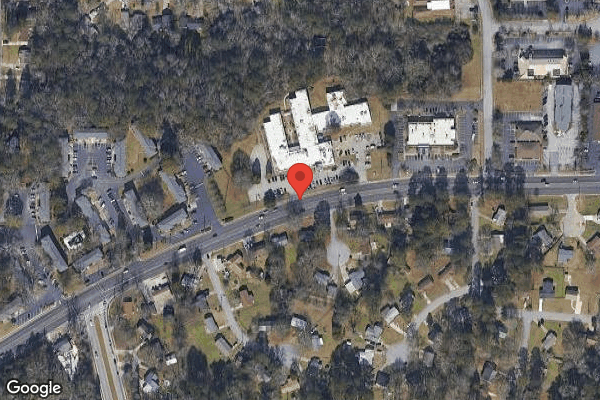
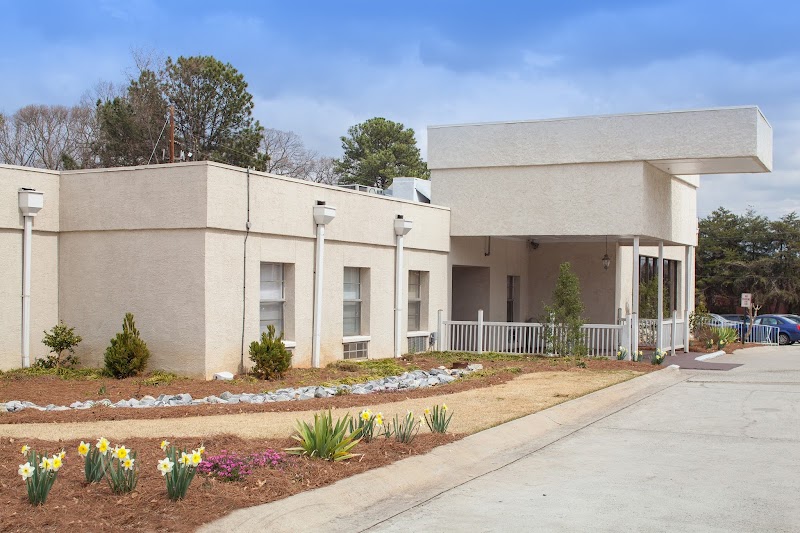
315 UPPER RIVERDALE ROAD, RIVERDALE, GA 30274 (770) 991-1050
For profit - Limited Liability company 152 Beds EMPIRE CARE CENTERS Data: November 2025
Trust Grade
33/100
#326 of 353 in GA
Last Inspection: March 2025

Within standard 12-15 month inspection cycle. Federal law requires annual inspections.

Overview

Riverdale Center for Nursing and Healing has received a Trust Grade of F, indicating significant concerns and a poor overall quality of care. It ranks #326 out of 353 nursing homes in Georgia, placing it in the bottom half of facilities statewide, and is the lowest-ranked option in Clayton County. Although the facility is showing some improvement, with a reduction in issues from 8 to 6, it still reported 32 concerns during inspections, including safety hazards in the kitchen and restrictions on visiting hours that limit residents' rights. Staffing is an area of concern, with a low rating of 1 out of 5 and a turnover rate of 56%, which is above the state average. Additionally, the facility has faced fines totaling $10,050, which reflects some ongoing compliance issues, and it currently offers average RN coverage, meaning there is a basic level of nursing support available. Specific incidents raised by inspectors highlighted problems such as a dietary aide failing to wash hands properly, risking food contamination, and unsafe kitchen conditions that could affect all residents.

Trust Score
F
33/100
In Georgia
#326/353
Bottom 8%
Safety Record
Low Risk
No red flags
Inspections
Getting Better
8 → 6 violations
Staff Stability
⚠ Watch
56% turnover. Above average. Higher turnover means staff may not know residents' routines.
Penalties
✓ Good
$10,050 in fines. Lower than most Georgia facilities. Relatively clean record.
Skilled Nurses
⚠ Watch
Each resident gets only 22 minutes of Registered Nurse (RN) attention daily — below average for Georgia. Fewer RN minutes means fewer trained eyes watching for problems.
Violations
⚠ Watch
32 deficiencies on record. Higher than average. Multiple issues found across inspections.
★☆☆☆☆
1.0
Overall Rating
★☆☆☆☆
1.0
Staff Levels
★★☆☆☆
2.0
Care Quality
★★☆☆☆
2.0
Inspection Score
Stable
2024: 8 issues
2025: 6 issues

The Good

  • Full Sprinkler Coverage · Fire safety systems throughout facility
  • No fines on record

Facility shows strength in fire safety.

The Bad

1-Star Overall Rating

Below Georgia average (2.6)

Significant quality concerns identified by CMS

Staff Turnover: 56%

10pts above Georgia avg (46%)

Frequent staff changes - ask about care continuity

Federal Fines: $10,050

Below median ($33,413)

Minor penalties assessed

Chain: EMPIRE CARE CENTERS

Part of a multi-facility chain

Ask about local staffing decisions and management

Staff turnover is elevated (56%)

8 points above Georgia average of 48%

The Ugly 32 deficiencies on record

Mar 2025 6 deficiencies
CONCERN (D) 📢 Someone Reported This

A family member, employee, or ombudsman was alarmed enough to file a formal complaint

Potential for Harm - no one hurt, but risky conditions existed

Deficiency F0558 (Tag F0558)

Could have caused harm · This affected 1 resident

**NOTE- TERMS IN BRACKETS HAVE BEEN EDITED TO PROTECT CONFIDENTIALITY** Based on observations, staff interviews, record review, and review of the facility policy titled, Accommodation of Needs, the fa...

Read full inspector narrative →
**NOTE- TERMS IN BRACKETS HAVE BEEN EDITED TO PROTECT CONFIDENTIALITY** Based on observations, staff interviews, record review, and review of the facility policy titled, Accommodation of Needs, the facility failed to ensure that one of 50 sampled residents (R) (R60) needs were being met in regards to the call light being within reach. Findings include: Review of the policy titled Accommodation of Needs revised March 2023 revealed under Policy: The facility will treat each resident with respect and dignity and will evaluate and make reasonable accommodations for the individual needs and preferences of a resident, except when the health and safety of the individual or other residents would be endangered. Under Policy Explanation and Compliance Guidelines: .2. The facility will ensure that common areas frequented by residents are accommodating physical limitations and enhance their abilities to maintain independence. 3. Based on individual needs and preferences, the facility will assist the resident in maintaining and/or achieving independent functioning, dignity, and wellbeing to the extent possible. Review of the electronic medical record (EMR) revealed R60 was admitted to the facility with diagnoses including but was not limited to dysphagia, muscle weakness (generalized), cerebral palsy, hypothyroidism, gastro-esophageal reflux disease without esophagitis, hypertension, other seizures(g40.89), diverticulum of esophagus, convulsions, shortness of breath and systemic inflammatory response syndrome (SIRS). Review of R60's quarterly Minimum Data Set (MDS) assessment dated [DATE] revealed a Brief Interview for Mental Status (BIMS) score was not assessed. Section GG- Functional Status, revealed-Upper/ Lower extremity-on one side and Section O - Special Treatments, Procedures, and Programs revealed oxygen therapy. Review of R60's care plan dated 12/26/2024 did not reveal goals or interventions related to R60's call light being within reach. An observation on 3/17/2025 at 10:53 pm revealed R60 to be nonverbal. R60 was lying in bed watching tv. The call light was out of reach. An observation on 3/17/2025 at 1:35 pm revealed R60 lying in bed watching tv. The call light was out of reach. An observation on 3/17/2025 at 2:01 pm revealed R60 lying in bed watching tv. The call light was out of reach. During an interview/observation at 3/17/2025 at 3:25 pm with Licensed Practical Nurse (LPN) JJ confirmed the call light was out of reach as she has never seen R60 use her call light button. During an interview on 3/19/2025 at 1:45pm with the Unit Manager (UM) KK confirmed R60 cannot use her call light, however staff checks on her frequently. UM KK confirmed something should be put in place for R60 to alert staff if she was in any distress due to her not being able to utilize the call light. During an interview on 3/20/2025 at 12:15 pm with the Administrator confirmed she was not aware that R60 could not use her call light as she can offer her a bed light. The Administrator confirmed that R60 needed to have something in case of an emergency as she cannot rely on her roommate to assist.
CONCERN (D) 📢 Someone Reported This

A family member, employee, or ombudsman was alarmed enough to file a formal complaint

Potential for Harm - no one hurt, but risky conditions existed

Comprehensive Care Plan (Tag F0656)

Could have caused harm · This affected 1 resident

Based on observations, staff interviews, record review, and review of the facility policy titled, Care Plans, Comprehensive Person-Centered, the facility failed to implement an oxygen (O2) care plan f...

Read full inspector narrative →
Based on observations, staff interviews, record review, and review of the facility policy titled, Care Plans, Comprehensive Person-Centered, the facility failed to implement an oxygen (O2) care plan for one of 50 sampled residents (R) (R60) to ensure the resident reaches his/her highest practicable physical, mental, and psychosocial well-being. The deficient practice had the potential for R60's needs to go unmet. Findings include: Review of the facility policy titled Care Plans, Comprehensive Person-Centered updated December 2022 revealed under Policy Statement: A comprehensive, person-centered care plan that includes measurable objectives and timetables to meet the resident's physical, psychosocial and functional needs is developed and implemented for each resident. Under Policy Interpretation and Implementation: 1. The Interdisciplinary Team (IDT), in conjunction with the resident and his/her family or legal representative, develops and implements a comprehensive, person-centered care plan for each resident. 2. The care plan interventions are derived from a thorough analysis of the information gathered as part of the comprehensive assessment. 8. The comprehensive, person-centered care plan will: .b. Describe the services that are to be furnished to attain or maintain the resident's highest practicable physical, mental, and psychosocial well-being. Review of R60's care plan dated 12/26/2024 revealed Focus Area R60 requires oxygen therapy r/t (related to) ineffective gas exchange. R60 often removes oxygen from her nose and can be resistant to allowing staff to replace. Goal-R60 will have no signs of poor oxygen absorption through the review date. Intervention-change oxygen tubing as ordered, give medications as ordered by physician, monitor/document side effects and effectiveness. If R60 is resistant to have oxygen (O2) delivery through a nasal cannula (NC), replaced, explain why oxygen is needed and try again. Review of the Physician's Orders for R60 included but was not limited to an order dated 12/2/2024-Oxygen at 3.5 L/min (LPM) via nasal cannula (NC) continuously. During an observation on 3/17/2025 at 10:53 am, R60 was noted to be nonverbal. R60 was lying in bed watching tv, O2 not attached, with tubing sitting on her forehead. The oxygen flow was set at 2.5 LPM. During an observation on 3/17/2025 at 1:35 pm, R60 was noted to be lying in bed watching tv, O2 not attached, with tubing sitting on her forehead. The O2 flow was set at 2.5 LPM. During an observation on 3/17/25 at 2:01 pm, R60 was lying in bed watching tv, O2 not attached, with tubing sitting on her forehead. The O2 flow was set at 2.5 LPM. During an interview/observation at 3/17/2025 at 3:25 pm with Licensed Practical Nurse (LPN) JJ confirmed that R60's O2 was not attached to her nose with the tubing sitting on her forehead. An interview on 3/19/2025 at 1:45 pm with Unit Manager (UM) KK confirmed that R60's O2 should be set at 3.5 LPM per physician orders and it should be in her care plan. UM KK confirmed the O2 flow level was set at 2.5 LPM and the physician order was not noted in the care plan. During an interview on 3/20/2025 at 11:25 am with the Director of Nursing (DON), she confirmed there was no documentation in the care plan for R60's O2 orders. She stated that staff should be following orders per physicians' recommendations. If the resident was known for taking off her O2, staff should visit the room more frequently. The DON stated the physician's orders, care plan, and O2 flow should be consistent with each other. The DON also stated the RT (Respiratory Therapist) should be communicating with medical team to include nurses, the DON, Assistant Director of Nursing (ADON), and the physician, as well as sharing information during clinic meetings regarding attempts to wean residents to a lower O2 flow. The DON expected staff to follow the physician's orders with all residents. An interview on 3/20/2025 at 12:15 pm with the Administrator confirmed orders, antibiotics and behaviors should be added to the care plan. The administrator stated all orders should be followed according to the physician's recommendations.
CONCERN (D) 📢 Someone Reported This

A family member, employee, or ombudsman was alarmed enough to file a formal complaint

Potential for Harm - no one hurt, but risky conditions existed

Deficiency F0657 (Tag F0657)

Could have caused harm · This affected 1 resident

Based on observations, staff interviews, record review, and review of the facility's policy titled, Care Plans, Comprehensive Person- Centered, the facility failed to revise a care plan for three of 5...

Read full inspector narrative →
Based on observations, staff interviews, record review, and review of the facility's policy titled, Care Plans, Comprehensive Person- Centered, the facility failed to revise a care plan for three of 50 sampled residents (R) (R17, R60, and R98). The deficient practice had the potential for residents not to receive prescribed and needed care and services. Findings include: Review of the policy titled Care Plans, Comprehensive Person-Centered, revised December 2022 revealed under Policy Interpretation and Implementation: . 13. Assessments of residents are ongoing, and care plans are revised as information about the resident and the resident's condition change. 1. Review of R17's care plan dated 2/16/2025 indicated a focus problem of altered respiratory status/difficulty breathing r/t (related to) chronic respiratory failure, chronic obstructive pulmonary disease (COPD) and requires oxygen 3L (liters) continuously. Goals included but not limited to R17 will maintain normal breathing pattern as evidenced by normal respirations, normal skin color, and regular respiratory rate/pattern. Interventions included but not limited to administer medication/puffers as ordered. Elevate the head of bed to 45 degrees. Medication and oxygen as ordered. Oxygen (O2) settings: O2 via nasal cannula NC as ordered. Review of the Physician's Orders for R17 included but not limited to: 1/22/2025 Trelegy Ellipta Inhalation aerosol powder breath activated 100-62.5-25 MCG/ACT (micrograms per actuation) (fluticasone-umeclidinium-vilanterol) 1 puff inhale orally in the morning for (COPD). 1/23/2025 albuterol-budesonide inhalation aerosol 90-80 MCG 2 puffs inhaled orally every 6 hours as needed for wheezing or shortness of breath (SOB). 2/12/2025 oxygen at 3 L/min (LPM) via nasal cannula continuous every shift for oxygen management-(COPD). An observation of R17 on 3/16/2025 at 3:27 pm revealed she received O2 continuously which she placed the NC on and off at her discretion. She did not have it on during this time when checked to see where the dosage was on the concentrator (machine that delivers O2) via flow meter. The flowmeter was set at 3 LPM as ordered. An observation on 3/17/2025 11:05 am revealed the O2 NC lying in bed with the concentrator on. Also, an O2 tank hanging on the back of the wheelchair while the resident was not present in the room. Observation on 3/17/2025 at 11:32 am revealed R17 was not in her room. She was in the dining area in activities. She was not wearing her O2 via concentrator nor tank to the wheelchair, as ordered continuously. An observation of R17 on 3/20/2025 at 11:00 am revealed she was in the hallway not wearing her O2. Interview on 3/17/2025 at 3:17 pm in the resident's room with Licensed Practical Nurse (LPN) EE revealed the resident was prescribed O2 at 3 LPM continuously. R17 was not wearing O2. Interview on 3/20/2025 at 11:25 am with the Director of Nursing (DON), she confirmed there was no documentation in the care plan that stated R17 was allowed to take her O2 off when she wanted to. She said staff should be following orders per physicians' recommendations and if the resident was known for taking off her O2, staff should be visiting the room more frequently. The DON stated the orders, care plan and O2 flow should be consistent with each other. The DON also stated the Respiratory Therapist (RT) should be communicating with the medical team to include nurses, DON, ADON (Assistant Director of Nursing), and physician, and sharing information during clinic meetings regarding attempts to wean resident to a lower O2 flow. The DON expectations were that the staff would follow the physician's orders with all residents. During an interview with the DON on 3/20/2025 at 11:30 am it was revealed that the MDS Staff were responsible for developing care plans for residents when they are non-complaint with doctors' orders and not wanting O2 or any other medical device on as ordered. 2. Review of R60's care plan dated 12/26/2024 not reveal O2 orders per physician's orders. Review of the Physician's Orders for R60 included but was not limited to: 3/7/2025-Oxygen at 3.5L/min via nasal cannula continuously every shift for oxygen management. Observation on 3/17/2025 at 10:53 am revealed R60 to be nonverbal, lying in bed watching tv, O2 not attached, with tubing sitting on her forehead. The O2 flow was on 2.5 LPM. Observation on 3/17/2025 at 1:35 pm revealed R60 lying in bed watching tv, O2 not attached, with tubing sitting on her forehead. The O2 flow was on 2.5 LPM. Observation on 3/17/2025 at 2:01 pm revealed R60 lying in bed watching tv, O2 not attached, with tubing sitting on her forehead. The O2 flow was on 2.5 LPM. During an interview on 3/19/25 1:25pm with MDS Coordinator HH stated the care plan for R60 was correct and the physician oxygen order of 3.5 LPM did not need to be included in the care plan. During an interview/observation at 3/17/2025 at 3:25 pm with Licensed Practical Nurse (LPN), LPN JJ confirmed that R60's O2 was not attached to her nose as the tubing was sitting on her forehead. During an interview on 3/19/2025 at 1:45 pm with Unit Manager (UM) UM KK confirmed that R60's O2 should be set at 3.5 LPM per physician orders and it should be in her care plan. UM KK confirmed the flow level was set at 2.5 LPM and the physician order was not noted in the care plan. During an interview on 3/19/2025 at 1:57 pm with RT LL revealed the level of R60's O2 changed in efforts to wean her off O2. RT LL stated he did not document his attempts or talk with the physician about his efforts to wean R60's O2 level. During an interview on 3/20/2025 at 11:25 am with the DON, she confirmed there was no documentation in the care plan for R60's O2 orders. Review of R98's care plan dated 2/9/2025 revealed the care plan was not updated to address to incident of sexual abuse/inappropriate touching to identify R98 as being vulnerable. Review of the Physician's Orders for R60 included but was not limited to: Order dated 2/26/2025-trazodone HCl (hydrochloride) Oral Tablet (trazodone HCl)-Give 12.5 mg by mouth at bedtime for insomnia/restlessness. Order dated 2/1/2024-Observation: Antidepressant Behavior Monitoring - Observe for change in mood or depressed state, little interest or pleasure doing things, hopelessness, sad facial expression, crying, sleep pattern changes, appetite changes trouble concentrating, moving and speaking slowly, fidgety, restlessness, or thoughts of harming oneself (every shift for antidepressant behavior monitoring). Order dated 11/26/2024-Skin Assessment to be done on Tuesdays (3-11). Open Skin Check Form and Complete from UDA. Durning an observation on 3/17/2025 at 10:42 am, R98 was observed sitting in the activity room watching television. The surveyor attempted to speak with R98, but she did not reply. During an interview on 3/19/2025 at 1:25pm with MDS Coordinator confirmed that she did not see an update on the care plan regarding the inappropriate touching. During an interview on 3/19/2025 at 2:45 pm with MDS HH and the Social Services Director confirmed there was no care plan for R98 to address the incident that occurred regarding inappropriate touching. During an interview on 3/20/2025 at 11:25 am with the DON confirmed that R98's care plan should have been updated after the incident that occurred between. The DON stated adding R98 being vulnerable to inappropriate behavior made sense. During an interview on 3/20/2025 at 12:15 pm with the Administrator confirmed that R98's care plan should have been updated after the incident.
CONCERN (D) 📢 Someone Reported This

A family member, employee, or ombudsman was alarmed enough to file a formal complaint

Potential for Harm - no one hurt, but risky conditions existed

ADL Care (Tag F0677)

Could have caused harm · This affected 1 resident

**NOTE- TERMS IN BRACKETS HAVE BEEN EDITED TO PROTECT CONFIDENTIALITY** Based on observations, staff and resident interviews, record review, and review of the facility policy titled, Activities of Dai...

Read full inspector narrative →
**NOTE- TERMS IN BRACKETS HAVE BEEN EDITED TO PROTECT CONFIDENTIALITY** Based on observations, staff and resident interviews, record review, and review of the facility policy titled, Activities of Daily Living (ADLs), the facility failed to provide grooming care for one of 50 sampled residents (R)(R70) dependent on staff for care. This deficient practice had the potential to cause a decline in R70. Findings include: Review of the facility policy titled Activities of Daily Living (ADLs) revised January 2024 revealed under Policy: The facility will, based on the resident's comprehensive assessment and consistent with the resident's needs and choices, ensure a resident's abilities in ADLs do not deteriorate unless deterioration is unavoidable. Care and services will be provided for the following activities of daily living: 1. Bathing, dressing, grooming and oral care. Under Policy Explanation and Compliance Guidelines: . 3. A resident who is unable to carry out activities of daily living will receive the necessary services to maintain good nutrition, grooming, and personal and oral hygiene. Review of the electronic medical record (EMR) revealed R70 was admitted to the facility with pertinent diagnoses including but not limited to abnormal electrocardiogram, unspecified diastolic (congestive) heart failure, hypertension, paroxysmal (comes and goes) atrial fibrillation, chronic kidney disease, chronic respiratory failure with hypoxia (low oxygen (O2) level) and dependence on supplemental oxygen. Review of R70's quarterly Minimum Data Set (MDS) assessment dated [DATE] revealed a Brief Interview for Mental Status (BIMS) score of 06, which indicates R70 had severe cognitive impairment and Section GG, Functional Status, revealed R70 had no impairment but required assistance with ADLs. Review of R70's care plan dated 10/1/2024 indicated a problem of R70 has an ADL self-care performance deficit. Goals included but not limited to R70 will show Interventions improvement in current level of ADL function through the review date. Interventions included but not limited to one staff assistance with bathing, showering, eating, with personal hygiene. Staff will also check for nail length and trim and clean on bath day and as necessary. Review of the Physician's Orders for R70 included but was not limited to: Order dated 1/18/2024-Enhanced barrier precautions with high contact care activities every shift. Order dated 2/25/2025-mirtazapine 30 mg tablet-give one tablet by mouth daily for depression (30 mg (milligram). *Order dated 12/28/2024-albuterol sulfate HFA (hydrofluoroalkane) 90 mcg (micrograms), Inhaler-inhale two puffs by mouth every four hour(s) as needed for chronic obstructive pulmonary disease. An interview/observation with R70 on 3/16/2025 at 2:25 pm revealed staff refused to shave R70. R70 stated he told staff he needed a shave but was denied a shave. Observation revealed R70 needed a shave by evidence of hair on R70's face. An interview/observation on 3/17/2025 at 9:25 am with R70 revealed staff would not shave him. Observation revealed R70 still needed shave by evidence of facial hair. Durning an interview/observation with R70 on 3/17/2025 at 11:02 am revealed R70 was not feeling well as his foot was hurting due to wearing his foot brace. R70 stated he was still in need of a shave. Observation revealed R70 still needed a shave by evidence of facial hair. R70 stated he asked for a shave several times but was told staff did not have time. Interview on 3/20/2025 at 9:25 am with Licensed Practical Nurse (LPN) II the facility does not keep a grooming log. LPN II was not able to provide documentation of resident grooming. Interview on 3/20/2025 11:25 am with the Director of Nursing (DON) confirmed residents should not have waited days to get a shave if requested. The DON stated all staff should document if a resident refused care. Interview on 3/20/2025 at 12:15 pm with the Administrator confirmed she conducted monthly meetings regarding grooming. Staff have been informed that all residents must be touched with water weekly, bedding needs to be changed, and residents should be groomed. The Administrator stated if a resident requested a shave, it should have been honored.
CONCERN (D) 📢 Someone Reported This

A family member, employee, or ombudsman was alarmed enough to file a formal complaint

Potential for Harm - no one hurt, but risky conditions existed

Respiratory Care (Tag F0695)

Could have caused harm · This affected 1 resident

**NOTE- TERMS IN BRACKETS HAVE BEEN EDITED TO PROTECT CONFIDENTIALITY** 2. Review of the EMR revealed R17 was admitted with diagnoses of but not limited to chronic respiratory failure with hypoxia, ch...

Read full inspector narrative →
**NOTE- TERMS IN BRACKETS HAVE BEEN EDITED TO PROTECT CONFIDENTIALITY** 2. Review of the EMR revealed R17 was admitted with diagnoses of but not limited to chronic respiratory failure with hypoxia, chronic obstructive pulmonary disease (COPD), diabetes mellitus 11 (DM11), paroxysmal atrial fibrillation, morbid severe obesity, anxiety disorder, osteoarthritis of the right shoulder and dysphasia. Review of the quarterly MDS dated [DATE] revealed R17 had a BIMS score of 13, indicating intact cognition, Section GG, Functional Status, required extensive assistance of one person with Activities of Daily Living (ADLS), Section O, Special Treatments, Procedures, and Programs, dependence on supplemental oxygen. Review of the Care Plan revealed a focus of R17 has COPD, chronic respiratory failure, history of chronic respiratory failure with and hypoxia. Shortness of breath lying flat and on exertion. She is on oxygen via nasal cannula at 3 liters per minute. The goal was for R17 to be free of signs of respiratory infections through the next review date. Interventions included keeping the head of bed elevated to at least 45 degrees or out of bed upright in a chair during episodes of difficulty breathing; monitor for difficulty breathing on exertion; Remind resident not to push beyond endurance; monitor for signs of acute respiratory insufficiency; administer medication/puffers as ordered, oxygen settings via nasal cannula at 3 liters per minute. Review of the physician's orders revealed an order dated 2/12/2025 for oxygen 3 liters per minute through nasal cannula continuous, every shift for oxygen management, (COPD). Observations on 3/16/2025 at 3:27 pm and on 3/17/2025 at 8:35 am of R19 revealed the resident was receiving O2 at 3 LPM via NC. Observation on 3/17/2025 at 11:32 am revealed R17 was not in her room. R17 was in the dining area in an activity. She was not wearing her O2 via concentrator nor tank to the wheelchair, as ordered continuously. Based on observations, staff interviews, record review, and review of the facility policy titled, Oxygen (O2) Administration, the facility failed to ensure that two of four residents (R) (R60 and R17) receiving O2 were administered O2 therapy in accordance with the physician orders. The sample size was 15. The deficient practice had the potential to place R60 and R17 at risk for medical complications, unmet needs, and a diminished quality of life. Findings include: Review of the facility policy titled Oxygen Administration revised December 2022 revealed under Policy: Oxygen is administered to residents who need it, consistent with professional standards of practice, the comprehensive person-centered care plans, and the resident's goals and preferences. Under Policy Explanation and Compliance Guidelines: 1. Oxygen is administered under the orders of a physician, except in the case of an emergency. In such cases, oxygen is administered and orders for oxygen are obtained as soon as practicable when the situation is under control.3. Staff shall document the initial and ongoing assessment of the resident's condition warranting oxygen and the response to oxygen therapy. 4. The resident's care plan shall identify the interventions for oxygen therapy, based upon the resident's assessment and orders, such as, but not limited to: .2. When to administer, such as continuous or intermittent and/or when to discontinue. C. Equipment setting for the prescribed flow rates. D. Monitoring of SpO (oxygen saturation) levels and/or vital signs, as ordered. 1. Review of the electronic medical record (EMR) revealed R60 was admitted to the facility with diagnoses including but not limited to dysphagia, muscle weakness (generalized), cerebral palsy, hypothyroidism, gastro-esophageal reflux disease without esophagitis, hypertension, other seizures, diverticulum of esophagus, convulsions, shortness of breath, and systemic inflammatory response syndrome (SIRS). Review of R60 quarterly Minimum Data Set (MDS) assessment dated [DATE] revealed a Brief Interview for Mental Status (BIMS) score was not assessed. Section GG, functional status, revealed R60 GG-Upper/ Lower extremity- on one side and Section O - Special Treatments, Procedures, and Programs revealed oxygen therapy. Review of R60 care plan dated 12/26/2024 revealed no O2 goals and interventions. Review of the Physician's Orders for R60 included but was not limited to an order dated 3/7/2025-Oxygen at 3.5L/min (LPM) via nasal cannula (NC) continuously every shift for oxygen management. An observation on 3/17/2025 at 10:53 am revealed R60 to be nonverbal. R60 was lying in bed watching tv, O2 not attached, with tubing sitting on her forehead. The O2 flow was noted to be on 2.5 LPM. An observation on 3/17/2025 at 1:35 pm revealed R60 lying in bed watching tv, O2 not attached, with tubing sitting on her forehead. The oxygen flow was noted to be on 2.5 LPM. An observation on 3/17/2025 at 2:01 pm revealed R60 lying in bed watching tv, O2 not attached, with tubing sitting on her forehead. The oxygen flow was noted to be on 2.5 LPM. An observation at 3/17/2025 at 3:25 pm with Licensed Practical Nurse (LPN) JJ confirmed that R60's O2 was not attached to her nose and the O2 tubing was sitting on her forehead. An interview on 3/19/2025 at 1:45 pm with Unit Manager (UM) KK confirmed that R60's O2 should be set at 3.5 LPM per physician orders and it should be in her care plan. UM KK confirmed the flow level was set at 2.5 LPM and the physician orders were not noted in the care plan. During an interview on 3/19/2025 at 1:57 pm with Respiratory Therapist (RT) LL revealed the level of R60's O2 changed in efforts to wean her off O2. RT LL stated he did not document his attempts or talk with the physician about his efforts to wean R60's O2 level. During an interview on 3/20/2025 at 11:25 am with the Director of Nursing (DON), she confirmed staff should be following orders per physicians' recommendations. The DON expected staff to follow the physician's orders with all residents. During an interview on 3/20/2025 at 12:15 pm with the Administrator confirmed all orders should be followed according to the physician recommendations.
CONCERN (F) 📢 Someone Reported This

A family member, employee, or ombudsman was alarmed enough to file a formal complaint

Potential for Harm - no one hurt, but risky conditions existed

Food Safety (Tag F0812)

Could have caused harm · This affected most or all residents

Based on observations, staff interviews, record review, and review of the facility's policy titled, Food Preparation and Service - Sanitation, the facility failed to ensure residents were free from sa...

Read full inspector narrative →
Based on observations, staff interviews, record review, and review of the facility's policy titled, Food Preparation and Service - Sanitation, the facility failed to ensure residents were free from safety and sanitation hazards in the kitchen to include: keeping an air vent soiled with dust and debris; allowing an electrical outlet without a face plate in the dishwashing room; allowing paint chips to hang over the stove and oven area; using metal food trays that were warped and unserviceable; and maintaining an eye wash sink with a visible, brown substance pooled in it. The deficient practice had the potential to affect 121 of 121 residents who receive an oral diet. Findings include: Review of facility policy, Food Preparation and Services - Sanitation last revised April 2024 documented in Guidelines: 2. All utensils, counters, shelves and equipment shall be kept clean, maintained in good repair and shall be free from breaks, corrosions, open seams, cracks, and chipped areas that may affect their use or proper cleaning. Seals, hinges and fasteners will be kept in good repair. Observations on 3/16/2025 at 1:25 pm of the facility kitchen during the initial tour with [NAME] AA revealed the ceiling vent in the dietary hallway was soiled with dust and debris. An exposed electrical outlet was observed in the dishwashing room right beside the dishwasher. Observed peeling paint above the oven/stove. Observed numerous food trays with visible dirt and debris on them. The eyewash sink area was noted to have a tray in it covering a dried, brown substance pooled in the sink. Observations on 3/18/2025 at 11:10 am of the kitchen area with the Dietary Services Manager (DSM) revealed the vent in the dietary hallway that previously had dust and lint on it was cleaned. The rack of trays that had been identified as dirty and unserviceable had been replaced with brand new trays. The electrical outlet in the dishwashing room that had previously been missing had been repaired. The eyewash sink area that had been previously dirty had appeared clean. The paint above the stove no longer has loose paint hanging off it and was recently painted. Interview on 3/19/2025 at 7:22 am with DSM revealed the Maintenance Director (MD) was responsible for in-house repairs. She stated that some equipment must be ordered, and it took time. She went on to reveal that the eye wash sink was repaired this week. The pipe dropped, and that's what caused the need. A repair request was entered in the electronic work order system. The sheet pans do need to be clean and free of debris. We disposed of the old pans. The pans we threw away were warped and junked up. When I saw peeling paint above the stove, I put a work order in the system. Maintenance scraped and repainted the area. I didn't know about the face of the electrical outlet in the dishwashing room. The MD repaired the electrical outlet on 3/16/2025. The front plate was off the outlet, and that's why we repaired it. I wasn't aware that the vent in the hallway was dirty. Maintenance cleaned the vent. Interview on 3/19/2025 8:34 am with the MD revealed the facility had an electronic system for making work orders. The DSM knew how to use the work order system, and he could enter them. The MD stated it did need cleaning. The MD personally scraped and painted the area where the paint was chipping. He stated it needed painting. A metal cover was put on the electrical outlet. It was missing the cover, and it needed replacement. We fixed the drain in the eyewash sink, and it needed it. Interview on 3/19/2025 at 9:10 am with the Administrator revealed expectations were that food was stored and prepared in a clean environment. The Administrator stated they weren't aware of the dirty vent in the hallway, chipping paint over the stove, and the sink needing repair.
Feb 2024 8 deficiencies
CONCERN (D) 📢 Someone Reported This

A family member, employee, or ombudsman was alarmed enough to file a formal complaint

Potential for Harm - no one hurt, but risky conditions existed

Grievances (Tag F0585)

Could have caused harm · This affected 1 resident

**NOTE- TERMS IN BRACKETS HAVE BEEN EDITED TO PROTECT CONFIDENTIALITY** Based on observation, interview, record review, and review of the facility policy titled, Resident and Family Grievances, the fa...

Read full inspector narrative →
**NOTE- TERMS IN BRACKETS HAVE BEEN EDITED TO PROTECT CONFIDENTIALITY** Based on observation, interview, record review, and review of the facility policy titled, Resident and Family Grievances, the facility failed to make prompt efforts to resolve grievances and failed to ensure that grievances were documented and investigated thoroughly for three of 36 sampled residents (R) (R20, R8, and R19). Findings included: A review of the Resident and Family Grievances Policy (not dated) revealed the following: Prompt efforts to resolve include facility acknowledgment of a complaint/grievance and actively working toward resolution of that complaint/grievance. The Grievance Official is responsible for overseeing the grievance process; receiving and tracking grievances through to their conclusion; leading any necessary investigations by the facility; maintaining the confidentiality of all information associated with grievances; issuing written grievance decisions to the resident; and coordinating with stated and federal agencies as necessary in light of specific allegations. Grievances may be voiced in the following forums: verbal complaint to a staff member or Grievance Official; Written complaint to a staff member or Grievance Official; Written complaint to an outside party; Verbal complaint during resident or family council meetings; Via the company toll free Customer Service Line (if applicable); A grievance may be filed anonymously. The Grievance Official will take steps to resolve the grievance, and record information about the grievance, and those actions, on the grievance form. 1. A review of the clinical record revealed that R20 was admitted to the facility on [DATE] with diagnoses including but not limited to dementia without behavioral disturbances, bipolar disorder, hypertension, fibromyalgia, and weakness. A review of R20's care plan, revision date of 9/7/2023, revealed the resident required assistance with activities of daily living (ADL) care. A review of R20's Quarterly Minimum Data Set (MDS) assessment dated [DATE], revealed the resident presented with a Brief Interview for Mental Status (BIMS) score of 15, which indicated the resident was cognitively intact. There was a Grievance/Concern Form regarding R20, dated 11/23/2023, authored by the Director of Nursing (DON) that the resident stated that she was not changed in a timely manner. The form indicated the date assigned was 11/23/2023 and the date resolved was 11/26/2023. The action listed that was to resolve grievance/concern was staff educated on ADL care. There was no documented follow-up with the resident related to her concerns. An interview with the DON on 2/8/2024 at 1:45 pm revealed she did not remember who or what was reported to her regarding R20. She stated it must have had something to do with ADL care since the documented in-service referred to ADL care. She verified there were statements from one Registered Nurse (RN) and one Certified Nurse Assistant (CNA) regarding the grievance dated 11/23/2023 for R20. She stated there was no investigation completed to rule out neglect. The DON verified there was no follow-up documented regarding the grievance. The DON stated she would not be the person to speak to about the grievance. She stated the licensed practical nurse (LPN) SS (the unit manager of the East Wing) was who would have the information regarding the grievance, actions and follow-up. During the interview the DON, she also verified the procedure that was to be followed according to the grievance policy, was not followed according to the lack of documentation. The DON also stated the Social Service Director (SSD) WW should have documentation regarding follow-up for grievances. An interview with LPN SS on 2/8/2024 at 1:55 pm revealed the statements the staff composed was a reflection of what occurred on 11/23/2023. The statements indicated R20 put her light on and requested to be changed. The RN informed the resident the CNA was on break and would take care of her when he returned. An interview with the SSD WW on 2/8/2024 at 2:20 pm revealed she did not follow-up with R20's grievance. She stated she was the grievance official. She verified there was no documentation regarding any follow-up and any further investigation. 2. A review of the clinical record revealed that R8 was admitted to the facility on [DATE] with diagnoses of unspecified injury at unspecified level of cervical spinal cord quadriplegia, Ogilvie syndrome, adhesive capsulitis of right and left shoulder, hyperlipidemia, seborrheic dermatitis, dysphagia, gastro-esophageal reflux disease, hypotension, abnormal blood-gas, hypersomnia, major depressive disorder, and vitamin D deficiency. A review of the MDS assessment dated [DATE] revealed that R8 presented with a BIMS score of 15, indicating that the resident was cognitively intact. A review of the care plan for R8 revealed that the resident has an ADL self-care performance deficit related to cervical spinal injury and diagnosis of quadriplegia. Interventions include that the resident is totally dependent with toileting and to provide incontinent care as warranted; the resident is totally dependent for repositioning and turning in bed and requires two-person assistance; the resident is totally dependent for showers/baths; the resident has contractures of the upper and lower extremities and to provide skin care to keep clean and prevent skin breakdown; and that the resident is totally dependent for dressing and personal hygiene. The care plan for R8 further revealed that the resident's preferences are bed baths and to ensure resident's preferences are honored; that the resident has bladder and bowel incontinence and to wash, rinse and dry perineum, change clothing as needed after incontinence episodes, clean peri-area with each incontinence episode. A review of the grievance dated 8/29/2023 revealed R8 reported that he had not received a shower. The resolution included an in-service for staff on 9/4/2023. A second grievance was filed on 9/4/2023 by R8. He stated that he was laying in his feces for three hours on 9/3/2023. Resolution included an in-service on incontinence care for staff on 9/5/2023. There was no documented follow-up with the resident. During an interview on 1/18/2024 at 12:17 pm the family member of R8 stated that the resident would often be left wet and soiled for long periods of time. S/he stated that resident will call them when he initially asks for assistance and will call them back when someone actually comes to assist him; they record the time. They stated that it is sometimes two to four hours before he receives assistance. During an interview on 1/23/2024 at 9:27 am, R8 stated that it's difficult for him to get assistance and that he has to call family members to call to the nurse's station to get him some assistance. The resident stated that sometimes his roommate must go out in the hallway to get assistance. He confirmed he reported this but there has been no resolution, as it still happens. 3. A review of the clinical record revealed that R19 was admitted to the facility on [DATE] with diagnoses of but not limited to hemiplegia and hemiparesis following other cerebrovascular disease affecting right dominant side, type 2 diabetes, peripheral vascular disease, atherosclerosis heart disease, hypertension, sarcoidosis, gout, major depressive disorder, anxiety disorder, hyperlipidemia, pectic ulcer, dysphasia, alcohol abuse, and anemia. A review of the MDS assessment dated [DATE] revealed that R19 presented with a BIMS score of 15, indicating that the resident is cognitively intact. A review of the care plan for R19 revealed that the resident prefers bed baths with intervention to ensure the resident's preferences are honored; the resident presented with an ADL self-care performance deficit related to CVA with right side hemiplegia with interventions to include assisting the resident with dressing, grooming, extensive to total assistance with toileting, assistance with incontinent care, and two-staff extensive to total assistance with transfers. During an interview on 1/25/2024 at 11:08 am with a family member of R19. They stated that resident had to go out to the hospital on 1/22/2024 and resident was soaking wet and not wearing his oxygen. They stated that this was reported to the facility but the issue with the resident not being changed is still happening. During an interview with the Administrator on 1/30/2024 at 3:25 pm stated that the facility has an audit system that they use, and they follow up with resident and family concerns online. The system is accessed in the electronic medical record, and it allows the staff to be able to monitor the process.
CONCERN (D) 📢 Someone Reported This

A family member, employee, or ombudsman was alarmed enough to file a formal complaint

Potential for Harm - no one hurt, but risky conditions existed

Deficiency F0660 (Tag F0660)

Could have caused harm · This affected 1 resident

**NOTE- TERMS IN BRACKETS HAVE BEEN EDITED TO PROTECT CONFIDENTIALITY** Based on interviews, record review, and review of the facility policy titled, Transfer and Discharge (including AMA), the facili...

Read full inspector narrative →
**NOTE- TERMS IN BRACKETS HAVE BEEN EDITED TO PROTECT CONFIDENTIALITY** Based on interviews, record review, and review of the facility policy titled, Transfer and Discharge (including AMA), the facility failed to develop a discharge care plan and set up home health timely for one of four sampled residents (R) (R14). Findings included: A review of the facility policy titled, Transfer and Discharge including Against Medical Advice (AMA), revealed .Non-Emergency Transfers or Discharges initiated by the facility, return not anticipated .Orientation for transfer or discharge will be provided and documented ot ensure safe and orderly transfer or discharge from the facility, in a form and manner that the resident can understand. Depending on the circumstances, this orientation may be provided by various members of the interdisciplinary team .For a community discharge, a discharge summary and plan of care should be prepared for the resident. Document in the medical record that written discharge instructions were given to the resident and if applicable, the resident's representative . A review of R14's admission Record, dated [DATE], revealed the resident had diagnoses which included protein calorie malnutrition, paraplegia, osteomyelitis of the right ankle/foot and multiple sclerosis. A review of R14's care plan, revision date [DATE], revealed the resident had a stage four pressure ulcer to the left hip, a stage three pressure ulcer to the right ankle, stage three pressure ulcer to the sacrum, left knee stage two pressure ulcer, and a pressure ulcer to the right ischium. There were no discharge plans on R14's care plan. A review of R14's Quarterly Minimum Data Set (MDS) assessment dated [DATE], revealed the resident had a Brief Interview of Mental Status (BIMS) score of three, which indicated severe cognitive impairments. The MDS indicated the resident had three stage three pressure wounds, two stage four pressure wounds, and one deep tissue injury. A review of R14's discharge planning assessment, dated [DATE], revealed the resident would discharge home with home health. A review of R14's social service notes, dated [DATE], revealed the resident discharged home with the support of family. The note revealed the resident was discharged home with all medications, home health, and Durable Medical Equipment (DME). On [DATE] at 12:40 pm, R14's family member stated the facility basically just kicked R14 out. The family member stated the facility said R14's insurance stopped paying. The family member stated a week and a half or two weeks later the facility called and told them R14 had to immediately come home. The family member stated they appealed the insurance decision, but they did not win the appeal. The family stated they asked if there were any programs or anything they could do. The facility recommended R14 be sent home and have home health come in and help take care of him. The family member stated they had missed a training opportunity for a scheduled discharge which the facility wanted to provide. The family member stated the facility was going to train them to take care of the resident. The family member stated R14 had to come to their house by an ambulance. The family member stated home health had not come in until New Year's Day. The family member stated the facility sent R14 home and by the time home health had seen the resident they only had five bandages left. On [DATE] at 9:21 am, Registered Nurse (RN) WWW stated the family had very minimal supplies to care for the residents wounds. She stated the family needed training to take care of R14. She stated the patient should not have been sent home in those conditions. She stated the resident was sent home and the family had no training. She stated the family, and the resident was in a bad situation. She stated the whole thing was horrible. She stated she thought the resident's insurance had terminated. She stated from what the care giver said once the resident's insurance expired the family was required to take the resident home. On [DATE] at 1:47 pm, the social services director WW stated the resident was discharged home with family. R14 wanted to be discharged . She stated discharge planning started at the time we had the first care plan meeting on [DATE]. She stated R14 and family wanted the resident to go back home. During a follow up interview on [DATE] at 10:11 am, she stated if a resident required home health the facility started discharge packets and sent them to the home health company. She was asked to provide documentation as to when the home health company was contacted for discharge. She stated she did not know if she could provide the information as to when the home health company was contacted. She stated there was no discharge care plan developed. On [DATE] at 10:55 am, the Director of Nursing (DON) BB stated the discharge assessment was what the facility used to document when the company was contacted. She stated staff should also be documenting the contact in a social service note. She stated the facility should have meetings to discuss the process at care plan meetings. She stated she would then expect them to contact the home health company and DME at that time. On [DATE] at 9:39 am, the Administrator AA stated the home health facility was contacted before the [DATE]. She gave the surveyor a phone number to contact the home health facility. On [DATE] at 10:25 am, the Chief Innovation Officer XXX stated the home health company received the referral for R14 on [DATE]. She stated the resident was seen for the first time on [DATE].
CONCERN (D) 📢 Someone Reported This

A family member, employee, or ombudsman was alarmed enough to file a formal complaint

Potential for Harm - no one hurt, but risky conditions existed

Quality of Care (Tag F0684)

Could have caused harm · This affected 1 resident

Based on record review and interviews, the facility also failed to transcribe physician orders for one of four sampled residents (R30) which resulted in the resident receiving phosphate binders (inhib...

Read full inspector narrative →
Based on record review and interviews, the facility also failed to transcribe physician orders for one of four sampled residents (R30) which resulted in the resident receiving phosphate binders (inhibits phosphorus into the blood stream during meals) without food. Findings include: A review of R30's admission Record, dated 12/23/2022, revealed diagnoses which included ESRD and dependence on renal dialysis. A review of R30's care plan, dated 11/13/2023, revealed the resident required hemodialysis related to diagnosis of ESRD. A review of R30's physician orders, dated 6/26/2023, revealed an order to give sevelamer carbonate tablet 800 mg by mouth three times a day with meals to lower phosphorus. A review of R30's physician orders, dated 12/18/2023, revealed an order to give sevelamer carbonate Tablet 800 MG by mouth three times a day. No special instructions to be given with meals. A review of R30's Medication Administration Record (MAR), dated January 2024, revealed Sevelamer Carbonate 800 MG tablet was to be given three times a day at 9:00 am, 2:00 pm, and 9:00 pm. There were no special instructions to be given with meals. On 1/24/2024 at 3:00 pm, the Nurse Practitioner ZZZ pulled up the order for sevelamer carbonate and stated it was a binder for phosphate. She stated it was to be taken with meals. She stated when the resident came back from the hospital the order was put into the computer wrong. She stated the 9:00 pm time was the time which was concerning to her. On 1/25/24 at 11:25 am, Licensed Practical Nurse (LPN) SS stated she remembered that the resident did not come in with orders from the hospital and if they do not come in with orders, they call the provider and get orders. She stated that was a while back, but she was pretty sure the Nurse Practitioner told her to use the orders the resident had when they left the facility. That was usually the protocol. She stated she did not document reaching out to the provider. On 1/25/2024 at 11:54 am, the pharmacist AAAA stated sevelamer carbonate should be given three times a day with meals. She stated it needed to be given with meals for absorption purposes. On 1/25/2024 at 12:44 pm, the Director of Nursing (DON) BB stated if a resident was not admitted with hospital orders, she would expect the staff to contact the on-call physician or the NP to get physician orders. She stated she would expect the orders to be transcribed into the computer the way the physician gave the orders. On 1/25/2024 at 3:35 pm, the Nurse Practitioner ZZZ stated she spoke with R30. She stated she wanted to take the Reglan with her other medications. She stated R30 was educated. She stated the phosphate binder R30 agreed to take with their meals and the Reglan at the same time. She stated the times were changed and the instructions were updated for giving with meals per the order.
CONCERN (D) 📢 Someone Reported This

A family member, employee, or ombudsman was alarmed enough to file a formal complaint

Potential for Harm - no one hurt, but risky conditions existed

Unnecessary Medications (Tag F0759)

Could have caused harm · This affected 1 resident

Based on observations, interviews, record review, and review of the facility policy titled, Medication Administration, the facility failed to ensure the medication error rate was less than a five perc...

Read full inspector narrative →
Based on observations, interviews, record review, and review of the facility policy titled, Medication Administration, the facility failed to ensure the medication error rate was less than a five percent for two of six sampled resident (R) (R2 and R30) observed during medication pass. This resulted from two errors out of twenty-five opportunities for a medication error rate of eight percent. Findings included: A review of the facility's policy titled, Medication Administration, dated January 2023, reveled .Compare medications source (bubble pack, vial, etc.) with MAR to verify resident name, medication name, form, dose, route, and time. Administer within 60 minutes prior to or after scheduled time unless otherwise ordered by physician . 1. A review of R2's admission Record, dated 4/5/2022, revealed diagnoses which included hypertension and malaise. A review of R2's physician orders, dated 12/28/2023, reveal an order for meclizine 50 milligram (mg) tablet (tab) give one tab by mouth one time a day for vertigo. On 1/24/2024 at 8:43 am, an observation was made during medication administration. Licensed Practical Nurse (LPN)SS was observed to administer one meclizine 25 mg tab to R2. The medication card had directions to give two tabs by mouth daily. On 1/24/2023 at 8:45 am, LPN SS stated the order on the computer read to give one tab. She stated she would let the Nurse Practitioner (NP) know the orders did not match with the card. During a follow-up interview on 1/24/2024 at 10:49 am, LPN SS stated she was supposed to give two 25 mg tabs to equal 50 mg. On 1/24/2024 at 3:00 pm, the NP ZZZ stated the Meclizine was ordered for 50 mg, but the nurse only had 25 mg tabs on hand. She stated the nurse would have needed to give two pills to equal 50 mg. She stated the orders in the computer should match the orders on the card to keep errors from occurring. On 1/25/2023 at 12:44 pm, the Director of Nursing (DON) BB stated the staff should follow the physician orders. She was notified of the medication administration error. On 1/31/2024 at 10:54 am, the Administrator AA stated she expected physician orders to be followed. She stated her expectation was for staff to keep the medication error rate below five percent. She was notified of the medication administration errors. 2. A review of R30's admission Record, dated 12/23/2022, revealed diagnoses which included end stage renal disease and dependence on renal dialysis. A review of R30's physician orders, dated 12/18/2023, revealed an order to give Reglan tab 5 mg by mouth before meals for nausea and vomiting. On 1/23/2024 at 1:11 pm, an observation was made during medication administration. LPN GGG was observed to administer metoclopramide 5 mg tab. The staff member was observed to take the residents meal tray out of the room. She stated she did not give the medication before the meal because the resident liked to take all their pills together. On 1/24/2024 at 3:00 pm, the NP ZZZ stated she was not aware the resident did not like to take her medications as ordered. She stated staff have a window to give the medications an hour before and an hour after. She stated if she was aware she could always adjust the medication if needed. She stated the resident could be educated and/or the medication administration times could be changed. The medication should be given as ordered. She stated if the order says before meals the resident should get it before the meals. On 1/25/2024 at 12:44 pm, the DON BB stated medications are given as ordered within the time frame of an hour before or an hour after. She stated unless there are special instructions. She stated if the resident was refusing the medication at the scheduled time the staff would need to notify the physician. She stated they could get a new order and maybe change the time if possible. She stated if the resident was refusing the medication at the scheduled time the resident would need to be educated. She stated staff should follow the physician orders. On 1/31/2024 at 10:54 am, the Administrator AA stated her expectation for medication administration error rate was five percent or below. She stated any medication error the staff finds she would require a one-on-one inservice or inservice the entire team. She stated if there was an error, she would make sure the physician was aware.
CONCERN (D) 📢 Someone Reported This

A family member, employee, or ombudsman was alarmed enough to file a formal complaint

Potential for Harm - no one hurt, but risky conditions existed

Deficiency F0800 (Tag F0800)

Could have caused harm · This affected 1 resident

**NOTE- TERMS IN BRACKETS HAVE BEEN EDITED TO PROTECT CONFIDENTIALITY** Based on observation, interviews, and record review, the facility failed to honor food preferences for one of four sampled resid...

Read full inspector narrative →
**NOTE- TERMS IN BRACKETS HAVE BEEN EDITED TO PROTECT CONFIDENTIALITY** Based on observation, interviews, and record review, the facility failed to honor food preferences for one of four sampled residents (R) (R28). Findings include: A review of the Electronic Medical Record (EMR) revealed R28 was originally admitted to the facility on [DATE] with multiple diagnosis of but not limited to of Alzheimer's Disease, Chronic Kidney Disease, glaucoma, type II diabetes, and hypertension. A review of the most recent comprehensive Minimum Data Set (MDS) assessment revealed that R28 presented with a Brief Interview for Mental Status (BIMS) score of two, indicating that the resident had severe cognitive deficit. A review of facility's policy titled Resident Nutrition Services revealed each resident is provided with a nourishing, palatable, well-balanced diet that meets his or her daily nutritional and special dietary needs, taking into consideration the preference of each resident The policy further noted that the multidisciplinary staff, including nursing staff, the Attending Physician and the Dietarian will assess each resident's nutritional needs, food likes, dislikes and eating habits. A review of R28's Dietary orders revealed that the resident was ordered to receive a regular diet with no pork. During an interview on 1/23/2024 at 1:00 pm, Certified Nursing Assistant (CNA) MM stated that R28 does not like pork. During an observation on 1/24/2024 at 8:33 am, R28 was in her room with R28's roommate. R28 is alert and orientated and verbally responds. CNA BBB was asked if she could bring the R28's meal tray once R28 is done eating. On 1/24/2024 at 8:37 am CNA BBB asked R28 if R28 was done eating and if R28 could eat a little more. R28 stated that she didn't like pork. CNA BBB stated, hmmm can you try it?. R28 was observed taking a bite and R28 shook her head. CNA BBB brought the tray to the surveyor. R28 was served Scrambled eggs, a biscuit with jelly, and two sausage links, partially bitten. R28 finished the scrambled eggs, but left the biscuit with jelly and partially bitten sausage links on the plate. R28's meal ticket did not indicate her preference of no pork. During an interview on 1/24/2024 at 8:40 am with CNA BBB confirmed that the resident didn't like the pork but was not aware that R28 didn't like pork because there was nothing on R28's meal ticket about no pork. CNA BBB stated she was going to let the nurse know about R28's preference. CNA BBB stated CNA BBB usually works the west wing and only had worked in the north side about three times since CNA BBB's tenure at the facility. During an interview on 1/24/2024 at 8:45 am with the Dietary Manager (DM) revealed that the residents that are on renal diet received turkey sausage and the regular diet received pork sausage. During an interview: 1/24/2024 at 10:05 am with the Registered Dietitian (RD) stated that the Dietary Manager will find out about the Resident's preferences upon admissions. In addition, The RD stated the nurses will notify the Dietary Manager about the resident's preferences. During an interview on 1/24/24 at 11:15 am with the RD revealed that the DM, The north wing CNAs on, the Lead CNA, Unit manager and other nurses were all not all aware of R28s preferences. The RD continued one CNA was aware of R28's preference but did not communicate that with the nurses. The RD confirmed paperwork for R28 was that she does not eat pork. The RD stated R28 was interviewed and R28 revealed R28 does not eat pork. The RD continued that the Nurse were supposed to be putting diet preference in the facility's EMR and write it on the meal ticket to notify dietary. During an interview on 2/6/2024 at 1:55pm with CNA MM revealed that I thought everyone knew about 'R28''s no pork preference, when asked if she told the nurse about the resident preference.
CONCERN (E) 📢 Someone Reported This

A family member, employee, or ombudsman was alarmed enough to file a formal complaint

Potential for Harm - no one hurt, but risky conditions existed

Deficiency F0557 (Tag F0557)

Could have caused harm · This affected multiple residents

**NOTE- TERMS IN BRACKETS HAVE BEEN EDITED TO PROTECT CONFIDENTIALITY** Based on observations, record review, and resident/staff interviews, the facility failed to honor the rights for three of five s...

Read full inspector narrative →
**NOTE- TERMS IN BRACKETS HAVE BEEN EDITED TO PROTECT CONFIDENTIALITY** Based on observations, record review, and resident/staff interviews, the facility failed to honor the rights for three of five sampled residents (R) (R26, R27 and R43) related to maintaining personal property within their possession and ensuring possessions are rightfully returned to the residents. Findings included: Record review of the facility policy titled Resident Personal Belongings last revised June 2023 documented the following: It was the policy of the facility to protect the resident's right to possess personal belongings such as clothing and furnishings for their use while in the facility and to assure the personal belongings and or possessions are rightfully returned to the resident's representative in the event of the resident's death or discharge from the facility. All residents' possessions, regardless of their apparent value, will be treated with respect. The facility will support the resident's right to retain and use personal possessions to promote a homelike environment and maintain their independence. All resident personal items will be inventoried at the time of admission by the social services designee, or another designated staff member and documentation shall be retained in the medical record. The facility will ensure resident belongings are kept in a neat and orderly fashion and maintained in each resident's room and the facility will exercise reasonable care for the protection of the resident's property from loss or theft. 1. A review of the clinical record revealed R26 was admitted to the facility on [DATE] with diagnoses including but not limited to Chronic Kidney Disease, Cerebral Infarction, and Contracture of the right hand. A review of the admission Minimum Data Set (MDS) assessment dated [DATE] documented R26 possessed adequate hearing, impaired vision, clear speech, was understood and understandable. She was assessed to present with a Brief Interview for Mental Status (BIMS) score of nine, indicating moderate cognitive impairment. During an interview on 1/23/2024 at 9:45 am, R26 revealed the facility does not treat her personal belongings with respect. She stated approximately three weeks ago, she observed R27 dressed in her personal dress. She was very upset because the dress was a gift from her family. She confirmed that all her clothes are labeled with her name on it. R26 and R27 are in different rooms. This was reported to Laundry Aide VV. 2. A review of the clinical record revealed that R27 was admitted to the facility on [DATE] with diagnoses including but not limited to difficulty in walking, vascular dementia, and cerebrovascular disease. A review of the MDS assessment dated [DATE] documented R27 possessed adequate hearing, impaired vision, clear speech, was understood and understandable and presented with a BIMS score of 11, indicating moderate cognitive impairment. During an interview on 1/23/2024 at 9:51 am, R27 revealed she always tried to remind staff to bring her clothes in the same bag after laundry. Her clothes easily get lost. Staff gave her a dress that belonged to R26 and that R26 was very upset when she had the dress on. She stated that she wanted to do the right thing, so she returned the dress to R27. 3. A review of the clinical record revealed R43 was admitted to the facility on [DATE] and was discharged on 2/2/2024 with diagnoses including but not limited to diabetes, benign prostatic hyperplasia, and acute kidney failure. A review of the MDS assessment dated [DATE] documented R43 possessed adequate hearing, clear speech, was understood and understandable. The BIMS score was 13, indicating cognitively intact. A review of the facility grievance form dated 12/29/2023 documented that R43 filed a grievance, stating that five pants outfits were missing. During an observation of the laundry department on 1/18/2024 at 10:26 am revealed two aides folding linen. There were two racks of personal resident clothing approximately six feet tall. During an interview with Laundry Aide KK at that time, she revealed the two racks were unlabeled and unclaimed clothing and stated that the staff did not know who the clothing belonged to. She stated that the unclaimed clothes would be donated to charity. During an interview on 1/22/2024 at 1:12 pm, Laundry Aide VV revealed there were two racks of unidentified clothes, and the staff did not know who the clothes belonged to. Laundry Aide VV stated that there was a breakdown in communication because sometimes the nurses bring in unlabeled clothes. She confirmed that she is responsible for cleaning residents personal clothes and that she has received multiple complaints from residents related to not getting their clothes back. She stated that some of the residents stated they had no clothes to wear because their clothes aren't returned to them. She stated that they utilized the unclaimed pile of clothes when residents run out of clean clothes. She further stated that in December 2023, R26 and R27 engaged in a verbal argument because R26 stated R27 was wearing her dress. R26 claimed the dress was bought by her family. R26 wanted her dress returned. R27 said she was aware the dress did not belong to her and revealed staff gave her the dress. Laundry Aide VV stated that the nursing staff should label residents clothing before they send the clothing to the laundry department. During an interview on 1/22/2024 at 2:15 pm, Housekeeping Supervisor UU revealed personal laundry should be marked at pick up. Housekeeping Supervisor UU stated there are two racks of unclaimed clothes in the laundry department. It would not be appropriate for any resident to wear clothes that belonged to another resident. The unclaimed pile used to be much larger and was donated. Several families came up and asked for missing clothes that were never found. All clothes should be labeled on admission. Staff should be more focused on getting laundry back to the residents as soon as possible. During an interview on 1/23/2024 at 9:55 am, Social Services (SSD) WW revealed families are requested to label personal clothing on admission. SSD WW explained that some residents do not have an inventory list showing their personnel clothing and belongings on their medical record. S/he confirmed that R26 and R27 do not have an inventory list on their medical record and that residents who were admitted at the facility more than a year ago do not have an inventory list on their medical record. S/he confirmed that a inventory list should be used on every resident and that handing out clothes that belong to another resident is not appropriate and is inconsistent with residents' rights. During an observation of the North Wing S shower room on 1/23/2024 at 2:10 pm, there were two piles of dirty personal clothes. During an interview with Certified Nursing Assistant (CNA) XX at that time, s/he stated there was a delay in the laundry department in picking up clothes and that the laundry staff had not picked up clothes for at least a week. During an interview on 1/23/2024 at 3:30 pm, CNA RR revealed that the laundry department is in the basement and the laundry staff uses the elevator to transport laundry to the laundry department. S/he stated that the elevator was out of order, so the laundry staff had not picked up laundry. During an interview on 1/30/2024 at 3:12 pm, the current Administrator revealed when families bring clothes for residents, staff are expected to use permanent markers to label the residents clothes. She expects the facility to inventory all residents' personal belongings. The facility will not reimburse missing or lost clothes without a receipt and the facility policy required residents and their families to provide proof of purchase. During an interview on 2/7/2024 at 4:37 pm, the previous Administrator revealed she was the administrator from May 2023 through November 2023. She stated that during that period, she purchased a tag machine used for labeling residents clothing. She stated that she left the tag machine at the facility after her employment ended. She stated that it would not be appropriate for any resident clothes to be worn by another resident without their consent and that resident's property must be treated with respect.
CONCERN (E) 📢 Someone Reported This

A family member, employee, or ombudsman was alarmed enough to file a formal complaint

Potential for Harm - no one hurt, but risky conditions existed

Deficiency F0568 (Tag F0568)

Could have caused harm · This affected multiple residents

Based on interview and record review, the facility failed to ensure money taken from the Resident Trust Account was accounted for and used for resident needs for six of 15 sampled residents (R 29, R33...

Read full inspector narrative →
Based on interview and record review, the facility failed to ensure money taken from the Resident Trust Account was accounted for and used for resident needs for six of 15 sampled residents (R 29, R33, R34, R35, R36, and R37). Findings include: Review of the Resident Statement Landscape dated 11/20/2023 for R29 revealed a charge for MCD Spendown for $1593.27 on 10/5/2023, which was credited back on 11/27/2023. Review of the Resident Statement Landscape dated 11/29/2023 for R33 revealed a charge for Personal Needs Item for $800.00 on 10/30/2023, which was credited back on 11/24/2023. Review of the Resident Statement Landscape dated 11/29/2023 for R34 revealed a charge for Personal Needs Item for $950.00 on 10/27/2023, which was credited back on 11/27/2023. Review of the Resident Statement Landscape dated 11/29/2023 for R35 revealed a charge for MCD Spendown for $750.00 on 10/24/2023, which was credited back on 11/24/2023. Review of the Resident Statement Landscape dated 11/29/2023 for R36 revealed a charge for MCD Spendown for $1544.07 on 10/3/2023, which was credited back on 11/27/2023. Review of the Resident Statement Landscape dated 11/29/2023 for R37 revealed a charge for MCD Spendown for $1636.74 on 9/22/2023, which was credited back on 11/27/2023. Review of the Withdrawal Record revealed the former Business Office Manager (BOM) transmitted the following amounts to the petty cash account: R29- $1593.27 on 10/5/2023. R33 - $800.00 on 10/30/2023. R34 - $950.00 on 10/27/2023. R35 - $750.00 on 10/24/2023. R36 - $1544.07 on 10/3/2023. R37 - $1636.74 on 9/22/2023. Review of the checks from the facility petty cash account revealed the above indicated amounts were made out to the former BOM, with the back of the check also being endorsed by the former BOM. Review of facility records revealed no evidence showing what the monies taken from the resident trust for R29, R33, R34, R35, R36, and R37 was spent on. A review of the former BOM employee file revealed an employment date of 3/13/2023 and a resignation effective date of 10/13/2023. Review of email communication provided by the facility between the Financial Controller and the Chief Operations Officer from 11/20/2023 through 11/22/2023 revealed there were no other checks made out to the former BOM. They determined that the original check pops up in a window to print, then disappears once printed. The only way to see it again is to reprint the check . she likely made a withdrawal from residents account, edited the payee prior to printing, then after printing, reedited back to resident/RP. Post survey interview with the Chief Operations Officer on 4/2/2024 at 5:02 pm revealed that the former BOM was trusted to handle the resident trust accounts. The former BOM was going into the accounts and changing the name of the record to a spend down for accounts that were going over the limit. The expectation was that anyone requesting a check, even the BOM, would make the request and take it to a second person, usually the Administrator, for validation, and the receipts for anything purchased would be kept as part of the record. She feels this wasn't happening at that time because the previous Administrator had resigned and was distracted while working their notice. Continued interview revealed that the Quarterly Statements were sent out and a family member noticed the charge and contacted the facility to question the charge on the statement, which prompted the facility to review all resident accounts. Six residents were affected, and all money was returned to the residents by 11/27/2023. Cross refer to F602.
CONCERN (E) 📢 Someone Reported This

A family member, employee, or ombudsman was alarmed enough to file a formal complaint

Potential for Harm - no one hurt, but risky conditions existed

Deficiency F0602 (Tag F0602)

Could have caused harm · This affected multiple residents

**NOTE- TERMS IN BRACKETS HAVE BEEN EDITED TO PROTECT CONFIDENTIALITY** Based on interviews, record review, and review of the facility policy titled, Abuse, Neglect, and Exploitation, the facility fai...

Read full inspector narrative →
**NOTE- TERMS IN BRACKETS HAVE BEEN EDITED TO PROTECT CONFIDENTIALITY** Based on interviews, record review, and review of the facility policy titled, Abuse, Neglect, and Exploitation, the facility failed to ensure narcotic medications for Resident (R13) and resident funds for Residents (R29, R33, R34, R35, R36 and R37) were not misappropriated for seven of fifteen sampled residents reviewed for misappropriation. This had the potential to affect 58 residents which had physician orders for medications which were stored in the locked narcotic drawer and had the potential to affect 105 residents whose funds were managed by the facility. Findings included: 1. A review of a facility policy titled, Abuse/Neglect/Exploitation, revision date [DATE], revealed It is the policy of this facility to provide protections for the health, welfare and rights of each resident by developing and implementing written policies and procedures that prohibit and prevent abuse, neglect, exploitation and misappropriation of resident property. A review of R13's admission Record, dated [DATE], revealed the resident had diagnosis of opiod dependence. A review of R13's physician orders, dated [DATE], revealed the resident had a physician order for oxycodone-acetaminophen oral tablet 10-325 milligram (mg) give one tablet by mouth every eight hours for pain. A review of R13's care plan, revision date [DATE], revealed the resident had pain related to gout, muscle spasms, neuropathy, phantom pain, Charcot's joint of right ankle and foot, and pain in joint of left hand. A review of R13's Quarterly Minimum Data Set (MDS), dated [DATE], revealed the resident had a Brief Interview for Mental Status (BIMS) score of 10 which indicated the resident had moderate cognitive impairment. A review of the shipping manifest (a list of medications received from the pharmacy), dated [DATE], revealed that R13's Oxycodone-Acetaminophen 10-325 mg with 60 pills were received by staff at the facility at 8:25 PM. A review of R13's medication administration record (MAR), dated [DATE], revealed the resident had taken their scheduled oxycodone at 10:00 pm and missed the scheduled 6:00 am dose on [DATE]. A review of the facility investigation, dated [DATE], revealed after the facility completed a thorough investigation, the center substantiated the allegation of misappropriation of R13's medications. The facility was unable to locate the medications and the nurse was terminated. On [DATE] at 5:51 pm, Licensed Practical Nurse (LPN) OOO stated the staff sign off on the narcotic count sheets. She stated when staff change shifts both staff members count the cart and sign off on the narcotic log to show the cart was counted. On [DATE] at 8:25 am, the Director of Nursing (DON) BB stated if narcotic medications were missing the staff should report the incident directly to her. She stated after it was reported an investigation would be conducted. She stated she received a phone call about the missing narcotic medication on [DATE]. She stated the supervisor notified her they had searched all the medication carts to try to locate the medication and was unable to find the narcotic. She stated the staff should sign the log when their shift begins and ends. She stated staff should complete a count together to ensure the narcotics were in the cart. She stated according to one statement the nurse was unsure if the two nurses counted. There were no signatures on the log to show the cart was counted. She stated the off going nurse stated the two nurses counted the cart. There was another witness who said they observed the off-going nurse receiving the medications that night from the pharmacy. She stated the day shift nurse was terminated for failure to follow the policy to sign the narcotic sheets on the cart, count the cart, and sign the sheet with the Hospice RN. She stated R13's narcotics were not located. On [DATE] at 12:38 pm, Certified Medication Aide (CMA) SSS stated the night charge nurse received the narcotic medication from the pharmacy and signed for the medication. She stated when the nurse received the medications, she documented the medication amount in the narcotic log and put the pills in the narcotic drawer. She stated the nurse gave one narcotic pill to the resident at the scheduled time. She stated she was the CMA in charge of the cart, but the nurse was the one who passed the narcotics. She stated the narcotic box only had one key and the nurse kept the key. She stated she saw both nurses at the cart before leaving that night doing a count. She stated that morning they could not find the narcotic. She stated there was a resident who died that night and a hospice nurse picked up the deceased residents narcotics. She stated maybe they gave R13's narcotic to the hospice nurse. She stated she could not really say what happened to the missing narcotic. On [DATE] at 2:35 pm, LPN HHH stated the process was to give a report, count the narcotic drawers, and sign the back of the narcotic book to show the carts were counted. She stated R13's narcotic medication was on order and had been delivered by the pharmacy that night. She stated she gave R13 their narcotic medication when it came in because it was due. She stated the oncoming nurse came in to relieve her. She stated we counted the cart on the back hall and the Northeast Hall. She stated she could not remember if the log was signed to indicate the cart had been counted. She stated when she left there were 60 oxycodone for the deceased resident and 59 oxycodone for R13. She stated the hospice nurse had arrived as she was leaving the facility. On [DATE] at 11:09 am, Registered Nurse (RN) DDDD was contacted. He stated there was a signed list of the medications he had picked up from the facility. He stated he only received the medications from the resident who had deceased that night. He stated the facility nurse signed next to his name on a medication list after the medications were verified. He stated the list was sent to the facility. On [DATE] at 2:39 pm, LPN NNN stated when she went to give the scheduled oxycodone to R13 the medication was not in the lock box. She stated her and the off going nurse counted the cart. She stated the off going nurse called out the narcotic from the sheet and she verified the narcotic was on the cart. She stated she had not signed the log to verify the cart was counted. She stated she had given some narcotics to a hospice staff that night due to a resident expiring, but she had signed off on the medications which were given to the RN. On [DATE] at 3:21 pm, Unit Supervisor RN RRR stated the narcotic medications were delivered at night about 8:25 pm and gave to R13 about 10:00 pm. She stated the next morning at 6:45 am the nurse told me the resident had no more oxycodone pain pills. She stated she went to look for the medication. The narcotic book said 59 of oxycodone 10-325, but there was not a card with the medication in it. She stated the facility called the Hospice nurse to see if it was given to them by mistake. She stated the nurse said he did not have the medication. She stated the facility staff kept searching for it and could not find it. She stated she called the police and made a report. She stated it was facility protocol to have a face-to-face count, for narcotics. She stated the staff should look at the book and the narcotics to ensure they match. She stated it was facility protocol staff should come in and sign the book and when they leave, they should sign the book. On [DATE] at 4:24 pm, R13 stated the night before the pain medications had come up missing, they had gotten their medication at 10:00 pm. R13 stated they did not get their pain medications at 6:00 am and was told their pain medication was missing. 2. A review of a facility policy titled, Abuse/Neglect/Exploitation, with revision date of [DATE], revealed Misappropriation of Resident' property means the deliberate misplacement, exploitation, or wrongful, temporary or permanent, use of a resident's belongings or money without the resident's consent. A review of the clinical record revealed that R29 was admitted to the facility on [DATE] with multiple diagnosis of but not limited to of cerebral palsy, dysphagia, Contracture of left and right wrist, abdominal distention, and postlaminectomy syndrome. R29 has a BIMS of 12, which indicated the resident had moderate cognitive impairment. A review of the facility grievance log revealed R29 filed a grievance about missing funds from R29's trust account. The grievance form dated [DATE] documents Resident reports missing money out of RFMS account. A review of a facility document indicated a thorough investigation was conducted. The investigation revealed that the previous Business Office Manager (BOM) misappropriated R29's funds in the amount of $1593.27. During an interview on [DATE] at 8:17 am with R29's Responsible Party (RP) revealed that the police contacted her about R29's funds being misappropriated. The RP stated the police contacted her before the facility contacted her. The RP stated the facility was very illusive about the details of how this could have happened. The facility controller completed an audit of the resident trust accounts to reveal that other residents were also affected; R33, R34, R35, R36 and R37. The following amount was misappropriated by the previous BOM: R33 - $800.00; R34 - $950.00, R35 - $750.00, R36 - $1157.00 and R37 - $1636.74. During an interview on [DATE] at 11:11 am with the Regional Director of Clinical Operations (RDCO), revealed that the previous BOM transferred from a sister facility in [DATE]. A review of the previous BOM employee file revealed an employment date of [DATE] and a resignation effective date of [DATE].
Nov 2023 10 deficiencies
CONCERN (D)

Potential for Harm - no one hurt, but risky conditions existed

Investigate Abuse (Tag F0610)

Could have caused harm · This affected 1 resident

Based on resident and staff interviews, record review, and review of the facility policy titled, Abuse, Neglect, and Exploitation, the facility failed to protect the resident's right to be free from p...

Read full inspector narrative →
Based on resident and staff interviews, record review, and review of the facility policy titled, Abuse, Neglect, and Exploitation, the facility failed to protect the resident's right to be free from physical abuse by a staff member and thoroughly investigate a staff to resident incident of abuse involving one resident (R) (R122) of 36 sampled residents. Specifically, the Administration failed to interview all staff members on duty the day the alleged abuse incident occurred. Findings include: Review of the facility policy titled Abuse, Neglect, and Exploitation with an implementation date of 10/1/2022 reads in part, .An Immediate investigation is warranted when suspicion of abuse, neglect, or exploitation or reports of abuse, neglect or exploitation occur. Identifying and interviewing all involved persons. including the alleged victim, alleged perpetrator, witnesses. and others who might have knowledge of the allegations. Review of the facility reported incident (FRI) dated 10/8/2023 revealed R122's family member (F) reported to Licensed Practical Nurse (LPN)5 that Certified Nursing Aide (CNA)5, slapped R122 on 10/7/2023. Interview on 11/6/2023 at 10:30 am with R122 revealed that she still remembered the incident. The resident stated it was a white CNA with a German accent that slapped her across the face. R122 stated that she was having a panic attack, and the staff member slapped her across the face. R122 stated maybe she thought the slap would calm her down. R122 stated she reported the incident to her friend who reported it to the nurse. The resident did not seem to be distressed talking about the incident or expressed fearfulness. The resident stated she had not seen the staff member since the incident. Review of R122's admission Record located in the resident's electronic medical records (EMR) section titled Profile revealed R122 was admitted to the facility with diagnoses that included acute respiratory failure, cognitive communication, hemiplegia, major depressive disorder, and anxiety disorder, and tracheostomy. Review of R122's admission Minimum Data Set (MDS) with an Assessment Reference Date (ARD) of 10/11/2023 located in the resident's EMR section titled MDS revealed the resident had a Brief Interview for Mental Status (BIMS) score of 15 out of 15, which indicated the resident was cognitively intact. The MDS documented the resident exhibited behavioral symptoms such as hitting or scratching self or screaming. The staff indicated on the MDS these behaviors did not place the resident or other residents at risk of injury or interfere with social interactions and living environment. Review of LPN5's written statement dated 10/8/2023 revealed that the nurse was informed by R122 that she had been slapped by a white CNA with a German accent on Friday, 10/6/2023. LPN5's statement indicated the incident occurred on Saturday, 10/7/2023. LPN5 notified the supervisor on duty of the incident and was instructed to obtain statements from all staff members working 10/7/2023. Review of the facility's final investigation dated 10/16/2023 revealed a statement from R122's friend who took the resident's statement on 10/6/2023 alleging that a white nurse approximately in her 50's with a possible German accent was caring for R122 during the night shift. The resident alleges the nurse became irritated with her because she kept asking for help and was frequently using her call light. The Administrator reviewed the assignment sheets for Friday, Saturday, and Sunday, and identified only one white CNA that worked the unit, which was CNA5, an agency CNA. CNA5 was placed on hold/suspension pending investigation. The facility interviewed the alleged perpetrator and according to CNA5 she did not slap the resident, nor did she hear anything from the resident regarding anyone slapping her. CNA5 stated that she did not observe any redness, swelling or marking on the resident during her shift on 10/7/2023. The facility investigation included witness statements from other CNAs that worked on 10/7/2023. However, the investigation did not include witness statements from staff that worked on 10/6/2023 as indicated in the friend's statement. A telephone interview on 11/6/2023 at 4:30 pm with CNA5 (alleged perpetrator) revealed CNA5 did not speak with a German accent. CNA5 stated the resident made frequent requests for assistance during the shift. CNA5 stated that she and LPN5 attended to R122's requests throughout the shift without incident. Interview on 11/6/2023 at 12:45 pm with the Administrator revealed that she was responsible for conducting the investigation. In her interviews with R122 it was noted the resident kept changing the dates of the incident. The Administrator stated since the resident described the perpetrator as a white staff member with a German accent the only person to fit that description was CNA5. The Administrator was asked if there were any nurses that worked during that timeframe that fit the resident's description and she stated no. On 11/6/2023 at approximately 2:52 pm, the survey team noticed LPN2 spoke with a German accent. Interview on 11/6/23 at 4:30 pm with LPN2, she first stated she did not provide care for R122. Later LPN2 stated that she and the Certified Medical Assistant (CMA) provided care to R122 several times during the evening shift on 10/6/2023. LPN2 stated that at no time did she slap the resident. LPN2 stated that she was never interviewed by the Administrator regarding this incident. Interview on 11/6/2023 at 5:10 pm the Administrator was made aware of the concern that the investigation of this incident was not thorough, the possibility of LPN2 fitting the description of the alleged perpetrator, and that she worked during the timeframe of the alleged incident. The Administrator acknowledge that she did not obtain statements from the staff that worked 10/6/2023 and that she did not realize that LPN2 spoke with a German accent.
CONCERN (D)

Potential for Harm - no one hurt, but risky conditions existed

Assessment Accuracy (Tag F0641)

Could have caused harm · This affected 1 resident

**NOTE- TERMS IN BRACKETS HAVE BEEN EDITED TO PROTECT CONFIDENTIALITY** Based on staff interviews, record review, and review of the Resident Assessment Instrument (RAI) Manual, the facility failed to ...

Read full inspector narrative →
**NOTE- TERMS IN BRACKETS HAVE BEEN EDITED TO PROTECT CONFIDENTIALITY** Based on staff interviews, record review, and review of the Resident Assessment Instrument (RAI) Manual, the facility failed to ensure one of one resident's (R) (R54) Minimum Data Set (MDS) was completed and submitted in a timely manner from a sample of 36 residents. Findings include: Review of the RAI Manual, dated October 2023, indicated, Chapter 5 . 5.2 Timeliness Criteria .Encoding Date: Within 7 [sic] days after completing a resident's MDS assessment or tracking record, the provider must encode the MDS .The encoding requirements are as follows: . For .discharge . assessment, encoding must occur within 7 days after the MDS Completion Date. Review of the R54's admission Record found under the profile tab of the electronic medical record (EMR), revealed R54 was admitted to the facility on [DATE] and discharged [DATE]. Review of the MDS listing under the MDS tab of the EMR revealed an admission MDS dated 7/3/2023 and an Entry MDS, dated 7/3/2023. Further review revealed the there was no discharge MDS completed. Interview on 11/9/2023 at 10:43 am with the MDS Coordinator (MDSC) 1 confirmed R54 did not have a discharge MDS and stated, It is a missed assessment. Interview on 11/9/2023 at 11:02 am with the Administrator, they stated during a Quality Assurance meeting they found concerns regarding inaccurate MDS and on 9/6/2023 a Performance Improvement Plan (PIP) was put in place and the MDS staff were trained. The Administrator agreed the missed assessment was after the PIP was put in place.
CONCERN (D)

Potential for Harm - no one hurt, but risky conditions existed

Deficiency F0645 (Tag F0645)

Could have caused harm · This affected 1 resident

**NOTE- TERMS IN BRACKETS HAVE BEEN EDITED TO PROTECT CONFIDENTIALITY** Based on staff interview, record review, and review of the facility policy titled, Resident Assessment-Coordination with PASARR ...

Read full inspector narrative →
**NOTE- TERMS IN BRACKETS HAVE BEEN EDITED TO PROTECT CONFIDENTIALITY** Based on staff interview, record review, and review of the facility policy titled, Resident Assessment-Coordination with PASARR (preadmission screening and resident review) Program, the facility failed to ensure an accurate Level 1 pre-screening of the resident for a mental disorder or intellectual disability prior to admission to the facility was completed or correct for one of three Residents (R) (R30) reviewed for Level 1 Pre-admission Screening and Resident Review. Findings include: Review of the facility's policy titled, Resident Assessment-Coordination with PASARR Program dated December 2022, stipulated that This facility coordinates assessments with the preadmission screening and resident review (PASARR) program under Medicaid to ensure that individuals with a mental disorder, intellectual disability, or a related condition receives care and services in the most integrated setting appropriate to their needs. The policy also stipulated that All applicants to this facility will be screened for serious mental disorders or intellectual disabilities and related conditions in accordance with the State's Medicaid rules for screening. a) PASARR Level 1 - initial pre-screening that is completed prior to admission. Review of R30's Face Sheet located in the electronic medical record (EMR) under the admission Record tab, revealed an initial admission from another nursing facility, and included, but was not limited to the following diagnoses: Down syndrome, severe intellectual disabilities, violent behavior, unspecified psychosis, anxiety disorder, other personality and behavioral disorders, other schizophrenia, and did not have a diagnosis of dementia. Review of R30's quarterly Minimum Date Set (MDS) dated [DATE] indicated a new diagnosis of depression. Review of R30's PASARR-Level 1 Screening Form, dated 5/26/2015, indicated on page 4 that the resident did not have a primary diagnosis of a serious mental illness, developmental disability, or related condition. Interview on 11/9/2023 at 11:45 am with the Social Worker revealed that the Admissions Concierge and the Regional Admissions Coordinator were responsible for checking the accuracy of PASARR assessments upon admission of a resident. Also, during the interview, the Social Worker confirmed that the facility failed to check the accuracy of the PASARR Level 1, dated 5/26/2015, when R30 was admitted to this facility on 7/29/2022.
CONCERN (D)

Potential for Harm - no one hurt, but risky conditions existed

Comprehensive Care Plan (Tag F0656)

Could have caused harm · This affected 1 resident

Based on observations, resident family member and staff interviews, record review, and review of the facility policies titled, Comprehensive Care Plans' and Resident Self Determination and Participati...

Read full inspector narrative →
Based on observations, resident family member and staff interviews, record review, and review of the facility policies titled, Comprehensive Care Plans' and Resident Self Determination and Participation (Activities), the facility failed to develop a care plan to include activities for one resident (R) (R91) of 36 sampled residents. Findings include: Review of the facility policy titled Comprehensive Care Plans implementation date of 10/1/2022 read in part . 3. The comprehensive care plan will describe, at minimum, the following: a. The services that are to be furnished to attain or maintain the resident's highest practicable physical, mental, and psychosocial well-being. Review of facility policy titled Resident Self Determination and Participation (Activities) revised date September 2022 read in part . 4. The Activity Director shall develop a plan of care for the resident based on the resident's assessment, goals, and preferences. Review of R91's admission Record located in the electronic medical records (EMR) section titled Profile revealed the resident was admitted to the facility with diagnoses that included Alzheimer's disease, mood disturbance and anxiety. Review of R91's admission Minimum Data Set (MDS) with an Assessment Reference Date (ARD) of 7/10/2023, located in the resident's EMR under the MDS tab indicated the facility assessed R91 to have a Brief Interview for Mental Status (BIMS) score of two out of 15, indicating R91 had severely impaired cognition. The MDS indicated R91's preferences for customary routine and activities revealed it was very important for the resident to listen to music, do things with groups of people, attend religious services, and go outside and get fresh air. Review of R91's Care Plan, located in the resident's EMR section titled Care Plans, revealed the resident did not have an activities care plan. Interview on 11/7/2023 at 9:04 am with R91's family member (F)91, they stated they wished the staff would bring R91 out of the room. R91's family member stated every time they come to visit R91, they are either in bed or in their room in the geri (chair with attached lap table) chair alone. Interview on 11/8/2023 at 3:53 pm with the Administrator revealed the MDS coordinators were responsible for completing the resident's activities care plan. Interview on 11/8/2023 at 3:59 pm with the MDS Coordinator confirmed R91 did not have an activities care plan, and they should have completed the activity care plan.
CONCERN (D)

Potential for Harm - no one hurt, but risky conditions existed

Deficiency F0679 (Tag F0679)

Could have caused harm · This affected 1 resident

Based on observations, resident and staff interviews, record review, and review of the facility policy titled, Resident Self Determination and Participation (Activities), the facility failed to provid...

Read full inspector narrative →
Based on observations, resident and staff interviews, record review, and review of the facility policy titled, Resident Self Determination and Participation (Activities), the facility failed to provide an ongoing activity program to meet the individual interests and needs to enhance the quality of life for three Residents (R)11, R114 and R91) of 36 sampled residents reviewed for activities. Finding include: Review of facility policy titled Resident Self Determination and Participation (Activities) revised date September 2022 read in part . Policy: The facility's activity program is designed to promote and facilitate resident self-determination through support of resident choice and resident rights. Each resident has the opportunity to exercise his or her autonomy regarding those things that are important in his or her life. Policy Explanation and Compliance Guidelines: l. A resident's right to self-determination includes, but is not limited to: a. The right to choose activities, schedules, health care, and providers of health care services consistent with his or her interests, assessments, and plan of care. b. The right to make choices about aspects of his or her life in the facility that are significant to the resident. c. The right to interact with members of the community and participate in community activities both inside and outside the facility. d. The right to participate in other activities, including social, religious, and community activities that do not interfere with the rights of other residents in the facility. 2. The Activity Director shall assist the resident to maintain as normal a lifestyle as possible while in the facility through the provision of activities consistent with the resident's interests. 3. Information about the resident's former lifestyle and activity preferences shall be gathered during the initial activity program assessment, and subsequent assessments. When the resident is unable to communicate preferences, the resident's family members shall be asked for input. 4. The Activity Director shall develop a plan of care for the resident based on the resident's assessment, goals, and preferences. Considerations for the plan of care include, but are not limited to: a. Offering leisure activities, within physical limitations, related to expressed hobbies and the resident's usual routine. b. Preferences regarding educational stimulation, current events, social interactions. c. Preferences regarding spirituality. d. Preferences regarding self-directed and group activities. e. Preferences regarding interaction with members of the community. 5. Resident preferences and interests shall be accommodated. Strategies to make accommodation shall be documented in the resident's care plan. Examples include, but are not limited to: a. Scheduling therapy sessions around resident's favorite TV show or activity. b. Getting resident out of bed in time for preferred activities. c. Allowing resident to stay in bed longer in order to preserve energy for activity participation. 1. Review of R114's admission Record located in the resident's electronic medical records (EMR) section titled Profile revealed the resident was admitted to the facility on with diagnoses that included respiratory failure, malignant neoplasm of lung, and chronic kidney disease stage 3. Review of R114's admission Minimum Data Set (MDS) with an Assessment Reference Date (ARD) of 10/5/2023, located in the resident's EMR under the MDS tab indicated the facility assessed R114 to have a Brief Interview for Mental Status (BIMS) score of 11 out of 15, indicating R114 had moderately impaired cognition. R114's preferences for customary routine and activities revealed it was very important for the resident to keep up with news, attend religious services and have books, newspapers, and magazines to read. Review of R114's Care Plan with an initiation date of 11/7/2023 located in the resident's EMR under the Care Plans tab revealed the resident was care planned for the potential for diversional activity deficit/social isolation related to staying in room. The interventions indicated R114 will participate in one-to-one room visits with activities aid at least three to four times per week. Interview on 11/8/2023 at 11:40 am with R114 revealed he would like to have activities in his room and that no one had provided any type of in-room activities in November. Review of R114's November 2023 Activity calendar provided by the Activity Assistant (AA) revealed no in-room activities were provided. 2. Review of R91's admission Record located in the EMR section titled Profile revealed the resident was admitted to the facility with diagnoses that included Alzheimer's disease, mood disturbance and anxiety. Review of R91's admission MDS with an ARD of 7/10/2023, located in the resident's EMR under the MDS tab indicated R91's BIMS score of two out of 15, indicating R91 had severely impaired cognition. R91's preferences for customary routine and activities revealed it was very important for the resident to listen to music, do things with groups of people, attend religious services, and go outside and get fresh air. Review of R91's Care Plan, on 11/6/2023 located in the resident's EMR section titled Care Plans, revealed the resident had no care plan initiated for R91's activities. Interview on 11/7/2023 at 9:04 am with R91's family member (F)91 stated that they wished the staff would bring R91 out of the room. F91 revealed every time they come to visit R91, he is either in bed or in their room in the geri (chair with attached lap tray) chair alone. Interview on 11/8/2023 at 10:20 am with the Administrator revealed they had not conducted any in-room activities for R114 or R91. The Administrator stated in-room activities should have been documented in residents' EMR. Interview on 11/8/2023 at 3:53 pm with the Activity Assistant (AA) stated that they had not conducted any in-room activities for R114 for November or R91 for October or November. 3. Review of R11's admission Record located in the resident's EMR section titled Profile revealed the resident was re-admitted to the facility with diagnoses that included epilepsy, bilateral lower extremity contractures, encephalopathy, and chronic respiratory failure. Review of R11's Annual MDS with an ARD of 10/2/2023 located in the resident's EMR section titled MDS revealed the resident had a BIMS score 00 indicating the resident was incapable of making decisions for himself. The MDS indicated R11's preferences for routine and activities indicated R11 likes to listen to music. Review of R11's Care Plan with a revision date 9/13/2023 located in the resident's EMR section titled Care Plans revealed the resident was identified to be at risk for social isolation related to impaired cognition, communication, and mobility. Interventions included observing the resident and responding to any noted changes. Provide one-to-one visits three times weekly to stimulate senses and provide contact targeting the following activities sensory stimulation, aroma therapy, music sound box, and touch. Review of R11's One-to-One Activity Sheets revealed the facility was unable to provide the activity sheets for April, May, June, July, and August of 2023. Review of R11's one-to-one Activity sheet for September 2023, revealed that R11 received activities nine times instead of 12 times. The sheet does not indicate the amount of time spent with R11 nor does the sheet documents the resident's response to the activities. The resident's October 2023 Activity sheet indicates R11 received activity interventions three times a week. However, the sheet does not reflect the amount of time spent with the R11 or his response to the activity. The facility was unable to provide an activity sheet for November 2023. Observation on 11/6/2023 at 10:30 am revealed R11 was in bed. There was no television or radio (music) playing. There was no activity calendar posted in the resident's room. Observation on 11/6/2023 at 4:10 pm revealed R11 in bed. There was no one-to-one activity occurring for this resident. Observation on 11/7/2023 at 11:00 am revealed R11 in bed positioned on his side facing the window. There was no stimulation or activity occurring during this observation. No activity calendar was observed in the resident's room. Observation on 11/8/2023 at 3:30 pm revealed R11 in bed. The staff member did not offer to turn the television or radio on to stimulate this resident. Interview on 11/9/2023 at 11:10 am with the Restorative Certified Nursing Assistant (RCNA) stated that the R11 did not get up out of bed. Sometimes the AA will come to the resident's room for a one-to-one activity. RCNA was not sure of the frequency or how long the one-to-one activity lasts. Interview with 11/9/2023 at 11:45 am with F11 stated that R11 attended some activities on the rehab unit. However, since he was transferred to this unit a year ago, he has not attended any activities. The family member stated even though R11 was cognitively impaired it was important that he received some type of activity stimulation. Interview on 11/9/2023 at 4:30 pm with AA2, they stated that since R11 was bed bound, he would be unable to attend the regular activities. AA2 felt the resident would be a candidate to receive one-to-one activity. However, she could not verify that the resident received one-to-one activities. AA2 stated that due to the resident's impaired cognition status it was important for the resident to receive some type of stimulation.
CONCERN (D)

Potential for Harm - no one hurt, but risky conditions existed

Accident Prevention (Tag F0689)

Could have caused harm · This affected 1 resident

Based on staff interviews, record review, and review of the facility policy titled, Fall Prevention, the facility failed to ensure fall prevention interventions were implemented for one of two residen...

Read full inspector narrative →
Based on staff interviews, record review, and review of the facility policy titled, Fall Prevention, the facility failed to ensure fall prevention interventions were implemented for one of two residents (R)176) identified for falls in the sample of 36 residents. Specifically, R176 sustained a fall without injury while receiving incontinence care by one staff instead of two staff. Findings include: Review of the facility's policy titled Fall Prevention with a revision date of June 2023 reads in part, .Each resident will be assessed for fall risk and will receive care and services in accordance with their individualized level of risk to minimize the likelihood of falls. Review of R176's admission Record located in the resident's electronic medical records (EMR) section titled Profile revealed the resident was admitted with diagnoses that included respiratory failure, nontraumatic intracerebral hemorrhage, morbid obesity, and tracheostomy. Review R176's admission Minimum Data Set (MDS) with an Assessment Reference Date (ARD) of 9/20/2023 located in the resident's EMR section titled MDS revealed the resident had Brief Interview for Mental Status (BIMS) score of 00 out of 15 indicating the resident had severely impaired cognition. The resident was assessed to be totally dependent with two-persons plus for physical assistance for all activities of daily living including bed mobility and personal hygiene. The resident had incontinence of bladder and bowel. Review of R176's Nursing Progress Notes dated 10/29/2023 located in the resident's EMR section titled Progress Notes revealed Resident fell from the bed during her care, CNA were at [sic] present at that time. Resident needs two staff to care for her during the care . Review of R176's Fall Risk Assessment dated 10/29/2023 located in the resident's EMR section titled Assessment revealed the resident had a fall risk assessment score of six. The assessment was completed after the resident sustained a fall on 10/29/2023. The facility was unable to produce an admission fall risk assessment according to facility policy. Review of the facility's investigation dated 10/29/2023 revealed an incident report completed the day of the resident's fall. The investigation revealed that only Activities Assistant/Certified Nurse Aide (AA/CNA) provided incontinent care at the time of the resident's fall. The resident was assessed by the nurse practitioner on duty, and it was determined that the resident did not sustain any injury. Review of AA/CNA's statement dated 10/29/2023 revealed that she provided incontinent care for R176. AA/CNA documented that she attempted to get assistance but was unable to locate anyone. AA/CNA documented that she turned the resident on her right side, the bed began to tilt, and the resident started to roll out of bed. AA/CNA attempted to grab the resident to prevent the resident from falling. AA/CNA documented that she stayed with the resident and called for assistance.
CONCERN (D)

Potential for Harm - no one hurt, but risky conditions existed

Tube Feeding (Tag F0693)

Could have caused harm · This affected 1 resident

Based on observations, staff interviews, record review, and review of the facility policy titled, Enteral Feeding Process, the facility failed to follow Physician Orders for enteral (delivering nutrit...

Read full inspector narrative →
Based on observations, staff interviews, record review, and review of the facility policy titled, Enteral Feeding Process, the facility failed to follow Physician Orders for enteral (delivering nutrition directly to the stomach or intestine) feeding for one of three residents (R) (R11) who received nutrition through a gastrostomy tube (a tube that is placed directly into the stomach through an abdominal wall incision for administration of food, fluids, and medications). The deficient practice had the potential for unintended weight loss. Findings include: Review of the facility policy titled Enteral Feeding Process updated June 2022 read in part, FORMULA ORDER: State feeding route, formula name, rate and if continuous or bolus feeding. If continuous add start and end times .Include the volume/kcal [kilocalorie] to be delivered in a 24-hour period in the order. Review of R11's admission Record located in the resident's electronic medical record (EMR) section titled Profile revealed the resident was re-admitted to the facility with diagnosis that included gastrostomy malfunction. Review of R11's annual Minimum Data Set (MDS) with an Assessment Reference Date (ARD) of 10/2/2023 located in the resident's EMR section titled MDS revealed R11 had a Brief Interview for Mental Status (BIMS) score 00 indicating the resident was incapable of making decisions for himself. The resident was dependent on staff for all care needs. The MDS indicated the resident received nutrition through enteral feeding. Review of R11's Physician's Orders for the month of November 2023 located in the resident's EMR section titled Orders revealed the resident was to receive Osmolyte 1.5 enteral feeding to infuse at 40 cc (cubic centimeters)/hour for 20 hours. Observation on 11/6/2023 at 10:30 am revealed R11 in bed with a bag of Osmolyte 1.5 hanging from the tube feeding pole. The bag was not labeled with the resident's name or the date and time the bag was hung. There was no tube feeding infusing at the time of the observation. Observation on 11/6/2023 at 4:10 pm revealed R11 in bed with the same bag of Osmolyte 1.5 tube feeding from earlier observation still hanging. The tube feeding was not infusing. Observation on 11/7/2023 at 8:47 am revealed R11 in bed with a bag of Osmolyte 1.5 feeding hanging from the tube feeding pole with approximately 400 cc remaining in the bag. The tube feeding was not infusing. The bag was not labeled as to when it was hung. Observation on 11/8/2023 at 9:10 am revealed R11 in bed and the tube feeding bag of Osmolyte 1.5 was hung from the tube feeding pole and dated 11/07/2023 at 2:00 pm with approximately 450 cc remaining. The tube feeding was not infused at the time of the observation. Observation on 11/8/2023 at 3:30 pm revealed R11 in bed with the tube feeding bag of Osmolyte 1.5 hung on the tube feeding pole. However, the tubing from the Osmolyte bag was not connected to the resident. Observation on 11/9/2023 at 7:56 am revealed R11 in bed with no tube feeding infusing currently. The Osmolyte 1.5 tube feeding bag had a label which indicated the bag was hung on 11/8/2023 at 2:00 pm. There was 300 cc remaining in the bag. Interview on 11/9/2023 at 10:30 am with Licensed Practical Nurse (LPN)4 revealed that the resident's tube feeding was hung at 2:00 pm and was removed at 10:00 am. LPN4 stated that she just removed the tube feeding at 9:30 am. Interview on 11/9/2023 at 12:30 pm with the Director of Nursing (DON), the DON was made aware of the observations of R11's enteral feeding during the survey. The DON was asked to verify the enteral feeding orders for R11. The DON confirmed that R11 was to receive enteral feeding starting at 2:00 pm infusing at 40cc/hr. for 20 hours. The feeding would end approximately at 10:00 am unless the resident incurred a problem during the feeding. The DON acknowledged the observations would indicate that R11 was not receiving the enteral feeding according to the physician's order. The DON confirmed that R11 had not sustained weight loss, however weight loss could be a potential problem if the resident did not receive the enteral feeding according to the physician's orders.
CONCERN (D)

Potential for Harm - no one hurt, but risky conditions existed

Deficiency F0761 (Tag F0761)

Could have caused harm · This affected 1 resident

Based on observations, staff interviews, and review of the facility policy titled, Medication Storage, the facility failed to ensure that one of six medication carts (Front East Medication Cart) was s...

Read full inspector narrative →
Based on observations, staff interviews, and review of the facility policy titled, Medication Storage, the facility failed to ensure that one of six medication carts (Front East Medication Cart) was secure when out of the site of the nursing staff. The deficient practice placed residents, staff, and visitors at risk of having unauthorized access to residents' medications. Finding included: Review of the facility policy titled Medication Storage, revealed, It is the policy of this facility to ensure all medications housed on our premises will be stored in the pharmacy and/or medication rooms according to the manufacturer's recommendations and sufficient to ensure proper sanitation, temperature, light, ventilation, moisture control, segregation, and security. Policy Explanation and Compliance Guidelines: General Guidelines: a. All drugs and biologicals will be stored in locked compartments (i.e., medication carts, cabinets, drawers, refrigerators, medication rooms) under proper temperature controls. b. Only authorized personnel will have access to the keys to locked compartments. c. During a medication pass, medications must be under the direct observation of the person administering medications or locked in the medication storage area/cart. Observation on 11/6/2023 at 9:58 am revealed a medication cart in the hallway between rooms E6 and E8. The cart was out of the sight of the nurse. The medication cart was locked, however the third drawer from the top was broken, which allowed the drawer to be open. Inside this drawer were residents' liquid medications and vials of residents' insulin. The drawer to the cart was easily accessible to anyone walking down the hall. Licensed Practical Nurse (LPN)2 returned to the medication cart at 10:01 am. Interview on 11/6/2023 at 10:01 am, LPN 2 stated they lock the medication cart when leaving it unattended. LPN 2 stated the drawer on the medication cart will open on its own sometimes even when you lock the cart, so you must ensure it locks completely. LPN 2 confirmed liquid medications and insulin were stored in the unlocked drawer. Observation on 11/7/2023 at 12:43 pm revealed a medication cart in the front East hallway. The cart was out the sight of the nurse. The medication cart was locked, however the third drawer from the top was broken. The drawer to the cart was easily accessible to anyone walking down the hall. Inside the drawer were residents' liquid medications and vials of residents' insulin. Registered Nurse (RN)1 returned to the medication cart at 12:49 pm. Interview on 11/7/2023 at 12:49 pm, RN1 stated that they thought they pushed the drawer all the way in before walking away from the medication cart. RN1 stated they were not aware that the medication cart was not working properly. Interview on 11/8/2023 at 9:39 am with the Administrator revealed if a medication cart was broken, staff are expected to enter a work order into the computer work order system so maintenance is notified. The Administrator stated they expect the work order to be put into the system immediately.
CONCERN (F)

Potential for Harm - no one hurt, but risky conditions existed

Deficiency F0563 (Tag F0563)

Could have caused harm · This affected most or all residents

Based on resident and staff interviews, record review, and review of the facility policy titled, Resident Rights, the facility failed to allow residents to receive visitors at a time of their choosing...

Read full inspector narrative →
Based on resident and staff interviews, record review, and review of the facility policy titled, Resident Rights, the facility failed to allow residents to receive visitors at a time of their choosing by putting in place a visiting schedule that did not allow residents to have visitors after 8:00 pm. This failure had the potential to deny 120 of 120 residents the right to have visitors after 8:00 pm. Findings include: Review of the facility's policy titled, Resident Rights dated 10/1/2022 revealed, The resident has a right to receive visitors of his or her choosing at the time of his or her choosing, subject to the resident's right to deny visitation when applicable, and in a manner that does not impose on the rights of another resident. During a Group meeting on 11/08/2023 at 3:00 pm, nine Residents (R)86, R16, R92, R102, R64, R104, R61, R63 and R90) responded that there were restrictions on visiting hours in the facility. During this meeting R90 stated his family did not get off work until after 8:00 pm. He further stated he did not have visitors due to the facility's visiting hours. Review of R 86's electronic medical record (EMR) quarterly Minimum Data Set (MDS) under the MDS tab with an Assessment Reference Date of 9/08/2023, revealed a Brief Interview for Mental Status (BIMS) score of 15 out of 15 which indicated the resident was cognitively intact. Review of R16's quarterly MDS with an ARD date of 5/16/2023 revealed a BIMS score of 15 out of 15 which indicated the resident was cognitively intact. Review of R92's quarterly MDS with an ARD date of 6/20/2023 revealed a BIMS score of 14 out of 15 which indicated the resident was cognitively intact. Review of R102's quarterly MDS with an ARD of 9/25/2023 revealed a BIMS score of 15 out of 15 which indicated the resident was cognitively intact. Review of R64's quarterly MDS with an ARD date of 9/19/2023 revealed a BIMS score of 15 out of 15 which indicated the resident was cognitively intact. Review of R104's quarterly MDS with an ARD date of 9/29/2023 revealed a BIMS score of 15 out of 15 which indicated the resident was cognitively intact. Review of R61's quarterly MDS with an ARD of 8/30/2023 revealed a BIMS score of 15 out of 15 which indicated the resident was cognitively intact. Review of R63's quarterly MDS with an ARD date of 10/10/2023 revealed a BIMS score of 15 out of 15 which indicated the resident was cognitively intact. Review of R90's quarterly MDS with an ARD date of 9/7/2023 revealed a BIMS score of 15 out of 15 which indicated the resident was cognitively intact. Review of a mass communication email sent to residents' families dated 9/26/2023 revealed the following, I also wanted to remind all families that we DO have visiting hours for the facility and the visiting hours are from 8:00 am to 8:00 pm. It has come to our attention that families are coming in late at night, and this is out of our visitation policy. If you are visiting your loved one late in the evening, please make sure you exit the facility by 8:00 pm. Interview on 11/8/2023 at 4:06 pm with the admission Coordinator (AC) revealed visiting hours for the facility are from 8:00 am to 8:00 pm. Interview on 11/8/2023 at 4:07 pm with Licensed Practical Nurse (LPN1) revealed visiting hours for the facility are from 8:00 am to 8:00 pm. Interview on 11/8/2023 at 4:07 pm, Certified Nursing Assistant (CNA2) revealed visiting hours for the facility are from 8:00 am to 8:00 pm. Interview on 11/8/2023 at 4:15 pm with the Administrator, she stated she put in place a resident visiting schedule because homeless people were getting into the facility at night. The Administrator also stated she believed families were letting in people when they left the facility. The Administrator further stated she implemented the visiting schedule for the safety and well-being of the residents and the staff. The Administrator stated residents could have visitors after 8:00 pm.
CONCERN (F)

Potential for Harm - no one hurt, but risky conditions existed

Food Safety (Tag F0812)

Could have caused harm · This affected most or all residents

Based on observations, staff interviews, and review of the facility policies titled, Hand Hygiene and Preventing Foodborne Illness - Employee Hygiene and Sanitary Practices, the facility failed to ens...

Read full inspector narrative →
Based on observations, staff interviews, and review of the facility policies titled, Hand Hygiene and Preventing Foodborne Illness - Employee Hygiene and Sanitary Practices, the facility failed to ensure proper sanitary conditions in the facility's only kitchen. Specifically, a dietary aide did not wash their hands properly, and a dietary cook's nametag fell onto a plate of food being prepared on the serving line. The deficient practices had the potential to contaminate food being served for the facility's 120 of 120 residents who received meals from the facility's kitchen. Finding include: Review of the facility policy titled Hand Hygiene revised June of 2023 revealed, Hand hygiene technique when using soap and water .e. Dry thoroughly with a single-use towel. f. Use clean towel to turn off the faucet. Review of the facility's undated policy titled Preventing Foodborne Illness - Employee Hygiene and Sanitary Practices revealed, Food Services employees shall follow appropriate hygiene and sanitary procedures to prevent the spread of foodborne illness. Observation on 11/8/2023 at 11:48 am, Dietary Aide D2 went to the washing hand sink, pulled a paper towel from the dispenser, and put the paper towel under his right arm. D1 proceeded to wash his hands and used the paper towel under his right arm to dry his hands. Interview on 11/8/2023 at 12:30 pm, D2 stated he was not thinking when he put the paper towel under his right arm. D2 also stated putting the paper towel under his right arm was not part of the proper procedure for washing hands. Observation on 11/8/2023 at 12:18 pm, Dietary Aide (D1)'s nametag was attached to a lanyard around her neck. While D1 was putting food onto a plate, her nametag fell onto the plate of food. D1 proceeded to put the plate onto the serving line. After surveyor intervention, D1 took the plate from the serving line and put it in the dish washing room. Interview on 11/8/2023 at 1:38 pm, D1 stated it was not proper procedure to serve food after her nametag touched the plate of food. Interview on 11/9/2023 at 9:42 am with the Dietary Manager (DM), they stated the proper hand hygiene procedures are located above or near the washing hand sink in the kitchen. The DM also stated putting a paper towel under the armpit was not a part of proper hand hygiene. The DM further stated a name tag falling into a food plate was not appropriate when serving meals and the plate of food should have been thrown away.
Mar 2022 8 deficiencies
CONCERN (D)

Potential for Harm - no one hurt, but risky conditions existed

Deficiency F0559 (Tag F0559)

Could have caused harm · This affected 1 resident

**NOTE- TERMS IN BRACKETS HAVE BEEN EDITED TO PROTECT CONFIDENTIALITY** Based on record review, interviews, review of the Centers of Medicare and Medicaid Services (CMS) Quality Safety and Oversight (...

Read full inspector narrative →
**NOTE- TERMS IN BRACKETS HAVE BEEN EDITED TO PROTECT CONFIDENTIALITY** Based on record review, interviews, review of the Centers of Medicare and Medicaid Services (CMS) Quality Safety and Oversight (QSO) memo, and review of the facility policy titled Resident Rights Policy and Procedures, the facility failed to provide one resident (R) R#211 and her representative, an explanation in writing of the reason for a room transfer. The sample size was 59. Findings include: Review of the facility policy titled Resident Rights Policy and Procedures, dated 2020 indicated under section N. Notification of changes, letter c. the facility shall also promptly notify the resident and the resident representative, if any, when there is a change in room or roommate assignment. Review of the memo from the CMS. Ref: QSO -21-17-NH DATE: April 8, 2021, UPDATED: 05/10/2021, indicated CMS is announcing it is ending the emergency blanket waivers related to notification of Resident Room or Roommate changes, and Transfer and Discharge notification requirements. Review of the clinical record for R#211 revealed she was admitted to the facility on [DATE] with diagnoses including but not limited to diabetes, hypertension (HTN) atrial fibrillation (A-fib), chronic kidney disease, depression, COVID-19, and respiratory failure with hypoxia. Review of a document provided by the facility titled Print Census, with a print date of 3/3/2022 at 1:59 p.m. indicated R#211 was transferred from the [NAME] Wing (a prior COVID-19) room to the Northeast (NE) Wing on 8/23/2021. Review of R#211 electronic medical record (EMR) revealed no evidence that R#211 or her representative was provided with written notification of the room change. Review of the nurse's note dated 8/23/2021 at 2:15 p.m. revealed resident transferred to room NE 9-B via wheelchair with no noted distress. All personal belongings and medications moved with resident. Report given to NE Wing nurse. Interview on 3/1/2022 at 10:13 p.m. with the family member of R#211 stated she was not informed of R#211's room change from the previous COVID-19 unit to a regular room. Interview on 3/3/2022 at 12:14 p.m. with the Assistant Director of Nursing (ADON) confirmed a written notice was not provided to R#211 and her family member regarding her room change.
CONCERN (D)

Potential for Harm - no one hurt, but risky conditions existed

Deficiency F0657 (Tag F0657)

Could have caused harm · This affected 1 resident

**NOTE- TERMS IN BRACKETS HAVE BEEN EDITED TO PROTECT CONFIDENTIALITY** Based on record review, interviews, and policy review, the facility failed to invite two residents (R) R#1, who is her own repre...

Read full inspector narrative →
**NOTE- TERMS IN BRACKETS HAVE BEEN EDITED TO PROTECT CONFIDENTIALITY** Based on record review, interviews, and policy review, the facility failed to invite two residents (R) R#1, who is her own representative, and R#208's representative to participate in quarterly care plan meetings. The sample size was 59. Findings include: Review of the facility policy titled Resident Rights Policy and Procedures, dated 2020 revealed Procedure II. Planning and implementing care. Each resident has the right to be informed of, and participate in, his or her treatment, including the right to participate in the development and implementation of his or her person-centered plan of care. The planning shall facilitate the inclusion of the resident and/or resident representative. 1. A review of the clinical record for R#1 revealed resident was admitted to the facility on [DATE] with diagnoses of but not limited to congestive heart failure (CHF), respiratory failure with hypercapnia, diabetes, lymphedema, hypertension (HTN), and acute kidney failure. The resident's most recent Quarterly Minimum Data Set (MDS) dated [DATE] revealed a Brief Interview for Mental Status (BIMS) was coded as 13, which indicated no cognitive impairment. A review of R#1's clinical record did not reveal evidence that documented R#1, who is her own representative, had been invited to quarterly care plan conferences. Interview on 2/28/2022 at 9:37 a.m. with R#1, stated she did not know what a care plan meeting was. Interview on 3/1/2022 at 2:25 p.m. with Social Services Specialist (SSS), stated the care plan team has the care plan meetings at R#1's bedside. SSS stated she did not have documentation or evidence of R#1 being invited to her care plan meetings. During further interview, she was unable to provide evidence of the last care plan meeting that was held. 2. A review of the clinical record for R#208 revealed resident was admitted to the facility on [DATE] with diagnoses of but not limited to hypertension (HTN), diabetes, hyperlipidemia, Parkinson's disease, and depression. The resident's most recent Quarterly Minimum Data Set (MDS) dated [DATE] revealed a Brief Interview for Mental Status (BIMS) was coded as 3, which indicated severe cognitive impairment. Interview on 2/28/2022 at 3:05 p.m. with the legal guardian of R#208, stated she had not been invited to his care conference. Interview on 3/01/2022 at 2:25 p.m. with the SSS, stated she could not locate in the EMR that the Legal Guardian for R#208 was invited to his care conference. During further interview, the SSS stated she did not make a notation in the clinical record that the Legal Guardian was invited to attend R#208's care conference. Interview on 3/3/2022 at 2:23 p.m. with the Administrator, stated residents and/or their representatives were given verbal invitations to the care conferences. Interview on 3/3/2022 at 4:25 p.m. with the Administrator and the Director of Nursing (DON) revealed the expectation is that the resident and their representative be invited to the quarterly care plan conferences. The DON confirmed she could not locate any documented evidence that the R#1 or R#208's representative was invited to care conferences.
CONCERN (D)

Potential for Harm - no one hurt, but risky conditions existed

ADL Care (Tag F0677)

Could have caused harm · This affected 1 resident

**NOTE- TERMS IN BRACKETS HAVE BEEN EDITED TO PROTECT CONFIDENTIALITY** Based on observations, record review, interviews and policy review, the facility failed to ensure that activities of daily livin...

Read full inspector narrative →
**NOTE- TERMS IN BRACKETS HAVE BEEN EDITED TO PROTECT CONFIDENTIALITY** Based on observations, record review, interviews and policy review, the facility failed to ensure that activities of daily living (ADL) care were provided related to showers/baths as scheduled for three dependent residents (R) R#57, R#91 and R#134 The sample size was 60. Findings include: Review of the facility policy titled, ADL Care, revised November 2017, revealed the policy statement is the facility will, based on the resident's comprehensive assessment and consistent with the resident's needs and choices, ensure a resident's abilities in ADL's do not deteriorate unless deterioration is unavoidable. Care and services will be provided for the following activities of daily living: 1. Bathing, dressing, grooming and oral care. 3. A resident who is unable to carry out activities of daily living will receive the necessary services to maintain good nutrition, grooming, and personal and oral hygiene. 5. The facility will maintain individual objectives of the care, periodic review, and evaluation. 1. Review of the clinical record for R#57 revealed she was admitted to the facility on [DATE] with diagnoses including but not limited to cerebral infarction, depression, diabetes, chronic kidney disease, hypertension (HTN), and vascular dementia. The resident's most recent Quarterly Minimum Data Set (MDS) dated [DATE], revealed a Brief Interview for Mental Status (BIMS) was coded as 13, indicating no cognitive impairment. Section G revealed that the resident required extensive assistance of one person with bed mobility, dressing, toileting and personal hygiene. Review of R#57 care plan revised on 3/1/2022, revealed resident needs assistance with ADL functions related to diagnosis of cerebral vascular accident (CVA). Interventions to care include assist resident with dressing and grooming, assist with showers/baths, assist with toileting needs, and assist with transfers with two-person mechanical lift. Review of the facility documented ADL care revealed R#57 shower/bath days are scheduled for Tuesday and Saturday on day shift. Review of the ADL documentation for December 2021, revealed no evidence that resident received any showers or baths. For January 2022 there were five days that a shower or bath was completed. For February 2022 there were six days that a shower or bath was completed for resident. There is no evidence of documentation that R#57 refused showers or baths. Interview on 2/28/2022 at 10:30 a.m. with R#57 revealed she does not get assistance with her baths. She stated some weeks she doesn't get a shower or bath at all. 2. Review of the clinical record for R#91 revealed she was admitted to the facility on [DATE] with diagnoses including but not limited to cerebral infarction, anemia, hypertension (HTN) and dementia. The resident's most recent Quarterly Minimum Data Set (MDS) dated [DATE], revealed a Brief Interview for Mental Status (BIMS) was coded as 3, indicating severe cognitive impairment. Section G revealed that resident was assessed for extensive to total assistance of one person for bed mobility, transfers, dressing, toilet use and personal hygiene. Review of R#91 care plan revised on 2/14/2022, revealed resident needs assistance with ADL functions related to diagnosis of cerebral vascular accident (CVA) and dementia. Interventions to care include assist resident with dressing and personal hygiene, assist with showers/baths, assist with toileting needs, and assist with transfers. Review of the facility documented ADL care revealed R#91 shower/bath days are scheduled for Wednesday and Saturday on the evening shift. Review of the ADL documentation for December 2021, revealed no evidence that resident received a shower or bath for seven days. For January 2022, revealed no shower or bath for 13 days. For February 2022, revealed no evidence that resident a shower or bath for nine days. There is no evidence of documentation that R#91 refused showers or baths. 3. Review of the clinical record for R#134 revealed she was admitted to the facility on [DATE] with diagnoses including but not limited to necrotizing fasciitis, deep vein thrombosis of left lower extremity, diabetes, depression, and hypertension (HTN). The resident's most recent Quarterly Minimum Data Set (MDS) dated [DATE], revealed a Brief Interview for Mental Status (BIMS) was coded as 14, indicating no cognitive impairment. Section G revealed that the resident was assessed for extensive assistance for personal hygiene. Review of the facility documented ADL care revealed R#134 shower/bath days are scheduled for Monday and Thursday on the day shift. Review of the ADL documentation for December 2021, revealed resident received four showers/baths for the month. For January 2022, revealed no documented evidence the resident received a bath or a shower. For February, revealed resident received eight showers/baths for the month. There is no evidence of documentation that R#134 refused showers or baths. Interview on 2/28/2022 at 11:49 p.m. with R#134 stated she did not get as many baths and/or showers as she would like. She stated some weeks she doesn't get a shower or bath at all. She stated at one time she was getting three showers a week, and that was her preference. Interview on 3/3/2022 at 7:30 a.m. with the DON, confirmed the presented evidence did not reflect consistent ADL care for the residents reviewed. She stated the lack of documentation for baths and/or showers resulted in gaps for baths and/or showers that could not be accounted for. During further interview, she stated she could not prove the bath and/or showers were either given or refused. Post survey interview on 3/17/2022 at 5:54 p.m. with Administrator revealed the facility uses both bath sheets and electronic forms of documentation due to agency staff members working in the facility. She stated the bath sheets allow them to document when they do not have immediate access to the electronic medial record (EMR) system. During further interview, she stated they use this system because not all agency staff members have access to EMR.
CONCERN (D)

Potential for Harm - no one hurt, but risky conditions existed

Deficiency F0679 (Tag F0679)

Could have caused harm · This affected 1 resident

**NOTE- TERMS IN BRACKETS HAVE BEEN EDITED TO PROTECT CONFIDENTIALITY** Based on observations, interviews, record reviews, and policy reviews, the facility failed to ensure one of six residents (R) R#...

Read full inspector narrative →
**NOTE- TERMS IN BRACKETS HAVE BEEN EDITED TO PROTECT CONFIDENTIALITY** Based on observations, interviews, record reviews, and policy reviews, the facility failed to ensure one of six residents (R) R#91 reviewed for activities was engaged and provided with a meaningful resident-centered activity program. Findings include: Review of the facility policy titled Activity Services revised November 2017, revealed the policy is the facility must provide, based on the comprehensive assessment and care plan and the preferences of each resident, an ongoing program to support residents in their choice of activities, both facility-sponsored group and individual activities and independent activities, designed to meet the interests of and support the physical, mental, and psychosocial well-being of each resident, encouraging both independence and interaction in the community. Policy explanation 9. Special considerations will be made for developing meaningful activities for residents with dementia and/or special needs. Activities can occur at anytime and are not limited to formal activities provided by activity staff. Review of the undated facility policy titled Individual Activities and Room Visit Program revealed, policy statement as individual activities will be provided for residents whose situations or condition prevents participation in other types of activities. Policy interpretation 2. For those residents whose condition or situation prevents them from participation in group activities and for those who do not wish to participate in a group, the activities program will provide individualized activities. 5. Residents who choose not to attend group activities will maintain an independent program. It is the responsibility of the facility and activity staff to make regular contacts, and offer supplies as needed. Review of the clinical record for R#91 revealed she was admitted to the facility on [DATE] with diagnoses including but not limited to cerebral infarction, anemia, hypertension (HTN) and dementia. The resident's most recent Annual Minimum Data Set (MDS) dated [DATE], revealed a Brief Interview for Mental Status (BIMS) was coded as 6, indicating severe cognitive impairment. Review of the Preferences for Routine and Activities section F0500 noted the primary respondent for the questions was the resident, which revealed the following: it was very important for her to keep up with the news, do her favorite activities, go outside when the weather is nice, and participate in religious services. Section F0800 does not reveal any type of preferences checked for resident. Review of R#91's electronic medical record (EMR) from January 2021 to March 2022 revealed no documented evidence of activity participation or documented attempts by activity staff and/or CNAs and nursing to engage with R#91. Observation on 2/28/2022 at 1:30 p.m. revealed R#91 was in her room. R#91 was not seen out of her room. Observation on 3/1/2022 at 11:09 a.m. resident in bed wearing a hospital gown, blinds closed, nothing going on. Observation on 3/3/2022 at 8:43 a.m. awake, dressed and lying on bed. Blinds are closed and nothing going on. Interview on 2/28/2022 at 1:30 p.m. with Certified Nurse Assistant (CNA) FF, stated that R#91 does not want to participate in activities, or to have her blinds opened. Interview on 3/2/2022 at 10:10 a.m. with Unit Manager (UM) EE, stated she was somewhat familiar with R#91 and stated she can be combative with staff at times and prefers not to be bothered. During further interview, she stated R#91 hardly ever came out of her room or attended any of the activities in the facility. Interview on 3/3/2022 at 8:52 a.m. with the Activities Director (AD) stated that she completes the activity assessment for the Minimum Data Set (MDS) quarterly. She said of the resident is non-verbal, she marks the assessment as no-response. She stated that she does not assess all residents because she covers the whole facility, and she cannot do it all. She stated that she does different days for one-on-one activities and room visits and did not know of specific activities on the resident care plans. She stated that the MDS coordinator would tell her what activities were required. During further interview, she stated the activity program/records are a mess. She was unable to locate activity record/logs for R#91.
CONCERN (E)

Potential for Harm - no one hurt, but risky conditions existed

Deficiency F0804 (Tag F0804)

Could have caused harm · This affected multiple residents

Based on observations, interview, policy review and sampled test tray, the facility failed to ensure that food served was palatable and at a safe and appetizing temperature for three residents (R) R#1...

Read full inspector narrative →
Based on observations, interview, policy review and sampled test tray, the facility failed to ensure that food served was palatable and at a safe and appetizing temperature for three residents (R) R#103, R#208, R#115 of 60 sampled residents. Findings include: A review of the undated facility policy titled Food Preparation and Service revealed policy statement: Food service employees shall prepare and serve food in a manner that complies with safe food handling practices. Cooking and Holding Temperatures and Times: 1. The [danger zone] for food temperatures is between 41 degrees and 135 degrees Fahrenheit. This temperature range promotes the rapid growth of pathogenic microorganisms that cause foodborne illness. 3. The longer foods remain in the [danger zone] the greater the risk for growth of harmful pathogens. Therefore, TCS [Temperature Controlled for Safety] must be maintained at 41degrees or below or at 135 degrees or above. TCS Foods held in the danger zone for more than 4 hours (if prepared from ingredients at room temperature) or 6 hours (if cooked and then cooled) may cause foodborne illness. Interview on 2/28/2022 at 9:15 a.m. with R#103, stated the food was cold. Interview on 2/28/2022 at 2:56 p.m. with R#208, stated the food was cold. Interview on 3/1/2022 at 11:50 a.m. with R#115 stated, the food is not good, same thing all the time, doesn't have much taste. Observation on 3/2/2022 at 12:10 p.m. revealed the temperature of the lunch items on the hot table being served were taken by staff under the supervision of Dietary Manager (DM) DD. Staff used the facility thermometer and DM DD stated the thermometer was new and had been calibrated this morning. The temperatures taken during the observation were as follows: Baked Chicken measured 180 degrees Fahrenheit (F); Mashed potatoes measured 179 degrees F; and peas measured 195 degrees F. All temperatures were confirmed by the DM DD. At approximately 1:15 p. m. a test tray was requested. Surveyor observed the plating of food for the test tray at approximately 1:40 p.m. The test tray plate was taken to the East Hallway which was the last resident hallway served. The test tray was the last tray served and was removed from the cart by DM DD. The tray was taken to the East Hallway Nursing station. DM DD took the temperature of the food items using the same thermometer and technique used before service began. The temperatures of the test tray were as follows: Baked Chicken measured 120 degrees F; Mashed potatoes measured 125 degrees F; and peas measured 114 degrees F. All temperatures were confirmed by DM DD. The items were tasted by this surveyor as well as DM DD, who reported the food items were found to be warm to cold. Interview on 3/2/2022 at 2:00 p.m. with DM DD stated, the food should be hotter. These temperatures are not acceptable. The food should have more spice/taste. .
CONCERN (E)

Potential for Harm - no one hurt, but risky conditions existed

Food Safety (Tag F0812)

Could have caused harm · This affected multiple residents

Based on observations, policy review and staff interviews, the facility failed to ensure food items in the refrigerator were securely covered, labeled, and dated; failed to keep employee food items se...

Read full inspector narrative →
Based on observations, policy review and staff interviews, the facility failed to ensure food items in the refrigerator were securely covered, labeled, and dated; failed to keep employee food items separate from resident food items; failed to maintain sanitary conditions of the kitchen food slicer and mixer; and failed to allow dinnerware to dry before stacking, causing wet nesting. This could affect 129 residents receiving oral diet. Findings include: 1. A review of the undated facility policy titled Sanitation revealed policy statement is the food service area shall be maintained in a clean and sanitary manner. Policy Interpretation and Implementation: 2. All utensils, counters, shelves, and equipment shall be kept clean, maintained in good repair and shall be free from breaks, corrosions, open seams, cracks, and chipped areas that may affect their use or proper cleaning. 3. All equipment, food contact surfaces and utensils shall be washed to remove or completely loosen soils by using the manual or mechanical means necessary and sanitized using hot water and/or chemical sanitizing solutions. Observation on 2/28/2022 at 8:58 a.m. during kitchen tour with Dietary Manager (DM) CC, revealed a small spatula, located in the knife holder above the 3-compartment sink indicating it was ready for use. The spatula had dried yellow substance on it located where the handle meets the blade. Observation 2/28/2022 at 9:07 a.m. during kitchen tour with DM CC, revealed the stand mixer was uncovered with attachments stored in the mixing bowl. The bottom of the mixing bowl was found to have dirt and dust in it. Observation on 2/28/2022 at 9:10 a.m. during kitchen tour with DM CC, on the rack with cleaned and ready to use cookware revealed two 12-inch skillets with dried food and black residue build up stuck to the inside surface of the pan, and one eight-inch skillet with black residue built up along the inside of the pan. Observation on 2/28/2022 at 9:20 a.m. during kitchen tour with DM CC, revealed the meat slicer was uncovered and had dirt and dust buildup, and food residue on the blade and blade guard. Interview on 2/28/2022 at 9:20 a.m. with DM CC confirmed the dirty spatula, the three dirty skillets, dirt residue in the mixing bowl, and the dirty meat slicer. He stated the mixer is not used very often and the meat slicer is used a couple times a month. He removed the spatula, skillets, and the mixer from service. During further interview, he stated the meat slicer should be covered. Observation on 3/2/2022 at 12:20 p.m. during lunch service, revealed approximately 140 plates being used for lunch service were found to have been stacked and put away wet, referred to as wet nesting. Interview on 3/2/2022 at 12:20 p.m. with DM DD, confirmed the plates were wet and stated, the plates should have been placed on their side for drying and not stacked for use until they were dry. 2. A review of the undated facility policy titled Food Receiving and Storage revealed, policy statement is foods shall be received and stored in a manner that complies with safe food handling practices. Policy Interpretation and Implementation: 7. All foods stored in the refrigerator or freezer will be covered, labeled, and dated (use by date). Observation on 2/28/2022 at 9:15 a.m. during kitchen tour with DM CC, revealed approximately 67 cups of beverages, undated and unlabeled, placed on serving trays in the walk-in refrigerator. Interview on 2/28/2022 at 9:15 a.m. with DM CC confirmed the beverages were cups of sweet tea and stated they are for today's lunch. During further interview, he stated they should be labeled and dated. Observation on 2/28/2022 at 9:25 a.m. during kitchen tour with DM CC, revealed two 12-ounce bottles of Georgia Peach Tea placed on the shelf next to food items in the walk-in freezer. Interview on 2/28/2022 at 9:25 a.m. with DM CC, the bottles belong to a staff member and should not be stored with items for the residents. Observation on 3/2/2022 at 12:05 p.m. revealed two 12-ounce bottles of Georgia Peach Tea placed on the shelf next to food items. Interview on 3/2/2022 at 12:05 p.m. with DM DD, stated the bottles belong to a staff member and should not be in the freezer.
CONCERN (E)

Potential for Harm - no one hurt, but risky conditions existed

Infection Control (Tag F0880)

Could have caused harm · This affected multiple residents

**NOTE- TERMS IN BRACKETS HAVE BEEN EDITED TO PROTECT CONFIDENTIALITY** Based on observations, interviews, and review of facility policies and procedures, the facility failed to implement an effective...

Read full inspector narrative →
**NOTE- TERMS IN BRACKETS HAVE BEEN EDITED TO PROTECT CONFIDENTIALITY** Based on observations, interviews, and review of facility policies and procedures, the facility failed to implement an effective Infection Control Program to prevent the spread of infections during the provision of tracheotomy care for one of two residents, (R) R#79 with tracheostomies; and failed to properly sanitize a shared finger stick blood glucose machine. There were 16 diabetic residents on the [NAME] Hall who required finger stick blood glucose checks. Findings include: Review of the facility policy titled Infection Control Policies and Procedures revised 9/2020 revealed the policy is to establish and maintain and infection control and prevention program designed to provide a safe, sanitary, and comfortable environment for all. Facilities must ensure staff follow the Infection Prevention and Control Policy (IPCP's) standards, policies, and procedures. Prevention and Control of Transmission of Infection: C. Indirect Contact Transmission involves the transfer of an infectious agent through a contaminated inanimate object or person. Examples of opportunities for indirect contact transmission include clothing, uniforms, lab coats and personal protective equipment (PPE) may become contaminated after care of a resident. Standard Precautions: A. Standard Precautions represent the infection prevention measures that apply to all resident care, regardless of suspected or confirmed infectious status of the resident. D. The use of personal protective equipment (PPE) during resident care is determined by the nature of staff interaction and the extent of anticipated blood, body fluid or pathogen exposure. Appropriate use of PPE includes but is not limited to gown worn for direct resident contact if the resident has uncontained secretions or excretions. 1. Review of the clinical record for R#79 revealed he was admitted to the facility on [DATE] with diagnoses including but not limited to cerebral infarction, diabetes, hypertension, anxiety, and tracheostomy status. The resident's admission Minimum Data Set (MDS) dated [DATE], revealed a Brief Interview for Mental Status (BIMS) was coded as 7, which indicated severe cognitive impairment. Section G revealed that the resident was assessed for extensive to total assistance with all personal care. Section O revealed that the resident had a tracheostomy and required suctioning. Review of the care plan initiated on 12/11/2021, revealed that R#79 has tracheostomy related to motor vehicle accident injury. Interventions to care include ensure trach ties are secured at all times, provide good oral care daily, suction as needed, keep extra trach tube and obturator at bedside, use universal precautions as appropriate. Review of Clinical Physician Orders revealed orders dated 2/21/2022 for tracheostomy care every shift and as needed (PRN), change disposable inner cannula every day shift, and trach suctioning every shift and PRN. Observation on 2/28/2022 at 1:55 p.m. with Unit Manager (UM) FF during the provision of tracheostomy care for R#79 revealed she did not don a gown before starting to provide care involving an aerosol generating procedure. R#79 had copious amounts of thick secretions from his tracheostomy during the procedure. Continued observation revealed during the tracheostomy care and suctioning, R#79 coughed vigorously during suctioning and phlegm sprayed forcefully from his tracheostomy across his bed and into the room. Interview on 2/28/2022 at 2:40 p.m. with UM FF, confirmed that R#79 had copious secretions in his tracheostomy tube, and he required frequent suctioning. During further interview, she revealed that she normally did not wear a gown during tracheostomy care. She stated she did not know what PPE was required by policy. Interview on 2/28/2022 at 4:50 p.m. with the Director of Nursing (DON) stated her expectation is for staff to be aware of and follow all policies and procedures for infection control. 2. Review of the facility's policy titled, Glucometer Disinfection revised November 2017, revealed Policy Explanation and Compliance Guidelines 1. The facility will ensure blood glucometers will be cleaned and disinfected after each use according to manufacturer's instruction for multi-resident use. 3. Glucometers should be disinfected with a wipe pre-saturated with an EPA registered healthcare disinfectant that is effective against HIV, Hepatitis C and Hepatitis B viruses. i. Retrieve two disinfectant wipes from container. j. Use the first wipe to clean to remove heavy soil, blood and/or other contaminants on the surface of the glucometer. k. After cleaning, use the second wipe to disinfect thoroughly following manufacturer's instructions. Allow time to air dry. Review of the manufacturer's instructions of the Environmental Protection Agency (EPA) Microdot wipes revealed to minimize the risk of transmission of blood borne pathogens, the meter should be cleaned and disinfected after use on each patient and may only be used for testing multiple patients when Standard Precautions and the manufacturer's disinfection procedures are followed. Two wipes will be needed for each cleaning and disinfecting procedure. Wipe the entire surface of the meter three times horizontally and three times vertically to remove blood borne pathogens. dispose of the towelettes. Allow exteriors to remain wet for the corresponding contact time for disinfection. Review of the Microdot instructions for disinfecting found on the outside of the container revealed, .Can be used for glucometer cleaning .kills blood borne pathogens HIV-1, HBV & HCV in 30 seconds, and a 3-minute contact time to kill clostridium difficile spores. Observation on 3/2/2022 at 7:38 a.m. with Licensed Practical Nurse (LPN) HH preparing to perform a blood glucose check for R# 420. LPN GG stated the glucometers are shared between residents and cleaned between each use. When the LPN completed the blood glucose check for R#420, she returned to the cart, pulled out a single alcohol wipe, quickly wiped down the glucometer, and immediately put the glucometer back in the drawer of the med cart. Interview on 3/2/2022 at 7:45 a.m. with LPN HH stated that was the only way she knew to clean the glucometer. LPN GG stated she had not received any training from the facility prior to providing resident care. Interview on 3/2/2022 at 7:50 a.m. with the UM FF, revealed the Environmental Protection Agency (EPA) cleaning agent Microdot wipes were kept in the bottom drawer of each medication cart for use when cleaning glucometers. UM FF confirmed there were wipes in the bottom drawer of the medication cart that LPN HH was working from and should have been used for cleaning the glucometer. Interview on 3/2/2022 at 7:58 a.m. with the Administrator and Regional [NAME] President of Operations (VPO) confirmed that alcohol wipes with no dwell/contact time were not appropriate for disinfecting the glucometer and did not comply with the facility's policy or the regulations.
CONCERN (F)

Potential for Harm - no one hurt, but risky conditions existed

Garbage Disposal (Tag F0814)

Could have caused harm · This affected most or all residents

Based on observation, interview and policy review, the facility failed to ensure the outdoor garbage and refuse area was maintained in a sanitary manner. The census was Findings include: A review of ...

Read full inspector narrative →
Based on observation, interview and policy review, the facility failed to ensure the outdoor garbage and refuse area was maintained in a sanitary manner. The census was Findings include: A review of the undated facility policy titled Food-Related Garbage and Rubbish Disposal revealed Policy Statement: Food-related garbage and rubbish shall be disposed of in accordance with current state laws regulating such matters. Policy Interpretation and Implementation: 5. Garbage and rubbish containing food wastes will be stored in a manner that is inaccessible to vermin. 7. Outside dumpsters provided by garbage pickup services will be kept closed and free of surrounding litter. Observation on 2/28/2022 at 9:30 a.m. with Dietary Manager (DM) CC revealed three dumpsters in the parking lot behind the kitchen. Two of the three dumpsters used for collecting garbage were observed with the side doors left open. Further observation revealed two of the three dumpsters were observed missing drain plugs. Interview on 2/28/2022 at 9:30 a.m. with DM CC, confirmed two of the three dumpsters with the side doors were open. DM CC also confirmed two of the three dumpsters were missing drain plugs. During further interview, DM CC stated the dumpsters should be closed and have drain plugs in place.
Understanding Severity Codes (click to expand)
Life-Threatening (Immediate Jeopardy)
J - Isolated K - Pattern L - Widespread
Actual Harm
G - Isolated H - Pattern I - Widespread
Potential for Harm
D - Isolated E - Pattern F - Widespread
No Harm (Minor)
A - Isolated B - Pattern C - Widespread

Questions to Ask on Your Visit

  • "Why is there high staff turnover? How do you retain staff?"
  • "Can I speak with families of current residents?"
  • "What's your RN coverage like on weekends and overnight?"

Our Honest Assessment

Strengths
  • • Licensed and certified facility. Meets minimum state requirements.
Concerns
  • • 32 deficiencies on record. Higher than average. Multiple issues found across inspections.
  • • $10,050 in fines. Above average for Georgia. Some compliance problems on record.
  • • Grade F (33/100). Below average facility with significant concerns.
  • • 56% turnover. Above average. Higher turnover means staff may not know residents' routines.
Bottom line: Trust Score of 33/100 indicates significant concerns. Thoroughly evaluate alternatives.

About This Facility

What is Riverdale Center For Nursing And Healing's CMS Rating?

CMS assigns RIVERDALE CENTER FOR NURSING AND HEALING an overall rating of 1 out of 5 stars, which is considered much below average nationally. Within Georgia, this rating places the facility higher than 0% of the state's 100 nursing homes. A rating at this level reflects concerns identified through health inspections, staffing assessments, or quality measures that families should carefully consider.
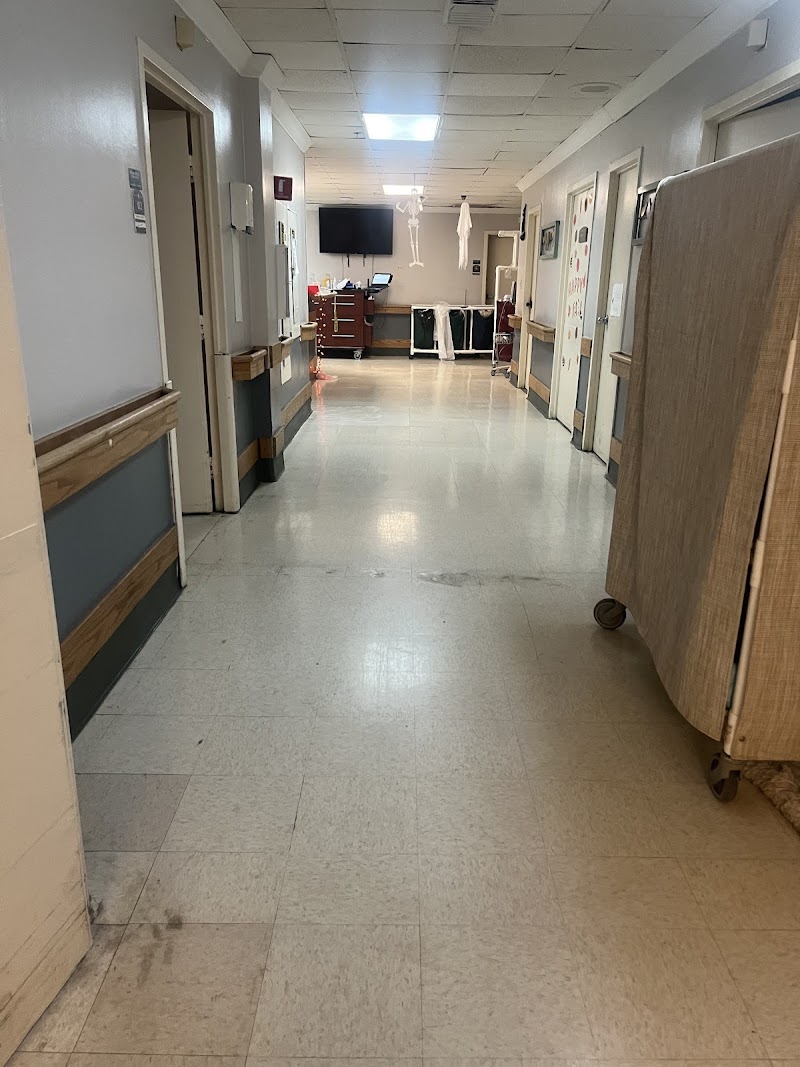
How is Riverdale Center For Nursing And Healing Staffed?

CMS rates RIVERDALE CENTER FOR NURSING AND HEALING's staffing level at 1 out of 5 stars, which is much below average compared to other nursing homes. Staff turnover is 56%, which is 10 percentage points above the Georgia average of 46%. High turnover can affect care consistency as new staff learn residents' individual needs. RN turnover specifically is 55%, which is notably high. RNs provide skilled clinical oversight, so turnover in this role can affect medical care quality.

What Have Inspectors Found at Riverdale Center For Nursing And Healing?

State health inspectors documented 32 deficiencies at RIVERDALE CENTER FOR NURSING AND HEALING during 2022 to 2025. These included: 32 with potential for harm.

Who Owns and Operates Riverdale Center For Nursing And Healing?

RIVERDALE CENTER FOR NURSING AND HEALING is owned by a for-profit company. For-profit facilities operate as businesses with obligations to shareholders or private owners. The facility is operated by EMPIRE CARE CENTERS, a chain that manages multiple nursing homes. With 152 certified beds and approximately 130 residents (about 86% occupancy), it is a mid-sized facility located in RIVERDALE, Georgia.

How Does Riverdale Center For Nursing And Healing Compare to Other Georgia Nursing Homes?

Compared to the 100 nursing homes in Georgia, RIVERDALE CENTER FOR NURSING AND HEALING's overall rating (1 stars) is below the state average of 2.6, staff turnover (56%) is significantly higher than the state average of 46%, and health inspection rating (2 stars) is below the national benchmark.

What Should Families Ask When Visiting Riverdale Center For Nursing And Healing?

Based on this facility's data, families visiting should ask: "How do you ensure continuity of care given staff turnover, and what is your staff retention strategy?" "Can you walk me through typical staffing levels on day, evening, and night shifts?" "Can I visit during a mealtime to observe dining assistance and food quality?" "How do you handle medical emergencies, and what is your hospital transfer rate?" These questions are particularly relevant given the facility's high staff turnover rate and the below-average staffing rating.

Is Riverdale Center For Nursing And Healing Safe?

Based on CMS inspection data, RIVERDALE CENTER FOR NURSING AND HEALING has a clean safety record: no substantiated abuse findings (meaning no confirmed cases of resident harm), no Immediate Jeopardy citations (the most serious violation level indicating risk of serious injury or death), and is not on the Special Focus Facility watch list (a federal program monitoring the lowest-performing 1% of nursing homes). The facility has a 1-star overall rating and ranks #100 of 100 nursing homes in Georgia. While no facility is perfect, families should still ask about staff-to-resident ratios and recent inspection results during their visit.

Do Nurses at Riverdale Center For Nursing And Healing Stick Around?

Staff turnover at RIVERDALE CENTER FOR NURSING AND HEALING is high. At 56%, the facility is 10 percentage points above the Georgia average of 46%. Registered Nurse turnover is particularly concerning at 55%. RNs handle complex medical decisions and coordinate care — frequent RN changes can directly impact care quality. High turnover means new staff may not know residents' individual needs, medications, or preferences. It can also be disorienting for residents, especially those with dementia who rely on familiar faces. Families should ask: What is causing the turnover? What retention programs are in place? How do you ensure care continuity during staff transitions?

Was Riverdale Center For Nursing And Healing Ever Fined?

RIVERDALE CENTER FOR NURSING AND HEALING has been fined $10,050 across 2 penalty actions. This is below the Georgia average of $33,179. While any fine indicates a compliance issue, fines under $50,000 are relatively common and typically reflect isolated problems that were subsequently corrected. Families should ask what specific issues led to these fines and confirm they've been resolved.

Is Riverdale Center For Nursing And Healing on Any Federal Watch List?

RIVERDALE CENTER FOR NURSING AND HEALING is not on any federal watch list. The most significant is the Special Focus Facility (SFF) program, which identifies the bottom 1% of nursing homes nationally based on persistent, serious quality problems. Not being on this list means the facility has avoided the pattern of deficiencies that triggers enhanced federal oversight. This is a positive indicator, though families should still review the facility's inspection history directly.