COTTAGES AT ROCKMART, THE
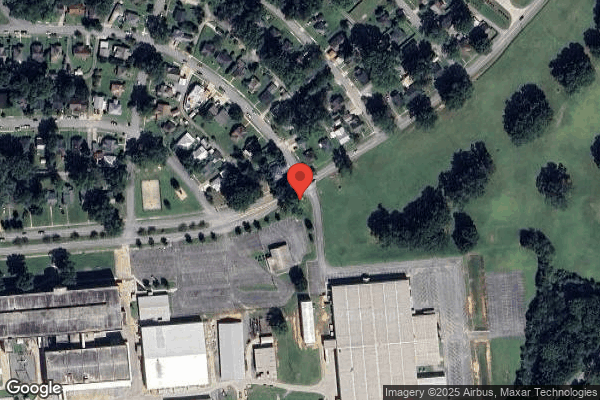
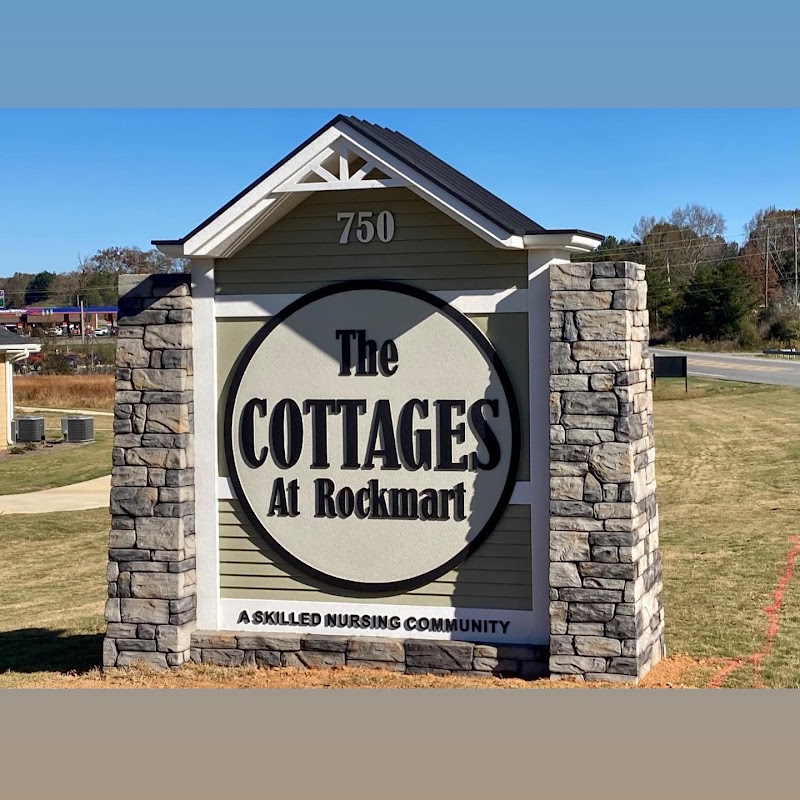
750 GOODYEAR AVENUE, ROCKMART, GA 30153 (770) 748-3622
For profit - Corporation 116 Beds Independent Data: November 2025
Trust Grade
80/100
#55 of 353 in GA
Last Inspection: November 2024

Within standard 12-15 month inspection cycle. Federal law requires annual inspections.

Overview

Cottages at Rockmart has received a Trust Grade of B+, indicating it is above average and recommended for families looking for care. It ranks #55 out of 353 nursing homes in Georgia, placing it in the top half, but is #3 out of 3 in Polk County, meaning there are limited local options. The facility shows an improving trend with issues decreasing from 4 in 2024 to just 1 in 2025, which is encouraging. Staffing is relatively strong with a 4/5 star rating and a turnover rate of 31%, well below the state average, suggesting that employees are stable and experienced. However, there are concerns such as low RN coverage compared to 99% of facilities in Georgia, which means residents may not receive as much oversight from registered nurses as needed. In terms of specific incidents, the facility failed to ensure that three residents received proper written notice regarding transfers, which is important for keeping families informed. Additionally, food safety practices were not strictly followed, potentially impacting the health of residents. Most seriously, there was a failure to thoroughly investigate an allegation of resident-to-resident sexual abuse, highlighting a significant gap in resident protection. Overall, while there are notable strengths in staffing and improvement in issues, families should be aware of these weaknesses when considering care options.

Trust Score
B+
80/100
In Georgia
#55/353
Top 15%
Safety Record
Low Risk
No red flags
Inspections
Getting Better
4 → 1 violations
Staff Stability
○ Average
31% turnover. Near Georgia's 48% average. Typical for the industry.
Penalties
✓ Good
No fines on record. Clean compliance history, better than most Georgia facilities.
Skilled Nurses
⚠ Watch
Each resident gets only 12 minutes of Registered Nurse (RN) attention daily — below average for Georgia. Fewer RN minutes means fewer trained eyes watching for problems.
Violations
⚠ Watch
11 deficiencies on record. Higher than average. Multiple issues found across inspections.
★★★★☆
4.0
Overall Rating
★★★★☆
4.0
Staff Levels
★★★☆☆
3.0
Care Quality
★★★★☆
4.0
Inspection Score
Stable
2024: 4 issues
2025: 1 issues

The Good

  • 4-Star Staffing Rating · Above-average nurse staffing levels
  • Full Sprinkler Coverage · Fire safety systems throughout facility
  • No fines on record
  • Staff turnover below average (31%)

    17 points below Georgia average of 48%

Facility shows strength in staffing levels, fire safety.

The Bad

Staff Turnover: 31%

15pts below Georgia avg (46%)

Typical for the industry

The Ugly 11 deficiencies on record

Aug 2025 1 deficiency
CONCERN (D) 📢 Someone Reported This

A family member, employee, or ombudsman was alarmed enough to file a formal complaint

Potential for Harm - no one hurt, but risky conditions existed

Investigate Abuse (Tag F0610)

Could have caused harm · This affected 1 resident

Based on record review, staff interviews, facility document review, and review of the facility policy titled Abuse Policy, the facility failed to protect residents from sexual abuse by another residen...

Read full inspector narrative →
Based on record review, staff interviews, facility document review, and review of the facility policy titled Abuse Policy, the facility failed to protect residents from sexual abuse by another resident by not completing a thorough investigation of an allegation of resident-to-resident sexual abuse for one of three incidents of abuse reviewed. Specifically, following an incident of alleged sexual abuse involving two residents (R) (R1and R2), the facility did not interview other residents or assess residents who were cognitively impaired to ensure they had not experienced abuse.Findings included:Review of the facility policy titled Abuse Policy, reviewed 1/2025, revealed, It is our goal to achieve and maintain an abuse-free environment. The Administrator is designated as the Abuse Coordinator for the facility. The Administrator assumes the responsibility for the overall coordination and implementation of our facility's abuse prevention program policies and procedures. The policy revealed V. Investigation, which included 6. Should an incident or suspected incident of resident abuse, neglect or injury of unknown source be reported, the administrator or his/her designee, will appoint a member of management to investigate the alleged incident. 7. The individual conducting the investigation will, as a minimum: a. Review the completed ‘Electronic Incident Entry; [sic] b. Review the resident's medical record to determine events leading up to the incident; c. Interview the person(s) reporting the incident; d. Interview any witnesses to the incident; e. Interview the resident (as medically appropriate); f. Interview staff members (on all shifts) who have had contact with the resident during the periodof the alleged incident; g. Interview the resident's roommate, family members, and visitors; h. Interview other residents to whom the accused employee provides care or services; and i. Review all events leading up to the alleged incident.1. Review of the admission Record for R1 revealed an admission date of 5/30/2025. According to the admission Record, diagnoses included, but were not limited to, metabolic encephalopathy, severe vascular dementia with other behavioral disturbances, cognitive communication deficit, other sexual disorders with onset 7/10/2025, other symptoms and signs involving appearance and behavior, and depression.Review of the admission Minimum Data Set (MDS), with an Assessment Reference Date (ARD) of 6/6/2025, for R1 revealed severe impairment in cognitive skills for daily decision-making and had short- and long-term memory problems per a Staff Assessment of Mental Status (SAMS). The MDS indicated that the resident exhibited physical and verbal behavioral symptoms directed towards others, as well as other behavioral symptoms not directed towards others, during the assessment timeframe. The MDS indicated the behaviors put the resident at risk for significant physical illness or injury and significantly interfered with the resident's care. The MDS indicated the resident was independent with indoor mobility but required some help with functional cognition. The MDS indicated the resident did not have any upper or lower extremity impairments and used a walker or a wheelchair for ambulation. The MDS indicated that the resident received antipsychotic medications. Review of the Care Plan Report for R1 revealed a focus area initiated 6/10/2025, which indicated the resident was verbally and physically aggressive with staff. Interventions initiated 6/10/2025 directed staff to monitor the resident daily and document observed behaviors and attempted interventions; and analyze key times, places, circumstances, triggers, and what de-escalated behaviors and document. 2. Review of the admission Record for R2 revealed an admission date of 12/3/2021. According to the admission Record, diagnoses included, but were not limited to, senile degeneration of the brain; cognitive communication deficit; major depressive disorder; other symbolic dysfunctions; moderate dementia in other diseases classified elsewhere, with other behavioral disturbance; bipolar disorder; adjustment disorder with mixed anxiety and depressed mood; Alzheimer's disease with late onset; and anxiety.Review of the Significant Change MDS, with an ARD of 7/11/2025, for R2 revealed the resident had a Brief Interview for Mental Status (BIMS) score of 0, which indicated the resident had severe cognitive impairment. Review of the Care Plan Report for R2 revealed a focus area, initiated 10/7/2022 and revised on 7/24/2025, that indicated the resident had impaired cognitive function and indicated the resident had diagnoses of Alzheimer's disease and dementia that were progressing. Review of a Facility Incident Report Form, dated 7/10/2025, revealed that the facility reported an incident of resident-to-resident abuse to the state survey agency. The document indicated that on 7/10/2025 at 11:25 am, R1 inappropriately touched R2. The report was completed by the Director of Nursing (DON).Review of a letter from the facility to the State Survey Agency, dated 7/10/2025, indicated that on 7/10/2025, a hospice Registered Nurse (RN) (RN 8) reported that R1 approached R2, who was sitting in a wheelchair in the dining room. The letter indicated that she noticed R2's hand went down in R1's lap. Per the letter, RN8 walked up beside R2 and observed R1 tickling R2 on the legs and R2's genital area. The letter indicated that RN8 told R1 to stop touching R2, and R1 immediately began tickling R2's stomach and went across R2's breasts. The letter indicated that RN8 stopped R1, separated the two, and notified the Social Service Director (SSD), who was the Cottage Guide. Review of the facility's investigation revealed no evidence that other residents had been interviewed or assessed to ensure they had not experienced any abuse. During an interview on 8/22/2025 at 10:33 am, RN8 stated she worked for a contracted hospice provider. She stated she witnessed an incident between R1 and R2. She stated that she was seeing another resident, and as she left the room and walked down the hall, she saw R2 talking with R1. She stated that they were friends who talked all the time and hung out together since the facility admitted R2. RN8 stated that as she walked towards them, she could see that R1's hand was down on R2's lap, in the groin area. She stated that when she walked up beside R2, she said, Let's keep our hands off each other, and then R1 started tickling R2. She stated that R1's hands went up R2's body and across their breasts. She stated that she moved R2 away from R1 and immediately reported it to the SSD. During an interview on 8/22/2025 at 12:24 pm, the SSD stated that there was one incident where R1 touched R2 inappropriately. She stated that she did not see it, but a hospice nurse came and told her that R1 was touching R2. She stated that she took R2 to a different area to separate them and reported the incident to the Administrator after the residents were separated. She stated that she did not interview any of the other residents who were of the same gender as R2 in the unit and did not know if anyone else did. She stated that most of the other residents would have told staff if something like that happened to them. During an interview on 8/22/2025 at 2:35 pm, the Director of Nursing (DON) stated she did not conduct interviews with any of the alert and oriented residents who resided in the cottage where R1 resided, following the incident. She stated that there were only a couple of residents who had a BIMS score high enough to be interviewed, and they both pretty much stayed in their rooms at the time. She said the rest of the residents there all had low BIMS scores and would not have been able to answer questions. When asked how she ensured those residents were safe, the DON stated, That is a good question.During an interview on 8/22/2025 at 4:24 pm, the Administrator stated that she was the Abuse Coordinator. The Administrator stated that as part of their investigation process, staff were supposed to conduct interviews with other residents to make sure they had not had any incidents with R1. She stated that most of the residents in the building where R1 resided were unable to be interviewed. She stated that to ensure their safety, staff were instructed to monitor those residents with routine checks. She stated that they conducted weekly skin checks for all residents and ensured there were no visible signs of abuse. She stated she did not think anyone had reported anything, and the residents were told to report if they had any incidents of abuse. She stated she did not have concerns about the other residents. Regarding residents who were not cognitively intact, the Administrator stated that it may upset them if they attempted a full skin check.
Nov 2024 4 deficiencies
CONCERN (D) 📢 Someone Reported This

A family member, employee, or ombudsman was alarmed enough to file a formal complaint

Potential for Harm - no one hurt, but risky conditions existed

Respiratory Care (Tag F0695)

Could have caused harm · This affected 1 resident

**NOTE- TERMS IN BRACKETS HAVE BEEN EDITED TO PROTECT CONFIDENTIALITY** Based on observations, staff interviews, and review of facility policy titled, Oxygen (O2) Concentrator, the facility failed to ...

Read full inspector narrative →
**NOTE- TERMS IN BRACKETS HAVE BEEN EDITED TO PROTECT CONFIDENTIALITY** Based on observations, staff interviews, and review of facility policy titled, Oxygen (O2) Concentrator, the facility failed to ensure respiratory equipment was maintained in a sanitary manner for one of 21 residents (R) (R34) who receive oxygen therapy. The deficient practice had the potential to place R34 at an increased risk of respiratory complications and infection. Findings include: Review of the facility policy titled Oxygen Concentrator revealed under Care of the Concentrator: Follow manufacturer recommendations for the frequency of cleaning filters and servicing the device, external filters will be cleaned weekly. Review of the quarterly Minimum Data Set (MDS) assessment dated [DATE] revealed in section O (Special Treatments, Procedures, and Programs) that R34 was receiving oxygen therapy while in the facility. Review of the physician orders for R34 revealed clean oxygen concentrator filter weekly - every day shift every Friday when oxygen is in use. Observation on 11/22/2024 at 10:10 am and 11/23/2024 at 1:20 pm of R34 O2 concentrator revealed the filter was covered with a heavy layer of lint. During an interview on 11/23/2024 at 1:35 pm, Certified Nursing Assistant (CNA) EE revealed that they were the Cottage Guide for Cottage E. Cottage Guides oversee the day-to-day operations of the Cottage where residents reside. The CNA EE verified that R34's O2 filter was full of lint. The CNA stated that the treatment nurse was responsible for cleaning the filters to all residents' O2 concentrators when the O2 tubing [NAME] replaced. The CNA revealed that staff should have cleaned the filter. During an interview on 11/23/2024 at 1:45 pm with the Director of Nursing (DON) revealed that the Treatment Nurse was responsible for cleaning the O2 filters on resident's O2 concentrator machines. During an interview on 11/23/2024 at 2:45 pm, Licensed Practical Nurse (LPN) DD, Treatment Nurse, confirmed that she was responsible for cleaning the O2 filters on all O2 concentrator machines and completed the task when she changed the resident's O2 tubing. LPN DD stated that the cleaning of the O2 filters was completed weekly on Fridays. LPN DD revealed that she had asked another staff member to assist her with the task this week and the filter to R34's O2 concentrator was overlooked. LPN DD revealed that she should have gone back to ensure the other staff member completed the task.
CONCERN (D) 📢 Someone Reported This

A family member, employee, or ombudsman was alarmed enough to file a formal complaint

Potential for Harm - no one hurt, but risky conditions existed

Medication Errors (Tag F0758)

Could have caused harm · This affected 1 resident

Based on record review, staff interviews, and review of the facility policy titled, Medication Orders, the facility failed to ensure a stop date was implemented, not to exceed 14 days for psychotropic...

Read full inspector narrative →
Based on record review, staff interviews, and review of the facility policy titled, Medication Orders, the facility failed to ensure a stop date was implemented, not to exceed 14 days for psychotropic medications for one of six residents (R) (R12) reviewed for unnecessary medications. Findings include: A review of the facility policy titled Medication Orders, effective 11/28/2017 revealed that as needed (PRN) orders for psychotropic medications are limited to 14 days. If the attending physician or prescribing practitioner believes that it is appropriate for the PRN order to be extended beyond 14 days, he or she would document their rationale in the resident's medical record and indication the duration of the PRN order. A review of R12's physician (MD) orders dated 9/23/2024 revealed an order for 0.5 mg (milligrams) of lorazepam by mouth (PO) every four hours PRN for anxiety. The stop date was documented as indefinite. A review of the Medication Administration Record (MAR) revealed R12 was administered lorazepam 0.5 mg PO on 9/27/2024 at 9:36 am. During an interview with the Director of Nursing (DON) on 11/23/2024 at 11:40 am, she stated that all PRN psychotropic medications were supposed to have a 14-day stop date. If the MD determined a clinical rationale to extend the medication beyond 14 days, the MD would write a progress note noting the clinical indication, and the note would be added to the chart. She added that she would also call the MD at times to get an order if a psychotropic medication was getting close to the 14-day stop date. Per the DON, she received all new orders on the system's dashboard and reviewed all medications for stop dates. She acknowledged the lorazepam did not have a stop date, and she said she must have missed it on review.
CONCERN (D) 📢 Someone Reported This

A family member, employee, or ombudsman was alarmed enough to file a formal complaint

Potential for Harm - no one hurt, but risky conditions existed

Deficiency F0761 (Tag F0761)

Could have caused harm · This affected 1 resident

Based on observations, staff interviews, facility document review, review of the Center for Disease (CDC) guideline titled, Handle With Care: Protect Your Vaccine, Protect Your Patients, and review of...

Read full inspector narrative →
Based on observations, staff interviews, facility document review, review of the Center for Disease (CDC) guideline titled, Handle With Care: Protect Your Vaccine, Protect Your Patients, and review of the facility's policy titled, Medication Storage in the Facility, the facility failed to store vaccines under proper temperature controls with twice daily monitoring in two of six refrigerators used to store medications and biologicals. The deficient practice created the potential for residents to receive vaccinations with altered effectiveness. The facility census was 78 residents. Findings include: A review of the facility's policy titled Medication Storage in the Facility dated June 1, 2018 revealed the Temperature section included F. The facility should check the refrigerator or freezer in which vaccines are stored, at least two times a day, per CDC [Center for Disease Control] guidelines. A review of the CDC guideline titled Handle With Care: Protect Your Vaccine, Protect Your Patients, dated 3/19/2024, included Check and record storage unit min/max (minimum/maximum) temperatures at the start of each workday. If your device does not display min/max temperatures, then check and record current temperature a minimum of 2 (two) times (at start and end of workday). A concurrent observation and interview on 11/23/2024 at 10:00 am with Licensed Practical Nurse (LPN) AA revealed one refrigerator located on a countertop in the Nurse's Office in Cottage D. Observation revealed a Refrigerator Temperature Log Location: D dated November 2024, secured to the refrigerator with documentation of once daily temperature checks. Observation of the refrigerator contents revealed a stand-alone refrigerator thermometer displaying the current temperature and one box containing ten pre-filled syringes of single-dose influenza vaccine Afluria (a vaccine given to protect residents from influenza). LPN AA confirmed the vaccine was stored in the refrigerator, and the temperature of the refrigerator was documented as checked once daily. She stated the night shift nurse checked the temperature, and the day shift nurse was not required to document the refrigerator temperatures. A concurrent observation and interview on 11/23/2024 at 10:55 am with LPN (CC) revealed one refrigerator located on a countertop in the Nurses' Office in Cottage B. Observation revealed a Refrigerator Temperature Log Location: B dated November 2024, secured to the refrigerator with documentation of once daily temperature checks. Observation of the refrigerator contents revealed a stand-alone refrigerator thermometer displaying the current temperature, one Previnar20 (a vaccine given to protect residents from pneumonia) single dose 0.5 milliliter (ml), and one Arexvy (a vaccine given to protect residents from respiratory syncytial virus [RSV]) 120 milligram (mg)/0.5 ml single dose stored in the refrigerator. LPN CC confirmed the vaccine was stored in the refrigerator, and the temperature of the refrigerator was documented as checked once daily. She stated the night shift nurse checked the temperature, and the day shift nurse was not required to document the refrigerator temperatures. A review of the facility-provided documents titled Refrigerator Temperature Log Location: D and Refrigerator Temperature Log Location: B, dated September 2024 and October 2024, revealed the refrigerator temperatures were documented once daily. In an interview on 11/23/2024 at 3:55 pm with the Infection Preventionist (IP) and Director of Nursing (DON), the DON stated the Nurse's Office medication refrigerator temperatures in each Cottage were checked once daily, generally by the night shift nurses. The IP confirmed vaccines were currently stored in Cottages B and D refrigerators. The DON stated a pharmacy nurse consultant conducted compliance checks every three months, and the facility had not been provided with education on monitoring medication refrigerator temperatures. The DON and the IP stated they were unaware that the refrigerators where vaccines were stored should have temperatures checked and documented twice daily. The DON stated if vaccinations were not stored according to CDC guidelines, the vaccine may have decreased effectiveness.
CONCERN (D) 📢 Someone Reported This

A family member, employee, or ombudsman was alarmed enough to file a formal complaint

Potential for Harm - no one hurt, but risky conditions existed

Infection Control (Tag F0880)

Could have caused harm · This affected 1 resident

Based on observations, staff interviews, and review of the facility's policies titled, Glucometer Disinfection, Laundry, and the User And Care Guide Manual, the facility failed to ensure the infection...

Read full inspector narrative →
Based on observations, staff interviews, and review of the facility's policies titled, Glucometer Disinfection, Laundry, and the User And Care Guide Manual, the facility failed to ensure the infection control process was followed by one Licensed Practical Nurse (LPN) on cleaning and disinfecting a glucometer (a device used to measure blood glucose) after using it on one of two residents (R) (R31) with a physician order for a glucometer reading. In addition, the facility failed by not using a barrier before placing the glucometer on any surface. The facility also failed to clean the dryer lint screens from two of twelve dryers. Findings include: Review of the facility policy titled Glucometer Disinfection dated January 2024 revealed under Policy: The purpose of this procedure is to provide guidelines for the disinfection of capillary-blood glucose sampling devices to prevent transmission of blood borne diseases to residents and employees. Under Policy Explanation and Compliance Guidelines: . 2. The facility will ensure multi-use blood glucometers will be cleaned and disinfected after each use and according to manufacturer's instructions for multi-resident use. Review of the facility policy titled Laundry dated 7/29/2021 revealed on the bottom of page 2 ***Clean lint screen and dispose of lint in trash after each load***. Review of Use and Care Guide manual indicated on page 13: Cleaning The Lint Screen: Every-load cleaning. The lint screen is located in the door opening of the dryer. Clean the lint screen before each load. A screen blocked. To clean: 1. Pull the lint screen straight up. Roll lint off the screen with your fingers. An observation and interview on 11/24/2024 at 8:30 am of Licensed Practical Nurse (LPN) FF performing a glucometer reading on R31 revealed LPN FF removed the glucometer from a small, dark colored, flexible container and placed the glucometer on top of the medication cart without a barrier. LPN FF gathered additional supplies and carried the supplies to the resident's room. LPN FF placed the supplies on the resident's overbed table without a barrier. After obtaining the residents' blood sugar, the LPN exited the room and placed the glucometer back into a small, dark colored, flexible container. The LPN stated the resident did not have her own personal glucometer machine. LPN FF was asked if the glucometer machines were cleaned after use. LPN FF then removed the glucometer machine from the black bag, wiped the test strip slot, and placed the glucometer back into the small, dark colored, flexible container. An observation on 11/23/2024 at 8:50 am of the six laundry areas for the facility revealed that the Cottage B laundry area has two home size dryers. When standing facing the dryers: dryer one was to the left: an observation of the lint screen revealed a moderate amount of lint. The area where the lint screen was held also had a moderate amount of lint. Dryer two, to the right: an observation of the lint screen revealed a copious amount of lint. The area where the lint screen was held also had a moderate amount of lint. An observation on 11/23/2024 at 8:55 am of the laundry area in Cottage C revealed two home size dryers. When standing facing the dryers: dryer one, to the left was in use. Dryer two, to the right: an observation of the lint screen revealed a copious amount of lint. The area where the lint screen was held also had a moderate amount of lint. An interview on 11/23/2024 at 9:23 am with Laundry Supervisor GG confirmed the lint was not removed from the screen in the dryers in Cottage B and C. The Supervisor stated the lint should be removed from the screens and the area where the screen was held. The Laundry Supervisor stated the staff would be educated to remove the lint from the dryer screens and where the screen was held. She also stated that she would be responsible for ensuring that all the dryers were being cared for properly. An interview on 11/24/2024 at 10:38 am with the Director of Nursing (DON) revealed the glucometer should be cleaned before and after use with a disinfectant wipe. She stated staff education would be started immediately to ensure that the glucometers were cleaned before and after use. She stated she was aware of the lint screens not being cleaned after dryer use. The DON stated the Laundry Supervisor has started education with the staff on cleaning the lint screens after the dryer was used.
Aug 2022 6 deficiencies
CONCERN (D)

Potential for Harm - no one hurt, but risky conditions existed

Assessment Accuracy (Tag F0641)

Could have caused harm · This affected 1 resident

Based on interview, record review, and policy review, the facility failed to ensure one of 21 sampled residents (R) (R29) was accurately assessed for insulin use and the completion of a level two prea...

Read full inspector narrative →
Based on interview, record review, and policy review, the facility failed to ensure one of 21 sampled residents (R) (R29) was accurately assessed for insulin use and the completion of a level two preadmission screening and resident review (PASARR). This failure could affect the care planning for the resident to receive all required services. Findings include: Review of the facility policy titled Conducting an Accurate Resident Assessment, revised July 2017, showed: Policy: The purpose of this policy is to assure that all residents receive an accurate assessment, reflective of the resident's status at the time of the assessment, by staff qualified to assess relevant care areas. Definition: Accuracy of assessment means that the appropriate, qualified health professionals correctly document the resident's medical, functional, and psychosocial problems and identify resident strengths to maintain or improve medical status, functional abilities, and psychosocial status using the appropriate Resident Assessment Instrument (RAI) (i.e., comprehensive, quarterly, significant change in status). Policy Explanation and Compliance Guidelines: 1. The Administrator will ensure that all participants in the assessment process have the requisite knowledge to complete an accurate assessment. 2. Qualified staff who are knowledgeable about the resident will conduct an accurate assessment addressing each resident's status, needs, strengths, and areas of decline. The assessment will be documented in the medical record. 3. The appropriate, qualified health professional will correctly document the resident's medical, functional, and psychosocial problems and identifies resident strengths to maintain or improve medical status, functional abilities, and psychosocial status Review of R29's Transfer/Discharge Report (a sheet of demographic and limited medical information), from the electronic medical record (EMR) Profile tab showed an admission date of 9/24/19 with medical diagnoses that included major depressive disorder, schizoaffective disorder, type II diabetes, mild intellectual disability, other specific personality disorder, and unspecified psychosis. A review of R29's Order Summary from the EMR Orders tab showed: Trulicity Solution Pen-injector 1.5 mg [milligrams]/0.5ml [milliliters] (Dulaglutide) [generic name] Inject 0.5 milliliter subcutaneously one time a day every Wed [Wednesday] related to Type II diabetes mellitus . Order date 09/14/21 Start Date 10/15/21 Review of R29's annual Minimum Data Set (MDS), with an Assessment Reference Date (ARD) of 2/7/22; quarterly MDS with an ARD of 4/26/22; and quarterly MDS with an ARD of 6/21/22 all showed coding for receiving insulin one time in the seven day look back period for each assessment. A review of the Trulicity website (https://www.trulicity.com > how-to-use) revealed Trulicity is a non-insulin option that helps your body release the insulin it's already making. In studies, Trulicity has been proven to lower blood sugar levels. People taking Trulicity may notice better blood sugar numbers before eating in the morning (fasting blood sugar). During an interview on 8/23/22 at 1:34 PM regarding the MDS coding for insulin, MDS Coordinator (MDSC) 1 reviewed the assessments and stated, All three were coded for insulin. When asked what insulin R29 was receiving, MDSC1 stated, Her Trulicity. When queried if Trulicity was an insulin, MDSC1 responded, As far as I know. MDSC1 reviewed and confirmed it was the Trulicity coded as insulin on all three of the assessments and did not have a reference that showed Trulicity was an insulin. Upon looking up Trulicity on the internet, MDSC1 stated, No, Trulicity is not an insulin. The MDSs are coded in error. Review of the October 2019 Resident Assessment Instrument [RAI] Manual showed on page N-3: Steps for Assessment 1. Review the resident's medication administration records for the 7-day look-back period (or since admission/entry or reentry if less than 7 days). 2. Determine if the resident received insulin injections during the look-back period. 3. Determine if the physician (or nurse practitioner, physician assistant, or clinical nurse specialist if allowable under state licensure laws) changed the resident's insulin orders during the look-back period. 4. Count the number of days insulin injections were received and/or insulin orders changed Review of R29's hard (paper) chart showed a Level II PASARR assessment was completed on 10/28/04. Review of R29's annual MDS with an ARD of 2/7/22 showed coding for depression, psychotic disorder, and schizoaffective disorder, but not that there had been a Level II PASARR completed. During an interview on 8/25/22 at 1:15 PM, MDSC1 confirmed PASARRs are only coded on comprehensive assessments (admission, annual, and significant change assessment). MDSC1 reviewed R29's annual assessment in February, and stated, Well, it sure is coded that way. (Clarified, as no Level II PASARR had been completed.) MDSC1 continued She's had a PASARR II since 2004, but it's not been included on that last two annual assessments. Review of the October 2019 Resident Assessment Instrument [RAI] Manual showed on page A-21 to A-23 showed: A1500: Preadmission Screening and Resident Review (PASRR) Code 0, no: and skip to A1550, Conditions Related to ID/DD Status, if any of the following apply: PASRR Level I screening did not result in a referral for Level II screening, or Level II screening determined that the resident does not have a serious MI and/or ID/DD or related conditions, or PASRR screening is not required because the resident was admitted from a hospital after requiring acute inpatient care, is receiving services for the condition for which he or she received care in the hospital, and the attending physician has certified before admission that the resident is likely to require less than 30 days of nursing home care. Code 1, yes: if PASRR Level II screening determined that the resident has a serious mental illness and/or ID/DD or related condition, and continue to A1510, Level II Preadmission Screening and Resident Review (PASRR) Conditions.
CONCERN (D)

Potential for Harm - no one hurt, but risky conditions existed

PASARR Coordination (Tag F0644)

Could have caused harm · This affected 1 resident

**NOTE- TERMS IN BRACKETS HAVE BEEN EDITED TO PROTECT CONFIDENTIALITY** Based on interview and record review, the facility failed to ensure two of three residents (R) (R14 and R20) with new mental hea...

Read full inspector narrative →
**NOTE- TERMS IN BRACKETS HAVE BEEN EDITED TO PROTECT CONFIDENTIALITY** Based on interview and record review, the facility failed to ensure two of three residents (R) (R14 and R20) with new mental health diagnoses received a Level II PASARR review for potential services. Findings include: Review of the undated facility policy titled Resident Assessment - Coordination with PASARR Program showed: Policy: This facility coordinates assessments with the preadmission screening and resident review (PASARR) program under Medicaid to ensure that individuals with a mental disorder, intellectual disability, or a related condition receives care and services in the most integrated setting appropriate to their needs. Policy Explanation and Compliance Guidelines: .9. Any resident who exhibits a newly evident or possible serious mental disorder, intellectual disability, or a related condition will be referred promptly to the state mental health or intellectual disability authority for a level II resident review. Examples include: a. A resident who exhibits behavioral, psychiatric, or mood related symptoms suggesting the presence of a mental disorder (where dementia is not the primary diagnosis). b. A resident whose intellectual disability or related condition was not previously identified and evaluated through PASARR. c. A resident transferred, admitted , or readmitted to the facility following an inpatient psychiatric stay or equally intensive treatment. Review of the American Psychological Association website, created 08/27/19 showed: (https://www.apa.org/topics/mental-health/support-serious-mental-illness) Serious mental illnesses include a variety of diseases including schizophrenia, bipolar disorder, panic disorder, obsessive-compulsive disorder and major depressive disorder 1. Review of R14's Transfer/Discharge Report (a report with demographic and limited medical information) from the facility's electronic medical record (EMR) Profile tab, showed an admission date of 1/12/19 with medical diagnoses that included dementia and anxiety but no serious mental health diagnoses. Review of R14's Level 1 PASARR (Preadmission Screening And Resident Review) from the hard (paper) chart showed it was completed on 1/11/19 and did not include a diagnosis of a serious mental illness, therefore it was not sent on for a Level II screening for services. Review of R14's EMR Med Diag (Medical Diagnosis) tab showed R14 received a diagnosis of post-traumatic stress disorder (PTSD) on 8/28/20 and obsessive-compulsive disorder on 6/8/21. Further review of the EMR and hard chart did not reveal a resubmission of a Level I screening with the new diagnoses. During an interview on 8/25/22 at 8:29 AM, the facility Psychiatrist stated he last saw R14 in 2020 and if a diagnosis of OCD was added, it was not by him; and he believed that if a diagnosis was not currently serious and active it should be listed on the chart as historical not active. 2. Review of R20's Transfer/Discharge Report, from the EMR Profile tab showed an admission date of 3/9/22 with medical diagnoses that included anxiety but no serious mental health diagnosis. Review of R20's hard (paper) chart showed a Level I PASARR dated 11/10/15 noting no mental illness and not referred for a Level II screening. Review of R20's EMR Med Diag tab showed a diagnosis of other recurrent depressive disorder and other specified anxiety disorder on 12/1/15, and delusional disorder on 3/24/16. Dementia was diagnosed on [DATE]. During an interview on 8/25/22 at 8:42 AM, the Psychiatrist confirmed delusional disorder should have triggered a new Level I screening. In an interview on 8/24/22 at 9:10 AM, the Director of Nursing (DON) reviewed the dates of the PASARR screens and the dates of the diagnoses for R14 and R20 and stated she would check if another PASARR screen was completed. During a follow up interview on 8/25/22 at 1:22 PM, the DON confirmed no rescreen had been completed stating, Yes, we have missed sending some [PASARR updates] with new diagnosis. In an interview on 8/25/22 at 1:33 PM, the Social Service Director (SSD) stated, Yes, I would be responsible for updated PASARRs. When asked how she was advised of new diagnoses, the SSD stated, They [clarified - nursing staff] would need to tell me about the diagnosis. The SSD stated she was aware of the need of updated screens if there is a new diagnosis.
CONCERN (D)

Potential for Harm - no one hurt, but risky conditions existed

Deficiency F0688 (Tag F0688)

Could have caused harm · This affected 1 resident

**NOTE- TERMS IN BRACKETS HAVE BEEN EDITED TO PROTECT CONFIDENTIALITY** Based on observations, interviews, record review, and policy review, the facility failed to provide range of motion (ROM) servic...

Read full inspector narrative →
**NOTE- TERMS IN BRACKETS HAVE BEEN EDITED TO PROTECT CONFIDENTIALITY** Based on observations, interviews, record review, and policy review, the facility failed to provide range of motion (ROM) services for one of 21 sampled residents (R) (R48). Findings include: Review of the policy titled Resident Mobility and Range of Motion, revised July 2017, indicated Interventions may include therapies, the provision of necessary equipment, and/or exercises and will be based on professional standards of practice and be consistent with state laws and practice acts. Review of R48's electronic medical record (EMR) Face Sheet under the Profile tab revealed R48 was originally admitted to the facility on [DATE] with diagnoses that included Contracture of muscle left ankle and foot, contracture of muscle of her left upper arm, contracture of muscle multiple sites, contracture of left and right hand. Contractures are the fixed shortening of a muscle or tendon resulting in joint deformity. Review of the annual Minimum Data Set (MDS) found under the MDS tab with an Assessment Reference Date (ARD) of 7/27/22, revealed R48's cognition was not intact with an undocumented Brief Interview for Mental Status (BIMS). This MDS revealed R48 required extensive staff assistance with activities of daily living (ADLs) such as bed mobility, transfers, and dressing. R48 had not walked during the assessment period with ROM limitations on both sides of upper and lower extremities (arms, hands, legs, and feet). R48 was incontinent of bowel and bladder. Review of the Care Plan, dated 10/25/21 and located in the EMR under the Care Plan tab, indicated ROM to all extremities was to be completed every shift 15 minutes for 5 minutes each shift. R48 required restorative nursing for Passive range of motion related to multiple contractures. Perform passive ROM with slow stretches to all extremities for a total of at least 15 minutes daily. Restorative passive range of motion to all extremities would be dome 15 minutes a day for 5 minutes each shift. On 8/23/22 at 4:50 PM during an observation and interview, Certified Nursing Assistant (CNA) 2 attempted to open R48's hands, both clenched tightly. CNA2 could not open the resident's hands. CNA2 said she did not know R48 required ROM and had not been providing ROM for R48. During an interview on 8/23/22 at 5:00 PM related to ROM every shift, CNA5 stated she had not done any ROM on the resident's hands. During an interview on 8/23/22 at 5:10 PM, Licensed Practical Nurse (LPN) 1 stated said that he did not monitor to ensure the staff were completing ROM for R48 and did not know she required ROM five minutes every shift. On 8/24/22 at 10:45 AM, CNA1 said when she changes the resident she stretches and massages her hands, she said the resident used to have washcloths or something like hand rolls but not sure why she does not have them now. CNA1 said she did not know about R48's ankles and feet requiring ROM. On 8/24/22 at 12:19 PM, R48 was in her room in bed with arm pillows under arms, hands both clenched together, she had no hand rolls in either hand. On 8/24/22 at 12:45 PM during an observation R48's feet were noted to be turned in and on a pillow. On 8/25/22 at 11:AM during an interview and observation, MDS Coordinator (MDSC) 2 observed the hands of R48 and stated noticed staff were putting N/A on the passive ROM mostly at night. MDSC2 was able to open R48's hands very little and was able to stretch R48's arms a few inches from her chest. MDSC2 stated there was no reason the night shift could not do ROM as the resident was incontinent and the staff had to provide care. The ADL sheet provided by MDSC2 was reviewed and indicated R48 did not receive ROM on the night shift on 8/14/22, 8/15/22, 8/16/22, 8/17/22, and 8/29/22. The Task to be completed under Restorative: Passive ROM to BUE (bilateral upper extremities) and bilateral hips 15 minutes daily (5 minutes each shift) wash hands and place hand rolls after each Passive ROM is completed. On 8/25/22 at 3:53 PM during an interview, the Director of Nursing (DON) stated her expectations were that residents requiring ROM received the care and services to prevent further decline in ROM. On 8/25/22 at 3:58 PM during an interview, the Administrator stated her expectations were staff completed ROM for R48.
CONCERN (D)

Potential for Harm - no one hurt, but risky conditions existed

Deficiency F0700 (Tag F0700)

Could have caused harm · This affected 1 resident

Based on observation, interview, and record review, the facility failed to ensure one of two residents (R) (R14) reviewed for accident hazards was informed of the risks and benefits of assist or enabl...

Read full inspector narrative →
Based on observation, interview, and record review, the facility failed to ensure one of two residents (R) (R14) reviewed for accident hazards was informed of the risks and benefits of assist or enabler bar use while in bed. Findings include: Review of the undated facility policy titled Positioning / Enabling Devices showed: Policy: When determined necessary, positioning/enabling devices will be used to attain and maintain the highest possible level of wellbeing/functioning for each resident. Procedure: If a positioning/enabling device is determined necessary, the following steps will be taken: 1. The Restraint / Enabler Decision Tree will be completed. 2. The Therapy Department screen/evaluate [sic] resident to assist in determining appropriate device to meet resident's needs. 3. Resident and or responsible party will be educated regarding the use of the device. 4. A consent form will be signed by requesting resident if alert and oriented, or by the responsible party. 5. The enabler quarterly update will be utilized to decide continued use. 6. Orders will include a medical reason and state if the device is an enabling and/or positioning device. 7. The positioning/enabling device will be Care Planned Review of R14's Transfer/Discharge Report (a report with demographic and limited medical information) from the facility's electronic medical record (EMR) Profile tab, showed an admission date of 1/12/19 with medical diagnoses that included dementia, anxiety, major depressive disorder, obsessive compulsive disorder, post-traumatic stress disorder, type II diabetes, Parkinson's disease, and epilepsy. Observation of R14 on 8/22/22 at 11:14 AM and 1:27 PM showed him in bed with bilateral upper quarter rails. Observation of R14 on 8/23/22 at 10:15 AM showed him in bed with bilateral upper quarter rails. Review of R14's annual Minimum Data Set (MDS) with an Assessment Reference Date (ARD) of 5/26/22 showed R14 required extensive assistance of two plus staff members for bed mobility. Review of R14's care plan for bed mobility and transfers, revised on 6/1/22 and located under the Care Plan tab in the EMR, showed: BED MOBILITY: (1) staff to assist bed mobility, turning, and repositioning in bed. Staff may provide more assistance as needed. TRANSFER: 2 staff and transfer device to assist with transfer. Staff may provide more assistance as needed. During a telephone interview on 8/23/22 at 3:36 PM, R14's Resident Representative (RR)1 stated he was unaware if risks and benefits of side rails had been reviewed. In an interview on 8/24/22 at 9:10 AM, the Director of Nursing (DON) stated because the new beds had the enabler bars attached and they were used to hold the bed control they did not believe an assessment or informed consent needed to be done. During a follow up interview on 8/25/22 at 1:22 PM, the DON confirmed No, we didn't have risk benefit or [informed] consent for [R14's name].
CONCERN (E)

Potential for Harm - no one hurt, but risky conditions existed

Transfer Notice (Tag F0623)

Could have caused harm · This affected multiple residents

**NOTE- TERMS IN BRACKETS HAVE BEEN EDITED TO PROTECT CONFIDENTIALITY** Based on record review, interview, and policy review, the facility failed to ensure three of 21 sampled residents (R) (R14, R20,...

Read full inspector narrative →
**NOTE- TERMS IN BRACKETS HAVE BEEN EDITED TO PROTECT CONFIDENTIALITY** Based on record review, interview, and policy review, the facility failed to ensure three of 21 sampled residents (R) (R14, R20, and R36) and/or their representatives were provided with written transfer/discharge notice that stated the reason for transfer, the place of transfer, and other information regarding the transfer or appeal information. Findings include: Review of the facility policy titled Transfer or Discharge, Emergency, revised December 2016, showed: Policy Statement Emergency transfers or discharges may be necessary to protect the health and/or well-being of the resident(s). Policy Interpretation and Implementation .4. Should it become necessary to make an emergency transfer or discharge to a hospital or other related institution, our facility will implement the following procedures: a. Notify the resident's Attending Physician; b. Notify the receiving facility that the transfer is being made; c. Prepare the resident for transfer; d. Prepare a transfer form to send with the resident; e. Notify the representative (sponsor) or other family member; f. Assist in obtaining transportation; and g. Others as appropriate or necessary 1. Review of R14's Transfer/Discharge Report (a report with demographic and limited medical information) from the electronic medical record (EMR) Profile tab, showed an admission date of 1/12/19 with medical diagnoses that included epilepsy (seizures). Review of R14's EMR Prog Note [Progress Notes] tab showed: 8/13/22 at [4:02 AM] Nurse's Note: At approximately 1 am, this resident yelled out that seemed he was in pain. CNA [certified nurse aide] and writer ran to his room to find this resident in bed and his body was jerking uncontrollably and repeatedly. CNA and writer turned resident to his left side, kept his head on his pillow, and guarded him from falling off the bed. Staff talked to resident to let him know we were with him. The seizure activity lasted about 3-5 minutes and resident was unconscious. Staff stayed at resident's bedside for approximately 10 minutes. Resident was diaphoretic and would not respond to a chest sternal rub. Writer contacted [name] NP [Nurse Practitioner] and she ordered to obtain a Kepra [sic] level and CBC [complete blood count]. Give Ativan 0.50mg IM [intramuscular] stat [immediately]. Obtain VS [vital signs] every hour x 4 hours then, obtain VS every 4 hours x 24 hours. 8/13/22 at [7:35 AM] eINTERACT SBAR Summary for Providers Situation: The Change In Condition/s reported on this CIC Evaluation are/were: Altered mental status Seizure Talks/Communicates Less .Primary Care Provider Feedback: Primary Care Provider responded with the following feedback: A. Recommendations: Send to ER [emergency room] . 8/13/22 at [7:45 AM] Nurse's Note Note Text: Resident was taken via ambulance to [name] Medical Center with copies of resident information. Further review of R14's EMR Prog (Progress) Note and Misc (Miscellaneous) tabs did not show any documentation the resident and/or RR were provided a written notice of transfer/discharge. During a telephone interview on 8/23/22 at 3:34 PM, R14's RR1 was asked about recent hospitalizations and stated, Yes, less than two weeks ago for seizures, was admitted and has returned. When asked if R14's RR had received a written transfer/discharge notice regarding where R14 was transferred to and why, the RR responded No, they called and told me. 2. Review of R20's Transfer/Discharge Report, from the EMR Profile tab showed an admission date of 3/9/22 with medical diagnoses that included abdominal aortic aneurysm, anxiety, congestive heart failure, and dementia. Review of R20's EMR Progress Notes showed: 3/6/22 at [7:37 AM] Nurse's Note: Resident refused to get up this morning stating that she did not feel well. CNA informed this nurse and nurse went in to evaluate. Resident c/o [complained of] dizziness upon standing, nausea, and pain all over. This nurse called Dr [name] and was ordered to send resident to ER. [name], daughter, notified and she understood and agreed. EMS arrived at 0713 and transferred her to [name] ER . This nurse notified weekend supervisor 5/30/22 at [8:20 AM] Nurse's Note : Resident noted leaning on left side, unable to stand without assistance, drooling and left side facial /drooping and swelling 911 called. Resident leaving facility via stretcher to [medical center name]. Daughter, [name] called via telephone . 6/10/22 at [2:43 AM] Nurse's Note Note Text: Resident noted be cold and clammy to touch, she was also noted to have increased respirations of 30, and [oxygenation] was noted to be 89. Dr. [name] was called and notified of resident's change in condition and ordered to send resident to the emergency room for eval [evaluation]/treatment. Resident is her own responsible party and requested to go to [medical center]. Resident was sent by ems to [medical center initials]. Emergency contact [name] was called with no answer, voicemail was left to call back. 6/10/22 at [7:35 AM] Nurse's Note Note Text: This nurse called [medical center] to check on resident, and they stated that resident was admitted to the 4th floor with a diagnosis of aspiration. Review of R20's EMR Misc tab did not show any documentation of written transfer/discharge notices. Further review of R20's EMR Prog Note tab showed no documentation of written transfer/discharge notices. 3. Review of R36's Transfer/Discharge Report from the EMR Profile tab showed a facility admission date of 7/3/22 with medical diagnoses that included pyelonephritis, edema, anemia, multiple sclerosis, hydronephrosis with renal and ureteral calculous obstruction, major depressive disorder, sepsis, paraplegia, and pain. During an interview on 8/22/22 at 3:19 PM, R36 responded to a question about recent hospital admissions or emergency room visits stating, The last time was about the first week of August. When asked if she had received a written transfer/discharge notice with why and where she was being transferred, R36 responded, No. Review of R36's Prog Note EMR tab showed: 8/5/22 at [4:27 PM] eINTERACT CIC [change in condition] Evaluation are/were: Abnormal vital signs (low/high BP, heart rate, respiratory rate, weight change) . Nursing observations, evaluation, and recommendations are: Resident was shaking and trembling stating she was cold. Primary Care Provider Feedback: Primary Care Provider responded with the following feedback: A. Recommendations: Send resident out to the ER to be eval mainly because her HR is 130 . On 8/24/22 at 9:10 AM the Director of Nursing (DON) provided the E-Interact Transfer Discharge form and confirmed that form goes to hospital. In an interview on 8/24/22 at 10:45 AM, the Administrator stated, All we have is the nurse's note regarding the family being notified and the Interact that goes to the hospital that says why. The Administrator verified that the Interact form does not include the ombudsman information. In an interview on 8/25/22 at 1:07 PM regarding what paperwork a nurse completed for an emergent transfer, Licensed Practical Nurse (LPN) 3 stated, A transfer/discharge report [clarified, a face sheet of demographics and diagnoses], Bed Hold notice, Interact Change in Condition form. We give that to EMS [emergency medical services] to give to the hospital. When asked if anything in writing was provided the resident regarding why and where they were going, LPN3 stated, No, we just verbalize it to them [resident]. When asked if there was anything in writing sent to the Resident Representative, LPN3 stated, We let the resident representative know by phone where they are going and why. Nothing written. During an interview on 8/25/22 at 1:22 PM, the DON confirmed residents being emergently transferred and the RR should have received a written notice of transfer/discharge.
CONCERN (E)

Potential for Harm - no one hurt, but risky conditions existed

Food Safety (Tag F0812)

Could have caused harm · This affected multiple residents

**NOTE- TERMS IN BRACKETS HAVE BEEN EDITED TO PROTECT CONFIDENTIALITY** Based on observation, interview, and policy review, the facility failed to ensure foods were stored and/or labeled in the snack ...

Read full inspector narrative →
**NOTE- TERMS IN BRACKETS HAVE BEEN EDITED TO PROTECT CONFIDENTIALITY** Based on observation, interview, and policy review, the facility failed to ensure foods were stored and/or labeled in the snack and kitchen areas in two of four cottages. This deficient practice had the potential to affect 30 of 58 residents who received meals and/ or snacks prepared in the facility's four snack areas and four cottage kitchens. Findings include: Review of the facility policy for Dating and Labeling, titled Georgia Nutrition Consulting, Inc., Dating and Labeling, (Rev. August 2017): Policy: The elderly, young children and those with a poor immune system are very susceptible to becoming sick from foods that are not handled in a proper and safe manor. The government has mandated with this statement that labeling, dating, and monitoring refrigerated food, including, but not limited to leftovers, so it is used by its us-by-date or frozen (when applicable) or discarded. All foods, whether frozen, fresh, or cooked have specific guidelines for discarding. Some foods follow an expiration date listed on the container. Other foods, however, must be discarded within a safe time frame after preparation and usage to ensure bacterial growth is limited and the food remains safe. Dry Storage 1. Products removed from their original container or box should be placed in a closed container with a label and date. A large plastic baggie is a great container to store many food items. 2. Always look at the Expiration date or Best if Used by. Discard and do not use if past these dates. During an observation of snack refrigerator and dry snack storage for rooms 9-15 in the E Cottage on 8/24/22 at 9:57 AM, this surveyor observed six individual snack Cheez-it baked snack crackers not dated with expiration dates, one large package of Fieldstone Oatmeal Crème Pies which contained 24-1.34 oz. (38g) individually wrapped Sandwich cookies not dated with expiration date; two large packages of Fieldstone Bakery Fudge Rounds which contained 24 1.19 oz. (34g) individually wrapped sandwich cookies not dated with expiration date; one individually wrapped oatmeal crème snack (1.34 oz.) not dated with expiration date, one Fieldstone Bakery Fudge Round individually wrapped not dated with expiration date (1.19 oz.), nine Fieldstone Bakery Fudge Brownies (2.15 oz.), individually wrapped not dated with expiration date, and eight [NAME] Snacking Squares Lemon, not dated with expiration date. During an observation of snack refrigerator and dry snack storage for room [ROOM NUMBER] through 8 in the E Cottage on 8/24/22 at 10:30 AM, this surveyor observed ten individual snack Cheez-it snack crackers not dated with expiration dates, 20 Fieldstone Bakery Fudge Rounds individually wrapped cookies (1.19 oz.) with no expiration date, and 22 Fieldstone Bakery Oatmeal Cookies, individually wrapped, (1.34 oz) with no expiration date. During the initial tour of the F Cottage on 8/22/22 at 11:05 AM, one open plastic bag dated 8/15/22 containing four egg patties was observed in the pantry. During the initial tour of the F Cottage on 8/22/22 at 11:10 AM, one open five-pound plastic bag of grits, dated 8/25/22 was observed in the pantry. During the initial tour of the snack refrigerator for rooms one through eight in the F Cottage on 8/22/22 at 11:10 AM, one frozen coke bottle, half filled with no name was observed in the snack refrigerator. During the initial tour of the snack refrigerator for rooms one through eight in the F Cottage on 8/22/22 at 11:22 AM, eight individually wrapped cheese sticks, not dated, were observed in the snack refrigerator. Interviews with Certified Nursing Assistant (CNA) 6 and Licensed Practical Nurse (LPN) 2 on 8/24/22 at 10:45 AM revealed they were not able to identify expiration dates on the above Fieldstone and Cheez-it snack packages. During an interview with the Certified Food Manager (CFM) and the Registered Dietitian (RD) on 8/22/22 at 11:22 AM, both the CFM and RD reviewed the food snack items and verified there was not a meaningful expiration date on the packages and did not know if the packages of food were expired or not. The CFM and RD removed the food from the shelves and stated they would review their process and ensure the individual snacks of the residents had meaningful dates of expiration on the packages. Interview on 8/25/22 at 1:58 PM with the Certified Dietary Manager (CDM) about the unlabeled dietary snacks observed in the E cottage and opened plastic bags in the pantry and unlabeled food in the snack refrigerator observed in the F cottage, revealed her expectation was that all the resident's food be appropriately labeled, stored, and have an expiration date on the food and snacks. 8/25/22 01:30 PM Interview with the Administrator on 8/25/22 at 1:30 PM about the observations of expired snacks, opened food plastic bags and un-labeled food items in resident areas of the E and F Cottages revealed, It is my expectation that all of the food for the resident's be stored appropriately according to the recommended guidelines to ensure the safety of the food for the residents. All the food should be appropriately labeled and have an expiration date on the package.
Understanding Severity Codes (click to expand)
Life-Threatening (Immediate Jeopardy)
J - Isolated K - Pattern L - Widespread
Actual Harm
G - Isolated H - Pattern I - Widespread
Potential for Harm
D - Isolated E - Pattern F - Widespread
No Harm (Minor)
A - Isolated B - Pattern C - Widespread

Questions to Ask on Your Visit

  • "Can I speak with families of current residents?"
  • "What's your RN coverage like on weekends and overnight?"

Our Honest Assessment

Strengths
  • • Grade B+ (80/100). Above average facility, better than most options in Georgia.
  • • No major safety red flags. No abuse findings, life-threatening violations, or SFF status.
  • • No fines on record. Clean compliance history, better than most Georgia facilities.
  • • 31% turnover. Below Georgia's 48% average. Good staff retention means consistent care.
Concerns
  • • 11 deficiencies on record. Higher than average. Multiple issues found across inspections.
Bottom line: Generally positive indicators. Standard due diligence and a personal visit recommended.

About This Facility

What is Cottages At Rockmart, The's CMS Rating?

CMS assigns COTTAGES AT ROCKMART, THE an overall rating of 4 out of 5 stars, which is considered above average nationally. Within Georgia, this rating places the facility higher than 99% of the state's 100 nursing homes. This rating reflects solid performance across the metrics CMS uses to evaluate nursing home quality.

How is Cottages At Rockmart, The Staffed?

CMS rates COTTAGES AT ROCKMART, THE's staffing level at 4 out of 5 stars, which is above average compared to other nursing homes. Staff turnover is 31%, compared to the Georgia average of 46%. This relatively stable workforce can support continuity of care.

What Have Inspectors Found at Cottages At Rockmart, The?

State health inspectors documented 11 deficiencies at COTTAGES AT ROCKMART, THE during 2022 to 2025. These included: 11 with potential for harm.

Who Owns and Operates Cottages At Rockmart, The?

COTTAGES AT ROCKMART, THE is owned by a for-profit company. For-profit facilities operate as businesses with obligations to shareholders or private owners. The facility operates independently rather than as part of a larger chain. With 116 certified beds and approximately 83 residents (about 72% occupancy), it is a mid-sized facility located in ROCKMART, Georgia.

How Does Cottages At Rockmart, The Compare to Other Georgia Nursing Homes?

Compared to the 100 nursing homes in Georgia, COTTAGES AT ROCKMART, THE's overall rating (4 stars) is above the state average of 2.6, staff turnover (31%) is significantly lower than the state average of 46%, and health inspection rating (4 stars) is above the national benchmark.

What Should Families Ask When Visiting Cottages At Rockmart, The?

Based on this facility's data, families visiting should ask: "Can I visit during a mealtime to observe dining assistance and food quality?" "How do you handle medical emergencies, and what is your hospital transfer rate?" "Can I speak with family members of current residents about their experience?"

Is Cottages At Rockmart, The Safe?

Based on CMS inspection data, COTTAGES AT ROCKMART, THE has a clean safety record: no substantiated abuse findings (meaning no confirmed cases of resident harm), no Immediate Jeopardy citations (the most serious violation level indicating risk of serious injury or death), and is not on the Special Focus Facility watch list (a federal program monitoring the lowest-performing 1% of nursing homes). The facility has a 4-star overall rating and ranks #1 of 100 nursing homes in Georgia. While no facility is perfect, families should still ask about staff-to-resident ratios and recent inspection results during their visit.

Do Nurses at Cottages At Rockmart, The Stick Around?

COTTAGES AT ROCKMART, THE has a staff turnover rate of 31%, which is about average for Georgia nursing homes (state average: 46%). Moderate turnover is common in nursing homes, but families should still ask about staff tenure and how the facility maintains care continuity when employees leave.

Was Cottages At Rockmart, The Ever Fined?

COTTAGES AT ROCKMART, THE has no federal fines on record. CMS issues fines when nursing homes fail to meet care standards or don't correct problems found during inspections. The absence of fines suggests the facility has either maintained compliance or corrected any issues before penalties were assessed. This is a positive indicator, though families should still review recent inspection reports for the full picture.

Is Cottages At Rockmart, The on Any Federal Watch List?

COTTAGES AT ROCKMART, THE is not on any federal watch list. The most significant is the Special Focus Facility (SFF) program, which identifies the bottom 1% of nursing homes nationally based on persistent, serious quality problems. Not being on this list means the facility has avoided the pattern of deficiencies that triggers enhanced federal oversight. This is a positive indicator, though families should still review the facility's inspection history directly.