EVERGREEN HEALTH AND REHABILITATION CENTER
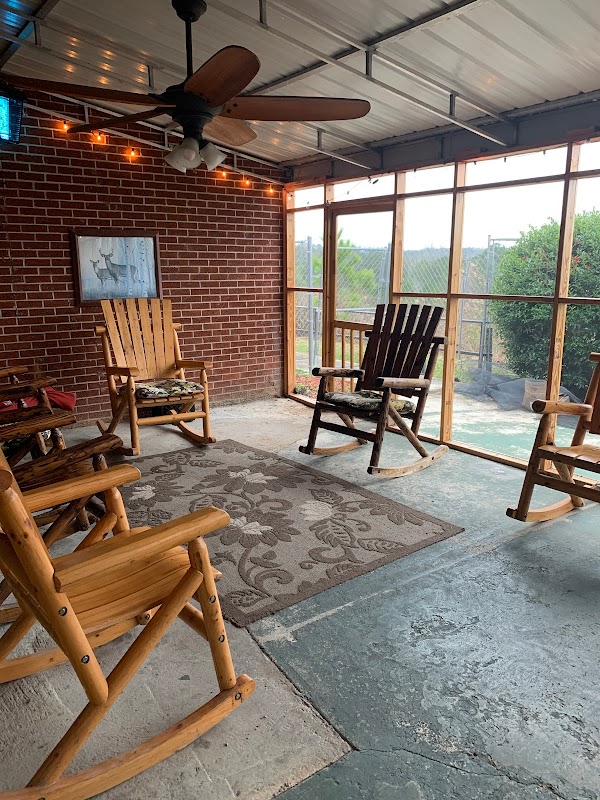
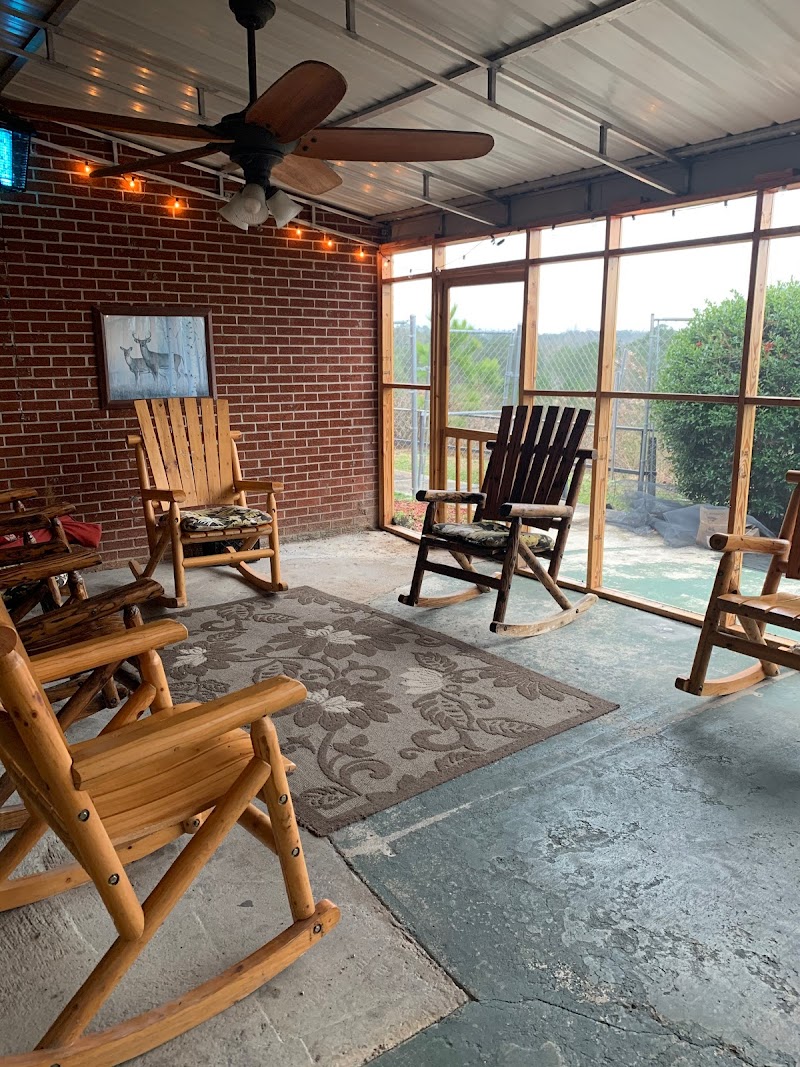
139 MORAN LAKE ROAD, NE, ROME, GA 30161 (706) 378-3383
For profit - Individual 100 Beds Independent Data: November 2025
Trust Grade
55/100
#189 of 353 in GA
Last Inspection: August 2024

Within standard 12-15 month inspection cycle. Federal law requires annual inspections.

Overview

Evergreen Health and Rehabilitation Center has a Trust Grade of C, indicating that it is average and in the middle of the pack compared to other nursing homes. It ranks #189 out of 353 facilities in Georgia, placing it in the bottom half, but it is #2 out of 8 in Floyd County, meaning only one local option is better. Unfortunately, the facility is worsening, with issues increasing from 3 in 2024 to 5 in 2025. Staffing is a relative strength, with a turnover rate of 31%, significantly lower than the state average, but the overall staffing rating stands at 2 out of 5 stars. Though the facility has no fines, which is a positive sign, it struggles with cleanliness and maintenance. Recent inspections found that areas like the linen room and medication room were not kept sanitary, raising concerns about resident safety. Additionally, there were issues with unsealed food items in the kitchen that had not been dated or labeled, which could pose health risks. Overall, while there are some strengths, particularly in staffing stability, the facility has notable weaknesses in cleanliness and compliance that families should consider.

Trust Score
C
55/100
In Georgia
#189/353
Bottom 47%
Safety Record
Low Risk
No red flags
Inspections
Getting Worse
3 → 5 violations
Staff Stability
○ Average
31% turnover. Near Georgia's 48% average. Typical for the industry.
Penalties
✓ Good
No fines on record. Clean compliance history, better than most Georgia facilities.
Skilled Nurses
⚠ Watch
Each resident gets only 27 minutes of Registered Nurse (RN) attention daily — below average for Georgia. Fewer RN minutes means fewer trained eyes watching for problems.
Violations
⚠ Watch
13 deficiencies on record. Higher than average. Multiple issues found across inspections.
★★☆☆☆
2.0
Overall Rating
★★☆☆☆
2.0
Staff Levels
★☆☆☆☆
1.0
Care Quality
★★★☆☆
3.0
Inspection Score
Stable
2024: 3 issues
2025: 5 issues

The Good

  • Full Sprinkler Coverage · Fire safety systems throughout facility
  • No fines on record
  • Staff turnover below average (31%)

    17 points below Georgia average of 48%

Facility shows strength in fire safety.

The Bad

2-Star Overall Rating

Below Georgia average (2.6)

Below average - review inspection findings carefully

Staff Turnover: 31%

15pts below Georgia avg (46%)

Typical for the industry

The Ugly 13 deficiencies on record

Sept 2025 5 deficiencies
CONCERN (D) 📢 Someone Reported This

A family member, employee, or ombudsman was alarmed enough to file a formal complaint

Potential for Harm - no one hurt, but risky conditions existed

ADL Care (Tag F0677)

Could have caused harm · This affected 1 resident

Based on observations, record review, and resident and staff interviews, the facility failed to ensure staff provided nail care for one of four residents (Resident (R) 3) observed for the provision of...

Read full inspector narrative →
Based on observations, record review, and resident and staff interviews, the facility failed to ensure staff provided nail care for one of four residents (Resident (R) 3) observed for the provision of ADL (activities of daily living) care out of a total sample of 24 residents resulting in dirty, long, and jagged nails.Findings include:Review of the admission Record located in the electronic medical record (EMR) was admitted to this facility with diagnoses including but not limited to major depression. Review of R3's annual Minimum Data Set (MDS) with an Assessment Reference Date (ARD) of 6/20/2025 identified him as having a Brief Interview for Mental Status (BIMS) score of five out of 15, indicating R3 was severely cognitively impaired. The MDS also identified R3 as needing partial to moderate assistance with personal hygiene. Review of R3's Care Plan tab in the EMR revealed a care plan dated 7/3/2024 identifying R3's refusal for care. Nursing interventions include: Encourage resident to accept care. If refusal occurs, wait and approach at a later time. Review of the documentation in the electronic software utilized by the facility for documenting care, the task for Personal Hygiene from 5/8/2025 through 9/4/2025 was reviewed. During this time frame, documentation revealed that R3 received care and was either independent, received limited assistance, or received total assistance in the receipt of personal hygiene. The staff did not document during the 9/3/2025 to 9/4/2025 timeframe that R3 refused care for personal hygiene but did have care provided on both days.On 9/3/2025 at 9:35 AM, R3 was observed in his room in bed lying on his right side. R3's fingernails were observed to be long and jagged with a brown substance observed underneath the nails. On 9/3/2025 at 12:21 PM, R3 was asked if this surveyor could see his nails. R3 showed the surveyor his nails and the nails were in the same condition as the previous observation. On 9/4/2025 at 8:28 AM, R3 was observed coming back from breakfast. When asking about R3's clothing, R3 stated he got a bath the previous day (Tuesday) and changed his clothing.During an interview on 9/4/2025 at 3:40 PM, the Assistant Director of Nursing (ADON) provided the care plan regarding refusals for R3. While the care plan addressed refusals, it was not specific to personal hygiene or nail care. The ADON was notified that on 9/3/2025 and up to the time of this conversation, that R3's nails had been observed to be long and jagged, with brown matter underneath. The Administrator walked up to this conversation and was notified as well about R3's nails and stated staff would take care of R3's nails.
CONCERN (D) 📢 Someone Reported This

A family member, employee, or ombudsman was alarmed enough to file a formal complaint

Potential for Harm - no one hurt, but risky conditions existed

Accident Prevention (Tag F0689)

Could have caused harm · This affected 1 resident

Based on observations, staff interviews, record review, and review of facility policy, the facility failed to supervise one of one (Resident (R)1) of 24 sampled residents at risk for elopement, result...

Read full inspector narrative →
Based on observations, staff interviews, record review, and review of facility policy, the facility failed to supervise one of one (Resident (R)1) of 24 sampled residents at risk for elopement, resulting in R1 eloping from the facility. The failure had the potential to cause harm to R1 while out of the facility unaccompanied.Findings include:Review of the facility's policy titled, Elopement of Patient dated 5/10/2022 revealed the definition of elopement as occurs when a patient leaves the premises or safe area without prior authorization. Review of R1's electronic medical records (EMR) revealed that R1 was admitted to the facility with diagnoses that include but not limited to dementia with behavioral disturbance, anxiety disorder, type two diabetes, seizures, schizophrenia, and bipolar disorder.Review of the annual Minimum Data Set (MDS) with an Assessment Reference Date (ARD) of 11/26/2024 revealed a Brief Interview for Mental Status (BIMS) score of five out of 15, indicating severe cognitive impairment. Per this MDS, R1 wandered during the assessment period, and required supervision for ADL's, redirect, and supervision on and off the unit.Review of a Nursing Note in the EMR dated 11/25/2024 revealed that R1 was admitted from a family residence and was alert to self only, confused to place and time. According to this Nursing Note R1 was offered different activities but would refuse and R1's wandering occurred frequently.Review of an Elopement Evaluation completed on 11/25/2024 and located in the Assessment tab of the EMR, also identified that R1 was at risk for elopement. R1, who was able to ambulate independently without a walker or wheelchair, had risk factors including diagnosis (dementia), a history of wandering, the inability to locate significant landmarks without assistance, and attempts of routine/leisure interests that were not consistent with their new environment which could lead to exit-seeking behaviors. The Elopement Evaluation noted that the resident's behaviors included hovering near exits, as well as hyper, frustration, and restlessness and/or agitation.Review of R1's Comprehensive Care Plan, initiated on 11/25/2024, revealed R1 was care planned to prevent elopements from the day of admission. The goal for R1 to not leave the facility unattended was to be met through multiple interventions, including: Observe risk factors/triggers for exit seeking behavior and adjust care. Staff monitor [R1] frequently. [R1] photo to be in Elopement Risk book, [R1]/family member to utilize check/out logbook and Facility has exit alarms.Review of a facility document titled, Self-Reported Incident Form, dated 5/1/2025, revealed that R1 eloped from the facility on 4/30/2025. It was reported that [R1] had exited the facility unsupervised and was located off facility property. Procedures related to a missing resident were initiated and followed. During the facility search, staff were able to locate eighty-three of eighty-four residents. Charge Nurse Licensed Practical Nurse (LPN)4 notified the Administrator, local police, and family members.Observations during a tour of the facility on 9/3/2025 at 8:41 AM revealed that the secured North residential unit included one wing with resident rooms, a day area, and a central nursing station. The residential unit had four exits accessible to residents and staff, one of which led to a locked hallway, then to the main entrance. The main entrance was locked and required a code to get in and out of the facility. Two of the other locked doors led into other areas of the facility. The fourth locked side door was an exterior door opening to the parking lot. This side door was used by employees entering and exiting the facility and required a code to get in and out.Interview on 9/4/2025 at 10:10AM, the Administrator stated that there was a video tape of the incident where LPN4 opened the side door to admit Recreational Therapist (RT)1 but did not supervise R1 and R1 walked past both RT1 and LPN4, exiting the facility. This surveyor requested copies of the written facility investigation, including statements from LPN4 and RT1. The Administrator advised that written statements did not exist. A request was made to see the video tape of the incident. The Administrator stated that after ten days, the videos were recorded over, so the video of the incident no longer existed. On 9/4/2025 at 11:30AM, the Administrator and the Maintenance Director (MD) produced the video of the incident. The MD had a copy of the video in an email he sent to the police department. The video showed LPN4 opening the side door to admit RT1 and R1 walking past both, exiting the facility. The video did not contain a date stamp or a time stamp, but it did show the sun setting in the background.Interview on 9/3/2025 at 3:45PM, LPN4 stated she opened the door for RT1. [RT1] walked in as I was walking away. At no time did LPN4 see R1 exit the facility. LPN4 stated that during the medication pass around 8:00 PM that day, another staff member alerted the team that R1 could not be located. LPN4 said that all staff members did a sweep throughout the facility, and R1 could not be located. LPN4 then notified the Administrator, the Social Services Director, the police department, and the family member.Interview on 9/4/2025 at 12:45 PM by telephone, RT1 stated that around 6:30 PM or 7:00 PM he arrived at the facility and LPN4 opened the door and walked away. As LPN4 was walking away, RT1 held the door as R1 exited the facility. RT1 thought R1 was a family member that had been visiting. RT1 verified that no staff alerted him that R1 was a resident and not to let him exit.Interview on 9/3/2025 at 10:00 AM, the Social Services Director (SSD) stated that she was notified on 4/30/2025 of R1's elopement. SSD was told by the South LPN2 that R1 was found at a gasoline station by Preacher, a person known to the family of R1, near R1's nephew's apartment. R1 was taken to the nephew's apartment, but the nephew was not home. The family member of R1 was called and was told by Preacher they were taking R1 back to the facility. Around 10:00 PM on 4/30/2025, a car pulled up to the side door. R1 exited the car and was admitted to the facility. The car drove away while the police were inside the facility, along with the Administrator, the Director of Nursing, and the SSD. The SSD called the family member that evening and asked who Preacher was and how could the SSD contact him. The Family member stated that was Preacher but did not have a phone number. SSD asked again who Preacher was and the family member stated, That's Preacher.Interview with LPN2, who was the charge nurse on the South unit, on 9/3/2025 at 4:00 PM, she stated that she received a phone call on 4/30/2025 at 9:45 PM from R1's family member who stated that Preacher found R1 at a gas station near the propane tanks. R1's Family member stated that Preacher took R1 to his nephew's apartment, but no one was there. R1's Family member stated that Preacher was bringing R1 back to the facility. The Police, Administrator, SSD all see the car pull up to the side of the facility, R1 exits the car and enters the facility. The car drives away.Review of EMR under the Progress Notes dated 4/30/2025 indicate that R1 was given a thorough examination when R1 returned. There was no evidence of physical trauma or physical injury.Four attempts were made to contact the family member. No response was received.
CONCERN (E) 📢 Someone Reported This

A family member, employee, or ombudsman was alarmed enough to file a formal complaint

Potential for Harm - no one hurt, but risky conditions existed

Safe Environment (Tag F0584)

Could have caused harm · This affected multiple residents

**NOTE- TERMS IN BRACKETS HAVE BEEN EDITED TO PROTECT CONFIDENTIALITY** Based on observations, record review, staff interviews, and review of the facility policy titled, Routine Cleaning and Disinfect...

Read full inspector narrative →
**NOTE- TERMS IN BRACKETS HAVE BEEN EDITED TO PROTECT CONFIDENTIALITY** Based on observations, record review, staff interviews, and review of the facility policy titled, Routine Cleaning and Disinfection, the facility failed to ensure a safe, clean, comfortable, homelike environment in the North and South hallways, resident rooms for four of 24 sampled residents (Resident (R)3, R4, R20, and R5), resident shower rooms, resident equipment for five of 24 sampled Rs (R22, R25, R24, R15, and R21), and the main dining room were maintained in a safe, clean, comfortable and clutter-free manner to create a homelike environment.Findings include:Review of the facility's policy titled Routine Cleaning and Disinfection dated 9/1/2022 states, Policy: It is the policy of this facility to ensure the provision of routine cleaning and disinfection in order to provide a safe, sanitary environment and to prevent the development and transmission of infections to the extent possible. The policy in part provides Policy Explanation and Compliance Guidelines as follows: 1. Routine cleaning and disinfection of frequently touched or visibly soiled surfaces will be performed in common areas, resident rooms and at the time of discharge.4. Routine surface cleaning and disinfection will be conducted with a detailed focus on visibly soiled surfaces and high touch areas to include, but not limited to:a. Toilet flush handlesb. Bed railsc. Tray tablesd. Call buttonse. TV remotef. Telephonesg. Toilet seatsh. Monitor control panels, touch screens, and cables. i. Resident chairsj. IV polesk. Blood Pressure cuffsl. Sink faucetsm. Light switchesn. Doorknobs and levers.12. Horizontal surfaces with infrequent hand contact (windowsills and hard surface flooring) in routine resident-care areas should be cleaned:a. On a regular basisb. When soiling and spills occurc. When a resident is discharged from the facility. 13. Cleaning of walls, blinds and window curtains will be conducted when visibly soiled. During a tour of the South and North Halls on 9/3/2025 beginning at 8:30 AM, an observation was made of the outside patio/porch area through the door on the front side of the building. Several chairs with teal-colored cushions were observed in this area. The cushions were observed with black and green matter on them, and the patio area was observed with debris in need of attention. The area at the same end of the hall as the patio/porch area was observed with dirty blinds, the windowsill and the window well contained cobwebs, dead insects, and other debris.Stop sign banners with Velcro strips used on the doorways of resident rooms throughout the North Hall were observed to be soiled in a dirty black color, approximately covering one third of the banner.The South Hall shower room was observed to have missing floor tiles and with scattered debris on the floor. The shower room was cluttered with boxes of incontinence briefs stored on the floor alongside large gray storage units. There were two bathtubs containing debris, empty boxes and boxes of trash bags stored inside. At the entrance and exit of the shower room there was an accumulation or buildup of a black substance.On 9/3/2025 at 8:53 AM, above the nurse's station on the South Hall there were four ceiling tiles with water marks, gray to black in color. One of the ceiling tiles was observed to have a large area of a black substance.Observation on 9/4/2025 at 10:10 AM with the Administrator, she viewed the ceiling tiles above the nurse's station on the South Hall. The Administrator acknowledged that the ceiling tiles were with dark discoloration. She stated that the Maintenance Director (MD) kept the tiles changed and that the discoloration was caused by air conditioner condensation on the roof.Observation on 9/3/2025 at 9:20 AM of the resident dining room revealed scattered debris on the floor of the dining room. The lower portion of the wall just inside the door on the south side of the dining room was observed with dried, scattered, brownish colored splatters in need of cleaning. The windowsills were observed with office paper hole punches sitting on the sill and scattered condiment packages of honey, ketchup, mustard, and a pink pack of Sweet Plus (a packaged sweetener). The blinds on the windows in the dining room had a heavy accumulation and buildup of grime/dust. The dining room table chairs, along the back of the seat portion and at the base of the rungs, had an accumulation of dirt/dust and grime and were in need of cleaning. The legs of the tables were observed with food splatters. Near the ice machine and kitchen dish area window, two benches were observed, one turned upside down on top of the other. The underside of the bench on top contained an old paper towel, straw papers, and a sweetener package. There was a build-up of dust and grime along the floor of the north doorway entry/exit and there were scattered dry splatters on the lower portion of the wall on the north side of the dining room.Observation of the North Hall on 9/3/2025 at 9:35 AM revealed at the entrance to R3's room, there was a white mesh banner with a stop sign in the center. The right side of the banner was observed lying on the floor and was observed to be soiled with a dark grayish to black color. R3's wheelchair was observed parked beside his/her bed and was observed with a cushion in the seat. The cushion in the seat of the wheelchair was observed with the left edge open/torn with the foam exposed. The wheelchair wheel spokes were observed to have an accumulation of dust, dirt, and food particles. The bed frame at the footboard of R3's bed was observed to have an accumulation of dust, dirt, and food particles. An empty juice cup was observed underneath the mattress on the bedframe as well as a plastic soda bottle top under the bed. The floor around the bed was observed to have an accumulation of debris to include crackers and the plastic wrapping. The resident's bedside table was observed with an empty pickle jar, a can of squirt cheese without a lid; and there were crumbs observed on the overbed table. The drawers of the bedside table were open and were observed to have a heavy accumulation of food and spillage inside both drawers. Continuing with the above observation of this room revealed that R4's overbed table was found with open snack items as well as open plastic soda bottles. There were crumbs and scattered debris observed around and underneath R4's bed.Observation of R20's bed revealed a bed control hanging on the side of the bed on the rail. The sheath to cover the wiring to the bed control had multiple exposed wires. The outlet was observed to have an electrical plug plugged into it. When the surveyor pushed the bed control for the head of the bed to go up, it would not raise. The head of the bed was flat. A urinal was observed on the bedside table that was three-fourths full of urine. The overbed table was observed with dried, brown, sticky substances on the table part. The floors around R20's bed were also observed with a buildup of dirt and grime as well as food debris. On 9/3/2025 at 9:58 AM, a white mesh banner with a red stop sign in the middle was observed on the door of R5's room. The banner was observed to be soiled with what appeared to be a reddish brownish spot near the center and the right side of the banner was soiled with a dark gray blackish coloring. On 9/3/2025 at 12:03 PM, a clear plastic bag was observed at the base of the door on the North Hall leading to the fenced covered smoking patio.On 9/3/2025 at 12:10 PM, the Maintenance Director (MD) was asked to accompany the surveyor to view R20's bed control. The bed control was shown to the MD and asked if anyone had reported an issue with the remote to him previously. The MD said it had not. The MD said that the bed could be raised using a crank and that the resident usually laid flat. The MD removed the bed control from the bed by unhooking it from the foot of the bed. Observation on 9/3/2025 at 12:24 PM revealed a housekeeping cart on the North Hall just outside room [ROOM NUMBER]. The mop head was observed sitting in the water. The water was dark gray in color.During an observation on 9/3/2025 at 12:25 PM, a mop bucket was observed on the North Hall outside of the biohazard room door. The mop head was sitting in the water. The water inside the bucket was dark gray in color.During an interview on 9/4/2025 at 10:30 AM with the Housekeeping Director (HKD1), HKD1 stated that her staff consisted of three full-time housekeepers, one floor tech, a supervisor, and an assistant. When asked about her department, she stated that the new employees were trained hands on and that she normally trained them. She explained that she had made up a five-day training program. There was a checklist for what to do from going in room to time out of room. She stated they performed this for five days to help them understand what to do. When asked about the housekeeping carts and the mop bucket and how often the cleaning solution and water was changed in the bucket, she said that the mop head was changed every day. The water in the bucket was to be changed every four rooms. When the HKD1 was asked about the boxes that were observed randomly placed along the walls, nurse's stations and the shower rooms, the housekeeping supervisor explained that Mondays were the time when they had a large number of boxes. She stated the staff put boxes outside. They were supposed to put the boxes in a fenced area but if she saw them outside, she would take them to that area.When asked about the cleaning schedule, HKD1 described a deep cleaning schedule and showed the surveyor the deep cleaning sign posted when rooms were being deep cleaned. HSKP1 stated that there were five rooms a week deep cleaned, or one a day. When asked if the deep cleaning included bed frames, HSKP1 said it did. When specifically asking about R3's room, HSKP1 showed the surveyor the schedule for August and stated R3's room would have been deep cleaned August 5, 2025. The HKD1 stated that the dining room was deep-cleaned one time a month. She stated that a floor tech came in and swept and mopped the floors daily and if they saw anything on walls, they would wipe them. HKD1 was shown the areas observed in need of cleaning in the dining room to include the walls, chairs at the rungs, blinds, and benches near the dish area. HKD1 was then asked to go to R3's room with this surveyor. The HKD1 was shown the bed frame of R3 and asked if it looked like it had been part of the deep cleaning process of R3's room. She said it did not. The housekeeping supervisor was also shown the chip bag that was observed on the resident's bedframe as well as the bedside table of the resident and the inside of the drawers. The housekeeping supervisor stated that staff did not go inside the residents' drawers without the residents' permission to clean them. On 9/5/2025 at 8:45 AM, the HKD1 provided copies of the Deep Clean checklist as well as the Daily Room Cleaning checklist that was utilized to ensure that housekeeping staff were aware of the areas designated to be cleaned. The room deep cleaning checklists included the items for cleaning: Trash (clean can also), dust all high corners, clean window [NAME] (tracks) and seal, wipe food trays and the legs, wipe entire nightstand, clean walls and doors, disinfect all knobs and switches, call light and cord cleaned. The list for deep cleaning also included sweeping and mopping under and behind everything.For daily room cleaning, the following were listed: Trash, overbed food trays, nightstands, window [NAME] (tracks) and seals, check for cobwebs, check walls and doors, disinfect call lights and light switches.Observations on 9/5/2025, beginning at 9:25 AM on both the North and South Halls of resident chairs used for mobility included:The right arm rest on R22's Broda (a chair or wheelchair that provides comfort, support, and mobility) chair was observed with multiple areas of torn vinyl. The Assistant Director of Nursing (ADON) was present during the observation and confirmed the chair was in need of repair.R23's Broda chair was observed with both arm rests torn with the vinyl in need of repair. The ADON observed the chair and confirmed that the arm rests needed to be replaced.R24's left wheelchair arm rest, at the end, was observed to have frayed vinyl. The ADON confirmed the arm rest was in need of repair. R15's blue geri chair (geriatric chairs, or geri chairs, are specialized reclining chairs for seniors who require more support or versatility than a conventional wheelchair or regular chair can provide) was observed with both armrests having torn vinyl covering exposing the foam padding underneath. Debris was also observed in the seat of the chair. Certified Nursing Assistant (CNA) 4 confirmed the chair belonged to R15. The vinyl covering on the front edge of both arm rests of R21's Broda chair was observed to be torn with foam showing. CNA4 verified the chair belonged to R21. During an interview on 9/5/2025 at 9:38 AM with the Maintenance Director, when notifying him of observations where arm rests on Broda and Geri chairs were found with torn vinyl covering, he stated he would be the one to repair those. When asked about wheelchairs and routine cleaning of those, he stated that the night shift was responsible for that cleaning. He added that if one was soiled, it would be taken care of immediately.
CONCERN (E) 📢 Someone Reported This

A family member, employee, or ombudsman was alarmed enough to file a formal complaint

Potential for Harm - no one hurt, but risky conditions existed

Deficiency F0761 (Tag F0761)

Could have caused harm · This affected multiple residents

Based on observations, staff interviews, record review, and facility policy review, the facility failed to ensure expired insulin pens and insulin vials were removed from two of four medication carts ...

Read full inspector narrative →
Based on observations, staff interviews, record review, and facility policy review, the facility failed to ensure expired insulin pens and insulin vials were removed from two of four medication carts (South Hall long and South Hall short) reviewed. In addition, the facility failed to ensure two of two medication room refrigerators (North Hall and South Hall) were locked and the schedule II lock box (containing narcotics that have a high incidence of abuse) were affixed to shelving, as required. This failure had the potential of medication diversion to residents, staff or visitors, and residents receiving ineffective medications. Findings include:Review of the facility policy titled, Medication Storage in the Facility, Expiration Dating of Medications, dated February 17, 2020, revealed, .Medications and biologicals are stored safely, securely, and properly following manufacturer's recommendations or those of the supplier.Injectable medication dispensed by pharmacy will be discarded thirty (30) days after initial dose or according to the manufacturer recommended discard date. The medication will be noted with the date the medication was initially opened.Review of the facility policy titled, Medication Storage in the Facility, Storage of Medications, dated June1, 2018 revealed,.Schedule II, III, IV, and V controlled medications are stored separately from other medications in a locked drawer or compartment designated for that purpose.All medications dispensed by the pharmacy are stored in the container with the pharmacy label.The nurse will check the expiration date of each medication before administering it.No expired medications will be administered to a resident.1. During an observation of the South Hall Medication Room on 9/3/2025 at 3:10 PM with Licensed Practical Nurse (LPN) 7 revealed the medication room refrigerator was unlocked and the narcotic lock box was inside the refrigerator and not affixed to the shelving. The locked narcotic box revealed five vials of lorazepam (a medication used to treat anxiety and agitation-a scheduled IV (four) medication) was inside. In addition, the refrigerator shelves on the door and the floor of the refrigerator were noted with debris and a yellowish sticky substance. LPN7 confirmed that the locked box was not affixed, and the refrigerator was dirty.During an observation of the North Hall Medication Room on 9/3/2025 at 3:25 PM with LPN5 revealed the medication room refrigerator was unlocked and the narcotic lock box was locked but was not affixed to the shelf in the refrigerator. The narcotic locked box contained 12 vials of lorazepam. LPN5 confirmed that the locked box inside the refrigerator was not affixed to the shelving.2. Review/observation of the South Hall Short Medication Cart on 9/4/2025 at 8:19 AM with LPN 6, who administered medications from the Short Hall cart, revealed one Lantus (long-acting insulin) kwik pen without a name, date when opened, and/or expiration date on the pen. The kwik pen showed a full vial was 260 units however, the vial showed 80 units. LPN 6 confirmed that the kwik pen did not have a resident's name on it and had been used but did not know which staff was using the unlabeled pen. LPN6 stated she did not know for certain which resident was receiving the insulin from the kwik pen but R17 was the only resident receiving Lantus from that medication cart.Review/observation of the South Hall Long Medication Cart on 9/4/2025 at 9:08 AM with LPN 8 revealed the following:1. A Tresiba insulin (long-acting insulin) kwik pen with an expiration date of 8/21/2025.2. A vial of Lantus insulin with an open date of 7/18/2025 and expiration date of 8/18/2025.3. A vial of Lispro insulin (short-acting insulin) which was not dated when opened or had an expiration date listed on the vial but had been used.4. A vial of Lispro insulin which was opened which had an open date of 7/30/2025 and an expiration date of 8/27/2025.5. There was one vial of Lantus insulin and one vial of Lispro insulin that were unopened and unused, however, the label stated that it was to be refrigerated until opened.LPN 8 stated during the observation that the insulins were expired and should not have been used. LPN 8 further stated that insulin should be refrigerated until opened.During an interview on 9/5/2025 at 9:35 AM, the Assistant Director of Nursing (ADON) stated that insulins should not be used after the expiration date and the medication room refrigerators were to be locked.
CONCERN (F) 📢 Someone Reported This

A family member, employee, or ombudsman was alarmed enough to file a formal complaint

Potential for Harm - no one hurt, but risky conditions existed

Safe Environment (Tag F0921)

Could have caused harm · This affected most or all residents

Based on observations and staff interviews, the facility failed to ensure a safe, functional, sanitary, comfortable environment in the clean linen room, the overflow Linen Room, the Biohazard Room, an...

Read full inspector narrative →
Based on observations and staff interviews, the facility failed to ensure a safe, functional, sanitary, comfortable environment in the clean linen room, the overflow Linen Room, the Biohazard Room, and the South Hall Medication Room were maintained in an clean, orderly, and sanitary manner.Findings include:Observation on 9/3/2025 at 8:55 AM, at the nurse's station near the shower room on the South Hall revealed empty cardboard boxes along the wall. A plastic cup and scattered debris to include a cotton ball and paper were observed on the floor of the nurse's station. Between the supplement room where the nourishment refrigerator was located and the locked medication room, five boxes of opened and unopened boxes of Med Pass 2.0 and Ensure nutritional supplements were observed stacked up on the floor.On 9/3/2025 at 9:00 AM, at the request of the surveyor, Licensed Practical Nurse (LPN)8 unlocked the Medication Room. Multiple items were observed on the counter in disarray and cluttered to include a clear box with medications inside. The lid was lying on the top due to the box being over filled. The floor in the Medication Room was observed with scattered debris as well as crumbs located along and underneath the cabinets.Observation on 9/3/2025 at 9:05 AM of the Nourishment Room on the South Hall behind the nurse's station revealed the inside of the refrigerator containing nutritional supplements and other food items was in disarray and the refrigerator and freezer were observed with sticky substances, in need of cleaning. On 9/3/2025 at 10:50 AM, the Assistant Director of Nursing (ADON) was asked to accompany the surveyor to the Biohazard Room. The Maintenance Director (MD) provided entry to the Biohazard Room. Upon entry into the locked and labeled room, immediately to the left was a hopper with dark gray water standing in the bottom. The hopper was in need of cleaning as there was a black substance around the rim. The hopper was observed to wobble and was not secured to the structure. Trash and other debris was observed on the floor to the left side of the hopper with an accumulation of dirt and grime on the floor and a black substance on the baseboard. To the right of the hopper, two 1-gallon containers of a chemical, a 5-gallon bucket of floor wax, a sharps container containing sharps/needles, and a red biohazard bag containing sharps containers were observed on the floor. A wet floor sign, and a small trash container with red biohazard bags stored inside were also observed in this area. Behind the door to this room, there were 12 sharps containers stacked on the floor with sharps inside. The entire floor of this room had a buildup of a dark graying/black grime. During this observation, a room attached to the Biohazard Room was observed to be open and without a door handle. When the ADON was asked what was behind the door, she stated it was where overflow laundry was kept. The threshold between the two rooms was observed with a buildup of debris. Upon entering the room, laundry was observed on the floor. The floor of this room was observed to have a buildup of dirt and grime, grayish black in color. There were laundry racks full of laundry on both sides of the room. Although the laundry racks including sheets and towels were covered with fabric covering, the laundry was falling off the racks onto the floor. The ceiling light cover was observed to have an accumulation of dead bugs. Empty boxes were observed on the floor toward the back of the room near the door along with a black trash bag on the floor. The MD stated that there were extra hangers in the trash bag. There was a large amount of grayish black debris near the base of the door along with a large amount of cobwebs and dead bugs. There was light coming in around the exit door leading to outside that may allow the entry of bugs and pests. Observation of the clean laundry room on 9/3/2025 at 11:00 AM with the ADON, revealed laundry on the floor, some appearing dirty with brown stains. There were plastic bags of laundry on the floor, two IV (intravenous) poles were sitting on top of a plastic bag of laundry and other linen on the floor. There was a box labeled name of medical supply company turned on its side at the back of the clean laundry room among the laundry on the floor. A weighing device on its side and a dolly stored in the room near the laundry was observed on the floor. Behind the entry door, there was a brownish buildup of grime on the floor. On 9/3/2025 at 11:05 AM, the Administrator was notified about the findings in the Biohazard Room, the clean laundry, and the overflow laundry rooms. During an interview on 9/4/2025 at 10:30 AM, the Housekeeping Director (HKD1), when asked about the clean linen room, verified the condition of the clean linen room and that she took full responsibility.
Aug 2024 3 deficiencies
CONCERN (D)

Potential for Harm - no one hurt, but risky conditions existed

PASARR Coordination (Tag F0644)

Could have caused harm · This affected 1 resident

**NOTE- TERMS IN BRACKETS HAVE BEEN EDITED TO PROTECT CONFIDENTIALITY** Based on staff interviews, record review, and review of the facility's policies titled, Resident Assessment-Coordination with PA...

Read full inspector narrative →
**NOTE- TERMS IN BRACKETS HAVE BEEN EDITED TO PROTECT CONFIDENTIALITY** Based on staff interviews, record review, and review of the facility's policies titled, Resident Assessment-Coordination with PASARR Program, the facility failed to refer one of 29 residents (R) (R61) for a pre-admission screening and resident review (PASARR) Level II screening. The deficient practice had the potential to place R61 at risk for medical complications, unmet needs, and a diminished quality of life. Findings include: Review of the policy titled Resident Assessment - Coordination with PASARR Program, dated October 2023, revealed the policy of the facility was to coordinate assessments with the preadmission screening and resident review (PASARR) program under Medicaid to ensure that individuals with a mental disorder, intellectual disability, or a related condition receive care and services in the most integrated setting appropriate to their needs. Review of the electronic medical record (EMR) revealed R61 was admitted to the facility with diagnoses including, but not limited to, anxiety disorder, major depressive disorder, and schizoaffective disorder. Review of R61's most recent entry tracking Minimum Data Set (MDS) assessment with an assessment reference date (ARD) of 7/10/2024 revealed section A (Identification Information) documented the resident had not been evaluated by Level II PASRR and determined to have a serious mental illness and/or mental retardation or related condition. Review of the quarterly MDS assessment dated [DATE] revealed Section I (Active Diagnoses) documented no neurological diagnoses and documented schizophrenia, depression, and anxiety. Review of R61's care plan revealed a focus area of mood problems related to diagnoses of depression, schizoaffective disorder, and anxiety. Goals included, but were not limited to, improved mood state. Interventions included, but were not limited to, administering medications as ordered, behavioral health consults as needed, and monitoring/recording/reporting to the medical doctor as needed for mood patterns, signs, and symptoms of depression, anxiety, or sad mood. An interview with the Social Service Director (SSD) on 8/17/2024 at 10:49 am revealed R61 did not have a PASARR Level II. She revealed that when a new diagnosis or new antipsychotic/antidepressant type medication was added to a resident's medical record, the Director of Nursing (DON) should notify her of the new psychiatric diagnosis or medication ordered, and she would submit for a PASARR Level II. She confirmed R61 had diagnoses of major depressive disorder, anxiety disorder, and schizoaffective disorder and did not have a diagnosis of dementia or Alzheimer's. She stated she was not told about the diagnosis of schizoaffective disorder and that a request for a PASARR Level II should have been submitted. An interview with the DON on 8/17/2024 at 11:04 am revealed the SSD and the MDS Coordinator meet regularly regarding psychiatric medications and diagnoses and that the MDS Coordinator should have notified the SSD of all diagnoses related to R61's mental health. An interview with the MDS/Care Plan Coordinator on 8/17/2024 at 11:06 am revealed that it was the DON's and MDS Coordinator's responsibility to notify the SSD of mental health diagnoses and new mental health medications. She stated she was unable to say why the SSD was not notified of the diagnosis of schizoaffective disorder for R61 but that she should have been notified. She stated this practice could result in R61 not receiving the specialized services he may need. An interview with the DON on 8/17/2024 at 11:50 am revealed the MDS Coordinator should communicate diagnoses to the SSD. She stated the lack of communication could cause the resident to have a mental health issue and cause the resident to be sent to the emergency room and/or hospitalized .
CONCERN (D)

Potential for Harm - no one hurt, but risky conditions existed

Comprehensive Care Plan (Tag F0656)

Could have caused harm · This affected 1 resident

**NOTE- TERMS IN BRACKETS HAVE BEEN EDITED TO PROTECT CONFIDENTIALITY** 2. Review of R61's quarterly Minimum Data Set (MDS) assessment with an assessment reference date (ARD) of 7/15/2024 revealed in ...

Read full inspector narrative →
**NOTE- TERMS IN BRACKETS HAVE BEEN EDITED TO PROTECT CONFIDENTIALITY** 2. Review of R61's quarterly Minimum Data Set (MDS) assessment with an assessment reference date (ARD) of 7/15/2024 revealed in Section O (special treatments, procedures, and programs) oxygen therapy was provided to R61 while a resident. Review of R61's care plan indicated a focus of oxygen therapy, diagnosis of asthma, shortness of breath, and altered respiratory status/difficulty breathing related to chronic obstructive pulmonary disease and centrilobular emphysema. Goals included but not limited to resident will have no signs or symptoms of poor oxygen absorption, remain free of complications of asthma, and he will maintain a normal breathing pattern. Interventions included but not limited to give medications as ordered by physician (9/13/2023), give oxygen as ordered as needed (9/13/2023), monitor for signs and symptoms of respiratory distress (9/13/2023), monitor for signs / symptoms of asthma attack, and monitor, document, report breathing abnormalities to the physician (9/13/2023), and monitor/document breathing patterns, report abnormalities to the physician (9/13/2023). Review of the EMR revealed physician's orders for R61 included but was not limited to oxygen at two liters per minute via nasal cannula as needed, change oxygen tubing every week and as needed, and clean filter with soap and water every week and as needed. Review of the TAR revealed in August of 2024, change O2 tubing and concentrator cleaned was documented as refused on 8/9/2024 but documented as completed on 8/2/2024 and 8/16/2024. Review of the TAR for July 2024 revealed that the tasks change O2 tubing and concentrator cleaned was documented as completed each week. Observations made on 8/16/2024 at 11:26 am of O2 concentrator at R61's bedside revealed O2 tubing was dated 8/9/2024, the filter vent was covered with a gray substance. Observation made on 8/17/2024 at 7:45 am of the O2 concentrator at R61's bedside revealed a gray substance covered the filter vent. Observed R61 resting in bed receiving O2 at 2 LPM via NC. The NC was dated 8/16/2024. Observation and interview on 8/17/2024 at 9:45 am with LPN DD revealed the O2 concentrators should be cleaned weekly by the treatment nurse. She stated the O2 tubing and humidifier bottles should be changed weekly and as needed. She revealed this was documented on the TAR for each resident who received O2. She confirmed and verified R61's O2 concentrator's filter vent was covered with a fuzzy, gray substance. During an interview on 8/18/2024 at 12:00 pm with the Director of Nursing (DON) revealed R61's care plan included interventions to clean the O2 concentrator and filters. She stated she expected staff to follow the care plan and if a resident refused to allow staff to clean their O2 concentrator/filter they should reapproach the resident at later time. She stated if the resident continued to refuse, then the care plan should reflect this. Interview on 8/18/2024 at 12:45 pm with the Care Plan Coordinator and the MDS Coordinator revealed that the care plan was developed from the MDS assessment. They stated the care plan interventions should be added reflecting the individual needs of each resident. They stated if a resident was refusing to allow staff to change or clean their equipment, it should be added to the care plan. They stated the care plan for R61 had an intervention added to his care plan which included change tubing, clean and maintain oxygen administration equipment per facility protocol and physician orders (not dated). They stated that they were not aware R61 refused to allow staff to clean the concentrator. 3. A review of R41's quarterly MDS dated [DATE], Section O (Special Treatments, Procedures, and Programs) documented that R41 received oxygen. A review of the active physician's orders revealed an order dated 11/22/2022 for O2 at 2 LPM via NC or mask PRN. A review of R41's care plan revealed a Focus area of the resident uses O2 therapy PRN related to chronic obstructive pulmonary edema (COPD). The Interventions included giving medications as ordered by the physician. A review of the medication administration record (MAR) dated August 2024 documented that O2 was administered at 3 LPM on 8/1/2024, 8/2/2024, 8/3/2024, 8/15/2204 and 8/16/2024. Observations on 8/16/2024 at 11:15 am, 8/16/2024 at 4:00 pm, and 8/17/2024 at 10:00 am revealed R41 receiving O2 via a NC with the flow-meter set at 3.5 LPM. In an interview on 8/17/2024 at 9:10 am, LPN AA confirmed R41's physician's order of O2 at 2 LPM via NC or mask PRN. During observation of R41, LPN AA verified that he was receiving O2 via an NC at 3.5 LPM. LPN AA verified that R41's care plan included a focus area of the resident using O2 therapy PRN related to COPD, and interventions included giving medications as ordered by the physician. She confirmed if the O2 was not administered at the rate ordered by the physician, the care plan was not being followed. She further stated that not following the care plan could cause adverse effects for a resident. In an interview on 8/18/2024 at 1:00 pm, LPN BB confirmed R41's care plan included administering medications as ordered and stated if the O2 was not administered as ordered, the care plan was not being followed. She stated that O2 was considered a medication. In an interview on 8/18/2024 at 1:15 pm, the DON stated she expected licensed nursing staff to follow the interventions on the resident's care plan, and if the intervention stated to administer medications as ordered, the nurse would not be following the care plan if O2 was not being administered as ordered. She stated failing to follow care plan interventions could cause adverse effects for a resident. 4. Review of the EMR for R47 revealed she was admitted to the facility with diagnoses including but not limited to chronic obstructive pulmonary disease (COPD), encephalopathy, cirrhosis of the liver, diverticulosis and end stage renal disease with dialysis. The resident's most recent Minimum Data Set (MDS) dated [DATE], revealed a Brief Interview for Mental Status (BIMS) score was coded as 05, which suggests severe cognitive impairment. Review of Physician orders for R47 revealed Oxygen Therapy-Nasal Cannula at rate of two liters PRN, initiated 11/30/2023. Review of the care plan initiated on 12/19/2023 and revised on 3/26/2024 revealed that R47 had diagnosis of sleep apnea, and shortness of breath. Care plan also states order for 02 at 2 LPM via NC PRN. Observation on 8/17/2024 at 8:43 am revealed R47's O2 concentrator set on 3 LPM, being delivered via NC. Observation on 8/18/2024 at 9:20 am and 11:20 am revealed R47's O2 concentrator flow rate set at 3 LPM, being delivered via NC. Observation and interview on 8/18/2024 at 11:35 am with the Assistant Director of Nursing (ADON) confirmed that R34's O2 tank setting was on three LPM. The ADON checked R47's medical orders in the facility's EMR and confirmed that the physician order was for two LPM via NC. The ADON stated R47 had in the past adjusted the flow meter on her 02 concentrator. During an interview on 8/18/2024 at 12:10 pm, R47 stated they never adjusted the knob on the concentrator. R47 further stated only the nurses changed the flow rate on the concentrator. Interview on 8/18/2024 at 2:00 pm with the DON revealed that she expected the care plan to be reconciled with the physician's order and to be followed as written, on the care plan and physician's orders. Cross reference to F-695 Based on observations, resident and staff interviews, record review, and review of the facility policy titled, Comprehensive Care Plans, the facility failed to follow the care plan related to correctly administering the physician ordered rate of oxygen (O2) for two of 15 residents (R) (R41 and R47) receiving O2 therapy. Additionally, the facility failed to follow the care plan related to cleaning the O2 filter on the O2 concentrator (machine that converts room air into oxygen) per physician's orders for two of 15 residents (R32 and R61) receiving O2 therapy. Findings include: A review of the facility policy titled Comprehensive Care Plans, implemented May 2023 revealed under Policy Explanation and Guidelines: . 8. Qualified staff were responsible for carrying out interventions specified in the care plan and will be notified of their roles and responsibilities for carrying out the interventions, initially and when changes are made. 1. A review of the manufacturer's user manual for R32's oxygen concentrator revealed the device should be operated in a clean environment, and excessive dust could affect optimal performance. If environmental conditions were less than optimal, the device would require cleaning more frequently. A review of the electronic medical record (EMR) revealed a physician's (MD) order dated 7/25/2024 revealed R32 was to receive 2 liters per minute (LPM) of oxygen (O2) via nasal cannula (NC) as needed (PRN) and to clean the O2 filter with soap and water (H2O) once a week and as needed. A review of R32's care plan revealed that the staff was to clean the O2 filter on the O2 concentrator per MD order. An observation of R32 on 8/16/2024 at 9:27 am and 8/17/2024 at 8:48 am revealed she was receiving 2 LPM of O2 via NC, per MD orders. An observation of R32's oxygen concentrator on 8/16/2024 at 9:28 am and 8/17/2024 at 9:08 am revealed that the external slats on the O2 concentrator were visibly dirty, with accumulated dust over the entire filter. An observation of the filter inside the concentrator revealed the filter had an accumulation of dust and dirt over the entire internal filter During an interview on 8/17/2024 at 9:44 am with Registered Nurse (RN) CC, he acknowledged the external slats on the O2 concentrator and internal filter on R32's O2 concentrator were dirty and had accumulated dust covering the slats and filter. RN CC confirmed he was responsible for cleaning the filter and concentrator. During an interview on 8/17/2024 at 9:45 am with the Licensed Practical Nurse (LPN DD) revealed that the treatment nurse should clean the O2 concentrators weekly. She stated the O2 tubing and humidifier bottles should be changed weekly and as needed. She revealed this should be documented on the Treatment Administration Record (TAR) for each resident. She verified the O2 concentrator's exterior vent had an accumulation of dust and dirt, and the interior filter was dirty.
CONCERN (D)

Potential for Harm - no one hurt, but risky conditions existed

Respiratory Care (Tag F0695)

Could have caused harm · This affected 1 resident

**NOTE- TERMS IN BRACKETS HAVE BEEN EDITED TO PROTECT CONFIDENTIALITY** 2. Review of R61's quarterly Minimum Data Set (MDS) assessment with an assessment reference date (ARD) of 7/15/2024 revealed a B...

Read full inspector narrative →
**NOTE- TERMS IN BRACKETS HAVE BEEN EDITED TO PROTECT CONFIDENTIALITY** 2. Review of R61's quarterly Minimum Data Set (MDS) assessment with an assessment reference date (ARD) of 7/15/2024 revealed a Brief Interview for Mental Status (BIMS) of 5, which indicates R61 had severe cognitive impairment. Section O (special treatments, procedures, and programs) indicated oxygen therapy was provided to R61 while a resident. Review of R61's care plan indicated a focus of oxygen therapy, diagnosis of asthma, shortness of breath, and altered respiratory status/difficulty breathing related to chronic obstructive pulmonary disease and centrilobular emphysema. Goals included but not limited to resident will have no signs or symptoms of poor oxygen absorption, remain free of complications of asthma, and he will maintain a normal breathing pattern. Interventions included but not limited to give medications as ordered by physician (9/13/2023), give oxygen as ordered as needed (9/13/2023), monitor for signs and symptoms of respiratory distress (9/13/2023), monitor for signs / symptoms of asthma attack, and monitor, document, report breathing abnormalities to the physician (9/13/2023), and monitor/document breathing patterns, report abnormalities to the physician (9/13/2023). Review of the EMR revealed physician's orders for R61 dated 10/4/2023 for O2 @ (at) 2L/M (liters per minute/LPM) VIA NC PRN, change oxygen tubing every week and as needed, and clean filter with soap and water every week and as needed. Review of the TAR for R61 revealed in August of 2024, change oxygen tubing and concentrator cleaned was documented as refused on 8/9/2024 but documented as completed on 8/2/2024 and 8/16/2024. Review of the TAR for July 2024 revealed that the tasks change oxygen tubing and concentrator cleaned was documented as completed each week. Observations made on 8/16/2024 at 11:26 am of the O2 concentrator at R61's bedside revealed O2 tubing was dated 8/9/2024, and the filter vent was covered with a gray substance. Observation made on 8/17/2024 at 7:45 am of the O2 concentrator at R61's bedside revealed a gray substance covered the filter vent. R61was observed resting in bed receiving O2 at two LPM via NC. The NC was dated 8/16/2024. Observation and interview on 8/17/2024 at 9:45 am, she confirmed and verified R61's O2 concentrator's filter vent was covered with a fuzzy, gray substance. During an interview on 8/18/2024 at 1:33 pm with RN CC revealed he did not remember R61 refusing to allow him to change oxygen tubing or clean his O2 concentrator. He stated when R61 refused, he typically reapproached at a later time to attempt to complete the task. He stated he also would complete this task when R61went out to smoke. He stated that if he was able to complete the task after the resident previously refused, he would/should document the task was completed but also revealed that the EMR was sometimes frustrating because it didn't load in a timely manner and he may have forgotten to complete the task. 3. A review of R41's quarterly MDS, dated [DATE], revealed section C (Cognitive Patterns) revealed a Brief Interview for Mental Status (BIMS) of 5 (indicating severe cognitive impairment) and section O (Special Treatments, Procedures, and Programs) documented that R41 received oxygen. A review of the active physician's orders revealed an order dated 11/22/2022 for O2 at 2 LPM via NC or mask PRN. A review of R41's diagnoses list revealed diagnoses included chronic obstructive pulmonary edema (COPD) and respiratory failure. A review of the MARs dated 8/2024 documented that O2 was administered at 3 LPM on 8/1/2024, 8/2/2024, 8/3/2024, 8/15/2204 and 8/16/2024. A review of the Progress Notes revealed no documentation of respiratory distress. Observations on 8/16/2024 at 11:15 am, 8/16/2024 at 4:00 pm, and 8/17/2024 at 10:00 am revealed R41 receiving O2 via a NC with the flow-meter set at 3.5 LPM. In an interview on 8/16/2024 at 4:00 pm, R41 stated he used the O2 as he felt he needed it, and the staff set the flow rate for him. He stated he did not adjust the settings. In an interview on 8/17/2024 at 9:10 am, LPN AA stated the nurses were responsible for ensuring residents received medications, including O2, as ordered by the physician. She stated nurses should check the physician's order each shift to ensure the O2 was being administered according to the physician's order. LPN AA confirmed R41's physician's order for O2 at 2 LPM via NC or mask PRN. During observation of R41, LPN AA verified that he was receiving O2 via an NC at 3.5 LPM. She stated she was unsure why R41's O2 was set to deliver 3.5 LPM and further stated since R41 had COPD, he could have adverse effects from receiving too much O2, and the flow meter should be monitored at least every shift to ensure O2 was administered as ordered. In an interview on 8/18/2024 at 1:15 pm, the DON stated she expected licensed nursing staff to administer O2 as ordered by the physician. She further stated the nurse should notify the physician if a resident experienced respiratory distress and should not adjust the O2 flow rate without a physician's order. She stated administering O2 at a rate higher than the ordered rate could cause adverse health effects for the resident. 4. Review of the EMR for R47 revealed she was admitted to the facility with diagnoses including but not limited to chronic obstructive pulmonary disease (COPD), encephalopathy, cirrhosis of the liver, diverticulosis and end stage renal disease with dialysis. The resident's most recent MDS dated [DATE] revealed a BIMS score was coded as 05, which suggests severe cognitive impairment. Review of Physician orders for R47 revealed an order for O2 @ 2L/M (LPM) VIA NC PRN, initiated 11/30/2023. Review of the care plan initiated on 12/19/2023 and revised on 3/26/2024 revealed that R47 has diagnosis of sleep apnea, and shortness of breath. Observation on 8/17/2024 at 8:43 am revealed R47's O2 concentrator set on 3 LPM being delivered via NC. Observation on 8/18/2024 at 9:20 am and 11:20 am revealed R47's O2 concentrator flow rate set at 3 LPM, being delivered via NC. Observation and interview on 8/18/2024 at 11:35 with the Assistant Director of Nursing (ADON) confirmed that R47's O2 tank setting was set on 3 LPM. ADON checked R47's medical orders in the facility's EMR and confirmed that the physician order was for two LPM via NC. During an interview on 8/18/2024 at 12:10 pm, R47 stated she never adjusts the knob on the concentrator. R47 further stated only the nurses change the flow rate on the concentrator, and that she only adjusts her tubing. Based on observations, staff interviews, record review, and review of the facility policies titled, Oxygen Administration and Oxygen Concentrator, the facility failed to ensure respiratory equipment was maintained in a sanitary manner for two of 15 residents (R) (R32 and R61) receiving oxygen therapy. In addition, the facility failed to ensure oxygen (O2) was administered according to physician orders for two of 15 residents (R41 and R47) receiving oxygen therapy. The deficient practices could potentially place the resident at risk for medical complications, unmet needs, and a diminished quality of life. Findings include: A review of the facility policy Oxygen Concentrator revised 9/1/ 2022 revealed under Policy: The staff is to follow the manufacturer's recommendations for the frequency of cleaning filters and servicing the device. A review of the facility's undated policy, copyrighted 2024, titled Oxygen Administration revealed under Policy: Oxygen is administered to residents who need it, consistent with professional standards of practice, the comprehensive person-centered care plan, and the resident's goals and preferences. The policy further stated under Policy Explanation and Compliance Guidelines: Oxygen is administered under orders of a physician, except in the case of an emergency. 1. A review of the manufacturer's user manual for R32's oxygen concentrator revealed the device should be operated in a clean environment, and excessive dust could affect optimal performance. If environmental conditions were less than optimal, the device would require cleaning more frequently. A review of the electronic medical record (EMR) revealed a physician's (MD) order dated 7/25/2024 revealed R32 was to receive 2 liters per minute (LPM) of oxygen (O2) via nasal cannula (NC) as needed (PRN) and to clean the oxygen (O2) filter with soap and water (H2O) once a week and as needed. An observation of R32 on 8/16/2024 at 9:27 am and 8/17/2024 at 8:48 am revealed she was receiving 2 LPM of O2 via NC, per MD orders. An observation of R32's oxygen concentrator on 8/16/2024 at 9:28 am and 8/17/2024 at 9:08 am revealed that the external slats on the oxygen concentrator were visibly dirty, with accumulated dust over the entire filter. An observation of the filter inside the concentrator revealed the filter had an accumulation of dust and dirt over the entire internal filter. During an interview with Licensed Practical Nurse (LPN DD) on 8/17/2024 at 9:45 am revealed that the treatment nurse should clean theO2 concentrators weekly. She stated the O2 tubing and humidifier bottles should be changed weekly and as needed. She revealed this should be documented on the Treatment Administration Record (TAR) for each resident. She verified the O2 concentrator's exterior vent had an accumulation of dust and dirt, and the interior filter was dirty. During an interview on 8/17/2024 at 9:44 am with Registered Nurse (RN) CC, he acknowledged the external slats on the O2 concentrator and internal filter on R32's O2 concentrator were dirty and had accumulated dust covering the slats and filter. RN CC confirmed he was responsible for cleaning the filter and concentrator. During an interview on 8/17/2024 at 9:50 am with the Administrator, she stated the O2 concentrator should have been cleaned weekly, and that acknowledged the exterior slats on the oxygen concentrator and the interior filer were covered with an accumulation of dust and dirt. She stated the treatment nurse cleaned the concentrators and changed the O2 tubing and humidifier bottles every week and recorded this on the TAR.
Jun 2023 1 deficiency
CONCERN (D) 📢 Someone Reported This

A family member, employee, or ombudsman was alarmed enough to file a formal complaint

Potential for Harm - no one hurt, but risky conditions existed

Report Alleged Abuse (Tag F0609)

Could have caused harm · This affected 1 resident

Based on staff interviews, record review, and review of the facility's policy titled, Abuse, Neglect and Exploitation, the facility failed to protect the resident's right to be free from physical abus...

Read full inspector narrative →
Based on staff interviews, record review, and review of the facility's policy titled, Abuse, Neglect and Exploitation, the facility failed to protect the resident's right to be free from physical abuse by another resident, and to report an incident of alleged abuse within two hours to the state agency for one of three (R) (R#1) sampled residents reviewed for abuse. Findings include: Review of the facility's policy titled, Abuse, Neglect and Exploitation implemented on 4/01/2023, indicated Reporting of all alleged violations to the Administrator, state agency, adult protective services and to all other required agencies (e.g. [for example], law enforcement when applicable) within specified timeframes: a. Immediately, but no later than 2 hours after the allegation is made, if the events that cause the allegation involve abuse or result in serious bodily injury. Review of admission Record for R#1 revealed the resident was admitted with diagnoses that included cerebral palsy, epilepsy, and unspecified intellectual disabilities. Review of the quarterly Minimum Data Set (MDS) with an Assessment Reference Date (ARD) of 3/21/2023 revealed R#1 had a Staff Assessment for Mental Status (SAMS) which indicated the resident had severely impaired cognitive skills for daily decision making. Review of a document titled, Facility Incident Report Form, dated 5/16/2023 indicated an incident of resident-to-resident abuse was reported by a certified nursing assistant (CNA). The CNA reported that R#2 touched R#1 inappropriately. The report indicated the incident occurred at 8:00 p.m. on 5/15/2023. There was no injury or treatment required and the physician was notified. The document indicated the state survey agency was notified of the abuse allegation on 5/16/2023 at 2:49 p.m. Review of a handwritten document from Certified Nursing Assistant (CNA) #3 addressed to the Administrator and Licensed Practical Nurse (LPN) #4 indicated CNA#3 witnessed R#2 assaulting R#1, R#2's roommate. The statement indicated that it was at approximately 6:10 p.m. on 5/14/2023 that CNA#3 witnessed R#2 with one hand on R#1's back, and with the other hand/fingers at R#1's buttocks area with the hand moving back and forth in and out of R#1's buttocks area. Interview on 6/21/2023 at 1:50 p.m. with CNA#3 revealed she did not recall the exact date or day, but as she did room checks she saw something unusual when she passed by R#2's room, so she stopped in the hall. She stated R#2 had some type of a rag in their hand and held the side rail of R#1's bed. Per CNA#3, R#2's hands were behind R#1's buttocks. CNA#3 stated she asked R#2 what they were doing, and R#2 looked at her, got up, and went to their side of the room where their bed was but did not respond. CNA#3 stated she left to get another CNA who was close by to stay in the resident room while she left to get the charge nurse to come and see what was going on. CNA#3 thought it was unusual to see R#2 next to R#1's bed but was not sure what was going on and wanted the nurse to assess the residents. CNA#3 did not see R#1 in any type of distress or yelling out or in any danger. CNA#3 stated she did not tell the nurse the resident was being abused or assaulted, but described to the nurse what she saw, stating it was not her place to make that judgement. CNA#3 stated LPN#2 told her not to do anything and that LPN#2 would call the nurse supervisor. CNA#3 thought LPN#2 called LPN#1. She stated they separated the two residents to different rooms, and CNA#3 asked both residents if they were okay. CNA#3 stated she wrote a statement and handed it to the Director of Nursing (DON) to give to the Administrator the next morning. Interview on 6/21/2023 at 2:29 p.m. with LPN#1 revealed the incident with R#1 occurred on Monday night 5/15/2023. LPN #1 reported that when LPN#2 called her the night of the incident, LPN#2 told her that CNA#3 had called LPN#2 to R#1's room but LPN#2 told her all she saw was R#1 in their bed with feces on them and R#2 in their bed wiping their hands with a washcloth because they also had feces on their hands. Per LPN#1, the staff discussed room availability so R#2 could be moved. LPN#1 stated that no one brought up any allegation of abuse until the next morning when CNA#3 gave her written statement to the DON and then it was given to the Administrator when the Administrator arrived. According to LPN#1, once the Administrator read the statement, the investigation of abuse was started. LPN#1 stated LPN#2 only told her that R#2 had gotten into feces. LPN#1 stated LPN#2 did not tell her that there was some suspicion of abuse or that they suspected R#2 may have had their fingers in R#1's rectum. LPN#1 said she would have reported it to the state agency within two hours if she had been notified of the abuse allegation earlier. Interview on 6/21/2023 at 3:15 p.m. with LPN#2 revealed the incident occurred on Monday evening, 5/15/2023. She stated CNA#3 told her she had seen R#2 kneeling next to R#1's bed and that R#2's hands were behind R#1's buttocks, and R#2 was making a back-and-forth motion with their hand near R#1's buttocks. When LPN#2 arrived at the resident room, R#2 had already stood up and was wiping their hands with a washcloth on their side of the room. LPN#2 stated she called LPN#1 immediately and reported that CNA#3 observed what she thought was R#2 with their hand/fingers on R#1's buttocks moving in a back-and-forth motion. R2's hands were covered in feces, and R#1 was covered in feces. LPN#2 reiterated that she told LPN#1 that they suspected R#2 had their fingers in R#1's rectum. LPN#2 stated LPN#1 told her to hold on while LPN#1 called the Administrator. LPN#2 stated they continued to monitor both residents during this time. When LPN#1 called LPN#2 back, she asked LPN#2 to move R#2 to another room, so they prepared to move R#2 into a new room. Interview on 6/21/2023 at 12:25 p.m. with the Administrator revealed she did not learn of the allegation of abuse until the following day on 5/16/2023 when she received a witness statement from the CNA who made the allegation of abuse. The Administrator stated she had been contacted the night before on 5/15/2023 by LPN#1 regarding an incident with R#1 and R#2 but LPN#1 told her that R#1 had a bowl movement and they found R#1 covered in feces and R#2 with soiled hands with feces. The Administrator stated they discussed room availability so they could move R#2 out of the room the two residents shared so that R#2 could not get into feces. Per the Administrator, there was no indication from the call that anyone suspected abuse. The Administrator indicated both residents had been in the facility a long while and had never had any abuse concerns. The Administrator stated as soon as she received the witness statement the next day, she realized the incident described in the statement was different than what she had been told over the phone the evening before, so she immediately reported the allegation to the state agency, notified the police, and began an investigation.
Sept 2019 4 deficiencies
CONCERN (D)

Potential for Harm - no one hurt, but risky conditions existed

Deficiency F0645 (Tag F0645)

Could have caused harm · This affected 1 resident

**NOTE- TERMS IN BRACKETS HAVE BEEN EDITED TO PROTECT CONFIDENTIALITY** Based on observation, interviews and record reviews the facility failed to refer one of two Residents (R) #84 to the appropriate...

Read full inspector narrative →
**NOTE- TERMS IN BRACKETS HAVE BEEN EDITED TO PROTECT CONFIDENTIALITY** Based on observation, interviews and record reviews the facility failed to refer one of two Residents (R) #84 to the appropriate state-designated authority for a Level II PASARR (Pre-admission Screening and Resident Review) screening for evaluation and determination of specialized services. Findings include: A review of an undated policy titled 'admission Criteria' on page nine, number nine; revealed the following: All new admissions and readmissions are screened for mental disorders (MD), intellectual disabilities (ID) or related disorders (RD) per the Medicaid Pre-admission Screening and Resident Review (PASARR) process. a. The facility conducts a Level I PASARR screen for all potential admissions, regardless of payer source, to determine if the individual meets the criteria for a MD, ID or RD b. If the level I screen indicates that the individual may meet the criteria for a MD, ID or RD, he or she is referred to the state PASARR representative for the level II (evaluation and determination) screening process. (1) the admitting nurse notifies the social services department when a resident is identified as having a possible (or evident) MD, ID or RD. (2) the social worker is responsible for making referrals to the appropriate state-designated authority c. Upon completion of the Level II evaluation, the State PASARR representative determines if the individual has a physical or mental condition, what specialized or rehabilitative services he or she needs, and whether placement in the facility is appropriate. d. The State PASARR representative provides a copy of the report to the facility. e. The interdisciplinary team determines whether the facility is capable of meeting the needs and services of the potential resident that are outlined in the evaluation. f. Once a decision is made, the State PASARR representative, the potential resident and his or her representative are notified A review of the Resident #84's (R#84) Level 1 PASARR revealed no indication of mental illness. A review of the 'Cumulative Diagnosis Record' for R#84 dated 2/22/19 revealed Alzheimer's with behavior disturbances; psychosis and agitation. A review of R#84's medications include: Donepezil-5mg Q-day; Memantine-5mg BID; Seroquel-100mg @ HS; Seroquel-25mg Q HS; Effexor; Restoril; Risperdal Consta-25mg Injection Q10 days - last received on 9/2/19. Behavior monitoring sheets for June, July and August 2019 revealed behaviors noted on four occasions that included resisting care; calling 911 twice and believing that someone is putting something in her food. A review of the Minimum Data Set (MDS) dated [DATE] document a Brief Interview for Mental Status (BIMS) summary score of one (1) and indicated inattention and disorganized thinking in Section C1310. This MDS also documented Section E0100-B for delusions. A review of R#84's Care Plan, which was initiated on 3/11/19 and last reviewed on 8/20/10, revealed the resident is care planned for mood problems related to diagnoses of psychosis, Alzheimer's, verbal and physical abusive behaviors, agitation and impaired cognition. A Nurse note dated 7/24/19 revealed the following: resident noted refusing meds, cheeking meds, continues to have increased behaviors. MD notified. N.O. (new order) received, Risperdal 25mg IM now and Q 10 days. Family notified. left message to call back. Will continue to observe. A Nurse Note dated 8/23/19 revealed the following: Psych PAR: resident remains on Seroquel 100mg PO Q HS Seroquel 25mg PO BID; Risperdal PO Q HS; Consta 25mg/mL Q 10 days IM; Restoril 15 mg PO Q HS Effexor; XR 150mg PO QD resident has had increased behaviors, including cheeking medications, yelling at staff and calling 911; managed with 1:1, redirection, rest and meds. Will Observe. A review of the Care Plan Notes For PAR-PSYCH on 8/26/19 revealed a discussion of Seroquel 100mg PO Q HS; Seroquel 25mg PO BID. Risperdal Consta 25mg/mL IM Q 10 days; Restoril 15mg PO QHS; Effexor XR 150mg PO QD; Resident has increased behaviors, yelling at staff, calling 911. Resident was managed with 1:1, redirection, rest, medications, staff will observe. During an interview with the Social Services Director (SSD) on 9/6/19 at 3:28 p.m., she reported that R#84 was admitted from a psychiatric behavioral hospital with a level 1 PASARR, that did not trigger the resident for a level II screening. During an interview with the Director of Nursing (DON) and the Patient Care Coordinator (PCC) on 9/6/19 at 3:54 p.m., the DON and PCC described the facility process for identifying and referring residents for a Level II evaluation/screening. The DON reported there are certain diagnosis that will qualify a resident for a Level II. The Patient Care Coordinator reported, if a resident has a diagnosis in the referral the SSD initiates the paperwork. During the duration of the survey, no displays of yelling, cheeking medications, physical and verbally abusive behavior or agitation were observed.
CONCERN (D)

Potential for Harm - no one hurt, but risky conditions existed

Comprehensive Care Plan (Tag F0656)

Could have caused harm · This affected 1 resident

**NOTE- TERMS IN BRACKETS HAVE BEEN EDITED TO PROTECT CONFIDENTIALITY** Based on observations, interviews and record review, and policy review dated February 2008 entitled Resident Assessment Manageme...

Read full inspector narrative →
**NOTE- TERMS IN BRACKETS HAVE BEEN EDITED TO PROTECT CONFIDENTIALITY** Based on observations, interviews and record review, and policy review dated February 2008 entitled Resident Assessment Management System the facility failed to follow the care plan related to the use of a positioning wedge while the resident is in bed, and a pillow behind the knee for one of one Residents (R) #13 reviewed. Findings include: A review of policy titled Resident Assessment Management System-VII-Comprehensive Care Plan dated February 2008 revealed under A-POLICY: It is the policy of this facility to develop, in conjunction with the resident and/or representative, the Comprehensive Resident Care Plan. The Plan is directed toward achieving and maintaining optimal status of health, function and quality of life. It is completed no later than seven (7) days after the completion of the RAI. It is reviewed and revised by the Interdisciplinary Team in quarterly conferences following completion of the MDS assessment and following assessment for significant change. A review of section B, item 9 revealed; The individualized Care Plan is accessible to all caregivers to assure informed, consistent delivery of service. A review of R#13's diagnoses included, SIRS; ESBL-UTI; PE; DM II; dementia w/behaviors; GERD; insomnia; deconditioning; mood and personality disorder; chronic anemia; ETOH; polysubstance abuse; hx-failure to thrive; malnutrition; gallstones (hx of); HTN; Glaucoma; acute renal failure; contracture to right leg; gangrene to right 2nd toe; osteomyelitis; and PVD. R#13 is a left above the knee amputee (L-AKA). A review of section M of the MDS dated [DATE] revealed one Stage 2 pressure ulcer. A review of physician orders includes; galantamine for dementia; hydrocodone for pain; pratropium albuterol sol for shortness of breath (SOB); Lantus for diabetes mellitus (DM); lisinopril for hypertension (HTN); NovoLog for DM; pantoprazole- gastro-esophageal reflux disease (GERD), and valproic acid-dementia with behaviors. A review R#13's treatment orders include; 7/29/2019-med honey to bottom of right foot-open area; 7/29/2019-med honey to right heel-open area, 7/29/2019-skin prep to right 4th toe-scab. A review of the resident's treatment administration record (TAR) revealed a stage II wound to the bottom of his right foot. Other wounds noted in the documentation have healed. A review of R#13's person centered comprehensive care plan updated on 6/25/19 revealed the resident is at risk for further pressure ulcers related to incontinence, poor mobility and history of pressure ulcers. 1/21/19 unstageable right heel; 2/11/10 Stage II right 4th toe; 8/9 19 Stage II right heel; 8/9/10 stage II bottom of right foot. Interventions included; Apply pillow behind knee, and Use Wedge in bed to aid in turning. A review of the care plan notes for Patient At Risk (PAR) Wounds, revealed a note dated 5/3/19 - Unstageable to right heel is healed per the physician, Stage II to right 4th toe 0.8x0.9 cm no odor, moderate amount serous drainage, wound bed red/pink with pink attached open edges. Followed by wound physician weekly. Pressure relieving interventions in place. Continue treatment, continue to observe. A review of R#13 Resident Status Sheet in the certified nurse assistant's Activities of Daily Living (ADL) Book revealed under the special equipment category; the resident is 'total care' and 'wedge in bed.' During observations of R#13, no pillow was observed behind the knee and no wedge was used for positioning on 09/04/19 at 3:25 p.m. and 9/6/19 at 8:30 a.m. During a continuous observation of R#13 on 9/06/19 from 09:44 a.m. to 10:20 a.m. resident was in the bed with no pillow noted behind the knee or wedge in the bed. During an observation on 9/06/19 at 10:20 a.m. of employee Licensed Practical Nurse (LPN) FF and the Patient Care Coordinator (PCC) RN performing the treatment on R#13's foot, both facility employee LPN-FF and PCC agreed that the pillow that should be behind the knee and a wedge should be in the bed for positioning. During an interview on 9/04/19 at 03:43 p.m. with Certified Nursing Assistant (CNA) DD, she reported that R#13 is total care and has dementia. She indicated that she turns him following the turning schedule and changes him. She reported that if there are any special needs with a resident that the nurse will tell her. She reports that how he is right now is normal for him and that she is not aware of any special needs. During an interview on 9/06/19 at 10:42 a.m. with CNA-EE she reported that she keeps R#13 turned and feet propped up and that she places a pillow up under his leg in the chair. She reported LPN-FF or a nurse will share information about a resident's special needs. She reported she was not aware of a pillow and wedge while he is in bed. During an interview on 9/06/19 at 11:21 a.m. with LPN/Charge Nurse-CC, she reported that she is aware of resident special needs through observation and report from supervisors. She reported there is a 24-hour report book and that the nurses will share with CNAs any information they need to be aware of. She indicated for positioning or pressure relieving needs, she would ask the therapy department. She indicated that they would know about a resident position/pressure relief through the outgoing nurse. She reports that she can go to the care plan if she needs to know anything. She reports the CNAs will come to her if they need to know anything, or she will tell them anything they need to know. She reported she was not aware the resident was care planned for use of positioning items of pillow and wedge while in the bed. During an interview on 9/06/19 at 11:42 a.m. with LPN-FF, he reported that if a resident has any special needs he will tell the staff member assigned to that resident and the charge nurse. He indicated that the charge nurse will relay information to the staff.
CONCERN (D)

Potential for Harm - no one hurt, but risky conditions existed

Infection Control (Tag F0880)

Could have caused harm · This affected 1 resident

**NOTE- TERMS IN BRACKETS HAVE BEEN EDITED TO PROTECT CONFIDENTIALITY** Based on observations, review of the facility policy titled Blood Glucose Monitoring System Disinfection, and staff interview, t...

Read full inspector narrative →
**NOTE- TERMS IN BRACKETS HAVE BEEN EDITED TO PROTECT CONFIDENTIALITY** Based on observations, review of the facility policy titled Blood Glucose Monitoring System Disinfection, and staff interview, the facility failed to ensure proper sanitization/cleaning of monitors for testing of blood sugar glucose during two of five observations, for residents (R), (R#68, R#49) on one of three halls, out of a total of 36 residents who receive glucose testing. Findings include: A review of the facility policy titled Blood Glucose Monitoring System Disinfection, dated 2011, indicated the blood glucose monitoring system will be disinfected between use of each resident to prevent transmission of infection, decrease bacterial growth and provide sanitary equipment. Item number six under Procedure indicates glucometers are cleaned with bleach germicidal wipes for five (5) minutes. An observation (by surveyor #38963) of point-of-care testing for blood glucose on 9/6/19 at 11:35 a.m. with Licensed Practical Nurse (LPN) AA, revealed she failed to clean the glucometer device as directed by facility policy between two residents; On 9/6/19 at 11:35 a.m. LPN AA, opened her cart for the South hall and retrieved a small plastic box with a flip top. She opened the box to reveal a glucometer device, cotton swabs, alcohol pads, and lancets. She retrieved gloves from the top of the cart and proceeded to room [ROOM NUMBER]B, Resident (R)#68. She did not wash her hands prior to the procedure. She applied gloves, performed the test, removed her gloves and placed the glucometer back into the plastic box on top of the cotton swabs and alcohol pads. She returned to the nurse's station and washed her hands. At 11:52 a.m., LPN AA selected a second resident for point-of-care testing. LPN AA retrieved gloves and the plastic box from the top of the cart. She proceeded to room [ROOM NUMBER]A, R#49. She removed the glucometer from the plastic box and wiped the glucometer with two alcohol pads and performed the test. After performing the test, she replaced the glucometer back into the plastic box, placing the device on top of the cotton swabs and the alcohol pads. An observation of point-of-care testing for blood glucose on 9/6/19 at 12:21 p.m. with LPN BB revealed she placed a clean washcloth on the top of her cart (North-short hall). She retrieved a glucometer device from the drawer of her cart and placed it on the washcloth. She retrieved a plastic box with a flip top from the cart. Inside the box is a glucometer, cotton swabs, alcohol pads and lancets. She removes the glucometer and places it on top of paper towels on the top of the cart. She reported they have two glucometers on their carts. She washed her hands and returned to the cart. She applied gloves and cleaned the glucometer device with a bleach wipe, timing it for five minutes. She removed her gloves, washed her hands, retrieved more gloves and collected the glucometer and the plastic box and went to room [ROOM NUMBER]B, R#13. LPN BB applied gloves, performed the test, placed the glucometer on top of paper towels, removed her gloves, and returned to the cart. She washed her hands; donned gloves and cleaned the glucometer device with bleach wipes for five minutes. An observation of point-of-care testing for blood glucose on 9/6/19 at 12:15 p.m. with LPN CC revealed she placed a clean washcloth on the top of her cart (North-long hall). LPN retrieved two glucometer devices from the drawer of her cart and placed them on her washcloth. She sanitized her hands, placed gloves on her hands and proceeded to clean the glucometers with bleach wipes for five minutes using a timer on top of her cart. LPN CC let the glucometers dry for two minutes. LPN CC sanitized her hands after removing her gloves and gathered one glucometer along with gloves, a plastic box containing cotton balls, alcohol wipes and lancets and went into room [ROOM NUMBER]A, R#42. She applied gloves, performed the test, placed the glucometer on top of paper towels, removed her gloves, returned to the cart to dispose of the lancet in the sharps box, then proceeded to wash her hands. She applied clean gloves and cleaned the glucometer with a bleach wipe for five minutes and placed it back on the clean cloth. At 12:45 p.m. LPN CC selected a second resident for point-of-care testing. She sanitized her hands, gathered the clean, dry glucometer device, gloves and the plastic box, entered room [ROOM NUMBER]-D, R#83. LPN CC applied gloves, performed the test, placed the glucometer on top of paper towels, removed her gloves, returned to the cart disposed of the lancet in the sharps box, washed her hands, applied clean gloves and cleaned the glucometer with a bleach wipe for five minutes, and placed it back on the clean cloth to dry. An interview was conducted with the Director of Nursing (DON) on 9/6/19 at 5:30 p.m. DON revealed the expectations of her nurses regarding cleaning of glucose monitor devices is each nurse on a medication cart should have two glucose monitors. The nurses are to clean the monitors with Clorox wipes for five minutes between each resident, then place the monitors on a clean cloth to let dry, alternating use between the two devices to allow dry time, per our facility policy.
CONCERN (F)

Potential for Harm - no one hurt, but risky conditions existed

Food Safety (Tag F0812)

Could have caused harm · This affected most or all residents

Based on observations, staff interviews and review of kitchen cleaning schedules, the facility failed to label and date six packages of unsealed food items in the freezer. In addition, the facility fa...

Read full inspector narrative →
Based on observations, staff interviews and review of kitchen cleaning schedules, the facility failed to label and date six packages of unsealed food items in the freezer. In addition, the facility failed to maintain the 10 loaf bread crates and the loaf bread storage cart in a clean and sanitary manner. The facility census was 93 residents. Findings include: 1. The initial observation of the kitchen with the Dietary Service Manager (DSM) on 9/3/19 which began at 10:25 a.m. revealed unsealed, undated food items in the kitchen which included two bags of hamburger patties, one package of whipped cream, one bag of okra, one bag of biscuits, and one bag of French fries. During an interview with the DSM on 9/3/19 at 10:35 a.m., he stated he was unaware of the unlabeled items in the freezer and discarded them immediately. He stated he provided education to his kitchen staff related to dating unsealed food items but was unable to provide documentation to confirm the inservice. In addition, when asked, he provided no policies and procedures related to the kitchen. Review of the Georgia Department of Public Health Food Service Establishment Inspection Report dated 3/14/19 revealed a score of 90 with a grade of A. The deficient practice was described as, Several packages of unsealed deli meats not dated once opened. These items were discarded, and the deficiency was a new violation. 2. Further observation of the kitchen on 9/3/19 revealed a loaf bread storage cart with 10 loaf bread crates which were visibly soiled with a gray/black substance. When asked when the cart and crates were cleaned last, the DSM stated they had never been cleaned. Review of the Cleaning Checklists dated 6/3/19 through 9/1/19 revealed the loaf bread storage cart and crates were not listed as items scheduled for cleaning. A follow-up observation of the kitchen on 9/5/19 at 11:45 a.m., revealed the loaf bread storage cart and crates remained soiled. During an interview with the Administrator on 9/6/19 at 5:00 p.m., she stated she was unaware of the condition of the loaf bread cart and crates and would ask the Maintenance Director and the DSM to power wash them immediately. She stated her expectation was for all staff to perform their assigned duties as ordered and/or scheduled and fulfill other duties as assigned.
Understanding Severity Codes (click to expand)
Life-Threatening (Immediate Jeopardy)
J - Isolated K - Pattern L - Widespread
Actual Harm
G - Isolated H - Pattern I - Widespread
Potential for Harm
D - Isolated E - Pattern F - Widespread
No Harm (Minor)
A - Isolated B - Pattern C - Widespread

Questions to Ask on Your Visit

  • "Can I speak with families of current residents?"
  • "What's your RN coverage like on weekends and overnight?"

Our Honest Assessment

Strengths
  • • No major safety red flags. No abuse findings, life-threatening violations, or SFF status.
  • • No fines on record. Clean compliance history, better than most Georgia facilities.
  • • 31% turnover. Below Georgia's 48% average. Good staff retention means consistent care.
Concerns
  • • 13 deficiencies on record. Higher than average. Multiple issues found across inspections.
  • • Grade C (55/100). Below average facility with significant concerns.
Bottom line: Mixed indicators with Trust Score of 55/100. Visit in person and ask pointed questions.

About This Facility

What is Evergreen Center's CMS Rating?

CMS assigns EVERGREEN HEALTH AND REHABILITATION CENTER an overall rating of 2 out of 5 stars, which is considered below average nationally. Within Georgia, this rating places the facility higher than 0% of the state's 100 nursing homes. A rating at this level reflects concerns identified through health inspections, staffing assessments, or quality measures that families should carefully consider.
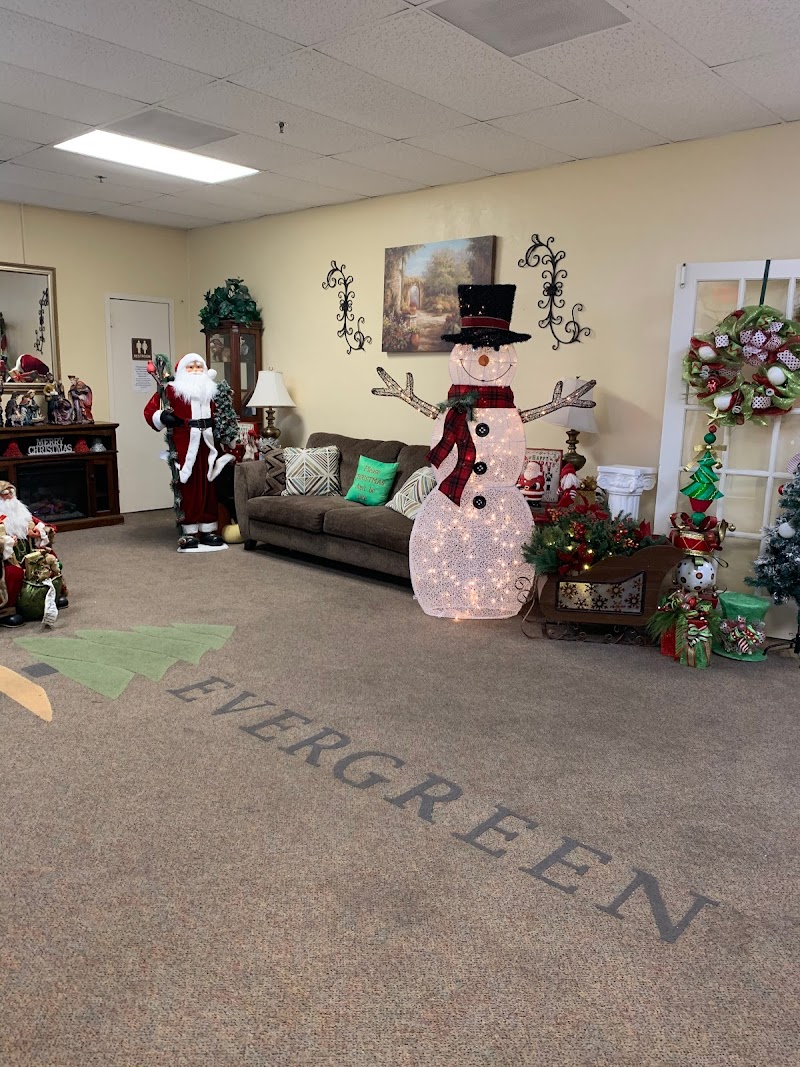
How is Evergreen Center Staffed?

CMS rates EVERGREEN HEALTH AND REHABILITATION CENTER's staffing level at 2 out of 5 stars, which is below average compared to other nursing homes. Staff turnover is 31%, compared to the Georgia average of 46%. This relatively stable workforce can support continuity of care.

What Have Inspectors Found at Evergreen Center?

State health inspectors documented 13 deficiencies at EVERGREEN HEALTH AND REHABILITATION CENTER during 2019 to 2025. These included: 13 with potential for harm.
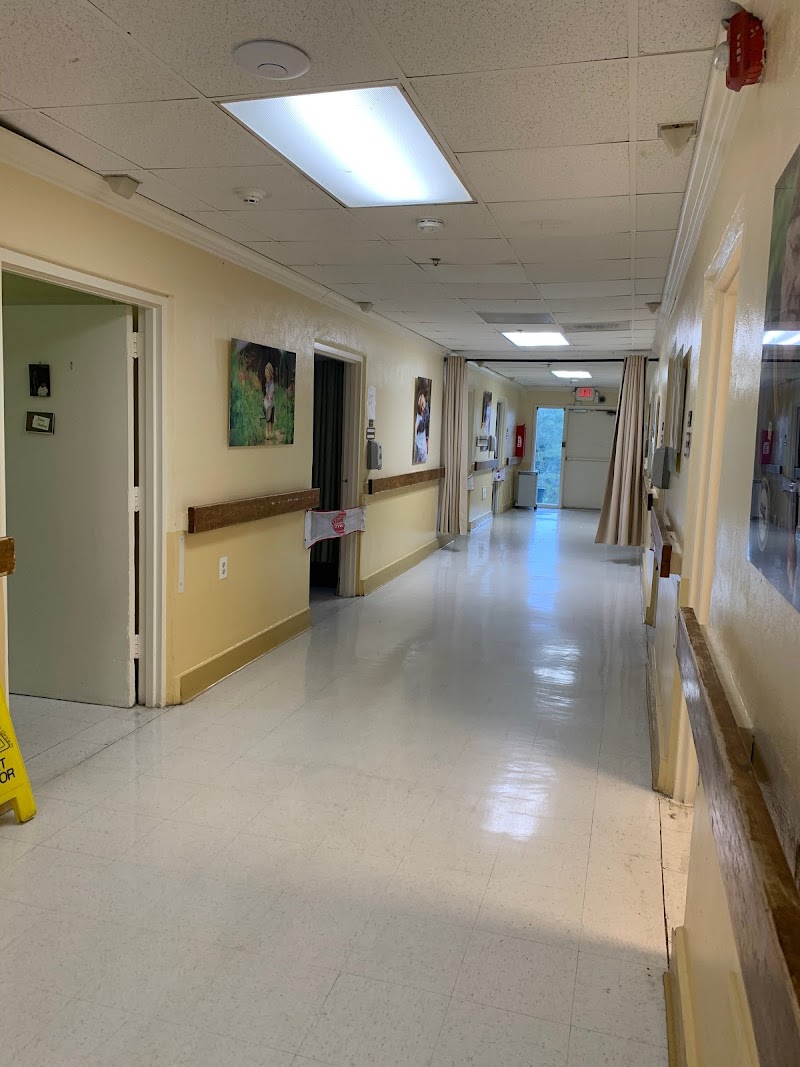
Who Owns and Operates Evergreen Center?

EVERGREEN HEALTH AND REHABILITATION CENTER is owned by a for-profit company. For-profit facilities operate as businesses with obligations to shareholders or private owners. The facility operates independently rather than as part of a larger chain. With 100 certified beds and approximately 92 residents (about 92% occupancy), it is a mid-sized facility located in ROME, Georgia.
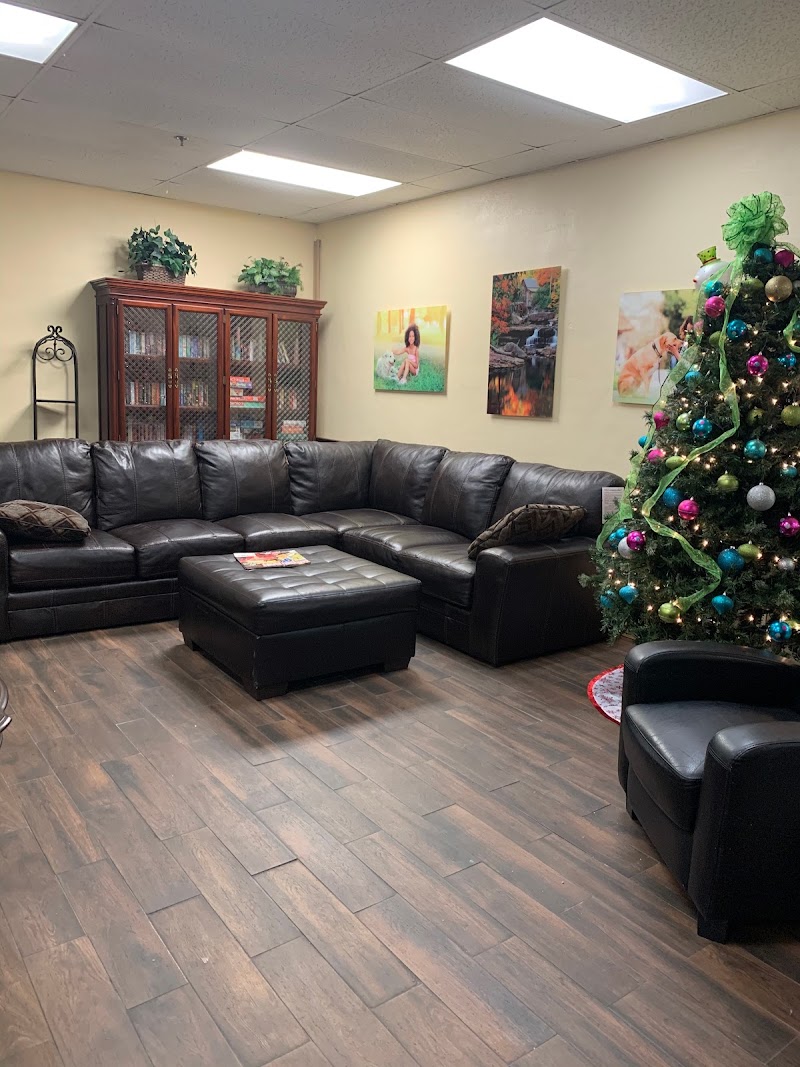
How Does Evergreen Center Compare to Other Georgia Nursing Homes?

Compared to the 100 nursing homes in Georgia, EVERGREEN HEALTH AND REHABILITATION CENTER's overall rating (2 stars) is below the state average of 2.6, staff turnover (31%) is significantly lower than the state average of 46%, and health inspection rating (3 stars) is at the national benchmark.

What Should Families Ask When Visiting Evergreen Center?

Based on this facility's data, families visiting should ask: "Can you walk me through typical staffing levels on day, evening, and night shifts?" "Can I visit during a mealtime to observe dining assistance and food quality?" "How do you handle medical emergencies, and what is your hospital transfer rate?" "Can I speak with family members of current residents about their experience?" These questions are particularly relevant given the below-average staffing rating.

Is Evergreen Center Safe?

Based on CMS inspection data, EVERGREEN HEALTH AND REHABILITATION CENTER has a clean safety record: no substantiated abuse findings (meaning no confirmed cases of resident harm), no Immediate Jeopardy citations (the most serious violation level indicating risk of serious injury or death), and is not on the Special Focus Facility watch list (a federal program monitoring the lowest-performing 1% of nursing homes). The facility has a 2-star overall rating and ranks #100 of 100 nursing homes in Georgia. While no facility is perfect, families should still ask about staff-to-resident ratios and recent inspection results during their visit.

Do Nurses at Evergreen Center Stick Around?

EVERGREEN HEALTH AND REHABILITATION CENTER has a staff turnover rate of 31%, which is about average for Georgia nursing homes (state average: 46%). Moderate turnover is common in nursing homes, but families should still ask about staff tenure and how the facility maintains care continuity when employees leave.

Was Evergreen Center Ever Fined?

EVERGREEN HEALTH AND REHABILITATION CENTER has no federal fines on record. CMS issues fines when nursing homes fail to meet care standards or don't correct problems found during inspections. The absence of fines suggests the facility has either maintained compliance or corrected any issues before penalties were assessed. This is a positive indicator, though families should still review recent inspection reports for the full picture.

Is Evergreen Center on Any Federal Watch List?

EVERGREEN HEALTH AND REHABILITATION CENTER is not on any federal watch list. The most significant is the Special Focus Facility (SFF) program, which identifies the bottom 1% of nursing homes nationally based on persistent, serious quality problems. Not being on this list means the facility has avoided the pattern of deficiencies that triggers enhanced federal oversight. This is a positive indicator, though families should still review the facility's inspection history directly.