FIFTH AVENUE HEALTH CARE
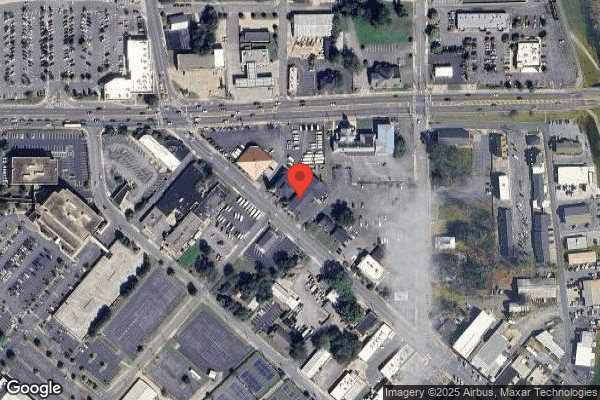
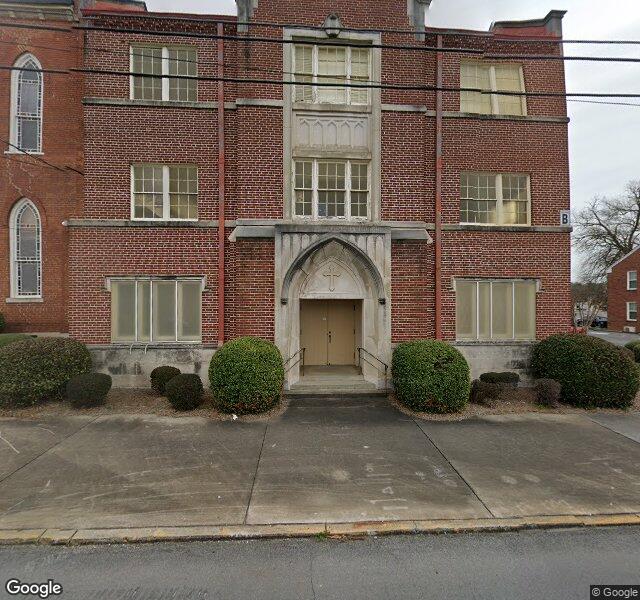
505 NORTH FIFTH AVENUE, ROME, GA 30165 (706) 291-0521
For profit - Corporation 100 Beds RELIABLE HEALTH CARE MANAGEMENT Data: November 2025
Trust Grade
33/100
#274 of 353 in GA
Last Inspection: June 2024

Within standard 12-15 month inspection cycle. Federal law requires annual inspections.

Overview

Fifth Avenue Health Care in Rome, Georgia, receives a Trust Grade of F, indicating significant concerns about its operations and care quality. It ranks #274 out of 353 facilities in Georgia, placing it in the bottom half statewide, and #7 out of 8 in Floyd County, meaning only one facility in the area is a worse option. The facility's situation is worsening, with issues increasing from 2 in 2022 to 6 in 2024. Staffing is a major concern, rated at 1 out of 5 stars, with a high turnover rate of 61%, which is above the state average, suggesting instability among caregivers. Additionally, the facility has received fines totaling $18,052, higher than 81% of Georgia facilities, indicating ongoing compliance issues. There are serious incidents reported, such as a resident falling from a faulty shower bed, resulting in a fracture that required hospitalization, and failures in maintaining safe food handling practices, which could lead to foodborne illnesses. While the facility does have some average quality measures, these strengths are overshadowed by the significant weaknesses in safety and staffing.

Trust Score
F
33/100
In Georgia
#274/353
Bottom 23%
Safety Record
Moderate
Needs review
Inspections
Getting Worse
2 → 6 violations
Staff Stability
⚠ Watch
61% turnover. Above average. Higher turnover means staff may not know residents' routines.
Penalties
✓ Good
$18,052 in fines. Lower than most Georgia facilities. Relatively clean record.
Skilled Nurses
⚠ Watch
Each resident gets only 14 minutes of Registered Nurse (RN) attention daily — below average for Georgia. Fewer RN minutes means fewer trained eyes watching for problems.
Violations
○ Average
8 deficiencies on record. Average for a facility this size. Mostly minor or procedural issues.
★☆☆☆☆
1.0
Overall Rating
★☆☆☆☆
1.0
Staff Levels
★★★☆☆
3.0
Care Quality
★★☆☆☆
2.0
Inspection Score
Stable
2022: 2 issues
2024: 6 issues

The Good

  • Full Sprinkler Coverage · Fire safety systems throughout facility
  • No fines on record

Facility shows strength in fire safety.

The Bad

1-Star Overall Rating

Below Georgia average (2.6)

Significant quality concerns identified by CMS

Staff Turnover: 61%

15pts above Georgia avg (46%)

Frequent staff changes - ask about care continuity

Federal Fines: $18,052

Below median ($33,413)

Minor penalties assessed

Chain: RELIABLE HEALTH CARE MANAGEMENT

Part of a multi-facility chain

Ask about local staffing decisions and management

Staff turnover is elevated (61%)

13 points above Georgia average of 48%

The Ugly 8 deficiencies on record

2 actual harm
Jun 2024 6 deficiencies 2 Harm
SERIOUS (G) 📢 Someone Reported This

A family member, employee, or ombudsman was alarmed enough to file a formal complaint

Actual Harm - a resident was hurt due to facility failures

Accident Prevention (Tag F0689)

A resident was harmed · This affected 1 resident

**NOTE- TERMS IN BRACKETS HAVE BEEN EDITED TO PROTECT CONFIDENTIALITY** Based on observations, interviews, and record reviews, the facility failed to provide an environment free from accident hazards ...

Read full inspector narrative →
**NOTE- TERMS IN BRACKETS HAVE BEEN EDITED TO PROTECT CONFIDENTIALITY** Based on observations, interviews, and record reviews, the facility failed to provide an environment free from accident hazards for one of six residents (R)(R1) reviewed for accidents. Harm was identified to have occurred on 2/24/2024, when R1 fell from a faulty shower bed and sustained a closed right peritrochanteric femur fracture requiring admission to an acute care hospital. Findings included: A review of the electronic medical record (EMR) revealed that R1 was initially admitted on [DATE] and readmitted to the facility on [DATE] with diagnoses included but not limited to hemiplegia and hemiparesis following a cerebral infarction affecting the right dominant side, aphasia following cerebral infarction, peripheral vascular disease, chronic pain, vascular dementia, anxiety, Alzheimer's Disease, morbid (severe) obesity, muscle weakness, and age-related osteoporosis. A review of the annual Minimum Data Set (MDS) assessment dated [DATE] and the quarterly MDS assessment dated [DATE] revealed that staff was unable to complete the Brief Interview for Mental Status (BIMS) assessment for R1, meaning the resident is rarely or never understood. A review of the progress notes revealed that on 2/24/2024 at 4:28 pm, Licensed Practical Nurse (LPN) AA was called to R1's room and it was noted the resident was on the floor, parallel to closet doors, with her right leg at a right angle and that R1 was making whining sounds. The progress note further documented that the head of the shower bed was closest to the room entrance with the foot of the bed pointing towards the window in the room; the Certified Nursing Assistant (CNA) reported they (CNA BB and CNA CC) were preparing for R1's shower; and R1 had been laying on the shower bed for a few minutes when the support part of the head section became dislodged, which caused R1 and the lift pad to slide off the bed. It was noted that during the assessment, R1 remained conscious and was pulled away from the doors with the use of the lift pad already under her; this helped to realign her right leg with her body; and R1 was transported by Emergency Medical Services (EMS) to an emergency room (ER). A review of a nursing note dated 2/24/2024 at 5:50 pm revealed the family of R1 called the facility and informed them that R1 had sustained a right hip fracture. A review of the hospital medical records dated 2/24/2024 revealed that R1 sustained a closed right peritrochanteric femur fracture. Per the record, R1's x-rays revealed a fracture of the proximal right femoral diaphysis and proximal tibial fracture with likely extension into the medial tibial plateau as a result of a fall from a shower chair at the facility. A review of a nursing note dated 2/29/2024 at 7:00 pm revealed that R1 had arrived back at the facility from the hospital at approximately 6:55 pm with an admitting diagnosis of a closed pertrochanteric right femur fracture. During an interview with the Administrator on 6/20/2024 at 10:20 am, she stated that the shower bed came assembled when it was delivered by the supplier and all they had to do was roll out the mat on top of the bed. The Administrator stated on 2/24/2024, two CNAs were adjusting R1 on the shower bed. The PVC (polyvinyl chloride) C-Clamp came undone. This caused the head of the bed to fall and R1 and the mat slid down backward onto the floor. The administrator confirmed the facility had this shower bed for approximately three months before this incident happened and there had not been any maintenance or safety inspections done on the shower bed before that incident occurred. During an interview with LPN AA on 6/20/2024 at 11:51 am, he stated that he was the floor nurse at the time of the incident when R1 fell off the shower bed. He stated that one of the CNAs who'd been helping with the transfer came to tell him that R1 had fell and their right leg was at a right angle parallel to the closet. He stated that R1 was moaning and was scared and was sent out to the hospital. A phone interview was conducted with CNA BB on 6/20/2024 at 12:08 pm. CNA BB stated that they were helping another CNA with R1. CNA BB stated when they arrived at the resident's room, they went to the resident's right side, and the shower bed and Hoyer lift were already in the room in place and ready to be used. CNA BB stated they were then at the head of the shower bed to put the hooks through the second set of hoops on the lift pad. The wheels had been locked on the bed, but they believed the bed position was too low so R1 was pulled up on the shower bed and then the shower mat ended up being pulled up further than the resident. CNA BB further stated that the other CNA got in front, where the resident's feet were, and then they heard a snap sound. R1 slid down with her leg above their head and their pelvis facing the closet. An interview with the Maintenance Director was completed on 6/20/2024 at 12:45 pm, and they stated that they added self-locking nuts and bolts to the C-Clamp to the shower bed for modification purposes, and stated the nursing staff don't need to raise the head of the bed to shower the residents. The bolts prevented it from moving at all. During a phone interview with CNA CC on 6/20/2024 at 3:37 pm, confirmed that they were present when R1 fell from the shower bed. They stated that they did not receive specific training related to the use of the shower bed and that they had not used that specific shower bed much since it was newer. They said that the position was adjusted higher up than the previous shower bed they used. A review of the PVC Owner's Manual for the shower bed revealed, Do not make any modifications to this device. Use only the provided casters and accessories with this device. Use of third-party casters or accessories may pose a risk to the user and void the warranty . Anticipated Usable Product Life is based on normal use with proper maintenance, cleaning, and storage. You should still inspect, monitor, and care for the devices as described in this guide, as the device may need to be replaced sooner than expected in particular situations . A review of Safety Inspection log sheets for Shower Bed/Chair was reviewed and revealed that there were no inspections done before the 2/24/2024 incident. F689 crossed reference with F908 S/S=G
SERIOUS (G) 📢 Someone Reported This

A family member, employee, or ombudsman was alarmed enough to file a formal complaint

Actual Harm - a resident was hurt due to facility failures

Room Equipment (Tag F0908)

A resident was harmed · This affected 1 resident

**NOTE- TERMS IN BRACKETS HAVE BEEN EDITED TO PROTECT CONFIDENTIALITY** Based on interviews and record reviews, the facility failed to ensure that resident care equipment was maintained in safe operat...

Read full inspector narrative →
**NOTE- TERMS IN BRACKETS HAVE BEEN EDITED TO PROTECT CONFIDENTIALITY** Based on interviews and record reviews, the facility failed to ensure that resident care equipment was maintained in safe operating condition for one of six residents (R) (R1) reviewed for accidents. Harm was identified to have occurred on 2/24/2024, when R1 fell from a faulty shower bed and sustained a closed right peritrochanteric femur fracture requiring admission to an acute care hospital. Findings included: A review of the electronic medical record (EMR) revealed that R1 was initially admitted on [DATE] and readmitted to the facility on [DATE] with diagnoses including but not limited to hemiplegia and hemiparesis following cerebral infarction affecting the right dominant side, aphasia following cerebral infarction, Alzheimer's Disease, and morbid (severe) obesity. A review of the quarterly Minimum Data Set (MDS) assessment dated [DATE] revealed that staff was not able to conduct the Brief Interview for Mental Status (BIMS) assessment for R1 due to the resident being rarely or never understood and revealed that R1 was dependent on staff for showers/bathing. A review of the progress notes dated 2/24/2024 revealed that at 4:28 pm, Licensed Practical Nurse (LPN) AA was called to R1's room and it was noted the resident was on floor, parallel to closet doors, with their right leg at right angle. It was documented that whining sounds were heard coming from the resident. The progress note documented that there were two Certified Nursing Assistants (CNA bb and CNA CC) in the room, and they reported they were preparing R1 for a shower. They reported that R1 had been lying on the shower bed for a few minutes when the support part of the head section became dislodged, which caused R1 and the lift pad to slide off the bed. It was noted that during the assessment, R1 remained conscious, the staff used the lift pad to realign R1's right leg, and R1 was transported by Emergency Medical Services (EMS) to an emergency room (ER). A review of the nursing note dated 2/29/2024 at 7:00 pm revealed that R1 had arrived back at the facility from the hospital at approximately 6:55 pm with a diagnosis of a closed pertrochanteric right femur fracture. During an interview with the Administrator on 6/20/2024 at 10:20 am she stated that she was aware of the incident involving R1 on 2/24/2024. She stated that the shower bed came assembled when it was delivered by the supplier three months ago. She stated that, as it related to the incident involving R1, the PVC (polyvinyl chloride) C-Clamp came undone and caused the head of the bed to fall and the mat slid down backward onto the floor while the two CNAs were adjusting R1 on the shower bed. The administrator confirmed that there had not been any routine maintenance or safety inspections done on the shower bed before this incident occurred. During an interview with the Maintenance Director on 6/20/2024 at 12:45 pm, it was confirmed that there were no routine inspections of the shower bed prior to the incident on 2/24/2024. They stated that they added self-locking nuts and bolts to the C-Clamp to the shower bed for modification purposes, and stated the nursing staff don't need to raise the head of the bed to shower the residents now. The bolts prevented it from moving at all. A review of the PVC Owner's Manual for the shower bed revealed, Do not make any modifications to this device. Use only the provided casters and accessories with this device. Use of third-party casters or accessories may pose a risk to the user and void the warranty . Anticipated Usable Product Life is based on normal use with proper maintenance, cleaning, and storage. You should still inspect, monitor, and care for the devices as described in this guide, as the device may need to be replaced sooner than expected in particular situations . F689 crossed reference with F908 S/S=G
CONCERN (D) 📢 Someone Reported This

A family member, employee, or ombudsman was alarmed enough to file a formal complaint

Potential for Harm - no one hurt, but risky conditions existed

ADL Care (Tag F0677)

Could have caused harm · This affected 1 resident

**NOTE- TERMS IN BRACKETS HAVE BEEN EDITED TO PROTECT CONFIDENTIALITY** Based on observations, staff and resident interviews, and record review, the facility failed to provide the necessary care and s...

Read full inspector narrative →
**NOTE- TERMS IN BRACKETS HAVE BEEN EDITED TO PROTECT CONFIDENTIALITY** Based on observations, staff and resident interviews, and record review, the facility failed to provide the necessary care and services to maintain good oral hygiene for one of 31 sampled residents (R) (R55) reviewed for Activities of Daily Living (ADLs). Specifically, the facility failed to provide the resident with oral hygiene supplies, staff assistance, and/or reminders to complete oral hygiene care. Findings included: A review of the electronic medical record (EMR) revealed that R55 was originally admitted to the facility on [DATE] and readmitted to the facility on [DATE] with diagnoses including but not limited to dementia with behavioral disturbance, metabolic encephalopathy, and Alzheimer's disease with late onset. A review of R55's annual Minimum Data Set (MDS) assessment, dated 5/21/2024, revealed R55 presented with a Brief Interview for Mental Status (BIMS) score of five out of 15, indicating severe cognitive impairment. Section GG (Functional Abilities and Goals) of the assessment indicated R55 was independent with oral hygiene. A review of R55's Care Plan revealed a focus area for self-care deficits related to Alzheimer's Disease and fatigue with intervention, dated 7/4/2023, directed nursing staff to assist and remind the resident to complete oral care in the morning and at night. During an observation and interview conducted on 6/19/2024 at 9:15 am, R55 was observed with a foul odor emanating from his mouth when he spoke, and an accumulation of a buildup of a thick discolored substance was observed on his teeth. The resident stated that the staff did not assist him with oral hygiene. He stated, They don't help me with a [expletive] thing! He confirmed that even if he asked, the staff did not assist with oral care. R55 was then asked whether he knew where his oral hygiene supplies (i.e., toothbrush, toothpaste, etc.) were kept and R55 stated, I have no idea. You can look in there, while pointing to his room. An observation of R55's s room and restroom revealed no oral hygiene supplies. During an interview conducted on 6/19/2024, at 9:35 a.m. with Certified Nursing Assistant (CNA) FF, she confirmed that she was familiar with R55's care needs. When asked whether he needed reminders to brush or assistance with brushing his teeth, CNA FF stated, He does that himself. When asked whether R55 had any difficulties with his memory, CNA FF stated, Yeah, he does forget some stuff and just wanders around pretty much all day. When asked whether R55 had a toothbrush and/or toothpaste in his room so that he would be able to brush his teeth if he remembered to do so, CNA FF looked in R55's room and restroom and confirmed there were no oral hygiene supplies. During an interview on 6/20/2024 at 11:45 am, Licensed Practical Nurse (LPN) II confirmed she was familiar with R55's care needs. However, when asked whether R55 was able to remember to brush his teeth or if he was able to physically carry out that task, LPN II stated, You know, I don't know. I'd have to check. During an interview on 6/21/2024 at 10:15 am, the Assistant Director of Nursing (ADON), reviewed R55's care flow records and confirmed there was no documented evidence that R55 was assisted with oral hygiene or encouraged to complete oral care.
CONCERN (D) 📢 Someone Reported This

A family member, employee, or ombudsman was alarmed enough to file a formal complaint

Potential for Harm - no one hurt, but risky conditions existed

Pharmacy Services (Tag F0755)

Could have caused harm · This affected 1 resident

Based on observations, interviews, record review, and review of the facility's policy titled Emergency Pharmacy Service and Emergency Kits, the facility failed to ensure that an emergency medication k...

Read full inspector narrative →
Based on observations, interviews, record review, and review of the facility's policy titled Emergency Pharmacy Service and Emergency Kits, the facility failed to ensure that an emergency medication kit (E-Kit) was readily available for use in a resident emergency for one of two medication rooms (Medication Room West) observed. Findings included: A review of the facility's policy and procedure titled Emergency Pharmacy Service and Emergency Kits, dated 4/1/2016, indicated that emergency pharmacy services are available on a 24-hour basis. Emergency needs for medication are met by using the facility's approved emergency medication supply or by special order from the provider pharmacy. An emergency supply of medications, including emergency drugs, antibiotics, controlled substances, and products for infusion is supplied by the provider pharmacy in limited quantities in portable, sealed containers, in compliance with applicable state regulations. As soon as possible the nurse records the medication on the medication order form and calls the pharmacy for replacement of the kit and flags the kit with a color-coded lock to indicate the need for replacement of kit. During an observation on 6/19/2024 at 11:18 am with the Assistant Director of Nursing (ADON) in the medication room West, a (red) color-coded E-Kit was observed in the refrigerator. Closer observation of the E-Kit revealed that it had been accessed and opened on 5/2/2024. The pharmacy record inside the E-Kit recorded Humalog (diabetes medication) was pulled out and utilized. During a concurrent observation and interview on 6/19/2024 at 11:20 am, the ADON stated that the refrigerated (red) color-coded E-Kit was opened, dated 5/2/2024, and was not replaced by the pharmacy. The ADON further stated that the process for replacing the E-Kit was to call the pharmacy and notify them of the usage and replacement needed as soon as possible to ensure there were always correct medications available.
CONCERN (D) 📢 Someone Reported This

A family member, employee, or ombudsman was alarmed enough to file a formal complaint

Potential for Harm - no one hurt, but risky conditions existed

Deficiency F0757 (Tag F0757)

Could have caused harm · This affected 1 resident

**NOTE- TERMS IN BRACKETS HAVE BEEN EDITED TO PROTECT CONFIDENTIALITY** Based on interviews and record reviews, the facility failed to ensure adequate blood glucose monitoring for residents receiving ...

Read full inspector narrative →
**NOTE- TERMS IN BRACKETS HAVE BEEN EDITED TO PROTECT CONFIDENTIALITY** Based on interviews and record reviews, the facility failed to ensure adequate blood glucose monitoring for residents receiving insulin. This deficient practice affected one of five residents (R) (R55) reviewed for unnecessary medications. Findings included: A review of R55's medical record revealed an initial admission date of 6/15/2023. His medical history included type 2 diabetes, metabolic encephalopathy, and Alzheimer's Disease with late onset. An annual minimum data set (MDS) assessment dated [DATE] revealed a brief interview for mental status (BIMS) score of 5, indicating that R55 presents with severely impaired cognition. The MDS also indicated that R55 received insulin injections. During an interview on 6/19/2024 at 9:15 am, R55 stated that facility staff were not checking his blood glucose very often and that he would like it to be checked more frequently. A review of a medical provider progress note dated 3/18/2024 revealed an entry that indicated R55 would like his sugar checked more often, says he will cooperate with labs [sic]. A preliminary review of R55's physician orders revealed no active orders to monitor his blood glucose. Orders were noted for Levemir (a long-acting insulin) 20 units to be given subcutaneously at night and Novolog (a fast-acting insulin) six units to be given subcutaneously three times daily. A review of R55's discontinued physician orders revealed an order, dated 3/19/2024 to monitor his blood glucose. The order was discontinued on 4/23/2024 when R55 was transferred to the hospital. A preliminary review of R55's blood sugar flow records revealed the last entry was on 6/15/2024 at 11:12 am. The result was 256 mg/dL. Before this entry, the last documented blood glucose check was on 4/17/2024 at 6:31 am. The result was 375 mg/dL. On 6/20/2024 at 11:45 am, an interview was conducted with Licensed Practical Nurse (LPN) II. She confirmed that she was assigned to care for R55 and she was familiar with his care needs. LPN II confirmed that R55 did receive insulin injections and stated that nursing staff monitored R55's blood sugar every morning. When asked to review R55's blood glucose monitoring orders and results, LPN II reviewed the medical record and stated she would need to do some research. On 6/20/2024 at 12:05 pm, LPN II explained that R55 was transferred to the hospital due to an unrelated event in April 2024 and that the order to monitor the resident's blood glucose was not reinstated upon his return. On 6/21/2024 at 10:45 am, an interview was conducted with R55's Attending Physician (AP). The AP confirmed that the facility could be monitoring R55's blood glucose levels if he was receiving fast-acting insulin three times daily. The AP explained that R55 did have a history of refusing to have his blood glucose checked but added that attempts should be made, and refusals should be documented.
CONCERN (D) 📢 Someone Reported This

A family member, employee, or ombudsman was alarmed enough to file a formal complaint

Potential for Harm - no one hurt, but risky conditions existed

Deficiency F0761 (Tag F0761)

Could have caused harm · This affected 1 resident

Based on observations, interviews, and record review, the facility failed to ensure expired medications were properly discarded in two of two medication rooms (Medication Room East and Medication Room...

Read full inspector narrative →
Based on observations, interviews, and record review, the facility failed to ensure expired medications were properly discarded in two of two medication rooms (Medication Room East and Medication Room West). Findings included: During an observation of the Medication Room East with a Licensed Practical Nurse (LPN) JJ on 6/20/2024 at 12:12 pm, there were 32 Acetaminophen (pain/fever medication) suppositories (an opened box) located inside the refrigerator with an expiration date of September 2023. During an observation of the Medication Room [NAME] with LPN JJ on 6/20/2024 at 12:15 pm, there were five Acetaminophen suppositories located inside the refrigerator with an expiration date of September 2023. During an interview on 6/20/2024 at 12:30 pm, LPN JJ stated that the expired Acetaminophen suppositories should not have been stored in either medication room refrigerator due to the risk of administering expired medications to the residents. A review of a record, provided by the facility, revealed that five residents (R2, R10, R33, R36, and R57) had physician's orders for Acetaminophen suppositories to be given every six hours as needed for elevated temperature.
Nov 2022 2 deficiencies
CONCERN (D) 📢 Someone Reported This

A family member, employee, or ombudsman was alarmed enough to file a formal complaint

Potential for Harm - no one hurt, but risky conditions existed

Room Equipment (Tag F0908)

Could have caused harm · This affected 1 resident

Based on observations and interviews the facility failed the maintain the walk-in freezer in proper working condition as evidenced by ice build-up on a food storage rack. Facility census was 51. Findi...

Read full inspector narrative →
Based on observations and interviews the facility failed the maintain the walk-in freezer in proper working condition as evidenced by ice build-up on a food storage rack. Facility census was 51. Findings include: Observation on 11/18/22 at 8:40 a.m. of the walk-in freezer revealed ice build-up adhered to the top shelf of the metal storage rack underneath the air condenser. The ice build-up was about two feet in length with four mounds of ice that were four to six inches in height and two to three inches in diameter. Continued observation revealed two cardboard boxes containing frozen food under the ice. During an interview on 11/18/22 at 8:40 a.m., the Certified Dietary Manager (CDM) stated that maintenance has knowledge of the ice build-up in the walk-in freezer. The CDM revealed it is unknown if a repair man has been contacted to look at the problem in the walk-in freezer and fix the issue. The CDM stated that the ice is removed by maintenance, and they remove the ice when she requests. Observation on 11/20/22 at 9:30 a.m. of the walk-in freezer revealed the ice build-up remained after CDM and maintenance have been notified. During an interview on 11/20/22 at 9:30 a.m. the CDM revealed that she spoke with the Assistant Director of Maintenance on 11/18/22 about the ice build-up and put in a work order. The CDM stated that maintenance is planning to remove the ice build-up during the week after kitchen hours. During an interview on 11/20/22 at 9:55 a.m. the Director of Maintenance revealed that he had no knowledge that the walk-in freezer had an ice build-up. He stated that the CDM submitted a work order for the walk-in freezer on 11/18/22.
CONCERN (F) 📢 Someone Reported This

A family member, employee, or ombudsman was alarmed enough to file a formal complaint

Potential for Harm - no one hurt, but risky conditions existed

Food Safety (Tag F0812)

Could have caused harm · This affected most or all residents

Based on observations, interviews, and policy review, the facility failed to label, and date stored and opened food items; failed to ensure the three-compartment sink had proper sanitizing solution co...

Read full inspector narrative →
Based on observations, interviews, and policy review, the facility failed to label, and date stored and opened food items; failed to ensure the three-compartment sink had proper sanitizing solution concentration; and failed to ensure dietary staff properly washed dishware in three-compartment sink to prevent food borne illness. 49 of 51 residents were receiving an oral diet. Findings include: 1) Review of the facility policy titled Food Storage Guidelines revealed: date, label, and cover all non-perishable food items upon delivery and as items are removed from the original box or package. Date, and label each large condiment container. Date, cover, and label all food items to be stored in the freezer and coolers. Observation on 11/18/22 at 8:32 a.m. of the reach-in refrigerator revealed several bags of liquid eggs out of the original box and placed in a large gray bin, there was no date on the bin indicating date liquid eggs were out of package. During interview on 11/18/22 at 8:32 a.m. the Certified Dietary Manager (CDM) confirmed that the bin with the bags of liquid eggs had no date when the bags were taken out of original box. The CDM revealed that staff are to put a date on food items when removed from the package. Observation on 11/18/22 at 8:35 a.m. of the dry storage area revealed the can rack had three large cans of sweet potatoes that had no date of when delivered and taken out of box. During interview on 11/18/22 at 8:35 a.m. the CDM confirmed that the three cans of sweet potatoes did not have a date of delivery and expects staff to date when putting stock away. Observation on 11/18/22 at 8:45 a.m. of the bulk flour, sugar, and corn meal storage revealed that they were in a storage drawer in the food prep area. A 22-pound sugar bag was opened with no date. During interview on 11/18/22 at 8:45 a.m., dietary cook AA confirmed that there was no date on the large sugar bag and the cook stated that it should have been dated after opening. 2) Review of the facility policy titled Pot & Pan Sink/Three Compartment Sink revealed: it is the policy of the facility that the proper procedure be followed to ensure cookware is washed, rinsed, and sanitized properly to avoid cross contamination. Continued review of the policy revealed: The dietary staff will check and record the amount of sanitizer in the third well to ensure the proper level of sanitizer has been achieved (200ppm). Review of the document titled Procedure for Sanitizing Sink revealed: add bleach until test strip reads between 50-100ppm. Observation on 11/18/22 at 8:55 a.m. of the three-compartment sink revealed that there was a poster over the sink with information for quaternary sanitizing solution and the concentration was indicated as 100-400ppm (parts per million). Dietary cook AA assisted with testing the concentration of the sanitizing solution. The test strips used were not for ppm but for pH (potential hydrogen). There was no information available for dietary staff know what pH the sanitizing solution should be. During interview on 11/18/22 at 8:55 a.m. the CDM do not realize that the test strips used to test the sanitizing solution concentration in the three-compartment sink had changed to pH. The CDM stated the test strips are new, they recently were delivered earlier in week. The CDM confirmed that she does not have any information for usage of the new pH strips and had no information for staff as to what the pH level should be of the sanitizing solution in the three-compartment sink. During interview on 11/19/22 at 8:55 a.m. the CDM revealed that she contacted the chemical supplier regarding the new test strips and information for using the new pH strips. The CDM revealed the information the chemical supplier provided was not for the new test strips they received. The CDM showed email attachment she received for staff education and the test strips shown in the poster are not the test strips that the facility currently has. Continued interview with the CDM revealed that she is not able to provide written guidelines as to the use and proper pH concentration of the sanitizer solution in the three-compartment sink. During an interview on 11/19/22 at 12:05 p.m. CDM revealed that she is no longer using quaternary sanitizing solution in the three-compartment sink due to not able to get verification on how to read the new testing strips. The CDM stated that she has changed to using bleach/chlorine and has in-serviced dietary staff on how to use the bleach for sanitizing in the three-compartment sink. Continued interview revealed the CDM obtain information on-line regarding the proper concentration level for using bleach/chlorine as a sanitizer. The CDM stated that they do have chlorine test strips to use. Observation on 11/20/22 at 9:10 a.m. of the dietary cook AA wash the food processor bowl, blade, and lid in the three-compartment sink revealed that she washed the dishware in soapy water and rinsed. Dietary cook AA then placed the bowl and blade back on the food processor base and was going to puree the next food item without putting dishware in the bleach/chlorine sanitizing solution. During interview on 11/20/22 at 9:10 a.m., dietary cook AA confirmed that she did not properly sanitize the food processor dishware before starting next puree food item. Dietary cook AA stated that she does this process often of not sanitizing food processor dishware between processing food items. During an interview on 11/20/22 at 9:15 a.m. the CDM revealed she expects staff to wash and sanitize the food processor bowl, blade, and lid between food items. She expects staff to wash like any other dish in the three-compartment sink. Observation on 11/20/22 at 9:43 a.m. of the three-compartment sink revealed dietary cook AA assisting with testing the bleach/chlorine sanitizing solution concentration. The test strip revealed 10ppm. Continued observation revealed dietary staff stirred the bleach/chlorine solution in the sink and re-tested and again concentration registered as 10ppm. This sanitizing solution was used to wash the food processor bowl, blade, and lid during puree observation. During interview on 11/20/22 at 9:43 a.m. dietary cook AA confirmed that the bleach/chlorine sanitizing solution registered 10ppm on the test strip and it should be 50-100ppm. During interview on 11/20/22 at 9:43 a.m. the CDM also confirmed that the chlorine test strip registered 10ppm and should be 50-100ppm. The CDM revealed that staff will drain the sanitizing sink and re-do the bleach/chlorine solution.
Understanding Severity Codes (click to expand)
Life-Threatening (Immediate Jeopardy)
J - Isolated K - Pattern L - Widespread
Actual Harm
G - Isolated H - Pattern I - Widespread
Potential for Harm
D - Isolated E - Pattern F - Widespread
No Harm (Minor)
A - Isolated B - Pattern C - Widespread

Questions to Ask on Your Visit

  • "Why is there high staff turnover? How do you retain staff?"
  • "Can I speak with families of current residents?"
  • "What's your RN coverage like on weekends and overnight?"

Our Honest Assessment

Strengths
  • • Licensed and certified facility. Meets minimum state requirements.
Concerns
  • • 8 deficiencies on record, including 2 serious (caused harm) violations. Ask about corrective actions taken.
  • • $18,052 in fines. Above average for Georgia. Some compliance problems on record.
  • • Grade F (33/100). Below average facility with significant concerns.
  • • 61% turnover. Above average. Higher turnover means staff may not know residents' routines.
Bottom line: Trust Score of 33/100 indicates significant concerns. Thoroughly evaluate alternatives.

About This Facility

What is Fifth Avenue Health Care's CMS Rating?

CMS assigns FIFTH AVENUE HEALTH CARE an overall rating of 1 out of 5 stars, which is considered much below average nationally. Within Georgia, this rating places the facility higher than 0% of the state's 100 nursing homes. A rating at this level reflects concerns identified through health inspections, staffing assessments, or quality measures that families should carefully consider.

How is Fifth Avenue Health Care Staffed?

CMS rates FIFTH AVENUE HEALTH CARE's staffing level at 1 out of 5 stars, which is much below average compared to other nursing homes. Staff turnover is 61%, which is 15 percentage points above the Georgia average of 46%. High turnover can affect care consistency as new staff learn residents' individual needs.

What Have Inspectors Found at Fifth Avenue Health Care?

State health inspectors documented 8 deficiencies at FIFTH AVENUE HEALTH CARE during 2022 to 2024. These included: 2 that caused actual resident harm and 6 with potential for harm. Deficiencies causing actual harm indicate documented cases where residents experienced negative health consequences.

Who Owns and Operates Fifth Avenue Health Care?

FIFTH AVENUE HEALTH CARE is owned by a for-profit company. For-profit facilities operate as businesses with obligations to shareholders or private owners. The facility is operated by RELIABLE HEALTH CARE MANAGEMENT, a chain that manages multiple nursing homes. With 100 certified beds and approximately 69 residents (about 69% occupancy), it is a mid-sized facility located in ROME, Georgia.

How Does Fifth Avenue Health Care Compare to Other Georgia Nursing Homes?

Compared to the 100 nursing homes in Georgia, FIFTH AVENUE HEALTH CARE's overall rating (1 stars) is below the state average of 2.6, staff turnover (61%) is significantly higher than the state average of 46%, and health inspection rating (2 stars) is below the national benchmark.

What Should Families Ask When Visiting Fifth Avenue Health Care?

Based on this facility's data, families visiting should ask: "How do you ensure continuity of care given staff turnover, and what is your staff retention strategy?" "Can you walk me through typical staffing levels on day, evening, and night shifts?" "Can I visit during a mealtime to observe dining assistance and food quality?" "How do you handle medical emergencies, and what is your hospital transfer rate?" These questions are particularly relevant given the facility's high staff turnover rate and the below-average staffing rating.

Is Fifth Avenue Health Care Safe?

Based on CMS inspection data, FIFTH AVENUE HEALTH CARE has a clean safety record: no substantiated abuse findings (meaning no confirmed cases of resident harm), no Immediate Jeopardy citations (the most serious violation level indicating risk of serious injury or death), and is not on the Special Focus Facility watch list (a federal program monitoring the lowest-performing 1% of nursing homes). The facility has a 1-star overall rating and ranks #100 of 100 nursing homes in Georgia. While no facility is perfect, families should still ask about staff-to-resident ratios and recent inspection results during their visit.

Do Nurses at Fifth Avenue Health Care Stick Around?

Staff turnover at FIFTH AVENUE HEALTH CARE is high. At 61%, the facility is 15 percentage points above the Georgia average of 46%. High turnover means new staff may not know residents' individual needs, medications, or preferences. It can also be disorienting for residents, especially those with dementia who rely on familiar faces. Families should ask: What is causing the turnover? What retention programs are in place? How do you ensure care continuity during staff transitions?

Was Fifth Avenue Health Care Ever Fined?

FIFTH AVENUE HEALTH CARE has been fined $18,052 across 3 penalty actions. This is below the Georgia average of $33,259. While any fine indicates a compliance issue, fines under $50,000 are relatively common and typically reflect isolated problems that were subsequently corrected. Families should ask what specific issues led to these fines and confirm they've been resolved.

Is Fifth Avenue Health Care on Any Federal Watch List?

FIFTH AVENUE HEALTH CARE is not on any federal watch list. The most significant is the Special Focus Facility (SFF) program, which identifies the bottom 1% of nursing homes nationally based on persistent, serious quality problems. Not being on this list means the facility has avoided the pattern of deficiencies that triggers enhanced federal oversight. This is a positive indicator, though families should still review the facility's inspection history directly.