SMITH MEDICAL NURSING CARE CTR
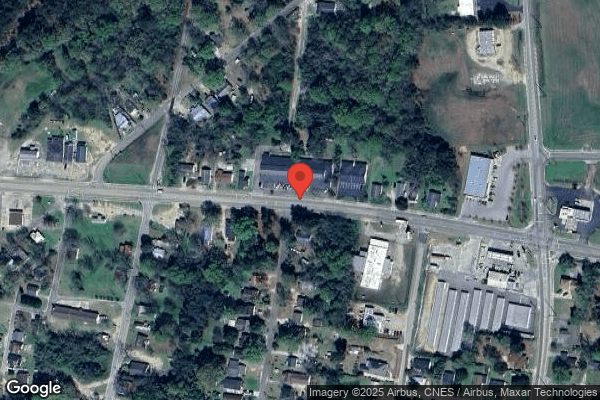
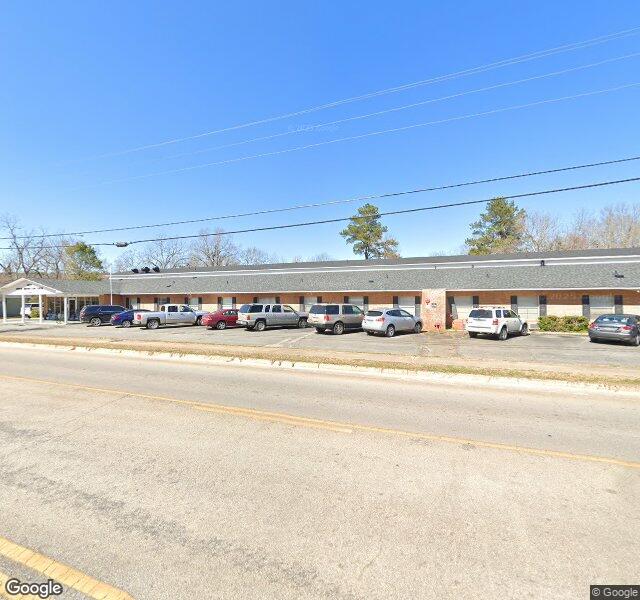
501 EAST MCCARTY ST, SANDERSVILLE, GA 31082 (478) 552-5155
For profit - Corporation 56 Beds Independent Data: November 2025 2 Immediate Jeopardy citations
Trust Grade
9/100
#336 of 353 in GA
Last Inspection: March 2024

Within standard 12-15 month inspection cycle. Federal law requires annual inspections.

Overview

Smith Medical Nursing Care Center in Sandersville, Georgia, has a Trust Grade of F, indicating poor performance with significant concerns about resident care. It ranks #336 out of 353 facilities in Georgia, placing it in the bottom half of state options, and #3 out of 3 in Washington County, meaning there is only one better choice nearby. The facility has shown improvement in recent years, reducing issues from 8 in 2024 to just 1 in 2025, but still has a concerning history, including $23,036 in fines, which is higher than 90% of Georgia facilities. Staffing is below average with a 47% turnover rate, and while RN coverage is only average, it’s important to note that critical incidents were reported, such as failing to properly perform CPR for residents and unsafe transfers that resulted in serious injuries. Overall, while there are some signs of improvement, the facility has substantial weaknesses that families should carefully consider.

Trust Score
F
9/100
In Georgia
#336/353
Bottom 5%
Safety Record
High Risk
Review needed
Inspections
Getting Better
8 → 1 violations
Staff Stability
⚠ Watch
47% turnover. Above average. Higher turnover means staff may not know residents' routines.
Penalties
⚠ Watch
$23,036 in fines. Higher than 87% of Georgia facilities, suggesting repeated compliance issues.
Skilled Nurses
⚠ Watch
Each resident gets only 18 minutes of Registered Nurse (RN) attention daily — below average for Georgia. Fewer RN minutes means fewer trained eyes watching for problems.
Violations
⚠ Watch
31 deficiencies on record. Higher than average. Multiple issues found across inspections.
★☆☆☆☆
1.0
Overall Rating
★★☆☆☆
2.0
Staff Levels
★★★☆☆
3.0
Care Quality
★☆☆☆☆
1.0
Inspection Score
Stable
2024: 8 issues
2025: 1 issues

The Good

  • Full Sprinkler Coverage · Fire safety systems throughout facility
  • No fines on record

Facility shows strength in fire safety.

The Bad

1-Star Overall Rating

Below Georgia average (2.6)

Significant quality concerns identified by CMS

Staff Turnover: 47%

Near Georgia avg (46%)

Higher turnover may affect care consistency

Federal Fines: $23,036

Below median ($33,413)

Minor penalties assessed

The Ugly 31 deficiencies on record

2 life-threatening 1 actual harm
Mar 2025 1 deficiency
CONCERN (D) 📢 Someone Reported This

A family member, employee, or ombudsman was alarmed enough to file a formal complaint

Potential for Harm - no one hurt, but risky conditions existed

Accident Prevention (Tag F0689)

Could have caused harm · This affected 1 resident

**NOTE- TERMS IN BRACKETS HAVE BEEN EDITED TO PROTECT CONFIDENTIALITY** Based on staff interviews, record review, and review of the facility's policy titled [Facility's Name] Fall Management Guide, th...

Read full inspector narrative →
**NOTE- TERMS IN BRACKETS HAVE BEEN EDITED TO PROTECT CONFIDENTIALITY** Based on staff interviews, record review, and review of the facility's policy titled [Facility's Name] Fall Management Guide, the facility failed to identify a fall, investigate the fall to determine a root cause, and implement interventions to ensure protection from future potential falls for one of four residents (R) (R3) reviewed for falls. Findings included: Review of the facility's policy titled, [Facility's Name] Fall Management Guide, updated 06/21/2024, revealed, If a fall occurs: Incident report/staff education will be completed by the investigating nurse along with a nursing note. DON [Director of Nursing] completes fall investigation once investigating nurse has completed these steps. The policy also indicated, Determine the cause of the fall and decide how a similar fall could be prevented for each resident. Review of a Nursing Home Summary Sheet indicated the facility admitted R3 on 7/9/2012. Diagnoses included muscle weakness. Review of a Fall Risk Assessment Form, dated 3/25/2024, indicated R3 had a total score of 15. The Fall Risk Assessment Form revealed a total score of 10 or more indicated a resident was at risk for falls. Review of a Fall Risk Assessment Form, dated 4/14/2024, indicated R3 had a total score of 15, which indicated the resident was at risk for falls. Review of a Fall Risk Assessment Form, dated 7/13/2024, indicated R3 had a total score of 15, which indicated the resident was at risk for falls. The Fall Risk Assessment Form indicated R3 experienced no falls in the prior three months. Review of the Annual Minimum Data Set (MDS), with an Assessment Reference Date (ARD) of 7/13/2024, revealed Section C (Cognitive Patterns) documented a Brief Interview for Mental Status (BIMS) score of 5 (indicating severe cognitive impairment). Section GG (Functional Abilities and Goals) documented R3 had impairment on both sides of the lower extremities and required substantial to maximal assistance with walking. Section I (Active Diagnoses) documented diagnoses including dementia, arthritis, and hypertension. Section J (Health Conditions) documented R3 had one fall since admission with no injury. Review of R3's Care Plan revealed a problem area for falls, revised 3/5/2025, that indicated that the resident was at risk for falls related to a diagnosis of dementia, multiple sclerosis (MS), degenerative joint disease of the spine, a shuffling gait, and psychotropic medication use. Interventions directed to staff to Provide safe, clutter free environment/uncluttered pathways and Safety training and education as needed for staff. The care plan indicated that, for 5/3/2024 and 8/3/2024, there were No falls this review period. Review of a Nursing Notes For Heavy Nursing Care Except Medication note, dated 5/22/2024 at 5:45 pm, indicated that while R3 was ambulating to the dining room, the resident was noted to start sliding to the floor. The note indicated, lowered resident [R3] to the floor, then assisted to chair, and started to slide out of the chair. Writer assisted resident to floor. Review of the hospital General Instructions, dated 5/22/2024, indicated R3 was admitted on [DATE] at 6:45 am and was evaluated for acute bilateral sacral pain. The General Instructions indicated R3 was discharged to a nursing home with fall prevention warnings. Review of R3's Falls Intervention Plan (FIP), dated from the timeframe of 2017 through 2025, revealed no dated entry for an intervention related to the resident's fall on 5/22/2024. During an interview on 3/19/2025 at 10:45 am, the DON stated she was not aware R3 experienced a fall in May of the prior year, as she did not have an incident report for a fall in May of 2024. The DON reviewed the nurse's note dated 5/22/2024 and confirmed that she did not have an incident report for the 5/22/2024 incident. The DON stated perhaps the nurse did not consider the incident to be a fall, as R3 was assisted to the ground. The DON stated that if the resident did not fall to the ground, she would not consider that a fall. The DON further stated the team did not review R3 for a fall on 5/22/2024. The DON stated she expected an incident report be completed for all falls and the care plan and fall interventions to be updated after a resident had a fall. During an interview on 3/19/2025 at 10:55 am, the Administrator stated when a resident fell, she expected staff to ensure the resident was safe and that there were no injuries. The Administrator stated she expected the nurses to do assessments, call the doctor, call the family, notify the DON, notify the Administrator, and fill out an incident report for the fall. The Administrator further stated that she expected the DON to investigate the fall, get staff statements, do a timeline, and complete a root cause analysis to find out why the resident fell and how they could prevent another fall. The Administrator stated she was aware of the 5/22/2024 incident where staff lowered R3 to the ground. The Administrator stated R3 did not fall because staff caught the resident and lowered the resident to the floor. The Administrator stated she was not aware that easing a resident to the ground (an episode where a resident lost their balance and would have fallen, if not for another person or if they had not caught themselves) was considered a fall. The Administrator stated she expected when there was a fall, an incident report and an investigation were completed that would show how and why the resident fell so that new interventions could be put in place to prevent future falls.
Mar 2024 8 deficiencies
CONCERN (D)

Potential for Harm - no one hurt, but risky conditions existed

Comprehensive Care Plan (Tag F0656)

Could have caused harm · This affected 1 resident

**NOTE- TERMS IN BRACKETS HAVE BEEN EDITED TO PROTECT CONFIDENTIALITY** Based on record review, staff interviews, and review of the facility policies titled Completion of Minimum Data Set (MDS) and Co...

Read full inspector narrative →
**NOTE- TERMS IN BRACKETS HAVE BEEN EDITED TO PROTECT CONFIDENTIALITY** Based on record review, staff interviews, and review of the facility policies titled Completion of Minimum Data Set (MDS) and Comprehensive Care Plan, and Patient's Plan of Care, the facility failed to develop a care plan for one resident (R) (R28) with a diagnosis of Post Traumatic Stress Disorder (PTSD). This failure had the potential for R28 to not receive treatment and/or care according to their needs and place the resident at risk for adverse consequences. The sample size was 22. Findings include: A review of the facility policy titled Completion of MDS and Comprehensive Care Plan, last revised 3/15/2005 revealed: Procedural Guidelines: 7) Comprehensive Care Plans: The center should develop a comprehensive care plan for each patient that includes measurable objectives and timetables to meet a patient's medical, nursing, and mental and psychological needs that are identified in the comprehensive assessment. The care plan will describe the services that are to be furnished to attain or maintain the patient's highest practicable physical, mental and psychosocial well-being or services that are not provided due to the patient's exercise of her rights to refuse treatment. A review of the facility policy Patient's Plan of Care, last revised 3/15/2005 revealed: Procedural Guidelines: 1) An interdisciplinary team, in coordination with other patient care services, develops and maintains a care plan for each resident. R28 was admitted on [DATE] with diagnoses that include but are not limited to hallucinations and PTSD. A review of R28 quarterly MDS dated [DATE] documented that Section I (Active Diagnoses) did not include PTSD. A review of R28's care plan revealed the care plan did not include a care plan area for PTSD, R28's PTSD triggers, monitoring for symptoms of PTSD, or interventions related to PTSD. A review of a telepsychiatry note dated 12/15/2023 revealed: Diagnoses included bipolar disorder, hallucinations, PTSD, major depression disorder, and alcohol abuse. Delusional and demanding at times. The resident reports a long psych history. Hallucinates since she was young. Has seen dead people. Now have crawling sensations. Sees bugs and snakes in bed at night. An interview on 3/24/2024 at 9:25 am with the Administrator revealed the resident has not had any behaviors since admission and has not had any symptoms related to her diagnosis of PTSD. She indicated the resident receives psychological services through Preadmission Screening and Resident Review (PASRR). A telephone interview on 3/24/2024 at 9:29 am with the RN MDS Coordinator revealed she did not do a care plan for PTSD due to the resident having no symptoms of PTSD. An interview on 3/24/2024 at 9:44 am with the Director of Nursing (DON) revealed the resident has not shown any PTSD-type symptoms since admission. An interview on 3/24/2024 at 10:20 am with the Licensed Practical Nurse (LPN) LPN AA revealed the resident has episodes of feeling sad.
CONCERN (D)

Potential for Harm - no one hurt, but risky conditions existed

Accident Prevention (Tag F0689)

Could have caused harm · This affected 1 resident

**NOTE- TERMS IN BRACKETS HAVE BEEN EDITED TO PROTECT CONFIDENTIALITY** Based on observations, staff interviews, record review, and review of the policy titled Falls Management, the facility failed to...

Read full inspector narrative →
**NOTE- TERMS IN BRACKETS HAVE BEEN EDITED TO PROTECT CONFIDENTIALITY** Based on observations, staff interviews, record review, and review of the policy titled Falls Management, the facility failed to complete neuro checks for one resident (R) (R22) after a fall and failed to complete fall risk assessments for two residents (R22 and R20) of 22 sampled residents. These failures had the potential for residents to not receive treatment and/or care according to their needs and placed R22 and R20 at risk for adverse consequences. Findings include: A review of the facility's undated Falls Management policy revealed the following sections: Assessment After a fall, a head-to-toe assessment should be comprehensive in order to note any injuries. If an injury is noted, documentation should describe the injury clearly. Any complaint of pain should be noted. If no injuries note. Immediate intervention Nurses may have to choose short term interventions such as alarms, 30 min checks, keeping residents in sight, etc. until review by the Care Plan team. Fall Follow Up Subsequent documentation for the next 72 hours or longer if indicated. Comprehensive Falls Assessment To be completed in coordination with the MDS schedule (i.e. admission, quarterly, significant change, annually, and as clinically indicated). 1. A review of R22's quarterly Minimum Data Set (MDS) dated [DATE] revealed Section GG (Functional Abilities and Goals) documented upper and lower extremity impairment on one side and was mostly independent with mobility. Section I (Active Diagnoses) documented hypertension, diabetes mellitus, cerebrovascular accident, and hemiplegia. Section J (Health Conditions) documented one fall since admission or prior assessment. A review of the Incident/Accident Report documents in the medical record revealed that R22 experienced falls on 10/17/2023, 10/19/2023, and 2/4/2024. The Incident/Accident Report document dated 10/17/2023 documented Resident standing at Nurses Station with cane and fell on the floor and hit the front of head. Call resident by name no response noted, resident unresponsive for about 4 to 5 seconds. The form documented the resident was sent to the emergency room (ER). There was no documentation that neuro checks were performed. The Incident/Accident Report document dated 10/19/2023 documented Resident lost balance in dining room falling backwards hitting head on floor. The documentation stated the physician was notified and stated, assessment done. There was no documentation that neuro checks were performed. The Incident/Accident Report document dated 2/4/2024 documented Resident noted ambulating with no cane. Staff attempted to assist by guiding, resident refused assistance and pulled away leading to a fall. Review of the Fall Risk Assessment Book, revealed the last Fall Risk Assessment Form completed for R22 was dated 12/29/2022 and documented a score of 21. A score of 10 or more indicates a resident is at risk for falls. During an interview with the Director of Nursing (DON) on 3/23/2024 at 4:34 pm it was reported that neuro checks were not completed after R22's fall on 10/17/2023 because R22 was sent to the ER, and they did not order neuro checks upon her return. Interview on 3/24/2024 at 9:10 am interview with DON to review documentation of falls for R22. A review of the policy stating a comprehensive assessment was to be completed and DON reported that this consisted of looking at the resident from head to toe to make sure there were no injuries. She reported that the nurse did so, and she called the physician to see if anything else would be needed since R22 had fallen two days prior. The DON reported that when she spoke with the MDS Coordinator yesterday she reported that she does a fall assessment on admission and for quarterly assessments. Interview on 3/24/2024 at 9:34 am with the DON who reported that she had spoken with the MDS Coordinator again this morning and it was reported that she completed the fall portion of the MDS assessment. The DON confirmed that there were no neuro checks performed after R22's falls that occurred on 10/17/2023 or 10/19/2023 and there was not a Fall Risk Assessment completed for the quarterly MDS assessment dated [DATE]. 2. A review of R20's quarterly MDS dated [DATE] revealed Section GG (Functional Abilities and Goals) documented lower extremity impairment on both sides and was mostly dependent on staff for Activities of Daily Living (ADL). Section I (Active Diagnoses) documented hypertension, diabetes mellitus, and dementia. Section J (Health Conditions) documented no falls since admission or prior assessment. A review of a hospital Discharge summary dated [DATE] revealed that R20 was admitted to the hospital on [DATE] and discharged to the facility on 3/15/2023. The Problem List included: 1. Fall, 2. Fracture of the left hip, 3. Acute pain due to trauma. The Discharge Diagnosis documented a left hip fracture. The Hospital Course documented the resident presented to the hospital after she rolled out of bed and was diagnosed with a left hip fracture. A review of the Fall Risk Assessment Book, revealed the last Fall Risk Assessment Form completed for R20 was dated 5/31/2022 with a score of 14. There was a second undated Fall Risk Assessment Form, also with a score of 14. A score of 10 or more indicates a resident at risk for falls. During an interview on 3/24/2024 at 9:41 am with Registered Nurse (RN) MDS Coordinator she confirmed that she had not completed a recent fall assessment for R20 or R22. RN MDS Coordinator reported that she was unsure if she had spoken with management about not completing the fall assessment for these residents but reported that she does review medications, mobility, and history of falls when assessing for falls, but she just did not do so on the form. It was further reported that the fall assessments are completed on admission and quarterly, but she did not document the fall assessments for R20 and R22.
CONCERN (D)

Potential for Harm - no one hurt, but risky conditions existed

Deficiency F0804 (Tag F0804)

Could have caused harm · This affected 1 resident

**NOTE- TERMS IN BRACKETS HAVE BEEN EDITED TO PROTECT CONFIDENTIALITY** Based on observations, resident interviews, and staff interviews, the facility failed to ensure one resident (R) (R26) of 22 sam...

Read full inspector narrative →
**NOTE- TERMS IN BRACKETS HAVE BEEN EDITED TO PROTECT CONFIDENTIALITY** Based on observations, resident interviews, and staff interviews, the facility failed to ensure one resident (R) (R26) of 22 sampled residents received a meal tray timely to prevent food from being cold. This deficient practice had the potential to cause R26 to have a decreased nutritional intake and the potential for weight loss. Findings include: A review of the admission Minimum Data Set (MDS) dated [DATE] revealed R26 had a Brief Interview for Mental Status (BIMS) score of 13 (indicating intact cognition) and was dependent on all aspects of Activities of Daily Living (ADL) care, including eating. During an interview on 3/22/2024 at 10:50 am with R26 it was reported that the food was sometimes cold at breakfast, so she would ask for cereal. She said all the meals were cold and that every now and again the food was warm enough to eat. R26 reported that she does not feel that meals are served timely because sometimes lunch is served at 12:30 pm and other times at 1:00 pm. During an interview with R26 on 3/23/2024 at 8:08 am it was reported that her food was cold yesterday. She reported that her food does not tend to be hot enough when delivered to her. In an interview on 3/23/2024 at 8:29 am R26 confirmed that she told a Certified Nursing Assistant (CNA) that she did not want the breakfast served on this date and reported that she attempted to eat it, but it was not good. During an interview with the Dietary Manager on 3/23/2024 at 12:47 pm, she explained that the two carts sitting in front of the steam table were set up for residents who require assistance with their meals. She went on to report that the meals on this cart were not prepared until all the residents in the dining room had been served. It was reported that this was done to ensure the food was warm and not left sitting for long periods of time while staff assisted the residents in the dining room. R26's lunch meal tray was observed to be prepared and placed on the food cart on 3/23/2024 at 12:49 pm. The dietary staff continued to prepare the remainder of the meal trays for the residents in the dining room and once all were prepared, the cart was sent to the dining room at 12:53 pm. R26's lunch tray was observed being taken off the cart in the dining room and delivered to her room at 1:01 pm. R26 sent her lunch tray back to the kitchen at 1:06 pm to be warmed up. The dietary staff stated that R26 always sends her plate back to be warmed up, and the plate was put in the microwave to be warmed up and sent back to R26. An interview on 3/23/2024 at 1:07 pm with R26 revealed that the lunch food was not warm enough and the food seemed to have been sitting out for a while.
CONCERN (D)

Potential for Harm - no one hurt, but risky conditions existed

Infection Control (Tag F0880)

Could have caused harm · This affected 1 resident

**NOTE- TERMS IN BRACKETS HAVE BEEN EDITED TO PROTECT CONFIDENTIALITY** 2. A review of R26's admission MDS dated [DATE] revealed Section GG (Functional Abilities and Goals) documented that R26 was dep...

Read full inspector narrative →
**NOTE- TERMS IN BRACKETS HAVE BEEN EDITED TO PROTECT CONFIDENTIALITY** 2. A review of R26's admission MDS dated [DATE] revealed Section GG (Functional Abilities and Goals) documented that R26 was dependent on staff for all ADLs. Section H (Bowel and Bladder) documented that R26 had an indwelling urinary catheter. Section I (Active Diagnoses) documented diagnoses including, but not limited to, neurogenic bladder, and a urinary tract infection in the last 30 days. During an observation on 3/22/2024 at 12:52 pm R26 was observed sitting in her geriatric chair in her room with her catheter bag on the floor. During an observation on 3/23/2024 at 8:08 am R26's catheter bag was observed lying on the base of the overbed table. During an observation on 3/23/2024 at 4:15 pm R26's catheter bag was observed lying on the floor. In an interview on 3/24/2024 at 11:33 am, Certified Nursing Assistant (CNA) CC, reported that she cares for R26 when on her rotation, and the catheter bag should be kept off the floor. Based on observations, staff interviews, record review, and review of the facility policy titled Urinary Catheter Policy, the facility failed to ensure urinary catheter drainage bags were kept off the floor for two of five residents (R) (R19 and R26) with an indwelling urinary catheter. The failure had the potential to expose R19 and R26 to infections due to cross-contamination. Findings include: A review of an undated facility policy titled Urinary Catheter Policy, revealed there was no information about keeping the indwelling urinary catheter bag off the floor. 1. A review of R19's Quarterly Minimum Data (MDS) assessment dated [DATE] revealed Section GG (Functional Abilities and Goals) documented that R19 was dependent on staff for all Activities of Daily Living (ADLs). Section H (Bowel and Bladder) documented that R19 had an indwelling urinary catheter. Observations on 3/22/2024 at 10:36 am and 3/23/2024 at 8:55 am revealed R19's catheter bag lying directly on the floor. In an interview on 3/24/2024 at 11:41 am, Licensed Practical Nurse (LPN) BB revealed urinary catheter bags were supposed to be off the floor. Observation with LPN BB revealed that R19's catheter bag was noted to be in a dignity bag and was touching the floor. She confirmed the resident's bed was in the lowest position and the catheter bag and dignity bag were on the floor.
CONCERN (E)

Potential for Harm - no one hurt, but risky conditions existed

Safe Environment (Tag F0584)

Could have caused harm · This affected multiple residents

**NOTE- TERMS IN BRACKETS HAVE BEEN EDITED TO PROTECT CONFIDENTIALITY** Based on observations, resident interview, staff interviews, and a review of the facility policy titled Preventive Maintenance, ...

Read full inspector narrative →
**NOTE- TERMS IN BRACKETS HAVE BEEN EDITED TO PROTECT CONFIDENTIALITY** Based on observations, resident interview, staff interviews, and a review of the facility policy titled Preventive Maintenance, the facility failed to ensure that it maintained a safe, clean, and comfortable home-like environment in 10 of 29 resident rooms related to dust and grime build-up and vegetation growth on resident room air conditioner/heater units, grime buildup on medical equipment in resident rooms, dusty ceiling vents in resident bathroom, rusty equipment and furniture in resident rooms, and missing paint in a resident room. These failures placed the residents at risk from the use of unsanitary equipment and the potential for a diminished quality of life. Findings include: A review of the undated facility policy titled Preventive Maintenance, revealed: It is the policy of (the facility) to check the premises, temperature of the facility, the grounds and equipment to ensure the premises, temperature, grounds and equipment remain in perfect working order and is clean, safe and sanitary. It is the direct responsibility of the Administration to insure {sic} that all equipment, facility temperature, the premises and the grounds remain safe, operational, clean, and sanitary. Observations made on 3/22/2024 between 8:00 am and 12:00 pm of resident rooms during initial rounds revealed rooms 117, 118, 143, 144, and 147 had dust and dark-colored grime build-up on the air-conditioner/heater unit grates and vents. Further observations on 3/23/2024 at 10:00 am and on 3/24/2024 at 11:14 am revealed resident rooms 117, 118, 143,144, and 147 had dust and dark-colored grime build-up on the air-conditioner/heater unit grates and vents. Observation 3/22/2024 at 10:29 am, in the bathroom for room [ROOM NUMBER] revealed a rusty grab bar by the toilet, black streaking on the bathroom wall. Observations in room [ROOM NUMBER] revealed streaking and missing paint throughout the room, black buildup in the air conditioner/heater unit vent, a rusty base on the overbed table for bed A, and a tube feeding pole with a buildup of grime on the pole and base of the pole. Observation on 3/22/2024 at 10:46 am, in the bathroom for room [ROOM NUMBER], revealed there were rusty railings in the bathroom. Observation of room [ROOM NUMBER] revealed a rusty base on the overbed table. Observation on 3/22/2024 at 11:08 and 3/23/2024 at 11:14 am in room [ROOM NUMBER] revealed the air conditioner/heater unit vent cover was missing, loose baseboard under the sink in the room, scuffed and missing paint by the door near the entry to the room and peeling paint on the door. Observation of the bathroom for room [ROOM NUMBER] revealed a rusty grab bar in the bathroom. Observation on 3/22/2024 at 11:14 am in room [ROOM NUMBER] revealed the top of the soap dispenser was missing and a green sprig was growing out of the air conditioner/heater unit vent. Observation on 3/23/2024 at 4:19 pm in room [ROOM NUMBER] revealed the tube feeding pole with buildup on the pole and base of the pole. Observation revealed dust build-up in the air conditioner/heater unit vent and green vegetation that appeared to be growing out of the floor in the room at the base of the air conditioner/heater unit. An environmental tour was conducted on 3/24/2024 at 11:52 am with the Administrator and all environmental concerns were observed and confirmed by the Administrator. The Administrator reported that the air conditioner/heater unit vents should be cleaned monthly. She stated she would expect the air-conditioner/heater unit grates and vents to be clean and free from dust and grime buildup. The Maintenance Director was not available for an interview. Observations on 3/22/2024 at 10:16 am and 3/24/2024 at 9:36 am revealed a thick layer of dust on the ceiling vent in the bathroom of room [ROOM NUMBER].
CONCERN (F)

Potential for Harm - no one hurt, but risky conditions existed

Menu Adequacy (Tag F0803)

Could have caused harm · This affected most or all residents

Based on observations, staff interviews, and a review of the dietary menu cycle and recipes, the facility failed to ensure staff followed food recipes for preparing pureed foods for eight of eight res...

Read full inspector narrative →
Based on observations, staff interviews, and a review of the dietary menu cycle and recipes, the facility failed to ensure staff followed food recipes for preparing pureed foods for eight of eight residents who received a puree diet. This failure had the potential to compromise the nutritive value of the pureed meal served to eight of the eight residents who received a pureed diet. Findings include: A review of the menu for lunch on 3/23/2024 revealed the meal included baked chicken, red potatoes, and green beans. Observation revealed a stack of papers on the table near the pureeing table that had the recipe for Pureed Chicken and Pureed [NAME] Beans. The recipe for chicken required chicken, bread, and chicken broth. The recipe for green beans required green beans, vegetable broth, thickener, and salt and pepper. There was no recipe observed for the red potatoes. A kitchen visit was conducted on 3/23/2024 at 11:20 am with [NAME] EE to observe the puree process. [NAME] EE weighed the chicken and then used 2 cups of chicken broth to get her desired consistency, bread was not added. [NAME] EE then pureed green beans, without adding thickener, salt, or pepper to the beans. The green beans were noted to be somewhat loose with a mild holding of shape. [NAME] EE then used 6 ½ scoops of peeled potatoes and 2 scoops of red potatoes with skins to make the pureed potatoes. There were 2 cups of water used as the liquid in the potatoes and the potatoes were noted to be runny and gummy. When questioned about not following the recipe the Dietary Manager (DM) reported that thickener does not have to be used nor the bread if the product is thick enough. During preparation of a puree plate on the food service line on 3/23/2024 at 12:50 pm the DM confirmed that the pureed potatoes did not hold their shape and were spread across the plate. During an interview on 3/24/2024 at 1:20 pm with the Registered Dietitian (RD) it was reported that a liquid with nutritional value should be used when pureeing items and it is best to not use water. The RD reported that if thickener was on the recipe, then it should have been used but it should not be used in such a way to change the quality of the food. It was further reported that the pureed foods should never be runny, and she would need to provide some education to the staff regarding this issue.
CONCERN (F)

Potential for Harm - no one hurt, but risky conditions existed

Food Safety (Tag F0812)

Could have caused harm · This affected most or all residents

Based on observation, staff interviews, and review of the facility policy titled Food Labeling Policy, the facility failed to ensure items in the reach-in freezer, reach-in cooler, and dry food storag...

Read full inspector narrative →
Based on observation, staff interviews, and review of the facility policy titled Food Labeling Policy, the facility failed to ensure items in the reach-in freezer, reach-in cooler, and dry food storage area were labeled and dated, food items in dry storage were not expired, and the proper use of the three-compartment sink. The deficient practices had the potential to place 36 of 38 residents who received an oral diet from the kitchen at risk of contracting a foodborne illness. Findings include: A review of the undated facility policy titled Food Labeling Policy, revealed It is the policy of (facility name) to use peel and stick date marking labels. The date the food item is placed in the refrigerator will be legibly written on the food item and discarded seven days after the date. The initial kitchen tour began on 3/22/2024 at 8:00 am and revealed the following: In the reach-in freezer: 1. Hamburgers in a bag were not labeled and dated. 2. Two bags of meatballs were not labeled and dated. 3. Three bags of frozen sandwich meat were not labeled and dated. 4. One bag of biscuits was not labeled and dated. 5. Rolls on two trays in a plastic bag that was not labeled and dated. 6. One bag of nuggets that was not labeled and dated. 7. One bag of hushpuppies that was not labeled and dated. In the reach-in cooler: 1. One pack of bologna in a bag without an expiration date or label with an open or discard date. During an observation and interview on 3/22/2024 at 8:20 am [NAME] DD explained the process of using the three-compartment sink. Upon checking the solution in the sanitizer sink with the chemical solution test strip, the sanitizer was not registering on the strip. [NAME] DD then pressed for more of the sanitizing solution to be added to the sink and tested a second time, but the test strip continued to not change color, indicating a failure to register at 200 parts per million (ppm), after 45 seconds. [NAME] DD expressed that there is no specific time that she should put the test strip in the water, and she puts the test strip into the water until it changes colors. She again tried to add more of the sanitizing solution, but nothing would come out of the dispenser. On 3/22/2024 at 8:30 am the Dietary Manager (DM) entered the kitchen and reported that once the sanitizing solution had been dispersed it would not disperse again for another 20 minutes. A further tour of the kitchen was then conducted, and observations revealed the following: In the reach-in freezer, there were open containers of turkey deli meat, hush puppies, fish, pizza, meatballs, Salisbury steak, and a bag of pork chops with no open dates or use-by dates. In the reach-in cooler, there were opened and undated containers of salmon patties, onion, and sliced cheese. There was also an open package of bologna with a use-by date of 3/21/2024, and a bag of breadcrumbs dated 2/21/2024 - 3/21/2024. The DM confirmed the findings in the reach-in freezer and reach-in cooler. Observation of the dry food storage area revealed the following: 1. Two containers of sweet roll mix with an expiration date of February 8, 2024. 2. A container of grape jelly without an in-date or use-by date. 3. 10 cans of condensed mushroom soup without an in-date or use-by date. 4. Seven cans of applesauce without an in-date or use-by date. 5. 10 cans of fruit cocktail without an in-date or use-by date. 6. Three cans of sliced apples without an in-date or use-by date. 7. Three cans of pineapples with no in-date or use-by date. 8. One can of mandarin oranges without an in-date or use-by date. 9. Individual packets of ketchup, mustard, saltines, and graham crackers were found in clear plastic containers without an in-date or use-by date. 10. Eight cans of mixed vegetables without an in-date or use-by date. 11. One plastic container with an open bag of elbow macaroni with no open date or expiration date. 12. One 10-pound bag of spaghetti without an in-date or use-by date. 13. One bag of dry spaghetti without an in-date or use-by date. The DM reported that the items did not have dates, but she ordered in such a way that orders do not overlap. The DM reported that the breadcrumbs were taken out of the freezer yesterday. When questioned if the breadcrumbs should have been marked to indicate when they were taken out of the freezer, the DM reported that she would discard the item. The DM acknowledged that the items in the reach-in freezer, reach-in cooler, and the dry storage area were not labeled and dated and expired items should not have been in the dry food storage area. During an observation on 3/23/2024 at 11:32 am of [NAME] FF using the three-compartment sink, the sanitizer sink water still did not register at 200 ppm when tested using the test strip. Observation revealed the puree mixer bowl and blades were washed in the sink and placed in the sanitizing solution for less than 30 seconds. The puree mixer bowl, lid, and blades were washed again in the sanitizing sink and the solution again failed to register at 200 ppm. The items were then washed using a high-temperature dishwasher.
CONCERN (F)

Potential for Harm - no one hurt, but risky conditions existed

Staffing Data (Tag F0851)

Could have caused harm · This affected most or all residents

Based on staff interviews, record review, and review of the PBJ (Payroll Based Journal) [NAME] Report for the First Quarter (Q1) of Fiscal Year 2024, the facility failed to accurately report direct ca...

Read full inspector narrative →
Based on staff interviews, record review, and review of the PBJ (Payroll Based Journal) [NAME] Report for the First Quarter (Q1) of Fiscal Year 2024, the facility failed to accurately report direct care staffing data to the Centers for Medicare and Medicaid (CMS). The facility census was 38 residents. Findings include: A review of the PBJ [NAME] Report for Q1 2024, October 1 through December 31, revealed the Staffing Data Report triggered for excessively low weekend staffing and a one-star staffing rating. A review of the facility's documents titled Daily Staff Posting, and PBJ Time, from October 2023 through December 2023, revealed discrepancies between the total number of hours nursing staff worked on the weekends and the total number of nursing hours worked reported to CMS for the following dates: Saturday 10/7/2023: The Daily Staff Posting indicated there were two Registered Nurses (RN), three Licensed Practical Nurses (LPN), and six Certified Nurse Aides (CNA). Total nursing hours worked was 108 hours, Census was 34, Per Patient Day (PPD) was 3.18, and the submitted PBJ time was 117.5 hours. Sunday 10/8/2023: The Daily Staff Posting documented there were two RNs, three LPNs, and seven CNAs. Total nursing hours worked was 108 hours, Census was 34, PPD was 3.18, and the submitted PBJ Time was 97.75 hours. Saturday 10/14/2023: The Daily Staff Posting documented there was one RN, three LPNs, and seven CNAs. Total nursing hours worked was 100 hours, Census was 35, PPD was 2.86, and the submitted PBJ Time was 92 hours. Sunday 10/15/2023: The Daily Staff Posting documented there was one RN, three LPNs, and seven CNAs. Total nursing hours worked was 100 hours, Census was 34, PPD was 2.94, and the submitted PBJ Time was 94.5 hours. Saturday 10/21/2023: The Daily Staff Posting documented there was one RN, three LPNs, and seven CNAs. Total nursing hours worked was 100 hours, Census was 34, PPD was 2.94, and the submitted PBJ Time was 94.5 hours. Sunday 10/22/2023: The Daily Staff Posting documented there was one RN, three LPNs, and six CNAs. Total nursing hours worked was 100 hours, Census was 35, PPD was 2.86, and the submitted PBJ Time was 91.5hours Saturday 10/28/2023: The Daily Staff Posting documented there was one RN, three LPNs, and seven CNAs. Total nursing hours worked was 100 hours, Census was 37, PPD was 2.70, and the submitted PBJ Time was 99 hours. Sunday 10/29/2023: The Daily Staff Posting documented there was one RN, three LPNs, and seven CNAs. Total nursing hours worked was 100 hours, Census was 37, PPD was 2.70, and the submitted PBJ Time was 100 hours. Saturday 11/4/2023: The Daily Staff Posting documented there was one RN, three LPNs, and seven CNAs. Total nursing hours worked was 100 hours, Census was 38, PPD was 2.63, and the submitted PBJ Time was 99.75 hours. Sunday 11/5/2023: The Daily Staff Posting documented there was one RN, two LPNs, and six CNAs. Total nursing hours worked was 100 hours, Census was 37, PPD was 2.63, and the submitted PBJ Time was 100.25 hours. Saturday 11/11/2023: The Daily Staff Posting documented there was one RN, three LPNs, and seven CNAs. Total nursing hours worked was 100 hours, Census was 38, PPD was 2.63, and the submitted PBJ Time was 104.75 hours. Sunday 11/12/2023: The Daily Staff Posting documented there was one RN, three LPNs, and seven CNAs. Total nursing hours worked was 100 hours, Census was 38, PPD was 2.63, and the submitted PBJ Time was 94.75 hours. Saturday 11/18/2023: The Daily Staff Posting documented there was one RN, three LPNs, and seven CNAs. Total nursing hours worked was 100 hours, Census was 38, PPD was 2.63, and the submitted PBJ Time was 90.5 hours. Sunday 11/19/2023: The Daily Staff Posting documented there was one RN, three LPNs, and seven CNAs. Total nursing hours worked was 100 hours, Census was 38, PPD was 2.63, and the submitted PBJ Time was 98.25 hours. Saturday 11/25/2023: The Daily Staff Posting documented there was one RN, three LPNs, and seven CNAs. Total nursing hours worked was 100 hours, Census was 37, PPD was 2.70, and the submitted PBJ Time was 98.25 hours. Sunday 11/26/2023: The Daily Staff Posting documented there was one RN, three LPNs, and seven CNAs. Total nursing hours worked was 100 hours, Census was 37, PPD was 2.70, and the submitted PBJ Time was 97.95 hours. Saturday 12/2/2023: The Daily Staff Posting documented there was one RN, three LPNs, and seven CNAs. Total nursing hours worked was 100 hours, Census was 37, PPD was 2.70, and the submitted PBJ Time was 107 hours. Sunday 12/3/2023: The Daily Staff Posting documented there was one RN, three LPNs, and seven CNAs. Total nursing hours worked was 100 hours, Census was 37, PPD was 2.70, and the submitted PBJ Time was 84.25 hours. Saturday 12/9/2023: The Daily Staff Posting documented there was one RN, three LPNs, and seven CNAs. Total nursing hours worked was 100 hours, Census was 38, PPD was 2.63, and the submitted PBJ Time was 94.5 hours. Sunday 12/10/2023: The Daily Staff Posting documented there was one RN, three LPNs, and seven CNAs. Total nursing hours worked was 100 hours, Census was 38, PPD was 2.63, and the submitted PBJ Time was 87.5 hours. Saturday 12/16/2023: The Daily Staff Posting documented there was one RN, three LPNs, and seven CNAs. Total nursing hours worked was 100 hours, Census was 39, PPD was 2.56, and the submitted PBJ Time was 82 hours. Sunday 12/17/2023: The Daily Staff Posting documented there was one RN, three LPNs, and seven CNAs. Total nursing hours worked was 100 hours, Census was 39, PPD was 2.56, and the submitted PBJ Time was 118 hours. Saturday 12/23/2023: The Daily Staff Posting documented there was one RN, three LPNs, and seven CNAs. Total nursing hours worked was 100 hours, Census was 37, PPD was 2.70, and the submitted PBJ Time was 107.75 hours. Sunday 12/24/2023: The Daily Staff Posting documented there was one RN, three LPNs, and seven CNAs. Total nursing hours worked was 100 hours, Census was 33, PPD was 3.03, and the submitted PBJ Time was 96.75 hours. Saturday 12/30/2023: The Daily Staff Posting documented there was one RN, three LPNs, and seven CNAs. Total nursing hours worked was 100 hours, Census was 39, PPD was 2.56, and the submitted PBJ Time was 108 hours. Sunday 12/31/2023: The Daily Staff Posting documented there was one RN, three LPNs, and seven CNAs. Total nursing hours worked was 100 hours, Census was 39, PPD was 2.56, and the submitted PBJ Time was 92 hours. An interview on 3/24/2024 at 8:05 am with the Office Manager revealed the facility did not have an electronic time system. She stated the staff uses a timecard and places it under the time stamp machine that stamps the in and out date and time on the card. She stated she then calculated their time, wrote it on the timecard, and manually transferred those hours onto their PBJ Time log sheet used for PBJ reporting. An interview on 3/24/2024 at 11:30 am with the Office Manager revealed she had been instructed by the previous staff that did payroll to split the hours after midnight and carry them over to the next day. She confirmed the hours submitted to CMS were not accurate and did not reflect the actual hours worked for the reported dates. She verified all the staff listed on the PBJ Time were direct care staff. A policy was requested, however the Office Manager stated they did not have a policy related to PBJ reporting. An interview on 3/24/2024 at 11:33 am with the Administrator revealed she was unsure why the facility triggered low staffing on the PBJ report because they had adequate staff to care for the residents. She confirmed the Office Manager divided and carried over the hours the nursing staff worked on the night shift after midnight, which resulted in them not getting credit for the total hours worked on the begin date. She stated she educated the Office Manager on the correct way for reporting hours. She confirmed that the data submitted to CMS was inaccurate and that she would start completing and submitting the PBJ time herself to make sure it was submitted correctly.
Apr 2023 1 deficiency 1 Harm
SERIOUS (G) 📢 Someone Reported This

A family member, employee, or ombudsman was alarmed enough to file a formal complaint

Actual Harm - a resident was hurt due to facility failures

Accident Prevention (Tag F0689)

A resident was harmed · This affected 1 resident

**NOTE- TERMS IN BRACKETS HAVE BEEN EDITED TO PROTECT CONFIDENTIALITY** Based on observation, staff interview, record review, and review of facility policy titled, Lifting Policy, and Policy on Hoyer ...

Read full inspector narrative →
**NOTE- TERMS IN BRACKETS HAVE BEEN EDITED TO PROTECT CONFIDENTIALITY** Based on observation, staff interview, record review, and review of facility policy titled, Lifting Policy, and Policy on Hoyer Lift, the facility failed to ensure safe transfer for one resident (R) (#1) of eight residents requiring transfer using the mechanical list. Actual harm was identified to have occurred on 4/18/23 when R#1 suffered a five-centimeter (cm) laceration to her forehead above her left eye and a skull fracture. Findings include: Review of the undated policy titled, Fall Prevention-Lifting Policy, revealed it is the policy of this facility that all lifting of residents be done with a minimum of two employees. Review of the undated policy titled, Policy on Hoyer Lift, revealed staff should ask a co-worker to help, one staff will guide the lift and the second staff will hold and support the resident as the lift moves. Record Review revealed R#1 was a [AGE] year-old female admitted on [DATE] from a hospital stay for cerebrovascular (CVA) with primary diagnoses that included dementia, sinus tachycardia, altered mental status, seizures, anemia, and Gastrostomy status. Review of the most recent Quarterly Minimum Data Set (MDS) assessment dated [DATE] revealed no Brief Interview of Mental Status (BIMS) score, indicating she was severely cognitively impaired, and rarely/never understood. R#1 required two-person total dependance with transfers. Section J-Health Conditions reported no falls, no pain, no pain medications received. Review of the care plan revealed R#1 at risk for falls related to diagnosis (dx) of dementia, impaired mobility, history (hx) of seizures, and hx of falls. Use the lift with at least two people at all times. Reviewed/revised on 4/18/23 related to fall on 4/18/23. Review of the Incident/Accident Report dated 4/18/23 at 10:50 a.m. documented, R#1 was in room ., Hoyer lift was in use at time of accident. Resident was being transferred via lift x 1 staff, CNA (Certified Nursing Assistant) FF from bed to Geri-chair during transfer resident toppled out of Hoyer lift pad onto floor causing laceration to left head above eye with active bleeding noted, pressure dressing applied. No signs of pain observed. Syncope for seconds but alert prior to exiting facility. The Physician and family were notified, and R#1 was sent out to the emergency room (ER) via emergency medical transport (EMT) ambulance. Review of facility inservice documentation revealed an inservice by the administrator was conducted on 4/18/23 instructing staff using the Hoyer lift that transfer was to be done by two nursing staff members. The lift is never to be used by one member, and make sure the resident is properly placed on the lift pad. Review of the Fall Investigation dated 4/18/23 at 10:50 a.m. revealed location (resident's room), injury from fall-skull fracture, environmental factors-fall from Hoyer lift during transfer. Interventions taken-staff re-educated on proper lift technique and the importance of having two staff present at all times during transfers and while using the Hoyer lift. Injury type-laceration and fracture. First aid treatment was rendered, and the resident was sent to hospital. Review of Physician Orders revealed to send R#1 to emergency room (ER) for evaluation-dated 4/18/23. Review of Hospital Discharge Instructions dated 4/20/23 revealed R#1 had an admission dated 4/18/23, procedures performed included computed tomography (CT scan) and X-rays, diagnosis this visit was laceration of head, dementia, and skull fracture. Review of the readmission Assessment dated 4/20/23 revealed R#1 returned to facility on 4/20/23 with the diagnoses, fall on 4/18/23 with frontal head skull fracture (fx). Resident noted with no changes neurologically and no changes in level of function. Review of Staffing Schedule for 4/18/23 revealed adequate staffing during the time of the accident. Observation on 4/24/23 at 10:15 a.m., 11:45 a.m., and 2:05 p.m. of R#1 lying in bed revealed a low bed with fall mat on both sides, and head of bed elevated with tube feeding infusing. R#1 observed with a wound with sutures on the left side of forehead from her nose up to above the left eye. Resident alert with no facial expressions of pain observed. Interview on 4/24/23 at 10:48 a.m. with CNA AA revealed she had worked here prn (as needed) for over a year, today she had approximately 12 residents, and confirmed that was manageable. She confirmed she had orientation/education/training when she started and confirmed they covered the Hoyer lift, they were instructed that you are supposed to always use two staff, and explained what each person would do. Both turn the resident side to side and put pad under, lift slowly, one will hold and guide the lift, and one hold the resident. Interview on 4/24/23 at 10:55 a.m. with CNA BB revealed she had worked here since 2017 and received education/training on CNA duties, confirmed they covered mechanical lift transfers, and taught that you should always use two staff for transfer with the lift. Telephone interview on 4/24/23 at 11:10 a.m. with Family of R#1 confirmed that R#1 was dropped from a lift during transfer and the CNA was working alone when the accident happened. She did not know the details, they notified her brother, and he informed her, and confirmed R#1 had a fractured skull because of it. She revealed R#1 was released from hospital and had returned to the facility. No additional information provided. During a telephone interview on 4/24/23 at 12:32 p.m. CNA FF (the CNA involved in the accident) revealed what happened to R#1. CNA FF was getting ready to put R#1 in her Geri-chair and was waiting for the other person to come help, and she went ahead and transferred the resident alone because the other CNA was on the other hall. She had been waiting about 30-40 minutes, and she (R#1) was scooting to the foot of the bed. She confirmed she did CNA training at the facility, she confirmed they trained her on the Hoyer lift, and she knew she was supposed to always have two people. She revealed R#1's head hit the floor and started bleeding right away. R#1 did not yell, cry out or make any noise. CNA FF yelled out for help, but she did not leave R#1. Someone came right away, she thought it was the charge nurse, they began checking her, wrapped her head, called paramedics and it did not take the ambulance very long to get there. Afterwards she was suspended and had not been back. CNA FF stated, I am just so very sorry it happened. CNA FF revealed R#1 was on a low bed, the pad was up under her all the way, and R#1 was scooting. She revealed she always made sure the pad was all the way under residents. She was transferring R#1 to the Geri-chair, it was right beside the bed. Interview on 4/24/23 at 2:00 p.m. with Licensed Practical Nurse (LPN) DD revealed she had worked here four years, confirmed staff had received education/training on using a mechanical lift, and they are supposed to always use two persons when transferring a resident in a lift. Interview on 4/24/23 at 2:15 p.m. with LPN EE revealed she had worked here almost two years, confirmed staff had education/training on using a mechanical lift, and they should always use two staff when transferring a resident in a lift. Interview on 4/24/23 at 4:00 p.m. with the Administrator confirmed R#1 had a fall with major injury related to the CNA transferred the resident alone. The resident was sent out and returned two days later with sutures and no other orders related to the head fracture. She revealed all staff were trained to use two-persons for transfer with the lift, staff had been inserviced before and after the accident. CNA FF is a newly certified nursing assistant. However, she knew she was supposed use two staff for transfer. The Administrator stated her expectation was that staff always use two people to transfer using a mechanical lift. They should follow policy, protocol and safety first when using any equipment.
Jan 2023 17 deficiencies 2 IJ
CRITICAL (J) 📢 Someone Reported This

A family member, employee, or ombudsman was alarmed enough to file a formal complaint

Immediate Jeopardy (IJ) - the most serious Medicare violation

Deficiency F0678 (Tag F0678)

Someone could have died · This affected 1 resident

**NOTE- TERMS IN BRACKETS HAVE BEEN EDITED TO PROTECT CONFIDENTIALITY** Based on record review, review of the facility's policy Code Blue 911 Call, and staff interviews, the facility failed to activat...

Read full inspector narrative →
**NOTE- TERMS IN BRACKETS HAVE BEEN EDITED TO PROTECT CONFIDENTIALITY** Based on record review, review of the facility's policy Code Blue 911 Call, and staff interviews, the facility failed to activate Emergency Medical Services (EMS) and continue Cardio-Pulmonary Resuscitation (CPR) until more aggressive life sustaining treatment could be initiated for two residents (R#30 and R#232) of four residents reviewed for code status. On [DATE], a determination was made that a situation in which the facility's noncompliance with one or more requirements of participation had caused or had the likelihood to cause, serious injury, harm, impairment, or death to residents. The facility's Administrator and Director of Nursing Services (DON) were informed of the Immediate Jeopardy (IJ) on [DATE] at 9:22 a.m. The noncompliance related to the IJ was identified to have existed on [DATE]. An Acceptable Removal Plan was received on [DATE]. Based on observation, record reviews, review of facility policies as outlined in the Removal Plan, and staff interviews, it was validated that the corrective plans and the immediacy of the deficient practice was removed on [DATE]. Findings include: Review of the facility's undated policy Code Blue 911 Call, revealed: Intent: to ensure all Nursing staff is trained to recognize signs and symptoms of a clinical emergency. It is the policy of (the facility) for nursing staff to call a Code Blue immediately for any resident, who's unresponsive, and/or pulseless. Nurses initiate the Code Blue and immediately render aide after checking the code status of the resident until the paramedics arrive. The crash cart is located at the nurse's station and checked nightly by licensed staff for necessary supplies. The phone call to 911 by the person in charge should provide as much details as possible and be initiated by assigned staff while the licensed staff is rendering aide. Once aide has been initiated it cannot be stopped until EMT's are on the scene and take over. The person in charge at the time of the emergency has the authority to initiate a 911 emergency call. Resident and/or their families are encouraged to not call 911 for emergencies occurring in the facility without conferring with nursing staff. The Administrator has the authority to call a Code Blue if there is an identified danger to residents or staff. The Administrator /person in charge will meet and guide law enforcement officers if possible, and appropriate. The Medical Director is informed of all Code Blue calls as soon as possible. An all clear is announced overhead when the danger has been addressed and the scene is safe. 1. Closed record review revealed R#30 was admitted to the facility on [DATE] with diagnoses including but not limited to bipolar disorder, Parkinson disease, and anxiety. Review of the admission Minimum Data Set (MDS) dated [DATE] revealed a Brief Interview for Mental Status (BIMS) score of 11, indicating moderate cognitive impairment. Review of the care plan dated [DATE] revealed R#30 was a Full Code and that all life sustaining measures were to be done with an intervention for nursing staff to honor request for Full Code. Resident #30 had a Physician's Order dated [DATE] to attempt resuscitation in the event she had no pulse and was not breathing. Review of the Nurse's Progress Note dated [DATE] at 5:20 a.m. revealed R#30 was found not arousable by touch or verbal stimuli, with fixed eyes and no apical pulse, cool to touch with no movement noted. Licensed Practical Nurse (LPN) AA notified the Administrator at 5:25 a.m. Continued review revealed that Registered Nurse (RN) HH pronounced R#30 deceased at 5:55 a.m. There was no documentation that the facility staff provided CPR or contacted EMS, and there was no documentation indicating that the physician was notified. Interview with Certified Nursing Assistant (CNA) LL on [DATE] at 3:26 p.m. revealed she is familiar with R#30 and her care. CNA LL stated R#30 rang the call bell around 4:00 a.m. (on [DATE]) to provide ADL (activities of daily living) care to her. She stated R#30 transferred herself to the toilet and was sitting on the toilet when she arrived at the room. CNA LL stated she cleaned her up and left the room. She stated the nightshift LPN AA called another CNA KK down to R#30's room. She stated that nurses usually round 30 minutes to an hour after CNA rounds. CNA LL went to the room and LPN AA stated she thinks R#30 was gone. CNA LL went to get the crash cart and LPN AA and CNA KK stayed in the room. CNA LL stated LPN AA started doing CPR. CNA LL stated that she took R#30's roommate out of the room so that she would not see what was going on. She stated that when she left the room LPN AA was still in the room. CNA LL stated that LPN AA stopped CPR and went to the nurse's station to make calls to the doctor and to the administrator. CNA LL stated that the administrator owns the place. CNA LL stated she went back to the room about 30 minutes later to clean R#30 up. CNA LL stated that she did not see EMS come into the building. She stated the DON came in around the time that she took R#30's roommate to the dining room. Telephone interview with LPN AA on [DATE] at 11:14 a.m. revealed she noticed that R#30 appeared limp. She stated that she tried to arouse her with a deep sternal rub. LPN AA stated she started CPR and called for CNA LL to bring the crash cart. She stated that she started CPR before the crash cart arrived at the room. She stated when the crash cart arrived at the room, she repositioned R#30 to her back, placed the back board under her back and continued CPR. LPN AA stated that she was doing compressions and gave her a few breaths by using a mouthpiece that she happened to have on her. LPN AA stated that CNA LL called the Administrator, and that she (LPN AA) also called the Administrator. LPN AA stated that the Administrator called RN HH. LPN AA stated that no one called 911. LPN AA stated that she should have called 911 but she didn't. Review of Basic Life Support (BLS) certificate dated [DATE] revealed that LPN AA had successfully completed the cognitive and skills evaluations accordance with the curriculum of the American Heart Association Basic Life Support (CPR and AED) program. Continued review revealed that the recommended renewal date was [DATE]. Interview with the DON on [DATE] at 10:48 a.m. revealed R#30 was cognitively intact, fed herself, and ambulated with a rollator. She stated that R#30 did not voice any pain. DON also stated there was no change or decline in R#30's condition to her knowledge prior to her death. DON further stated that she was not at the facility at the time of R#30's death. Continued interview with DON revealed for Full Code residents the process is if you enter a resident's room and they have no vital signs, you must check vital signs, breath sounds and if absent start CPR if there are no signs of life. DON read nurses notes dated [DATE] at 5:20 a.m. and stated that CPR should have been started. DON stated that there is no documentation that CPR was started so she could not be sure if CPR was started. Interview with Administrator on [DATE] at 11:33 a.m. revealed the nurse (LPN AA) called her that night from her cell phone from the resident's room and told her that she thought that R#30 was gone because she could not get a pulse. Telephone interview with the Medical Director (MD) on [DATE] at 12:06 p.m. revealed he was coming into the facility to see another patient when RN HH was coming out and informed him that she had pronounced R#30 deceased . He stated that he thought that R#30 was a DNR (Do Not Resuscitate). He stated that he walked into the facility as RN HH was leaving. MD stated that the protocol for a Full Code is to call 911 and start CPR. He stated that he assumed that R#30 was a DNR when RN HH was informing him that she had pronounced the resident. MD stated by nature with a Full Code, CPR should have been started. MD stated on admission R#30 had some skin breakdown that got better. He also stated that there were no substantial events going on or any substantial health risk. MD stated that he would suspect that R#30 had cardiac arrest. Further interview with MD at the facility on [DATE] at 1:06 p.m. revealed there have been problems with EMS not coming to the facility because they only have a limited number of trucks. He stated that the facility should have made another call to EMS to inform them that R#30 had coded, and the nurses had initiated CPR. He stated that he was under the impression that they called EMS and told them that she had arrested. He stated the protocol once CPR is started is that you should not stop until EMS arrives. He stated that he knew they had problems relating to the response time from EMS, but it's not that often but it has happened before. MD stated that nurses should know the residents code status prior to initiating CPR. He stated code status is supposed to be on each resident's chart, and on the Medication Administration Record (MAR). Interview with RN HH on [DATE] at 10:47 a.m. revealed she did not attempt CPR when she came in because of the time lapse. She stated that when she got there, R#30's lips were already blue. RN HH stated LPN AA opened the front door for her when she arrived, and that CPR was not in progress when she entered the room. She stated that she and LPN AA went to R#30's room, and she checked her blood pressure and checked her eyes. RN HH stated she pinched R#30's nipples with no response. She stated that LPN AA had the blood pressure cuff, and she was checking again with her to double check for a blood pressure. RN HH stated she did not know R#30 was a Full Code until after she pronounced her when she went back to the desk and looked at the chart. She stated that she was just coming in to pronounce R#30. RN HH stated the process for an unresponsive resident is to call them and shake them to see if they are breathing and if they are not breathing with no pulse or respirations, start CPR and ask someone to call 911. RN HH stated that you do not stop CPR until the doctor tells you to stop CPR or until EMS arrives. RN HH stated that when she arrived there was no CPR going on. RN HH again stated that when she arrived at the facility LPN AA was not doing CPR. She stated that she did not ask LPN AA why she was not doing CPR because she automatically assumed that R#30 was a DNR. RN HH stated that after she went to the desk and found out that R#30 was a Full Code she had already pronounced her. RN HH stated that as she was leaving the building, the MD was coming into the building. She stated she told the MD that R#30 had died. She stated that she did not tell MD that R#30 was a Full Code because they did not get into an in-depth conversation. RN HH stated she talked to LPN AA after she pronounced R#30 and told her that if residents are a Full Code, you must do CPR and call 911. 2. Review of the medical record revealed R#232 was admitted to the facility on [DATE] with diagnoses including but not limited to hypertension, anemia of chronic disease, encephalopathy, and end stage renal disease. Resident #232 had a care plan last revised [DATE] to honor request for Full Code. Review of the [DATE] Physician Orders revealed R#232 was a Full Code. Record review revealed on [DATE] at 1:40 p.m., R#232 had a change of condition. RN BB started CPR at 1:41 p.m. and continued until 1:58 p.m. when she stopped CPR and pronounced the resident deceased . Interview with CNA LL on [DATE] at 3:26 p.m. revealed she remembered R#232. She stated R#232 was in the dining room between 12:00 p.m. and 1:00 p.m. around lunch time, and she was not responding. CNA LL stated she and LPN assisted R#232 back to bed. She stated if she finds a resident unresponsive, she will try and get them to come around. She stated if they don't come around, she will press the button for the nurse. Interview with LPN CC on [DATE] at 5:00 p.m. revealed around 7:30 a.m. (on [DATE]), R#232 was not looking like herself. She got her vital signs and called the doctor. LPN CC stated the doctor ordered labs, and the DON obtained the labs. She stated around lunchtime R#232 was down the hallway in her Geri-chair. A CNA reported that something was wrong with R#232. Resident #232 became limp, so they assisted her to the bed. She stated the DON assessed her and found no pulse, and the DON initiated CPR. LPN CC stated the DON could not revive her so the DON called MD and reported to him that R#232 was not responding and CPR was initiated, and she could not be revived. LPN CC stated that she helped put R#232 in bed, and the DON did compressions. She stated that she had the Ambu bag, and she put it on R#232 mouth as the DON did compressions. LPN CC stated she is not CPR certified. She stated she was CPR certified, but it expired during COVID. She stated she did not see EMS in the facility, and she did not see EMS in R#232's room. Interview with the Administrator on [DATE] at 9:23 a.m. revealed the EMS came to the facility on [DATE]. Administrator stated she remembers EMS coming into the facility because she opened the door for them. Further interview with the Administrator on [DATE] at 10:32 a.m. revealed she spoke to the police chief who reported that RN BB called 911 and then she called back to cancel 911. Administrator stated that RN BB cancelled 911 because R#232 was dead. Administrator further stated that RN BB pronounced R#232 because she is an RN, and she can pronounce. Telephone interview with RN BB (former DON) on [DATE] at 9:57 a.m. revealed she cannot remember who called EMS. She stated she does not remember calling EMS. She stated from 1:41 p.m. to 1:58 p.m. she was doing CPR. RN BB stated she does not remember who was in the room with her, maybe LPN CC. She stated that EMS did not enter the building. She stated this is a small town with only two trucks. She stated that she is not sure if EMS came or not. RN BB stated that she did not see EMS in the facility. She stated she called the code and started CPR and pronounced R#232 after 17 minutes because there were no signs of life. RN BB stated that she called the doctor at 1:43 p.m. and told him that they were getting ready to send R#232 to the hospital. She stated she was continuing with CPR at the time that she called the doctor. RN BB stated she then called the doctor at 2:03 p.m. to let him know that R#232 had died. She stated she and LPN CC swapped out doing compressions and breath with the Ambu bag. Further interview with RN BB on [DATE] at 1:23 p.m. revealed she really did not remember specifically if she cancelled the call to EMS. She stated that she is the one that is always in the room making sure that everything is getting done. She stated once you start CPR you should continue until EMS arrives. Interview with EMS Director (ED) on [DATE] at 9:22 a.m. revealed that, according to the dispatch report, a call was made from the facility at 1:43 p.m. He stated the remark was room [ROOM NUMBER] elderly female labored breathing, patient needs to go to the emergency room for evaluation. ED stated that per the dispatch report, RN BB called at 1:59 p.m. and cancelled the call. Surveyor informed ED that per RN BB she was in an active code. ED stated that the facility did not inform EMS that they were in an active code. He stated that a truck would have been sent out. Nursing staff failed to continue CPR without interruption until relieved by EMS for R#232 who was Full Code. The facility implemented the following actions to remove the IJ: 1. On [DATE] at 5:20 am Resident #30 was not arousable by touch or verbal stimuli with fixed eyes and no apical pulse, cool to touch. EMT's (Emergency Medical Technicians) were not called. Relief RN pronounced dead. Resident was a full code. 2. Resident #232 on 10//18/2022 had a change in condition. CPR was stopped before EMT's came. 3. On [DATE] the Director of Nursing posted a list of code status to identify full code vs DNR at nursing station for nursing employees only. On [DATE] the Director of Nursing and Education Nurse in-serviced certified nursing assistant of code status list for easy access. Each chart has a label identifying code status. 100% of licensed nurses and certified nursing assistant, which include 3 of 3 RN, 7 of 7 LPN and 11 of 11 Certified Nursing Assistants received the information. 4. On [DATE] at 10:38 am the Director of Nursing updated the Code Blue Policy, New Code Blue Evaluation Form and New AEP Policy completed and approved. Any licensed nurse or certified nursing assistant (including agency staff) not receiving code status education will be in-serviced prior to next shift. New hire nurses and certified nursing assistant will be educated on first orientation. 5. On [DATE] at 10:51 am the Director of Nursing, MDS Nurse, Relief RN and Education Nurse started immediate mandatory in-service for nurses 7am - 3pm nurses and CNA. The in-service included revised Code Blue Policy, New Code Blue Education Form and new AED Policy. The use of AED and scenarios were presented. The focal point being on a full code, immediately start CPR on full code resident do not stop until 'EMT take over.' Chart the name of person calling 911 and notification of physician. 3 of 3 RN, 7 of 7 LPN and 11 of 11 Certified Nursing Assistants received the information. 6. During admission, readmission, significant change, per resident/responsible party request and quarterly care plan meeting, The DON and MDS Nurse will review advanced directive plan of care for any changes to the resident advanced directive care plan. If any changes, the MDS Nurse will update the advanced directive care plan after DNR/POLST forms are validated and received. 7. On [DATE] Mortality Review Audit form for completion following any resident death. This form is used to audit the code status, care plans and easy access list prior to death. 8. On [DATE] the Director of Nursing reviewed the Code Blue Policy, Code Blue Evaluation Tool, AED Policy, and education provided to nurses, CNA's and Administrator. The Administrator will conduct a daily audit for deaths, code status, CPR, and mortality review. A Quality Assurance Improvement meeting will be held on Sunday, [DATE], to review immediate jeopardy 9. All corrective actions will be completed [DATE]. 10. The immediate jeopardy will be removed on [DATE]. The State Survey Agency (SSA) validated the facility's written IJ Removal Plan as follows: 1. Record review revealed on [DATE] at 5:20 a.m., R#30 required CPR and was a full code status. LPN AA discontinued CPR and did not call EMS. Interviews DON and Administrator confirmed that EMS was not contacted. The resident expired in the facility on [DATE]. 2. Record review revealed on [DATE] at 1:40 p.m., R#232 had a change of condition. RN BB started CPR at 1:41 p.m. and continued until 1:58 p.m. when she stopped CPR and pronounced the resident deceased . Interview with LPN CC on [DATE] at 5:00 p.m. revealed there were no emergency personnel in the room at any time. The resident expired in the facility on [DATE]. 3. Review of the document titled Code Status dated [DATE] revealed the census in the building is 31. [NAME]-one residents were identified on the Code Status form: Four DNR and 27 Full Code. On [DATE] at 8:05 a.m. observation of the nursing station revealed no posting of the Code Status form. However, during an interview on [DATE] at 8:09 a.m., the Administrator stated they decided to put the posting at each medication cart in the MAR instead of at the nursing station. On [DATE] at 8:12 a.m., LPN CC was able to show the surveyor the MAR where the code status was posted. She stated that she received education on where to find the code status. At 8:13 a.m. LPN DD was interviewed, and she stated that she created the code list and placed it on each medication cart. She also created a reference book that she gave to the Administrator and that is placed at the nursing station. Observation on [DATE] at 8:47 a.m. revealed each of the 31 residents' charts have code status sticker on the chart. Review of facility in-service record dated [DATE] revealed 3 RN's, 7 LPN's, and 11 CNA's received education on where to locate the code status for each resident. Also verified the above education via the following staff interviews on [DATE] from 9:00 a.m. through 1:00 p.m. with LPN AA, LPN CC, LPN DD, LPN II, LPN JJ, RN HH, CNA EE, CNA FF, CNA GG, CNA KK, CNA LL, CNA MM, CNA NN, and CNA OO, the staff confirmed that they received the in-service information and were able to demonstrate an understanding of the education information provided. 4. Review of the Code Blue Policy, Code Blue Evaluation Form and AED and Policy and Procedure dated [DATE] revealed the policies were updated by the DON and reviewed/signed by the MD. 5. Review of facility in-service record dated [DATE] revealed 3 RN's, 7 LPN's, and 11 CNA's received education on Code Blue Policy, Code Blue Evaluation Form and AED and Policy and Procedure. Also verified the above education via the following staff interviews on [DATE] from 8:00 a.m. through 1:00 p.m. with LPN AA, LPN CC, LPN DD, LPN II, LPN JJ, RN HH, CNA EE, CNA FF, CNA GG, CNA KK, CNA LL, CNA MM, CNA NN, and CNA OO, the staff confirmed that they received the in-service information and were able to demonstrate an understanding of the education information provided. Interviews with nursing staff revealed the procedure when responding to an unresponsive resident is to check the resident first, check the code status, initiate CPR if the resident is a full code, designate someone to call 911 and document, continue CPR until EMS arrives and takes over the code. 6. There were no required assessments for new admissions, readmissions, significant changes, or quarterly care plan meetings for [DATE] and [DATE]. The was confirmed by interview with the MDS/Care Plan Coordinator on [DATE] at 11:19 a.m. 7. Review of the Mortality Review Audit Tool revealed the form was developed and will review each death, code status, CPR, EMS contact and reviewer initials. This was confirmed by interview with the Administrator on [DATE] at 8:09 a.m. 8. Review of the QAPI Meeting Minutes dated [DATE] signed by the Medical Director, Administrator, DON, Office Manager, Education Nurse, Activities Director, MDS Nurse and Social Services revealed specific topics to include review of Administrator and DON job descriptions, code blue policy changes approved by the MD, licensed nursing staff in-services, quick location of code status and the removal of the immediate jeopardy. This was confirmed by interview with the Administrator on [DATE] at 8:20 a.m. Review of the Mortality Review Audit Tool dated [DATE] through [DATE] revealed no deaths. 9. All corrective actions will be completed [DATE]. 10. The immediate jeopardy will be removed on [DATE].
CRITICAL (J) 📢 Someone Reported This

A family member, employee, or ombudsman was alarmed enough to file a formal complaint

Immediate Jeopardy (IJ) - the most serious Medicare violation

Administration (Tag F0835)

Someone could have died · This affected 1 resident

**NOTE- TERMS IN BRACKETS HAVE BEEN EDITED TO PROTECT CONFIDENTIALITY** Based on record review, staff interviews and review of the Administrator and Director of Nursing Job Description, Administration...

Read full inspector narrative →
**NOTE- TERMS IN BRACKETS HAVE BEEN EDITED TO PROTECT CONFIDENTIALITY** Based on record review, staff interviews and review of the Administrator and Director of Nursing Job Description, Administration failed to ensure that staff were following appropriate procedure when providing Cardiopulmonary Resuscitation (CPR) for two residents (R) (R#30 and R#232) of four residents reviewed for code status. On [DATE], a determination was made that a situation in which the facility's noncompliance with one or more requirements of participation had caused or had the likelihood to cause, serious injury, harm, impairment, or death to residents. The facility's Administrator and Director of Nursing Services (DON) were informed of the Immediate Jeopardy (IJ) on [DATE] at 9:22 a.m. The noncompliance related to the IJ was identified to have existed on [DATE]. An Acceptable Removal Plan was received on [DATE]. Based on observation, record reviews, review of facility policies as outlined in the Removal Plan, and staff interviews, it was validated that the corrective plans and the immediacy of the deficient practice was removed on [DATE]. Findings include: The facility had a Job Description for the job title of Administrator. The description included that the Administrator is responsible for the overall effective operation of the company. Initially the Administrator will be actively involved in the day to day operations. As the organization matures, however, the Administrator will delegate responsibilities to others to provide for continued effective operation. Positions reporting to the Administrator include: a) Director of Nursing. The facility had a Job Description for the job title of Director of Nursing. The description included that the Director of Nursing is responsible to plan, organize and direct the nursing activities of [NAME] Medical Nursing Care Center. The Director of Nursing will ensure that the quality of service meets the nursing needs of the resident and is in compliance with all applicable state and federal regulatory agencies. The facility failed to provide effective oversight and monitoring of facility procedures related to Full Code residents requiring CPR. The facility provided an undated Code Blue 911 Call policy. The policy intent: to ensure all nursing staff is trained to recognize signs and symptoms of a clinical emergency. It is the policy of (the facility) for nursing staff to call a Code Blue immediately for any resident, who's unresponsive, and/or pulseless. Nurses initiate the Code Blue and immediately render aide after checking the code status of the resident until the paramedics arrive. The crash cart is located at the Nurse's Station and checked nightly by licensed staff for necessary supplies. The phone call to 911 by the person in charge should provide as much details as possible. Be initiated by assigned staff while the Licensed staff is rendering aide. Once aide has been initiated it cannot be stopped until EMT's are on the scene and take over. The person in charge at the time of the emergency has the authority to initiate a 911 emergency call. Resident and/or their families are encouraged to not call 911 for emergencies occurring in the facility without conferring with nursing staff. The Administrator has the authority to call a Code Blue if there is an identified danger to residents or staff. The Administrator /Person in charge will meet and guide law enforcement officers if possible, and appropriate. The Medical Director is informed of all Code Blue calls as soon as possible. An all clear is announced overhead when the danger has been addressed and the scene is safe. 1. Resident #30 had a Physician's Order dated [DATE] to attempt resuscitation in the event she had no pulse and was not breathing. Review of the Nurse's Progress Note dated [DATE] at 5:20 a.m. revealed R#30 was found not arousable by touch or verbal stimuli, with fixed eyes and no apical pulse, cool to touch with no movement noted. Licensed Practical Nurse (LPN) AA notified the Administrator at 5:25 a.m. Continued review revealed that Registered Nurse (RN) HH pronounced R#30 deceased at 5:55 a.m. There was no documentation that the facility staff provided CPR or contacted Emergency Medical Services (EMS), and there was no documentation indicating that the physician was notified. 2. Review of the medical record revealed R#232 was admitted to the facility on [DATE]. Review of the [DATE] Physician Orders revealed R#232 was a Full Code. Record review revealed on [DATE] at 1:40 p.m., R#232 had a change of condition. RN BB started CPR at 1:41 p.m. and continued until 1:58 p.m. when she stopped CPR and pronounced the resident deceased . Post survey interview with the DON on [DATE] at 3:00 p.m. revealed she started working at the facility on [DATE]. She stated she was not made aware of the incident occurring [DATE] until during the survey. She stated there was not a process in place at that time to ensure that she be notified of any such incident as for R#30 when staff failed to continue CPR until EMS arrived. DON revealed her expectation is for staff to initiate CPR, when required, ensure EMS is contacted and arrives to transport to the hospital, and to document. Post survey interview with the Administrator on [DATE] at 3:09 p.m. revealed that she was at the facility for the incident on [DATE] and was contacted by phone for the incident on [DATE] related to resident's requiring CPR. The Administrator stated staff call her for all incidents with the residents. She stated she believed the breakdown was nursing staff becoming too comfortable with pronouncing residents. She believed the nurse felt that there was no sign of life and therefore did not continue to do CPR, but that the nurses did not document to reflect that. Cross refer to F678. The facility implemented the following actions to remove the IJ: 1. All charts, 31 of 31 residents, reviewed by Education Nurse and Director of Nursing for code status on [DATE]. 2. All nursing staff in-serviced by Director of Nursing on new code blue policy [DATE], which included 3 of 3 RN: 7 of 7 LPN and 11 of 11 Certified Nursing Assistants. 3. A mandatory QA meeting called on [DATE] at 1:00 pm, with Medical Director, MDS Nurse, DON, Dietary supervisor, Education Nurse, Activity Director, Social Services, and Office Manager were in attendance. Updated Code Blue Policy implemented after approval by QA Committee on [DATE]. 4. On [DATE] The Director of Nursing reviewed the Code Blue Policy, Code Blue Evaluation Tools, AED Policy, and Education provided to licensed nursing staff. 5. Administrator and Director of Nursing job description were reviewed by the QA Team. 6. On [DATE] a Mortality Review Audit form implemented for completion following any death, code status, care plan updated, and easy access list prior to death. 7. The Administrator will conduct daily audits of deaths, code statues, CPR and mortality review. During admission, readmission, significant change per resident/responsible party request and quarterly care plan meeting. The DON and MDS Nurse will review advance directive plan of care for any changes to the resident advance directive care plan. If any changes, the MDS Nurse will update the advance directive care plan after DNR, POLST form are validated and received. 8. All corrective actions will be completed [DATE]. 9. The immediate jeopardy will be removed on [DATE]. The State Survey Agency (SSA) validated the facility's written IJ Removal Plan as follows: 1. All 31 residents code status documentation was reviewed for accuracy: 27 full code and four DNR. Advanced Directive Checklist dated [DATE] reviewed, all charts checked. 2. Review of facility in-service record dated [DATE] revealed 3 RN's, 7 LPN's, and 11 CNA's received education on Code Blue Policy, Code Blue Evaluation Form and AED and Policy and Procedure. Also verified the above education via the following staff interviews on [DATE] from 8:00 a.m. through 1:00 p.m. with LPN AA, LPN CC, LPN DD, LPN II, LPN JJ, RN HH, CNA EE, CNA FF, CNA GG, CNA KK, CNA LL, CNA MM, CNA NN, and CNA OO, the staff confirmed that they received the in-service information and were able to demonstrate an understanding of the education information provided. Interviews with nursing staff revealed the procedure when responding to an unresponsive resident is to check the resident first, check the code status, initiate CPR if the resident is a full code, designate someone to call 911 and document, continue CPR until EMS arrives and takes over the code. 3. Review of the QAPI Meeting Minutes dated [DATE] signed by the Medical Director, Administrator, DON, Office Manager, Education Nurse, Activities Director, and Social Services revealed specific topics to include review of Administrator and DON job descriptions, code blue policy changes approved by the MD, licensed nursing staff in-services, quick location of code status and the removal of the immediate jeopardy. This was confirmed by interview with the Administrator on [DATE] at 8:20 a.m. 4. Review of the Code Blue Policy, Code Blue Evaluation Form and AED and Policy and Procedure dated [DATE] revealed the policies were updated by the DON and reviewed/signed by the MD. Staff were educated as listed above. 5. Administrator and Director of Nursing job description were dated as being reviewed by the QA (Quality Assurance) Team on [DATE]. This was confirmed by interview with the Administrator on [DATE] at 8:15 a.m. 6. Review of the Mortality Review Audit Tool revealed the form was developed and will review each death, code status, CPR, EMS contact and reviewer initials. This was confirmed by interview with the Administrator on [DATE] at 8:09 a.m. 7. Review of the Mortality Review Audit Tool dated [DATE] through [DATE] revealed no deaths. There were no required assessments for new admissions, readmissions, significant changes, or quarterly care plan meetings for [DATE] and [DATE]. Interview with the MDS/ Care Plan Coordinator on [DATE] at 11:19 a.m. revealed she was educated on her responsibility to monitor and update for all changes in the resident's advanced directive plan of care, and when to provide CPR. 8. All corrective actions will be completed [DATE]. 9. The immediate jeopardy will be removed on [DATE].
CONCERN (D) 📢 Someone Reported This

A family member, employee, or ombudsman was alarmed enough to file a formal complaint

Potential for Harm - no one hurt, but risky conditions existed

Deficiency F0563 (Tag F0563)

Could have caused harm · This affected 1 resident

**NOTE- TERMS IN BRACKETS HAVE BEEN EDITED TO PROTECT CONFIDENTIALITY** Based on record review, interviews, policy review, and review of Centers for Medicare and Medicaid Services (CMS) Guidelines, th...

Read full inspector narrative →
**NOTE- TERMS IN BRACKETS HAVE BEEN EDITED TO PROTECT CONFIDENTIALITY** Based on record review, interviews, policy review, and review of Centers for Medicare and Medicaid Services (CMS) Guidelines, the facility failed to ensure family members of non-hospice residents were allowed to visit at a time of the residents'/families' choosing without needing to schedule their visits with the facility in advance for one of 20 sampled residents (R) (R#21). Findings include: Review of CMS Center for Clinical Standards and Quality/Survey and Certification Group (QSO) Memorandum #QSO-20-39-NH, revised 3/10/2022, revealed, Facilities must allow indoor visitation at all times and for all residents as permitted under the regulations. While previously acceptable during the PHE [public health emergency], facilities can no longer limit the frequency and length of visits for residents, the number of visitors, or require advance scheduling of visits. Review of the undated visitation policy titled Visitor Regulation revealed visiting hours are 9 a.m. to 9 p.m. daily. Restrictions include limitations as ordered by the physician, visitation not approved by the patient or the attending physician. Quarantine - persons who suspected of drinking alcoholic beverages within the building or who are the influence of any other substance. Review of the clinical record for R#21 revealed diagnoses including hypertension, morbid obesity, schizophrenia, chronic obstructive pulmonary disease, and major depression. Review of a quarterly Minimum Data Set (MDS), dated [DATE], revealed a Brief Interview for Mental Status (BIMS) score of 13, indicating the resident was cognitively intact. During an interview on 1/27/2023 at 10:01 a.m., R#21 revealed that the facility has gotten better with allowing the residents to move around freely in the facility and not restricting them to their rooms. She stated that her daughter is upset because she must visit her in the front and is not allowed to come see her room. She stated that she meets her daughter in the front for appointments and to receive snacks that she brings to the facility for her. During a telephone interview on 1/28/2023 at 11:30 a.m. family of R#21 revealed that the facility requires them to schedule appointments in advance of their visits to the facility. This practice had been in effect since R#21's admission to the facility (6/09/2021). She stated that all visitation is restricted to the front lobby, and she has never been allowed to visit the resident in her room. She stated scheduling visitation in advance of any intended visit was a facility requirement and she was informed of this by the Administrator. During an interview on 1/28/2023 at 2:24 p.m., the Social Worker (SW) revealed the facility only allows scheduled visits at this time. She also revealed that all visitation is restricted to the front lobby. SW stated that she receives directives from the Administrator regarding visitation and she has not as of today been informed that residents families are allowed to have unrestricted visitations. She further stated that families are required to call the facility and make an appointment for visitation and visitation takes place in the front lobby. During an interview on 1/28/2023 at 2:41 p.m., Licensed Practical Nurse (LPN) DD revealed that visitors had to schedule a visit and the visits had to occur in the front lobby. LPN DD indicated family members were required to make an appointment to visit the residents. LPN DD further stated that she was not sure who informed residents and families of this visitation criteria when the facility reopened from COVID. During an interview on 1/28/2023 at 5:43 p.m., the Director of Nursing (DON) stated she has not witnessed any visitors on the clinical unit in the facility. DON stated that resident's families usually call the facility to inform the staff that they are on their way to visit and that visits always occur in the front lobby. The DON stated that she is not aware if the facility had informed residents and their families that the COVID CMS guidance had been updated and unrestricted visitation was allowed. During an interview on 1/28/2023 at 5:46 p.m., the Administrator revealed the facility reopened last year after COVID. Administrator stated she verbally informed the residents residing in the facility at that time and their families by phone that they were allowed to come to the facility and visit their family members. She further stated that she does not have any documentation regarding the content of those conversations or who she spoke with. Administrator further stated that she did inform family members that they were only allowed to visit with their family member only. Administrator further stated that families visit the resident in the front lobby because that is their preference. During an interview on 1/29/2023 at 11:07 a.m., Registered Nurse (RN) HH (weekend supervisor) revealed that she has not witnessed any visitors in the facility visiting residents on the floor. RN HH stated that resident's family members/friends are only allowed to visit in the front lobby. RN HH further stated that when the COVID visitation restrictions were lifted, the Administrator informed the staff that family families could visit resident in the front lobby after setting up a scheduled appointment for visitation.
CONCERN (D) 📢 Someone Reported This

A family member, employee, or ombudsman was alarmed enough to file a formal complaint

Potential for Harm - no one hurt, but risky conditions existed

Deficiency F0582 (Tag F0582)

Could have caused harm · This affected 1 resident

**NOTE- TERMS IN BRACKETS HAVE BEEN EDITED TO PROTECT CONFIDENTIALITY** Based on record review and staff interviews, the facility failed to provide one of one resident (R) (R#134) with the required Sk...

Read full inspector narrative →
**NOTE- TERMS IN BRACKETS HAVE BEEN EDITED TO PROTECT CONFIDENTIALITY** Based on record review and staff interviews, the facility failed to provide one of one resident (R) (R#134) with the required Skilled Nursing Facility Advance Beneficiary Notice (SNFABN) (Form CMS-10055) who was discharged from Medicare Part A services in the last six months. Findings include: A review of the Quarterly Minimum Data Set (MDS) assessment dated [DATE] revealed R#134 was admitted to the facility on [DATE] with diagnosis of Anemia, Coronary Artery Disease, Heart Failure, Hypertension, Peripheral Vascular Disease, Depression, Malnutrition, Alzheimer's Disease, and Hyperlipidemia. On 1/28/2023 the facility provided the list of residents discharged within the last six months from Medicare covered Part A stay with benefit days remaining. There was only one resident on the list (R#134) with discharge date of 11/22/2022. The form noted that the resident stayed in the facility. A review of the SNF Beneficiary Protection Notification Review form noted that R#134 received services from 11/16/2022 until 11/22/2022. The form noted that the facility/provider initiated the discharge from Medicare Part A Services when benefit days were not exhausted. The facility checked that SNF ABN, Form CMS-10055 was not provided to the resident due to the resident did not exceed skilled days. The resident was provided the NOMNC (CMS 10123) form signed by the resident and dated 11/16/2022. In an interview with the Administrator on 1/29/2023 at 2:30 p.m., she confirmed that there was only one resident discharged from Medicare Part A services within the last six months. On 1/29/2023 at 2:36 p.m., the Office Manager stated that they send the residents out for therapy services. When a resident is discharged from therapy, the outsourced company provides the resident with the forms. The company then sends the forms to her. She stated that the forms the facility provided me are the only forms that they complete. She was not sure what the SNF ABN Form CMS-10055 was. On 1/29/2023 at 3:30 p.m. the Administrator stated that they don't supply the forms, the outsourced therapy gives them the forms. She was not sure what the SNF ABN Form CMS-10055 was. On 1/29/2023 at 3:55 p.m. the Administrator stated she spoke with the therapy department that the SNF ABN Form CMS-10055 was not given because the resident did not exceed skill days. She stated that the services stopped because either the resident got better, or his medications made him better. He did not run out of the skilled days.
CONCERN (D) 📢 Someone Reported This

A family member, employee, or ombudsman was alarmed enough to file a formal complaint

Potential for Harm - no one hurt, but risky conditions existed

Assessment Accuracy (Tag F0641)

Could have caused harm · This affected 1 resident

**NOTE- TERMS IN BRACKETS HAVE BEEN EDITED TO PROTECT CONFIDENTIALITY** Based on observation, interviews and record review, the facility failed to ensure that one of 20 sampled residents (R) (R#12) co...

Read full inspector narrative →
**NOTE- TERMS IN BRACKETS HAVE BEEN EDITED TO PROTECT CONFIDENTIALITY** Based on observation, interviews and record review, the facility failed to ensure that one of 20 sampled residents (R) (R#12) comprehensive Minimum Data Set (MDS) assessment was accurate related to dental needs/concerns. Findings include: During an observation on 1/27/2023 at 9:08 a.m. R#12 was observed to be missing all teeth with only a couple broken and discolored front teeth. He stated he doesn't have pain and can chew a little bit. He stated that he would like to have the broken teeth pulled and get dentures so he could chew better. When asked when the last time was, he was seen by a dentist, he stated, It's been a while. A review of the Quarterly MDS assessment dated [DATE] revealed that R#12 is a [AGE] year-old male admitted to the facility on [DATE] and presented with a Brief Interview of Mental Status (BIMS) score of four, indicating severe cognitive impairment. No concerns were checked in the dental section of this assessment. A review of prior comprehensive MDS assessments revealed the following: Annual MDS dated [DATE] (nothing checked for dental) Quarterly MDS dated [DATE] (nothing checked for dental) On 1/29/2023 at 11:15 a.m. the MDS Nurse stated that R#12 has horrible dental. When asked why the concerns were not reflected on the comprehensive assessment, she stated, That was an error on my part. He has cavities. I should have checked. She confirmed that the concern of No natural teeth/tooth fragments was NOT checked on the MDS, therefore no care plan was created related to dental for this resident. During an interview with Licensed Practical Nurse (LPN) DD on 1/29/2023 at 11:10 a.m. she confirmed that R#12 has cavities with some missing teeth, and some broken teeth. She confirmed that he would benefit from being seen by the dentist. Cross refer to F791.
CONCERN (D) 📢 Someone Reported This

A family member, employee, or ombudsman was alarmed enough to file a formal complaint

Potential for Harm - no one hurt, but risky conditions existed

Deficiency F0645 (Tag F0645)

Could have caused harm · This affected 1 resident

**NOTE- TERMS IN BRACKETS HAVE BEEN EDITED TO PROTECT CONFIDENTIALITY** Based on record review and interviews, the facility failed to ensure that a resident with a serious mental diagnosis was referre...

Read full inspector narrative →
**NOTE- TERMS IN BRACKETS HAVE BEEN EDITED TO PROTECT CONFIDENTIALITY** Based on record review and interviews, the facility failed to ensure that a resident with a serious mental diagnosis was referred for a Level II PASARR (Pre-admission Screen and Resident Review) evaluation for one of 20 sampled residents (R) (R#7). Findings include: A review of the medical record revealed that R#7 was admitted to the facility on [DATE]. A review of the annual Minimum Data Set (MDS) assessment dated [DATE] and the quarterly MDS assessment dated [DATE] revealed that R#7 presented with behaviors of delusions and was receiving antipsychotic medications and antidepressant medications. The assessment further noted that R#7 was not receiving any psychological therapy by a mental health provider and had no Level II PASARR evaluation. A review of the Physician Order Sheet dated for January 2023 revealed that R#7 had a diagnosis of schizophrenia. There was no diagnosis of dementia in the clinic record. During a review of the medical record with Licensed Practical Nurse (LPN) DD on 1/27/2023 at 11:07 a.m., she confirmed that R#7 does not have a Level I PASARR Screening or a Level II PASARR evaluation in his medical record. On 1/27/2023 at 2:31 p.m., the Office Manager stated that she receives and reviews the admitting paperwork for the residents including the Level I PASARR screening. She confirmed that there was no Level II PASARR evaluation done for this resident. She stated that she had requested a Level II PASARR evaluation back in 2015 but never followed up with the request. She presented an email dated 4/24/2015 noting, I requested a Level 2 on (R#7) a couple weeks ago. I have not received one as of today. I would like to request a Level 2 on (R#7). On 1/27/2023 at 2:36 p.m. during an interview with the Administrator, she was asked why there was never a referral for a Level II PASARR evaluation made for R#7. She stated that Schizophrenia was not a primary diagnosis for R#7, so a [NAME] II was not needed. On 1/27/2023 at 2:53 p.m. during an interview with the Social Services Director, she stated that she did not know what a Level I PASARR Screening or a Level II PASARR evaluation was and confirmed that she does not handle anything as it pertains to diagnosis and behavioral concerns. She mostly just does the activities with the residents. No adverse outcome was identified for R#7.
CONCERN (D) 📢 Someone Reported This

A family member, employee, or ombudsman was alarmed enough to file a formal complaint

Potential for Harm - no one hurt, but risky conditions existed

Comprehensive Care Plan (Tag F0656)

Could have caused harm · This affected 1 resident

**NOTE- TERMS IN BRACKETS HAVE BEEN EDITED TO PROTECT CONFIDENTIALITY** Based on observation, record review, staff interview, and review of facility's policy, the facility failed to develop a care pla...

Read full inspector narrative →
**NOTE- TERMS IN BRACKETS HAVE BEEN EDITED TO PROTECT CONFIDENTIALITY** Based on observation, record review, staff interview, and review of facility's policy, the facility failed to develop a care plan related to bilateral hand contractures for one of 20 sampled residents (R#13). Finding include: Review of a facility undated policy titled, Patient's Plan of Care, specified: It is the intent of this center to develop and maintain an individualized plan of care for each patient. 7. Comprehensive Care Plans: The center should develop a comprehensive care plan for each patient that includes measurable objectives and timetables to meet a patient's medical, nursing, and mental and psychological needs that are identified in the comprehensive assessment. The care plan will describe the services that are to be furnished to attain or maintain the patient's highest practicable physical, mental, and psychosocial well-being or services that are not provided due to the patient's exercise of his/her rights to refuse treatment. Observations on 1/27/2023 at 8:40 a.m. and 2:37 p.m. and 1/28/2023 at 9:22 a.m. and 1:47 p.m. revealed R#13 was out of bed to Gerichair. The resident had bilateral hand contractures but, there were no devices in place to prevent further contractures. Observation on 1/29/2023 at 10:28 a.m. revealed that staff had placed rolled washcloths in both of resident's hands Review of the Quarterly Minimum Data Set (MDS) dated [DATE] revealed R#13 had a BIMS of 3 which indicated resident was severely cognitively impaired, required total assistance of staff for activities of daily living (ADLs) and had limitations in range of motion (ROM) on both sides of her upper and lower extremities. Review of R#13's care plans revealed there is not a care plan related to resident's bilateral hand contractures. During an interview on 1/28/2023 at 12:18 p.m. with Director of Nursing (DON) confirmed that R#13 has bilateral had contractures and should have a care plan to address the care related to contractures that includes having something in her hands to reduce the pressure. DON further stated that the Care Plan/MDS Coordinator is responsible for ensuring there is a care plan related to care areas. During a telephone interview on 1/28/2023 at 12:53 p.m. with Care Plan/MDS Coordinator revealed that it is her responsibility to develop the comprehensive care plans for residents. During an interview on 1/28/2023 at 1:51 p.m., the Administrator indicated it was her expectation that the Care Plan/MDS Coordinator develop resident's care plans timely and accurately. Cross refer to F688.
CONCERN (D) 📢 Someone Reported This

A family member, employee, or ombudsman was alarmed enough to file a formal complaint

Potential for Harm - no one hurt, but risky conditions existed

ADL Care (Tag F0677)

Could have caused harm · This affected 1 resident

**NOTE- TERMS IN BRACKETS HAVE BEEN EDITED TO PROTECT CONFIDENTIALITY** Based on observation, interviews and record review, the facility failed to provide Activities of Daily Living (ADL) care related...

Read full inspector narrative →
**NOTE- TERMS IN BRACKETS HAVE BEEN EDITED TO PROTECT CONFIDENTIALITY** Based on observation, interviews and record review, the facility failed to provide Activities of Daily Living (ADL) care related to showers and shaving for three of 20 sampled residents (R#132, R#12, and R#6). Findings include: 1. Review of the medical record for R#132 revealed that he is a [AGE] year-old male admitted to the facility on [DATE]. Review of the admission assessment dated [DATE] noted that R#132 is dependent on staff for grooming. Review of the Baseline Care Plan dated 1/13/2023 noted that R#132 is dependent on staff for shaving. On 1/27/2023 at 9:36 a.m. R#132 was observed in his room unshaved, hair was long afro type and appeared unwashed, oily, and matting. During an interview with the resident at this time, he stated that he would like a shave, but no one has offered. On 1/28/2023 at 8:59 a.m. R#132 was observed to still be unshaven. His hair was still oily, matted, and unwashed. During an interview with Certified Nursing Assistant (CNA) EE on 1/28/2023 at 12:57 p.m., she stated that she worked Tuesday, Friday, and Saturday and that she shaved the men on her assignment on Tuesday. She stated that she has not shaved R#132 and not provided him with assistance for a shower. When asked why, she stated that maybe he gets (a shower) on another shift. On 1/28/2023 at 1:13 p.m. R#132 was observed in the dining room eating lunch. He was still unshaved, and his hair was oily, matted, and unwashed. He confirmed that no one has offered him a shave yet. He also confirmed at this time that he had not had a shower. Review of the Shower/Tub Schedule (no date) list residents room numbers and the day of the week that the room is scheduled for showers. The room number that R#132 resides in was missing from the list for a shower. On 1/28/2023 at 1:23 p.m. during an interview with the Director of Nursing (DON), she stated that the residents should be offered shaving when they are showered. She stated that the family has asked that the staff not cut R#132's hair but she stated they did not say he couldn't be shaved. During a review of the Shower/Tub Schedule with the DON, she confirmed that R#132's room number was not on the list to even receive a shower. On 1/28/2023 at 2:13 p.m., R#132 was observed being escorted from the shower room by staff. He was shaved and his hair was combed and clean. On 1/29/2023 at 10:53 a.m., R#132 was observed in his room sitting in his wheelchair. He was clean shaved, and his hair was combed and clean. He stated that he had received a shower and shave and that he felt better after a shower. 2. Review of the Quarterly Minimum Data Set (MDS) assessment dated [DATE] revealed that R#12 is a [AGE] year-old male admitted to the facility on [DATE] and presented with a Brief Interview of Mental Status (BIMS) score of four, indicating severe cognitive impairment. Review of the Care Plan for R#12 revealed that the resident requires supervision and verbal direction dressing and grooming related to dementia, depression, and schizophrenia. The approach noted that R#12 requires moderate assistance with grooming. On 1/27/2023 at 9:08 a.m., R#12 was observed with beard stubble as if not shaven for a few days. When asked if he would like a shave, he stated, A shave will be alright, but stated that the person who shaves him hasn't come in a while. He stated that he doesn't know the person's name who is supposed to shave him. On 1/28/2023 at 8:54 a.m. R#12 was observed in his room sitting on his bed. He was wearing the same clothes from 1/27/2023 and was still not shaven. His pants were wet in the front and down the leg. During an interview with CNA EE on 1/28/2023 at 12:57 p.m., she stated that she tries to shave the resident every other day. She stated that she worked Tuesday, Friday, and Saturday and that she shaved the men on her assignment on Tuesday. She stated that she has not shaved R#12 and did not assist him with a shower. She stated that she could not remember the last time she had. She stated the resident can do a lot for himself, but the staff does have to assist him with showers and shaving. She confirmed that he looked like he needed a shave. During an interview with the MDS Coordinator on 1/29/2023 at 3:48 p.m. she stated that the assessment was correct and that sometimes R#12 requires the moderate assistance but sometimes he requires the extensive assistance with grooming and personal hygiene. 3. Review of the quarterly MDS assessment dated [DATE] revealed that R#6 is a [AGE] year-old male admitted to the facility on [DATE], presents with a BIMS score of 2, indicating severe cognitive impairment.; totally dependent on staff for personal hygiene including shaving. Review of the Care Plan dated 8/22/2022, revealed that R#6 presented with self-care deficit in bathing related to diagnosis of dementia, chronic pain syndrome (degenerative joint disease) of (right) knee/shoulder; goal resident will be clean and free of odor; resident requires total assistance, bed bath daily. Resident requires assistance with dressing and grooming . resident will be dressed appropriately, well-groomed, and comfortable. On 1/27/2023 at 9:26 a.m. R#6 was observed in his room sitting in a wheelchair. He had facial hair and appeared to have not been shaven for a few days. On 1/27/2023 at 2:15 p.m. R#6 was observed lying in bed, still unshaven. On 1/28/2023 at 8:57 a.m. R#6 was observed sitting in his room and was still unshaven. On 1/28/2023 at 12:57 p.m. interview with CNA EE revealed that she tries to shave the resident every other day. She stated that she worked Tuesday, Friday, and Saturday and that she shaved the men on her assignment on Tuesday. She stated that she has not shaved or showered R#6 and that he only gets a bed bath. She stated that she tries to shave him, but his face is so wrinkly that she can't always shave him good. On 1/28/2023 at 1:13 p.m. R#6 was observed sitting in the dining room and was still unshaven. On 1/28/2023 at 1:23 p.m., interview with the DON revealed the residents should be offered shaving when they are showered. Review of the shower schedule with the DON confirmed that R#6's room number is on the list to receive a shower on Fridays. She was asked to provide the policy related to grooming and showers. The policy related to grooming and showers was requested multiple times but was never provided by the facility.
CONCERN (D) 📢 Someone Reported This

A family member, employee, or ombudsman was alarmed enough to file a formal complaint

Potential for Harm - no one hurt, but risky conditions existed

Deficiency F0688 (Tag F0688)

Could have caused harm · This affected 1 resident

**NOTE- TERMS IN BRACKETS HAVE BEEN EDITED TO PROTECT CONFIDENTIALITY** Based on observation, record review, staff interview and facility policy review, the facility failed to provide care and service...

Read full inspector narrative →
**NOTE- TERMS IN BRACKETS HAVE BEEN EDITED TO PROTECT CONFIDENTIALITY** Based on observation, record review, staff interview and facility policy review, the facility failed to provide care and services related to contracture management and range of motion (ROM) for one of two residents (R) (R#13) reviewed for mobility. Findings include: Review of the undated facility policy titled Rehabilitation Nursing Care revealed nursing personnel are trained in rehabilitative nursing through on-going educational programs and orientation, and the Center encourages an active program of rehabilitative nursing care which is an integral part of nursing care and is directed toward assisting each guest to achieve and maintain an optimal level of self-care and independence. Rehabilitative nursing care services are performed daily for guests who require such services and are recorded on the guest's chart. Record review revealed that R#13 was admitted on [DATE] with diagnoses of schizophrenia, dementia, history of Parkinson's disease and flexure contractures. Review of the quarterly Minimum Data Set (MDS) dated [DATE] revealed R#13 had a Brief Interview of Mental Status (BIMS) score of 3 which indicated resident was severely cognitively impaired. The resident required total assistance of staff for activities of daily living (ADLs) and had limitations in ROM on both sides of her upper and lower extremities. Review of the medical record revealed no documented evidence that R#13 was receiving care and services for contracture management. Observations on 1/27/2023 at 8:40 a.m. and 2:37 p.m. and 1/28/2023 at 9:22 a.m. and 1:47 p.m. R#13 was out of bed to the Geri-chair. The resident had bilateral hand contractures but, there were no devices in place to prevent further contractures. Observation on 1/29/2023 at 10:28 a.m. revealed that staff had placed rolled washcloths in both of resident's hands. During an interview on 1/28/2023 at 10:47 a.m. with Certified Nursing Assistant (CNA) EE revealed that R#13's hands are completely contracted. CNA EE stated that she has never seen the resident with her hands open or with anything in her hands to reduce the risks of contractures. CNA EE stated she has worked with R#13 but she has never provided any type of range of motion exercises for resident. During an interview on 1/28/2023 at 10:52 a.m., Licensed Practical Nurse (LPN) CC revealed that R#13 was admitted to the facility with bilateral hand contractures. LPN CC further stated that the CNAs are supposed to roll washcloths and put in residents' hands during ADL care, and this should be documented on the ADL Record. LPN CC stated that it has probably been at least a month since she has visualized the washcloths in residents' hands, and she does not know why it is not being done at this time. LPN CC stated that the CNAs caring for residents are new to the facility and have not been informed that this needed to be done. LPN CC reviewed the current ADL record and verified that range of motion or washcloth application to both hands for contracture management is not listed on the ADL sheet. During an interview on 1/28/2023 at 11:22 a.m., LPN DD revealed that the facility does not provide a restorative nursing program. She further stated that if a resident deconditions, that resident receives skilled therapy at the local hospital on an outpatient basis. LPN DD stated that after a resident finishes outpatient therapy that the facility does not provide a program for the resident to maintain that function of care which was provided during the outpatient skilled services. During an interview on 1/28/2023 at 11:37 a.m., the Director of Nursing (DON) revealed she was informed that the CNAs were responsible for ambulating residents and providing range of motion exercises during ADL care. DON further stated that she is not sure how contractures are managed in the facility, but she has not seen anything in place for contracture management at the facility. DON stated that she was not sure where CNAs documented any type of range of motion exercises. During an interview on 1/28/2023 at 11:54 a.m., the Administrator revealed that it is her expectation that the CNAs provide residents with range of motion exercises during ADL care. The facility did not have a therapy department at the time of the survey.
CONCERN (D) 📢 Someone Reported This

A family member, employee, or ombudsman was alarmed enough to file a formal complaint

Potential for Harm - no one hurt, but risky conditions existed

Dental Services (Tag F0791)

Could have caused harm · This affected 1 resident

**NOTE- TERMS IN BRACKETS HAVE BEEN EDITED TO PROTECT CONFIDENTIALITY** Based on observation, interviews and record review, the facility failed to ensure that one of 20 sampled residents (R) (R#12) wa...

Read full inspector narrative →
**NOTE- TERMS IN BRACKETS HAVE BEEN EDITED TO PROTECT CONFIDENTIALITY** Based on observation, interviews and record review, the facility failed to ensure that one of 20 sampled residents (R) (R#12) was provided with routine dental services. Findings include: A review of the Quarterly Minimum Data Set (MDS) assessment dated [DATE] revealed that R#12 is a [AGE] year-old male admitted to the facility on [DATE] and presented with a Brief Interview of Mental Status (BIMS) score of four, indicating severe cognitive impairment. A review of the Face Sheet in the clinical record for R#12 revealed that the resident is currently receiving Medicaid funding. During an observation on 1/27/2023 at 9:08 a.m. R#12 was observed to be missing all teeth with only a couple broken and discolored front teeth. He stated he doesn't have pain and can chew a little bit. He stated that he would like to have the broken teeth pulled and get dentures so he could chew better. When asked when the last time was that he seen by a dentist, he stated, It's been a while. A review of the clinical record revealed no documentation related to any routine dental services for R#12. During an interview with Licensed Practical Nurse (LPN) DD on 1/28/2023 at 11:13 a.m. she stated that the facility did not have a dentist that comes to the building. She stated that the facility sends residents out to the dentist if the resident is having dental problems. She stated that the resident has never voiced any concerns related to dental and that he has not been seen by a dental provider since he was admitted to the facility. During a subsequent interview with LPN DD on 1/29/2023 at 11:10 a.m. she confirmed that R#12 has cavities with some missing teeth, and some broken teeth. She confirmed that he would benefit from being seen by the dentist. On 1/29/2023 at 11:15 a.m. the MDS Nurse stated that R#12 has horrible dental. She stated that he should have had a referral from the PCP (Primary Care Physician) to the dentist because they have no in-house dental provider. She stated once the PCP makes the referral, the charge nurses make the appointment and gets transportation set up. During an interview with Director of Nursing (DON) on 1/29/2023 at 11:23 a.m. she stated that she has been the DON at the facility since October (2022) and that there have been no residents receiving dental services since she has arrived. She stated that she was told that during the pandemic, they had ceased dental services and that they don't have a list of residents who will need services when they are able to set up for dental services. During an interview with Administrator on 1/29/2023 at 11:25 a.m. she confirmed that they have no in-house dentist and that at this time, no one is receiving dental services other than what the staff is doing because it is the doctors call. Resident #12 had no identified concerns related to weight loss.
CONCERN (D) 📢 Someone Reported This

A family member, employee, or ombudsman was alarmed enough to file a formal complaint

Potential for Harm - no one hurt, but risky conditions existed

Infection Control (Tag F0880)

Could have caused harm · This affected 1 resident

Based on observations, interviews, and record review, the facility failed to develop a water management policy and implement a procedure to reduce the risk of growth and spread of Legionella and other...

Read full inspector narrative →
Based on observations, interviews, and record review, the facility failed to develop a water management policy and implement a procedure to reduce the risk of growth and spread of Legionella and other opportunistic pathogens in the building water system; and failed to maintain an effective Infection Control Program to prevent the spread of infections by not ensuring staff practiced appropriate techniques related to cleaning lint trap of dryer resulting with large accumulation of lint buildup. This had had the potential to affect 31 residents who resided in the facility. Findings include: 1. The Center for Disease Control (CDC) website (https://www.cdc.gov/legionella/wmp/overview.html) indicated: Water management programs identify hazardous conditions and take steps to minimize the growth and transmission of Legionella and other waterborne pathogens in building water systems. Developing and maintaining a water management program is a multi-step process that requires continuous review. Such programs are now an industry standard for many buildings in the United States. A review of the current February 2023 Maintenance Director logbook with the Maintenance Director revealed there was nothing in the logbook related to a water treatment program. This was verified by the Maintenance Director. During an interview on 1/30/2023 at 10:03 a.m. with the Maintenance Director, he indicated that he has just recently acquired the position as Maintenance Director, and he is not sure if the facility utilizes a water treatment program or have a system in place to test the water for Legionella. Maintenance Director further stated that he has not tested the water. During an interview on 1/30/2023 at 1:12 p.m. with the Administrator revealed that the facility does not currently have a water management policy and that the water inside the facility has not been tested. She further stated that she has contacted the Georgia Nursing Home Association who gave her a number to (name) Laboratory, and the lab is sending bottles to obtain 21 samples of the water in the facility for testing. 2. A review of the facility's Dryer Lint Trap Clean Log revealed the last documentation for cleaning of the facility's one industrial dryer was 6/27/2022. Observational tour of the laundry on 1/29/2023 at 3:40 p.m. revealed Laundry Aide (LA) PP in the laundry folding clean clothes for delivery to the floor. Observation of the lint trap on the one industrial dryer had a large accumulation of lint and debris. LA PP reported that she cleaned the lint trap after each load, and she was required to document the cleaning of the lint trap daily. LA PP further stated that the documentation was not up to date, ans she does not have an excuse, and has not kept it current. LA PP verified the condition of the lint trap at the time of this observation and stated that it needed to be cleaned and did not provide surveyor with a reason why it was not cleaned after use. During an interview on 1/30/2023 at 1:12 p.m. with the Administrator revealed that LA PP informed her that the dryers lint trap was not clean when surveyor inspected the lint trap. Administrator stated that the lint trap should be cleaned after each use and documented on the log daily that it was being cleaned. Administrator further stated that it was her responsibility to ensure that LA PP was actually cleaning the lint trap after each use and documenting daily. The facility failed to provide surveyor with a policy related to laundry services/process.
CONCERN (D) 📢 Someone Reported This

A family member, employee, or ombudsman was alarmed enough to file a formal complaint

Potential for Harm - no one hurt, but risky conditions existed

Deficiency F0919 (Tag F0919)

Could have caused harm · This affected 1 resident

**NOTE- TERMS IN BRACKETS HAVE BEEN EDITED TO PROTECT CONFIDENTIALITY** Based on observations and interviews, the facility failed to provide a working system that allows residents to call for staff as...

Read full inspector narrative →
**NOTE- TERMS IN BRACKETS HAVE BEEN EDITED TO PROTECT CONFIDENTIALITY** Based on observations and interviews, the facility failed to provide a working system that allows residents to call for staff assistance through a communication system that relays the call directly to a staff member for one resident room (158A). The facility census was 31 residents. Findings include: Observation and test of the call light system on 1/27/2023 at 9:39 a.m. revealed the call light in room [ROOM NUMBER]A for resident (R) (#22) did not work. During an interview on 1/27/2023 at 9:39 a.m., R#22 stated that his call light has not worked for five to six months. He stated he told them, but they won't fix it. R#22 stated he guess they don't have enough time. Surveyor pressed call bell and looked outside room door. Call light outside room door did not come on. Bathroom call light and roommate call light functioning properly. Resident #22 stated that if he needed assistance, he pulls the call light in the bathroom. During another observation and test of the call light system on 1/30/2023 at 8:37 a.m. with the Maintenance Director revealed R#22 call light was not functioning properly. The Maintenance Director confirmed that the call light in room [ROOM NUMBER]A did not function properly. Interview with the Administrator on 1/31/2023 at 3:02 p.m. revealed the beds were moved when they were redoing the floors. She stated that the call light may have come loose during the move. Administrator stated that the work on the floors have been in progress for 30 days.
CONCERN (E) 📢 Someone Reported This

A family member, employee, or ombudsman was alarmed enough to file a formal complaint

Potential for Harm - no one hurt, but risky conditions existed

Deficiency F0882 (Tag F0882)

Could have caused harm · This affected multiple residents

Based on staff interviews and review of the facility policy titled, Infection Prevention and Control Program, the facility failed to have a qualified Infection Preventionist who had completed the requ...

Read full inspector narrative →
Based on staff interviews and review of the facility policy titled, Infection Prevention and Control Program, the facility failed to have a qualified Infection Preventionist who had completed the required specialized training in infection prevention and control. This failure placed all residents at risk for the potential transmission of infections and communicable diseases. The facility census was 31 residents. Findings include: Review of the facility's undated policy, Infection Prevention and Control Program revealed the Infection Prevention and Control Program will include the following elements: A designated individual as the Infection Preventionist (IP) who is responsible for the center's Infection Prevention and Control Program. Designated Infection Preventionist will be a member of the center QAPI (Quality Assurance and Performance Improvement) committee and report on Infection Prevention and Control Program on a regular basis. During an interview on 1/29/2023 at 4:11 p.m. with the Director of Nursing (DON) revealed that the previous DON/IP for the facility quit in October 2022. She stated that she has not received any specialized training for Infection Control. The Administrator informed her that she was responsible for Infection Control practices for the facility. DON revealed there is currently not anyone employed at the facility certified as an IP. During an interview on 1/30/2023 at 1:12 p.m. with the Administrator confirmed there was not a certified IP in the facility since October 2022 when the previous DON resigned. Administrator verified that the current DON serves as the IP and is responsible for infection control in the facility, but she is not certified.
CONCERN (E) 📢 Someone Reported This

A family member, employee, or ombudsman was alarmed enough to file a formal complaint

Potential for Harm - no one hurt, but risky conditions existed

Deficiency F0883 (Tag F0883)

Could have caused harm · This affected multiple residents

**NOTE- TERMS IN BRACKETS HAVE BEEN EDITED TO PROTECT CONFIDENTIALITY** Based on record review, staff interviews and review of the facility policy, the facility failed to offer and/or administer the p...

Read full inspector narrative →
**NOTE- TERMS IN BRACKETS HAVE BEEN EDITED TO PROTECT CONFIDENTIALITY** Based on record review, staff interviews and review of the facility policy, the facility failed to offer and/or administer the pneumonia and influenza vaccine to four residents (R) (R#133, R#28, R#132 and R#26) of five residents reviewed for the vaccines. Findings include: Review of facility's undated policy titled Immunization of Resident revealed it is the policy of this facility that all residents receive immunizations and vaccinations that aid in preventing infectious diseases unless medically contraindicated or otherwise ordered by the resident's attending physician or the facility's medical director. Upon admission to the facility, permission must be obtained from the resident (or representative) to administer pneumococcal vaccine if there is no documented history of vaccination and influenza vaccine annually (in the fall) unless contraindicated. PROCEDURE: 1. All new residents must be assessed for pneumococcal vaccine status upon admission. 3. Influenza immunization must be offered annually from October 1st until the vaccine expires (with doctor's order). 5. The resident or family representative has the opportunity to refuse immunization. 6. The facility will assure documentation in the resident's medical record of the information/education provided regarding the benefits and risks of immunization and the administration or refusal of or medical contraindication to the vaccine. Review of the medical record for R#133 revealed the resident was admitted to the facility on [DATE] with diagnoses including but not limited to major neurocognitive disorder. There was no indication that the pneumonia or influenza vaccine was offered or administered to the resident. Verified by Director of Nursing (DON). Review of the medical record for R#28 revealed the resident was admitted to the facility on [DATE] with diagnoses including but not limited to COVID pneumonia, toxic metabolic encephalopathy, and acute respiratory failure. There was no indication that the pneumonia or influenza vaccine was offered or administered to the resident. Verified by DON. Review of the medical record for R#132 revealed the resident was admitted to the facility on [DATE] with diagnoses including but not limited to insomnia, vitamin D deficiency, dementia, essential hypertension, major depression disorder, incontinence, and tendency to wander. There was no indication that the pneumonia or influenza vaccine was offered or administered to the resident. R#132 did not have an immunization record on his file. Verified by DON. Review of the medical record for R#26 revealed the resident was admitted to the facility on [DATE] with diagnoses including but not limited to right above knee amputation, hypertension, coronary artery disease and dysphagia. R#26 consented to receive the pneumonia on 10/6/2022. The record does not provide evidence that vaccine was administered to the resident. Verified by DON. During an interview on 1/29/2023 at 4:11 p.m., the DON confirmed the above lack of vaccinations and revealed she was unaware until today that it was her responsibility to obtain the consents or declinations for vaccines for resident in the facility. DON further stated that the staff are working on consents for vaccines today. During an interview on 1/30/2023 at 4:46 p.m., the Administrator revealed that the DON is responsible for ensuring that residents and/or family representatives are offered the pneumococcal and influenza vaccines on admission. She further stated that the DON is also ultimately responsible to make sure that the consents or refusals of vaccines are on the record, documented and administered as deemed necessary.
CONCERN (E) 📢 Someone Reported This

A family member, employee, or ombudsman was alarmed enough to file a formal complaint

Potential for Harm - no one hurt, but risky conditions existed

Deficiency F0887 (Tag F0887)

Could have caused harm · This affected multiple residents

**NOTE- TERMS IN BRACKETS HAVE BEEN EDITED TO PROTECT CONFIDENTIALITY** Based on record review and staff interviews, the facility failed to offer and/or administer the COVID-19 vaccine to four residen...

Read full inspector narrative →
**NOTE- TERMS IN BRACKETS HAVE BEEN EDITED TO PROTECT CONFIDENTIALITY** Based on record review and staff interviews, the facility failed to offer and/or administer the COVID-19 vaccine to four residents (R) (R#133, R#28, R#132 and R#26) of five residents reviewed for the vaccines. Findings include: Review of the medical record for R#133 revealed the resident was admitted to the facility on [DATE] with diagnoses including but not limited to major neurocognitive disorder. There was no indication that COVID vaccine was offered or administered to the resident. Verified by Director of Nursing (DON). Review of the medical record for R#28 revealed the resident was admitted to the facility on [DATE] with diagnoses including but not limited to COVID pneumonia, toxic metabolic encephalopathy, and acute respiratory failure. There was no indication that the COVID vaccine was offered or administered to the resident. Verified by DON. Review of the medical record for R#132 revealed the resident was admitted to the facility on [DATE] with diagnoses including but not limited to insomnia, vitamin D deficiency, dementia, essential hypertension, major depression disorder, incontinence, and tendency to wander. There was no indication that the COVID vaccine was offered or administered to the resident. R#132 did not have an immunization record on his file. Verified by DON. Review of the medical record for R#26 revealed the resident was admitted to the facility on [DATE] with diagnoses including but not limited to right above knee amputation, hypertension, coronary artery disease and dysphagia. R#26 consented to receive the COVID vaccine on 10/19/2022. The record does not provide evidence that vaccine was administered to the resident. Verified by DON. During an interview on 1/29/2023 at 4:11 p.m., the DON confirmed the above lack of vaccinations and revealed the Administrator schedules the COVID vaccine clinics with the local health department for vaccine administration. DON stated that she was informed today that the previous DON was responsible for getting the consents for vaccines for newly admitted residents. She further stated that she is now responsible but was never informed of that role until today. During a telephone interview on 1/30/2023 at 9:41 a.m. with Nurse Manager at the local health department revealed that the Administrator from the facility calls her when residents in the facility need COVID Boosters or COVID vaccines. After reviewing her log, she informed surveyor that she has not received notification from the facility of the need for COVID vaccines during January 2023 or December 2022. She further stated that the facility is responsible for obtaining the COVID vaccine consents signed by the resident or the residents family prior to them coming to the facility to vaccinate the resident. During an interview on 1/30/2023 at 4:46 p.m., the Administrator revealed that she had been made aware that there are residents in the facility who had not been offered the COVID vaccine. Administrator further stated that when the nurse from the health department was last at the facility in October 2022, R#26 was out on an appointment and therefore did not receive the vaccine. She further stated that she had not scheduled another vaccine clinic with the local health department for R#26. The facility failed to provide surveyor with a policy related to resident's COVID-19 vaccinations.
CONCERN (E) 📢 Someone Reported This

A family member, employee, or ombudsman was alarmed enough to file a formal complaint

Potential for Harm - no one hurt, but risky conditions existed

Safe Environment (Tag F0921)

Could have caused harm · This affected multiple residents

**NOTE- TERMS IN BRACKETS HAVE BEEN EDITED TO PROTECT CONFIDENTIALITY** Based on observation and interviews, the facility failed to ensure that the environment was safe, clean, and comfortable for res...

Read full inspector narrative →
**NOTE- TERMS IN BRACKETS HAVE BEEN EDITED TO PROTECT CONFIDENTIALITY** Based on observation and interviews, the facility failed to ensure that the environment was safe, clean, and comfortable for residents, staff, and visitors related to disrepair of the main lobby, front and back halls, dining room, and shower rooms. The facility census was 31. Findings include: Upon entering the building on 1/27/2023 at 7:30 a.m., the following was observed: - The floors in the main lobby were partially tiled with exposed concrete. - The front hall had a hole in the floor all the way across the hall approximately 2 feet deep with two wooden pallets on top of the hole. There were four chairs blocking the area. This was directly outside of room [ROOM NUMBER], which was occupied by residents. In room [ROOM NUMBER], two armoires were observed in the middle of the room (not against the wall). - Four large doors, a stool, and a walker were observed stored in the hall leaning against the wall outside of room [ROOM NUMBER]. - At the end of the front hall, there was an unsecured door where additional resident rooms were located. This area could be accessed by the residents. There was a large door off the hinges and leaning against the wall. There was boxes of tile and loose tile piled near the wall in this area. - A wood table approximately 5 feet by 3 feet was observed with legs folded in and was leaning against the wall in the hall outside of room [ROOM NUMBER]. - There was missing tile observed on the floors outside of the dietary department and room [ROOM NUMBER]. - There was missing tile observed on the floors outside room [ROOM NUMBER]. - There was missing tile observed on the floors in doorway of dining room. - There was missing tile observed on the floors of the back hall near the Central Supply room. - There was missing tile observed on the floors of the back hall near the room labeled Morgue. - In the room labeled Morgue, there was construction materials, tools, paint cans and loose tile and boxes of tile. This door was not secure and was accessible to residents. - Men's shower room was observed with missing tile on the floors, broken wood attached to the wall with black growth on the exposed wood surface, toilet seat cracked and stained with brown substance, wall by tub with cracked pealing wood, rusted paper towel holder, vent dusty. - Water fountain near the nursing station was detached from the wall and unsecure with electric cord lying on the floor. - Woman's shower room was observed with shower chairs with brown stained surfaces, rusted paper towel holder. During an interview with the Administrator on 1/27/2023 at 8:00 a.m. she stated that the bathrooms were stopped up so they had to call the plumber. She stated that they left the floor opened and that they were coming back to close the hole today. During an interview with the plumber on 1/27/2023 at 8:04 a.m., he stated that they started fixing the plumbing yesterday and was closing the hole today. The plumbing crew was observed working on the hole. Interview with the Activities Director on 1/27/2023 at 8:12 a.m. revealed the Morgue door does not ever lock. During an observation of the facility on 1/28/2023 at 9:30 a.m. and 1/29/2023 at 9:00 a.m., there was still wooden pallets on the floor covering the hole in the floor on the front hall. Yellow tape was surrounding the area. During an interview with the Maintenance Director on 1/29/2023 at 12:44 p.m., he confirmed all the areas of concern. He stated that he was not responsible for the floors. That the floor contractors were doing the floor. He stated that he did not take any of the doors down, that the floor contractors did that. He confirmed the areas above and stated that he did not documents any routine cleaning and did not have a routine cleaning schedule. The water fountain has been sitting on the floor near the nursing station since he was hired in October (2022). No one has ever told him to remove it.
CONCERN (F) 📢 Someone Reported This

A family member, employee, or ombudsman was alarmed enough to file a formal complaint

Potential for Harm - no one hurt, but risky conditions existed

Food Safety (Tag F0812)

Could have caused harm · This affected most or all residents

Based on observation and staff interviews, the facility failed to maintain a clean and sanitary kitchen and failed to ensure all opened items in the reach in cooler and reach in freezer was labeled wi...

Read full inspector narrative →
Based on observation and staff interviews, the facility failed to maintain a clean and sanitary kitchen and failed to ensure all opened items in the reach in cooler and reach in freezer was labeled with an open dated and labeled with a used by date. The deficient practice had the potential to affect 29 of 31 residents receiving an oral diet. Findings include: Initial kitchen observation on 1/27/2023 at 9:00 a.m. revealed upon entry to the kitchen new flooring was in the process of being installed. There were several areas with missing tiles, while other areas had new tiles installed. There was a straight back chair near the hot water heater that was located at entrance of the kitchen. There was a blue tray sitting on the chair with a coffee pot on it. The gas stove was observed with food on the top and inside the stove grates. Pipes between fryer were observed with particles. Reach in freezer observed to have several unlabeled undated food items. DM stated that she did not know what some of the items were and she stated that she could not read the dates on a plastic bag that she identified as meat. The reach in cooler had old plastic wrap stuck to the inside bottom, old broccoli, old bread, and various stains and debris. A bowl with a sticker labeled oatmeal with dates of 1/20/2023-1/21/2023, a bowl labeled pimento with dates of 1/18/2023-1/21/2023, a second bowl labeled pimentos with dates 1/17/2023-1/20/2023, a container labeled applesauce with a date of 1/26/2023, a plastic container with labels dated 1/21/2023-1/24/2023 and 1/9/2023-1/12/2023. In the pantry and dry food storage area, there was a rag mop head on the shelf next to unbagged Styrofoam plates, a rotten onion next to a can of mixed vegetables, a dustpan with trash inside on the floor next to a shelf with canned foods, and containers of condiments, a bag of onions on the floor, a dirty blue chair in front of a shelf with cake mix and potatoes, and an opened unlabeled bag of noodles. Observation of ice machine revealed outside of ice machine noted with dust, however the inside of the ice machine was noted with no dirt or grime build up. DM confirmed all items viewed in the reach in cooler and the reach in freezer. DM stated that she is responsible for making sure that all food items are labeled and dated once they are opened. Observation of the floor surrounding the fryer on 1/27/2023 at 9:10 a.m. revealed a white debris and build-up on the floors, walls, and equipment. Hand washing sink observed with the cold-water handle rusted and corroded. Wall above the hand washing sink noted with chipped paint. Observation confirmed by DM at time of observation. Interview with DM on 1/27/2023 at 9:25 a.m. revealed that she has been working at the facility for five years as the dietary manager and that she received her certification on 10/26/2021. Interview with the Administrator on 1/31/2023 at 3:02 p.m. revealed they have been doing work on the floors in the kitchen and that's where a lot of the dust came from. She stated that her expectation is that dietary staff ensure all opened food items in the reach in cooler and the reach in refrigerator are dated and labeled once open.
Sept 2021 4 deficiencies
CONCERN (D)

Potential for Harm - no one hurt, but risky conditions existed

Deficiency F0578 (Tag F0578)

Could have caused harm · This affected 1 resident

**NOTE- TERMS IN BRACKETS HAVE BEEN EDITED TO PROTECT CONFIDENTIALITY** Based on record review, staff interviews, and review of the facility policy titled, Advance Directives the facility failed to en...

Read full inspector narrative →
**NOTE- TERMS IN BRACKETS HAVE BEEN EDITED TO PROTECT CONFIDENTIALITY** Based on record review, staff interviews, and review of the facility policy titled, Advance Directives the facility failed to ensure that the process for documenting and communicating the resident's wishes related to advance directives, to facility staff, was consistent and accurate for two of 22 residents (R#23 and R#34). Findings include: Review of the facility policy titled Advanced Directive, undated documented the following: 7. The facility will notify the attending physician of the advanced directives so that appropriate orders can be documented in the resident's medical record and plan of care. 1. R#23 was admitted to the facility on [DATE] with diagnoses of dementia, anemia, hypertension, edema, dyspnea, hyperlipidemia, congestive heart failure, chronic kidney disease, glaucoma, and anasarca. Review of R#23's Care Plans revealed: (partial list) Full code-Family has not executed an advanced directive and do not wish to discuss advance directive further at this time. Review of R#23's Physician Orders revealed no order documenting the resident's advanced directive wishes and no sticker on the front of the chart indicating the resident's code status. Review of the medical record revealed an Advanced Directive that indicates R#23 has not executed an advance directive and does not wish to discuss advanced directive at this time, dated [DATE]. 2. R#34 was admitted to the facility on [DATE] with diagnoses of glaucoma, hypertension, anemia, carcinoma of colon, degenerative joint disease, encephalopathy, end stage renal disease (ESRD), non-compliant with dialysis, metabolic acidosis, osteomyelitis, and right above the knee amputation. Review of R#34's Care Plans revealed: (partial list) Full code- Has not been executed an advanced directive and do not wish to discuss advance directive further at this time. Review of R#34's Physician Orders revealed no order documenting the resident's advanced directive wishes and no sticker on the front of the chart indicating the resident's code status. Review of the medical record revealed an Advanced Directive that indicates R#34 has not executed an advance directive and does not wish to discuss advanced directive at this time, dated [DATE]. An interview on [DATE] at 10:57 a.m. with the Director of Nursing (DON) revealed the resident's chart should have a sticker on the front indicating if the resident requires CPR or is a Do Not Resuscitate (DNR). She verified R#23 and R#34 code status was not on the Physician's Orders nor did they have a sticker on the front of the resident's charts. She indicated they do not need a Physician Order. She indicated the facility only has five (5) DNR residents in the facility. An interview on [DATE] at 2:11 p.m. with Licensed Practical Nurse (LPN) LPN AA revealed she knows the facility has five residents that are a DNR, and the charts have a DNR sticker on them. The other charts have a Full Code sticker on them. The Physician Orders should also indicate the residents code status. Observation with the nurse revealed no sticker on the front of the chart and no order on the physician's order indicating the resident's wishes related to advanced directives. An interview on [DATE] at 2:20 p.m. with LPN BB revealed she knows the facility has five residents that are a DNR, and the charts have a DNR sticker on them. The other charts have a Full Code sticker on them. The Physician Orders should also indicate the residents code status. Observation with the nurse revealed no sticker on the front of the chart and no order on the physician's order.
CONCERN (D)

Potential for Harm - no one hurt, but risky conditions existed

MDS Data Transmission (Tag F0640)

Could have caused harm · This affected 1 resident

Based on record review and staff interview, the facility failed to ensure that Minimum Data Set (MDS) assessments were transmitted within 14 days of completion to CMS's (Centers for Medicare and Medic...

Read full inspector narrative →
Based on record review and staff interview, the facility failed to ensure that Minimum Data Set (MDS) assessments were transmitted within 14 days of completion to CMS's (Centers for Medicare and Medicaid Services) Quality Improvement Evaluation System (QIES) Assessment Submission and Processing (ASAP) system for one resident (R #1). The facility census was 35. Findings include: Record review revealed that the MDS assessment for R#1 was not transmitted within 14 days of completion. Interview on 9/16/21 at 1:05 p.m. with Minimum Data Set (MDS) Coordinator revealed she made two batches on 6/25/2021 but does not remember why she made the second batch. The MDS Coordinator stated she left R #1's name off the second batch. MDS Coordinator stated she does not know why the first batch with R #1's name on it was not transmitted. The MDS Coordinator stated she put the second batch in a zip file to be transmitted to the state, but it did not have R #1's name on it. The MDS Coordinator revealed that she usually receives an MDS submission report from the state which lets her know if anything is late.
CONCERN (F)

Potential for Harm - no one hurt, but risky conditions existed

Deficiency F0801 (Tag F0801)

Could have caused harm · This affected most or all residents

Based on record review, staff interviews, and review of the facility document titled, Tasks and Duties the facility failed to ensure that the staff designated as director of food and nutrition service...

Read full inspector narrative →
Based on record review, staff interviews, and review of the facility document titled, Tasks and Duties the facility failed to ensure that the staff designated as director of food and nutrition services was a Certified dietary or food service manager or had a similar food service management certification or degree. The deficient practice had the potential to affect 34 of 35 residents that received an oral diet. Findings include: Review of facility document titled Task and Duties on 9/16/21 at 12:38 p.m. revealed minimum education required was high school or G.E.D. equivalent and outside training requirements were seminars as required. Interview with the Dietary Manager on 9/14/21 at 9:38 a.m. revealed that she has been working at the facility for three years as the manager and has not yet received her certification. The Dietary Manager stated she started class in May 2021. The registered Dietician (RD) comes to the facility once a week and completes assessments on the residents and assists with any other needs that she may have. Interview with the Administrator on 9/15/21 at 4:15 p.m. revealed the RD comes to the facility once a week to evaluate patients and to assist the dietary manager until she completes her certification. Administrator confirmed that RD is only at facility once a week and does not spend at least thirty (30) hours a week in the facility. Administrator also confirmed that the Dietary Manager did not have certification upon being hired for the current position of dietary manger. Review of Dietary Manager application for employment on 9/16/2021 at 12:48 p.m. revealed under position applied for it was indicated supervisor position was requested.
CONCERN (F)

Potential for Harm - no one hurt, but risky conditions existed

Food Safety (Tag F0812)

Could have caused harm · This affected most or all residents

**NOTE- TERMS IN BRACKETS HAVE BEEN EDITED TO PROTECT CONFIDENTIALITY** Based on observation, staff interviews, and review of an untitled cleaning policy the facility failed to maintain a clean and sa...

Read full inspector narrative →
**NOTE- TERMS IN BRACKETS HAVE BEEN EDITED TO PROTECT CONFIDENTIALITY** Based on observation, staff interviews, and review of an untitled cleaning policy the facility failed to maintain a clean and sanitary kitchen. Specifically, the facility failed to ensure that the deep fryer, floor, and oven were clean. The deficient practice had the potential to affect 34 of 35 residents receiving an oral diet. Findings include: Review of facility untitled and undated policy documented under the header: It is the policy of [NAME] Medical to perform cleaning each day at the middle and end of their shift. Continued review of provided policy revealed that daily cleaning of the floor is to be completed after each meal, stove is to be cleaned monthly, and the deep fryer is to be cleaned twice a month. Initial kitchen observation on 9/14/2021 at 9:09 a.m. revealed upon entry to the kitchen there was a cooler to the right side of the main kitchen with brown streaks down the side of the cooler. Continued observation revealed the fryer for the main kitchens located to the left of the stove on the left side of the kitchen had build-up of brown debris dripping from the bottom right corner of the door hinge as well as in the bottom of the fryer below the grease release valve. Further observation also revealed thick brown debris build up on the inside of the door that opened to the bottom of the fryer. On the outside of the fryer to the left by the food prep table was a white chalky substance from the top side of the fryer to the base, the outside right side of the fryer had thick brown debris build up from the top to the base of the fryer as well. This observation was confirmed by the Dietary Manager at the time of observation. Observation of the facility's main kitchen oven on 9/14/2021 at 9:26 a.m. revealed thick black build up and debris to the oven base and inside the oven door. Continued observation of the outside of the oven, which was in-use, had thick brown build-up streaming down the front of the oven and drippings were noted on the floor. This observation was confirmed by the Dietary Manager at the time of observation. Observation of the floor surrounding the fryer on 09/14/2021 at 9:36 a.m. revealed a black debris and build-up under the fryer leading around the back wall of to the gas stove to the right of the fryer and to the food prep table to the left of the fryer. Observation confirmed by dietary manager at time of observation. Interview with dietary manager on 9/14/2021 at 9:38 a.m. revealed that there is a cleaning scheduled that is posted in the sitting area of the kitchen for staff to follow. The fryer is to be cleaned daily by the dietary aide and they sign off on the cleaning scheduled after it is completed. Review of the scheduled that was posted on the wall revealed the last time the fryer was cleaned was on September 11, 2021. Further interview also revealed the process for cleaning the fry is that the old oil is drained out and any debris is scrapped out of the bottom of the fryer. The outside is cleaned with a degreaser or oven cleaner to remove any build-up or spillage and new oil is put into the fryer. Interview with the Administrator on 9/16/2021 at 12:30 p.m. revealed the expectation is that the Dietary Manager should ensure that the deep fryer and oven are cleaned per the schedule. Continued interview also revealed that going forward the Dietary Manager will monitor the dietary staff and ensure that the assigned cleaning task are being completed effectively.
Understanding Severity Codes (click to expand)
Life-Threatening (Immediate Jeopardy)
J - Isolated K - Pattern L - Widespread
Actual Harm
G - Isolated H - Pattern I - Widespread
Potential for Harm
D - Isolated E - Pattern F - Widespread
No Harm (Minor)
A - Isolated B - Pattern C - Widespread

Questions to Ask on Your Visit

  • "What changes have you made since the serious inspection findings?"
  • "Can I speak with families of current residents?"
  • "What's your RN coverage like on weekends and overnight?"

Our Honest Assessment

Strengths
  • • Licensed and certified facility. Meets minimum state requirements.
Concerns
  • • Multiple safety concerns identified: 2 life-threatening violation(s), 1 harm violation(s). Review inspection reports carefully.
  • • 31 deficiencies on record, including 2 critical (life-threatening) violations. These warrant careful review before choosing this facility.
  • • $23,036 in fines. Higher than 94% of Georgia facilities, suggesting repeated compliance issues.
  • • Grade F (9/100). Below average facility with significant concerns.
Bottom line: Trust Score of 9/100 indicates significant concerns. Thoroughly evaluate alternatives.

About This Facility

What is Smith Medical Nursing Care Ctr's CMS Rating?

CMS assigns SMITH MEDICAL NURSING CARE CTR an overall rating of 1 out of 5 stars, which is considered much below average nationally. Within Georgia, this rating places the facility higher than 0% of the state's 100 nursing homes. A rating at this level reflects concerns identified through health inspections, staffing assessments, or quality measures that families should carefully consider.

How is Smith Medical Nursing Care Ctr Staffed?

CMS rates SMITH MEDICAL NURSING CARE CTR's staffing level at 2 out of 5 stars, which is below average compared to other nursing homes. Staff turnover is 47%, compared to the Georgia average of 46%.

What Have Inspectors Found at Smith Medical Nursing Care Ctr?

State health inspectors documented 31 deficiencies at SMITH MEDICAL NURSING CARE CTR during 2021 to 2025. These included: 2 Immediate Jeopardy (the most serious level, indicating potential for serious harm or death), 1 that caused actual resident harm, and 28 with potential for harm. Immediate Jeopardy findings are rare and represent the most serious regulatory concerns. They require immediate corrective action.

Who Owns and Operates Smith Medical Nursing Care Ctr?

SMITH MEDICAL NURSING CARE CTR is owned by a for-profit company. For-profit facilities operate as businesses with obligations to shareholders or private owners. The facility operates independently rather than as part of a larger chain. With 56 certified beds and approximately 42 residents (about 75% occupancy), it is a smaller facility located in SANDERSVILLE, Georgia.

How Does Smith Medical Nursing Care Ctr Compare to Other Georgia Nursing Homes?

Compared to the 100 nursing homes in Georgia, SMITH MEDICAL NURSING CARE CTR's overall rating (1 stars) is below the state average of 2.6, staff turnover (47%) is near the state average of 46%, and health inspection rating (1 stars) is much below the national benchmark.

What Should Families Ask When Visiting Smith Medical Nursing Care Ctr?

Based on this facility's data, families visiting should ask: "What changes have been made since the serious inspection findings, and how are you preventing similar issues?" "Can you walk me through typical staffing levels on day, evening, and night shifts?" "Can I visit during a mealtime to observe dining assistance and food quality?" "How do you handle medical emergencies, and what is your hospital transfer rate?" These questions are particularly relevant given the facility's Immediate Jeopardy citations and the below-average staffing rating.

Is Smith Medical Nursing Care Ctr Safe?

Based on CMS inspection data, SMITH MEDICAL NURSING CARE CTR has documented safety concerns. Inspectors have issued 2 Immediate Jeopardy citations (the most serious violation level indicating risk of serious injury or death). The facility has a 1-star overall rating and ranks #100 of 100 nursing homes in Georgia. Families considering this facility should ask detailed questions about what corrective actions have been taken since these incidents.

Do Nurses at Smith Medical Nursing Care Ctr Stick Around?

SMITH MEDICAL NURSING CARE CTR has a staff turnover rate of 47%, which is about average for Georgia nursing homes (state average: 46%). Moderate turnover is common in nursing homes, but families should still ask about staff tenure and how the facility maintains care continuity when employees leave.

Was Smith Medical Nursing Care Ctr Ever Fined?

SMITH MEDICAL NURSING CARE CTR has been fined $23,036 across 2 penalty actions. This is below the Georgia average of $33,309. While any fine indicates a compliance issue, fines under $50,000 are relatively common and typically reflect isolated problems that were subsequently corrected. Families should ask what specific issues led to these fines and confirm they've been resolved.

Is Smith Medical Nursing Care Ctr on Any Federal Watch List?

SMITH MEDICAL NURSING CARE CTR is not on any federal watch list. The most significant is the Special Focus Facility (SFF) program, which identifies the bottom 1% of nursing homes nationally based on persistent, serious quality problems. Not being on this list means the facility has avoided the pattern of deficiencies that triggers enhanced federal oversight. This is a positive indicator, though families should still review the facility's inspection history directly.