SOCIAL CIRCLE NSG & REHAB CTR
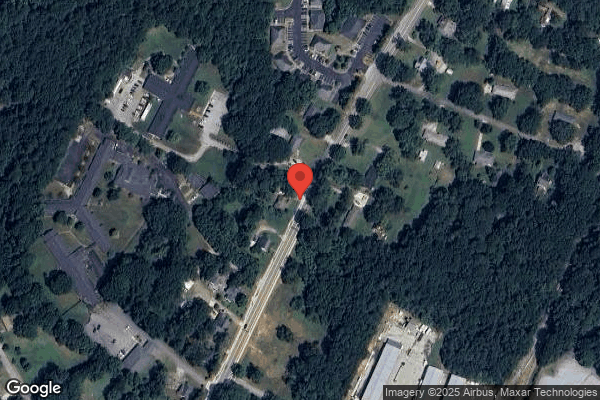

671 NORTH CHEROKEE ROAD, SOCIAL CIRCLE, GA 30025 (770) 464-2019
For profit - Limited Liability company 65 Beds CYPRESS SKILLED NURSING Data: November 2025
Trust Grade
50/100
#231 of 353 in GA
Last Inspection: May 2025

Inspected within the last 6 months. Data reflects current conditions.

Overview

Social Circle Nursing and Rehab Center has a Trust Grade of C, which means it is average and sits in the middle of the pack. It ranks #231 out of 353 facilities in Georgia, placing it in the bottom half, and is #2 out of 2 in Walton County, indicating there is only one local option that is better. The facility's situation appears to be improving, as it reduced issues from 11 in 2023 to 5 in 2025. Staffing is a concern, with a rating of 2 out of 5 stars and a turnover rate of 52%, which is average compared to the state. While there have been no fines, which is good, specific incidents raised concerns, such as staff failing to label opened food items properly, potentially affecting 59 residents, and not administering nutritional tube feedings according to physician orders, which could negatively impact a resident's health. Overall, while the facility has strengths in its lack of fines and improving trend, the issues with food safety practices and staffing need attention.

Trust Score
C
50/100
In Georgia
#231/353
Bottom 35%
Safety Record
Low Risk
No red flags
Inspections
Getting Better
11 → 5 violations
Staff Stability
⚠ Watch
52% turnover. Above average. Higher turnover means staff may not know residents' routines.
Penalties
✓ Good
No fines on record. Clean compliance history, better than most Georgia facilities.
Skilled Nurses
⚠ Watch
Each resident gets only 21 minutes of Registered Nurse (RN) attention daily — below average for Georgia. Fewer RN minutes means fewer trained eyes watching for problems.
Violations
⚠ Watch
21 deficiencies on record. Higher than average. Multiple issues found across inspections.
★★☆☆☆
2.0
Overall Rating
★★☆☆☆
2.0
Staff Levels
★☆☆☆☆
1.0
Care Quality
★★★☆☆
3.0
Inspection Score
Stable
2023: 11 issues
2025: 5 issues

The Good

  • Full Sprinkler Coverage · Fire safety systems throughout facility
  • No fines on record

Facility shows strength in fire safety.

The Bad

2-Star Overall Rating

Below Georgia average (2.6)

Below average - review inspection findings carefully

Staff Turnover: 52%

Near Georgia avg (46%)

Higher turnover may affect care consistency

Chain: CYPRESS SKILLED NURSING

Part of a multi-facility chain

Ask about local staffing decisions and management

The Ugly 21 deficiencies on record

May 2025 5 deficiencies
CONCERN (D) 📢 Someone Reported This

A family member, employee, or ombudsman was alarmed enough to file a formal complaint

Potential for Harm - no one hurt, but risky conditions existed

Tube Feeding (Tag F0693)

Could have caused harm · This affected 1 resident

**NOTE- TERMS IN BRACKETS HAVE BEEN EDITED TO PROTECT CONFIDENTIALITY** Based on observations, staff interviews, record review, and review of the facility's policy titled, Enteral Tube Feeding via Con...

Read full inspector narrative →
**NOTE- TERMS IN BRACKETS HAVE BEEN EDITED TO PROTECT CONFIDENTIALITY** Based on observations, staff interviews, record review, and review of the facility's policy titled, Enteral Tube Feeding via Continuous Pump, the facility failed to administer nutritional enteral feedings and hydration according to the current physician orders for one of two residents (R) (R33) receiving tube feeding in the facility. The deficient practice had the potential for the resident to not receive the correct amount of nutrition ordered by the physician which could result in negative outcome for resident. Findings include: Review of the facility's policy titled Enteral Tube Feeding via Continuous Pump, dated March 2015 under Purpose revealed, The purpose of this procedure is to provide nourishment to the resident who is unable to obtain nourishment orally. Under Preparation revealed, 1. Verify that there is a physician's order for the procedure . Under General Guidelines revealed, 3. Check the enteral nutrition label against the order before administration. Check for the following information: .(c.) date and time formula was prepared; (d.) route of delivery (f.) method (pump, gravity, syringe); and (g.) Rate of administration (ml/hr). Review for R33's electronic health records (EHR) revealed the resident was with diagnosis that include but not limited to: moderate protein-calorie malnutrition, dementia in other disease classified elsewhere, dysphagia unspecified, gastrostomy status (g-tube), and iron deficiency anemia unspecified. Review of R33's Annual Minimum Data Set (MDS) dated [DATE] for Section C (Cognitive Patterns) revealed, R33 had a Brief Interview for Mental Status (BIMS) of 00, which indicated severe cognitive impairment; Section GG (Functional Abilities and Goals) revealed, R33 was total dependent on with assistance for activities of daily living (ADL); Section K (Swallowing/Nutritional status) revealed, R33 received tube feeding as a sole source of nutrition. Review of R33's physician orders dated 4/1/2025 revealed, a NPO (Nothing by Mouth) Diet. Enteral Feed every shift for feedings, [Name of nutritional supplement] 1.5 R 50 cc (cubic centimeter)/ (per) hour x (times) 22 hours on at 8:00 am and off at 6:00 am, allow 6:00 am to 8:00 am for Activities of Daily Living (ADL) care. Review of the Care Plan for R33 revealed resident is at risk for alteration/decline in nutritional/hydration due to tube feeding. The care plan further revealed that resident was dependent on tube feeding for hydration and nutrition. Observations on 5/27/2025 at 9:30 am and 10:56 am revealed R33's g-tube was connected to the feeding pump, but nutrition was not being delivered to the resident. Observation and interview on 5/27/2025 at 1:21 pm in R33's room with the Director of Nursing (DON) confirmed that R33 tube feeding was not being administered. The DON revealed that she would investigate the problem. Further observation on 5/28/2025 at 11:45 am revealed, R33 in her chair outside of the dining room with tube feeding attached to the pump however it was not on. Interview on 5/28/2025 at 2:32 pm with Director of Nursing (DON) revealed the nurse on the floor was responsible for monitoring the tube feeding and the resident.
CONCERN (D) 📢 Someone Reported This

A family member, employee, or ombudsman was alarmed enough to file a formal complaint

Potential for Harm - no one hurt, but risky conditions existed

Deficiency F0761 (Tag F0761)

Could have caused harm · This affected 1 resident

Based on observation, staff interviews, record review and review of the facility's policies titled, Administering Medication, and Storage of Medication, the facility failed to properly secure a medica...

Read full inspector narrative →
Based on observation, staff interviews, record review and review of the facility's policies titled, Administering Medication, and Storage of Medication, the facility failed to properly secure a medication cart when not in use or clearly visible to the personnel administering medication and failed to ensure an eye drop medication was dated appropriately when opened to determine the discard date, for one of two medication carts (North Hall medication cart). The facility census was 56 residents. Findings include: Review of the facility's policy titled, Administering Medication dated 2/2020 under Policy Interpretation and Implementation revealed, 7. During administration of medications, the medication cart will be kept closed and locked when out of sight of medication nurse or aide. The cart must be clearly visible to the personnel administrating medication. Review of the undated facility's policy titled, Storage of Medication under the Policy Statement revealed, The facility shall store all drugs and biologicals in a safe, secure, and orderly manner. Under Policy Interpretation and Implementation revealed, 2. The nursing staff shall be responsible for maintaining medication storage AND preparation areas in a clean, safe and sanitary manner 4. The facility shall not use discontinued, outdated, or deteriorated drugs or biologicals . 1. An observation and interview was conducted on 5/28/2025 at 9:55 am with Licensed Practical Nurse (LPN) BB revealed that the North Hall medication cart was not locked when administering medication to a resident in B bed. Further observation of LPN BB preparing medications with the medication cart facing toward room while resident in A bed was mobilizing in his wheelchair in the room. In an interview with LPN BB confirmed that the medication cart was unlock and was not clearly visible the entire time. An interview was conducted on 5/29/2025 at 1:06 pm with the Director of Nursing (DON) revealed the expectation was for nurses to lock the cart. She revealed, nurses should lock the cart even if the nurse was giving medication in the room and the cart was facing the room. 2. An observation conducted on 5/29/2025 at 11:05 am of the North Hall medication cart revealed, an open bottle of Latanoprost eye drops without an open date on it. An interview on 5/29/2025 at 11:25am was conducted with the Unit Manager confirmed the open bottle of the eye drop. She revealed that she thinks the expiration date was 45 to 60 days for the Latanoprost drops but would verify that.
CONCERN (D) 📢 Someone Reported This

A family member, employee, or ombudsman was alarmed enough to file a formal complaint

Potential for Harm - no one hurt, but risky conditions existed

Medical Records (Tag F0842)

Could have caused harm · This affected 1 resident

**NOTE- TERMS IN BRACKETS HAVE BEEN EDITED TO PROTECT CONFIDENTIALITY** Based on observations, resident representative and staff interviews, and record review, the facility failed to document care for...

Read full inspector narrative →
**NOTE- TERMS IN BRACKETS HAVE BEEN EDITED TO PROTECT CONFIDENTIALITY** Based on observations, resident representative and staff interviews, and record review, the facility failed to document care for one 28 sampled residents (R) (R160). Specifically, personal, bowel, and bladder care were not documented in the medical record. Findings include: Review of the most recent annual Minimal Data Set (MDS) dated [DATE] for Section C (Cognitive Pattern) revealed that R160 has a Brief Interview for Mental Status (BIMS) score of 13, indicating little to no cognitive impairment. Section I (Active Diagnoses) revealed diagnoses of but not limited to urinary tract infection (UTI), dementia, type two diabetes mellitus (DM), congestive heart failure (CHF), and atrial fibrillation. Section GG (Functional Abilities and Goals) revealed that R160 was substantial/maximum assistance for most activities of daily living (ADL) except she required supervision for eating. Section H (Bladder and Bowel) revealed that R160 was occasionally incontinent for urine but had frequent bowel incontinence. Review of the care plan dated 1/16/2025 revealed that R160 was to remain neat and clean while maintaining maximum level of independence, check for incontinence on rounds and perineal care as needed. Review of the electronic medical record (EMR) for R160 revealed that personal, bowel, and bladder care was not documented for three-day shifts and 13-night shifts. According to documentation dated 1/30/2025, the facility was treating residents bottom with barrier cream. An interview with R160's representative on 5/28/2025 at 4:30pm revealed that R160 was incontinent prior to hospital discharge and transfer to the skilled nursing facility. R160 was bed bound. R160's representative reported that R160 did not have any skin integrity breakdown prior to the admission to the facility but that at discharge the resident had some redness to her sacral region. An interview on 5/29/2025 at 12:15 pm with Certified Nursing Assistant (CNA) CC revealed that empty blanks in documentation meant that nothing was done. She reported that CNA's do not like to chart but when she trained another CNA, she instructed them to document care provided. An interview on 5/29/2025 at 12:21 pm with the Unit Manager (UM) revealed that she expected CNA's to take care of the resident. If they were unable to perform care, then she expected them to contact the nurse or the UM for help. The UM reviewed the personal hygiene record for R160 with empty blanks and she stated that empty blanks meant that they did not follow through with documentation. She would not confirm they did not provide the care. The expectation was that the CNA's will document the care provided.
CONCERN (D) 📢 Someone Reported This

A family member, employee, or ombudsman was alarmed enough to file a formal complaint

Potential for Harm - no one hurt, but risky conditions existed

Infection Control (Tag F0880)

Could have caused harm · This affected 1 resident

Based on observations, staff interviews, and record review, the facility failed to properly disinfect a glucometer before use for one of eight residents (R) (R22) that have glucometer checks ordered. ...

Read full inspector narrative →
Based on observations, staff interviews, and record review, the facility failed to properly disinfect a glucometer before use for one of eight residents (R) (R22) that have glucometer checks ordered. The deficient practice has the potential to place residents at high risk for infection. Findings include: Review of the facility provided Manufacturer's instruction revealed on page 39 that the facility to disinfect between each patient with [company name] germicidal wipes, [company name] hospital cleaner disinfectant towels with bleach, [company name] wipes, and [company name] Super Sani-Cloth germicidal disposable wipes. Observation and interview on 5/28/2025 at 11:32 am with Licensed Practical Nurse (LPN) BB revealed that LPN BB did not disinfect the glucometer according to manufacturer's instructions. LPN BB removed one of two glucometers on the cart and after successfully completing the blood sugar check for R22, LPN BB used an alcohol wipe to disinfect the glucometer. An interview with LPN BB revealed that she was using [name of manufacturer] glucometer. LPN BB stated that the protocol to clean the device was to wipe at the beginning of shift with bleach wipe and then alcohol wipe between residents. An interview on 5/28/2025 at 2:37 pm with the Director of Nursing (DON) revealed her expectation was that staff should clean the glucometer between each resident. An interview on 5/28/2025 2:57 pm with the Infection Perfectionist (IP) Nurse revealed that the process to disinfect a glucometer was to use bleach solution wipes that were provided on the medication cart for three-minute dwell time and change glucometers between each resident while the first device dried. The IP nurse stated that there were two glucometers on each cart for that reason. She stated that they were to use bleach wipes on the carts to clean the glucometers. The IP nurse revealed that nurses should not use alcohol wipes.
CONCERN (D) 📢 Someone Reported This

A family member, employee, or ombudsman was alarmed enough to file a formal complaint

Potential for Harm - no one hurt, but risky conditions existed

Deficiency F0919 (Tag F0919)

Could have caused harm · This affected 1 resident

**NOTE- TERMS IN BRACKETS HAVE BEEN EDITED TO PROTECT CONFIDENTIALITY** Based on observations, staff interviews, and review of the facility's policy titled, Maintenance Service, the facility failed to...

Read full inspector narrative →
**NOTE- TERMS IN BRACKETS HAVE BEEN EDITED TO PROTECT CONFIDENTIALITY** Based on observations, staff interviews, and review of the facility's policy titled, Maintenance Service, the facility failed to keep one call light in working condition in one out of 18 rooms on North Hall (Room North 3-B). This deficient practice had the potential to place the resident at risk for unmet care needs, delayed response during emergencies, and increased likelihood of injury due to the inability to request assistance. Findings include: A review of the facility's policy titled Maintenance Service revealed under the Policy Interpretation and Implementation: 1. The maintenance department is responsible for maintaining the buildings, grounds and equipment in a safe and operable manner at all times. Observation conducted on 5/27/2025 at 10:54 am and on 5/28/2025 at 9:14 am in Room North 3-B revealed the call light was not functioning. When tested, the hallway indicator light did not activate. Interview on 5/28/2025 at 9:16 am with Certified Nursing Assistant (CNA) CC confirmed after testing the call light device, it was not working and noted that it had been functioning on Monday. She stated she would submit a maintenance order through TELS work order system. Interview on 5/28/2025 at 9:25 am with the Director of Nursing (DON) revealed she was previously unaware of the issue. After checking, she confirmed the call light was not functioning. Interview on 5/28/2025 at 9:35 am with the Maintenance Director (MD) confirmed he had been informed about the call light not functioning in Room North 3-B. He explained that different call lights required specific outlet [NAME], and sometimes CNAs mistakenly switched them. After testing, he stated the light itself was operational, but mismatched connections may have caused the malfunction. He acknowledged that nonfunctional call lights could lead to increased wait times and pose resident safety risks. Follow-up interview on 5/29/2025 at 10:09 am with the DON confirmed that staff were expected to report issues immediately and submit a TELS order. She emphasized that all call lights must be operational, as failure to respond could result in a resident being in distress, attempt tasks independently, or even signaling for a roommate in need. Interview on 5/29/2025 at 10:29 am with the Administrator reinforced that broken call lights must be reported and entered into TELS as soon as they were identified. Once maintenance was informed, repairs should be completed immediately. He stated that call lights must always remain functional to ensure residents can communicate urgent needs. Administrator stated delays or failures in response could result in falls, missed hygiene care, or the development of bedsores, posing serious safety risks.
Oct 2023 11 deficiencies
CONCERN (D)

Potential for Harm - no one hurt, but risky conditions existed

Resident Rights (Tag F0550)

Could have caused harm · This affected 1 resident

Based on observation, record review, staff interview, and review of the facility's policy titled, Quality of Life - Dignity, the facility failed to maintain dignity by ensuring a dignity bag was provi...

Read full inspector narrative →
Based on observation, record review, staff interview, and review of the facility's policy titled, Quality of Life - Dignity, the facility failed to maintain dignity by ensuring a dignity bag was provided for one of one resident (R) (R26) reviewed with an indwelling catheter. Findings included: Review of the facility's policy titled, Catheter Policy, revealed staff would promote, maintain, and protect resident privacy, including bodily privacy during assistance with personal care and during treatment procedures. Review of the Medical Doctor (MD) orders dated 10/5/2023 revealed that R26 had an order for a Foley (indwelling) catheter. Observation of R26 on 10/27/2023 at 9:05 am revealed R26 was in bed. R26's Foley catheter drainage bag was hanging from the side rail of the bed. The Foley catheter drainage bag was uncovered, without a dignity bag with urine noted inside and visible from the hall. Observation of R26 on 10/28/2023 at 9:01 am and 11:10 am revealed R26 was in bed. R26's Foley catheter drainage bag was uncovered, without a dignity bag with urine noted inside and visible from the hall. Observation of R26 with the Director of Nursing (DON) on 10/28/2023 at 12:00 pm revealed R26's Foley catheter drainage bag with urine inside was uncovered, without a dignity bag with urine noted inside and visible from the hall. Interview with the DON on 10/28/2023 at 12:01 pm revealed all staff are expected to cover all Foley catheter drainage bags with a dignity bag. The DON confirmed that R26's Foley catheter drainage bag was uncovered, and without a dignity bag.
CONCERN (D)

Potential for Harm - no one hurt, but risky conditions existed

Deficiency F0578 (Tag F0578)

Could have caused harm · This affected 1 resident

**NOTE- TERMS IN BRACKETS HAVE BEEN EDITED TO PROTECT CONFIDENTIALITY** Based on staff interviews, record review, and review of the facility's policy titled, Advance Directives the facility failed to ...

Read full inspector narrative →
**NOTE- TERMS IN BRACKETS HAVE BEEN EDITED TO PROTECT CONFIDENTIALITY** Based on staff interviews, record review, and review of the facility's policy titled, Advance Directives the facility failed to obtain and/or transcribe a physician's order for code status for one resident (R) (R260) of 27 sampled residents. Findings include: Review of the facility's policy titled, Advance Directives revised December 2016 revealed Advanced Directives will be respected in accordance with state law and facility policy. Under the Policy Interpretation and Implementation revealed: 7. Information about whether or not the resident has executed an advanced directive shall be displayed prominently in the medical record. 20. The Director of Nursing Services or designee will notify the Attending Physician of advanced directives so that appropriate orders can be documented in the resident's medical record and plan of care. Record review of R260's admission Minimum Data Set (MDS) Significant Change assessment dated [DATE] revealed Section C- Cognitive Patterns-revealed a Brief Interview of Mental Status (BIMS) score of 00, which indicated R260 had severe cognitive impairment. Record review of the current October 2023 Physician's orders revealed there was no order for code status. Review of the dashboard banner in the Electronic Medical Record (EMR) revealed the code status was left blank. Review of the Advanced Directive document dated 10/16/2023, located under the miscellaneous tab in the EMR, in the section titled Do Not Resuscitate Order for Residents Without Decision Making Capacity revealed the resident representative, attending physician and concurring physician had signed, stating that based on reasonable degree of medical certainty, the resident was a candidate for non-resuscitation. Review of the care plan dated 10/17/2023 Focus revealed R260's had a Do Not Resuscitate (DNR) code status which included an intervention to flag the chart so that staff knows resident was a DNR. Review of R260's Face sheet indicated the resident was a full code. Review of the Medication Administration Record (MARS) revealed no code status listed. Interview on 10/28/2023 at 1:00 pm with Certified Nursing Assistant (CNA) PP revealed she would locate a resident's code status by looking at the EMR dashboard banner. She stated all residents should have their code status on the EMR dashboard. She further stated if she was unable to see the code status on the EMR dashboard, she would ask the nurse. Interview on 10/28/2023 at 1:05pm with Licensed Practical Nurse (LPN) BB revealed she would look on the EMR dashboard banner to locate a resident's code status. She stated if there was not a code status listed on the dashboard banner, she would look at the Advanced Directive in the EMR to determine the code status. Interview on 10/28/2023 at 2:00 pm with LPN CC revealed she would locate a residents' code status in the physicians' order or on the MARS. She stated she was aware the residents' code status was located at the top of the MARS and in the physician's orders and was unsure of other locations. Interview on 10/28/2023 at 2:24 pm with the Director of Nursing (DON) revealed her expectation was for the resident code status to be located on the dashboard banner in the EMR. She stated if there was not a code status listed there, the resident would be treated as a full code. She stated if the resident had a signed Advanced Directive indicating the resident was a DNR, there should be a physician's order for a DNR and if there was not a physician's order, the resident would be considered a full code and life saving measures would be initiated by the facility clinical staff. She stated a resident's code status is documented on the Face Sheet in the EMR and should be accurate and according to the physician's order. She stated her expectation was for all clinical record areas to be accurate according to the Advanced Directive and Physician's order. She stated upon a resident admission, the Social Service Director notified nursing staff of the Advanced Directive and the nursing staff placed an order for the physician to sign, placed the code status on the dashboard banner and the MDS Coordinator placed it on the care plan. Observation of R260's EMR with the DON verified there was not a code status on the dashboard, there was not a physician's order for a code status, the Face Sheet documented the code status as a full code, the care plan documented the resident was a DNR, and the Advanced Directive documented the code status as a DNR. She verified the Advanced Directive was appropriately completed.
CONCERN (D)

Potential for Harm - no one hurt, but risky conditions existed

Comprehensive Care Plan (Tag F0656)

Could have caused harm · This affected 1 resident

**NOTE- TERMS IN BRACKETS HAVE BEEN EDITED TO PROTECT CONFIDENTIALITY** Based on staff interviews, record review, review of the facility's policy titled, Care Plan, Comprehensive Person-Centered, and ...

Read full inspector narrative →
**NOTE- TERMS IN BRACKETS HAVE BEEN EDITED TO PROTECT CONFIDENTIALITY** Based on staff interviews, record review, review of the facility's policy titled, Care Plan, Comprehensive Person-Centered, and review of the facility's procedure document titled, Dressing Change for Vascular Access Devices, the facility failed to ensure that care plan interventions were followed for one resident (R) (R53) of one resident reviewed for peripherally inserted central catheter (PICC) (an intravenous catheter that is inserted into a vein in the arm and advanced in the body in the veins until the internal tip of the catheter is in the superior vena cava) line. In addition, the facility failed to develop a comprehensive person-centered care plan to treat and prevent further contractures for one resident (R28) of 27 sampled residents reviewed for care plans. Findings include: 1. Review of the facility's policy titled Care Plan, Comprehensive Person-Centered dated 9/2023, Policy Statement revealed, A comprehensive, person-centered care plan that includes measurable objectives and timetables to meet the resident's physical, psychosocial and functional needs is developed and implemented for each resident. Review of the procedure document titled Dressing Change for Vascular Access Device dated 2011 revealed the purpose was to prevent local and systemic infection related to the Intravenous (IV) catheter. The Policy Section 2. revealed: Central venous access device and midline dressing changes will be done at established intervals and immediately if the integrity of the dressing is compromised, if moisture, drainage, or blood is present, or for further assessment if infection is suspected. Transparent semi-permeable membrane dressings are changed every seven days and as needed (PRN). Review of the clinical record revealed R53 was admitted on [DATE] with diagnoses that included open wound to foot. Review of the admission Minimum Data Set (MDS) dated [DATE] revealed for Section O- Special Treatments and Programs: indicated R53 received IV medications while a resident. Review of care plan dated 9/20/2023 under Focus revealed IV therapy/potential for complications related to PICC line with Goal that indicated IV site to remain free from signs or symptoms of infection and Interventions included but not limited to changing dressing to IV site per orders/facility policy. Review of the clinical records revealed one entry in the Progress Notes dated 9/23/2023 that documented the PICC line site was clean and dry without swelling and one entry in the Progress Notes dated 10/3/2023 that the PICC line dressing was changed. Review of the Medication Administration Record (MARS) and Treatment Administration Record (TARS) dated October 2023 and September 2023 revealed there was no documented monitoring for signs of infection or dressing changes of the PICC line site. Interview on 10/29/2023 at 11:20 am with Licensed Practical Nurse (LPN) CC revealed she normally reviewed resident care plans each shift. She stated she reviewed R53 care plan during her shift on 10/28/2023 and discussed the PICC line care with the Registered Nurse (RN) Supervisor. She stated it was important for nurses to review the care plan for the residents they were assigned to each shift to ensure the interventions on the care plan were being followed. Interview on 10/29/2023 at 11:30 am with RN JJ revealed she worked as the RN Supervisor on weekends. She stated she did not routinely look at the resident care plans unless someone had a concern or question related to resident care. She stated she had not reviewed R53's care plan and was aware of the PICC line. She stated she thought that the required care was being provided for R53. Interview on 10/29/2023 at 11:45 am with the Director of Nursing (DON) revealed her expectations were for resident care plans to be reviewed by the nurse each shift. She stated the interventions in the care plan should be followed and implemented by all staff. She stated resident care could be compromised if the nurse was not reviewing and following the interventions in the care plan. She further stated the Unit Manager was responsible for ensuring the interventions in the care plan were followed by nursing staff. She verified the intervention in R53's care plan to change dressing to IV site per orders/facility policy that was initiated on 9/20/2023 and assigned to nursing staff. She stated the dressing should have been changed every seven days according to the policy. She stated the resident could have developed an infection at the PICC line insertion site or a systemic infection due to the dressing not being changed per the care plan and policy. 2. Review of the clinical record revealed R28 was admitted on [DATE] with diagnoses including cerebral infarction due to embolism of bilateral cerebellar arteries and unspecified hemiplegia affecting left nondominant side. Review of the Quarterly MDS dated [DATE] revealed R28 required extensive assistance with transfers, toilet use and personal hygiene. R28's functional limitation in range of motion was coded with impairment on one side of upper and lower extremities. Review of R28's care plans dated 6/22/2023 revealed there was not a care plan to address resident's contracture to the left hand with interventions to reduce the progression of the contracture. During an interview on 10/28/2023 at 1:21 pm with Certified Nursing Assistant (CNA) MM revealed currently there are new therapists at the facility, but prior CNAs were given a list of residents who required range of motion and needed splints. CNA MM further stated that the CNAs are no longer provided with that list. CNA MM stated that she is aware R28 had a hand contracture, but she had never seen R28 with anything in his hand for contracture management. During an interview on 10/29/2023 at 9:04 am with LPN MDS Coordinator, she confirmed that a care plan to address the contracture to R28's left hand had not been developed. The LPN MDS Coordinator revealed that a care plan with interventions should be developed for any resident with contractures. LPN MDS Coordinator further stated she knew R28 had hemiparesis to the left hand, but she was not aware of the contracture. LPN MDS Coordinator further stated therapy did not evaluate R28 upon admission was probably the reason the contracture was not addressed in residents plan of care. During a follow-up interview with DON on 10/29/2023 at 12:14 pm revealed all residents with any limitations in range of motion should have a plan of care with interventions implemented for the staff to provide care. DON further stated that because the facility did not have restorative, a physician order is not indicated. She stated the task should be care planned and the care should be provided by the CNAs while providing Activities of Daily Living.
CONCERN (D)

Potential for Harm - no one hurt, but risky conditions existed

Quality of Care (Tag F0684)

Could have caused harm · This affected 1 resident

**NOTE- TERMS IN BRACKETS HAVE BEEN EDITED TO PROTECT CONFIDENTIALITY** Based on observation, staff interviews record review, and review of the procedure document titled Dressing Change for Vascular A...

Read full inspector narrative →
**NOTE- TERMS IN BRACKETS HAVE BEEN EDITED TO PROTECT CONFIDENTIALITY** Based on observation, staff interviews record review, and review of the procedure document titled Dressing Change for Vascular Access, the facility failed to ensure a physicians' order was in place for the care of a peripherally inserted central catheter (PICC) line (an intravenous catheter that is inserted into a vein in the arm and advanced in the body in the veins until the internal tip of the catheter is in the superior vena cava) and failed to document care of the PICC line for one resident (R) (R53) of one reviewed for intravenous access lines. Findings include: Review of the procedure document titled Dressing Change for Vascular Access Device dated 2011 under subsection titled, Purpose revealed To prevent local and systemic infection related to the Intravenous (IV) catheter. Review of subsection, titled Policy revealed, 2. Central venous access device and midline dressing changes will be done at established intervals and immediately if the integrity of the dressing is compromised, if moisture, drainage, or blood is present, or for further assessment if infection is suspected. Transparent semi-permeable membrane dressings are changed every seven days and as needed (PRN). Review of the clinical record revealed R53 was admitted on [DATE] with diagnoses including open wound to foot. Review of the admission Minimum Data Set (MDS) dated [DATE] revealed Section O- Special Treatments and Programs: indicated R53 received IV medications while a resident. Review of care plan dated 9/20/2023 under Focus revealed IV therapy/potential for complications related to PICC line with Goal that indicated IV site to remain free from signs or symptoms of infection and Interventions included but not limited to changing dressing to IV site per orders/facility policy. Review of the physicians' orders revealed there was not an order for PICC line dressing change or monitoring of the PICC line site. Further review of the physicians' orders revealed an order dated 9/25/2023 for Invanz injection solution reconstituted one (1) gram Ertapenem sodium (an antibiotic used to treat severe infections) use 1 gram intravenously one time a day for foot infection until 10/26/2023. Review of the clinical records revealed one entry in the Progress Notes dated 9/23/2023 that documented the PICC line site was clean and dry without swelling and one entry in the Progress Notes dated 10/3/2023 that the PICC line dressing was changed. Review of the Medication Administration Record (MARS) and Treatment Administration Record (TARS) dated October 2023 and September 2023 revealed there was no documented monitoring for signs of infection or dressing changes of the PICC line site. Observation on 10/27/2023 at 9:00 am and 10/28/2023 at 10:15am revealed the PICC line site dressing located on R53's right upper arm was dated 10/11/2023 and was observed to have peeling edges. Interview on 10/28/2023 at 11:10 am with Licensed Practical Nurse (LPN) CC revealed she was aware that R53 had a PICC line in her right upper arm. She verified in the Electronic Medical Record (EMR) that there was not a physician's order for the PICC line site to be monitored or for the dressing to be changed. She stated there was not a location on the MARS to document monitoring of the PICC site or dressing changes. She stated she would report any concerns about the PICC line to the Unit Manager and stated was unsure where to document concerns with the PICC line. Interview on 10/28/2023 at 11:15 am with Registered Nurse (RN) JJ revealed she was unsure where documentation was in the EMR for monitoring of a PICC line site or for documenting the dressing change. She further stated there should be a physician's order for monitoring of the PICC line site and changing the PICC line site dressing. She verified there were no physician orders for monitoring of the site or dressing change. She stated the orders should have been created upon admission of a resident with a PICC line. She stated the dressing should be changed every seven days and the site should be monitored each shift to prevent infection of the site and systemic infection. Interview on 10/28/2023 at 11:30 am with Nurse Practitioner (NP) OO revealed she was unaware there was not physician orders for R53's PICC line dressing change or monitoring of the site. She stated the admitting nurse was responsible for ensuring an order was placed in the EMR for the provider to review and sign. Interview on 10/28/2023 at 2:35 pm with the DON revealed there should be a physician's order to monitor PICC line sites for signs of infection and to change PICC line site dressings. She stated the admission Nurse should initiate a batch order for the PICC line upon admission of a resident with a PICC line or upon placement of a PICC line. She stated the batch order would include an order for monitoring for signs of infection or infiltration at the PICC line site and for the PICC line site dressing changes. She stated if monitoring of the PICC line site or dressing changes was not documented on the MARS, the nurse should document it in the nursing progress notes. She stated the DON was ultimately responsible for ensuring resident needs were being met. The facility did not provide a policy for physicians' orders or a policy for documentation of cares.
CONCERN (D)

Potential for Harm - no one hurt, but risky conditions existed

Deficiency F0688 (Tag F0688)

Could have caused harm · This affected 1 resident

**NOTE- TERMS IN BRACKETS HAVE BEEN EDITED TO PROTECT CONFIDENTIALITY** Based on observations, record review, staff and resident interviews and review of facility's policy titled Transitioning to Func...

Read full inspector narrative →
**NOTE- TERMS IN BRACKETS HAVE BEEN EDITED TO PROTECT CONFIDENTIALITY** Based on observations, record review, staff and resident interviews and review of facility's policy titled Transitioning to Functional Maintenance Care from Restorative Nursing Program, the facility failed to ensure one resident (R) (28) of 27 sample residents reviewed for limited range of motion received restorative services as needed to address limited range of motion in his right arm. This failure created a potential for worsening contracture (fixed resistance to passive stretch), pain, or skin breakdown. Findings include: Review of facility's policy titled Transitioning to Functional Maintenance Care from Restorative Nursing Program dated 2/22/2021, revealed the center shall continue to observe residents and provide nursing care interventions to decrease the risk of decline in functional abilities. During observation and interview with resident 10/27/2023 at 9:29 am revealed R28 out of bed in wheelchair. R28 was observed with left hand clinched into a fist. He stated he had a stroke and could not open his hand. R28 further stated no one provided him with hand exercises. During an observation on 10/28/2023 at 8:49 am and 12:29 pm R28 was observed with left hand closed and there was not anything in his hand for contracture management. During an observation and interview on 10/28/2023 at 2:48 pm with R28 in his room stated, no one had exercised his left hand or leg today, but someone needs to because his hand and leg both are getting worst. Record review of the Electronic Medical Record (EMR) revealed a diagnosis including cerebral infarction due to embolism of bilateral cerebellar arteries, hemiplegia affecting left nondominant side. Record review of for R28's most recent quarterly Minimum Data Set (MDS) dated [DATE] revealed he required limited assistance with bed mobility, extensive assistance with dressing, personal hygiene, and bathing and toilet use, and total assistance with bathing with limited range of motion on one side in the upper and lower extremities. Record review of care plan dated 6/22/2023 under Focus revealed R28 had a self-care deficit related to experiencing difficulty in performing tasks of daily living such as feeding self, dressing, bathing, toileting, transferring from bed and walking. As evidenced by Neuromuscular impairment, Musculoskeletal disorder, cognitive impairment, energy deficits. Record review of R28 's active Physician's Orders, located in the Orders tab of the EMR, revealed there was no order for restorative services. Review of R28's nurse practitioner's Progress Note, located in the Progress Notes tab of the EMR, dated 10/25/2023, revealed Patient seen and examined at bedside, he was sitting up in his wheelchair he has noted left hemiparesis, he was awake alert oriented x3 and was in no acute distress. Hemiparesis affecting left side as late effect of cerebrovascular accident. Patient with significant functional limitation. Record review revealed a Joint Range of Motion Assessment dated 9/18/2023 that revealed: Wrist and Fingers (flexion and extension) 4a. Left Wrist - Full, 4c. Left fingers - Full. During an interview on 10/28/2023 at 12:30 pm with License Practical Nurse (LPN) CC revealed that the facility has therapy services but not restorative. LPN CC stated that she did not have anyone with splints or an actual contracture on her hall and she didn't know who was responsible for Range of Motion (ROM) exercises, because nursing does not do it. LPN CC further stated R28 was very compliant with care and if there was ever a time, he refused anything he asked the staff to come back at a later time because he was resting. LPN CC stated that R28 was not receiving any restorative services related to his left hand at that time. During an interview on 10/28/2023 at 12:36 pm with LPN Unit Manager KK revealed all residents with contractures are assessed by therapy and they develop the continued plan of care for additional treatment by the nursing staff. LPN KK further stated if residents are not on therapy, the Certified Nursing Assistant (CNA)s would complete ROM during Activities of Daily Living (ADL) care. LPN KK stated she was not aware R28 had a contracture. During an interview on 10/28/2023 at 12:44 pm with the Therapy Manager revealed R28 was on Occupational Therapy (OT) services for start of care date of 2/17/2019 with stop date 3/6/2019 (previous admission to the facility) and had not been on services since that time. The Therapy Manager further stated there was not any documentation related to R28 being screened or evaluated for therapy services with this admission. The Therapy Manager further stated she had only been working at the facility for three weeks and had not received a referral to screen resident for services. She stated the facility did not provide restorative services. She stated the Administrator, and the Director of Nursing (DON) are trying to decide how to handle the situation when residents are discharged from therapy. During an interview on 10/28/2023 at 1:21 pm with Certified Nursing Assistant (CNA) MM revealed currently there are new therapists at the facility, but prior CNAs were given a list of residents who required range of motion and needed splints. CNA MM further stated that the CNAs are no longer provided with that list. CNA MM stated that she was aware R28 had a hand contracture, but she had never seen R28 with anything in his hand for contracture management. During an interview on 10/28/2023 1:33 pm with DON revealed that the facility no longer provides restorative services; the program was discontinued two years ago. DON further stated the facility currently does not have residents with braces or splint orders. DON stated R28 was transferred to their facility as a new admission June 2023 and the CNAs are supposed to perform ROM exercises during ADL care. DON stated that there was not any documentation in the record that anything was being done to reduce the progression of the contracture to residents left hand. DON further stated R28 should have been screened by therapy upon admission, but she was not sure if that happened. DON verified the ROM Assessment in the record dated 9/18/2023 indicating resident had full range of motion to left hand and fingers was inaccurate. During an interview on 10/28/2023 at 1:13 pm with Administrator revealed the facility does not have restorative nursing services. The Administrator stated he planned to have therapy train with the CNAs upon residents' discharge from skilled services. The Administrator further stated R28 had not received any therapy services since he had been admitted to the facility. During an interview on 10/29/2023 at 1:07 pm with CNA PP revealed that she provided care for R28 today. She revealed she had assisted R28 with toileting needs but did not indicate that she had provided R28 with restorative ROM exercises. CNA PP further stated that she had not been informed R28 required range of motion exercises to his left hand.
CONCERN (D)

Potential for Harm - no one hurt, but risky conditions existed

Respiratory Care (Tag F0695)

Could have caused harm · This affected 1 resident

**NOTE- TERMS IN BRACKETS HAVE BEEN EDITED TO PROTECT CONFIDENTIALITY** Based on observations, staff and resident interviews, record review, and review of the facility's policy titled, Oxygen Administ...

Read full inspector narrative →
**NOTE- TERMS IN BRACKETS HAVE BEEN EDITED TO PROTECT CONFIDENTIALITY** Based on observations, staff and resident interviews, record review, and review of the facility's policy titled, Oxygen Administration, the facility failed to ensure that the respiratory nasal cannula tubing was dated when changed and the oxygen concentrator filters were maintained in a sanitary condition for three of five residents (R) (R21, R260, R213) receiving oxygen therapy and failed to ensure sanitary storage of a respiratory nasal cannula when not in use for one of five residents (R213) receiving oxygen therapy. Findings include: Review of the undated facility's policy titled Oxygen Administration under the Purpose statement revealed The procedure was to provide guidelines for safe oxygen administration. 1. Review of R21's diagnoses revealed diagnoses including (but not limited to) chronic obstructive pulmonary disease (COPD). Review of the Quarterly Minimum Data Set (MDS) dated [DATE] revealed Section O-Special Treatments and Programs indicated R21 received oxygen. Review of the care plan dated 5/21/2022 under Focus revealed R21 received oxygen therapy. Review of the physician's orders revealed an order dated 9/13/2023 for oxygen via nasal cannula to maintain oxygen saturation above 88 percent to a maximum of 3.5 liters per minute every shift for COPD. Review of the Medication Administration Record (MARS) dated October 2023 revealed R21 received oxygen as ordered. There was no documentation of the oxygen tubing being changed or the oxygen concentrator filter being cleaned or changed. Observation on 10/27/2023 at 9:32 am and 10/28/2023 at 10:00 am revealed R21 was receiving Oxygen (O2) via (by way of) a nasal cannula with the flow meter set at two (2) liters per minute. The tubing was not dated. Observation of the oxygen concentrator filter revealed a large amount of fuzzy white material on it. Observation on 10/28/2023 at 11:15 am of R21's oxygen with Registered Nurse (RN) JJ revealed her oxygen tubing was dated 10/28/2023. RN Nash verified she had changed it less than one hour prior to this observation. She stated the tubing she removed did not have a date on it and there was no way of knowing how long it had been in use. Observation of the filter on the oxygen concentrator with RN JJ verified the filter to have a large amount of white fuzzy material on it. She stated she was unaware of how to remove it for cleaning. 2. Review of R260's diagnoses revealed diagnoses including (but not limited to) chronic obstructive pulmonary disease (COPD). Review of the admission Minimum Data Set (MDS) dated [DATE] revealed Section O -Special Treatments and Programs indicated R260 received oxygen. Review of the care plan dated 10/5/2023 under Focus revealed R260 had altered respiratory status and difficulty breathing and was oxygen dependent. Review of the physician's orders revealed an order dated 10/4/2023 for oxygen at 2 liters per minute via nasal cannula to maintain oxygen saturation above 90 percent every shift. Review of the Medication Administration Record (MARS) dated October 2023 revealed R260 received oxygen as ordered. There was no documentation of the oxygen tubing being changed or the oxygen concentrator filter being cleaned or changed. Observation on 10/27/2023 at 10:10 am and 10/28/2023 at 10:40am revealed R260 was receiving oxygen via a nasal cannula with the flow meter set at 2 liters per minute. The tubing was not dated. Observation of the oxygen concentrator filter revealed a large amount of fuzzy white material on it. Observation on 10/28/2023 at 11:15am of R260's oxygen with RN JJ verified her oxygen tubing did not have a date on it. She stated without a date, there was no way of knowing how long it had been in use. Observation of the filter on the oxygen concentrator with RN JJ verified the filter had a large amount of white fuzzy material on it. She stated she was unaware of how to clean it. Interview on 10/28/2023 at 11:00 am with Licensed Practical Nurse (LPN) CC revealed the nurses were responsible for oxygen cares. She stated the night shift nurses were primarily responsible for changing the oxygen tubing and stated the tubing should be changed weekly. She further stated the oxygen concentrator filter should be cleaned each time the tubing was changed. She stated the nurse should label the tubing with the date of change and further stated all nurses should monitor the tubing for the change date. She stated any nurse could change the oxygen tubing if the tubing was not labeled with a date. She stated the tubing change should be documented on the MARS and if there was not a place on the MARS to document tubing change, it should be documented in the nursing progress notes. She stated she normally checked her assigned residents' oxygen setting and tubing dates at the beginning of her shift and stated she had not checked them this date. She stated the oxygen tubing should be changed weekly and the oxygen concentrator filters should be cleaned weekly to prevent potential infectious disease due to unsanitary air flow from dirty filters and contaminated tubing. Interview on 10/28/2023 at 11:10 am with Registered Nurse (RN) Unit Manager (UM) JJ revealed nurses were responsible for ensuring the oxygen tubing was changed once a week and stated the nurse should label the tubing with the date of change when it was changed. She stated she was unsure who was responsible for ensuring the oxygen concentrator filters were cleaned. She stated she was aware the filters should be cleaned due to reduced air flow to the resident caused by dirty filters. She stated she was unsure where documentation of oxygen tubing change was documented. 3. Review of R213's diagnoses revealed diagnoses including (but not limited to) secondary malignant neoplasm of brain, malignant neoplasm of upper lobe, unspecified bronchus, or lung. Review of the Quarterly Minimum Data Set (MDS) dated [DATE] revealed Section O Special Treatments and Programs indicated R213 received oxygen. Review of resident's care plan initiated 10/5/2023 under Focus revealed R213 had an altered respiratory status and difficulty breathing with interventions that included oxygen via nasal prongs/mask. Review of the physician's orders revealed an order with a start date 10/5/2023 for oxygen at 0-4 (zero to four) liters via nasal cannula to keep oxygen saturations above 90% every shift for shortness of breath. Review of the Medication Administration Record (MAR) dated October 2023 revealed R213 received oxygen as ordered. There was no documentation of the oxygen tubing being changed or the oxygen concentrator filter being cleaned or changed. Observation on 10/27/2023 at 9:09 am revealed R213 lying in bed with oxygen via nasal cannula at 2 liters via nasal cannula. The filter of the concentrator had an accumulation of light grey fuzzy substance. The tubing/nasal cannula was not dated. Observation on 10/28/2023 at 9:39 am revealed R213 lying in bed eating. R213 was alert and oriented and stated that he had to use oxygen every day to be able to breath good. R213 was observed with oxygen via nasal cannula at 2 liters via nasal cannula. The tubing/nasal cannula was not dated at the time of this observation. The filter on the concentrator has an accumulation of a light grey fuzzy substance. Observation and walkthrough on 10/28/2023 at 11:38 a.m. with RN Supervisor JJ revealed R213 out of room at this time, the concentrator was on with the oxygen tubing hanging over the bedrail and not properly stored while not in use. RN JJ stated she changed the tubing /nasal cannula this morning because it was not dated. RNJJ further stated that the nasal cannula should be placed in a plastic bag while not in use. RN JJ also verified the light fuzzy grey substance on the oxygen concentrator filter and stated she did not check the filter this morning when she changed the tubing to see if it needed to be cleaned or changed and was unsure who was responsible for cleaning or changing the filter. Interview on 10/29/2023 at 11:50am with the Director of Nursing (DON) revealed night shift nurses were responsible for changing the oxygen tubing and cleaning the oxygen concentrator filters once a week. She stated the oxygen tubing should be labeled with a date of the change. She stated there was not a location in the clinical record to document when the tubing was changed, or the filter was cleaned. She stated the RN UM was responsible for ensuring the tubing was being changed and the filters were being cleaned weekly. She further stated the Infection Preventionist was responsible for making compliancy rounds on residents receiving oxygen to ensure the tubing was being changed and dated and the concentrator filters were clean. She stated if the tubing wasn't changed weekly, the tubing could offer a route of infection. She stated if the filters weren't cleaned weekly, the air flow could be reduced and the resident would not receive the correct amount of oxygen, and both could cause adverse effects for the resident. DON further stated that is her expectation that all respiratory tubing is stored in a plastic bag and sealed when not in use.
CONCERN (D)

Potential for Harm - no one hurt, but risky conditions existed

Medication Errors (Tag F0758)

Could have caused harm · This affected 1 resident

**NOTE- TERMS IN BRACKETS HAVE BEEN EDITED TO PROTECT CONFIDENTIALITY** 2. Review of the clinical record for R41 revealed she was admitted to the facility on [DATE] with diagnoses including epilepsy, ...

Read full inspector narrative →
**NOTE- TERMS IN BRACKETS HAVE BEEN EDITED TO PROTECT CONFIDENTIALITY** 2. Review of the clinical record for R41 revealed she was admitted to the facility on [DATE] with diagnoses including epilepsy, gastrostomy, dysphagia, depression, anxiety, and hypertension. The resident's most recent quarterly Minimum Data Set (MDS) dated [DATE], revealed a Brief Interview for Mental Status (BIMS) was coded as 0, indicating severe cognitive impairment. Review of October 2023 Clinical Physician Orders R41, revealed an order dated 10/4/2023 for Ativan (a medication used to treat anxiety) two milligram (mg) per milliliter (ml) injection every one hour as needed (PRN) for breakthrough seizures. There was no evidence of a 14 day stop date or a rationale from the physician for the extension past 14 days. Interview on 10/29/2023 at 9:28 am with Director of Nursing (DON) stated residents should only have as needed (PRN) psychotropic medications for more than 14 days. She stated that the Physician would have to reorder the psychotropic medication if it was needed for longer than 14 days. During further interview, she stated the nurses should recognize when PRN psychotropic medications do not have a14 days stop date and notify the residents Physician for a stop date. Based on record review, staff interview, and review of the facility's policy titled Antipsychotic Medication Use, the facility failed to ensure a stop date was implemented, not to exceed 14 days for psychotropic medications for two residents (R) (R35 and R41) of six residents reviewed for unnecessary medications. Specifically, the facility failed to implement a stop date for antianxiety medication ordered as needed (PRN) for R35 and R41. Findings are: A review of the facility policy Antipsychotic Medication Use, dated 12/2015, revealed all as needed (PRN) psychotropic medications had a 14-day stop date. Additionally, any PRN psychotropic medication requires that the practitioner document the rationale for the extended order. A review of the physician (MD) orders revealed that R35 was prescribed one Xanax 0.5 mg tablet by mouth every 12 hours as needed (PRN) on 7/13/2023. The order had no end date. A review of the Medication Administration Record (MAR) revealed staff administered R35 0.5 mg of Xanax by mouth on a PRN basis on the following dates and times: 7/14/2023 at 8:04 am, 7/27/2023 at 10:23 am, 7/28/2023 at 1:20 pm, 9/25/2023 at 4:21 pm, 10/23/2023 at 3:09 pm, and 10/26/2023 at 11:02 a.m., 7/1/23 at 9:38 a.m., 7/7/23 at 8:32 a.m., 7/8/23 at 8:46 a.m., 7/12/23 at 10:50 a.m., 7/13/23 at 8:36 pm. Interview with the Director of Nursing (DON) on 10/28/2023 at 12:15 pm revealed she acknowledged R35 had no stop date for the prescribed Xanax 0.5 mg every 12 hours as needed. The DON stated all psychotropic medications were supposed to have a stop date.
CONCERN (D)

Potential for Harm - no one hurt, but risky conditions existed

Deficiency F0761 (Tag F0761)

Could have caused harm · This affected 1 resident

**NOTE- TERMS IN BRACKETS HAVE BEEN EDITED TO PROTECT CONFIDENTIALITY** Based on observations, interviews, and review of facility policies titled, Storage of Medications, Administering Medications, an...

Read full inspector narrative →
**NOTE- TERMS IN BRACKETS HAVE BEEN EDITED TO PROTECT CONFIDENTIALITY** Based on observations, interviews, and review of facility policies titled, Storage of Medications, Administering Medications, and Discarding and Destroying Medications, the facility failed to ensure one medication cart and one treatment cart were locked when not in use; failed to ensure insulin was dated appropriately when opened to determine the discard date and failed to discard expired medications in one of two medication carts. In addition, the facility failed to implement the process for discarding and destroying discontinued medications. The facility census was 61. Findings include: 1. Review of the facility policy titled Storage of Medications copyright 2007, Policy Interpretation and Implementation Number 7. Compartments (including but not limited to drawers, cabinets, rooms, refrigerators, carts, and boxes) containing drugs and biologicals shall be locked when not in use, and trays and carts used to transport such items shall not be left unattended if open or otherwise potentially available to others. 12. Insulin products should be stored in the refrigerator until opened. Note the date on the label for insulin vials and pens when first used. Review of the facility policy titled Administering Medications dated 2/2020, Policy Interpretation and Implementation Number 7. During administration of medications, the medication cart will be kept closed and locked when out of sight of the medication nurse or aide. The cart must be clearly visible to the personnel administering medications. Observation on 10/28/2023 at 7:40 am revealed on the South Hall, the medication cart parked alongside the wall across from room [ROOM NUMBER] was noted to be unlocked. There were no nursing staff in the hallway at the time of observation. The surveyor observed the medication cart for approximately five minutes before Licensed Practical Nurse (LPN) DD walked up to cart and locked it. Interview on 10/28/2023 at 7:47 am with LPN DD stated that she was on her second night of training on the night shift. She acknowledged that the medication cart is to be always locked when not in use. Observation on 10/28/2023 at 8:05 am revealed on the North Hall, the treatment cart parked at the end of the hall, outside the treatment room was noted to be unlocked. There were no nursing staff in the hallway at the time of observation. Interview on 10/28/2023 at 8:10 am with LPN EE, stated that she works 12-hour shifts and has worked at the facility for four months. She stated she was not aware the cart was unlocked because she had just arrived at work and had not done any treatments yet. Observation on 10/28/2023 at 10:41 am North Hall medication cart with LPN CC observed during medication pass to remove from the medication cart, one opened multi-dose vial of Insulin Aspart for Resident (R) R53, labeled as opened on 9/19/2023. There was no indication of when to discard the opened vial of insulin. Interview on 10/28/2023 at 10:50 am LPN CC verified the opened vial of Insulin Aspart was notated as opened 9/19/2023. She stated that Insulins are good for either 28, 30, or 42 days after opening. She stated that Insulin Aspart should be discarded after 28 days from opening. During further interview, she stated she works for a staffing agency, and that she always dates all the Insulin bottles or pens when she opens them. Observation on 10/29/2023 at 8:52 am with LPN CC medication cart on North Hall revealed a bottle of Lactulose liquid prescribed for resident (R) R27 with expiration date of 9/6/2023. Interview on 10/29/2023 at 8:52 am with LPN CC stated that she works regularly at the facility through a staffing agency, and she usually is assigned to work the same North Hall unit. She stated she checks the cart frequently for unlabeled and expired medications. She stated that she did not notice the open date on the Insulin Aspart or the expiration date on the Lactulose. She removed both the medications from the medication cart. Observation on 10/29/2023 at 9:28 am with Director of Nursing (DON) of the medication storage room in the refrigerator was a clear plastic emergency kit (e-kit) box without a lock on the clear box. Interview on 10/29/2023 at 9:33 am with DON stated that if the emergency kit is opened, the nurse should notify the pharmacy so that a new lock can be sent with the next delivery to the facility. She stated she did not know when the e-kit had been opened or what was removed from the kit. She stated that Insulin vials and pens should be dated when they are opened so the nurses will know when to discard them. Phone interview on 10/29/2023 at 10:37 am with [name] Pharmacist FF stated they have been servicing the facility for three months. She stated the Nurse Consultant would be doing medication cart audits to identify medications that were not labeled when opened and expired medications. She confirmed that the Insulin Aspart is to be discarded 28 days after opening the vial. She stated she visited the facility on 10/16/2023 for medication reviews but did not pick up any medications for destruction at that time. 2. Review of the undated facility policy titled Discarding and Destroying Medications indicated the policy is medications will be disposed of in accordance with federal, state, and local regulations governing management of non-hazardous pharmaceuticals. Policy Interpretation and Implementation Number 2. Non-controlled and Schedule V (non-hazardous) controlled substances will be disposed of in accordance with state regulations and federal guidelines regarding disposition of non-hazardous medications. Number 10. The medication disposition record will contain the following information: a. The resident's name b. Date medication disposed c. The name and strength of the medication d. The name of the dispensing pharmacy e. The quantity disposed f. Method of disposition g. Reason for disposition h. Signature of witnesses Observation on 10/29/2023 at 9:28 am with DON of the medication storage room located behind the nurse's station revealed a large plastic storage container that was disorganized and overflowing with medication [NAME]'s (punch cards) and bottles of medications. The plastic container was located behind the door of the room. Interview on 10/29/2023 at 9:33 am the DON stated the plastic container behind the door of the medication storage room was medications for residents that had been discharged , or medications that were discontinued or expired medications. She stated the process for discontinued medications is the nurse is supposed to pull a sticker label off the [NAME] and place it on a piece of paper labeled for destruction and they should be documenting the date, quantity of med, reason for the destruction, and the name of the staff witness. During further interview, she stated that she was responsible for ensuring the medications are logged properly and that the pharmacy picks them up each month. She was unable to provide documentation or record keeping of what the medications in this plastic container were, when they were discontinued, or witness of the medications placed in the container.
CONCERN (D)

Potential for Harm - no one hurt, but risky conditions existed

Room Equipment (Tag F0908)

Could have caused harm · This affected 1 resident

Based on observation, staff interviews, and review of the facility's policy titled, Maintenance Service, the facility failed to ensure that essential equipment in the laundry was in proper working ord...

Read full inspector narrative →
Based on observation, staff interviews, and review of the facility's policy titled, Maintenance Service, the facility failed to ensure that essential equipment in the laundry was in proper working order, as evidenced by a water leak behind one of one industrial washer. Findings: Review of facility's undated policy titled Maintenance Service, Policy Statement revealed Maintenance service shall be provided to all areas of the building, grounds, and equipment. Policy Interpretation and Implementation revealed The Maintenance Department is responsible for maintaining the building, grounds, and equipment in a safe and operable manner at all times. 2. Functions of maintenance personnel include, but not limited to: f. establishing priorities in providing repair service. During a tour of the laundry 10/28/2023 at 12:55 pm with the Laundry Supervisor revealed that facility had one industrial washer. Further observations revealed a blanket lying at the base of the washer and a water leak behind the washer. The Laundry Supervisor stated that a blanket was put there to prevent the water from spreading all over the floor throughout the laundry. The Laundry Supervisor stated that the pipe at the back of the washer had been replaced about two (2) months ago, but the washer continued to leak. The Laundry Supervisor stated that the Maintenance Director was aware of the water leak. During an interview on 10/28/2023 at 2:06 pm with the Maintenance Director revealed the washer had been leaking for over a month and he was awaiting a replacement part to fix the leak. The Maintenance Director further stated that he was not responsible for ordering replacement parts for equipment, but parts are ordered through a third-party company. The Maintenance Director said that the leak was not as bad as it is now, the last time he looked. The Maintenance Director further stated he had not followed up with anyone regarding when the part should arrive to the facility, but once it arrived, he would fix the washer. During an interview on 10/28/2023 at 1:16 pm with the Administrator, revealed that he was not aware of the washer in the laundry having a water leak at the time. He further stated that there was a leak that had been repaired by a third-party vendor earlier. Administrator walked to the laundry and verified the water leak. During a follow-up interview on 10/28/2023 at 3:13 pm with Administrator revealed that he had spoken with the facility's Regional Consultant, and he already had a replacement pipe in his office for the washer. Observation of the Laundry department on 10/29/2023 at 11:29 am revealed the washer remained with a leak and a yellow basin under the leak to contain the water.
CONCERN (F)

Potential for Harm - no one hurt, but risky conditions existed

Food Safety (Tag F0812)

Could have caused harm · This affected most or all residents

**NOTE- TERMS IN BRACKETS HAVE BEEN EDITED TO PROTECT CONFIDENTIALITY** Based on observations, staff interviews, and review of the facility policy titled, Dating & Labeling Policy, the facility failed...

Read full inspector narrative →
**NOTE- TERMS IN BRACKETS HAVE BEEN EDITED TO PROTECT CONFIDENTIALITY** Based on observations, staff interviews, and review of the facility policy titled, Dating & Labeling Policy, the facility failed to ensure that opened food items were labeled, dated, and appropriately stored. This failure had the potential to affect 59 of 61 residents who receive an oral diet from the kitchen. Findings included: A review of the facility policy, Dating & Labeling Policy, revealed staff would label and date food products after opening. An observation on 10/27/2023 at 8:10 pm of the stand-alone refrigerator revealed an opened bag of broccoli that was not labeled or dated. An observation on 10/27/2023 at 8:19 am of the Cook's Refrigerator revealed the following: Cheese slices, which had been opened, wrapped in clear plastic wrap, unlabeled and undated. Two red onions wrapped in clear plastic wrap; both onions were unlabeled and undated. Two egg salad sandwiches wrapped in clear plastic wrap, unlabeled and undated. One package of sliced turkey breast wrapped in clear plastic, unlabeled and dated. An observation on 10/27/2023 at 8:23 am of the stand-alone freezer revealed the following: One bag of okra, opened, unlabeled, and undated. One box of [NAME] Dean sausage patties, which were unlabeled and undated. The patties were uncovered and open to the air. One box of Cattleman's hamburger patties, which were unlabeled and undated. The patties were placed directly in the box without plastic, uncovered and open to the air. An observation on 10/27/2023 at 8:23 am of the stand-alone dessert freezer revealed the following: One box of Pioneer Dumpling Dough, which was unlabeled and undated. The dumplings were not covered and open to the air. One box of Rich's Traditional Cinnamon Sweet Roll Dough, which was unlabeled and undated. The rolls were not covered and open to the air. One box of Southern Style biscuit dough, which was unlabeled and undated. The dough was uncovered and open to the air. One bag of French toast sticks, which were unlabeled and undated. The French toast sticks were uncovered and open to the air. An observation on 10/27/2023 at 8:26 am of the main kitchen area revealed the following: One large bin of oatmeal bin, which was unlabeled and undated. One large bin of sugar, which was unlabeled and undated. One large bin of flour, which was unlabeled and undated. One large bin of cornmeal, which was unlabeled and undated. An observation on 10/27/2023 at 8:30 am of the dairy cooler revealed the following: One opened gallon of Meadowbrook 2% milk, which was unlabeled and undated. One opened gallon of Meadowbrook whole milk, which was unlabeled and undated. Interview with [NAME] AA on 10/27/2023 at 8:32 am revealed the staff had an in-service on labeling and dating yesterday. She confirmed all items were not labeled or dated and food items were left open to the air. Interview with the Dietary Manager (DM) on 10/28/2023 at 10:20 am revealed that all opened items should be labeled and dated after opening. Additionally, all food items were supposed to be covered and secured after opening. A kitchen revisit on 10/28/2023 at 12:48 pm revealed multiple food items in the refrigerator, freezer, and dessert freezer remained unlabeled, undated, and open to the air. Interview with the DM on 10/28/2023 at 12:50 pm revealed she acknowledged the food items remained unlabeled, undated, and inappropriately covered.
CONCERN (F)

Potential for Harm - no one hurt, but risky conditions existed

Infection Control (Tag F0880)

Could have caused harm · This affected most or all residents

**NOTE- TERMS IN BRACKETS HAVE BEEN EDITED TO PROTECT CONFIDENTIALITY** 2. Review of the procedure document titled Dressing Change for Vascular Access Device dated 2011 revealed the purpose was to pre...

Read full inspector narrative →
**NOTE- TERMS IN BRACKETS HAVE BEEN EDITED TO PROTECT CONFIDENTIALITY** 2. Review of the procedure document titled Dressing Change for Vascular Access Device dated 2011 revealed the purpose was to prevent local and systemic infection related to the intravenous (IV) catheter. The policy section numbered 2 stated: Central venous access device and midline dressing changes will be done at established intervals and immediately if the integrity of the dressing is compromised, if moisture, drainage, or blood is present, or for further assessment if infection is suspected. Transparent semi-permeable membrane dressings are changed every seven days and as needed (PRN). Review of the clinical record revealed R53 was admitted on [DATE] with diagnoses including open wound to foot. Review of the admission Minimum Data Set (MDS) dated [DATE] revealed Section C-Cognitive Patterns: documented a Brief Interview of Mental Status (BIMS) of 14 (indicating was cognitively intact); Section O-Special Treatments and Programs: documented R53 received IV medications while a resident. Review of the R53's care plan dated 9/20/2023 under Focus revealed IV therapy/potential for complications related to peripherally inserted central catheter (PICC) line (an intravenous catheter that is inserted into a vein in the arm and advanced in the body in the veins until the internal tip of the catheter is in the superior vena cava). The goal was for the IV site to remain free from signs or symptoms of infection. Interventions included changing dressing to IV site per orders/facility policy. Review of the clinical record revealed one entry in the Progress Notes dated 9/23/2023 that documented the PICC line site was clean and dry without swelling and one entry in the Progress Notes dated 10/3/2023 that the PICC line dressing was changed. Observation on 10/27/2023 at 9:00 am revealed the PICC line site dressing located on R53's right upper arm was dated 10/11/2023 and was observed to have peeling edges. R53 stated she was unsure how often the dressing was changed. Observation on 10/28/2023 at 10:15 am revealed the PICC line dressing was dated 10/11/2023 and had peeling edges. Interview on 10/28/2023 at 11:10am with Licensed Practical Nurse (LPN) CC revealed she was aware that R53 had a PICC line in her right upper arm. She stated she had observed the PICC line site this am and did not notice the date on the dressing. She stated the dressing should be changed every week or every seven days. Interview on 10/28/2023 at 11:15 am with Registered Nurse (RN), Unit Manager (UM) JJ revealed PICC line dressings should be changed every seven days by an RN. She stated LPNs monitor the site and report concerns to the RN Supervisor. She stated she had not checked R53's PICC line dressing and was unsure when it was last changed. Observation on 10/28/23 at 11:18 am of R53's PICC line site dressing with RN/UM JJ verified the dressing was dated 10/11/2023 and the dressing had peeling edges, indicating the dressing was loosened. She stated the dressing should be changed every seven days to prevent infection of the site and systemic infection. Interview on 10/28/2023 at 11:30am with Nurse Practitioner (NP) OO revealed PICC line dressings should be changed every seven days to prevent potential infection at the insertion site and to prevent systemic infections. She stated she was unaware that R53's PICC line dressing had not been changed every seven days. Interview on 10/28/2023 at 2:35 pm with the Director of Nursing (DON) revealed PICC line dressing should be changed every seven days and as needed. She stated all nursing should monitor the date on the dressing and change it within seven days of the last change. She stated the charge nurse was responsible for ensuring the dressing was changed every seven days. She further stated the RN/UM should perform compliancy rounds daily. She stated the DON was ultimately responsible for ensuring resident needs were being met. She stated she had not performed compliancy rounds to ensure dressings. She further stated the resident could have developed an infection at the PICC line insertion site or a systemic infection due to the dressing not being changed. Based on observations, record review, staff interviews, and review of the facility's policies titled, Infection Prevention and Control Program, Laundry Operations Manual, Handwashing/Hand Hygiene, and Dressing Change for Vascular Access Devices, the facility failed to practice acceptable infection control practices to prevent possible cross-contamination during laundry services, performing hand hygiene during medication administration for one of two nurses, and failed to ensure one peripherally inserted central catheter (PICC) dressing was changed for resident (R) R53, every seven days. The sample size was 27. Findings include: 1. Review of facility's policy titled Infection Prevention and Control Program dated October 2017 revealed Policy Explanation and Implementation: 4. Hand Hygiene Protocol: a. All staff shall wash their hands when coming on duty, between resident contacts, after handling contaminated objects, after PPE removal, before/after eating, before/after toileting, and before going off duty. B. Staff shall wash their hands before and after performing resident care procedures. 10. Linens: a. Laundry and direct care staff shall handle, store, process, and transport linens so as to prevent spread of infection. Review of facility's policy titled Laundry Operations Manual, revised January 2022 revealed Collecting Soiled Linen - Safety Precautions: never transport soiled linen to the laundry using the same entrances or exits used when delivering clean linen. During a tour of the laundry 10/28/2023 at 12:55 p.m. with Laundry Supervisor revealed that facility had one industrial washer. Located directly behind the washer in the soiled linen area of the laundry was an industrial dryer. The Laundry Supervisor stated she is aware the dryer should not be in that area of the laundry, but that is where it was when she began working at the facility over a year ago. The Laundry Supervisor further stated that the dryer is operational and is currently being utilized to dry linen and residents' clothing. The Laundry Manager informed the surveyor that once the items are dry, they are transported over to the clean area of the laundry to be folded. During an interview on 10/28/2023 at 2:12 p.m. with Laundry Aide (LA) GG revealed the dryer located in the dirty area of the laundry is currently being utilized to dry items in the laundry. LA GG further stated that the dryer is not used as much as the second dryer located on the clean side of the laundry, but she does use the dryer on the soiled area of the dryer. LA GG further stated once the items are dry, it is moved over to the clean side of the laundry and folded on the folding table. During an interview on 10/28/2023 at 1:16 p.m. with Administrator revealed he did not believe the dryer located in the dirty area of the laundry to be operational. During a follow-up interview 10/28/2023 at 3:13 p.m. with Administrator revealed after speaking with the Regional Director, he asked the Maintenance Director to shut the gas off to the dryer located in the dirty area of the laundry because it did not make sense to have one industrial washer and two dryers. 3. Review of the policy titled Infection Prevention and Control Program dated October 2017, revealed the policy is to establish and maintain an infection prevention and control program designed to provide a safe, sanitary, and comfortable environment and to help prevent the development and transmission of communicable diseases and infections. Policy Explanation and Implementation number 4. Hand Hygiene Protocol: Letter a. All staff shall wash their hands when coming on duty, between resident contacts, after handling contaminated objects, after PPE removal, before/after eating, before/after toileting, and before going off duty. Letter b. Staff shall wash their hands before and after performing resident care procedures. Letter c. Hands shall be washed in accordance with the facility's established hand washing procedure. Review of the undated facility policy titled Handwashing/Hand Hygiene policy statement indicated the facility considers hand hygiene the primary means to prevent the spread of infections. Policy Interpretation and Implementation Number 1. All personnel shall be trained and regularly in-serviced on the importance of hand hygiene in preventing the transmission of healthcare-associated infections. Number 2. All personnel shall follow the handwashing/hand hygiene procedures to help prevent the spread of infections to other personnel, residents, and visitors. Observation on 10/28/2023 from 8:11 am to 8:42 am during morning medication administration pass with Licensed practical Nurse (LPN) BB did not wash her hands or use hand sanitizer before preparing resident medications, or after administering medications for three different residents. LPN BB was observed to touch various items in residents room including removing emesis basin from resident's chest area, raised the head of resident's bed, pulled the overbed table up to residents' bed, holding water cups, and turning off the light in resident's rooms. Interview on 10/28/2023 at 8:45 am with LPN BB, stated she believed that she did use hand sanitizer before preparing each residents medications and after leaving the residents room after administering the medications. She stated she must have been nervous and forgot to use hand sanitizer. Interview on 10/29/2023 at 9:28 am with DON stated that her expectation is that all staff should be washing their hands and using hand sanitizer before and after all resident care.
Nov 2022 3 deficiencies
CONCERN (D) 📢 Someone Reported This

A family member, employee, or ombudsman was alarmed enough to file a formal complaint

Potential for Harm - no one hurt, but risky conditions existed

Free from Abuse/Neglect (Tag F0600)

Could have caused harm · This affected 1 resident

**NOTE- TERMS IN BRACKETS HAVE BEEN EDITED TO PROTECT CONFIDENTIALITY** Based on resident and staff interview, record reviews, and review of facility policy titled Abuse, Neglect, Exploitation, the fa...

Read full inspector narrative →
**NOTE- TERMS IN BRACKETS HAVE BEEN EDITED TO PROTECT CONFIDENTIALITY** Based on resident and staff interview, record reviews, and review of facility policy titled Abuse, Neglect, Exploitation, the facility failed to ensure two residents (R) (#2 and #3) were protected from sexual abuse by R#1. Findings include: Review of policy titled Abuse, Neglect, Exploitation dated 12/17, revealed the policy of this center that each resident has the right to be free from verbal, sexual, physical, and mental abuse; corporal punishment; involuntary seclusion; mistreatment of any kind, and misappropriation of property. Each resident will be treated with respect and dignity at all times. The Center will foster an environment that recognizes the worth and uniqueness of all individuals, to promote respect and set standards. Residents will not be subjected to any abuse by anyone, including but not limited to, Center staff, other residents, consultants, volunteer staff, family members, friends, or others. 1. Review of the clinical record for R#2 revealed resident was admitted to the facility on [DATE] with diagnoses including but not limited to dementia, major depressive disorder, and anxiety disorder. The resident's most recent quarterly Minimum Data Set (MDS) dated [DATE], revealed a Brief Interview for Mental Status (BIMS) was coded as five, which indicated severe cognitive impairment. Interview on 11/23/2022 at 9:58 a.m. with Housekeeper BB, revealed she witnessed R#1 being inappropriate with other residents, particularly R#2. She stated she witnessed R#1 unbuttoning R#2's shirt. During further interview, she stated she reported this to the nurses and the administrative staff, but nothing has been done about it. She revealed she makes sure to keep an eye on R#1 when he is the hallways. Interview on 11/23/2022 at 10:25 a.m. with Licensed Practical Nurse (LPN) DD, revealed she has witnessed R#1 in the room of R#2, placing his hands beneath the covers. She stated she immediately removed the R#1 from the resident's room and reported the incident to the Director of Nursing (DON). 2. Review of the clinical record for R#3 revealed resident was admitted to the facility on [DATE] with diagnoses including but not limited to chronic obstructive pulmonary disease (COPD), anxiety, and major depressive disorder. The resident's most recent annual MDS dated [DATE], revealed a BIMS of 12, indicating cognitively intact. Interview on 11/23/2022 at 10:33 a.m. with R#3 revealed resident had come into her room a few months ago attempting to touch her and talking about sex. She stated she asked the resident to leave her room, which made him angry. During further interview, R#3 stated she reported the incident with R#1 to the DON, and the DON told the resident not to come back into her room. She stated R#1 will come and sit outside of her room and watch her and her roommate. 3. Review of the clinical record for R#1 revealed resident was admitted to the facility on [DATE] with diagnoses including but not limited to major depressive disorder, anxiety, age related debility, peripheral vascular disease (PVD), hypertension (HTN), and metabolic encephalopathy. The resident's most recent quarterly MDS dated [DATE], revealed his BIMS score was coded as ten, which indicated moderate cognitive impairment. Review of progress note dated 6/30/2022 at 4:00 p.m. for R#1, revealed Social Worker (SW) and Administrator spoke with the resident about visiting female residents. He was advised not to go into their rooms to have a conversation but instead only speak to them at the door. He said that he understood. Review of progress note dated 11/20/2022 at 8:31 a.m. for R#1, revealed resident observed throughout shift attempting to enter a female resident's room. Attempted redirection several times. Resident became verbally aggressive, threatening staff. Interview on 11/23/2022 at 9:55 a.m. with Certified Nursing Assistant (CNA) AA revealed she is familiar with R#1. She stated R#1 is constantly going into female resident rooms uninvited. She revealed she has asked the resident to leave out of non-cognitive resident rooms on several occasions. During further interview, she stated the resident becomes aggressive when redirected. She stated she has reported these incidents to the Charge Nurses and the Administrative staff. Interview on 11/23/2022 at 10:01 a.m. with Housekeeper CC, revealed she has seen R#1 going into other resident rooms uninvited. She stated he usually goes into the rooms of residents that don't know what is going on and cannot say no. She revealed she redirects R#1 when she sees this happening, but he becomes verbally and physically aggressive toward staff. Interview on 11/23/2022 at 10:43 a.m. with the Administrator and the DON, revealed they were unaware of R#1 being sexually inappropriate with other residents and stated they have not received any reports from staff that he was touching female residents. During further interview, they stated they are aware that resident sits in the doorway of female residents' rooms at times and watches them. They revealed the Social Worker has been trying to get resident transferred to another facility per his request but have been unsuccessful in finding placement.
CONCERN (D) 📢 Someone Reported This

A family member, employee, or ombudsman was alarmed enough to file a formal complaint

Potential for Harm - no one hurt, but risky conditions existed

Report Alleged Abuse (Tag F0609)

Could have caused harm · This affected 1 resident

**NOTE- TERMS IN BRACKETS HAVE BEEN EDITED TO PROTECT CONFIDENTIALITY** Based on record review, staff and resident interviews, and review of facility policy titled Abuse Reporting Protocols, the facil...

Read full inspector narrative →
**NOTE- TERMS IN BRACKETS HAVE BEEN EDITED TO PROTECT CONFIDENTIALITY** Based on record review, staff and resident interviews, and review of facility policy titled Abuse Reporting Protocols, the facility failed to report allegations of sexual abuse to the State Survey Agency (SSA) when resident (R) (R#1) made unwanted sexual advances towards two female residents (R#2 and R#3). Findings include: Review of the undated policy title Abuse Reporting Protocols revealed for Administrators and/or Director of Nursing number 3. Reporting to State Agency timeframe of initial report: A. Immediately (as soon as possible): -No later than 2 hours of allegation of abuse or serious bodily harm-if the events that led to the allegation of abuse resulted to serious bodily harm; -No later than 24 hours if the events that caused the allegation DO NOT involve abuse or serious bodily harm. 1. Review of the clinical record for R#1 revealed he was admitted to the facility on [DATE] with diagnoses including major depressive disorder, anxiety, age related debility, peripheral vascular disease (PVD), hypertension (HTN), and metabolic encephalopathy. The resident's most recent quarterly MDS dated [DATE], revealed his BIMS score was coded as ten, which indicated moderate cognitive impairment. 2. Review of the clinical record for R#2 revealed resident was admitted to the facility on [DATE] with diagnoses including but not limited to dementia, major depressive disorder, and anxiety disorder. The resident's most recent quarterly Minimum Data Set (MDS) dated [DATE], revealed a Brief Interview for Mental Status (BIMS) was coded as five, which indicated severe cognitive impairment. 3. Review of the clinical record for R#3 revealed resident was admitted to the facility on [DATE] with diagnoses including but not limited to chronic obstructive pulmonary disease (COPD), anxiety, and major depressive disorder. The resident's most recent annual MDS dated [DATE], revealed a BIMS of 12, indicating cognitively intact. Review of R#1's progress note dated 6/30/2022 at 4:00 p.m. revealed Social Worker (SW) and Administrator spoke with the resident about visiting female residents. He was advised not to go into their rooms to have a conversation but instead only speak to them at the door. He said that he understood. Review of R#1's progress note dated 11/20/2022 at 8:31 a.m. revealed resident observed throughout shift attempting to enter a female resident's room. Attempted redirection several times. Resident became verbally aggressive, threatening staff. Interview on 11/23/2022 at 9:55 a.m., Certified Nursing Assistant (CNA) AA revealed she is familiar with R#1. Stated R#1 is constantly going into female resident rooms uninvited. Further revealed she has asked resident to leave out of non-cognitive resident rooms on several occasions. Further revealed resident becomes aggressive when redirected. Also stated she has reported these incidents to the Charge Nurses and Administrative staff. Interview on 11/23/2022 at 9:58 a.m. with Housekeeper BB revealed she has witnessed R#1 being inappropriate with other residents, particularly R#2. Stated she has seen R#1 unbuttoning R#2's shirt. Further revealed she has reported this to the nurses and administrative staff, but nothing has been done, so she makes sure to keep an eye on R#1 when he is the hallways. Interview on 11/23/2022 at 10:01 a.m. Housekeeper CC revealed she has seen R#1 going into other resident rooms uninvited. She stated he usually goes into the rooms of residents that cannot say no and don't know what is going on. She revealed she redirects the resident when she sees this happening, but he becomes verbally and physically aggressive toward staff. Interview on 11/23/2022 at 10:25 a.m. with Licensed Practical Nurse (LPN) DD revealed she has seen R#1 placing his hands beneath the covers of R#2. Stated she immediately removed the R#1 from the R#2's room. She stated she reported the incident to the Director of Nursing (DON). Interview on 11/23/2022 at 10:33 a.m. with R#3 revealed she has reported R#1 to the DON. She revealed resident came into her room a few months ago attempting to touch her and talking about sex. She stated she asked the resident to leave her room, which made him angry. R#1 stated the DON told the resident not to come back into her room, but he will come and sit outside of her room and watch her and her roommate. Interview on 11/23/2022 at 10:43 a.m. with the Administrator and DON revealed they were unaware of R#1 being sexually inappropriate with other residents or touching female residents. They did confirm that they are aware R#1 sits in the doorway of female residents' rooms at times and watches them. There was no evidence that the facility reported the allegations of sexual abuse to the State Survey Agency.
CONCERN (D) 📢 Someone Reported This

A family member, employee, or ombudsman was alarmed enough to file a formal complaint

Potential for Harm - no one hurt, but risky conditions existed

Investigate Abuse (Tag F0610)

Could have caused harm · This affected 1 resident

**NOTE- TERMS IN BRACKETS HAVE BEEN EDITED TO PROTECT CONFIDENTIALITY** Based on record review, resident and staff interviews, and review of the facility policy titled, Abuse, Neglect, Exploitation, t...

Read full inspector narrative →
**NOTE- TERMS IN BRACKETS HAVE BEEN EDITED TO PROTECT CONFIDENTIALITY** Based on record review, resident and staff interviews, and review of the facility policy titled, Abuse, Neglect, Exploitation, the facility failed to ensure an allegation of sexual abuse of two residents (R) (R#2 and R#3) was investigated and failed to implement protective measures to prevent further incidences of sexual abuse by R#1. Findings include: Review of facility policy titled Abuse, Neglect, Exploitation dated 12/17, revealed Policy Explanation and Implementation Guidelines V. Investigation of Alleged Abuse, Neglect, and Exploitation: When suspicion of abuse, neglect or exploitation, or reports of abuse, neglect or exploitation occur, an investigation is immediately warranted. 1. R#2 was admitted to the facility on [DATE] with diagnoses including dementia, major depressive disorder, and anxiety disorder. She had a Brief Interview for Mental Status (BIMS) of five, according to quarterly Minimum Data Set (MDS) dated [DATE]. 2. R#3 was admitted to the facility on [DATE] with diagnoses including chronic obstructive pulmonary disease, anxiety, and major depressive disorder. Her BIMS score was 12, indicating cognitively intact, according the MDS dated [DATE]. 3. R#1 was admitted to the facility on [DATE] with diagnoses including major depressive disorder, anxiety, age related debility, peripheral vascular disease (PVD), hypertension (HTN), and metabolic encephalopathy. His BIMS score was coded as 10, indicating mild cognitive impairment, according the MDS dated [DATE]. Interview on 11/23/2022 at 9:55 a.m. with Certified Nursing Assistant (CNA) AA, revealed R#1 is constantly going into female resident rooms uninvited. She revealed she has asked resident to leave out of non-cognitive resident rooms on several occasions, but resident becomes aggressive when redirected. She stated she reported these incidences to the Charge Nurses and Administrative staff. Interview on 11/23/2022 at 9:58 a.m. with Housekeeper BB, revealed she witnessed R#1 being inappropriate with other residents, particularly R#2. She stated she witnessed R#1 unbuttoning R#2's shirt. She stated she reported this to the nurses and to the administrative staff but stated nothing has been done. During further interview, she stated she makes sure to keep an eye on R#1 when he is the hallways. Interview on 11/23/2022 at 10:01 a.m. with Housekeeper CC, revealed she has seen R#1 going into other resident rooms uninvited. She stated he usually goes into the rooms of residents that cannot say no and don't know what is going on. She stated she redirects resident when she sees this happening, but he becomes verbally and physically aggressive toward the staff. Interview on 11/23/2022 at 10:25 a.m. with LPN DD, revealed she has seen R#1 placing his hands beneath the covers of R#2. She stated she immediately removed R#1 from the resident's room and reported the incident to the Director of Nursing (DON). Interview on 11/23/2022 at 10:33 a.m. with R#3, revealed resident came into her room a few months ago and was attempting to touch her and talking about sex. She stated she reported R#1 to the Director of Nursing (DON). She stated that she asked the resident to leave her room, which made him angry. R#3 stated the DON told the resident not to come back into her room, but he will come and sit outside of her room and watch her and her roommate. Interview on 11/23/2022 at 10:43 a.m. with the Administrator and DON, revealed they were unaware of R#1 being sexually inappropriate with other residents. They did confirm that they were aware that R#1 sits in the doorway of female residents' rooms at times and watches them. During further interview, they stated they have not received reports from any staff of R#1 touching female residents.
Jul 2022 2 deficiencies
CONCERN (D)

Potential for Harm - no one hurt, but risky conditions existed

Deficiency F0582 (Tag F0582)

Could have caused harm · This affected 1 resident

Based on observation, record review, interviews, and review of policy titled Notices of Exclusions from Medicare Benefits, the facility failed to provide the Skilled Nursing Facility Advanced Benefici...

Read full inspector narrative →
Based on observation, record review, interviews, and review of policy titled Notices of Exclusions from Medicare Benefits, the facility failed to provide the Skilled Nursing Facility Advanced Beneficiary Notice (SNFABN) to two residents, (R) R#207 and R#11 out of three residents who were discharged from Medicare Part A Services and remained in the facility. Findings include: Review of the policy titled Notices of Exclusions from Medicare Benefits, revised 6/2022, revealed the purpose is when Skilled Nursing Facility (SNF) Notices of Medicare Non-Coverage are properly used by a SNF, the Notices will protect the SNF from financial liability. A beneficiary who has been given timely and proper written notice (s) before an extended care item or service is furnished, reduced, or terminated, given notice of likelihood (or certainty) that Medicare will not pay for the specific item or service and the reason therefore and who, after being so informed, has agreed to pay the SNF for the extended care item or service, will be held financially liable. Review of the Beneficiary Notice-Residents discharged Within the Last Six Months form revealed that R#52 and R#11 both remained in the facility after skilled services ended. 1. Review of records for R#52 revealed resident was discharged from Medicare Part A services on 3/9/2022 and remained in the facility. Review of her Beneficiary Notices revealed that only the Notice of Medicare Non-Coverage form (NOMNC) (Form CMS-10123) was provided, which was signed by the resident on 3/7/2022. There was no evidence that the facility had issued an SNFABN (Form CMS-10055) to resident providing the resident the opportunity to continue with skilled services, at her cost, if Medicare did not reimburse. 2. Review of records for R#11 revealed resident was discharged from Medicare Part A services on 5/4/2022. Review of his Beneficiary Notices revealed that only the Notice of Medicare Non-Coverage form (NOMNC) (Form CMS-10123) was provided, which was signed by the resident on 5/2/2022. There was no evidence that the facility had issued an SNFABN (Form CMS-10055) to resident providing the resident the opportunity to continue with skilled services, at his cost, if Medicare did not reimburse. Interview on 7/20/2022 at 2:00 p.m. with Social Services Director (SSD), stated the facility was not distributing the SNFABN to residents who are discharged Medicare Part A services because Center for Medicare and Medicaid Services (CMS) revised the requirement in 2018 and owner of facility did not revise their policy until June of 2022. Interview on 7/21/2022 at 9:00 a.m. with SSD, revealed the procedure for issuing the SNFABN, when Medicare Part A benefits are approaching the end of coverage, the facility should issue the SNFABN, 48 hours before coverage ends, to the resident or their responsible party. She indicated that the facility keeps a copy of these notices. During further interview, she stated that the resident or responsible party may appeal this decision. Interview on 7/21/2022 at 9:55 a.m. with Administrator, indicated that he expects the SSD to send out the SNFABNs, following the policy.
CONCERN (D)

Potential for Harm - no one hurt, but risky conditions existed

Food Safety (Tag F0812)

Could have caused harm · This affected 1 resident

Based on observations, interviews and review of facility job description titled Maintenance Director, the facility failed to maintain cleanliness of the kitchen grease trap, exposing residents and sta...

Read full inspector narrative →
Based on observations, interviews and review of facility job description titled Maintenance Director, the facility failed to maintain cleanliness of the kitchen grease trap, exposing residents and staff to potential health and safety hazards. Findings: Observation on 7/19/2022 at 9:00 a.m. during initial kitchen tour, revealed an area next to the three-compartment sink, the grease trap had a lid with a layer of black, greasy looking substance, covering the top of the box, with pipes coming out the sides, leading to the fryer. There was a black, greasy looking substance running onto the floor. Interview on 7/19/2022 at 9:10 a.m., with the Certified Food Manager (CFM), indicated that the grease trap had been in this condition (black, greasy looking substance built up on the top of the grease trap) since she returned from leave this week. She indicated that she did not know who was responsible for cleaning the outside of the grease trap, and floor area. During further interview, she stated that she had not notified the Maintenance department or the Administrator about the condition of the grease trap or the buildup of black substance on the top of the grease trap. Interview on 7/20/2022 at 1:00 p.m. with Administrator, indicated that the Maintenance Director is responsible for cleaning the grease trap in the kitchen, in between visits from the vendor who services the grease trap every two months. Review of facility Job Description titled Maintenance Director, revealed Characteristic Duties and Responsibilities/Essential Functions: number 4. Ensure that the plant and equipment are properly maintained for patient/resident comfort and convenience; number 8. Inspect the facility, on a regular basis, to ensure that the grounds, facility, and equipment are maintained in accordance with established policies and procedures and all hazardous areas are properly identified; number 10. Establish an effective preventative maintenance program of cleaning, painting, maintaining facility equipment, etc., as necessary/approved. Interview on 7/21/2022 at 8:05 a.m., with Maintenance Director, revealed that he was not aware about the grease trap in the kitchen requiring regular maintenance and cleaning, as he has only been employed by the facility since April 2022. During further interview, he stated Maintenance Department does not keep any type of log or schedule to clean the grease trap in the kitchen. During interview 7/21/22 9:10 a.m., with the Cook, she revealed that the grease trap would periodically get a buildup of grease, usually right before the contractor would come to empty it. She went on to indicate that she had never seen it with such a buildup of black, greasy substance, as observed 7/19/22.
Understanding Severity Codes (click to expand)
Life-Threatening (Immediate Jeopardy)
J - Isolated K - Pattern L - Widespread
Actual Harm
G - Isolated H - Pattern I - Widespread
Potential for Harm
D - Isolated E - Pattern F - Widespread
No Harm (Minor)
A - Isolated B - Pattern C - Widespread

Questions to Ask on Your Visit

  • "Can I speak with families of current residents?"
  • "What's your RN coverage like on weekends and overnight?"

Our Honest Assessment

Strengths
  • • No major safety red flags. No abuse findings, life-threatening violations, or SFF status.
  • • No fines on record. Clean compliance history, better than most Georgia facilities.
Concerns
  • • 21 deficiencies on record. Higher than average. Multiple issues found across inspections.
  • • Grade C (50/100). Below average facility with significant concerns.
Bottom line: Mixed indicators with Trust Score of 50/100. Visit in person and ask pointed questions.

About This Facility

What is Social Circle Nsg & Rehab Ctr's CMS Rating?

CMS assigns SOCIAL CIRCLE NSG & REHAB CTR an overall rating of 2 out of 5 stars, which is considered below average nationally. Within Georgia, this rating places the facility higher than 0% of the state's 100 nursing homes. A rating at this level reflects concerns identified through health inspections, staffing assessments, or quality measures that families should carefully consider.

How is Social Circle Nsg & Rehab Ctr Staffed?

CMS rates SOCIAL CIRCLE NSG & REHAB CTR's staffing level at 2 out of 5 stars, which is below average compared to other nursing homes. Staff turnover is 52%, compared to the Georgia average of 46%.

What Have Inspectors Found at Social Circle Nsg & Rehab Ctr?

State health inspectors documented 21 deficiencies at SOCIAL CIRCLE NSG & REHAB CTR during 2022 to 2025. These included: 21 with potential for harm.

Who Owns and Operates Social Circle Nsg & Rehab Ctr?

SOCIAL CIRCLE NSG & REHAB CTR is owned by a for-profit company. For-profit facilities operate as businesses with obligations to shareholders or private owners. The facility is operated by CYPRESS SKILLED NURSING, a chain that manages multiple nursing homes. With 65 certified beds and approximately 58 residents (about 89% occupancy), it is a smaller facility located in SOCIAL CIRCLE, Georgia.

How Does Social Circle Nsg & Rehab Ctr Compare to Other Georgia Nursing Homes?

Compared to the 100 nursing homes in Georgia, SOCIAL CIRCLE NSG & REHAB CTR's overall rating (2 stars) is below the state average of 2.6, staff turnover (52%) is near the state average of 46%, and health inspection rating (3 stars) is at the national benchmark.

What Should Families Ask When Visiting Social Circle Nsg & Rehab Ctr?

Based on this facility's data, families visiting should ask: "Can you walk me through typical staffing levels on day, evening, and night shifts?" "Can I visit during a mealtime to observe dining assistance and food quality?" "How do you handle medical emergencies, and what is your hospital transfer rate?" "Can I speak with family members of current residents about their experience?" These questions are particularly relevant given the below-average staffing rating.

Is Social Circle Nsg & Rehab Ctr Safe?

Based on CMS inspection data, SOCIAL CIRCLE NSG & REHAB CTR has a clean safety record: no substantiated abuse findings (meaning no confirmed cases of resident harm), no Immediate Jeopardy citations (the most serious violation level indicating risk of serious injury or death), and is not on the Special Focus Facility watch list (a federal program monitoring the lowest-performing 1% of nursing homes). The facility has a 2-star overall rating and ranks #100 of 100 nursing homes in Georgia. While no facility is perfect, families should still ask about staff-to-resident ratios and recent inspection results during their visit.

Do Nurses at Social Circle Nsg & Rehab Ctr Stick Around?

SOCIAL CIRCLE NSG & REHAB CTR has a staff turnover rate of 52%, which is 6 percentage points above the Georgia average of 46%. Moderate turnover is common in nursing homes, but families should still ask about staff tenure and how the facility maintains care continuity when employees leave.

Was Social Circle Nsg & Rehab Ctr Ever Fined?

SOCIAL CIRCLE NSG & REHAB CTR has no federal fines on record. CMS issues fines when nursing homes fail to meet care standards or don't correct problems found during inspections. The absence of fines suggests the facility has either maintained compliance or corrected any issues before penalties were assessed. This is a positive indicator, though families should still review recent inspection reports for the full picture.

Is Social Circle Nsg & Rehab Ctr on Any Federal Watch List?

SOCIAL CIRCLE NSG & REHAB CTR is not on any federal watch list. The most significant is the Special Focus Facility (SFF) program, which identifies the bottom 1% of nursing homes nationally based on persistent, serious quality problems. Not being on this list means the facility has avoided the pattern of deficiencies that triggers enhanced federal oversight. This is a positive indicator, though families should still review the facility's inspection history directly.