HERITAGE INN HEALTH AND REHABILITATION
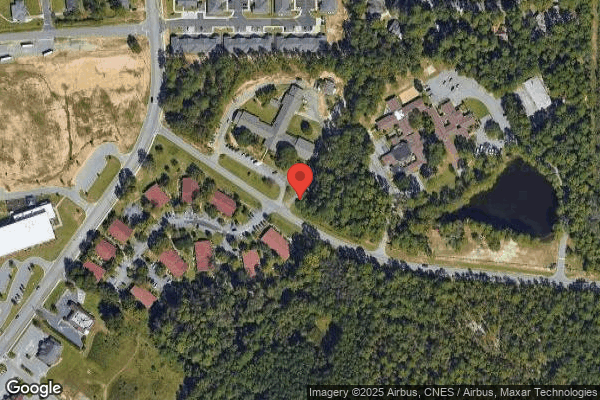

307 JONES MILL ROAD, STATESBORO, GA 30458 (912) 764-9011
Non profit - Other 92 Beds CLINICAL SERVICES, INC. Data: November 2025
Trust Grade
80/100
#67 of 353 in GA
Last Inspection: June 2025

Inspected within the last 6 months. Data reflects current conditions.

Overview

Heritage Inn Health and Rehabilitation in Statesboro, Georgia, has a Trust Grade of B+, which means it is above average and generally recommended. It ranks #67 out of 353 facilities in Georgia, placing it in the top half, and #1 out of 3 in Bulloch County, indicating it is the best option locally. The facility's trend is stable, with 4 noted issues in both 2024 and 2025, and it has not accumulated any fines, which is a positive sign. Staffing is rated average with a turnover rate of 54%, slightly above the state average, and it boasts good RN coverage, exceeding 92% of Georgia facilities, which can enhance resident care. However, there are areas of concern. Recent inspections revealed issues such as unsanitary kitchen conditions that could lead to food-borne illnesses for residents and a failure to use two staff members for safe mechanical lifts during resident transfers, increasing the risk of injury. Additionally, there were lapses in infection control practices for some residents, which could pose health risks. These findings indicate that while the facility has strengths, families should be aware of these critical concerns.

Trust Score
B+
80/100
In Georgia
#67/353
Top 18%
Safety Record
Low Risk
No red flags
Inspections
Holding Steady
4 → 4 violations
Staff Stability
⚠ Watch
54% turnover. Above average. Higher turnover means staff may not know residents' routines.
Penalties
✓ Good
No fines on record. Clean compliance history, better than most Georgia facilities.
Skilled Nurses
✓ Good
Each resident gets 42 minutes of Registered Nurse (RN) attention daily — more than average for Georgia. RNs are trained to catch health problems early.
Violations
○ Average
8 deficiencies on record. Average for a facility this size. Mostly minor or procedural issues.
★★★★☆
4.0
Overall Rating
★★★☆☆
3.0
Staff Levels
★★★☆☆
3.0
Care Quality
★★★★☆
4.0
Inspection Score
Stable
2024: 4 issues
2025: 4 issues

The Good

  • Full Sprinkler Coverage · Fire safety systems throughout facility
  • No fines on record

Facility shows strength in fire safety.

The Bad

Staff Turnover: 54%

Near Georgia avg (46%)

Higher turnover may affect care consistency

Chain: CLINICAL SERVICES, INC.

Part of a multi-facility chain

Ask about local staffing decisions and management

The Ugly 8 deficiencies on record

Jun 2025 4 deficiencies
CONCERN (D)

Potential for Harm - no one hurt, but risky conditions existed

Accident Prevention (Tag F0689)

Could have caused harm · This affected 1 resident

**NOTE- TERMS IN BRACKETS HAVE BEEN EDITED TO PROTECT CONFIDENTIALITY** Based on observation, record review, and staff interviews, the facility failed to ensure safe resident transfers by using two st...

Read full inspector narrative →
**NOTE- TERMS IN BRACKETS HAVE BEEN EDITED TO PROTECT CONFIDENTIALITY** Based on observation, record review, and staff interviews, the facility failed to ensure safe resident transfers by using two staff to assist with a transfer by a mechanical lift for one of one resident (R) (R4) reviewed for transfers out of 20 sampled residents. This had the potential to place the resident at risk for injury. Findings include: 1. Review of R4's Face Sheet, located in the admission Record tab of the electronic medical record (EMR), revealed R4 was admitted to the facility on [DATE] and had diagnoses that included vascular dementia and osteoarthritis. Review of R4's Quarterly Minimum Data Set (MDS) with an Assessment Reference Date (ARD) of 6/17/2025, located under the MDS tab of the electronic medical record (EMR), revealed a staff assessment for mental status was completed, which indicated short- and long-term memory problems. R4 was dependent on staff to roll left to right, and transfers were not completed due to medical conditions or safety concerns. Review of R4's Care Plan located under the Care Plan tab of the EMR revealed the resident was a two-person assist with transfers and used a lift sling (mechanical lift), reviewed 8/17/2024. During an observation on 6/16/2025 at 10:04 am, Certified Nursing Assistant (CNA) 3 went into R4's room with a mechanical lift and a shower bed and shut the door after. R4 was lying in bed. Continued observation revealed that at 10:18 am, CNA3 came out of R4's room with R4 on the shower bed and transported her to the shower room. No other staff members entered R4's room. During an observation on 6/16/2025 at 10:37 am, CNA3 brought R4 back to her room on the shower bed and closed the door. Continued observation revealed that at 10:50 am, CNA3 came out of R4's room, where the resident was observed in bed. The CNA brought the mechanical lift and the shower bed out with her when she exited the resident's room. No additional staff members entered the resident's room to assist CNA3 with the transfer. During an interview on 6/16/2025 at 10:50 am, CNA3 stated R4 required a mechanical lift for transfers. The CNA stated that the assistance level with a mechanical lift required two staff members. When asked if two staff members were utilized when the resident was transferred from her bed to the shower bed and then back to her bed from the shower bed, CNA3 stated, To be honest, I didn't. She's so easy to get right up to the shower bed. I should have. During an interview on 6/17/2025 at 11:05 am, the Director of Nursing (DON) stated it was her expectation that two staff members would be utilized to transfer a resident who was care planned to use a mechanical lift. During an interview on 6/17/2025 at 12:00 pm, the Administrator stated the facility did not have a policy on transferring residents with mechanical lifts. The Administrator provided an undated paper titled Electrical/Mechanical Lift Skills Check-Off, with an education/training paper attached, which documented, [Mechanical lift name] lifts are to be done by two qualified staff members when transferring.
CONCERN (D)

Potential for Harm - no one hurt, but risky conditions existed

Infection Control (Tag F0880)

Could have caused harm · This affected 1 resident

**NOTE- TERMS IN BRACKETS HAVE BEEN EDITED TO PROTECT CONFIDENTIALITY** Based on observation, record review, staff interviews, and review of the facility policies titled Skilled Nursing Services Use o...

Read full inspector narrative →
**NOTE- TERMS IN BRACKETS HAVE BEEN EDITED TO PROTECT CONFIDENTIALITY** Based on observation, record review, staff interviews, and review of the facility policies titled Skilled Nursing Services Use of Oxygen Therapy, and Medication Administration - General, the facility failed to ensure an effective infection control and prevention program was maintained for two of 20 sampled residents (R) (R17 and R1). These failures placed the residents at risk for the transmission and spread of infections. Findings include: Review of the facility's policy titled Skilled Nursing Services Use of Oxygen Therapy, reviewed 12/27/2024, indicated, Intent-to ensure that patients maintain optimal oxygenation via the proper oxygen device and concentration when appropriate and medically indicated. It further indicated, Guideline-Physician's order for oxygen should be obtained and include: oxygen with liter flow as ordered, indicated if use should be continuous or PRN (as needed), method of oxygen delivery via nasal cannula, mask, etc.Oxygen tubing, simple mask .oxygen devices should be changed when soiled or dirty . Review of the facility's Medication Administration - General guidelines, dated 202024, revealed: If breaking tablets is necessary to administer the proper dose . hands are washed with soap and water or alcohol gel prior to handling tablets, and the following guidelines are adhered to: a tablet-splitter or alternate device is used to avoid contact with the tablet. 1. Review of R17's undated medical diagnoses under the Face Sheet tab and located in the Electronic Medical Record (EMR) revealed R17 was admitted to the facility on [DATE] with diagnoses to include chronic obstructive pulmonary disease (COPD). Review of R17's Resident's Consolidated Physician Orders, located under the Orders tab of the EMR, revealed an order dated 8/1/2024 of Oxygen: Nasal Cannula . 2 Liters per minute nasally every 8 hours as needed for SOB/Wheezing [Shortness of Breath/Wheezing]. During an observation and interview on 6/16/2025 at 10:29 am, R17 was lying in bed. Continued observation revealed the resident's oxygen concentrator was on and the oxygen flow rate was set at two liters per minute. The nasal cannula nose piece of the oxygen tubing was lying directly on the floor, under the head of the resident's bed, and underneath the front wheel of the resident's bed. During an observation on 6/16/2025 at 3:25 pm, R17 was sitting up in bed. The resident's oxygen nasal canula was still lying directly on the floor. During an observation on 6/17/2025 at 8:23 am, R17 was lying in bed with her eyes closed. R17 was not utilizing her oxygen, and the nasal canula was lying directly on the floor. During observations on 6/17/2025 at 12:19 pm and at 12:53 pm, R17 was observed lying in bed with her eyes closed. The resident was not utilizing her oxygen, and the nasal cannula was again lying directly on the floor, underneath the bed, and under the front wheel of the resident's bed. During a record review and interview on 6/17/2025 at 12:59 pm, the Assistant Director of Nursing (ADON) reviewed R17's physician orders and confirmed the resident was ordered to use oxygen for shortness of breath. During an observation and interview on 6/17/2025 at 1:07 pm, R17 was lying in her bed with her eyes closed. Continued observation revealed that when the ADON moved R17's oxygen concentrator away from R17's bed, the resident's nasal cannula oxygen tubing and nose piece of the tubing were lying directly on the floor. The ADON stated, That should not be there [the nasal canula lying directly on the floor]. It would absolutely be an infection control issue. The ADON then stated, I will have to bring in a new nasal cannula and replace all the tubing. At no time should the oxygen tubing be on the floor. During an interview on 6/17/2025 at 1:13 pm, the Director of Nursing (DON) stated, If there is ever oxygen tubing on the floor, especially the nasal cannula piece that goes into the resident's nose, that would be considered an infection control issue for sure. If not in use, the oxygen tubing is supposed to be in a bag. During an interview on 6/18/2025 at 8:00 am, the Corporate Divisional Nurse (CDN) stated, It would be a standard of practice to change out the oxygen tubing if staff see it on the floor. I would expect staff to get a new one if they see it on the floor. During an interview on 6/19/2025 at 9:29 am, the Administrator stated, I would expect staff to throw the oxygen tubing away if it's on the floor .That would be an infection control issue. 2. Review of R1's Face Sheet, located in the admission Record tab of the EMR, revealed R1 was admitted to the facility on [DATE] and had diagnoses which included epilepticus (seizures) and migraine. Review of R1's Electronic Medication Administration Record (eMAR) located in the Med & Treat tab of the EMR revealed medications scheduled at 9:00 am: clonazepam (anti-anxiety) two milligrams (mg), diazepam (anti-anxiety) two mg, aspirin 325mg, docusate sodium (stool softener) 100mg, phenobarbital 97.2mg (anti-seizure), and two tablets of senna (laxative) 8.6mg. In addition, there was an as-needed (PRN) order for oxycodone-acetaminophen 10-325mg. During an observation on 6/18/2025 at 8:19 am, Registered Nurse (RN) 2 performed hand hygiene using hand sanitizer. RN2 then opened a drawer of the medication cart and unlocked the controlled medication compartment. RN2 pulled up the clonazepam card, punched a pill out into his left hand, and placed it in a paper medication cup. He then pulled up the diazepam card, punched a pill out into his left hand, and placed it in the paper medication cup. RN2 then opened a different drawer of the medication cart, removed two bottles of liquid medication, and poured them into plastic medication cups before returning them to the cart. RN2 opened the controlled compartment back up and, one at a time, punched a pill of phenobarbital and a pill of oxycodone-acetaminophen out of their respective cards into his left hand and placed them into the paper medication cup. RN2 opened a drawer of the medication cart, removed a bottle of senna, and dispensed the pills into his left hand before placing them in the medication cup. RN3 then removed another bottle and properly dispensed a pill from the bottle into the lid of the bottle and into the medication cup, without touching the pill with his hands. RN4 took all medications into R1's room and administered them to her. During an interview on 6/18/2025 at 12:00 pm, RN2 stated pills in bottles should be placed in the lid of the bottle and then into the medication cup. Pills in cards should be punched out directly into the medication cup. When asked about the observations of him touching pills with his hand, R2 responded, Unfortunately, sometimes I'm clumsy. I need to get in the habit of punching out meds [medications] over the med cup. During an interview on 6/18/2025 at 1:57 pm, the Infection Preventionist (IP) stated pills should be punched directly into a cup. Staff should not touch pills with their hands. During an interview on 06/18/2025 at 2:14 PM, the Director of Nursing (DON) stated narcotic pills in cards were expected to be punched out into a cup and not a hand. Pills in bottles were expected to be put into the lid of the bottle and then into a cup.
CONCERN (D)

Potential for Harm - no one hurt, but risky conditions existed

Deficiency F0883 (Tag F0883)

Could have caused harm · This affected 1 resident

**NOTE- TERMS IN BRACKETS HAVE BEEN EDITED TO PROTECT CONFIDENTIALITY** Based on staff interviews, record review, and review of the facility policy titled Immunization of Patients, the facility failed...

Read full inspector narrative →
**NOTE- TERMS IN BRACKETS HAVE BEEN EDITED TO PROTECT CONFIDENTIALITY** Based on staff interviews, record review, and review of the facility policy titled Immunization of Patients, the facility failed to administer pneumonia vaccines to residents who were due for them and had signed a consent to receive the vaccine for two of five residents (R) (R2 and R6) reviewed for immunizations out of a sample of 20 residents. This failure had the potential to place R2 and R6 at an increased risk of contracting pneumonia. Findings include: Review of the facility's Immunization of Patients guidelines, reviewed 12/27/2024, revealed that for pneumococcal vaccines, Patients that are not up to date on pneumococcal vaccines per CDC [Centers for Disease Control and Prevention] recommendations must be offered pneumococcal vaccines. The facility will document the administration of the vaccine or did not receive the vaccine based on declination or medical contraindication. 1. Review of R2's Face Sheet, located in the admission Record tab of the electronic medical record (EMR), revealed she was [AGE] years old. She was admitted to the facility on [DATE] and had diagnoses that included vascular dementia and diabetes. Review of R2's Immunization tab of the EMR revealed she had a Pneumovax 23 vaccine on 12/05/2018 and a Prevnar 13 vaccine on 1/16/2020. Review of R2's Scan Docs tab of the EMR revealed a signed consent for the pneumonia vaccine dated 1/07/2025. 2. Review of R6's Face Sheet, located in the admission Record tab of the EMR, revealed she was [AGE] years old. She was admitted to the facility on [DATE] and had diagnoses that included diabetes and chronic obstructive pulmonary disease. Review of R6's Immunization tab of the EMR revealed she had an unknown type of pneumonia vaccine on 10/05/2015. Review of R6's Scan Docs tab of the EMR revealed signed consents for the pneumonia vaccine dated 11/12/2024 and 1/04/2025. During an interview on 6/18/2025 at 1:51 pm, the Infection Preventionist (IP) reported that when she started in the role of IP in October, she started to ask new residents if they wanted vaccines, including pneumonia. She stated that she reviewed new and current residents' vaccine status on the Georgia Registry of Immunization Transactions and Services, and if residents were due for a pneumonia vaccine per CDC guidelines, they were administered the vaccine if they wanted it. The IP verified that R2 and R6 had not received pneumonia vaccines as requested. She further stated that when R2's consent was signed, she was not quite due for the vaccine, and she forgot to circle back to her. The IP stated that R6 never had an order put in for the vaccine, and so it had not come from the pharmacy or been administered as it should have been. During an interview on 6/18/2025 at 2:29 pm, the Director of Nursing (DON) stated she expected vaccinations to be administered per CDC guidelines and resident request.
CONCERN (F)

Potential for Harm - no one hurt, but risky conditions existed

Food Safety (Tag F0812)

Could have caused harm · This affected most or all residents

Based on observation, staff interviews, and facility policy review, the facility failed to ensure the kitchen was maintained in a sanitary manner, failed to ensure food items were dated, and failed to...

Read full inspector narrative →
Based on observation, staff interviews, and facility policy review, the facility failed to ensure the kitchen was maintained in a sanitary manner, failed to ensure food items were dated, and failed to discard food items on or before their expiration or discard dates. These failures had the potential to create an environment for food-borne illnesses, which could affect 52 residents who consumed food prepared from the facility's kitchen. Findings include: Review of the facility's policy titled Cleaning and Sanitizing, dated 12/27/2024, indicated, It is the intent of this center to clean and sanitize utensils, dishware, pots and pans, workspace, and equipment to minimize the risk of food-borne illnesses . Cleaning schedules should be implemented and maintained for all areas of the kitchen. Review of the facility's policy titled, Storage Areas, dated 12/27/2024, indicated, It is the intent of this center to store food in a manner that maintains quality and safety . Items should be inspected for quality and temperature control upon receipt. Items should be covered, sealed, labeled, and dated appropriately. Storage areas should maintain an overall clean environment. 1. Observation during the initial kitchen inspection on 6/16/2025 from 8:35 am to 9:05 am, with the Dietary Manager (DM) present, revealed the following unclean food preparation and storage equipment: a. The kitchen's two ovens had a heavy accumulation of dried and burned food substances on their inner cooking compartments. b. The kitchen's large manual can opener had dried and sticky substances on its blade and table base attachment. c. Eight metal shelves in the kitchen's walk-in refrigerator and the bottom shelf of one of the kitchen's reach-in refrigerators were unclean with a black substance that could be wiped away with a paper towel. During an interview with the DM, during the initial kitchen inspection on 6/16/2025 from 8:35 am to 9:05 am, the DM confirmed that the kitchen's two ovens, large manual can opener, and refrigerator shelves were unclean. The DM stated that dietary staff were expected to follow the kitchen's cleaning schedule and keep all kitchen equipment clean. 2. Observation during the initial kitchen inspection on 6/16/2025 from 8:35 am to 9:05 am, with the DM present, revealed the following concerns with food storage: a. Observation of the kitchen's walk-in refrigerator revealed one package of hot dog buns with an expired use-by date of 6/3/2025 and two loaves of white bread with expired use-by dates of 6/10/2025. b. Observation of one of the kitchen's reach-in refrigerators revealed 11 four-ounce thawed nutritional shakes that were not dated. c. Observation of the kitchen's dry food storage room revealed two undated packages of hot dog buns, six undated loaves of bread, one 46 fluid ounce container of thickened orange juice with an expiration date of 6/5/2025, and 12 packages of tortilla shells with expired use by dates of 6/11/2025. During an interview with the DM, during the initial kitchen inspection on 6/16/2025 from 8:35 am to 9:05 am, the DM confirmed the bread products observed stored in the kitchen that were undated or had expired use by dates, the undated 11 thawed nutritional shakes stored in a reach-in refrigerator, and the container of thickened orange juice stored in the kitchen's dry food storage room with an expired expiration date. The DM stated staff were expected to date items when placed in storage and to discard any food or beverage with an expired expiration or use-by date. 3. Observation on 6/17/2025 at 10:55 am of food stored in the refrigerator in the facility's Diet Kitchen, with the DM present, revealed one opened 46-ounce container of thickened apple juice with a handwritten open date of 6/2/2025 on the container. Review of the directions on the side of the carton indicated the juice may be kept up to seven days under refrigeration after opening. During an interview on 6/17/2025 at 10:55 am, the DM confirmed the container of thickened apple juice had an opened date of 6/2/2025 handwritten on its container and should have been discarded seven days after being opened. DM stated that the dietary staff were responsible for checking the expiration dates on products stored in the diet kitchen's refrigerator and were to discard any expired or outdated items.
Jan 2024 4 deficiencies
CONCERN (D)

Potential for Harm - no one hurt, but risky conditions existed

Deficiency F0554 (Tag F0554)

Could have caused harm · This affected 1 resident

**NOTE- TERMS IN BRACKETS HAVE BEEN EDITED TO PROTECT CONFIDENTIALITY** Based on observation, resident and staff interviews, record review, and review of the facility policy titled Self-Administration...

Read full inspector narrative →
**NOTE- TERMS IN BRACKETS HAVE BEEN EDITED TO PROTECT CONFIDENTIALITY** Based on observation, resident and staff interviews, record review, and review of the facility policy titled Self-Administration of Medications by Patients, the facility failed to ensure one resident (R) (R18) reviewed for self-administration of medications did not have medications stored at the bedside. This deficient practice had the potential to allow R18 to administer the medications in an unsafe manner. The sample size was 29 residents. Findings include: A review of the facility's undated policy titled Self-Administration of Medications by Patients, revealed the Policy Statement: Each patient who desires to self-administer medication is permitted to do so if the nursing center's interdisciplinary team has determined that the practice would be safe for the patient and other patients of the healthcare center and that the patient is able to accurately self-administer. The Guideline section revealed: Each patient is offered the opportunity to self-administer his or her medications during the routine assessment by the nursing center's interdisciplinary team. The interdisciplinary team determines the patient's ability to self-administer medications by means of a skill assessment (Assessment for Self-Administration of Medication Form). The results of the interdisciplinary team assessment are recorded in the Patient Care Plan, which is placed in the patient's medical record. If the patient demonstrates the ability to safely self-administer medications, a further assessment of the safety of bedside medication storage is conducted. Nurses and Aides are required to report to the Charge Nurse on duty any medications found at the bedside not authorized for bedside storage and to give unauthorized medications to the Charge Nurse for return to the family or responsible party. Observations on 1/23/2024 at 10:37 am, and on 1/24/2024 at 8:41 am and 12:19 pm revealed a container of nystatin 100,000 units per gram topical powder (a medication used to treat fungal skin infections) with a label containing R18's name on the resident's bedside table and within the resident's reach. Further observation revealed a box containing a tube of ketoconazole 2% cream (a medication used to treat fungal skin infections) located on the resident's walker. R18 informed the surveyor she had a skin rash, and she used the powder and the cream every day. A review of the Quarterly Minimum Data Set (MDS) dated [DATE] revealed section C - Cognitive Patterns: Brief interview for Mental Status (BIMS) score of 15, indicating no cognitive impairment. A review of R18's electronic medical record (EMR) under the Order tab revealed that R18 did not have a current order for the triamcinolone and ketoconazole topical cream, the nystatin topical powder, or an order for self-administration of medications. Further review of the EMR revealed that R18 did not have an assessment to self-administer medications or keep medications at the bedside. A review of a progress note dated 1/4/2024 located under the Nurses Note tab of the electronic record revealed triamcinolone (a medication used to treat skin conditions) was discontinued by the Physician Assistant (PA) due to no redness or rash and the resident reporting a decrease in itching. During an interview on 1/24/2024 at 12:19 pm, R18 revealed she was being treated for a skin rash by a dermatologist. The resident further stated she uses the topical cream and powder daily. R18 also informed the surveyor that she removed the cream from the tube and placed it into a black container because it was easier for her to apply. R18 opened the black container and there was a white cream inside. During an interview on 1/24/2024 at 12:22 pm, Certified Nursing Assistant (CNA) AA revealed that she provides care for R18. CNA AA further stated that she had not noticed any medications at the resident's bedside. During an interview on 1/24/2024 at 12:31 pm, Licensed Practical Nurse (LPN) BB revealed she was not aware R18 had an antifungal powder at her bedside. LPN BB stated that she was not aware that the resident did not have a current order for the ketoconazole cream. During an interview on 1/24/2024 at 12:37 pm, the Director of Nursing (DON) revealed that R18 was deemed appropriate to self-administer medication by the physician. The DON stated the physician made the determination based on the resident's cognitive status. The DON further stated the facility does not utilize an assessment to aid in the determination of allowing residents to self-medicate. The DON stated the order should indicate the resident may self-administer or keep at the bedside. The DON also stated all medications R18 used to self-administer must be maintained in the original container and kept in a closed drawer. The DON further stated that all medications used by R18 must have a physician's order. The DON verified that R18 did not have current physician orders for triamcinolone topical cream, ketoconazole topical cream, or nystatin antifungal powder. During walking rounds on 1/14/2024 at 12:48 pm with the Director of Nursing (DON), she verified R18 had a black container containing a white cream, a container of nystatin antifungal powder on the bedside table, and a tube of ketoconazole 2% cream on residents' walker. R18 informed the DON she had more containers of cream in her dresser drawer. The DON retrieved a tube of triamcinolone acetonide ointment. The DON asked permission to remove the medications to check the orders. The DON stated it was her expectation that nurses check residents' clinical records to see if residents are allowed to have medication at the bedside.
CONCERN (D)

Potential for Harm - no one hurt, but risky conditions existed

Deficiency F0583 (Tag F0583)

Could have caused harm · This affected 1 resident

Based on observations and staff interviews, the facility failed to ensure a privacy curtain was provided to ensure full visual privacy for one resident (R) (R17). The sample size was 29 residents. Fin...

Read full inspector narrative →
Based on observations and staff interviews, the facility failed to ensure a privacy curtain was provided to ensure full visual privacy for one resident (R) (R17). The sample size was 29 residents. Findings include: Observation on 1/23/2024 at 10:38 am revealed there was not a privacy curtain for R17's bed. The door to the room was fully open and R17 was visible from the hallway. Further observation revealed there were no curtain hooks in the curtain track above R17's bed. Observation on 1/25/2024 at 11:12 am revealed there was still no privacy curtain for R17's bed and no curtain hooks in the curtain track above R17's bed. R17 was visible from the hallway when the door was open. During an interview on 1/25/2024 at 11:45 am with Certified Nursing Assistant (CNA) EE, she confirmed that R17's bed should have a privacy curtain to provide privacy for the resident. During an interview on 1/25/2024 at 11:50 am with the Maintenance Assistant, he stated that the curtain was missing when he started working in this facility. During an interview on 1/25/2024 at 11:55 am with the Housekeeping Supervisor, she revealed that she was not sure why this room was missing a privacy curtain. She further stated that this could have happened when the facility replaced all curtains. She was not able to recall when the facility replaced the privacy curtains. During an interview on 1/25/2024 at 11:58 am with the Maintenance Supervisor, he stated that privacy curtain installation was the responsibility of the Maintenance Department, and he was not aware that a privacy curtain was missing in R17's room. During an interview on 1/25/2024 at 12:30 pm, the Administrator and Corporate Nurse Consultant confirmed that the facility did not have a policy related to resident privacy.
CONCERN (D)

Potential for Harm - no one hurt, but risky conditions existed

Comprehensive Care Plan (Tag F0656)

Could have caused harm · This affected 1 resident

Based on observation, staff interviews, record review, and review of the facility policy titled Patient's Plan of Care, the facility failed to implement a person-centered care plan for two residents (...

Read full inspector narrative →
Based on observation, staff interviews, record review, and review of the facility policy titled Patient's Plan of Care, the facility failed to implement a person-centered care plan for two residents (R) (R18 and R2) related to following physician's orders for self-administration of medications for R18 and assisting with meals and utilizing adaptive equipment, specifically a spill-proof cup, during meals for R2. The sample size was 29 residents. Findings include: A review of the facility policy titled Patient's Plan of Care, reviewed 12/30/2022, revealed the Guideline section stated: Each resident would have a person-centered comprehensive care plan developed and implemented to meet his or her preferences and goals and address the patient's medical, physical, mental, and psychological needs. 1. A review of R18's care plan revealed a care area/problem of self-administration which was updated on 12/11/2023. This care plan was developed related to triamcinolone and ketoconazole topical cream for erythema intertrigo and dermatitis diagnoses. The goal indicated the resident will take medications safely and as prescribed. Interventions included monitoring the resident's self-administration frequently. A review of R18's electronic medical record (EMR) under the Order tab revealed that R18 did not have a current order for the triamcinolone and ketoconazole topical cream, the nystatin topical powder, or an order for self-administration of medications. During an interview on 1/25/2024 at 2:15 pm, the Minimum Data Set (MDS) Coordinator verified that R18 did not have current physician orders for the medications at her bedside, therefore the care plan was not being followed. 2. A review of R2's care plan revealed a care area/problem dated 12/8/2023: Needs assistive feeding devices and a history of significant weight loss. The goal was for the patient to utilize an assistive feeding device during meals through the review period onset and the patient will be satisfied with intake through the review period onset. Interventions included administering supplements and snacks as ordered, Dietitian referral as indicated, divider plate, spill-proof cup, observing intake, offering snacks frequently, and resident should eat meals in the dining room. Additionally, R2's care plan revealed a care area/problem dated 12/8/2023: Vision Impairment. Interventions included assisting the resident with meals as needed. Observations on 1/23/2024 at 1:06 pm, 1/24/2024 at 12:25 pm, and 1/25/2024 at 11:33 am revealed that R2 was not provided with an adaptive cup and did not receive assistance from staff with meals. In an interview on 1/25/2024 at 1:59 pm, the MDS Coordinator Director reported that her expectation was for staff to utilize and follow the care plan and to assist the resident according to the care plan.
CONCERN (D)

Potential for Harm - no one hurt, but risky conditions existed

ADL Care (Tag F0677)

Could have caused harm · This affected 1 resident

**NOTE- TERMS IN BRACKETS HAVE BEEN EDITED TO PROTECT CONFIDENTIALITY** Based on observations, staff interviews, and record review, the facility failed to provide Activities of Daily Living (ADL) assi...

Read full inspector narrative →
**NOTE- TERMS IN BRACKETS HAVE BEEN EDITED TO PROTECT CONFIDENTIALITY** Based on observations, staff interviews, and record review, the facility failed to provide Activities of Daily Living (ADL) assistance for one dependent resident (R) (R2). Specifically, the facility failed to assist with eating, failed to ensure the meal setup included a prescribed therapeutic adaptive cup, and failed to ensure the proper dining table height for positioning of body alignment to ensure the resident consumed meals of nutritional value. This deficient practice had the potential to create avoidable weight loss for R2. The sample size was 29 residents. Finding include: A review of the Quarterly Minimum Data Set (MDS) dated [DATE] revealed: Section C - Cognition: Brief Interview Mental Status Score (BIMS) of unable to detect/severe cognitive impairment. Section E - Behaviors: rejection of care not exhibited. Section GG - Functional Abilities: dependent for eating assistance. Section K - Swallowing/Nutritional Status: documented loss of liquids/solids from mouth when eating or drinking, coughing, or choking during meals when swallowing medications, mechanically altered diet. A review of R2's electronic medical record (EMR) revealed diagnoses of, but not limited to, unspecified intellectual disabilities, unspecified dementia, feeding difficulties, dysphagia, oral phase, left-hand contracture, and abnormal posture. A review of the RD (Register Dietician) Nutrition Assessment dated 11/11/2023 documented interventions of allowing eating at own pace and providing necessary assistance with food and fluids. The goals were to maintain acceptable nutritional parameters and, the patient receive necessary assistance with food and fluids. A review of the facility electronic form titled Section GG Assessment V2.0 dated 11/9/2023 documented: Eating - How much assistance does the resident need to bring food and/or liquid to the mouth and swallow food and/or liquid once the meal is placed before the resident? 01-Dependent/two-person assistance. A review of the facility electronic form titled Comprehensive Nursing Assessment V5.0 dated 11/9/2023 documented: If the patient needs assistance with using utensils and bringing food/liquids to mouth after setup of meal, answer the following. (m) - Staff completes all of the tasks (01). A review of the facility electronic form titled Occupational Therapy (OT) Form dated 11/16/2023 documented: Pt. (patient) would benefit from using another cup for better performance and with no spillage. OT Eval (evaluation) recommended further assessment for an appropriate and safe drinking cup for pt. to use needed to decrease spillage. A record review revealed a diet order dated 7/13/2022 for large portions, nutritional shakes one carton by mouth after meals, and frozen nutritional treats three times a day with meals related to weight loss. A review of a copy of the meal ticket slip revealed: cup w/lid (with lid) (1 each) divided plated (1 each). A review of the Physician Progress Notes revealed a note dated 12/31/2023 Patient is being seen for LTC (Long Term Care) follow up for medical management with inability to care for self at home, requiring nursing assistance and assistance with ADLs, visual changes and no behavioral disturbances. Observation on 1/23/2024 at 1:06 pm revealed R2 eating lunch in the dining room. The meal setup included two regular cups instead of spill-proof cups. R2 was observed trying to lift the regular cup with her left hand, which had a contracture. R2 raised the cup and the nutritional drink spilled from the cup to the floor. Continued observation revealed large clumps of food on the food protector on R2's chest and food spillage on the table. Each time R2 raised her spoon to feed herself, the food fell from her spoon. Further observation revealed the dining table height was elevated, and R2 was observed to have difficulty with eating her meal. During the observation, the Infection Control Preventionist (ICP) and Registered Nurse (RN) RCC were observed in the dining area. RN RCC was seated in a chair adjacent to the table R2 was seated at. Observations revealed there were no interactions from staff to assist R2. Observation on 1/24/2024 at 12:25 pm revealed R2 eating lunch in the dining room. Observation revealed large clumps of food items on R2's clothing protector and the floor. Observation revealed that R2 spilled her nutritional shake as she attempted to pick up the regular cup provided to her. She attempted to pick up another regular cup containing tea and was unable to lift the cup. R2's beverages were in two regular cups instead of spill-proof cups. Further observation revealed that R2 had difficulty directing the food items to her mouth when raising her hands to reach the food due to the height of the dining table. The Director of Nursing (DON) and the ICP were observed in the dining room and did not offer feeding assistance to R2. In an interview, the DON stated that R2 refused assistance and was coded for refusing care. During an observation of R2 eating lunch on 1/25/2024 at 11:33 am, the Physical Therapist (PT) confirmed a spill-proof cup should have a grip on the side and confirmed the cup R2 was provided with was not a spill-proof cup. In a telephone interview on 1/25/2024 at 11:56 am the Occupational Therapy (OT) Director reported being unaware that R2 was not utilizing a spill-proof cup. The OT Director stated that R2 was assessed to use a spill-proof cup because it has two handles, and a regular cup is too heavy and will result in spillage. The OT Director further stated that R2 was assessed on 12/7/2023 and was able to demonstrate using the spill-proof cup with success. The OT Director stated that the cup was given to the Dietary Staff for R2 to use. She further stated that her recommendation was for staff to change the height of the dining table and ensure the R2 uses a spill-proof cup for all meals. In an interview on 1/25/2024 at 1:11 pm, Certified Nursing Assistant (CNA) AA reported being aware that R2 had trouble with eating and having large food spillage during meals. She stated that R2 was known to refuse help. She further stated that CNAs are informed to attempt at least three times to help the resident. She stated she had voiced concerns in the past and was told to clean up the food spillage. In an interview on 1/25/2024 at 1:24 pm, CNA EE confirmed being aware of R2's food spillage on the floor and her clothing protector. She stated that she did not feel that the resident was consuming a lot of food during mealtime. She stated she felt the resident could use the spoon but had difficulty holding a regular cup. In an interview on 1/25/2024 at 1:26 pm, RN RCC reported that R2 will allow staff to feed her on some days and some days she will not. She confirmed sitting in the dining room on 1/23/2024 and observing R2 spilling her drink in her attempts to lift the cup and the large spillage of food on R2. She confirmed she did not assist the resident with the meal. In an interview on 1/25/2024 at 12:47 pm, Dietary Manager CC reported that R2 had two spill-proof cups and both tops (lids) were lost. She reported that her expectation was for the dietary staff to ensure a spill-proof cup was provided during meals. In an interview on 1/25/2024 at 1:37 pm, the DON reported that her expectation was for staff to attempt to assist R2 during mealtimes. In an interview on 1/25/2024 at 1:45 pm, the ICP reported that R2 resisted assistance from staff with meals. The ICP reported that she thought the height of the table and the resident not sitting in an erect position affected her ability to eat. She confirmed observing the resident eat lunch on 1/23/2024 and 1/24/2024 and stated did not pay attention to the type of beverage cup that R2 was provided. She confirmed observation of the food spillage on both days and confirmed she did not assist R2 with the meals. In an interview on 1/25/24 at 2:19 pm, the Administrator reported her staff provides help to their residents and that R2 has received help. She stated she did not feel that there was a problem if a resident had food spillage at meals. She further stated there was a Patient at Risk (PAR) plan and the Regional Director planned to order another cup. She stated she was unaware of the expectations for resident dining table heights. During an observation and interview on 1/25/2024 at 2:30 pm, the Administrator observed the dining table with measurements of 31.5 inches and confirmed the table height.
Understanding Severity Codes (click to expand)
Life-Threatening (Immediate Jeopardy)
J - Isolated K - Pattern L - Widespread
Actual Harm
G - Isolated H - Pattern I - Widespread
Potential for Harm
D - Isolated E - Pattern F - Widespread
No Harm (Minor)
A - Isolated B - Pattern C - Widespread

Questions to Ask on Your Visit

  • "Can I speak with families of current residents?"
  • "What's your RN coverage like on weekends and overnight?"

Our Honest Assessment

Strengths
  • • Grade B+ (80/100). Above average facility, better than most options in Georgia.
  • • No major safety red flags. No abuse findings, life-threatening violations, or SFF status.
  • • No fines on record. Clean compliance history, better than most Georgia facilities.
Concerns
  • • No significant concerns identified. This facility shows no red flags across CMS ratings, staff turnover, or federal penalties.
Bottom line: Generally positive indicators. Standard due diligence and a personal visit recommended.

About This Facility

What is Heritage Inn's CMS Rating?

CMS assigns HERITAGE INN HEALTH AND REHABILITATION an overall rating of 4 out of 5 stars, which is considered above average nationally. Within Georgia, this rating places the facility higher than 99% of the state's 100 nursing homes. This rating reflects solid performance across the metrics CMS uses to evaluate nursing home quality.
How is Heritage Inn Staffed?

CMS rates HERITAGE INN HEALTH AND REHABILITATION's staffing level at 3 out of 5 stars, which is average compared to other nursing homes. Staff turnover is 54%, compared to the Georgia average of 46%.

What Have Inspectors Found at Heritage Inn?

State health inspectors documented 8 deficiencies at HERITAGE INN HEALTH AND REHABILITATION during 2024 to 2025. These included: 8 with potential for harm.

Who Owns and Operates Heritage Inn?

HERITAGE INN HEALTH AND REHABILITATION is owned by a non-profit organization. Non-profit facilities reinvest revenue into operations rather than distributing to shareholders. The facility is operated by CLINICAL SERVICES, INC., a chain that manages multiple nursing homes. With 92 certified beds and approximately 55 residents (about 60% occupancy), it is a smaller facility located in STATESBORO, Georgia.
How Does Heritage Inn Compare to Other Georgia Nursing Homes?

Compared to the 100 nursing homes in Georgia, HERITAGE INN HEALTH AND REHABILITATION's overall rating (4 stars) is above the state average of 2.6, staff turnover (54%) is near the state average of 46%, and health inspection rating (4 stars) is above the national benchmark.

What Should Families Ask When Visiting Heritage Inn?

Based on this facility's data, families visiting should ask: "Can I visit during a mealtime to observe dining assistance and food quality?" "How do you handle medical emergencies, and what is your hospital transfer rate?" "Can I speak with family members of current residents about their experience?"

Is Heritage Inn Safe?

Based on CMS inspection data, HERITAGE INN HEALTH AND REHABILITATION has a clean safety record: no substantiated abuse findings (meaning no confirmed cases of resident harm), no Immediate Jeopardy citations (the most serious violation level indicating risk of serious injury or death), and is not on the Special Focus Facility watch list (a federal program monitoring the lowest-performing 1% of nursing homes). The facility has a 4-star overall rating and ranks #1 of 100 nursing homes in Georgia. While no facility is perfect, families should still ask about staff-to-resident ratios and recent inspection results during their visit.

Do Nurses at Heritage Inn Stick Around?

HERITAGE INN HEALTH AND REHABILITATION has a staff turnover rate of 54%, which is 8 percentage points above the Georgia average of 46%. Moderate turnover is common in nursing homes, but families should still ask about staff tenure and how the facility maintains care continuity when employees leave.

Was Heritage Inn Ever Fined?

HERITAGE INN HEALTH AND REHABILITATION has no federal fines on record. CMS issues fines when nursing homes fail to meet care standards or don't correct problems found during inspections. The absence of fines suggests the facility has either maintained compliance or corrected any issues before penalties were assessed. This is a positive indicator, though families should still review recent inspection reports for the full picture.

Is Heritage Inn on Any Federal Watch List?

HERITAGE INN HEALTH AND REHABILITATION is not on any federal watch list. The most significant is the Special Focus Facility (SFF) program, which identifies the bottom 1% of nursing homes nationally based on persistent, serious quality problems. Not being on this list means the facility has avoided the pattern of deficiencies that triggers enhanced federal oversight. This is a positive indicator, though families should still review the facility's inspection history directly.