WESTWOOD HEALTHCARE AND REHABILITATION
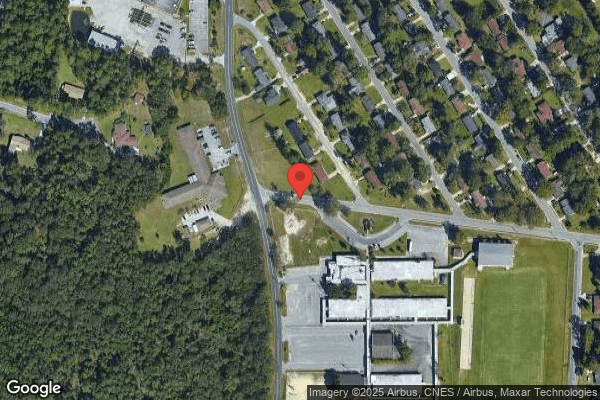
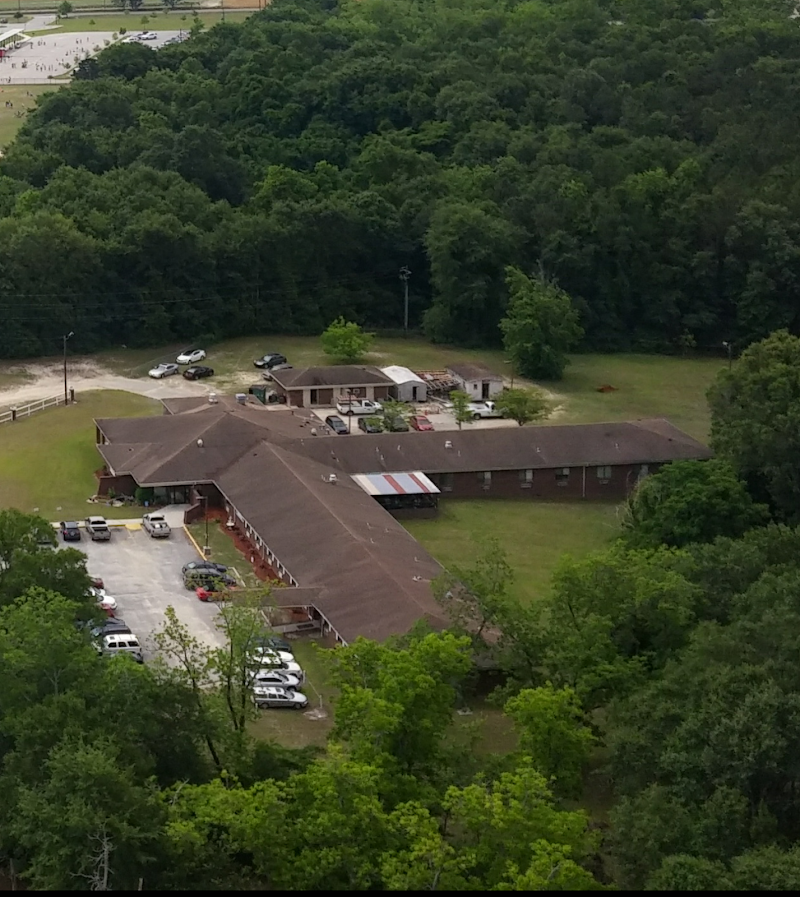
101 STOCKYARD ROAD, STATESBORO, GA 30458 (912) 764-6005
For profit - Corporation 60 Beds Independent Data: November 2025
Trust Grade
63/100
#171 of 353 in GA
Last Inspection: May 2025

Inspected within the last 6 months. Data reflects current conditions.

Overview

Westwood Healthcare and Rehabilitation in Statesboro, Georgia has a Trust Grade of C+, which means it is considered decent and slightly above average. Ranking #171 out of 353 facilities in Georgia places it in the top half, while being #1 out of 2 in Bryan County indicates it is the best option locally. However, the facility is experiencing a worsening trend, with issues increasing from 3 in 2023 to 6 in 2025. Staffing is a mixed bag with a rating of 2 stars out of 5 and a turnover rate of 42%, which is better than the state average but still below optimal. Recent inspections revealed concerning practices, including a failure to properly manage infection control protocols, which could increase the risk of spreading infections among residents, and an unsanitary environment in some living areas, posing potential health risks. Overall, while there are strengths in its ranking and staffing retention, families should be aware of the significant concerns regarding infection control and cleanliness.

Trust Score
C+
63/100
In Georgia
#171/353
Top 48%
Safety Record
Low Risk
No red flags
Inspections
Getting Worse
3 → 6 violations
Staff Stability
○ Average
42% turnover. Near Georgia's 48% average. Typical for the industry.
Penalties
○ Average
$3,728 in fines. Higher than 67% of Georgia facilities. Some compliance issues.
Skilled Nurses
○ Average
Each resident gets 32 minutes of Registered Nurse (RN) attention daily — about average for Georgia. RNs are the most trained staff who monitor for health changes.
Violations
⚠ Watch
15 deficiencies on record. Higher than average. Multiple issues found across inspections.
★★★☆☆
3.0
Overall Rating
★★☆☆☆
2.0
Staff Levels
★★☆☆☆
2.0
Care Quality
★★★☆☆
3.0
Inspection Score
Stable
2023: 3 issues
2025: 6 issues

The Good

  • Full Sprinkler Coverage · Fire safety systems throughout facility
  • No fines on record
  • Staff turnover below average (42%)

    6 points below Georgia average of 48%

Facility shows strength in fire safety.

The Bad

3-Star Overall Rating

Near Georgia average (2.6)

Meets federal standards, typical of most facilities

Staff Turnover: 42%

Near Georgia avg (46%)

Typical for the industry

Federal Fines: $3,728

Below median ($33,413)

Minor penalties assessed

The Ugly 15 deficiencies on record

May 2025 6 deficiencies
CONCERN (D) 📢 Someone Reported This

A family member, employee, or ombudsman was alarmed enough to file a formal complaint

Potential for Harm - no one hurt, but risky conditions existed

Deficiency F0628 (Tag F0628)

Could have caused harm · This affected 1 resident

**NOTE- TERMS IN BRACKETS HAVE BEEN EDITED TO PROTECT CONFIDENTIALITY** Based on resident and staff interviews, record reviews, and review of the facility's policies titled Bed Hold Notice and Transfe...

Read full inspector narrative →
**NOTE- TERMS IN BRACKETS HAVE BEEN EDITED TO PROTECT CONFIDENTIALITY** Based on resident and staff interviews, record reviews, and review of the facility's policies titled Bed Hold Notice and Transfer and Discharge, the facility failed to ensure one of 25 sampled residents (R) (R24) was provided with a written bed hold notice or reason for transfer at the time of transfer. This failure had the potential to place the residents or resident representative at risk of being uninformed about their rights related to hospital transfer and subsequent return to the facility. Findings include: Review of the facility policy titled Bed Hold, reviewed/revised 4/1/2024, revealed the Policy section stated, It is the policy of this facility to provide written information to the resident and/or the resident representative regarding bed hold practices both well in advance, and at the time of, a transfer for hospitalization or therapeutic leave. The Policy Explanation and Compliance Guidelines section included, 1. As part of the admission packet and at the time of a transfer to the hospital or therapeutic leave, the facility will provide the resident and/or the resident representative written information that specifies a. the duration of the State bed hold policy, if any, during which the resident is permitted to return and resume residence in the nursing facility; b. the reserve bed payment policy in the state plan policy if any. c. The facility policies regarding bed hold periods to include allowing a resident to return ot the next available bed. 3. The facility will keep a signed and dated copy of the bed hold notice information given to the resident and or resident representative in the resident's file and or medical record. 4. The facility will provide this written information to all facility residents, regardless of their payment source. Review of the facility policy titled Transfer and Discharge, reviewed/revised 4/1/2024, revealed the Policy Explanation and Guidelines section included, . 10.Emergency Transfers to Acute Care. g. Provide a notice of transfer and the facility's bed hold notice policy to the resident and resident representative as indicated. Review of R24's clinical record revealed an admission date of 6/22/2023 with diagnoses including, but not limited to, acute kidney failure and paroxysmal atrial fibrillation. Review of R24's Quarterly Minimum Data Set (MDS), dated [DATE], revealed Section C (Cognitive Patterns) documented a Brief Interview for Mental Status (BIMS) score of 15 (indicating little to no cognitive impairment). Review of R24's Clinical Census revealed R24 was transferred to the hospital from the facility on 6/22/2024 and 4/15/2025. Review of R24's clinical record revealed no evidence of the provision of a notice of bed hold or reason for transfer provided to R24 on 6/22/2024 or 4/15/2025. In an interview on 5/2/2025 at 2:02 pm, R24 stated the facility did not provide a written bed hold notice or reason for transfer form on 6/22/2024 or on 4/15/2025. In an interview on 5/3/2025 at 2:42 pm, Licensed Practical Nurse (LPN) BB stated that when a resident is transferred from the facility to a hospital, she prints the resident's orders, face sheet, and notifies the physician and family. She stated that nurses did not complete or issue bed holds to residents or representatives and that the administration was responsible for the bed hold notifications. She further stated that the nursing staff did not give anything in writing to the resident for the reason for transfer. In an interview on 5/3/2025 at 8:44 am, the Administrator stated that the Business Officer Manager (BOM) managed bed holds and was unavailable for interview. The Administrator was unable to locate proof that a written bed hold notice or reason for transfer was provided to the resident or representative for the hospital transfers on 6/22/2204 and 4/15/2025. In an interview on 5/4/2025 at 9:15 am, the resident representative stated that a written bed hold notice or reason for transfer was not provided when R24 was transferred to a hospital on 6/22/2204 and 4/15/2025.
CONCERN (D) 📢 Someone Reported This

A family member, employee, or ombudsman was alarmed enough to file a formal complaint

Potential for Harm - no one hurt, but risky conditions existed

Comprehensive Care Plan (Tag F0656)

Could have caused harm · This affected 1 resident

2. Review of 13's Quarterly MDS assessment, dated 4/22/2025, revealed Section J (Health Conditions) documented that the resident exhibited shortness of breath. Section O (Special Treatments, Procedure...

Read full inspector narrative →
2. Review of 13's Quarterly MDS assessment, dated 4/22/2025, revealed Section J (Health Conditions) documented that the resident exhibited shortness of breath. Section O (Special Treatments, Procedures, and Programs) documented that the resident received oxygen therapy. Review of R13's Physician Orders revealed an order dated 1/18/2025 for oxygen at three liters per minute (LPM) via nasal canula, continuous. Observations on 5/2/2025 at 8:18 am, 8:34 am, and 5/3/2025 at 8:34 am and 10:30 am revealed the resident receiving oxygen at a rate set at 2 LPM. Review of R13's Care Plan Report revealed a Focus area of being at risk for ineffective gas exchange related to acute respiratory failure, chronic obstructive pulmonary disease COPD, dyspnea, and malignant neoplasm of unspecified lung. Interventions included giving oxygen as ordered by the physician. In an interview on 5/3/2025 at 12:45 pm, the MDS Coordinator stated she developed resident care plans. She confirmed staff failed to follow R13's care plan by not administering oxygen as prescribed by the physician. The MDS Coordinator stated that her expectations of staff were to follow the care plan. In an interview on 5/3/2025 at 12:45 pm, the DON confirmed the facility failed to follow the care plan for R13 related to oxygen. She revealed she expected nurses to provide care per the physician's orders and follow the care plans. Cross-Reference F695 Based on observations, staff interviews, and record reviews, the facility failed to implement care plans for two of 25 sampled residents (R) (R306 and R13). This deficient practice had the potential to place R306 and R13 at risk of medical complications, unmet needs, and a diminished quality of life. Findings include: 1. Review of R306's Quarterly Minimum Data Set (MDS) assessment, dated 3/24/2025, revealed Section E (Behaviors) documented physical behaviors toward others occurred one to three days, and other behavior symptoms not directed toward others occurred four to six days of the look-back period. Review of R306's Care Plan Report revealed a 'Focus initiated 10/23/2022 of Behaviors: has combative behaviors. Interventions included that the resident was seen by mental health services. Review of R306's clinical record revealed no documentation of mental health services for the last four months. In an interview on 5/3/2025 at 8:38 am, the Social Worker confirmed R306 had not been referred for behavioral health services as recommended by the Nurse Practitioner (NP). In an interview on 5/3/2025 at 12:22 pm, Registered Nurse (RN) EE stated the NP had recommended R306 to be evaluated by behavioral health services, but R306 had not been evaluated by behavioral health services. In an interview on 5/3/2025 at 12:28 pm, the Director of Nursing (DON) stated R306 should have been seen by the behavioral health services that provided weekly services at the facility. The DON stated the facility failed to arrange for R306 to have mental health services. In an interview on 5/3/2025 at 12:32 pm, the Administrator confirmed that R306's care plan included behavioral health services, and the services had not been provided.
CONCERN (D) 📢 Someone Reported This

A family member, employee, or ombudsman was alarmed enough to file a formal complaint

Potential for Harm - no one hurt, but risky conditions existed

Accident Prevention (Tag F0689)

Could have caused harm · This affected 1 resident

**NOTE- TERMS IN BRACKETS HAVE BEEN EDITED TO PROTECT CONFIDENTIALITY** Based on observations, resident and staff interviews, record review, and review of the facility policy titled Accident and Super...

Read full inspector narrative →
**NOTE- TERMS IN BRACKETS HAVE BEEN EDITED TO PROTECT CONFIDENTIALITY** Based on observations, resident and staff interviews, record review, and review of the facility policy titled Accident and Supervision, the facility failed to ensure an environment free of accident hazards for three of 25 sampled residents (R) (R21, R25, and R18). This deficient practice had the potential to place R21, R25, and R18 at risk of avoidable accidents. Findings include: Review of the facility policy titled Accident and Supervision, dated 4/1/2024, revealed the Policy section stated, The resident environment will remain free of accident hazards as is possible. Each resident will receive adequate supervision and assistive devices to prevent accidents. This includes. 1. Identifying hazards (s) and risks(s). 2. Evaluating and analyzing hazards(s) and risk(s) 3. Implementing interventions to reduce hazards and risks. 4. Monitoring for effectiveness and modifying interventions when necessary. The Policy Explanation and Compliance Guidelines included, 1. Identification of Hazards and Risks - the process through which the facility becomes aware of potential hazards in the resident environment and the risk of a resident having an avoidable accident. a. All staff (e.g., professional, administrative, maintenance, etc.) are to be involved in observing and identifying potential hazards in the environment, while taking into consideration the unique characteristics and abilities of each resident. b. The facility should make a reasonable effort to identify the hazards and risk factors for each resident. c. Various sources provide information about hazards and risks in the resident environment. d. These sources may include, but are not limited to: . ii. Environmental rounds. 1. Review of R21's electronic medical record (EMR) revealed diagnoses including, but not limited to, unspecified osteoarthritis, history of falling, chronic obstructive pulmonary disease, heart failure, and hypertension. Review of R21's Quarterly Minimum Data Set (MDS) dated [DATE], revealed Section C (Cognitive Patterns) documented a Brief Interview Mental Status (BIMS) of eight (indicating moderate cognitive impairment). Section GG (Functional Abilities and Goals) documented R21 required supervision with ambulation and used a walker. Record review revealed R21 resided in room [ROOM NUMBER]. Observation revealed that rooms [ROOM NUMBERS] shared a bathroom. Observation on 5/2/2025 at 8:36 am revealed that while R21 was exiting the bathroom into her room, she slipped, without falling, and grabbed the sink and her rolling walker. Further observation revealed water around the base of the toilet in the bathroom. In an interview on 5/2/2025 at 8:36 am, R21 stated that water leaks from the toilet to the floor in the bathroom every time it is flushed. She stated the toilet had leaked for a few months, and she had reported it to staff. She further stated she was afraid of falling because of the water on the floor. 2. Review of R25 's EMR revealed diagnoses including, but not limited to, type two diabetes mellitus with hyperglycemia, cerebral ischemia, spinal stenosis, lumbar region with neurogenic age-related osteoporosis. Review of R25's Quarterly MDS, dated [DATE], revealed Section C (Cognitive Patterns) documented a Brief Interview Mental Status (BIMS) of six (indicating severe cognitive impairment). Section GG (Functional Abilities and Goals) documented R25 required supervision with ambulation and did not use an assistive device for ambulation. Review of R25's Care Plan Report revealed a Focus area initiated 8/6/2023, of being at risk for falls related to poor safety awareness, weakness, lack of coordination, and pain. Record review revealed R25 resided in room [ROOM NUMBER]. In an interview on 5/2/2025 at 8:45 am, R25 stated that water had been on the bathroom floor for about one month. 3. Review of R18's EMR revealed diagnoses including, but not limited to, Alzheimer's disease, hypertension, glaucoma, history of falling, and repeated falls. Review of R18's Quarterly MDS, dated [DATE], revealed Section C (Cognitive Patterns) documented a Brief Interview Mental Status (BIMS) of six (indicating severe cognitive impairment). Section GG (Functional Abilities and Goals) documented R18 required supervision with ambulation and did not use an assistive device for ambulation. Review of R18's Care Plan Report revealed a Focus area initiated 5/15/2024, of being at risk for falls related to history of falls, muscle weakness, pain, difficulty walking, and impaired vision. Interventions included keeping pathways free of clutter and any fall hazards Record review revealed R18 resided in room [ROOM NUMBER]. In an interview on 5/2/2025 at 8:42 am, Certified Nursing Assistant (CNA) CC verified that R21, R25, and R18 were ambulatory and used the shared bathroom. During a concurrent observation and interview on 5/2/2025 at 8:18 am, the Maintenance Supervisor and Director of Nursing (DON) confirmed the water on the floor and the leaking toilet in the shared bathroom of rooms [ROOM NUMBERS]. The Maintenance Supervisor reported being unaware of the toilet leaking at the base. In an interview on 5/4/2025 at 8:18 am, the Administrator reported being unaware of the leaking toilet in the shared bathroom for rooms [ROOM NUMBERS]. She stated that the facility staff conducted environmental rounds, and she would add checking for leaking toilets to the task list.
CONCERN (D) 📢 Someone Reported This

A family member, employee, or ombudsman was alarmed enough to file a formal complaint

Potential for Harm - no one hurt, but risky conditions existed

Respiratory Care (Tag F0695)

Could have caused harm · This affected 1 resident

Based on observations, staff interviews, record reviews, and review of the facility's policy titled Oxygen Administration, the facility failed to ensure that the physician's order for oxygen administr...

Read full inspector narrative →
Based on observations, staff interviews, record reviews, and review of the facility's policy titled Oxygen Administration, the facility failed to ensure that the physician's order for oxygen administration was followed for one of 10 residents (R) (R13) reviewed for oxygen administration. The deficient practice had the potential to place the resident at risk for medical complications, unmet needs, and a diminished quality of life. Findings include: Review of the facility's policy titled Oxygen Administration, dated reviewed/revised 4/1/2025, revealed the section titled Policy Explanation and Compliance Guidelines included, 1. Oxygen is administered under the orders of a physician, except in the case of an emergency. Review of R13's clinical record revealed diagnoses including, but not limited to, chronic obstructive pulmonary disease (COPD) (acute) exacerbation and acute respiratory failure with hypoxia. Review of 13's Quarterly Minimum Data Set (MDS) assessment, dated 4/22/2025, revealed Section J (Health Conditions) documented that the resident exhibited shortness of breath. Section O (Special Treatments, Procedures, and Programs) documented that the resident received oxygen therapy. Review of R13's Physician Orders revealed an order dated 1/18/2025 for oxygen at three LPM (liters per minute) via nasal canula, continuous. Observations on 5/2/2025 at 8:18 am, 8:34 am, and 5/3/2025 at 8:34 am and 10:30 am revealed the resident receiving oxygen at a rate set at 2 LPM. During a concurrent observation and interview on 5/3/2025 at 10:42 am, Licensed Practical Nurse (LPN) AA revealed that she was responsible for making sure the oxygen setting was set on the prescribed rate during morning medication pass. She stated she did not check the rate on 5/2/2025 or 5/3/2025, and she confirmed R13's oxygen was set on two LPM. LPN AA reviewed R13's physician orders and verified that the physician's order was for three LPM. In an interview on 5/3/2025 at 10:49 am, the Director of Nursing (DON) stated her expectations were for staff to ensure oxygen was administered as ordered by the physician. She stated nurses should check oxygen settings during their medication pass and rounding, since oxygen is a medication.
CONCERN (D) 📢 Someone Reported This

A family member, employee, or ombudsman was alarmed enough to file a formal complaint

Potential for Harm - no one hurt, but risky conditions existed

Deficiency F0740 (Tag F0740)

Could have caused harm · This affected 1 resident

Based on staff interviews, record review, and review of the facility policy titled Behavioral Health Services, the facility failed to ensure one of 25 sampled residents (R) (R306) received behavioral ...

Read full inspector narrative →
Based on staff interviews, record review, and review of the facility policy titled Behavioral Health Services, the facility failed to ensure one of 25 sampled residents (R) (R306) received behavioral health services to address behaviors. The deficient practice had the potential to place R306 at risk for medical complications, unmet needs, and a diminished quality of life. Findings include: Review of the facility policy titled Behavioral Health Services, reviewed/revised 4/1/2024, revealed the Policy section stated, It is policy of this facility to ensure all residents receive necessary behavioral health services to assist them in reaching and maintaining their highest level of mental and psychosocial functioning and well-being. The Policy Explanation and Compliance Guidelines section included, 3. The facility will ensure that necessary behavioral health care services are person-centered and reflect the resident's goal for care, while maximizing the residents' dignity, autonomy, privacy, socialization, independence, choice, and safety. Review of R306's clinical record revealed diagnoses including, but not limited to, unspecified psychosis, dependence on renal dialysis, end-stage renal disease, restlessness and agitation, unspecified dementia, and mood disorder. Review of R306's Quarterly Minimum Data Set (MDS) assessment, dated 3/24/2025, revealed Section E (Behaviors) documented physical behaviors toward others occurred one to three days, and other behavior symptoms not directed toward others occurred four to six days of the look-back period. Review of R306's Progress Notes revealed an entry dated 2/27/2025 documenting that the resident was observed in another resident's room with his hands on another resident's neck and head. The Physician, Director of Nursing, Administrator, and responsible parties were notified. Review of R306's Progress Notes revealed a Social Service Note dated 3/1/2025, of Writer reached out to Psychiatric NP [Nurse Practitioner] for an emergency consult. NP was unavailable and recommended that the resident be immediately sent out to a behavioral health facility. Writer informed NP that resident is on dialysis and no known behavioral health facility is able to accommodate him. As of writing, writer has not heard back from NP. Writer will monitor and follow up as necessary. Review of R306's clinical record revealed no documentation of mental health services for the last four months. In an interview on 5/3/2025 at 8:38 am, the Social Worker stated that R306 had behaviors and sometimes needed redirection. The Social Worker stated that she monitored R306 and there had been no further incidents since 2/27/2025. She confirmed R306 had not been referred for behavioral health services as recommended by the NP. In an interview on 5/3/2025 at 12:22 pm, Registered Nurse (RN) EE stated the NP had recommended R306 to be evaluated by behavioral health services, but R306 had not been evaluated by behavioral health services due to R306 was out of the facility for dialysis on the days the behavioral health service provider was at the facility. RN EE stated the facility should have arranged an appointment for R306 to receive behavioral health services. In an interview on 5/3/2025 at 12:28 pm, the Director of Nursing (DON) stated R306 should have been seen by the behavioral health services that provided weekly services at the facility. The DON stated the services were provided on Mondays, when R306 was at dialysis, and the facility should have arranged for R306 to be seen on a different day. In an interview on 5/3/2025 at 12:32 pm, the Administrator stated she was unaware that R306 had not received behavioral health services as recommended by the NP, and stated the services should have been arranged.
CONCERN (E) 📢 Someone Reported This

A family member, employee, or ombudsman was alarmed enough to file a formal complaint

Potential for Harm - no one hurt, but risky conditions existed

Safe Environment (Tag F0584)

Could have caused harm · This affected multiple residents

**NOTE- TERMS IN BRACKETS HAVE BEEN EDITED TO PROTECT CONFIDENTIALITY** Based on observations, staff interviews, and review of the facility policy titled Preventative Maintenance Program, the facility...

Read full inspector narrative →
**NOTE- TERMS IN BRACKETS HAVE BEEN EDITED TO PROTECT CONFIDENTIALITY** Based on observations, staff interviews, and review of the facility policy titled Preventative Maintenance Program, the facility failed to maintain a safe and sanitary environment in nine rooms on two of two halls (Blue Hall and Red Hall). These deficient practices had the potential to place residents at risk of living in an unsanitary and unsafe living environment, and a potential for diminished quality of life. Findings include: Review of the facility's policy titled Preventative Maintenance Program, reviewed 4/1/2024, revealed the Policy section stated, A Preventative Maintenance Program shall be developed and implemented to ensure the provision of a safe, functional, and comfortable environment for residents, staff, and the public. Observation on 5/2/2025 at 8:17 am of the shared bathroom for rooms [ROOM NUMBERS] revealed a dark, black, thick substance around the base of the toilet. In addition, there was a metal drain fixture in the floor of the bathroom that was covered in a dark black substance. Observation on 5/2/2025 at 8:20 am of the shared bathroom for rooms [ROOM NUMBERS] revealed a hole in the ceiling and a yellow substance around the toilet base. Observation on 5/2/2025 at 8:23 am of the shared bathroom for rooms [ROOM NUMBERS] revealed a metal drain fixture on the floor covered in a dark gray substance. During a concurrent observational tour and interview on 5/4/2025 beginning at 8:30 am, the Administrator and Maintenance Director confirmed the identified concerns. The Administrator stated they would clean and repair the toilets as well as the ceiling. The Administrator stated it was important to her for the residents to have a clean and safe environment. Observation on 5/2/2025 in an Activity Sitting Room located on the Red Hall revealed a dark brown spot on the ceiling tiles and protruding sharp, rugged, rusty edges on the door sill. Observations on 5/2/2025 at 8:31 am and 2:44 pm, and on 5/3/2025 at 11:00 am and 2:01 pm in the bathroom for room [ROOM NUMBER] revealed a strong urine odor and dark, black, thick substance coating the floor drainage vent. Observation on 5/2/2025 at 8:32 am revealed broken blinds in room [ROOM NUMBER]. Observation on 5/2/2025 at 8:33 am in room [ROOM NUMBER] revealed a dark brown spot on the floor tiles near the entry door and a dark black substance coating the baseboard near bed A. Observation in the bathroom for room [ROOM NUMBER] revealed a dark brown substance coating the floor tiles near the toilet base and holes in the wall. Observation on 5/2/2025 at 8:37 am in the Blue Hall Shower Room revealed a large, greyish wet spot on the ceiling tile above the shower stall. Observation on 5/2/2025 at 8:40 am in the bathroom of room [ROOM NUMBER] revealed a strong musty odor, and a drainage vent covered with a dark, thick, sticky black substance. During a concurrent observational tour and interview on 5/4/2025 beginning at 8:38 am, the Administrator, Housekeeping Supervisor, and Maintenance Director confirmed the identified concerns. The Administrator, Maintenance Director, and Housekeeping Supervisor stated repairs would be made.
Apr 2023 3 deficiencies
CONCERN (E)

Potential for Harm - no one hurt, but risky conditions existed

Deficiency F0883 (Tag F0883)

Could have caused harm · This affected multiple residents

**NOTE- TERMS IN BRACKETS HAVE BEEN EDITED TO PROTECT CONFIDENTIALITY** Based on interviews, record review, and review of facility policy titled Infection Prevention and Control Program the facility f...

Read full inspector narrative →
**NOTE- TERMS IN BRACKETS HAVE BEEN EDITED TO PROTECT CONFIDENTIALITY** Based on interviews, record review, and review of facility policy titled Infection Prevention and Control Program the facility failed to provide evidence that residents were offered the Influenza and/or Pneumococcal vaccine for three residents (R#11, R#6, and R#50) of five sampled residents reviewed for immunizations. Findings include: Review of facility's policy titled Infection Prevention and Control Program with date implemented 2/2/2022: Influenza and Pneumococcal Immunization: a. Residents will be offered the influenza vaccine each year between October 1 and March 31, unless contraindicated or received the vaccine elsewhere during that time. b. Residents will be offered the pneumococcal vaccines recommended by the CDC upon admission, unless contraindicated or received the vaccines elsewhere. c. Education will be provided to the residents and/or representatives regarding the benefits and potential side effects of the immunizations prior to offering the vaccines. d. Residents will have the opportunity to refuse immunizations. e. Documentation will reflect the education provided and details regarding whether or not the resident received the immunizations. 1. R#11 admitted to the facility on [DATE]. Review of R#11's Quarterly MDS assessment dated [DATE] revealed a BIMS score of 00, indicating severe cognitive impairment. Section O revealed the Pneumococcal vaccine was not up to date and had not been received because it had not been offered. Influenza vaccine was offered and declined. Review of R#11 electronic medical records (EMR) revealed there was no documented evidence that R#11 was offered or declined the Influenza vaccine. 2. R#6 admitted to the facility on [DATE]. Review of R#6's Quarterly MDS assessment dated [DATE] revealed a BIMS score of three, indicating severe cognitive impairment. Section O revealed the Pneumococcal vaccine was not up to date and had not been received because it had not been offered. 3. R#50 was admitted to the facility on [DATE]. Review of R#50's admission MDS assessment dated [DATE] revealed a BIMS score of 15 which indicated cognitively intact. Section O revealed the Pneumococcal vaccine was not up to date and had not been received because it had not been offered. R#50 did not receive the Influenza vaccine in the facility for this year's influenza season. Interview with R#50 on 4/2/2023 at 11:50 a.m. revealed he had immunizations prior to admission. Review of R#50's EMR revealed there was no documented evidence that R#50 received the Pneumococcal or Influenza vaccine. Interview with the Regional Nurse Consultant (RNC) on 4/2/2023 at 11:25 a.m. revealed she looked in the EMR and she did not see any documentation of immunizations being offered and/or given for R#11, R#6, and R#50. She stated that she even looked in Georgia Immunization Registry (GRITS) and she did not see anything there. Interview with the Director of Nursing (DON) on 4/2/2023 at 11:42 a.m. revealed the Infection Control Preventionist (ICP) is responsible for getting the consent forms for residents. She stated that the ICP is responsible to make sure that residents have consent forms and receive their vaccines.
CONCERN (E)

Potential for Harm - no one hurt, but risky conditions existed

Deficiency F0887 (Tag F0887)

Could have caused harm · This affected multiple residents

**NOTE- TERMS IN BRACKETS HAVE BEEN EDITED TO PROTECT CONFIDENTIALITY** Based on interviews, record reviews, and review of facility policy titled Infection Prevention and Control Program the facility ...

Read full inspector narrative →
**NOTE- TERMS IN BRACKETS HAVE BEEN EDITED TO PROTECT CONFIDENTIALITY** Based on interviews, record reviews, and review of facility policy titled Infection Prevention and Control Program the facility failed to ensure that three residents (R#6, R#11, and R#50) of five sampled residents were offered, received, and had documentation related to the COVID-19 vaccine. Findings include: Review of facility's policy titled Infection Prevention and Control Program with date implemented 2/2/2022: Policy: This facility has established and maintains an infection prevention and control program designed to provide a safe, sanitary, and comfortable environment and to help prevent the development and transmission of communicable diseases and infections. Policy Explanation and Compliance Guidelines: 8. COVID-19 Immunizations: a. Residents and staff will be offered the COVID-19 vaccine when vaccine supplies are available to the facility. b. Residents and staff will be screened prior to offering the vaccination for prior immunization, medical precautions, and contraindications to determine candidacy for the vaccination. c. Education about the vaccine, risks, benefits, and potential side effects will be given to residents or resident representatives and staff prior to offering the vaccine. d. Residents or resident representatives and staff will have the opportunity to accept or refuse a COVID-19 vaccination and change their decision. e. Documentation will reflect the education provided and details regarding whether or not he resident or staff received the vaccine. 1. Resident #6 was admitted to the facility on [DATE]. Record review revealed there is no documentation of COVID-19 vaccines or COVID-19 vaccination status. 2. Resident #11 was admitted to the facility on [DATE]. Record review revealed there is no documentation of COVID-19 vaccines or COVID-19 vaccination status. 3. Resident #50 was admitted to the facility on [DATE]. Record review revealed there is no documentation of COVID-19 vaccines or COVID-19 vaccination status. Interview with the Regional Nurse Consultant (RNC) on 4/2/2023 at 11:25 a.m. revealed she looked in the electronic medical record (EMR) and she did not see any documentation that immunizations to include the COVID-19 vaccine was offered and given for R#6, R#11, and R#50. She stated that she even looked in Georgia Immunization Registry (GRITS) and she did not see anything there. Interview with the Director of Nursing (DON) on 4/2/2023 at 11:42 a.m. revealed the Infection Control Preventionist (ICP) is responsible for getting the consent forms for residents. She stated that the ICP is responsible to make sure that residents have consent forms and receive their vaccines. There were no COVID-19 outbreaks. COVID-19 Staff Vaccination rate was 100%.
CONCERN (F)

Potential for Harm - no one hurt, but risky conditions existed

Infection Control (Tag F0880)

Could have caused harm · This affected most or all residents

Based on interviews, record review, and review of facility policy titled Infection Prevention and Control Program the facility failed to maintain an effective infection prevention and control program ...

Read full inspector narrative →
Based on interviews, record review, and review of facility policy titled Infection Prevention and Control Program the facility failed to maintain an effective infection prevention and control program that demonstrated ongoing surveillance, recognition, investigation, and control of infection to prevent the onset and spread of infection and failed to implement a procedure to reduce the risk of growth and spread of Legionella and other opportunistic pathogens in the building water system. The facility census was 52. Findings include: Review of facility's policy titled Infection Prevention and Control Program with date implemented 2/2/2022: Policy: This facility has established and maintains an infection prevention and control program designed to provide a safe, sanitary, and comfortable environment and to help prevent the development and transmission of communicable diseases and infections. Policy Explanation and Compliance Guidelines: 1. The designated Infection Preventionist is responsible for oversight of the program and serves as a consultant to our staff on infectious diseases, resident room placement, implementing isolation precautions, staff and resident exposures, surveillance, and epidemiological investigations of exposures of infectious diseases. 2. All staff are responsible for following the policies and procedures related to the program. 3. Surveillance: a. A system of surveillance is utilized for prevention, identifying, reporting, investigating, and controlling infections and communicable diseases for all residents, staff, volunteers, visitors, and other individuals providing services under a contractual arrangement based upon a facility assessment and accepted national standards. b. The Infection Preventionist serves as the leader in surveillance activities, maintains documents of incidents, findings, and any corrective actions made by the facility and reports surveillance findings to the facility's Quality Assessment and Assurance Committee. c. The RNs (Registered Nurses) and LPNs (Licenses Practical Nurses) participate in surveillance through assessment of residents and reporting changes in condition to the residents' physicians and management staff, per protocol for notification of changes and in-house reporting of communicable diseases and infections. Infection control documents to include infection tracking, antibiotic stewardship, COVID-19, and immunization surveillance requested on 3/31/2023 during entrance conference at 7:45 a.m. and again on 3/31/2023 at 11:00 a.m. from the Infection Control Preventionist (ICP)/ Assistant Director of Nursing (ADON). ICP/ADON stated that she would go get the books and bring the books back to the surveyor. ICP exited conference room at this time. Interview with ICP/ADON on 3/31/2023 at 12:00 p.m. revealed she does not have the books at the facility. She stated that she was going to have to run home to get the books because she took the books home to make sure that she had everything in them. Interview with ICP/ADON on 3/31/2023 at 1:30 p.m. upon her return to the facility revealed she cannot find any of the infection control books. She stated that she had another nurse who used to do treatments come in and help her with infection control. She stated that the other nurse took the books with her, but she no longer works at the facility. She stated that the other nurse quit in January of 2023. When surveyor asked ICP/ADON if other nurse left with the infection control book in January 2023, was she not aware that the book was not at the facility until the last day of March 2023, ICP/ADON then stated that the books are at the facility, but she does not know where the other nurse put the books. ICP/ADON stated that she has placed several calls to the other nurse today to ask her where the books are, but the other nurse has not returned any of her calls. Interview with Administrator and Regional Nurse Consultant (RNC) on 4/1/2023 at 10:20 a.m. revealed they are unable to locate the infection control books. The Administrator stated that the ICP/ADON is now on vacation. The Administrator stated they will continue to look for the books but at this time they cannot be located. She stated they have a water management plan. She stated that the Maintenance Director is in charge of the Legionella testing. Interview with RNC on 4/1/2023 at 2:14 p.m. revealed they have an Antibiotic Stewardship Program however it is not working out with the current ICP/ADON regarding the IC program. She stated that she would provide documentation on the Antibiotic Stewardship Programs Plan. Interview with RNC on 4/2/2023 at 8:56 a.m. revealed that she agrees that the documentation for the infection control surveillance was not in the binder provided to the surveyor. She stated that she identified that, and they have a plan. The facility does not have measures to prevent the growth of Legionella and other opportunistic waterborne pathogens in building water systems that is based on nationally accepted standards (e.g., ASHRAE, CDC, U.S. Environmental Protection Agency or EPA). Interview with the Administrator on 4/2/2023 at 8:35 a.m. revealed she is not sure about the Infection Control Program. She stated that she would have to ask the RNC because she sticks to the operations, and she lets her handle clinical. The Administrator stated that they have not had Legionella testing. She stated she became aware of the need for one about a month ago. She stated that DON mentioned to her a month ago that she heard that they would have to start doing Legionella testing. She stated that she has to look up the regulations and find out how frequently they need to test and teach the maintenance person. She stated her plan is to order the kit and get started today. The Administrator stated that she did research, and she would have to order a kit from Amazon and see how often they need to test it. The Administrator stated that they currently do not have a Maintenance Director. She stated that the Housekeeping Supervisor is just filling in as maintenance director until they can find someone. She stated the last Maintenance Director left in January 2023. No resident concerns were identified related to infection control and/or outbreaks within the facility. There were no COVID-19 outbreaks.
Aug 2021 6 deficiencies
CONCERN (D)

Potential for Harm - no one hurt, but risky conditions existed

Deficiency F0561 (Tag F0561)

Could have caused harm · This affected 1 resident

**NOTE- TERMS IN BRACKETS HAVE BEEN EDITED TO PROTECT CONFIDENTIALITY** Based on observation, record review, and resident/staff interviews, the facility failed to allow one of 20 sampled residents (R)...

Read full inspector narrative →
**NOTE- TERMS IN BRACKETS HAVE BEEN EDITED TO PROTECT CONFIDENTIALITY** Based on observation, record review, and resident/staff interviews, the facility failed to allow one of 20 sampled residents (R) (R#31) the choice of when she could take a shower and failed to facilitate that choice in a bathing schedule. Findings include: During an initial interview conducted on 8/24/21 at 9:00 a.m., R#31 stated she prefers a morning shower but is on the 3-11 p.m. shower schedule. R#31 stated she use to receive her shower in the mornings, but they switched her showers to the afternoon. She stated she told an unnamed staff that her preference is to take her shower in the mornings. She stated that unnamed staff told her that she would have to stay on the 3-11 p.m. shower schedule. R#31 further stated unnamed staff told her she does not have a choice as to when she receives her shower. Review of the clinical record revealed R#31 was admitted to the facility on [DATE] with diagnoses including Chronic Obstructive Pulmonary Disease, Bipolar Disorder, unspecified, Type 2 Diabetes Mellitus without complications, and unspecified Dementia without behavioral disturbance. The Annual Minimum Data Set (MDS) assessment dated [DATE] revealed R#31 had a Brief Interview for Mental status (BIMS) score of 15 (a score of 13 out of 15 indicates the resident is cognitively intact). Section F- Preference for Customary Routines and Activities documented it as very important to choose between tub bath, shower, bed bath, or sponge bath. Section G- Functional Status documented that R#31 required physical help in part of bathing activity. Review of undated shower sheets revealed R#31 is scheduled for a shower for mornings on Tuesdays and Saturdays, and shower is scheduled for evenings on Thursdays. During further observation and interview on 8/25/21 at 8:50 a.m., R#31 revealed she did not receive a shower yesterday or this morning. R#31 stated she cannot remember the exact date when she last received a shower. R#31 stated staff gave her a sponge bath a couple of days ago. Interview with Certified Nursing Assistant (CNA) FF on 8/25/21 at 2:00 p.m. revealed she is an agency CNA. She stated the shower schedule was in place when she started working at the facility. CNA FF stated if a resident is scheduled for a shower on the morning shift and they refuse it the CNA will go back later and ask them again if they want a shower, depending on if there's enough staff. CNA FF further stated if the resident receives their shower that afternoon their shower schedule will be switched to the afternoons. CNA FF stated she does not make the shower schedule. Interview with CNA II on 8/26/21 at 7:45 a.m. revealed she is an agency nurse. She stated residents receive showers according to the shower schedule. CNA II stated CNAs fill out a bath and skin audit sheet after they give showers. CNA II could not produce a bath and skin audit sheet for R#31. Further interview with R#31 on 8/26/21 at 7:50 a.m. revealed she did not receive a shower yesterday (8/25/21). She stated they told her she would get a shower in the afternoon, but no one came to give her a shower. Interview with Licensed Practical Nurse (LPN) HH on 8/26/21 at 8:05 a.m. revealed residents have a choice of a shower or bath, and residents have a choice of what time they receive their shower or bath. LPN HH stated showers are documented on the CNA bath and skin audit sheet. Further interview with LPN HH revealed R#31 received a shower last Saturday. LPN HH stated it should be documented in the CNA bath and skin audit book, however LPN HH could not produce any bath and skin audit sheets for R#31. Further interview with R#31 on 8/26/21 at 2:38 p.m. revealed she did not receive a shower today. R#31 stated she prefers to get a shower in the morning but if it would be easier for staff, she would get the shower in the afternoon. Interview with Assistant Director of Nursing (ADON) on 8/25/21 at 2:12 p.m. revealed residents can have a choice of when they want to take their shower. ADON stated the current shower sheet was updated by the past treatment nurse. ADON further stated showers and bath are documented on the CNA ADL (Activities of Daily Living) sheets. ADON verified copy of shower schedule provided to surveyor by the Director of Nursing is the current shower schedule. ADON verified R#31 is scheduled for a shower on Tuesdays and Saturdays in the mornings, and evenings on Thursdays. ADON could not provide an answer as to why residents shower was scheduled on Tuesdays and Saturdays in the mornings, and evenings on Thursdays. ADON provided copy of residents ADL sheet indicating there was no documentation that R#31 received a shower from 8/1/21- 8/24/21.
CONCERN (D)

Potential for Harm - no one hurt, but risky conditions existed

Safe Environment (Tag F0584)

Could have caused harm · This affected 1 resident

**NOTE- TERMS IN BRACKETS HAVE BEEN EDITED TO PROTECT CONFIDENTIALITY** Based on observations, staff interviews, and review of facility policy titled Detailed Cleaning, the facility failed to ensure t...

Read full inspector narrative →
**NOTE- TERMS IN BRACKETS HAVE BEEN EDITED TO PROTECT CONFIDENTIALITY** Based on observations, staff interviews, and review of facility policy titled Detailed Cleaning, the facility failed to ensure that there was a clean and comfortable environment as evidence by stained privacy curtains, over bed lighting not properly affixed to the wall, large brown stains on the floor, holes in closet door, missing tiles in the bathroom, a cracked trash can, and metal door frame in shared bathroom had a piece of protruding metal at the base. These environmental concerns were observed in 12 of 49 resident rooms and/or bathrooms (106, 108, 110, 112, 117, 118, 119, 120, 125, 126, 127, and 128). Findings include: Observation on 8/24/21 at 8:56 a.m. revealed room [ROOM NUMBER] privacy curtain had a large brown stain in the middle of the curtain at the bottom by the hem. Observation on 8/24/21 at 9:00 a.m. of room [ROOM NUMBER]B revealed two holes in the wall behind the bed as well as a large brown spot on the floor streaming from A bed to the B bed. Observation on 8/24/21 at 9:02 a.m. of room [ROOM NUMBER] revealed missing tiles on the shared bathroom wall leading into room [ROOM NUMBER]. Observation on 8/24/21 at 9:04 a.m. of room [ROOM NUMBER] revealed closet door has holes in the bottom with wood splinters exposed. Observation on 8/26/21 at 9:19 a.m. of room [ROOM NUMBER]A revealed brown spots on privacy curtain. Observation on 8/26/21 at 9:30 a.m. of room [ROOM NUMBER]B revealed overbed light loose and hanging from wall. Observation on 8/26/21 at 9:31 a.m. of room [ROOM NUMBER]A revealed cracked trash can with jagged edges noted at top. Observation on 8/26/21 at 9:32 a.m. of room [ROOM NUMBER] privacy curtain bed A has brown spots throughout the curtain. Observation on 8/26/21 at 9:33 a.m. of room [ROOM NUMBER] revealed shared bathroom has metal protruding from the metal door frame at the bottom leading into the adjoining room. The privacy curtain for bed A had brown stains throughout curtain on the front and back of curtain. Observation on 8/26/21 at 9:36 a.m. of room [ROOM NUMBER] revealed headboard for bed A leaning against the wall not attached to bed. Observation on 8/26/21 at 9:37 a.m. of room [ROOM NUMBER]A revealed brown stains noted to privacy curtain on the front and back of curtain. Observation on 8/26/21 at 9:38 a.m. of room [ROOM NUMBER] revealed privacy curtain for bed A had brown stains on front and back of curtain. Environmental rounds conducted with Administrator, Maintenance Director, and Environmental Services Director on 8/26/21 at 9:48 a.m. confirmed all environmental issues observed during facility observations. Interview on 8/26/21 at 9:48 a.m. with Environmental Services Director (EVS director) revealed the housekeeping department does complete deep cleans monthly. The process for deep cleanings includes cleaning the rooms from the front to the back starting with the room and ending in the bathroom. Further interview revealed during the deep cleaning process the privacy curtains sometimes get missed because they are usually pulled back, if the housekeeper notices the curtains need to be changed, they would be taken down and sent the laundry to be cleaned. Interview on 8/26/21 at 10:01 a.m. with Maintenance Director revealed that routine maintenance is completed daily. When there is any issue that needs to be addressed there is a maintenance book that is kept at the nursing station where staff should put in work orders. The maintenance book is checked daily, and any issues are addressed at that time. Review of the undated facility policy titled Detailed Cleaning revealed under the Procedure section number five: curtains should be taken down to be washed in the laundry and immediately replaced with clean curtains.
CONCERN (D)

Potential for Harm - no one hurt, but risky conditions existed

Comprehensive Care Plan (Tag F0656)

Could have caused harm · This affected 1 resident

**NOTE- TERMS IN BRACKETS HAVE BEEN EDITED TO PROTECT CONFIDENTIALITY** Based on observations, record review, review of facility policy titled Care Plans, Comprehensive Person-Centered, and staff inte...

Read full inspector narrative →
**NOTE- TERMS IN BRACKETS HAVE BEEN EDITED TO PROTECT CONFIDENTIALITY** Based on observations, record review, review of facility policy titled Care Plans, Comprehensive Person-Centered, and staff interviews, the facility failed to follow the respiratory care plan for one of five residents (R) (#27) who required continuous oxygen. Findings include: Review of the facility policy titled Care Plans, Comprehensive Person-Centered revised 2016 revealed the Interdisciplinary Team (IDT), in conjunction with the resident and his/her family or legal representative, develops and implements a comprehensive, person-centered care plan for each resident. Review of Face Sheet revealed R#27 was admitted into the facility on 2/13/20 with a secondary diagnosis of Chronic Obstructive Pulmonary Disease (COPD). The Minimum Data Set (MDS) Quarterly assessment dated [DATE] documented R#27 receives oxygen therapy while a resident at the facility. Review of the care plan dated 7/7/21 revealed R#27 was at risk for ineffective breathing pattern with interventions including but not limited to administering oxygen as prescribed or per standing order. Review of the current August 2021 Physicians Orders for R#27 revealed an order with a start date of 8/19/20 for oxygen at 3 lpm (liters per minute) via nasal cannula for a diagnosis of COPD. Observations on 8/24/21 at 9:52 a.m., 8/24/21 at 12:04 p.m., and 8/25/21 at 1:41 p.m., it was revealed R#27 was on oxygen via nasal cannula. However, the concentrator was set on 1.5 lpm and not 3 lpm as ordered by the physician. An interview on 8/26/21 at 9:12 a.m. with the facility's Director of Nursing (DON) revealed that it is the expectation that all staff read and follow the care plans as agreed upon by the IDT (Interdisciplinary Team). Cross refer to F695.
CONCERN (D)

Potential for Harm - no one hurt, but risky conditions existed

Respiratory Care (Tag F0695)

Could have caused harm · This affected 1 resident

**NOTE- TERMS IN BRACKETS HAVE BEEN EDITED TO PROTECT CONFIDENTIALITY** Based on observations, record review, and staff interviews, the facility failed to ensure that a resident received oxygen at the...

Read full inspector narrative →
**NOTE- TERMS IN BRACKETS HAVE BEEN EDITED TO PROTECT CONFIDENTIALITY** Based on observations, record review, and staff interviews, the facility failed to ensure that a resident received oxygen at the correct flow rate for one of five residents (R) (#27) who required continuous oxygen. Findings include: Review of Face Sheet revealed R#27 was admitted into the facility on 2/13/20 with a secondary diagnosis of Chronic Obstructive Pulmonary Disease (COPD). The Minimum Data Set (MDS) Quarterly assessment dated [DATE] documented R#27 receives oxygen therapy while a resident at the facility. Review of the current August 2021 Physicians Orders for R#27 revealed an order with a start date of 8/19/20 for oxygen at 3 lpm (liters per minute) via nasal cannula for a diagnosis of COPD. Review of the Medication Administration Record (MAR) dated 8/4/21 through 8/5/21 revealed oxygen was delivered at 3 lpm via nasal cannula with no interruptions. Observations on 8/24/21 at 9:52 a.m., 8/24/21 at 12:04 p.m., and 8/25/21 at 1:41 p.m., it was revealed R#27 was on oxygen via nasal cannula. However, the concentrator was set on 1.5 lpm and not 3 lpm as ordered by the physician. An interview on 8/25/21 at 2:03 p.m. with LPN KK revealed they have been caring for R#27 for about two weeks. LPN KK was aware of R#27 being on oxygen. She revealed that the concentrator should be set at 2 lpm. After reviewing R#27's physician orders, LPN KK acknowledged that R#27's orders are written for oxygen at 3 lpm via nasal cannula. Moments later, LPN KK observed that R#27's oxygen concentrator was set on 1.5 lpm. LPN KK acknowledged the concentrator should have been set to 3 lpm. She immediately adjusted the oxygen concentrator flow rate to 3 lpm. An interview on 8/26/21 at 9:12 a.m. with the facility's Director of Nursing (DON) revealed that it is the expectation that all staff read and follow the physician's orders. The oxygen concentrator should have been set at 3 lpm as defined by the physician's order. During an interview on 8/26/21 at 9:15 a.m., the Administrator revealed there was no Oxygen Policy available.
CONCERN (E)

Potential for Harm - no one hurt, but risky conditions existed

Infection Control (Tag F0880)

Could have caused harm · This affected multiple residents

**NOTE- TERMS IN BRACKETS HAVE BEEN EDITED TO PROTECT CONFIDENTIALITY** Based on observations, review of facility policy titled Visitation and Infection Control, and staff interviews, the facility fai...

Read full inspector narrative →
**NOTE- TERMS IN BRACKETS HAVE BEEN EDITED TO PROTECT CONFIDENTIALITY** Based on observations, review of facility policy titled Visitation and Infection Control, and staff interviews, the facility failed to ensure that infection control practices were followed and adhered to by facility staff. Specifically, the facility failed to provide Personal Protective Equipment (PPE) for staff use for one resident on observation isolation (room [ROOM NUMBER]) and failed to ensure that infection control practices were followed by staff during meal service on the COVID isolation unit. The deficient practice had the potential to affect 19 residents residing on the Blue Hall within the facility. Total census was 49. Findings include: 1. Observation on 8/24/21 at 9:15 a.m. revealed one resident was on observation isolation due to hospital return. There was no PPE equipment noted outside of room [ROOM NUMBER] (observation only resident), and one gown was noted hanging on the light fixture by the door. There was only one resident in this room. There were no other PPE supplies noted in the room at the time of observation. Interview on 8/24/21 at 10:25 a.m. with Licensed Practical Nurse (LPN) CC confirmed that the resident in room [ROOM NUMBER] did not have any PPE supplies available for staff use on the outside or inside of the room. Further interview also revealed that there should be supplies available even though resident is on observation only status. LPN CC had no knowledge of why there was a white isolation gown hung across the light fixture in room [ROOM NUMBER]. Observation of isolation room [ROOM NUMBER] not having any PPE supplies available for staff use was confirmed by the Director of Nursing (DON) on 8/24/21 at 10:30 a.m. Interview with DON revealed that PPE supplies should be available for staff use when caring for residents on isolation precautions. Interview with Certified Nursing Assistant (CNA) DD on 8/24/21 at 10:50 a.m. revealed she has been working at the facility for two weeks and had not received any form of PPE training from facility management but had received training from the nursing agency in which she is employed. Further interview also revealed that she does administer care to the resident who is on isolation precautions in room [ROOM NUMBER]. Before entering the resident's room, she knocks on the door and enters the room after the resident gives permission to enter and provides the care that is requested. The only PPE that is worn in the room is a mask and shield. CNA DD also disclosed that the question was asked to the charge nurse on the unit what PPE is needed for resident in 104. The response was the only PPE that needed to be worn was a mask and a shield because the resident was only on observation and was not positive for COVID so there was nothing to worry about. Observation on 8/24/21 at 10:55 a.m. revealed signage on the door of room [ROOM NUMBER] had postings of precautions for both droplet precautions and contact precautions posted on the door. Interview with CNA FF on 8/24/21 at 11:15 a.m. revealed that she works at the facility through agency and has not received any formal training from facility staff on PPE or COVID. Further interview also revealed that she also has worked with the resident in room [ROOM NUMBER], who is on isolation precautions for hospital return and was instructed by facility staff to only wear mask and shield in the room because the resident was not positive for COVID. CNA FF voiced concern of not having full PPE available for use while providing care for a resident on isolation. Interview on 8/24/21 at 11:25 a.m. with the Assistant Director of Nursing (ADON) revealed that (Department of Public Health) DPH is contacted every time there is a new positive case. Further interview also revealed that there has not been an infection control nurse in the facility since the last DON resigned two weeks ago. The infection control at the facility is overseen by Corporate Nurse Consultant GG. Review of facility policy titled Visitation and Infection Control updated 5/17/21 revealed that to prevent the spread of respiratory germs within the facility: F. Newly admitted resident: 7. Make PPE, including face masks, eye protection, gowns, gloves, and face shields/googles available immediately outside of the resident room when it's determined PPE is needed for the resident. 2. Observation on 8/24/21 at 9:15 a.m. revealed a total of four residents in COVID isolation rooms at the end of the Blue Hall divided by a barrier wall. Meal service observation on 8/24/21 at 12:33 p.m. revealed the food cart arrived on Blue Hall and staff started distributing food trays to the COVID unit first. Staff was observed passing each tray through the barrier to the CNA that was assigned to the COVID unit. The CNA did not have on any PPE except for a mask and shield during tray distribution. CNA on COVID unit was observed going in and out of all isolation rooms without proper PPE donned. After each meal was distributed to the residents on the COVID unit the empty trays were placed back on the food cart with the unserved trays. Interview on 8/24/21 at 12:45 p.m. with CNA EE revealed that while distributing the trays on the COVID unit the only PPE that was worn was a face mask and shield. Continued interview also revealed that while taking the residents tray to each room the food was taken off the food tray and transferred to their overbed tables. The trays were then given back to the CNA outside of the unit because there was not a place on the unit to put the empty trays. Continued interview also disclosed that there was no full PPE worn during meal distribution because she was only in the room for a minute. Second food service observation on 8/25/21 at 7:35 a.m. revealed the food cart arrived on Blue Hall and staff proceeded to distribute trays to residents. Staff was noted sanitizing hands before and after each tray delivery. Observation of food service on COVID unit revealed one CNA stood by the food cart on the outside of the unit and gave the tray to the nurse to distribute to residents on the unit. The tray was given to the nurse through the barrier. The nurse donned a gown, mask, and shield, but no gloves. On the four tray distributions, the nurse did not wear any PPE except for the mask and shield that was donned before entering the unit. After tray distribution was completed, the nurse did not change mask after exiting COVID unit. Interview with LPN HH on 8/25/21 at 8:05 a.m. revealed that the process for passing trays on the COVID unit is that, usually there is a nurse and CNA assigned to the unit and they would pass the trays on that unit. Today there was not a nurse or CNA on the unit to pass the trays, therefore LPN HH went to the unit to pass the trays. LPN HH confirmed that full PPE is required for admission to COVID unit and was not worn, neither was the mask changed after leaving unit and returning to general population to render care to other residents.
CONCERN (F)

Potential for Harm - no one hurt, but risky conditions existed

Deficiency F0882 (Tag F0882)

Could have caused harm · This affected most or all residents

Based on staff interviews and review of facility policy titled Visitation and Infection Control Policy, the facility failed to designate a qualified infection preventionist who completed specialized t...

Read full inspector narrative →
Based on staff interviews and review of facility policy titled Visitation and Infection Control Policy, the facility failed to designate a qualified infection preventionist who completed specialized training in infection prevention and control. The deficient practice placed all 49 residents at risk for potential transmission of COVID-19 infections and other communicable diseases. Findings include: Interview on 8/24/21 at 10:25 a.m. with Licensed Practical Nurse (LPN) CC revealed no clear knowledge of who the infection preventionist was for the facility. Interview on 8/24/21 at 10:45 a.m. with the Director of Nursing (DON) revealed the infection preventionist was the Assistant Director of Nursing (ADON). Further interview revealed that the DON was new to the facility and did have certification as an infection control preventionist but could not provide information pertaining to certification. Interview with Certified Nursing Assistant (CNA) FF on 8/24/21 at 11:15 a.m. revealed she had no knowledge of who was over the infection control program for the facility. Interview on 8/24/21 at 11:25 a.m. with the ADON revealed that there has not been an infection control nurse in the facility since the last DON resigned two weeks ago. The infection control program at the facility is overseen by Corporate Nurse Consultant GG and she was not in the role of the infection preventionist. Interview on 8/24/21 at 11:34 a.m. with Corporate Nurse Consultant GG revealed that currently the ADON is taking classes for certification as the Infection Control Preventionist (ICP). There is a weekly call that is conducted every Tuesday with the DON and ICP for all the facilities in the corporation. On this call any issues with infection control are discussed during this time. Further interview also revealed when there is a positive case in the facility the leadership team is notified that day or the following day of the status of the facility. DPH (Department of Public Health) is notified by the ADON when there is a new positive case in the facility and of any cluster infections that may arise. Continued interview also revealed the facility follows DPH guidelines for COVID positive residents and PPE (Personal Protective Equipment) management for residents on isolation precautions. Interview on 8/24/21 at 11:45 a.m. with ADON revealed that she was not currently taking classes for ICP certification and was not aware of an LPN being able to get certification for this course. Interview with ADON on 8/25/21 at 8:45 a.m. revealed that the previous DON was over the program but is no longer employed at the facility. Interview with the Administrator on 8/25/21 at 9:00 a.m. revealed that the DON is usually the one that is over the infection control program and currently the ADON is supposed to be overseeing the program and ensuring that staff are following the infection control guidelines and communicating with DPH. Review of the facility policy titled Visitation and Infection Control Policy updated 5/17/21 revealed in section five, plan to reopen, number six included: An infection preventionist with dedicated time for on-site infection prevention and monitoring.
Understanding Severity Codes (click to expand)
Life-Threatening (Immediate Jeopardy)
J - Isolated K - Pattern L - Widespread
Actual Harm
G - Isolated H - Pattern I - Widespread
Potential for Harm
D - Isolated E - Pattern F - Widespread
No Harm (Minor)
A - Isolated B - Pattern C - Widespread

Questions to Ask on Your Visit

  • "Can I speak with families of current residents?"
  • "What's your RN coverage like on weekends and overnight?"

Our Honest Assessment

Strengths
  • • No major safety red flags. No abuse findings, life-threatening violations, or SFF status.
  • • $3,728 in fines. Lower than most Georgia facilities. Relatively clean record.
  • • 42% turnover. Below Georgia's 48% average. Good staff retention means consistent care.
Concerns
  • • 15 deficiencies on record. Higher than average. Multiple issues found across inspections.
Bottom line: Mixed indicators with Trust Score of 63/100. Visit in person and ask pointed questions.

About This Facility

What is Westwood Healthcare And Rehabilitation's CMS Rating?

CMS assigns WESTWOOD HEALTHCARE AND REHABILITATION an overall rating of 3 out of 5 stars, which is considered average nationally. Within Georgia, this rating places the facility higher than 99% of the state's 100 nursing homes. This mid-range rating indicates the facility meets federal standards but may have areas for improvement.

How is Westwood Healthcare And Rehabilitation Staffed?

CMS rates WESTWOOD HEALTHCARE AND REHABILITATION's staffing level at 2 out of 5 stars, which is below average compared to other nursing homes. Staff turnover is 42%, compared to the Georgia average of 46%. This relatively stable workforce can support continuity of care.

What Have Inspectors Found at Westwood Healthcare And Rehabilitation?

State health inspectors documented 15 deficiencies at WESTWOOD HEALTHCARE AND REHABILITATION during 2021 to 2025. These included: 15 with potential for harm.

Who Owns and Operates Westwood Healthcare And Rehabilitation?

WESTWOOD HEALTHCARE AND REHABILITATION is owned by a for-profit company. For-profit facilities operate as businesses with obligations to shareholders or private owners. The facility operates independently rather than as part of a larger chain. With 60 certified beds and approximately 55 residents (about 92% occupancy), it is a smaller facility located in STATESBORO, Georgia.

How Does Westwood Healthcare And Rehabilitation Compare to Other Georgia Nursing Homes?

Compared to the 100 nursing homes in Georgia, WESTWOOD HEALTHCARE AND REHABILITATION's overall rating (3 stars) is above the state average of 2.6, staff turnover (42%) is near the state average of 46%, and health inspection rating (3 stars) is at the national benchmark.

What Should Families Ask When Visiting Westwood Healthcare And Rehabilitation?

Based on this facility's data, families visiting should ask: "Can you walk me through typical staffing levels on day, evening, and night shifts?" "Can I visit during a mealtime to observe dining assistance and food quality?" "How do you handle medical emergencies, and what is your hospital transfer rate?" "Can I speak with family members of current residents about their experience?" These questions are particularly relevant given the below-average staffing rating.

Is Westwood Healthcare And Rehabilitation Safe?

Based on CMS inspection data, WESTWOOD HEALTHCARE AND REHABILITATION has a clean safety record: no substantiated abuse findings (meaning no confirmed cases of resident harm), no Immediate Jeopardy citations (the most serious violation level indicating risk of serious injury or death), and is not on the Special Focus Facility watch list (a federal program monitoring the lowest-performing 1% of nursing homes). The facility has a 3-star overall rating and ranks #1 of 100 nursing homes in Georgia. While no facility is perfect, families should still ask about staff-to-resident ratios and recent inspection results during their visit.

Do Nurses at Westwood Healthcare And Rehabilitation Stick Around?

WESTWOOD HEALTHCARE AND REHABILITATION has a staff turnover rate of 42%, which is about average for Georgia nursing homes (state average: 46%). Moderate turnover is common in nursing homes, but families should still ask about staff tenure and how the facility maintains care continuity when employees leave.

Was Westwood Healthcare And Rehabilitation Ever Fined?

WESTWOOD HEALTHCARE AND REHABILITATION has been fined $3,728 across 1 penalty action. This is below the Georgia average of $33,116. While any fine indicates a compliance issue, fines under $50,000 are relatively common and typically reflect isolated problems that were subsequently corrected. Families should ask what specific issues led to these fines and confirm they've been resolved.

Is Westwood Healthcare And Rehabilitation on Any Federal Watch List?

WESTWOOD HEALTHCARE AND REHABILITATION is not on any federal watch list. The most significant is the Special Focus Facility (SFF) program, which identifies the bottom 1% of nursing homes nationally based on persistent, serious quality problems. Not being on this list means the facility has avoided the pattern of deficiencies that triggers enhanced federal oversight. This is a positive indicator, though families should still review the facility's inspection history directly.