PRUITTHEALTH - LAUREL PARK, LLC
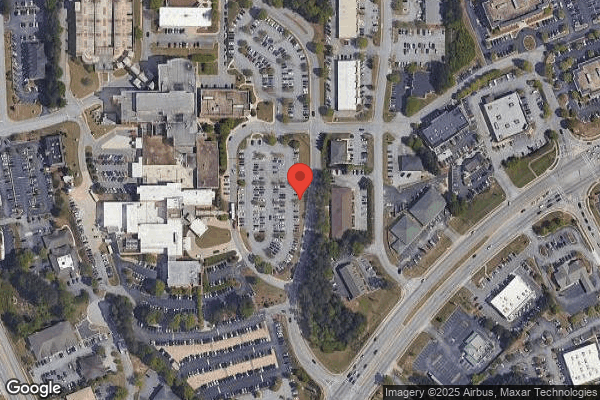
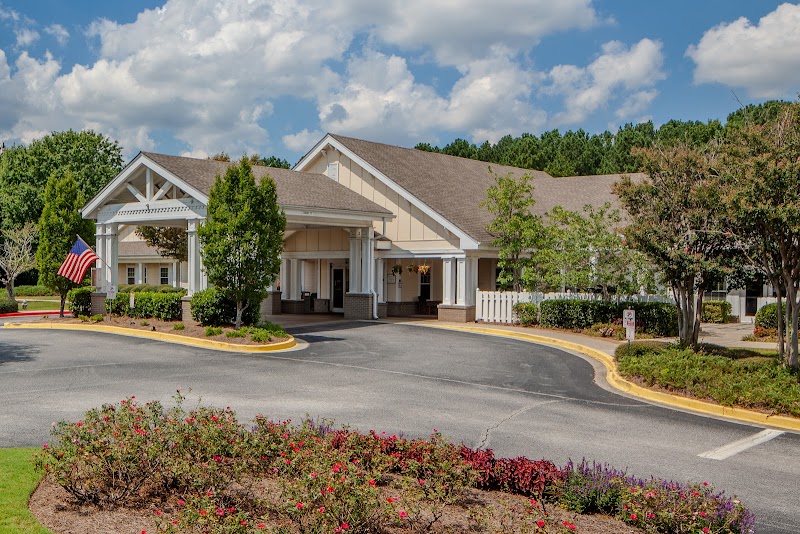
1050 HOSPITAL DRIVE, STOCKBRIDGE, GA 30281 (770) 507-3840
For profit - Limited Liability company 89 Beds PRUITTHEALTH Data: November 2025
Trust Grade
80/100
#91 of 353 in GA
Last Inspection: July 2025

Inspected within the last 6 months. Data reflects current conditions.

Overview

PruittHealth - Laurel Park, LLC has a Trust Grade of B+, which means it is above average and recommended for families considering options for their loved ones. It ranks #91 out of 353 nursing homes in Georgia, placing it in the top half of facilities in the state, and it is the best option out of two in Henry County. The facility is improving, with the number of identified issues decreasing from four in 2023 to three in 2025. Staffing is average with a 3/5 rating, but the turnover rate of 38% is better than the state average, suggesting a stable workforce, while the RN coverage is good, exceeding that of 77% of Georgia facilities. However, there are some concerns. The facility has received seven citations for potential harm, including failing to maintain a clean environment in several resident rooms and not adequately revising care plans for residents, which could lead to unmet care needs. Additionally, there was a noted failure to ensure effective communication for one resident, which could affect their independence and well-being. Overall, while the facility shows strengths in staffing stability and RN coverage, families should consider these weaknesses when making a decision.

Trust Score
B+
80/100
In Georgia
#91/353
Top 25%
Safety Record
Low Risk
No red flags
Inspections
Getting Better
4 → 3 violations
Staff Stability
○ Average
38% turnover. Near Georgia's 48% average. Typical for the industry.
Penalties
✓ Good
No fines on record. Clean compliance history, better than most Georgia facilities.
Skilled Nurses
○ Average
Each resident gets 39 minutes of Registered Nurse (RN) attention daily — about average for Georgia. RNs are the most trained staff who monitor for health changes.
Violations
○ Average
7 deficiencies on record. Average for a facility this size. Mostly minor or procedural issues.
★★★★☆
4.0
Overall Rating
★★★☆☆
3.0
Staff Levels
★★★☆☆
3.0
Care Quality
★★★★☆
4.0
Inspection Score
Stable
2023: 4 issues
2025: 3 issues

The Good

  • Full Sprinkler Coverage · Fire safety systems throughout facility
  • No fines on record
  • Staff turnover below average (38%)

    10 points below Georgia average of 48%

Facility shows strength in fire safety.

The Bad

Staff Turnover: 38%

Near Georgia avg (46%)

Typical for the industry

Chain: PRUITTHEALTH

Part of a multi-facility chain

Ask about local staffing decisions and management

The Ugly 7 deficiencies on record

Jul 2025 3 deficiencies
CONCERN (D) 📢 Someone Reported This

A family member, employee, or ombudsman was alarmed enough to file a formal complaint

Potential for Harm - no one hurt, but risky conditions existed

Deficiency F0657 (Tag F0657)

Could have caused harm · This affected 1 resident

**NOTE- TERMS IN BRACKETS HAVE BEEN EDITED TO PROTECT CONFIDENTIALITY** Based on staff interviews, record review, and review of the facility's policy titled, Care Plans, the facility failed to review ...

Read full inspector narrative →
**NOTE- TERMS IN BRACKETS HAVE BEEN EDITED TO PROTECT CONFIDENTIALITY** Based on staff interviews, record review, and review of the facility's policy titled, Care Plans, the facility failed to review and revise the comprehensive care plan for one of 62 sampled residents (R) (R12). This deficient practice had the potential to cause unmet care needs, isolation, and/or a decline in psychosocial well-being. Findings include:Review of the facility's policy titled Care Plans revised 7/27/2023, noted under admission Comprehensive Plan of Care: . The comprehensive person-centered care plan is developed to include measurable goals and timeframes to meet a patient/resident's medical, nursing and psychosocial needs, the services that are to be furnished to attain or maintain the resident's highest practicable physical, mental and psychosocial needs that are identified in the comprehensive assessment. Review of R12 quarterly Minimum Data Set (MDS) assessment dated [DATE] revealed a Brief Interview of Mental Status (BIMS) of 13, which indicates R12 was cognitively intact. Section B, Hearing, Speech, and Vison revealed R12 usually understood-difficulty communicating some words or finishing thoughts if prompted or given time, usually understands-misses some part/intent of message but comprehends most communication.Review of R12's care plan dated 11/9/2021 and 2/10/2022 indicated problems related to a language barrier, as the resident's primary language is Spanish, which impacted her ability to communicate with staff and fully participate in facility activities. Goals included ensuring the resident would be able to make her needs known and communicate with staff without difficulty, and that staff would continue to encourage her participation in preferred activities such as bingo, music, movies, and card games. Interventions included providing an interpreter daily as needed to assist with completion of activities of daily living (ADLs), using the interpreter line as needed during activities, contacting the resident's son if an interpreter was unavailable, and encouraging her continued participation and socialization with other residents. No changes made to R12's care plan regarding communication.Interview with MDS Coordinator II on 7/17/2025 at 4:15 pm revealed that R12's communication needs had not been reassessed or updated since admission. Although the MDS was completed quarterly and may trigger reviews for issues like pain, communication barriers were only addressed during the initial assessment and not routinely revisited unless staff reported concerns. MDS Coordinator II confirmed that no changes had been made to R12's care plan regarding communication despite her continued difficulty in effectively conveying her needs to staff.
CONCERN (D) 📢 Someone Reported This

A family member, employee, or ombudsman was alarmed enough to file a formal complaint

Potential for Harm - no one hurt, but risky conditions existed

Deficiency F0676 (Tag F0676)

Could have caused harm · This affected 1 resident

**NOTE- TERMS IN BRACKETS HAVE BEEN EDITED TO PROTECT CONFIDENTIALITY** Based on observations, staff and resident interviews, record review, and review of the facility's policy titled, Assistance for ...

Read full inspector narrative →
**NOTE- TERMS IN BRACKETS HAVE BEEN EDITED TO PROTECT CONFIDENTIALITY** Based on observations, staff and resident interviews, record review, and review of the facility's policy titled, Assistance for Resident with Communication/Language Barriers, the facility failed to ensure consistent, effective two-way communication for one of 62 sampled residents (R) (R12). This deficient practice had the potential to place the R12 at risk for unmet care needs, decreased independence, and potential decline in physical and psychosocial well-being. Findings include:Review of the facility's policy titled Assistance for Resident with Communication/Language Barriers revised 3/16/2023 noted under Procedure: 1. An assessment will be made by the RN/Interdisciplinary Team (IDT) to determine: The specific nature and degree of impairment, resources (persons and equipment) available to and utilized by the client, and present and possible future needs and problems. 2. When the services of qualified interpreters are needed, appropriate agencies will be contacted and utilized, and efforts will be made to help provide for the residents to obtain other aids, such as communication boards, bells, intercoms, etc. 3. The team members will be advised of any special needs the resident has, and the plan of care will be developed to meet these needs.Review of the electronic medical record (EMR) revealed R12 was admitted to the with pertinent diagnoses including but not limited to a primary diagnosis of chronic obstructive pulmonary disease (COPD), schizoaffective disorder, bipolar disorder, depression, anxiety disorder, difficulty in walking, generalized muscle weakness, dysphagia, pain-unspecified, asthma, and insomnia. R12 is of Hispanic, Latino/a, Spanish origin, and speaks and understands only Spanish.Review of R12 quarterly Minimum Data Set (MDS) assessment dated [DATE] revealed a Brief Interview of Mental Status (BIMS) score of 13, which indicates R12 was cognitively intact. Review of R12's care plan dated 11/9/2021 and 2/10/2022 indicated problems related to a language barrier, as the resident's primary language is Spanish, which impacted her ability to communicate with staff and fully participate in facility activities. Goals included ensuring the resident would be able to make her needs known and communicate with staff without difficulty, and that staff would continue to encourage her participation in preferred activities such as bingo, music, movies, and card games. Interventions included providing an interpreter daily as needed to assist with completion of activities of daily living (ADLs), using the interpreter line as needed during activities, contacting the resident's son if an interpreter was unavailable, and encouraging her continued participation and socialization with other residents.Review of progress notes dated 5/12/2025 through 7/14/2025 revealed no documentation that staff utilized the language line or contacted the resident's son to assist with two-way communication. Notes did not include evidence that the resident was provided with routine access to interpretation services to facilitate her ability to initiate communication, express needs, or participate fully in care discussions. Observation and interview on 7/16/2025 at 2:14 pm with R12 in the activity room while she was coloring. The interview was conducted in Spanish, as this Surveyor was fluent in Spanish and able to communicate directly with the resident. R12 stated she was unable to effectively communicate with facility staff, as they did not speak Spanish and she did not understand English. She reported that when she first arrived at the facility, staff occasionally used the Language Line, but it had not been used in a very long time, and she could not recall the last time interpretation services were offered. R12 shared she had been experiencing a recurring white film on her tongue that caused pain, which she brushed away each morning but it returned; she stated she had shown this to nursing staff, but did not believe her concern had been understood due to the language barrier. Additionally, she stated that staff did not make her bed and she had to do it herself, and expressed that she did not know how to communicate her needs or concerns to staff.Observation and interview on 7/17/2025 at 9:30 am R12 in her room revealed that she reported waking up with a white powder on her tongue and mentioned that she used to receive a liquid medication to treat this condition. When asked if she had informed nursing staff about it that morning, R12 confirmed that she had but stated that she did not know if they understood what she was trying to communicate since nothing had been done.Observation and interview on 7/17/2025 at 10:10 am with the Assistant Director of Nursing (ADON) in R12 room revealed that she relied primarily on interpreting the resident's gestures, such as pointing, to guess what the resident was trying to express. Although she mentioned the availability of the language line and contacting R12's son, these methods were not actively in use at the time. When the ADON accompanied the surveyor into R12's room and R12 attempted to explain her concerns about her tongue, the ADON admitted she could not understand what the resident was saying and would probably need to contact the language line or her son. She acknowledged that communication with R12 was difficult and could be better.Interview with the Activities Director (AD) on 7/16/2025 at 2:56 pm revealed a lack of consistent and reliable communication methods in place for R12. She stated she assumed the resident understood some English based on her nodding, without verifying the resident's actual comprehension. The language line was only used when communication became particularly difficult, rather than as a routine method. She also claimed that Registered Nurse (RN) CC translated for the resident; however, a follow-up interview with RN CC revealed he did not speak Spanish and did not provide interpretation for R12. Additionally, the AD admitted she had not recently participated in any care plan meetings for R12. Interview with RN CC on 7/16/2025 at 3:21 pm revealed that he did not speak Spanish and was not involved in translating for R12. He stated that he was Filipino and did not provide interpretation services for Spanish-speaking residents. Interview with RN BB on 7/16/2025 at 4:13 pm, who had been assigned to R12 for the past three days, revealed a lack of adequate measures to support two-way communication. RN BB confirmed that while the language line was available to her, she admitted there was no system in place to allow R12 to independently request its use. There was nothing posted in the resident's room or elsewhere to inform her of the option, and R12 was unable to initiate communication in English. When asked how R12 was expected to communicate her needs, RN BB acknowledged that communication was one-sided and conceded she had not considered the issue from the resident's perspective or recognized the extent of the barrier.Interview with the Director of Nursing (DON) on 7/17/2025 10:10 am confirmed that she had been made aware of R12's ongoing struggles to communicate with staff due to the language barrier. The DON acknowledged that R12 had attempted to report certain concerns but had difficulty conveying this to staff. The DON admitted that the facility had not implemented any tools or systems to support R12's ability to initiate communication, such as signage or a communication board. She stated that she would now begin preparing or purchasing a communication board and creating a sign that R12 could use to indicate when she needed the language line.
CONCERN (D) 📢 Someone Reported This

A family member, employee, or ombudsman was alarmed enough to file a formal complaint

Potential for Harm - no one hurt, but risky conditions existed

Infection Control (Tag F0880)

Could have caused harm · This affected 1 resident

**NOTE- TERMS IN BRACKETS HAVE BEEN EDITED TO PROTECT CONFIDENTIALITY** Based on observations, staff and resident representative interviews, record review, and review of the facility policies titled, ...

Read full inspector narrative →
**NOTE- TERMS IN BRACKETS HAVE BEEN EDITED TO PROTECT CONFIDENTIALITY** Based on observations, staff and resident representative interviews, record review, and review of the facility policies titled, Enhanced Barrier Precaution (EBP), the facility failed to implement appropriate infection prevention and control practices for one of 62 sampled residents (R) (R134). Specifically, the facility failed to ensure staff consistently used the required personal protective equipment (PPE) in accordance with EBP protocols, failed to follow proper perineal and catheter care techniques, and failed to use facility-specified products for these procedures. The deficient practices placed R134 at increased risk for infection, cross-contamination, and delayed wound healing.Findings include:Review of the facility's policy titled Enhanced Barrier Precautions (EBP) revised 5/27/2025 revealed under Procedure, section 1. Prompt recognition of need: a. All staff receive training on enhanced barrier precautions upon hire and at least annually and are expected to comply with all designated precautions. The policy further defines EBP as an infection control intervention designed to reduce transmission of multidrug-resistant organisms that employs targeted gown, and gloves use during high contact resident care activities. Under Procedure, section 2: EBP refers to an infection control intervention designed to reduce transmission of multi-resistant organisms that employs targeted gown and glove use during high contact resident care activities. 2. b. Any wound (e.g., chronic wounds such as but not limited to pressure ulcers, diabetic foot ulcers, unhealed surgical wounds, and chronic venous stasis ulcers) and/or indwelling medical devices (e.g., central lines, urinary catheters, feeding tubes, tracheostomy/ventilator tubes) even if the resident is not known to be infected or colonized with a multidrug-resistant organism.Review of the facility skills checkoff list titled Catheter Care-Foley Catheter and Bathing-Perineal Care Female both undated, revealed both procedures direct staff to use soap and water (cleansing agent and wet washcloth) rather than disposable wipes for perineal hygiene. Further review of the cleanse sections instructed staff to use a clean part of the washcloth for each stroke. Review of the electronic medical record (EMR) revealed R134 was recently hospitalized with severe sepsis from 7/7/2025 to 7/14/2025. Review of hospital records indicated that blood cultures revealed ESBL (Extended-Spectrum Beta-Lactamase) E. coli (Escherichia coli, bacteria that normally live in the intestines of healthy people) bacteremia (the presence of bacteria in your blood), with the likely source identified as a urinary tract infection. The resident was prescribed and receiving intravenous (IV) antibiotic therapy. R134 has pertinent diagnoses including, but not limited to, severe sepsis, acute kidney failure, stage 4 pressure ulcer of the sacral region, urinary tract infection, dysphagia, essential hypertension, morbid obesity, cerebral infarction, metabolic encephalopathy, depression, gastroesophageal reflux disease, and long-term use of antibiotics.Review of R134's annual Minimum Data Set (MDS) assessment dated [DATE] revealed the Brief Interview for Mental Status (BIMS) was not completed due to the resident's inability to communicate; staff assessment indicated a score of 0, which represents severe cognitive impairment. Section GG, Functional Status, revealed R134 required extensive assistance with two-person physical help for all activities of daily living (ADLs), including bed mobility, transfers, dressing, personal hygiene, and toileting. R134 remained in bed at all times and was non-ambulatory. Review of the Care Area Assessment (CAA) indicated R134 was identified with cognitive loss related to cerebrovascular accident, communication deficits due to difficulty being understood and expressing needs, impaired activities of daily living and mobility requiring total care, and the use of an indwelling urinary catheter due to a stage 4 sacral pressure ulcer.Review of R134's care plan dated 7/2/2025 indicated a problem related to infection risk due to impaired mobility, presence of an indwelling urinary catheter, and dependence on staff for personal hygiene and toileting. Goals included, but were not limited to, ensuring R134 remained free from signs and symptoms of urinary tract infections and that catheter care would be managed appropriately. Interventions included, but were not limited to, providing catheter care as needed, assessing catheter drainage every shift for color, odor, and leakage, reporting signs of infection such as fever or foul-smelling urine, and assisting the resident with bathing, perineal hygiene, and repositioning to support skin integrity and prevent infection.Review of the Physician's Orders for R134 included but was not limited to: Order dated 6/26/2025 for indwelling urinary catheter care every shift and as needed, including assessment for leakage, dislodgement, obstruction, and monitoring urine characteristics to identify potential infection. Order dated 6/26/2025 to monitor and record intake and output, and to note if a urine specimen is sent to the lab for analysis. Order dated 6/26/2025 to change Foley catheter monthly and as needed per facility protocol. Order dated 7/14/2025 for meropenem 1 gram IV every 8 hours for 5 days, indicating treatment for a current or suspected infection. Order dated 9/14/2024 for Enhanced Barrier Precautions due to gastric tube and sacral ulcer, every shift. Order dated 7/15/2025 for wound care treatments to multiple areas including sacral wound, using antimicrobial dressings such as calcium alginate with silver, with dressing changes ordered multiple times per week and daily condition checks.Observation on 7/15/2025 at 12:59 pm of R134 revealed R134 was not interview able and laying in bed receiving enteral nutrition (also called tube feeding, is a way of providing nutrition directly into the gastrointestinal (GI) tract through an enteral access device (feeding tube) that is placed with its tip in the stomach or small intestine). R134 appeared clinically vulnerable, with documented Stage 4 pressure ulcer. Recent hospitalization from 7/7/2025 to 7/14/2025 for severe sepsis and was receiving IV antibiotic therapy. Interview on 7/17/2025 at 10:40 am with R134's representative revealed concern about her mother's recent hospitalization for sepsis and pneumonia and limited communication from the facility regarding her condition and infection management.Observation on 7/17/2025 at 11:00 am revealed that Certified Nursing Assistants (CNAs) GG and HH provided perineal (the space between the anus and the genitals) and catheter care to R134 without adhering to required Enhanced Barrier Precautions (EBP). Despite signage indicating EBP, both CNAs entered the resident's room without donning (putting on) gowns while delivering direct care to a resident with an active stage 4 pressure ulcer. During the procedure, CNA GG used wet (water) wipes in place of soap and water, contrary to facility protocol. CNA HH was observed using the same wipe for multiple cleansing strokes to the buttocks, increasing the risk of cross-contamination. Additionally, the same incontinence brief was reapplied after care was completed, rather than replacing it with a clean one.Interview with CNA HH on 7/16/2025 at 11:16 am acknowledged she did not wear the required gown while providing care to R134.Interview with CNA GG on 7/16/2025 at 11:22 am admitted she also failed to wear a gown, citing lack of accessible PPE near the R134's room.Interview on 7/16/2025 at 11:43 am with the Registered Nurse Clinical Competency Coordinator (RN CCC) revealed she was still in the process of developing a structured training program.Interview on 7/16/2025 at 11:43 am with the Director of Nursing (DON) confirmed that staff were required to wear gowns for residents on EBP. She acknowledged the nearest PPE cart was across the hallway and verified that facility protocol required the use of soap and water, not wipes, for catheter care.Findings include:Review of the facility's policy titled Enhanced Barrier Precautions (EBP) revised 5/27/2025 revealed under Procedure, section 1. Prompt recognition of need: a. All staff receive training on enhanced barrier precautions upon hire and at least annually and are expected to comply with all designated precautions. The policy further defines EBP as an infection control intervention designed to reduce transmission of multidrug-resistant organisms that employs targeted gown, and gloves use during high contact resident care activities. Under Procedure, section 2: EBP refers to an infection control intervention designed to reduce transmission of multi-resistant organisms that employs targeted gown and glove use during high contact resident care activities. 2. b. Any wound (e.g., chronic wounds such as but not limited to pressure ulcers, diabetic foot ulcers, unhealed surgical wounds, and chronic venous stasis ulcers) and/or indwelling medical devices (e.g., central lines, urinary catheters, feeding tubes, tracheostomy/ventilator tubes) even if the resident is not known to be infected or colonized with a multidrug-resistant organism.Review of the facility skills checkoff list titled Catheter Care-Foley Catheter and Bathing-Perineal Care Female both undated, revealed both procedures direct staff to use soap and water (cleansing agent and wet washcloth) rather than disposable wipes for perineal hygiene. Further review of the cleanse sections instructed staff to use a clean part of the washcloth for each stroke.Review of the electronic medical record (EMR) revealed R134 was recently hospitalized with severe sepsis from 7/7/2025 to 7/14/2025. Review of hospital records indicated that blood cultures revealed ESBL (Extended-Spectrum Beta-Lactamase) E. coli (Escherichia coli, bacteria that normally live in the intestines of healthy people) bacteremia (the presence of bacteria in your blood), with the likely source identified as a urinary tract infection. The resident was prescribed and receiving intravenous (IV) antibiotic therapy. R134 has pertinent diagnoses including, but not limited to, severe sepsis, acute kidney failure, stage 4 pressure ulcer of the sacral region, urinary tract infection, dysphagia, essential hypertension, morbid obesity, cerebral infarction, metabolic encephalopathy, depression, gastroesophageal reflux disease, and long-term use of antibiotics.Review of R134's annual Minimum Data Set (MDS) assessment dated [DATE] revealed the Brief Interview for Mental Status (BIMS) was not completed due to the resident's inability to communicate; staff assessment indicated a score of 0, which represents severe cognitive impairment. Section GG, Functional Status, revealed R134 required extensive assistance with two-person physical help for all activities of daily living (ADLs), including bed mobility, transfers, dressing, personal hygiene, and toileting. R134 remained in bed at all times and was non-ambulatory. Review of the Care Area Assessment (CAA) indicated R134 was identified with cognitive loss related to cerebrovascular accident, communication deficits due to difficulty being understood and expressing needs, impaired activities of daily living and mobility requiring total care, and the use of an indwelling urinary catheter due to a stage 4 sacral pressure ulcer.Review of R134's care plan dated 7/2/2025 indicated a problem related to infection risk due to impaired mobility, presence of an indwelling urinary catheter, and dependence on staff for personal hygiene and toileting. Goals included, but were not limited to, ensuring R134 remained free from signs and symptoms of urinary tract infections and that catheter care would be managed appropriately. Interventions included, but were not limited to, providing catheter care as needed, assessing catheter drainage every shift for color, odor, and leakage, reporting signs of infection such as fever or foul-smelling urine, and assisting the resident with bathing, perineal hygiene, and repositioning to support skin integrity and prevent infection.Review of the Physician's Orders for R134 included but was not limited to: Order dated 6/26/2025 for indwelling urinary catheter care every shift and as needed, including assessment for leakage, dislodgement, obstruction, and monitoring urine characteristics to identify potential infection. Order dated 6/26/2025 to monitor and record intake and output, and to note if a urine specimen is sent to the lab for analysis. Order dated 6/26/2025 to change Foley catheter monthly and as needed per facility protocol. Order dated 7/14/2025 for meropenem 1 gram IV every 8 hours for 5 days, indicating treatment for a current or suspected infection. Order dated 9/14/2024 for Enhanced Barrier Precautions due to gastric tube and sacral ulcer, every shift. Order dated 7/15/2025 for wound care treatments to multiple areas including sacral wound, using antimicrobial dressings such as calcium alginate with silver, with dressing changes ordered multiple times per week and daily condition checks.Observation on 7/15/2025 at 12:59 pm of R134 revealed R134 was not interview able and laying in bed receiving enteral nutrition (also called tube feeding, is a way of providing nutrition directly into the gastrointestinal (GI) tract through an enteral access device (feeding tube) that is placed with its tip in the stomach or small intestine). R134 appeared clinically vulnerable, with documented Stage 4 pressure ulcer. Recent hospitalization from 7/7/2025 to 7/14/2025 for severe sepsis and was receiving IV antibiotic therapy.Interview on 7/17/2025 at 10:40 am with R134's representative revealed concern about her mother's recent hospitalization for sepsis and pneumonia and limited communication from the facility regarding her condition and infection management.Observation on 7/17/2025 at 11:00 am revealed that Certified Nursing Assistants (CNAs) GG and HH provided perineal (the space between the anus and the genitals) and catheter care to R134 without adhering to required Enhanced Barrier Precautions (EBP). Despite signage indicating EBP, both CNAs entered the resident's room without donning (putting on) gowns while delivering direct care to a resident with an active stage 4 pressure ulcer. During the procedure, CNA GG used wet (water) wipes in place of soap and water, contrary to facility protocol. CNA HH was observed using the same wipe for multiple cleansing strokes to the buttocks, increasing the risk of cross-contamination. Additionally, the same incontinence brief was reapplied after care was completed, rather than replacing it with a clean one.Interview with CNA HH on 7/16/2025 at 11:16 am acknowledged she did not wear the required gown while providing care to R134.Interview with CNA GG on 7/16/2025 at 11:22 am admitted she also failed to wear a gown, citing lack of accessible PPE near the R134's room.Interview on 7/16/2025 at 11:43 am with the Registered Nurse Clinical Competency Coordinator (RN CCC) revealed she was still in the process of developing a structured training program.Interview on 7/16/2025 at 11:43 am with the Director of Nursing (DON) confirmed that staff were required to wear gowns for residents on EBP. She acknowledged the nearest PPE cart was across the hallway and verified that facility protocol required the use of soap and water, not wipes, for catheter care.
Nov 2023 4 deficiencies
CONCERN (D)

Potential for Harm - no one hurt, but risky conditions existed

Comprehensive Care Plan (Tag F0656)

Could have caused harm · This affected 1 resident

Deficiency Text Not Available

Read full inspector narrative →
Deficiency Text Not Available
CONCERN (D)

Potential for Harm - no one hurt, but risky conditions existed

Respiratory Care (Tag F0695)

Could have caused harm · This affected 1 resident

**NOTE- TERMS IN BRACKETS HAVE BEEN EDITED TO PROTECT CONFIDENTIALITY** Based on observation, resident and staff interviews, record review, and review of the facility policy titled, Oxygen (O2) Admini...

Read full inspector narrative →
**NOTE- TERMS IN BRACKETS HAVE BEEN EDITED TO PROTECT CONFIDENTIALITY** Based on observation, resident and staff interviews, record review, and review of the facility policy titled, Oxygen (O2) Administration, the facility failed to ensure physician's orders were followed correctly for continuous O2 for one of 16 sampled residents (R) (R30). Findings include: Review of the policy titled Oxygen Administration revised 8/2/2023 revealed the policy's Procedure: 1. Oxygen will be administered by licensed personnel only when ordered by the physician, PA [physician's assistant], or NP [nurse practitioner]. The physician order may be written Pro Re Nata (PRN) or as needed for comfort, or it may specify the number of liters, method of administration and the length of time the oxygen is to be administered. 2. The use of oxygen will be based on the resident's clinical condition, comfort level, and the resident's and/or family's desire for oxygen therapy. 3. A licensed nurse or Respiratory Therapist will assess the resident's respiratory status. Review of the medical record for R30 revealed diagnoses including acute respiratory failure with hypoxia, paroxysmal atrial fibrillation, transient ischemia attacks (TIA), and congestive heart failure (CHF). Review of R30's quarterly Minimum Data Set (MDS) dated [DATE] revealed: section C indicated the Brief Interview for Mental Status (BIMS) score was 13, indicating no cognitive deficit for R30; section GG indicated required substantial maximum assistance with one or two persons with activities of daily living (ADL); section O indicated resident received O2 prior to his admission and since his admission to the facility. Review of R30's care plan dated 12/1/2022 revealed R30 had an ineffective airway clearance related to atrial fibrillation, history of O2 use and current use of O2 at 2 Liters Per Minute (LPM) via nasal cannula (NC). Review of the physician's order revealed an order dated 10/12/2022: Oxygen at 2 LPM via NC to keep O2 Sats [saturation] > [greater] than 92% every shift day, night. Change respiratory circuit supplies weekly once a day on Monday nights. Pulse oximeter check PRN to obtain oxygen saturation rate. Observation and interview 11/1/2023 at 11:45 am revealed R30 sitting up in a wheelchair in his room watching TV. When asked about his sleep last night he nodded his head yes, it was good. R30 asked to change the channel on his television. I informed the nursing staff of R30's request. Observation of the O2 concentrator [machine that converts room air into oxygen] with humidifier bottle revealed no date or label was noted on the O2 tubing or humidifier bottle. The flow meter on the O2 concentrator was set between 2.5 and 3 LPM. The physician's order revealed an order for 2 LPM O2 by NC. Observation 11/2/2023 at 10:15 am revealed R30 sitting up in the chair awake and alert watching TV. O2 through NC was set at 1.5 LPM. Interview 11/2/2023 at 5:30 pm with Registered Nurse (RN) AA revealed the 10/12/2022 O2 order was for 2 LPM through NC as listed on the Medication Administration Record (MAR) 11/2/2023. R30's O2 tubing was off and laying on the bedside table. O2 was ordered continuously day and night, every shift. The nurse replaced the tubing on R30. The flow meter was set at 1.5 LPM and not 2 LPM as verified by RN AA. She had to squat down to eye level to read the dosage set on the flow meter. The nurse confirmed that the doctor's order for O2 was written for 2 LPM continuously and not 1.5 LPM as set on the flow meter of the O2 concentrator. Interview 11/2/2023 at 6:00 pm with the DON revealed that the O2 flow was off because the nurse read it in error. She stated the nurse tried to read the flow meter from a standing position looking downward on the ball, which gives a false reading. She stated the nurse should squat down at eye level and read the flow meter directly from the front view which will give an accurate reading and location of where the ball is. She stated that she would educate staff immediately on the correct position to read the O2 flow meter, and the correct position of the ball on the flow meter. She stated going forward it was the expectation that the nurses will follow the policies that are in place for O2 settings and administration of O2.
CONCERN (D)

Potential for Harm - no one hurt, but risky conditions existed

Deficiency F0744 (Tag F0744)

Could have caused harm · This affected 1 resident

Deficiency Text Not Available

Read full inspector narrative →
Deficiency Text Not Available
CONCERN (E)

Potential for Harm - no one hurt, but risky conditions existed

Safe Environment (Tag F0584)

Could have caused harm · This affected multiple residents

**NOTE- TERMS IN BRACKETS HAVE BEEN EDITED TO PROTECT CONFIDENTIALITY** Based on observations, staff interviews, record review, and review of the facility policy titled, Discharge and Monthly Deep Cle...

Read full inspector narrative →
**NOTE- TERMS IN BRACKETS HAVE BEEN EDITED TO PROTECT CONFIDENTIALITY** Based on observations, staff interviews, record review, and review of the facility policy titled, Discharge and Monthly Deep Cleaning of the Resident Room, the facility failed to maintain a clean, homelike environment related to dirty packaged terminal air conditioner (PTAC) grills, dusty bathroom air vents, and ill-fitting or missing toilet tank lids in four of 15 rooms (room [ROOM NUMBER], room [ROOM NUMBER], room [ROOM NUMBER], and room [ROOM NUMBER]) observed. Findings include: Review of the facility policy titled, Discharge and Monthly Deep Cleaning of the Resident Room, original date October 2020 revealed the following: Procedure: 1. Before beginning the deep/discharge clean, confirm with the Maintenance Director and Housekeeping Supervisor that all Maintenance and Floor Care needs (patch/paint, ceiling tiles, leaky faucets, PTAC units/coils, buffing, scrub/topcoat, strip/topcoat, etc.) have been addressed. 8. Clean and dust A/C [air conditioning] grills and returns in ceiling (daily cleaning and monthly deep cleaning/discharge cleaning) Observations of the 100 Hall on 10/31/2023 revealed the following: 10/31/2023 at 12:16 pm: room [ROOM NUMBER]-dirty PTAC front grill, dusty bathroom air vent, toilet tank cover did not fit. 10/31/2023 at 2:41 pm: room [ROOM NUMBER]-no toilet tank cover; dusty bathroom air vents. 10/31/2023 at 2:53 pm: room [ROOM NUMBER]-dirty PTAC front grill, dusty bathroom air vent, toilet tank cover did not fit. 10/31/2023 at 5:19 pm: room [ROOM NUMBER]-dusty bathroom air vents. Observations of rooms 104, 105, 110, and 112 on 11/1/2023 beginning at 3:45 pm revealed the room conditions had not changed. Interview on 11/1/2023 at 4:30 pm with Housekeeping Aide (HA) BB, he stated he mostly was responsible for cleaning floors and only occasionally cleaned resident rooms; however, he confirmed the bathroom air vent cleaning was the responsibility of the housekeeping staff, but he was not sure about the PTAC front grills. He stated the toilet tank covers were a maintenance task. Observation and interview on 11/02/2023 at 6:08 pm with the Housekeeping Supervisor, he confirmed the observations of dusty bathroom air vents (rooms 104, 105, 110, 112), dirty PTAC front grills (rooms 105, 112), and ill-fitting toilet tank covers (rooms 105, 110, 112). He stated the PTAC front grills and toilet tank covers were tasks for Maintenance, but they have not had a director or supervisor since 10/4/2023. He stated the bathroom air vents should be dusted at least every 30 days on the outside, but Maintenance would have to vacuum inside the air vents when needed. He confirmed the air vents likely had not been dusted for at least 30 days, but he had no documentation to determine the last time the air vents were dusted. Review of the building management platform for senior living electronic logbook documentation revealed PTAC air filters were cleaned on 10/27/2023. There was no documentation related to cleaning the PTAC grills. Interview on 11/2/2023 at 6:09 pm with the Administrator, she stated she was not aware of the housekeeping and maintenance concerns, but the new Maintenance Director would be starting next week.
Understanding Severity Codes (click to expand)
Life-Threatening (Immediate Jeopardy)
J - Isolated K - Pattern L - Widespread
Actual Harm
G - Isolated H - Pattern I - Widespread
Potential for Harm
D - Isolated E - Pattern F - Widespread
No Harm (Minor)
A - Isolated B - Pattern C - Widespread

Questions to Ask on Your Visit

  • "Can I speak with families of current residents?"
  • "What's your RN coverage like on weekends and overnight?"

Our Honest Assessment

Strengths
  • • Grade B+ (80/100). Above average facility, better than most options in Georgia.
  • • No major safety red flags. No abuse findings, life-threatening violations, or SFF status.
  • • No fines on record. Clean compliance history, better than most Georgia facilities.
  • • 38% turnover. Below Georgia's 48% average. Good staff retention means consistent care.
Concerns
  • • No significant concerns identified. This facility shows no red flags across CMS ratings, staff turnover, or federal penalties.
Bottom line: Generally positive indicators. Standard due diligence and a personal visit recommended.

About This Facility

What is Pruitthealth - Laurel Park, Llc's CMS Rating?

CMS assigns PRUITTHEALTH - LAUREL PARK, LLC an overall rating of 4 out of 5 stars, which is considered above average nationally. Within Georgia, this rating places the facility higher than 99% of the state's 100 nursing homes. This rating reflects solid performance across the metrics CMS uses to evaluate nursing home quality.
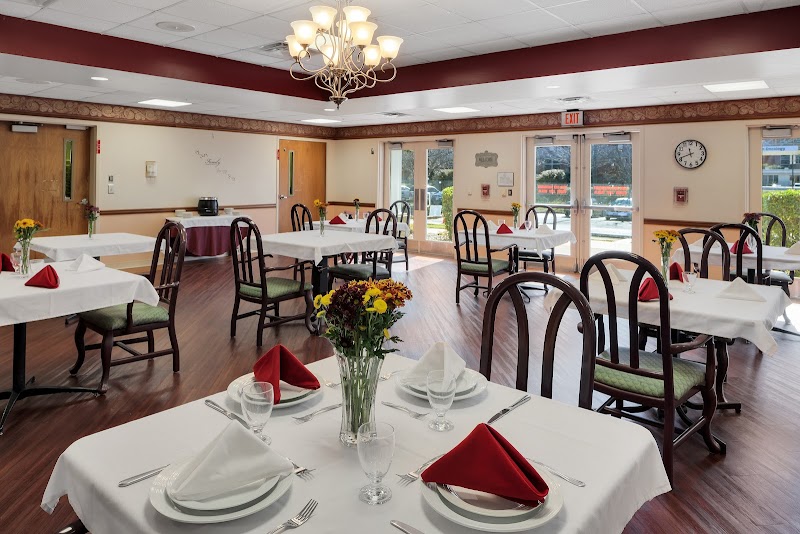
How is Pruitthealth - Laurel Park, Llc Staffed?

CMS rates PRUITTHEALTH - LAUREL PARK, LLC's staffing level at 3 out of 5 stars, which is average compared to other nursing homes. Staff turnover is 38%, compared to the Georgia average of 46%. This relatively stable workforce can support continuity of care.

What Have Inspectors Found at Pruitthealth - Laurel Park, Llc?

State health inspectors documented 7 deficiencies at PRUITTHEALTH - LAUREL PARK, LLC during 2023 to 2025. These included: 7 with potential for harm.
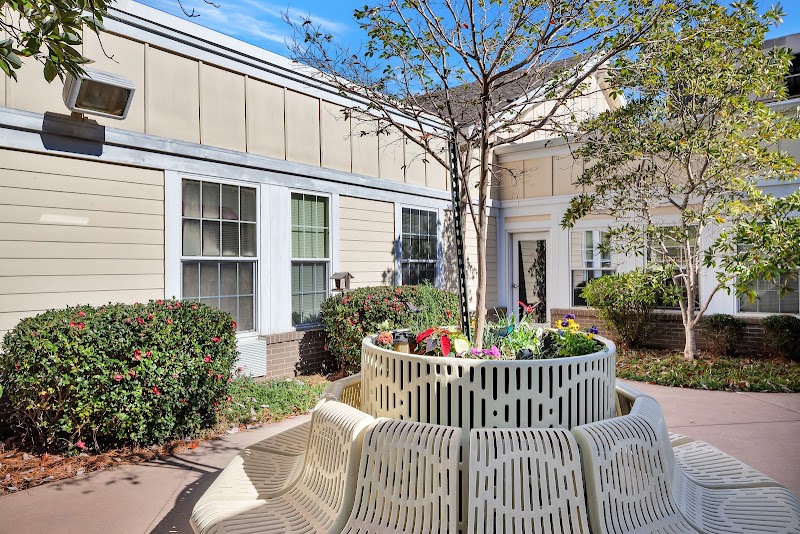
Who Owns and Operates Pruitthealth - Laurel Park, Llc?

PRUITTHEALTH - LAUREL PARK, LLC is owned by a for-profit company. For-profit facilities operate as businesses with obligations to shareholders or private owners. The facility is operated by PRUITTHEALTH, a chain that manages multiple nursing homes. With 89 certified beds and approximately 85 residents (about 96% occupancy), it is a smaller facility located in STOCKBRIDGE, Georgia.
How Does Pruitthealth - Laurel Park, Llc Compare to Other Georgia Nursing Homes?

Compared to the 100 nursing homes in Georgia, PRUITTHEALTH - LAUREL PARK, LLC's overall rating (4 stars) is above the state average of 2.6, staff turnover (38%) is near the state average of 46%, and health inspection rating (4 stars) is above the national benchmark.

What Should Families Ask When Visiting Pruitthealth - Laurel Park, Llc?

Based on this facility's data, families visiting should ask: "Can I visit during a mealtime to observe dining assistance and food quality?" "How do you handle medical emergencies, and what is your hospital transfer rate?" "Can I speak with family members of current residents about their experience?"

Is Pruitthealth - Laurel Park, Llc Safe?

Based on CMS inspection data, PRUITTHEALTH - LAUREL PARK, LLC has a clean safety record: no substantiated abuse findings (meaning no confirmed cases of resident harm), no Immediate Jeopardy citations (the most serious violation level indicating risk of serious injury or death), and is not on the Special Focus Facility watch list (a federal program monitoring the lowest-performing 1% of nursing homes). The facility has a 4-star overall rating and ranks #1 of 100 nursing homes in Georgia. While no facility is perfect, families should still ask about staff-to-resident ratios and recent inspection results during their visit.

Do Nurses at Pruitthealth - Laurel Park, Llc Stick Around?

PRUITTHEALTH - LAUREL PARK, LLC has a staff turnover rate of 38%, which is about average for Georgia nursing homes (state average: 46%). Moderate turnover is common in nursing homes, but families should still ask about staff tenure and how the facility maintains care continuity when employees leave.

Was Pruitthealth - Laurel Park, Llc Ever Fined?

PRUITTHEALTH - LAUREL PARK, LLC has no federal fines on record. CMS issues fines when nursing homes fail to meet care standards or don't correct problems found during inspections. The absence of fines suggests the facility has either maintained compliance or corrected any issues before penalties were assessed. This is a positive indicator, though families should still review recent inspection reports for the full picture.

Is Pruitthealth - Laurel Park, Llc on Any Federal Watch List?

PRUITTHEALTH - LAUREL PARK, LLC is not on any federal watch list. The most significant is the Special Focus Facility (SFF) program, which identifies the bottom 1% of nursing homes nationally based on persistent, serious quality problems. Not being on this list means the facility has avoided the pattern of deficiencies that triggers enhanced federal oversight. This is a positive indicator, though families should still review the facility's inspection history directly.