STONE MOUNTAIN RUN OF JOURNEY LLC
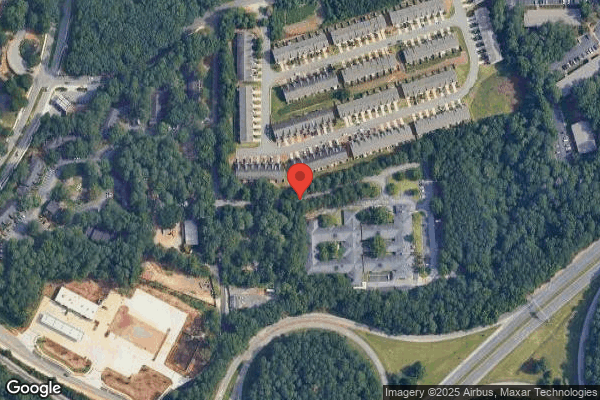
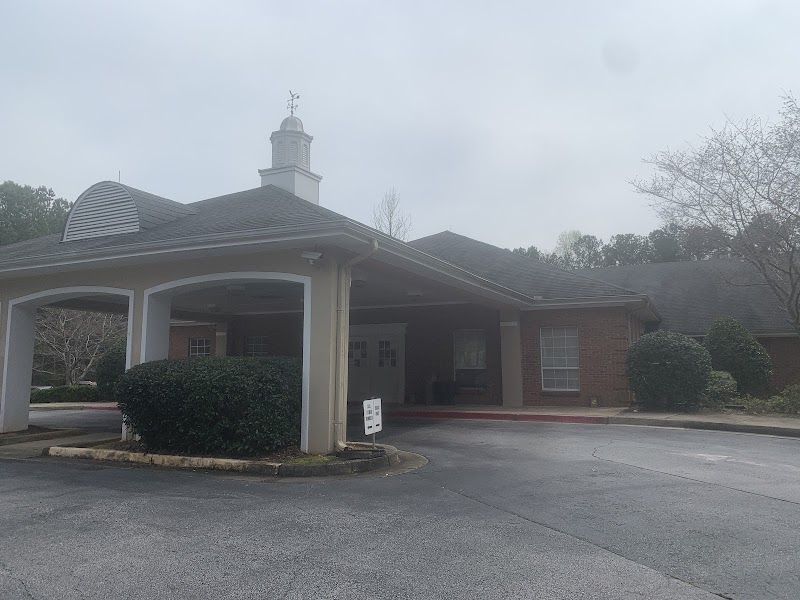
5160 SPRING VIEW AVENUE, STONE MOUNTAIN, GA 30083 (770) 498-4144
For profit - Limited Liability company 149 Beds JOURNEY HEALTHCARE Data: November 2025
Trust Grade
70/100
#168 of 353 in GA
Last Inspection: March 2025

Within standard 12-15 month inspection cycle. Federal law requires annual inspections.

Overview

Stone Mountain Run of Journey LLC has a Trust Grade of B, indicating it is a good facility and a solid choice for families. It ranks #168 out of 353 nursing homes in Georgia, placing it in the top half, and #8 out of 18 in DeKalb County, meaning only seven local options are better. However, the facility is currently worsening, with issues increasing from 1 in 2023 to 4 in 2025. Staffing is a weakness, receiving only 1 out of 5 stars, but it has an impressive turnover rate of 0%, which is well below the state average of 47%. Notably, there have been no fines, which is a positive sign, but there have been several concerning incidents, such as staff not covering their hair while preparing food and a high medication error rate of 22.86%, indicating a need for improvement in medication administration practices.

Trust Score
B
70/100
In Georgia
#168/353
Top 47%
Safety Record
Low Risk
No red flags
Inspections
Getting Worse
1 → 4 violations
Staff Stability
○ Average
Turnover data not reported for this facility.
Penalties
✓ Good
No fines on record. Clean compliance history, better than most Georgia facilities.
Skilled Nurses
○ Average
RN staffing data not reported for this facility.
Violations
⚠ Watch
12 deficiencies on record. Higher than average. Multiple issues found across inspections.
★★★☆☆
3.0
Overall Rating
★☆☆☆☆
1.0
Staff Levels
☆☆☆☆☆
0.0
Care Quality
★★★★☆
4.0
Inspection Score
Stable
2023: 1 issues
2025: 4 issues

The Good

  • Full Sprinkler Coverage · Fire safety systems throughout facility
  • No fines on record

Facility shows strength in fire safety.

The Bad

3-Star Overall Rating

Near Georgia average (2.6)

Meets federal standards, typical of most facilities

Chain: JOURNEY HEALTHCARE

Part of a multi-facility chain

Ask about local staffing decisions and management

The Ugly 12 deficiencies on record

Mar 2025 4 deficiencies
CONCERN (D)

Potential for Harm - no one hurt, but risky conditions existed

Deficiency F0554 (Tag F0554)

Could have caused harm · This affected 1 resident

**NOTE- TERMS IN BRACKETS HAVE BEEN EDITED TO PROTECT CONFIDENTIALITY** Based on observation, record review, interviews, and policy review, the facility failed to determine if one of one resident (Res...

Read full inspector narrative →
**NOTE- TERMS IN BRACKETS HAVE BEEN EDITED TO PROTECT CONFIDENTIALITY** Based on observation, record review, interviews, and policy review, the facility failed to determine if one of one resident (Resident (R) 33) was assessed as clinically appropriate to self-administer medications out of 41 sampled residents. The failure of the facility to leave medications at the bedside unattended prior to an assessment, created the potential that if R33 did not take the medication, the physician and nurses would not be aware. Findings include: Review of the facility's policy dated 02/01/24 and titled, Resident Self Administration of Medication revealed It is the policy of this facility to support each resident's right to self-administer medication. A resident may only self-administer medications after the facility's interdisciplinary team has determined which medications may be self-administered safely .Each resident is offered the opportunity to self-administer medication during the routine assessment by the facility's interdisciplinary team. Review of R33's electronic medical record (EMR) admission Record located under the Profile tab revealed the resident was admitted to the facility on [DATE]. R33 had a diagnosis that included major depressive disorder, schizoaffective disorder, and generalized anxiety disorder. Review of R33's EMR quarterly Minimum Data Set (MDS) with an Assessment Reference Date (ARD) of 01/01/25 indicated the resident had a Brief Interview for Mental Status (BIMS) score of four out of 15 which revealed the resident was severely cognitively impaired. The assessment did identify the resident had a depression, anxiety, psychotic, and schizophrenia diagnoses. Review of R33's EMR Administration Record revealed R33 received Lactulose Encephalopathy Oral Solution 10GM (gram)/15ML (milliliters) (Lactulose (Encephalopathy)) Give 30 ml by mouth every morning and at bedtime for Encephalopathy -Start Date- 09/01/2023 Review of R33's EMR revealed no assessments were conducted related to self-administration of medications. During an observation on 03/17/25 at 10:35 AM, R33 was sitting up on her bed. She was eating breakfast. To the left side of her plate she had a small medication cup, filled with a yellowish liquid. She stated she did not know what the liquid was but she stated she took it every morning and evening. The Director of Nursing (DON) entered the room and stated she did not know what the medication was and asked R33 if she could take it away. R33 started screaming at her and told her not to take it. During an interview on 03/17/25 at 11:16 AM, the DON stated she was not sure if the facility had completed a medication self-administration assessment. During an interview on 03/19/25 at 2:06 PM, Licensed Practical Nurse (LPN) 3 and Unit Manager (UM) both stated they had received education related to not leaving mediations at the bedside unless the resident has had a self-administration assessment. During an interview on 03/20/25 at 1:03 PM, the DON stated medications should not be left at any residents' bedside unless a self-administration assessment had been completed. She stated an assessment had been completed for R33 and she was not capable of self-administration.
CONCERN (D)

Potential for Harm - no one hurt, but risky conditions existed

Report Alleged Abuse (Tag F0609)

Could have caused harm · This affected 1 resident

**NOTE- TERMS IN BRACKETS HAVE BEEN EDITED TO PROTECT CONFIDENTIALITY** Based on interview, record review, and policy review, the facility failed to ensure facility staff reported an allegation of pot...

Read full inspector narrative →
**NOTE- TERMS IN BRACKETS HAVE BEEN EDITED TO PROTECT CONFIDENTIALITY** Based on interview, record review, and policy review, the facility failed to ensure facility staff reported an allegation of potential sexual abuse for one out of seven residents (Resident (R) 103 against R113) immediately to the Administrator who was the abuse coordinator for the facility. This had the potential to delay the investigation conducted by the facility to determine whether abuse occurred or not. Findings include: Review of a facility policy titled Abuse, Neglect and Exploitation dated 11/01/24 indicated .It is the policy of this facility to provide protection for the health, welfare and rights of each resident by developing and implementing written policies and procedures that prohibit and prevent abuse, neglect, exploitation and misappropriation of resident properly.Reporting of all alleged violations to the Administrator, state agency, adult protection services and to all other required agencies (e.g. law enforcement when applicable) within specified timeframes.Immediately, but not later than 2 hours after the allegation is made, if the events that cause the allegation involve abuse or result in serious bodily injury. Review of R103's electronic medical record titled admission Record located under the Profile tab indicated the resident was admitted to the facility on [DATE]. Review of R103's EMR titled quarterly Minimum Data Set with an Assessment Reference Date of 06/06/24 indicated the resident had a Brief Interview for Mental Status (BIMS) score of seven out of 15 which revealed the resident was severely cognitively impaired. The assessment indicated the resident had no previous behaviors directed towards others. Review of R103's EMR titled Health Status Note located under the Prog (Progress) Note tab dated 08/18/24 at 10:38 PM, indicated a nurse approached R103 and informed the resident that R113 had alleged R103 went to R113's bed and asked her for sex. The progress note indicated R103 denied the allegation. Review of R103's EMR titled Care Plan located under the Care Plan tab dated 08/20/24 indicated the resident was hypersexual at times and would pleasure herself. The goals of the care plan were to administer the resident's medications as physician ordered and to attempt to redirect her. There was no additional evidence of R103 acting out sexually after medical intervention. Review of R113's EMR titled admission Record located under the Profile tab indicated the resident was admitted to the facility on [DATE]. Review of R113's EMR titled admission MDS with an ARD of 08/05/24 indicated the resident had a BIMS score of eight out of 15 which revealed the resident was moderately cognitively impaired. Review of R113's EMR titled Health Status Note located under the Prog Note dated 08/18/24 which revealed R113 approached the charge nurse and informed the nurse that her roommate R103 asked her to have sex with her. R113 denied being scared and the nurse moved R103 to another room. Review of R113's EMR titled Care Plan located under the Care Plan tab dated 10/03/24 indicated the resident had a history of confabulation about things with staff and other residents. Review of a document provided by the facility titled Final Report with Investigation on Incident Report, dated 08/23/24, indicated the incident occurred on 08/19/24. The author of the document was the Administrator who was the facility's abuse coordinator and stated that she was notified on 08/19/24 at 10:00 AM that R113 alleged R103 wanted to have sex with her. There was evidence that the State Survey Agency (SSA) was notified at this time. During the investigation, R113 was interviewed and claimed R103 touched her breast and then, her buttocks. R113 stated she initially thought that this was an accident but then R103 came over to her side of the room, touched her breast and asked her for sex. The investigation indicated R113 voiced that she was upset and did not support those behaviors. The facility then interviewed R103 who denied the allegation. During an interview on 03/18/25 at 2:48 PM R113 stated she felt safe and has never been asked by another resident to have sex with her. During an interview on 03/20/25 at 9:21 AM, the Director of Nursing (DON) stated the allegation that R113 made against R103 should have been reported immediately. During an interview on 03/20/25 at 2:54 PM, the Administrator stated after the allegation was made a room change was made to make sure the residents felt comfortable. During an interview on 03/20/25 at 12:38 PM the Administrator, [NAME] President of Clinical Operations and the DON were present. The Administrator was asked why the delay in reporting to the SSA, and she stated that R113 claimed that she was asked by R103 to have sex and it was not until the next day that the allegation was reported to her then R113's story changed. The Administrator stated she would not report based on a statement made by R113 when R103 asked for sex. The Administrator stated the story changed from R113 and this was when she then alleged R103 had touched her and that was when the resident-to-resident was reported to the SSA.
CONCERN (D)

Potential for Harm - no one hurt, but risky conditions existed

Accident Prevention (Tag F0689)

Could have caused harm · This affected 1 resident

**NOTE- TERMS IN BRACKETS HAVE BEEN EDITED TO PROTECT CONFIDENTIALITY** Based on observation, interview, record review, and policy review, the facility did not ensure one of one resident (Resident (R)...

Read full inspector narrative →
**NOTE- TERMS IN BRACKETS HAVE BEEN EDITED TO PROTECT CONFIDENTIALITY** Based on observation, interview, record review, and policy review, the facility did not ensure one of one resident (Resident (R)338) bed frame was not bigger than the air mattress. Failure to do so had the potential for R338's leg(s) and/or arm(s) to get caught in the bed frame and cause injury. Findings include: 1.Review of R338s EMR titled admission Record located under the Profile tab indicated the resident was admitted to the facility on [DATE]. Further review of the medical record revealed their was no bed assessments completed for the resident. Observation on 03/18/25 at 10:05 AM revealed R338's air mattress was smaller than the bed frame. There was approximately 12 inches of the bed frame exposed making it a potential hazard. Licensed Practical Nurse/Wound Nurse (LPN/WN) and Certified Nursing Assistant (CNA)13 confirmed the above observation. LPN/WN said she would inform maintenance to switch out the bed frame. Observation on 03/19/25 at 11:00 AM revealed R338's air mattress was still smaller than the bed frame with approximately 12 inches of the bed frame exposed. Observation on 03/20/25 at 11:09 AM revealed R338's bed frame had still not been changed to ensure R338's legs or arms did not become trapped during care. Physical Therapist (PT) who was doing range-of-motion (ROM) exercises for R338 confirmed the mattress was too small for the bed frame. She said when he was repositioned from side-to-side one of his arms or legs could become trapped in the bed frame. Interview on 03/20/25 at 11:15 AM with the Director of Nursing (DON) revealed she had not been made aware R338's air mattress was too small for the bed frame. She agreed there was potential for injury to the resident while staff repositioned him if he had a leg/arm caught in the frame. Interview on 03/20/25 at 11:30 AM with LPN/WN said she had informed maintenance that the bed frame was too big for the air mattress on 03/18/25. She was not aware it had not changed. Review of the facility's policy titled Environmental Services Inspection implemented on 11/01/24 showed All opportunities will be corrected immediately by environmental services personnel. Review of the facility's policy titled, Resident Environmental Quality implemented on 02/01/24 showed Identify areas of possible entrapment by conducting regular inspections on all bed frames, mattresses, and bed rails. These inspections will be part of the facility's routine maintenance program. All facility personnel are responsible for reporting broken, defective or malfunctioning equipment or furnishings immediately upon identification of the issue.
CONCERN (D)

Potential for Harm - no one hurt, but risky conditions existed

Deficiency F0883 (Tag F0883)

Could have caused harm · This affected 1 resident

**NOTE- TERMS IN BRACKETS HAVE BEEN EDITED TO PROTECT CONFIDENTIALITY** Based on interview, record review, review of the Centers for Disease Control and Prevention (CDC) guidelines, and facility polic...

Read full inspector narrative →
**NOTE- TERMS IN BRACKETS HAVE BEEN EDITED TO PROTECT CONFIDENTIALITY** Based on interview, record review, review of the Centers for Disease Control and Prevention (CDC) guidelines, and facility policy review, the facility failed to ensure one of five residents (Resident (R) 1) for pneumococcal vaccines had accurate consents signed, including the risks and benefits explained to the resident and/or representative prior to the administration of the vaccine. The failure for not providing an accurate consent and providing education to the resident and/or representative prior to administering the pneumococcal vaccine did not give the resident and/or representative the ability to make an informed decision prior to the vaccine being administered. Findings include: Review of the CDC website titled Pneumococcal Disease, effective 10/26/24, indicated . Based on shared clinical decision-making, adults 65 years or older have the option to get PCV20 or PCV21, or to not get additional pneumococcal vaccines. Review of a facility policy titled Pneumococcal Vaccine dated 11/01/24 indicated .It is our policy to offer residents and staff immunizations against pneumococcal disease in accordance with current CDC guidelines and recommendation.Prior to offering the pneumococcal immunization, each resident or the resident's representative will receive education regarding the benefits and potential side effects of the immunization with the education documented in the clinical record. Review of R1's electronic medical records (EMR) titled admission Record located under the Profile tab indicated the resident was admitted to the facility on [DATE]. The resident was over the age of 65 at the time of his admission. Review of R1's EMR titled Immunizations located under the Immun (Immunizations) tab failed to include evidence that the resident received the PCV20 or PCV21 vaccination. Review of R1's document provided by the facility titled Initial Influenza & Pneumococcal Vaccine Administration Acceptance & Declination undated indicated the resident's representative (RR) consented to receive the Prevnar13 (pneumococcal conjugate vaccine) or the Pneurnovax23 (pneumococcal polysaccharide vaccine). The form asked the author to circle a vaccine. Neither of the vaccines were circled. There was no evidence the resident and/or her representative was provided the opportunity to be provided with education regarding the PCV20 or PCV21 vaccines. During an interview on 03/20/25 at 8:51 AM, the Director of Nursing (DON) who was also the facility's Infection Preventionist (IP) confirmed that the facility completed an audit for vaccinations and called and provided education to the RR but was unaware that the consents were inaccurate and did not follow current CDC recommendations.
Oct 2023 1 deficiency
CONCERN (D)

Potential for Harm - no one hurt, but risky conditions existed

Safe Environment (Tag F0584)

Could have caused harm · This affected 1 resident

Based on observation, interview and record review, the facility failed to provide equipment that was in good repair for five of the 35 wheelchairs. Specifically, the wheelchairs had cracked and/or pee...

Read full inspector narrative →
Based on observation, interview and record review, the facility failed to provide equipment that was in good repair for five of the 35 wheelchairs. Specifically, the wheelchairs had cracked and/or peeling armrests. This failure placed the residents at risk for skin injury. Finding include: Observations conducted on 10/27/2023 at 9:15 am with the Maintenance Director (MD) revealed five of the 35 wheelchairs used by residents had cracked and/or peeling armrests. Interview with the MD on 10/27/2023 at 9:20 am confirmed the cracked and/or peeling armrests on the wheelchairs. MD revealed audits were conducted monthly to determine the need for replacement parts on wheelchairs. Interview with the Administrator on 10/27/2023 at 10:00 am acknowledged the cracked and/or peeling armrests on the wheelchairs and the monthly audit for maintenance needs of the wheelchairs. The facility failed to provide a policy, procedure or the maintenance audit log for wheelchair maintenance.
Mar 2022 7 deficiencies
CONCERN (D)

Potential for Harm - no one hurt, but risky conditions existed

Resident Rights (Tag F0550)

Could have caused harm · This affected 1 resident

**NOTE- TERMS IN BRACKETS HAVE BEEN EDITED TO PROTECT CONFIDENTIALITY** Based on observations, staff interviews, and review of facility policy titled Catheter Care the facility failed to maintain dign...

Read full inspector narrative →
**NOTE- TERMS IN BRACKETS HAVE BEEN EDITED TO PROTECT CONFIDENTIALITY** Based on observations, staff interviews, and review of facility policy titled Catheter Care the facility failed to maintain dignity by ensuring a privacy bag was provided for one of six residents (R) R#28 who had an indwelling foley catheter. Findings include: Review of facility policy titled Catheter Care with an implemented date of 12/1/21 revealed the following: Policy Explanation 2. Privacy bags will be available and catheter drainage bags will be covered at all times while in use. Observation on 3/6/22 at 2:56 p.m. revealed R#28 noted to have catheter urine bag attached to the bedside with tea colored urine drainage in the urine bag. The urine bag was not in a privacy bag. Observation on 3/7/22 at 8:00 a.m. of R#28 revealed catheter urine bag was facing door and there was no privacy bag. Review of R#28 medical record revealed resident was admitted to facility on 2/5/15 with diagnoses that included but not limited to hemiplegia and hemiparesis, mood disorder, major depressive disorder, and Alzheimer's disease. Review of the care plan dated 12/16/21 revealed diagnosis of obstructive uropathy and urinary retention. Minimum Data Set (MDS) Quarterly assessment dated [DATE] section C0500 revealed Brief Interview of Mental Status (BIMS) score of 2 which indicated severe cognitive impairment. During interview on 3/7/22 at 8:00 a.m. with Licensed Practical Nurse (LPN) FF it was reported that R#28's catheter was changed on 3/6/22 at 6 p.m. LPN FF also confirmed that R#28 did not have a privacy bag when the catheter was changed on 3/6/22 or at the time of this interview. Lastly, LPN FF revealed that residents, with catheters, should always have a privacy bag as well as a leg strap. Interview with Director of Nursing (DON) on 3/7/2022 at 9:00 a.m. revealed that all residents that have an indwelling catheter urine bag should be placed in a privacy bag at all times.
CONCERN (D)

Potential for Harm - no one hurt, but risky conditions existed

Safe Environment (Tag F0584)

Could have caused harm · This affected 1 resident

**NOTE- TERMS IN BRACKETS HAVE BEEN EDITED TO PROTECT CONFIDENTIALITY** Based on observations, resident and staff interviews, and review of the facility policy titled, Maintenance Inspection the facil...

Read full inspector narrative →
**NOTE- TERMS IN BRACKETS HAVE BEEN EDITED TO PROTECT CONFIDENTIALITY** Based on observations, resident and staff interviews, and review of the facility policy titled, Maintenance Inspection the facility failed to ensure a clean, comfortable and homelike environment. This was evidenced by spots on walls, missing caulk around the base of toilet, dust build up on air conditioner (AC) filters and vents, and dirt/grime with black spots on AC vents. This was observed on two (300 and 400) of six halls. Findings include: Review of the facility policy titled Maintenance Inspection implemented 12/1/21 revealed: It is the policy of this facility to utilize a maintenance inspection checklist in order to ensure a safe, functional, sanitary, and comfortable environment for resident's, staff and the public. The policy for housekeeping was requested was not received by the time of exit of the survey. Environmental concerns made during resident observations after entrance to facility on 3/6/22 at 1:30 p.m. and 3/7/22 at 10:00 a.m. revealed: 1. room [ROOM NUMBER] had red spots on the wall behind bed A, dust buildup on the air conditioner (AC) filters, dirt/grime and dark black spots on the AC vents, dust buildup on air vent in the bathroom, white colored buildup around toilet in the bathroom, and missing caulk around base of toilet. 2. room [ROOM NUMBER] had dust buildup on AC filters, dirt/grime and dark black spots on the AC vents, and dust buildup on the air vent in the bathroom. 3. room [ROOM NUMBER] had dust buildup on AC filters, dirt/grime and dark black spots on the AC vents, dust buildup on the air vent in the bathroom, and a dried milk type spill on the floor on the far side of bed B. 4. room [ROOM NUMBER] had dust buildup on the AC filters, dirt/grime and dark black spots on the AC vents, and dust buildup on the air vent in the bathroom. 5. room [ROOM NUMBER] had dust buildup on the AC filters, dirt/grime and dark black spots on the AC vents, and dust buildup on the air vent in the bathroom. 6. room [ROOM NUMBER] had dust buildup on the AC filters, dirt/grime and dark black spots on the AC vents, and dust buildup on the air vent in the bathroom. 7. room [ROOM NUMBER] had dust buildup on the AC filters, dirt/grime and dark black spots on the AC vents, and dust buildup on the air vent in bathroom. 8. room [ROOM NUMBER] had dust buildup on the AC filters, dirt/grime and dark black spots on the AC vents, and dust buildup on the air vent in bathroom. 9. room [ROOM NUMBER] had dust buildup on the AC filters, dirt/grime and dark black spots on the AC vents, and dust buildup on the air vent in bathroom. 10. room [ROOM NUMBER] had dust buildup on the AC filters, dirt/grime and dark black spots on the AC vents, and dust buildup on the air vent in bathroom. 11. room [ROOM NUMBER] had dust buildup on the AC filters, dirt/grime and dark black spots on the AC vents, and dust buildup on the air vent in bathroom. 12. room [ROOM NUMBER] had dust buildup on the AC filters, dirt/grime and dark black spots on the AC vents, and dust buildup on the air vent in bathroom. 13. room [ROOM NUMBER] had dust buildup on the AC filters, dirt/grime and dark black spots on the AC vents, and dust buildup on the air vent in bathroom. 14. room [ROOM NUMBER] had dust buildup on the AC filters, dirt/grime and dark black spots on the AC vents, and dust buildup on the air vent in bathroom. 15. room [ROOM NUMBER] had dust buildup on the AC filters, dirt/grime and dark black spots on the AC vents, and dust buildup on the air vent in bathroom. 16. room [ROOM NUMBER] had dust buildup on the AC filters, dirt/grime and dark black spots on the AC vents, and dust buildup on the air vent in bathroom. 17. room [ROOM NUMBER] had dust buildup on the AC filters, dirt/grime and dark black spots on the AC vents, and dust buildup on the air vent in bathroom. 18. room [ROOM NUMBER] had dust buildup on the AC filters, dirt/grime and dark black spots on the AC vents, and dust buildup on the air vent in bathroom. An environmental round was conducted on 3/8/22 at 9:46 a.m. with the Maintenance Supervisor and Housekeeping Supervisor who confirmed the following: 1. In room [ROOM NUMBER] there was dust buildup on the air conditioner (AC) filters, dirt/grime and dark black spots on the AC vents, dust buildup on air vent in the bathroom, white colored buildup around toilet in the bathroom, and missing caulk around base of toilet. 2. In room [ROOM NUMBER] there was dust buildup on AC filters, dirt/grime and dark black spots on the AC vents, dust buildup on the air vent in the bathroom, and a dried milk type spill on the floor on the far side of bed B. 3. There was dust buildup on the AC filters, dirt/grime and dark black spots on the AC vents, and dust buildup on the air vent in the bathroom for rooms 316, 402, 403, 404, 405, 406, 407, 408, 409, 410, 411, 412, 413, 414, 415, and 416. An interview held on 3/8/22 at 9:46 a.m. with the Maintenance Supervisor revealed maintenance is responsible for cleaning the AC unit filters at least quarterly. He did not have a log indicating when he last cleaned the filters. He further indicated housekeeping is responsible for cleaning the AC vents and the air vents in the bathrooms. An interview held on 3/8/22 at 9:46 a.m. with the Housekeeping Supervisor indicated she expected the house keepers to clean the AC vents and air vents in the bathrooms at least weekly. She verified they were dirty and dusty. She did not have a schedule or documentation of cleaning the AC vents or bathroom vents. An interview held on 3/9/22 at 11:32 a.m. with the Administrator revealed she expected the facility to always be clean.
CONCERN (D)

Potential for Harm - no one hurt, but risky conditions existed

Deficiency F0625 (Tag F0625)

Could have caused harm · This affected 1 resident

**NOTE- TERMS IN BRACKETS HAVE BEEN EDITED TO PROTECT CONFIDENTIALITY** Based on record review, staff interviews, and review of the facility policy titled, Bed Hold Notice Upon Transfer, the facility ...

Read full inspector narrative →
**NOTE- TERMS IN BRACKETS HAVE BEEN EDITED TO PROTECT CONFIDENTIALITY** Based on record review, staff interviews, and review of the facility policy titled, Bed Hold Notice Upon Transfer, the facility failed to provide two residents (R#13 and R#144) reviewed for hospitalization with a written copy of the bed-hold policy upon transfer to the hospital. The sample size was 51 residents. Findings include: A review of the policy titled Bed Hold Notice Upon Transfer dated 12/1/21, revealed at the time of transfer for hospitalization or therapeutic leave, the facility will provide to the resident and /or the resident representative written notice which specifies the duration of the bed-hold policy and addresses information explaining the return of the resident to the next available bed. Policy Explanation and Compliance Guidelines: 2. In the event of an emergency transfers of a resident, the facility will provide withing 24 hours written notice of the facility's bed-hold policies, as stipulated in the State's plan. 1. Review of the medical record for R#13 revealed the resident was transferred from the facility to an acute care hospital on [DATE] and 11/19/21. Review of document which indicated verbal notification of the bed hold policy for the hospitalization on 11/19/21 was dated 11/19/22. Further review of the medical record did not reveal any evidence of written bed-hold information being provided to R#13 or the responsible party for discharges to the hospital on [DATE] or 11/19/21. 2. Review of the medical record for R#144 revealed the resident was transferred from the facility to an acute care hospital on 1/6/22. Verbal notification of the bed hold policy was provided on 1/6/22 to the responsible party. Further review of the medical record did not reveal any evidence that written bed-hold information had been provided to R#144 or the responsible party within 24 hours of the emergency discharge to the hospital on 1/6/22. During an interview with the Minimum Data Set (MDS) Coordinator on 3/9/22 at 9:40 a.m. revealed she is informed of the discharges during the morning clinical meetings by the Social Services Director (SSD), but the Business Office Manager (BOM) is responsible for giving residents the bed hold policy. During an interview with the Director of Nursing (DON) on 3/9/22 at 9:50 a.m. it was revealed a bed hold policy is given if a resident is sent to the hospital or out to dialysis. DON stated she is not sure of the bed-hold policy for this facility as she is new to the facility. DON stated she would provide the surveyor with a copy of the facility's bed-hold policy. DON also stated a discharge summary is normally given when a resident is not returning. DON stated there should be some type of communication documented. The DON confirmed that she could not provide evidence that a copy of the bed hold policy was provided to (R#13 or R#144) or their responsible party at the time of transfer. During an interview with the BOM on 3/9/22 at 10:05 a.m. it was revealed the bed-hold policy is given to residents on admission in the admission packet. She stated if someone goes out to the hospital the SSD calls the family to see if they want a bed hold. She stated they do not give a written copy of the bed hold policy upon transfer to the hospital. BOM stated she or the SSD is responsible for making calls to the family via phone and verbally ask if they want a bed hold. BOM further stated R#144 did not have Medicaid. BOM confirmed that a bed-hold policy was not given to (R#13 or R#144) or their responsible party at the time of transfer to the hospital. She stated R#144 only had Medicare. She stated because R#144 had Medicare only he was discharged from the facility the day he was transferred to the hospital. During an interview on 3/9/22 at 11:00 a.m. with the Administrator it was revealed that a bed-hold policy is given upon admission in the admission packet. She stated a bed-hold is not given every time a resident is sent to the hospital. Administrator stated she is responsible for calling families to see if they want a bed hold when resident's transfer to the hospital. She stated bed-hold is automatic for Medicaid. Administrator also stated that they normally don't document on discharges. Administrator confirmed that a bed-hold policy was not given to (R#13 and R#144) or their responsible party at the time of transfer to the hospital. During an interview on 3/9/22 at 11:00 a.m. with the SSD revealed she and/or the BOM is responsible for providing the bed-hold policy to residents and or their responsible party at the time of transfer. SSD stated a written copy of the bed-hold policy is in the admission packet and it is provided to residents and/or their responsible party on admission. SSD confirmed a bed-hold policy is not given to residents or their responsible party at the time of transfer to the hospital.
CONCERN (D)

Potential for Harm - no one hurt, but risky conditions existed

Deficiency F0638 (Tag F0638)

Could have caused harm · This affected 1 resident

Based on observation, interview and record review, the facility failed to complete Quarterly Minimum Data Set (MDS) as required by the guidelines in the Resident Assessment Instrument (RAI) for one re...

Read full inspector narrative →
Based on observation, interview and record review, the facility failed to complete Quarterly Minimum Data Set (MDS) as required by the guidelines in the Resident Assessment Instrument (RAI) for one resident (R) R#1) out of 51 sampled residents. Findings include: Review of the RAI revealed a Quarterly assessment is considered timely if the Assessment Reference Date (ARD) of the Quarterly MDS is within 92 days after the ARD of the previous OBRA assessment (Quarterly, Admission, Annual, Significant Change in Status, Significant Correction to Prior Comprehensive or Quarterly assessment) and the MDS completion date must be no later than 14 days after the ARD. Review of R#1's diagnoses included: (partial list) COVID-19, respiratory failure, heart failure and diabetes. Review of R#1's MDS list revealed the last comprehensive assessment was completed and accepted on 10/5/21. According to the RAI manual a quarterly assessment should been completed 92 days after the last comprehensive assessment. An interview held on 3/8/22 at 10:00 a.m. with the MDS Coordinator revealed she was not working as the MDS Coordinator when R#1's quarterly assessment was due in January 2022 but confirmed that the assessment was not completed. She reported that she has a calendar that she follows that included the assessments that are due. For new residents she opens the program and schedules the assessments that are needed. She reported that she does not print a missing MDS report herself but Corporate will send her a report when an assessment is missing. MDS Coordinator reported that she has not received a missing assessment report since she has returned as the MDS Coordinator. She expressed that she follows the RAI Manual for instruction and policies. An interview held on 3/8/22 at 10:10 a.m. with the Administrator and the Registered Nurse (RN) Nurse Consultant revealed it is the expectation that the MDS assessments are done in a timely manner and the RAI manual is followed.
CONCERN (D)

Potential for Harm - no one hurt, but risky conditions existed

Comprehensive Care Plan (Tag F0656)

Could have caused harm · This affected 1 resident

**NOTE- TERMS IN BRACKETS HAVE BEEN EDITED TO PROTECT CONFIDENTIALITY** Based on observation, record review, staff interview, and review of the facility policy titled Comprehensive Care Plans the faci...

Read full inspector narrative →
**NOTE- TERMS IN BRACKETS HAVE BEEN EDITED TO PROTECT CONFIDENTIALITY** Based on observation, record review, staff interview, and review of the facility policy titled Comprehensive Care Plans the facility failed to implement a care plan for one resident (R) R#32) who had a diagnosis of dementia. The sample size was 51 residents. Findings include: Review of the facility policy titled Comprehensive Care Plans date implemented 12/1/21 revealed: It is the policy of this facility to develop and implement a comprehensive person-centered care plan for each resident, consistent with resident rights, that includes measurable objectives and timeframes to meet a resident's medical, nursing, and mental and psychosocial needs that are identified in the resident's comprehensive assessment. Policy Explanation and Compliance Guidelines: 6. The comprehensive care plan will include measurable objectives and timeframes to meet the resident's needs as identified in the resident's comprehensive assessment. The objectives will be utilized to monitor the resident's progress. Alternative will be documented, as needed. Review of R#32's diagnoses revealed the resident had a diagnosis of unspecified dementia without behavioral disturbance according to the Medical Diagnosis and the diagnosis list on the care plan. Review of R#32's Annual Minimum Data Set (MDS) dated [DATE] revealed: Section C-Cognition: Brief Interview of Mental Status (BIMS) score of 1 indicating very poor cognition; Section G-Functional Status: resident required extensive assistance with bed mobility, total dependence for transfers, eating, toileting, personal hygiene, and bathing; Section I-Diagnoses: included dementia; Section V-Care Area Assessment (CAA) triggered dementia as a care area as a possible problem. Review of R#32's care plans revealed the facility did not complete a care plan for the diagnosis of dementia. Review of R#32's Physician's Orders revealed an order for Aricept Tablet 10 milligrams (MG) (Donepezil HCL) Give 1 tablet by mouth one time a day related to unspecified dementia without behavioral disturbance. An interview with the MDS Coordinator on 3/9/22 at 8:50 a.m. who verified R#32 did not have a care plan in place for the diagnosis of dementia. She also indicated dementia was triggered on his last MDS Section V CAA. She indicated the Social Worker does the cognitive care plans. An interview held on 3/9/22 at 9:00 a.m. with the Social Worker revealed care plans are updated during clinical meetings when changes occur, resident/family care plan meetings, and daily meetings and as needed. She first indicated the resident R#32 did have a dementia care plan but realized the MDS Coordinator had just put it in. She also indicated it was triggered on section V CAA of the recent MDS. An interview held on 3/9/22 at 9:47 a.m. with the Director of Nursing (DON), who indicated that she expected the residents care plans and assessments to be accurate and reflect the resident's current needs and problems. An interview held on 3/9/22 at 11:32 a.m. with the Administrator revealed she expected the residents' assessments and care plans to be completed according to the schedule. She indicated not all residents who have a diagnosis of dementia need a dementia care plan. It all depends on the BIMs score and the severity of their cognition.
CONCERN (E)

Potential for Harm - no one hurt, but risky conditions existed

Unnecessary Medications (Tag F0759)

Could have caused harm · This affected multiple residents

Based on observation, record review, staff interview, and facility policies titled General Guidelines for Administering Medications via Enteral Tube and Nasal Administration the facility failed to ens...

Read full inspector narrative →
Based on observation, record review, staff interview, and facility policies titled General Guidelines for Administering Medications via Enteral Tube and Nasal Administration the facility failed to ensure the medication error rate was less than 5%. There were 8 errors with 35 opportunities for three of four residents (R) R#35, R#47, and R#135) by two of three nurses observed. For a medication error rate of 22.86%. Facility census was 143. Findings: Review of facility policy titled Nasal Administration effective dated 9/2018 revealed under Procedure 5. Have resident gently blow their nose to remove excess mucous. 8. Use finger of your other hand to close the nostril that is not receiving medication by gently pressing the side of the nostril. Review of facility policy titled General Guidelines for Administering Medications via Enteral Tube dated 9/2018 revised date 8/2020 revealed Procedures 6. Each medication is administered separately to avoid interaction and clumping. The enteral tubing is flushed with at least 15 ml (milliliters) of water between each medication to avoid physical interaction of the medications. 1. Record review of the Order Summary Report revealed Refresh Tears Solution (instill 1 drop in both eyes two times a day for dry eye syndrome) with a start date of 2/21/22. On 3/7/22 at 7:45 a.m. Licensed Practical Nurse (LPN) DD nurse was observed giving R#35 her scheduled morning medications. Eye drops were not in medication cart and were not available in facility for administration to R#35. Interview with LPN DD on 3/7/2022 at 8:05 a.m. revealed that when a medication runs out it is documented in the resident's chart that medication was not available. Further interview revealed that the eye drops for R#35 was not available and was only a floor stock medication and should come in from the pharmacy soon. When asked if the physician would be notified of omitted medication response was I guess I could call him and let him know. 2. Record review of the Order Summary Report revealed fluticasone propionate suspension 50 micrograms (mcg) (spray in both nostrils one time a day for allergy) with a start date of 8/24/21. Observation of nasal spray administration to R#47 on 3/7/22 at 8 a.m. revealed LPN DD did not instruct resident to blow nose before administration of nasal spray. LPN DD also was observed spraying one spray in each nostril without occluded nostril on the opposite side. Interview with LPN DD on 3/7/22 at 8:05 a.m. revealed that when a medication runs out it is documented in the resident's chart that the medication was not available. Further interview revealed that the eye drops for R#35 was not available and was only a floor stock medication and should come in from the pharmacy soon. When asked if the physician would be notified of omitted medication response was I guess I could call him and let him know. LPN DD reported that she did not know that R#35 was supposed to blow nose before administration of the nasal spray. She also denied knowledge of administration of the nasal spray by holding one nostril while administering in the opposite nostril. 3. Record review of the Order Summary Report revealed order to flush peg tube with 30 cc (cubic centimeter) of water before and after medication administration every shift. There also was an order that indicated that medications may be crushed if necessary and appropriate. Observation of G-tube medication administration for R#135 on 3/7/22 at 9:00 a.m. revealed LPN EE washed hands before preparing medications for administration, which consisted of clopidogrel bisulfate 75 milligram (mg) (give one tablet via peg-tube one time a day related to aphasia following cerebral infarction), amlodipine besylate 10 mg (give 1 tablet via peg-tube one time a day related to essential primary hypertension), Losartan 25 mg (give 1 tablet via PEG-Tube one time a day related to essential primary hypertension hold if bp less than 120/65), Baclofen 5mg (give 1 tablet via peg-tube two times a day for muscle spasm), multivitamin tablet (give 1 tablet via peg-tube one time a day for supplementation), Colace 100 mg (give 10 ml via peg-tube two times a day related to constipation), Carbamazepine suspension 100 mg/5ml (milliliters) (give 10 ml via peg-tube two times a day related to conversion disorders with seizures or convulsions), and aspirin tablet 81 mg (give 81 mg via PEG -tube one time a day for pain). After each medication was selected all medications were placed in one silent night crush pouch and crushed together and put in 30 ml of tap water and dissolved. After medications were prepared nurse proceeded to residents' room knocked on the door and asked for permission to enter room. After permission was granted, nurse sanitized her hands with ABH sanitizer and donned clean gloves and proceeded to draw up medication with a sixty-cc syringe to administer to resident. Once medication was drawn up nurse proceeded to push medication into reside g-tube. After medication was administered nurse then proceeded to push 30 ml of tap water through residents g-tube as well. Interview with LPN EE on 3/7/22 at 9:15 a.m. revealed that all medications can be crushed together and administered at the same time. Further interview also revealed that the reasoning for pushing the medication instead of letting medication go in by gravity was because sometimes the medication gets clogged in the tube causing the tube to be clogged up. LPN EE also revealed that some residents have a lot of gas in their stomach which causes the medication not to flow freely and that is why the medication is pushed instead of given by flow of gravity. She confirmed that that there is 30 ml of water that is to be given before and after each medication administration. Interview with DON on 3/7/22 at 11:56 a.m. revealed that during medication administration for g-tube patients that residual should be checked as well as placement of the g-tube. There are parameters that determine that if a resident has a certain amount of residual. Further interview also revealed each medication should be crushed separately and given by flow of gravity. There should also be five ml of water given between each medication administered.
CONCERN (F)

Potential for Harm - no one hurt, but risky conditions existed

Food Safety (Tag F0812)

Could have caused harm · This affected most or all residents

Based on observations, interviews, and policy titled Maintaining a Sanitary Tray Line, the facility failed to ensure a dietary staff member's hair was covered during tray line food preparation and han...

Read full inspector narrative →
Based on observations, interviews, and policy titled Maintaining a Sanitary Tray Line, the facility failed to ensure a dietary staff member's hair was covered during tray line food preparation and handling to prevent hair contaminations with food. This deficient practice had the potential to affect 138 of 141 residents receiving meals. Findings include: Review of the facility policy titled Maintaining a Sanitary Tray Line dated December 1, 2021, revealed during tray assembly, staff shall: Wear hair restraints (bonnets, caps, nets) to cover hair when preparing or handling food. During a kitchen tour on 3/6/22 between 5:00 p.m. and 5:30 p.m. [NAME] AA was observed with his hair uncovered while serving meals on the tray line. Interview on 3/9/22 at 12:30 p.m. with [NAME] AA regarding facility procedure before entering the kitchen. AA confirmed kitchen staff are required to cover their hair before entering the kitchen to serve meals to the residents. Interview on 3/9/22 at 12:37 p.m. with Regional Dietary Director CC regarding kitchen procedure for staff members and he confirmed that staff are expected to cover their hair before entering the kitchen, then wash their hands, and wear gloves depending on task at hand. Interview on 3/9/22 at 12:56 p.m. with Dietary Manager BB who confirmed that staff are expected to cover their hair before entering the kitchen or touch anything. They then should sanitize their hands and put on appropriate person protective equipment (PPE) before prepping or serving food. Interview with the Administrator on 3/9/22 at 12:50 p.m. who confirmed that staff are required to cover their hair before entering the kitchen.
Understanding Severity Codes (click to expand)
Life-Threatening (Immediate Jeopardy)
J - Isolated K - Pattern L - Widespread
Actual Harm
G - Isolated H - Pattern I - Widespread
Potential for Harm
D - Isolated E - Pattern F - Widespread
No Harm (Minor)
A - Isolated B - Pattern C - Widespread

Questions to Ask on Your Visit

  • "Can I speak with families of current residents?"
  • "What's your RN coverage like on weekends and overnight?"

Our Honest Assessment

Strengths
  • • No major safety red flags. No abuse findings, life-threatening violations, or SFF status.
  • • No fines on record. Clean compliance history, better than most Georgia facilities.
Concerns
  • • 12 deficiencies on record. Higher than average. Multiple issues found across inspections.
Bottom line: Mixed indicators with Trust Score of 70/100. Visit in person and ask pointed questions.

About This Facility

What is Stone Mountain Run Of Journey Llc's CMS Rating?

CMS assigns STONE MOUNTAIN RUN OF JOURNEY LLC an overall rating of 3 out of 5 stars, which is considered average nationally. Within Georgia, this rating places the facility higher than 99% of the state's 100 nursing homes. This mid-range rating indicates the facility meets federal standards but may have areas for improvement.

How is Stone Mountain Run Of Journey Llc Staffed?

CMS rates STONE MOUNTAIN RUN OF JOURNEY LLC's staffing level at 1 out of 5 stars, which is much below average compared to other nursing homes.

What Have Inspectors Found at Stone Mountain Run Of Journey Llc?

State health inspectors documented 12 deficiencies at STONE MOUNTAIN RUN OF JOURNEY LLC during 2022 to 2025. These included: 12 with potential for harm.

Who Owns and Operates Stone Mountain Run Of Journey Llc?

STONE MOUNTAIN RUN OF JOURNEY LLC is owned by a for-profit company. For-profit facilities operate as businesses with obligations to shareholders or private owners. The facility is operated by JOURNEY HEALTHCARE, a chain that manages multiple nursing homes. With 149 certified beds and approximately 135 residents (about 91% occupancy), it is a mid-sized facility located in STONE MOUNTAIN, Georgia.

How Does Stone Mountain Run Of Journey Llc Compare to Other Georgia Nursing Homes?

Compared to the 100 nursing homes in Georgia, STONE MOUNTAIN RUN OF JOURNEY LLC's overall rating (3 stars) is above the state average of 2.6 and health inspection rating (4 stars) is above the national benchmark.

What Should Families Ask When Visiting Stone Mountain Run Of Journey Llc?

Based on this facility's data, families visiting should ask: "Can you walk me through typical staffing levels on day, evening, and night shifts?" "Can I visit during a mealtime to observe dining assistance and food quality?" "How do you handle medical emergencies, and what is your hospital transfer rate?" "Can I speak with family members of current residents about their experience?" These questions are particularly relevant given the below-average staffing rating.

Is Stone Mountain Run Of Journey Llc Safe?

Based on CMS inspection data, STONE MOUNTAIN RUN OF JOURNEY LLC has a clean safety record: no substantiated abuse findings (meaning no confirmed cases of resident harm), no Immediate Jeopardy citations (the most serious violation level indicating risk of serious injury or death), and is not on the Special Focus Facility watch list (a federal program monitoring the lowest-performing 1% of nursing homes). The facility has a 3-star overall rating and ranks #1 of 100 nursing homes in Georgia. While no facility is perfect, families should still ask about staff-to-resident ratios and recent inspection results during their visit.

Do Nurses at Stone Mountain Run Of Journey Llc Stick Around?

STONE MOUNTAIN RUN OF JOURNEY LLC has not reported staff turnover data to CMS. Staff turnover matters because consistent caregivers learn residents' individual needs, medications, and preferences. When staff frequently change, this institutional knowledge is lost. Families should ask the facility directly about their staff retention rates and average employee tenure.

Was Stone Mountain Run Of Journey Llc Ever Fined?

STONE MOUNTAIN RUN OF JOURNEY LLC has no federal fines on record. CMS issues fines when nursing homes fail to meet care standards or don't correct problems found during inspections. The absence of fines suggests the facility has either maintained compliance or corrected any issues before penalties were assessed. This is a positive indicator, though families should still review recent inspection reports for the full picture.

Is Stone Mountain Run Of Journey Llc on Any Federal Watch List?

STONE MOUNTAIN RUN OF JOURNEY LLC is not on any federal watch list. The most significant is the Special Focus Facility (SFF) program, which identifies the bottom 1% of nursing homes nationally based on persistent, serious quality problems. Not being on this list means the facility has avoided the pattern of deficiencies that triggers enhanced federal oversight. This is a positive indicator, though families should still review the facility's inspection history directly.