HARBORVIEW HEALTH SYSTEMS THOMASTON
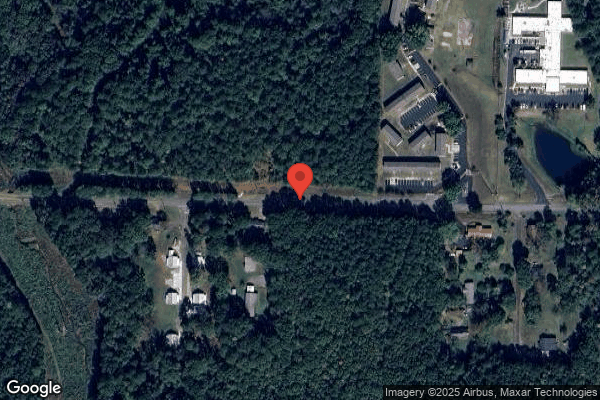
310 AVENUE F, THOMASTON, GA 30286 (706) 647-6676
For profit - Limited Liability company 119 Beds Independent Data: November 2025
Trust Grade
60/100
#130 of 353 in GA
Last Inspection: July 2025

Inspected within the last 6 months. Data reflects current conditions.

Overview

Harborview Health Systems in Thomaston, Georgia has a Trust Grade of C+, which indicates that it is slightly above average but not exceptional. It ranks #130 out of 353 facilities in Georgia, placing it in the top half, and is the best option among the three nursing homes in Upson County. The facility is showing improvement, with the number of reported issues decreasing from 4 in 2024 to 3 in 2025. Staffing is a concern, rated at 2 out of 5 stars, but the turnover rate is relatively low at 32%, better than the state average. Notably, there have been no fines, which is a positive sign. However, recent inspections revealed several issues, including the failure to properly label and date food items, which could lead to foodborne illnesses, and not discarding expired medications, posing risks to residents. While there are strengths, such as the lack of fines and a decent trust score, families should be aware of the facility’s challenges in food safety and medication management.

Trust Score
C+
60/100
In Georgia
#130/353
Top 36%
Safety Record
Low Risk
No red flags
Inspections
Getting Better
4 → 3 violations
Staff Stability
○ Average
32% turnover. Near Georgia's 48% average. Typical for the industry.
Penalties
✓ Good
No fines on record. Clean compliance history, better than most Georgia facilities.
Skilled Nurses
⚠ Watch
Each resident gets only 20 minutes of Registered Nurse (RN) attention daily — below average for Georgia. Fewer RN minutes means fewer trained eyes watching for problems.
Violations
⚠ Watch
28 deficiencies on record. Higher than average. Multiple issues found across inspections.
★★★☆☆
3.0
Overall Rating
★★☆☆☆
2.0
Staff Levels
★★☆☆☆
2.0
Care Quality
★★★☆☆
3.0
Inspection Score
Stable
2024: 4 issues
2025: 3 issues

The Good

  • Full Sprinkler Coverage · Fire safety systems throughout facility
  • No fines on record
  • Staff turnover below average (32%)

    16 points below Georgia average of 48%

Facility shows strength in fire safety.

The Bad

3-Star Overall Rating

Near Georgia average (2.6)

Meets federal standards, typical of most facilities

Staff Turnover: 32%

13pts below Georgia avg (46%)

Typical for the industry

The Ugly 28 deficiencies on record

Jul 2025 3 deficiencies
CONCERN (D) 📢 Someone Reported This

A family member, employee, or ombudsman was alarmed enough to file a formal complaint

Potential for Harm - no one hurt, but risky conditions existed

Deficiency F0558 (Tag F0558)

Could have caused harm · This affected 1 resident

**NOTE- TERMS IN BRACKETS HAVE BEEN EDITED TO PROTECT CONFIDENTIALITY** Based on observations, record reviews, residents and staff interviews, and review of the facility policy titled Resident Rights,...

Read full inspector narrative →
**NOTE- TERMS IN BRACKETS HAVE BEEN EDITED TO PROTECT CONFIDENTIALITY** Based on observations, record reviews, residents and staff interviews, and review of the facility policy titled Resident Rights, the facility failed to accommodate the needs of one of 42 sampled residents (R) (R8). This deficient practice had the potential to place R8 at risk of not attaining or maintaining her highest practicable physical, mental, and psychosocial well-being. Findings include: Review of the policy titled Resident Rights, revised 2/1/2025, included the facility will inform the resident both orally and in writing, in a language that the resident understands, of his or her rights and all rules and regulations governing resident conduct and responsibilities during the stay in the facility.The facility will also provide the residents with prompt notice (if any) of changes in any State or Federal laws relating to resident rights or facility rules during the resident's stay in the facility. Receipt of any such information must be acknowledged in writing. 5. Self-determination. The resident has the right to, and the facility must promote and facilitate resident self-determination through support of resident choice, including but not limited to:a. The resident has a right to choose activities, schedules (including sleeping and waking times), health care and providers of health care services consistent with his or her interests, assessments, and plan of care and other applicable provisions of this partb. The resident has the right to make choices about aspects of his or her life in the facility that are significant to the resident.c. The resident has a right to interact with members of the community and participate in community activities both inside and outside the facility.e. The resident has a right to organize and participate in resident groups in the facility.h. The residents have a right to participate in other activities, including social, religious, and community activities that do not interfere with the rights of other residents in the facility.Review of R8's electronic medical record (EMR) revealed the resident was admitted to the facility on [DATE] with diagnoses including, but not limited to, unspecified heart failure, essential (primary) hypertension, hyperlipidemia, peripheral vascular disease, morbid obesity due to excess calories, and unilateral primary osteoarthritis. Review of R8's Quarterly Minimum Data Set (MDS) assessment, dated 6/30/2025, revealed Section C (Cognitive Patterns) documented a Brief Interview for Mental Status (BIMS) of 11 (indicating moderate cognitive impairment). Section GG (Functional Abilities and Goals) documented that R8 used a wheelchair and required assistance with transfers and propelling the wheelchair. Section K (Swallowing/Nutritional Status) documented R8 was 67 inches tall and weighed 281 pounds. In an interview on 6/30/2025 at 11:50 am, R8 revealed that staff did not assist her in getting out of bed. She expressed interest in participating in activities and stated she had expressed this concern to staff. In an interview on 7/1/2025 at 12:59 pm, R8 stated that she would love to get out of bed but was bedbound and unable to walk.In an interview on 7/1/2025 at 1:27 pm, Certified Nursing Assistant (CNA) GG stated that she had attempted to assist R8 out of bed, but was unable to do so due to the unavailability of a geriatric chair large enough to accommodate her. CNA GG stated that only one geriatric chair was available on the floor, and it was already in use by another resident. CNA GG also reported that R8 did not use her regular wheelchair because it caused her discomfort.In an interview on 7/2/2025 at 11:45 am, the Director of Nursing (DON) confirmed that three residents required the use of a bariatric geriatric chair and the facility only had one such chair.In an interview on 7/2/2025 at 3:15 pm, the Administrator was unable to confirm how many residents required a bariatric geriatric chair or how many the facility had to accommodate them.
CONCERN (E) 📢 Someone Reported This

A family member, employee, or ombudsman was alarmed enough to file a formal complaint

Potential for Harm - no one hurt, but risky conditions existed

Deficiency F0761 (Tag F0761)

Could have caused harm · This affected multiple residents

Based on observations, record review, staff interviews and review of the facility's policies titled Medication Administration and Medication Storage, the facility failed to place open dates on one con...

Read full inspector narrative →
Based on observations, record review, staff interviews and review of the facility's policies titled Medication Administration and Medication Storage, the facility failed to place open dates on one container of glucometer strips on each of the 100 and 300 Hall medication carts, and failed to remove one expired inhaler from the 100 Hall medication cart. The facility's census was 105. The facility's census was 105. Findings include: Review of the facility's policy titled Medication Administration, reviewed 6/1/2024, documented Policy: Medications are administered In accordance with professional standards of practice . Policy Explanation and Compliance Guidance: 13. Identify expiration date. If expired, notify the manager.Review of the facility's policy titled Medication Storage, reviewed 3/1/2025, documented Policy: It is the policy of this facility to ensure all medications housed on our premises will be stored in the pharmacy and or medication rooms according to the manufacturer's recommendations . Policy Explanation and Compliance Guidelines: 1. General Guidelines: a. All drugs and biologicals will be stored in locked compartments (i.e, medication carts Observation on 7/1/2025 at 2:32 pm, during review of the 100 Hall medication cart, revealed one albuterol sulfate inhaler had an expiration date of 3/2024. Further observation revealed one opened container of glucometer strips with no open date. The container of glucometer strips had a label that stated the strips were to be used within six months after opening or by the expiration date. The Director of Nursing (DON) was present during the review.Observation on 7/1/2025 at 3:09 pm, during review of the 300 Hall medication cart, revealed one container of glucometer strips with no open date. The container of glucometer strips had a label that stated the strips were to be used within six months after opening or by the expiration date. Licensed Practical Nurse (LPN) AA was present during the review.In an interview on 7/1/2025 at 3:27 pm, LPN AA confirmed the glucometer strips on the 300 Hall medication cart container had no open date and had the label, which stated the strips were to be used within six months after opening or by the expiration date. She stated that the nurse would not know when the strips were to be discarded if there was no open date on the container. LPN AA further stated that if the strips were used past the discard date, they could cause inaccurate blood sugar readings, which could have adverse effects on a resident's treatment. In an interview on 7/1/2025 at 4:59 pm, the DON stated staff had not been placing open dates on the glucometer strip containers when opening them. She stated a negative outcome for the resident would be possible incorrect blood sugar results, which could negatively affect the residents. In an interview on 7/2/2025 at 10:04 am, the DON confirmed that there was one albuterol sulfate inhaler with an expiration date of 3/2024 in the drawer of the 100 Hall medication cart. She stated she was not sure who the inhaler belonged to and stated that, at times, the residents were admitted from home or a hospital without the medications in manufacturers' boxes or their names on the medications. She stated her expectations were for no expired medications to be on the medication carts and that expired medication would not be effective for the resident if the resident received it.In an interview on 7/2/2025 at 10:06 am, LPN CC stated there should not be expired medications on the medication carts. She stated the nurses were responsible for removing the expired medications.
CONCERN (F) 📢 Someone Reported This

A family member, employee, or ombudsman was alarmed enough to file a formal complaint

Potential for Harm - no one hurt, but risky conditions existed

Food Safety (Tag F0812)

Could have caused harm · This affected most or all residents

Based on observations, staff interviews, and review of the facility's policy titled Food Receiving and Storage, the facility failed to ensure that opened food items were dated and failed to discard fo...

Read full inspector narrative →
Based on observations, staff interviews, and review of the facility's policy titled Food Receiving and Storage, the facility failed to ensure that opened food items were dated and failed to discard food items after the best if used by date in the walk-in refrigerator. This deficient practice had the potential to place the 101 residents receiving an oral diet from the kitchen at risk of foodborne illness.Findings include:Review of the facility's policy titled Food Receiving and Storage revealed the Policy Statement section stated, Food shall be stored in a manner that complies with safe food handling practices. The Policy Interpretation and Implementation section included, 1. Food Services, or other designated staff, will always maintain clean food storage areas. 2. When food is delivered to the facility, it will be inspected for safe transport and quality before being accepted. 6. All foods stored in the refrigerator or freezer will be covered, labeled, and dated (use by date).Observation on 6/30/2025 at 9:45 am of the walk-in freezer revealed several food items were not labeled with open dates or use-by dates or were noted to be expired, including: five chocolate pies, one meringue pie, one coconut pie, 70 pieces of French toast, two packs of Hawaiian rolls (24 count), four packs of breadsticks (10-12 per bag), two-five pound bags of hashbrowns, and one box of bananas (some were peeled and flies were present).In an interview on 6/30/2025 at 9:55 am, the Dietary Manager (DM) confirmed all food items listed were not dated or labeled. She confirmed all food items should be dated and labeled open and used by date. In an interview on 7/1/2025 at 10:13 am, the National Director of Dining FF reaffirmed that all food items must be labeled with open and use-by dates.In an interview on 7/1/2025 at 10:50 am, the Certified Dietitian confirmed that staff should ensure all food items were labeled with open and use-by dates.
Oct 2024 4 deficiencies
CONCERN (D) 📢 Someone Reported This

A family member, employee, or ombudsman was alarmed enough to file a formal complaint

Potential for Harm - no one hurt, but risky conditions existed

Deficiency F0658 (Tag F0658)

Could have caused harm · This affected 1 resident

Based on observation, staff interviews, record reviews, and review of the facility policy titled Medication Administration, the facility failed to provide medications according to physician orders and...

Read full inspector narrative →
Based on observation, staff interviews, record reviews, and review of the facility policy titled Medication Administration, the facility failed to provide medications according to physician orders and in accordance with professional standards for one of three sampled residents (R) (R14) observed during the medication pass. This failure has the potential to place R14 at risk of inadequate medication effectiveness due to improper administration of medication. Findings include: A review of the facility's policy and procedure titled, Medication Administration, dated 6/1/2024, indicated: Policy: Medications are administered by licensed nurses, or other staff who are legally authorized to do so in this state, as ordered by the physician and in accordance with professional standards of practice, in a manner to prevent contamination or infection. Policy Explanation and Compliance Guidelines: . 12) Compare medication source (bubble pack, vial, etc.) with MAR [Medication Administration Record] to verify resident name, medication name, form, dose, route, and time . b. Administer within 60 minutes prior to or after scheduled time unless otherwise ordered by physician . Medication timing (excludes insulin): BID [twice per day] 9:00 am, 9:00 pm QD [daily] 9:00 am During a medication pass observation on 10/1/2024, at 12:24 pm, Licensed Practical Nurse (LPN) BB prepared and administered the following medications to R14: 1. Calcium carbonate (calcium supplement) tablet 600 MG (milligrams), give one tablet by mouth two times a day for supplementation. 2. Lacosamide (anti-seizure medication) oral tablet 100 MG, give one tablet by mouth two times a day for seizure prophylaxis. 3. Metoprolol tartrate (anti-hypertension medication) tablet, give 12.5 MG by mouth two times daily for atrial fibrillation. 4. Nifedipine ER [extended release] (anti-hypertension medication) oral tablet 24-hour 30 MG, give one tablet by mouth one time a day for hypertension. 5. Digoxin (medication to treat heart failure) tablet 125 MG, give 0.5 MG tablet by mouth one time a day for heart failure. 6. Januvia (anti-diabetes medication) oral tablet 50 MG, give one tablet by mouth one time a day for elevated blood sugar. 7. Zoloft (anti-depressant medication) oral tablet 50 MG, give 50 MG tablet by mouth one time a day for depression. 8. Vitamin D3 (vitamin D supplement) tablet 5000 units, give one tablet by mouth one time a day for supplement. During an interview on 10/1/2024, at 12:33 pm, LPN BB confirmed the medications should have been administered in the morning as ordered by the physician. LPN BB further revealed that she was not able to give morning medications to R14 due to answering phone calls, giving ice to her assigned residents, and speaking with her supervisor. A review of R14's E-MAR (Electronic Medication Administration Record) dated 10/1/2024 revealed the eight medications observed administered to R14 were scheduled for morning medications. LPN BB documented the medications were administered on 10/1/2024 at 1:22 p.m. During an interview on 10/1/2024 at 3:00 pm Unit Manager (UM) AA revealed that LPN BB should have administered morning medications one hour before or one hour after 9:00 am. UM AA revealed that she called the Nurse Practitioner (NP) to reevaluate R14 due to the delayed medication administration.
CONCERN (D) 📢 Someone Reported This

A family member, employee, or ombudsman was alarmed enough to file a formal complaint

Potential for Harm - no one hurt, but risky conditions existed

ADL Care (Tag F0677)

Could have caused harm · This affected 1 resident

**NOTE- TERMS IN BRACKETS HAVE BEEN EDITED TO PROTECT CONFIDENTIALITY** Based on observation, resident and staff interview, record review, and review of the facility policy titled Activities of Daily ...

Read full inspector narrative →
**NOTE- TERMS IN BRACKETS HAVE BEEN EDITED TO PROTECT CONFIDENTIALITY** Based on observation, resident and staff interview, record review, and review of the facility policy titled Activities of Daily Living (ADLs), the facility failed to ensure that one of 15 sampled residents (R) (R8) received necessary assistance with incontinent care. This deficient practice placed R8 at risk for unmet needs and a diminished quality of life. Findings include: Review of the facility's policy titled Activities of Daily Living (ADLs), last revised 3/1/2023, revealed .Care and services will be provided for the following activities of daily living: 1. Bathing, dressing, grooming and oral care; .3. Toileting; .Policy Explanation and Compliance Guidelines: .3. A resident who is unable to carry out activities of daily living will receive the necessary services to maintain good nutrition, grooming, and personal and oral hygiene .5. The facility will maintain individual objectives of the care plan and periodic review and evaluation. 1. Review of R8's clinical record revealed diagnoses included diabetes mellitus type II and morbid obesity. Review of R8's Annual Minimum Data Set (MDS) assessment dated [DATE] revealed R8 was cognitively intact, required substantial/maximal assistance for personal hygiene, toileting, and bathing, and was always incontinent of bowel and bladder. Review of R8's Incontinence Care Plan dated 7/13/2022 revealed the resident was incontinent related to impaired mobility, wore adult briefs at all times, and staff assisted the resident with perineal care as needed. Interventions included for staff to check the resident frequently for incontinence, and wash, rinse, and dry perineum and to change clothing as needed after incontinence episodes. During an observation and interview on 10/1/2024 at 1:30 pm, R8 was observed in bed wearing a hospital gown and had blankets that covered his lower extremities. During an interview, R8 confirmed that he was incontinent of bowel and bladder. R8 stated staff changed his incontinent brief one time per day and that his brief was last changed on the previous overnight shift. He further stated his brief had not been changed since the start of the current shift which started at 7:00 am, and stated he was lucky to have it changed twice per day. R8 was asked if he was currently dry, and the resident said that he was not. When asked about notifying staff about assisting him with perineal care, the resident said he felt staff let it be known that they did not want to care for him because he was of larger stature, and therefore, he did not want to bother them. R8 said that he expected to be changed once per day and that change usually occurred during the overnight shift. In a follow-up observation and interview on 10/1/2024 at 4:00 pm, R8 remained in his bed and wearing the same gown that was observed on him during the earlier observation/interview. R8 stated that staff still had not been into his room to change his brief during the current day shift. The resident stated that he expected to be changed on the overnight shift. In an interview on 10/2/2024 at 10:55 am, Certified Nursing Aide (CNA) DD revealed she worked with R8 regularly. CNA DD stated that she bathed and changed R8's brief one time during her 12-hour day shift. CNA DD further stated it was routine for the resident's brief to be changed one time during the day shift and one time during the overnight shift. In an interview on 10/3/2024 at 10:17 am, CNA II revealed that R8's brief was changed twice per day, once during the day shift and once during the overnight shift. CNA II stated that R8 would refuse to have his brief changed at times and would also refuse to have two staff assist with the changing of his brief. CNA II further stated two people were needed for the task. Continued interview revealed there were times when urine from the resident's leaking brief would accumulate on the floor under the resident's bed. In a follow-up interview on 10/3/2024 at 10:40 am, R8 stated he did not refuse incontinent care from staff. R8 further stated he insisted staff provide him privacy during care, however, the resident denied refusing assistance from staff for perineal care after he had soiled his brief. In a follow-up interview on 10/3/2044 at 10:50 am, CNA DD revealed she had only ever known R8 to refuse weights, and she had not experienced the resident refusing to have his brief changed when he was soiled.
CONCERN (D) 📢 Someone Reported This

A family member, employee, or ombudsman was alarmed enough to file a formal complaint

Potential for Harm - no one hurt, but risky conditions existed

Deficiency F0745 (Tag F0745)

Could have caused harm · This affected 1 resident

**NOTE- TERMS IN BRACKETS HAVE BEEN EDITED TO PROTECT CONFIDENTIALITY** Based on staff interviews, record review, and review of the facility policy titled Social Services, the facility failed to ensur...

Read full inspector narrative →
**NOTE- TERMS IN BRACKETS HAVE BEEN EDITED TO PROTECT CONFIDENTIALITY** Based on staff interviews, record review, and review of the facility policy titled Social Services, the facility failed to ensure that medically related social services were provided to one of 15 sampled residents (R) (R9) who exhibited behavioral issues. This deficient practice had the potential for R9 not to receive the appropriate treatment and services, preventing R9 from maintaining their highest level of functioning and enhancing their well-being. Findings include: Review of the facility's policy titled Social Services, last revised on 3/1/2024, noted, Policy: The facility, regardless of size, will provide medically-related social services to each resident, to attain or maintain the resident's highest practicable physical, mental, and psychosocial well-being. Definitions: 'Medically-related social services' are services provided by the facility's staff to assist residents in attainment or maintenance of a resident's highest practicable well-being. Policy Explanation and Compliance Guidelines: .3. The social worker, or social service designee, will complete an initial and quarterly assessment of each resident, identifying any need for medically-related social services of the resident. Any need for medically-related social services will be documented in the medical record. 4. The social worker, or social service designee, will pursue the provision of any identified need for medically-related social services of the resident. Attempts to meet the needs of the resident will be handled by the appropriate discipline(s). Services to meet the resident's needs may include: a. Advocating for residents and assisting them in assertion of their rights within the facility. b. Assisting residents in voicing and obtaining resolution to grievances about treatment, living conditions, visitation rights and accommodation of needs .g. Making referrals and obtaining needed services from outside services .j. Providing or arranging for needed mental and psychosocial counseling services .n. Identifying and promoting individualized, non-pharmacological approaches to care that meet the mental and psychosocial needs of each resident .5. The facility should provide social services or obtain needed services from outside entities during situations that include but not limited to the following: .b. Expressions or indications of distress that can affect the resident's mental and psychological well-being, resulting from depression, chronic diseases (e.g., Alzheimer's disease and other dementia related diseases, schizophrenia, multiple sclerosis), difficulty with personal interaction and socialization skills, and resident to resident altercations; .e. Need for emotional support. 6. The resident's plan of care will reflect any ongoing medically-related social service needs, and how these needs are being addressed. 7. The social worker, or social service designee, will monitor the resident's progress in improving physical, mental, and psychosocial functioning. [sic] Review of R9's clinical record revealed an admission date of 6/3/2024 with diagnoses that included hemiplegia following cerebral infarction, bipolar disorder, and insomnia. Review of R9's admission Minimum Data Set (MDS) assessment dated [DATE] revealed Section C (Cognitive Patterns) documented a Brief Interview for Mental Status (BIMS) score of 15 (indicating little to no cognitive deficit). Section D (Mood) documented a score of 12 on the Mood Severity Score. Section I (Active diagnoses) documented manic depression (bipolar disease). Section N (Medications) documented R9 was administered an antidepressant medication during the assessment period. Review of R9's Physician's Orders revealed the following orders: 6/4/2024 to 9/26/2024: Sertraline hydrochloride (HCl), (a Selective Serotonin Reuptake Inhibitor [SSRI] antidepressant) 50 mg (milligrams), one tab (tablet) po (by mouth) q (every) d (day) for depression. 9/25/2024: Trazadone HCl 100 mg, one tab po q hs (at bedtime) for insomnia. 9/29/2024: Sertraline HCl 100 mg, one tab po qd for depression. 9/29/2024: Lamictal 25 mg, one tab po bid (twice per day) for bipolar disorder. Review of a Thirty Day Discharge Notice addressed to R9 and dated 7/29/2024 noted the facility's Administrator signed off on the notice, which documented the following: This letter is to provide you with notice that [R9] will be discharged from Harborview of [NAME] effective 08.28.2024 which is at least thirty (30) days from the date of this letter. [R9] is being discharged due to lack of professional boundaries with staff as well as residents some examples include, but not limited to; using profanity towards staff, interfering with other residents' care. He's saying inappropriate comments to staff and has been seen entering a female resident's room even after going over resident's rights. Many department heads have pulled resident to the side to speak about behaviors on multiple occasions to educate resident on misconduct. Resident received warning 1 & 2 on July 10th, warning 3 on July 12th, and the final warning on July 29th. Resident was educated after each warning was discussed. Review of the supporting documentation of the four 'warnings' that R9 received was noted as follows: 7/10/2024: I, [R9] understand that I am getting a warning due to my behavior towards staff such as yelling and cussing at them. I understand that multiple warnings will result in a 30-day discharge. The document was signed by R9, the Administrator, and the Social Service Director (SSD). 7/10/2024: I, [R9] understand that I am getting a warning due to my behavior of going into a female room and being disrespectful to staff when informed of the issue. I understand that multiple warnings will result in a 30-day discharge. The document was signed by R9, the Administrator, and the SSD. 7/12/2024: I, [R9] understand that I am getting a third warning due to my behavior of harassing a staff member even after being asked to wait and to move away from that staff member, and also interfering with other resident's care during med pass. I understand that this is my final warning and next one will be a 30-d [day] discharge. R9 refused to sign the warning; however, the document was signed by the Administrator and the SSD. 7/29/2024: I, [R9] understand that I am getting a final warning due to my behavior on 7/26 of following a staff member and making comments about her body and making her feel uncomfortable. I understand that I am receiving a 30-day discharge as of today. R9 refused to sign the warning; however, the document was signed by the Administrator and the SSD. Review of R9's comprehensive care plan dated 6/4/2024 revealed the following care area plans: Placement care plan initiated 6/20/2024: R9 will remain at the facility long term at this time due to his being unable to care for himself. Behavioral care plan initiated on 6/19/2024: R9 has a behavior problem related to being impatient and irate and starts cursing at staff if he does not come the moment he turns the call light on. He is noted to keep old food containers in his room that attract gnats, and when staff attempt to throw containers away, he will not allow staff to do so. All interventions to address this care area were developed on 6/19/2024, and one intervention was noted to Assist the resident to develop more appropriate methods of coping and interacting. [sic] Psychotropic Medication care plan last revised on 9/30/2024: R9 uses psychotropic medications related to anti-depressant. He is at risk for complications related to psychotropic medication use. All interventions to address this care area were developed on 6/13/2024, and one intervention was noted for R9 to receive psych services as needed. Depression care plan initiated on 6/20/2024: R9 is at risk for signs and symptoms of depression. All interventions to address this care area were developed on 6/20/2024, and one intervention noted arrange for psych consult, follow up as indicated. There were no interventions documented in the care plans that addressed the resident's behaviors that were detailed in the written warnings given to R9 on 7/10/2024, 7/12/2024 and 7/29/2024. Review of R9's Social Services progress notes completed by the facility's SSD revealed: 7/10/2024 at 10:45 am: This worker and SS assistant spoke with resident. This worker informed resident that he was getting 2 written warnings, one for his behavior towards staff such as yelling and cussing at them and two for trying to enter a female resident room yesterday and when told he was not allowed, he was disrespectful to staff. Resident acknowledged understanding and signed both warnings. [sic] 7/12/2024 at 2:06 pm: This worker and SSD spoke with resident. This worker informed resident that he was getting 1 written warnings, one for his behavior towards staff. Resident refused to sign and asked to speak with admin. Admin and this worker tried to explain that the way we talk does matter and we do need to think about the things that are said directed or indirect at staff members. [sic] 7/29/2024 at 4:00 pm: Both social workers spoke with reason regarding his final written warning that was given today and discussed. Informed resident that he was getting a 30-day discharge and gave him a copy of the letter. Resident refused to sign the written warning or the discharge letter. Email sent to ombudsman. [sic] Continued review of R9's Social Service Progress Notes revealed there was no documentation in reference to seeking psychological services to address the resident's behavioral issues. Review of R9's Behavioral Health Note dated 9/26/2024 noted the resident was seen for Diagnostic evaluation for bipolar disorder with recent behavioral disturbance .He is being seen today for behavioral disturbance secondary to bipolar disorder. Patient reports that he has verbal outburst and gets extremely angry. He is triggered by small and insignificant events such as the coffee cart being moved. He becomes irate and will curse at staff. He is not usually able to be reasoned with when he is upset. His symptoms have been present since he was a child He is currently managed on sertraline alone and does not feel the medication is effective .Medical Decision-Making (symptom change, rationale for treatment plan, testing, diagnostic rule-outs): I plan to increase sertraline and start the patient on a mood stabilizer such as Lamictal. SSRIs alone are not recommended for bipolar disorder. In combination with mood stabilizer, may be beneficial .Staff to increase support and attempt to remove other residents from the patient's presence when he is upset .Patient would likely benefit from counseling but insurance limits coverage .Plan and recommendations .Medication Changes: Increase sertraline to 100 mg po q day; Start lamotrigine [Lamictal] 25 mg po bid. During a telephone interview on 10/1/2024 at 3:47 pm, the Ombudsman said he was aware that R9 received a 30-day discharge, and that the warnings the resident received were related to behavioral issues. The Ombudsman said that he was not aware of any steps the facility may have taken to address the resident's behavioral concerns. In an interview on 10/2/2024 at 2:35 pm, the SSD stated she did not refer R9 for psychological services because the resident did not have a payor source, and the vendor that the facility used for psychological services would not accept private payment from the facility to provide services for the resident. The SSD stated that she did nothing further to initiate psychological services for R9. At the time of the interview, the SSD did not recall the behaviors for which R9 received the warnings. During an interview on 10/2/2024 at 2:45 pm, the facility's Director of Nursing (DON) confirmed that R9 was administered the lowest dose of sertraline between 6/4/2024 and 9/26/2024. The DON stated that nursing staff arranged for the resident to be seen for psychological services on 9/26/2024, and at that time, his sertraline was increased and a mood stabilizer (Lamictal) was added to the resident's drug regimen. The DON further stated that R9 was not seen by psychological services prior to 9/26/2024 due to issues with the resident's payor source and said that the SSD would be the person responsible for following up on that issue.
CONCERN (E) 📢 Someone Reported This

A family member, employee, or ombudsman was alarmed enough to file a formal complaint

Potential for Harm - no one hurt, but risky conditions existed

Safe Environment (Tag F0921)

Could have caused harm · This affected multiple residents

**NOTE- TERMS IN BRACKETS HAVE BEEN EDITED TO PROTECT CONFIDENTIALITY** Based on observations, staff interviews, and review of the facility's policy titled, Cleaning Cycle, the facility failed to prov...

Read full inspector narrative →
**NOTE- TERMS IN BRACKETS HAVE BEEN EDITED TO PROTECT CONFIDENTIALITY** Based on observations, staff interviews, and review of the facility's policy titled, Cleaning Cycle, the facility failed to provide a safe, clean, and comfortable environment in three of six units of the facility (Unit 400, Unit 500, and Unit 600). Specifically, the facility failed to maintain an environment free of a strong odor of urine in resident rooms, bathrooms, and unit hallways. This deficient practice had the potential to place residents at risk of living in an unsanitary living environment and a potential for diminished quality of life. Findings include: A review of the facility's policy titled, Cleaning Cycle, dated revised 3/1/2024, stated, The frequency of cleaning and disinfection of the facility environment may vary according to the: a. Type of surface to be cleaned. b. The number of individuals in the area. c. Amount of activity in the area. d. Risk to residents. e. Amount of soiling. In addition, the policy stated, The Environmental Services Manager is responsible to ensure that cycle cleaning is maintained. On 10/1/2024 at 1:15 pm, observations were conducted on the 400, 500, and 600 units of the facility. During the observations, a strong odor of urine was present in the hallways of the three units. Observations conducted in the shared bathroom for resident rooms [ROOM NUMBERS] revealed the flooring around the base of the toilet was discolored by urine stains and there was also urine around the base of the toilet. On 10/1/2024 at 3:00 pm, Housekeeper FF and Housekeeper HH were observed on the 400, 500, and 600 units of the facility cleaning the hallways. Further observations revealed there were no cleaning carts observed on the units. Housekeeper FF and Housekeeper HH could not provide a location for the cleaning carts at the time of the observation. At the time of the observations, Housekeeper FF and Housekeeper HH were using dust mops in the unit hallways. In an interview on 10/1/2024 at 3:10 pm, Housekeeper EE stated bathrooms in the facility should be cleaned every two to three hours. Housekeeper EE further stated there were a lot of male residents who lived on the 400, 500, and 600 units of the facility who consistently urinate on the floors in the bathrooms, and urine soaks the wax flooring and stains the floor around the base of the toilets. In an interview on 10/1/2024 at 3:15 pm, the Director of Maintenance and Housekeeping (DMH) stated he served as the Director of Maintenance in the facility and served as the Environmental Services Manager. The DMH stated he was aware that the bathroom floors were stained and facility housekeepers had to constantly clean urine from the floors around the toilets. The DMH stated the facility used a urine remover cleaning agent that should eliminate urine odors. However, an inspection of the housekeeping carts with the DMH revealed two of the five cleaning carts were not supplied with the urine remover cleaning agent. The DMH further stated housekeepers should have cleaning carts when they performed their duties on assigned units of the facility and was not aware Housekeepers FF and HH did not have cleaning carts while working on the 400, 500, and 600 units of the facility. The DMH did not specify how often resident bathrooms should be cleaned. In an interview on 10/1/2024 at 3:50 pm, the Ombudsman stated his last visit to the facility was 7/16/2024, and there was a noticeable urine odor on the 400, 500, and 600 units of the facility. On 10/2/2024 at 9:00 am, additional observations of Units 400, 500, and 600 revealed a strong odor of urine in the hallways, resident rooms, and bathrooms on the units. The DMH was observed cleaning the floors around toilets located in resident rooms. In an interview on 10/2/2024 at 10:00 am, Housekeeper GG stated Units 400, 500, and 600 always smell like urine because male residents who lived in those units urinate on the floors in their bathrooms. Housekeeper GG further stated she tried to clean resident bathrooms several times during a shift.
Sept 2023 9 deficiencies
CONCERN (D)

Potential for Harm - no one hurt, but risky conditions existed

Deficiency F0558 (Tag F0558)

Could have caused harm · This affected 1 resident

Based on observation, interview, record review, and review of the facility's policy titled, Call Lights: Accessibility and Timely Response, the facility failed to accommodate the need of a special cal...

Read full inspector narrative →
Based on observation, interview, record review, and review of the facility's policy titled, Call Lights: Accessibility and Timely Response, the facility failed to accommodate the need of a special call system for one Resident (R) (#27) of 32 residents reviewed for call light accommodation needs. Specifically, R27 was unable to push the call bell light to call for assistance if desired. Findings include: Review of the facility's policy titled, Call Lights: Accessibility and Timely Response dated, 1/1/2023 revealed the following: .Each resident will be evaluated for unique preferences and needs to determine any special accommodations that may be needed for the resident to utilize the call system . Review of R27 Face Sheet undated, located in the electronic medical record (EMR) under the Profile tab, indicated R27 was admitted with diagnoses including but not limited to cerebrovascular disease with hemiplegia and hemiparesis and contractures. Review of R27's significant change Minimum Data Set (MDS) located in R27's EMR under the MDS tab, with an Assessment Reference Date (ARD) of 7/18/2023, revealed for Section C-Cognitive Patterns: Brief Interview for Mental Status (BIMS) of two (2) which indicated R27 was severely cognitively impaired. Section G-Functional Status: indicated range of motion impairment of both upper extremities; required extensive assistance of one staff member for bed mobility and totally dependent on one staff member for dressing, eating, and bathing. During observations on 8/29/2023 at 11:25 a.m. and 3:51 p.m.; on 8/30/2023 at 9:23 a.m. and 2:15 p.m., the call bell light cord was on the floor on the right side of the head of the bed. During an interview on 8/30/2023 at 2:15 p.m. Certified Nurse Assistant (CNA) 4 stated, It's [call bell] right back here. CNA 4 was asked if the resident needed to use the call bell light to call for assistance, could he reach it. CNA 4 replied, Well he can't use the call bell, he can't grip his hands to push it .there isn't another one that he could use. During an observation and interview on 8/30/2023 at 2:40 p.m., the Director of Nursing (DON) went into R27's room and was shown where the call bell light had been observed on 8/29/2023 and 8/30/2023. DON was also notified of what CNA 4 had said during her interview. DON stated, We have the soft touch call bell, and I will have someone to go get it and put it in for the resident to use if he needs it. The EMR admission Note under the Progress Notes tab dated 3/15/2023 at 6:15 p.m. was reviewed in the presence of DON. The DON stated, It has that he cannot use his hands but nothing else was addressed concerning this.
CONCERN (D)

Potential for Harm - no one hurt, but risky conditions existed

ADL Care (Tag F0677)

Could have caused harm · This affected 1 resident

Based on observation, interviews, and record review, the facility failed to ensure that one of one Residents (R) (#9) with the diagnosis of Post Traumatic Stress Disorder (PTSD) received assistance wi...

Read full inspector narrative →
Based on observation, interviews, and record review, the facility failed to ensure that one of one Residents (R) (#9) with the diagnosis of Post Traumatic Stress Disorder (PTSD) received assistance with eating, getting dressed, and getting out of bed for the highest level of care in accordance with his care plan preferences from sampled 32 residents. Findings include: Observation on 08/29/2023 at 10:55 a.m. revealed R#9 in bed with head of bed (HOB) 45 degrees. The resident was wearing a hospital gown, call light on side rail within reach. Resident was unshaven with breakfast food remanent on face, chest area, and gown. Food remanent appeared to be chocolate crumbs on bedspread. Reacher/grabber equipment on the floor across the room. Observation on 08/29/2023 at 1:28 p.m. revealed resident in bed attempting to feed himself lunch. The head of the bed (HOB) was elevated 90 degrees. The resident had a clean shirt on but had food spillage on the shirt, and no clothing protector in place. The resident's beverages had a plastic covering preventing the resident from drinking. The resident's call light behind the HOB was out of reach. Observation on 08/30/2023 at 1:25 p.m. R#9 was in bed with the HOB elevated 90 degrees with lunch tray in front of him; attempting to remove the covering off the straw. The resident had a Salisbury steak patty with gravy uncut. The resident attempted to cut the meat with a fork with his left hand. No staff were present to assist the resident with the meal. The call light remained out of reach on the right side of the bed. Reacher/grabber equipment remained on the floor across the room out of the resident's reach. Observation on 08/31/2023 at 9:15 a.m. revealed R#9 in bed in high position and the room was dark. The resident's breakfast tray in front of him with 10% of the food consumed. No staff were present to encourage or assist the resident with breakfast. The resident's call light was out of reach and the reacher/grabber equipment remained across the room out of the resident's reach. At this time, the resident stated that he woke to find the tray there. R#9 stated the food did not taste good when cold; also stated the staff did not offer to reheat food for him if cold. Observation of lunch on 08/31/2023 at 12:45 p.m. revealed the resident in bed still wearing a hospital gown with lunch tray. The cutlery remained wrapped in a napkin. The resident was using his left hand trying to peel the skin off the fried chicken. The bowl of mandarin oranges remained covered. Observation of the resident's closet revealed the resident had several outfits to wear. Review of R#9's Face Sheet located in the resident electronic medical records (EMR) under the admission Records tab revealed the resident was admitted to the facility 06/12/2018 with diagnoses that included cerebrovascular accident with hemiplegia and hemiparesis, post-traumatic stress disorder, major depression disorder, and diabetes mellitus type II. Review of R#9's annual Minimum Data Set (MDS) with an Assessment Reference Date (ARD) of 04/21/2023 located in the resident's EMR under the MDS tab revealed the resident had a Brief Interview for Mental Status (BIMS) score of 11 out 15 indicating the resident had moderate impaired cognition. The resident required extensive to total dependence on staff for activities of daily living and setup with meals. The resident Preferences for Customary Routine and Activities revealed it was very important for the resident to choose what clothes to wear; to listen to music he likes and participate in activities he likes. Review of R#9's Care Plan with a revision date of 05/10/2023 located in the resident's EMR under the Care Plans tab revealed the resident was care planned for impaired cognition. The interventions included resident required set up assistance by one staff to eat. And set up necessary equipment and place within easy reach. Monitor all activities of daily living for assistance and render care as needed. Out of bed daily in appropriate chair as tolerate and will allow. During an interview on 08/29/2023 at 10:55 a.m. R#9 revealed that he would like to get up sometimes, but it looked like there were never enough staff available to assist him in getting up. During an interview on 08/30/2023 at 2:30 p.m. R#9 revealed the resident wore hospital gowns because he thought he did not have any clothes to wear. The resident also stated that if he had the reacher/grabber equipment he would use it. During an interview on 08/31/2023 at 5:46 p.m. R#9's spouse revealed the resident was left in bed wearing a hospital gown most of the time when she visited. The spouse stated that she had brought clothes for the resident to wear but the staff never put the clothes on the resident. The spouse stated that she would like to see the resident out of the bed in his wheelchair. The spouse stated that she brought the reacher/grabber equipment for the resident to allow him some level independence, so he did not have to depend on the staff to hand him things. During an interview on 09/01/2023 at 8:30 a.m. Certified Nursing Assistant (CNA)2 revealed she was assigned to the resident. The CNA2 stated the resident could feed himself and did not need assistance with set-up. CNA2 also stated the resident liked to stay in bed all bed. CNA2 stated the resident did not use the reacher/grabber, if he needed anything he could put his call light on. The CNA stated the resident did not have any clothes to wear, that's why he wore a hospital gown. Interview with the Registered Nurse Supervisor (RN)3 on 09/01/2023 at 9:30 a.m. revealed the resident liked to stay in his room and in bed. RN3 stated the resident required meal set up which meant the staff were expected to arrange the resident meal tray so that he could reach his food to feed himself; this included cutting up the resident's food. RN3 also stated the staff should have assisted the resident in getting up and dressed if he desired it. RN3 also stated if the resident had a reacher/grabber equipment this would allow him some level of independence. A random observation on 09/01/2023 at 12:45 p.m. revealed R#9 dressed in shirt and pants sitting up in his wheelchair wearing a splint on his right hand. The call light was in reach and the reacher/grabber equipment on the resident's bed within his reach. At this time, the resident stated it felt good to be sitting up out of bed.
CONCERN (D)

Potential for Harm - no one hurt, but risky conditions existed

Deficiency F0679 (Tag F0679)

Could have caused harm · This affected 1 resident

Based on observations, interviews, record review, and review of the facility's activities calendar, the facility failed to provide stimulating activities for one of one Resident (R) (#9) with a diagno...

Read full inspector narrative →
Based on observations, interviews, record review, and review of the facility's activities calendar, the facility failed to provide stimulating activities for one of one Resident (R) (#9) with a diagnosis of post traumatic stress disorder (PTSD) reviewed from a sampled of 32 residents. This failure has the potential for R#9 to experience signs and symptoms of PTSD. Finding include: Observation on 08/29/2023 at 10:55 a.m. revealed R#9 in bed with head of bed elevated 45 degrees. The resident was wearing a hospital gown, call light on side rail within reach. The resident was unshaven with breakfast food remanent on face, chest area, and gown. Food remanent what appeared to be chocolate crumbs on bedspread. A review of the facility's activities calendar indicated there was an activity in progress in the dining room area. However, there was no activity occurring in the resident's room. During an observation on 08/31/2023 at 10:15 a.m. a staff member was going up and down the hall inviting residents, present in the hallway, to attend activities. However, no staff member entered R#9's room to invite him to attend the scheduled activity. Review of R#9's Face Sheet located in the resident electronic medical records (EMR) under the admission Records tab revealed the resident was admitted to the facility 06/12/2018 with diagnoses that included cerebrovascular accident with hemiplegia and hemiparesis, post traumatic stress disorder, major depression disorder, and diabetes mellitus type II. Review of R#9's annual Minimum Data Set (MDS) with an Assessment Reference Date (ARD) of 04/21/2023 located in the resident's EMR under the MDS tab revealed the resident had a Brief Interview for Mental Status (BIMS) score of 11 out 15 indicating the resident had moderate impaired cognition. The resident required extensive to total dependence on staff for activities of daily living. R#9's Preferences for Customary Routine and Activities revealed it was very important for the resident to listen to music he liked and participated in activities he liked. It was somewhat important that he attended activities with groups of people; participated in religious services; and went outside to get fresh air when the weather was good. Review of R#9's Care Plan with a revision date of 08/06/2023 located in the resident's EMR under the Care Plans tab revealed the resident was care planned for the diagnosis of PSTD. The interventions included encourage the resident get involved in activities of his interest. The resident's activities care plan identified the resident liked movies, church music table games, adult coloring, and independent activities. Interventions included assisting resident to participate in his favorite activities at his highest level; offer resident activities and supplies for things that he can do in his room. Review of R#9's Activities Notes dated 04/28/2023 located in the resident's EMR under the Progress Notes tab revealed the resident was alert, verbal, and able to make his needs known. Resident mobile with wheelchair. He had a good support system with family. R9 enjoyed leisure self-directed activity that he could do in his room. He enjoyed music, TV, crafts, movies, popcorn and outdoor when the weather permitted. A review of the resident's activities calendar provided by the Activity Director (AD) revealed the only activities scheduled for R9 during the week of 08/27/2023 through 09/01/2023 were snacks and hydration. Interview with R#9 on 08/31/2023 at 9:15 a.m. revealed he would like to get up and attend activities, but at times it seemed like there were not enough staff. R#9 stated he moved to this room a few months ago but when he was on the other unit, he attended the activities. Since he had moved to this room, he had not attended any activities. Interview with R#9's spouse on 08/3120/23 at 5:46 p.m. revealed the spouse would like to see the resident attend more activities outside his room. R#9's spouse stated when the resident was on the other unit, he would spend more time outside his room. But now he had limited interactions with the other residents. Interview on 09/01/2023 at 4:30 p.m. with the AD revealed she visited the visit on certain days bringing snacks and hydration. AD stated that she was unaware of the resident's diagnosis of PTSD. The AD admitted that the resident stayed in his room, and it had been a while since the resident had left his room. Discussed the activities interventions on his care plan and the benefits of involving the resident in more activities (in his room and outside his room) to decrease the chance of the resident experiencing PTSD symptoms. The AD agreed the resident would benefit from this.
CONCERN (D)

Potential for Harm - no one hurt, but risky conditions existed

Accident Prevention (Tag F0689)

Could have caused harm · This affected 1 resident

**NOTE- TERMS IN BRACKETS HAVE BEEN EDITED TO PROTECT CONFIDENTIALITY** Based on observations, staff interview, and review of facility policy titled, Medication Storage the facility failed to ensure t...

Read full inspector narrative →
**NOTE- TERMS IN BRACKETS HAVE BEEN EDITED TO PROTECT CONFIDENTIALITY** Based on observations, staff interview, and review of facility policy titled, Medication Storage the facility failed to ensure that one of four medications carts were locked to prevent resident access to medications. This failure had the potential for any cognitively impaired residents to gain access to medications that could cause them harm. Findings include: Review of facility policy titled Medication Storage dated 3/01/2013 read in part . During a medication pass, medications must be under the direct observation of the person administering medications or locked in the medication storage area/cart. Observation on 8/30/2023 at 8:16 a.m. revealed an unlocked medication cart next to room [ROOM NUMBER]. The cart was out the sight of the nurse. The medication cart was unlocked. A staff member was in the resident's room setting up a breakfast tray. No medications were on the cart, only hand sanitizer and applesauce; however, the drawers to the cart were easily accessible to anyone walking down the hall. Observation on 8/30/2023 at 8:24 a.m. revealed Licensed Practical Nurse (LPN) 4 removed the unsecured medication cart from room [ROOM NUMBER] and placed the cart at the nurse's station. The cart remained unlocked. An interview was conducted on 8/30/2023 at 8:24 a.m. LPN4 revealed that she was responsible for passing medications on the 100 hall and that she had parked cart outside the resident's room for 10 minutes and thought she had locked the cart. During the interview LPN4 turned the medication cart around and discovered the cart was still unlocked. LPN4 admitted that she forgot to lock the cart. LPN 4 stated she was training a new nurse and thought the nurse could see the cart from the room. LPN4 also acknowledged that any cognitively impaired resident coming down would have access to the unlocked medication cart. Observation on 8/31/2023 at 10:59 a.m. revealed an unlocked medication cart at the nurses' station on the 100 hall. LPN4 was observed coming out of room [ROOM NUMBER]. Interview with LPN4 on 8/31/2023 at 10:59 a.m. revealed she was assisting a resident with changing their shirt and forgot to lock the medication cart.
CONCERN (D)

Potential for Harm - no one hurt, but risky conditions existed

Respiratory Care (Tag F0695)

Could have caused harm · This affected 1 resident

**NOTE- TERMS IN BRACKETS HAVE BEEN EDITED TO PROTECT CONFIDENTIALITY** Based on observations and interview, the facility failed to maintain the cleanliness of the BiPap (Bilevel Positive Airway Press...

Read full inspector narrative →
**NOTE- TERMS IN BRACKETS HAVE BEEN EDITED TO PROTECT CONFIDENTIALITY** Based on observations and interview, the facility failed to maintain the cleanliness of the BiPap (Bilevel Positive Airway Pressure) mask when not in use for one of one Resident (R) (#16) reviewed for BiPap cleanliness of 32 sample residents. This deficient practice increases the risk of infection for a resident requiring BiPap therapy. Findings include: Record review of the undated Face Sheet located in the Electronic Medical Record (EMR) for R#16 under the Profile tab, indicated R16 was admitted to the facility on [DATE] with diagnoses including chronic obstructive pulmonary disease, acute and chronic respiratory failure with hypoxia (lack of oxygen), congested heart failure and pneumonia. Record review of the Physician Orders for R#16 located in the EMR under the Orders tab, revealed orders dated 08/01/2023 for BiPap d18 Respiration Pressure 6, Expiratory rate of 14 and FIO2 (fraction of inspired oxygen) 32% wear every night. Observations were conducted on 08/31/2023 at 9:12 a.m., at 10:35 a.m., and at 2:00 p m The BiPap mask was lying on top of the bedside table at 2:00 p.m. without being stored in a bag. Interview on 8/31/2023 at 2:00 p.m.with Director of Nursing (DON) was asked how a BiPap mask was to be stored when not in use and she stated, That is not in any of our policies, but they should be stored in a storage bag when the resident is not using them.
CONCERN (D)

Potential for Harm - no one hurt, but risky conditions existed

Deficiency F0697 (Tag F0697)

Could have caused harm · This affected 1 resident

Based on observation, staff interviews, and record review, and a review of the facility's policy titled, Medication Administration, the facility failed to ensure timely evaluation of pain medication e...

Read full inspector narrative →
Based on observation, staff interviews, and record review, and a review of the facility's policy titled, Medication Administration, the facility failed to ensure timely evaluation of pain medication effectiveness and accurate documentation of pain medication administration consistent with the professional standards of practice for three of 32 Residents (R) (#6, #16 and #74) reviewed for pain. Findings Included: 1. Record review of undated Face Sheet located in the Electronic Medical Record (EMR) for R#6 under the Profile tab, indicated a diagnoses including but not limited to multiple sclerosis and pain. Record review of the most recent quarterly Minimum Data Set (MDS) for R#6 located in the EMR under the MDS tab, with an Assessment Reference Date (ARD) of 08/12/2023, revealed a score for the Brief Interview for Mental Status (BIMS) 13 out of 15 which indicated R6 was cognitively intact. R#6 was also coded as requiring limited assistance of one staff member for transfers and dressing and supervision for set up help only for personal hygiene. Record review of EMR for R#6 revealed the following documentation under the Progress Notes tab: -08/16/2023 at 11:05 a.m. Hydrocodone 10-325 mg was given by mouth to R#6 per resident request for need of pain medication. At 5:54 p.m. the nurse documented the Hydrocodone was effective. -08/30/2023 08:15 a.m. Hydrocodone 10-325 mg was given by mouth to R#6 per resident request for need of pain medication. At 11:45 a.m., the nurse documented the Hydrocodone was effective. Interview on 08/30/2023 at 2:30 p.m. with the Director of Nursing (DON) stated, The effectiveness of the pain medication given should be reassessed within the hour after the medication was given. 2. Record review of the undated Face Sheet for R#16 located in the EMR under the Profile tab, indicated a diagnoses including but not limited to hypertension, chronic obstructive pulmonary disease, and diabetes mellitus. Record review of the most recent admission MDS for R#16 located in EMR under the MDS tab, with an ARD of 08/10/2023, revealed a score for the BIMS of 13 out of 15 which indicated R#16 was cognitively intact. R#16 was also coded as requiring extensive assistance of two or more staff members for bed mobility and extensive assistance of one staff member for dressing and personal hygiene. Record review of the EMR for R#16 revealed the following documentation under the Progress Notes tab: -08/21/2023 at 11:45 a.m. Percocet 10-325 mg was given by mouth per resident's complaints of pain. At 2:50 p.m. the nurse documented the Percocet was effective. -08/28/2023 at 2:40 p.m. Percocet 10-325 mg was given by mouth for resident's complaints of pain. The effectiveness of the Percocet was documented by the nurse as being effective at 2:40 p.m. also. Interview on 08/30/2023 at 2:30 p.m., the DON stated, The effectiveness of the pain medication given should be reassessed within the hour after the medication was given .and the assessment of pain medication should be done prior to giving that pain medication . Observation on 08/31/2023 at 8:00 a.m. of Licensed Practical Nurse (LPN) 4 gave R#16 Percocet 10-325 mg by mouth and did not assess the resident's pain level prior to giving the pain medication. Record review of the Medication Administration Record (MAR) for R#16 under the Orders tab in the EMR, for 08/31/2023 did not have documentation of the 8:00 a.m. pain medication, Percocet as being administrated to R#16. Interview on 08/31/23 at 3:00 p.m., the DON stated, any medication should be documented as being given as soon as it is administrated to the resident. Observation of the medication cart of LPN 4 on 08/31/2023 at 3:20 p.m. alongside the DON revealed the narcotic logbook. The logbook revealed that Percocet had been signed out by LPN 4 at 8:00 a.m., 12 noon and 4:00 p.m. dated 08/31/2023. LPN 4 was asked to confirm the time as being 3:20 p.m. when the logbook was being reviewed and she agreed. LPN 4 stated, I gave the medicine at 3:00 p.m. instead of 4:00 p.m. The DON stated to LPN 4, You know you are to document the correct time when giving medications. Review of the facility's policy titled Medication Administration with a date Implemented as 1/1/2023 completed on 08/31/2023 indicated, .Sign the MAR after administrated . 3. Record review of undated Face Sheet for R#74 located in the EMR under the Profile tab, indicated R#74 had a diagnoses including but not limited to hypertension, stroke, and chronic obstructive pulmonary disease. Record review of the admission MDS for R#74 located in EMR under the MDS tab, with an ARD of 07/04/2023, revealed a score for BIMS of 13 out of 15 which indicated R#74 was cognitively intact. R74 was also coded as requiring limited assistance of one staff member for transfers and dressing and personal hygiene. Record review of the EMR for R#74 revealed the following documentation under the Progress Notes tab: -08/22/2023 at 12:30 p.m. Percocet 7.5-325 mg was given by mouth to R#74 per resident request for need of pain medication. At 2:08 p.m. the nurse documented the Percocet was effective. -08/25/2023 at 1:29 p.m. Percocet 7.5-325 mg was given by mouth to R#74 per resident request for need of pain medication. At 6:23 p.m., the nurse documented the Percocet was effective. Interview on 08/30/2023 at 2:30 p.m., the DON stated, The effectiveness of the pain medication given should be reassessed within the hour after the medication was given.
CONCERN (D)

Potential for Harm - no one hurt, but risky conditions existed

Unnecessary Medications (Tag F0759)

Could have caused harm · This affected 1 resident

Based on observation, staff interviews, record review, and review of facility policy titled, Medication Administration, the facility failed to ensure a medication error rate below five percent. During...

Read full inspector narrative →
Based on observation, staff interviews, record review, and review of facility policy titled, Medication Administration, the facility failed to ensure a medication error rate below five percent. During medication administration four medication errors for Residents (R) (#67 and #102) were made from 29 opportunities during medication administration. The medication error rate was 13.79 percent. Findings include: A review of the facility policy titled Medication Administration with an implementation date of 01/01/23 read in part .Administer medication as ordered in accordance with manufacturer's specifications. 1. Observation on 08/31/2023 at 7:53 a.m. revealed Licensed Practical Nurse LPN 7 preparing medication for R#102. The following medications were prepared: breo Inhaler 200 micrograms (mcg), Depakote 250milligrams (mg) one tablet (tab) antiepileptic, gabapentin100mg one-tab (anticonvulsant), multivitamins one tab supplement; metoprolol 25 mg extended release one tab antihypertensive; clear laxative one cap full in 240 cc (cubic centimeters/milliliter) water laxative; and senna 8.6 mg two tabs stool softener. Record review of Face Sheet for R#102 located in the resident's Eectronic Medical Records (EMR) under the admission Records tab revealed the resident had a diagnoses that included bipolar disorder, chronic obstructive pulmonary disorder, and monoplegia of lower limb. Record review of the Medication Administration Record (MAR) for R#102 located in the resident EMR under the Medications tab revealed the resident was to receive breo Elipita inhaler one puff (rinse mouth after use); metoprolol 25 mg; multivitamins one tab; polyethylene glycol one scoop; depakote extended release one tab 250 mg; gabapentin one capsule 100 mg; and senna 8.6 mg two tablets. Observation on 08/31/2023 at 8:00 a.m. revealed LPN 4 administered all the pills to the resident with 240cc of water. The nurse then provided R#102 the breo inhaler. The nurse did not instruct the resident to take a deep breath before using the inhaler. The resident took one puff on the inhaler and returned it to the nurse. The resident did not hold his breath after taking a puff. LPN#4 did not instruct the R#102 to rinse out his mouth after taking the breathing treatment. Then LPN 4 returned to the medication cart and read the manufacturer's instructions for the of breo. The instructions read as follows while holding the inhaler away from mouth, breathe (exhale) out fully. Take one long steady deep breath. Remove the inhaler from your mouth and hold your breath for three to four seconds. Rinse mouth after use of the inhaler. LPN 4 agreed the resident did not use the inhaler according to the manufacturer's instructions. 2. Record review of Face Sheet for R#67 located in the EMR under the Admissions Record tab revealed a diagnoses that included diabetes mellitus type II, left below the knee amputation, peripheral vascular disease, schizophrenia, anxiety disorder, acute pancreatitis, and adjustment disorder. Observation on 08/31/2023 at 8:11 a.m. on the 500-Hall revealed LPN 3 preparing medications for R#67. LPN 3 prepared the following medications: levemer insulin 18 units subcutaneous (subq) novolin R flex pen 8 units subq; artificial tears gtts (drops); vitamin C 500 mg one tab; buspirone 10 mg one tab; lactulose 30 cc; iron supplement 325 mg one tab; prozac 10 mg one tab; prozac 40 mg one tab; keppra 500 mg one capsule; lisinopril 5 mg one tab; magnesium oxide 500 gm one tab; metformin 1000 mg one tab; metoprolol 25 mg extended release (ER) one tab; multivitamins with mineral one tab; aldact 50 mg one tab; Pro Cl nutritional supplement; seroquel 100 mg one tab; zanaplex 40 mg one tab; extra strength 500 mg one tab; xaform 550 mg one tab. During the above observation, LPN 3 first checked the resident's accucheck, and after determining the resident glucose was within normal range, administered the Levemir insulin. Then LPN 3 gave the resident all his oral medications with 240 cc of water. The nurse reviewed the resident MAR and realized the resident was to receive Novolin insulin also. However, LPN 3 did not administer the artificial tears eye drops. Record review of the MAR for R#67 located in the resident's EMR under the Medications tab revealed the nurse failed to the artificial tear eye drops; one drop to both eyes. Interview on 09/01/2023 at 4:30 p.m., with Director of Nursing (DON) stated LPN 3 had called her and admitted that she forgot to administer the resident's artificial tears medication.
CONCERN (E)

Potential for Harm - no one hurt, but risky conditions existed

Safe Environment (Tag F0584)

Could have caused harm · This affected multiple residents

Deficiency Text Not Available

Read full inspector narrative →
Deficiency Text Not Available
CONCERN (E)

Potential for Harm - no one hurt, but risky conditions existed

Food Safety (Tag F0812)

Could have caused harm · This affected multiple residents

Based on observations, staff interviews, and a review of the facility policy titled, Food Receiving and Storage, and Pot and Pan Washing and Sanitation; Manual Warewashing and Sanitation, revealed the...

Read full inspector narrative →
Based on observations, staff interviews, and a review of the facility policy titled, Food Receiving and Storage, and Pot and Pan Washing and Sanitation; Manual Warewashing and Sanitation, revealed the facility failed to ensure opened food was dated, labeled, and sealed, ensure storage was free of dented cans, and drying containers were not stacked wet. This had the potential to affect 105 of 107 residents who resided in the facility and consumed food prepared from the facility's kitchen. Findings include: A review of the facility's undated policy titled Food Receiving and Storage, revealed 2. When food is delivered to the facility it will be inspected for safe transport and quality before being accepted. 7. All foods stored in the refrigerator or freezer will be covered, labeled and dated (use by date). A review of the facility's undated policy titled Pot and Pan Washing and Sanitation; Manual Warewashing and Sanitation, revealed 5. Air-dry pots and pans on the drain board . During an initial tour of the kitchen on 08/29/2023 at 9:05 a.m., with the Administrator present, the following observations were made in the dry storage, refrigerator, and freezer: 1. One 6.62-pound can of spaghetti sauce was observed in dry storage on the shelf with large dents. 2. Shredded cheese was observed in large plastic containers in the refrigerator, undated. 3. A bag of coleslaw was observed in the refrigerator opened to air and undated. 4. Frozen Hashbrowns, were left open to air in the freezer and subject to freezer burn. They were observed lying on a shelf in the freezer. 5. Undated chicken was observed in a large Ziplock bag in the freezer and subject to freezer burn. Interview on 08/29/2023 at 9:16 a.m., the Administrator stated they could not say what was to happen with dented cans. Administrator stated they didn't know the dented cans were supposed to be thrown away. The Administrator stated the kitchen staff had not had time to label and date the items in the refrigerator yet that morning. Further tour of the kitchen on 08/30/2023 at 10:26 a.m. with the Dietary Manager (DM) present, revealed the following observations in the refrigerator and kitchen: 1. One gallon of whole milk in the refrigerator had an expired date of 8/24/2023 2. Six wet containers were stacked up on top of each other on the shelf with other pots and pans. Interview on 08/30/2023 at 10:30 a.m., the DM removed the stacked pans and put them to be washed. DM stated they had a day cook that was supposed to check dishes to ensure they were dry, and the cook was normally scheduled in the evening to ensure everything was clean. DM stated they tried to do rounds daily to ensure dishes were dried thoroughly. DM stated it was important to air dry dishes and not stack them wet because it could cause bacteria. DM stated every morning the number one cook was to check for labeled, dated, and expired items in kitchen area. DM stated the evening cook normally did the labeling and dating of items that may need to be done at end of day and cook one checked them in the morning. DM stated they checked behind staff daily and at the end of the shift to ensure tasks are completed by staff. DM stated the expectation was for dented cans to be thrown away as well as expired items.
Jul 2022 12 deficiencies
CONCERN (D)

Potential for Harm - no one hurt, but risky conditions existed

Deficiency F0559 (Tag F0559)

Could have caused harm · This affected 1 resident

**NOTE- TERMS IN BRACKETS HAVE BEEN EDITED TO PROTECT CONFIDENTIALITY** Based on interview, record review, and policy review, the facility failed to provide evidence that one of one resident (Resident...

Read full inspector narrative →
**NOTE- TERMS IN BRACKETS HAVE BEEN EDITED TO PROTECT CONFIDENTIALITY** Based on interview, record review, and policy review, the facility failed to provide evidence that one of one resident (Resident (R) 35) reviewed for room transfers in a total sample of 37 residents was notified of the reason for the transfer and when the transfer would occur prior to being transferred to another room in the facility. Finding include: Review of the facility's policy titled, Room Change/Roommate Assignment: dated 05/2017 indicated, .Policy Interpretation and Implementation .2. Prior to changing a room or roommate assignment all parties involved in the change/assignment (e.g., residents and their representatives (sponsors)) will be given a _____ hour/day advance notice of such change. 3. Advance notice of a roommate change will include why the change is being made and any information that will assist the roommate in becoming acquainted with his or her new roommate. 4. Unless medically necessary or for the safety and well-being of the resident(s), a resident will be provided with an advance notice of the room change. Such notice will include the reason(s) why the move is recommended .8. Documentation of a room change is recorded in the resident's medical record . During an interview on 07/20/22 at 5:45 PM, R35 and his family member (FM)35 stated that R35 had been moved to another room four times in a month. Review of R35's electronic medical record (EMR) admission Record under the Profile tab revealed R35 was admitted to the facility on [DATE]. Review of R35's quarterly Minimum Data Set (MDS) with an Assessment Reference Date (ARD) of 05/18/21 revealed a Brief Interview for Mental Status (BIMS) score of 15 of 15 which indicated R35 was cognitively intact. During an interview on 07/21/22 at 10:47 AM, the Social Worker (SW) stated that he was only involved in one of R35's room changes. The SW further stated that he remembered going to R35 and telling him that there was a potential that he was being moved to another room. However, the SW stated that he did not tell R35 when he was going to be transferred and/or to what room. The SW stated that he did not document in R35's EMR anything about R35's room transfer. During an interview on 07/21/22 at 11:30 AM, the Assistant SW stated that all she does when a resident changes room is to change the name plate outside the door of the room in the hallway. She stated that the SW usually talks to the resident. During an interview on 07/21/22 at 11:35 AM, the Business Office Manager (BOM) confirmed that R35 had his room changed on the following dates: on 08/20/21 moved to 110-B; on 09/13/21 moved to 103-B; on 06/04/22 moved to room [ROOM NUMBER]-B and then transferred to room [ROOM NUMBER]-B on 06/22/22. The BOM documented on a sheet provided to the surveyor the dates of the above room changes. Handwritten next to the 08/20/21 room changes were documented COVID +; next to the 09/13/21 room change was documented wife requested; next to the 06/04/22 room change was written roommate dying; and next to the 06/22/22 was written needed the room for another resident who required isolation. The BOM provided no written evidence to substantiate what was handwritten on this document. Review of R35's EMR Progress Notes under the Progress Notes tab from 08/01/21 through 07/21/22 revealed no documentation that the SW or other facility staff had discussed with R35 prior to transferring him to another room, the date of when he would be transferred, and/or the reason he was being transferred. The facility provided two documents titled Progress Notes with the type of note indicated Social Services revealed the first note was dated 08/23/21 written by the SW, which was three days after R35 was transferred from 103-B to room [ROOM NUMBER]-B. The note indicated call made to FM35 to inform FM35 was moved to room [ROOM NUMBER]-B. The second Social Services Progress Note was dated 09/23/21 and written by SW2 which indicated, resident could move back to his original room [ROOM NUMBER]B. This note was written 10 days after R35 was moved to his original room of 103B.
CONCERN (D)

Potential for Harm - no one hurt, but risky conditions existed

Notification of Changes (Tag F0580)

Could have caused harm · This affected 1 resident

**NOTE- TERMS IN BRACKETS HAVE BEEN EDITED TO PROTECT CONFIDENTIALITY** Based on observation, interview, record review, and policy review, the facility failed to notify the resident's attending physic...

Read full inspector narrative →
**NOTE- TERMS IN BRACKETS HAVE BEEN EDITED TO PROTECT CONFIDENTIALITY** Based on observation, interview, record review, and policy review, the facility failed to notify the resident's attending physician when a facility nurse removed the resident's indwelling urinary catheter, did not reinsert the indwelling urinary catheter, and failed to obtain an order to discontinue the use of the indwelling urinary catheter for one of one resident (Resident (R) 82) reviewed for an indwelling urinary catheter in a total sample of 37 residents. Findings include: Review of the facility's policy titled, Change in a Resident's Condition or Status, dated May 2017, indicated Policy Statement: Our facility shall promptly notify the resident, his or her Attending Physician .changes in the resident's medical/mental condition and/or status (e.g., changes in level of care .). Policy Interpretation and Implementation 1. The nurse will notify the resident's Attending Physician or physician on call when there has been .e. need to alter the resident's medical treatment significantly; .A significant change of condition is a major decline or improvement in the resident's status that: a. Will not normally resolve itself without intervention by staff .b. Impacts more than one area of the resident's health status; c. Requires interdisciplinary review and/or revision to the care plan; and d. Ultimately is based on the judgment of the clinical staff and the guidelines outlined in the Resident Assessment Instrument .8. The nurse will record in the resident's medical record information relative to changes in the resident's medical/mental condition or status . Review of R82's electronic medical record (EMR) admission Record under the Profile tab revealed R82 was admitted to the facility on [DATE]. Review of R82's EMR Minimum Data Set (MDS) with an Assessment Reference Date (ARD) of 06/21/22 revealed no Brief Interview for Mental Status (BIMS) score because R82 was rarely/never understood. In addition, this quarterly MDS indicated R82 had an indwelling urinary catheter. Observation on 07/18/22 at 3:31 PM revealed R82 seated in a ger-chair and R82 did not have an indwelling urinary catheter. Interview with Licensed Practical Nurse (LPN) 2 at this time confirmed that R82's catheter was leaking so night shift took the catheter out [on 07/06/22]. Review of R82's EMR Care Plan under the Care Plan tab revealed a Problem and last revised on 06/08/21, which indicated, [resident's name] has a urinary catheter r/t [related to] pressure ulcer on sacrum. Interventions included, Catheter Care and treatment per current MD [Medical Doctor] order . Review of R82's EMR Progress Notes under the Progress Notes tab and dated 07/06/22, indicated, Resident no longer has a catheter. There was no documentation that R82's physician was notified of this change of condition and the reason the catheter was removed and not reinserted. Review of R82's EMR Physician Orders, dated July 2022 and located under the Orders tab, revealed no order to discontinue the use of the indwelling urinary catheter. Interview on 07/20/22 at 3:00 PM, LPN2 reviewed R82's Progress Notes and Physician Orders and confirmed that R82's catheter was removed on 07/06/22 and that there was no documentation in the progress notes as to why the catheter was removed, that R82's physician was notified of the change of care regarding the catheter, and no documentation that an order was obtained to discontinue the use of the indwelling urinary catheter.
CONCERN (D)

Potential for Harm - no one hurt, but risky conditions existed

Safe Environment (Tag F0584)

Could have caused harm · This affected 1 resident

**NOTE- TERMS IN BRACKETS HAVE BEEN EDITED TO PROTECT CONFIDENTIALITY** Based on observations, record review, and interview, the facility failed to ensure a safe, clean comfortable and homelike enviro...

Read full inspector narrative →
**NOTE- TERMS IN BRACKETS HAVE BEEN EDITED TO PROTECT CONFIDENTIALITY** Based on observations, record review, and interview, the facility failed to ensure a safe, clean comfortable and homelike environment as evidenced by damaged walls and doors for four resident rooms (102, 107, 108, and 111). The census was 110. Findings include: On 07/18/22, during the initial facility tour, observed room [ROOM NUMBER], the hall entry door had approximately three inches of split wood on the lower right-hand corner of the faceboard. On 07/18/22, during the initial facility tour, observed room [ROOM NUMBER], which had approximately three inches of split wood on the side of the hallway entry door near the hinges. On 07/18/22, during the initial facility tour, observed room [ROOM NUMBER], which had approximately three inches of split wood on the side of the hallway entry door near the hinges. On 07/18/22, during the initial facility tour, observed room [ROOM NUMBER], which had damage to the wall near the head of bed B. The paint was down to the plaster, and there was an approximately twelve-inch square of tin or metal attached to the wall. On 07/22/22 at approximately 10:30 AM, this surveyor interviewed and toured with the Director of Maintenance and Housekeeping (DMH). Rooms 102, 107, 108, and 111 were toured. The DMH admitted that he was not aware of these areas of concern and that he had not been notified that these areas needed repair. On 07/22/22 at approximately 11:45 AM, surveyor reviewed the maintenance books in Units 200, 300, 400 and 500. Each book was present, easily found, and contained no active requests. The DMH explained that each of the five Units had a maintenance book, where the staff requests repairs. Review of the maintenance book for Unit 100 revealed it was completely blank.
CONCERN (D)

Potential for Harm - no one hurt, but risky conditions existed

Investigate Abuse (Tag F0610)

Could have caused harm · This affected 1 resident

Based on document review, interview, and policy review, the facility failed to provide evidence that an allegation of misappropriation of resident's property had been thoroughly investigated for one o...

Read full inspector narrative →
Based on document review, interview, and policy review, the facility failed to provide evidence that an allegation of misappropriation of resident's property had been thoroughly investigated for one of four residents (Resident (R) 210) reviewed for abuse allegations out of a total sample of 37 residents. Findings include: Review of the facility's policy titled, Abuse and Neglect- Clinical Protocol, dated December 2016, revealed .3. Other forms of abuse include: .b. Misappropriation of resident property . and the facility's policy titled, Abuse Investigation and Reporting, dated December 2016, revealed . Role of the Investigator: 1. The individual conducting the investigation will, as a minimum: .c. Interview the person reporting the incident; d. Interview the resident .; g. Interview staff members (on all shifts) who have had contact with the resident during the period of the alleged incident; h. Interview the resident's roommate, family members and visitors; i. Interview other resident to whom the accused employee provides care or services . Review of a Facility Reported Incident (FRI) dated 08/10/21 indicated that R210 filed a grievance on 08/05/21 which indicated that on 08/04/21, R210's evening Certified Nursing Assistant (CNA) 3 had taken six one-dollar bills from R210's Bible. The document indicated that R210 stated that she had seen CNA3 several time on 08/04/21 in her room going through her drawers and stating that resident had too much stuff. The narrative indicated that R210 and CNA3 were interviewed as well as other staff that worked the evening shift. However, there was no documentation of the interviews with R210 and CNA3 as well as interviews with staff on the evening shift and other residents. R210 was no longer a resident of the facility at the time of the survey. During an interview on 07/21/22 at 3:30 PM, the Administrator stated that he could not locate any investigation into this allegation of missing money. Review of the facility's 2021 grievance file revealed no line listing for this incident.
CONCERN (D)

Potential for Harm - no one hurt, but risky conditions existed

Transfer Notice (Tag F0623)

Could have caused harm · This affected 1 resident

**NOTE- TERMS IN BRACKETS HAVE BEEN EDITED TO PROTECT CONFIDENTIALITY** Based on record review and interview, the facility failed to ensure one of four residents and/or their representatives (Resident...

Read full inspector narrative →
**NOTE- TERMS IN BRACKETS HAVE BEEN EDITED TO PROTECT CONFIDENTIALITY** Based on record review and interview, the facility failed to ensure one of four residents and/or their representatives (Residents (R)16) reviewed for discharge to the hospital out of a total of 37 sampled residents were provided with written transfer/discharge notice that stated the reason for transfer, the place of transfer, and other information regarding the transfer or appeal information. This failure has the potential to affect any resident or Resident Representative (RR) in having the knowledge of where and why a resident was transferred, and/or how to appeal the transfer if the resident or RR desired. Findings include: Review of the facility policy titled Transfer or Discharge, Emergency, revised August 2018, showed: .4. Should it become necessary to make an emergency transfer or discharge to a hospital or other related institution, our facility will implement the following procedures: a. Notify the resident's Attending Physician; b. Notify the receiving facility that the transfer is being made; c. Prepare the resident for transfer; d. Prepare a transfer form to send with the resident; e. Notify the representative (sponsor) or other family member; f. Assist in obtaining transportation; and g. Others as appropriate or as necessary However, the policy did not address the provision of a written transfer/discharge notice be provided to the Resident and Resident Representative. Review of R16's Progress Notes from the electronic medical record (EMR) Progress Notes tab revealed R16 was transferred to the hospital on [DATE] for a gastrostomy (a tube inserted through the wall of the abdomen directly into the stomach) displacement. Review of R16's admission Record, from the EMR Profile tab, showed an admission date of 10/06/20 with medical diagnoses that included dysphagia (difficulty swallowing). Review of the quarterly Minimum Data Set (MDS) with an Assessment Reference Date (ARD) of 04/20/22 revealed a Brief Interview for Mental Status (BIMS) score of five out of fifteen indicating R16 had severely impaired cognition. A message was left for R16's RR regarding receipt of a written notice on 07/22/22 at 10:09 AM. No return call was received. Further review of the R16's EMR Progress Notes and Documents tabs revealed no documentation that a written transfer/discharge notice was provided to R16 or his Resident Representative (RR) when transferred to the hospital on [DATE]. On 07/19/22 at 5:30 PM in response to a request for the written transfer/discharge notice, the Administrator provided a Transfer/Discharge Report for R16 for the hospital transfer on 06/17/22 and stated, This is the report they give to the EMS [emergency medical services] for the hospital. When clarified, the form is given to the hospital upon transfer, not to the resident. When asked where the information was located regarding why and where the resident was being transferred with appeal rights and Ombudsman contact information, the Administrator stated he did not think there was anything like that. During an interview on 07/21/22 at 12:26 PM regarding what is given to a resident upon emergent transfer, Licensed Practical Nurse (LPN) 4 stated, Well, a copy of the face sheet and orders, we send an oxygen cylinder (tank) if they are on O2, change of clothes, a few briefs - one package When asked if anything was given to the resident in writing about their transfer, LPN4 responded, Not written, we tell them. When asked if anything written was provided to the RR, LPN4 stated, We call them and make a nurses note [in the EMR]. In an interview on 07/21/22 at 12:35 PM, regarding the written notice to the residents and RR, the Administrator stated, How the process works, we call the doctor to see if we can treat here or get an order to transfer to the hospital. When a resident leaves here to the hospital we consider it an emergency. During a follow-up discussion on 07/21/22 at 1:35 PM, the Administrator stated he had been in the industry for 10 years and had never been in a facility that notified transfers in writing. On 07/21/22 at 2:00 PM, the Administrator stated, no we're not giving them written notice, nowhere I've worked has ever done that. During an interview on 07/22/22 at 12:22 PM regarding written transfer/discharge notices, the [NAME] President of Clinical Services (VPCS) stated, We print off the transfer form off the computer and it is sent to the hospital. When asked specifically about a written notice of discharge or transfer regarding where the resident is going and why, the VPCS responded Nobody ever does that and clarified that he was not aware of the regulation requirements for written transfer notification.
CONCERN (D)

Potential for Harm - no one hurt, but risky conditions existed

Comprehensive Care Plan (Tag F0656)

Could have caused harm · This affected 1 resident

**NOTE- TERMS IN BRACKETS HAVE BEEN EDITED TO PROTECT CONFIDENTIALITY** Based on record review, review of facility policy, and staff interviews, the facility failed to develop and implement a person-c...

Read full inspector narrative →
**NOTE- TERMS IN BRACKETS HAVE BEEN EDITED TO PROTECT CONFIDENTIALITY** Based on record review, review of facility policy, and staff interviews, the facility failed to develop and implement a person-centered comprehensive plan of care with measurable goals and plans for one of 37 sampled residents (Resident (R) R260) reviewed for care plans. Findings include: Review of a policy provided by the facility titled Care Plans, Comprehensive Person-Centered, dated 12/16, indicated . A comprehensive, person-centered care plan that includes measurable objectives and timetables to meet the resident's physical, psychosocial and functional needs is developed and implemented for each resident. Review of a Face Sheet, found in R260's electronic medical record (EMR) under Profile, indicated R260 was admitted on [DATE], with the use of a gastrostomy tube (G-tube through which nutrition/hydration/medication is provided directly into the stomach). Review of a document provided by the facility titled Care Plan, dated 07/08/21, indicated R260 required tube feeding to meet her nutritional and hydration risks. The goal was for the resident to be free from signs and symptoms related to enteral feedings and the intervention was to have her G-tube flushed. There were no resident specific interventions or goals developed for the care plan related to tube feeding. During an interview on 07/21/22 at 10:06 AM, [NAME] President (VP) of Clinical Services stated the importance of the development and implementation of the care plans was to ensure a resident was taken care of and in addition was a map for care for the residents. Cross Reference: F693-D Tube Feeding Management
CONCERN (D)

Potential for Harm - no one hurt, but risky conditions existed

Deficiency F0692 (Tag F0692)

Could have caused harm · This affected 1 resident

**NOTE- TERMS IN BRACKETS HAVE BEEN EDITED TO PROTECT CONFIDENTIALITY** Based on record review, staff interviews, and facility policy review, the facility failed to assess in a timely manner nutrition...

Read full inspector narrative →
**NOTE- TERMS IN BRACKETS HAVE BEEN EDITED TO PROTECT CONFIDENTIALITY** Based on record review, staff interviews, and facility policy review, the facility failed to assess in a timely manner nutritional status after a significant weight loss for one (Resident (R) 91) of two residents reviewed for nutrition in a total sample of 37 residents. Findings include: Review of a policy provided by the facility titled Weight Assessment and Intervention, dated as revised March 2022, indicated Any weight change of 5% or more since the last weight assessment is retaken the next day for confirmation. If the weight is verified, nursing will immediately notify the dietician in writing. Unless notified of significant weight change, the dietician will review the unit weight record monthly to follow individual weight trends over time. The threshold for significant unplanned and undesired weight loss will be based on the following criteria [where percentage of body weight loss= (usual weight- actual weight)/(usual weight) x 100]: a. 1 month - 5% weight loss is significant: greater than 5% is severe. Review of R91's electronic medical record (EMR) undated admission Record, located under the Profile tab, indicated R91 was admitted to the facility on [DATE]. Review of R91's quarterly Minimum Data Set (MDS) with an Assessment Reference Date (ADR) of 06/24/22 indicated a Brief Interview for Mental Status (BIMS) score of 3 out of 15 which revealed R91 was severely cognitively impaired. This MDS assessment indicated R91 required supervision with cueing and oversight for eating. Review of R91's EMR Nutritional Quarterly Note, located under the Progress Note tab and dated 06/24/22, indicated R91 was served a regular chopped meat diet with an ice cream cup at lunch and pudding at supper. Meal intake was 76% to 100%. The note indicated R91's weight showed a 2.4% weight loss in 30 days, a 3.2% weight loss in 90 days and a 14.5% significant weight loss in 180 days. The current weight at the date of the note was 124# (pounds). Review of R91's EMR Weights, located under the [Weights] - blood Pressure-Temperature-Pulse-Respirations tab, indicated the following weights taken for R91: On 06/07/22 124.0 pounds; On 07/13/22 113.0 pounds; On 07/14/22 reweighed with a result of 113.0 pounds. No further weights were taken after 07/14/22. Review of R91's EMR current Physician Orders, located under the Orders tab and with a start date of 09/05/19, indicated R91 was to have monthly weights. Further review of the current Physician Orders revealed no other nutritional interventions ordered. During an interview on 07/20/22 at 1:20 PM, the Dietary Manager (DM) was asked if there was any further documentation regarding interventions for R31's significant weight loss from June of 2022 until present. The DM indicated that there was nothing other than the Registered Dietician's notes in June of 2022 which did not include any additional nutritional interventions. During a telephone interview on 07/21/22 at 11:37 AM, the Registered Dietician (RD) indicated that the facility sends the RD a list of residents with weight loss and the RD does an assessment of those residents which the RD documents in the Progress Notes. When questioned about the RD's awareness of R91's weight loss from 06/24/22 to 07/20/22, the RD indicated that the facility did not notify the RD of the weight loss and was unaware until 07/20/22. The RD indicated that she put a progress note in R91's record later on 07/20/22. The RD indicated that interventions were added, and the RD recommended a dietary stimulant be prescribed by the physician. During an interview on 07/22/22 at 10:01 AM, the [NAME] President of Clinical Services (VPCS) indicated that the VPCS had emailed the DM on 07/14/22 to notify the RD of three residents who had weight loss in July including notification of R91's weight loss. This was not acted upon until after the concern was brought up by the surveyor on 07/20/22 while speaking with the DM on 07/20/22 at 1:20 PM. The VPCS showed the surveyor the email that was sent to the RD which was sent on 07/14/22 at 3:02 PM and confirmed that the RD did not act upon the significant weight loss until 07/20/22. Review of R91's EMRPAR (Performance and Accountability Reporting) Note under the Progress Notes tab, revealed a note was documented on 07/14/22 at 3:06 PM by the VPCS that indicated the physician, family, and RD were notified of R91's significant weight loss in July 2022. Review of R91's EMR Nutrition under the Progress Notes tab, revealed a note on 07/20/22 at 9:08 PM by the RD, indicating that R91 had an 11-pound weight loss in 5 weeks. The note suggested that Boost supplements be given three times per day and questioned if R91 would benefit from an appetite stimulant. The note indicated a suggestion of adding a liquid protein supplement related to blood levels of albumin of 3.3 and protein of 5.8 (both low) with Super Cereal of choice at breakfast. Review of R91's EMR Physician Progress Note, under the Progress Notes tab, revealed a note by the physician on 07/21/22 at 6:40 PM which indicated that Mirtazapine was ordered at 7.5mg one tablet to be administered daily at bedtime for insomnia. No other orders were documented to be done: No appetite stimulant was ordered nor any changes in frequency of weights being done, etc.
CONCERN (D)

Potential for Harm - no one hurt, but risky conditions existed

Tube Feeding (Tag F0693)

Could have caused harm · This affected 1 resident

**NOTE- TERMS IN BRACKETS HAVE BEEN EDITED TO PROTECT CONFIDENTIALITY** Based on record review, interviews, and review of facility policy, the facility failed to verify the residual (the amount of flu...

Read full inspector narrative →
**NOTE- TERMS IN BRACKETS HAVE BEEN EDITED TO PROTECT CONFIDENTIALITY** Based on record review, interviews, and review of facility policy, the facility failed to verify the residual (the amount of fluid left in the resident's stomach) and failed to ensure water flushes were being administered via the resident's G-tube for one (Resident (R) 260) of two residents reviewed for gastrostomy tube (G-tube) out of a total sample of 37 residents. This deficient practice had the potential to place R260 at risk for inadequate nutritional intake and potential dehydration. Findings include: Review of a policy provided by the facility titled Enteral Nutrition, dated 11/18, indicated Adequate nutritional support through enteral nutrition is provided to residents as ordered.The nurse confirms that orders for enteral nutrition are complete. Complete orders include.The enteral nutrition product.Instructions for flushing (solution, volume, frequency, timing and 24-hour volume) .The provider will consider the need for supplemental orders, including. Checks for gastric residual volume (GRV). Investigation of Complaint Intake GA00219390 revealed that the facility staff failed to consistently verify residual and to consistently provide water flushes the months of August and September 2021. R260 was no longer a resident of the facility at the time of the survey. Review of a Face Sheet, found in R260's electronic medical record (EMR) under Profile, indicated R260 was admitted on [DATE], with a stroke and required the use of a gastrostomy tube (G-tube to administer nutrition/hydration/medications directly to the stomach). Review of R260's admission Minimum Data Set (MDS) with an Assessment Reference Date (ARD) of 07/11/21, revealed the staff could not determine the resident's Brief Interview for Mental Status (BIMS). The assessment noted the facility determined R260 to have short- and long-term memory deficits, required extensive assistance of one staff for bed mobility and extensive assistance of two staff for transfers, and required the use of a feeding tube (G-tube). Review of a document provided by the facility titled Care Plan, dated 07/08/21, indicated R260 required tube feeding to meet her nutritional and hydration risks. The goal was for the resident to be free from signs and symptoms related to enteral feedings and the intervention was to have her G-tube flushed. There were no resident specific interventions or goals developed for the care plan related to tube feeding. Cross Reference: F656-D Develop and Implement Comprehensive Care Plan Review of a document provided by the facility titled Physician Order failed to indicate R260 had orders for checking the residual of the feeding tube and to provide water flushes. Review of a document provided by the facility titled Medication Administration Record (MAR) for the month of 08/21 indicated R260 was to have the enteral tube feeding residual check every shift. There was no evidence in the MAR or the clinical record that staff checked the amount of residual tube feeding on the day shift of the following dates: 08/11/21, 08/14/21, 08/18/21, 08/19/21, 08/23/21, and 08/24/21. Review of a document provided by the facility titled MAR for the month of 08/21, indicated R260 was to have enteral tube feeding flushes of 100 cubic centimeters (cc) of water every four hours. There was evidence on the 08/21 MAR that staff provided one flush of 100 cc of water on the following dates: 08/11/21, 08/14/21, 08/19/21, 08/23/21, and on 08/24/21. Review of a document provided by the facility titled MAR for the month of 09/21, indicated R260 was to have enteral tube feeding residual check every shift. There was no evidence in the MAR or the clinical record that staff checked the amount of residual tube feeding on the following dates: 09/01/21, 09/02/21, 09/07/21, 09/08/21, and on 09/25/21. Review of a document provided by the facility titled MAR for the month of 09/21, indicated R260 was to have enteral tube feeding flushes of 100 cc of water every four hours. There was evidence in the 09/21 MAR that staff provided one flush of 100 cc of water on the following dates: 09/01/21, 09/02/21, 09/07/21, and on 09/08/21. Further review of the MAR revealed staff provided R260 three flushes of water on 09/15/21 and on 09/16/21. During an interview on 07/20/22 at 1:58 PM, the interim Director of Nursing (DON) stated the clinical staff may have completed checking the residual and completed the flushes, but the record did not reflect this. The interim DON verified that there was nothing in the clinical record to show R260 received the G-tube treatments. During an interview on 07/21/22 at 10:06 AM, [NAME] President (VP) of Clinical Services stated it was important to check the residual in a resident's stomach to make sure the stomach was empty. The VP of Clinical Services confirmed there were no physician orders for either treatment, to check the residual and/or to administer water flushes. VP of Clinical Services stated if nursing ordered the treatments, then the treatments should have been completed. During an interview on 07/21/22 at 2:46 PM, VP of Clinical Services verified there were missing residual checks and water flushes on the 08/21 and 09/21 MARs.
CONCERN (D)

Potential for Harm - no one hurt, but risky conditions existed

Pharmacy Services (Tag F0755)

Could have caused harm · This affected 1 resident

**NOTE- TERMS IN BRACKETS HAVE BEEN EDITED TO PROTECT CONFIDENTIALITY** Based on interview, record review, and policy review, the facility failed to ensure that a resident's physician ordered medicati...

Read full inspector narrative →
**NOTE- TERMS IN BRACKETS HAVE BEEN EDITED TO PROTECT CONFIDENTIALITY** Based on interview, record review, and policy review, the facility failed to ensure that a resident's physician ordered medication was available in the facility and could be dispensed at the designated time for one resident (Resident (R) 103) of seven residents observed during the medication administration task. The deficient practice had the potential to result in muscle discomfort, since R103 had a diagnosis of Multiple Sclerosis, and the missing medication was a muscle relaxant. Findings include: Review of R103's electronic medical record (EMR) admission Record, under the Profile tab, revealed R103 was admitted to the facility on [DATE] with diagnoses of Multiple Sclerosis and generalized muscle weakness. Review of R103's EMR annual Minimum Data Set (MDS) with Assessment Reference Date (ARD) of 06/28/22 revealed a Brief Interview for Mental Status (BIMS) score of 12 of 15 which indicated that R103 was moderately cognitively impaired. During medication administration observation on 07/19/22 at 3:38 PM, while Licensed Practice Nurse (LPN) 3 was obtaining R103's medications from the medication cart, LPN3 stated that there was no medication card for Baclofen (muscle relaxant medication) 5 milligrams (mg). LPN2 was passing the medication cart and LPN3 asked her to see if the Pyxis system (automated medication dispensing system) had Baclofen 5 mg. LPN2 returned to the medication cart and informed LPN3, that there was no Baclofen 5mg in the Pyxis system. On 07/19/22 at 4:30 PM, LPN2 called the pharmacy and asked when was the last time R103's Baclofen 5mg was filled and sent to the facility. LPN2 stated the technician indicated that Baclofen 5mg was last filled on 04/14/22 and that the medication was discontinued on 05/10/22. Review of R103's EMR Physician Orders, under the Orders tab, revealed an order dated 04/14/22 for Baclofen 5 mg to be give two times per day at 9AM and 3PM. Review of R103's EMR Physician Orders for July 2022 revealed an order for Baclofen 5 mg to be give two times per day at 9AM and 3PM. Review of the EMR Medication Administration Record (MAR), dated 05/22, 06/22, and 07/22, indicated that R103 received the Baclofen as ordered by the physician. Interview on 07/20/22 at 10:20 AM, the Consulting Pharmacist stated that when he completes the monthly review of each resident's medication, he is not onsite but uses his computer to review the resident's medications. He stated that he does not physically check to see that every physician ordered medication is available in the medication cart. Interview on 07/20/22 at 10:30 AM, the pharmacy technician stated that Baclofen 5mg, 14 tablets, was sent on 04/14/22 and the drug was discontinued on 05/10/22. The surveyor asked the technician to fax to the facility the order to discontinue Baclofen 5mg. The technician stated that she did not have an order to fax to the facility. The technician stated that an error must have occurred by accident.
CONCERN (D)

Potential for Harm - no one hurt, but risky conditions existed

Deficiency F0883 (Tag F0883)

Could have caused harm · This affected 1 resident

**NOTE- TERMS IN BRACKETS HAVE BEEN EDITED TO PROTECT CONFIDENTIALITY** Based on interview, record review, facility policy review, and review of the Centers for Disease Control and Prevention (CDC) gu...

Read full inspector narrative →
**NOTE- TERMS IN BRACKETS HAVE BEEN EDITED TO PROTECT CONFIDENTIALITY** Based on interview, record review, facility policy review, and review of the Centers for Disease Control and Prevention (CDC) guidelines, the facility failed to offer two of five residents reviewed for flu/pneumonia vaccinations (Resident (R) 3 and R50) and/or their representatives, the opportunity for the residents to be vaccinated with Pneumococcal 15-valent Conjugate Vaccine (PCV15) or PCV 20, in accordance with nationally recognized standards out of a total sample of 37 residents. Findings include: Review of the CDC website titled Pneumococcal Vaccination: Summary of Who and When to Vaccinate, effective 01/28/22, indicated . CDC recommends pneumococcal vaccination for all adults 65 years or older . For adults 65 years or older who have not previously received any pneumococcal vaccine, CDC recommends you . Give 1 dose of PCV [Pneumococcal Conjugate Vaccine] 15 or PCV20 . If PCV15 is used, this should be followed by a dose of PPSV [Pneumococcal Polysaccharide Vaccine] 23 at least one year later. The minimum interval is 8 weeks and can be considered in adults with an immunocompromising condition, cochlear implant, or cerebrospinal fluid leak . If PCV20 is used, a dose of PPSV23 is NOT indicated . For adults 65 years or older who have only received a PPSV23, CDC recommends you . May give 1 dose of PCV15 or PCV20 . The PCV15 or PCV20 dose should be administered at least one year after the most recent PPSV23 vaccination. Regardless of if PCV15 or PCV20 is given, an additional dose of PPSV23 is not recommended since they already received it. For adults 65 years or older who have only received PCV13, CDC recommends you . Give PPSV23 as previously recommended . For adults who have received PCV13 but have not completed their recommended pneumococcal vaccine series with PPSV23, one dose of PCV20 may be used if PPSV23 is not available. If PCV20 is used, their pneumococcal vaccinations are complete . Review of a policy provided by the facility titled Pneumococcal Vaccine, dated 12/19, indicated . All residents will be offered pneumococcal vaccines to aid in preventing pneumonia/pneumococcal infections. Prior to or upon admission, residents will be assessed for eligibility to receive the pneumococcal vaccine services, and when indicated, will be offered the vaccine services within thirty (30) days of admission to the facility unless medically contraindicated or the resident has already been vaccinated.Assessment of pneumococcal vaccination status will be conducted within five (5) days of the resident's admission if not conducted prior to admission. 1. Review of the electronic medical record (EMR) admission Record indicated R3 was originally admitted to the facility on [DATE]. R3 was 65 years or older at the time of admission. Review of the EMR Immun (Immunization) tab indicated R3 received the Pneumococcal Polysaccharide Vaccine (PPSV23) on 10/19/17. 2. Review of the electronic medical record (EMR), admission Record, indicated R50 was originally admitted to the facility on [DATE] with a diagnosis of Alzheimer's disease. R50 was 65 years or older at the time of admission. Review of the EMR, Immun (Immunization) tab indicated R3 received the Pneumococcal Polysaccharide Vaccine (PPSV23) on 10/21/03. During an interview on 07/21/22 at 10:00 AM, the [NAME] President (VP) of Clinical Services stated he was aware of the updated CDC vaccination recommendations. On 07/21/22 at 2:41 PM, a request was made to the VP of Clinical Services to speak with the Medical Director concerning pneumococcal vaccinations. There was no telephone call received from the Medical Director prior to the end of the recertification survey. During an interview on 07/21/22 at 4:53 PM, VP of Clinical Services stated there were no progress notes that would reflect the physician did not want the residents to have additional pneumococcal vaccinations based on CDC recommendations.
CONCERN (E)

Potential for Harm - no one hurt, but risky conditions existed

ADL Care (Tag F0677)

Could have caused harm · This affected multiple residents

**NOTE- TERMS IN BRACKETS HAVE BEEN EDITED TO PROTECT CONFIDENTIALITY** Based on observation, interview, record review, and facility policy review, the facility failed to assist with activities of dai...

Read full inspector narrative →
**NOTE- TERMS IN BRACKETS HAVE BEEN EDITED TO PROTECT CONFIDENTIALITY** Based on observation, interview, record review, and facility policy review, the facility failed to assist with activities of daily living (ADL), specifically bathing, for nine (Resident (R) 97, R57, R36, R82, R35, R67, R103, R15, and R99) of 34 residents reviewed for ADL care out of a total sample of 37 residents. This failure had the potential to affect the residents' comfort, body image and increases the risk for infections. Findings include: Review of a policy provided by the facility titled Resident Showers, dated 01/01/22, indicated . It is the practice of this facility to assist residents with bathing to maintain proper hygiene, stimulate circulation and help prevent skin issues as per current standards of practice. Residents will be provided showers as per request or as per facility schedule protocols and based upon resident safety. Partial baths may be given between regular shower schedules as per facility policy. 1. Review of R97's electronic medical record (EMR) undated admission Record, located under the Profile tab, indicated R97 was admitted to the facility on [DATE] with a diagnosis of Alzheimer's disease. Review of a significant change Minimum Data Set (MDS) with an Assessment Reference Date (ARD of 04/19/22 indicated a Brief Interview for Mental Status (BIMS) and score of four out of 15 which indicated R97 was severely cognitively impaired. This MDS assessment indicated R97 was totally dependent on staff for bathing. Review of a document provided by the facility titled Bath Schedule, indicated R97 was to receive a bath twice a week on Wednesdays and Saturdays. Review of documents titled CNA (Certified Nursing Assistant) Bath and Skin Report, dated 04/20/22 and 05/06/22, indicated R97 received a bath/shower once during these months. There were no further bath records found to indicate R97 received a bath/shower twice a month from 04/22 through 07/22. During an interview on 07/22/22 at 1:17 PM, [NAME] President (VP) of Clinical Services stated it was his expectation that the staff provide baths for the residents per bathing schedule. 2. Review of R57's EMR quarterly Minimum Data Set (MDS) with Assessment Reference Date (ARD) of 06/23/22 revealed a Brief Interview for Mental Status (BIMS) score of 15 of 15 which indicated that R57 was cognitively intact. This MDS indicated R57 required physical help of one staff for bathing. During an interview on 07/18/22 at 04:46 PM, R57 stated that he only gets showers once per week. The Wound Nurse provided a box of documents that were organize per month for 2022. In the box, there were no shower sheets for R57 for July and June 2022. 3. Review of R36's EMR admission Record, under the Profile tab, revealed R36 was admitted to the facility on [DATE]. Review of R36's EMR quarterly MDS with an ARD of 05/21/22 revealed a BIMS score of 15 of 15 which indicated that R36 was cognitively intact. This MDS indicated R36 required physical help of one staff for bathing. During the interview on 07/18/22 at 10:57 AM, R36 stated that she doesn't get showers. The Wound Nurse provided a box of documents that were organize per month for 2022. In the box, the only shower sheets for R36 for July 2022 were for 07/02/22 and 07/07/22. There were no sheets for R36 for June 2022. 4. Review of R82's EMR admission Record, under the Profile tab, revealed R82 was admitted to the facility on [DATE]. Review of R82's EMR MDS with an ARD of 06/21/22 revealed a BIMS score that could not be obtained due to R82 being rarely/never understood. Interview with the R82's family member (FM)82 on 07/19/22 at 5:45PM, FM82 stated that R82 doesn't get showers. FM82 stated that when she saw R82 last Sunday (07/17/22), she noticed that R82's hair was dirty and oily. 5. Review of R35's EMR MDS with an ARD of 05/21/22 revealed a BIMS score of 15 of 15 which indicated R35 was cognitively intact. This MDS indicated R35 required physical help of one staff for bathing. During an interview on 07/20/22 at 5:45 PM, R35 stated that he has not had a shower since March and that he has had two bed baths since March. R35 stated that he goes all week without his hospital gown being changed. 6. Review of R67's EMR admission Record, under the Profile tab, revealed R67 was admitted to the facility on [DATE]. Review of R67's EMR admission MDS with an ARD of 06/20/22 revealed a BIMS score of 15 of 15 which indicated that R67 was cognitively intact. This MDS indicated R67 required physical help of one staff for bathing. R67 was observed in the doorway of his room on 07/21/22 at 3:59 PM. R67 yelled to the surveyor that he was in desperate need of a shower. Observation revealed R67's T-shirt with food spillage stains on the front of the shirt. The Wound Nurse provided a box of documents that were organize per month for 2022. In the box, the only shower sheets for R67 for July 2022 were for 07/06/22. The only shower sheet for June 2022 was for 06/17/22. 7. Review of R103's EMR admission Record, under the Profile tab, revealed R103 was admitted to the facility on [DATE] with diagnoses of Multiple Sclerosis and generalized muscle weakness. Review of R103's EMR annual MDS with an ARD of 06/28/22 revealed a BIMS score revealed a score of 12 of 15 which indicated that R103 was moderately cognitively impaired. The Wound Nurse provided a box of documents that were organize per month for 2022. In the box, the only shower sheets for R103 for July 2022 were for 07/02/22. There were no shower sheets for June 2022. 8. Review of R15's EMR admission Record, under the Profile tab, revealed R15 was admitted to the facility on [DATE]. Review of R15's EMR annual MDS with an ARD of 05/02/22 revealed a BIMS score of six of 15 which indicated that R15's cognition was severely impaired. During an interview on 07/18/22 at 03:16 PM, R15 stated that he has not had a shower for a while. R15 further stated that he likes a mustache and a little facial hair on his chin, but he likes the rest of his face shaved. R15 was observed with a full facial beard approximately 1/2 inch in length. The Wound Nurse provided a box of documents that were organize per month for 2022. In the box, there were no showers sheets for R15 for July 2022. The only showers sheets for June 2022 were for 06/08/22 and 06/01/22. Both documents had bed bath written on each sheet. Interview on 07/20/22 at 11:18AM, Licensed Practical Nurses (LPN) 1 and the Director of Nursing (DON) both stated that the Certified Nursing Assistants (CNAs) review the binder at the 100 hallway nurses' station to determine which residents on their assignment were to have a shower. Once the shower or bed bath is completed, the CNAs completes the sheet, gives it to the charge nurse who reviews and signs it, then the sheet goes to the Wound Nurse who files the sheets by month in her 2022 box. Review of the binder on the 100 hallway nurses station revealed that LPN1, LPN2, and DON were unable to locate the Master Shower Schedule. On Thursday, 07/22/22 at 12:10 PM, review of the Master Shower Schedule revealed that R36 and R67 should have received a shower on Wednesday. During an interview at this time, with R36 and R67, both stated that they did not receive a shower on Wednesday. 9. Review of R99's EMR undated admission Record, located under the Profile tab, indicated R99 was admitted to the facility on [DATE]. Review of R99's quarterly Minimum Data Set (MDS) with an Assessment Reference Date (ADR) of 06/26/22 indicated a Brief Interview for Mental Status (BIMS) score of 15 out of 15 which revealed R99 was cognitively intact. This MDS assessment indicated R99 required extensive assistance of one person for bed mobility, transfers, and bathing. Review of the document provided by the facility titled Bath/Shower indicated R99's last shower/bath was provided on 05/12/22. During an interview on 07/19/22 at 10:07 AM, R99 stated that he has not had a bath, shower, or bed bath in two to three months.
CONCERN (F)

Potential for Harm - no one hurt, but risky conditions existed

Food Safety (Tag F0812)

Could have caused harm · This affected most or all residents

Based on observation, interview, manufacturer's guidelines, policy review, and document review, the facility failed to ensure: 1. the trash can was functional at the hand washing sink; 2. that all foo...

Read full inspector narrative →
Based on observation, interview, manufacturer's guidelines, policy review, and document review, the facility failed to ensure: 1. the trash can was functional at the hand washing sink; 2. that all food items in the coolers or refrigerator were labeled to include the date the item was placed in the cooler; 3. the fan used to dry the floor after it was mopped did not have a dusty fan grate and blowing on the stove where food was being prepared; 4. Mighty Shakes were thawed no more than the manufacturer's recommendations; and 5. employee's lunch box and other food items were not store in the residents' pantry refrigerator and freezers. This deficient practice had the potential to affect 105 of 110 residents receiving an oral diet. Findings include: Review of the facility's policy titled, Food Receiving and Storage, dated October 2017, revealed, Policy Statement Foods shall be received and stored in a manner that complies with safe food handling practices. Policy Interpretation and Implementation.1. Food Services, or other designated staff, will maintain clean food storage areas at all times .8. All foods stored in the refrigerator or freezer will be covered, labeled, and dated (use by date) .14. B. Food items and snacks kept on the nursing units must be maintained as indicated below: refrigerator located at the nurses' station and labeled with a use by date. All foods belonging to residents must be labeled with the resident's name, the item and the use by date .d. Beverages must be dated when opened and discarded after twenty-four (24) hours. e. Other opened containers must be dated and sealed or covered during storage. f. Partially eaten food may not be kept in the refrigerator . Observation on 07/18/22 at 9:34 AM, of the dietary department, with the Administrator since the Dietary Manager was not at the facility, revealed: 1. The trash can near the handwashing sink located in the dish room area, had a broken lid which required the surveyor after washing hands to lift the lid with a paper towel in order to dispose of the paper towel. 2. A cooler near the tray line, had on one of the shelves an undated salad, eight undated and unlabeled sandwiches, two undated, unlabeled containers of a white substance. The [NAME] stated that the pureed white substance was pureed bread. A red liquid substance was observed on the bottom shelf of the cooler. 3. A floor fan with a heavy accumulation of dust on the fan grate was blowing on the stove, which had pans of food on the stove burners. The Administrator at this time confirmed that the fan's grate was dusty and was blowing on the food being prepared on the stove. 4. On a shelf in the walk-in cooler was a container of milk cartons and nine Mighty Shake cartons. There was no documentation on the Mighty Shake cartons as to when they had been thawed. Interview with the Administrator at this time, confirmed that there was no documentation as to when the Mighty Shakes had been thawed. During an interview with the Dietary Manager (DM) on 07/20/22 at 8:00 AM the DM provided a document that the manufacturer indicated that once thawed Mighty Shakes can be kept for 14 days. Review of the undated manufacturer's recommendation for Mighty Shakes revealed, Shelf Life .refrigerated 14 days after thawed . 5. The 200 Pantry refrigerator contained a 1/3 full, milk gallon container dated 07/03/22. The Administrator stated that this needed to be discarded because the milk was expired. On a shelf in the refrigerator was a black lunch box. The Administrator stated that it belongs to staff. An unlabeled, undated container of a brown substance was on the shelf. The Administrator threw the item into the trash. A large watermelon was on the floor next to the refrigerator. Half of the watermelon appeared soft and rotted. The Administrator stated that the watermelon was rotted and should be thrown away. The freezer unit in the 500 Pantry had three bags of unlabeled frozen fruit. The Administrator stated that these bags of fruit must belong to staff since dietary would not send fruit to the pantry in frozen bags.
Understanding Severity Codes (click to expand)
Life-Threatening (Immediate Jeopardy)
J - Isolated K - Pattern L - Widespread
Actual Harm
G - Isolated H - Pattern I - Widespread
Potential for Harm
D - Isolated E - Pattern F - Widespread
No Harm (Minor)
A - Isolated B - Pattern C - Widespread

Questions to Ask on Your Visit

  • "Can I speak with families of current residents?"
  • "What's your RN coverage like on weekends and overnight?"

Our Honest Assessment

Strengths
  • • No major safety red flags. No abuse findings, life-threatening violations, or SFF status.
  • • No fines on record. Clean compliance history, better than most Georgia facilities.
  • • 32% turnover. Below Georgia's 48% average. Good staff retention means consistent care.
Concerns
  • • 28 deficiencies on record. Higher than average. Multiple issues found across inspections.
Bottom line: Mixed indicators with Trust Score of 60/100. Visit in person and ask pointed questions.

About This Facility

What is Harborview Health Systems Thomaston's CMS Rating?

CMS assigns HARBORVIEW HEALTH SYSTEMS THOMASTON an overall rating of 3 out of 5 stars, which is considered average nationally. Within Georgia, this rating places the facility higher than 99% of the state's 100 nursing homes. This mid-range rating indicates the facility meets federal standards but may have areas for improvement.

How is Harborview Health Systems Thomaston Staffed?

CMS rates HARBORVIEW HEALTH SYSTEMS THOMASTON's staffing level at 2 out of 5 stars, which is below average compared to other nursing homes. Staff turnover is 32%, compared to the Georgia average of 46%. This relatively stable workforce can support continuity of care.

What Have Inspectors Found at Harborview Health Systems Thomaston?

State health inspectors documented 28 deficiencies at HARBORVIEW HEALTH SYSTEMS THOMASTON during 2022 to 2025. These included: 28 with potential for harm.

Who Owns and Operates Harborview Health Systems Thomaston?

HARBORVIEW HEALTH SYSTEMS THOMASTON is owned by a for-profit company. For-profit facilities operate as businesses with obligations to shareholders or private owners. The facility operates independently rather than as part of a larger chain. With 119 certified beds and approximately 105 residents (about 88% occupancy), it is a mid-sized facility located in THOMASTON, Georgia.

How Does Harborview Health Systems Thomaston Compare to Other Georgia Nursing Homes?

Compared to the 100 nursing homes in Georgia, HARBORVIEW HEALTH SYSTEMS THOMASTON's overall rating (3 stars) is above the state average of 2.6, staff turnover (32%) is significantly lower than the state average of 46%, and health inspection rating (3 stars) is at the national benchmark.

What Should Families Ask When Visiting Harborview Health Systems Thomaston?

Based on this facility's data, families visiting should ask: "Can you walk me through typical staffing levels on day, evening, and night shifts?" "Can I visit during a mealtime to observe dining assistance and food quality?" "How do you handle medical emergencies, and what is your hospital transfer rate?" "Can I speak with family members of current residents about their experience?" These questions are particularly relevant given the below-average staffing rating.

Is Harborview Health Systems Thomaston Safe?

Based on CMS inspection data, HARBORVIEW HEALTH SYSTEMS THOMASTON has a clean safety record: no substantiated abuse findings (meaning no confirmed cases of resident harm), no Immediate Jeopardy citations (the most serious violation level indicating risk of serious injury or death), and is not on the Special Focus Facility watch list (a federal program monitoring the lowest-performing 1% of nursing homes). The facility has a 3-star overall rating and ranks #1 of 100 nursing homes in Georgia. While no facility is perfect, families should still ask about staff-to-resident ratios and recent inspection results during their visit.

Do Nurses at Harborview Health Systems Thomaston Stick Around?

HARBORVIEW HEALTH SYSTEMS THOMASTON has a staff turnover rate of 32%, which is about average for Georgia nursing homes (state average: 46%). Moderate turnover is common in nursing homes, but families should still ask about staff tenure and how the facility maintains care continuity when employees leave.

Was Harborview Health Systems Thomaston Ever Fined?

HARBORVIEW HEALTH SYSTEMS THOMASTON has no federal fines on record. CMS issues fines when nursing homes fail to meet care standards or don't correct problems found during inspections. The absence of fines suggests the facility has either maintained compliance or corrected any issues before penalties were assessed. This is a positive indicator, though families should still review recent inspection reports for the full picture.

Is Harborview Health Systems Thomaston on Any Federal Watch List?

HARBORVIEW HEALTH SYSTEMS THOMASTON is not on any federal watch list. The most significant is the Special Focus Facility (SFF) program, which identifies the bottom 1% of nursing homes nationally based on persistent, serious quality problems. Not being on this list means the facility has avoided the pattern of deficiencies that triggers enhanced federal oversight. This is a positive indicator, though families should still review the facility's inspection history directly.