THOMSON HEALTH AND REHABILITATION
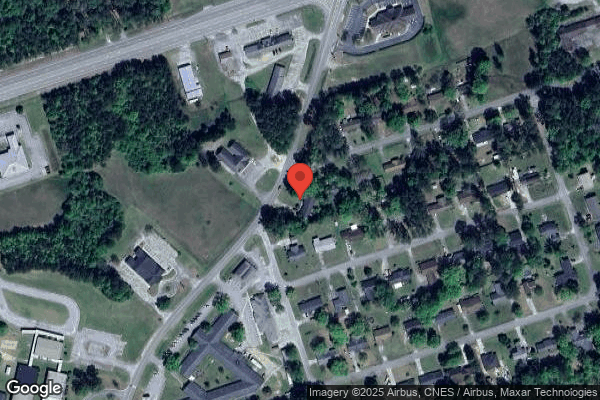

511 MT. PLEASANT ROAD, THOMSON, GA 30824 (706) 595-5574
For profit - Limited Liability company 150 Beds PEACH HEALTH GROUP Data: November 2025
Trust Grade
43/100
#233 of 353 in GA
Last Inspection: November 2024

Within standard 12-15 month inspection cycle. Federal law requires annual inspections.

Overview

Thomson Health and Rehabilitation has received a Trust Grade of D, indicating below-average performance with some significant concerns. Ranking #233 out of 353 facilities in Georgia places it in the bottom half, though it ranks #1 in McDuffie County, meaning it is the only option available locally. The facility is showing signs of improvement, as issues decreased from 9 in 2023 to 6 in 2024. Staffing is a mixed bag; they have a 2/5 star rating for staffing with a turnover rate of 53%, which is around the state average, but they provide less RN coverage than 84% of other Georgia facilities. There have been serious incidents reported, such as failing to notify a physician about a resident's change in condition, which led to hospitalization, and an unsafe transfer that caused injury to a resident. Additionally, the ice machine was not properly maintained, posing a risk of illness for residents. Overall, while there are some strengths, families should weigh these concerns carefully when considering this nursing home.

Trust Score
D
43/100
In Georgia
#233/353
Bottom 34%
Safety Record
Moderate
Needs review
Inspections
Getting Better
9 → 6 violations
Staff Stability
⚠ Watch
53% turnover. Above average. Higher turnover means staff may not know residents' routines.
Penalties
✓ Good
$12,347 in fines. Lower than most Georgia facilities. Relatively clean record.
Skilled Nurses
⚠ Watch
Each resident gets only 15 minutes of Registered Nurse (RN) attention daily — below average for Georgia. Fewer RN minutes means fewer trained eyes watching for problems.
Violations
⚠ Watch
18 deficiencies on record. Higher than average. Multiple issues found across inspections.
★★☆☆☆
2.0
Overall Rating
★★☆☆☆
2.0
Staff Levels
★★★★☆
4.0
Care Quality
★★☆☆☆
2.0
Inspection Score
Stable
2023: 9 issues
2024: 6 issues

The Good

  • 4-Star Quality Measures · Strong clinical quality outcomes
  • Full Sprinkler Coverage · Fire safety systems throughout facility
  • No fines on record

Facility shows strength in quality measures, fire safety.

The Bad

2-Star Overall Rating

Below Georgia average (2.6)

Below average - review inspection findings carefully

Staff Turnover: 53%

Near Georgia avg (46%)

Higher turnover may affect care consistency

Federal Fines: $12,347

Below median ($33,413)

Minor penalties assessed

Chain: PEACH HEALTH GROUP

Part of a multi-facility chain

Ask about local staffing decisions and management

The Ugly 18 deficiencies on record

2 actual harm
Nov 2024 6 deficiencies
CONCERN (D)

Potential for Harm - no one hurt, but risky conditions existed

Resident Rights (Tag F0550)

Could have caused harm · This affected 1 resident

Based on observation, staff interviews, record review, and review of the facility's policy and procedure titled Resident Rights, the facility failed to provide a dignified dining experience for two of...

Read full inspector narrative →
Based on observation, staff interviews, record review, and review of the facility's policy and procedure titled Resident Rights, the facility failed to provide a dignified dining experience for two of 33 sampled Residents (R) (R24 and R100) by serving meals on styrofoam with plastic utensils and standing to assist with meal intake. This failure created the potential for the residents to be treated in an undignified manner. Findings include: Review of the facility's policy and procedure titled Resident Rights with a review date of 1/6/2023 revealed, Employees shall treat all residents with kindness, respect, and dignity. 1. Review of R24's admission Record located under the Profile tab in the Electronic Medical Record (EMR) noted R24 was admitted with diagnoses that included eating disorder, unspecified; and adult failure to thrive. Review of the quarterly Minimum Data Set (MDS) with an assessment reference date (ARD) of 9/17/2024 revealed a Brief Interview for Mental Status (BIMS) score of zero out of 15 indicating R24 was unable to complete the interview. During observations of meals on 11/18/2024 at 12:24 pm, on 11/19/2024 at 12:31 pm, and on 11/20/2024 at 12:59 pm, revealed R24 was seated in front of her room with an overbed table in front of her. She was observed to be served meals in a styrofoam container. R24 was observed spitting food over the right side of her wheelchair, onto the floor and wheelchair itself, and into her lap. During an interview on 11/18/2024 at 2:49 pm, Licensed Practical Nurse (LPN)1 revealed, The resident spits in her food and sometimes makes herself vomit into her tray, that's why we use styrofoam. It doesn't always happen. During an interview on 11/21/2024 at 3:15 pm, the Director of Nursing (DON) stated, [R24] has styrofoam because she spits in her food and has wiped feces on her tray when she's finished. We can't have that. When asked if the staff had the opportunity to remove the meal at the time of completion and before R24 vomited or smeared feces, the DON did not say if that had been attempted. 2. Review of R100's admission Record located under the Profile tab in the EMR revealed, R100 was admitted with diagnoses that included unspecified dementia, unspecified severity, with other behavioral disturbance. Review of the significant change MDS with an ARD of 10/31/2024 revealed a BIMS score of zero out of 15 indicating R100 was unable to complete the interview. During an observation of R100 on 11/18/2024 at 12:24 pm revealed the resident seated in a reclining geri chair. R100 asked for a hamburger and Registered Nurse (RN) offered to assist R100 with eating his meal. Certified Nursing Assistant (CNA)1 asked RN1 Can I get you a chair? RN1 declined the chair to sit next to R100 stating, No, I don't need a chair, and proceeded to assist him with eating his meal while standing next to him. During an observation of R100 on 11/20/2024 at 12:42 pm, revealed the Human Resources (HR) staff member assisted R100 with eating his lunch meal while standing next to him. During an interview on 11/21/2024 at 12:55 pm, HR stated, I know I should have sat next to the resident. It was kind of chaotic and he was trying so hard to get out of the chair.
CONCERN (D)

Potential for Harm - no one hurt, but risky conditions existed

Deficiency F0561 (Tag F0561)

Could have caused harm · This affected 1 resident

**NOTE- TERMS IN BRACKETS HAVE BEEN EDITED TO PROTECT CONFIDENTIALITY** Based on staff and resident interviews, record review, and review the facility's policy titled Resident Rights, the facility fai...

Read full inspector narrative →
**NOTE- TERMS IN BRACKETS HAVE BEEN EDITED TO PROTECT CONFIDENTIALITY** Based on staff and resident interviews, record review, and review the facility's policy titled Resident Rights, the facility failed to honor the resident's right to vote for one of two Residents (R) (R83) who were reviewed for choices out of a total sample of 33 residents. This had the potential for the resident not to be able to make choices that could impact the resident's life. Findings include: Review of the facility's policy titled Resident Rights revised 1/6/2023 revealed, Federal and State laws guaranteed certain basic rights to all residents of the facility including the right to exercise his or her rights as citizens of the United States of America. Review of R83's Face Sheet tab of the Electronic Medical Record (EMR) revealed she was admitted to the facility on [DATE]. Review of R83's quarterly Minimum Data Set (MDS) with an Assessment Reference Date (ARD) of 8/30/2024 and located in the MDS tab of the EMR, revealed she had a Brief Interview for Mental Status (BIMs) score of 15 out of 15 indicating R83's cognition was intact. During an interview on 11/20/2024 at 10:03 am, the Social Service Director (SSD) stated she had been employed at the facility for one week. The SSD stated that if the resident was mobile then family members could take them to vote, or an absentee ballet could be provided. The SSD stated she did not know if any residents were taken to vote or if any absentee ballots were provided to the residents. The SSD stated that voting is a resident right. During a follow up interview on 11/20/2024 at 10:39 am, the SSD stated that the previous SSD usually had a meeting with the residents to see who needed assistance with voting but did not know if that meeting took place or what happened to any ballots mailed to the facility. During an interview on 11/20/2024 at 2:14 pm, R83 stated that she really wanted to vote and usually voted in person. R83 stated that her preference was to vote in person. R83 stated there was no family to ask and staff did not know how to help her. R83 stated she felt very disappointed she did not get to take part in the voting process. During an interview on 11/21/2024 at 9:11 am, the Activity Director (AD) stated the SSD had always been responsible for assisting the residents to vote. The AD stated that no one asked her to assist the residents with voting and no resident had asked her about it. The AD stated that they do go over the resident's right during resident council meetings and voting is a resident right.
CONCERN (D)

Potential for Harm - no one hurt, but risky conditions existed

Comprehensive Care Plan (Tag F0656)

Could have caused harm · This affected 1 resident

**NOTE- TERMS IN BRACKETS HAVE BEEN EDITED TO PROTECT CONFIDENTIALITY** Based on observations, staff interviews, record review, and review of the facility's policy and procedure titled Care Plans, the...

Read full inspector narrative →
**NOTE- TERMS IN BRACKETS HAVE BEEN EDITED TO PROTECT CONFIDENTIALITY** Based on observations, staff interviews, record review, and review of the facility's policy and procedure titled Care Plans, the facility failed to develop a person centered, comprehensive care plan for two of 33 sampled Residents (R) (R24 and R100) related to meal assistance, safety needs, and ambulation which had the potential for unmet care needs. Findings include: Review of the facility's policy and procedure titled Care Plans, dated 2015 revealed, The Care Planning/Interdisciplinary Team shall develop a comprehensive care plan for each resident . A comprehensive care plan is developed within seven (7) days of completion of the resident assessment (MDS) . Care plans shall incorporate goals and objectives which lead to the resident's highest obtainable level of independence. Goals and objectives are: Resident oriented; Behaviorally stated; Measurable; and within a specified time frame. 1. Review of the admission Record located under the Profile tab in the electronic medical record (EMR) revealed, R24 was admitted with diagnoses that included eating disorder, unspecified; and adult failure to thrive. Review of R24's quarterly Minimum Data Set (MDS) with an Assessment Reference Date (ARD) of 9/17/2024 revealed a Brief Interview for Mental Status (BIMS) score of zero out of 15 indicating R24 was unable to complete the interview Observations of meals on 11/18/2024 at 12:24 pm, 11/19/2024 at 12:31 pm, and 11/20/2024 at 12:59 pm revealed, R24 was served meals in a styrofoam container. R24 was observed to spit food over the right side of her wheelchair, onto the floor and the wheelchair, and into her lap. Interview on 11/18/2024 at 2:49 pm with Licensed Practical Nurse (LPN)1 stated, The resident spits in her food and sometimes makes herself vomit into her tray. It doesn't always happen. During an interview on 11/21/2024 at 3:15 pm, the Director of Nursing (DON) stated, [R24] spits in her food and has wiped feces on her tray when she's finished. We can't have that. Review of the 7/8/2024 Care Plan located in the EMR under the RAI tab revealed an identified problem of Episodes of socially inappropriate behaviors: i.e [example]: smearing feces and inappropriate toileting. [R24] was noted by CNA to squat over w/c [wheelchair] as if to toilet and had a BM [bowel movement] then noted to smear feces on wall and breakfast tray. Interventions were listed as approach resident in a calm and pleasant manner; educate resident on inappropriate behaviors and positive ways to express feelings and to communicate needs; re-direct resident as needed; resident is to wear disposal brief. There were no interventions to address R24's spitting or self-induced vomiting. 2. Review of admission Record located under the Profile tab in the EMR revealed, R100 was admitted with diagnoses that included unspecified dementia, unspecified severity, with other behavioral disturbance. Review of R100's significant change MDS with an ARD of 10/31/2024 revealed, a BIMS score of zero out of 15 indicating R100 was unable to complete the interview. Review of the Nursing Summary located under the Progress Notes tab in the EMR revealed R100 was hospitalized from [DATE] to 10/25/2024 for pneumonia. Upon readmission to the facility on [DATE], the resident was placed on Hospice. R100 was identified to no longer be walking independently, utilized a g-chair, was unsteady on his feet, and was at an increased risk for falls. During an observation of R100 on 11/18/2024 at 2:13 pm revealed, he was able to get himself out of geri chair and attempted to stand. Staff quickly intervened as R100 was very unsteady. During an observation of R100 on 11/20/2024 at 11:55 pm, revealed the resident was agitated, was verbal cursing, and attempted to get out of the geri chair. A staff member wheeled the resident in the geri chair, up and down the hall in an attempt to calm him. Review of the 11/11/2024 Care Plan located under the RAI tab in the EMR revealed no problems or interventions for R100 requiring assistance to eat; no longer a Full Code after Hospice initiation; no longer ambulating independently; use of the geri chair; or the need for one-on-one supervision to prevent accidents. The care plan was not reflective of R100's current condition. During an interview on 11/21/2024 at 12:40 pm, the MDS Coordinator (MDSC), responsible for the development of the resident care plans, stated, I've been doing all of this by myself as we were without some staff members. I will have to get these updated.
CONCERN (E)

Potential for Harm - no one hurt, but risky conditions existed

Transfer Notice (Tag F0623)

Could have caused harm · This affected multiple residents

**NOTE- TERMS IN BRACKETS HAVE BEEN EDITED TO PROTECT CONFIDENTIALITY** Based on staff interview, record review, and review of the facility's policy titled, Transfer Agreement, the facility failed to ...

Read full inspector narrative →
**NOTE- TERMS IN BRACKETS HAVE BEEN EDITED TO PROTECT CONFIDENTIALITY** Based on staff interview, record review, and review of the facility's policy titled, Transfer Agreement, the facility failed to provide written hospital transfer notices for three of three Residents (R) (R11, R12, and R43) reviewed for hospitalization out of a total sample of 33 residents. The failure had the potential to cause residents to not fully understand the purpose of the hospital transfer. Findings include: Review of the facility's policy titled, Transfer Agreement revised March 2017 revealed, the agreement, facilitates the exchange of medical and other information necessary or useful in the care and treatment of residents transferred between the institutions. The policy did not indicate that the resident and/or resident representative (RR) would/does receive a copy of the information or other written notice of transfer. Review of the Notice of Transfer/Discharge form dated March 2017 provided by the Administrator revealed, a form which indicated the reason, time, date, and location of the hospital transfer, as well as the amount of the bed hold. 1. Review of the Census tab located in the Electronic Medical Record (EMR) revealed, R11 was originally admitted to the facility on [DATE]. Review of the discharge Minimum Data Set (MDS) with an assessment reference date (ARD) of 10/7/2024 located in the MDS tab in the EMR revealed, R11 was discharged with an anticipated return. Review of the Progress Note dated 10/7/2024 located in the EMR under the Prog Note tab in the EMR revealed R11 was transferred to the hospital due to a swollen scrotum that was warm to touch. The resident returned to the facility on [DATE]. There was no evidence found in the EMR that R11 or the RR was provided with written notice of R11's hospital transfer. 2. Review of the Census tab in the EMR revealed, R12 was originally admitted to the facility on [DATE]. Review of the discharge MDS with an ARD of 5/24/2024 located under the MDS tab in the EMR revealed, R12 was discharged with an anticipated return. Review of the Progress Note located in the EMR under the Prog Note tab revealed R12 was transferred to the hospital on 5/25/2024 due to unstable vitals and congested lung sounds. The resident returned to the facility on 6/9/2024. There was no evidence found in the EMR that R12 or the RR was provided with written notice of R12's hospital transfer. 3. Review of the Census tab in the EMR revealed R43 was originally admitted to the facility on [DATE]. Review of the MDS located under the MDS tab with an ARD of 8/26/2024 revealed R43 was discharged with an anticipated return. Review of the Progress Note located in the EMR under the Prog Note tab revealed R43 was transferred to the hospital on 8/26/2024 due to not responding to staff and slumping to one side. The resident returned to the facility on 9/20/2024. There was no evidence found in the EMR that R43 or the RR was provided with written notice of R43's hospital transfer. During an interview on 11/20/2024 at 10:30 am the Administrator verified there was no evidence in R11, R12, or R43's EMR that a copy of the transfer agreement was given to the resident and/or RR representative.
CONCERN (E)

Potential for Harm - no one hurt, but risky conditions existed

Deficiency F0625 (Tag F0625)

Could have caused harm · This affected multiple residents

**NOTE- TERMS IN BRACKETS HAVE BEEN EDITED TO PROTECT CONFIDENTIALITY** Based on staff interview, record review, and review of the facility's policy titled Bed-Holds and Returns, the facility failed t...

Read full inspector narrative →
**NOTE- TERMS IN BRACKETS HAVE BEEN EDITED TO PROTECT CONFIDENTIALITY** Based on staff interview, record review, and review of the facility's policy titled Bed-Holds and Returns, the facility failed to provide written bed hold notices for three of three Residents (R) (R11, R12, and R43) reviewed for hospitalization out of a total sample of 33 residents. The failure had the potential to cause confusion as to what the charge would be after the bed hold expired or if they would have a bed when they returned to the facility. Findings include: Review of the facility's policy titled, Bed-Holds and Returns revised 10/2022 revealed, residents and/or representatives are informed (in writing) of the facility and state (if applicable) bed-hold policies. The policy revealed, the residents or their representative would receive a bed-hold notice, at the time of transfer (or, if the transfer was an emergency, within 24 hours). 1. Review of the Census tab located in the Electronic Medical Record (EMR) revealed, R11 was originally admitted to the facility on [DATE]. Review of the discharge Minimum Data Set (MDS) with an assessment reference date (ARD) of [DATE] located in the MDS tab in the EMR revealed R11 was discharged with an anticipated return. Review of the Progress Note dated [DATE] located in the EMR under the Prog Note tab in the EMR revealed R11 was transferred to the hospital due to a swollen scrotum that was warm to touch. The resident returned to the facility on [DATE]. There was no evidence found in the EMR that R11 or the RR was provided with a written bed hold notice at the time of R11's hospital transfer. 2. Review of the Census tab in the EMR revealed R12 was originally admitted to the facility on [DATE]. Review of the discharge MDS with an ARD of [DATE] located under the MDS tab in the EMR revealed R12 was discharged with an anticipated return. Review of the Progress Note located in the EMR under the Prog Note tab revealed R12 was transferred to the hospital on [DATE] due to unstable vitals and congested lung sounds. The resident returned to the facility on [DATE]. There was no evidence found in the EMR that R12 or the RR was provided with a written bed hold notice at the time of R12's hospital transfer. 3. Review of the Census tab in the EMR revealed R43 was originally admitted to the facility on [DATE]. Review of the MDS located under the MDS tab with an ARD of [DATE] revealed R43 was discharged with an anticipated return. Review of the Progress Note located in the EMR under the Prog Note tab revealed R43 was transferred to the hospital on [DATE] due to not responding to staff and slumping to one side. The resident returned to the facility on [DATE]. There was no evidence found in the EMR that R43 or the RR was provided with a written bed hold notice at the time of R43's hospital transfer. During an interview on [DATE] at 10:30 am the Administrator confirmed there was no evidence that R11, R12, or R43 or their RR's were provided the written bed hold policy when they were transferred to the hospital.
CONCERN (F)

Potential for Harm - no one hurt, but risky conditions existed

Food Safety (Tag F0812)

Could have caused harm · This affected most or all residents

Based on observation, staff interview, record review, and review of the facility's policy titled Sanitation, the facility failed to maintain the ice machine in a clean and sanitary manner. The deficie...

Read full inspector narrative →
Based on observation, staff interview, record review, and review of the facility's policy titled Sanitation, the facility failed to maintain the ice machine in a clean and sanitary manner. The deficient practice had the potential to cause illness to 103 out of 105 residents who consumed an oral diet. Findings include: Review of the facility's policy titled Sanitation revised 11/2022 revealed, that ice machines should be drained, cleaned, and sanitized. During an observation of the kitchen on 11/18/2024 at 9:47 am with the Dietary Manager (DM) revealed, a black substance was observed on the plastic lining inside the ice machine. Review of the cleaning schedule revealed, the ice machine had been last cleaned on 10/21/2024. Interview with the DM revealed that maintenance was responsible for cleaning the ice machine. The DM confirmed the ice machine was not clean and stated they would have to monitor it better.
Jun 2023 6 deficiencies
CONCERN (D) 📢 Someone Reported This

A family member, employee, or ombudsman was alarmed enough to file a formal complaint

Potential for Harm - no one hurt, but risky conditions existed

Resident Rights (Tag F0550)

Could have caused harm · This affected 1 resident

**NOTE- TERMS IN BRACKETS HAVE BEEN EDITED TO PROTECT CONFIDENTIALITY** Based on observations, staff interviews, record review, and review of the facility policy titled, Dignity, the facility failed t...

Read full inspector narrative →
**NOTE- TERMS IN BRACKETS HAVE BEEN EDITED TO PROTECT CONFIDENTIALITY** Based on observations, staff interviews, record review, and review of the facility policy titled, Dignity, the facility failed to ensure resident's dignity was maintained by not displaying confidential clinical information indicating clinical status or care needs for one resident (R) (R#95). Findings include: Review of the policy titled, Dignity dated July 1, 2021, revealed under Policy Statement: Each resident shall be cared for in a manner which promotes and enhances his or her sense of well-being, level of satisfaction with life, and feelings of self-worth and self-esteem. Number 10. B. under Policy interpretation and implementation states signs indicating the resident's clinical status or care needs are not openly posted in the resident's room unless specifically requested by the resident or family member. Discreet posting of important clinical information for safety reasons is permissible (e.g., taped to the inside of a closet door). Review of the clinical record for R#95 revealed resident was admitted to the facility with diagnoses including but not limited to cerebrovascular accident (CVA), hemiparesis, hemiplegia, muscle weakness, and Dysphagia. Review of residents quarterly Minimum Data Set (MDS) dated [DATE] revealed a Brief Interview for Mental Status (BIMS) score of 10, indicating moderate cognitive impairment. Section G (Functional Status) revealed R#95 required supervision and one person assist with eating meals. Observation on 6/13/2023 at 9:30 a.m. during initial tour revealed in room [ROOM NUMBER] B, there were three signs posted on the walls above and to the left of R#95's bed providing clinical information and detailed instructions on how R#95 should be positioned and assessed during mealtime. The signs stated the resident's name, diagnosis, (mechanical soft diet with ground meats, swallowing precautions) and explained to keep him upright to 90 degrees before and after eating/drinking/and taking medications, to take small bites and small sips alternating between liquids and solids, and to clean his dentures before first meal and after last meal of the day. Observations on 6/14/2023 at 12:20 p.m. revealed in room [ROOM NUMBER] B, the same signage remained posted around R#95's bed and was visible from the doorway. Observation on 6/15/2023 at 9:30 a.m. revealed in room [ROOM NUMBER] B, the same signage remained posted around R#95's bed and was visible from the doorway. Interview on 6/14/2023 at 12:45 p.m. Licensed Practical Nurse (LPN) CC, revealed the Speech Therapist placed the sign above R#95's bed. Interview on 6/14/2023 at 2:00 p.m. with the Director of Nursing revealed she did not know if the residents responsible party (RP) had requested the signs be hung up in the resident's room, but Director of Nursing was going to reach out to the speech therapist and RP and ask if either had requested the signs. DON did not receive a call back from RP or speech therapist.
CONCERN (D) 📢 Someone Reported This

A family member, employee, or ombudsman was alarmed enough to file a formal complaint

Potential for Harm - no one hurt, but risky conditions existed

Safe Environment (Tag F0584)

Could have caused harm · This affected 1 resident

**NOTE- TERMS IN BRACKETS HAVE BEEN EDITED TO PROTECT CONFIDENTIALITY** Based on observations, staff interviews, and review of the facility policy titled, Maintenance Service, the facility failed to m...

Read full inspector narrative →
**NOTE- TERMS IN BRACKETS HAVE BEEN EDITED TO PROTECT CONFIDENTIALITY** Based on observations, staff interviews, and review of the facility policy titled, Maintenance Service, the facility failed to maintain a clean, comfortable, homelike, environment related to scuffed walls, holes in walls, missing baseboards, and peeling paint, in two of 18 rooms on the 400 Hall (room [ROOM NUMBER] and 412) and one of 15 rooms on the 500 Hall (room [ROOM NUMBER]). Findings included: Review of policy titled, Maintenance Service with revised date December 2009 revealed, functions of maintenance personnel included but not limited to, maintaining the building in good repair and free from hazards. Observation on 6/13/2023 at 10:38 a.m. during initial tour and screening of residents and subsequent observations on 6/14/2023 at 9:05 a.m. and 6/15/2023 at 8:35 a.m., identified environmental concerns in room (Rm) 410, 412, and RM [ROOM NUMBER] as follows: Observation on 6/13/2023 at 10:46 a.m., 6/14/2023 at 9:13 a.m., and 6/15/2023 at 8:42 a.m. in room [ROOM NUMBER] identified a scuffed-up wall at the head of bed, and a hole in the wall under the window. Observation on 6/13/2023 at 10:31 a.m. during initial screening of residents, and subsequent observations on 6/14/2023 at 9:05 a.m., and 6/15/2023 at 8:35 a.m. in resident room [ROOM NUMBER] identified scuffed up walls, filthy mattress, peeling paint around ceiling vent, baseboard had fell over off wall and lying on the floor, a hole in wall beside bathroom door, two holes in the wall above and to the left of the bathroom sink. Observation on 6/13/2023 at 10:26 a.m. during initial screening of residents, and subsequent observations on 6/14/2023 at 1:16 p.m., and 6/15/2023 at 8:51 a.m. in room [ROOM NUMBER] revealed scuffed up wall on side of bed. During a walk-through on 6/15/2023 starting at 8:55 a.m. with the maintenance manager confirmed the following: Observation on 6/15/2023 at 8:59 a.m. in RM [ROOM NUMBER], the maintenance manager confirmed scuffed up wall at head of bed and busted wall under window. Observation on 6/15/2023 at 9:00 a.m. in RM [ROOM NUMBER] the maintenance manager confirmed scuffed up walls, baseboard missing, two holes in wall in bathroom, one hole in wall beside bathroom door, hole around bathroom vent, peeling paint around ceiling vent above resident's bed. Observation on 6/15/2023 at 9:02 a.m. in RM [ROOM NUMBER] the maintenance manager confirmed the wall beside bed A was very scuffed up and revealed he had just painted this room about two months ago, but they push the bed against the wall, let it up and down, and it scuffs up the wall. Walking rounds with the maintenance manager confirmed maintenance repairs in two of eighteen (2/18) rooms on 400 hall, and 1/15 rooms on the 500 hall. He revealed the dirty mattress in room [ROOM NUMBER] would fall under housekeeping but he would make them aware of it. Interview on 6/15/2023 at 9:00 a.m. the maintenance manager confirmed the issues identified in room [ROOM NUMBER], 412, and 501, and revealed he had been going through the building identifying items that needed repair and maintenance. He started at the front of the building a few weeks ago and had just started working on the back halls. His expectation was that these issues would be corrected as soon as possible as soon as he could get around to them. Interview on 6/15/2023 at 3:37 p.m. with the Director of Nursing (DON) confirmed maintenance issues identified and revealed they had been working on maintenance and repairs for a few months. She provided a policy for maintenance service and expected maintenance and repairs to be completed as timely as possible. Interview on 6/15/2023 at 3:50 p.m. with the Administrator confirmed they had been working on maintenance and repairs in the facility. She stated they would repair and paint walls and as soon as they finished the bed would get pushed against the wall, let up and down, and scuff up the wall again. She revealed they really needed those wall protector boards and expected repairs to be fixed.
CONCERN (D) 📢 Someone Reported This

A family member, employee, or ombudsman was alarmed enough to file a formal complaint

Potential for Harm - no one hurt, but risky conditions existed

Comprehensive Care Plan (Tag F0656)

Could have caused harm · This affected 1 resident

**NOTE- TERMS IN BRACKETS HAVE BEEN EDITED TO PROTECT CONFIDENTIALITY** Based on observations, staff interviews, record review, and review of the facility policies titled, Care Plans, Comprehensive Pe...

Read full inspector narrative →
**NOTE- TERMS IN BRACKETS HAVE BEEN EDITED TO PROTECT CONFIDENTIALITY** Based on observations, staff interviews, record review, and review of the facility policies titled, Care Plans, Comprehensive Person-Centered and Medication Monitoring and Management, the facility failed to develop/implement a care plan related to high-risk medications for three of seven residents (R) (R#4, R#28, and R#52). Findings include: Review of the facility policy titled, Care Plans, Comprehensive Person-Centered dated 2001, revealed under the subtitle Policy Interpretation and Implementation number 3 stated care plan interventions are derived from a thorough analysis of the information gathered as part of the comprehensive assessment. Number 7e stated the care plan reflects currently recognized standards of practice for problem areas and conditions. Number 9 revealed the care plan interventions are chosen after data gathering, proper sequencing of events, careful consideration, and relevant clinical decision making. Number 10 revealed the interventions address underlying sources of the problem areas not just symptoms or triggers when possible. Review of the facility policy titled, Medication Monitoring and Management effective date of 1/2/2023 revealed under Procedures #3 information gathered during the initial and ongoing evaluations is incorporated into a comprehensive care plan that reflects appropriate medication -related goals and parameters for monitoring the resident's condition. 3a revealed the care planning team defines quantitative and qualitative monitoring parameters using a variety of resources which included but not limited to manufacturing package inserts, box warnings, facility policy and procedures, clinical practice guidelines or standards of practice. Review of the Electronic Medical Record (EMR) revealed R#28 was admitted to the facility with diagnoses that included but were not limited to enterococcus, diabetes mellitus type 2, dysuria, gross hematuria, hypertension, and chronic kidney disease (CKD) stage 3. Review of the EMR revealed medication orders for R#28 included but was not limited to: bumex 0.5 Milligram (mg) twice a day (BID) for edema (started on 5/10/2023), cephalexin 500 mg bid x 7 days for Urinary tract infection (UTI), and phenazopyridine 99.5 mg, 2 tablets BID for pain related to urinary tract infection (UTI) for 30 days. Review of R#28's five-day Minimum Data Set (MDS) assessment dated [DATE] revealed a Brief Interview for Mental Status (BIMS) of 14, which indicated R#28 was cognitively intact. The Care Area Assessment (CAA) triggered from the admission MDS dated [DATE] were Activity's of Daily Living (ADL's), Functional rehabilitation potential, urinary incontinence, and indwelling catheter, falls, nutritional status, dental care and pressure ulcer injury. Review of R#28's care plan dated 4/24/2023 did not indicate a problem or interventions related to use of diuretics related to her diagnosis of CKD and edema, nor antibiotic use related to her diagnosis of UTI. Review of Discharge summary dated [DATE] from the hospital revealed R#28 was having chronic dysuria and was found to have gross hematuria as well. The patient was on and off antibiotics and was seen by infectious disease during the hospital stay. She was seen by urology during the hospital stay for chronic dysuria and possible bladder mass/infiltrative phenomenon. Observations made on 6/13/2023 at 1:30 p.m. of R#28 revealed bilateral lower extremities were edematous. Interview on 6/15/2023 at 9:38 a.m. with the MDS Coordinator confirmed and verified the CAA's triggered ADL, incontinent, falls, nutrition, dental, and pressure ulcer, but the care plan was not updated to reflect all care areas triggered. She verified the care plan was not updated to reflect her diagnoses of ESRD, hematuria, and chronic UTI's and her use of insulin and diuretics'. States she tracks new admissions on the EMR. Interview on 6/15/2023 at 11:08 a.m. with the Director of Nursing (DON) revealed her expectation was for every resident to have a comprehensive care plan completed within the time frame required and each resident's care plan reflect the residents current care status and needs. Review of the EMR revealed R#4 was admitted to the facility with diagnoses but not limited to major depressive disorder, mood disorder due to known physiological condition, chronic embolism/thrombosis. Review of R#4's relevant orders revealed orders to monitor behavior every shift for side effects of psychotropic medications and record on the electronic medication administration record (EMAR). Call the physician for behavior changes and escalations. Monitor for depression behaviors every shift and for medication side effects. Create a narrative progress note to paint a picture of resident's behaviors if she is displaying multiple behaviors or if she is having side effects to medications. Review of medication orders revealed the resident's medications were listed as but not limited to Eliquis, quetiapine, and olanzapine. Review of R#4's quarterly MDS assessment dated [DATE] revealed a BIMS of 15, which indicates R#4 was cognitively intact. Her mood total severity score was 6 indicating mild depression. Section N (Medications) revealed seven days prior to the assessment the resident received an antipsychotic, antidepressant, and an anticoagulant for seven days prior to the assessment. Review of R#4's care plan dated 4/6/2021 and last updated on 4/3/2023 indicated problems addressed were behavior of making false statements and yelling, monitor for side effects of antidepressants and psychotropic medications. Goals included but were not limited to no evidence of behavior problems and free of side effects related to antidepressant and psychotropic medication use. Interventions included but were not limited to administering medications as ordered, monitoring for signs and symptoms of adverse reactions to antidepressant therapy and psychotropic drug use. Interview with the MDS coordinator on 6/15/2023 at 9:55 a.m. revealed that when nursing reviews an order for high-risk medications that require monitoring there should also be a batch order initiated to include monitoring for side effects and reactions to be on the MAR. She confirmed and verified the Care Plan did not include a focus of care related to anticoagulant use or interventions related to anticoagulant use. Interview on 6/15/2023 at 10:00 a.m. with Licensed Practical Nurse (LPN) AA revealed when they receive orders for high-risk medications that require updates to the care plan the MDS Coordinator will update the care plan to reflect the needs and interventions required. She stated she notifies the MDS coordinator verbally at time of order receipt. She stated the MAR will be updated to reflect monitoring as well by the MDS coordinator. Interview on 6/15/2023 at 11:08 a.m. with the DON revealed she expects the care plan to reflect the residents' current care status and needs. She confirmed and verified the care plan did not include a focus of care related to anticoagulant use or interventions related to anticoagulant use. She stated this facility only monitors side effects of the anticoagulant warfarin/coumadin but does not monitor other anticoagulants for side effects. Review of the EMR for R#52 revealed that she was admitted with diagnoses listed but not limited to atrial fibrillation, mood disorder, dementia, and congestive heart failure. Review of medications ordered for R#52 revealed medications listed as but not limited to Eliquis 2.5 mg BID, Trazodone 50mg, Quetiapine 12.5 mg bid, Lasix 20 mg every other day. Review of orders for R#52 revealed orders were not found related to monitoring and documenting the side effects of high-risk medications and behaviors. Review of R#52's quarterly MDS dated [DATE] revealed she had a BIMs assessment completed with a score of 11, indicating moderately impaired cognition. Her mood total severity score was 0 indicating no depression. Section E (Behavior) documented R#52 had delusions (misconceptions of beliefs that are firmly held, contrary to reality. Section N(Medications) revealed seven days prior to the assessment R#52 received antipsychotic, an antidepressant, and an anticoagulant for seven days and she received a diuretic for three days prior. Review of the care plan dated 2/6/2023 revealed the focus of care addressed was, but not limited to falls and risk for fall, cognitive deficit, and congestive heart failure. The Goals set included but not limited to free from fall and related injuries, communicate basic needs, and body weight remain within normal limits for patient. Interventions included but were not limited to encourage use of call light and wait for assistance, keep call light within reach, use non-skid footwear, cue/orient/supervise resident, monitor/report/document signs and symptoms of congestive heart failure, give medications as ordered and monitor vital signs as ordered. An interview on 6/15/2023 at 9:58: a.m. with the MDS coordinator revealed she confirmed and verified the care plan did not include focus of care or interventions related to antidepressant, antipsychotic, or anticoagulant that R#52 is taking. She revealed that the care plan should reflect this. An interview with the DON on 6/15/2023 at 11:08 a.m. revealed she expects the care plan to reflect the residents' current care status and needs. She confirmed and verified the care plan did not reflect R#52's uses of antidepressants, antipsychotics, or anticoagulants. She confirmed and verified there were no orders for monitoring of antidepressant, diuretics, anticoagulants, or antipsychotics. She revealed they do not initiate an order to monitor for anticoagulants unless the resident is taking warfarin/coumadin.
CONCERN (D) 📢 Someone Reported This

A family member, employee, or ombudsman was alarmed enough to file a formal complaint

Potential for Harm - no one hurt, but risky conditions existed

Deficiency F0657 (Tag F0657)

Could have caused harm · This affected 1 resident

**NOTE- TERMS IN BRACKETS HAVE BEEN EDITED TO PROTECT CONFIDENTIALITY** Based on observations, staff and resident interviews, record review, and review of the facility policy titled, Care Plan, Compre...

Read full inspector narrative →
**NOTE- TERMS IN BRACKETS HAVE BEEN EDITED TO PROTECT CONFIDENTIALITY** Based on observations, staff and resident interviews, record review, and review of the facility policy titled, Care Plan, Comprehensive Person-Centered, the facility failed to update the care plan to include post operative care for one resident (R) (R#98). Findings include: Review of the facility policy titled, Care Plan, Comprehensive Person-Centered dated 2001, revealed under the subtitle Policy Interpretation and Implementation number 11, assessments are ongoing and care plans are revised as information and conditions change and number 12 revealed the interdisciplinary team reviews and updates the care plan (c) when the resident has been readmitted to the facility from a hospital stay. Review of the Electronic Medical Record (EMR) revealed R#98 was admitted to the facility on with diagnoses listed as but not limited to osteomyelitis of vertebrae - sacral, sacrococcygeal region, left great toe amputation, diabetes mellitus type 2, paraplegia, mastectomy. Review of medication orders revealed her medications listed as but not limited to Santyl external ointment to left foot, tramadol 75 mg, doxycycline 100 mg, gabapentin 300 mg, Dakin's (1/2 strength) apply to coccyx. Review of R#98's Quarterly Minimum Data Set (MDS) assessment dated [DATE] revealed a Brief Interview for Mental Status (BIMS) of 15, which indicates R#98 was cognitively intact. Section M (Skin conditions) revealed skin condition assessment of one stage four pressure ulcer, surgical wound, non-surgical pressure ulcer/injury to an area other than feet, and ointment and dressing was applied to feet. Review of R#98's care plan dated 12/9/2022 and updated last on 3/1/2023 indicated a focus of care addressed was assistance with ADL's, risk for pain related to pressure ulcer of sacrococcygeal region, infection of vertebrae and sacrococcygeal region, and stage 4 pressure ulcer to coccyx. R#98's goals included but not limited to maintain current level of functioning, have control of pain, free from complications related to infection, and pressure ulcer will show signs of healing. Interventions addressed included but were not limited to assist resident with bathing, hygiene, dressing ADL's, observe for changes in level of function, administer pain medications, assess for pain every shift, observe for effectiveness of medications, administer antibiotic per physician order, maintain universal precautions, monitor/report/document signs and symptoms of urinary tract infection (UTI) and delirium, administer wound care treatments as ordered, assess/record/monitor wound healing, follow facility policies to prevent/treat skin breakdown, and report declines to the physician. The care plan was not updated to address the surgical wounds she was readmitted with, diabetes mellitus, restorative care/occupational therapy, or chronic kidney failure. Interview on 6/15/2023 at 9:30 a.m. with MDS coordinator revealed she initiates and updates all care plans as the MDS coordinator. She confirmed that she did not update the care plan when R#98 returned from her last hospital stay. Interview with the DON on 6/15/2023 at 11:08 a.m. revealed she expects the care plan to reflect the residents' current care status and needs. She confirmed and verified the care plan did not reflect the DTI noted on progress note on 2/27/2023 nor was the care plan updated to reflect the bilateral mastectomy, toe amputation, and deterioration of the surgical wound of the toe amputation.
CONCERN (D) 📢 Someone Reported This

A family member, employee, or ombudsman was alarmed enough to file a formal complaint

Potential for Harm - no one hurt, but risky conditions existed

Deficiency F0773 (Tag F0773)

Could have caused harm · This affected 1 resident

**NOTE- TERMS IN BRACKETS HAVE BEEN EDITED TO PROTECT CONFIDENTIALITY** Based on observations, staff interviews, and record review, the facility failed to promptly notify the ordering physician, physi...

Read full inspector narrative →
**NOTE- TERMS IN BRACKETS HAVE BEEN EDITED TO PROTECT CONFIDENTIALITY** Based on observations, staff interviews, and record review, the facility failed to promptly notify the ordering physician, physician assistant, or nurse practitioner of laboratory results for one of one Resident (R) R#28. Specifically, the facility failed to ensure physician was notified of lab results received on June 1, 2023. Findings include: Review of the Electronic Medical Record (EMR) revealed Resident R#28 was admitted to the facility with pertinent diagnoses that included but were not limited to enterococcus, diabetes mellitus type 2, dysuria, gross hematuria, hypertension, and chronic kidney disease (CKD) stage 3. Review of medication orders for R#28 included but was not limited to: bumex 0.5 Milligram (mg) twice a day (BID) for edema (started on 5/10/2023), cephalexin 500 mg bid x 7 days for UTI, and phenazopyridine 99.5 mg, 2 tablets BID for pain related to urinary tract infection (UTI) for 30 days. Review of R#28's five-day Minimum Data Set (MDS) assessment dated [DATE] revealed a Brief Interview for Mental Status (BIMS) of 14, which indicated R#28 was cognitively intact. The Care Area Assessment (CAAs) triggered from the admission MDS dated [DATE] were Activities of Daily Living (ADL's), Functional rehabilitation potential, urinary incontinence, and indwelling catheter, falls, nutritional status, dental care, and pressure ulcer injury. Review of lab results collected and reported on 6/1/2023 revealed Na 134 (low), Chloride 96 (low), C02 32 (high), BUN 51(high), Creatinine 1.83 (high), Glucose 248 (high). Interview on 6/15/2023 at 10:00 a.m. with Licensed Practical Nurse (LPN) AA revealed when they receive a faxed copy of lab results the Assistant Director of Nursing (ADON) will fax the results to the ordering physician, once physician reviews the labs he will fax back to the facility with acknowledgement and or new orders. The hard copy will be scanned into the EMR once received back. Interview on 6/15/2023 at 10:49 a.m. with the Director of Nursing (DON) revealed she verified lab was received on 6/1/2023. She stated one process is the lab is received it is faxed to the physician and he will fax back reviewed and any new orders. She stated the MD office sends a thumb drive with his progress notes. Interview on 6/15/2023 at 10:58 a.m. with the ADON revealed the process is that lab results are faxed or called to the physicians' office. She stated she keeps the fax confirmations and follows up with the office if she doesn't have a response in 24 hours. She will then notify his office staff to find out if he has left them any information concerning the labs that were faxed. Interview on 6/15/2023 at 2:32 p.m. with ADON revealed she located the lab that was drawn on 6/1/2023. She stated she was on vacation when this lab was resulted and therefore, she was not sure who was responsible for faxing labs to the physician that week. She revealed she did fax the result to the physician on 6/15/2023 and provided a copy of the faxed document. An interview on 6/15/2023 at 3:45 p.m. with the DON revealed she expects the charge nurse or the station supervisor to fax labs to the physician on each respective unit when the ADON is not working so the labs are communicated to the physician promptly. She stated her expectation is for the ADON, Charge Nurses, and unit supervisors to monitor all labs that are sent to the physician and verify he has acknowledged and addressed them.
CONCERN (E) 📢 Someone Reported This

A family member, employee, or ombudsman was alarmed enough to file a formal complaint

Potential for Harm - no one hurt, but risky conditions existed

Infection Control (Tag F0880)

Could have caused harm · This affected multiple residents

2.Findings Include: Review of the policy titled Legionella Water Management Program revised date of September 2022, revealed under Policy Statement: Our facility is committed to the prevention, detect...

Read full inspector narrative →
2.Findings Include: Review of the policy titled Legionella Water Management Program revised date of September 2022, revealed under Policy Statement: Our facility is committed to the prevention, detection, and control of water-borne contaminants, including Legionella. Policy Interpretation and Implementation: Number 2: the water management team which consist of: The IP Nurse, Administrator, Medical Director (or designee), Director of Maintenance, and Director of Environmental Services. number 3. The purposes of the water management program are to identify areas in the water system where Legionella bacteria can grow and spread, and to reduce the risk of Legionnaire's disease. Review of the daily water temperature logs dated 11/2022 through 12/2022 revealed temperatures ranging from 104-109 degrees Fahrenheit (F). Daily water temperature logs from 1/2023-3/2023 revealed temperatures ranging from 102-108 degrees (F). Daily water temperature logs from 4/2023-6/2023 revealed no room temperatures on the log that was provided. The facility did not have a log for flushing water lines. In addition, the facility did not provide an assessment for the identification of where Legionella could grow and spread or measures to prevent the growth of opportunistic waterborne pathogens, and how to monitor. Interview on 6/14/2023 at 11:40 a.m. with the Maintenance Director, revealed that he checks the water Temp in the rooms of the resident every week, on each hall and alternates the rooms each week. He presented a Temp Log from 2021, through 6/23, currently. He revealed he does the water mix every two-three weeks and when necessary to prevent scalding of residents. He confirmed he does the circulation of the water heater pumps weekly, but there was no assessment of the buildings water system, and no documentation to verify the circulation of water heat pumps weekly. When asked about the Policy and Procedures for measures to prevent the growth of Legionella and other opportunistic waterborne pathogens in the building water systems, he stated he was unaware of a policy or procedure to prevent the growth of Legionella or other opportunistic waterborne pathogens and he had not received education about it. He stated he had not received eduction through the Centers for Disease Control (CDC), and he had not been informed of the need for the class and training. He confirmed there was no plan in place for prevention of Legionella or other bloodborne pathogens. Interview on 6/14/2023 at 10:05 a.m. with the Director of nursing (DON) revealed she does not attend rounds with the Maintenance Director while checking water temperatures in the residents' rooms, and she was not aware that she was supposed to. She revealed that he does report it to her if there is a problem. Based on observation, staff interviews, and review of the facility policies titled, Administering Medications , Preparation and General Guidelines IIA1: Equipment and Supplies for administering Medication and Legionella Water Management Program. The facility failed to maintain infection control standard precautions during medication administration for one of four sampled residents during medication administration observation. The facility also failed to develop an updated water management plan for the prevention of Legionella for 105 of 105 residents in the facility. 1.Findings include: Review of the policy titled, Administering Medications dated April 2019 revealed under Policy Interpretation and Implementations number 25. Staff follows established facility infection control procedures (e.g., handwashing, antiseptic technique, gloves, isolation precautions, etc.) for the administration of medications, as applicable. Preparation and General Guidelines IIA1: Equipment and Supplies for administering Medication dated May 1, 2020, Procedures: A- The following equipment and supplies are acquired and maintained by the facility for the proper storage, preparation, and administration of medications, 7) Examination gloves. Observation on 6/15/2023 at 9:00 a.m. with Licensed Practical Nurse (LPN) CC revealed during medication pass LPN CC prepared medication per doctor's orders. While administering resident's eye drops, nasal spray, and inhaled medication the LPN CC did not don gloves or sanitize her hands between each medication. Interview on 6/15/2023 at 10:00 a.m. with LPN CC revealed she knew she was supposed to wear gloves when administering medications, but she was so nervous with a surveyor watching her that she just guesses she forgot. She assured surveyor that she always wears gloves. Interview on 6/15/2023 at 2:00 p.m. with the Director of Nursing revealed that all nurses should don gloves before giving medications such as nasal spray and eye drops. The nurses have trained on proper procedures on a yearly basis.
Jan 2023 3 deficiencies 2 Harm
SERIOUS (G) 📢 Someone Reported This

A family member, employee, or ombudsman was alarmed enough to file a formal complaint

Actual Harm - a resident was hurt due to facility failures

Notification of Changes (Tag F0580)

A resident was harmed · This affected 1 resident

**NOTE- TERMS IN BRACKETS HAVE BEEN EDITED TO PROTECT CONFIDENTIALITY** Based on record review, interviews, and review of the policy titled Change in a Resident's Condition or Status, the facility fai...

Read full inspector narrative →
**NOTE- TERMS IN BRACKETS HAVE BEEN EDITED TO PROTECT CONFIDENTIALITY** Based on record review, interviews, and review of the policy titled Change in a Resident's Condition or Status, the facility failed to notify the resident's physician when there was a change in resident's physical status, for one of two residents (R) (R#5), reviewed for change in condition. Specifically, harm was identified when R#5 was admitted to hospital with diagnosis of bowel obstruction and urinary tract infection. The findings include: Review of the facility policy titled, Change in a Resident's Condition or Status revised February 2021 revealed, our facility promptly notifies the resident, his or her attending physician, and the resident representative of changes in the resident's medical/mental condition and/or status (e.g., changes in level of care, billing/payments, resident rights, etc.). Under Policy Interpretation and Implementation 1. The nurse will notify the resident's attending physician or physician on call when there has been a(an): b. discovery of injuries of an unknown source; .d. significant change in the residence physical/emotional/mental condition; 2. A significant change of condition is a major decline or improvement in the resident's status that: a. will not normally resolve itself without intervention by staff or by implementing standard disease-related clinical interventions (is not self-limiting); b. impacts more than one area of the residence health status; c. requires interdisciplinary review and/or revision to the care plan; and d. ultimately is based on the judgment of the clinical staff and the guidelines outlined in the Resident Assessment Instrument. 5. Except in medical emergencies, notifications will be made within twenty-four (24) hours of a change occurring in the residence medical/mental condition or status. Review of the clinical record revealed R#5 was admitted to the facility on [DATE] with diagnoses including but not limited to hypertension (HTN), diabetes, chronic obstructive pulmonary disease (COPD), dementia without behavioral disturbance, psychotic disturbance, mood disturbance, depression, and anxiety. Resident has history of diverticulitis of large intestine without perforation or abscess without bleeding, benign neoplasm of colon, gastro-esophageal reflux disease without esophagitis, and unspecified abdominal pain. Review of Progress Note dated 12/30/2022 revealed, Staff reported that resident had emesis of dark brown in color and a small bowel movement. This nurse assessed resident once notified but resident was already cleaned up so was unable to assess situation at hand. This nurse did ask resident how she felt, and she stated that her tummy hurts. Palpated abdomen slight distention with sluggish bowel sounds. Following nurse made aware and will follow up with monitoring and results. Small hard stool this morning. Review of Progress Note dated 1/1/2023 revealed Pt [patient] complaining of severe stomach pains and crying. Family at bedside and requesting pt go to ER [emergency room]. Dr. [Name] informed with orders to send to [Name of Hospital]. Interview on 1/5/2023 at 11:19 a.m. with the Director of Nursing (DON), revealed that R#5's change of condition happened towards the end of the night nurse's shift. The resident's change in condition was reported to the oncoming nurse, Licensed Practical Nurse (LPN) EE, to monitor and notify the provider. The DON stated that the nurse should have notified the provider. The DON reviewed the residents medical record and verified that the change in condition was not reported to the provider within 24 hours. The DON verified that there was no documentation of monitoring in the resident's record for the change in condition. Interview on 1/5/2023 at 1:14 p.m. with Medical Doctor (MD) OO verified that he was R#5's primary care physician and that he was not notified of R#5's change in condition on 12/30/2022. He stated that he expected them to notify him within 24 hours, and he would have provided guidance. Interview on 1/6/2023 at 10:32 a.m. with LPN EE stated that when she came on shift (7-3) on 12/30/2022, the nurse she relieved did not report to her that R#5 had a change in condition. She stated she did not review the nurses' notes from the previous shift. During further interview, she stated she did not know she needed to monitor the resident for continued or worsening symptoms, or report any changes to the MD. Post survey interview on 1/31/2023 at 1:53 p.m. with the DON, revealed R#5 expired on 1/5/2023, at the hospital. She reported the cause of death was bowel obstruction and sepsis, although she does not have a death certificate. She stated after the resident's initial complaint of abdominal pain with vomiting on 12/30/2022, R#5 did not have any additional complaints of pain nor exhibit any signs or symptoms. When asked about monitoring residents change in condition from a previous shift, would she expect the nurses to document on the resident's status, she stated the nurse's chart by exception, and they would only document things that were abnormal, and if the resident did not have any further complaints or symptoms, the nurses would not have documented anything. During further interview, she confirmed there were no other nursing entries for R#5 related to her complaint of abdominal pain or vomiting episode on 12/30/2022, until resident was sent to hospital on 1/1/2023, at family's request, due to severe abdominal pain and crying in pain. Additional review of medical records received from facility Administrator post survey (October 2022 through January 2023) revealed R#5 received Senna (stool softener) 8.6 milligram (mg) on Monday/Wednesday/Friday. Further review indicated staff were documenting regular bowel movements 1-2 per day. Resident consumed approximately 26-50% of meals, in addition to foods brought in by family. Weights had been discontinued due to family request.
SERIOUS (G) 📢 Someone Reported This

A family member, employee, or ombudsman was alarmed enough to file a formal complaint

Actual Harm - a resident was hurt due to facility failures

Accident Prevention (Tag F0689)

A resident was harmed · This affected 1 resident

**NOTE- TERMS IN BRACKETS HAVE BEEN EDITED TO PROTECT CONFIDENTIALITY** Based on record review, interviews, and review of the policy titled Lifting Machine, Using a Mechanical, the facility failed to ...

Read full inspector narrative →
**NOTE- TERMS IN BRACKETS HAVE BEEN EDITED TO PROTECT CONFIDENTIALITY** Based on record review, interviews, and review of the policy titled Lifting Machine, Using a Mechanical, the facility failed to ensure a safe and secure environment related to accidents, which resulted in actual harm for one of two residents (R) (R#5) reviewed for accidents, in which R#5 was hit in the face with the lift arm during transfer on 8/16/2022, and suffered left periorbital swelling and a black eye. The findings include: Review of the facility policy titled, Lifting Machine, Using a Mechanical revised July 2017 revealed, the purpose of this procedure is to establish the general principles of safe lifting using a mechanical lift device. It is not a substitute for manufacturers training or instructions. General Guidelines: 1. At least two (2) nursing assistants are needed to safely move a resident with a mechanical lift. Review of the September Certified Nursing Assistant (CNA) meeting agenda dated 9/14/2022, revealed training on reporting incidents/unusual occurrences and two person transfers using lifts. With the training materials was a form that stated, I attest that I have read and understood the principles of [facility name] policy is on: Safe Lifting of Residents & the utilization of Portable Lifts within our facility. I understand that failure to adhere to these policies could result in immediate suspension or termination from [facility name]. The form required the nursing assistant to sign as acknowledgement. Review of the clinical record revealed R#5 was admitted to the facility on [DATE] with diagnoses including but not limited to hypertension (HTN), diabetes, chronic obstructive pulmonary disease (COPD), dementia without behavioral disturbance, psychotic disturbance, mood disturbance, depression, and anxiety. Review of R#5's Annual Minimum Data Set (MDS) dated [DATE] revealed that R#5 was rarely/never understood. R#5 required extensive assistance with two plus persons physical assist for transfers. Review of a Police Report dated 8/17/2022 revealed Certified Nursing Assistant (CNA) GG said that after lunch, she began giving the patients that require help a bath/shower. CNA GG stated that out of the 12 people she was caring for, two of them require a Hoyer Lift. CNA GG said that it takes about 15-30 minutes to give someone a bath/shower that requires a Hoyer Lift. CNA GG then stated it only takes about 10 minutes for patients that can move on their own. CNA GG then stated that she is barely able to finish all of this before the end of her shift around 3:00 p.m. I asked CNA GG to describe the Hoyer Lift to me and she said it was a device that helped pick up individuals that were immobile. I asked CNA GG what the protocol was for using the lift. CNA GG stated that there should be two people using the lift. I asked CNA GG if there were two people there and she said no. I specifically asked CNA GG if anything happened when she was assisting R#5. CNA GG then began to explain to me what happened when she was assisting R#5. CNA GG stated that R#5 is bed ridden and requires the Hoyer Lift. CNA GG stated that R#5 also has a history of not fighting them but being uncooperative. CNA GG stated that because of this, R#5 almost fell to the floor when she was helping wash her. CNA GG said when she was getting her up, one of the arms of the machine moved and may have hit R#5. I asked CNA GG what she meant by that. CNA GG stated that she did not see the object hit her but heard something to that affect. CNA GG stated that she checked R#5 to make sure she did not have any injuries and she did not. CNA GG stated that after she gave R#5 the shower and put her back into the bed, she did not check on her before the end of her shift around 3:00 p.m. I asked CNA GG what time she assisted R#5 and she said about 1:30 p.m. I asked CNA GG why she did not report any injuries to R#5. CNA GG stated that she checked her after she heard the noise but did not see any injuries to R#5. CNA GG stated that if she would have seen something she would have told someone. Review of Progress Note notated as Late Entry dated 8/17/2022 and written by the Director of Nursing (DON) revealed she spoke with resident's daughter, regarding the injury to her mother's left eye. Daughter was told after interviewing multiple staff members, it was determined the CNA on the 7-3 shift on Tuesday, 8/16/2022, while transferring her mother from the bed to the wheelchair (W/C) with the Hoyer lift (in preparation for her shower), the Hoyer lift arm swung and made contact with her mother's left eye as the CNA was pulling the lift away and out from around the W/C. The reason for the delay in providing an explanation as to how the injury occurred, the CNA did not report the contact to any staff member at the time of the occurrence. Review of the Final Report-Facility Incident dated 8/24/2022 revealed following the event, staff interviews were conducted by the Administrator and the Director of Nursing (DON). Written statements were obtained from all staff who cared for the resident the 24 hours leading up to the discovery of the injury. At the conclusion of the staff interviews, it was determined the injury occurred on the 7-3 shift while the resident was under the care of CNA GG. CNA GG reported she had gotten R#5 up out of the bed using the Hoyer/Sling lift. She transferred her from the bed to the shower chair using the lift in preparation to take the resident to the shower. CNA GG reported, while pulling the lift away from the shower chair, the trapeze arm (in an X shape) may have swung and hit R#5 in the face. CNA GG stated she did not see the trapeze arm hit her. She was looking down to be sure when she pulled the lift out of the way, she did not run over R#5's feet. She stated it was during this time, she heard a bop. CNA GG stated the resident did not cry or yell out, so she was not sure anything happened at all. It was for this reason, CNA GG stated she did not report the incident. At the conclusion of the investigation into R#5's left eye injury, it was discovered education reinforcing the proper use of the lift needs to be completed with the CNA staff. Review of CNA GG's statement dated 8/17/2022 revealed, I [Name] was putting R#5 in the shower chair and took her to the shower. I heard a bump but didn't realize what the [name of lift brand] lift had hit. When I was done with her shower, I laid her back down because she was complaining about leg pain. I used the Viking lift to get R#5 up and take her to the shower around 1:30 p.m. I used it to lay her back down. When I was in the {sic}R#5's room, I heard a bump when I was putting R#5 in the shower chair. I didn't report it to the nurse when I laid her back down with the Viking lift. I did not have anyone in the room with me. Interview on 1/5/2023 at 11:19 a.m. with the DON, she stated that CNA GG had lied to her during her investigation on 8/16/2022. It was on 8/17/2022 when CNA GG told her that she had used the lift by herself. The CNA was suspended on 8/17/2022 pending the investigation. During her investigation, she found out that CNA GG used the lift by herself, and the arm of the lift hit the resident in the face. The DON stated that the lifts require two people when in use. One person to watch and work with the resident, and the other person to watch and work the lift.
CONCERN (D) 📢 Someone Reported This

A family member, employee, or ombudsman was alarmed enough to file a formal complaint

Potential for Harm - no one hurt, but risky conditions existed

Report Alleged Abuse (Tag F0609)

Could have caused harm · This affected 1 resident

**NOTE- TERMS IN BRACKETS HAVE BEEN EDITED TO PROTECT CONFIDENTIALITY** Based on record review, interviews, and review of the policy titled Abuse, Neglect, Exploitation or Misappropriation - Reporting...

Read full inspector narrative →
**NOTE- TERMS IN BRACKETS HAVE BEEN EDITED TO PROTECT CONFIDENTIALITY** Based on record review, interviews, and review of the policy titled Abuse, Neglect, Exploitation or Misappropriation - Reporting and Investigating, the facility failed to report an injury of unknown origin immediately, but not later than two hours after forming the suspicion, for two of two residents (R) (R#4 and R#5) reviewed for accidents. The findings include: Review of the facility policy titled, Abuse, Neglect, Exploitation or Misappropriation - Reporting and Investigating revised September 2022 revealed all reports of resident abuse (including injuries of unknown origin), neglect, exploitation, or theft/misappropriation of resident property are reported to local, state and federal agencies (as required by current regulations) and thoroughly investigated by facility management. Findings of all investigations are documented and reported. under Policy Interpretation and Implementation reporting allegations to the administrator and authorities 1. If resident abuse, neglect, exploitation, misappropriation of resident property or injury of unknown source is suspected, the suspicion must be reported immediately to the administrator and to other officials according to state law. 2. The administrator or the individual making the allegation immediately reports his or her suspicion to the following persons or agencies: a. The state licensing/certification agency responsible for surveying/licensing the facility; b. The local/state ombudsman; c. The resident's representative: d. Adult protective services (where state law provides jurisdiction in long-term care); e. Law enforcement officials; f. The resident's attending physician; and g. The facility medical director. 3. Immediately is defined as: a. Within two hours of an allegation involving abuse or result in serious bodily injury; or b. Within 24 hours of an allegation that does not involve abuse or result in serious bodily injury . 6. Upon receiving any allegations of abuse, neglect, exploitation, it's appropriation of resident property or injury of unknown source, the administrator is responsible for determining what actions (if any) are needed for the protection of residents. 1. Review of clinical record for R#4 revealed she was admitted to the facility on [DATE] with diagnoses including Chronic Obstructive Pulmonary Disease (COPD) and Diabetes Mellitus (DM). Review of the Quarterly Minimum Data Set (MDS) assessment dated [DATE], revealed a Brief Interview for Mental Status (BIMS) score of 15, indicating intact cognition related to daily decision making. She was assessed to be independent for bed mobility, locomotion on and off the unit, dressing, eating, toilet use, personal hygiene, and bathing. Review of the initial Facility Incident Report Form dated 10/11/2022, indicated on 10/8/2022, at 8:00 p.m., R#4 became upset over a breakup with her boyfriend (who was also a resident in the facility), went to her room and superficially scraped her wrists with her disposable razor. When staff had entered her room to assess her condition, her wrists were no longer bleeding since the bleeding was minimal. Review of the final Facility Incident Report Form dated 10/18/2022, indicated R#4 was found on 10/8/2022 at 8:00 p.m., lying supine in her bed with scrape and cut marks to her wrists bilaterally. The bleeding to the areas was minimal. When asked by staff what happened, R#4 stated she cut her wrists with a disposable razor. Resident further admitted the act was a suicide attempt on her life due to a break-up with her boyfriend, who was also a resident at the facility. R#4's condition was stable with stable vital signs. She was placed on 1:1 observation until the appropriate transfer arrangements could be made the same evening. R#4's primary physician and family member were notified of the event the evening of 10/8/2022. The physician ordered the resident to be transferred to a short-term acute care hospital for further psychiatric evaluation. R#4 has not returned to the facility. Written and verbal statements were obtained by staff and the resident who R#4 considered to be her boyfriend. An interview was conducted on 1/5/2023 at 10:45 a.m., with the Director of Nursing (DON), who confirmed the incident occurred on 10/8/2022, at 8:00 p.m., and confirmed the initial Facility Incident Report had not been submitted until 10/11/2022. During further interview, the DON stated, It would have been impossible for me to submit the report timely, as I was not immediately informed of the incident. 2. Review of the clinical record revealed R#5 was admitted to the facility on [DATE] with diagnoses including but not limited to hypertension (HTN), diabetes, chronic obstructive pulmonary disease (COPD), dementia without behavioral disturbance, psychotic disturbance, mood disturbance, depression, and anxiety. Review of R#5's Annual MDS dated [DATE] revealed that R#5 was rarely/never understood. She required extensive assistance with two plus persons for all care. Review of R#5's Progress Note dated 7/24/2022 revealed, noted darkened area to chin- quarter sized- and beneath lower lip- no complaints of pain or discomfort. Interview on 1/5/2023 at 10:33 a.m., Licensed Practical Nurse (LPN) CC stated that she showed the bruise on R#5's chin to the residents' daughter. LPN CC asked the residents' daughter if she knew where it came from, but she stated did not know anything about it. She stated it was a small bruise at the bottom of her chin. LPN CC stated she could not remember if she notified the DON about the bruise. LPN CC verified it was an injury of unknown origin, and she should have notified the medical doctor, the DON, and the Administrator to conduct an investigation. Interview on 1/5/2023 at 11:19 a.m., the DON stated LPN CC failed to report the bruise on R#5's chin so that an investigation could be completed. The DON stated this was the first time she'd heard about the bruise on R#5's chin and that she expected that an injury of unknown origin would be reported to her so that she could report it to the state and an investigation could be completed. Interview on 1/6/2023 at 8:37 a.m., the Administrator stated that she and the DON were responsible for reporting. She lets the DON handle the initial report and investigation. They go over the results of the investigation and the final report together. She verified that the incidents regarding R#4 and R#5 should have been reported within two hours. She stated they dropped the ball on them.
Oct 2021 3 deficiencies
CONCERN (D)

Potential for Harm - no one hurt, but risky conditions existed

Comprehensive Care Plan (Tag F0656)

Could have caused harm · This affected 1 resident

**NOTE- TERMS IN BRACKETS HAVE BEEN EDITED TO PROTECT CONFIDENTIALITY** Based on record review and staff interviews the facility failed to ensure the plan of care was followed related to oxygen therap...

Read full inspector narrative →
**NOTE- TERMS IN BRACKETS HAVE BEEN EDITED TO PROTECT CONFIDENTIALITY** Based on record review and staff interviews the facility failed to ensure the plan of care was followed related to oxygen therapy for one of eight residents (R) reviewed R#18. Findings include: Record review for R#18 revealed had diagnoses of Chronic respiratory failure, chronic obstructive pulmonary disease, acute on chronic diastolic congestive heart failure, anxiety disorder, sleep apnea, and dependence on supplemental oxygen. Review of the Quarterly Minimum Data Set (MDS) assessment dated [DATE] revealed in section O (special treatments, procedures, and programs) indicated R#18 was receiving oxygen therapy. Review of resident medical records revealed a care plan dated 8/10/2021 indicated R#18 had shortness of breath related to hypoxia with documented intervention of oxygen via nasal cannula as ordered. Review of the Physician Orders for the resident revealed an order for oxygen per nasal canula at 2 liters per minute (L/M) every shift related to dependence on supplemental oxygen order was dated for 3/17/2021. Observation on 10/27/21 at 8:09 a.m. revealed that R#18 had an oxygen concentrator set at 2.5 L/m per nasal cannula. Observation and interview with Licensed Practical Nurse (LPN) BB on 10/27/21 at 8:29 a.m. of R#18 oxygen concentrator confirmed the concentrator was set at 2.5M/L per nasal cannula. Further interview with LPN BB revealed that she does not normally make rounds to check the oxygen to see if it is on the right rate for residents that are on oxygen but occasionally while in the room, she looks at the concentrators to see what the flow rate is. LPN BB further revealed that she was not aware if the oxygen is documented on the care plan. An interview with LPN CC the MDS Coordinator on 10/28/21 at 1:20 p.m. revealed that when residents have an order for oxygen therapy that MDS is usually the one that initiates the care plan for the resident. Further interview also revealed that when residents receive a new order for oxygen that the care plan is updated by MDS and rarely do the charge nurses update care plans. An interview with the Director of Nursing (DON) on 10/28/21 at 1:26 p.m. revealed her expectations are for the nurses to follow the Physician's Orders. Cross reference F695
CONCERN (D)

Potential for Harm - no one hurt, but risky conditions existed

Respiratory Care (Tag F0695)

Could have caused harm · This affected 1 resident

**NOTE- TERMS IN BRACKETS HAVE BEEN EDITED TO PROTECT CONFIDENTIALITY** Based on observation, record review, staff interviews and facility policy review titled Oxygen Administration the facility faile...

Read full inspector narrative →
**NOTE- TERMS IN BRACKETS HAVE BEEN EDITED TO PROTECT CONFIDENTIALITY** Based on observation, record review, staff interviews and facility policy review titled Oxygen Administration the facility failed to ensure that one of eight residents (R) R#18 was administered oxygen therapy in accordance with the physician orders. The deficient practice had the potential to affect eight residents that were receiving oxygen therapy on a continuous basis. Findings include: Review of facility policy titled Oxygen Administration on 10/28/21 at 1:53 p.m. revealed section Preparation 1. Verify that there is a physician's order for the procedure. Review the physician's orders or facility protocol for oxygen administration. Observation of R#18 on 10/26/21 at 1:15 p.m. revealed the resident was receiving oxygen therapy at 3 liter per minute (L/M) per nasal canula. Record review revealed R#18 had diagnoses of Chronic respiratory failure, chronic obstructive pulmonary disease, acute on chronic diastolic congestive heart failure, anxiety disorder, sleep apnea, and dependence on supplemental oxygen. Review of the Quarterly Minimum Data Set (MDS) assessment dated [DATE] revealed in section O (special treatments, procedures, and programs) indicated R#18 was receiving oxygen (O2) therapy. Review of a care plan, dated 8/10/2021, indicated R#18 had shortness of breath related to hypoxia with documented intervention of oxygen via nasal cannula as ordered. Review of the Physician Orders for R#18 revealed an order for oxygen per nasal canula at 2 liters per minute (L/M) every shift related to dependence on supplemental oxygen order was dated for 3/17/2021. Resident observation on 10/27/21 at 8:09 a.m. of R#18 oxygen concentrator revealed 02 was set at 2.5 L/M per nasal cannula. Observation and interview with Licensed Practical Nurse (LPN) BB on 10/27/21 at 8:29 a.m. of R#18 oxygen concentrator confirmed the concentrator was set at 2.5M/L per nasal cannula. Further interview with LPN BB revealed that she does not normally make rounds to check the oxygen to see if it is on the right rate for residents that are on oxygen but occasionally while in the room, she looks at the concentrators to see what the flow rate is. LPN BB further revealed that she was not aware if the oxygen is documented on the care plan. An interview with LPN CC the MDS Coordinator on 10/28/21 at 1:20 p.m. revealed that when residents have an order for oxygen therapy that MDS is usually the one that initiates the care plan for the resident. Further interview also revealed that when residents receive a new order for oxygen that the care plan is updated by MDS and rarely do the charge nurses update care plans. An interview with the Director of Nursing (DON) on 10/28/21 at 1:26 p.m. revealed her expectations are for the nurses to follow the Physician's Orders. All residents are to have their oxygen saturation (pulse ox) checked and charted and their oxygen machine checked to ensure the correct liters of oxygen is programmed on the machine. If the incorrect level is noted on the machine then an adjustment should be made to comply with the Physician's Order.
MINOR (B)

Minor Issue - procedural, no safety impact

PASARR Coordination (Tag F0644)

Minor procedural issue · This affected multiple residents

**NOTE- TERMS IN BRACKETS HAVE BEEN EDITED TO PROTECT CONFIDENTIALITY** Based on record review, staff interviews, and review of facility policy titled admission Criteria the facility failed to submit ...

Read full inspector narrative →
**NOTE- TERMS IN BRACKETS HAVE BEEN EDITED TO PROTECT CONFIDENTIALITY** Based on record review, staff interviews, and review of facility policy titled admission Criteria the facility failed to submit an application for Level two (2) PASRR (Preadmission Screening and Resident Review) for evaluation and determination of specialized services for two of four residents (R) #4 and R#59 that had a positive Level I PASRR for mental illness and diagnoses of schizophrenia, bipolar disorder, and anxiety disorder, prior to and on admission to the facility. The deficient practice had the potential to affect residents requiring Level II PASARR specialized services. Findings include: Review of facility policy titled admission Criteria revised 2019 revealed under policy interpretation number 9. All new admissions are screened for mental disorders (MD), intellectual disabilities (ID) or related disorders (RD) per the medical pre-admission Screening and Resident Review (PASARR) process. Continued review of policy under section 9B. If the level I indicates that the individual may meet the criteria for a MD, ID, or RD, he or she is referred to the state PASARR representative for the Level II (evaluation and determination) screening process. 1. Record review for R#4 on 10/26/2021 at 3:01 p.m. revealed initial admission date of 3/17/2016 with diagnoses of Schizophrenia, major depressive disorder, insomnia, and anxiety disorder. Review of R#4's plan of care dated 10/2/2021 indicated that resident was experiencing delusions and hallucinations. Review of Annual Minimum Data Set (MDS) dated [DATE] for R#4 revealed revealed in Section A1500 PASRR: the resident was not considered to have a serious and/or intellectual disability or related conditions although the resident was assessed to have delusions, physical and verbal behaviors directed toward others and a diagnosis of Schizophrenia. Review of PASARR Level I application, dated 9/30/2019, for R#4 did not indicate that resident had diagnoses of Schizophrenia, major depressive disorder, nor was anxiety disorder indicated on application therefore Level II was not recommended. 2. Record review for R#59 on 10/27/2021 at 8:30 a.m. revealed resident was admitted to facility on 9/22/2015 with diagnoses to include but not limited to major depressive disorder, schizoaffective disorder of bipolar type, and anxiety disorder. Review of the plan of care, dated 10/5/2021, indicated the R#59 had a behavior problem (other behavioral symptoms not directed towards others) related to (r/t) (scratching self, picking skin/scabs). Review of Quarterly MDS assessment, dated 9/29/2021, for R#59 revealed section A1500 the resident currently not considered to have serious and/or intellectual disability or related conditions although the resident was assessed for psychiatric Mood disorder, anxiety disorder and Schizophrenia. Review of PASARR Level I application, dated 6/26/2018, for R#59 did not indicate that resident had diagnoses of schizoaffective disorder of bipolar type, major depressive disorder, neither was anxiety disorder indicated on application therefore Level II was not recommended. An interview with the Social Services Director (SSD) on 10/27/21 at 9:22 a.m. revealed currently there are six residents in the facility with PASRR level II with no pending level II applications pending. The qualification for level II is that the resident has a significant diagnosis such as anxiety m major depression, schizophrenia, bipolar without a neurocognitive disorder such as dementia, or Alzheimer's. If it is found that resident develops symptoms after admission and behaviors are significant, they would be referred to the Physician and a level II will be submitted for review. In order for the resident to receive tele-psychiatric services, they have to exhibit signs and symptoms of behaviors although residents do not have to have a level II in order to receive services. There are residents in the facility that are receiving psychiatric services that do not have a level II; some residents receive psychiatric services for medication management. Further interview revealed that a level I status change was submitted for R#4 on October 11,2019 due to schizophrenia diagnosis. The SSD provided a letter received back from the PASRR stating resident did not qualify for Level II services. Review and interview revealed that when Level I was submitted the indication of Schizophrenia was not documented on application because it was not her primary diagnosis. The SSD did confirm that the R#4 was receiving behavioral services. An interview with the Administrator on 10/28/21 at 11:21 a.m. revealed that she was unaware that residents that were receiving services and had a qualifying diagnosis did not have a Level II PASRR on file.
Understanding Severity Codes (click to expand)
Life-Threatening (Immediate Jeopardy)
J - Isolated K - Pattern L - Widespread
Actual Harm
G - Isolated H - Pattern I - Widespread
Potential for Harm
D - Isolated E - Pattern F - Widespread
No Harm (Minor)
A - Isolated B - Pattern C - Widespread

Questions to Ask on Your Visit

  • "Can I speak with families of current residents?"
  • "What's your RN coverage like on weekends and overnight?"

Our Honest Assessment

Strengths
  • • Licensed and certified facility. Meets minimum state requirements.
Concerns
  • • 18 deficiencies on record, including 2 serious (caused harm) violations. Ask about corrective actions taken.
  • • $12,347 in fines. Above average for Georgia. Some compliance problems on record.
  • • Grade D (43/100). Below average facility with significant concerns.
Bottom line: Trust Score of 43/100 indicates significant concerns. Thoroughly evaluate alternatives.

About This Facility

What is Thomson's CMS Rating?

CMS assigns THOMSON HEALTH AND REHABILITATION an overall rating of 2 out of 5 stars, which is considered below average nationally. Within Georgia, this rating places the facility higher than 0% of the state's 100 nursing homes. A rating at this level reflects concerns identified through health inspections, staffing assessments, or quality measures that families should carefully consider.

How is Thomson Staffed?

CMS rates THOMSON HEALTH AND REHABILITATION's staffing level at 2 out of 5 stars, which is below average compared to other nursing homes. Staff turnover is 53%, compared to the Georgia average of 46%.

What Have Inspectors Found at Thomson?

State health inspectors documented 18 deficiencies at THOMSON HEALTH AND REHABILITATION during 2021 to 2024. These included: 2 that caused actual resident harm, 15 with potential for harm, and 1 minor or isolated issues. Deficiencies causing actual harm indicate documented cases where residents experienced negative health consequences.

Who Owns and Operates Thomson?

THOMSON HEALTH AND REHABILITATION is owned by a for-profit company. For-profit facilities operate as businesses with obligations to shareholders or private owners. The facility is operated by PEACH HEALTH GROUP, a chain that manages multiple nursing homes. With 150 certified beds and approximately 105 residents (about 70% occupancy), it is a mid-sized facility located in THOMSON, Georgia.

How Does Thomson Compare to Other Georgia Nursing Homes?

Compared to the 100 nursing homes in Georgia, THOMSON HEALTH AND REHABILITATION's overall rating (2 stars) is below the state average of 2.6, staff turnover (53%) is near the state average of 46%, and health inspection rating (2 stars) is below the national benchmark.

What Should Families Ask When Visiting Thomson?

Based on this facility's data, families visiting should ask: "Can you walk me through typical staffing levels on day, evening, and night shifts?" "Can I visit during a mealtime to observe dining assistance and food quality?" "How do you handle medical emergencies, and what is your hospital transfer rate?" "Can I speak with family members of current residents about their experience?" These questions are particularly relevant given the below-average staffing rating.

Is Thomson Safe?

Based on CMS inspection data, THOMSON HEALTH AND REHABILITATION has a clean safety record: no substantiated abuse findings (meaning no confirmed cases of resident harm), no Immediate Jeopardy citations (the most serious violation level indicating risk of serious injury or death), and is not on the Special Focus Facility watch list (a federal program monitoring the lowest-performing 1% of nursing homes). The facility has a 2-star overall rating and ranks #100 of 100 nursing homes in Georgia. While no facility is perfect, families should still ask about staff-to-resident ratios and recent inspection results during their visit.

Do Nurses at Thomson Stick Around?

THOMSON HEALTH AND REHABILITATION has a staff turnover rate of 53%, which is 7 percentage points above the Georgia average of 46%. Moderate turnover is common in nursing homes, but families should still ask about staff tenure and how the facility maintains care continuity when employees leave.

Was Thomson Ever Fined?

THOMSON HEALTH AND REHABILITATION has been fined $12,347 across 2 penalty actions. This is below the Georgia average of $33,202. While any fine indicates a compliance issue, fines under $50,000 are relatively common and typically reflect isolated problems that were subsequently corrected. Families should ask what specific issues led to these fines and confirm they've been resolved.

Is Thomson on Any Federal Watch List?

THOMSON HEALTH AND REHABILITATION is not on any federal watch list. The most significant is the Special Focus Facility (SFF) program, which identifies the bottom 1% of nursing homes nationally based on persistent, serious quality problems. Not being on this list means the facility has avoided the pattern of deficiencies that triggers enhanced federal oversight. This is a positive indicator, though families should still review the facility's inspection history directly.