REHABILITATION CENTER OF SOUTH GEORGIA
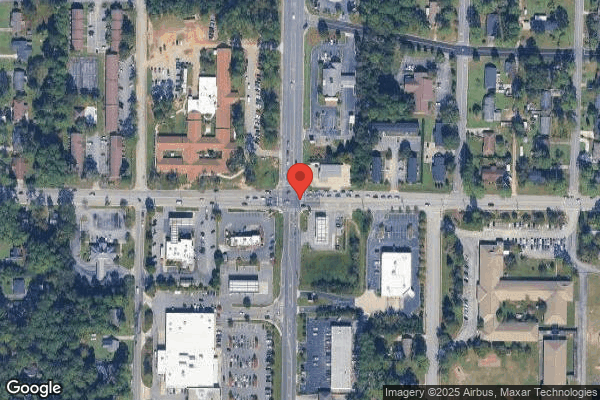
2002 TIFT AVENUE NORTH, TIFTON, GA 31794 (229) 382-7342
For profit - Corporation 178 Beds CROSSROADS MEDICAL MANAGEMENT Data: November 2025
Trust Grade
40/100
#323 of 353 in GA
Last Inspection: July 2024

Within standard 12-15 month inspection cycle. Federal law requires annual inspections.

Overview

The Rehabilitation Center of South Georgia has a Trust Grade of D, which indicates below-average care and raises some concerns about the facility. It ranks #323 out of 353 nursing homes in Georgia, placing it in the bottom half of facilities in the state, and is #2 out of 2 in Tift County, meaning only one local option is better. The trend is worsening, with the number of issues increasing from 7 in 2023 to 19 in 2024. Staffing is rated average with a 3/5 star rating and a turnover rate of 47%, which is on par with the state average. Although there have been no fines recorded, recent inspections revealed concerns such as serving food at unsafe temperatures and improper garbage disposal, which could attract pests. While there are strengths, including no fines and average RN coverage, the increasing number of issues and the overall low trust grade are notable weaknesses for families to consider.

Trust Score
D
40/100
In Georgia
#323/353
Bottom 9%
Safety Record
Low Risk
No red flags
Inspections
Getting Worse
7 → 19 violations
Staff Stability
⚠ Watch
47% turnover. Above average. Higher turnover means staff may not know residents' routines.
Penalties
✓ Good
No fines on record. Clean compliance history, better than most Georgia facilities.
Skilled Nurses
○ Average
Each resident gets 31 minutes of Registered Nurse (RN) attention daily — about average for Georgia. RNs are the most trained staff who monitor for health changes.
Violations
⚠ Watch
31 deficiencies on record. Higher than average. Multiple issues found across inspections.
★☆☆☆☆
1.0
Overall Rating
★★★☆☆
3.0
Staff Levels
★★☆☆☆
2.0
Care Quality
★☆☆☆☆
1.0
Inspection Score
Stable
2023: 7 issues
2024: 19 issues

The Good

  • Full Sprinkler Coverage · Fire safety systems throughout facility
  • No fines on record

Facility shows strength in fire safety.

The Bad

1-Star Overall Rating

Below Georgia average (2.6)

Significant quality concerns identified by CMS

Staff Turnover: 47%

Near Georgia avg (46%)

Higher turnover may affect care consistency

Chain: CROSSROADS MEDICAL MANAGEMENT

Part of a multi-facility chain

Ask about local staffing decisions and management

The Ugly 31 deficiencies on record

Jul 2024 18 deficiencies
CONCERN (D)

Potential for Harm - no one hurt, but risky conditions existed

Deficiency F0561 (Tag F0561)

Could have caused harm · This affected 1 resident

Based on observations, interviews, and review of the facility policy titled, Exercise of Rights, the facility failed to honor residents' rights to be able to get out of bed as the resident chooses for...

Read full inspector narrative →
Based on observations, interviews, and review of the facility policy titled, Exercise of Rights, the facility failed to honor residents' rights to be able to get out of bed as the resident chooses for one of 25 sample residents (Resident (R) 36). This failure resulted in the potential for R36 not being able to get out of bed due to the facility not having the available equipment. Findings include: Review of the facility's policy titled, Exercise of Rights, dated 11/29/2022, revealed Residents have the freedom of choice, to the maximum extent possible, about how they wish to live their everyday lives and receive care .Our facility will not hamper, compel by force, treat differently, or retaliate against a resident for exercising his or her rights. Review of R36's electronic medical record (EMR) Face Sheet located under the Profile tab, revealed R36 was originally admitted to the facility with diagnoses which included multiple sclerosis, and contracture of left hand, wrist, and elbow. Review of R36's EMR quarterly Minimum Data Set (MDS) located under the MDS tab of the EMR with an Assessment Reference Date (ARD) of 4/26/2024 revealed a Brief Interview for Mental Status (BIMS) score of 15 out of 15 which represented R36 was cognitively intact. R36 was also coded for having impairment on side of the upper and lower extremities, used a wheelchair, required substantial/maximal assistance in bed mobility, and was dependent on staff to transfer from the bed to a chair/wheelchair. Review of R36's care plan, dated 6/13/2019 and located in the EMR under the Care Plan tab, revealed .the resident requires the assistance by staff to turn and reposition in the bed . and required the use of a mechanical lift with two staff assistance for transfers. During observations during the survey period from 7/1/2024 through 7/3/2024 R36 was not observed to be out of bed during this period. During an interview on 7/1/2024 at 12:22 pm, R36 stated he had not been out of the bed for five days. R36 also stated they (staff) tells me they don't have any pads (lift pads) to use to get me out of the bed. During an interview on 7/2/2024 at 2:47 pm, Certified Nurse Assistant (CNA) 6 stated, This happens frequently and we [staff] have to tell [R36] that we [staff] cannot get him up because we don't have any lift pads .the unit manager has been told about this and we are told to go and look and see if we [staff] can find any .I have been told the DON (Director of Nursing) knows but I have not told her personally. During an interview on 7/2/2024 at 2:57 pm, CNA7 stated, We [staff] don't have Hoyer lift pads to use to get [R36] up today and that is the only way that we can get [R36] up. During an interview on 7/2/2024 at 3:03 pm, Licensed Practical Nurse (LPN) 7 stated, [R36] is a Hoyer lift. There are times that we cannot get [R36] up because we do not have any lift pads to use. We look in the laundry room and if there aren't any in there, then we won't be able to get [R36] up. During an interview on 7/2/2024 at 3:15 pm, Registered Nurse/Unit Manager (RN) 1 for 300 and 400 hallways stated as I was leaving yesterday, they [staff] stated they had borrowed it [lift pad] to weigh residents and brought it back to [R36]. They should not have borrowed it because each resident has their own lift pads in their rooms. During an interview on 7/2/2024 at 4:04 pm, the Housekeeping Supervisor (HS) stated, After we wash the Hoyer lift pads and dry them, we put them in a bin so when staff bring us a soiled one, we can give them a clean lift pad. Right now, I do not have any to trade out to give them (staff). I have had to tell staff that I do not have anything to give them (staff), and it breaks my heart because I know someone cannot get up because of that. I know that Central Supply orders them, so we just don't know where they go after that. During an interview on 7/2/2024 at 4:12 pm, the Central Supply (CS) 1 stated, I have ordered them, but we don't know where the (lift pads) go. During an interview on 7/2/2024 at 5:15 pm, R36 stated, I cannot get up and go anywhere like I would like to. I like to get out in the facility and talk to other people here or go to Bingo. Right now, I cannot do any of that if I cannot get up. I sit in here and look at the four walls. When asked if he feels isolated because he cannot get out of bed, R36 replied, Yes I do. During an interview on 7/3/2024 at 4:39 pm with the Administrator and the Corporate Nurse, they were notified that R36 had not been out of bed for seven days and R36 stated he felt isolated because he could not get out of bed. The Administrator stated, I was not made aware of this. We have bought 150 lift pads since November 2023. When asked what the expectation of staff was in regard to having enough lift pads so R36 could get out of bed, the Administrator stated, Staff need to let me know when they don't have the equipment to use for the residents and we will make sure this equipment is obtained and can be used for resident care.
CONCERN (D)

Potential for Harm - no one hurt, but risky conditions existed

Free from Abuse/Neglect (Tag F0600)

Could have caused harm · This affected 1 resident

**NOTE- TERMS IN BRACKETS HAVE BEEN EDITED TO PROTECT CONFIDENTIALITY** Based on staff interviews, record review, and review of the facility policy titled, Abuse Prohibition Policy and Procedures, the...

Read full inspector narrative →
**NOTE- TERMS IN BRACKETS HAVE BEEN EDITED TO PROTECT CONFIDENTIALITY** Based on staff interviews, record review, and review of the facility policy titled, Abuse Prohibition Policy and Procedures, the facility failed to protect the residents' right to be free from physical abuse by another resident for four out of 25 residents (Residents (R) R60, R55, R101, and R93) that were reviewed for abuse. Findings include: Review of the facility's policy titled, Abuse Prohibition Policy and Procedures dated 1/2017, indicated .It is the intent of this facility to actively preserve each resident's right to be free from mistreatment, neglect, abuse or misappropriation of resident property. We believe that each resident has the right to be free from verbal, sexual, physical and mental abuse .Abuse .means the willful infliction of injury . 1. a. Review of R60's electronic medical records (EMR) admission Record indicated the resident was admitted to the facility on [DATE] with a diagnosis of early Alzheimer's disease. Review of R60's EMR quarterly Minimum Data Set (MDS) with an Assessment Reference Date (ARD) of 4/26/2024 indicated the resident had a Brief Interview for Mental Status (BIMS) score of zero out of 15 which revealed the resident was severely cognitively impaired. The assessment revealed the resident was ambulatory. The assessment indicated the resident had physical behavioral symptoms directed toward others (e.g., hitting, kicking, pushing, scratching, grabbing) during one to three days of the assessment period. The assessment indicated the resident had verbal behavioral symptoms directed toward others (e.g., threatening others, screaming at others, cursing at others) during one to three days of the assessment period. Review of R60's EMR Care Plan located under the Care Plan tab, dated 2/7/2024, indicated the resident had a mood problem related to dementia with mood disturbances. The care plan, dated 3/25/2025, indicated the resident had the potential to be physically aggressive (hitting) related to her diagnosis of dementia. The intervention of the care plan was to administer her psychotropic medications as ordered. b. Review of R101's EMR admission Record located under the Profile tab, indicated the resident was admitted to the facility on [DATE] with a diagnosis of unspecified dementia. Review of R101's EMR annual MDS with an ARD of 5/30/2024 indicated the resident had a BIMS score of zero out of 15 which revealed the resident was severely cognitively impaired. The assessment indicated the resident had no behaviors directed towards others. Review of R101's EMR Care Plan located under the Care Plan tab, dated 7/12/2023, indicated the resident had impaired cognitive function related to her diagnosis of dementia. Review of a document titled Facility Incident Report Form, dated 3/18/2024, indicated R60 was screaming and yelling and went up to R101 and slapped her in the face. R60 was immediately directed by staff. R101 was assessed by the staff and there were no injuries. The investigation revealed there were two witnesses Certified Nurse Assistant (CNA) 2 and Licensed Practical Nurse (LPN) 4. On the cover of this form there was a section marked resident-to-resident abuse. Review of a document untitled, dated 3/25/2024, indicated the facility completed a five-day investigative report to the State Survey Agency (SSA). The report reflected the initial 3/18/2024 incident. The investigative summary indicated the residents' responsible parties and physician were notified. The investigation substantiated that R101 was slapped by R60. 2. Review of R93's EMR admission Record located under the Profile tab, indicated the resident was admitted to the facility on [DATE] with a diagnosis of unspecified dementia. Review of R93's EMR quarterly MDS with an ARD of 3/20/2024 indicated the resident had a BIMS score of score of zero out of 15 which revealed the resident was severely cognitively impaired. The assessment indicated the resident hallucinated and had delusions but did not have any physical/verbal behaviors directed to others identified during the assessment period. The assessment indicated the resident was able to ambulate. Review of R93's Care Plan located under the Care Plan tab, dated 10/5/2023, indicated the resident has been physically and verbally aggressive towards staff and other residents. The intervention of the care plan was to administer her psychotropic medications. Review of a document Facility Incident Form, dated 5/26/2024, indicated R93 suddenly became agitated and grabbed the face/jaw of R60. The form indicated staff were able to remove R93's hand from the face/jaw of R60. On the cover of this form there was a section marked resident-to-resident abuse. Review of a document titled Physical Aggression, dated 5/26/2024, indicated R93 was busy cleaning a table in the main area of the memory care unit. The report indicated R60 was sitting at a table next to R93 when R93 grabbed the face/jaw of R60 and shook it. LPN4 removed the hand of R93 from R60's face. Both residents were assessed and there were no injuries. Both residents' representatives and the physician were notified. 3. Review of R55's EMR admission Record located under the Profile tab, indicated the resident was admitted to the facility on [DATE] with a diagnosis of unspecified dementia. Review of R55's EMR quarterly MDS with an ARD of 2/15/2024 indicated staff could not determine the resident's BIMS score. The assessment revealed the resident had no behavior directed towards others. The assessment indicated the resident ambulated with the assistance of a walker. Review of R55's EMR Care Plan located under the Care Plan tab, dated 11/15/2023, indicated the resident had limited activity involvement due to poor cognition. Review of a document Facility Incident Form, dated 4/30/2024, indicated R60 attempted to take tea from R55 and when R55 attempted to take her tea back R60 hit and grabbed R55 by the arm. On the cover of this form there was a section marked resident-to-resident abuse. Review of a document Physical Aggression Initiated, dated 4/30/2024, indicated R60 was making verbal threats to residents. R60 attempted to remove R55's tea and when R55 attempted to retrieve the tea back, R60 hit and grabbed R55's right arm and dug her nails into R55's skin. Both residents were separated by LPN1. Both residents were assessed and there were no injuries or skin tears on R55's arm. Review of a document Physical Aggression, dated 4/30/2024, indicated R60 attempted to move a cup of tea from R55. When R55 attempted to retrieve the tea from R60. R60 then hit R55's right arm and then grabbed her right arm and purposefully dug her nails into R55's arm. R55 sustained no injuries. R60 was immediately removed from R55. The resident's representative and physician were notified of the incident. During an interview on 7/3/2024 at 10:57 am, LPN4 stated she observed R60 slap R101 and did not consider the incident abuse but behavior. LPN4 stated she was a mandated reporter. LPN4 stated both residents were not in their right mind and had no ability to understand their actions. LPN4 stated she was a witness when R93 grabbed the face of R60. LPN4 stated R93 shook the face of R60 but did not leave any mark. LPN 4 stated she reported the incident between R93 and R60 immediately and stated it was behavior and not abuse. During an interview on 7/3/2024 at 4:28 pm, the Administrator stated abuse could happen between two residents. The Administrator stated the actions of R60 and R55 were abusive but not intentional abuse since the residents did not understand their actions. The Corporate Nurse was present during this interview. (Cross Reference F610)
CONCERN (D)

Potential for Harm - no one hurt, but risky conditions existed

Abuse Prevention Policies (Tag F0607)

Could have caused harm · This affected 1 resident

Based on staff interviews, record review, and review of the facility policy titled, Abuse Prohibition Policy and Procedures, the facility failed to implement their abuse policy related to employee scr...

Read full inspector narrative →
Based on staff interviews, record review, and review of the facility policy titled, Abuse Prohibition Policy and Procedures, the facility failed to implement their abuse policy related to employee screening. The facility failed to ensure references were checked prior to employment for three of ten employees whose employee files were reviewed. Findings include: Review of the facility's policy titled, Abuse Prohibition Policy and Procedures, dated January 2017, revealed The facility will conduct a thorough investigation of the histories of individuals being considered for hire, in addition to the inquiry of the State Nurse Aide Registry or licensing authorities. All reasonable efforts will be made to check references and information from previous and/or current employers to uncover information about any criminal prosecutions. Review of documents provided by the facility, referred to as the employee file, for the Administrator indicated the date of hire was 10/19/2023 and the file failed to include reference checks for employment. Review of documents provided by the facility, referred to as the employee file, for Director of Nursing (DON) indicated the date of hire was 12/01/2014 and the file failed to include reference checks for employment. Review of documents provided by the facility, referred to as the employee file, for Certified Nursing Assistant (CNA) 5 indicated the date of hire was 11/19/2010 and the file failed to include reference checks for employment. During an interview on 7/3/2024 at 10:42 pm, Human Resources (HR) confirmed there were no employment reference checks for the above-named staff. Human Resources stated there was a previous Human Resource employee who had not completed references on employees, and she identified this when she completed an audit of the employee files. During an interview on 7/3/2024 at 3:47 pm, the Administrator stated that reference checks were completed to determine if the applicants were suited to work in the residents' home. The Administrator stated their expectation was for the references to be completed prior to hire.
CONCERN (D)

Potential for Harm - no one hurt, but risky conditions existed

Investigate Abuse (Tag F0610)

Could have caused harm · This affected 1 resident

**NOTE- TERMS IN BRACKETS HAVE BEEN EDITED TO PROTECT CONFIDENTIALITY** Based on staff interviews, record review, and review of the facility policy titled, Abuse Investigation the facility failed to e...

Read full inspector narrative →
**NOTE- TERMS IN BRACKETS HAVE BEEN EDITED TO PROTECT CONFIDENTIALITY** Based on staff interviews, record review, and review of the facility policy titled, Abuse Investigation the facility failed to ensure thorough investigations were conducted of resident-to-resident incidents for four of 25 residents (Residents (R) 60, R55 R90, and R68) reviewed for abuse. This lack of investigation had the potential to place other dependent residents at risk for abuse/neglect. Findings include: Review of the facility's policy titled, Abuse Investigation dated 2008, indicated .All reports of resident abuse, neglect, misappropriation of resident property, and injuries of an unknown source shall be promptly and thoroughly investigated .An interview with the person(s) reporting the incident .Interviews with any witnesses to the incident .Witness reports shall be reduced to writing. Witnesses will be required to sign and date such reports. These reports will be sent in with other investigation information . 1. Review of R60's electronic medical records (EMR) admission Record indicated the resident was admitted to the facility on [DATE]. Review of R60's EMR quarterly Minimum Data Set (MDS) located under the MDS tab with an Assessment Reference Date (ARD) of 4/26/2024 indicated the resident had a Brief Interview for Mental Status (BIMS) score of zero out of 15 which revealed the resident was severely cognitively impaired. 2. Review of R55's EMR admission Record indicated the resident was admitted to the facility on [DATE]. Review of R55's EMR quarterly MDS with an ARD of 2/15/2024 indicated staff could not determine the resident's BIMS score. 3. Review of R90's EMR admission Record indicated the resident was admitted to the facility on [DATE]. Review of the R90's EMR quarterly MDS with an ARD of 2/26/2024 indicated the staff could not determine the resident's BIMS score and determined the resident was cognitively impaired. 4. Review of R68's EMR admission Record indicated the resident was admitted to the facility on [DATE]. Review of R68's EMR quarterly MDS with an ARD of 4/16/2024 indicated the resident had a BIMS score of zero out of 15 which indicated the resident had severely impaired cognition. Review of the facility's investigation dated 5/7/2024 and provided by the facility, which involved R55 and R60, failed to contain written statements collected from witnesses/staff. Review of the facility's investigation dated 5/10/2024 and provided by the facility, which involved R90, R68, and R60, failed to contain written statements collected from witnesses/staff. During an interview on 7/3/2024 at 8:58 am, Licensed Practical Nurse (LPN) 1 confirmed she witnessed the incident among R60, R90, and R68 and stated she was not interviewed by the Administrator. LPN1 stated she documented what she witnessed in the clinical records. During an interview on 7/3/2024 at 4:28 pm, the Administrator stated she could not locate any interviews conducted with witnesses/staff for any of the resident-to-resident incident files. The Administrator stated she would have interviewed witnesses and collected statements.
CONCERN (D)

Potential for Harm - no one hurt, but risky conditions existed

Transfer Requirements (Tag F0622)

Could have caused harm · This affected 1 resident

**NOTE- TERMS IN BRACKETS HAVE BEEN EDITED TO PROTECT CONFIDENTIALITY** Based on record review, staff interviews, and review of the facility's policy titled, Discharging the Resident, the facility fai...

Read full inspector narrative →
**NOTE- TERMS IN BRACKETS HAVE BEEN EDITED TO PROTECT CONFIDENTIALITY** Based on record review, staff interviews, and review of the facility's policy titled, Discharging the Resident, the facility failed to provide the receiving facility with documentation regarding the transfer for one of five resident (R) (R86) reviewed for hospitalization. This failure had the potential to affect the care provided by the receiving facility by not informing them of the resident's medical needs or the residents wishes for ongoing care. Findings include: Review of the facility's policy titled, Discharging the Resident, dated 1/18/2023, under the Policy Statement revealed, The purpose of this procedure is to provide guidelines for the discharge process. Under the section titled, Policy Interpretation and Implementation revealed, . 6. If the resident is being discharged to a hospital or another facility, ensure that a transfer summary is completed, and telephone report is called to the receiving facility . Review of R86's undated admission Record located in the Electronic Medical Record (EMR) under the Profile tab, revealed R86 was admitted to the facility on [DATE] with diagnoses that included but not limited to nonrheumatic mitral (valve) insufficiency, occlusion and stenosis of right carotid artery, and hypertension. Review of R86's Progress Notes located under the Notes tab, revealed a change in condition note, dated 6/26/2024, which revealed resident had another episode where she suddenly yells out this noise and becomes unresponsive . Sternum rub brought resident back to consciousness .NP [Nurse Practitioner] ordered to send her out for Syncope (a sudden drop-in heart rate and blood pressure leading to fainting) evaluation . Further review of R86's EMR failed to reveal any documentation or record of information that had been provided to the receiving facility. During an interview on 7/3/2024 at 10:15 am with the Corporate Nurse (CN), when asked if there was documentation indicating what information was sent with the resident to the hospital, stated, When a resident is sent to the hospital we complete and print out the transfer form. Looking at the resident record there is no documentation showing what was sent to the hospital with the resident. During an interview on 7/3/2024 at 10:15 am, Licensed Practical Nurse (LPN) 5 stated, We give verbal updates to the hospital, there is no documentation of what was sent with the resident. Cross Reference F623
CONCERN (D)

Potential for Harm - no one hurt, but risky conditions existed

Transfer Notice (Tag F0623)

Could have caused harm · This affected 1 resident

**NOTE- TERMS IN BRACKETS HAVE BEEN EDITED TO PROTECT CONFIDENTIALITY** Based on record review, staff interviews, and review of the facility's policy titled, Notice of Transfer/Discharge, the facility...

Read full inspector narrative →
**NOTE- TERMS IN BRACKETS HAVE BEEN EDITED TO PROTECT CONFIDENTIALITY** Based on record review, staff interviews, and review of the facility's policy titled, Notice of Transfer/Discharge, the facility failed to notify the resident and/or resident's responsible party and the Ombudsman of a transfer or discharge in writing for one of five resident (R) (R86) reviewed for hospitalization. This created a potential for the resident or their representative to have incomplete information, misunderstand the reason, and process for transfer or discharge, and the discharge appeal process. Findings include: Review of the facility's policy titled, Notice of Transfer/Discharge, dated March 2017, under the Policy Statement revealed, It is the intent of this facility to ensure an orderly transfer and/or discharge to another living environment in the event it is the choice or best interest of the resident. Under the section titled, Policy Interpretation and Implementation revealed, Immediate Transfer/discharge: 1. Notice of Transfer and Discharge will be made as soon as practicable when .f. An immediate transfer or discharge is required by the resident's urgent medical needs. 2. The notice will include the following: a. The reason for the transfer or discharge; b. The effective date of the transfer or discharge; c. The location to which the resident is to be transferred or discharged , d. An explanation or the residents right to appeal the transfer or discharge to the State, and e. The name, address, and telephone number of the state long-term care ombudsman . 3. A copy of the notice will go with the resident in the package of information to the Hospital and contact with the resident/responsible party as soon as practical Further review of the policy revealed that it failed to address providing written information to the resident and/or the resident representative and the Ombudsman regarding the need or transferring the resident. Review of the undated admission Record, for R86 located in the Electronic Medical Record (EMR) under the Profile tab, revealed R86 was admitted to the facility on [DATE] with diagnoses that included nonrheumatic mitral (valve) insufficiency, occlusion and stenosis of right carotid artery, and hypertension. Review of the EMR Progress Notes for R86 located under the Notes tab, revealed a change in condition note, dated 6/26/2024, which revealed resident had another episode where she suddenly yells out this noise and becomes unresponsive . Sternum rub brought resident back to consciousness .NP [Nurse Practitioner] ordered to send her out for Syncope (a sudden drop-in heart rate and blood pressure leading to fainting) evaluation . Further review of the record revealed no documentation that written notification containing information as to the reason for the hospital transfer was provided to the resident, the resident's responsible party, or the Ombudsman. During an interview on 7/3/2024 at 10:15 am the Corporate Nurse (CN) stated, we do verbal notification to the families. We do not notify the Ombudsman when residents are transferred to the hospital. During an interview on 7/3/2024 at 10:15 am, Licensed Practical Nurse (LPN) 5 stated, We only give verbal updates to the families regarding the reason for transfer. Cross Reference F622
CONCERN (D)

Potential for Harm - no one hurt, but risky conditions existed

Deficiency F0625 (Tag F0625)

Could have caused harm · This affected 1 resident

**NOTE- TERMS IN BRACKETS HAVE BEEN EDITED TO PROTECT CONFIDENTIALITY** Based on interview, record review, and review of the facility policy titled, Bed Hold Policy, the facility failed to ensure one ...

Read full inspector narrative →
**NOTE- TERMS IN BRACKETS HAVE BEEN EDITED TO PROTECT CONFIDENTIALITY** Based on interview, record review, and review of the facility policy titled, Bed Hold Policy, the facility failed to ensure one of five residents (R) R86 reviewed for hospital transfers was given a written copy of a bed hold notice prior to or within 24-hours of emergency transfer to the hospital. This failure created the potential for the resident and/or responsible parties to not have the information needed to safeguard their return to the facility. Findings include: Review of the facility's policy titled, Bed Hold Policy, dated 1/19/2022 revealed, Policy Statement: Our facility informs residents of our bed-hold policy upon admission and prior to a transfer for hospitalization or therapeutic leave. Policy Interpretation and Implementation: 1. Information concerning our bed-hold policy is found in the body of the admission agreement and is provided to the resident and/or resident representative upon admission to the facility. 2. At the time a resident is transferred to the hospital or going on therapeutic leave, the facility will provide the resident with information regarding holding bed space. 3. When emergency transfers are necessary, the facility will provide the resident or representative (sponsor) with information concerning our bed-hold policy within twenty-four (24) hours of such transfer via telephone or mail. 4. The bed-hold information will include any charges that the resident may incur as well as the time limit established by the State Medicaid Plan for which the facility will reserve the resident's bedspace . 12. A copy of the Transfer/Discharge Notice will be sent with the resident to the hospital. A copy will be sent to the Business Office. The Business office/designee will contact the resident and/or responsible party by mail or by phone in order to ascertain the resident/responsible party's wishes regarding holding the bed privately . Review of R86's undated admission Record located in the electronic medical record (EMR) under the Profile tab, revealed R86 was admitted to the facility on [DATE]. Review of the EMR Progress Notes located under the Notes tab, revealed a change in condition note, dated 6/26/2024, which revealed resident had another episode where she suddenly yells out this noise and becomes unresponsive . Sternum rub brought resident back to consciousness .NP [Nurse Practitioner] ordered to send her out for Syncope (a sudden drop-in heart rate and blood pressure leading to fainting) evaluation . Further review of the resident EMR failed to reveal documentation that the resident and/or the resident's representative were given written notice that specified the duration of the facility's bed hold policy. During an interview on 7/3/2024 at 10:15 am, the Financial Coordinator (FC) stated, If the resident is out three days or more then I usually give the resident representative a phone call on the third day to see if they want to do a bed hold. We do not send them anything in writing concerning the bed hold notice.
CONCERN (D)

Potential for Harm - no one hurt, but risky conditions existed

Accident Prevention (Tag F0689)

Could have caused harm · This affected 1 resident

**NOTE- TERMS IN BRACKETS HAVE BEEN EDITED TO PROTECT CONFIDENTIALITY** Based on observations, interview, record review, and review of the facility's policy titled, Fall Management, the facility faile...

Read full inspector narrative →
**NOTE- TERMS IN BRACKETS HAVE BEEN EDITED TO PROTECT CONFIDENTIALITY** Based on observations, interview, record review, and review of the facility's policy titled, Fall Management, the facility failed to ensure an accident prevention measure (bed in lowest position and/or fall mat in place) was implemented for two of five residents (R) R43 and R84. This failure had the potential to cause harm if the residents fell from their bed and the proper fall interventions were not in place. Findings include: Review of the facility's policy titled, Fall Management, dated 5/17/2017, revealed .staff will provide a safe environment for all residents .The facility will assess residents for fall risk, will evaluate each resident individually and provide, to the best of the facility's ability, interventions to decrease the likelihood of falls . 1. Review of R43's electronic medical record (EMR) admission Record located under the Profile tab, indicated the resident was admitted to the facility on [DATE] with a diagnosis of other paralytic syndrome following a cerebral infarction (stroke). Review of R43's EMR quarterly Minimum Data Set (MDS) with an Assessment Reference Date (ARD) of 6/11/2024 indicated the resident had a Brief Interview for Mental Status (BIMS) score of zero out of 15 which revealed the resident was severely cognitively impaired. The assessment indicated the R43 was dependent on staff for all activities of daily living (ADLs) and had no recent falls. Review of R43's EMR Care Plan located under the Care Plan tab, dated 11/1/2018, directed the staff to place the bed in the lowest position since the resident was at risk of falls and had a history of rolling herself off the bed. Review of R43's care plan indicated the resident was dependent on staff for all activities of daily living. Review of R43's EMR Fall Risk located under Evaluations tab, dated 6/5/2024, indicated the resident was considered a high fall risk. Review of R43's EMR undated [NAME] located on the dashboard, directed the Certified Nurse Assistant (CNA) to place the resident's bed in the lowest position. During observations on 7/1/2024 at 9:52 am, at 12:30 pm, at 2:46 pm and on 7/2/2024 at 1:42 pm, R43 was in bed and her bed was not in the lowest position. During an interview on 7/3/2024 at 8:49 am, CNA 1 stated she did not work the 300 unit in which R43 was on, but entered the resident's room and confirmed the bed was not in the lowest position. CNA 1 stated she would learn about a resident's status or change when she documented, and the change of the resident came up through the care plan and/or the [NAME]. During an interview on 7/3/2024 at 1:40 pm, Registered Nurse (RN) 1 who was the Unit Manager for 300 and 400 units, stated R43 was a fall risk. RN 1 confirmed the resident's bed was to be in the lowest position to prevent her from being injured if the resident fell from her bed. RN1 stated her expectation was for the CNA staff to ensure the bed was in the lowest position to prevent injuries. During an interview on 7/3/2024 at 4:26 am, the corporate nurse stated her expectation was for staff to implement accident prevention measures. During an interview on 7/4/2024 at 1:28 pm, RN 1 stated she would walk the units once or twice a shift to ensure residents were getting the things they needed. RN 1 stated she did not complete any audit of placement of a resident's bed who was considered a fall risk. 2. Review of R84's undated Face Sheet located under the Profile tab in the EMR revealed R84 was originally admitted to the facility on [DATE] and then readmitted to the facility on [DATE] with diagnoses of dementia and history of falling. Review of R84's quarterly MDS with an ARD date of 3/15/2024 located in the EMR under the MDS tab, revealed R84 had a BIMS score of three out of 15 which represented R84 was severely cognitively impaired. The MDS also coded R84 as having one fall since admission to the facility which resulted in an injury. Review of R84's Care Plan, dated 1/22/2024 and located in the EMR under the Care Plan tab, revealed fall mats were to be placed on the resident's right side of the bed when R84 was in the bed. Review of R84's Fall Assessment, dated 6/8/2024 and located in the EMR under the Evaluations tab, revealed R84 had a score of 14 out of 15 which indicated R84 was a high risk for falls. During observations on 7/1/2024 at 4:37 pm and on 7/2/2024 at 2:01 pm the fall mat was placed at the foot of the bed with R84's wheelchair parked on top of the fall mat. During an interview on 7/2/2024 at 2:46 pm, CNA 6 stated, The fall mat should be on the right side of the bed, and it is not in the right place right now. CNA 6 confirmed observation of the fall mat at the end of the bed with a wheelchair parked on top of it. During an interview on 7/2/2024 at 2:55 pm CNA 7 confirmed the fall mat was at the foot of the bed with a wheelchair parked on top of the fall mat. During an interview on 7/2/2024 at 3:00 pm, Licensed Practical Nurse (LPN) 7 stated, The fall mat should be on the right side of the bed and not at the foot of the bed like it is now. During an interview on 7/2/2024 at 3:12 pm, RN 1 confirmed the fall mat should have been on the right side of the bed and the observation at this time revealed the fall mat was at the foot of the bed with a wheelchair parked on top of the fall mat. During an interview on 7/3/2024 at 4:25 pm, Corporate Nurse confirmed the fall mat should have been placed on the right side of the bed for R84.
CONCERN (D)

Potential for Harm - no one hurt, but risky conditions existed

Pharmacy Services (Tag F0755)

Could have caused harm · This affected 1 resident

**NOTE- TERMS IN BRACKETS HAVE BEEN EDITED TO PROTECT CONFIDENTIALITY** Based on observation, staff interview, record review, and review of the facility policy titled, Medication Ordering and Receivin...

Read full inspector narrative →
**NOTE- TERMS IN BRACKETS HAVE BEEN EDITED TO PROTECT CONFIDENTIALITY** Based on observation, staff interview, record review, and review of the facility policy titled, Medication Ordering and Receiving from Pharmacy, the facility failed to have a physician ordered medication available for administration for one of seven residents (Resident (R) 9) during the medication administration observation. This failure had the potential to decrease the effectiveness of the medication rivastigmine (Exelon) patch which was used for dementia. Findings include: Review of the facility's policy titled, Medication Ordering and Receiving from Pharmacy, dated 5/1/2020, revealed .Reorder medication four to five days in advance of need .to assure an adequate supply is on hand .The refill order is called in, faxed, sent electronically or otherwise transmitted to the pharmacy . Review of R9's undated Face Sheet located in the electronic medical record (EMR) under the Profile tab, revealed R9 was originally admitted to the facility on [DATE] and then readmitted to the facility on [DATE] with the diagnoses of Alzheimer's disease with late onset and dementia. Review of R9's quarterly Minimum Data Set (MDS) with an Assessment Reference Date (ARD) of 4/2/2024 revealed R9 had a Brief Interview for Mental Status (BIMS) score of four out of 15 which indicated R9 was severely cognitively impaired. Review of R9's Physician Orders located in the EMR under the Orders tab, revealed an order dated 6/25/2024, for rivastigmine (Exelon) 24-hour 4.6 mg (milligram) per 24 hours apply one patch transdermally one time a day for dementia. During the Medication Administration observation on 7/3/2024 at 8:43 am, Licensed Practical Nurse (LPN) 6 stated, The medication was never ordered, and I do not have a patch to replace the one that I removed. During an interview on 7/3/2024 at 2:18 pm, the Corporate Nurse stated, If you are down to one or two patches, you should be reordering these [patches].
CONCERN (D)

Potential for Harm - no one hurt, but risky conditions existed

Drug Regimen Review (Tag F0756)

Could have caused harm · This affected 1 resident

**NOTE- TERMS IN BRACKETS HAVE BEEN EDITED TO PROTECT CONFIDENTIALITY** Based on staff interview, record review, and review of the facility policy titled, Consultant Pharmacist Reports, the facility f...

Read full inspector narrative →
**NOTE- TERMS IN BRACKETS HAVE BEEN EDITED TO PROTECT CONFIDENTIALITY** Based on staff interview, record review, and review of the facility policy titled, Consultant Pharmacist Reports, the facility failed to ensure pharmacy medication regimen reviews (MRR's) included appropriately monitored medication regimens to include antibiotic usage and ensure that medications received were clinically indicated for one of six residents (Resident (R) 63) reviewed for medication regimens. The failure had the potential to affect resident safety related to antibiotic use. Findings include: Review of the facility's policy titled, Consultant Pharmacist Reports, dated 5/1/2007, revealed The consultant pharmacist performs a comprehensive medication regimen review (MRR) at least monthly. The MRR includes evaluating the resident's response to medication therapy to determine that the resident maintains the highest practicable level of functioning and prevents or minimizes adverse consequences related to medication therapy. Findings and recommendations are reported to the director of nursing and the attending physician, and if appropriate, the medical director and /or the administrator. Reivew of the facility's policy titled, Antibiotic Stewardship Program Overview, dated 8/11/2022, revealed under Drug Expertise: The Pharmacy Consultant will be engaged to review and report antibiotic usage data to the team. Review of R63s admission Record located under the Profile tab of the electronic medical record (EMR), revealed R63 was admitted to the facility on [DATE] with diagnoses that included diabetes, chronic kidney disease, dementia, psychotic disorder with hallucinations, and a personal history of urinary tract infections (UTI) during stay with an onset date of 3/13/2024. Review of R63's MRR's from 6/2023 to 6/2024 did not contain any information about antibiotic use, or the number of antibiotics prescribed with the number of residents treated each month. Review of R63's Progress Notes located under the Progress Notes tab of the EMR, revealed that on 3/28/2024, the resident was sent to the hospital for altered mental status and dysuria (discomfort, pain, or burning while urinating). The emergency room doctor started R63 on the antibiotic Bactrim from 3/28/2024 until 4/4/2024. This antibiotic was not susceptible to Escherichia Coli (E-Coli) and Extended Spectrum Beta-Lactamase (ESBL) which are enzymes produced by some bacteria that may make them resistant to some antibiotics. The facility then started R63 on Macrobid for E-Coli ESBL Positive from 4/15/2024 to 4/25/2024. During an interview on 7/3/2024 at 4:27 pm, the Corporate Nurse was asked if she could get the number for the Consultant Pharmacist. On 7/4/2024 at 8:07 am, the Corporate Nurse stated that she had sent the Consultant Pharmacist a message through Facebook and that she was now off for the day and tomorrow (7/4/2024) and was unavailable to talk to the survey team. The pharmacist would be available after the survey on 7/5/2024. During an interview on 7/4/2024 at 9:44 am, the Infection Preventionist (IP) revealed Pharmacy does monthly medication reviews, but it does not include antibiotic reviews. For [R63], we missed the big picture. We did not see the timeline of all the catheterizations and antibiotics. Every time a straight catheterization is completed, it is a possibility for an infection. We missed the wrong antibiotic administered and we must make changes. The infection control program in the EMR does not keep an order of events.
CONCERN (D)

Potential for Harm - no one hurt, but risky conditions existed

Unnecessary Medications (Tag F0759)

Could have caused harm · This affected 1 resident

Based on observation, staff interviews, record review, and review of the facility policies titled, Crushing Medications, and Administrating Oral Medications, the facility failed to ensure a medication...

Read full inspector narrative →
Based on observation, staff interviews, record review, and review of the facility policies titled, Crushing Medications, and Administrating Oral Medications, the facility failed to ensure a medication error rate below five percent. During medication administration two medication errors for one resident (Residents (R) 77) were made of 27 opportunities during medication administration resulting in a medication error rate of 7.41 percent. These failures had the potential to increase or decrease the effectiveness of these medications. Findings include: Review of the facility's policy titled, Crushing Medications, dated 3/22/2017, revealed Medications shall be crushed only when it is appropriate to do so . Review of the facility's policy titled, Administrating Oral Medications, dated 3/22/2017, revealed .Check the label on the medication and confirm the medication name and dose with the eMAR [Electronic Medication Administration Record]. Review of R77's undated Face Sheet located in the electronic medical record (EMR) under the Profile tab, revealed R77 was admitted to the facility with the diagnoses of dementia, constipation, and cardiac murmur. Review of R77's quarterly Minimum Data Set (MDS) located in the EMR under the MDS tab with an Assessment Reference Date (ARD) of 4/1/2024 revealed R77's Brief Interview for Mental Status (BIMS) score was five out of 15 which indicated R77 was severely cognitively impaired. Review of R77's Physician Orders located in the EMR under the Orders tab, revealed an order dated 3/31/2023 for aspirin (pain reliever) 81 mg (milligram) chewable tablet one time a day and an order dated 3/31/2023 for Colace (laxative) 100 mg one time a day. There was also a banner on the top of the computer screen which stated to Crush meds (medications). During an observation on 7/3/2024 at 9:03 am, Licensed Practical Nurse (LPN) 6 prepared aspirin enteric coated 81 mg and crushed this medication. LPN6 stated, [R77] always refuses the Colace and proceeded to document the mediation was refused by R77 on the Medication Administration Record (MAR). LPN6 then administered the crushed aspirin to R77. During an interview on 7/3/2024 at 9:21 am, LPN6 stated, I gave the wrong aspirin. It should have been the one you can crush. I knew that [R77] always refused the Colace, so I went ahead and documented that [R77] refused to take the Colace. When asked when the nurse should document the refusal of any medication, LPN6 stated, I guess I should have asked her before I documented that she had refused to take the Colace. During an interview on 7/3/2024 at 2:18 pm, the Corporate Nurse confirmed the enteric coated aspirin could not be crushed and the nurse should have asked the resident if he/she wanted to take a certain medication that was often refused and then go back to the medication cart and document the resident refused the medication. During an interview on 7/4/2024 at 4:30 pm, the Administrator was asked her expectation of the nursing staff when administrating medications and the Administrator stated, the nurses are to give the medications correctly.
CONCERN (D)

Potential for Harm - no one hurt, but risky conditions existed

Deficiency F0761 (Tag F0761)

Could have caused harm · This affected 1 resident

**NOTE- TERMS IN BRACKETS HAVE BEEN EDITED TO PROTECT CONFIDENTIALITY** Based on observation, interviews, record review, and review of the facility's policy titled, Medication Administration-General G...

Read full inspector narrative →
**NOTE- TERMS IN BRACKETS HAVE BEEN EDITED TO PROTECT CONFIDENTIALITY** Based on observation, interviews, record review, and review of the facility's policy titled, Medication Administration-General Guidelines, the facility failed to ensure one of six medication carts were locked and a cup of medications was not readily accessible while left unattended with the potential to affect one of two residents (R) R79. This failure had the potential for R79 to have access to medications that were not prescribed for him that could lead to adverse side effects. Findings include: Review of the pharmacy policy titled, MEDICATION ADMINISTRATION-GENERAL GUIDELINES, dated 5/1/2020 revealed .During administration of medications, the medication cart is kept closed and locked when out of sight if the medication nurse or aide. No medications are kept on top of the cart. The cart must be clearly visible to the personnel administering medications, and all outward side must be inaccessible to residents or others passing by . Review of R79's undated Face Sheet located in the EMR under the Profile tab, revealed R79 was originally admitted to the facility on [DATE] and readmitted to the facility on [DATE] with the diagnoses of diabetes, bipolar disorder, and heart failure. During observation on 7/4/2024 at 8:32 am, Licensed Practical Nurse (LPN) 9 was preparing the medication to be administered to R106 when R79 wheeled up to the medication cart and began to sit there in the hallway. LPN 9 left the cart unlocked and proceeded to go inside the doorway of a resident's room and asked her how she would like her powder medication mixed this morning. LPN 9 returned to the cart and started preparing the medication. At 8:42 am, LPN 9 locked the medication cart but left the medicine cup of pills on top of the medication cart and went to the doorway of the resident's room to ask the resident a question. R79 continued to sit at the medication cart while the medicine cup of pills was sitting on top of the medication cart unattended. R79 had access to the drawers on the medication cart as well as the cup of pills that were left on top of the medication cart unsupervised. During an interview on 7/4/2024 at 8:51 am, LPN 9 was asked if she could see the front side of the medication cart when it was left unlocked and if she could see the medicine cup of pills that were left unattended on top of the medication cart when she went into the doorway to talk with another resident. LPN 9 went inside of the doorway and turned around to come back to the medication cart and confirmed she could not see the front side of the medication cart, nor could she see the cup of medications that were left when she was talking to the other resident. During an interview on 7/4/2023 at 9:03 am, LPN 5 stated, The cart should always be locked when you (nurse) are not with it.
CONCERN (D)

Potential for Harm - no one hurt, but risky conditions existed

Infection Control (Tag F0880)

Could have caused harm · This affected 1 resident

**NOTE- TERMS IN BRACKETS HAVE BEEN EDITED TO PROTECT CONFIDENTIALITY** Based on observation, interview, record review, and review of the facility's policies titled, Handwashing/Hand Hygiene, Dressing...

Read full inspector narrative →
**NOTE- TERMS IN BRACKETS HAVE BEEN EDITED TO PROTECT CONFIDENTIALITY** Based on observation, interview, record review, and review of the facility's policies titled, Handwashing/Hand Hygiene, Dressing Change, Contact Precautions, and Administering Oral Medications, the facility failed to use proper infection control guidelines for a dressing change, during medication pass, and for contact isolation for three of three residents (R) R8, R75, and R77 reviewed for infection control. This failure had the potential for the spread of infections. Findings include: Review of the facility's policy titled, Handwashing/Hand Hygiene, dated 11/5/2018 indicated, This facility considers hand hygiene the primary means to prevent the spread of infection. All personnel shall be trained and have regular in-services on the importance of hand hygiene in preventing the transmission of healthcare-associated infections .Use an alcohol-based hand rub or soap and water before and after direct contact with residents .before moving from a contaminated body site to a clean body site during resident care . after removing gloves. The use of gloves does not replace hand washing/hand hygiene. Integration of glove use along with routine hand hygiene is recognized as the best practice for preventing healthcare-associated infections. Review of the facility's procedure guide titled, Dressing Change, dated 1/17/2023 indicated, .Use a barrier on over bed table to place supplies on; place plastic bag for discarded dressing and used gloves; perform hand hygiene and apply gloves; remove old dressing and remove gloves and discard in plastic bag; perform hand hygiene and apply gloves; clean wound from center outward and remove gloves and hand sanitize; perform hand hygiene and apply gloves; apply medication and new dressing then remove gloves and discard; remove the plastic bag and dispose of in trash container on treatment cart; perform hand hygiene. Review of the facility's policy titled, Contact Precautions, dated 11/2019 revealed, Contact Precautions are intended to prevent transmission of infectious agents .that are spread by direct or indirect contact with the resident or the resident's environment .Contact Precautions Everyone Must: Clean their hands, including before entering and when leaving the room. Put on gloves before room entry. Discard gloves before room exit. Put on gown before room entry. Discard gown before room exit . Review of the facility's policy titled, Administering Oral Medications, dated 3/22/2017 revealed, .Do not touch the medication with your hands . 1. Review of R8's undated Face Sheet, located in the electronic medical record (EMR) under the Profile tab, indicated R8 was admitted to the facility on [DATE] with diagnoses of peripheral vascular disease, diabetes, and stroke affecting the right dominant side. Review of the [Name] Wound Physicians report located in the EMR under the Documents tab and dated 6/4/2024 revealed, Open area to left second toe, approximately 1.4 x 1.7 cm [centimeters], clean hyper granulation to wound bed. Wound consistent with trauma from heavy blankets on top of foot, with right toes intact and bilateral heels intact. Chemical cauterization of hyper granulation tissue performed on toe wound with topical anesthetic to facilitate healing. Treatment plan: leptospermum honey applied to wound once daily for 30 days. Gauze island with bandage once daily for 30 days. During observation and interview on 7/1/2024 at 3:04 pm upon entry to R8's room, Licensed Practical Nurse (LPN) 8 wound nurse was beginning to complete wound care. The resident was crying out and LPN 8 was attempting to cut a bandage off her left second toe. LPN 8 had scissors directly on top of the wound and this was R8's pain. LPN 8 did not ask the resident if she needed anything for pain and when the bandage was removed, R8 stopped hollering. There was not a barrier on the bedside tabletop. The dirty bandage was lying on the bed and blood was on the sheets. A plastic bag for dirty items was not in the room and a trash receptacle was not by the bedside. LPN 8 had on gloves but did not change them after cleaning the resident's toe and redressing the wound. LPN 8 left the room and proceeded to clean the bottles that were in a plastic container. A barrier was not placed on the treatment cart before placing the plastic container down. LPN 8 used a disinfectant to clean the items but had on the same gloves from in the room. The dry time for the disinfectant was two minutes; after cleaning, the bottles were placed directly in the cart before the two minutes dry time. The treatment cart surface was not disinfected. LPN 8 then removed her gloves, pulled out a notebook and wrote in it, then returned the notebook back into the treatment cart. LPN 8 scratched her head and then proceeded down the hall with her cart. I stopped her at the end of the hall and asked if she washed her hands and she stated, I used hand sanitizer when I left the room. When asked how that happened when she had gloves on she replied, I should have washed my hands. When asked if she used a barrier on the bedside tabletop she stated, I did not. During an interview on 7/3/2024 at 9:26 am, Registered Nurse (RN) 2 wound nurse, revealed Anytime gloves come off, we hand sanitize. [LPN8] and I went through the [Name] program for wound care. I do not know why [LPN 8] did not follow proper wound care procedures. This is my department, and we answer to the Director of Nursing (DON). I take this personally and standards do not change. [LPN 8] will be retrained. I did not know that this was happening. During an interview on 7/4/2024 at 12:27 pm, the Administrator revealed My expectations for wound care are to follow the proper infection control procedures and do hand hygiene. 2. Review of R77's undated Face Sheet located in the EMR under the Profile tab, revealed R77 was admitted to the facility on [DATE] with diagnoses of dementia, constipation, and cardiac murmur. Review of R77's quarterly Minimum Data Set (MDS) located in the EMR under the MDS tab with an Assessment Reference Date (ARD) of 4/1/2024 revealed R77's Brief Interview for Mental Status (BIMS) score was five out of 15 which indicated R77 was severely cognitively impaired. During an observation on 7/3/2024 at 9:03 am, LPN 6 placed two pills on the note pad in which LPN 6 was writing on then proceeded to pick those pills up with her bare hands and placed them in a pouch before she crushed the pills. LPN 6 picked up the potassium chloride capsule with her bare hands and poured the powder from the capsule into pudding before this was administered to R77. During an interview on 7/3/2024 at 9:21 am, LPN 6 stated, I should have worn gloves to pick the pills up and I should have placed the pills in a medicine cup instead of placing them on my writing pad. During an interview on 7/3/2024 at 10:28am, RN 1 stated, .medications are to be placed in a medicine cup instead of laying then on a note pad. RN 1 also confirmed that the nurse should have worn gloves instead of touching medications with bare hands. During an interview on 7/3/2024 at 11:00 am, the Infection Preventionist (IP) confirmed the nurses should not handle medications with their bare hands, instead they should wear gloves. During an interview on 7/3/2024 at 2:18 pm, the Corporate Nurse confirmed, The policy says you are not to touch the medications with your hands. When asked if the policy was saying not to pick up the medications with your bare hands and the Corporate Nurse stated, Yes. 3. Review of R75's undated Face Sheet located in the EMR under the Profile tab, revealed R75 was readmitted to the facility on [DATE] with the diagnoses of obstructive and reflux uropathy, unspecified, and history of urinary tract infections. Review of R75's quarterly MDS with an ARD of 3/18/2024 revealed R75's BIMS score was 12 out of 15 which indicated R75 was moderately cognitively impaired and was also coded as having an indwelling catheter. Review of R75's Progress Notes located in the EMR under the Notes tab, revealed a progress note, dated 6/27/2024 at 1:23 pm, which revealed .resident being placed on contact precautions related to a UTI [urinary tract infection] with Proteus Mirabilis, E-Coli, and ESBL [Extended Spectrum Beta-Lactamases which is a type of enzyme or chemical produced by some bacteria] . During the initial tour of the facility on 7/1/2024, contact precautions signage was on R75's door which revealed Contact Precautions Everyone Must: Clean their hands, including before entering and when leaving the room. Providers and Staff must Also: Put on gloves before room entry. Discard gloves before room exit. Put on gown before room entry. Discard gown before room exit. Do not wear the same gown and gloves for the care of more than one person. Use dedicated or disposable equipment. Clean and disinfect reusable equipment before use on another person. During an observation on 7/1/2024 at 12:44 pm, Resident Assistant (RA) 1 went into R75's room and took a lunch tray to R75's roommate. RA 1 did not apply PPE (Personal Protective Equipment) prior to entering R75's room. During an observation and interview on 7/1/2024 at 12:47 pm, Housekeeper (HSK) 1 went inside of R75's room talking to the resident and while there, HSK 1 touched the linens on R75's bed. When HSK1 came out into the hallway from R75's room she confirmed she should have had a gown and gloves on when she went into R75's room. During an observation on 7/1/2024 at 12:49 pm, Certified Nurse Assistant (CNA) 10 entered R75's room and donned (put on) her gown and gloves once inside. During an interview on 7/1/2024 at 12:51 pm, RA 1 stated, If I am not doing direct care, then I don't have to put on the gown and gloves. When asked if this is what she followed for contact precautions, RA 1 stated, Yes, it is. During an interview on 7/1/2024 at 3:19 pm, CNA 10 stated, I should put the gown and gloves on to go into a contact isolation room. During an interview on 7/1/2024 at 3:2 pm, RN 1 stated, .For Contact Isolation you will don your gown and gloves [personal protective equipment-PPE] before entering the room and doff the PPE before you leave the door. During an interview on 7/1/2024 at 3:32 pm, the Infection Preventionist (IP) confirmed staff should apply their PPE at the door before entering the resident's room and then remove their PPE at the resident's door before entering the hallway.
CONCERN (D)

Potential for Harm - no one hurt, but risky conditions existed

Antibiotic Stewardship (Tag F0881)

Could have caused harm · This affected 1 resident

**NOTE- TERMS IN BRACKETS HAVE BEEN EDITED TO PROTECT CONFIDENTIALITY** Based on staff interview, record review, and review of the facility policy titled, Antibiotic Stewardship Program Overview, the ...

Read full inspector narrative →
**NOTE- TERMS IN BRACKETS HAVE BEEN EDITED TO PROTECT CONFIDENTIALITY** Based on staff interview, record review, and review of the facility policy titled, Antibiotic Stewardship Program Overview, the facility failed to monitor, evaluate antibiotic use, and track measures of antibiotic usage for one of three residents (Resident (R) 63) reviewed for antibiotic usage. This failure had the potential to affect resident safety related to antibiotic usage. Findings include: Review of an undated, untitled CDC [Centers for Disease Control and Prevention] document located at http://uprevent.[NAME].com/2855wp/wp-content/uploads/2018/01/nh-hac_mcgreercriteriarevcomp_2012-1.pdf; revealed The Core Elements of Antibiotic Stewardship for Nursing Homes indicated .Improving the use of antibiotics in healthcare to protect patients and reduce the threat of antibiotic resistance is a national priority .Antibiotic stewardship refers to a set of commitments and actions designed to 'optimize the treatment of infections while reducing the adverse events associated with antibiotic use' .CDC also recommends that all nursing homes take steps to improve antibiotic prescribing practices and reduce inappropriate use .Nursing homes monitor both antibiotic use practices and outcomes related to antibiotics in order to guide practice changes and track the impact of new interventions. Data on adherence to antibiotic prescribing policies and antibiotic use are shared with clinicians and nurses to maintain awareness about the progress being made in antibiotic stewardship. Clinician response to antibiotic use feedback (e.g., acceptance) may help determine whether feedback is effective in changing prescribing behaviors. Below are examples of antibiotic use and outcome measures .Process measures: Tracking how and why antibiotics are prescribed .Antibiotic use measures .Tracking how often and how many antibiotics are prescribed .Antibiotic outcome measures .Tracking the adverse outcomes . Review of a facility's policy titled, Antibiotic Stewardship Program Overview, dated 8/11/2022, revealed Antibiotic Stewardship Program (ASP) which will promote appropriate use of antibiotics while optimizing the treatment of infections, at the same time reducing the possible adverse events associated with antibiotic use. This policy has the potential to limit antibiotic resistance in the post-acute care setting, while improving treatment efficacy and resident safety, and reducing treatment-related costs .Accountability; the ASP team will review infections and monitor antibiotic usage patterns on a regular basis .Tracking: The Infection Preventionist (IP) will be responsible for infection surveillance and tracking . IP will collect and review type of antibiotic ordered, whether appropriate tests such as cultures were obtained before ordering antibiotics, and whether the antibiotic was changed during the course of treatment. The pharmacy consultant will review and report antibiotic usage data including numbers of antibiotics prescribed and number of residents treated each month. Review of R63's admission Record, located under the Profile tab of the electronic medical record (EMR), revealed R63 was admitted to the facility with diagnoses that included diabetes, chronic kidney disease, dementia, psychotic disorder with hallucinations, and a personal history of urinary tract infections (UTI) during stay with an onset date of 3/13/2024. Review of R63's Progress Notes, located under the Progress Notes tab of the EMR, revealed R63 had multiple UTI's starting in 11/24/2023. Each time R63 was straight catheterized due to urinary incontinence. Review of the untitled Timeline provided by the facility, alongside the IP on 7/4/2024 at 9:44 AM, revealed the following: -11/24/2023-Resident had burning upon urination and straight catheterized in the facility. Culture showed Proteus Mirabilis (a gram-negative bacteria) and enterococcus faecalis (a gram-positive bacteria). Resident was given the antibiotic Cefuroxime from 11/27/2023 to 12/4/2023 for Proteus Mirabilis. An order was also given for the antibiotic Linezolid which was not covered by insurance. From 12/4/2023 to 12/14/2023, R63 took Macrobid for Enterococcus Faecalis. -1/1/2024-Resident was straight catheterized in the facility for burning upon urination and it was contaminated. -1/4/2024-Resident was straight catheterized in the facility for burning upon urination and the culture showed Klebsiella Pneumonia (a common type of bacteria caused by not performing hand sanitizing or urinary catheters) and Escherichia Coli (bacteria from the anus). R63 was given an antibiotic Levofloxacin that was started on 1/8/2024 to 1/14/2024. -3/11/2024-R63 was straight catheterized in the facility for increased confusion. The culture showed no growth, and no antibiotics were given. -3/28/2024-R63 was sent to the hospital where she was straight catheterized for altered mental status and burning upon urination. The hospital started the resident on the antibiotic Bactrim. The culture which takes three days for a result showed Escherichia Coli ESBL positive (a strain of bacteria that produces extended -spectrum beta-lactamases [ESBL], that could make the bacteria resistant to certain antibiotics). The resident was given the antibiotic Bactrim from 3/28/2024 to 4/4/2024. This antibiotic was not susceptible to the bacteria. The Nurse Practitioner (NP) and the two IPs did not realize that the hospital gave the wrong antibiotic. -4/10/2024-Resident was straight catheterized in the facility for burning upon urination. The culture showed Escherichia Coli ESBL. The resident took the antibiotic Macrobid from 4/15/2024 to 4/25/2024. This antibiotic was susceptible to the bacteria. -5/10/2024-R63 was sent to the hospital for burning upon urination. The hospital did not get a culture and started the resident on the antibiotic Cephalexin from 5/11/2024 to 5/17/2024. -5/14/2024-R63 was again straight catheterized in the facility when it was realized that a culture was not obtained. The culture showed no growth. During an interview on 7/4/2024 at 9:44 am, the IP revealed Pharmacy does monthly medication reviews, but it does not include antibiotic reviews. For [R63], we missed the big picture. We did not see the timeline of all the catheterizations and antibiotics. Every time a straight catheterization is completed, it is a possibility for an infection. We missed the wrong antibiotic administered and we must make changes. The infection control program in the EMR does not keep an order of events. When asked why a urology consultation was not made for the resident, the IP stated We did not see what we are seeing now. This is black and white, and I cannot dispute any of this. We need to make changes. During an interview on 7/4/2024 at 9:52 am, the NP revealed when asked if she had looked at the big picture with R63 with all the catheterizations and antibiotics, she did not respond to the question. When asked if R63 was referred to a Urologist, the NP stated, I do not think so. When the issue was presented to the NP, she stated I do not order an antibiotic unless the resident has had a urinalysis (UA) and culture. When the NP was made aware that on 3/11/2024, a UA and culture was ordered by her for increased confusion, and this did not meet the criteria that the facility used for a resident to be straight catheterized, the NP stated, The medical director wants all residents straight catheterized when a UTI is suspected. When the NP was asked on 5/10/2024, why she ordered another UA and culture after the resident had been on an antibiotic from 5/11/2024 to 5/17/2024, The NP stated, Because a culture had not been done. During an interview on 7/4/2024 at 12:32 pm, the Administrator revealed We all have to be on the same page with infection control and antibiotic stewardship. The entire team needs to be informed and that includes pharmacy.
CONCERN (E)

Potential for Harm - no one hurt, but risky conditions existed

Comprehensive Care Plan (Tag F0656)

Could have caused harm · This affected multiple residents

**NOTE- TERMS IN BRACKETS HAVE BEEN EDITED TO PROTECT CONFIDENTIALITY** Based on observation, record review, interview, and review of the facility's policy titled, Care Plans-Comprehensive, the facili...

Read full inspector narrative →
**NOTE- TERMS IN BRACKETS HAVE BEEN EDITED TO PROTECT CONFIDENTIALITY** Based on observation, record review, interview, and review of the facility's policy titled, Care Plans-Comprehensive, the facility failed to implement a person-centered comprehensive plan of care with measurable goals and plans related to fall and activity interventions for five of six residents (R) R43, R84, R60, R55, and R101) reviewed for care plans. This failure had the potential for residents with a diagnosis of dementia to be disruptive to other residents and staff due to the lack of engagement in daily activities and had the potential for injury without proper fall interventions in place as directed by the plan of care. Findings include: Review of the facility's policy titled, Care Plans-Comprehensive, dated 4/18/2017, indicated .An individualized comprehensive care plan that includes measurable objectives and timetables to meet the resident's medical, nursing, mental and psychosocial needs is developed for each resident . Review of the facility's policy titled, Activities and Social Services, dated 2008, indicated .When developing the resident's activity and social care plans, the resident will be given an opportunity to choose when, where, and how he or she will participate in activities and social events. Activities, social events, and schedules will be developed in conjunction with the resident's interests, assessment, and plan of care . 1. a. Review of R43's electronic medical record (EMR) admission Record located under the Profile tab, indicated the resident was admitted to the facility on [DATE]. Review of R43's EMR Care Plan located under the Care Plan tab, dated 11/1/2018, directed the staff to place the bed in the lowest position since the resident was at risk for falls and had a history of rolling herself off the bed. Review of R43's care plan indicated the resident was dependent on staff for all activities of daily living. Observations were made on the following dates of R43's bed not placed in the lowest position: 7/1/2024 at 9:52 am, 7/1/2024 at 12:30 pm, 7/1/2024 at 2:46 pm, and on 7/2/2024 at 1:42 pm. During an interview on 7/3/2024 at 1:40 pm, Registered Nurse (RN) 1 confirmed she was the unit manager for the 300 and 400 units. RN1 stated she was familiar with R43. RN1 stated she was the one who updated the care plans and Certified Nurse Aides (CNA) were to implement the care plan for R43 and to have the resident's bed at the lowest position since she was considered a fall risk. b. Review of R84's undated Face Sheet located under the Profile tab in the EMR, revealed R84 was originally admitted to the facility on [DATE] and then readmitted to the facility on [DATE] with diagnoses of dementia and history of falling. Review of R84's Care Plan, dated 1/22/2024 located in the EMR under the Care Plan tab, revealed fall mats were to be placed on the resident's right side of the bed when R84 was in the bed. Observations were made on 7/1/2024 at 4:37 pm and on 7/2/2024 at 2:01 pm of the fall mat placed at the foot of the bed with R84's wheelchair parked on top of the fall mat. During an interview on 7/2/2024 at 2:46 pm, CNA 6 stated, The fall mat should be on the right side of the bed, and it is not in the right place right now. CNA 6 confirmed observation of the fall mat at the end of the bed with a wheelchair parked on top of it. During an interview on 7/3/2024 at 4:25 pm the corporate nurse confirmed the fall mat should have been placed on the right side of the bed for R84. 2. a. Review of R60's EMR admission Record located under the Profile tab, indicated the resident was admitted to the facility on [DATE]. The resident resided in the memory care unit. Review of R60's EMR Care Plan located under the Care Plan tab, dated 1/25/2024, indicated R60 was dependent on staff for meeting emotional, intellectual, and social needs due to a diagnosis of Alzheimer disease progresses. b. Review of R55's EMR admission Record located under the Profile tab, indicated the resident was admitted to the facility on [DATE] and resided in the memory care unit. Review of R55's EMR Care Plan located under the Care Plan tab, dated 11/15/2023, indicated the resident preferred to watch television movies and news programs. The care plan also revealed the resident enjoyed socializing with the facility staff and her family. c. Review of R101's EMR admission Record located under the Profile tab, indicated the resident was admitted to the facility on [DATE] and resided in the memory care unit. Review of R101's Care Plan located under the Care Plan tab, dated 7/6/2023 indicated the resident's preferred activities included to read, watch television. and to listen to music. Observations were made on the memory care unit on 7/2/2024 and 7/3/2024. The residents were observed to be lined up against two walls which faced each other. There was limited engagement from the staff who were present. On 7/2/2024, the television was on during the observations. On 7/3/2024 music was playing on a television station. There were no games, programs, or other simple, personalized engagement activities which would meet the individual activity needs of the residents. During an interview on 7/4/2024 at 2:59 pm, Licensed Practical Nurse (LPN) 5 confirmed she was the Unit Manager for the 500 and 600 units. LPN 5 stated the expectations were for staff to implement care plan interventions for the residents.
CONCERN (E)

Potential for Harm - no one hurt, but risky conditions existed

Deficiency F0679 (Tag F0679)

Could have caused harm · This affected multiple residents

**NOTE- TERMS IN BRACKETS HAVE BEEN EDITED TO PROTECT CONFIDENTIALITY** Based on observations, staff interviews, record review, and review of the facility policy titled, Activities and Social Services...

Read full inspector narrative →
**NOTE- TERMS IN BRACKETS HAVE BEEN EDITED TO PROTECT CONFIDENTIALITY** Based on observations, staff interviews, record review, and review of the facility policy titled, Activities and Social Services, the facility failed to provide an ongoing activity program to meet the individual interests and needs to enhance the quality of life for four of six residents (Residents (R) 101, R60, R93, and R55), who resided on the memory care unit and reviewed for activities. This failure had the potential for residents with diagnoses of dementia, to be disruptive to other residents and staff due to the lack of engagement in daily activities. Findings include: Review of the facility's policy titled, Activities and Social Services, dated 2008, indicated .Residents shall have the right to choose the types of activities and social events in which they wish to participate .Residents who wish to meet with or participate in the activities of social, religious, and other community groups, at or away from the facility, will be encouraged to do so .Activities will be scheduled throughout the day, as well as during evenings, weekends, and holidays . 1. Review of R101's electronic medical record (EMR) admission Record located under the Profile tab, indicated the resident was admitted to the facility on [DATE] with a diagnosis of unspecified dementia. Review of R101's EMR annual Minimum Data Set (MDS) with an Assessment Reference Date (ARD) of 5/30/2024, indicated the staff was unable to determine the Brief Interview for Mental Status (BIMS) and the resident was severely cognitively impaired. The assessment revealed the resident was ambulatory. The assessment indicated the resident's representative stated it was very important for the resident to listen to music she liked and to participate in religious activities. The resident's representative stated it was somewhat important for the resident to have access to books and magazines and to participate in activities that she enjoyed. 2. Review of R60's EMR admission Record located under the Profile tab, indicated the resident was admitted to the facility on [DATE] with a diagnosis of Alzheimer's disease. Review of R60's EMR admission MDS with an ARD of 1/25/2024 indicated the BIMS score was zero out of 15 which indicated the resident was severely cognitively impaired. The assessment revealed the resident was ambulatory. The assessment indicated the resident's representative stated it was very important for the resident to listen to music she liked and to participate in religious activities. The resident's representative stated it was somewhat important for the resident to do things with groups of people. 3. Review of R93's EMR admission Record located under the Profile tab indicated the resident was admitted to the facility on [DATE] with a diagnosis of unspecified dementia. Review of R93's EMR admission MDS with an ARD of 8/21/2023 indicated the resident was severely cognitively impaired. The assessment revealed the resident was ambulatory. The assessment indicated the resident's representative stated it was very important for the resident to go outside and to participate in religious activities. The resident's representative stated it was somewhat important for the resident to listen to music she liked, to do things with groups of people, and to participate in activities she liked. 4. Review of R55's EMR admission Record located under the Profile tab indicated the resident was admitted to the facility on [DATE] with a diagnosis of unspecified dementia. Review of R55's EMR admission MDS with an ARD of 11/15/2023 indicated the BIMS score was two out of 15 which indicated the resident was severely cognitively impaired. The assessment indicated the resident was ambulatory. The assessment revealed the resident stated it was very important to her to have books and magazines for her to read and to keep up with the news. The resident stated it was somewhat important to her to listen to music and to participate in religious activities. Review of an activity calendar, for the secured unit, dated 7/2024, indicated group activities such as Bible study, music, and crafts were scheduled once a day at 2:00 pm. There were no weekend activities identified on the calendar. During an observation on 7/2/2024 from 9:12 am through 10:25 am, residents were observed lined up on each side of the television/dining area, sitting in chairs. The television was on. The television had the Hallmark station on. During an observation on 7/2/2024 from 11:57 am through 1:15 pm, the residents were lined up against two walls, opposite from each other. The television was still on the Hallmark station. At 12:01 pm, staff moved tables to the center of the area and assisted residents to the tables in preparation for the lunch meal. R60 was being assisted with her lunch meal by staff. The television continued to play the Hallmark station. During an observation on 7/2/2024 from 4:09 pm through 4:43 pm, the television was on. Residents again were lined up on opposite sides of the television/dining area sitting in chairs. Four residents were sleeping while sitting in their chairs. Certified Nurse Assistant (CNA) 2 entered a resident room and showed where the activity calendars were for the residents. According to CNA2 the posted activity calendar was for the residents off the secured unit. CNA2 stated she was not sure if the posted activities were for residents who may come off the secured unit and into the general population. The television/dining area continued to have the Hallmark station on. CNA2 was asked if the activity department provided items for the residents on the memory care unit. CNA2 stated the activity department did not. CNA2 entered an adjacent room for staff and opened the cabinets. There were no items for the residents to be engaged with, such as puzzles, arts and crafts, or other items that might be appropriate for cognitively impaired residents. At 4:40 pm, the staff moved tables to the center of the room and began to assist the residents to sit at the tables in preparation for the dinner meal. During an observation on 7/3/2024 from 8:56 am through 10:30 am, Licensed Practical Nurse (LPN) 1 stated she was regularly placed on the memory care unit. LPN1 stated that she and the staff would dance with the residents and take them for walks to keep the residents busy. LPN1 stated she has not seen the activity department do individual activities for the residents. LPN1 stated she has seen the activity department do group activities. At 9:04 am, the residents were observed eating breakfast and music was playing from the television. Some of the residents who had completed breakfast were sitting back against the wall lined up facing the center of the room. At 9:29 am, the Activity Director (AD) brought in tambourines for some of the residents. The Activity Director asked questions from the Bible and sang a few hymns with the residents. R60 smiled and was observed to dance to religious music. Multiple residents were lined up against two walls which faced the center of the room. At 9:51 am, the Activity Director ended the activity for the residents. Music was turned back on from the television. Staff were observed to walk with R60. During an interview on 7/3/2024 at 2:19 pm, the AD stated she has been in her position for the past five months. The AD stated for the residents on the memory care unit, the department provided music on one day, on another day it would be arts and crafts. The AD stated she was aware of the residents who resided on the memory care unit and some of them had behaviors and were difficult to engage. The AD stated she has not implemented the weekend schedule for the memory care unit, since the facility just recently hired two new employees. The AD stated there needed to be activity staff on the unit to be the hands for these residents. The AD stated the television was on all the time and on channels which had music. The AD stated the facility participated in Music and Memory (a non-profit program trained individuals to set up music tracks on IPODs for adults with poor cognition) and showed the equipment that would be offered to a resident with memory impairments. The AD stated the facility had not implemented this program yet. The AD stated she was attempting to implement individual activities for the five residents but had only focused on the residents outside of the memory care unit. The AD stated the implementation of more activities was a goal for her on the memory care unit. During an interview on 7/3/2024 at 4:28 pm, the Administrator stated she was new to her position. The Administrator stated there used to be a staff member from the activity department scheduled in the memory care unit. The Administrator stated she was unsure what happened to the previous staff member and was aware the current Activity Director was attempting to bring activities to the memory care unit and stated she had identified the lack of activities on the secured unit last week. The Administrator stated there was no performance improvement plan that currently addressed this issue. The Corporate Nurse was present during this interview.
CONCERN (F)

Potential for Harm - no one hurt, but risky conditions existed

Deficiency F0804 (Tag F0804)

Could have caused harm · This affected most or all residents

Based on observations, staff and family interviews, and review of the facility's policy titled, Food Serving Temperatures, the facility failed to provide food at a safe and appetizing temperature for ...

Read full inspector narrative →
Based on observations, staff and family interviews, and review of the facility's policy titled, Food Serving Temperatures, the facility failed to provide food at a safe and appetizing temperature for one observed meal. This failure had the potential to affect the satisfaction of food and palatability for 115 of 119 residents consuming food from one of one kitchen at the facility. Findings include: Review of the facility's undated policy titled, Food Serving Temperatures, under the section titled, Policy revealed, Foods will reach proper temperature to insure food safety. Foods will be maintained at proper holding temperature to insure (sic) food safety. Foods at point of service will be served to insure (sic) food safety. Under the section titled, Holding Temperatures revealed, The cook is responsible to see that all foods maintain proper holding temperatures . 2. The temperature of hot foods will have a minimum holding temperatures of 140 degrees F (Fahrenheit) . Under the section titled, Point of Service Temperatures revealed, Food is at an acceptable temperature at point of service of the resident. 1. The point of service temperature to residents will be within the range of 120-140 degrees and or based on resident's preference . During a phone interview on 7/1/2024 at 2:05 pm, Family Member (F) 13 stated, when I visit [R13] during mealtimes her food is always cold. During an observation on 7/3/2024 at 11:25 am, the temperature of the lunch items on the steam table being served were taken by staff under the supervision of the Dietary Manager (DM). Staff used the facility digital thermometer for the readings. The temperatures taken during the observation were as follows: Beef tips measured 200 degrees F for regular texture, 183 degrees F for mechanically altered, and 185 F degrees for pureed texture: Mashed potatoes measured 166 degrees F: Lima beans measured 198 degrees F for regular and mechanical, and 206 degrees F for pureed texture. All temperatures were confirmed by the DM. Observation on 7/3/2024 at 11:35 am revealed lunch service was started for residents eating in the main dining room. Dining room service ended at 11:50 am and service of the 500 hallway was started. Service of the 500 hallway was ended and a test tray was requested and plated at 11:55 am. The test tray plate was taken to the 500 Hallway which was the first resident hallway to be served. The cart was delivered to the hallway at 11:58 am and delivery of the trays began at 11:59 am. Food service ended at 12:06 pm. The test tray was the last tray served and was removed from the cart by the DM. The tray was taken to a nearby counter and the DM then took the temperature of the food items using a different analog thermometer that she had recently calibrated. The temperatures of the test tray were taken at 12:07 pm and were as follows: -Beef tips measured 100 degrees F: -Mashed potatoes measured 130 degrees F; and -Lima beans measured 104 degrees F. All temperatures were taken and confirmed by the DM. The items were evaluated alongside the DM, who reported the food items were found to be cold to warm. During an interview on 7/3/2024 at 12:07 pm the DM stated, The food items are found to be below acceptable levels using a reasonable person standard and were considered cold and in need of reheating. During an observation on 7/3/2024 at 12:20 pm, the different thermometers revealed a difference in readings of 45 degrees with the analog being 45 degrees cooler. The analog was rechecked for proper calibration using the ice water method and was found to be properly calibrated. These results were confirmed by the DM.
CONCERN (F)

Potential for Harm - no one hurt, but risky conditions existed

Garbage Disposal (Tag F0814)

Could have caused harm · This affected most or all residents

Based on observation, staff interview, and review of the facility's policy titled, Garbage and Rubbish Disposal, the facility failed to ensure garbage was properly disposed of and contained for two of...

Read full inspector narrative →
Based on observation, staff interview, and review of the facility's policy titled, Garbage and Rubbish Disposal, the facility failed to ensure garbage was properly disposed of and contained for two of three dumpsters with the side doors pushed back and left open. This had the potential to attract pests and affect the residents and staff at the facility. The facility census was 119 residents. Findings include: Review of the facility's policy titled, Garbage and Rubbish Disposal, dated 1/8/2009 under the Policy Statement revealed, Garbage and rubbish shall be disposed of in accordance with current state laws regulating such matters. Under the section titled, Policy Interpretation and Implementation revealed, . 5. Garbage and rubbish containing food wastes shell be stored so as to be inaccessible to vermin . 8. Outside dumpsters provided by garbage pickup services must be kept closed and free of litter around the dumpster area. Observation on 7/1/2024 at 9:40 am, with the Dietary Manager (DM) of the area in the parking lot, behind the kitchen where the trash dumpster was located, revealed two of three dumpsters used to contain the facility trash and recycling material were open. The side doors were pushed back and left open. This exposed boxes and bags of trash. During an interview on 7/1/2024 at 9:40 am, the DM stated, The dumpsters should be closed, others use the dumpsters but it's our responsibility to keep them closed.
Apr 2024 1 deficiency
CONCERN (E) 📢 Someone Reported This

A family member, employee, or ombudsman was alarmed enough to file a formal complaint

Potential for Harm - no one hurt, but risky conditions existed

Social Worker (Tag F0850)

Could have caused harm · This affected multiple residents

Based on staff interview, and record review the facility failed to ensure that the facility's Social Service Director had the proper qualifications for a facility with over one-hundred and twenty (120...

Read full inspector narrative →
Based on staff interview, and record review the facility failed to ensure that the facility's Social Service Director had the proper qualifications for a facility with over one-hundred and twenty (120) beds. Findings include: Review of the facility's licensure revealed that the facility is licensed for one hundred and seventy-eight beds. Review of the personnel file for the Social Service Director (SSD) revealed she was promoted to the position on 11/3/2023. Further review of the record the current SSD had an Associate of Arts degree with concentration in elementary education and a Certificate of Completion for Social Worker 4-Day Virtual Training Course from Georgia Health Care Association. Interview on 4/23/2024 at 3:45 PM with the Administrator, she stated the SSD was hired prior to her coming to the facility and had expressed concern to corporate regarding the SSD not having a Bachelor's degree but was told not worry about it since the SSD was currently in school working towards her Bachelor's Degree in Social Work. Interview on 4/24/2024 at 4:30 PM with the SSD, she stated she did not have a four-year degree or a Social Worker degree. She stated she was currently in school for her Social Worker degree with 26 percent left before completion. She stated the previous SSD was let go and they did not have anyone else to fill the position and management felt she could do the job.
Sept 2023 2 deficiencies
CONCERN (D) 📢 Someone Reported This

A family member, employee, or ombudsman was alarmed enough to file a formal complaint

Potential for Harm - no one hurt, but risky conditions existed

Deficiency F0603 (Tag F0603)

Could have caused harm · This affected 1 resident

Based on review of video surveillance, record review, staff interviews, and review of the facility policy titled, Abuse Prohibition Policy and Procedure, the facility failed to ensure residents on the...

Read full inspector narrative →
Based on review of video surveillance, record review, staff interviews, and review of the facility policy titled, Abuse Prohibition Policy and Procedure, the facility failed to ensure residents on the Memory Care Unit, which contained 15 resident rooms, were free from involuntary seclusion when Certified Nursing Assistant (CNA) CC placed bath linens on top of resident room doors to keep residents from opening their doors. The total sample was 14 residents. Findings include: Review of the facility policy titled, Abuse Prohibition Policy and Procedures dated January 2017 defined abuse as the willful infliction of injury, unreasonable confinement, intimidation, or punishment with resulting physical harm or pain or mental anguish. It also defined involuntary seclusion as separation of a resident from other residents or from his or her room or confinement to his or her (with or without roommates) against the resident's will, or the will of the resident's legal representative. The policy also indicated it will be the responsibility of any department head receiving the complaint of alleged abuse, corporate punishment, involuntary seclusion, neglect, mistreatment, misappropriation of resident property, or exploitation to inform the Administrator or designee immediately. Review of the 2/22/2023 Facility Reported Incident Form revealed the facility had reported to the State Survey Agency an incident of staff to resident abuse. The details of the incident included that it was reported that CNA CC had been rude, double briefing and putting a rag in door of rooms so residents could not get out. Review of the facility's five day follow up summary indicated that the previous Administrator GG notified the Director of Nursing on 2/20/2023 that a CNA had notified him of a concern she had of CNA CC using towels in the doors of resident's rooms to keep them from coming out and his request for the residents to call him daddy. It further documented that the Human Resources (HR) Manager called CNA DD to see exactly what was going on. CNA DD reported that CNA CC was putting cloths on top of the door to keep residents from coming out. When the HR Manager asked CNA DD why she had not already reported this she stated, everyone knew what was going on. CNA DD stated she assumed it had been reported to management. When CNA CC reported to work on 2/22/2023 he was sent home pending investigation. A written statement was requested from CNA CC but was never received. It was further documented that the DON and HR Manager spoke to Licensed Practical Nurse AA who stated that she had observed CNA CC be aggressive and hostile towards the residents and that she had educated him on double briefing and spoke to him on several occasions on his tone and aggressive snatching on the residents. LPN BB was interviewed and stated that CNA CC was loud, and several residents did not like him. She said she had seen CNA CC put towels in the top of the doors. She had reported this to the previous Assistant Administrator HH who went to the Memory Care Unit and observed it himself and talked to CNA CC about doing it. She stated CNA CC would stop for a while then start back. The report indicated the location of the abuse took place in the Memory Care Unit and all the residents had diagnosis of dementia and/or Alzheimer's disease and interviews were unobtainable. After the conclusion of the investigation of alleged abuse, it was determined that there was enough evidence to determine CNA CC had been abusive to residents in the Memory Care Unit and therefore relieved of his duties at the facility on 2/28/2023. Review of the written statement by LPN BB dated 2/22/2023 documented that a little over a month ago CNA CC was working in the Memory Care Unit with her. He came in the unit and began placing residents in the bed. After putting some of the residents to bed, he had taken a bath towel and put it on top of the door and pulled the door shut. She walked out of the unit and reported it to the night shift Assistant Administrator. He came to the unit and confronted CNA CC about the towels. CNA CC told the manager he did it to keep residents in their rooms. He was told he could not do this. Review of the written statement from LPN AA dated 2/28/2023 indicated CNA CC had been observed being aggressive and hostile towards residents. She documented he had been educated on double briefing and putting towels into the resident's briefs. She also documented she had spoken to him on several occasions on his tone and aggressive snatching on the residents. Several residents have voiced fear and concerns of him. She also documented that she had heard him occasionally say to residents I thought I was your daddy. Review of the video surveillance dated 1/12/2023 at 4:53 a.m. revealed CNA CC opening a door to a resident's room and reaching on top of the door to catch a white object that fell from the top of the door as he opened it and entered the room. During an interview with the Director of Nursing (DON) on 9/12/2023 at 11:45 a.m. she stated that the previous Assistant Administrator HH told her he had seen the washcloths/towels on top of the residents doors and talked to CNA CC regarding it, but he never wrote up the CNA. She stated he continued to let CNA CC work. She also stated that he never reported this to her or to the previous Administrator GG. She stated to her knowledge there were no residents that were harmed while this was happening. During an interview with LPN BB on 9/25/2023 at 11:24 a.m. she stated that she saw the cloths on the doors and reported it to Administrator HH. She told Administrator HH to go down the hall and look to see what was going on and to ask CNA CC about it. She stated when Administrator HH went down the hall and asked CNA CC about it, CNA CC stated We got a few that wander down the hall and it keeps them from falling. Administrator HH instructed him to remove the towels. She stated after that CNA CC was removed from the unit. She stated there were only about three doors that had cloths on them, and she was not sure if any of the residents tried to get out of their rooms. To her knowledge she did not think any of the residents had any accidents or falls. During an interview with LPN AA on 9/25/2023 at 11:43 a.m., she stated that she saw the cloth on top of the doors, and she told CNA CC he could not do that. She stated he would yell at the residents saying, Say I'm your daddy, say I'm your daddy!. She stated he would snatch resident's by their arm and tell them Didn't I tell you to stay in your room, you're being hardheaded! She stated she reported this to the DON by sliding notes under her door when she would get off work the next morning. She stated they all knew of CNA CC's behavior and would never do anything. During an interview with the previous Administrator GG on 9/25/2023 at 12:10 p.m., he stated that another staff member reported to him CNA CC doing this. He watched the video and did not see anything. He did not know how long it had been happening and LPN AA told him it was happening on night shift. He stated they reported it to the state and terminated the CNA.
CONCERN (D) 📢 Someone Reported This

A family member, employee, or ombudsman was alarmed enough to file a formal complaint

Potential for Harm - no one hurt, but risky conditions existed

Pharmacy Services (Tag F0755)

Could have caused harm · This affected 1 resident

Based on record review, staff interview, and review of the facility policy titled, Disposal of Medications and Medication-Related Supplies, the facility failed to ensure fentanyl patches were destroye...

Read full inspector narrative →
Based on record review, staff interview, and review of the facility policy titled, Disposal of Medications and Medication-Related Supplies, the facility failed to ensure fentanyl patches were destroyed in the presence of two licensed nurses and documented on the Certificate of Inventory and Destruction for Reverse Distribution form for one resident (R) (R#9). The total sample was 14. Findings include: Review of the facility policy titled, Disposal of Medications and Medication-Related Supplies dated 12/14/2022 indicated the following procedure: If the used medication patch is a controlled substance, e.g., fentanyl patch, the patch should be immediately folded over against itself so that the adhesive sides adhere to each other when it is removed from the resident's skin. The used patch should be destroyed in the presence of two licensed nurses, and the disposal is documented on the accountability record/book on the back in the Waste/Disposal table. R#9 had a physician's order since 7/25/2023 for a Fentanyl patch 75 micrograms/Hour apply one patch trans dermally every 72 hours for pain and remove per schedule. Review of the Controlled Medication Record sheet revealed a new fentanyl patch was applied to the resident on 9/24/2023 and 9/27/2023. However, there was no documentation that the used fentanyl patches were destroyed in the presence of two licensed nurses when placed in the destruction box. During an interview with the Director of Nursing on 9/27/2023 at 12:15 p.m., she stated that they provided in-service training on 9/26/2023 regarding fentanyl patch disposal. She stated the patches should be folded over where the adhesive sides touch and disposed in the large disposal box with two nurses witnessing. She confirmed R#9 had a new fentanyl patch applied 9/27/2023 but the nurse did not document the witnessed destruction because she did not get the in-service training on 9/26/2023.
Feb 2023 5 deficiencies
CONCERN (D) 📢 Someone Reported This

A family member, employee, or ombudsman was alarmed enough to file a formal complaint

Potential for Harm - no one hurt, but risky conditions existed

Deficiency F0645 (Tag F0645)

Could have caused harm · This affected 1 resident

**NOTE- TERMS IN BRACKETS HAVE BEEN EDITED TO PROTECT CONFIDENTIALITY** Based on record review and interviews, the facility failed to apply for a Level II PASRR (Preadmission Screening and Resident Re...

Read full inspector narrative →
**NOTE- TERMS IN BRACKETS HAVE BEEN EDITED TO PROTECT CONFIDENTIALITY** Based on record review and interviews, the facility failed to apply for a Level II PASRR (Preadmission Screening and Resident Review) for evaluation and determination of specialized services for one of two residents (R) #87 that had a positive level I PASRR for mental illness. Specifically, R#87 had diagnosis of Bipolar and Major Depressive order prior to and on admission to the facility that was not addressed. Findings include: Record review for R#87 revealed an approved DMA-6 (Physician's Recommendation Concerning Nursing Facility Care or Intermediate Care for Mentally Retarded) from admission with a diagnosis of Bipolar. Further record review for R#87 revealed current diagnoses that include, but not limited to, Bipolar and Major Depressive Disorder. Review of physician orders revealed the resident was currently receiving lamotrigine 200 milligrams (mg) one tablet at bedtime once a day, mirtazapine 45mg tablet once a day at bedtime, Quetiapine Fumarate 50mg one tablet once a day at bedtime, Sertraline 100mg one tablet once a day. Review of the Minimum Data Set (MDS) Quarterly assessment dated [DATE] revealed a Brief Interview for Mental Status (BIMS) summary score of six (6), indicating R#87 has some cognitive impairment. Section I (Active diagnoses) Bipolar and Depression. Section N(Medications) revealed resident received antipsychotic medications 7 days per week and an antidepressant 7days per week during look back period of assessment. Review of R#87 plan of care revised date of 5/11/2021 revealed under focus, resident has impaired cognitive function/impaired thought process. He is forgetful. He hallucinates at times. Goal: resident will improve current level of cognitive function through the review date. Interventions were listed as: if hallucinations are disturbing resident, provide comfort/understanding and reorientation as he will accept. Interview on 2/16/2023 at 1:30 p.m. with the Director of Nursing DON revealed facility has a new Social Worker that had not yet reviewed all residents for accuracy of Level II requirements. Continued interview also revealed that R#87 met the requirements for a level II upon admission, and there had not been an application for level II services submitted for R#87. Interview via phone on 2/16/2023 at 1:45 p.m. with the behavioral nurse practitioner for CHE Behavioral Services revealed the reason why R#87 has not been seen since September 2022 was due to the fact, he was informed to stop visits for Medicaid residents in September due to billing. Further interview also revealed that resident would benefit from behavioral services due to increasing depression exhibited by resident during last session in September of 2022. Interview on 3/2/2023 at 12:09 p.m. via phone with Social Services Director revealed that the Level II PASRR is completed by the DON and not by Social Services.
CONCERN (D) 📢 Someone Reported This

A family member, employee, or ombudsman was alarmed enough to file a formal complaint

Potential for Harm - no one hurt, but risky conditions existed

Comprehensive Care Plan (Tag F0656)

Could have caused harm · This affected 1 resident

Based on Record Review, staff interviews, and review of policy titled, Goals and Objectives, Care Plans the facility failed to implement plan of care for one of 35 residents (R) R#267 related to Activ...

Read full inspector narrative →
Based on Record Review, staff interviews, and review of policy titled, Goals and Objectives, Care Plans the facility failed to implement plan of care for one of 35 residents (R) R#267 related to Activities of Daily Living (ADL) not receiving a Shower/Bath. Findings Include: A review of the policy titled, GOALS and Objectives, Care Plans dated 4/18/2017 under Policy Statement: Care Plans shall incorporate goals and objectives that lead to the residents highest obtainable level of independence. Policy Interpretation and Implementation 4. Goals and objectives are entered on the resident's care plan so that all disciplines have access to such information and are able to report whether or not the desired outcomes are being achieved. 5. Goals and objectives are reviewed and/or revised b. when the desired outcome has not been achieved. A review of the clinical record for R#267 revealed resident was admitted to the facility with diagnoses of but not limited to Acute Pyelonephritis, Fracture of Sacrum, Diarrhea, and Pressure ulcer sacral region. Review of care plan for R#267 dated 11/30/2022 revealed under focus resident has an ADL selfcare performance deficit related to impaired mobility secondary to sacral fracture and prolapsed uterus. Goal: Resident will improve current level of function through the review date. Interventions: resident requires assistance from staff with bathing/showering, resident requires assistance from staff to turn and reposition in bed as needed, resident requires assistance from staff with personal hygiene and oral care. Interview on 2/15/2023 at 1:00 p.m. with Assistant Director of Nursing (ADON) confirmed that R#267 did not receive a bath from 12/5/2022 through 12/14/2022 according to the documentation. Further interview also revealed that the residents care plan should be followed for continuity of care. Interview on 2/16/2023 at 10:00 a.m. with Director of Nursing (DON) revealed R#267 was not scheduled for a specific bath day. Further interview revealed that the residents' care plan should be followed, and the Certified Nursing Assistants (CNA) should follow residents' task in the Electronic Medical Record (EMR). All baths/showers should be documented and if resident refuses care the nurse should be notified and the refusal should be documented.
CONCERN (D) 📢 Someone Reported This

A family member, employee, or ombudsman was alarmed enough to file a formal complaint

Potential for Harm - no one hurt, but risky conditions existed

ADL Care (Tag F0677)

Could have caused harm · This affected 1 resident

**NOTE- TERMS IN BRACKETS HAVE BEEN EDITED TO PROTECT CONFIDENTIALITY** Based on record review, staff interviews, and review of the facility policy titled, Shower/Tub Bath the facility failed to ensur...

Read full inspector narrative →
**NOTE- TERMS IN BRACKETS HAVE BEEN EDITED TO PROTECT CONFIDENTIALITY** Based on record review, staff interviews, and review of the facility policy titled, Shower/Tub Bath the facility failed to ensure that activities of daily living (ADL) were provided for one of 23 residents (R) R#267. Specifically, the facility failed to ensure that R#267 received scheduled showers and baths. Findings include: A review of the facility policy titled, Shower/Tub bath dated 3/23/2017 under Policy statement: The purpose of this procedure is to promote cleanliness, provide comfort to the resident and to observe the condition of the resident's skin. Under documentation 1. Date and time of bath, 2. Name of staff who assisted, 5. If the resident refused the shower/tub bath, the reason (s) why and the intervention taken. A review of the clinical record for R#267 revealed resident was admitted to the facility with diagnoses of but not limited to Acute Pyelonephritis, Fracture of Sacrum, Diarrhea, and Pressure ulcer sacral region. A review of the Minimum Data Set (MDS) admission assessment dated [DATE] revealed resident has Brief Interview for Mental Status (BIMS) score 15 indicating no cognitive impairment, Section F (preferences) revealed very important to get a shower Section G (Functional Status) revealed limited assist with all ADL's, extensive assist for all physical activity. Review of care plan for R#267 dated 11/30/2022 revealed resident has an ADL selfcare performance deficit related to impaired mobility secondary to sacral fracture and prolapsed uterus. R#267 requires assistance from staff with with bath or shower. Goal: Resident will improve current level of function through the review date. Interventions: resident requires assistance from staff with bathing/showering, resident requires assistance from staff to turn and reposition in bed as needed, resident requires assistance from staff with personal hygiene and oral care. Review of the Point of Care Audit report for R#267 revealed resident received a bath on 11/30/2022, 12/5/2022, 12/14/2022, 12/16/2022, and 12/17/2022. There was no other documentation of resident receiving a bath or shower for the time resident resided in the facility. Interview on 2/15/2023 at 1:00 p.m. with Assistant Director of Nursing (ADON) confirmed that R#267 did not receive a bath from 12/5/2022 through 12/14/2022 according to the documentation. Interview on 2/16/2023 at 10:00 a.m. with Director of Nursing revealed baths/showers are given on Monday, Wednesday, and Friday or Tuesday, Thursday, Saturday. R#267 was not scheduled for a specific bath day. She also revealed Certified Nursing Assistants (CNA) should follow residents' task in the Electronic Medical Record (EMR). All baths/showers should be documented and if resident refuses care the nurse should be notified and the refusal should be documented.
CONCERN (D) 📢 Someone Reported This

A family member, employee, or ombudsman was alarmed enough to file a formal complaint

Potential for Harm - no one hurt, but risky conditions existed

Respiratory Care (Tag F0695)

Could have caused harm · This affected 1 resident

**NOTE- TERMS IN BRACKETS HAVE BEEN EDITED TO PROTECT CONFIDENTIALITY** Based on Observations, Interviews, and record review, the facility failed to ensure that respiratory equipment was properly stor...

Read full inspector narrative →
**NOTE- TERMS IN BRACKETS HAVE BEEN EDITED TO PROTECT CONFIDENTIALITY** Based on Observations, Interviews, and record review, the facility failed to ensure that respiratory equipment was properly stored when not in use to minimize the potential for respiratory infections for one of 26 Residents (R)#62 related to Continuous positive airway pressure (CPAP) masks and oxygen nasal canula (NC) were not properly stored. Findings Include: Review of the medical record for R #62 revealed resident was admitted to the facility with diagnoses that include but is not limited to Acute and chronic respiratory failure, Chronic Atrial Fibrillation, Heart Failure, and Hypertension. Review of the Minimum Data Set (MDS) Quarterly assessment dated [DATE] revealed in section C (Cognitive Patterns) a Brief Interview for Mental Status (BIMS) score of 15 indicating intact cognition. Section O (Special Treatments and Programs) O0100 - Respiratory indicated resident was receiving oxygen therapy. Review of Physicians orders dated 1/18/2023 revealed ensure resident wears her CPAP every night order dated 6/9/2022 revealed oxygen at 2 liters per minute as needed (PRN). Observation on 2/14/2023 at 11:08 a.m. revealed R# 62 nasal cannula (NC) oxygen tubing was draped over bedside table not properly stored, CPAP mask was also observed lying on bedside table not properly stored. Observation on 2/15/2023 at 12:25 p.m. revealed R# 62 NC oxygen tubing and CPAP mask draped across walker handle not properly stored. Observation on 2/16/2023 at 9:00 a.m. revealed R# 62 NC oxygen tubing and CPAP mask draped across walker and not properly stored. Interview on 2/16/2023 at 11:33 a.m. with Director of Nursing (DON) confirmed observations of R#62 oxygen tubing and CPAP mask not stored properly while not in use. Further interview with DON revealed her expectations is to not have to remind nurses that masks and nasal canula should be in a bag and labeled when not in use. The charge nurses are responsible for ensuring that the residents' equipment is properly cleaned and stored after each use.
CONCERN (E) 📢 Someone Reported This

A family member, employee, or ombudsman was alarmed enough to file a formal complaint

Potential for Harm - no one hurt, but risky conditions existed

Safe Environment (Tag F0584)

Could have caused harm · This affected multiple residents

**NOTE- TERMS IN BRACKETS HAVE BEEN EDITED TO PROTECT CONFIDENTIALITY** Based on observations, staff interviews, and review of the facility policy titled, Care of Facility Property, the facility faile...

Read full inspector narrative →
**NOTE- TERMS IN BRACKETS HAVE BEEN EDITED TO PROTECT CONFIDENTIALITY** Based on observations, staff interviews, and review of the facility policy titled, Care of Facility Property, the facility failed to ensure that the feeding pumps for three (3) of four (4) residents (R) (R#2, R#5, and R#26) who received nutrition through a gastrostomy tube (tube inserted into the stomach) were clean and sanitary. The facility also failed to ensure that the facility was maintained in a clean and sanitary condition related to scuffed walls in rooms [ROOM NUMBER] and dirty air vents outside of rooms [ROOM NUMBERS]. Specifically, the facility failed to ensure that the feeding pumps for R#2, R#5, and R#26 were clean and sanitized to prevent build-up of dirt and debris and to ensure that the air vents were free of dust and debris in the residents' living area. Findings include: 1.Review of the facility undated policy titled, Care of Facility Property Under Policy Interpretation and Implementation revealed: 9. All equipment used during the course of a shift must be cleaned and disinfected prior to returning to use. Observations on 2/14/2023 at 10:34 a.m. and 2/15/2023 at 8:00 a.m. of R#2, R#5 and R#26 feeding pump located at residents' bedside revealed dried nutritional formula product and grime build up on the feeding pump, pole, and pole base. Observational rounds and interviews held on 2/15/2023 at 1:00 p.m. with the Director of Nursing (DON), Administrator and the Housekeeping Supervisor revealed the nurses are responsible for daily cleaning of the feeding pumps and poles. When a resident is finished with using equipment it is cleaned and disinfected by Central Supply and put into storage until needed again. They all would expect for the equipment to always be clean and sanitary. 2. Observation on 2/14/2023 at 9:00 a.m. during initial tour and screening of residents and additional observations on 2/15/2023, revealed scuffed up walls in four rooms on the 100/200 halls, stained ceiling tiles and scuffed up floor tile in one bathroom [ROOM NUMBER], and a very heavy build-up of dust on three ceiling vents in the hallway outside of room [ROOM NUMBER]-105. Observation on 2/15/2023 at 9:49 a.m. and 1:40 p.m. of scuffed up walls in room [ROOM NUMBER]. Observation on 2/15/2023 at 9:51 a.m. and 1:25 p.m. of scuffed up wall in room [ROOM NUMBER]. Observation on 2/15/2023 at 9:53 a.m. and 1:35 p.m. of scuffed up walls in room [ROOM NUMBER]. Observation on 2/15/2023 at 9:55 a.m. and 1:45 p.m. of stained ceiling tiles and scuffed up floor in bathroom [ROOM NUMBER]. Observation on 2/15/2023 at 10:00 a.m. and 1:43 p.m. of three very dusty ceiling vents in hallway outside of room [ROOM NUMBER] and 105. During a walk-through on 2/15/2023 beginning at 1:00 p.m., with the Administrator, Director of Nursing (DON), and Environmental Services supervisor observed concerns with the facility environment that was identified, and confirmed scuffed up walls in rooms 206, 210, 212, stained ceiling tiles and scuffed up floor tile in bathroom [ROOM NUMBER] and confirmed the very heavy buildup of dust on three ceiling vents in the hallway at the end of 100 hall, just outside room [ROOM NUMBER] and 105. At that time the DON revealed her expectation that all equipment be clean and sanitary, and the Administrator's expectation that the facility and equipment be clean, sanitary, working properly, and in good repair. An observation on 2/15/2023 at 1:25 p.m. revealed R# 2 feeding pump, pole, and pole base was covered with dried formula and dirt and debris build-up. Observation of residents feeding pump was confirmed by the Administrator, DON, and the Environmental Services Director during confirmation rounds.
Jan 2020 5 deficiencies
CONCERN (D)

Potential for Harm - no one hurt, but risky conditions existed

Safe Environment (Tag F0584)

Could have caused harm · This affected 1 resident

**NOTE- TERMS IN BRACKETS HAVE BEEN EDITED TO PROTECT CONFIDENTIALITY** Based on observation and staff interviews the facility failed to ensure sanitary conditions related to cleanliness of hallways a...

Read full inspector narrative →
**NOTE- TERMS IN BRACKETS HAVE BEEN EDITED TO PROTECT CONFIDENTIALITY** Based on observation and staff interviews the facility failed to ensure sanitary conditions related to cleanliness of hallways and resident rooms as related to buildup of dirt, debris, and spills on the floors, and stained walls, stained and bulging ceiling tile, dusty air vents. In addition, the facility faiiled to ensure one wheelchair was in good repair for one resident (R) #478). This practice effected two of five halls (400 & 500 Hall), three of 74 resident bathrooms (the bathrooms for rooms 501/502, 508/510, and 512/514), and one of 75 resident wheelchairs. Findings include: Review of the housekeeping to do list revealed that any wheelchairs that look frayed or are missing parts should be reported to the HSK Supervisor or to the Maintenance Director. Review of the Daily Cleaning Quality Inspection Form revealed that vents in bathroom should be free of dust and in resident rooms the walls, baseboards are clean and free of stains and/or visible damage. Review of the Cleaning Schedules revealed cleaning schedules shall be developed and implemented to ensure that our facility is maintained in a clean and comfortable manner. Review of the Maintenance Monthly Checks revealed ceiling tiles should be checked throughout the facility. 1. Observation on 1/22/20 at 10:10 a.m. in the shared bathroom for rooms 508/510 revealed there were bulging ceiling tiles. Observation on 1/22/20 9:57 a.m. in the shared bathroom for rooms 512/514 revealed there was dust in the vent and bulging ceiling tiles. Observation on 1/22/20 at 9:32 a.m. in the shared bathroom for rooms 501/502 revealed bulging ceiling tiles. Observation on 1/23/20 at 8:55 a.m. in room [ROOM NUMBER] the wheelchair for R#478 was observed to have a broken back and build up on spokes of the wheelchair. During an interview on 1/24/20 at 1:19 p.m. with the HSK Supervisor revlealed that housekeeping audit tools for cleaning are completed daily but they are discarded at the end of each week. The HSK Supervisor reported that the floor tech probably brought the wheelchair in for R#478 but acknowledged that chair should have been cleaned before giving to the resident to use. During an interview on 1/24/20 at 1:52 p.m. with the Maintenance Director it was revealed that he does not have a policy for the monthly upkeep of the facility, but he has a check list. The Maintenance Director went on to report that he just does what needs to be done at the time. 2. An observation on 1/21/20 at 2:02 p.m. of room (Rm.) 405 A revealed dry, brown discoloration with a build-up of dirt in the corner between the closet and the door to the room. The observation also revealed a brown stain with build-up under the sink in room [ROOM NUMBER]. An observation on 1/21/20 at 2:06 p.m. of the bathroom between Rm. 405 and 407 revealed a brown build-up around the base of the toilet and a build-up of dust along the bathroom wall. A review of the log of daily cleaning and quality inspection of rooms revealed documentation starting on 4/15/19 that rooms were visibly checked for signs of cleanliness including floors clean in all areas including corners and behind all furniture, walls and baseboards were clean and free of stains and/or visible damage. An observation on 1/23/20 at 1:29 p.m. of Rm. 405 still revealed dry, brown discoloration with a build-up of dirt in the corner between the closet and the door to the room. The observation also revealed that the brown stain with build-up under the sink in room [ROOM NUMBER] was also still there. An observation of the bathroom between RM [ROOM NUMBER] and 407 continues to smell strongly of old urine. The observation of the bathroom also revealed that there was still a brown build-up around the base of the toilet and a build-up of dust along the bathroom wall. During the environmental round with the Maintenance Director and the Housekeeping Supervisor on 1/24/20 from 11:56 a.m. until 12:55 p.m. the HSK Supervisor confirmed that the walls should be cleaned daily and acknowledged the staining and splattering on walls on 400 hall and reported that 400 hall had been neglected. The Maintenance Director also acknowledged that 400 hall needed painting, but he did not have a plan for when 400 hall would be painted but he could paint next week. In room [ROOM NUMBER] Maintenance Director and HSK Supervisor both confirmed the black scratching on the wall and brown build up on the floor under the sink. The Maintenance Director reported that it is difficult to remodel and maintain the upkeep all of the other areas that need attention. The Maintenance Director also acknowledged the bulging ceiling tiles and dusty vents. He reported that rooms have been remodeled but the bathrooms have not been remodeled. HSK Supervisor reported that R#478 should not have received the wheelchair that was not cleaned and had the broken back.
CONCERN (D)

Potential for Harm - no one hurt, but risky conditions existed

Quality of Care (Tag F0684)

Could have caused harm · This affected 1 resident

Based on record review, staff interviews, and review of the facility Policy and Procedure titled, Administering Medications the facility failed to follow physicians orders related to finger stick bloo...

Read full inspector narrative →
Based on record review, staff interviews, and review of the facility Policy and Procedure titled, Administering Medications the facility failed to follow physicians orders related to finger stick blood sugar (FSBS) checks for one resident (R) (R#277) of 49 residents. Findings include: Review of the admission record dated 6/26/19 and the discharge record dated 7/18/19 revealed the resident had the following diagnoses that included, but was not limited to: type 2 diabetes mellitus (DM); chronic kidney disease (CKD), Stage 4; (severe) and chronic obstructive pulmonary disease (COPD). Record review of the facilities Policy and Procedures titled, Administering Medications dated 3/22/17 revealed the following information: 3. Medications must be administered in accordance with orders, including any required time frame. 4. Medications must be administered within one (1) hour of their prescribed time, unless otherwise specified (for example, before and after meals). Record review of the Medication Administration Record (MAR) dated July 2019 revealed orders for Finger Stick Blood Sugar (FSBS) daily at 6:30 a.m., 11:30 a.m. and 4:30 p.m. Interview on 1/24/20 at 10:40 a.m. with the Assistant Director of Nursing (ADON) revealed she investigated a complaint from a family member of R#277 concerning his blood sugar being low. She further states that the FSBS results were 51mg/dl on 7/17/19 at 6:30 a.m. and 25mg/dl on 7/17/19 at 1:08 p.m. R#277 received 1 mg of Glucagon at 1:10 p.m. due to the low blood sugar. The ADON confirmed that the FSBS results at 1:08 p.m. were out of compliance according to the physician's orders, they were scheduled to be checked at 11:30 a.m. Interview on 1/24/20 at 11:03 a.m. and again at 12:21 p.m. the DON confirmed even with and hour before and an hour time frame for administering medications, the FSBS wasn't taken until 1:08 p.m. not at the ordered time of 11:30 a.m. She further stated the nurse was not within compliance of the physician's orders and confirmed the facility failed to check the FSBS at 11:30 a.m. per the physician's orders. Interview on 1/24/20 at 12:21 p.m. LPNAA revealed the FSBS should have been checked within an hour before and an hour after the scheduled time. She further confirmed that it was ordered at 11:30 a.m. LPNAA confirmed the FSBS result was 25mg/dl when she took it at 1:08 p.m. Interview on 1/24/20 at 1:07 p.m. the Family Nurse Practitioner (FNP) revealed her expectation would be that the FSBS's were checked as ordered. She further stated, if the FSBS is ordered at 11:30 a.m. then it should be checked at that time. Interview on 1/24/20 at 2:37 p.m. the Administrator revealed his expectation for the nursing staff would be that they would follow the doctors order, unless there is a circumstance where you would need to talk to a supervisor, or contact the physician about a change in an order.
CONCERN (D)

Potential for Harm - no one hurt, but risky conditions existed

Respiratory Care (Tag F0695)

Could have caused harm · This affected 1 resident

Based on observation, record review, staff interviews, and review of the facility policy titled, Oxygen Administration the facility failed to follow Physician's Order for one of 44 residents (R) (#74)...

Read full inspector narrative →
Based on observation, record review, staff interviews, and review of the facility policy titled, Oxygen Administration the facility failed to follow Physician's Order for one of 44 residents (R) (#74) reviewed for receiving oxygen. Findings include: Review of the policy titled Oxygen Administration dated 3/24/17 revealed the following procedure: 1. Verify that there is a physician's order for this procedure. Review the physician's orders or facility protocol for oxygen administration. Review of the medical record for R#69 revealed diagnoses of acute and chronic respiratory failure with hypercapnia and acute and chronic respiratory failure with hypoxia. Review of the Physician orders revealed an order for oxygen at 3 liters per minute (LPM) per nasal cannula with a start date of 1/1/2020. Observations on 1/22/20 at 10:08 a.m. and 2:28 p.m., on 1/23/2020 7:10 a.m., and on1/23/2020 at 7:37 a.m. revealed R#74 receiving oxygen therapy via nasal cannula ranging from 1.5 and/or 2/LPM. During an interview and observation on 1/24/19 at 8:31 a.m. Licensed Practical Nurse (LPN) FF confirmed that R#69 was currently receiving oxygen at 2 LPM. However, when the order was checked LPN revealed that the residents oxygen should be at 3 LPM. LPN FF revealed that nursing staff throughout the week should be looking to make sure oxygen is at the correct rate. During an interview with the Director of Nursing (DON) on 1/24/20 at 3:09 p.m. it was reported that the expectation is that staff will check to assure that oxygen at the right rate at beginning of the shift.
CONCERN (F)

Potential for Harm - no one hurt, but risky conditions existed

Infection Control (Tag F0880)

Could have caused harm · This affected most or all residents

**NOTE- TERMS IN BRACKETS HAVE BEEN EDITED TO PROTECT CONFIDENTIALITY** 2. Observations on 1/22/20 at 9:57 a.m. in the shared bathroom for rooms 512/514 there was a urinal and gray bucket that was not...

Read full inspector narrative →
**NOTE- TERMS IN BRACKETS HAVE BEEN EDITED TO PROTECT CONFIDENTIALITY** 2. Observations on 1/22/20 at 9:57 a.m. in the shared bathroom for rooms 512/514 there was a urinal and gray bucket that was not labeled or bagged. The gray bucket was sitting on the floor by the toilet. Observation on 1/22/20 at 2:17 p.m. and on 1/23/20 at 9:16 a.m. in the shared bathroom for rooms 501/502 revealed there was a urinal that was not labeled or bagged sitting in the window. During an interview with the Assistant Director of Nursing (ADON) on 1/24/20 at 2:21 p.m. it was reported that urinals should be labeled and stored in a bag off the floor. ADON further explained that if a resident wanted a urinal at the bedside it should be bagged. During a facility tour on 1/24/20 from 2:24 p.m. until 2:33 p.m. with the ADON the following was confirmed: 1. In the shared bathroom for 512/514 there was a gray bucket on the floor that was not labeled or bagged. 2. In the shared bathroom for 501/502 there was a urinal in the window not bagged or labeled. 3. In the shared bathroom for room [ROOM NUMBER]/407 there was a urinal in the window that was not labeled or bagged. Based on observation, review of policy, and staff interview, the facility failed to transport clothing from the laundry room in a sanitary manner with the potential to affect 99 of 133 residents whose laundry was cleaned by the facility and the failed to store personal items in a sanitary manner for three of 74 resident bathrooms in the facility. Findings include: 1. Review of the policy titled, Laundry and linen reveals that the purpose of this policy is to provide a process for the safe and aseptic handling, washing, and storage of linen. Under subsection, washing linen and other soiled items, item 7: Clean linen will remain hygienically clean (free of pathogens in sufficient numbers to cause human illness) through measures designed to protect it from environmental contamination, such as covering clean linen carts. An interview and tour of the laundry room on 1/24/20 at 11:04 p.m. with the Head of Housekeeping revealed that clean hanging clothes were covered while being transported down the hall. The observation revealed shelves with plastic containers that had resident names on them, and they were observed to contain small items such as socks, slippers and folded gowns. The observation also revealed that the plastic containers did not have lids. The interview with the Head of Housekeeping revealed that the purpose of covering clothing/laundry items was to prevent cross-contamination. During the interview the Head of Housekeeping revealed that these plastic containers were used to transport these small items down the halls to resident rooms. He confirmed that the plastic containers with clothing items in them were transported down the hall uncovered. He verified that the containers did not have lids and were not covered with a sheet or any other means of covering them. An interview on 1/24/20 at 2:55 p.m. with the Director of Nursing (DON) confirmed that all clean clothing items should be covered while being transported.
MINOR (C)

Minor Issue - procedural, no safety impact

Medical Records (Tag F0842)

Minor procedural issue · This affected most or all residents

Based on observation, record review, staff interviews, and review of the facility policy titled, Release of Information and Resident Medical Record Information the facility failed to provide adequate ...

Read full inspector narrative →
Based on observation, record review, staff interviews, and review of the facility policy titled, Release of Information and Resident Medical Record Information the facility failed to provide adequate protection of resident medical and financial information for all residents on all halls (200, 300, 400, 500, 600). The facility census was 133 residents. Findings include: Review of the Facility provided policy named, RELEASE OF INFORMATION and RESIDENT MEDICAL RECORD INFORMATION documents that the facility will, Maintain the confidentiality of the residents personal and clinical records. Observation on 01/23/20 at 12:28 p.m. of the back hall nurses station revealed at the nurse's station was a wall approximately 3 feet from the front of the station was a white board with the word REHAB 1 and 2 at the top three columns at the top marked: Medicare, Managed Care, and Falls. Under the Medicare column was written 502b, 503b, 504, 506, 509, 510, 511, 512, 514, 601, 603, 604, 605, 608, 610, and 611. Under Managed Care was 513b, 606 and 607. Under Falls was written 505. At the bottom of the board were three additional columns marked: ABT's, Functionals, and Hospital. Under ABT's was 509. Under Functionals was 509 admit, and 610 admit. Hospital had nothing. Mounted on the board were sheets of white paper along the right side. The heading on the top sheet was titled REHAB 500 & 600 HALL BATH SCHEDULE. It listed the days of the week and times for each rooms baths and or showers. The other white sheet was titled READ THE COMMUNICATION BOARD IN PCC EVERY SHIFT. It gives directions for staff functions. On the white board on wall to the right of the station had three columns at the top of the board marked: MDS, Medicare, and Functional. Under MDS was a white sheet of paper with a header These assessments MUST Be Completed On Time!!! Below that was Wing I and 300 Hall Front January 2020 MDS. This listed resident's names for 7-day charting, type, responsible shift. The sheet taped next to it read 200/300 HALL NURSE (201-204,301-308) the sheet contains the wound care information for residents. Under the MNS column were the monthly nursing summaries. Under the ABT (Antibiotics) column was written 307b and 302b 1/28. The FALLS/ Neuro column was 307a. Under the RESIDENTS TO GET UP were the 408a, 406b, and 405a. Observations on 1/23/20 4:28 p.m. and 1/24/20 8:42 a.m., and 1/24/20 12:25 p.m. revealed that the boards were still present with no changes in the information and the information is still visible. Interview on 1/24/2020 at 2:05 p.m. with ADON (Assistant Director of Nursing) revealed that all resident information should be protected at all times. The ADON confirmed the patient information should only be available to those who needed and confirmed the information on the white boards contained resident health and insurance information. The ADON stated she had never noticed the board was there and it was there from the last ADON two years ago.
Understanding Severity Codes (click to expand)
Life-Threatening (Immediate Jeopardy)
J - Isolated K - Pattern L - Widespread
Actual Harm
G - Isolated H - Pattern I - Widespread
Potential for Harm
D - Isolated E - Pattern F - Widespread
No Harm (Minor)
A - Isolated B - Pattern C - Widespread

Questions to Ask on Your Visit

  • "Can I speak with families of current residents?"
  • "What's your RN coverage like on weekends and overnight?"

Our Honest Assessment

Strengths
  • • No major safety red flags. No abuse findings, life-threatening violations, or SFF status.
  • • No fines on record. Clean compliance history, better than most Georgia facilities.
Concerns
  • • 31 deficiencies on record. Higher than average. Multiple issues found across inspections.
  • • Grade D (40/100). Below average facility with significant concerns.
Bottom line: Trust Score of 40/100 indicates significant concerns. Thoroughly evaluate alternatives.

About This Facility

What is Rehabilitation Center Of South Georgia's CMS Rating?

CMS assigns REHABILITATION CENTER OF SOUTH GEORGIA an overall rating of 1 out of 5 stars, which is considered much below average nationally. Within Georgia, this rating places the facility higher than 0% of the state's 100 nursing homes. A rating at this level reflects concerns identified through health inspections, staffing assessments, or quality measures that families should carefully consider.

How is Rehabilitation Center Of South Georgia Staffed?

CMS rates REHABILITATION CENTER OF SOUTH GEORGIA's staffing level at 3 out of 5 stars, which is average compared to other nursing homes. Staff turnover is 47%, compared to the Georgia average of 46%.

What Have Inspectors Found at Rehabilitation Center Of South Georgia?

State health inspectors documented 31 deficiencies at REHABILITATION CENTER OF SOUTH GEORGIA during 2020 to 2024. These included: 30 with potential for harm and 1 minor or isolated issues.

Who Owns and Operates Rehabilitation Center Of South Georgia?

REHABILITATION CENTER OF SOUTH GEORGIA is owned by a for-profit company. For-profit facilities operate as businesses with obligations to shareholders or private owners. The facility is operated by CROSSROADS MEDICAL MANAGEMENT, a chain that manages multiple nursing homes. With 178 certified beds and approximately 119 residents (about 67% occupancy), it is a mid-sized facility located in TIFTON, Georgia.

How Does Rehabilitation Center Of South Georgia Compare to Other Georgia Nursing Homes?

Compared to the 100 nursing homes in Georgia, REHABILITATION CENTER OF SOUTH GEORGIA's overall rating (1 stars) is below the state average of 2.6, staff turnover (47%) is near the state average of 46%, and health inspection rating (1 stars) is much below the national benchmark.

What Should Families Ask When Visiting Rehabilitation Center Of South Georgia?

Based on this facility's data, families visiting should ask: "Can I visit during a mealtime to observe dining assistance and food quality?" "How do you handle medical emergencies, and what is your hospital transfer rate?" "Can I speak with family members of current residents about their experience?"

Is Rehabilitation Center Of South Georgia Safe?

Based on CMS inspection data, REHABILITATION CENTER OF SOUTH GEORGIA has a clean safety record: no substantiated abuse findings (meaning no confirmed cases of resident harm), no Immediate Jeopardy citations (the most serious violation level indicating risk of serious injury or death), and is not on the Special Focus Facility watch list (a federal program monitoring the lowest-performing 1% of nursing homes). The facility has a 1-star overall rating and ranks #100 of 100 nursing homes in Georgia. While no facility is perfect, families should still ask about staff-to-resident ratios and recent inspection results during their visit.

Do Nurses at Rehabilitation Center Of South Georgia Stick Around?

REHABILITATION CENTER OF SOUTH GEORGIA has a staff turnover rate of 47%, which is about average for Georgia nursing homes (state average: 46%). Moderate turnover is common in nursing homes, but families should still ask about staff tenure and how the facility maintains care continuity when employees leave.

Was Rehabilitation Center Of South Georgia Ever Fined?

REHABILITATION CENTER OF SOUTH GEORGIA has no federal fines on record. CMS issues fines when nursing homes fail to meet care standards or don't correct problems found during inspections. The absence of fines suggests the facility has either maintained compliance or corrected any issues before penalties were assessed. This is a positive indicator, though families should still review recent inspection reports for the full picture.

Is Rehabilitation Center Of South Georgia on Any Federal Watch List?

REHABILITATION CENTER OF SOUTH GEORGIA is not on any federal watch list. The most significant is the Special Focus Facility (SFF) program, which identifies the bottom 1% of nursing homes nationally based on persistent, serious quality problems. Not being on this list means the facility has avoided the pattern of deficiencies that triggers enhanced federal oversight. This is a positive indicator, though families should still review the facility's inspection history directly.