DADE HEALTH AND REHAB
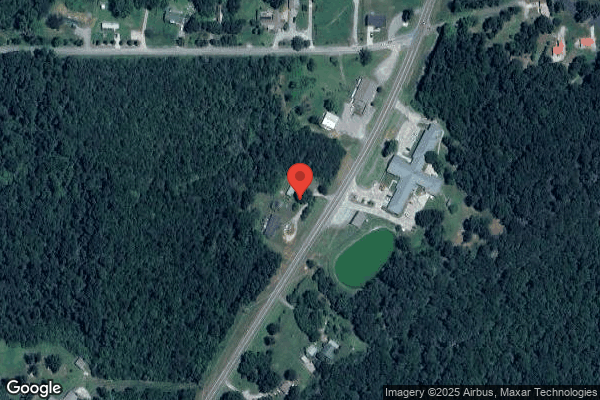
1234 HIGHWAY 301 SOUTH, TRENTON, GA 30752 (706) 657-4171
For profit - Corporation 71 Beds RELIABLE HEALTH CARE MANAGEMENT Data: November 2025
Trust Grade
80/100
#58 of 353 in GA
Last Inspection: March 2025

Within standard 12-15 month inspection cycle. Federal law requires annual inspections.

Overview

Dade Health and Rehab has received a Trust Grade of B+, which means it is above average and recommended for families considering care options. It ranks #58 out of 353 nursing homes in Georgia, placing it in the top half of facilities in the state, and is the only option in Dade County. However, the facility is experiencing a worsening trend with the number of reported issues increasing from 2 in 2021 to 4 in 2025. Staffing is a mixed bag; while they have a decent 3/5 rating, the turnover rate is 46%, which is slightly below the state average, indicating some stability but also room for improvement. Notably, there have been concerns regarding medication management, as nine medications were found past their expiration date, and instances of unlabeled urinals and wash basins in residents' bathrooms, raising hygiene concerns. On the positive side, the facility has no fines on record and offers more RN coverage than 97% of Georgia facilities, which can help catch potential issues early.

Trust Score
B+
80/100
In Georgia
#58/353
Top 16%
Safety Record
Low Risk
No red flags
Inspections
Getting Worse
2 → 4 violations
Staff Stability
⚠ Watch
46% turnover. Above average. Higher turnover means staff may not know residents' routines.
Penalties
✓ Good
No fines on record. Clean compliance history, better than most Georgia facilities.
Skilled Nurses
✓ Good
Each resident gets 52 minutes of Registered Nurse (RN) attention daily — more than average for Georgia. RNs are trained to catch health problems early.
Violations
○ Average
6 deficiencies on record. Average for a facility this size. Mostly minor or procedural issues.
★★★★☆
4.0
Overall Rating
★★★☆☆
3.0
Staff Levels
★★★★☆
4.0
Care Quality
★★★★☆
4.0
Inspection Score
Stable
2021: 2 issues
2025: 4 issues

The Good

  • 4-Star Quality Measures · Strong clinical quality outcomes
  • Full Sprinkler Coverage · Fire safety systems throughout facility
  • No fines on record

Facility shows strength in quality measures, fire safety.

The Bad

Staff Turnover: 46%

Near Georgia avg (46%)

Higher turnover may affect care consistency

Chain: RELIABLE HEALTH CARE MANAGEMENT

Part of a multi-facility chain

Ask about local staffing decisions and management

The Ugly 6 deficiencies on record

Mar 2025 4 deficiencies
CONCERN (D) 📢 Someone Reported This

A family member, employee, or ombudsman was alarmed enough to file a formal complaint

Potential for Harm - no one hurt, but risky conditions existed

Safe Environment (Tag F0584)

Could have caused harm · This affected 1 resident

**NOTE- TERMS IN BRACKETS HAVE BEEN EDITED TO PROTECT CONFIDENTIALITY** Based on observations, staff interviews, and review of the facility policy titled, Maintenance Service, the facility failed to p...

Read full inspector narrative →
**NOTE- TERMS IN BRACKETS HAVE BEEN EDITED TO PROTECT CONFIDENTIALITY** Based on observations, staff interviews, and review of the facility policy titled, Maintenance Service, the facility failed to provide a safe, clean, comfortable, homelike environment for five rooms (room [ROOM NUMBER], 122, 119, 117, 111) on two of three halls. Specifically, these rooms contained broken tiles in toilet areas, dirty ceiling HVAC (heat, ventilation, air conditioning) vents in bathrooms, dirty bathroom exhaust vent fans, and a dirty, damaged Packaged Terminal Air Conditioner (PTAC) unit. Review of the facility policy titled Maintenance Service revealed in the Policy Statement: Maintenance service shall be provided to all areas of the building, grounds, and equipment. 1. Observations during the initial tour of the facility on 3/ 4/2025 at 11:16 am revealed dirty bathroom ceiling exhaust vent fans and HVAC vents. The PTAC filter was also dirty with particles falling out. The filters were pulled from the unit in room [ROOM NUMBER]. Observation on 3/5/2025 at 11:25 am revealed the PTAC filter was dirty with particles falling out as the filters were pulled from the unit in room [ROOM NUMBER]. Observation on 3/6/2024 at 11:40 am revealed dirty bathroom ceiling exhaust vent fan in room [ROOM NUMBER]. 2. Initial screening observations on 3/4/2025 at 9:59 am revealed the ceiling return vent was filled with a thick, gray, fuzzy substance in the bathroom of room [ROOM NUMBER]. Further observation of room [ROOM NUMBER] revealed damaged paint on the bathroom floor around the toilet area. The floor was dark brown in front of and behind the toilet. Initial screening observation on 3/4/2025 at 10:02 am revealed the ceiling return vent was filled with a thick, gray, fuzzy substance in room [ROOM NUMBER]. Observation on 3/5/2025 at 8:54 am revealed the ceiling return vent was filled with a thick, gray, fuzzy substance in room [ROOM NUMBER]. Observation on 3/5/2025 at 8:57 am revealed the ceiling return vent was filled with a thick, gray, fuzzy substance in room [ROOM NUMBER]. The paint on the bathroom floor was damaged with brown discoloration in front of and behind the toilet. Interview and observation on 3/6/2025 at 10:09 am with the Maintenance Director (MD) confirmed the bathroom ceiling vents were filled with a thick, gray, fuzzy substance in rooms [ROOM NUMBER]. The MD stated he initially painted the bathroom floor in room [ROOM NUMBER], but someone destroyed the paint near the toilet area before it could completely dry. MD also confirmed the PTAC unit in room [ROOM NUMBER] was filled with dust and food crumbs. The MD confirmed the conditions of the ceiling return air vents, flooring, and PTAC unit were unacceptable and needed to be addressed immediately. The MD stated, Housekeeping is responsible for cleaning the ceiling return vents, but the facility has been experiencing issues with keeping up due to us no longer having a housekeeping supervisor and I have been given the responsibility to oversee both departments and it has caused us to get behind, but honestly, there is no excuse for the conditions of the ceiling vents, flooring, and PTAC units, and I will rectify the concerns as soon as possible.
CONCERN (D) 📢 Someone Reported This

A family member, employee, or ombudsman was alarmed enough to file a formal complaint

Potential for Harm - no one hurt, but risky conditions existed

Respiratory Care (Tag F0695)

Could have caused harm · This affected 1 resident

**NOTE- TERMS IN BRACKETS HAVE BEEN EDITED TO PROTECT CONFIDENTIALITY** 2. Review of the electronic medical record (EMR) revealed R9 was admitted to the facility with diagnoses including but not limit...

Read full inspector narrative →
**NOTE- TERMS IN BRACKETS HAVE BEEN EDITED TO PROTECT CONFIDENTIALITY** 2. Review of the electronic medical record (EMR) revealed R9 was admitted to the facility with diagnoses including but not limited to pneumonia and history of COVID-19. Review of the most recent Quarterly Minimum Data Set (MDS) dated [DATE] documented R9 had a Brief Interview for Mental Status (BIMS) score of 00, indicating the resident's cognition was severely impaired. Further review revealed R9's upper and lower extremities were impaired on both sides. Section J0100-Pain Management revealed R9 is also receiving pain management and Section O-Special Treatments, Procedures, and Programs revealed oxygen therapy. Review of the care plan for R9 dated 2/11/2025 documented: Administer oxygen via NC PRN @ 2 LPM, monitor for effectiveness. Review of the physician orders for R9 revealed staff must change oxygen tubing weekly every Friday night shift for when the oxygen is in use and as needed. Staff must clean oxygen concentrator weekly every Friday night shift. Staff must also obtain and document oxygen saturation with use of pulse oxygen meter as needed for shortness of breath, notify MD if results less than 90%, and administer oxygen at two liters/minute per nasal cannula as needed. Initial screening observation on 3/4/2025 at 10:48 am revealed R9's O2 concentrator set at 1 LPM. The O2 tubing was on the floor, and the filter in the back of the O2 concentrator was dirty with a gray, fuzzy substance. Observation on 3/5/2025 at 8:50 am revealed R9 lying in bed. Further observation of R9's O2 revealed an O2 concentrator set at 1.5 LPM. The tubing was on the floor, and the filter in the back of the O2 concentrator was dirty with a gray, fuzzy substance. Observation and interview on 3/6/2025 at 11:04 am with the DON and LPN AA confirmed R9's O2 concentrator was unclean with thick, gray fuzzy substance. Based on observations, resident and interviews, record review, and review of the facility's policy titled, Oxygen Concentrator, the facility failed to ensure that two of six residents (R) (R20 and R9) receiving oxygen (O2) therapy had an O2 concentrator that was clean, sanitary and free of sediment build up, that O2 supplies were bagged when not in use, that humidifier bottles be supplied with water, and that O2 was set on the prescribed setting. The deficient practice had the potential to put R20, and R9 at risk for medical complications such as hypoxia, respiratory depression, and infection. Findings include: Review of the facility's policy titled Oxygen Concentrator last revised 3/5/2024 documented under Policy Explanation and Compliance Guidelines: . 2. Oxygen is administered under orders of the attending physician. 5. Care of the Concentrator: a. Follow manufacturer recommendations for the frequency of cleaning filters and servicing the device, external filters will be cleaned weekly. b. Only trained individuals, such as the Maintenance Director or supplier shall service the device. c. The Housekeeping Department Responsibilities: i. Clean the outside casing of the concentrator and nebulizer units during routine room cleaning with an EPA- registered disinfectant in accordance with label instructions. d. Nursing Responsibilities: . ii. Change humidifier bottle when empty, every seventy-two hours, or as recommended by the manufacturer when in use. 1. Review of the clinical electronic record revealed R20 was admitted with diagnoses that include but not limited to chronic obstructive pulmonary disease (COPD), emphysema, congestive heart failure (CHF), and anxiety disorder. Review of the annual Minimum Data Set (MDS) dated [DATE] for R20 revealed in Section C (Cognitive Patterns), a Brief Interview of Mental Status (BIMS) score of 14, indicating minimal cognitive decline. Section GG (Functional Abilities), Impairment to left lower extremity, uses walker and wheelchair, eating- set up, oral- independent. Toileting- independent, shower- partial/ moderate assist, independent with upper and lower body. Section J (MDS): Received as needed medication, short of breath (SOB) with exertion, sitting and lying flat. Resident has a condition or chronic disease that may result in a life expectancy of less than six months. Section O (Special Treatments, Procedures, and Programs), On oxygen (O2) therapy. Hospice care. Review of care plan for R20 dated 12/30/2024 revealed focused area of (CHF) (congestive heart failure) with goal: Signs and symptoms of exacerbation of CHF will be identified early and appropriate interventions. Interventions: Administer furosemide as ordered per doctor (MD). Administer potassium as ordered per MD. Monitor intake and output. Monitor lab work per physician order. Notify MD if indicated. Monitor/report PRN (as needed) any s/sx signs/symptoms) of CHF dependent edema of legs and feet, periorbital edema, SOB upon exertion, cool skin, dry cough, distended neck veins, weakness, weight gain unrelated to intake, crackles and wheezes upon auscultation (listening with stethoscope) of the lungs, orthopnea (shortness of breath when lying flat), weakness and/or fatigue, increased heart rate (Tachycardia) lethargy and disorientation. Monitor/report PRN any s/sx of hypokalemia (low potassium) receiving diuretic therapy: fatigue, muscle, weakness, diminished appetite, nausea and vomiting and dysrhythmias abnormal heart rhythm), monitor potassium levels. No salt packet on tray unless requested. Oxygen settings: O2 via nasal canula (NC) at 3 liters per minute (LPM). Review of the Physician orders dated 4/14/2024 revealed clean oxygen concentrator filter weekly every night shift every Friday for when oxygen is in use, change O2 tubing weekly every night shift every Friday for when oxygen is in use, change humidifier bottle on oxygen concentrator PRN for when oxygen is in use, and administer oxygen at 3 liters/minute per nasal cannula PRN. Observation on 3/4/2025 at 10:04 am revealed R20 lying in bed with O2 tubing on. The O2 concentrator was noted to be on and running with fluffy, brown/gray/white substance covering the filter area and the entire machine. The O2 tubing was on the floor. No water was in humidifier bottle and the humidifier straw was noted to be crusted over. Observation on 3/5/2025 at 8:04 am revealed R20 lying in bed with the O2 concentrator running with fluffy brown/gray/white substance covering machine and filter area. No water was in humidifier bottle and the humidifier straw was noted to be crusted over. R20 was currently using O2 via NC. Observation on 3/5/2025 at 2:05 pm revealed R20 lying in bad using the O2 concentrator, tubing remained on the floor with the O2 concentrator filter covered with fluffy, light-brown and white substance. Humidifier water bottle remained empty with crusting straw. Interview and observation on 3/4/2025 at 10:05 am of R20 revealed R20 lying in bed with O2 on with NC in place. The O2 tubing was found on the floor with the O2 concentrator covered with white, fluffy substance, no water noted in the humidifier bottle with a thick white substance covering the humidifier straw. R20 stated that she needed the O2 all the time and that the staff came in her room at night to tend to the O2 when she was asleep. Interview and observation on 3/06/2025 at 10:56 am with Director of Nursing (DON) and Licensed Practical Nurse (LPN) AA confirmed that R20's O2 setting being at 2 LPM. LPN AA stated R20's O2 saturation was 95%. The DON stated, The filters and concentrators are changed and cleaned on Fridays and the night shift nurse is responsible. The DON confirmed and stated the machine doesn't look clean but that the tubing was changed. The DON confirmed that the physician orders and care plan indicated the O2 concentrator was to be set at 3 LPM PRN. The DON stated that he was supposed to be auditing every Monday morning to make sure the machines were cleaned but admitted he had not been checking behind the responsible nurse to ensure it was done.
CONCERN (E) 📢 Someone Reported This

A family member, employee, or ombudsman was alarmed enough to file a formal complaint

Potential for Harm - no one hurt, but risky conditions existed

Deficiency F0761 (Tag F0761)

Could have caused harm · This affected multiple residents

Based on observations, staff interviews, and review of the facility's policy titled, Medication Storage in the Facility, the facility failed to ensure that all drugs and biologicals were discarded pri...

Read full inspector narrative →
Based on observations, staff interviews, and review of the facility's policy titled, Medication Storage in the Facility, the facility failed to ensure that all drugs and biologicals were discarded prior to the expiration date. Specifically, there were nine medications found to be past the expiration date. The deficient practice had the potential to put residents at risk for medical complications related to potential changes in their chemical composition, failing to treat the intended condition properly, and in some cases, causing harm due to unexpected side effects. The facility census was 28. Findings include: Review of the facility's policy titled Medication Storage in the Facility dated June 1, 2018, revealed on page 1. Under Procedures: . L. Outdated, contaminated, or deteriorated medications and those in containers that are cracked, soiled, or without secure closure are immediately removed from stock, disposed of according to procedure for medication disposal .Page 3. G. All expired medications will be removed from the active supply and destroy in the facility, regardless of amount remaining. The medication will be destroyed in the usual manner. Observation on 3/5/2025 at 10:14 am of the medication storage room/supply room, with the Director of Nursing (DON) revealed medications neatly arranged on multiple shelves. Observation of random bottles of medication revealed a box of three milliliter (ml) syringes with an expiration date of 2/1/2025, moisture balancing hydrogel dressing adhesives (four boxes) with an expiration date of 12/31/2024, and Povidone - iodine 10% solution with an expiration date of January 2025. Observation on 3/5/2025 at 10:14 am of the medication refrigerator located behind the nurse's station revealed two unopened boxes of influenza vaccine located in the medication refrigerator with an expiration date of 5/31/2024. Interview on 3/5/2025 at 10:30 am with the DON revealed that the stock person was to check for expired items and remove them from the stock room. The DON stated, this is old, when handed the two boxes of flu vaccine. The DON removed all expired medications from the storage rooms immediately. Interview on 3/5/2025 at 3:10 pm with the Infection Preventionist (IP) and the DON revealed that no resident nor staff had received the expired medications nor flu vaccine and they were unaware where the unopened vials of flu vaccines came from. The IP stated that, someone must have been cleaning up and found the vials and placed them in the refrigerator. The IP then revealed that the Wound Care Nurse (WCN) used a different vial that was not expired to administer flu shots for this season and had records of the lot number and expiration date to prove it. Interview with the WCN on 3/5/2025 at 3:30 pm revealed a list of residents and staff who had received the flu vaccine this season along with the lot number and expiration dates documented on paper. The WCN stated that this information could also be found in each resident's electronic medical record (EMR) under Immunization along with the date of administration.
CONCERN (E) 📢 Someone Reported This

A family member, employee, or ombudsman was alarmed enough to file a formal complaint

Potential for Harm - no one hurt, but risky conditions existed

Infection Control (Tag F0880)

Could have caused harm · This affected multiple residents

**NOTE- TERMS IN BRACKETS HAVE BEEN EDITED TO PROTECT CONFIDENTIALITY** 2. Initial screening observation on 3/4/2025 at 10:02 am revealed a wash basin and urinal were nested together on the bathroom f...

Read full inspector narrative →
**NOTE- TERMS IN BRACKETS HAVE BEEN EDITED TO PROTECT CONFIDENTIALITY** 2. Initial screening observation on 3/4/2025 at 10:02 am revealed a wash basin and urinal were nested together on the bathroom floor near the garbage can in room [ROOM NUMBER]. The wash basin and urinal were unlabeled and unbagged. Observation on 3/4/2025 at 11:27 am revealed a wash basin and urinal were nested together on the bathroom floor underneath the sink in room [ROOM NUMBER]. The wash basin and urinal were unlabeled and unbagged. Observation on 3/5/2025 at 9:52 am revealed a wash basin and urinal were nested together on the bathroom floor near the garbage can in room [ROOM NUMBER]. The wash basin and urinal were unlabeled and unbagged. During a facilty tour on 3/6/2025 between 11:06 am to 11:13 am with the Director of Nursing (DON) and Licensed Practical Nurse (LPN) AA and LPN BB, the following was confirmed: A wash basin and urinal were nested together on the bathroom floor underneath the sink in room [ROOM NUMBER]. The wash basin and urinal were unlabeled and unbagged. A wash basin and urinal were nested together on the bathroom floor near the garbage can in room [ROOM NUMBER]. The wash basin and urinal were unlabeled and unbagged. Three wash basins were stacked together on top of the bathroom sink in room [ROOM NUMBER]. The wash basins were unbagged and unlabeled. Interview on 3/6/2025 at 11:15 am with the DON, LPN AA and LPN BB revealed the wash basins and urinals were supposed to be bagged and labeled. The DON, LPN AA and LPN BB confirmed the nature of the wash basins and urinals were incorrect and unacceptable. It was also indicated that the wash basins and urinals should not be stored on the floor nor bathroom sink. The DON and LPN AA and BB were unsure of who was responsible for cleaning and managing the wash basins. Based on observations, staff interviews, and review of the facility policies titled, Medication Administration-General Guidelines and Cleaning and Disinfecting Non-Critical Resident Care Items, the facility failed to practice acceptable infection control practices to prevent possible cross-contamination by not practicing proper hand hygiene during medication pass observation for five of 19 sampled residents (R) (R6, R8, R16, R17, and R23). The facility also failed to bag and label wash basins, urinals and bed pans in three Rooms (room [ROOM NUMBER], room [ROOM NUMBER], and room [ROOM NUMBER]). The facility census was 28. Findings include: Review of the facility's policy titled Medication Administration-General Guidelines dated April 1, 2016, under Procedures: A. 2) Handwashing and Hand Sanitation: The person administering medications adheres to good hand hygiene, which includes washing hands thoroughly before beginning a medication pass, prior to handling any medication, after coming into direct contact with a resident, before and after administration of ophthalmic, topical, vaginal, rectal, and parenteral preparations, and before and after administration of medications- via enteral tubes. a. Examination gloves are to be worn when necessary. b. Hand sanitization is done with an appropriate sanitizer-between handwashing's, when returning to the medication cart or preparation area . at regular intervals during the medication pass such as after each room . Review of the facility's policy titled, Cleaning and Disinfecting Non-Critical Resident-Care Items last reviewed January 2025 documented the following under Procedures: 1. Single resident use items are for single resident use only. [NAME] with the resident's name and/or room number and discard upon transfer or discharge. 2. Single resident-use items are cleaned/disinfected between uses by a single resident and disposed of afterwards (e.g., bedpans, urinals). 3. Staff must return urinals and bedpans to the residents' bedside cabinet once the items have been thoroughly cleaned. 1. Observation on 3/5/2025 at 08:10 am of medication pass with Licensed Practical Nurse (LPN) CC revealed her administering medications to R16, R17 and R8. No handwashing nor hand sanitizing was performed before or after medication preparation. Hand hygiene was also not performed in-between residents, even after LPN CC was noted touching R8's straw to assist with drinking, and the bedrails of R17. Interview on 3/5/2025 at 8:42 am with LPN CC confirmed not performing hand hygiene at any time during the medication pass until after the task was completed and stated that she should have performed it when going in and out of all rooms. LPN CC also stated that she had been a nurse for a little over a year and was not sure when to perform soap and water washing or at what times in-between or after how many residents to sanitize her hands, but that she would find out. Observation on 3/5/2025 at 8:50 am of medication pass with LPN AA revealed medication administered to R6 and R23. No hand hygiene was performed before or after medication preparation. LPN AA was observed putting on gloves on three separate occasions during the medication preparation process when she accidentally dropped pills onto a tissue and picked them up again. She removed the gloves after using them and no hand hygiene was performed either time. LPN AA was observed crushing medications and placing them in apple sauce and administering them without performing hand hygiene before or after the administration. Interview on 3/5/2025 at 9:13 am with LPN AA confirmed that she did not perform hand hygiene at any time during the medication preparation process and stated that she was aware she was supposed to perform hand hygiene before putting on and after removing gloves. LPN AA stated she didn't realize that she had not performed hand hygiene in-between each resident. Interview with the Director of Nursing (DON) revealed that it was his expectation that the nurses performed hand hygiene before and after using gloves, in between residents, and when entering and exiting rooms. He stated that the Infection Preventionist (IP) had in-services in January 2025 and medication pass was evaluated. He also stated that the nurses should be washing with soap and water after using sanitizer three times.
Jul 2021 2 deficiencies
CONCERN (D)

Potential for Harm - no one hurt, but risky conditions existed

Deficiency F0806 (Tag F0806)

Could have caused harm · This affected 1 resident

**NOTE- TERMS IN BRACKETS HAVE BEEN EDITED TO PROTECT CONFIDENTIALITY** Based on observations, record review, interviews and review of facility menus and meal tickets, the facility failed to ensure th...

Read full inspector narrative →
**NOTE- TERMS IN BRACKETS HAVE BEEN EDITED TO PROTECT CONFIDENTIALITY** Based on observations, record review, interviews and review of facility menus and meal tickets, the facility failed to ensure that foods served accommodated the food preferences of green beans and carrots for one resident (R) R#22. The census was 46. Findings include: Review of the clinical record for R#22 revealed she was admitted to the facility on [DATE] with diagnosis of hypertension (HTN), gait abnormality, muscle weakness, hyperkalemia, hyponatremia, hypo-osmolality, diverticulitis, chronic kidney disease, and protein calorie malnutrition. The resident's Significant Change Minimum Data Set (MDS) dated [DATE], revealed a Brief Interview for Mental Status (BIMS) was coded as 15, indicating no cognitive impairment. Section G revealed resident required limited assistance with eating. Section GG revealed resident required maximum assistance with meal setup. Review of the care plan for R#22 dated 6/1/2021 revealed resident is at risk for decreased nutrition related to poor intake. Interventions to care include discuss food preferences with resident and incorporate in diet and offer replacement items for uneaten foods. Review of the 7/12/2021 posted daily menu revealed lunch as salmon patty, baked potato, marinated carrots, choice of bread, pineapple upside down cake, sour cream, margarine, and coffee/tea. Review of the 7/13/2021 posted daily menu revealed lunch as pot roast and potatoes, key west vegetable blend, choice of roll, cherry pie, margarine, and coffee/tea. Observation on 7/12/2021 and 7/13/2021 during lunch meal service, R#22 lunch meal tickets revealed dislikes to barbeque, baked beans, slaw, fish, green beans, and carrots. R#22 was served green beans and carrots on 7/12/2021 and 7/13/2021. Interview on 7/14/2021 at 9:15 a.m. with the Dietary Manager (DM) revealed on 7/12/2021 lunch meal vegetables were green beans and carrots and on 7/13/2021 the lunch meal key west vegetables blend is a combination of green beans, carrots, and squash. Interview on 7/14/2021 at 5:00 p.m. with the DM revealed she is sent a request form for diet changes and for food dislikes. She revealed they try to honor resident's food preferences and dislikes, but stated they get overlooked sometimes. During further interview, she stated they are listed on the meal slip that is sent down the line when the meal is plated. An interview on 7/15/2021 9:30 a.m. with the Administrator revealed she was unaware green beans and carrots were served on consecutive days.
CONCERN (E)

Potential for Harm - no one hurt, but risky conditions existed

Deficiency F0582 (Tag F0582)

Could have caused harm · This affected multiple residents

Based on interviews and record review, the facility failed to provide the Skilled Nursing Facility Advanced Beneficiary Notice (SNFABN) (Form CMS-10055) and failed to completely fill out the Notice of...

Read full inspector narrative →
Based on interviews and record review, the facility failed to provide the Skilled Nursing Facility Advanced Beneficiary Notice (SNFABN) (Form CMS-10055) and failed to completely fill out the Notice of Medicare Non-coverage (NOMNC), (CMS Form 10123) with the Quality Improvement Organization (QIO) name and the toll-free number of the QIO, for two residents (R) (R#6 and #17) out of three residents who were reviewed after being discharged from Medicare Part A Services and remained in the facility. Findings include: 1. A review of R#6's SNF Beneficiary Protection Notification Review provided by the facility revealed Medicare Part A Skilled Services Episode Start Date was 10/30/2020 with last day of covered Part A Service was 1/12/2021. The facility/provider initiated the discharge from Medicare Part A Services when benefit days were not exhausted. Facility indicated a SNFABN was provided to the resident as well as a NOMNC. There is no evidence of the CMS-10055 form being provided to the resident. Review of the NOMNC lacked the QIO and toll-free number of the QIO. 2. A review of R#17's SNF Beneficiary Protection Notification Review provided by the facility revealed Medicare Part A Skilled Services Episode Start Date was 10/29/2020 with last day of covered Part A Service was 1/12/2021. Facility indicated a SNFABN was provided to the resident as well as a NOMNC. Facility indicated a SNFABN was provided to the resident as well as a NOMNC. There is no evidence of the CMS-10055 form being provided to the resident. Review of the NOMNC lacked the QIO and toll-free number of the QIO. Interview on 7/13/2021 at 4:15 p.m. with the Social Services Director revealed the facility discusses discharges from skilled services in their morning meeting. She reported she provides notification to family/residents when a resident is being discharged from skilled services based on information provided from their meeting. She indicated she was not aware of any policy or guidance related to this process. Interview on 7/13/2021 at 5:00 p.m. with the Corporate Financial Controller confirmed that the facility is providing the Form CMS R-131 and not the SNFABN. Interview on 7/14/2021 at 2:22 p.m. with Social Services Director (SSD) revealed the Administrator in 2018 trained her how to complete the notices and which ones to give out. An interview on 7/14/2021 at 2:35 p.m. with the Administrator revealed she was not aware of the different forms for the ending of different benefits.
Understanding Severity Codes (click to expand)
Life-Threatening (Immediate Jeopardy)
J - Isolated K - Pattern L - Widespread
Actual Harm
G - Isolated H - Pattern I - Widespread
Potential for Harm
D - Isolated E - Pattern F - Widespread
No Harm (Minor)
A - Isolated B - Pattern C - Widespread

Questions to Ask on Your Visit

  • "Can I speak with families of current residents?"
  • "What's your RN coverage like on weekends and overnight?"

Our Honest Assessment

Strengths
  • • Grade B+ (80/100). Above average facility, better than most options in Georgia.
  • • No major safety red flags. No abuse findings, life-threatening violations, or SFF status.
  • • No fines on record. Clean compliance history, better than most Georgia facilities.
Concerns
  • • No significant concerns identified. This facility shows no red flags across CMS ratings, staff turnover, or federal penalties.
Bottom line: Generally positive indicators. Standard due diligence and a personal visit recommended.

About This Facility

What is Dade Health And Rehab's CMS Rating?

CMS assigns DADE HEALTH AND REHAB an overall rating of 4 out of 5 stars, which is considered above average nationally. Within Georgia, this rating places the facility higher than 99% of the state's 100 nursing homes. This rating reflects solid performance across the metrics CMS uses to evaluate nursing home quality.

How is Dade Health And Rehab Staffed?

CMS rates DADE HEALTH AND REHAB's staffing level at 3 out of 5 stars, which is average compared to other nursing homes. Staff turnover is 46%, compared to the Georgia average of 46%.

What Have Inspectors Found at Dade Health And Rehab?

State health inspectors documented 6 deficiencies at DADE HEALTH AND REHAB during 2021 to 2025. These included: 6 with potential for harm.

Who Owns and Operates Dade Health And Rehab?

DADE HEALTH AND REHAB is owned by a for-profit company. For-profit facilities operate as businesses with obligations to shareholders or private owners. The facility is operated by RELIABLE HEALTH CARE MANAGEMENT, a chain that manages multiple nursing homes. With 71 certified beds and approximately 29 residents (about 41% occupancy), it is a smaller facility located in TRENTON, Georgia.

How Does Dade Health And Rehab Compare to Other Georgia Nursing Homes?

Compared to the 100 nursing homes in Georgia, DADE HEALTH AND REHAB's overall rating (4 stars) is above the state average of 2.6, staff turnover (46%) is near the state average of 46%, and health inspection rating (4 stars) is above the national benchmark.

What Should Families Ask When Visiting Dade Health And Rehab?

Based on this facility's data, families visiting should ask: "Can I visit during a mealtime to observe dining assistance and food quality?" "How do you handle medical emergencies, and what is your hospital transfer rate?" "Can I speak with family members of current residents about their experience?"

Is Dade Health And Rehab Safe?

Based on CMS inspection data, DADE HEALTH AND REHAB has a clean safety record: no substantiated abuse findings (meaning no confirmed cases of resident harm), no Immediate Jeopardy citations (the most serious violation level indicating risk of serious injury or death), and is not on the Special Focus Facility watch list (a federal program monitoring the lowest-performing 1% of nursing homes). The facility has a 4-star overall rating and ranks #1 of 100 nursing homes in Georgia. While no facility is perfect, families should still ask about staff-to-resident ratios and recent inspection results during their visit.

Do Nurses at Dade Health And Rehab Stick Around?

DADE HEALTH AND REHAB has a staff turnover rate of 46%, which is about average for Georgia nursing homes (state average: 46%). Moderate turnover is common in nursing homes, but families should still ask about staff tenure and how the facility maintains care continuity when employees leave.

Was Dade Health And Rehab Ever Fined?

DADE HEALTH AND REHAB has no federal fines on record. CMS issues fines when nursing homes fail to meet care standards or don't correct problems found during inspections. The absence of fines suggests the facility has either maintained compliance or corrected any issues before penalties were assessed. This is a positive indicator, though families should still review recent inspection reports for the full picture.

Is Dade Health And Rehab on Any Federal Watch List?

DADE HEALTH AND REHAB is not on any federal watch list. The most significant is the Special Focus Facility (SFF) program, which identifies the bottom 1% of nursing homes nationally based on persistent, serious quality problems. Not being on this list means the facility has avoided the pattern of deficiencies that triggers enhanced federal oversight. This is a positive indicator, though families should still review the facility's inspection history directly.