GREENE POINT HEALTH AND REHABILITATION
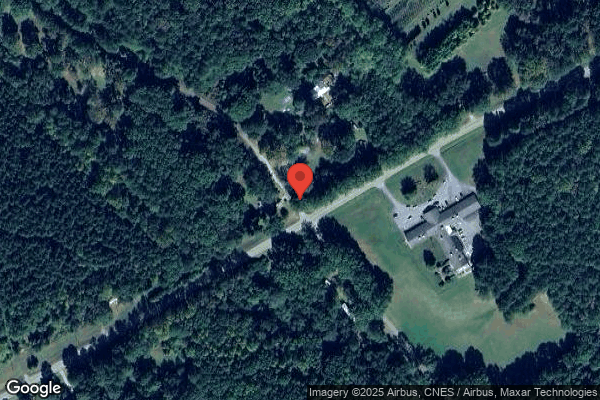
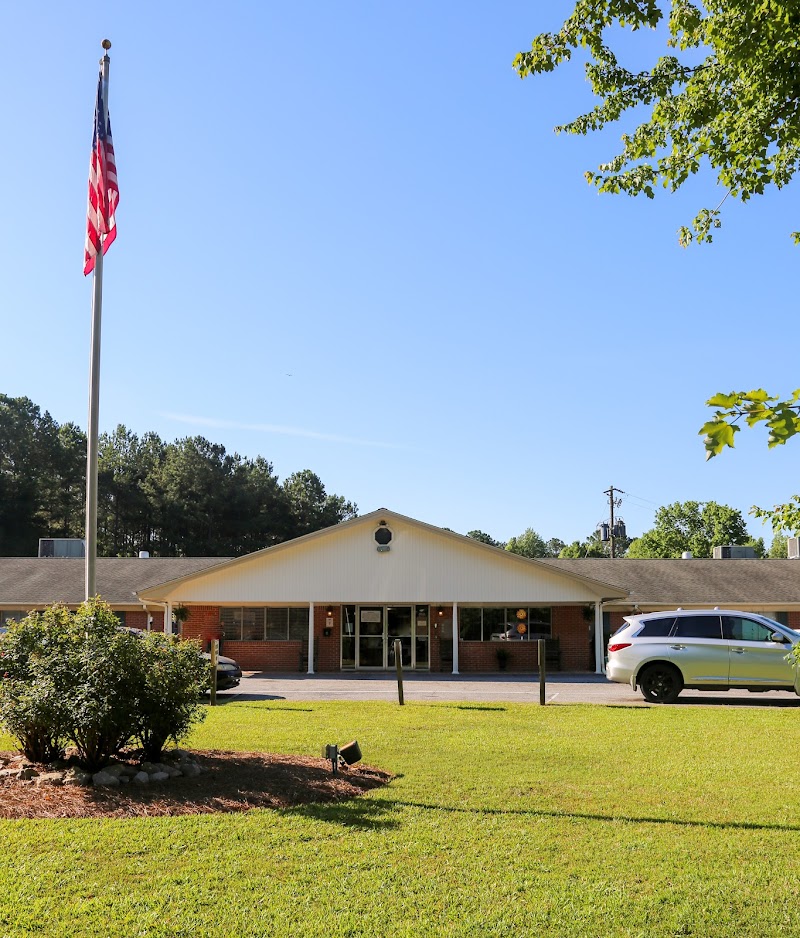
1321 WASHINGTON HIGHWAY, UNION POINT, GA 30669 (706) 486-2167
Non profit - Other 64 Beds CLINICAL SERVICES, INC. Data: November 2025
Trust Grade
80/100
#65 of 353 in GA
Last Inspection: December 2024

Within standard 12-15 month inspection cycle. Federal law requires annual inspections.

Overview

Greene Point Health and Rehabilitation has a Trust Grade of B+, which means it is recommended and performs above average compared to other facilities. It ranks #65 out of 353 nursing homes in Georgia, placing it in the top half, and is the only option in Greene County. However, the facility is currently worsening, with the number of reported issues increasing from 1 to 2 in the last year. Staffing is a relative strength, with a 3 out of 5 stars rating and a turnover rate of 34%, which is better than the state average. The facility has not incurred any fines, which is a positive sign, and boasts more RN coverage than 88% of Georgia facilities, ensuring better oversight of resident care. On the downside, there have been several concerning incidents, including the failure to properly store food items, which could lead to foodborne illnesses. For instance, expired milk and dented cans were found in storage, and opened food items were not labeled or dated. Additionally, a staff member was observed not washing their hands before handling food, which raises hygiene concerns. Overall, while there are strengths in staffing and compliance with fines, families should be aware of these food safety issues when considering Greene Point for their loved ones.

Trust Score
B+
80/100
In Georgia
#65/353
Top 18%
Safety Record
Low Risk
No red flags
Inspections
Getting Worse
1 → 2 violations
Staff Stability
○ Average
34% turnover. Near Georgia's 48% average. Typical for the industry.
Penalties
✓ Good
No fines on record. Clean compliance history, better than most Georgia facilities.
Skilled Nurses
○ Average
Each resident gets 37 minutes of Registered Nurse (RN) attention daily — about average for Georgia. RNs are the most trained staff who monitor for health changes.
Violations
○ Average
6 deficiencies on record. Average for a facility this size. Mostly minor or procedural issues.
★★★★☆
4.0
Overall Rating
★★★☆☆
3.0
Staff Levels
★★★☆☆
3.0
Care Quality
★★★★☆
4.0
Inspection Score
Stable
2023: 1 issues
2024: 2 issues

The Good

  • Full Sprinkler Coverage · Fire safety systems throughout facility
  • No fines on record
  • Staff turnover below average (34%)

    14 points below Georgia average of 48%

Facility shows strength in fire safety.

The Bad

Staff Turnover: 34%

12pts below Georgia avg (46%)

Typical for the industry

Chain: CLINICAL SERVICES, INC.

Part of a multi-facility chain

Ask about local staffing decisions and management

The Ugly 6 deficiencies on record

Dec 2024 2 deficiencies
CONCERN (D) 📢 Someone Reported This

A family member, employee, or ombudsman was alarmed enough to file a formal complaint

Potential for Harm - no one hurt, but risky conditions existed

Infection Control (Tag F0880)

Could have caused harm · This affected 1 resident

Based on observations, staff interviews, record review, and review of facility's policy titled Tube Feeding Syringes, the facility failed to clean and store a tube feeding syringe after use for one of...

Read full inspector narrative →
Based on observations, staff interviews, record review, and review of facility's policy titled Tube Feeding Syringes, the facility failed to clean and store a tube feeding syringe after use for one of four residents (R) (R44) who received nutrition through a gastrotomy tube. The deficient practice had the potential to place the resident at risk for medical complications, unmet needs, increased risk for infection, and a diminished quality of life. Findings include: Review of the facility's policy titled Tube Feeding Syringes dated 12/29/2023 under the section titled Intent revealed, It is the intent of this center to help prevent nosocomial infections (infection that develops during medical treatment) associated with enteral feeding equipment. Under the section titled Guidelines revealed, The following Procedural guidelines should be followed when storing a piston syringe: Tube Feeding and Medication Administration: wash the syringe; separate the piston from the barrel; Store the syringe separated on a clean surface to air dry, or place separated in a bag mounted to the feeding pump pole (the bag should not be airtight). Review of the Electronic Medical Record (EMR) revealed, R44 was admitted to the facility with diagnoses that included but was not limited to aphasia (inability to swallow), dysphasia (difficulty swallowing foods or liquids) following a cerebral infarction (stroke), and gastrostomy (surgical opening to the stomach for introduction of food) status. Review of R44's Quarterly Minimum Data Set (MDS) assessment with an Assessment Reference Date (ARD) of 11/8/2024 revealed Section C (Cognitive Patterns) a Brief Interview for Mental Status (BIMS) of five, which indicated R44 had severe cognitive impairment; Section K (Swallowing/Nutritional status) revealed, R44 received 25% or less calories through parenteral or tube feeding and an average fluid intake per day by tube feeding of 1500 millimeters/day or less as a resident. Review of R44's EMR revealed physician's orders that included but was not limited to: Peg-tube flush, 150 milliliter every four hours per feeding tube dated 6/6/2024 and Peptamen 1.5 calories, one carton per feeding tube at bedtime; may be held for activities of daily living care, therapy, and medication administration dated 10/10/2024. Observations on 12/7/2024 at 7:48 am of R44's room revealed, a catheter tipped syringe on the nightstand uncovered with a white colored liquid in the tip of the syringe. There was a clear bag observed next to the uncovered syringe dated 12/6/2024. Observations and interview on 12/7/2024 at 2:55 pm with Licensed Practical Nurse (LPN) Wound Care Nurse AA revealed, a catheter tipped syringe with a white colored liquid in the tip of the syringe. LPN Wound Care Nure AA confirmed the observation and stated the catheter tipped syringe should not be stored on the nightstand. She stated the syringe should be cleaned after use, allowed to air dry, and then placed into a protective covering. Observation and interview on 12/7/2024 at 3:01 pm with the Assistant Director of Nursing/ Infection Preventionist revealed an observation of a catheter tipped syringe with a white colored liquid in the tip of the syringe lying on R44's nightstand uncovered. She confirmed the observation and revealed the syringe should not be left on the nightstand uncovered. She stated the nurse should clean and rinse the syringe thoroughly with water, allow to air dry, then place the syringe in a protective covering after each use. She stated the possible outcome of this practice would be the resident could develop a possible infection. Interview on 12/8/2024 at 12:19 pm with the Director of Nursing revealed that her expectation was that the nurse rinse the syringe out after use, allow the syringe to air dry, and then place the syringe in a protective covering. She stated the possible outcome of this practice would be the resident could possibly develop an infection.
CONCERN (F) 📢 Someone Reported This

A family member, employee, or ombudsman was alarmed enough to file a formal complaint

Potential for Harm - no one hurt, but risky conditions existed

Food Safety (Tag F0812)

Could have caused harm · This affected most or all residents

**NOTE- TERMS IN BRACKETS HAVE BEEN EDITED TO PROTECT CONFIDENTIALITY** Based on observations, staff interviews, and review of facility policies titled Storage Areas and Food Preparation and Distribut...

Read full inspector narrative →
**NOTE- TERMS IN BRACKETS HAVE BEEN EDITED TO PROTECT CONFIDENTIALITY** Based on observations, staff interviews, and review of facility policies titled Storage Areas and Food Preparation and Distribution, the facility failed to discard milk by the use by date; failed to remove dented cans from the dry storage area; and failed to properly thaw ground beef to prevent bacteria growth and food borne illness. The facility had a census of 44 out of 48 residents that consumed an oral diet from the kitchen. Findings include: Review of the facility's policy titled Storage Areas dated 12/29/2023 under the section titled Guideline revealed, Dry Storage: Dented cans should be stored separately in a clearly labeled area. Review of the facility's policy titled Food Preparation and Distribution dated 12/29/2023 under the section titled Guideline revealed, Thawing methods: Submerged under running water at a temperature no greater than 70 F. 1. Observation on 12/6/2024 at 8:35 am of the two-door reach-in refrigerator near the steam table revealed an open case of 18, eight-ounce cartons of 2% (two percent) milk with a use by date [DATE]. During an interview on 12/6/2024 at 8:35 am, the Dietary Manager (DM) confirmed that the cartons of 2% milk had a use by date of [DATE]. The DM revealed that dietary staff should have discarded the milk. 2. Observation on 12/6/2024 at 8:45 am of the canned food storage rack revealed a can of black beans with a large dent towards the bottom. During an interview on 12/6/2024 at 8:45 am, the DM confirmed that the can of black beans was in the food storage rack and had a large dent. The DM revealed that dietary staff should have not placed the can in the rack and should have placed the dented can in her office which was the location for damaged cans. 3. Observation on 12/7/2024 at 8:50 am of the food preparation sink labeled Meat revealed a large tube of ground beef. The ground beef was on the bottom of the sink with cool water from the faucet running over the top. The ground beef was not covered or submerged in water. During an interview on 12/7/2024 at 8:50 am, the DM confirmed that the tube of ground beef was in the process of being thawed to use for lunch meal. The DM did not want to confirm if the ground beef was being properly thawed using the sink and running water. The DM did confirm that food items thawed in a sink should be submerged in water. The DM revealed that the ground beef should have been taken out of the freezer a few days earlier and placed in the refrigerator to be thawed.
Jul 2023 1 deficiency
CONCERN (F)

Potential for Harm - no one hurt, but risky conditions existed

Food Safety (Tag F0812)

Could have caused harm · This affected most or all residents

Based on observations, staff interview, and review of the facility policy titled, Skilled Nursing Services - Storage Areas, the facility failed to ensure that opened food items were labeled and dated....

Read full inspector narrative →
Based on observations, staff interview, and review of the facility policy titled, Skilled Nursing Services - Storage Areas, the facility failed to ensure that opened food items were labeled and dated. The deficient practice had the potential to affect 41 residents receiving an oral diet. Findings include: Review of the facility policy titled, Skilled Nursing Services - Storage Areas, reviewed 12/30/2022 revealed food items should be covered, sealed, labeled, and dated appropriately. Observation on 7/28/2023 at 8:11 a.m. of the stand-alone refrigerator number four revealed a plastic bag containing mozzarella cheese slices that had not been labeled with an open date. Observation on 7/28/2023 at 8:18 a.m. of the stand-alone freezer number one revealed a large bag of frozen rolls that did not have a label with an open date. Further observation revealed an unknown meat wrapped in tin foil that did not have a label to identify the meat or an open date. Observation on 7/28/2023 at 8:16 a.m. of the stand-alone freezer number two revealed a large bag of chicken breasts that had been opened but did not have a label or an open date. Observation on 7/28/2023 at 8:20 a.m. of the stand-alone freezer number six revealed a bag of tater tots, cookies, French fries, and a 31-ounce bag of chopped green peppers, all unlabeled with no open date. Observation on 7/28/2023 at 8:23 a.m. of the stand-alone refrigerator in the kitchen (no number) revealed a 48-ounce jar of apple sauce and a 24-ounce plastic container of cottage cheese. Both items were unlabeled with no open date. Observation on 7/28/2023 at 8:25 a.m. of the stand-alone refrigerator located near the dry storage area (no number) revealed a bag with an unknown brown pudding type substance and a 16-ounce plastic container of frosting, which were unlabeled and did not have an open date. Further observation revealed a large stainless-steel bowl of chicken salad covered with tin foil, with an ice-cream scoop sitting on top of the chicken salad. The container was not labeled or dated. Observation on 7/28/2023 at 8:31 a.m. of the dry storage area revealed a 42-ounce container of quick oats, a 15-ounce box of sweetened corn cereal, a bag of devil's food cake mix (no weight), and a large bin of spiral pasta (no weight). All items were unlabeled with no open date. Observation on 7/28/2023 at 8:37 a.m. of the stand-alone freezer in the dining room revealed a large bag of frozen peas that were not labeled with the open date. Interview on 7/28/2023 at 8:42 a.m. with the Dietary Manager (DM) she acknowledged that the dry storage area, refrigerators, and freezers contained items that were not labeled and dated after they were opened. The DM explained she expected staff to label and date items after opening. She added that she also expected staff not to leave serving utensils inside any food containers.
Mar 2022 3 deficiencies
CONCERN (E)

Potential for Harm - no one hurt, but risky conditions existed

Accident Prevention (Tag F0689)

Could have caused harm · This affected multiple residents

Based on observations, staff interviews, record review, and review of the undated facility policy titled, Direct Supply TELS, the facility failed to maintain safe hot water temperatures for 17 rooms o...

Read full inspector narrative →
Based on observations, staff interviews, record review, and review of the undated facility policy titled, Direct Supply TELS, the facility failed to maintain safe hot water temperatures for 17 rooms on two of three units, 100 Hall and 300 Hall, plus one Shower Room. Findings include: Review of the undated facility policy titled, Direct Supply TELS documented the following regarding the monitoring of water temperatures: 1. Ensure patient room water temperatures are between 105° and 115° Fahrenheit (or as specified by state requirements) .Georgia - shall not exceed 110 degrees Fahrenheit (F). Observation of resident rooms on 3/29/22 beginning at 10:00 a.m. on the 100 Hall and 300 Hall revealed hot water was extremely hot to touch in the following resident bathrooms: 101/103, 102/104, 105/107, 106/108, 109/111, 110/112, 301, 302, 303/304 and 305. On 3/29/22, beginning at 11:05 a.m., observation and testing of water temperatures in the resident's bathrooms with the Maintenance Director (MD) confirmed the following: 101-103=121.6 °F 102-104=130.6 °F 105-107=123.7 °F 106-108=129.1 °F 109-111=124.3 °F 110-112=127.5 °F 301-P=129.7 °F 302-P=125.0 °F 303-304=123.5 °F Bath=127.3 °F 305=122.5 °F During observation and interview with MD on 3/29/22 at 11:25 a.m., he observed the hot water heater on the 300 Hall which revealed the mixer was turned up to 130°F. He stated he sets the mixer at 110°F but staff have been known to adjust it when he's not in the building. He stated staff should notify him of needed repairs by entering a maintenance request into the electronic maintenance system called TELS. He stated that staff mostly just tell him what they need when they see him. Observation on 3/29/22 at 11:27 a.m. of the hot water heater located on the 200 Hall revealed it had a mixing valve but no gauge to set the temperature, so the MD measures the water temperature after making an adjustment. Interview with the Administrator on 3/29/22 at 11:30 a.m., surveyor informed him of the hot water readings on the 100 and 300 halls. He stated he was not aware of staff adjusting the mixing valves and had no resident complaints of burns to skin or water being too hot. He stated he would address the matter as soon as possible with the staff and contact a plumber for an assessment today. He stated he expected the staff to refrain from adjusting the hot water heaters and contact the MD with any problems. Observation Rounds on 3/29/22 5:10 p.m., with the MD after plumbing service revealed the following: 101-103=91.9°F 102-104=100.1°F 105-107=93.2°F 106-108=98.7°F 109-111=95.6°F 110-112=97.4°F 305=94.4°F 303-304=93.9°F 301-302=95.1°F Follow-up temperatures documented by the MD on 3/30/22 at 8:16 a.m. revealed the following: 102-104=103.4°F 101-103=98.6°F 106-108=103.2°F 110-112=99.3°F 111-109=101.6°F 107-105=103.7°F 305=102.8°F 304-303=103.6°F 302=99.4°F 301=102.8°F On 3/30/22 at 5:15 p.m., the MD documented the resident bathroom temperatures on the two resident units between 97.7°F and 101.6°F.
CONCERN (F)

Potential for Harm - no one hurt, but risky conditions existed

Food Safety (Tag F0812)

Could have caused harm · This affected most or all residents

Based on observation, staff interview and review of the Georgia Food Code: US Food Code: Nation Restaurants Association/Serv Safe Guidelines and the undated facility policy titled, Food and Nutrition ...

Read full inspector narrative →
Based on observation, staff interview and review of the Georgia Food Code: US Food Code: Nation Restaurants Association/Serv Safe Guidelines and the undated facility policy titled, Food and Nutrition Services, the Dietary Manger (DM) failed to wash or sanitize her hands, or to wear gloves, prior to checking steam table temperatures during lunch service. This deficient practice had the potential to affect 40 residents receiving an oral diet. Findings Include: Review of the undated facility document titled Georgia food code: US Food Code: Nation Restaurants Association/Serv Safe Guidelines, revealed proper food safety handling practices should be implemented to minimize the risk of food borne illness. Guidelines of Cross Contamination revealed good hand washing techniques should be practiced, no bare hand contact with food items, and gloves should be changed between tasks. Review of the undated document titled Food and nutrition services: personal food items 4 (a) 1. revealed that that the proper hand washing protocol must be done as outlined in the procedure under DPH rule 511- 6-1-03 (5) to protect the cooked meal by contamination with bare hands. Observation and Interview on 3/29/22 at 12:34 p.m. with the DM, revealed that she performed the task of checking temperatures on the buffet during lunch and did not wash or sanitize her hands prior to task and she did not wear gloves during task. During this time an interview was conducted with the DM, and she revealed because she did not actually touch the food itself, she did not need to wear gloves for this task. An observation was made at this time of staff using utensils to place food onto plates and were wearing gloves. Observation on 3/29/22 at 12:34 p.m. with DM, revealed she did not wash her hands, use any hand sanitizer, or wear any gloves during obtaining steam table temperatures. Interview on 3/29/22 at 1:00 p.m. with the DM, confirmed she did not wear gloves when performing the task of checking food temperatures on the tray line and stated she doesn't recall if she washed or sanitized her hands prior to performing task. Interview on 3/29/22 at 3:00 p.m. with the Registered Dietitian (RD) for the facility, revealed she expects the kitchen staff to always follow kitchen food handling policies and procedures and proper infection control practices. Interview on 3/30/22 at 11:15 a.m. with Corporate Nurse Consultant, revealed that they don't have any infection control policy in the kitchen, but they do follow Food and Nutrition Guidelines from Georgia food code. Interview on 3/31/22 at 1:30 p.m. with [NAME] BB, confirmed that she has observed DM fail to follow the procedure for safe food handling before taking the temperature of the foods.
CONCERN (F)

Potential for Harm - no one hurt, but risky conditions existed

Deficiency F0836 (Tag F0836)

Could have caused harm · This affected most or all residents

**NOTE- TERMS IN BRACKETS HAVE BEEN EDITED TO PROTECT CONFIDENTIALITY** Based on record review and staff interviews, the facility failed to ensure the Administrator held a current license from the Sta...

Read full inspector narrative →
**NOTE- TERMS IN BRACKETS HAVE BEEN EDITED TO PROTECT CONFIDENTIALITY** Based on record review and staff interviews, the facility failed to ensure the Administrator held a current license from the State of Georgia during the timeframe of [DATE] through [DATE]. Findings include: Upon request for employee records on [DATE], the Administrator was unable to provide a current copy his Administrator's license. Review of the Administrator's license at: http://verify.sos.ga.gov/verification/ revealed the license expired on [DATE]. During an interview with the Administrator on [DATE] at 5:54 p.m., he stated that he knew his license was due to expire on [DATE] and he renewed it timely but was unaware it had not processed until it was requested by the Survey Team. He stated he would not return on [DATE] and the corporate office would be sending the Regional [NAME] President (RVP) to replace him. He confirmed the facility was without a licensed Administrator from [DATE] through [DATE]. Interview with the RVP on [DATE] at 9:00 a.m., revealed that the Administrator was suspended on [DATE] pending the outcome of the investigation by the corporate office. He stated the Administrator was suspended until the license was renewed and an Interim Administrator was installed as of [DATE]. In addition, the RVP stated the corporate office performed an audit of all licensed personnel to confirm all licenses and certifications were current. On [DATE] at 9:00 a.m., The RVP brought in interim Administrator to run the facility until further notice.
Understanding Severity Codes (click to expand)
Life-Threatening (Immediate Jeopardy)
J - Isolated K - Pattern L - Widespread
Actual Harm
G - Isolated H - Pattern I - Widespread
Potential for Harm
D - Isolated E - Pattern F - Widespread
No Harm (Minor)
A - Isolated B - Pattern C - Widespread

Questions to Ask on Your Visit

  • "Can I speak with families of current residents?"
  • "What's your RN coverage like on weekends and overnight?"

Our Honest Assessment

Strengths
  • • Grade B+ (80/100). Above average facility, better than most options in Georgia.
  • • No major safety red flags. No abuse findings, life-threatening violations, or SFF status.
  • • No fines on record. Clean compliance history, better than most Georgia facilities.
  • • 34% turnover. Below Georgia's 48% average. Good staff retention means consistent care.
Concerns
  • • No significant concerns identified. This facility shows no red flags across CMS ratings, staff turnover, or federal penalties.
Bottom line: Generally positive indicators. Standard due diligence and a personal visit recommended.

About This Facility

What is Greene Point's CMS Rating?

CMS assigns GREENE POINT HEALTH AND REHABILITATION an overall rating of 4 out of 5 stars, which is considered above average nationally. Within Georgia, this rating places the facility higher than 99% of the state's 100 nursing homes. This rating reflects solid performance across the metrics CMS uses to evaluate nursing home quality.

How is Greene Point Staffed?

CMS rates GREENE POINT HEALTH AND REHABILITATION's staffing level at 3 out of 5 stars, which is average compared to other nursing homes. Staff turnover is 34%, compared to the Georgia average of 46%. This relatively stable workforce can support continuity of care.

What Have Inspectors Found at Greene Point?

State health inspectors documented 6 deficiencies at GREENE POINT HEALTH AND REHABILITATION during 2022 to 2024. These included: 6 with potential for harm.
Who Owns and Operates Greene Point?

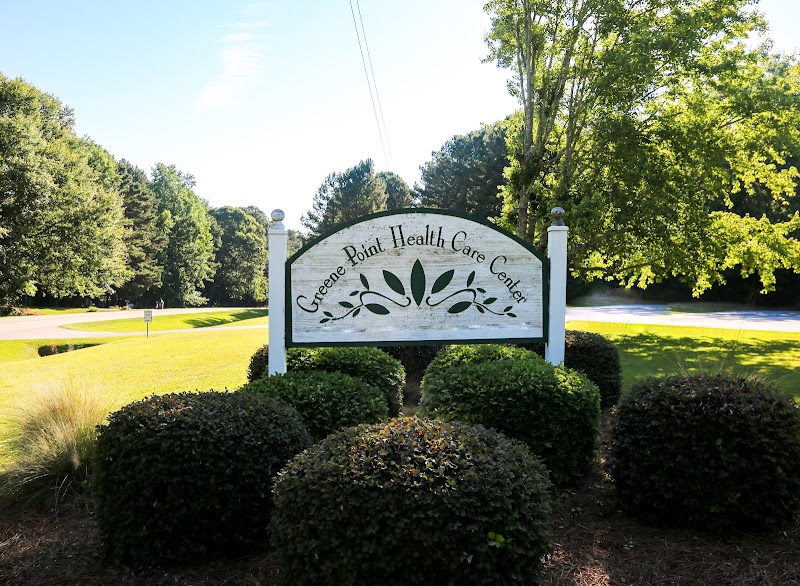
GREENE POINT HEALTH AND REHABILITATION is owned by a non-profit organization. Non-profit facilities reinvest revenue into operations rather than distributing to shareholders. The facility is operated by CLINICAL SERVICES, INC., a chain that manages multiple nursing homes. With 64 certified beds and approximately 59 residents (about 92% occupancy), it is a smaller facility located in UNION POINT, Georgia.

How Does Greene Point Compare to Other Georgia Nursing Homes?

Compared to the 100 nursing homes in Georgia, GREENE POINT HEALTH AND REHABILITATION's overall rating (4 stars) is above the state average of 2.6, staff turnover (34%) is significantly lower than the state average of 46%, and health inspection rating (4 stars) is above the national benchmark.

What Should Families Ask When Visiting Greene Point?

Based on this facility's data, families visiting should ask: "Can I visit during a mealtime to observe dining assistance and food quality?" "How do you handle medical emergencies, and what is your hospital transfer rate?" "Can I speak with family members of current residents about their experience?"

Is Greene Point Safe?

Based on CMS inspection data, GREENE POINT HEALTH AND REHABILITATION has a clean safety record: no substantiated abuse findings (meaning no confirmed cases of resident harm), no Immediate Jeopardy citations (the most serious violation level indicating risk of serious injury or death), and is not on the Special Focus Facility watch list (a federal program monitoring the lowest-performing 1% of nursing homes). The facility has a 4-star overall rating and ranks #1 of 100 nursing homes in Georgia. While no facility is perfect, families should still ask about staff-to-resident ratios and recent inspection results during their visit.

Do Nurses at Greene Point Stick Around?

GREENE POINT HEALTH AND REHABILITATION has a staff turnover rate of 34%, which is about average for Georgia nursing homes (state average: 46%). Moderate turnover is common in nursing homes, but families should still ask about staff tenure and how the facility maintains care continuity when employees leave.

Was Greene Point Ever Fined?

GREENE POINT HEALTH AND REHABILITATION has no federal fines on record. CMS issues fines when nursing homes fail to meet care standards or don't correct problems found during inspections. The absence of fines suggests the facility has either maintained compliance or corrected any issues before penalties were assessed. This is a positive indicator, though families should still review recent inspection reports for the full picture.

Is Greene Point on Any Federal Watch List?

GREENE POINT HEALTH AND REHABILITATION is not on any federal watch list. The most significant is the Special Focus Facility (SFF) program, which identifies the bottom 1% of nursing homes nationally based on persistent, serious quality problems. Not being on this list means the facility has avoided the pattern of deficiencies that triggers enhanced federal oversight. This is a positive indicator, though families should still review the facility's inspection history directly.