MEADOWS PARK HEALTH AND REHABILITATION
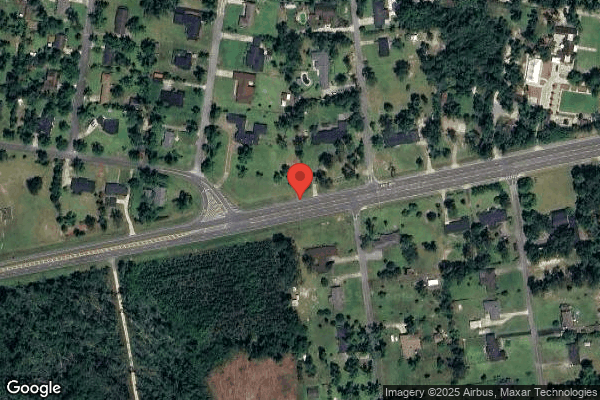
119 MEADOWS PARKWAY WEST, VIDALIA, GA 30474 (912) 403-3400
Non profit - Other 75 Beds CLINICAL SERVICES, INC. Data: November 2025
Trust Grade
90/100
#23 of 353 in GA
Last Inspection: May 2025

Inspected within the last 6 months. Data reflects current conditions.

Overview

Meadows Park Health and Rehabilitation has an excellent Trust Grade of A, indicating it is highly recommended and performs well compared to other facilities. It ranks #23 out of 353 nursing homes in Georgia, placing it in the top half of facilities statewide, and is the top option among the three facilities in Toombs County. The facility's performance trend is stable, with two reported issues in both 2022 and 2023. Staffing is also a strong point, with a rating of 4 out of 5 stars and a turnover rate of 32%, which is well below the state average of 47%, indicating experienced staff who are familiar with the residents. Notably, the facility has no fines, which is a positive sign of compliance. However, there are some concerns as well. The facility has had four identified issues related to infection control and food safety, including a failure to date nutritional shakes properly, which could risk foodborne illness for the residents. There was also a lapse in infection control measures during enteral feeding, increasing the risk of infections for some residents. Additionally, one resident did not receive adequate catheter care, which could lead to urinary tract infections. While the facility has several strengths, families should consider these areas of concern when making their decision.

Trust Score
A
90/100
In Georgia
#23/353
Top 6%
Safety Record
Low Risk
No red flags
Inspections
Holding Steady
2 → 2 violations
Staff Stability
○ Average
32% turnover. Near Georgia's 48% average. Typical for the industry.
Penalties
✓ Good
No fines on record. Clean compliance history, better than most Georgia facilities.
Skilled Nurses
○ Average
Each resident gets 36 minutes of Registered Nurse (RN) attention daily — about average for Georgia. RNs are the most trained staff who monitor for health changes.
Violations
✓ Good
Only 4 deficiencies on record. Cleaner than most facilities. Minor issues only.
★★★★★
5.0
Overall Rating
★★★★☆
4.0
Staff Levels
★★★★★
5.0
Care Quality
★★★★☆
4.0
Inspection Score
Stable
2022: 2 issues
2025: 2 issues

The Good

  • 4-Star Staffing Rating · Above-average nurse staffing levels
  • 5-Star Quality Measures · Strong clinical quality outcomes
  • Full Sprinkler Coverage · Fire safety systems throughout facility
  • No fines on record
  • Staff turnover below average (32%)

    16 points below Georgia average of 48%

Facility shows strength in staffing levels, quality measures, fire safety.

The Bad

Staff Turnover: 32%

14pts below Georgia avg (46%)

Typical for the industry

Chain: CLINICAL SERVICES, INC.

Part of a multi-facility chain

Ask about local staffing decisions and management

The Ugly 4 deficiencies on record

May 2025 2 deficiencies
CONCERN (D)

Potential for Harm - no one hurt, but risky conditions existed

Infection Control (Tag F0880)

Could have caused harm · This affected 1 resident

Based on observations, interviews, record reviews, and review of the facility's policies titled Standard Precaution/Use of PPE [personal protective equipment], and Transmission-Based Precautions (Cont...

Read full inspector narrative →
Based on observations, interviews, record reviews, and review of the facility's policies titled Standard Precaution/Use of PPE [personal protective equipment], and Transmission-Based Precautions (Contact, Enhanced Barrier Precautions [EBP], Droplet, Airborne), the facility failed to maintain infection control measures for one of 24 sampled residents (R) (R4). Specifically, the facility failed to ensure that enhanced barrier precautions were maintained during enteral feeding/medication administration for R4. The deficient practice increased the risk for infections for residents with enteral feeding tubes. Findings include: Review of the facility's policy titled, Standard Precaution/Use of PPE [personal protective equipment], revised 12/27/2024, under Intent revealed, It is the policy of this facility that: 1) all patient blood and body fluids will be considered potentially infectious 2) standard precautions are indicated for all patients. Under the section titled Guideline revealed, .Wear a gown that is appropriate to the task to protect skin and prevent soiling or contamination of clothing during procedures and resident-care activities when contact with blood, body fluids, secretions, or excretions is anticipated . Review of the facility's policy titled, Transmission-Based Precautions (Contact, Enhanced Barrier Precautions [EBP], Droplet, Airborne), revised 12/27/2024 under the section titled Enhanced Barrier Precautions (EBP) revealed, .EBP expand the use of PPE [personal protective equipment] and refer to the use of gown and gloves during high-contact activities.Examples of high contact patient care activities requiring gown and glove use for Enhanced Barrier Precautions include: Device care or use: . feeding tube.Gown and gloves would not be required for patient care activities other than those listed above . Review of R4's admission Record revealed diagnoses that included but not limited to paraplegia, aphasia, encounter for attention to gastrostomy, and history of traumatic brain injury. Review of R4's quarterly Minimum Data Set (MDS) located in the EMR under the MDS tab with an Assessment Review Date (ARD) of 2/28/2025 for Section C (Cognitive Pattern) revealed, the Brief Interview for Mental Status (BIMS) was not able to be completed due to impaired cognition; and Section K (Swallowing/Nutritional status) revealed, R4 had an enteral feeding tube. Review of R4's Care Plan, revised 5/22/2025 included tube feeding status and enhanced barrier precautions. Review of R4's Resident's Consolidated Order revealed, an order for valproic acid (anti-seizure medication) 250 mg (milligrams)/five (5) ml (milliliters) give 10 ml via (by way of) percutaneous (PEG) tube four times per day (QID) dated 5/4/2023 and [Name of dietary supplement] 2.0 oral liquid administer one carton three times per day (TID) dated 7/25/2024, and enhanced barrier precautions dated 5/4/2023. During an observation on 5/21/2025 at 9:16 am, R4's bedroom had signage indicating that he was on EBP. Licensed Practical Nurse (LPN) 1 donned (put on) gloves prior to administering valproic acid and [Name of dietary supplement] via PEG tube to R4. LPN1 did not don a gown prior to procedure. During an interview on 5/22/2025 at 2:01 pm, LPN1 confirmed that she did not wear a gown on 5/21/2025 during enteral feeding tube administration but should have. LPN1 stated that R4's door did not have a PPE cart at the entrance to his room, and she forgot. During an interview on 5/22/2025 at 2:45 pm, Director of Nursing (DON) revealed, that it was her expectation that nursing staff ensured EBP were followed for R4 due to enteral feeding status. The DON confirmed that LPN1 should have donned both gloves and a gown during any procedure involving the enteral feeding tube.
CONCERN (F)

Potential for Harm - no one hurt, but risky conditions existed

Food Safety (Tag F0812)

Could have caused harm · This affected most or all residents

Based on observation, interview, record review, and review of the facility's policy titled Storage Areas, the facility failed to ensure shakes were dated for two of two nourishment rooms (First and Se...

Read full inspector narrative →
Based on observation, interview, record review, and review of the facility's policy titled Storage Areas, the facility failed to ensure shakes were dated for two of two nourishment rooms (First and Second Floor). The deficient practice had the potential for the spread of food borne illness to affect 69 out of 72 residents that received an oral diet. Findings include: Review of the facility's policy titled, Storage Areas, dated 12/27/2024 under Guideline revealed, Items should be covered, sealed, labeled, and dated appropriately. During an inspection on 5/19/2025 at 10:39 am with the Dietary Manager (DM) in the nourishment room on the first floor, the refrigerator contained five four-ounce cartons of [Name of shakes]. Manufacturer's information on each of the cartons of the shakes read, Use thawed product within 14 days. There was no documentation on the shakes or elsewhere indicating when the shakes were pulled from the freezer and placed under refrigeration, which was confirmed by the DM. The DM revealed that the shakes must be used within 14 days of refrigeration. During an inspection on 5/19/2025 at 10:48 am with the DM in the nourishment room on the second floor, the refrigerator contained three four-ounce cartons of [Name of shakes]. There was no documentation on the shakes or elsewhere indicating when the shakes were pulled from the freezer and placed under refrigeration, which was confirmed by the DM. During an interview on 5/22/2025 at 2:15 pm, the Registered Dietitian (RD) revealed, the health shakes had a shelf life of 14 days once pulled from the freezer, and it was important to document the date they were placed into refrigeration to ensure they were not expired.
Apr 2022 2 deficiencies
CONCERN (D)

Potential for Harm - no one hurt, but risky conditions existed

Incontinence Care (Tag F0690)

Could have caused harm · This affected 1 resident

**NOTE- TERMS IN BRACKETS HAVE BEEN EDITED TO PROTECT CONFIDENTIALITY** Based on observation, record review, review of facility policy titled Foley Catheter Care, and staff interviews, the facility fa...

Read full inspector narrative →
**NOTE- TERMS IN BRACKETS HAVE BEEN EDITED TO PROTECT CONFIDENTIALITY** Based on observation, record review, review of facility policy titled Foley Catheter Care, and staff interviews, the facility failed to ensure catheter care was provided in a manner to prevent urinary tract infections for one resident (R) (R#52) of six residents with indwelling urinary catheters. Findings include: Review of the facility policy titled Foley Catheter Care dated 2020 revealed: Intent - to promote hygiene, comfort and decrease risk of infection for patients with an indwelling catheter and is performed daily and PRN (as needed). Please see Lippincott Nursing Practice [NAME] for additional information on how to complete the procedure. [NAME] (2019) documented to avoid contaminating the urinary tract, always clean by wiping away from and never toward the urinary meatus. The policy does not include information about cross contamination and/or using a clean washcloth/wipe for each stroke. Review of the admission Minimum Data Set (MDS) dated [DATE] revealed R#52 with a Brief Interview of Mental Status (BIMS) score of 15 indicating cognition intact. The resident had an indwelling catheter and diagnosis of Urinary Tract Infection (UTI) within the last 30 days. Further review of the clinical record revealed R#52 was admitted on [DATE] and was noted on 3/24/22 with vaginal bleeding, which was identified to be a urethral laceration, which has since resolved. Review of the Physician Order dated 3/24/22 revealed R#52 had order for indwelling urinary catheter to bedside drainage, Size: 18F (French); Balloon Size: 10 milliliters (mL) for diagnosis of obstructive uropathy. Observation on 4/09/22 at 10:15 a.m. revealed Certified Nursing Assistance (CNA) AA performed catheter care on R#52. CNA AA washed her hands, donned gloves, and prepared two basins with hot water; each basin contained one washcloth. CNA AA allowed R#52 to wash her face with one of the two washcloths and placed that washcloth back in the basin. She then added liquid soap to that basin. CNA AA soaped up the washcloth and washed the resident all over along the lower abdomen in the creases and down each side of the peri area, and down the catheter tubing. CNA AA placed the washcloth back in the basin with soapy water, squeezed out the washcloth and repeated the previous actions with the same washcloth. The was no sequence when wiping the entire area including the catheter tubing. The entire peri area and catheter tubing was wiped at random while frequently placing washcloth back into the soapy water and squeezing out washcloth. CNA AA used the washcloth from the clean water with the same actions and in same the same manner as with the soapy water washcloth. No other washcloths were used. Catheter tubing was secured with anchoring device to leg. Review of the CNA Orientation Skill Checklist - Core Competency dated 10/15/21 for CNA AA revealed competency checked off for: peri care - female, male, and catheter. Completed steps for the check off procedure was not listed in the competency file. Interview with CNA AA on 4/10/22 at 7:20 a.m. revealed that she has received in-service on catheter care and is familiar with cleaning in one direction down each side extending outward and down the tubing and using a different washcloth for every stroke of cleaning. CNA AA stated she was nervous and usually brings more washcloths. Interview with the Administrator on 4/10/22 at 9:47 a.m. revealed that the CNA's do not document catheter care. They know to do catheter care because it is on the Activities of Daily Living (ADL) plan of care, but it is not documented anywhere. Interview with the Administrator, the Resident Care Coordinator (RCC), and the MDS Coordinator on 4/10/22 at 11:00 a.m. revealed that CNA AA has been here since the building opened and she was nervous. She normally does catheter care appropriately.
CONCERN (D)

Potential for Harm - no one hurt, but risky conditions existed

Medication Errors (Tag F0758)

Could have caused harm · This affected 1 resident

**NOTE- TERMS IN BRACKETS HAVE BEEN EDITED TO PROTECT CONFIDENTIALITY** Based on observation, record review, review of facility policy titled Psychotropic Medications, and staff interview, the facilit...

Read full inspector narrative →
**NOTE- TERMS IN BRACKETS HAVE BEEN EDITED TO PROTECT CONFIDENTIALITY** Based on observation, record review, review of facility policy titled Psychotropic Medications, and staff interview, the facility failed to document the intended duration of therapy for one resident (R) (#116) that had an order for PRN antianxiety medications beyond 14 days of six residents reviewed for unnecessary medications. Findings include: Review of facility policy titled Psychotropic Medications dated 2019 revealed Guideline: PRN (as needed) Orders for psychotropic drugs are limited to 14 days. If the attending physician or prescribing practitioner believes that it is appropriate for the PRN order to be extended beyond 14 days, he or she should document their rationale in the patient's medical record and indicate the duration for the PRN order. Review of the admission Minimum Data Set (MDS) dated [DATE] documented R#116 with a Brief Interview of Mental Status (BIMS) score of 15 indicating cognition intact. The resident was admitted to the facility on [DATE] and received an antianxiety medication for five days of the seven-day assessment period. Review of Physician Order dated 3/9/22 revealed R#116 had an order for Ativan 1 milligram (mg) every six hours PRN with no end date and the medication was not ordered for a specific number of days. Review of the Medication Administration Record (MAR) revealed R#116 received Ativan 1 mg on the following days: 3/10/22 (twice), 3/11/22 (twice), 3/12/22, 3/13/22 (twice), 3/14/22, 3/15/22, 3/16/22, 3/17/22 (twice), 3/18/22, 3/19/22, 3/20/22, 3/21/22 (twice), 3/22/22, 3/23/22 (twice), 3/24/22, 3/25/22, 3/26/22 (twice), 3/27/22 (twice), 3/28/22 (twice), 3/29/22, 3/30/22, 3/31/22, 4/1/22 (twice), 4/2/22 (twice), 4/3/22, 4/4/22, 4/5/22 (twice), 4/6/22, 4/7/22 (twice), 4/8/22, 4/9/22 (twice), and 4/10/22. Review of the document titled Psychotropic & Sedative /Hypnotic Utilization by Resident from the pharmacy for records updated between 4/1/22 and 4/2/22 revealed R#116 was ordered Ativan 1 mg every six hours PRN on 3/9/222 with next evaluation being 3/23/22. Review of the Physician and Nurse Practitioner Progress Notes from 3/9/22 to 4/10/22 revealed no documentation of increased anxiety or rational for the continued use of the PRN Ativan. Observation of medication administration with Licensed Practical Nurse (LPN) BB on 4/10/22 at 8:20 a.m. revealed R#116 had requested his antianxiety medication. Upon entrance to the resident's room, R#116 did not remember requesting the antianxiety medication. However, LPN BB administered Ativan 1 mg by mouth without question along with his other medications in the medication cup. Interview with the Administrator, Resident Care Coordinator (RCC), and MDS Coordinator on 4/10/22 at 11:00 a.m. revealed that PRN anxiety medications are usually ordered for 14 days. MDS Coordinator stated R#116 has problems with cognition (even with BIMS score of 15) and he is always forgetting that he asked for medication and his wife will remind him that he asked for the medication. The RCC stated she would go ahead and get the order changed for the 14-day PRN. DONE
Understanding Severity Codes (click to expand)
Life-Threatening (Immediate Jeopardy)
J - Isolated K - Pattern L - Widespread
Actual Harm
G - Isolated H - Pattern I - Widespread
Potential for Harm
D - Isolated E - Pattern F - Widespread
No Harm (Minor)
A - Isolated B - Pattern C - Widespread

Questions to Ask on Your Visit

  • "Can I speak with families of current residents?"
  • "What's your RN coverage like on weekends and overnight?"

Our Honest Assessment

Strengths
  • • Grade A (90/100). Above average facility, better than most options in Georgia.
  • • No major safety red flags. No abuse findings, life-threatening violations, or SFF status.
  • • No fines on record. Clean compliance history, better than most Georgia facilities.
  • • Only 4 deficiencies on record. Cleaner than most facilities. Minor issues only.
Concerns
  • • No significant concerns identified. This facility shows no red flags across CMS ratings, staff turnover, or federal penalties.
Bottom line: Generally positive indicators. Standard due diligence and a personal visit recommended.

About This Facility

What is Meadows Park's CMS Rating?

CMS assigns MEADOWS PARK HEALTH AND REHABILITATION an overall rating of 5 out of 5 stars, which is considered much above average nationally. Within Georgia, this rating places the facility higher than 99% of the state's 100 nursing homes. This rating reflects solid performance across the metrics CMS uses to evaluate nursing home quality.

How is Meadows Park Staffed?

CMS rates MEADOWS PARK HEALTH AND REHABILITATION's staffing level at 4 out of 5 stars, which is above average compared to other nursing homes. Staff turnover is 32%, compared to the Georgia average of 46%. This relatively stable workforce can support continuity of care.

What Have Inspectors Found at Meadows Park?

State health inspectors documented 4 deficiencies at MEADOWS PARK HEALTH AND REHABILITATION during 2022 to 2025. These included: 4 with potential for harm.

Who Owns and Operates Meadows Park?

MEADOWS PARK HEALTH AND REHABILITATION is owned by a non-profit organization. Non-profit facilities reinvest revenue into operations rather than distributing to shareholders. The facility is operated by CLINICAL SERVICES, INC., a chain that manages multiple nursing homes. With 75 certified beds and approximately 72 residents (about 96% occupancy), it is a smaller facility located in VIDALIA, Georgia.

How Does Meadows Park Compare to Other Georgia Nursing Homes?

Compared to the 100 nursing homes in Georgia, MEADOWS PARK HEALTH AND REHABILITATION's overall rating (5 stars) is above the state average of 2.6, staff turnover (32%) is significantly lower than the state average of 46%, and health inspection rating (4 stars) is above the national benchmark.

What Should Families Ask When Visiting Meadows Park?

Based on this facility's data, families visiting should ask: "Can I visit during a mealtime to observe dining assistance and food quality?" "How do you handle medical emergencies, and what is your hospital transfer rate?" "Can I speak with family members of current residents about their experience?"

Is Meadows Park Safe?

Based on CMS inspection data, MEADOWS PARK HEALTH AND REHABILITATION has a clean safety record: no substantiated abuse findings (meaning no confirmed cases of resident harm), no Immediate Jeopardy citations (the most serious violation level indicating risk of serious injury or death), and is not on the Special Focus Facility watch list (a federal program monitoring the lowest-performing 1% of nursing homes). The facility has a 5-star overall rating and ranks #1 of 100 nursing homes in Georgia. While no facility is perfect, families should still ask about staff-to-resident ratios and recent inspection results during their visit.

Do Nurses at Meadows Park Stick Around?

MEADOWS PARK HEALTH AND REHABILITATION has a staff turnover rate of 32%, which is about average for Georgia nursing homes (state average: 46%). Moderate turnover is common in nursing homes, but families should still ask about staff tenure and how the facility maintains care continuity when employees leave.

Was Meadows Park Ever Fined?

MEADOWS PARK HEALTH AND REHABILITATION has no federal fines on record. CMS issues fines when nursing homes fail to meet care standards or don't correct problems found during inspections. The absence of fines suggests the facility has either maintained compliance or corrected any issues before penalties were assessed. This is a positive indicator, though families should still review recent inspection reports for the full picture.

Is Meadows Park on Any Federal Watch List?

MEADOWS PARK HEALTH AND REHABILITATION is not on any federal watch list. The most significant is the Special Focus Facility (SFF) program, which identifies the bottom 1% of nursing homes nationally based on persistent, serious quality problems. Not being on this list means the facility has avoided the pattern of deficiencies that triggers enhanced federal oversight. This is a positive indicator, though families should still review the facility's inspection history directly.