WARM SPRINGS MEDICAL CENTER NURSING HOME
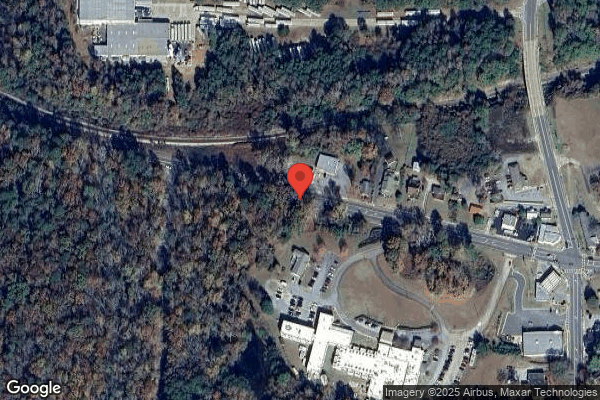
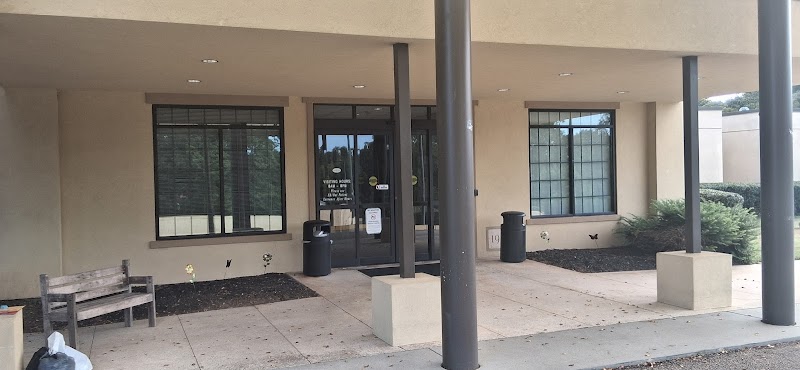
5995 SPRING STREET, WARM SPRINGS, GA 31830 (706) 655-3331
For profit - Limited Liability company 79 Beds Independent Data: November 2025
Trust Grade
75/100
#108 of 353 in GA
Last Inspection: March 2025

Within standard 12-15 month inspection cycle. Federal law requires annual inspections.

Overview

Warm Springs Medical Center Nursing Home has a Trust Grade of B, indicating it is a good choice for families seeking care. It ranks #108 out of 353 facilities in Georgia, placing it in the top half of all nursing homes in the state, while it is #2 of 2 in Meriwether County, suggesting limited options in the area. The facility is on an improving trend, with issues decreasing from eight in 2023 to just one in 2025, but staffing remains a concern with a rating of 2 out of 5 stars and a high turnover rate of 62%. While there have been no fines recorded, which is positive, the facility has less RN coverage than 75% of Georgia facilities, which could impact patient care. Specific incidents noted include a failure to ensure proper cleaning in food preparation areas and a lack of pre-employment screening for some staff, raising concerns about hygiene and staff qualifications. Overall, while there are notable strengths, such as the absence of fines and an improving trend, families should weigh these against the staffing issues and specific concerns raised by inspections.

Trust Score
B
75/100
In Georgia
#108/353
Top 30%
Safety Record
Low Risk
No red flags
Inspections
Getting Better
8 → 1 violations
Staff Stability
⚠ Watch
62% turnover. Above average. Higher turnover means staff may not know residents' routines.
Penalties
✓ Good
No fines on record. Clean compliance history, better than most Georgia facilities.
Skilled Nurses
⚠ Watch
Each resident gets only 17 minutes of Registered Nurse (RN) attention daily — below average for Georgia. Fewer RN minutes means fewer trained eyes watching for problems.
Violations
○ Average
10 deficiencies on record. Average for a facility this size. Mostly minor or procedural issues.
★★★★☆
4.0
Overall Rating
★★☆☆☆
2.0
Staff Levels
★★☆☆☆
2.0
Care Quality
★★★★☆
4.0
Inspection Score
Stable
2023: 8 issues
2025: 1 issues

The Good

  • Full Sprinkler Coverage · Fire safety systems throughout facility
  • No fines on record

Facility shows strength in fire safety.

The Bad

Staff Turnover: 62%

16pts above Georgia avg (46%)

Frequent staff changes - ask about care continuity

Staff turnover is elevated (62%)

14 points above Georgia average of 48%

The Ugly 10 deficiencies on record

Mar 2025 1 deficiency
CONCERN (D) 📢 Someone Reported This

A family member, employee, or ombudsman was alarmed enough to file a formal complaint

Potential for Harm - no one hurt, but risky conditions existed

Respiratory Care (Tag F0695)

Could have caused harm · This affected 1 resident

**NOTE- TERMS IN BRACKETS HAVE BEEN EDITED TO PROTECT CONFIDENTIALITY** Based on observations, resident and staff interviews, record reviews, and review of the facility's policy titled, Oxygen Adminis...

Read full inspector narrative →
**NOTE- TERMS IN BRACKETS HAVE BEEN EDITED TO PROTECT CONFIDENTIALITY** Based on observations, resident and staff interviews, record reviews, and review of the facility's policy titled, Oxygen Administration, the facility failed to follow physician's orders for oxygen (O2) for one of 18 residents (R) (R18) with physician's orders for O2. This deficient practice had the potential to place R18 at risk of respiratory complications. Findings include: Review of the facility's policy titled Oxygen Administration, dated 7/22/2024, revealed the Policy section stated, Oxygen is administered to residents who need it, consistent with professional standards of practice, the comprehensive person-centered care plans, and the resident's goals and preferences. The Policy Explanation and Compliance Guidelines section included, Oxygen is administered under orders of a physician, except in the case of an emergency. In such case, oxygen is administered and orders for oxygen are obtained as soon as practicable when the situation is under control. Review of R18's electronic medical record (EMR) revealed diagnoses including, but not limited to, chronic obstructive pulmonary disease (COPD), congestive heart failure (CHF), and hypoxemia. Review of R18's Quarterly Minimum Data Set (MDS) dated [DATE] revealed Section O (Special Treatments, Procedures, and Programs) documented the resident received O2. Review of R18's care plan revealed a Problem last reviewed 11/13/2024 of Resident has hypoxia and shortness of breath related to respiratory disease history of COVID-19, pneumonia, COPD, and CHF. The Approaches included administering O2 at 2 liters per minute (LPM) via nasal cannula (NC). Review of R18's Physician's Orders revealed an order dated 3/17/2025 for O2 at 2 liters per minute via a NC, continuous. Observations on 3/25/2025 at 9:36 am, 3/26/2025 at 10:36 am, and 3/27/2025 at 9:11 am revealed R18 lying in bed receiving O2 via an NC. Observations of the O2 concentrator revealed the flow rate was set at 1.25 LPM at all observations. Review of R18's medication administration record (MARS) revealed documentation that the O2 was administered as ordered. In a concurrent observation and interview on 3/27/2025 at 9:11 am, Licensed Practical Nurse (LPN) BB verified that R18's O2 flow rate setting was a little over 1 LPM. LPN BB confirmed R18's O2 order was for 2 LPM and adjusted the flow rate. In an interview on 3/27/2025 at 4:03 pm, the Director of Nursing (DON) stated that nurses manage the O2 settings and document once a shift that the settings were checked.
Nov 2023 8 deficiencies
CONCERN (D)

Potential for Harm - no one hurt, but risky conditions existed

Deficiency F0582 (Tag F0582)

Could have caused harm · This affected 1 resident

Based on record review, staff interviews, and review of the policy titled Advanced Beneficiary Notice (ABN), the facility failed to provide the Skilled Nursing Facility Advance Beneficiary Notice (SNF...

Read full inspector narrative →
Based on record review, staff interviews, and review of the policy titled Advanced Beneficiary Notice (ABN), the facility failed to provide the Skilled Nursing Facility Advance Beneficiary Notice (SNFABN) (Form CMS-10055) to two residents (R) (R47 and R36) from a sample of three residents who were discharged from Medicare Part A services and remained in the facility in the last six months. The census was 76 residents. Findings include: Review of the facility policy titled Advanced Beneficiary Notice (ABN) with an effective date 11/18/2016 revealed the policy stated the facility was to comply with the rules established by the Centers for Medicare and Medicaid Services (CMS) to inform Medicare patients about services that may not be covered. The ABN is a notification given to Medicare patients to convey that Medicare is not likely to provide coverage in a specific case. The ABN must be delivered to affected patients before providing the items or services that are the subject of the notice. Under the section titled Three Events Prompting Issuance of ABN line numbered 3. Termination - If services are being terminated and the beneficiary wants to continue receiving care that is no longer considered medically reasonable and necessary, you must issue an ABN prior to furnishing non-covered care. 1. R36 was discharged from Medicare Part A services on 9/15/2023 and remained in the facility. However, the only notice that was provided to the resident was the Notice of Medicare Non-Coverage (NOMNC) (Form CMS-10123). There was no evidence that the facility had issued an SNFABN (Form CMS-10055) to R#36 or her responsible party, providing the opportunity to continue with skilled services, at her cost, if Medicare did not reimburse. 2. R47 was discharged from Medicare Part A services on 6/27/2023 and remained in the facility. However, the only notice provided to the resident was the NOMNC (Form CMS-10123). There was no evidence that the facility had issued the SNFABN (Form CMS-10055) to R47 or her responsible party, providing the opportunity to continue with skilled services, at his cost, if Medicare did not reimburse. There were only three residents discharged from Medicare Part A in the last six months. A telephone interview on 11/4/2023 at 10:45 am with the SSD in the Administrator's office and with the Administrator present, revealed she had worked as the SSD for about two months. She stated she was unaware of what the SNF ABN Form CMS-10055 was. She further stated she had not received education on the SNF ABN Form CMS 10055. She stated she provided a NOMNC to all residents that discharge from Medicare Part A but did not provide an SNFABN form. She verified R47 and R36 had discharged from therapy, remained in the facility, and the facility did not provide R47 and R36 or the responsible party with a SNFABN. A telephone interview on 11/4/2023 at 11:05 am with the Chief Financial Officer (CFO) for the facility, in the Administrator's office and with the Administrator present, revealed the facility did not typically provide the SNFABN form. She stated she was unaware of the CMS guidelines for the issuance of SNF ABN form. Interview on 11/4/2023 at 1:15 pm with the CFO, in the Conference Room, revealed the facility did not provide SNFABN notices to any resident when their Medicare Part A was exhausted. She stated it was her understanding the NOMNC was all that was required to be provided. Interview on 11/4/2023 at 2:37 pm with the Administrator revealed his expectations were for beneficiary notices to be provided according to CMS guidelines. He stated he was unaware the beneficiary notices were not being provided according to CMS guidelines.
CONCERN (D) 📢 Someone Reported This

A family member, employee, or ombudsman was alarmed enough to file a formal complaint

Potential for Harm - no one hurt, but risky conditions existed

Grievances (Tag F0585)

Could have caused harm · This affected 1 resident

**NOTE- TERMS IN BRACKETS HAVE BEEN EDITED TO PROTECT CONFIDENTIALITY** Based on interviews and record review, the facility failed to follow up on grievances related to Certified Nursing Assistants (C...

Read full inspector narrative →
**NOTE- TERMS IN BRACKETS HAVE BEEN EDITED TO PROTECT CONFIDENTIALITY** Based on interviews and record review, the facility failed to follow up on grievances related to Certified Nursing Assistants (CNA) not treating the residents with dignity and respect for three residents (R) (A, B, and C) of 33 sampled residents. Findings include: 1. Interview with R A on 11/3/2023 at 10:34 am revealed Certified Nursing Assistant (CNA) HH and CNA JJ are always talking on their phones when providing care to the residents. She stated that they do not pay attention to what the resident needs because they are distracted while on the phone. The Quarterly Minimum Data Set (MDS) assessment dated [DATE] documented R A with a Brief Interview of Mental Status (BIMS) score of 15, indicating cognitively intact, and had no documented behaviors. 2. Interview on 11/3/2023 at 10:23 am with R B revealed that CNAs do not treat the resident with dignity and respect, specifically CNA HH and CNA II. They are always on the phone when providing care. She stated she complains and lets staff know in resident council meetings, but she has noticed a worsening rudeness after complaining. She feels they know she complained and are acting differently. She stated she received no follow-up from the facility related to her complaint. The Quarterly MDS assessment dated [DATE] documented R B with a BIMS score of 15 and had no documented behaviors. 3. Interview on 11/4/2023 at 2:45 pm with R C revealed that during the resident council meeting in October 2023, it was mentioned that CNAs are always on their phones while providing care. She stated staff said they would handle the concern. Resident C stated the CNAs are always on their phone when they provide care. Resident C stated she will often think they are talking to her but later realize they are talking to someone on the phone though an earpiece. The Quarterly MDS assessment dated [DATE] documented R C with a BIMS score of 15 and had no documented behaviors. Review of the Grievance Log for October 2023 revealed no grievances. Review of the Resident Council Minutes from October 2023 revealed no indication that a complaint was voiced related to staff being on the phone. Interview with the Administrator on 11/5/2023 at 12:00 pm revealed he took over during the last resident council meeting for maybe the last five minutes of the meeting. He stated someone did mention that CNA staff are always on their cell phones while caring for the residents. He stated he gave a verbal response to the CNA but did not know who the CNA was. He stated that he did not take any additional corrective action. He stated he walks the halls, instructing them to take earbuds out immediately. Review of the Education In-service dated 8/29/2023 revealed CNA education was provided related to no cell phone use being allowed except on your break. CNA HH and CNA JJ were not listed as receiving the education. Review of the facility policy titled Resident and Family Grievances revised 7/9/2020 revealed it is the policy of this facility to support each resident's and family members right to voice grievances without discrimination, reprisal or fear of discrimination or reprisal. Prompt efforts to resolve include facility acknowledgement of a complaint/grievance and actively working toward resolution of that complaint/ grievance.
CONCERN (D) 📢 Someone Reported This

A family member, employee, or ombudsman was alarmed enough to file a formal complaint

Potential for Harm - no one hurt, but risky conditions existed

Pressure Ulcer Prevention (Tag F0686)

Could have caused harm · This affected 1 resident

**NOTE- TERMS IN BRACKETS HAVE BEEN EDITED TO PROTECT CONFIDENTIALITY** Based on observation, interview, and record review, the facility failed to complete wound assessments weekly for one resident (R...

Read full inspector narrative →
**NOTE- TERMS IN BRACKETS HAVE BEEN EDITED TO PROTECT CONFIDENTIALITY** Based on observation, interview, and record review, the facility failed to complete wound assessments weekly for one resident (R) (51) of three residents reviewed for pressure ulcers. Findings include: Review of the undated facility policy titled Wound Treatment Management revealed the effectiveness of treatments will be monitored through ongoing assessments of the wound. Review of the Significant Change Minimum Data Set (MDS) assessment dated [DATE] revealed R51 was unable to complete the Brief Interview of Mental Status (BIMS) Assessment and had two Stage 3 pressure ulcers and one Stage 4 pressure ulcer present on admission. Review of Wound Documentation in the Electronic Medical Record revealed the following wounds: 1. Sacrum, Date identified - 4/27/2023. Most Recent Documentation dated 11/3/2023 - 4.3 centimeters (cm) X 5.7 cm. Previous Documentation dated 8/28/2023 - 3.1 cm X 4.7 cm. 2. Right Ankle, Date identified - 4/27/2023. Most Recent Documentation dated 11/3/2023 - 3 cm X 0.8 cm. Previous Documentation dated 8/28/2023 - 0.5 cm X 0.3 cm. 3. Left Ankle, Date identified - 4/27/2023. Most Recent Documentation dated 11/3/2023 - 2.1 cm X 2 cm. Previous Documentation dated 8/28/2023 - 0.6 cm X 0.4 cm. Additional wound documentation provided by the wound nurse via the (name) Skin and Wound App included: 1. Pressure ulcer, stage 4 - sacrum - 8/24/2023, 9/20/2023, 9/27/2023, 10/6/2023, and 11/2/2023. 2. Pressure ulcer, stage 3 - right lateral malleolus: 8/17/2023, 8/24/2023, 9/1/2023, 9/8/2023, 9/21/2023, 10/4/2023, and 11/1/2023. 3. Pressure ulcer, stage 3 - left lateral malleolus: 8/24/2023, 9/1/2023, 9/21/2023, 10/4/2023, and 11/1/2023. Interview with the Treatment Nurse, Licensed Practical Nurse (LPN) KK on 11/4/2023 at 4:55 pm revealed that what she provided was all she had completed for wound assessments for R51. She acknowledged that wound assessments are supposed to be completed weekly. Observation on 11/5/2023 at 2:20 pm revealed R51 wound treatment was provided as ordered by the Physician. There were no concerns with infection control or status of the wound. Review of the clinical record revealed R51 was placed on Hospice Services on 8/21/2023.
CONCERN (D) 📢 Someone Reported This

A family member, employee, or ombudsman was alarmed enough to file a formal complaint

Potential for Harm - no one hurt, but risky conditions existed

Accident Prevention (Tag F0689)

Could have caused harm · This affected 1 resident

**NOTE- TERMS IN BRACKETS HAVE BEEN EDITED TO PROTECT CONFIDENTIALITY** Based on observations and staff interview, the facility failed to have medical equipment plugged into a wall outlet and not an e...

Read full inspector narrative →
**NOTE- TERMS IN BRACKETS HAVE BEEN EDITED TO PROTECT CONFIDENTIALITY** Based on observations and staff interview, the facility failed to have medical equipment plugged into a wall outlet and not an electrical power strip in one of 42 resident rooms. Findings include: Observations on 11/3/2023 at 9:45 am, 11/4/2023 at 12:45 pm, and 11/5/2023 at 12:50 pm of resident room [ROOM NUMBER] revealed that the oxygen concentrator was plugged into a power strip and was not the wall outlet. The power strip was lying on the floor near the head of the resident bed. Interview on 11/5/2023 at 12:50 pm the Director of Nursing (DON) confirmed that resident in room [ROOM NUMBER] oxygen concentrator was plugged into a power strip and should not be. The DON revealed that once an order is written for a resident to receive oxygen treatment the nurse will obtain an oxygen concentrator from storage, place in resident room and plug in wall outlet for usage. The DON stated that nursing staff should know not to plug any medical equipment into a power strip and expects nursing staff to plug directly into wall outlet. A policy regarding Medial Equipment/Oxygen Concentrator was requested, no policy was provided.
CONCERN (D)

Potential for Harm - no one hurt, but risky conditions existed

Deficiency F0692 (Tag F0692)

Could have caused harm · This affected 1 resident

**NOTE- TERMS IN BRACKETS HAVE BEEN EDITED TO PROTECT CONFIDENTIALITY** Based on observations, staff interviews, medical record review, and policy review, the facility failed to serve a proper renal d...

Read full inspector narrative →
**NOTE- TERMS IN BRACKETS HAVE BEEN EDITED TO PROTECT CONFIDENTIALITY** Based on observations, staff interviews, medical record review, and policy review, the facility failed to serve a proper renal diet for one resident (R28) of three residents ordered to receive a renal diet. The facility also failed to have the registered dietitian document weight loss for one resident (R68) from a sample of 33. Findings include: 1. Review of the policy titled Therapeutic Diets revealed that a therapeutic diet is defined as a diet ordered by a physician or delegated registered dietitian or licensed dietitian as part of the treatment for a disease or clinical condition. Procedures included: Diets are prepared in accordance with the guidelines in the approved Diet Manual and the individualized plan of care. Resident 28 has a diagnosis of end stage renal disease and is dependent on dialysis. Review of the quarterly Minimum Data Set (MDS) assessment dated [DATE] revealed in Section C the Brief Interview for Mental Status (BIMS) was coded as 15, which indicates intact cognition. Review of the physician orders revealed R28 was ordered a renal diet. Observation and interview on 11/4/2023 at 5:15 pm with R28 revealed that his dinner meal was served and consisted of a fish sandwich, mixed vegetables, potato wedges, apple crisp, and ice tea. R28 confirmed that he received potato wedges on his dinner tray and stated that he will likely eat all the potato wedges provided. Photo of R28 dinner meal was taken with his consent. Review of R28 meal tray ticket revealed that he was to receive a renal diet of breaded fish on bun, buttered noodles, country vegetable blend, maple apple crisp, milk, and tea. During an interview on 11/4/2023 at 5:30 pm the Director of Dining Services (DDS) confirmed that R28 is ordered to receive a renal diet. The DDS confirmed that the photo of R28 dinner meal, R28 was served potato wedges. The DDS revealed that the renal diet should have been served buttered noodles instead of potato wedges. The DDS stated that dietary staff did not follow the meal tray ticket and she expects dietary staff to serve the correct food items for renal restrictions, this was an oversight by dietary. 2. Resident 68 is a [AGE] year old long term care resident that was admitted to the facility on [DATE] due to cerebral infarction affecting right dominant side. Review of the Annual Minimum Data Set (MDS) assessment dated [DATE] revealed in Section C that the Brief Interview for Mental Status could be assessed due to poor cognition. The MDS Section K revealed that the resident had weight loss and was not on a physician prescribed weight loss regimen. Review of the medical record revealed R28 weights for the past six months were as follow: 11/2/2023 - 134.3 pounds 10/3/2023 - 139.4 pounds 9/5/2023 - 141.4 pounds 8/3/2023 - 147.5 pounds 7/5/2023 - 150.1 pounds 6/4/2023 - 149.1 pounds Weight loss calculations revealed 9.9% in six months, 5% weight loss in three months, and 3.7% in one month. Review of the medical record revealed that nursing had been documenting R68 weight loss in the progress notes. The last nursing progress note that discussed R68 weight loss was dated 9/20/2023 and stated: resident has been added to PAR (performance assessment review) due to increased weight loss. 4.1% in 30 days. Diet recently downgraded to mechanical soft due to resident having trouble eating meats. Review of the medical record revealed no nutrition assessment or nutrition documentation from the registered dietitian. Interview on 11/5/2023 at 1:45 pm with the Director of Nursing (DON) revealed that nursing staff are aware that R68 has been losing weight and the weight loss has been discussed during PAR meetings. The DON revealed that the registered dietitian attends the PAR meetings via phone. Continued interview revealed that the DON confirmed that no dietitian assessment or dietitian notes were found in R68 electronic medical records. The facility started electronic charting in May 2023. Further interview with the DON revealed that she contacted the registered dietitian to assist with finding dietitian assessment/notes. The dietitian stated to the DON that she last documented on R68 on 9/21/2023, the DON was not able to find dietitian note and dietitian was not able to provide note. A policy for nutrition assessment was requested and was not provided.
CONCERN (E)

Potential for Harm - no one hurt, but risky conditions existed

Abuse Prevention Policies (Tag F0607)

Could have caused harm · This affected multiple residents

Based on record review, staff interviews, and review of the policy titled Abuse Program Policy and Procedures, the facility failed to ensure pre-employment screening, specifically reference checks, we...

Read full inspector narrative →
Based on record review, staff interviews, and review of the policy titled Abuse Program Policy and Procedures, the facility failed to ensure pre-employment screening, specifically reference checks, were conducted prior to employment for 10 of 33 employees. The census was 76 residents. Findings include: Review of the undated policy titled Abuse Program Policy and Procedures, the policy included to maintain an environment free of abuse and neglect. The Procedure section stated: Line numbered 1. All potential new employees and volunteers will be screened for a history of abuse, neglect, or mistreatment of residents. Line numbered 2. Screening of potential employees will include requesting information from previous and/or current employers. Observation of employee files on 11/3/2023 at 4:30 pm with the Director of Human Resources, in her office, revealed there were no reference checks performed for ten employees reviewed. The reviewed files included the Administrator, Director of Nursing, Dietary Manager, Infection Preventionist, Social Services Director, Licensed Practical Nurse (LPN) AA, LPN BB, LPN CC, Certified Nursing Assistant (CNA) DD, and CNA DD. Interview on 11/3/2023 at 4:50 pm with The Director of Human Resources revealed the facility did not conduct reference checks as part of the new hire process. She stated she had worked as the Director of Human Resources for one year and she was unsure why the refence checks were not conducted. Interview on 11/4/2023 at 9:00 am with the Administrator revealed he had been the Administrator for six weeks. He stated he was unaware the facility did not conduct pre-employment reference checks on applicants. He stated he thought pre-employment reference checks would be a good idea, but most new hires were known by staff prior to employment. Telephone interview on 11/4/2023 at 9:05 am with the Director of Human Resources, in the Administrator's office and with the Administrator present, revealed reference checks were not conducted due to due to a history of no response from previous employers. She stated background checks were conducted and verified the background checks would only provide information of reported events. Interview on 11/4/2023 at 9:10 am with the Administrator revealed his expectation was for the Director of Human Resources to follow the facility policy for conducting reference checks and stated he was unaware of the facility policy for pre-employment background checks. He stated a reason for conducting pre-employment reference checks was to protect residents from abuse and neglect.
CONCERN (E)

Potential for Harm - no one hurt, but risky conditions existed

Deficiency F0727 (Tag F0727)

Could have caused harm · This affected multiple residents

Based on record review and staff interview, the facility failed to provide the services of a Registered Nurse (RN) for at least eight consecutive hours a day, for seven days a week for 13 days (6/1/20...

Read full inspector narrative →
Based on record review and staff interview, the facility failed to provide the services of a Registered Nurse (RN) for at least eight consecutive hours a day, for seven days a week for 13 days (6/1/2023, 6/5/2023, 6/7/2023, 6/9/2023, 6/15/2023, 6/19/2023, 6/21/2023, 6/25/2023, 6/26/2023, 6/27/2023, 10/3/2023, 10/17/2023, and 10/27/2023). The census was 76. Findings include: Review of the PBJ Staffing Data Report for FY Quarter 3 2023 revealed no RN hours for 6/7/2023, 6/9/2023, 6/13/2023, 6/19/2023, 6/23/2023, 6/26/2023, 6/27/2023, 6/28/2023, and 6/30/2023. Review of the Facility Two-Week Staffing Grid for 10/17/2023 through 10/30/2023 revealed no RN hours on 10/17/2023 and 10/27/2023. Review of facility documentation and interview with Human Resources (HR) GG on 11/5/2023 at 1:00 pm confirmed the following dates in June 2023 and October 2023 with no RN hours: 6/1/023, 6/5/2023, 6/7/2023, 6/9/2023, 6/15/2023, 6/19/2023, 6/21/2023, 6/25/2023, 6/26/2023, 6/27/2023, 10/3/2023, 10/17/2023, and 10/27/2023. Interview with the Director of Nursing (DON) on 11/5/2023 at 2:01 pm revealed she came to work here in August 2023, and someone quit back in June 2023 when they did not have enough RN coverage. She stated that she has one RN that works three days per week, one RN that works two days per week, and a weekend RN. Two RNs were scheduled to work at the same time in October 2023 which was why they had several days without RN coverage. They recently moved the one RN to another schedule and hired an agency RN to also provide RN coverage. She acknowledged the days that did not have RN coverage.
CONCERN (F)

Potential for Harm - no one hurt, but risky conditions existed

Food Safety (Tag F0812)

Could have caused harm · This affected most or all residents

Based on observations, staff interviews, and a review of the facility policy titled, Safe Food Handling, the facility failed to ensure one of three reach-in freezers were clean and free from debris; f...

Read full inspector narrative →
Based on observations, staff interviews, and a review of the facility policy titled, Safe Food Handling, the facility failed to ensure one of three reach-in freezers were clean and free from debris; failed to ensure inside the ice machine was clean and free from residue. The facility failed to ensure dietary staff washed hands and changed gloves in the dish room to prevent cross contamination. The facility census was 76 with 74 residents receiving an oral diet. Findings include: 1. Observation on 11/3/2023 at 8:45 am of the three door freezer in the dry storage area revealed on the bottom left side was dirt and food debris consisting of two lima beans and a French fry. During an interview on 11/3/2023 at 8:45 am the Director of Dining Services (DDS) confirmed that the bottom of the three door freezer had dirt and food debris. The DDS stated that she was waiting for a part for the shelf in the freezer and then she was going to take all items out of the freezer, clean and reassemble. The DDS revealed that cleaning the freezers is on the cleaning schedule and confirmed that dietary staff had not been cleaning the bottom of the freezer. Observation on 11/3/2023 at 9:05 am of the ice machine revealed that there was a black substance on the left and right side edges of the metal ice slide. The black substance on the left was in a shape of the straight line that was about one inch in length. The black substance on the right side was the size and shape of a dime. The black substances were touched with a white paper napkin and the substances were able to be removed. Continued observation revealed the ice scoop was located in a bin; the bin was attached to the wall near the ice machine. The ice scoop was clean however the bottom of the ice scoop bin was dirty with a brown and black type substance. During an interview on 11/3/2023 at 9:05 am the DDS confirmed that the ice slide had black substance on the left and right side that was removed by a white paper napkin. The DDS also confirmed that the bottom of the ice scoop bin was dirty with debris. The DDS revealed that the ice scoop is washed regularly but was not sure how often or the last time the ice scoop bin had been cleaned. The DDS revealed that cleaning the ice machine is dietary responsible and should be completed weekly and confirmed that it had not been clean. During an interview on 11/5/2023 at 10:30 am with the DDS revealed that she does not have any cleaning sheets from the past DDS since she recently took the position. The DDS stated that dietary staff are expected to clean as part of their positions. 2. Review of the facility policy titled Safe Food Handling revealed when to wash your hands - 2. Whenever you go between food items or between clean and dirty items. Observation on 11/4/2023 at 12:00 pm of dietary aide FF revealed he was assigned to the dish room and was wearing blue colored plastic gloves. Continued observation revealed he was using a plumbing plunger to unclog the sink in the dish room. He then began to scrub two steam table pans and placed them inside the dish machine. Dietary aide FF was observed placing the clean steam table pans on the drying rack that was located on the other side of the kitchen. The dietary aide did not remove or wash his hands after using the plumber and scrubbing pans before touching the clean pans. During an interview on 11/4/2023 at 12:25 pm with dietary aide FF revealed that he changes his plastic gloves three or four times during his shift when working in the dish room. The dietary aide stated that no one had discussed with him that he needed to change gloves and wash hands going between dirty and clean dishes. During an interview on 11/5/2023 at 10:10 am the DDS revealed that dietary staff are required to change gloves and wash hands going from the dirty side of the dish machine to the clean side and touching clean dishes.
Apr 2022 1 deficiency
CONCERN (E)

Potential for Harm - no one hurt, but risky conditions existed

Deficiency F0804 (Tag F0804)

Could have caused harm · This affected multiple residents

Based on observation, interview, and review of facility policy, the facility failed to ensure that a lunch meal remained hot upon delivery to residents. This had the potential to affect 18 residents o...

Read full inspector narrative →
Based on observation, interview, and review of facility policy, the facility failed to ensure that a lunch meal remained hot upon delivery to residents. This had the potential to affect 18 residents on the hall. Findings include: Interviews with residents, including R A on 4/19/22 at 9:30 a.m., revealed that the food is always cold. Sometimes, the food is served in a Styrofoam box which makes it even colder. Observation on 4/20/22 at 12:30 p.m. revealed the Dietary Manager and Dietary Aide brought a closed meal cart to the floor. The cart remained on the floor for six minutes before a staff member began to pass trays to the residents. The last tray was distributed 28 minutes from the start time. Staff were observed to stay in resident's rooms for prolonged amounts of time before delivering the remainder of the meal trays. A test tray was sampled by the surveyor on 4/20/22 at 12:58 p.m. after trays had been passed to all 18 residents on that hall. The food was no longer hot, and the temperature of the food items (sweet potatoes, roast beef tips and green beans) was 64 degrees. During an interview on 4/20/22 at 2:05 p.m., the Administrator stated the dietary manager was expected to review any complaints of cold food voiced by the residents and respond appropriately. Review of facility policy titled Menus with copyright date of 2020 revealed it was the intent of the facility to provide meals based on a menu following established national guidelines. Further review revealed that menu items will be nutritionally adequate, attractively served, palatable, at a safe and appetizing temperature, and within cost or budget projections.
Understanding Severity Codes (click to expand)
Life-Threatening (Immediate Jeopardy)
J - Isolated K - Pattern L - Widespread
Actual Harm
G - Isolated H - Pattern I - Widespread
Potential for Harm
D - Isolated E - Pattern F - Widespread
No Harm (Minor)
A - Isolated B - Pattern C - Widespread

Questions to Ask on Your Visit

  • "Why is there high staff turnover? How do you retain staff?"
  • "Can I speak with families of current residents?"
  • "What's your RN coverage like on weekends and overnight?"

Our Honest Assessment

Strengths
  • • No major safety red flags. No abuse findings, life-threatening violations, or SFF status.
  • • No fines on record. Clean compliance history, better than most Georgia facilities.
Concerns
  • • 62% turnover. Above average. Higher turnover means staff may not know residents' routines.
Bottom line: Generally positive indicators. Standard due diligence and a personal visit recommended.

About This Facility

What is Warm Springs Medical Center's CMS Rating?

CMS assigns WARM SPRINGS MEDICAL CENTER NURSING HOME an overall rating of 4 out of 5 stars, which is considered above average nationally. Within Georgia, this rating places the facility higher than 99% of the state's 100 nursing homes. This rating reflects solid performance across the metrics CMS uses to evaluate nursing home quality.
How is Warm Springs Medical Center Staffed?

CMS rates WARM SPRINGS MEDICAL CENTER NURSING HOME's staffing level at 2 out of 5 stars, which is below average compared to other nursing homes. Staff turnover is 62%, which is 16 percentage points above the Georgia average of 46%. High turnover can affect care consistency as new staff learn residents' individual needs.

What Have Inspectors Found at Warm Springs Medical Center?

State health inspectors documented 10 deficiencies at WARM SPRINGS MEDICAL CENTER NURSING HOME during 2022 to 2025. These included: 10 with potential for harm.
Who Owns and Operates Warm Springs Medical Center?

WARM SPRINGS MEDICAL CENTER NURSING HOME is owned by a for-profit company. For-profit facilities operate as businesses with obligations to shareholders or private owners. The facility operates independently rather than as part of a larger chain. With 79 certified beds and approximately 69 residents (about 87% occupancy), it is a smaller facility located in WARM SPRINGS, Georgia.
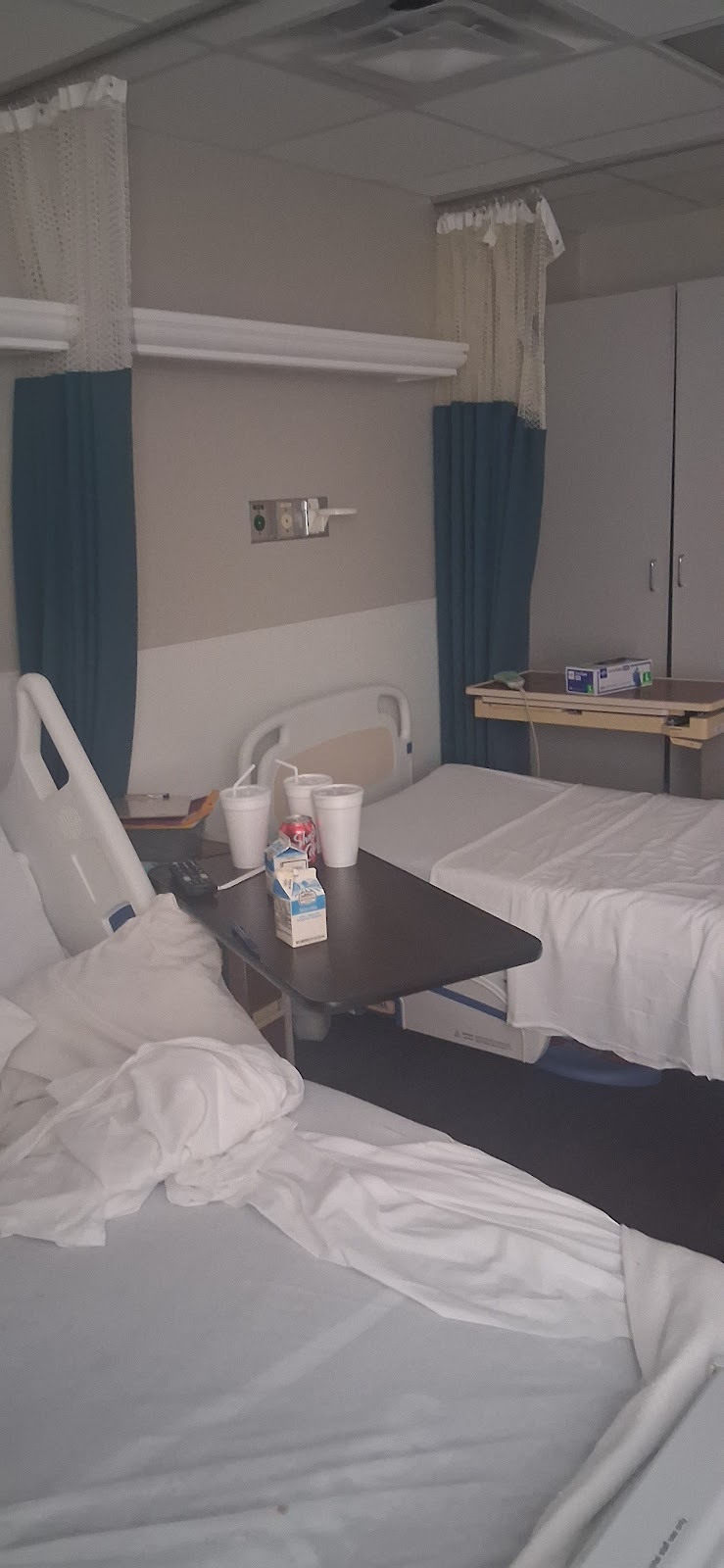
How Does Warm Springs Medical Center Compare to Other Georgia Nursing Homes?

Compared to the 100 nursing homes in Georgia, WARM SPRINGS MEDICAL CENTER NURSING HOME's overall rating (4 stars) is above the state average of 2.6, staff turnover (62%) is significantly higher than the state average of 46%, and health inspection rating (4 stars) is above the national benchmark.

What Should Families Ask When Visiting Warm Springs Medical Center?

Based on this facility's data, families visiting should ask: "How do you ensure continuity of care given staff turnover, and what is your staff retention strategy?" "Can you walk me through typical staffing levels on day, evening, and night shifts?" "Can I visit during a mealtime to observe dining assistance and food quality?" "How do you handle medical emergencies, and what is your hospital transfer rate?" These questions are particularly relevant given the facility's high staff turnover rate and the below-average staffing rating.

Is Warm Springs Medical Center Safe?

Based on CMS inspection data, WARM SPRINGS MEDICAL CENTER NURSING HOME has a clean safety record: no substantiated abuse findings (meaning no confirmed cases of resident harm), no Immediate Jeopardy citations (the most serious violation level indicating risk of serious injury or death), and is not on the Special Focus Facility watch list (a federal program monitoring the lowest-performing 1% of nursing homes). The facility has a 4-star overall rating and ranks #1 of 100 nursing homes in Georgia. While no facility is perfect, families should still ask about staff-to-resident ratios and recent inspection results during their visit.

Do Nurses at Warm Springs Medical Center Stick Around?

Staff turnover at WARM SPRINGS MEDICAL CENTER NURSING HOME is high. At 62%, the facility is 16 percentage points above the Georgia average of 46%. High turnover means new staff may not know residents' individual needs, medications, or preferences. It can also be disorienting for residents, especially those with dementia who rely on familiar faces. Families should ask: What is causing the turnover? What retention programs are in place? How do you ensure care continuity during staff transitions?

Was Warm Springs Medical Center Ever Fined?

WARM SPRINGS MEDICAL CENTER NURSING HOME has no federal fines on record. CMS issues fines when nursing homes fail to meet care standards or don't correct problems found during inspections. The absence of fines suggests the facility has either maintained compliance or corrected any issues before penalties were assessed. This is a positive indicator, though families should still review recent inspection reports for the full picture.

Is Warm Springs Medical Center on Any Federal Watch List?

WARM SPRINGS MEDICAL CENTER NURSING HOME is not on any federal watch list. The most significant is the Special Focus Facility (SFF) program, which identifies the bottom 1% of nursing homes nationally based on persistent, serious quality problems. Not being on this list means the facility has avoided the pattern of deficiencies that triggers enhanced federal oversight. This is a positive indicator, though families should still review the facility's inspection history directly.