WARNER ROBINS REHABILITATION CENTER

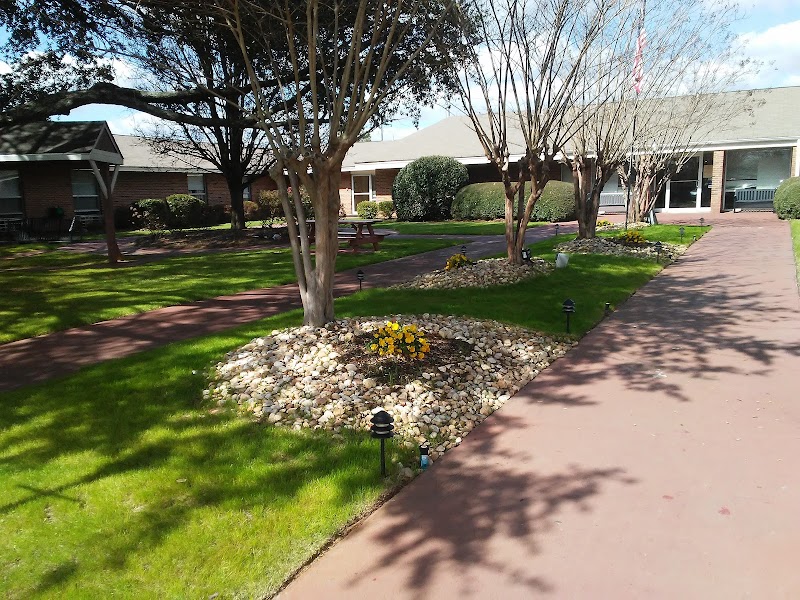
1601 ELBERTA ROAD, WARNER ROBINS, GA 31088 (478) 922-2241
For profit - Limited Liability company 126 Beds SOVEREIGN HEALTHCARE HOLDINGS Data: November 2025
Trust Grade
80/100
#109 of 353 in GA
Last Inspection: April 2025

Within standard 12-15 month inspection cycle. Federal law requires annual inspections.

Overview

Warner Robins Rehabilitation Center has a Trust Grade of B+, indicating it is recommended and above average compared to other facilities. It ranks #109 out of 353 in Georgia, placing it in the top half of nursing homes statewide, and #3 out of 5 in Houston County, meaning only two local options are rated better. The facility's trend is stable, with two issues reported in both 2024 and 2025, suggesting no significant deterioration in care. Staffing is a concern, with a rating of 2 out of 5 stars and a turnover rate of 52%, which is average but may impact the consistency of care. While there have been no fines reported, some issues were noted during inspections, such as improper administration of oxygen therapy for two residents and failure to conduct laboratory tests according to professional standards, which could lead to potential health risks. Overall, while the center has strengths in its trust grade and no fines, there are notable weaknesses in staffing and compliance with care protocols.

Trust Score
B+
80/100
In Georgia
#109/353
Top 30%
Safety Record
Low Risk
No red flags
Inspections
Holding Steady
2 → 2 violations
Staff Stability
⚠ Watch
52% turnover. Above average. Higher turnover means staff may not know residents' routines.
Penalties
✓ Good
No fines on record. Clean compliance history, better than most Georgia facilities.
Skilled Nurses
⚠ Watch
Each resident gets only 21 minutes of Registered Nurse (RN) attention daily — below average for Georgia. Fewer RN minutes means fewer trained eyes watching for problems.
Violations
○ Average
10 deficiencies on record. Average for a facility this size. Mostly minor or procedural issues.
★★★★☆
4.0
Overall Rating
★★☆☆☆
2.0
Staff Levels
★★★★☆
4.0
Care Quality
★★★★☆
4.0
Inspection Score
Stable
2024: 2 issues
2025: 2 issues

The Good

  • 4-Star Quality Measures · Strong clinical quality outcomes
  • Full Sprinkler Coverage · Fire safety systems throughout facility
  • No fines on record

Facility shows strength in quality measures, fire safety.

The Bad

Staff Turnover: 52%

Near Georgia avg (46%)

Higher turnover may affect care consistency

Chain: SOVEREIGN HEALTHCARE HOLDINGS

Part of a multi-facility chain

Ask about local staffing decisions and management

The Ugly 10 deficiencies on record

Apr 2025 2 deficiencies
CONCERN (D) 📢 Someone Reported This

A family member, employee, or ombudsman was alarmed enough to file a formal complaint

Potential for Harm - no one hurt, but risky conditions existed

Respiratory Care (Tag F0695)

Could have caused harm · This affected 1 resident

**NOTE- TERMS IN BRACKETS HAVE BEEN EDITED TO PROTECT CONFIDENTIALITY** Based on observations, staff interviews, and review of the facility's policy titled Oxygen Administration via Concentrator, the ...

Read full inspector narrative →
**NOTE- TERMS IN BRACKETS HAVE BEEN EDITED TO PROTECT CONFIDENTIALITY** Based on observations, staff interviews, and review of the facility's policy titled Oxygen Administration via Concentrator, the facility failed to ensure that oxygen therapy was administered in accordance with the physician's orders for two of 23 residents (R) (R77 and R29) with physician's orders for oxygen (O2) therapy. The deficient practice had the potential to place R77 and R29 at risk of respiratory complications and unmet needs. Findings include: Review of the facility's policy titled Oxygen Administration via Concentrator, revised 8/2023, revealed the Procedure section included, .2. Turn the proper flow rate as ordered by the physician. 1. Review of R77's clinical record revealed diagnoses including, but not limited to, chronic obstructive pulmonary disease (COPD), pulmonary fibrosis, and dyspnea. Review of R77's Quarterly Minimum Data Set (MDS), dated [DATE], revealed Section C documented a Brief Interview for Mental Status (BIMS) score of 3 (indicating severe cognitive impairment). Section GG (Functional Abilities and Goals) documented R77 required substantial to maximal assistance with mobility. Section O (Special Treatments, Procedures, and Programs) documented R77 received O2 therapy while a resident at the facility. Review of R77's care plan revealed a Focus area of the resident was on O2 therapy related to shortness of breath. Interventions included administering O2 therapy during meals as ordered. Review of R77's Physicians' Orders revealed an order dated 12/14/2023 for O2 via nasal cannula (NC) at 3 liters per minute (LPM). Observations on 4/14/2025 at 11:52 am, 4/14/2025 at 5:17 pm, 4/15/2025 at 9:20 am, and 4/15/2025 at 2:31 pm revealed R77 receiving O2 via a NC at 4 to 4.5 LPM. In an interview on 4/15/25 at 2:33 pm, Licensed Practical Nurse (LPN) FF stated that residents received O2 according to the physicians' order. In an interview on 4/15/25 at 2:14 pm, the Director of Nursing (DON) stated that O2 should be administered according to the physician's order. She confirmed that R R77 would not be able to adjust the flow meter on the O2 concentrator. The DON confirmed pictures of R77's O2 flow meter set at 4 to 4.5 LPM. 2. Review of R29's electronic medical record (EMR) revealed R29 had diagnoses including, but not limited to, malignant neoplasm of the lung. Review of R29's admission Minimum Data Set (MDS) assessment, dated 2/18/2025, revealed Section C (Cognitive Patterns) documented a Brief Interview for Mental Status (BIMS) of 3 (indicating severe cognitive impairment). Section O (Special Treatments, Procedures, and Programs) documented R29 received O2 therapy while a resident at the facility. Review of R29's Physician's Orders' revealed an order dated 3/20/2025 for O2 via NC at 2 LPM as needed for shortness of breath. Observations on 4/14/2025 at 11:59 am and 4/15/2025 at 9:34 am revealed R29 was receiving O2 at 3 LPM via a NC. In an interview on 4/15/2025 at 10:02 am, LPN DD revealed that the licensed nurses were responsible for setting and monitoring the flow rate of the O2. LPN DD stated he did not always look at the setting when providing care to a resident. In a concurrent observation and interview on 4/15/2025 at 12:15 pm, LPN EE confirmed R29's O2 was being administered at 3 LPM. LPN EE stated nurses were responsible for checking that the flow rate was according to the physician's orders. In an interview on 4/15/2025 at 12:50 pm, the DON revealed her expectation was for the licensed nursing staff to monitor the O2 flow rate and follow the physician's orders.
CONCERN (D) 📢 Someone Reported This

A family member, employee, or ombudsman was alarmed enough to file a formal complaint

Potential for Harm - no one hurt, but risky conditions existed

Laboratory Services (Tag F0770)

Could have caused harm · This affected 1 resident

**NOTE- TERMS IN BRACKETS HAVE BEEN EDITED TO PROTECT CONFIDENTIALITY** Based on staff interviews and record reviews, the facility failed to ensure laboratory tests were conducted in accordance with p...

Read full inspector narrative →
**NOTE- TERMS IN BRACKETS HAVE BEEN EDITED TO PROTECT CONFIDENTIALITY** Based on staff interviews and record reviews, the facility failed to ensure laboratory tests were conducted in accordance with professional standards for one of 53 sampled residents (R) (R70). This deficient practice had the potential to place R70 at risk of medical complications, unmet needs, and a diminished quality of life. Findings include: Review of R70's admission Record revealed diagnoses including, but not limited to, type 2 diabetes. Review of R70's Significant Change Minimum Data Set (MDS) assessment dated [DATE] revealed Section N (Medications) documented that R70 received insulin injections on seven of the seven days during the look-back period. Review of R70's Physician's Orders revealed an order dated 1/25/2025 for Tresiba subcutaneous (SQ) solution (a medication used to control high blood sugar) 100 unit/ml (milliliter), inject 35 units SQ each am. Further review of the orders revealed no order for daily blood sugar checks. In an interview on 4/15/2025 at 12:30 pm, LPN AA verified R70 received insulin injections and did not have physician orders for daily blood sugar checks. In an interview on 4/15/2025 at 1:51 pm, the Director of Nursing (DON) verified R70's physician's orders of insulin injections and further verified there was no order for daily blood sugar monitoring. The DON stated R70's physician's orders should include blood sugar checks before meals and at bedtime. She stated the nurses were responsible for ensuring an order for blood sugar checks for residents who received insulin. In an interview on 4/16/2025 at 9:21 am, the Administrator stated the Unit Manager and the DON were responsible for checking physician orders. In an interview on 4/16/2025 at 9:36 am, Licensed Practical Nurse (LPN) II stated that if a resident received insulin injections, she would expect a physician's order for blood sugar checks. She further stated there were standing orders for blood sugar checks, and residents who received insulin should have the order initiated.
Jan 2024 2 deficiencies
CONCERN (D) 📢 Someone Reported This

A family member, employee, or ombudsman was alarmed enough to file a formal complaint

Potential for Harm - no one hurt, but risky conditions existed

Unnecessary Medications (Tag F0759)

Could have caused harm · This affected 1 resident

Based on observations, staff interviews, record reviews, and a review of the facility policy titled Person-Centered Medication Administration Schedule, the facility failed to ensure the medication err...

Read full inspector narrative →
Based on observations, staff interviews, record reviews, and a review of the facility policy titled Person-Centered Medication Administration Schedule, the facility failed to ensure the medication error rate was less than 5%. A total of 34 opportunities were observed with four errors for two residents (R13 and R15), resulting in an error rate of 11.7%. This failure had the potential to result in medication not being given in accordance with the physician's orders and had the potential to adversely affect R13 and R15's clinical conditions. Findings include: A review of the facility policy titled Person-Centered Medication Administration Schedule, with a revision date of 10/25/2021, revealed the Policy section stated that medications were administered according to the person-centered schedule. The person-centered schedule term of Upon Rising was from 6:00 am to 10:00 am. The term Prior to Bed was from 6:00 pm to 10:00 pm. 1. Review of the clinical record revealed that R13 had a physician's order dated 1/15/2024, for licensed nursing staff to administer one 5 milligram (mg) finasteride tablet daily for urinary retention, one 40mg esomeprazole magnesium delayed release capsule daily for gastroesophageal reflux disease, and one 250-50 microgram (mcg) oral inhalation of wixela inhalation aerosol powder twice daily for chronic obstructive pulmonary disease. The finasteride and esomeprazole medications were scheduled to be administered upon rising. The wixela medication was scheduled to be administered upon rising and prior to bed. However, during an observation on 1/30/2024 at 8:14 am, Licensed Practical Nurse (LPN) BB failed to administer the finasteride tablet, esomeprazole magnesium delayed-release capsule, and the wixela inhalation aerosol powder as scheduled. During an interview on 1/30/2024 at 9:58 am, LPN BB stated that the medications were not available to administer. 2. Review of the clinical record revealed that R15 had a physician's order, dated 1/11/2024, for licensed nursing staff to inject 45 units of insulin detemir solution subcutaneously two times a day for diabetes. The medication was scheduled to be administered upon rising and prior to bed. However, during an observation on 1/30/2024 at 9:05 am, Registered Nurse (RN) DD failed to administer the insulin detemir as scheduled. At the time of the observation, RN DD stated that the insulin pen on the medication cart was empty.
CONCERN (D) 📢 Someone Reported This

A family member, employee, or ombudsman was alarmed enough to file a formal complaint

Potential for Harm - no one hurt, but risky conditions existed

Deficiency F0760 (Tag F0760)

Could have caused harm · This affected 1 resident

Based on observations, staff interviews, record review, and review of the facility policies titled Person-Centered Medication Administration Schedule, and Ordering & Receiving Medications, the facilit...

Read full inspector narrative →
Based on observations, staff interviews, record review, and review of the facility policies titled Person-Centered Medication Administration Schedule, and Ordering & Receiving Medications, the facility failed to ensure that two of 16 sampled residents (R) (R13 and R15) were free from significant medication errors by not ensuring medications were reordered on time. This failure placed R13 and R15 at risk for decreased therapeutic effects of medications and posed health risks. Findings include: A review of the facility policy titled Person-Centered Medication Administration Schedule, with a revision date of 10/25/2021, revealed the Policy section stated that medications were administered according to the person-centered schedule. The person-centered schedule term of Upon Rising was from 6:00 am to 10:00 am. The term Prior to Bed was from 6:00 pm to 10:00 pm. A review of the facility policy titled Ordering & Receiving Medications, with a revision date of 5/22/2018, revealed the Purpose section stated to ensure that medications were available for administration at the correct time, in the correct form and quantity. The Procedure section stated to check medications weekly to determine the need for re-order. 1. A review of the clinical record revealed that R13 had a diagnosis of chronic obstructive pulmonary disease (COPD). Further review of the clinical record revealed that R13 had a physician's order, dated 1/15/2024, for licensed nursing staff to administer one 250- 50 microgram (mcg) oral inhalation of wixela inhalation aerosol powder twice daily for COPD. The wixela medication was scheduled to be administered upon rising and prior to bed. During an observation on 1/30/2024 at 8:14 am, Licensed Practical Nurse (LPN) BB failed to administer the medication as scheduled. During an interview on 1/30/2024 at 9:58 am, LPN BB stated that the medications were not available to administer. LPN BB stated that she had called the pharmacy, and they would deliver the medication that day. A review of the clinical record revealed a 1/30/2024 nurse's note entry that documented the wixela inhaler was not available, and the physician had been notified. There was no evidence in the clinical record that the medication had been reordered prior to 1/30/2024. During an interview on 1/30/2024 at 1:32 pm, Regional Nurse AA stated that it was the Nurses' responsibility to reorder medications when they were down to a week or 7-day supply. 2. A review of the clinical record revealed that R15 had a diagnosis of diabetes. Further review of the clinical record revealed that R15 had a physician's order, dated 1/11/2024, for licensed nursing staff to inject 45 units of insulin detemir solution subcutaneously two times a day for diabetes. The medication was scheduled to be administered upon rising and prior to bed. However, during an observation on 1/30/2024 at 9:05 am, Registered Nurse (RN) DD failed to administer the insulin detemir as scheduled. At the time of the observation, RN DD stated that the insulin pen on the medication cart was empty. A review of the clinical record revealed a Nurse's Medication Administration Note dated 1/30/2024, that documented the physician was notified and ordered to hold the insulin until that night. R15's blood sugar level was documented as 133 and the medication was ordered immediately from the pharmacy.
May 2023 1 deficiency
MINOR (C) 📢 Someone Reported This

A family member, employee, or ombudsman was alarmed enough to file a formal complaint

Minor Issue - procedural, no safety impact

Deficiency F0625 (Tag F0625)

Minor procedural issue · This affected most or all residents

**NOTE- TERMS IN BRACKETS HAVE BEEN EDITED TO PROTECT CONFIDENTIALITY** Based on staff interviews, record reviews, and review of the facility policy titled, Bed-Hold and Permitting Residents to Return...

Read full inspector narrative →
**NOTE- TERMS IN BRACKETS HAVE BEEN EDITED TO PROTECT CONFIDENTIALITY** Based on staff interviews, record reviews, and review of the facility policy titled, Bed-Hold and Permitting Residents to Return to Center, the facility failed to ensure three of three residents (R) (R#1, R#2, and R#3) reviewed for facility emergent transfer to the hospital and/or their Resident Representative (RR) received written be hold notice that included all required information. The deficient practice had the potential to contribute to possible denial of re-admission and loss of the resident's home following a hospitalization for residents transferred to the hospital. Findings include: Review of facility policy titled, Bed-Hold and Permitting Residents to Return to Center, effective date 10/24/2022 revealed under Policy: The center provided written notification to all residents, family members and/or legal representatives of bed-hold policy upon admission, and at the time of transfer, in accordance with federal and state guidelines. Procedure 1. Upon admission, and at the time a resident is transferred to a hospital or goes on a therapeutic leave, a center designee will provide the resident and an immediate family member, surrogate, or representative written information concerning the option to exercise the bed-hold policy. 3. The written information must specify the duration of the bed-hold policy and be issued at the time of transfer. 4. A copy of the bed-hold notice must be sent with the resident at time of transfer. Documentation: Complete the state-specific bed-hold form. Maintain bed-hold forms in the resident's financial file.' 1. Review of R#1's Discharge Minimum Data Set (MDS) revealed the resident was discharged from the facility to the hospital on 3/29/2023. Review of nurse's note dated 3/29/2023 revealed R#1 was discharged to behavior health facility for worsening behaviors. Further review of the medical record revealed no documentation that the resident and/or representative were provided the bed hold policy. 2. Review of R#2's Discharge MDS dated [DATE] revealed resident was discharged from the facility to hospital on 3/27/2023. Review of nurse's noted dated 3/27/2023 revealed R#2 was sent to the hospital for altered mental status. Further review of the medical record revealed no documentation that the resident and/or representative were provided the bed hold policy. 3. Review of R#3's Discharge MDS dated [DATE] revealed the resident was discharged from the facility to the hospital. Further review of the medical record revealed no documentation that the resident and/or representative were provided the bed hold policy. Interview on 5/30/2023 at 11:05 a.m. with the Social Services Director revealed the Charge Nurses are responsible to send the bed-hold form with the resident at time of transfer to the hospital. Stated there is not one kept for facility file. Interview on 5/30/2023 at 11:10 a.m. with the Director of Nursing (DON) revealed a copy of the bed-hold should be scanned into the resident's electronic medical record (EMR). Confirmed R#1, R#2, and R#3 did not have a bed-hold in the EMR. Stated she has been educating the nursing on ensuring that the document is provided at time of transfer.
Mar 2023 3 deficiencies
CONCERN (D) 📢 Someone Reported This

A family member, employee, or ombudsman was alarmed enough to file a formal complaint

Potential for Harm - no one hurt, but risky conditions existed

Report Alleged Abuse (Tag F0609)

Could have caused harm · This affected 1 resident

Based on staff interviews, record review, review of the facility policy titled, Abuse & Neglect Prohibition, the facility failed to report an allegation of resident-to-resident abuse to the State Surv...

Read full inspector narrative →
Based on staff interviews, record review, review of the facility policy titled, Abuse & Neglect Prohibition, the facility failed to report an allegation of resident-to-resident abuse to the State Survey Agency (SSA) for one of four residents (R) (#96) reviewed related to abuse. Findings include: Record review of facility policy Abuse & Neglect Prohibition revised 5/23/2017 revealed the facility will conduct an investigation of any alleged abuse/neglect or misappropriation of resident property in accordance with state or federal law. The facility will report such allegations to the state, as per state/federal regulation. The facility will report immediately but no later than 2 hours after forming the suspicion if the events that cause the allegation involve abuse or result in serious bodily injury. Record review revealed R#96 had diagnoses including Neurocognitive Disorder with Lewy Bodies, Alzheimer's Disease, Dysthymic Disorder, Unspecified Dementia, and Psychotic Disorder with Delusions. Review of the Progress Notes revealed on 2/13/2023, the resident was found on the floor. Another resident pushed him down in front of the vending machines. Resident who hit him was sent to the mental health facility. There was no documented evidence that resident-to-resident abuse was reported to the SSA. Interview on 3/16/2023 at 9:30 a.m., Licensed Practical Nurse (LPN) EE stated the resident was pushed down in one incident. He was standing in front of the coke machine and another resident came up and pushed him down. LPN EE stated if there is an altercation between two residents she would separate the residents, communicate with Social Services, and the aggressor will be sent to Behavioral Health. Interview with the Social Services Manager on 3/16/2023 at 10:00 a.m. revealed if there is an altercation between two residents they will be separated, interview both residents, and try to determine the instigator. If there was resident to resident contact, notify Psych Services and call the family and doctor. Interview with the Administrator on 3/16/2023 at 11:10 a.m. revealed the resident was pushed down by another resident on 2/13/2023, but there were no injuries, and this was not reported to the state. The Administrator states since there were no injuries the information did not have to be reported to the state.
CONCERN (D) 📢 Someone Reported This

A family member, employee, or ombudsman was alarmed enough to file a formal complaint

Potential for Harm - no one hurt, but risky conditions existed

Deficiency F0694 (Tag F0694)

Could have caused harm · This affected 1 resident

Based on observations, staff interviews record review, and review of facility's policy titled, Central Vascular Access Device (CVAD) Dressing Change, the facility failed to change the Peripherally Ins...

Read full inspector narrative →
Based on observations, staff interviews record review, and review of facility's policy titled, Central Vascular Access Device (CVAD) Dressing Change, the facility failed to change the Peripherally Inserted Central Catheter (PICC) Line dressing in timely manner for one of 24 sampled resident (R#64). Findings include: Review of facility policy titled 'Central Vascular Access Device (CVAD) Dressing Change' last revised 6/1/2021 revealed 'Guidance: 1. Perform sterile dressing changes using Standard-ANTT (Aseptic Non Touch Technique) .1.2 At least weekly. Review of the admission Minimum Data Set for R#64 dated 2/11/2023 revealed in section O-Special Treatments and Programs revealed resident receiving intravenous medications. Review of the physician orders for R#64 dated 2/7/2023 revealed an order to change PICC line dressing every week Tuesday (7 a.m.-3 p.m.) shift. Observation on 3/14/2023 at 10:10 a.m. revealed R#64's PICC line dressing was dated 2/28/2023. Observation on 3/15/2023 at 9:42 a.m. revealed R#64's PICC line dressing was still dated 2/28/2023. Interview on 3/15/2023 at 1:25 p.m. with Licensed Practical Nurse (LPN) AA revealed that the Wound Care Nurse was responsible for changing R#64's PICC line dressings. Interview on 3/15/2023 at 1:30 p.m. with LPN BB (Wound Care Nurse) revealed R#64 should have his PICC line dressing changed every week on Tuesdays according to the Physician's orders. LPN BB also revealed that the dressing should have been changed on 3/7/2023 and 3/14/2023. LPN BB confirmed the PICC line dressing was dated 2/28/2023. LPN BB revealed the charge nurse on duty those days should have changed the resident's PICC line dressing. Interview on 3/16/2023 at 1:42 p.m. with Director of Nursing (DON) she stated it is her expectation that physician orders be followed and the PICC line dressing should have been changed on 3/7/2023 and again on 3/14/2023.
CONCERN (D) 📢 Someone Reported This

A family member, employee, or ombudsman was alarmed enough to file a formal complaint

Potential for Harm - no one hurt, but risky conditions existed

Medication Errors (Tag F0758)

Could have caused harm · This affected 1 resident

Based on staff interviews and record review, the facility failed to ensure that psychotropic medications, specifically a hypnotic, were not ordered as needed (PRN) for more than 14 days unless clinica...

Read full inspector narrative →
Based on staff interviews and record review, the facility failed to ensure that psychotropic medications, specifically a hypnotic, were not ordered as needed (PRN) for more than 14 days unless clinically indicated for one of five residents (R) (#82) reviewed for unnecessary medications. Findings include: Record review of quarterly Minimum Data Set (MDS) for R#82 dated 1/21/2023 revealed a in section N-Medications revealed resident received hypnotic medication during the look back period. Record review of R#82 physician orders revealed an order dated 10/19/2022 for zolpidem tartrate 5 milligrams (mg) one tablet by mouth every 24 hours as needed at bedtime. There was no stop date for the medication. Review of Pharmacy consult dated 10/26/2022 with recommendations to discontinue use of zolpidem. There is no evidence the facility notified the Physician of the recommendation. Review of Pharmacy consult dated 12/30/2022 revealed a repeated recommendation to discontinue use of zolpidem. There is no evidence the facility notified the Physician of the recommendation. Review of Pharmacy consult dated 2/28/2023 revealed a repeated recommendation to discontinue use of zolpidem. Physician agreed with recommendation to discontinue use of medication on 3/14/2023. Record review of the Medication Administration Record (MAR) for R#82 on 3/16/2023 revealed the zolpidem had not been discontinued and the order was still active. Interview on 3/15/2023 at 11:13 a.m. with the Regional Nurse Consultant confirmed the Pharmacy consults had not been addressed by the Physician because the previous Director of Nursing had not submitted them to him. Further revealed that medication should have had a 14 day stop date unless the Physician had clinical rationale for the medication to be used beyond the 14 days.
Oct 2021 2 deficiencies
CONCERN (D)

Potential for Harm - no one hurt, but risky conditions existed

Respiratory Care (Tag F0695)

Could have caused harm · This affected 1 resident

**NOTE- TERMS IN BRACKETS HAVE BEEN EDITED TO PROTECT CONFIDENTIALITY** Based on observation, interviews, and review on the service manual from the manufacturer the facility failed to ensure the filte...

Read full inspector narrative →
**NOTE- TERMS IN BRACKETS HAVE BEEN EDITED TO PROTECT CONFIDENTIALITY** Based on observation, interviews, and review on the service manual from the manufacturer the facility failed to ensure the filter for the oxygen concentrator for one of 24 residents, that received respiratory treatment, (R#36) was cleaned and/or changed. Findings include: Review on the service manual from the manufacture revealed preventive maintenance of the concentrators is every three years. Filters are changed if they look dirty or there is a drop in oxygen purity. The intake cabinet per manufacture guidelines has a schedule for cleaning and dusting filter. Record review revealed R#36 was admitted to the facility on [DATE] with diagnoses that included shortness of breath, hypertension, Alzheimer's disease, Non-Alzheimer's Dementia, malnutrition. Review of the care plans for R#36, last updated 6/9/2021, revealed the resident was care planned for oxygen therapy related to impaired gas exchange. Review of a physician's order revealed an order for oxygen dated 6/7/2021 for the resident to receive oxygen at two liters per minute via nasal cannula. Interview on 10/4/2021 at 1:30 p.m. with Registered Nurse (RN) DD concerning R#36's oxygen concentrator filter revealed that RN DD observed the oxygen concentration filters and stated they were dirty and nasty. Interview on 10/4/2021 at 2:00 p.m. the Maintenance Director (MD) stated he has only been at the facility for three months. He stated the facility owns the oxygen concentrators and they are supposed to be maintenance free for three years. The MD revealed he has not maintained the machines since he started at this facility. The filters were observed to be dirty and needed changing but he doesn't have any filters here at the facility to exchange. Interview on 10/5/2021 at 11:45 a.m. with the Administrator (ADM) revealed the facility does not have a respiratory care equipment policy and states they use the manufacture guidelines for maintenance.
CONCERN (F)

Potential for Harm - no one hurt, but risky conditions existed

Deficiency F0801 (Tag F0801)

Could have caused harm · This affected most or all residents

Based on record review and staff interviews the facility failed to ensure that the staff designated as the Dietary Manager (DM) was certified or had a similar food service management certification or ...

Read full inspector narrative →
Based on record review and staff interviews the facility failed to ensure that the staff designated as the Dietary Manager (DM) was certified or had a similar food service management certification or degree. The deficient practice had the potential to affect 87 of 98 residents who received an oral diet. Findings include: Review of facility policy was requested from the DM and the Nursing Home Administrator (NHA) on 10/5/2021 and 10/6/2021 but was not received. Review of the DM's Certificate dated 2016 revealed she had completed the course work but did not reflect that she had successfully completed the requirements to obtain a certification that included an issue and expiration date. An interview with the Dietary Manager on 10/6/21 10:03 a.m. revealed she was not certified. Although she has a certificate, that revealed she had completed the coursework in 2016, the DM had never sat for her exam. The DM stated she is scheduled to take her Dietary Manager's Certification Test in November of 2021. An interview with the NHA on 10/6/21 10:12 a.m. revealed she was aware the Dietary Manager had not taken her Dietary Manager's Certification test but was scheduled to take the exam in November of 2021. The NHA acknowledged that the Dietary Manager must be certified even though she has only been employed at that facility for approximately six months.
Understanding Severity Codes (click to expand)
Life-Threatening (Immediate Jeopardy)
J - Isolated K - Pattern L - Widespread
Actual Harm
G - Isolated H - Pattern I - Widespread
Potential for Harm
D - Isolated E - Pattern F - Widespread
No Harm (Minor)
A - Isolated B - Pattern C - Widespread

Questions to Ask on Your Visit

  • "Can I speak with families of current residents?"
  • "What's your RN coverage like on weekends and overnight?"

Our Honest Assessment

Strengths
  • • Grade B+ (80/100). Above average facility, better than most options in Georgia.
  • • No major safety red flags. No abuse findings, life-threatening violations, or SFF status.
  • • No fines on record. Clean compliance history, better than most Georgia facilities.
Concerns
  • • No significant concerns identified. This facility shows no red flags across CMS ratings, staff turnover, or federal penalties.
Bottom line: Generally positive indicators. Standard due diligence and a personal visit recommended.

About This Facility

What is Warner Robins Rehabilitation Center's CMS Rating?

CMS assigns WARNER ROBINS REHABILITATION CENTER an overall rating of 4 out of 5 stars, which is considered above average nationally. Within Georgia, this rating places the facility higher than 99% of the state's 100 nursing homes. This rating reflects solid performance across the metrics CMS uses to evaluate nursing home quality.
How is Warner Robins Rehabilitation Center Staffed?

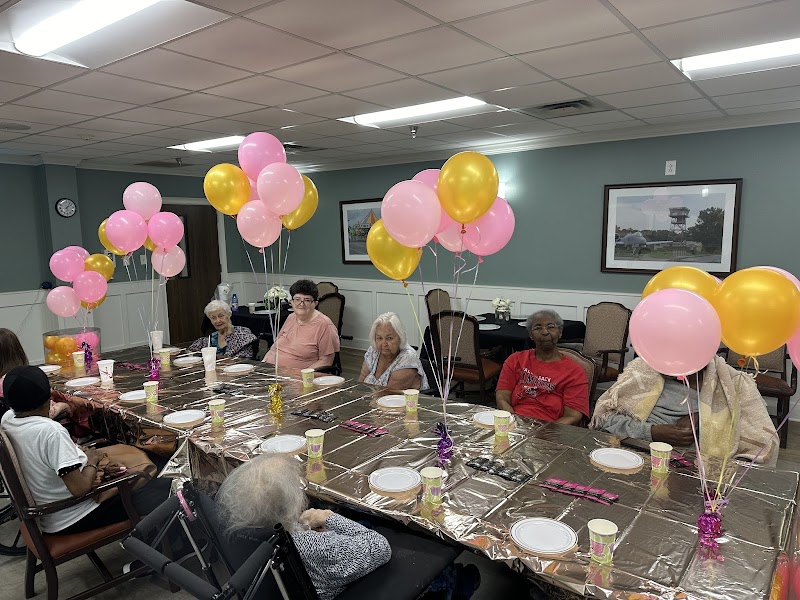
CMS rates WARNER ROBINS REHABILITATION CENTER's staffing level at 2 out of 5 stars, which is below average compared to other nursing homes. Staff turnover is 52%, compared to the Georgia average of 46%.

What Have Inspectors Found at Warner Robins Rehabilitation Center?

State health inspectors documented 10 deficiencies at WARNER ROBINS REHABILITATION CENTER during 2021 to 2025. These included: 9 with potential for harm and 1 minor or isolated issues.
Who Owns and Operates Warner Robins Rehabilitation Center?

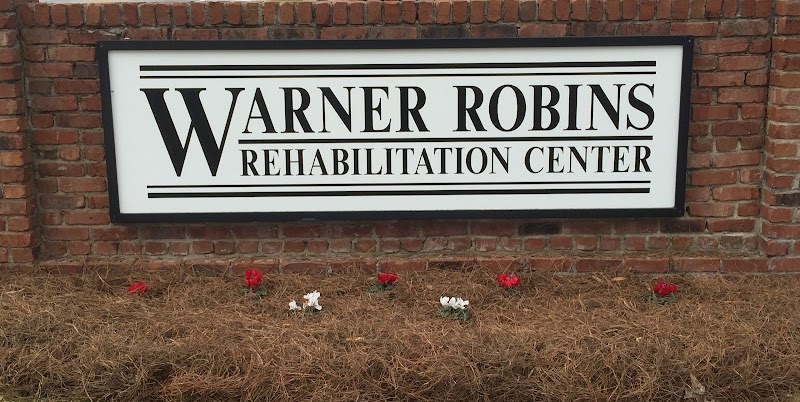
WARNER ROBINS REHABILITATION CENTER is owned by a for-profit company. For-profit facilities operate as businesses with obligations to shareholders or private owners. The facility is operated by SOVEREIGN HEALTHCARE HOLDINGS, a chain that manages multiple nursing homes. With 126 certified beds and approximately 107 residents (about 85% occupancy), it is a mid-sized facility located in WARNER ROBINS, Georgia.

How Does Warner Robins Rehabilitation Center Compare to Other Georgia Nursing Homes?

Compared to the 100 nursing homes in Georgia, WARNER ROBINS REHABILITATION CENTER's overall rating (4 stars) is above the state average of 2.6, staff turnover (52%) is near the state average of 46%, and health inspection rating (4 stars) is above the national benchmark.

What Should Families Ask When Visiting Warner Robins Rehabilitation Center?

Based on this facility's data, families visiting should ask: "Can you walk me through typical staffing levels on day, evening, and night shifts?" "Can I visit during a mealtime to observe dining assistance and food quality?" "How do you handle medical emergencies, and what is your hospital transfer rate?" "Can I speak with family members of current residents about their experience?" These questions are particularly relevant given the below-average staffing rating.

Is Warner Robins Rehabilitation Center Safe?

Based on CMS inspection data, WARNER ROBINS REHABILITATION CENTER has a clean safety record: no substantiated abuse findings (meaning no confirmed cases of resident harm), no Immediate Jeopardy citations (the most serious violation level indicating risk of serious injury or death), and is not on the Special Focus Facility watch list (a federal program monitoring the lowest-performing 1% of nursing homes). The facility has a 4-star overall rating and ranks #1 of 100 nursing homes in Georgia. While no facility is perfect, families should still ask about staff-to-resident ratios and recent inspection results during their visit.

Do Nurses at Warner Robins Rehabilitation Center Stick Around?

WARNER ROBINS REHABILITATION CENTER has a staff turnover rate of 52%, which is 6 percentage points above the Georgia average of 46%. Moderate turnover is common in nursing homes, but families should still ask about staff tenure and how the facility maintains care continuity when employees leave.

Was Warner Robins Rehabilitation Center Ever Fined?

WARNER ROBINS REHABILITATION CENTER has no federal fines on record. CMS issues fines when nursing homes fail to meet care standards or don't correct problems found during inspections. The absence of fines suggests the facility has either maintained compliance or corrected any issues before penalties were assessed. This is a positive indicator, though families should still review recent inspection reports for the full picture.

Is Warner Robins Rehabilitation Center on Any Federal Watch List?

WARNER ROBINS REHABILITATION CENTER is not on any federal watch list. The most significant is the Special Focus Facility (SFF) program, which identifies the bottom 1% of nursing homes nationally based on persistent, serious quality problems. Not being on this list means the facility has avoided the pattern of deficiencies that triggers enhanced federal oversight. This is a positive indicator, though families should still review the facility's inspection history directly.