WAYCROSS HEALTH AND REHABILITATION
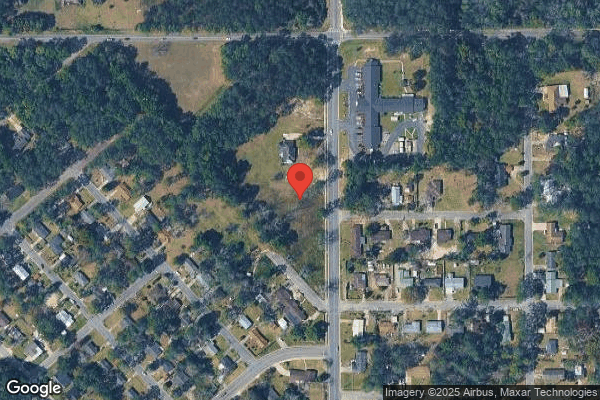
1910 DOROTHY STREET, WAYCROSS, GA 31501 (912) 285-4721
Non profit - Other 92 Beds CLINICAL SERVICES, INC. Data: November 2025
Trust Grade
73/100
#111 of 353 in GA
Last Inspection: March 2025

Within standard 12-15 month inspection cycle. Federal law requires annual inspections.

Overview

Waycross Health and Rehabilitation has a Trust Grade of B, indicating it is a good choice among nursing homes. It ranks #111 out of 353 facilities in Georgia, placing it in the top half of the state, and #2 out of 3 in Ware County, meaning only one local option is better. The facility is improving, with issues decreasing from five in 2022 to two in 2025. Staffing is a mixed bag, earning 3 out of 5 stars, with a turnover rate of 47%, which matches the state average. However, they have concerning fines of $23,877, which is higher than 86% of Georgia facilities, suggesting potential compliance problems. There are some strengths, including above-average RN coverage, which is important for catching health issues early. However, there have been specific incidents of concern, such as a resident suffering second-degree burns from soup that was served too hot and a failure to properly assess another resident's ability to self-administer medications, which could lead to unsafe medication use. Additionally, cleaning practices were inadequate, with staff not following proper protocols to prevent cross-contamination. Overall, while there are significant strengths, families should also be aware of these weaknesses when considering this facility.

Trust Score
B
73/100
In Georgia
#111/353
Top 31%
Safety Record
Moderate
Needs review
Inspections
Getting Better
5 → 2 violations
Staff Stability
⚠ Watch
47% turnover. Above average. Higher turnover means staff may not know residents' routines.
Penalties
○ Average
$23,877 in fines. Higher than 68% of Georgia facilities. Some compliance issues.
Skilled Nurses
✓ Good
Each resident gets 42 minutes of Registered Nurse (RN) attention daily — more than average for Georgia. RNs are trained to catch health problems early.
Violations
○ Average
8 deficiencies on record. Average for a facility this size. Mostly minor or procedural issues.
★★★★☆
4.0
Overall Rating
★★★☆☆
3.0
Staff Levels
★★☆☆☆
2.0
Care Quality
★★★★☆
4.0
Inspection Score
Stable
2022: 5 issues
2025: 2 issues

The Good

  • Full Sprinkler Coverage · Fire safety systems throughout facility
  • No fines on record

Facility shows strength in fire safety.

The Bad

Staff Turnover: 47%

Near Georgia avg (46%)

Higher turnover may affect care consistency

Federal Fines: $23,877

Below median ($33,413)

Minor penalties assessed

Chain: CLINICAL SERVICES, INC.

Part of a multi-facility chain

Ask about local staffing decisions and management

The Ugly 8 deficiencies on record

1 actual harm
Mar 2025 2 deficiencies
CONCERN (D)

Potential for Harm - no one hurt, but risky conditions existed

Deficiency F0554 (Tag F0554)

Could have caused harm · This affected 1 resident

**NOTE- TERMS IN BRACKETS HAVE BEEN EDITED TO PROTECT CONFIDENTIALITY** Based on observations, resident and staff interviews, record review, and review of the facility's policy titled Pharmacy Service...

Read full inspector narrative →
**NOTE- TERMS IN BRACKETS HAVE BEEN EDITED TO PROTECT CONFIDENTIALITY** Based on observations, resident and staff interviews, record review, and review of the facility's policy titled Pharmacy Services: Bedside Storage of Medication, the facility failed to assess one of 29 sampled residents (R) (R48) for the ability to self-administer medications prior to leaving medications at the bedside. This deficient practice had the potential to place R48 at risk of unsafe medication use. Findings include: Review of the facility's undated policy titled Pharmacy Services: Bedside Storage of Medication revealed the Guideline section included, The Pharmacy supports bedside medication storage for patients who are able to self-administer medications upon the written order of the prescriber and when it is deemed appropriate in the judgment of the nursing center's interdisciplinary patient assessment team. Review of R48's clinical record revealed diagnoses including, but not limited to, dementia, chronic kidney disease, anxiety, and hypertension. Review of R48's admission Minimum Data Set (MDS) dated [DATE] revealed Section C (Cognitive Patterns) documented a Brief Interview for Mental Status (BIMS) score of 3 (indicating severe cognitive impairment). Review of R48's care plan revealed no care plan for self-administration of medication. Review of R48's Physicians Orders revealed no order for medication self-administration. Review of the clinical record revealed there was no assessment for medication self-administration. During concurrent observation and interview on 3/18/2025 at 10:30 am, R48 stated he had pain medication in a bottle in his room. Observation revealed that the bottle contained white pills with red writing on them. In an interview on 3/18/2025 at 11:23 am, Certified Medication Aide (CMA) AA stated she was unaware that R48 had medication at his bedside. In an interview on 3/18/2025 at 11:29 am, the Director of Nurses (DON) stated that she was unaware that R48 had medications at the bedside. She further stated that residents should not have any medications at the bedside. In an observation on 3/18/2025 at 11:32 am, CMA AA and the DON verified that R48 had a bottle of pills on his over-bed table. The DON removed the pills from R48's room and discussed not having medications at the bedside with the resident.
CONCERN (D)

Potential for Harm - no one hurt, but risky conditions existed

Infection Control (Tag F0880)

Could have caused harm · This affected 1 resident

**NOTE- TERMS IN BRACKETS HAVE BEEN EDITED TO PROTECT CONFIDENTIALITY** Based on observation, staff interviews, and review of the facility's policy titled Wound Care, the facility failed to ensure sta...

Read full inspector narrative →
**NOTE- TERMS IN BRACKETS HAVE BEEN EDITED TO PROTECT CONFIDENTIALITY** Based on observation, staff interviews, and review of the facility's policy titled Wound Care, the facility failed to ensure staff followed infection control processes during wound care for one of 10 residents (R) (R38) reviewed for wound care. This deficient practice had the potential to place R38 at risk of infection due to cross-contamination. Findings include: Review of the facility's policy titled Wound Care, reviewed 12/27/2024 revealed the Intent section stated, It is the intent of this center to provide guidelines for clean technique in providing wound care. The Guideline section included, . Perform hand hygiene. Put on appropriate Personal Protective Equipment (PPE) and first pair of clean gloves. Remove the soiled dressing and place into a bag at the bedside . Remove gloves and perform hand hygiene. Put on second clean gloves. Cleanse the wound using Normal Saline . Remove gloves, perform hand hygiene and apply third pair of gloves. Apply peri-wound protectant and apply clean dressing as ordered. Remove gloves and perform hand hygiene and repeat the process if performing another dressing change. Review of R38's electronic medical record (EMR) revealed diagnoses including, but not limited to, hemiplegia and hemiparesis following cerebral infarction affecting left non-dominant side. Review of R38's Physician Orders revealed an orders including, but not limited to, 12/23/2024: Cleanse left upper arm abscess area with N/S (normal saline), pat dry, apply skin barrier wipe to surrounding peri wound, apply honey alginate and cover with composite dressing every Monday, Wednesday, and Friday, Dx (diagnosis): cutaneous abscess of left upper limb. 3/8/2025: Cleanse skin graft to left thigh with NS, pat dry, apply skin barrier wipe to peri-wound, apply petroleum gauze and cover with composite dressing every Monday, Wednesday, and Friday-Dx: skin donor, autologous, 12/23/2024: Cleanse wound on right side of neck with NS, pat dry, apply skin barrier wipe to surrounding peri-wound, apply wet-to-dry gauze and cover with composite dressing daily, Dx: pressure ulcer stage 2. Review of R38's Quarterly Minimum Data Set (MDS) assessment dated [DATE] revealed Section M (Skin Conditions) documented one stage 2 pressure ulcer, open lesion(s), pressure ulcer care, application of nonsurgical dressings, and application of ointments/medications. Review of R38's care plan, with an onset date of 12/24/2022, revealed a Care Area/Problem of Skin breakdown: at risk for/actual breakdown. Interventions included Treatments/dressings as ordered per physician, applications of ointments/medication to skin, observe for and report signs/symptoms of infection, and enhanced barrier precautions. Observation of wound care for R38 on 3/19/2025 starting at 11:15 am and concluding at 11:40 am revealed the Wound Care Nurse (WCN)/Registered Nurse (RN) gathered and set up supplies, donned PPE and entered R38's room. The wound nurse performed wound care and dressing change(s) as follows: 1. Left arm abscess: The WCN/RN placed a clear plastic trash bag at the foot of R38's bed, removed dressing from R38's left upper arm/below the shoulder and discarded in the plastic trash bag. Wound nurse changed gloves but did not wash or sanitize hands, cleaned site with normal saline, changed gloves but did not wash or sanitize hands, applied skin prep to surrounding skin, covered wound bed with a small medi-honey dressing, and covered/secured with a bordered composite dressing. 2. Left thigh skin graft: The WCN/RN pulled back the bedding and exposed R38's left leg with a dressing on the upper thigh, asked R38 if he was alright and positioned his leg for comfort. She then removed the dressing, changed gloves but did not wash or sanitize hands, applied skin prep to surrounding skin, covered wound bed with petroleum gauze, covered/secured with bordered composite dressing. 3. Right outer neck: The WCN/RN removed R38's oxygen nasal cannula from his nose, removed the right side neck dressing, changed gloves but did not wash or sanitize hands, cleaned site with normal saline, changed gloves but did not wash or sanitize hands, applied skin prep to surrounding skin, changed gloves but did not wash or sanitize hands, applied wet to dry gauze to wound bed, covered with 4x4 gauze folded in half, secured with bordered composite dressing, and reapplied R38's oxygen. In an interview on 3/19/2025 at 11:42 am, outside of R38's room, the WCN/RN acknowledged she did not sanitize her hands when changing gloves during the wound care. She stated she thought it was acceptable to only change the gloves. In an interview on 3/19/2025 at 12:53 pm, the Director of Nursing (DON) confirmed the WCN/RN should sanitize her hands during wound care when changing gloves, after removing the dirty/soiled dressing and after cleaning the wound. The DON revealed her expectation was for all nurses to sanitize their hands when they change gloves during wound care, or during any care when going from dirty or soiled to clean.
Dec 2022 5 deficiencies 1 Harm
SERIOUS (G)

Actual Harm - a resident was hurt due to facility failures

Accident Prevention (Tag F0689)

A resident was harmed · This affected 1 resident

**NOTE- TERMS IN BRACKETS HAVE BEEN EDITED TO PROTECT CONFIDENTIALITY** Based on record review, interviews, and review of the facility policies, the facility failed to ensure soup was served at a safe...

Read full inspector narrative →
**NOTE- TERMS IN BRACKETS HAVE BEEN EDITED TO PROTECT CONFIDENTIALITY** Based on record review, interviews, and review of the facility policies, the facility failed to ensure soup was served at a safe temperature for one resident (R) (R#45) of 26 sampled residents. Actual harm occurred when R#45 sustained second degree burns to the left forearm and left side on 11/26/22. Findings include: Review of the facility policy titled Skilled Inpatient Services Personal Food Items, review date 12/4/21, revealed it is the intent of the center to provide education on safe and sanitary storage, handling, and consumption of food brought to patients by families and visitors. Guideline: The center should be responsible for assisting patients with reheating items as needed, assisting with feeding as needed. A calibrated thermometer is available for checking temperature, as needed. Calibrating a thermometer signage is available in the designated areas: Heating commercial items: 135 degrees F (Fahrenheit). Review of the facility's document titled Best Practice: Serving of Hot Beverages and Hot Food - Prevention of Burns dated 7/14/21 revealed: Recommended serving temperature for the prevention of burns from hot beverage items - 130 - 145 degrees F, or per patient preference. Serving tips: Staff should always alert patients when hot beverages or hot food is being served and always offer assistance. Staff should never leave hot items unattended unless the situation is deemed safe. Place hot beverages and hot foods away from the edge of the table and near the patient's dominant hand; ensure the food is in the patient's direct line of vision. When heating/re-heating food for immediate service, associates should utilize a calibrated thermometer to monitor temperatures. Temperatures should be recorded on the nurse pantry heating/re-heating log for documentation. When food is heated/re-heated for immediate service: If opening up a commercially packaged food item 135 degrees F must be reached for food safety, or per package directions. It is recommended to allow hot beverages to cool down for 5-10 minutes prior to serving. This will allow the beverage to reach the recommended range of 130-145 degrees F for service. In general, 2 minutes allows for a reduction of 5 degrees F. Review of the clinical record revealed R#45 was admitted to the facility on [DATE] with diagnoses that included unspecified intellectual disabilities and generalized muscle weakness. Review of the admission Minimum Data Set (MDS) assessment dated [DATE] revealed R#45 with a Brief Interview for Mental Status (BIMS) score of 15 which indicated resident is cognitively intact. R#45 required extensive assistance with two-person physical assistance with bed mobility and dressing, and one-person extensive assistance with personal hygiene. Supervision- oversight, encouragement or cueing with one-person physical assistance was required for eating. Review of a Progress Note for R#45 dated 11/26/22 revealed the following, Patient was eating soup in bed and spilled it on her left arm and side. Patient's elbow is scalded and open and draining. Patient also has a large, scalded area to her left side with two blisters that have formed. Patient does complain of area stinging but denies any real pain. A fax to (name) concerning the injury; new orders received for wound care nurse to assess for care per facility protocol, recommendation of pressure offloading as tolerated. Cleanse with wound cleanser, pat dry, prep blisters and intact burned skin with skin preps, apply Medihoney to the open area and apply non-adhesive bandage to the area and tape securely. Patient tolerated well. No signs/symptoms of distress on departure. Will continue to monitor. Review of Nurses Note dated 11/28/22 revealed spoke with R#45 and daughter at bedside related to burn incident. Resident Care Coordinator (RCC) also present. R#45 stated that she asked (CNA CC) to warm up her ramen noodles for her. The daughter showed a container like the one used, for reference. It was a commercially packed product made of paper. CNA CC returned with the product and opened it for R#45. Resident stated that she (resident) wrapped a paper napkin around it and when she picked it up, she spilled it on herself. Review of a Physician Progress Note dated 11/28/22 revealed R#45 was evaluated. Resident with second degree burns to the left forearm and left side. Second degree burns: positive for blisters to the left forearm and left side. Some blisters to the forearm have burst. Review of the Physician Orders for R#45 revealed an order with a start date of 11/28/22 that documented: 1. Xeroform Petrolatum Overwrap 1 x 8 Bandage. 1 bandage topically every 3 days on day shift. Cleanse burn to left arm with normal saline, pat dry, apply xeroform gauze, apply 4x4 gauze, then wrap with rolled gauze and tape secure. Pain Scale Check. Site Check. Diagnosis (Dx): Burn. Order discontinued 12/3/22. 2. Skin Barrier Protective Wipe. Day Shift. Apply to blisters on left side. Dx: Burn. Order discontinued 12/3/22. 3. Xeroform Petrolatum Overwrap 1 x 8 Bandage. 1 bandage topically every 3 days on day shift. Cleanse burn to left arm with normal saline, pat dry, apply xeroform gauze, apply 4x4 gauze, then wrap with rolled gauze and tape secure. Pain Scale Check. Site Check. Dx: Burn. Order discontinued 12/3/22. Current Physician Orders with a start date of 12/3/22 revealed: 1. Honey - alginate Monday, Wednesday, and Friday Day Shift (and as needed for accidental removal) - Cleanse burn # 1 (closest to ribs) to left lateral side with wound cleanser, pat dry, apply honey alginate dressing, and cover with an adhesive foam dressing. 2. Honey - alginate Monday, Wednesday, and Friday Day Shift (and as needed for accidental removal) - Cleanse burn # 2 (below #1) to left lateral side with wound cleanser, pat dry, apply honey alginate dressing, and cover with an adhesive foam dressing. 3. Honey - alginate Monday, Wednesday, and Friday Day Shift (and as needed for accidental removal) - Cleanse burn to left lower arm near elbow with wound cleanser, pat dry, apply honey alginate dressing, and cover with an adhesive foam dressing. During an interview on 12/17/22 at 8:52 a.m., R#45 stated she wanted a cup of soup, and the little girl went to heat it up. When she brought it back, it was scalding hot. The soup was brought back to the resident in the paper cup, the cup was flimsy, and she could not hold it in her hands. R#45 stated that she dropped the soup, and she began to holler out for help, but no one came right away. Resident stated the nurse came in and left out stating she was going to send someone back to help her. Resident stated the same nurse later said to her, I thought you only wanted to be changed and she responded Yes, I need to be change out of this gown, I burnt myself with some soup. R#45 stated it took the staff 45 minutes to come to see what she wanted and probably would not have come then if she would not have called her daughter to call the nursing home to get her some help. Resident stated that after this incident occurred, she asked her daughter to take her Ramen noodle soups home, she didn't want any more. Resident stated that she did not go out to see a doctor for the burns, the burns were treated in the facility and the areas are healing well now. Resident stated that burns are on her left arm near the elbow and along her left side. Observation revealed a white bandage to residents left arm dated 12/16/22. During an interview with Social Services Director (SSD) on 12/17/22 at 9:12 a.m. She stated that there was a cup of soup that someone warmed up, and another staff member picked it from the pantry, reheated, and took to the resident. The SSD stated that she was told that the soup was not cool. SSD further stated that this incident occurred while she was out of the facility sick, but she followed up with R#45 post incident. During an interview with Licensed Practical Nurse (LPN) AA on 12/17/22 at 9:17 a.m. revealed there is a microwave and a food thermometer in the pantry. LPN AA further informed surveyor that all foods and liquids heated/reheated for residents must be logged onto the Food Temperature Log in the pantry before being served to residents. LPN AA stated that this has always been the process staff are supposed to follow when reheating foods for residents. LPN AA informed surveyor that staff had received education on this process prior to and after R#45 got burned with the soup. During an interview on 12/17/22 at 9:49 a.m. the Director of Nursing (DON) stated the Ramen noodle soup was prepared and served to resident in the paper cup which it is packaged. DON further stated that she was informed that the soup was placed on the bed side table and the resident wrapped a napkin around the paper cup and dropped it on herself as the napkin slipped off the cup. DON stated that Certified Nursing Assistant (CNA) CC served resident the soup after a different CNA (CNA DD) heated it in the microwave. According to the Food Temperature Log, CNA DD heated the soup up to a temperature of 160 degrees and it was supposed to be between 135 to 140 degrees. DON further stated that CNA DD did not view the noodle soup as a liquid, and she was confused about that. During an interview with Certified Dietary Manager (CDM) on 12/17/22 at 11:13 a.m., she stated that no food is brought back into the kitchen to be reheated. It is all done in the pantry in front of the nurse's station. CDM stated that there is a thermometer and the reheating guidelines in the pantry for the staff use. CMD informed surveyor that she conducted an inservice for the staff on 10/20/22 and covered the importance of taking and documenting temperatures of reheated foods. She stated that the temperature guidelines were also discussed in this training. During a telephone interview with CNA CC on 12/18/22 at 9:26 a.m. she stated that R#45 wanted her soup warmed so she got it out the closet and gave it to CNA DD, who heated the soup and handed it back to her. CNA CC stated that she then took the soup back to resident and placed it on her bedside table. CNA CC stated that the soup was in a Styrofoam cup and the cup was covered so, she had no idea as to how hot the soup was. CNA CC stated that later R#45 was on the call light twice. The nurse answered the light first and she answered the light the second time and resident informed her that she was wet and needed to be changed. CNA CC stated that she informed resident that her assigned aide would be with her in a minute. CNA CC further stated that resident did not inform her that she had spilled the soup or was burning, and she did not observe soup spilled on resident at this time. CNA CC further stated that resident's daughter phoned the facility and informed a nurse that resident had spilled the soup and was burning or stinging. CNA CC revealed she had received training on the process for heating foods and liquids prior to the incident. During a telephone interview with CNA DD on 12/18/22 at 10:40 a.m. revealed that she remembers the incident with the soup. She stated that she was in the pantry reheating food for another resident when CNA CC brought the Ramen noodles to her and informed her, she did not know how to do it. CNA DD stated, after she finished reheating another resident's food, she read the directions on the Ramen noodles, heated up water in the microwave, and poured the water onto the Ramen noodles and handed it back to CNA CC. CNA DD stated she did not check the temperature of the water that she heated up nor did she check the temperature of the soup once she combined the noodles and the water. CNA DD stated that she was in-serviced prior to the incident and after the incident on heating foods and liquids. CNA DD reiterated that she did not serve R#45 the soup. CNA DD clarified that the 160-degree temperature she recorded on the Food Temperature Log was for the food she reheated for another resident, and she had no idea as to what the temperature of the soup was because she did not know she had to take the temperature of the hot water she heated in the microwave. During an interview with the Administrator on 12/18/22 at 11:27 a.m. revealed staff check the temperatures of food items to make sure it is not too hot prior to serving the residents. She also stated that the CDM noticed that the documentation on heating and reheating foods was lacking so she conducted an inservice prior to R#45 getting burned with the soup. Administrator stated that it is her expectation that the temperature of all foods is checked prior to being served to the residents. Administrator stated that she was not aware of the time it took the staff to remove the spilled soup and assess R#45. She further stated that the way she understood it was that it was removed as soon as it happened. She also stated that she was not made aware that the temperature of the soup was not checked and recorded prior to being served to R#45. During a telephone interview with Licensed Practical Nurse (LPN) EE on 12/18/22 at 11:36 a.m., she revealed she was working the night of the incident. LPN EE stated she was in the hall passing medications and she answered R#45's call light. She stated R#45 informed her that she had spilled something on herself and was wet and needed to be changed. LPN EE stated that she informed R#45 that her CNA would get her changed in a few minutes. LPN EE stated that resident did not appear to be in any distress and resident did not inform her that she had spilled hot soup. LPN EE further stated that later, CNA CC entered R#45's room and informed resident also that her CNA will be in to assist her shortly. LPN EE stated that she was not aware that R#45 had spilled soup and was burned it until resident's family phoned the facility. LPN EE stated that upon assessment R#45 sustained two blisters and a burned area with scalding and skin peeling on the left side of her body. During a post survey telephone interview with Registered Nurse (RN) OO on 12/18/22 at 3:55 p.m. revealed that she was sitting at the nurse's station when R#45's daughter called and was informed at this time that resident had spilled soup on herself and had burns. She stated that up until this point that the staff was not aware that resident had been burned. She further stated that while sitting at the desk she does recall R#45's call light being on at least once.
CONCERN (D)

Potential for Harm - no one hurt, but risky conditions existed

Deficiency F0578 (Tag F0578)

Could have caused harm · This affected 1 resident

Based on record review, staff interviews, and review of policy Advanced Directives, the facility failed to obtain a Physician's signature for a Physician Orders for Life Sustaining Treatment (POLST) f...

Read full inspector narrative →
Based on record review, staff interviews, and review of policy Advanced Directives, the facility failed to obtain a Physician's signature for a Physician Orders for Life Sustaining Treatment (POLST) for Allow Natural Death (AND)/Do Not Resuscitate (DNR) consents for one of 26 residents reviewed, Resident (R) (R#44). Findings include: Review of policy titled, Advance Directives, with a review date of 12/4/2021, revealed the following: POLST - Physician's Order for Life Sustaining Treatment Procedure for periodically reviewing patient choices and preferences related to health care decisions after admission: A POLST that has been appropriately completed will be accepted and followed by the center. Review of POLST form Guidance for completing the POLST form - Additional Guidance for Care Professionals revealed: I. When a POLST form is signed by the Patient and Attending Physician all orders may be executed without restriction. Review of medical record for R#44 revealed no Physician's signature on POLST that was signed by R#44 on 10/25/22. Interview on 12/6/22 at 4:03 p.m. with Social Services confirmed that when a resident signs the POLST only one Physician signature is needed for Allow Natural Death/DNR. POLST for R#44 is still at the doctor's office. Social Services reported that ultimately it is her responsibility to get the signed form back from the doctor and she did not have a reason for why the POLST had not been signed by the Physician for R#44. Interview on 12/16/22 at 4:20 p.m. with Licensed Practical Nurse (LPN) FF revealed that she looks for resident's code status by looking at the electronic medical record (EMR) or in the POLST book. Upon looking at the EMR and the POLST book LPN FF reported that R#44 had a code status of DNR. Review of the POLST for R#44 confirmed that there was no Physician's signature. Interview on 12/17/22 at 9:26 a.m. with the Administrator revealed the POLST for R#44 was signed by the Physician last night. She reported that she is unsure why it was not signed prior to last night and Social Services was responsible for following up related to getting it signed. It was further reported that the form is typically returned from the Physician within one week.
CONCERN (D)

Potential for Harm - no one hurt, but risky conditions existed

Comprehensive Care Plan (Tag F0656)

Could have caused harm · This affected 1 resident

Based on record review and interviews, the facility failed to follow the care plan for one of five residents ((R) R#44) reviewed related to administering medications as ordered. Findings include: Rev...

Read full inspector narrative →
Based on record review and interviews, the facility failed to follow the care plan for one of five residents ((R) R#44) reviewed related to administering medications as ordered. Findings include: Review of the medical record revealed R# 44 admitted to facility on 10/25/22 and had an admitting diagnosis that included unspecified, essential (primary) hypertension (HTN). Review of care plan dated 10/25/22 revealed a care plan for antihypertensive related to HTN which included an intervention of administer medication as ordered. R#44 had a Physician's Order for carvedilol 25 milligram (mg) tablet 1 tablet by mouth 2 times per day, hold if Systolic BP (blood pressure) Less than 140, hold if Diastolic BP Less than 90 with a start date of 11/25/22. Review of the electronic medication administration record (EMAR) for November 2022 revealed medication administered for blood pressure at 9 a.m. on 11/25 - 138/72; 11/26 - 138/74; 11/27 -120/70; and 11/30 - 132/62. Review of the EMAR for December 2022 revealed medication administered for blood pressure at 9 a.m. on 12/1 -138/70; 12/5 - 144/68; 12/6 - 140/68; 12/9 -140/68; 12/10 - 138/72; 12/11 - 138/78; 12/12 - 159/75; 12/14 - 140/68; and 12/15 -128/70. Review of the EMAR for November 2022 and December 2022 revealed medication administered for blood pressure at 8 p.m. on 12/1 - 157/77; 12/2 - 166/88; 12/3 -136/69; 12/4 - 145/77; 12/5 - 148/84; 12/6 - 148/75; 12/7 - 134/65; 12/8 - 149/67; 12/9 -122/76; 12/10 - 146/86; 12/11 - 148/80; 12/12 - 156/76; 12/13 - 136/72; 12/14 - 142/86; 12/15 - 146/82; 11/25 - 96/56; 11/26 - 128/86; 11/27 - 148/78; and 11/29 - 133/72. During an interview on 12/18/22 at 10:55 a.m. with Licensed Practical Nurse (LPN) AA confirmed dates in which carvedilol should have been held but was administered outside of the parameters of the order. Cross refer to F684.
CONCERN (D)

Potential for Harm - no one hurt, but risky conditions existed

Quality of Care (Tag F0684)

Could have caused harm · This affected 1 resident

Based on record review, interviews, and review of the facility policy titled Pharmacy Services Medication Administration General, the facility failed to follow Physician's Orders related to a blood pr...

Read full inspector narrative →
Based on record review, interviews, and review of the facility policy titled Pharmacy Services Medication Administration General, the facility failed to follow Physician's Orders related to a blood pressure medication for one of five residents ((R) R#44) reviewed for unnecessary medication. Findings include: Review of policy titled Pharmacy Services Medication Administration General (dated 2019) revealed medications are to be administered as prescribed, in accordance with good nursing principles. Review of the medical record revealed R#44 admitted to facility on 10/25/22 and had an admitting diagnosis that included unspecified, essential (primary) hypertension. R#44 also had a Physician Order for carvedilol 25 milligrams (mg) tablet (CARVEDILOL) 1 tablet by mouth 2 times per day, hold if Systolic BP (blood pressure) Less than 140, hold if Diastolic BP Less than 90 with a start date of 11/25/22. Review of the electronic medication administration record (EMAR) for November 2022 revealed the medication carvedilol was administered with the following blood pressure at 9 a.m. on 11/25 - 138/72; 11/26 - 138/74; 11/27 -120/70; and 11/30 - 132/62. Review of the EMAR for December 2022 revealed the medication carvedilol was administered with the following blood pressure at 9 a.m. on 12/1 -138/70; 12/5 - 144/68; 12/6 - 140/68; 12/9 -140/68; 12/10 - 138/72; 12/11 - 138/78; 12/12 - 159/75; 12/14 - 140/68; and 12/15 -128/70. Review of the EMAR for November 2022 and December 2022 revealed the medication carvedilol was administered with the following blood pressure at 8 p.m. on 12/1 - 157/77; 12/2 - 166/88; 12/3 -136/69; 12/4 - 145/77; 12/5 - 148/84; 12/6 - 148/75; 12/7 - 134/65; 12/8 - 149/67; 12/9 -122/76; 12/10 - 146/86; 12/11 - 148/80; 12/12 - 156/76; 12/13 - 136/72; 12/14 - 142/86; 12/15 - 146/82; 11/25 - 96/56; 11/26 - 128/86; 11/27 - 148/78; and 11/29 - 133/72. Consultant Pharmacist's Medication Regiment Review Recommendations Pending a Final Response dated 12/16/22 revealed Pharmacy recommended Carvedilol should be given with food to minimize the risk of orthostatic hypotension. Please consider changing administration times to coincide with meals 9 am and 6pm. During an interview on 12/18/22 at 10:55 a.m. with Licensed Practical Nurse (LPN) AA confirmed that there have been trainings provided to staff related to monitoring the parameters of blood pressure for residents. LPN AA reviewed the EMAR for December 2022 and confirmed dates in which carvedilol should have been held but was administered outside of the parameters of the order. During an interview with on 12/18/22 at 11:16 a.m. with the Director of Nursing (DON) and Resident Care Coordinator (RCC) HH, the DON reported that she was not aware of the medication being administered outside of the parameters of the order until she received info from the pharmacist on 12/16/22. DON confirmed that medication for R#44 was not being administered as ordered. The pharmacist was called, and a message was left but there was no response. A post survey interview with R#44's Physician was conducted on 12/18/22 at 3:16 p.m. The Physician expressed that the expectation is that medications are administered as ordered and after review of what was entered on the EMAR, he confirmed that the medication should have been held if it was outside of the parameters listed on the order.
CONCERN (E)

Potential for Harm - no one hurt, but risky conditions existed

Infection Control (Tag F0880)

Could have caused harm · This affected multiple residents

Based on observations and interviews the facility failed to maintain sanitary and clean conditions related to cross contamination on one of three hallways (B Hall) and in the laundry room. The facilit...

Read full inspector narrative →
Based on observations and interviews the facility failed to maintain sanitary and clean conditions related to cross contamination on one of three hallways (B Hall) and in the laundry room. The facility census was 54 residents. Findings include: 1. An observation on 12/17/22 at 10:58 a.m. of Laundry Aide II sweeping the lint from under the dryer. After sweeping Laundry Aide II began folding clean linens without washing or sanitizing her hands. At 11:02 a.m. Laundry Aide II sat down and placed clean folded linens in the path of a fan with dust buildup. During an interview with Laundry Aide II on 12/17/22 at 11:06 a.m. she revealed that she washes hands when she first comes in and starts her loads. She acknowledged that she should have washed or sanitized her hands after using the broom before folding the linens. She reported that the fan in the laundry room is believed to belong to one of the other laundry aides and she acknowledged the dust buildup on the fan. Laundry aide reported that typically if something has been compromised due to cross contamination the items are rewashed. 2. A. On 12/17/22 at 11:16 a.m. Housekeeper JJ was observed cleaning room B8. She is noted to have mopped the bathroom and used the same mop to continue mopping the bedroom. Housekeeper JJ was not observed cleaning the call light cord or cleaning the bed rails when cleaning the room. B. On 12/17/22 at 11:45 a.m. Housekeeper JJ observed mopping bathroom in room B7 and using the same mop to then mop the resident's room. Housekeeper was also observed to clean the toilet with the toilet bowl brush and then used the brush to clean the floor around the toilet. Housekeeper JJ was not observed cleaning the call light cord or cleaning the bed rails when cleaning the room. C. On 12/17/22 at 12:42 p.m. Housekeeper Supervisor observed and confirmed Housekeeper JJ cleaning room and bathroom of B10. Housekeeper JJ was observed spraying chemicals on the toilet then using a towel to remove the chemicals from the toilet. The same towel was then used to clean the sink. Housekeeper was then observed to mop the bathroom and then began mopping half of the room with the same mop. Housekeeper JJ was not observed cleaning the call light cord or cleaning the bed rails when cleaning the room. During an interview on 12/17/22 at 12:02 p.m. with the Housekeeping Supervisor she reported that laundry staff should sanitize their hands prior to touching clean linens or before getting anything in or out of the washer and the dryer. In regard to mopping, she reported that the room should be mopped first and then the bathroom and the housekeeper should exit through the adjoining room. During an interview with the Infection Preventionist on 12/17/22 at 12:22 p.m. it was revealed that the best practice is to mop the bathroom last because it is the dirtiest. During interview with Housekeeper JJ and Housekeeper Supervisor on 12/17/22 at 1:25 p.m. Housekeeper JJ reported that another Housekeeper trained her to mop the bathroom first and then to mop the room. She also confirmed that she used the toilet bowl brush in the toilet and then on the floor. Housekeeper acknowledged that the bed rails and call light cords were not cleaned but expressed she was the only Housekeeper at this time. Laundry policy requested related to cross contamination, but the Housekeeping Supervisor reported there was no policy.
Aug 2021 1 deficiency
CONCERN (D)

Potential for Harm - no one hurt, but risky conditions existed

Deficiency F0655 (Tag F0655)

Could have caused harm · This affected 1 resident

**NOTE- TERMS IN BRACKETS HAVE BEEN EDITED TO PROTECT CONFIDENTIALITY** Based on record review, staff interview, and review of facility policy titled Baseline Care Plan, the facility failed to develop...

Read full inspector narrative →
**NOTE- TERMS IN BRACKETS HAVE BEEN EDITED TO PROTECT CONFIDENTIALITY** Based on record review, staff interview, and review of facility policy titled Baseline Care Plan, the facility failed to develop a baseline care plan within 48 hours of admission for two residents (R) R#45 and R#295). The facility census was 44. Findings include: Review of Policy titled Baseline Care Plan (2020) revealed Intent: Completion and implementation of the baseline care plan within 48 hours of a resident's admission is intended to promote continuity of care and communication among nursing home staff, increase safety, and safeguard against adverse events that are most likely to occur right after admission; and to ensure the resident and representative, if applicable, are informed of the initial plan of delivery of care and services by receiving a written summary of the baseline care plan. Guide: 1. Admitting nurse begins the development of the patient's baseline plan of care, which is formed from the admission nursing assessment. 2. Admitting nurses, review the care plan for each patient, after completing the admission assessment to individualize patient care needs. 3. Baseline care plans will address at a minimum, the patient's initial goals based on admission orders, physician orders, dietary orders, therapy services, social services, and PASARR (Preadmission Screening and Resident Review) recommendation, if applicable and completed within 48 hours of admission. The Interdisciplinary team will collaborate with nursing to address all specific patient needs. 1. Review of the clinical record revealed R#45 was admitted on [DATE] with diagnoses including but not limited to presence of cardiac pacemaker, hypertension, chronic obstructive pulmonary disease (COPD), and heart failure. Review of R#45's care plans done on admission do not address the presence of a cardiac pacemaker, hypertension, COPD, and heart failure. 2. Review of the clinical record revealed R#295 was admitted on [DATE] with diagnoses including but not limited to paraplegia, polyneuropathy, and hypertension. R#295's records also revealed allergies to shellfish, peanuts, milk, and iodine. Review of R#295's care plan done on admission does address diagnoses of paraplegia, polyneuropathy, and hypertension. Care plans also do not address allergies to shellfish, peanuts, milk, and iodine. Interview on 8/05/2021 at 12:56 p.m. with Minimum Data Set (MDS) Coordinator who stated a completed baseline care plan was not completed on R#45 and R#295 on admission. MDS Coordinator further revealed that she was responsible completion of these baseline care plans. Interview with the Director of Health Services on 8/5/2021 at 1:01 p.m. revealed she is not familiar with the baseline care plan process and is not sure about the policy regarding them.
Understanding Severity Codes (click to expand)
Life-Threatening (Immediate Jeopardy)
J - Isolated K - Pattern L - Widespread
Actual Harm
G - Isolated H - Pattern I - Widespread
Potential for Harm
D - Isolated E - Pattern F - Widespread
No Harm (Minor)
A - Isolated B - Pattern C - Widespread

Questions to Ask on Your Visit

  • "Can I speak with families of current residents?"
  • "What's your RN coverage like on weekends and overnight?"

Our Honest Assessment

Strengths
  • • Licensed and certified facility. Meets minimum state requirements.
Concerns
  • • 8 deficiencies on record, including 1 serious (caused harm) violation. Ask about corrective actions taken.
  • • $23,877 in fines. Higher than 94% of Georgia facilities, suggesting repeated compliance issues.
Bottom line: Mixed indicators with Trust Score of 73/100. Visit in person and ask pointed questions.

About This Facility

What is Waycross's CMS Rating?

CMS assigns WAYCROSS HEALTH AND REHABILITATION an overall rating of 4 out of 5 stars, which is considered above average nationally. Within Georgia, this rating places the facility higher than 99% of the state's 100 nursing homes. This rating reflects solid performance across the metrics CMS uses to evaluate nursing home quality.

How is Waycross Staffed?

CMS rates WAYCROSS HEALTH AND REHABILITATION's staffing level at 3 out of 5 stars, which is average compared to other nursing homes. Staff turnover is 47%, compared to the Georgia average of 46%.

What Have Inspectors Found at Waycross?

State health inspectors documented 8 deficiencies at WAYCROSS HEALTH AND REHABILITATION during 2021 to 2025. These included: 1 that caused actual resident harm and 7 with potential for harm. Deficiencies causing actual harm indicate documented cases where residents experienced negative health consequences.
Who Owns and Operates Waycross?

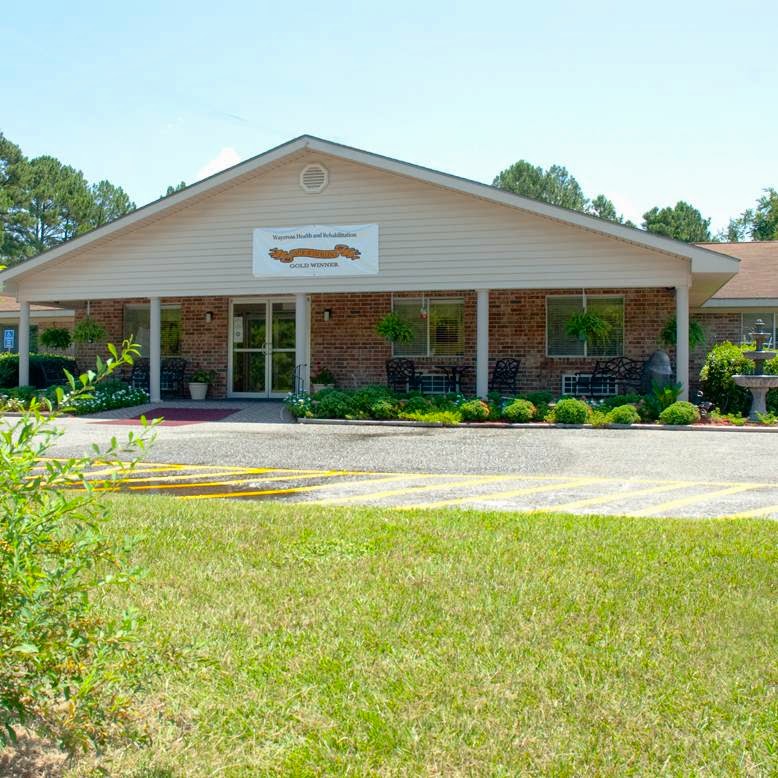
WAYCROSS HEALTH AND REHABILITATION is owned by a non-profit organization. Non-profit facilities reinvest revenue into operations rather than distributing to shareholders. The facility is operated by CLINICAL SERVICES, INC., a chain that manages multiple nursing homes. With 92 certified beds and approximately 64 residents (about 70% occupancy), it is a smaller facility located in WAYCROSS, Georgia.

How Does Waycross Compare to Other Georgia Nursing Homes?

Compared to the 100 nursing homes in Georgia, WAYCROSS HEALTH AND REHABILITATION's overall rating (4 stars) is above the state average of 2.6, staff turnover (47%) is near the state average of 46%, and health inspection rating (4 stars) is above the national benchmark.

What Should Families Ask When Visiting Waycross?

Based on this facility's data, families visiting should ask: "Can I visit during a mealtime to observe dining assistance and food quality?" "How do you handle medical emergencies, and what is your hospital transfer rate?" "Can I speak with family members of current residents about their experience?"

Is Waycross Safe?

Based on CMS inspection data, WAYCROSS HEALTH AND REHABILITATION has a clean safety record: no substantiated abuse findings (meaning no confirmed cases of resident harm), no Immediate Jeopardy citations (the most serious violation level indicating risk of serious injury or death), and is not on the Special Focus Facility watch list (a federal program monitoring the lowest-performing 1% of nursing homes). The facility has a 4-star overall rating and ranks #1 of 100 nursing homes in Georgia. While no facility is perfect, families should still ask about staff-to-resident ratios and recent inspection results during their visit.

Do Nurses at Waycross Stick Around?

WAYCROSS HEALTH AND REHABILITATION has a staff turnover rate of 47%, which is about average for Georgia nursing homes (state average: 46%). Moderate turnover is common in nursing homes, but families should still ask about staff tenure and how the facility maintains care continuity when employees leave.

Was Waycross Ever Fined?

WAYCROSS HEALTH AND REHABILITATION has been fined $23,877 across 3 penalty actions. This is below the Georgia average of $33,318. While any fine indicates a compliance issue, fines under $50,000 are relatively common and typically reflect isolated problems that were subsequently corrected. Families should ask what specific issues led to these fines and confirm they've been resolved.

Is Waycross on Any Federal Watch List?

WAYCROSS HEALTH AND REHABILITATION is not on any federal watch list. The most significant is the Special Focus Facility (SFF) program, which identifies the bottom 1% of nursing homes nationally based on persistent, serious quality problems. Not being on this list means the facility has avoided the pattern of deficiencies that triggers enhanced federal oversight. This is a positive indicator, though families should still review the facility's inspection history directly.