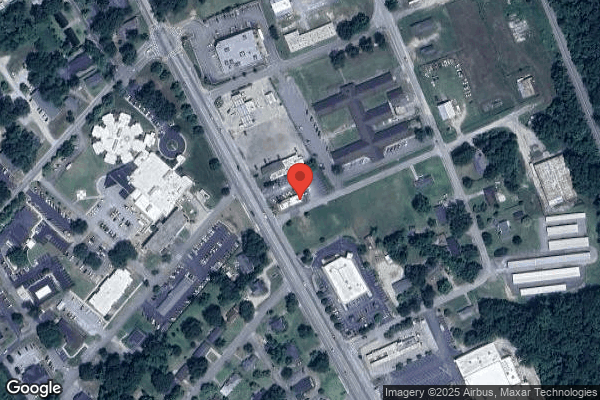
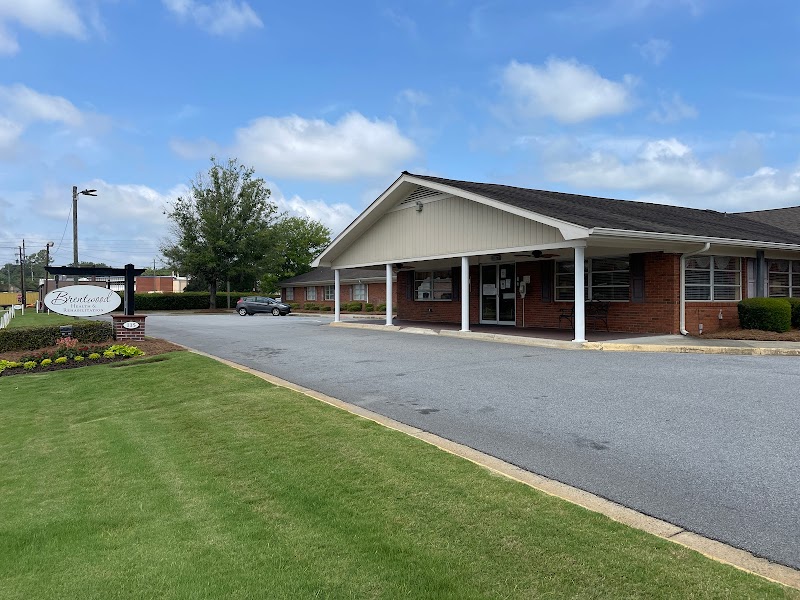
MGHP-BRENTWOOD LLC

115 BRENTWOOD DRIVE, WAYNESBORO, GA 30830 (706) 554-4425
For profit - Corporation 103 Beds Independent Data: November 2025
Trust Grade
53/100
#206 of 353 in GA
Last Inspection: June 2025

Inspected within the last 6 months. Data reflects current conditions.

Overview

MGHP-Brentwood LLC has a Trust Grade of C, which means it is average and ranks in the middle of the pack among nursing homes. In Georgia, it ranks #206 out of 353 facilities, placing it in the bottom half, but it is #2 of 3 in Burke County, indicating that only one local option is better. Unfortunately, the facility's trend is worsening, with issues increasing from 2 in 2023 to 9 in 2025. Staffing is a concern, rated at 2 out of 5 stars, with a turnover rate of 56%, which is higher than the state average. Additionally, the facility has faced some significant issues, including failing to properly label food items, leading to potential food-borne illness risks, and not maintaining sanitary conditions for dumpsters, which could attract pests. While there are strengths in the facility, such as being one of the few options in the county, the overall quality and compliance issues warrant careful consideration.

Trust Score
C
53/100
In Georgia
#206/353
Bottom 42%
Safety Record
Low Risk
No red flags
Inspections
Getting Worse
2 → 9 violations
Staff Stability
⚠ Watch
56% turnover. Above average. Higher turnover means staff may not know residents' routines.
Penalties
✓ Good
$3,145 in fines. Lower than most Georgia facilities. Relatively clean record.
Skilled Nurses
⚠ Watch
Each resident gets only 13 minutes of Registered Nurse (RN) attention daily — below average for Georgia. Fewer RN minutes means fewer trained eyes watching for problems.
Violations
⚠ Watch
11 deficiencies on record. Higher than average. Multiple issues found across inspections.
★★☆☆☆
2.0
Overall Rating
★★☆☆☆
2.0
Staff Levels
★★☆☆☆
2.0
Care Quality
★★☆☆☆
2.0
Inspection Score
Stable
2023: 2 issues
2025: 9 issues

The Good

  • Full Sprinkler Coverage · Fire safety systems throughout facility
  • No fines on record

Facility shows strength in fire safety.

The Bad

2-Star Overall Rating

Below Georgia average (2.6)

Below average - review inspection findings carefully

Staff Turnover: 56%

10pts above Georgia avg (46%)

Frequent staff changes - ask about care continuity

Federal Fines: $3,145

Below median ($33,413)

Minor penalties assessed

Staff turnover is elevated (56%)

8 points above Georgia average of 48%

The Ugly 11 deficiencies on record

Jun 2025 9 deficiencies
CONCERN (D) 📢 Someone Reported This

A family member, employee, or ombudsman was alarmed enough to file a formal complaint

Potential for Harm - no one hurt, but risky conditions existed

Resident Rights (Tag F0550)

Could have caused harm · This affected 1 resident

Based on observations, staff interviews, and record review, the facility failed to ensure that one of 29 sampled residents (R) (R6) was treated in a manner that maintained or enhanced his/her dignity....

Read full inspector narrative →
Based on observations, staff interviews, and record review, the facility failed to ensure that one of 29 sampled residents (R) (R6) was treated in a manner that maintained or enhanced his/her dignity. Specifically, staff provided care to R6 without providing full visual privacy. This deficient practice had the potential to place R6 at risk of a diminished quality of life in an environment that promotes the maintenance or enhancement of each resident's quality of life. Findings include: Review of R6's electronic health record (EHR) revealed diagnoses including, but not limited to, moderate intellectual disability, epilepsy, chronic kidney disease, and anxiety disorder. Review of R6's Annual Minimum Data Set (MDS) assessment, dated 4/1/2025, revealed Section C (Cognitive Patterns) documented a Brief Mental Status Score (BIMS) score of 3 (indicating severe cognitive impairment). Section GG (Functional Abilities and Goals) documented that the resident required assistance with Activities of Daily Living (ADLs). Section H (Bladder and Bowel) documented that the resident was incontinent. Observation on 6/13/2025 at 9:30 am revealed Certified Nursing Assistant (CNA) CC providing personal hygiene care and incontinent care to R6. Further observation revealed that R6 resided in Bed A. Observation revealed the privacy curtain was not pulled, and the window blinds were opened, providing full visual observation of R6 to anyone in the hallway outside of R6's room, anyone entering the room, and the resident's roommate. R6 was observed wearing only a brief. In an interview on 6/13/2025 at 9:32 am, CNA CC reported that he was getting ready to shave the resident and provide incontinent care and confirmed he did not provide privacy by pulling the privacy curtain, and further stated that he should have. In an interview on 6/5/2025 at 11:51 am, the Administrator and Director of Nursing (DON) both stated privacy curtains should be pulled to encircle the resident's bed while staff provided ADL care.
CONCERN (D) 📢 Someone Reported This

A family member, employee, or ombudsman was alarmed enough to file a formal complaint

Potential for Harm - no one hurt, but risky conditions existed

Deficiency F0645 (Tag F0645)

Could have caused harm · This affected 1 resident

**NOTE- TERMS IN BRACKETS HAVE BEEN EDITED TO PROTECT CONFIDENTIALITY** Based on staff interview and record review, the facility failed to ensure one of five residents (R) (R28) with a qualifying diag...

Read full inspector narrative →
**NOTE- TERMS IN BRACKETS HAVE BEEN EDITED TO PROTECT CONFIDENTIALITY** Based on staff interview and record review, the facility failed to ensure one of five residents (R) (R28) with a qualifying diagnosis was referred to the Georgia Preadmission Screening and Resident Review (PASRR) Utilization Management for review. This deficient practice had the potential to increase the probability of R28 not having her mental and psychological care needs met. Findings include: Review of R28's admission Record revealed admission on [DATE] with the diagnoses including, but not limited to, bipolar II disorder, obsessive-compulsive behavior, major depressive disorder, anxiety disorder, and psychosis. Review of R28's Annual Minimum Data Set (MDS), dated [DATE], revealed Section A (Identification Information) revealed the resident had not been evaluated by Level II PASRR and determined to have a serious mental illness and/or mental retardation or a related condition. Section I (Active diagnoses) documented diagnoses including, but not limited to, anxiety disorder, depression, bipolar disorder, and psychotic disorder. Review of R28's Care Plan Report revealed a Focus of R28 was at risk for adverse effects of antipsychotic medication. R28 uses antipsychotic medications r/t bipolar disorder, obsessive-compulsive disorder, depressive disorder, and anxiety disorder. Interventions included referring to psychological/behavioral health if needed, and/or ordered by the physician. Review of R28's Physician's Orders revealed medications including, but not limited to, Zyprexa (a medication used to treat bipolar disorder) oral tablet 5 MG, diazepam (a medication used to treat anxiety disorder) oral tablet 10 MG, quetiapine fumarate (a medication used to treat bipolar disorder and depression) oral tablet 50 MG. Review of R28's clinical record revealed no PASRR Level II. In an interview on 6/14/2025 at 10:04 am, the Admissions Coordinator revealed that the PASRR Level I screening was obtained before the resident was admitted to the facility and was uploaded into the resident's electronic medical record. During the interview, the Admissions Coordinator was able to locate R28's PASRR Level I for review. In an interview on 6/14/2025 at 10:14 am, the Director of Nursing (DON) revealed that the PASRR Level I should be in the resident's record. Continued interview revealed that when a resident had a qualifying diagnosis, the PASRR Level II should be applied for, and the Social Worker was responsible for ensuring that the request was submitted. The DON confirmed R28 had qualifying diagnoses of bipolar disorder, major depressive disorder, anxiety disorder, and psychosis. The DON also confirmed there was no PASRR Level II for R28. In an interview on 6/14/2025 at 11:30 am, the Administrator revealed that the Social Worker was responsible for ensuring the PASRR Level I and Level II assessments were submitted for residents with qualifying diagnoses. The Administrator confirmed that a PASRR Level II was not in the resident's medical record and could not provide a copy of the requested documentation for submission of the documents. Continued interview revealed that her expectation was for all residents with a qualifying diagnosis to have a PASRR Level II submitted to the appropriate agency for review.
CONCERN (D) 📢 Someone Reported This

A family member, employee, or ombudsman was alarmed enough to file a formal complaint

Potential for Harm - no one hurt, but risky conditions existed

Comprehensive Care Plan (Tag F0656)

Could have caused harm · This affected 1 resident

2. Review of R11's EHR revealed diagnoses including, but not limited to, chronic obstructive pulmonary disease with acute exacerbation, pulmonary candidiasis, and unspecified atrial fibrillation. Revi...

Read full inspector narrative →
2. Review of R11's EHR revealed diagnoses including, but not limited to, chronic obstructive pulmonary disease with acute exacerbation, pulmonary candidiasis, and unspecified atrial fibrillation. Review of R11's Care Plan Report revealed a Focus Area, created 6/5/2024, for oxygen therapy. Interventions included oxygen as ordered. Review of R11's Physician Order revealed an order dated 517/2024 for O2 at 5 LPM every shift. Observations on 6/13/2025 at 10:07 am and at 1:04 pm revealed R11 receiving O2 therapy by oxygen concentrator at 3.5 LPM via a NC. Observation on 6/14/2025 at 10:13 am, with LPN EE, revealed R11 receiving O2 therapy by oxygen concentrator at 7 LPM via a NC. LPN EE confirmed that the flow rate was set in error and against the physician's order of 5 liters per minute, and adjusted the flow rate. 3. Review of R122's EHR revealed an admission date of 6/9/2025, with diagnoses including, but not limited to, chronic obstructive pulmonary disease, atherosclerotic heart disease of native coronary artery without angina pectoris, and presence of an automatic (implantable) cardiac defibrillator. Review of R122's Care Plan Report, dated 6/10/2025, revealed a Focus Area of O2 as needed. Interventions included observing the resident for breathing problems and placing O2 as ordered by the physician. Review of R122's Physician Orders revealed an order dated 6/9/2025 for O2 at 2 LPM via NC as needed for SOB [shortness of breath]. May remove as desired. Observations on 6/13/2025 at 10:14 am and 1:10 pm revealed R122 receiving O2 therapy by oxygen concentrator at 3.5 LPM via a NC. Observation on 6/14/2025 at 9:43 am revealed R122 receiving O2 therapy by oxygen concentrator at 4 LPM via a NC. In a concurrent observation and interview, LPN DD confirmed that the O2 was set on the wrong flow rate and not per the physician's order. In an interview on 6/15/2025 at 11:38 am, the MDS Coordinator confirmed R11 and R122's care plans for oxygen therapy. She reported that her expectation was for the staff to follow the physician's orders, since the care plan interventions included administering O2 as an order. Cross-Reference F695 Based on observations, staff interviews, record review, and review of the facility policy titled Care Plans-Comprehensive, the facility failed to implement the care plan for three of 11 residents (R) (R31, R122, and R11) receiving oxygen therapy. This deficient practice had the potential to place R31, R122, and R11 at risk of not receiving treatment and/or care according to their needs. Findings include: Review of the facility policy titled Care Plans, Comprehensive, dated 4/18/2017, revealed the Policy Statement section stated, An individualized comprehensive care plan that includes measurable and timetables to meet the resident's medical, nursing, mental, and psychological needs is developed for each resident. The Policy Interpretation and Implementation section included, . 5. Care Plan interventions are designed after careful consideration of the relationship between the resident's problem areas and their causes. When possible, interventions address the underlying sources(s) of the problem areas(s), rather than addressing only symptoms or triggers . 1. Review of R31's electronic health record (EHR) revealed diagnoses that included but not limited to malignant neoplasm of endometrium, non-ischemic myocardial injury, paroxysmal atrial fibrillation, chronic obstructive pulmonary disease with (acute) exacerbation, chronic diastolic (congestive) heart failure, transient cerebral ischemic attack, dependence on supplemental oxygen and cerebral infarction, unspecified. Review of R31's care plan dated 6/2/2025 revealed a Focus area for O2 (oxygen) therapy r/t (related to) Ineffective gas exchange. Dx (diagnosis) of COPD (chronic obstructive pulmonary disease); Goals : R31 will have no s/sx (signs and symptoms) of poor oxygen absorption through the review date. Interventions included: Give medications as ordered by physician Oxygen Settings: O2 via NC (nasal cannula) per MD [Medical Doctor] orders . Review of R31's Physician's Orders revealed an order dated 5/29/2025 for O2 at 4 liters per minute (LPM) via a NC continuous every day and night shift for shortness of breath. Observations on 6/13/2025 at 9:03 am, at 11:54 am, and 6/14/2025 at 10:20 am revealed R31 receiving oxygen therapy at 3.5 liters per minute via nasal cannula. During an interview and observation on 6/14/2025 at 12:20 pm with the Director of Nursing (DON), she confirmed O2 setting was infusing at 3.5 LPM via nasal cannula. DON reported that her expectations were for staff to follow the care plan. During an interview on 6/14/2025 at 12:35 pm, Licensed Practical Nurse (LPN)/Minimum Data Set (MDS) Coordinator revealed she was responsible for making sure each resident had a comprehensive care plan in place. She confirmed there was a care plan in place for R31 for the O2 setting to administer O2 via NC per the physician's orders.
CONCERN (D) 📢 Someone Reported This

A family member, employee, or ombudsman was alarmed enough to file a formal complaint

Potential for Harm - no one hurt, but risky conditions existed

Accident Prevention (Tag F0689)

Could have caused harm · This affected 1 resident

Based on observations, staff interviews, and record review, the facility failed to ensure one of 29 sampled residents (R) (R6) received care and services to avoid preventable falls. This deficient pra...

Read full inspector narrative →
Based on observations, staff interviews, and record review, the facility failed to ensure one of 29 sampled residents (R) (R6) received care and services to avoid preventable falls. This deficient practice had the potential to place R6 at risk of injury related to avoidable falls. Findings include: Review of R6's electronic health record (EHR) revealed diagnoses including, but not limited to, epilepsy, chronic moderate intellectual disability, chronic kidney disease, age relate nuclear cataract, bilateral, anxiety disorder, and hypertension. Review of R6's Annual Minimum Data Set (MDS) assessment, dated 4/1/2025, revealed Section C (Cognitive Patterns) documented a Brief Mental Status Score (BIMS) score of 3 (indicating severe cognitive impairment). Section GG (Functional Abilities and Goals) documented that the resident required assistance with Activities of Daily Living (ADLs). Section V (Care Area Assessment [CAA] Summary) documented that falls were triggered. Review of R6's Fall Risk Assessment assessed the resident as a high risk for falls. Review of R6's Care Plan Report revealed a Focus area, revised 1/2/2025, of the resident was at risk for falls, with a history of falls documented. The Goal was for the resident to be free of fall-related injury through the next review period. Further review revealed a Focus area, dated 5/12/2023, of the resident had an Activities of Daily Living (ADL) self-care performance deficit and required assistance with all ADLs. Observation on 6/13/2025 at 9:30 am revealed R6 lying in his bed with the bed raised to a high position. Certified Nursing Assistant (CNA) CC exited the room, leaving the bed in a high position and the resident unattended by staff. In an interview on 6/13/2025 at 9:32 am, Licensed Practical Nurse (LPN) BB observed and confirmed that CNA CC had left R6 in bed and with the bed in a high position. CNA CC returned to the room and confirmed he had left the resident in the bed, with the bed in a high position, to obtain supplies for resident care. LPN BB and CNA CC stated the resident could independently move in the bed from left to right. They both confirmed the resident was at risk for falls, and the bed should be in the lowest position when left unattended to prevent injury due to falls. In an interview on 6/15/2025 at 11:51 am, the Director of Nursing (DON) her expectation that R6's bed would remain in the lowest position when left unattended. She further stated that the CNA should have called for assistance to obtain supplies or place the bed in the lowest position before exiting the room. In an interview on 6/15/2025 at 11:53 am, the Administrator stated staff would receive education on fall prevention.
CONCERN (D) 📢 Someone Reported This

A family member, employee, or ombudsman was alarmed enough to file a formal complaint

Potential for Harm - no one hurt, but risky conditions existed

Respiratory Care (Tag F0695)

Could have caused harm · This affected 1 resident

**NOTE- TERMS IN BRACKETS HAVE BEEN EDITED TO PROTECT CONFIDENTIALITY** 2. Review of R11's EHR revealed diagnoses including, but not limited to, chronic obstructive pulmonary disease with acute exacer...

Read full inspector narrative →
**NOTE- TERMS IN BRACKETS HAVE BEEN EDITED TO PROTECT CONFIDENTIALITY** 2. Review of R11's EHR revealed diagnoses including, but not limited to, chronic obstructive pulmonary disease with acute exacerbation, pulmonary candidiasis, and unspecified atrial fibrillation. Review of R11's Annual MDS assessment, dated 5/21/2025, revealed Section J (Health Conditions) revealed R31 exhibited shortness of breath or trouble breathing with exertion, when sitting at rest, and when lying flat. Section O (Special Treatments, Procedures, and Programs) revealed R31 received O2 therapy while a resident. Review of R11's Physician's Orders included an order dated 5/17/2024 for O2 via NC at 5LPM continuous every shift. Observations on 6/13/2025 at 10:07 am and at 1:04 pm revealed R11 receiving O2 therapy by oxygen concentrator at 3.5 LPM via a NC. Observation on 6/14/2025 at 10:13 am, with LPN EE, revealed R11 receiving O2 therapy by oxygen concentrator at 7 LPM via a NC. LPN EE confirmed that the flow rate was set in error and against the physician's order of 5 liters per minute, and adjusted the flow rate. 3. Review of R122's EHR revealed an admission date of 6/9/2025, with diagnoses including, but not limited to, chronic obstructive pulmonary disease, atherosclerotic heart disease of native coronary artery without angina pectoris, and presence of an automatic (implantable) cardiac defibrillator. Review of R122's MDS assessments revealed that the admission assessment was in progress. Review of R122's Physician Orders revealed an order dated 6/9/2025 for O2 at 2 LPM via NC as needed for SOB [shortness of breath]. May remove as desired. Observations on 6/13/2025 at 10:14 am and 1:10 pm revealed R122 receiving O2 therapy by oxygen concentrator at 3.5 LPM via a NC. Observation on 6/14/2025 at 9:43 am revealed R122 receiving O2 therapy by oxygen concentrator at 4 LPM via a NC. In a concurrent observation and interview, LPN DD confirmed that the O2 was set on the wrong flow rate and not per the physician's order. In an interview on 6/14/2025 at 1:17 pm, the DON reported that her expectation was for licensed nurses to monitor the residents' O2 flow rate per shift and ensure the O2 setting was set per physician orders. Based on observations, staff interviews, record review, and review of the facility's policies titled Medication and Treatment Orders and Oxygen Administration, the facility failed to ensure oxygen (O2) was administered as ordered by the physician for three of 11 residents (R) (R31, R122, and R11) receiving O2 therapy. The deficient practice had the potential to place R31, R122, and R11 at risk of respiratory complications and unmet needs. Findings include: Review of the facility's policy titled Medication and Treatment Orders, dated 3/22/2017, revealed the Policy Statement section included, Orders for medications and treatments will be consistent with principles of safe and effective order writing. The section titled Policy Interpretation and Implementation included 1. Medications shall be administered only upon the written order of a person duly licensed and authorized to prescribe such medications in this state. Review of the facility's policy titled Oxygen Administration, dated 3/24/2017, revealed the Policy Statement section included, The purpose of this procedure is to provide guidelines for safe oxygen administration. The section titled Policy Interpretation and Implementation included, 1. Verify that there is a physician's order for this procedure. Review the physician's order or facility protocol for oxygen administration. The section titled Assessment included, . 10. Adjust the oxygen delivery device so that it is comfortable for the resident and the proper flow of oxygen is being administered. 1. Review of the electronic health record (EHR) for R31 revealed diagnoses that included, but not limited to, malignant neoplasm of endometrium, non-ischemic myocardial injury, paroxysmal atrial fibrillation, chronic obstructive pulmonary disease with (acute) exacerbation, chronic diastolic (congestive) heart failure, transient cerebral ischemic attack, dependence on supplemental oxygen and cerebral infarction, unspecified. Review of R31's admission Minimum Data Set (MDS) assessment dated [DATE] revealed Section GG (Functional Abilities and Goals) revealed R31 required substantial/maximal assistance with mobility. Section J (Health Conditions) documented R31 exhibited shortness of breath or trouble breathing with exertion, when sitting at rest, and when lying flat. Section O (Special Treatments, Procedures, and Programs) revealed R31 received O2 therapy while a resident. Review of R31's Physician's Orders included an order dated 5/29/2025 for O2 at 4 liters per minute (LPM) via [by way of] a nasal cannula (NC), continuous every day and night shift, for shortness of breath. Observations on 6/13/2025 at 9:03 am, at 11:54 am, and on 6/14/2025 at 10:20 am revealed R31 receiving O2 therapy at 3.5 liters per minute via a NC. During an interview and observation on 6/14/2025 at 12:20 pm with the Director of Nursing (DON), she confirmed R31's O2 was flowing at 3.5 LPM via nasal cannula. Review of R31's orders with the DON verified that O2 was ordered at 4 LPM via NC. The DON reported that her expectations were for staff to follow the physician's orders. During an interview and observation on 6/14/2025 at 12:50 pm, Licensed Practical Nurse (LPN) AA revealed she was the nurse assigned to R31 and was responsible for making sure the O2 was administered at the correct setting per physician orders. LPN AA was shown pictures of R31 O2 setting at 3.5 LPM. She then reviewed R31's orders in the EHR and confirmed the O2 setting should have been set at 4 LPM. LPN AA revealed she had been busy passing medications and had not checked the O2 settings.
CONCERN (F) 📢 Someone Reported This

A family member, employee, or ombudsman was alarmed enough to file a formal complaint

Potential for Harm - no one hurt, but risky conditions existed

Food Safety (Tag F0812)

Could have caused harm · This affected most or all residents

Based on observations, staff interviews, record review, and review of the facility's policies titled Labeling and Dating Guidelines and Standard of the Week Labeling and Dating, the facility failed to...

Read full inspector narrative →
Based on observations, staff interviews, record review, and review of the facility's policies titled Labeling and Dating Guidelines and Standard of the Week Labeling and Dating, the facility failed to ensure food items were labeled with open and/or discard dates and discarded on or before the discard dates. This had the potential to place 64 residents who received an oral diet from the kitchen at risk of food-borne illness. Findings include: Record review of the facility's undated policy titled Standard of the Week Labeling and Dating included, Upon receipt, all items should be inspected and marked with the date it was received into your facility and the date it should be discarded (if the item has a use by or discard date already on it, then you may use this date. After opening any item, the date it was opened must be clearly labeled on the front of the package, and any adjustments to the discard date should be made at this time. Review of the facility's undated policy titled Labeling and Dating Guidelines included, Upon receipt, all items should have a received date and a use by date. Upon opening, all items should have an open date and a use-by date. During the initial tour of the kitchen beginning on 6/13/2025 at 8:00 am, with Dietary Aide (DA) JJ, the following observations were made: Observations in the walk-in freezer revealed: One bag of pre-cooked biscuits, removed from the original container, labeled 6/11/2025 and missing an expiration date. One large gray pan containing two slabs of raw ribs, removed from the original container, and not labeled or dated. One large gray pan containing one slab of ribs, wrapped in plastic wrap, and not labeled or dated. One large gray pan containing chicken pieces in a clear plastic bag, removed from the original container, and not labeled or dated. One package of raw corned beef brisket, with no expiration date. One large bag of French fries, not labeled or dated Two bags of sliced squash, placed in a large brown pan, not labeled or dated One large bag of pre-cooked pepperoni, wrapped in plastic wrap, labeled with a received date of 6/18/25, with no expiration date. One coconut cream pie, not labeled or dated. Observations in the walk-in cooler revealed: Two bags of cooked noodles in a plastic bag dated 6/12/2025, and without a discard date. One bag of sliced peaches in a plastic bag dated 6/10/2025, and without a discard date. One large aluminum pan of cooked ground beef mixed with spaghetti sauce, labeled with a received date of 6/12/2025, and without a discard date. One plastic container, with a red lid, of pudding labeled with a received date of 6/10/2025, and without a discard date. One plastic container, with a green lid, of applesauce, labeled with an expiration date of 6/12/2025. One container of cooked hamburger meat, labeled with an expiration date of 6/12/2025 Observations of three plastic bins with lids revealed that one was labeled as a flour bin, one was labeled as a sugar bin, and one was labeled as a cornmeal bin. The flour, sugar, and cornmeal in the bins were removed from the original packaging. Each bin lid had a label with a date of 6/5/2025. There was no discard date. During an interview, at the time of observations, of all the above-mentioned items, with DA JJ, reported staff had received education to place the received date, opening date, used by date, and expiration date on food items. During an interview on 6/14/2025 at 11:00 am, the Dietary Manager (DM) reviewed photos of the identified food items for labeling and expired food items and confirmed all findings. The DM further stated that once staff remove any food products from their original container, staff should label the item with a discard date. She further stated that dietary staff should label all food items with a receive date, open date, and used-by/expiration date.
CONCERN (F) 📢 Someone Reported This

A family member, employee, or ombudsman was alarmed enough to file a formal complaint

Potential for Harm - no one hurt, but risky conditions existed

Garbage Disposal (Tag F0814)

Could have caused harm · This affected most or all residents

Based on observations, staff interviews, record review, and review of the facility policy titled Garbage and Rubbish Disposal, the facility failed to maintain two of three facility dumpsters in a sani...

Read full inspector narrative →
Based on observations, staff interviews, record review, and review of the facility policy titled Garbage and Rubbish Disposal, the facility failed to maintain two of three facility dumpsters in a sanitary condition by ensuring the dumpsters had fitted lids and doors to prevent exposure to insects and rodents. The deficient practice created the potential to promote the harboring of pests, insects, and other organisms, and create the potential for disease transmission by pests and rodents. Findings include: Review of the facility policy titled Garbage and Rubbish Disposal, dated 2008, revealed the Policy Statement of Garbage and rubbish shall be disposed of in accordance with current state laws regulating such matters. The Policy Interpretation and Implementation section included . 8. Outside dumpsters provided by garbage pick-up services must be kept closed and free of litter around the dumpster area. Concurrent observation and interviews on 6/13/2025 at 8:22 am, with Dietary Aide (DA), HH, and Maintenance Assistant GG, revealed three dumpsters with large gaps between the lids, resulting in large open spaces. Further observation revealed missing doors from the dumpsters, causing the trash not to be secure inside the dumpster and allowing exposure to insects and rodents. One dumpster door was observed sitting on the ramp, propped up against the building wall. DA HH and Maintenance Assistant GG confirmed the observations and reported that the dumpster doors had been off the dumpsters for three to four months. In an interview on 6/14/2025 at 10:17 am, the Dietary Manager (DM) reported that she reached out to the local City Hall in May 2025, but new dumpsters had not been delivered. She stated that the City Hall had informed her that the city did not have a three-door dumpster in May 2025. In an interview on 6/14/2025 at 11:54 am, Receptionist II confirmed that the problems with the dumpsters (missing doors and damaged lids) had existed since April 2025. She reported reaching out to the city for repairs and replacement of a dumpster in April 2025 and a previous follow-up after April 2025. She reported that although the dumpsters were requested, the city did not take action until 6/13/2025. She reported reaching out to the city on 6/13/2025 to request repairs after the surveyor had identified the problem with the dumpster. The receptionist reported that after making the call, a city official visited the site to attach new dumpster doors. She confirmed that the dumpster lids were not replaced.
CONCERN (F) 📢 Someone Reported This

A family member, employee, or ombudsman was alarmed enough to file a formal complaint

Potential for Harm - no one hurt, but risky conditions existed

Infection Control (Tag F0880)

Could have caused harm · This affected most or all residents

**NOTE- TERMS IN BRACKETS HAVE BEEN EDITED TO PROTECT CONFIDENTIALITY** Based on observations, staff interviews, and review of the facility policy titled Infection Prevention and Control Program, the ...

Read full inspector narrative →
**NOTE- TERMS IN BRACKETS HAVE BEEN EDITED TO PROTECT CONFIDENTIALITY** Based on observations, staff interviews, and review of the facility policy titled Infection Prevention and Control Program, the facility failed to ensure soiled and clean linen carts were not stored together on three of five halls (300 Hall, 400 Hall, and 500 Hall). The deficient practice had the potential to increase the probability of the spread of infection from the soiled linen to the clean linen used while care services were being provided to residents. Findings include: Review of the facility policy titled Infection Prevention and Control Program, dated 8/24/2022, revealed under Policy statement: An infection prevention and control program (IPCP) is established and maintained to provide a safe, sanitary, and comfortable environment and to help prevent the development and transmission of communicable diseases and infections. Under Prevention of infection: The facility will follow recommended and required guidelines to help mitigate or prevent infections as listed below: 1. Identifying possible infections or potential complications of existing infections; . 3. Educating staff and ensuring that they adhere to proper techniques and procedures; . 8. Following established general and disease-specific guidelines, such as those of the Centers for Disease Control (CDC). Observation on 6/13/2025 at 8:30 am revealed a clean linen cart stored directly next to the soiled linen cart by room [ROOM NUMBER] on the 400 Hall. Observation on 6/14/2025 at 9:12 am revealed there was a clean linen cart noted in the hall by room [ROOM NUMBER] that was touching the soiled linen cart that had visibly soiled linen in the container. Observation on 6/14/2025 at 2:30 pm revealed the clean linen cart was noted on the 300 Hall by room [ROOM NUMBER] and was touching the soiled linen cart. Observation on 6/15/2025 at 9:09 am revealed the clean linen cart and soiled linen cart were side by side and touching on the 500 Hall. Interview on 6/15/2025 at 9:10 am with the Director of Nursing (DON) confirmed that the clean linen cart was touching the soiled linen cart. During the interview, DON stated that the clean linen cart should not be that close to the cart at any time to prevent cross-contamination. The DON stated that the staff would be educated. Interview on 6/15/2025 at 9:12 am with the Infection Preventionist (ICP) revealed that the clean linen cart should not be touching the soiled linen cart at any time, and they should be at least six feet apart. The ICP nurse confirmed that the carts were touching and should not have been. During the interview, the ICP stated that the facility staff would be further educated on infection control practices. Interview on 6/15/2025 at 9:15 am with the Administrator revealed that the clean and soiled linen carts should not be stored side by side so that they are touching, due to increasing the risk for cross-contamination. Further interview also revealed that the expectation was for staff to understand how to properly store the carts and be knowledgeable of the infection control policies and practices.
MINOR (C) 📢 Someone Reported This

A family member, employee, or ombudsman was alarmed enough to file a formal complaint

Minor Issue - procedural, no safety impact

Staffing Information (Tag F0732)

Minor procedural issue · This affected most or all residents

Based on observations, staff interviews, review of facility documentation, and review of the facility policy titled Posting Direct Care Daily Staffing Numbers, the facility failed to ensure the number...

Read full inspector narrative →
Based on observations, staff interviews, review of facility documentation, and review of the facility policy titled Posting Direct Care Daily Staffing Numbers, the facility failed to ensure the number of nursing personnel responsible for providing direct care to residents was posted daily for staff and visitors to review while in the facility. Findings include: Review of the facility policy titled Posting Direct Care Daily Staffing Numbers, dated 3/23/2017, revealed under policy statement: Our facility will post, on a daily basis for each shift, the number of nursing personnel responsible for providing direct care to residents. Under Policy Interpretation and Implementation: 1. Within two (2) hours of the beginning of the shift, the number of Licensed Nurses (RNs [Registered Nurse], LPNs [Licensed Practical Nurse], and LVNs [Licensed Vocational Nurse]) and the number of unlicensed nursing personnel (CNAs [Certified Nurses Assistant]) directly responsible for resident care will be posted in a prominent location (accessible to residents and visitors) and in a clear and readable format. Observation on 6/13/2025 at 9:22 am revealed the staffing posting was located in a clear glass case going into the main dining area, dated 5/24/2025, with a total number of 2.79. Observation on 6/14/2025 at 7:26 am revealed the staffing posting was located in a clear glass case going into the main dining area, dated 5/24/2025, with a total number of 2.79. Interview on 6/14/2025 at 7:30 am with the Director of Nursing (DON) revealed that she had recently started at the facility as the interim DON and was not sure who was responsible for ensuring that the daily Per Patient Daily Ratio (PPD) staffing was posted. During the interview, it was confirmed that the last posting was dated 5/24/2025. Interview on 6/14/2025 7:33 am with the Human Resources Director confirmed that the PPD had not been posted since 5/24/2025. Interview on 6/14/2025 at 7:34 am, interview with Administrator confirmed that the posting had not been changed since 5/24/2025. Further interview revealed that the staffing posting should be completed daily.
Aug 2023 2 deficiencies
CONCERN (D)

Potential for Harm - no one hurt, but risky conditions existed

MDS Data Transmission (Tag F0640)

Could have caused harm · This affected 1 resident

**NOTE- TERMS IN BRACKETS HAVE BEEN EDITED TO PROTECT CONFIDENTIALITY** Based on staff interviews, record review, and a review of the facility's policy titled, MDS Completion and Submission Timeframes...

Read full inspector narrative →
**NOTE- TERMS IN BRACKETS HAVE BEEN EDITED TO PROTECT CONFIDENTIALITY** Based on staff interviews, record review, and a review of the facility's policy titled, MDS Completion and Submission Timeframes, the facility failed to ensure that the Minimum Data Sets (MDS) assessments were submitted to the Centers for Medicare and Medicaid Services (CMS) within 14 days after completion to ensure current and accurate data for five of 27 Residents (R) (#19, R#20, R#145, R#3, and R#17) reviewed for MDS assessments. Findings include: A review of facility policy titled MDS Completion and Submission Timeframes, last revised 4/10/2017 revealed The Assessment Coordinator or designee shall be responsible for ensuring that resident assessments are submitted to Center for Medicare and Medicaid Services (CMS) QIES Assessment Submission and Processing (ASAP) system in accordance with current federal and state guidelines. It also revealed that data for assessment types; Admission, Annual, Significant Change in Status, and Significant Correction to prior MDS, were required to be transmitted within 14 days from the completion of the care plan completion. MDS assessment types, including a quarterly, significant correction to prior quarterly assessment, entry tracking record, discharge assessment, discharge assessment-return anticipated or discharge due to death, were required to be transmitted within 14 days of MDS completion date. Record review of the MDS assessment for R#19 revealed the annual MDS assessment was completed on 7/21/2023 and was marked Complete but had not been transmitted to CMS. This MDS assessment was confirmed with the Clinical Reimbursement Director. Record review of the MDS assessment for R#20 revealed that the annual assessment was due 7/24/2023 and was marked as Export Ready but had not been submitted to CMS. Interview on 8/23/2023 at 1:50 p.m. with the MDS Coordinator revealed she had been at the facility for six to seven weeks and had no prior experience with MDS assessments and submissions. She confirmed that the MDS for R#19 was completed but had not been sent. Interview on 8/23/2023 at 2:45 p.m. with the Clinical Reimbursement Director confirmed that R#19 and R#20 residents' annual MDS assessments had not been transmitted. The Clinical Reimbursement Director revealed that during the interview, she had submitted a few resident MDS assessments that were sitting ready to be submitted. She stated that when the MDS assessments are completed, they are placed in the Point Click Care system as ready to be exported, but really are not exported until they are signed off by either her or another Registered Nurse (RN) since the MDS Coordinator at the facility is an LPN. She also revealed that after the MDS is signed off by the RN, Point Click Care transmits the reports, and when they have been accepted by CMS, the facility is notified the submission has been accepted, and a final check is done to make sure all the information had been submitted correctly. She stated there may have been a glitch in the Point Click Care system and saw on R#19's MDS assessment that a flag of not transmitting the MDS assessment was in place. She stated she was able to reverse that flag and then submit the MDS. She also stated that she is responsible for several other facility MDS submissions, and sometimes it can be a few days before she is able to sign them to complete the submission process. Record review of the MDS assessment for R#145 revealed the resident entered the facility on 7/19/2023; an MDS was completed and accepted. The MDS admission assessment was dated 8/1/2023, and the status was listed as Export Ready and had not been submitted. Record review of the MDS assessment for R#3 revealed the quarterly MDS dated [DATE] was in the Export Ready status and had not been submitted. Record review of the MDS assessment for R#17 revealed an entry date of 7/31/2023 after hospitalization was in an In Progress status and had not been submitted. The initial admission date to the facility was 6/26/2023. Interview on 08/24/2023 at 1:34 p.m. with the Director of Nursing (DON) and Administrator confirmed R#19, R#20, R#145, R#3, and R#17 MDS assessments had not been transmitted within the required time frame but had since been transmitted on 8/23/2023 and accepted. The DON and Administrator confirmed they can run a report to ensure all MDS assessments have been transmitted and accepted.
CONCERN (D)

Potential for Harm - no one hurt, but risky conditions existed

Medication Errors (Tag F0758)

Could have caused harm · This affected 1 resident

2. Record review revealed R#244 had a diagnosis of depression, anxiety disorder, and chronic pain syndrome. Record review of the Physician Orders for R#244 revealed an order for lorazepam oral concen...

Read full inspector narrative →
2. Record review revealed R#244 had a diagnosis of depression, anxiety disorder, and chronic pain syndrome. Record review of the Physician Orders for R#244 revealed an order for lorazepam oral concentrate 2 milligrams (mg)/milliliters (ml), give 0.5 ml by mouth every 3 hours as needed for restlessness. The stop date on the order stated indefinite. Record review of the Medication Administration Record (MAR) for R#244, dated August 2023, revealed that the resident had received a one-time dose of lorazepam upon admission, and a subsequent lorazepam PRN order had been received on 8/17/2023. The MAR indicated a start date for the lorazepam, but no end date. An interview on 08/24/2023 at 2:00 p.m. with DON confirmed that the physician order for R#244 regarding the PRN lorazepam did not have an expiration date. She stated that since the resident was on hospice, the pharmacist should automatically call within 14 days to see if the physician wanted to continue the order, even if there was not a designated stop date on the order. A phone interview on 8/23/2023 at 3:10 p.m. with Registered Pharmacist (RPh) AA employed at the pharmacy the facility utilizes, revealed that if there are any psychotropic medications ordered PRN, regardless if there is a 14 day limited order or indefinite order, the pharmacy will fax a Drug Alert to the corresponding facility to inform them the order needed to be evaluated by the physician to determine if the order needed to be continued another 14-30 days or discontinued. The fax sent indicates the date the fax was sent, who the fax is in reference to, and the specific medication. She stated that if the medication was to be continued or for a longer period than 14 days, the provider had to document on the form the rationale for continuing the medication. After this form is completed by the provider, the facility is to fax it to the pharmacy for their records. She stated that when there is a PRN psychotropic medication order written, a 14-day supply is delivered to the resident for use regardless of whether it is a 14-day limited order or an indefinite stop order. She confirmed if all available doses were not utilized during the 14-day period, the medication would still be available for administration in the resident's medication bin and available for administration. The medication would not be discontinued on the MAR if this form is not returned, or a new physician order written. She also revealed that sometimes it was difficult to get the facilities to return the completed Drug Alert form for them to place a stop date in the MAR. Based on staff interviews, record review, and a review of the facility's policy titled, Psychotropic Medication Monitoring, the facility failed to ensure that psychotropic medications, including antianxiety and antidepressant medications, were not ordered as needed (PRN) for more than 14 days unless clinically indicated for two of five residents (R) (R#144 and #244) reviewed for unnecessary medications. The sample size was 24 residents. Findings include: A review of the policy, Psychotropic Medication Monitoring, revised on 7/22/2022, revealed the facility will make every effort to comply with state and federal regulations related to the use of psychopharmacological medications in the long-term care facility to include review for continued need. Pharmacy consultants will review medications monthly and review with the team. The pharmacy will provide a form for the physician to sign for reasons for having the order longer than 14 days. 1. Record Review of the most recent admission Minimum Data Set (MDS) assessment for R#144 dated 8/9/2023 revealed primary admitting diagnoses that included but were not limited to, anxiety disorder unspecified, vascular dementia unspecified severity with psychotic disturbance, Section N-medications documented no antianxiety, antidepressant, antipsychotic, hypnotic, and opioid medications received. Record review of the Physician orders for R#144 included but was not limited to, Lorazepam 0.5 milligrams (mg) by mouth (PO) every (q) four hours (4hrs) as needed (PRN) anxiety or agitation for 14 days-order date 8/2/2023; Lorazepam 0.5mg po q4hrs PRN anxiety-order date 8/21/2023. Record review of the care plan for R#144 revealed the resident was at risk for anxiety due to a history (Hx) of anxiety disorder. Record review of the Medication Administration Record (MAR) for August 2023 revealed R#144 received Lorazepam 0.5 mg PRN for anxiety once on 8/2/2023, twice on 8/7/2023, twice on 8/12/2023, twice on 8/13/2023, once on 8/16/2023, twice on 8/22/2023, and once on 8/23/2023. Record review of the pharmacist progress note dated 8/2/2023 documented, lorazepam 0.5mg q4h PRN for anxiety/agitation for 14 days. Record review of orders revealed Lorazepam oral tablet 0.5 mg; given 0.5 mg orally every 4 hours as needed for anxiety, revision date 8/21/2023, start date 8/21/2023, end date indefinite. Record review of orders revealed Lorazepam oral tablet 0.5mg; give 0.5 mg orally every 4 hours as needed for anxiety, revision date 8/23/2023, start date 8/23/2023, pharmacy note-added stop date, end date 9/5/2023. Record review of care plan history with a copy date of 8/23/2023 documented, Nurses will give PRN meds for anxiety as needed documenting the effectiveness of medication and any adverse effects from medications given with a created date of 8/3/2023, and revision date of 8/3/2023. Record review of orders administration notes documented, Lorazepam oral tablet 0.5 mg Give one tablet by mouth every 4 hours as needed for anxiety or agitation confirmed administration of lorazepam PRN on 8/2/2023, 8/7/2023 x2 (times 2), 8/12/2023 x2, 8/13/2023 x2, 8/16/2023, 8/22/2023 x2, and 8/23/2023. Interview on 8/24/2023 at 1:30 p.m. with the Director of Nursing (DON) confirmed a PRN order that 8/2/2023, the doctor ordered the PRN medication Lorazepam 0.5 mg po q4hrs PRN anxiety for R#144. The DON revealed that she gets an e-mail with the Drug Alert with PRN psychotropic medications that are due to be either renewed or discontinued after 14 days. She prints these alerts out, gives them to the physician to complete, and then enters them into the record. She stated that there have been a few staff completing this process, and some are faxing the forms back to the pharmacy. She confirmed that if the order is greater than 14 days old, and if it is still on the MAR, the medication is still available. She confirmed the medication was past 14 days with no stop date. Her expectation was that all psychotropic medications have a stop date that is not beyond 14 days unless there is an extended stop date with a rationale by the physician.
Understanding Severity Codes (click to expand)
Life-Threatening (Immediate Jeopardy)
J - Isolated K - Pattern L - Widespread
Actual Harm
G - Isolated H - Pattern I - Widespread
Potential for Harm
D - Isolated E - Pattern F - Widespread
No Harm (Minor)
A - Isolated B - Pattern C - Widespread

Questions to Ask on Your Visit

  • "Why is there high staff turnover? How do you retain staff?"
  • "Can I speak with families of current residents?"
  • "What's your RN coverage like on weekends and overnight?"

Our Honest Assessment

Strengths
  • • No major safety red flags. No abuse findings, life-threatening violations, or SFF status.
  • • $3,145 in fines. Lower than most Georgia facilities. Relatively clean record.
Concerns
  • • 11 deficiencies on record. Higher than average. Multiple issues found across inspections.
  • • Grade C (53/100). Below average facility with significant concerns.
  • • 56% turnover. Above average. Higher turnover means staff may not know residents' routines.
Bottom line: Mixed indicators with Trust Score of 53/100. Visit in person and ask pointed questions.

About This Facility

What is Mghp-Brentwood Llc's CMS Rating?

CMS assigns MGHP-BRENTWOOD LLC an overall rating of 2 out of 5 stars, which is considered below average nationally. Within Georgia, this rating places the facility higher than 0% of the state's 100 nursing homes. A rating at this level reflects concerns identified through health inspections, staffing assessments, or quality measures that families should carefully consider.

How is Mghp-Brentwood Llc Staffed?

CMS rates MGHP-BRENTWOOD LLC's staffing level at 2 out of 5 stars, which is below average compared to other nursing homes. Staff turnover is 56%, which is 10 percentage points above the Georgia average of 46%. High turnover can affect care consistency as new staff learn residents' individual needs. RN turnover specifically is 83%, which is notably high. RNs provide skilled clinical oversight, so turnover in this role can affect medical care quality.

What Have Inspectors Found at Mghp-Brentwood Llc?

State health inspectors documented 11 deficiencies at MGHP-BRENTWOOD LLC during 2023 to 2025. These included: 10 with potential for harm and 1 minor or isolated issues.

Who Owns and Operates Mghp-Brentwood Llc?

MGHP-BRENTWOOD LLC is owned by a for-profit company. For-profit facilities operate as businesses with obligations to shareholders or private owners. The facility operates independently rather than as part of a larger chain. With 103 certified beds and approximately 72 residents (about 70% occupancy), it is a mid-sized facility located in WAYNESBORO, Georgia.

How Does Mghp-Brentwood Llc Compare to Other Georgia Nursing Homes?

Compared to the 100 nursing homes in Georgia, MGHP-BRENTWOOD LLC's overall rating (2 stars) is below the state average of 2.6, staff turnover (56%) is significantly higher than the state average of 46%, and health inspection rating (2 stars) is below the national benchmark.

What Should Families Ask When Visiting Mghp-Brentwood Llc?

Based on this facility's data, families visiting should ask: "How do you ensure continuity of care given staff turnover, and what is your staff retention strategy?" "Can you walk me through typical staffing levels on day, evening, and night shifts?" "Can I visit during a mealtime to observe dining assistance and food quality?" "How do you handle medical emergencies, and what is your hospital transfer rate?" These questions are particularly relevant given the facility's high staff turnover rate and the below-average staffing rating.

Is Mghp-Brentwood Llc Safe?

Based on CMS inspection data, MGHP-BRENTWOOD LLC has a clean safety record: no substantiated abuse findings (meaning no confirmed cases of resident harm), no Immediate Jeopardy citations (the most serious violation level indicating risk of serious injury or death), and is not on the Special Focus Facility watch list (a federal program monitoring the lowest-performing 1% of nursing homes). The facility has a 2-star overall rating and ranks #100 of 100 nursing homes in Georgia. While no facility is perfect, families should still ask about staff-to-resident ratios and recent inspection results during their visit.

Do Nurses at Mghp-Brentwood Llc Stick Around?

Staff turnover at MGHP-BRENTWOOD LLC is high. At 56%, the facility is 10 percentage points above the Georgia average of 46%. Registered Nurse turnover is particularly concerning at 83%. RNs handle complex medical decisions and coordinate care — frequent RN changes can directly impact care quality. High turnover means new staff may not know residents' individual needs, medications, or preferences. It can also be disorienting for residents, especially those with dementia who rely on familiar faces. Families should ask: What is causing the turnover? What retention programs are in place? How do you ensure care continuity during staff transitions?

Was Mghp-Brentwood Llc Ever Fined?

MGHP-BRENTWOOD LLC has been fined $3,145 across 1 penalty action. This is below the Georgia average of $33,110. While any fine indicates a compliance issue, fines under $50,000 are relatively common and typically reflect isolated problems that were subsequently corrected. Families should ask what specific issues led to these fines and confirm they've been resolved.

Is Mghp-Brentwood Llc on Any Federal Watch List?

MGHP-BRENTWOOD LLC is not on any federal watch list. The most significant is the Special Focus Facility (SFF) program, which identifies the bottom 1% of nursing homes nationally based on persistent, serious quality problems. Not being on this list means the facility has avoided the pattern of deficiencies that triggers enhanced federal oversight. This is a positive indicator, though families should still review the facility's inspection history directly.