WINDER CENTER FOR NURSING AND HEALING
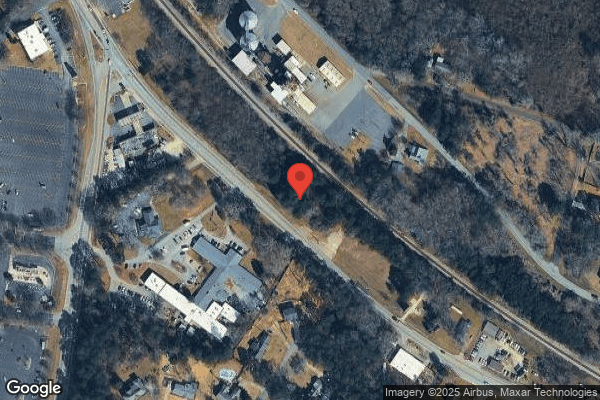

263 E MAY STREET, WINDER, GA 30680 (770) 867-2108
For profit - Limited Liability company 163 Beds EMPIRE CARE CENTERS Data: November 2025 3 Immediate Jeopardy citations
Trust Grade
4/100
#350 of 353 in GA
Last Inspection: October 2024

Within standard 12-15 month inspection cycle. Federal law requires annual inspections.

Overview

Winder Center for Nursing and Healing has a Trust Grade of F, indicating poor performance with significant concerns for resident care. Ranking #350 out of 353 facilities in Georgia places it in the bottom tier, and it is the only nursing home in Barrow County. The facility is experiencing a worsening trend, with the number of issues increasing from 3 in 2022 to 6 in 2024. Staffing ratings are low with a turnover rate of 57%, which is above the state average, suggesting difficulties in maintaining experienced staff. Additionally, the facility has incurred $31,595 in fines, which is higher than 82% of Georgia facilities, reflecting ongoing compliance problems. Specific incidents include a failure to follow care plans for skin assessments, which could lead to serious injury, and not providing CPR for a resident who required it, resulting in a fatal outcome. Overall, while the facility has some average quality measures, the concerning issues and recent critical findings raise serious alarms about the level of care provided.

Trust Score
F
4/100
In Georgia
#350/353
Bottom 1%
Safety Record
High Risk
Review needed
Inspections
Getting Worse
3 → 6 violations
Staff Stability
⚠ Watch
57% turnover. Above average. Higher turnover means staff may not know residents' routines.
Penalties
○ Average
$31,595 in fines. Higher than 53% of Georgia facilities. Some compliance issues.
Skilled Nurses
⚠ Watch
Each resident gets only 17 minutes of Registered Nurse (RN) attention daily — below average for Georgia. Fewer RN minutes means fewer trained eyes watching for problems.
Violations
⚠ Watch
11 deficiencies on record. Higher than average. Multiple issues found across inspections.
★☆☆☆☆
1.0
Overall Rating
★☆☆☆☆
1.0
Staff Levels
★★★☆☆
3.0
Care Quality
★☆☆☆☆
1.0
Inspection Score
Stable
2022: 3 issues
2024: 6 issues

The Good

  • Full Sprinkler Coverage · Fire safety systems throughout facility
  • No fines on record

Facility shows strength in fire safety.

The Bad

1-Star Overall Rating

Below Georgia average (2.6)

Significant quality concerns identified by CMS

Staff Turnover: 57%

11pts above Georgia avg (46%)

Frequent staff changes - ask about care continuity

Federal Fines: $31,595

Below median ($33,413)

Moderate penalties - review what triggered them

Chain: EMPIRE CARE CENTERS

Part of a multi-facility chain

Ask about local staffing decisions and management

Staff turnover is elevated (57%)

9 points above Georgia average of 48%

The Ugly 11 deficiencies on record

3 life-threatening
Oct 2024 6 deficiencies 2 IJ
CRITICAL (J) 📢 Someone Reported This

A family member, employee, or ombudsman was alarmed enough to file a formal complaint

Immediate Jeopardy (IJ) - the most serious Medicare violation

Comprehensive Care Plan (Tag F0656)

Someone could have died · This affected 1 resident

**NOTE- TERMS IN BRACKETS HAVE BEEN EDITED TO PROTECT CONFIDENTIALITY** Based on record review, review of facility policy titled Care Plan, Comprehensive Person-Centered, and staff interviews, the fac...

Read full inspector narrative →
**NOTE- TERMS IN BRACKETS HAVE BEEN EDITED TO PROTECT CONFIDENTIALITY** Based on record review, review of facility policy titled Care Plan, Comprehensive Person-Centered, and staff interviews, the facility failed to follow the care plan for skin assessments for one resident (R) (R145) of six residents reviewed for pressure ulcers. On 10/10/2024, a determination was made that a situation in which the facility's noncompliance with one or more requirements of participation had caused or had the likelihood to cause, serious injury, harm, impairment, or death to residents. The facility's Administrator, Regional Director of Operations, Regional Director of Clinical Operations, and Director of Nursing (DON) were informed of the Immediate Jeopardy (IJ) on 10/10/2024 at 10:53 am. The noncompliance related to the IJ was identified to have existed on 2/16/2024. An Acceptable IJ Removal Plan was received on 10/11/2024. Based on observation, record reviews, review of facility policies as outlined in the Removal Plan, and staff interviews, it was validated that the corrective plans and the immediacy of the deficient practice was removed on 10/11/2024. Findings include: Review of the undated facility policy titled Care Plans, Comprehensive Person-Centered revealed that a comprehensive, person-centered care plan that includes measurable objectives and timetables to meet the resident's physical, psychosocial and functional needs is developed and implemented for each resident. R145 was admitted to the facility on [DATE] with diagnoses including encephalopathy due to subdural hematoma, chronic kidney disease and cerebrovascular accident with hemiplegia. R145 was discharged to the hospital on 4/5/2024. A quarterly Minimum Data Set (MDS) assessment dated [DATE] documented R145 was cognitively impaired with a Brief Interview of Mental Status (BIMS) score of 4 of 15, indicating severe cognitive impairment. The MDS documented R145 was at risk for pressure ulcers, but no ulcers present at the time of the assessment. R145 was dependent on staff for all activities of daily living. Review of the care plan for R145 dated 11/29/2023, documented R145 had potential for skin breakdown. Interventions included for staff to assess skin daily, keep dry, and monitor nutrition. Review of the Physician's Orders revealed an order with a start date of 10/27/2023 for skin assessments weekly on Fridays. However, the order was discontinued on 3/8/2024. Review of the Medication Administration Record (MAR) revealed skin assessments were signed off through 3/1/2024 as being completed. The 3/8/2024 skin assessment was not signed off. Review of the Certified Nursing Assistant (CNA) Bath Report dated 2/16/2024 documented an open area to the sacrum that was reported to the Licensed Practical Nurse (LPN). Further review of the medical record revealed no documented evidence of any additional bath skin assessments during the resident's stay at the facility. Review of the Skin Checks, which documented details of the skins assessments were not completed after 2/16/2024. The 2/16/2024 Skin Check revealed the weekly skin check, daily documentation of skin notes, and other skin assessments were reviewed as part of the skin care plan. However, there are no other Skin Checks after 2/16/2024 and the 2/16/2024 Skin Check does not include the area to the sacrum. Review of a Nurse's Progress Note dated 3/21/2024 documented R145 noted with open area on her tailbone related to pressure. Barrier cream applied. Review of the medical record revealed no documented evidence of any additional assessment or documentation of the wound until an unstageable wound to the sacrum measuring 7 cm x 7 cm x 0.1cm was identified on 3/27/2024 by the Wound Nurse Practitioner (NP). During an interview on 10/8/2024 at 2:34 pm, Corporate Wound Nurse (CWN) EE stated that during bathing the CNA is supposed to examine the skin and report any changes to the unit nurse right away. CWN EE further stated that the facility wound nurse should also complete a full body check for other wounds during rounds. During an interview on 10/15/2024 at 12:20 pm, MDS Coordinator RR revealed interventions are included in the care plan and should be followed. She stated it is a team effort to ensure all measures are completed that are documented in the care plans. Weekly skin assessments are done by nursing staff (LPN, RNs and Wound Care Nurse). CNA information is placed on bath sheets. The nursing staff should confirm any issues that the CNA observed on bath sheets. Cross Refer to F686. The facility implemented the following actions to remove the IJ: 1. R145 was discharged from the facility to the hospital on 4/4/2024 (sic) for a septic wound and did not return to the facility. 2. An AD-HOC meeting was held on 10/10/2024 with the Administrator, Director of Nursing (DON), Regional Director of Operations (RDO), Regional Director of Clinical Operations (RDCO), and Chief Medical Officer (CMO) to address the concerns identified related to the Immediate Jeopardy Citations. 3. On 10/10/2024, the RDO, RDCO, and CMO reviewed the center policy on Developing a Comprehensive Care Plan. No policy changes or recommendations were made because of this review. 4. On 10/10/2024, a Root Cause Analysis (RCA) of the wound management system breakdown was completed by RDO, RDCO, CMO, Administrator and DON. Documentation of analysis was put on the RCA Tool and was included in the Ad Hoc Quality Assurance Performance Improvement QAPI meeting. The Root Cause for the immediate jeopardy was identified as staff not following the center's policy for Pressure Ulcer Prevention and Management secondary to education deficit. 5. On 10/10/2024, all residents had a pressure ulcer risk assessment performed. Care plans were reviewed and updated by the MDS Coordinators for 139 of 140 (1 hospitalized ) residents to ensure that the weekly skin check was listed as an intervention under the at-risk skin care plan. 6. On 10/10/2024, the center MDS Coordinator, Wound Care Nurse, and Regional Wound Care Specialist (RWCS) conducted an audit for 5 of 5 residents with pressure ulcers/injuries to ensure that all residents have a comprehensive wound care plan that is being implemented. 7. On 10/10/2024, nursing employees, 6 of 7 RN's, 27 of 29 LPN's and 43 of 46 CNA's were educated by the RWCS, Staff Development Coordinator (SDC), and DON on implementation of the care plan for pressure ulcer prevention and management including location of the care plan in the electronic health record and viewing the care plan prior to the start of the shift. LPNs were educated regarding following physicians orders and the person-centered care plan. Any staff not educated during the initial education will have the education prior to the start of their shift or during the orientation period. The facility implemented the following actions to remove the IJ: 1. Record review showed R145 was discharged from the facility to the hospital on 4/5/2024 with a septic wound and did not return to the facility. 2. A review of the facility QAPI sign in sheet showed facility held an ad-hoc meeting on 10/10/2024, a total of twenty staff signed off as attendees, which included, the Administrator, DON, Social [NAME] Director (SSD), Rehabilitation Director (RD), CMO, Maintenance Director, RDO, Dietary Manager (DM) and Unit Managers. 3. Review of the facility policy Care Plans, Comprehensive Person-Centered showed the policy was signed and dated on 10/10/2024 by RDO, RDCO and the CMO with no changes to the policy. 4. Review of the root cause analysis showed LPNs and CNAs were educated to ensure weekly skin assessments will be completed on a weekly basis and documented. DON will ensure the completion of assessments in a timely manner. Interview on 10/15/2024 at 1:03 pm, the DON verified the DON in-serviced staff along with RN PP. The DON stated CNAs were re-educated on how to fill out shower sheets (and give a copy to the charge nurse and DON), as soon as a skin condition was identified and to notify the nurse immediately. Interview on 10/15/2024 at 5:37 am, CNA GG revealed she attended an in-service training hosted by the DON. CNA GG stated the in-service focused on reporting and documentation of skin changes for all residents. 5. Review of a Daily Census dated 10/10/2024 revealed 139 of 140 residents were reassessed for risk for pressure ulcers and that residents had a care plan to include weekly skin assessments. This was verified by review of the pressure ulcer risk assessments and care plans for R12, R395, R400 R402 and R403. 6. Review of the pressure Ulcer/Injury Care Plan Update Tool revealed 5 of 5 residents care plans were reviewed for accuracy of wound location and care plan reflective of care provided. Review of five residents, R12, R395, R400, R402 and R403, showed the residents had comprehensive care plans for pressure ulcers. 7. Review of in-service sign in sheets revealed 27 of 29 LPNs, 43 of 46 CNA's and 6 of 7 RN's were in-serviced by the RWCS on 10/10/2024 on care plans for pressure ulcer prevention and management. Also verified via the following staff interviews on 10/15/2024 at 5:37 am with CNA GG, 5:59 am with LPN JJ, 6:29 am with CNA HH, 6:39 am with CNA II, 6:59 am with LPN LL, 7:19 am with LPN MM, 11:27 am with LPN OO, 11:39 am with RN PP, 12:04 pm with RN QQ, and 12:20 pm with RN RR, the staff confirmed that they received the in-service information and were able to demonstrate an understanding of the education information provided. There were no new hires. 9. All corrections were made by 10/10/2024. 10. The immediacy of the IJ was removed on 10/11/2024.
CRITICAL (J) 📢 Someone Reported This

A family member, employee, or ombudsman was alarmed enough to file a formal complaint

Immediate Jeopardy (IJ) - the most serious Medicare violation

Pressure Ulcer Prevention (Tag F0686)

Someone could have died · This affected 1 resident

**NOTE- TERMS IN BRACKETS HAVE BEEN EDITED TO PROTECT CONFIDENTIALITY** Based on observations, record review, review of facility policy titled Pressure Injury Prevention and Management, and staff inte...

Read full inspector narrative →
**NOTE- TERMS IN BRACKETS HAVE BEEN EDITED TO PROTECT CONFIDENTIALITY** Based on observations, record review, review of facility policy titled Pressure Injury Prevention and Management, and staff interviews, the facility failed to provide the necessary care and services to prevent the development and worsening of pressure ulcers for one of six residents (R) (R145) reviewed for pressure ulcers. Specifically, the facility failed to ensure weekly skin assessments and wound observations were completed for R145 and failed to provide the recommended treatment for a sacral pressure ulcer. On 10/10/2024, a determination was made that a situation in which the facility's noncompliance with one or more requirements of participation had caused or had the likelihood to cause, serious injury, harm, impairment, or death to residents. The facility's Administrator, Regional Director of Operations, Regional Director of Clinical Operations, and Director of Nursing (DON) were informed of the Immediate Jeopardy (IJ) on 10/10/2024 at 10:53 am. The noncompliance related to the IJ was identified to have existed on 2/16/2024. An Acceptable IJ Removal Plan was received on 10/11/2024. Based on observations, record review, review of facility policies as outlined in the Removal Plan, and staff interviews, it was validated that the corrective plans and the immediacy of the deficient practice was removed on 10/11/2024. Findings include: Review of the facility policy titled Pressure Injury Prevention and Management last reviewed 10/10/2024 revealed the facility shall establish and utilize a systematic approach for pressure injury prevention and management, including prompt assessment and treatment . Licensed nurses will conduct a full body skin assessment on all residents upon admission/readmission, weekly, and after any newly identified pressure injury. Findings will be documented in the medical record. Assessments of pressure injuries will be performed by a licensed nurse and documented on the Weekly Wound Observation Tool. Nursing assistants will inspect skin during bath and will report any concerns to the resident's nurse immediately after the task. Review of a Face Sheet revealed R145 was admitted to the facility on [DATE] with diagnoses including encephalopathy due to subdural hematoma, chronic kidney disease and cerebrovascular accident with hemiplegia. R145 was discharged to the hospital on 4/5/2024. A quarterly Minimum Data Set (MDS) assessment dated [DATE] documented R145 was cognitively impaired with a Brief Interview of Mental Status (BIMS) score of 4 of 15, indicating severe cognitive impairment. The MDS documented R145 was at risk for pressure ulcers, but no ulcers present at the time of the assessment. R145 was dependent on staff for all activities of daily living. Review of the Certified Nursing Assistant (CNA) Bath Report dated 2/16/2024 documented an open area to the sacrum that was reported to the Licensed Practical Nurse (LPN). Further review of the medical record revealed no documented evidence of any additional bath assessments during the resident's stay at the facility. Skin Assessments ordered weekly with start date of 10/27/2023 to be checked off as completed on the Medication Administration Record (MAR). However, no skin assessment was ordered after 3/8/2024, with the last skin assessment checked off on 3/1/2024, with no documentation of a sacral wound. Review of a Wound Consult Note dated 2/21/2024 documented R145 was seen for a left elbow unstageable wound measuring 4 centimeters (cm) x 6 cm x 0.1 cm. The responsible party was notified of the wound to the left elbow. There was no documentation of a sacral wound. Review of Wound Weekly Observation Forms dated 2/29/2024, 3/19/2024, and 3/25/2024 revealed no documentation of the resident's sacral wound. Review of physician orders, treatment records and progress notes revealed no documentation of any care provided to the sacral wound. R145 was seen by a physician for an elbow wound on 3/20/2024 with no sacral wound documented. Review of a Nurse's Progress Note dated 3/21/2024 documented R145 noted with open area on her tailbone related to pressure. Barrier cream applied, will notify wound care. Review of the medical record revealed no documented evidence of any additional assessment or documentation of the wound until an unstageable wound to the sacrum measuring 7 cm x 7 cm x 0.1cm was identified on 3/27/2024 by the Wound Nurse Practitioner (NP). Review of R145 Progress Note dated 3/27/2024, revealed Wound NP SSS documented an unstageable wound measuring 7 cm x 7 cm x 0.1 cm with odor and drainage with a planned treatment of Medihoney and calcium alginate dressing three times per week. There was no order written for the planned treatment. Review of the Treatment Administration Record (TAR) for R145 revealed orders dated 3/26/2024 which instructed staff to cleanse R145's left buttock and right buttock wounds with saline and cover with colloidal dressing every three days. The treatment was followed from 3/27/2024 to discharge on [DATE]. There were no other documented wound treatments for R145. The NP recommendation for Medihoney and calcium alginate dressing three times per week was never implemented. Review of a Wound Physician Progress Note dated 4/3/2024 documented the sacral wound measured 13 cm x 11 cm x 1.5 cm. The note also documented there was a heavy amount of foul purulent (consisting of, containing, or discharging pus) drainage noted which has a strong odor. Review of R145 Progress Note dated 4/3/2024, NP (JJJ) documented R145 was seen with an unstageable sacral wound, and wound culture ordered. Review of the wound culture results revealed it was collected on 4/4/2024, and results received after R145 was already hospitalized showing multiple bacteria. Review of R145 Weekly Wound Assessment Form dated 4/3/2024 documented the sacral wound was acquired on 3/28/2024 and the resident's responsible party was made aware of the wound. Review of R145 Physician's Order dated 4/4/2024 documented staff to cleanse the wound with Dakins' solution. There was no documented evidence this was started prior to R145 being transferred to hospital on 4/5/2024. Review of NP (JJJ) Note dated 4/4/2024 documented she was alerted to resident condition change by family members of R145 who were visiting. NP JJJ documented R145 was dehydrated and gave an order for normal saline 1/2 liter at 100 milliliters (ml) /hour (hr). The Medication Administration Record documented the intravenous (IV) fluid was administered before transferring R145 to hospital on 4/5/2024. Review of R145 Progress Note dated 4/5/2024, revealed a change of condition note documenting that R145 was not eating or drinking and was transferred to hospital. Review of the Hospital Transfer Form dated 4/5/2024 revealed no documentation of a sacral wound. Review of the hospital record revealed R145 presented on 4/5/2024 with a decline and was refusing to eat or drink over the past few days. A significant pressure ulcer was noted with active purulent foul-smelling drainage. R145 was diagnosed with septic shock secondary to pressure injury of deep tissue of sacral region with necrotizing soft tissue infection. R145 was intubated and had debridement of the sacral wound on 4/6/2024 and 4/13/2024. R145 had a diverting colostomy placed on 4/13/2024. The hospital record also documented on 4/20/2024, R145 was transitioned to comfort care, compassionate extubation, and consult with inpatient hospice. During a telephone interview on 10/8/2024 at 1:10 pm, LPN TTT stated the CNA should report any skin conditions directly to the floor nurse who reports to the unit manager. LPN TTT stated they were the nurse on record who signed the CNA bath sheet but did not recall being told about the opening to R145's sacrum. LPN TTT further stated that the resident should have been examined and the wound nurse made aware. LPN TTT also stated the wound nurse worked Monday to Friday and the weekend supervisor would have been responsible to notify them during the weekends. The wound should have been documented in a progress note and the treatment orders would have been up to the wound care nurse. During an interview on 10/8/2024 at 2:32 pm, CNA HH revealed that if they see a skin issue during bathing it is reported to the nurse right away by filling out the bath sheet and handing it to the nurse who signs it right away. CNA HH also stated sometimes, she reported directly to the wound nurse if they are in the facility. During an interview on 10/8/2024 at 2:34 pm, Corporate Wound Nurse (CWN) EE stated that during bathing the CNA is supposed to examine the skin and report any changes to the unit nurse right away. CWN EE further stated that the facility wound nurse also does a full body check for other wounds during rounds. CWN EE continued to state when a nurse is notified, they are supposed to inform the floor manager or the wound nurse to examine the resident. Once a facility acquired wound is identified, a change of condition, Braden scale, and a care plan should be initiated. CWN EE also stated that if a resident has co-morbities such as poor appetite or circulation issues, the facility completes an unavoidable wound document which is then uploaded in the electronic record. CWN EE was not able to find any such document for R145. CWN EE also stated that the Wound Care NP made rounds on residents on Mondays and Thursday. On other days, the unit nurse should write a progress note and obtain interim treatment orders which change would be revised by the wound nurse as needed. During an interview on 10/9/2024 at 9:15 am, Wound Care Nurse, LPN FF, revealed the bath sheet is completed by the CNA and given to the nurse. The nurse would be responsible for obtaining and administering treatment orders until the resident was seen by the Wound Care NP. During an interview on 10/9/2024 at 10:08 am, the Medical Records Clerk revealed she was responsible for uploading the bath sheets and other paper documents to the electronic health record (EHR) and would provide requested copies. On 10/9/2024 at 11:00 am, the Medical Records Clerk returned stating there were no additional bath skin assessment records for R145. During a follow-up interview on 10/9/2024 at 11:30 am, LPN FF stated that hydrocolloidal dressings were suitable for protection and not for large open wounds. LPN FF stated updating the orders to include the Wound NP's planned treatment of Medihoney and calcium alginate dressing would have been the responsibility of the then wound care nurse. During a telephone interview on 10/9/2024 at 1:40 pm, the former Wound Care Nurse VVV stated the Wound NP was responsible for entering orders and she just followed what was written. During an interview on 10/9/2024 at 3:20 pm, the DON stated she had no specific knowledge of the concerns regarding R145. The DON further stated the wound care nurse was responsible for obtaining and reviewing treatment orders for any new wounds. The DON also stated skin changes should be discussed during morning clinical meetings and monthly quality meetings and she was not aware of any problem with wounds. The facility implemented the following actions to remove the IJ: 1. R145 was discharged from the facility to the hospital on 4/4/2024 (sic) with a septic wound and did not return to the facility. 2. An Ad-Hoc meeting was held on October 10/10/2024 with the Administrator, Director of Nursing (DON), Regional Director of Operations (RDO), Regional Director of Clinical Operations (RDCO), and Chief Medical Officer (CMO) to address the concerns identified related to the Immediate Jeopardy Citations. 3. On 10/10/2024, the RDO, RDCO, and CMO reviewed the facility policy regarding Pressure Ulcer Prevention and Management. Facility did not make any policy changes or recommendations on this review. 4. On 10/10/2024, a Root Cause Analysis (RCA) regarding the pressure ulcer prevention and skin management system was completed by RDO, RDCO, CMO, Administrator and DON. Documentation of the RCA was put on the RCA Tool and was included in the Ad-Hoc Quality Assurance Performance Improvement (QAPI) meeting. The Root Cause for the immediate jeopardy was identified as staff not following the center's policy for Pressure Ulcer Prevention and Management secondary to education deficit. 5. The facility Unit Managers and Wound Care Nurse conducted skin assessments on 131 of 140 (One in hospital and eight refused) residents residing in the center on 10/10/2024. Audit revealed no new in-house acquired pressure ulcers/injuries. 6. On 10/10/2024, five of five residents residing in the center identified with pressure ulcers/injuries were reassessed including measurements and documented on by the wound care nurse practitioner. 7. On 10/10/2024, orders were verified for five of five Residents with pressure injuries by the Regional Skin Management Specialist to ensure orders in the electronic medical administration record (E-MAR) matched the recommendations of the wound care nurse practitioner. The facility implemented an audit conducted by the DON after each wound care nurse practitioner visit to ensure the orders match the recommendations of the wound care nurse practitioner. This audit will be conducted once a week. 8. On 10/10/2024, Nursing employees 6 out of 7 registered nurses (RN's), 27 out of 29, licensed practical nurses (LPN's) and 43 out of 46 certified nursing assistants (CNA's) were educated by the Regional Wound Care Specialist (RWCS) Staff Development Coordinator (SDC), and DON on the pressure ulcer prevention and treatment. Specifically, CNAs received education to notify the licensed nurse anytime a new skin area was identified and to document the findings on the body sheet. The LPNs/RN's received education on conducting weekly skin assessments and notifying the Medical Provider or Wound Care Nurse Practitioner NP anytime a new skin area is identified as well as following physician orders and plan of care for wound care treatments. Anyone that was not educated during the Initial education sessions will be educated prior to start of their shift or during the orientation process. 9. The Regional Skin Management Specialist (RSMS) educated three of three wound care nurses on ensuring pressure wounds are measured weekly and are assessed on the Weekly Wound Assessment Tool. 10. On 10/10/2024, 139 of 140 (One in hospital) residents' charts were audited the DON will ensure staff have an order to perform a weekly skin check. 11. On 10/10/2024, the facility implemented a process to ensure that skin checks are monitored daily to ensure completion. The DON will conduct daily audits to ensure skin checks are completed daily and to ensure any newly identified pressure ulcer was reported to the MD or Wound Care Provider and an appropriate treatment ordered. 12. All corrections were made by 10/10/2024. 13. The immediacy of the IJ was removed on 10/11/2024. The facility implemented the following actions to remove the IJ: 1. R145 was discharged from the facility to the hospital on 4/5/2024 with a septic wound and did not return to the facility. 2. A review of the facility QAPI sign in sheet showed facility held an ad-hoc meeting on 10/10/2024, a total of twenty staff signed off as attendees, which included, the Administrator, DON, Social [NAME] Director (SSD), Rehabilitation Director (RD), CMO, Maintenance Director, RDO, Dietary Manager (DM) and Unit Managers. 3. Review of the facility policy Pressure Ulcer Prevention and Management showed the policy was signed and dated on 10/10/2024 by RDO, RDCO and the CMO with no changes to the policy. 4. Review of the root cause analysis showed LPNs and CNAs were educated to ensure weekly skin assessments will be completed on a weekly basis and documented. DON will ensure the completion of assessments in a timely manner. Interview on 10/15/2024 at 1:03 pm, the DON verified the DON in-serviced staff along with RN PP. The DON stated CNAs were re-educated on how to fill out shower sheets (and give a copy to the charge nurse and DON), as soon as a skin condition was identified and to notify the nurse immediately. Interview on 10/15/2024 at 5:37 am, CNA GG revealed she attended an in-service training hosted by the DON. CNA GG stated the in-service focused on reporting and documentation of skin changes for all residents. 5. Facility Unit Managers, LPN 00, LPN MM, LPN LL and LPN JJ verified skin assessments were completed for 131 of 140 residents. Review of four sampled residents revealed R36, R104, R68 and R89's skin assessments were completed on 10/10/2024. 6. Review of the Pressure Ulcer/Injury Order Audit Update Tool revealed five of five residents with pressure ulcers and documented, R12, R395, R400, R402 and R403 skin assessments were completed, and pressure ulcer measurements were verified by the NP and correctly documented. 7. Review of the electronic medical records (e-MAR) showed orders for R12, R395, R400, R402 and R403 matched the recommendations of the wound care nurse practitioner. During an interview on 10/15/2024 at 1:03 pm, the DON confirmed she will continue to audit following each Wound Care NP visit to ensure recommendations are followed for wound treatments. 8. Review of in-service sign in sheets revealed 27 of 29 LPNs, 43 of 46 CNA's and 6 of 7 RN's were in-serviced by the RWCS on 10/10/2024 on pressure ulcer prevention and treatment. Also verified via the following staff interviews on 10/15/2024 at 5:37 am with CNA GG, 5:59 am with LPN JJ, 6:29 am with CNA HH, 6:39 am with CNA II, 6:59 am with LPN LL, 7:19 am with LPN MM, 11:27 am with LPN OO, 11:39 am with RN PP, 12:04 pm with RN QQ, and 12:20 pm with RN RR, the staff confirmed that they received the in-service information and were able to demonstrate an understanding of the education information provided. There were no new hires. 9. Review of in-service sign in sheets revealed LPN FF, LPN LL, and RN VV were educated by RSMS regarding timely skin assessments and timely documentation of pressure wounds. Interview on 10/15/2024 at 11:27 am LPN- FF revealed she was the wound care nurse. LPN FF completed in-service and stated education focused on skin impairment and timely notification of the physician. 10. Review of resident charts showed 139 of 140, residents' charts were audited by the DON and documented the DON will ensure staff completed and documented weekly skin checks. Review of four sampled residents revealed R36, R104, R68 and R89's had a Physician's Order for weekly skin assessments. 11. Review of the Daily Audit Skin Assessments and New Skin Issues revealed daily audits from 10/11/2024 through 10/18/2024 ensuring all ordered skin assessments were completed and provider notification and treatment ordered for any new skin issues identified. There were no new skin issues identified. During an interview on 10/16/2024 at 12:03 pm the RDO CC revealed she is monitoring audits on a weekly basis. 12. All corrections were made by 10/10/2024. 13. The immediacy of the IJ was removed on 10/11/2024.
CONCERN (D) 📢 Someone Reported This

A family member, employee, or ombudsman was alarmed enough to file a formal complaint

Potential for Harm - no one hurt, but risky conditions existed

Deficiency F0578 (Tag F0578)

Could have caused harm · This affected 1 resident

**NOTE- TERMS IN BRACKETS HAVE BEEN EDITED TO PROTECT CONFIDENTIALITY** Based on record review and resident and staff interviews, the facility failed to ensure the advanced directive was documented ac...

Read full inspector narrative →
**NOTE- TERMS IN BRACKETS HAVE BEEN EDITED TO PROTECT CONFIDENTIALITY** Based on record review and resident and staff interviews, the facility failed to ensure the advanced directive was documented accurately throughout the Electronic Medical Record (EMR) for one resident (R) (R397) of 40 residents reviewed for advanced directive. Findings include: Review of the EMR revealed R397 was originally admitted to the facility on [DATE] with multiple diagnoses including, but not limited to Sepsis, Chronic Diastolic (Congestive) Heart Failure, Acute Kidney Failure, Respiratory Failure with Hypoxia, Psoriatic Arthritis and Hyperlipidemia. Review of the admission Minimum Data Set (MDS) assessment dated [DATE] revealed that R397 had a Brief Interview for Mental Status (BIMS) score of 13, indicating R397 is cognitively intact. Review of the Physician Order for Life-sustaining Treatment (POLST) form dated 7/24/2024, revealed R397's code status as Allow Natural Death- Do Not Attempt Resuscitation. The POLST code was signed by R397, the Medical Director and an additional facility physician. Review of Social Services Progress Note for R397 dated 9/25/2024 at 8:42 am revealed The POLST was reviewed with the patient, and she confirmed her decision to remain a DNR (Do Not Resuscitate). Review of R397's care plan dated 9/24/2024 revealed that R397 has completed an Advanced Directive. POLST FULL CODE. During an interview on 10/3/2024 at 2:28 pm, the Director of Nursing (DON) confirmed that R397's care plan should have been updated with the DNR advanced directive status. In an interview on 10/9/2024 at 8:47 am, R397 confirmed the correct code status was DNR.
CONCERN (D) 📢 Someone Reported This

A family member, employee, or ombudsman was alarmed enough to file a formal complaint

Potential for Harm - no one hurt, but risky conditions existed

Deficiency F0582 (Tag F0582)

Could have caused harm · This affected 1 resident

Based on record review and staff interviews, the facility failed to provide the Notice of Medicare Non-Coverage (NOMNC) (Form CMS-10123), and facility failed to provide the Skilled Nursing Facility Ad...

Read full inspector narrative →
Based on record review and staff interviews, the facility failed to provide the Notice of Medicare Non-Coverage (NOMNC) (Form CMS-10123), and facility failed to provide the Skilled Nursing Facility Advance Beneficiary Notice (SNF ABN) Form CMS-100550) to two of three residents (R) (R94 and R397) reviewed that were discharged from Medicare Part A coverage. Findings include: Review of the Beneficiary Notice-Residents discharged Within the Last Six Months form, provided by the facility, revealed the following: 1. R94 was discharged from Medicare Part A skilled services on 9/23/2024 and remained in the facility. 2. R397 was discharged from Medicare Part A skilled services on 9/24/2024 and returned home. There was no documented evidence that the SNF ABN and/or NOMNC were provided to either R94 and R397 or their respective responsible parties. During an interview on 10/3/2024 at 4:22 pm, the Business Office Manager (BOM) revealed the facility did not provide the SNF ABN and NOMNC documents to R94 or R397. The BOM stated the Social Services and Therapy employees were new to the facility and did not provide those documents upon discharge from Medicare Part A skilled services.
CONCERN (D) 📢 Someone Reported This

A family member, employee, or ombudsman was alarmed enough to file a formal complaint

Potential for Harm - no one hurt, but risky conditions existed

Deficiency F0658 (Tag F0658)

Could have caused harm · This affected 1 resident

**NOTE- TERMS IN BRACKETS HAVE BEEN EDITED TO PROTECT CONFIDENTIALITY** Based on closed records review, interviews, and review of facility policy titled Blood Glucose Monitoring, the facility failed t...

Read full inspector narrative →
**NOTE- TERMS IN BRACKETS HAVE BEEN EDITED TO PROTECT CONFIDENTIALITY** Based on closed records review, interviews, and review of facility policy titled Blood Glucose Monitoring, the facility failed to ensure professional standards were followed for blood sugar monitoring of one resident receiving insulin of seven residents (R) (R146) reviewed for unnecessary medications. Findings include: Review of the facility policy titled Blood Glucose Monitoring dated March 2024 revealed it is the policy of the facility to perform blood glucose monitoring to a diabetic resident as per physician orders. There was no documentation related to the protocol for blood glucose monitoring for resident's receiving insulin. R146 was admitted to the facility on [DATE]. R146's diagnoses included diabetes. Review of the care plan dated 6/21/2024 revealed the resident has Diabetes Mellitus with interventions including but not limited to diabetes medication as ordered by doctor, and monitor/document for side effects and effectiveness. Review of the admission history and physical (H/P) dated 6/21/2024, completed by Nurse Practitioner (NP) JJJ documented: Type 2 diabetes mellitus with diabetic retinopathy- continue insulin Glargine Subcutaneous Solution 100 UNIT/ML (Insulin Glargine). Review of Physician Orders by NP JJJ dated 6/21/2024 documented Glargine insulin 12 units daily. NP JJJ had not documented orders for blood glucose monitoring. Review of the Medication Administration Record (MAR) documented Glargine insulin 12 units was given daily from 6/21/2024 to 7/4/2024. The MAR revealed no documented evidence of glucose monitoring from 6/21/2024 to 7/3/2024. The vital signs record documented a fingerstick blood glucose of 373 milligrams per deciliter (mg/dL) on 7/4/2024 prior to R146 being transferred to the hospital. R146 was transferred to hospital due to an altered mental status on 7/4/2024. Review of the hospital records revealed that R146 was diagnosed with a complicated urinary tract infection and received intravenous antibiotics. The resident was discharged from the hospital to a different nursing home. Interview with Chief Medical Officer (CMO) on 10/16/2024 at 3:02 pm revealed diabetic residents were initially checked four times per day, then adjusted based on whether they were stable or not. The CMO stated if the blood sugars were stable, the blood sugar would be checked weekly. The CMO further stated that if a resident was on long-acting insulin, the fingerstick needed to be administered at least once a day. The CMO revealed the facility was responsible for ensuring the blood sugars were monitored even if hospital discharge orders had not included fingerstick monitoring. During an interview on 10/17/2024 at 9:56 am, Licensed Practical Nurse (LPN) MMM revealed LPN MMM had administered insulin to R146. LPN MMM stated if there was no finger sticks ordered for the resident, then it was missed. LPN MMM further stated if a resident has long-acting insulin ordered, whoever did the admission orders should have entered finger sticks, which would have shown up on the MAR as an order that should have been followed. Interview on 10/17/2024 at 10:12 am with the admission nurse, LPN FF, revealed the NP should have been contacted to clarify if finger sticks should have been ordered. LPN FF was unable to state why finger sticks had not been ordered. Interview with the Director of Nursing (DON) on 10/17/2024 at 11:19 am revealed the orders were sent from the hospital when residents were admitted . DON further stated the orders were entered by the charge nurse or the unit manager and then reviewed by a clinical team the following morning. DON also stated the clinical team included the Minimum Data Set (MDS) nurse, Infection Control Preventionist, DON and NP who would determine if any changes needed to be made. DON denied being aware of any issues with blood glucose monitoring of residents receiving insulin.
CONCERN (D) 📢 Someone Reported This

A family member, employee, or ombudsman was alarmed enough to file a formal complaint

Potential for Harm - no one hurt, but risky conditions existed

Deficiency F0691 (Tag F0691)

Could have caused harm · This affected 1 resident

**NOTE- TERMS IN BRACKETS HAVE BEEN EDITED TO PROTECT CONFIDENTIALITY** Based on staff/resident interviews, record review and review of the facility policy titled Ostomy Care-Colostomy, Urostomy and I...

Read full inspector narrative →
**NOTE- TERMS IN BRACKETS HAVE BEEN EDITED TO PROTECT CONFIDENTIALITY** Based on staff/resident interviews, record review and review of the facility policy titled Ostomy Care-Colostomy, Urostomy and Ileostomy, the facility failed to obtain a physician order for colostomy care for one of one resident (R) (R396) who required colostomy services. Findings include: Review of the facility policy titled Ostomy Care-Colostomy, Urostomy and Ileostomy, last reviewed in January 2024 revealed that as part of the comprehensive assessment and care planning process, a licensed nurse will determine the actual type of ostomy through physical assessment, medical record, and collaboration with the attending physician. Review of the admission Minimum Data Set (MDS) assessment dated [DATE] revealed that R396 had a Brief Interview for Mental Status (BIMS) score of 14; indicating R396 was cognitively intact. Additionally, review of Section H of the MDS - under ostomy (including urostomy, ileostomy, and colostomy) was marked yes. Review of R396's Electronic Medical Record (EMR), R396 was originally admitted to the facility on [DATE] with multiple diagnoses including, but not limited Ulcerative Colitis and Intestinal Obstruction. Review of R396's care plan initiated on 9/11/2024 revealed that R396 is at risk for skin breakdown, colostomy left side on admit. The intervention in place was colostomy care every shift and PRN (as needed), change as ordered/needed. Record review of R396's September 2024 Medication Administration Record (MAR) for colostomy care was not found. Further review of the Physician Orders revealed no orders for colostomy care and no orders for wafer or frequency to change the colostomy drainage bag. During an interview on 9/24/2024 at 4:09 pm, R396 revealed he had a stoma and there was a time that they had to clean it five times. R396 stated, if it gets too full it could burst. During an interview on 10/8/2024 at 2:19 PM, Director of Nursing (DON) revealed there was no order for the colostomy care and that's why it didn't show up on the MAR or Treatment Administration Record (TAR). The DON also revealed there was no diagnosis about the colostomy on the resident's medical diagnosis list. During an interview on 10/10/2024 at 4:08 pm, Licensed Practical Nurse (LPN) FFF revealed that R396 does have a colostomy on his left lower side. LPN FFF stated R396's colostomy routine care would be to change out the wafers every three days and empty the bag every shift. LPN FFF also confirmed the orders for care should be on R396's MAR. LPN FFF was asked to review R396's MAR to point out where the orders are. LPN FFF confirmed the order is not on the MAR.
Dec 2022 1 deficiency 1 IJ
CRITICAL (J) 📢 Someone Reported This

A family member, employee, or ombudsman was alarmed enough to file a formal complaint

Immediate Jeopardy (IJ) - the most serious Medicare violation

Deficiency F0678 (Tag F0678)

Someone could have died · This affected 1 resident

**NOTE- TERMS IN BRACKETS HAVE BEEN EDITED TO PROTECT CONFIDENTIALITY** Based on record review, interviews, and review of the policy titled Cardiopulmonary Resuscitation (CPR) the facility failed to h...

Read full inspector narrative →
**NOTE- TERMS IN BRACKETS HAVE BEEN EDITED TO PROTECT CONFIDENTIALITY** Based on record review, interviews, and review of the policy titled Cardiopulmonary Resuscitation (CPR) the facility failed to honor one of nine sample residents (R) (R#7) advanced directive to be a full code by failing to provide cardiopulmonary resuscitation when R#7 was found without a pulse or respiration. R#7 experienced a change in condition, was unresponsive, CPR was not initiated, the resident expired at the hospital. On [DATE], a determination was made that a situation in which the facility's noncompliance with one or more requirements of participation had caused, or had the likelihood to cause, serious injury, harm, impairment, or death to residents. The facility's Administrator and Interim Director of Nursing were informed of the Immediate Jeopardy (IJ) on [DATE] at 10:07 a.m. The noncompliance related to the immediate jeopardy was identified to have existed on [DATE]. An acceptable Removal Plan (Credible Allegation of Compliance) related to 483.24(a)(3) - Personnel provide basic life support, including cardiopulmonary resuscitation was received on [DATE]. The removal plan included in-service training for licensed nurses on Resident Rights related to Advanced Directives, CPR and performing resuscitation for residents experiencing cardiopulmonary arrest; and in-service training for all additional staff on CPR policy, Advanced Directives, Code Blue, and how to find a resident's code status. Through observations, record review, and interviews the survey team verified all elements of the facility's IJ Removal Plan, and the immediacy of the deficient practice was removed on [DATE]. The facility remained out of compliance while the facility continues management level staff oversight as well as continues to develop and implement a Plan of Correction (POC). Findings include: Review of the policy titled Cardiopulmonary Resuscitation (CPR) reviewed [DATE] indicated the policy of the facility is to adhere to residents' rights to formulate advance directives. In accordance to these rights, the facility will implement guidelines regarding cardiopulmonary resuscitation (CPR). Policy Explanation and Compliance Guidelines: 1. The facility will follow current American Heart Association (AHA) guidelines regarding CPR. 2. If a resident experiences a cardiac arrest, facility staff will provide basic life support, including CPR, prior to the arrival of emergency medical services, and: a. In accordance with the resident's advance directives. Review of the clinical record for R#7 revealed he was admitted to the facility on [DATE] with diagnoses including but not limited to pneumonia, respiratory failure, systolic (congestive) heart failure, and tachycardia. Review of the resident's quarterly Minimum Data Set (MDS) dated [DATE] revealed a Brief Interview for Mental Status (BIMS) was assessed as two which indicated severe cognitive impairment. Section O revealed resident was receiving speech therapy and respiratory therapy. Review of the care plan initiated [DATE] revealed that R#7 has an upper respiratory infection. Intervention to be implemented included monitor heart rate and difficulty breathing. The Order Recap Report revealed an order dated [DATE], for full code status. Review of the Advance Directive Check list for R#7, revealed the statement I have not executed an advance directive or Physician Order for Life-Sustaining Treatment (POLST) and do not wish to discuss advance directives further at this time. The document was signed by R#7's sister and was dated [DATE]. Review of Health Status Note dated [DATE] at 12:16 a.m., written by Registered Nurse (RN) AA, revealed a Late Entry for [DATE] at 11:50 p.m. The note indicated Nurse alerted by the certified nursing assistant (CNA) that resident had a change in respirations. Alerted other staff to room and 911 called and given resident history. Review of the document titled Emergency Medical Service (EMS) [Agency name] revealed dispatch was notified on [DATE] at 11:53 p.m. that resident in room [room] staff advised that patient was decreasing breaths and decreasing pulse. Upon arrival, EMS entered facility and room to find no nursing staff. Nursing staff was noted sitting in a lounge room across from the resident's room. Staff advised that I watched him take his last breath, but no resuscitation efforts were attempted, and patient was still in bed with no staff in the room. EMS asked nursing staff if patient was a DNR (do not resuscitate) and nursing staff advised patient was a full code. The medical crew began CPR and transferred patient to stretcher and transferred to the hospital. Review of the hospital encounter HPI dated [DATE] revealed chief complaint patient present with cardiac arrest. [AGE] year-old male with history of CVA has been brought to the emergency room for cardiac arrest. The EMS brought him to the emergency room with a King airway and Advanced Cardiovascular Life Support (ACLS) protocol. Patient's blood sugar was noted to be 59 and corrected. ACLS protocol was continued for another 20 minutes there was no response with patient continued to be in Pulseless electrical activity (PEA). Patient's pupils are fixed and dilated; further resuscitation efforts were stopped. Per the hospital documentation R#7 was declared dead on [DATE] at 12:45 a.m. Interview on [DATE] at 3:05 p.m. with RN AA, indicated that she is certified in Basic Life Support (BLS) and CPR. She stated residents code status are documented in the Electronic Medical Record (EMR) dashboard section. RN AA stated upon seeing a resident experiencing a change condition she would call out their name and check for a pulse and respiration. She stated if the person did not respond and had no pulse or respiration, she would call for assistance or call 911, open the persons airway, and start chest compressions. During continued interview, RN AA revealed that around 11:30 p.m. CNA VV came to the desk and informed her that R#7 was not looking good, that his skin color and breathing had changed. RN AA stated when she and CNA VV arrived at R#7's room, she placed a pulse oximetry on his finger, but could not obtain an oxygen saturation or a pulse reading. RN AA stated she called 911 from the resident's bedside and informed them there was resident that had a decrease in breathing and heartbeat. She stated she left R#7's room to verify code status in the EMR. She revealed the information in the EMR identified R#7 was a full code. At this time, RN AA stated she called RN DD on the phone, who was taking a break, and asked her to come inside and help her with a resident that was not doing good. RN AA, RN DD, and Licensed Practical Nurse (LPN) EE returned to R#7's room and assessed the resident. RN AA stated no one started CPR or chest compressions for R#7, when he was assessed as not breathing and without a pulse. RN AA was asked why she or her co-workers did not start chest compressions and her answer was I do not know. I should have. She stated EMS arrived within three to four minutes and started CPR and transported R#7 to the hospital. Phone interview on [DATE] at 10:16 a.m. with EMS Provider stated he responded to a call at the facility on [DATE] at 12:01 a.m. where a resident was found with decreased heart rate and decreased respiration. He stated upon arrival, staff were noted sitting at the nurse's station. They directed EMS personnel to the room where R#7 resided. He stated there were no staff members present in the resident's room. He stated he asked a staff member who was sitting in the dayroom if she was the nurse caring for the resident and she stated No, I watched him take his last breath ten minutes ago. He was then directed to the nursing station, while the crew prepared the resident for CPR. The staff members sitting at the nursing station informed EMS that the resident was a full code. He revealed that CPR was started, and the resident was transferred to the Hospital. Interview on [DATE] at 12:18 p.m. with CNA VV indicated she is certified in BLS and CPR. She stated if a person is unresponsive, she would check for pulse, look for rise and fall of the chest, call for help, and start CPR. She stated on [DATE] on the 7:00 p.m. to 7:00 a.m. shift, she noticed R#7 breathing was rapid and labored. She stated that she checked on the resident every 30 minutes because his breathing was different than usual. During further interview, she stated she checked R#7 around 11:18 p.m. and noticed his chest was not rising or falling. She stated she informed the nurse I do not think R#7 is breathing. She stated she went back to the residents' room with the nurse, and the nurse looked at R#7 and told her to wait and left the room. She stated RN DD and LPN EE came to the doorway of R#7 room and ask how the resident was doing. She stated, I informed the two nurses R#7 had passed, and their response was oh my goodness. She stated she informed the paramedics that R#7 had stopped breathing and was deceased . During further interview, she stated she heard the nurse tell the paramedics that R#7 was a full code and then the paramedics started CPR. She stated the reason she did not start CPR on R#7 was because the nurse never returned to the room to inform her of R#7 code status. Interview on [DATE] at 12:23 p.m. with the Administrator, revealed the incident with R#7 has been reported to the State Survey Agency and the police department. She further stated an in-house investigation is in progress. She stated the nurse in charge of R#7 care was terminated and reported to the state board of nursing. Interview on [DATE] at 9:20 a.m. with the Medical Director, revealed the facility has policies and procedures in place regarding resident advance directives and code status. He stated the incident with R#7 happened because the nurse made a choice not to follow the policies and procedures that the facility has in place. The facility implemented the following actions to remove the Immediate Jeopardy: On the evening shift (7 p.m.-7 a.m.) of [DATE]-17, 2022, CNA#1 discovered resident #7 with a change in condition and that he had coded, she informed the Charge Nurse. Charge Nurse (RN#1) failed to perform CPR, per resident #7 Advanced Directive. On [DATE], the Medical Director was notified of the incident by Administrator. An ADHOC QAPI Meeting with a root cause analysis, was held on [DATE], to review the incident that occurred on the evening shift of [DATE]-17, 2022. Members present for the ADHOC QAPI meeting include the Medical Director, Administrator, Interim Director of Nursing, MDS Coordinator, Social Services Director, CNA Supervisor, Staffing Supervisor, and owner. Root Cause Analysis outcome was that RN#1 failed to perform her duties to perform CPR for resident #7 per resident #7 Advanced Directive. On [DATE], the QAPI committee reviewed the facility CPR Policy, and the committee determined the policy did not need to be changed, but education to be provided to licensed personnel regarding the policy. On [DATE], the Social Services Director, conducted an audit of all residents to compare the Advance Directives to the Physician orders for accuracy. Audit tool Advance Directive Audit was used to complete the audit. 98 out of 98 resident charts were audited and all orders were correct. There have been no residents that have experienced a code since the audit was performed. On [DATE], RN#1, who did not perform CPR on the full code status resident was suspended, license was reported to the State Board of Nursing by Administrator, the agency she was employed by was notified by Staffing Supervisor, Facility Reported Incident for Neglect was submitted to HFRD by Administrator. Administrator filed a police report with the Police Department. On [DATE], an audit was conducted for residents that experienced cardiopulmonary arrest in the last 30 days was completed and no other issues were identified. Audit was conducted by the Administrator. There have been no codes since this incident. On [DATE] and 18, 2022, 100% of licensed nursing staff, 5 out of 5 Registered Nurses and 13 out of 13 Licensed Practical Nurses, received education related to Resident's Rights related to Advanced Directives, CPR and performing resuscitation efforts on a resident experiencing cardiopulmonary arrest. The CNA (CNA#1) that discovered R#7 with a change of condition was in-serviced on CPR policy, Advanced Directives and Code Blue. This education includes how to verify a resident's code status. On [DATE] and 18, 2022, 18 out of 20 CNA's received education related to CPR policy, Advanced Directives and Code Blue. Education includes how to find a resident's code status by utilizing the red dots located on resident doors and the resident's chart in Point Click Care. The CNA's that did not receive education will be educated prior to their next scheduled shift. All agency Licensed Nurses were also in-serviced prior to their shift starting. Licensed staff were in-serviced by Staffing Supervisor and Interim Director of Nursing. On [DATE] and 18, 2022, all other staff received education related to Resident's Rights related to Advanced Directives, Code Blue, and CPR policy. Education includes how to find a resident's code status by utilizing the red dots located on resident doors and the resident's chart in Point Click Care. This staff includes the following: 6 out of 10 Therapy staff, 2 out of 2 Activity staff, 2 out of 2 Social Services staff, 1 out of 1 Medical Records staff, 5 out of 5 Administrative staff, 15 out of 15 Housekeeping/Maintenance staff, 7 out of 9 Dietary staff. Any staff not educated is either on leave or PRN. Those staff will be educated prior to starting their next scheduled shift. Staff were in-serviced by Staffing Supervisor, Interim Director of Nursing, Administrator, or Social Services Director. On [DATE] and 18, 2022, 100% of Licensed Nurses, 5 out of 5 Registered Nurses and 13 out of 13 Licensed Practical Nurses, completed a competency related to performing CPR according to a resident's directive orders and all were deemed competent by the licensed instructor, Staffing Supervisor, and Interim Director of Nursing. All agency staff will complete a competency prior to starting their shift. On [DATE], the facility initiated a process that all new admission Advance Directives and Code status will be audited using the Advance Directive Audit Tool, completed by Social Services Director. On [DATE], the facility initiated a process that all new Licensed Nurses employed by facility, or by an agency will be in-serviced on CPR and Code status prior to starting their shift providing direct patient care. Education will be provided by Staffing Supervisor or Interim Director of Nursing. All corrections were completed on [DATE]. The facility alleges that IJ was removed [DATE]. Survey Agency validated removal of the Immediate Jeopardy as follows: The IJ was removed on [DATE], after the survey team performed onsite verification to verify that the Removal Plan had been implemented. A chart audit, which included 100% of residents, was performed to ensure each resident's code status matched the resident's advanced directive. Twenty-six interviews were conducted with staff to ensure staff had received training related to advanced directives and review of code status, including that CPR must be initiated when a resident was a full code. The staff that were interviewed included the Administrator, Interim DON, Staff Supervisor, Registered Nurses, Licensed Practical Nurses, Certified Nursing Assistants, Physical Therapist, Social Services Director, Office Assistant, Housekeeping, Dietary staff, Activities Director, and Human Resources Manager. The staff interviewed revealed knowledge on advanced directives and code status and performing CPR. In-service training records were reviewed, and the records verified that 45 facility staff and 18 contract staff received in-service training. Staff training was ongoing and those staff that were unavailable would receive education upon their return to work and prior to starting his/her duties, including contract agency staff. A monitoring system had been implemented and would be presented to the Quality Assurance and Performance Improvement Committee each month.
Aug 2022 2 deficiencies
CONCERN (D)

Potential for Harm - no one hurt, but risky conditions existed

Resident Rights (Tag F0550)

Could have caused harm · This affected 1 resident

**NOTE- TERMS IN BRACKETS HAVE BEEN EDITED TO PROTECT CONFIDENTIALITY** Based on observations, staff interviews, record review, and policy review, the facility failed to ensure resident's dignity was ...

Read full inspector narrative →
**NOTE- TERMS IN BRACKETS HAVE BEEN EDITED TO PROTECT CONFIDENTIALITY** Based on observations, staff interviews, record review, and policy review, the facility failed to ensure resident's dignity was maintained by not displaying confidential clinical information indicating clinical status or care needs for two residents' (R) (R#51 and #24) openly posted in the resident's room. The sample size was 38. Findings include: Review of the policy titled Resident Rights dated 2017, revealed Number 8. Privacy and Confidentiality: The resident has a right to personal privacy and confidentiality of his or her personal and medical records. a. Personal privacy includes accommodations, medical treatment, written and telephone communications, personal care, visits, and meetings of family and residential groups. Review of the policy titled HIPAA Security Measures revised 2/20/22, revealed the policy is to implement reasonable and appropriate measures to protect and maintain the confidentiality, integrity, and availability of the resident's identifiable information. 1.Review of the clinical record for R#51 revealed resident was admitted to the facility 10/24/16 with diagnoses including but not limited to cerebrovascular accident (CVA), functional quadriplegia, dementia, and aspiration. Review of residents quarterly Minimum Data Set (MDS) dated [DATE] revealed a Brief Interview for Mental Status (BIMS) score of 0, indicating severe cognitive impairment. Section G revealed R#51 required supervision with eating meals. R#51 was non-verbal and non-ambulatory. Observation on 8/9/22 at 9:30 a.m. during initial tour revealed in room [ROOM NUMBER], a sign posted on the wall above R#51 bed providing clinical information and detailed instructions on how R#51 should be positioned and assessed during mealtime. The sign stated the resident's name, diagnosis, (risk for aspiration and pocketing food) and explained to keep her midline and elevated to 90 degrees to prevent aspiration. Observations on 8/10/22 at 8:54 a.m., 12:47 p.m. and on 8/11/22 at 8:50 a.m. revealed in room [ROOM NUMBER], the same signage remained posted above R#51's bed and was visible from the doorway. Interview on 8/10/22 at 2:20 p.m. with LPN AA, revealed the Speech Therapist placed the sign above R#51's bed. Interview on 8/10/22 at 3:00 p.m. with the Speech Therapist, confirmed she hung the sign on the wall in R#51's room for safety reasons. She stated she wanted it visible for staff that may be assisting R#51 at mealtimes. 2. Observation on 8/9/22 at 8:50 a.m. revealed in room [ROOM NUMBER], a sign posted on the wall above R#24 bed providing instructions safe swallow guide [name] diet: chopped meat, thin liquids, no straws, position upright in bed or chair to eat, cue to eat slowly, drink one sip at a time. [name] needs to remain upright at least 30 minutes after meals, set up and assist for oral care. Observations on 8/10/22 at 7:52 a.m. and on 8/11/22 at 8:00 a.m. revealed in room [ROOM NUMBER], the same signage remained posted above R#24's bed. Interview on 8/11/22 at 11:41 a.m. with Speech Therapist, stated she has been placing signs in resident rooms with their name and specific healthcare information regarding diets and swallowing instructions for many years, and has never been informed she wasn't allowed to do that. Interview on 8/1/22 at 12:35 p.m. with Interim Director of Nursing (DON), indicated that putting signs above the resident's bed with their name and information pertaining to their healthcare status would be a dignity issue and a HIPAA violation.
CONCERN (F)

Potential for Harm - no one hurt, but risky conditions existed

Food Safety (Tag F0812)

Could have caused harm · This affected most or all residents

Based on observations, interviews, and policy review, the facility failed to maintain sanitary conditions of the kitchen equipment including the ice maker, interior sides of the beverage cooler, mixer...

Read full inspector narrative →
Based on observations, interviews, and policy review, the facility failed to maintain sanitary conditions of the kitchen equipment including the ice maker, interior sides of the beverage cooler, mixer, two deep fryers, knifes, and the floors and walls of the dry storage area. In addition, the facility failed to label and date items in an upright cooler. The census was 100 residents, and the sample size was 33. Findings include: 1. Review of the policy titled Cleaning and Sanitation of Dining and Food Service Areas dated 2017, revealed the director of food and nutrition services will determine all cleaning and sanitation tasks needed for the department, designate tasks, and post a cleaning schedule for all tasks. It is the Dietary Manager's (DM) responsibility to develop and enforce the cleaning schedules and to monitor the completion of assigned cleaning tasks to promote a sanitary environment. Observations on 8/9/22 between 8:45 a.m. through 9:20 a.m. during the initial tour with the Assistant Dietary Manager (ADM), revealed the following concerns: Ice maker had brown debris on the interior opening of both the upper sliding doors and the lower lift door when wiped with a white paper towel. Two filters located on top of upper sliding doors of the ice maker were observed to have white fuzzy debris on the filters. A chest type beverage cooler with a lift door was observed to have a dried red substance on the interior of the lift door, dried black substance on the rubber seal of the door opening, and dried black substance on the interior walls of the cooler. Two deep fryers were observed to have a thick brown/yellow substance on the fronts and on all visible sides and thick brown/yellow substance was observed to be on the wall next to the deep fryers. The stove hood had a service due sticker to reveal last service date of 1/22 and service due date of 7/22. A large floor style mixer was observed to be uncovered and with black particles, approximately one-two centimeters in diameter, inside the bowl. The dry storage room had black debris on the floor and brown and black substance dried on the walls; two knives were attached to a rectangular magnet on the wall and were dirty with brown substance dried on them. 2. Review of the policy titled Dating and Labeling dated of 2017, revealed the policy of the facility is that all products removed from their original container should be placed in a closed container with a label and date. Observation on 8/9/22 between 8:45 a.m. through 9:20 a.m. during the initial tour with the Assistant Dietary Manager (ADM), revealed the following concerns in the upright cooler: Individual salads in small square and clear plastic containers covered with plastic wrap unlabeled and undated. One medium sized clear plastic container of shredded cheese with a lid unlabeled and undated. Two medium sized clear plastic containers with lids containing lettuce unlabeled and undated. One plastic medium sized clear container with a lid with chopped tomatoes unlabeled and undated. Observation on 8/9/22 between 8:45 a.m. through 9:20 a.m. during the initial tour with the Assistant Dietary Manager (ADM), revealed the following concerns in the dry storage room: One plastic squirt bottle with a lid with a green/brown colored liquid, unlabeled and undated. One opened 16-ounce (oz) container labeled Custom Culinary Concentrate Chicken Flavored Base without an open date. Interview on 8/9/22 at 9:15 a.m. with the DM, stated it is the responsibility of the kitchen staff to keep the kitchen and the kitchen appliances clean. She stated that all opened food items are to be labeled with an open date and stored correctly. The DM confirmed the areas of concern identified during the initial tour and stated that it is her responsibility to schedule the cleaning and ensure that it is done. During further interview, the DM stated the facility does not have a policy for the ice maker, but that it should be cleaned along with all kitchen equipment. She stated the maintenance department changes the filters on the ice machine. She further revealed that she did not know when the ice maker was last cleaned. Interview on 8/10/22 at 9:30 a.m. with Dietary Aide DD, revealed that all kitchen staff follow the cleaning schedule. During further interview, she stated that the kitchen staff clean everything that needs to be cleaned Follow-up tour of the kitchen on 8/10/22 at 10:00 a.m. with the DM revealed the identified concerns from the previous day had been corrected, except for the stove hood. The DM revealed that the company that services the stove hood is scheduled to service the stove hood on 8/18/22.
May 2019 2 deficiencies
CONCERN (D)

Potential for Harm - no one hurt, but risky conditions existed

Report Alleged Abuse (Tag F0609)

Could have caused harm · This affected 1 resident

**NOTE- TERMS IN BRACKETS HAVE BEEN EDITED TO PROTECT CONFIDENTIALITY** Based on record review, staff and resident interview the facility failed to report an alleged violation involving verbal abuse b...

Read full inspector narrative →
**NOTE- TERMS IN BRACKETS HAVE BEEN EDITED TO PROTECT CONFIDENTIALITY** Based on record review, staff and resident interview the facility failed to report an alleged violation involving verbal abuse by a Certified Nursing Assistant (CNA) for one resident (R) (A). This deficient practice had the potential to affect 46 residents on Unit 1. Findings Include: Review of the Minimum Data Set (MDS) Annual assessment dated [DATE] revealed R A with Brief Interview for Mental Status (BIMS) score of 15 indicating the resident is cognitively intact. During an interview on 5/14/19 at 11:00 a.m., R A stated she has been having a problem with Certified Nursing Assistant (CNA) AA. R A stated that CNA AA yells at her and about a month ago, in the dining room, CNA AA was on one side of the room and yelled at her asking her what she was going to complain about today because she is always complaining about something. R A stated it upset her so bad it made her cry, so she finally just left the dining room. During an interview on 5/14/19 at 11:10 a.m., R B stated she witnessed CNA AA say to R A, What are you going to complain about today? You're always complaining! She stated CNA AA was standing across the dining room yelling at R A and it made R A cry. During an interview on 5/14/19 at 11:20 a.m., R A stated that she told the CNA Supervisor about CNA AA being mean to her and yelling at her. She stated the CNA Supervisor told her that she would take care of the situation with CNA AA. R A stated that CNA AA did not bother her for a while, but the other day CNA AA came into her room and told her that she was lying on her and R A stated she does not know why CNA AA did that. During an interview on 5/14/19 at 12:00 p.m., CNA BB stated that she has observed CNA AA scream, yell, and make nasty comments to R A. She stated R A is the only resident CNA AA does this too but she (CNA AA) makes it obvious. CNA BB stated two weeks ago while standing in the 200 hallway, R A was in her room nearby with her call light on, she saw CNA AA go into R A'S room and start yelling at her and say, You can do it yourself! You don't need any help! CNA BB stated that R A didn't want her (CNA BB) to say anything because she (R A) was scared CNA AA would be worse toward her so she (CNA BB) didn't report it to her supervisor. During an interview on 5/14/19 at 1:30 p.m., the Administrator was given information of an allegation of verbal abuse involving CNA AA. The residents name was not provided due to request for confidentiality. The Administrator was advised of the hall in which the concerns were identified. CNA AA was suspended, reported to the State Agency, and an investigation was started. During an interview on 5/14/19 at 2:55 p.m. with the CNA Supervisor, she stated that the only complaint, or concern rather, that she had received on CNA AA was from R A and stated that R A told her that CNA AA didn't like her but didn't say why. She stated when she asked R A why she felt that way R A told her that she just felt like that. She stated that no other staff or resident has voiced concerns to her regarding CNA AA. Supervisor stated that once an allegation of any kind of abuse is reported to her she reports it to the Social Worker and the Administrator who then reports it to the state agency within the 2-hour time frame, the suspected employee is suspended, and an investigation is started. She stated if the allegation is found to be unsubstantiated upon investigation, then she will do her best to take that employee off of the complainant as an assignment when the employee returns to work. CNA Supervisor stated that any employee can report Abuse to the State Agency and have been educated where the forms are to be filled out and sent in to the State Agency. During an interview on 5/15/19 at 1:25 p.m., R C stated that he was present in the dining room when CNA AA yelled at R A asking her what she was going to complain about today because she always had something to complain about. He stated that it made R A cry. Review of the Abuse Prohibition Policy and Procedures revealed that verbal abuse is defined as any use of oral, written or gestured language that willfully includes disparaging and derogatory terms to residents or their families, or within their hearing distance, regardless of their age, ability to comprehend, or disability. Reporting: Once a complaint or situation is identified involving an alleged mistreatment, neglect, or abuse, including injuries of unknown source and misappropriation of resident property the incident will be immediately reported. Regarding reasonable suspicion of a crime, each covered individual shall report to the Stated Agency and one or more law enforcement entities for the location in which the facility is located. Where a crime is suspected, each covered individual shall report immediately, but not later than 2 hours after the allegation is made, if the events that cause the allegation involve abuse or result in serious bodily injury, or not later than 24 hours if the events that cause the allegation do not involve abuse and do not result in serious bodily injury. Protection: During an active investigation of alleged abuse, the suspected employee will be suspended without pay pending the investigation. If the allegations are unsubstantiated the employee will be reimbursed for the time lost. During an interview on 5/16/19 at 12:58 p.m., the Administrator stated she spoke with R C who stated to her he was present in the dining room the day CNA AA yelled at R A and made her cry. She stated she spoke with CNA BB and was told by her that she heard CNA AA speak to R A in a mean and hateful tone and said she only does this to R A. Administrator stated her investigation has concluded that CNA AA did indeed speak inappropriately to R A and that CNA AA is still on suspension but will be called in and her employment will be terminated. She stated there is zero tolerance for this type of behavior. Administrator stated when any kind of abuse is alleged to a staff member, that staff member must report it to their supervisor immediately. She stated that in the case where a resident has asked the staff member not to say anything, even out of fear of retaliation, that staff member must still report the alleged abuse immediately and stated that the staff has been instructed this has to be done. She stated that she was not aware, until reported by the State Surveyor, of the alleged verbal abuse by CNA AA, toward a resident. Administrator stated, during her interview with CNA BB, she asked her if she told anyone about CNA AA speaking mean and hateful to R A and CNA BB told her she had not and stated she didn't know who to report it to. Administrator stated at that time she reeducated CNA BB on reporting. Review of the Annual Education Requirements form revealed that all employees must do infection control, resident's right's, dementia care, teamwork, emergency preparedness, abuse and customer service, yearly. During an interview on 5/17/19 at 12:14 p.m. with Licensed Practical Nurse (LPN) CC she stated that all employees receive the Annual Education Requirements form along with an attached copy of the Health Care Facility Regulation Division Facility Incident Report Form every year in October; however, she stated that Abuse training is done throughout the year at different times. She stated that CNA AA received Abuse in-services on 3/22/18, 8/2/18, 8/9/18, 10/2/18, 1/10/19, and 3/27/19. CNA BB received Abuse in-services on 10/2/18, 1/10/19, 4/30/19, 5/2/19, and received her Annual Education Requirements form with Health Care Facility Regulation Division Facility Incident Report Form on 10/21/18.
CONCERN (E)

Potential for Harm - no one hurt, but risky conditions existed

Food Safety (Tag F0812)

Could have caused harm · This affected multiple residents

Based on observations and staff interviews, the facility failed to ensure the microwave was clean and that all items in the resident pantry and the pantry refrigerator were labeled and dated on two (U...

Read full inspector narrative →
Based on observations and staff interviews, the facility failed to ensure the microwave was clean and that all items in the resident pantry and the pantry refrigerator were labeled and dated on two (Unit 1 and Unit 2) of three units. Finding include: An observation of the pantry on Unit 1 on 5/15/19 at 12:45 p.m. revealed the following: an opened can of Glucerna shake with a resident's name but with no opened date, an opened milk carton with no opened date or resident name, an opened Dr. Pepper bottle with no opened date or resident name, an opened bottle of Hidden Valley ranch dressing with no opened date, a bottle of BBQ sauce with an expiration date of 3/11/19, a container of Hormel Thick and Easy clear nectar with an opened date of 4/22/19. The microwave was noted to have a yellow and brown substance on the door, sides, and on the top of the inside. Interview on 5/15/19 at 1:00 p.m. with Registered Nurse (RN) EE revealed that the refrigerator is for both staff and residents. She stated that she cleaned out the refrigerator this morning and that the microwave is supposed to be cleaned after every use. RN EE confirmed the items were not correctly dated and labeled in the refrigerator. An observation of the pantry on Unit 2 on 5/15/19 at 1:20 p.m. revealed the following: two cups of lemonade with no name or date on it, two plates covered with aluminum foil with a cup on ice cream on top with no name or date, an opened bottle of Dasani water with no resident name or opened date. Interview on 5/15/19 at 1:45 p.m. with LPN FF revealed that the refrigerator is for both staff and residents. LPN FF stated that she cleaned out the refrigerator this morning and that the microwave is supposed to be cleaned after every use. She confirmed the items were not dated and labeled correctly in the refrigerator. During an interview on 5/17/19 at 2:44 p.m., the Administrator stated there was not a policy in place that addressed the storage of food items in the unit pantries.
Understanding Severity Codes (click to expand)
Life-Threatening (Immediate Jeopardy)
J - Isolated K - Pattern L - Widespread
Actual Harm
G - Isolated H - Pattern I - Widespread
Potential for Harm
D - Isolated E - Pattern F - Widespread
No Harm (Minor)
A - Isolated B - Pattern C - Widespread

Questions to Ask on Your Visit

  • "What changes have you made since the serious inspection findings?"
  • "Why is there high staff turnover? How do you retain staff?"
  • "Can I speak with families of current residents?"
  • "What's your RN coverage like on weekends and overnight?"

Our Honest Assessment

Strengths
  • • Licensed and certified facility. Meets minimum state requirements.
Concerns
  • • Multiple safety concerns identified: 3 life-threatening violation(s), $31,595 in fines. Review inspection reports carefully.
  • • 11 deficiencies on record, including 3 critical (life-threatening) violations. These warrant careful review before choosing this facility.
  • • $31,595 in fines. Higher than 94% of Georgia facilities, suggesting repeated compliance issues.
  • • Grade F (4/100). Below average facility with significant concerns.
Bottom line: This facility has 3 Immediate Jeopardy findings. Serious concerns require careful evaluation.

About This Facility

What is Winder Center For Nursing And Healing's CMS Rating?

CMS assigns WINDER CENTER FOR NURSING AND HEALING an overall rating of 1 out of 5 stars, which is considered much below average nationally. Within Georgia, this rating places the facility higher than 0% of the state's 100 nursing homes. A rating at this level reflects concerns identified through health inspections, staffing assessments, or quality measures that families should carefully consider.

How is Winder Center For Nursing And Healing Staffed?

CMS rates WINDER CENTER FOR NURSING AND HEALING's staffing level at 1 out of 5 stars, which is much below average compared to other nursing homes. Staff turnover is 57%, which is 11 percentage points above the Georgia average of 46%. High turnover can affect care consistency as new staff learn residents' individual needs. RN turnover specifically is 71%, which is notably high. RNs provide skilled clinical oversight, so turnover in this role can affect medical care quality.

What Have Inspectors Found at Winder Center For Nursing And Healing?

State health inspectors documented 11 deficiencies at WINDER CENTER FOR NURSING AND HEALING during 2019 to 2024. These included: 3 Immediate Jeopardy (the most serious level, indicating potential for serious harm or death) and 8 with potential for harm. Immediate Jeopardy findings are rare and represent the most serious regulatory concerns. They require immediate corrective action.

Who Owns and Operates Winder Center For Nursing And Healing?

WINDER CENTER FOR NURSING AND HEALING is owned by a for-profit company. For-profit facilities operate as businesses with obligations to shareholders or private owners. The facility is operated by EMPIRE CARE CENTERS, a chain that manages multiple nursing homes. With 163 certified beds and approximately 145 residents (about 89% occupancy), it is a mid-sized facility located in WINDER, Georgia.

How Does Winder Center For Nursing And Healing Compare to Other Georgia Nursing Homes?

Compared to the 100 nursing homes in Georgia, WINDER CENTER FOR NURSING AND HEALING's overall rating (1 stars) is below the state average of 2.6, staff turnover (57%) is significantly higher than the state average of 46%, and health inspection rating (1 stars) is much below the national benchmark.

What Should Families Ask When Visiting Winder Center For Nursing And Healing?

Based on this facility's data, families visiting should ask: "What changes have been made since the serious inspection findings, and how are you preventing similar issues?" "How do you ensure continuity of care given staff turnover, and what is your staff retention strategy?" "Can you walk me through typical staffing levels on day, evening, and night shifts?" "Can I visit during a mealtime to observe dining assistance and food quality?" These questions are particularly relevant given the facility's Immediate Jeopardy citations, the facility's high staff turnover rate, and the below-average staffing rating.

Is Winder Center For Nursing And Healing Safe?

Based on CMS inspection data, WINDER CENTER FOR NURSING AND HEALING has documented safety concerns. Inspectors have issued 3 Immediate Jeopardy citations (the most serious violation level indicating risk of serious injury or death). The facility has a 1-star overall rating and ranks #100 of 100 nursing homes in Georgia. Families considering this facility should ask detailed questions about what corrective actions have been taken since these incidents.

Do Nurses at Winder Center For Nursing And Healing Stick Around?

Staff turnover at WINDER CENTER FOR NURSING AND HEALING is high. At 57%, the facility is 11 percentage points above the Georgia average of 46%. Registered Nurse turnover is particularly concerning at 71%. RNs handle complex medical decisions and coordinate care — frequent RN changes can directly impact care quality. High turnover means new staff may not know residents' individual needs, medications, or preferences. It can also be disorienting for residents, especially those with dementia who rely on familiar faces. Families should ask: What is causing the turnover? What retention programs are in place? How do you ensure care continuity during staff transitions?

Was Winder Center For Nursing And Healing Ever Fined?

WINDER CENTER FOR NURSING AND HEALING has been fined $31,595 across 3 penalty actions. This is below the Georgia average of $33,395. While any fine indicates a compliance issue, fines under $50,000 are relatively common and typically reflect isolated problems that were subsequently corrected. Families should ask what specific issues led to these fines and confirm they've been resolved.

Is Winder Center For Nursing And Healing on Any Federal Watch List?

WINDER CENTER FOR NURSING AND HEALING is not on any federal watch list. The most significant is the Special Focus Facility (SFF) program, which identifies the bottom 1% of nursing homes nationally based on persistent, serious quality problems. Not being on this list means the facility has avoided the pattern of deficiencies that triggers enhanced federal oversight. This is a positive indicator, though families should still review the facility's inspection history directly.