GUAM MEMORIAL HOSPITAL AUTHORITY
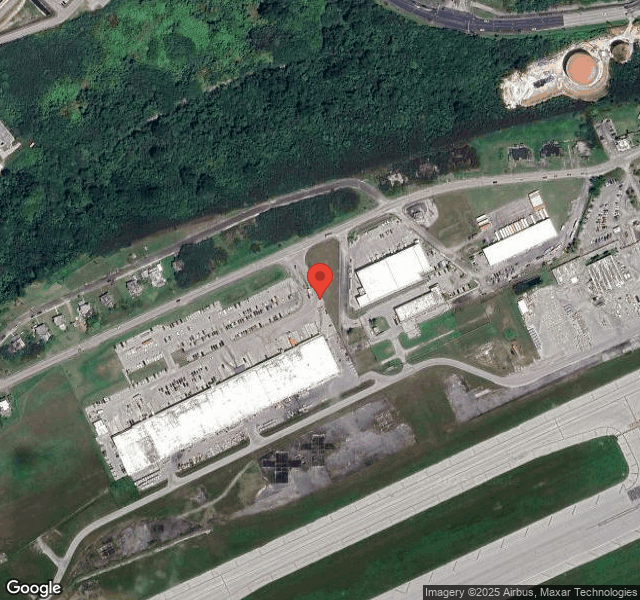
449 N SABANA DR, BARRIGADA, GU 96913 (671) 633-1800
Government - State 40 Beds Independent Data: November 2025
Trust Grade
35/100
#1 of 1 in GU
Last Inspection: August 2025

Inspected within the last 6 months. Data reflects current conditions.

Overview

Guam Memorial Hospital Authority has a Trust Grade of F, which indicates significant concerns about the quality of care provided. Ranking #1 out of 1 in Guam means it is the only option available, but it is in the bottom half of facilities in terms of care quality. The facility is worsening, with issues increasing from 17 in 2024 to 18 in 2025. Staffing is a strong point, rated 4 out of 5 stars, with a 0% turnover, meaning staff are stable and familiar with residents. However, there are serious problems, such as a resident not receiving a shower before dialysis due to a lack of linens, which negatively impacted their mental health. Additionally, the food safety standards are concerning; for example, rusty equipment and unsanitary food handling practices were noted, which could lead to foodborne illnesses. Furthermore, the facility has been without a licensed administrator since April 2024, raising concerns about effective oversight and resource availability.

Trust Score
F
35/100
In Guam
#1/1
Bottom 1%
Safety Record
Moderate
Needs review
Inspections
Getting Worse
17 → 18 violations
Staff Stability
○ Average
Turnover data not reported for this facility.
Penalties
✓ Good
No fines on record. Clean compliance history, better than most Guam facilities.
Skilled Nurses
✓ Good
Each resident gets 164 minutes of Registered Nurse (RN) attention daily — more than 97% of Guam nursing homes. RNs are the most trained staff who catch health problems before they become serious.
Violations
⚠ Watch
52 deficiencies on record. Higher than average. Multiple issues found across inspections.
★☆☆☆☆
1.0
Overall Rating
★★★★☆
4.0
Staff Levels
☆☆☆☆☆
0.0
Care Quality
★☆☆☆☆
1.0
Inspection Score
Stable
2024: 17 issues
2025: 18 issues

The Good

  • 4-Star Staffing Rating · Above-average nurse staffing levels
  • Full Sprinkler Coverage · Fire safety systems throughout facility
  • No fines on record

Facility shows strength in staffing levels, fire safety.

The Bad

1-Star Overall Rating

Near Guam average (1.0)

Significant quality concerns identified by CMS

The Ugly 52 deficiencies on record

1 actual harm
Aug 2025 18 deficiencies 1 Harm
SERIOUS (G)

Actual Harm - a resident was hurt due to facility failures

Deficiency F0561 (Tag F0561)

A resident was harmed · This affected 1 resident

**NOTE- TERMS IN BRACKETS HAVE BEEN EDITED TO PROTECT CONFIDENTIALITY** Based on observation, interview, and record review, the facility failed to honor the rights of one of one resident (Resident(R)2...

Read full inspector narrative →
**NOTE- TERMS IN BRACKETS HAVE BEEN EDITED TO PROTECT CONFIDENTIALITY** Based on observation, interview, and record review, the facility failed to honor the rights of one of one resident (Resident(R)28) reviewed for choices to make decisions about their care. Specifically, staff failed to provide showers for R28 prior to going to dialysis treatments due to lack of available linens.This failure resulted in R28 experiencing psychosocial harm as exhibited by decreased engagement in social activities, apathy and withdrawal, and refusal of care. Findings:On 08/18/25 at 10:58 AM, R28 was observed lying in bed in her room, watching television. R28 was alert and stated she wanted to share her concerns; however, she is going to dialysis so would like to speak the next day. Transport arrived after a couple of minutes. On 08/19/25 at 09:35 AM, a follow-up interview was conducted with R28, inside her room. R28 stated the facility had been short of linens. R28 reported that she goes to dialysis three times a week and, on dialysis days, she prefers to take a shower. However, on most days, staff told her that there were no linens available, so showers could not be provided. Instead, the Certified Nursing Assistants (CNAs) would provide a wipe down. R28 stated this occurred frequently, like yesterday, I only got a wipe down.I am also speaking for other residents, because if it's just a wipe down, you still get sticky. R28 stated when she returns from dialysis, she becomes irritated because she feels more uncomfortable. R28 further stated that when she is irritated, she does not want to do anything and will refuse to eat or take her medications. R28 stated if it's not dialysis days, it's okay I just wash down there.but not during dialysis.Review of the electronic health record (EHR) revealed R28 is a [AGE] year-old resident readmitted to the facility on [DATE], with diagnoses including end stage renal disease on hemodialysis, sacral pressure ulcer, and seizure disorder.Review of the Minimum Data Set (MDS, a standardized assessment tool) with assessment reference date of 08/04/25, revealed a Brief Interview for Mental Status (BIMS) score of 15 out of 15 indicating R28 had no cognitive impairment. R28 required substantial/maximal assistance from staff for shower/bathing and personal hygiene.Review of the Physician Progress Note dated 08/06/25, revealed documentation of R28's refusal of care and medication. The note showed, In reviewing nursing notes patient has had multiple refusals of medications and care plan for her wound care. This is not specific to Depakote or to midodrine. Referred to Guam behavioral [sic] Health. Patient seen by Guam behavioral [sic] Health. Seen by psychiatry. Diagnosis of MDD [Major Depressive Disorder] Increase risperidone to .5 mg b.i.d.[twice a day]. On 08/19/25 at 01:17 PM, an interview was conducted with Certified Nursing Assistant (CNA) 1, who stated R28 goes to dialysis on Monday, Wednesday, and Friday and likes to take showers before going to dialysis. CNA 1 stated R28 receives shower from the night shift staff early in the morning on dialysis days. CNA 1 stated that R28 is picked up by transport at around 11 AM and comes back in the afternoon shift (3:00 PM to 11:00 PM). On 08/19/25 at 01:31 PM, an interview was conducted with CNA 3, who stated that R28 likes to go out and participate in group activities. CNA 3 stated, however, that there are days when R28 suddenly becomes quiet, does not want to do anything, and refuses to eat.Review of the SNU shower schedule showed R28 was scheduled to receive showers on the night shift (11:00 PM to 07:00 AM) every Sunday, Tuesday, and Thursday. Shower is given early the following morning (Monday, Wednesday, and Friday).Review of the night shift's SNF CNA Patient Care (CNA's shower documentation) for August 2025 revealed that showers were not provided to R28 on 8/1, 8/4, 8/8, 8/13 and 8/18/25 as scheduled.On 08/21/25 at 10:38 AM, an interview was conducted with Registered Nurse (RN) 2, who stated she was aware that residents, including R28, were not consistently provided showers due to lack of linens. RN 2 stated, sometimes they [CNAs] report to me they cannot shower the resident because there are no linens, or sometimes we cannot change the bed because there are no linen, so sometimes I tell them just to change the lifter [lift sheet]. RN 2 verified that after R28 returns from dialysis, she often hears reports from nurses and CNAs that the resident refuses care and refuses to eat.On 08/21/25 at 03:34 PM, a telephone interview was conducted with CNA 2, who stated she worked the night shift and was regularly assigned to R28. CNA 2 explained that R28 receives her showers in bed, meaning her body and hair are washed while she remains in bed, which requires the linens to be changed afterward. CNA 2 stated that R1 prefers to have showers early morning on her dialysis days, which are Monday, Wednesday, and Friday. CNA 2 verified that on 08/08 and 08/13/25, where she documented a shower did not occur; it was because there were no linens available. CNA 2 stated that when showers are done in bed, both towels and linens are needed, but most of the time these were not available. In those instances, CNA 2 stated they would provide only a wipe-down and perineal care. CNA 2 stated that R28 verbalized a wipe down was not enough and that she wanted a shower, but staff could not provide one due to the linen shortage. CNA 2 added, she [R28] has no choice.we have no choice also.we want to shower them [residents] but we have no linens.On 08/22/25 at 09:36 AM, R28 was observed participating in group coloring activity with other residents. R28 was smiling and had her hair in pigtails. R28 stated she had shower today and was happy.On 08/22/25 at 02:08 PM, an interview was conducted with the Director of Nursing (DON), who verified that linen shortage has been ongoing. The DON stated that when she brings the concern up in the meetings, she is told the issue is being addressed. The DON stated that, at times, she has had to purchase wash cloth and hand towels for residents, as these items are not included in the linen delivery. The DON further stated she is aware that staff have also brought in and donated linens from their own homes. When asked about her expectations, the DON stated she hopes the issue will be resolved soon, as the current situation is not acceptable. The DON added, I feel for our residents.On 08/22/25 at 03:01 PM, an interview was conducted with the DON, Medical Director (MD), Compliance Officer (CO). When asked how linen inventory is tracked and what process ensures adequate supply is maintained for all resident care needs, including showers, MD stated he was not aware of a linen shortage. The DON stated Environmental Services staff had been reporting linen shortages during meetings with hospital leadership and were told, that's all we have. The DON further stated this issue was brought up in their QAPI last July 22,2025, where the reason provided was that linens were damaged and stained. The CO stated Environmental Services is part of the QAPI committee at the hospital and confirmed that linen shortages have been discussed during meetings with hospital leadership. The CO stated the Assistant Administrator at the hospital has been seeking a contract to replace the damaged linens. When asked how staff and resident feedback, such as R28's reports of not receiving showers due to linen and colostomy bag shortages, are incorporated into QAPI monitoring for quality of life, the CO stated I don't have an answer. I don't know when QAAs happen or what is discussed. What usually happens is it goes from the QA committee then back out to staff but not from resident and staff in.The facility was unable to provide a policy specific to resident showers.Cross reference to F584 and F867.
CONCERN (D)

Potential for Harm - no one hurt, but risky conditions existed

Resident Rights (Tag F0550)

Could have caused harm · This affected 1 resident

Based on observation, interview, and record review, the facility failed to ensure that staff provided care in a manner that promoted dignity and respect for two of 19 residents (Resident(R)5 and R12) ...

Read full inspector narrative →
Based on observation, interview, and record review, the facility failed to ensure that staff provided care in a manner that promoted dignity and respect for two of 19 residents (Resident(R)5 and R12) during dining observation. A Certified Nursing Assistant (CNA) was observed standing over R5 and R12 while assisting the residents with their meals. This failure had the potential to negatively impact the residents.Findings:For R12:On 08/18/2025 at11:38 AM, R12 was observed in bed with the head of the bed elevated to approximately 90 degrees, Bed was in low position. CNA5 was observed assisting R12 with lunch while standing over the resident. R12's eye level was observed at approximately the level of CNA5's chest. After a few spoonfuls of food, R12 stated she was done.For R5:On 08/18/2025 at 11:49 AM, R5 was observed in bed with the head of bed elevated to approximately 45 degrees after CNA5 adjusted the bed at the resident's request. CNA5 was observed spoon-feeding R5 while standing over the resident. At that time, R5's eye level was approximately at the level of CNA5's chest. After receiving three spoonfuls of food, R5 stated he was done.On 08/18/2025 at 12:00 PM, an interview was conducted with CNA5, who verified the above observations with R5 and R12. CNA5 stated that she knew she was expected to sit when assisting residents with meals so that she could .better accommodate the resident [sic] and see if they are swallowing well. CNA5 stated this practice was part of her training and did not provide an explanation for why she did not follow it at that time.On 08/22/2025 at 2:25 PM, an interview was conducted with the Director of Nursing (DON), who was informed of the observations. The DON acknowledged the findings and stated that her expectation is for CNAs to take time to sit down when assisting residents with meals and to maintain eye level with residents.According to the facility's policy titled Feeding, long-term care revised November 18, 2024, In long-term care facilities, creating a pleasant dining experience is also important. Mealtime affords an opportunity for social interaction and stimulation. Feeding a resident in a respectful and patient manner, engaging in pleasant conversation, and offering undivided attention help enhance the resident's nutritional status and psychosocial well-being.Position a chair next to the resident's bed so you can sit comfortably if you need to provide cues or maximal assistance with feeding.Face the resident during feeding, make eye contact, and use gentle tone of voice (shown below [photo depicting a staff member seated in a chair next to a resident while assisting the resident with a meal]).
CONCERN (D)

Potential for Harm - no one hurt, but risky conditions existed

Deficiency F0605 (Tag F0605)

Could have caused harm · This affected 1 resident

Based on observation, interview, and record review, the facility failed to ensure 1 of 5 residents (Resident(R)6) reviewed for unnecessary medications was free from unnecessary psychotropic drug use. ...

Read full inspector narrative →
Based on observation, interview, and record review, the facility failed to ensure 1 of 5 residents (Resident(R)6) reviewed for unnecessary medications was free from unnecessary psychotropic drug use. Specifically, R6's antipsychotic medication was increased on 10/23/24 despite no documented behaviors and did not attempt a gradual dose reduction (GDR) even though no behaviors had been documented since the increase through present. This failure had the potential to result in oversedation, worsening cognitive decline, increased confusion, and loss of independence. Findings: On 08/18/25 at 10:43 AM, R6 was observed seated in her wheelchair in the activities area, doing coloring activity with another resident led by recreation staff. R6 responded when greeted Review of Face sheet (admission record) revealed R5 was admitted to the facility 07/18/24, with diagnoses including dementia.Review of a physician's order dated 10/23/24, revealed an order for quetiapine (antipsychotic medication) 25 mg tablet, give one tablet by mouth at bed time for Alzheimer's with behavioral adjustment.Review of the Neurologist's consultation note dated 10/23/24, revealed R6 was seen for the first time by the Neurologist as a referral from the Skilled Nursing Unit (SNU). Documentation showed staff reported no behavior changes and R6 behavior remained stable. Despite this, the dose of quetiapine was increased from 12.5 to 25 mg with no documented rationale for the increase.Review of the Behavior monitoring form from October 2024 to August 2025 revealed R6 was being monitored by staff every shift for behaviors of confusion/agitation related to the use of quetiapine. Further review showed there were no documented behaviors of confusion or agitation from October 2024 to present.On 08/21/2025 9:57 AM, an interview and concurrent medical record review was conducted with Registered Nurse (RN) 2, who acknowledged the above findings. RN 2 stated R6 has not shown any behaviors and was considered stable. When asked about the facility's process for psychotropic medication use, RN 2 stated, we have a green form. RN 2 explained the green form is used to document monitoring of behaviors and side effects, and staff use it to determine if the medication is effective, if the dosage is sufficient, or if an increase is needed before informing the physician. When asked what steps would be taken if a resident, such as R6, did not have any documented behaviors, RN 2 stated, we don't discuss that. On 08/22/245 at 10:59 AM, an interview and concurrent review of the Medication Regimen Review (MRR) was conducted with the Consultant Pharmacist (CP), who stated she was responsible for the monthly medication regimen review (MRR) in the Skilled Nursing Unit (SNU). Review of the CP's MRRs from February 2025 to July 2025 showed she documented the same assessment/plan each month for the use of quetiapine: successfully tapered up to quetiapine 25 mg [milligrams] PO [by mouth] QHS [at bedtime] and will remain at this dose for now.Record review revealed no behaviors had been documented for R6 since October 2024, when the dose of quetiapine was increased, despite the absence of behaviors at that time. The CP stated the SNU had been cited the previous year for use of quetiapine for R6 for sleep, and it was recommended that the resident see a neurologist. The CP reported the neurologist subsequently increased the dose. When asked why a GDR was not attempted given the absence of documented behaviors, the CP stated she was not familiar with the requirement for GDR for psychotropic medications. The CP further stated she believed that because the neurologist ordered the medication, she could not question it.On 08/22/25 at 02:26 PM, an interview was conducted with the Director of Nursing (DON) and stated the interdisciplinary (IDT) discussed psychotropic medications every Wednesday. The DON stated the team had discussed that R6 was very calm and good. When asked why a GDR was not attempted, the DON did not provide an answer.The facility did not have a policy specific to GDR for psychotropic medications.
CONCERN (D)

Potential for Harm - no one hurt, but risky conditions existed

Assessment Accuracy (Tag F0641)

Could have caused harm · This affected 1 resident

**NOTE- TERMS IN BRACKETS HAVE BEEN EDITED TO PROTECT CONFIDENTIALITY** Based on interview and record review, the facility failed to ensure the Minimum Data Set (MDS) assessments were accurate and com...

Read full inspector narrative →
**NOTE- TERMS IN BRACKETS HAVE BEEN EDITED TO PROTECT CONFIDENTIALITY** Based on interview and record review, the facility failed to ensure the Minimum Data Set (MDS) assessments were accurate and complete for 2 of 19 sampled residents (Resident(R)19 and 23). R19's MDS indicated she was receiving insulin and diuretic, when she was not.R23's discharge MDS was not completed.These failures had the potential to result in inaccurate care planning and failure to meet the residents' care needs.Findings:For R19:Review of Face sheet (admission record) revealed R19 was admitted to the facility 07/20/25 with diagnoses including left hip fracture.Review of the MDS with assessment reference date of 07/25/25 revealed Section N for medications, which showed that the number of injections received by R19 during the last 7 days was coded as 7. The number of days insulin injections were received during the last 7 days was also coded as 7. The MDS further indicated that R19 was taking a diuretic.However, review of the physician's orders and the Medication Administration Record (MAR) for July 2025 revealed that R19 had no orders for insulin or a diuretic and did not receive either medication during the assessment reference period.R23:Review of Face sheet (admission record) revealed R23 was admitted to the facility on [DATE] and was discharged on 04/01/25.However, review of the medical record revealed a discharge MDS was not completed for R23.On 08/20/2025 3:20 PM, an interview and concurrent record review of the MDS's for R19 and R23 was conducted with the MDS Coordinator. The MDS Coordinator reviewed R19's medical record and verified R19 was not administered insulin nor diuretic during the assessment reference period of the MDS and should have been coded zero. The MDS Coordinator also reviewed R23's MDS and verified the discharge MDS was not completed, and should have been.
CONCERN (D)

Potential for Harm - no one hurt, but risky conditions existed

Deficiency F0658 (Tag F0658)

Could have caused harm · This affected 1 resident

**NOTE- TERMS IN BRACKETS HAVE BEEN EDITED TO PROTECT CONFIDENTIALITY** Based on observation, interview, and record review the facility failed to ensure staff adhered to professional standards related...

Read full inspector narrative →
**NOTE- TERMS IN BRACKETS HAVE BEEN EDITED TO PROTECT CONFIDENTIALITY** Based on observation, interview, and record review the facility failed to ensure staff adhered to professional standards related to addressing weight variance for one of three residents (Resident [R] 7) reviewed for nutrition. The deficient practice could potentially delay the implementation of appropriate measures to prevent unintended weight loss or weight gain before complications arise. Findings:Review of R7's medical record indicated, R7 was re-admitted in the facility after hospitalization on 08/01/25 with diagnoses including recurrent urinary tract infection (UTI) and stage IV decubitus ulcer (severe form of skin damage). In an interview on 08/19/2025 at 10:06 AM, Licensed Practical Nurse (LPN) 1 explained that staff weigh residents on the first and 15th day of the month.Review of R7's weight records indicated the following:08/01/25 = 89.5 kilograms (kgs)08/15/25 = 85.9 kgs (4% weight loss in two weeks)08/17/25 = 92.8 kgs (8% weight gain in two days)On 08/20/25, at 09:38 AM, the Registered Dietician (RD) reviewed R7's weight record and stated that R7 was receiving tube feeding formula with protein supplement and had been consistent on his weight. RD stated that the weight variance was probably due to calibration of the weighing scale and added that she was not notified of the weight variance. In an interview on 08/20/25 at 01:10 PM, Registered Nurse (RN) 1 reviewed the weight record of R7 and stated, If there's a huge weight difference the CNA [Certified Nursing Assistant] should re-weigh [R7], we also notify the Dietician, and it will be mentioned in the IDT [Interdisciplinary Team] meeting every Wednesday. RN1 added that R7 was re-weigh today [08/20/25] by [LPN1], it's 84.7 kgs. They removed the pads and other things in the bed before weighing.In a follow up interview on 08/20/25 at 01:24 PM, RN1 stated, there's no IDT notes from August 1 to present or any notes regarding weight variance. Also, no documentation that nursing address the weight variance to RD.In an interview on 08/21/25, at 11:44 AM, RD stated, Patients have to be re-weigh if there's a drastic weight difference and they have to inform me if after re-weighing it's still the same. Most likely the residents might have weight loss or weight gain, and I need to review the current diet or formula if they are getting tube feeding [TF]. For [R7], I reduced the TF before then he went to the hospital because he had CHF [congestive heart failure], and we have to cut on the volume of the formula.In an interview on 08/21/25 at 12:06 PM, LPN1 explained that CNA reports weight variance to the assigned medication nurses. If there's a discrepancy, we let the Charge Nurse know. If there is a big discrepancy, then we will re-weigh [the residents]. We remove everything just the regular sheets, no heavy blanket and pillows to make sure it's accurate.On 08/21/25 at 05:30 PM, the Director of Nursing (DON) confirmed via electronic mail (email) that the facility did not have weight policy, instead the facility follow Lippincott procedure for guidance.Review of Lippincott procedure provided by the DON titled, Weight monitoring, long term dated 08/19/24, indicated Weight [NAME] in older adults can result from various conditions. Unplanned weight loss in residents is associated with increased mortality; a decrease in weight of 5% or more in a month or of more than 10% in 6 months should be reported to the practitioner for further evaluation. Under Implementation indicated, Compare the resident's current weight with previous measurements to assess for trends in weight gain or loss. If you note a weight change, assess the resident to help determine a possible cause of the weight change. Notify the practitioner if weight changes are beyond the expected range. Document the procedure.
CONCERN (D)

Potential for Harm - no one hurt, but risky conditions existed

Deficiency F0691 (Tag F0691)

Could have caused harm · This affected 1 resident

**NOTE- TERMS IN BRACKETS HAVE BEEN EDITED TO PROTECT CONFIDENTIALITY** Based on observation, interview, and record review, the facility failed to ensure two of two residents with a colostomy (a surgi...

Read full inspector narrative →
**NOTE- TERMS IN BRACKETS HAVE BEEN EDITED TO PROTECT CONFIDENTIALITY** Based on observation, interview, and record review, the facility failed to ensure two of two residents with a colostomy (a surgical opening in the abdomen that allows waste to pass into a bag) had an adequate supply of colostomy bags (special pouches used to collect waste from the opening) required for proper care. Due to lack of supply, staff washed the colostomy bags. This resulted in residents being required to use rewashed bags, which are not designed for reuse. This deficient practice resulted in R28's reports of humiliation and embarrassment related to odor and the awareness that others might notice it.Findings:On 08/19/25 at 09:35 AM, an interview was conducted with R28, inside her room. R28 stated she has a colostomy, pointing to a bulge on her left abdominal area, and reported that the facility often runs out of colostomy bags. R28 stated, this is not reusable. R28 reported that Certified Nursing Assistants (CNAs) wash out the colostomy bags when no new ones are available.When asked when this last occurred, R28 stated that it happened this Saturday when a CNA washed the colostomy bag because they could not find a new one. R28 stated, I feel very uncomfortable because the smell is still there. R28 also stated that she frequently leaves the facility for dialysis, doctor's appointments, and enjoys going out of her room. R28 explained, When I go out, say, for a doctor's appointment, I get embarrassed because I can smell it, that means other people can smell it too. R28 stated that both the smell from the reused colostomy bag and not getting showers due to lack of linens, makes her angry and caused her to refuse care.Review of the electronic health record (EHR) revealed R28 is a [AGE] year-old resident readmitted to the facility on [DATE], with diagnoses including end stage renal disease on hemodialysis, sacral pressure ulcer, and seizure disorder.Review of the Minimum Data Set (MDS, a standardized assessment tool) with assessment reference date of 08/04/25, revealed a Brief Interview for Mental Status (BIMS) score of 15 out of 15 indicating R28 had no cognitive impairment. The MDS showed R28 had an ostomy appliance (including colostomy).Review of the Physician Progress Note dated 08/06/25, revealed documentation of R28's refusal of care and medication. The note showed, In reviewing nursing notes patient has had multiple refusals of medications and care plan for her wound care. This is not specific to Depakote or to midodrine. Referred to Guam behavioral [sic] Health. Patient seen by Guam behavioral [sic] Health. Seen by psychiatry. Diagnosis of MDD [Major Depressive Disorder] Increase risperidone to .5 mg b.i.d The note showed that R28 is easily upset.Review of the ostomy bag product specifications revealed that it is a drainable pouch with an attached flange (the flange is the sticky part that attaches the pouch to the skin around the stoma to hold it in place). The manufacturer's warning indicated that reuse by reprocessing, cleaning, disinfection, and sterilization may compromise the product. This may result in odor or leakage.On 08/19/25 at 01:17 PM, an interview was conducted with CNA 1, who stated R28 goes to dialysis three times a week and also had a colostomy on her left lower quadrant. CNA 1 explained that as a CNA, she is responsible for emptying and cleaning the colostomy site, while the licensed nurses are responsible for applying the flange as needed.CNA 1 stated that the facility does not have a steady supply of colostomy bags. CNA 1 stated, If it is full, we have to clean it and reuse it.it is unsanitary. The licensed nurses know.they are aware of it.CNA 1 further stated that there are currently two residents with colostomies in the facility, R28 and R7. CNA 1 explained, we do the same for both residents. [R7] is nonverbal and cannot tell us how he feels. [R28] is not happy with it.CNA 1 stated they have been out of colostomy bags in the last 2-3 weeks. When asked when this last occurred, CNA 1 stated that it happened last Sunday morning, when she was endorsed by the night shift that the colostomy bag had to be washed because there were no new ones available.On 08/19/25 at 01:31 PM, an interview was conducted with CNA 3, who stated that R28 likes to go out and participate in group activities. CNA 3 stated, however, that there are days when R28 suddenly becomes quiet, does not want to do anything, and refuses to eat.On 08/21/25 at 10:38 AM, an interview was conducted with Registered Nurse (RN) 2 regarding colostomy care for R28 and R7. RN 2 verified that both residents have colostomies and require colostomy care, which includes emptying the bag and placing a new one. RN 2 stated that the colostomy bags are not reusable and should be replaced when full; however, at times there is no supply available. RN 2 stated she is aware the CNAs are washing and reusing the bags. RN 2 explained, we have to find a way, you have to wash.what can we do rather than nothing. RN 2 acknowledged that this practice is unsanitary and further stated that the residents, especially R28, did not like it. When informed that R28 had expressed feeling humiliated because of the odor coming from the reused bag, RN 2 responded, oh yeah, she is young, and she likes to go out [of her room]. There will be smell [coming from the rewashed bag].On 08/20/25 at 02:04 PM, an interview was conducted with the Hospital Materials Management Administrator (HMMA), who stated she was responsible for overseeing materials management and central supply which covers ostomy supplies. The HMMA acknowledged that there had been an issue with the colostomy bag supply last month. The HMMA explained that orders had been placed in June; however, the vendor delayed shipment. The facility did not receive the products until early August (this month), even though they were originally expected in mid-July.HMMA stated she later learned that her staff had sent multiple follow-up emails to the vendor but did not receive a response. HMMA stated that because of this, she instructed her staff to ensure that, when following up with vendors, they must obtain a positive confirmation response. If no response is received, the order should be canceled and redirected to another vendor who can provide the products. HMMA added that these vendors are located on the island.On 08/22/25 at 09:36 AM, R28 was observed participating in group coloring activity with other residents. R28 was smiling and had her hair in pigtails. R28 stated she had shower today and was happy. R28 also added that they now have colostomy bags, and she was very thankful.On 08/22/25 at 10:25 AM, a follow-up interview was conducted with CNA 3. When asked CNA 3 stated there were times she washed the colostomy bags because no new ones were available. CNA 3 explained that the bag may be reused up to twice and her process included draining and flushing then pouch with water, wiping away any stool that remained around the flange opening, and allowing the bag to dry completely before reapplying it, as it could not be placed back while wet. CNA 3 stated that under normal circumstances, a colostomy bag would typically last a bout two days before replacement was needed.On 08/22/25 at 02:08 PM, an interview was conducted with the Director of Nursing (DON), who acknowledged that the facility experienced problems with the supply of colostomy bags .about a month ago. The DON stated she was aware that CNAs had been washing and reusing the bags, adding, we have no choice. When asked about her expectations, the DON stated she hopes the issue will be resolved soon, as the current situation is not acceptable. The DON added, I feel for our residents.On 08/22/25 at 03:01 PM, an interview was conducted with the DON, Medical Director (MD), Compliance Officer (CO), and Licensed Practical Nurse (LPN) 1 regarding the facility's process for ensuring adequate supplies to meet resident care needs, specifically colostomy bags. LPN 1 stated that staff make sure we have enough supplies.they [CNAs] let us know if we are short of supply.and that's when CSR [Central Supply Representative] told us there's a delay. We don't have anymore [bags]. The MD acknowledged that rewashing colostomy bags is an unsafe practice. When asked what oversight is in place to ensure unsafe practices like this are immediately identified and corrected, the CO stated there isn't. When asked how staff and resident feedback, such as R28's reports of not receiving showers due to linen shortages and staff rewashing colostomy bags, are incorporated into QAPI monitoring for quality of life, the CO stated I don't have an answer. I don't know when QAAs happen or what is discussed. What usually happens is it goes from the QA committee then back out to staff but not from resident and staff in.Review of the facility's policy titled Colostomy or ileostomy pouch emptying revised November 18, 2024, A patient with an ileostomy or ascending, a traverse, or a descending colostomy must wear an external pouch to collect emerging fecal matter, which will be watery, pasty, or formed (depending on the location of the stoma. Besides collecting waste matter, the pouch helps control odor and protect the stoma and peristomal skin.
CONCERN (D)

Potential for Harm - no one hurt, but risky conditions existed

Pharmacy Services (Tag F0755)

Could have caused harm · This affected 1 resident

Based on observation, interview and record review, the facility failed to provide pharmaceutical services that assure accurate administration of medications to meet the needs of 1 of 5 residents (Resi...

Read full inspector narrative →
Based on observation, interview and record review, the facility failed to provide pharmaceutical services that assure accurate administration of medications to meet the needs of 1 of 5 residents (Resident(R)16) observed during medication administration. Specifically, the facility failed to follow the physician's order when administering medication to R16. This failure had the potential to result in ineffective treatment.Findings:On 08/20/2025 at 8:43 AM, during a medication administration observation for R16, Registered Nurse (RN) 1 was observed preparing and administering medications, including one tablet of multivitamin with minerals. R16 swallowed all oral medications without difficulty.However, review of the physician's order dated 08/17/25 revealed an order for multivitamin, one tablet by mouth daily. The order did not include minerals.On 08/20/25 at 11:55 AM, an interview and concurrent review of the R16's physician's order was conducted with RN 1. RN 1 verified the order was for multivitamin only, but she administered a multivitamin with minerals. RN 1 stated she was not familiar with R16's morning medications because she typically works the night shift. According to the facility's policy titled Medication Administration and Documentation revised 09/2018, Medications will be administered only upon the order of a privileged and credentialed provider who are members of the medical staff.Before administration, the individual administering the medication does the following: A. Verifies that the medication selected matches the medication order and the product label.
CONCERN (D)

Potential for Harm - no one hurt, but risky conditions existed

Deficiency F0761 (Tag F0761)

Could have caused harm · This affected 1 resident

**NOTE- TERMS IN BRACKETS HAVE BEEN EDITED TO PROTECT CONFIDENTIALITY** Based on observation, interview, and record review, the facility failed to ensure safe storage of medications for one of two med...

Read full inspector narrative →
**NOTE- TERMS IN BRACKETS HAVE BEEN EDITED TO PROTECT CONFIDENTIALITY** Based on observation, interview, and record review, the facility failed to ensure safe storage of medications for one of two medication cart observation when the first side medication cart was not locked and left unattended.The deficient practice had potential for unauthorized people to have access to medications.Findings:On 08/20/2025, at 8:22 AM, the first side medication cart was observed in front of room [ROOM NUMBER] not locked and unattended.In an interview with Registered Nurse (RN) 1 on 08/20/2025, at 8:23 AM, RN1 opened the medication cart and stated, It's not locked. It should be closed and secured or locked for safety reasons. Someone can steal medications. RN 1 explained that the nurse in charge of the medication cart was attending to a resident inside the room.Review of the facility policy, titled Storage of Medications in Patient Care Areas, dated 07/01/2009 indicated, Medication will be stored in secured carts or drawers at all times when not in use.
CONCERN (E)

Potential for Harm - no one hurt, but risky conditions existed

Deficiency F0578 (Tag F0578)

Could have caused harm · This affected multiple residents

**NOTE- TERMS IN BRACKETS HAVE BEEN EDITED TO PROTECT CONFIDENTIALITY** Based on interview and record review, the facility failed to ensure 5 of 5 residents (Resident[R]1, 5, 7, 13, 15) reviewed for a...

Read full inspector narrative →
**NOTE- TERMS IN BRACKETS HAVE BEEN EDITED TO PROTECT CONFIDENTIALITY** Based on interview and record review, the facility failed to ensure 5 of 5 residents (Resident[R]1, 5, 7, 13, 15) reviewed for advance directives were provided with information about advance directives. In addition, the facility failed to obtain and maintain a copy of the advance directive in the medical record so that it was readily retrievable by any facility staff. The facility did not develop policy and procedure to implement advance directives.This failure put the resident at risk for not having his wishes for treatment known and had the potential for the resident's decision regarding his healthcare and treatment options not being honored. For R5: Review of face sheet (admission record) revealed R5 was admitted to the facility 12/12/24. Review of the Minimum Data Set (MDS, a standardized assessment tool) with assessment reference date of 06/19/25, revealed a Brief Interview for Mental Status (BIMS) score of 13 out of 15 indicating R5 had no cognitive impairment. Review of the hospital’s Advance Directive Acknowledgement Form dated 12/12/24, revealed the section “Has An Advance Directive” was completed by R5’s representative. The boxes indicating “I have Advance Directive: Durable Power of Attorney for Health Care” and “I have brought in a copy and provided it to hospital staff to go into my medical record” were both checked. However, review of the electronic health record (EHR) and the physical chart did not show a copy of R5’s Durable Power of Attorney for Healthcare on file. 08/20/2025 10:50 AM, an interview and concurrent medical record review was conducted with Registered Nurse (RN) 2. RN 2 reviewed both the EHR and R5’s physical chart and verified there was no copy of R5’s Durable Power of Attorney for Healthcare on file. For R15: Review of Face sheet (admission record) revealed R5 was admitted to the facility 06/15/25. Review of the Minimum Data Set with assessment reference date of 06/22/25, revealed resident was rarely/never understood so staff assessment for mental status was completed, which revealed R15’s cognitive skills for daily decision making was moderately impaired. Review of Advance Directive Acknowledgement Form dated 06/15/25, revealed the section “Does Not Have An Advance Directive” was completed. The boxes indicating “I been given written materials about my right to make decisions about my medical treatments” and “I choose not to have an Advance Directive but I understand that I can make one during my hospital stay or anytime in the future” were both checked. This document was signed by R15 using a thumbprint. On 08/20/2025 10:41 AM, an interview was conducted with Registered Nurse (RN) 2, who verified R15 had no capacity to make decisions. When asked if R15 would have been able to understand and read the information provided to him at the hospital regarding advance directives, RN 2 stated, “No.” RN2 stated that the Advance Directive Acknowledgement Form was completed at the hospital. RN2 further explained that when a resident is admitted to the Skilled Nursing Unit (SNU), staff do not request a copy of the advance directive nor provide information regarding advance directives. RN 2 stated she did not know who was responsible for advance directives in the SNU. On 08/21/2025 1:34 PM, an interview was conducted with Licensed Social Workers (LSW) 1 and 2. Both LSW stated they do not handle advance directives. When asked who is responsible for advance directives in the SNU, both did not have an answer. LSW 1 verified that R15 had no capacity to make decisions, yet was made to sign (thumbprint) the Advance Directive Acknowledgement Form, and also thumbprinted his consent to treat and consent for admission. LSW1 explained that she attempted to complete the social summary with R15, but was unable to do so because “he doesn’t speak.” LSW2 verified that R5 had a durable power of attorney for healthcare and she had kept a copy in her office. LSW2 stated she was not aware that she had maintain a copy in the medical record readily accessible for all staff and having kept it in her office would not make it accessible to staff, since the office is not open 24 hours a day, 7 days a week. Findings: R7 Review of R7’s medical record indicated, R7 was re-admitted in the facility after hospitalization on 08/01/25 with diagnoses including recurrent urinary tract infection (UTI) and stage IV decubitus ulcer (severe form of skin damage). On 08/18/25 at 02:25 PM, observed the R7 in bed turned on his left side, eyes opened but not tracking and did not respond to questions. On 08/19/25 at 10:25 AM, R7’s Advance Directive Acknowledgement Form ADAF reviewed with Licensed Practical Nurse (LPN) 1. ADAF revealed that R7’s right index thumbmark in the form dated 08/01/25. LVN1 stated that the thumbmark means “[R7’s] signature acknowledging that [R7] was given an Advance Directive brochure and [R7] understood and choose not to have one [AD].” LVN1 stated that R7 is non-verbal “but I don’t think he will understand the conversation about [AD].” Per LVN1, AD is completed at the hospital prior to resident’s discharge. LVN1 did not offer an answer when asked whether the facility verifies the accuracy of the information indicated in the ADAF. In an interview on 08/21/25 at 09:59AM, the Director of Nursing (DON) stated, “We don't do Advance Directive here [in the facility]. It's done by Patient Registration staff [in the hospital] and the staff there will be the one to explain the Advance Directive to the resident. When the resident arrives here [in the facility], the Social Worker will refer residents to legal services if they want DPOA [Durable Power of Attorney].” The DON further explained, “[R7’s] mother claims that she's the DPOA but did not provide us a copy of DPOA. The mother is the one signing for consent if needed a procedure. The mother of [R7] should be the one to receive the info [information] for Advance Directive and sign the acknowledgement form because she can comprehend and she's the one making the decision.” DON stated that R7 does not have the capacity to engage in conversation and does not have a capacity to understand Advance Directive information. In an interview on 08/21/25 at 1:41 PM, Licensed Social Worker (LSW) 2 stated that R7’s “Mother is the DPOA, but no documentation. I don't handle Advance Directive.” LSW1 stated that they will follow up the DPOA documentation for R7’s mother. R13 Review of R13 medical records indicated, R13 was admitted in the facility after hospitalization on 02/13/24 with diagnoses including hypertension, diabetes mellitus, and eye blindness. Review of ADAF form dated 02/13/24 revealed R13’s right index thumbmark indicating that R13 received “written materials about my right to make decisions about my medical treatments.” The form also has an x mark indicating that R13 “chose not to have an [AD].” In an interview on 08/21/25 at 10:19AM, the DON stated that “it’s not appropriate” for R13 to receive AD brochure “because she cannot read. [R13] is visually impaired.” The DON further stated, “[R13] has a daughter. The information should be given to the daughter.” In an interview on 08/21/25 at 1:58 PM, LSW1 and LSW2 stated that R13 could not read because “[R13] is legally blind since early May last year [2024].” LSW2 added that R13 is still able to make her own decisions. R1 R1 was admitted to the facility on [DATE] with diagnoses including acute renal failure, hypertension, and stroke. Review of R1's record revealed ADAF dated 06/27/25 indicated that R1 signed that he has an AD and DPOA for health. R1 also signed the portion of the form indicating that he did not have an AD. In an interview on 08/19/25 at 1:22 PM, while reviewing R1’s ADAF, LPN1 stated that the form was “confusing.” LPN1 stated that she looked at R1’s electronic and paper medical records and confirmed that the facility did not have a copy of R1’s AD. LVN1 explained that “Admitting nurse does the process of admission with resident. For Advance Directive, I never talk to a patient or family member.” In an interview on 08/21/25 at 10:24 AM, the DON stated, “[R1] makes his own decision. He doesn’t have DPOA. I know he's been making the decision.” The DON acknowledged that the facility does not have a copy of DPOA documentation. In an interview on 08/21/25 at 2:02 PM, LSW1 stated that “[R1’s] brother is the POA.” LSW1 stated she has the DPOA documentation in her office and added, “[R1] is competent. He still can make decisions for himself.”
CONCERN (E)

Potential for Harm - no one hurt, but risky conditions existed

Safe Environment (Tag F0584)

Could have caused harm · This affected multiple residents

**NOTE- TERMS IN BRACKETS HAVE BEEN EDITED TO PROTECT CONFIDENTIALITY** Based on observation, interview, and record review, the facility failed to maintain an adequate supply of bed and bath linens to...

Read full inspector narrative →
**NOTE- TERMS IN BRACKETS HAVE BEEN EDITED TO PROTECT CONFIDENTIALITY** Based on observation, interview, and record review, the facility failed to maintain an adequate supply of bed and bath linens to meet the care needs of 19 of 19 residents residing in the Skilled Nursing Unit (SNU). This failure resulted in residents not receiving scheduled showers and having unchanged bed linens. The lack of adequate linens had the potential to compromise resident dignity, comfort, and hygiene, and increased the risk for skin breakdown and infection.Findings:On 08/19/25 at 09:35 AM, an interview was conducted with Resident (R) 28, the facility's Resident Council President, inside her room. R28 stated the facility had been short of linens. R28 reported that she goes to dialysis three times a week and, on dialysis days, she prefers to take a shower. However, staff informed her that there were no linens available, so showers could not be provided. Instead, the Certified Nursing Assistants (CNAs) would provide a wipe down. R28 stated, like yesterday, I only got a wipe down.I am also speaking for other residents, because if it's just a wipe down, you still get sticky. (Cross reference to F561)On 08/19/25 at 01:17 PM, an interview was conducted with CNA 1, who stated that the facility frequently experienced problems with the availability of linens. CNA 1 explained that deliveries were not made daily and were often insufficient. CNA 1 stated, we haven't had face towels, body towels, thin sheets.we have the thicker sheets [thicker cotton blankets with waffle weave], sometimes we use those as bed sheets, they are uncomfortable.we have no choice. CNA 1 stated that staff occasionally donated pillowcases and bath towels or asked family members to bring towels from home. CNA 1 further stated that when towels and sheets were unavailable, staff were unable to provide showers and instead offered residents wipe downs or sponge baths, and would still need wash cloths and towels. CNA 1 stated some residents requested showers, but they had to explain that we are short of linen.Review of the linen delivery receipts and the facility census for June 2025, showed the following:- On June 1-2, 2025, the census was 18 residents. No linen deliveries were recorded.- On June 3, 2025, the census was 18 residents. Delivery included 18 flat sheets, 5 bath towels, and 4 pillowcases.- On June 4, 2025, the census was 18 residents. No linen deliveries were recorded.- On June 5, 2025, the census was 18 residents. Delivery included 40 flat sheets and 6 bath towels. No pillowcases were delivered.- On June 6, 2025, the census was 18 residents. No linen deliveries were recorded.- On June 7, 2025, the census was 18 residents. Delivery included 30 flat sheets and 13 pillow cases. No bath towels delivered.- On June 8, 2025, the census was 18 residents. No linen deliveries were recorded.- On June 9, 2025, the census was 17 residents. No linen deliveries were recorded.- On June 10, 2025, the census was 16 residents. Delivery included 50 flat sheets, 5 bath towels, and 14 pillowcases.- On June 11, 2025, the census was 15 residents. No linen deliveries were recorded.- On June 12, 2025, the census was 16 residents. Delivery included 10 flat sheets, 4 bath towels, and 10 pillowcases.- On June 13, 2025, the census was 17 residents. No linen deliveries were recorded.- On June 14, 2025, the census was 17 residents. Delivery included 20 flat sheets and 7 pillow cases. No bath towels delivered.- On June 15-16, 2025, the census was 18 residents. No linen deliveries were recorded.- On June 17, 2025, the census was 18 residents. Delivery included 10 flat sheets and 10 pillow cases. No bath towels delivered.- On June 18, 2025, the census was 18 residents. No linen deliveries were recorded.- On June 19, 2025, the census was 18 residents. Delivery included 20 flat sheets, 5 bath towels, and 15 pillowcases.- On June 20, 2025, the census was 18 residents. No linen deliveries were recorded.- On June 21, 2025, the census was 18 residents. Delivery included 10 flat sheets and 15 pillow cases. No bath towels delivered.- On June 22-23, 2025, the census was 18 residents. No linen deliveries were recorded.- On June 24, 2025, the census was 18 residents. Delivery included 15 flat sheets, 3 bath towels, and 20 pillowcases.- On June 25, 2025, the census was 18 residents. No linen deliveries were recorded.- On June 26, 2025, the census was 18 residents. Delivery included 15 flat sheets, 5 bath towels, and 20 pillowcases.- On June 27, 2025, the census was 18 residents. No linen deliveries were recorded.- On June 28, 2025, the census was 20 residents. Delivery included 15 flat sheets and15 pillowcases. No bath towels delivered.- On June 29-30, 2025, the census was 20 residents. No linen deliveries were recorded.Review of the linen delivery receipts and the facility census for July 2025, showed the following:- On July 1, 2025, the census was 20 residents. Delivery included 20 flat sheets and 20 pillowcases. No bath towels were delivered.- On July 2, 2025, the census was 20 residents. No linen deliveries were recorded.- On July 3, 2025, the census was 20 residents. Delivery included 15 flat sheets, 20 pillowcases, and 5 bath towels.- On July 4, 2025, the census was 20 residents. No linen deliveries were recorded.- On July 5, 2025, the census was 20 residents. Delivery included 15 flat sheets and 20 pillowcases. No bath towels were delivered.- On July 6-7, 2025, the census was 20 residents on July 6 and 19 residents on July 7. No linen deliveries were recorded.- On July 8, 2025, the census was 19 residents. Delivery included 20 flat sheets and 20 pillowcases. No bath towels were delivered.- On July 9, 2025, the census was 19 residents. No linen deliveries were recorded.- On July 10, 2025, the census was 19 residents. Delivery included 15 flat sheets and 30 pillowcases. No bath towels were delivered.- On July 11, 2025, the census was 19 residents. No linen deliveries were recorded.- On July 12, 2025, the census was 20 residents. Delivery included 20 flat sheets and 10 pillowcases. No bath towels were delivered.- On July 13-14, 2025, the census was 20 residents. No linen deliveries were recorded.- On July 15, 2025, the census was 19 residents. Delivery included 15 flat sheets, 21 pillowcases, and 2 bath towels.- On July 16, 2025, the census was 19 residents. No linen deliveries were recorded.- On July 17, 2025, the census was 19 residents. Delivery included 15 flat sheets, 20 pillowcases, and 6 bath towels.- On July 18, 2025, the census was 19 residents. No linen deliveries were recorded.- On July 19, 2025, the census was 19 residents. Delivery included 20 flat sheets and 15 pillowcases. No bath towels were delivered.- On July 20-21, 2025, the census was 20 residents. No linen deliveries were recorded.- On July 22, 2025, the census was 20 residents. Delivery included 10 flat sheets, 20 pillowcases, and 5 bath towels.- On July 23, 2025, the census was 20 residents. No linen deliveries were recorded.- On July 24, 2025, the census was 20 residents. Delivery included 20 flat sheets, 30 pillowcases, and 5 bath towels.- On July 25, 2025, the census was 20 residents. No linen deliveries were recorded.- On July 26, 2025, the census was 20 residents. Delivery included 19 flat sheets and 15 pillowcases. No bath towels were delivered.- On July 27-28, 2025, the census was 20 residents. No linen deliveries were recorded.- On July 29, 2025, the census was 19 residents. Delivery included 15 flat sheets and 20 pillowcases. No bath towels were delivered.- On July 30, 2025, the census was 19 residents. No linen deliveries were recorded.- On July 31, 2025, the census was 18 residents. Delivery included 12 flat sheets, 18 pillowcases, and 3 bath towels.Review of the linen delivery receipts and the facility census for August 1 to 18, 2025, showed the following:- On August 1, 2025, the census was 18 residents. No linen deliveries were recorded.- On August 2, 2025, the census was 18 residents. Delivery included 15 flat sheets and 20 pillowcases. No bath towels were delivered.- On August 3-4, 2025, the census was 20 residents. No linen deliveries were recorded.- On August 5, 2025, the census was 20 residents. Delivery included 9 flat sheets and 34 pillowcases. No bath towels were delivered.- On August 6, 2025, the census was 20 residents. No linen deliveries were recorded.- On August 7, 2025, the census was 20 residents. Delivery included 14 flat sheets, 20 pillowcases, and 3 bath towels.- On August 8, 2025, the census was 20 residents. No linen deliveries were recorded.- On August 9, 2025, the census was 18 residents. No linen deliveries were recorded.- On August 10-11, 2025, the census was 19 residents. No linen deliveries were recorded.- On August 12, 2025, the census was 19 residents. Delivery included 20 flat sheets, 15 pillowcases, and 15 bath towels.- On August 13, 2025, the census was 19 residents. No linen deliveries were recorded.- On August 14, 2025, the census was 19 residents. Delivery included 15 flat sheets, 20 pillowcases, and 15 bath towels.- On August 15-18, 2025, the census was 19 residents. No linen deliveries were recordedOn 08/20/25 at 01:40 PM, an interview and concurrent review of the linen delivery receipts for June through August 2025 was conducted with the Environmental Services Technician (EST), who stated she is responsible for linens. The EST explained that the facility's linens are delivered by a vendor on Tuesdays and Thursdays, and sometimes on Saturdays. The EST explained that the amount of linens delivered is not adequate for the residents' needs. When asked what would be considered an adequate supply, the EST stated there should be a daily delivery of 30- 40 sheets and 20 bath towels, basically the amount of patients [residents] per day. Review of the linen delivery receipts showed that, for example, on August 7 the facility received 14 sheets and 3 bath towels, with no deliveries from August 8-11, 2025. The average census during that period was 19. When asked, how can 14 sheets and 3 bath towels be enough for 19 residents for 5 days? The EST just shook her head.The EST stated, we have brought up our concerns.we don't even know what to expect anymore. The EST further stated that residents would ask, do you have a towel? and her response has often been: sorry, [NAME], I have nothing to give you.there was nothing delivered. The EST noted, they [residents] are not big complainer, but you can see it in their face. The EST stated she would call the hospital to ask if they had extra linens available, but the hospital was experiencing the same delivery issues.On 08/20/25 at 02:02 PM, an observation of the linen storage area was conducted with the EST. The storage area was a small room containing one linen cart containing bed sheets, patient gowns, blankets and bath towels. The EST indicated that the supply present during the observation was greater than what had been available on previous days. The EST stated, this looks much better because yesterday we received a little of everything.On 08/21/25 at 10:38 AM, an interview was conducted with Registered Nurse (RN) 2 who stated we have issues with linens. We do whatever we can do. RN 2 stated, sometimes they [CNAs] report to me they cannot shower the resident because there are no linens, or sometimes we cannot change the bed because there are no linen[sic], so sometimes I tell them just to change the lifter [lift sheet]. RN 2 added that when staff asked the housekeeping department for more linen, they were told that the hospital would be contacted, but the hospital was also short.On 08/22/25 at 02:08 PM, an interview was conducted with the Director of Nursing (DON), who verified that linen shortage has been ongoing. The DON stated that when she brings the concern up in the meetings, she is told the issue is being addressed. The DON stated that, at times, she has had to purchase wash cloths and hand towels for residents, as these items are not included in the linen delivery. The DON further stated she is aware that staff have also brought in and donated linens from their own homes. When asked about her expectations, the DON stated she hopes the issue will be resolved soon, as the current situation is not acceptable. The DON added, I feel for our residents.On 08/22/25 at 03:01 PM, an interview was conducted with the DON, Medical Director (MD), Compliance Officer (CO). When asked how linen inventory is tracked and what process ensures adequate supply is maintained for all resident care needs, including showers, MD stated he was not aware of a linen shortage. The DON stated Environmental Services staff had been reporting linen shortages during meetings with hospital leadership and were told, that's all we have. The DON further stated this issue was brought up in their QAPI last July 22,2025, where the reason provided was that linens were damaged and stained. The CO stated Environmental Services is part of the QAPI committee at the hospital and confirmed that linen shortages have been discussed during meetings with hospital leadership. The CO stated the Assistant Administrator at the hospital has been seeking a contract to replace the damaged linens. When asked how staff and resident feedback, such as R28's reports of not receiving showers due to linen and colostomy bag shortages, are incorporated into QAPI monitoring for quality of life, the CO stated I don't have an answer. I don't know when QAAs happen or what is discussed. What usually happens is it goes from the QA committee then back out to staff but not from resident and staff in.The facility provided a hospital policy regarding frequency of linen changes, as there was no specific policy for the SNU. The policy, titled Frequency of Linen Changes for Patients revised 04/2022, outlines the expectations for linen change frequency within the hospital setting which indicated the frequency for change is left open to the nursing staff to make that individual judgment. Staff must out weight [sic] the frequency for the linen changes based on the following: The potential/risk of used linen as a source of infection, the environmental factors associated with necessary consumption of resources and patient preference.According to the facility's policy and procedure titled Bed bath revised May 18, 2025, Performing a bed bath not only cleans a patient's skin but also stimulates circulation, provides mild exercise, and promotes comfort. Equipment included bath blanket or sheet, towel, and washcloths.According to the facility's policy titled SNU Nursing Environmental Services revised 02/2016, the purpose of this policy is to provide guidance in providing adequate bed and bath linen. Nursing staff shall contact Environmental Services in the event there is a shortage of hospital linen to change the resident's bed or provide bathing duties.
CONCERN (E)

Potential for Harm - no one hurt, but risky conditions existed

Deficiency F0887 (Tag F0887)

Could have caused harm · This affected multiple residents

Based on interview and record review, the facility failed to ensure 73 out of 75 employees are provided with education regarding benefits and risks and potential side effects associated with COVID-19 ...

Read full inspector narrative →
Based on interview and record review, the facility failed to ensure 73 out of 75 employees are provided with education regarding benefits and risks and potential side effects associated with COVID-19 vaccine. This failed practice prevented employees to make an informed decision about COVID-19 vaccination.Findings:In an interview on 08/21/25 at 02:51 PM, the Infection Control Officer (ICO) stated that she oversees infection control training and education for the staff.In an interview on 08/22/25 at 01:49 PM, Licensed Vocational Nurse (LVN) 1 stated that she did not received education regarding COVID-19 vaccination. In an interview on 08/22/25 at 01:56 PM, the ICO stated that only three out of 75 total employees were updated on COVID-19 vaccination. ICO explained that COVID-19 vaccination education was provided to the staff by giving them handouts.In a follow-up interview on 08/22/25 at 02:16 PM, ICO stated that all of the staff are not provided with education about benefits and risks and potential side effects associated with COVID-19 vaccination. ICO explained, COVID [19] vaccination is not a requirement of the hospital for the staff and patients. So, we only educate if they agreed to get the vaccine. Review of ICO's documented record of staff education regarding COVID-19 vaccination indicated that only Housekeeping Staff (HS) 1 and HS2 (two staff) received COVID-19 benefits and risks and potential side effects education. ICO corrected her previous statement and confirmed that only two staff were updated on COVID-19 vaccine and was provided COVID-19 vaccine handouts. ICO was not able to provide evidence that the remaining 73 staff was given education of benefits and risks and potential side effects associated with COVID-19 vaccine.In an interview on 08/22/25 at 02:22 PM, Certified Nursing Assistant (CNA) 3 stated that she does not have recollection that ICO provided education regarding COVID-19 vaccination.Review of the facility policy titled, MANDATORY COVID-19 VACCINATION PROTOCOL, dated 08/2022 indicated, SNF [Skilled Nursing Facility] shall make a good faith effort to assure that by January 27, 2022 all applicable individuals have received, at a minimum, a single-dose COVID-19 vaccine, or the first dose of the primary vaccination series for a multi-dose COVID-19 vaccine prior to staff providing any care, treatment, or other services for the organization and/or its patients. The policy did not include information regarding the requirements in providing staff education of benefits and risks and potential side effects associated with COVID-19 vaccine.
CONCERN (E)

Potential for Harm - no one hurt, but risky conditions existed

Deficiency F0945 (Tag F0945)

Could have caused harm · This affected multiple residents

**NOTE- TERMS IN BRACKETS HAVE BEEN EDITED TO PROTECT CONFIDENTIALITY** Based on interview and record review, the facility failed to ensure staff received an infection prevention and control program i...

Read full inspector narrative →
**NOTE- TERMS IN BRACKETS HAVE BEEN EDITED TO PROTECT CONFIDENTIALITY** Based on interview and record review, the facility failed to ensure staff received an infection prevention and control program in-service training to support current scope and standard of practice specifically for current COVID-19 vaccination requirement and Enhanced Barrier Precaution (EBP) practices for six of six staff (RN1, RN2, LPN1, CNA1, CNA3 and CNA4) reviewed over 75 total facility staff.This failure could affect the proper implementation of current infection prevention practices and placed residents at risk of not receiving appropriate care and services that could jeopardize their health and safety. Findings:In an interview on 08/21/25 at 02:41 PM, Registered Nurse (RN) 1 stated, I cannot remember the last time we received in-service or training for infection control. RN1 stated that the EBP was implemented because the previous [CMS] surveyor taught us what to do. Who is the patient needs EBP. We (staff) implement it ourselves. We did not receive in-service training about it. In an interview on 08/21/25 at 02:51 PM, the Infection Control Officer (ICO) stated that she oversees infection control (IC) training and education for the staff since 2022. ICO admitted that since 2023 to present (August 2025) there was no documented evidence that she provided an IC education or in-service training. The last in-service training was conducted on 07/07/2023. The ICO also explained that the hospital educators are providing the overall facility wide training in the form of (web based) [NAME] training where there is a test after the training.In an interview on 08/22/25 at 01:01 PM, the Director of Nursing (DON) stated the facility assigned ICO in the current position since 2022. The ICO responsibility includes providing infection control training to all staff. In an interview on 08/22/25 at 01:49 PM, Licensed Practical Nurse (LPN) 1 stated that she did not received education regarding current COVID-19 vaccination requirements. In an interview on 08/22/25 at 02:16 PM, ICO stated that all the staff are not provided with education about benefits and risks and potential side effects associated with COVID-19 vaccination. ICO explained, COVID [19] vaccination is not a requirement of the hospital for the staff and patients. So, we only educate if they agreed to get the vaccine. In an interview on 08/22/25 at 02:22 PM, Certified Nursing Assistant (CNA) 3 stated, The last [IC] in-service was way back 2023 when our IC was still Mr. [name redacted]. CNA3 stated that she did not receive an in-service regarding EBP and current Covid-19 vaccination requirement. In an interview on 08/22/25, at 04:35 PM, RN2 stated that she did not received any in-service provided by ICO. RN2 also stated that I completed my annual skills check in the hospital the other day. There's no infection control topic that was discussed. RN2 added that the skills check lasted for four hours. Review of training records transcript of RN1, RN2, LPN1, CNA1, CNA3 and CNA4 revealed no record of completed training for EBP and COVID-19 vaccination requirement for employees. Review of facility policy titled, SNU Infection Control Program dated 04/18/24, under program description indicated, 1. Infection control at Skilled Nursing Facility is managed using supervised, coordinated and continuous approach encompassing A. CDC guidelines. OSHA regulations and pertinent federal, state, and local regulations pertaining to infection control are implemented and followed.D. In-service education will be provided for all employees' facility-wide with particular emphasis on hand hygiene, proper use of personal protective equipment (PPE) for staff at risk of accidental exposure to blood and body fluids.G. Employee health-related issues will be reviewed and in-service education related to infection control practices will be provided. Review of CDC Frequently Asked Questions (FAQs) about Enhanced Barrier Precautions in Nursing Homes, dated 6/28/24, at https://www.cdc.gov/long-term-care-facilities/hcp/prevent-mdro/faqs.html documented Enhanced Barrier Precautions is primarily intended to apply to care that occurs within a resident's room where high-contact resident care activities, including transfers, are bundled together with other high-contact activity, such as part of morning or evening care. This extended contact with the resident, and their environment increases the risk of MDRO [multidrug resistant organism, bacteria that are resistant to three or more classes of antimicrobial drugs] spreading to staff hands and clothes.
CONCERN (F)

Potential for Harm - no one hurt, but risky conditions existed

Food Safety (Tag F0812)

Could have caused harm · This affected most or all residents

Based on observations and interviews, the facility failed to ensure food safety standards when:1. The box of dishwasher heater booster and the storage cart were rusty.2. The hinge and handle of the fo...

Read full inspector narrative →
Based on observations and interviews, the facility failed to ensure food safety standards when:1. The box of dishwasher heater booster and the storage cart were rusty.2. The hinge and handle of the food steam table had a thick whitish, black and brownish build-up.3. Staff food items were stored inside the kitchen walk-in refrigerator where the residents' food items were stored.4. Tray line or plating was not performed in a sanitary manner and food items were not measured accordingly.Failure to provide a food production environment that is safe and sanitary may result in foodborne illness, cross contamination of food and equipment and use of expired ingredients that may affect flavor and/or texture of food. Foodborne illness and cross contamination may result in gastrointestinal distress and in severe instances may result in death. This had the potential to affect 17 residents who received meals from the facility. Findings:1.During the initial tour of the kitchen with the Food Service Supervisor (FSS) on 08/18/25 at 9:00 AM, the box of dishwater heater booster and the two-tier stainless-steel storage cart were rusty. In addition, the hinge and handle of the food steam table had a thick whitish, blackish, brownish build up. 2.During observation on 08/19/25 at 09:25 AM, inside the walk-in refrigerator, several food items were placed on the top of one of the shelves labeled as EMPLOYEE BIN. FSS stated that the food items are staff personal food brought from home and added that local public health told them that they can keep staff food item as long as it's separated from the resident's food item.Review of facility policy titled, Outside Food Policy at Skilled Nursing Unit dated 03/2016 indicated, Food brought in from the outside are to be stored in separate refrigerators or storage areas from residents' food storage areas.The U.S. Food and Drugs Administration 2022 Food Code 6-403.11 Designated Areas indicated, Because employees could introduce pathogens to food by hand-to-mouth-to-food contact and because street clothing and personal belongings carry contaminants, areas designated to accommodate employees' personal needs must be carefully located. Food, food equipment and utensils, clean linens, and single-service and single-use articles must not be in jeopardy of contamination from these areas.3.On 08/20/25 at 09:56 AM, Food Service Worker (FSW) 1 was observed entering the kitchen from the common dining area without washing their hands. In an interview at 09:57 AM, FSW1 acknowledged that he did not wash his hands before entering the kitchen and stated that he will wash his hand in the sink located at the back of the kitchen.Review of undated in-service information provided by the facility titled, Food Safety In-Service Personal Hygiene & Handwashing indicated, Although handwashing seems like an easy task, it is often one in which many people take shortcuts. We need to be vigilant when it comes to handwashing. Handwashing with soap and water is the single most effective way to prevent the spread of bacteria and viruses, the major causes of foodborne illness. Further, Bacteria and viruses can travel easily from one person to another or from people to food and food contact surfaces. Therefore, it is important to wash hands frequently and after any task that may potentially contaminate your hands. 4.During the food tray line and food distribution on 08/20/25 at 11:16 AM the following was observed:i. FSW1 was wearing a glove on his left hand and no glove on his right hand while dishing out the food. In between the scooping of regular diet, FSW1 was cutting and chopping the food items for trays with mechanically chopped diet. FSW1 was observed touching the food with his gloved hands. FSW1 moved one scooped of rice to another plate using his gloved hands, directly touching the rice. In addition, FSW1 was observed going in and out at the washing area to wash the chopping board without changing the glove or performing hand hygiene.ii. Observed food scoopers and serving utensils handle were touching and resting inside the food tray.iii. After FSW1 hand over the food tray, FSW2 was observed adding extra scoop of salmon in the tray.iv. FSW1 was using kitchen tongs to dish out spaghetti and stated, we don't have enough [measuring] scoops.At 11:54 AM, the Hospital Food and Beverages Manager (HFBM) observed the above findings and went to the back of the kitchen to get a measuring cup to measure the spaghetti. HFMB advised FSW1 measure the food items according to the meal ticket and not to add additional food items on top of what FSW1 had already scooped in the tray. HFBM also told FSW1 to perform hand hygiene and not to let the scooper rest in the food. HFBM stated prepping the chopped dishes should not be done on the spot. All food items should be prepared beforehand (before the tray line). HFBM added, [FSW1] should not be touching the food, and they should be using the proper scooper or measuring cup at least.
CONCERN (F)

Potential for Harm - no one hurt, but risky conditions existed

Deficiency F0837 (Tag F0837)

Could have caused harm · This affected most or all residents

Based on interview and record review, the facility failed to ensure its governing body appointed an administrator who is licensed pursuant to Guam Code Annotated (GCA), and responsible for the managem...

Read full inspector narrative →
Based on interview and record review, the facility failed to ensure its governing body appointed an administrator who is licensed pursuant to Guam Code Annotated (GCA), and responsible for the management of the facility, reporting to and being accountable to the governing body. The facility had no Administrator since April 2024. This failure had the potential to result in ineffective oversight and lack of accountability, leading to supplies not being consistently available to residents, including essential items such as linens and colostomy bags placing residents at risk for unmet care needs and diminished quality of life.Findings:On 08/18/25 at 08:50 AM, during the entrance conference attended by the Director of Nursing (DON) and the Medical Director (MD), both stated that the facility did not have an administrator. Without being prompted, the MD introduced himself as overseeing clinical work, with no administrative oversight of the facility. When asked, when the facility had been without an administrator, the DON stated that this had been the case since April 2024.On 08/18/25 at 11:35 AM, the hospital Chief Executive Officer (CEO), introduced herself to the survey team and stated she oversaw the Skilled Nursing Unit (SNU) because it was still under the hospital. When asked, the hospital CEO acknowledged she did not have a Nursing Home Administrator license as required by the Guam Code Annotated, Chapter 15, governing nursing home administrators. The hospital CEO further stated that the SNU had been without a licensed administrator for some time and that efforts were ongoing to recruit one.On 08/22/25 at 03:01 PM, an interview was conducted with the DON, MD, and Compliance Officer (CO). The CO stated she sat on the governing board and verified the SNU did not have an administrator. The CO stated Human Resources had announced the position and there had been several rounds of interviews, but the challenge was that the facility was too small for the salary expectations of those applying.Review of the Guam Code Annotated (GCA) Chapter 15 Nursing Home Administrators included under S 15102. Administrator's License Required, No nursing home shall operate except under the supervision of a nursing home administrator, and no person shall be a nursing home administrator unless he is the holder of a sufficient nursing home administrator's license issued pursuant to this Chapter.Cross reference to F584, F561, F691, F837, F838
CONCERN (F)

Potential for Harm - no one hurt, but risky conditions existed

QAPI Program (Tag F0867)

Could have caused harm · This affected most or all residents

Based on interview and record review, the facility failed to maintain an effective Quality Assurance and Performance Improvement (QAPI) program by not conducting quarterly meetings for three consecuti...

Read full inspector narrative →
Based on interview and record review, the facility failed to maintain an effective Quality Assurance and Performance Improvement (QAPI) program by not conducting quarterly meetings for three consecutive quarters, and when a meeting was held in July 2025, the team failed to address an ongoing supply concern. In addition, there was no system in place for obtaining feedback and input for direct care staff and residents, including how such input would be used to identify and address problems. These failures limited the facility's ability to identify systemic problems, implement corrective actions, and monitor effectiveness, placing residents at risk for unmet needs.Findings:Review of the QAPI plan submitted during the entrance conference titled QAPI Plan 2024, revealed indicators and measures derived from survey results spanning 2019 through 2023. The QAPI plan did not contain indicators, measures, or performance improvement projects for 2025.On 08/22/25 at 03:01 PM, an interview and concurrent review of the facility's QAPI program was conducted with the Director of Nursing (DON), Medical Director (MD), and Compliance Officer (CO). The DON stated the Skilled Nursing Unit (SNU) had not held QAA committee meetings because there was no administrator in place to oversee the process. The CO stated she played a supportive role to the SNU and had discussed QAPI at the hospital level, and that she had offered to chair the committee moving forward.The DON further stated that when the MD was on leave in July 2025 and the former Medical Director was covering, the covering physician learned the facility had not been holding QAPI meetings, so he called for a QAPI meeting on07/22/25. When asked when the last QAPI meeting had been held before that, the DON stated there had been none for the past three quarters prior to the July meeting.When asked how linen inventory is tracked and what process ensures adequate supply is maintained for all resident care needs, including showers, MD stated he was not aware of a linen shortage. The DON stated Environmental Services staff had been reporting linen shortages during meetings with hospital leadership and were told, that's all we have. The DON further stated this issue was brought up in their QAPI last July 22,2025, where the reason provided was that linens were damaged and stained. The CO stated Environmental Services is part of the QAPI committee at the hospital and confirmed that linen shortages have been discussed during meetings with hospital leadership. The CO stated the Assistant Administrator at the hospital has been seeking a contract to replace the damaged linens. When asked how staff and resident feedback, such as R28's reports of not receiving showers due to linen and colostomy bag shortages, are incorporated into QAPI monitoring for quality of life, the CO stated I don't have an answer. I don't know when QAAs happen or what is discussed. What usually happens is it goes from the QA committee then back out to staff but not from resident and staff in.Review of the QAPI Agenda dated 07/22/25, did not include documentation of review of discussion of ongoing facility concerns, including linen and colostomy bag shortages.Cross reference to F561, F584, F691, F837, and F868.
CONCERN (F)

Potential for Harm - no one hurt, but risky conditions existed

Deficiency F0868 (Tag F0868)

Could have caused harm · This affected most or all residents

Based on interview and record review, the facility failed to ensure the Quality Assessment and Assurance (QAA) committee met at least quarterly and evaluated activities under the Quality Assurance Per...

Read full inspector narrative →
Based on interview and record review, the facility failed to ensure the Quality Assessment and Assurance (QAA) committee met at least quarterly and evaluated activities under the Quality Assurance Performance Improvement (QAPI) program, including identifying issues related to QAA activities and implementing performance improvement projects (PIP) as required. In addition, the facility's QAA committee failed to include the administrator, owner, board member or designee.This failure had the potential to result in failure to identify and correct systemic problems, such as supply shortages, leading to unresolved issues that negatively impact the quality of care and services provided to residents.Findings:On 08/22/25 at 03:01 PM, an interview and concurrent review of the facility's QAA and QAPI program was conducted with the Director of Nursing (DON), Medical Director (MD), and Compliance Officer (CO). The DON stated the Skilled Nursing Unit (SNU) had not held QAA committee meetings because there was no administrator in place to oversee the process. The CO stated she played a supportive role to the SNU and had discussed QAPI at the hospital level, and that she had offered to chair the committee moving forward.The DON further stated that when the MD was on leave in July 2025 and the former Medical Director was covering, the covering physician learned the facility had not been holding QAPI meetings, so he called for a QAPI meeting on07/22/25. When asked when the last QAPI meeting had been held before that, the DON stated there had been none for the past three quarters prior to the July meeting.Review of the QAPI agenda dated 07/22/25 revealed the section for QAA committee members was left blank.
CONCERN (F)

Potential for Harm - no one hurt, but risky conditions existed

Infection Control (Tag F0880)

Could have caused harm · This affected most or all residents

**NOTE- TERMS IN BRACKETS HAVE BEEN EDITED TO PROTECT CONFIDENTIALITY** Based on observations, interviews, and record reviews, the facility failed to implement an effective infection control program i...

Read full inspector narrative →
**NOTE- TERMS IN BRACKETS HAVE BEEN EDITED TO PROTECT CONFIDENTIALITY** Based on observations, interviews, and record reviews, the facility failed to implement an effective infection control program in accordance with internal policies and procedures, nationally recognized infection control guidelines and regulations when:1. Hand hygiene was not performed before entering the kitchen and tray line and in between changing of gloves during medication preparation. 2. The facility water management plan (WMP) did not include testing protocols, acceptable ranges for control measures, and corrective actions when control limits are not maintained to prevent growth of opportunistic waterborne pathogens such as Legionella bacteria. According to the Centers for Disease Control and Prevention (CDC), Legionella is a type of bacteria that causes Legionnaires' disease a serious lung infection. 3. Staff were not provided with updated infection control training and education. (Refer to F945) 4. The Facility Infection Control Policy was not updated to reflect current federal requirements. (Refer to F887) 5. Hand hygiene was not performed during medication administration to Resident(R)10 and 16.Failure to implement infection prevention practices may contribute to cross contamination of infection that can jeopardize the health and safety of residents and staff. Findings: 1. During medication administration on 08/19/25 at 01:36 PM, Licensed Practical Nurse (LPN) 1 was don on gloves and started mixing the intravenous antibiotics. LPN1 removed the glove, did not perform hand hygiene and took the medication inside the room. On 08/20/25 at 09:56 AM, Food Service Worker (FSW) 1 was observed entering the kitchen from the common dining area without washing their hands. In an interview at 09:57 AM, FSW1 acknowledged that he did not wash his hands before entering the kitchen and stated that he will wash his hand in the sink located at the back of the kitchen. During the food tray line and food distribution on 08/20/25 at 11:16 AM, FSW1 was observed wearing a glove on his left hand and no glove on his right hand while dishing out the food. In between the scooping of regular diet, FSW1 was cutting and chopping the food items for trays with mechanically chopped diet. FSW1 was observed touching the food with his gloved hands, moving one scoop of rice to another plate using his gloved hands directly touching the rice. In addition, FSW1 was observed going in and out at the washing area to wash the chopping board without changing the glove or performing hand hygiene. Review of facility policy titled, Hand Hygiene Policy dated 04/2023, for indication of hand hygiene indicated, “J. Perform Hand Hygiene after contact with inanimate objects (including medical equipment) in the immediate vicinity of the patient. K. Perform Hand Hygiene after removing gloves.” 2. In an interview on 08/22/25, at 03:35 PM, the Acting Maintenance Supervisor (ASM) stated that water testing and monitoring was done “daily and weekly” for water temperature, softness and hardness of water and for pH level conductivity. In addition, ASM stated that “water sample is sent out to lab [laboratory] for testing every month.” However, the ASM could not explain what test is being done in the laboratory. On 08/22/25 at 04:11 PM, ASM showed a “CFU” (Colony Forming Units) result dated 06/16/25 with stamped that reads no growth in 2 days. ASM stated that he does not know what it means. The facility policy titled Water Management Program to Reduce Legionella was reviewed with ASM. The policy indicated that WMP “will be reviewed annually” by Water Management Team. However, there was no documentation of evidence that WMP was reviewed annually. Additionally, the policy indicated, the following “situations that would warrant a team meeting to address and/or anticipated plan for action” includes, i. Changes in the municipal water quality (e.g. increase sediment, lower disinfections level, increase turbidity, pH outside of parameters). ii. Equipment change iii. Increase in cases of Legionella iv. Updates in requirements. ASM acknowledged that the policy did not address testing protocols, acceptable ranges for control measures, and corrective actions that should be taken when control limits are not maintained to prevent the growth of opportunistic bacteria in water system. According to the CDC Water Management Standards titled, Developing a Water Management Program to Reduce Legionella Growth & Spread in Buildings A PRACTICAL GUIDE TO IMPLEMENTING INDUSTRY STANDARDS dated 06/24/21, Control [means] to manage the conditions within your building according to your water management program. Control measures: Things you do in your building water systems to limit growth and spread of Legionella, such as heating, adding disinfectants, or cleaning. Control limits: The maximum value, minimum value, or range of values that are acceptable for the control measures that you are monitoring to reduce the risk for Legionella growth and spread. Control points: Locations in the water systems where a control measure can be applied. Under the Control Measures & Corrective Actions: The Basics indicated, “If you find that a control limit (i.e., temperature levels, disinfectant levels) is not being met, you need to take corrective actions to get conditions back to within an acceptable range… Remember, any time there is a suspected case of Legionnaires’ disease associated with your building you should: Contact your local and/or state health department or work with them if they contact you. Notify anyone who could be affected by the growth and spread of Legionella in your building if the health department asks you to. Decontaminate the building water systems if necessary (you may need to get additional help from outside experts). Review the water management program and revise it, if necessary.” Further, You will need to monitor to ensure your control measures are performing as designed. Control includes a minimum and a maximum value. Examples of chemical and physical control measures and limits to reduce the risk of Legionella growth: Water quality should be measured throughout the system to ensure that changes that may lead to Legionella growth (such as a drop in chlorine levels) are not occurring. Water heaters should be maintained at appropriate temperatures. Decorative fountains should be kept free of debris and visible biofilm. Disinfectants and other chemical levels in cooling towers and hot tubs should be continuously maintained and regularly monitored. Surfaces with any visible biofilm (i.e., slime) should be cleaned… Building water systems are dynamic. You should plan for your monitoring results to vary over time and be prepared to apply corrective actions. Corrective actions are taken in response to systems performing outside of control limits… Environmental testing for Legionella is useful to validate the effectiveness of control measures. The program team should determine if environmental testing for Legionella should be performed and, if so, how test results will be used to validate the program. Factors that might make testing for Legionella more important include: Having difficulty maintaining the building water systems within control limits. Having a prior history of Legionnaires’ disease associated with the building water systems. Being a healthcare facility that provides inpatient services to people who are at increased risk for Legionnaires’ disease. If the program team decides to test for Legionella, then the testing protocol should be specified and documented in advance. You should also be familiar with and adhere to local and state regulations and accreditation standards for this testing.” According to the United States Environmental Protection Agency (EPA) article titled, LEGIONELLA: DRINKING WATER FACT SHEET, dated September 2000, Legionella are relatively resistant to standard water disinfection procedures and can occur in potable water. Early symptoms include muscle pain, loss of appetite, headache, high fever, dry cough, chills, confusion, disorientation, nausea, diarrhea, and vomiting. Later symptoms include chest pain and difficulty breathing. It is difficult to distinguish this disease from other pneumonias. Early diagnosis and treatment are extremely important. Treatment consists of intravenous administration of antibiotics . Legionella are most commonly found in water, including groundwater, fresh and [NAME] surface waters, and potable (treated) water. Legionella are protected against standard water disinfection techniques, by their symbiotic relations with later microorganisms. These bacteria have been found in water distribution systems of hospitals, hotels, clubs, public buildings, homes, and factories. Other waters in which Legionella have been found include cooling towers, evaporative condensers and whirlpools. These bacteria may be transported from potable water to air by faucets, showerheads, cooling towers, and nebulizers. Furthermore, ANALYTICAL METHODS Environmental samples should be collected by swabbing areas where water flows (such as faucets and shower heads). The specimen should be concentrated by filtration, treated with an acid buffer to enhance Legionella recovery, and cultured on a selective buffered charcoal yeast extract (BCYE) [NAME] medium. Culture assays are the most common tests used to detect Legionella in environmental and biological samples. WATER TREATMENT Control methods designed to disinfect an entire water distribution system include thermal (super heat and flush) hyperchlorination copper-silver ionization Control methods designed to disinfect only a specific portion of a water distribution system include ultraviolet light sterilization ozonation instantaneous steam heating Selecting one or a combination of these two types of control methods would be best for eradicating Legionella colonies and preventing recolonization of the water distribution system . 3. In an interview on 08/21/25 at 02:41 PM, Registered Nurse (RN) 1 stated, “I cannot remember the last time we received in-service or training for infection control.” In an interview on 08/21/25 at 02:51 PM, the Infection Control Officer (ICO) stated that she oversees infection control (IC) training and education for the staff since 2022. ICO admitted that since 2023 to present (August 2025) there was no documented evidence that she provided an IC education or in-service training. The last in-service training was conducted on 07/07/2023. In an interview on 08/22/25 at 02:22 PM, Certified Nursing Assistant (CNA) 1 stated, “The last [IC] in-service was way back 2023 when our IC was still Mr. [name redacted].” 4. In an interview on 08/22/25 at 01:56 PM, the ICO stated that only three out of 75 total employees were updated on COVID-19 vaccination. ICO explained that COVID-19 vaccination education was provided to the staff by giving them “handouts.” In a follow-up interview on 08/22/25 at 02:16 PM, ICO stated that all the staff are not provided with education about benefits and risks and potential side effects associated with COVID-19 vaccination. ICO explained, “COVID [19] vaccination is not a requirement of the hospital for the staff and patients. So, we only educate if they agreed to get the vaccine.” Review of the facility policy titled, MANDATORY COVID-19 VACCINATION PROTOCOL, dated 08/2022 indicated, “SNF [Skilled Nursing Facility] shall make a good faith effort to assure that by January 27, 2022 all applicable individuals have received, at a minimum, a single-dose COVID-19 vaccine, or the first dose of the primary vaccination series for a multi-dose COVID-19 vaccine prior to staff providing any care, treatment, or other services for the organization and/or its patients.” The policy did not include information regarding the requirements in providing staff education of benefits and risks and potential side effects associated with COVID-19 vaccine. 5. R10: On 08/20/25 at 08:29 AM, during a medication administration observation for R10, RN 1 was observed preparing and administering medications, including oral medications and a subcutaneous injection. After preparing the medications, RN 1 sanitized her hands using alcohol based hand rub (ABHR), donned gloves, and entered R10’s room. RN 1 mixed the crushed calcium into pudding, which the resident consumed. R10 then took the remaining oral medications individually. RN 1moved the overbed table and exposed R10’s abdominal area. RN 1 cleansed the right side with an alcohol pad, pinched the skin with her left hand, and administered the subcutaneous injection with her right hand. Hand hygiene was not observed at this time. While still wearing the same gloves, RN 1 stated “Oh I forgot something, I’m going to place this on your back.” RN 1 lowered the head of the bed using the bed rail controls. R10 turned to the right side, and RN 1 applied hydrocortisone cream by squeezing the cream from the tube into her gloved hand. RN 1 then moved to the left side, dispensed a pea-sized amount into her gloved hand, and applied it to the resident’s back. This process was repeated twice. RN 1 then covered the treated area, repositioned R10, placed the blanket and moved the overbed table to the side. The same gloves were used throughout the entire process, and hand hygiene was not performed between tasks. During the interview on 08/20/25 at 11:55 AM, RN 1 verified the observation and acknowledged that she should have performed hand hygiene and changed gloves before and after the subcutaneous injection. RN 1 also stated that the ointment should have been dispensed into a medication cup rather than directly into gloved hands, as this practice increases risk of contamination. R16: On 08/20/2025 at 8:43 AM, during a medication administration observation for R16, RN 1 was observed preparing and administering medications, including oral medications, a subcutaneous injection, and a topical application. After preparing the medications, RN1 sanitized her hands using ABHR, donned gloves, and entered R16”s room. RN 1 explained the procedure to the resident, pulled the overbed table toward R16, opened the individual foils, and placed the pills in a medication cup while explaining each medication. After R16 took the oral medications, RN 1 exposed the abdominal area, cleansed the left side with an alcohol pad, removed the injection from its packet, pinched the skin with her left hand, and administered the injection with her right hand. RN 1 was not observed performing hand hygiene before and after administering the subcutaneous injection. RN 1 was then observed checking R16’s heels, which were noted to be offloaded on one pillow. RN 1 repositioned the resident and provided the call light. All of these tasks were performed using the same gloves without hand hygiene between tasks. On 08/20/25 at 11:55 AM, RN1 was interviewed and verified the observation. RN 1 “I should have washed my hands and changed gloves before and after administering the subcutaneous injection.” According to the facility’s policy titled Hand Hygiene Policy revised 04/2023, “Hand Hygiene must take place before and after patient contact, including direct contact with a patient’s skin (taking a pulse or blood pressure, etc.).”
CONCERN (F)

Potential for Harm - no one hurt, but risky conditions existed

Deficiency F0882 (Tag F0882)

Could have caused harm · This affected most or all residents

**NOTE- TERMS IN BRACKETS HAVE BEEN EDITED TO PROTECT CONFIDENTIALITY** Based on interview and record review, the facility failed to ensure the Infection Control Officer (ICO) was performing the dutie...

Read full inspector narrative →
**NOTE- TERMS IN BRACKETS HAVE BEEN EDITED TO PROTECT CONFIDENTIALITY** Based on interview and record review, the facility failed to ensure the Infection Control Officer (ICO) was performing the duties of an infection preventionist (IP) who is responsible for implementing programs and activities to prevent and control infection.This failure resulted in improper implementation of the facility's Infection Prevention and Control Program (IPCP) that may contribute to cross contamination of infection and jeopardize the health and safety of residents and staff.Findings: In an observation on 08/19/25 at 01:36 PM, Licensed Practical Nurse (LPN) 1 don on gloves and started mixing the intravenous antibiotics. LPN1 removed the gloves, did not perform hand hygiene and took the medication inside the room.On 08/20/25 at 08:29 AM, Registered Nurse (RN) 1 did not perform hand hygiene in between tasks during administration of Resident 10's medication. RN1 was observed using the same gloves throughout the entire medication administration process and hand hygiene was not performed.On 08/20/25 at 09:56 AM, Food Service Worker (FSW) 1 was observed entering the kitchen from the common dining area without washing their hands. At 08/20/25 at 11:16 AM, during the tray line, FSW1 was observed wearing a glove on his left hand and no glove on his right hand while dishing out the food. In between the scooping of regular diet, FSW1 was cutting and chopping the food items for trays with mechanically chopped diet. FSW1 was observed touching the food with his gloved hands, moving one scoop of rice to another plate using his gloved hands directly touching the rice. In addition, FSW1 was observed going in and out at the washing area to wash the chopping board without changing the glove and performing hand hygiene.2. In an interview on 08/21/25 at 02:41 PM, Registered Nurse (RN) 1 stated, I cannot remember the last time we received in-service or training for infection control. RN1 stated that the EBP was implemented because the previous [CMS] surveyor taught us what to do. Who is the patient needs EBP. We (staff) implement it ourselves. We did not receive in-service training about it. In an interview on 08/22/25 at 01:49 PM, Licensed Practical Nurse (LPN) 1 stated that she did not received education regarding current COVID-19 vaccination requirements. In an interview on 08/22/25 at 01:51 PM, the Housekeeping Staff (HSK) 2 stated that she did not receive any in-service training provided by ICO. In an interview on 08/22/25 at 02:16 PM, ICO stated that all the staff are not provided with education about benefits and risks and potential side effects associated with COVID-19 vaccination. ICO explained, COVID [19] vaccination is not a requirement of the hospital for the staff and patients. So, we only educate if they agreed to get the vaccine. ICO did not offer an answer when asked if she is familiar with the federal requirement regarding employee COVID-19 vaccination. In an interview on 08/22/25 at 02:22 PM, Certified Nursing Assistant (CNA) 3 stated, The last [IC] in-service was way back 2023 when our IC was still Mr. [name redacted]. CNA3 stated that she did not receive an in-service regarding EBP and current Covid-19 vaccination requirement.In an interview on 08/22/25, at 04:35 PM, RN2 stated that she did not received any in-service provided by ICO. RN2 also stated that I completed my annual skills check in the hospital the other day. There's no infection control topic that was discussed. RN2 added that the skills check lasted for four hours.3a. In an interview on 08/21/25 at 03:39 PM, ICO stated that Pharmacy Consultant oversees the facility's Antibiotics Stewardship Program (PC). According to ICO, she did not have the data on the use of antibiotics and stated, we only monitor if the infection occurs here. On 08/22/25 at 11:31 AM, the facility's ASP was discussed with the Pharmacy Consultant (PC). PC stated that she oversees the facility ASP including monitoring of the use of antibiotics and reviewing the criteria for the use of antibiotics. According to the PC, there is no active Collaboration with ICO regarding ASP. PC added, Nurses write down symptoms, but I need to look back at the documentation.3b. In an interview with the ICO, DON, and Acting Maintenance Supervisor (ASM) on 08/22/25 at 04:55 PM, ICO stated that ASM oversees the Water System Management (WSM) facility to prevent legionella.Review of undated facility policy titled Water Management Program to Reduce Legionella was reviewed with ASM. The policy indicated that WMP will be reviewed annually by Water Program Management Team (WPTM). WPTM includes Infection Control Preventionist.The CDC Water Management Standards titled, Developing a Water Management Program to Reduce Legionella Growth & Spread in Buildings A PRACTICAL GUIDE TO IMPLEMENTING INDUSTRY STANDARDS dated 06/24/21 indicated, certain skills are needed to develop and implement water management program. In healthcare facilities the team should include Someone who understands accreditation standards and licensing requirements. Someone with expertise in infection prevention. A clinician with expertise in infectious diseases. Risk and quality management staff. In an interview on 08/21/25 at 02:51 PM, the Infection Control Officer (ICO) stated that she oversees infection control (IC) training and education for the staff since 2022. ICO admitted that since 2023 to present (August 2025) there was no documented evidence that she provided an IC education or in-service training. The last in-service training was conducted on 07/07/2023. The ICO also explained that the hospital educators are providing the overall facility wide training in the form of (web based) [NAME] training where there is a test after the training.In a follow-up interview on 08/21/25 at 03:37 PM, ICO repeatedly saying, I am not an IP, I am only an ICO. ICO explained that in 2022 the facility had an RN who acted as an IP, and she assumed the ICO position and served as an assistant of the IP. February this year (2025) when the RN-IP left the facility. ICO added that since RN-IP left last February, she continued her duties and assignment in doing the surveillance monitoring, collecting data for submission to NHSN reporting (National Healthcare Safety Network). On 08/22/25, at 12:57 PM, ICO provided a blank copy of the surveillance tool she used in monitoring facility IC data. The paper that was provided did not include meaningful information. ICO explained that she entered information as she observed the unit and staff regarding their IC practices and stated that incorporating the information in the [NAME] sheet. In an interview with the Director of Nursing (DON) on 08/22/25 at 01:01PM, the DON stated that facility assigned ICO in the current position since 2022. The DON reviewed the surveillance tool provided by the ICO and stated, It doesn't give you anything. According to the DON, ICO responsibility includes but not limited to providing infection control training to all staff, completing the temperature and isolation checklist, hand hygiene monitoring, monitoring of vaccination for resident and staff, conducting contact tracing like for COVID. The DON stated that based on the facility organizational chart, ICO should report to the Medical Director. The DON stated, The expectation is she (ICO) will be working as an IP. She is the IP. At 1:41 PM ICO stated that the training she completed in CDC is not enough for her to be an IP. The ICO stated that facility need to hire additional staff to assume the role of an official IP. The ICO admitted that there is no IP meeting and regarding quarterly meeting, [Medical Director] stated that he doesn't want to have anything to do with the program. Furthermore, the DON acknowledged that ICO could not fulfill her duties as an IP.
Aug 2024 17 deficiencies
CONCERN (D)

Potential for Harm - no one hurt, but risky conditions existed

Transfer Notice (Tag F0623)

Could have caused harm · This affected 1 resident

Based on interviews, review of records, and policy, the facility failed to provide a written notice to the resident and/or the resident's representative of an emergency transfer for 1 of 2 sampled res...

Read full inspector narrative →
Based on interviews, review of records, and policy, the facility failed to provide a written notice to the resident and/or the resident's representative of an emergency transfer for 1 of 2 sampled residents reviewed for hospitalization (Resident (R) 51). This failure did not afford the resident and/or their representative to make informed decisions about transfers and prohibited access to an advocate who could inform the resident/representative of their options and rights. Findings include: Review of the Active Problems list dated 10/22/22 revealed the resident admitted to the facility with diagnoses which included atrial fibrillation (an irregular and often very rapid heart rhythm) and congestive heart failure (a long-term condition that happens when the heart can't pump blood well enough to give the body a normal supply). Review of the Transfer to emergency room Department dated 06/06/24 at 08:13 AM revealed the resident was transferred to the ER (Emergency Room) for stroke-like symptoms and tachycardia. A nursing progress note dated 06/06/24 at 02:04 PM included that the resident returned from the ER via transport around 12:55 PM. However, the facility was unable to provide a Notice of Transfer/Discharge for the event. During an interview conducted on 08/09/24 at 01:16 PM the Director of Nursing stated a Notice of Transfer should be provided when a resident transfers to the hospital. On 08/09/24 at 01:52 PM an interview was conducted with a Medical Doctor from the hospital (MD 2). He stated that because it was an emergent situation when the resident was transferred, and because the doctor probably did not complete it, they could not find the document. He stated that he thought it wasn't done because of the circumstances. Review of the Transfer/Discharge Requirements policy, revised 2/2016, included it is the purpose of the facility to advise patients, and their families in advance about their discharge and/or transfer from the facility to their home or to another facility, so they understand the reason for it, are physically and psychologically prepared for it, and have sufficient time to make suitable arrangements, as are necessary. When the facility transfers or discharges a resident . appropriate documentation shall be made in the resident's clinical record. The attending physician shall document the reason for transfer/discharge on the transfer /discharge form. Before a resident is transferred, the facility will notify the resident, and if known, a family member or legal representative of the resident of the transfer or discharge. This notice shall be in a language and manner they understand. This notice shall be in writing and shall include the reason for the transfer. The notice will be made at least 30 days before the resident is transferred or discharged unless (and including) an immediate transfer or discharge is required by the resident's urgent medical needs. In the above situation, notice will be made as soon as practicable before transfer or discharge.
CONCERN (D)

Potential for Harm - no one hurt, but risky conditions existed

Deficiency F0625 (Tag F0625)

Could have caused harm · This affected 1 resident

Based on interviews, record review, and policy, the facility failed to ensure 1 of 2 sampled residents reviewed for hospitalization (Resident (R) 51) received a written bed-hold notice/policy upon eme...

Read full inspector narrative →
Based on interviews, record review, and policy, the facility failed to ensure 1 of 2 sampled residents reviewed for hospitalization (Resident (R) 51) received a written bed-hold notice/policy upon emergent transfer to the hospital. This failure had the potential to contribute to possible denial of re-admission following a hospitalization for residents transferred emergently to the hospital. Findings include: Review of the Active Problems list dated 10/22/22 revealed R51 admitted to the facility with diagnoses which included atrial fibrillation (an irregular and often very rapid heart rhythm) and congestive heart failure (a long-term condition that happens when the heart can't pump blood well enough to give the body a normal supply). Review of the Transfer to emergency room Department dated 06/06/24 at 08:13 AM revealed the resident was transferred to the ER (Emergency Room) for stroke-like symptoms and tachycardia. A nursing progress note dated 06/06/24 at 02:04 PM included that the resident returned from the ER via transport around 12:55 PM. However, the facility was unable to provide evidence that a written bed-hold notice/policy had been provided to the resident. During an interview conducted on 08/09/24 at 01:16 PM the Director of Nursing stated a bed-hold notice should be provided when a resident transfers to the hospital. On 08/09/24 at 01:52 PM an interview was conducted with a Medical Doctor from the hospital (MD 2). He stated that because it was an emergent situation when the resident was transferred, and because the doctor probably did not complete it, they could not find the document. He stated that he thought it wasn't done because of the circumstances. Review of the Skilled Nursing Unit Notice of Bed-hold and readmission Policy, revised 2/2016, included that upon admission and before a resident is transferred to a hospital or goes on therapeutic leave [the facility] will provide written information to the resident, family member or legal representative that specifies the facility Bed-Hold Policy.
CONCERN (D)

Potential for Harm - no one hurt, but risky conditions existed

Assessment Accuracy (Tag F0641)

Could have caused harm · This affected 1 resident

**NOTE- TERMS IN BRACKETS HAVE BEEN EDITED TO PROTECT CONFIDENTIALITY** Based on observation, interview, and record review, the facility failed to ensure the Minimum Data Set (MDS, a standardized asse...

Read full inspector narrative →
**NOTE- TERMS IN BRACKETS HAVE BEEN EDITED TO PROTECT CONFIDENTIALITY** Based on observation, interview, and record review, the facility failed to ensure the Minimum Data Set (MDS, a standardized assessment tool) was accurate for one of 9 sampled residents (Resident (R) 51). This failure posed the risk of the resident not receiving an individualized plan of care based upon their specific needs. Findings include: Review of the Active Problems list dated 10/22/22 revealed R51 admitted to the facility with diagnoses which included atrial fibrillation (an irregular and often very rapid heart rhythm) and congestive heart failure (a long-term condition that happens when the heart can't pump blood well enough to give the body a normal supply). The annual MDS assessment dated [DATE] included Section L, Oral/Dental Status. Review of the assessment indicated the resident had no dental issues, including obvious or likely cavity or broken natural teeth. A Dietician Note dated 04/25/24 at 11:36 AM indicated the resident's dentition status included broken teeth or cavities. The Quarterly MDS assessment dated [DATE] revealed the resident scored 15 on the Brief Interview for Mental Status, indicating intact cognition. On 08/05/24 at 11:46 AM an observation and concurrent interview was conducted with R51. It was noted that the resident's teeth were brown and broken. She stated that a couple of her teeth were good and opened her mouth to point. She stated that her teeth were normal when she was first admitted , but that she had not seen a dentist since residing at the facility. A Dietician Note dated 08/06/24 at 10:55 AM included that the resident's oral/dental status was obvious or likely cavity or broken natural teeth. On 08/09/24 at 10:21 AM an interview was conducted with the MDS Coordinator. She stated that accuracy of the MDS assessment was important to ensure the resident is provided the best quality of care, and to identify whether there are any needs that need to be addressed and met with proper interventions. She stated that if an area was not identified, it would be a failure on their end, and they would not provide the resident needed care if it was not addressed. She reviewed R51's annual MDS assessment and stated that option D - obvious or likely cavity or broken natural teeth should have been chosen. She stated, Yes. It should have been identified. On 08/09/24 at 10:55 AM an interview was conducted with the Director of Nursing. She stated that the resident's dental issues should have been reflected on her MDS assessment, and that the omission did not meet her expectations. Review of the Medical Record Guidelines for Skilled Nursing Unit, endorsed 02/2023, included the nursing staff will complete the MDS worksheets for all patients. The coding will be completed in accordance with the coding guidelines detailed in the Center of Medicare and Medicaid Services (CMS) RAI Version 3.0 [NAME].
CONCERN (D)

Potential for Harm - no one hurt, but risky conditions existed

Deficiency F0657 (Tag F0657)

Could have caused harm · This affected 1 resident

**NOTE- TERMS IN BRACKETS HAVE BEEN EDITED TO PROTECT CONFIDENTIALITY** Based on observation, interviews, record and policy, the facility failed to ensure the comprehensive care plan was updated/revis...

Read full inspector narrative →
**NOTE- TERMS IN BRACKETS HAVE BEEN EDITED TO PROTECT CONFIDENTIALITY** Based on observation, interviews, record and policy, the facility failed to ensure the comprehensive care plan was updated/revised for one of one resident reviewed for pressure ulcers (Resident (R) R51). As a result of the deficient practice the resident did not meet her targeted goals in response to the current interventions. Findings include: R51 admitted to the facility on [DATE] and subsequently readmitted on [DATE]. According to the resident's Face Sheet, her admitting diagnosis was an infected decubitus (pressure) ulcer. A risk for pressure ulcer care plan with a start date of 01/12/23 related to sacral ulcer and DTI (deep tissue injury) to bilateral heels had a long-term goal to be free of pressure ulcers, redness, blisters, or discolorations. Interventions included to assess, document, and report skin status or any appearance of blisters, redness, ulcer: size, color, stage. Review of the physician's notes dated 01/26/23 through 02/29/23 revealed the sacral wound was stable/slow progress. Physician's progress notes dated 03/21/23 through 09/27/23 included for a stable wound status with slow progress. Physician's notes dated 10/05/23 through 10/19/23 included for a stable sacral wound with slow progress. On 10/23/23 a physician's progress not indicated that a new small ulcer (stage 2) was identified near the old sacral ulcer. According to the note, wound image taken and sent to the wound doctor. However, review of the resident's pressure ulcer care plan provided no evidence that interventions had been updated or revised in response to the new wound and/or the lack of wound healing for the sacral wound. On 11/20/23 at 10:40 AM Wound Care Progress Notes included for a sacral wound which measured 7 cm x 8 cm x 1 cm, with undermining at 6 o'clock at 2 cm and moderate serosanguinous discharge and a coccyx wound which measured at 2 cm x 2.5 cm with 100% granulation. However, no revision to the resident's care plan which addressed the new wound was identified. A Nurse's Progress note dated 11/02/23 at 11:58 AM and a Wound Care Team Progress Note dated 11/03/23 at 3:17 included that a wound dressings had been done on the sacral wound. Noted with 100% granulation with minimal serosanguinous discharge. Wound measurements included 7 cm x 8 cm x 1 cm with undermining at 6 o'clock at 2 cm. A second coccyx wound was measured at 2 cm x 2 cm. with 100% granulation. However, further review of the resident's record provided no evidence that the care plan to address the sacral/coccyx area had been updated or revised from 11/02/23 through 02/01/24. A Wound Reassessment dated [DATE] at 2:14 PM revealed for a stage IV pressure ulcer (the most severe type of pressure ulcer, characterized by full thickness tissue loss that exposes the bone, tendon, or muscle) measuring 5 cm x 6 cm x 1 cm with Sinus tract, Tunneling, Undermining, Fistulas: 2 cm at 6 o'clock. According to the assessment, the wound had a moderate amount of serosanguinous, purulent exudate. No odor and surrounding skin intact. The Wound Reassessment dated [DATE] at 3:09 PM indicated a stage IV pressure sore on the resident's sacrum measuring 5 cm x 6 cm x 1 cm. The assessment gave no indication of whether there was sinus tract, tunneling, undermining or fistulas. The exudate was described as a scant amount of clear serosanguinous drainage. No odor, and the surrounding skin was intact. Comprehensive wound evaluations were not identified in the resident's record from 04/03/24 through 06/01/24. A Wound Reassessment Note dated 06/02/24 at 1:54 PM revealed for a stage IV pressure wound which measured 5 cm x 5 cm x 1 cm, with no indication of whether there was sinus tract, tunneling, undermining, or fistulas. The documentation included for a moderate amount of clear, serosanguinous exudate with the surrounding skin intact. However, no new nursing interventions were identified in the comprehensive care plan to address the wound. Wound Care Team Progress Notes dated 07/01/24 at 1:00 PM included for a stable pressure ulcer without drainage or foul smelling. Skin appears moist with + tunneling noted. A Wound Care Team Progress Note dated 07/23/24 at 08:18 AM included that the resident was seen by the wound doctor on 07/01/24. The wound measured 6 cm x 5 cm, with undermining at 6 o'clock which measured 4 cm. The wound bed was described as 100% granulation, with no foul odor noted. No description of the surrounding tissue was identified. However, no evidence of revision to the resident's plan of care was identified to address the change in wound status. On 08/06/24 at 09:11 AM an observation of wound care and concurrent interview was conducted with a Registered Nurse (RN)/Staff Nurse (SN2) and two Certified Nursing Assistants (CNA3 and CNA4). SN2 stated the resident had been medicated with Tylenol (acetaminophen/non-opioid analgesic) 30 minutes prior to the treatment. The resident was placed on her right side and SN2 removed the soiled dressing and wound packing and stated there was a small amount of serosanguinous exudate, with no odor. Observation revealed a fist-sized wound just above the sacral area with full-thickness skin loss which extended through the muscle tissue. SN2 cleaned the wound and measured it. According to her measurements, the wound was 6.2 cm x 6.0 cm x 1.1 cm. She stated there was undermining at 6 o'clock, measuring 1.0 cm and at 9 o'clock, measuring 2.3 cm. She stated the wound appeared to have 90% granulation and 10% slough and that the wound did not appear to be infected. She stated that the surrounding tissue intact. She stated that she observed muscle tissue but did not see any bone. On 08/09/24 at 9:17 AM an interview was conducted with the Minimum Data Set (MDS) Coordinator. She stated that MDS does the baseline care plans, but that the interdisciplinary team completes the comprehensive care plan. She stated that every individual care plan may be revised by the individuals in charge of the resident. She stated that the nurses review the care plans on a weekly basis. They usually update the care plans once a week. Review of the Comprehensive Care Plans policy, reviewed/revised 2/2016, included facility must develop a comprehensive care plan for each resident that includes measurable objectives and timeframes to meet resident's medical, nursing, mental, and psychological needs that are identified on a comprehensive assessment. The facility must use the result of the assessment to develop, review and revise the comprehensive care plan.
CONCERN (D)

Potential for Harm - no one hurt, but risky conditions existed

Quality of Care (Tag F0684)

Could have caused harm · This affected 1 resident

**NOTE- TERMS IN BRACKETS HAVE BEEN EDITED TO PROTECT CONFIDENTIALITY** Based on observation, interviews and review of records and policy, the facility failed to ensure that one of two residents revie...

Read full inspector narrative →
**NOTE- TERMS IN BRACKETS HAVE BEEN EDITED TO PROTECT CONFIDENTIALITY** Based on observation, interviews and review of records and policy, the facility failed to ensure that one of two residents reviewed for skin conditions (Resident (R) 51) received care and services for foot wounds consistent with professional standards of practice. The deficient practice placed the resident at risk for pain, infection and rehospitalization. Findings include: R51 admitted to the facility on [DATE] and subsequently readmitted on [DATE]. According to the resident's Face Sheet, her admitting diagnosis was an infected decubitus (pressure) ulcer to the sacrum. The SNF (Skilled Nursing Facility) admission assessment dated [DATE] indicated that the residents health history included diabetes (a disease in which the body's ability to produce or respond to the hormone insulin is impaired, resulting in abnormal metabolism of carbohydrates and elevated levels of glucose in the blood and urine), uncontrolled, with complications. However, review of the resident's comprehensive plan of care provided no evidence of a diabetes care plan. A Skilled Nursing Unit Resident Appointment Communication Form dated 05/08/23 included that the resident had an ingrown toenail left hallux (big toe) with a superficial abrasion. According to the documentation, the toenails were reduced, and a topical antibiotic and band aid applied. On 06/28/23 a Physician's Progress note included that the resident had been seen by the podiatrist, all toenails trimmed, slant back avulsion (removal of part or all of a toenail after an injury) toenails on great toes, topical antibiotic applied. On 08/23/23 the Physician's Progress note included that left big toe ingrown nail; to see [wound doctor.] A Physician's Progress note dated 09/13/23 included that the resident had been seen by the wound doctor. According to the note, there was no infection at the left ingrown toenail and nails 1-5 were debrided (a process of removing nonviable tissues.) A Physician's Progress note dated 10/5/23 included, Wound on toes, betadine (topical antiseptic) dressing; refer to [wound doctor]. However, the wounds were not described further. No assessments were identified. Review of the resident's clinical record dated 10/06/23 through 11/02/23 did not include wound assessments to the resident's toes. Another nursing progress note dated 11/03/23 at 11:58 AM included that the right big toe was noted with pus. However, no evidence of wound assessment of the toe was identified. Review of the resident's record dated 11/04/23 through 01/02/24 did not include assessments of the wounds on the resident's toes. A nursing note dated 01/03/24 at 11:24 included, Sacral and both big toes dressing CDI Left big toe wound healed. However, review of the resident's record did not provide evidence of wound assessment(s) to the resident's toes from 01/04/23 through 05/21/24. A nursing progress note dated 05/22/24 at 11:29 AM included, Resident noted with small swelling above right big toe, Noted with drainage when touch/squeeze (sic). [Wound care] made aware will monitor. A nursing progress note dated 05/22/24 at 1:58 PM indicated that the Medical Director had assessed the resident's big toe. No description of the wound was provided. The Physician Progress Note dated 06/25/24 at 10:29 AM included, Left 1st toe pressure ulcer. However, no assessment of the wound was identified. In addition, no care plan was initiated to address the wound. On 07/05/24 at 1:35 PM a physician progress note included, . left 1st toe pressure wound. However, no assessment of the wound or care plan was identified in the resident's record. The Wound Care Team Progress Notes dated 08/02/24 included right great toe dorsal area with hemorrhagic blisters extending (some part, blisters came off with clean skin revealed without discharges (sic). No wound assessment noted. On 08/03/24 at 10:21 AM the Wound Care Team Progress Notes included, pt (patient) rt (right) big toes. blister noted. puff. elevated with pillow. However, review of the resident's comprehensive care plan provided no evidence that the care plan had been updated or revised to include the wounds to the resident's toe. On 08/04/24 at 11:37 AM an observation and concurrent interview with R51 was conducted. It was noted that the resident's dorsal (top area) of the resident's right foot, specifically at the base of the great toe and the second toe had open wounds, with dried dark brown matter that appeared to be blood. The wounds were circular and appeared to be approximately 3 centimeters in circumference. The area appeared swollen and red. In addition, the great toe was covered with crusted, yellowish debris that extended from the base to approximately 2 centimeters (cm) from the nail bed. The crusted area appeared to be dried blisters. The skin from the base of all the toes was notably discolored with a brownish/blackish hue. The resident stated she had a blister on her foot. She did not recall how long it had been there. She stated that she thought she had another appointment with the podiatrist, but she did not know when. Further observations of the resident/resident's toes were conducted daily from 08/05/24 through 08/09/24. The resident's toes were noted to be uncovered and free of dressings. During an interview on 08/09/24 at 09:17 AM MDS (Minimum Data Set/Comprehensive assessment) Coordinator stated that MDS does the baseline care plans, but the IDT (Interdisciplinary Team) will complete the comprehensive care plan. Every individual care plan may be revised by the individuals in charge of the resident. The nurses review the care plans on a weekly basis. They usually update the care plan once a week. During an interview conducted on 08/09/24 at 10:46 AM the Director of Nursing stated that the wound specialist was looking at the wounds on R51's feet, as well as the podiatrist. She stated that it should be in the resident's care plan. She stated that the wound nurse (Licensed Practical Nurse/LPN1) was in the process of getting wound care certified. She stated that the Physical Therapist (PT) was certified, and that he completed wound rounds with the nurse. She stated that the PT, the doctor and LPN1 do rounds every week, depending upon the doctor's availability. She stated that the previous wound care specialist left and was replaced by a new doctor. She stated that some of the assessments were missed. She stated that LPN1 assesses the wounds but does not document them as there were times when they were short-staffed, as LPN1 was not assigned to the wounds. She stated that without certification, she thought LVN1 was competent to assess the wounds. She has been assisting the doctor for years and asks PT for advice. She stated that the risks of not completing wound assessments every week would include not knowing the progress of the wound, whether there were signs or symptoms of infection, and whether the treatment was effective. She stated that her expectations is wound assessments are done weekly. On 08/09/24 at 11:11 AM an interview was conducted with the Medical Director. He stated that he would describe the wounds on the resident's toes as skin necrosis and that he did not know if the wounds were care-planned. He stated that what he was supposed to do was to address the clinical care of the residents, but not really anything with regard to the weekly wound care requirements. He stated he did address the wounds on a weekly basis, depending on what the concern was. He said it was difficult to say, but he was aware they are not putting it in writing. He stated the issues with the resident's feet were to do with circulation. It's a diabetic condition. He stated that the wound care physician should be addressing this on a weekly basis. He stated that when he saw the wound, he looked through her notes. To her, it was just superficial skin issue as described in her note. He stated he was concerned about it, unfortunately. Review of the facility policy titled Nursing Standards of Professional Performance, last reviewed/revised 04/2022, included it was the policy of the facility to adopt the American Nurses Association's Standards of Professional Performance as the framework for the desired level of performance for the Registered Nurse. In an article titled, Update on Management of Diabetic Foot Ulcers, dated Jan. 1, 2019, from the National Library of Medicine it endorsed that the Standard of Care Practices for diabetic foot ulcers included: debridement, dressing choice (dressing should allow moist environment and provide exudate control), wound off-loading, vascular assessment (to evaluate for vascular insufficiency with ABI (ankle-brachial index), infection control (including cultures), glycemic control, and multidisciplinary care.
CONCERN (D)

Potential for Harm - no one hurt, but risky conditions existed

Deficiency F0698 (Tag F0698)

Could have caused harm · This affected 1 resident

**NOTE- TERMS IN BRACKETS HAVE BEEN EDITED TO PROTECT CONFIDENTIALITY** Based on interviews and review of the record, the facility failed to provide an assessment of the hemodialysis (HD) access site ...

Read full inspector narrative →
**NOTE- TERMS IN BRACKETS HAVE BEEN EDITED TO PROTECT CONFIDENTIALITY** Based on interviews and review of the record, the facility failed to provide an assessment of the hemodialysis (HD) access site following off-site dialysis for one of one residents, Resident (R) 107, who received hemodialysis (HD) treatments. This deficient practice could result in complications from dialysis not being addressed timely requiring interventions or hospitalization. Findings include: Review of [NAME]'s Caring for a patient's vascular access for hemodialysis -- Maintaining vascular access for hemodialysis included A PATIENT IN END-STAGE kidney disease relies on dialysis to mechanically remove fluid, electrolytes, and waste products from the blood. For the most effective hemodialysis, the patient needs good vascular access with an arteriovenous (AV) fistula or an AV graft that provides adequate blood flow. Follow your facility's policies and procedures and these clinical tips to protect and preserve the vascular access and avoid complications such as infection, stenosis, thrombosis, and hemorrhage: . Assess for patency at least every 8 hours. Palpate the vascular access to feel for a thrill or vibration that indicates arterial and venous blood flow and patency. Auscultate the vascular access with a stethoscope to detect a bruit or swishing sound that indicates patency. Check the patient's circulation by palpating his pulses distal to the vascular access; observing capillary refill in his fingers; and assessing him for numbness, tingling, altered sensation, coldness, and pallor in the affected extremity. Notify the healthcare provider promptly if you suspect clotting. Assess the vascular access for signs and symptoms of infection such as redness, warmth, tenderness, purulent drainage, open sores, or swelling. Patients with end-stage kidney disease are at increased risk of infection. After dialysis, assess the vascular access for any bleeding or hemorrhage. When you move the patient or help with ambulation, avoid trauma to or excessive pressure on the affected arm. Assess for blebs (ballooning or bulging) of the vascular access that may indicate an aneurysm that can rupture and cause hemorrhage. © 2010 by [NAME] & [NAME], Inc. Reference https://journals.lww.com/nursingmanagement/fulltext/2010/10000/caring_for_a_patient_s_vascular_access_for.11.aspx#:~:text=After%20dialysis%2C%20assess%20the%20vascular,can%20rupture%20and%20cause%20hemorrhage. Nursing Management (Springhouse) 41(10):p 47, October 2010. | DOI: 10.1097/01.NURSE.0000388519.08772.eb Review of the Visit Summary located in the Electronic Health Record (EHR) indicated Resident (R) 107 was admitted on [DATE] and readmitted on [DATE] with diagnoses that included Anterior STEMI (ST-elevation myocardial infarction, heart attack), ESRD (End-Stage Renal Disease, medical condition in which a person's kidneys cease functioning) on HD (Hemodialysis, a treatment to filter wastes and water from your blood), seizure disorder, HTN (hypertension, high blood pressure), DM (Diabetes mellitus, when your body can't produce enough of a hormone called insulin, or the insulin it produces isn't effective), hypothyroidism (the thyroid gland doesn't make enough thyroid hormones to meet your body's needs), hyperlipidemia (an elevated level of lipids - like cholesterol and triglycerides - in your blood), and anemia (a problem of not having enough healthy red blood cells or hemoglobin to carry oxygen to the body's tissues). Review of the Physician Orders for R107 revealed the resident was to receive dialysis treatments three times a week, monitor the CVC (Central Venous Catheter, Dialysis access device) for redness, swelling, pain, and bleeding/hematoma. Review of the Treatment Plan Note under the category Hemodialysis Care Plans, the plan included a problem of Hemodialysis. The note did not include any long-term goals related to the Dialysis access device. Review of a problem of Risk for Infection Related to Arteriovenous Fistula/Graft Access for Hemodialysis as evidenced by the L (left) AVG (Arterial [A blood vessel that carries blood from the heart] Venous [A blood vessel that carries blood from the body back to the heart] Graft). The plan had a short-term goal that the resident would remain free from symptoms of infection. The interventions for this goal included assessing for signs and symptoms of infection. Review of a problem of Risk for Infection related to Invasive Central Line use included HD [hemodialysis] access care per protocol an no signs or symptoms of infection. A short-term goal included to have the resident remain free of infection. The interventions for this goal included at minimal daily and when using CVC, monitor for signs of infection, Review of the Progress Notes revealed that R107 had returned to the Skilled Nursing Unit without an assessment of the Dialysis access on the following dates: - Nurse's Note dated 02/14/24 09:28 PM -Nurse's Note dated 02/16/24 06:27 PM - Nurse's Note dated 02/19/24 01:50 PM - Nurse's Note dated 02/21/24 05:59 PM -Nurse's Note dated 02/23/24 at 01:24 PM -Nurse's Note dated 06/26/24 at 02:00 PM - Nurse's Note dated 07/19/24 - Nurse's Note dated 07/24/24 at 03:09 PM - Nurse's Note dated 07/26/24 at 02:49 PM - Nurse's Note dated 08/02/24 at 02:24 PM - Nurse's Note dated 08/05/24 at 02:42 PM - Nurse's Note dated 08/07/24 at 02:42 PM During an interview on 08/07/24 at 10:12 AM, Staff Nurse 1 (SN) stated that the expectation is for the staff to do an assessment of R107 before they go to dialysis and when they return to the facility. SN1 stated that an assessment is done to make sure there are no complications like swelling or bleeding at the hemodialysis site. When asked if there were assessments completed when R107 returned to the Skille Nursing Unit on 08/02/24 and 08/05/24, SN1 stated, no. During an interview on 08/08/24 at 10:18 AM, the Director of Nursing (DON) stated the expection of the staff is to do an assessment before R107 is taken to dialysis and to complete another assessment when R107 returned to the facility. The DON stated that the staff should document the assessment in the medical record. When asked if the facility had a policy or procedure for dialysis, the DON stated, no. A request was made for a facility policy and procedure for dialysis and the facility submitted a response that they do not have one.
CONCERN (D)

Potential for Harm - no one hurt, but risky conditions existed

Deficiency F0790 (Tag F0790)

Could have caused harm · This affected 1 resident

**NOTE- TERMS IN BRACKETS HAVE BEEN EDITED TO PROTECT CONFIDENTIALITY** Based on observation, interviews, review of records, and policy, the facility failed to ensure one of two residents reviewed for...

Read full inspector narrative →
**NOTE- TERMS IN BRACKETS HAVE BEEN EDITED TO PROTECT CONFIDENTIALITY** Based on observation, interviews, review of records, and policy, the facility failed to ensure one of two residents reviewed for dental services (Resident (R) 51) was provided with routine dental care to meet her needs. This deficient practice had the potential for the resident's routine dental needs to worsen and become emergent needs. Findings include: Review of the Active Problems list dated 10/22/22 revealed R51 admitted to the facility with diagnoses which included atrial fibrillation (an irregular and often very rapid heart rhythm) and congestive heart failure (a long-term condition that happens when the heart can't pump blood well enough to give the body a normal supply). A physician's note dated 10/05/23 included SS (Social Service) for dental appointment; no dental coverage; request PHSS (Preparedness Health and Safety Services) for coverage; she is not able to sit up in dental chair and may be a barrier for dental care. A follow up entry in the progress notes indicated - dental appt 10/13. However, no evidence of a dental appointment and/or refusal was identified in the clinical record. The annual MDS assessment dated [DATE] included Section L, Oral/Dental Status. Review of the assessment indicated the resident had no dental issues, including obvious or likely cavity or broken natural teeth. However, a Dietician Note dated 04/25/24 at 11:36 AM indicated the resident's dentition status included broken teeth or cavities. Review of R51's care plans did not address her poor dentition, and there was no evidence of documentation her progress notes to indicate that she had been offered and/or refused dental care. The Quarterly MDS assessment dated [DATE] revealed the resident scored 15 on the Brief Interview for Mental Status, indicating intact cognition. On 08/05/24 at 11:46 AM an observation and concurrent interview was conducted with R51. It was noted that the resident's teeth were brown, broken and appeared to be stubs. She stated that a couple of her teeth were good and opened her mouth to point. She stated that her teeth were normal when she was first admitted , but that she had not seen a dentist since residing at the facility. She stated that when an appointment was offered, she said ok, but she had not had the appointment yet and did not know when one was scheduled. During an interview conducted on 08/08/24 at 10:21 AM with a Staff Nurse (SN2) she stated that she thought the resident had not gone to the dentist at all. She stated that the resident had been refusing. On 08/09/24 at 10:21 AM an interview was conducted with the MDS Coordinator. She stated that accuracy of the MDS assessment was important to ensure the resident is provided the best quality of care, and to identify whether there are any needs that need to be addressed and met with proper interventions. She stated that Section B of the annual assessment included all the areas that need to be addressed in the care plan. She stated that if an area was not identified, it would be a failure on their end, and they would not provide the resident needed if it was not addressed. She reviewed R51's annual MDS assessment and stated that option D, obvious or likely cavity or broken natural teeth should have been chosen. She stated, Yes. It should have been identified. On 08/09/24 at 10:55 AM an interview was conducted with the Director of Nursing. She stated that she had talked with the resident not too long ago and asked if she wanted to see a dentist due to decay and potential for infection. She stated the resident says ok to go to the dentist, but when it comes time to go, she will refuse. She stated that the resident should have a dental care plan which included her refusals, but that she did not have a care plan because the nurses had not created it. The facility policy titled Dental Services, dated 02/2019, included, Policy: Must provide or obtain from outside resources routine or emergency dental services to meet the need of each resident.
CONCERN (D)

Potential for Harm - no one hurt, but risky conditions existed

Deficiency F0838 (Tag F0838)

Could have caused harm · This affected 1 resident

**NOTE- TERMS IN BRACKETS HAVE BEEN EDITED TO PROTECT CONFIDENTIALITY** Based on review of the Facility Assessment (FA), the facility failed to conduct, document, and annually review its facility-wide...

Read full inspector narrative →
**NOTE- TERMS IN BRACKETS HAVE BEEN EDITED TO PROTECT CONFIDENTIALITY** Based on review of the Facility Assessment (FA), the facility failed to conduct, document, and annually review its facility-wide assessment. The facility used a facility assessment tool as a template in place of an up to date and accurate assessment to identify the needs of its residents. The deficient practice placed all residents in the facility at an increased risk of harm. Findings include: Review the Facility assessment dated [DATE] included an Administrator [Administrator 2] and Medical Director [Medical Doctor 2 (MD)] that was no longer at the facility. The assessment also indicated that it have been reviewed by the Quality Assurance Performance Improvement committee on February 28, 2023. Review of the Quality Assurance Assessment Committee included a new medical director [MD 1] and listed the Director of Nursing (DON) as both the Nursing Unit Supervisor and Long-Term Care Administrator. During an interview conducted 08/09/24 at 11:28 AM, the DON stated they had taken over as the Administrator in April of 2023. The DON stated that the Facility Assessment is used to determine the services provided by the facility. The DON stated that should have been updated when there was a change in administration and Medical Director. Review of a facility policy titled Facility Assessment, revised 01/2020, revealed that the purpose of the assessment is to determine what resources are necessary to care for residents competently during both day-to-day operations and emergencies .Using a competency-based approach focuses on ensuring that each residents provided care that allows the resident to maintain or attain their highest practicable physical, mental, and psychosocial wellbeing. The intent of the facility assessment is for the facility to evaluate its re ident population and identify the resources needed to provide the necessary per on-centered care and services the residents require. This assessment will be utilized to make decisions about direct care staff needs, as well as the facility's capabilities to provide services to the residents. Using a competency-based approach focuses on ensuring that each resident is provided care that allows the resident to maintain their highest practicable physical, mental, and psychosocial well-being. The policy included that the facility will review and update the facility assessment annually and a necessary whenever there is, or the facility plans, for. any change that would require a substantial modification to any part of the assessment. Cross Reference F837
CONCERN (D)

Potential for Harm - no one hurt, but risky conditions existed

Medical Records (Tag F0842)

Could have caused harm · This affected 1 resident

**NOTE- TERMS IN BRACKETS HAVE BEEN EDITED TO PROTECT CONFIDENTIALITY** Based on interview and record review, the facility failed to make copies of medical records readily accessible to CMS surveyor r...

Read full inspector narrative →
**NOTE- TERMS IN BRACKETS HAVE BEEN EDITED TO PROTECT CONFIDENTIALITY** Based on interview and record review, the facility failed to make copies of medical records readily accessible to CMS surveyor requests when the staff unnecessarily delayed requested records during an annual recertification survey. Good documentation is important to protect patients, promotes patient safety and quality of care. Complete and accurate medical recordkeeping can help ensure that patients get the right care at the right time (from a transcript for audio podcast: Importance of Documentation, the office of the Inspector General). These failures have the potential to negatively impact resident care and safety. The deficient practice has the potential to affect all residents residing in the facility. Findings include: A request for medical records for Resident 107 (R) was provided to the facility on [DATE] at 01:40 PM. On 08/08/24 at 02:02 PM an email was sent to get a status update on the requested records for R107. The response was the facility was still working on getting the records. During an interview on 08/08/24 at 02:15 PM with the Director of Nursing (DON)/Administrator, the DON was asked the status of requested medical records for R107. The DON stated that Utilization Review was working on them at the hospital but did not know when the records would be ready. During an interview on 08/08/24 at 02:20 PM with the Medical Director, the Medical Director was made aware that CMS surveyors had been waiting for requested documents over 48 hours. The Medical Director said he would find out what the delay was and get the records. Review of an email received on 08/08/24 at 04:39 PM included R107's records along with another resident record. The email was received after the CMS team had left the facility for the day on 08/08/24. Review of the facility policy titled Medical Record Guidelines for Skilled Nursing Unit, revised 02/2023, that included the purpose of the policy is to ensure the medical records generated at the Skilled Nursing Unit are complete, accurate, and systematically organized records meeting all regulatory guidelines. The medical records generated and maintained at the Skilled Nursing Unit will meet all regulatory requirements and will be stored in a safe secure area to ensure patient confidentiality, systematically organized, and readily access in case of emergency.
CONCERN (D)

Potential for Harm - no one hurt, but risky conditions existed

Deficiency F0865 (Tag F0865)

Could have caused harm · This affected 1 resident

**NOTE- TERMS IN BRACKETS HAVE BEEN EDITED TO PROTECT CONFIDENTIALITY** Based on interviews and record review, the facility failed to ensure the QAPI program made a good faith attempt to implement cor...

Read full inspector narrative →
**NOTE- TERMS IN BRACKETS HAVE BEEN EDITED TO PROTECT CONFIDENTIALITY** Based on interviews and record review, the facility failed to ensure the QAPI program made a good faith attempt to implement corrective actions implemented corrective actions for non-compliance identified in September of 2023. The facility continues to not allow residents to received off-site Hemodialysis (HD) from anyone other than Guam Memorial Hospital (GMH). Administrative decisions and lack of action to advocate for SNF resident rights to choose physician and medical providers created barriers to receive care in accordance with medical needs and resident preferences. Findings include: Review of the Visit Summary located in the Electronic Health Record (EHR) indicated Resident (R) 107 was admitted on [DATE] and readmitted on [DATE] with diagnoses that included Anterior STEMI (ST-elevation myocardial infarction, heart attack), ESRD (End-Stage Renal Disease, medical condition in which a person's kidneys cease functioning) on HD (Hemodialysis, a treatment to filter wastes and water from your blood), seizure disorder, HTN (hypertension, high blood pressure), DM (Diabetes mellitus, when your body can't produce enough of a hormone called insulin, or the insulin it produces isn't effective), hypothyroidism (the thyroid gland doesn't make enough thyroid hormones to meet your body's needs), hyperlipidemia (an elevated level of lipids - like cholesterol and triglycerides - in your blood), and anemia (a problem of not having enough healthy red blood cells or hemoglobin to carry oxygen to the body's tissues). Review of the EHR revealed that R107 is transported to GMH three days a week for hemodialysis. During an interview on 08/05/24 at 01:45 PM, Staff Nurse 3 (SN) stated that R107 has orders in there record for dialysis provided at the hospital because the systems are connected. SN3 stated that GMH operates the Skilled Nursing Unit (SNU) and the staff that provide hemodialysis at the hospital also work at the SNU. SN3 stated they provide hemodialysis at the hospital as well. SN3 stated all residents requiring hemodialysis go to GMH. When asked if there were any other options for dialysis outside of the hospital, SN3 stated yes but the residents cannot go there. During an interview on 08/08/24 at 10:18 AM, the Director of Nursing (DON)/Administrator stated the SNU does not have an agreement with any other dialysis centers. The DON stated they only transport resident to the hospital for dialysis. The DON stated that the recertification survey in September of 2023 identified the problem but the legal team at the hospital has had difficulty getting a contract with the out patient dialysis centers available. The DON stated that they had a plan of correction from the last survey but it still had not been corrected.
CONCERN (E)

Potential for Harm - no one hurt, but risky conditions existed

Comprehensive Care Plan (Tag F0656)

Could have caused harm · This affected multiple residents

**NOTE- TERMS IN BRACKETS HAVE BEEN EDITED TO PROTECT CONFIDENTIALITY** For R106 Review of the Face Sheet from the medical record revealed R106 was admitted on [DATE] with diagnoses that included phys...

Read full inspector narrative →
**NOTE- TERMS IN BRACKETS HAVE BEEN EDITED TO PROTECT CONFIDENTIALITY** For R106 Review of the Face Sheet from the medical record revealed R106 was admitted on [DATE] with diagnoses that included physical deconditioning liver cirrhosis with complications. During an interview conducted on 08/05/24 at 11:20 AM, R106 stated he had issues with his teeth ever since his admission. R106 opened his mouth to reveal decay on several teeth and missing teeth on both the upper and lower jaw. R106 stated he wants to see the dentist but the teeth do not hurt. Review of a Physician progress note dated 04/17/24 at 10:32 AM included that R106 had poor dentition, refer to Dentist Review of a Social Services Note dated 04/18/24 at 03:25 PM included that the IDT [Interdisciplinary Team] meeting was held this Wednesday and MD (medical doctor) recommended for resident to see the dentist for cleaning. This worker contacted [staff at the] Dental Clinic and she reported resident has dental coverage. Notified [Director of Nursing, DON] regarding this matter. Review of the care plan in the medical record for R106 revealed no evidence of a care plan for poor dentition. During an interview on 08/08/24 at 10:25 with the DON, she stated that she was aware of R106's dental needs. The DON stated that the resident has seen a dentist during the current admission. The DON stated that the expectation is that a care plan would be initiated for any identified care areas from the Minimum Data Set (MDS) or from the nursing staff. During an interview on 08/08/24 at 01:37 PM with MDS Coordinator, she stated that on the MDS assessment with an ARD (Assessment Reference Date) of 01/04/24 R106 did have dental problems. She stated that care plans are generated from the MDS to guide care provided to residents. Based on interviews, review of records, and policy, the facility failed to ensure the Comprehensive Care Plans were complete for 2 of 13 sampled residents (residents (R) R55, R51, and R106). Specifically: 1) The facility failed to ensure that foot wounds were included for R51; and 2) The facility failed to ensure that poor dentition was included for R51 and R106. As a result of this deficient practice, staff did not have the information necessary to adequately care for residents and/or to ensure that measurable objectives and timeframes were determined to meet the residents' physical, mental, and psychosocial needs identified in the comprehensive assessment in order to meet their highest practicable well-being. Findings include: For R51: R51 admitted to the facility on [DATE] and subsequently readmitted on [DATE]. According to the resident's Face Sheet, her admitting diagnosis was an infected decubitus (pressure) ulcer to the sacrum. Regarding foot wounds: On 07/05/24 at 1:35 PM a physician progress note included, Bilateral Dressings both ankles to feet, left 1st toe pressure wound. A physician progress note dated 07/06/24 at 12:53 PM included, Left 1st toe pressure wound. However, no wound assessments were identified in the clinical record and no care plan was initiated to address the wound. The Wound Care Team Progress Notes dated 08/02/24 included right great toe dorsal area with hemorrhagic blisters extending (some part, blisters came off with clean skin revealed without discharges. On 08/03/24 at 10:21 AM the Wound Care Team Progress Notes included, pt (patient) rt (right) big toes. blister noted. puff. elevated with pillow. However, there was no evidence that the care plan had been updated or revised to include the wounds to the resident's toes. 08/09/24 09:17 AM an interview was conducted with the MDS (Minimum Data Set/Comprehensive assessment) Coordinator. She stated that MDS does the baseline care plans, but the IDT (Interdisciplinary Team) will complete the comprehensive care plan. Every individual care plan may be revised by the individuals in charge of the resident. The nurses review the care plans on a weekly basis. She stated, They usually update the care plan once a week. During an interview conducted on 08/09/24 at 10:46 AM the Director of Nursing (DON) stated that the wound specialist was looking at the wounds on R51's feet, as well as the podiatrist. She stated that it should be in the resident's care plan. On 08/09/24 at 11:11 AM an interview was conducted with the Medical Director. He stated that he would describe the wounds on the resident's toes as skin necrosis and that he did not know if the wounds were care-planned. Regarding dentition: Regarding dentition: Review of the admission MDS assessment dated [DATE], Section L - Oral/Dental Status revealed R51 had no dental issues, including obvious or likely cavity or broken teeth. A Dietician Note dated 04/25/24 at 11:36 AM indicated the resident's dentition status included broken teeth or cavities. However, review of the resident's care plan did not include the identified poor dentition. On 08/05/24 at 11:46 AM an observation and concurrent interview was conducted with R51. It was noted that the resident's teeth were brown and broken. She stated that a couple of her teeth were good and opened her mouth to point. She stated that her teeth were normal when she was first admitted , but that she had not seen a dentist since residing at the facility. On 08/09/24 at 10:21 AM an interview was conducted with the MDS Coordinator. She stated that accuracy of the MDS assessment was important to ensure the resident is provided the best quality of care, and to identify whether there are any needs that need to be addressed and met with proper interventions. She stated that if an area was not identified, it would be a failure on their end, and they would not provide the resident needed care if it was not addressed. During an interview conducted on 08/09/24 at 10:55 AM the DON stated the resident should have a dental care plan. She stated that the resident did not have a dental care plan because the nurses have not created it. She stated that this did not meet her expectations.
CONCERN (E)

Potential for Harm - no one hurt, but risky conditions existed

Pressure Ulcer Prevention (Tag F0686)

Could have caused harm · This affected multiple residents

**NOTE- TERMS IN BRACKETS HAVE BEEN EDITED TO PROTECT CONFIDENTIALITY** Based on observation, interviews, record review and policy, the facility failed to ensure pressure ulcer care and treatment was ...

Read full inspector narrative →
**NOTE- TERMS IN BRACKETS HAVE BEEN EDITED TO PROTECT CONFIDENTIALITY** Based on observation, interviews, record review and policy, the facility failed to ensure pressure ulcer care and treatment was provided to one of one sampled residents reviewed for pressure ulcers (Resident (R) 51) in accordance with professional standards of practice. Specifically: 1) The facility did not document an admission wound assessment that included measurements, a description of the wound bed and surrounding tissue, or any exudate (drainage). 2) The facility failed to document weekly wound assessments. 3) The facility failed to ensure wound assessments were complete and thorough. The deficient practice increased the resident's risk for pain, infection, and rehospitalization. Findings include: R51 admitted to the facility on [DATE] and subsequently readmitted on [DATE]. According to the resident's Face Sheet, her admitting diagnosis was an infected decubitus (pressure) ulcer. A risk for pressure ulcer care plan with a start date of 01/12/23 related to sacral ulcer and DTI (deep tissue injury) to bilateral heels had a long-term goal to be free of pressure ulcers, redness, blisters, or discolorations. Interventions included to assess, document, and report skin status or any appearance of blisters, redness, ulcer: size, color, stage. Review of the SNF (Skilled Nursing Facility) admission assessment dated [DATE], revealed the resident was assessed to have a pressure sore on her sacrum. However, a complete assessment which included a description of the wound bed, surrounding tissue, exudate, measurements, and staging was not identified in the resident's record. Review of the physician's notes dated 01/26/23 through 02/29/23 revealed the sacral wound was stable with slow progress. On 03/01/23 a physician's progress note included the sacral wound - stable wound; 8 cm (centimeters) x 11 cm x 2 with 3 cm undermining at 1800 (6 o'clock). However, no further description was noted. Progress notes dated 03/21/23 through 09/27/23 included for a stable wound status with slow progress. A nursing progress note date 09/29/23 at 11:47 AM included, Wound dressing done on the sacral. 100% red granulation with minimal serosanguinous drainage noted . Wound measuring 7 cm x 9 cm x 1 cm. Undermining at 6 o'clock - 3 cm. No description of the surrounding tissue or staging of the wound was identified. On 10/05/23 a Wound Care Team Progress Note indicated the resident's diagnoses included sacral wound, UTI (urinary tract infection), and coccyx osteomyelitis (infection of the bone.) The sacral wound measurements were 7 cm x 8 cm x 1 cm, with undermining at 6 o'clock measuring 2 cm. Minimal serosanguinous discharge was noted. No foul odor and 100% red granulation. However, there was no description of the surrounding tissue and the wound was not staged. Physician's notes dated 10/05/23 through 10/19/23 included for a stable sacral wound with slow progress. On 10/23/23 a physician's progress not indicated that a new small ulcer (stage 2) was identified near the old sacral ulcer. According to the note, a wound image was taken and sent to the wound doctor. A Wound Care Team Progress Note dated 11/03/23 at 3:17 PM included that a wound dressings had been done on the sacral wound. The wound bed was noted with 100% granulation with minimal serosanguinous discharge. Wound measurements included 7 cm x 8 cm x 1 cm with undermining at 6 o'clock at 2 cm. A second coccyx wound was measured at 2 cm x 2 cm. with 100% granulation. No description of the surrounding tissue or evidence of staging was identified. Review of the progress notes dated 11/04/23 through 11/19/23 did not include documentation of a complete evaluation of the sacral/coccyx wounds. On 11/20/23 at 10:40 AM Wound Care Progress Notes included for a sacral wound which measured 7 cm x 8 cm x 1 cm, with undermining at 6 o'clock at 2 cm and moderate serosanguinous discharge and a coccyx wound which measured at 2 cm x 2.5 cm with 100% granulation. However, no description of the surrounding tissue or staging of the wound was noted. Further review evidenced that the sacral/coccyx area was not fully assessed from 11/21/23 through 02/01/24. The Wound Care Team Progress Note dated 02/02/24 included to please refer to Nurses notes regarding measurements and further stated, Impaired Skin Integrity related to thin skin turgor and chances that the sacral wound could worsen due to deterioration of the healing and coexisting medical comorbidities that could turn into osteomyelitis. However, review of the Nurses notes did not provide evidence of wound measurements. Further review of the resident's record did not indicate a comprehensive evaluation of the sacral pressure ulcer was conducted from 02/02/24 through 02/15/24. A Wound Reassessment dated [DATE] at 2:14 PM revealed for a stage IV pressure ulcer (the most severe type of pressure ulcer, characterized by full thickness tissue loss that exposes the bone, tendon, or muscle) measuring 5 cm x 6 cm x 1 cm with Sinus tract, Tunneling, Undermining, Fistulas: 2 cm at 6 o'clock. According to the assessment, the wound had a moderate amount of serosanguinous, purulent exudate. The assessment indicated there was no odor and the surrounding skin was intact. The wound status was documented as improved. Review of the clinical record did not include wound assessments from 02/17/24 through 03/07/24. The Wound Reassessment dated [DATE] at 3:09 PM indicated a stage IV pressure sore on the resident's sacrum measuring 5 cm x 6 cm x 1 cm. The assessment gave no indication of whether there was sinus tract, tunneling, undermining or fistulas. The exudate was described as a scant amount of clear serosanguinous drainage. No odor, and the surrounding skin was intact. According to the assessment, the wound status was improved. Review of the resident's record did not provide evidence of a complete wound evaluation from 03/09/24 through 04/01/24. A Social Services Note dated 04/02/24 indicated, Wound bed has 100% red granulation . wound measuring 4 cm/5.5 cm/0.3 cm and 6 o'clock undermining 2 cm. Both feet elevated with pillow. However, there was no description of wound exudate, odor, surrounding skin or whether signs or symptoms of infection were present. Comprehensive wound evaluations were not identified in the resident's record from 04/03/24 through 06/01/24. A Wound Reassessment Note dated 06/02/24 at 1:54 PM revealed for a stage IV pressure wound which measured 5 cm x 5 cm x 1 cm. No indication of whether there was sinus tract, tunneling, undermining, or fistulas was identified. The documentation included for a moderate amount of clear, serosanguinous exudate with the surrounding skin intact. The wound status was improved. The Wound Care Team Progress Note dated 06/04/24 at 1:25 PM included wound undermining at 6 o'clock measuring 3 cm. Wound Care Team Progress Notes dated 06/12/24 at 3:07 PM revealed the resident was seen by the wound doctor that day, Wound has 100% red granulation with minimal serosanguinous discharge noted. Wound Care Team Progress Notes dated 07/01/24 at 1:00 PM included for a stable pressure ulcer without drainage or foul smelling. Skin appears moist with + tunneling noted. However, further review of the resident's record did not include a thorough assessment of the wound had been completed from 06/05/24 through 07/22/24. A Wound Care Team Progress Note dated 07/23/24 at 08:18 AM included that the resident was seen by the wound doctor on 07/01/24. The wound measured 6 cm x 5 cm, with undermining at 6 o'clock which measured 4 cm. The wound bed was described as 100% granulation, with no foul odor noted. No description of the surrounding tissue was identified. On 07/23/24 at 08:40 AM a Wound Reassessment Progress Note included that the wound status was unchanged. A Nursing Progress Note dated 07/30/24 at 10:38 AM included, Wound is clean noted with serosanguinous drainage in small amount. Noted with excoriation on right upper side of the wound. A Recreational Therapy Progress Note dated 07/30/24 at 1:35 PM included that the resident refused to do some exercises on (B) (bilateral) UE/LE (upper extremity/lower extremity) due to pain on sacral wound area. Resident said that every time she moves it's so painful on the wound area. On 08/03/24 at 10:21 AM a Wound Care Team Progress Note included for a sacral decubitus measuring 5.5 cm 5 cm x 1 cm, with undermining at 6 o'clock measuring 3 cm, and at 11 o'clock, measuring 4 cm. Wound bed had 100% red granulation. No foul odor noted. Multiple open sore (sic) noted extended on the upper part of the wound. The note indicated the resident had been seen by wound doctor on 08/02/24. However, the description of the wound did not include an evaluation of the surrounding tissue to rule out signs or symptoms of wound infection. On 08/06/24 at 09:11 AM an observation of wound care and concurrent interview was conducted with a Registered Nurse (RN)/Staff Nurse (SN2) and two Certified Nursing Assistants (CNA3 and CNA4). SN2 stated the resident had been medicated with Tylenol (acetaminophen/non-opioid analgesic) 30 minutes prior to the treatment. The resident was placed on her right side and SN2 removed the soiled dressing and wound packing and stated there was a small amount of serosanguinous exudate, with no odor. Per observation, there was a moderate amount of serosanguinous drainage, with no odor. SN2 stated that this was a stage III pressure ulcer (a full-thickness loss of skin that extends to the subcutaneous tissue, but does not cross the fascia beneath it) that was present upon admission. Observation revealed a fist-sized wound just above the sacral area with full-thickness skin loss which extended through the muscle tissue. SN2 cleaned the wound and measured it. According to her measurements, the wound had increased in size to 6.2 cm x 6.0 cm x 1.1 cm. She stated there was undermining at 6 o'clock, measuring 1.0 cm and at 9 o'clock, measuring 2.3 cm. She stated the wound appeared to have 90% granulation and 10% slough and that the wound did not appear to be infected. She stated that the surrounding tissue was intact. She stated that she observed muscle tissue but did not see any bone. SN2 stated she was not wound care certified, that she was an RN and a medication nurse and that qualified her to do wound rounds. She stated that she received in-service training on wound care. She stated that there was another nurse who was in charge of assessments. During an interview with the Director of Nursing conducted on 08/06/24 at 10:13 AM. She stated that the wound nurse (Licensed Practical Nurse/LPN1) was in the process of getting wound care certified. She stated that the Physical Therapist (PT) was certified, and that he completed wound rounds with the nurse. She stated that the PT, the doctor and LPN1 do rounds every week, depending upon the doctor's availability. She stated that a comprehensive assessment of a pressure ulcer should include evaluation of the surrounding skin, the stage of the wound, how it looks, whether there are signs or symptoms of infection, and measurements. She stated that the previous wound care specialist left and was replaced by a new doctor. She stated that some of the assessments were missed. She stated that LPN1 assesses the wounds but does not document them, and there were times when they were short-staffed, as LPN1 was not assigned to the wounds. She stated that she thought LPN1 was competent to assess the wounds even without certification. She said LPN1 had been assisting the doctor for years and asks PT for advice. She stated that the risks of not completing wound assessments every week would include not knowing the progress of the wound, whether there were signs or symptoms of infection, and whether the treatment was effective. She stated that it did not meet her expectations for wound assessments not to be done weekly. On 08/09/24 at 11:11 AM an interview was conducted with the Medical Director. He stated that what he was supposed to do was to address the clinical care of the patients, but not really anything with regard to the weekly wound care requirements. He stated that LPN1 was the wound care nurse, and she assesses the resident's wounds. That's the way it is here. He stated that he is relying on LPN1 to call the wound doctor. Review of the facility policy titled Pressure Injury Management, reviewed/revised 11/2021, included that it is the policy of this facility to prevent skin and soft tissue infections, such as pressure injuries and to prevent further complications of all wounds. The standard principle of pressure injuries management shall be the foundation of this Wound Care Management Program. This principle includes a multi-disciplinary approach to wound care management, through and established Wound Care Team and effectively assessing the presenting wound and providing evidenced based clinical practice in pressure injury management. For residents who have been classified as high risk and/or has an actual wound, a wound assessment shall be completed on admission and on a weekly basis, thereafter.
CONCERN (E)

Potential for Harm - no one hurt, but risky conditions existed

Medication Errors (Tag F0758)

Could have caused harm · This affected multiple residents

**NOTE- TERMS IN BRACKETS HAVE BEEN EDITED TO PROTECT CONFIDENTIALITY** Based on interviews, record review, and review of policy, the facility failed to ensure 2 out of 5 residents reviewed (Residents...

Read full inspector narrative →
**NOTE- TERMS IN BRACKETS HAVE BEEN EDITED TO PROTECT CONFIDENTIALITY** Based on interviews, record review, and review of policy, the facility failed to ensure 2 out of 5 residents reviewed (Residents (R) 55 and R54) did not receive psychotropic medications without 1) adequate indication and 2) behavior monitoring. The deficient practice increased the risk for residents to receive psychotropic medications unnecessarily. Findings include: For R55: R55 was readmitted to the facility on [DATE] with a diagnosis of acute pulmonary edema (a life-threatening condition that occurs when fluid builds up in the lungs, making it difficult to breathe.) A physician's progress note dated 07/17/24 at 8:37 PM included that the resident's History and Present Illness included a history of behavioral disorder (maladaptive behavior (actions that prevent people from adapting to life and participating in daily activities), personal distress (anxiety, worry, discomfort), statistical rarity (behaviors that are uncommon or rare in a population), violation of social norms (actions that go against what most people in a community believe should be done or do), and deviation from ideal (abnormal behavior defined by the absence of particular (ideal) characteristics) and [NAME] Pan Syndrome (an adult who has difficulty growing up.) ([NAME] Pan syndrome is not listed in the DSM-5 (fifth edition of the Diagnostic and Statistical Manual of Mental Disorders). An antipsychotic care plan with a start date of 07/17/24 had a goal for the resident's quality of life and social interaction to be improved by reducing and/or eliminating distressing behaviors from current baseline. Interventions included to monitor the resident's social interactions, participation in activities, and self-care, as well as frequency and intensity of symptoms. On 07/22/24 at 1:08 PM a physician's progress note included, Restlessness/insomnia - will try Seroquel (quetiapine/antipsychotic) 25 milligrams (mg) daily. This is so patient can rest during the day. A physician's order dated 07/22/24 included quetiapine 25 mg. However, the order did not have an associated diagnosis or target behavior noted. The admission MDS (Minimum Data Set/comprehensive assessment) dated 07/24/24 revealed the resident scored 15 on the Brief Interview for Mental Status (BIMS), indicating intact cognition. Review of Section D of the assessment revealed that she had no symptoms of depression, and Section E revealed that she had no potential indication of psychosis, including hallucinations or delusions. In addition, no evidence of psychiatric/mood disorders was identified in the assessment. Review of the July 2024 - August 2024 Medication Administration Record (MAR) revealed that quetiapine was administered in accordance with the physician's order. Additional review of the MAR revealed that non-movement side effects related to antipsychotics were being monitored. However, review of the MAR did not provide evidence that specific target behaviors associated with quetiapine were being monitored or that non-pharmacological interventions had been implemented prior to the psychotropic medication. On 08/07/24 at 10:45 AM an interview was conducted with a Licensed Practical Nurse (LPN2). She stated that the resident received the medication for her actions and her behavior. She reviewed the order and stated, We should monitor for restlessness, but we forgot it. She stated she knew the medication was working because R55 did not keep calling and she stays down in bed. For R54: Review of the resident's Face Sheet revealed R54 was admitted to the facility on [DATE] with a primary diagnosis of left ankle fracture. A physician's order dated 07/22/24 included quetiapine 25 mg PO (by mouth) QHS (at bedtime). The order was changed to quetiapine 12.5 mg PO QHS on the same date. No associated diagnosis or target behaviors were identified in the physician's order. The admission MDS assessment dated [DATE] revealed the resident scored 5 on the BIMS assessment, indicating severe cognitive impairment. The assessment included potential indicators of psychosis which were demonstrated by hallucinations (perceptual experiences in the absence of real external sensory stimuli.) However, her active diagnoses did not include any psychiatric/mood disorders. Review of the July 2024 MAR revealed that quetiapine was administered in accordance with the physician's order. Additionally, non-movement side effects related to antipsychotics were being monitored. A hypnotic care plan with a start date of 08/06/24 related to quetiapine 12.5 mg for inability to sleep had a goal for the resident to verbalize having restful, uninterrupted sleep. Interventions included to offer comforting and relaxing activities prior to administration of hypnotic medication. On 08/07/24 at 10:45 AM an interview was conducted with a Licensed Practical Nurse (LPN2). She stated the resident received quetiapine for insomnia with confusion at times with mal behavioral outbursts. She stated that they monitor side effects only. She stated that she knew the medication was working because the resident used to use her call light as a phone, she used to press it all the time. She stated that the resident does not press the light as much, and that the medication was helping her and us as well. When asked what the drug class of antipsychotics were used for, she stated, Antipsychotic means . Can I look it up? On 08/08/24 at 12:41 PM an interview was conducted with the Director of Nursing. She stated that antipsychotics were given to treat psychosis and symptoms that affect one's ability to tell what is real and what isn't. She stated that she would anticipate that hallucinations, delusions, and/or disordered thinking would be examples of behaviors that would be monitored. She stated that she would not think an antipsychotic would be given for restlessness, it should be given for psychosis. She stated that an antipsychotic should not be given for insomnia, they usually try melatonin (a hormone that plays a role in sleep) first to see if that would work. She stated that the pharmacist and the doctor would discuss it and decide. She stated that they should monitor behavior to reorient the resident and to see if the medication was working so they could inform the pharmacist. She stated if the resident continues the behaviors or do it more, then you know the medication was not working. She stated that if you don't monitor the behaviors, you don't know if the medication is working. During an interview conducted on 08/08/24 at 12:57 PM with the Pharmacist, she stated there was a time when they were substituting Seroquel for melatonin. She stated she knew they had some residents who were prescribed Seroquel - R55 gets it for insomnia, agitation, and restlessness she thought. She stated that R54 got it for insomnia and confusion/nighttime restlessness. She stated that an appropriate diagnosis for an antipsychotic would depend on why it was being given, generally it's given for behaviors. She stated that in the past when she saw them prescribed, if the resident was on it at the hospital, she did ask about lower doses. She stated that they really had not other choice for residents with insomnia. Review of the facility policy titled Psychotropic Medication Use, reviewed/revised 2/2016, included residents of the facility who are prescribed psychotropic medications, such as antipsychotic, antidepressants, etc. will be monitored. Medical staff and nursing shall evaluate the effectiveness of as needed orders for psychotropic drugs to manage behavior. Attending physicians must indicate that a psychotropic medication is necessary to treat a specific condition/behavior. When evaluating the resident's progress, the pharmacist will review the total plan of care, the physician order, the resident's response to the medication, and determines whether to continue, modify or stop a medication. Behaviors for which psychotropic medications should not be used include crying out, yelling or screaming impaired memory, insomnia, nervousness, restlessness, or unsociability. Attempts for non-pharmacological intervention to manage the behavior must be clearly documented in the resident's chart.
CONCERN (F)

Potential for Harm - no one hurt, but risky conditions existed

Deficiency F0645 (Tag F0645)

Could have caused harm · This affected most or all residents

Based on interviews, record review and review of policy, the facility failed to ensure that Level I PASARR (Preadmission Screening and Resident Review) (screening for mental disorders (MD) and intelle...

Read full inspector narrative →
Based on interviews, record review and review of policy, the facility failed to ensure that Level I PASARR (Preadmission Screening and Resident Review) (screening for mental disorders (MD) and intellectual disabilities (ID)) was completed for 13 out of 13 residents who resided in the facility. The deficient practice resulted in the potential for residents with MD and/or ID not being identified, evaluated, and/or receiving care and services in the most integrated setting appropriate to their needs. Findings include: During an interview conducted on 08/06/24 at 1:45 PM with the Social Worker (SW) she stated that she did not know what a PASARR was. She stated that she had not been doing them. On 08/07/24 at 2:05 PM an interview was conducted with the MDS (Minimum Data Set) (comprehensive resident assessment) Coordinator. She stated that she had heard of the PASARR but was trained only as it related to information on the MDS assessment in Section A1500. She stated that she thought it was her responsibility but that they did not do them there. On 08/09/24 at 8:23 AM an interview was conducted with the Director of Nursing. She stated that a PASARR was part of the MDS assessment and should be done when they admit a resident. She stated that the resident would be interviewed by the SW or a nurse. She stated that she found out from the MDS Coordinator that the SW has not been doing it. Review of the facility policy titled Pre-admission Screening of Mentally Ill Individual and Individual with Mental Retardation, reviewed/revised 2/2016, included the purpose was to ensure that individuals with mental illness and retardation receive the care and services they need in an appropriate setting. The unit must not admit any resident with mental illness [the] department of mental health has determined based on the independent physical and mental evaluation performed by a person or entity other than the state mental health authority prior to admission. The nursing facility must not admit any new resident with mental retardation unless state mental retardation or developmental disability authority has determined [that] prior to admission.
MINOR (C)

Minor Issue - procedural, no safety impact

Staffing Information (Tag F0732)

Minor procedural issue · This affected most or all residents

Based on observations and interview, the facility failed to ensure the daily nurse staffing data was maintained for a minimum of 18 months. Finding includes: During observations conducted on 08/05/24...

Read full inspector narrative →
Based on observations and interview, the facility failed to ensure the daily nurse staffing data was maintained for a minimum of 18 months. Finding includes: During observations conducted on 08/05/24 through 08/09/24, it was observed that the daily staff posting was on a large dry erase board across from the nursing station. The board was large and included the census, staffing, and hours. During an interview on 08/09/24 at 08:19 AM with Staff Nurse 2 (SN) and the Director of Nursing (DON), the DON stated that the board is updated daily with the census and staffing. SN2 stated that if there is a change during the day, the board is also updated to make sure it has the most accurate information. When asked if the facility could provide evidence of staff posting data for the last 18 months, the DON stated they only put it on the board and do not keep a hard copy. SN2 and the DON stated that from the last survey, they were not made aware that staff posting data needed to be kept a minimum of 18 months.
MINOR (C)

Minor Issue - procedural, no safety impact

Deficiency F0837 (Tag F0837)

Minor procedural issue · This affected most or all residents

Based on interview with the Administrator, review of the Guam Code Annotated (GCA) Title 10 - Chapter 15 Health and Safety, and the Skilled Nursing Unit (SNU) job requirements for administrator, the G...

Read full inspector narrative →
Based on interview with the Administrator, review of the Guam Code Annotated (GCA) Title 10 - Chapter 15 Health and Safety, and the Skilled Nursing Unit (SNU) job requirements for administrator, the Governing body did not assure a licensed Administrator managed operations of the SNU. Findings include: During an entrance conference conducted on 08/05/24 at 09:09 AM, the Director of Nursing (DON) and Medical Director both confirmed that the DON, a Registered Nurse, was the Administrator. During another interview conducted on 08/008/24 at 10:29 AM, the DON stated they had taken over in April of 2024 when the Medical Director/Administrator retired. The DON stated they did not have an Administrator License and did not plan on obtaining one. During an interview on 08/09/24 at 01:21 PM with the Hospital Chief Executive Officer (CEO), she stated that they have been actively recruiting for an administrator with a license but given the location of the SNU, it had been difficult. The CEO stated they had someone scheduled to start but backout of the deal at the last minute. The CEO acknowledged that the DON did not have an Administrators License. Reivew of the GCA Chapter 15 Nursing Home Administrators included under § 15102. Administrator's License Required, No nursing home shall operate except under the supervision of a nursing home administrator, and no person shall be a nursing home administrator unless he is the holder of a sufficient nursing home administrator's license issued pursuant to this Chapter. Review of a Long-Term Care Administrator job posting for the facility included that the applicant have a Current license to practice as a Nursing Home Administrator by the Guam Board of Allied Health Examiners or from another U.S. jurisdiction provided that the standards for licensure are equivalent to those prevailing on Guam Reference https://g.co/kgs/Z37CPyg.
MINOR (C)

Minor Issue - procedural, no safety impact

Infection Control (Tag F0880)

Minor procedural issue · This affected most or all residents

Based on observation, policy review and staff interview the facility failed to establish and maintain an infection prevention and control program to include review and update their Infection Preventio...

Read full inspector narrative →
Based on observation, policy review and staff interview the facility failed to establish and maintain an infection prevention and control program to include review and update their Infection Prevention & Control-Infection Surveillance Criteria policy annually. This deficient practice encourages the development and transmission of communicable diseases and infections and has the potential to affect all residents in the facility. Findings include: Review of the infection control policies and procedures for the facility revealed the following policies and last reviewed/revised dates: -Administering Pneumococcal vaccines last reviewed/revised 04/14/223 -Administering Influenza Vaccines last reviewed/revised 04/14/23 -Protocol for Provision of COVID-19 Vaccination for SNF Residents last reviewed/revised 02/22 -Antibiotic Stewardship Program last reviewed/revised 10/25/19 -Methods of Surveillance last reviewed/revised 04/14/23 -Transmission Based Precautions (TBPS) for Residents with Suspected or Confirmed COVID-19 last reviewed/revised 03/22 During an interview on 08/08/24 at 09:32 AM, Infection Preventionist 1 (IP) stated that the current policies were created before they became the IP. IP1 stated that policies have to go through a review process that happens at the hospital and the review can take between one to twelve months. IP1 stated they did identify that the policies needed to be updated and that they were currently working on them. During an interview on 08/08/24 at 10:15 AM with Infection Preventionist 2 and the Director of Nursing (DON), the DON stated that the expectation is that infection control policies are reviewed annually per the regulation. The DON and IP2 both stated that the process for updating policies sometimes takes time because it has to go through the hospital review team. The DON and IP2 confirmed that infection control policies have not been updated within the last year.
Sept 2023 17 deficiencies
CONCERN (D)

Potential for Harm - no one hurt, but risky conditions existed

Free from Abuse/Neglect (Tag F0600)

Could have caused harm · This affected 1 resident

**NOTE- TERMS IN BRACKETS HAVE BEEN EDITED TO PROTECT CONFIDENTIALITY** Based on interview and record review the facility failed to protect Resident (R) 110's right to be free from mistreatment and or...

Read full inspector narrative →
**NOTE- TERMS IN BRACKETS HAVE BEEN EDITED TO PROTECT CONFIDENTIALITY** Based on interview and record review the facility failed to protect Resident (R) 110's right to be free from mistreatment and or neglect by Certified Nursing Assistant (CNA) 2 when CNA2 refused R110's request for help to get from the floor to his wheelchair. R110 was one of two Residents investigated for abuse. This had the potential to cause humiliation, mental anguish, and injury. Findings: Review of the SNF Registration Facesheet revealed the facility admitted R110 on 07/25/23. The admission Minimum Data Set (MDS) assessment dated [DATE] revealed a Brief Interview for Mental Status score of 15 out 15, indicating R110 was cognitively intact. F110's functional status was assessed as requiring limited assistance by staff for toileting and personal hygiene, walking did not occur, and R110 was independent in transferring from bed to chair. It did not address getting up from the floor. During a resident group meeting on 09/28/23 at 10:04 AM R110 described a time when he was crawling on the floor to his wheelchair and a Certified Nursing Assistant (CNA) stated I'm not your CNA in response to his request for help. During a follow up interview on 09/29/23 at 01:04 PM described the incident in more detail. He stated, It was 06:35 in the morning and his CNA [CNA1's name] has clocked out already. He described he slipped out of the bed on the left side, his wheelchair was on the right side. He called out for CNA2 and crawled on the floor toward the wheelchair. CNA2 came and said to him while he was on the floor 'I'm not your CNA.'. He stated he was able to get up from the floor to the wheelchair. When asked if he let anyone know in the facility about this interaction, he stated he talked with the Administrative Assistant (AA) during a Resident Council Meeting, about a month ago. He stated, I don't want her handling me. Review of the Resident Council Meeting (RCM) document dated 08/30/23 revealed under New Business it read, I don't want a specific C.N.A. to handle me. During an interview and concurrent review of the RCM documents on 09/29/23 at 01:36 PM, AA confirmed the comment about a 'specific C.N.A.' was made by R110. AA stated it was about CNA2 not wanting to empty his urinal. When informed that R110 described crawling on the floor to his wheelchair when CNA2 stated 'I'm not your CNA' she confirmed awareness of the event, as was the Director of Nursing (DON). AA stated, if R110 had told her he on the floor and CNA2 would not help him she would report that. When asked who the abuse coordinator for the facility was, she stated, We don't have one, it is everybody's responsibility. During an interview on 09/29/23 at 02:00 PM, the DON confirmed awareness of the event and had spoken with CNA2 about it. She stated that one day she came into his room, and he was very upset, he said he has been calling and nobody came. When she went in she said that his CNA was with another patient and he said to leave him alone. She said he was kneeling on the floor. When I asked [CNA2] about it she said he has been waiting and got off the bed to get into this wheelchair. I asked her if he fell, she said no, [he said] 'I slid down from the bed to get up to my wheelchair.' he said that he needed to go to the bathroom. She stated that CNA2 confirmed she told R110 'I'm not your CNA.' The DON stated, We did an investigation and interviewed him and asked other staff. She confirmed they did not interview any alert and oriented residents that CNA2 took care of. She confirmed CNA2 was not removed from care while they investigated. When asked for the facility investigation into this allegation, she said they did not have a written report, it was more an 'informal investigation'. The Medical Director/Acting Administrator (MD/Admin) was interviewed on 09/29/23 at 05:45 PM. When asked how an allegation of abuse is handled, he stated, If there is an abuse there is a policy that should be taken out and looked at, if it requires an RCA [Root Cause Analysis]. When asked about the specific allegation he stated. That happened on the 16th. It was reported that he was crawling, and he wanted to see the ombudsman. There was not a sense of abuse. The report was not a detailed. When asked about the process he stated, If there is an abuse, it is reported up to me. [AA] is our grievance officer she gets first crack at it . It was mentioned in passing. The alarm should have gone off. He confirmed the response and investigation Was not robust. Review of facility policy titled Abuse, Neglect, Exploration, Mistreatment and Misappropriation of Property Prevention dated 03/2019 read under purpose, Skilled Nursing Facility (SNF) will provide guidelines for . the prevention, identification, investigation, and reporting of abuse, neglect, mistreatment, and misappropriation of property . The purpose is to assure that the facility is doing all that is within its control to prevent abuse, neglect, exploitation, mistreatment and misappropriation of property occurrences. If further read under Definitions, Mistreatment: Means inappropriate treatment or exploitation of a resident . Neglect: Is the failure of the facility, its employees or service providers to provide goods and services to a resident that are necessary to avoid physical harm, pain, mental anguish, or emotional distress .
CONCERN (D)

Potential for Harm - no one hurt, but risky conditions existed

Abuse Prevention Policies (Tag F0607)

Could have caused harm · This affected 1 resident

**NOTE- TERMS IN BRACKETS HAVE BEEN EDITED TO PROTECT CONFIDENTIALITY** Based on interview and record review the facility failed to implement their abuse prevention policy in their response to an alle...

Read full inspector narrative →
**NOTE- TERMS IN BRACKETS HAVE BEEN EDITED TO PROTECT CONFIDENTIALITY** Based on interview and record review the facility failed to implement their abuse prevention policy in their response to an allegation made by Resident (R) 110 of mistreatment and/or neglect by staff #CNA2. R110 was one of two Residents investigated for abuse. Specifically, the facility failed to recognize the allegation as an allegation of abuse/neglect and respond through reporting and thoroughly investigating the incident. This failure resulted in R110's right to be free from abuse/neglect to be violated, and for other residents to potentially experience similar events. Findings: Review of the SNF Registration Facesheet revealed the facility admitted R110 on 07/25/23. The admission Minimum Data Set (MDS) assessment dated [DATE] revealed a Brief Interview for Mental Status score of 15 out 15, indicating R110 was cognitively intact. During a resident group meeting on 09/28/23 at 10:04 AM R110 described a time when he was crawling on the floor to his wheelchair and a Certified Nursing Assistant (CNA) stated I'm not your CNA in response to his request for help. During a follow up interview on 09/29/23 at 01:04 PM described the incident in more detail. He stated, It was 06:35 in the morning and his CNA [name] has clocked out already. He described he slipped out of the bed on the left side, his wheelchair was on the right side. He called out for CNA2 and crawled on the floor toward the wheelchair. CNA2 came and said to him while he was on the floor 'I'm not your CNA.'. He stated he was able to get up from the floor to the wheelchair. When asked if he let anyone know in the facility about this interaction, he stated he talked with the Administrative Assistant (AA) during a Resident Council Meeting, about a month ago. He stated, I don't want her handling me. Review of the Resident Council Meeting (RCM) document dated 08/30/23 revealed under New Business read, I don't want a specific C.N.A. to handle me. During an interview and concurrent review of the RCM documents on 09/29/23 at 01:36 PM, AA confirmed the comment about a 'specific C.N.A.' was made by R110. AA stated it was about CNA2 not wanting to empty his urinal. When informed that R110 described crawling on the floor to his wheelchair when CNA2 stated 'I'm not your CNA' she confirmed awareness of the event, as was the Director of Nursing (DON). AA stated, if R110 had told her he on the floor and CNA2 would not help him she would report that. When asked who the abuse coordinator for the facility was, she stated, We don't have one, it is everybody's responsibility. During an interview on 09/29/23 at 02:00 PM, the DON confirmed awareness of the event and had spoken with CNA2 about it. She stated that one day she came into his room, and he was very upset, he said he has been calling and nobody came. When she went in she said that his CNA was with another patient and he said to leave him alone. She said he was kneeling on the floor. When I asked [CNA2] about it she said he has been waiting and got off the bed to get into this wheelchair. I asked her if he fell, she said no, [he said] 'I slid down from the bed to get up to my wheelchair.' he said that he needed to go to the bathroom. She stated that CNA2 confirmed she told R110 I'm not your CNA. The DON stated, We did an investigation and interviewed him and asked other staff. She confirmed they did not interview any alert and oriented residents that CNA2 took care of. She confirmed CNA2 was not removed from care while they investigated. When asked for the facility investigation into this allegation, she said they did not have a written report, it was more an 'informal investigation'. When asked who the abuse coordinator was the DON said, That would be [AA]. When informed AA said they didn't have one, she said Oh. The DON confirmed this allegation was not reported to the CMS. The Medical Director/Acting Administrator (MD/Admin) was interviewed on 09/29/23 at 05:45 PM. When asked how an allegation of abuse is handled, he stated, If there is an abuse there is a policy that should be taken out and looked at, if it requires an RCA [Root Cause Analysis]. When asked about the specific allegation he stated. That happened on the 16th. It was reported that he was crawling, and he wanted to see the ombudsman. There was not a sense of abuse. The report was not a detailed. When asked about the process he stated, If there is an abuse, it is reported up to me. [AA] is our grievance officer she gets first crack at it . It was mentioned in passing. The alarm should have gone off. He confirmed the response and investigation Was not robust. Review of facility policy titled Abuse, Neglect, Exploration, Mistreatment and Misappropriation of Property Prevention dated 03/2019 read under purpose, Skilled Nursing Facility (SNF) will provide guidelines for . the prevention, identification, investigation, and reporting of abuse, neglect, mistreatment, and misappropriation of property . The purpose is to assure that the facility is doing all that is within its control to prevent abuse, neglect, exploitation, mistreatment and misappropriation of property occurrences. If further read in pertinent part, It is the policy of this facility that reports of abuse . are promptly and thoroughly investigated . It is the policy of this facility that the resident(s) will be protected from alleged offender(s) . The alleged perpetrator will immediately be removed and resident protected. Employees accused of alleged abuse will be immediately removed from the facility and will remain removed pending the results of a thorough investigation. It is the policy of this facility that abuse allegations . are reported per Federal and State law. Under Definition it read, Mistreatment: Means inappropriate treatment or exploitation of a resident . Neglect: Is the failure of the facility, its employees or service providers to provide goods and services to a resident that are necessary to avoid physical harm, pain, mental anguish, or emotional distress .
CONCERN (D)

Potential for Harm - no one hurt, but risky conditions existed

Report Alleged Abuse (Tag F0609)

Could have caused harm · This affected 1 resident

**NOTE- TERMS IN BRACKETS HAVE BEEN EDITED TO PROTECT CONFIDENTIALITY** Based on interview and record review the facility failed to identify and ensure an allegation of mistreatment and/or neglect by ...

Read full inspector narrative →
**NOTE- TERMS IN BRACKETS HAVE BEEN EDITED TO PROTECT CONFIDENTIALITY** Based on interview and record review the facility failed to identify and ensure an allegation of mistreatment and/or neglect by staff #CNA2 made by Resident (R) 110 was reported to CMS timely, and that the results of a facility investigation were reported timely to CMS. R110 was one of two Residents investigated for abuse. This failure of oversight and monitoring of abuse allegations has the potential for inappropriate staff interactions to continue unchecked by administration. Findings: Review of the SNF Registration Facesheet revealed the facility admitted R110 on 07/25/23. The admission Minimum Data Set (MDS) assessment dated [DATE] revealed a Brief Interview for Mental Status score of 15 out 15, indicating R110 was cognitively intact. During a resident group meeting on 09/28/23 at 10:04 AM R110 described a time when he was crawling on the floor to his wheelchair and a Certified Nursing Assistant (CNA) stated I'm not your CNA in response to his request for help. During a follow up interview on 09/29/23 at 01:04 PM described the incident in more detail. He stated, It was 06:35 in the morning and his CNA [name] has clocked out already. He described he slipped out of the bed on the left side, his wheelchair was on the right side. He called out for CNA2 and crawled on the floor toward the wheelchair. CNA2 came and said to him while he was on the floor 'I'm not your CNA.'. He stated he was able to get up from the floor to the wheelchair. When asked if he let anyone know in the facility about this interaction, he stated he talked with the Administrative Assistant (AA) during a Resident Council Meeting, about a month ago. He stated, I don't want her handling me. Review of the Resident Council Meeting (RCM) document dated 08/30/23 revealed under New Business read, I don't want a specific C.N.A. to handle me. During an interview and concurrent review of the RCM documents on 09/29/23 at 01:36 PM, AA confirmed the comment about a 'specific C.N.A.' was made by R110. AA stated it was about CNA2 not wanting to empty his urinal. When informed that R110 described crawling on the floor to his wheelchair when CNA2 stated 'I'm not your CNA' she confirmed awareness of the event, as was the Director of Nursing (DON). AA stated, if R110 had told her he on the floor and CNA2 would not help him she would report that. When asked who the abuse coordinator for the facility was, she stated, We don't have one, it is everybody's responsibility. During an interview on 09/29/23 at 02:00 PM, the DON confirmed awareness of the event and had spoken with CNA2 about it. She stated that one day she came into his room, and he was very upset, he said he has been calling and nobody came. When she went in she said that his CNA was with another patient and he said to leave him alone. She said he was kneeling on the floor. When I asked [CNA2] about it she said he has been waiting and got off the bed to get into this wheelchair. I asked her if he fell, she said no, [he said] 'I slid down from the bed to get up to my wheelchair.' he said that he needed to go to the bathroom. She stated that CNA2 confirmed she told R110 I'm not your CNA. When asked who the abuse coordinator was the DON said, That would be [AA]. When informed AA said they didn't have one, she said Oh. The DON confirmed this allegation was not reported to the CMS. The Medical Director/Acting Administrator (MD/Admin) was interviewed on 09/29/23 at 05:45 PM. When asked how an allegation of abuse is handled, he stated, If there is an abuse there is a policy that should be taken out and looked at, if it requires an RCA [Root Cause Analysis]. When asked about the specific allegation he stated. That happened on the 16th. It was reported that he was crawling, and he wanted to see the ombudsman. There was not a sense of abuse. The report was not a detailed. When asked about the process he stated, If there is an abuse, it is reported up to me. [AA] is our grievance officer she gets first crack at it . It was mentioned in passing. The alarm should have gone off. He confirmed the response and investigation Was not robust. Review of facility policy titled Abuse, Neglect, Exploration, Mistreatment and Misappropriation of Property Prevention dated 03/2019 read under purpose, Skilled Nursing Facility (SNF) will provide guidelines for . the prevention, identification, investigation, and reporting of abuse, neglect, mistreatment, and misappropriation of property . The purpose is to assure that the facility is doing all that is within its control to prevent abuse, neglect, exploitation, mistreatment and misappropriation of property occurrences. If further read in pertinent part, It is the policy of this facility that abuse allegations . are reported per Federal and State law. Under Definitions it read, Mistreatment: Means inappropriate treatment or exploitation of a resident . Neglect: Is the failure of the facility, its employees or service providers to provide goods and services to a resident that are necessary to avoid physical harm, pain, mental anguish, or emotional distress .
CONCERN (D)

Potential for Harm - no one hurt, but risky conditions existed

Investigate Abuse (Tag F0610)

Could have caused harm · This affected 1 resident

**NOTE- TERMS IN BRACKETS HAVE BEEN EDITED TO PROTECT CONFIDENTIALITY** Based on interview and record review the facility failed to thoroughly investigate in response to an allegation of mistreatment ...

Read full inspector narrative →
**NOTE- TERMS IN BRACKETS HAVE BEEN EDITED TO PROTECT CONFIDENTIALITY** Based on interview and record review the facility failed to thoroughly investigate in response to an allegation of mistreatment and/or neglect by staff #CNA2 made by Resident (R) 110, one of two Residents investigated for abuse. Specifically, the facility failed to thoroughly investigate when they did not interview other residents CNA2 provided care for, did not protect residents from further potential abuse during the investigation, and did not document any investigative actions. This failure of oversight and investigation of abuse allegations has the potential for inappropriate staff interactions to continue unchecked by administration, resident(s) right to be free from abuse to be violated, and injury or harm to occur. Findings: Review of the SNF Registration Facesheet revealed the facility admitted R110 on 07/25/23. The admission Minimum Data Set (MDS) assessment dated [DATE] revealed a Brief Interview for Mental Status score of 15 out 15, indicating R110 was cognitively intact. During a resident group meeting on 09/28/23 at 10:04 AM R110 described a time when he was crawling on the floor to his wheelchair and a Certified Nursing Assistant (CNA) stated I'm not your CNA in response to his request for help. During a follow up interview on 09/29/23 at 01:04 PM described the incident in more detail. He stated, It was 06:35 in the morning and his CNA [name] has clocked out already. He described he slipped out of the bed on the left side, his wheelchair was on the right side. He called out for CNA2 and crawled on the floor toward the wheelchair. CNA2 came and said to him while he was on the floor 'I'm not your CNA.'. He stated he was able to get up from the floor to the wheelchair. When asked if he let anyone know in the facility about this interaction, he stated he talked with the Administrative Assistant (AA) during a Resident Council Meeting, about a month ago. He stated, I don't want her handling me. Review of the Resident Council Meeting (RCM) document dated 08/30/23 revealed under New Business read, I don't want a specific C.N.A. to handle me. During an interview and concurrent review of the RCM documents on 09/29/23 at 01:36 PM, AA confirmed the comment about a 'specific C.N.A.' was made by R110. AA stated it was about CNA2 not wanting to empty his urinal. When informed that R110 described crawling on the floor to his wheelchair when CNA2 stated 'I'm not your CNA' she confirmed awareness of the event, as was the Director of Nursing (DON). AA stated, if R110 had told her he on the floor and CNA2 would not help him she would report that. When asked who the abuse coordinator for the facility was, she stated, We don't have one, it is everybody's responsibility. During an interview on 09/29/23 at 02:00 PM, the DON confirmed awareness of the event and had spoken with CNA2 about it. She stated that one day she came into his room, and he was very upset, he said he has been calling and nobody came. When she went in she said that his CNA was with another patient and he said to leave him alone. She said he was kneeling on the floor. When I asked [CNA2] about it she said he has been waiting and got off the bed to get into this wheelchair. I asked her if he fell, she said no, [he said] 'I slid down from the bed to get up to my wheelchair.' he said that he needed to go to the bathroom. She stated that CNA2 confirmed she told R110 I'm not your CNA. The DON stated, We did an investigation and interviewed him and asked other staff. She confirmed they did not interview any alert and oriented residents that CNA2 took care of. She confirmed CNA2 was not removed from care while they investigated. When asked for the facility investigation into this allegation, she said they did not have a written report, it was more an 'informal investigation'. When asked who the abuse coordinator was the DON said, That would be [AA]. When informed AA said they didn't have one, she said Oh. The Medical Director/Acting Administrator (MD/Admin) was interviewed on 09/29/23 at 05:45 PM. When asked how an allegation of abuse is handled, he stated, If there is an abuse there is a policy that should be taken out and looked at, if it requires an RCA [Root Cause Analysis]. When asked about the specific allegation he stated. That happened on the 16th. It was reported that he was crawling, and he wanted to see the ombudsman. There was not a sense of abuse. The report was not a detailed. When asked about the process he stated, If there is an abuse, it is reported up to me. [AA] is our grievance officer she gets first crack at it . It was mentioned in passing. The alarm should have gone off. He confirmed the response and investigation Was not robust. Review of facility policy titled Abuse, Neglect, Exploration, Mistreatment and Misappropriation of Property Prevention dated 03/2019 read under purpose, Skilled Nursing Facility (SNF) will provide guidelines for . the prevention, identification, investigation, and reporting of abuse, neglect, mistreatment, and misappropriation of property . The purpose is to assure that the facility is doing all that is within its control to prevent abuse, neglect, exploitation, mistreatment and misappropriation of property occurrences. If further read in pertinent part, It is the policy of this facility that reports of abuse . are promptly and thoroughly investigated . It is the policy of this facility that the resident(s) will be protected from alleged offender(s) . The alleged perpetrator will immediately be removed and resident protected. Employees accused of alleged abuse will be immediately removed from the facility and will remain removed pending the results of a thorough investigation. Under Definition it read, Mistreatment: Means inappropriate treatment or exploitation of a resident . Neglect: Is the failure of the facility, its employees or service providers to provide goods and services to a resident that are necessary to avoid physical harm, pain, mental anguish, or emotional distress .
CONCERN (D)

Potential for Harm - no one hurt, but risky conditions existed

Deficiency F0660 (Tag F0660)

Could have caused harm · This affected 1 resident

**NOTE- TERMS IN BRACKETS HAVE BEEN EDITED TO PROTECT CONFIDENTIALITY** Based on observation, interview, and record review the facility failed to provide comprehensive discharge planning to ensure 2 o...

Read full inspector narrative →
**NOTE- TERMS IN BRACKETS HAVE BEEN EDITED TO PROTECT CONFIDENTIALITY** Based on observation, interview, and record review the facility failed to provide comprehensive discharge planning to ensure 2 of 2 residents reviewed for discharge planning (R59 and R55) had the resources, training and skills to ensure safe and successful discharge to home. Findings include: The term Skilled Nursing Unit (SNU) is used interchangeably with Skilled Nursing Facility (SNF) or facility. 1. On 09/25/23 at 3:17 PM R59 lay in bed his wife was in the room and both agreed to interview. When asked about discharge plans. R59 said he had to go home very soon. R59 and wife stated R59 had to go home so he could start radiation treatments at GRMC (a hospital) R59 stated he had cancer which caused him loss of use of his legs and control of his bladder. R59 said he had a lot of pain. R59 was observed to have a urinary catheter. When asked why R59 did not receive outpatient treatment while a SNF resident. The wife and resident both said they had to go home because the facility told them R59 could not get outpatient treatment as long as he was in the nursing home. When asked if he had concerns about getting care he needed at home, R59 said he just wanted to go home. Wife said she had some worry because R59 was so helpless, he could not get out of bed and could not walk, but she (wife) thought she could handle his care at home. Wife said she was on leave from work but had to return to work soon because she was sole income source. On 9/26/23 at 4:20 PM while conducting review of R59's admission records it was noted R59 admitted to the SNU with payor source of Medicare and Medicaid. admission physician orders included: the hospital medical provider Dr. C wrote orders for R59's discharge from the hospital (GMH) to the SNU on 9/12/23 with diagnoses that included spinal metastasis (cancer spread to spine) with lower extremity weakness. Dr. C's SNU orders included SW (social worker) consult to continue to arrange for outpatient radiology/oncology with follow up by Dr. A. During an interview on 9/27/23 at 11:46 AM social services staff, social worker SW1 explained the discharge planning process. SW1 stated when a resident admitted to SNU, social services staff reviewed resident needs and started planning and coordinating follow-up appointments, home care needs such as aides or PT, and medical equipment the resident required after discharge from SNU. SW1 stated discharge planning was documented in social services notes and Interdisciplinary team meeting (IDT) notes. SW1 stated SW2 worked with R59 but SW2 was not available for interview. SW1 said she was familiar with R59 and would refer to the medical record. SW1 said SW2 documented that she (SW2) sent in a script (prescription) for a wheelchair and a bed to the insurance company for authorization and to the medical equipment supplier for approval. SW1 stated it could take a week or more before the facility heard back on the approval. SW1 stated was aware discharge was planned in the next few days. When asked about the physician order dated 9/12/23 requesting a SW consult to arrange for outpatient radiation treatments. SW1 stated R59 was admitted to the facility for rehabilitation (physical therapy) and he needed treatment for cancer. When asked if the radiation treatments were scheduled or had begun, SW1 said the radiation treatments were not set up yet because the treatment may only be available at GRMC as an outpatient. SW1 stated she did not know if Skilled Nursing residents could go to GRMC for outpatient treatments. SW1 deferred any additional questions to the DON. SW1 provided copies of SNU discharge planning notes labeled Social Services IDT Notes. An IDT note dated 9/13/23 read: received endorsement from hospital case manager CCM1 on the acute floor (hosp), appt [appointment] for radiation tx [treatment] is on hold with GRMC due to billing issues and no [NAME]. Hospital progress notes by Dr. C on 9/5/23 documented R59 had surgery on his spine on 8/24/23 and required radiation to start two weeks after surgery. Dr. C wrote that staples were to be removed in two weeks (2 weeks will be 9/12/23) and Dr. C wrote patient will need radiation therapy in two weeks, spoke with CCM working on getting referral at this time. The hospital discharge note by Dr. C directed, follow up; Dr. N when he returns (9/14/23) to get staples removed, Dr. Au (rad [radiation]/oncology, and Dr A (his oncologist). The SNU Medical Director (MD)was interviewed on 9/28/23 at 8:30 AM regarding R59's discharge plan and radiation treatments. MD stated R59 had metastatic carcinoma (cancer spread to spine). MD said since R59's discharge from the hospital to SNU there were some barriers to arranging the radiation treatments. MD stated R59 had radiation treatments in the past at Island Radiology but the equipment required at was currently not operational and it would take two months to install and, MD stated They only take outpatients. MD stated while R59 was still hospitalized , GMH tried to get R59 started with GRMC outpatient radiation, but there were barriers including finances and economics. MD stated GMRC had no [NAME] (Memorandum of Understanding; an agreement) with GMH for outpatient radiation Refer to Administration F835. MD stated the only option was to send R59 home so he could obtain outpatient radiation treatments. When asked about R59's condition for discharge, MD said R59 was weaker and had more pain. MD said R59 had major surgery and he had a tumor that needed to be radiated. When asked if he thought R59 was ready for discharge, MD stated he believed R59's ADL (activities of daily living) were at a level that could be managed at home with help. MD stated, R59 had no other options. On 9/26/23, the hospital records contained conflicting information. CCM1 documented , refer R59 to GRMC for oncology and radiation oncology. Per attending Dr. C, R59 will be getting radiation treatment while at SNU. Per Utilization Review staff UR1, It is OK for patient [R59] to have radiation at GRMC and go back to SNU. A hospital other nursing orders dated 9/14/23 indicated the order for radiation oncology written on 9/12/23 had not been filled. Dr. C's note read; spoke with Dr A--he doesn't see patient (referring to R59) in SNU. patient is back with him after rad/oncology and discharged home. In a follow-up interview SW2 was asked if she made any attempts to identify an oncologist who would see R59 or an oncologist who would see R59 in the doctor office to get the process started to get R59 on the radiation schedule. SW2 stated she made a call but the pathology report was needed and she was waiting for the wife to bring it in. When asked why she did not obtain the pathology report from R59's medical records, SW2 said The wife agreed to bring a copy from home. In interview on 9/28/23 at 9:00 AM the DON was informed of the notes in the medical record that documented R59 could receive outpatient radiation therapy while a resident in SNU but the issue was oncologist coverage. When asked what if anything the facility did to attempt to find an oncologist for R59 to receive radiation treatment, the DON stated it was already discussed with MD and R59 would go home to get the treatment as an outpatient. SW2 stated she made some calls but the pathology report was needed and she was waiting for the wife to bring it in. When asked why she did not obtain the pathology report from R59's medical records, SW2 said The wife agreed to bring a copy from home. On 9/28/23 at 4:00 PM, the administration was aksed to provide copies of policies and procedures for resident referral to outpatient services. On 9/29/23 at 8:30 AM administrative assistant AA reported the facility did not have a policy or procedure regarding resident referrals for outpatient services. 2. R55's medical record was reviewed on 9/25/23 at 3:30 PM. admission records documented R55 admitted to the facility on [DATE] following a surgical left BKA (below knee amputation). Additional diagnoses included Diabetes, PAD (peripheral artery disease), HTN (high blood pressure) atrial fibrillation (irregular heart beat), and a stroke with residual left-sided weakness. The nursing report sheet for 9/25/23 documented a plan to discharge R55 to home on [DATE] and R55 would need an 18 inch wheelchair, a hospital bed, and outpatient physical therapy at home. 09/25/23 at 2:29 PM R55 was interviewed with her husband present at her request. R55 stated she hoped to go home soon, but husband was worried. Husband stated he was worried about R55 being able to stand up to transfer, she cannot now. Resident 55 and husband were not clear about the discharge plan. R55 stated the facility staff give her insulin. R55 said she did not know how to do the insulin, the staff did it. R55 stated she did not want to do it. The husband said he could do it but was very hesitant and was not able to describe how to draw up the insulin or how to determine how much insulin to give. Both R55 and husband denied any teaching or training regarding administering her insulin at home. On 09/27/23 at 4:15 PM during an interview, social worker SW2 stated she did the discharge planning. SW2 said discharge planning started right after admission and the IDT discussed discharge plans weekly SW2 said R55 was scheduled to go home next week on 10/3/23 as soon as wheelchair and hospital bed were obtained and in place. When asked if the discharge planning included ensuring the resident or home caregivers were competent to administer insulin. SW2 stated she obtained a glucometer and supplies whenever she was informed of the need for discharge. When asked about the need to continue insulin at home, SW2 said she was not aware R55 was on insulin. When shown the September 2023 Medication Administration Record (MAR) that showed that R55 was on insulin with a scheduled dose and according to sliding scale. SW2 said she did not know and she would need to talk with nursing staff about home care needs for diabetes management. When asked how PT, OT (Occupational Therapy), nursing, and medical providers gave input on the discharge planning. SW2 stated discharge panning was discussed during IDT meetings and therapists can attend the meetings. During an interview on 09/28/23 at 11:05 AM discharge plans were again discussed with R55 and her husband. Husband stated he knew how to give the insulin injections because he did it before. Husband said he built a ramp so the wheelchair could go in the house. When asked how he would get the resident from chair to bed, the husband did not answer. When asked if he could transfer R55 he said no not since the amputation. He said his brother lived close and he said he would help him. The husband said his brother is [AGE] years old. Husband said they hoped to get back to the Philippines and then he would have some family help with his wife. Husband said he took care of her (R55) for a long time but the amputation was a new problem now. The husband verbalized that it was a problem for him to transfer R55 from the chair to the bed because she was so afraid to fall. Husband said she shakes and grabs at him, he said she fights it. The husband stated R55 is so afraid she cries for him when she cannot see him On 9/28/23 during an interview at 11:50 AM physical therapist PT1 stated he treated R55. PT1 said he was aware R55 was scheduled to go home very soon. PT1 said he had serious concerns about the safety for R55 to go home. When asked if he trained the husband and if the husband could safely transfer the resident, PT1 said no. PT1 stated the husband was not capable to do the transfer. PT said R55 was a modified stand and pivot transfer. PT1 said R55 was heavy and had an amputation. PT1 said it is a very difficult transfer and sometimes R55 just stops bearing weight during the transfer so the care giver has to be capable to hold her up and must be prepared for a total transfer. PT1 expressed concern about the husband's size and strength compared to the resident's size. PT1 said R55 was extremely fearful of falling so she freezes and stops assisting and it is very dangerous. When asked if she could use a slide board, PT1 said he tried it but R55 could not use a slide board or slide over from one surface to another because of her serious fear of falling, she stiffens and freezes. PT1 said the husband told him the brother could help but PT 1 said the brother is [AGE] years old and PT1 did not think that would be safe. When asked if they (R55 and husband) knew the plan to continue therapy and whether it was expected that she may get prosthesis or if other devices would be needed. Husband said the facility staff asked him if he would have help at home and if he had everything he needed. Husband stated he did not know. Husband said he was not able to transfer R55 by himself. He was not sure what will happen when they get home, He said he has not been able to clean or take care of things at home because R55 was so afraid when he left her sight that he stayed with her during the day and slept in a chair in her room at night. When asked if the facility discussed counseling or therapy after discharge to help R55 with her fear of falling and acceptance and adjustment following her amputation. Both said no. On 09/28/23 at 11:20 AM the DON was interviewed about R55's discharge plan. DON confirmed R55 would discharge to home on [DATE]. When asked if R55 would go home on insulin, DON said yes she would. When asked if that was considered in the discharge plan, DON said she spoke with the husband, and he said he was able to give the insulin and do the blood glucose check. DON said the husband told her he had a glucometer at home., DON said sometimes they did teaching but the husband told her he could do it. When informed that the husband could not explain how to give the insulin, DON said it was probably a language barrier. When asked if the facility provided teaching or observed family members to ensure they could administer the insulin correctly. DON said it was a good idea so she would tell the nurse to watch the husband give insulin. The DON was interviewed on 09/28/23 at 12:50 PM. DON stated R55 will have home PT and a hospital bed. DON reported SW2 said the husband just hired a care giver for a few hours a day. When asked if the husband was able to transfer R55, DON said no. When asked if she thought a few hours a day help would be adequate for toileting and other ADL needs, DON said she was not sure. And would have to ask the social worker. DON looked in the record and stated SW2 documented that there was a care giver hired who just arrived from the Philippines. When asked if the caregiver will be able to transfer the resident, R55 is a very heavy dependent transfer. DON said she did not know. DON said the therapist usually trained the family member before they go home. When told that the therapist stated he did not think it was safe for the resident to go home because the husband is incapable of transferring R55 due his size, her size, and her fear of falling, DON replied yes she is anxious. When asked if the facility provided training to care givers, DON said yes sometimes. When asked if the care giver was trained or scheduled to be trained, DON said she would have to check with SW2 because she did not know if the care giver arrived on Guam. DON returned to report that SW2 would have to check to see if the caregiver was on Guam. We again discussed the concern about safe transfers after leaving the facility. DON said it was a good idea and she would tell the social worker to make sure of the training. A progress note written by SW2 dated 9/28/23 documented SW2 had conversations with husband. Prospective care giver RB (relative of husband) was not yet on Guam but expected to arrive over the weekend. Husband confirmed he spoke with RB and they both agreed to meet with nursing and rehab staff next week for personal care and transfer training. SW2 informed husband that additional info from PT was sent in to obtain hospital bed. Husband informed SW that he wanted to wait until hospital bed was in place in his home before R55 was discharged due to the bed at home is very high and will be hard to access. The DON was informed to hold off on the discharge and she agreed. The facility Policy and Procedure #6580-B12 title: Discharge Planning for Skilled Nursing Facility (SNF) Residents last reviewed 03/2022. Purpose: To assure that all residents are assessed for discharge planning needs, to provide appropriate care and support services after discharge and to assist residents highest possible level of physical mental and psychosocial well-being. Policy: The SNF IDT shall formulate a discharge plan between 7 to 14 days of SNF admissions based upon interdisciplinary assessment and consultation with resident and family. Procedure: Discharge planning begins upon admission to SNF in coordination with possible plan initiated on the acute ward (the hospital). The SW will document updates at least every 7 days.
CONCERN (D)

Potential for Harm - no one hurt, but risky conditions existed

Quality of Care (Tag F0684)

Could have caused harm · This affected 1 resident

**NOTE- TERMS IN BRACKETS HAVE BEEN EDITED TO PROTECT CONFIDENTIALITY** Based on observation, interview, and record review the facility failed to administer medications in accordance with physician or...

Read full inspector narrative →
**NOTE- TERMS IN BRACKETS HAVE BEEN EDITED TO PROTECT CONFIDENTIALITY** Based on observation, interview, and record review the facility failed to administer medications in accordance with physician orders. The facility failed to administer stool softeners and/or laxative medications intended to prevent constipation for 1 sampled resident (R57) who reported constipation and 1 of 4 residents (R51) selected for review for unnecessary medications. R57 experienced constipation with abdominal discomfort. Findings include; 1. The MDS (Minimum Data Set, a comprehensive assessment tool) dated 6/16/23 indicated R57 admitted to the facility on [DATE] with diagnoses that included CVA (stroke) with hemiplegia/paresis (weakness/paralysis) on one side of the body and dehydration. 09/26/23 at 10:27 AM, R57 was observed outdoors in the courtyard. R57 sat in a wheelchair in the corner, he leaned to the side against the wheelchair armrest and against the wall of the building. R57 had facial grimacing and was holding his abdomen. When asked how he was, R57 said he had bad abdominal pain because he had not poo pooed. He said I need to poo poo, I have not poo pooed. R57 was in obvious discomfort. Staff assistance was requested for R57. Certified Nursing Assistant CNA3 went to the courtyard and spoke to R57 in Tagalog and in English. CNA3 said R57 spoke and understood both Tagalog and English. CNA3 said she used both languages to be certain R57 understood her. R57 repeated the same information. CNA3 reported R57 said he had not poo pooed for 3 days now. CNA3 confirmed the residents used the term poo poo when referring to bowel movements. When asked if R57's stomach was distended (looks larger than normal and may feel tight or hard) CNA3 felt R57's abdomen and reported it felt hard. CNA3 said she would tell his nurse. Licensed Nure LN5 approached R57 about five minutes later with a small cup containing a liquid and informed R57 it was his medication and would help him poo poo. LN5 did not ask the resident about his symptoms and did not do an assessment. LN5 handed R57 the cup containing the medication and left the area. When asked how she determined which medication to give R57, LN5 said Because it was written on the Medication Record. When asked about the medication, LN5 said it was a laxative medication Miralax because R57 did not poo and said she wrote it down on the MAR. According to the drug manufacturer, Polyethylene glycol 3350 (brand name Miralax) is a laxative solution that increases water in the intestinal tract to stimulate bowel movements. It is used to treat occasional constipation and irregular bowel movements. Common side effects include bloating, gas, and upset stomach. On 9/27/23 at 9:30 AM R57 was observed on the patio in his wheelchair. When asked how he was, he said not good, his head was down. When asked if he poo pooed yet , R57 raised his head and said No, I need to poo poo, I need to poo poo. On 9/27/23 at 3:35 PM review of the MAR (Medication Administration Record) for September 2023 documented R57 received the Miralax at 10:30 AM on 9/26/23 but had no bowel movement. R57 received another dose of Miralax on 9/27/23 at 7:30 AM. The Lactulose was not offered or administered. As requested, the facility provided copies of the MAR and progress notes related to bowel management for R57 which were reviewed for the period from 8/26/23 through day shift on 9/27/23 with the following findings. The MAR directed to Monitor BM (bowel movement) every shift with a box to record the result every shift (three per day). The MAR listed the bowel protocol medications for R57 which included: 1. Polyethylene Glycol 3350 (Mralax) oral 17 g [grams] daily PRN [as needed] if no BM for 48 hours. 2. Bisacodyl 10 mg suppository (rectal) if no BM for 72 hours. and 3. Lactulose 20 g/30 ml solution orally BID (twice a day) PRN (as needed) for constipation. No BMs were recorded for R57 on 8/26/23 and over-write (word or entry written on top of another.) entries were marked over zeros (0) on 8/27/23 and 8/28/23 so the result was unclear or illegible entries. A 0 was entered for the evening and night shift on 8/28 and a 0 was entered for all three shifts on 8/29/23, 8/30/23, and 8/31/23,. The MAR documented 11 consecutive 8-hour shifts or 88 hours with no BM Based on the MAR, R57 should have received Miralax on the day shift 8/30/23 (48 hours). The MAR indicated a dose of Miralax was given 8/3?. The third digit was marked over so that it was completely blacked out and illegible it was not clear if it was 8/30 or 8/31. There were no progress notes to explain. R57 should have received Bisacodyl suppository on 8/31/23 (72 hours) on the day shift but did not. The MAR indicated R57 had no BM for two more shifts (88 hours) no medication was administered. The MAR had an (M, medium) written over an entry of zero.for BM on 9/1/23 day shift. Lactulose was not offered and was not administered during this time. The MAR indicated a small BM on evening shift 9/2/23 with no BM recorded for night shift 9/2, and no BM recorded for all three shifts on 9/3/23 and 9/4/23. R57 should have received Miralax on evening shift 9/4 but did not. R57 had no BM until evening shift 9/5/23. Lactulose was not administered. The MAR indicated R57 had a BM on 9/16/23. No subsequent BMs were recorded until day shift 9/22/23. based on the orders, MAR, and the protocol, R57 should have received Miralax on 9/18/23 (48 hours), it was not given., Miralax was given on 9/19/23 (72 hours) and a progress note indicated R57 declined Dulcolax suppository. R57 had no results (no BM) from the Miralax. 9/20/23-Day 4. The facility did not administer bowel medications and did not notify the physician after four days without a bowel movement per the protocol. R57 had no BM on 9/21/23- Day 5, he was not given any bowel medications and the physician was not notified. R57 was finally administered a bowel mediation- Miralax on 9/22/23- Day 6 of no BMs. Lactulose was not offered or administered during this time. The MAR indicated R57 had a BM on day shift 9/22/23. R57 had no BM for 48 hours. R57 did not receive Miralax on 9/24/23 in accordance with the physician order and bowel protocol. Lactulose was not offered or administered during this time. 2. As requested, the facility provided copies of the MAR and all progress notes related to bowel management for R51 which were reviewed for the period from 9/5/23 through day shift (7 AM - 3 PM) on 9/30/23 with the following findings. The MAR for the time period 9/5/23 through 9/17/23 documented Resident 51 admitted to the facility on [DATE] with diagnoses that included acute ischemic stroke with left sided weakness and hypertension (high blood pressure) emergency. The MAR directed administration of a stool softener, Docusate 100 mg twice a day with instructions to hold the Docusate if R51 had diarrhea. The MAR included directions to give Lactulose 20 mg/30 mo solution twice daily as needed for constipation, Polyethylene glycol (miralax) 17 GM 1 packet daily PRN if no BM per 48 hours, and Bisacodyl 10 mg suppository if no BM in 72 hours. The MAR documented a BM on day shift 9/7/23 with no BM for the next 48 hours. According to the physician orders and the facility bowel protocol the facility should have administered Miralax on 9/9/23 but did not. The facility administered Miralax on 9/10/23 (72 hours) with no results (no BM). The facility did not administer the Lactulose or the Bisacodyl. R51 still had no BM on 9/11/23 (96 hours, 4 days) and the facility repeated the Miralax. The facility did not notify the physician after four days of no BM per the protocol. The facility did not offer and did not administer the Lactulose or the Bisacodyl during this 4 days. R51 did not have a BM on 9/12/23 (120 hours, 5 days), the facility did not administer Miralax, Lactulose, or Bisacodyl and did not notify the physician. The facility administered Miralax on 9/13/23 (6 days with no BM) with result of a large BM. The MAR documented R51 had no BM on 9/19/23 and 9/20/23 (48 hours) the facility did not offer or administer Miralax or Lactulose. R51 had no BM on 9/21/23 (72 hours), the facility did not offer or provide Miralax, Lactulose, or Bisacodyl. R51 still had no BM on 9/22/23 (96 hours, 4 days). The facility administered Miralax on 9/22/23. The facility did not notify the physician after four days of no BM and did not offer or provide Lactulose or Bisaodyl during this time. The MAR documented R51 had no BM 9/22/23 through 9/24/23 (48 hours), no BM on 9/25/23 (72 hours), and no BM on 9/26/23 on day or evening shift (96 hours, 4 days). The facility did not offer or administer Miralax, Lactulose, or Bisacodyl and did not notify the physician after four days with no BM. R51 had a BM on the night shift 9/22/23. The MAR documented no BM for 48 hours 9/22/23 to 9/24/23. The facility did not offer or administer miralax or Lactulose after 48 hours with no BM. The facility did not offer or provide Miralaxl, Lactulose, or Bisacodyl after 72 hours with no BM on 9/25/23 or after 96 hours with no BM on 9/26/23. The facility did not notify the physician after 4 days (96 hours) with no BM. The Facility did not offer or administer bowel medications as ordered and per the protocol after 48 hours with no BM on 9/28 and after 72 hours on 9/29/23. In an interview on 9/28/23 at 2:11 PM, the charge nurse was asked about the bowel protocol and the findings. The charge nurse stated the facility had been working on improvements in this area. The charge nurse said it is hard to remember to check BM monitor when you get busy. The facility provided a policy and procedure titled SNF Bowel Management with a review date of 11/2021. Procedures included but were not limited to; 1. Upon admission to the SNF (Skilled Nursing Facility), the charge nurse will assess if the resident has a bowel protocol and stool softener ordered by the attending physician. 2. The bowel protocol for non-End-Stage Renal Disease (ESRD) residents consist of: a. If no bowel movement in 48 hours, administer Polyethylene Glycol (Miralax) 3350, 17g PO [by mouth] in 8 ounces of water daily as needed for constipation for a maximum of seven days. b. After 72 hours, if there is no bowel movement, administer Bisacodyl (Dulcolax) 10 mg suppository every 24 hours as needed for constipation. c. If four days without a bowel movement, notify the attending physician. 4. The stools softener to be ordered is Docusate (Colace) 100 mg PO BID [twice daily]. 5. The admitting charge nurse shall ensure the recommended bowel protocol and stool softener are ordered, 13. The bowel protocol shall be initiated if the resident does not have a bowel movement in 48 hours. DOCUMENTATION 3. The licensed nurse shall document the bowel movement on the Medication Administration Record (MAR) at the end of every shift. 4. The assigned licensed nurse shall also document if a laxative has been given. 5. The assigned nurse and CNA shall check the bowel movement status of the resident at the start of shift to determine if a laxative or suppository was necessary.
CONCERN (D)

Potential for Harm - no one hurt, but risky conditions existed

Food Safety (Tag F0812)

Could have caused harm · This affected 1 resident

Based on observation and interview the facility failed to ensure food was prepared under sanitary conditions. The facility failed to ensure pots and pans were air dried before stacking. This failed pr...

Read full inspector narrative →
Based on observation and interview the facility failed to ensure food was prepared under sanitary conditions. The facility failed to ensure pots and pans were air dried before stacking. This failed practice increased the risk for food-borne illness for all resident who ate meals prepared in the kitchen. Findings include: Observation of the kitchen was conducted on 09/24/23 at 9:14 AM. Observation of the dishwashing area found wet-nesting (also known as wet-stacking) of pots and pans. Observed eight cooking and baking pans. The pans were wet inside and outside and were nested (stacked tightly one atop another. Four additional cooking pots and pans were wet-nested on the drying rack. Kitchen staff 1 and kitchen staff 2 stated they were aware they had to air dry dishes, pots and pans and other utensils but had limited space on the drying racks. When asked if the pots and pans would air dry when stacked together, Kitchen staff 1 and 2 said they would not dry when stacked. During an interview on 09/29/23 at 11:22 PM Kitchen Production Manager (KPM) was informed of the observation of wet-nesting. KPM stated the kitchen staff informed her of the observation. KPM said she was disappointed because she educated all kitchen staff about potentially harmful bacterial growth associated with wet-stacking and frequently reminded staff that wet-nesting must be avoided and dishes, pots and pans, and utensils must air dry. Wet-nesting (wet-stacking) occurs when wet dishes or pots and pans are stacked, preventing them from drying, and creating conditions that are ripe for microorganisms to grow. FDA guidelines mandate that all wares should be air dried. NUTRITION & FOODSERVICE EDGE | March-April 2019, 2. Food Code 2017. U.S. Food and Drug Administration Accessed January 2019.
CONCERN (E)

Potential for Harm - no one hurt, but risky conditions existed

Resident Rights (Tag F0550)

Could have caused harm · This affected multiple residents

Based on observation and interviews the facility failed to provide care in a manner to promote resident dignity. Failures to promote dignity can potentially diminish one's sense of importance or value...

Read full inspector narrative →
Based on observation and interviews the facility failed to provide care in a manner to promote resident dignity. Failures to promote dignity can potentially diminish one's sense of importance or value, limiting the opportunity to reach one's highest practicable well-being. Findings: During an interview on 9/25/23 at 3:30 PM Resident (R) 54 was asked if she had choices such as what to wear each day. R54 stated she wore hospital gowns all day, including to Physical Therapy (PT) and to group activities. When asked if that was her preference, R54 said no, she preferred to be dressed. R54 said she had clothes in her closet, but they were dirty. On 9/26/23 at 10:30 AM R54 was on the patio with a group of residents. R54 wore a short red jacket over a hospital gown, her legs were exposed from just above the knee. When comment was made about her jacket R54 stated she needed to cover up. A confidential group interview was conducted on 9/28/23 at 10:04 AM, no staff were present. The resident group discussed life in the facility. When discussing meals, there was a group consensus of displeasure about the absence of condiments on food trays and no condiments on the dining tables. The residents stated, 'You have to ask for them.' A resident stated When you go out the condiments are right there on the table. Not here. After a lively discussion, the resident group stated the four most desired condiments were salt, pepper, ketchup, and hot sauce on the tables/trays and mayonnaise and mustard for hamburgers and sandwiches. There was group consensus that choice of condiments would greatly increase meal enjoyment and satisfaction with the food. One resident stated, I get tired of asking every time (every meal) and eventually you stop asking. Regarding the right to wear clothing of their choice and preference. One resident said that would be good, adding All they give me is this hospital gown. The resident said the facility now had a dress code, you have to wear two gowns one to open in the back and another over the top to open in the front. The Resident added, Look at this, I am property of GMHA - that is what they want us to wear. The residents agreed, if you have your own clothes, you could wear them, but most residents did not have clothes. Observed the gowns were printed with Property of GMHA on them. One resident pointed to another resident's feet and said, Look at that, The resident had blue paper hair bonnets (hair covers for dietary) on his feet in place of slippers. A resident said they run out of gowns, towels, and slippers (gripper socks).
CONCERN (E)

Potential for Harm - no one hurt, but risky conditions existed

Deficiency F0582 (Tag F0582)

Could have caused harm · This affected multiple residents

Based on interview and record review the facility failed to notify two of three residents (R52 and R114) reviewed for Beneficiary Notices of potential costs they may incur when they remained in the fa...

Read full inspector narrative →
Based on interview and record review the facility failed to notify two of three residents (R52 and R114) reviewed for Beneficiary Notices of potential costs they may incur when they remained in the facility following the facility's determination their Medicare A benefits were ending. Additionally, R52 was not provided a Notice of Non-Coverage timely when the facility determined their Medicare A benefit would end. This had the potential for residents to be unaware of charges they may incur, or their right to appeal the decision they no longer qualified for the Medicare A benefit, and how to appeal. Findings: Resident 52: Review of the SNF Beneficiary Notification Review Worksheet provided by the facility revealed R52 began their Medicare Part A Skilled Services benefit on 08/16/22. The last covered day was 10/05/22, and R52 remained in the facility when benefit days were not exhausted. The Notice of Medicare Non-Coverage (NOMNC) was signed by the resident on 11/01/22, 27 days after the last covered day. And undated Advanced Beneficiary Notice (ABN) was also provided which listed services such as blood products, wound care supplies, laboratory services along with an estimated cost. The box for Option 1 was checked which indicated the resident wanted those services even if not covered by Medicare. The form did not list skilled nursing services, skilled therapy or other such services typically provided during a Medicare Part A stay. During an interview on 09/28/23 at 11:06 AM, the Utilization Review Manager (URM) confirmed that the Utilization Review department provided ABN and NOMNC Notices to the residents in the SNF. After concurrently reviewing the undated ABN he confirmed that document was related to R52's admission, and was not provided after the benefit period ended. When asked if he was provided information about cost he may incur after the facility determined his stay no longer qualified for Medicare Part A benefit, he said they did not have an ABN besides the one provided upon admission. He agreed there should be a process to let residents know if they wished to continue therapy or other skilled services. When asked if R52's NOMNC was provided timely he confirmed it was singed about a month later. He stated that they sometimes leave it with a resident for them to review, and they note that. He agreed to look into their notes and let the surveyor know if that had occurred. URM did not provide any additional information before the survey exit. Resident 114: Review of the SNF Beneficiary Notification Review Worksheet provided by the facility revealed R114 began their Medicare Part A Skilled Services benefit on 05/28/23. The last covered day read discharge 07/15/23 and a NOMNC and an ABN were provided. Review of the NOMNC revealed the last covered day was 07/08/23 and was signed by the resident on 07/03/23. An ABN was also provided for review, it was dated 05/28/23, the day of admission. It did not address services R114 may have wanted to continue between 07/09/23 and 07/15/23. During the interview on 09/28/23 at 11:06 AM URM confirmed the ABN was part of the admission, and not related to charges R114 may incur between the last covered day and the day of discharge from the facility. A policy addressing the provision of NOMNC and ABN Notices was requested. A policy was not provided before the survey exit.
CONCERN (E)

Potential for Harm - no one hurt, but risky conditions existed

Transfer Notice (Tag F0623)

Could have caused harm · This affected multiple residents

**NOTE- TERMS IN BRACKETS HAVE BEEN EDITED TO PROTECT CONFIDENTIALITY** Based on interview and record review the facility failed to provide required transfer notices for two of two residents reviewed ...

Read full inspector narrative →
**NOTE- TERMS IN BRACKETS HAVE BEEN EDITED TO PROTECT CONFIDENTIALITY** Based on interview and record review the facility failed to provide required transfer notices for two of two residents reviewed for hospitalization (R102 and R112). Specifically, they failed to provide the notice of transfer to the resident or their representative. This non-compliance had the potential for residents or their representative to be unaware of their rights, such as choice in which hospital they were being transferred to. Findings: Resident 102 (R102): Observed R102 on 09/25/23 at 10:56 AM during the initial tour. R102 was lying the bed and did not response when spoken to. During an interview on 09/28/23 at 01:02 PM Licensed Nurse (LN) 5 described R102 as requiring Total care. She confirmed she was familiar with R102 since 2008 as he was a long-term resident. Review of the SNF Registration Facesheet revealed the current admission date was 07/08/23 and admitting diagnosis was urinary tract infection(UTI). Review of the progress notes revealed R102 was transferred to the hospital on [DATE] with signs and symptoms of low blood pressure, fever, and suspected urosepsis (urosepsis is when a urinary tract infection leads to sepsis. Sepsis occurs when your body has a life-threatening response to an infection). Review of the electronic medical record (eMR) lacked the written notice of transfer. Resident 112 (R112): Review of a nursing note dated 08/01/23 revealed R112 was admitted to the facility on [DATE] and was transferred to the emergency room for possible hemodialysis. Review of R112's Facesheet revealed the facility discharged R112 on 08/01/23 to the hospital. Review of the eMR lacked the written notice of transfer. During an interview on 09/29/23 at 09:54 AM, LN5 described the transfer process when a resident needs to go to the hospital. She stated, We call the family and explain. When asked if the resident or representative was provided a written transfer, she stated No. During an interview with the Director of Nursing (DON) on 09/29/23 at 10:07 AM she described they inform the family, and denied there was a written transfer form completed. During an interview on 09/29/23 at 10:17 AM , Social Worker (SW) 8 confirmed they did not provide a written notice to the resident or their representative when transferring a resident to the hospital. Requested any notice provided to the residents and/or responsible parties of R102's transfer to the hospital on [DATE], and R112's transfer on 09/08/23. The facility provided a copy of the nursing progress note dated 05/10/22 which revealed R104's responsible party was informed. The facility provided a copy of Social Services Case Closure Note dated 08/29/23 which read, This work notified resident's [responsibly party] on 8/01/23 regarding resident's transfer to [name of hospital] ER. The required written notices were not provided.
CONCERN (E)

Potential for Harm - no one hurt, but risky conditions existed

Deficiency F0804 (Tag F0804)

Could have caused harm · This affected multiple residents

Based on observation, interview, and record review the facility failed to prepare and serve food that was palatable (pleasant taste) and appealing to the residents. This failure resulted in decreased ...

Read full inspector narrative →
Based on observation, interview, and record review the facility failed to prepare and serve food that was palatable (pleasant taste) and appealing to the residents. This failure resulted in decreased resident satisfaction with the food and potential for decreased intake and nutritional deficiencies. Findings include; On 09/29/23 at 11:22 AM kitchen tray line (serving food and preparing trays for delivery) was observed with the Kitchen Production Manager (KPM). No condiments such as salt, pepper, and sugar packets were placed on any trays. Observation of the dining room revealed no condiments on the tables. KPM stated they intentionally did not put condiments on the trays or on the dining tables. KPM said condiments were removed from the menus. KPM said the menu used to include condiments, but condiments were removed from the menu some time ago. KPM stated the menus come from the hospital. KPM stated her supervisor was at the hospital. KPM stated she received clear direction from her supervisor to remove condiments from the trays. KPM stated she was informed to direct the facility kitchen staff to only provide condiments if a resident specifically requested a specific condiment. When asked if any residents requested condiments be added back to their trays, KPM said each resident must request a condiment from the nursing staff when the tray is served. The nursing staff then must go to the kitchen to request the condiment for the resident. When informed that during a resident group meeting on 9/28/23 at 10:00 AM there was a consensus among 8 residents that the food was hospital food that lacked flavor and the menu lacked variety. The residents expressed that they were unhappy and complained about not getting condiments with their meals. KPM stated she was not surprised by the resident complaints. KPM stated condiments increase flavor and enjoyment of the foods. KPM acknowledged that the menu cycle repeated, an 8-day menu cycle, and was hospital food. KPM said the facility was required to utilize the hospital menu. KPM stated the facility kitchen staff had no autonomy to plan and prepare foods. KPM stated she would like to see the residents give input into the menu for more variety and foods the residents like to eat. KPM stated she had no control over many things in the kitchen such as menu and food choices, her directions came from the hospital and such decisions were out of her control.
CONCERN (E)

Potential for Harm - no one hurt, but risky conditions existed

Medical Records (Tag F0842)

Could have caused harm · This affected multiple residents

**NOTE- TERMS IN BRACKETS HAVE BEEN EDITED TO PROTECT CONFIDENTIALITY** Based on observation, interview, and record review the facility failed to maintain complete and accurate records on each residen...

Read full inspector narrative →
**NOTE- TERMS IN BRACKETS HAVE BEEN EDITED TO PROTECT CONFIDENTIALITY** Based on observation, interview, and record review the facility failed to maintain complete and accurate records on each resident. The following examples were found in four of ten sampled resident records: 1. The medical record for R107 did not include a Durable Power of Attorney (DPOA) and Advanced Directives (AD) which R107 had executed. 2. The medical record for R106 inaccurately reflected the indication for an intravenous antifungal medication and did not reflect current medical problems on the problem list. 3. The medical record for R108 did not include care planning for nutritional needs. 4. An assessment in R108's record inaccurately documented that abuse occurred. 5. There was no clear delineation between hospital and nursing home medical records resulting in inaccurate documentation of medication administration for R105. Good documentation is important to protect patients. Good documentation promotes patient safety and quality of care. Complete and accurate medical recordkeeping can help ensure that patients get the right care at the right time (from a transcript for audio podcast: Importance of Documentation, the office of the Inspector General). These failures have the potential to negatively impact resident care and safety. Findings: 1. A review of R107's medical record on 9/26/23 revealed the facility re-admitted R107 on 8/23/23. An acknowledgment form in the medical record indicated R107 had executed a DPOA and AD. Further review of both the electronic medical record (eMR) and a paper chart kept at the nurses station lacked theses documents. On 9/26/23 at 2:00 PM the Director of Nursing (DON) confirmed the forms should be on the chart and would look into it. During a follow interview on 9/27/23 at 2:47 PM explained that when R107 was sent to the hospital the documents were sent with the resident, and the hospital did not send them back when R107 was transferred back to the SNF. The DON said the admission nurse should request them from the hospital if they did not have them. A copy of the forms was provided by the DON. She added that the forms were in the social work office in pile. Review of the forms revealed a handwritten note in the upper right corner which indicated it was received on 8/20/23. On 9/28/23 at 8:58 AM Social Worker 1 (SW1) stated she was familiar with R107. When asked about the where the AD and PDOA forms were found, she confirmed that would be our in-pile. She added they keep a copy of those documents in their office. When asked how a nurse would access the information on the AD at night if she needed to know what the AD were, she stated, Right that's a good question. She added normally I would think they were in the chart, but they are not. 2. Review of the SNF Registration Face-sheet revealed the facility admitted R106 on 9/23/23. The Problem List in the electronic medical record (eMR) listed two problems. Acute ST segment elevation myocardial infarction and Gangrene of foot. Review of current physician orders revealed an order for an antifungal intravenous (IV) medication. It read, Micafungin 100mg . infuse over 60 minutes Q [every] 24 [hours]. The order detail showed the associated diagnosis was Right foot ostemyelities (sic) Gram Negative Bacteremia . (Osteomyelitis is an infection in a bone). During an interview and concurrent record review on 9/27/23 at 2:11 PM the Consultant Pharmacist (PharD) confirmed R106 was receiving the antifungal Micafungin. She stated, I think it was in July [R106] had wound culture on her foot, it came back candida (a type of fungus). When asked to review the indication (diagnosis) for the medication she stated it read bacteremia. Bacteremia is the presence of bacteria, not fungus. PharD stated That was most likely her original diagnosis. When asked if the medication should a Candida diagnosis as the indication she stated, It should be. A concurrent review of hospital records which include a discharge summery and progress notes revealed diagnosis which included hypertension, diabetes, congestive heart failure, high cholesterol, and gastroesophageal reflux disease (GERD), and bacteremia. When asked if the e-MR problem list reflected R106's current diagnoses, she agreed the problem list did not match the resident. A list of active problems/diagnosis for R106 was requested from the facility. The list included, Right foot fungal osteomyelitis, hypertension, diabetes mellitus type 2, coronary artery disease, hyperlipemia (high cholesterol), GERD, chronic kidney disease, anemia, latent (inactive) tuberculosis, and right foot partial amputation. 3. Review of the SNF Registration Face-sheet revealed the facility admitted R108 on 8/15/23. During a meal observation on 9/25/23 at 11:46 AM R108 was lying bed with the head of the bed elevated approximately 20 degrees. The lunch meal provided by the facility in containers was on the overbed table, the containers were unopened. A nursing student attempted to offer R108 the meal but R108 did not want it, responding No. After conferring with Certified Nursing Assistant (CNA)5, the nursing student returned with different food containers. CNA5 opened and positioned the containers on the overbed table Infront of R108. CNA5 told R108 what each food was. Observed R108 feed herself the meal after it was set up for her. During a concurrent interview, CNA5 confirmed that R108 did not like the facility food and would eat foods her family brought in for her. She stated R108 had food in the refrigerator that she likes, every time, the family brings in. During a follow up interview on 9/27/23 at 9:54 AM, CNA5 further explained that R108's family brought in Pilipino foods every day, all 3 meals. On 09/27/23 at 10:35 AM Registered Nurse (RN)8 stated, [R108] doesn't really like the food that dietary serve. The family really takes care of the food. A review of the dietary notes in the eMR revealed R108 had a 6% weight loss while in the hospital, and that weights since SNF admission were routinely monitored, family had been provided nutritional education specific to R108's needs and that R108's weight had been stable since SNF admission. During an interview on 9/27/23 at 12:27 PM the Dietetic Technician (DT) stated, [R108] is kinda of a special case because we provide her with food here, but the family brings all her meals . [R108] didn't really like the food we provided, even back in the hospital we did notice she was not eating, she lost some weight and had wounds . I talked to [family], I educated about high protein and high Vitamin C and D, mainly the protein because she [R108] lost some weight. The dietitian was with me. We are trying to introduce more cultural food. We have a new clinical dietary manager and she found that the main cause of patients losing weight, we can only do so much with supplements. We tried food preferences, ensure, it just wasn't working. [The family] bring in containers, I just look at the containers [to determine how much R108's intake]. I talk with the daughter . I have to. She has been a tough case with us. The baseline care plan dated 8/19/23 revealed the section for dietary was blank. Surveyor was unable to locate a nutritional care plan in the medical record. During an interview and concurrent record review on 9/27/23 at 2:50 PM RN8 reviewed the interdisciplinary care plan (IDT CP) in the eMR for a nutritional care plan and stated, They didn't make one. This [the IDT CP] is where it should be. She confirmed the baseline care plan was blank. When asked if documented care plans were reviewed in the care planning meetings were reviewed, she stated the reviews were Just verbally discussed. On 9/27/23 at 2:55 PM DT was asked about the care plan for R108. He stated, I have it right here, it's made from the dietitian. When asked to review the IDT CP he stated, I think we are missing that one. We should have gone in [into the eMR] earlier. He added they keep a care plan sheet for all our patients. DT navigated to a progress note titled 8/21/23 NUTR_ASSESSMENT which did include planned interventions DT described in his earlier interview. When asked why the care plan was not entered into the medical record, DT stated the eMR locks us out. 4. Additionally, R108's medical record included a weekly nurses note which inaccurately indicated abuse was present. During a review of the eMR a note titled SNF WEEKLY assessment dated [DATE] read under a heading titled ABUSE: Are there any signs of abuse or neglect? (If Yes, please document in Notes). The response recorded read, Yes. The note was authored by LN8. A review of progress notes corresponding with the date 9/7/23 lacked any entries to explain this. Phone interview conducted on 9/28/23 at 5:34 AM with LN8. She Reviewed the weekly assessment from 9/7/23 and when she reviewed the Yes response to the Abuse question she stated, No, no, no. That was a mistake. She did not have abuse. She said it should read NO and denied any signs or symptoms of abuse, such as bruising or altercations with residents or staff. During an interview on 9/28/23 at 7:52 AM the DON was informed of the error in the R108's 9/7/23 weekly assessment and the interview with LN8. She reviewed the documentation and stated, I should trigger something . It does not trigger anywhere. 5. On 9/23/23 at 3:19 PM R105 stated she received dialysis treatments at the hospital on Tuesdays, Thursdays, and Sundays. The medical record documented R105 admitted to the skilled nursing facility on [DATE] with diagnoses that included ESRD (end stage renal disease) on HD (hemodialysis). Review of the Medication Administration Records (MARs) for the past 12 weeks revealed R105 received heparin and/or epoetin PRN (as needed). Heparin and Epoetin are medications typically administered during dialysis treatments. No corresponding order was found for the medications. DON was interviewed on 09/27/23 at 12:47 PM. When informed an order for epoetin and heparin was not found, DON said No they are for dialysis. DON provided a communication form- Skilled Nursing Unit Hemodialysis patients. DON stated nursing provided assessment information on the top part and sent the form to dialysis with R105. The bottom of the form had spaces for the dialysis center to list medications given at the dialysis center The interview continued. When shown the dialysis forms in the medical record that did not include medications given at dialysis, they were documented on the MARs. DON confirmed the facility sent the MAR to the Dialysis Center. When asked if hospital dialysis unit staff documented (wrote) on the skilled nursing facility MAR. DON said, Yes they do. When shown the September 2023 MAR, DON was asked if she considered the MAR to be accurate, she said yes. After additional discussion, DON stated the MAR was not accurate because it documented medications for R105 that were not administered in the facility. DON said, That is the way Care [NAME] (the electronic health record system) does it. However, the MAR was a handwritten document and was not in Care [NAME]. 4. The Septenber 2023 MARs indicated to monitor BM (bowel movement) every shift for R57 The MARs listed three shifts with a box to document BMs The MAR indcated to give a bowel medication (Miralax) if no BM in 48 hours and a Bisacodyl suppositiry if no BM in 72 hours. cross reference refer to F684 The 8/26/23 through 9/26/23 MARS had seven overwrites (a word written on top of another word) for BM documentation and vital signs. The BM monitoring entries for 8/27/23, 8/28/23, 9/1/23, and 9/7/23 night shift and the entry for day shift 9/11/23 were overwritten and were not clearly legible. The heart rate recorded on 8/26 at 5:00 PM and the blood pressure recorded on 9/11/23 at 5:00 PM were written over in thick black ink and were not legible. On 9/29/23 at 3:00 PM when shown the MAR for R57, the charge nurse CN stated it was wrong to write on top of someting already written in the chart. CN stated It has to be clear. When asked what she was taught and what the facility expected, CN aid the only way to fix a mistake was to write one line through so it can still be read and then write error by it and the correct information should be written in a progress note.
CONCERN (E)

Potential for Harm - no one hurt, but risky conditions existed

Infection Control (Tag F0880)

Could have caused harm · This affected multiple residents

**NOTE- TERMS IN BRACKETS HAVE BEEN EDITED TO PROTECT CONFIDENTIALITY** Based on observation, interview, and record review the facility failed to maintain their Infection Prevention and Control Progra...

Read full inspector narrative →
**NOTE- TERMS IN BRACKETS HAVE BEEN EDITED TO PROTECT CONFIDENTIALITY** Based on observation, interview, and record review the facility failed to maintain their Infection Prevention and Control Program when they 1. Left equipment with body secretions at Resident (R) 102's bed side 2. Failed to include two residents who had newly converted skin tests for tuberculosis (TB) following a TB exposure in their facility surveillance 3. Failed to clearly identify which resident in double occupancy room was on Transmission Based Precautions (TBP) 4. Failed to complete an Infection Control Risk Assessment and monitoring of areas which were under construction or emergency repair where there was water damage and mold present. These failures had the potential for infectious diseases to spread though out the facility. Findings: 1. Equipment with body secretions at the bedside: Observed R102 on 09/25/23 at 10:56 AM during the initial tour. R102 was lying the bed and did not response when spoken to. Observed a suction machine on the bedside table with a collection canister containing fluid in it. There was also a collection canister attached to a wall unit which also contained fluid in it. On 09/26/23 at 09:36 AM observed the same collection canisters in R102's room. The canister on the bedside table contained approximately 200 milliliters (ml) of fluid, and the one on the wall contained approximately 250 ml of fluid. During an interview on 09/28/23 at 01:02 PM Licensed Nurse (LN) 5 described R102 as requiring Total care. She confirmed she was familiar with R102 since 2008 as he was a long-term resident. When asked if he required suctioning, she stated that if became congested they would use the suction machine. She stated, It has been long time since he has needed [suctioning]. LN5 and the surveyor walked to R102's room and concurrently observed the 2 canisters with fluid still present. She stated she had not noticed them, I didn't know because I haven't had to suction him. She stated if they used the suction, who ever used it should empty or replace the collection devise, It could be a risk, it should be cleaned up every night. On 09/29/23 at 04:53 PM the Director of Nursing (DON) described the canisters as Nasty and Should be replaced every day when there is something in it. It is a source for bacteria. 2. TB surveillance: During an interview with Infection Preventionist (IP)1 on 09/28/23 at 03:53 PM, IP1 described how the facility completed surveillance for infectious diseases. She stated, We have our excel sheet here . we track every month our admission and discharges, if they have any infections on-going. She provided a copy of tracking tool titled SNF IPSCP Resident Infection Tracking Tool - [DATE] She pointed out how they logged anyone with a symptom, such as fever or if they are a Person Under Investigation (PUI) for an exposure. We keep track of it . we track it for three to six months. The tracking log listed six entries for four residents, R107, R58, R1, and 3 entries for R110. Under the column for Infection Type entries were Catheter Associated Urinary Tract Infection (CA-UTI), COVID-19 (Confirmed), Wound, COVID-19 (PUI), Influenza-like Illness, and Multidrug Resistant UTI. During the 9/28/23 interview IP1 did not mention TB surveillance specifically. The Surveillance log did not include any residents being monitored for TB exposures. During a surveyor team meeting on 9/29/23 at 4:06 PM an interview and record review relating to R53 and R103 orders for TB prophylaxis (action taken to prevent disease, especially by specified means or against a specified disease) was shared. A surveyor shared the following: Brief record review revealed the facility admitted R53 on 6/20/23 with diagnoses that included obesity, congestive heart failure, and multiple wounds. The record showed R53 had an order to receive two medications, Rifapentine 900 mg every Monday and Isoniazid 900 mg every Monday for TB prophylaxis. On 9/29/23 review of the Medication Record indicated the medications were not given on Monday 9/25/23. The nursing report for 9/25/26 for R53 read, will start TB prophylaxis Q [every] Monday X 12 weeks). 9/24 RX (prescription) given to friend to give to God daughter to pick up Rifapentine at Public Health. Infection Preventionist (IP1) was interviewed on 09/29/23 03:29 PM regarding the delay in starting TB medications for R53. IP1 said the facility was waiting for the medication to come from Public Health to start treatment. IP stated R53 would need medication for 3 to 9 months duration. IP stated, Hopefully we will get the medication in the next month. IP1 was asked to explain why R53 required TB prophylaxis, IP1 said the facility tested all residents and staff for TB in September and R53 was a positive reactor to the TB test. IP1 said R52 was a negative reactor in June 2023 and tested positive (10 mm) on 9/25/23 so a chest x-ray was done, which was negative for active TB. When asked if R53 had a known exposure to TB between June and September, IP1 said R53 was exposed to a staff member who had active TB. IP1 stated the staff member noticed shortness of breath so s/he went for a medical checkup where active pulmonary TB was diagnosed. The employee was placed on leave. According to the CDC (Centers for Disease Control and Prevention) website at www.cdc.gov accessed 10/5/23, Tuberculin Skin Testing- Information for Health Care Providers; the TST (tuberculin skin test) is performed injecting 0.1 ml of tuberculin purified protein derivative (PPD) into the inner surface of the forearm. The reaction should be read in millimeters (mm) of the induration (firm swelling). An induration of 10mm or more is considered positive in people who live or work in high-risk congregate settings (e.g. nursing homes). An induration of 15 or more mm is considered positive in people with no known risk factors. Attempted to re-interview IP1 regarding the facility surveillance on 09/29/23 following the surveyor meeting, however IP1 had left for the day. Interviewed the Medical Director (MD) on 09/29/23 at 05:45 PM. He confirmed there was an exposure in the facility, and all residents were given TB skin tests as part of the response, two residents were new converters, meaning that they had positive reactions to the skin test. He described they consulted with an infectious disease doctor at the hospital and ordered prophylactic medication for 3 months to prevent a TB infection. When informed that the facility did not administer the prophylactic medications yet and it was not clear if it was due to payment issues, MD said he was not aware. MD said the facility needed to find the medication. MD said Maybe GRMC (a hospital on the Island) or Navy has it). MD said the residents need it and the facility may have to look in other barrels [referring to money]. When asked if these two residents should be included on the facility's surveillance tracking, he stated Infection Control should be tracking. When informed it was not on the log provided to the surveyor he stated, I don't know why, we spent a lot of time on it. I think we are, there is a lot of energy, and they are really involved in this. MD agreed to provide additional tracking documents if they were available by Tuesday 10/03/23. No additional documents were provided by 10/03/23. 3. Transmission-Based Precautions (TBP) Observation conducted on 9/25/23 at 11:27 AM identified transmission-based precautions TBP (formerly known as isolation) signs on the following resident rooms. Resident room [ROOM NUMBER] was a two-bed room occupied by two residents. The residents were in bed and the door was open. A sign on the wall beside the door indicated TBP-enhanced barrier precautions were required for room [ROOM NUMBER]. The sign did not indicate whether the TBP requirement applied to the resident in bed A, in bed B, or both beds A and B. Resident room [ROOM NUMBER] had the door closed. A clear plastic paper/file holder mounted on the wall near the door contained two signs. One sign indicated -contact precautions- and another sign restricted entry to the room indicating, Treatment in Progress. Several nursing students were observed going in and out of room [ROOM NUMBER]. A plastic file holder outside resident room [ROOM NUMBER] held a form entitled turn schedule. A table/cabinet outside the room contained gloves, gowns and other personal protective equipment (PPE). The presence of the PPE supplies outside the room raised questions whether TBP was required for room [ROOM NUMBER]. CNA4 was interviewed about TBP. CNA4 stated Transmission-based precautions were required for room [ROOM NUMBER]. Upon close inspection, the TBP sign was found completely concealed behind the turn schedule in the plastic wall holder. The CNA instructor confirmed the enhanced barrier precaution sign was concealed for room [ROOM NUMBER]. The nursing instructor put the turn sheets behind the TBP sign, so it was visible, and she instructed the CNA students about TBP. The nursing instructor explained that the sign indicating Treatment in progress only applied if it was hung on the doorknob. The CNA instructor explained the sign indicated a respiratory treatment was in progress and PPE for essential staff was required while the treatment was in progress. The CNA instructor stated it was confusing when the treatment sign was visible while stored in the clear plastic file holder. On 9/25/23 at 12:50 AM the above findings were reported to the DON. The DON acknowledged the findings were concerning and stated she would fix the signs to make it clear which residents were on TBP. 4. Infection Control Risk Assessment (ICRA) and Infection Control monitoring of areas under repair for water damage and mold. An observational tour of the facility was conducted on 9/27/23 at 9:00 AM with the facilities safety and maintenance staff. The doors to resident C wing rooms C100, C106, and C107 were closed and had temporary (handwritten paper) signs attached that read UNDER REPAIR. Resident room C106 had an additional sign that indicated STORE ROOM. Facilities Maintenance Staff FM1 said the facility had an ongoing problem with HVAC (Heating Ventilation and Air Conditioning) water pipes leaking in the area above the ceiling. Room C100 had a large opening cut through the ceiling drywall with a hose running from the area above the ceiling into a large garbage can on the floor. The garbage can was half full of brown-colored water. FM1 said the maintenance staff cut away the wet drywall to access a leaking pipe and used the hose to catch as much water as possible. The ceiling was wet around the opening and pieces of wet drywall hung down. The room had an odor of mold/mildew. A Black substance with the appearance and odor of mold was observed around the opening, on the exposed structure above the ceiling, and on discarded wet pieces of drywall on the floor and in the bathroom. Room C106 had a ladder and building repair materials on the floor. Resident care equipment was lined up along one wall including but not limited to two wheeled reclining chairs with linen, four over bed tables with personal care supplies and a linen hamper. Privacy curtains hung in the room. Staff worked in the bathroom and in the space above the bathroom ceiling. An air purifier in the room was not operating, it was unplugged from the wall. When asked about the air purifier, FM1 said it was a HEPA (High Efficiency Particulate Air Filter. Per CDC website a HEPA filter removes smoke, dust, pollen, bacteria, and mold spores from the air. Similar findings of large openings cut through the ceiling in the resident room/bathroom were observed in C107. Water stains and black mold were visible at the margins of previously repaired areas of drywall, the ceiling around two sprinkler heads and the joint where the ceiling met the wall. FM1 stated it was a challenge to remove all the mold. FM1 said the mold spread quickly. The bathroom doors were left open to the room. The air vents/ducts were not covered/sealed. FM stated they were unable to isolate or turn off the HVAC system to individual rooms, and the air conditioning was required due to the outdoor temperatures. FM1 said the air vent filters were changed quarterly. Soiled and wet cloths were observed on the floor of bathroom C100. A pile of soiled and odorous wet linens was observed on the floor in room C107 in front of the opened bathroom door. FM1 said the cloth material on the floor was to keep the water from going into the room from the bathroom. A large portion of the bathroom ceiling was cut away with black substance observed and odor of mold. FM1 stated the water leaks would require major repair or pipe replacement by a professional construction company. FM1 said the facility staff continued with removal of wet and moldy drywall and patching the pipe as best they could. FM1 stated it was an ongoing battle because when one leak was patched the pressure in the pipes increased and caused another water leak in another location. The facility infection preventionist IP1 joined in an observation of rooms C100, C106, and C107 on 9/27/23 at 10:00 AM. IP1 stated she routinely made infection control rounds but did not go into rooms under repair. When asked about the black substance, IP1 said it was mold. IP stated the substance should be cultured to determine for certain the type of mold and any associated health risks. IP said she did not obtain cultures. Regarding resident care equipment in the room and the air circulation (vents/ducts) IP1 deferred all questions to the DON. Environmental services staff EVS1 was outside in the hall, she stated she cleaned the resident rooms. When asked about cleaning rooms [ROOM NUMBER], EVS1 stated she did not go in those rooms because they were closed to be repaired. On 9/27/23 at 2:30 PM the DON and the Administrator/Medical Director observed rooms C100, C106, and C107. The DON stated she did not observe or monitor work or repair areas. DON expressed concern about the mold stating, I do not want to be in here to breathe. DON said the the equipment and curtains in here can become contaminated. The Administrator/Medical Director stated he was aware of the water leaks and repair concerns but he did not monitor or oversee the repairs. Administrator/Medical Director stated the problem was ongoing since early August and stated he was aware there would be more leaks. Administrator/Medical Director said the facility moved residents to another room if water leaked into their room. Administrator/Medical Director said he did not know about the airflow and did not know if appropriate actions were taken regarding mold. The Administrator/Medical Director said the facility maintenance staff worked under direction of hospital EOC (Environment of Care Committee). Following the observational tour on 9/27/23 FM1 was asked what instruction or direction the facility maintenance staff were given regarding infection control measures when working on repairs to the water damage FM1 provided a facility policy titled Interim Life Safety Measures (ISLMs)/Infection Control Risk assessment (ICRA) - construction by outside contractors last reviewed 01/2021 and endorsed by the Infection Control Committee 1/29/2020. When asked if this policy applied to the ongoing water leak repairs performed by facility staff, FM1 said yes, he got the information from his manager. The POLICY statement read in part: I. The hospital must establish and enforce ISLMs for fire protection, environmental, life safety, infection control, and ground safety to temporarily compensate for the potential hazards posed during construction/renovation. And IV. Refer to attachment 1. Infection Control Risk Assessment - Matrix of Precautions for construction and renovation projects. The PROCEDURE: IV. Documentation relating to infection control issues during construction/renovation is the responsibility of the Infection Control Practitioner. Attachment 1; Infection Control Risk Assessment Matrix of precautions for Construction & Renovation Projects Step 1: Using the following table, Identify the TYPE of Construction Project Activity (Type A-D). Type C: Work that generates a moderate to high level of dust or requires demolition of any fixed building component or assemblies includes but is not limited to: removal of ceiling tiles, sanding of walls for painting, and any activity which cannot be completed within a single work shift. Step 2: Using the following table, Identify the Patient Risk Groups that will be affected. Skilled Nursing Units was listed in Group 3 High Risk. The matrix indicated Class III/IV were required precautions for type C high risk group. The listed precautions included but were not limited to 1. Remove or isolate HVAC system in area where work is being done to prevent contamination of duct system. 3. Maintain negative air pressure within work site utilizing HEPA equipped air filtration units. The policy indicated Safety Officer and the (infection control practitioner, as needed) shall conduct daily inspections of the construction areas upon initial commencement of construction or renovation and on as needed basis. The inspection findings shall be reported to the EOC and the Infection Preventionist shall additionally report findings to the Infection Control Committee. The Daily Monitoring log for the ILSM and ICRA precautions included but was not limited to: 23. All patient care equipment has been removed from work area. 32. HEPA filtration units, HEPA vacuum equipment, &/or continuous use of exhaust fans demonstrate they are functioning appropriately. 38. No signs of water leakage or pests. 39. Ceiling tiles replaced when space not being accessed. On 9/29/23 at 8:45 AM administrative assistant AA was requested to provide documentation of all ICRAs and infection control monitoring documentation related to the ongoing repair/replacement project for the leaking HVAC pipes and resultant water damage. A second request was made by email to AA and the DON. The facility did not provide any documentation to show infection control monitoring of the Skilled Nursing Unit rooms under repair.
CONCERN (E)

Potential for Harm - no one hurt, but risky conditions existed

Deficiency F0883 (Tag F0883)

Could have caused harm · This affected multiple residents

**NOTE- TERMS IN BRACKETS HAVE BEEN EDITED TO PROTECT CONFIDENTIALITY** Based on interview and record review the facility failed to educate, offer, or provide two of five residents reviewed for immuni...

Read full inspector narrative →
**NOTE- TERMS IN BRACKETS HAVE BEEN EDITED TO PROTECT CONFIDENTIALITY** Based on interview and record review the facility failed to educate, offer, or provide two of five residents reviewed for immunizations a pneumococcal vaccine they were eligible for. Specifically, the facility failed to identify, educate and offer Resident (R) 53 a Pneumococcal conjugate vaccine (PCV) she was eligible for; and failed to provide a PCV vaccine to R109 due to the facility's financial difficulties (Cross reference F837). Findings: During an interview with Infection Control Nurse, (Licensed Nurse) 6 on 09/28/23 at 03:17 PM the facility process for screening, educating, and offering vaccines was reviewed. LN6 stated she worked hand-in-hand with the Infection Preventionist, Registered Nurse (RN) 7, who was not present during the survey. She presented an untitled tracking sheet dated 09/27/23 which listed all 19 of the current residents and their vaccine histories for COVID-19, Influenza, and Pneumococcal vaccines. This document and the electronic medical records (e-MR) for 5 residents were concurrently reviewed. Resident 53: The e-MR revealed R53 was under the age of 65, and admitted to the facility on [DATE]. Diagnoses included congestive heart failure (CHF). Review of the wellness tab the e-MR revealed R53 had received a PPSV23 (a pneumococcal polysaccharide vaccine type of vaccine). The facility tracking document forecast R53 as Up-to-date (until 65 y/o [years old]) for the pneumococcal vaccine. Requested LN6 review the current guidelines for pneumococcal vaccine. She stated they used the [NAME] for Disease Control and Prevention (CDC) App PneumoRecs. R53's age group, PCV history (none), risk factor of chronic heart disease, and history of PPSV23 vaccination were entered into the App. The CDC Recommendation read, Give one dose of PCV15 or PCV20 at least 1 year after their last dose of PPSV23. After concurrently reviewing the recommendation LN6 stated, That is currently not available. When asked to explain she stated that the pharmacy will let them know when it becomes available. LN6 was unsure of why the vaccine was not available. LN6 confirmed the vaccine was not offered to R53. Resident 109: The e-MR revealed R109 was under the age of 65 and admitted to the facility on [DATE]. Diagnoses included congestive heart failure and diabetes. Review of the wellness tab the e-MR revealed R109 had received a PPSV23 on 08/17/22. The facility tracking document forecast PCV20 needed 8/17/23 - NIS as of 8.29.23. LN6 stated NIS means Not in Stock. The CDC PneumoRecs app confirmed R109 was due for a PCV20 as of 8/29/23. The e-MR and LN6 confirmed R109 was educated on the vaccine and desired the vaccine, however they were unable to obtain and administer it. During a phone interview with the pharmacist (PharD) on 09/29/23 at 03:57 PM was uncertain of the reason the PCV20 vaccine was not in stock. She stated It depends on supplies. If we are able to order it. She agreed to check into it and let the surveyor know if it was related to the financial difficulties the organization was in. PharD called back on 09/29/23 at 04:34 PM and confirmed the PCV20 was not in stock, it had been ordered however was on hold as the vendor would no longer accept credit from the organization. During an interview on 09/29/23 at 05:45 PM with the Medical Director/Acting Administrator he was made aware of 2 residents who were eligible for the PCV20 vaccine. When asked if he was aware of the reason the vaccines were on hold, he stated he was not aware of that, And I should be. Review of facility policy titled Administering Pneumococcal Vaccines dated 10/2022 read under Purpose, To delineate the responsibilities of the nursing staff in assess residents' vaccination status and reducing morbidity and mortality from pneumococcal disease by vaccinating all residents who meet the criteria established by the Centers for Disease Control and Prevention Advisor Committee on Immunization Practices (ACIP). It further read in pertinent part, Upon admission, the assigned licensed nurse will assess every resident for inclusion in the high-risk target group. The criteria for inclusion in this group is as follows: Anyone 2 through [AGE] years of age who has long term health problems such as: Cardiovascular disease (e.g. CHF, cardiomyopathies); Pulmonary disease (e.g., COPD, emphysema, asthma); . Diabetes Mellitus; Alcoholism or chronic liver disease (cirrhosis) . Assess knowledge and provide resident teaching on vaccines . Have the resident or authorized representative sign the consent form for the vaccine.
CONCERN (E)

Potential for Harm - no one hurt, but risky conditions existed

Safe Environment (Tag F0921)

Could have caused harm · This affected multiple residents

Based on observation and interviews the facility failed to provide a safe environment for staff and residents. The facility failed to implement safety precautions to protect equipment and supplies fro...

Read full inspector narrative →
Based on observation and interviews the facility failed to provide a safe environment for staff and residents. The facility failed to implement safety precautions to protect equipment and supplies from mold contamination and to protect staff during maintenance work to repair damage from water leaks with presence of mold. Residents and staff were at risk to develop mold related illness. Findings On 9/27/23 at 9:00 AM the doors to resident C wing rooms C100, C106, and C107 were closed and had temporary (handwritten paper) signs attached that read UNDER REPAIR. Facilities Maintenance Staff FM1 said the facility had an ongoing problem with HVAC water pipes leaking above the ceiling (attic). Room C100 had a large opening cut through the ceiling drywall. FM1 said the maintenance staff cut away the wet drywall to access a leaking pipe. The ceiling was wet around the opening and pieces of wet drywall hung down. The room had an odor of mold/mildew. A Black substance with the appearance and odor of mold was observed around the opening, on the exposed structure above the ceiling, and on discarded wet pieces of drywall on the floor and in the bathroom. Room C106 had a ladder and building repair materials on the floor. Resident care equipment was lined up along one wall including but not limited to two wheeled reclining chairs with linen, four over bed tables with personal care supplies and a linen hamper. Privacy curtains hung in the room. The door to the bathroom was left wide open. The equipment and supplies were not covered. Staff worked in the bathroom and in the space above the bathroom ceiling. Maintenance staff wore surgical masks. An air purifier in the room was not operating, it was unplugged from the wall. When asked about the air purifier, FM1 said it was a HEPA filter. Similar findings of large openings (3-4 square feet) cut through the ceiling in the resident room/bathroom were observed in C107. Water stains and black mold were visible at the margins of previously repaired areas of drywall, the ceiling around two sprinkler heads and the joint where the ceiling met the wall. FM1 stated it was a challenge to remove all the mold. FM1 said the mold spread quickly. The bathroom doors were left open to the room. The air vents/ducts were not covered/sealed. FM stated they were unable to isolate or turn off the HVAC system to individual rooms, and the air conditioning was required due to the outdoor temperatures. FM1 said the air vent filters were changed quarterly. Soiled and wet cloths were observed on the floor of bathroom C100. A pile of soiled and odorous wet linens was observed on the floor in room C107 in front of the opened bathroom door. FM1 said the cloth material on the floor was to keep the water from going into the room from the bathroom. A large portion of the bathroom ceiling was cut away with black substance observed and odor of mold. The toilet bowl contained black and green colored water with mold on the bowl. The facility infection preventionist IP1 observed rooms C100, C106, and C107 on 9/27/23 at 10:00 AM. IP1 stated she routinely made infection control rounds but did not go into rooms under repair. When asked about the black substance, IP1 said it was mold. Regarding resident care equipment in the rooms and the air circulation (vents/ducts) IP1 deferred all questions to the DON. On 9/27/23 at 2:30 PM the DON and the Administrator/Medical Director observed rooms C100, C106, and C107. The DON stated she did not observe or monitor work or repair areas. DON expressed concern about the mold stating, I do not want to be in here to breathe. DON said the the equipment and curtains in here can become contaminated. The Administrator/Medical Director stated he was aware of the water leaks and repair concerns but he did not monitor or oversee the repairs. Administrator/Medical Director stated the problem was ongoing since early August and stated he was aware there would be more leaks. Administrator/Medical Director said the facility moved residents to another room if water leaked into their room. Administrator/Medical Director said he did not know about the airflow and did not know if appropriate actions were taken regarding mold. Cross reference F880 Infection Control Observation conducted on 9/28/23 at 3:45 PM found the drywall debris, wet cloths, and black water remained as described above. Maintenance staff did not utilize recommended PPE during mold clean up and the facility did not implement measures to protect resident care equipment from mold contamination. A pamphlet written by the EPA (Environmental Protection Agency), NIH (National Institute of Health), and OSHA (Occupational Safety and Health Administration) titled; Mold: Worker and Employer Guide to Hazards and recommended controls included the following. Worker protection during mold removal includes personal protective equipment (PPE). Inhalation is the route of exposure of most concern to cleanup workers, even though mold can enter through cuts and abrasions causing fungal infections. Personal Protective Equipment (PPE) o Respirators: at a minimum, either a half-face or full-face respirators equipped with N95, R95 or P95 filters. o Non-vented goggles. o Long gloves (e.g., overlapping long sleeves) made of an impermeable material Medium Areas of Mold Contamination (i.e., 10-30 square feet) o The work area should be unoccupied; removing people from adjacent spaces is not necessary but is recommended for persons recovering from surgery, immune-suppressed people, or people with chronic inflammatory lung diseases (e.g., asthma, hypersensitivity pneumonitis, and severe allergies). o Cover surfaces in the work area with secured plastic sheets to exclude the spread of mold to these surfaces. o Double-bag materials contaminated with mold in plastic bags or plastic sheeting and secure with duct tape to reduce the spread of spores. oThe work area and areas used by workers for egress should be cleaned with a damp cloth or mop and a detergent solution.
CONCERN (F)

Potential for Harm - no one hurt, but risky conditions existed

Administration (Tag F0835)

Could have caused harm · This affected most or all residents

**NOTE- TERMS IN BRACKETS HAVE BEEN EDITED TO PROTECT CONFIDENTIALITY** Although aware of ongoing Health and Life Safety concerns, the lack of administration involvement (Administrator, DON, IP, FM) c...

Read full inspector narrative →
**NOTE- TERMS IN BRACKETS HAVE BEEN EDITED TO PROTECT CONFIDENTIALITY** Although aware of ongoing Health and Life Safety concerns, the lack of administration involvement (Administrator, DON, IP, FM) contributed to failure to maintain interim life safety measures and failure to ensure a safe environment for residents, staff, and visitors. Lack of administration involvement (Administrator, IP, FM) resulted in an unclean and unsafe environment for maintenance staff while working on repairs in the presence of mold. The facility failed to ensure availability and use of outside resources and/or providers to meet resident medical needs and in accordance with resident right to self-determination. Administrative decisions and lack of action to advocate for SNF resident rights to choose physician and medical providers created barriers to receive care in accordance with medical needs and resident preferences. Findings; The Skilled Nursing Facility (SNF) also referred to as Skilled Nursing Unit (SNU) , nursing home, or facility was located across town from the hospital (GMHA). The SNF Administrator (Admin) stated he presently served as both interim administrator and Medical Director. The SNF was administered by the Administrator with a management team that included the Medical Director, Director of Nursing (DON), the Infection Preventionist (IP) and Facilities Maintenance Supervisor (FM1). Admin explained that the Governing Body for GMHA also governed the SNF. 1. In an email sent to CMS on 8/31/23, the facility reported the fire alarm system was not fully functional. The fire alarm strobe function was deactivated due to problems with the fire alarm panel and would remain deactivated until completion of repairs. The email reported the Skilled Nursing Facility implemented interim life safety measures (ILSM), specifically fire watch. Additionally, facility smoke compartmentalization features were compromised. On 9/30/23 at 8:30 AM, when asked how facility administration ensured interim life safety measures (ILSM) were maintained, Admin stated he did not observe or monitor fire watch. Admin stated, that was up to Facilities Maintenance. Admin stated he was not aware the facility did not conduct the fire watch in accordance with the requirements. Administrator stated it was out of his control because there was no funding for fire alarm repairs. It was however, within the control of the facility administration to provide supervision and monitoring to ensure interim life safety measures were maintained, to mitigate risk to residents. In an interview on 9/27/23 at 12:45 PM, FM1 stated the security staff conducted the fire watch. Security staff Sec2 described the fire watch process and showed the documentation for fire watch. FM1 confirmed the facility did not conduct the fire watch in accordance with the requirements. FM1 said he was unaware fire watch was not conducted properly. Cross Reference to Fire Life Safety Report 2567 57Q821 2. Lack of administration involvement (Administrator, IP, FM) resulted in an unclean and unsafe environment for maintenance staff while working on repairs in the presence of mold. On 9/27/23 at 9:00 AM the doors to resident C wing rooms C100, C106, and C107 were closed and had temporary (handwritten paper) signs attached that read UNDER REPAIR. Room C106 had a ladder and building repair materials on the floor. Resident care equipment was lined up along one wall including but not limited to two wheeled reclining chairs with linen, four over bed tables with personal care supplies and a linen hamper. Privacy curtains hung in the room. The door to the bathroom was left wide open. The equipment and supplies were not covered. Staff worked in the bathroom and in the space above the bathroom ceiling. Maintenance staff wore surgical masks. An air purifier in the room was not operating, it was unplugged from the wall. When asked about the air purifier, FM1 said it was a HEPA filter. The facility infection preventionist, IP2, observed rooms C100, C106, and C107 on 9/27/23 at 10:00 AM. IP1 stated she routinely made infection control rounds but did not go into rooms under repair. When asked about the black substance, IP2 said it was mold. Regarding resident care equipment in the rooms and the air circulation (vents/ducts) IP2 deferred all questions to the DON. On 9/27/23 at 2:30 PM the DON and the Administrator/Medical Director observed rooms C100, C106, and C107. The DON stated she did not observe or monitor work or repair areas. DON expressed concern about the mold stating, I do not want to be in here to breathe. DON said the the equipment and curtains in here can become contaminated. The Administrator/Medical Director stated he was aware of the water leaks and repair concerns, but he did not monitor or oversee the repairs. Administrator/Medical Director stated the problem was ongoing since early August and stated he was aware there would be more leaks. Administrator/Medical Director said the facility moved residents to another room if water leaked into their room. Administrator /Medical Director said he did not know about the airflow and did not know if appropriate actions were taken regarding mold clean-up Cross reference F880 Infection Control Cross reference F921 Observation conducted on 9/28/23 at 3:45 PM found the drywall debris, wet cloths, and black water remained as described above. Maintenance staff did not utilize recommended PPE during mold clean up and the facility did not implement measures to protect resident care equipment from mold contamination. According to the CDC.gov website; Mold. Large mold infestations can usually be seen or smelled. If you can see or smell mold, a health risk may be present. You do not need to know the type of mold growing in your home, and CDC does not recommend or perform routine sampling for molds. No matter what type of mold is present, you should remove it. Since the effect of mold on people can vary greatly, either because of the amount or type of mold, you cannot rely on sampling and culturing to know your health risk. 3. Outpatient services and resident choice of physician or providers. The medical record documented R105 admitted to the skilled nursing facility 5/6/21 with diagnoses that included ESRD (end stage renal disease) that required HD (hemodialysis). When interviewed on 9/23/23 at 3:19 PM, R105 stated she received dialysis treatments at the hospital three days each week. R105 stated she was on dialysis since 2015 and before admission to the SNF she received dialysis treatments at a dialysis center in town. When asked why she changed to receive dialysis at the hospital, R105 said the SNF canceled her transportation and told her she could no longer go to the dialysis center, she had to go to the hospital (GMH) for dialysis). When asked if it was her choice to receive dialysis treatments at the hospital, R105 said, no she did not ask to change, it was not her choice. R105 said she was told by the nursing home that she had to change to the in-hospital dialysis center. R105 said In a nursing home, you just have to get used to doing what they say, so I have accepted it now. On 9/26/23 at 8:30 AM, when interviewed about outpatient services/treatment such as dialysis and radiation for cancer treatment, Medical Director (MD) confirmed that SNF residents were required to receive dialysis at GMH inpatient dialysis unit. When asked if a resident could choose to continue with their established nephrologist (kidney specialist) and care team at an outpatient dialysis center, MD said No they have no choice, they have to go to GMH for dialysis. When asked if he thought interrupting the established dialysis routine and treatment plans by changing dialysis centers was in the best interest of the residents for continuity of care, MD stated in most cases it was not. MD stated most of the residents stayed in the SNF 100 days or less. When asked why the residents were not allowed to receive outpatient services while a resident in the SNF. MD stated when a patient was moved from the hospital to SNU, they are looked at as inpatients by providers such as GRMC (a hospital with outpatient clinics) and the cancer center. MD stated SNU residents were eligible for outpatient treatment/care but it was the perception of the medical community on the island that SNU residents were inpatients and therefore could not be treated as an outpatient. MD said the community at large thinks of the SNU as an extension of the hospital. MD said they sent SNU residents to a few outpatient clinics and private doctors who accepted SNU residents. MD said he believed it was a financial issue with GMH, MD stated It is a barrier to care. MD stated a few specialists accept SNU residents for outpatient treatment/care, but many say they are inpatients and will not accept them. When asked if that was the reason why R105 and residents on dialysis could not continue with their outpatient dialysis center. MD said no, the dialysis provider (DPF) on the island understood that SNU residents could receive outpatient dialysis treatments and DPF wanted to continue the patient's established plan and treatments. MD said the hospital management/governing body determined the SNF residents could not go to outpatient dialysis centers because the hospital did not have an [NAME] (agreement) with the dialysis centers. MD said DPF worked really hard with several meetings and really wanted an [NAME]/contract. MD said at one point he thought they were getting close. MD stated, It had to be a win-win for GMHA, it was all about the money. Administration's inaction to advocate for residents right to receive outpatient services as needed resulted in staff confusion and delayed identification and implementation of a plan and/or discharge plan to include referral to a specialist (radiation oncology) and GRMC (hospital/clinics) to ensure R59 would receive outpatient radiation treatment for cancer in a timely manner. 09/28/23 at 02:20 PM A telephone interview was conducted on with staff from GRMC including the Chief Medical Officer (CMO) and radiation clinic staff. When informed it was the understanding that GMH nursing home residents were not able to receive outpatient radiation services due to skilled nursing level of care and no [NAME] between GMHA and GRMC. CMO responded, No, by far no. CMO stated all referrals are considered and there were several levels of review. CMO stated not all radiation treatment needed to be done immediately. Plans are developed with collaboration between referring physician, oncologist, and radiation oncologist considering if GRMC has the facilities and capabilities to meet the patient/resident's needs. CMO stated decisions to treat were based on medical determinations. CMO said [NAME] or not and inpatient or outpatient was not a determining factor. CMS added, Medical necessity trumps everything. The information received during the telephone interview was reported to the Admin and DON following the phone interview . A social services progress note dated 9/28/23 at 4:30 PM documented that R59 was scheduled for a telemedicine consultation on 10/4/23 to set up R59's radiation treatment plan. Cross reference F660 Discharge Planning Process
CONCERN (F)

Potential for Harm - no one hurt, but risky conditions existed

Deficiency F0837 (Tag F0837)

Could have caused harm · This affected most or all residents

The governing body failed to provide resources and/or funding to maintain a safe environment. The governing body failed to provide funding to ensure fire life safety systems were inspected and maintai...

Read full inspector narrative →
The governing body failed to provide resources and/or funding to maintain a safe environment. The governing body failed to provide funding to ensure fire life safety systems were inspected and maintained. The governing body failed to ensure resources and funding were available for building maintenance and repair related to major ongoing water damage and mold affecting resident sleeping rooms. The governing body failed to ensure adequate resources/funding to prevent interruption of the supply chain for necessary pharmaceuticals and basic care supplies. These failures placed all residents at risk for injury in the event of fire, at risk for illness due to lack of vaccinations and potential exposure to mold, and at risk for unmet needs. Findings include; The facility provided a 12-page facility document titled; Life Safety Management Program, last reviewed/revised 01/2021 and endorsed: EOCC (environment of care committee) 1/28/21 and EMC (executive management committee) 2/22/21 stated the purpose: Guam Memorial Hospital Authority (GMHA) has established a Program to ensure continuous upkeep and maintenance of all life safety systems and related equipment throughout the facility. The Goals included but were not limited to; 1. To assure that the building is in compliance with Applicable NFPA 101 - Life Safety Code Standards and local fire regulations. Section II Maintaining Building Structural Requirements and Fire Protection System: read, All GMHA buildings which serve to treat patients and are under the ownership or control of the Governing Body, will maintain compliance with the appropriate provisions of the National Fire Protection Association (NFPA) Life Safety Code (LSC). Documentation of all life safety requirements will be maintained on an ongoing visible basis. The Facilities Maintenance Manager is responsible for managing and ensuring all structural elements of life safety are maintained. Section IV. Directed; A comprehensive plan to correct any Life Safety deficiencies, which occur or are identified will be developed immediately in writing---. During an interview on 9/29/23 at 9:15 AM to 9:45 AM, the Administrator reported the Skilled Nursing Facility/Distinct Part was governed by the Board of Directors of the associated Hospital. The facility Administrator stated he currently performed the duties of the Skilled Nursing Facility administrator on an interim basis until an administrator could be hired. The administrator stated he concurrently served as the Medical Director for the skilled nursing facility. The Administrator stated the governing body did not provide resources and funding to inspect, maintain, and repair fire life safety systems and did not ensure funding for general facility maintenance and repair The Administrator stated he was aware of ongoing concerns with the fire safety systems including the fire alarm. The Administrator confirmed the facility conducted fire watch continuously since early August 2023 because repairs were not made to the fire alarm system. The Administrator said the facility did not have a timeline for completion of repairs. The Administrator said he had no control over the prioritization of projects, the approval process, or release of funds for inspection and repair of systems such as the fire alarm and sprinkler systems. The Administrator stated some inspections were conducted however the facility did not have a report of the inspection findings, required facility actions, or needed repairs. The Administrator stated the inspection and repair contractors held the reports as ransom until the bill was paid so the facility did not have access to the information and documentation needed to maintain and/or repair the fire alarm, and smoke compartment doors. When asked about the 3 resident rooms (100, 106, and 107) that were closed with signage that indicated under repair, the administrator stated the facility experienced leaks in the pipes above the ceiling in some resident rooms. The Administrator said it required relocating some residents to other rooms. The Administrator said the maintenance staff in the facility actively worked on the leaks, but it was a temporary fix. New leaks continued to develop, and it was expected leaks would continue. Facilities Maintenance staff FM1 joined in the interview. FM1 stated since early August residents and/or staff have reported water leaking through the ceilings into resident rooms. FM1 stated the facility maintenance staff patched the leaks and attempted to mitigate the water damage to the building. FM1 said after one leak was patched, the leak moved to another area. FM1 stated the leaks occurred in a main HVAC (heating, ventilation, and air conditioning) water pipe located high in the space above the ceiling. FM 1 stated the maintenance staff at the facility were not trained or skilled to do that type of high work and did not have the skills, knowledge, or resources to permanently repair the system. FM1 confirmed the leaks have resulted in mold growth. FM1 stated he reported to the EOCC at the hospital. FM1 said he presented all fire life safety and building repair and maintenance needs to the EOCC FM1 stated he made repeated requests with no results. FM1 said They make the decisions regarding priority and funding of repairs and projects. The Administrator stated life safety systems and building repairs are on hold because the hospital is in a cash and carry situation. The Administrator said he had no control over money for repairs or purchasing. The Administrator said he had the responsibility but no authority to approve expense/money for critical fire safety and building repair needs. He said FM1 works under them (referring to the hospital governing body), they have all the control. The Administrator said it was out of his control and out of the control of the skilled Nursing Facility staff. The facility was unable to order basic supplies and pharmaceuticals due to the financial situation. During the survey, local media including newspapers published articles/reports detailing the hospital's (GMHA) serious financial concerns. An article published 9/28/23 in the Pacific Daily News reported the hospital was in crisis with $26 million in debt. including $13.3 million owed directly to vendors of supplies, $4.7 million for contractors, and around $2.2 million for utilities. Please refer to: Form 2567 LSC survey report: ASPEN ID: 57Q821 F921 Environment F880 Vaccinations not available due to finances . .
Understanding Severity Codes (click to expand)
Life-Threatening (Immediate Jeopardy)
J - Isolated K - Pattern L - Widespread
Actual Harm
G - Isolated H - Pattern I - Widespread
Potential for Harm
D - Isolated E - Pattern F - Widespread
No Harm (Minor)
A - Isolated B - Pattern C - Widespread

Questions to Ask on Your Visit

  • "Can I speak with families of current residents?"
  • "What's your RN coverage like on weekends and overnight?"

Our Honest Assessment

Strengths
  • • No fines on record. Clean compliance history, better than most Guam facilities.
Concerns
  • • 52 deficiencies on record, including 1 serious (caused harm) violation. Ask about corrective actions taken.
  • • Grade F (35/100). Below average facility with significant concerns.
Bottom line: Trust Score of 35/100 indicates significant concerns. Thoroughly evaluate alternatives.

About This Facility

What is Guam Memorial Hospital Authority's CMS Rating?

CMS assigns GUAM MEMORIAL HOSPITAL AUTHORITY an overall rating of 1 out of 5 stars, which is considered much below average nationally. Within Guam, this rating places the facility higher than 0% of the state's 100 nursing homes. A rating at this level reflects concerns identified through health inspections, staffing assessments, or quality measures that families should carefully consider.

How is Guam Memorial Hospital Authority Staffed?

CMS rates GUAM MEMORIAL HOSPITAL AUTHORITY's staffing level at 4 out of 5 stars, which is above average compared to other nursing homes.

What Have Inspectors Found at Guam Memorial Hospital Authority?

State health inspectors documented 52 deficiencies at GUAM MEMORIAL HOSPITAL AUTHORITY during 2023 to 2025. These included: 1 that caused actual resident harm, 48 with potential for harm, and 3 minor or isolated issues. Deficiencies causing actual harm indicate documented cases where residents experienced negative health consequences.

Who Owns and Operates Guam Memorial Hospital Authority?

GUAM MEMORIAL HOSPITAL AUTHORITY is owned by a government entity. Government-operated facilities are typically run by state, county, or municipal agencies. The facility operates independently rather than as part of a larger chain. With 40 certified beds and approximately 19 residents (about 48% occupancy), it is a smaller facility located in BARRIGADA, Guam.

How Does Guam Memorial Hospital Authority Compare to Other Guam Nursing Homes?

Compared to the 100 nursing homes in Guam, GUAM MEMORIAL HOSPITAL AUTHORITY's overall rating (1 stars) matches the state average and health inspection rating (1 stars) is much below the national benchmark.

What Should Families Ask When Visiting Guam Memorial Hospital Authority?

Based on this facility's data, families visiting should ask: "Can I visit during a mealtime to observe dining assistance and food quality?" "How do you handle medical emergencies, and what is your hospital transfer rate?" "Can I speak with family members of current residents about their experience?"

Is Guam Memorial Hospital Authority Safe?

Based on CMS inspection data, GUAM MEMORIAL HOSPITAL AUTHORITY has a clean safety record: no substantiated abuse findings (meaning no confirmed cases of resident harm), no Immediate Jeopardy citations (the most serious violation level indicating risk of serious injury or death), and is not on the Special Focus Facility watch list (a federal program monitoring the lowest-performing 1% of nursing homes). The facility has a 1-star overall rating and ranks #1 of 100 nursing homes in Guam. While no facility is perfect, families should still ask about staff-to-resident ratios and recent inspection results during their visit.

Do Nurses at Guam Memorial Hospital Authority Stick Around?

GUAM MEMORIAL HOSPITAL AUTHORITY has not reported staff turnover data to CMS. Staff turnover matters because consistent caregivers learn residents' individual needs, medications, and preferences. When staff frequently change, this institutional knowledge is lost. Families should ask the facility directly about their staff retention rates and average employee tenure.

Was Guam Memorial Hospital Authority Ever Fined?

GUAM MEMORIAL HOSPITAL AUTHORITY has no federal fines on record. CMS issues fines when nursing homes fail to meet care standards or don't correct problems found during inspections. The absence of fines suggests the facility has either maintained compliance or corrected any issues before penalties were assessed. This is a positive indicator, though families should still review recent inspection reports for the full picture.

Is Guam Memorial Hospital Authority on Any Federal Watch List?

GUAM MEMORIAL HOSPITAL AUTHORITY is not on any federal watch list. The most significant is the Special Focus Facility (SFF) program, which identifies the bottom 1% of nursing homes nationally based on persistent, serious quality problems. Not being on this list means the facility has avoided the pattern of deficiencies that triggers enhanced federal oversight. This is a positive indicator, though families should still review the facility's inspection history directly.